1/2
Can You Put Polyurethane Over Paint? Everything to Know
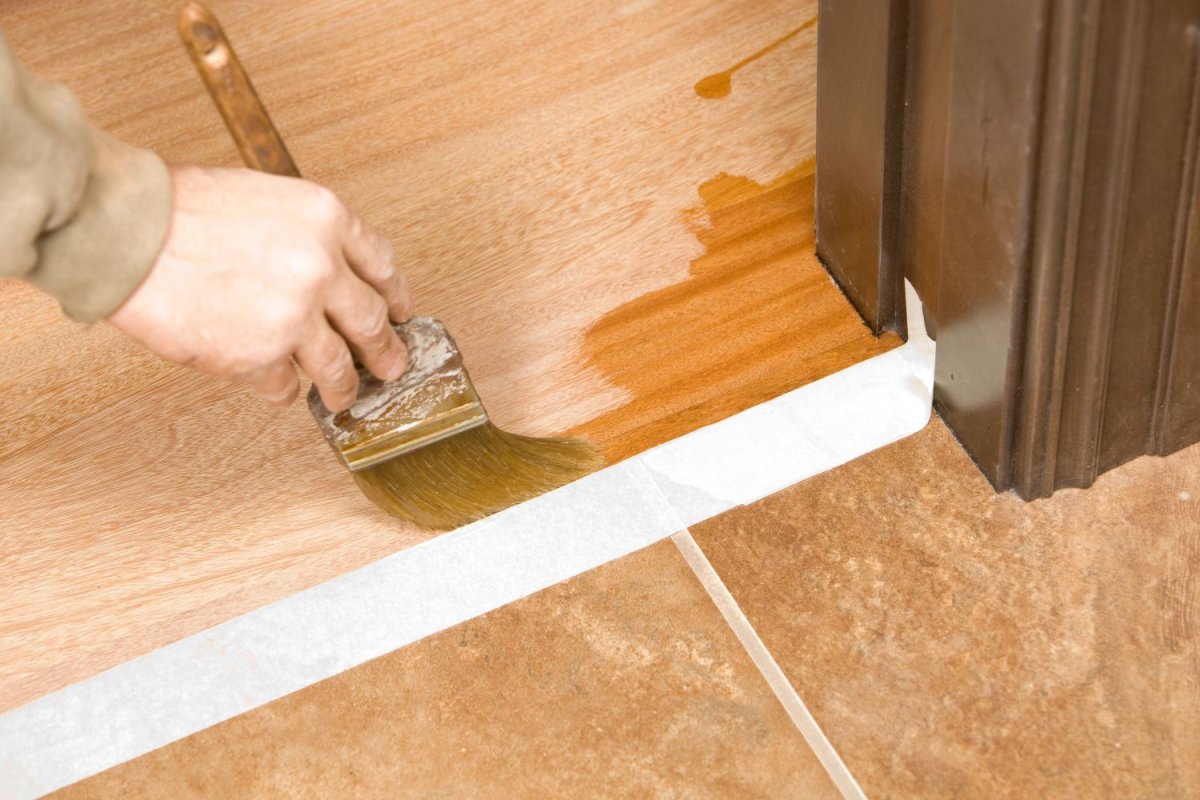
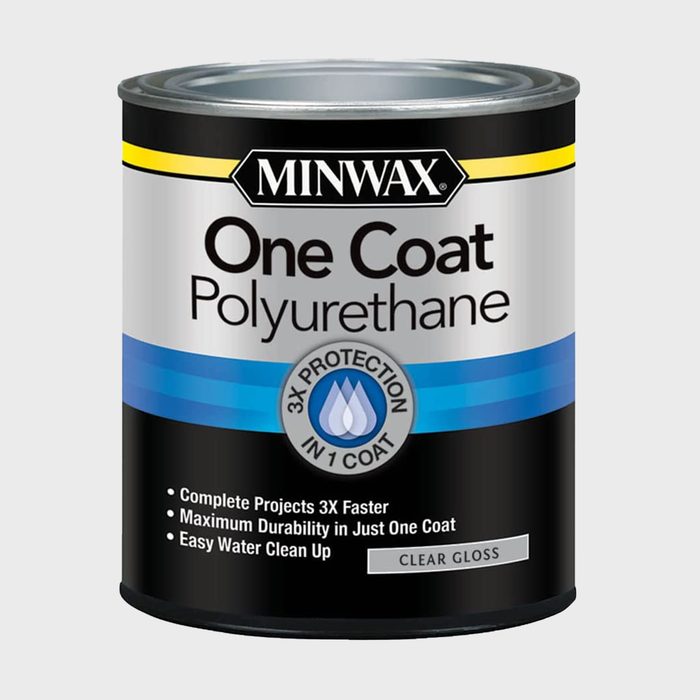
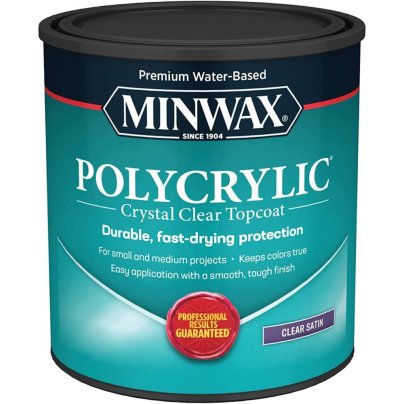
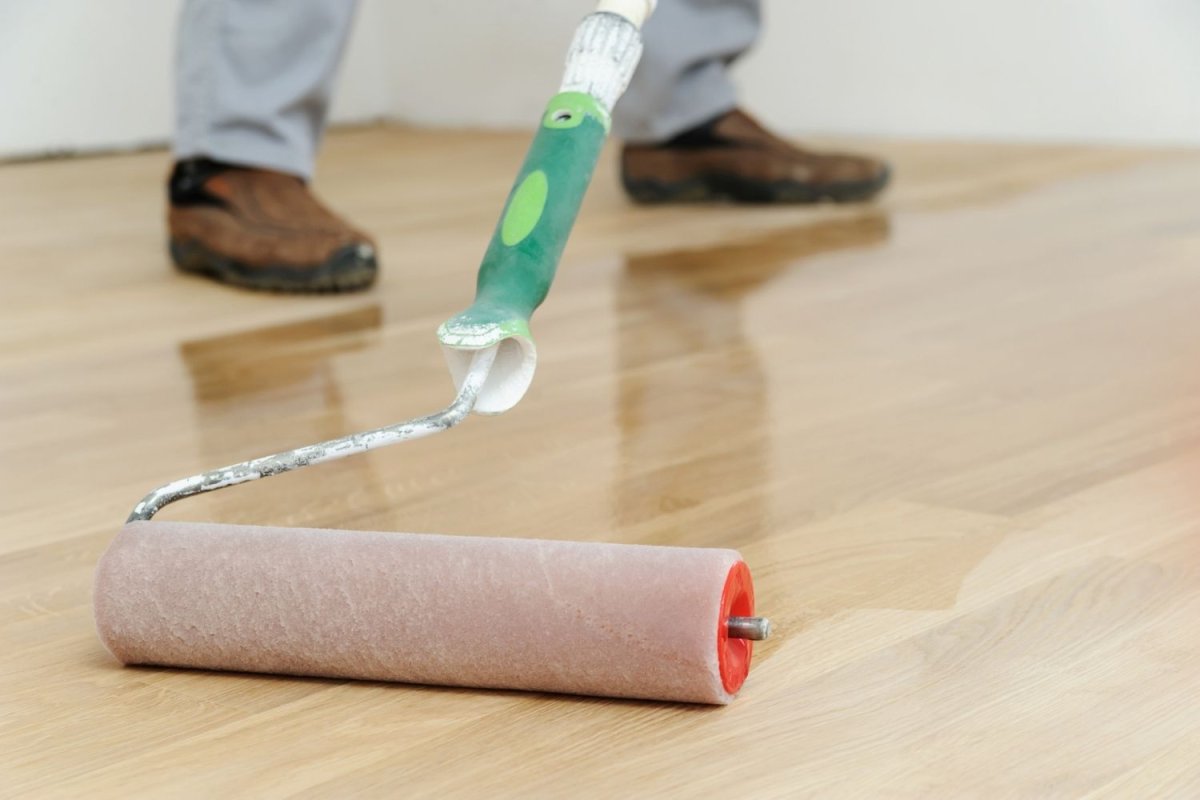
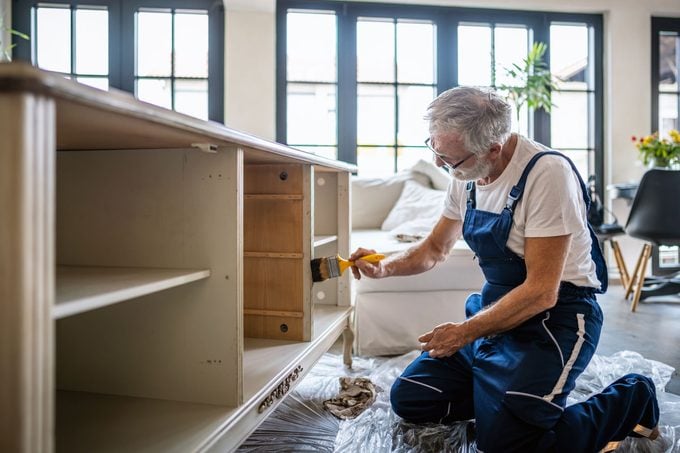
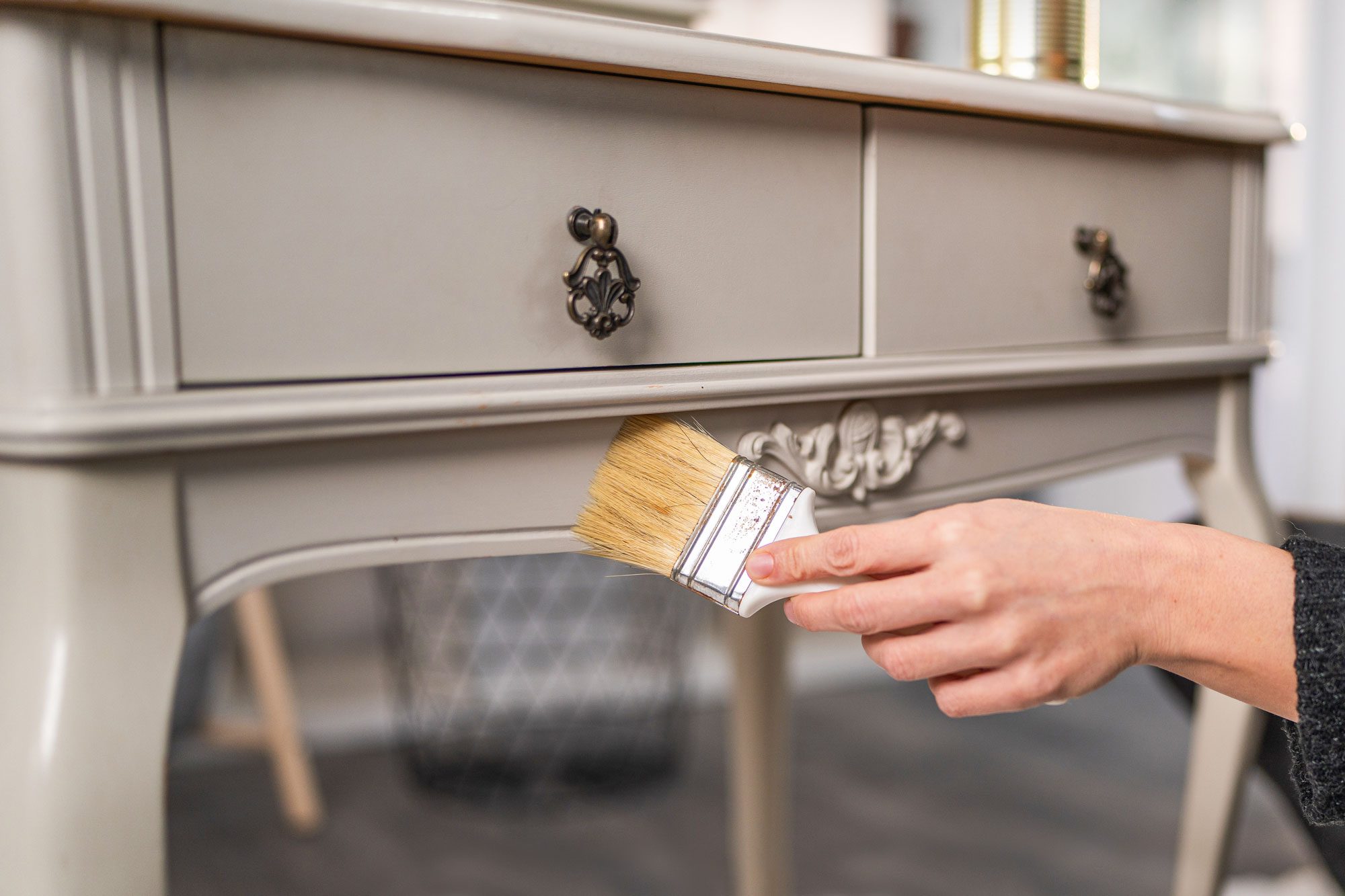
This article explores the application of polyurethane over painted surfaces, a common question for DIY enthusiasts and homeowners seeking to protect their finishes. Polyurethane, a versatile varnish, is primarily used to provide a protective coating for wooden surfaces. It is available in two main types: oil-based and water-based. Oil-based polyurethane is characterized by an amber tint, while water-based polyurethane dries clear. The article confirms that polyurethane can indeed be applied over paint, but emphasizes the importance of proper application techniques for optimal results.
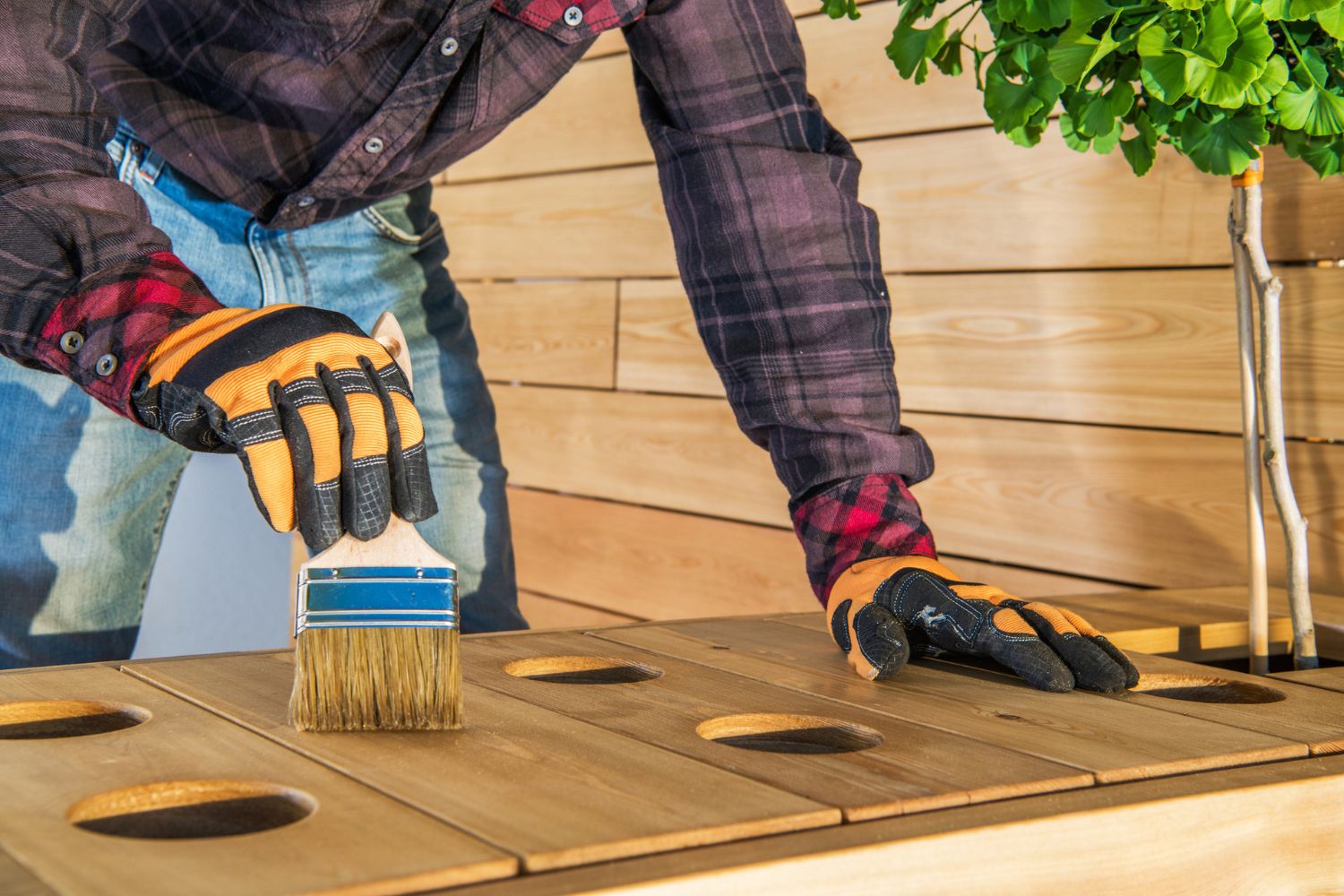
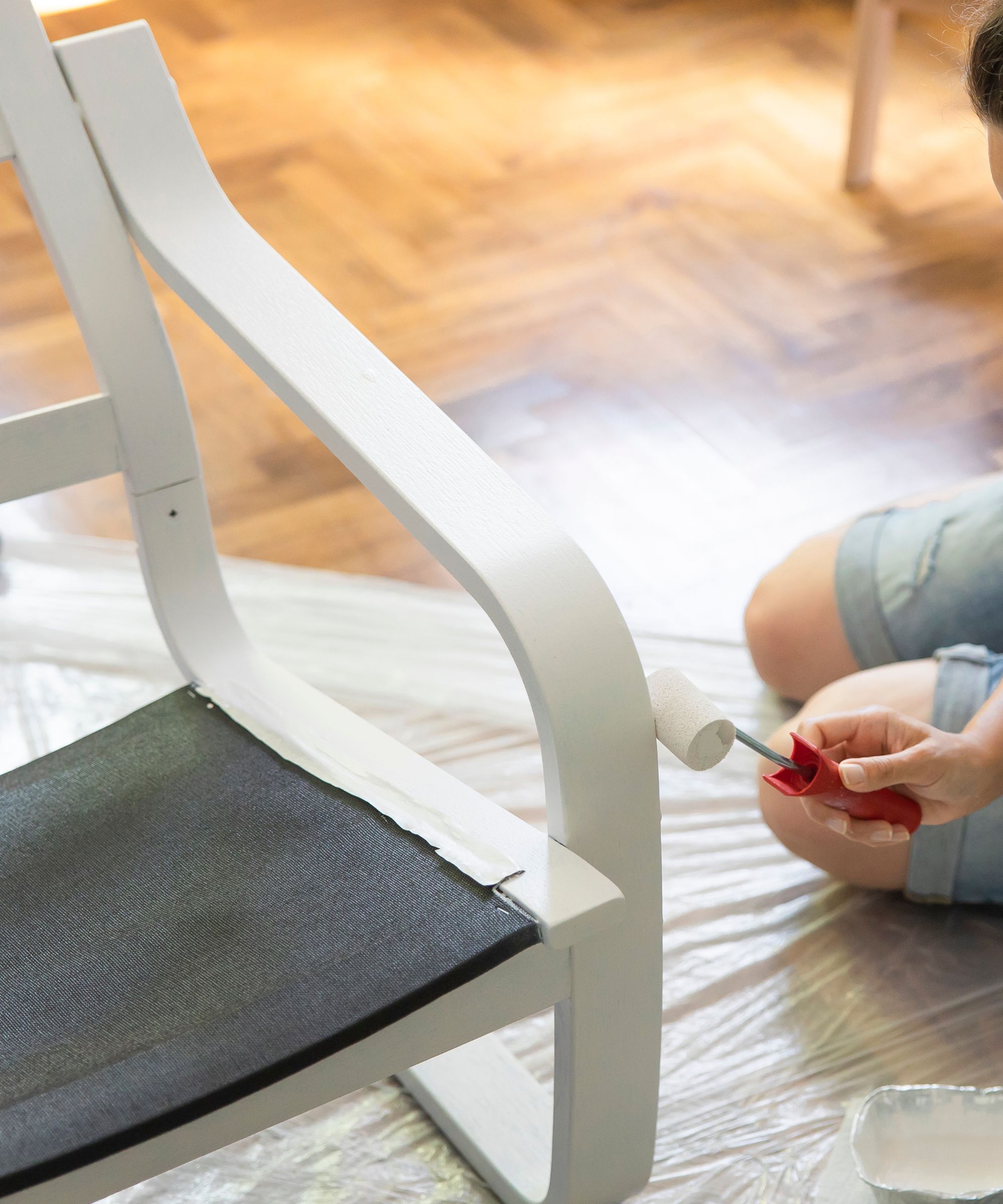
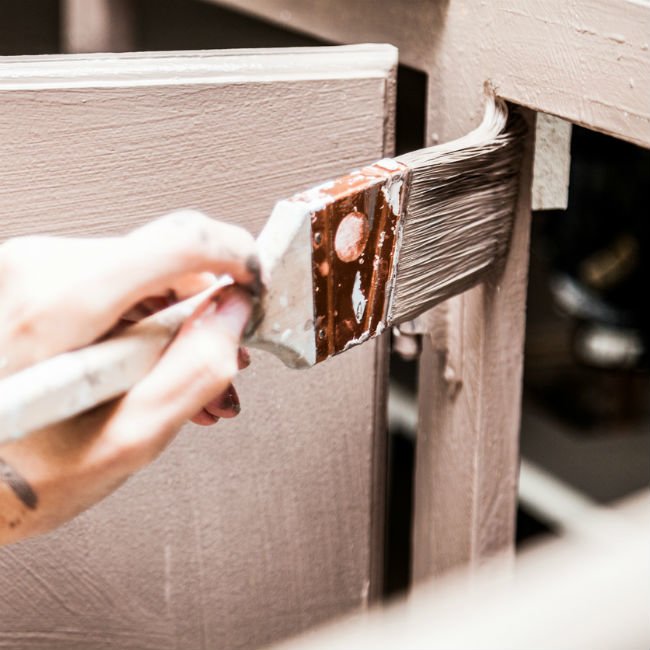
Before applying polyurethane over paint, thorough preparation is crucial. The primary step involves cleaning the surface to ensure it is free of dust and debris. Next, a light sanding of the painted surface with fine-grit sandpaper is recommended to enhance adhesion. After sanding, the surface should be wiped with a damp cloth to remove any remaining dust. Additionally, experts advise ensuring the paint is fully dry and cured before polyurethane application to prevent smudging. It is also important to test the polyurethane on a small, inconspicuous area first and to use the appropriate type (exterior or interior) for the project. Working in a well-ventilated area and wearing a mask are also safety recommendations.
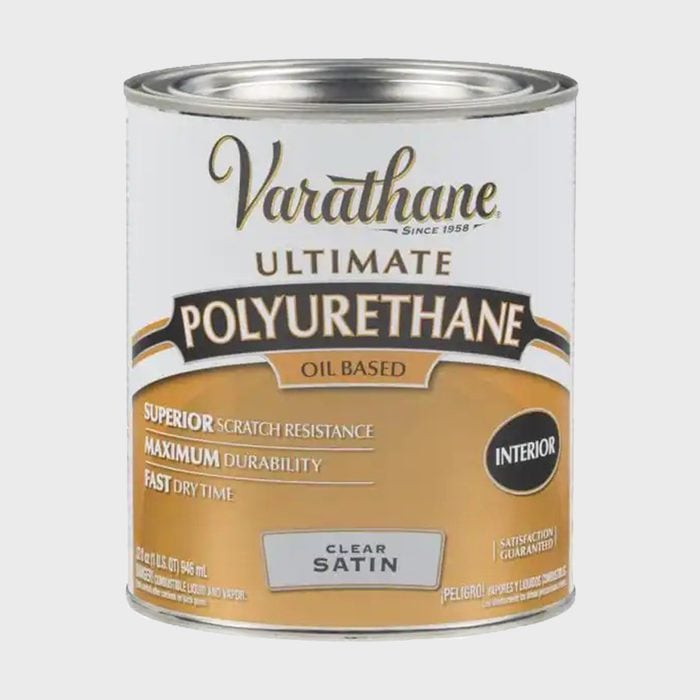
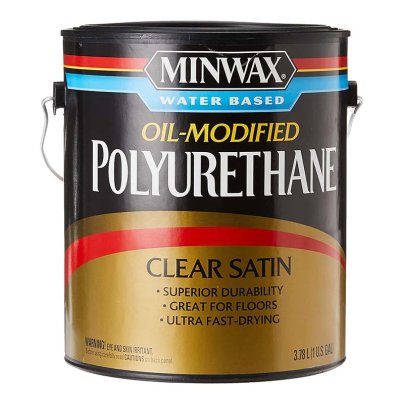
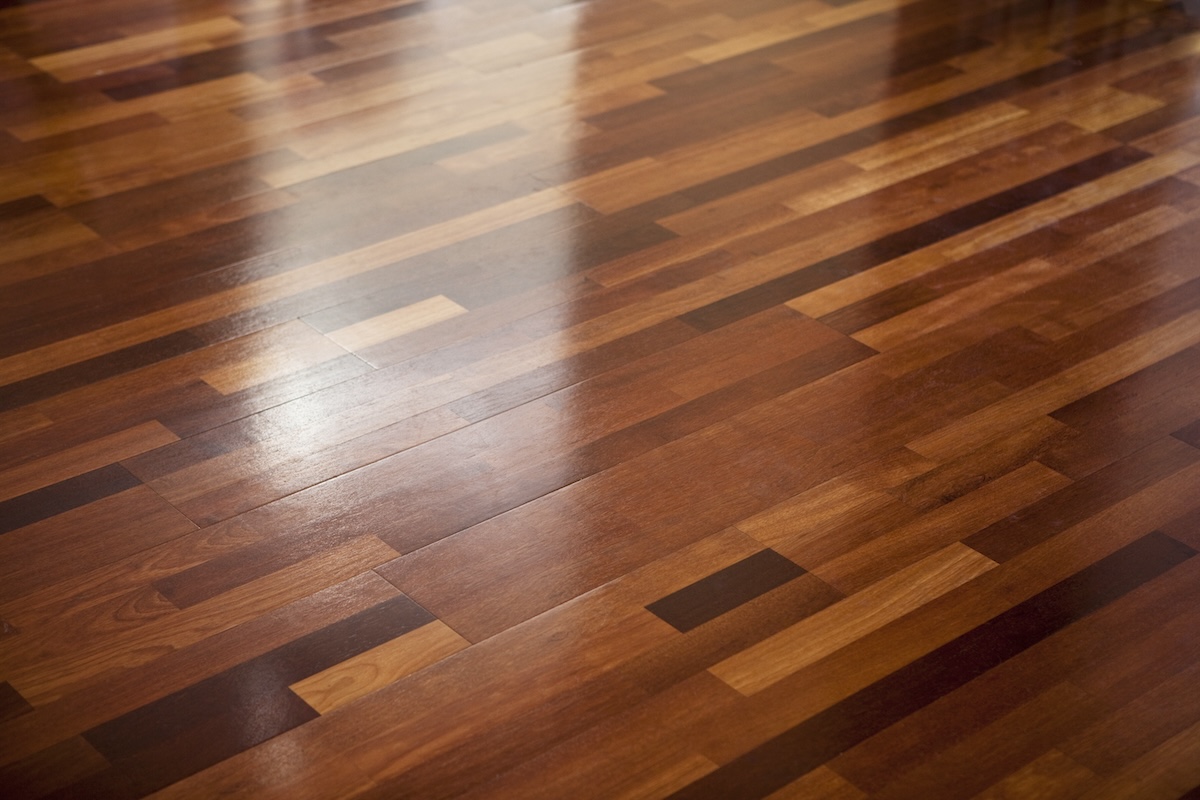
Both oil-based and water-based polyurethanes can be applied over paint, but their differences in durability and color outcome should be considered. Oil-based polyurethane offers superior durability, making it suitable for high-traffic areas like flooring. However, it is not recommended for light-colored paints due to its tendency to yellow over time. Water-based polyurethane, conversely, dries clear and is ideal for preserving the original color of light-colored paints. It is particularly recommended for chalk paint, as chalk paint's porous surface can absorb oil-based polyurethane, negatively impacting the finish. For latex paint, both types can be used, but water-based is preferred for a clear finish, while oil-based may cause a slight yellowing. Similarly, for acrylic paint, water-based polyurethane is recommended to maintain clarity and vibrancy, as oil-based can cause discoloration. In most scenarios, water-based polyurethane is the preferred choice when applying over paint due to its non-yellowing characteristic, especially for colored surfaces.
#PolyurethaneApplication #PaintProtection #DIYHomeImprovement #WaterBasedPolyurethane #OilBasedPolyurethane #SurfacePreparation #WoodFinishing #HomeMaintenance #PaintingTips #PolyurethaneApplication #PaintProtection #DIYHomeImprovement #WaterBasedPolyurethane #OilBasedPolyurethane #SurfacePreparation #WoodFinishing #HomeMaintenance #PaintingTips
0 comment in total
 No comments yet
You may also like
The Best Brushes for Polyurethane Applications

The 8 Best Paint Primers for Indoor, Outdoor, and General Use
Guide to Hardwood Floor Finishes
Can You Paint Over Wallpaper Without Removing It? Experts Weigh In
8 Best Polyurethane Finishes for Wood For Your Project
Everything you need to know about painting over new plaster - including how long to wait before painting
Solved! The Rules for Painting Over Oil-Based Paint
When Should You Use Oil-Based vs. Water-Based Paint?

Can you paint over wallpaper? Experts explain how to make this time-saving hack work
Your Guide To Painted Wood Waterproofing
Sanding over tung oil and applying epoxy or polycrilic or both


Spray Polyurethane Foam Frequently Asked Questions FAQ by Homeowners
How to apply polyurethane – with painting pointers from professionals


How to prolong the life of your paint job, according to painters and decorators
Don’t Ever Use Semi-Gloss Paint— Here’s Why
What To Know About Textured Paint
Undercoat & Primer Paints

The Best Water-Based Polyurethanes to Protect Floors Throughout Your Home
Polycrylic vs. Polyurethane: Which Is Better for Your Wood Project?

Can You Paint Countertops? What to Know Before Trying This DIY Update