1/3
Don’t Ever Use Semi-Gloss Paint— Here’s Why
Semi-gloss paint, often lauded for its reflective, washable, and durable qualities, may not be the ideal choice for home projects. Despite its theoretical benefits, in practical application, semi-gloss paint tends to be unforgiving, accentuating every minor surface imperfection. This characteristic makes it notoriously challenging to apply evenly, demanding considerable effort to achieve a smooth finish. After extensive experience with interior and exterior painting for both personal properties and clients, semi-gloss paint has consistently proven to be a less-than-optimal choice.
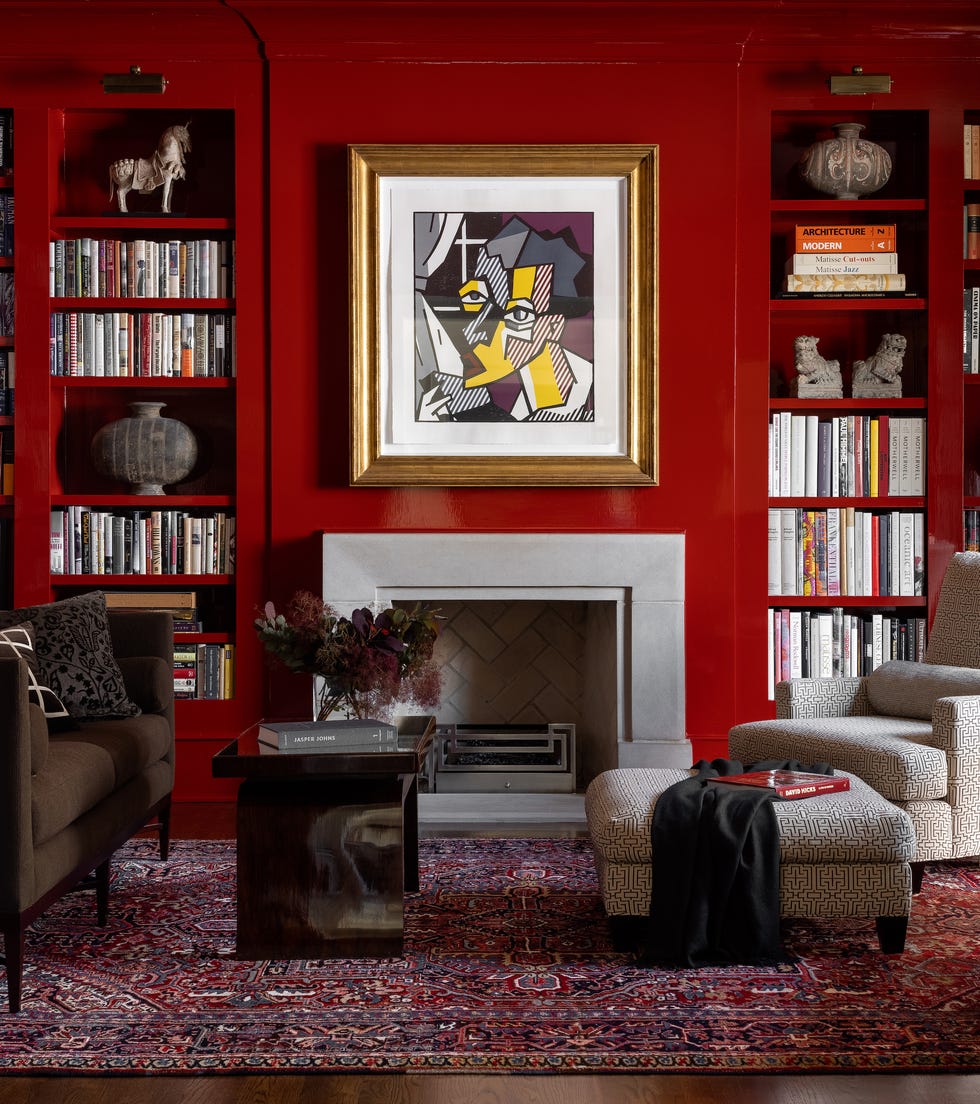
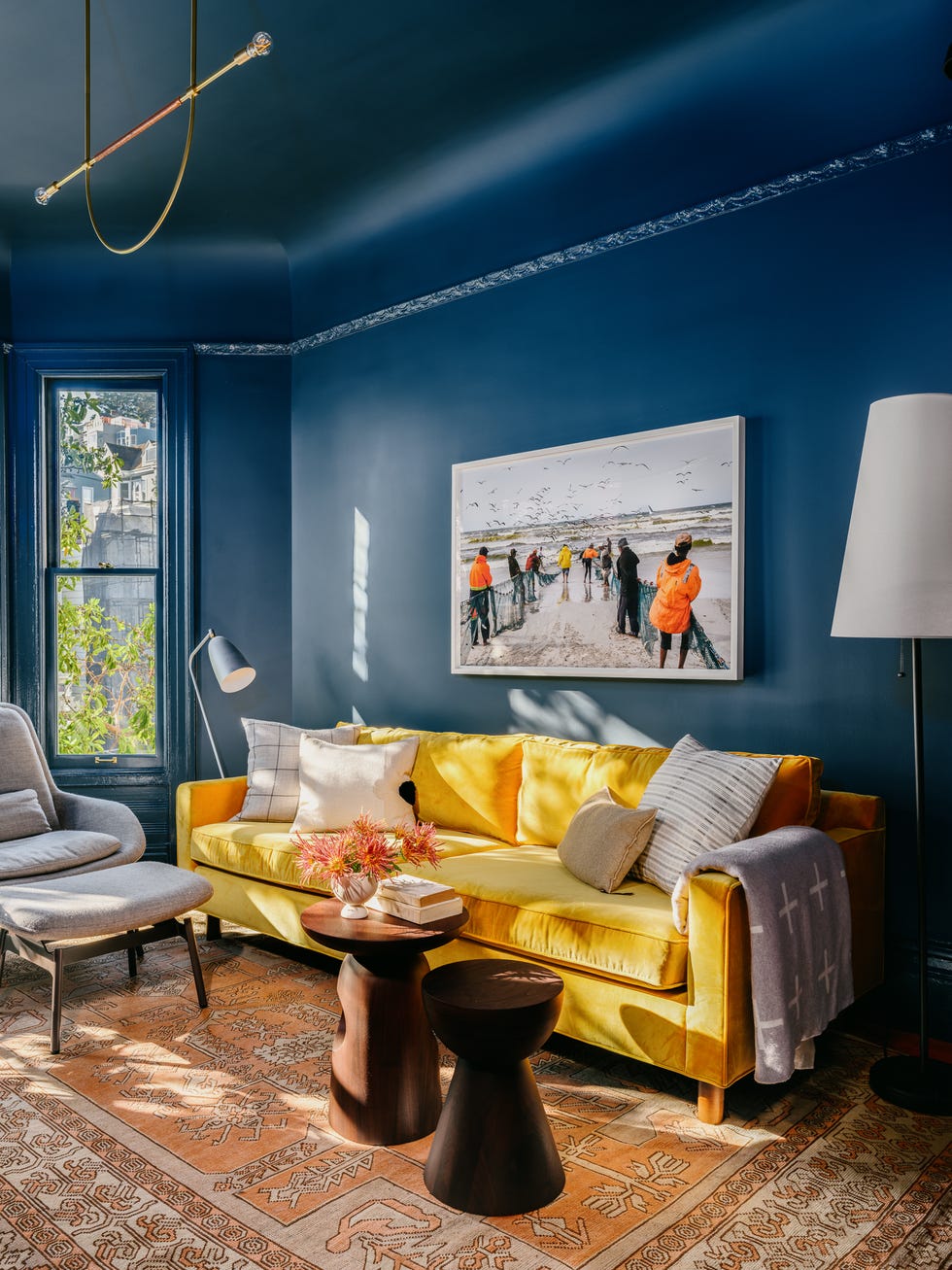
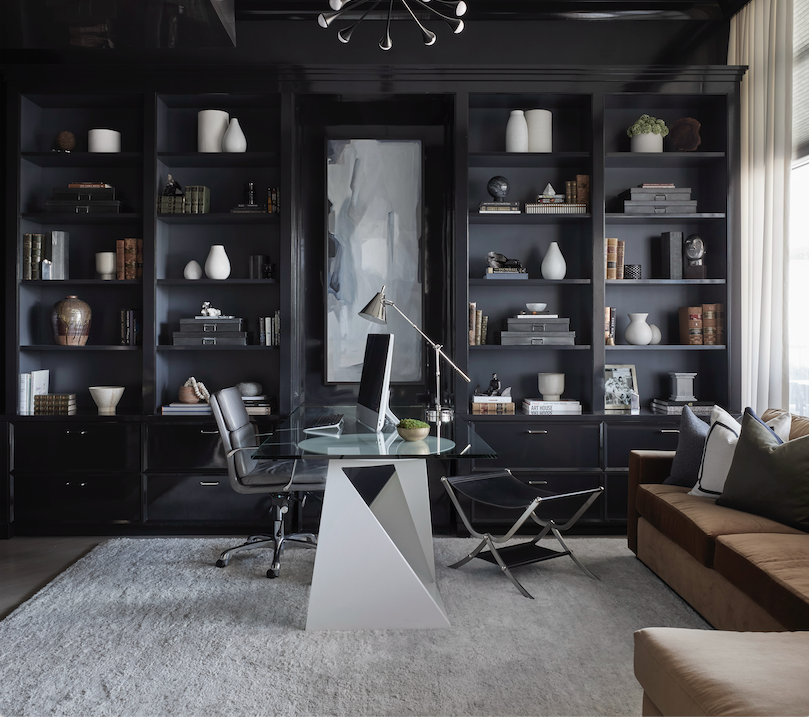
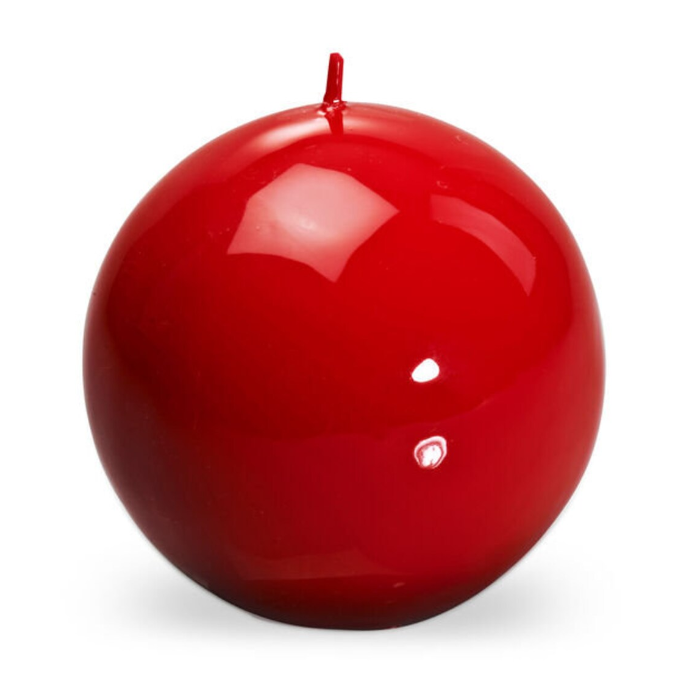
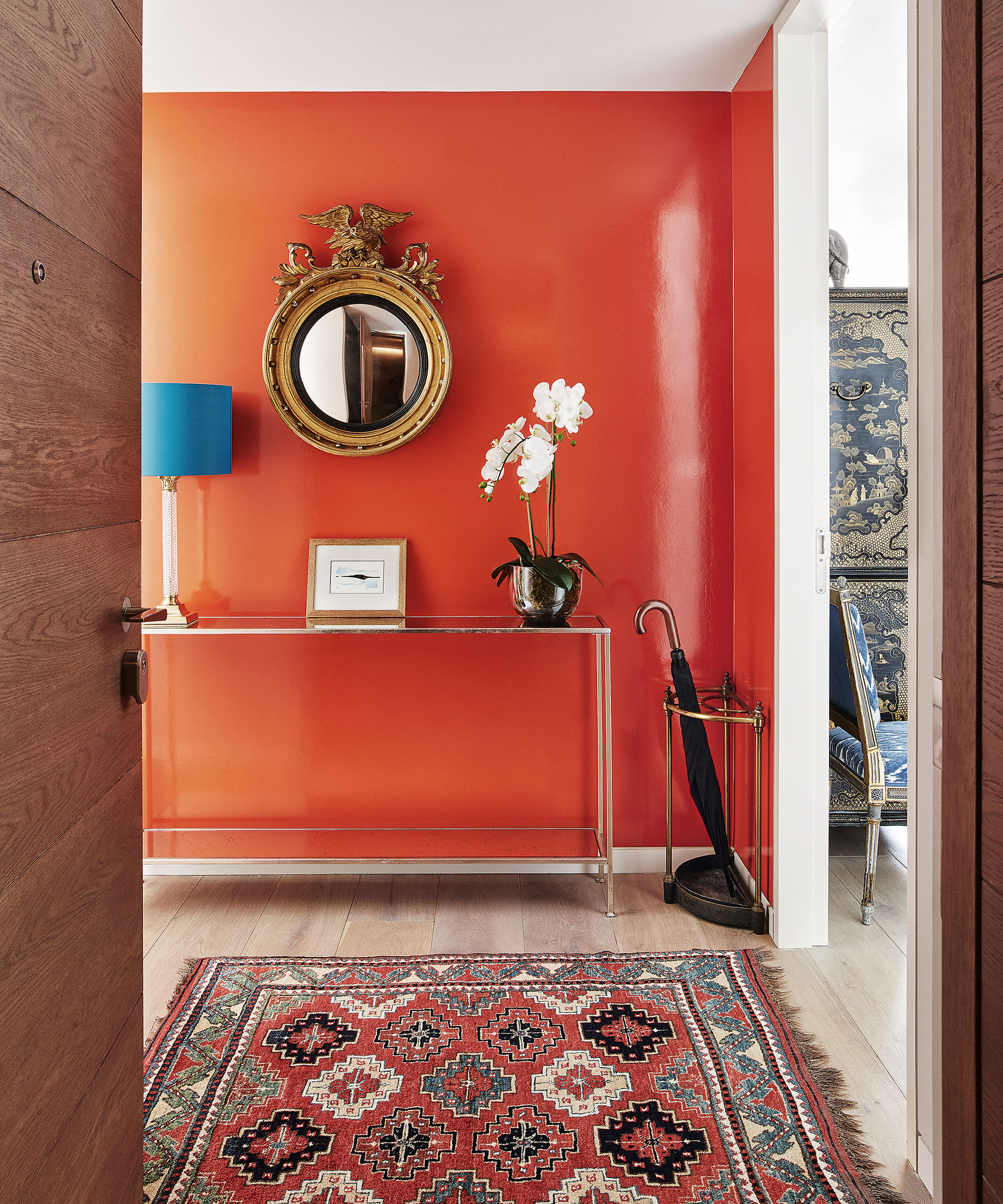
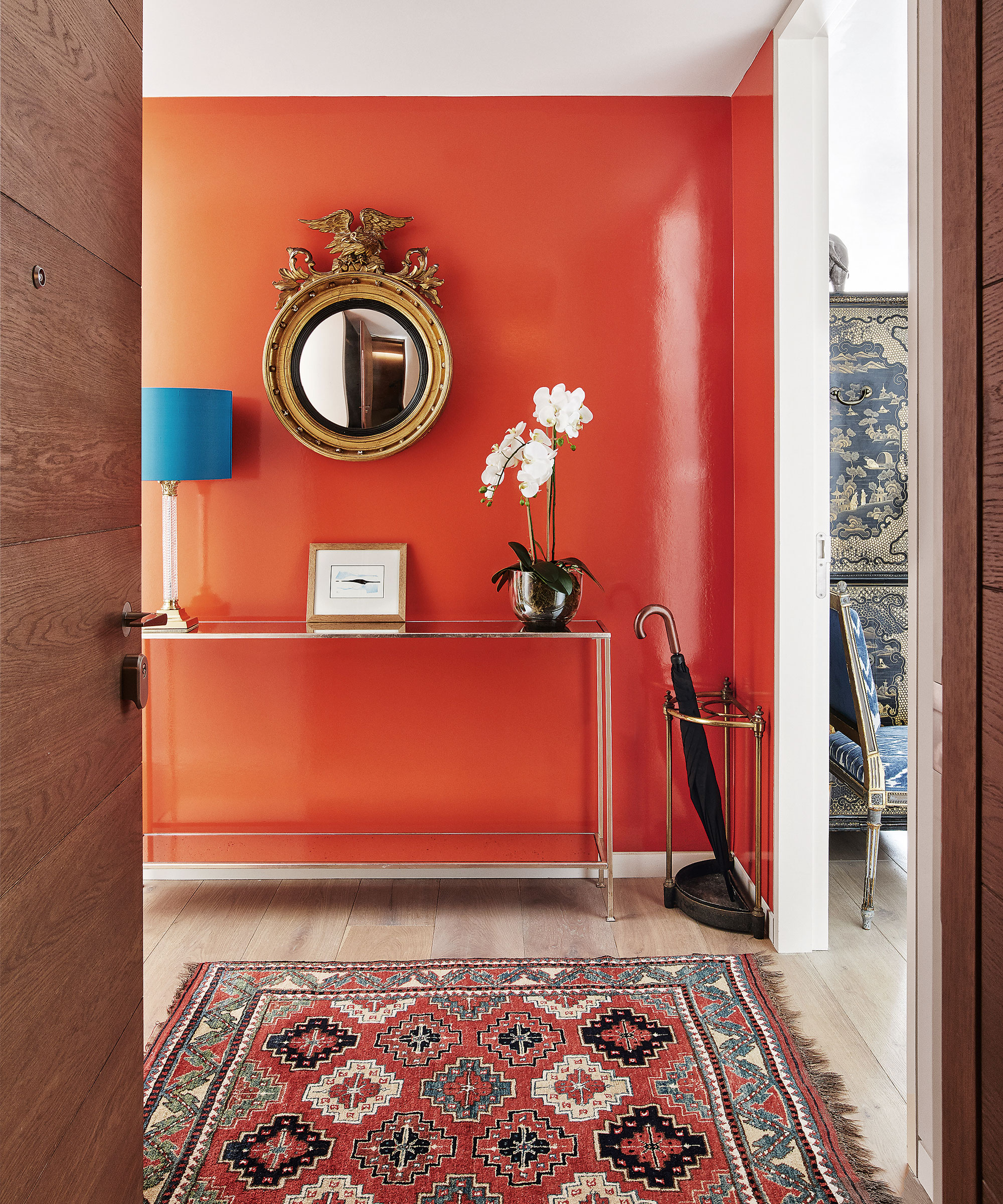
Semi-gloss paint occupies a position between satin and gloss on the sheen scale, offering a smooth, reflective appearance. It is typically utilized on elements such as trim, cabinets, and furniture, and occasionally on walls in high-traffic or high-humidity environments. Its enduring reputation for durability, moisture resistance, and ease of cleaning is technically accurate, as confirmed by experts like Shayne Pancione of Pancione Painting Plus. The paint dries to a hard, smooth surface, which facilitates easy cleaning and withstands frequent scrubbing. Furthermore, it provides a visual contrast when paired with matte or eggshell walls, and some individuals simply prefer its inherent shine.
However, the perceived advantages of semi-gloss paint are often overshadowed by its significant drawbacks. The most prominent issue is its tendency to highlight every imperfection on the painted surface. Any dents, bumps, or uneven areas become more noticeable due to the paint's reflective quality, which amplifies flaws and shadows. This necessitates an exceptionally thorough preparation process, where every surface defect must be meticulously filled, sanded, and smoothed, as even the slightest oversight will be visible. Moreover, semi-gloss paint does not lend itself well to touch-ups; achieving a seamless repair typically requires repainting the entire surface. Financially, semi-gloss paint is also more expensive than lower sheen alternatives, a cost attributed to the additional binders and additives required to achieve its shiny, durable finish. Beyond aesthetic and financial considerations, rooms painted with semi-gloss can experience increased sound reflection and may convey a cold or clinical atmosphere, reminiscent of institutional settings.
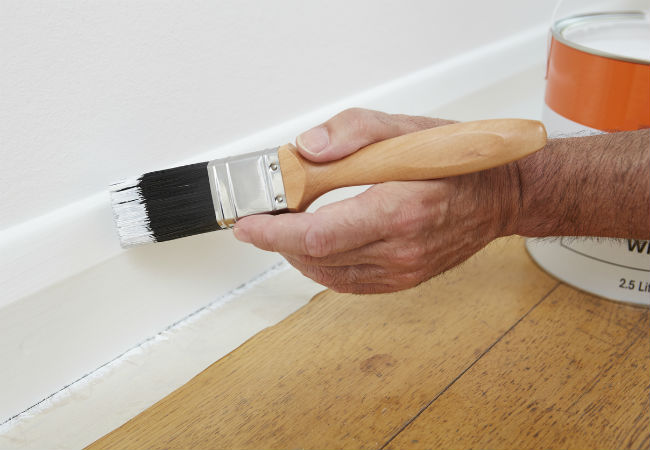
The application process itself presents a considerable challenge, often leading to what can be described as an “application nightmare.” Even after exhaustive preparation, applying semi-gloss paint demands precise technique. It is prone to showcasing brush strokes or roller marks if not applied with utmost care, requiring consistent and even strokes to prevent visible lines. The paint must be applied in smooth, uniform layers, as any thicker spots or overlaps can result in a wavy and uneven finish. Additionally, semi-gloss paint has a higher propensity for drips and sags, necessitating continuous vigilance during application. Its quick drying time further complicates blending, making it difficult to achieve a flawless result. In essence, mastering the application of semi-gloss paint to achieve a desirable outcome requires substantial time, skill, and meticulous attention to detail.
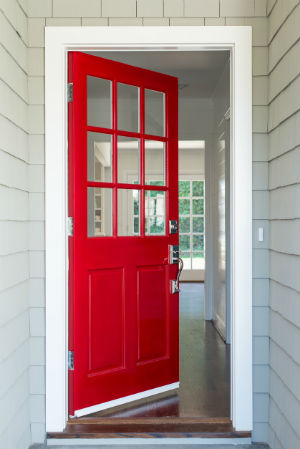
For those seeking alternatives, several designer-approved options offer easier application, lower cost, and greater forgiveness for surface imperfections. Satin finish paint, while less shiny than semi-gloss, retains its scrubbable quality and is suitable for trim, cabinets, and high-humidity walls. Eggshell finish paint provides an even lower sheen than satin, presenting a pebbled texture with a subtle glow. It is washable and excels at concealing imperfections, making it a popular choice for walls and, at times, for trim and cabinets. While semi-gloss paint generally proves problematic for interior use, it can be a reasonable choice for exterior trim. Imperfections on exterior trim are less conspicuous due to viewing distance, and the paint's durability and moisture resistance offer better protection against environmental elements. Despite its higher durability due to added binders, semi-gloss paint's poor touch-up capability often necessitates full repaints, rendering its long-term maintenance comparable to lower-sheen options.
#PaintFinishes #HomeImprovement #InteriorDesign #DIYProjects #PaintApplication #SurfacePreparation #HomeDecor #PaintingTips #PaintFinishes #HomeImprovement #InteriorDesign #DIYProjects #PaintApplication #SurfacePreparation #HomeDecor #PaintingTips
0 comment in total
 No comments yet
You may also like
The Color Drenching Paint Trend Isn't Going Anywhere

5 colors to avoid painting a landing – and the secret to choosing the right shades

Move Over Matte — Our Style Editor Breaks Down the Lacquer Trend Glossing Every Inch of Our Homes

It's Okay to Skip the Primer When You Paint

Joanna Gaines Says She Never Uses These Four Paint Colors—Here's Why
This Game-Changing New Paint Finish Should Only Be Used If You Want to Drench Your Space in Color (and You Absolutely Should)

Chalk Paint Requires No Priming or Sanding—Here's How to Use It

What are the worst colors to paint a room? The shades experts say you should never use
5 reasons why you should never paint a ceiling white, reveals a leading paint and color expert
Gloss paint – a guide to how and where to use it
3 Problems With Matte Paint That People Never Talk About — Because Super Flatt Finishes Are Popular, Not Perfect
Solved! The Best Paint for Trim
Don't Make this Common DIY Painting Mistake
7 times you should never paint a room white
The colors you should never paint your hallway – and what really works
Words Of Caution From A Pro If You're Considering Faux Paint Finishes
You should never paint your hallway this colour, according to colour psychologists
These Master Tips Will Help You Avoid Choosing The Wrong Type Of Paint

5 Paint Colors That Experts Say You Shouldn't Use in 2025

An interior expert reveals the one thing you should never do when painting your walls