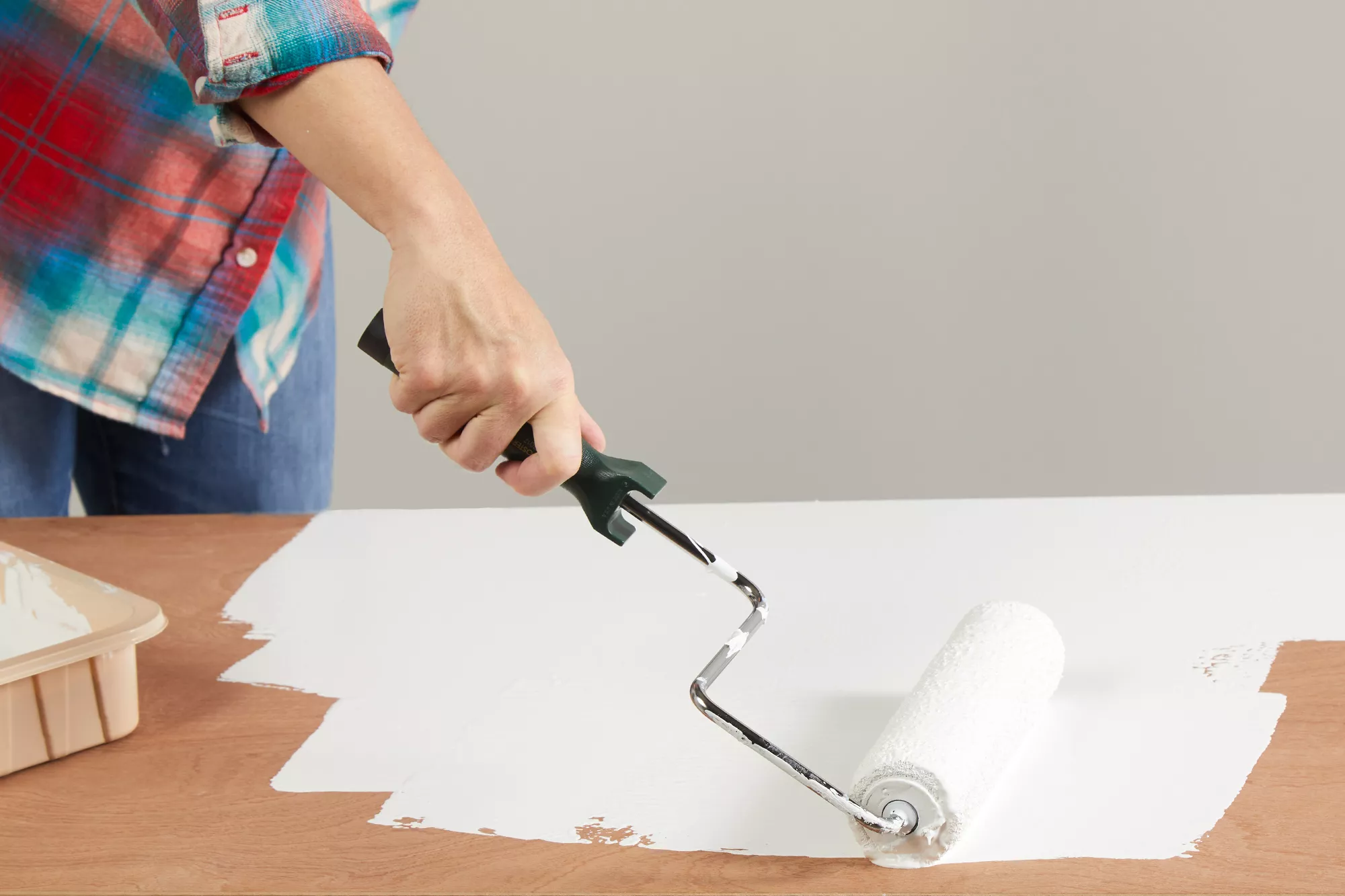
Can You Paint Countertops? What to Know Before Trying This DIY Update
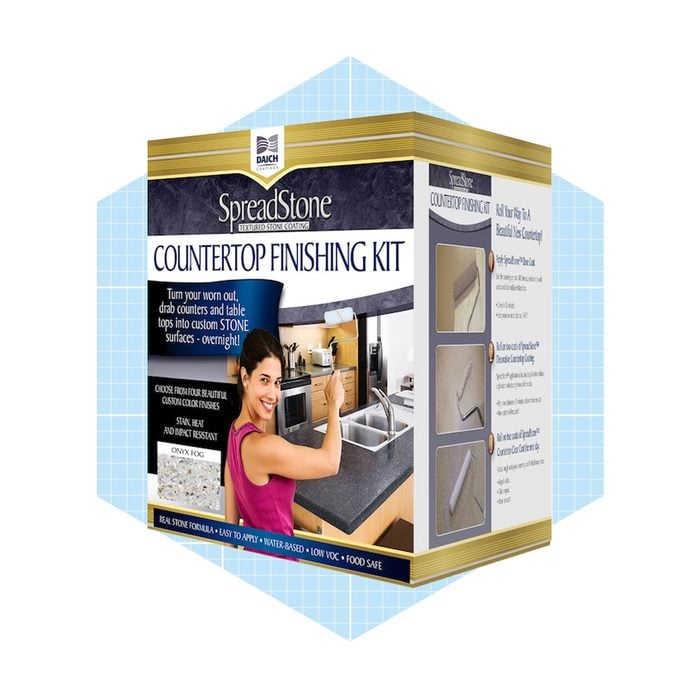
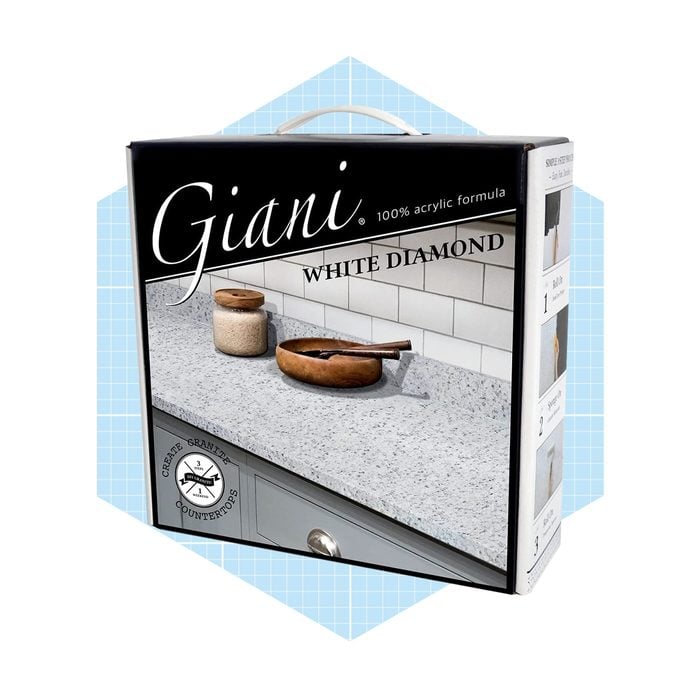
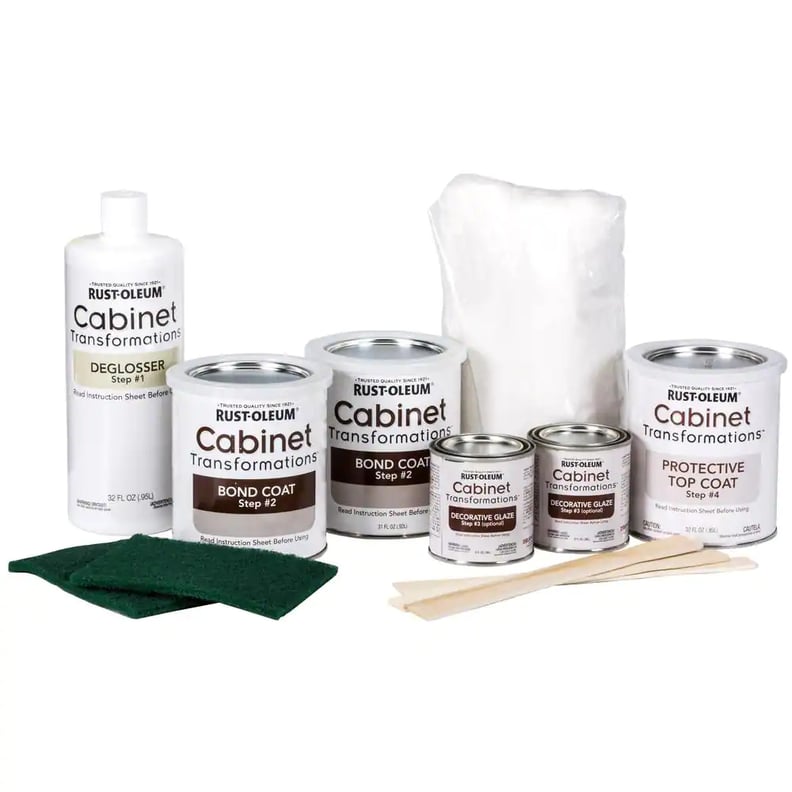
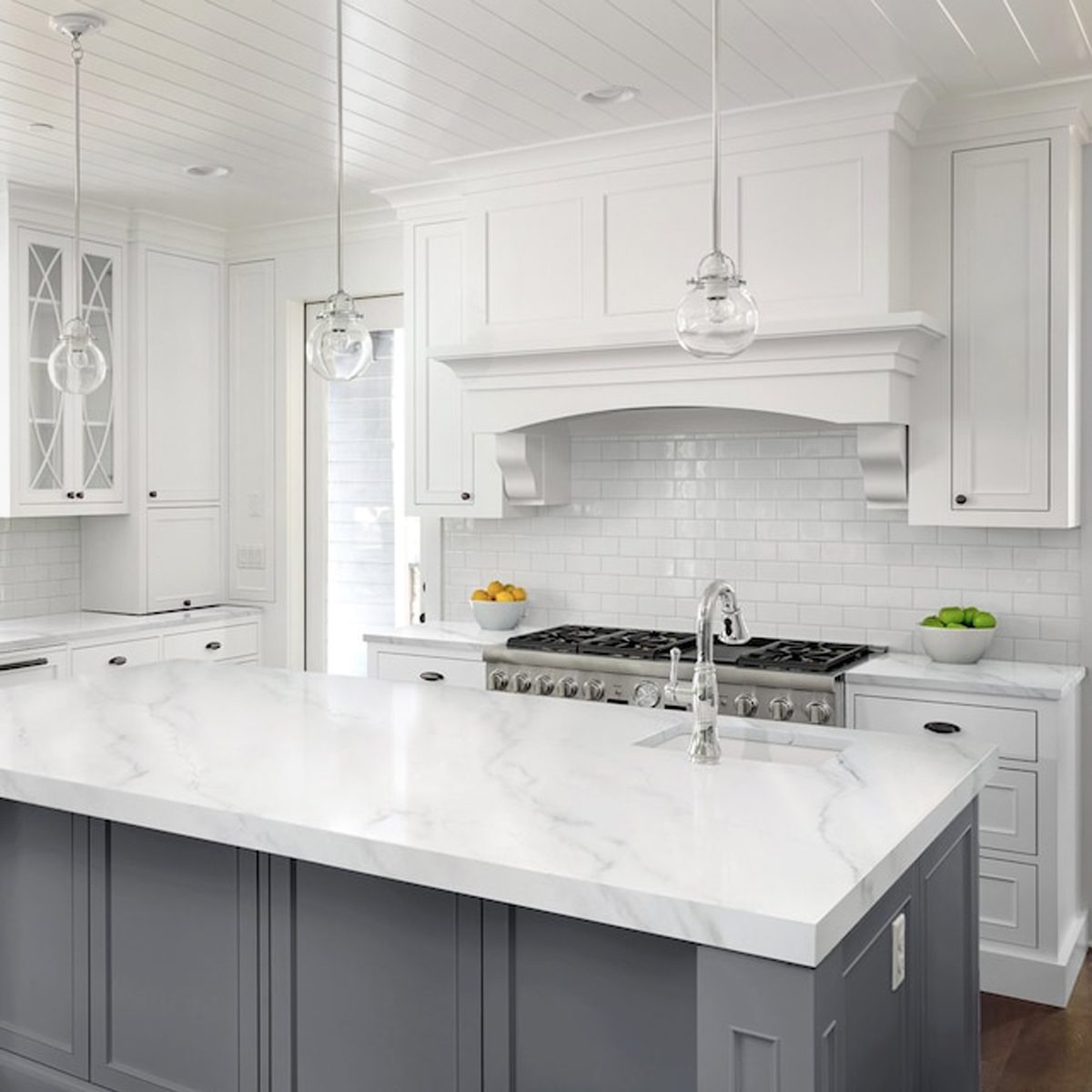
Painting countertops offers an affordable and customizable solution for updating dated kitchen or bathroom surfaces, serving as a cost-effective alternative to expensive replacements like marble or granite. While it is a viable option for a home improvement project, certain considerations are essential before commencing the work. The primary advantage of painting countertops is its budget-friendly nature and the creative freedom it offers, allowing homeowners to personalize their space without a significant financial outlay. Many countertop paint kits are available, specifically designed for various surfaces such as laminate or tile, and some even mimic the appearance of natural stone like marble.
However, there are several factors that may make painting countertops less ideal. Not all materials are suitable for painting, with some stone surfaces being particularly challenging. The project can also be time-consuming, requiring the temporary cessation of use for the kitchen or bathroom until the paint and top coat are completely dry. For those without extensive DIY experience, hiring a professional might be necessary, which could increase the overall cost. It is crucial to weigh the cost of professional painting against the cost of new countertops if DIY is not a confident option.
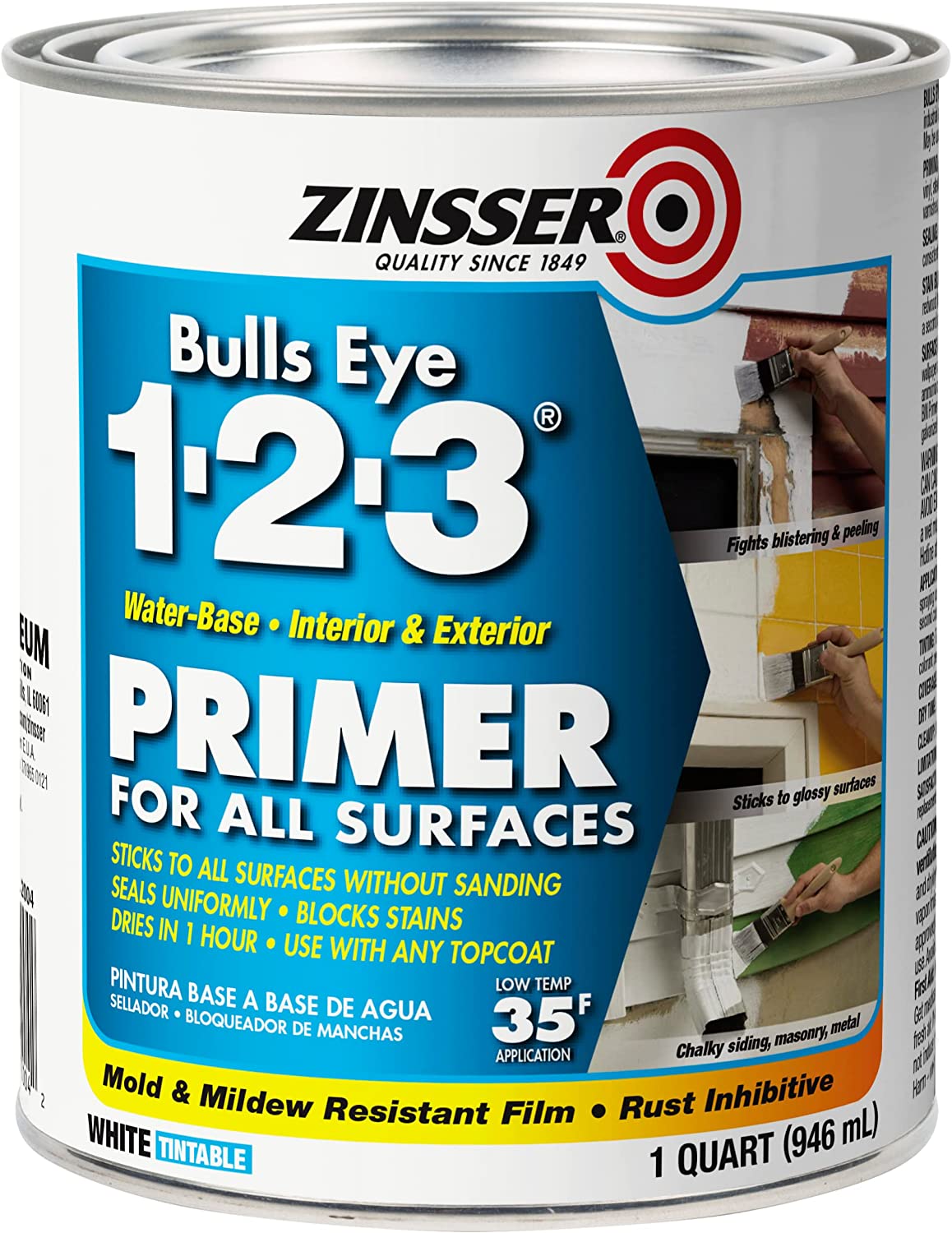
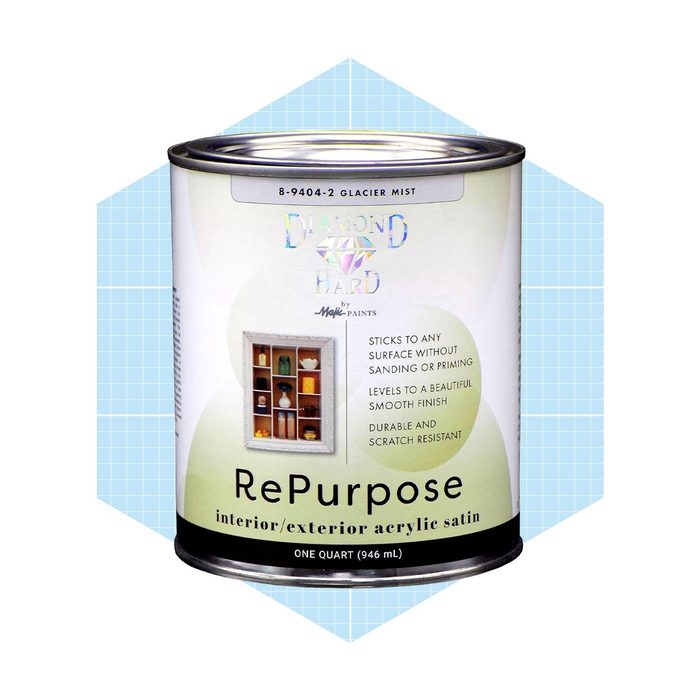
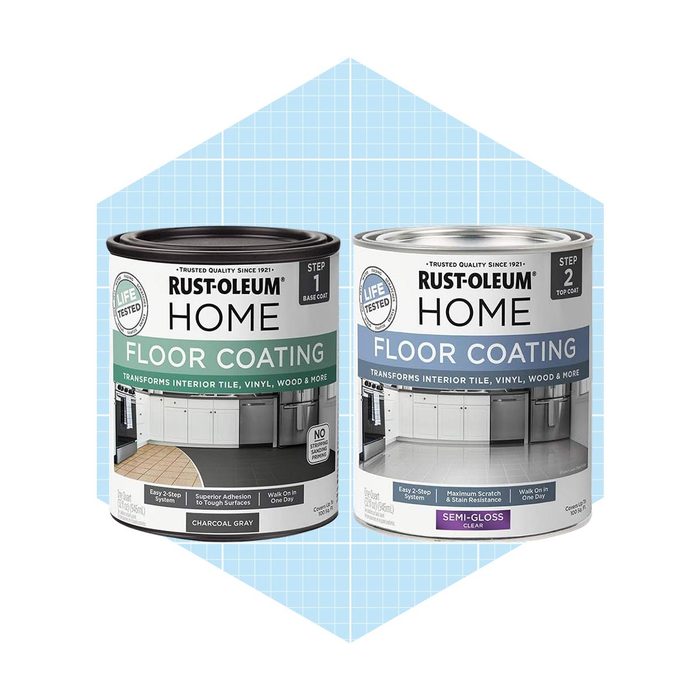
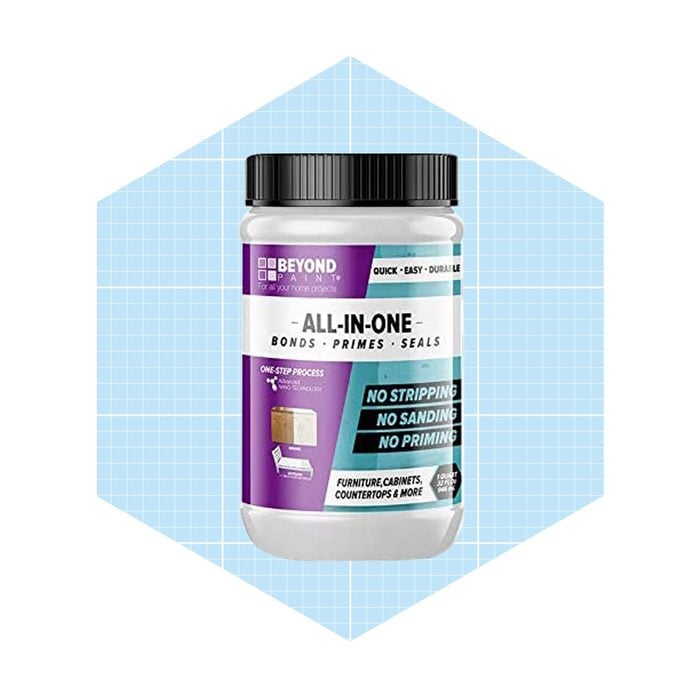
Before undertaking the project, homeowners should carefully assess whether painting is truly the best solution for their aesthetic concerns. Sometimes, simpler changes like updating lighting or repainting cabinets and walls can refresh a space without altering the countertops. If a homeowner decides to proceed, selecting the appropriate paint is critical. Water-based acrylic paints are suitable for laminate, while epoxy coatings work well for granite and tile after proper surface preparation. Essential protective gear, such as eyewear and a mask, should also be acquired.
Surface preparation is a crucial step for ensuring paint adhesion and a smooth finish. This involves thorough cleaning and degreasing, especially for areas prone to grime and oil build-up. For laminate surfaces, repairing any damage and sanding are recommended. Granite requires etching before paint application. After cleaning, the surface must be completely dry before primer is applied. A uniform layer of primer, followed by two generous coats of paint, should be applied with adequate drying time between coats. Thicker paints like epoxy need careful application to avoid lumps or bubbles. Finally, a top coat or glossy resin is necessary to protect the painted surface, with a total curing time of approximately 14 days for most countertop paint jobs.
Homeowners can also use paint to replicate the look of natural stone. For granite-like effects, a sea sponge can be used to dab on lighter colors over a base coat, creating randomized patterns. To mimic quartz, specialized kits or a combination of acrylic paints, metallic flakes, and craft glitter can be used, with accent colors applied using sponges or brushes, followed by sanding and a top coat. Marble veining can be achieved by hand-painting loose strokes with gray paint, distressing them with water, and then sealing the surface with resin or epoxy. For cleaning painted countertops, mild dish soap and water are generally recommended, while harsh cleaners should be avoided.
#CountertopPainting #DIYHomeImprovement #KitchenRenovation #BathroomRenovation #HomeDecor #SurfacePreparation #PaintSelection #FauxStoneFinish #CountertopPainting #DIYHomeImprovement #KitchenRenovation #BathroomRenovation #HomeDecor #SurfacePreparation #PaintSelection #FauxStoneFinish
0 comment in total
 No comments yet
You may also like
Can you paint bathroom countertops? Professional painters share the vital tips you need to get it right
An Interior Designer’s Tips For Painting Kitchen Cabinets
Understanding paint finishes

Can You Paint Over Wallpaper Without Removing It? Experts Weigh In

Stop! Step Away From the Paintbrush — Here's 4 Things Interior Designers Would Never, Ever Paint Around the Home


How to paint kitchen cabinets: an expert, step-by-step guide
Paint tips from a pro!

Transform Your Kitchen With These 7 High-Quality Cabinet Paints
The Best Cabinet Paint of 2026


We Asked a Pro Painter For His Secret to a Seamless Paint Job Every Time—And We’re Obsessed

7 Best Countertop Paint and Refinishing Kits

12 top interior painting tips from experts – for a flawless, fabulous finish

5 Painting Mistakes That Are Actually Ruining Your Projects, According to Reno Pros

10 baseboard painting mistakes to avoid – and what experts say to do instead

Can you paint over wallpaper? Experts explain how to make this time-saving hack work
‘Best method’ to paint your kitchen cabinets in ‘3 easy steps’ for an ‘unbeatable finish’
How to Paint Kitchen Cabinets, From Unfinished Wood to Tricky IKEA Laminate

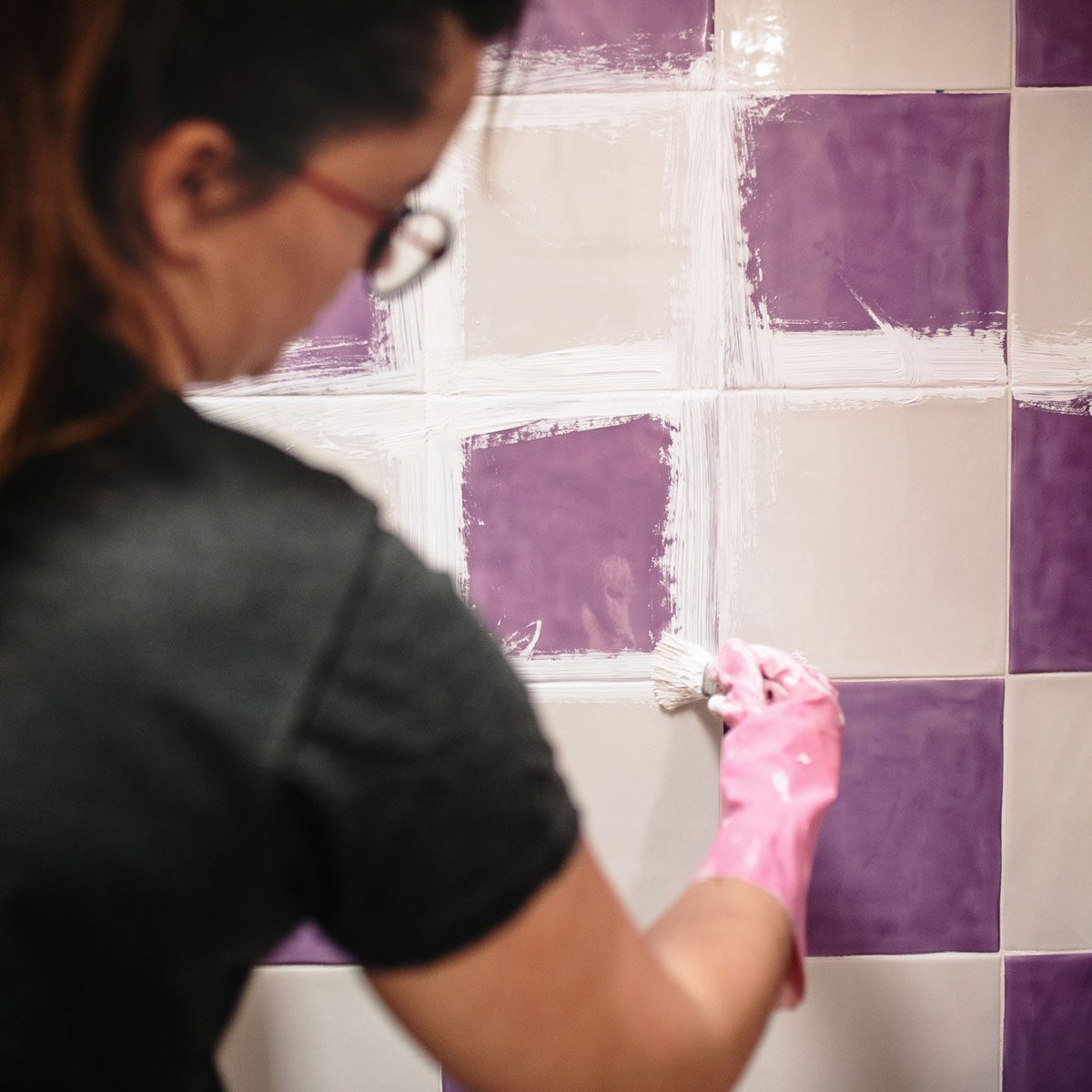
The 10 Best Paints for Tile, According to Experts
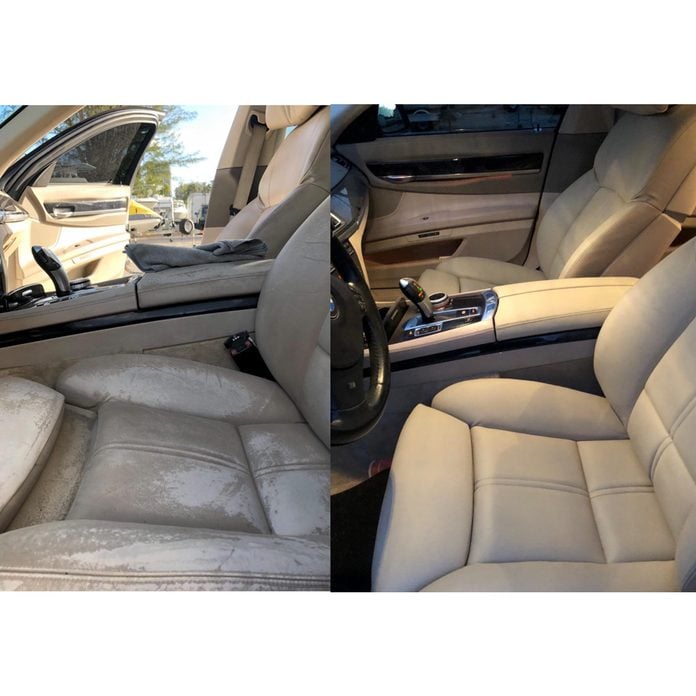
Before and After Spray Paint Photos That Will Blow You Away
Update Your Home with These 12 Paints for Cabinets