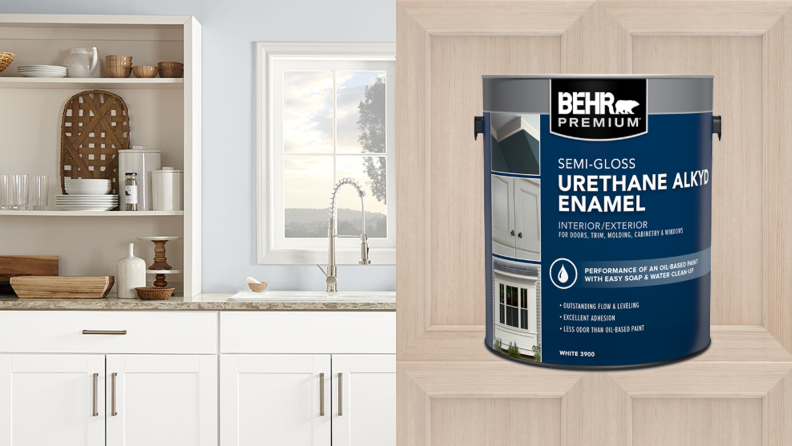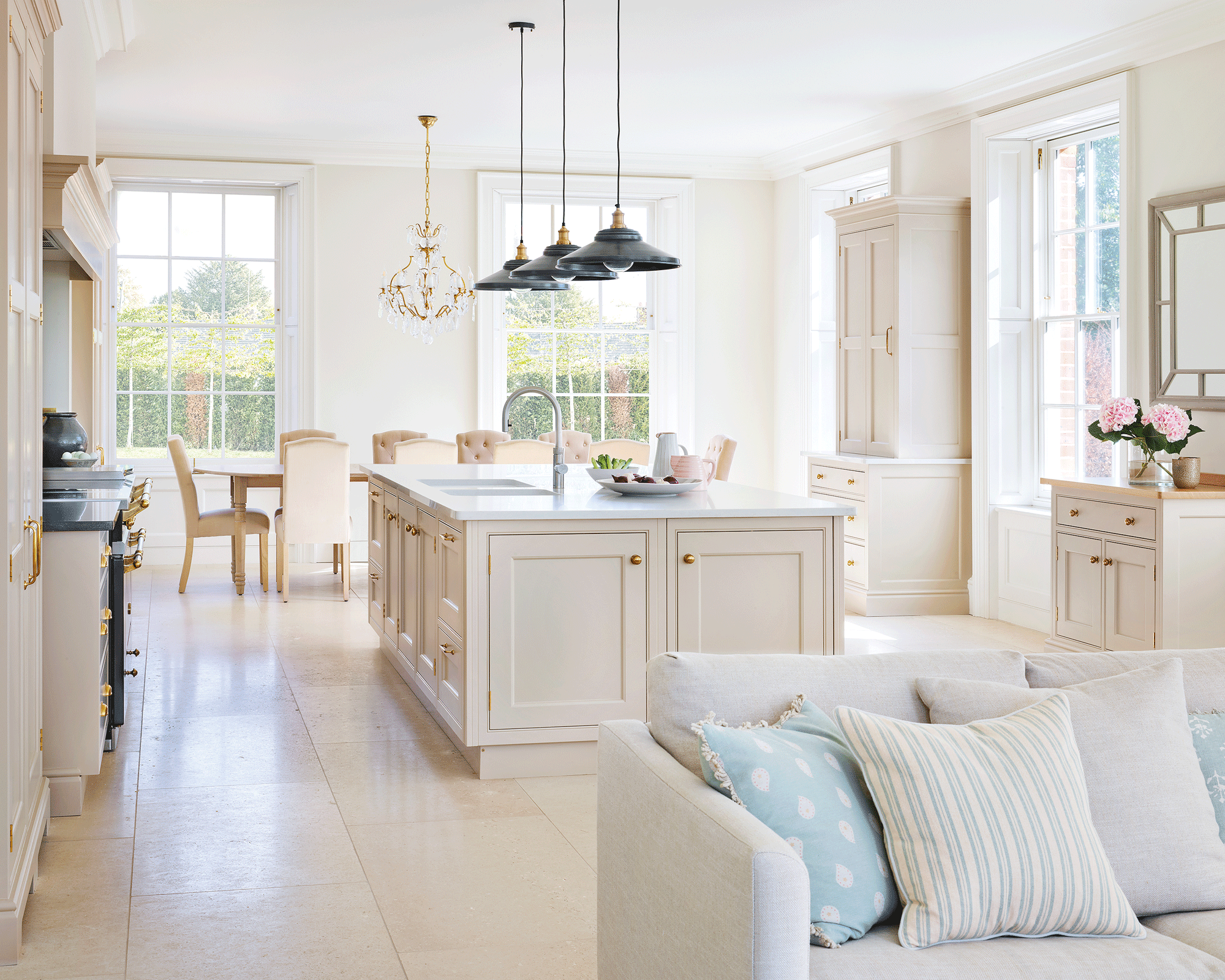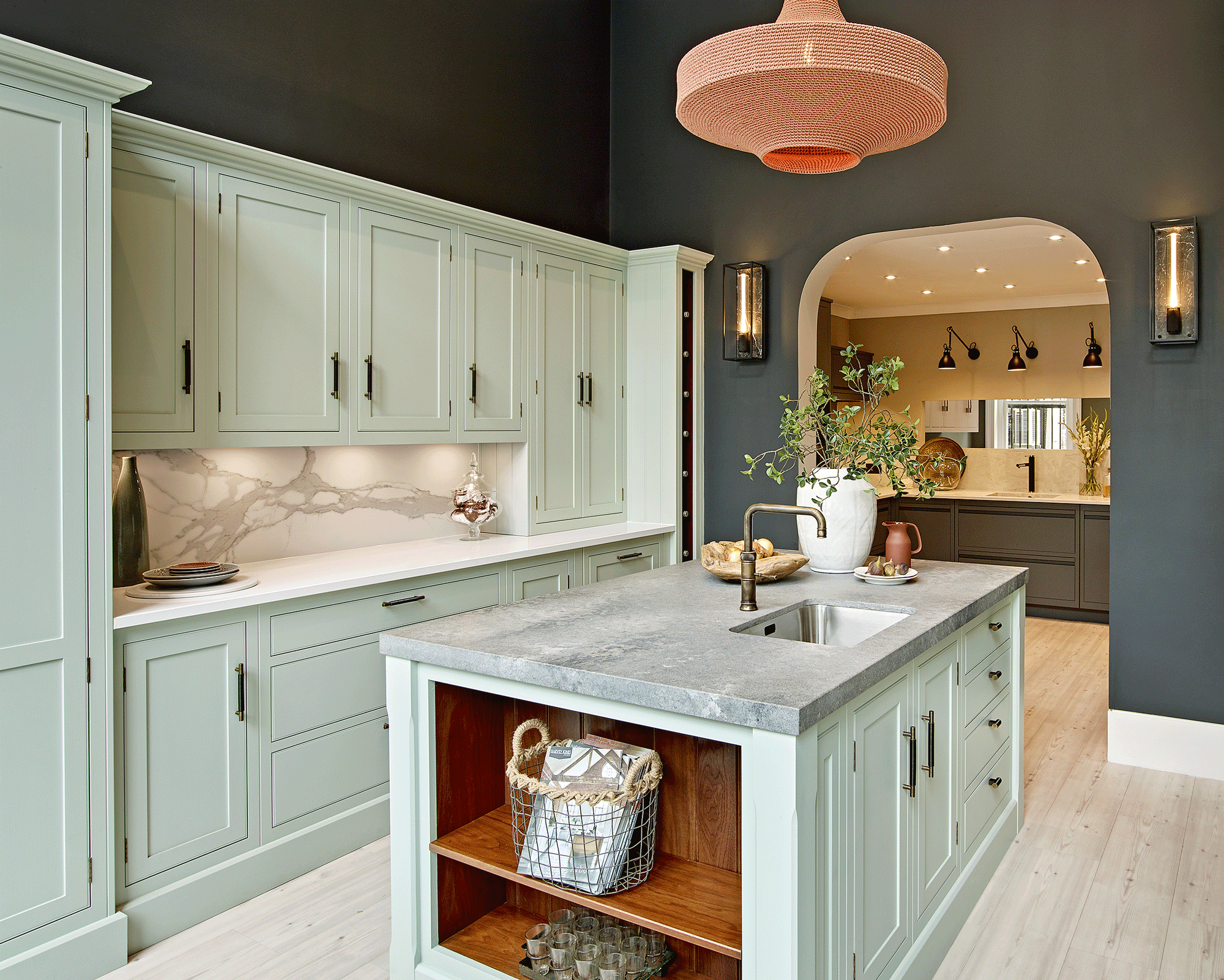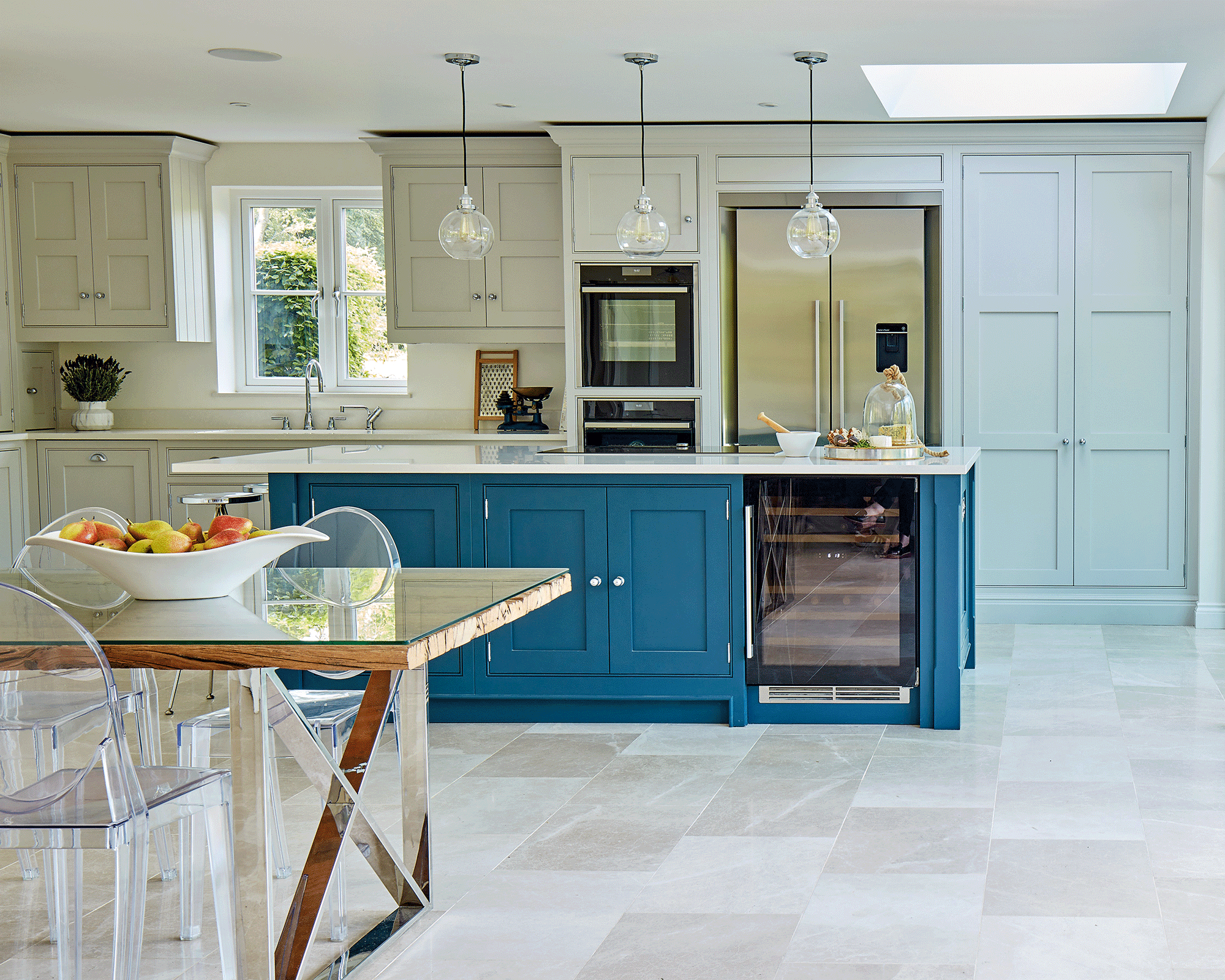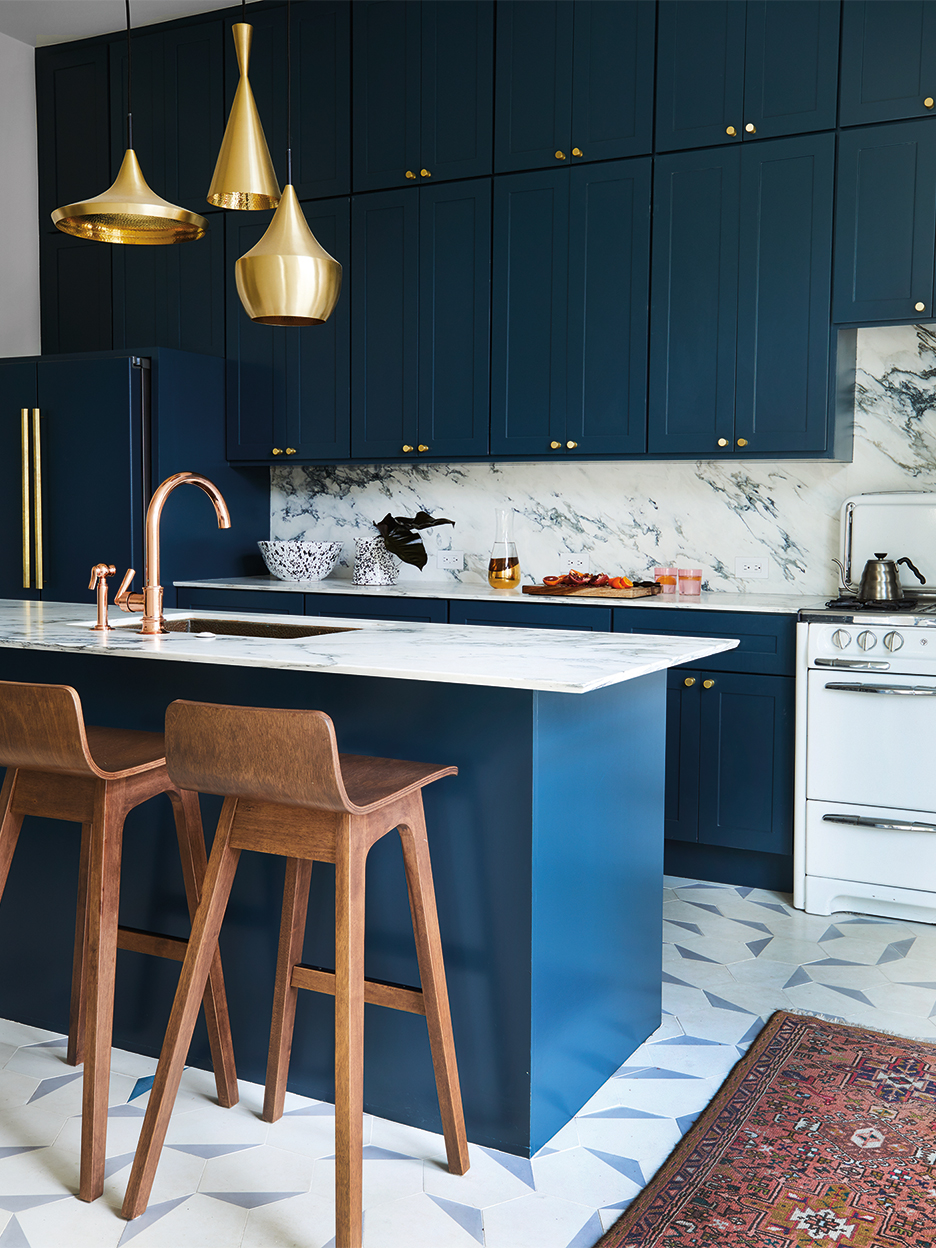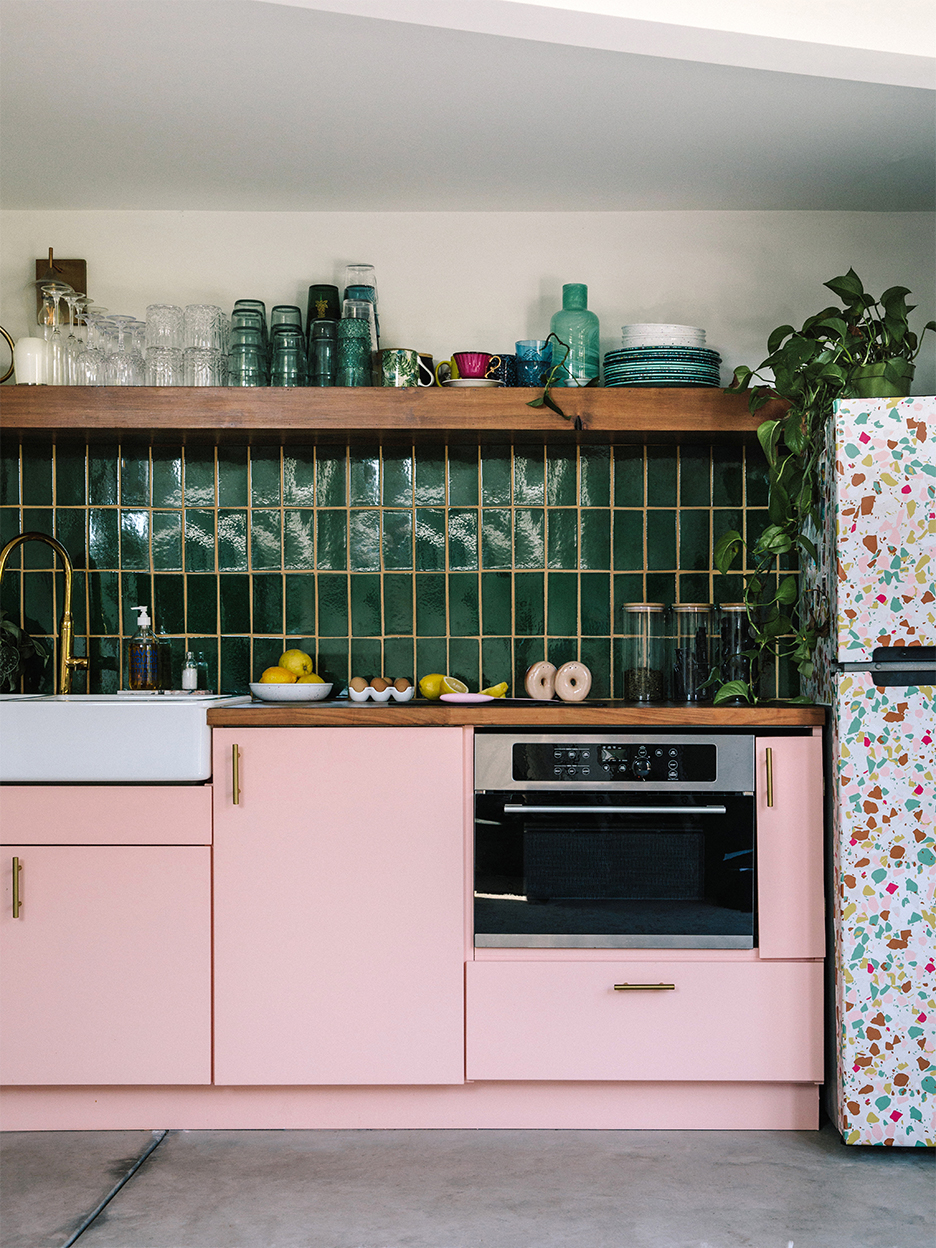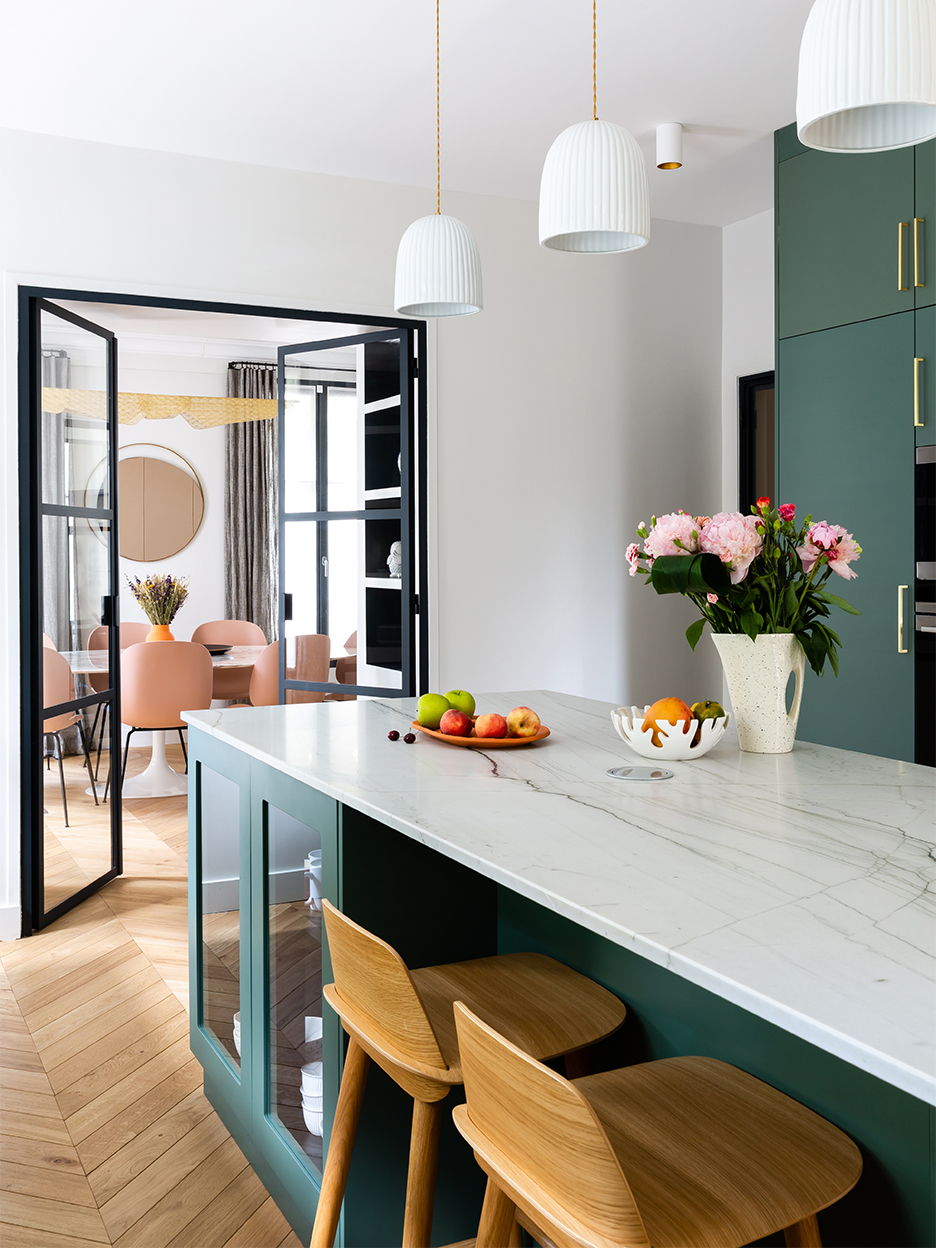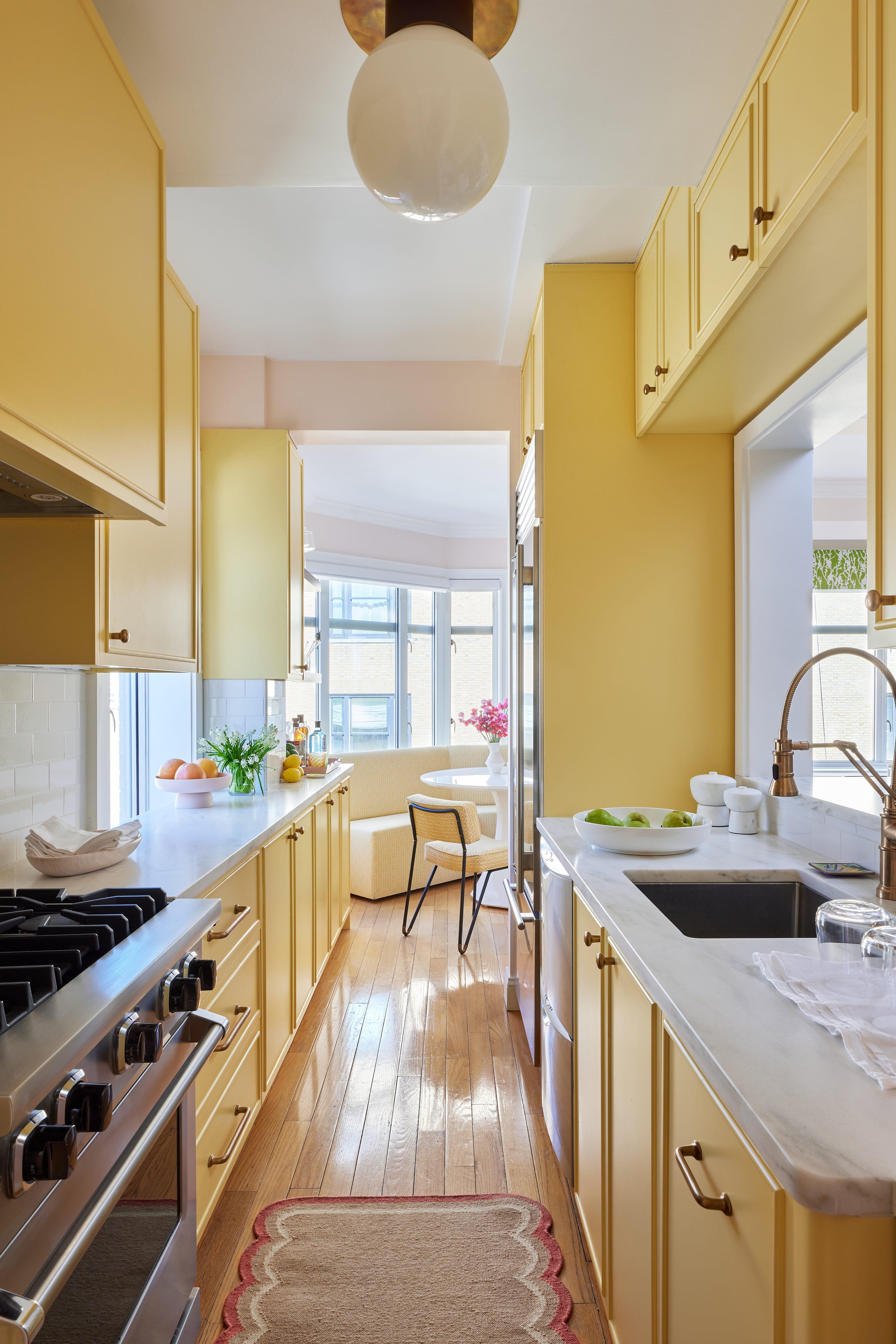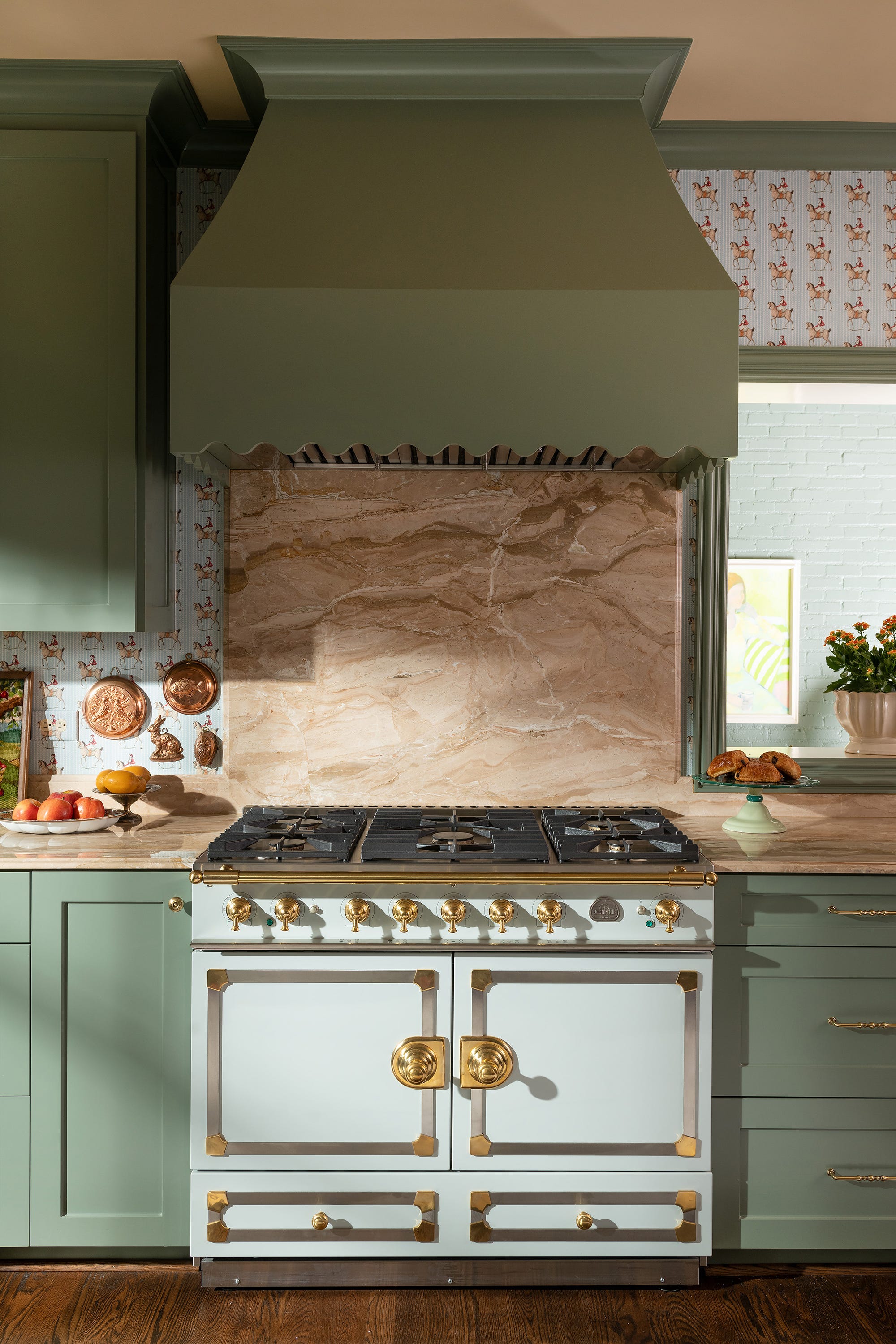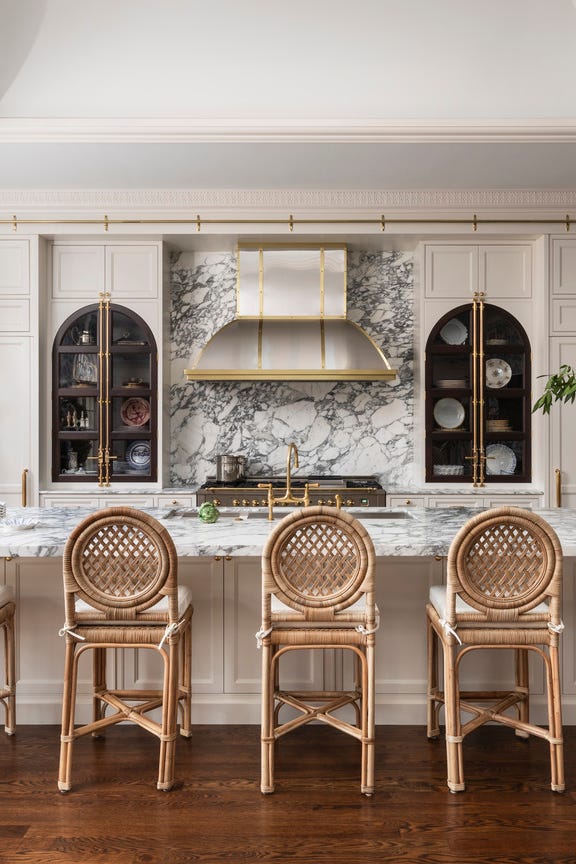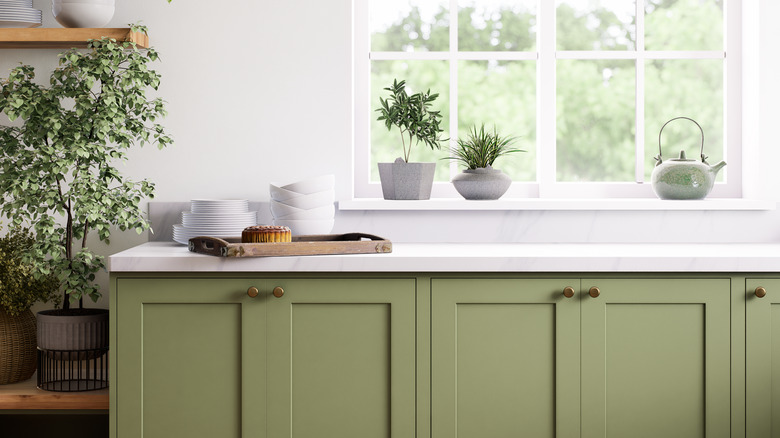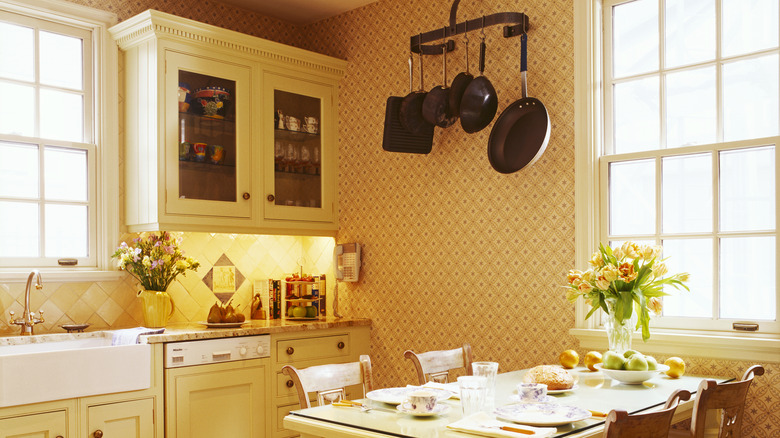
1/4
How to paint kitchen cabinets: an expert, step-by-step guide
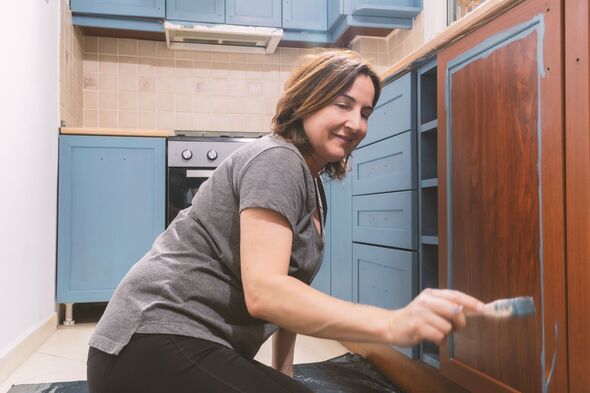
This comprehensive guide details the process of painting kitchen cabinets, offering expert tips from professional tradespeople and advice from DIY enthusiasts. The article begins by affirming that painting kitchen cabinets is a viable and cost-effective alternative to replacement, as well as a more sustainable option. It emphasizes the importance of thorough preparation, noting that many DIY painting failures stem from inadequate surface preparation. The guide advises readers to assess their DIY skill level, as most experts suggest an intermediate to advanced skill set for successful cabinet painting. It also highlights the different types of cabinet finishes—wood or painted wood, laminate-wrapped, and plastic or vinyl-wrapped—and explains which are most suitable for painting, cautioning against painting plastic or vinyl due to difficulty in achieving a durable finish.
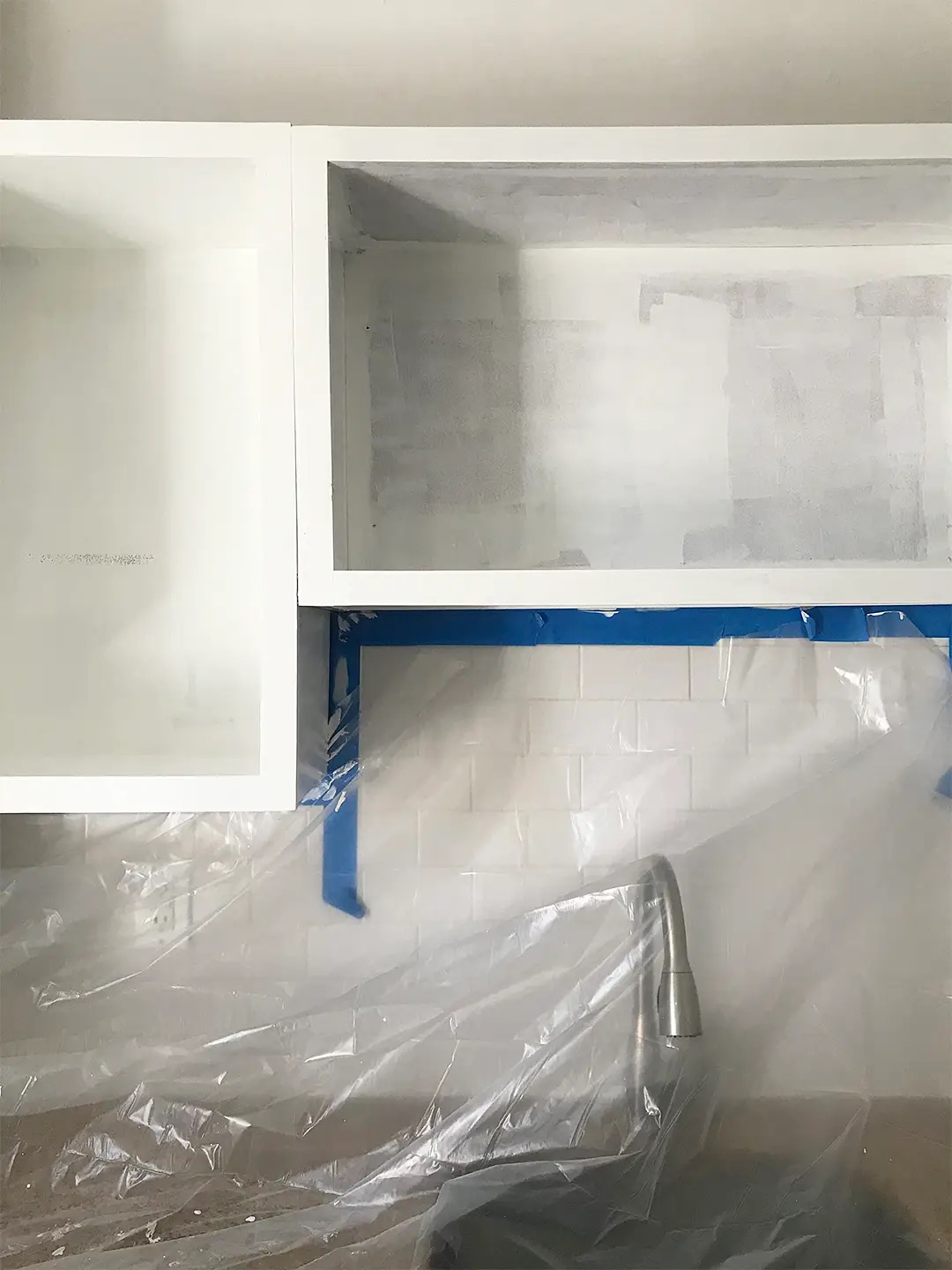
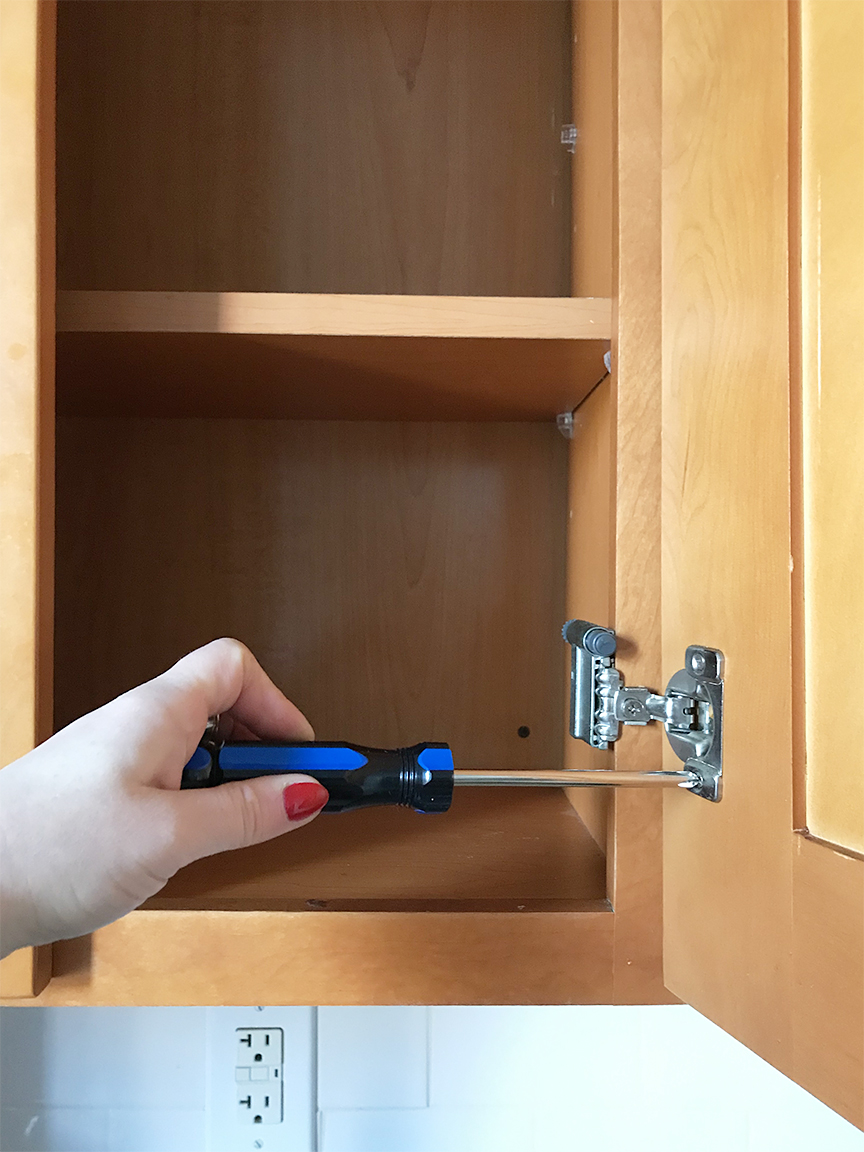
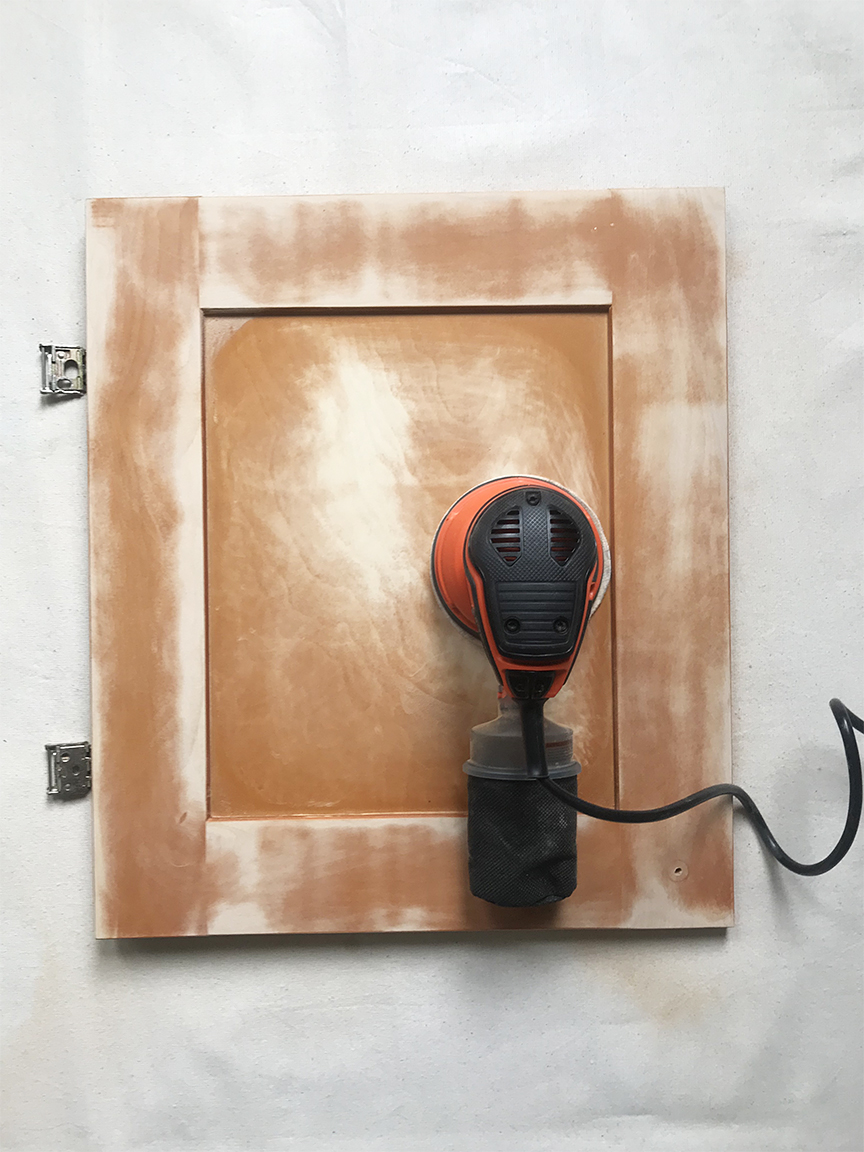
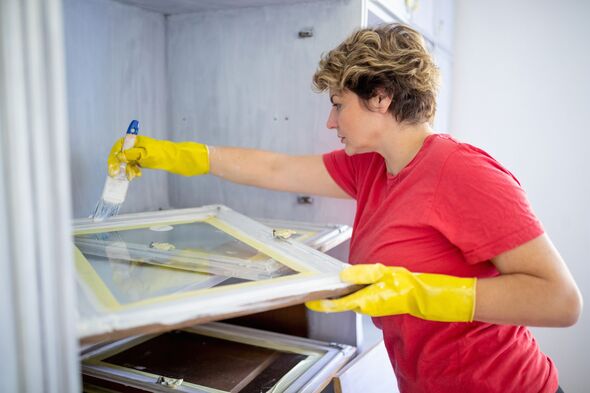
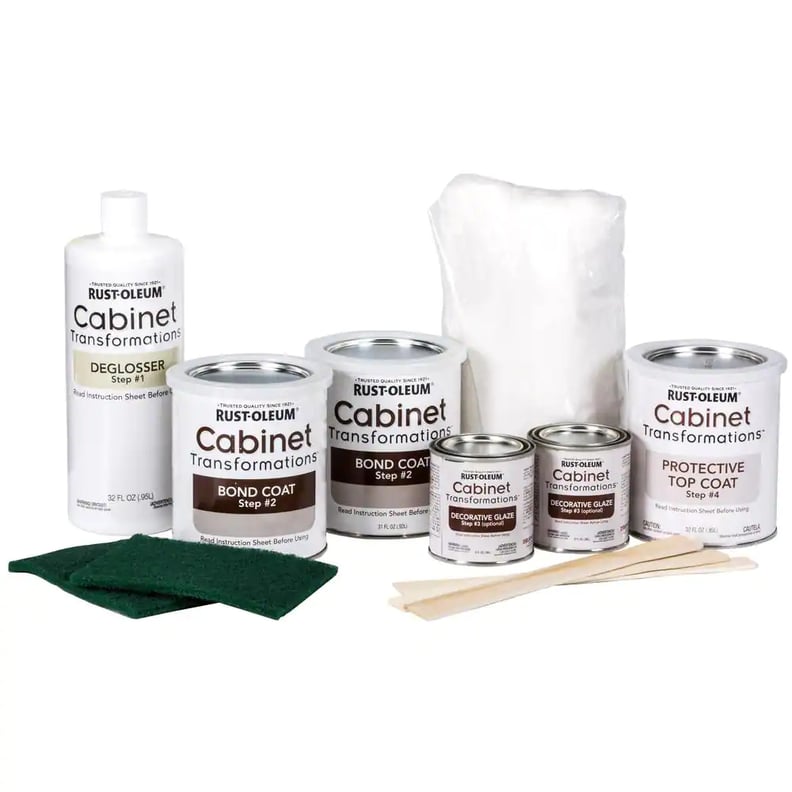
The step-by-step instructions cover gathering necessary supplies, including degreaser, filler, sandpaper, primer, sealant, and top coat, along with optional extras like painter's tape and dust cloths. Preparation is stressed as the most labor-intensive but crucial phase, involving the removal and numbering of doors and hardware, thorough degreasing to remove accumulated grease and grime, and filling any imperfections. Sanding is presented as a critical step to roughen the surface for paint adhesion, with specific guidance for different cabinet materials. Priming follows, with recommendations for sealing plain wood to prevent tannin bleed and using shellac-based primers for slippery surfaces like laminate or hardwood.
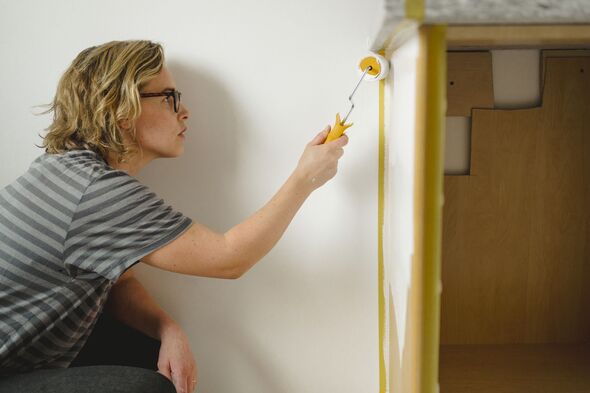
The guide then moves to the painting phase, advising on applying thin layers and allowing ample drying time to avoid a lumpy finish. It also notes that the top coat primarily changes color and will not conceal underlying imperfections, reinforcing the need for meticulous preparation. Professional-standard paints are recommended for durability, though they require approximately three weeks to fully cure. The article also covers paint selection, distinguishing between primers and top coats, and estimating quantities needed for a medium-sized kitchen. It recommends specific primer brands like Zinsser B-I-N and Zinsser B-I-N Aqua, and top coat brands such as Tikurilla Helmi, Benjamin Moore Scruff-X, and Renner, based on expert advice.
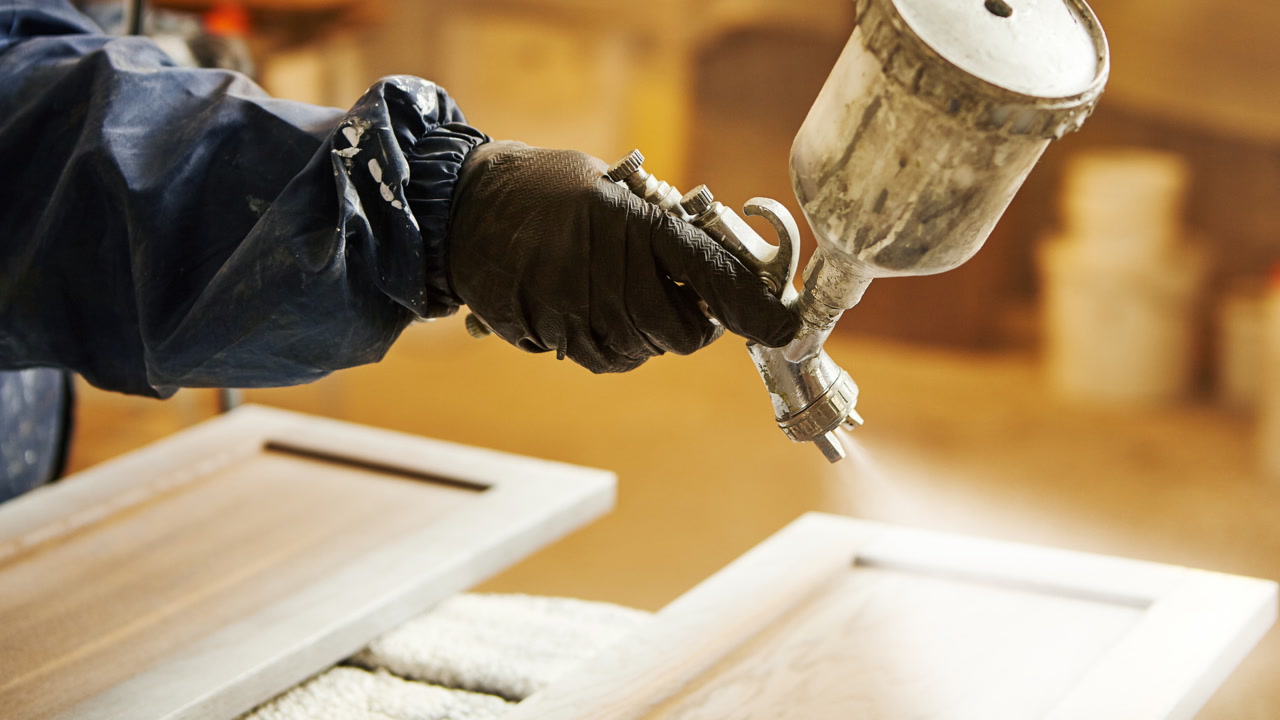
Cost estimations are provided, differentiating between standard and professional quality paints, with the latter costing more but offering greater durability. The time required for painting is also addressed, ranging from several days to over a week, largely dependent on drying times between coats. Specific tips are offered for repainting dark cabinets with lighter shades, painting wood and laminate cabinets, and cautions against painting plastic or vinyl-wrapped MDF cabinets. The article concludes with insights from DIYers who have successfully painted their cabinets, detailing their experiences, costs, and satisfaction levels. Common issues like paint peeling or chipping are acknowledged. A FAQ section clarifies common queries, such as the easiest painting method (sprayer), painting both sides of doors, and the necessity of sanding and degreasing for lasting results.
#KitchenCabinets #DIYHomeImprovement #CabinetPainting #HomeRenovation #BudgetKitchenIdeas #PaintSelection #SurfacePreparation #InteriorDesign #KitchenMakeover #KitchenCabinets #DIYHomeImprovement #CabinetPainting #HomeRenovation #BudgetKitchenIdeas #PaintSelection #SurfacePreparation #InteriorDesign #KitchenMakeover
0 comment in total
 No comments yet
You may also like
An Interior Designer’s Tips For Painting Kitchen Cabinets
Transform Your Kitchen With These 7 High-Quality Cabinet Paints
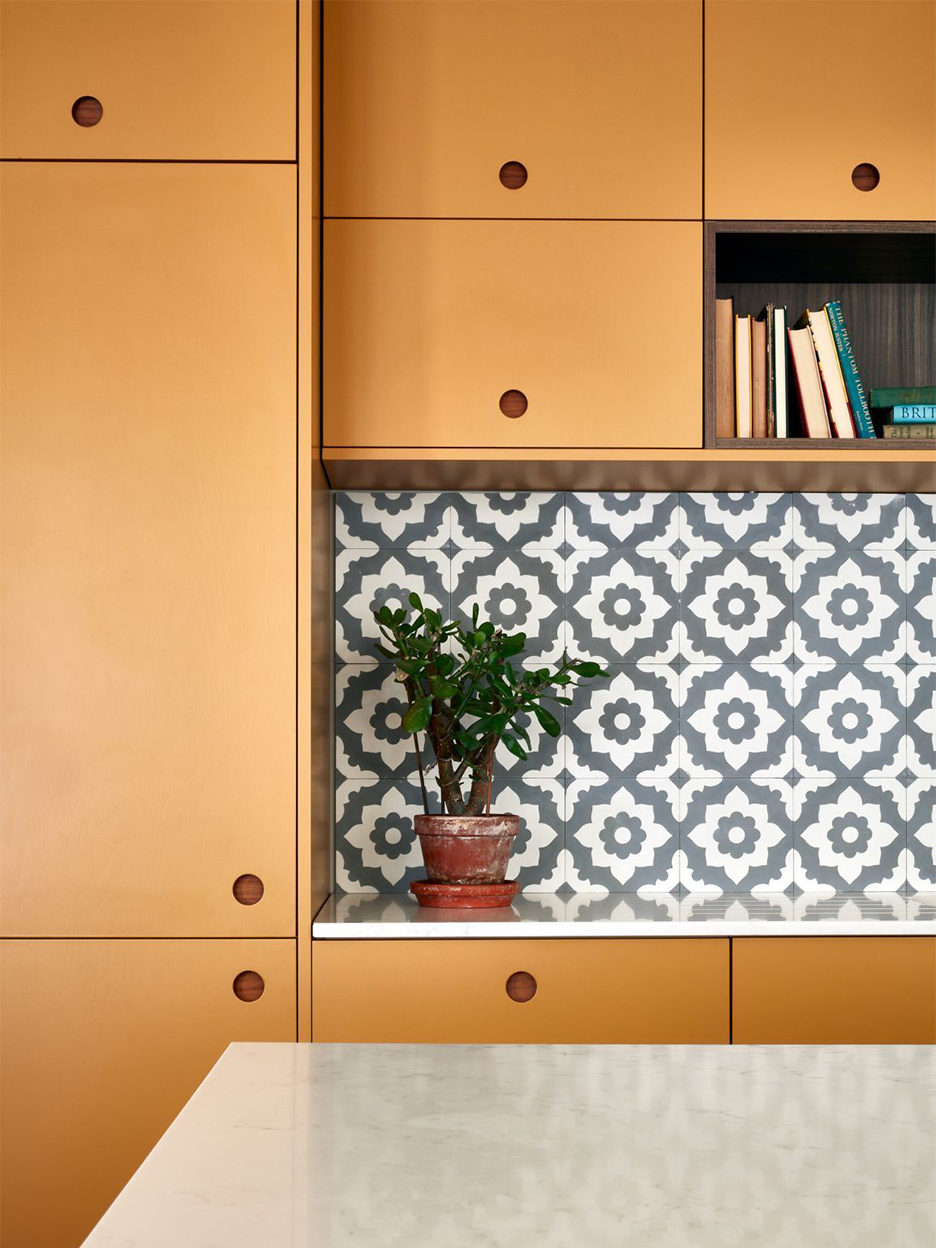
5 Designers Weigh In on the Best Brands of Paint for Kitchen Cabinets

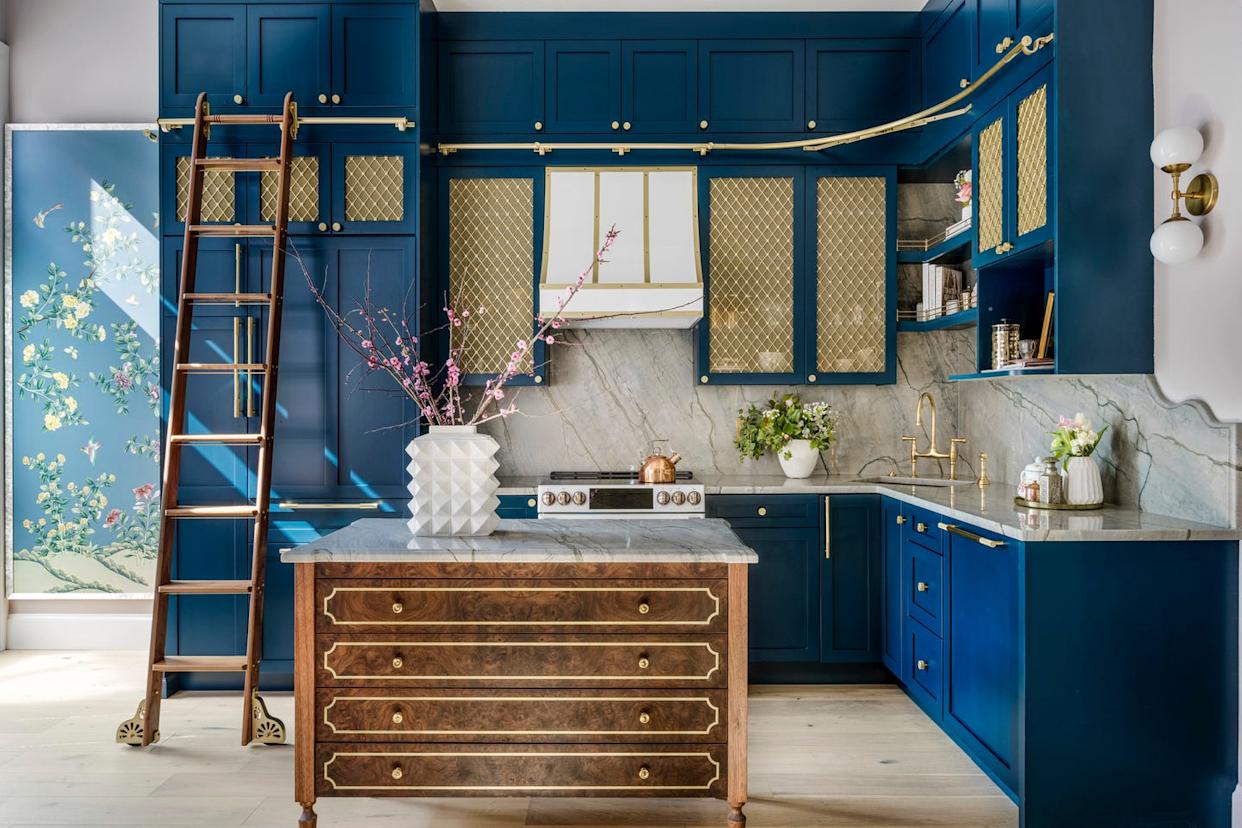
15 Cabinet Paint Colors That Look STUNNING in Any Kitchen

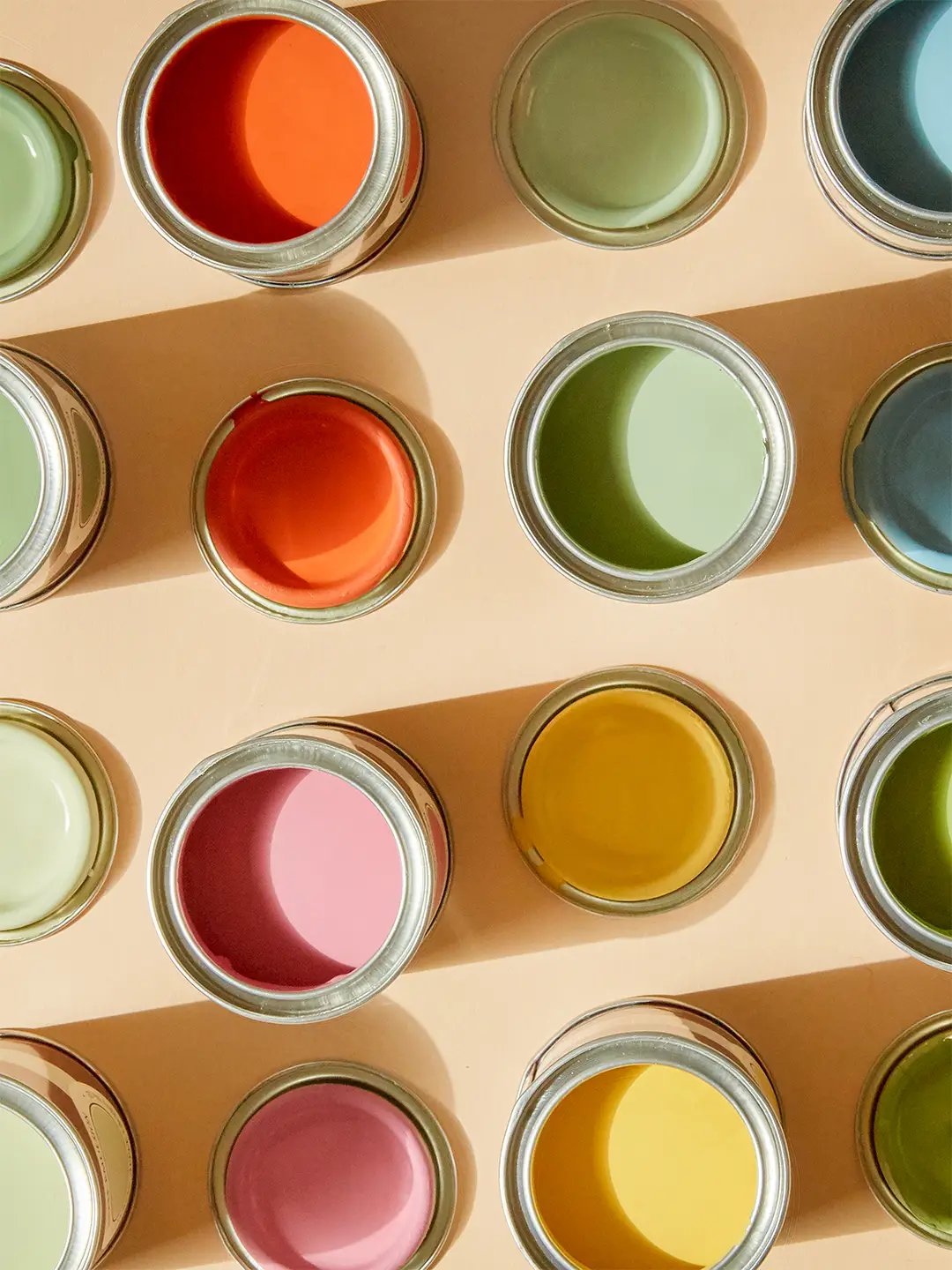
How to Paint Kitchen Cabinets, From Unfinished Wood to Tricky IKEA Laminate
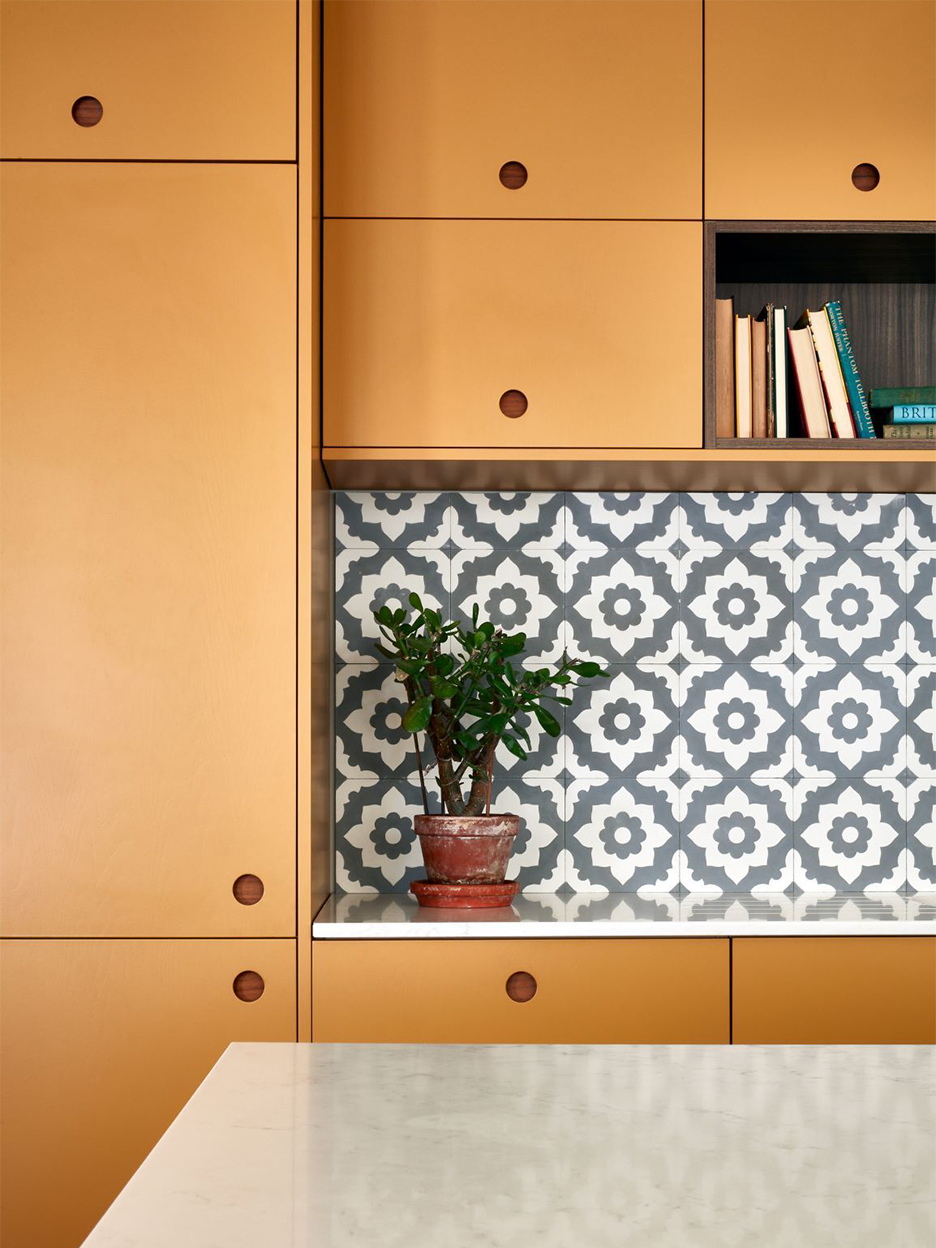
5 Designers Weigh In on the Best Brands of Paint for Kitchen Cabinets

Update Your Home with These 12 Paints for Cabinets

14 Kitchen Cabinet Colors You Can Easily Mix and Match

‘Best method’ to paint your kitchen cabinets in ‘3 easy steps’ for an ‘unbeatable finish’
The 8 Best Cabinet Paints That Ensure a Beautiful, Long-Lasting Finish
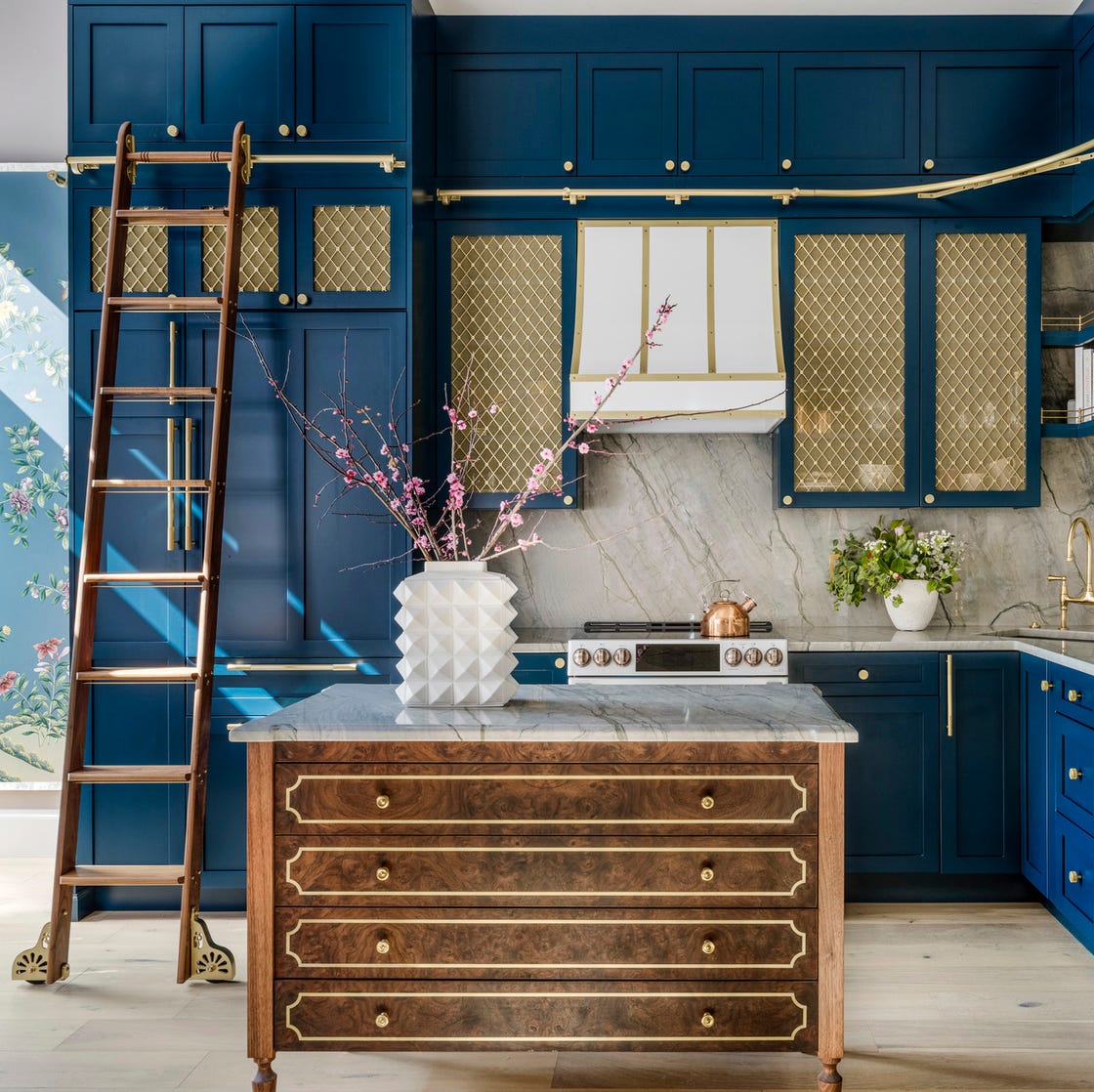
15 Cabinet Paint Colors That Look STUNNING in Any Kitchen
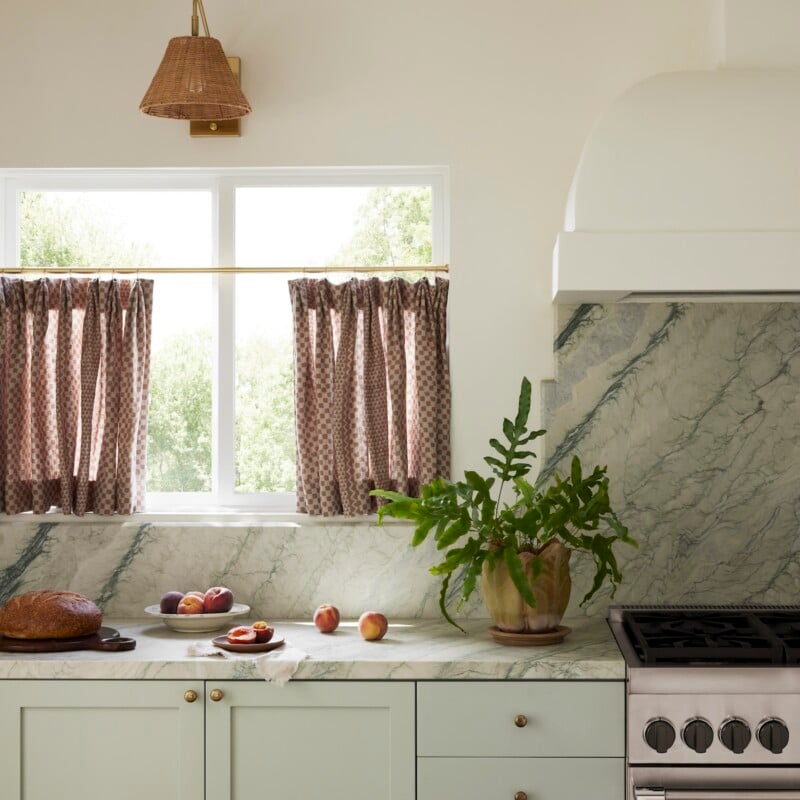
Designers Predict the Next “It” Kitchen Cabinet Color

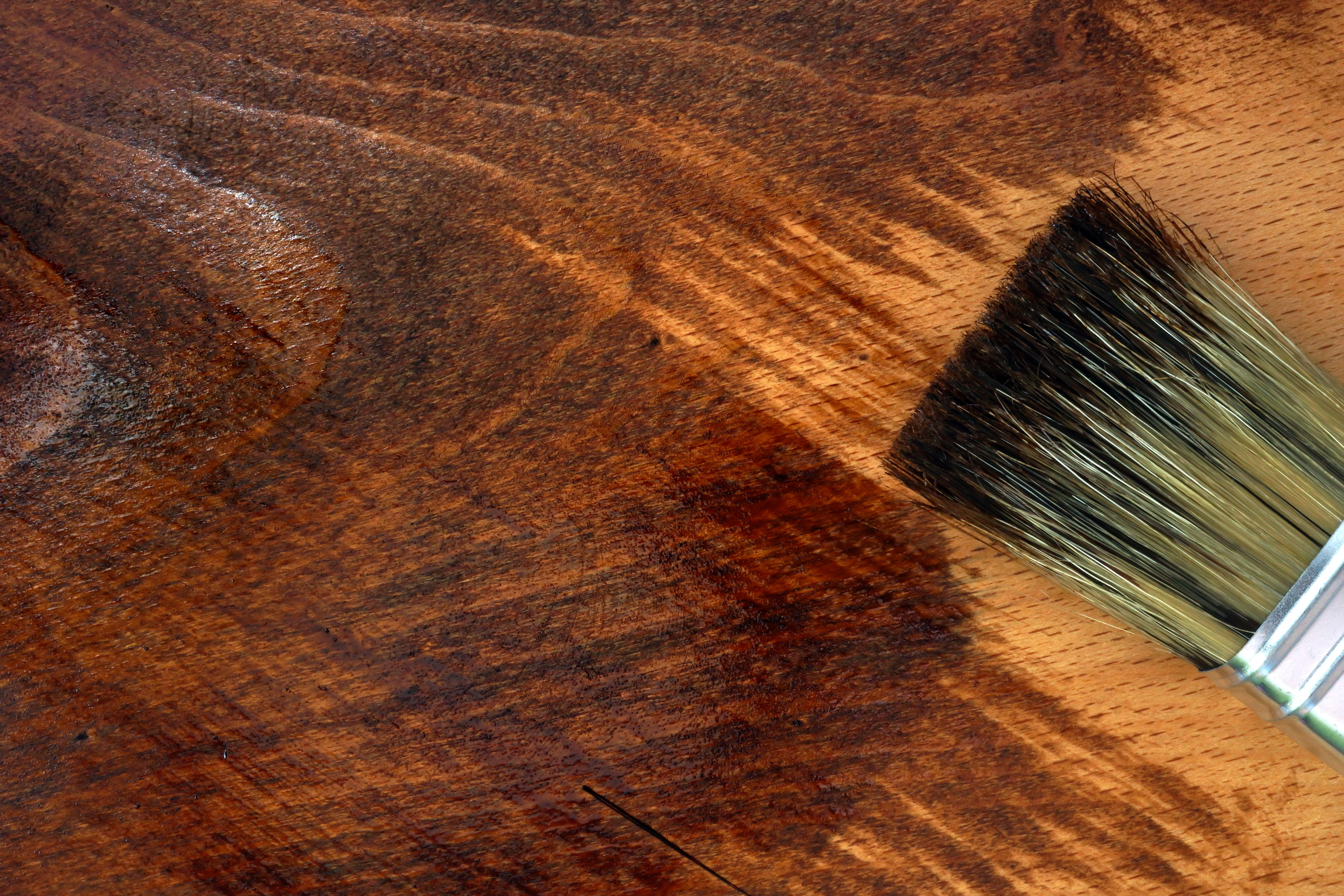
How to stain kitchen cabinets – an expert guide

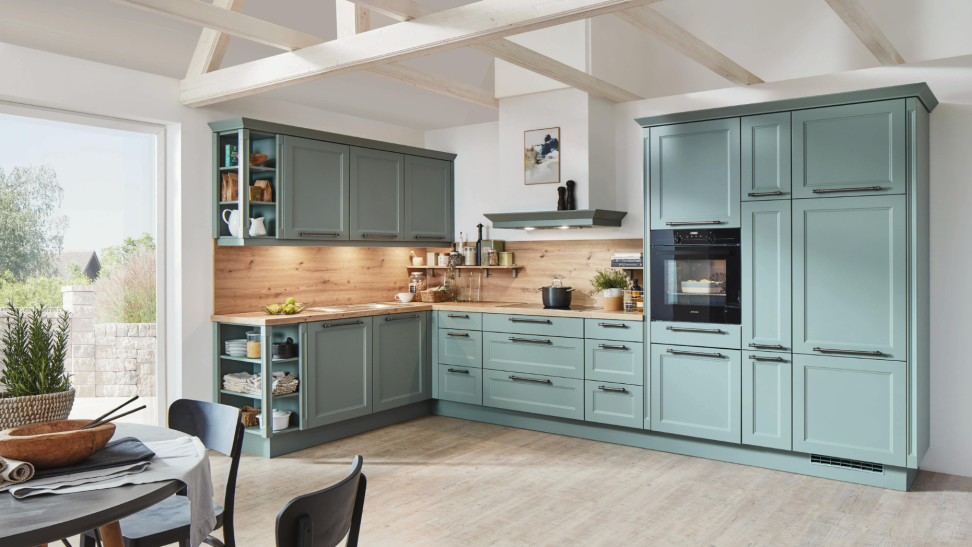
The Best Cabinet Paint of 2026

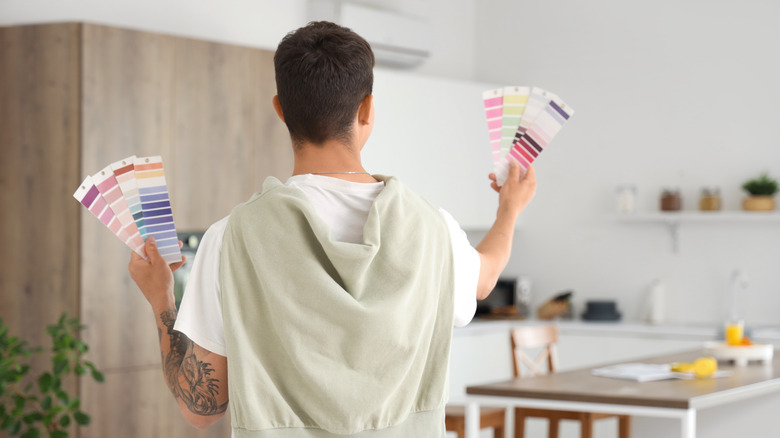
5 Gorgeous Paint Colors To Elevate Your Kitchen Cabinets In 2025

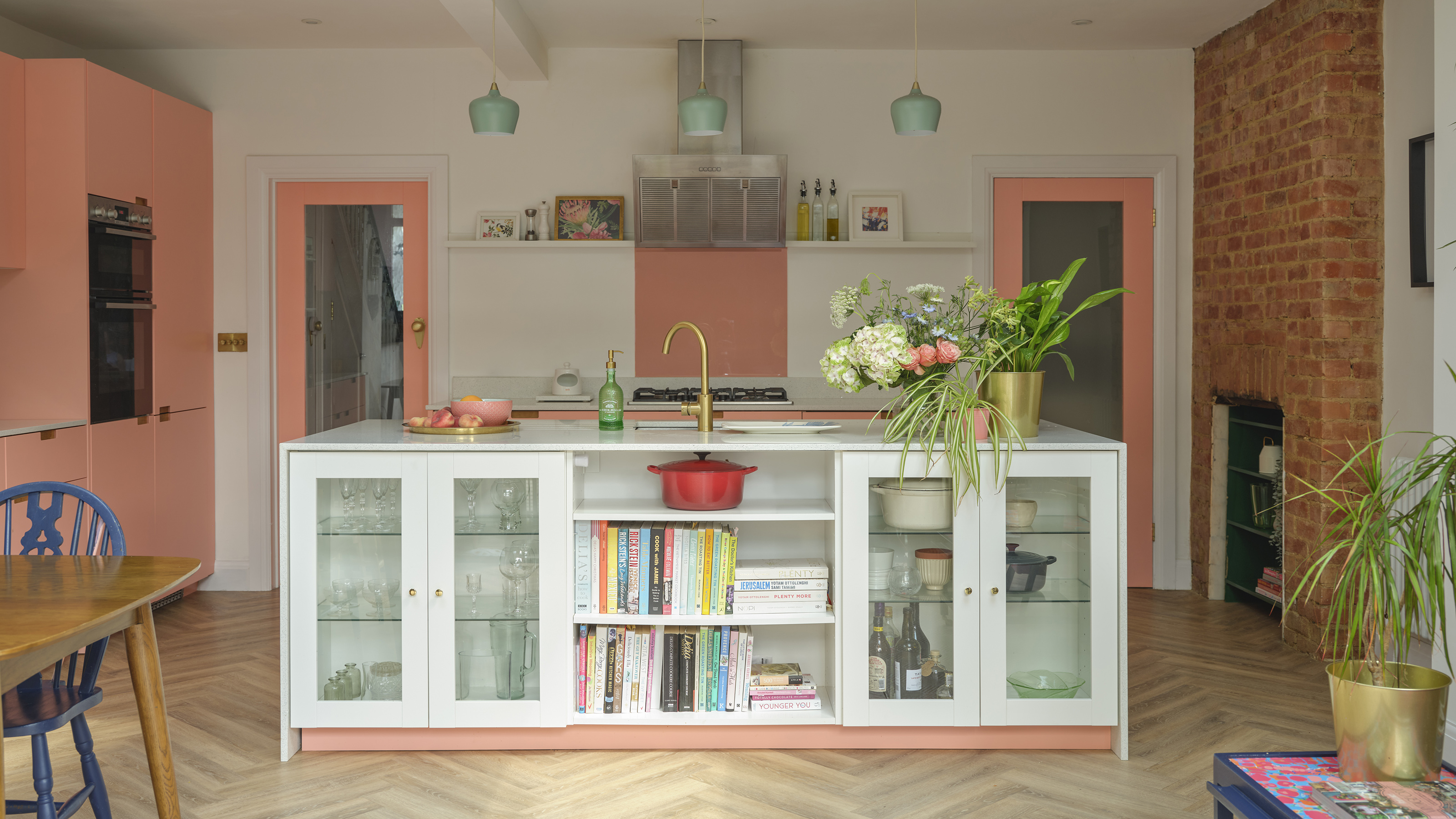
The best colours to paint a kitchen according to paint pros - pick the perfect shade for large, small, dark and light spaces
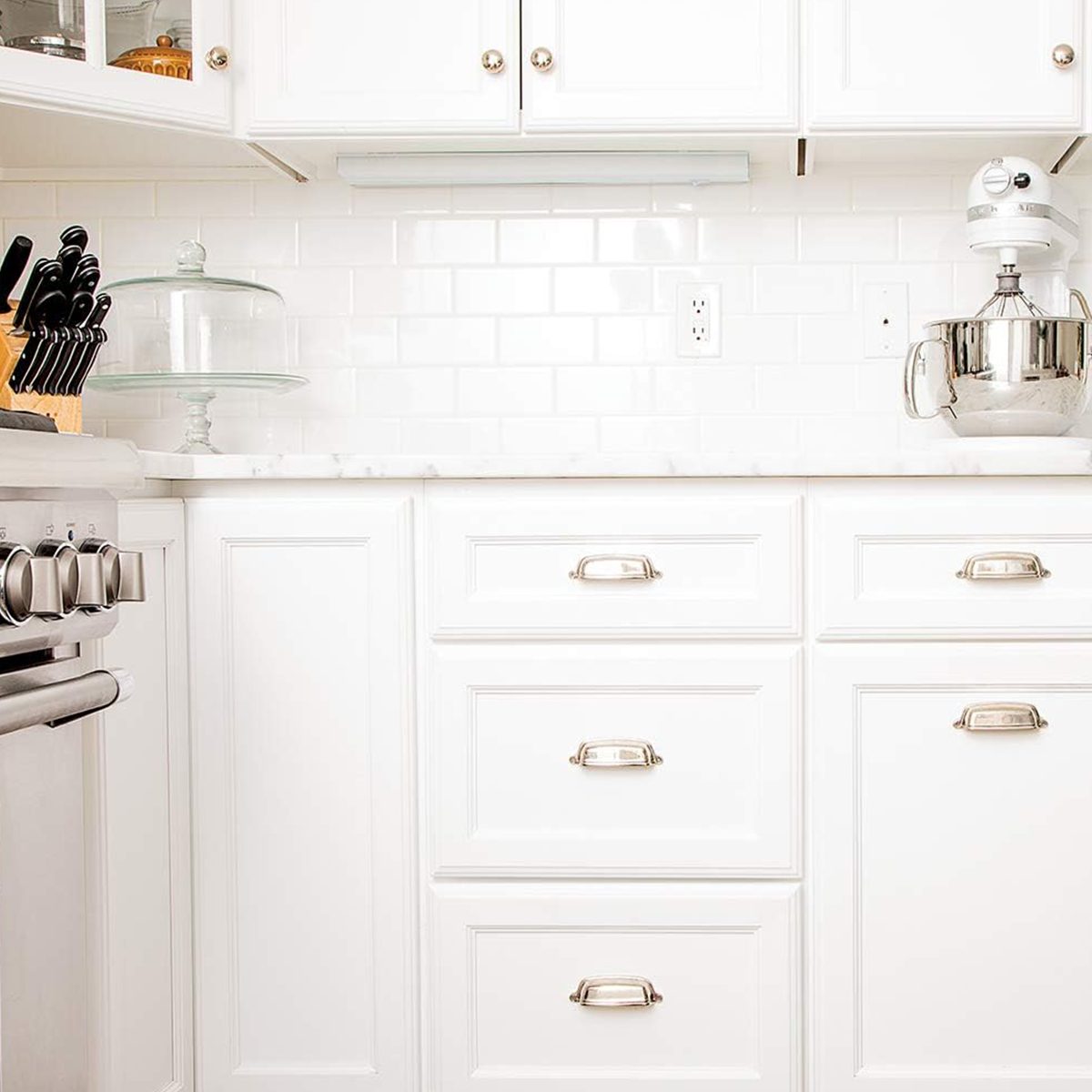
Best Paints for Kitchen Cabinets and Types to Revamp Your Space

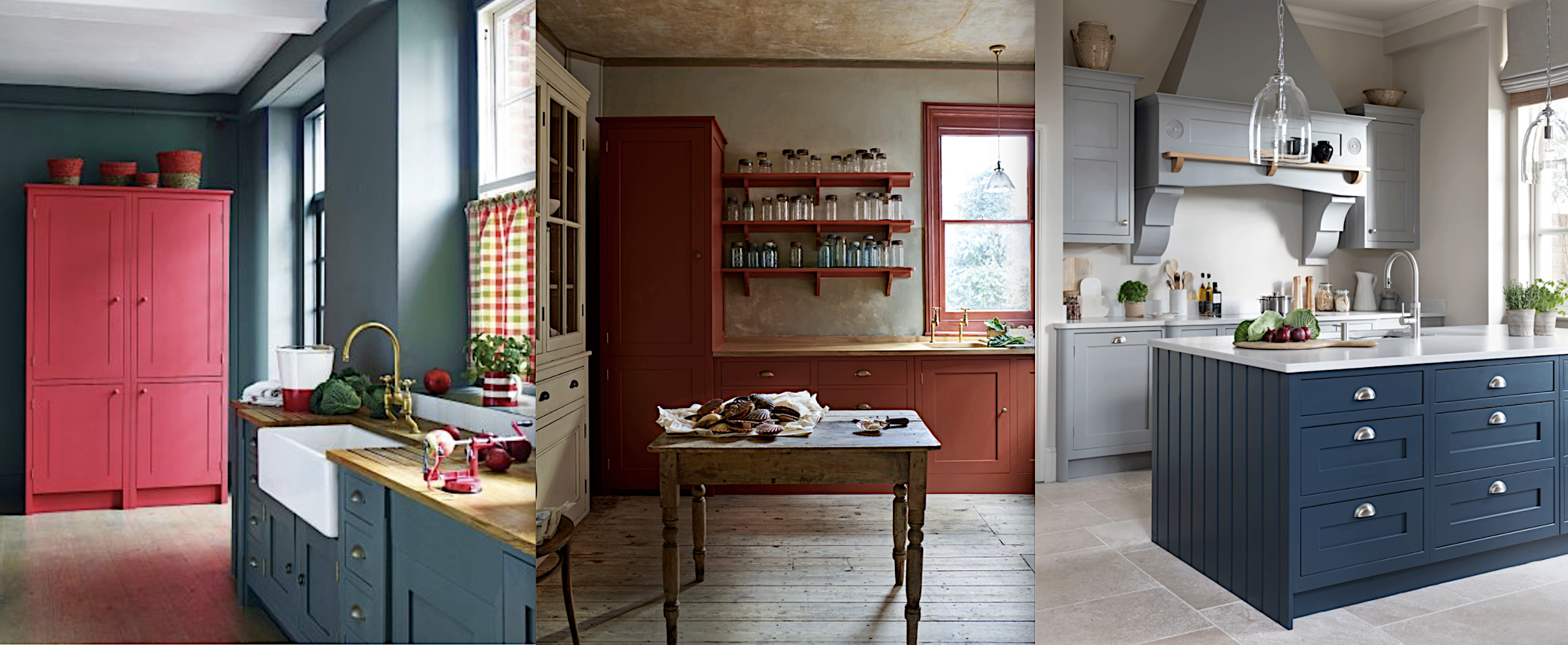
Painted kitchen ideas – 17 inspiring ways and tips for painting a kitchen
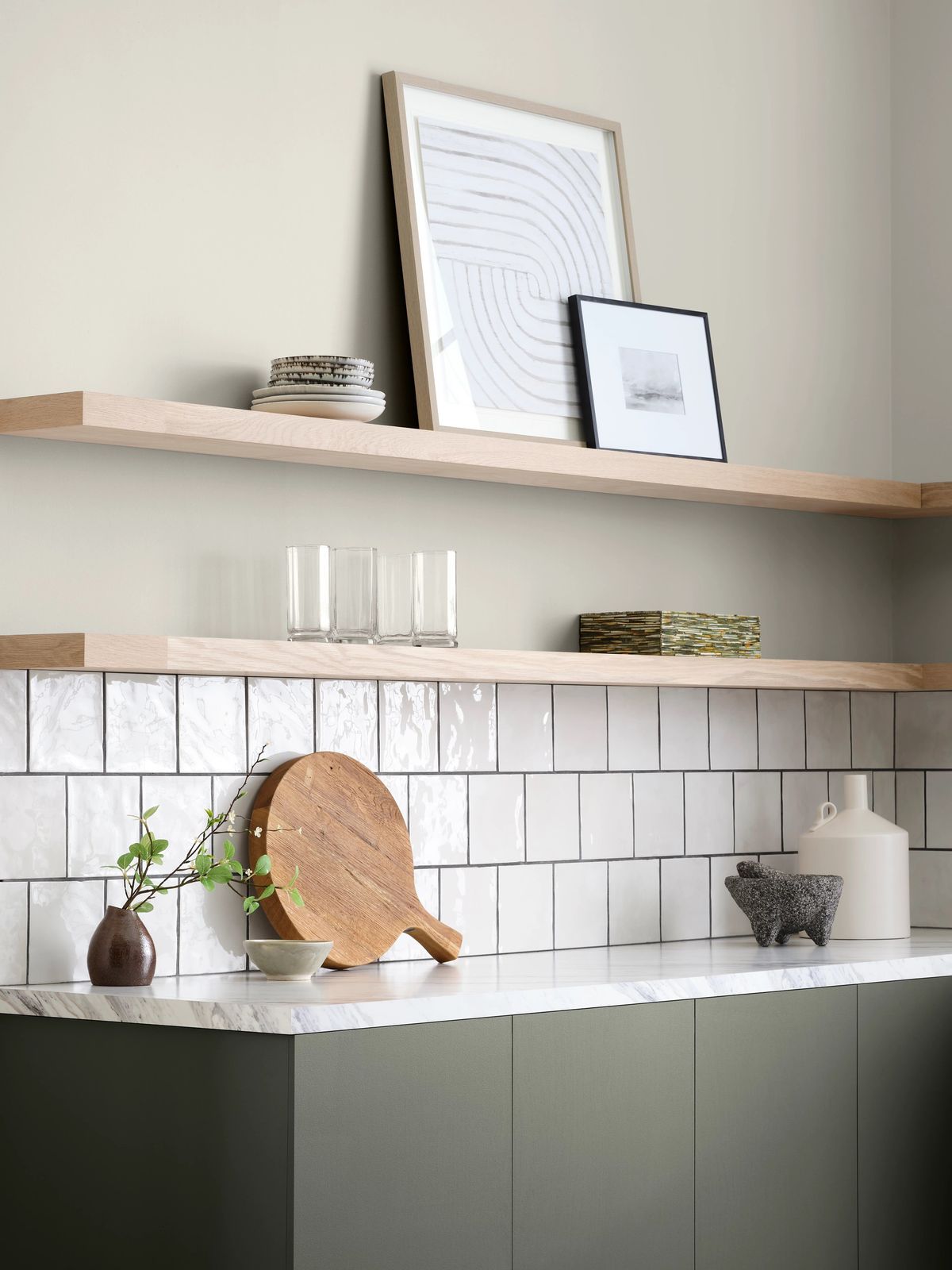
18 Gorgeous Kitchen Cabinet Paint Colors, According To Kitchen Designers

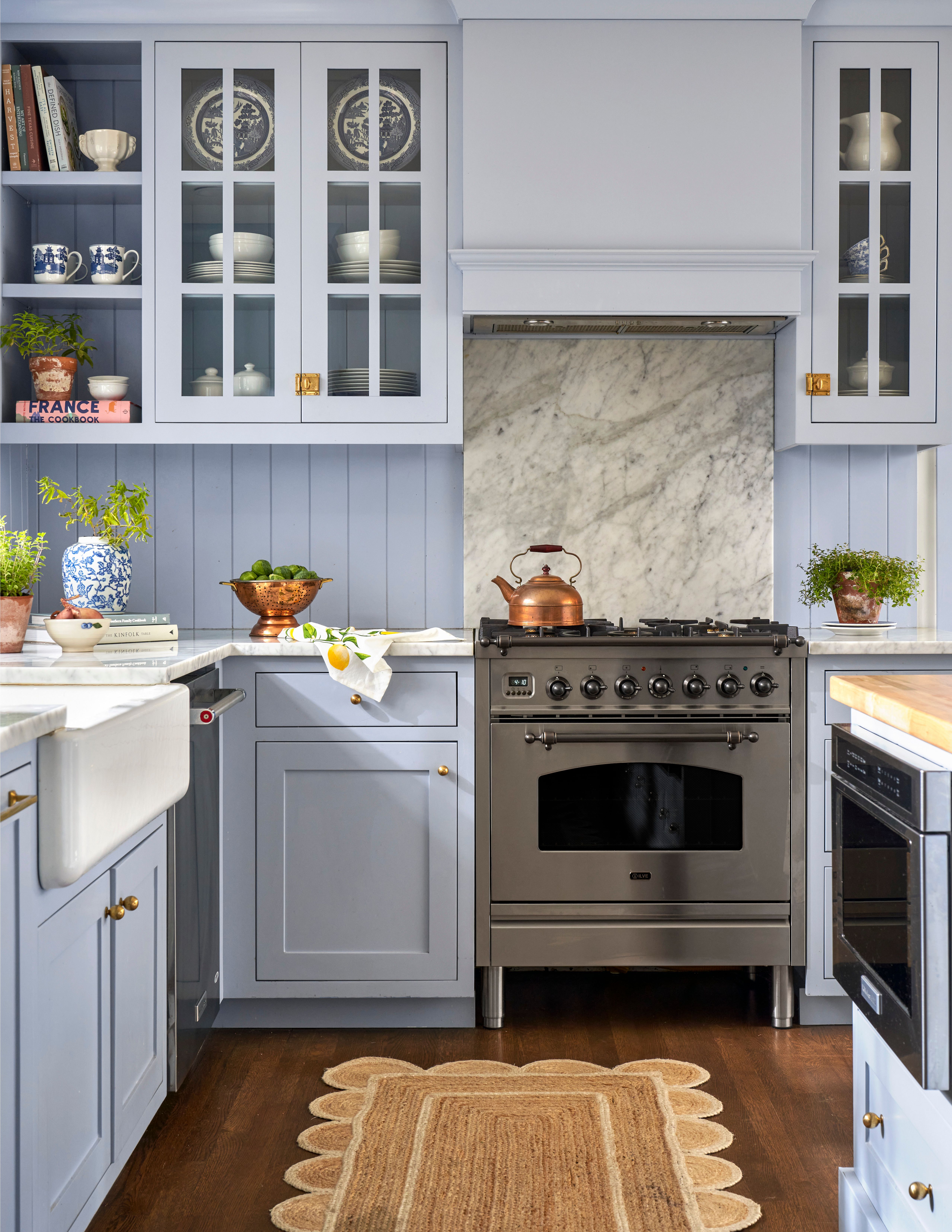
Should You Spray or Brush-Paint Cabinets? Here's What the Pros Recommend