1/5
10 baseboard painting mistakes to avoid – and what experts say to do instead
Painting baseboards can be a challenging aspect of painting a room, especially when they differ in color and texture from the walls, requiring specific paints and techniques. Understanding common errors is crucial for a successful and professional-looking result that extends the paint job's lifespan. Experts share ten mistakes to avoid before, during, and after painting baseboards, offering essential painting tips.
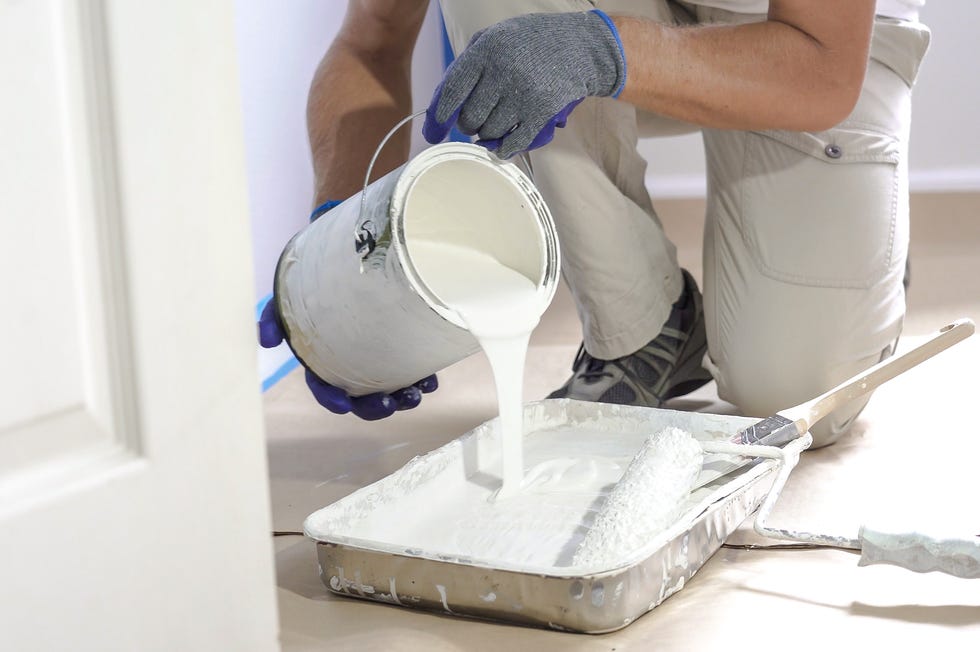
Before painting, several critical steps ensure a smooth and durable finish. The first common mistake is choosing the wrong paint type. Using flat wall paint for baseboards, for example, leads to poor durability, especially in high-traffic areas, and inadequate coverage. Instead, durable semi-gloss or satin enamel paints, specifically formulated for baseboards, are recommended as they can withstand scuffs and are easy to clean. High-quality brands like Benjamin Moore are suggested for their consistent performance. Another error is using low-quality or worn brushes and rollers, which can result in streaks, bristle marks, and uneven paint application. Investing in high-quality tools is vital for achieving a smooth and precise finish. Neglecting surface preparation is a significant oversight. Baseboards must be sanded to ensure proper paint adhesion and a smooth finish. After sanding, they need to be thoroughly cleaned using products like Citra Solv to remove dust, dirt, and grime. Priming the surface before painting is also essential; primer acts as an adhesive coat, sealing the surface and ensuring the topcoat adheres well and lasts longer, preventing peeling, flaking, and visible streaks. Finally, forgetting to cover surrounding surfaces is a common mistake that leads to smudges and spills on walls and floors. Using painter's tape and drop cloths to protect adjacent areas is crucial for maintaining clean lines and preventing unwanted paint marks.
During the painting process, several mistakes can compromise the quality of the finish. Applying too much paint in one go can cause splatters, runs, and ridges. Instead, it is recommended to apply several thin coats, allowing each to dry completely before applying the next, to achieve a blemish-free result. Conversely, applying too few coats leads to inadequate coverage, allowing the underlying color or material to show through, resulting in a patchy and uneven appearance. Insufficient coats also fail to provide adequate protection against wear and tear, leading to premature chipping and peeling. Failing to consider drying time is another frequent error. Rushing the drying process can cause smudges, smears, and dents. Adhering to the paint’s suggested drying time between coats and resisting the urge to touch freshly painted surfaces until they are fully cured is important. Lastly, not ventilating the room properly can result in strong fumes, poor air quality, and prolonged drying times. Opening windows and doors, and using fans or ventilation systems, helps dissipate fumes and accelerate drying.
After painting, two key mistakes should be avoided. Peeling the painter's tape too late is a common error. If the paint dries completely before the tape is removed, it can pull off sections of the new paint job. Removing the tape carefully about an hour after painting, while the paint is still wet, ensures clean lines. Overlooking touch-ups is the final mistake. After painting, it is important to inspect the entire surface for missed spots or drips and make any necessary touch-ups promptly. Delaying corrections can lead to uneven drying and a less consistent finish, making it harder to fix later. When considering whether to paint baseboards before or after installation, experts advise painting them prior to installation to ensure even coverage and consistent color, reducing the risk of missing spots or making a mess. Once installed, nail holes can be easily retouched for a seamless look. For repainting, tape can be used to protect the floor and wall, ensuring a clean and professional finish. It is also generally recommended to paint baseboards before walls to achieve clean, seamless edges.
#BaseboardPainting #HomeImprovement #PaintingTips #DIY #InteriorDesign #PaintApplication #SurfacePreparation #HomeMaintenance #PaintFinishes #BaseboardPainting #HomeImprovement #PaintingTips #DIY #InteriorDesign #PaintApplication #SurfacePreparation #HomeMaintenance #PaintFinishes
0 comment in total
 No comments yet
You may also like

10 mistakes to avoid when painting wooden furniture, according to experts
8 Paint Mistakes That Make Your House Look Dingy (and How to Fix Them)

Paint tricks – 10 painting tips and techniques loved by the experts
The 10 Worst Paint Colors for Your Home, Experts Say


You should try to avoid these 10 common home remodeling mistakes, urge experts
7 Paint Mistakes That Make Designers Instantly Cringe When They Walk Into Someone's Home

5 Paint Mistakes Your Realtor Wishes You Wouldn't Make
8 kitchen backsplash mistakes to always avoid, according to interior designers
5 Exterior Paint Mistakes to Avoid If You Don't Want Your House to Become the Worst-Looking on the Street


An interior expert reveals the one thing you should never do when painting your walls
10 common tiling mistakes that can be costly – and how to avoid them

When you should and shouldn't paint your ceiling, according to interior designers

5 Painting Mistakes That Are Actually Ruining Your Projects, According to Reno Pros


10 Interior Design Mistakes Experts Avoid In Their Own Homes

9 common home renovation mistakes to avoid

5 kitchen countertop mistakes designers warn to avoid
6 painting mistakes that are making your walls look 'dirtier' – and what you should be doing instead
7 places in your home you’re probably forgetting to paint – but design experts say you really shouldn’t

An interior designer reveals the 5 mistakes to avoid when painting with dark colours
The 3 Biggest Exterior Paint Color Mistakes Homeowners Make, According to Pros