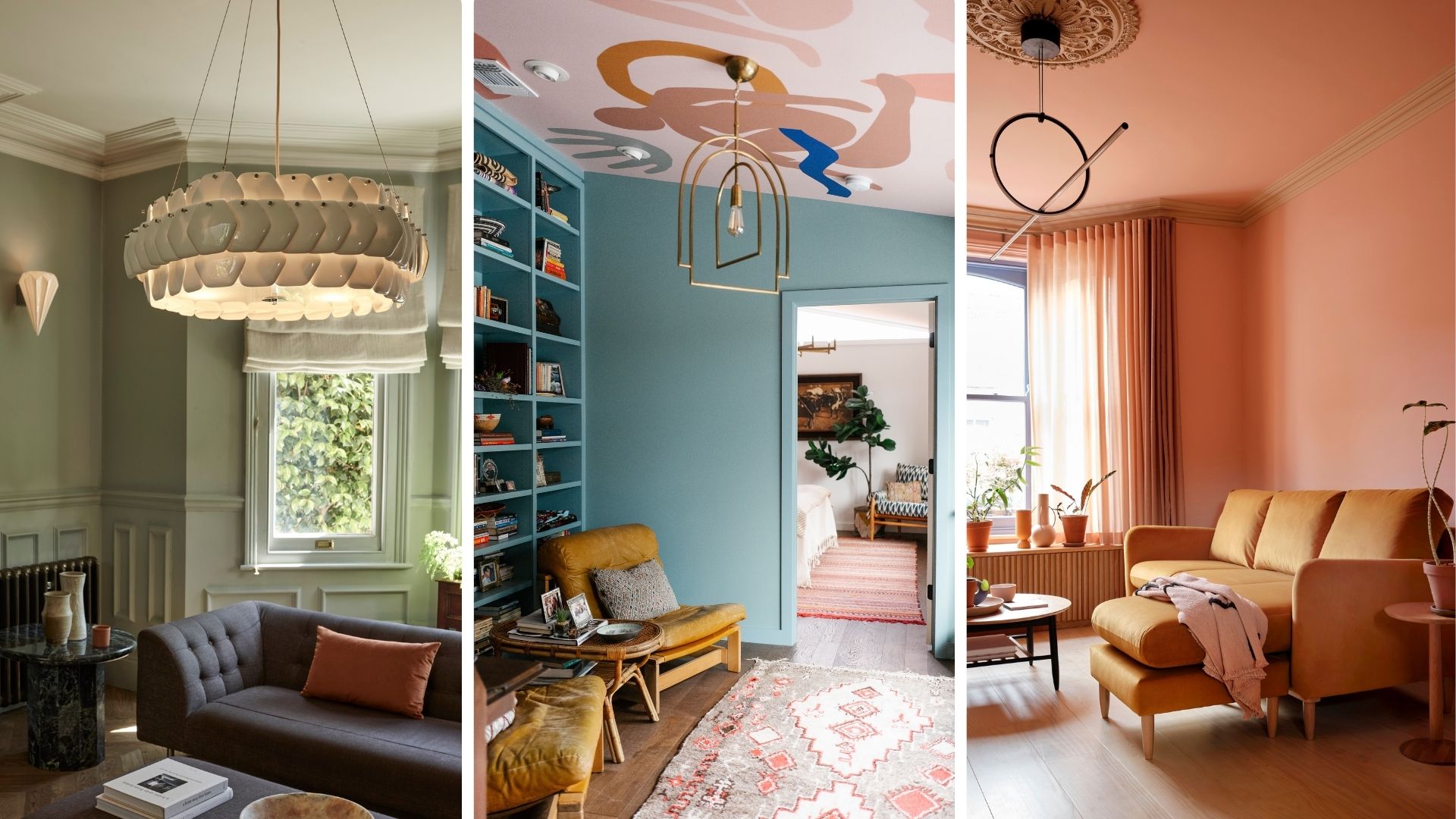
1/4
When you should and shouldn't paint your ceiling, according to interior designers
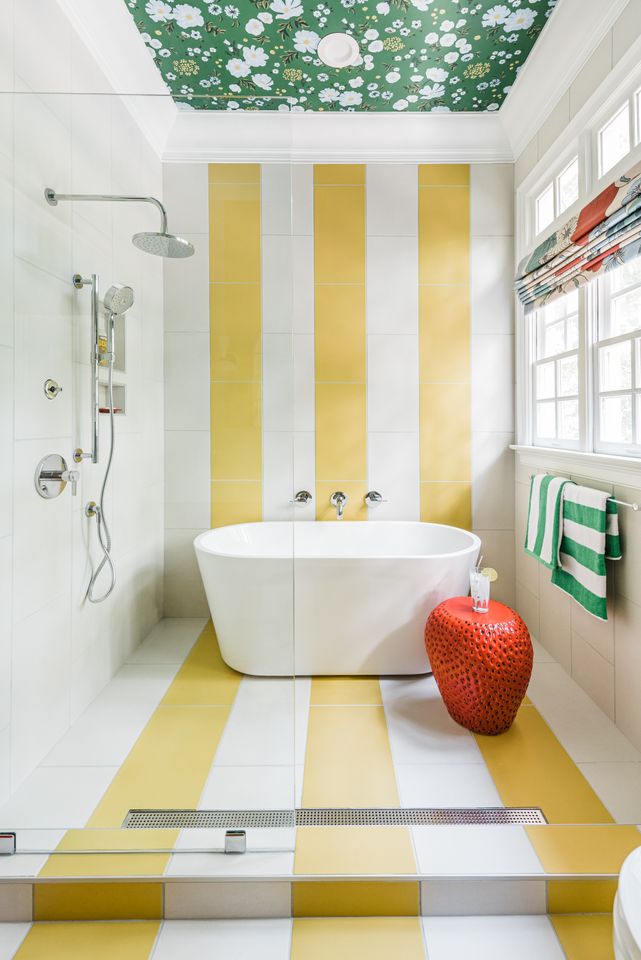
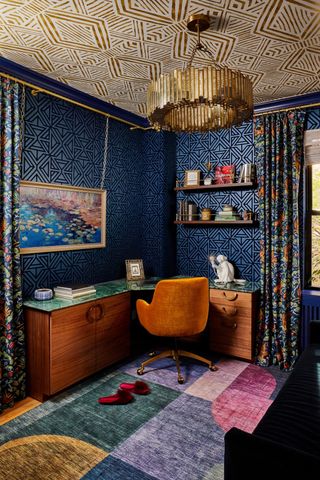
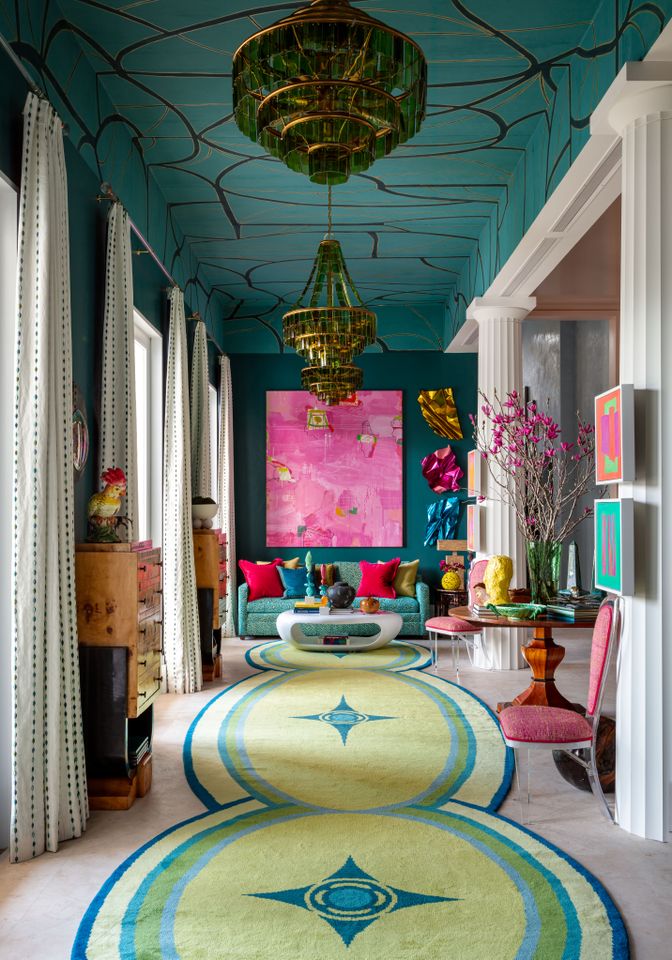
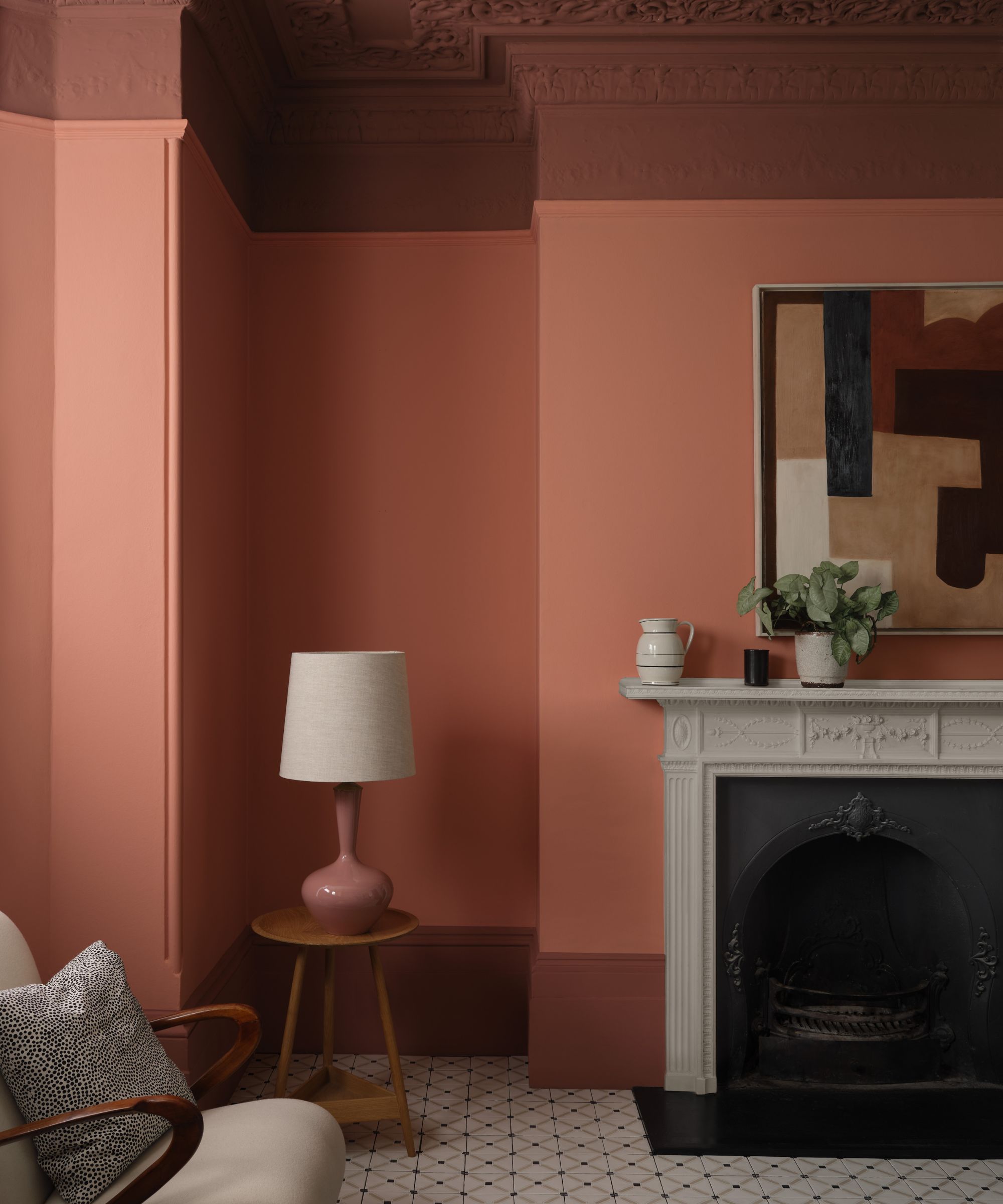
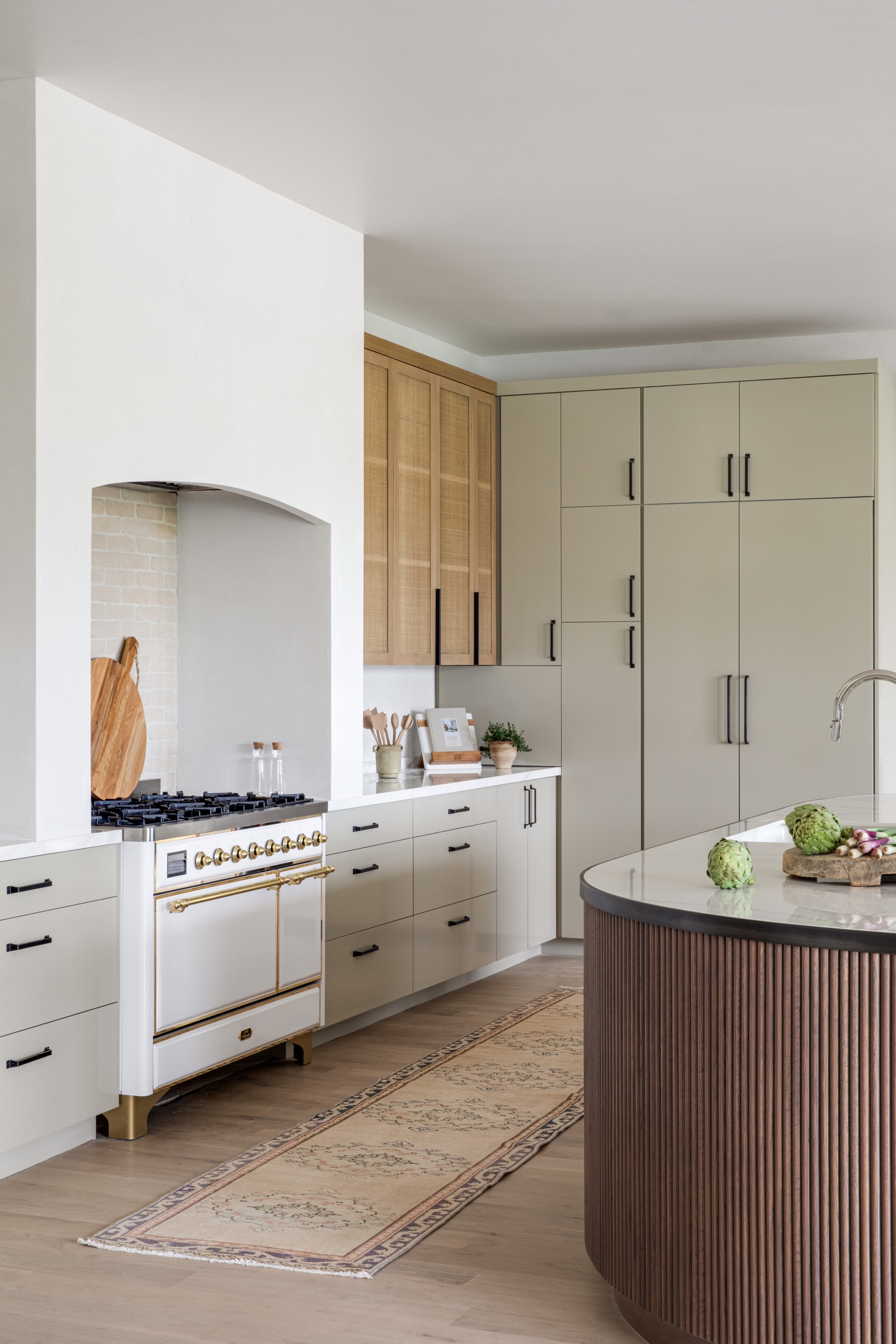
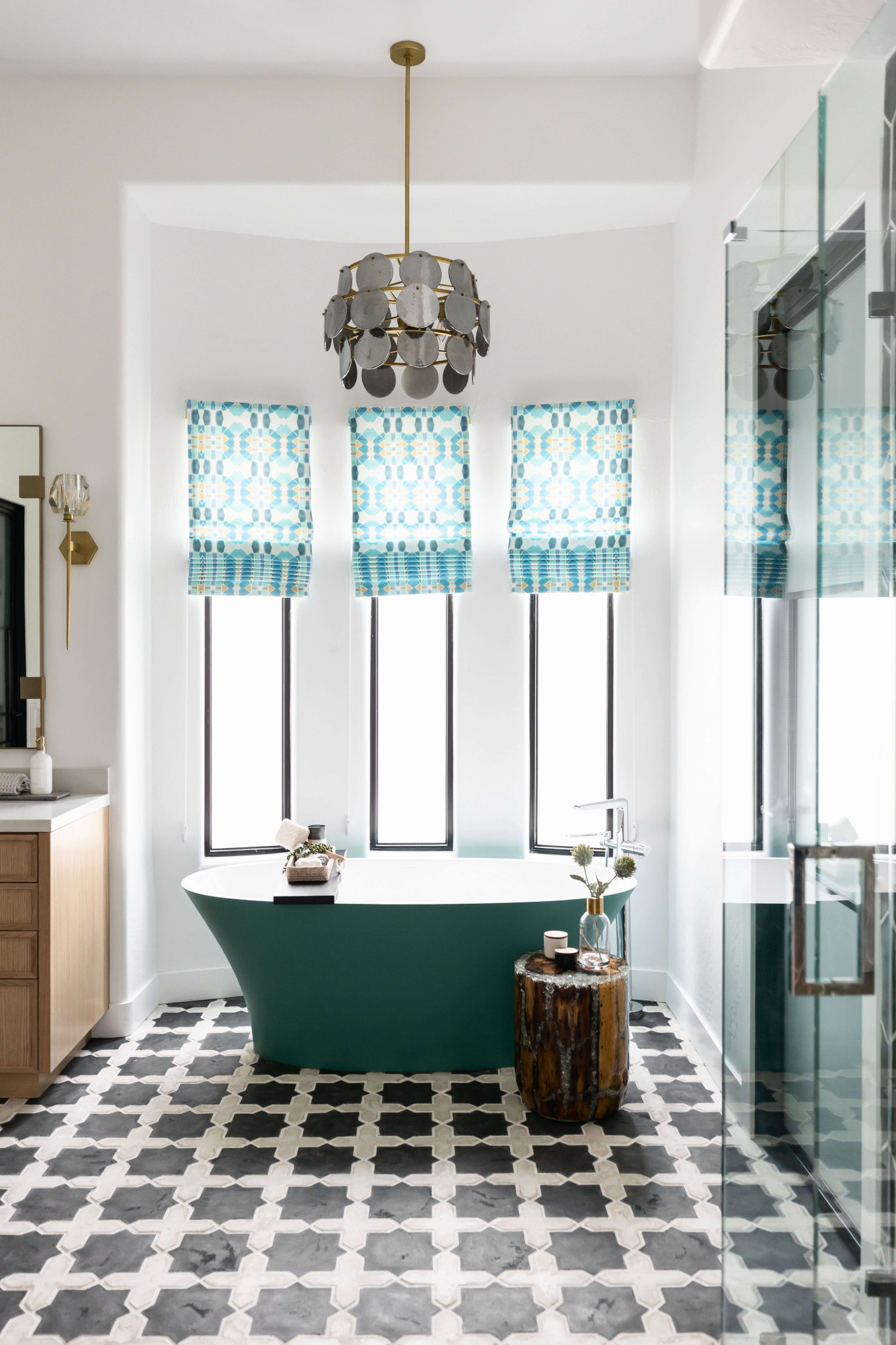
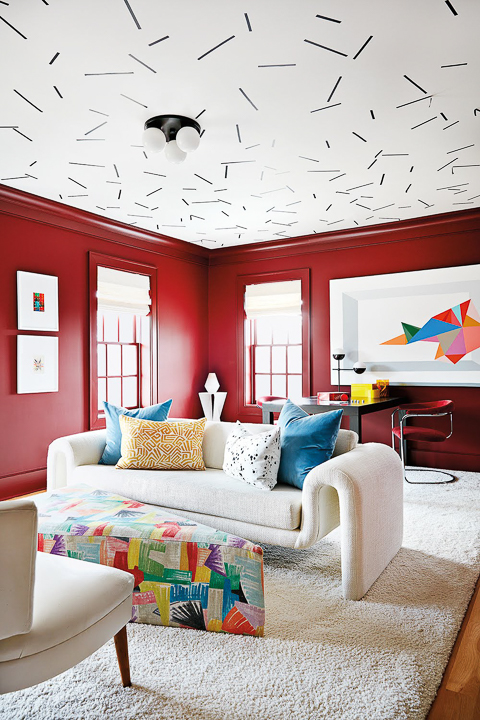
The article explores the growing trend of painting ceilings in various colors beyond traditional white, analyzing when this design choice is effective and when it should be avoided. Interior designers emphasize that a painted ceiling, often referred to as the 'fifth wall,' can significantly modernize a space, add 'wow' factor, and even influence the perceived size of a room. This trend has gained traction, following previously popular design elements like painted arches and accent walls, largely due to its ability to create a contemporary and cohesive look, especially through color-drenching techniques where walls and ceilings share the same hue.
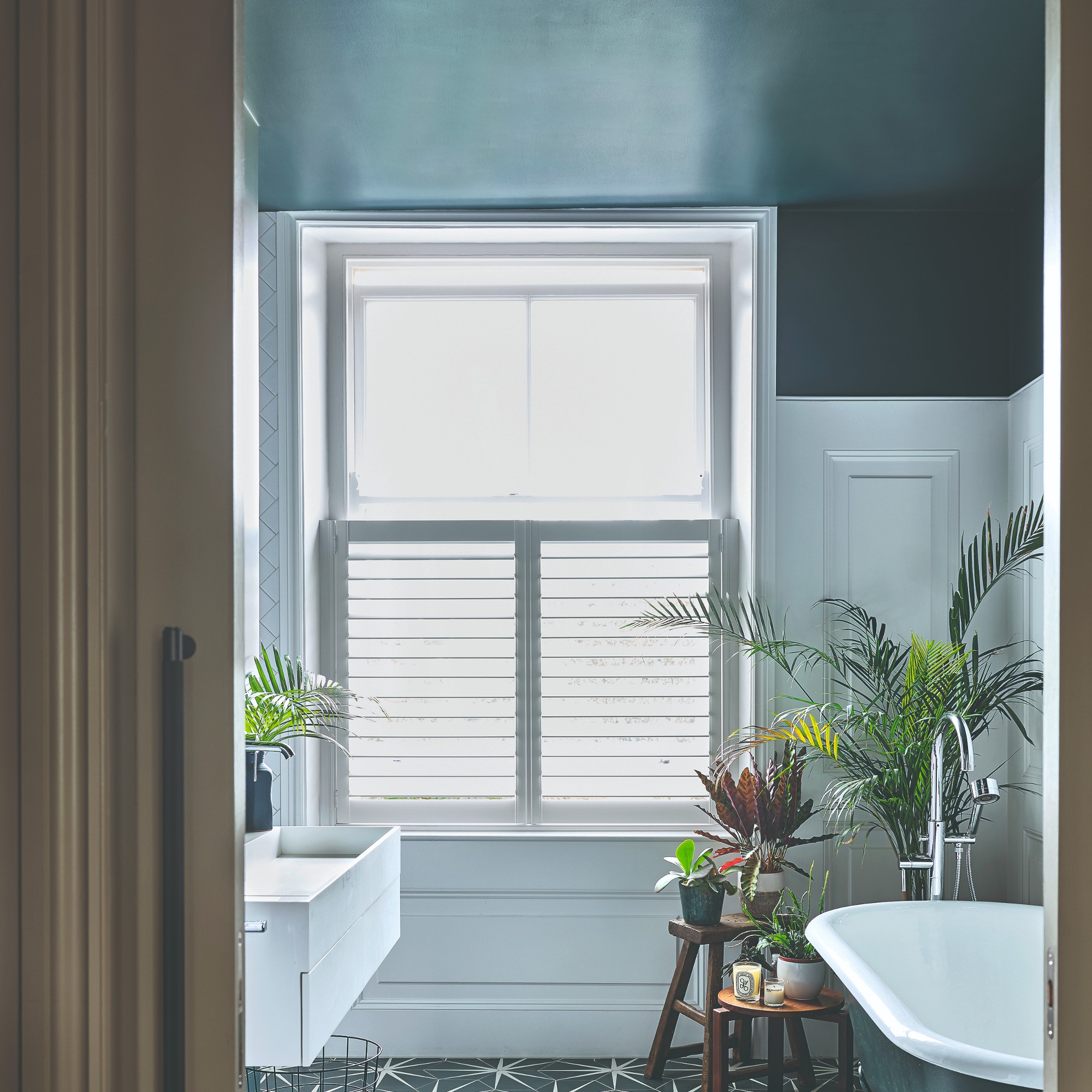
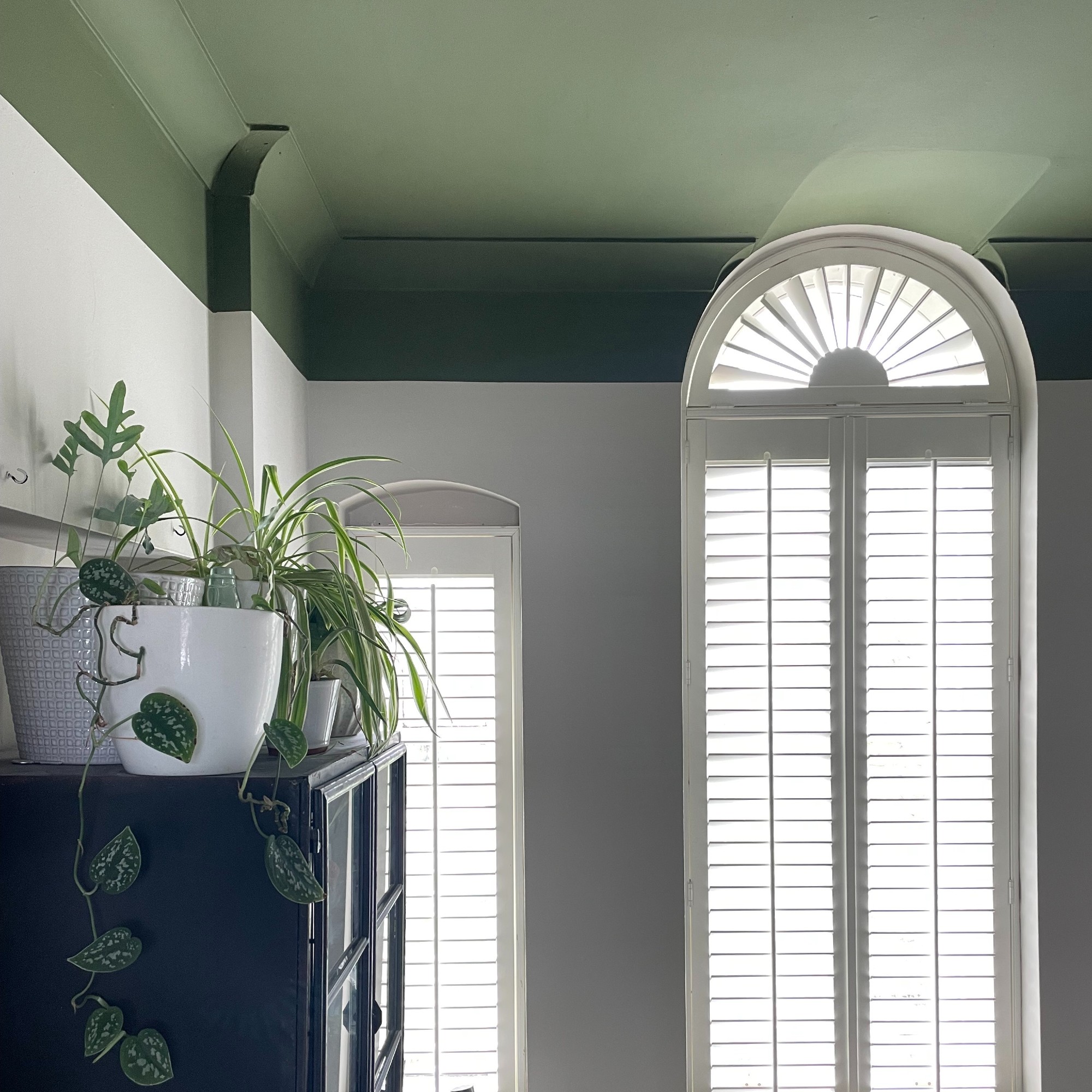
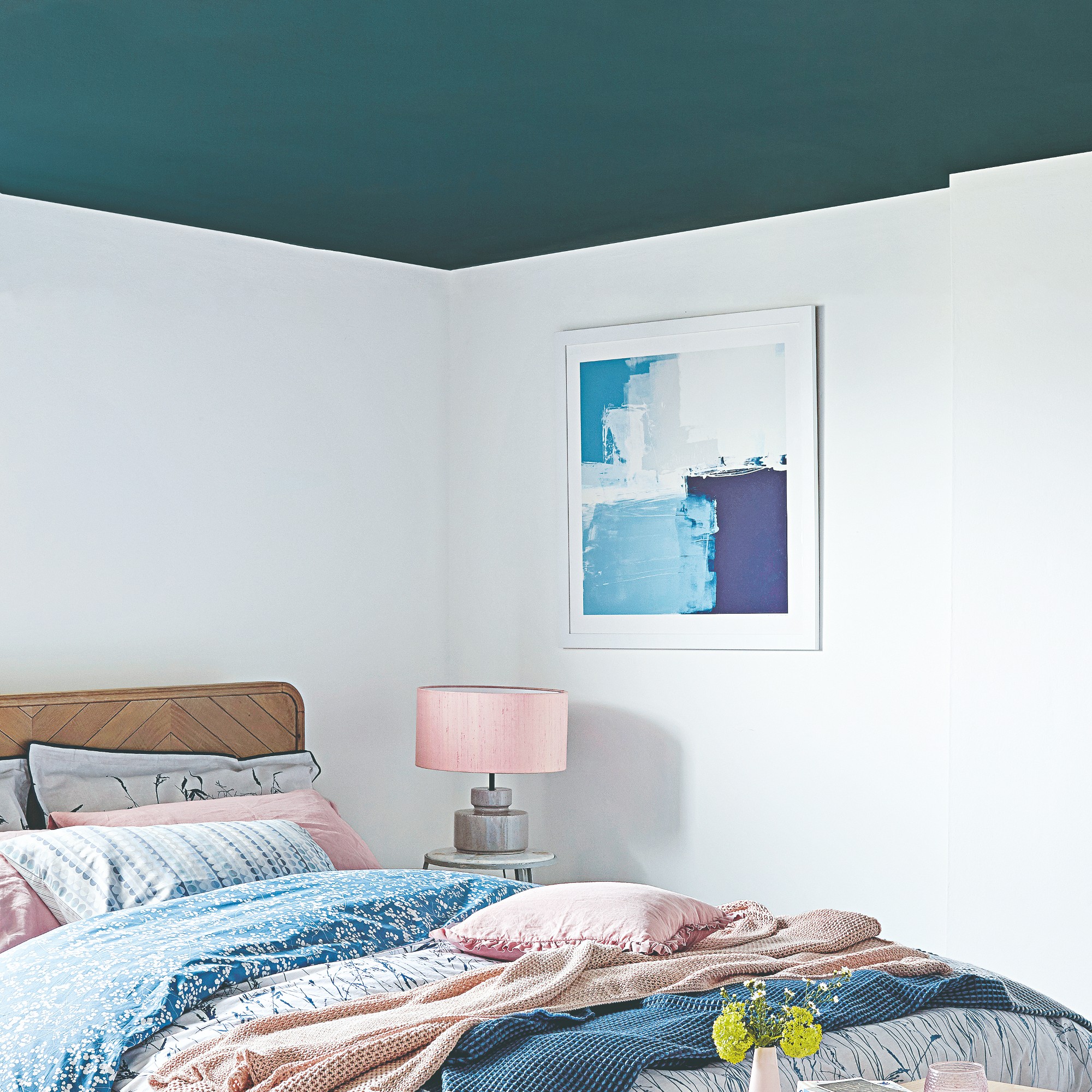
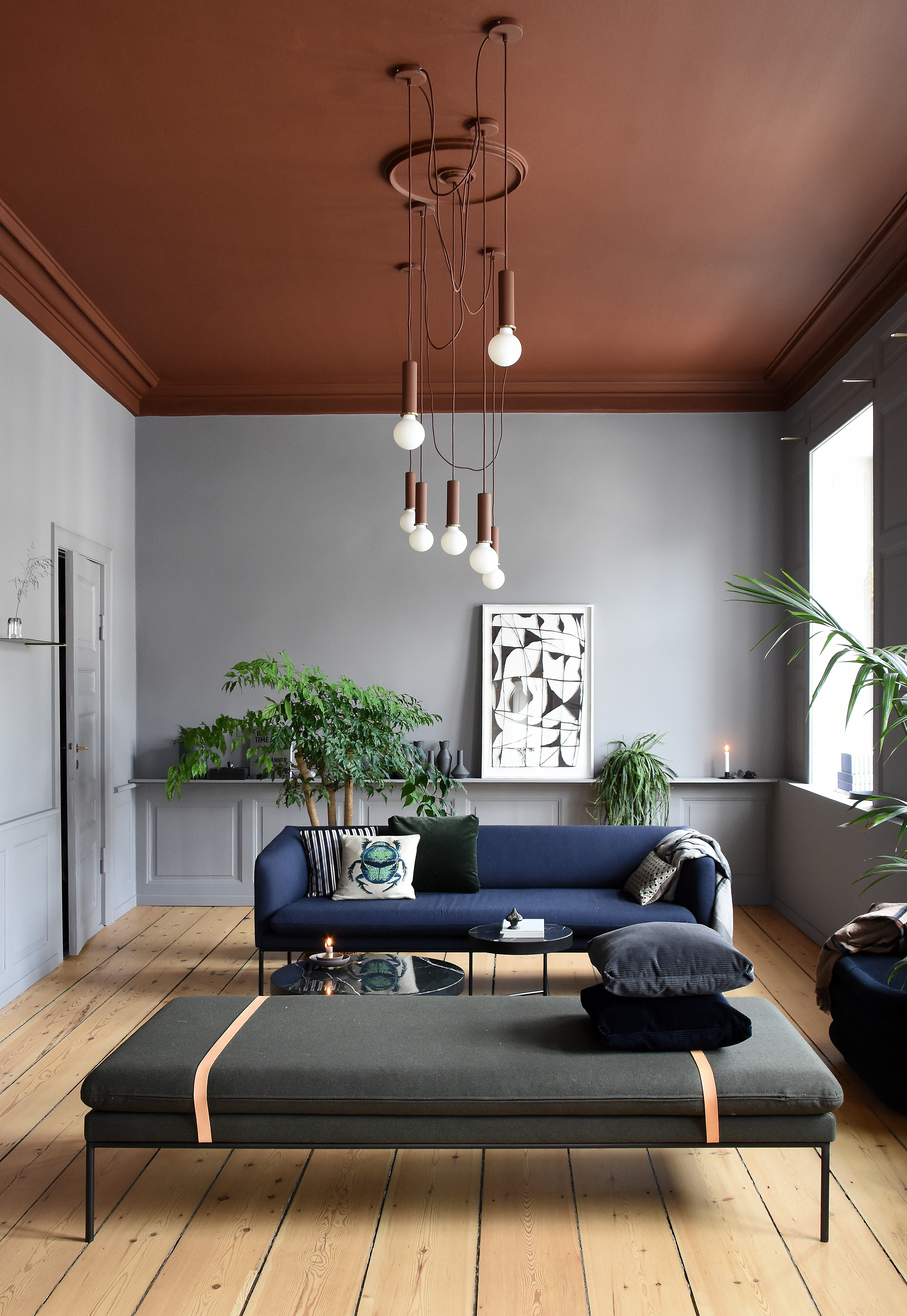
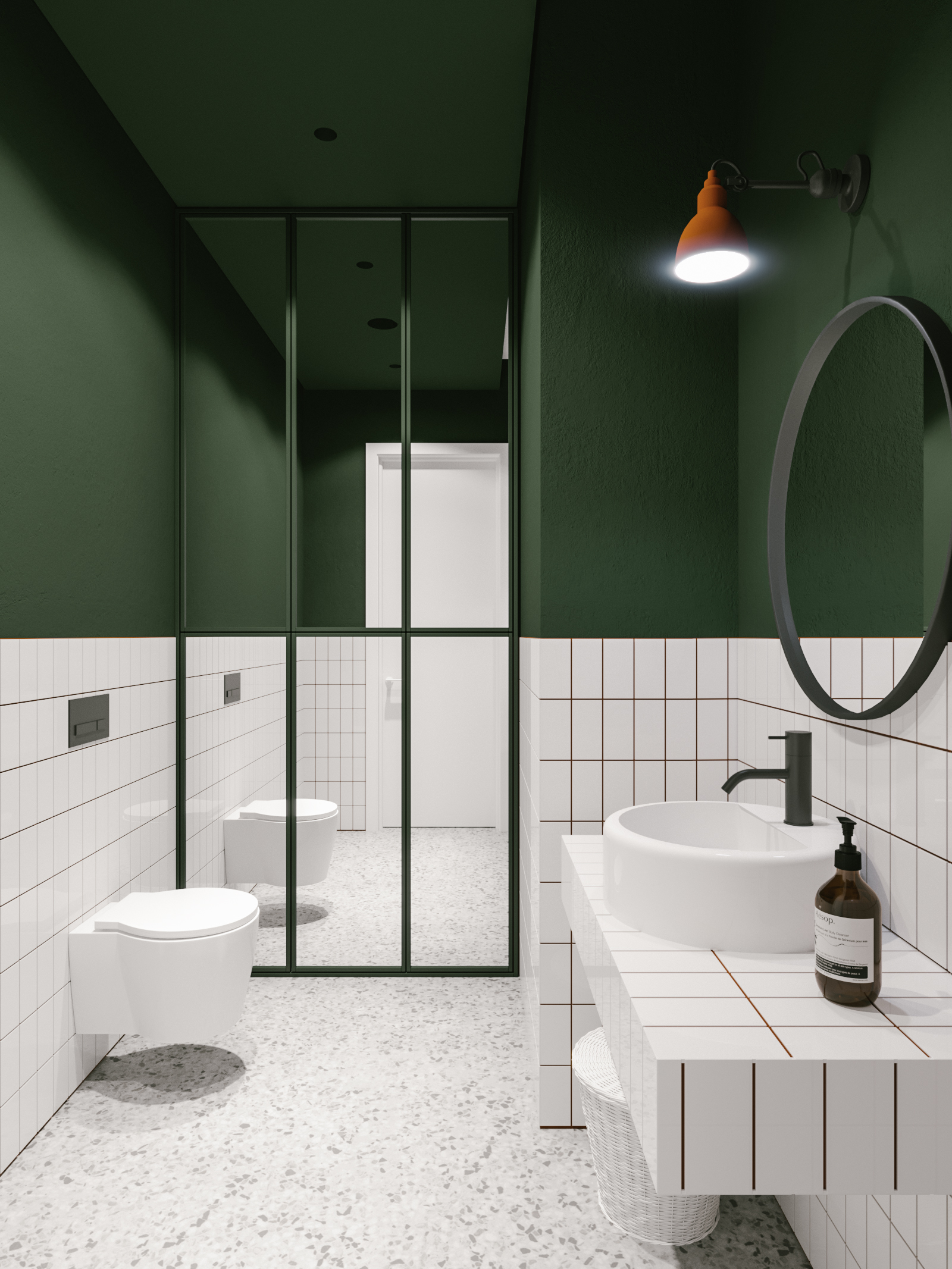
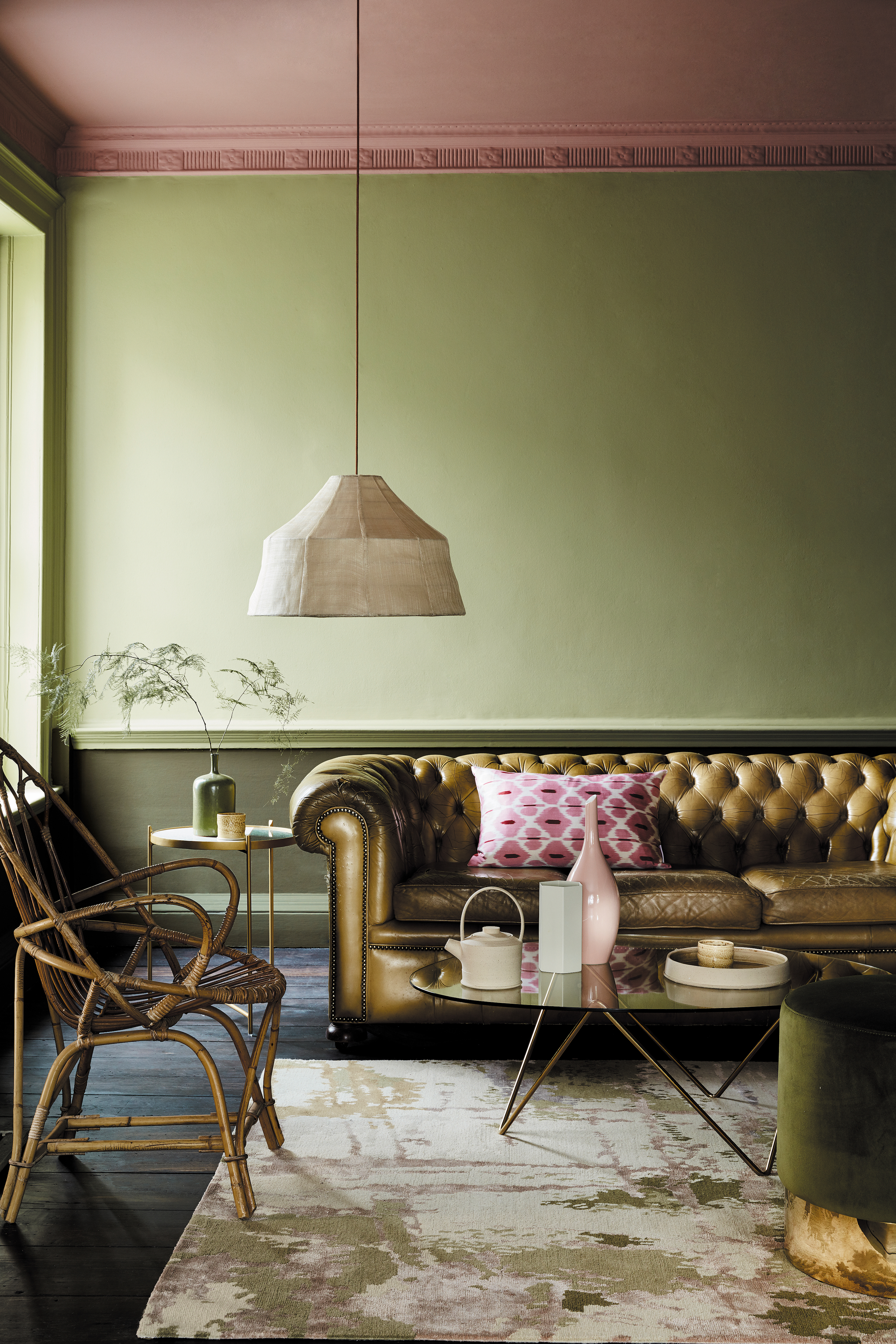
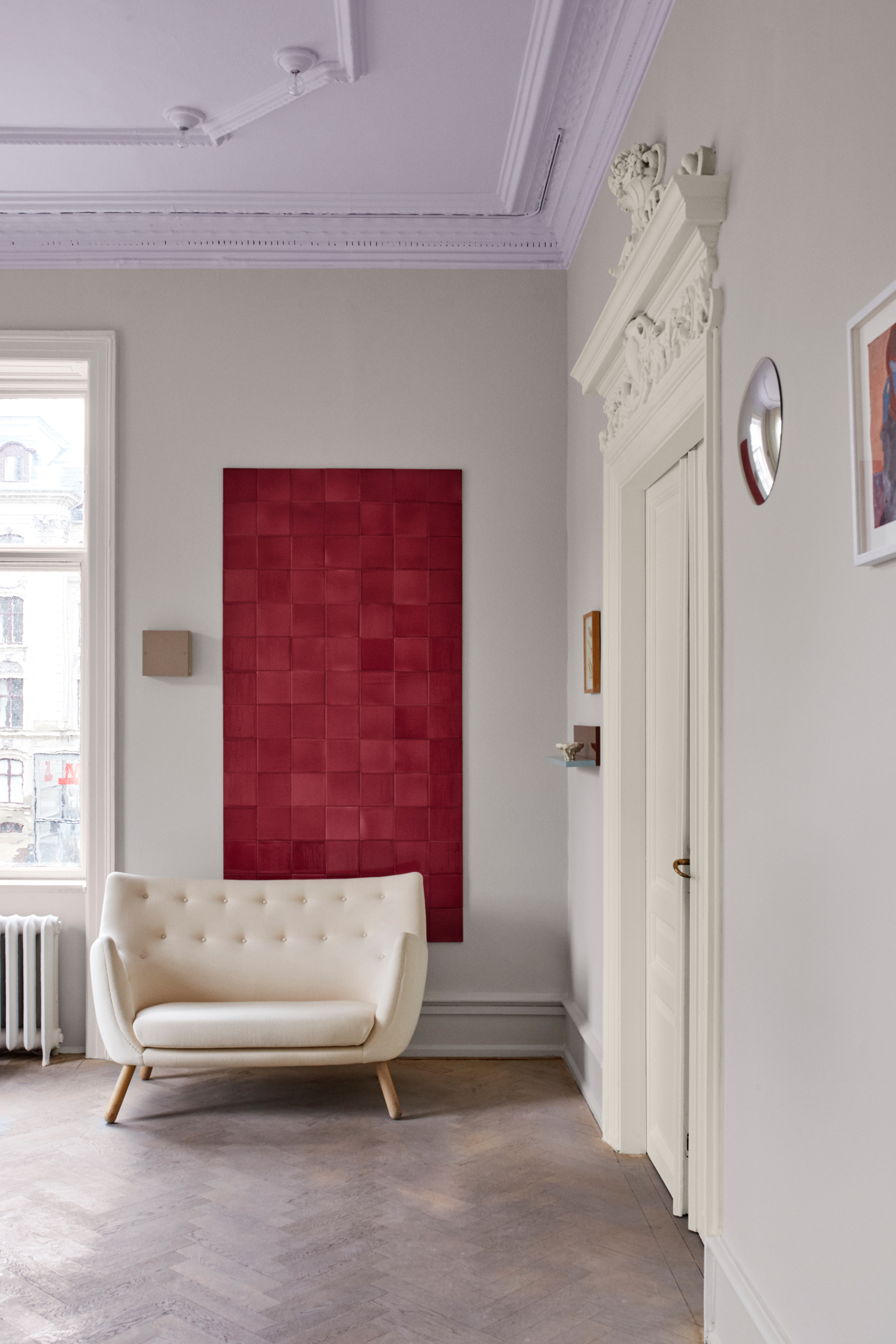
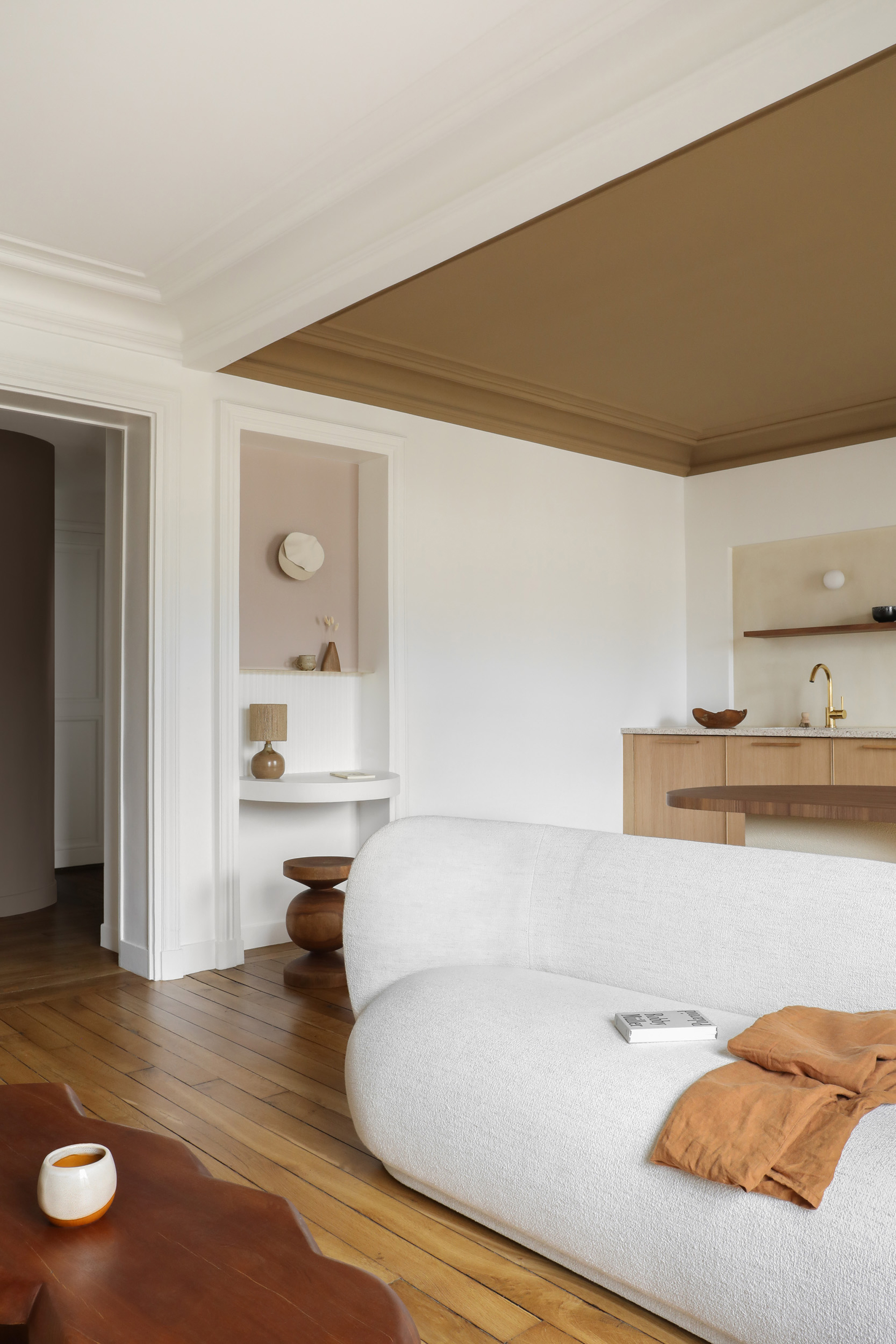
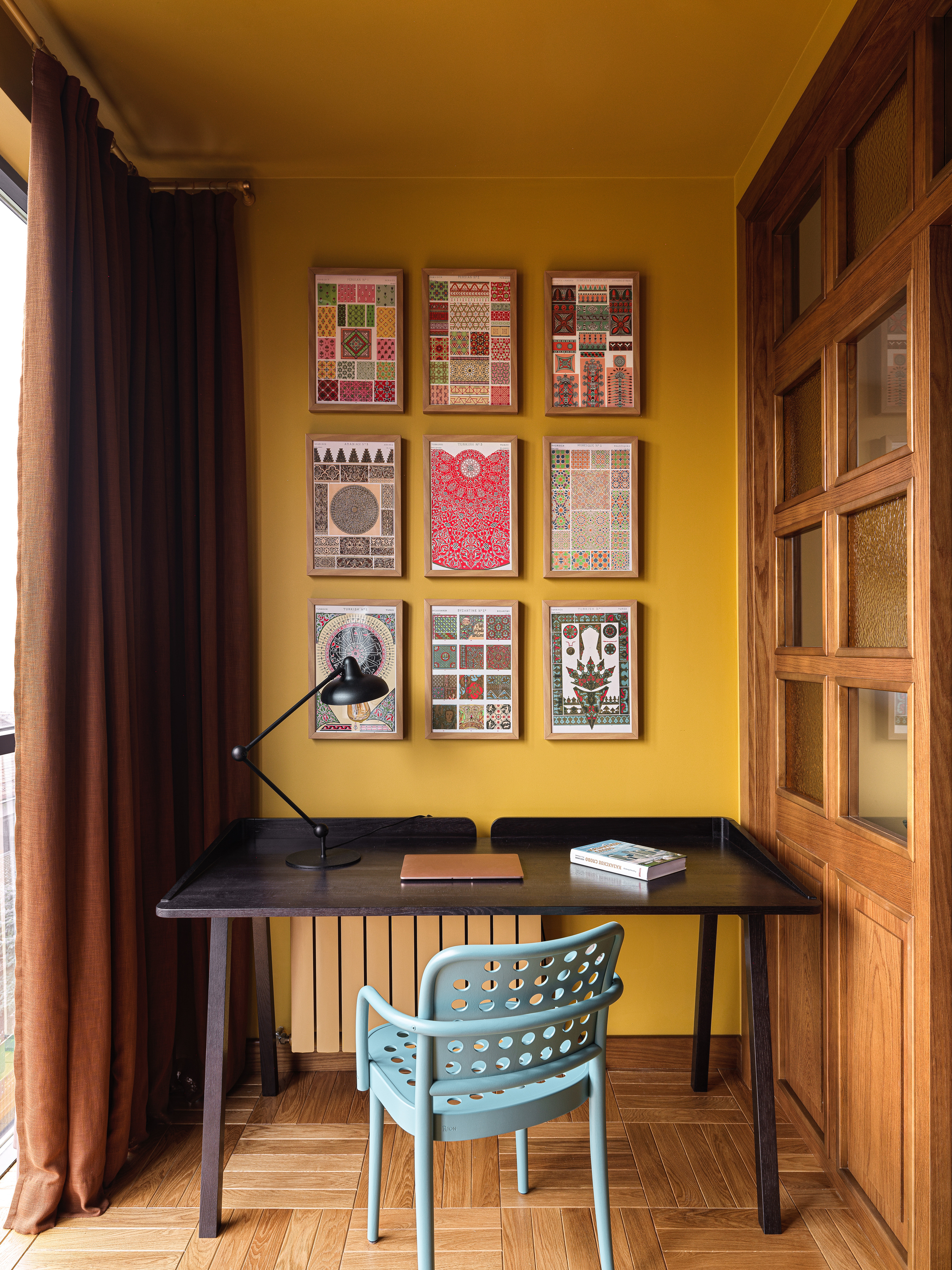
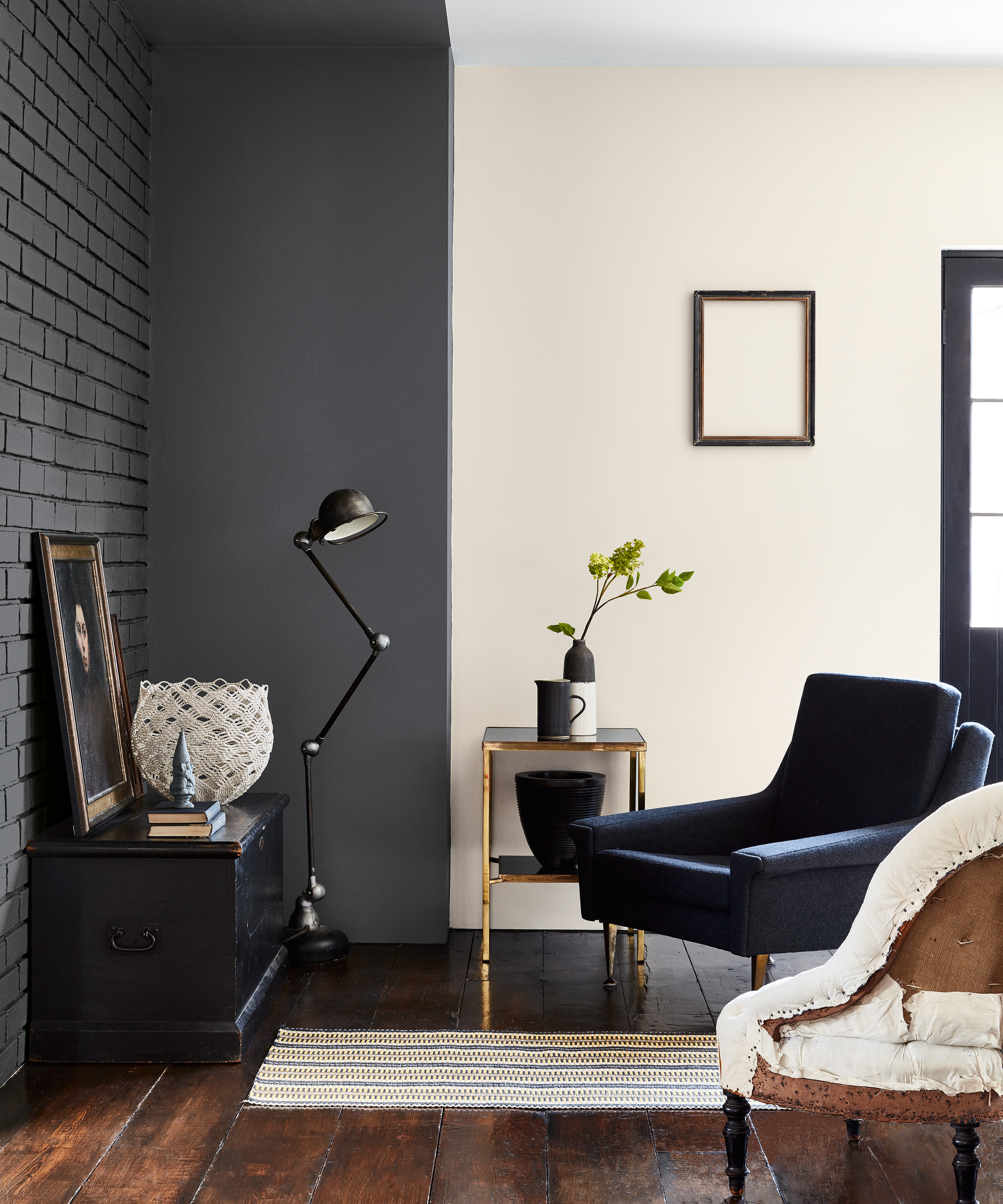
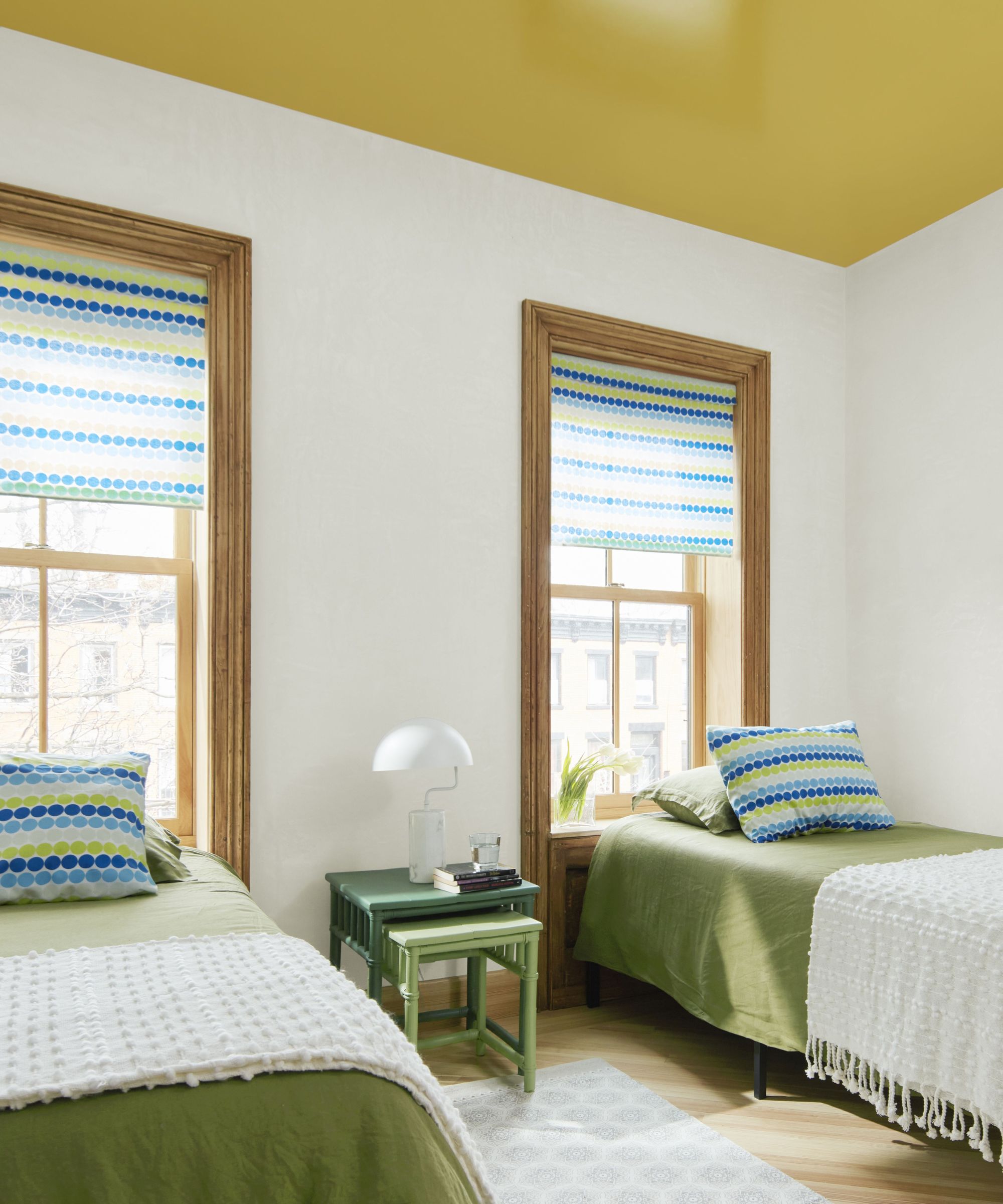
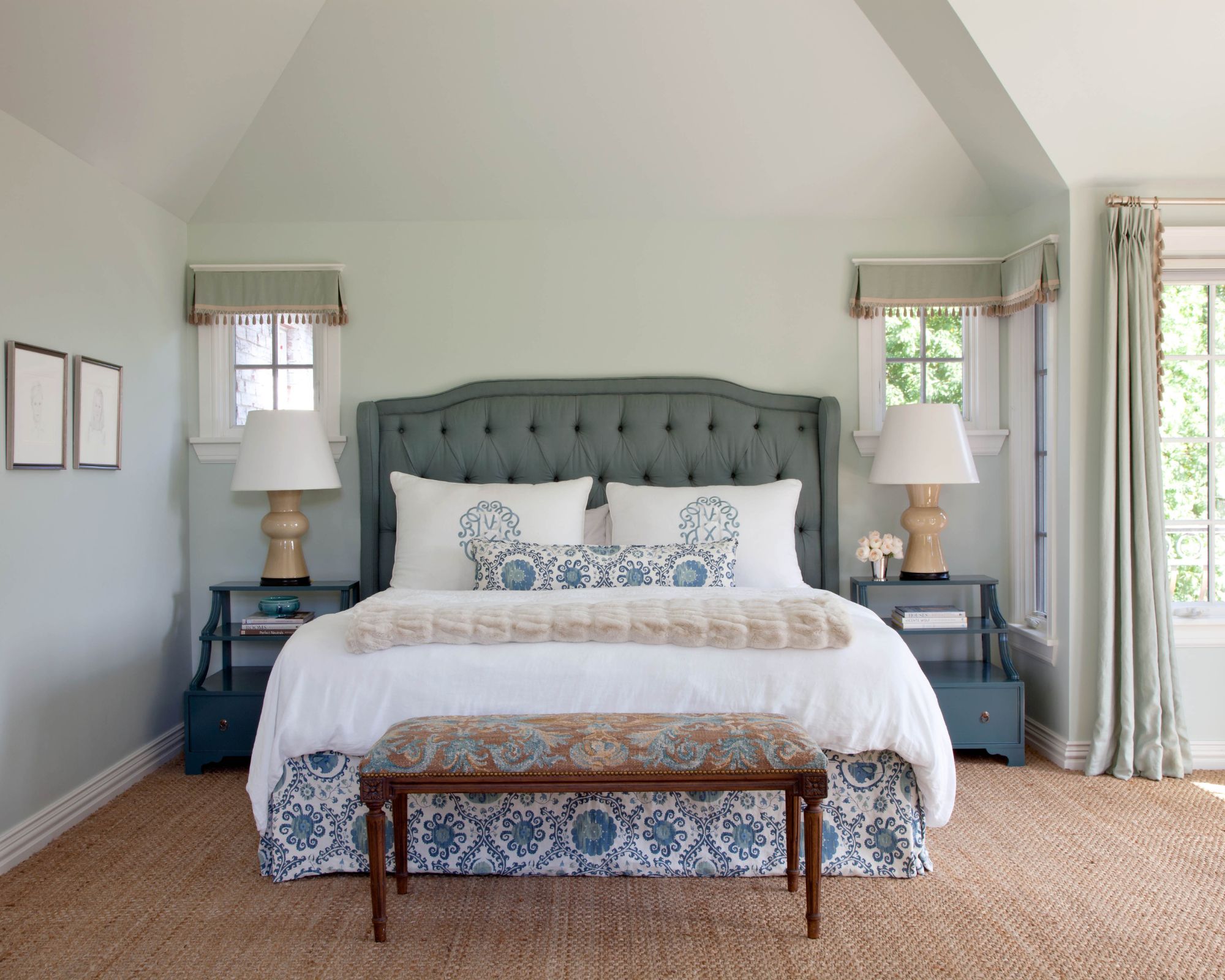
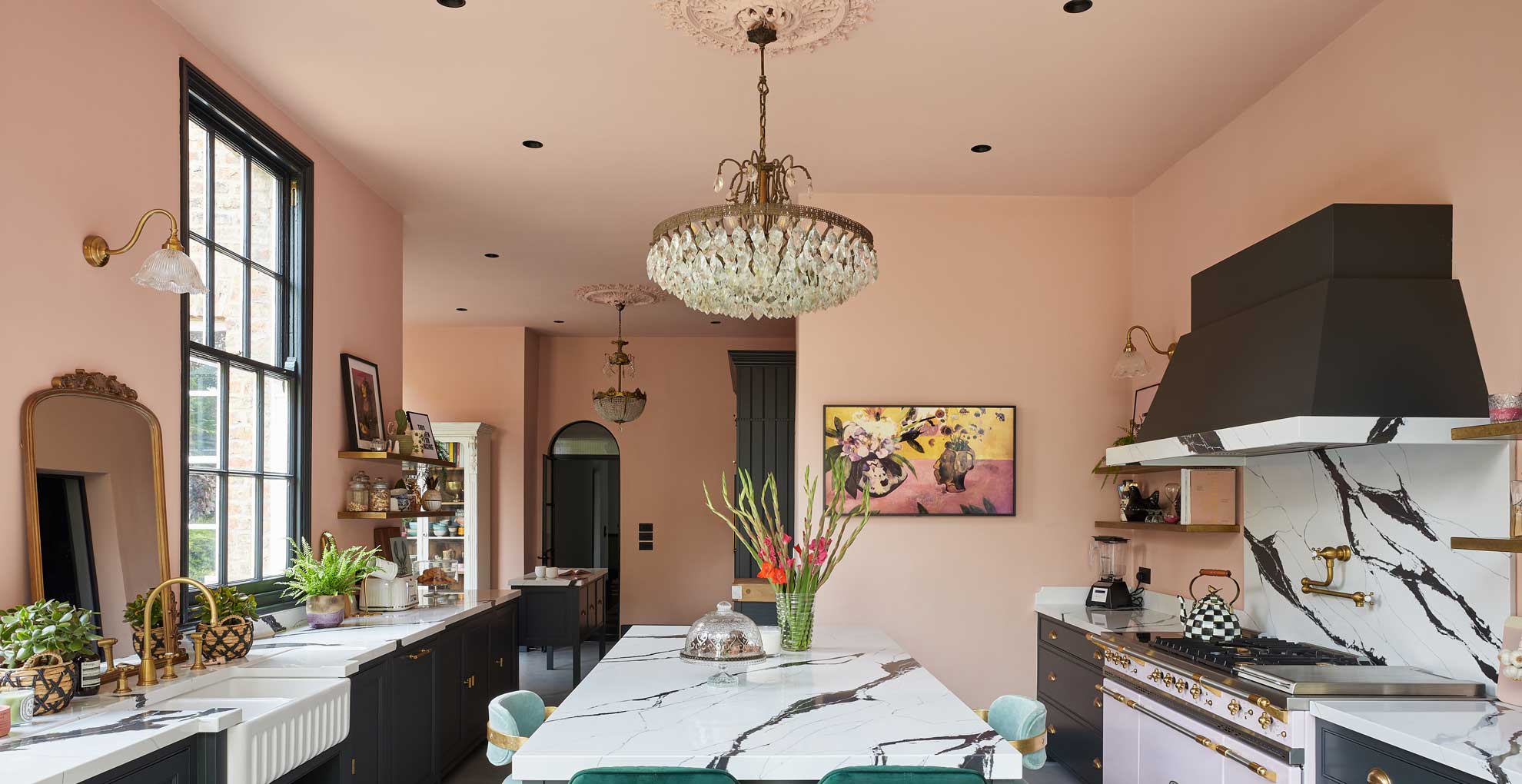
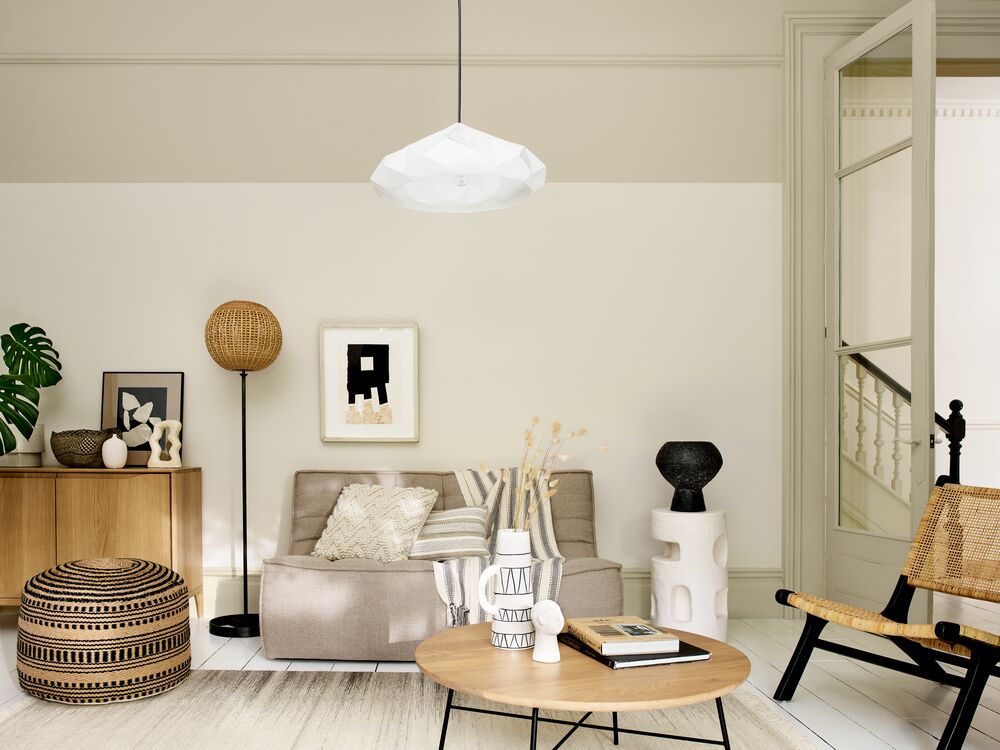
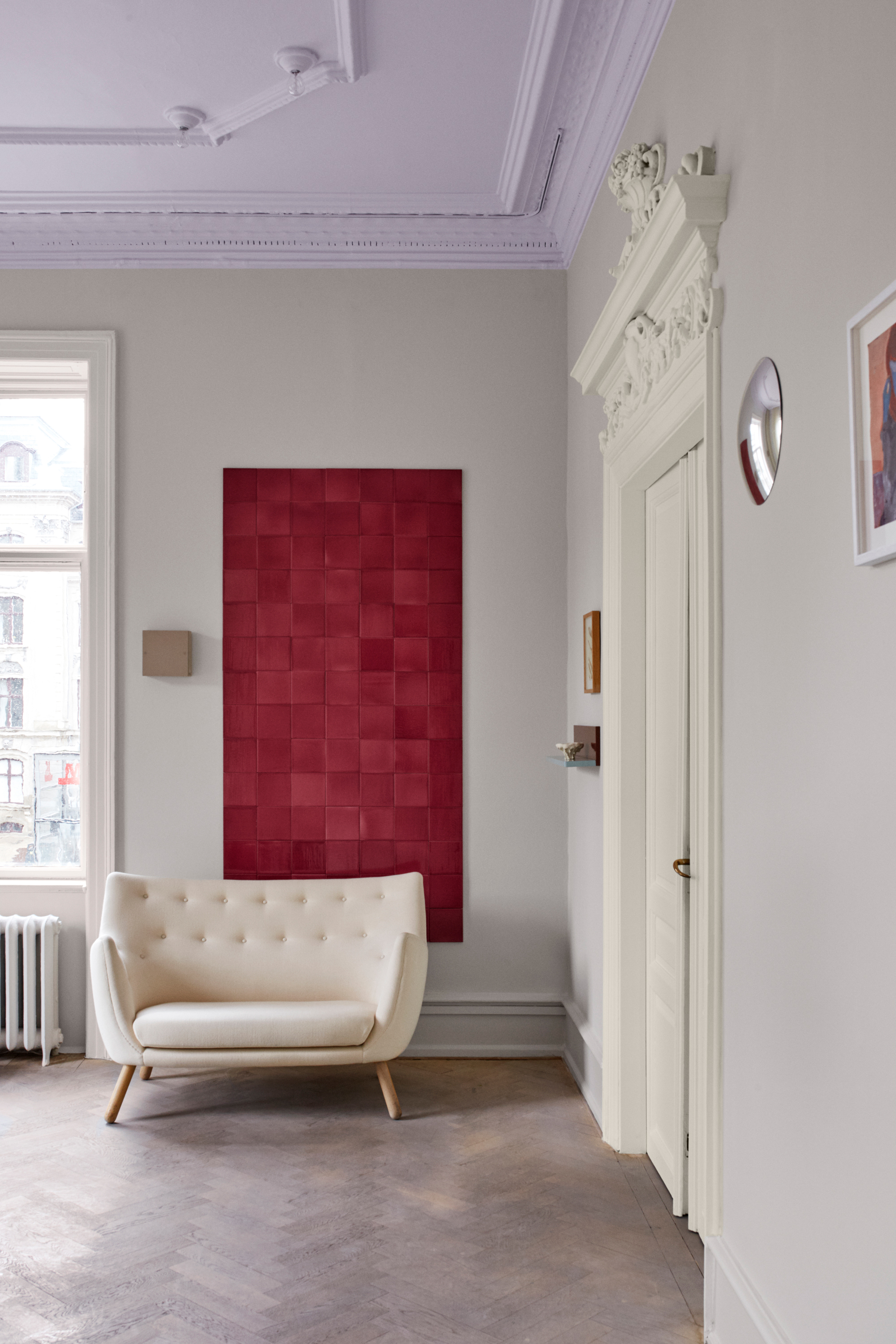
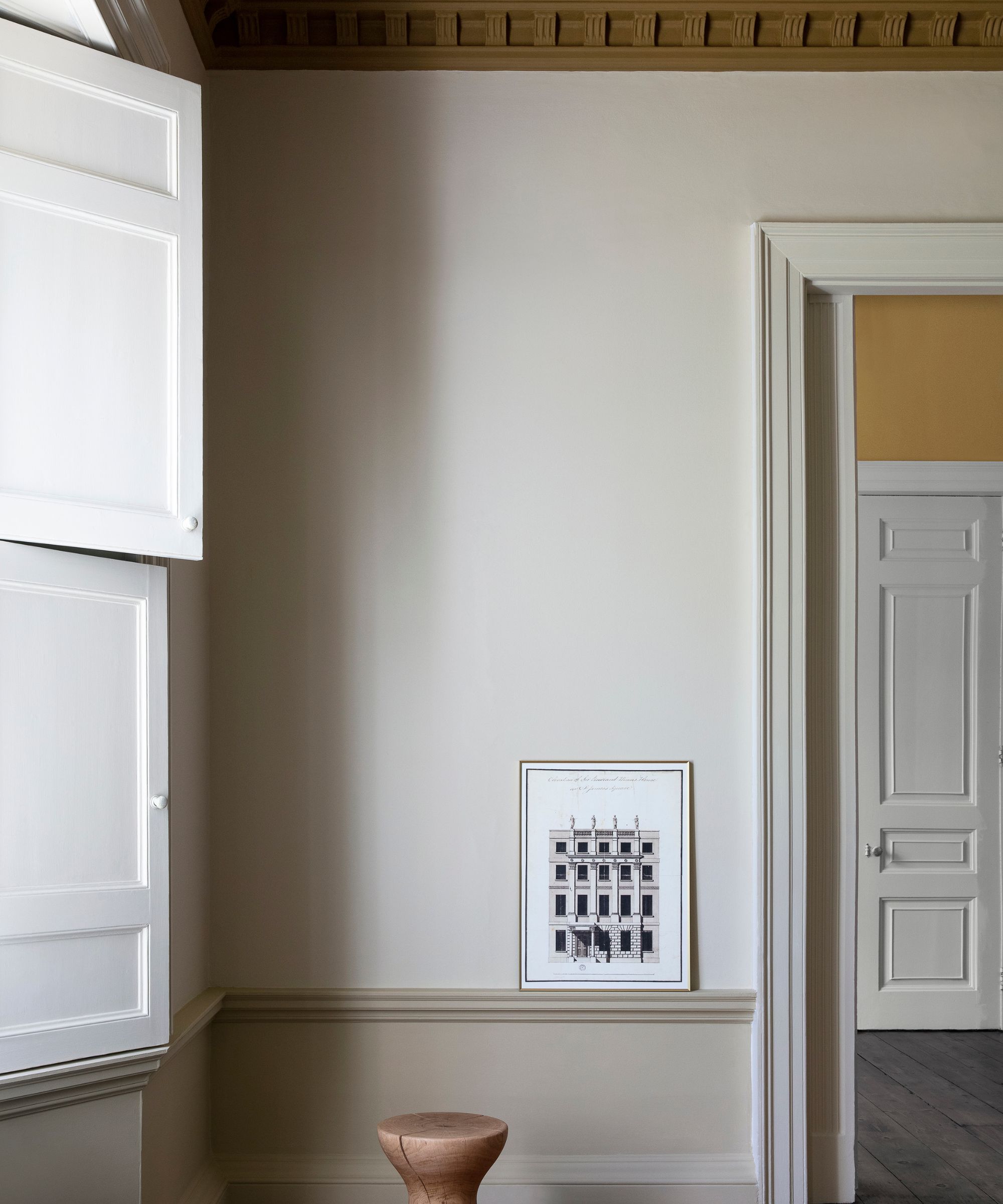
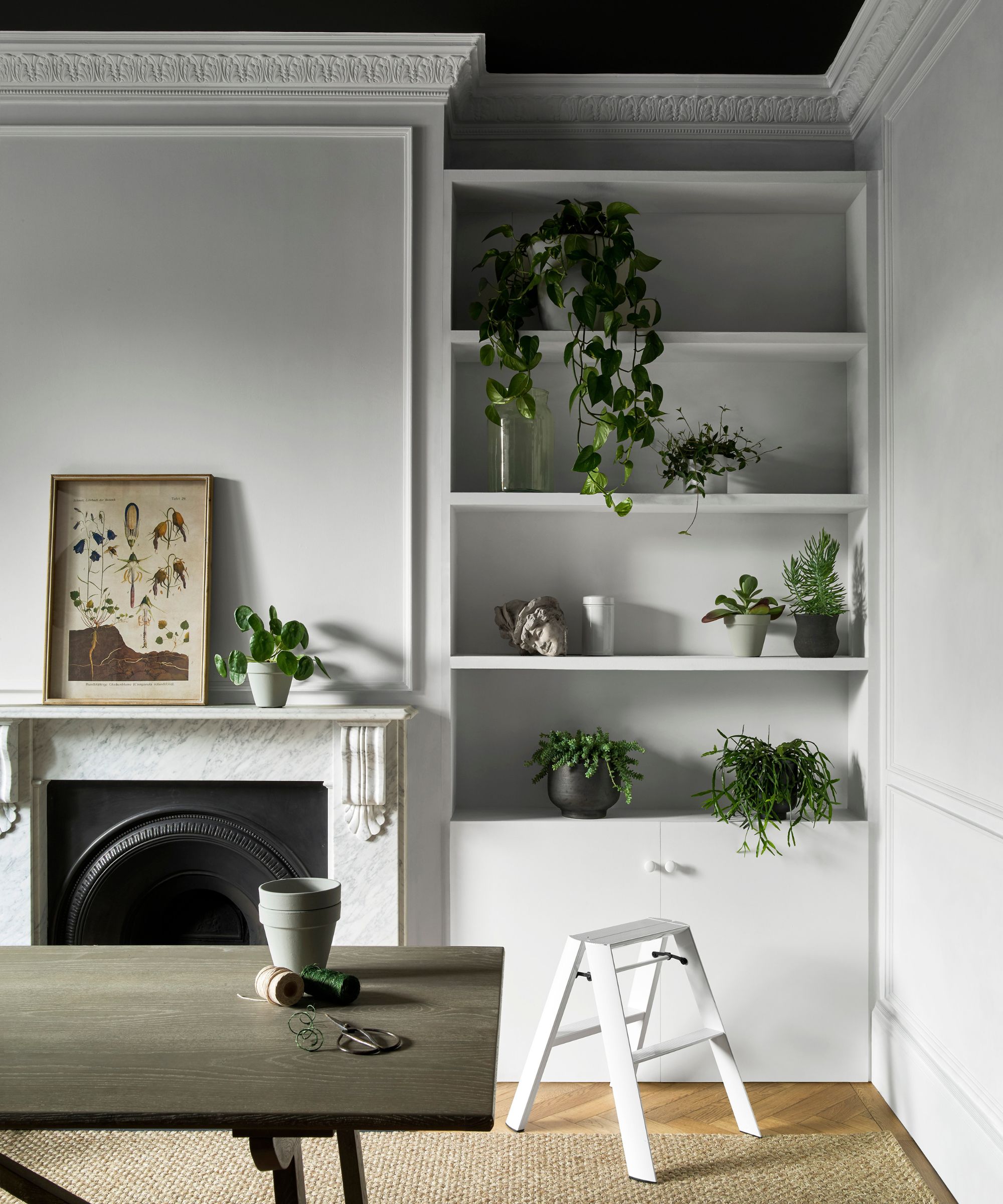
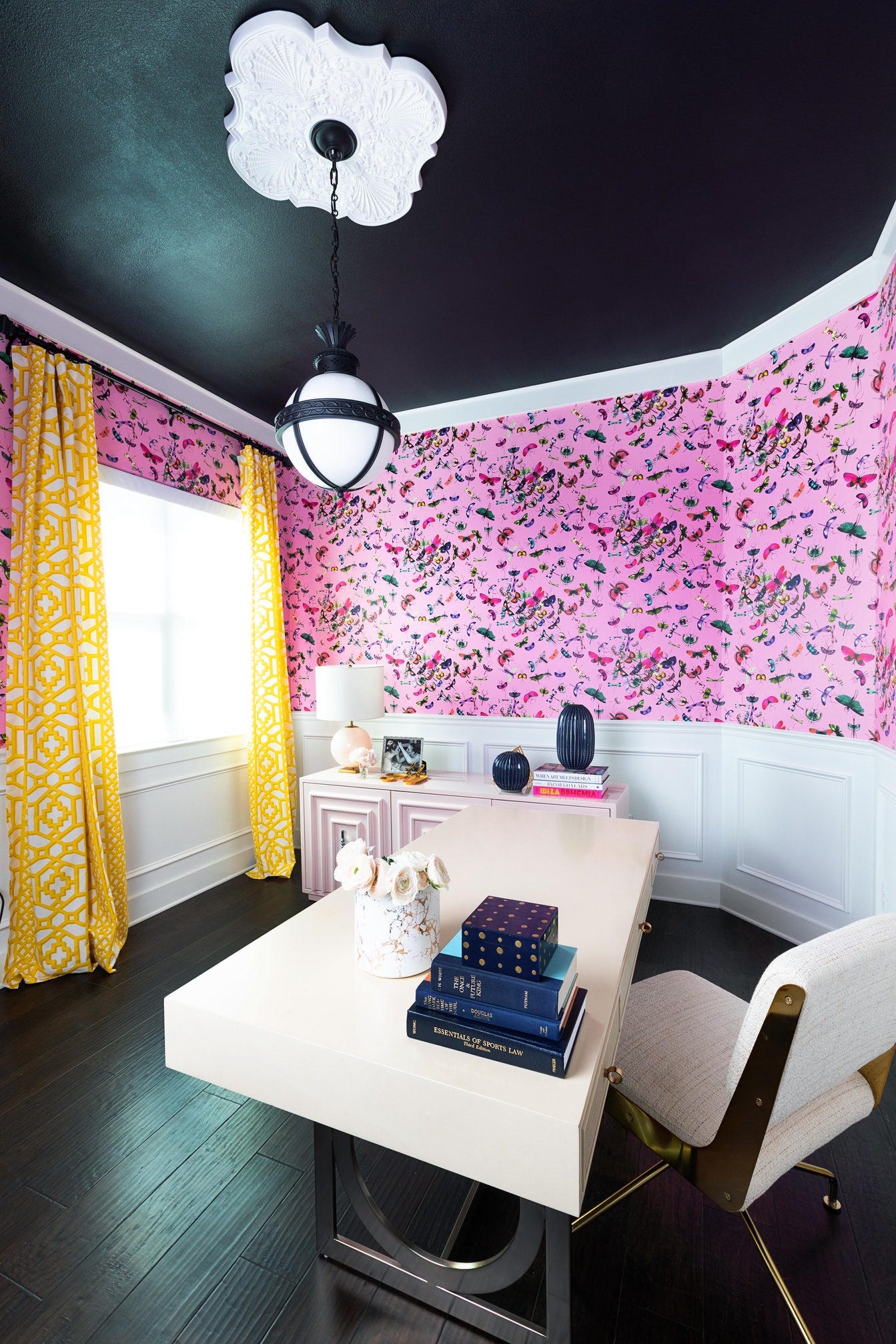
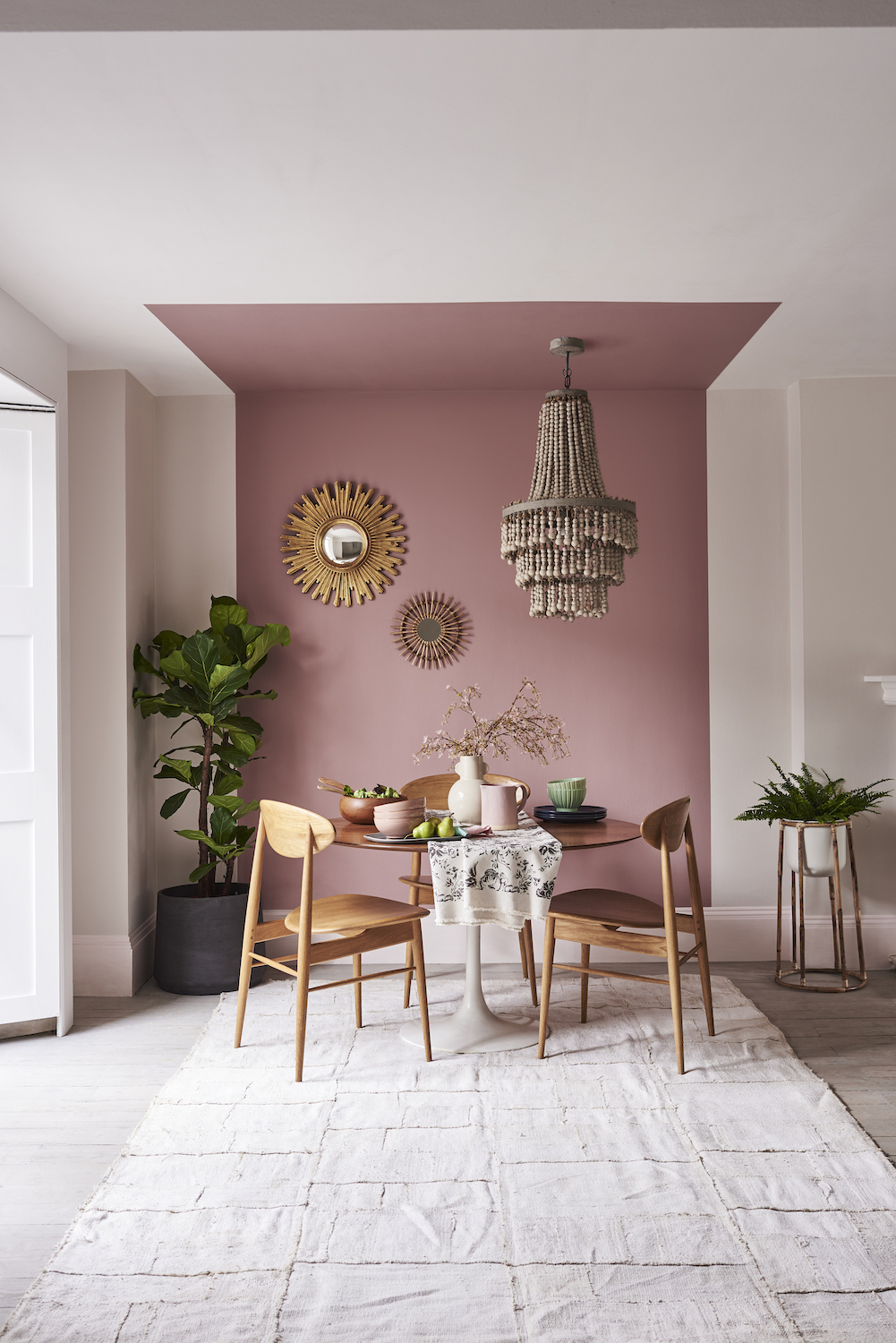
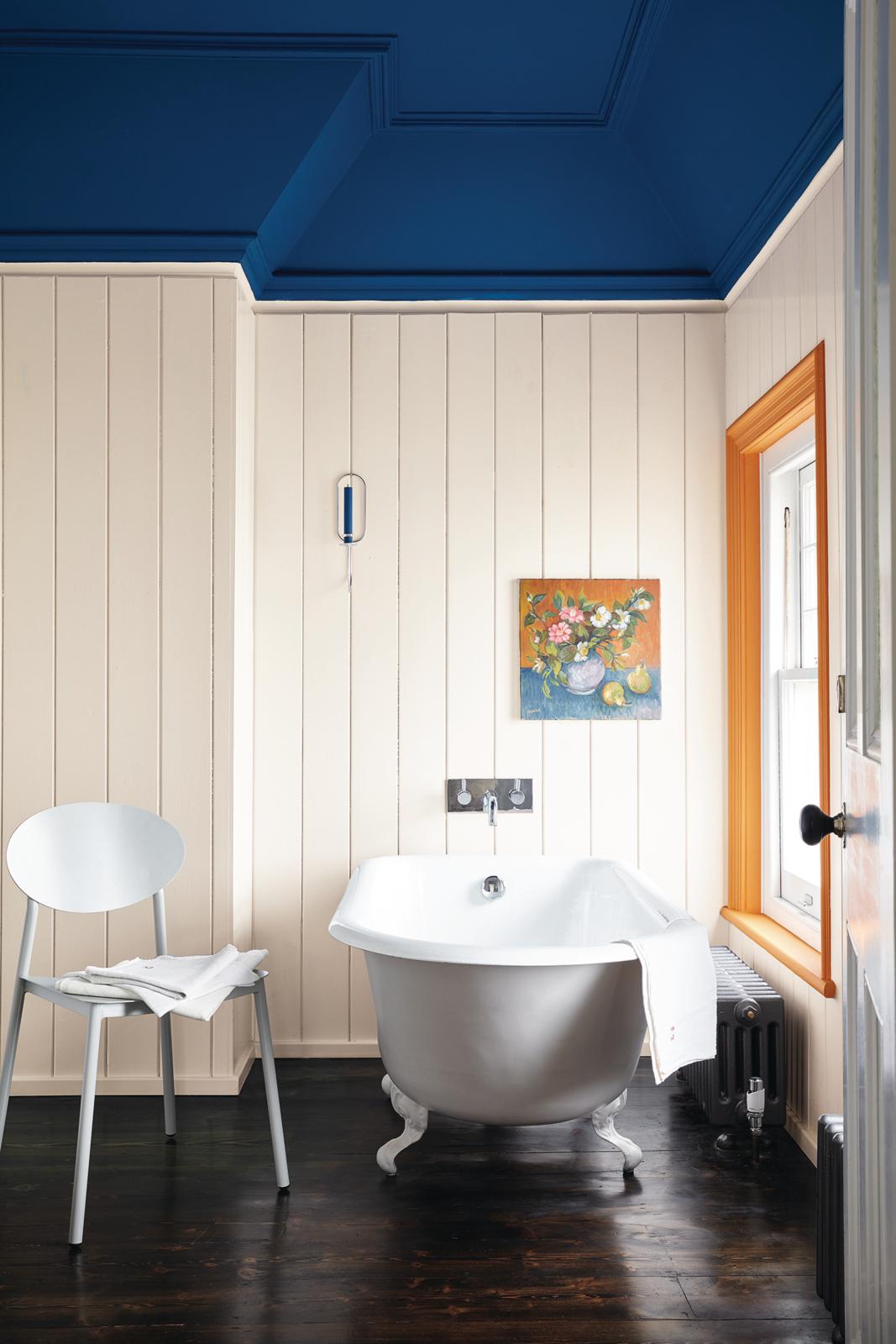
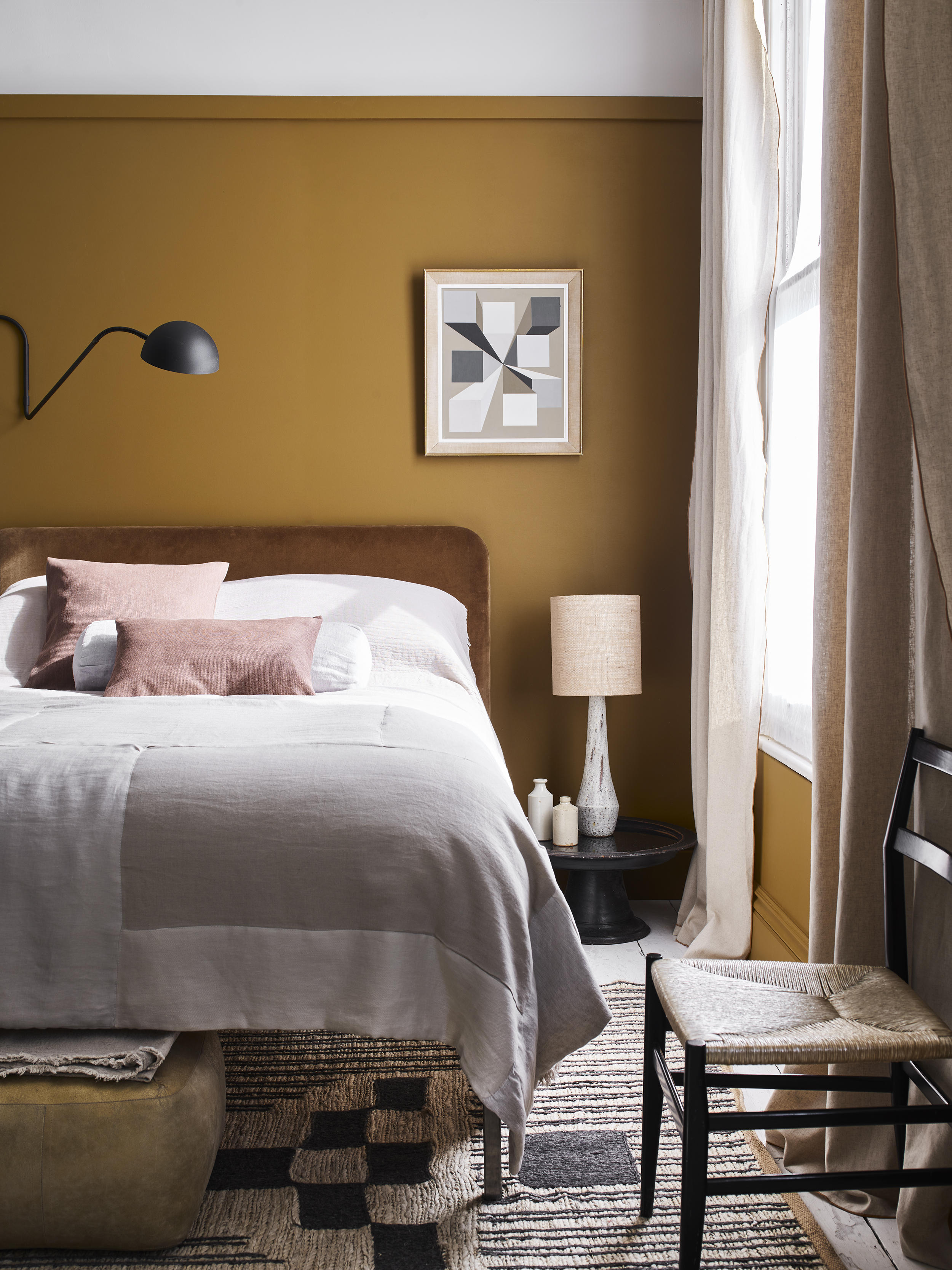
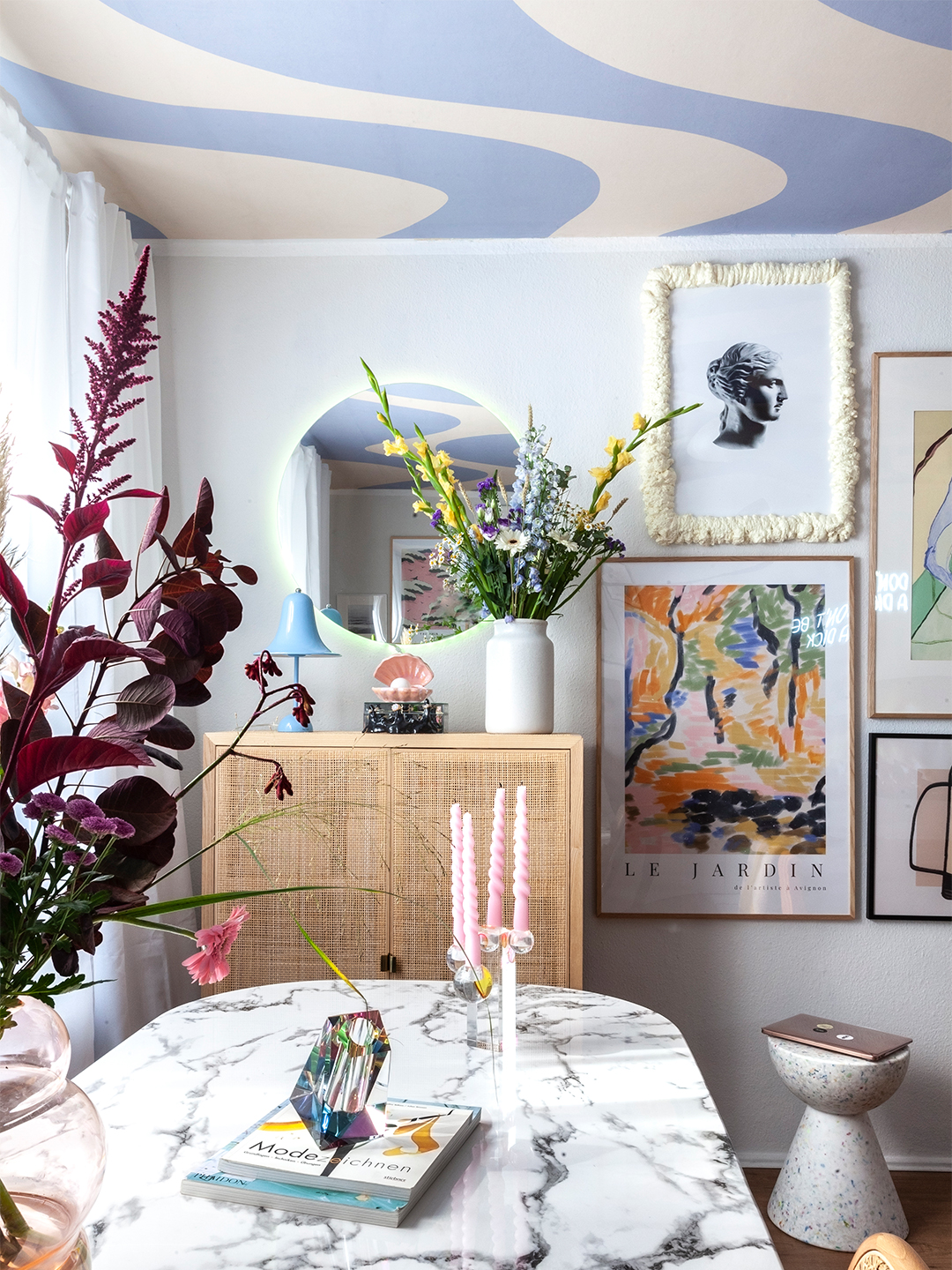
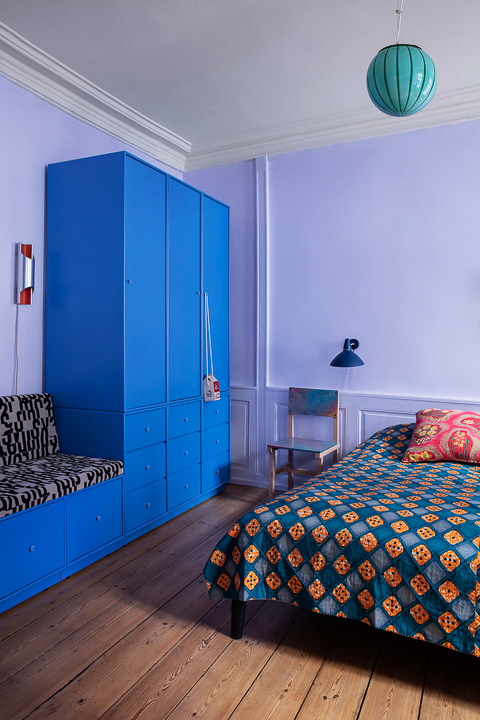
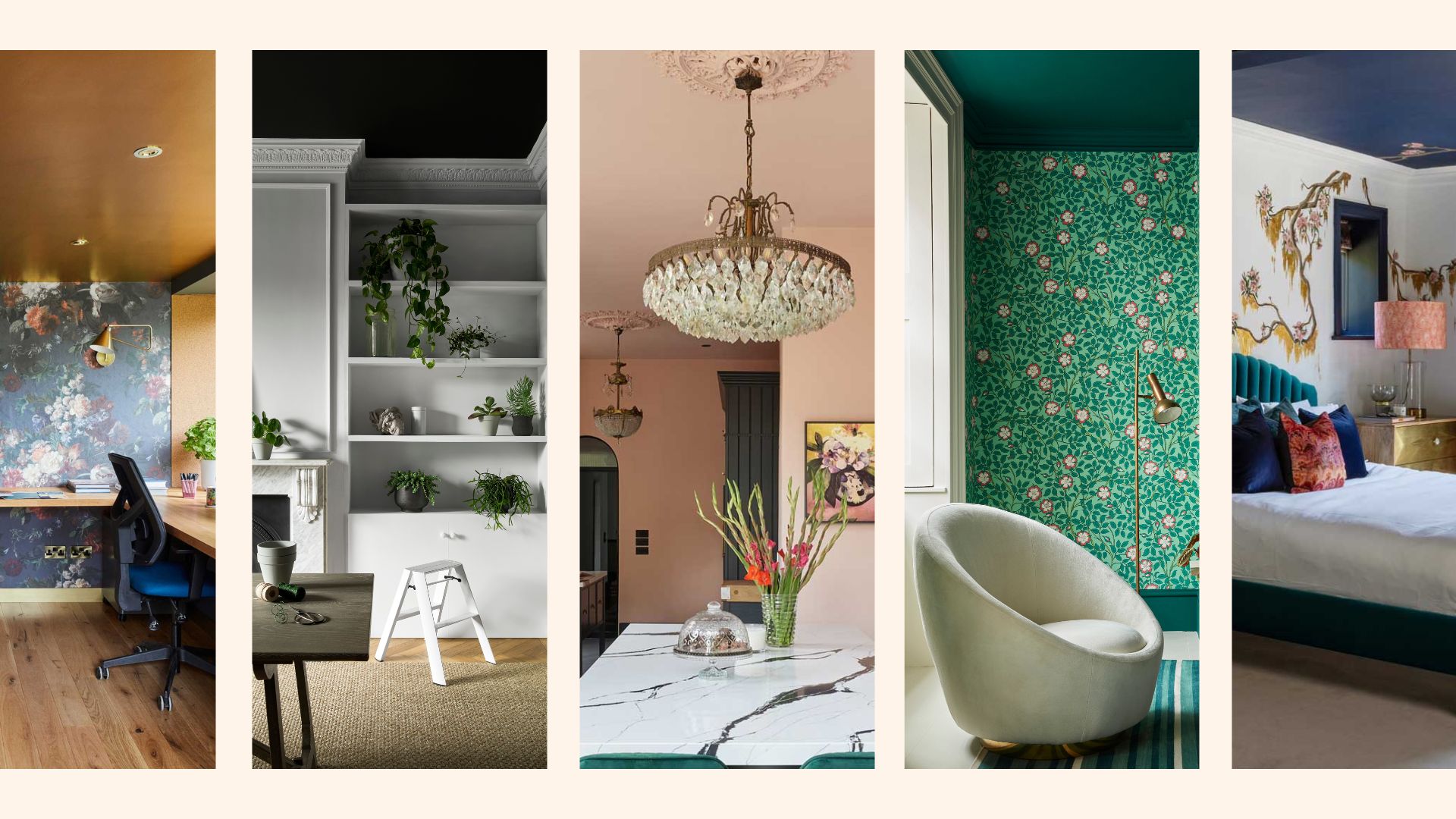
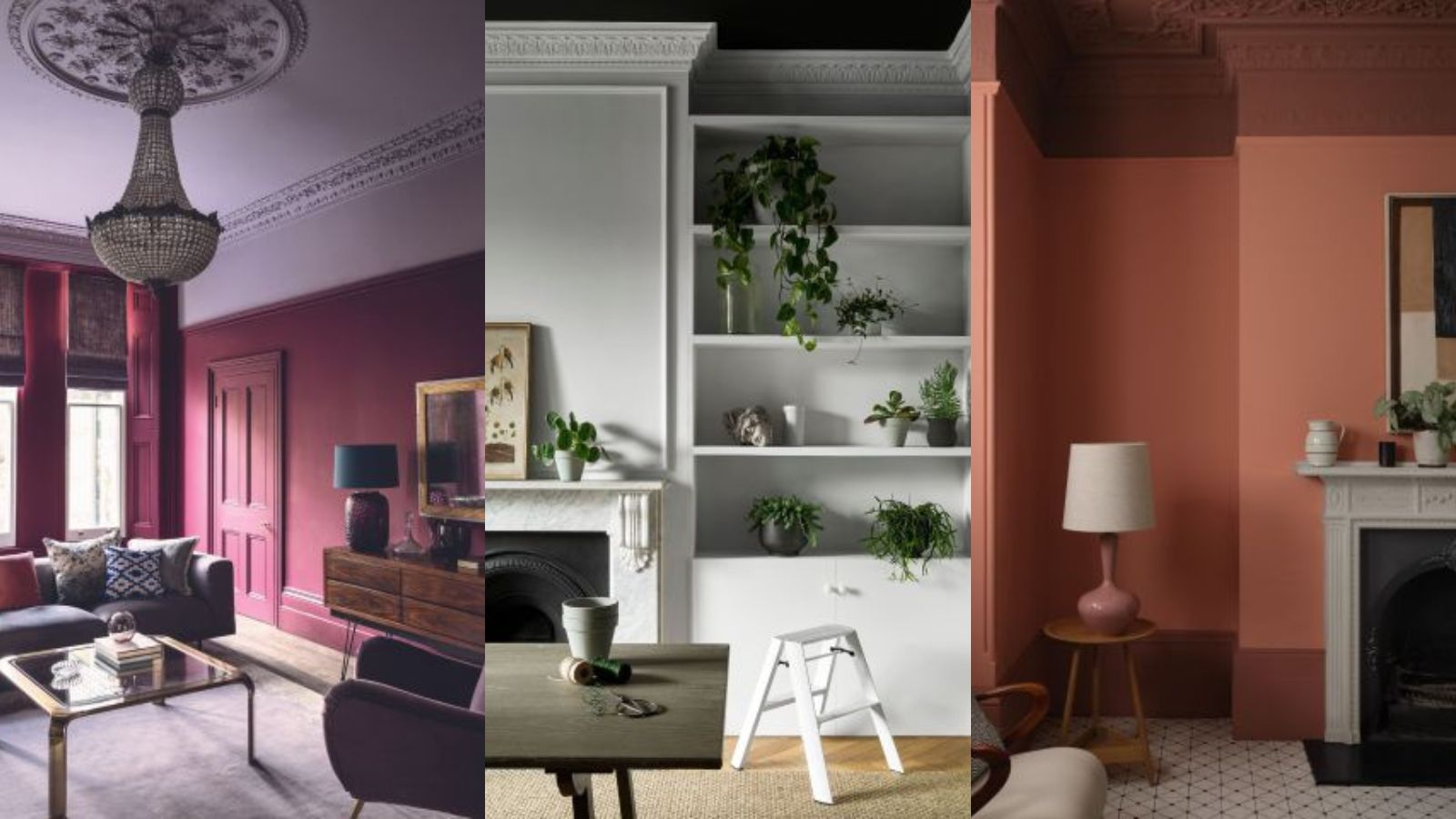
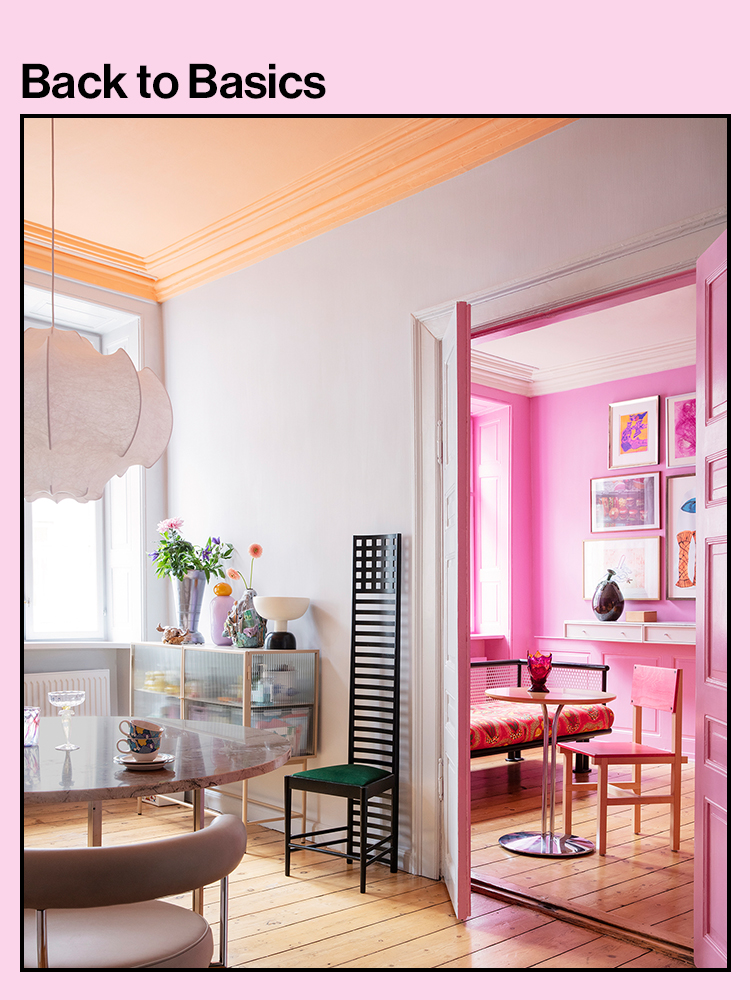
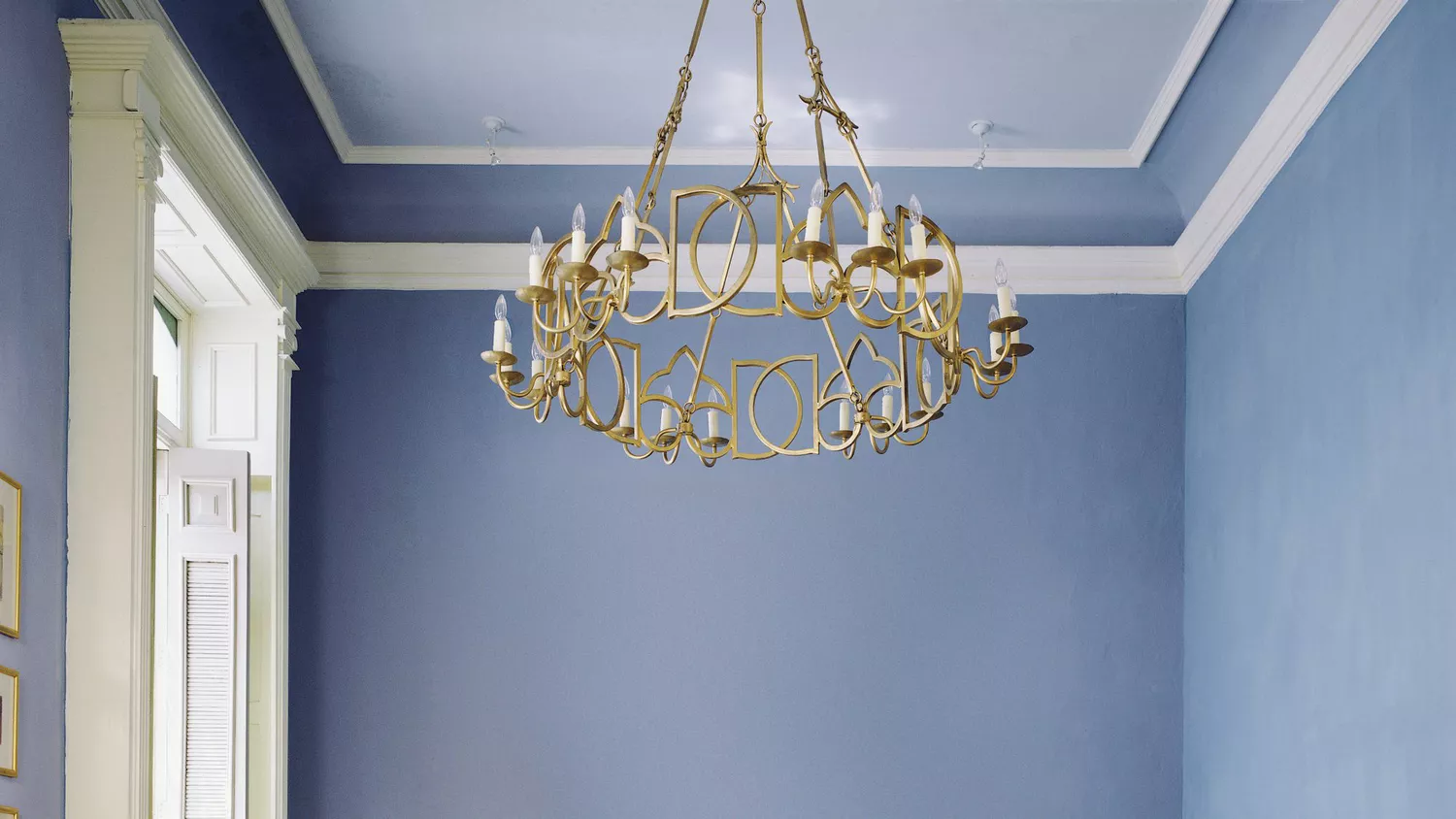
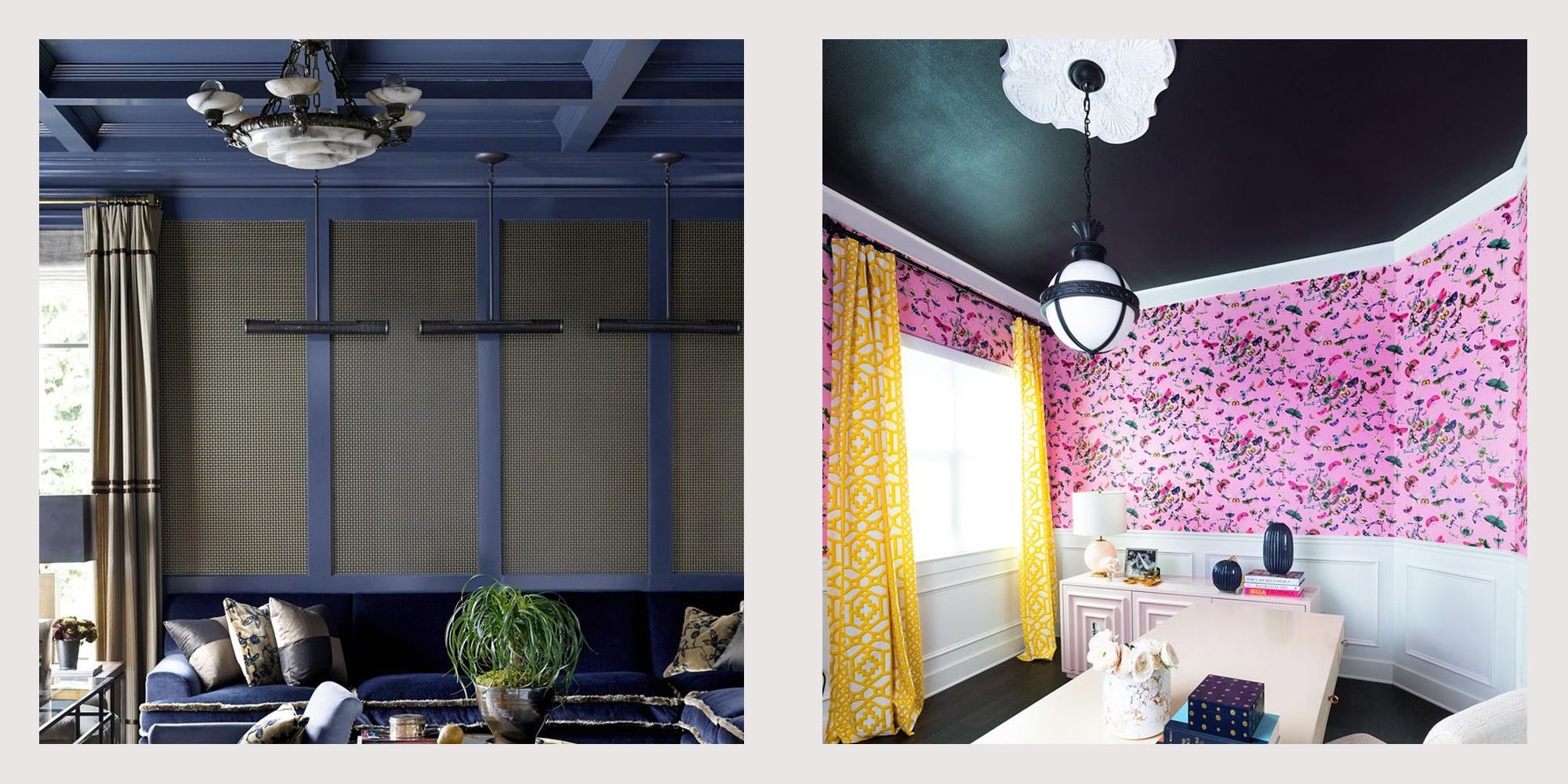
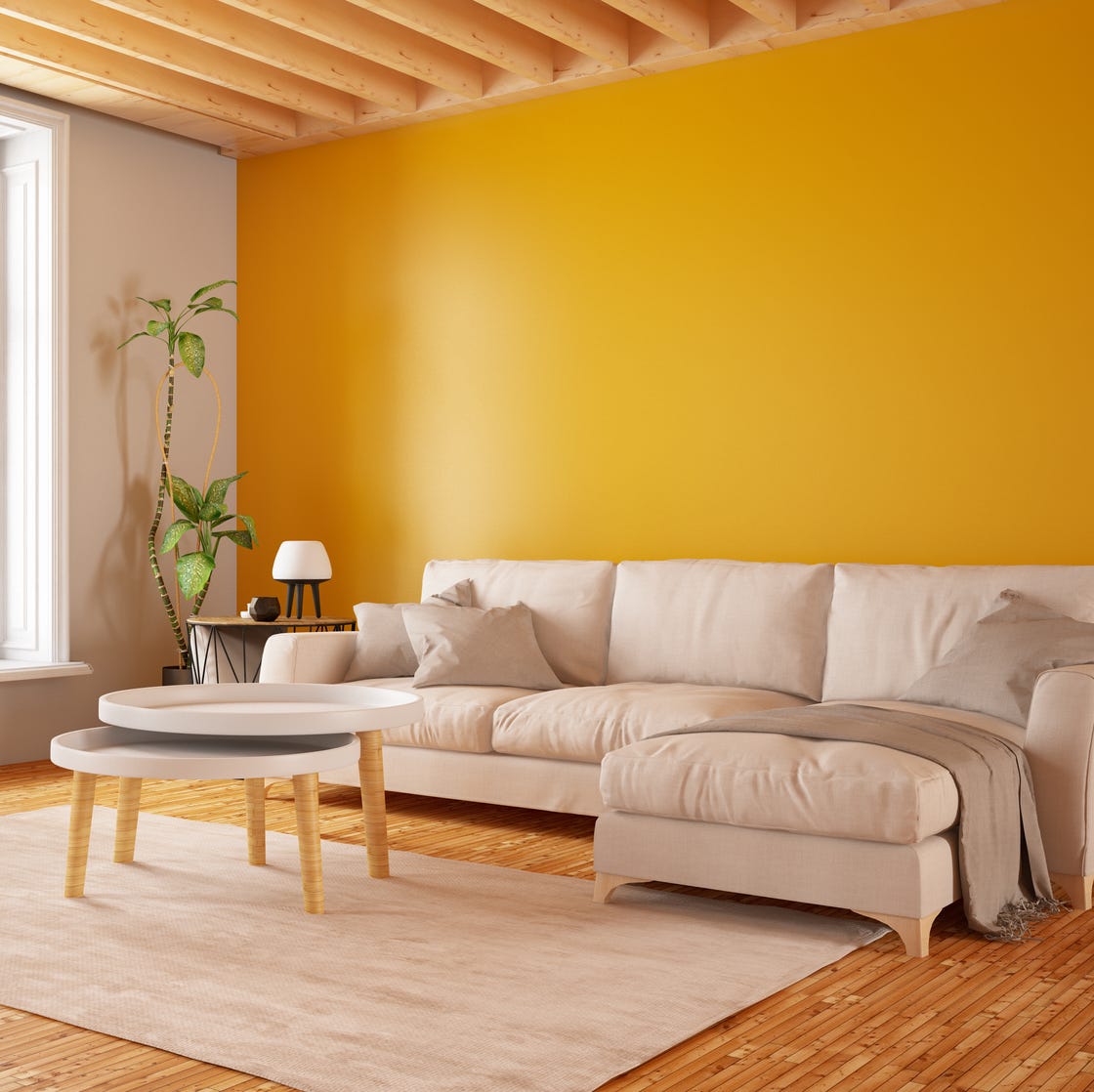
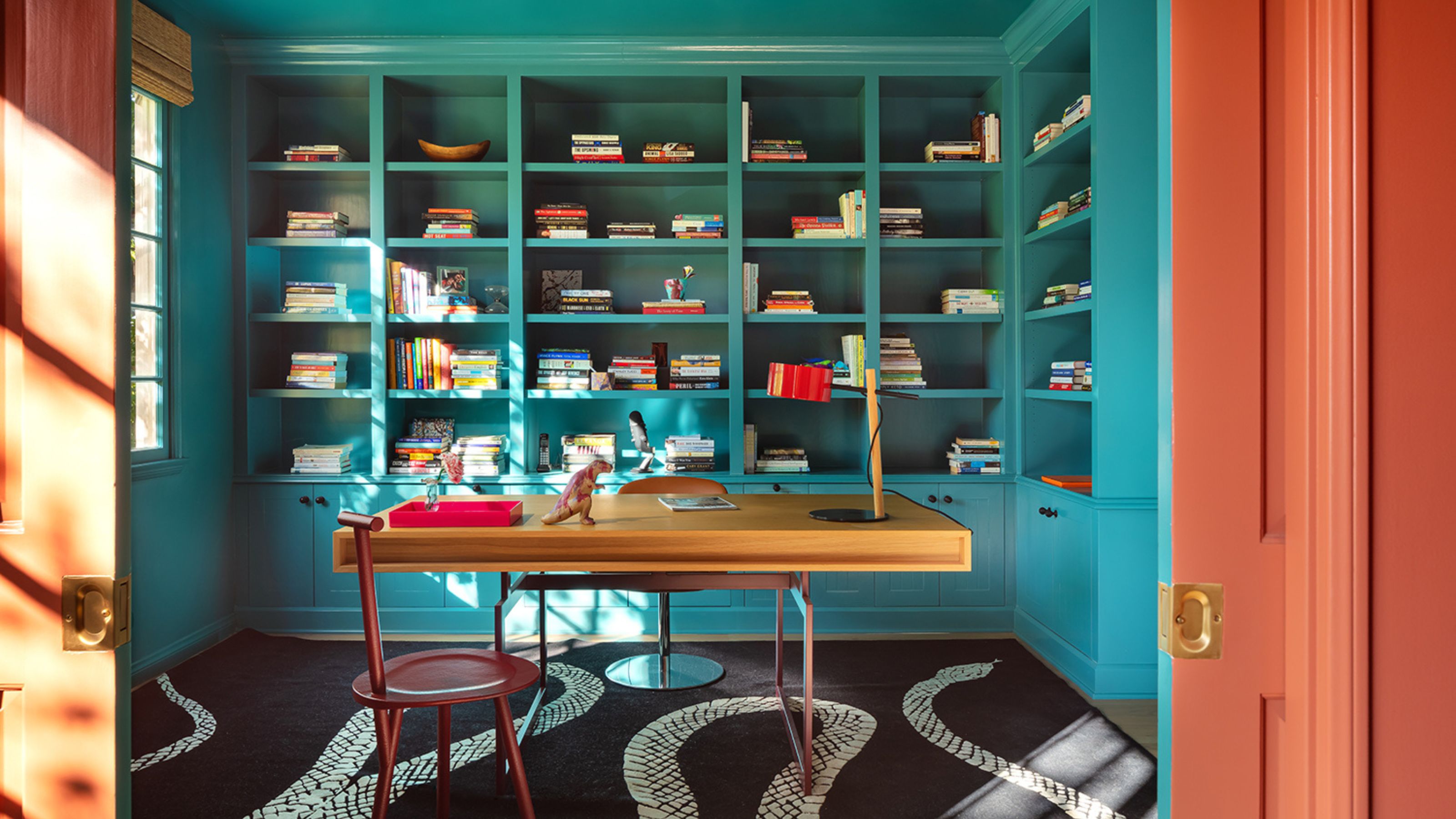
Experts highlight several positive aspects of painting ceilings. It is presented as an affordable and straightforward method to introduce a statement feature, draw the eye upwards, and create a sense of drama. Historically used to accent architectural details like ceiling roses and cornices, the practice has evolved to add ambience to both modern and older properties. For instance, color-blocking above a dado or picture rail can achieve a modern, abstract aesthetic. The choice of ceiling color can also manipulate a room's perception: a lighter shade than the walls can make a room appear taller, while a darker color can foster a cozier atmosphere. Painting the ceiling the same color as the walls is recommended for cohesion and a more 'designed' appearance, especially if the goal is to make a room feel larger. However, designers caution against this approach if the wall color is very dark and a clear separation of space is desired, suggesting a very light shade or tone of the wall color for the ceiling in such cases to avoid a stark contrast while maintaining an illusion of white.
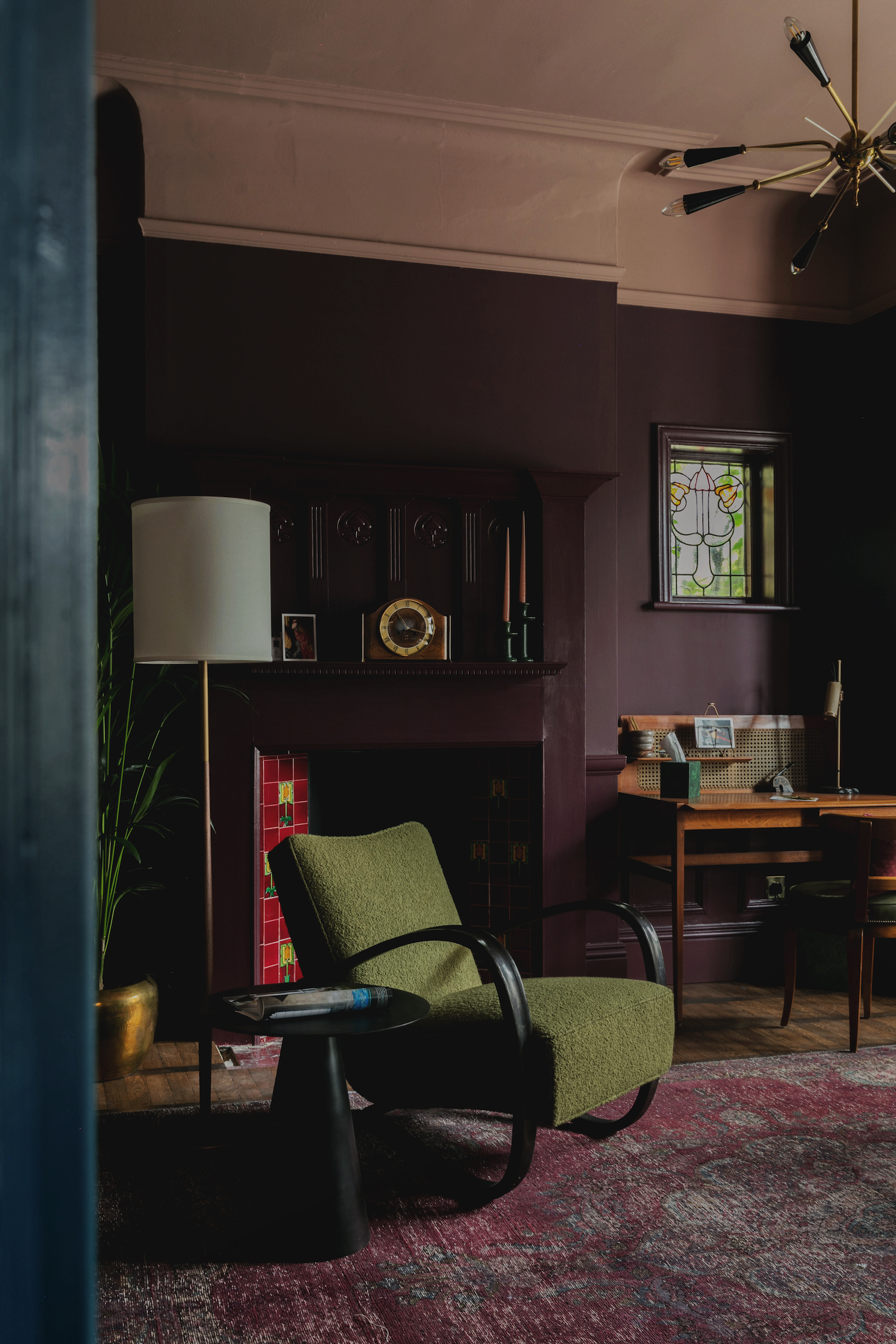
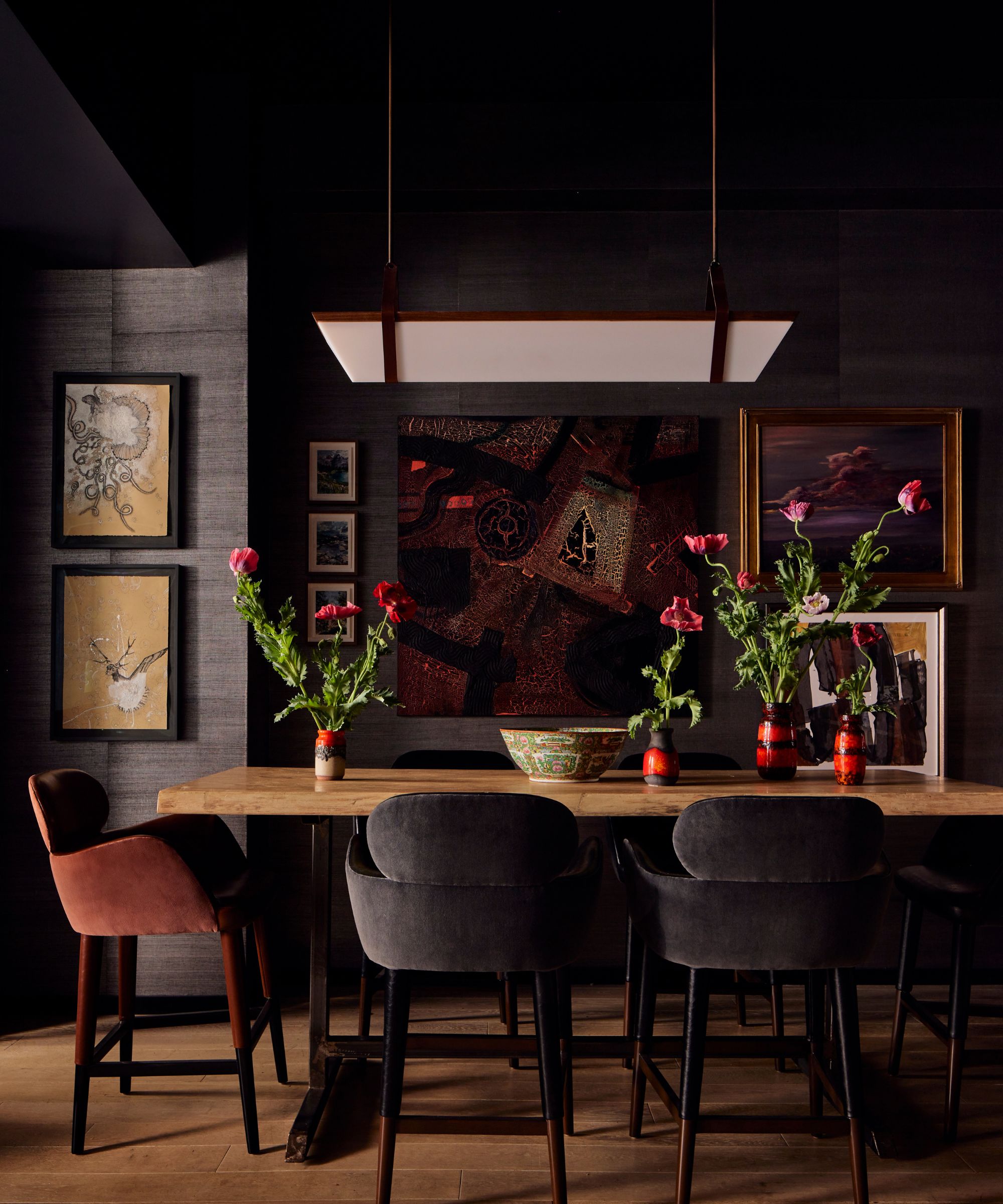
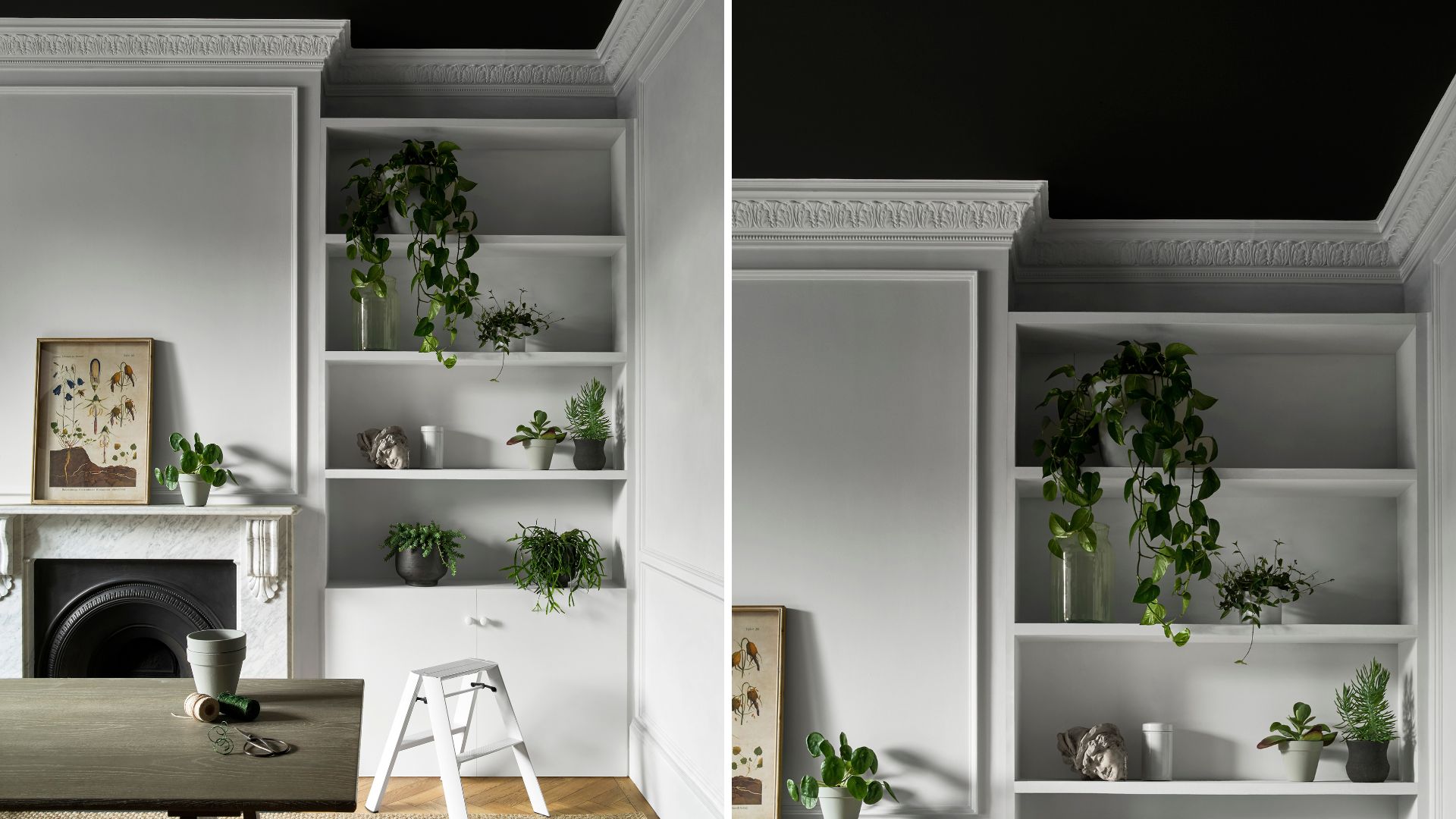
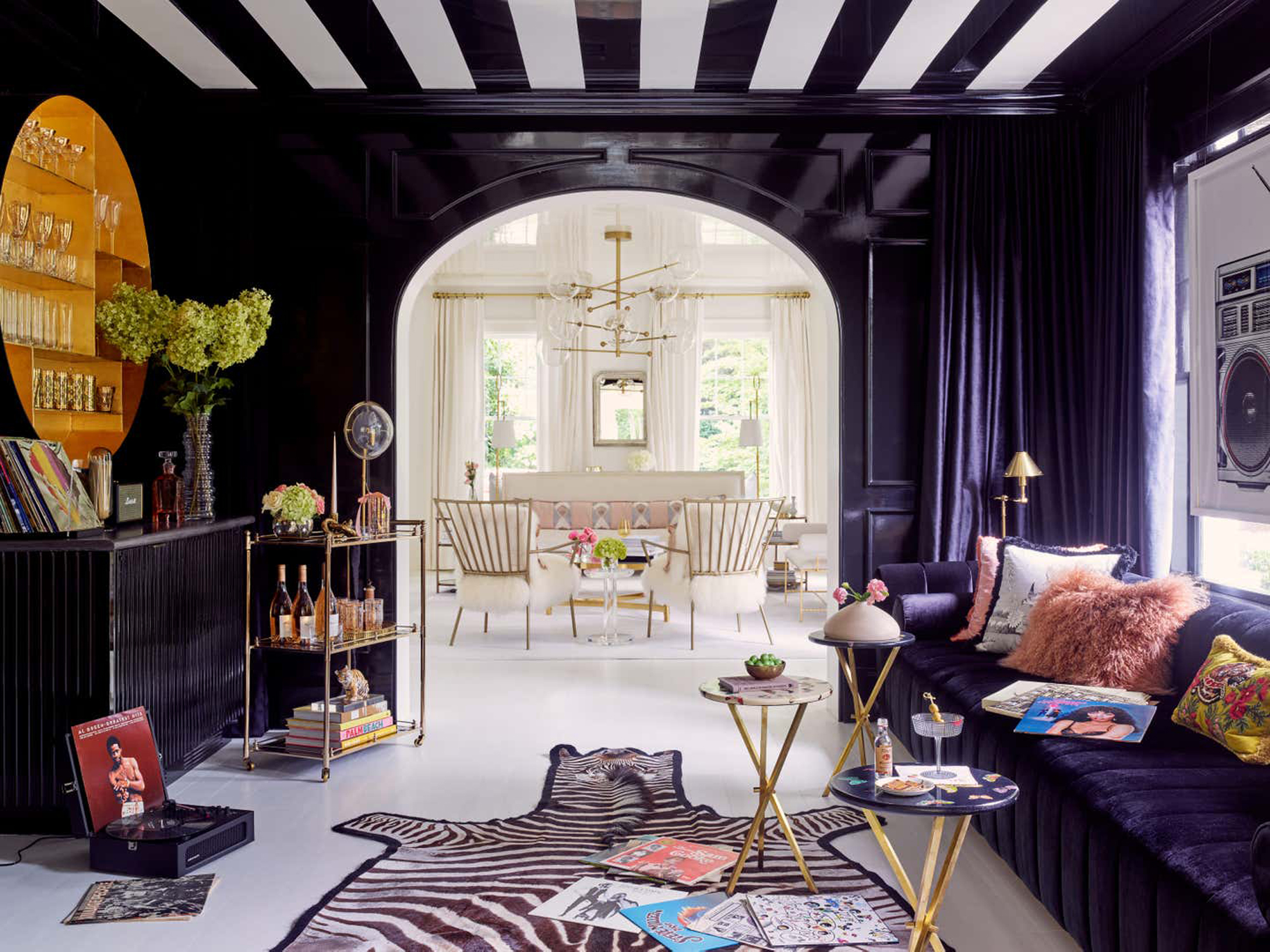
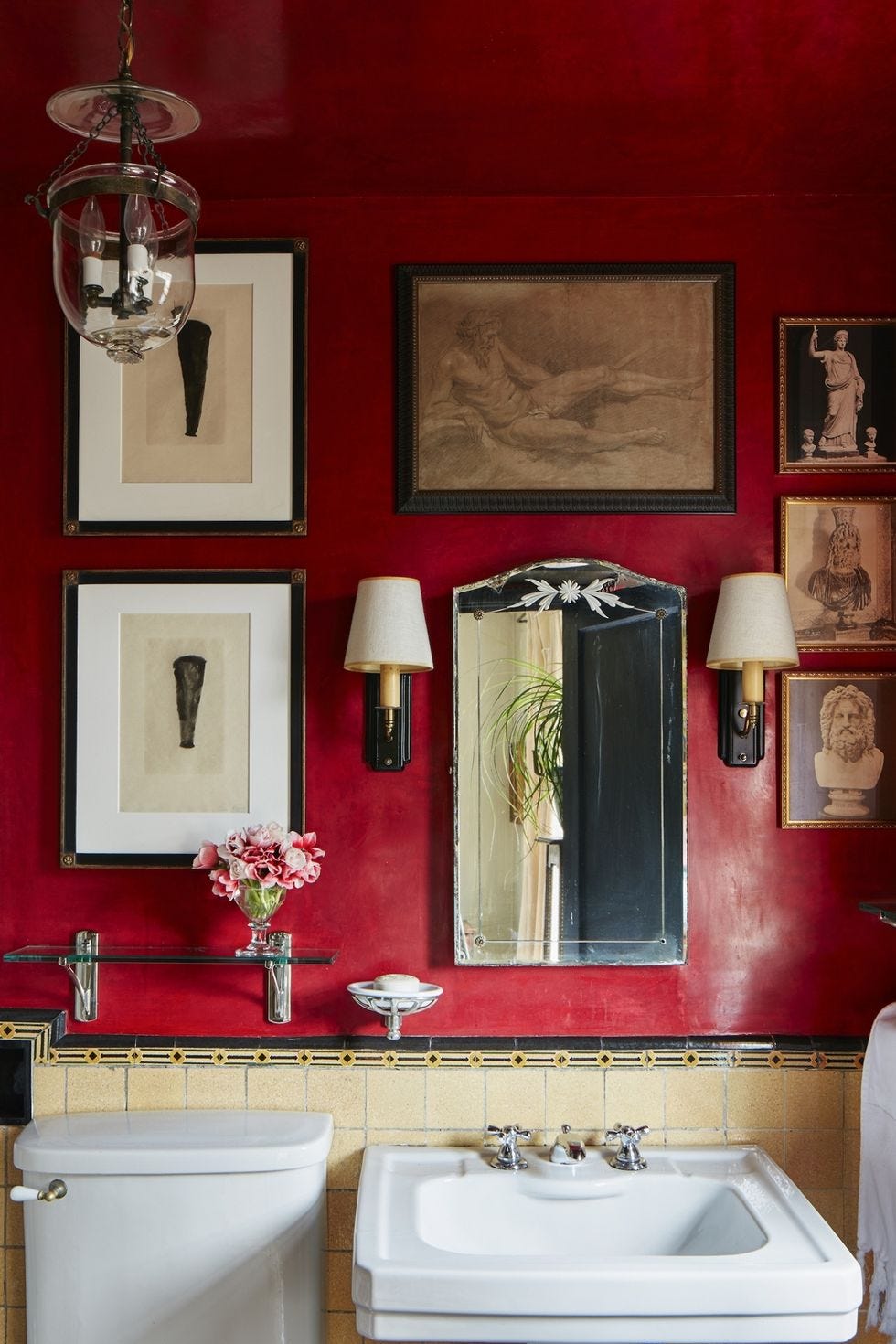
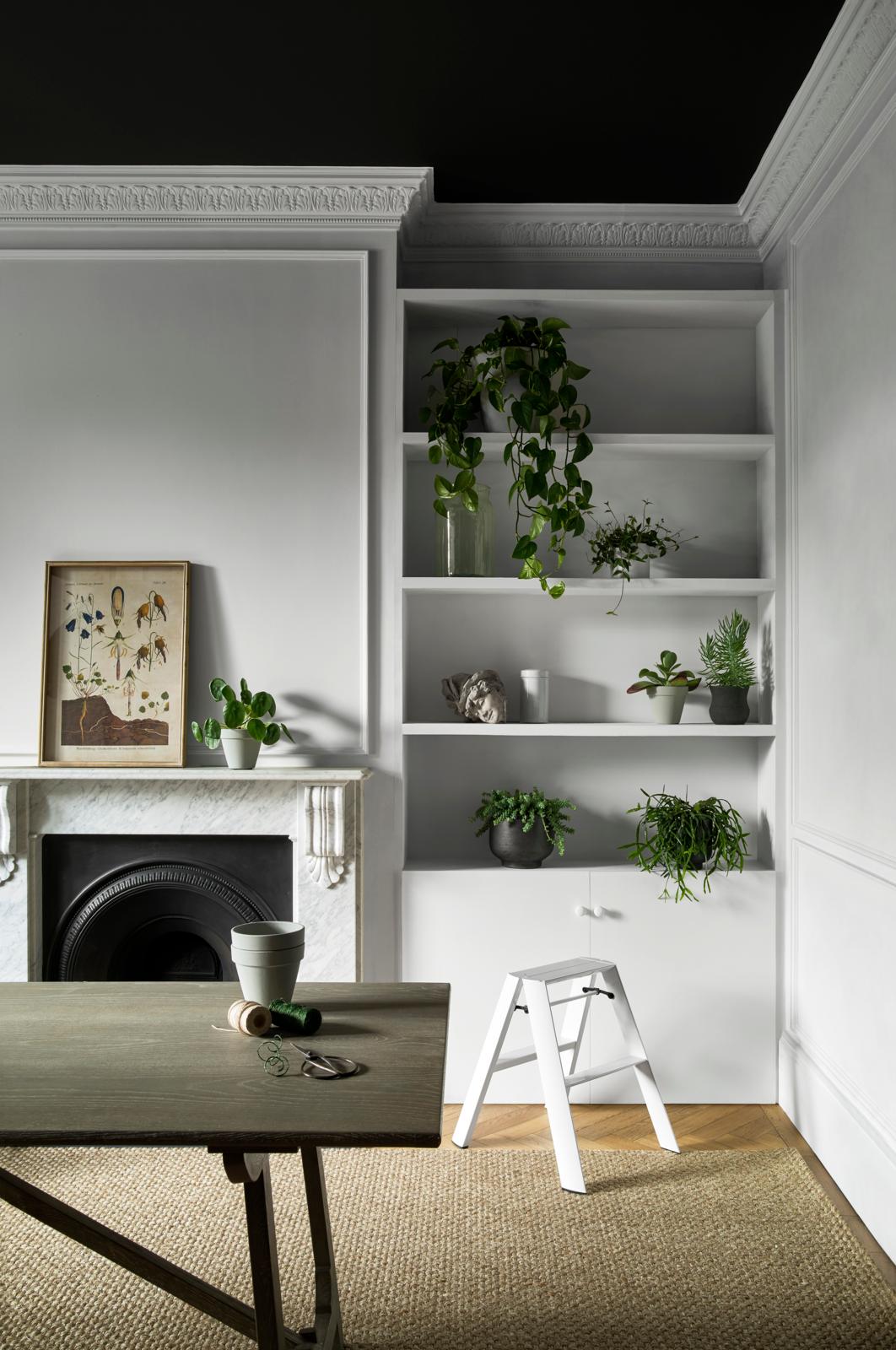
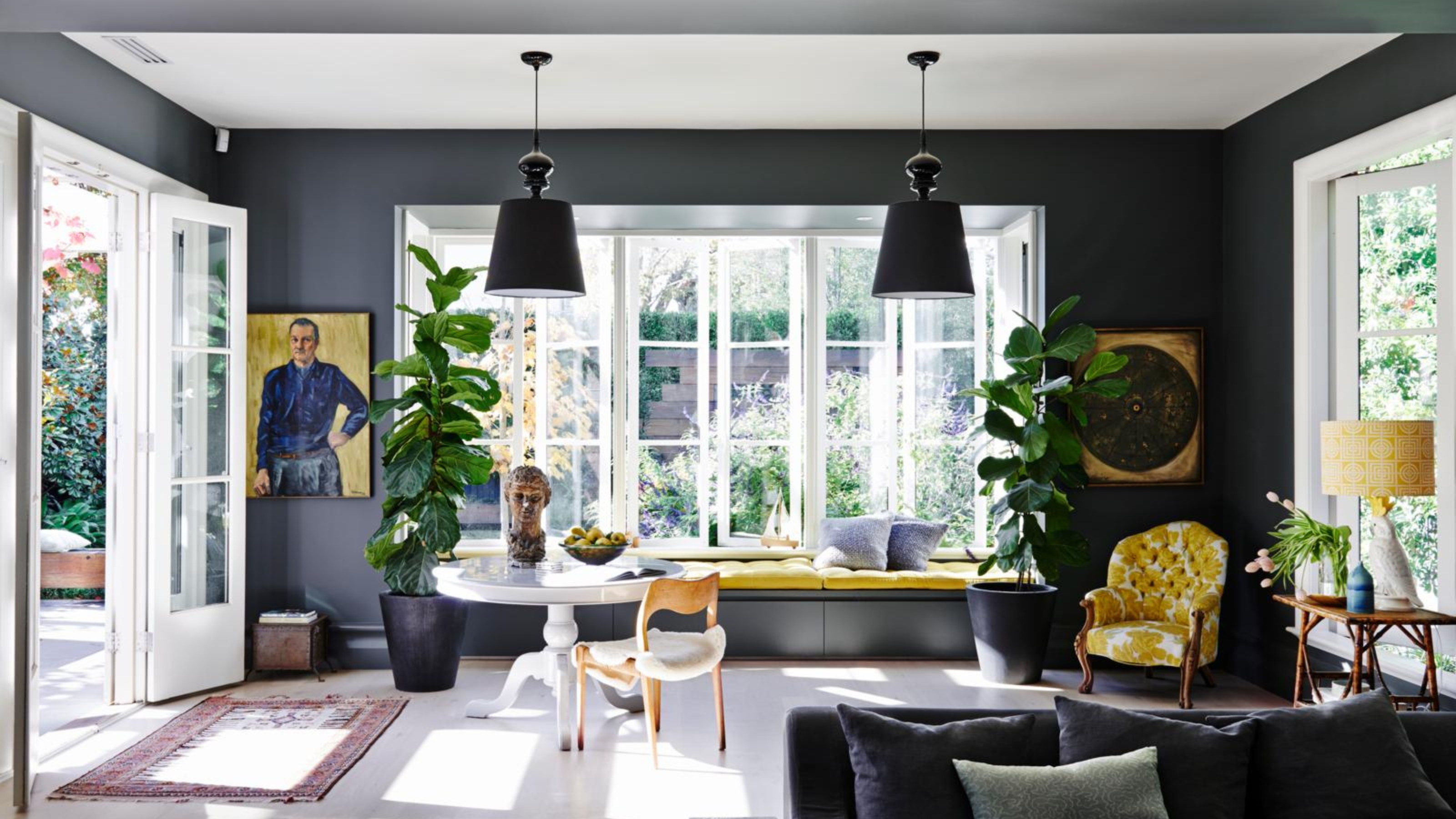
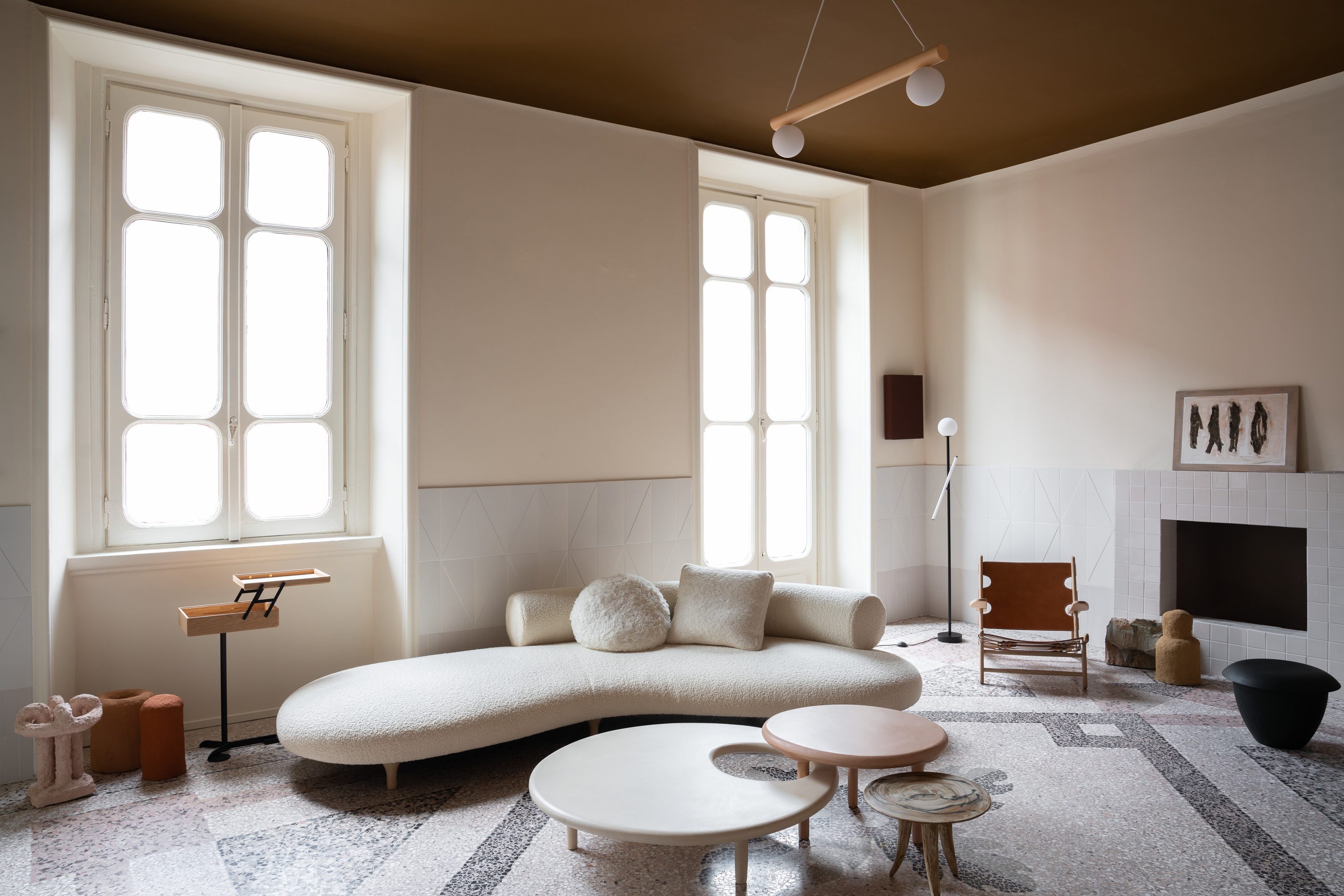
Conversely, the article details scenarios where painting a ceiling might not be beneficial. Interior designers warn that a dark-painted ceiling can make a room feel 'cave-like' and excessively dim, particularly when combined with dark wall colors. This can be a common mistake when attempting a moody aesthetic. Furthermore, painted ceilings may not align with a traditional design style, where a white ceiling might be preferred for its classic simplicity. Ceiling height is another critical consideration; for rooms with low ceilings, white, cream, or pale tones are advised to maintain an airy feel. An eclectic interior, characterized by diverse elements and layers, might also benefit from a white ceiling to provide visual calmness, preventing the painted ceiling from clashing with the overall design. The article also suggests considering the room's function and time of use: an uplifting color might be suitable for a home office, while a darker, more cocooning shade could work well in an evening-use space like a snug.
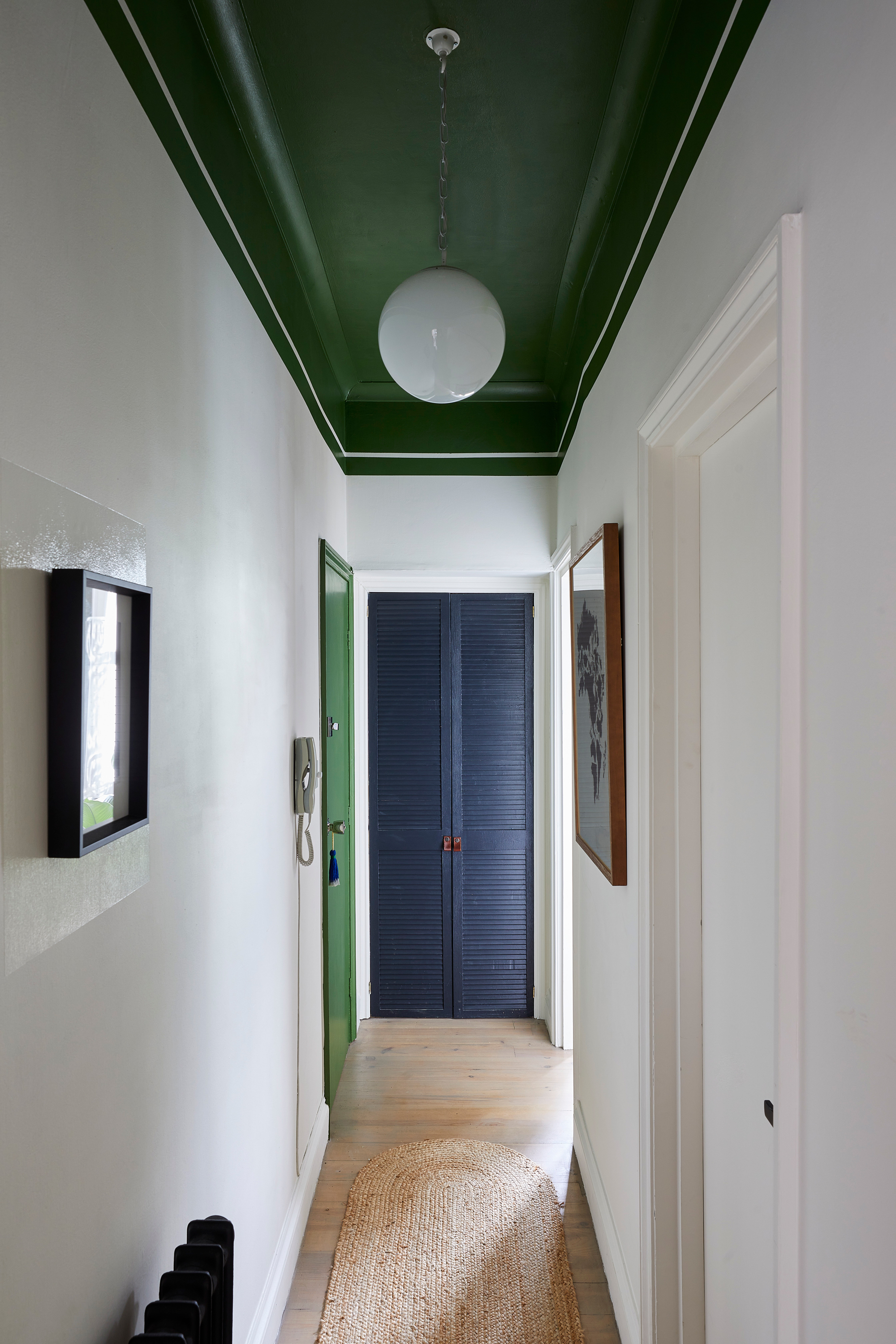
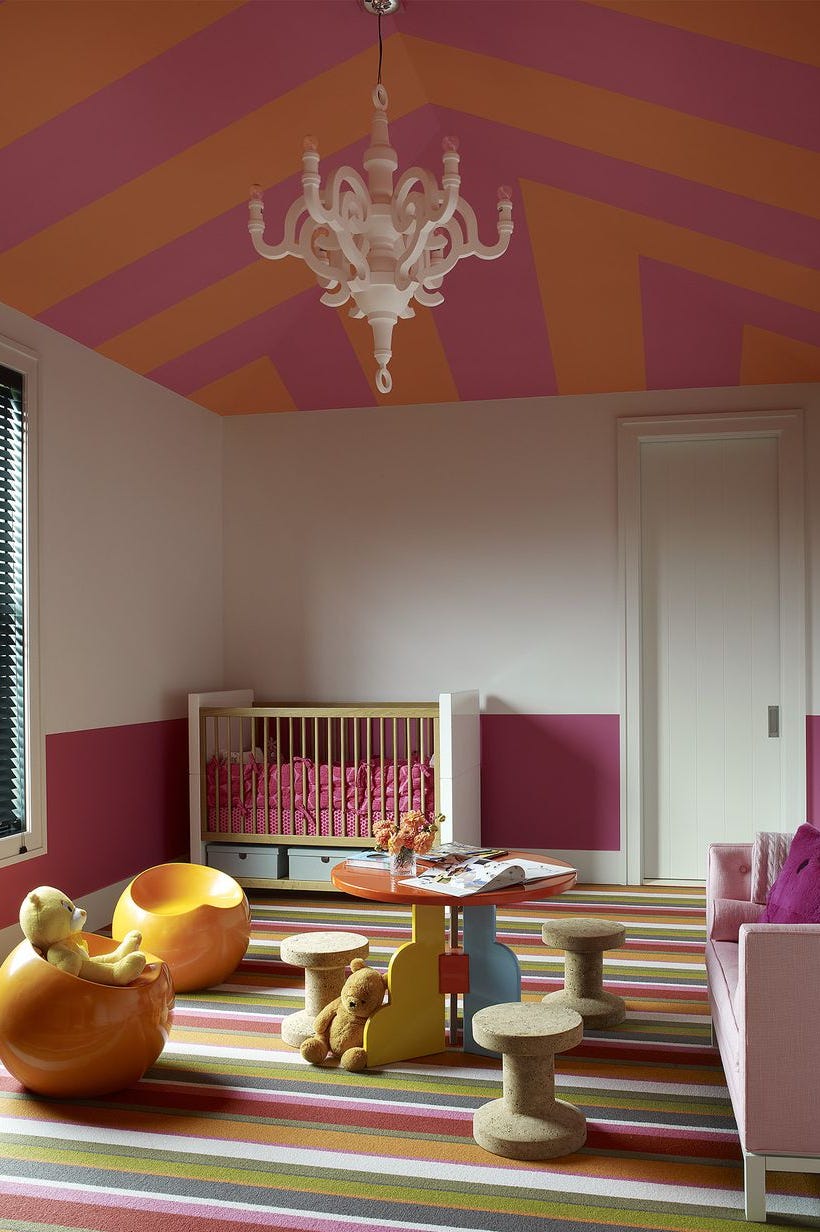
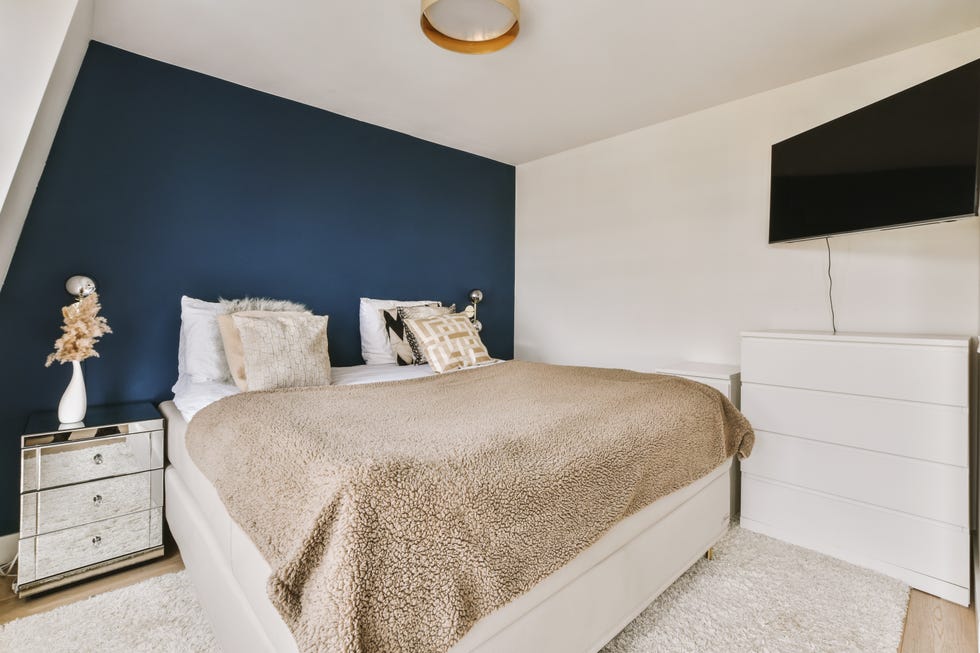
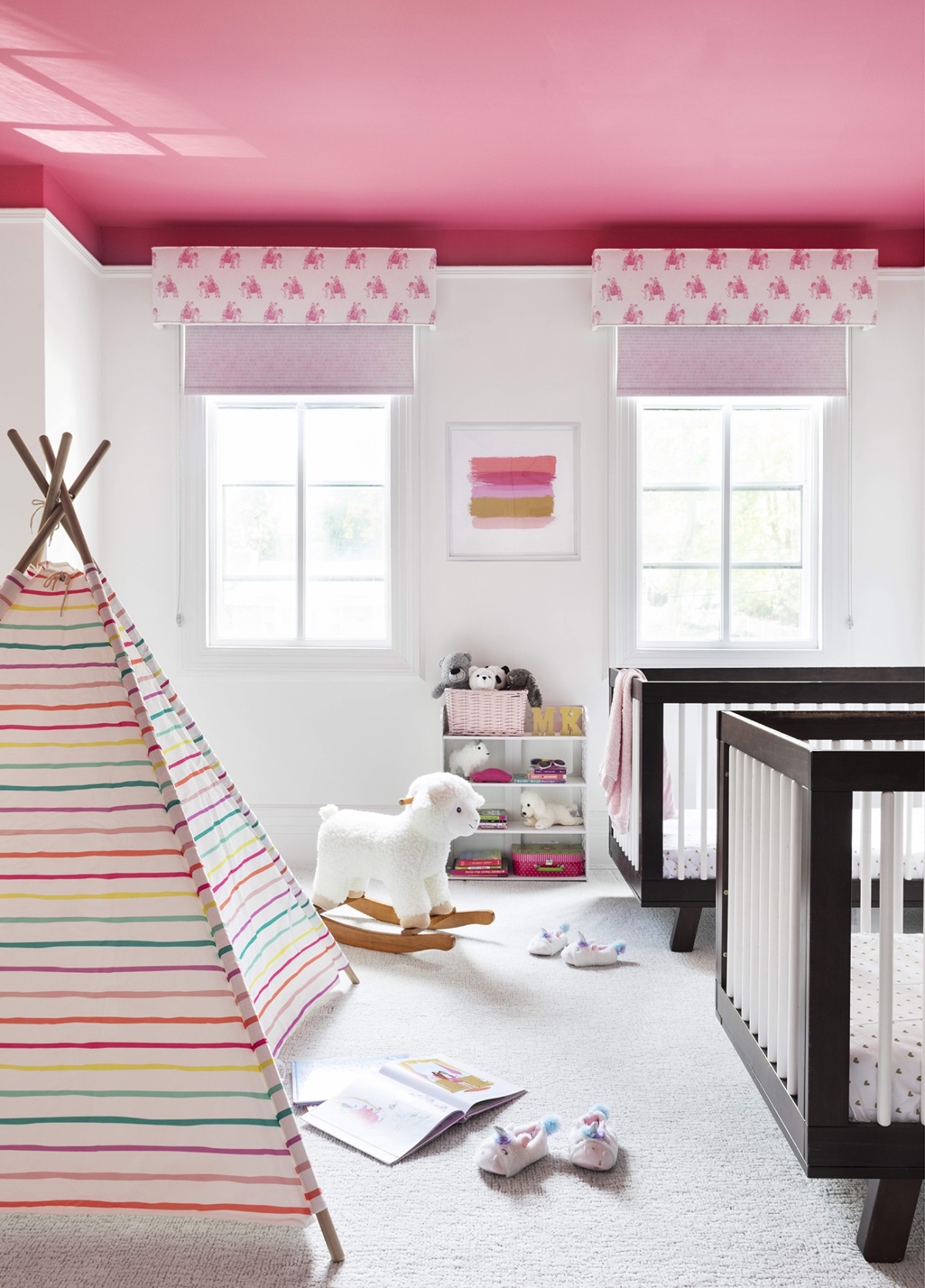
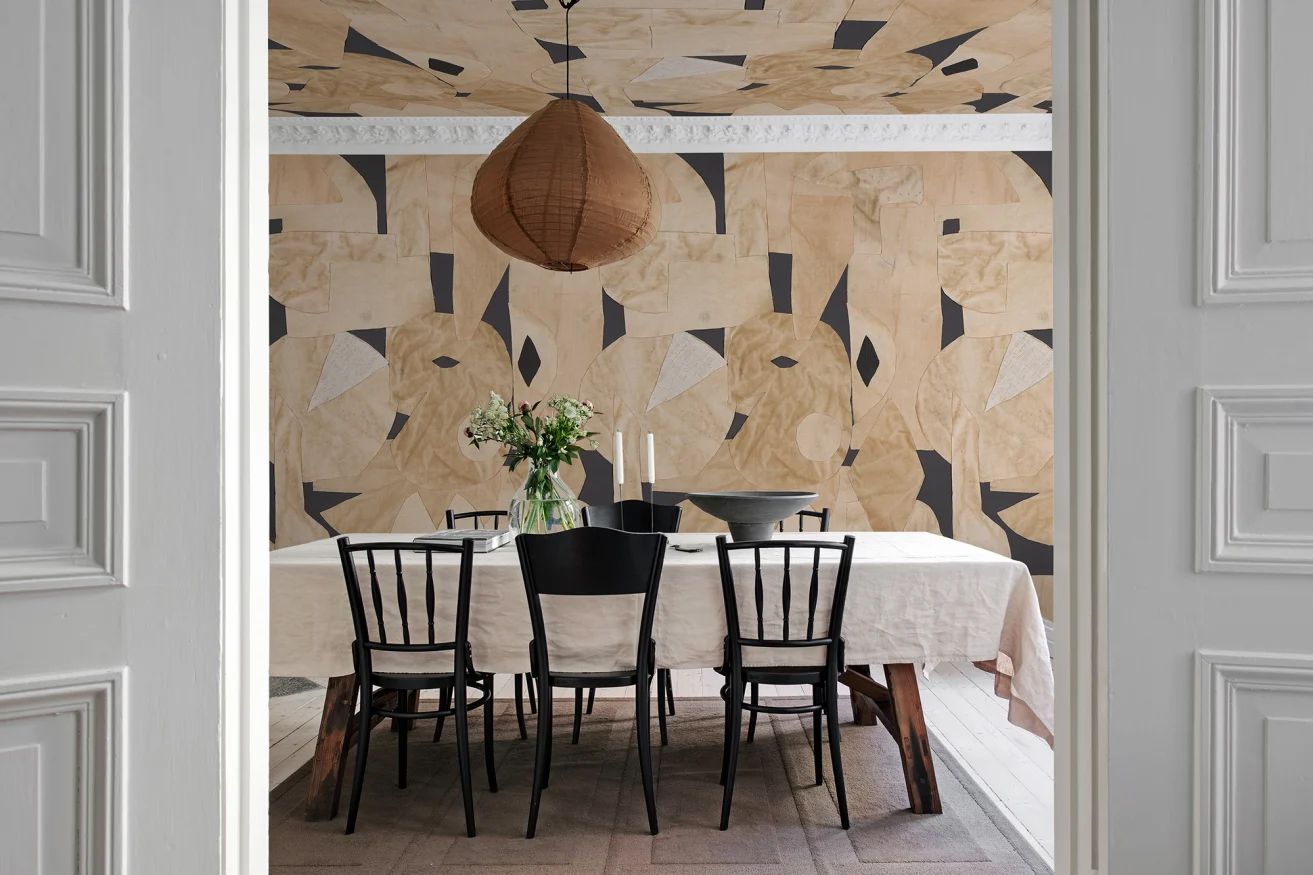
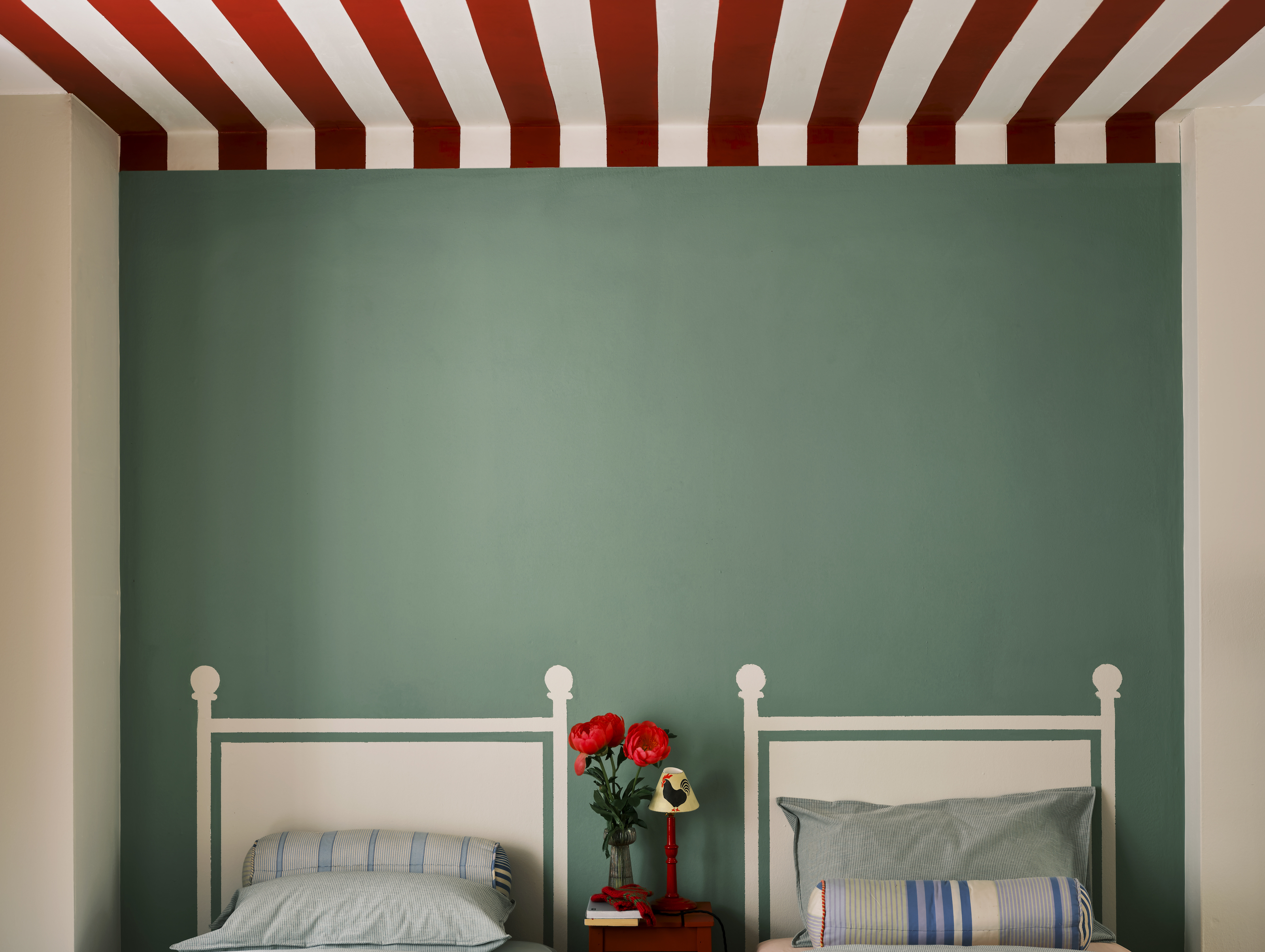
The article also touches upon alternative ceiling treatments, such as wallpapering. Wallpapering a ceiling is presented as a way to add a decorative layer, especially in spaces with limited wall decoration opportunities like narrow hallways, while keeping walls free for artwork. For those who choose wallpaper, painting the ceiling in a coordinating shade from the wallpaper's palette is suggested for a harmonious color combination. Regarding low ceilings, painting them the same color as the walls is recommended to blur the edges and make the room feel larger. This principle also applies to small bedrooms, where a uniform wall and ceiling color can prevent the walls from feeling as if they are closing in, thus making the space appear more expansive. For children's rooms, striped ceilings or designs incorporating maps and clouds can create a playful, spacious, and colorful environment. The article concludes by providing links to paint brush deals.
#PaintedCeilings #InteriorDesignTrends #HomeDecor #CeilingPaintColors #RoomPerception #ColorDrenching #WallpaperingCeilings #SmallRoomDesign #PaintedCeilings #InteriorDesignTrends #HomeDecor #CeilingPaintColors #RoomPerception #ColorDrenching #WallpaperingCeilings #SmallRoomDesign
0 comment in total
 No comments yet
You may also like
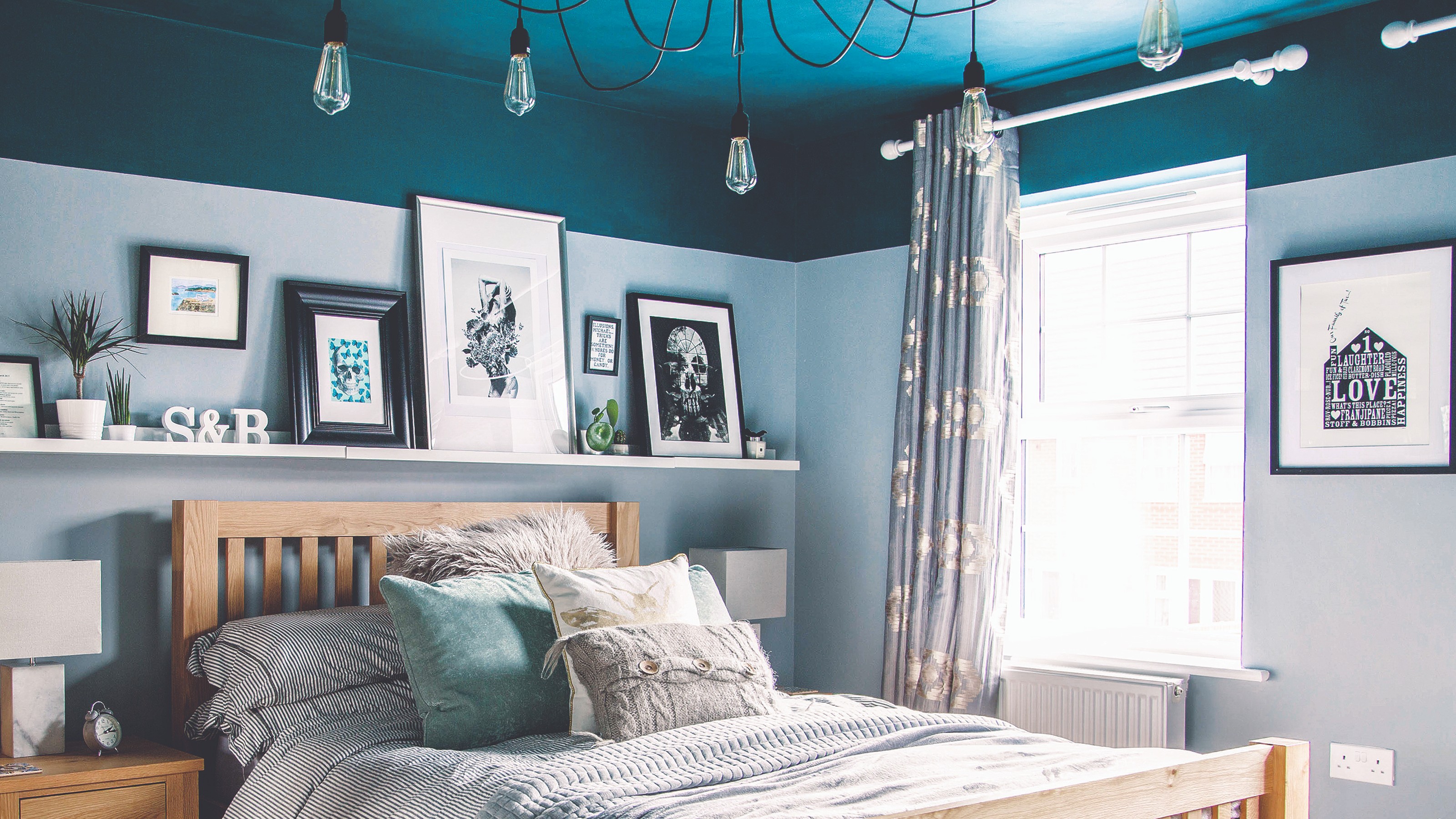
Should you paint your ceiling a different colour to the walls? Experts explain why everyone should consider it
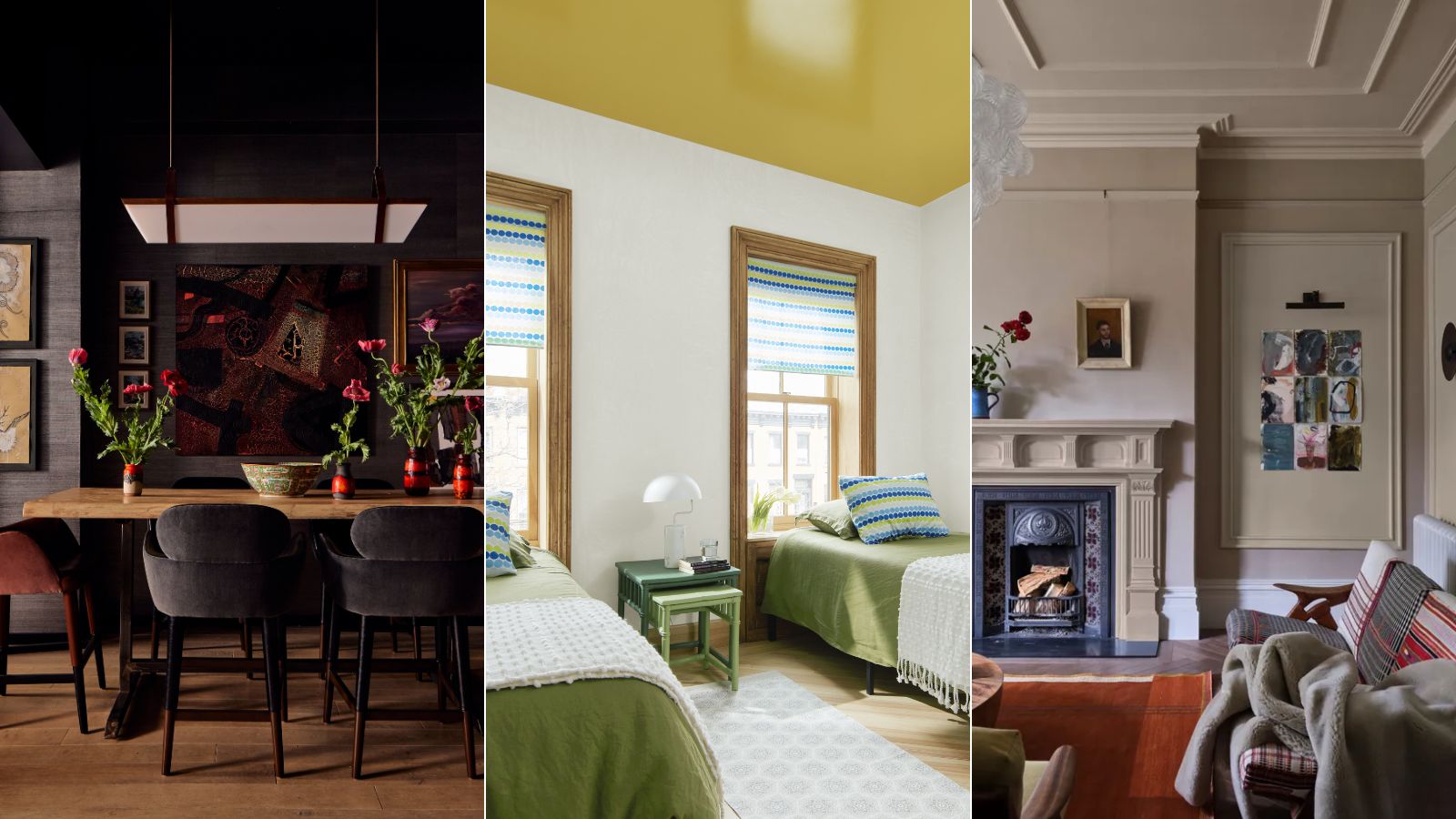
5 best colors to paint a ceiling according to designers – from colorful hues to classic white


5 Best Ceiling Paints


What you need to know before painting your home's ceiling - with one surprise twist
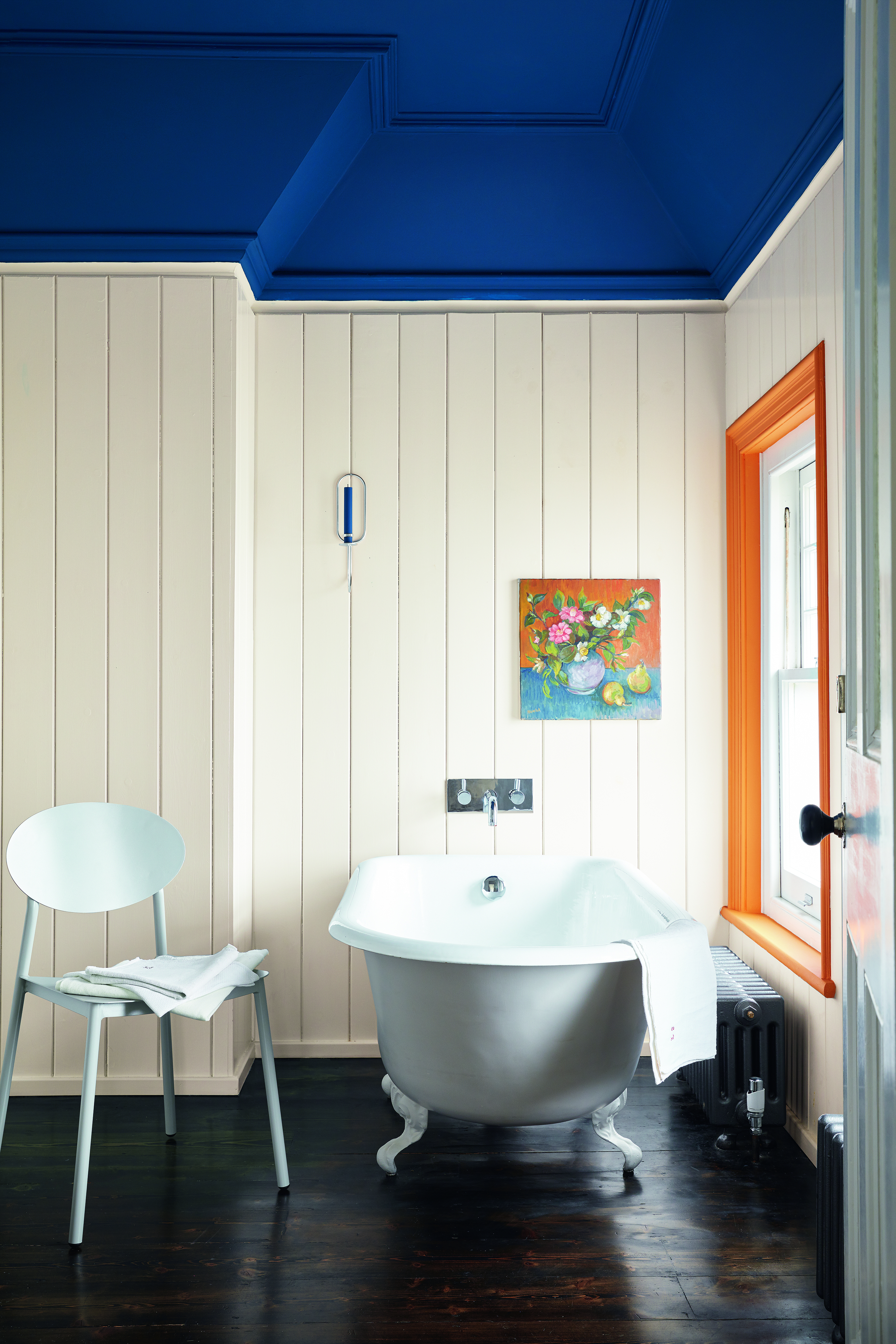
Yes, You Should Absolutely Paint Your Ceiling
The best colour for ceilings as recommended by interior designers and colour specialists


So You Want to Paint Your Ceiling? Read This First

Should ceilings be glossy or flat? A paint expert lifts the lid on getting this vital touch just right

4 Times Designers Say You Definitely Shouldn't Paint Your Walls and Ceiling in the Same Color
7 Paint Colors to Never Use on Your Ceiling, According to Interior Designers
5 reasons why you should never paint a ceiling white, reveals a leading paint and color expert
How to Paint a Ceiling, From Picking a Color to Actually Getting It Up There
Should You Paint the Ceiling and Walls the Same Color? Interior Designers Share Their Thoughts

Painted ceiling ideas – 10 of the best ways to give this decorating trend an unexpected twist
Trend Alert: Here’s How To Perfect The Painted Ceiling Look

7 Paint Mistakes That Make Designers Instantly Cringe When They Walk Into Someone's Home

Should You Paint Ceilings and Walls the Same Color? Experts Give Their Verdict
Should You Put Wallpaper on the Ceiling? Here’s What Designers Recommend
How to paint a ceiling - the expert guide to giving the fifth wall a fresh look
Hot Home Trend: Painted Ceilings