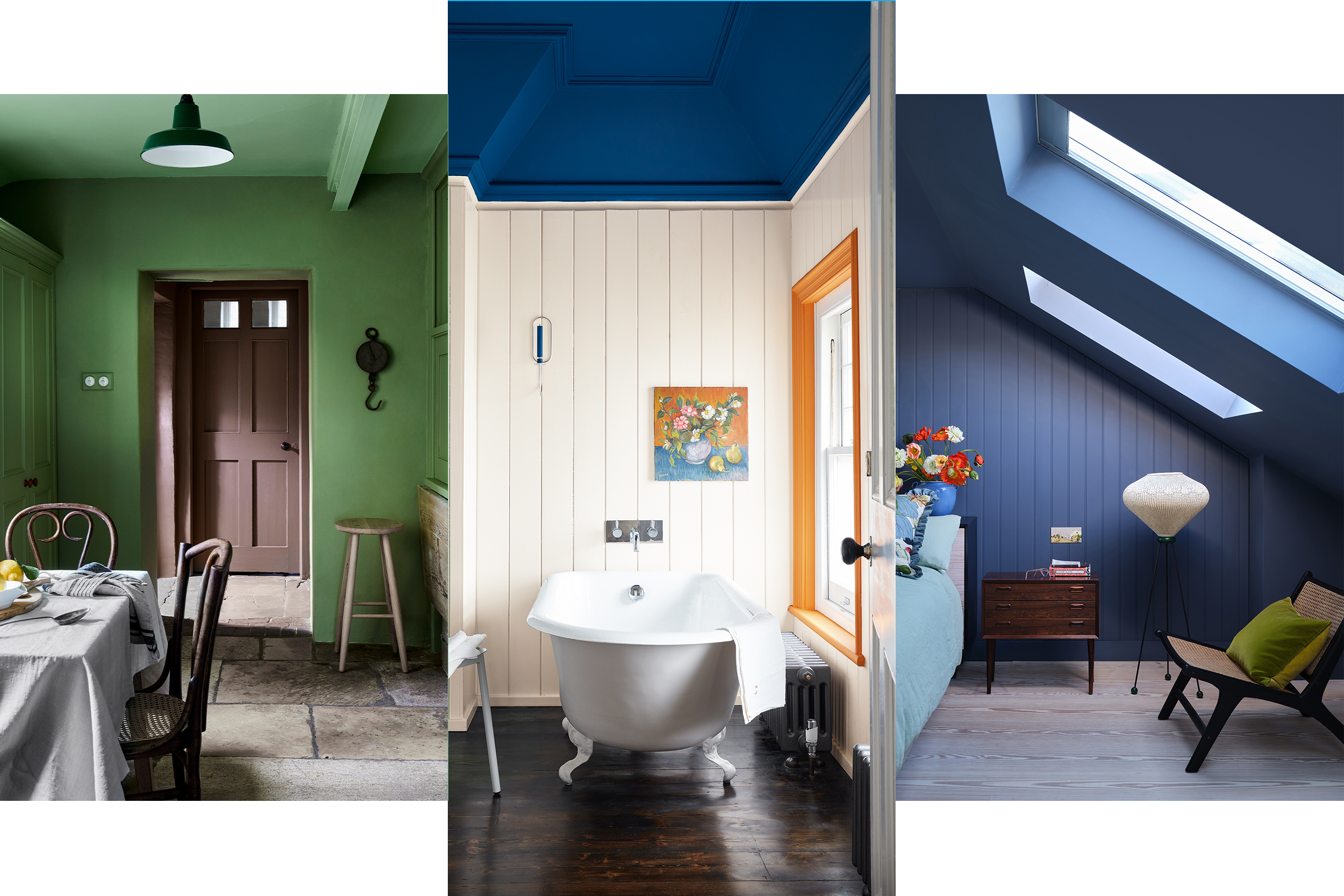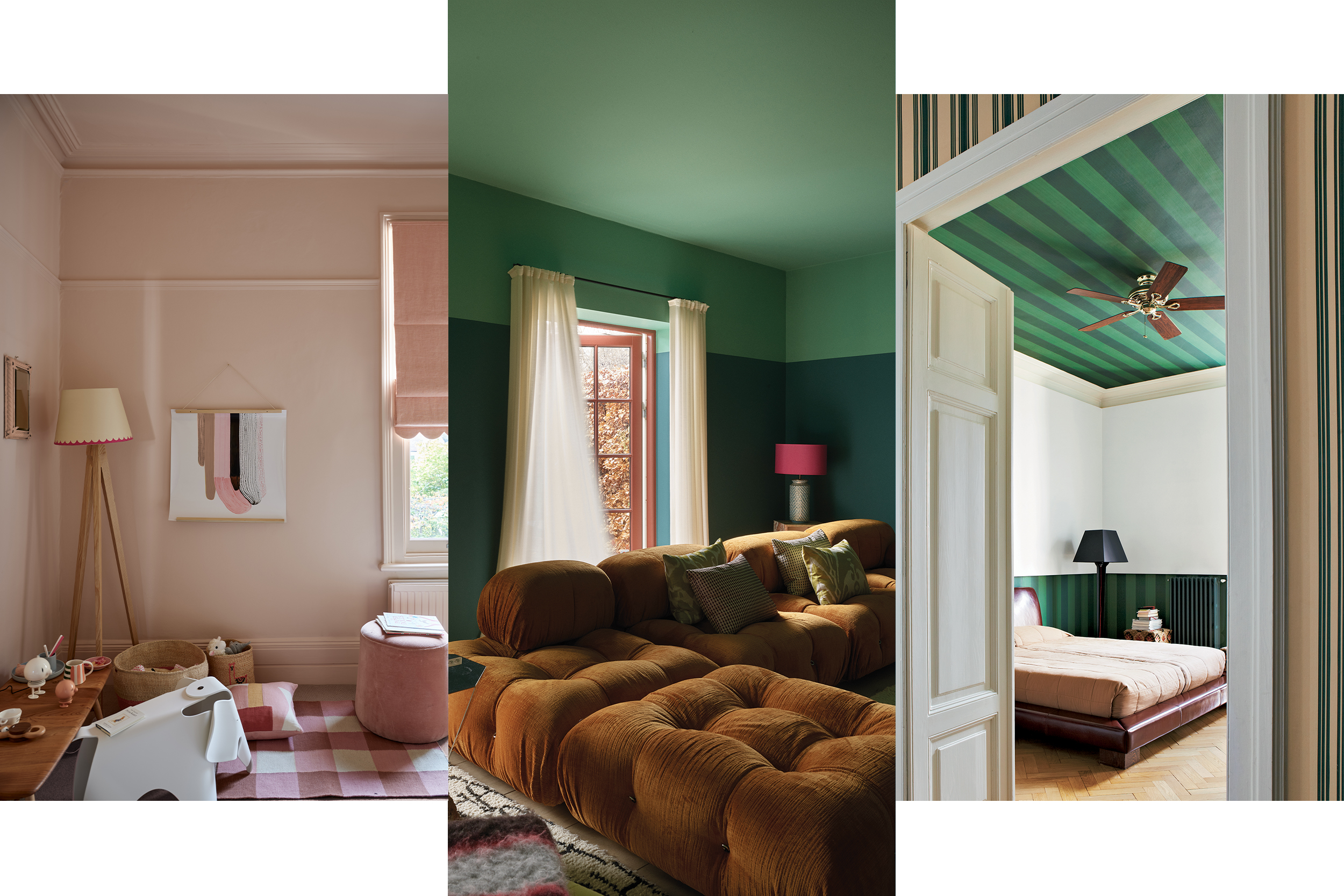
What you need to know before painting your home's ceiling - with one surprise twist
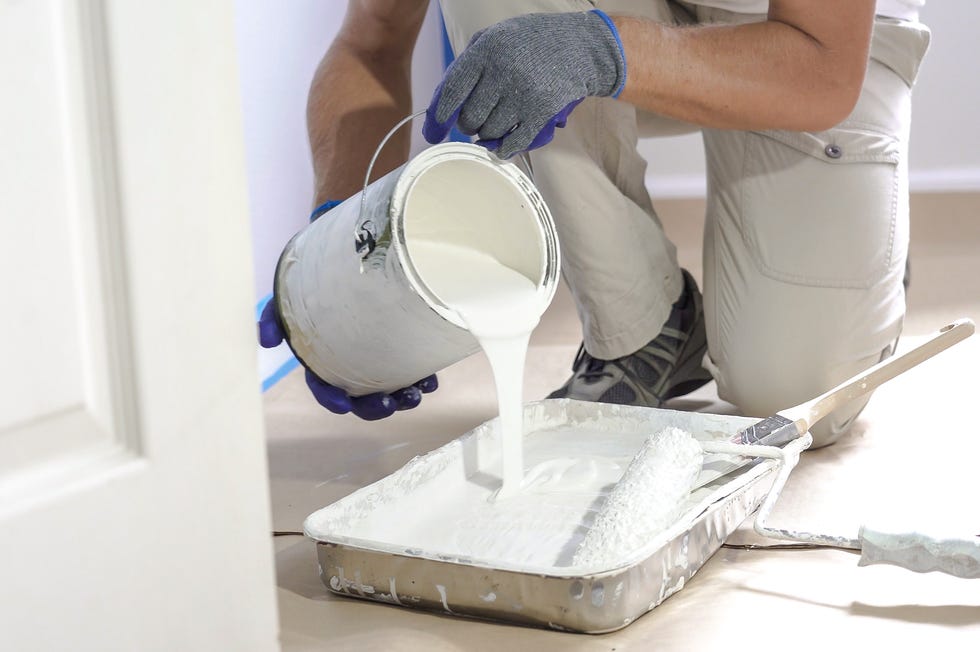
Ceiling painting, often overlooked, becomes necessary over time to address issues such as nails and screws popping up through drywall, water leaks, or cracks. It is crucial to address these underlying problems before painting, as simply painting over repairs is not a permanent solution. For ceiling repairs, it is recommended to paint the entire ceiling rather than attempting touch-ups, as mismatched touch-ups will be noticeable and detract from the overall aesthetic. Painting a ceiling can be a challenging and messy task, especially for do-it-yourselfers. Rolling paint onto a ceiling can result in paint flecks, particularly for those wearing glasses. Therefore, proper masking of the floor and surrounding areas is essential to protect prized possessions and flooring. Professional painters often use sprayers for an even coat, a technique generally not advised for amateurs due to its complexity and the potential for a larger mess if not executed correctly.
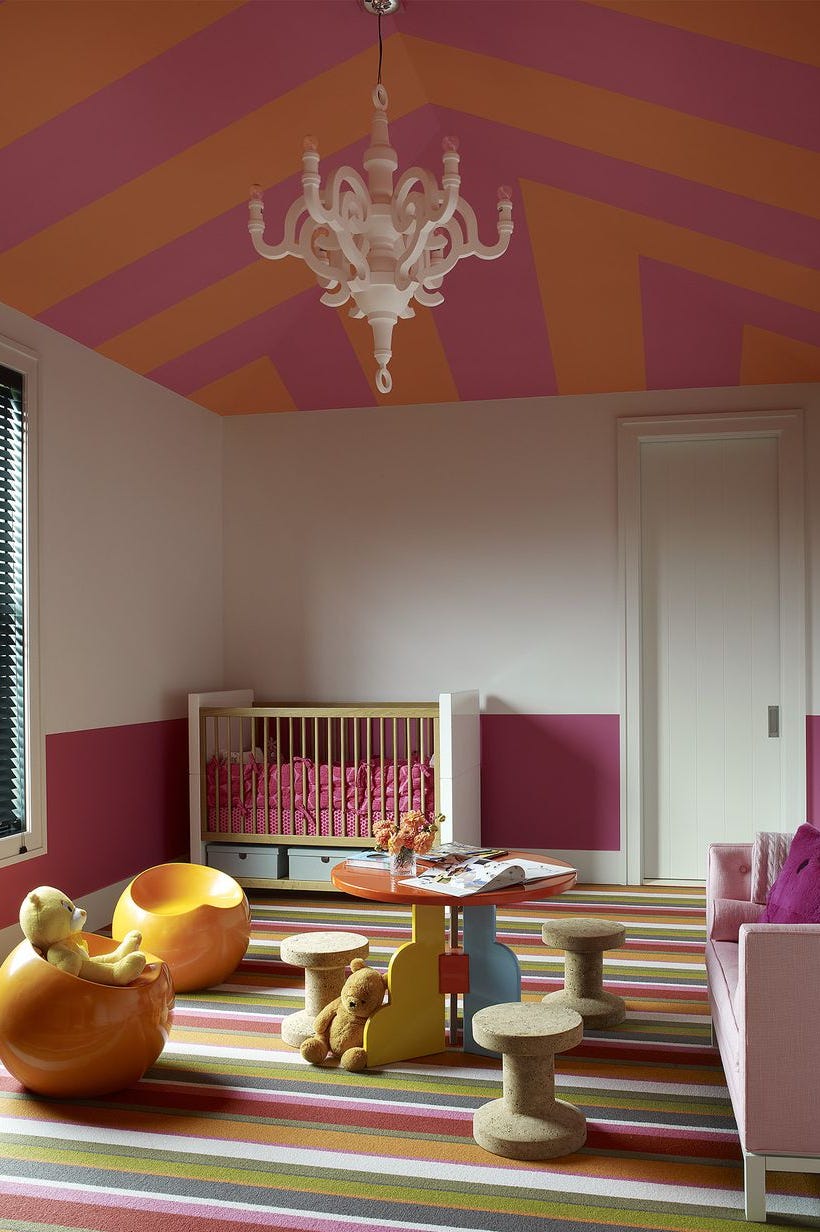
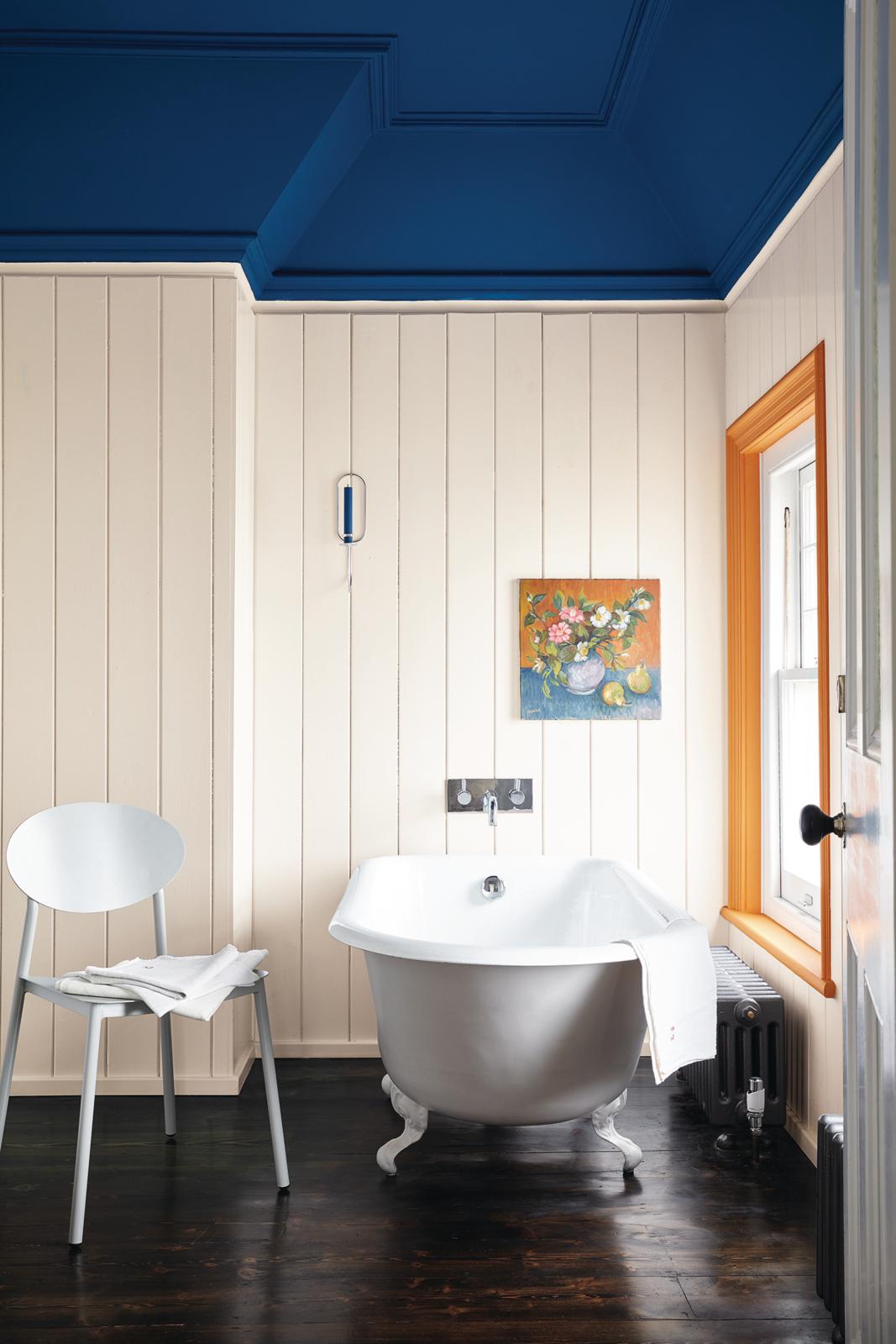
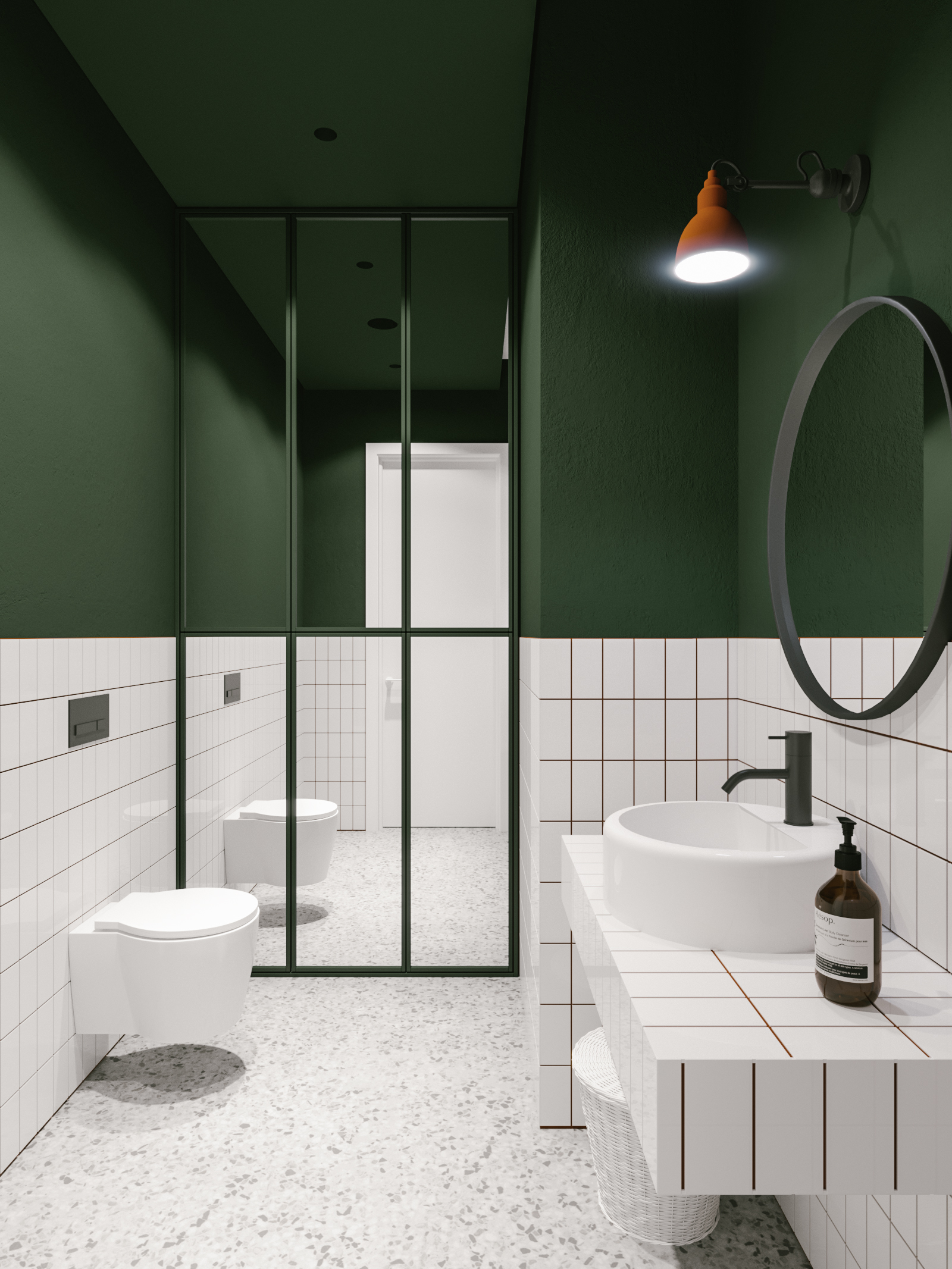
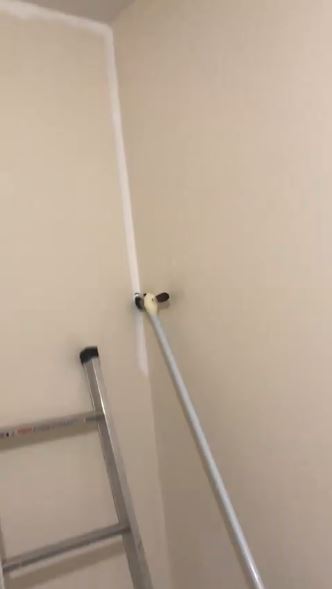
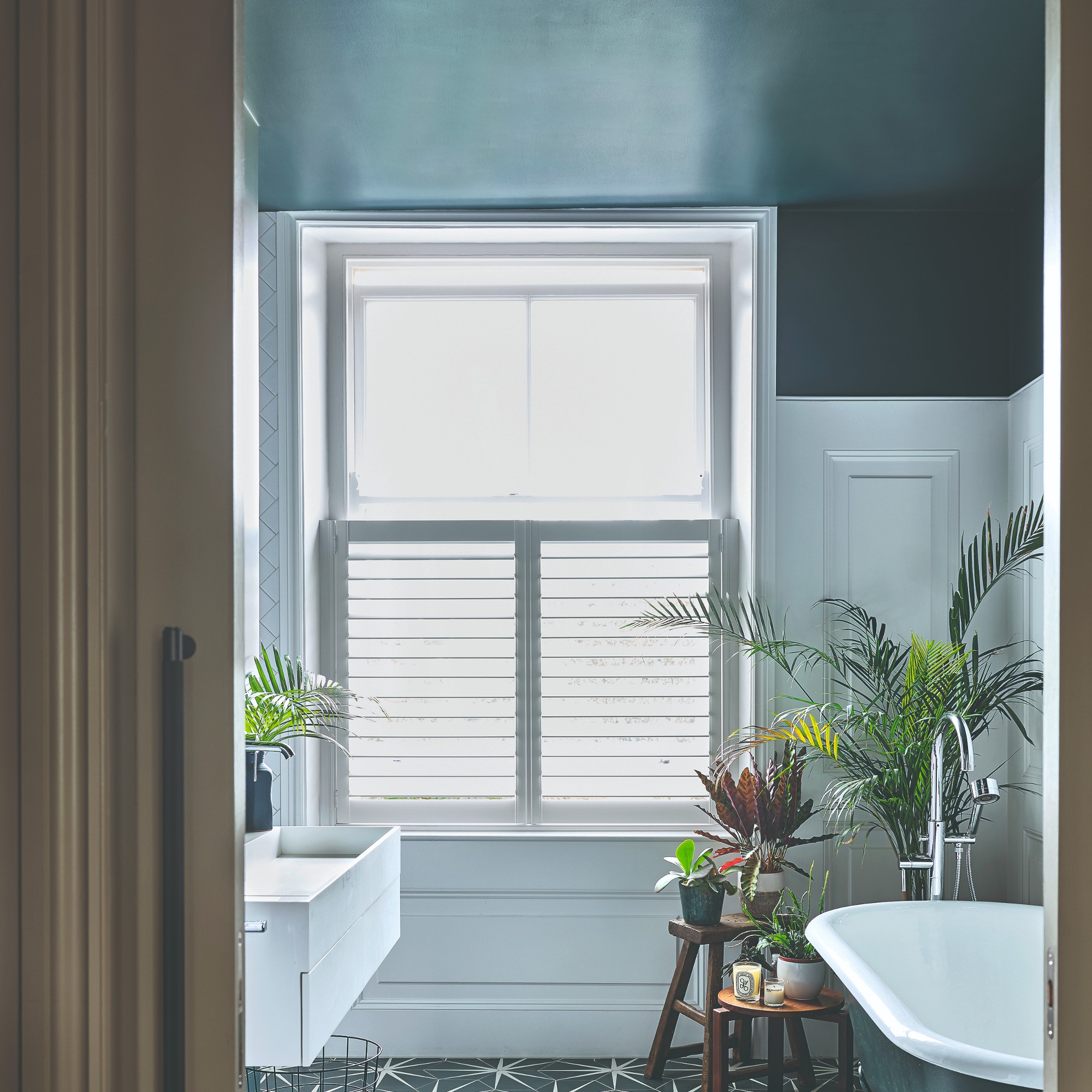
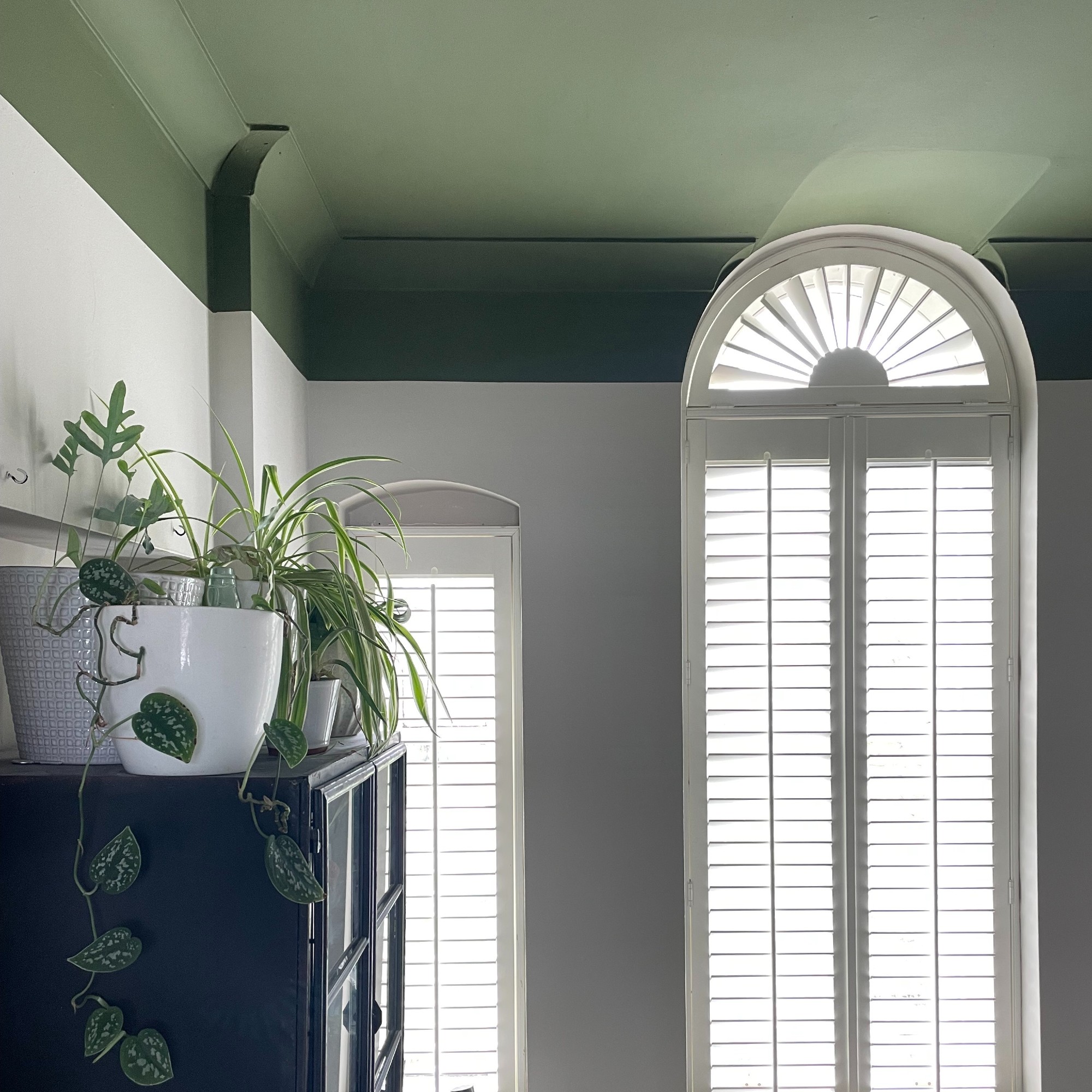
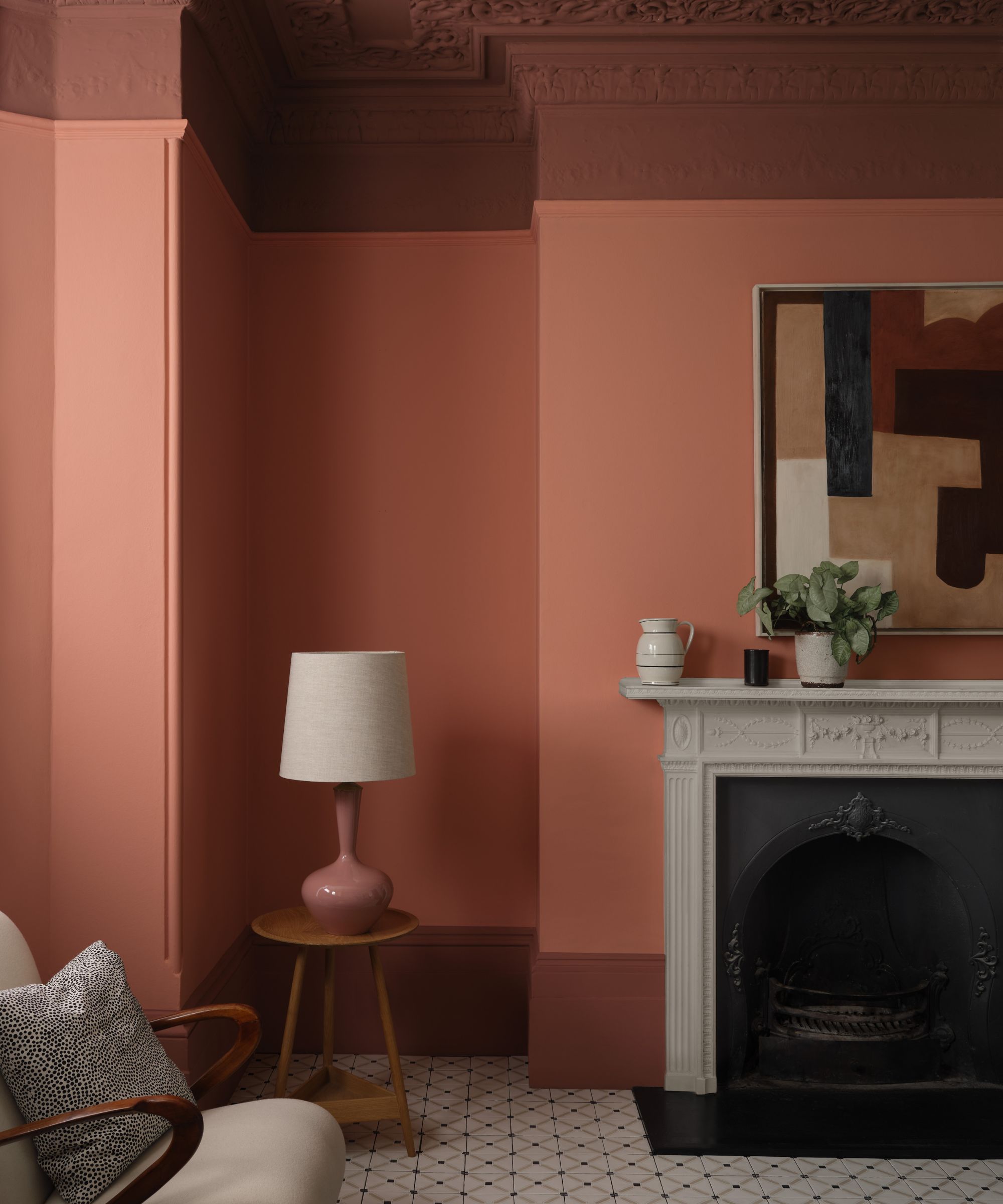
The most common color for ceilings is "Swiss Coffee White," a soft white with a hint of beige. This color effectively contrasts darker wall colors, avoids appearing too bright, and helps to conceal minor imperfections. While traditional white is prevalent, some homeowners opt for bolder choices like dark grays or vibrant colors to create a distinctive look. Consulting a color specialist beforehand is advisable for those considering significant color changes to ensure the chosen hue complements the room's design. If undertaking the painting project independently, meticulous masking of all floor areas is paramount. Using a 3/8-inch nap roller is recommended to minimize paint splatter. When applying paint, it is crucial to use an extension pole and maintain a wet edge, completing the entire ceiling in one continuous effort to prevent visible lines.
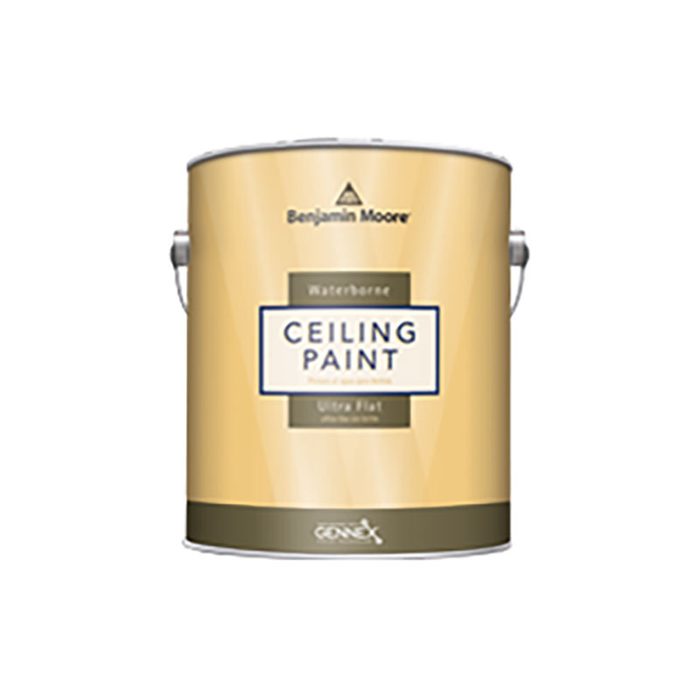
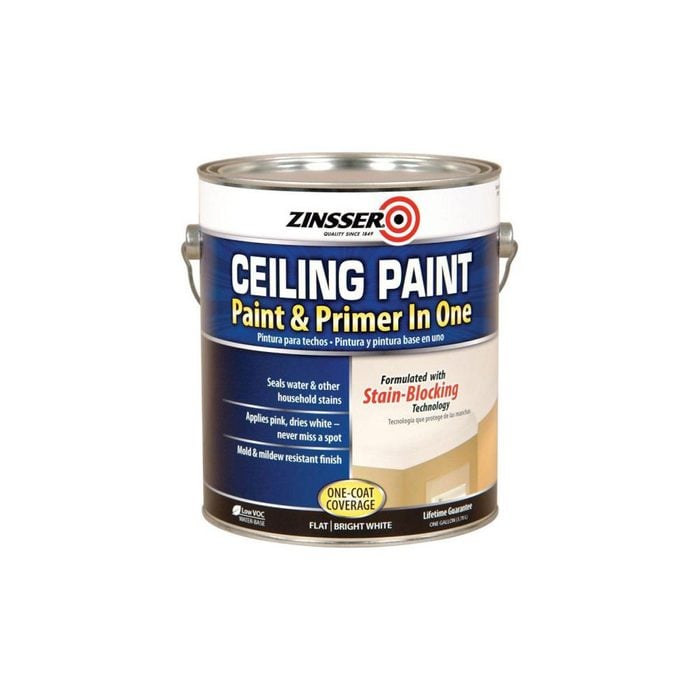
For DIY projects, a coordinated approach is beneficial, with one person taping edges and painting borders while another rolls the main ceiling area concurrently. The type of paint used is also critical; a flat paint is preferable over a glossy finish. Flat paint helps to hide imperfections, creating a smoother, more uniform appearance. A surprising recommendation from painting professionals is that less expensive flat paints may perform better for ceilings. This is because higher-priced flat paints sometimes contain a slight sheen, which can lead to an inconsistent look on a large, flat surface like a ceiling. The article concludes by inviting readers to contact Arizona Painting Company for estimates on ceiling, exterior, or interior painting projects, highlighting their expertise in residential painting.
#HomePainting #CeilingPaint #DIYPainting #InteriorDesign #PaintTips #HomeImprovement #ColorSelection #HomePainting #CeilingPaint #DIYPainting #InteriorDesign #PaintTips #HomeImprovement #ColorSelection
0 comment in total
 No comments yet
You may also like
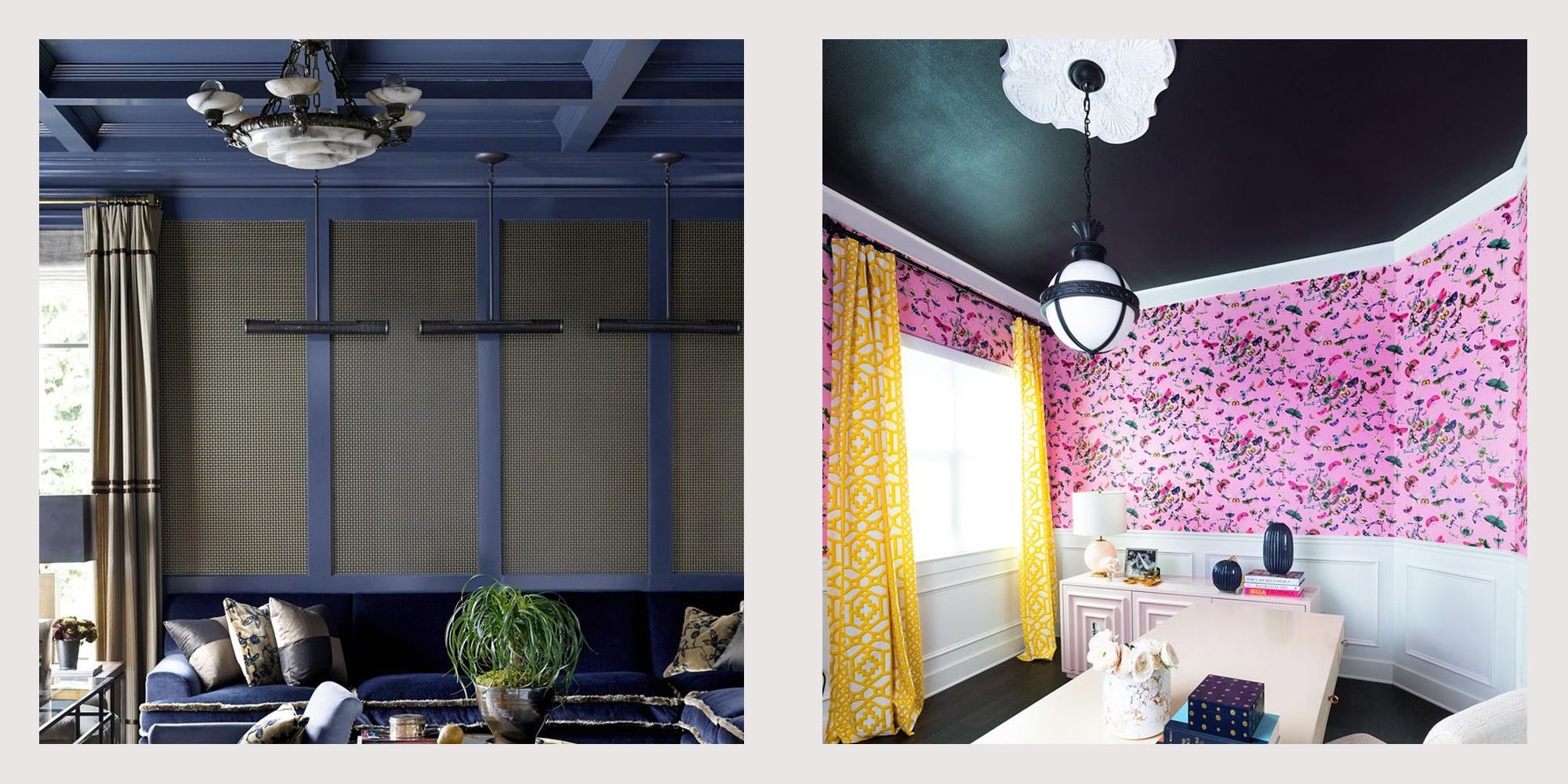
Trend Alert: Here’s How To Perfect The Painted Ceiling Look


5 Best Ceiling Paints

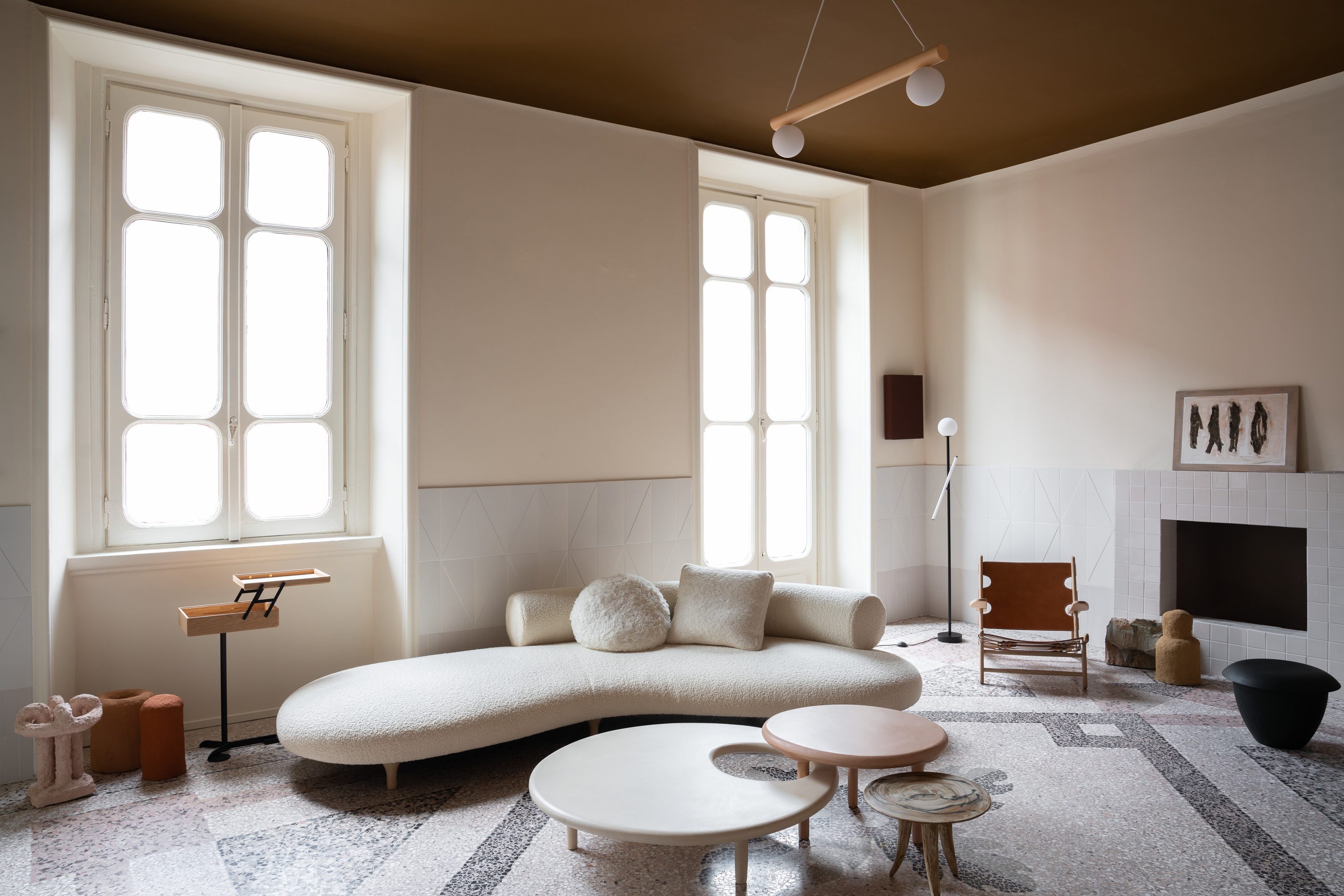
Painted ceiling ideas – 10 of the best ways to give this decorating trend an unexpected twist

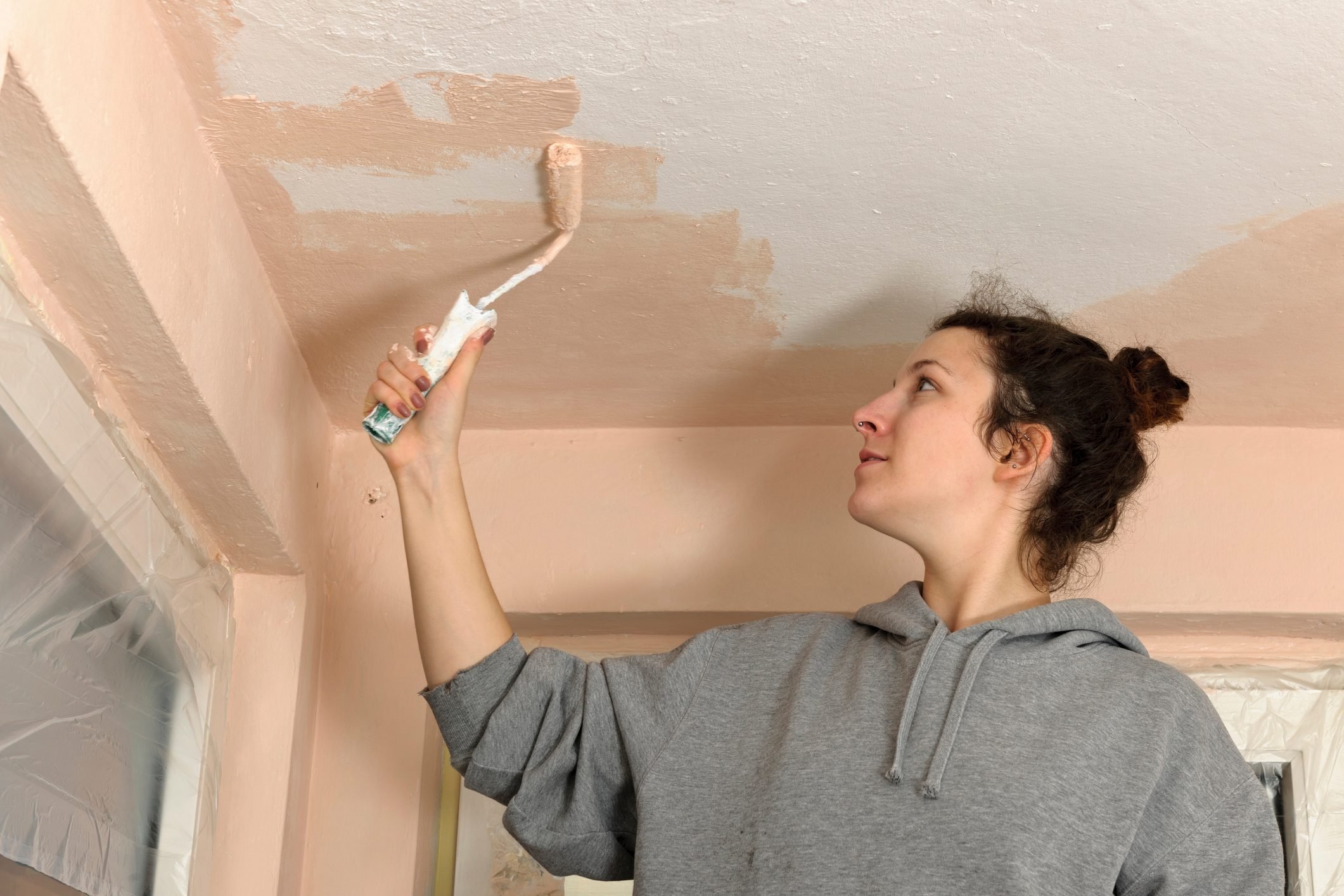
This Painted Ceiling Trend For 2023 Is So Chic
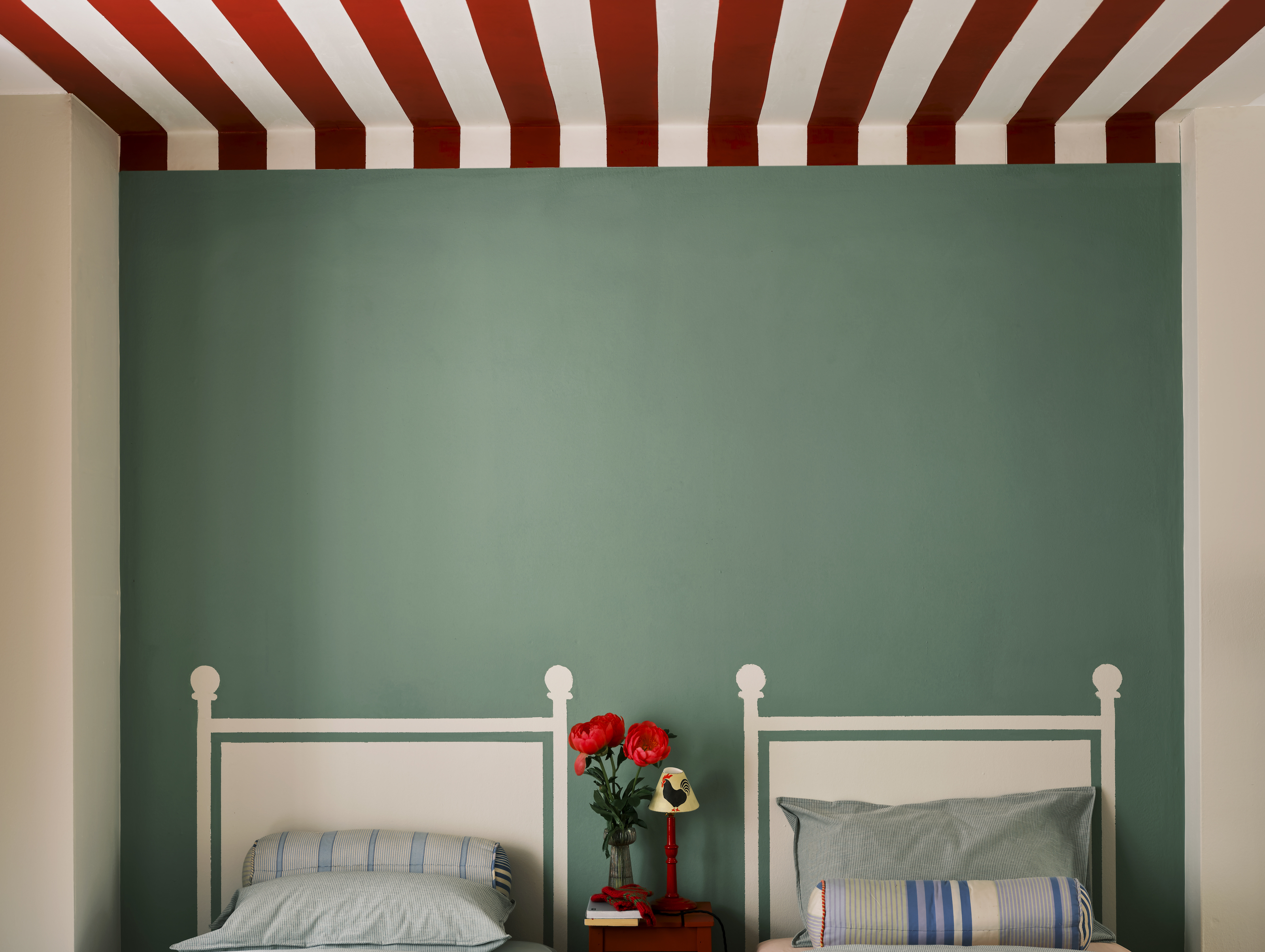
How to paint a ceiling - the expert guide to giving the fifth wall a fresh look
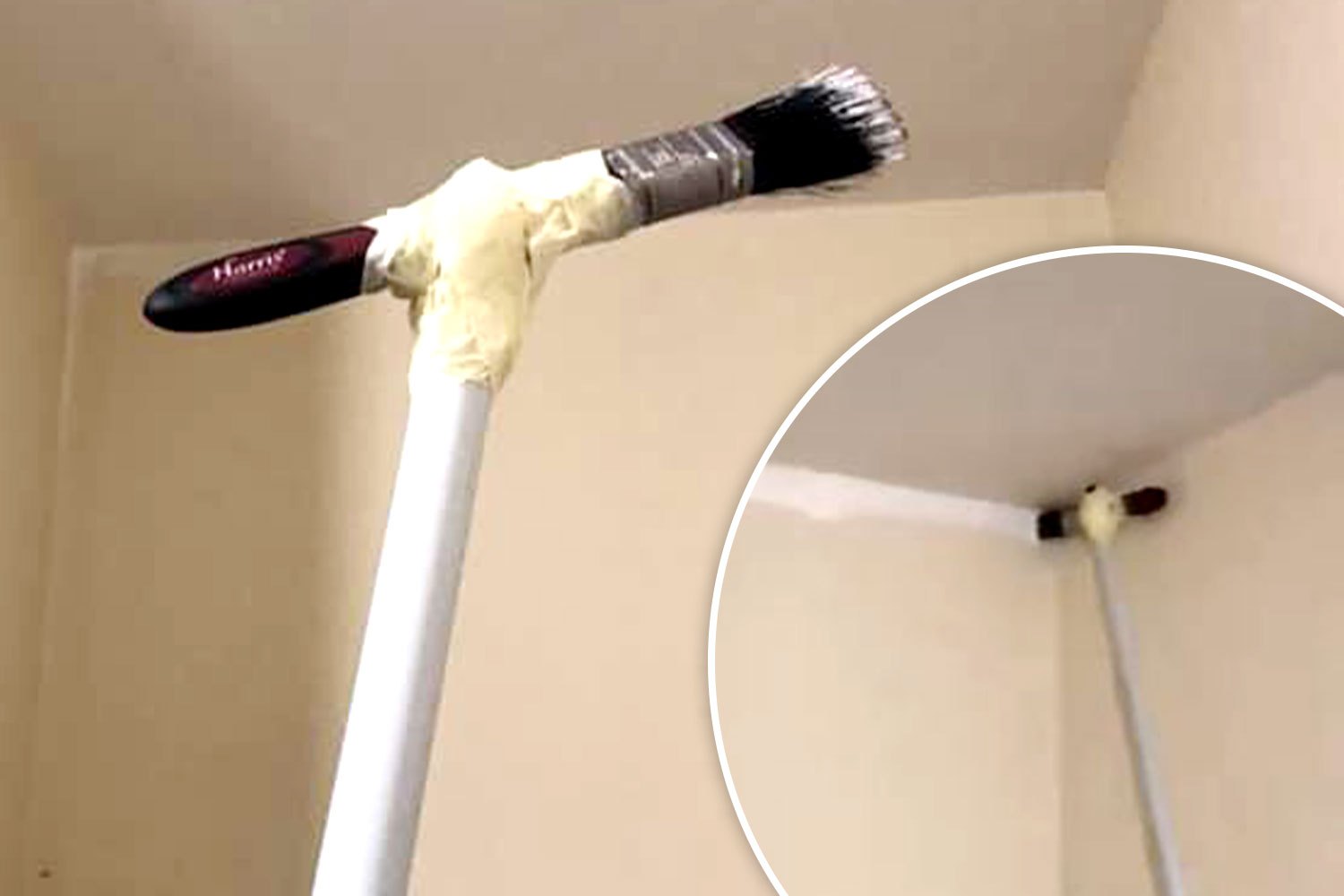
DIY fanatic shares the easy way she paints high ceiling corners WITHOUT having to balance on a ladder

7 Paint Colors to Never Use on Your Ceiling, According to Interior Designers

7 Paint Mistakes That Make Designers Instantly Cringe When They Walk Into Someone's Home

Yes, You Should Absolutely Paint Your Ceiling

Designers Swear by This "Fifth Wall” Painting Tip to Elevate Any Room


Ceiling paint ideas – 10 ways to make your fifth wall wonderful


Painting the ceiling with colour is a trend that is looking up

So You Want to Paint Your Ceiling? Read This First


Should you paint your ceiling a different colour to the walls? Experts explain why everyone should consider it

Should ceilings be glossy or flat? A paint expert lifts the lid on getting this vital touch just right

How Decorating Your Ceiling Can Transform Your Entire Room


How to Paint a Ceiling, From Picking a Color to Actually Getting It Up There

5 reasons why you should never paint a ceiling white, reveals a leading paint and color expert

When you should and shouldn't paint your ceiling, according to interior designers


Hot Home Trend: Painted Ceilings