1/4
How Decorating Your Ceiling Can Transform Your Entire Room
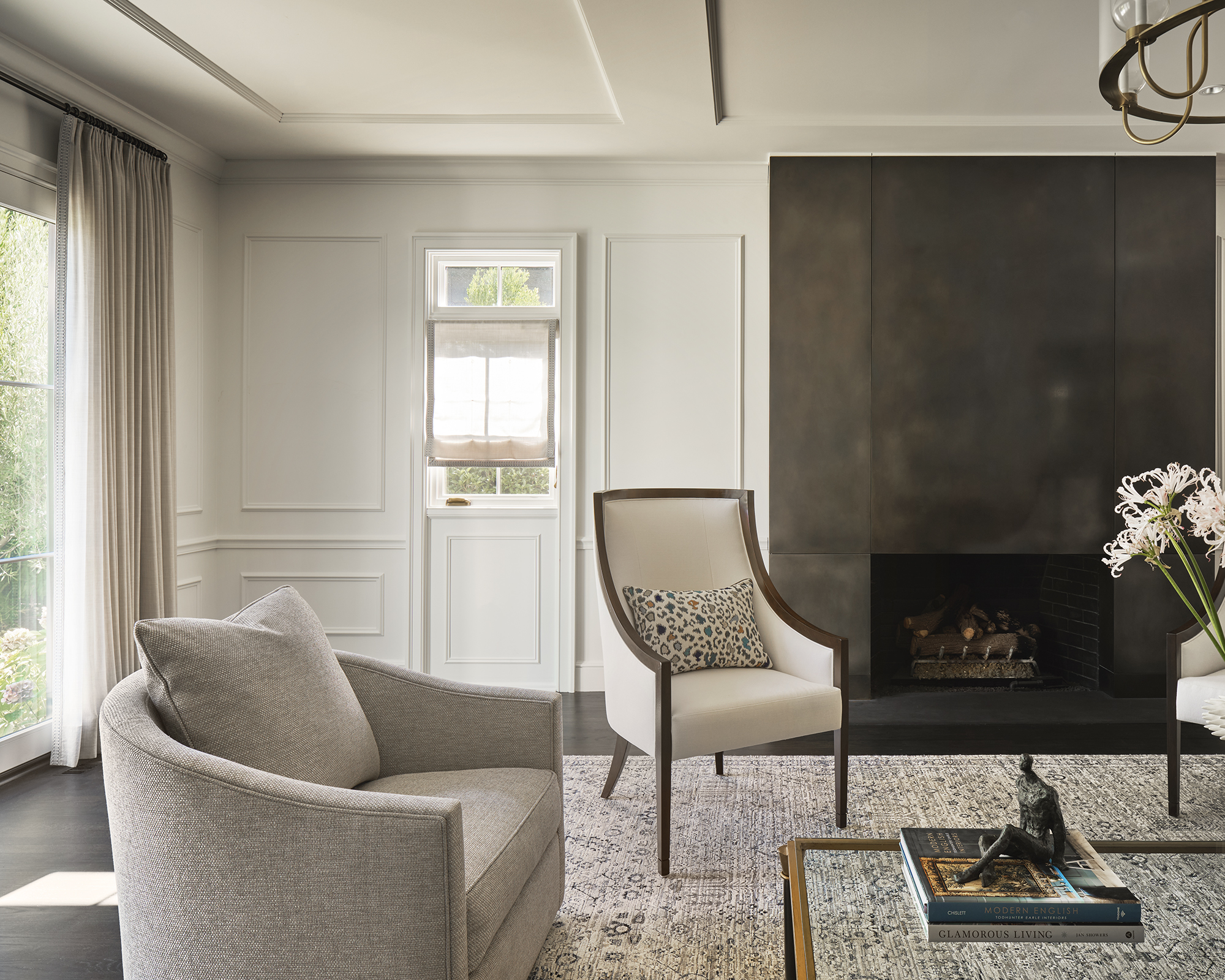
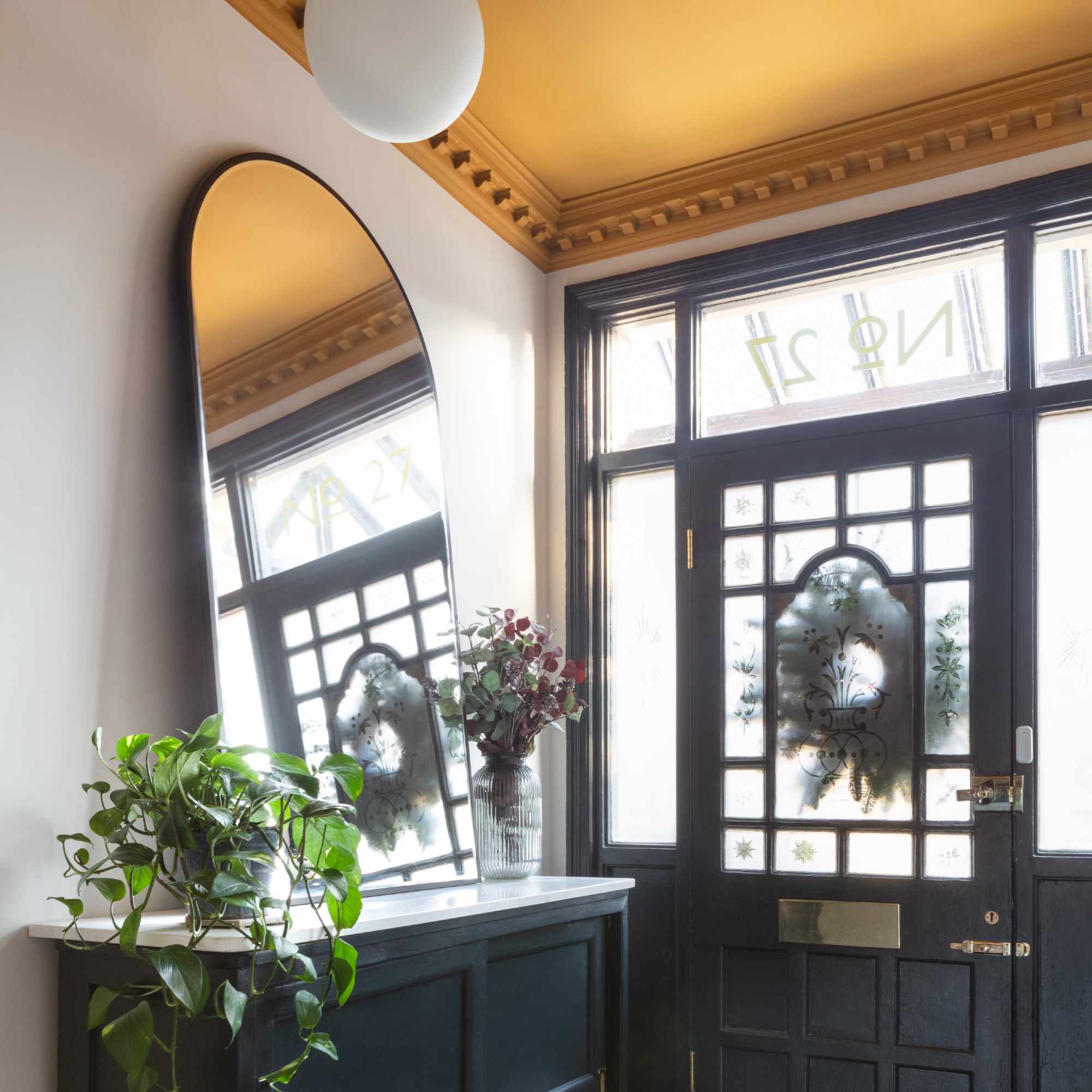
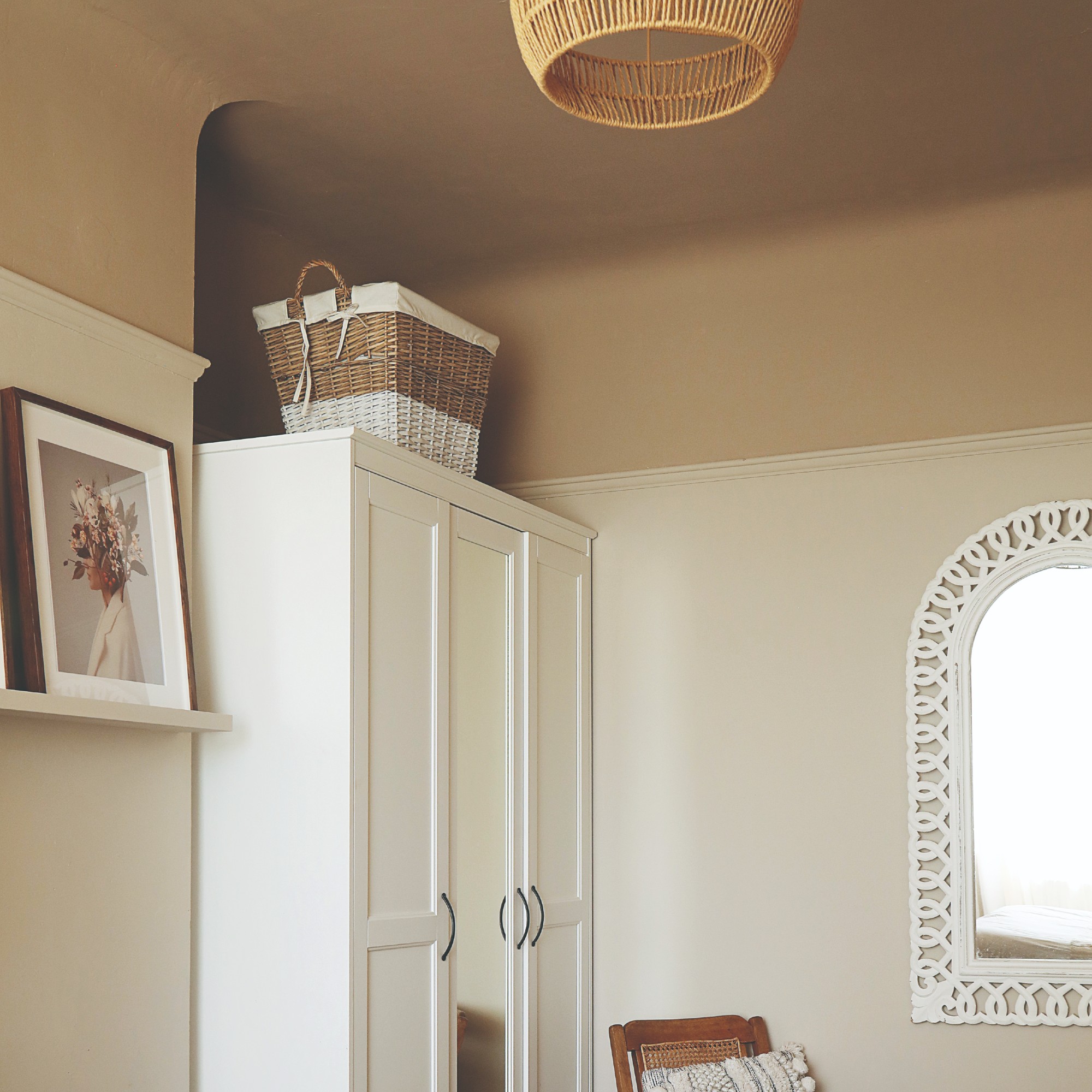
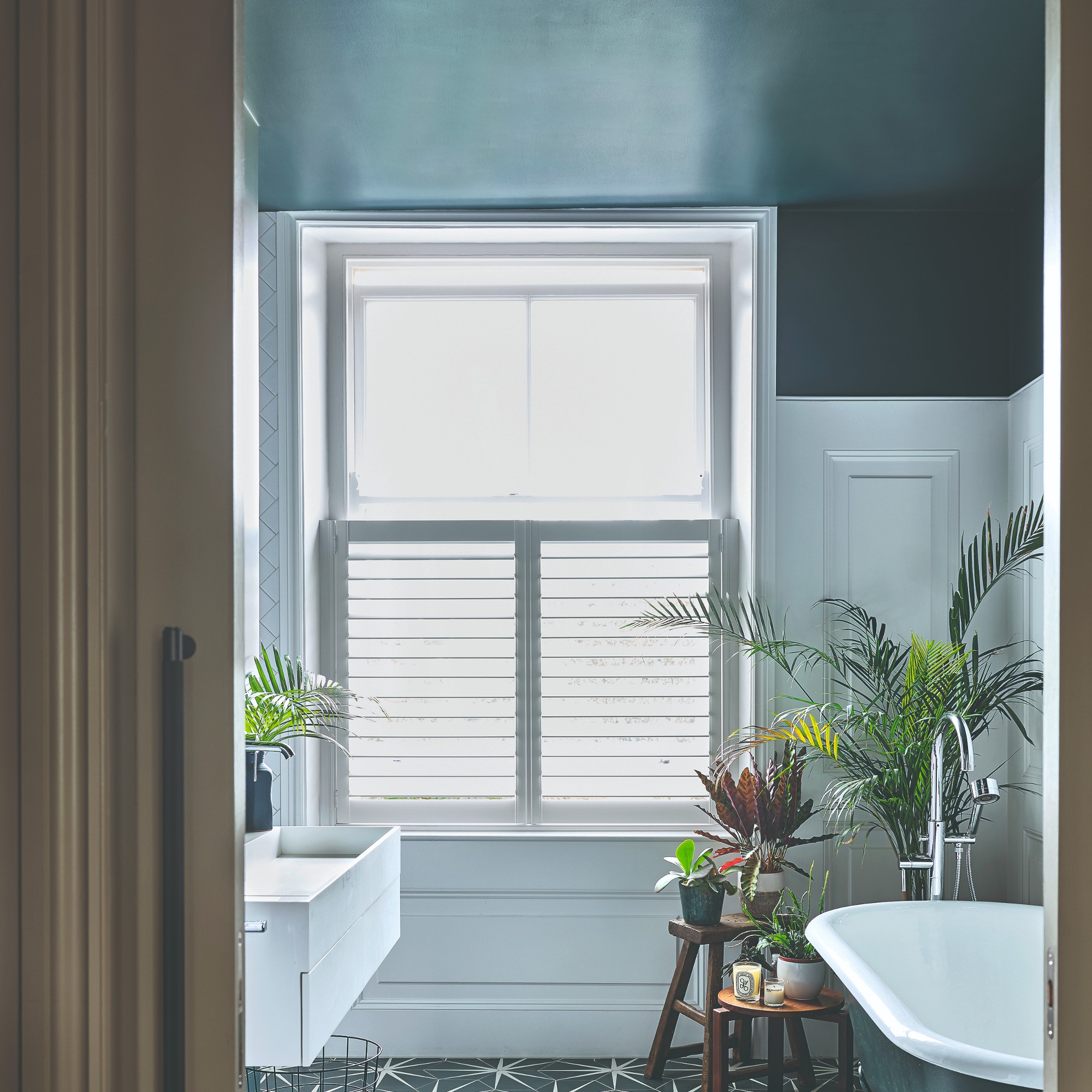
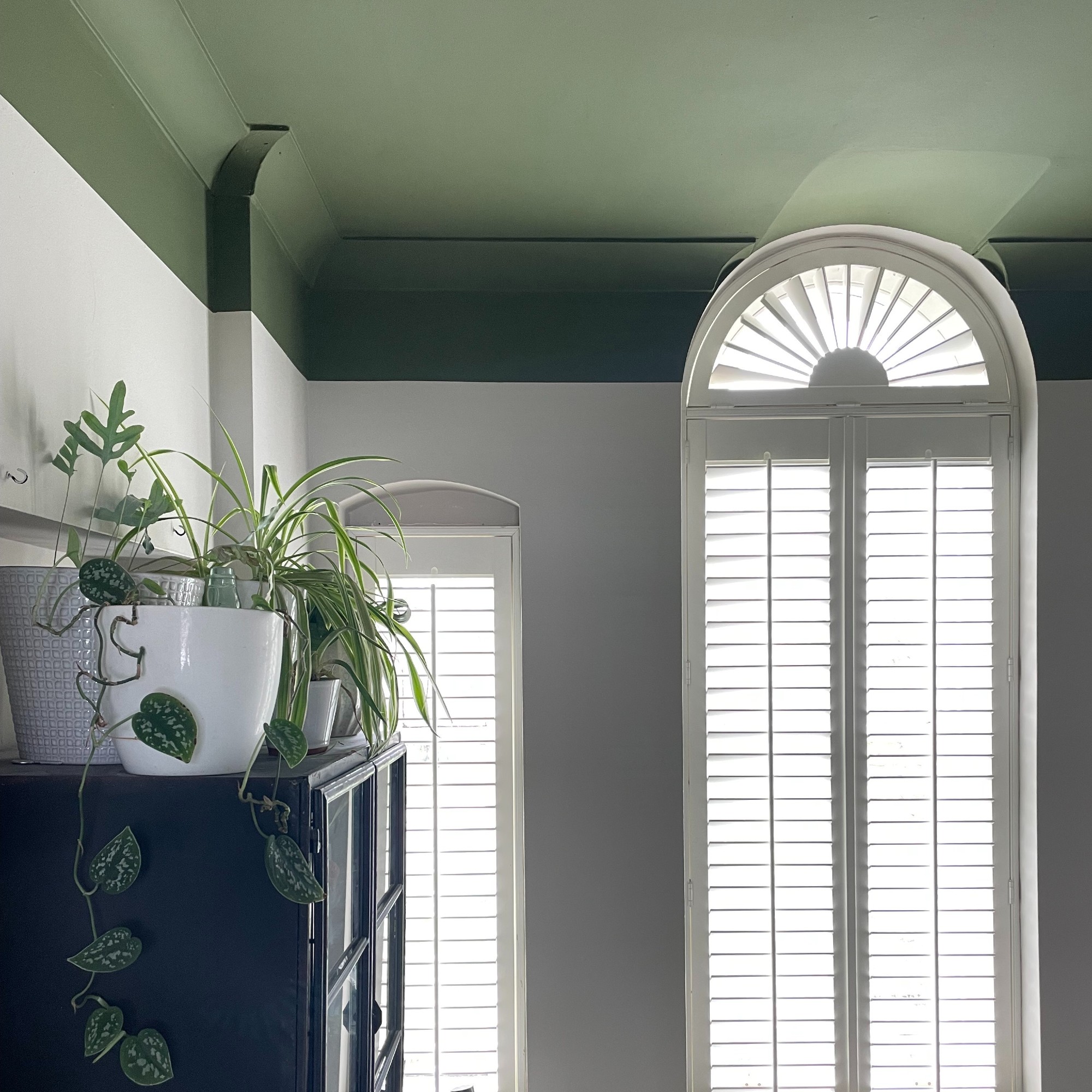
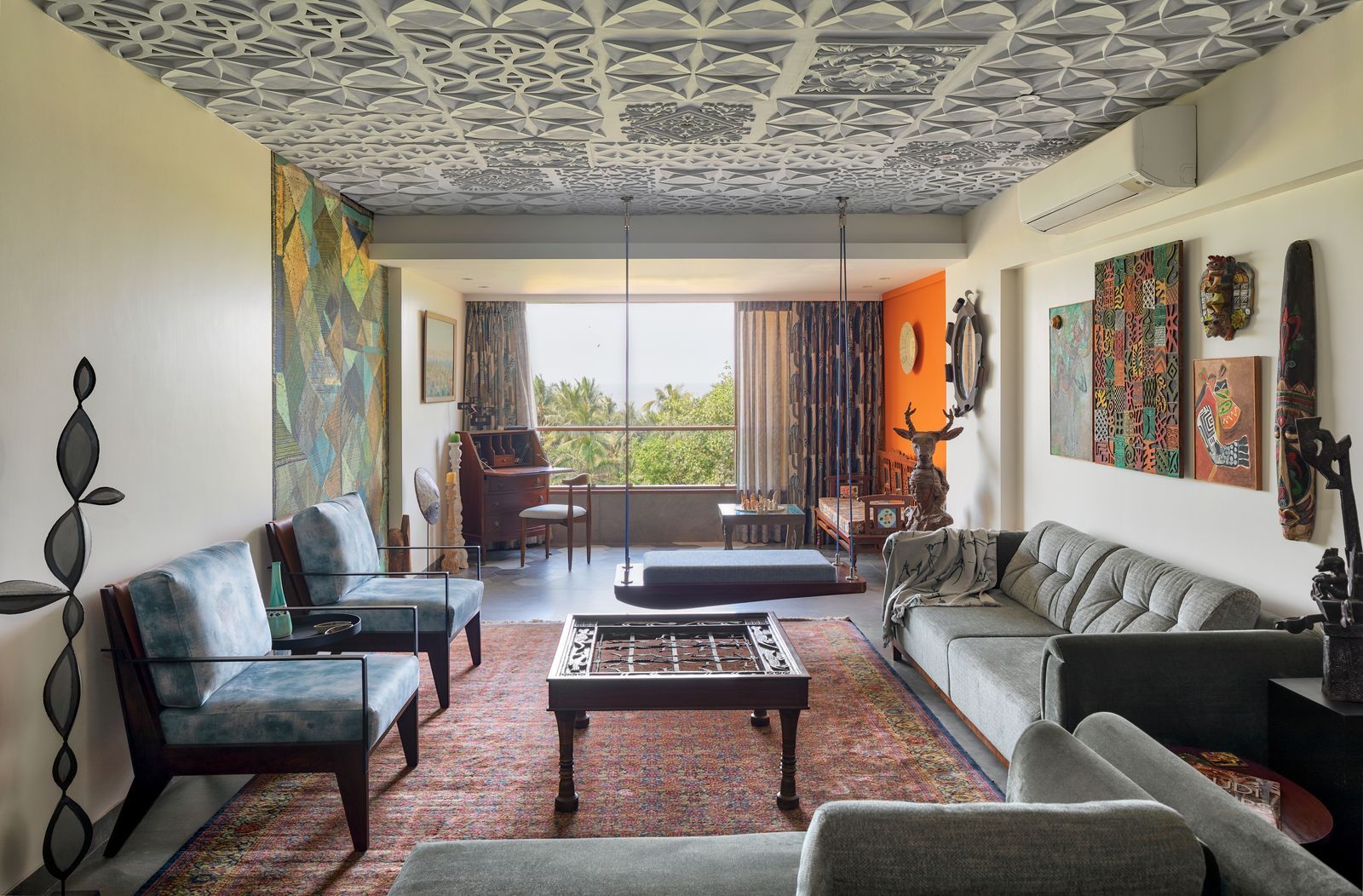
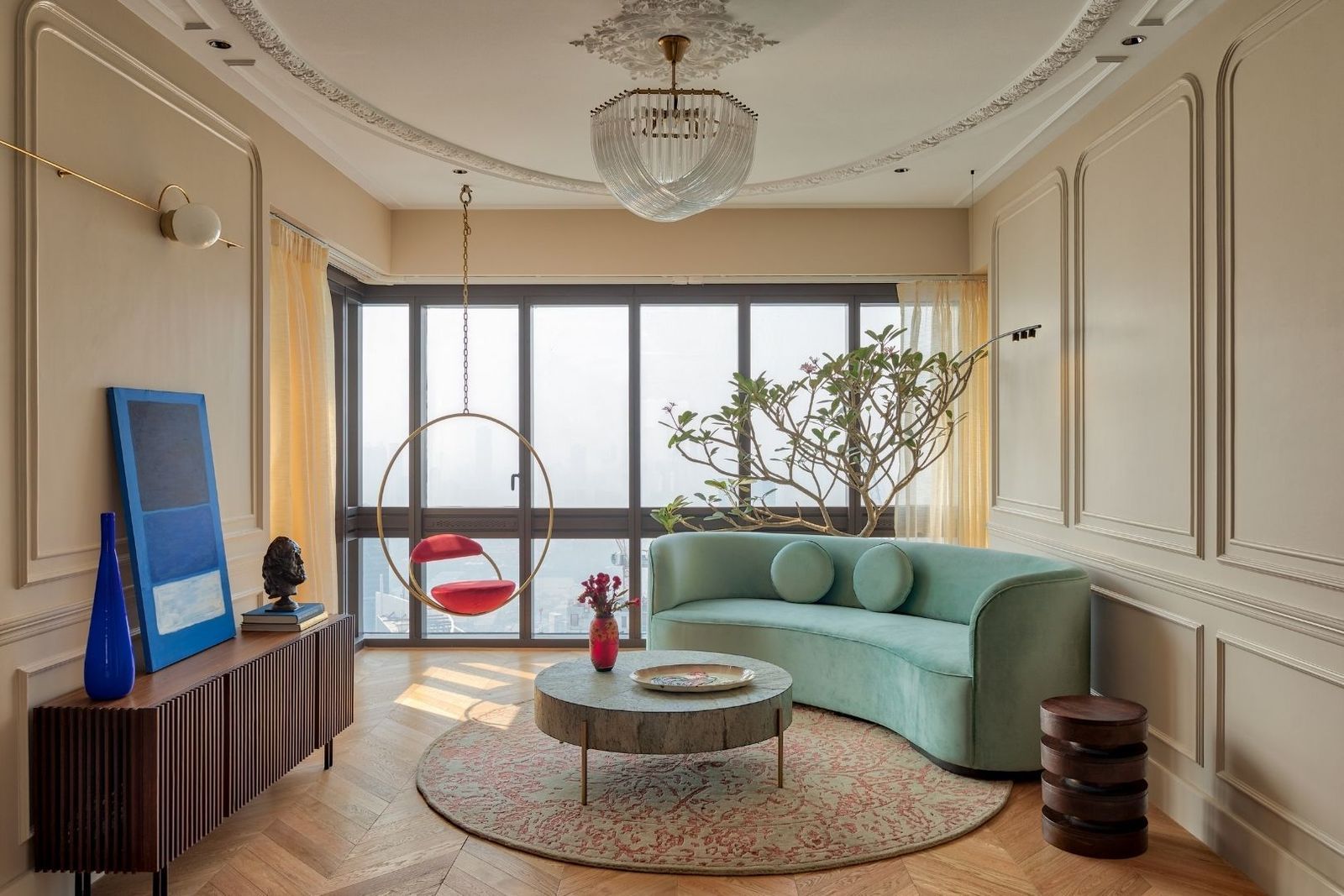
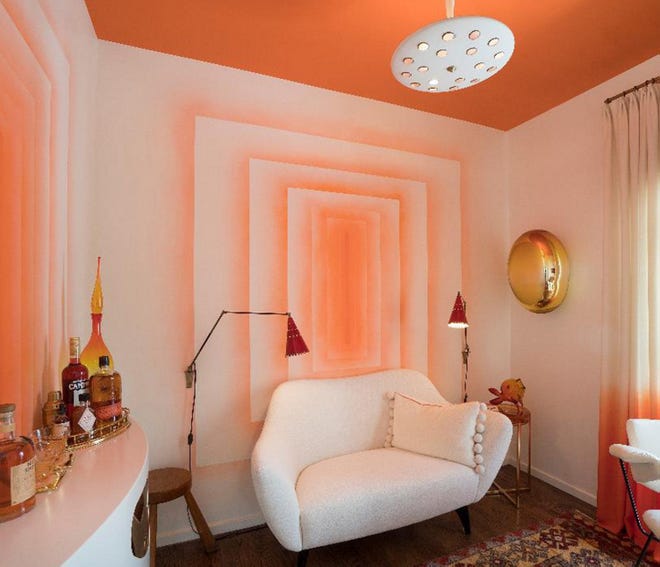
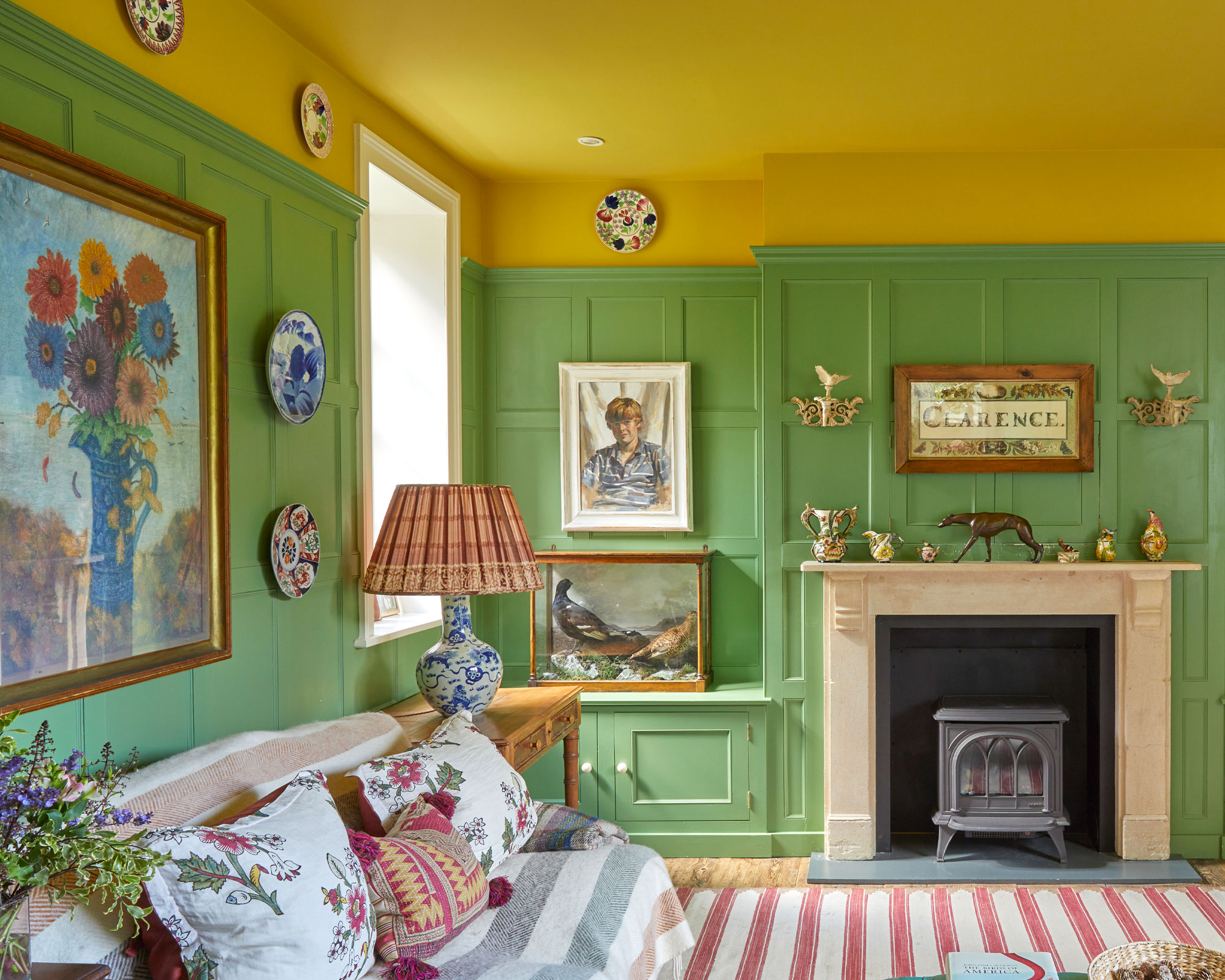
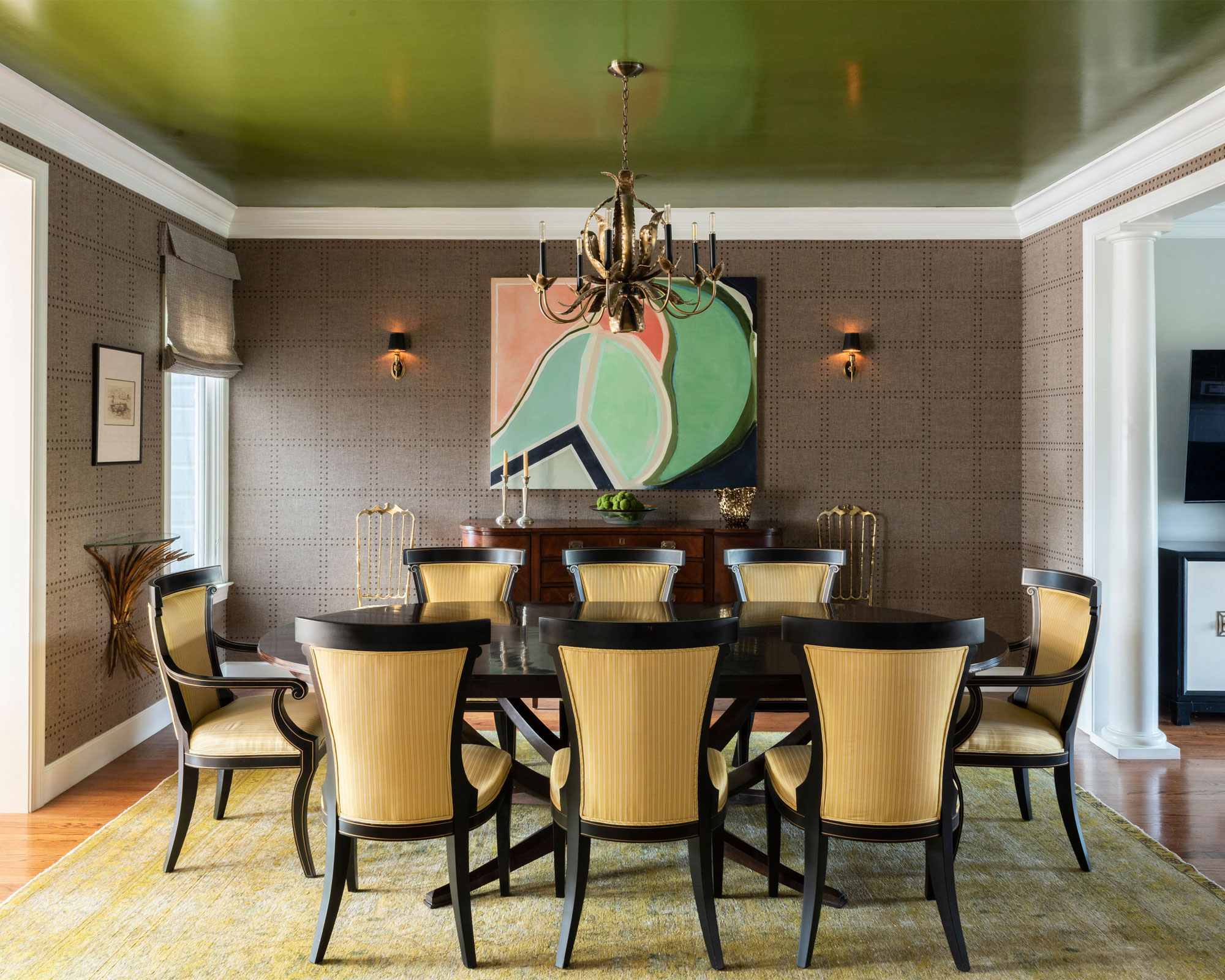
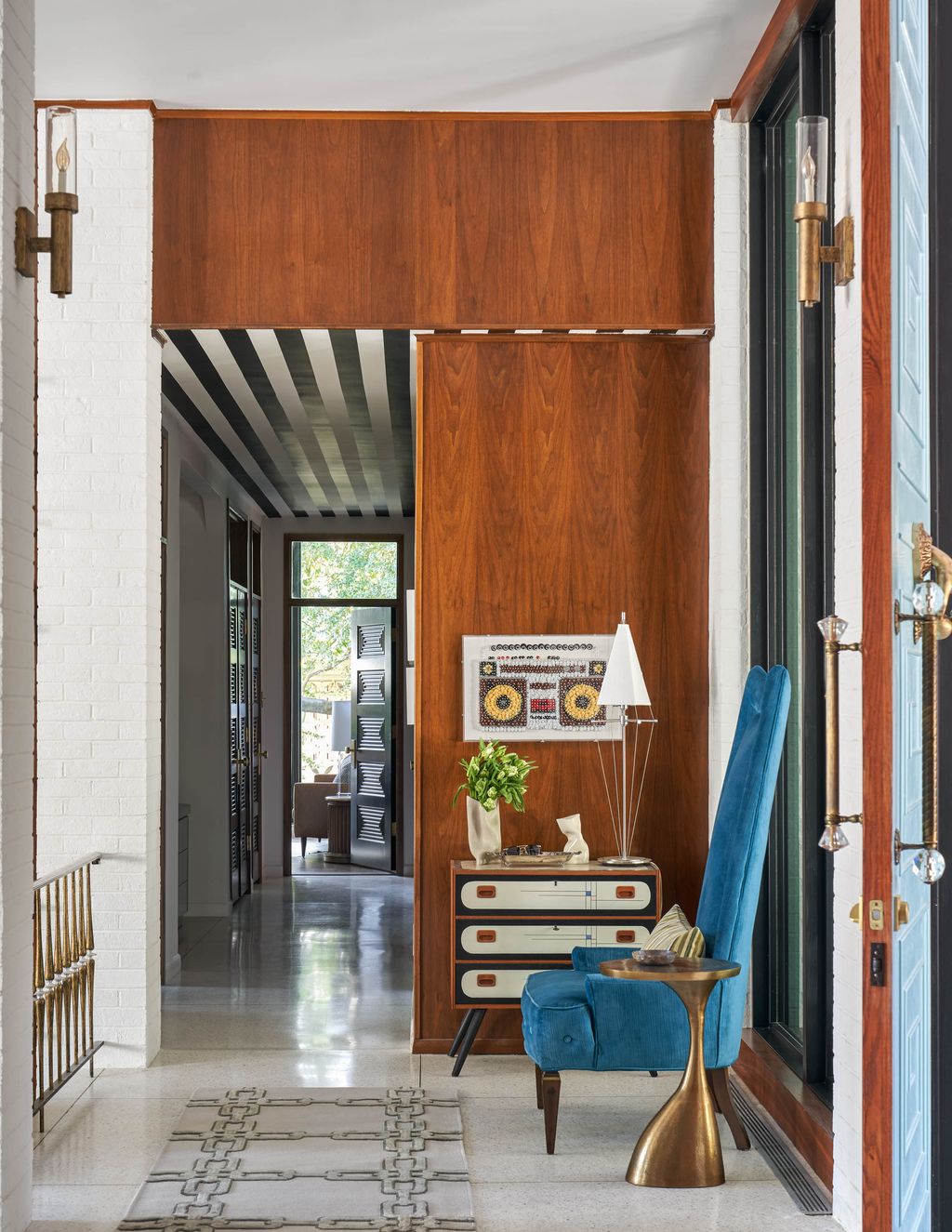
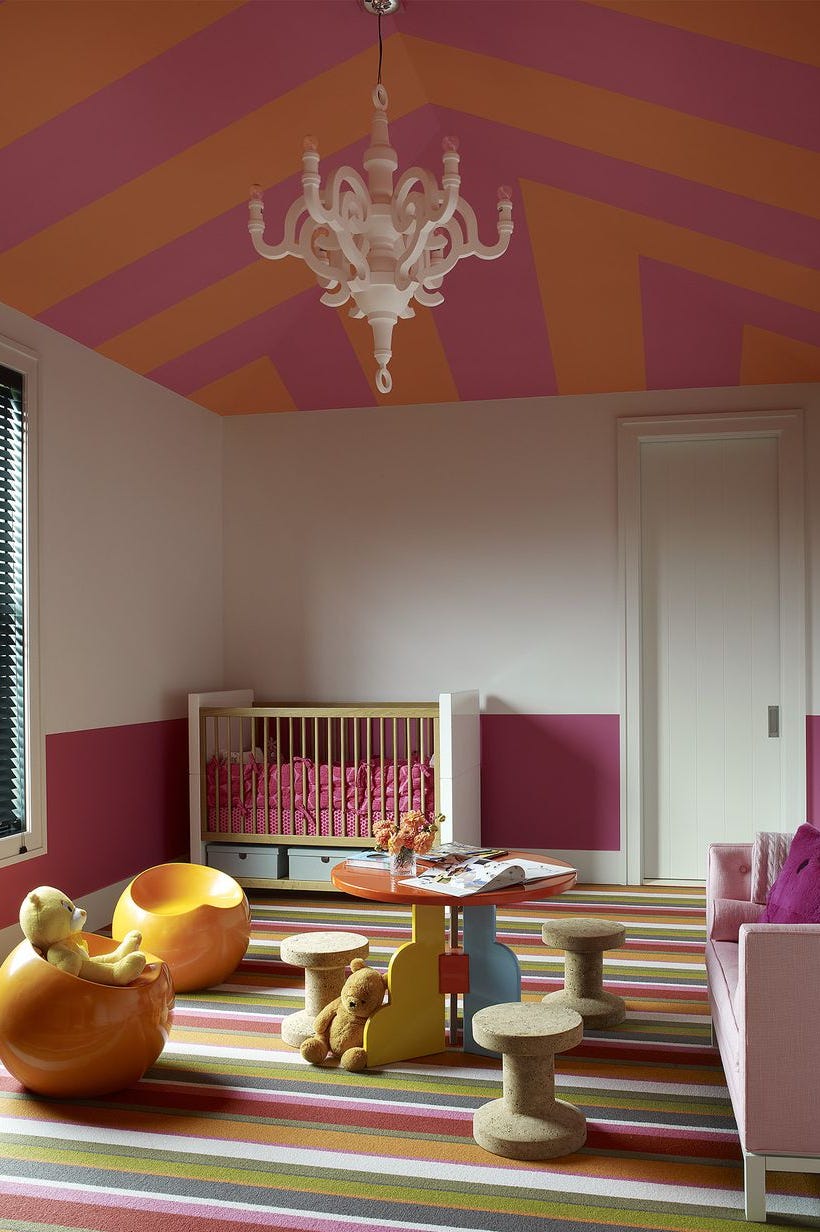
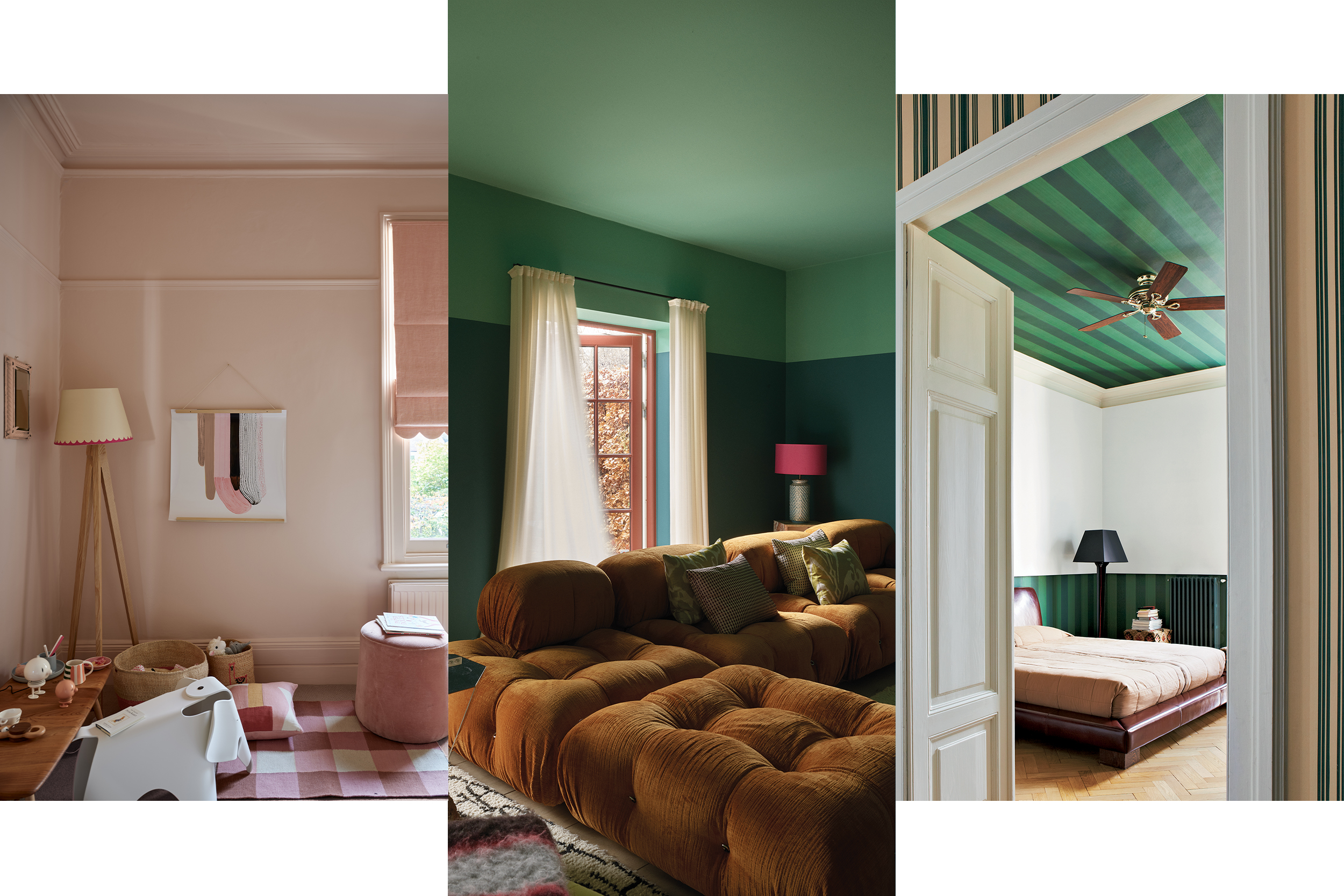
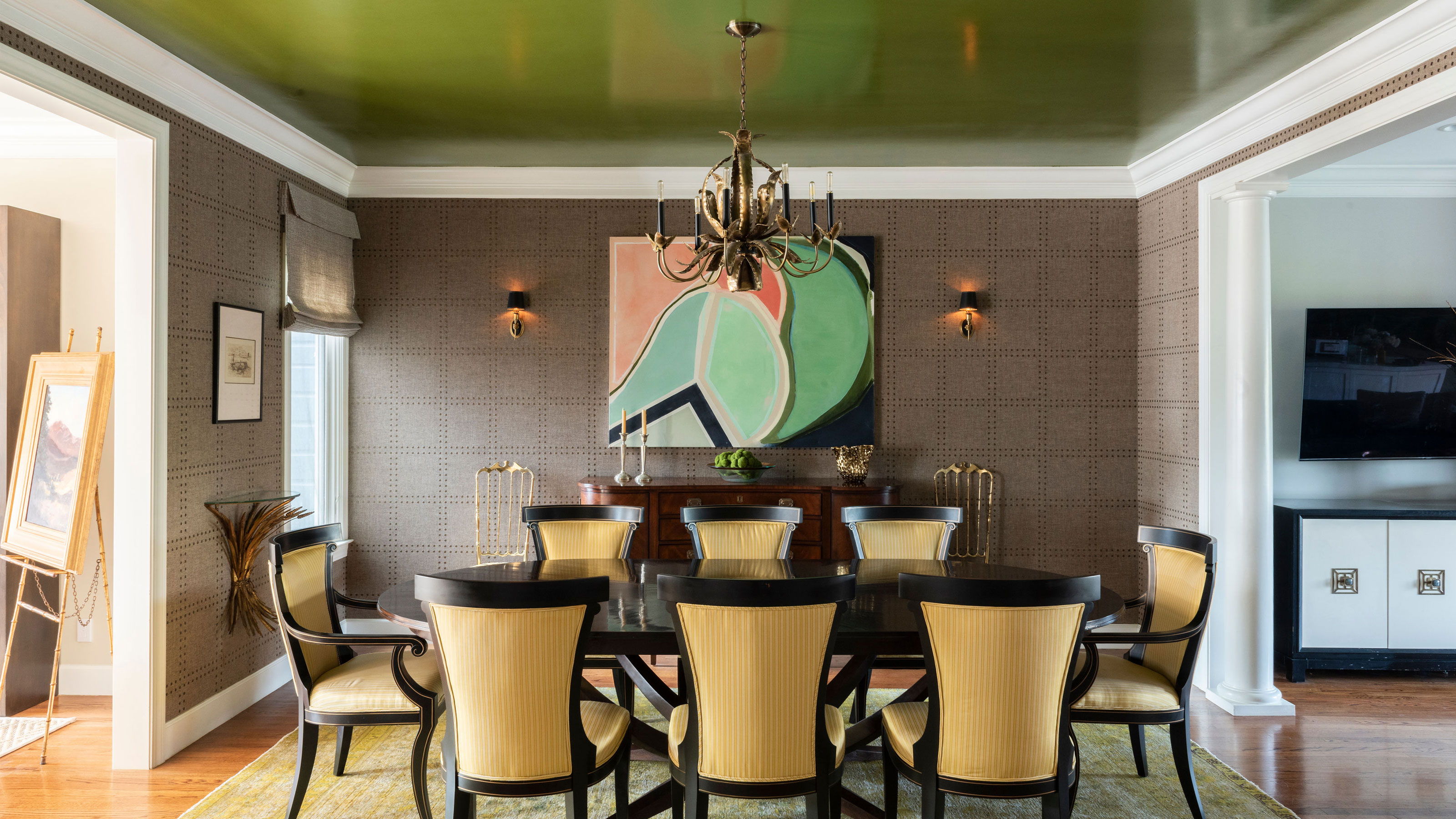
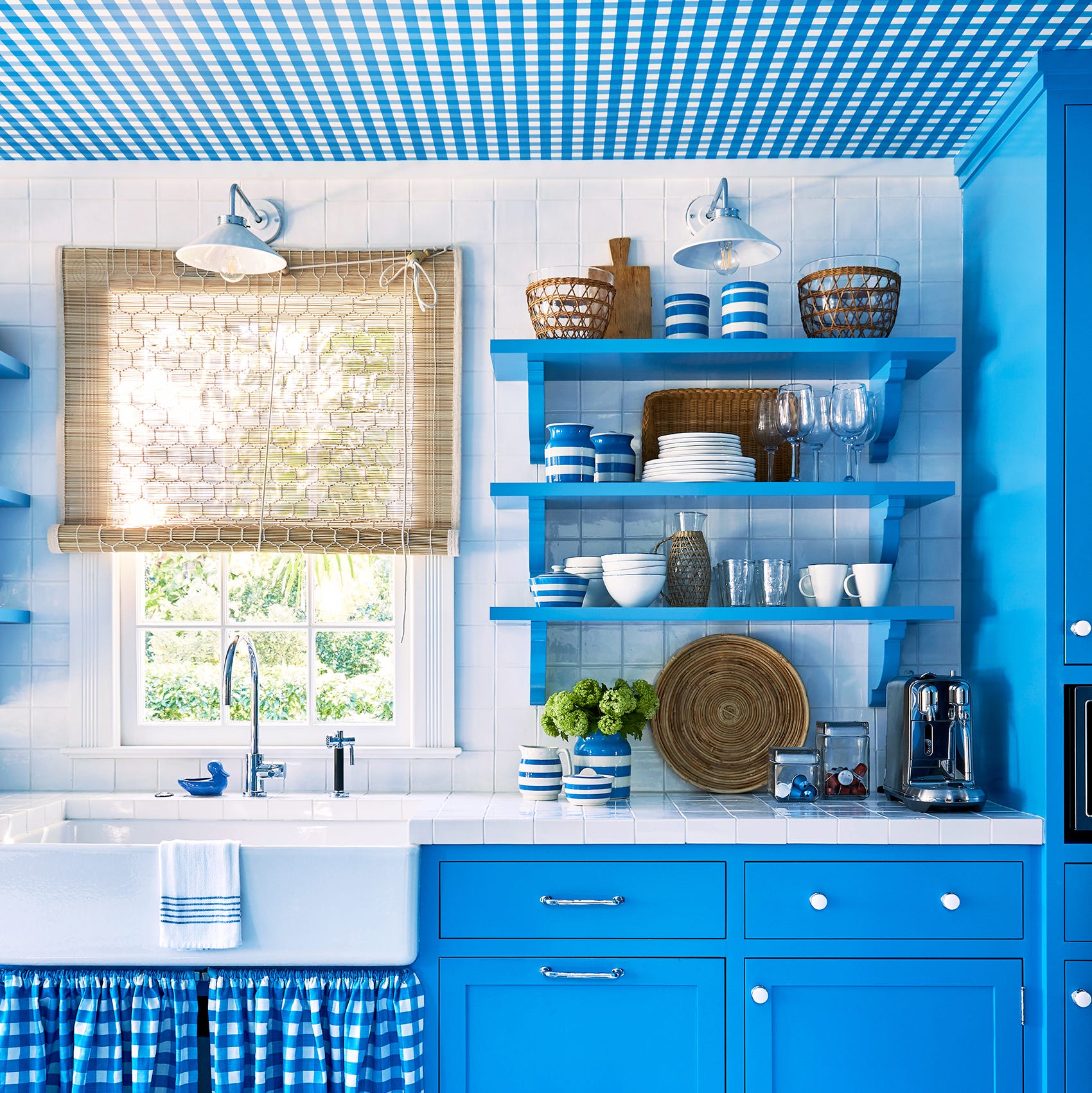
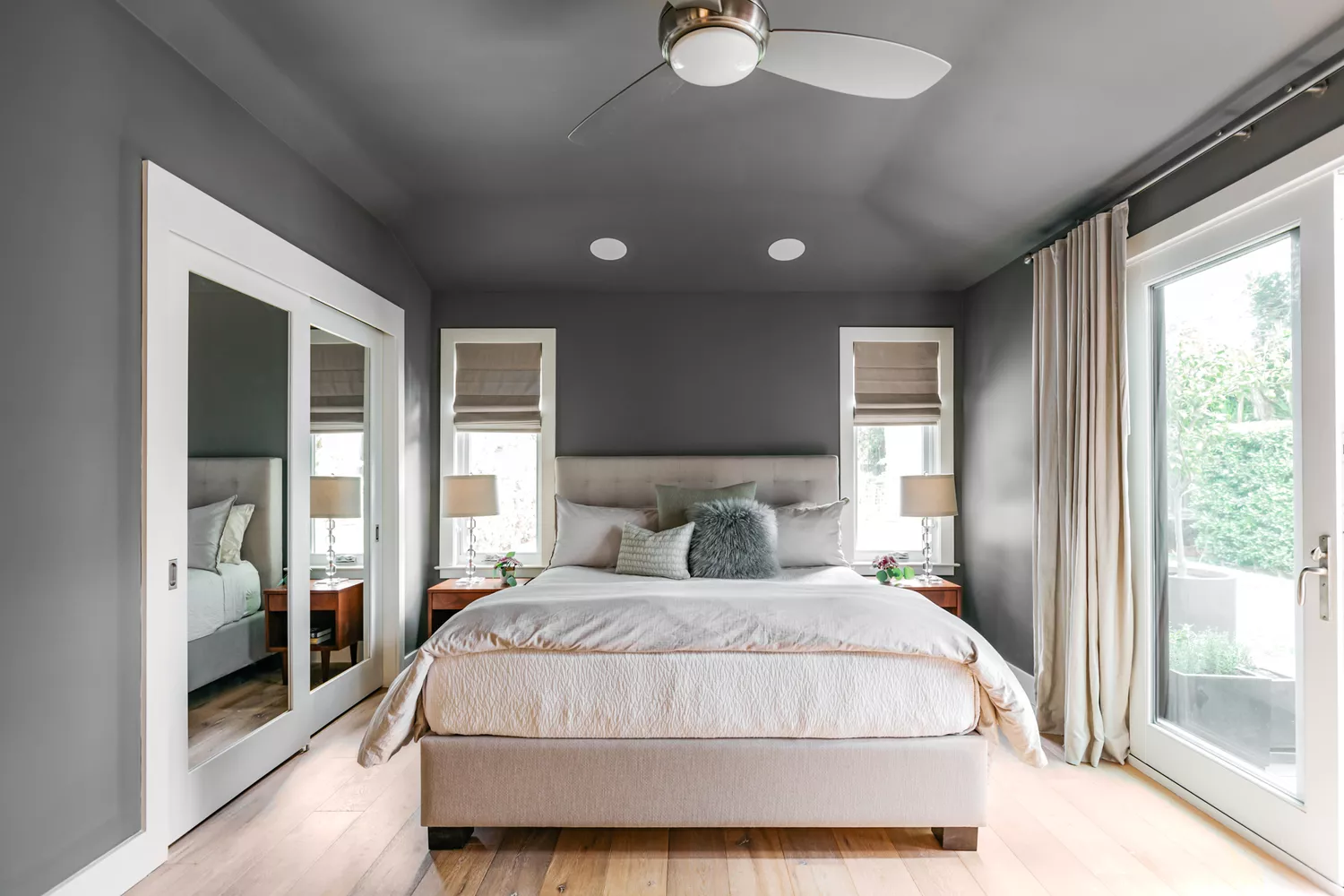
Houston interior designers emphasize the importance of ceilings as a crucial design element, often referred to as a room’s “fifth wall.” Historically, traditional design incorporated ceilings into decor, a practice that simplified during the midcentury contemporary era, leaving ceilings predominantly white and undecorated. However, there's a resurgence in treating ceilings as a canvas for design, moving beyond basic white paint to explore more intricate possibilities.
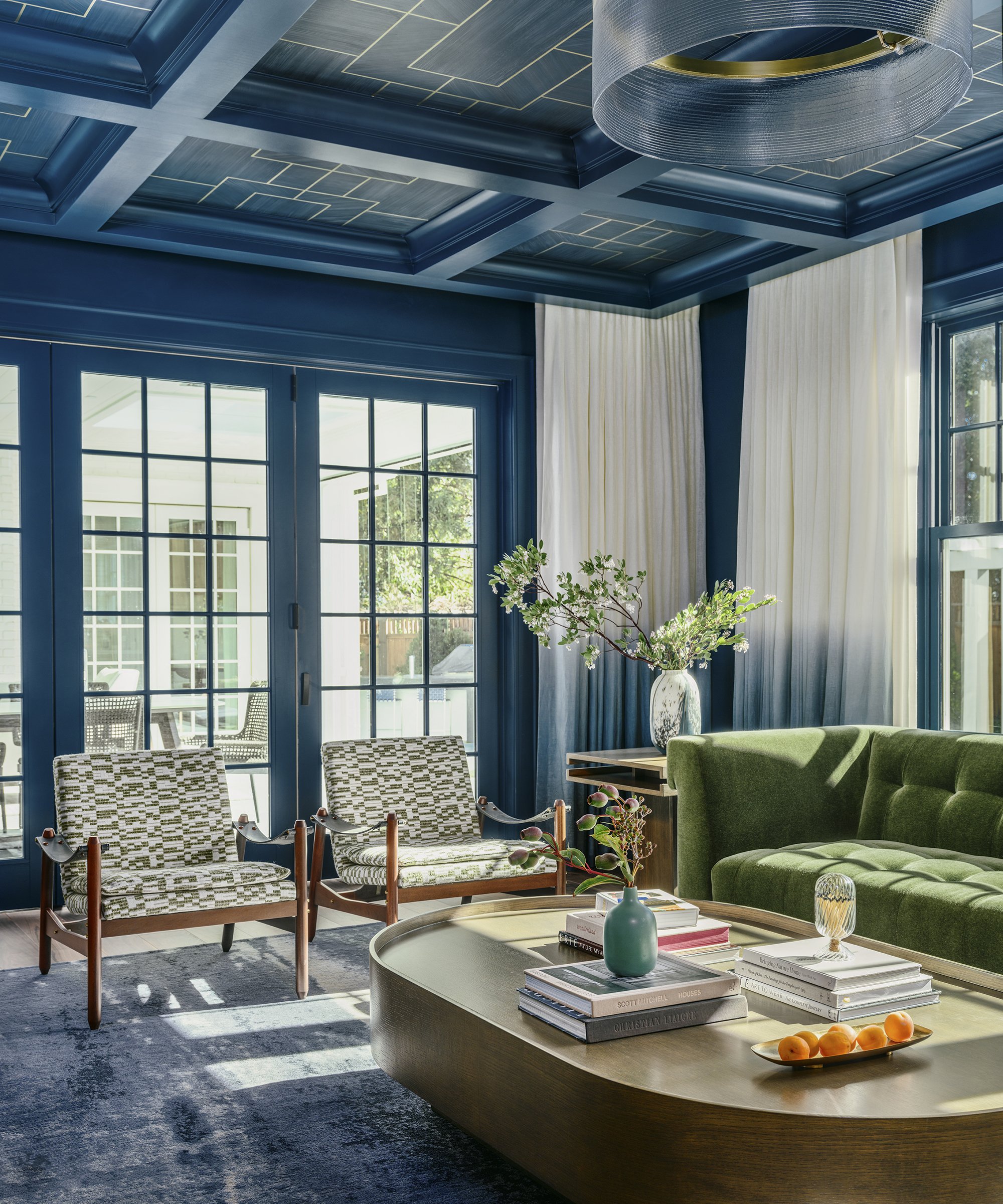
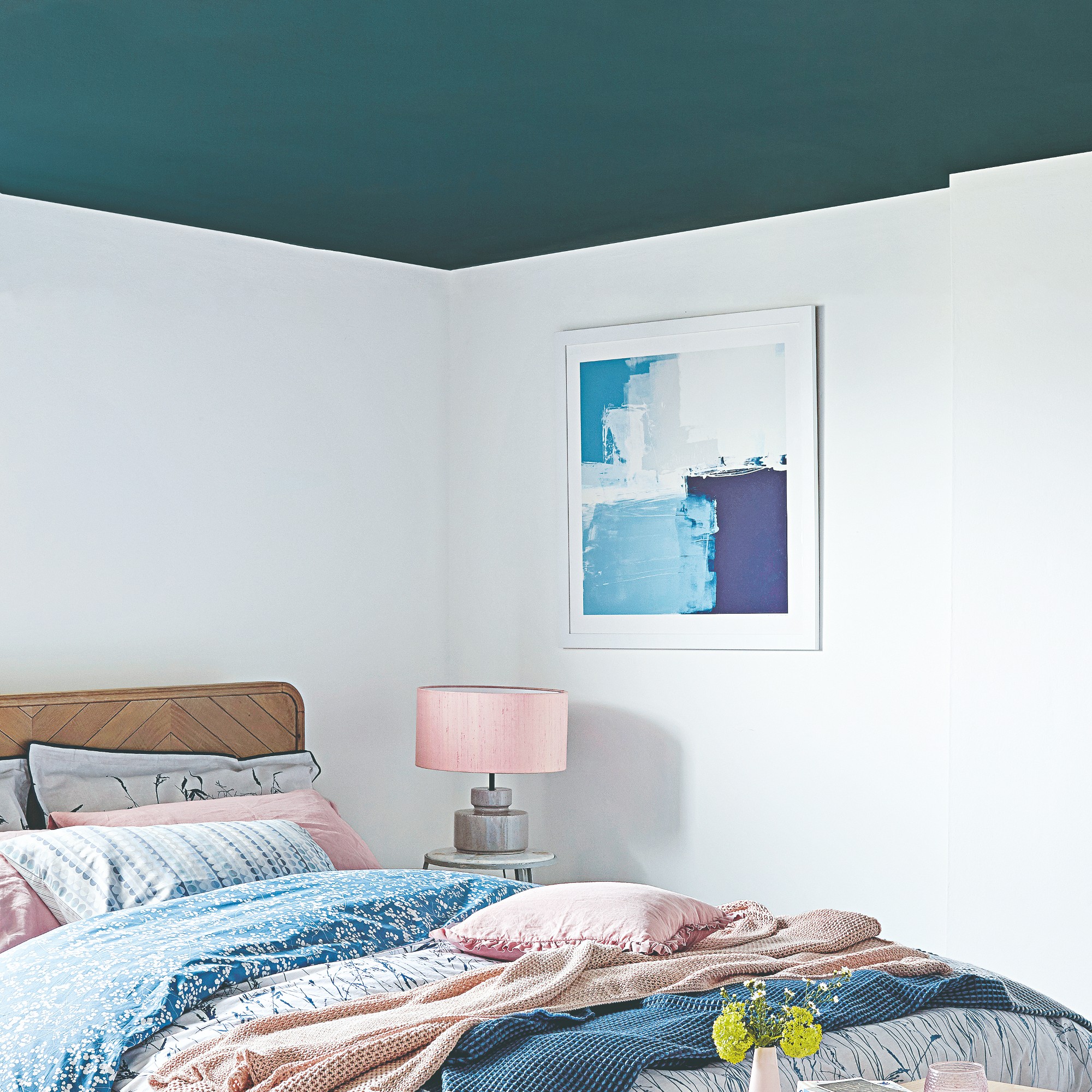
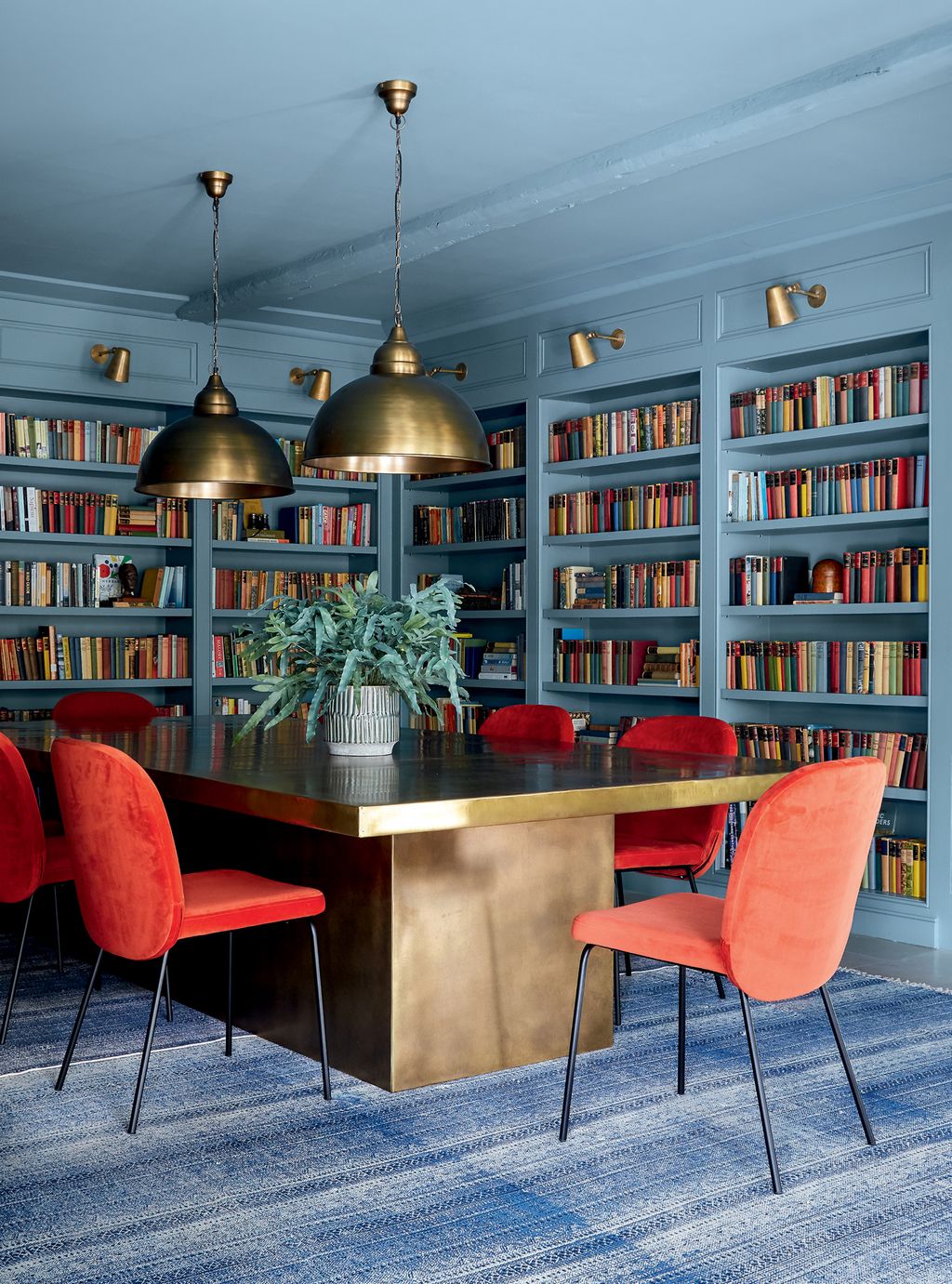
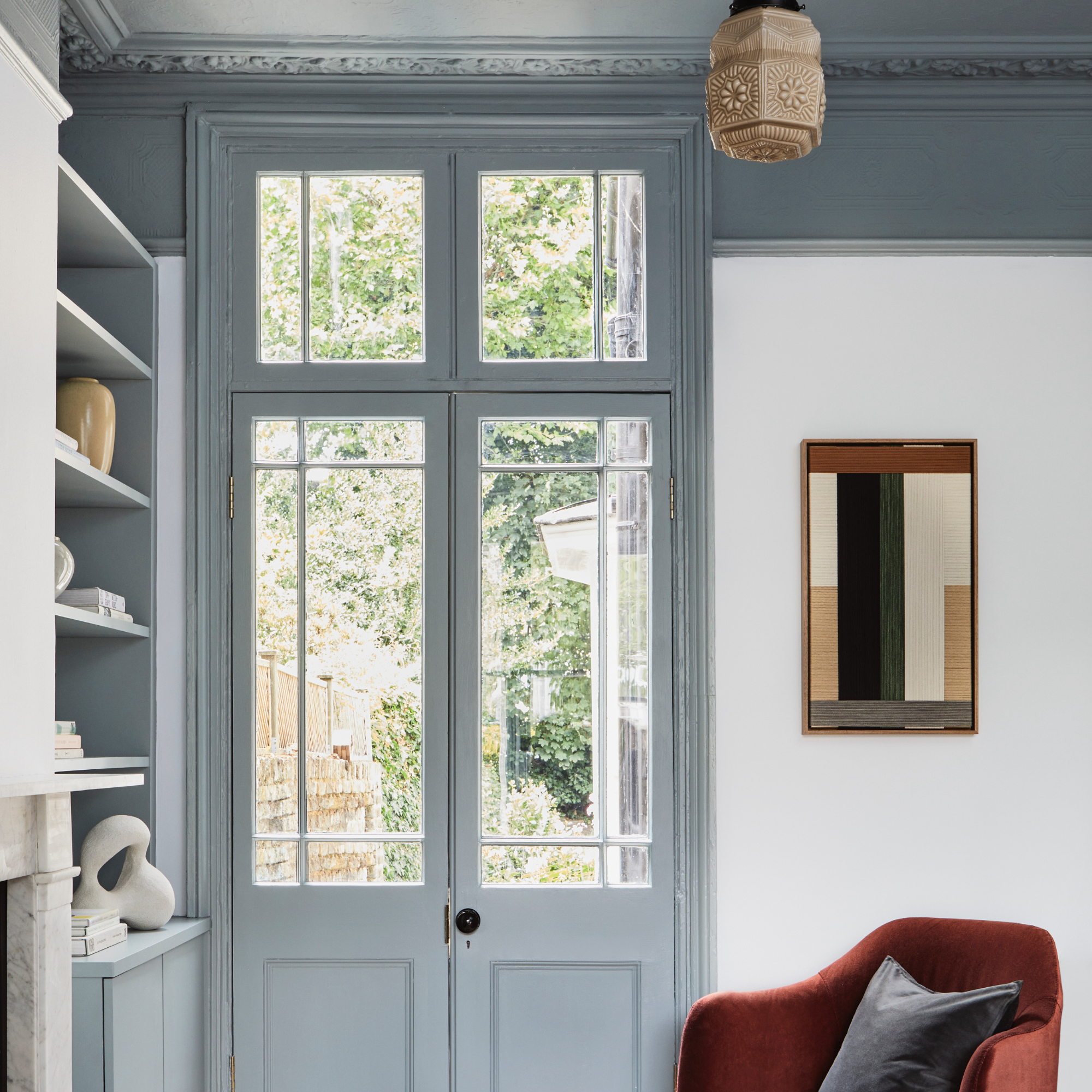
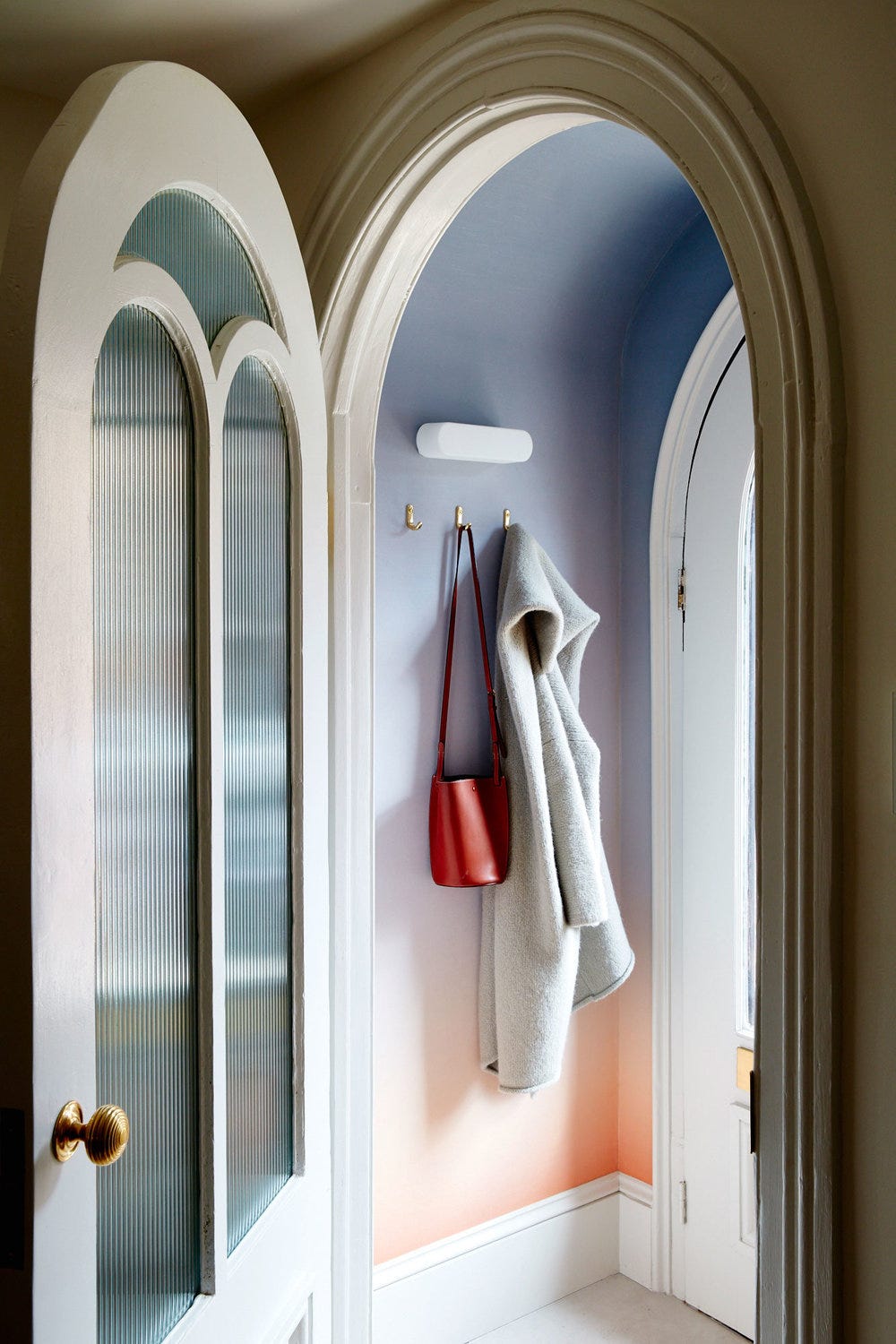
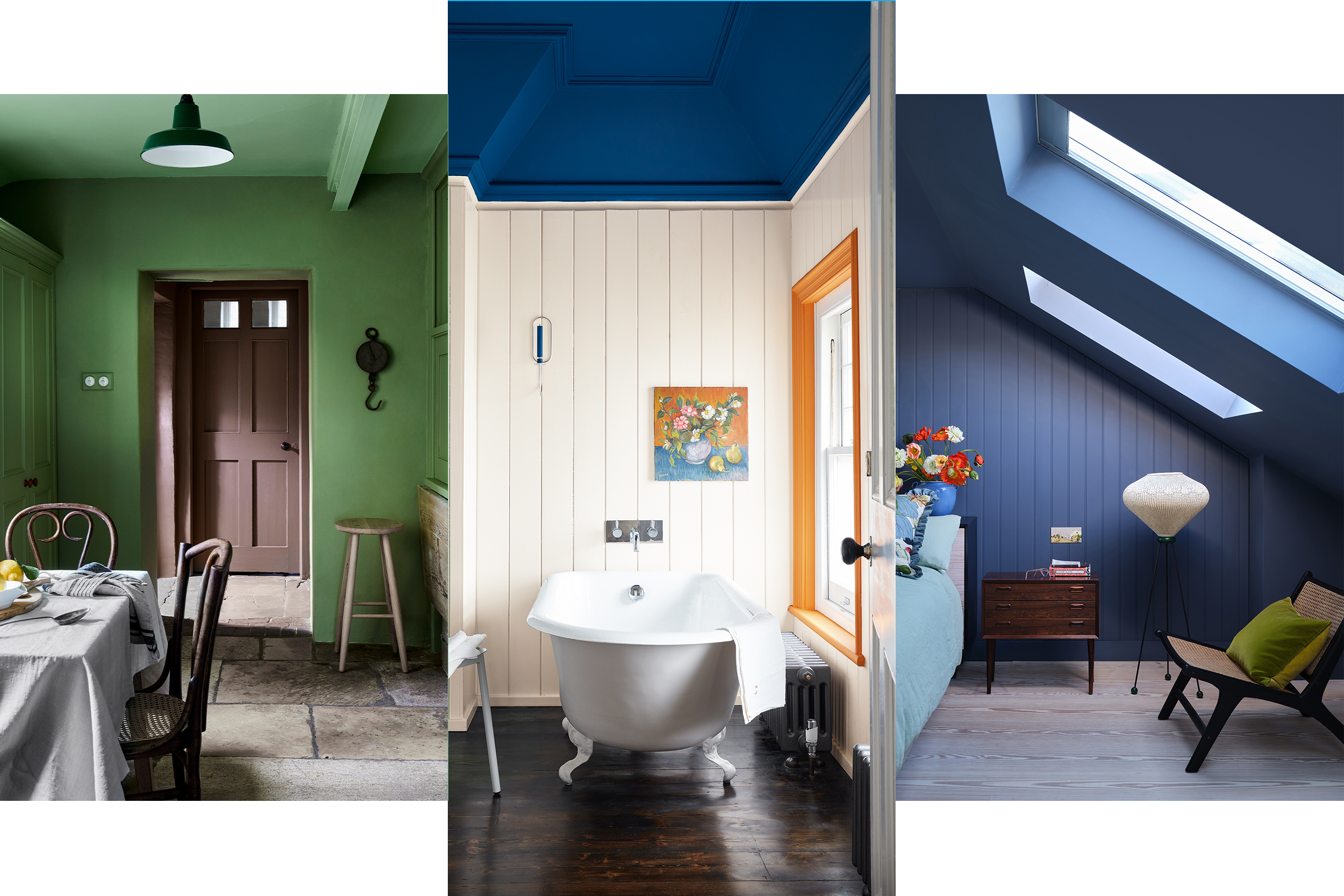
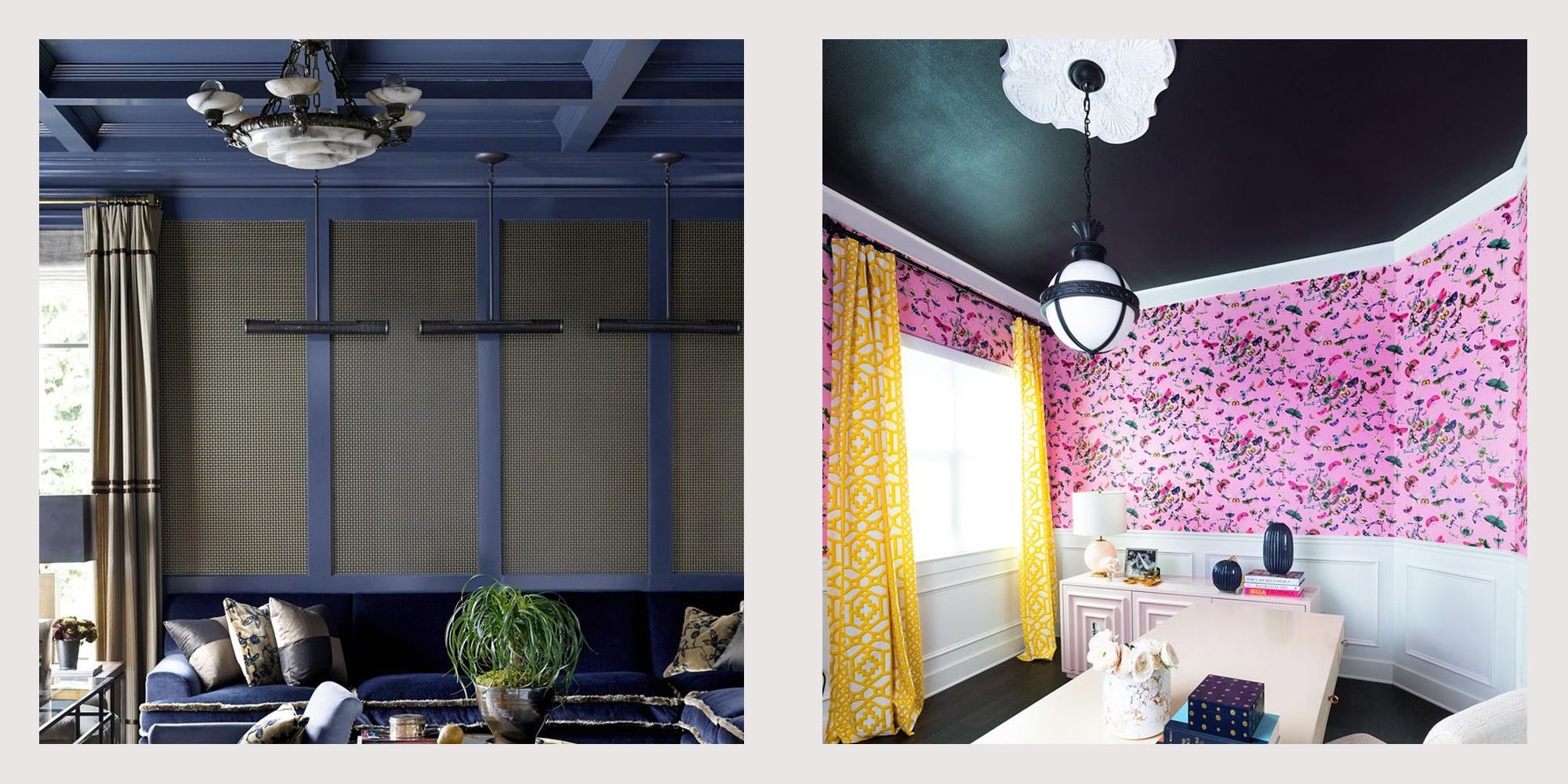
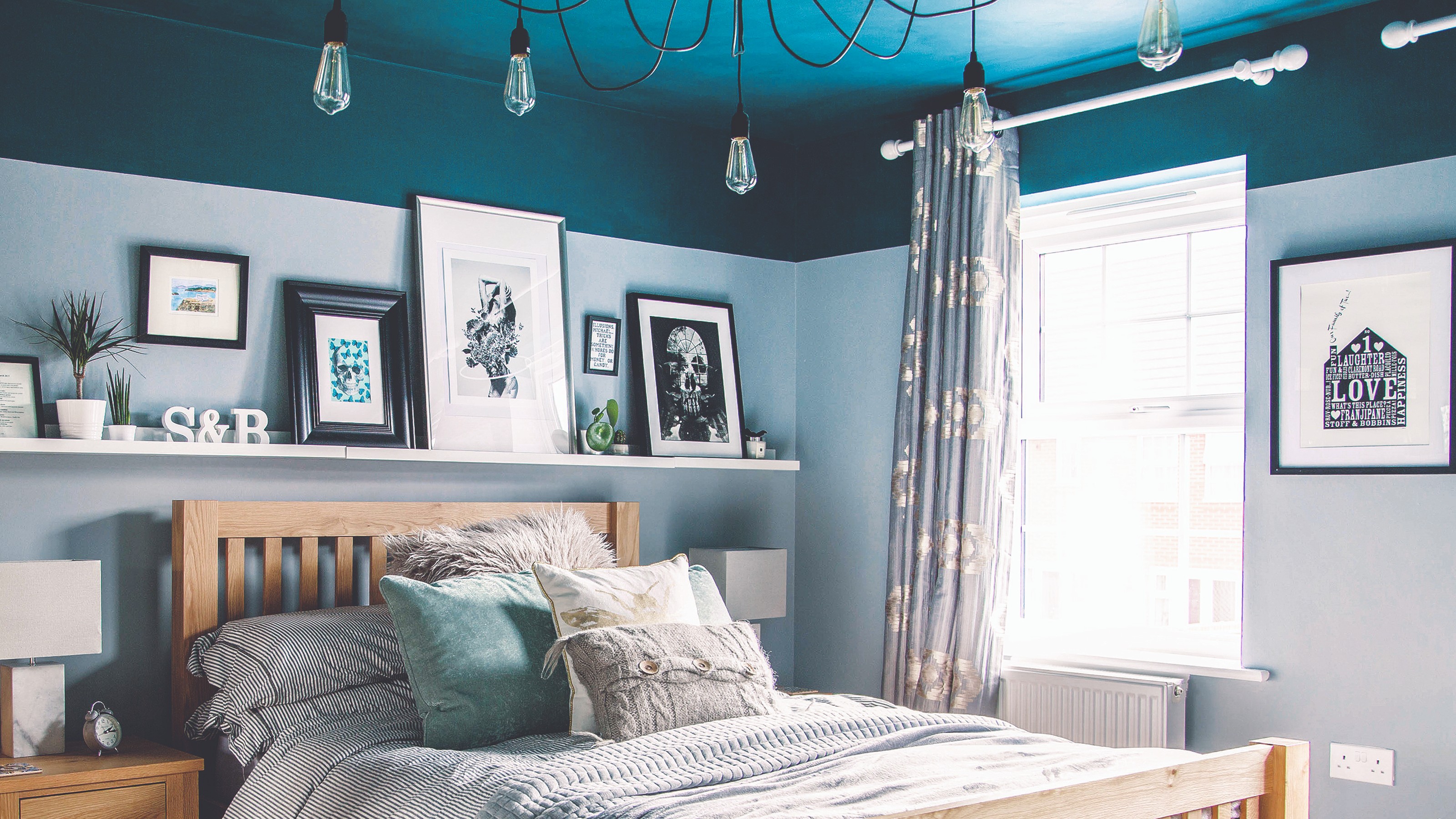
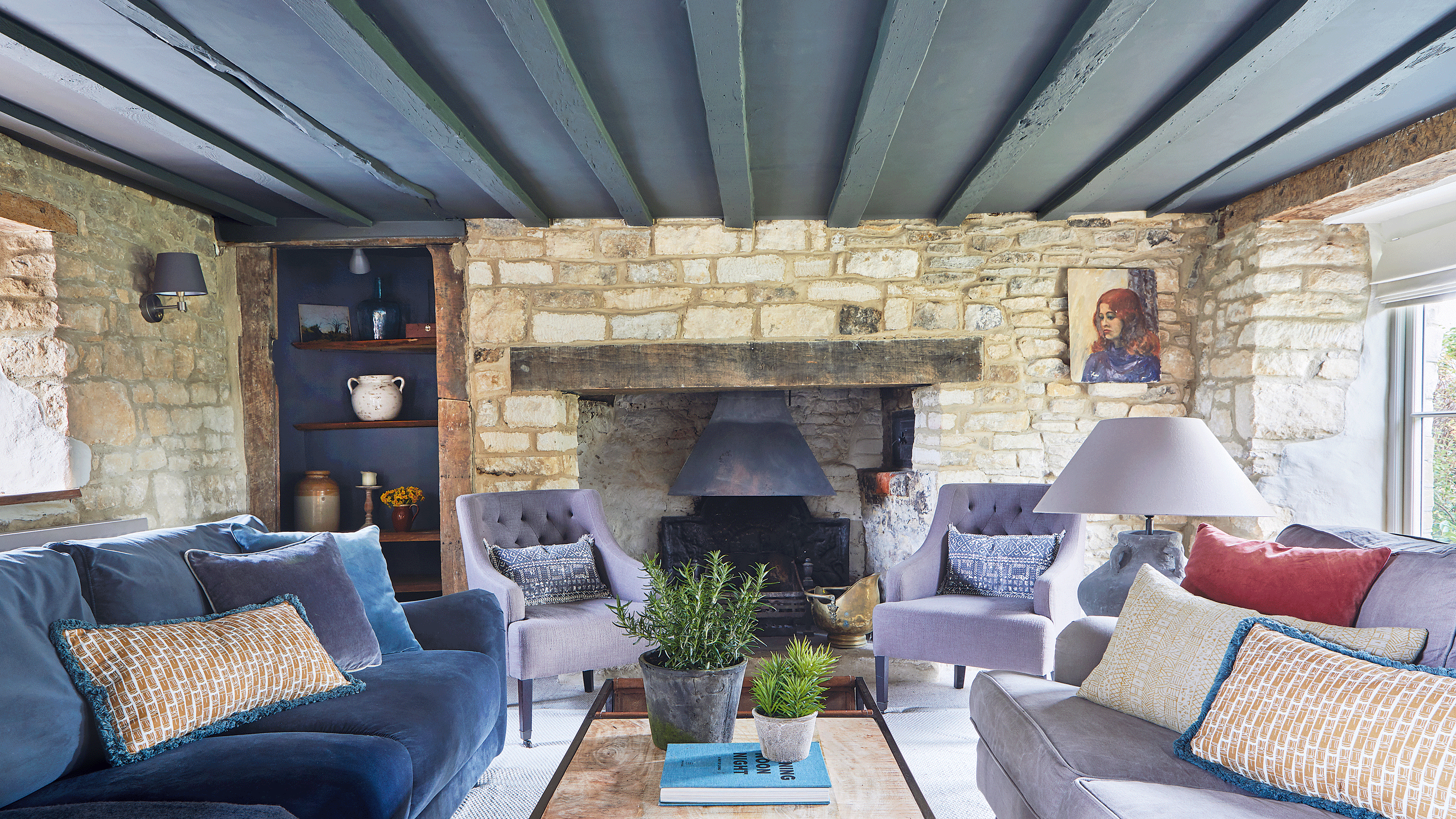
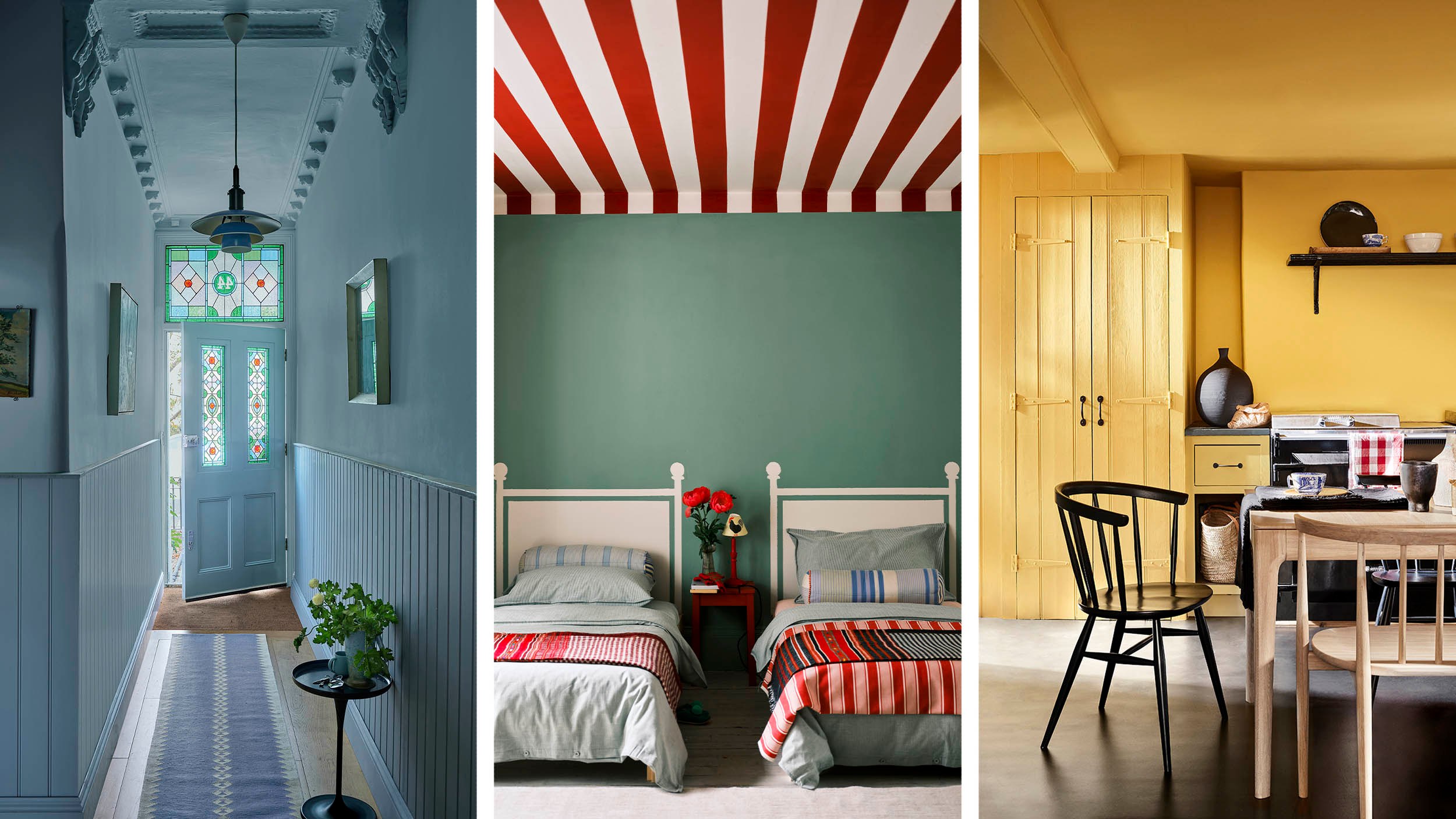
Paint remains a cost-effective option, with designers like Sandy Lucas of Lucas/Eilers Design Associates recommending soft blues such as Farrow & Ball Skylight or Benjamin Moore Yarmouth Blue. This technique, commonly used in Southern porches to mimic the sky, can also contribute to a serene indoor atmosphere. Beyond paint, other alternatives include coffered ceiling treatments, exposed beams and trusses, plaster finishes, and wallpaper.
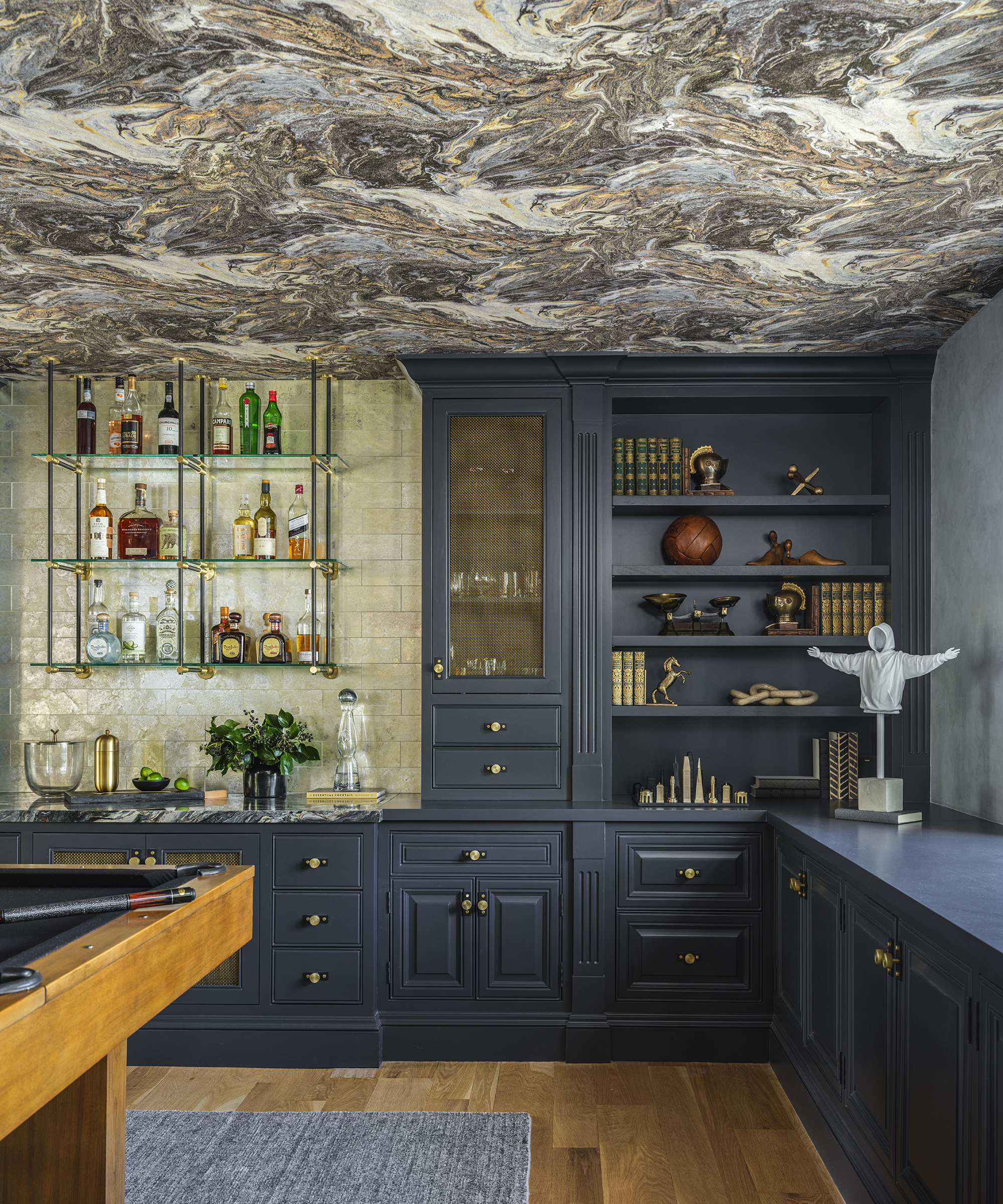
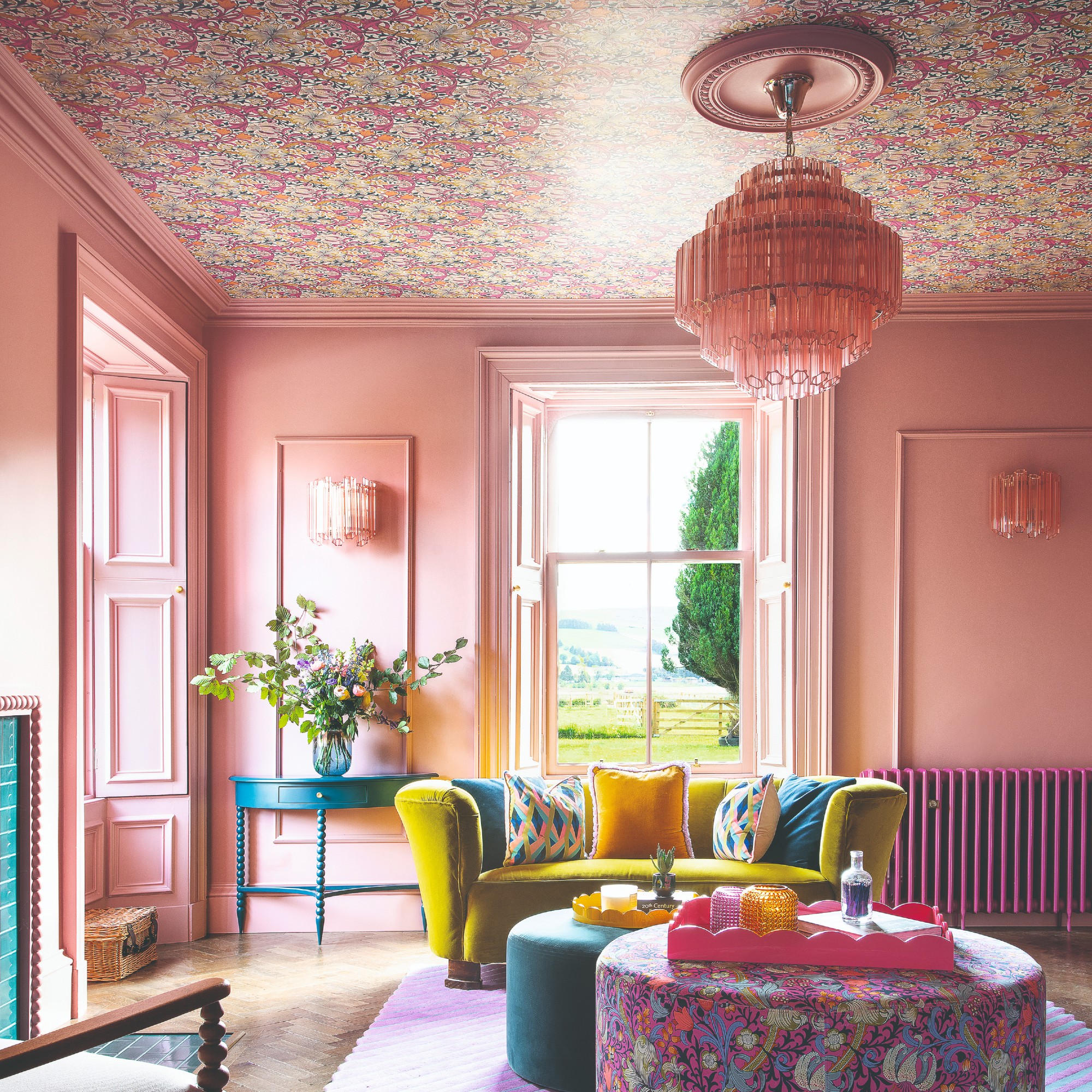
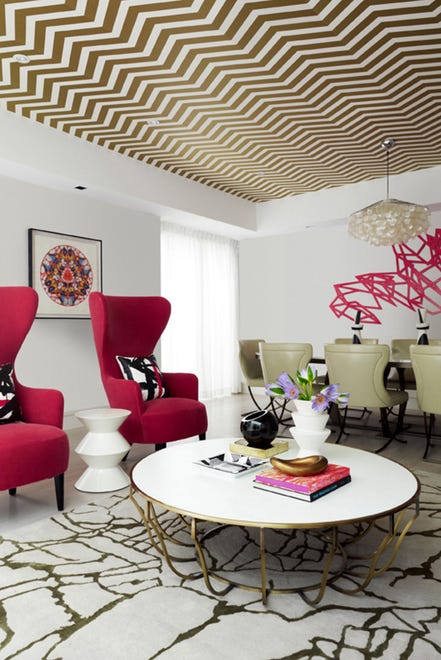
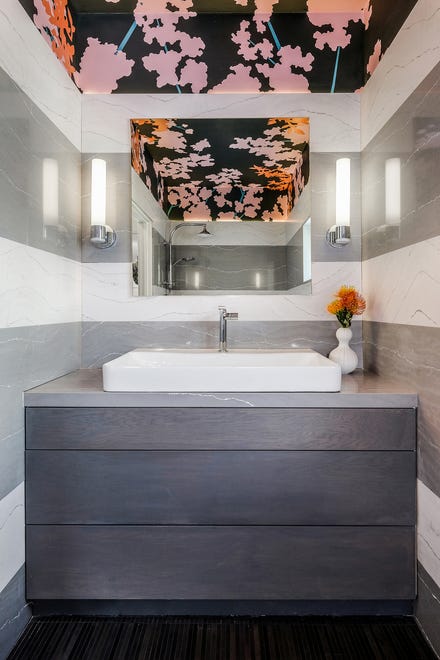
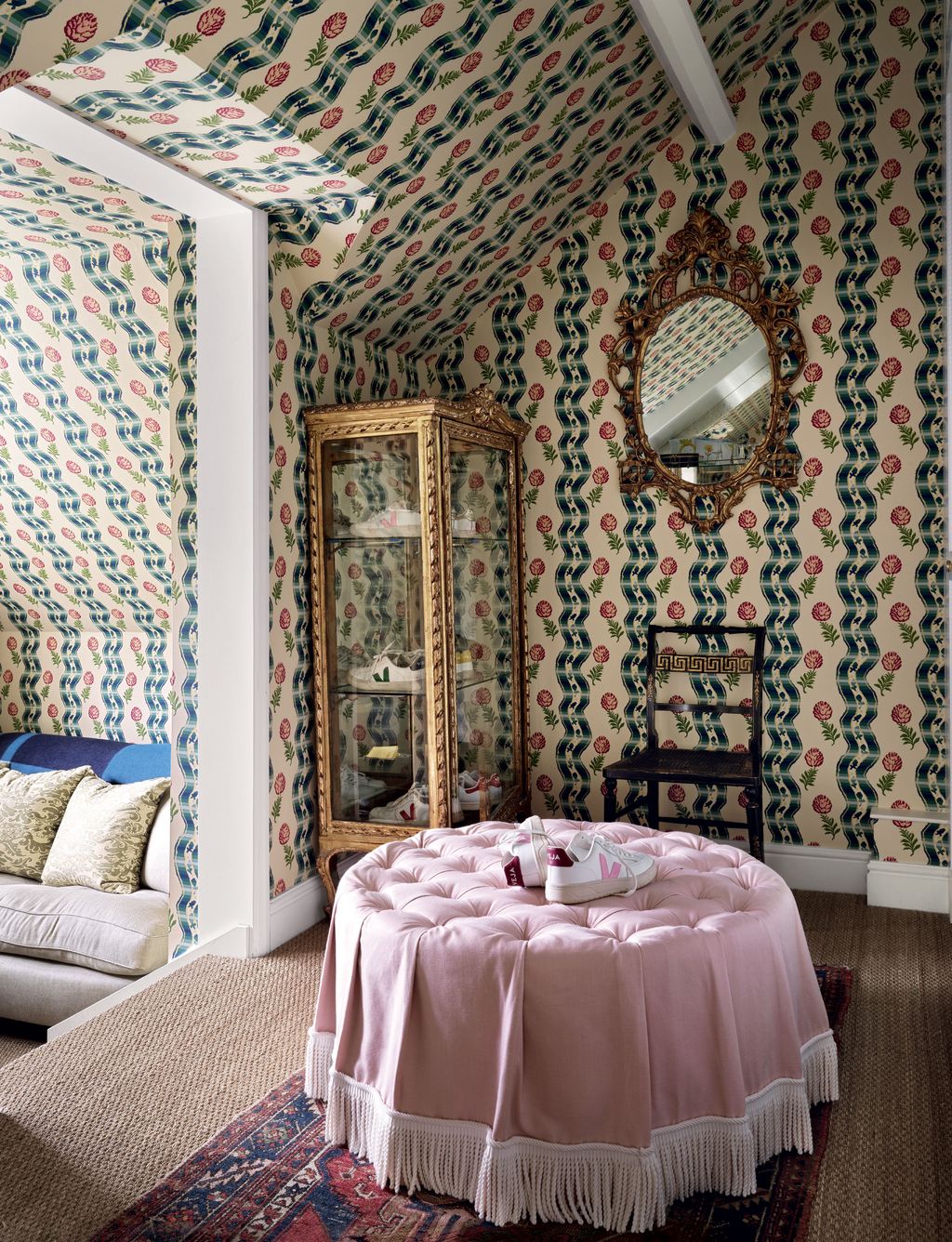
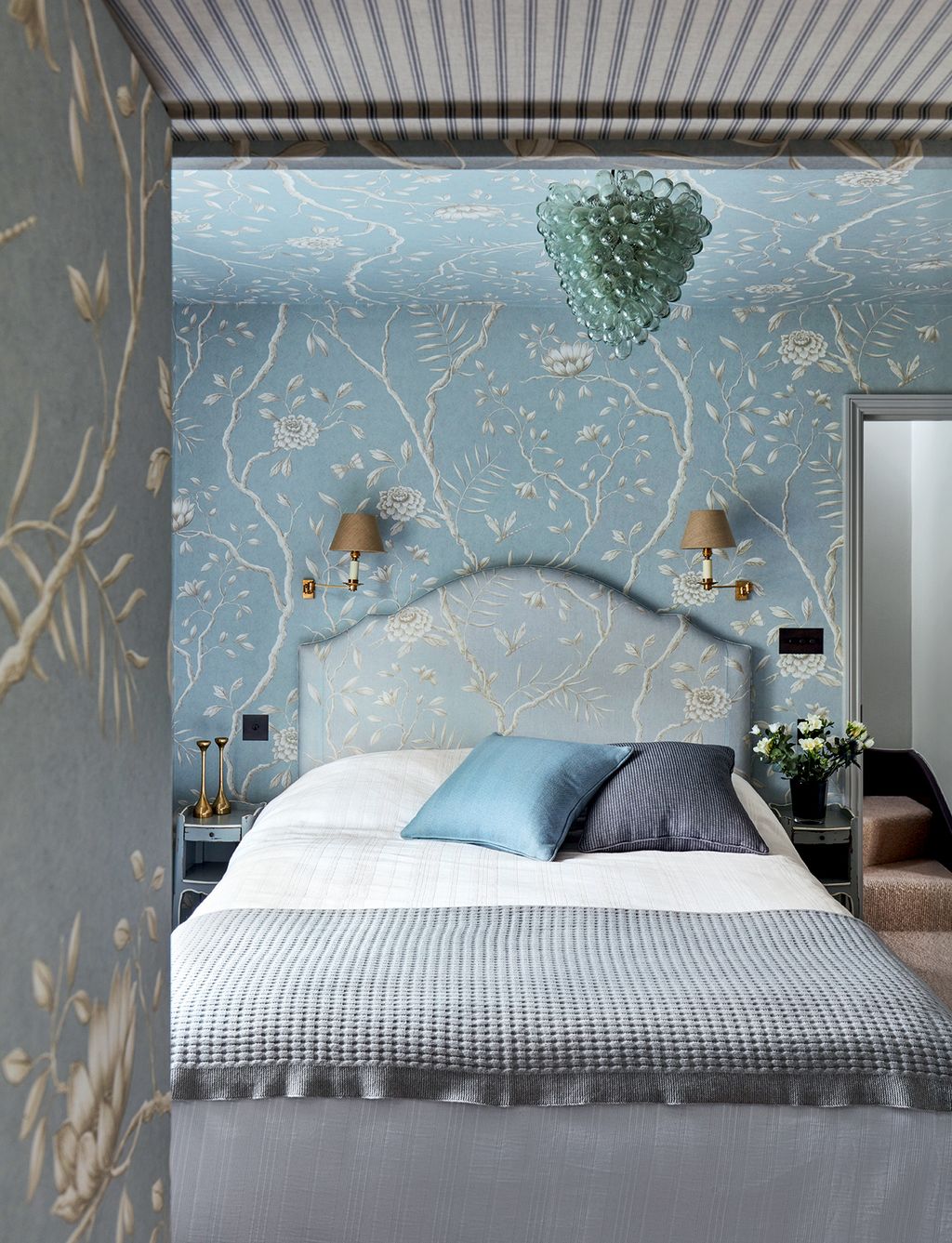
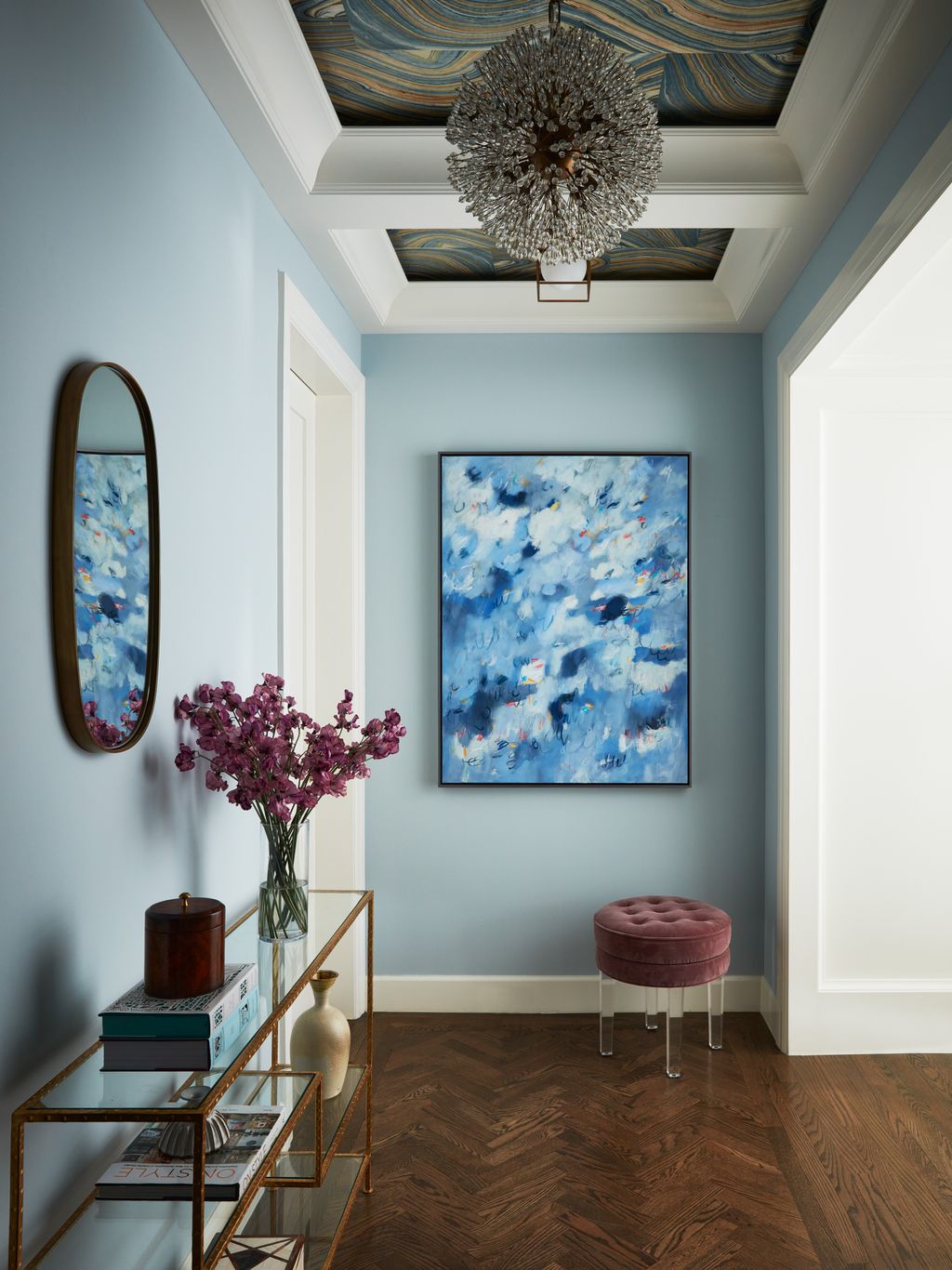
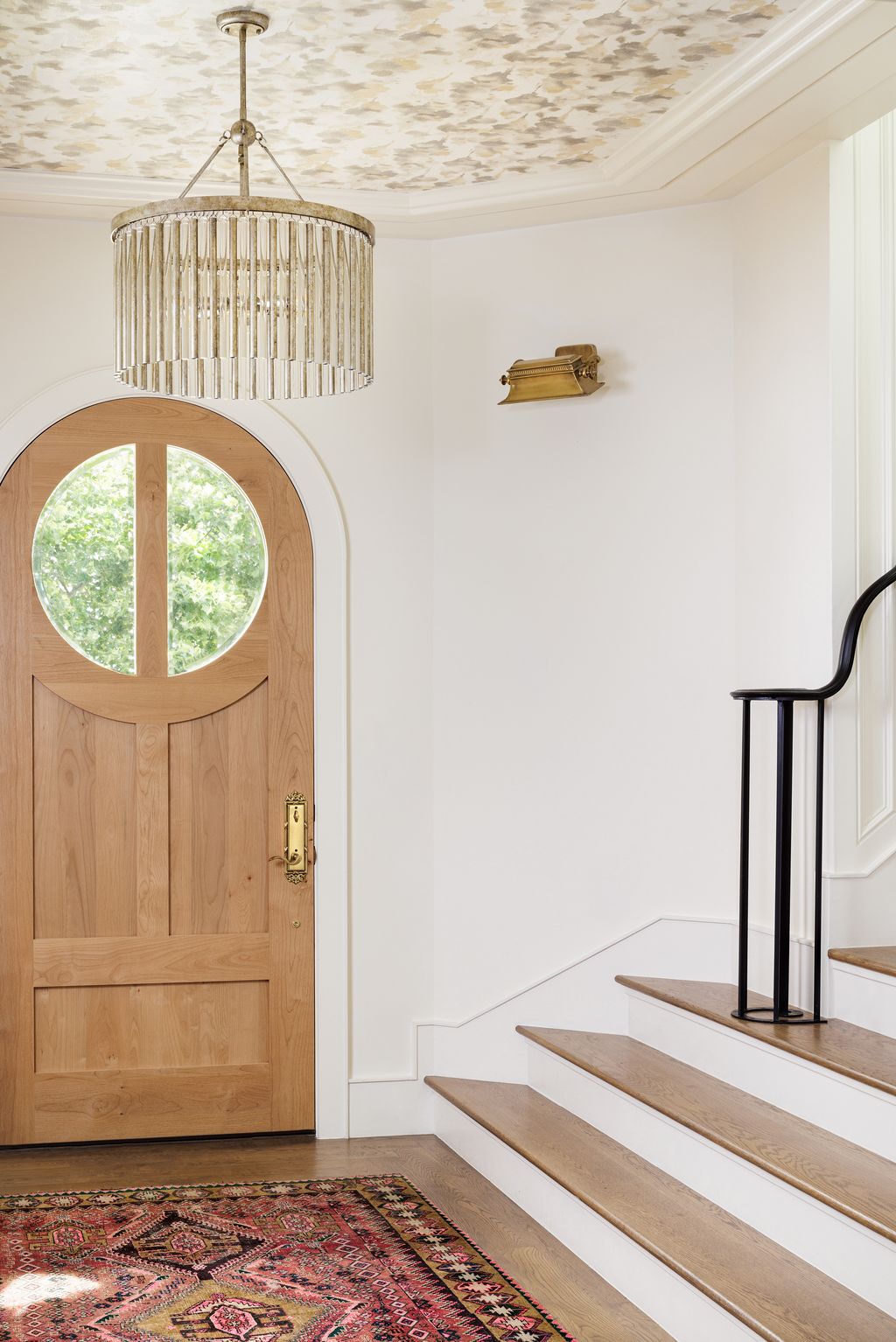
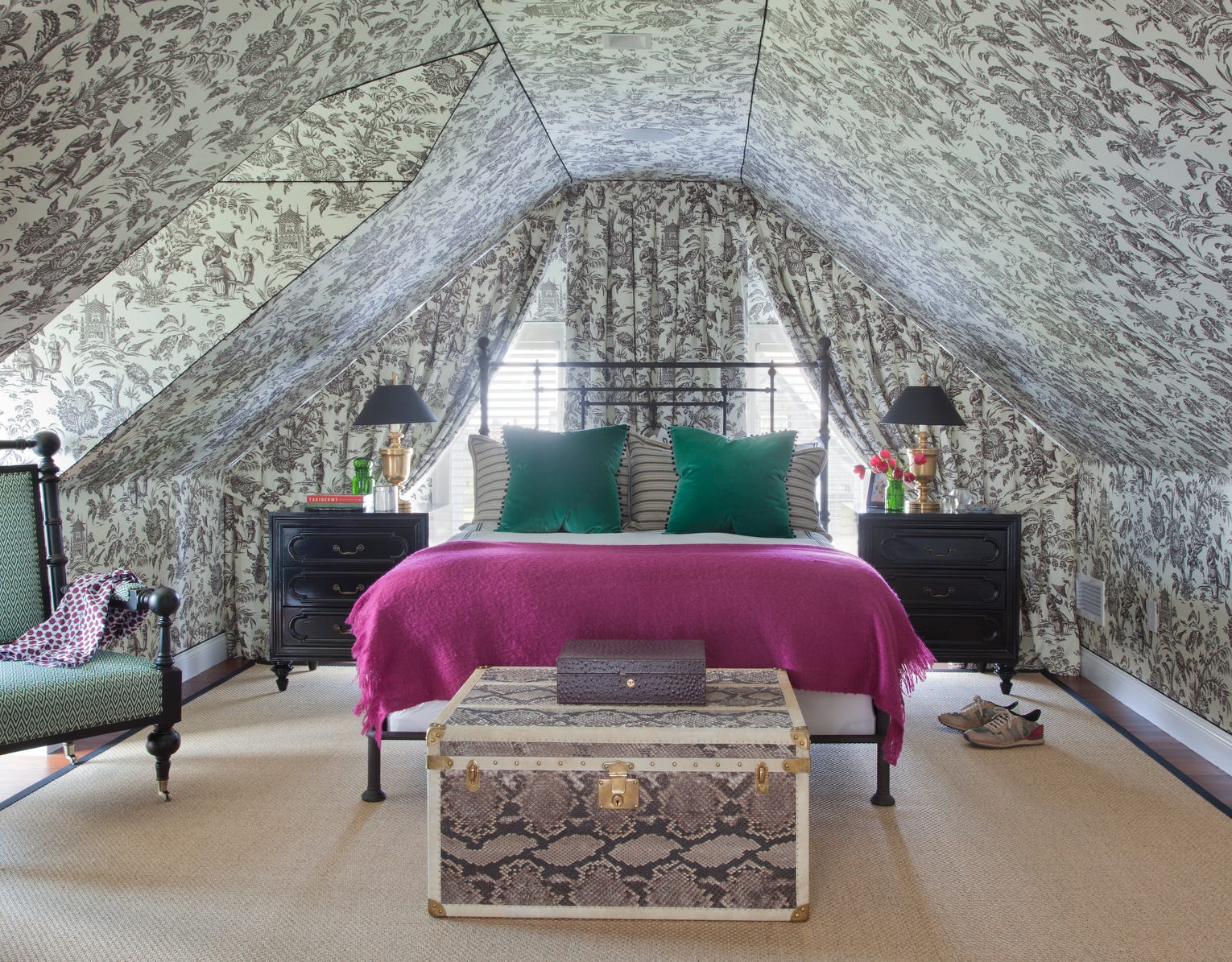
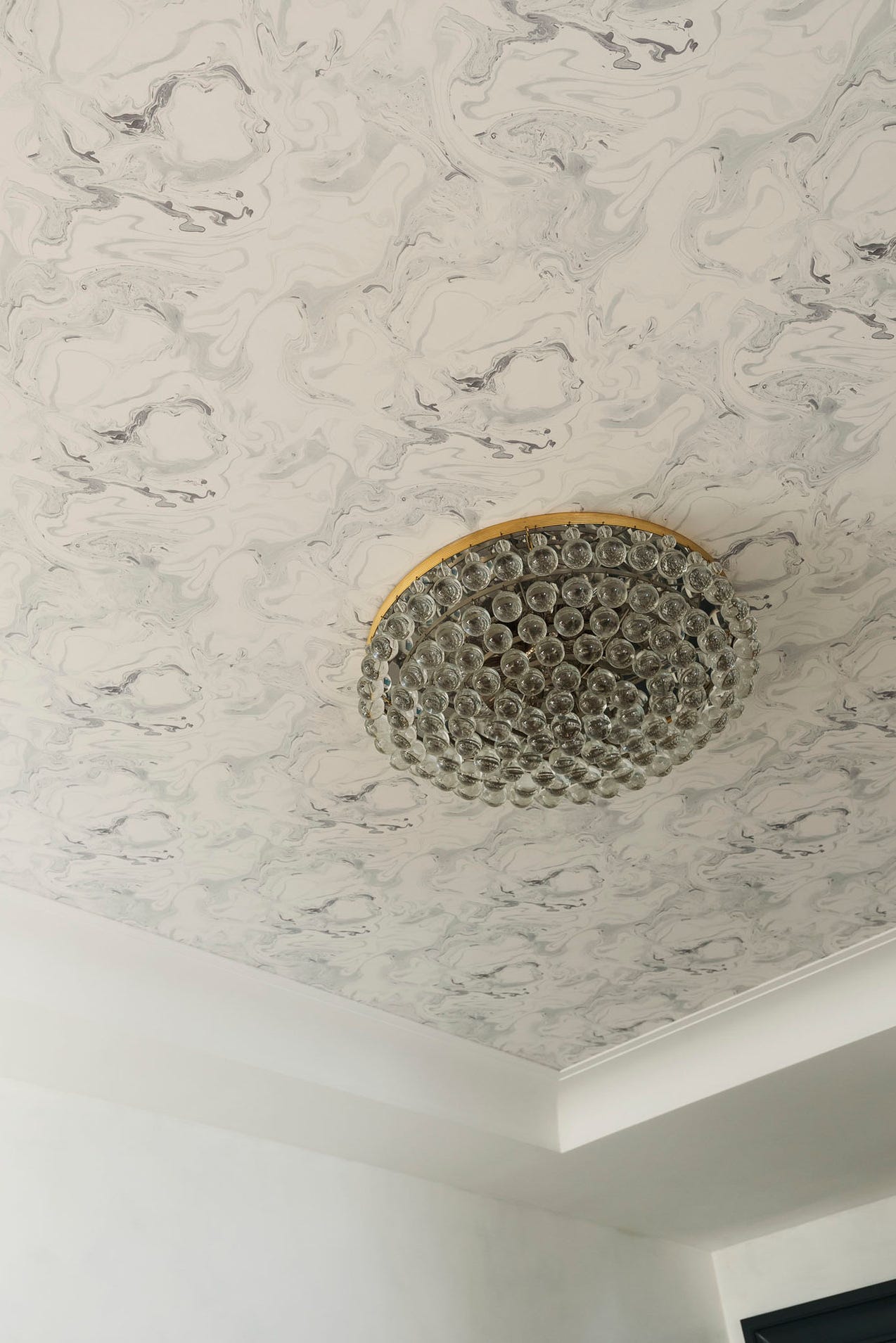
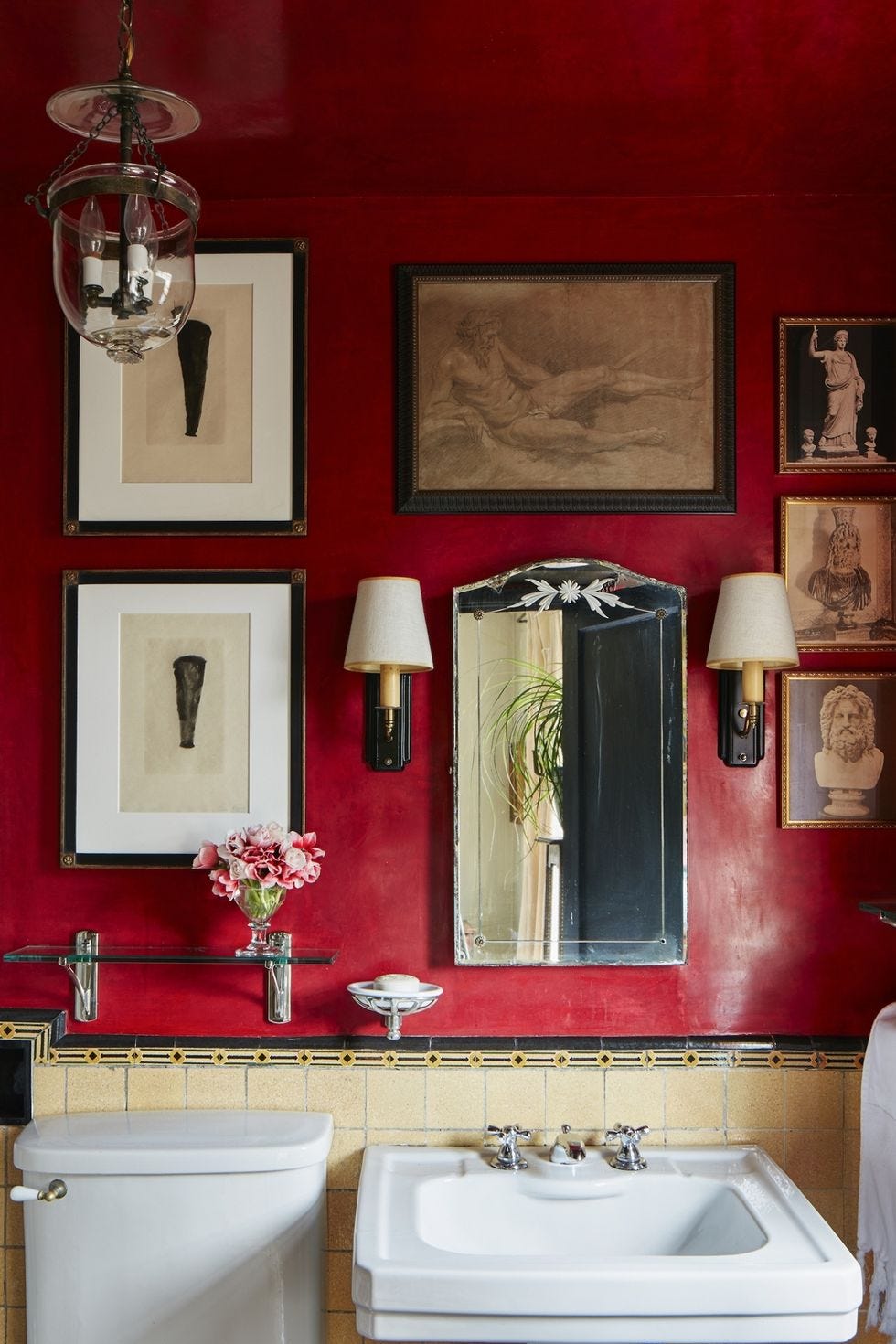
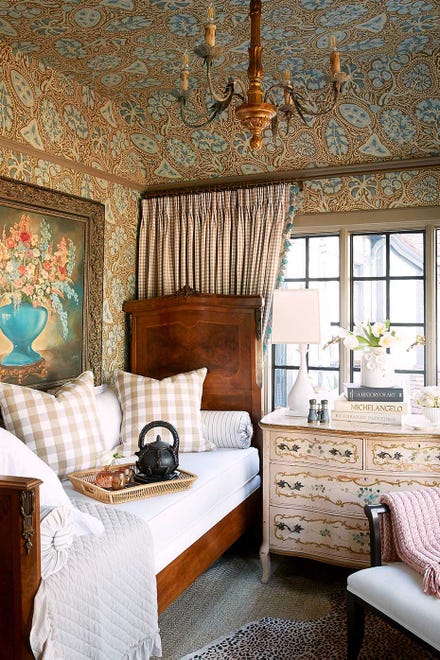
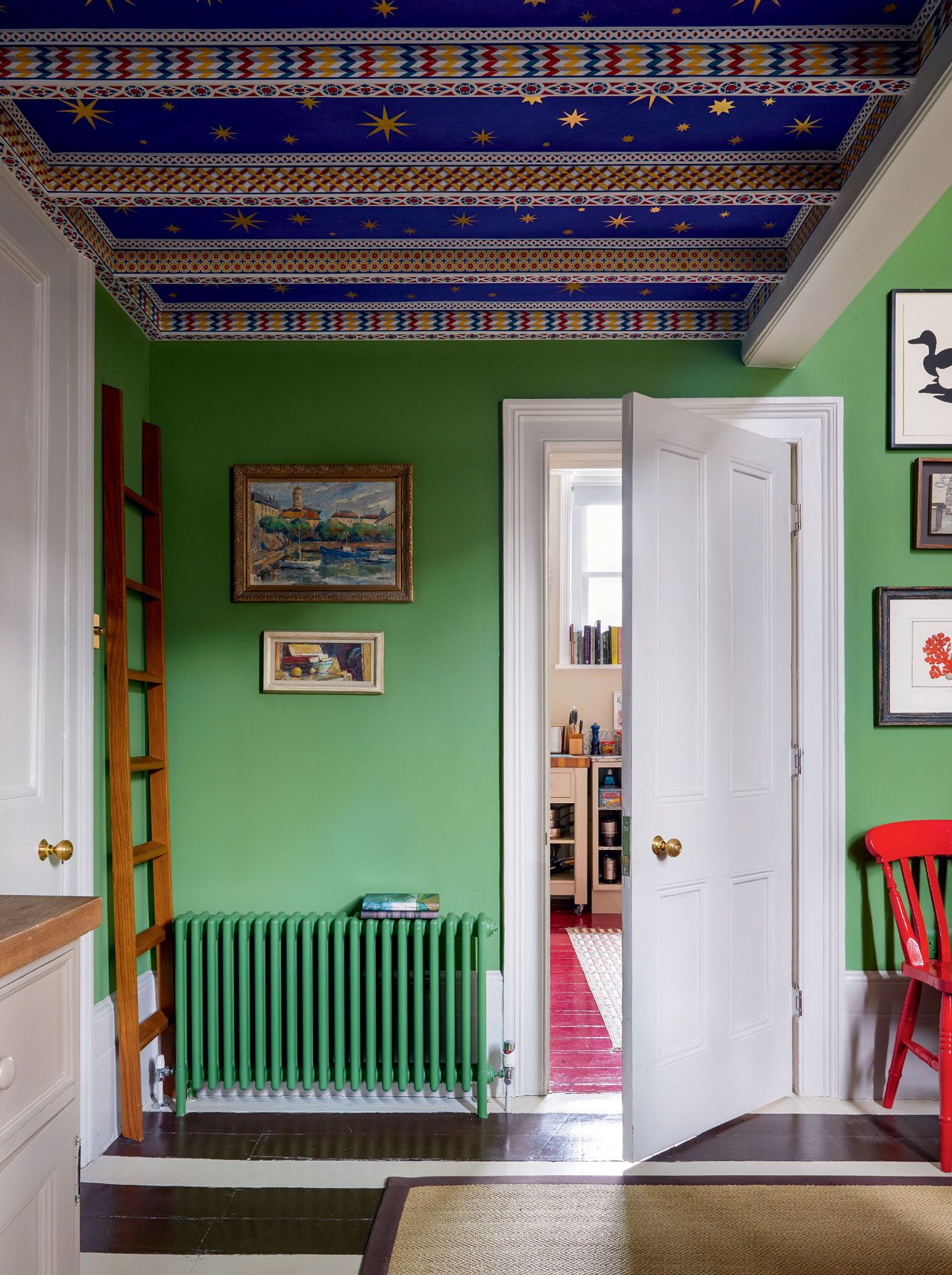
Linda Eyles of Linda Eyles Design discovered the transformative power of wallpapered ceilings during a show house project. She observed that visitors were initially impressed by the room's overall aesthetic but were truly captivated once they looked up at the ceiling. This led her to incorporate wallpaper into various client projects, including a guest bedroom where floral wallpaper in plum and peacock blue framed with matching crown molding created a dramatic effect. Eyles highlights that while chandeliers have traditionally been the primary ceiling adornment, current trends allow for much greater creativity, even suggesting lacquered ceilings in powder bathrooms for added sparkle.
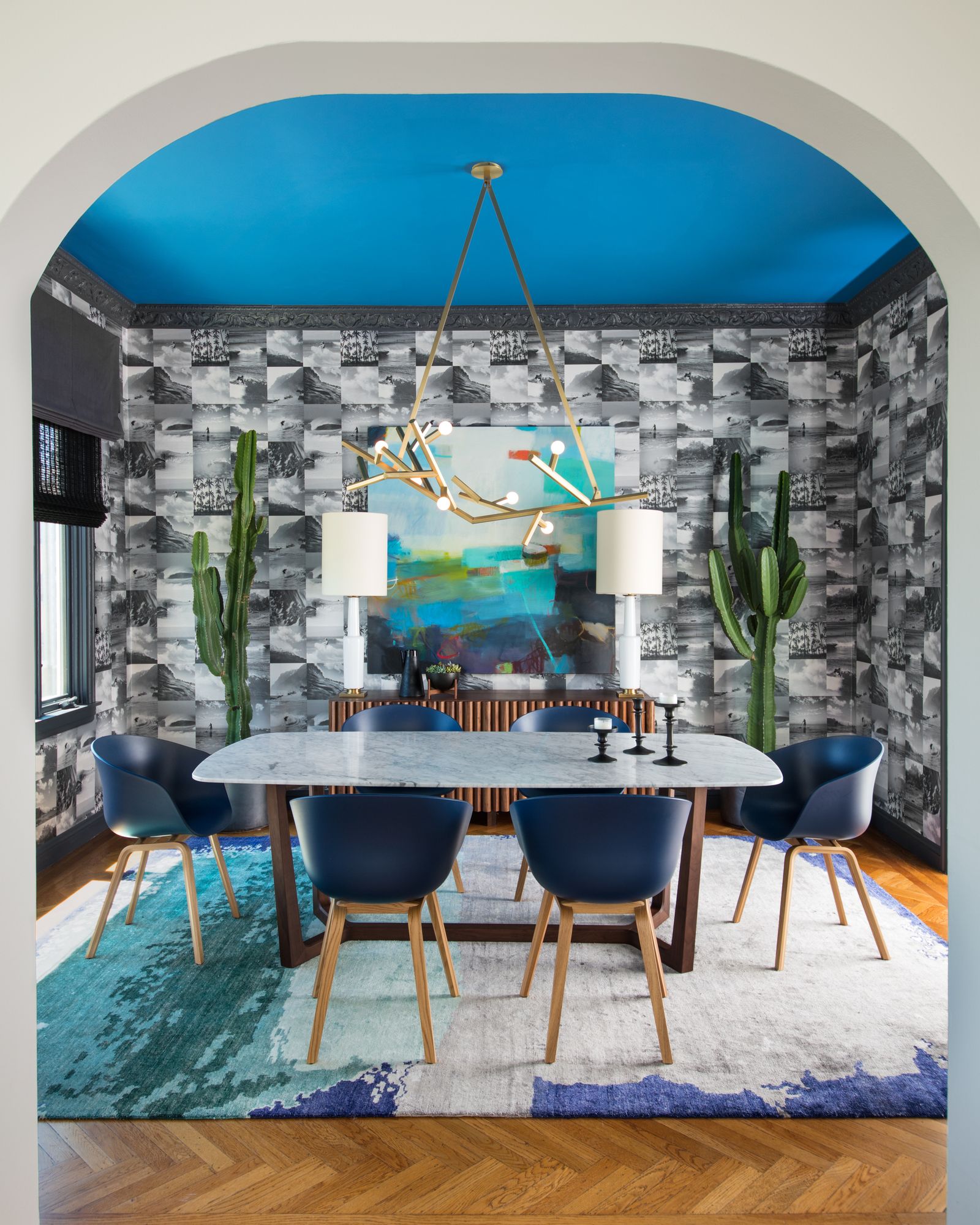
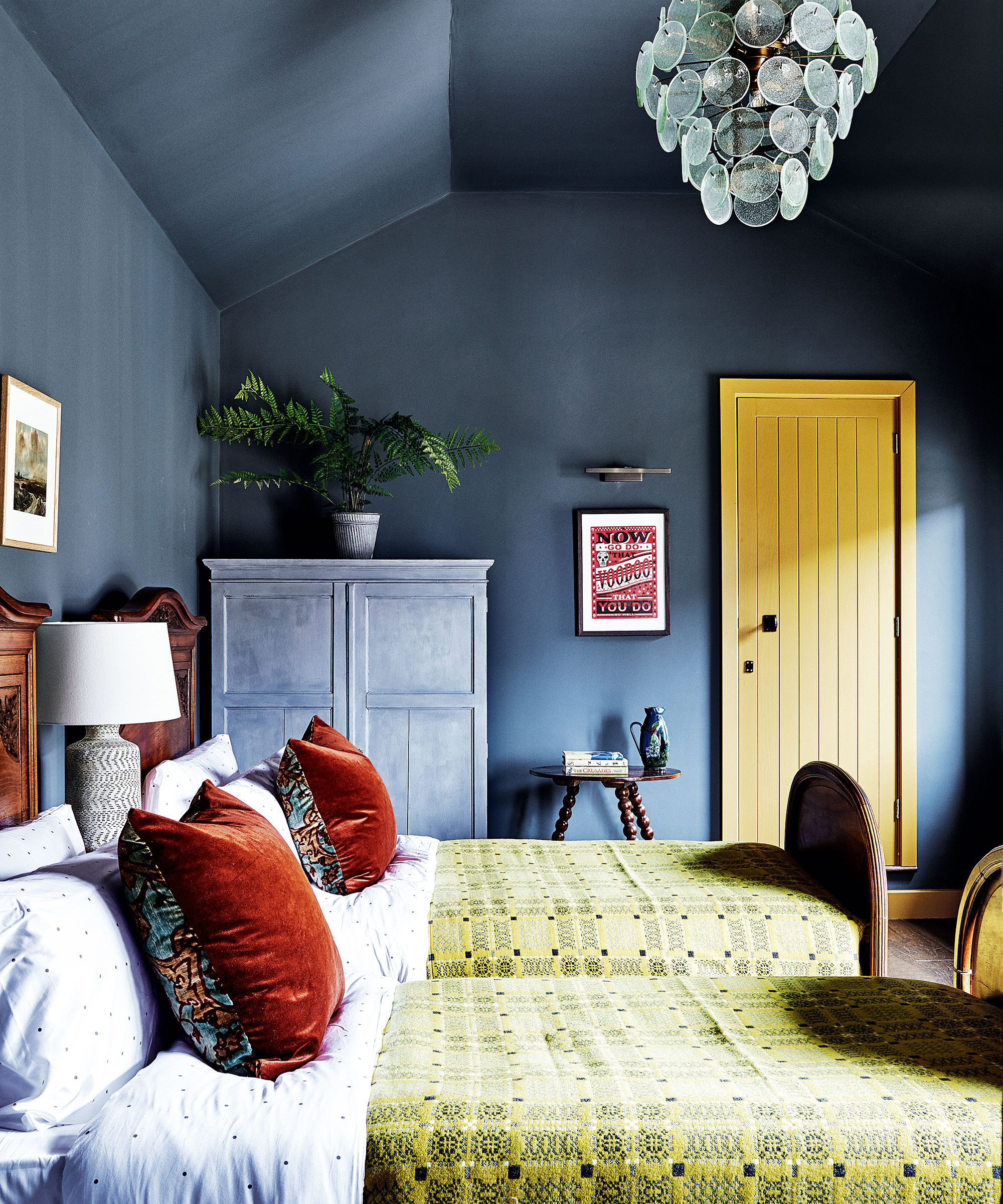
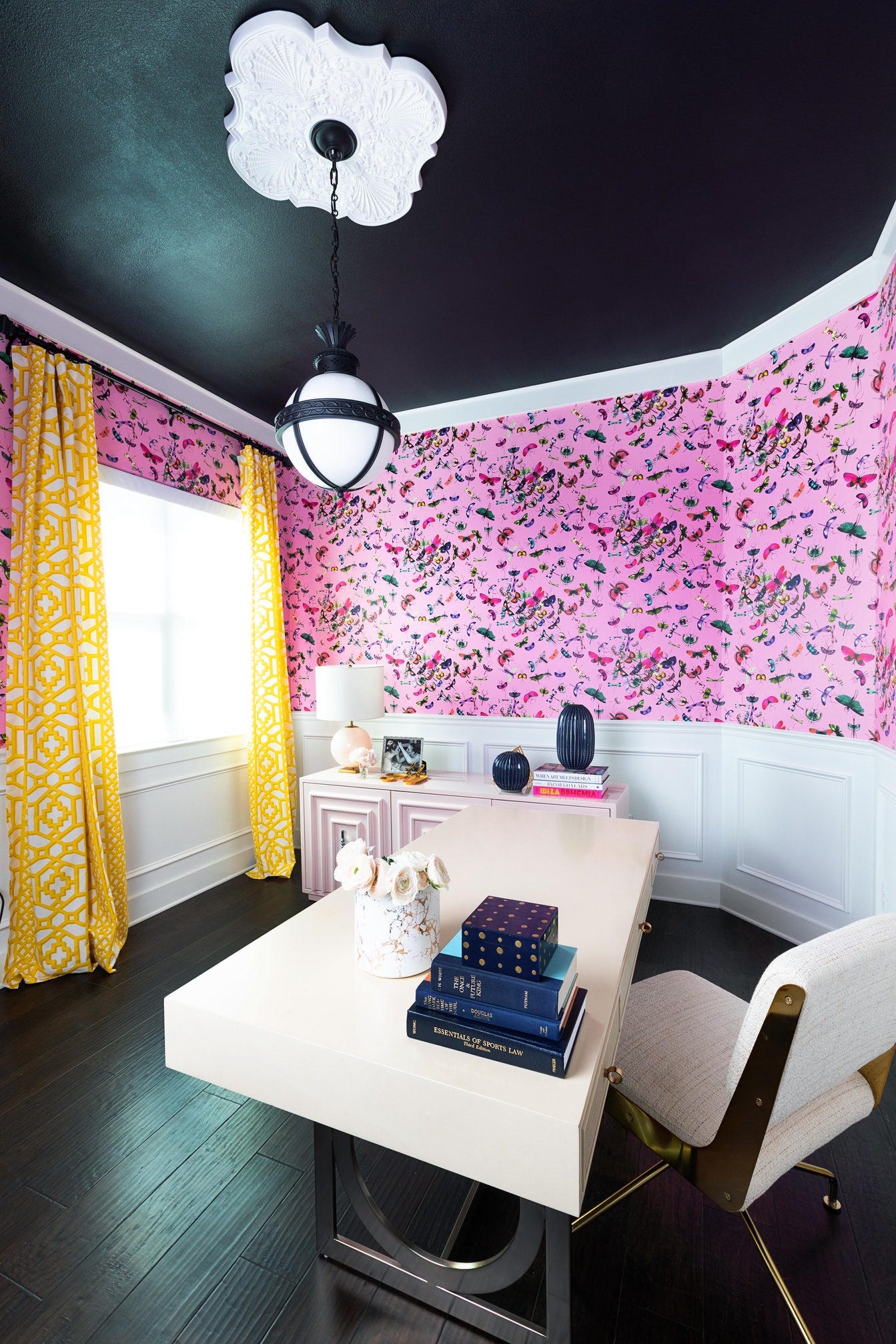
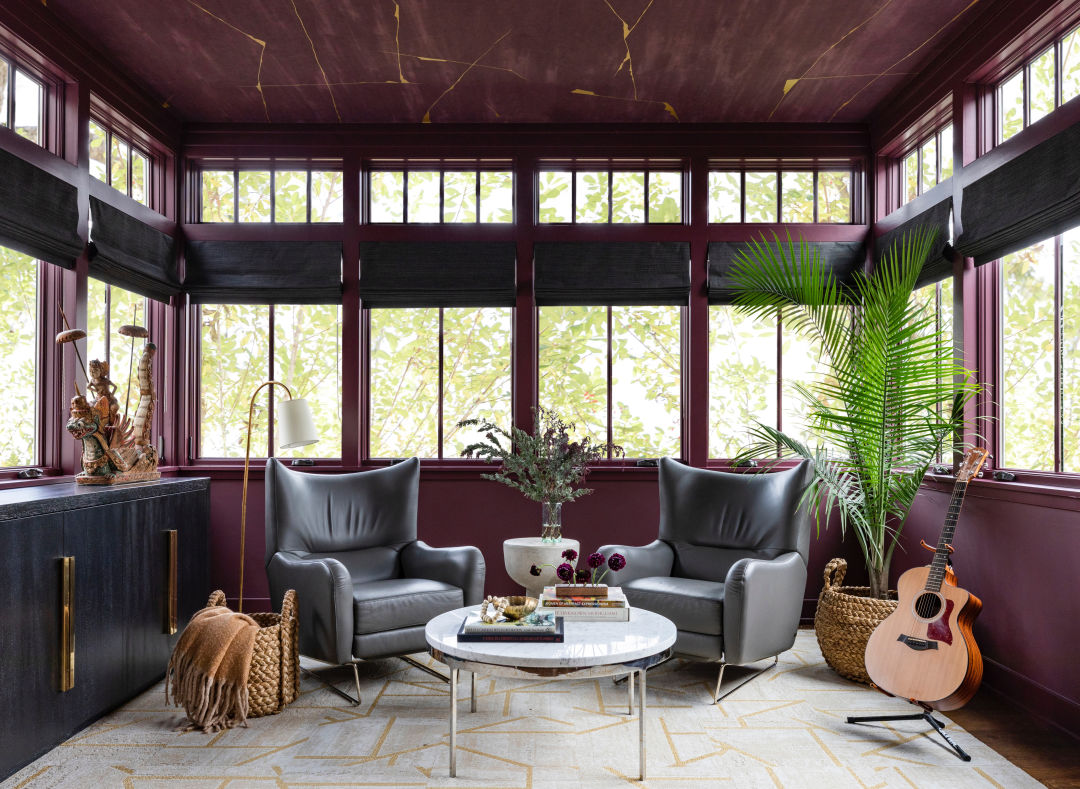
Another innovative approach involved hand-painted Porter Teleo wallpaper in a client's retreat, featuring gold streaks on an eggplant purple background, reminiscent of the Japanese art of kintsugi. Both Lucas and Sarah Eilers, her founding design partner, view the ceiling as an integral part of a room's overall decor. They explain that proper ceiling treatment and color can alter the perception of a room's size; lighter colors can make small rooms feel larger and more open, while deep, rich colors can create a more intimate atmosphere in larger spaces.
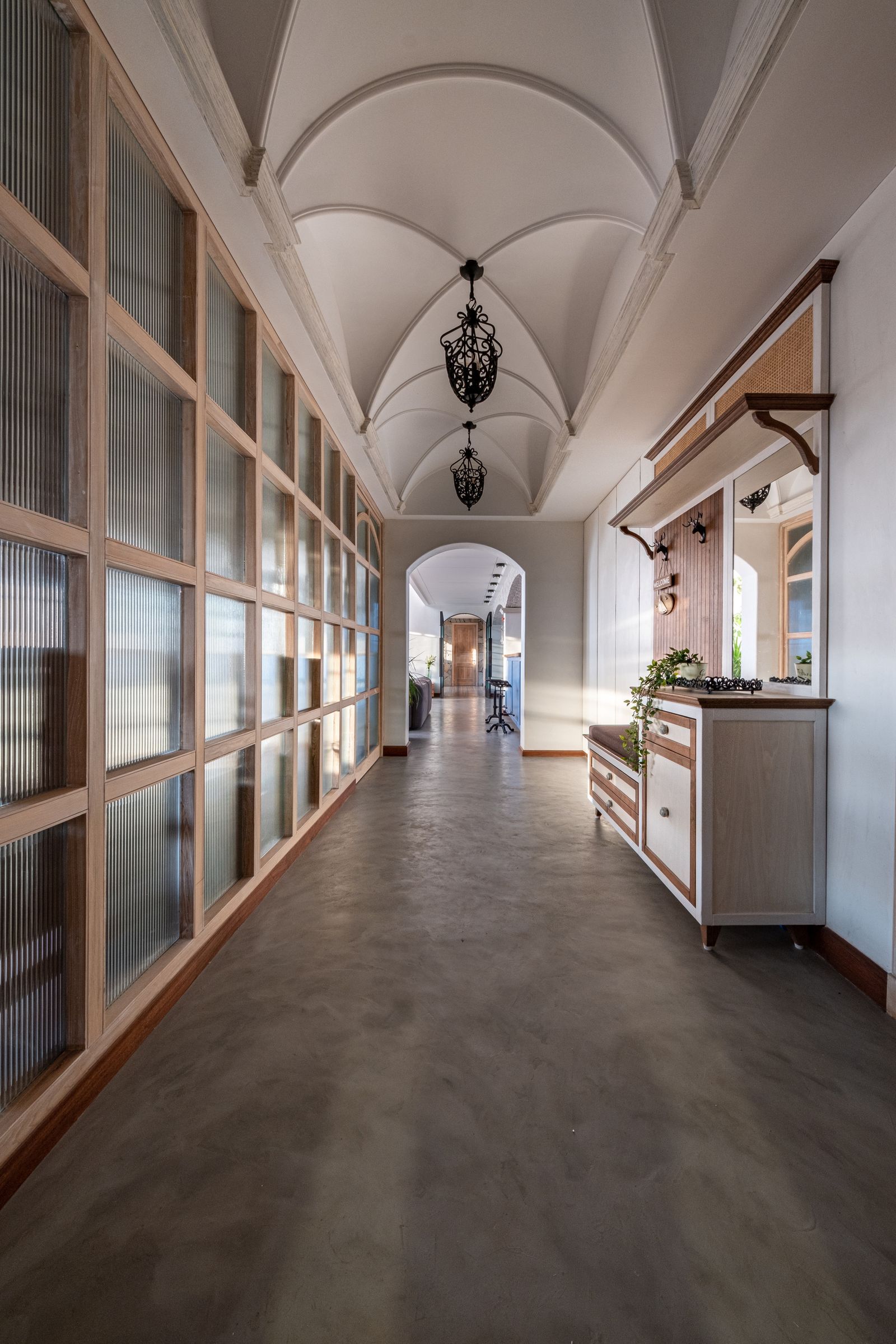
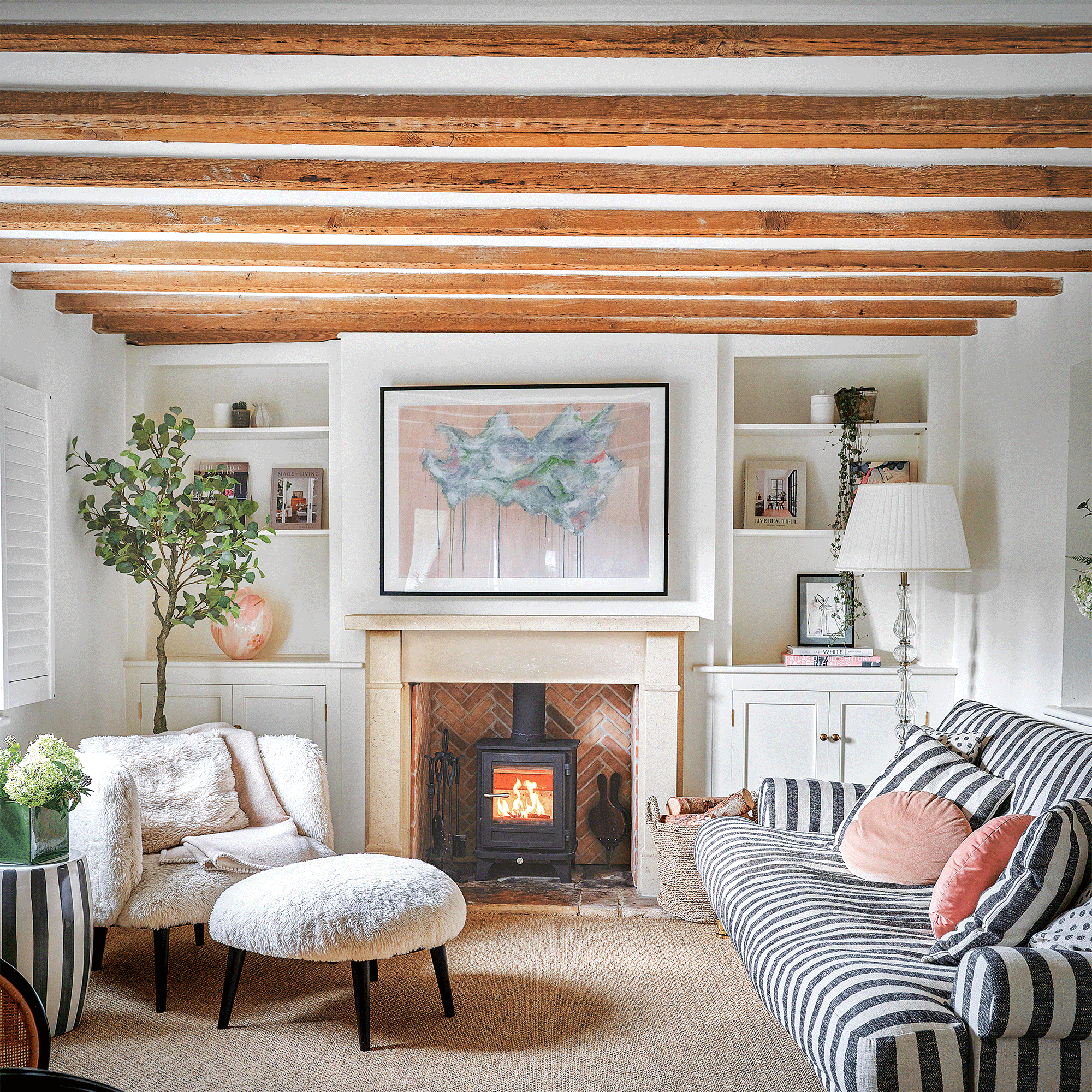
Architecturally, homeowners can elevate a room's ceiling height by utilizing unused attic space or incorporating vaulted or groin-vaulted ceilings, finishing them with paint, natural stone, or brick. The use of authentic reclaimed wood beams, salvaged from old barns, can introduce significant warmth and character, creating an aged appearance in new constructions. Eilers applied this concept in a Park City, Utah, project, using hand-hewn beams throughout a new home to impart an Old World charm. The article concludes by stressing that planning ceiling treatments during new construction offers the widest range of choices, allowing designers to integrate these elements seamlessly from the outset, rather than as an afterthought in a finished home.
#HomeDesign #CeilingTreatments #InteriorDesign #Wallpaper #ReclaimedWood #PaintColors #ArchitecturalDesign #HomeDecor #HomeDesign #CeilingTreatments #InteriorDesign #Wallpaper #ReclaimedWood #PaintColors #ArchitecturalDesign #HomeDecor
0 comment in total
 No comments yet
You may also like
The ceiling is the most important wall in your home – and as a designer, this is how I get them right

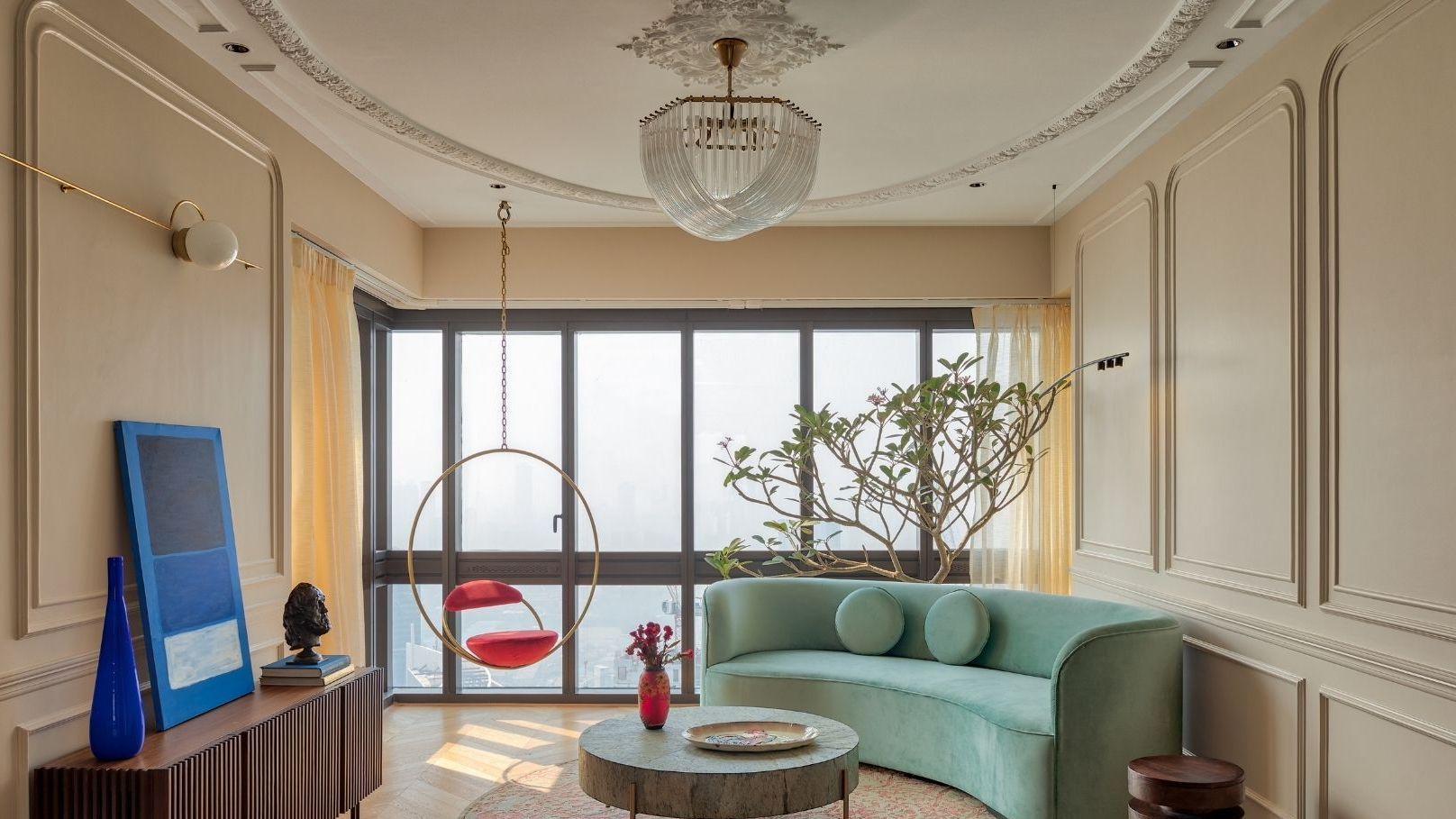
7 ceiling design ideas to add character to your home

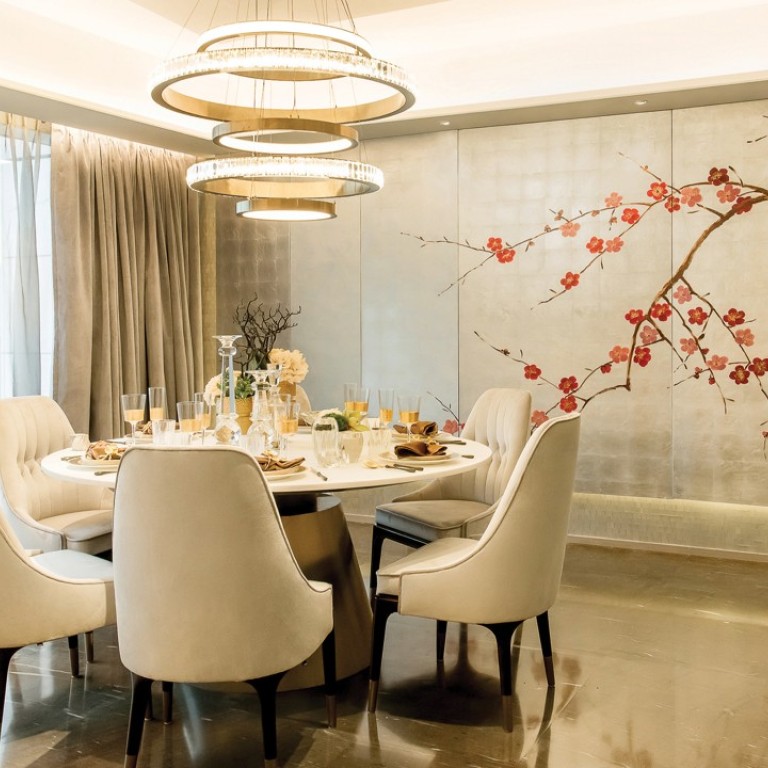
How to make your ceiling light up the room

Put this ceiling to work: Special treatments are the finishing touches that supercharge a room's ambiance
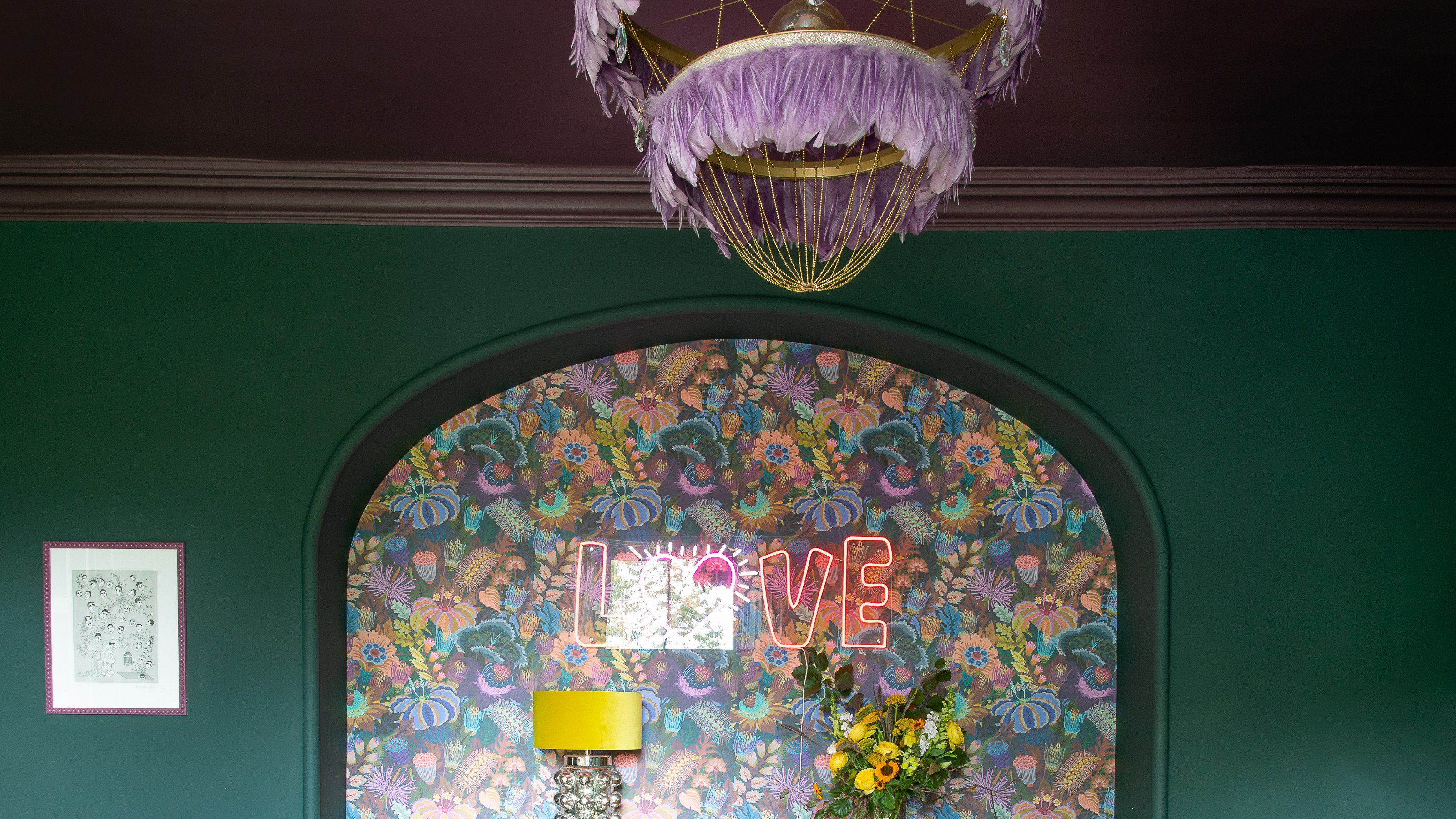
How to make your ceiling more attractive – 7 ways to turn the neglected fifth wall into a beautiful feature
Homestyle: Ceilings are where it's at
Ceiling makeovers uplifting
Trend Alert: Here’s How To Perfect The Painted Ceiling Look

Should you paint your ceiling a different colour to the walls? Experts explain why everyone should consider it
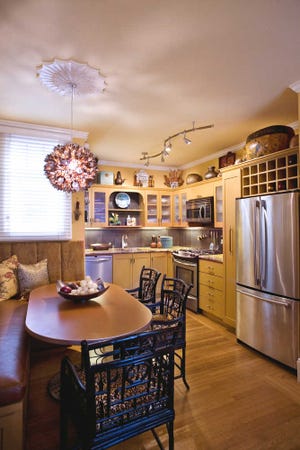
Remember ceiling when decorating rooms
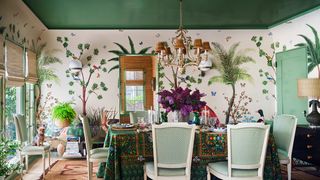
12 Stunning Ceiling Design Ideas That Will Have You Looking Up All Day Long

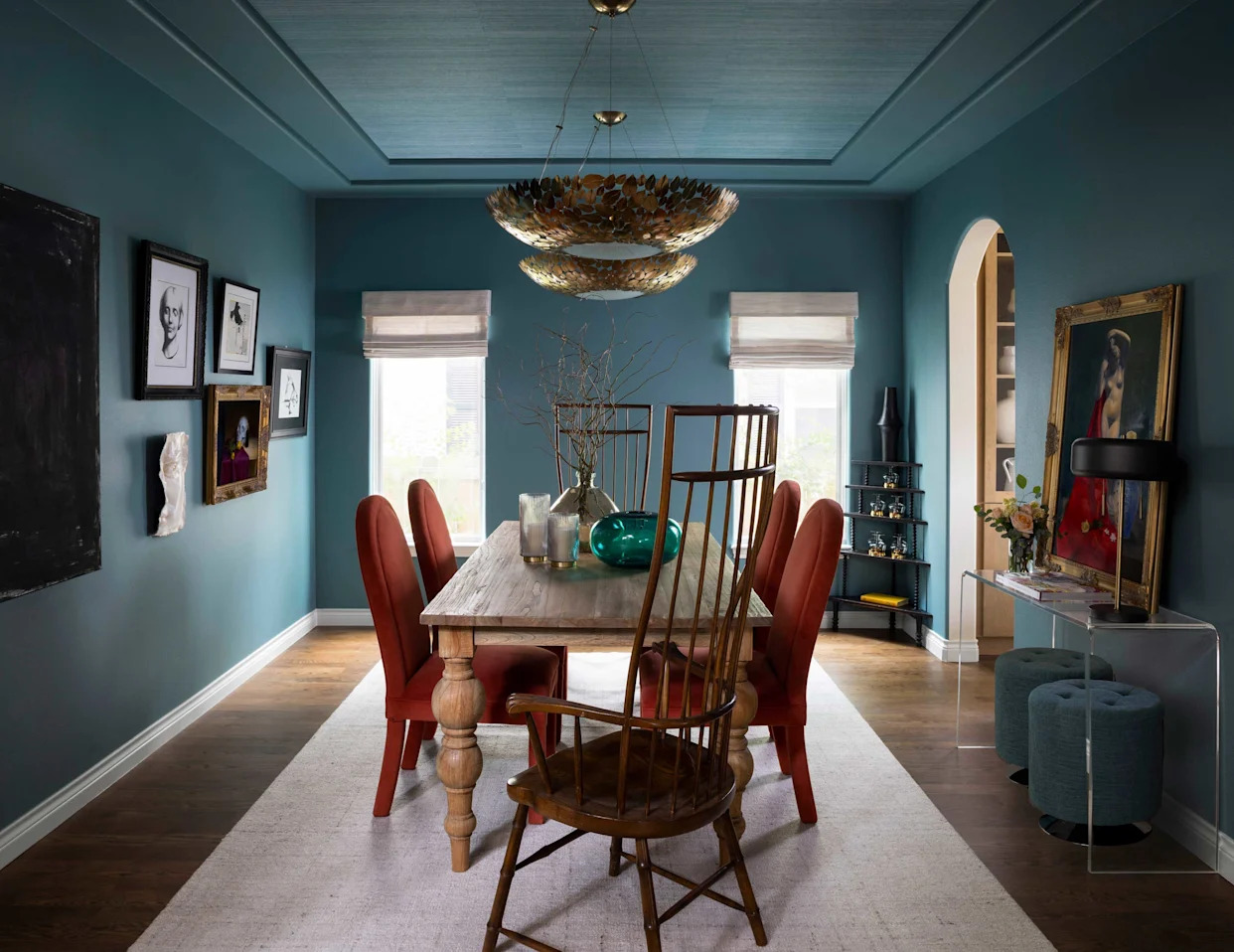
3 Ways Designers Say You Shouldn't Decorate Your Ceiling in 2024 — Number 3 Definitely Surprised Us!

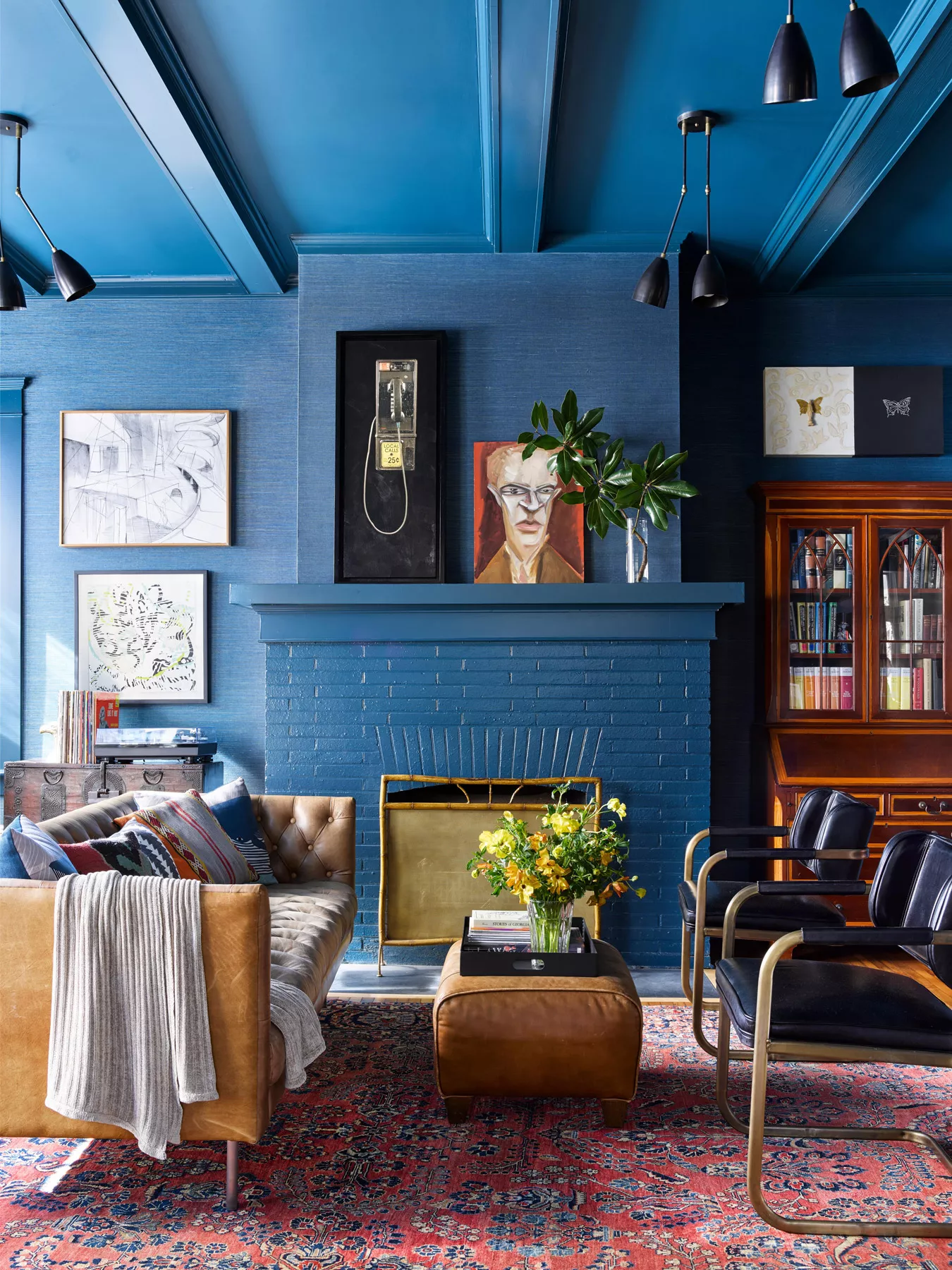
Breathe New Life into Any Space with a Statement Ceiling

Ceiling paint ideas – 10 ways to make your fifth wall wonderful
Living room ceiling ideas – perk up your 5th wall with our expert advice
Painting the ceiling with colour is a trend that is looking up

7 Glamorous Hacks to Transform a Boring White Ceiling
30 ways to decorate a ceiling (with no boring white in sight)
These Designer Rooms Will Convince You to Wallpaper Your Ceiling ASAP

22 Painted Ceiling Ideas to Elevate the Whole Room