Ceiling makeovers uplifting
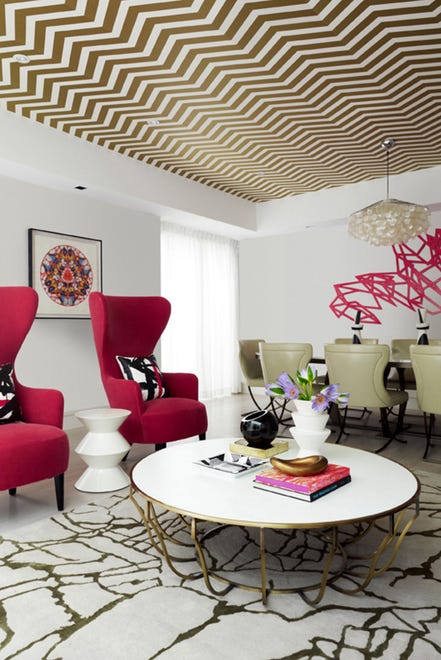
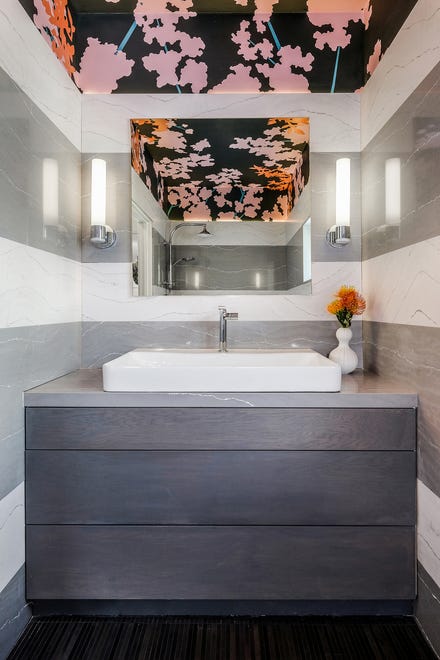
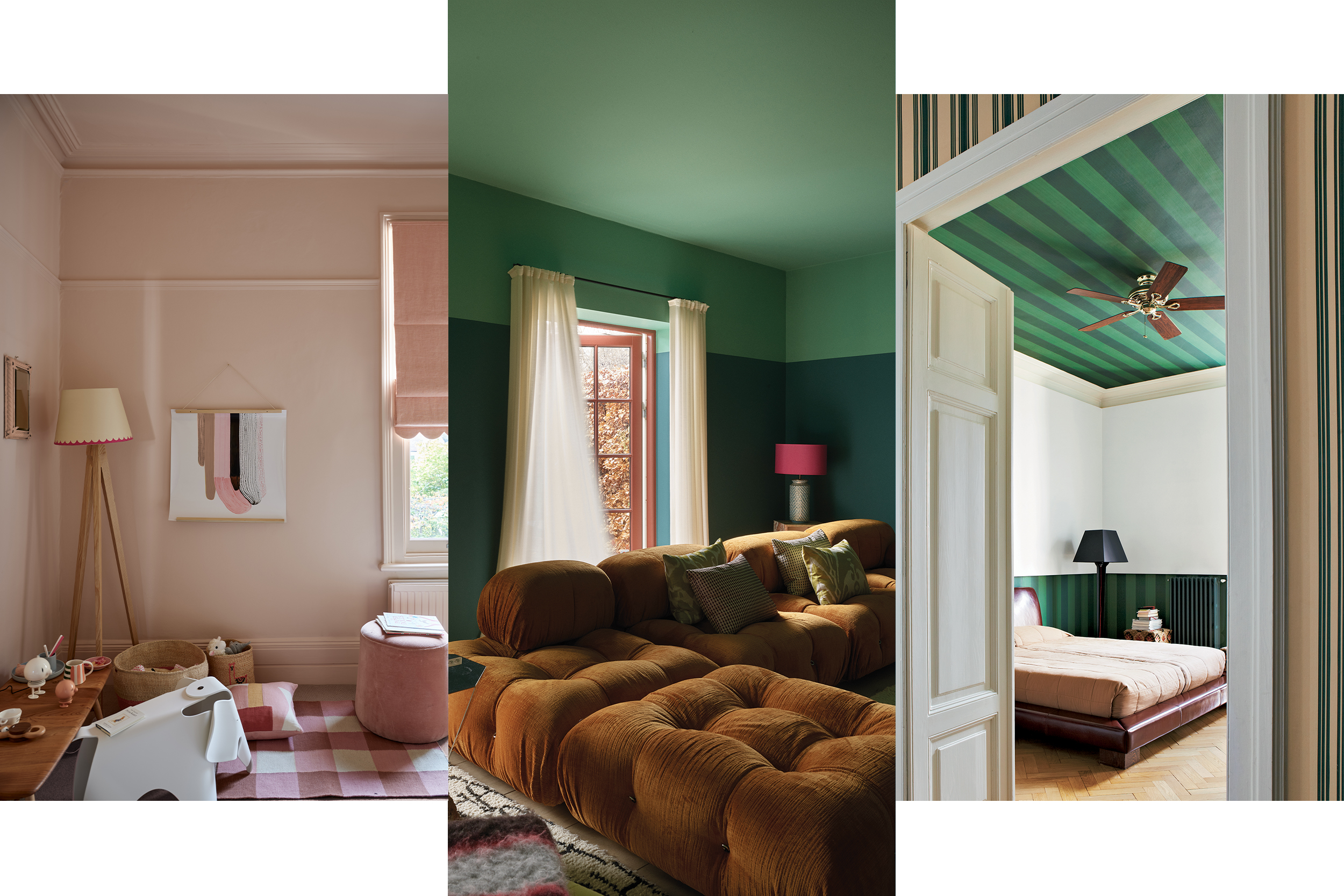
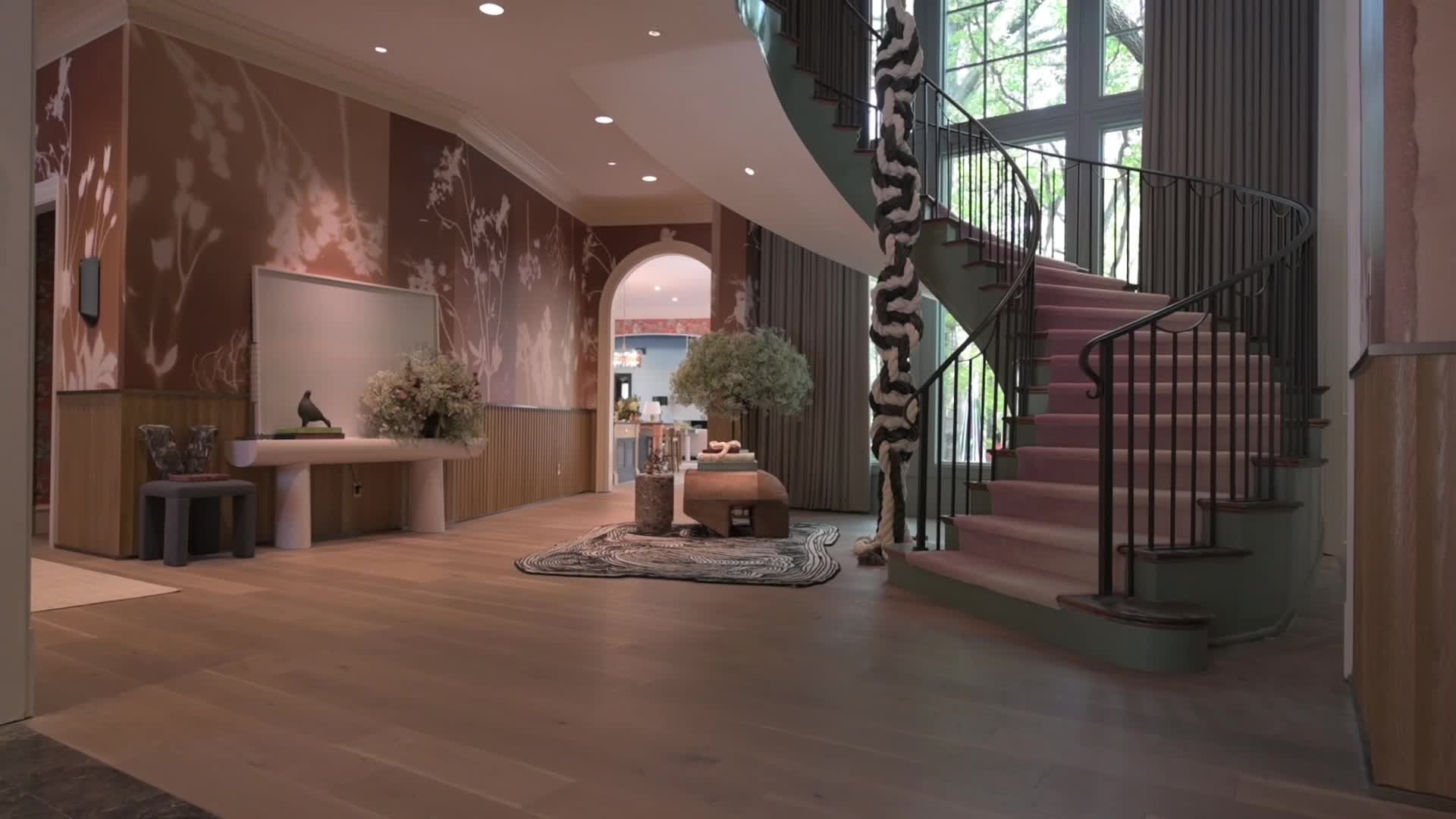
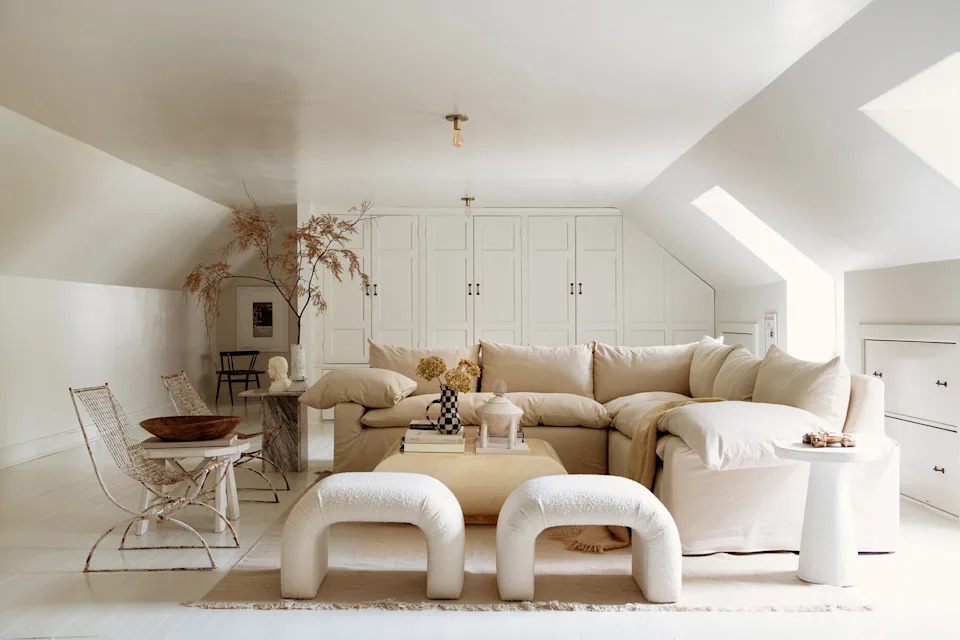
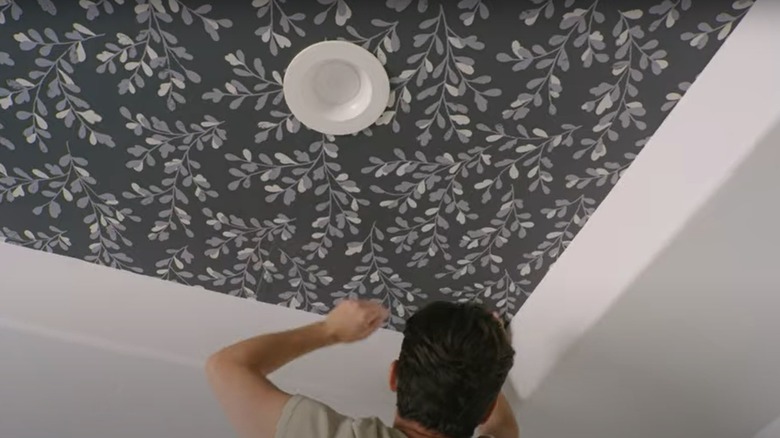
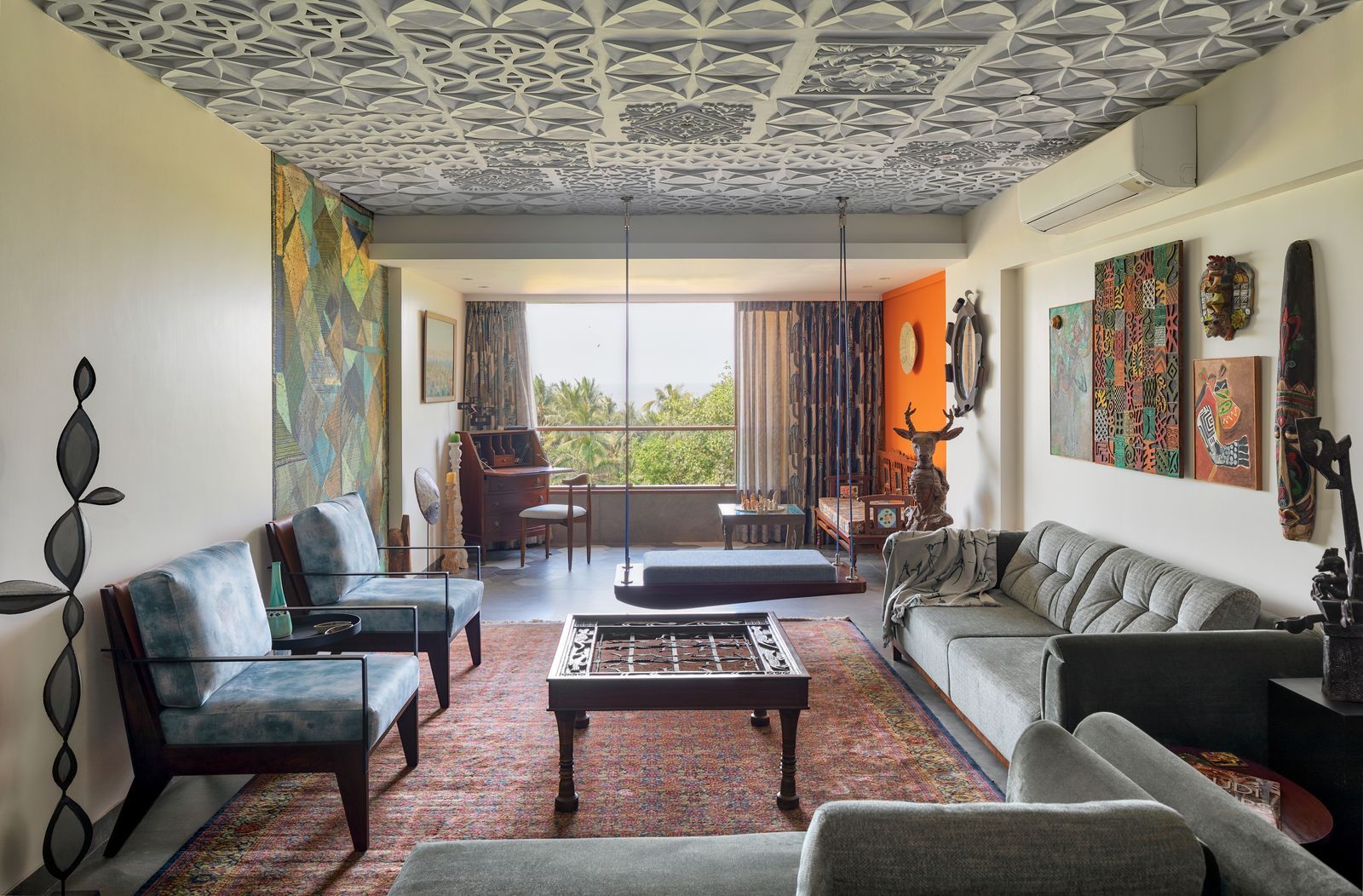
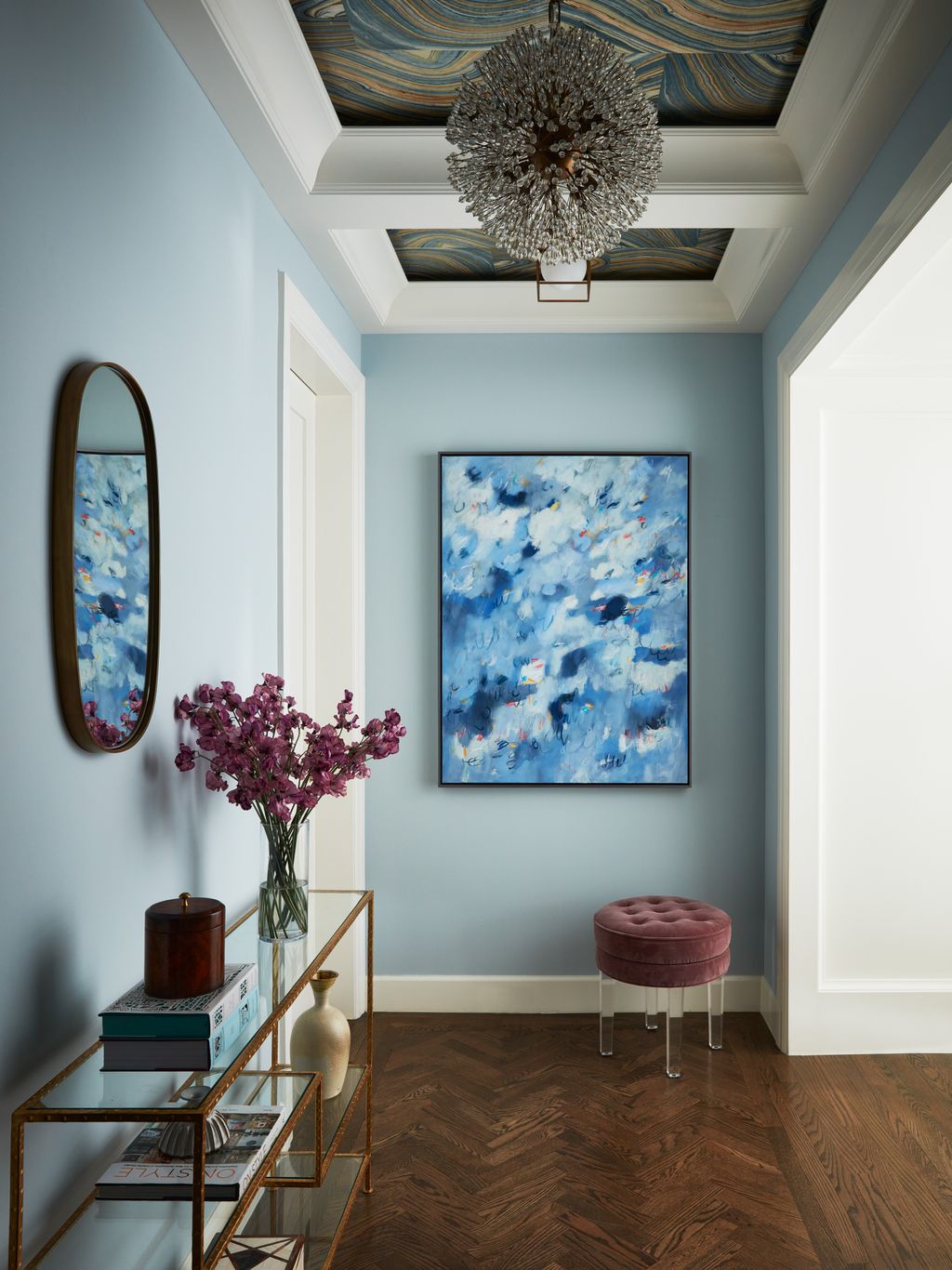
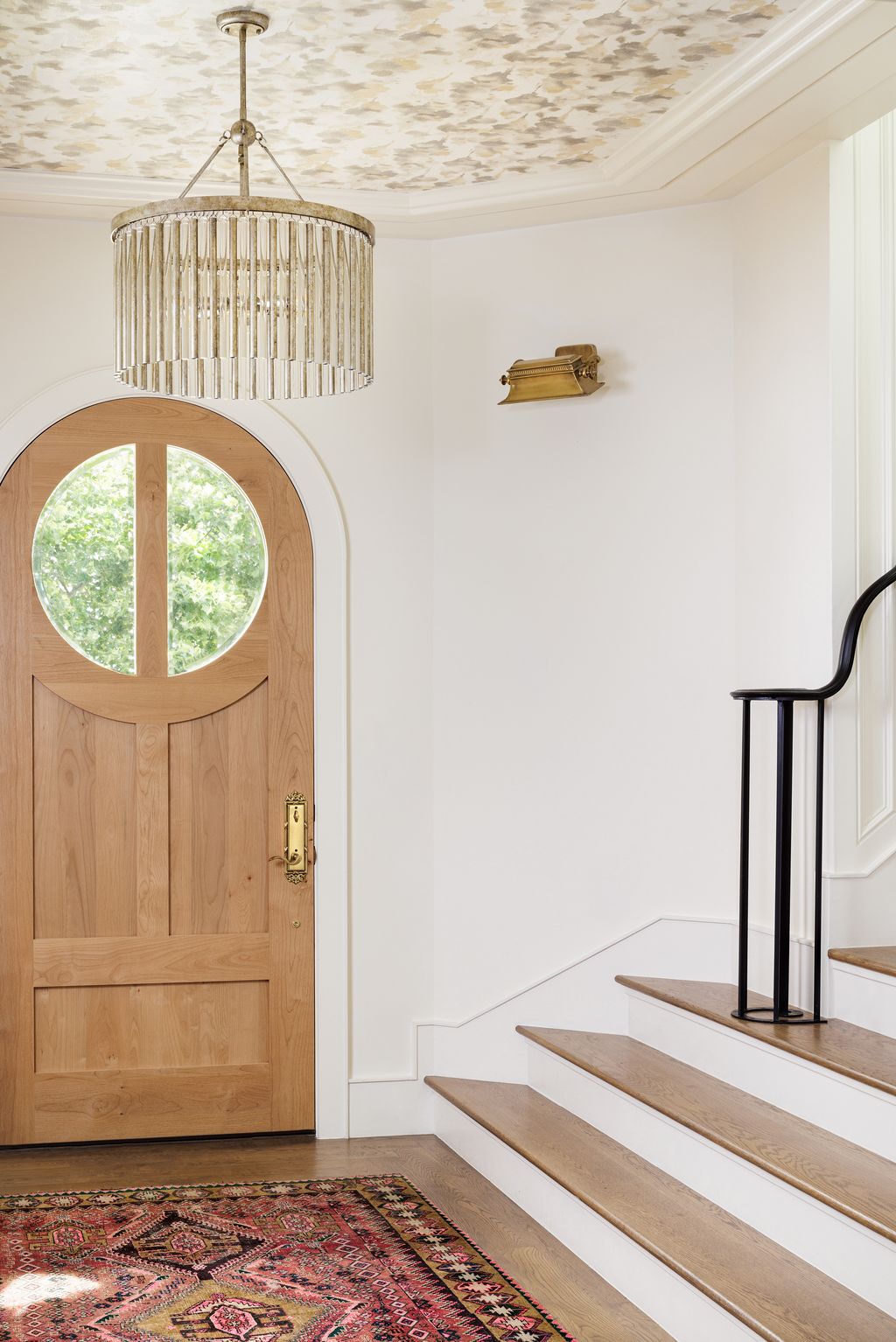
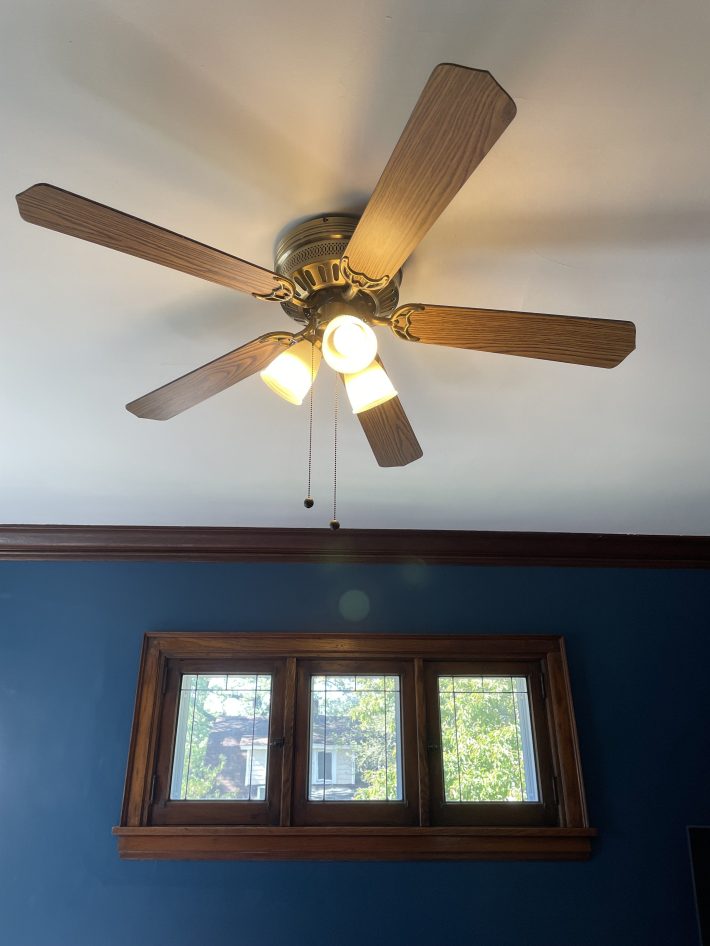
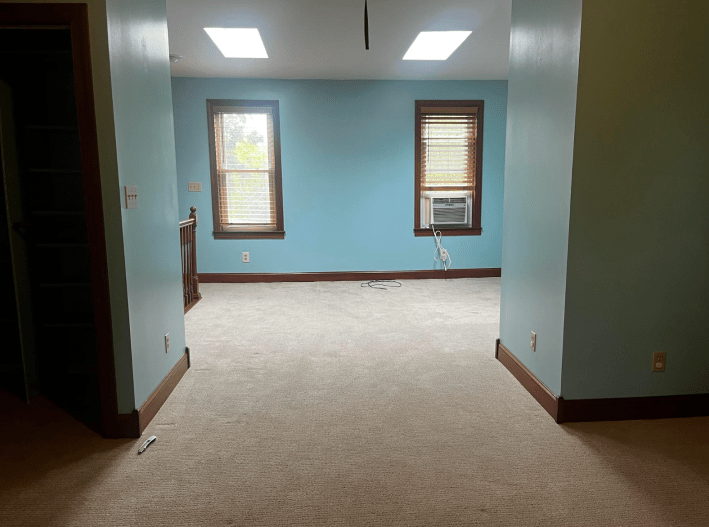
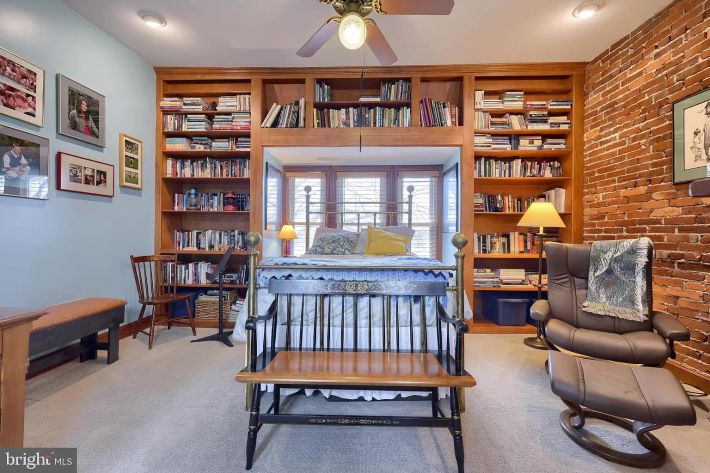
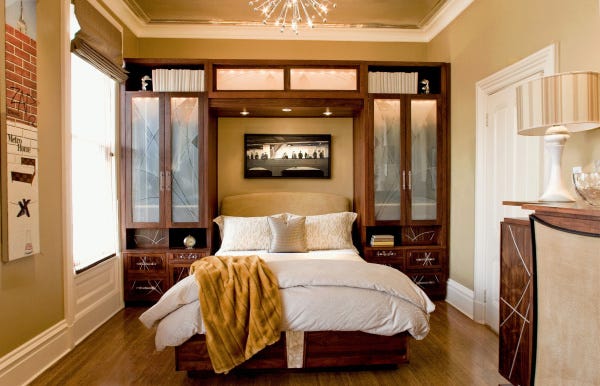
Ceilings, often overlooked in home design, are gaining renewed attention as a significant element in a room's aesthetic. Historically, ceilings were highly decorated, but their importance diminished with modern architectural trends. However, interior designers note a resurgence in treating ceilings as integral parts of a home's decor, moving them beyond their traditional role as a mere overhead surface. This shift encourages homeowners to explore various methods to transform their ceilings into focal points.
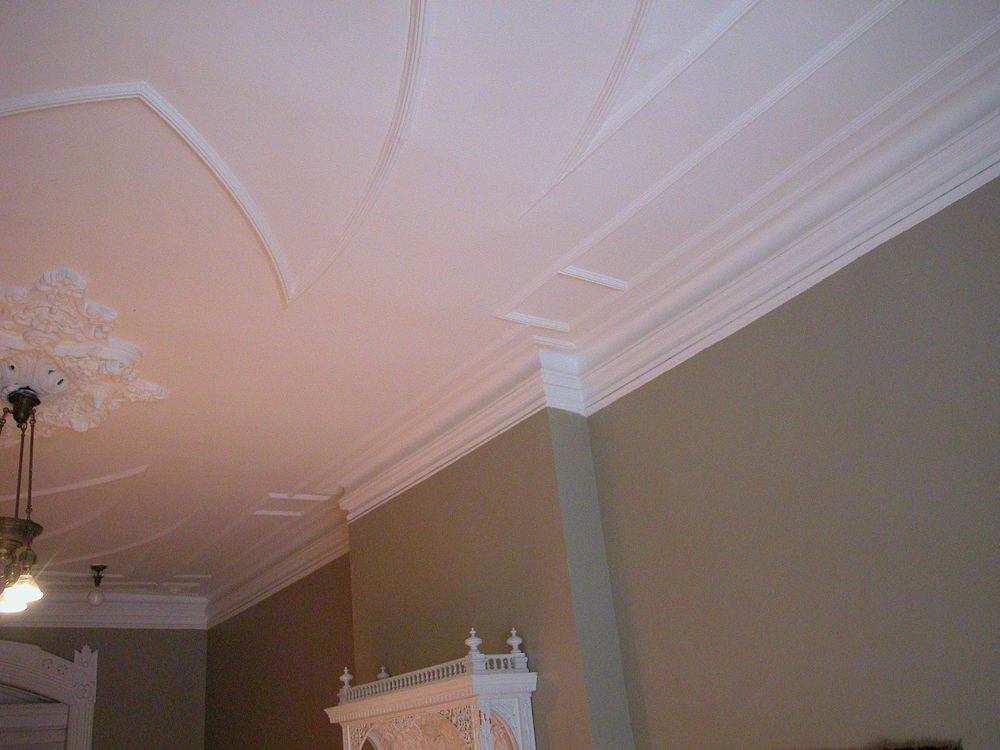
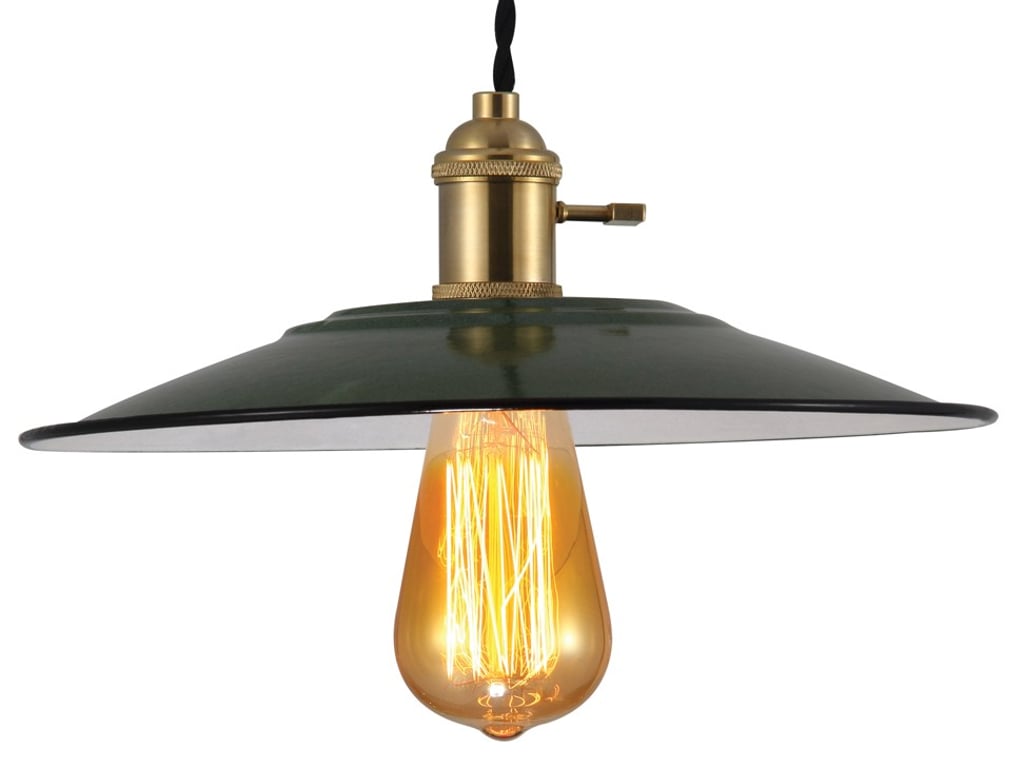
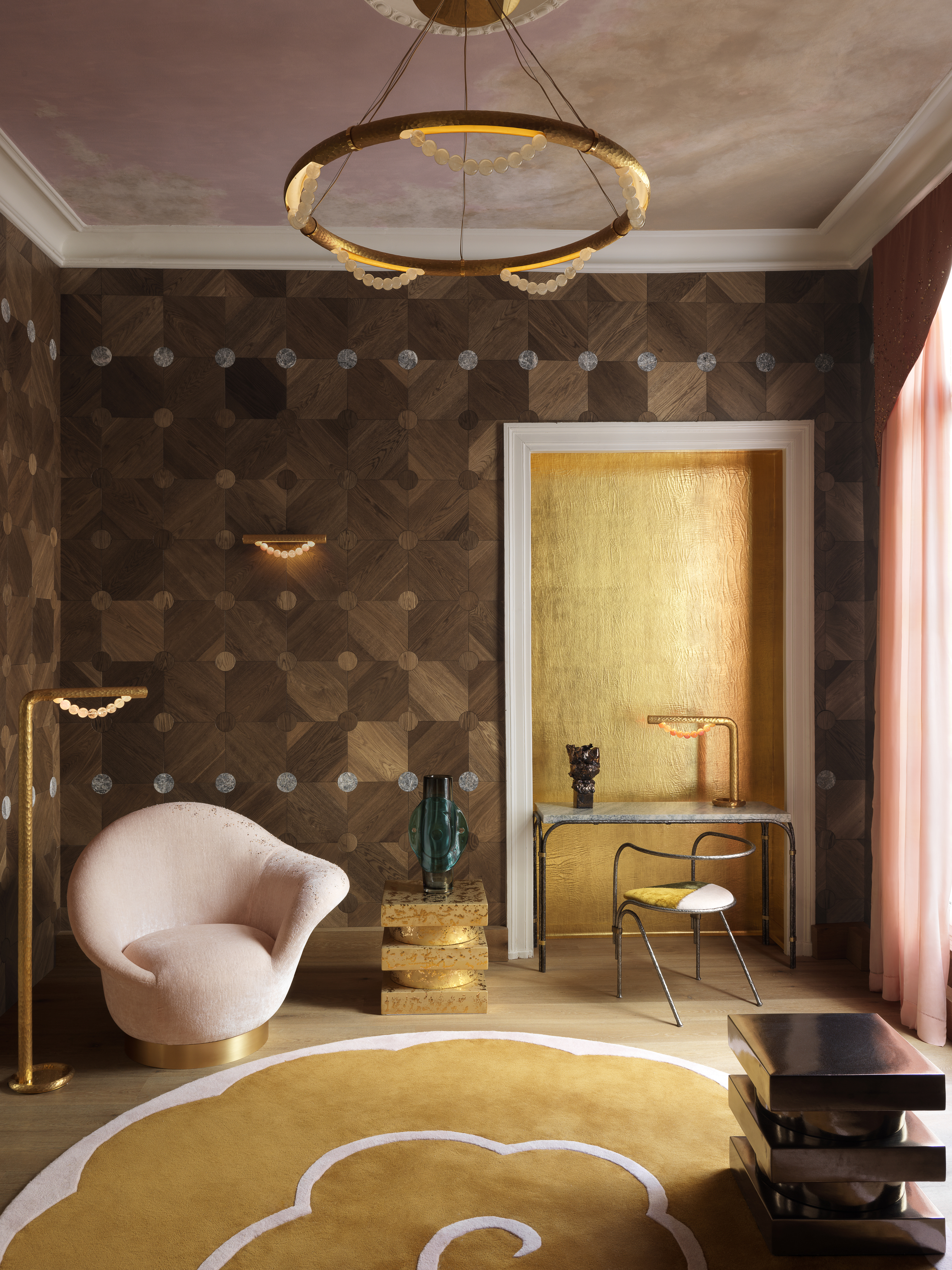
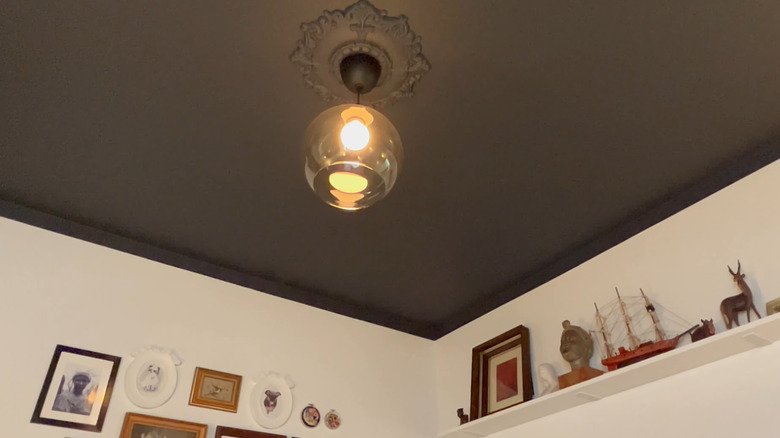
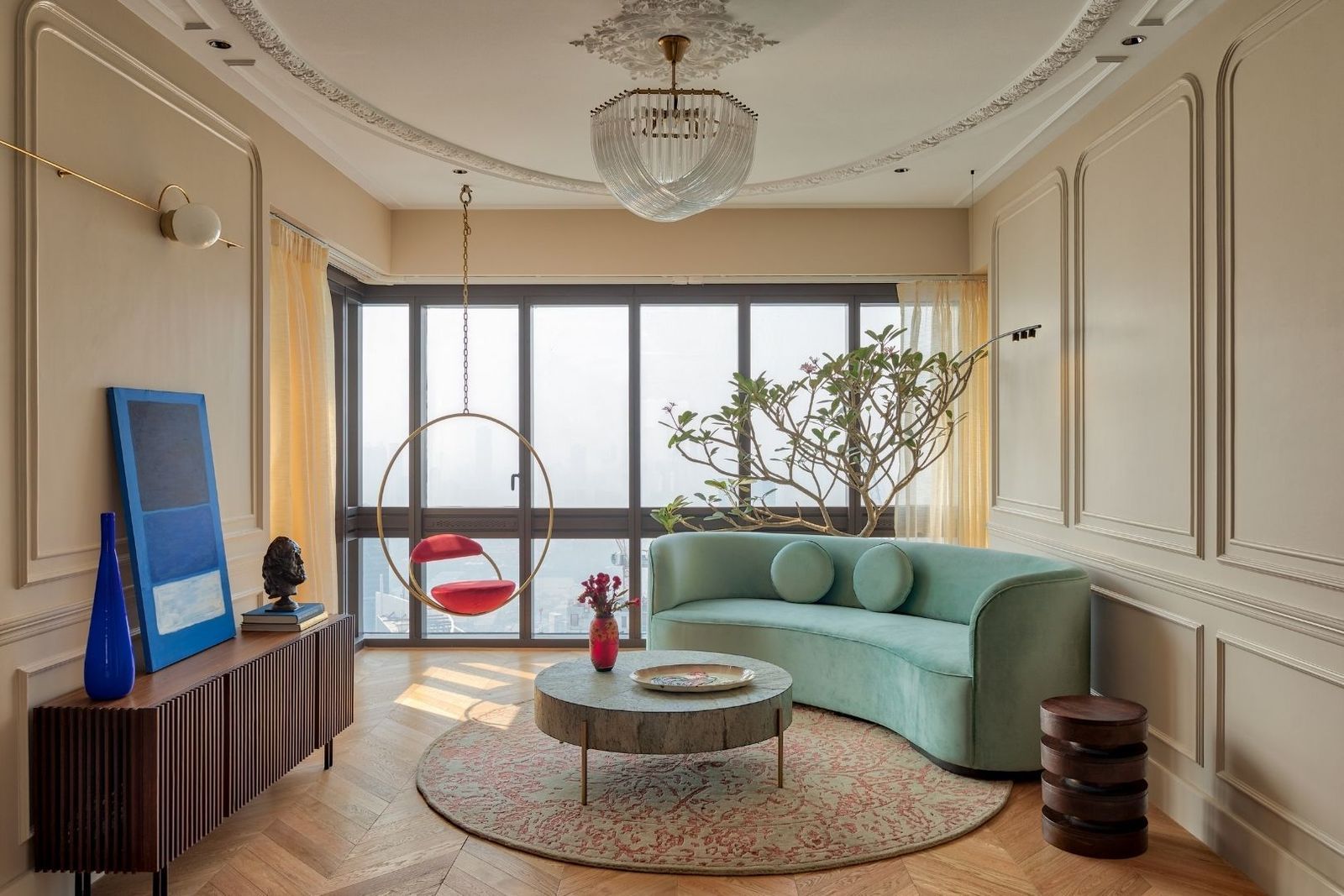
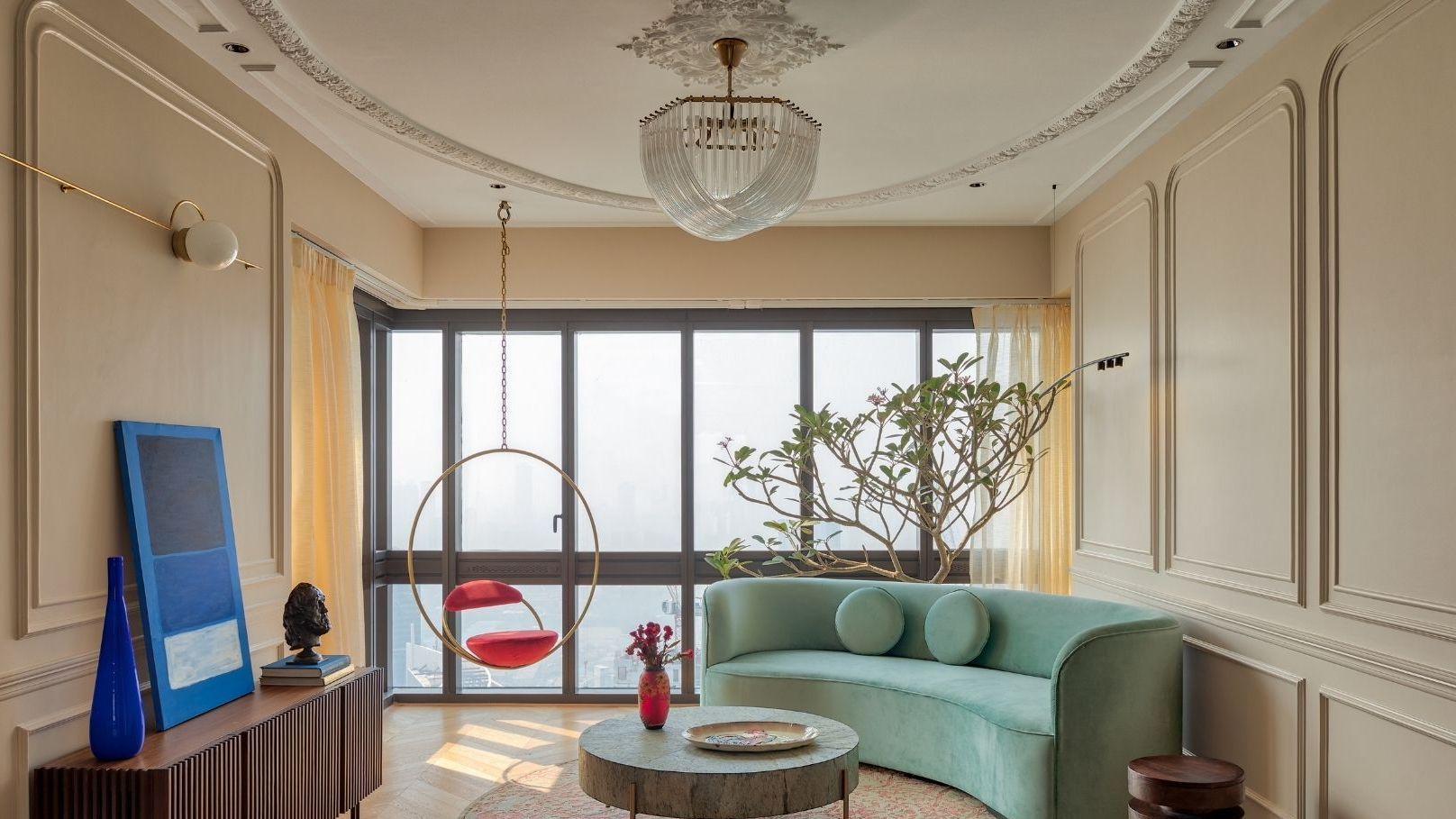
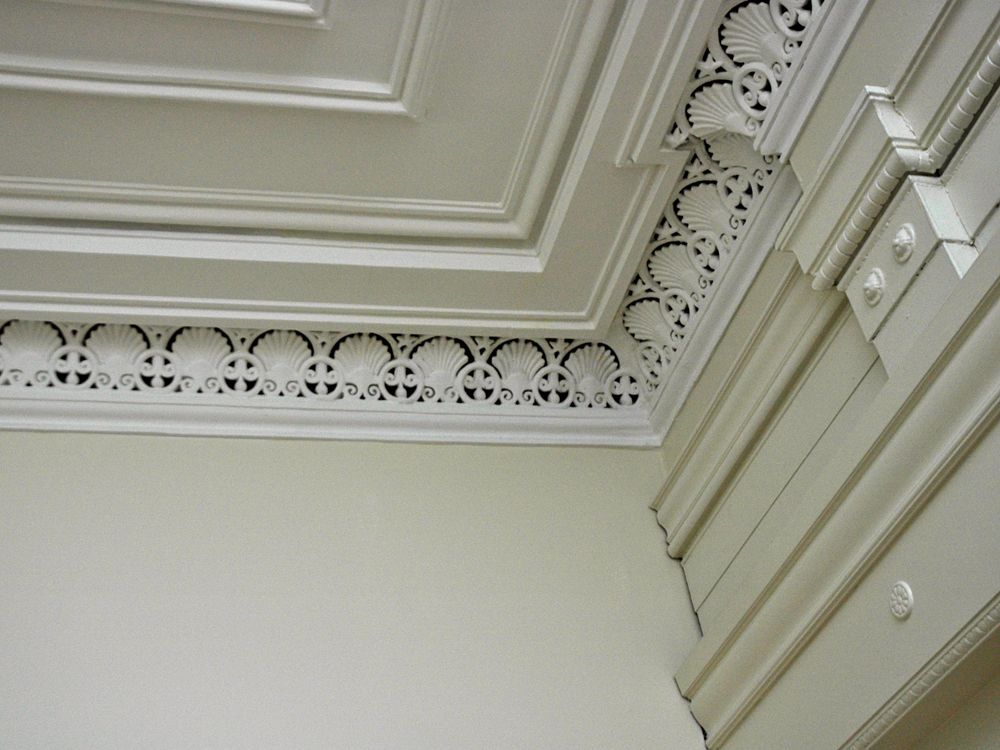
One of the simplest ways to draw the eye upward and enhance a ceiling's appeal is through the use of ceiling medallions. These decorative disks, available in various styles and colors, are typically mounted around lighting fixtures. Modern medallions, often made from lightweight polyurethane, are considerably easier to install than their older counterparts. They can add a touch of romance and excitement, even to a simple bedroom, by introducing an element of classic architectural detail.
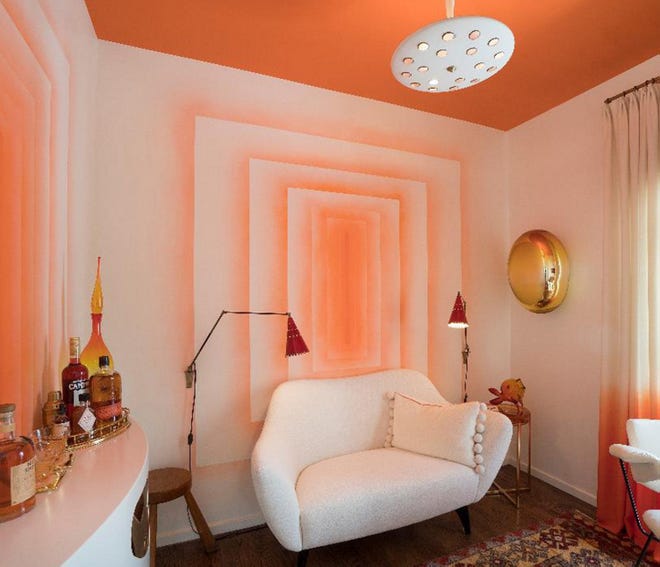
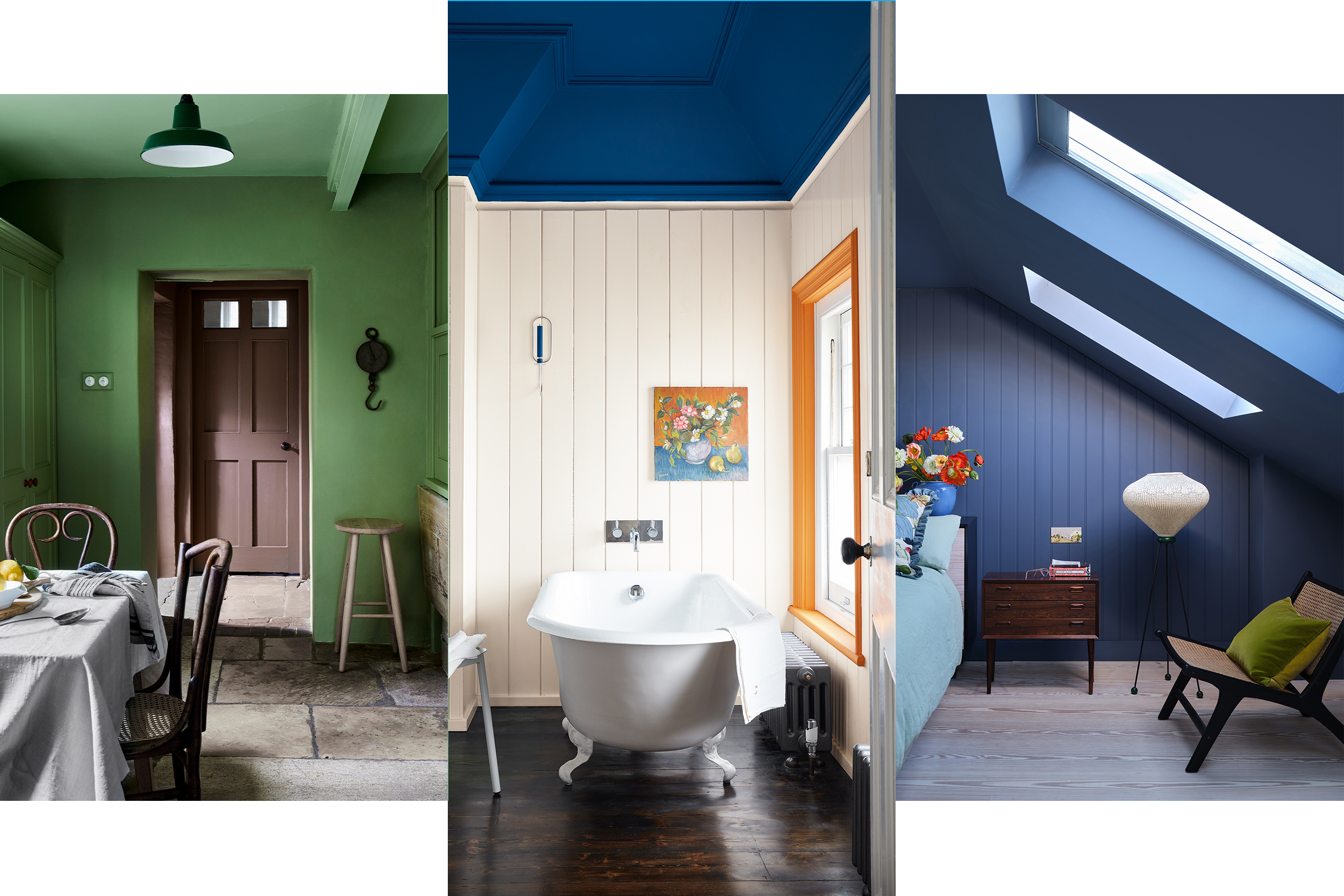
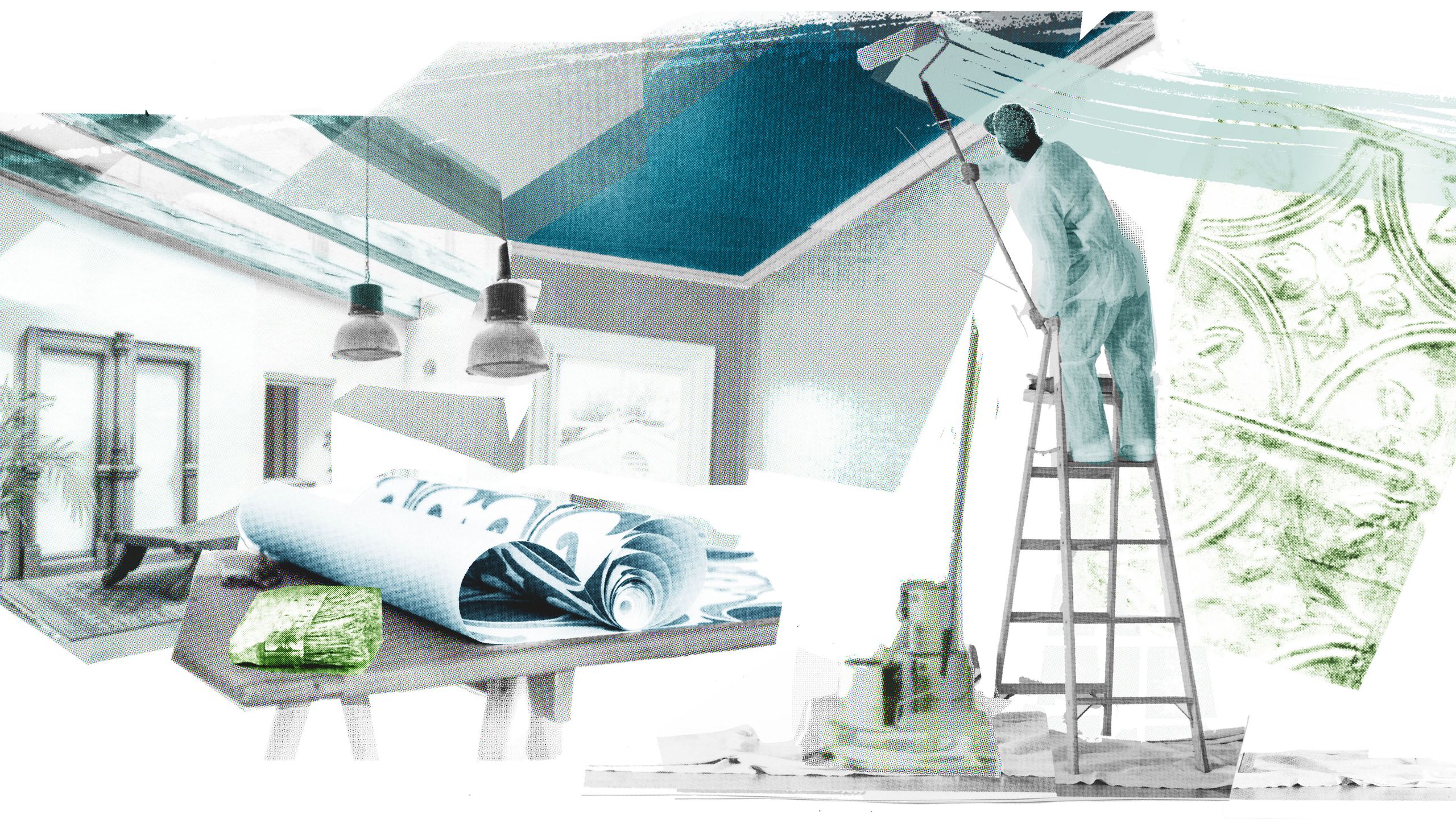
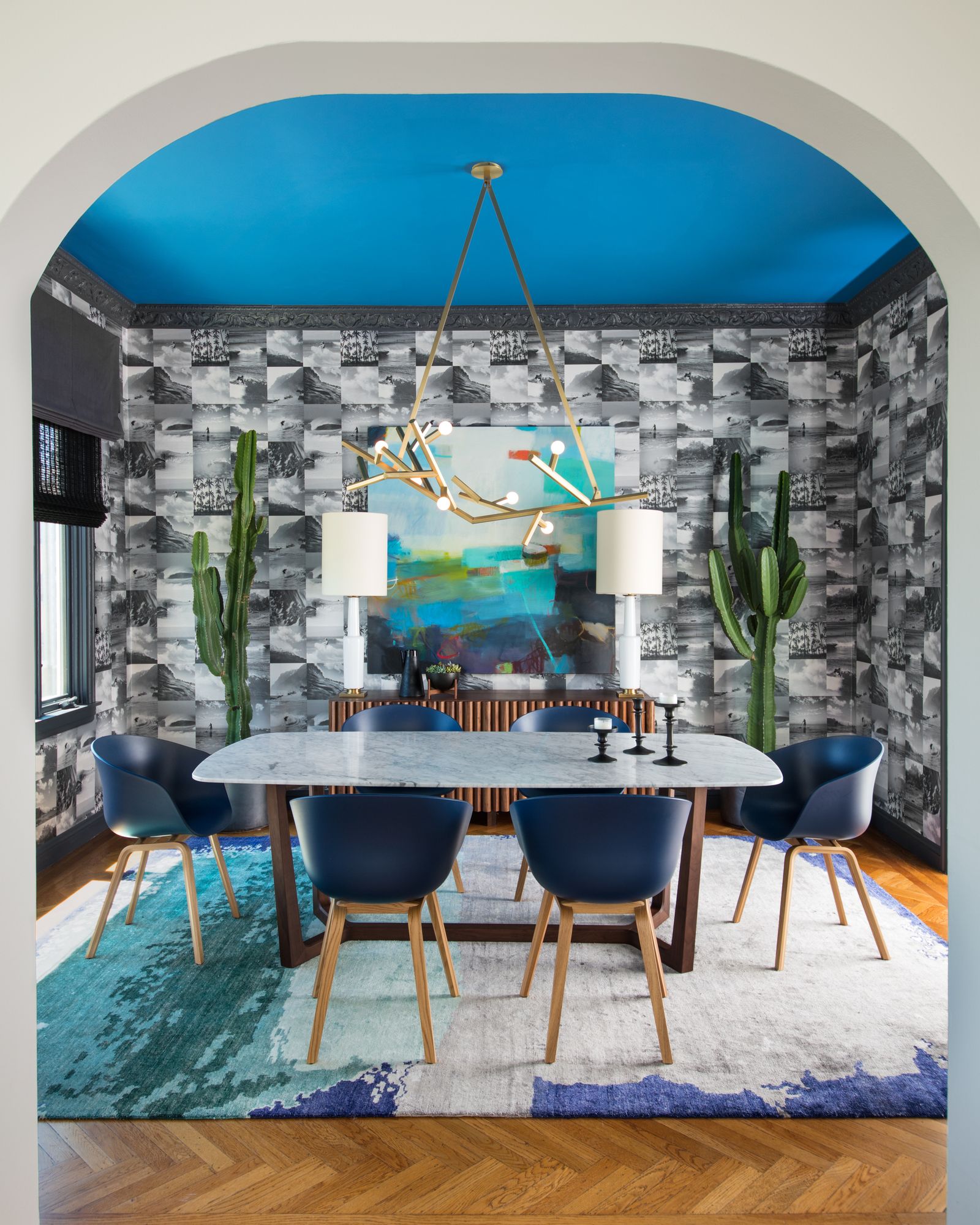
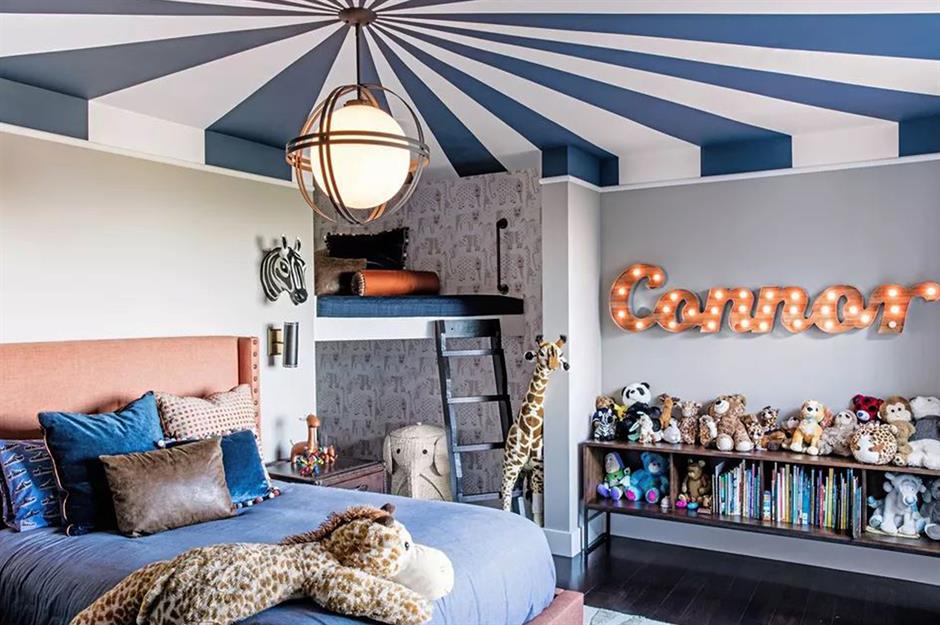
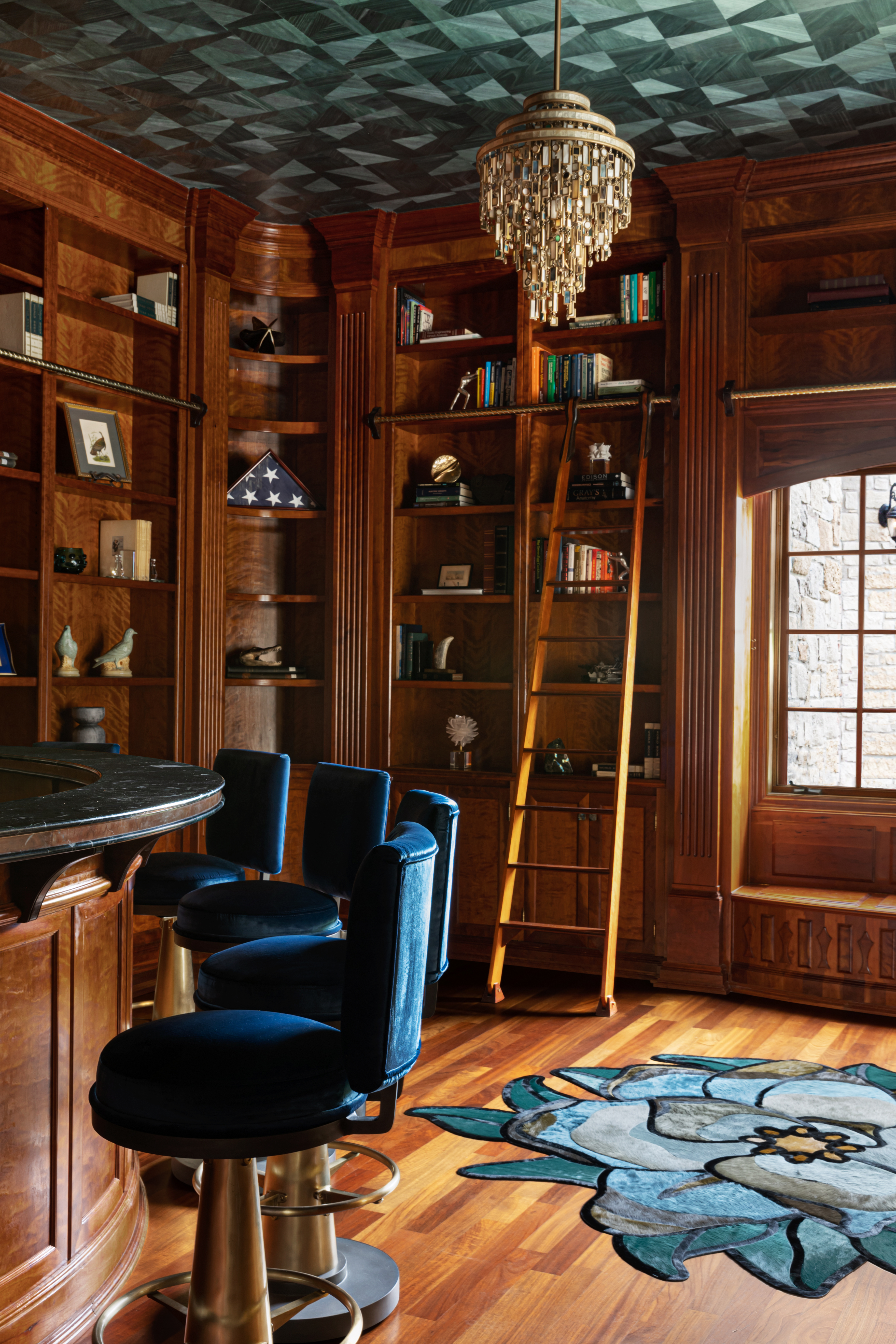
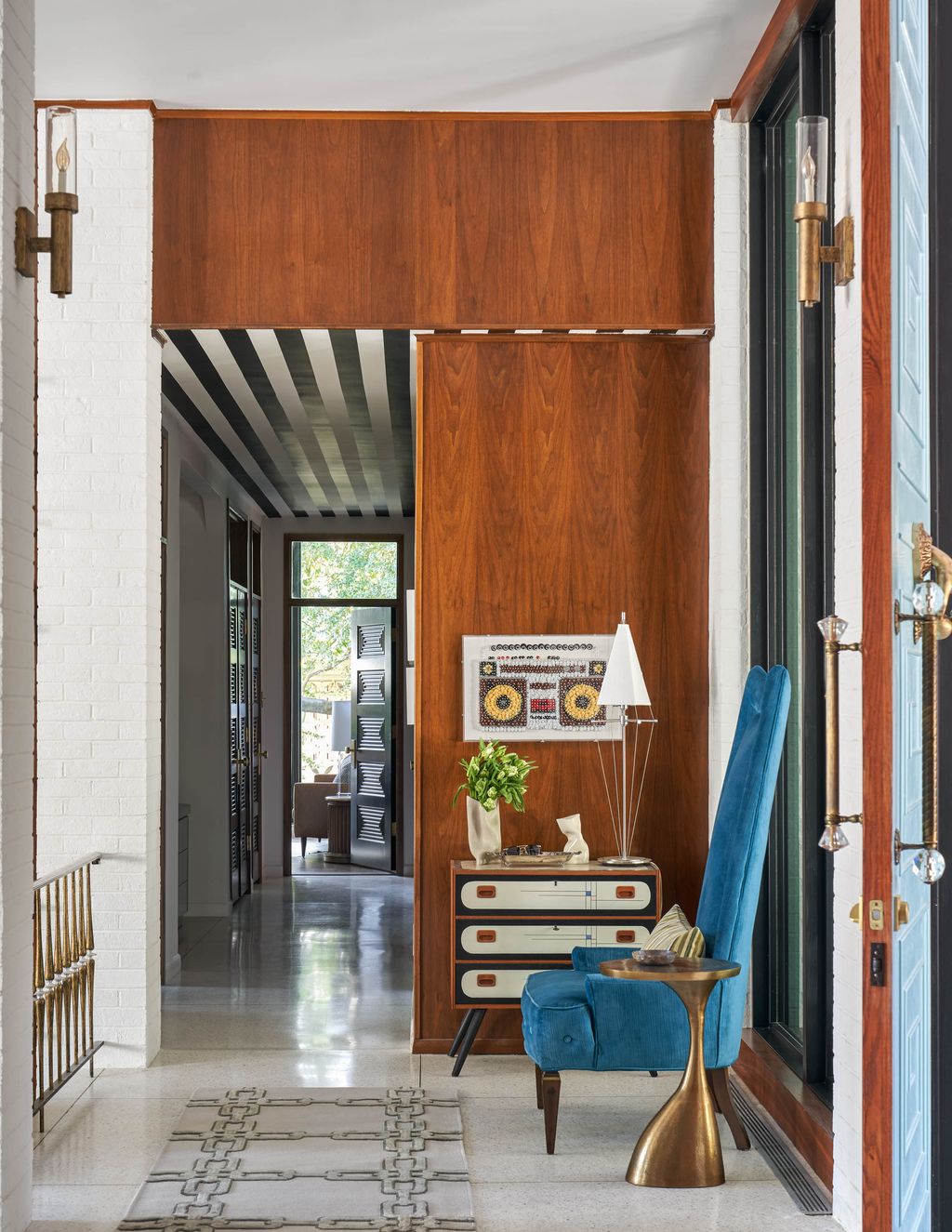
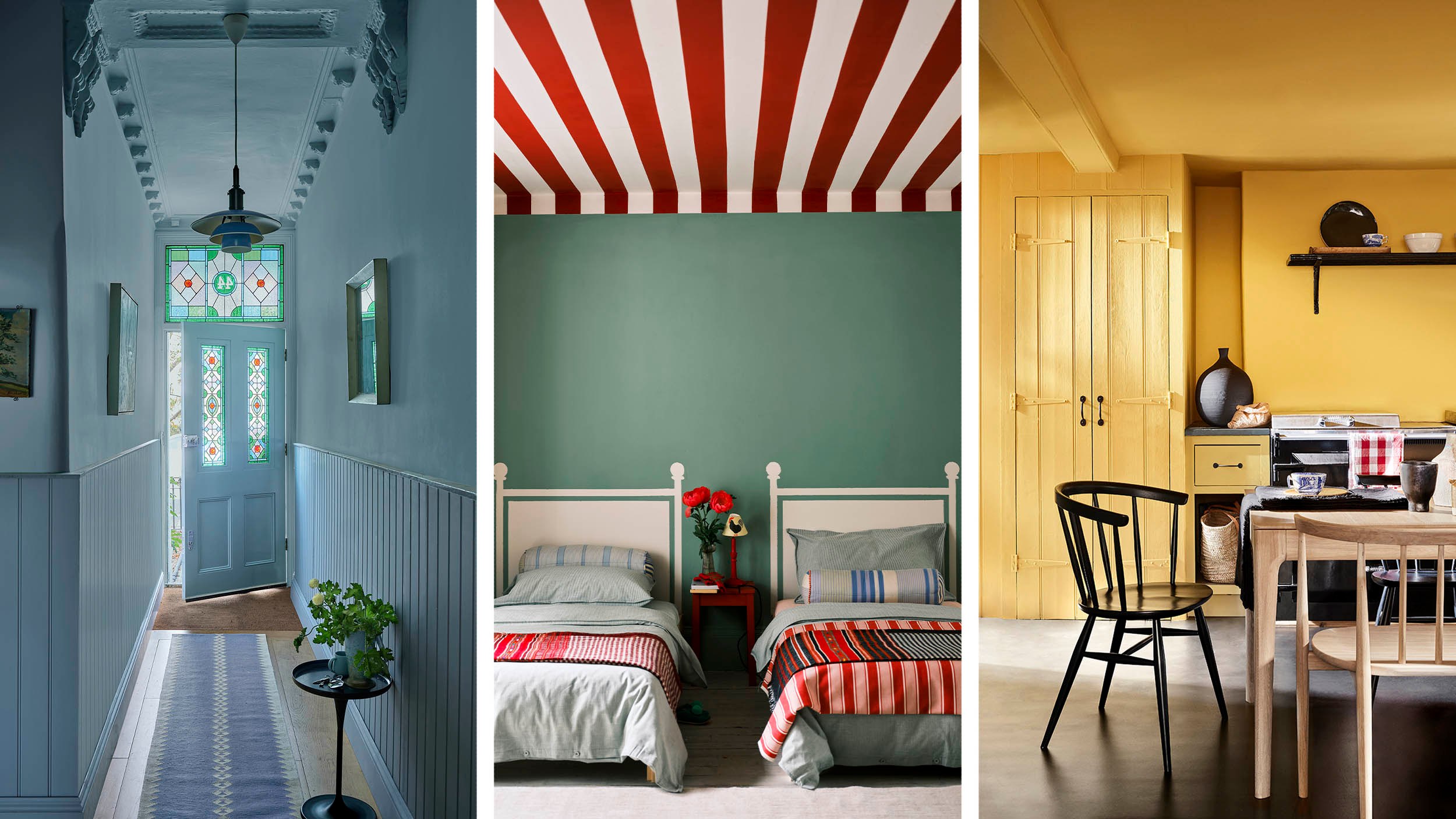
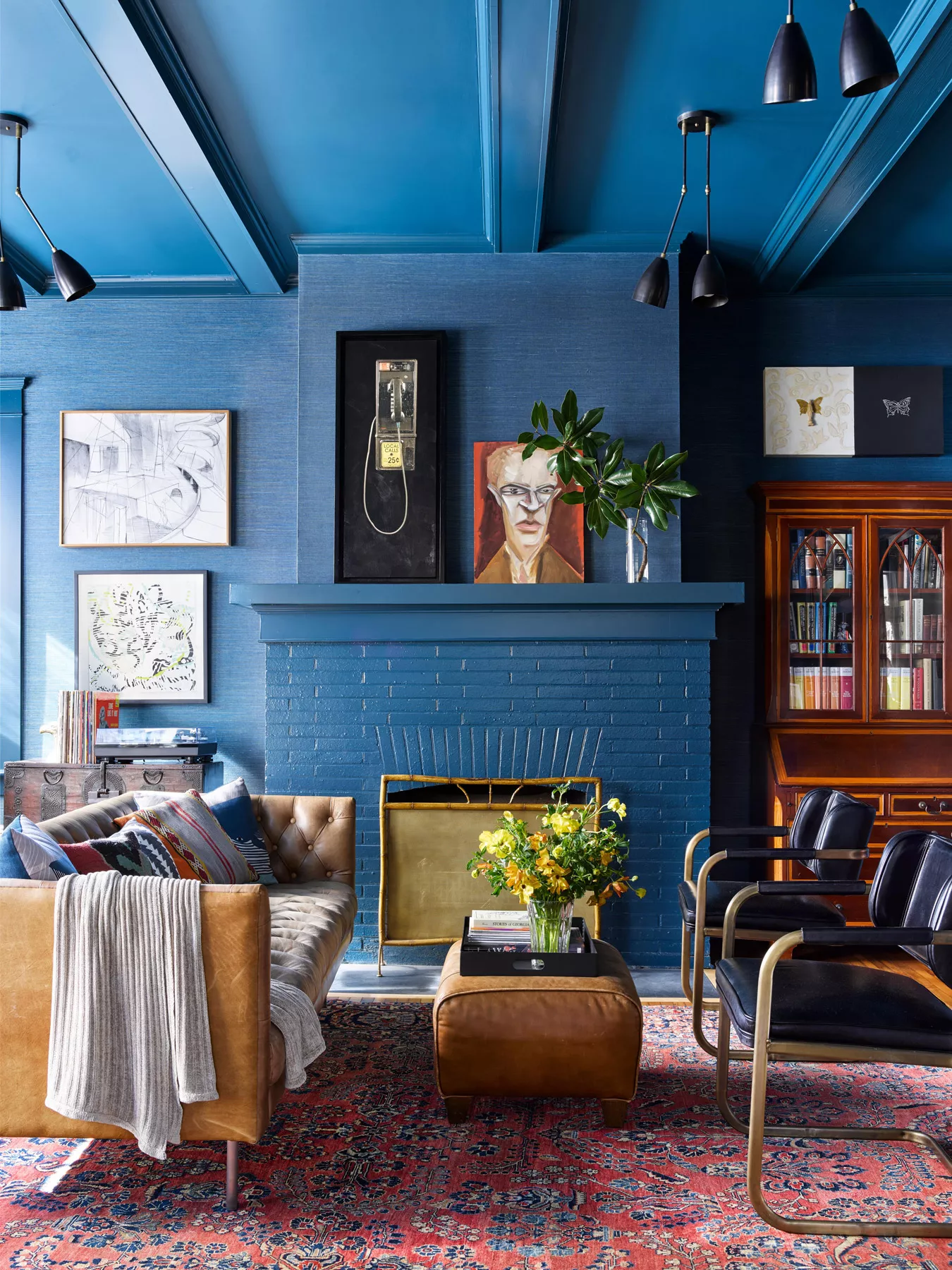
Paint offers another versatile and impactful way to refresh a ceiling. For rooms with tall ceilings or those seeking a cozier ambiance, extending the wall color onto the ceiling can create a seamless and enveloping effect. Alternatively, applying a darker or contrasting color can introduce boldness and visual interest. When painting ceilings, flat paint is generally recommended because ceilings are less prone to wear and tear or fingerprints than walls, eliminating the need for higher-gloss finishes.
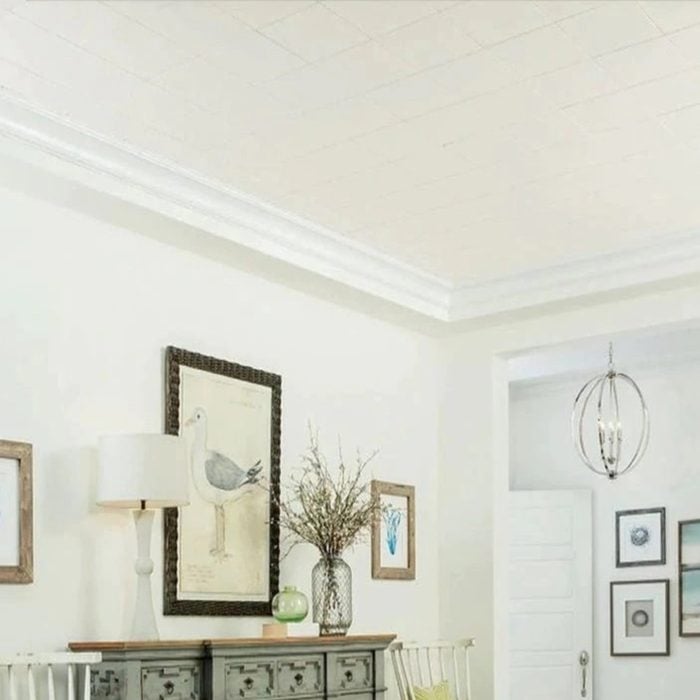
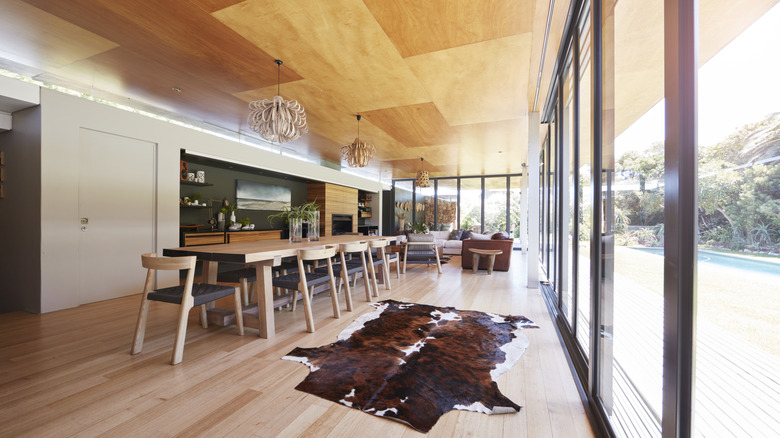
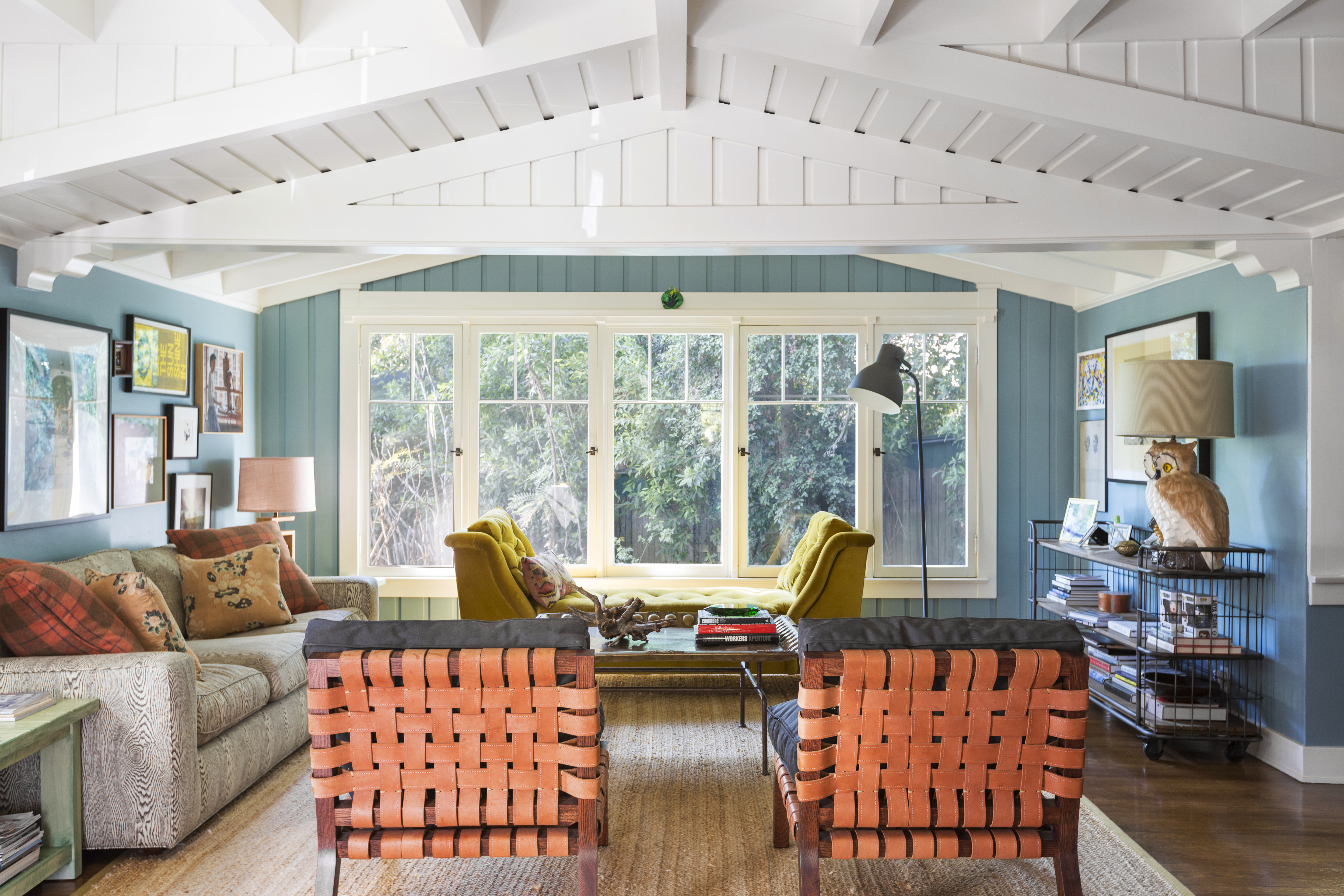
For those desiring a classic New England cottage aesthetic, wood paneling, such as beadboard, can be an excellent choice. Larger beadboard panels are preferred for their ease of installation compared to individual tongue-and-groove pieces. These panels can be cut with a saw, nailed to ceiling joists, and then stained or painted to match the desired look. Beadboard ceilings are particularly effective in bathrooms or on front-porch ceilings, adding a charming, rustic touch.
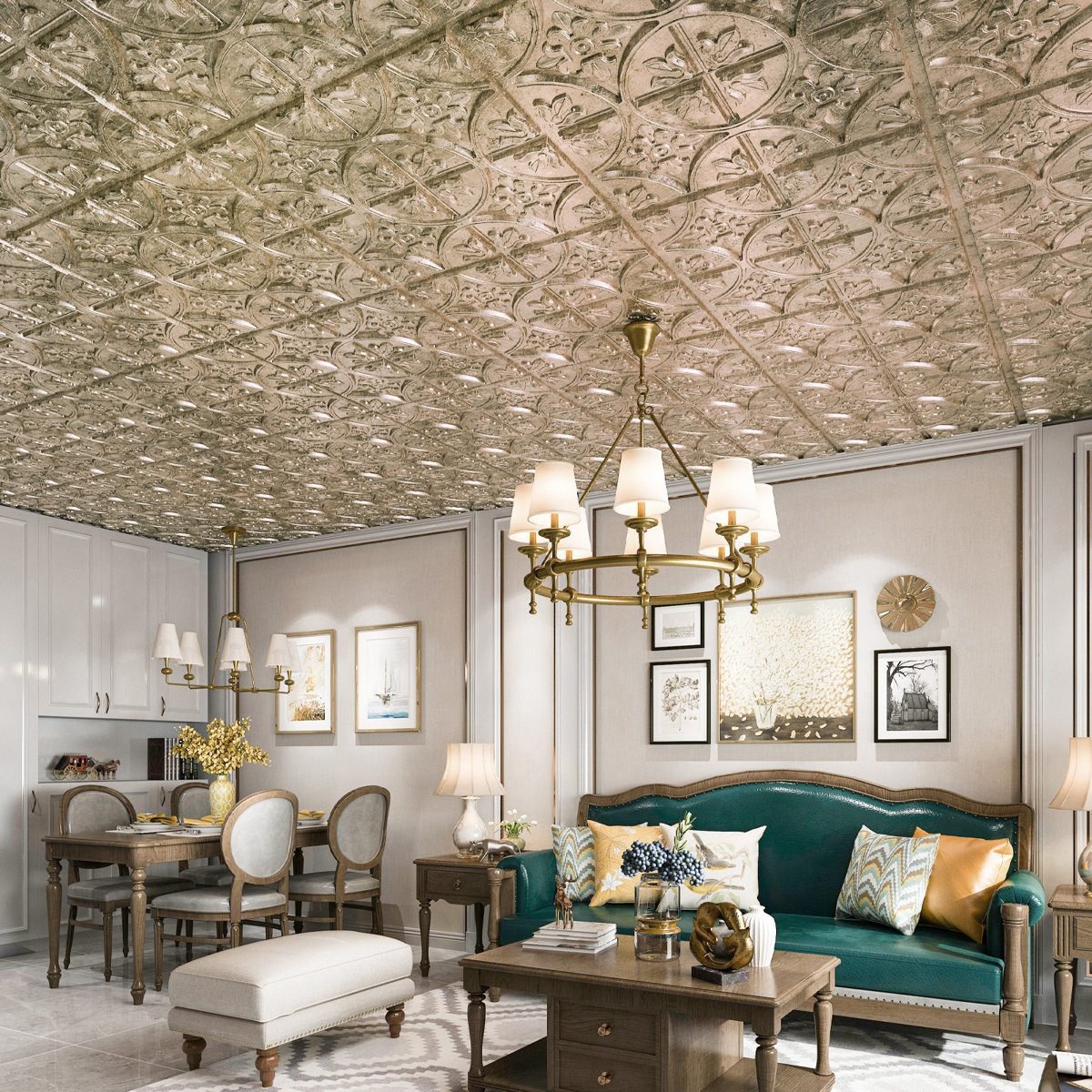
Pressed-tin panels provide a vintage feel, available in large patterned metal sheets for straightforward installation. These panels can be nailed onto furring strips and sealed with clear polyurethane or painted with oil-based paint, contributing a unique historical character to a room. Similarly, modern drop panel ceilings have evolved beyond their utilitarian 1960s predecessors. Contemporary options come in a wider array of colors and textures, with some companies offering individual wood or tin panels designed to fit into existing metal grid systems, making them a more aesthetically pleasing solution for concealing utilities.
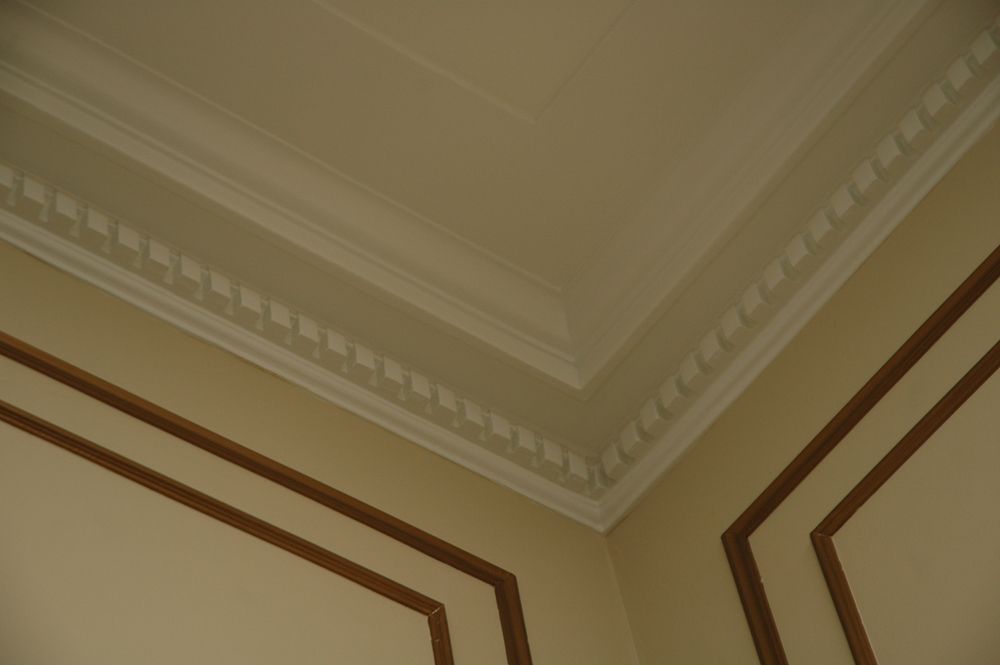
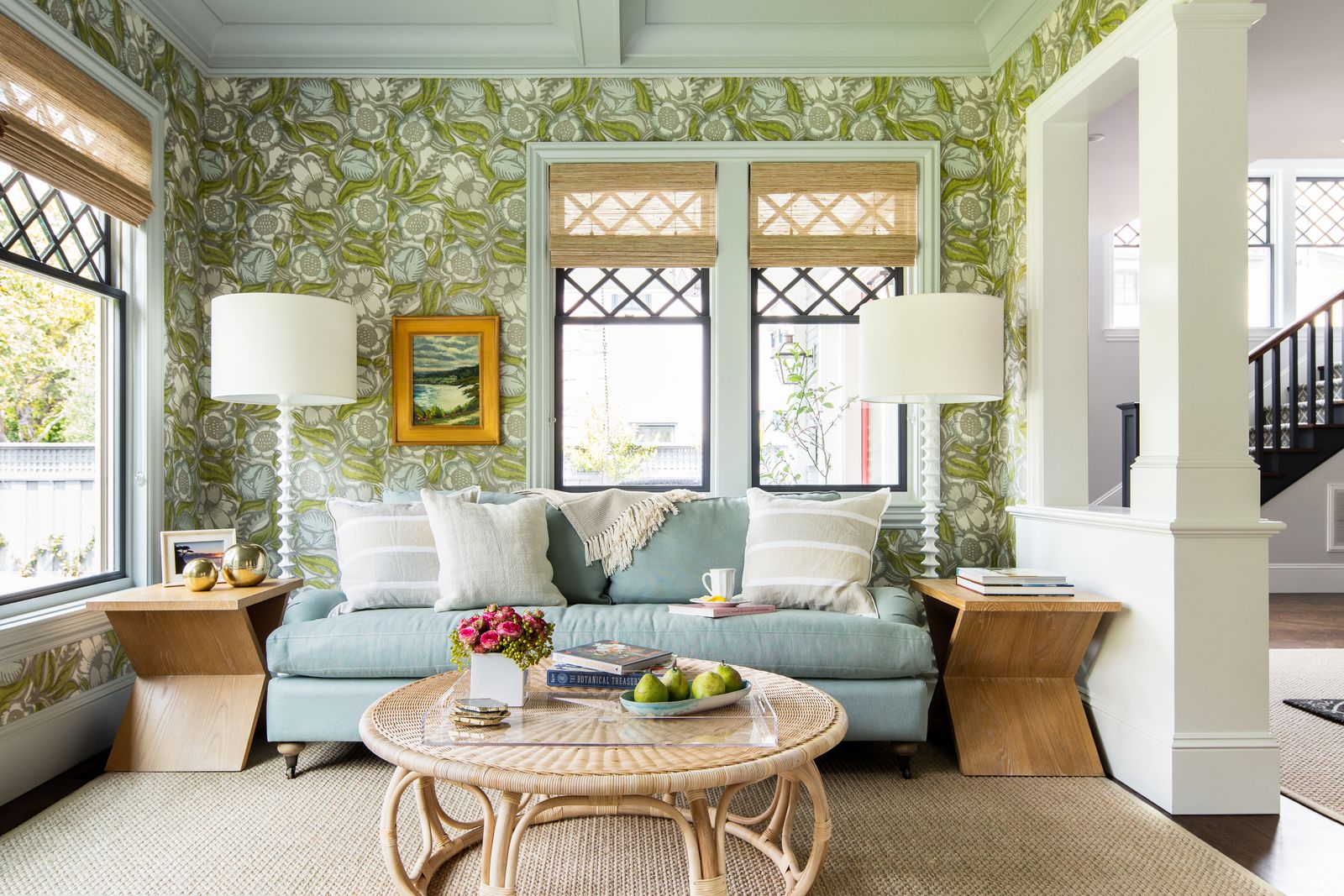
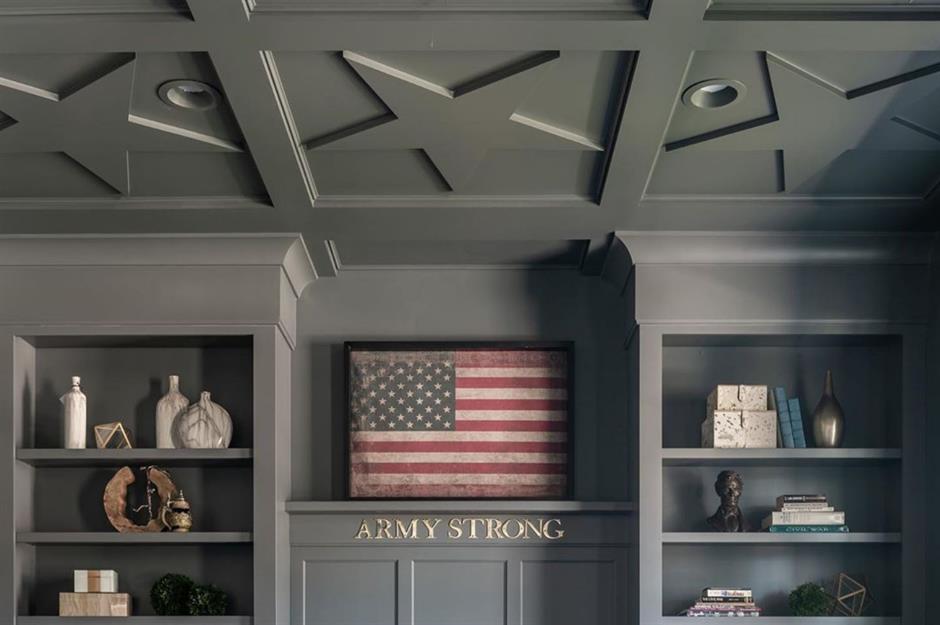
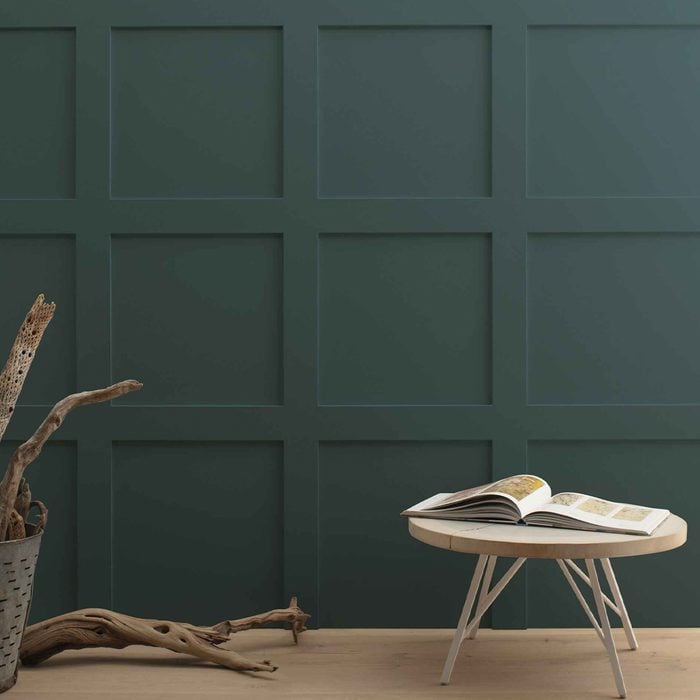
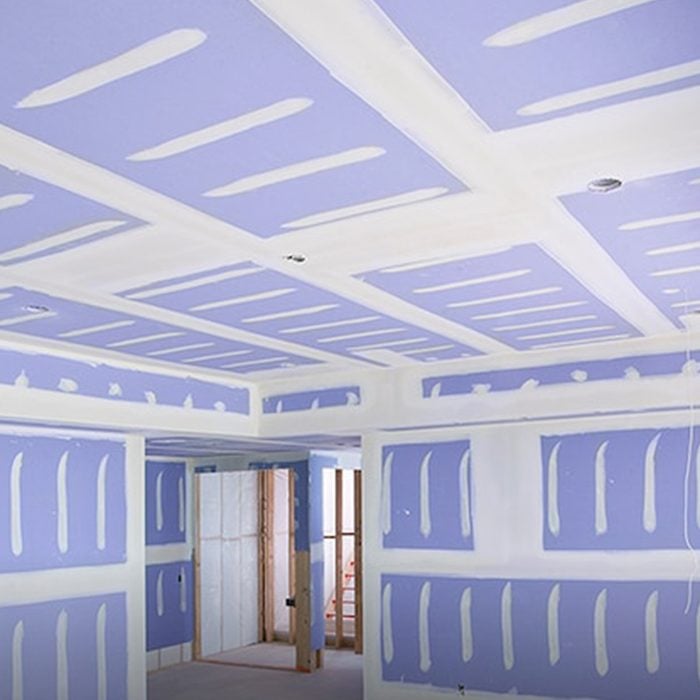
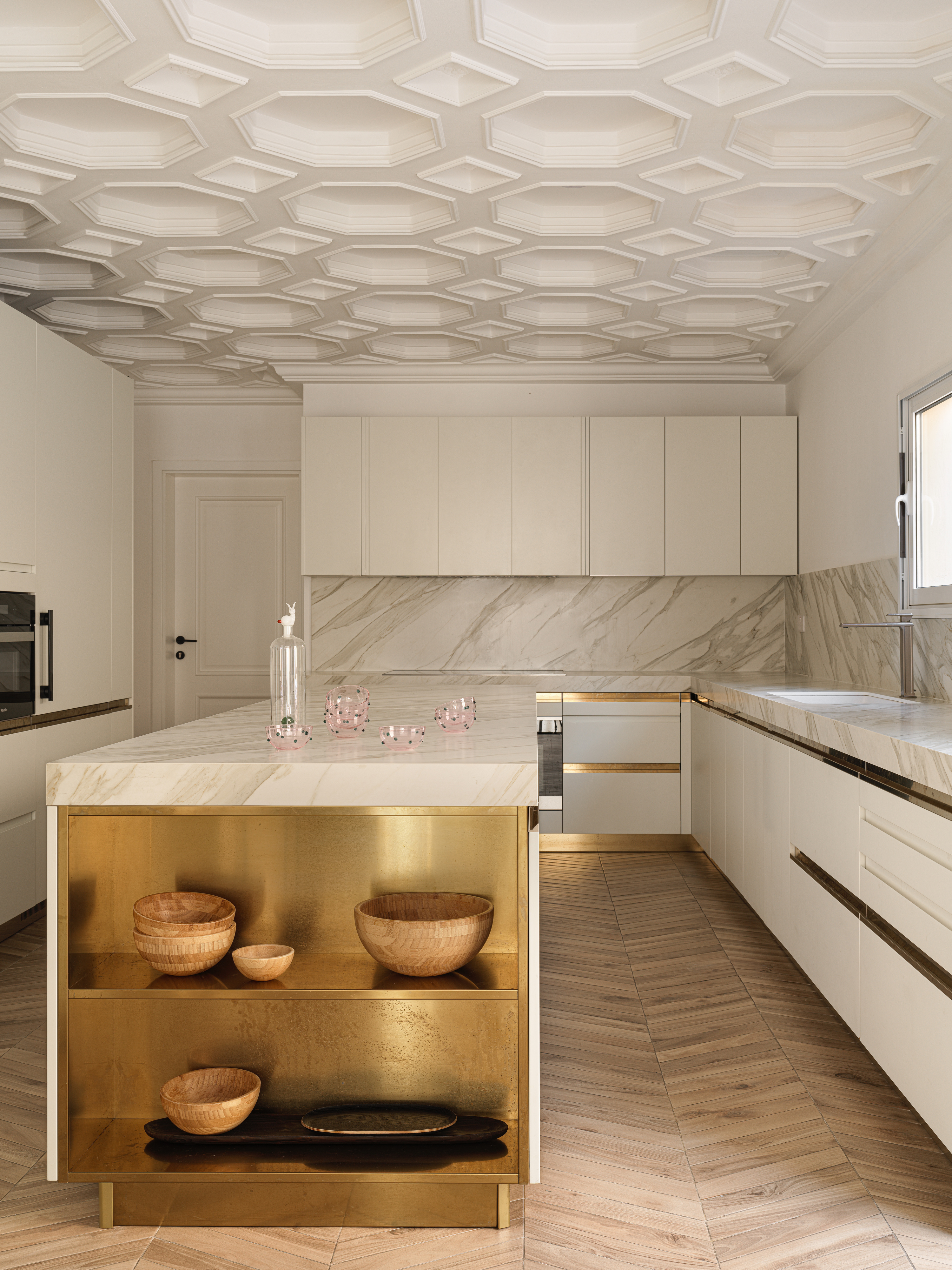
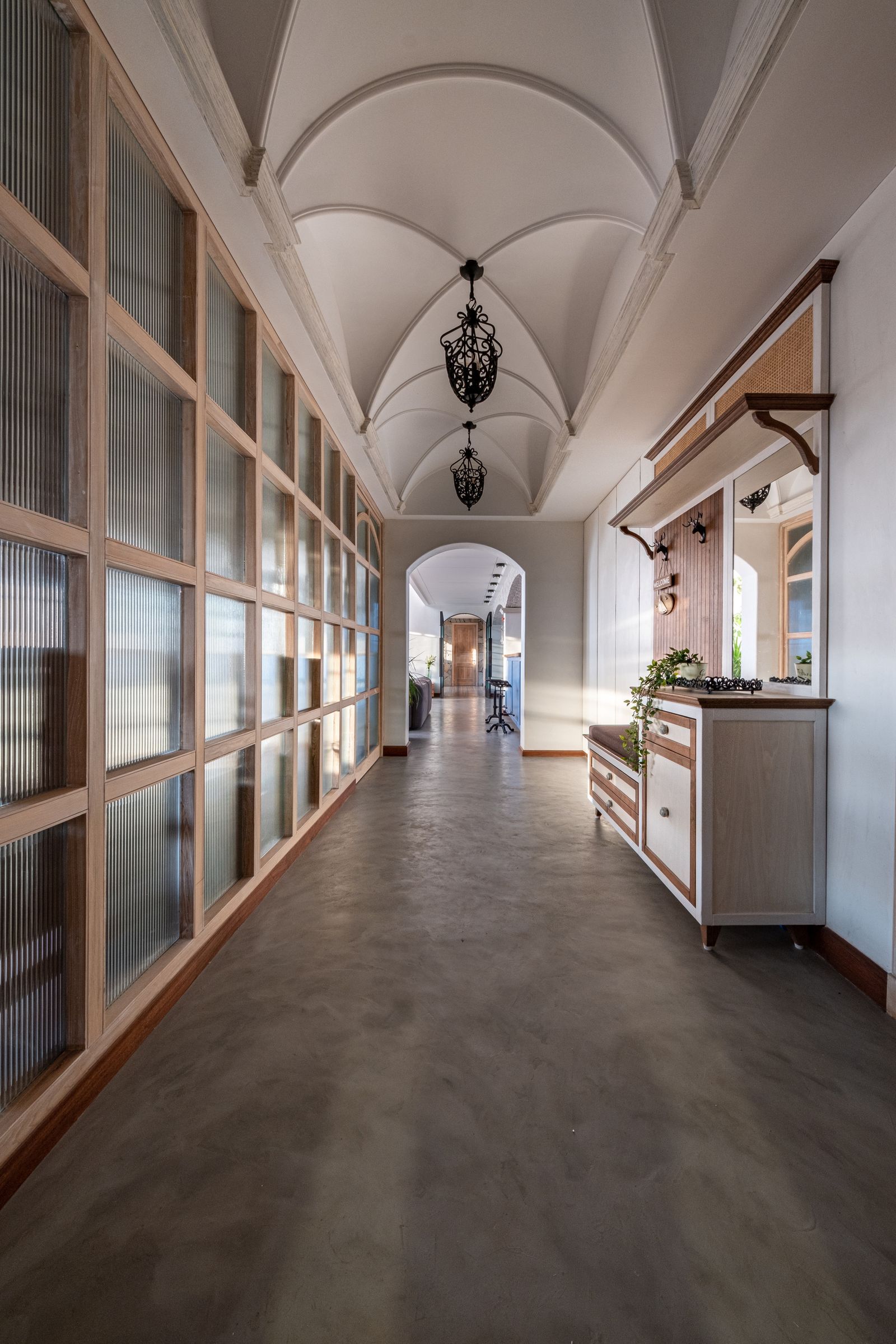
Lastly, coffered ceilings, popular in the late 19th and early 20th centuries, represent one of the more complex but formal and dramatic ceiling treatments. This process involves attaching flat or intricately molded beams to the ceiling to form a square, grid-like pattern, often finished with crown molding. While coffered ceilings can visually lower the room, making them less suitable for very small spaces, they add classic elegance to dining or living rooms. Beyond their decorative appeal, coffered ceilings are also practical for concealing imperfections in the ceiling or hiding ductwork, offering both beauty and functionality.
#CeilingDesign #HomeDecor #InteriorDesign #CeilingMedallion #PaintChoices #WoodPaneling #PressedTin #CofferedCeiling #CeilingDesign #HomeDecor #InteriorDesign #CeilingMedallion #PaintChoices #WoodPaneling #PressedTin #CofferedCeiling
0 comment in total
 No comments yet
You may also like
Homestyle: Ceilings are where it's at
How to Decorate a Room with a High Ceiling, According to Designers
10 Ways to Cover a Hideous Ceiling That Anyone Can Do

Put this ceiling to work: Special treatments are the finishing touches that supercharge a room's ambiance
This Designer Gave Low Ceilings New Life (and Light) With This Paint Trick


7 Glamorous Hacks to Transform a Boring White Ceiling

Wallpaper Adds Ceiling Drama

7 ceiling design ideas to add character to your home

Painting the ceiling with colour is a trend that is looking up
Breathe New Life into Any Space with a Statement Ceiling


Designers Are in Love With "Unexpected Ceilings" — This Creative Trend is Elevating Modern Spaces

12 Stunning Ceiling Design Ideas That Will Have You Looking Up All Day Long
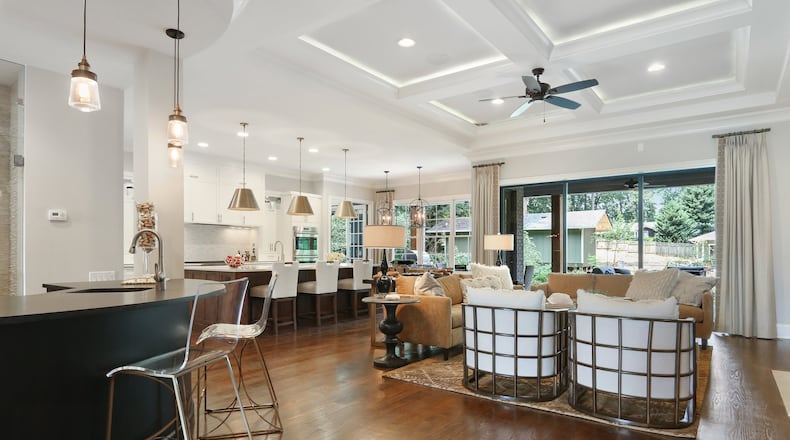
Ceilings can be turned into eye-popping attention-getters
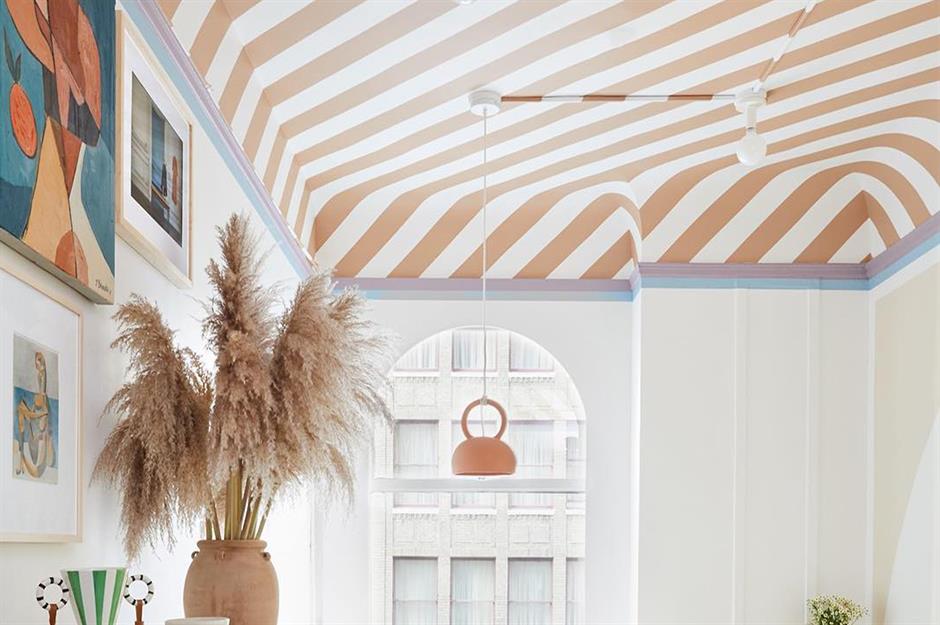
Look up! Statement ceilings that’ll take your breath away | loveproperty.com
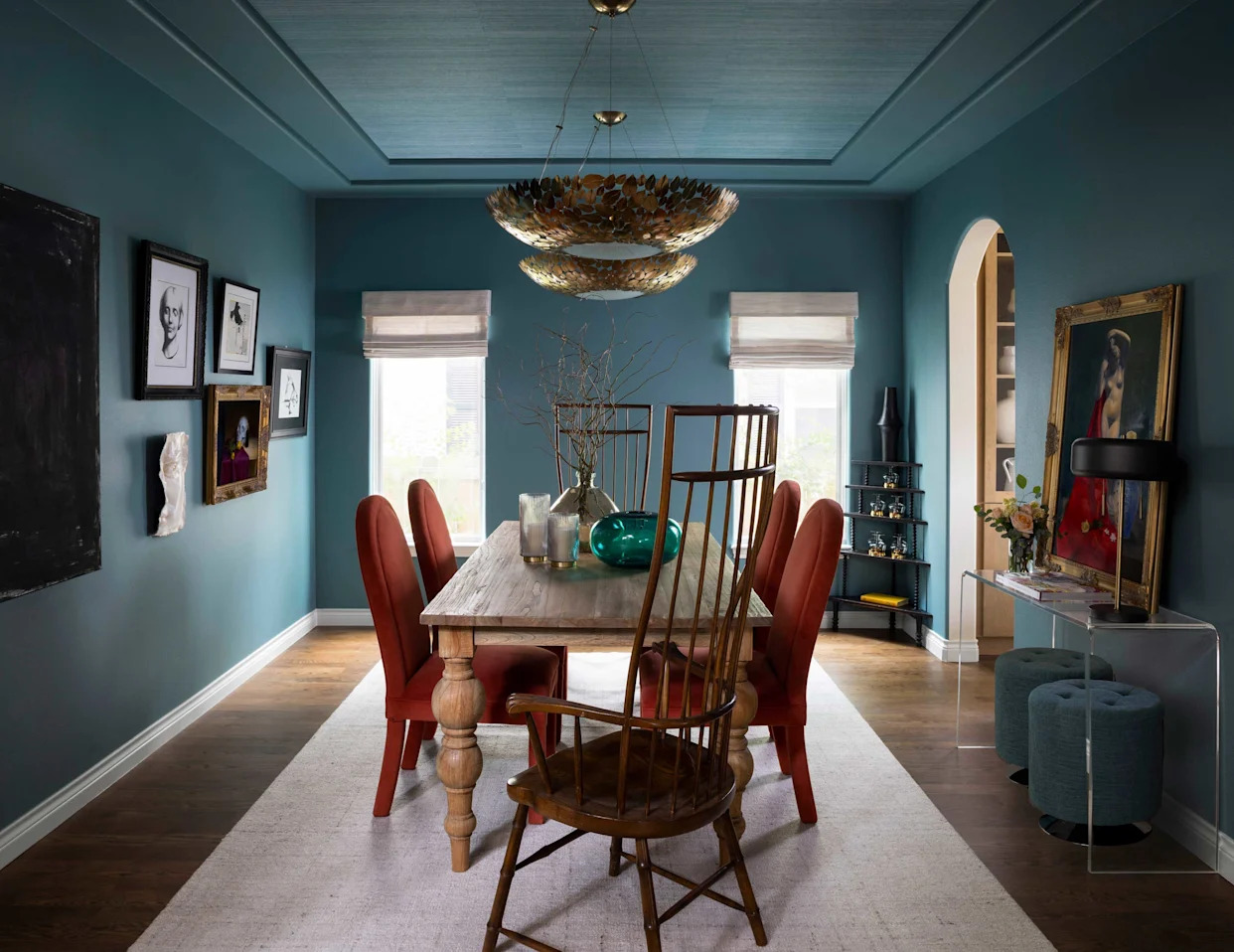
3 Ways Designers Say You Shouldn't Decorate Your Ceiling in 2024 — Number 3 Definitely Surprised Us!

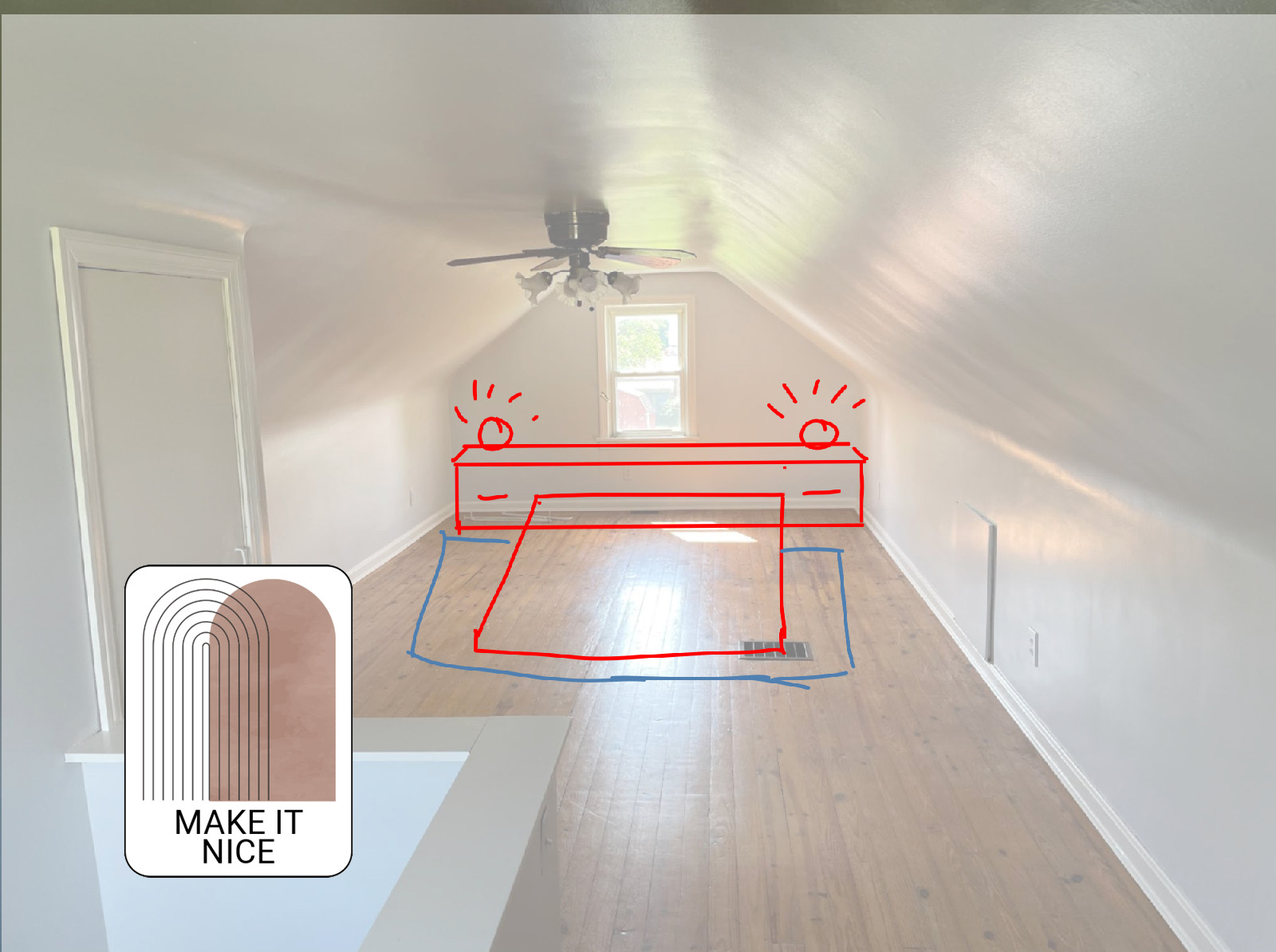
Make It Nice: Ceiling Fans And Tricky Layouts
Decor: Artful ceilings by Moulures de Plâtre

How to make your ceiling light up the room

Top Ceiling Trends You Can Expect To See More Of In 2025

Decorative and architectural ceiling solutions