1/11
Painted ceiling ideas – 10 of the best ways to give this decorating trend an unexpected twist
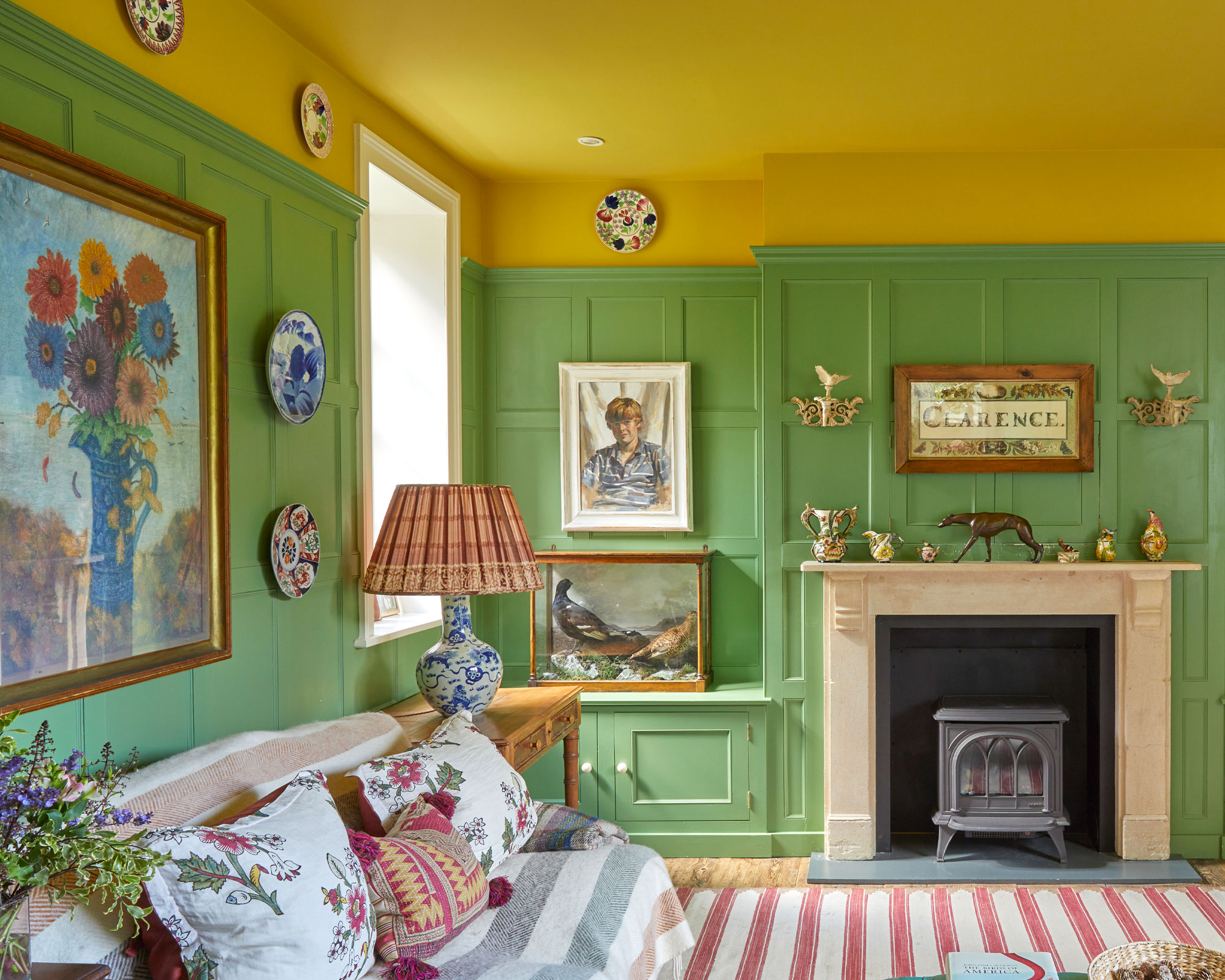
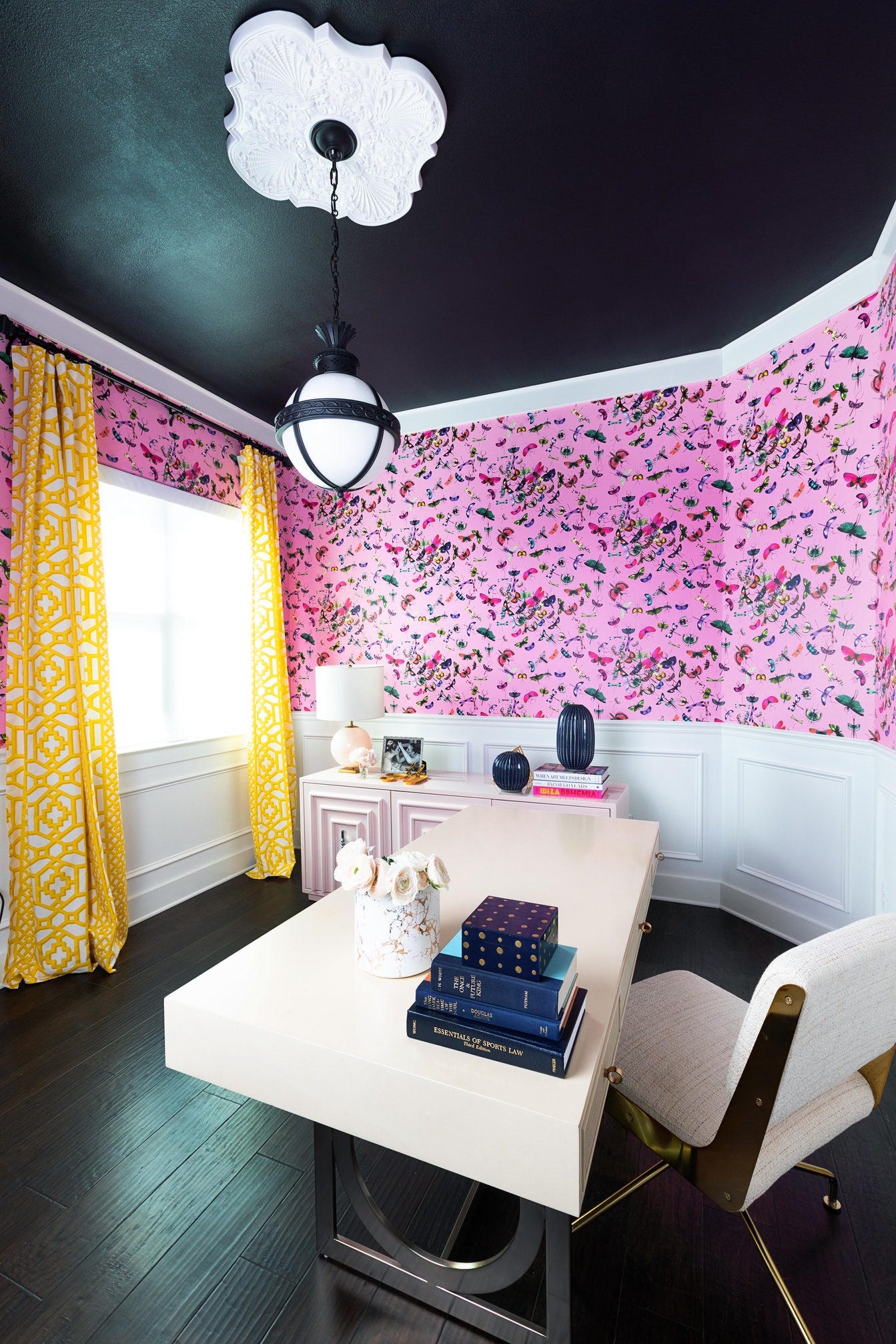
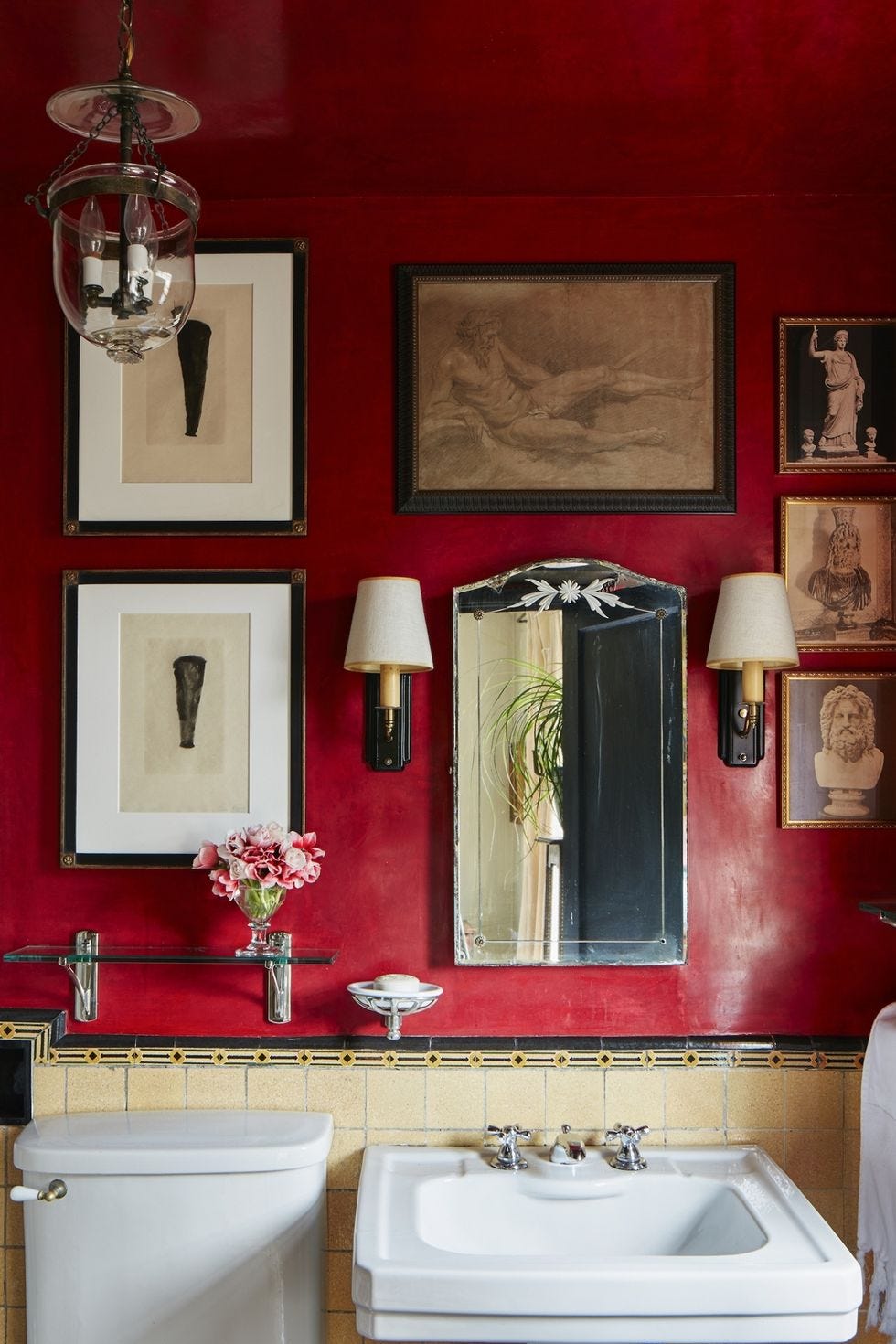
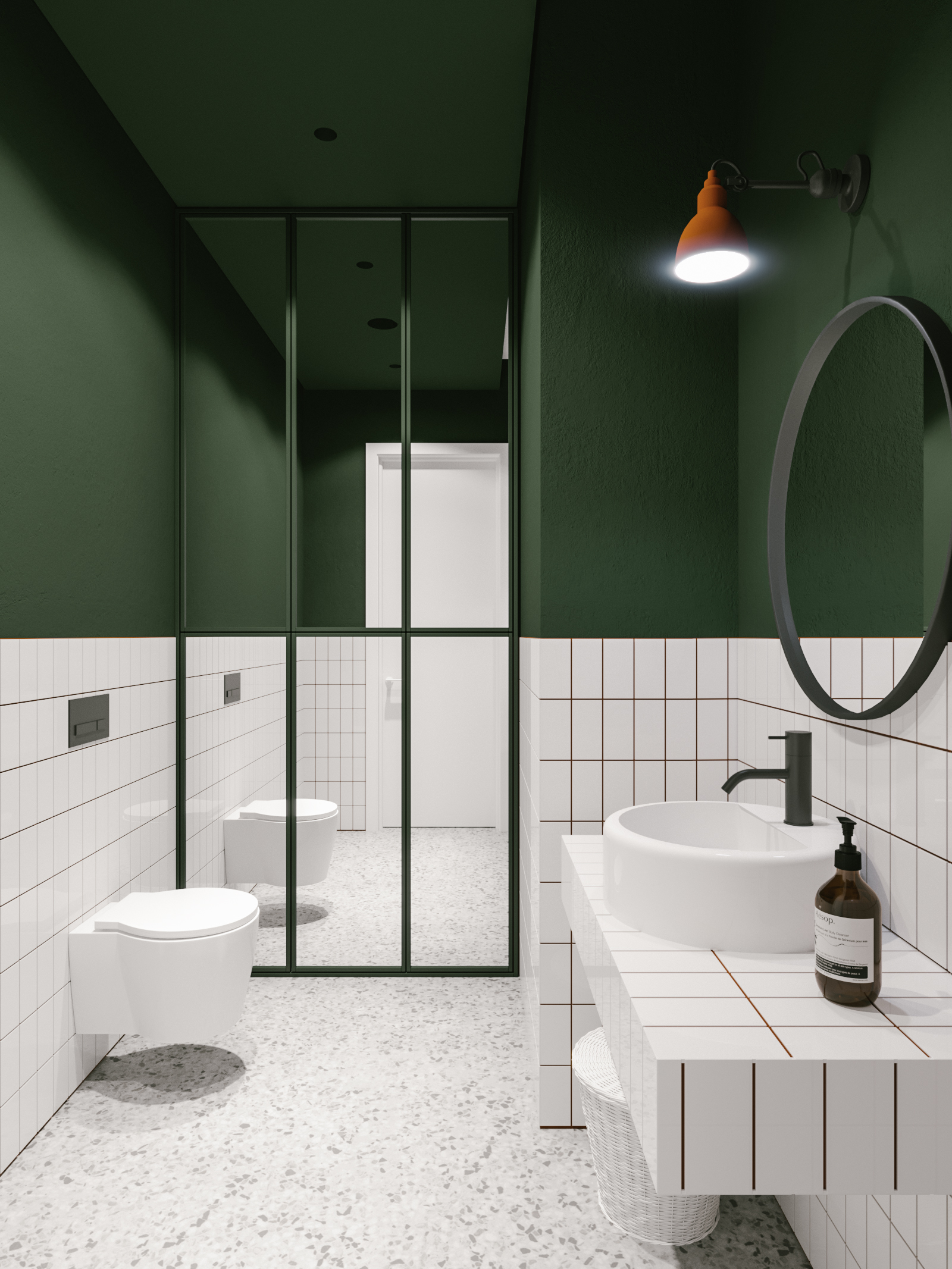
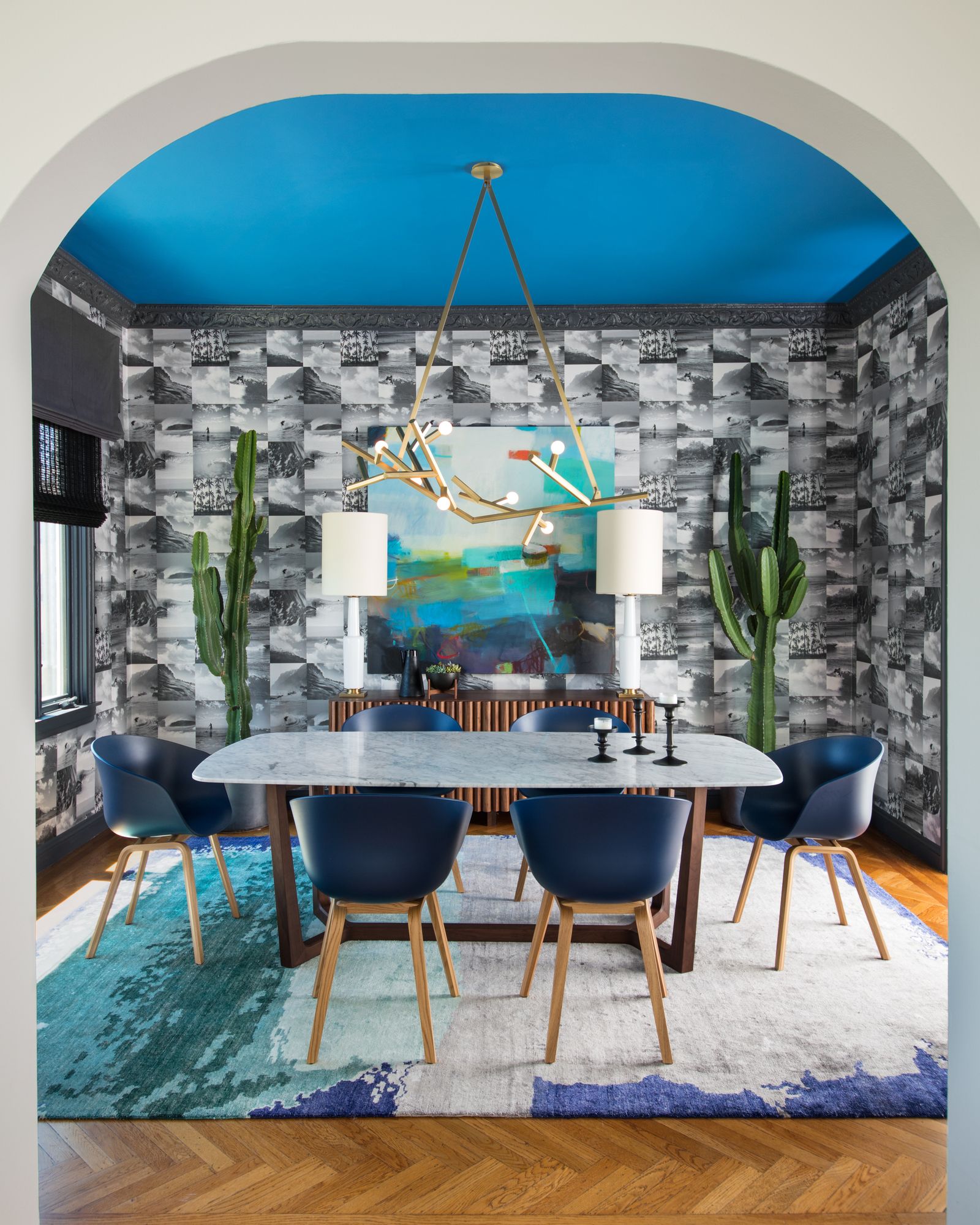
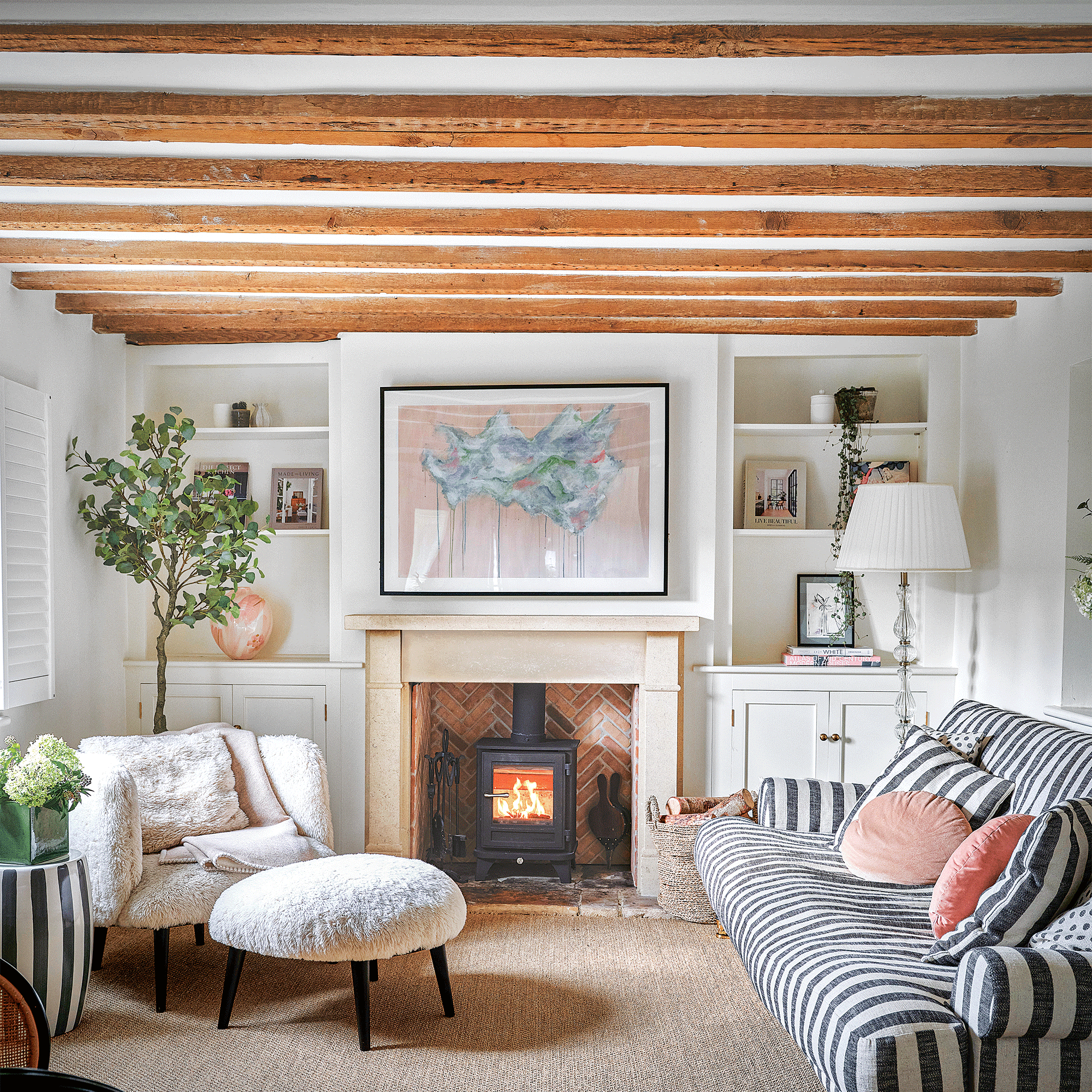
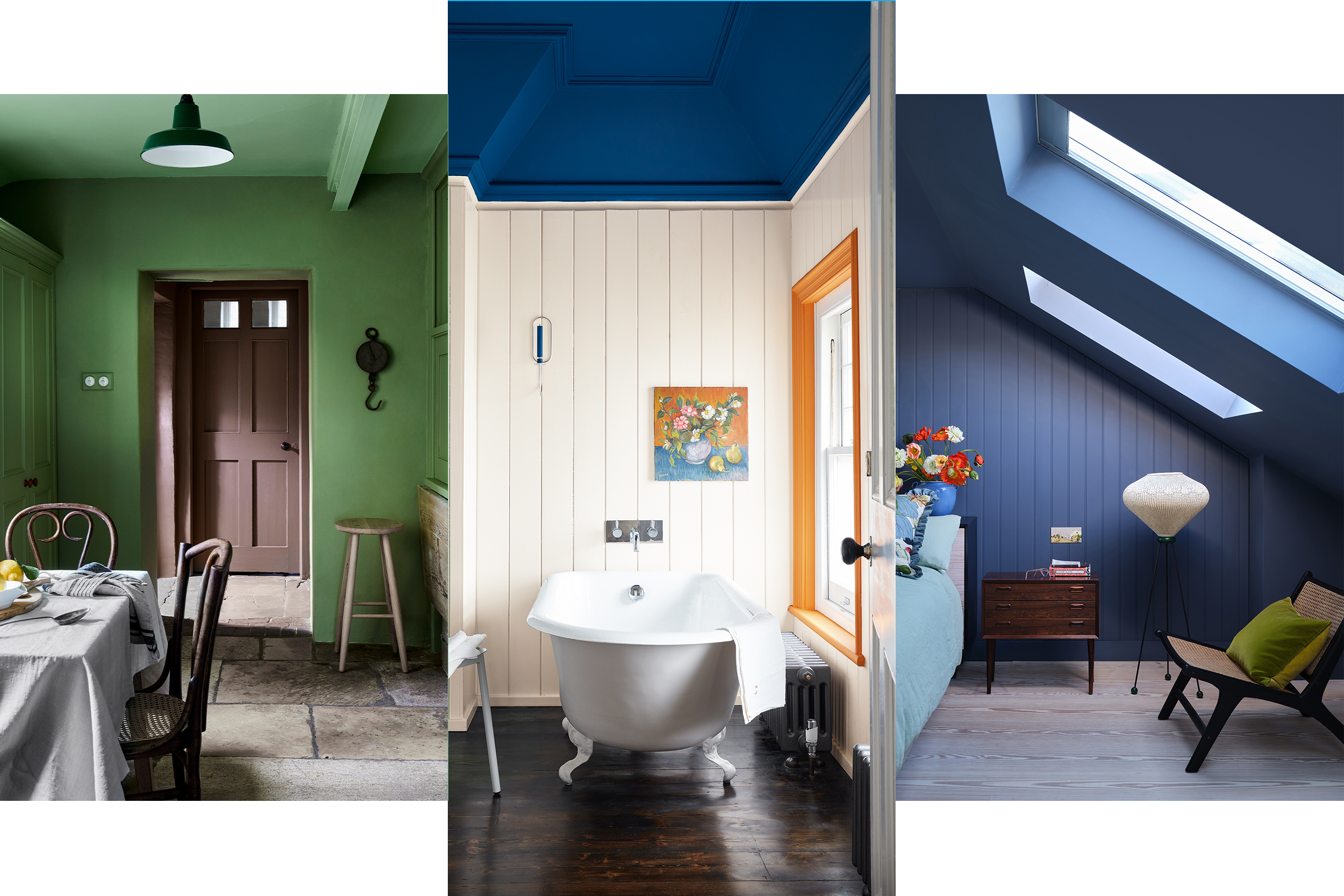
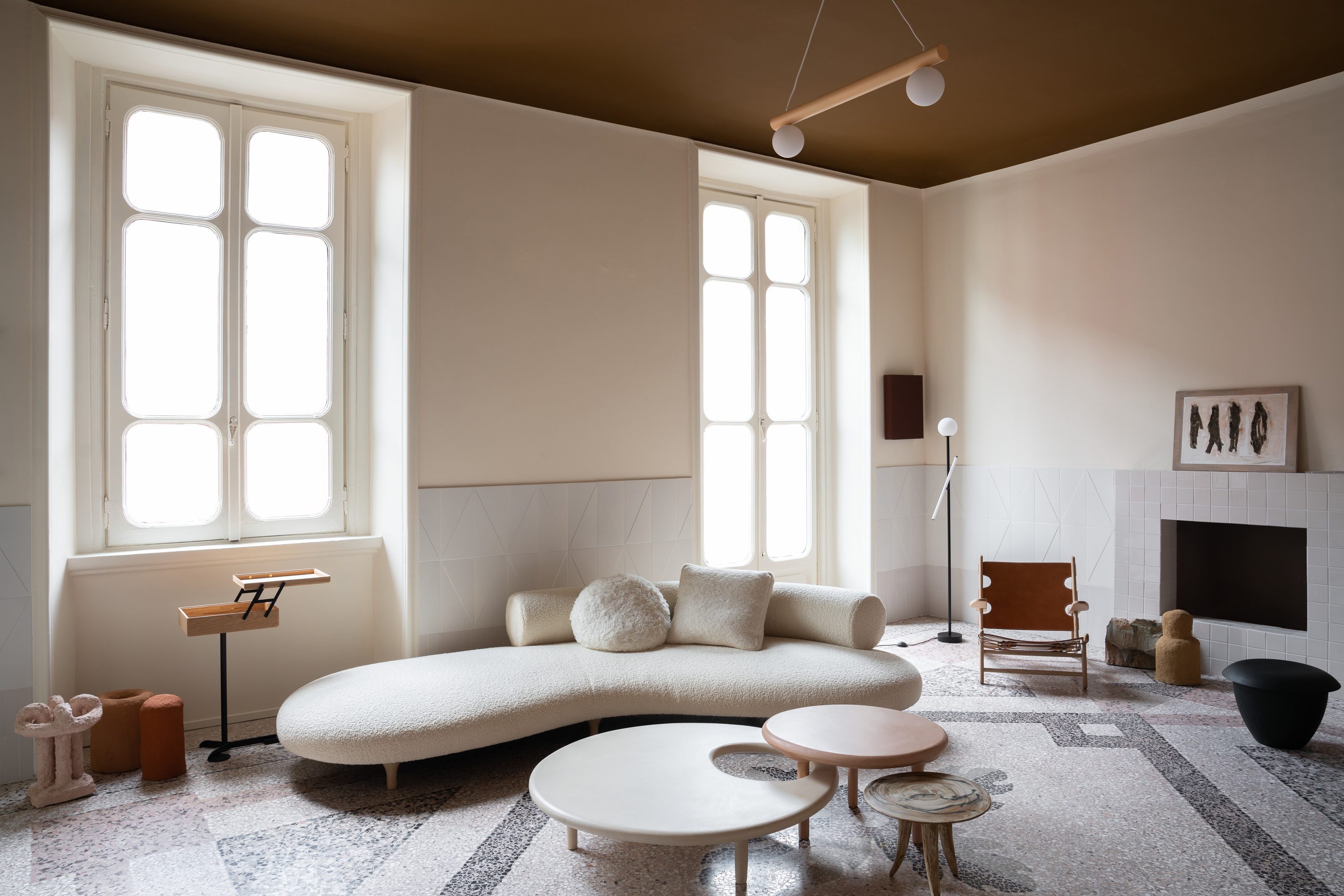
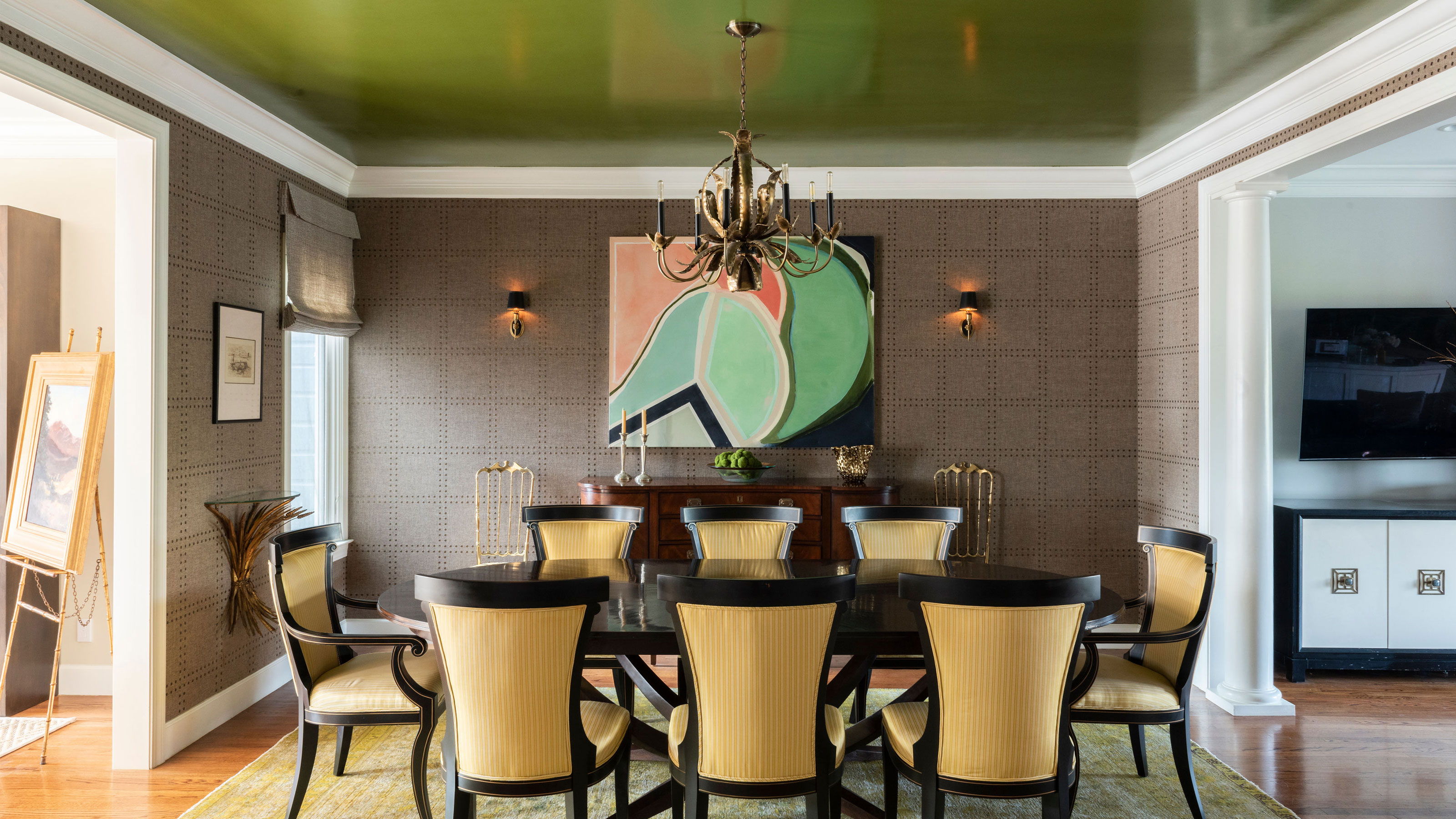
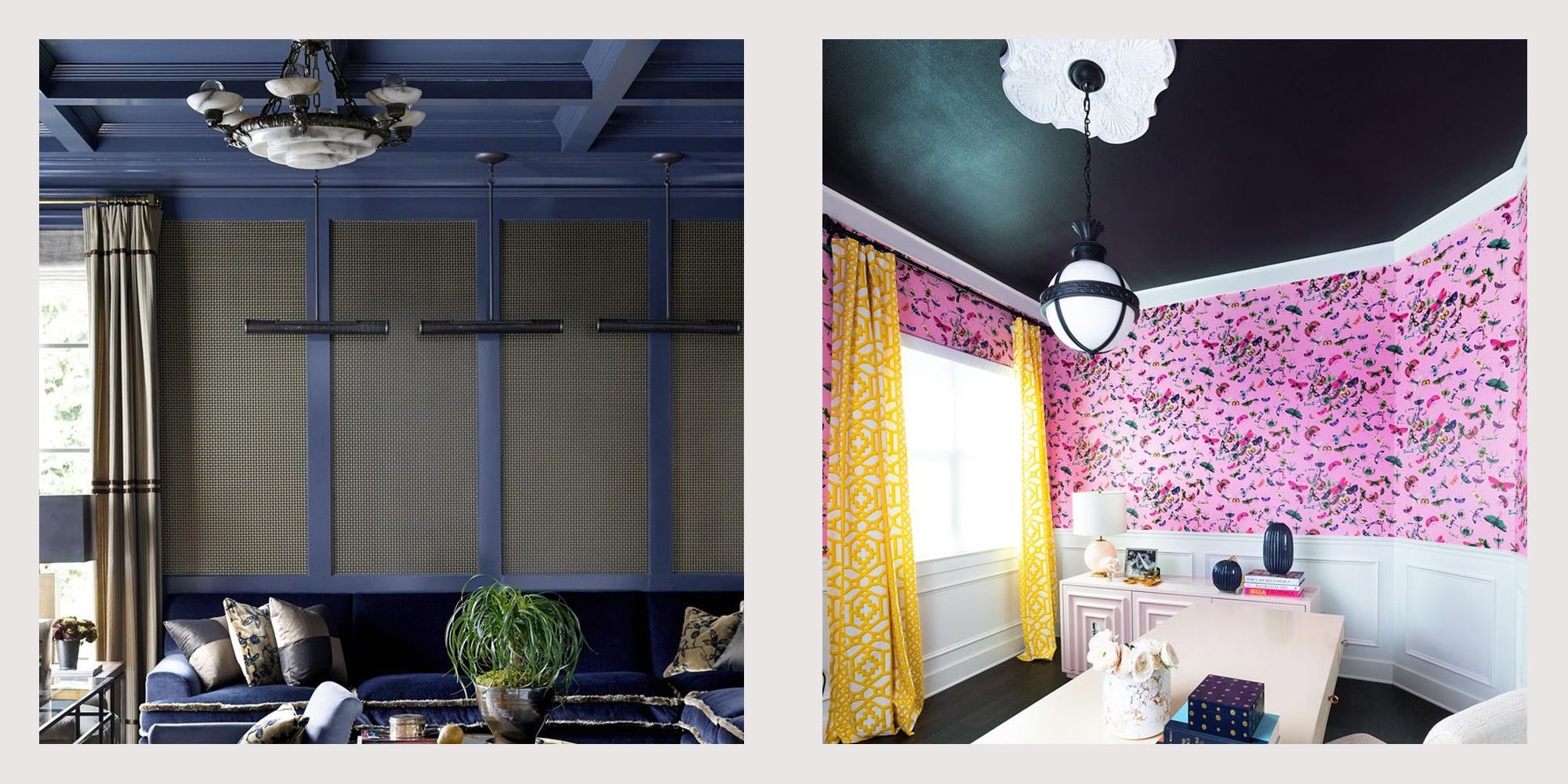
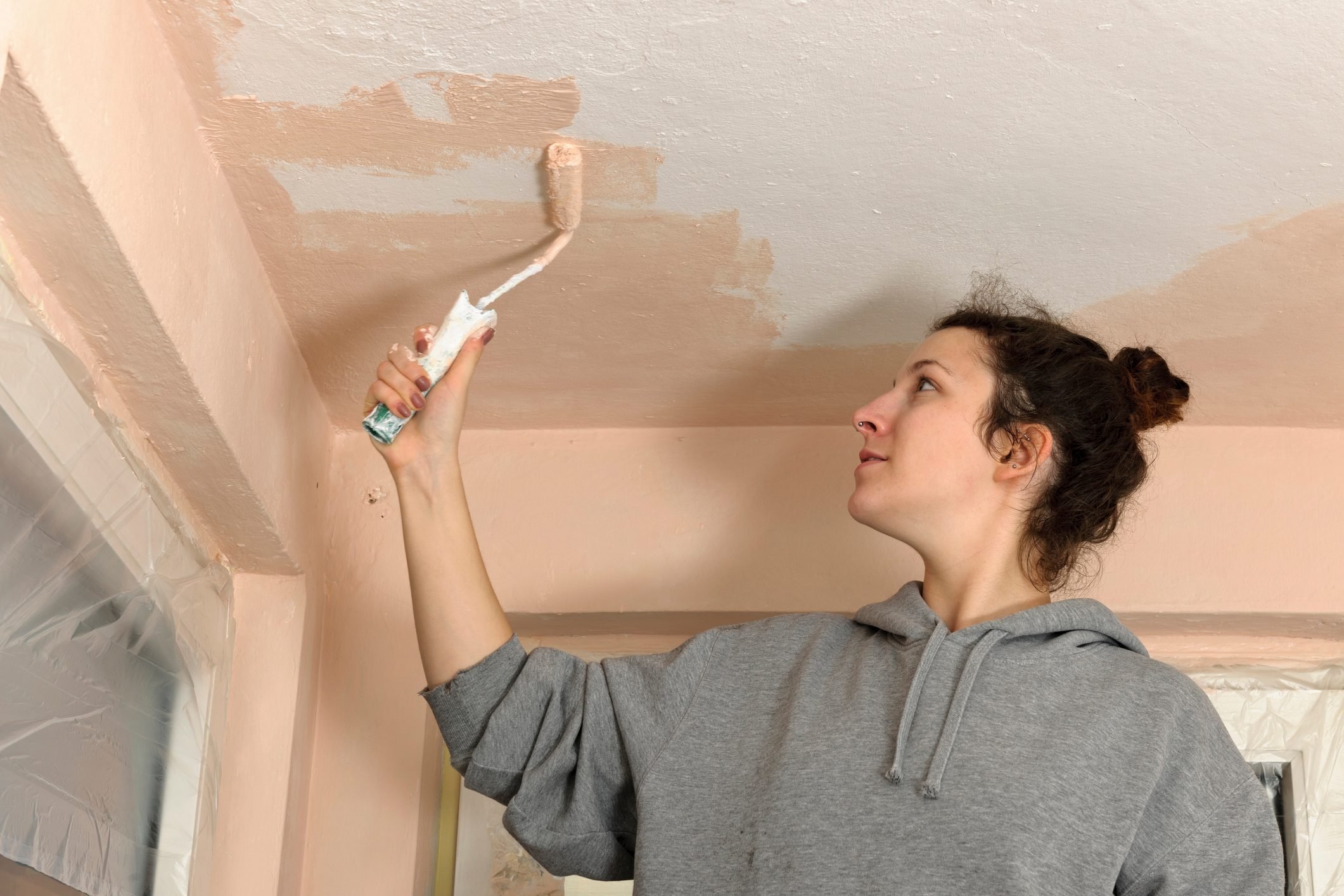
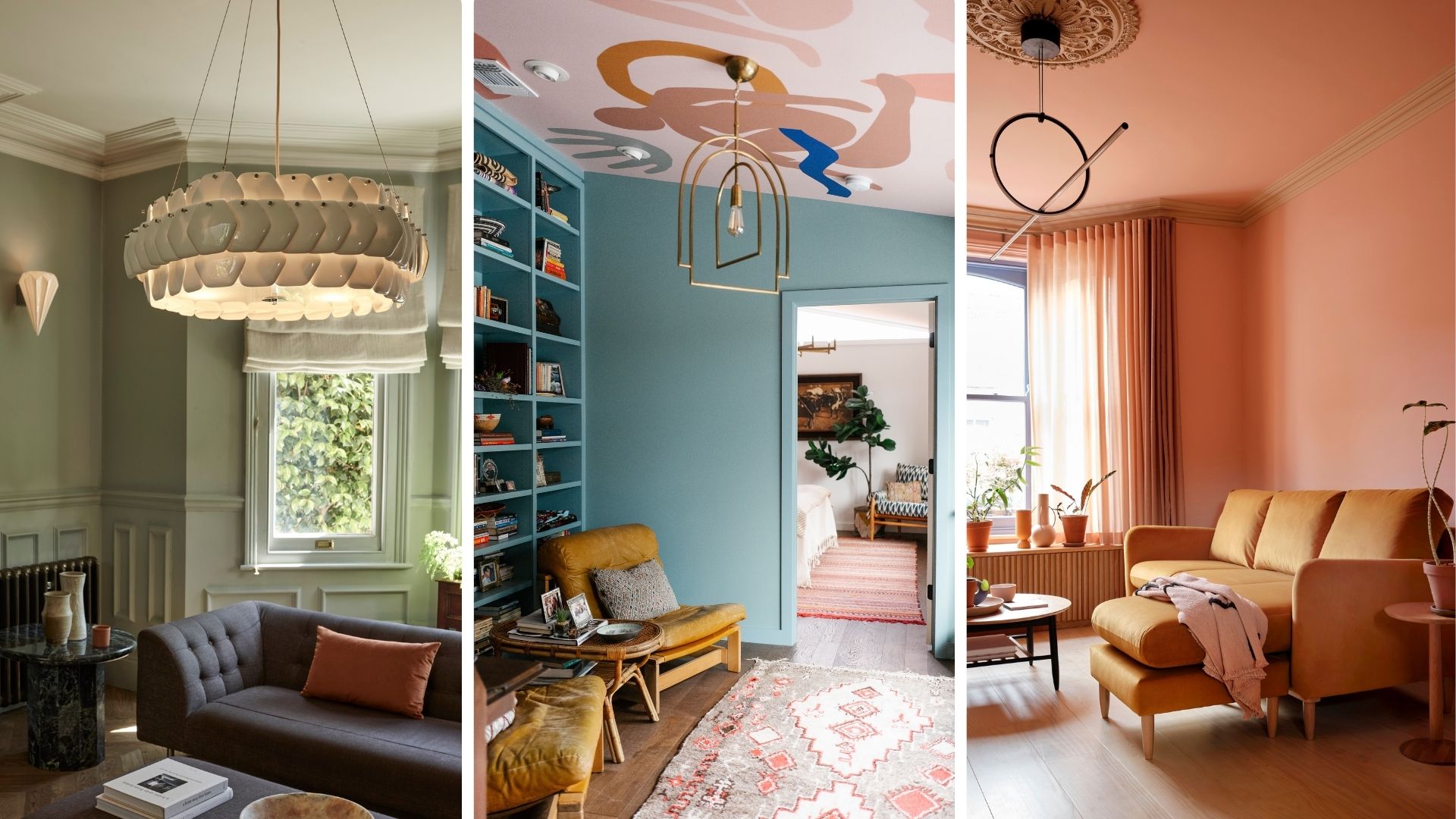
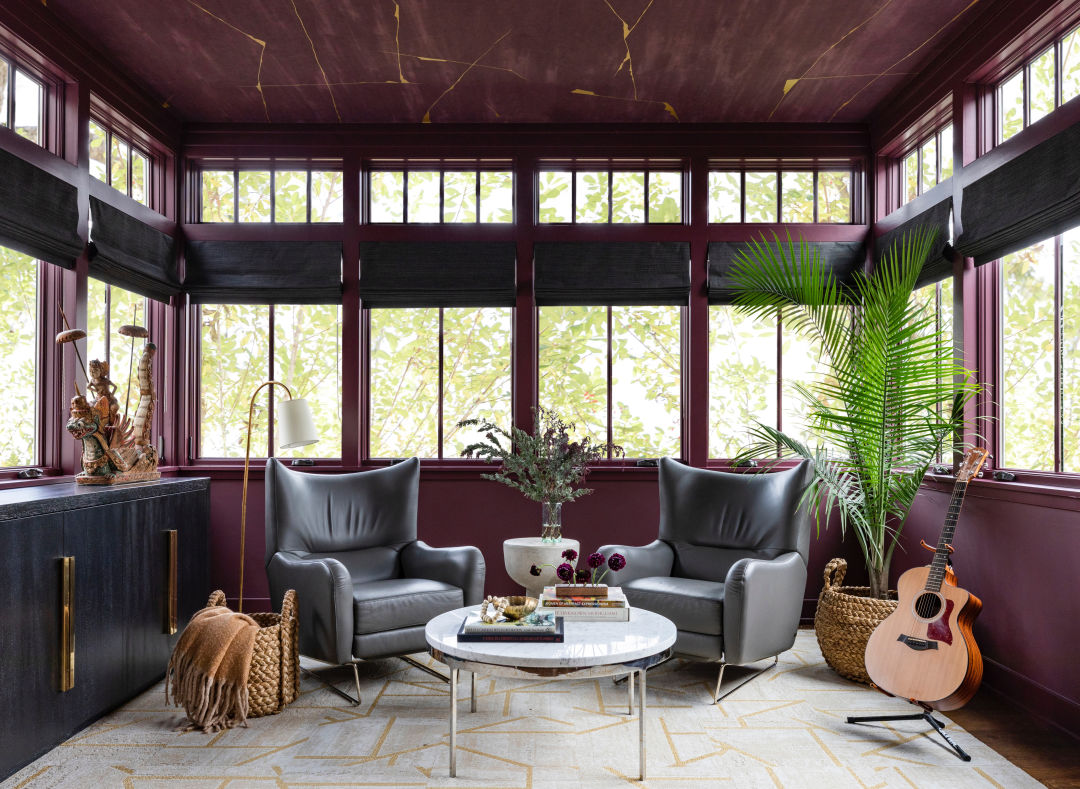
Painted ceilings are currently a prominent trend in interior design, offering a fresh alternative to accent walls for introducing color and character into a room. This method of decoration is not new, having been practiced for centuries globally, indicating an evolution in design rather than a simple replacement of trends. The concept goes beyond merely applying a single color; it involves transforming the 'fifth wall' into a significant design feature that can alter the perception and feeling of a space.
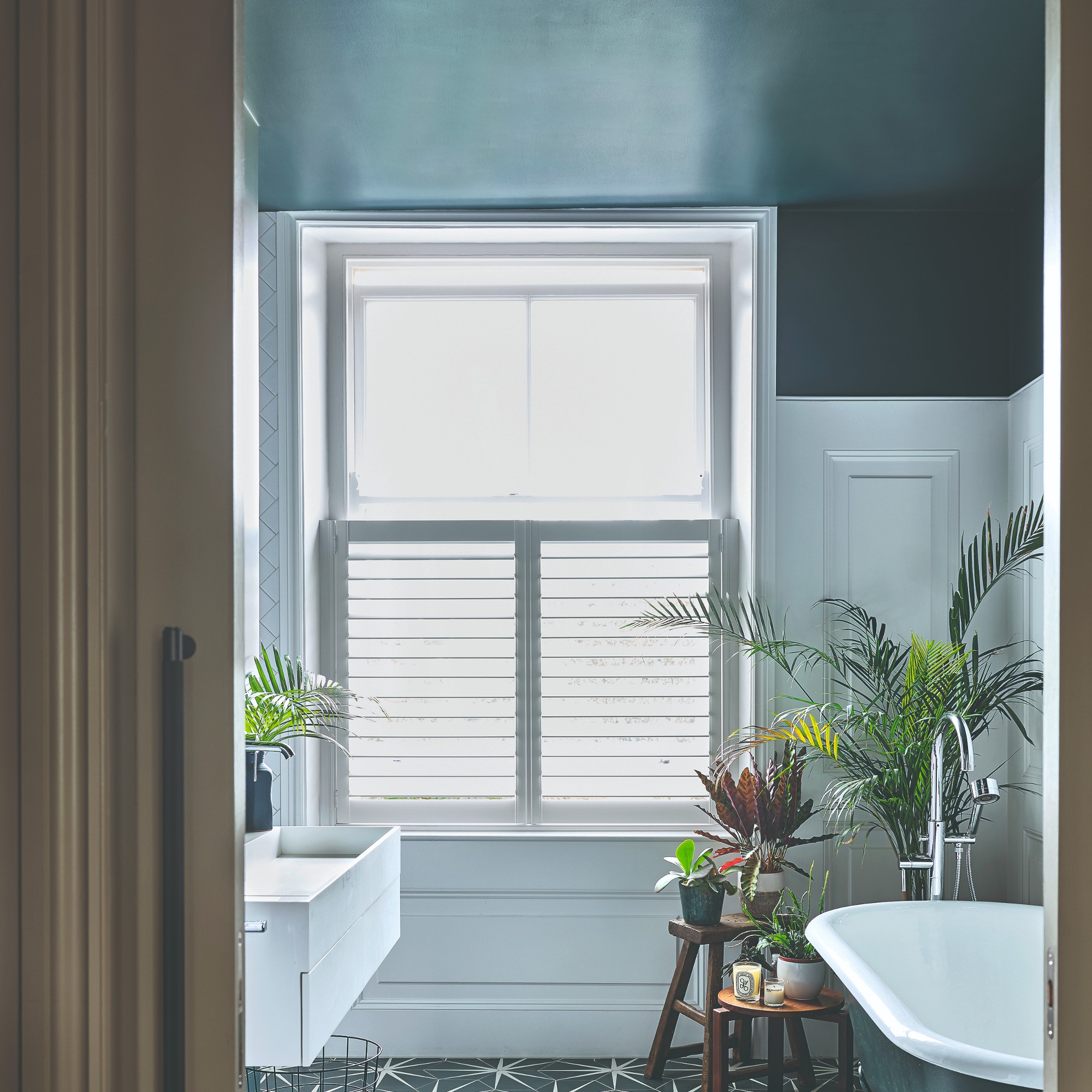
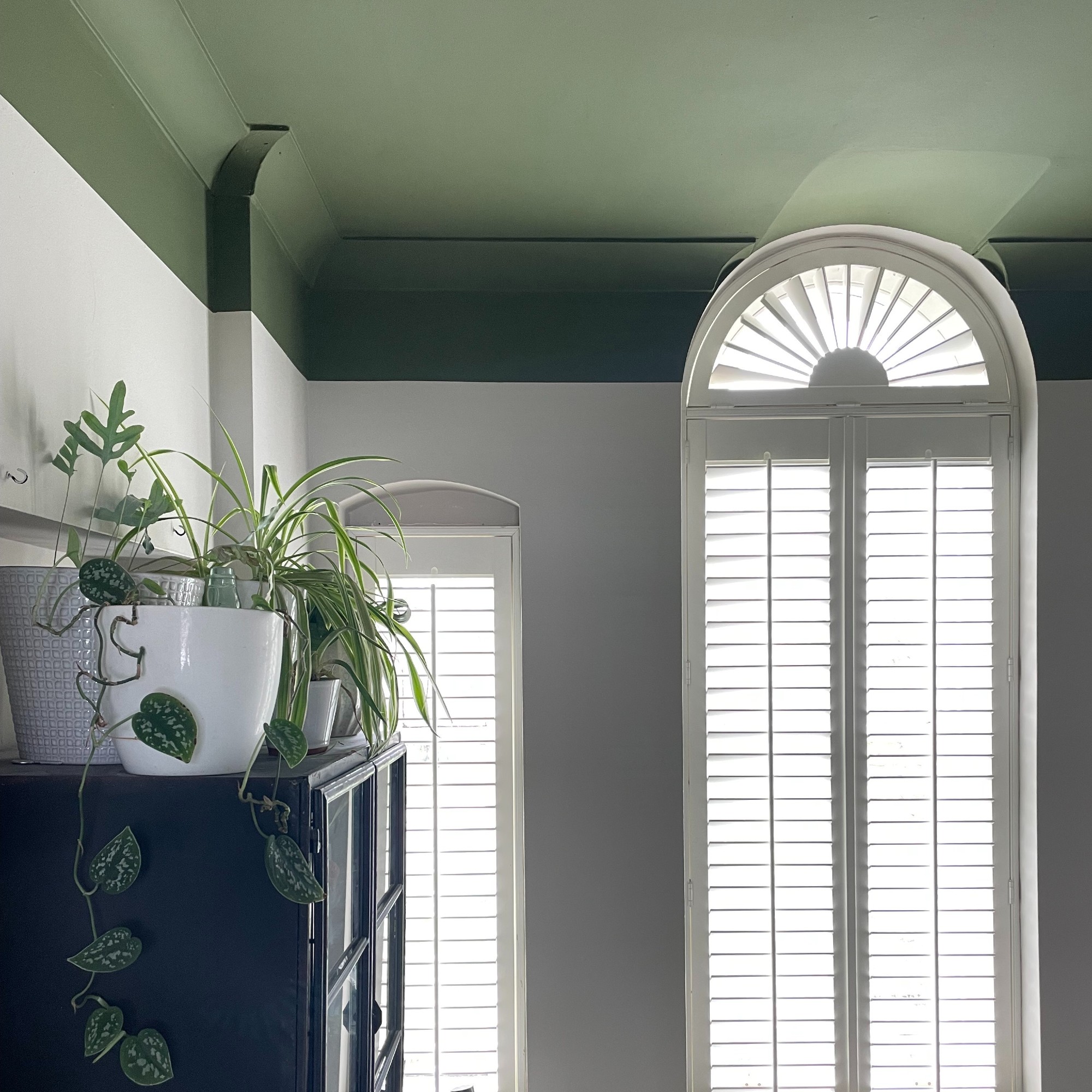
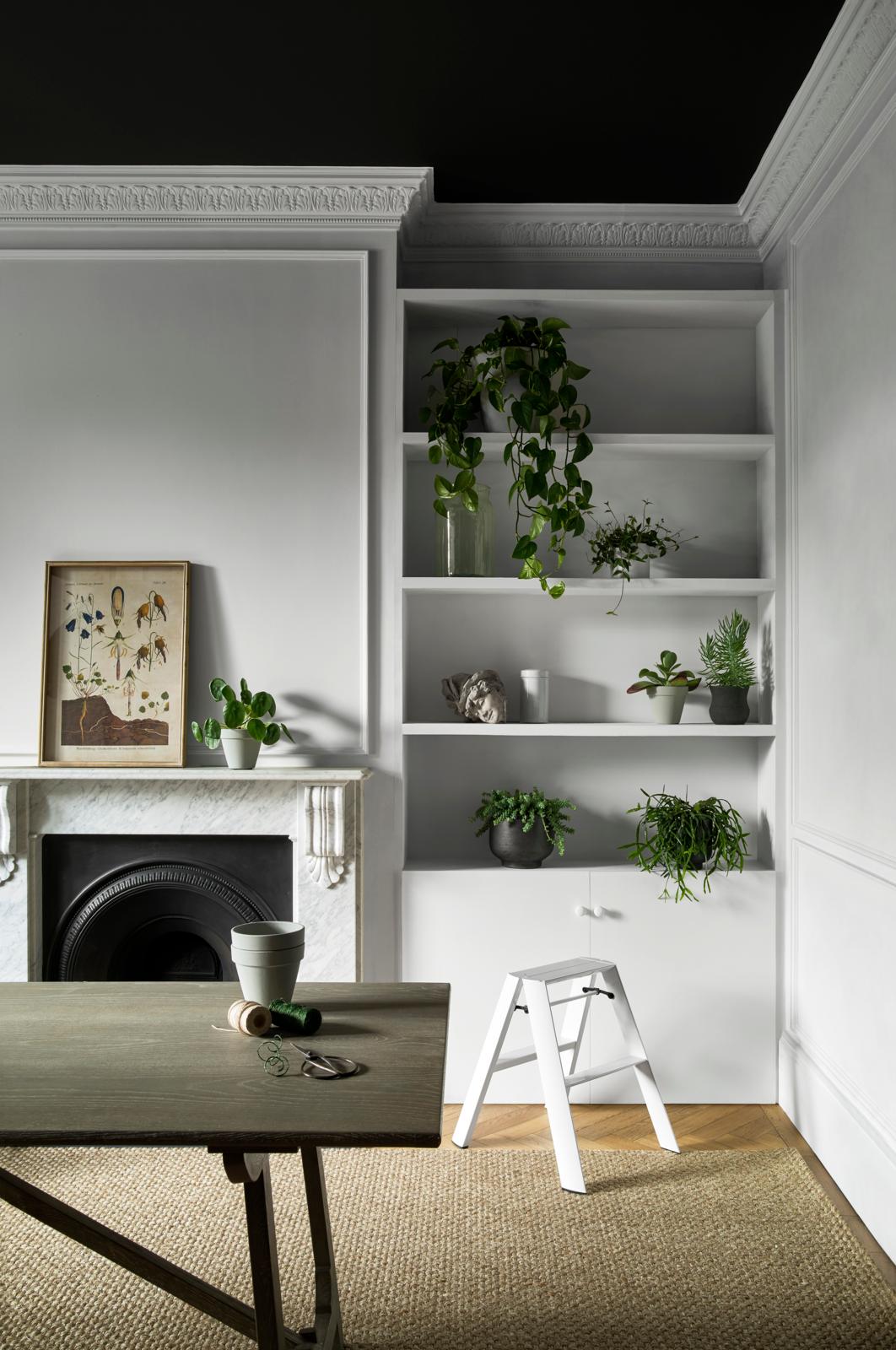
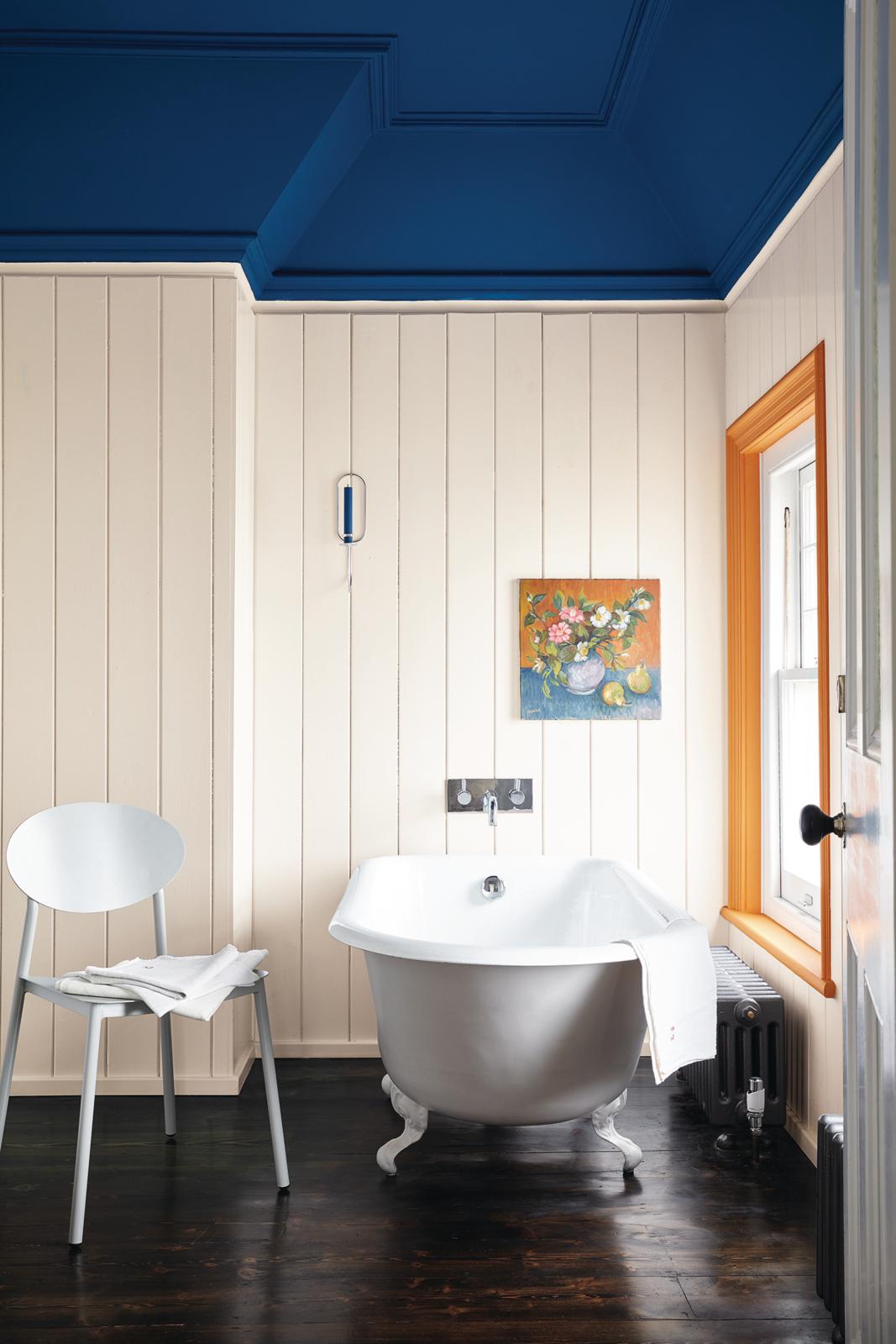
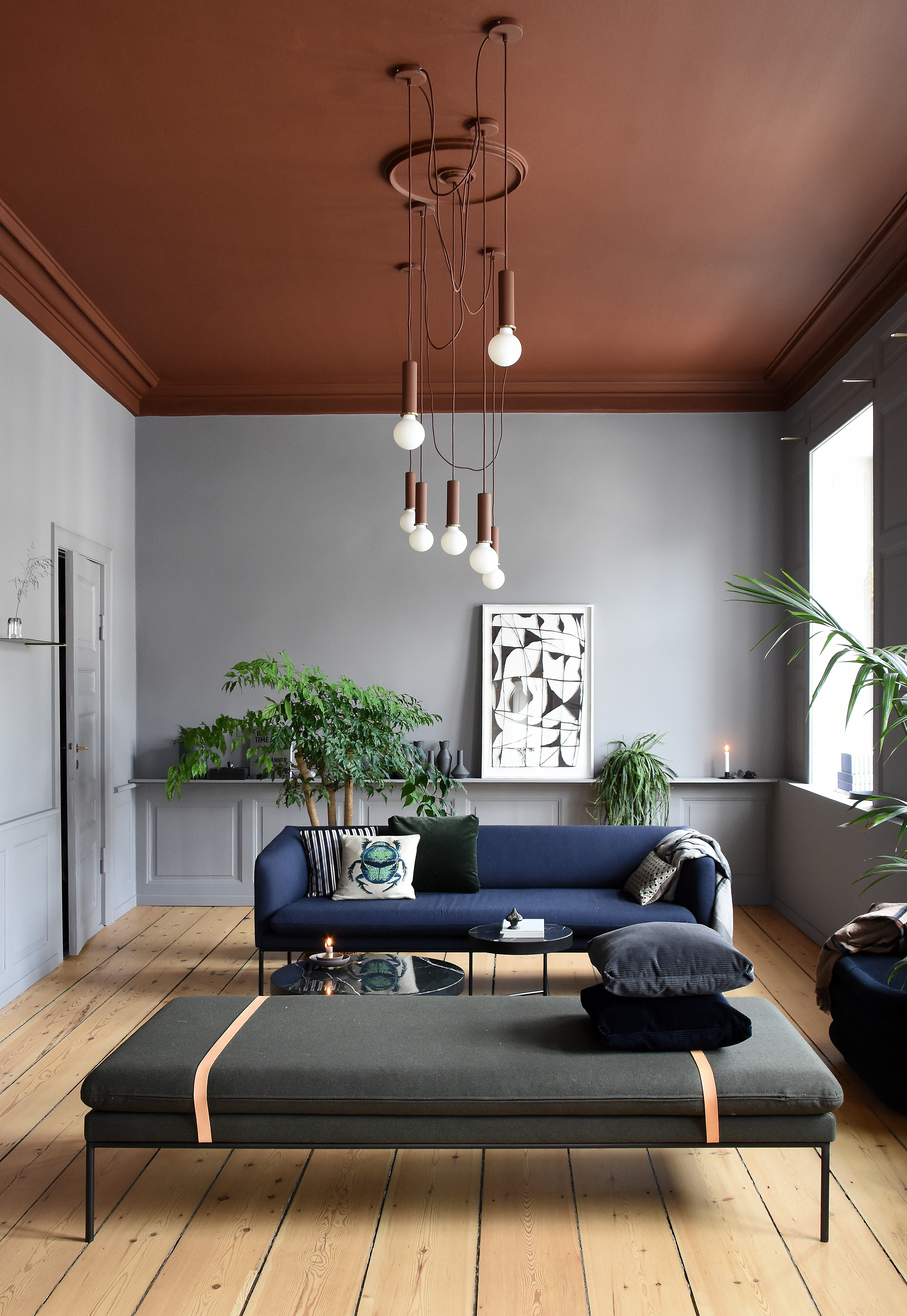
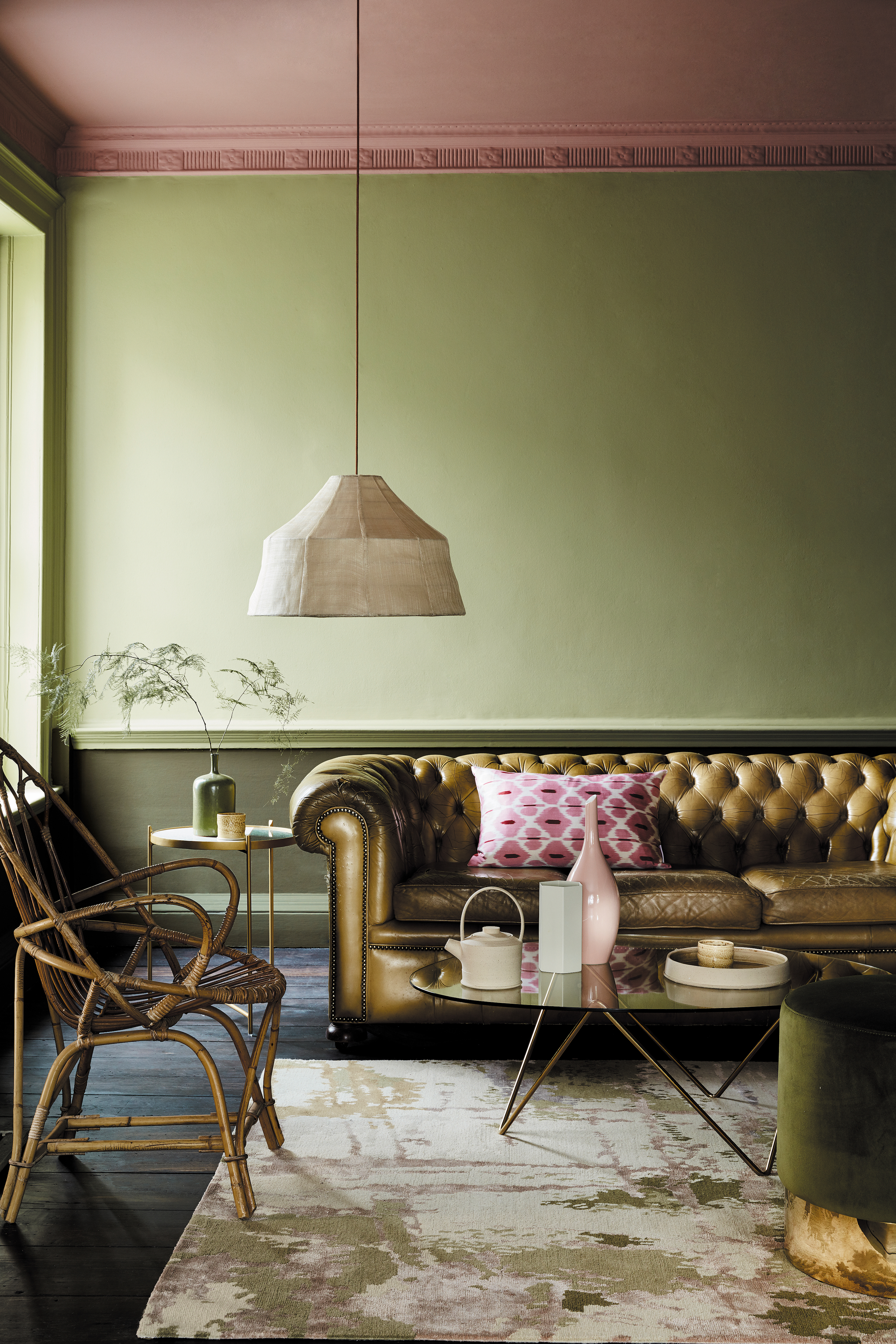
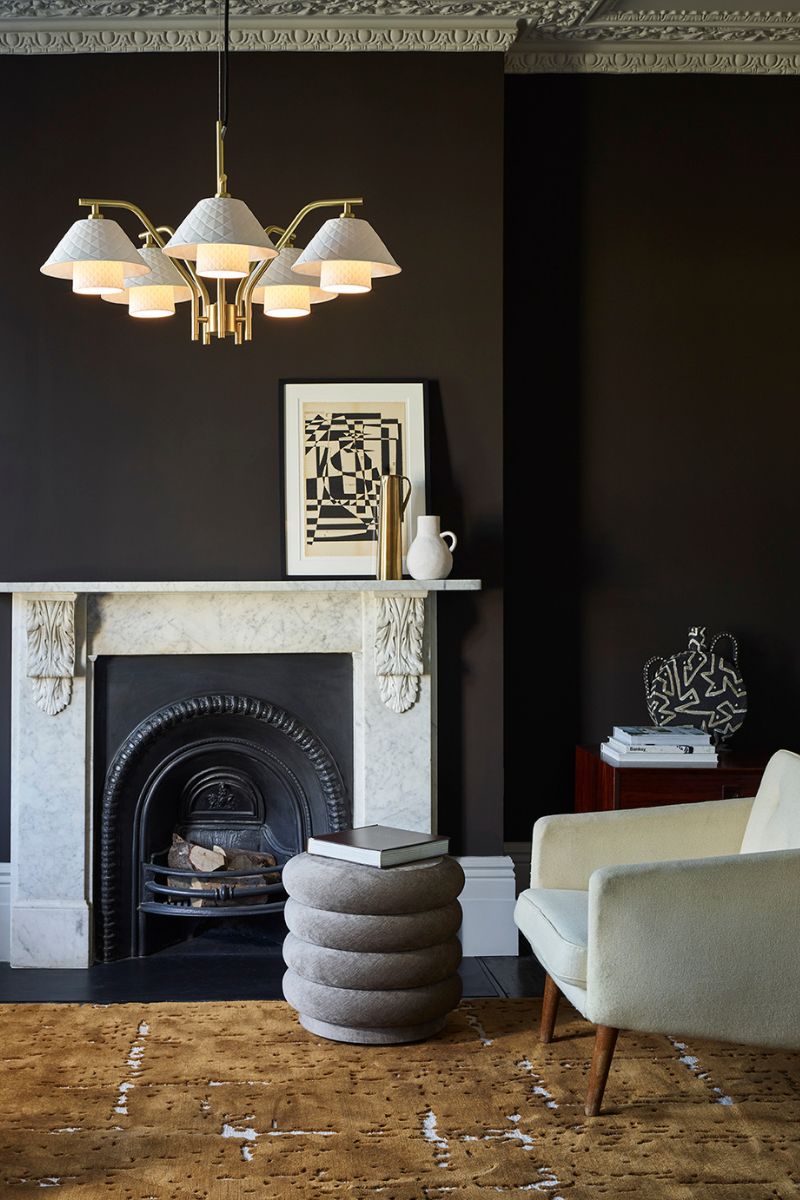
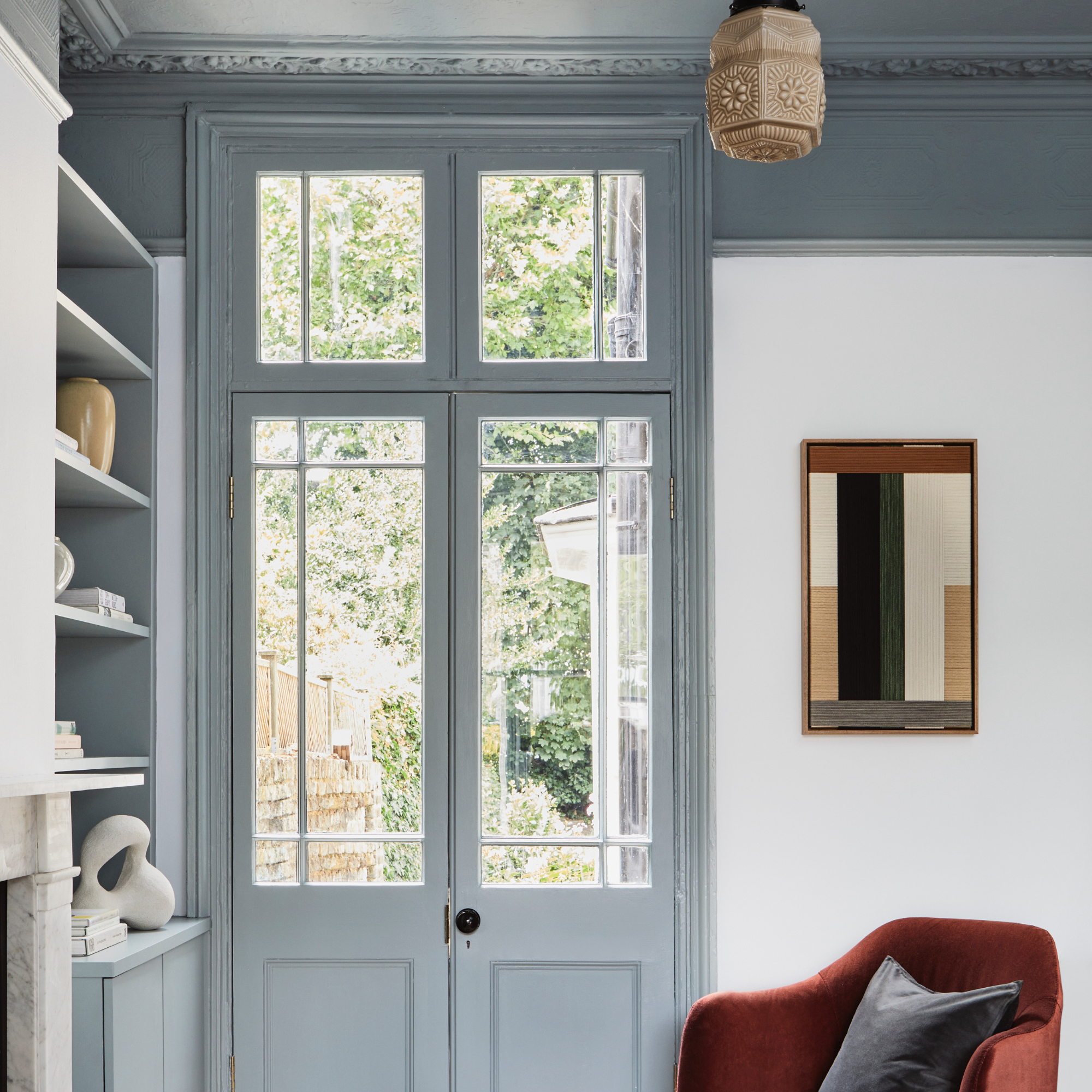
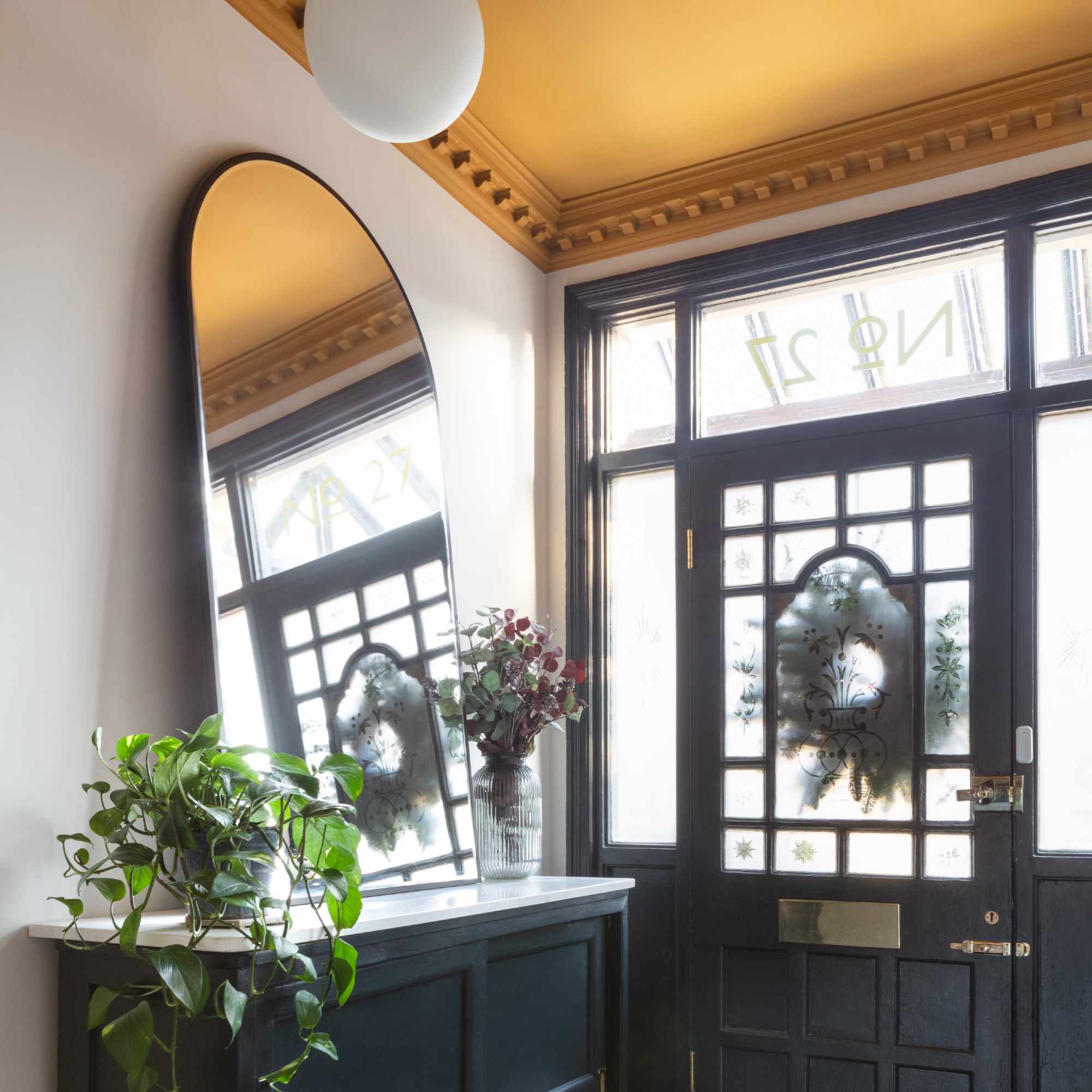
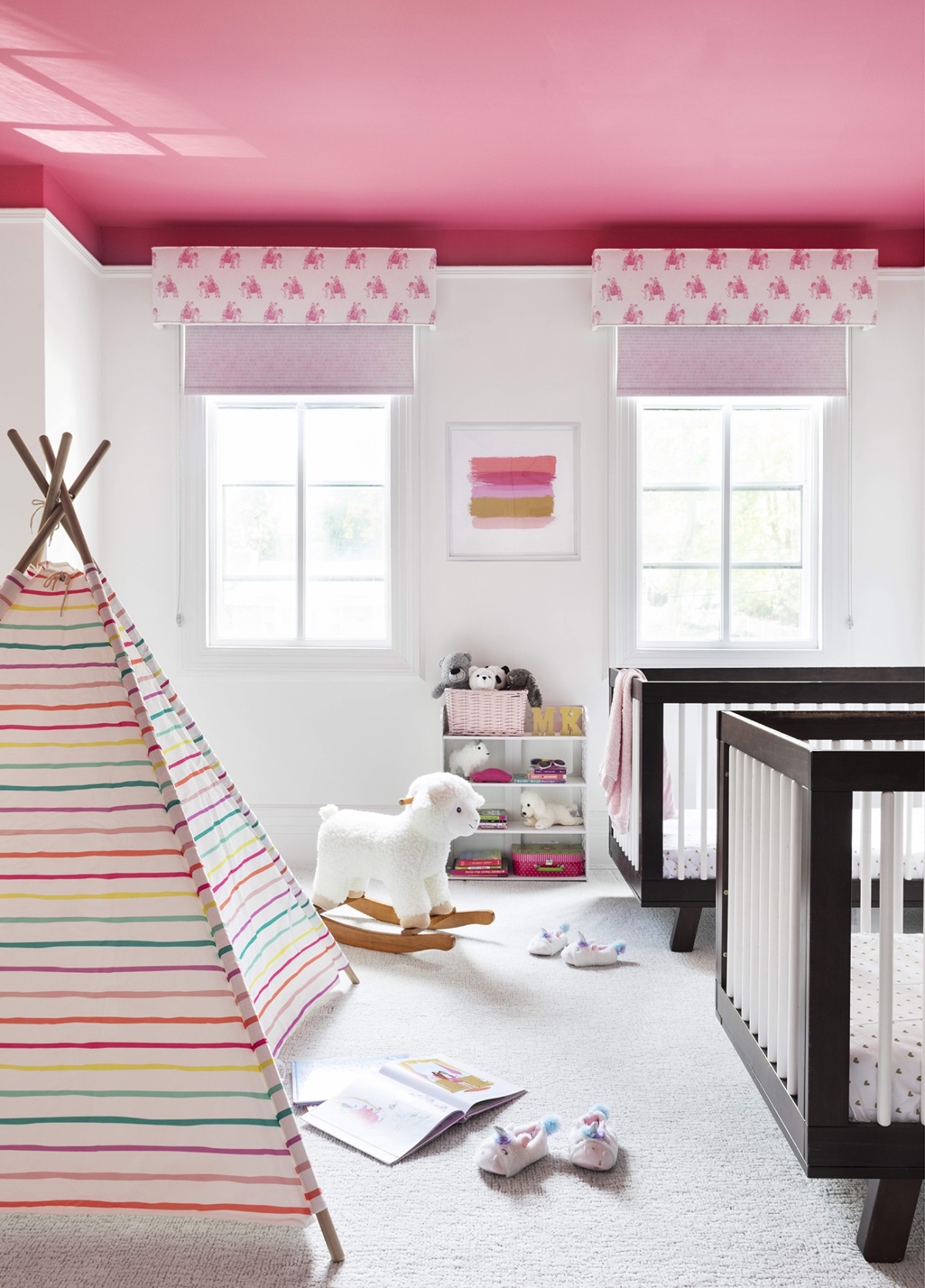
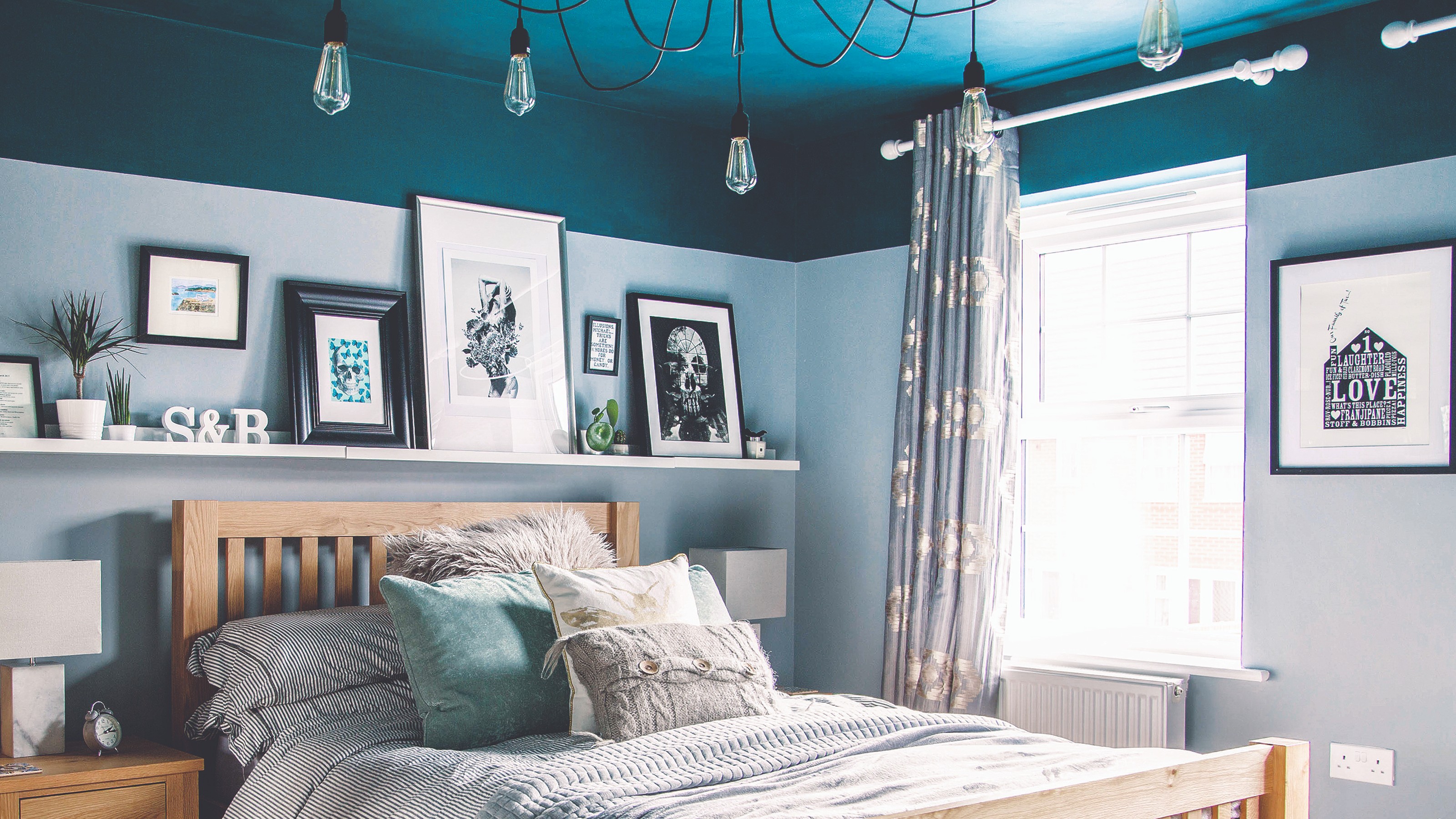
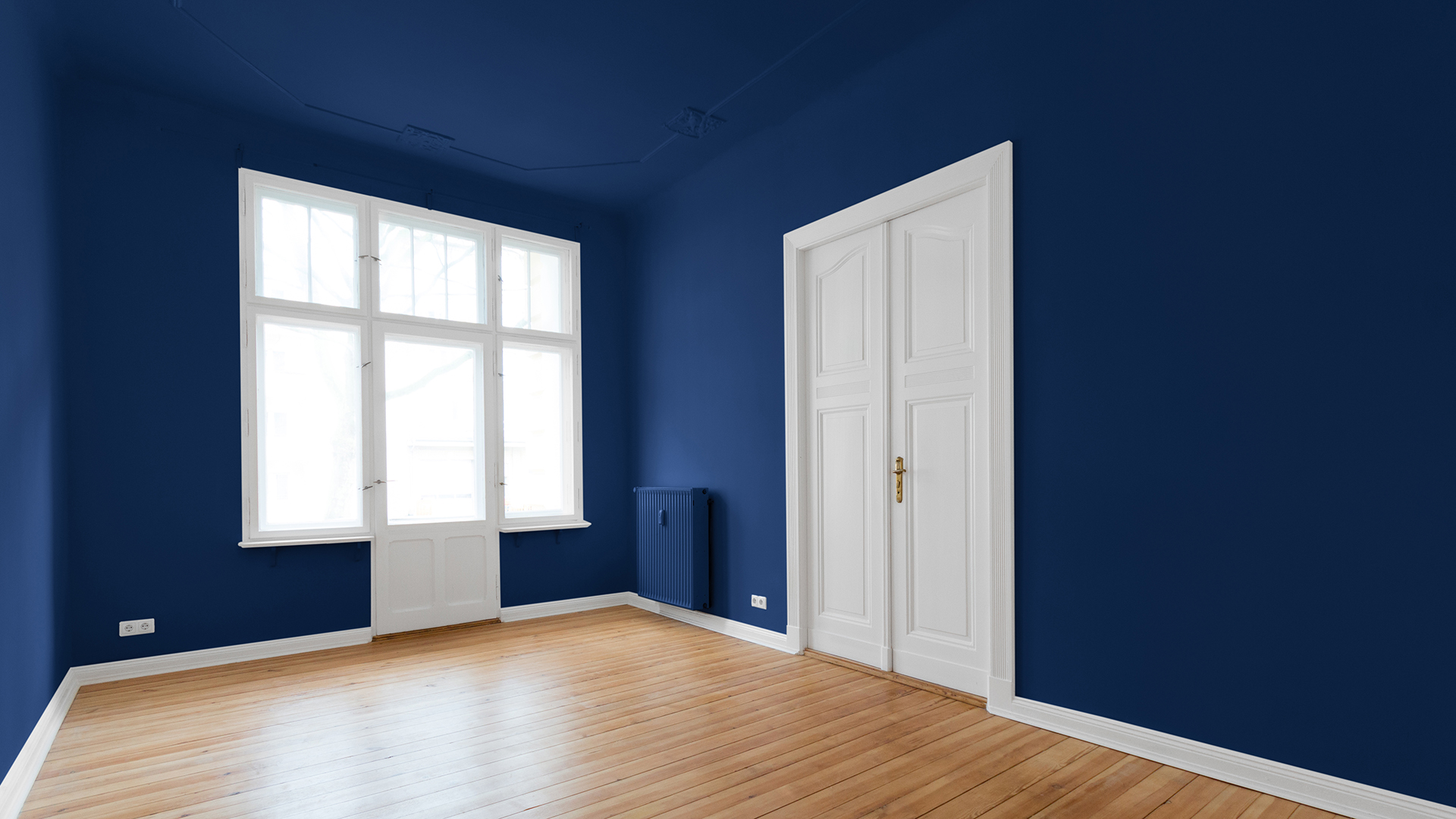
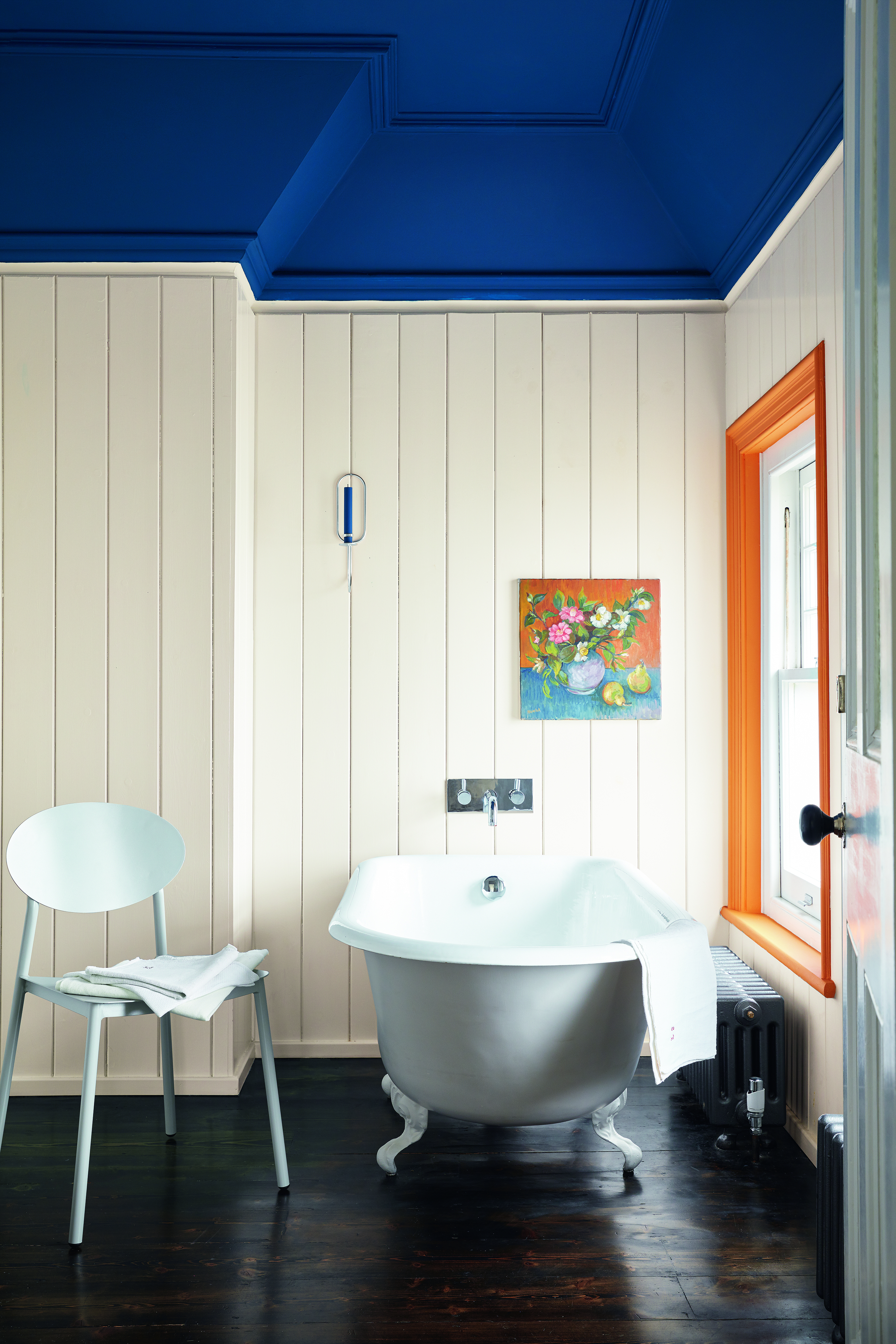
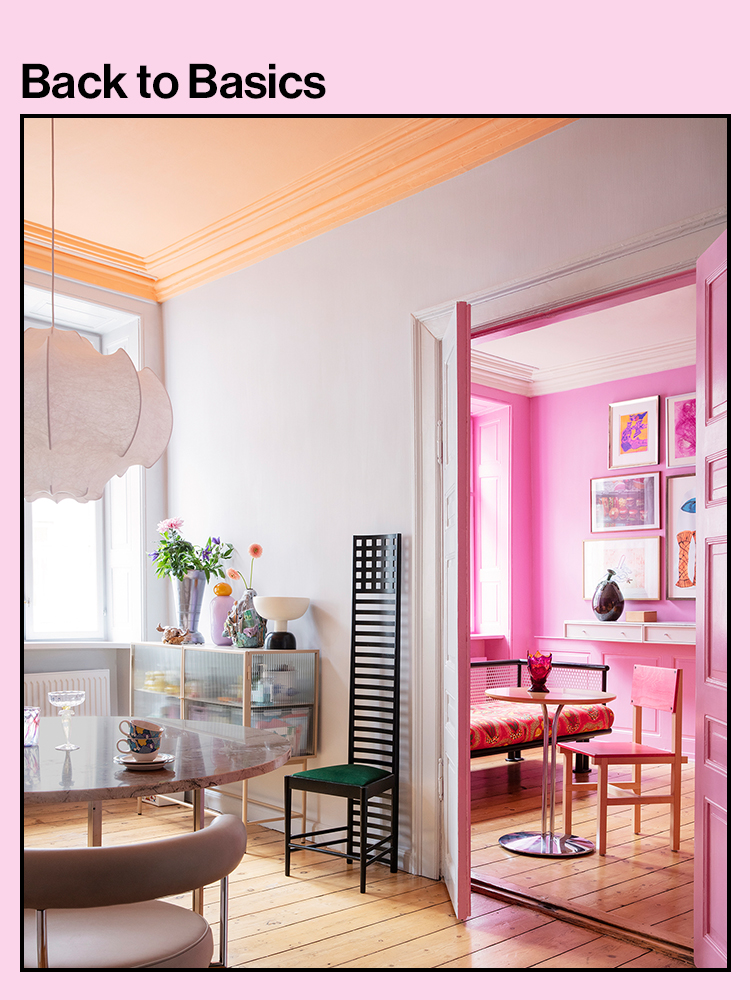
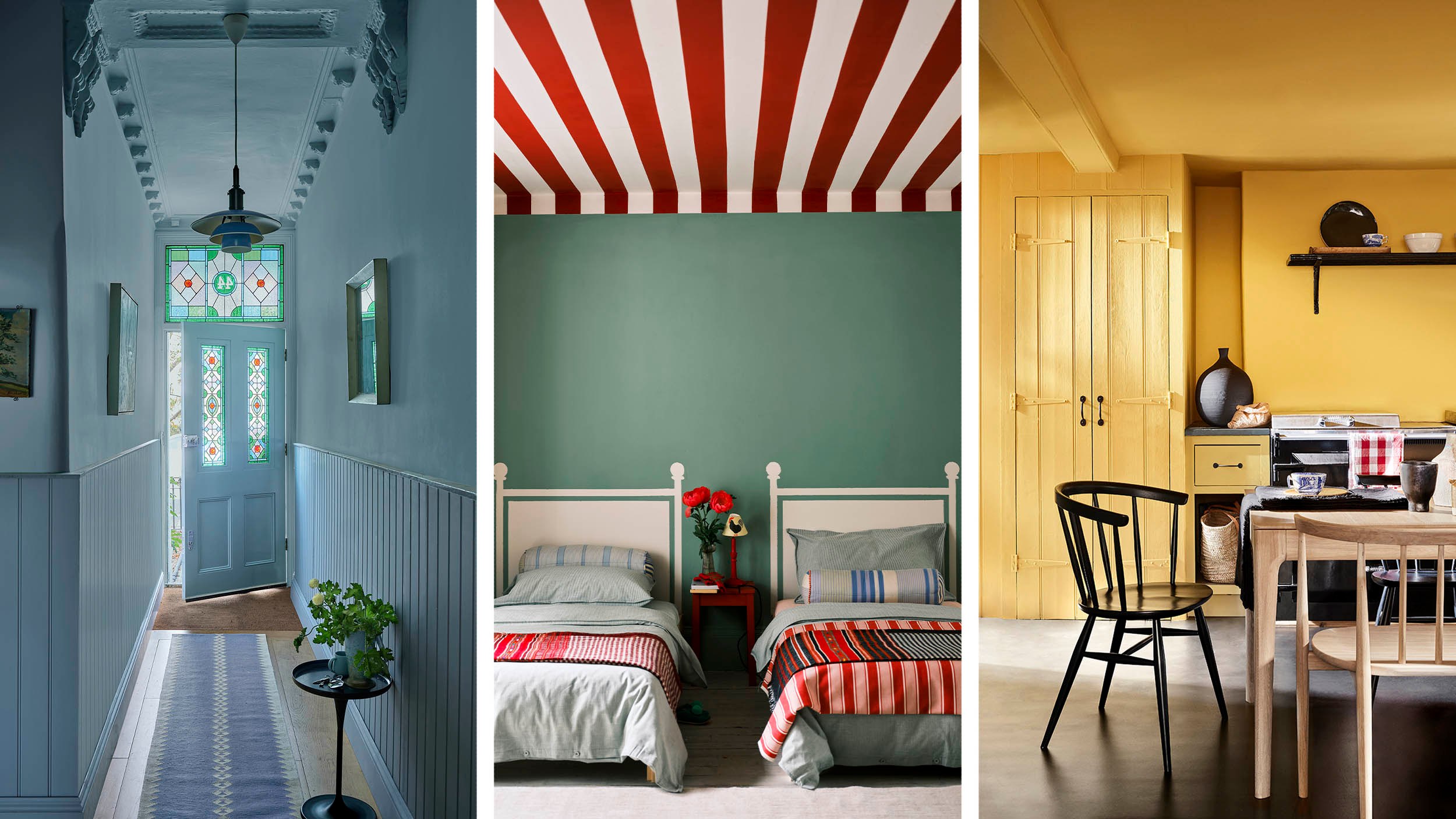
One approach to painted ceilings involves highlighting existing architectural details such as crown moldings. Painting these elements, especially in contemporary colors, can unify the room and draw the eye upward, adding definition and character. This technique is particularly effective in creating a sense of 'hygge' or coziness. Another application is manipulating room proportions. For instance, in a narrow hallway with high ceilings, extending the ceiling paint down onto the upper walls can visually lower the ceiling height, blurring boundaries and adding visual interest where architectural details are minimal.
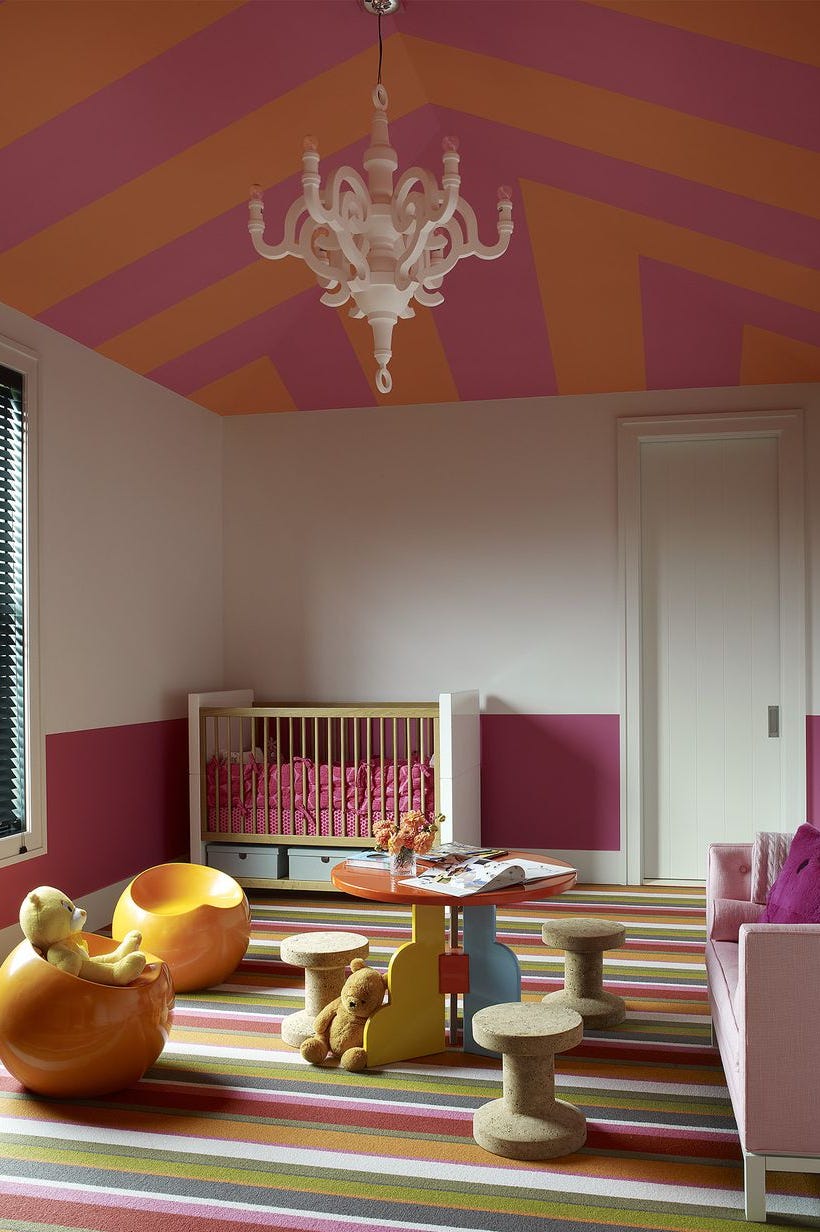
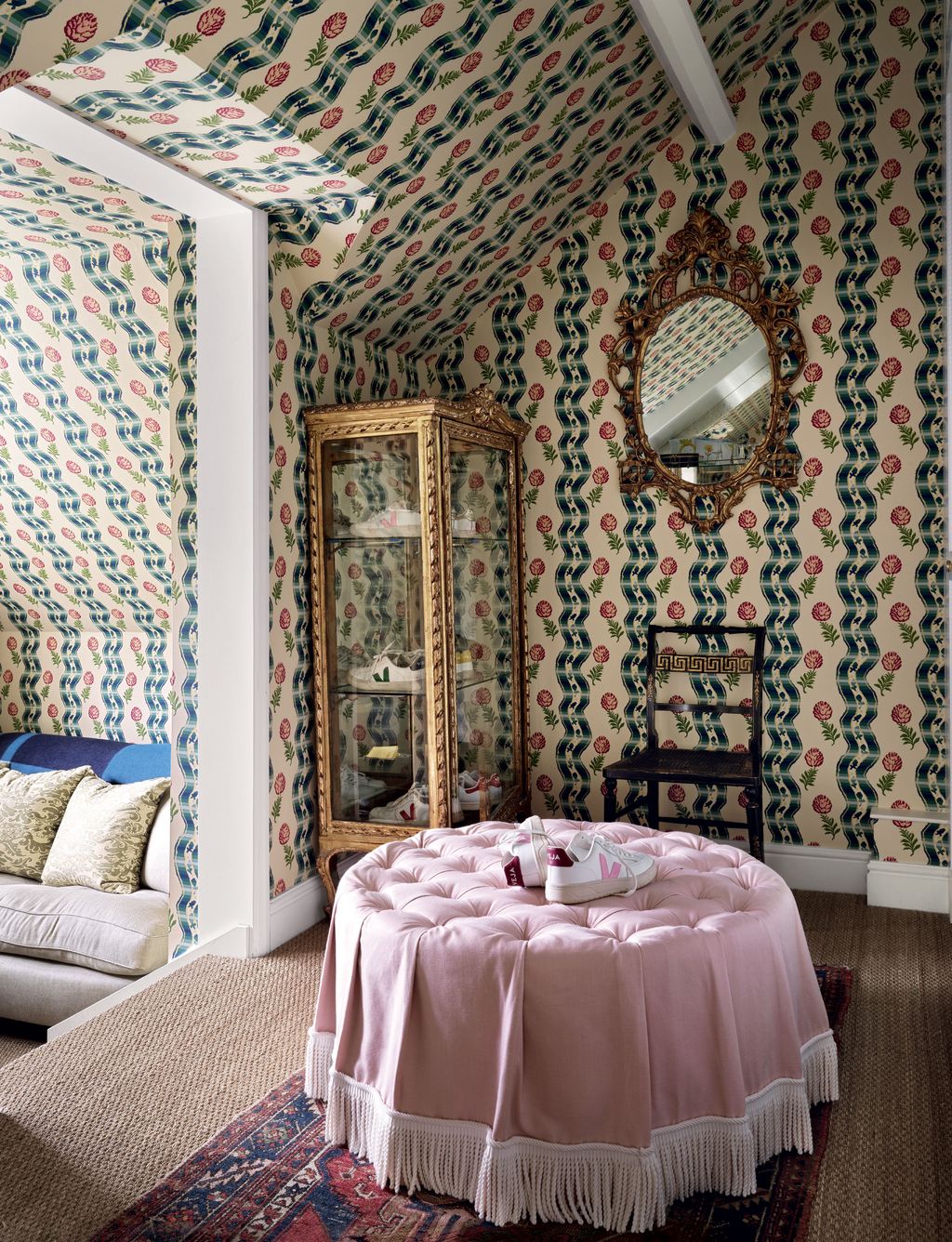
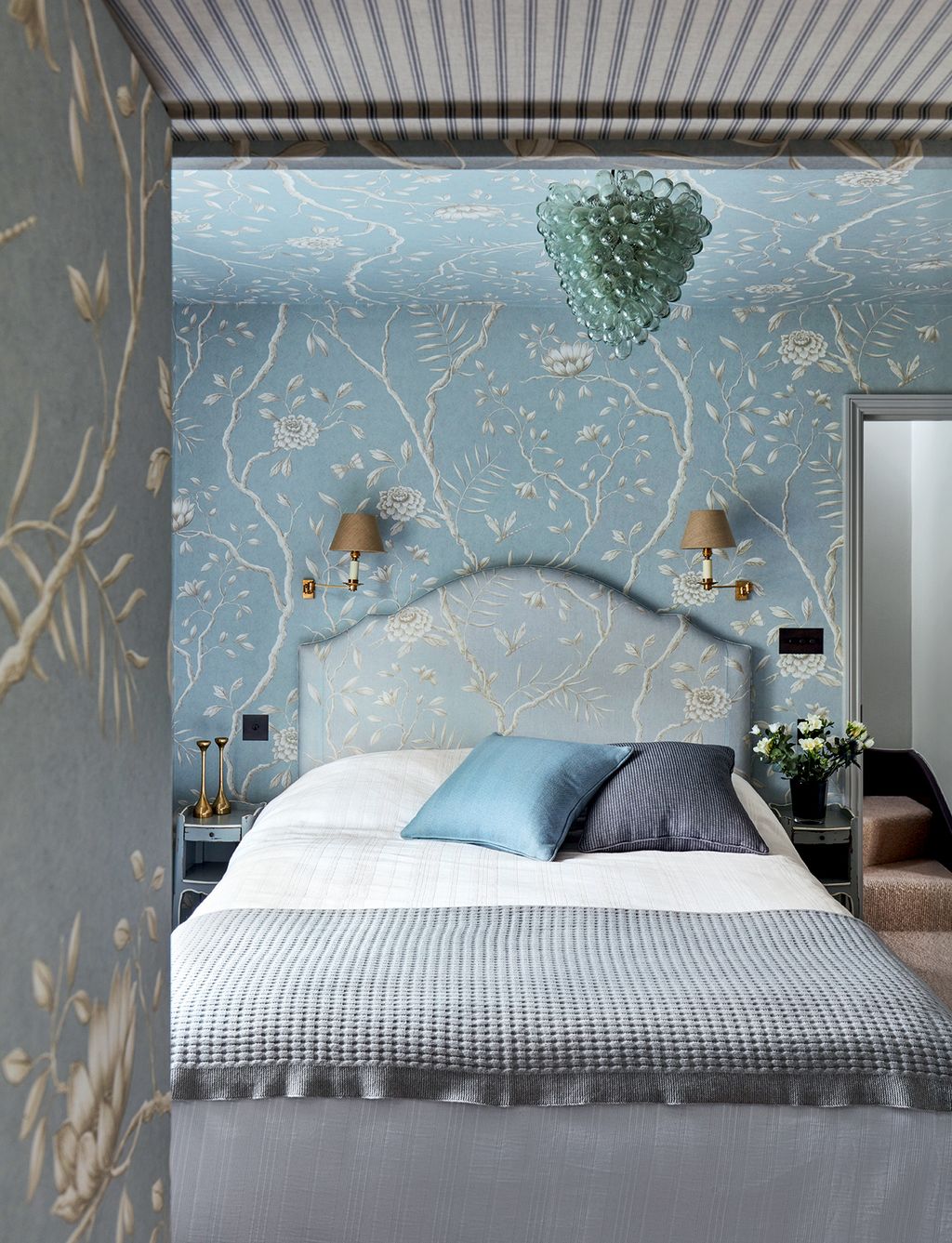
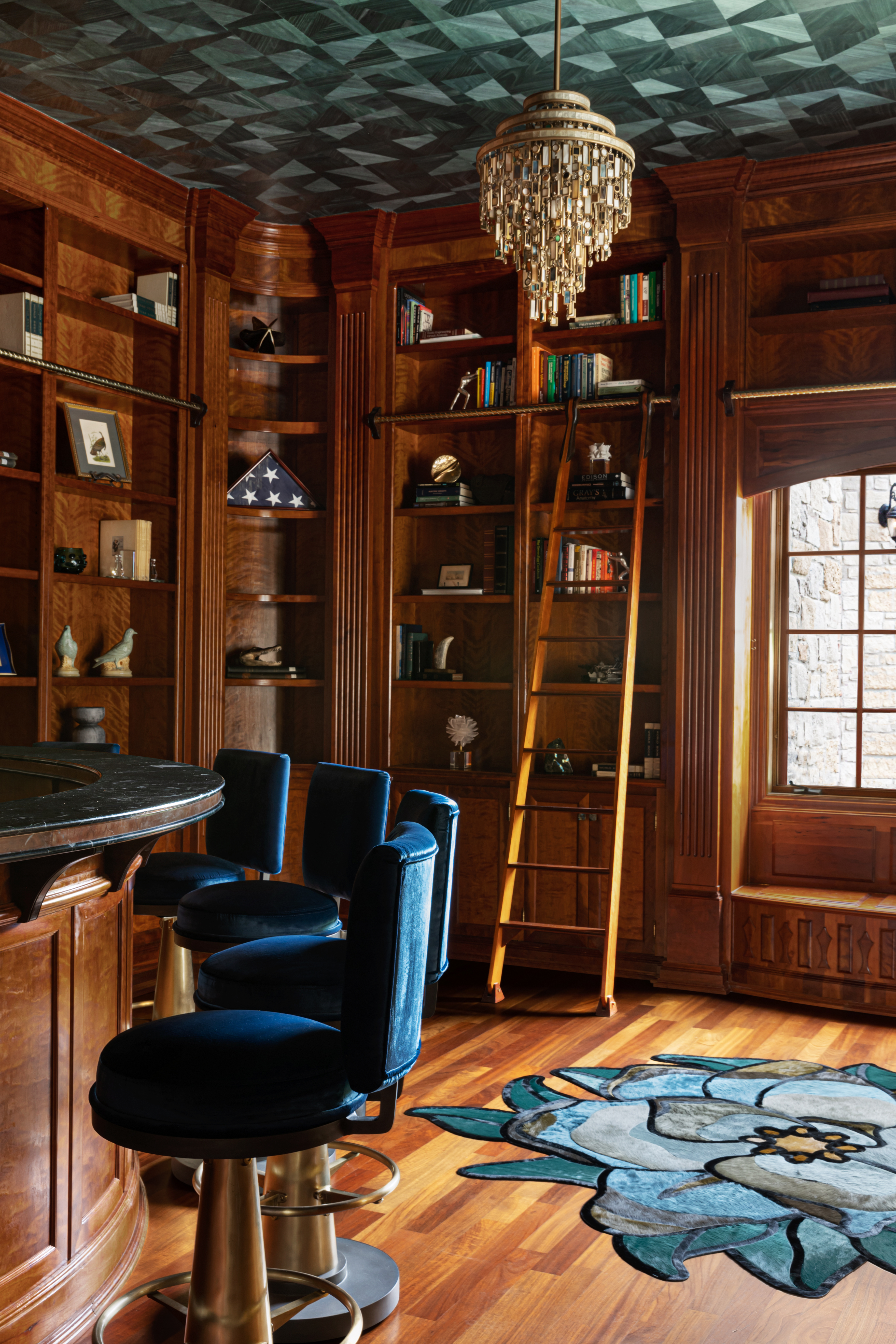
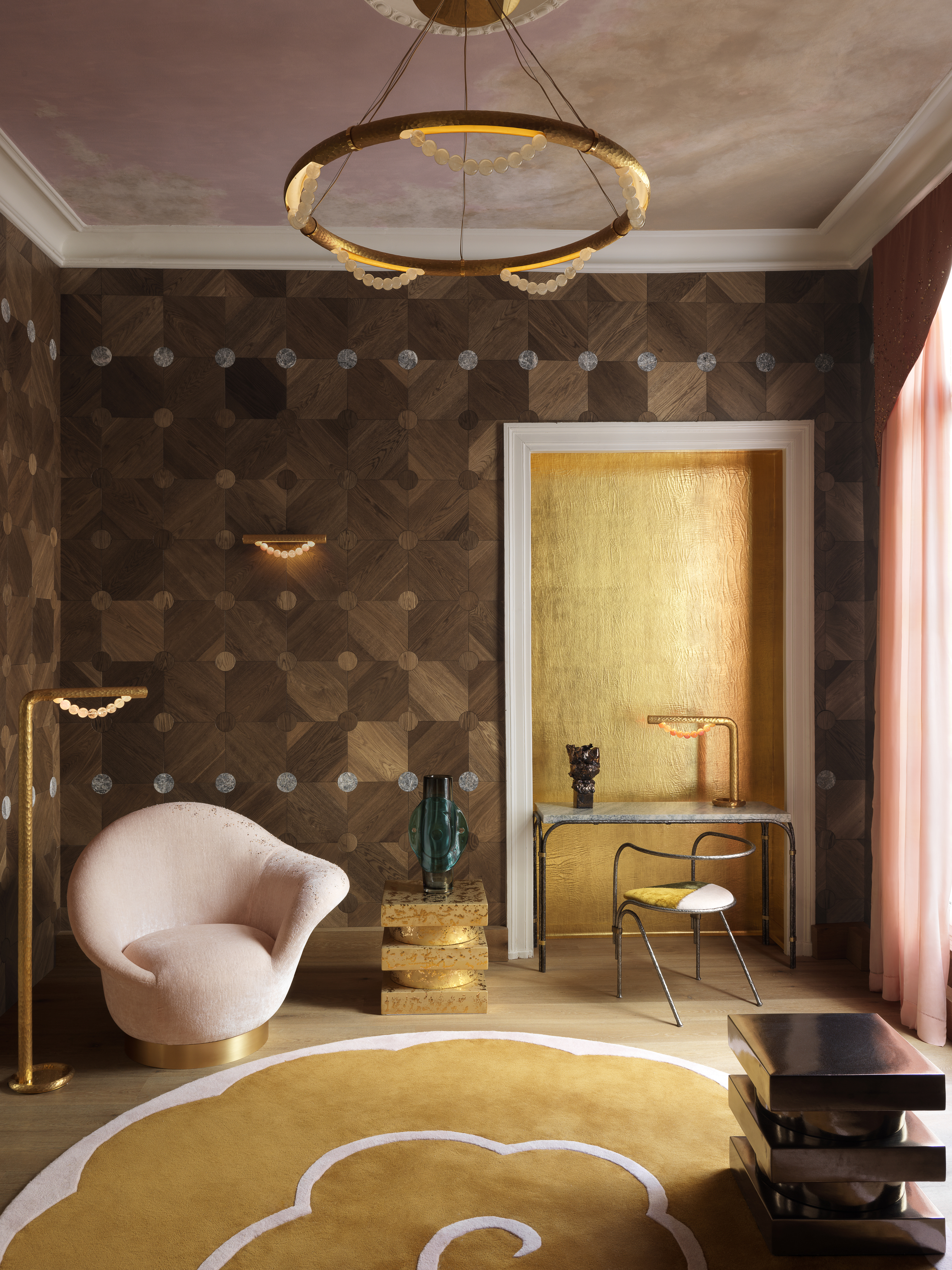
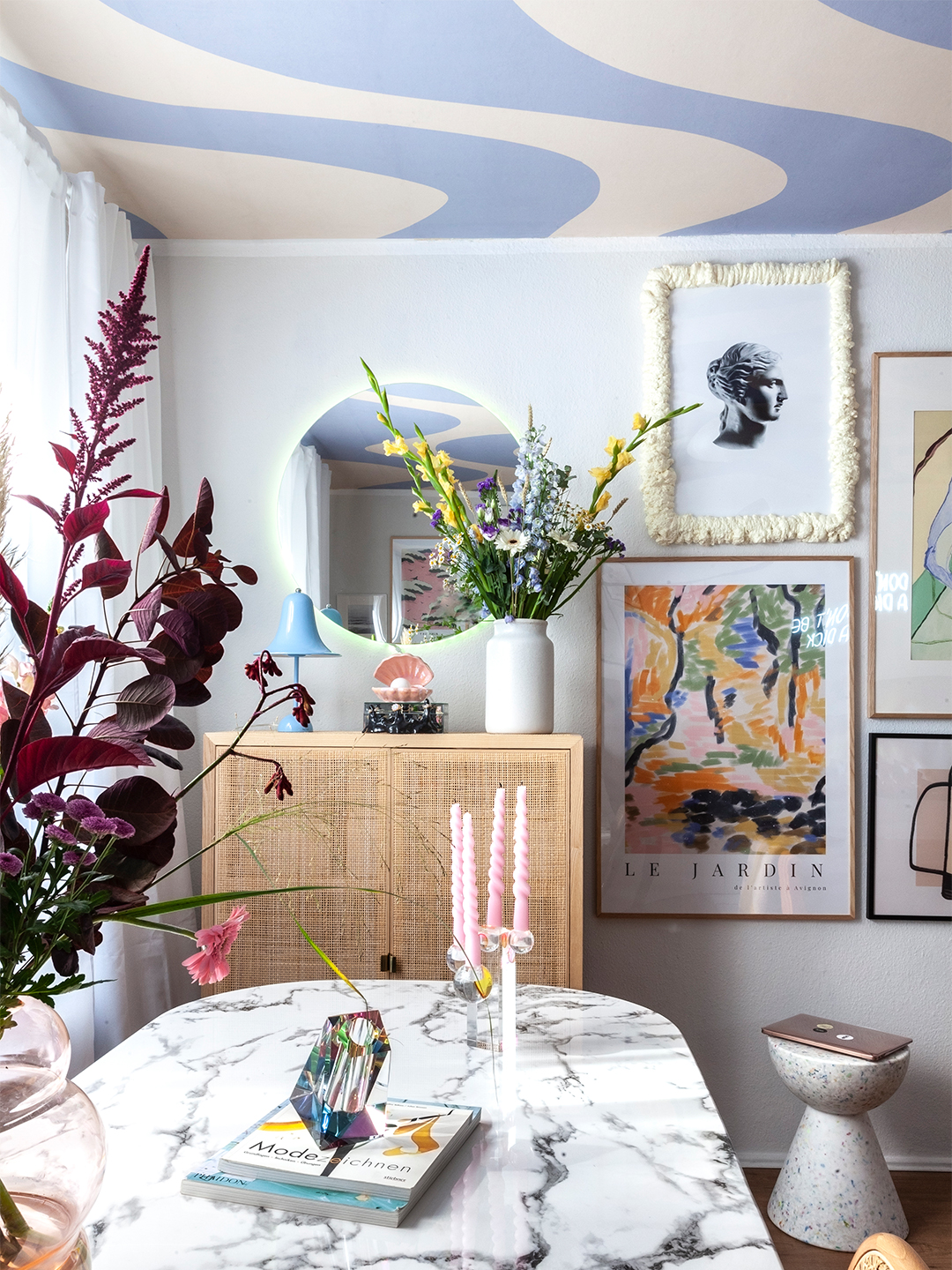
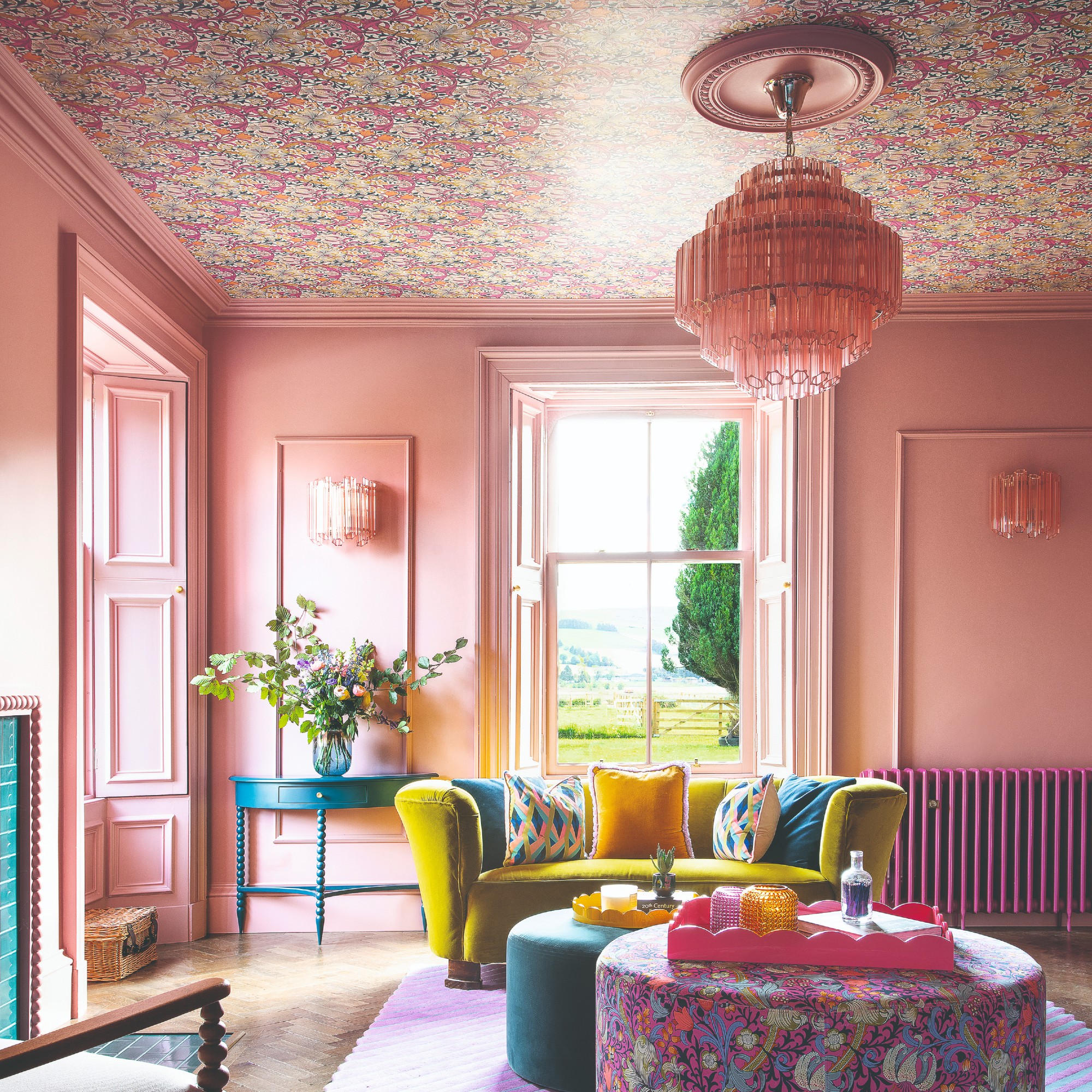
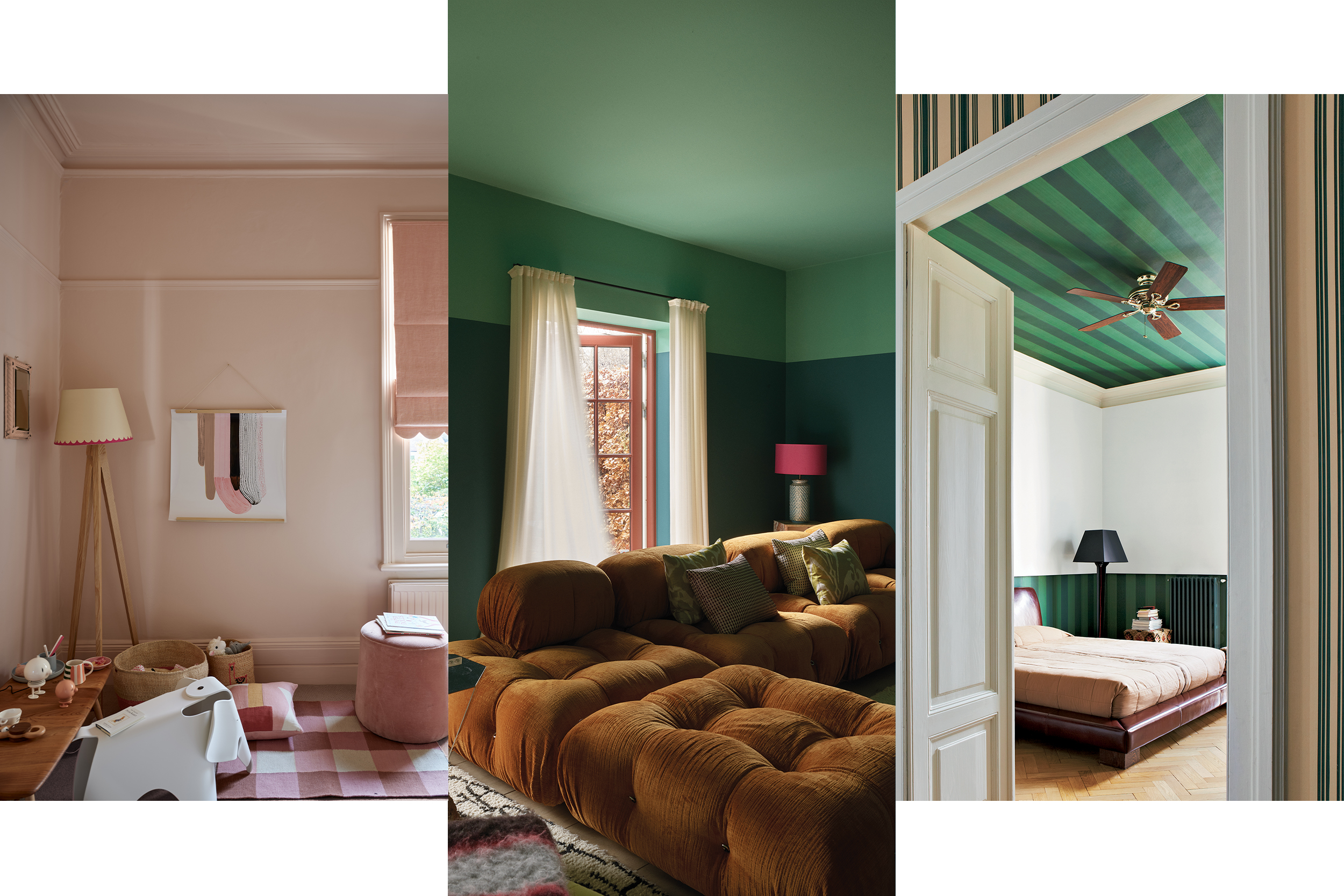
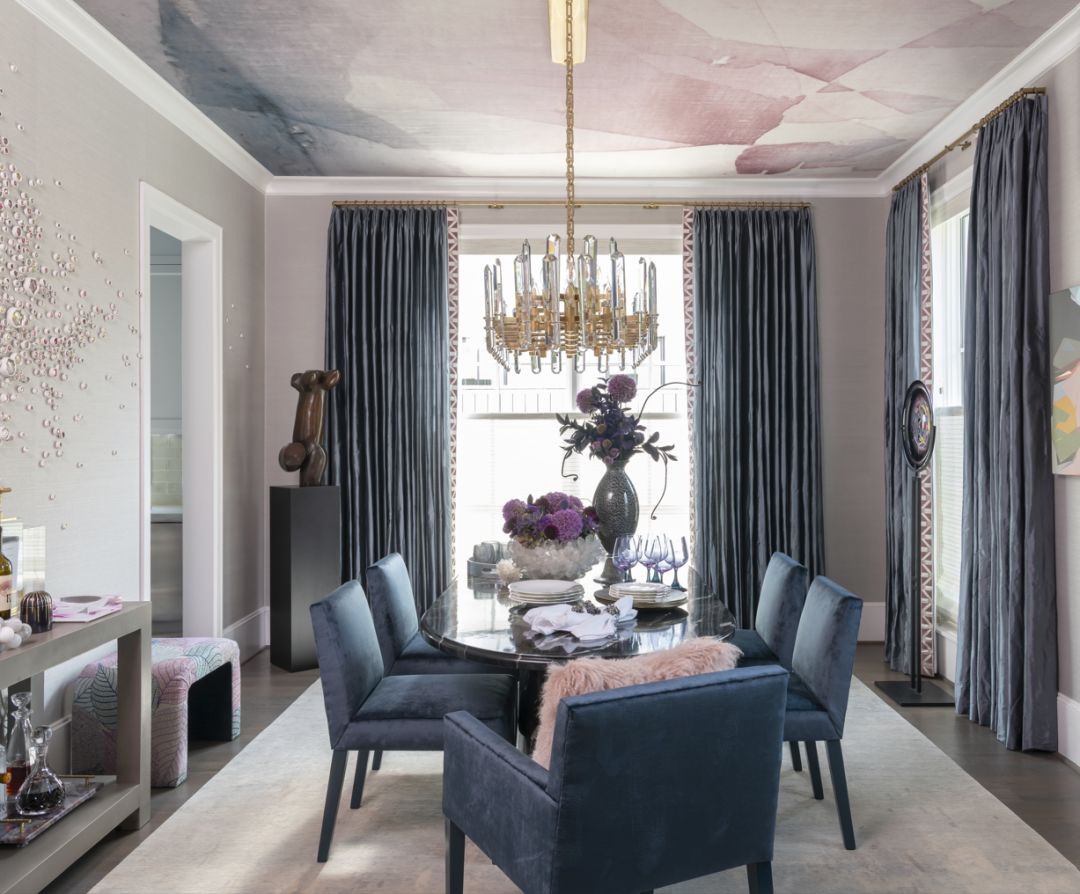
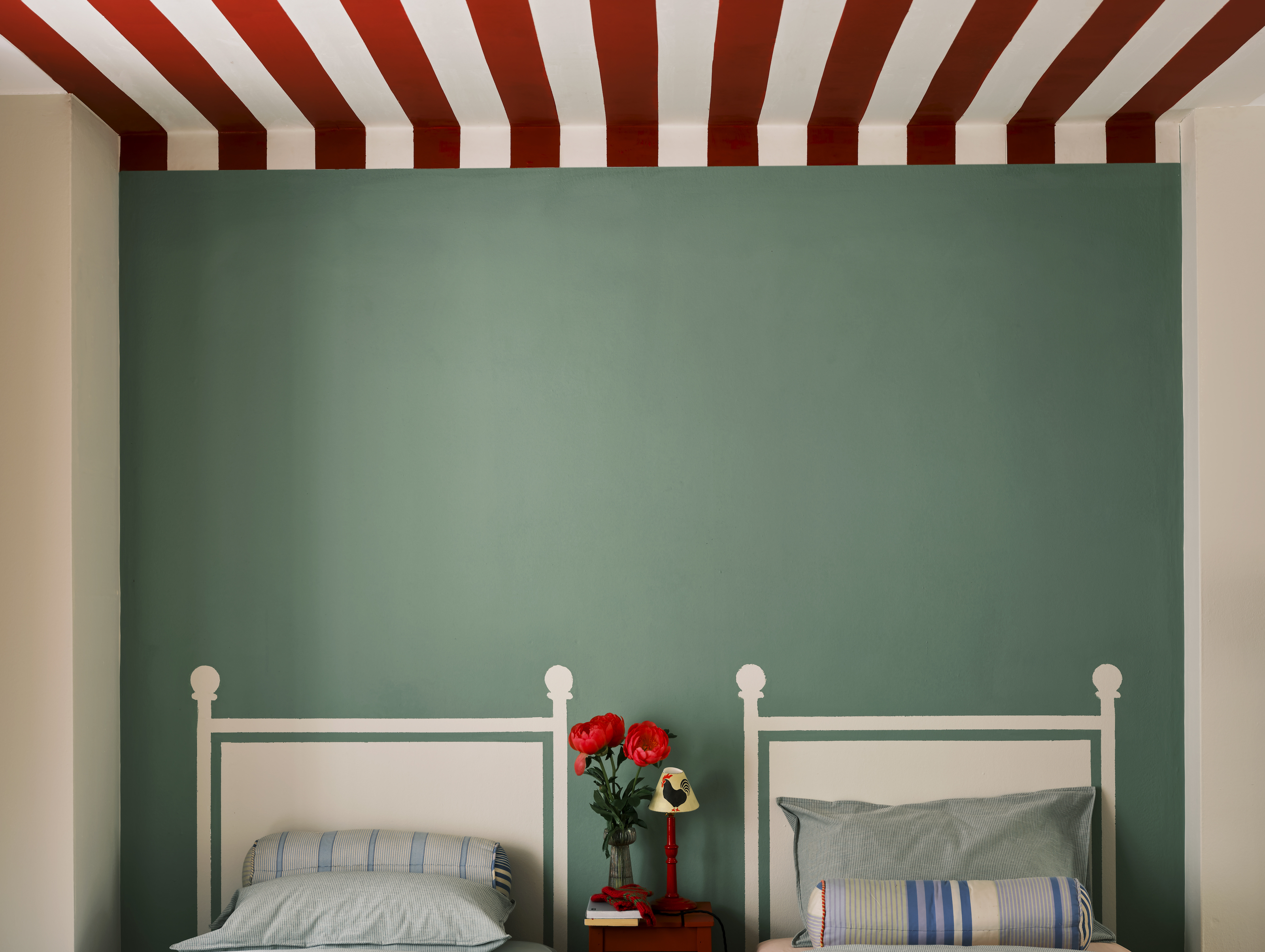
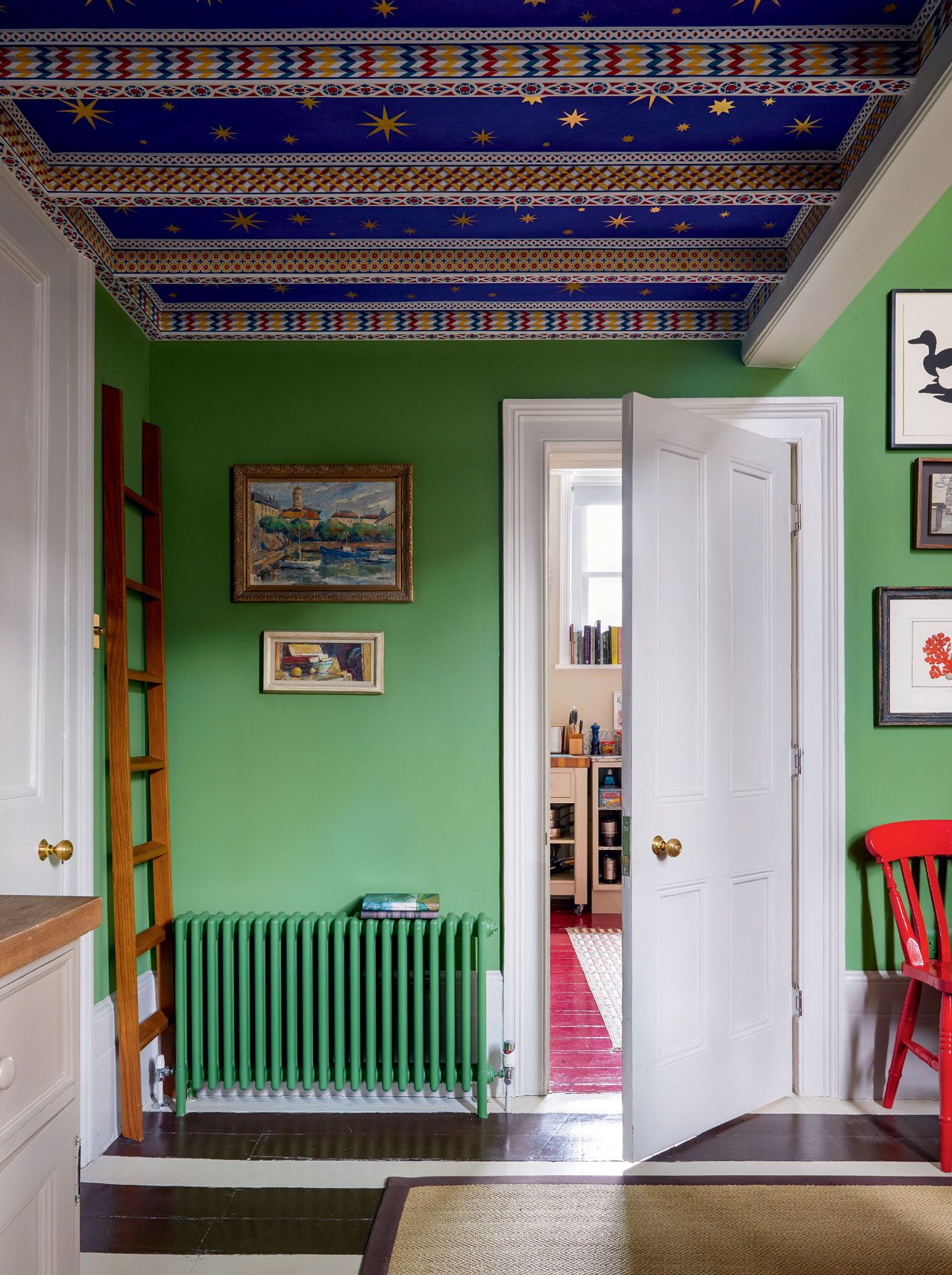
Decorative patterns like stripes can also be applied to ceilings for a dramatic effect. While stripes require meticulous execution to ensure clean lines and even proportions, they can establish a distinct tone for a room, complementing other decor elements. Alternatively, hand-painted wallpapers offer a way to introduce painterly effects without directly painting, allowing for intricate designs like modern grids that add a contemporary and quirky touch to traditional settings. For those with an artistic inclination, or with access to skilled artists, the ceiling can serve as a canvas for striking murals. These murals can range from intricate patterns inspired by traditional regional motifs, adding depth and dimension, to swirling clouds that set a sophisticated and calming atmosphere.
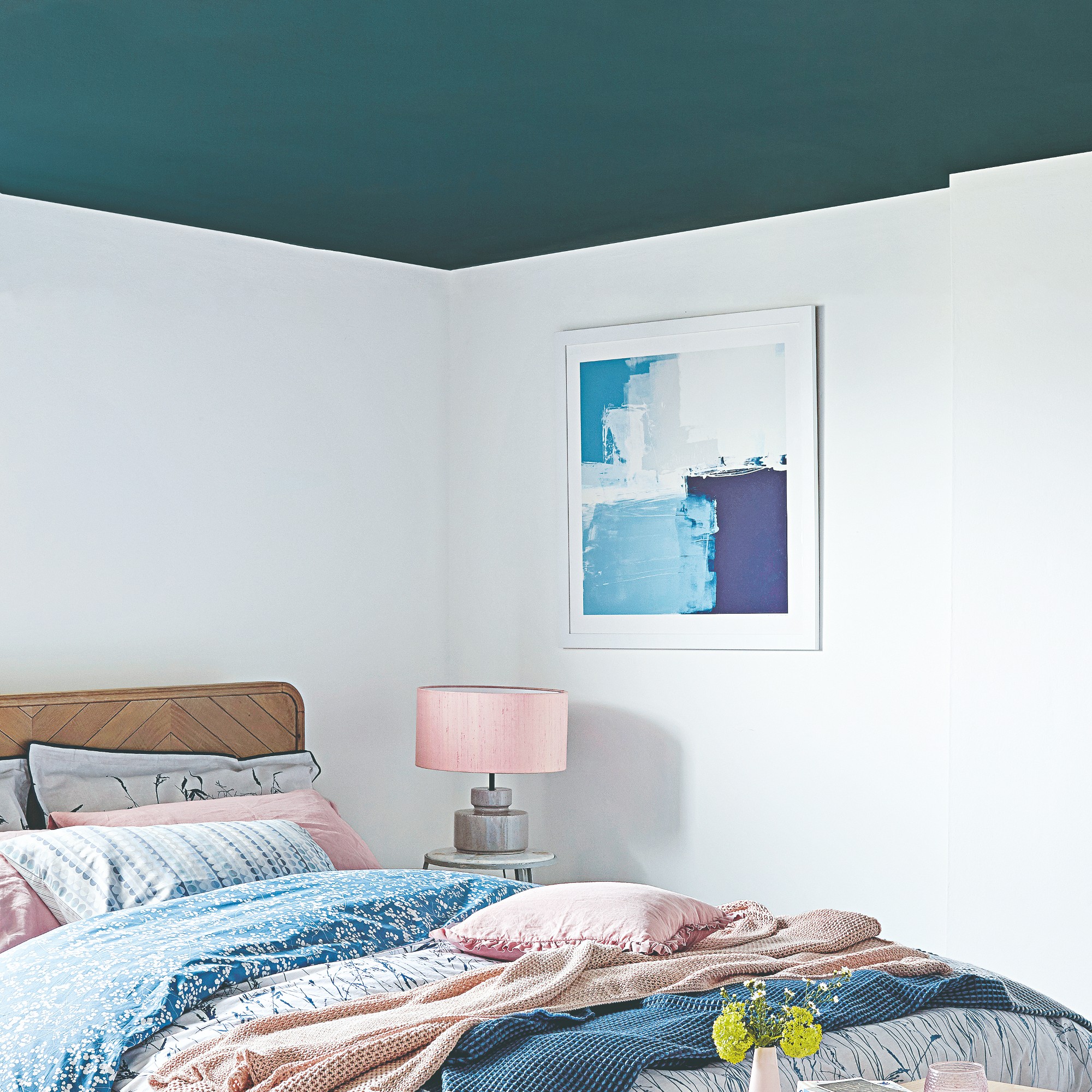
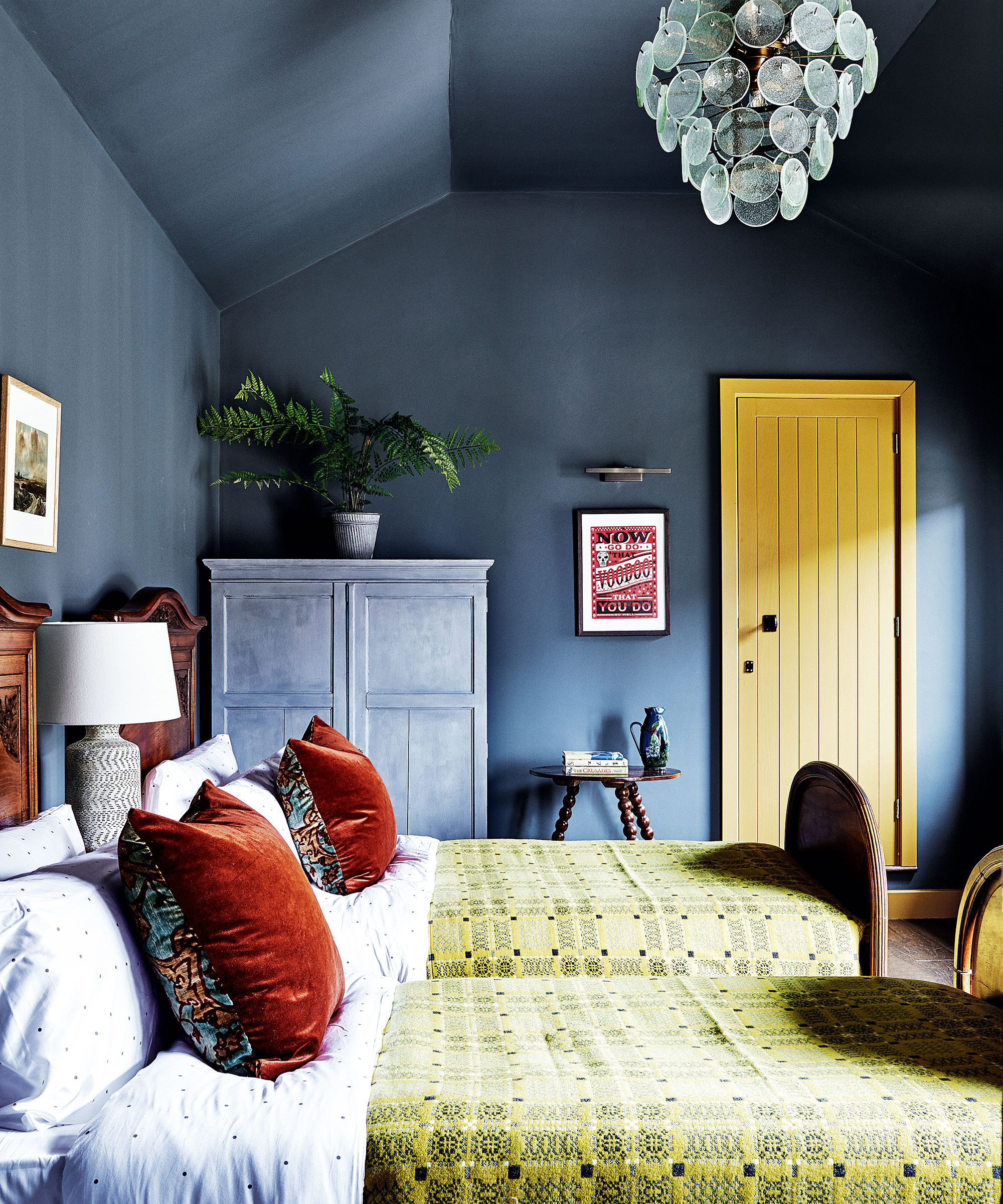
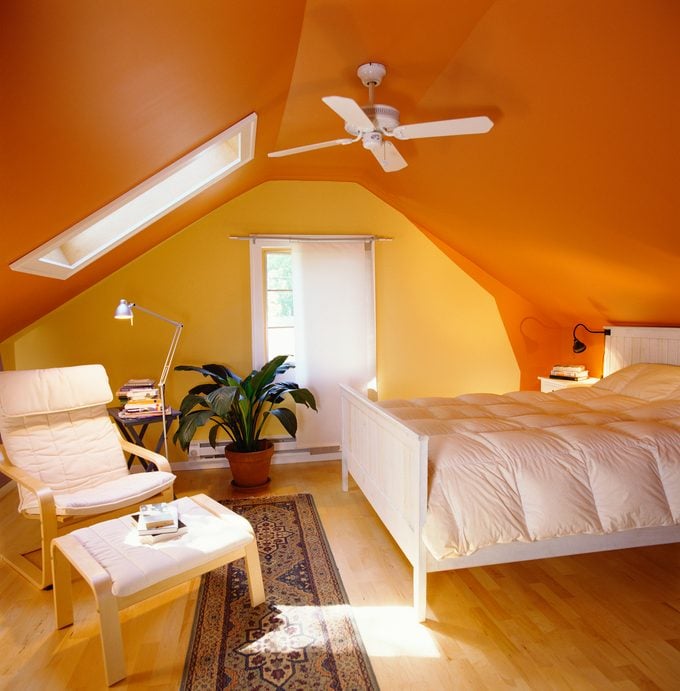
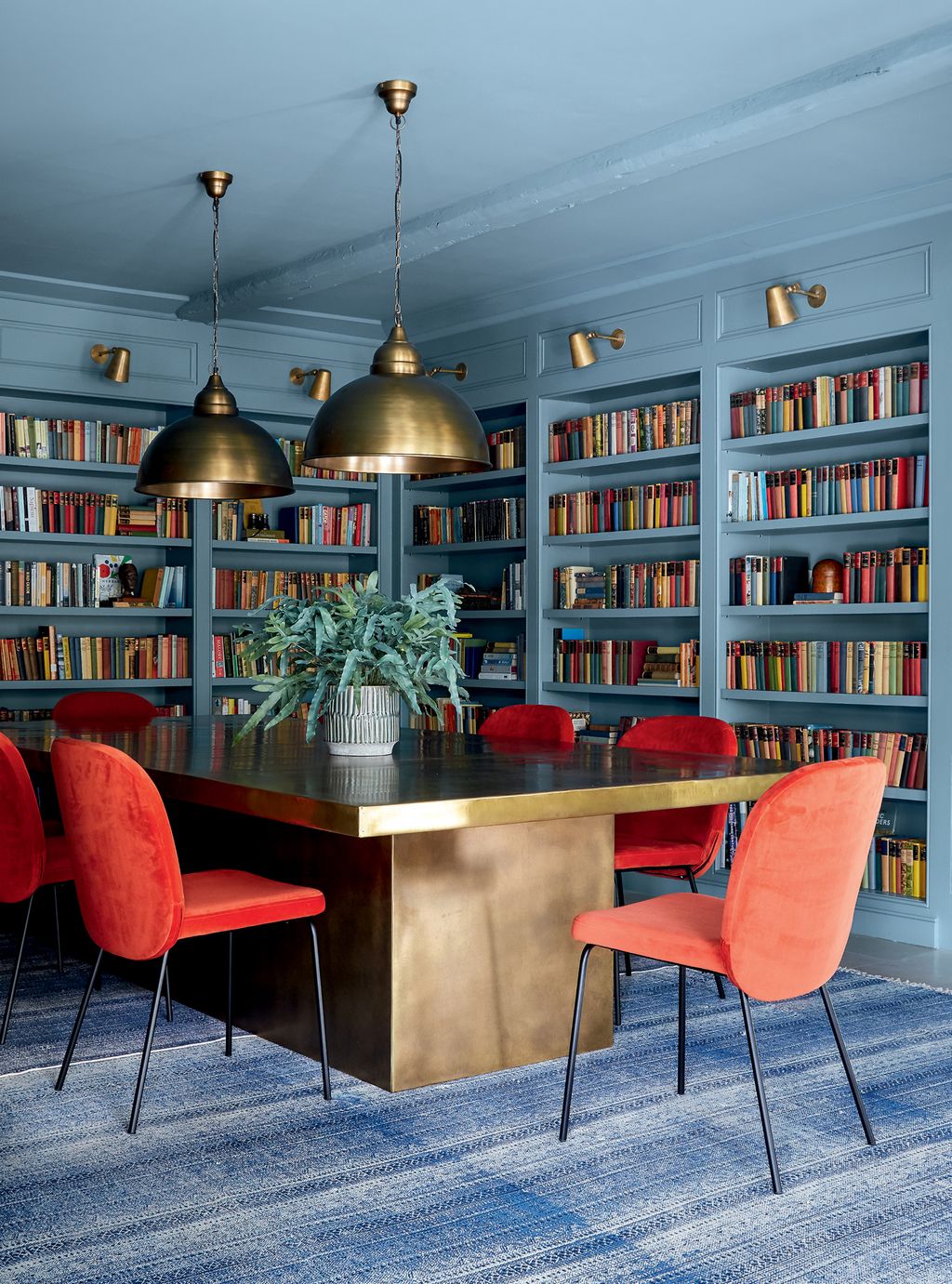
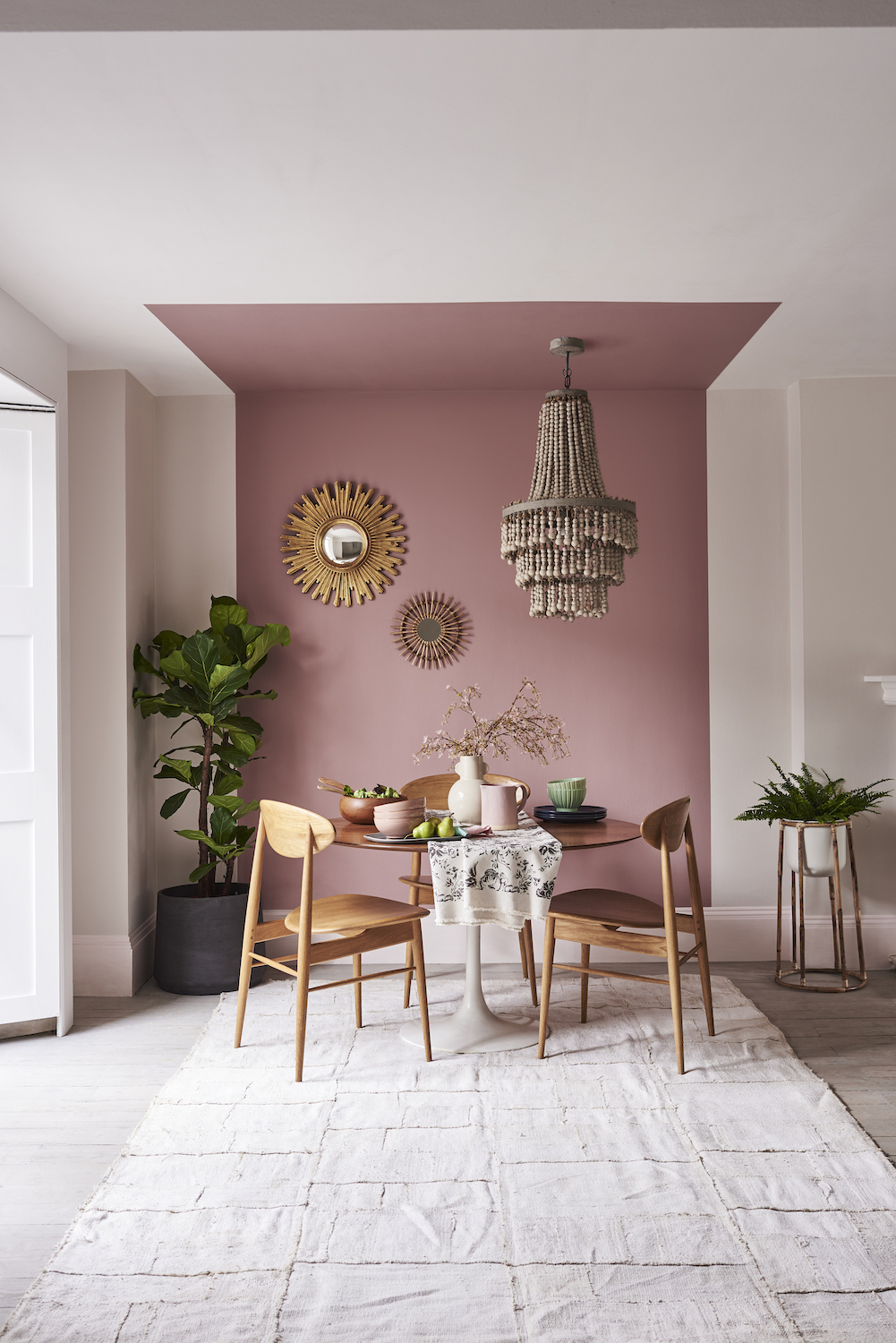
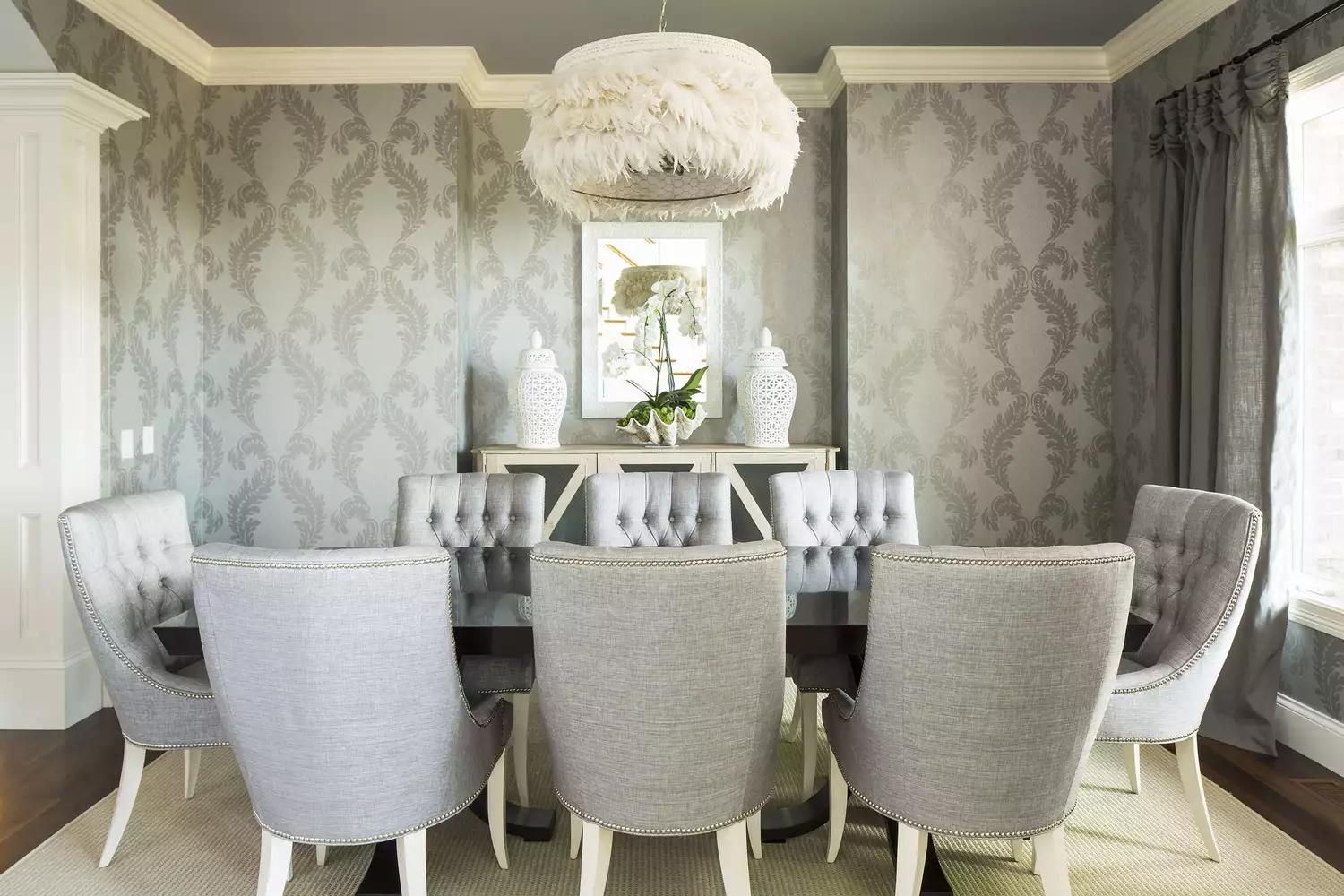
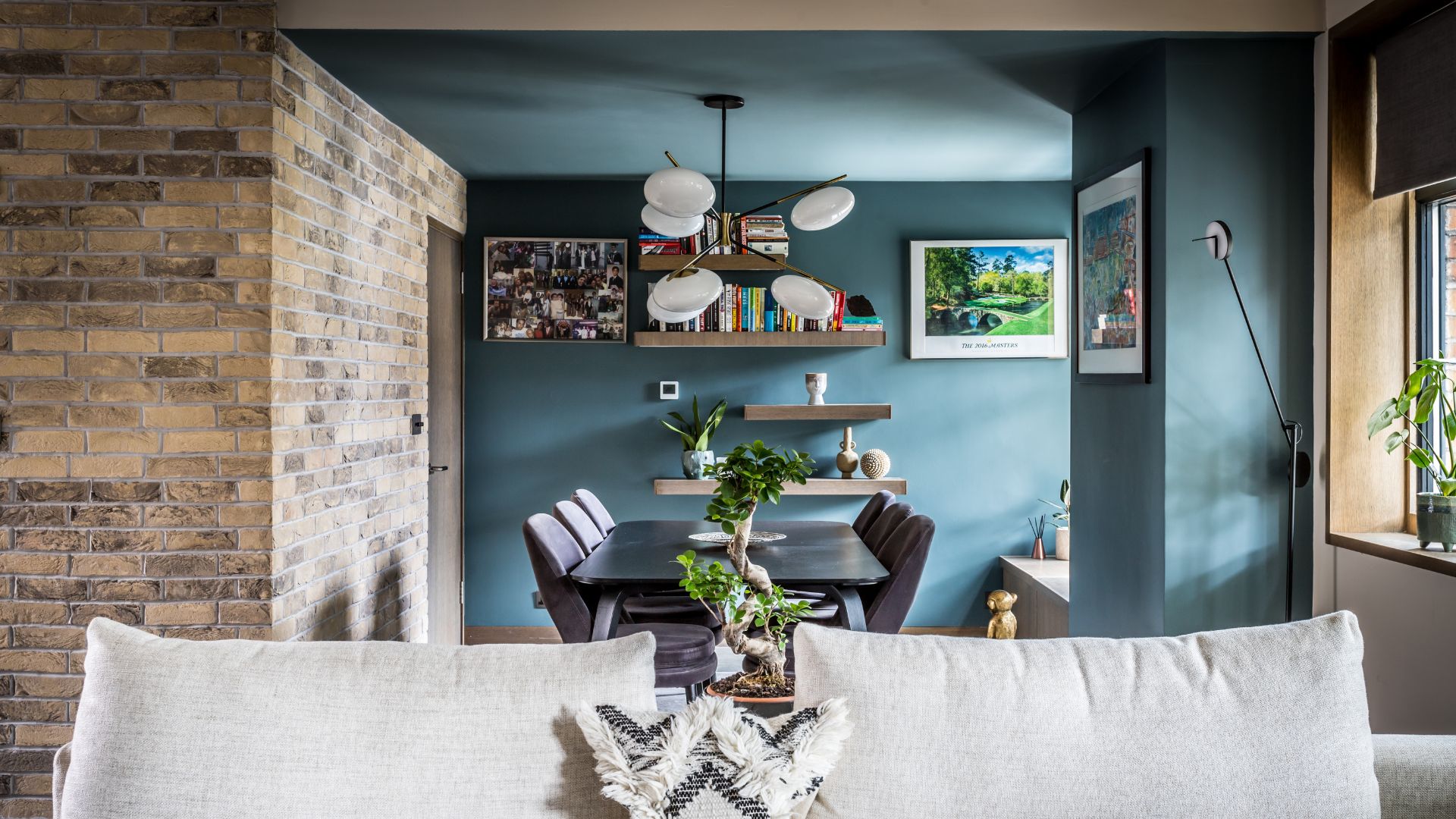
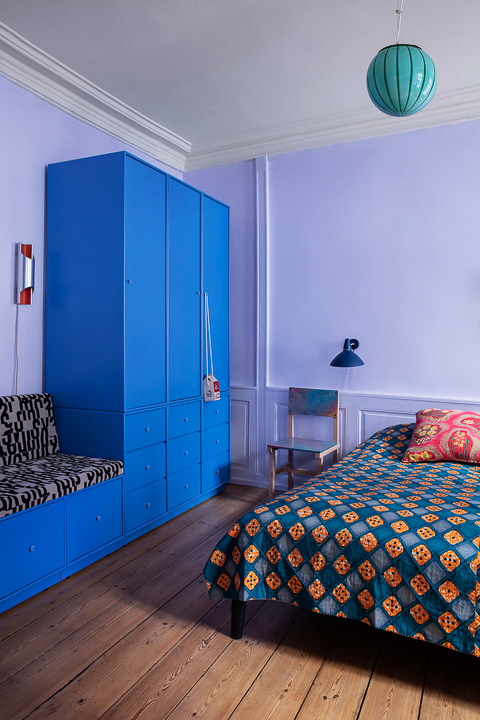
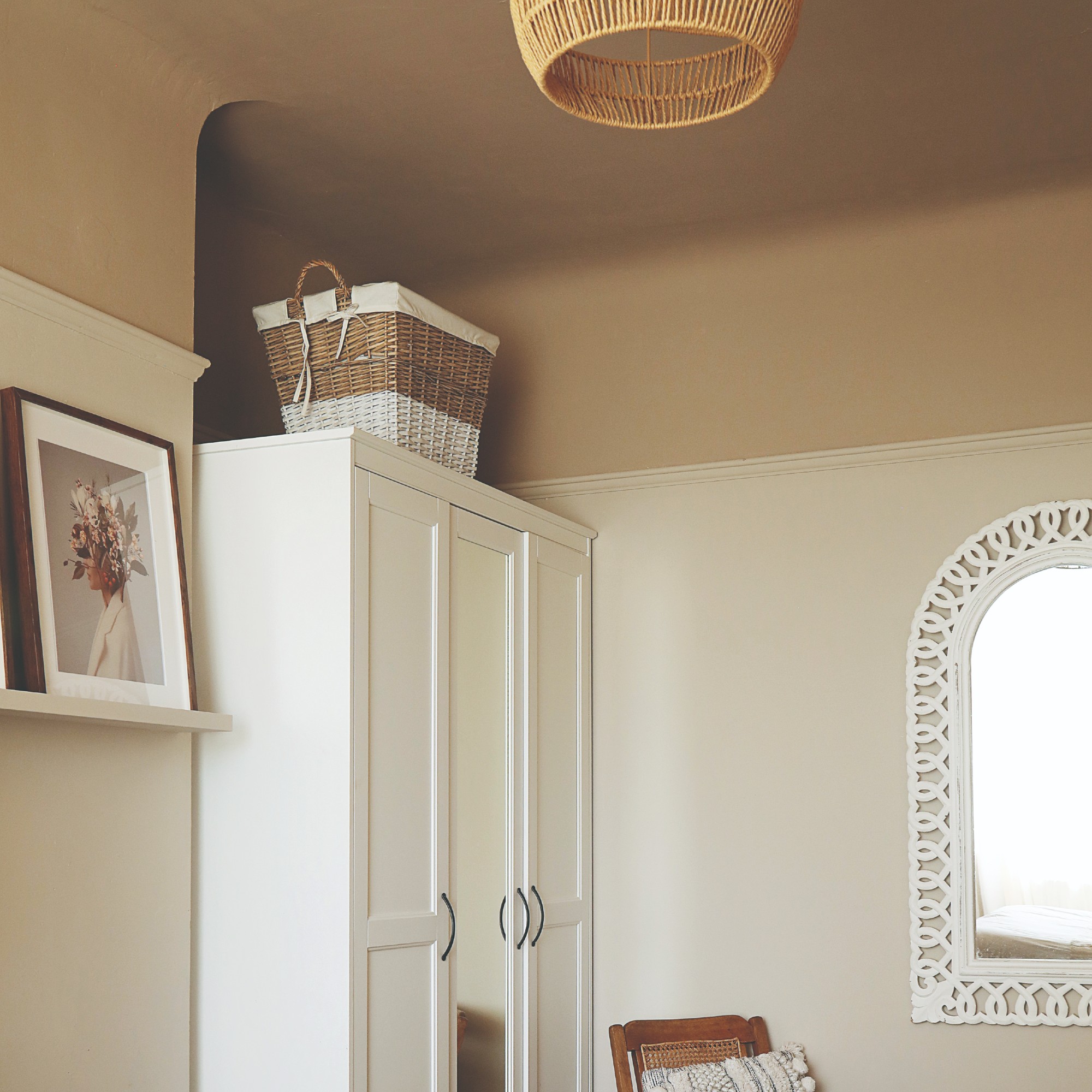
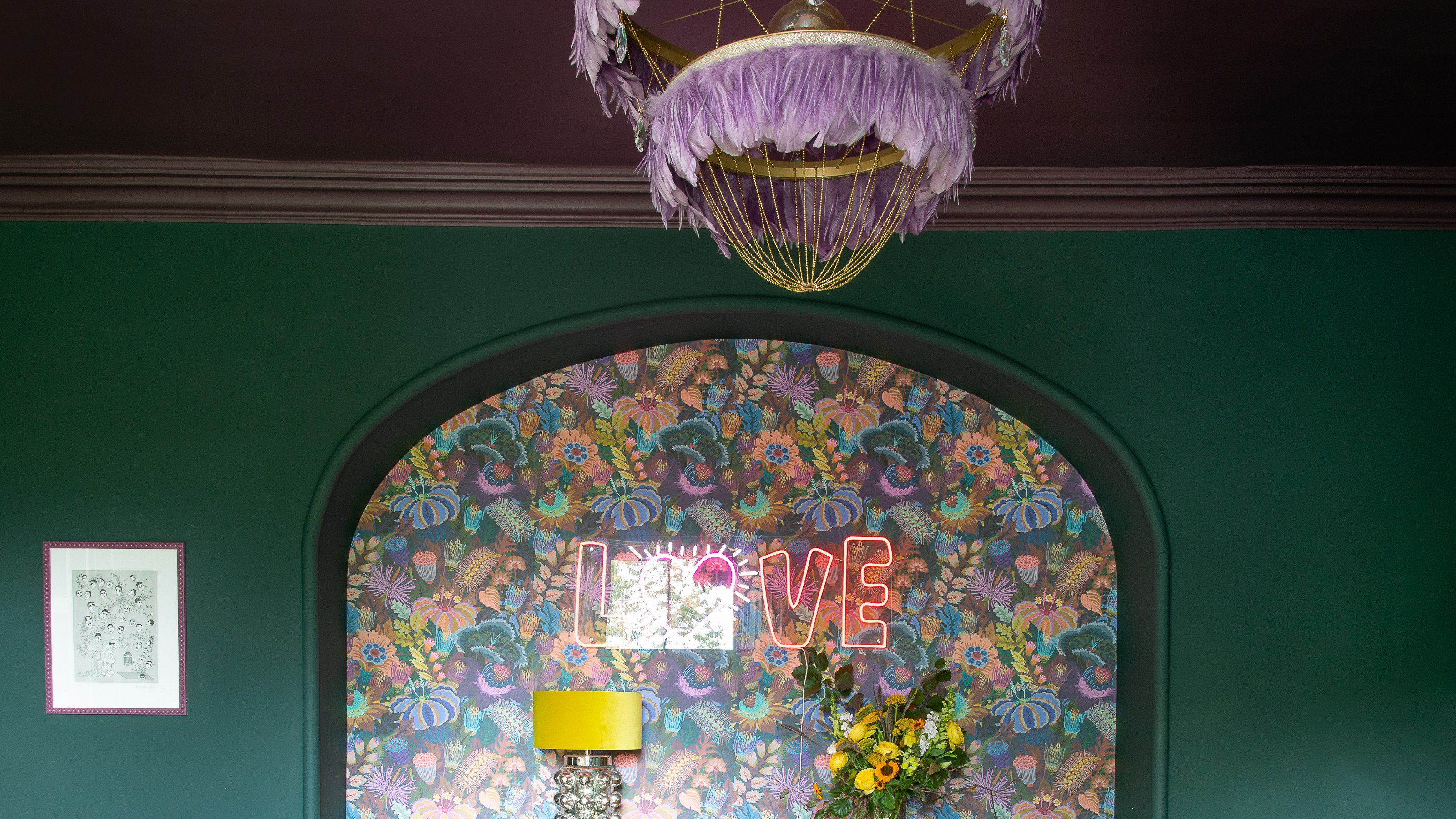
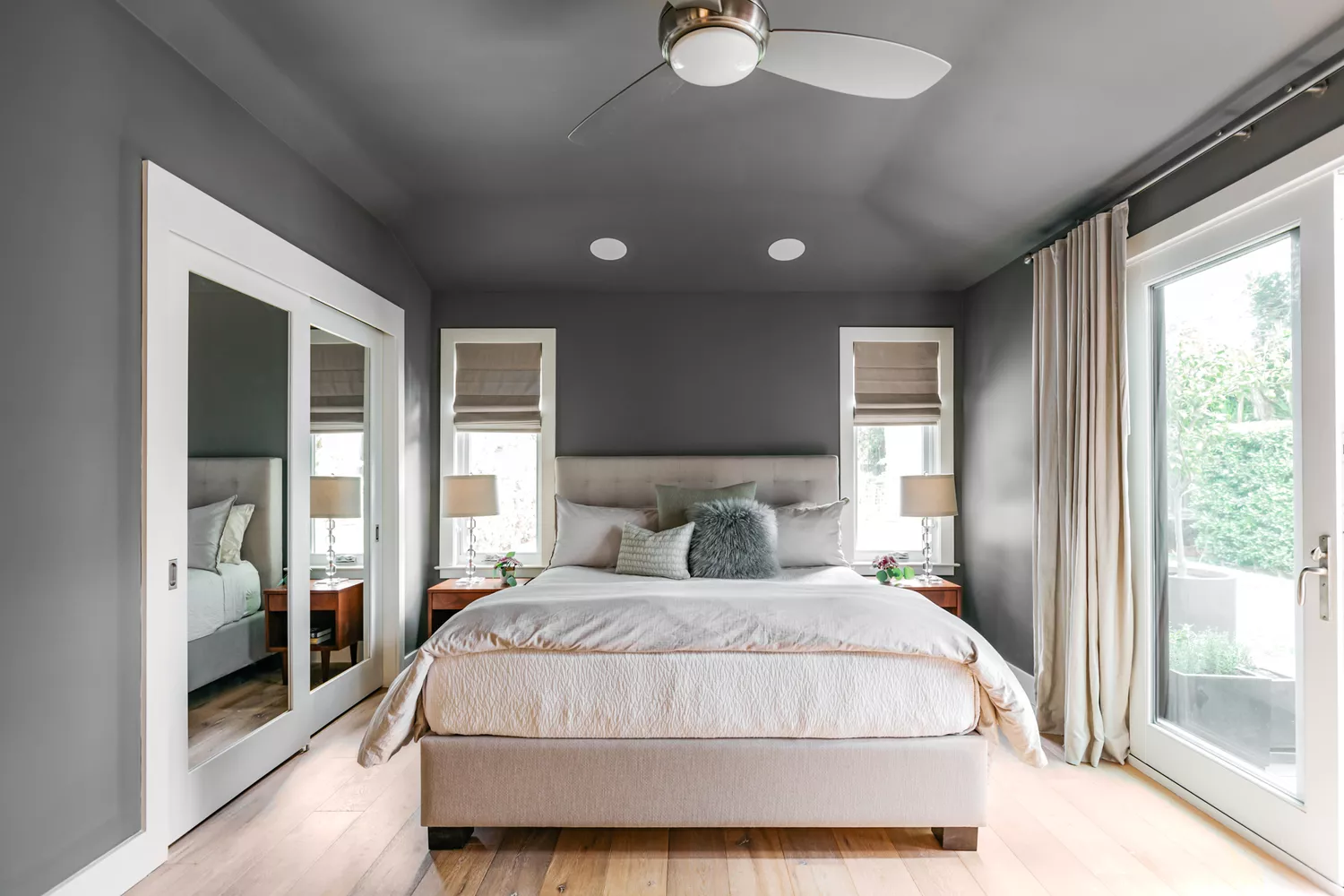
The shift away from plain white ceilings in rooms with colored walls is also notable. Designers now favor tonal ceilings within a monochromatic color scheme, especially in spaces like bedrooms, to create a softer, more enveloping, and relaxing environment. This can involve using lighter shades on walls and a tonally darker shade on the ceiling to emphasize architectural features like pitched roofs. Furthermore, painted ceilings can be strategically used to zone open-plan areas, with a distinct color overhead delineating different functional spaces, such as a kitchen within a larger living area.
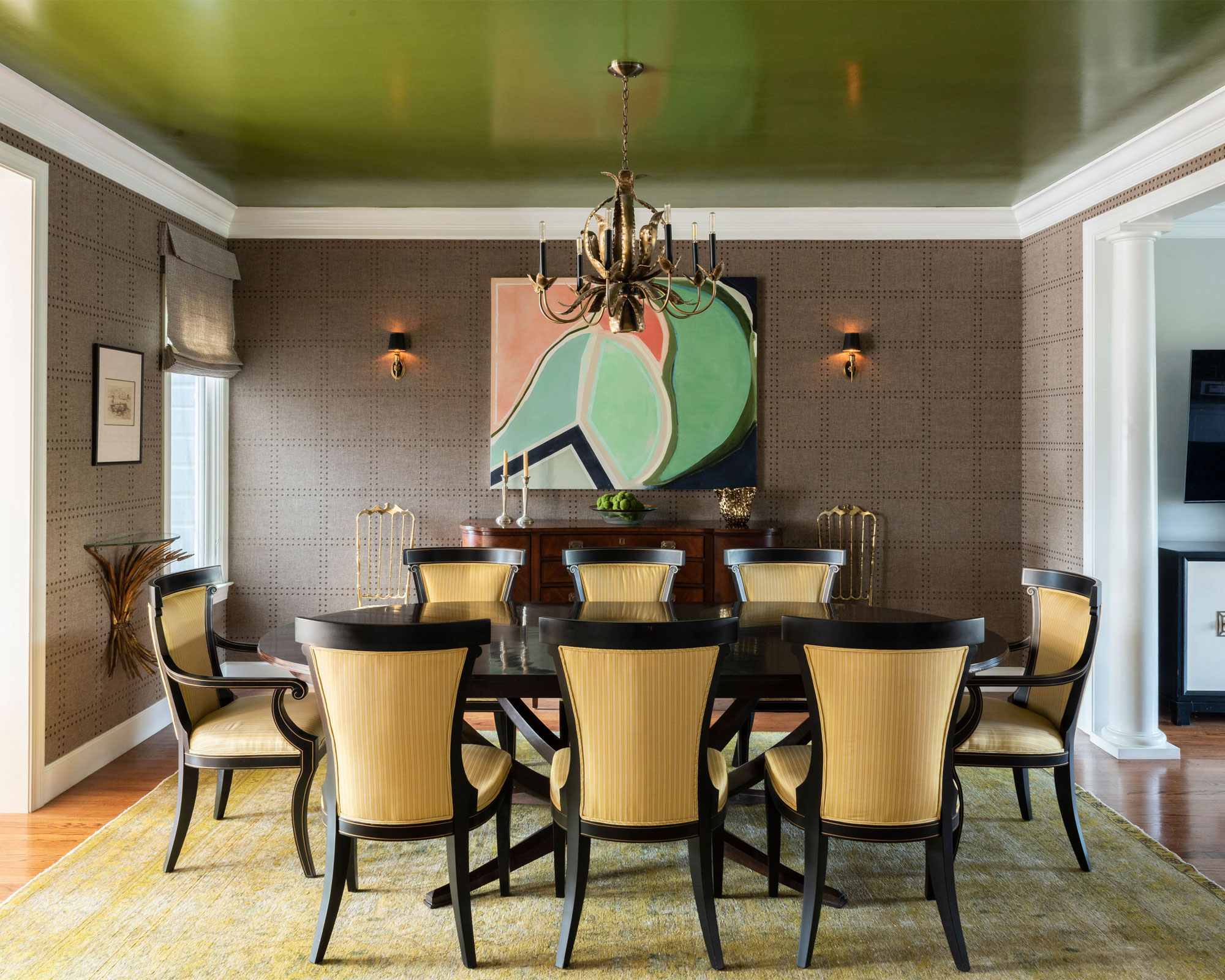
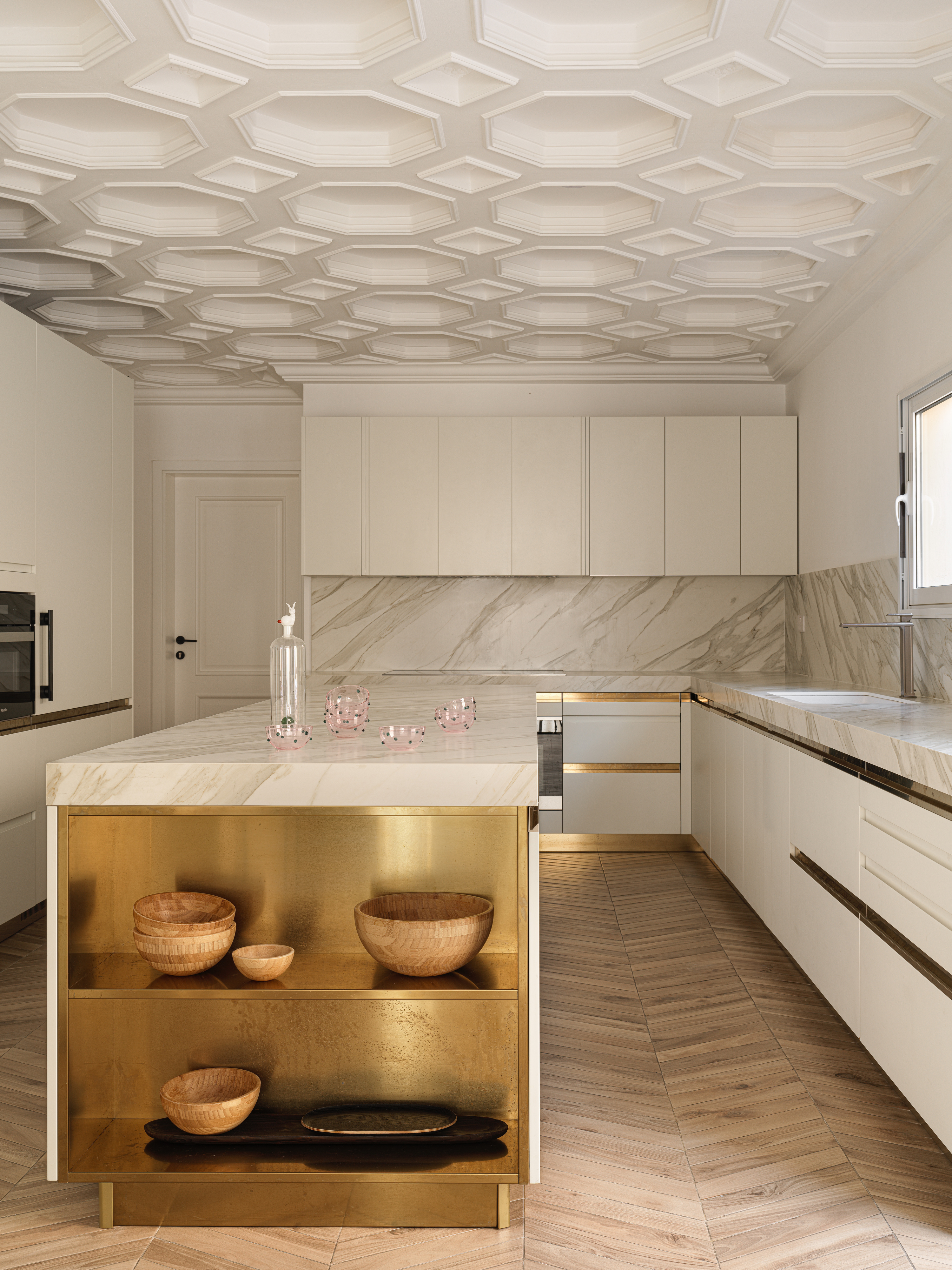
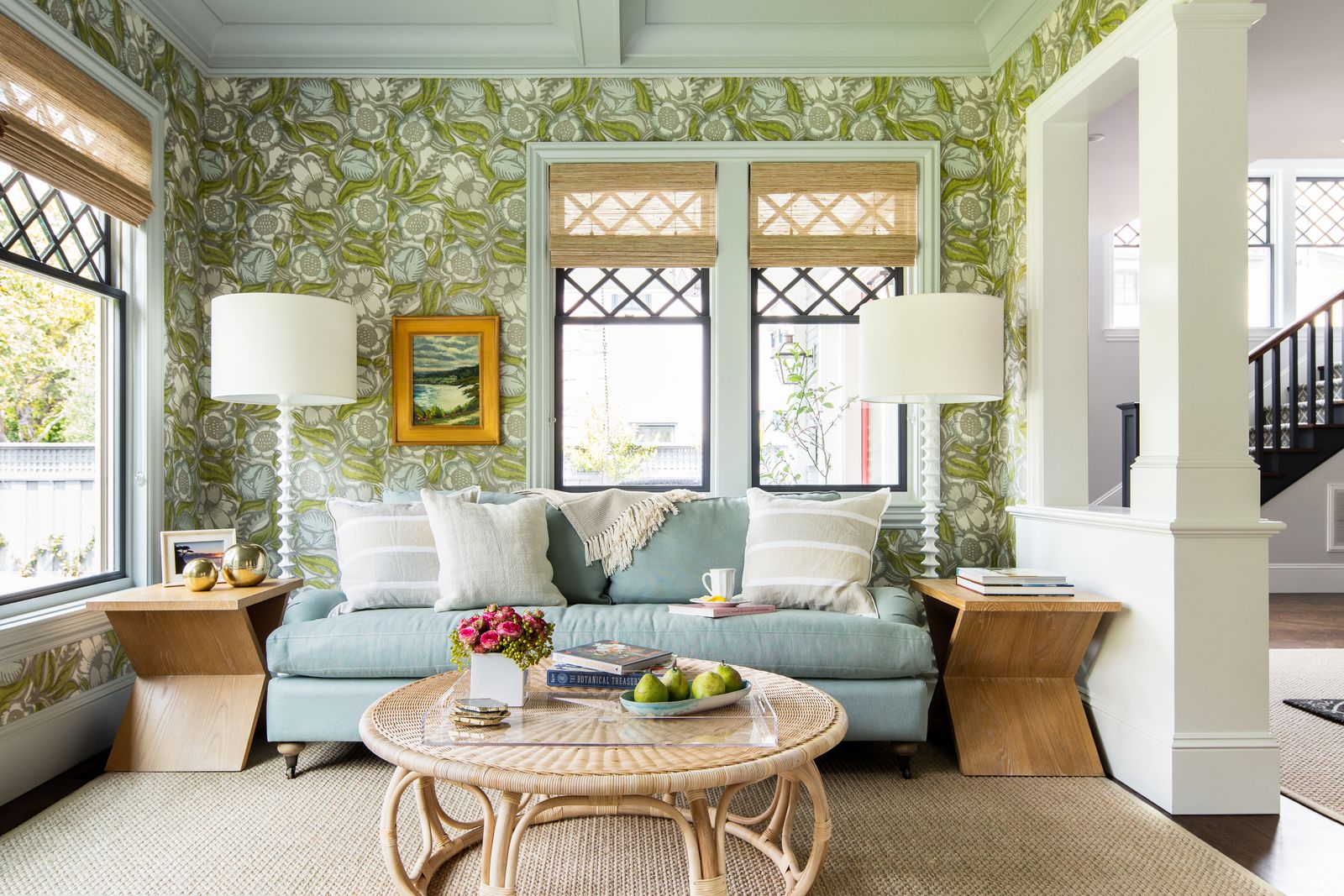
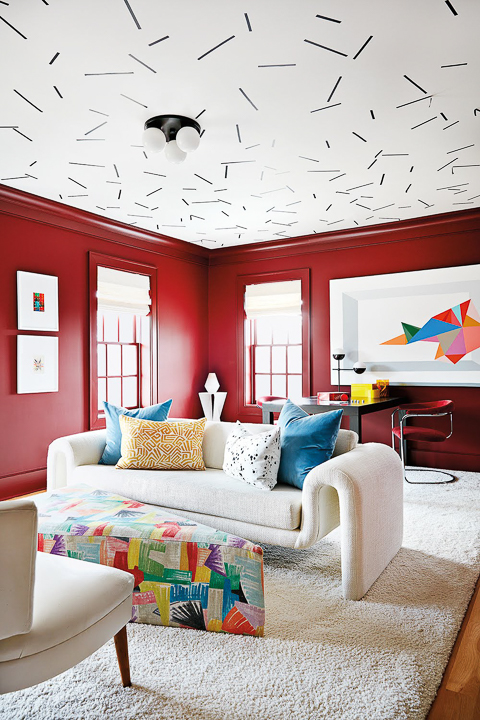
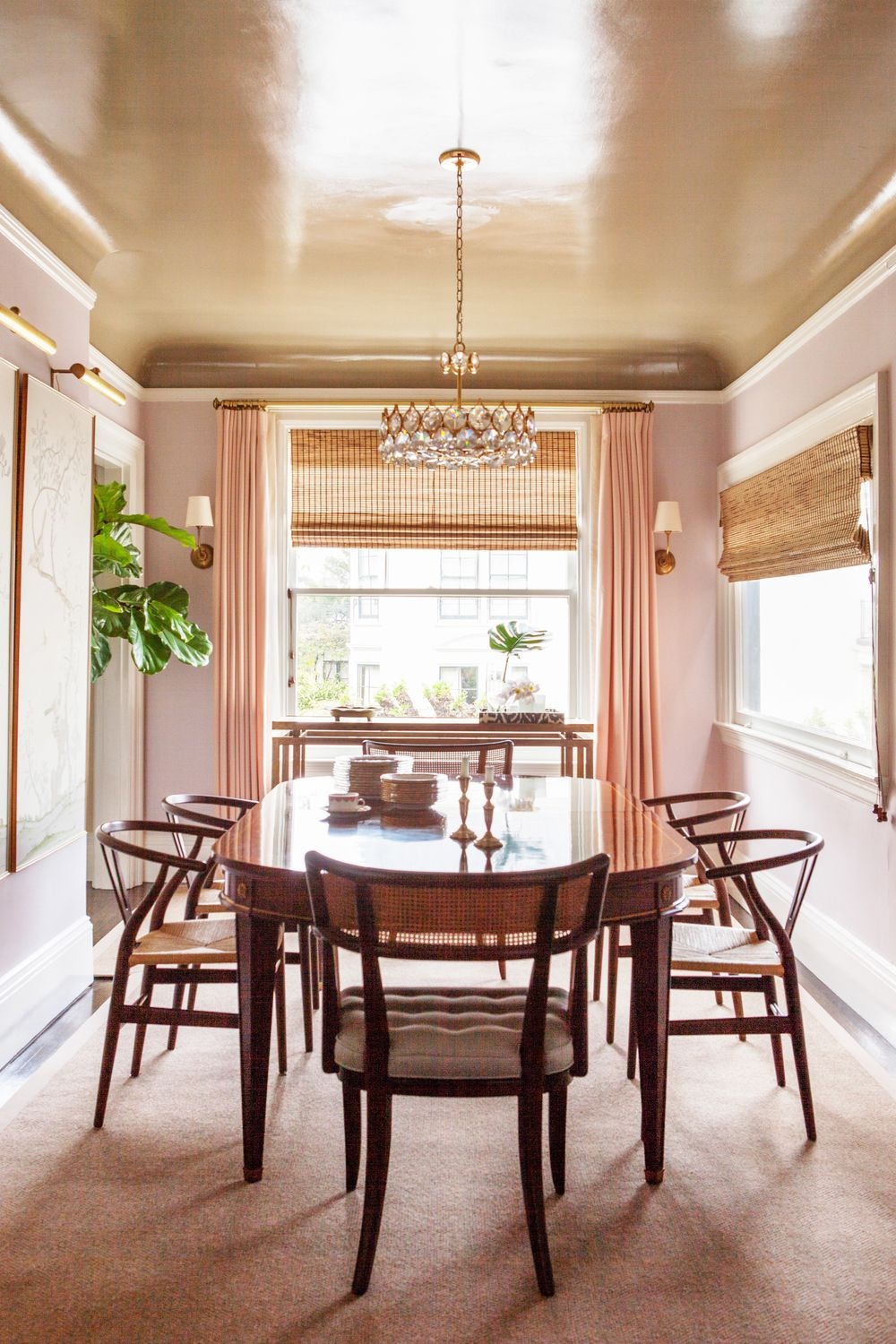
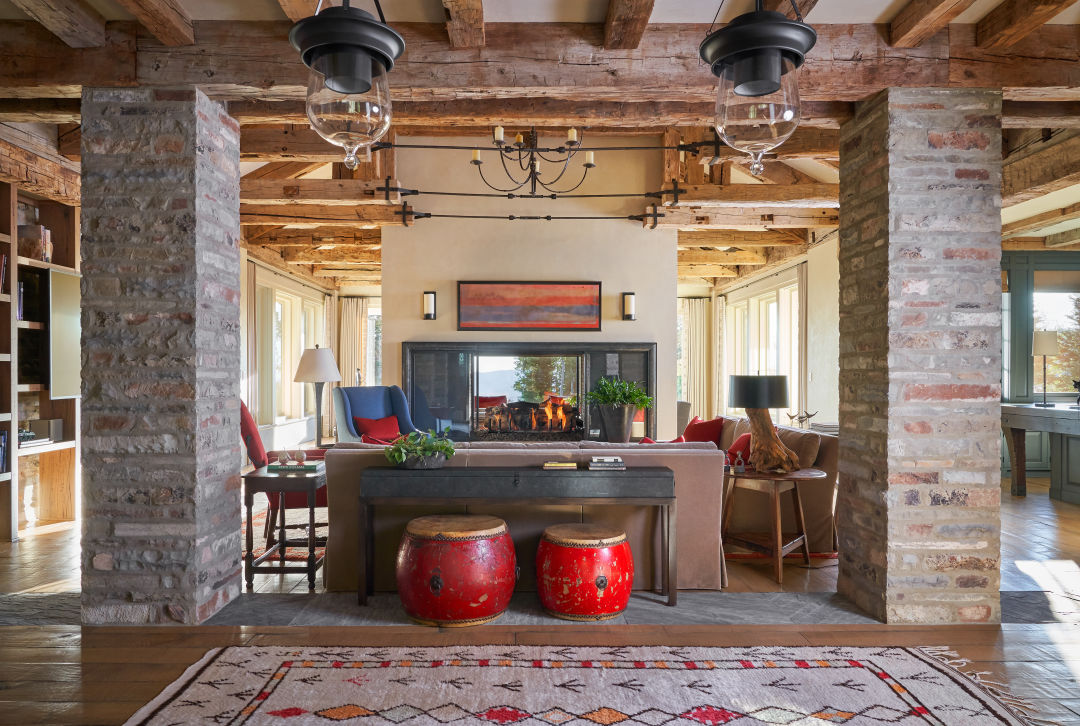
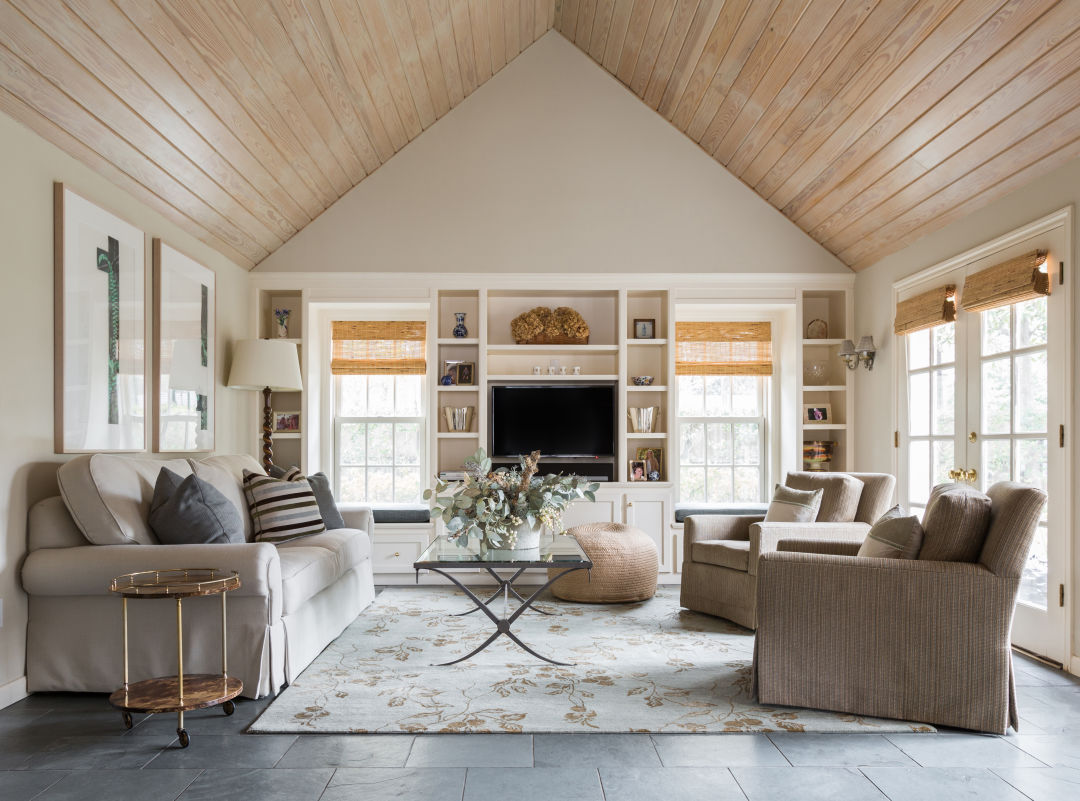
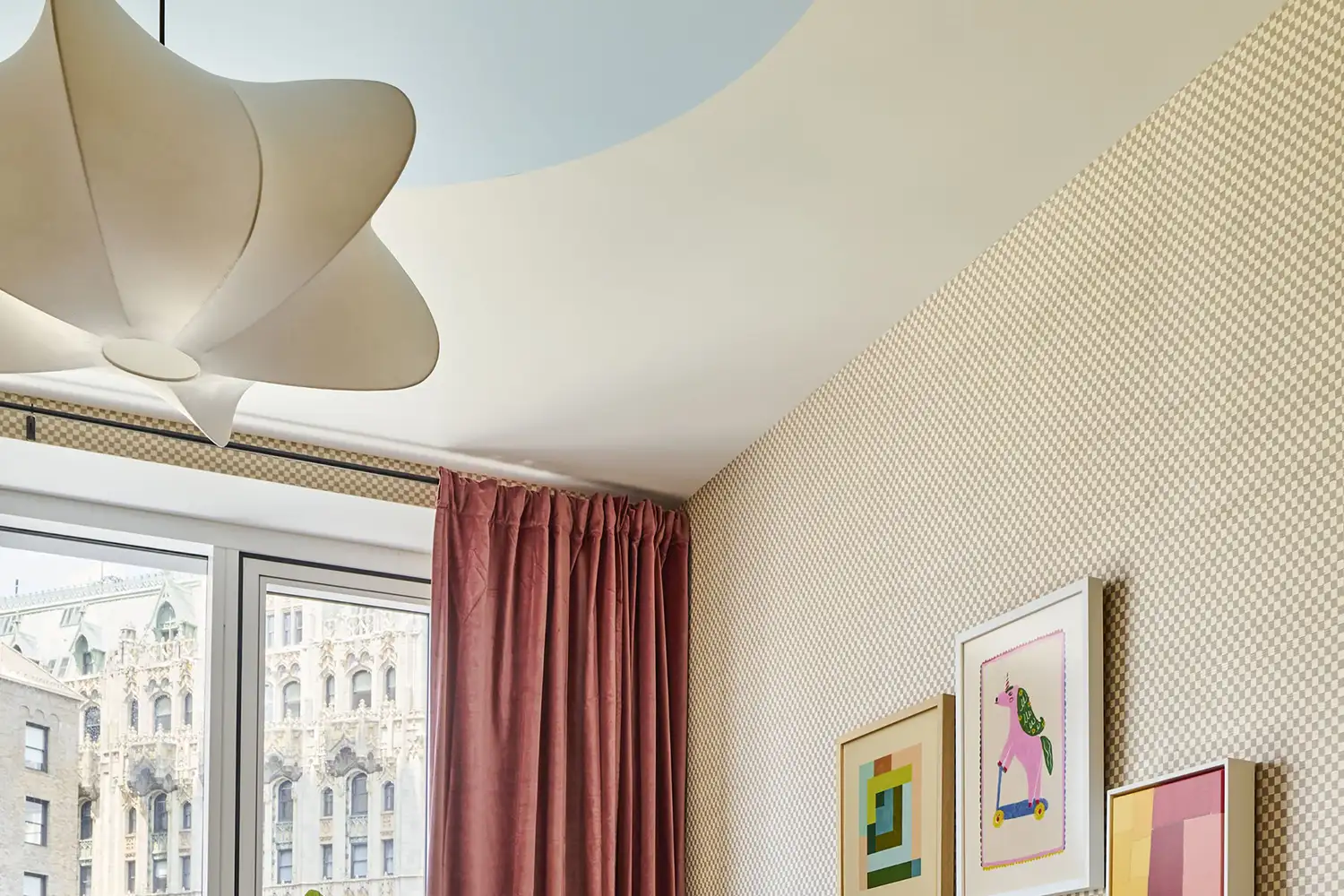
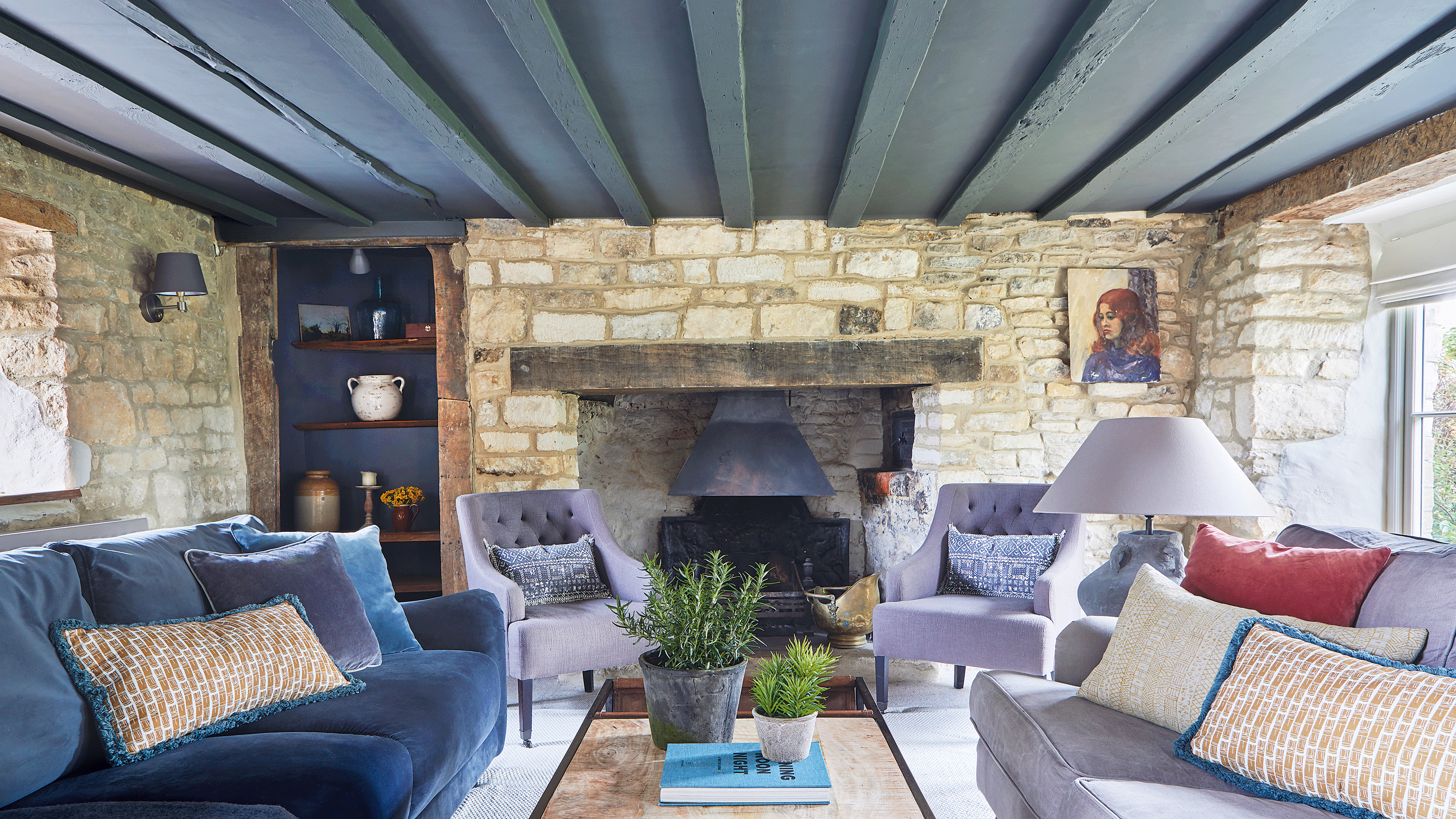
Even homes with existing feature ceilings, such as domed, coffered, or paneled designs, can benefit from paint. Introducing color to these features can further accentuate their architectural beauty. For example, painting a tray ceiling in a sky blue can create the illusion of an open sky, enhancing the room's calming effect. Lastly, murals, whether abstract or patterned, can be applied to a portion of the ceiling. This can serve as a creative solution to design challenges, extending a wall pattern onto the ceiling in an artful way, adding dimension, and visual interest. When considering paint types, standard matte emulsion is suitable for most ceilings, but gloss paint is also an option, capable of reflecting light and creating an illusion of height or a unique 'watery' effect with subtle variations.
#PaintedCeilings #InteriorDesign #HomeDecoration #CeilingTrends #ColorSchemes #ArchitecturalDetails #MuralArt #SpatialDesign #AccentWalls #DIYHomeDecor #PaintedCeilings #InteriorDesign #HomeDecoration #CeilingTrends #ColorSchemes #ArchitecturalDetails #MuralArt #SpatialDesign #AccentWalls #DIYHomeDecor
0 comment in total
 No comments yet
You may also like
Should you paint your ceiling a different colour to the walls? Experts explain why everyone should consider it
How to paint a ceiling - the expert guide to giving the fifth wall a fresh look

7 Glamorous Hacks to Transform a Boring White Ceiling

11 Painted Ceilings That Make White Look So Boring

Ceiling paint ideas – 10 ways to make your fifth wall wonderful

Yes, You Should Absolutely Paint Your Ceiling
Designers Swear by This "Fifth Wall” Painting Tip to Elevate Any Room

How to make your ceiling more attractive – 7 ways to turn the neglected fifth wall into a beautiful feature
Trend Alert: Here’s How To Perfect The Painted Ceiling Look

22 Painted Ceiling Ideas to Elevate the Whole Room

How to Paint a Ceiling, From Picking a Color to Actually Getting It Up There
Painting the ceiling with colour is a trend that is looking up
This Painted Ceiling Trend For 2023 Is So Chic

When you should and shouldn't paint your ceiling, according to interior designers

Living room ceiling ideas – perk up your 5th wall with our expert advice
How Decorating Your Ceiling Can Transform Your Entire Room

30 ways to decorate a ceiling (with no boring white in sight)
Designers Are in Love With "Unexpected Ceilings" — This Creative Trend is Elevating Modern Spaces

5 Best Ceiling Paints
Hot Home Trend: Painted Ceilings