1/5
Should You Put Wallpaper on the Ceiling? Here’s What Designers Recommend
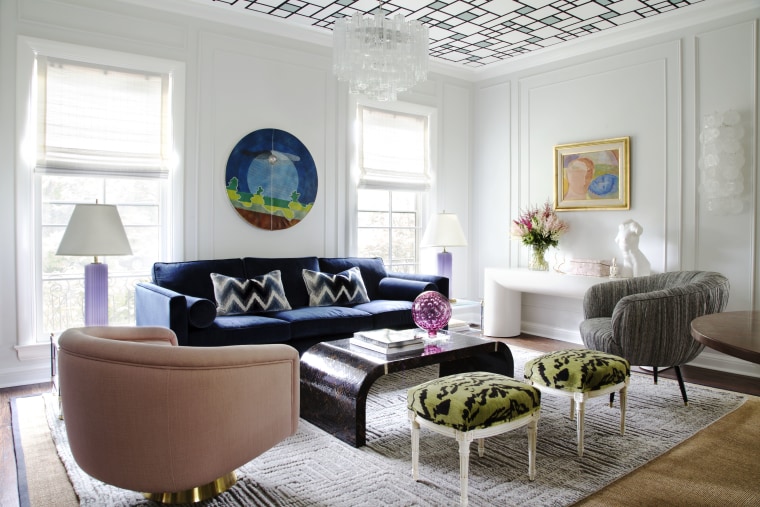
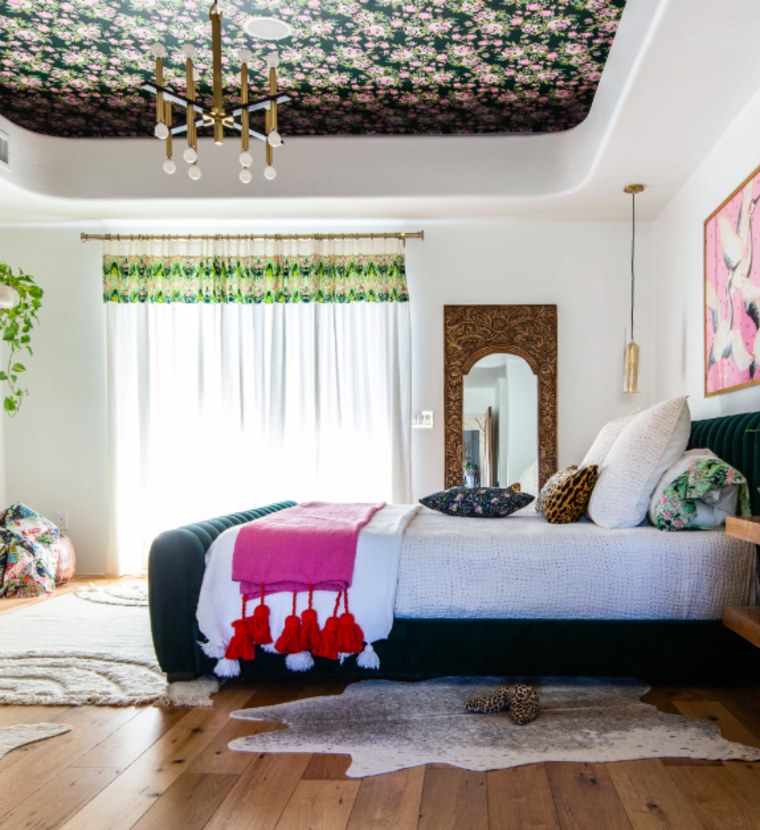
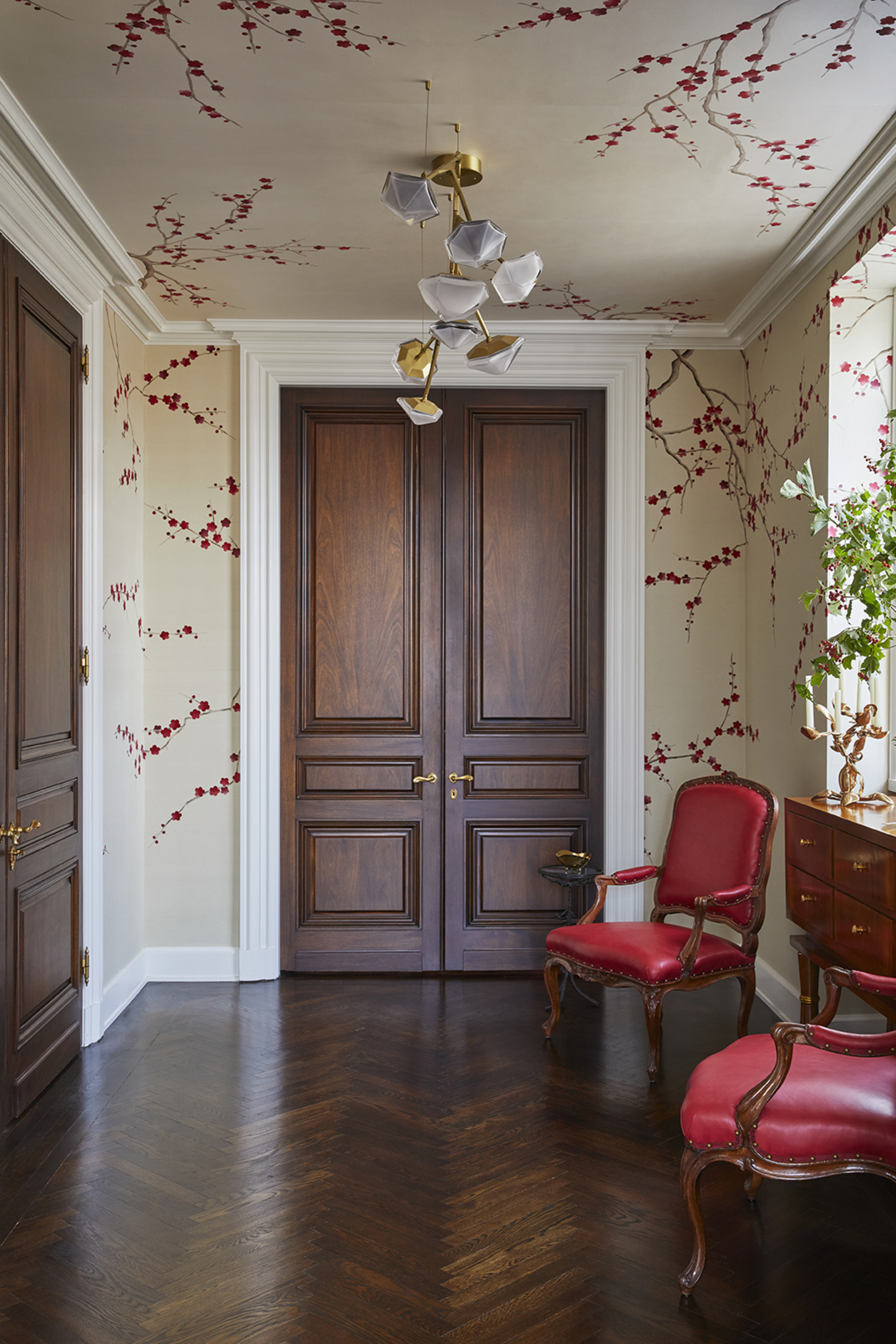
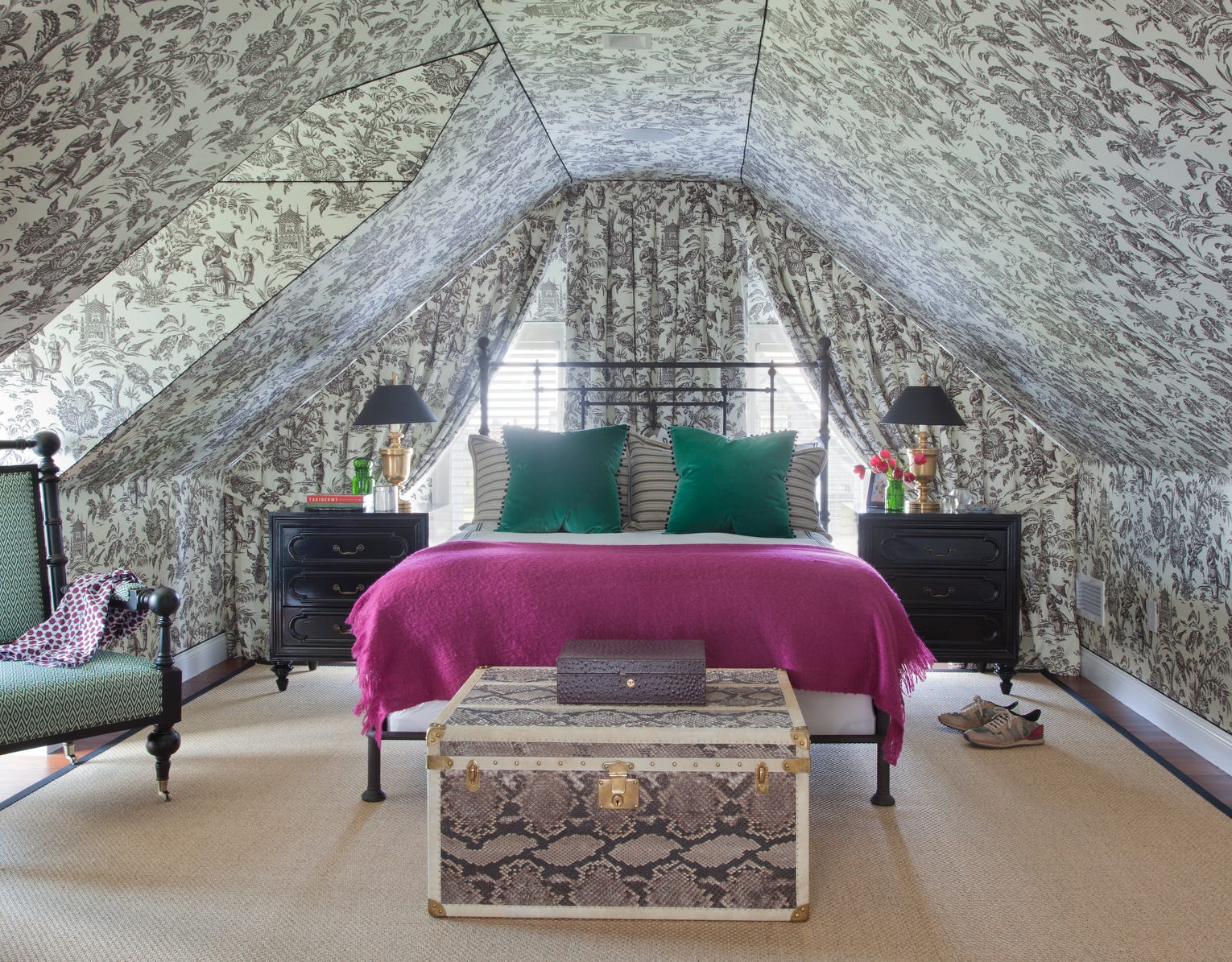
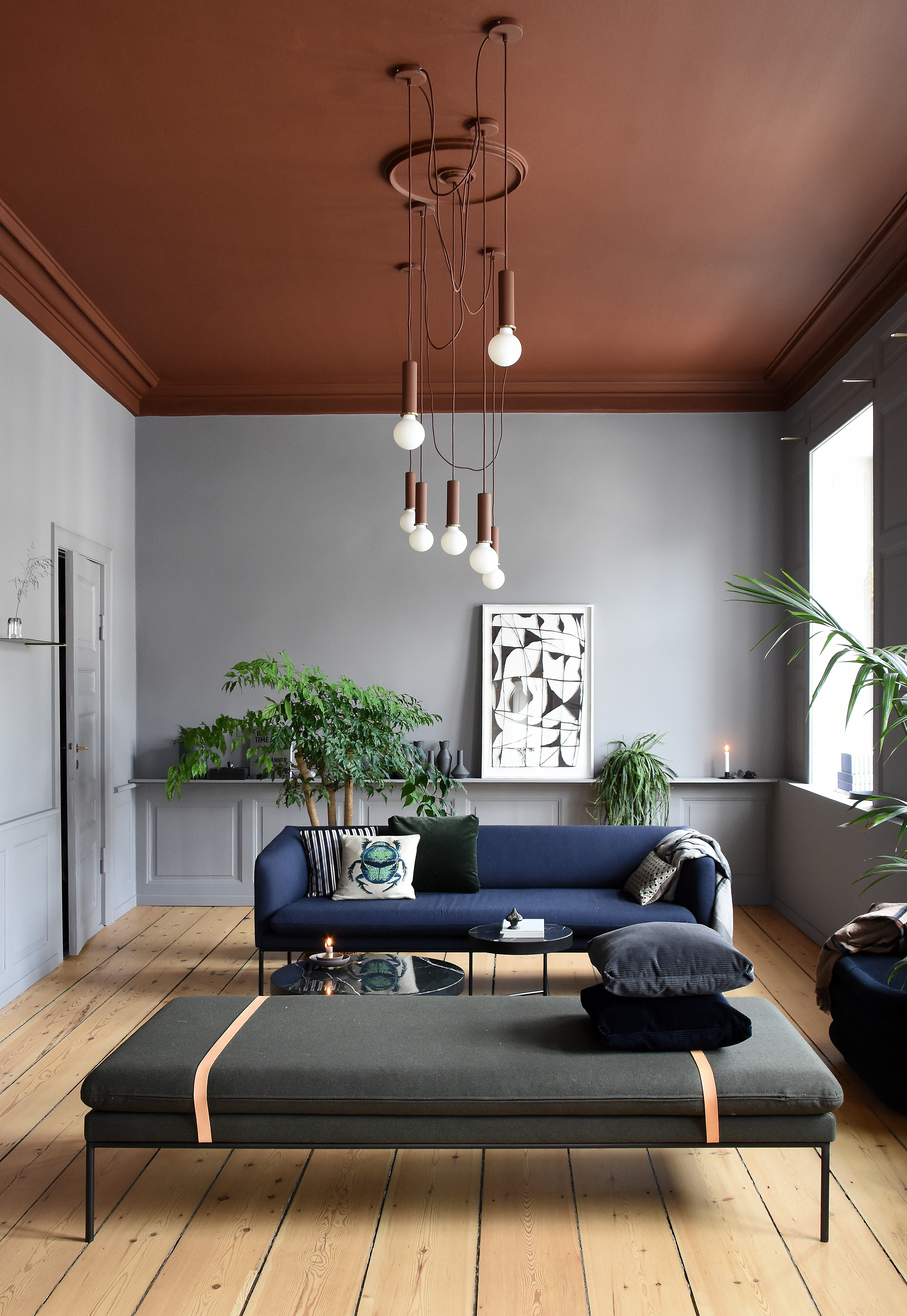
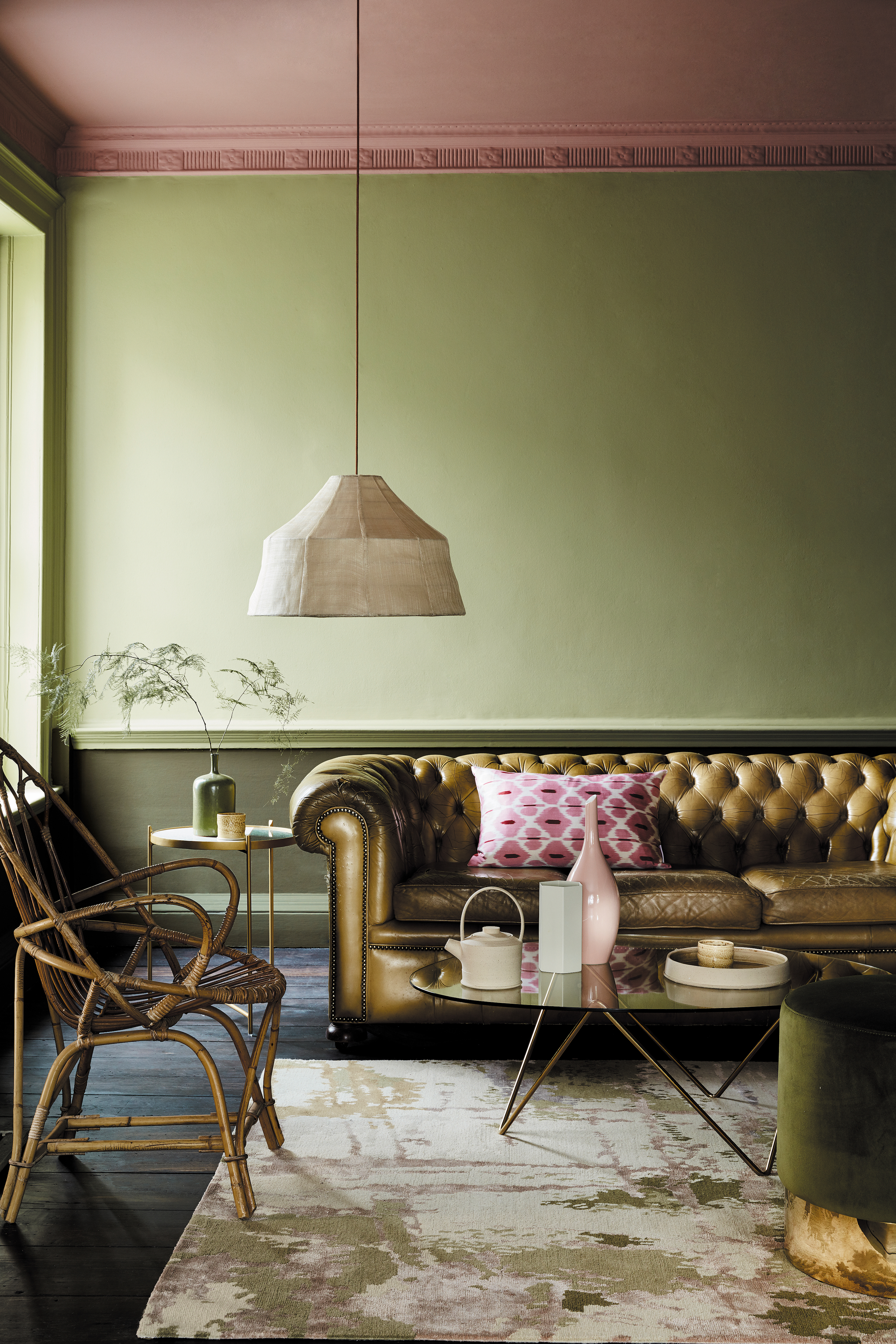
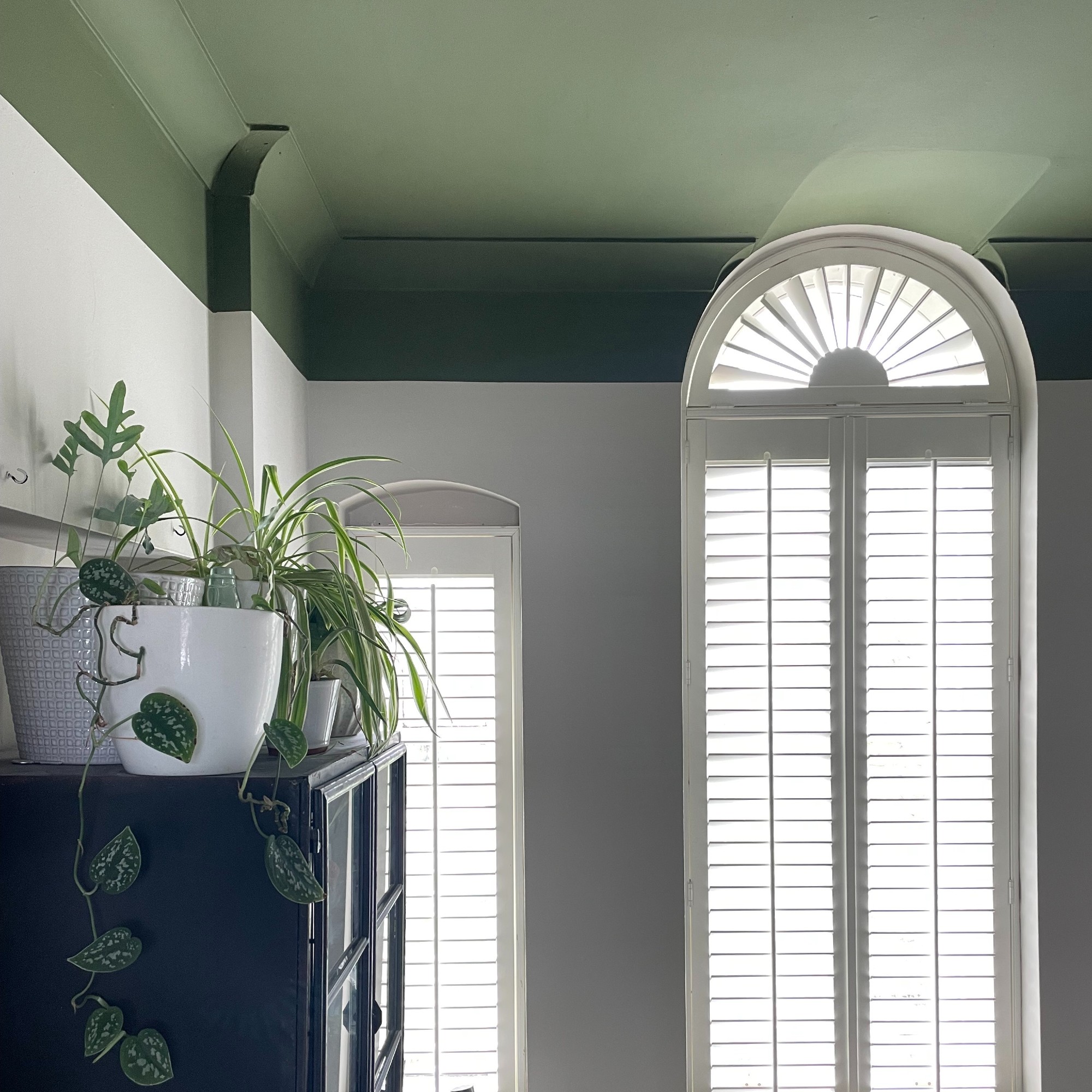
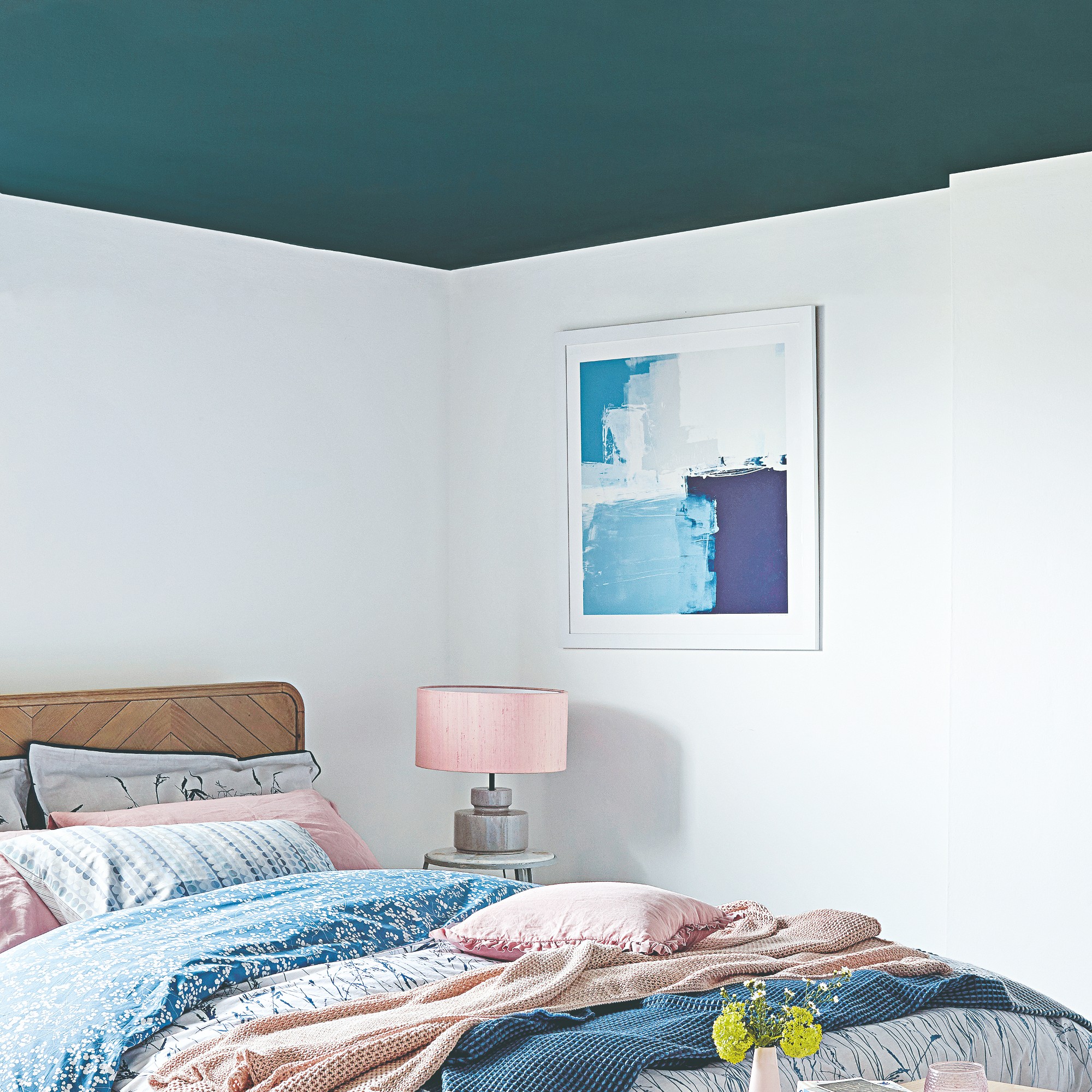
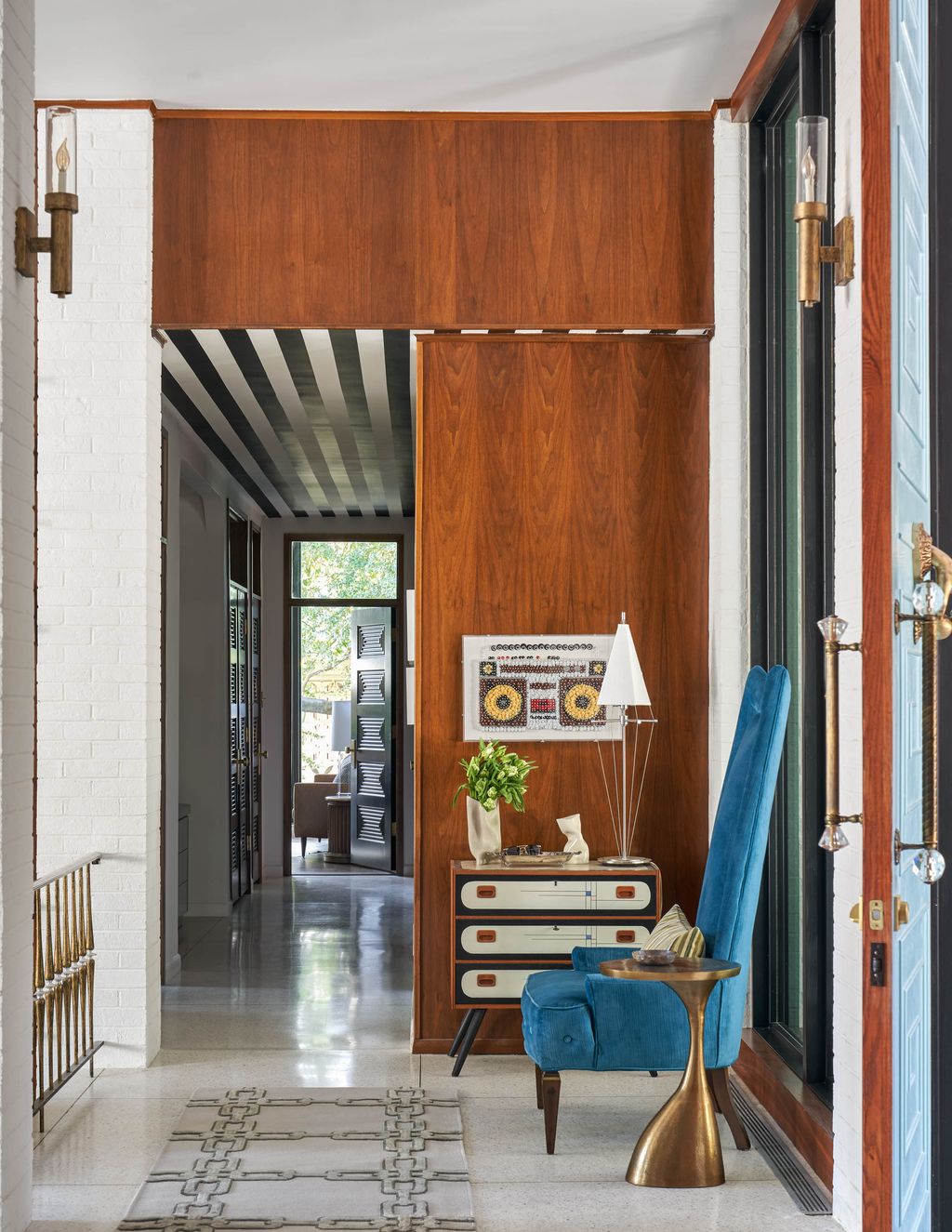
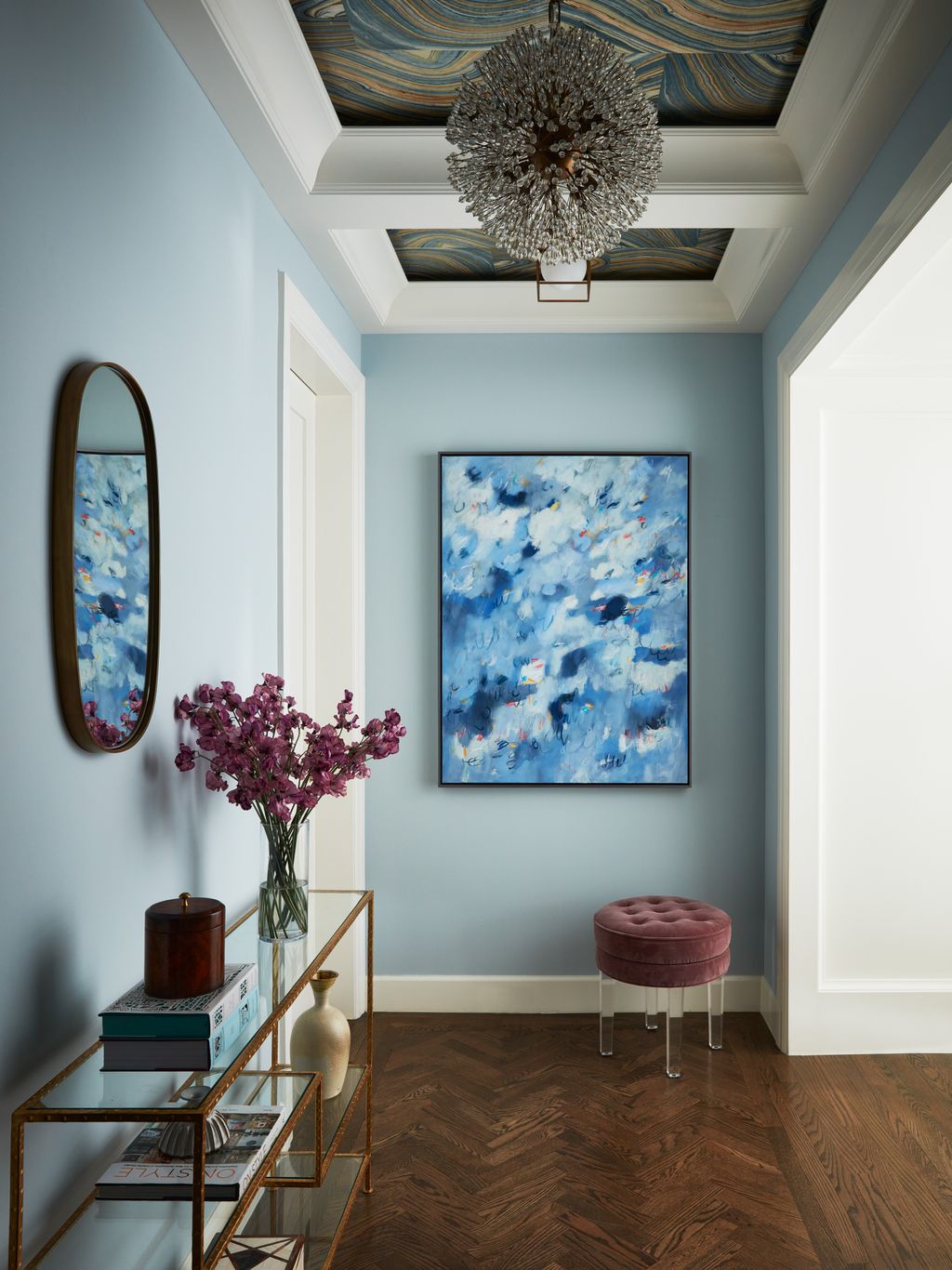
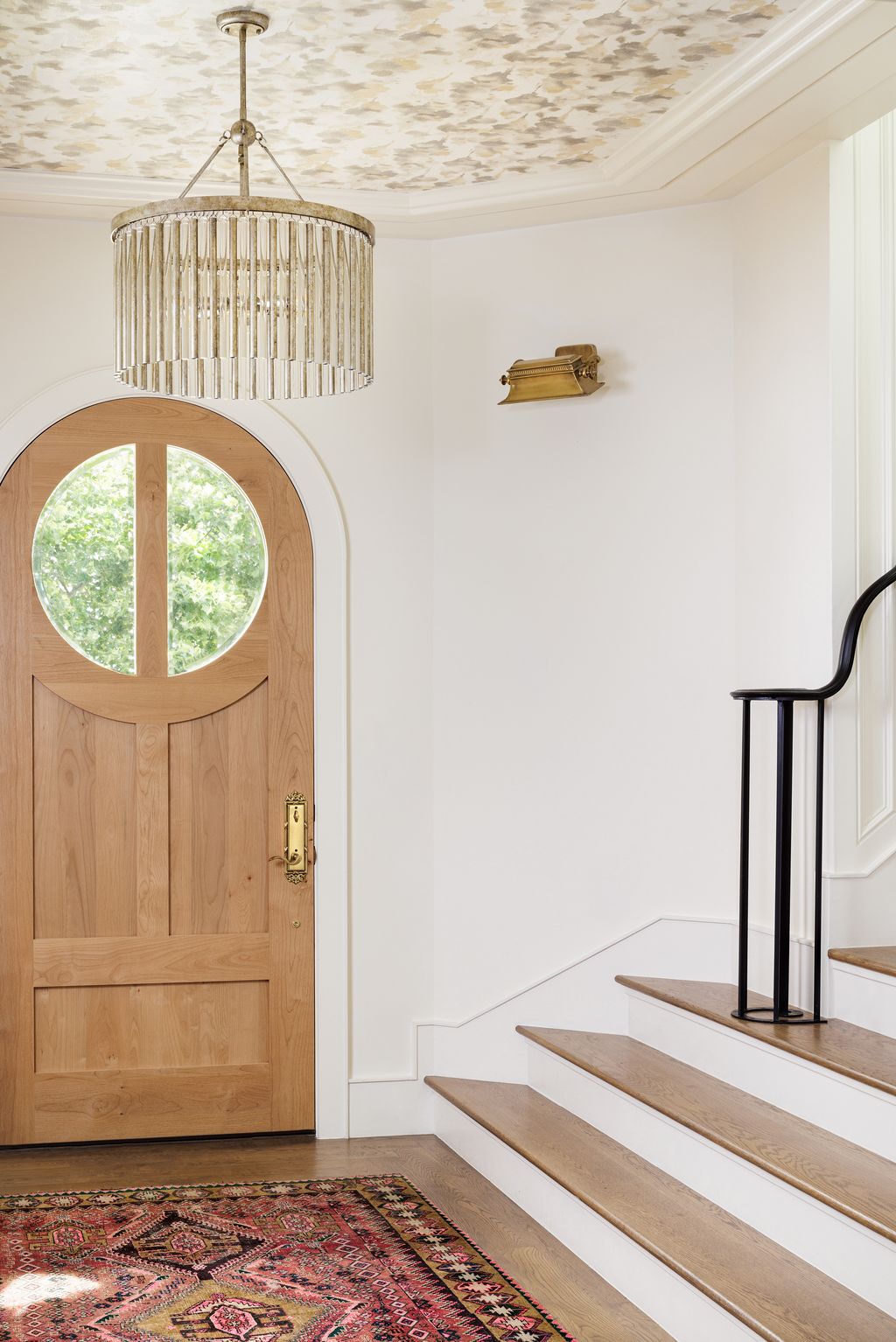
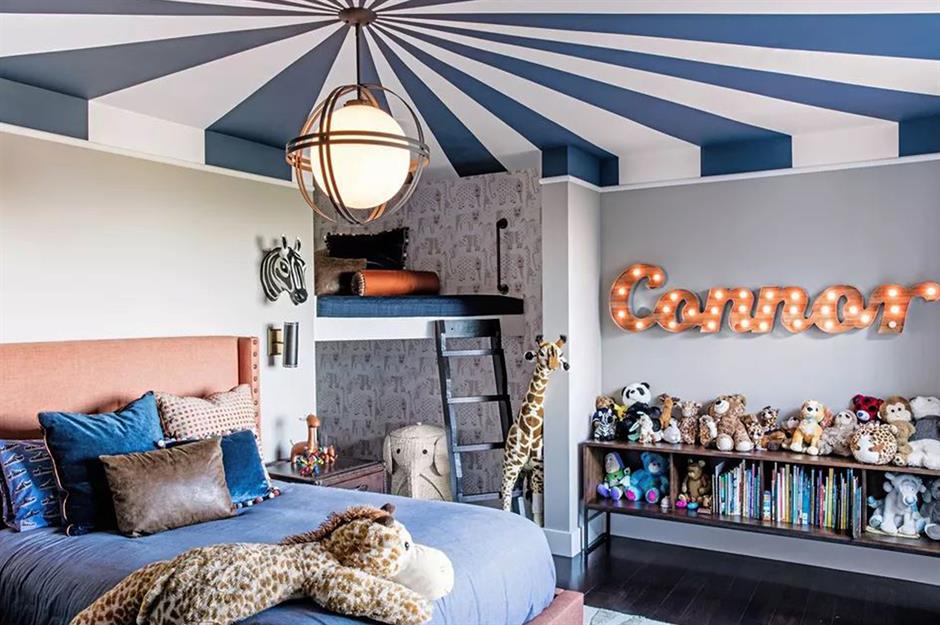
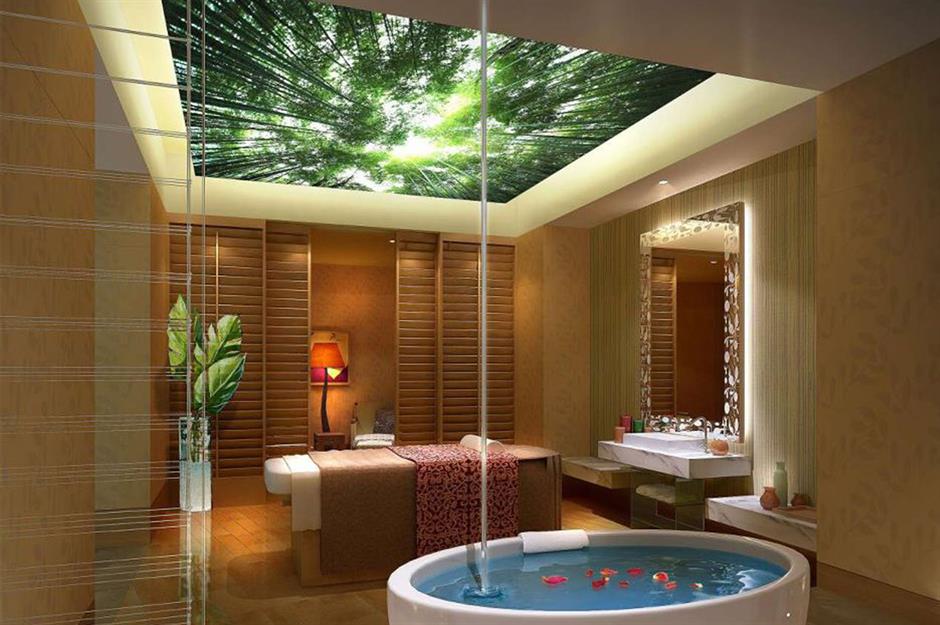
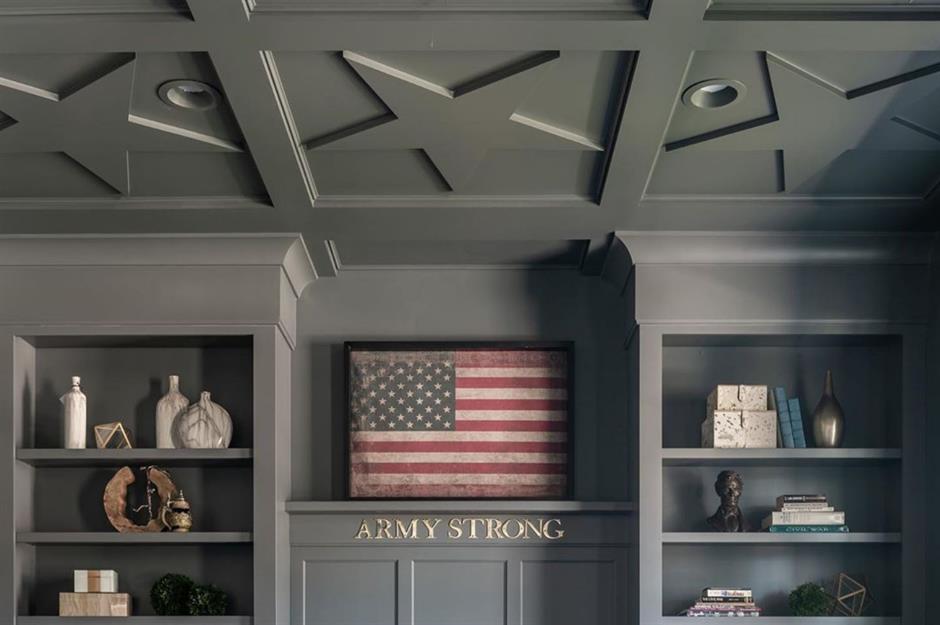
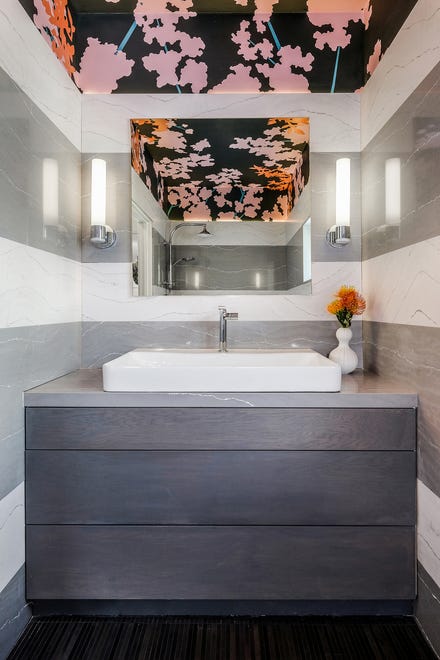
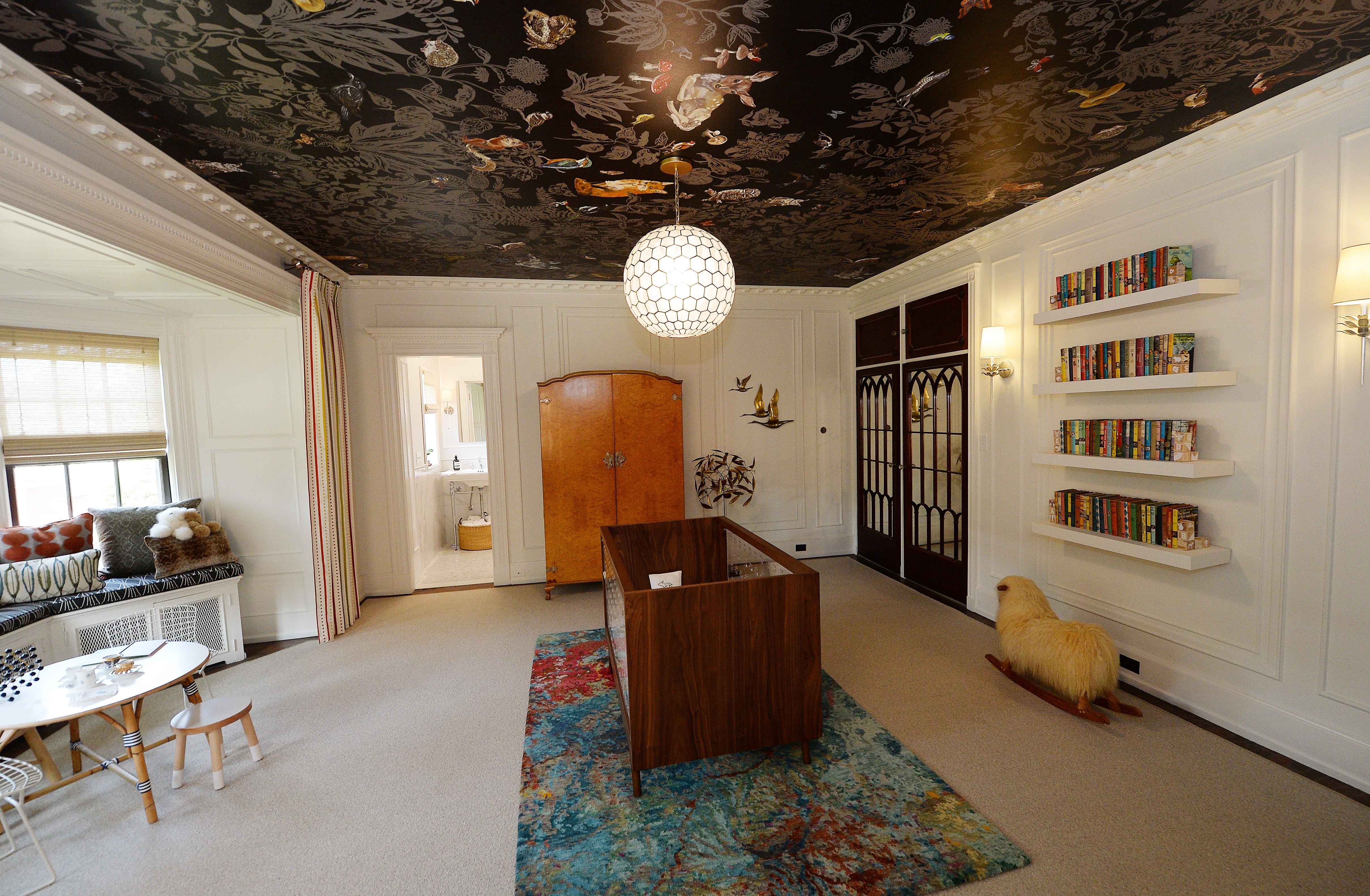
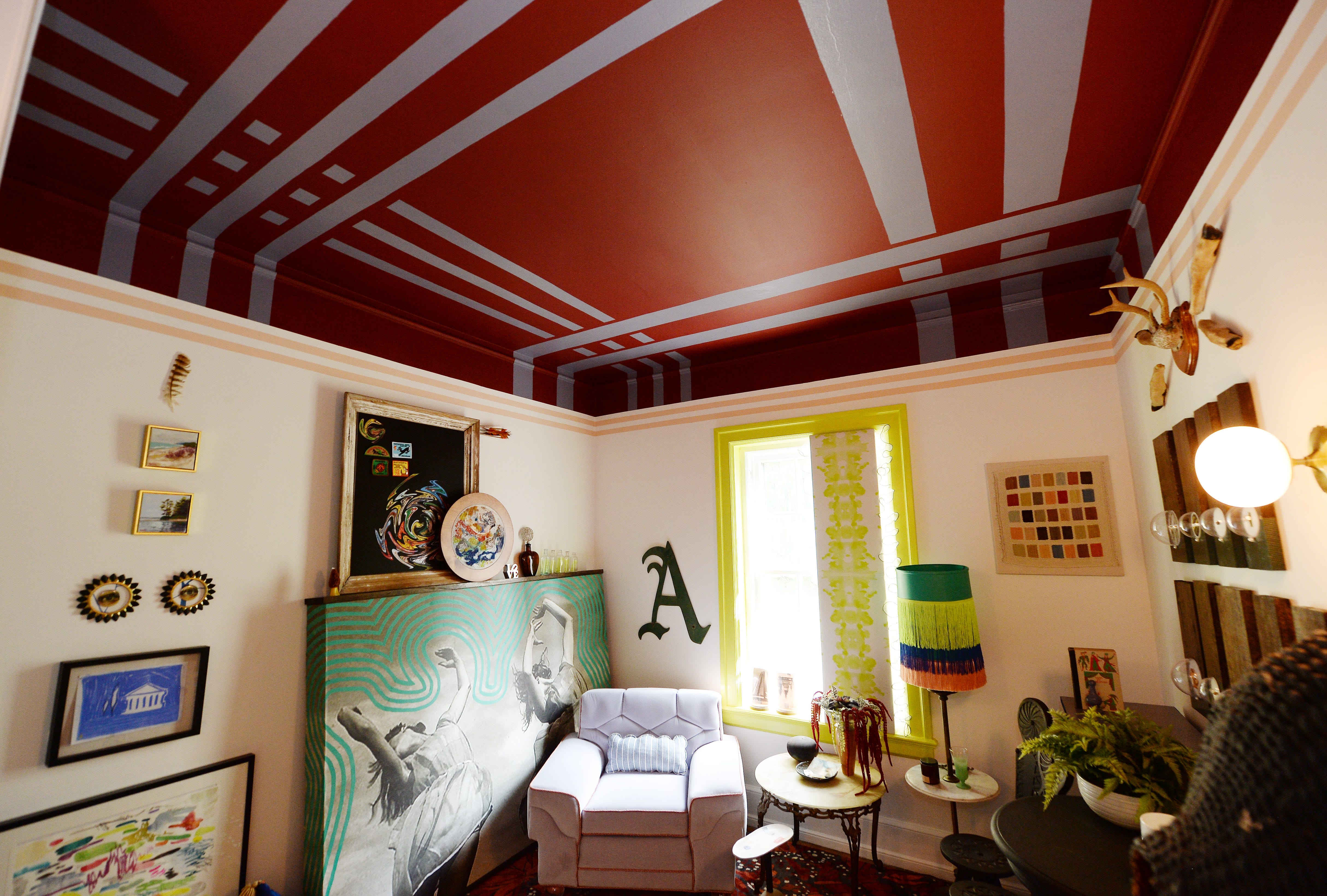
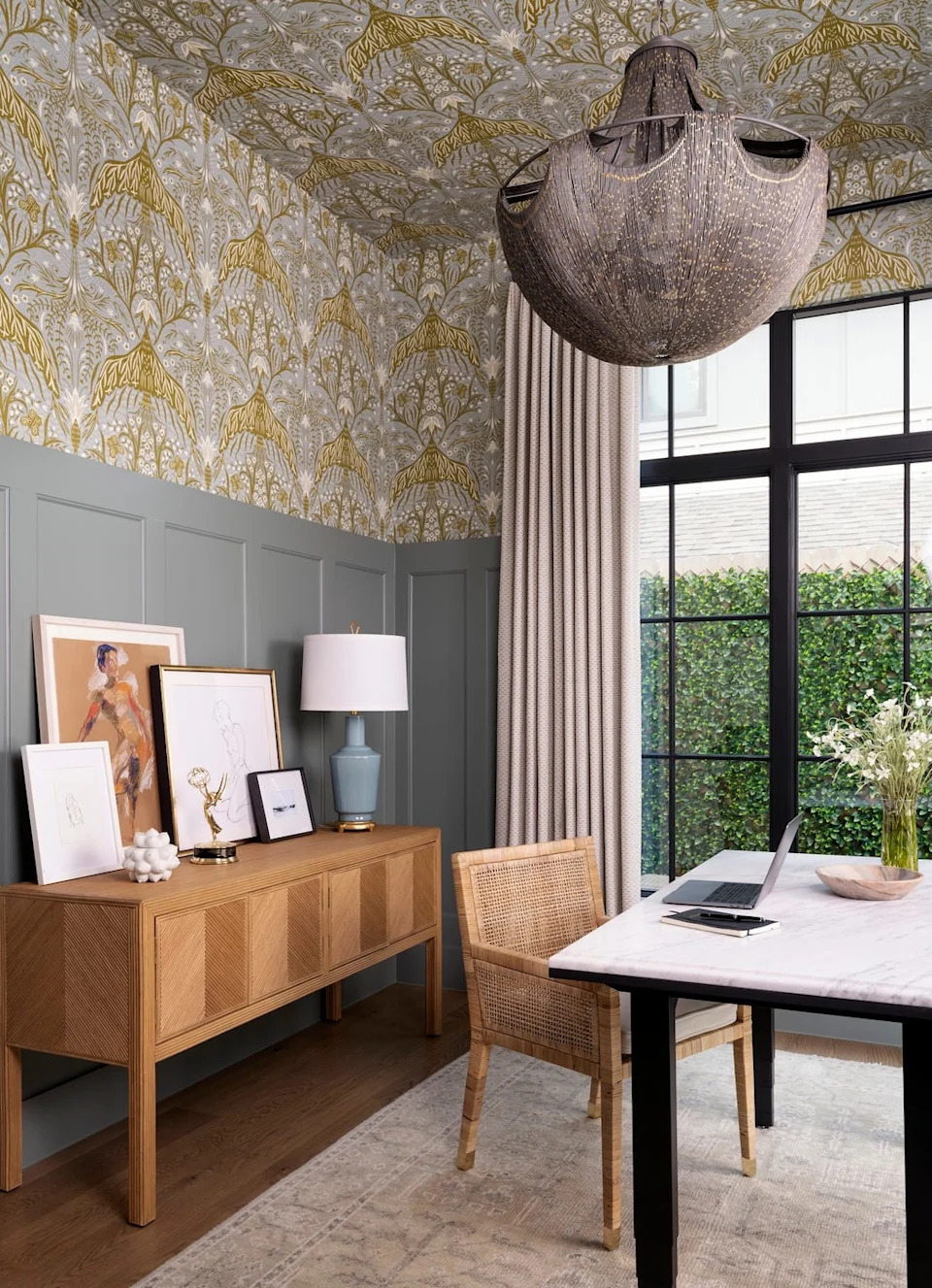
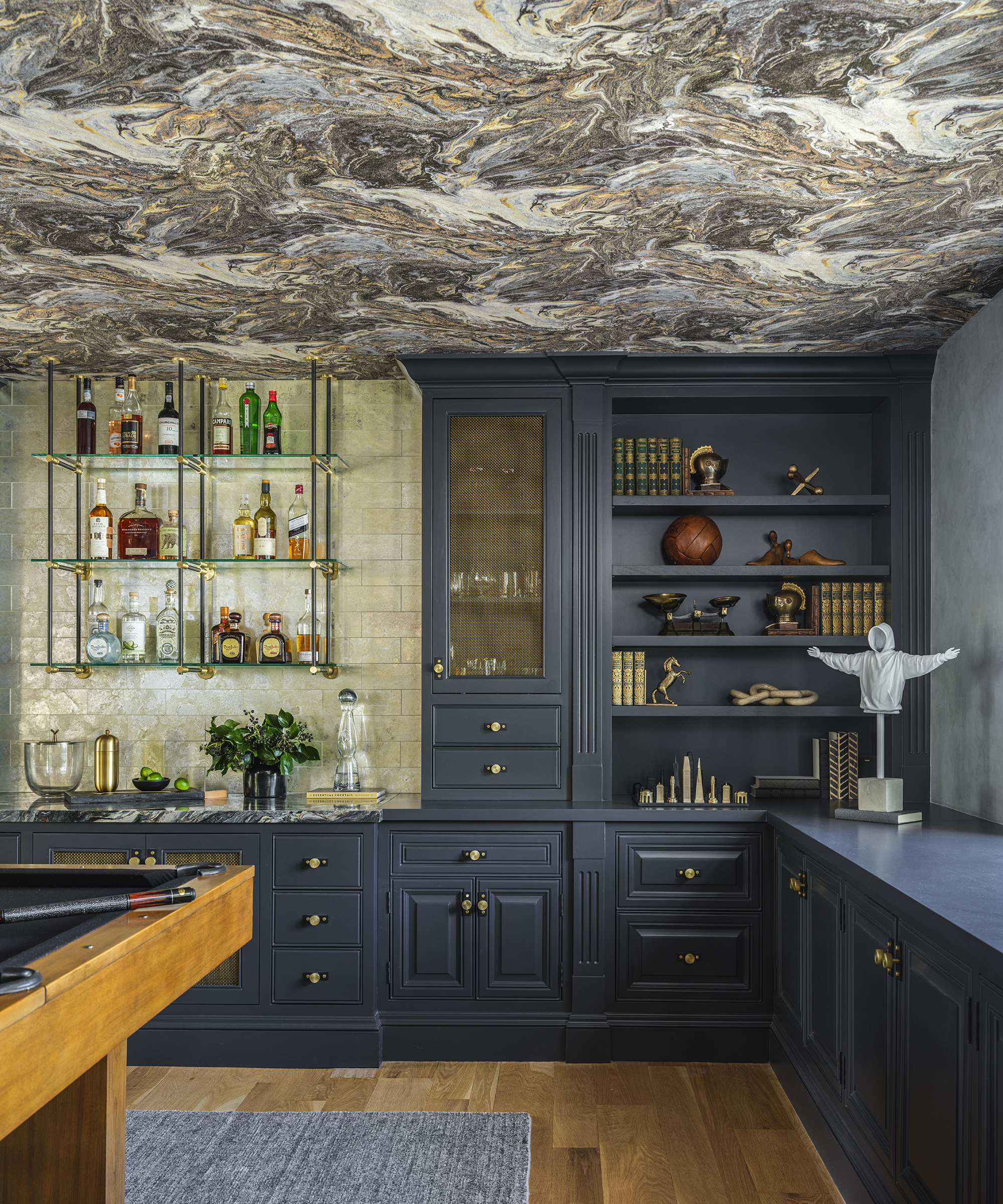
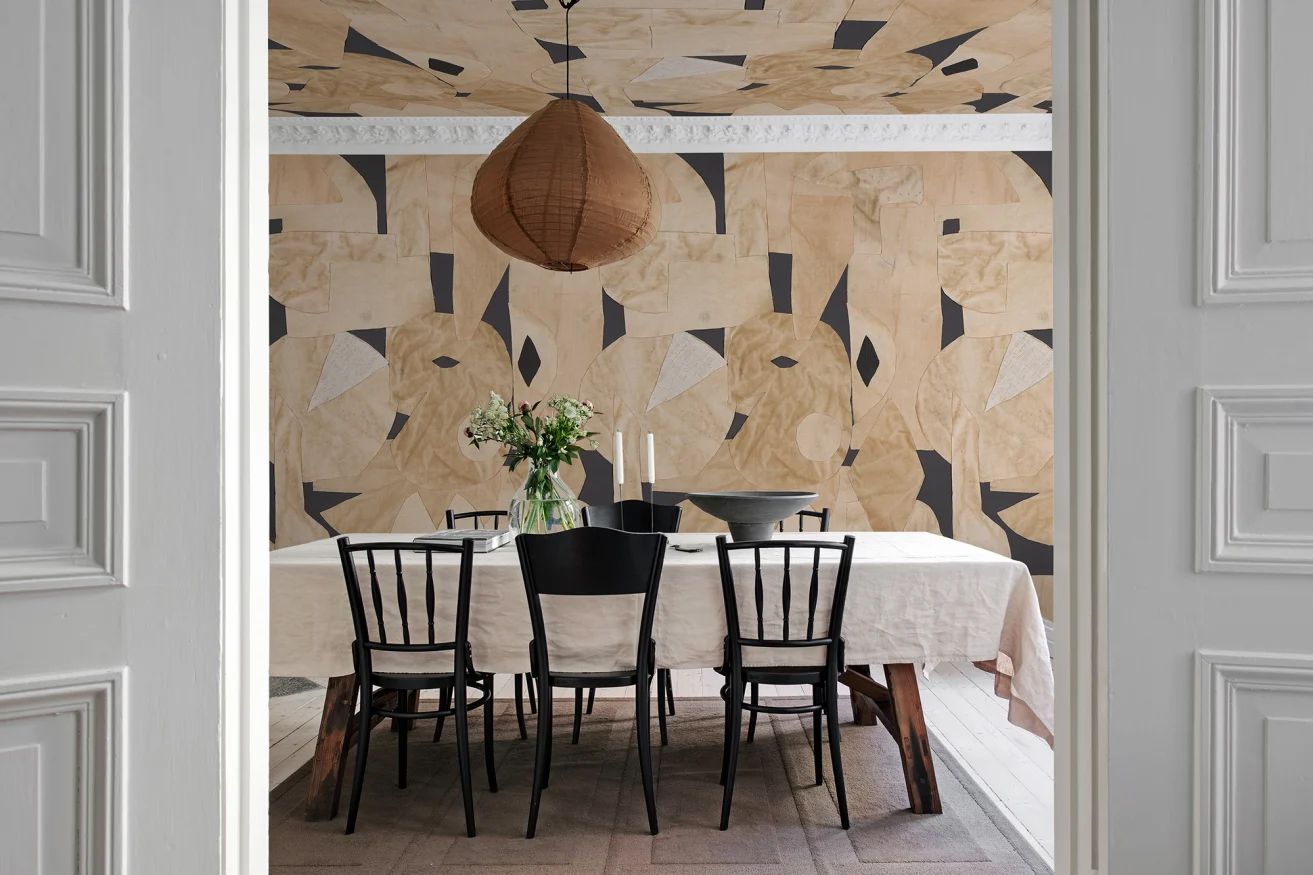
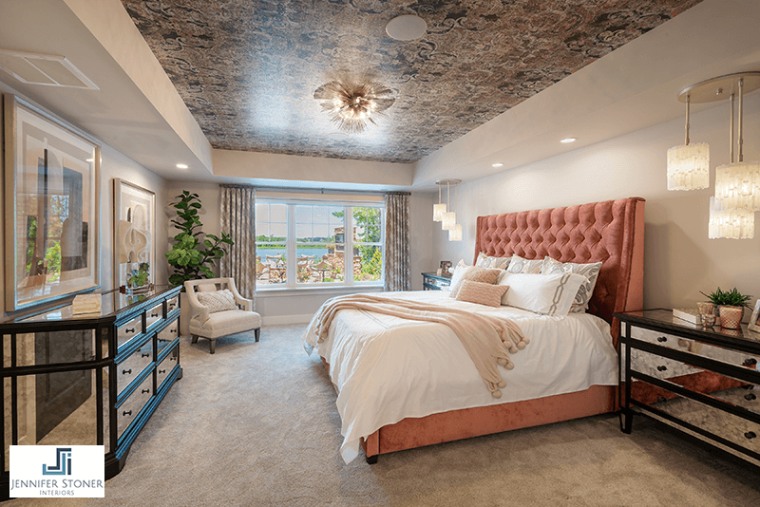
The article explores the emerging trend of wallpapering ceilings, often referred to as the “fifth wall,” as a method to enhance home interiors. This design approach is gaining popularity as individuals move away from minimalist aesthetics and seek more expressive spaces. Designers Linda Hayslett, Emily LaMarque, and Madelaine Mayer highlight that wallpapering a ceiling can instantly make a room feel complete, thoughtful, and more sophisticated. It offers an alternative to overwhelming patterns on all walls, making bold designs more approachable. Beyond aesthetics, practical benefits include softening harsh lighting, balancing tall walls, and creating a sense of intimacy or expansiveness, depending on the chosen pattern.
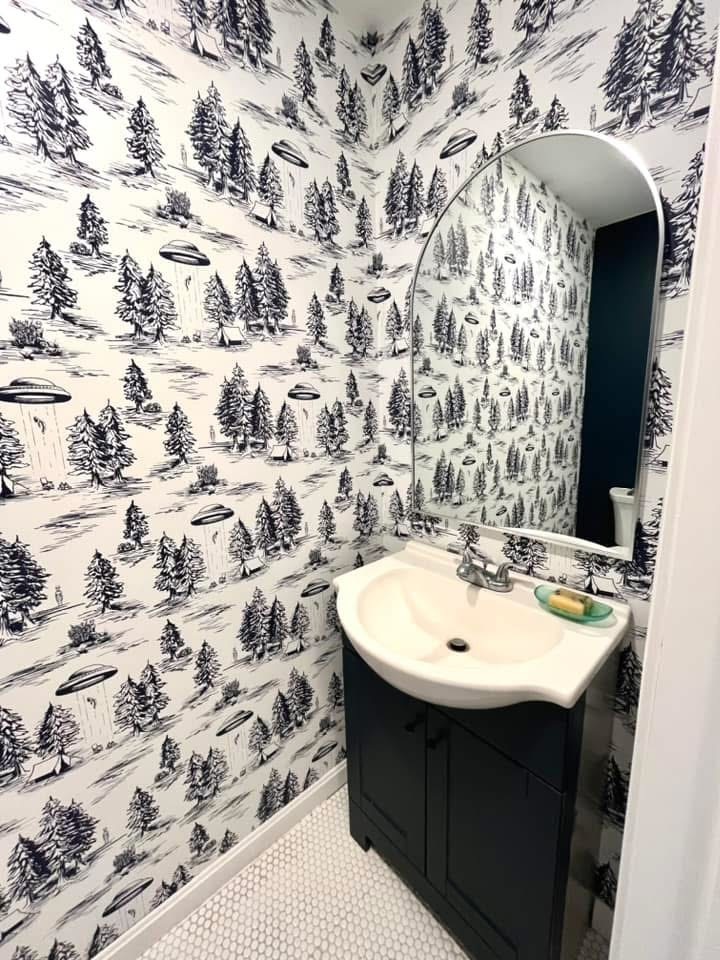
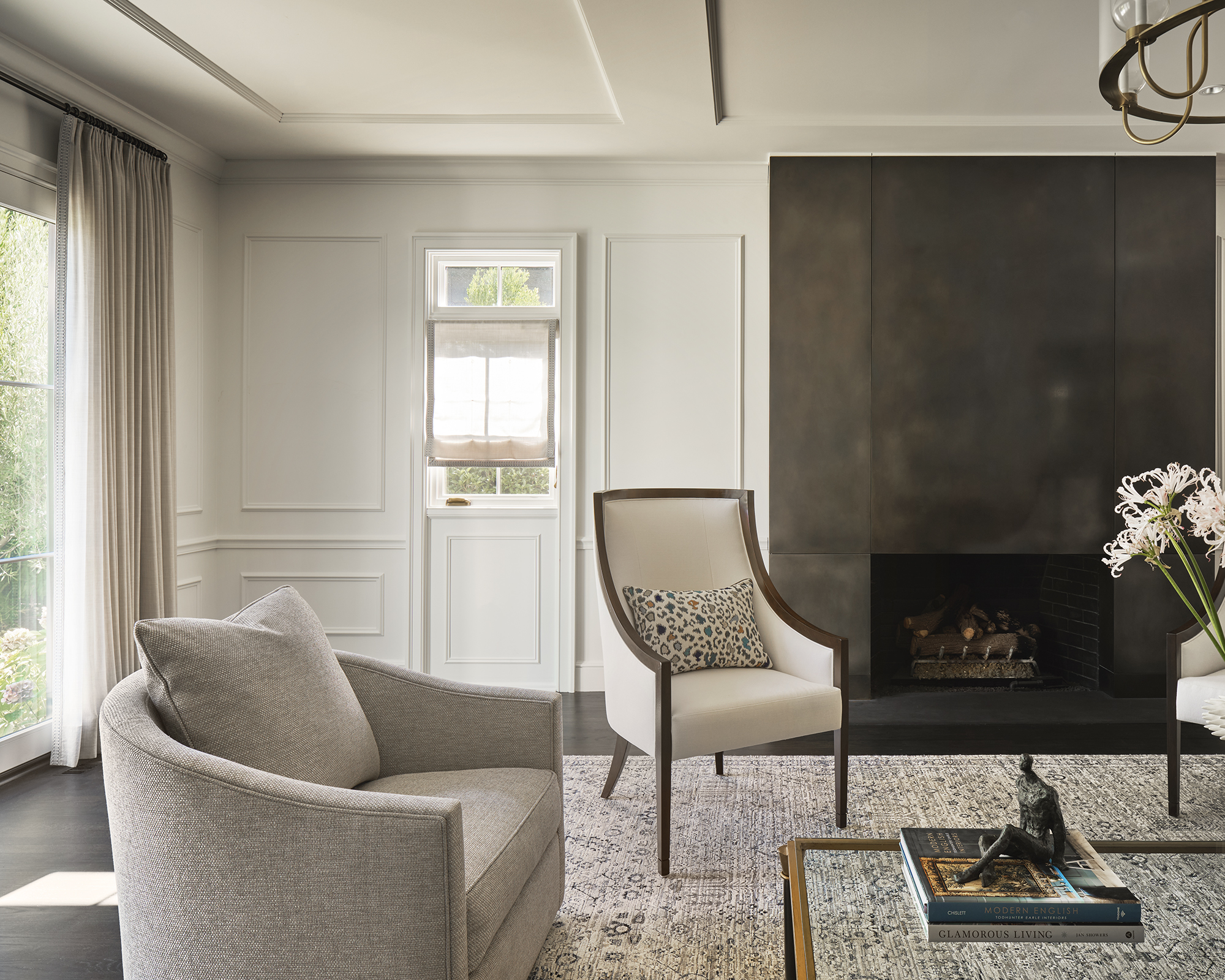
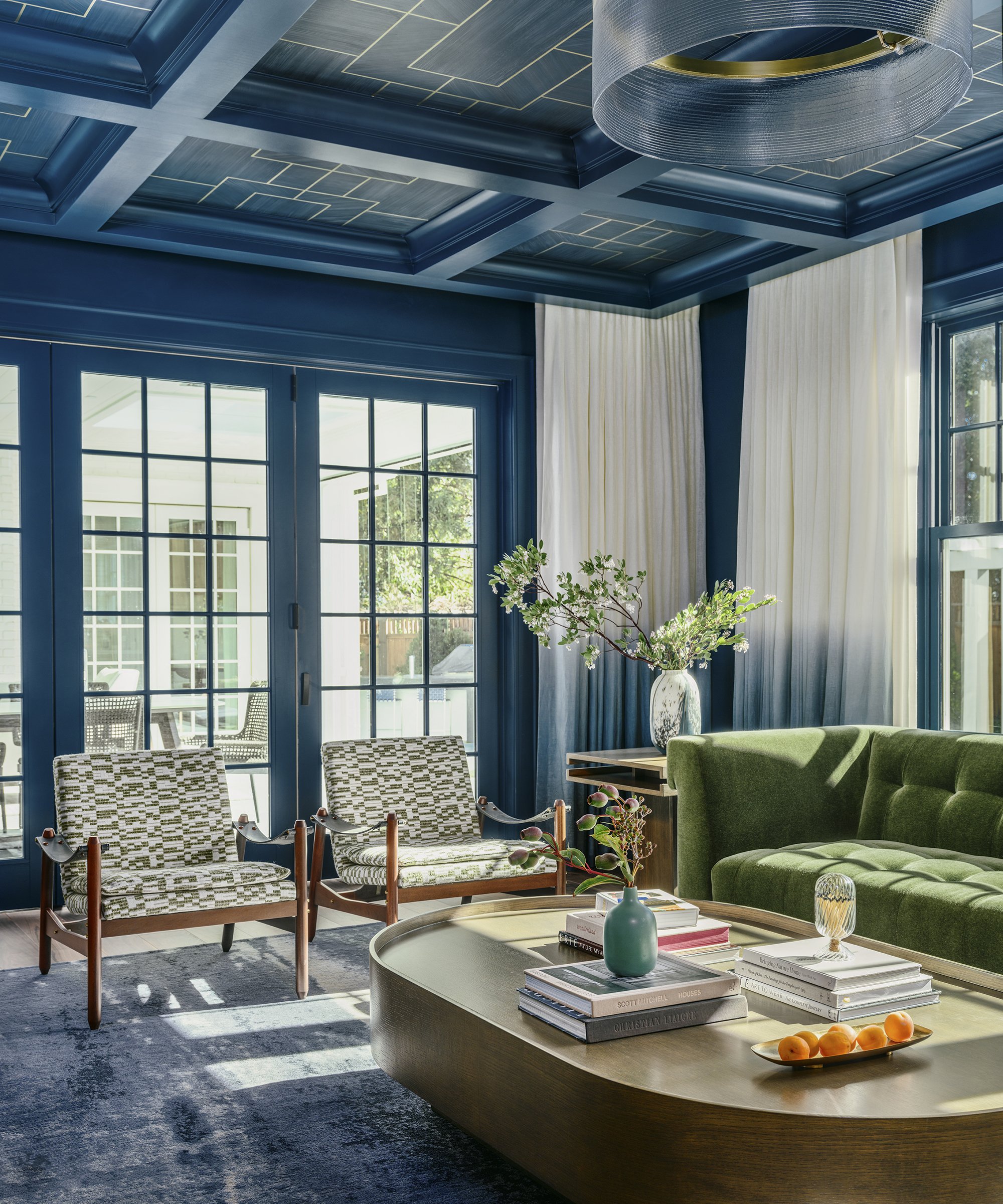
Selecting the appropriate wallpaper involves several considerations. The desired mood of the room should guide the choice, with soft tones and organic patterns fostering coziness, while bold graphics can transform dining rooms or powder rooms into statement areas. Ceiling height is another crucial factor; vertical or subtle patterns can visually extend lower ceilings, whereas darker or intricately detailed designs can add warmth to taller rooms. Integrating the wallpaper with existing décor is essential for a cohesive look. This can be achieved by drawing colors or tones from furnishings such as drapery, rugs, or headboards. Architectural elements like crown molding or beams should also influence the selection, ensuring the wallpaper complements these features rather than clashing with them.
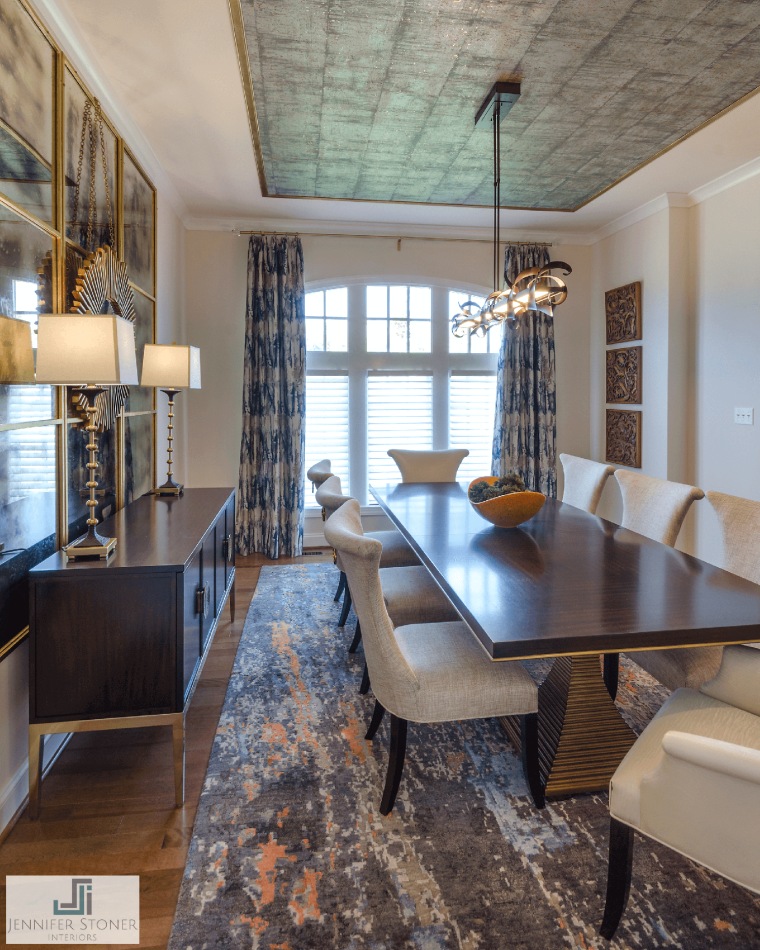
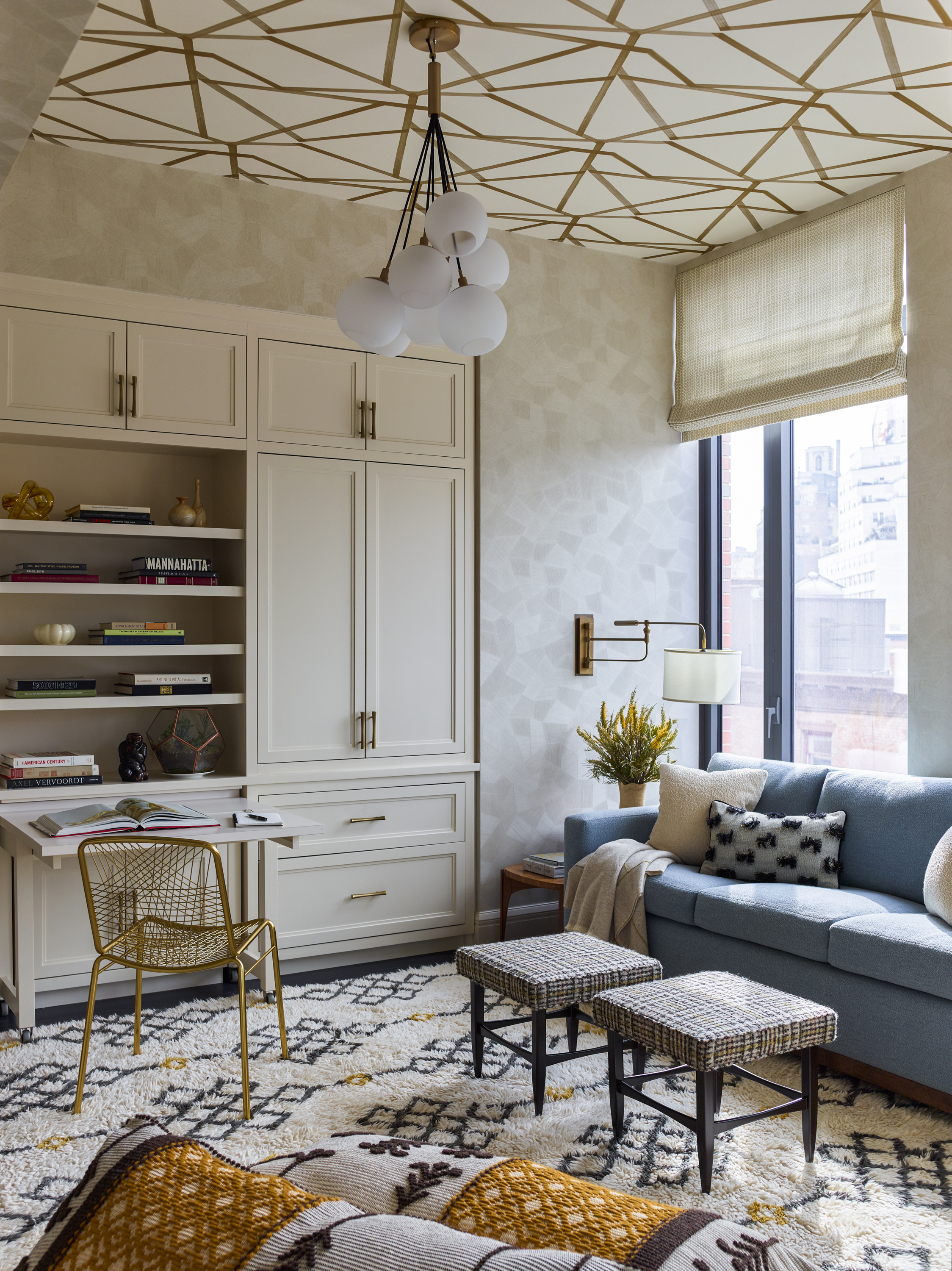
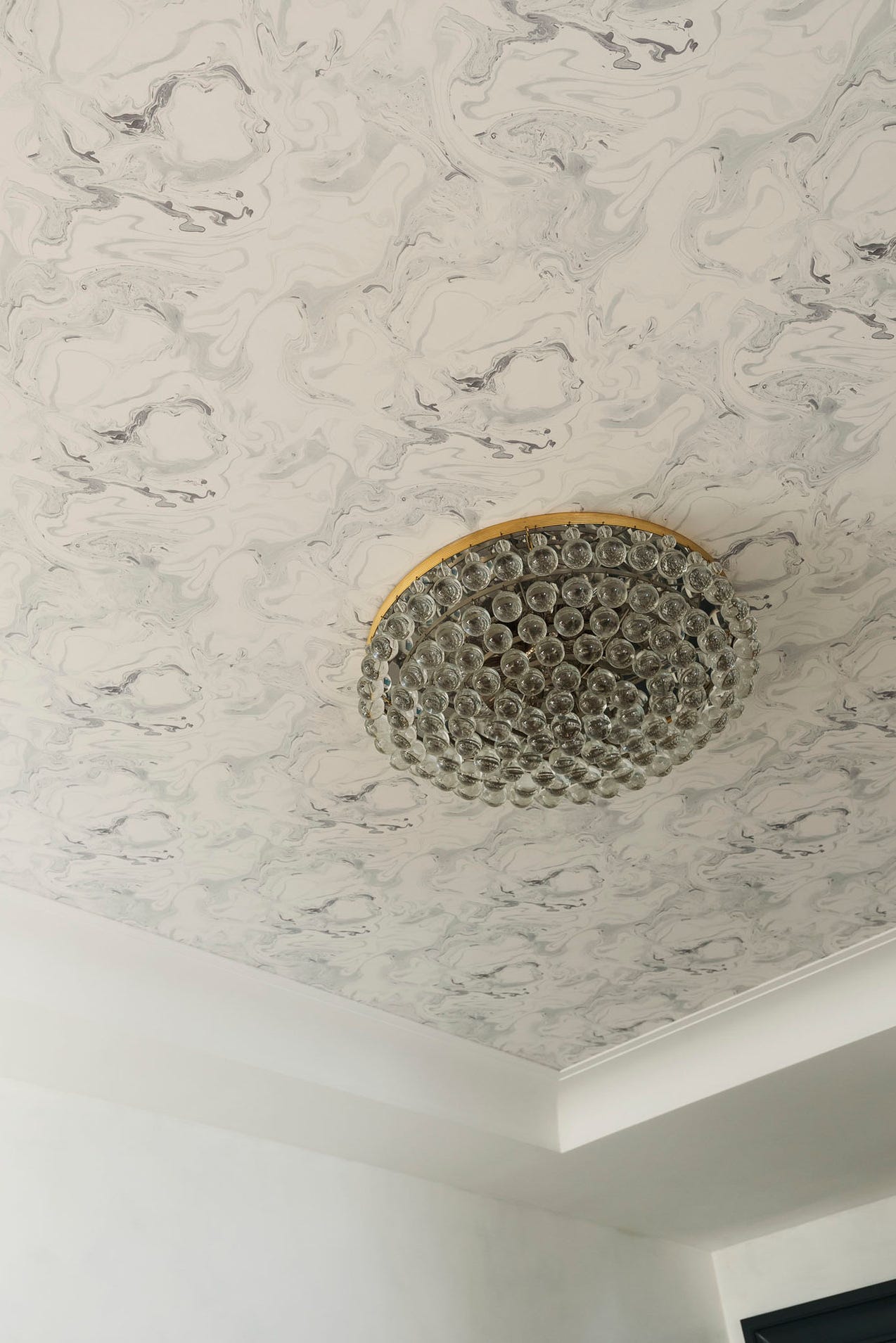
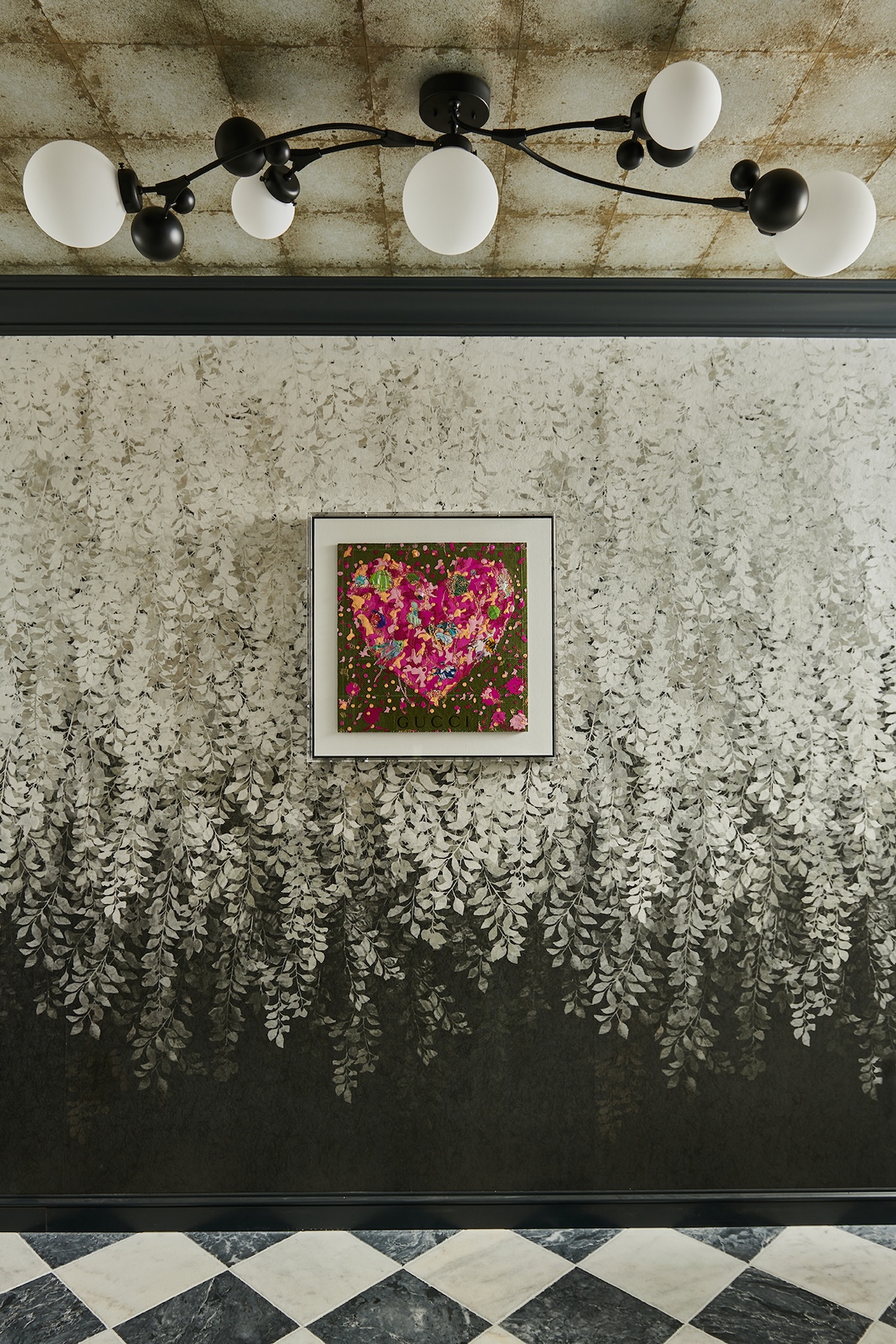
Designers emphasize the importance of testing samples by taping them to the ceiling and observing them throughout the day to understand how light affects the pattern. They advise choosing larger patterns for ceilings, as they are viewed differently than on walls. Lighting conditions significantly impact how a pattern or color appears; dark ceilings can be dramatic but require good lighting, while light, reflective papers can brighten dim spaces. Metallic wallpapers can inherently act as mood lighting. When dealing with irregular ceilings, textured, non-reflective wallpaper is recommended because reflective papers can highlight imperfections.
For installation, designers unanimously advise hiring professionals due to the complexity and potential risks involved. The process requires navigating high ladders, precise pattern alignment, and meticulous attention to detail to avoid bubbles or misalignments. Professional installers are skilled in matching patterns seamlessly, handling challenging angles, and ensuring long-term adherence, especially for traditional glued wallpaper, intricate patterns, or large rooms.
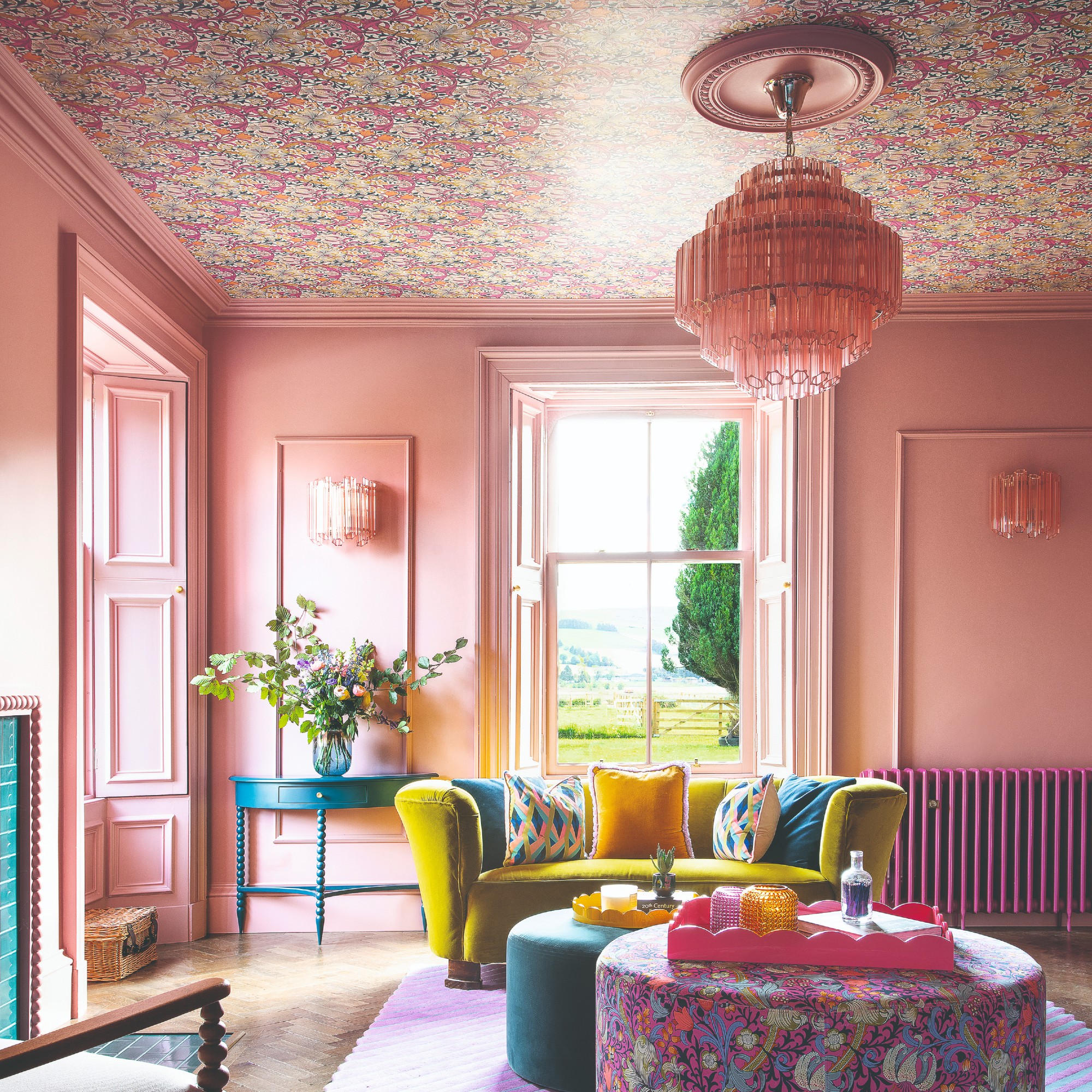
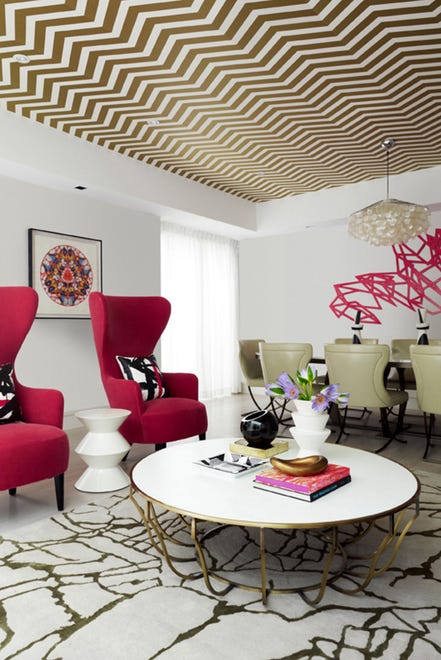
Finally, the article provides tips for decorating a room with a wallpapered ceiling. The design of the rest of the room should complement the ceiling's character. If the ceiling features a bold pattern, furniture and accessories should maintain a chic and understated profile. Conversely, a subtle ceiling pattern allows for more energetic textiles and accessories. Tying elements from the wallpaper into the room’s décor, such as incorporating reflective furnishings if the wallpaper has a metallic sheen, helps create a unified space. Varying the scale and pattern of the wallpaper with other pieces, like pairing a large geometric ceiling pattern with smaller prints on pillows, adds visual interest. Thoughtful lighting, especially pendants or chandeliers, can further accentuate the wallpapered ceiling, making it a focal point and enhancing the overall room design.
#Wallpaper #CeilingDesign #HomeDecor #InteriorDesign #DesignTrends #HomeRenovation #PatternDrenching #DecoratingTips #MaximalistDecor #Wallpaper #CeilingDesign #HomeDecor #InteriorDesign #DesignTrends #HomeRenovation #PatternDrenching #DecoratingTips #MaximalistDecor
0 comment in total
 No comments yet
You may also like
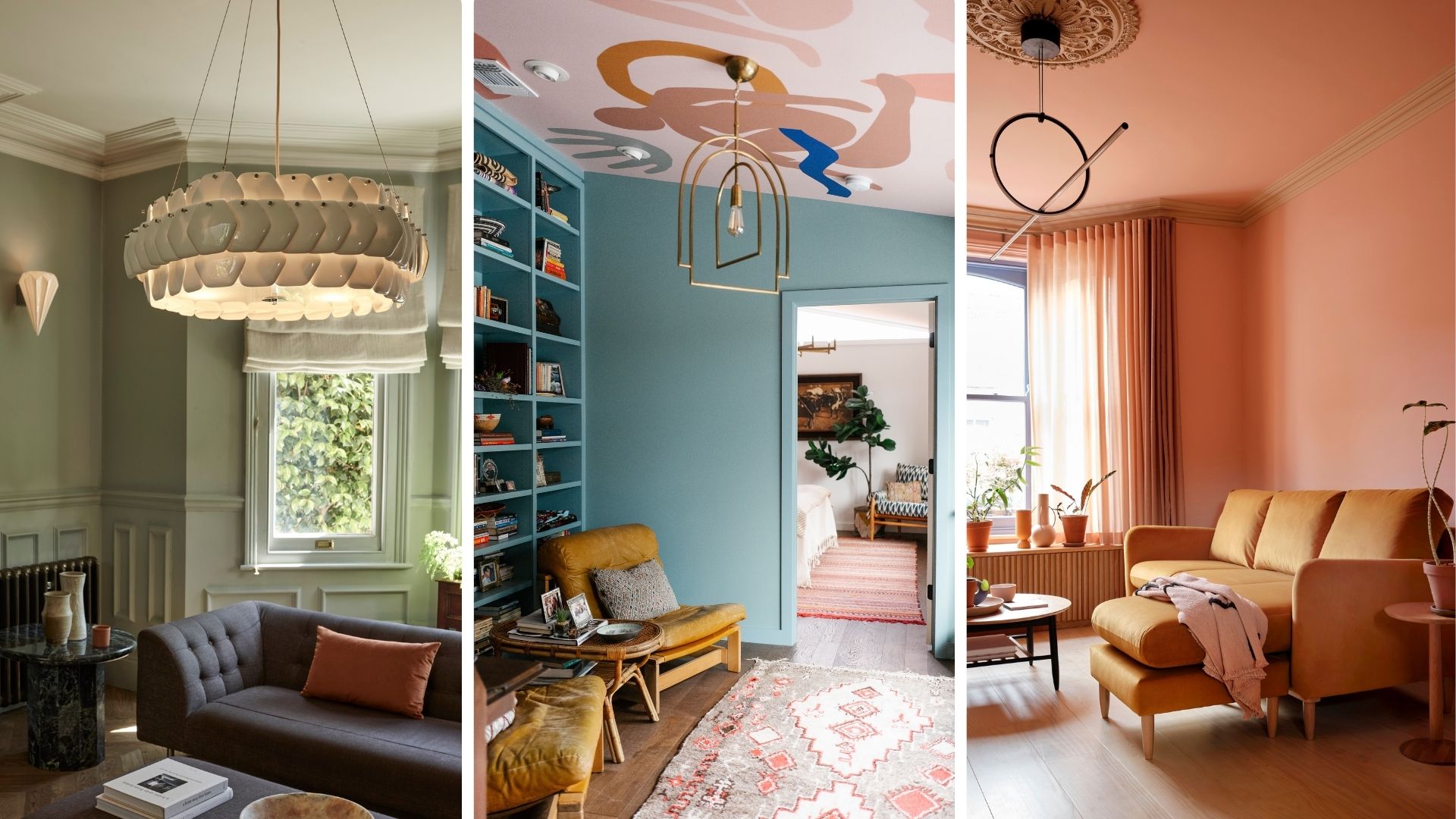
When you should and shouldn't paint your ceiling, according to interior designers

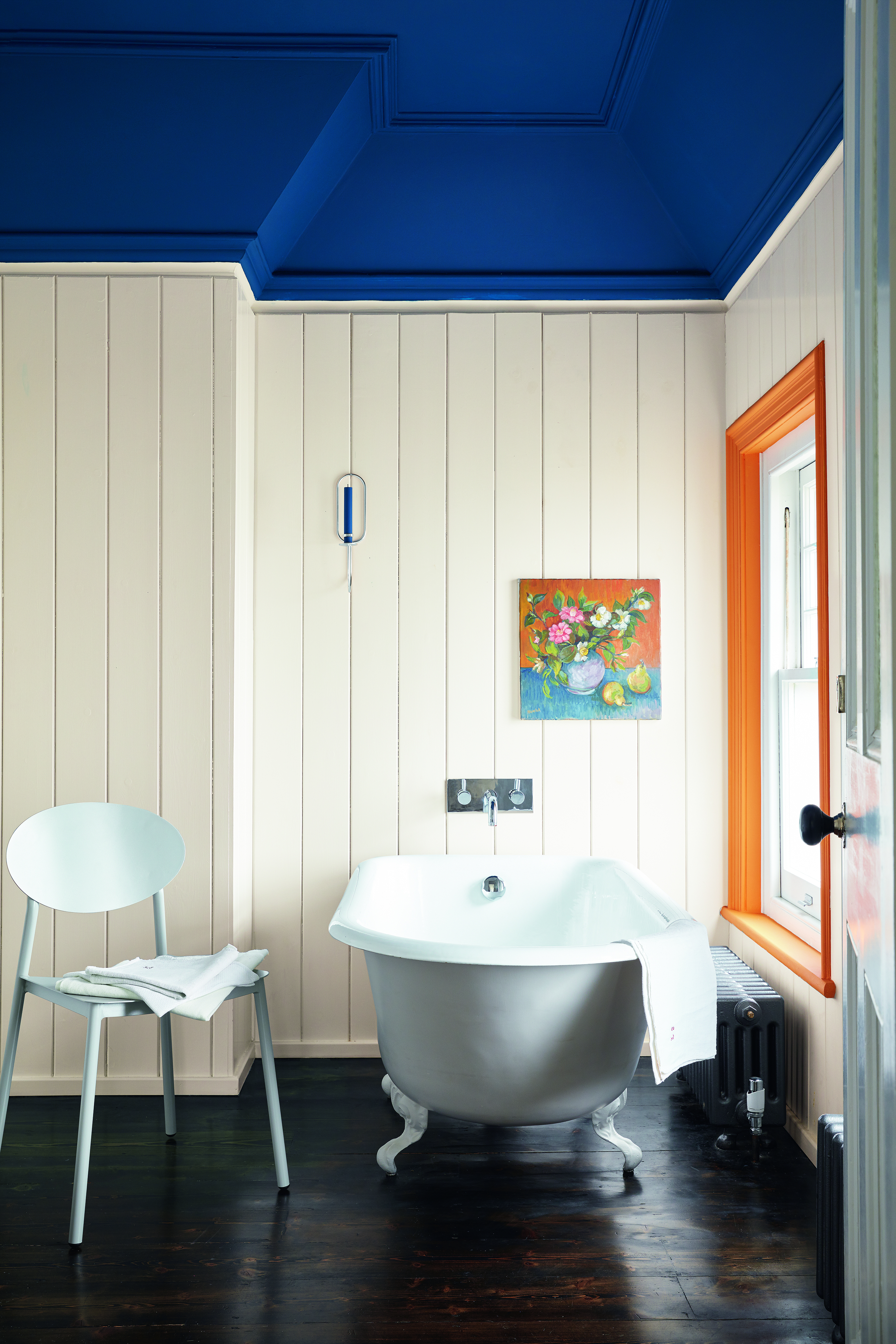
Yes, You Should Absolutely Paint Your Ceiling
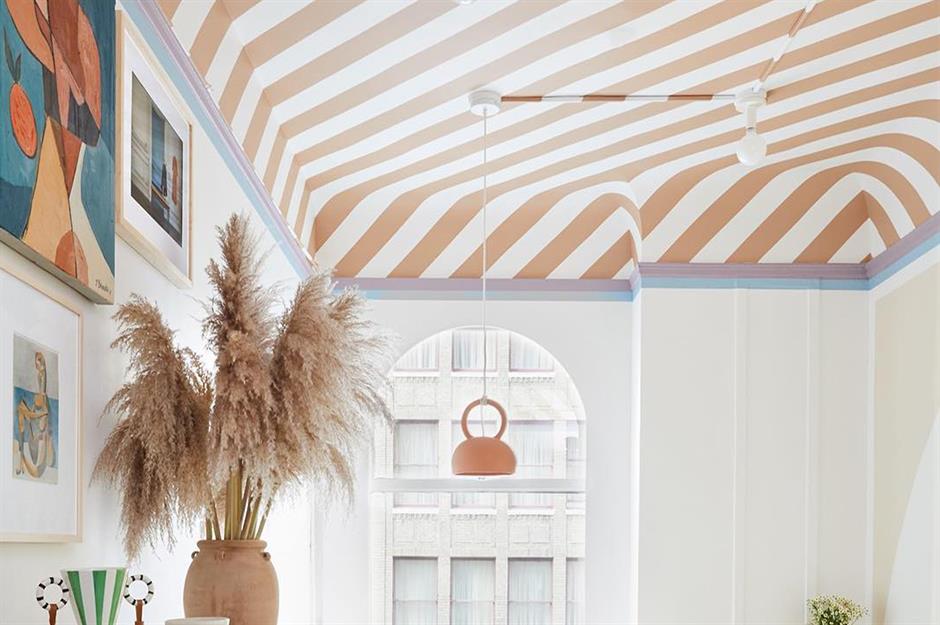
Look up! Statement ceilings that’ll take your breath away | loveproperty.com
Put this ceiling to work: Special treatments are the finishing touches that supercharge a room's ambiance
The latest interior design trend is wallpaper on the ceiling

Should you paint your ceiling a different colour to the walls? Experts explain why everyone should consider it
Remember ceiling when decorating rooms
How to Decorate a Room with a High Ceiling, According to Designers
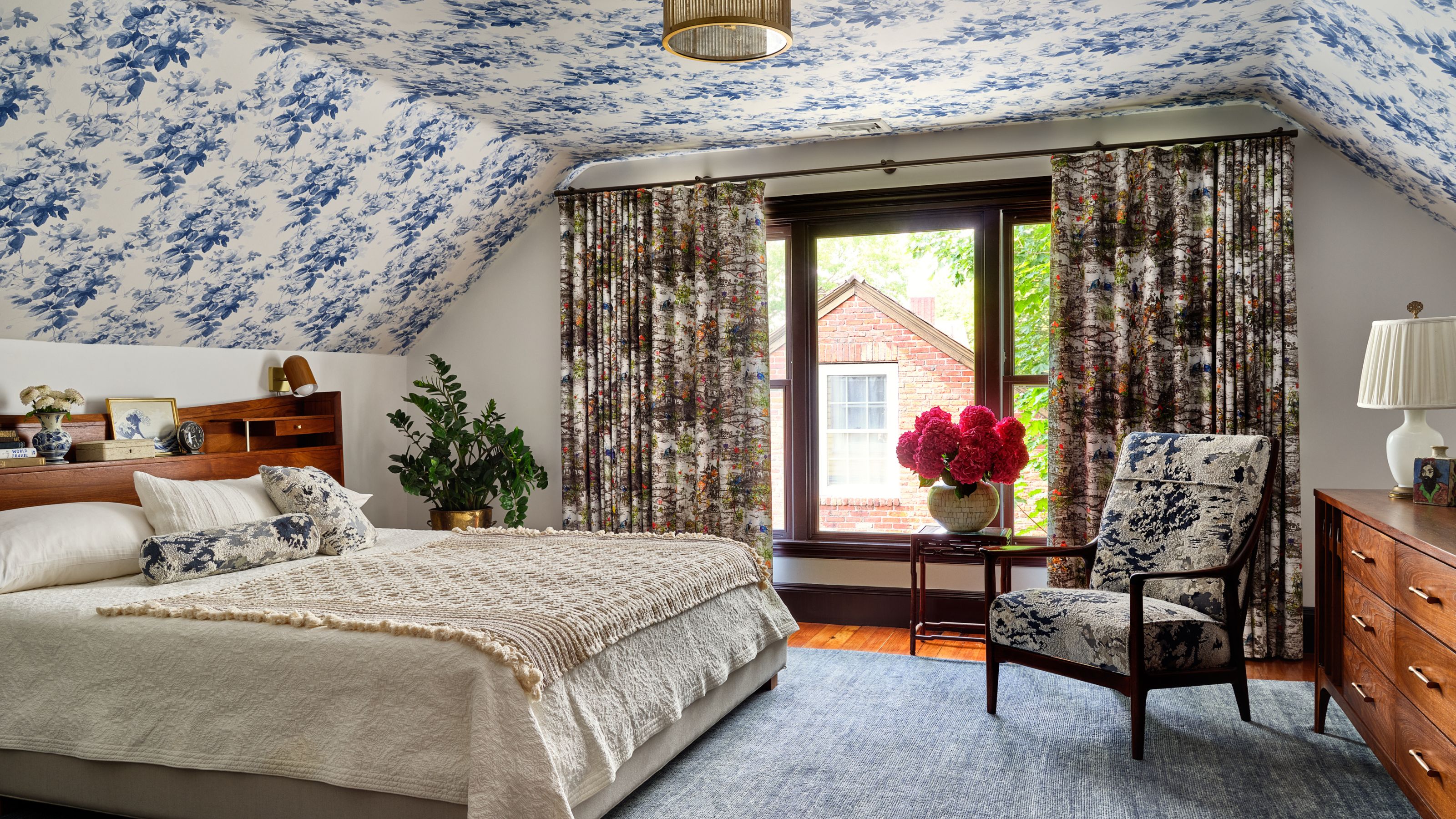
Ceiling Wallpaper Ideas — The 8 Ways Designers Are Using Pattern Overhead That Will Inspire a Room Makeover

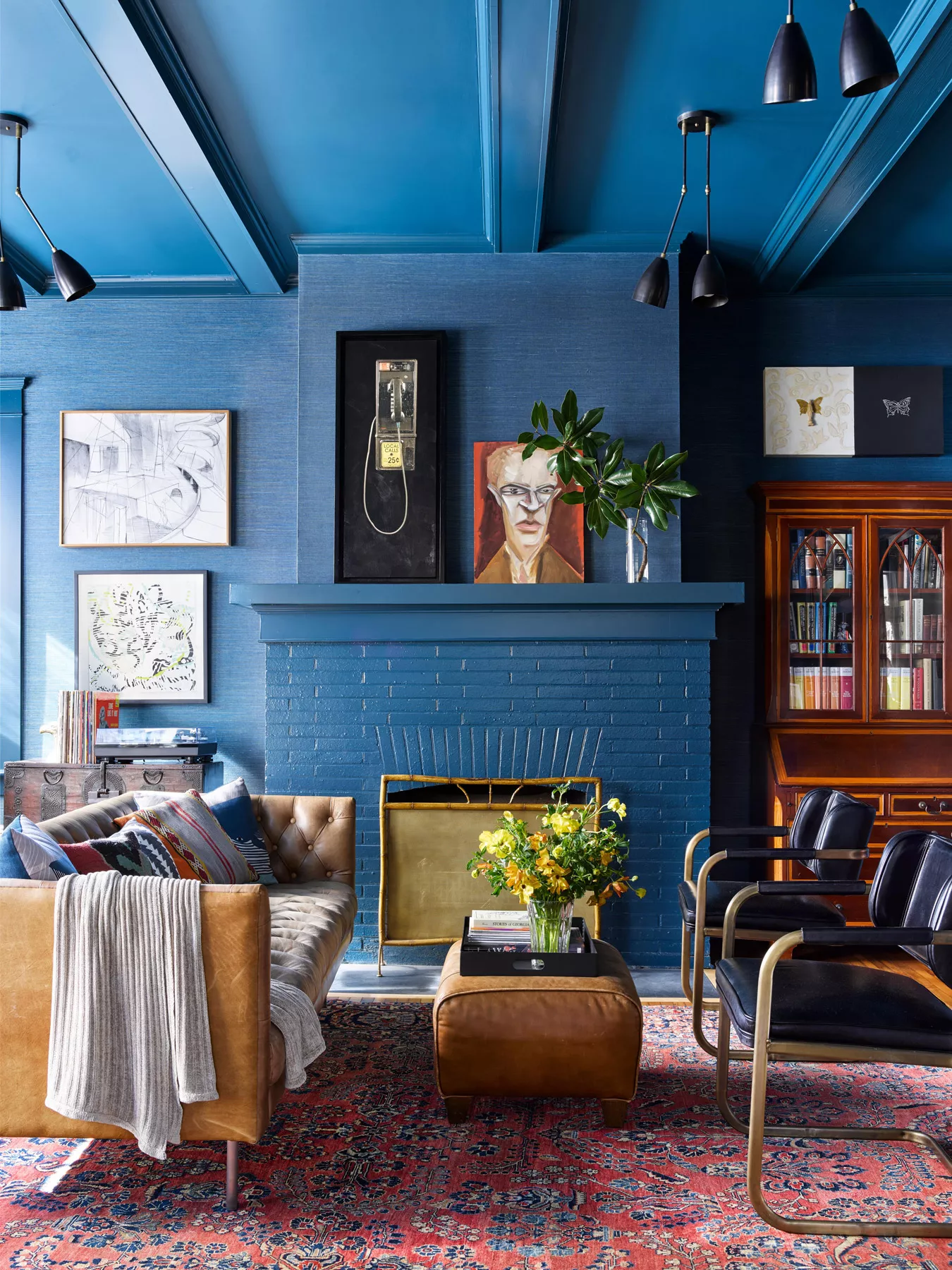
Breathe New Life into Any Space with a Statement Ceiling

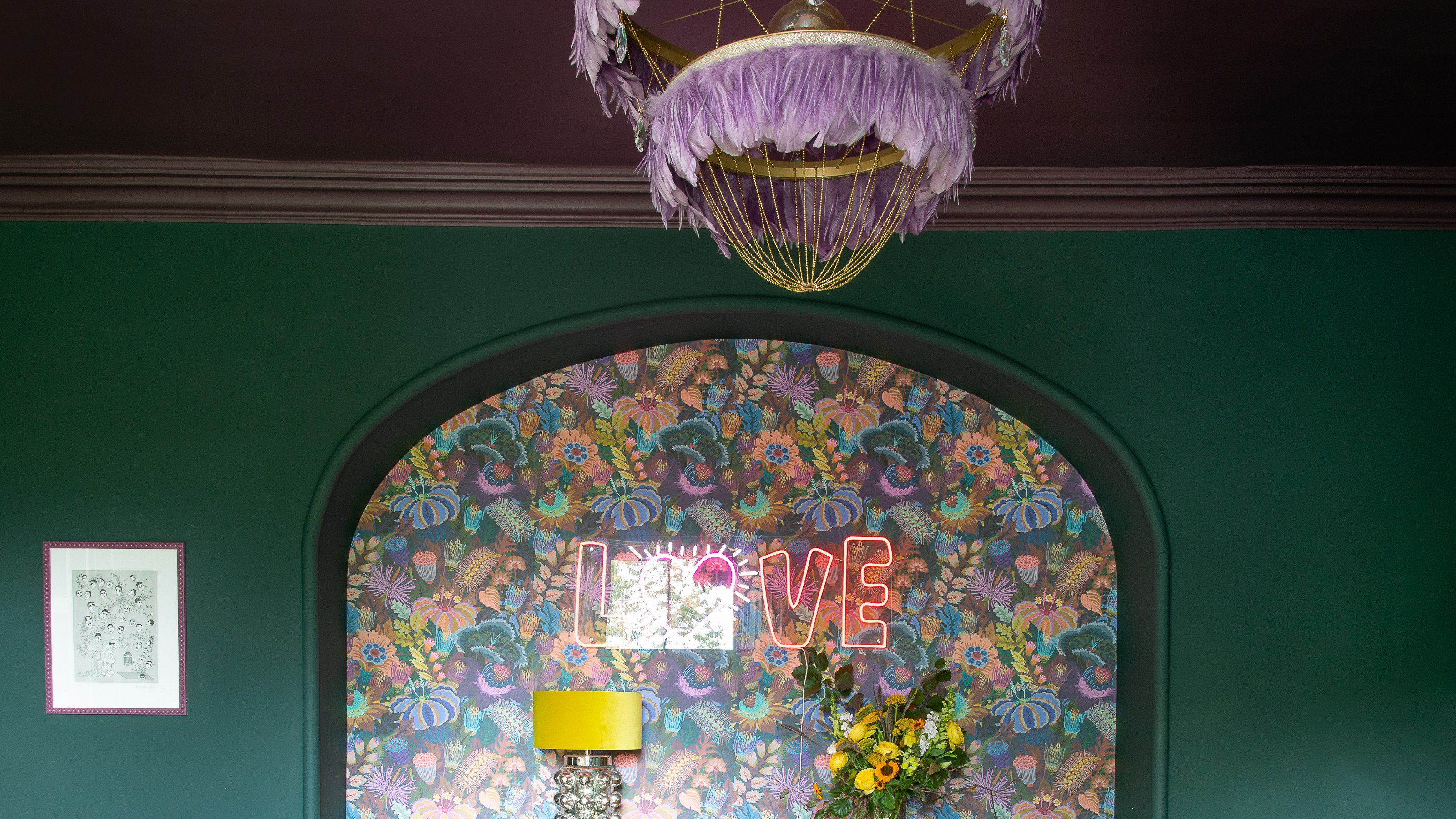
How to make your ceiling more attractive – 7 ways to turn the neglected fifth wall into a beautiful feature
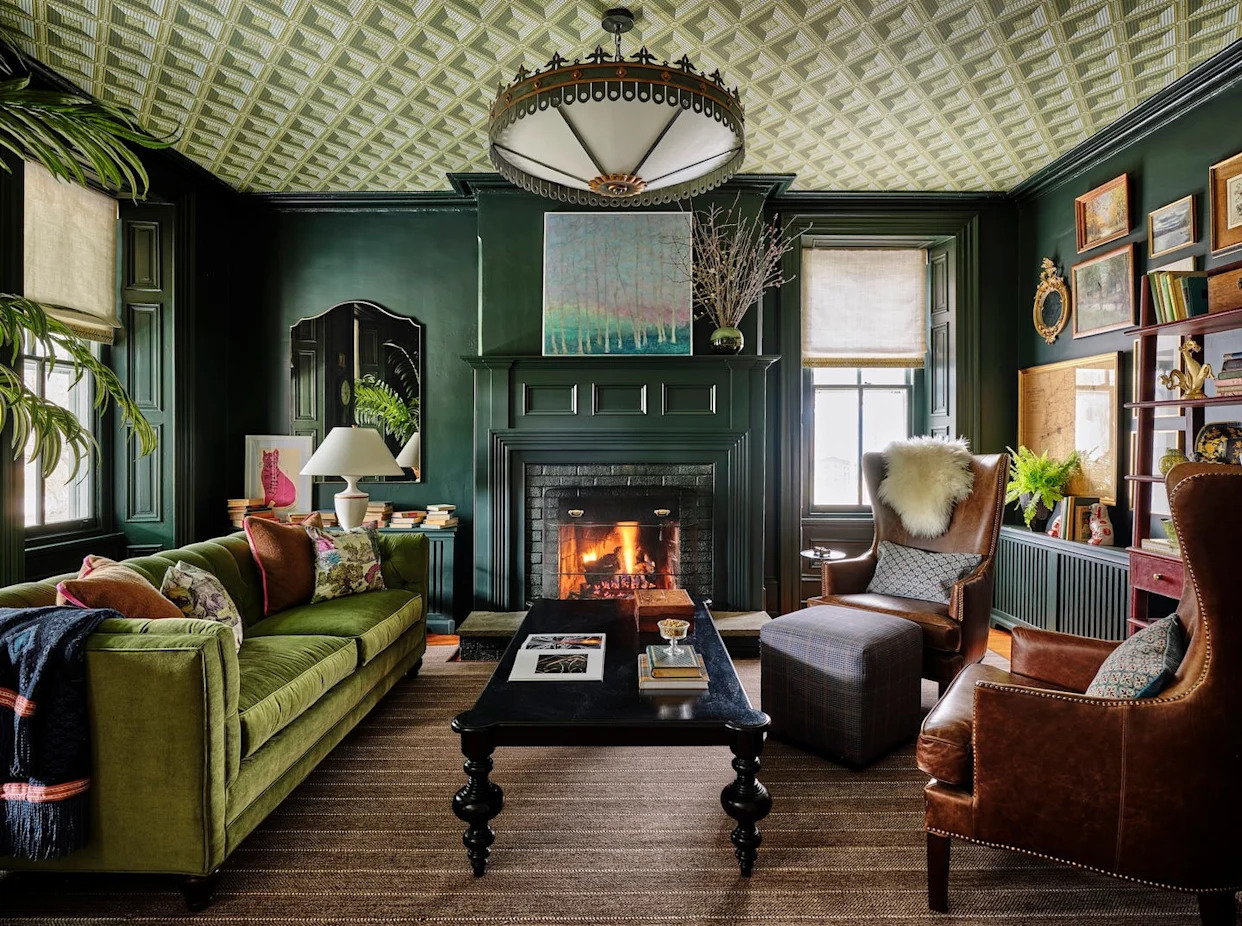
Bye-Bye, Accent Walls! Designers Say THIS Is Now the Hottest Decorating Feature

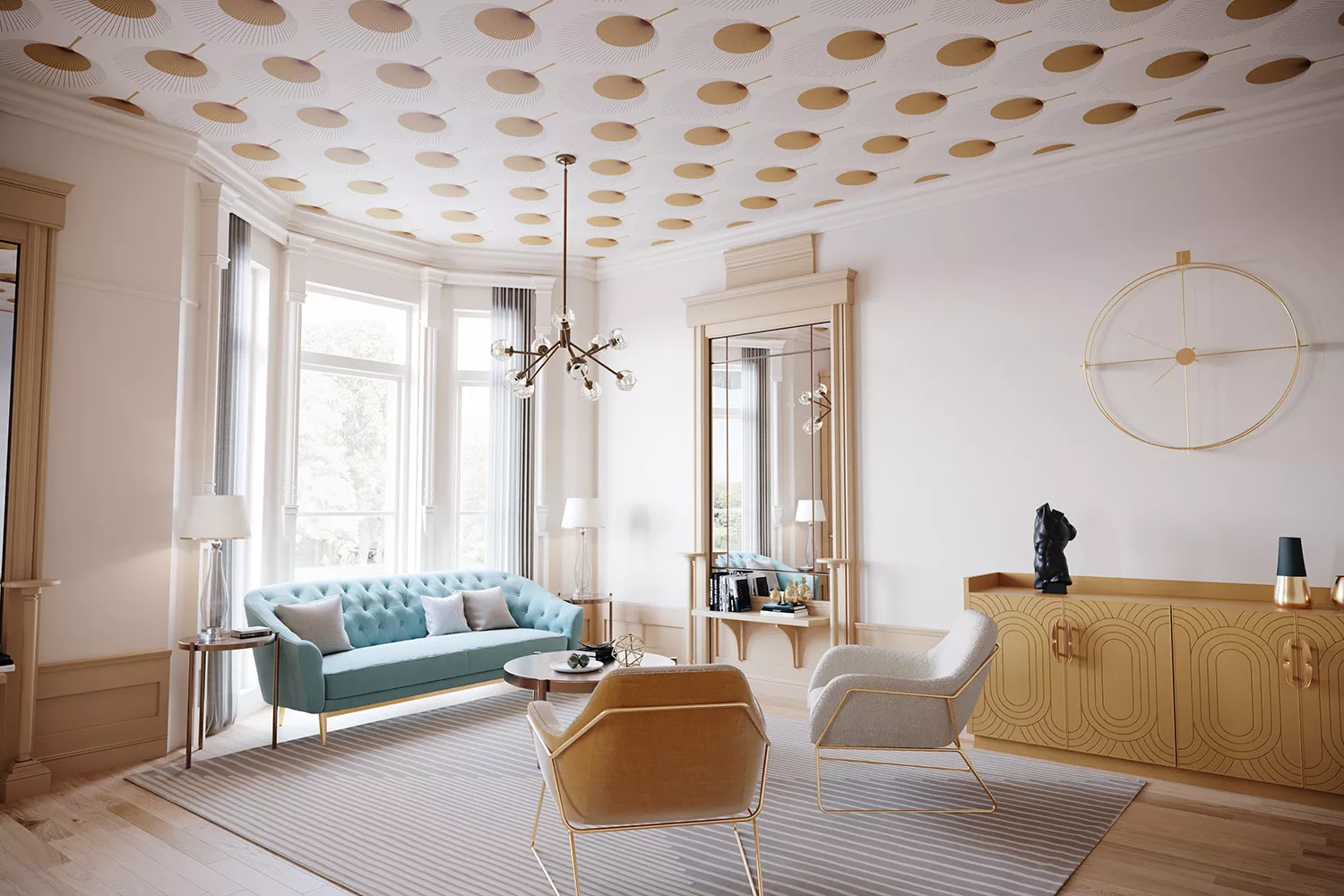
9 Designer-Approved Ways to Try the Wallpaper Ceiling Trend

12 Stunning Ceiling Design Ideas That Will Have You Looking Up All Day Long

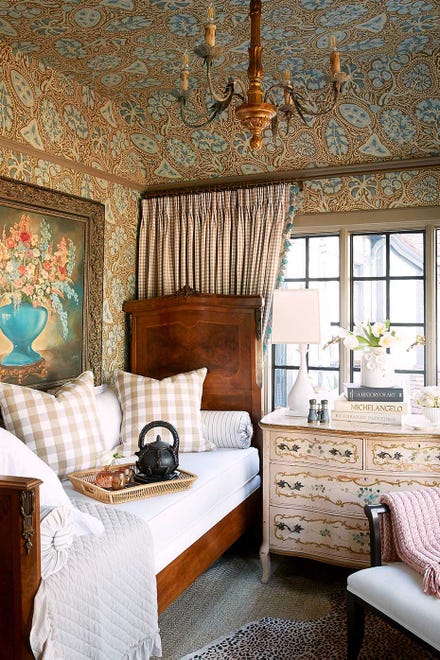
Homestyle: Ceilings are where it's at
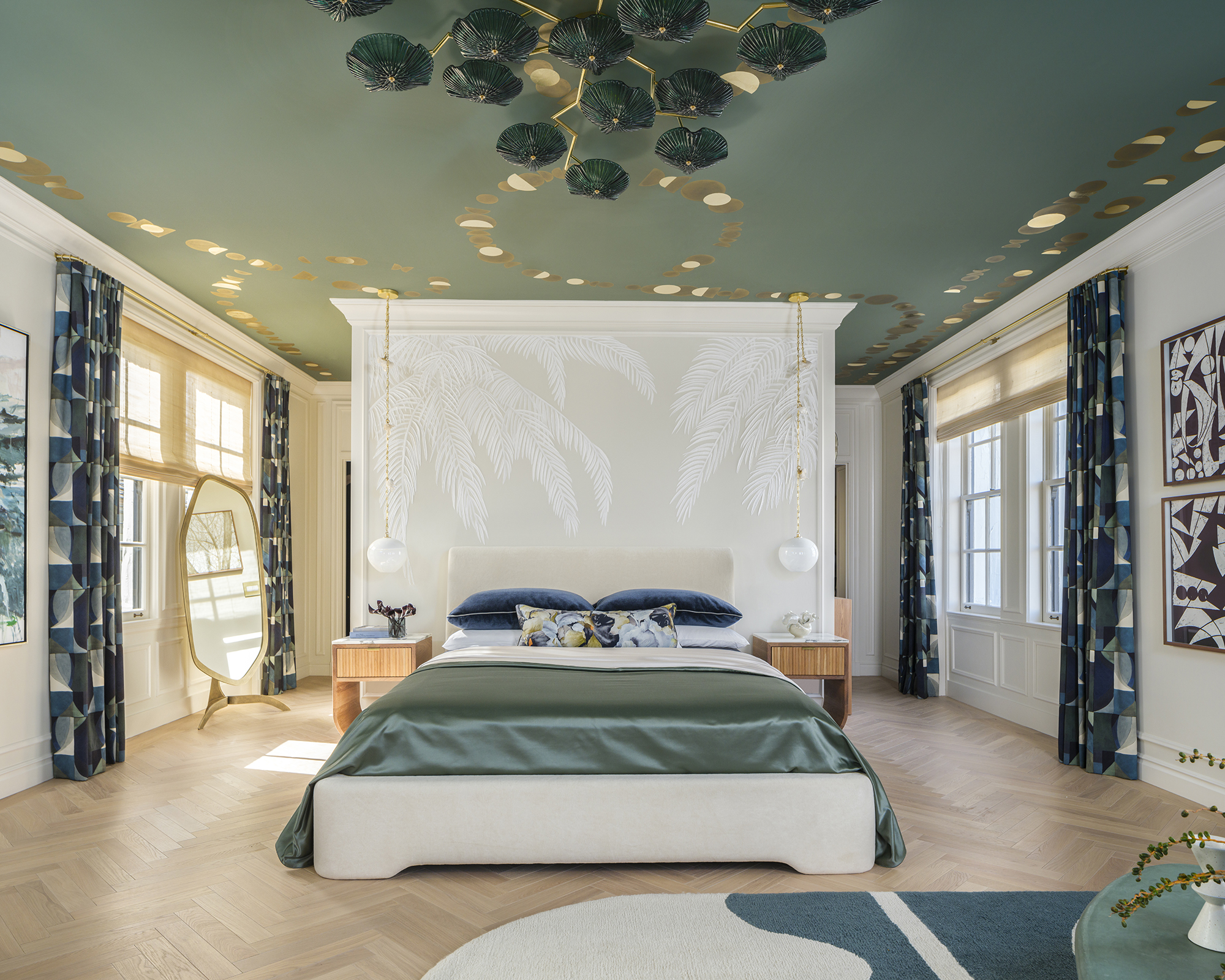
The ceiling is the most important wall in your home – and as a designer, this is how I get them right

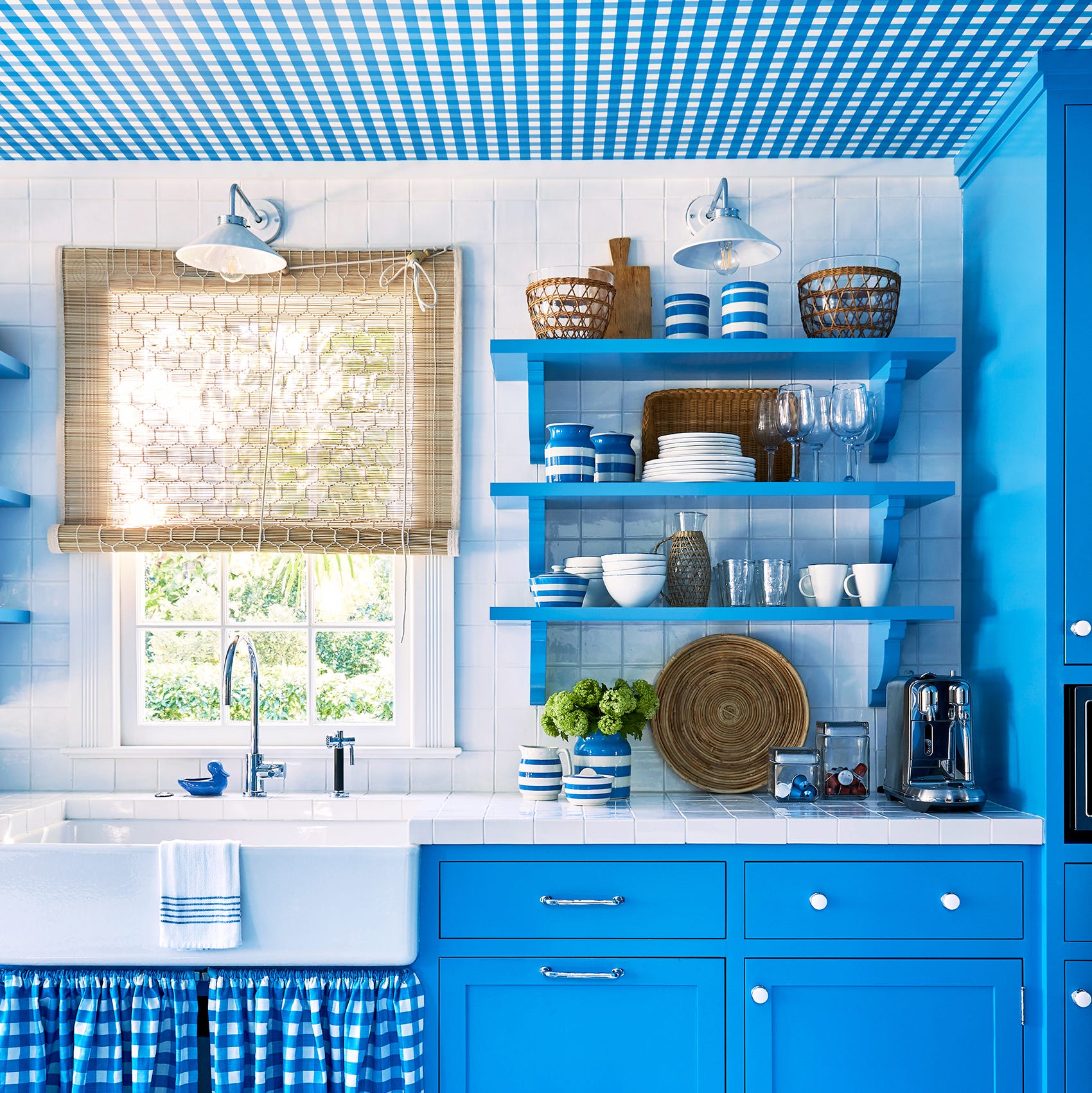
These Designer Rooms Will Convince You to Wallpaper Your Ceiling ASAP

Interior Designers Reveal Their Honest Opinions on Peel-and-Stick Wallpaper vs. Paste

Statement ceilings: Pay attention to the fifth wall to create a finessed space
Real Simple Editors' Favorite Wallpapers Right Now