1/7
Can you paint over wallpaper? Experts explain how to make this time-saving hack work
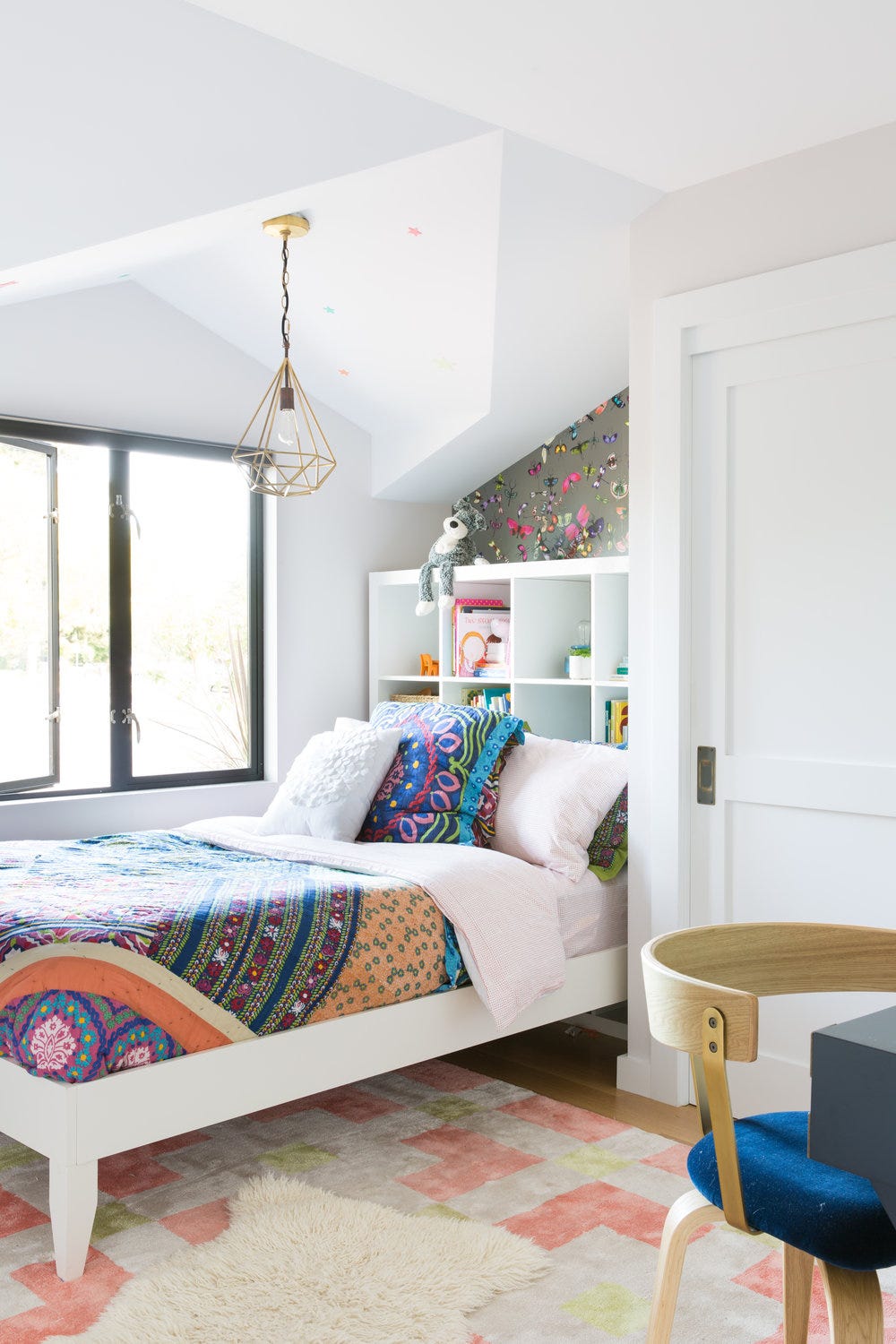
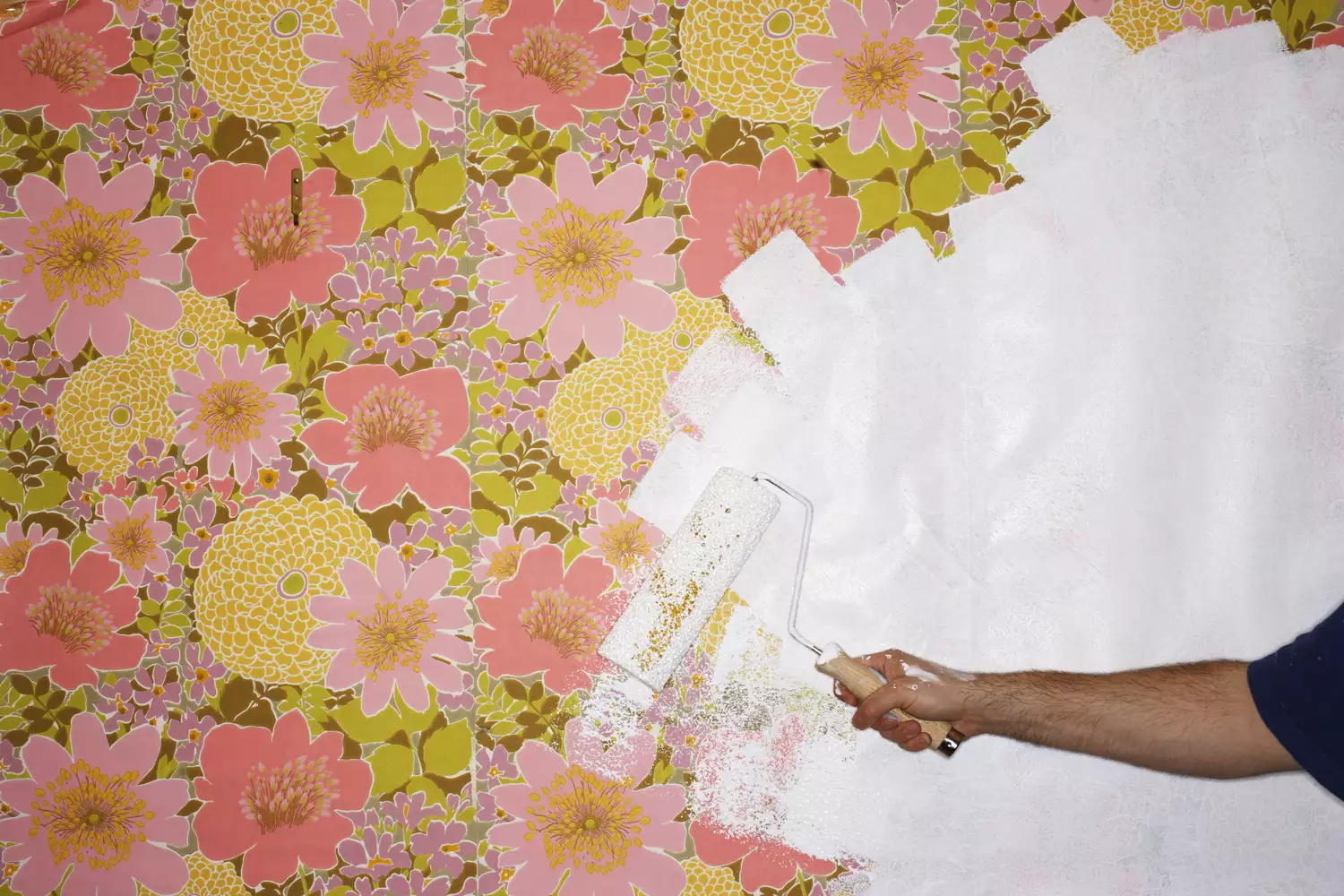
Singer, presenter, and DIY enthusiast Kimberley Walsh advocates for painting directly over wallpaper as a time-saving method for room transformations, particularly when changing a wallpapered feature wall to paint. This approach skips the laborious process of steaming wallpaper off walls, saving considerable time. If the wallpaper has texture, a light sanding is recommended, but otherwise, she notes that it works effectively.
Experts generally agree that painting over wallpaper is possible, provided there are no underlying damages like holes or chips in the walls. Wallpaper can even provide a smooth surface for painting, making it a viable option for uneven walls. However, proper preparation is crucial, akin to preparing a regular wall for painting.
Painting over wallpaper is presented as a quick and cost-effective alternative to wallpaper removal, which often requires renting or buying a steamer. The process involves several steps to ensure a smooth and durable finish. Firstly, the wallpaper must be thoroughly cleaned to remove dust, dirt, or grease. This is done using a duster or dry cloth, followed by a mild detergent solution or sugar soap applied with a sponge to avoid excessive moisture. The wallpaper must then be allowed to dry completely.
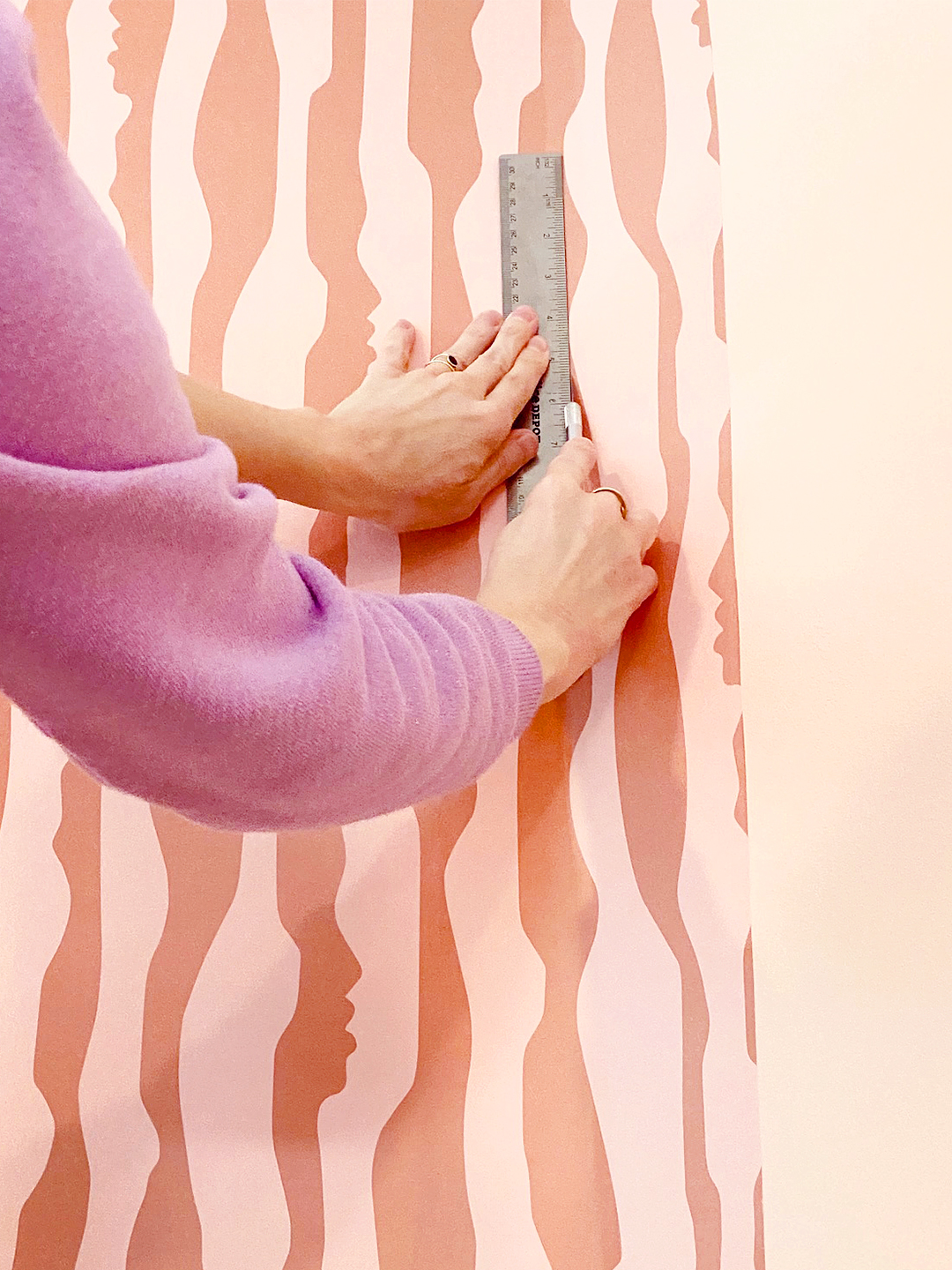
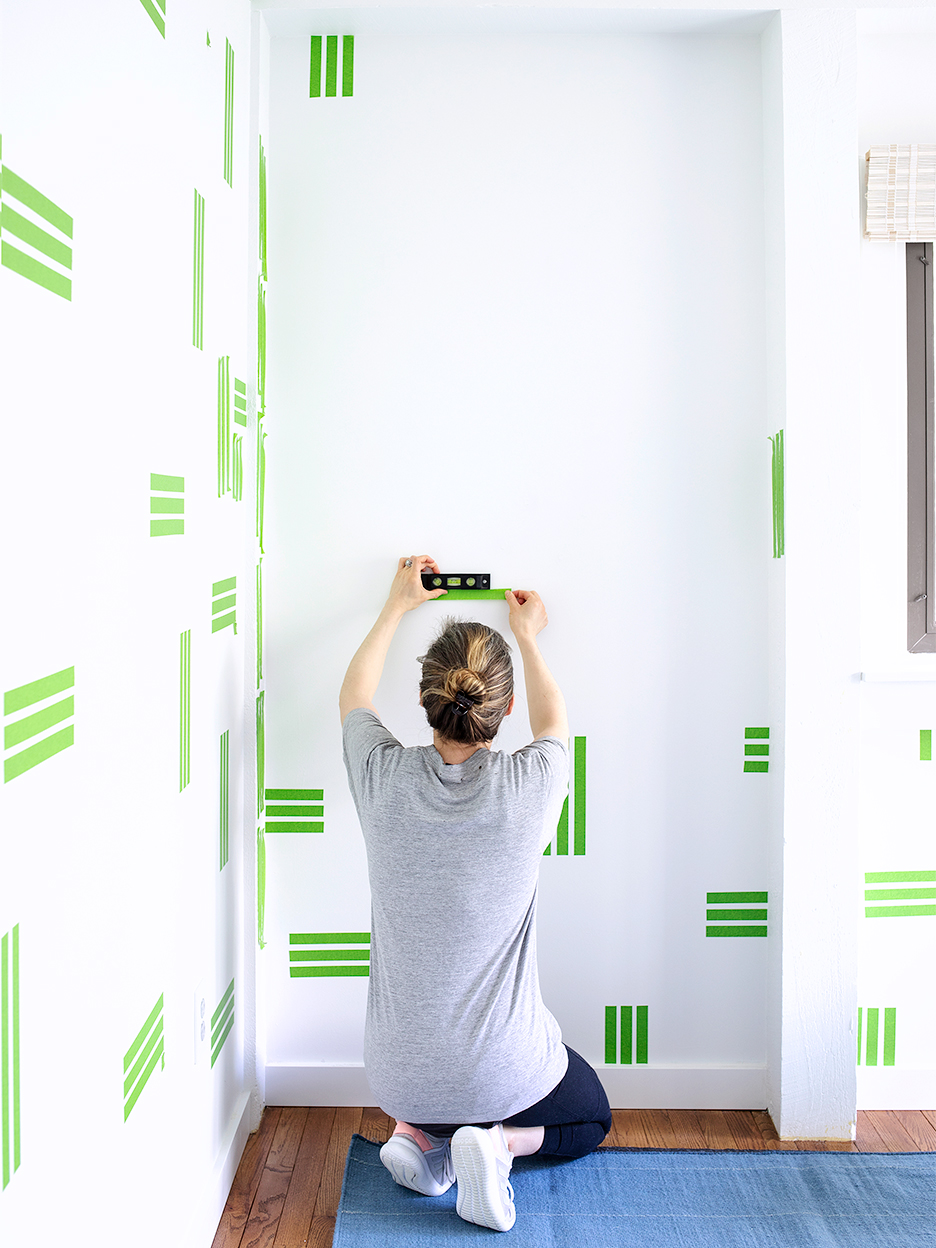
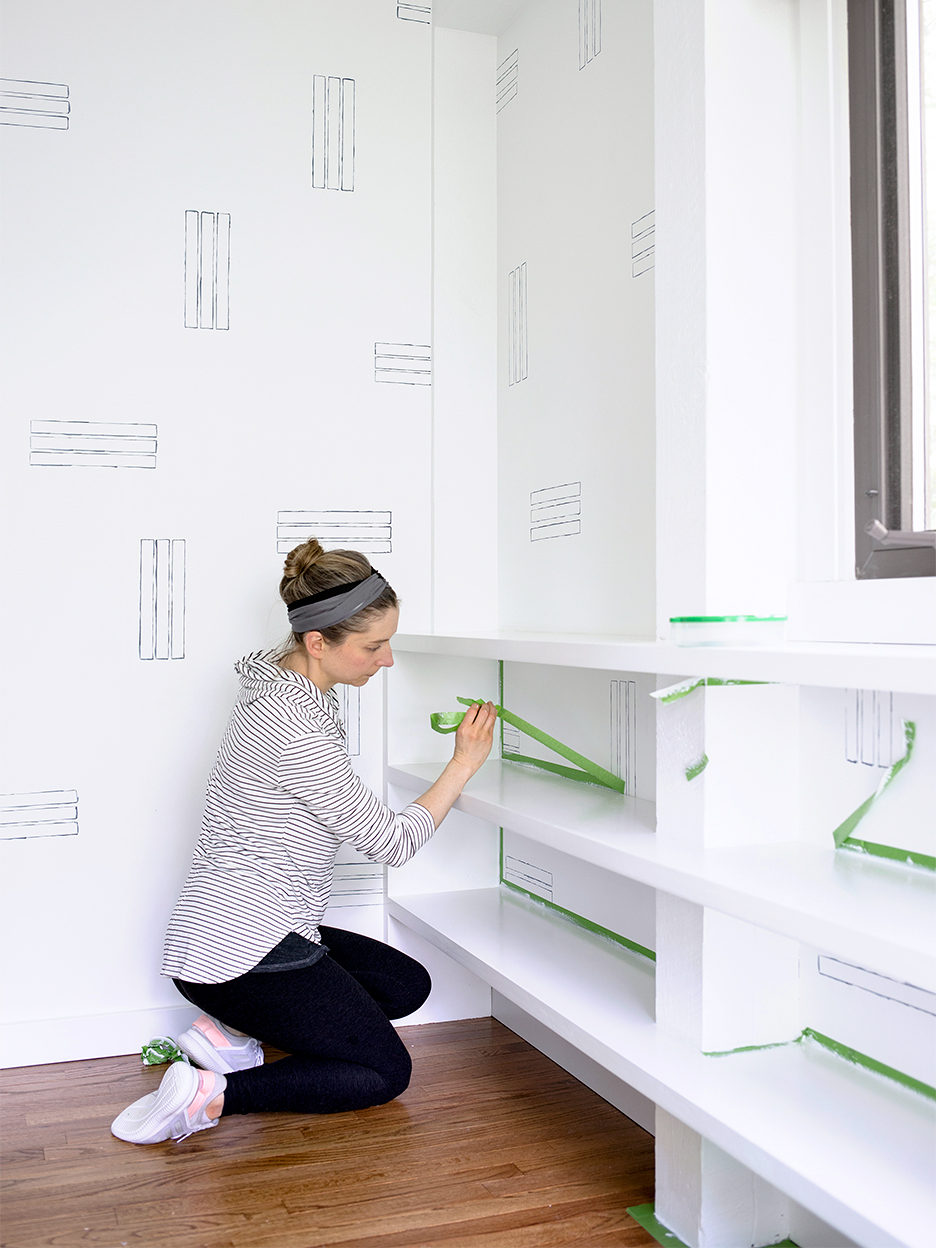
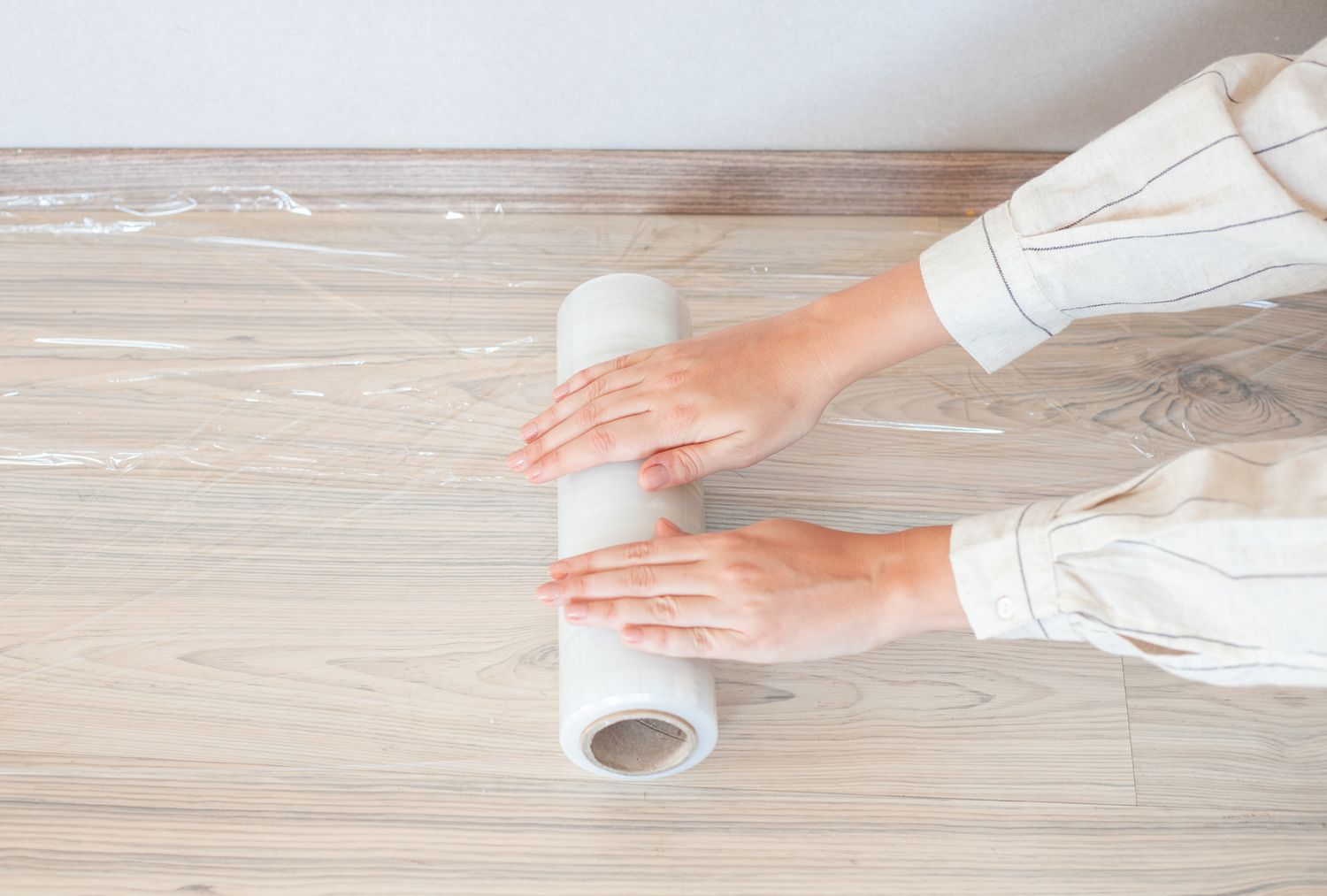
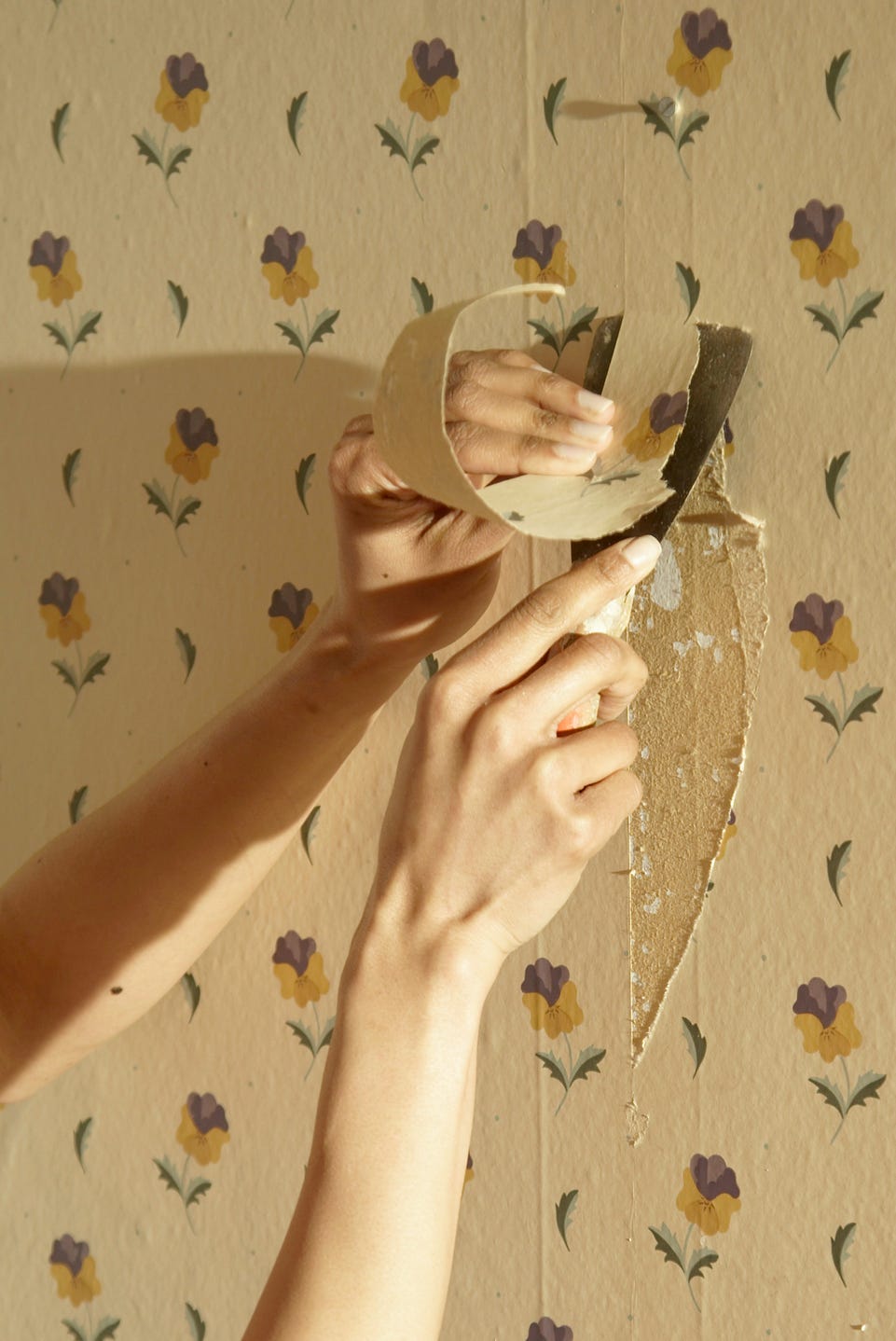
Next, the area needs preparation. Any imperfections such as scratches, tears, or chips in the wallpaper must be addressed, as these will show through the paint. Peeling edges should be re-adhered firmly. For slightly textured wallpaper, fine sandpaper can be used to buff the surface smooth. However, heavily textured wallpapers are not suitable for this method, as they will not yield a seamless finish. The surrounding areas, such as skirting boards, ceilings, and light switches, should be protected with masking tape, and dust sheets should be laid down to protect floors and furniture.
Applying a primer is an essential step to enhance paint adhesion and ensure a uniform finish. Oil-based or shellac-based primers are recommended because their superior sealing properties prevent the wallpaper from absorbing moisture from the paint, which could cause damage. Water-based primers should be avoided. It is advised to apply two thin layers of primer for an even and consistent distribution.
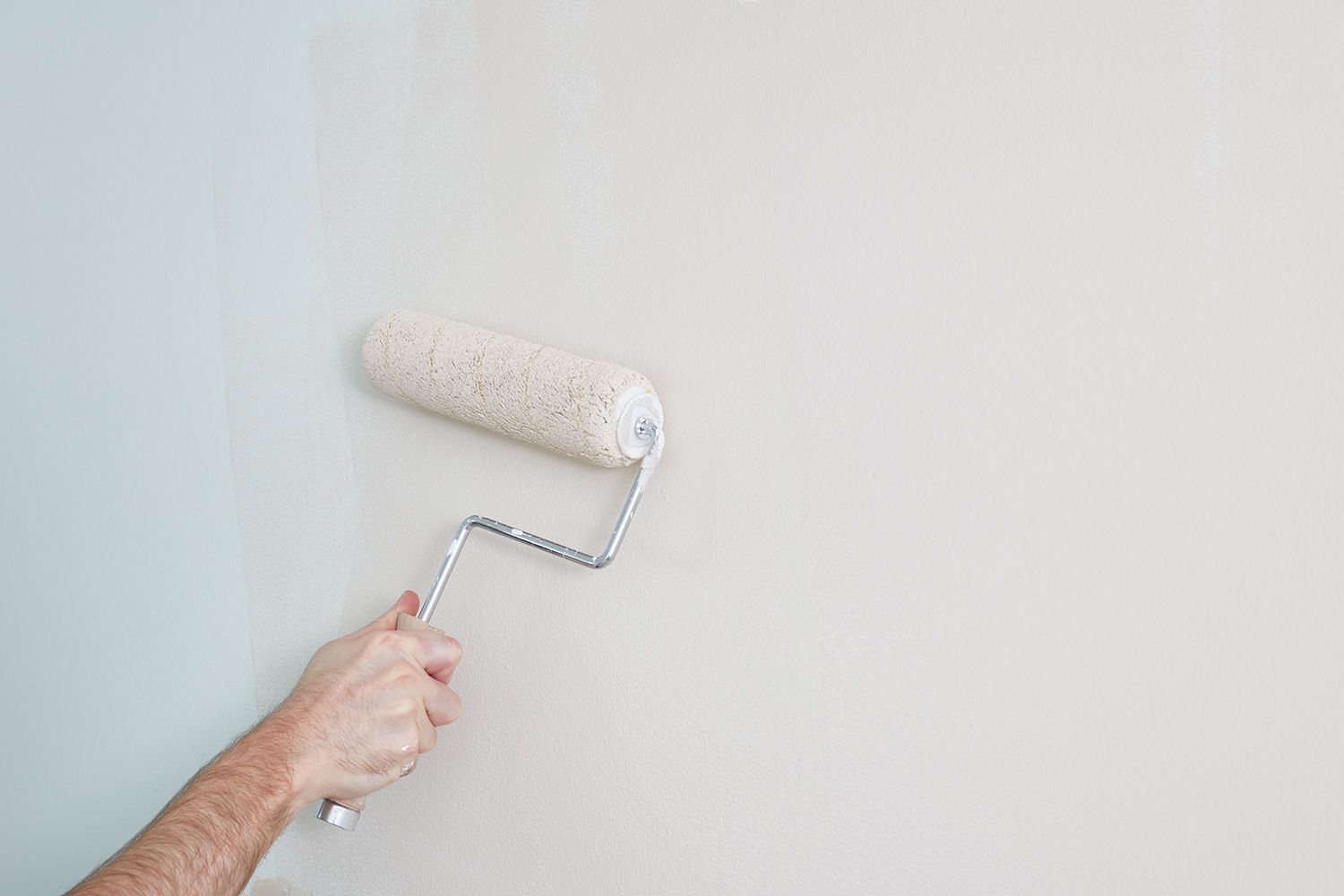
For the final paint coat, latex or acrylic paints are generally recommended, especially when paired with an oil-based primer, as they adhere well to the paper. A patch test on a small, inconspicuous area is advised before painting the entire wall or room to confirm the desired finish.
However, there are specific scenarios where painting over wallpaper is not advisable. If the existing wallpaper is damaged in any way, painting over it will only highlight the imperfections. Similarly, mouldy or water-damaged wallpaper should be removed, not painted over. Painting a dark wallpaper with a light paint color is also discouraged, as it would require multiple coats to cover the dark background, making removal a more practical option. Vinyl wallpapers, due to their slick and often splash-proof nature, do not allow paint to adhere properly, even with primer, and attempting to paint them can lead to cracking. Deeply textured or embossed wallpapers also resist sanding sufficiently to achieve a seamless finish. Finally, wallpaper might conceal underlying wall damage, such as crumbling plaster, and painting over it could lead to future problems.
#DIY #HomeImprovement #PaintingTips #Wallpaper #InteriorDesign #HomeRenovation #PaintApplication #SurfacePreparation #Primer #DIY #HomeImprovement #PaintingTips #Wallpaper #InteriorDesign #HomeRenovation #PaintApplication #SurfacePreparation #Primer
0 comment in total
 No comments yet
You may also like
Can you put wallpaper on textured walls? Experts reveal it is indeed possible with this vital step

How to Hang Wallpaper (the Permanent Kind!) | domino

12 unique wallpaper ideas for renters and homeowners at every budget

8 Common Wallpaper Mistakes (and How to Fix Them)

How to Hang Wallpaper (the Permanent Kind!)
Skip Wallpaper in Favor of an (Almost) Free Painter’s Tape DIY
Ditch the Wallpaper and Paint Your Pattern, Instead—How to Complete This Easy DIY

13 Creative Ways to Use Peel-and-Stick Wallpaper

How to Hang Wallpaper (the Permanent Kind!)

This Wall-Decor Hack Is Even Easier Than Peel-and-Stick Wallpaper
Feature Wall Designs, Wallpaper and Paint Ideas
This expert’s ‘BRB’ technique is something I'll forever use when painting wall paneling to avoid drips and paint build-up

Can You Paint Over Wallpaper Without Removing It? Experts Weigh In
How to remove wallpaper - expert-approved steps to prevent damage and ensure a smooth finish
Zoning a room with wallpaper – an expert guide to using wallpaper to define a space
Even Wallpaper Skeptics Can Tackle The Trend With This Foolproof Tip
Peel-and-stick wallpaper tips and shopping

How to Hang Wallpaper Yourself in 8 Simple Steps, Straight from a Pro
A Stress-Free Way to Remove Wallpaper


Wallpaper Paste