Wallpaper Paste
Wallpaper paste is an essential product for anyone looking to apply wallpaper smoothly and achieve a long-lasting, flawless finish. It comes in two primary forms: ready-mixed and powdered. Ready-mixed paste offers immediate convenience, eliminating the need for preparation, making it ideal for those who prefer a quicker application process. Powdered paste, on the other hand, provides a more cost-effective solution, is easy to store, and allows users to mix the exact quantity needed, reducing waste. Both types are formulated to deliver strong adhesion, effectively securing wallpaper to surfaces while minimizing the formation of air bubbles, a common challenge in wallpapering projects.
When selecting a wallpaper paste, several factors should be considered, including brand, type, color, and application method. Popular brands such as Solvite, Wickes, and Hippo offer various options tailored to different needs. The type of adhesive varies, with choices ranging from general-purpose adhesives, specifically designed for wallpaper, to specialized options like border adhesives for detailing and repair adhesives for minor touch-ups. Powdered adhesives typically come in larger quantities and are mixed with water, while ready-mixed adhesives are pre-prepared for direct use. Color options for wallpaper paste are usually limited to clear, off-white, or white, ensuring that the paste does not discolour the wallpaper, particularly with lighter shades or translucent designs.
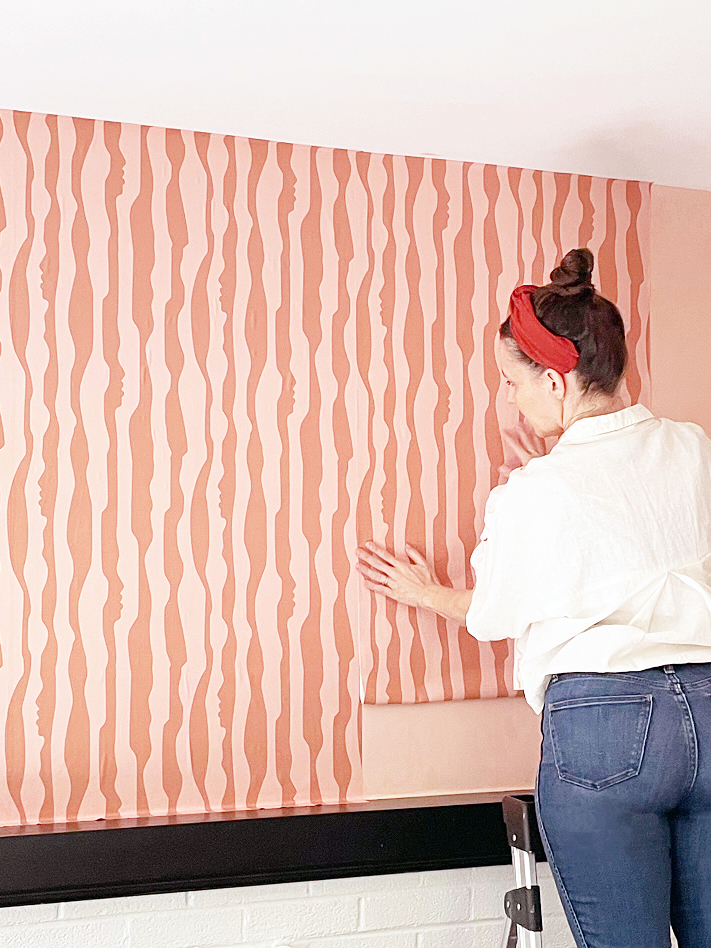
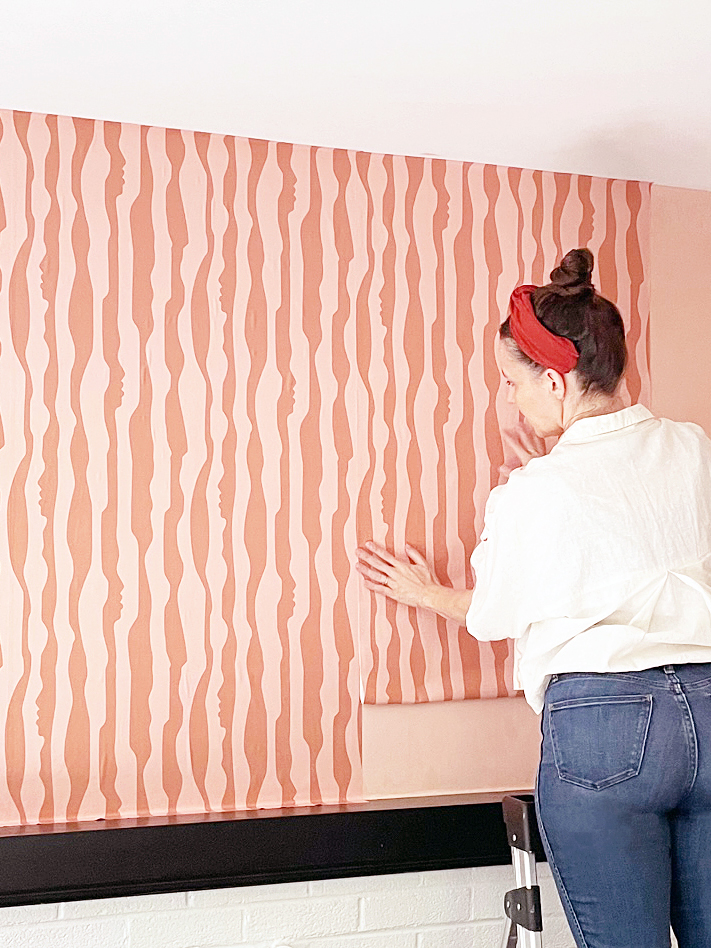
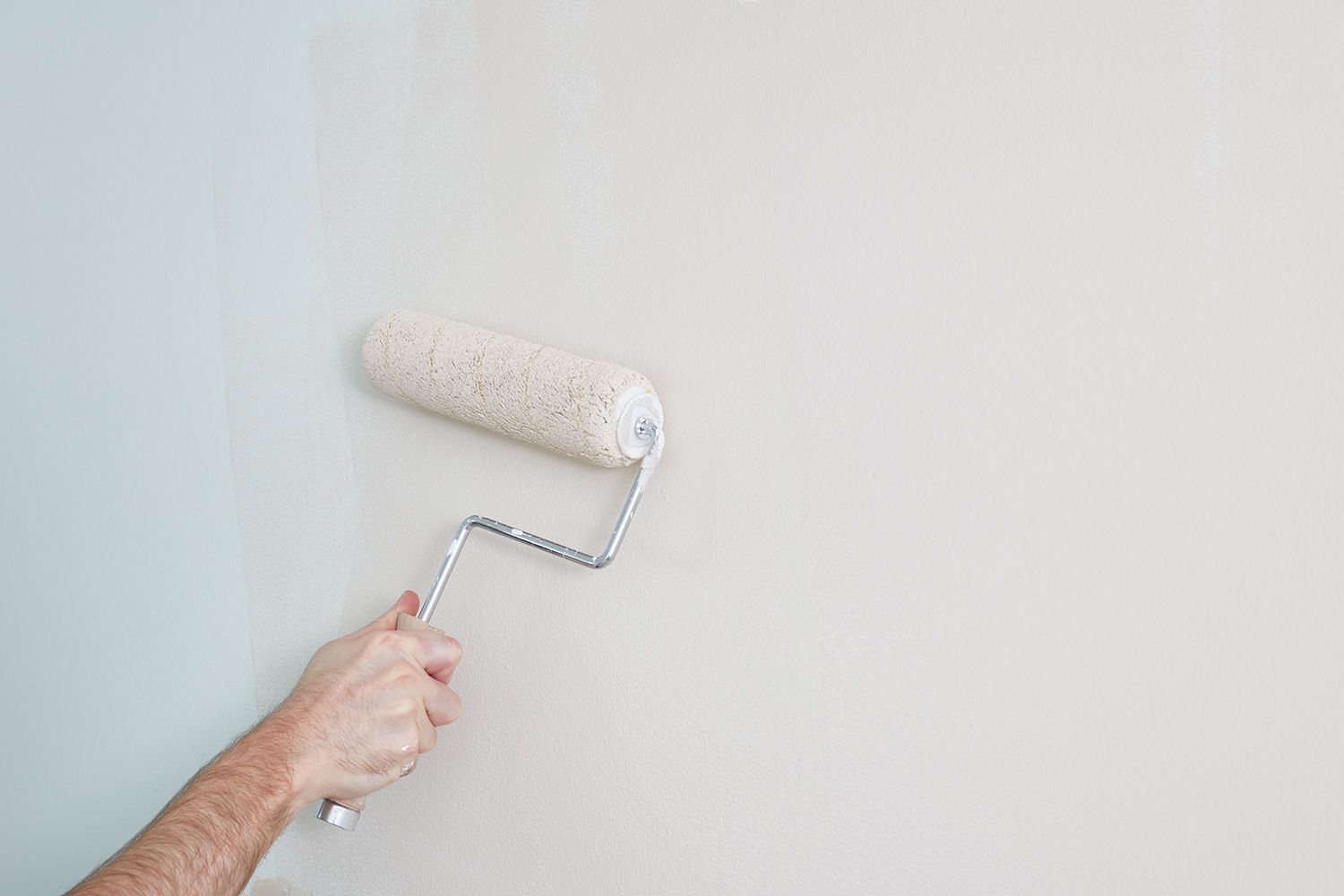
Application methods also dictate the type of paste required. Some pastes are formulated for 'Paste The Paper' techniques, where the adhesive is applied directly to the back of the wallpaper before hanging. Others are designed for 'Paste The Wall' applications, where the adhesive is rolled or brushed onto the wall surface prior to applying the wallpaper. This method can often be less messy and quicker for certain types of wallpaper, especially non-woven varieties. Pricing typically ranges from affordable options under £19.99 for smaller rolls or repair kits, to slightly higher price points up to £49.99 for larger quantities of ready-mixed or specialized pastes.
Proper disposal of wallpaper paste is crucial for environmental responsibility and to prevent plumbing issues. It is recommended to allow any leftover wet paste to dry completely before discarding it in a general waste bin. Pouring wet paste down drains or toilets is highly discouraged as it can lead to severe blockages due to its adhesive properties. In terms of longevity, unopened wallpaper paste, when stored in a cool, dry environment, can remain viable for several years. However, once opened or mixed, its lifespan significantly decreases, typically lasting only a few days to a few weeks, depending on the product's specific composition and storage conditions. Users should always consult the product label for precise storage and usage guidelines.
Removing wallpaper paste, whether from a wall or due to a spillage, is a straightforward process. The affected area should be dampened with warm water and a soft sponge, then allowed to soak for a few minutes. After softening, the paste can be gently scraped off using a dry sponge or a plastic scraper. For stubborn or dried-on areas, repeating this process can effectively remove any remaining residue. This method helps ensure that surfaces are clean and ready for subsequent redecoration or painting. Complementary products include various sealants and adhesives for other home improvement tasks, such as intumescent sealants for fire safety, high-grab adhesives for panelling, and mounting tapes for lighter decorative fixings, all designed to ensure secure and durable installations throughout the home.
#Wallpapering #WallpaperPaste #HomeDecor #DIY #Adhesive #InteriorDesign #HomeImprovement #DecoratingTools #Wallpapering #WallpaperPaste #HomeDecor #DIY #Adhesive #InteriorDesign #HomeImprovement #DecoratingTools
0 comment in total
 No comments yet
You may also like
Wallpaper
How to Hang Wallpaper (the Permanent Kind!) | domino
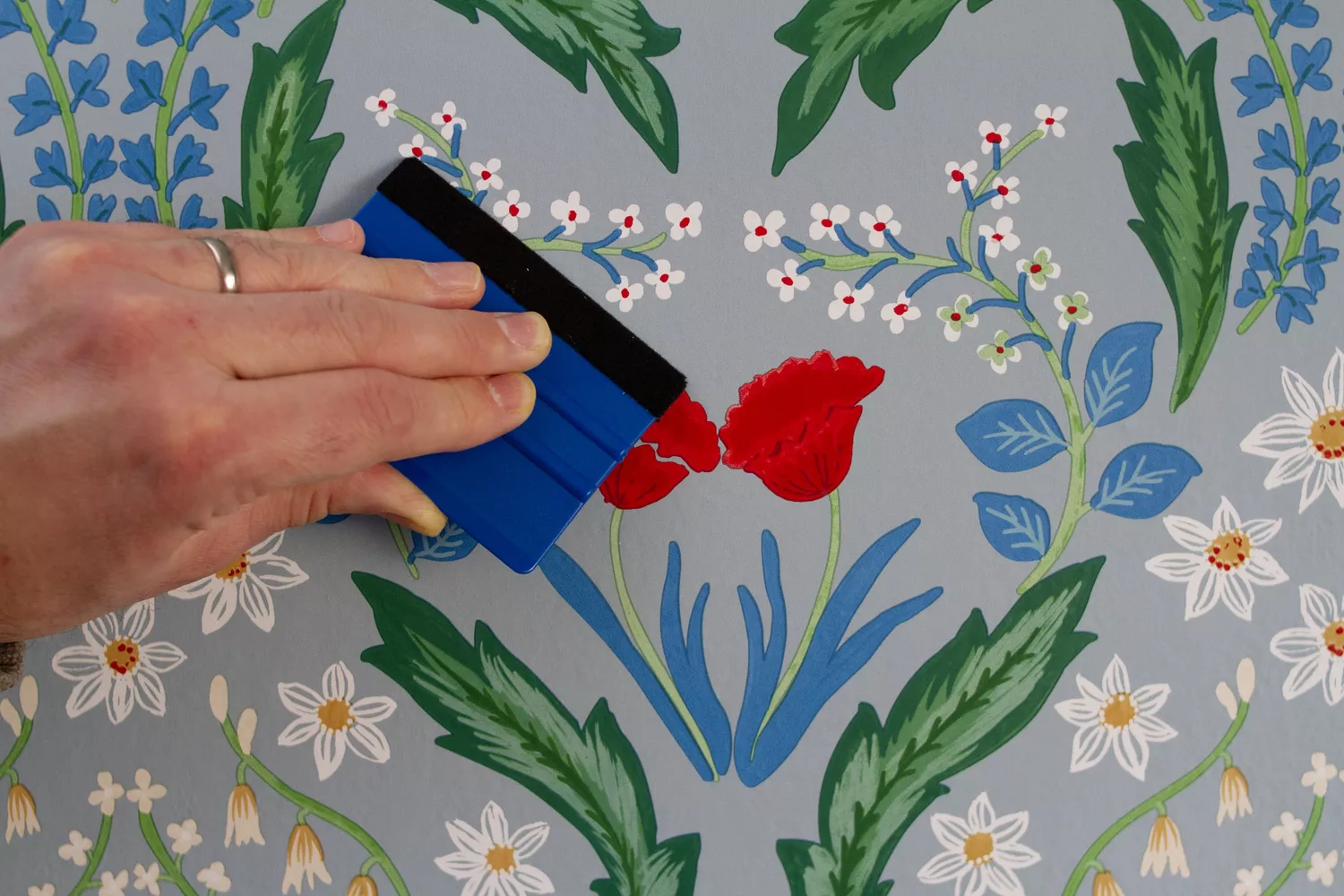
How to Hang Wallpaper Yourself in 8 Simple Steps, Straight from a Pro

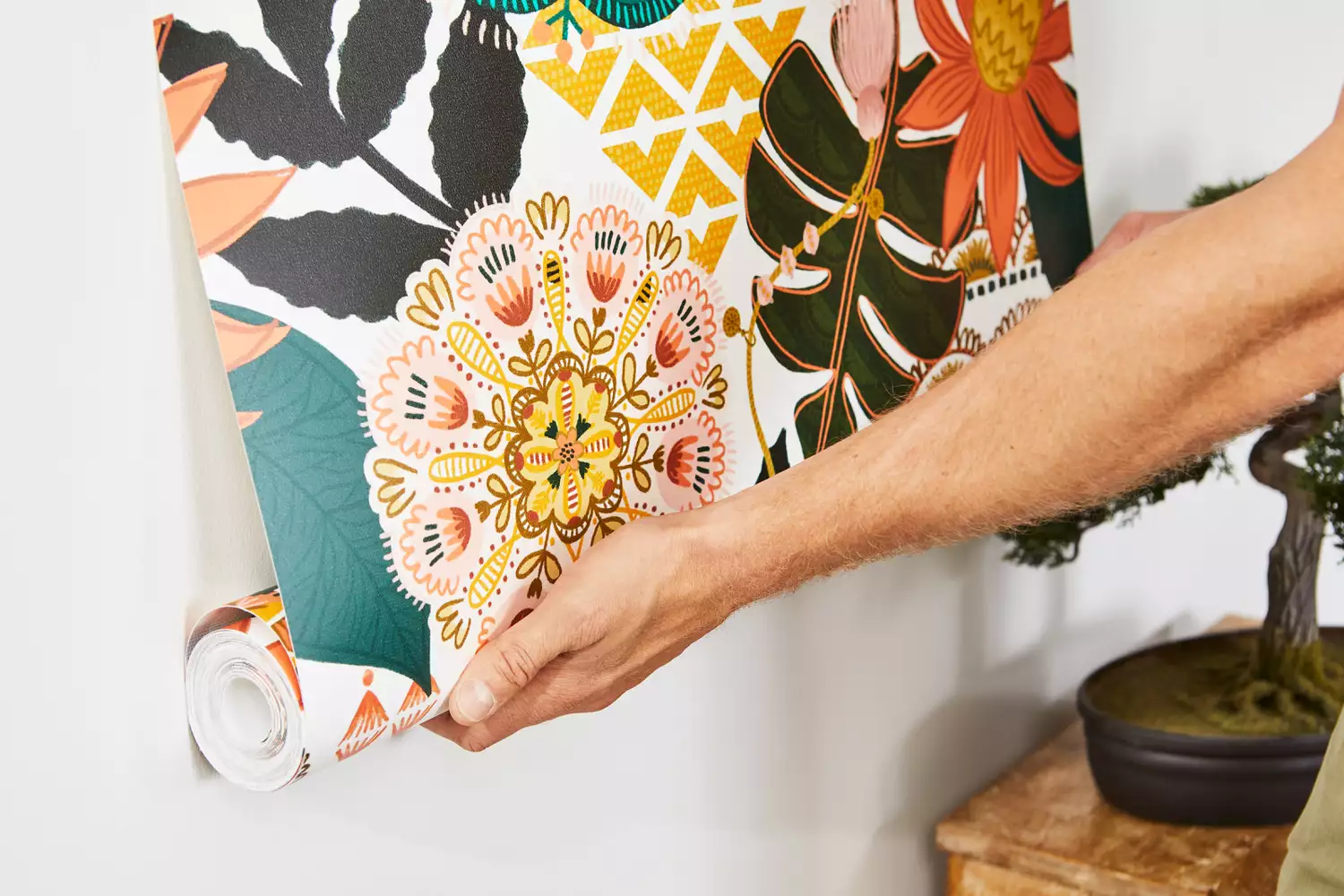
Real Simple Editors' Favorite Wallpapers Right Now

Peel-and-stick wallpaper tips and shopping

13 peel-and-stick wallpapers we love


7 Simple Steps for Hanging Wallpaper Yourself
13 Creative Ways to Use Peel-and-Stick Wallpaper

How to Hang Wallpaper (the Permanent Kind!)
8 Common Wallpaper Mistakes (and How to Fix Them)

Skip Wallpaper in Favor of an (Almost) Free Painter’s Tape DIY
The 6 best removable wallpapers, according to an expert
Transform your room with peel and stick wallpaper
Peel and Stick Wallpaper We Love From 7 Different Retailers

Choosing Wallpaper Is a Big Deal—But Backdrop’s New Design Makes It Easy

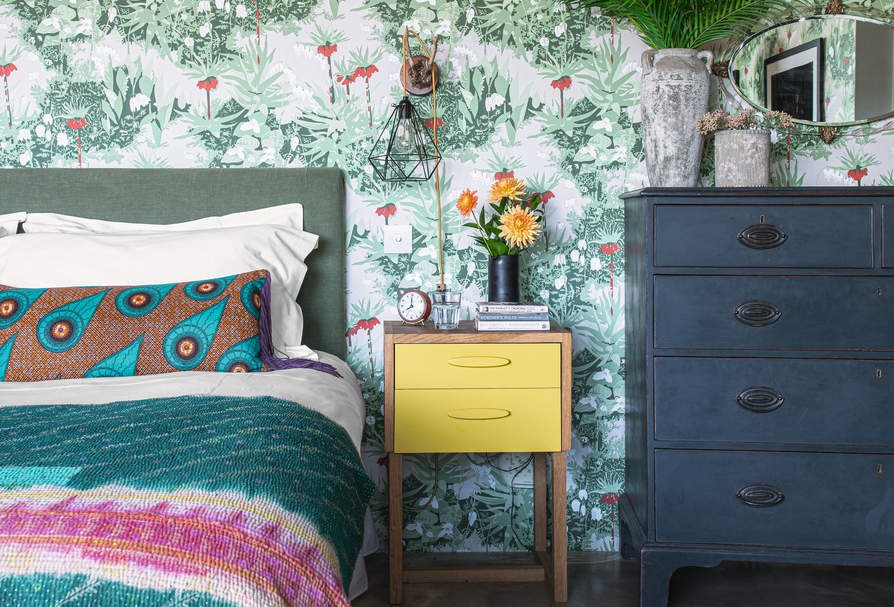
Wallpaper mistakes to avoid – 7 of the most common errors and how to solve them

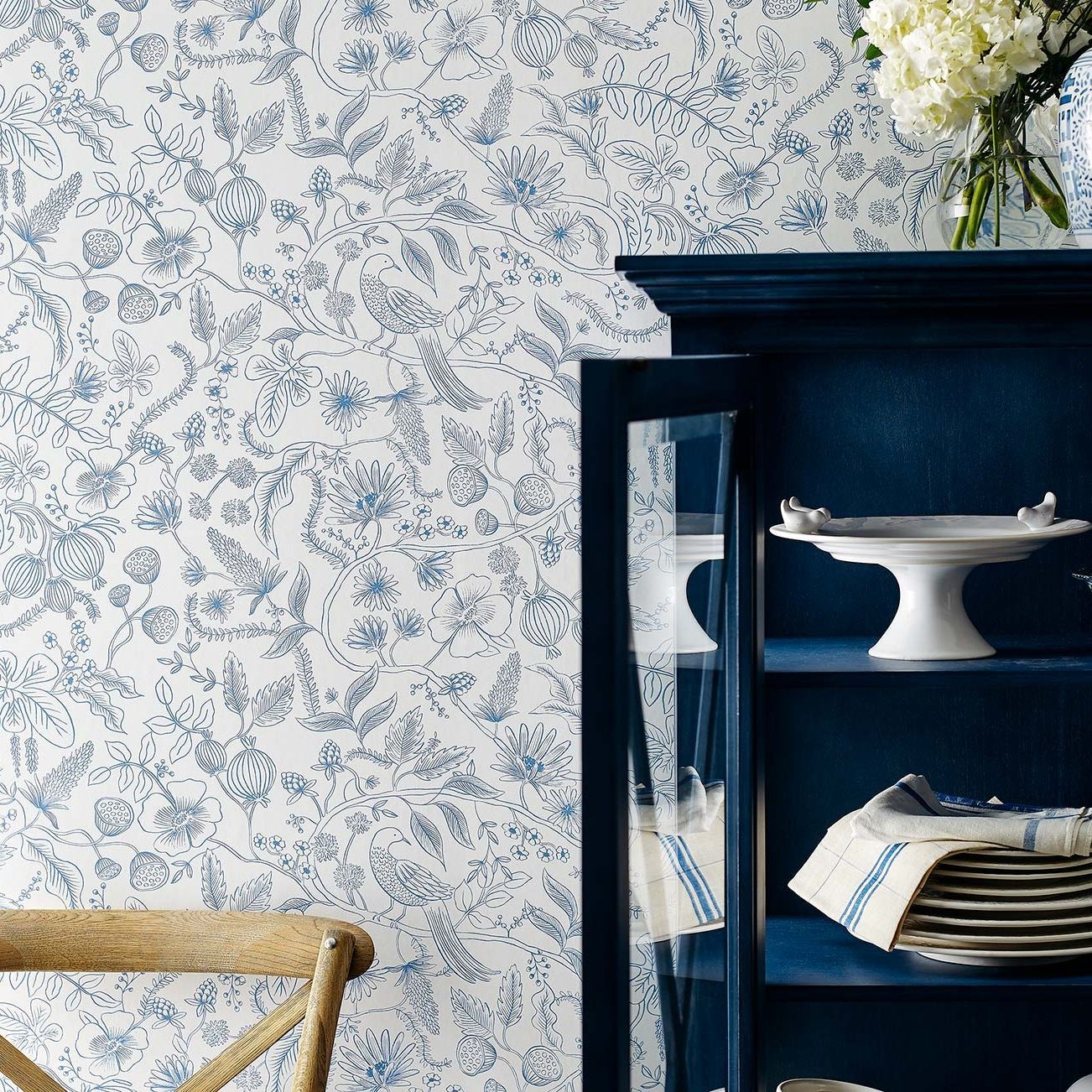
12 Best Peel-and-Stick Wallpapers

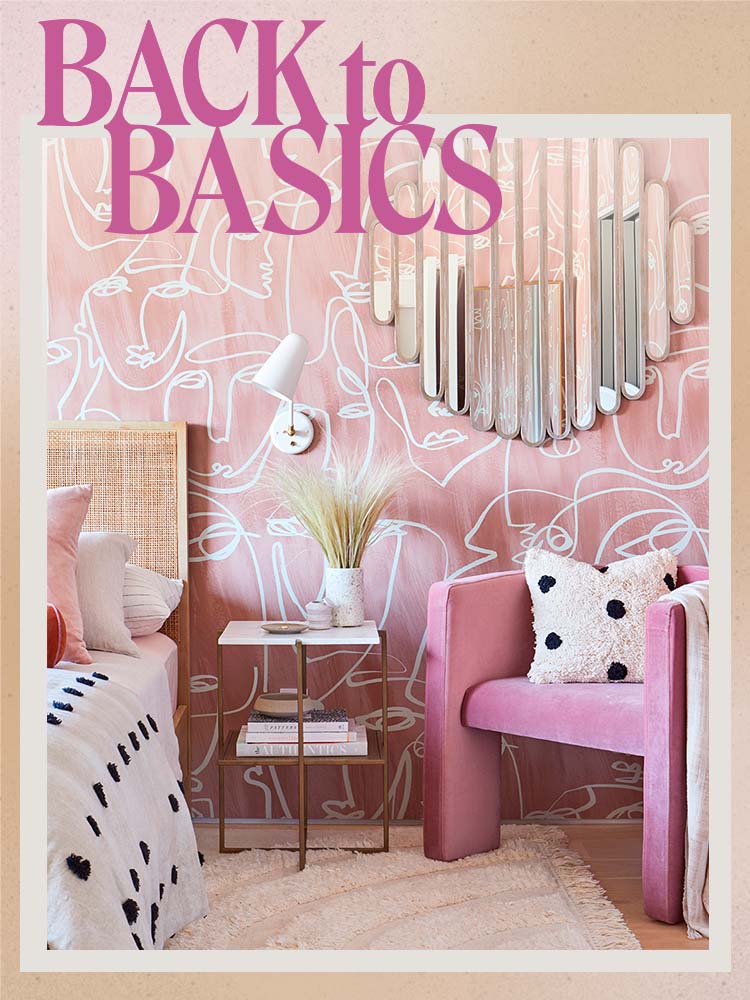
How to Hang Wallpaper (the Permanent Kind!)

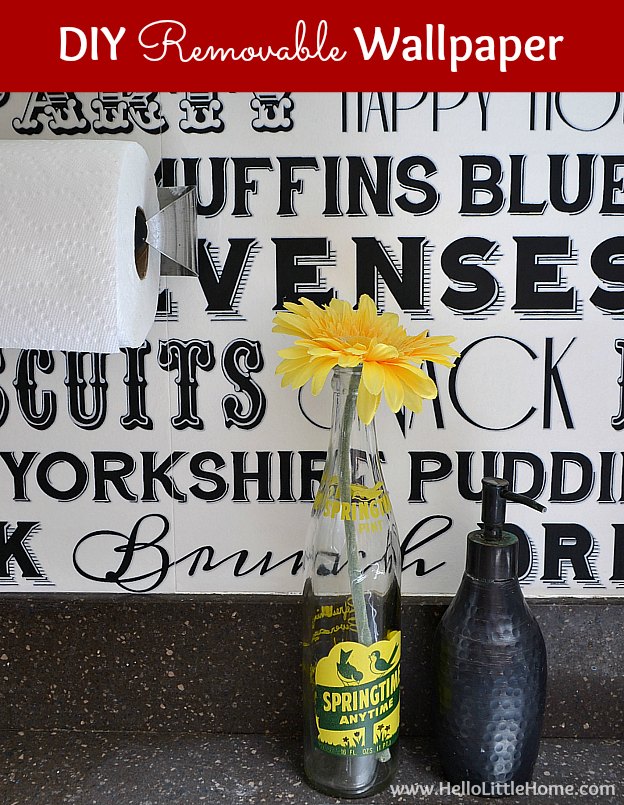
DIY Removable Wallpaper
Tips for Applying Peel and Stick Wallpaper