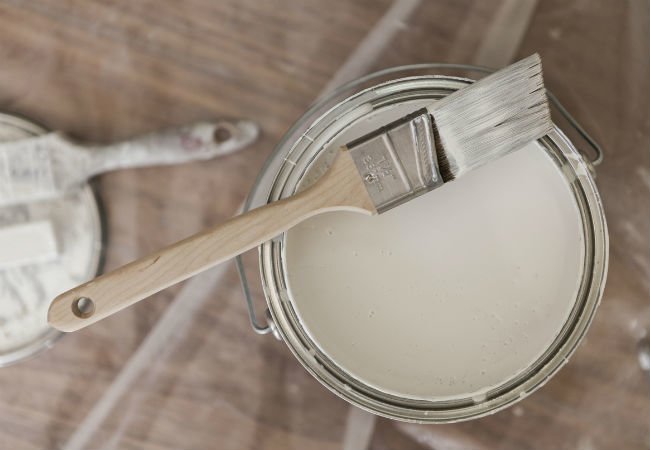
1/2
Solved! The Rules for Painting Over Oil-Based Paint
This article addresses the common query of how to repaint surfaces previously coated with oil-based paint, specifically focusing on whether water-based paint can be used. It clarifies that while repainting with oil-based paint on an existing oil-based surface is generally straightforward, employing water-based or acrylic paint requires a specific methodology to prevent issues such as peeling or chipping. The primary reason for these problems is the poor bonding of water-based formulas with the inherently glossy finish of oil-based paints.
The article outlines specific guidelines for using oil-based paint over existing oil-based paint. It states that fully cured oil-based paint, whether alkyd or natural oil, can be repainted with either type of oil-based paint. Full curing can take between seven to thirty days, meaning the paint has hardened sufficiently to withstand scrubbing without damage. A critical caution is issued against applying alkyd paint over uncured natural oil-based paint. This combination can lead to cracking of the top alkyd coat because the underlying natural oil-based paint continues to harden post-application. However, uncured alkyd paint can be safely recoated with either alkyd or natural oil-based paint without concerns about cracking.
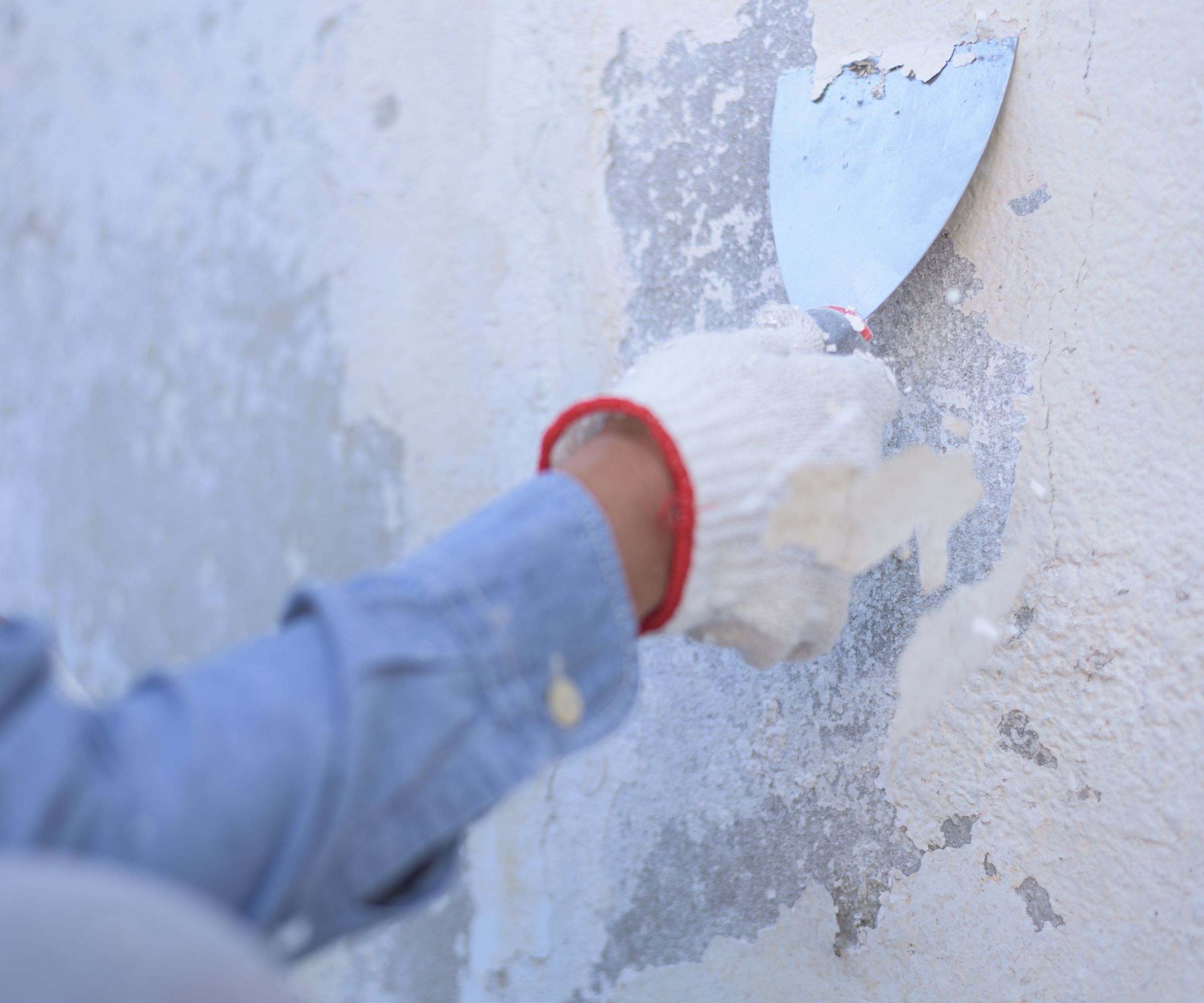
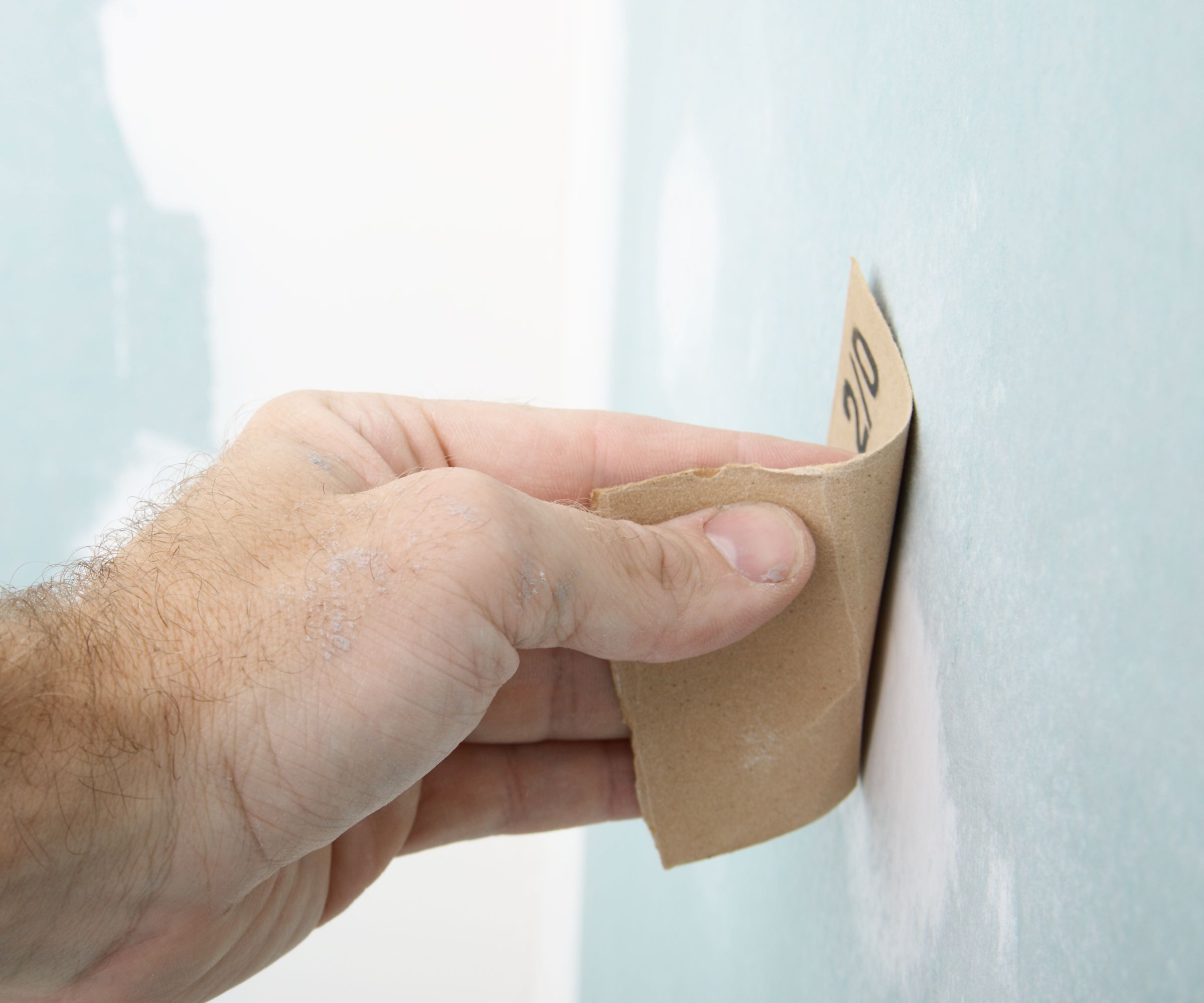
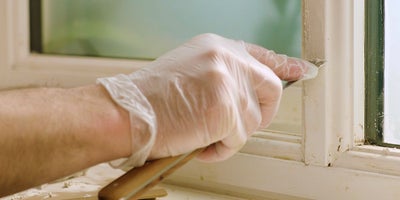
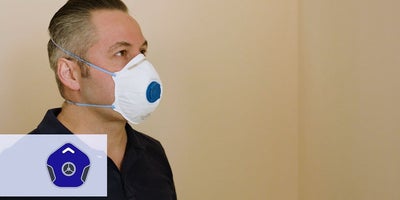
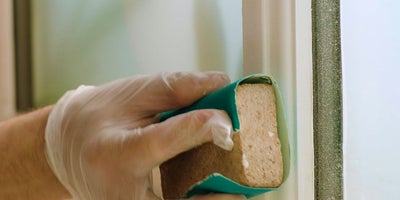
A more detailed process is provided for successfully applying water-based paint over oil-based paint. The first step involves de-glossing the surface using fine-grit sandpaper (180- to 220-grit). The goal is not to remove all the old paint but to eliminate the slick, glossy finish, thereby improving adhesion for the new water-based paint. After sanding, the surface must be thoroughly cleaned to remove dirt, debris, and grime, which can further hinder adhesion. This cleaning is performed with a solution of trisodium phosphate (TSP) and warm water, followed by a rinse with fresh water and air-drying, while wearing appropriate protective gear like gloves and safety glasses.
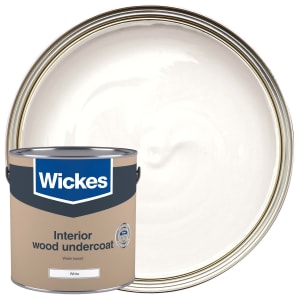
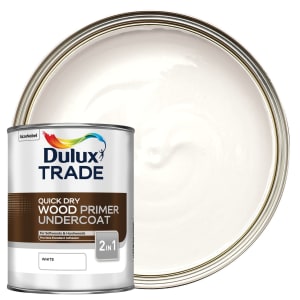
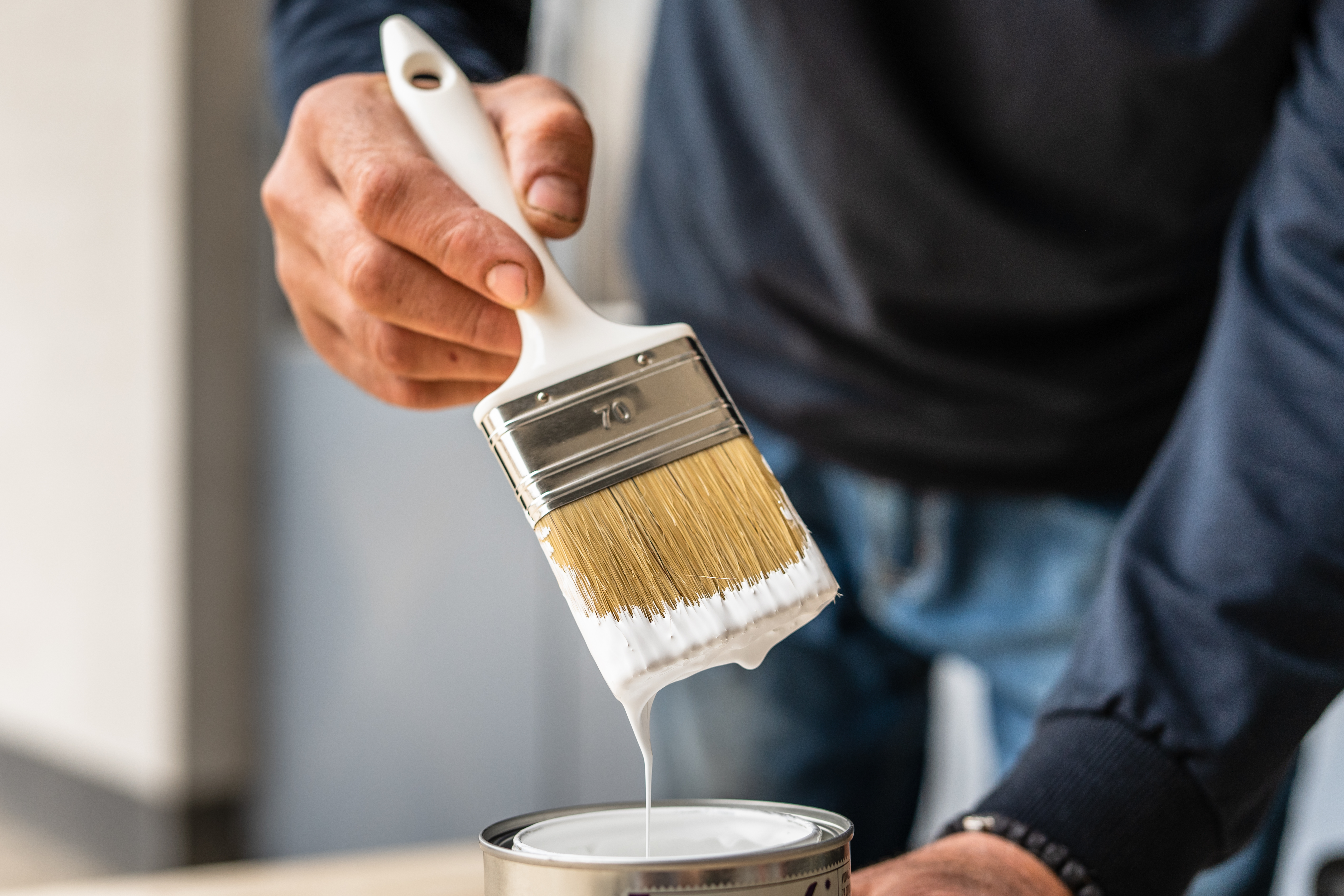
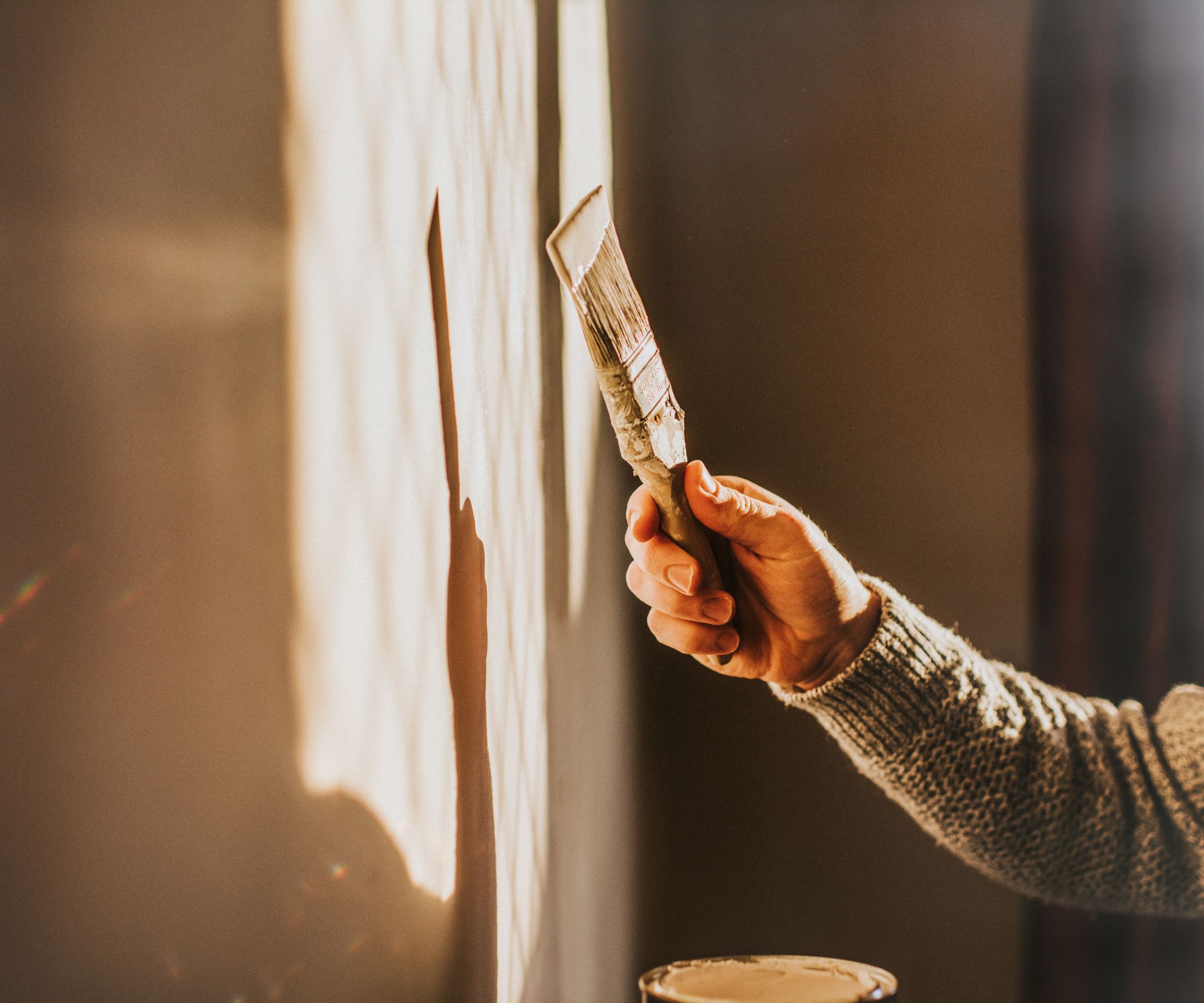
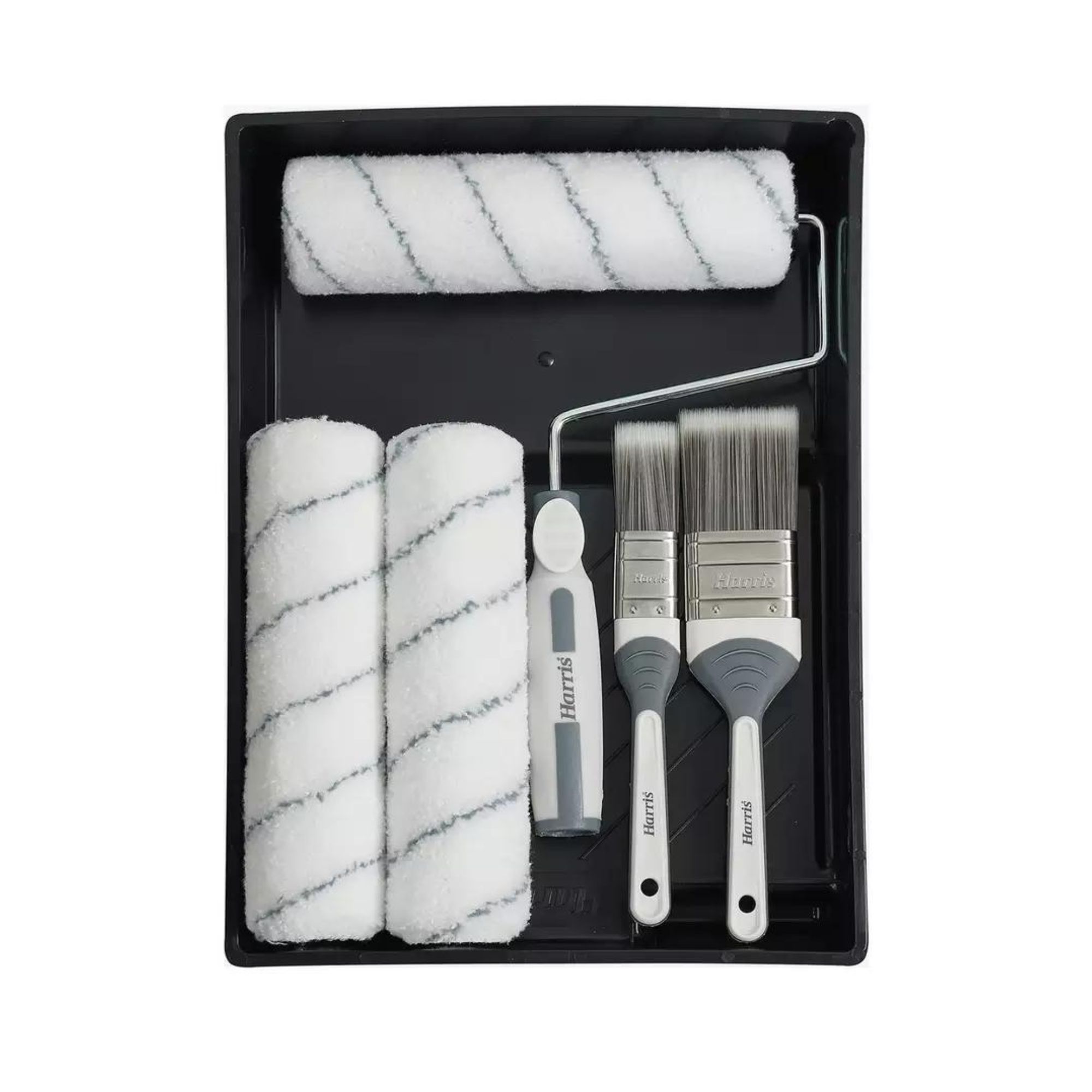
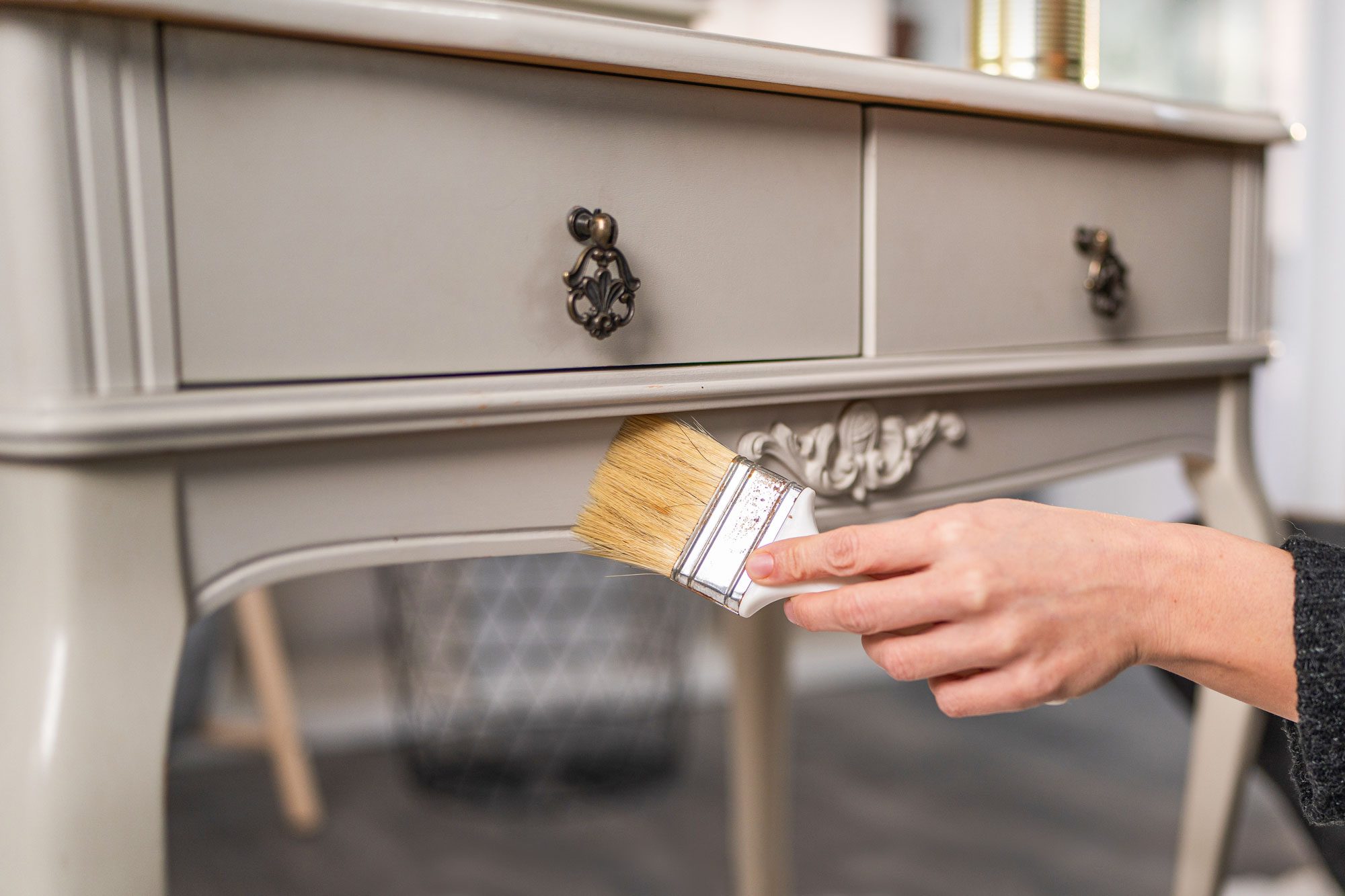
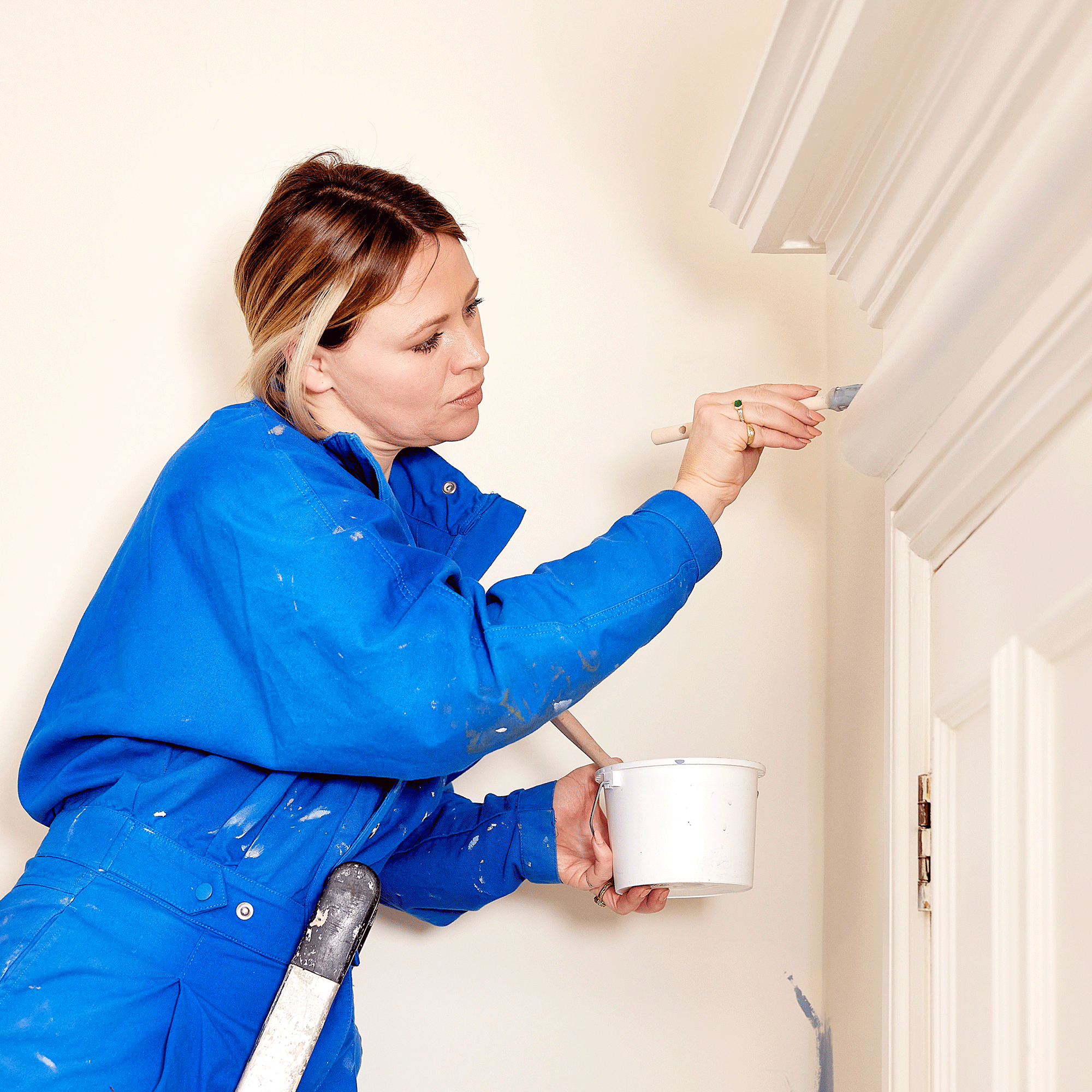
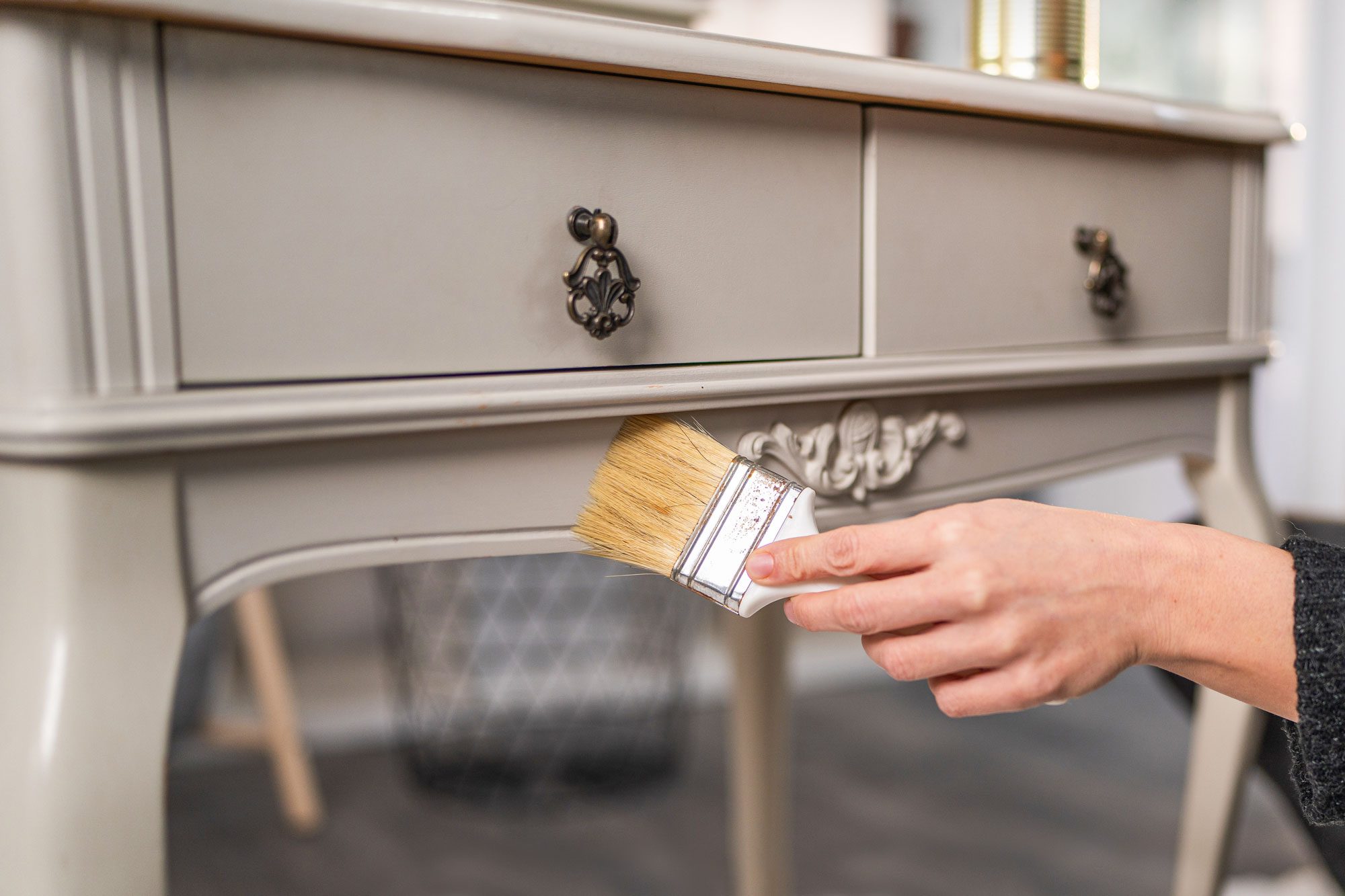
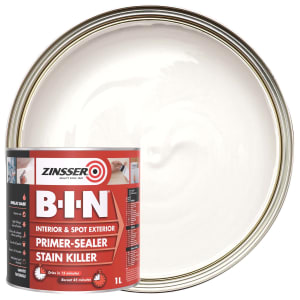
Following cleaning, priming is essential. A bonding primer, specifically designed to adhere to glossy and challenging surfaces, should be applied in one to two coats. This step is crucial for preventing future peeling and chipping and ensures optimal paint adherence. The surface is considered adequately primed when the original paint color, stains, and imperfections are no longer visible. Finally, at least two coats of a high-quality water-based latex or acrylic paint should be applied using a brush, roller, or paint sprayer, with sufficient drying time between coats as per product instructions. The article also advises selecting interior-specific paints for indoor features like kitchen cabinets and using interior/exterior paints for outdoor elements that require better resistance to rot and extreme weather. For molding and trim, a semi-gloss sheen is recommended to highlight details.
#PaintingTips #DIYHomeImprovement #OilBasedPaint #WaterBasedPaint #PaintAdhesion #SurfacePreparation #HomeRenovation #PaintingTechniques #PaintingTips #DIYHomeImprovement #OilBasedPaint #WaterBasedPaint #PaintAdhesion #SurfacePreparation #HomeRenovation #PaintingTechniques
0 comment in total
 No comments yet
You may also like
15 Best Oil Paint Brands

Paint tricks – 10 painting tips and techniques loved by the experts

Everything you need to know about painting over new plaster - including how long to wait before painting
Can You Put Polyurethane Over Paint? Everything to Know

Undercoat & Primer Paints

Understanding paint finishes
Oil vs Latex Paint for Millwork (Ben Moore Aura Review)

How to Prepare Interior Woodwork For Painting

These Master Tips Will Help You Avoid Choosing The Wrong Type Of Paint
Professional painters explain how to paint OSB – without uneven bumps, peeling paint, or rough textures
Best Mold- and Mildew-Resistant Paints for 2025
Can you paint over wallpaper? Experts explain how to make this time-saving hack work
When Should You Use Oil-Based vs. Water-Based Paint?

How to prolong the life of your paint job, according to painters and decorators
Decorating with paint
Paint finishes explained – an expert guide to choosing the perfect type of paint for your projects

I’m a paint expert - the £1.25 buy pros swear by for a flawless finish on walls

How to fix peeling paint in 4 steps – and reasons why your paint is crumbling

Wall & Ceiling Emulsion Paint
Paint tips from a pro!