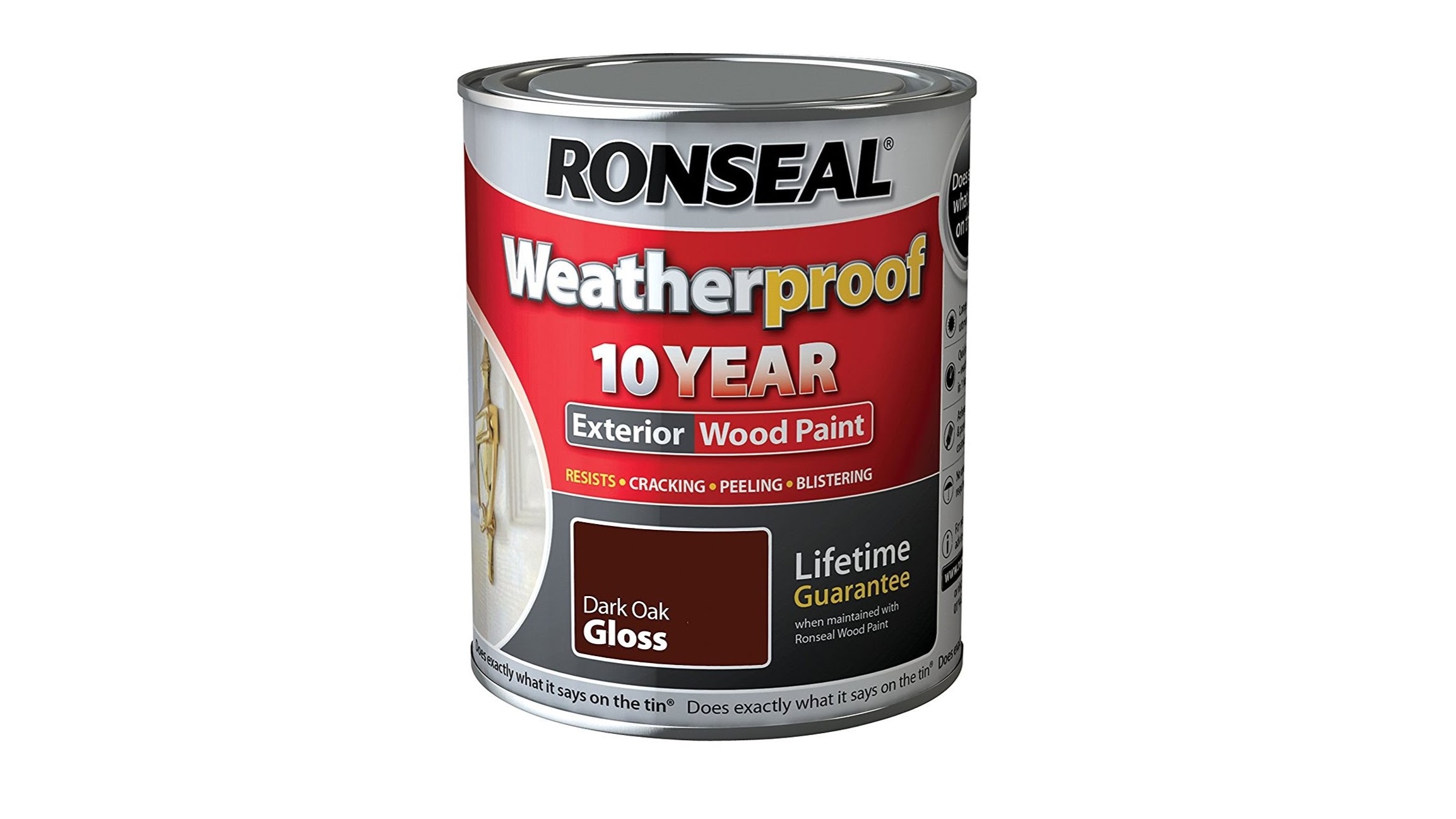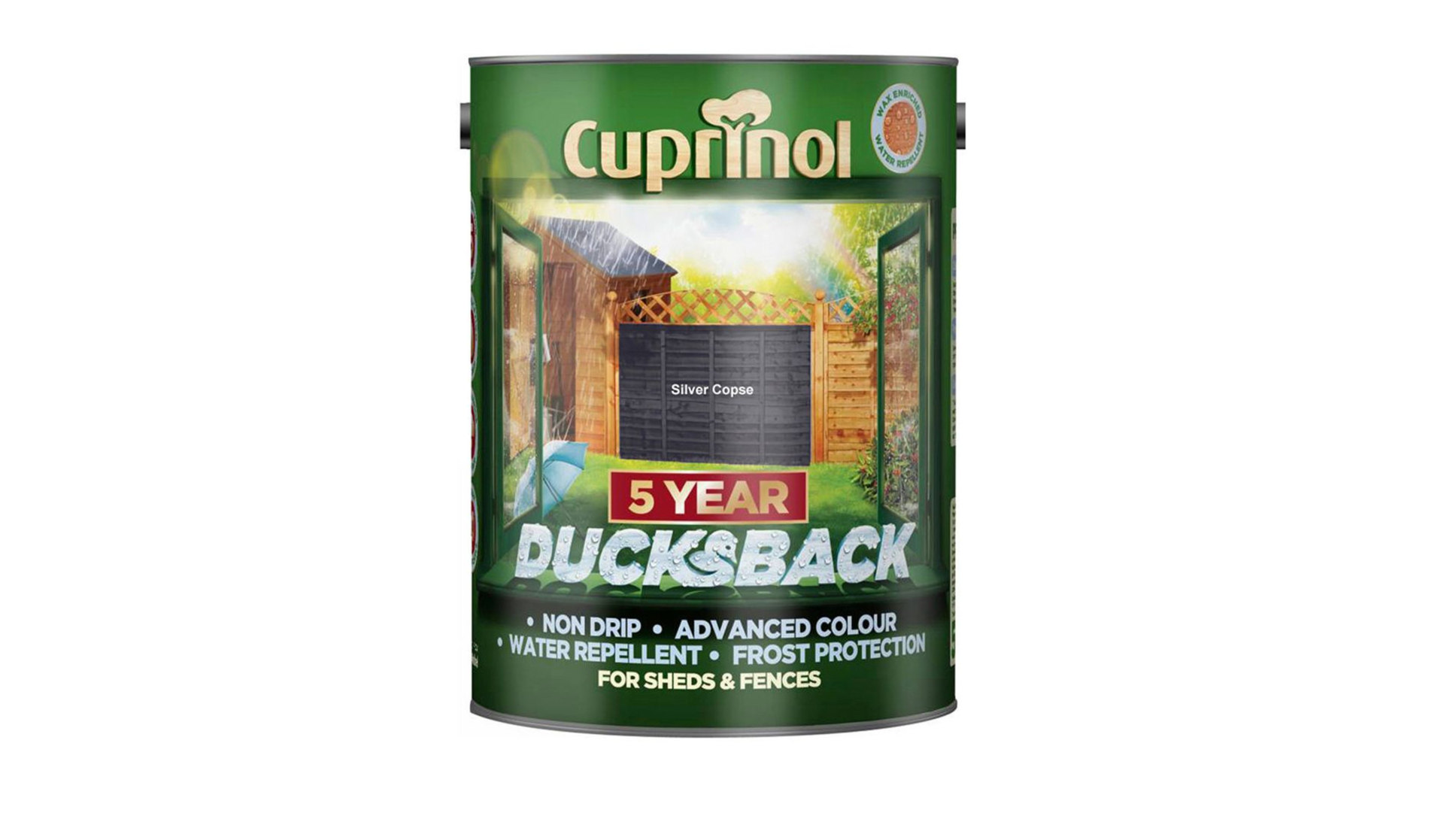
Your Guide To Painted Wood Waterproofing
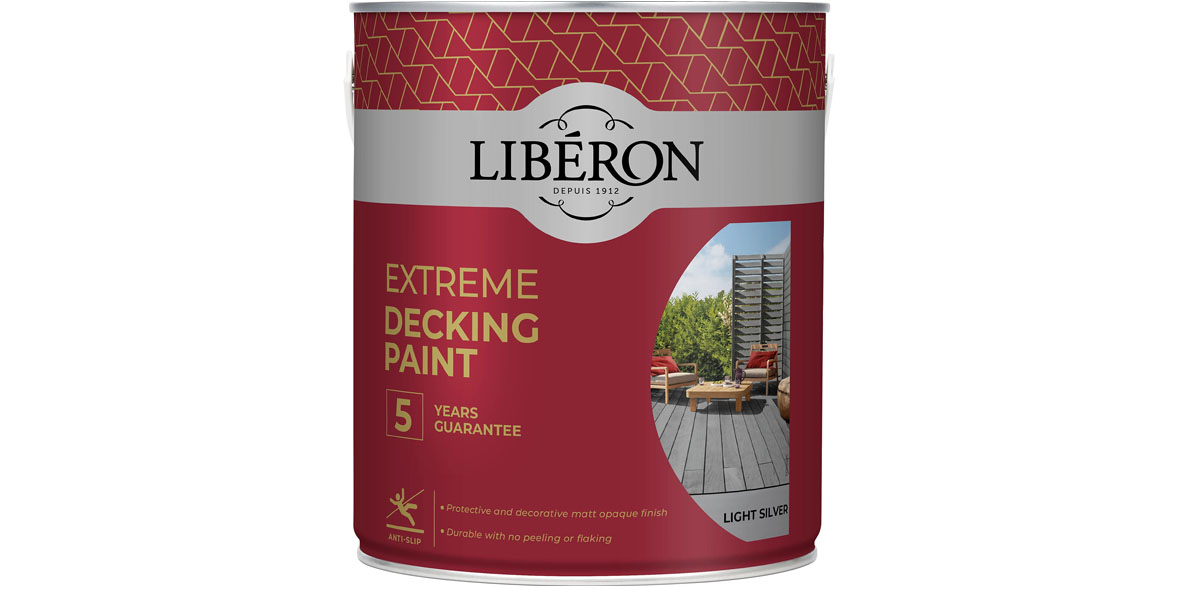
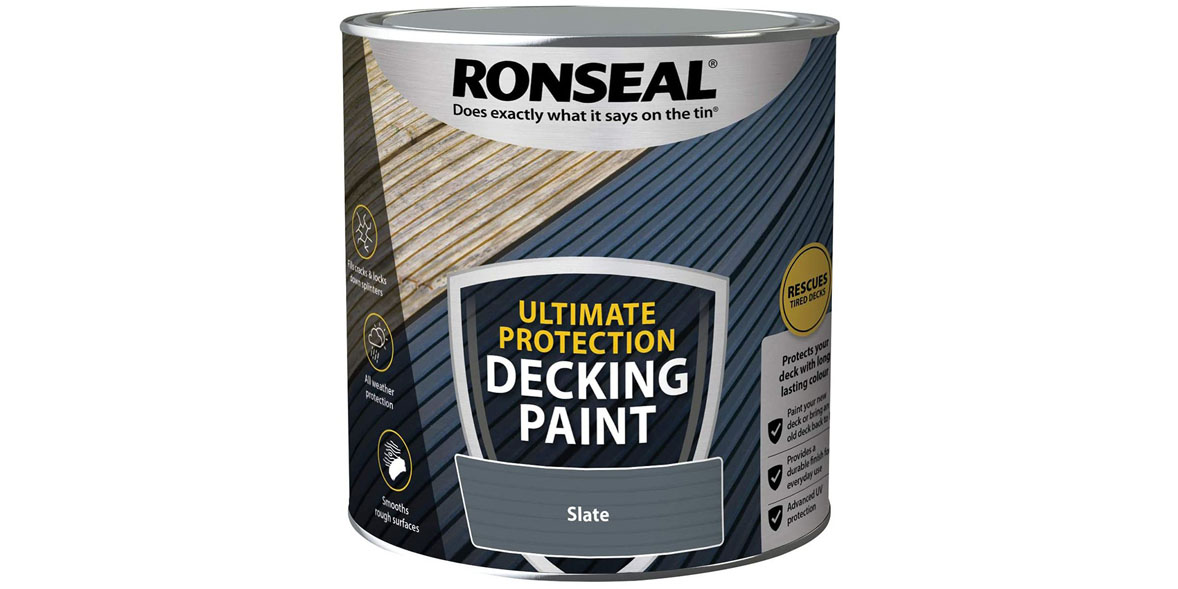
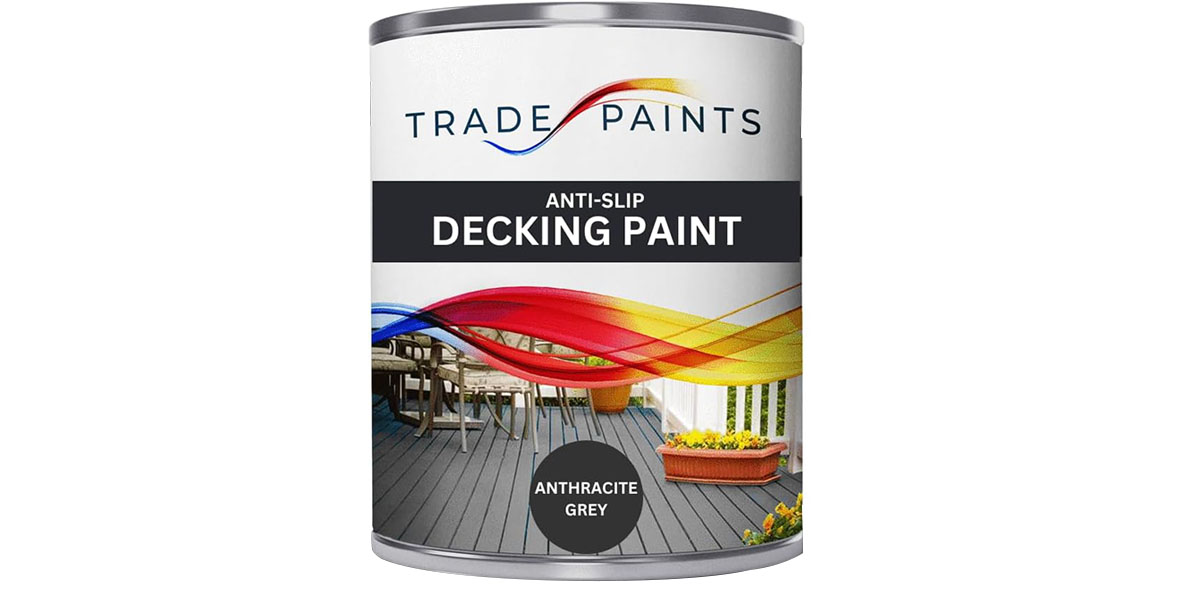
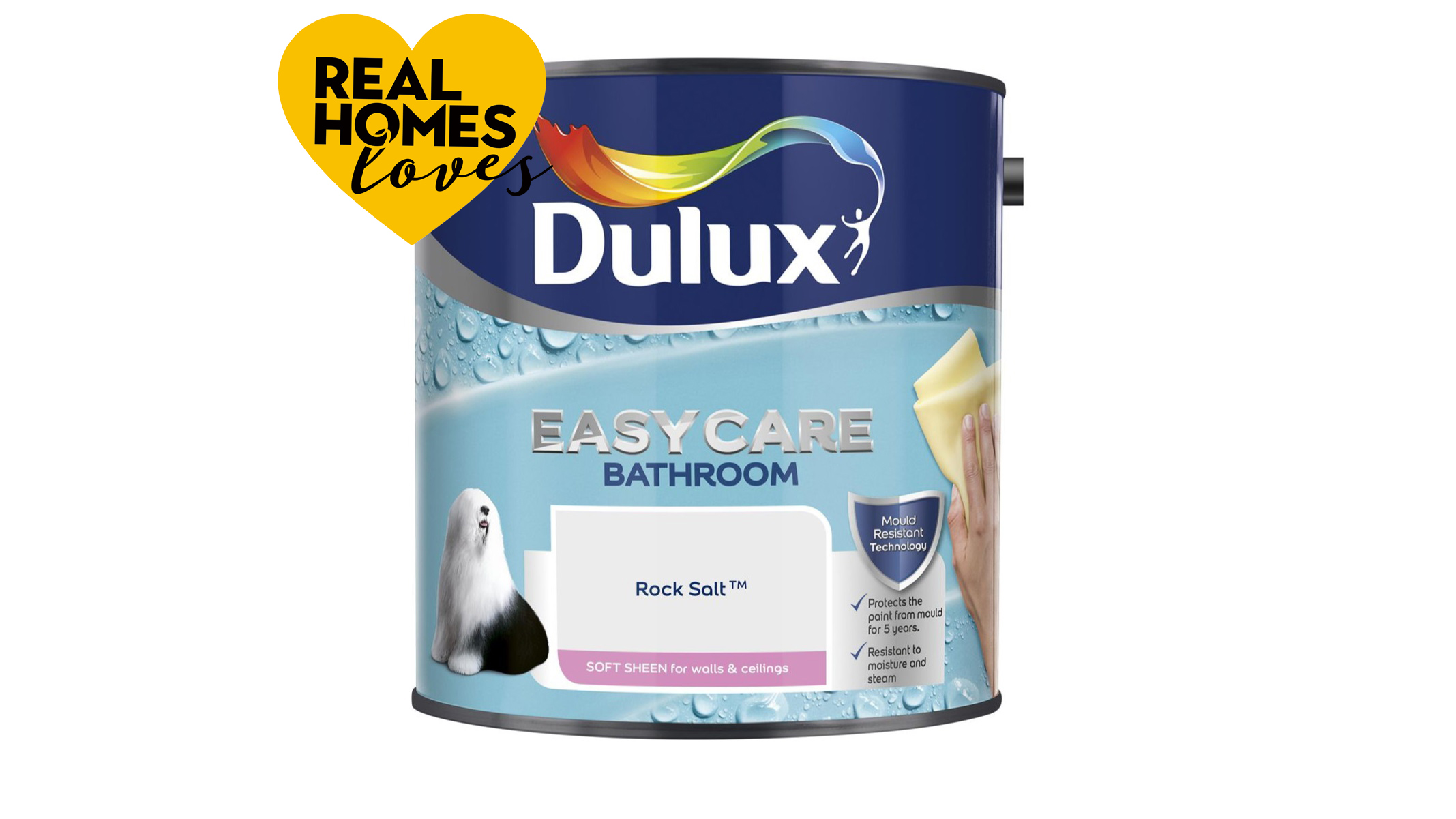
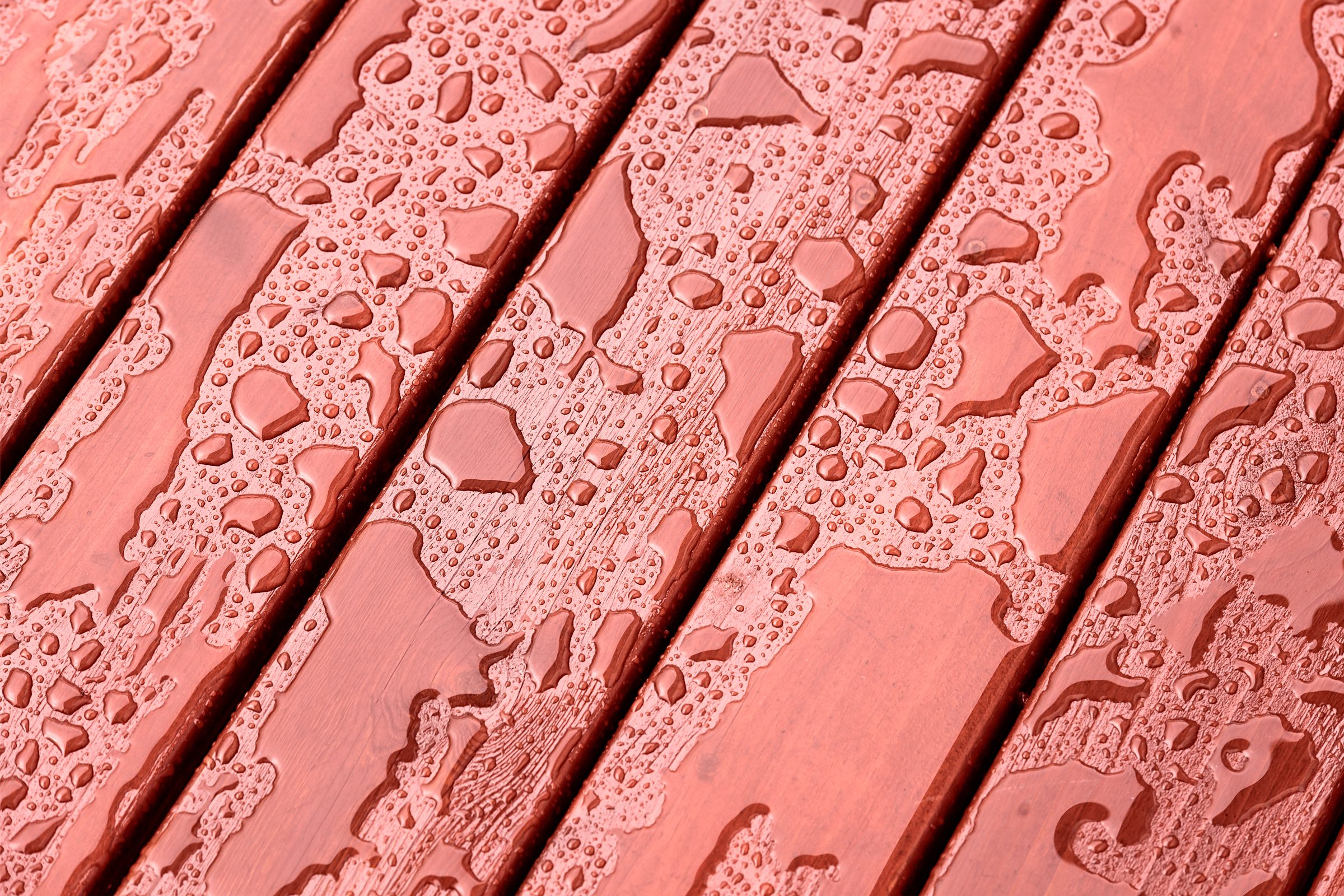
Waterproofing painted wood is a crucial step, particularly for wood exposed to outdoor elements or damp environments like bathrooms. While exterior-grade paints are inherently designed to be waterproof, interior paints require additional treatment to prevent damage. Wood naturally expands and contracts with changes in humidity, which can compromise non-waterproof paint finishes, leading to issues such as cracks, warping, and discoloration. Furthermore, paint that is not properly waterproofed can fade and flake off, diminishing its aesthetic and protective qualities.
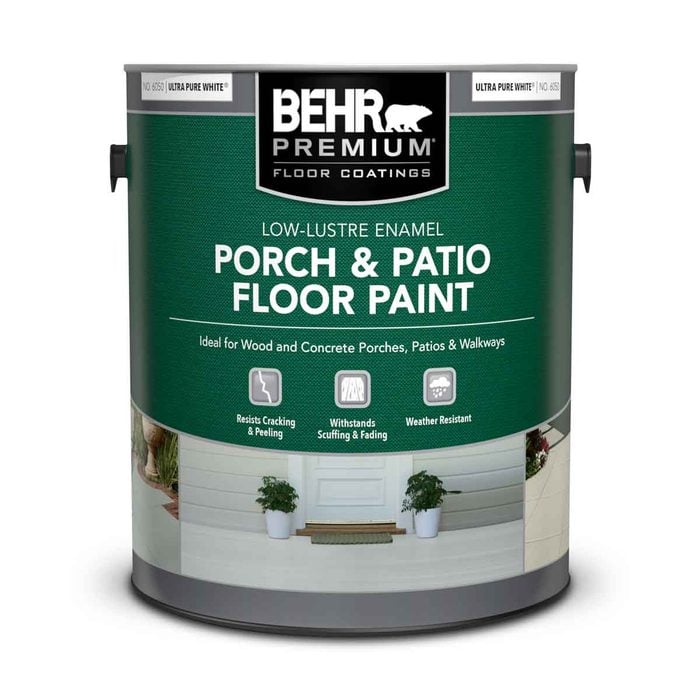
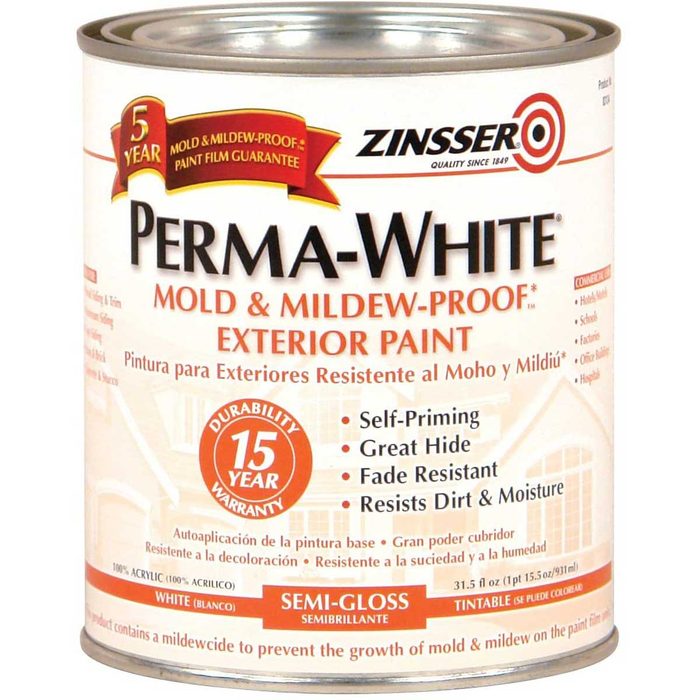
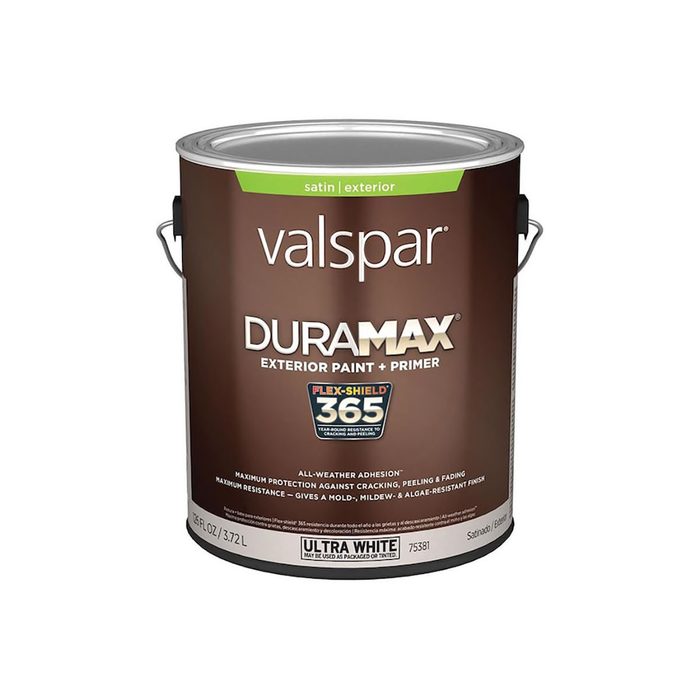
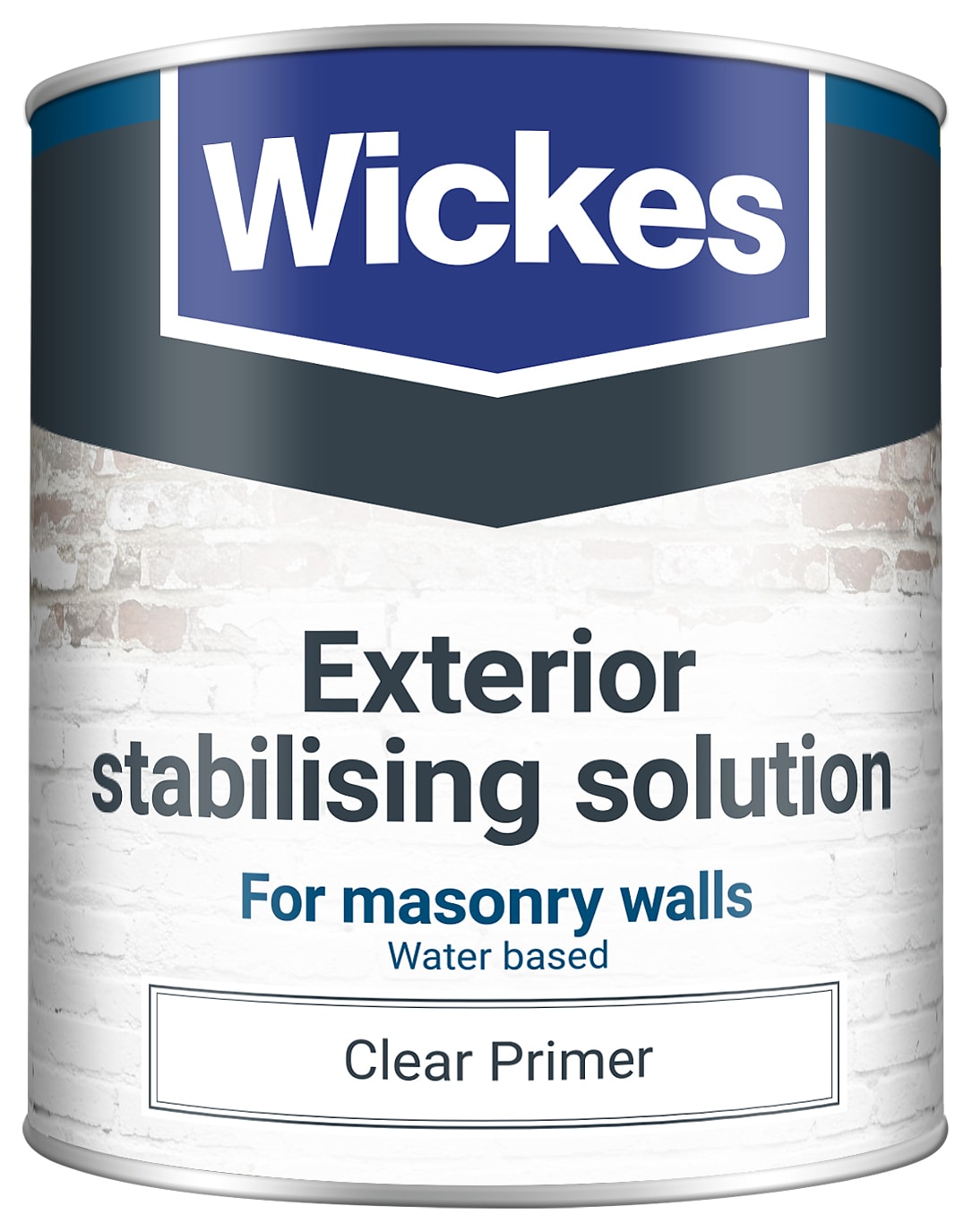
Waterproofing is essential for painted wood used outdoors, in bathrooms, or any high-humidity area. However, if exterior latex or oil-based paints are used, additional waterproofing is generally not necessary, as these formulations are built to withstand harsh outdoor conditions. They offer flexibility to accommodate wood movement, resist cracking, repel moisture, and often inhibit mold and mildew growth. In cases where interior paints, chalk, clay, or milk paints are applied to wood in damp settings, waterproofing becomes a necessity.
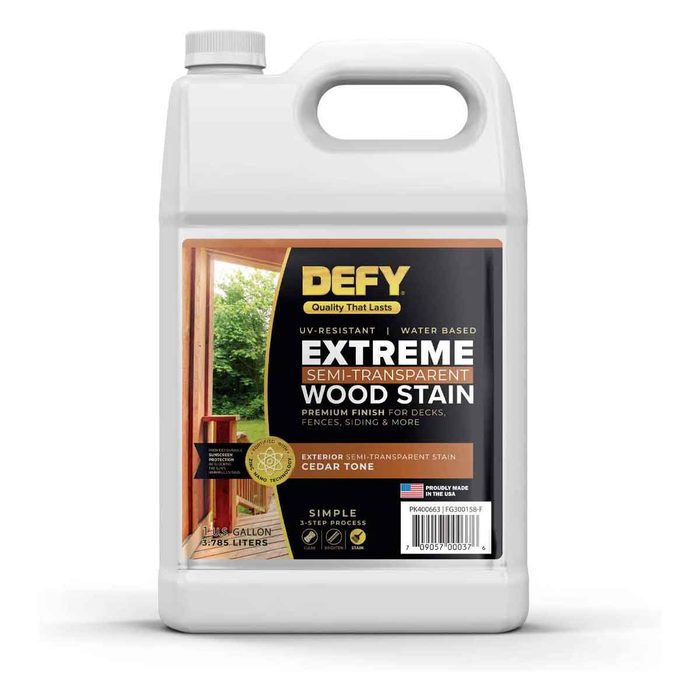
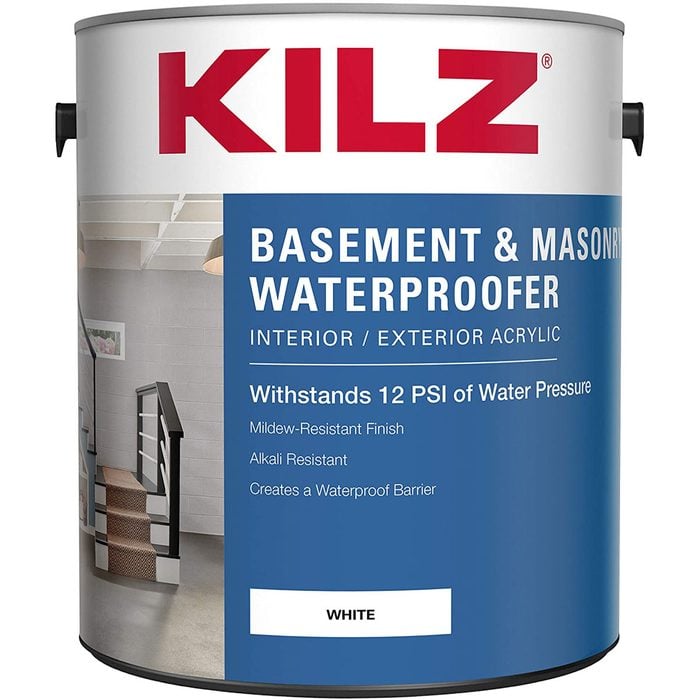
Several methods are available for waterproofing painted wood, each with varying degrees of effectiveness and impact on the paint's appearance. One common approach involves spraying a sealant. Sealants create a protective, waterproof barrier over the paint without significantly altering its look, while still allowing the wood to breathe. However, many sealants contain silicone, which can complicate future repainting efforts due to its repellent properties.
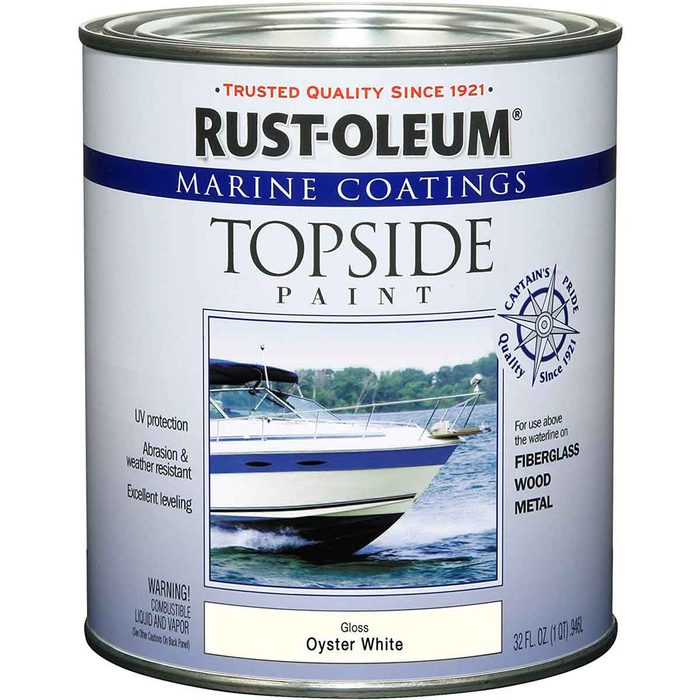
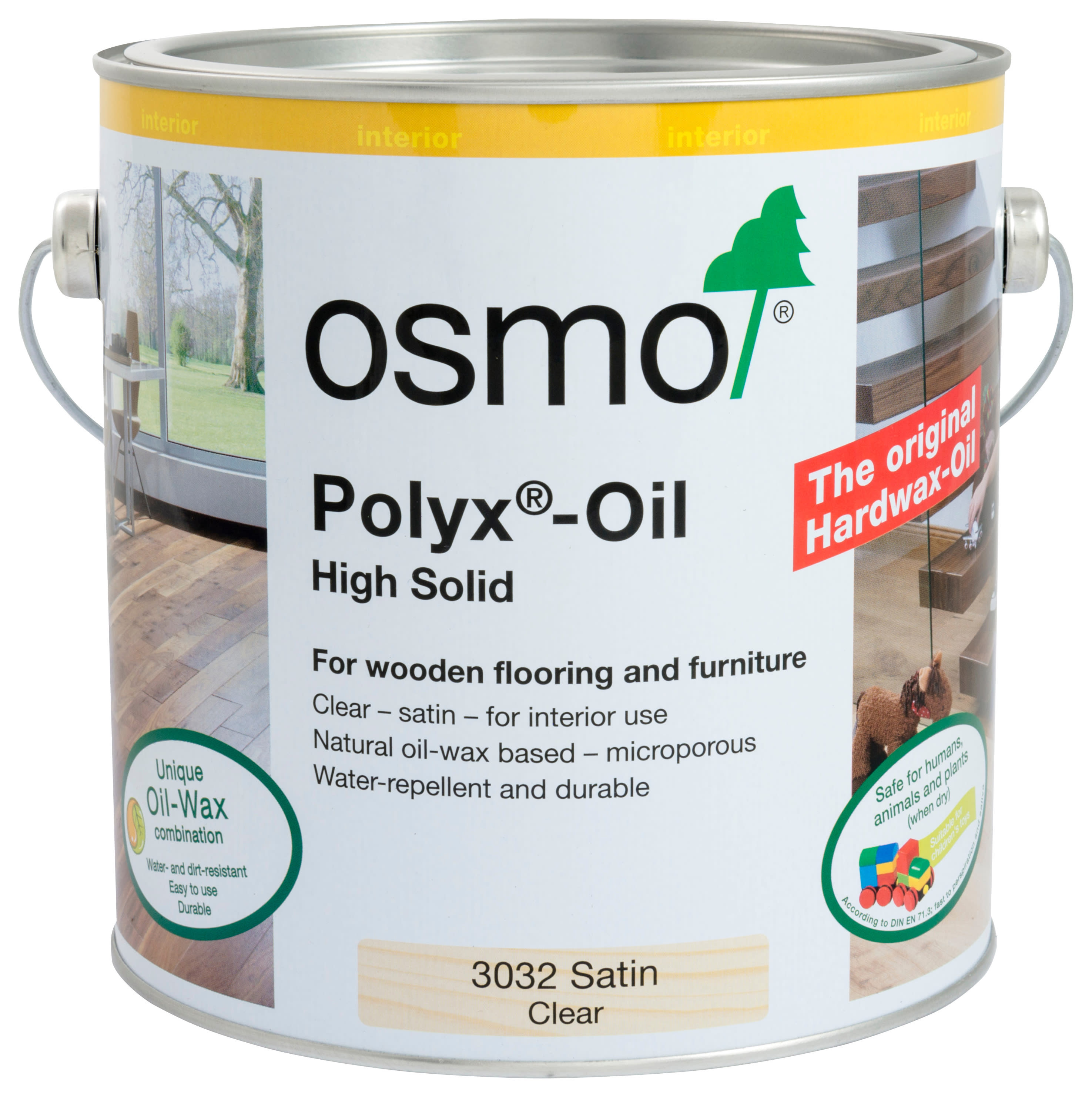
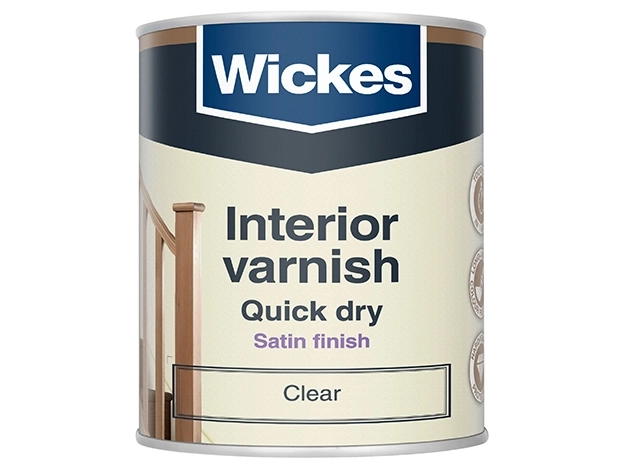
Another method is applying a waterproof top coat, such as clear polyurethane or acrylic. This technique can be as effective as using a spray sealant but might change the paint's original appearance, often by adding a glossy or shiny finish. Some top coats may also impart an amber tint, which can be beneficial as even slight pigmentation helps block UV rays and prolongs the finish's life.
Alternatively, waterproofing additives can be mixed directly into interior paints when they are applied to wood intended for outdoor use. These additives help the paint repel water and resist mold and mildew. While convenient, paints with integrated waterproofing agents may not offer the same durability as other dedicated waterproofing methods and might require more frequent touch-ups.
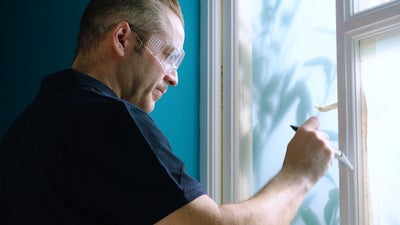
Regardless of the chosen method, proper preparation and application are key. The wood surface must be clean and free of dust or debris, and any rough spots should be sanded smooth. It is advisable to test the waterproofing product on an inconspicuous area first to observe its effect on the paint's appearance. Following the manufacturer's instructions for application, including specific tools, techniques, and drying times between coats, is critical. For optimal protection, multiple coats of the waterproofing product may be necessary, with each coat allowed to dry completely before the next is applied.
Ongoing maintenance is also important, especially for wood exposed to harsh outdoor conditions, particularly direct sunlight. Regular inspection for signs of damage or wear, and prompt touch-ups, will ensure continuous protection and extend the lifespan of the painted and waterproofed wood.
#WoodWaterproofing #PaintedWoodCare #ExteriorPaint #InteriorPaint #WaterproofSealant #Polyurethane #WoodMaintenance #DIYHomeImprovement #WoodWaterproofing #PaintedWoodCare #ExteriorPaint #InteriorPaint #WaterproofSealant #Polyurethane #WoodMaintenance #DIYHomeImprovement
0 comment in total
 No comments yet
You may also like
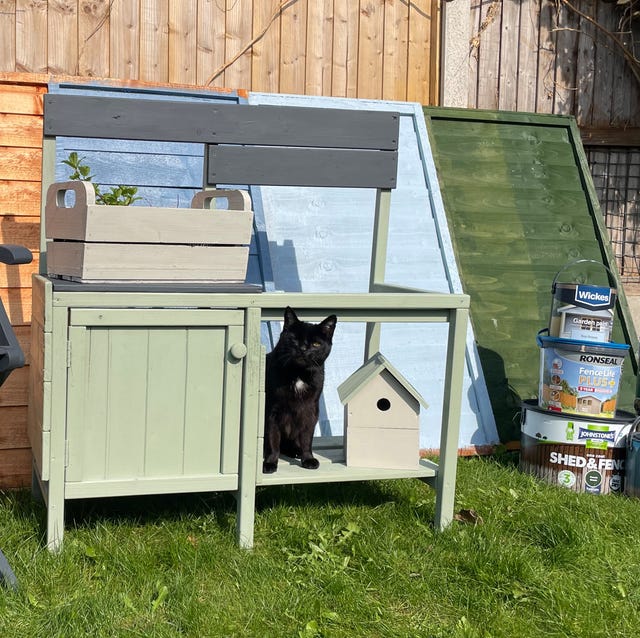
The best exterior paints to transform a rundown garden in a weekend

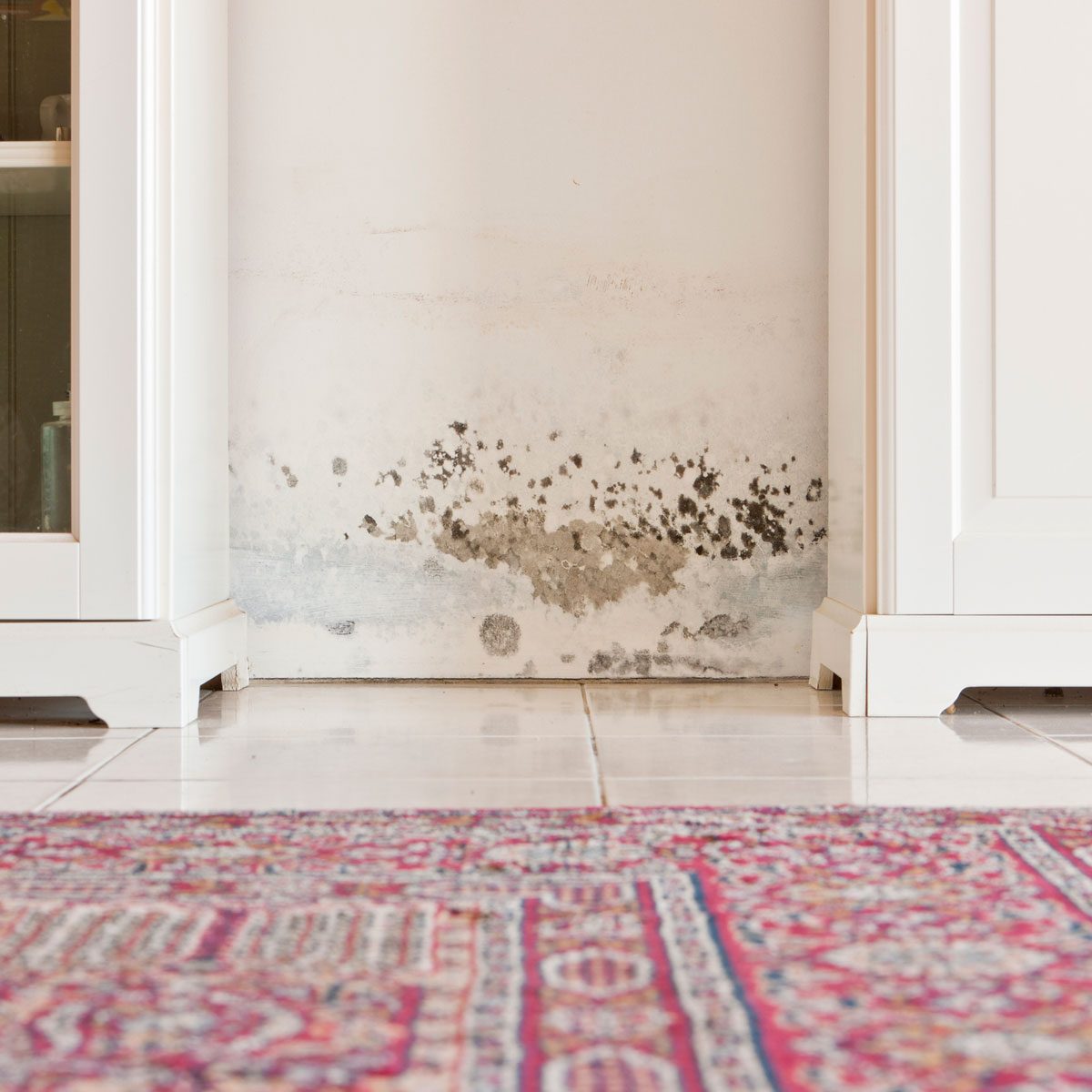
Best Mold- and Mildew-Resistant Paints for 2025
Exterior Paint | Outdoor Painting & Decorating


5 factors to consider before choosing exterior wall paint

Best exterior wood paint 2020


How to Remove Water Stains from Wood with Common Household Products

Our Favorite Wood Stains Will Make Your Furniture Look Like a Million Bucks

How to paint interior woodwork
I Asked My Furniture-Maker Dad How to Remove Water Stains From Wood — These Are His 3 "Tried and Tested" Tricks

The 5 Best Deck Stains to Protect and Revive Your Deck

The Best Way To Paint Wood Paneling, According To An Expert
How to Paint Wood-Paneling

No stain, no gain: Staining exterior wood is a simple way to boost outdoor living spaces


Wood Stain | Exterior Wood Stain & Paints
Best decking paint and decking stain
Wood Treatments
Best Deck Paints and Stains for 2025
The Best Deck Stains of 2026

Best bathroom paints: 6 moisture resistant paints

Buying the Best Paint for Wood Means Nothing Without This Important First Step