5 Easy Ways to Keep Couch Cushions From Sliding That Actually Work
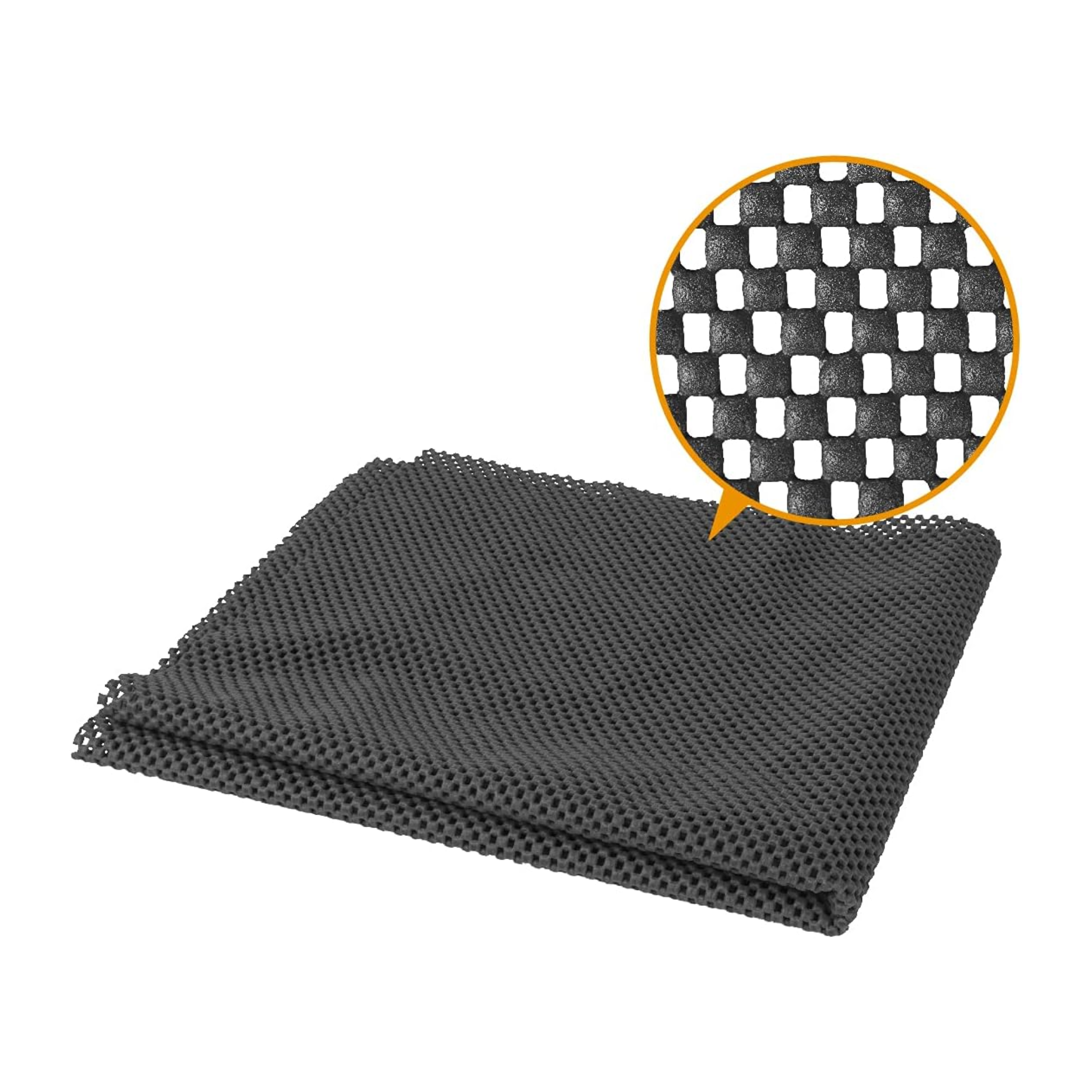
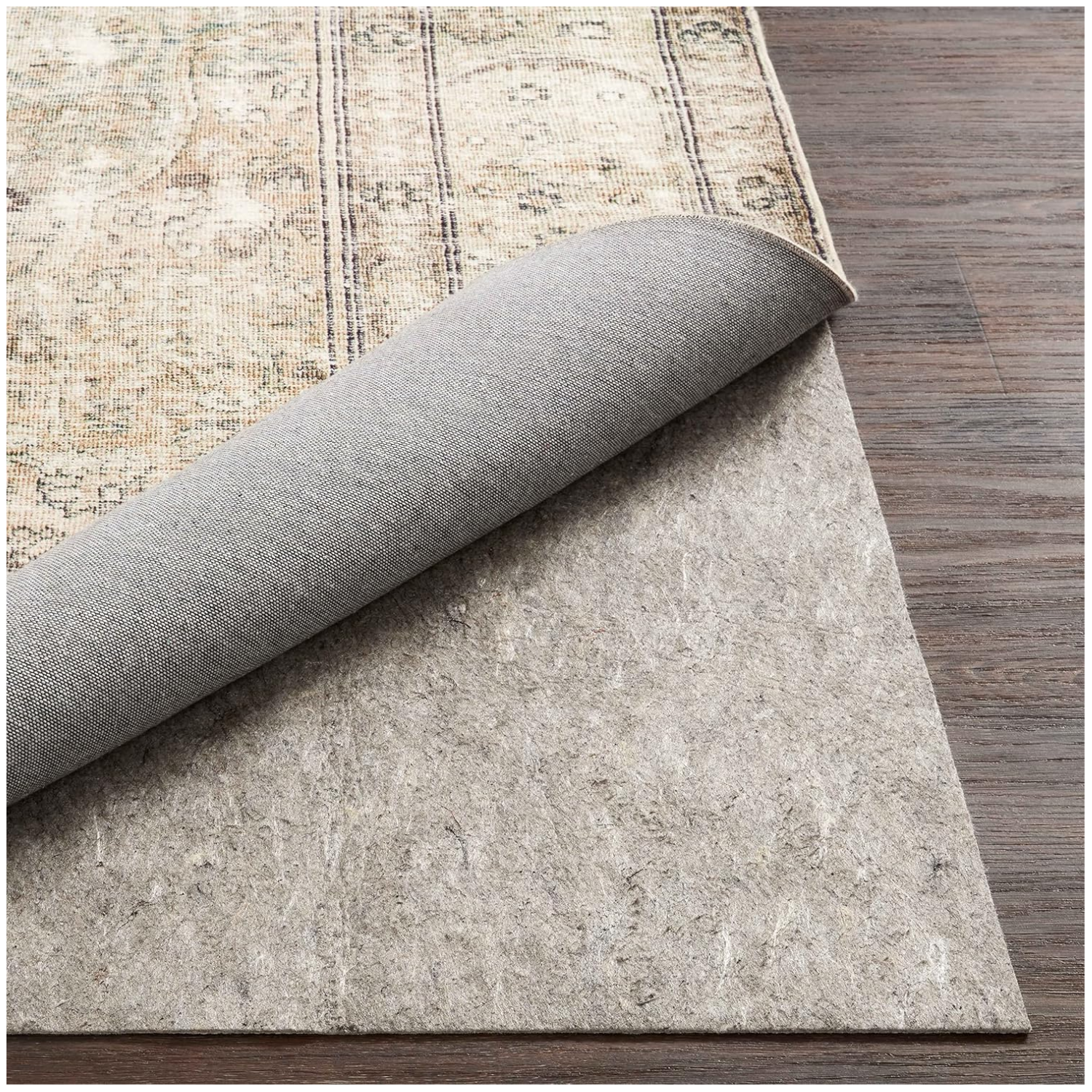
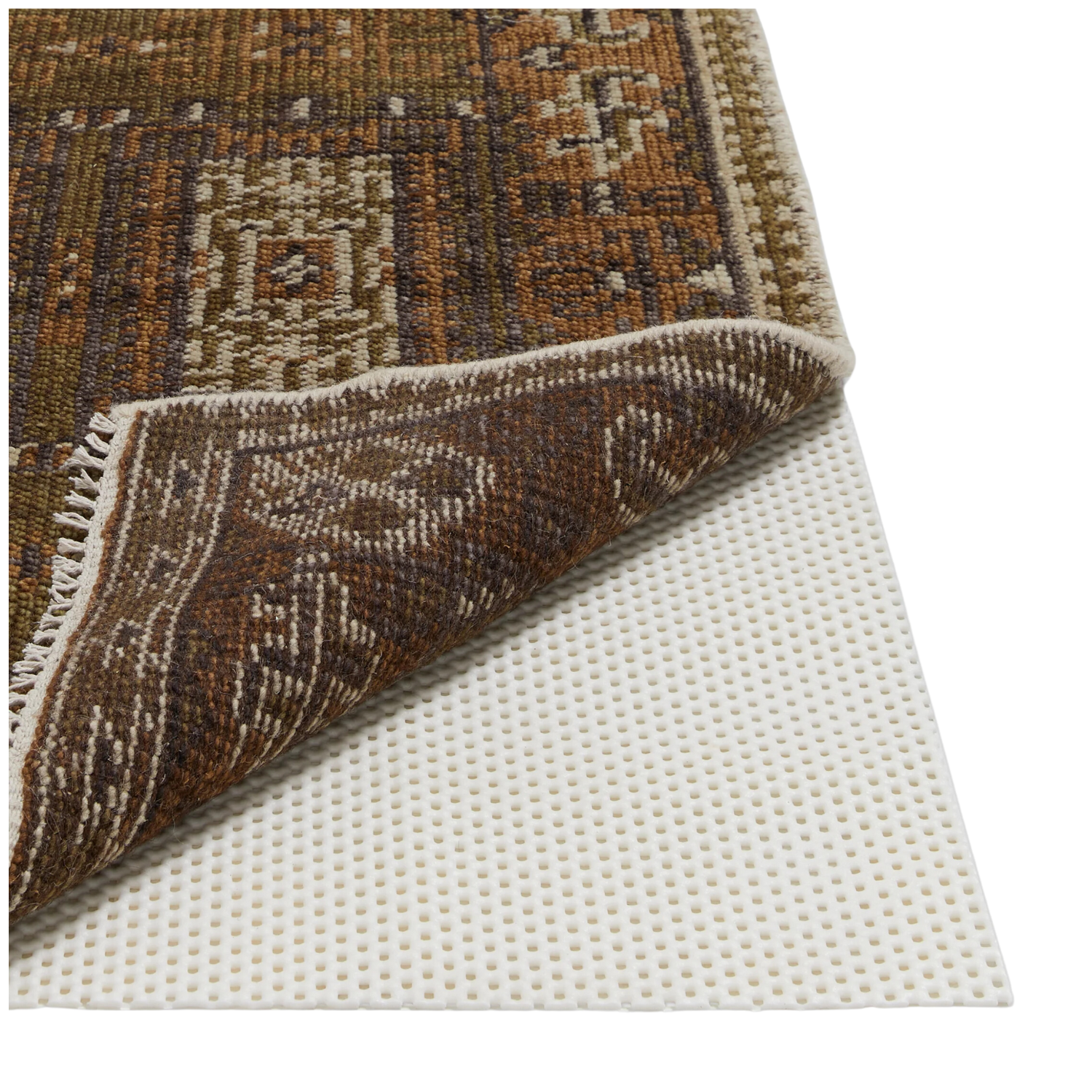
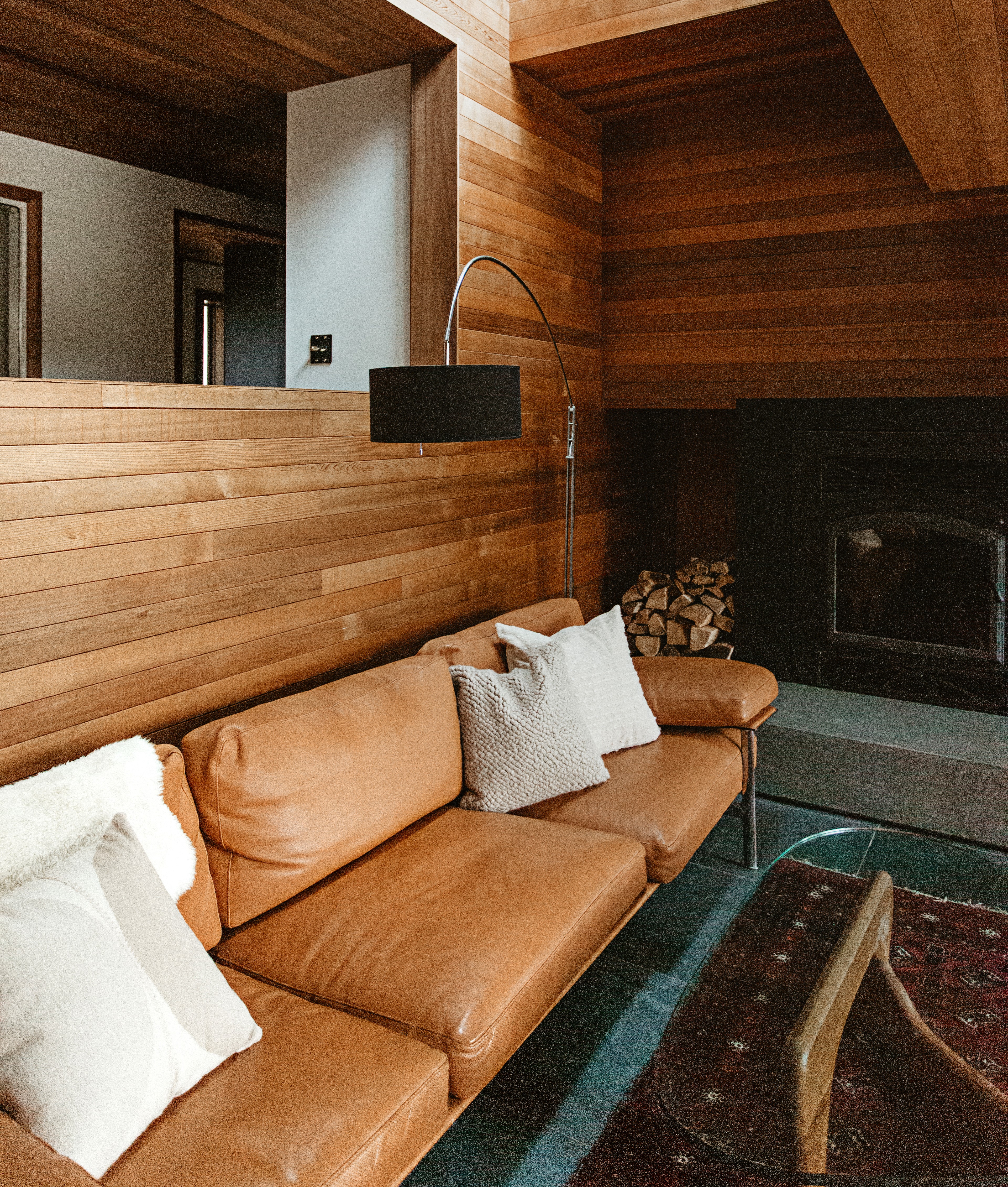
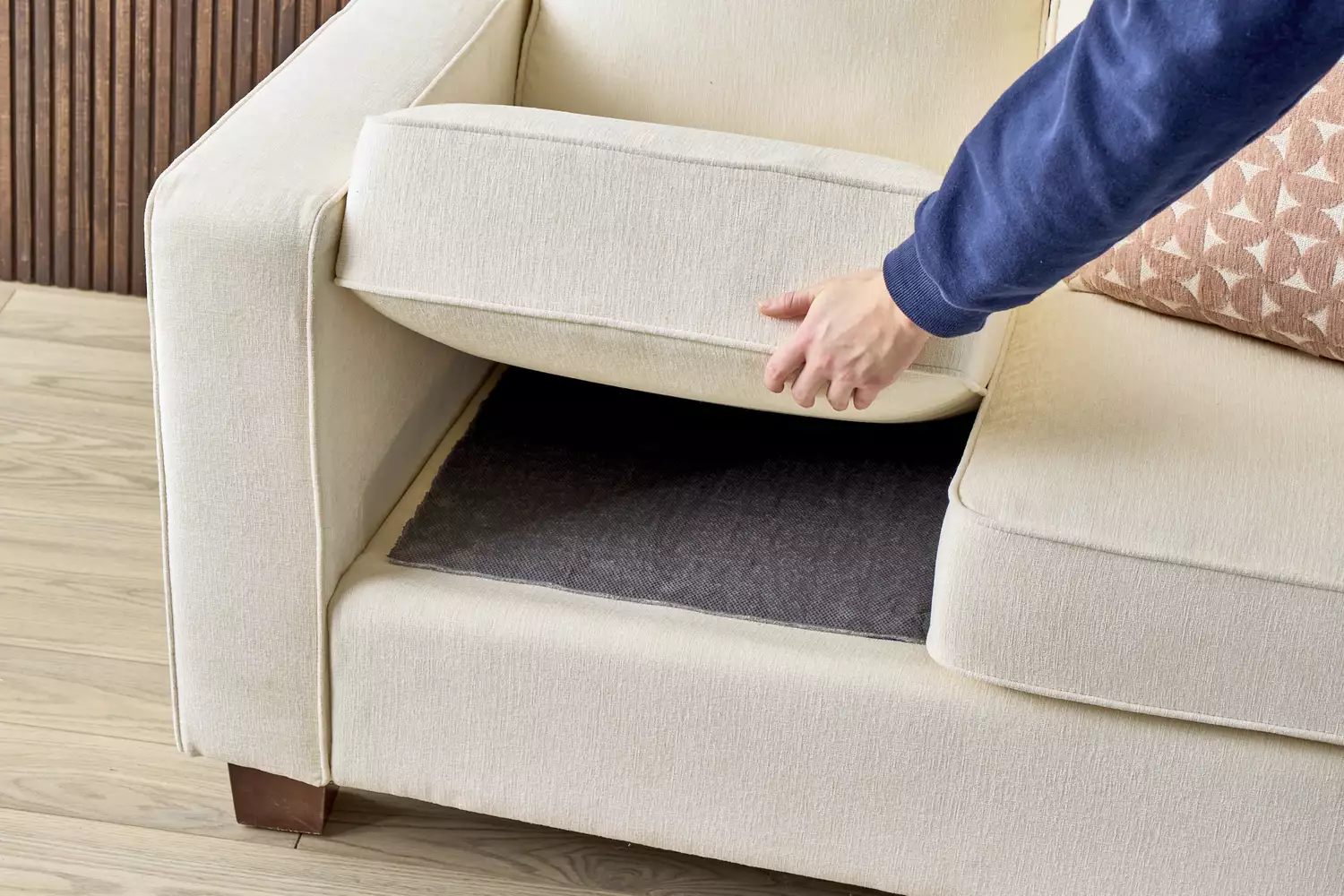
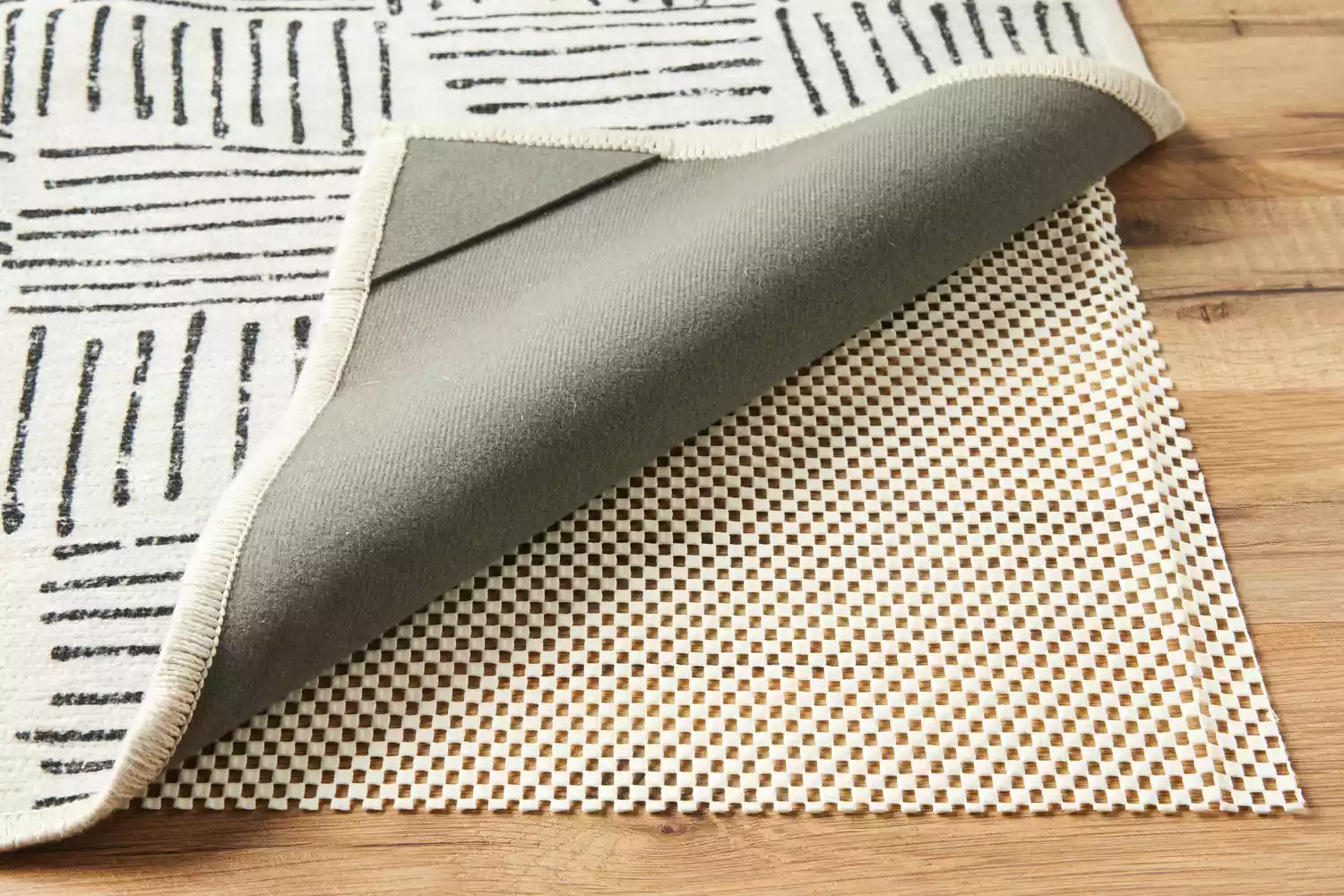
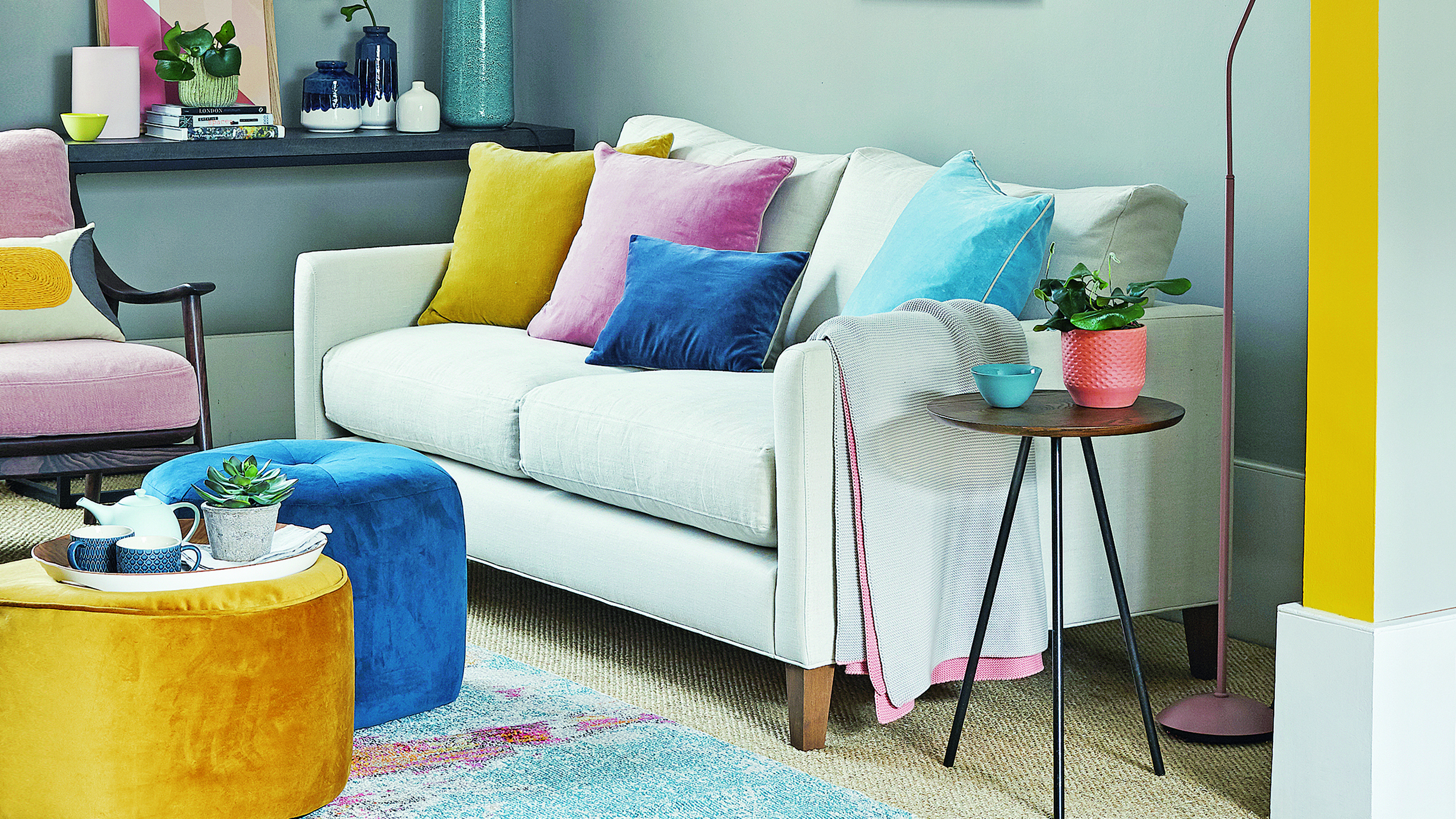
Sliding couch cushions can detract from the aesthetic and comfort of a sofa, often requiring frequent adjustments and undermining the relaxation intended for the furniture. This issue can be resolved through several simple and effective methods, preventing the need for a new couch purchase. One straightforward solution involves placing a non-slip pad beneath the cushions. These pads, which can include specially designed cushion pads, rug pads, yoga mats, or rubber shelf liners, create friction that significantly reduces cushion movement. It is crucial to cut these pads to the exact size of the cushion's base to ensure adequate grip. Utilizing a roll of non-slip material offers the flexibility to custom-cut pads and easily replace them as they wear out.
Another effective technique involves attaching hook and loop anchor strips, commonly known as Velcro, to both the cushion and the sofa base. This can be done using strips with fabric adhesive for ease of application or by sewing them on, though sewing might be challenging with certain materials like leather. For optimal stability, multiple strips should be applied, for instance, at the front and back or in all four corners of the cushion. A potential drawback of this method is that it restricts the ability to flip or rotate cushions, which is a common practice to extend their life or conceal stains. The Velcro strips must be consistently aligned to maintain their effectiveness.
For those comfortable with basic sewing, a hook and ring system can secure cushions. A hook is sewn onto the cushion, and a corresponding ring is attached to the couch's base, allowing them to be connected. If direct sewing isn't feasible, small fabric pieces can be sewn first, then the hook and ring attached to these fabric pieces. It is important to select smooth hooks and rings to avoid damaging the upholstery. Similar to the Velcro method, this approach also limits cushion flipping or rotation, unless hooks and rings are placed uniformly across all cushions to allow for swapping.
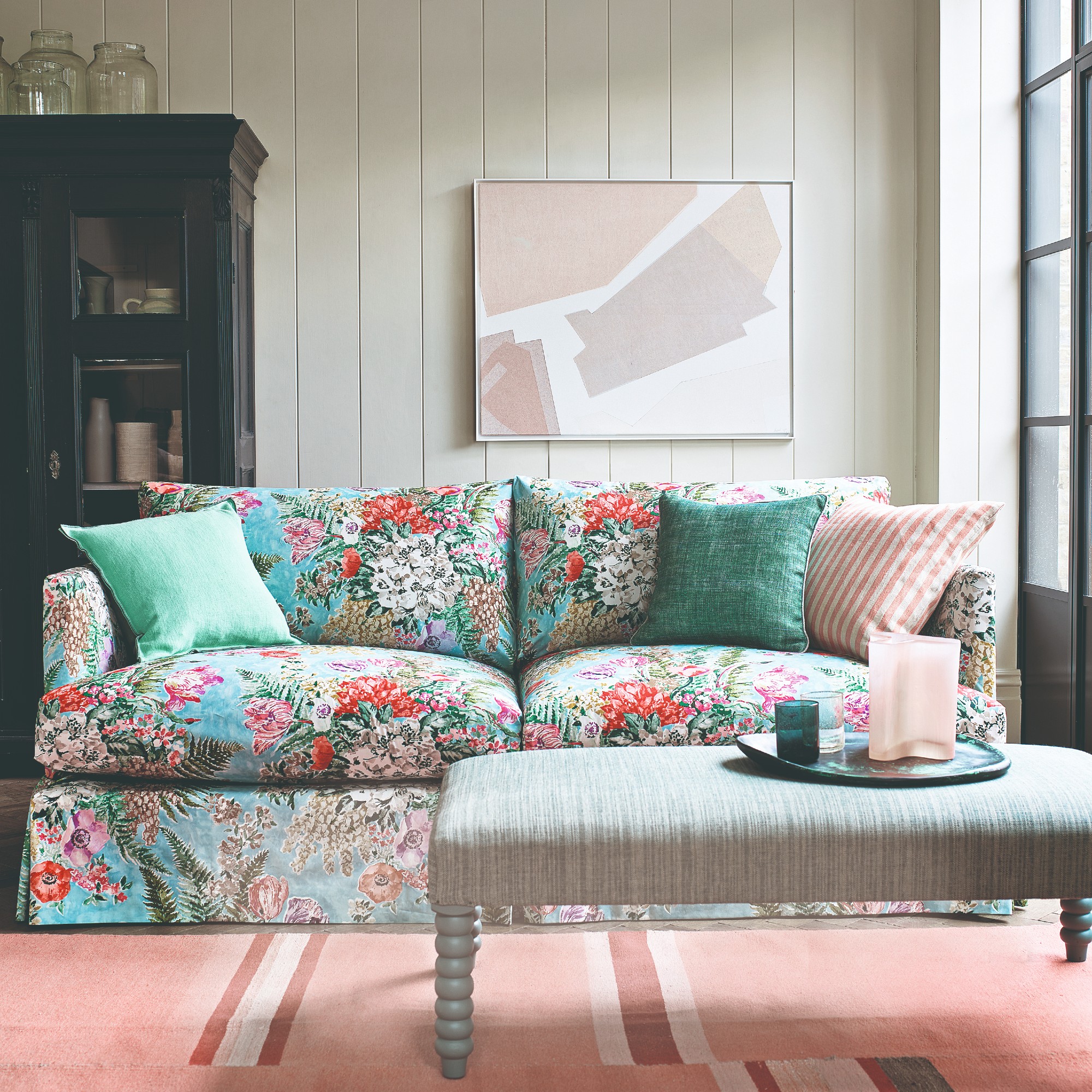
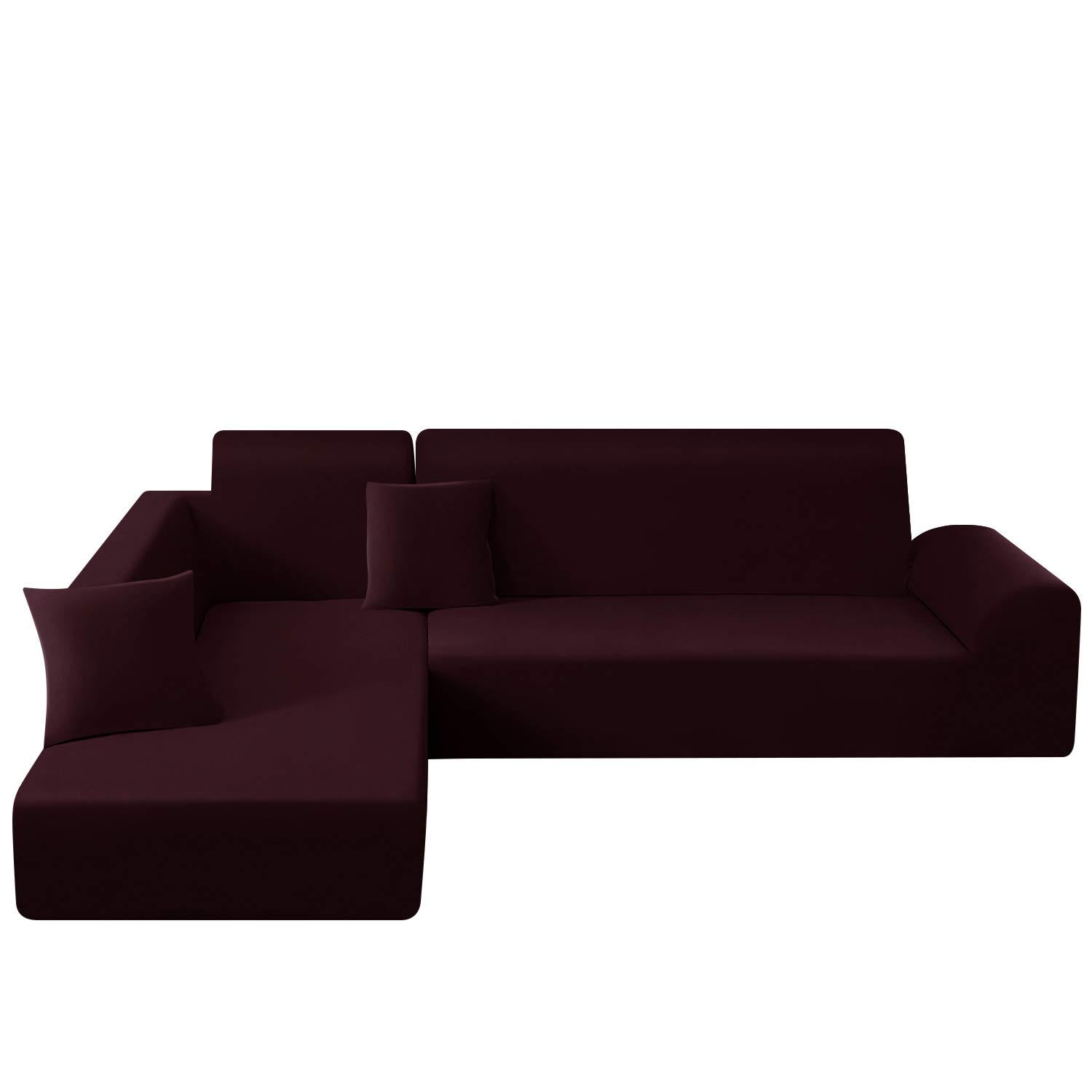
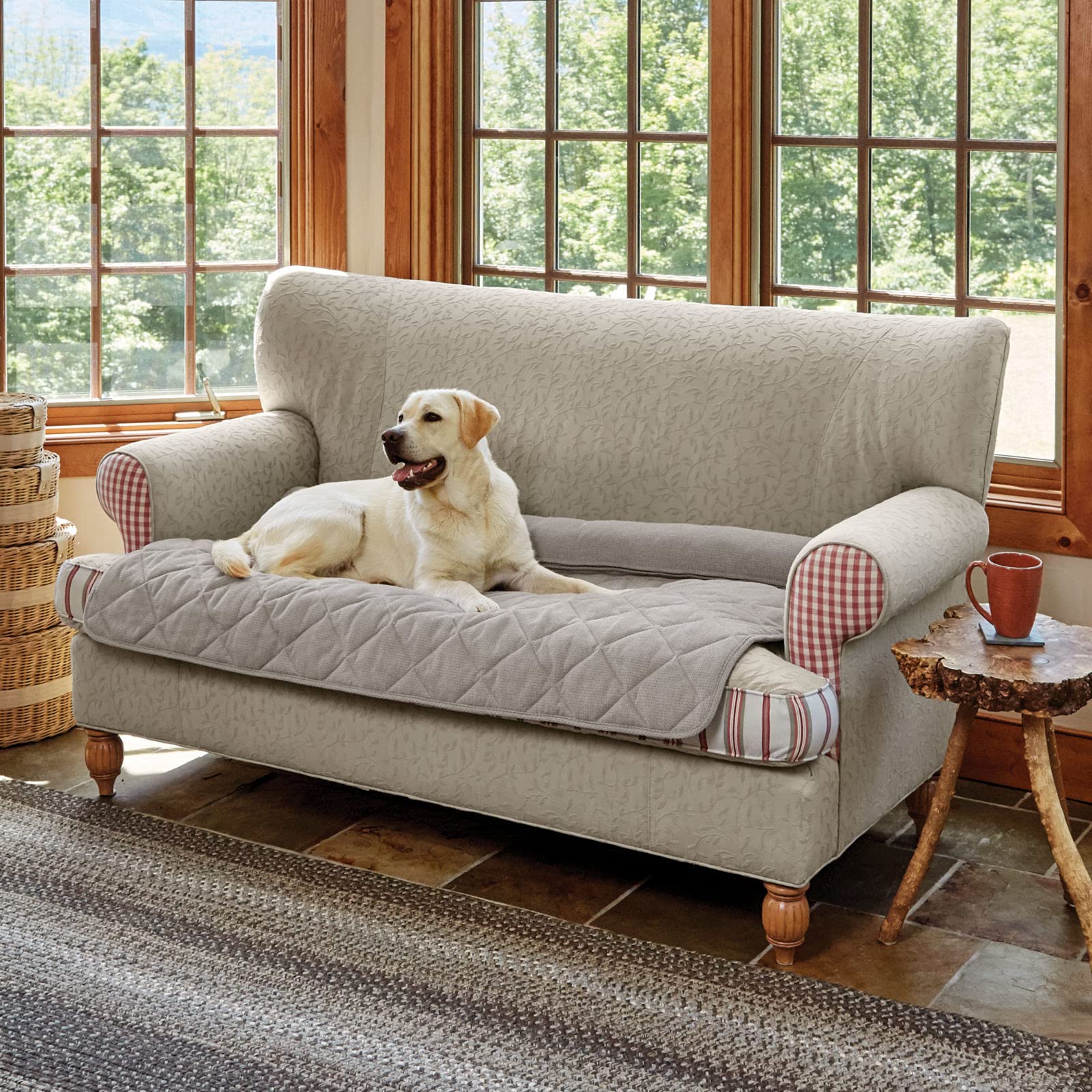
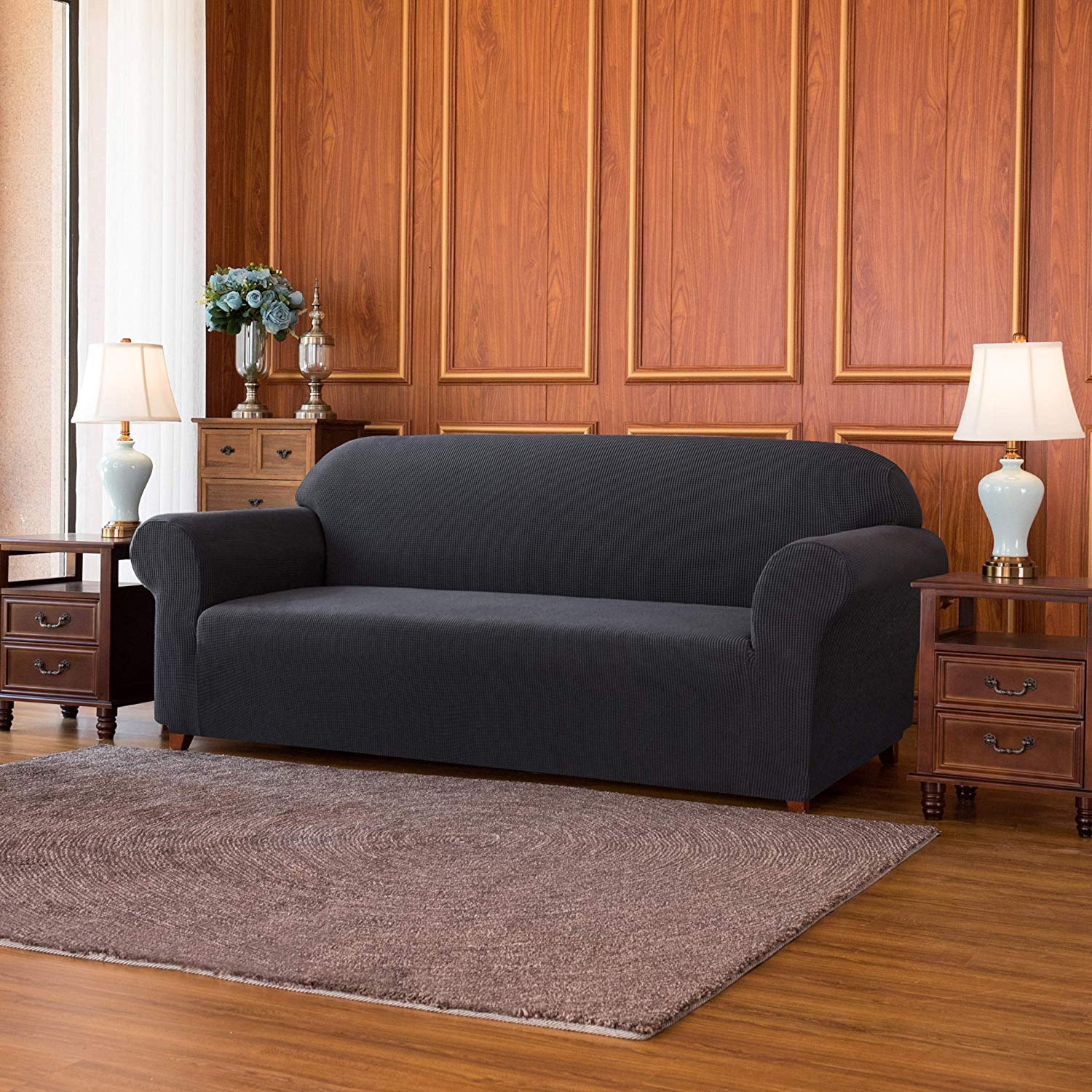
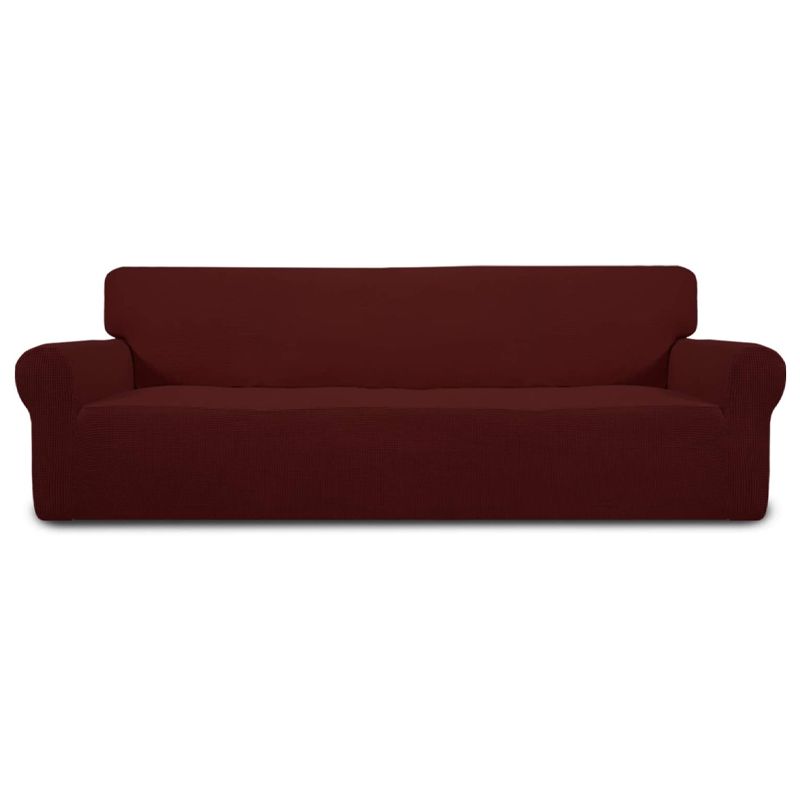
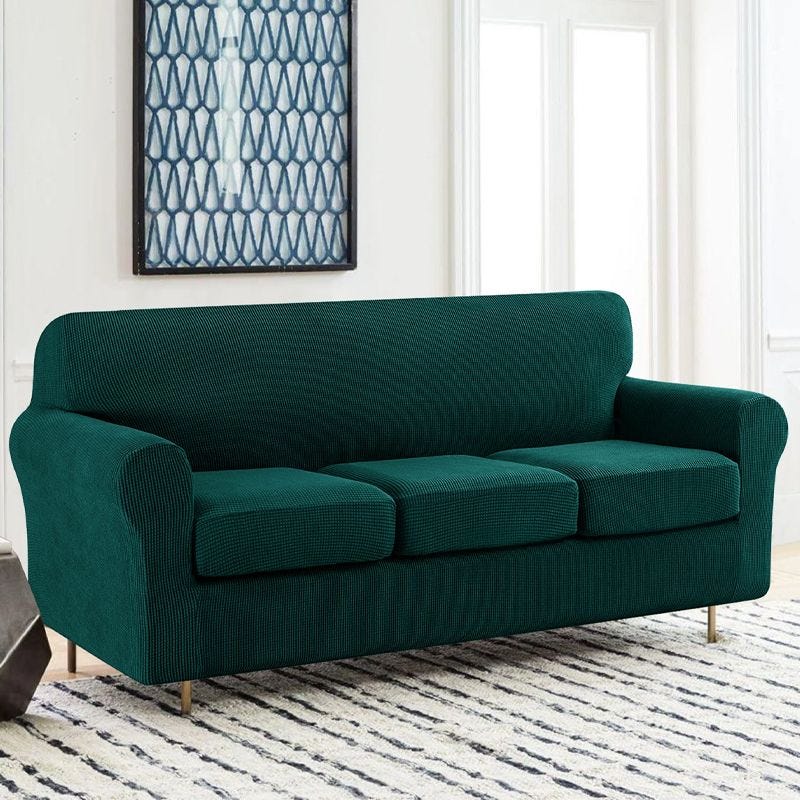
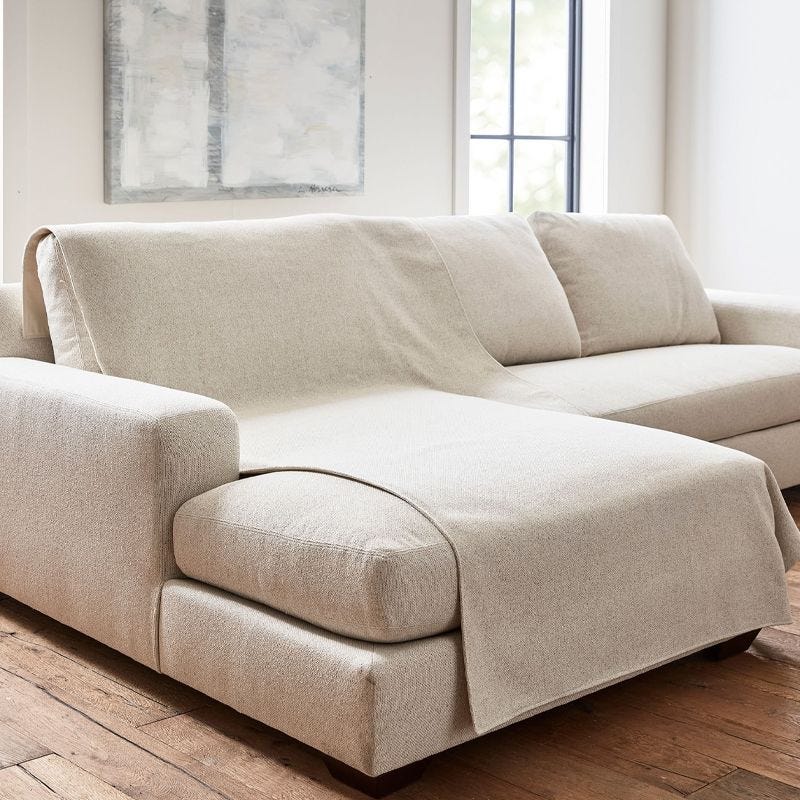
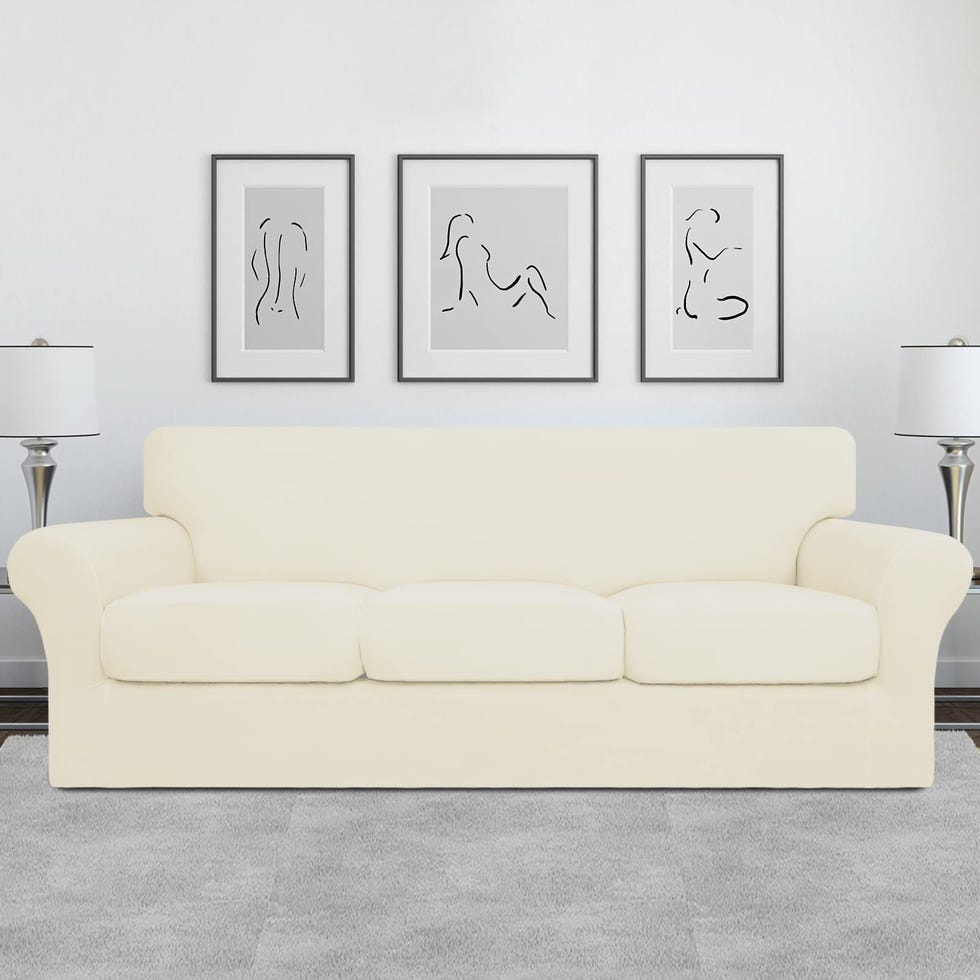
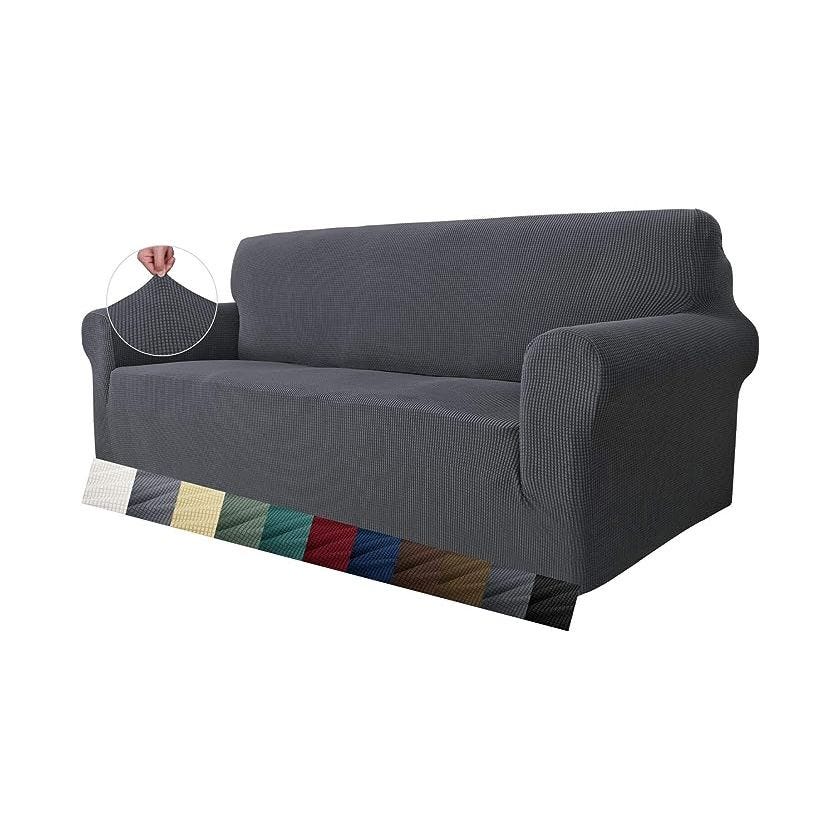
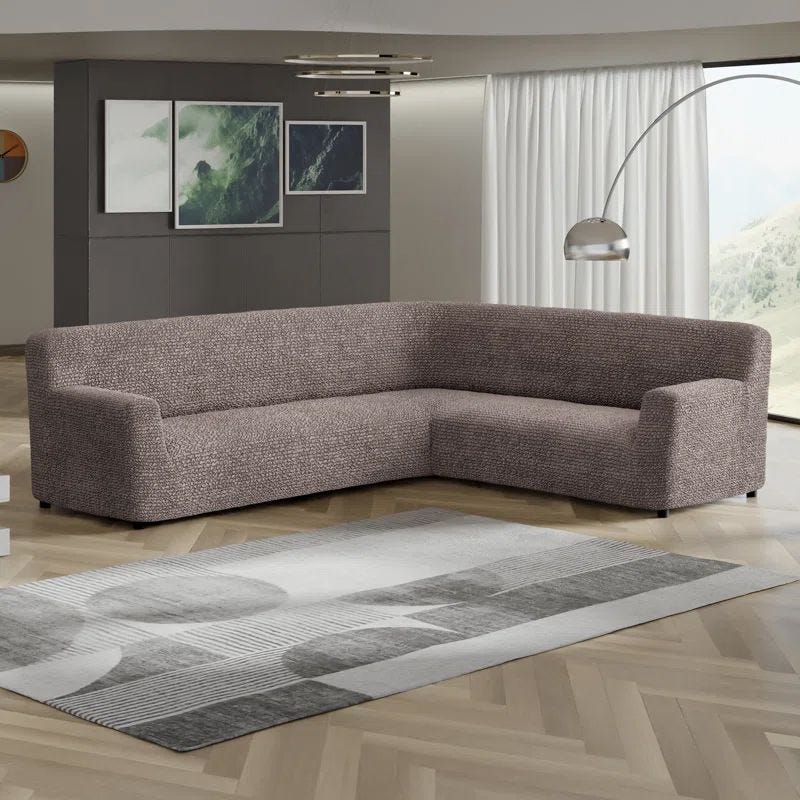
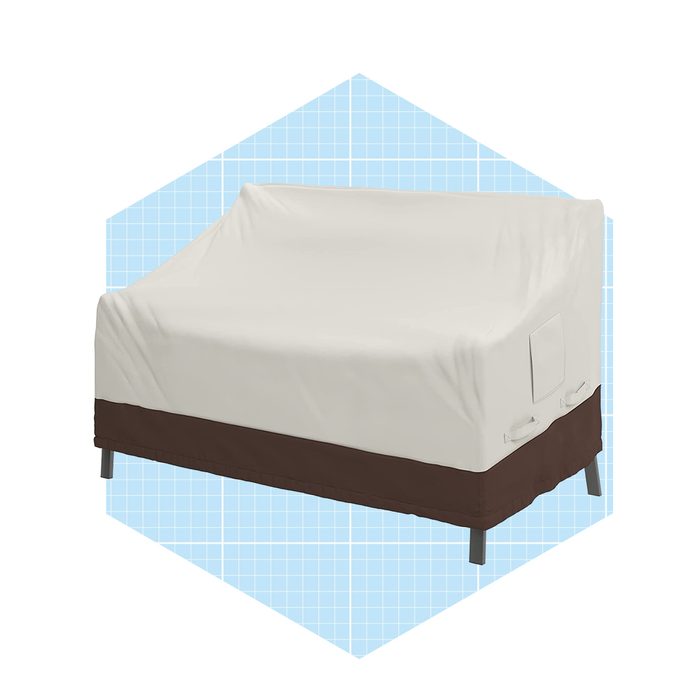
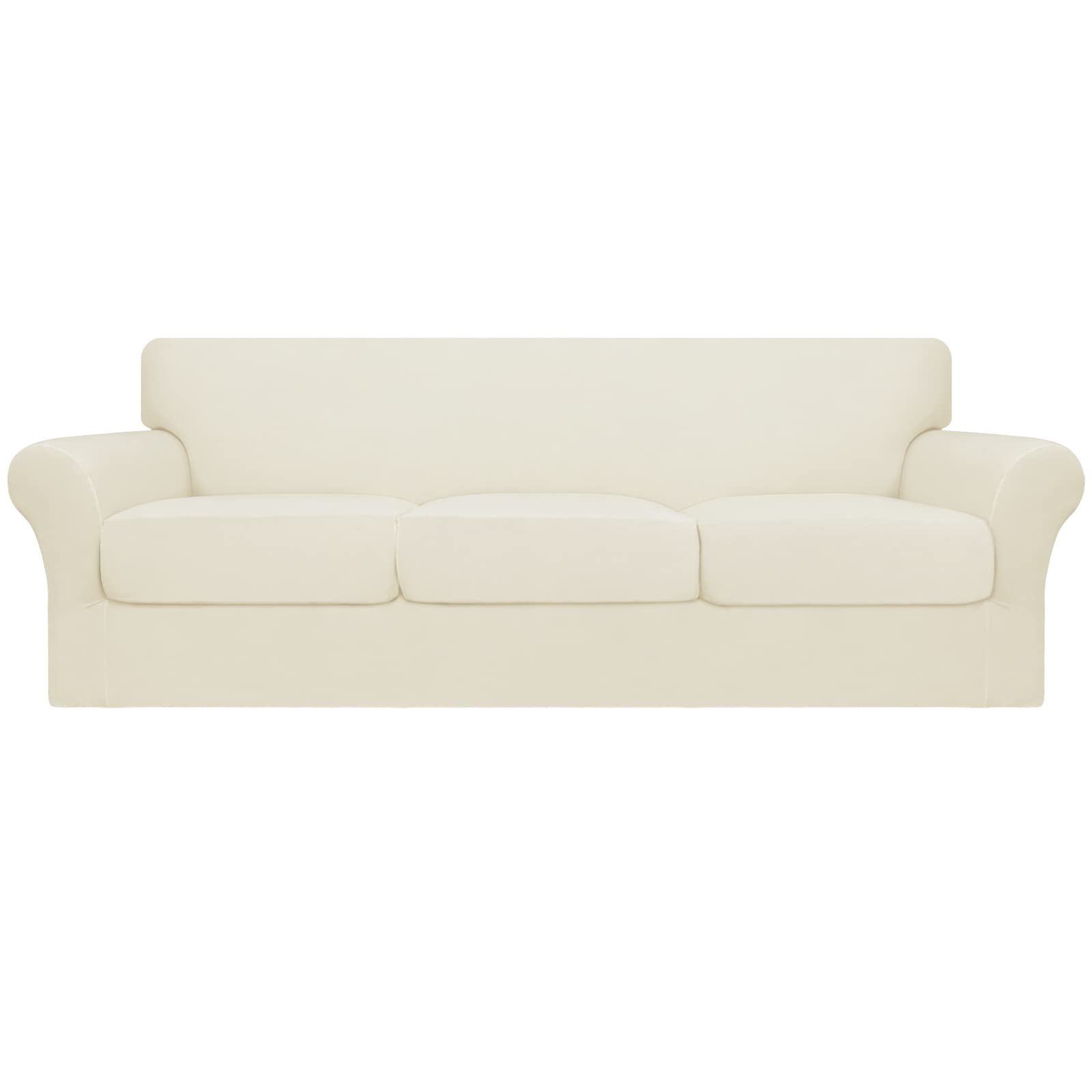
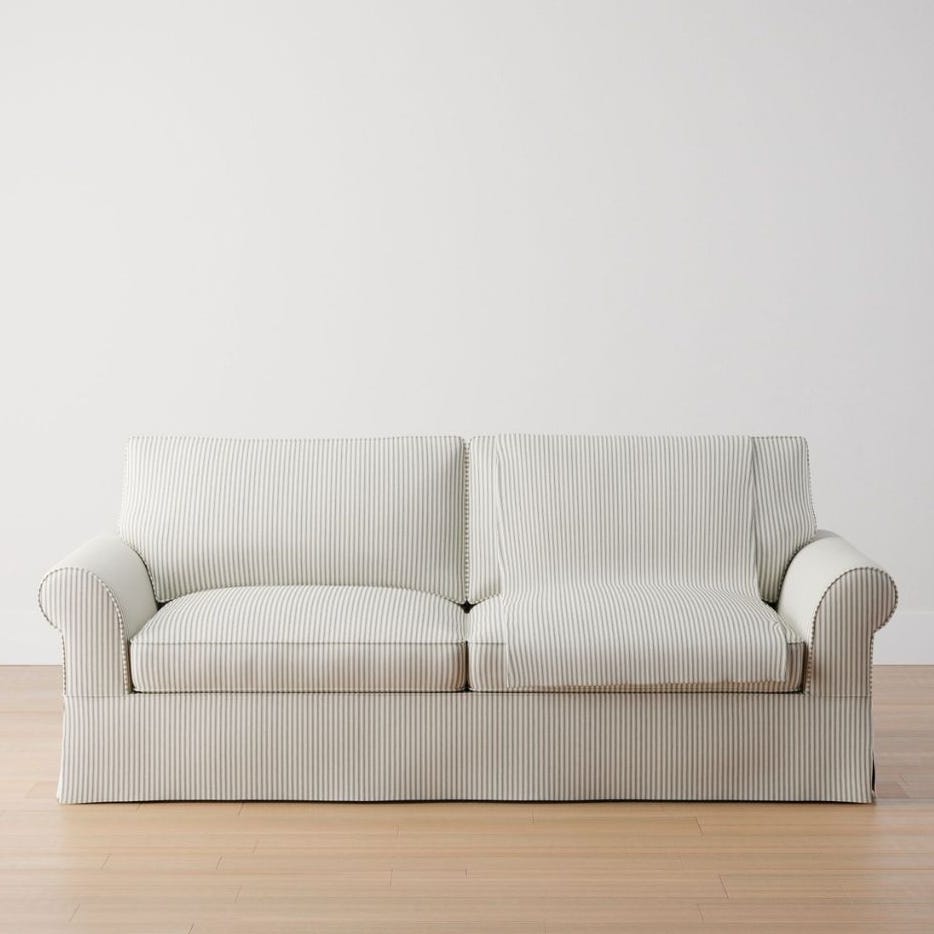
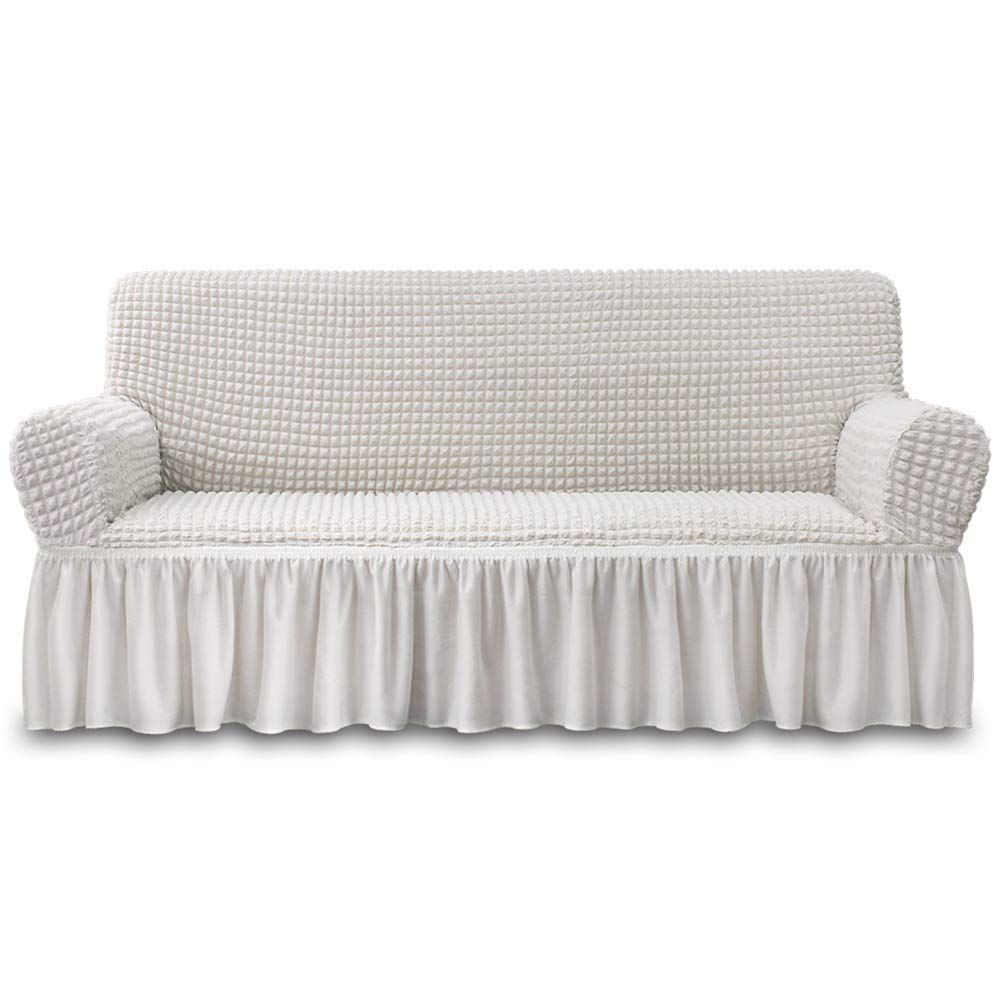
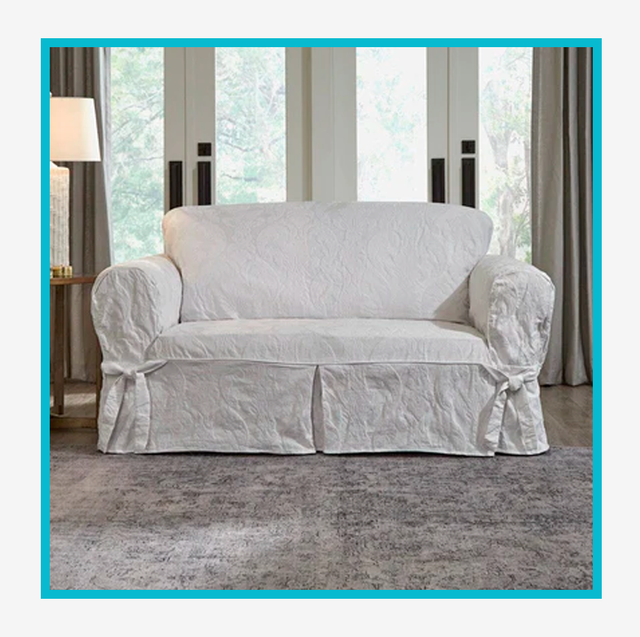
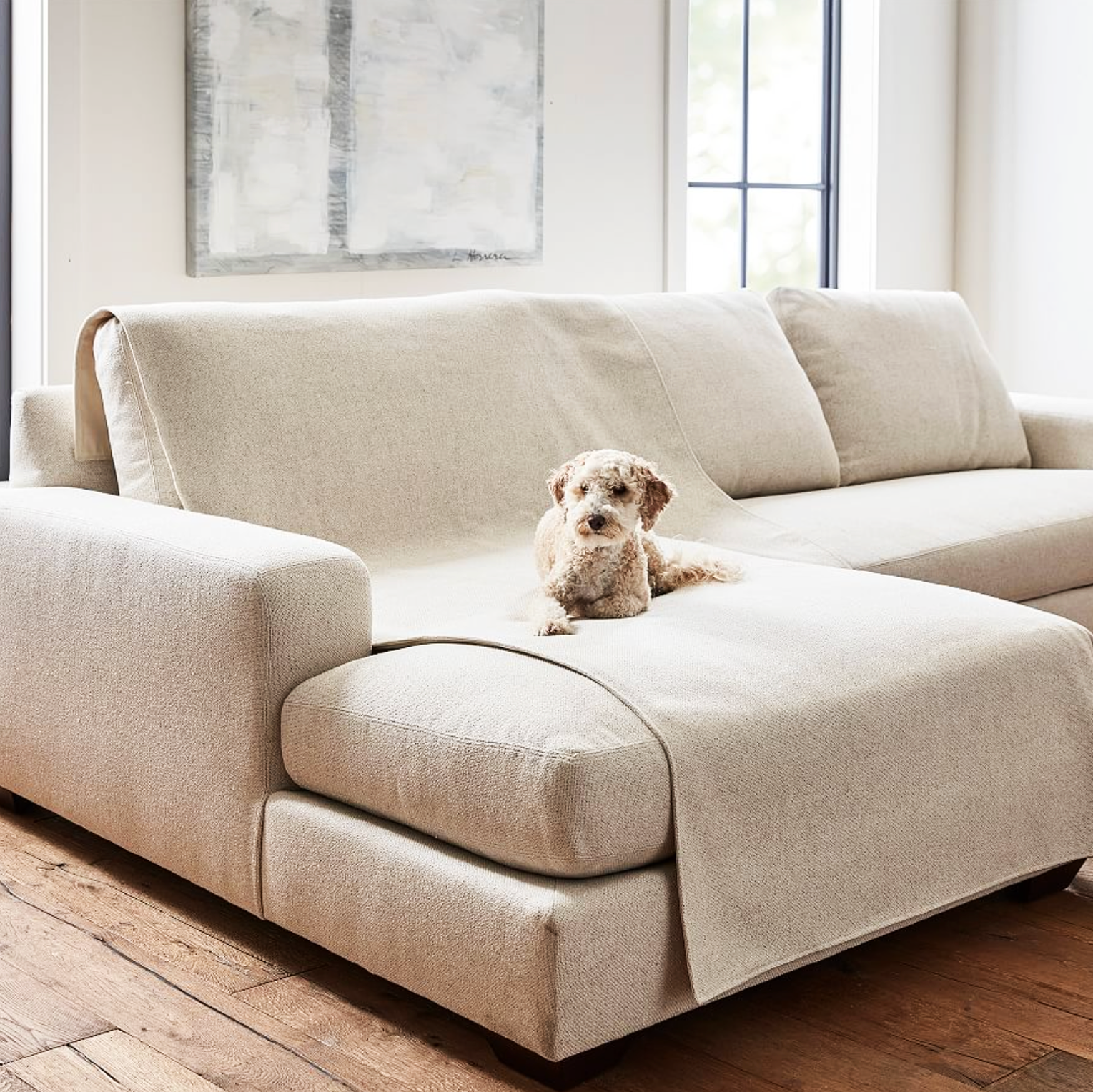
Couch covers offer another viable solution for preventing cushion slippage. Options include full slipcovers that envelop the entire sofa or individual covers for each cushion. A full slipcover holds all cushions snugly together, while individual cushion covers increase friction and provide a tighter fit. Beyond preventing sliding, these covers also protect cushions from spills, stains, and snags. However, it's possible for the covers themselves to slide, or for the cushions to still shift beneath a slipcover.
Finally, carpet tape, a double-sided adhesive typically used for securing rugs, can also be applied to sofa cushions. Before widespread application, a small piece of tape should be tested in an inconspicuous area to ensure it doesn't leave marks upon removal. This method is generally affordable, with a single roll often providing a generous amount of adhesive. Combining several of these methods, such as using a non-slip pad with a slipcover, can enhance their effectiveness and provide a more robust solution to keep couch cushions in place.
#CouchCushions #FurnitureMaintenance #HomeImprovement #DIYHome #InteriorDecorating #Slipcovers #NonSlipPads #CouchCushions #FurnitureMaintenance #HomeImprovement #DIYHome #InteriorDecorating #Slipcovers #NonSlipPads
0 comment in total
 No comments yet
You may also like
How to stop sofa cushions from sliding – 4 ways to keep your living room seating in place and looking neat
The 12 Best Couch Slipcovers to Protect Your Sofa in Style

The Easy Upgrade That Will Protect Your Carpet From Chair Damage

We Tried the Best Rug Pads—These Ones Finally Stopped the Slipping

How to Stop Cushions Sliding on Outdoor Furniture — The Hack Everyone Should Try for Better Backyard Seating

12 Sofa Covers That'll Keep Your Couch Looking New
How to stop cane furniture from sagging without spending a dime – a brilliantly easy design hack


This is the Best Fabric Protector for Your Sofa, According to All the Cleaning Professionals We Asked
5 Fail-Proof Ways to Stop Your Rugs From Sliding — And Clever Buys to Keep Them Flat, Too
How to Anchor Furniture to Help Prevent Tip-Overs
These Designer-Approved Couch Covers Can Keep Your Cushions Clean
We Tested the Best Fabric Protectors to Keep Your Furniture Looking Better for Longer
11 Solutions to Keep Rugs from Slipping and Sliding

How to make cushions look more expensive - 4 expert hacks to instantly elevate your sofa and bed
These 7 Best Furniture Sliders Will Protect Your Floors From Damage When Moving Furniture
Pro Tip: These Couch Covers Are Home Decor Game-Changers
The Simplest Way to Extend Your Sofa’s Life—And We’re Not Talking Slipcovers

How to prevent dust on furniture – 3 quick time-saving solutions

The 6 Best Methods for Outdoor Cushion Storage

How to Clean Every Type of Couch Cushion, According to the Pros