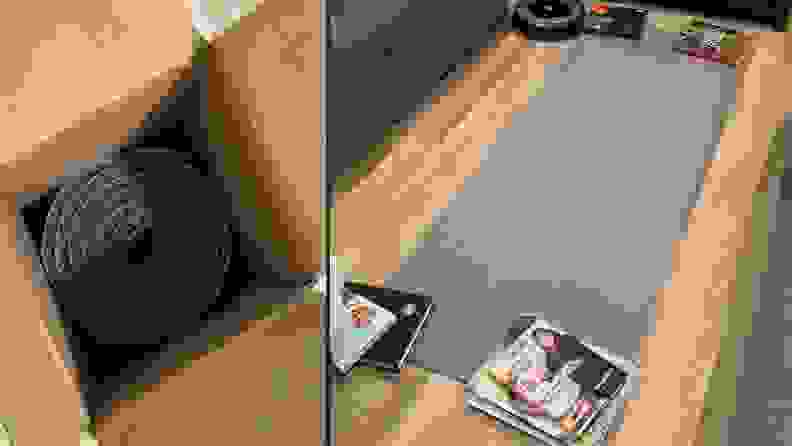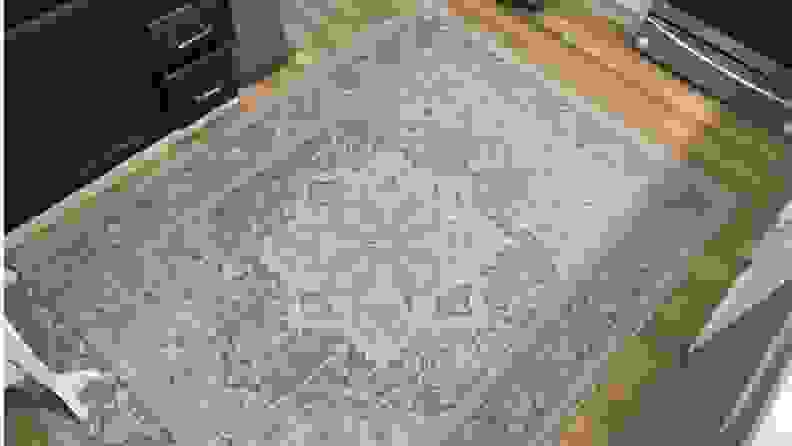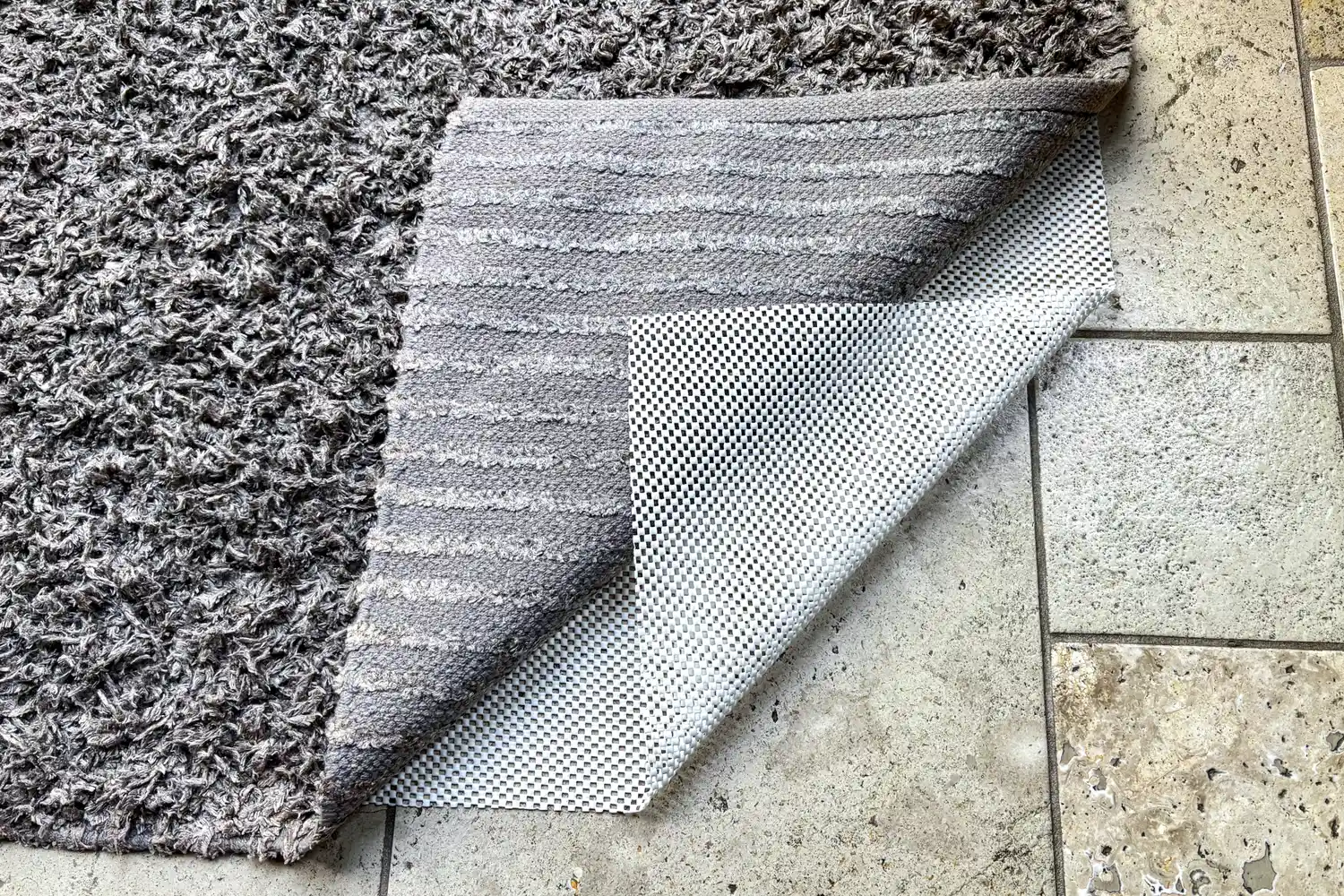
We Tried the Best Rug Pads—These Ones Finally Stopped the Slipping
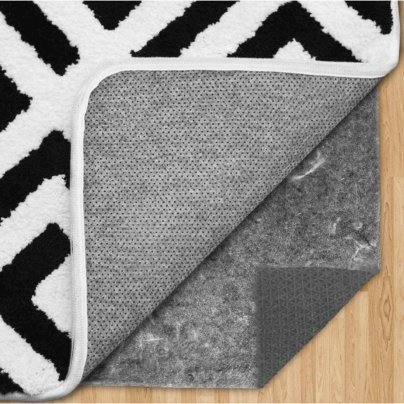
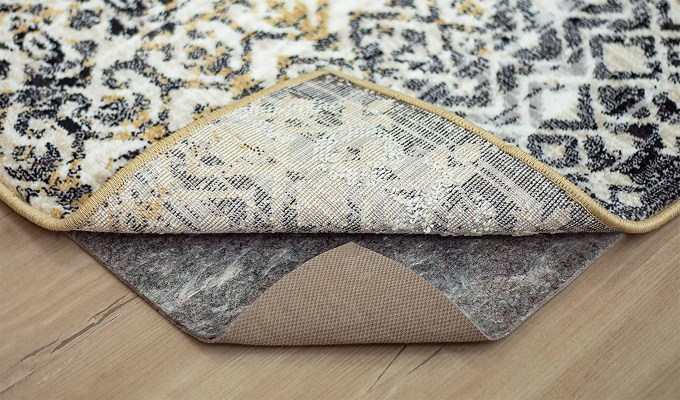
Rug pads are essential for preventing rugs from shifting, bunching, and becoming tripping hazards, significantly enhancing a rug's performance and longevity. The best rug pads provide adequate grip while being easy to install and customize. Key considerations for selecting a rug pad include the specific rug, flooring type, and desired features such as cushioning or durability.
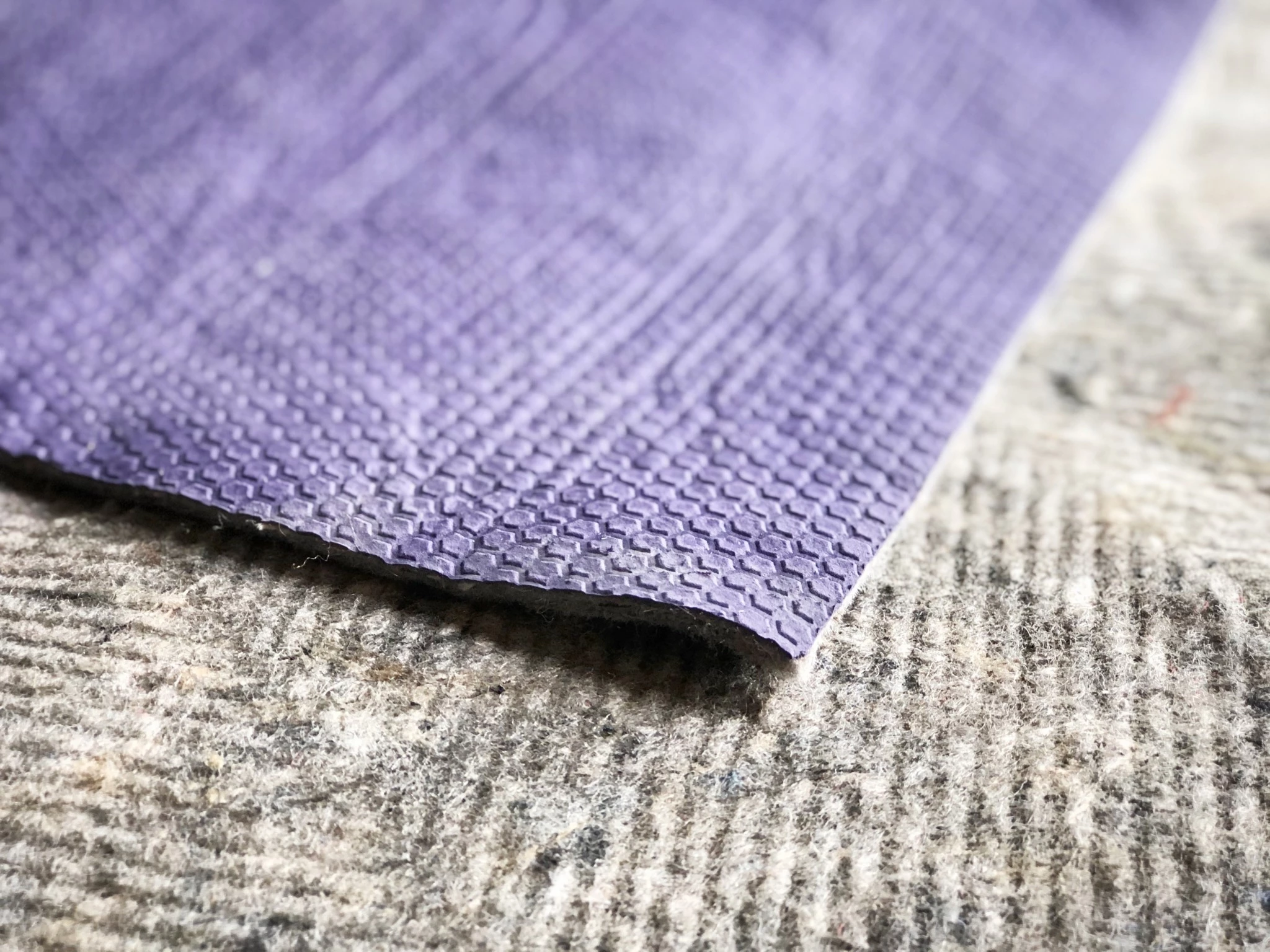
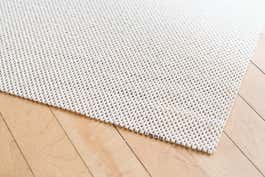
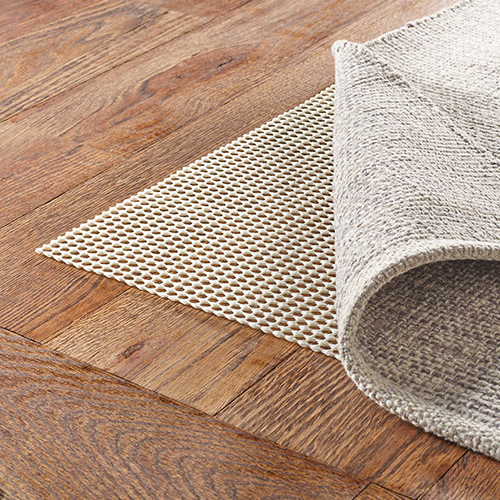
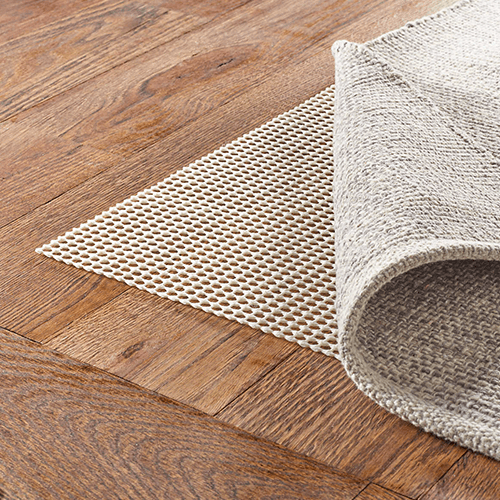
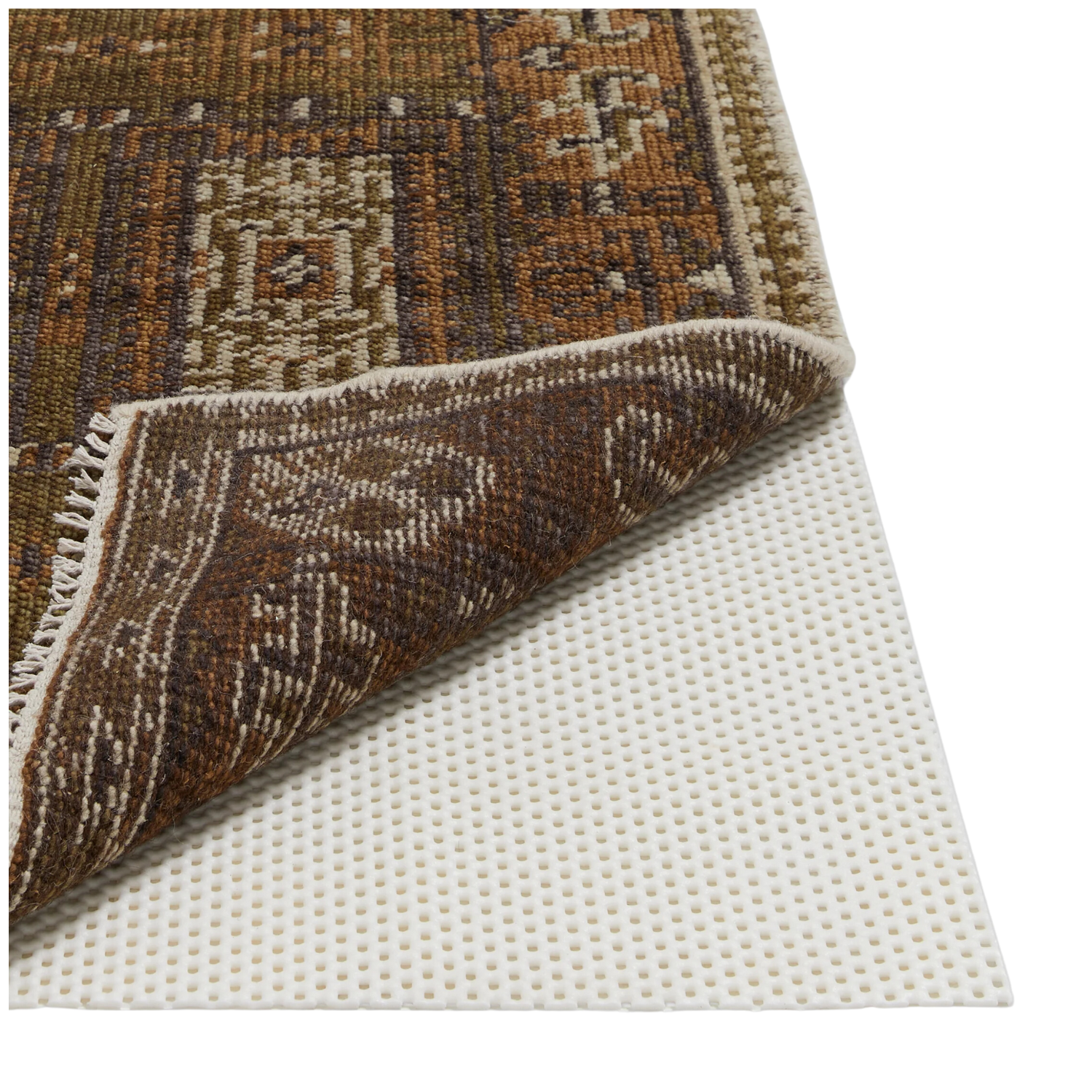
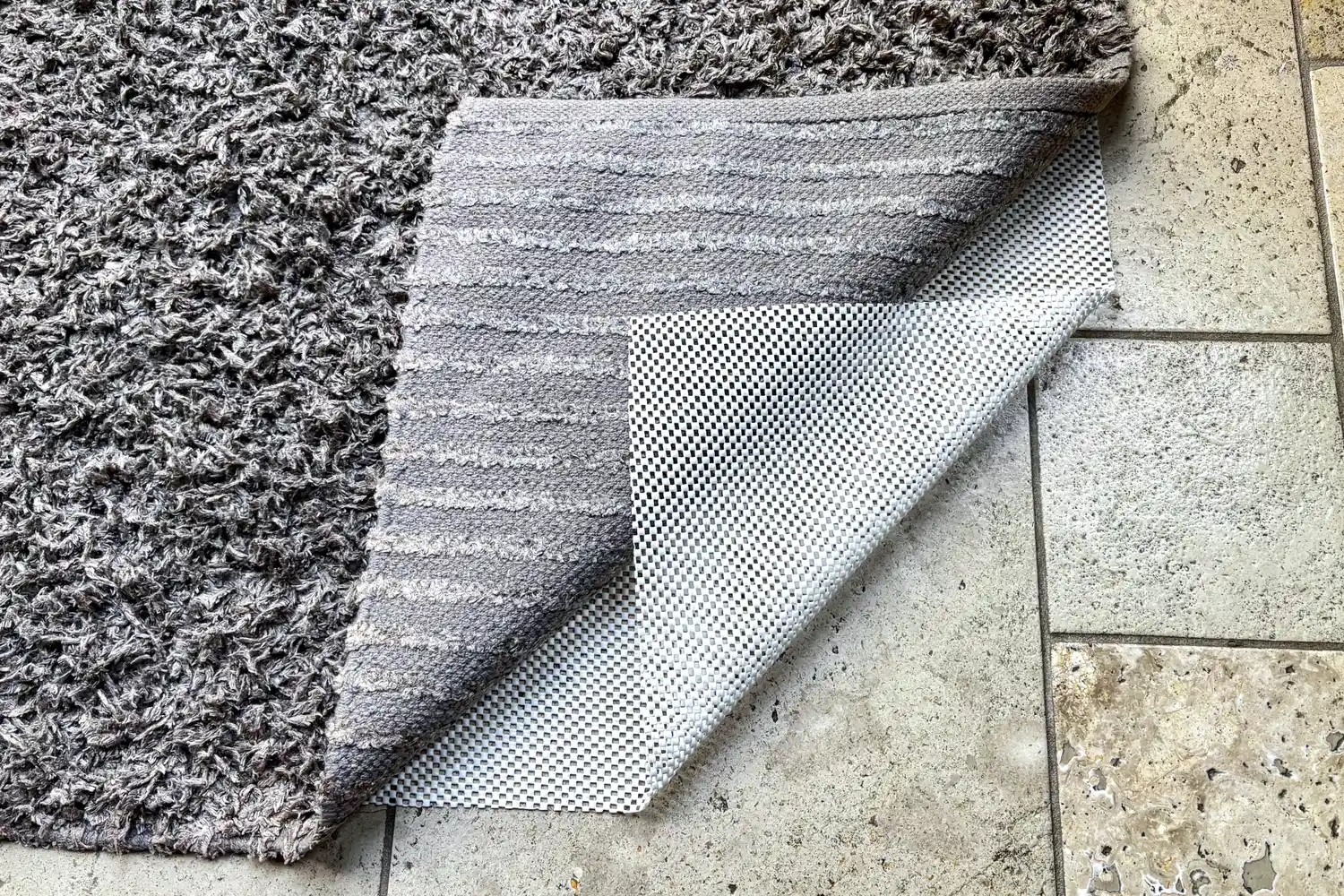
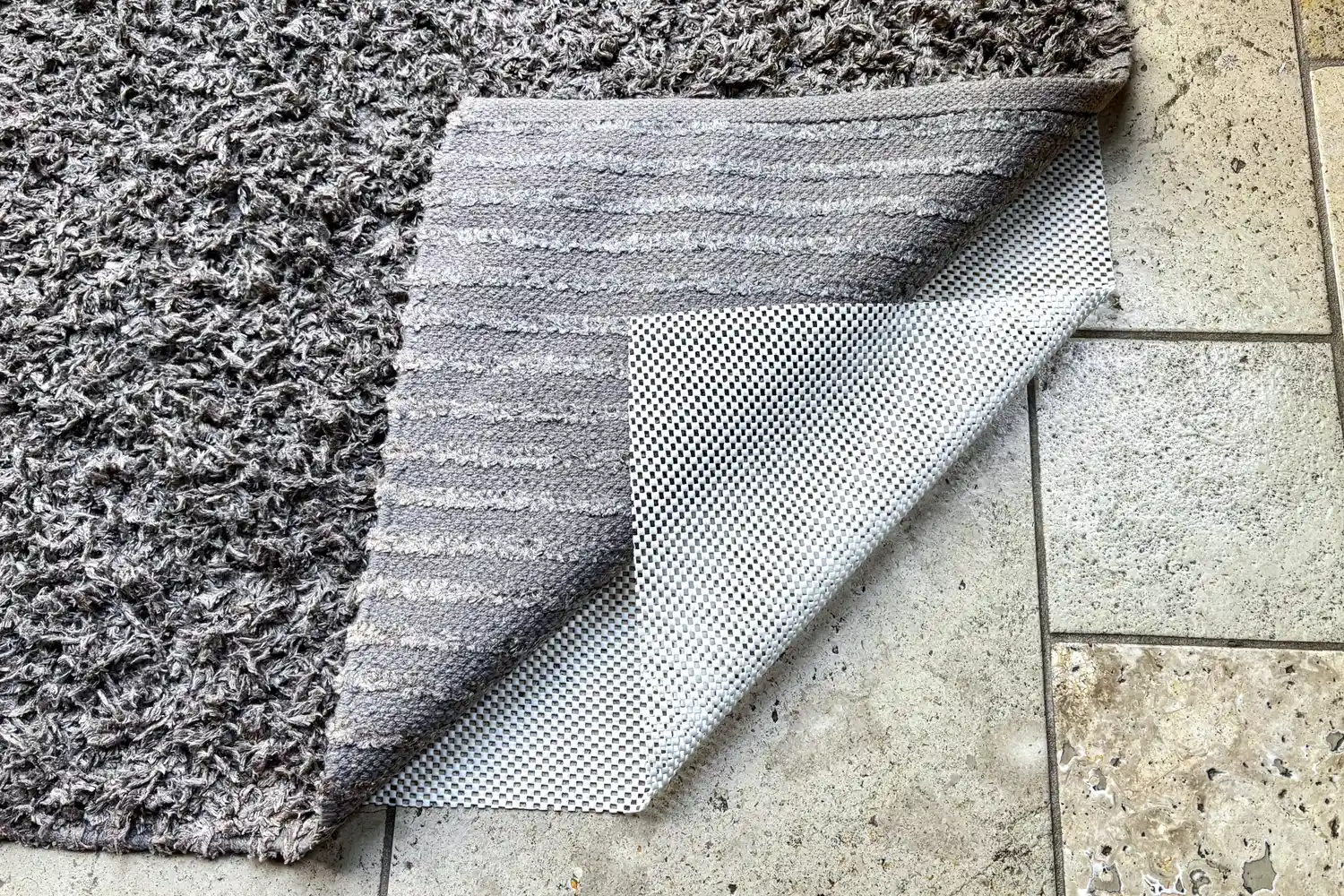
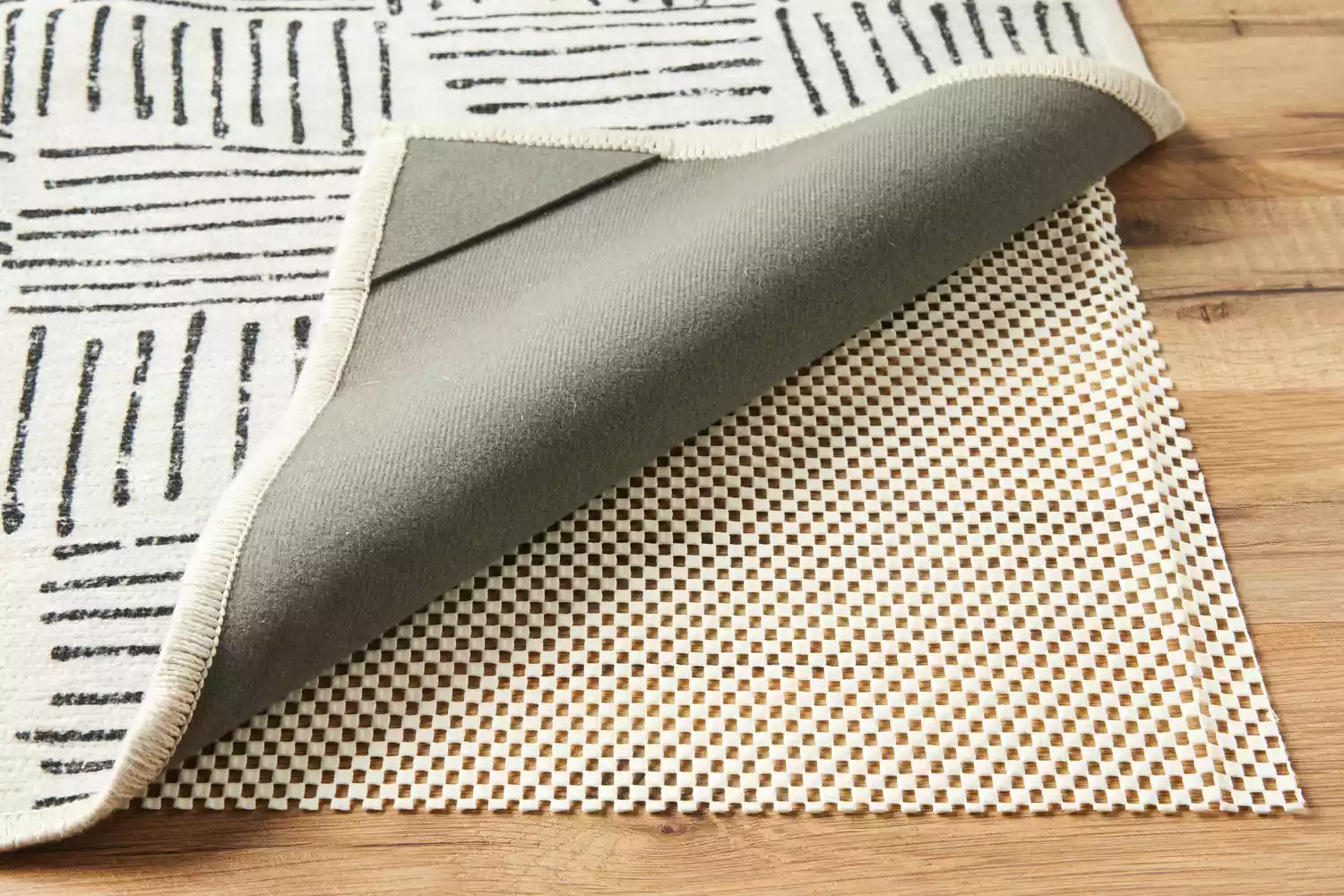
The Veken Non-Slip Rug Pad Gripper is highlighted as the best overall and best non-slip option. It offers exceptional grip on hard flooring like hardwood and tile, comes in various shapes and sizes, and is easily trimmable. Despite its thin profile, which offers minimal cushioning, its durability and effective slip prevention make it a top choice, even in high-traffic areas with pets. Its material is polyvinyl chloride (PVC).
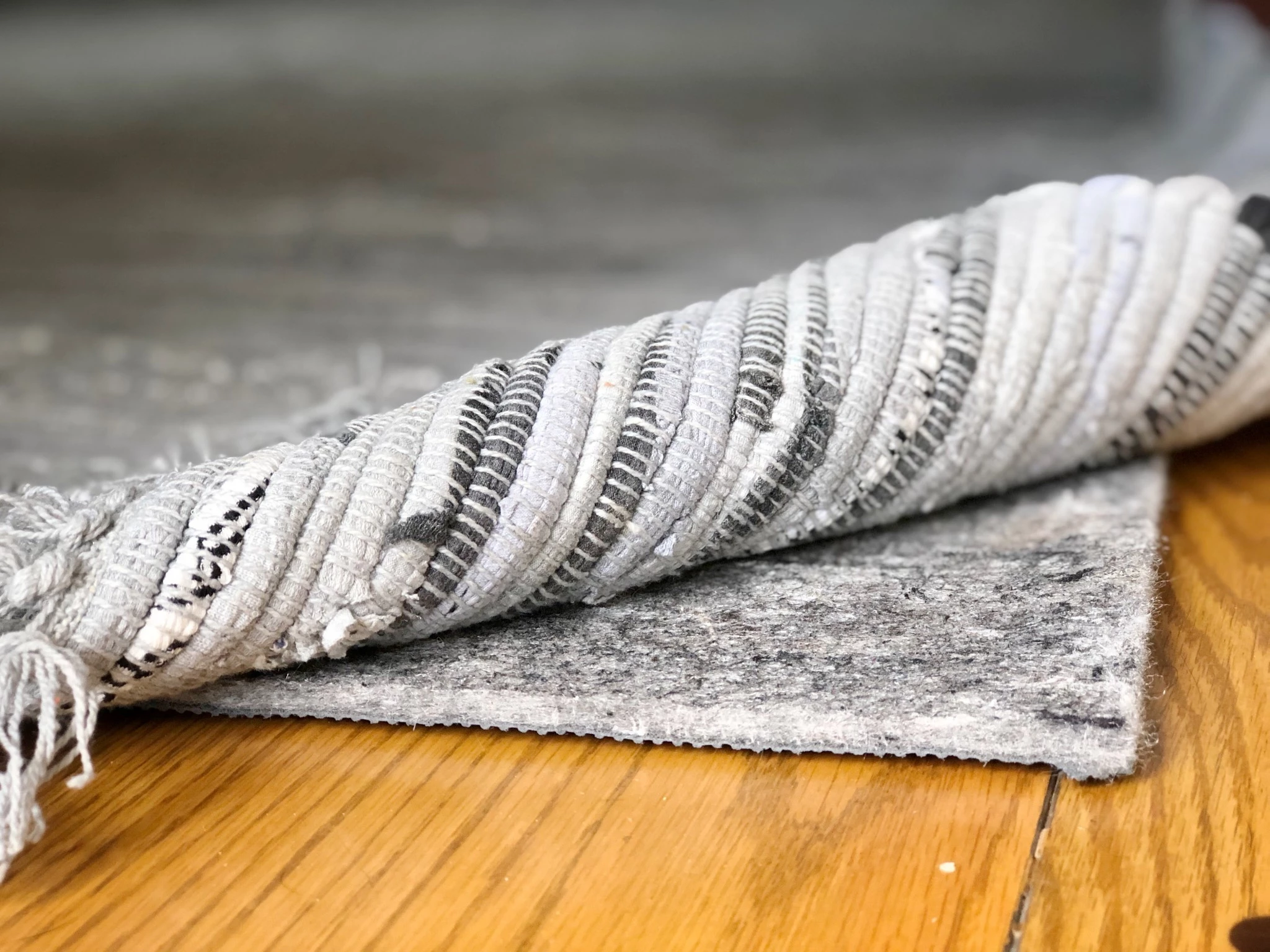
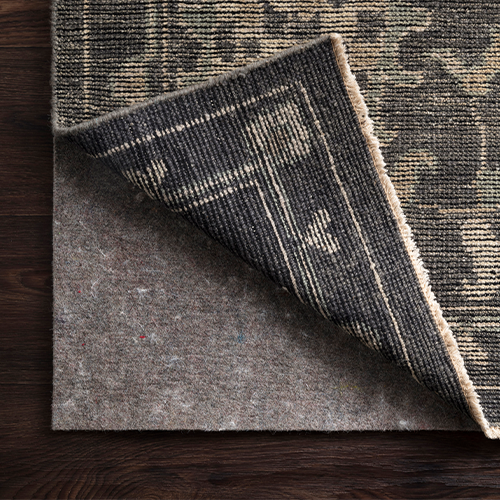
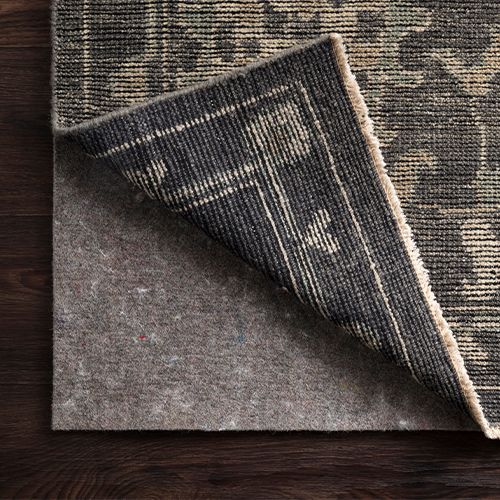
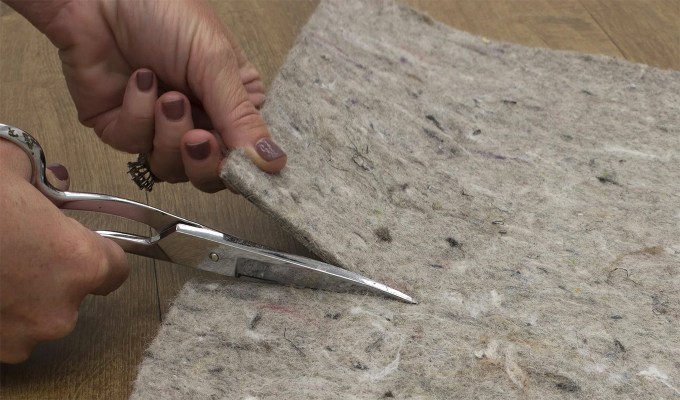
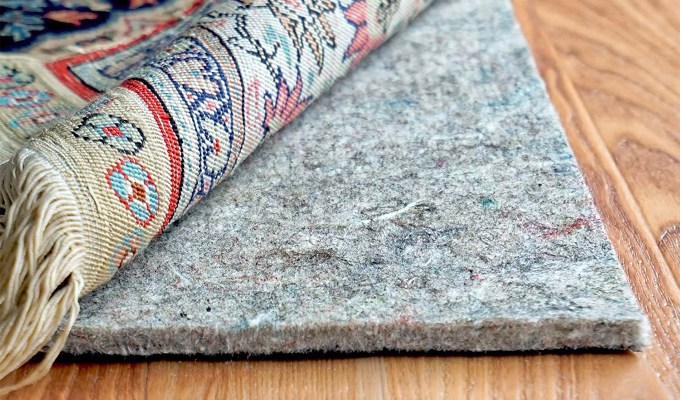
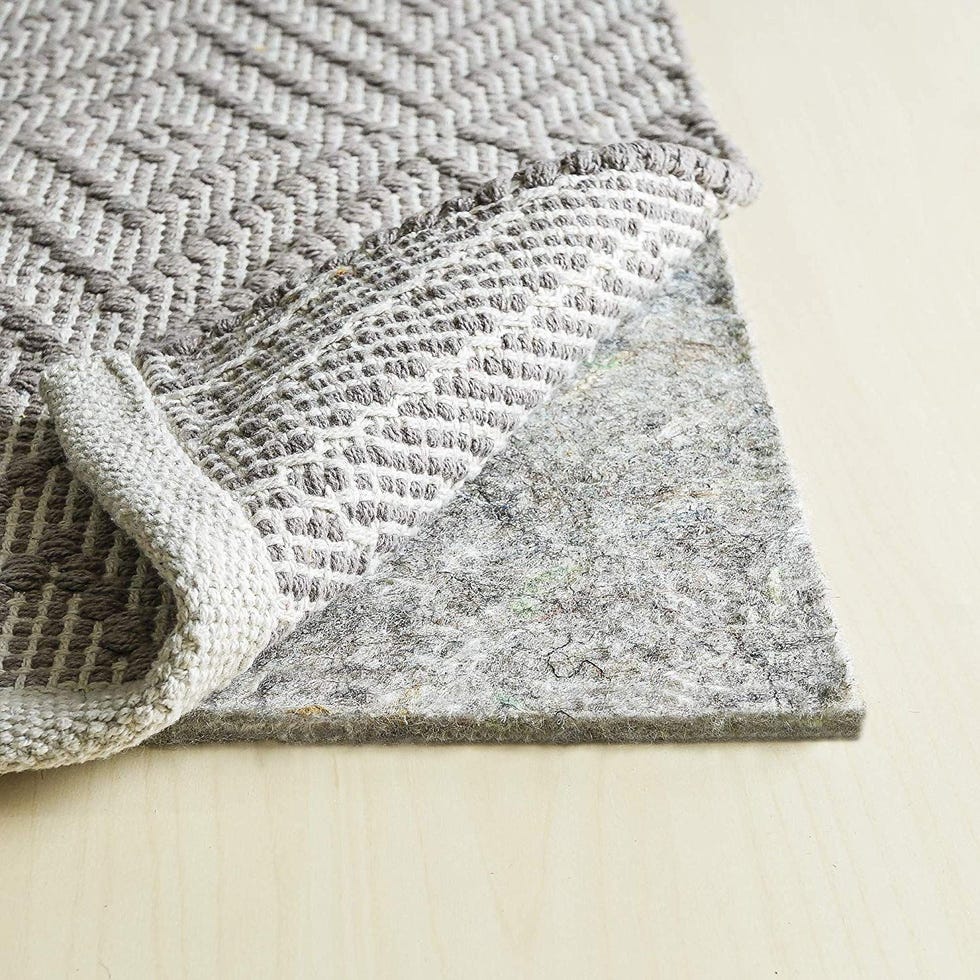
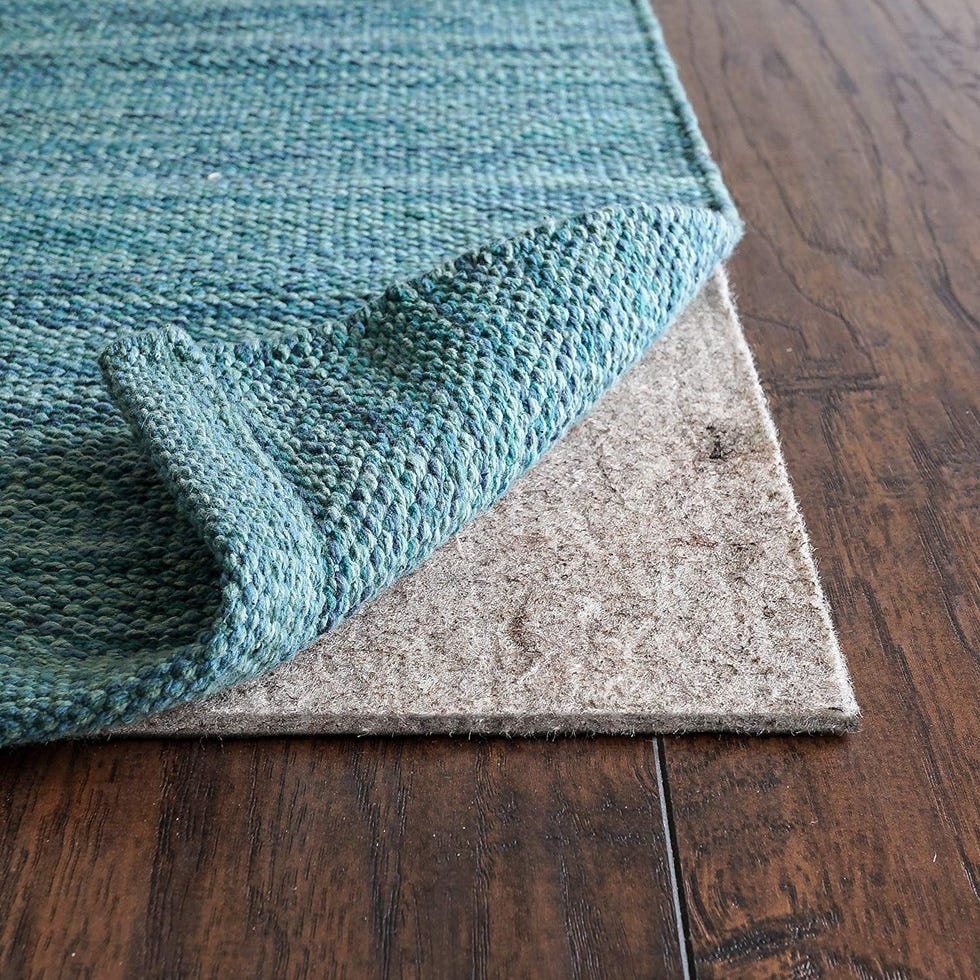
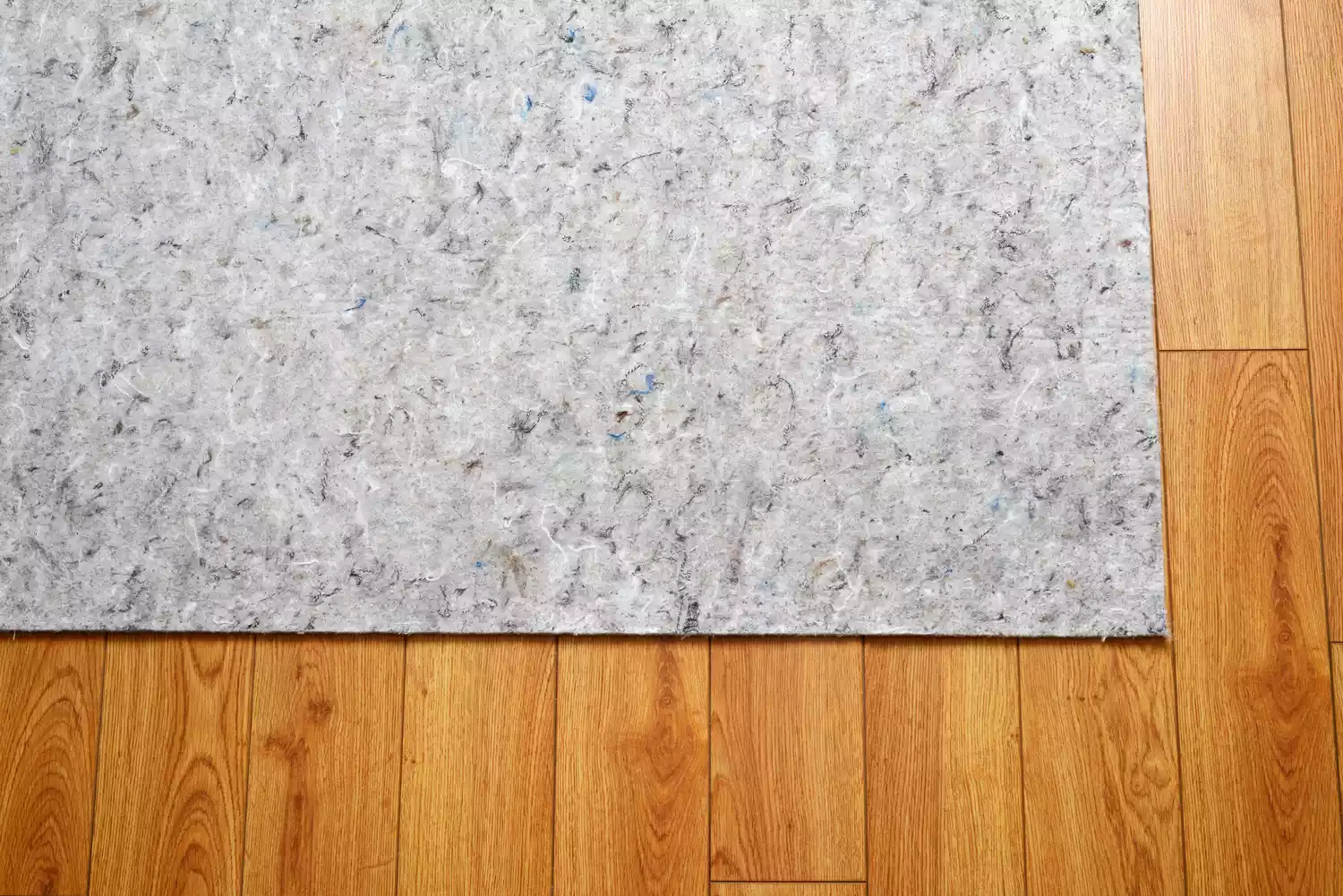
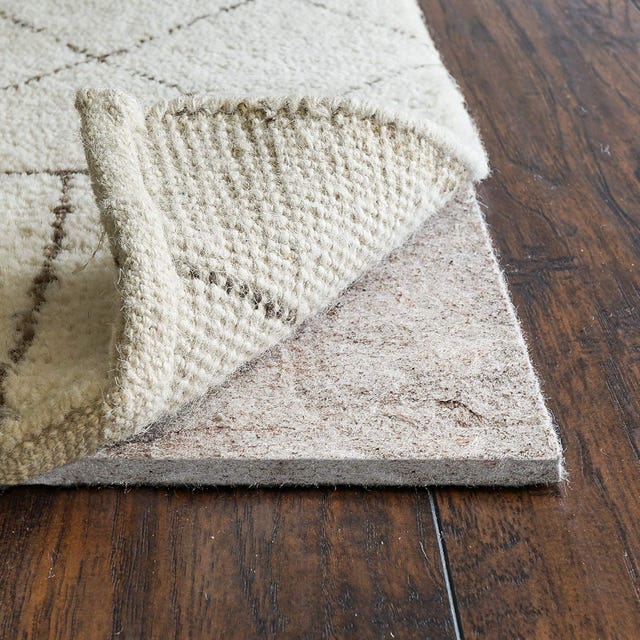
For those seeking a felt option, the Quince Luxe Ultra Plush Rug Pad is recommended. This 1/4-inch thick pad provides both grip and light cushioning, effectively preventing rug movement. It is durable and versatile, suitable for both hard and carpeted floors, though it can be difficult to cut and may leave imprints on wood floors if the rubber side is down. It is made from recycled synthetic fibers and natural rubber.
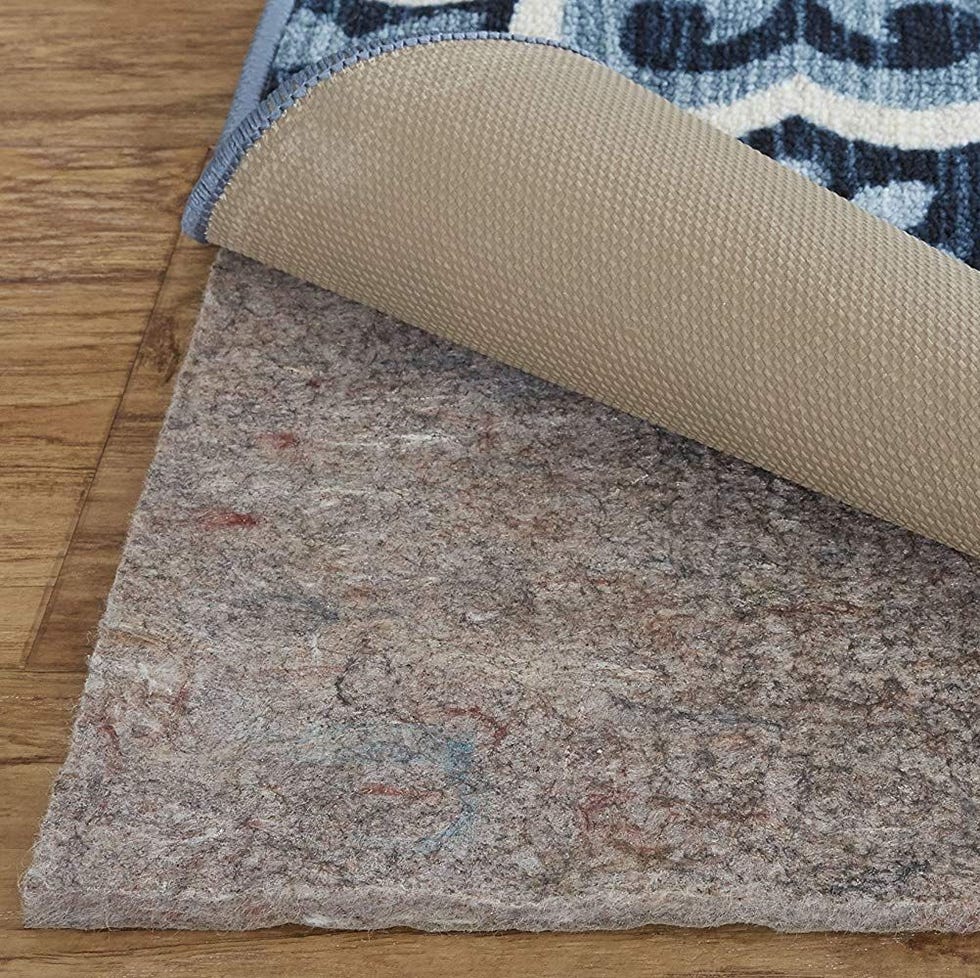
The Lifeproof Waterproof Area Rug Pad stands out as the thickest option, offering substantial cushioning (0.3 inches). It provides excellent grip and is odor-free, though it can visibly elevate rug edges, especially with thin rugs, potentially creating a tripping hazard. This pad is best suited for high-pile rugs and may show indentations from heavy furniture. It is made of polyethylene foam.
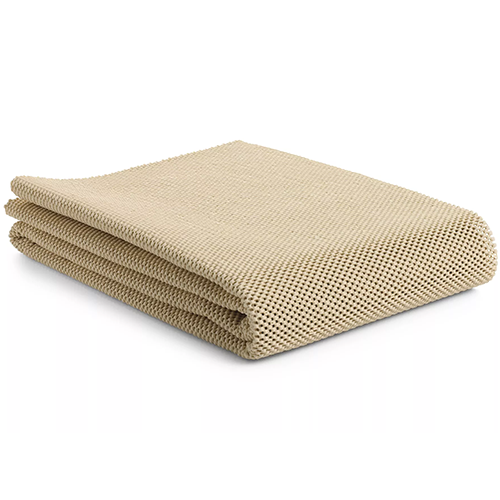
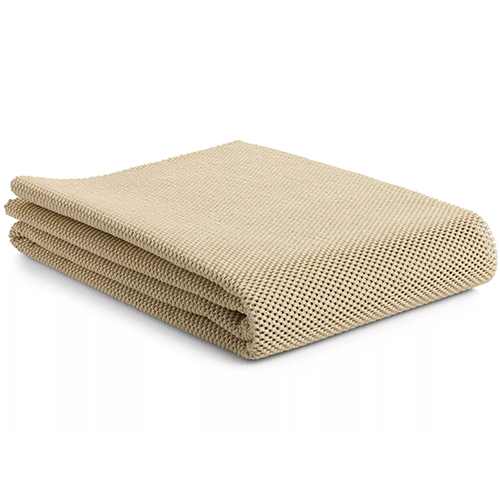
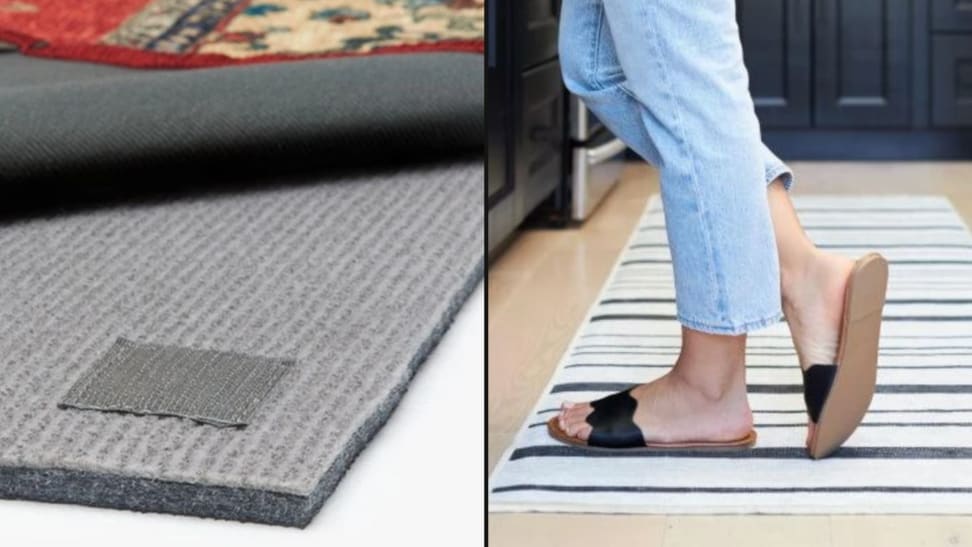
For value, the IKEA Stopp Anti Slip Underlay is a thin, flexible, and economical choice. While it lacks cushioning, it offers strong grip for small rugs and runners, making it ideal for high-traffic hallways. Its lifespan may be shorter than more expensive alternatives, with grip weakening after about six months. It is made from polyethylene and synthetic rubber.
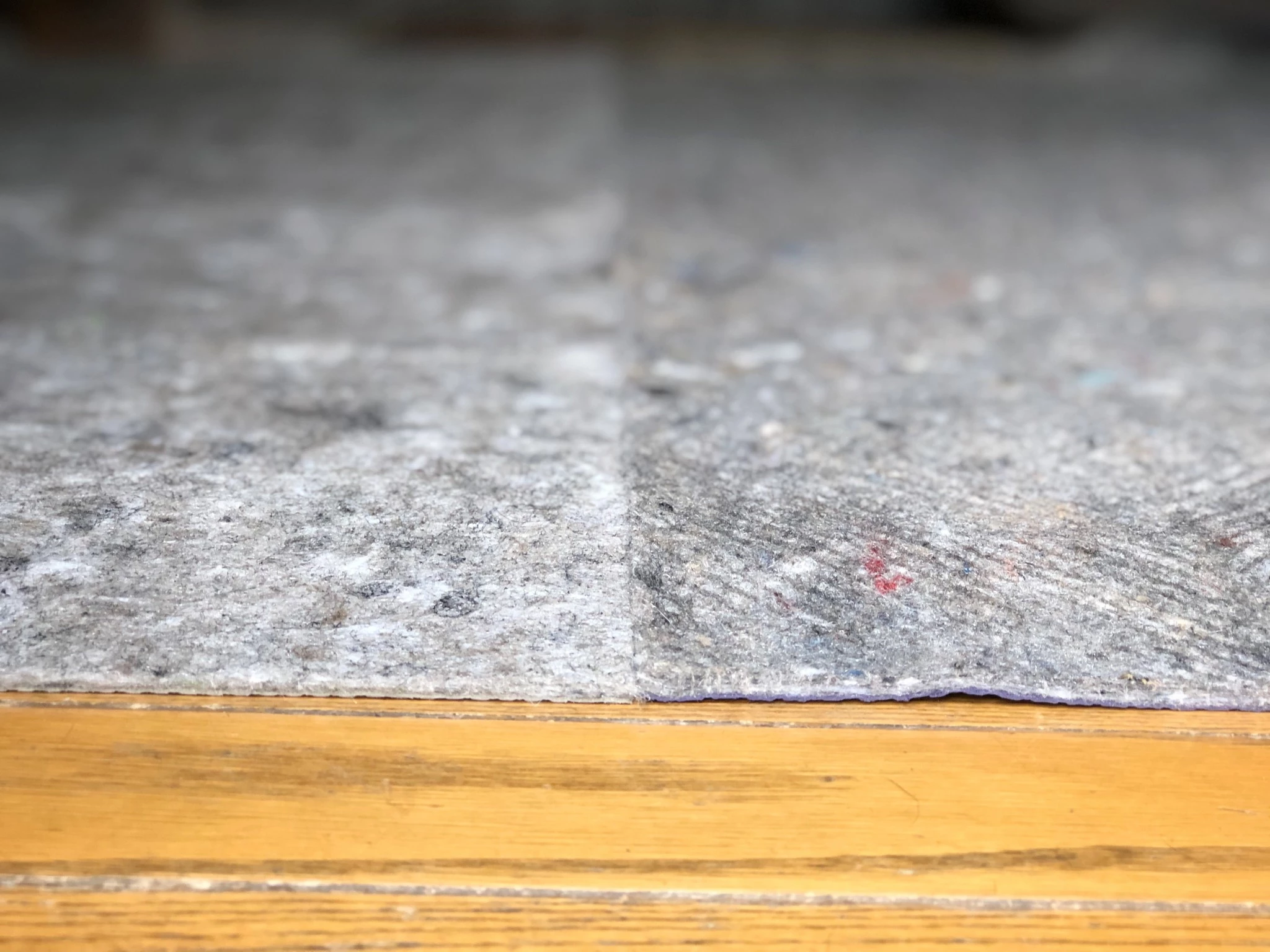
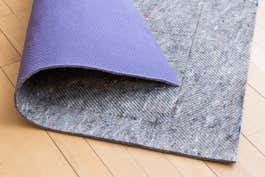
The Durahold Plus Felt and Rubber Rug Pad is recognized for its durability. This 0.25-inch thick pad maintains rug height and provides sturdy stability, making it suitable for high-traffic areas where comfort is less of a priority. It is difficult to cut but does so cleanly, resisting indentations from heavy items. Its composition includes rubber and felt.
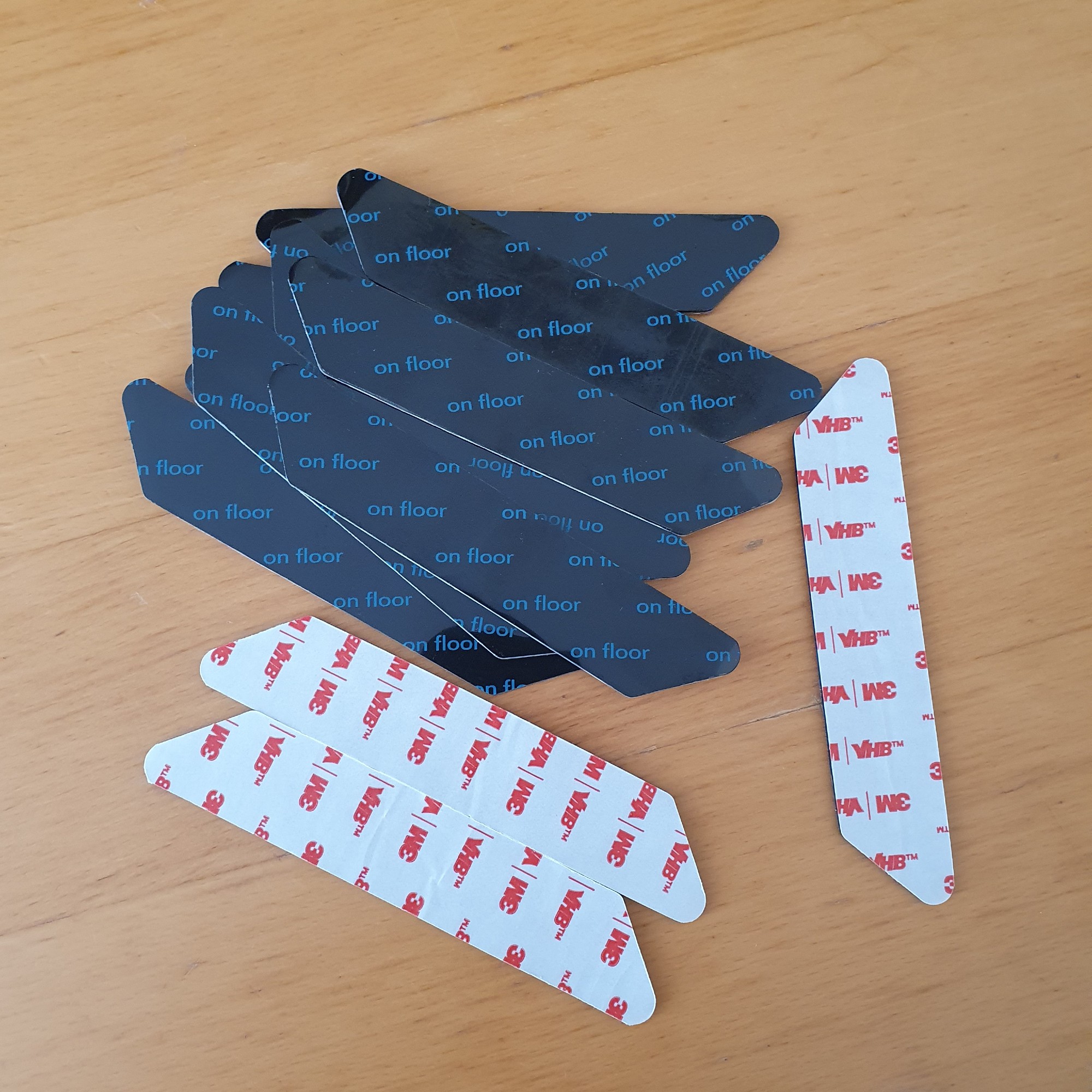
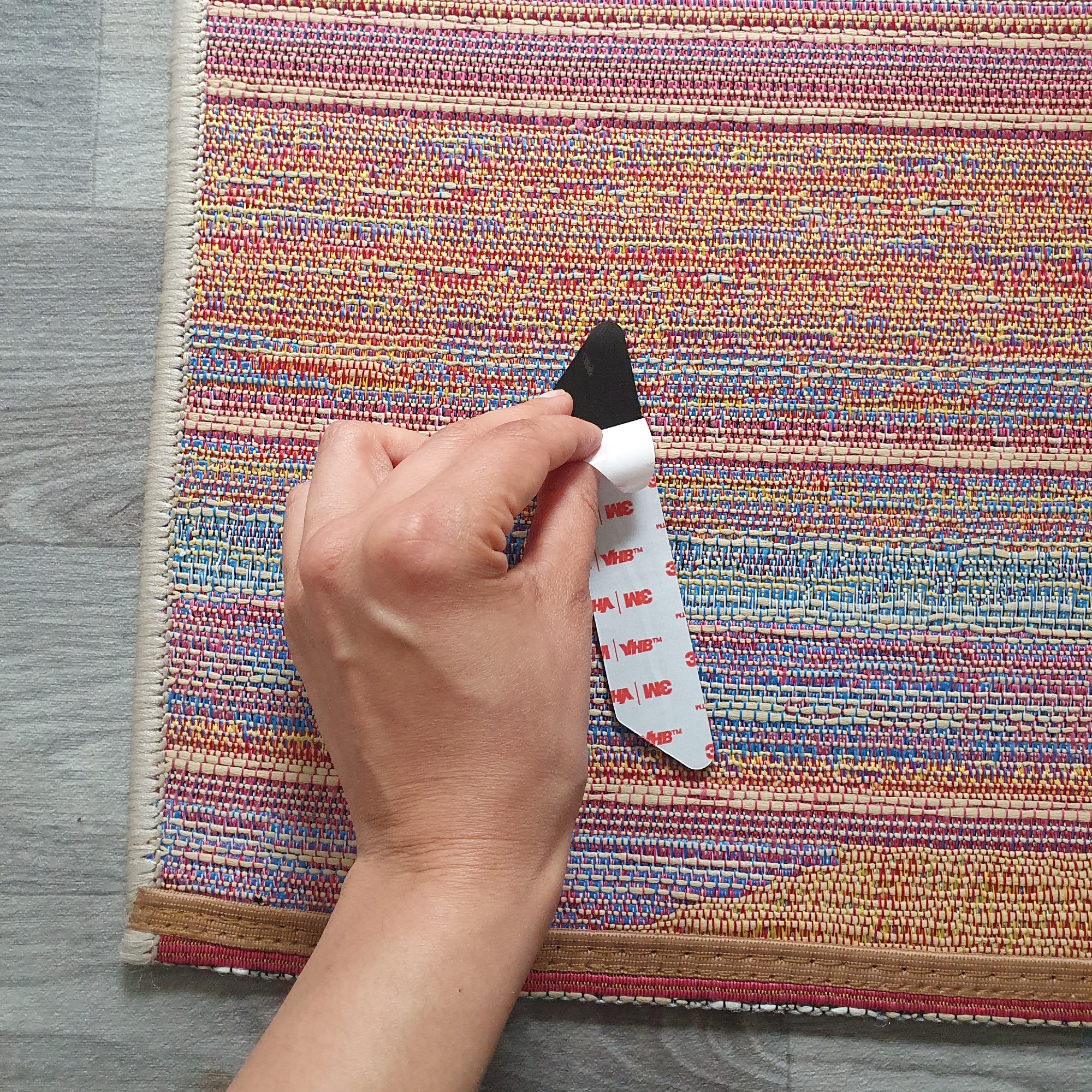
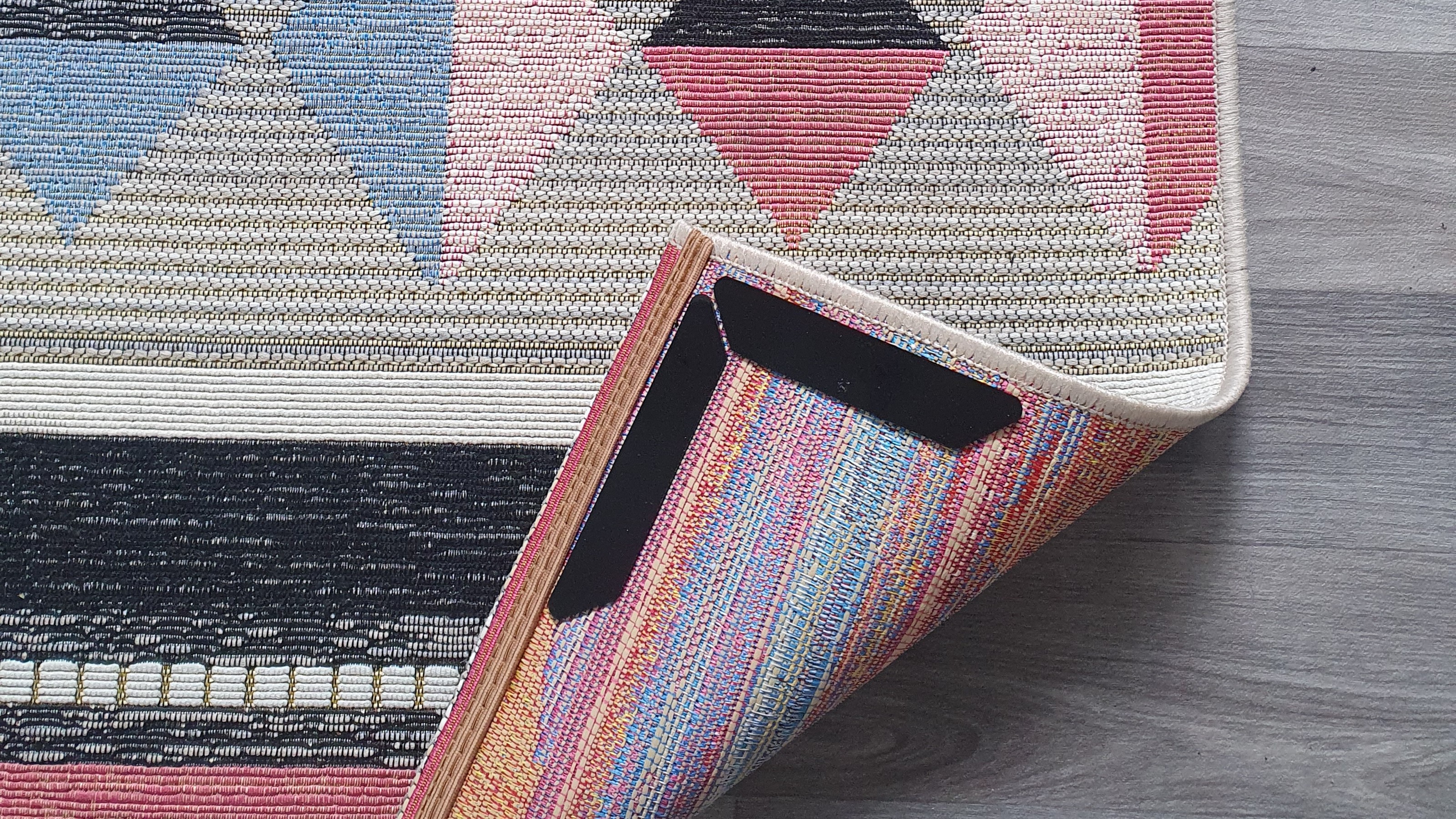
For tile and hardwood floors, the Muddy Mat Heavy Duty Non-Slip Reusable Rug Corner Pads are effective for thin rugs prone to movement and curling. These 1-millimeter thick, gel-like pads stick securely to both the rug and floor, are reusable, and don't alter the rug's feel or thickness. They require regular cleaning to maintain stickiness due to attracting dust and pet hair. They are made from polyurethane.
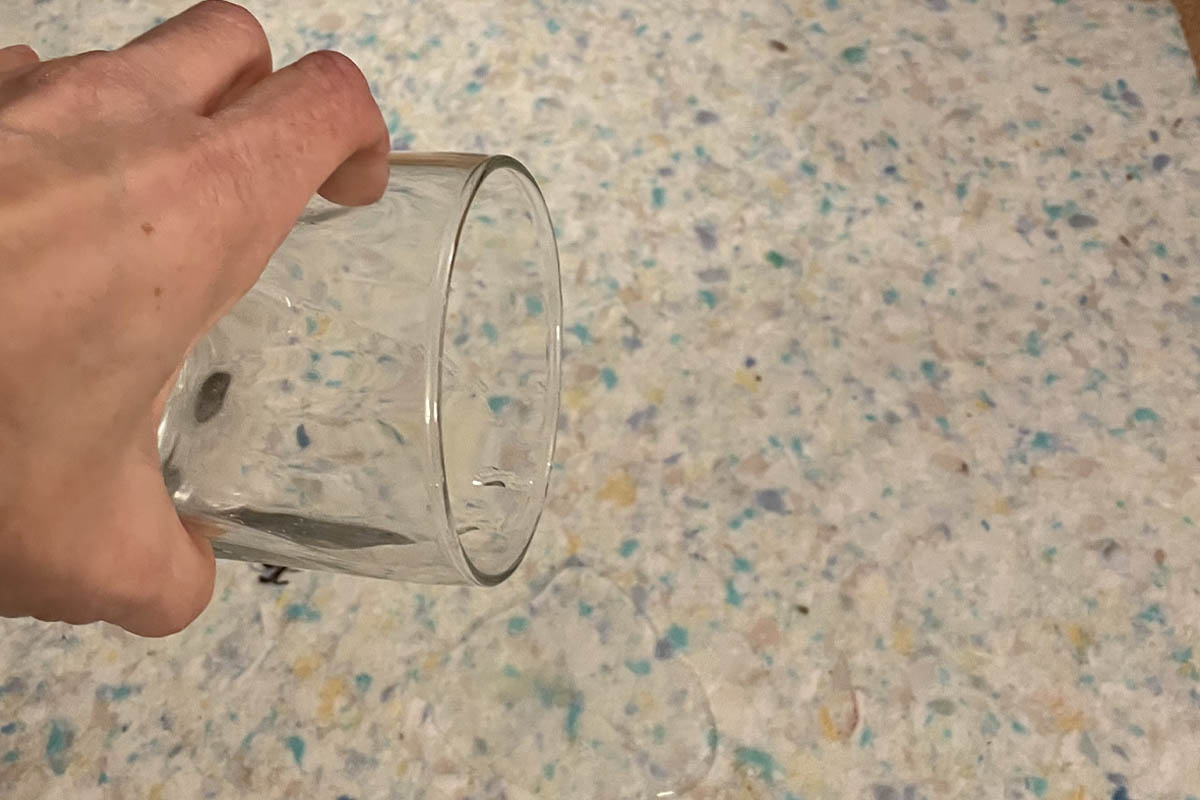
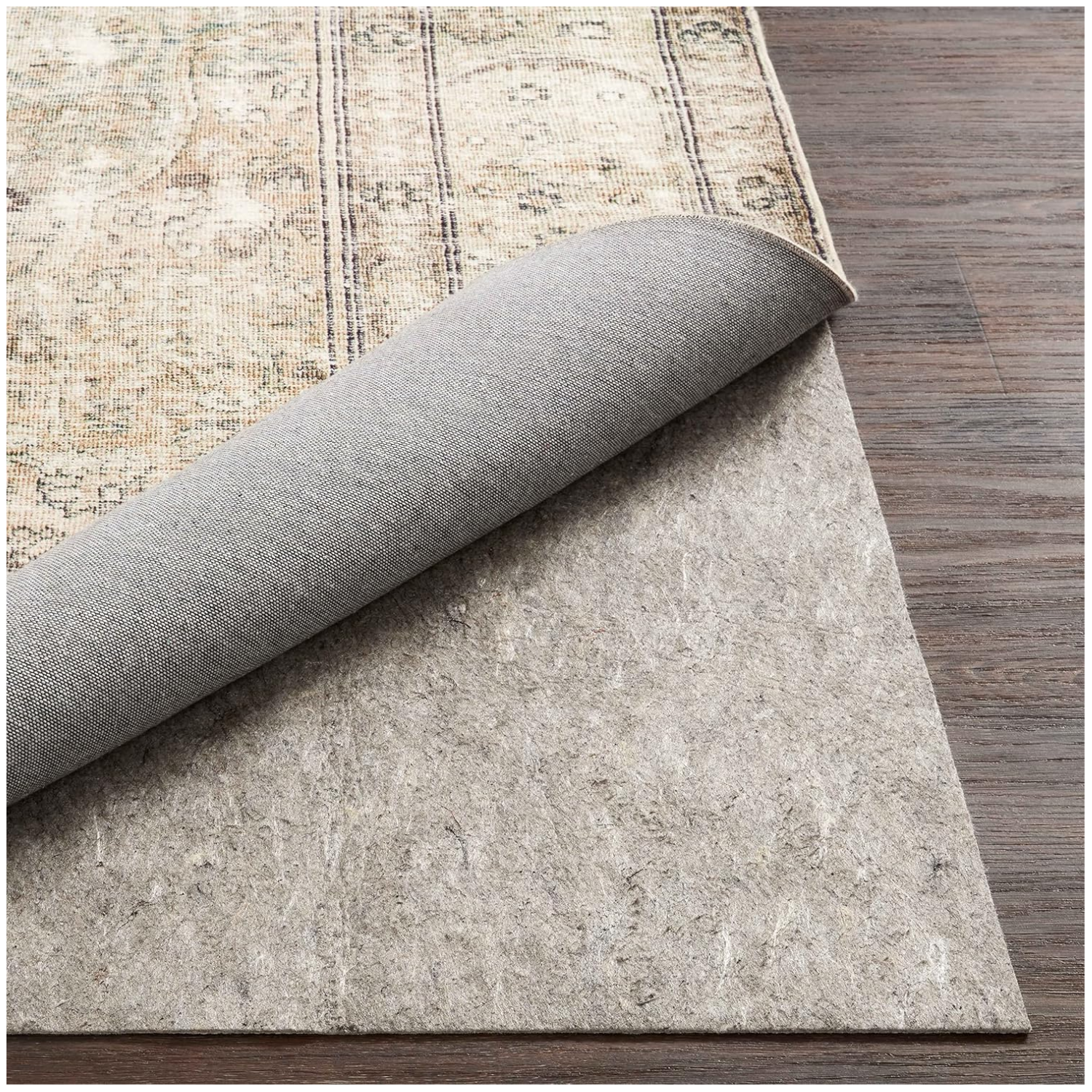
The Pottery Barn Pet-Friendly Rug Pad is designed for households with pets. It offers comfort, effective slip prevention, and a moisture-proof backing to protect floors from accidents. This 0.2-inch thick pad is reversible and compatible with all indoor surfaces, though it may require utility scissors for trimming. It consists of polyester fibers.
For carpets, the Grip-It Magic Stop Rug Pad is specifically designed to adhere to carpeted floors. This thin polyester pad has an adhesive backing that prevents rugs from shifting and reduces corner curling, making vacuuming easier. It is not reusable due to its adhesive nature but is available at a good price point. Its materials are polyester and acrylic.
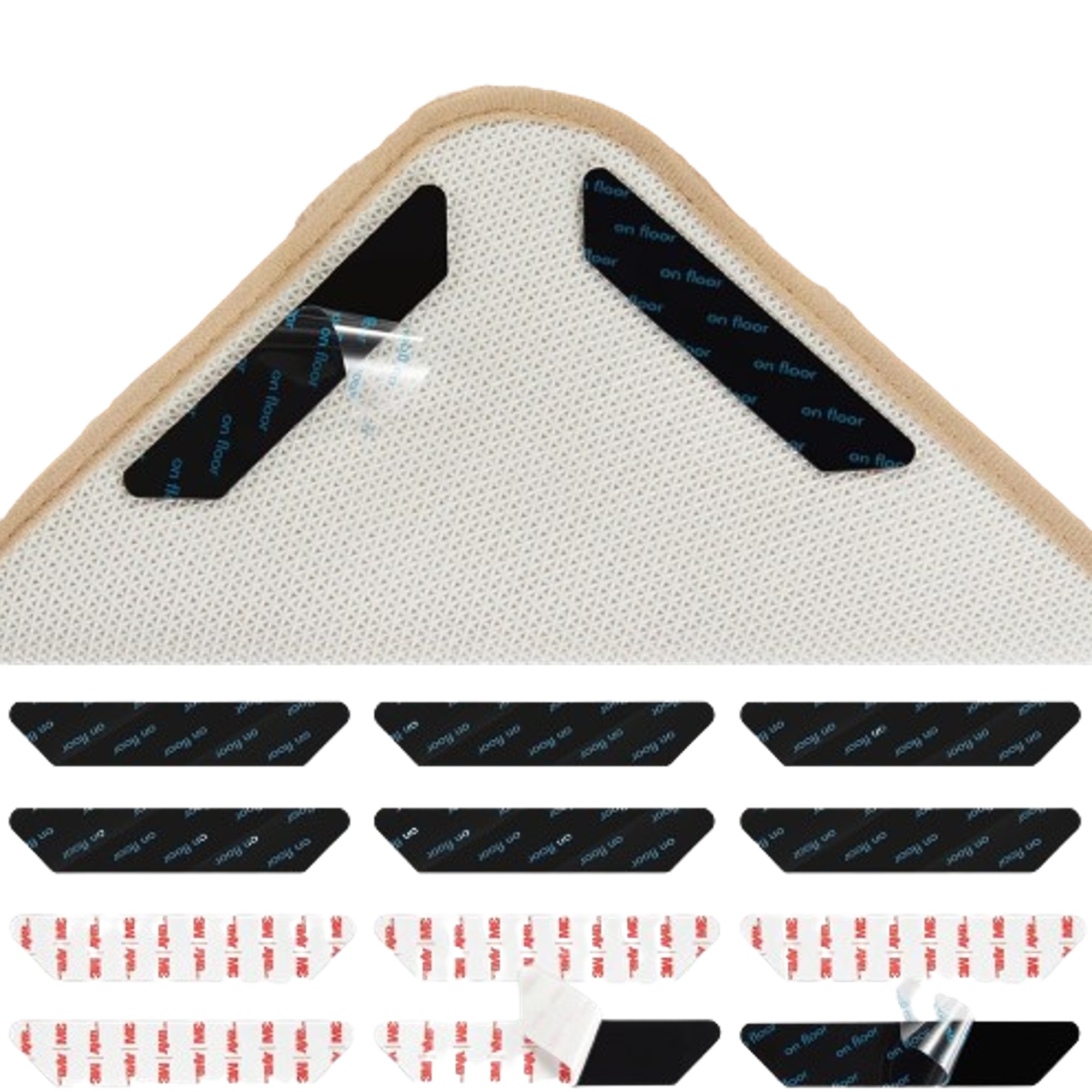
Lastly, the Home Techpro Rug Pad Grippers are an easier-to-apply alternative to full-size pads. These dual-sided, sticker-like grippers offer strong suction to hard floors, preventing movement and curling, particularly in high-traffic areas. They are made from polyester fiber and acrylic resin, with a thickness of 0.1 inches. However, they are not suitable for all rug types, such as jute or rubber-backed rugs.
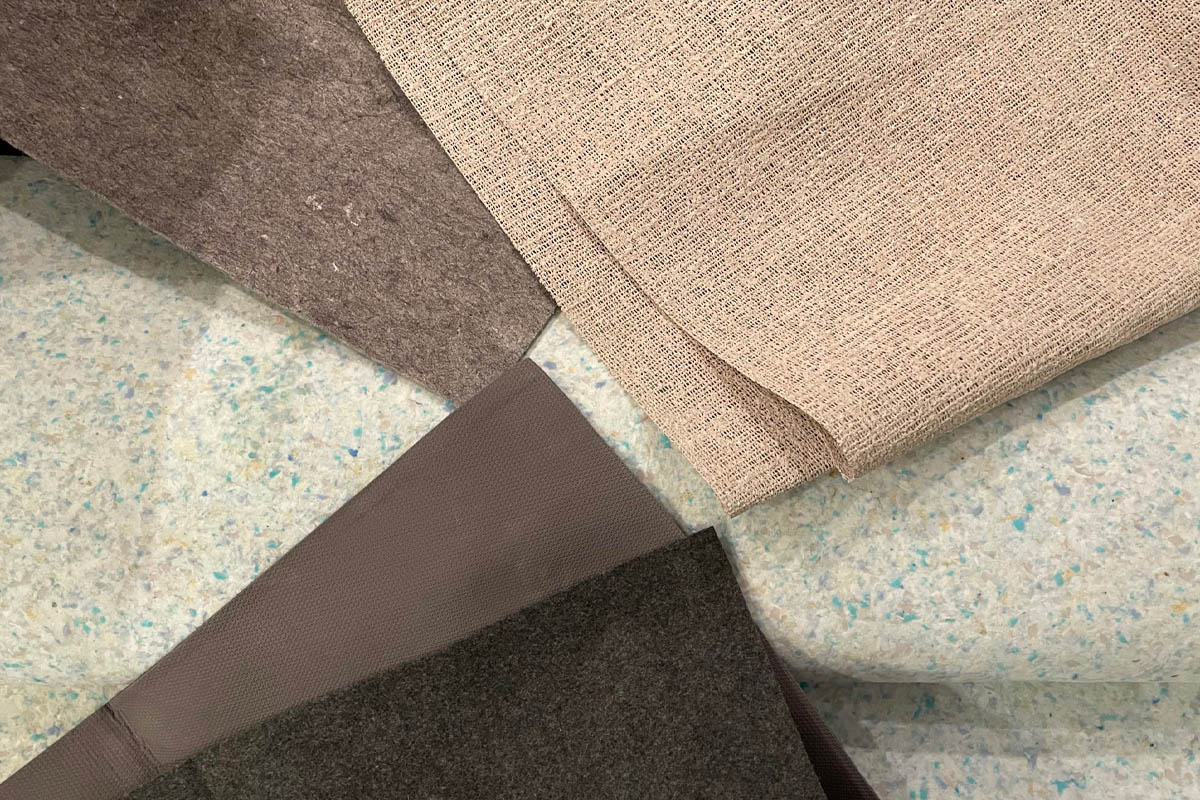
When choosing a rug pad, material, floor compatibility, and thickness are crucial. Polypropylene and rubber pads offer strong grip for high-traffic areas, while foam and felt provide cushioning. The pad's thickness should correspond to the rug's pile height—thinner for low-pile, medium for medium-pile, and thicker for high-pile rugs. For carpeted floors, softer pads are preferred. It is also important to consider door clearance and the presence of heavy furniture, as ultra-thick pads can cause uneven elevation or indentations.
#RugPads #HomeDecor #InteriorDesign #FloorProtection #NonSlip #RugGrippers #HomeImprovement #PetFriendly #Durability #RugPads #HomeDecor #InteriorDesign #FloorProtection #NonSlip #RugGrippers #HomeImprovement #PetFriendly #Durability
0 comment in total
 No comments yet
You may also like
The Best Rug Pads

We Tested the Best Rug Pads to Keep Your Home Safer and More Comfortable—Here Are Our Recommendations

Ruggable's washable rugs now come with built-in rug pads

Do You Really Need a Rug Pad? Experts Weigh In

The Best Rug Pads | Reviews by Wirecutter
Here Are 7 of the Best Rug Pads for Every Floor Type
The 10 Best Rug Pads for Any Floor and Carpet Type

Ruggable's new Cushion Rug Pad is a cozy delight for hard floors

The Best Rug Pads Are More Than a Buffer of Protection for Your Floor

We Tested Dozens of Rug Pads. These 9 Stayed Put the Best.

I put the Instagram viral Amazon rug grippers to the test – and now my rug finally stays in place on my lino kitchen floor

The comforting comeback of fitted carpets
Keep Rugs in Place—And Add Comfort, Too—With Our Top 9 Rug Pad Picks
5 Fail-Proof Ways to Stop Your Rugs From Sliding — And Clever Buys to Keep Them Flat, Too

We Cleaned More Than 300 Messes to Find the Best Mops for Floors

The Easy Upgrade That Will Protect Your Carpet From Chair Damage
The Best Rug Pads Are More Than a Buffer of Protection for Your Floor

News Flash: You're Buying the Wrong Rug Pad

How to stop sofa cushions from sliding – 4 ways to keep your living room seating in place and looking neat
11 Solutions to Keep Rugs from Slipping and Sliding