
1/6
The Best Rug Pads Are More Than a Buffer of Protection for Your Floor
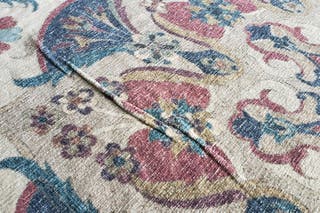
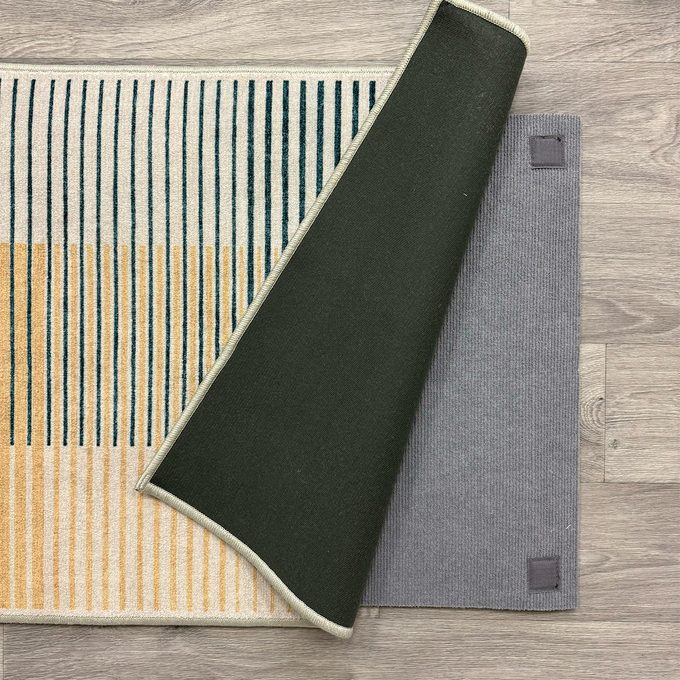
Selecting the appropriate rug pad is crucial for enhancing a rug's lifespan, providing cushioning, and preventing common issues like slipping, wrinkling, and buckling, especially on hard surfaces such as hardwood or tile. While rug pads might not be as aesthetically exciting as the rugs themselves, their functional benefits are significant. They are not a one-size-fits-all product, varying in material, thickness, and construction, each offering distinct advantages and considerations.
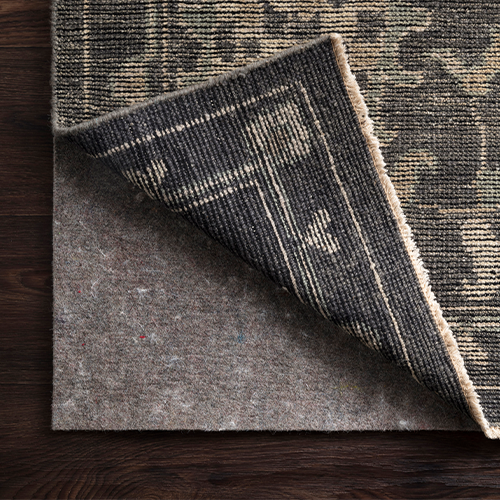
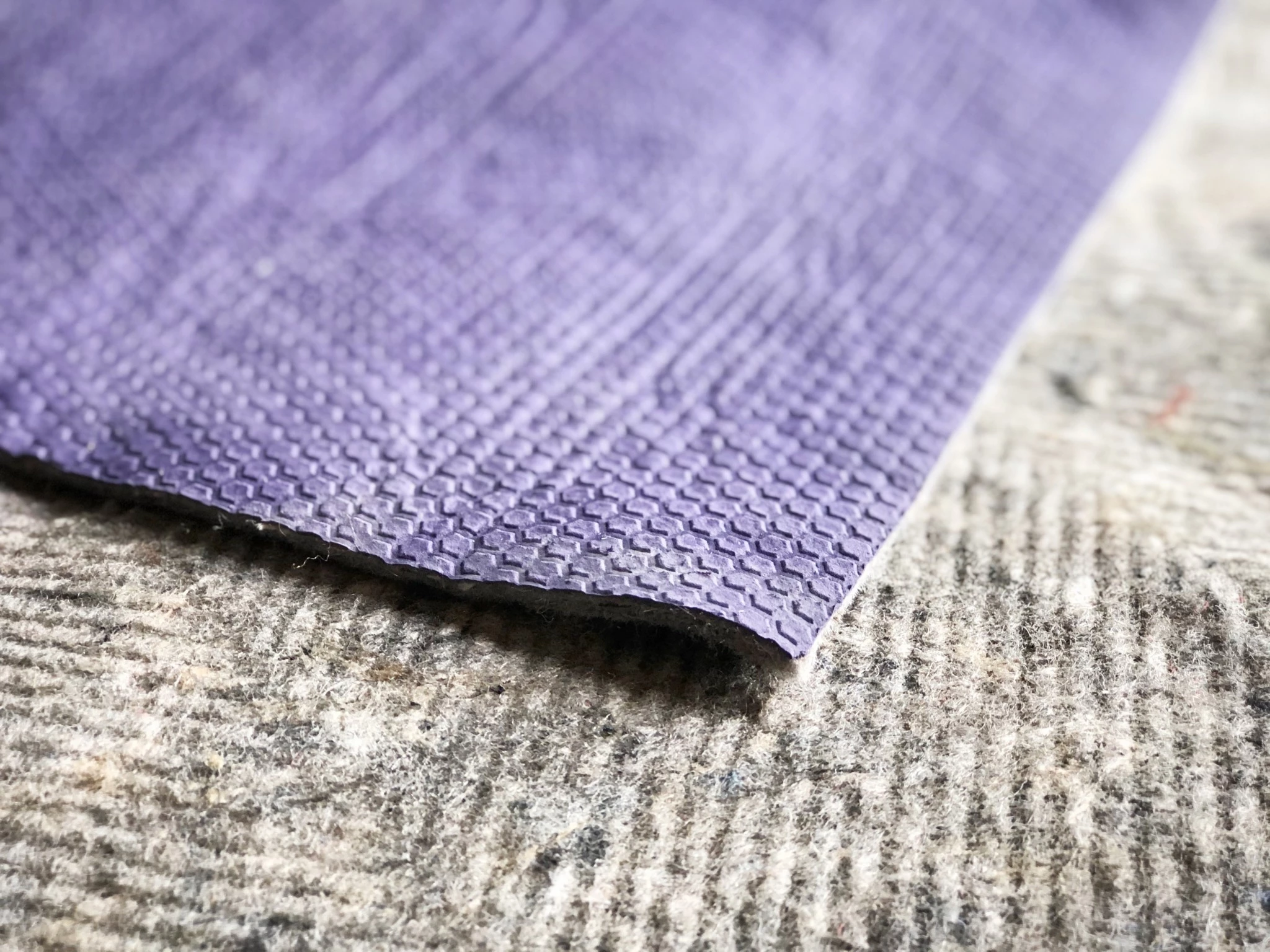
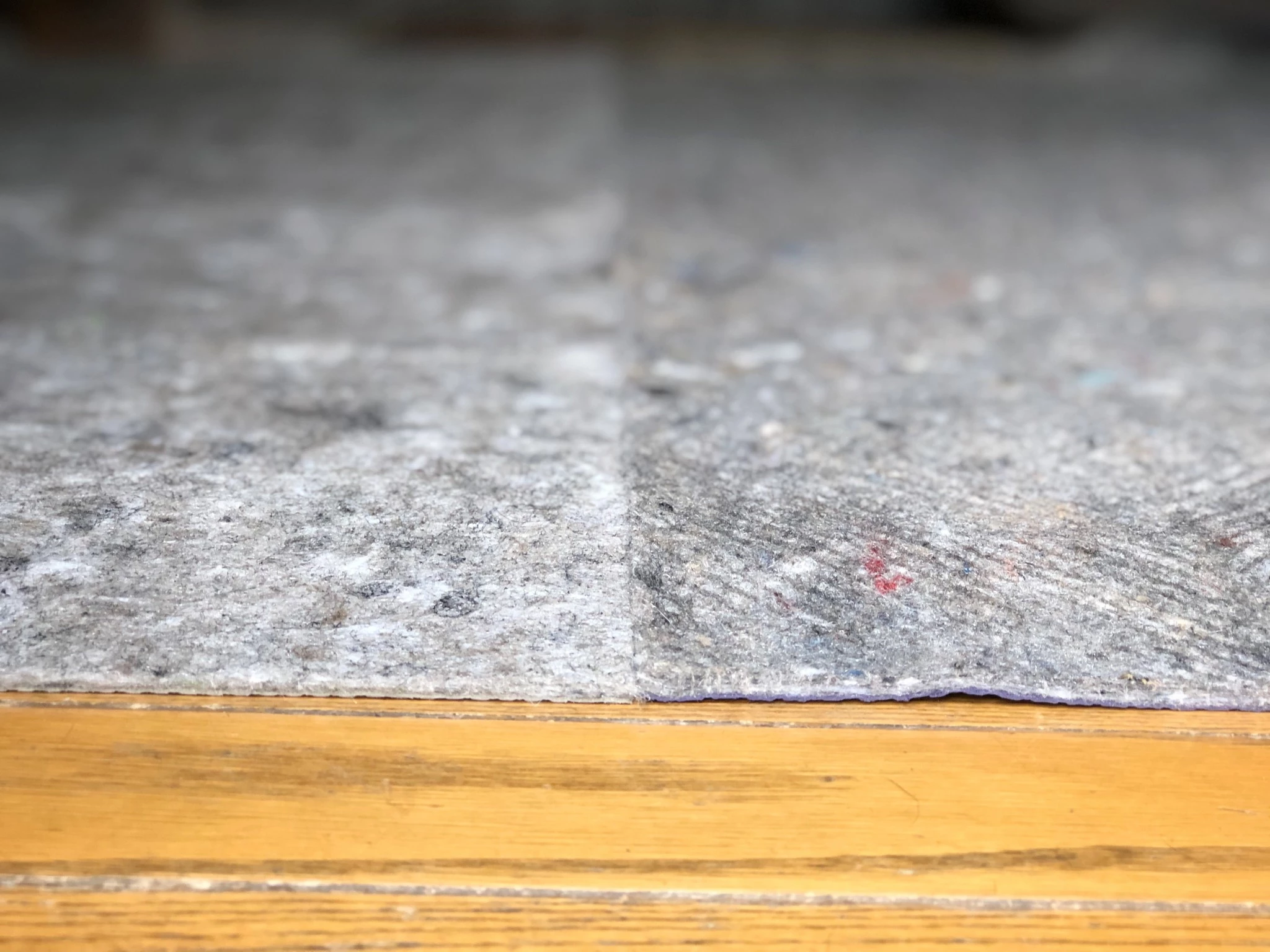
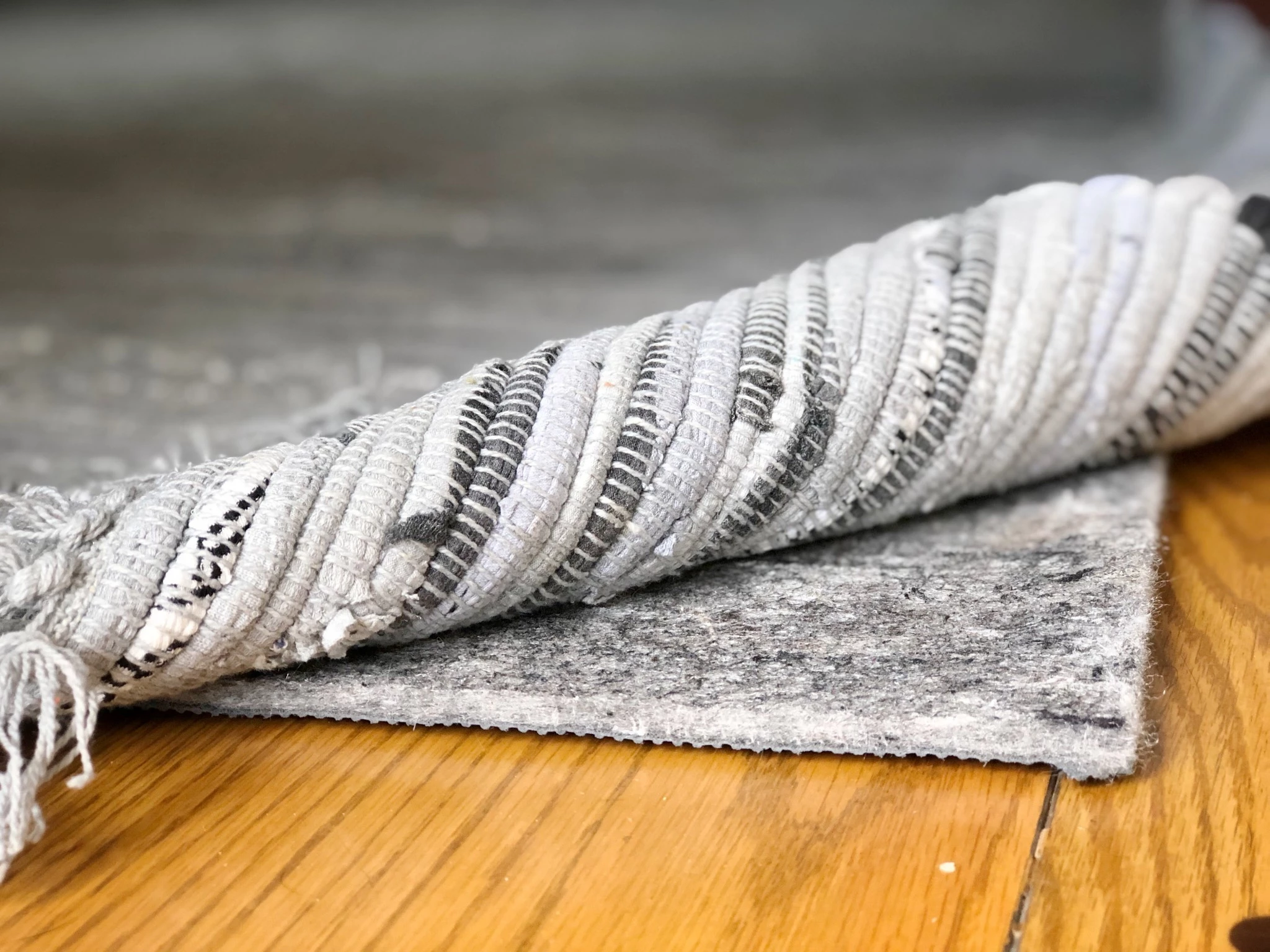
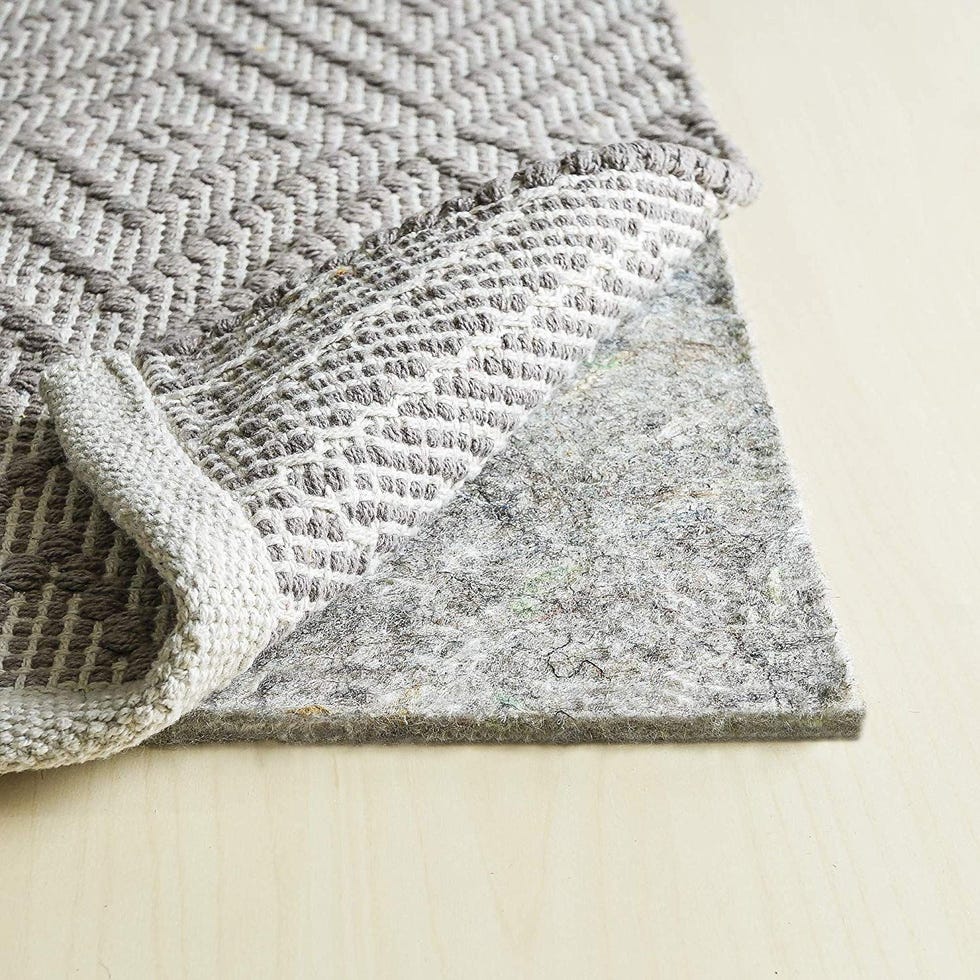
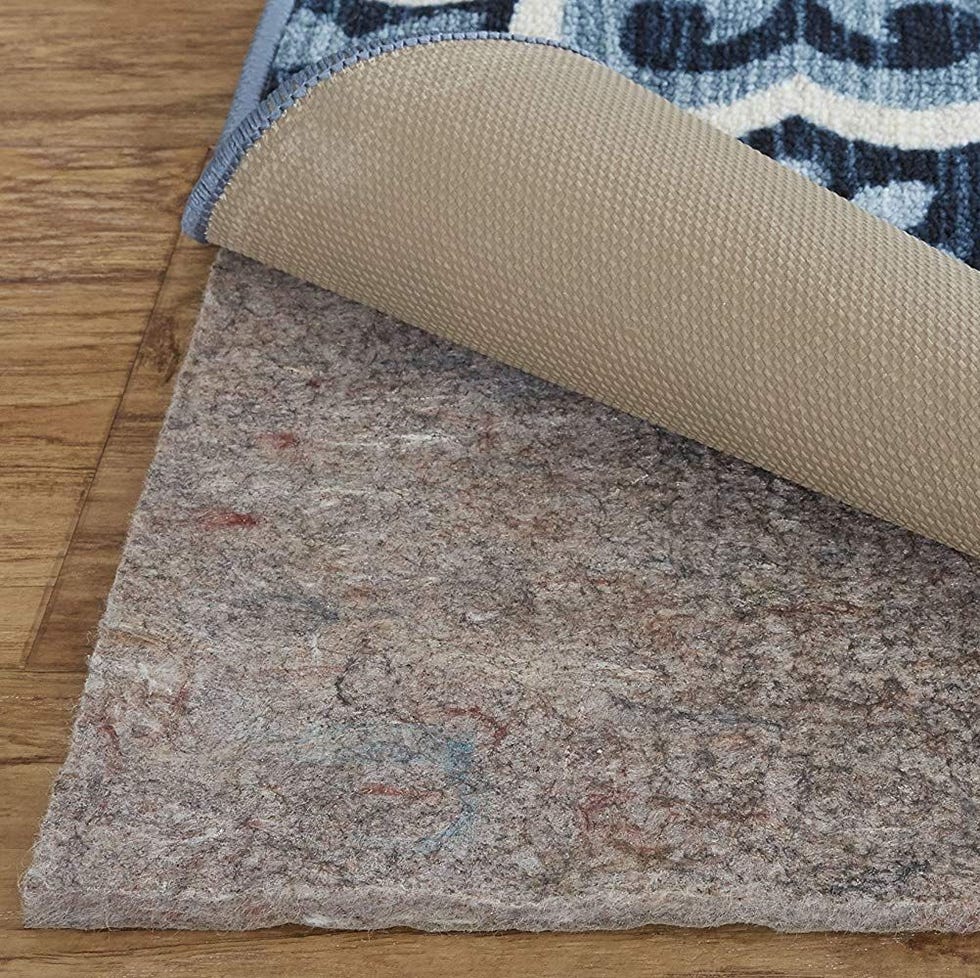
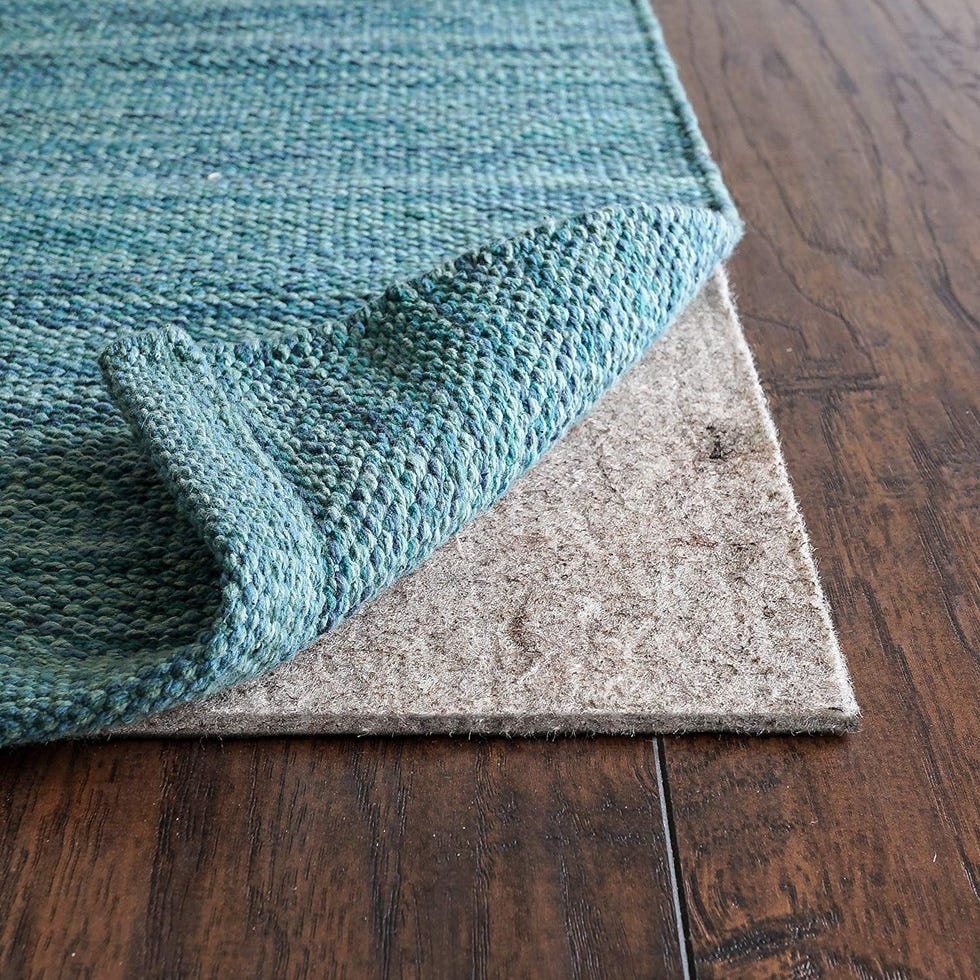
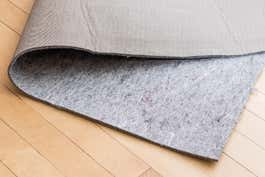
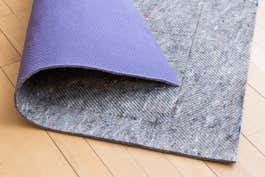
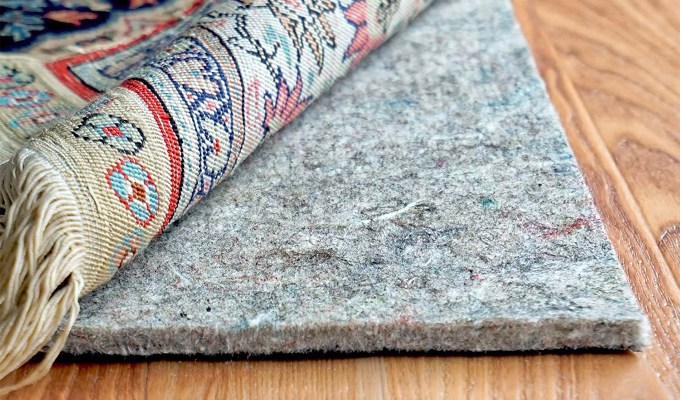
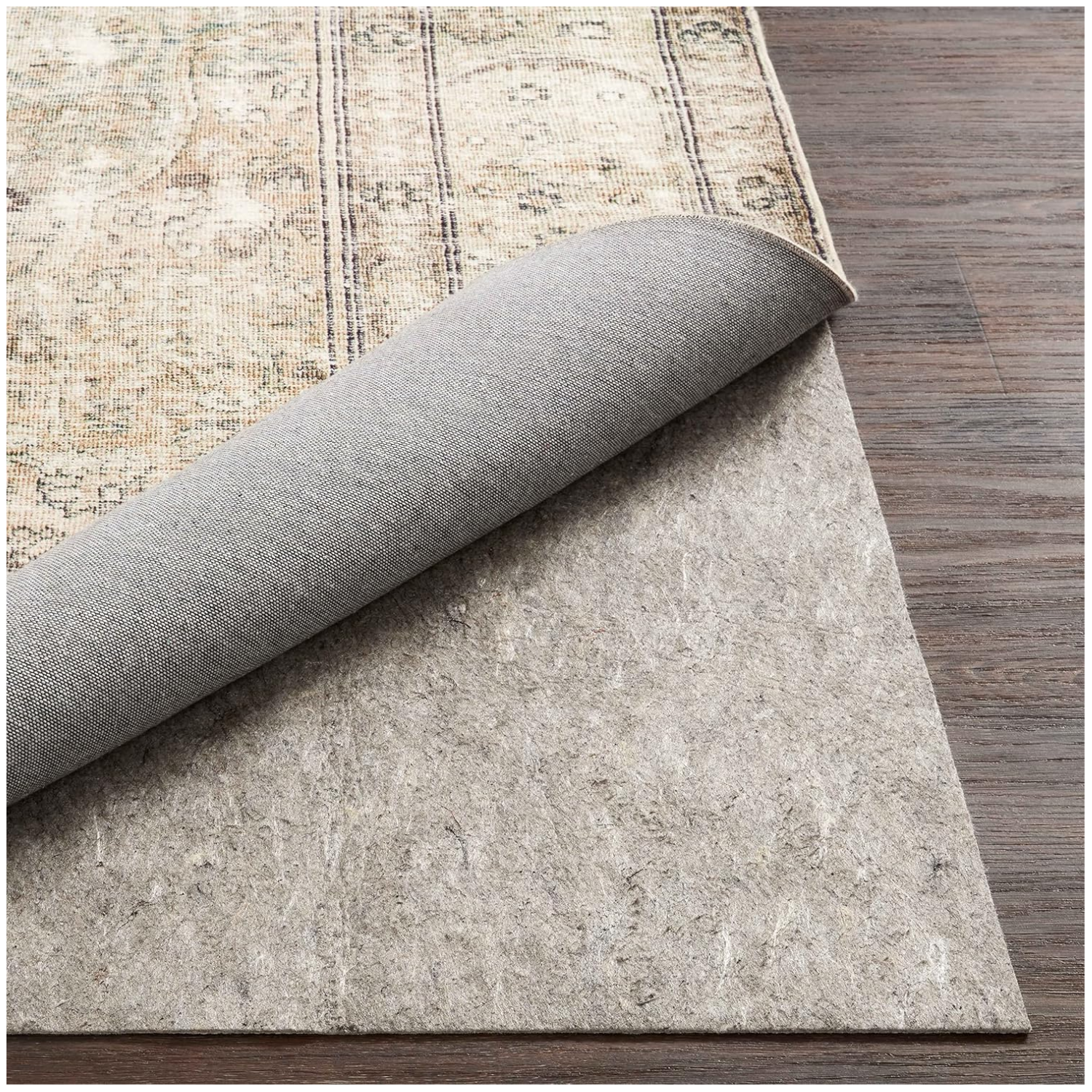
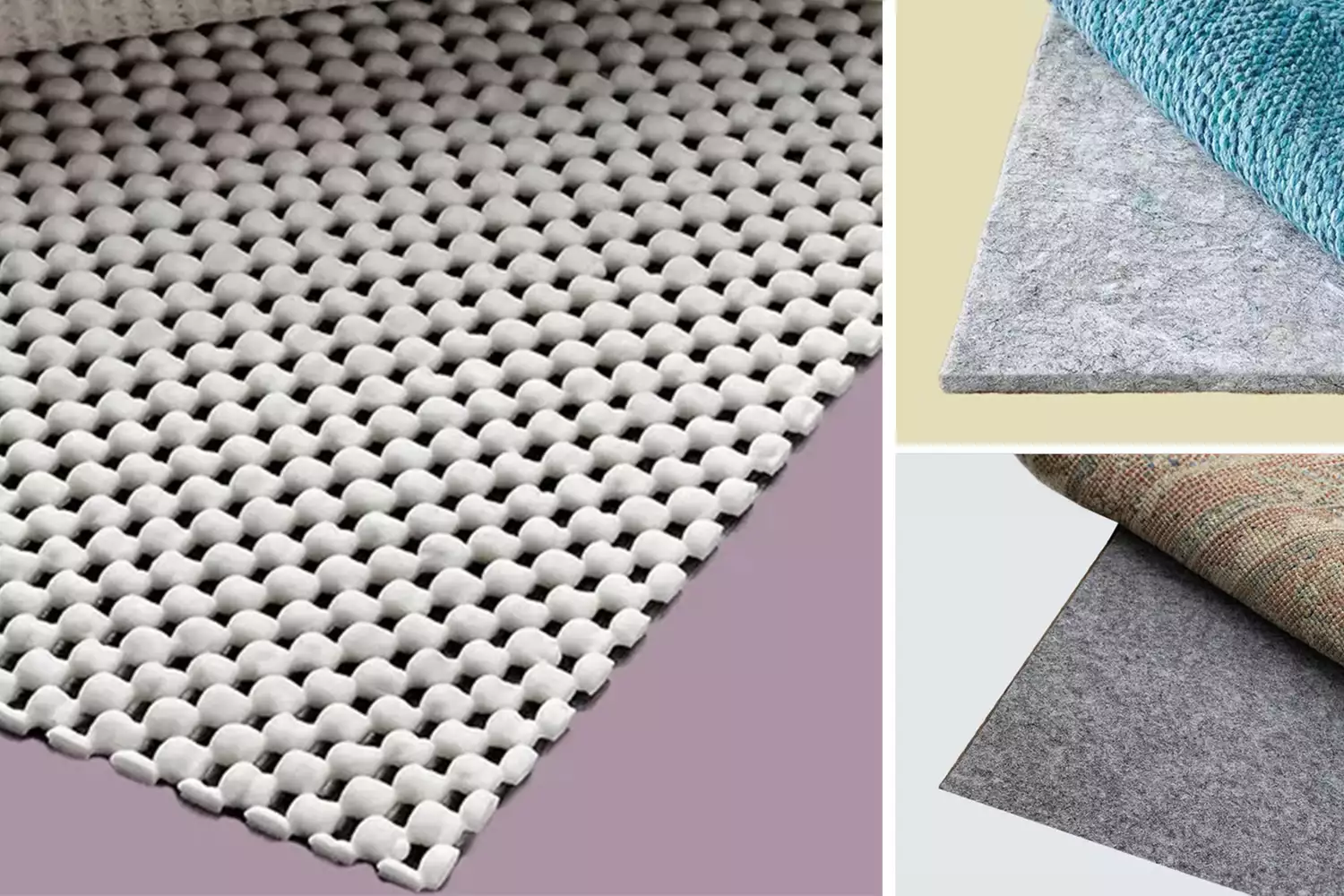
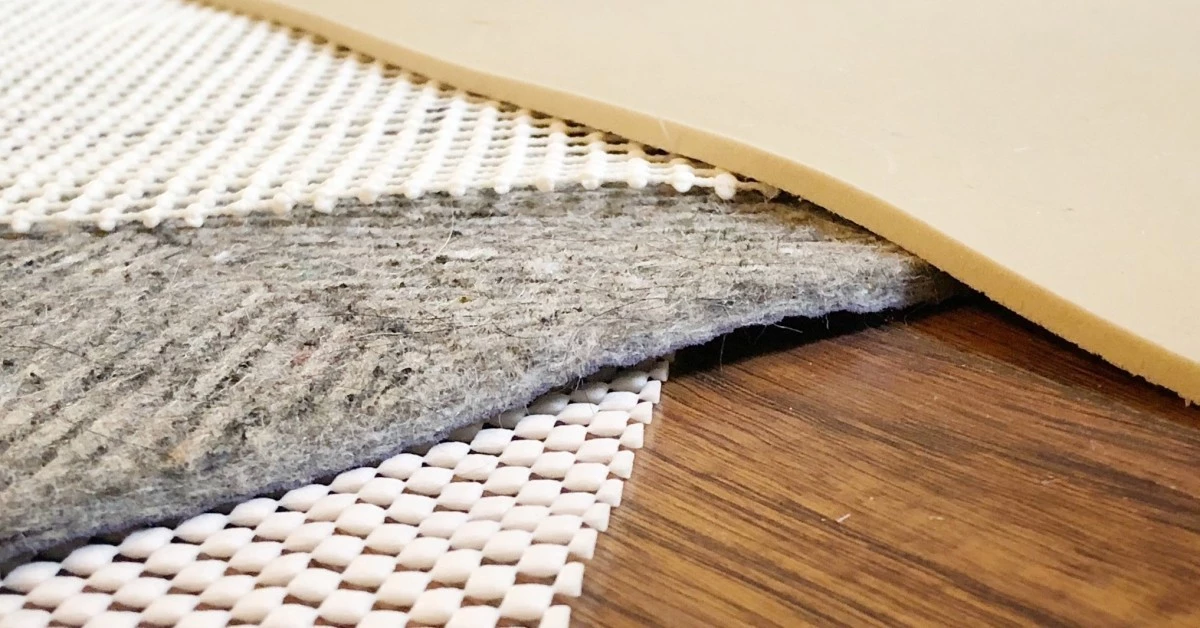
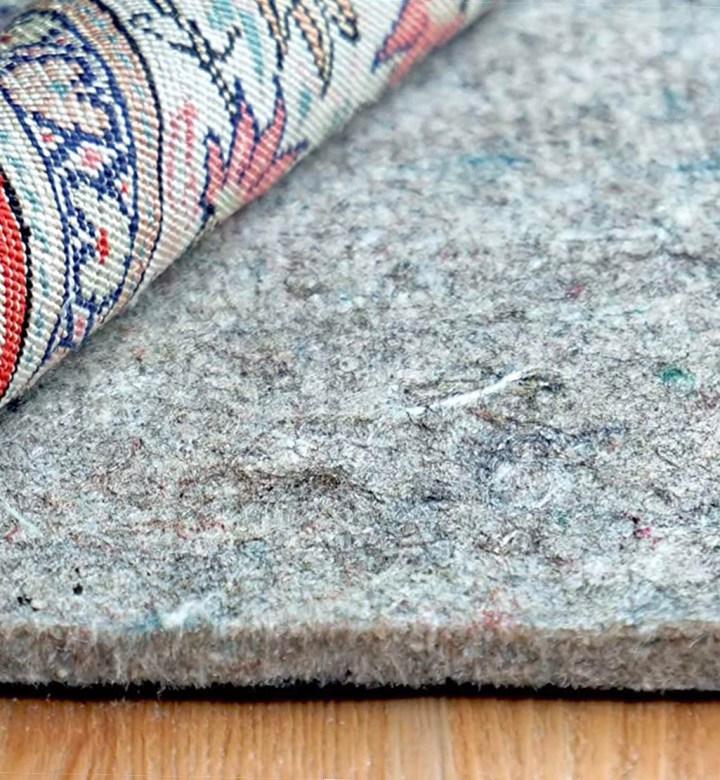
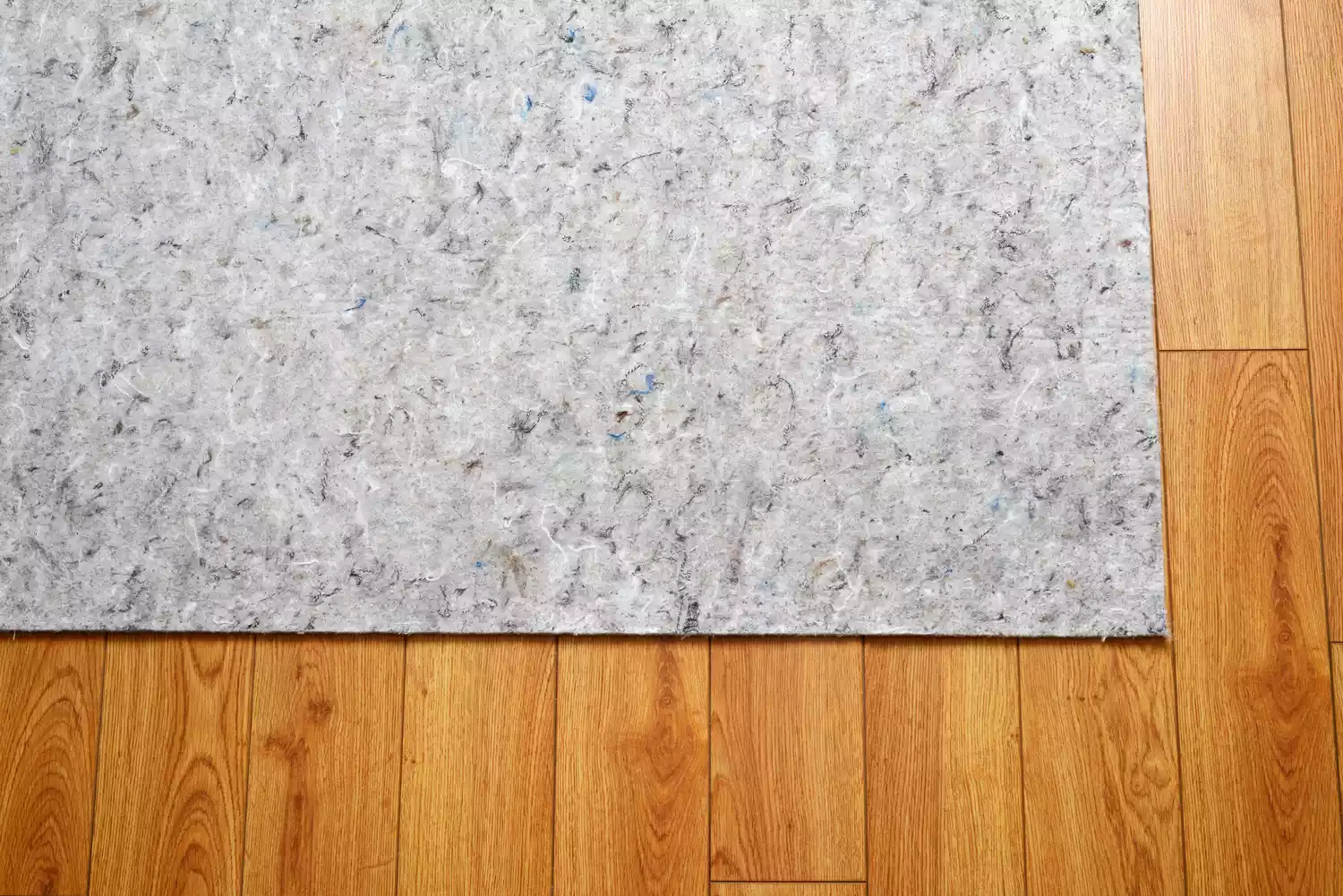
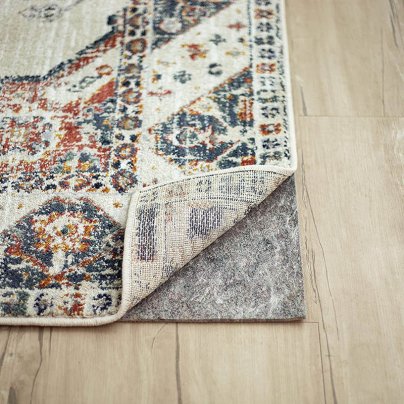
Several popular rug pad types cater to different needs and preferences. Rubber rug pads, particularly those made from natural rubber, offer excellent grip and are ideal for preventing slippage. They often feature a waffle construction that promotes airflow and resistance to mildew, making them a practical choice for various indoor settings. Felt rug pads, on the other hand, prioritize cushioning and insulation. These are frequently wool-based or a blend of wool and polyester, designed to provide a plush feel underfoot. When combined with a percentage of rubber, felt pads offer both comfort and a non-slip benefit, suitable for areas where added softness and support are desired.
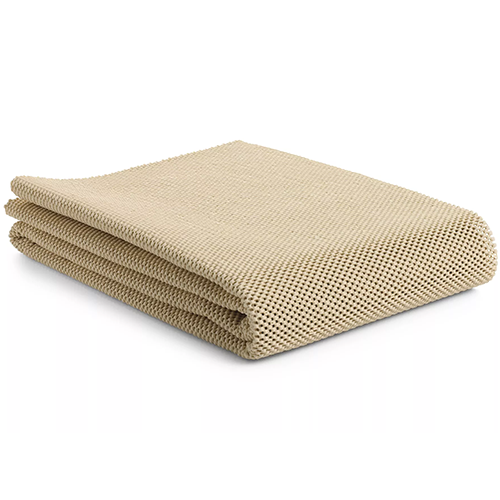
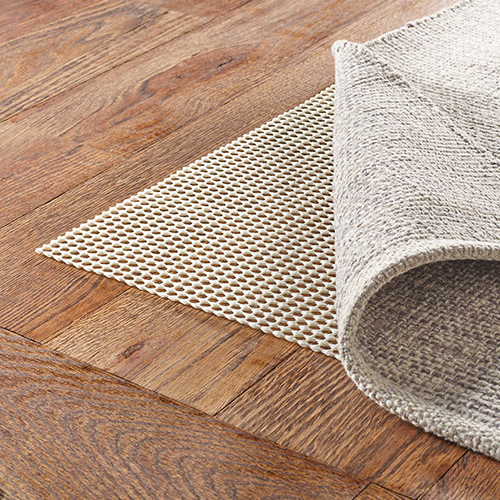
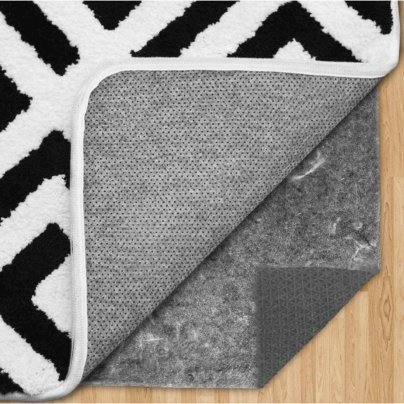
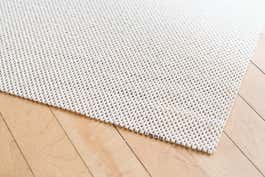
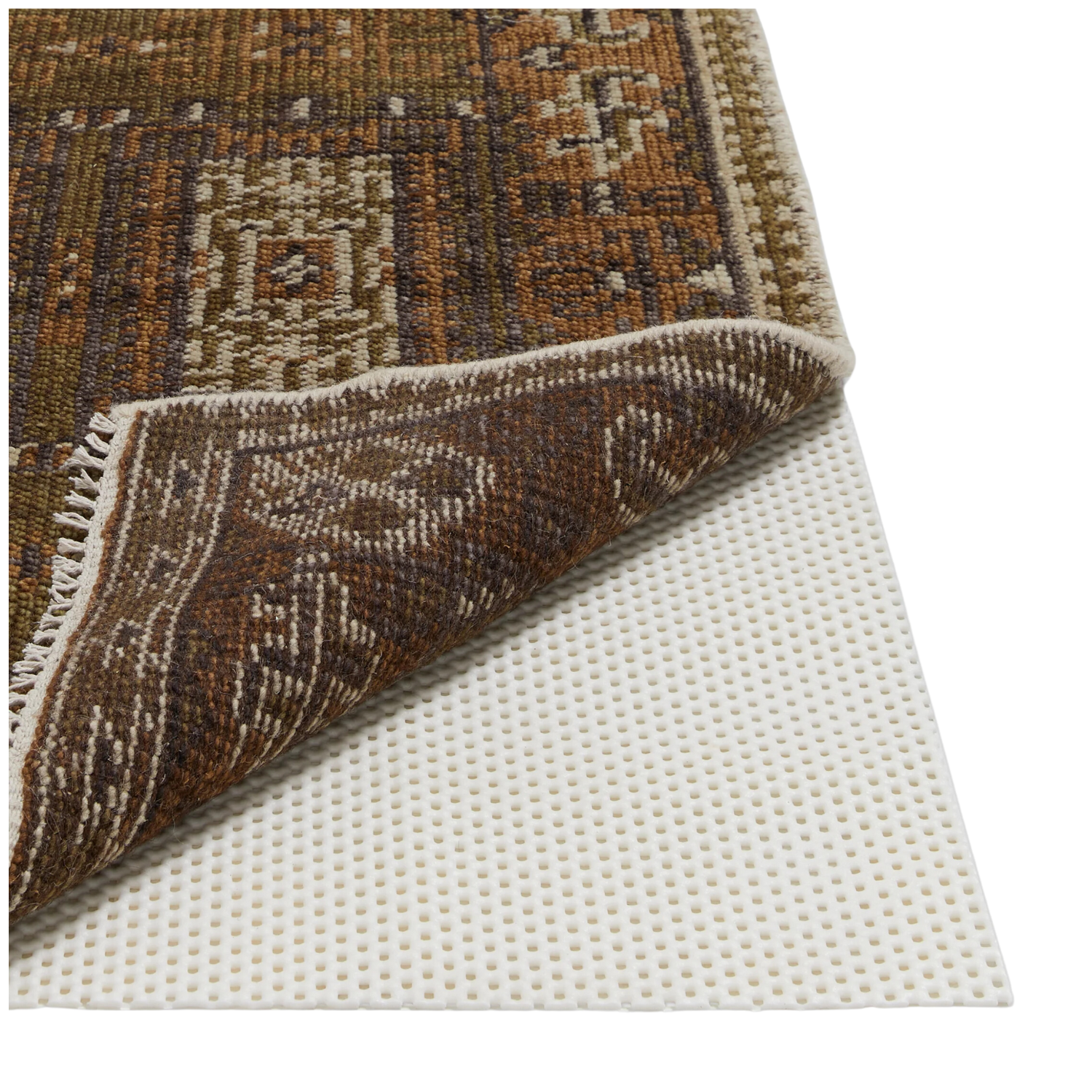
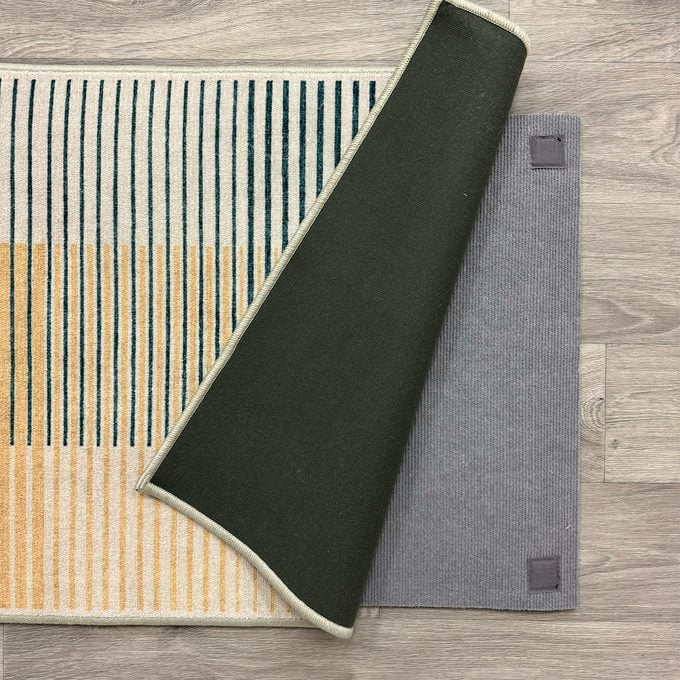
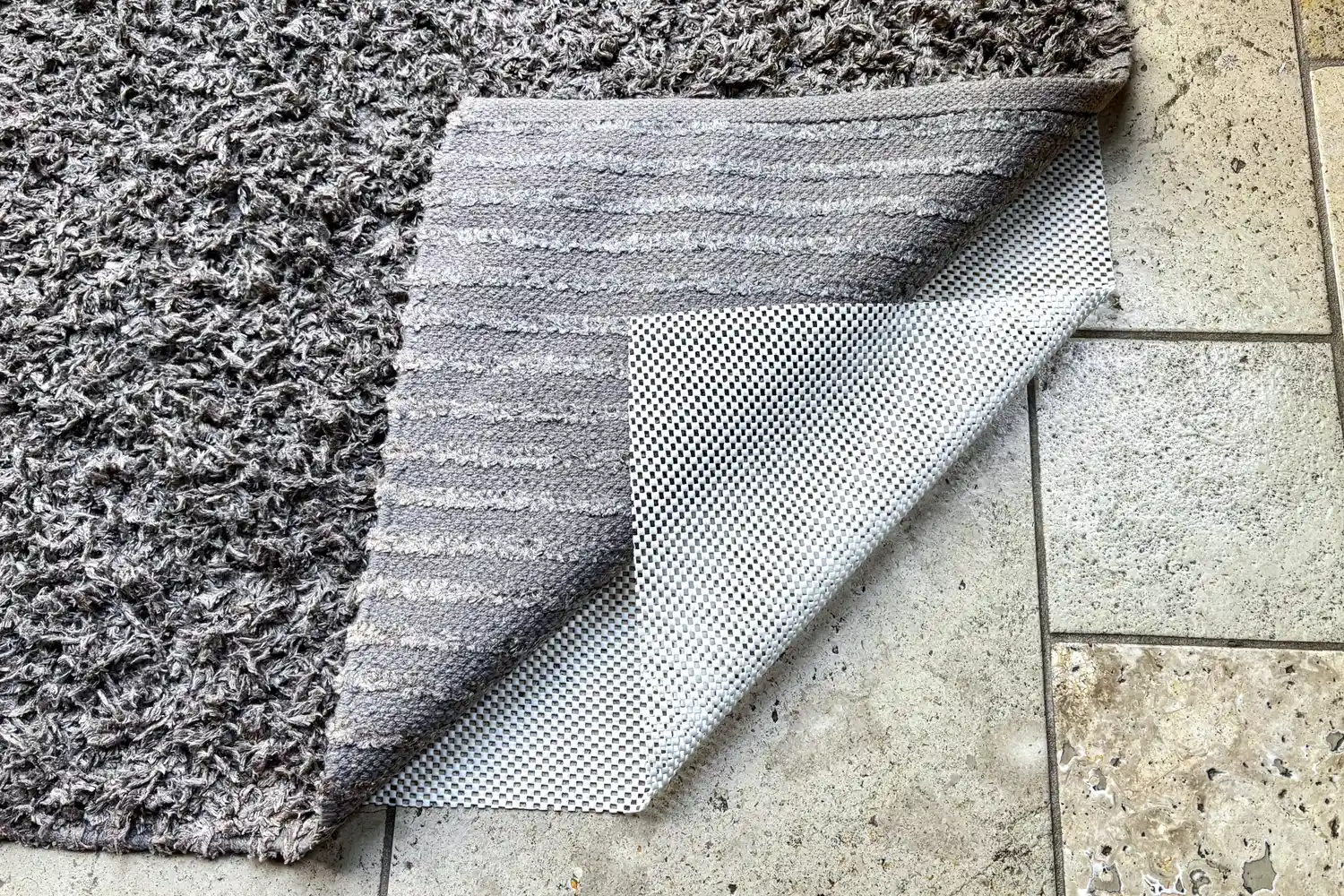
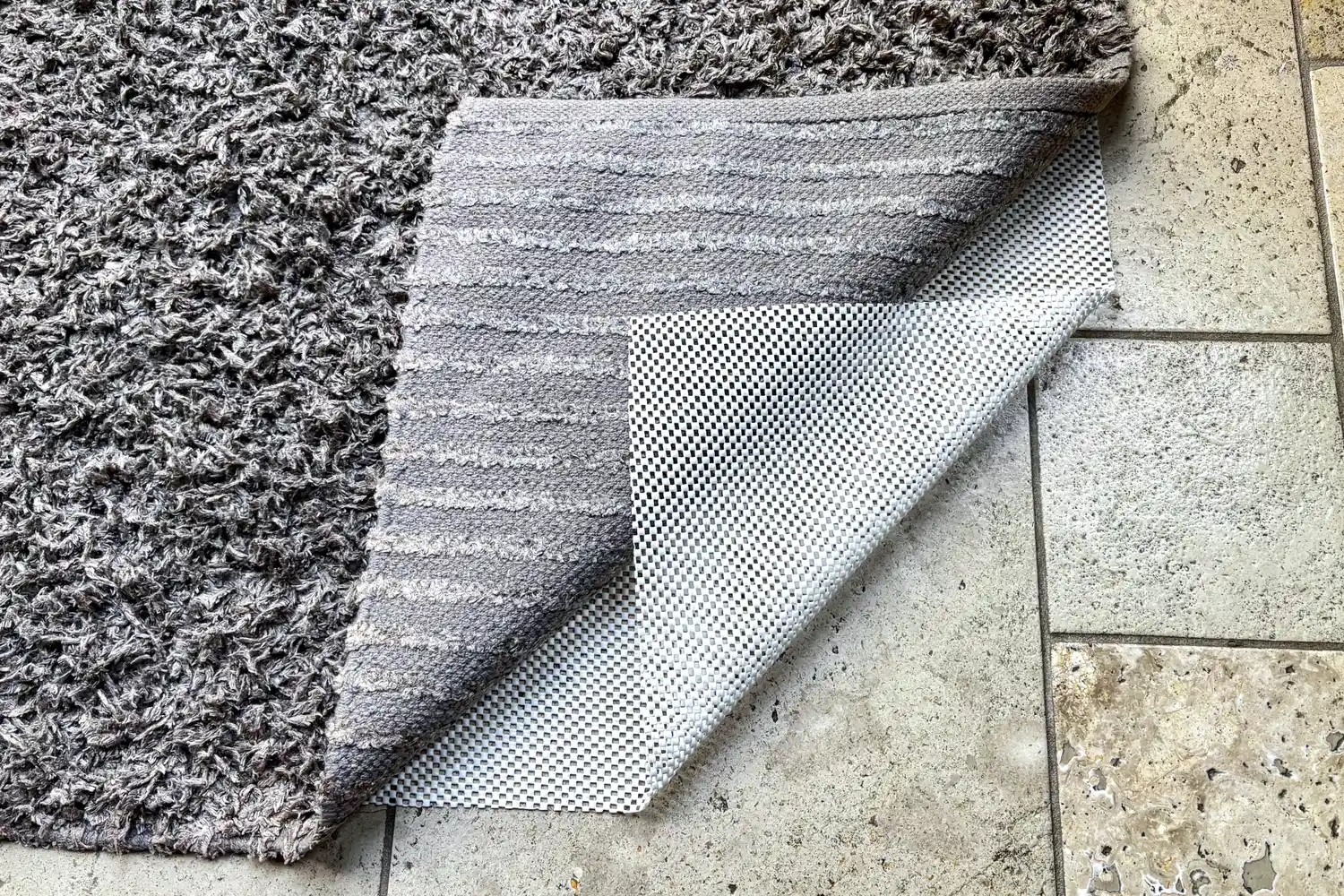
Polyester rug pads, though synthetic, provide an affordable and durable solution. Their open-weave construction and PVC coating ensure a sticky, non-slip grip while allowing for breathability. These are generally thin and utilitarian, designed to anchor rugs discreetly. Vinyl-based pads, often a blend of polyester and latex, are particularly suited for outdoor use due to their weather resistance and ability to dry easily. Their open-weave grid design effectively suctions rugs to surfaces like pavers or concrete patios, preventing movement and offering extra cushioning on solid ground. These can often be cut to fit custom shapes and sizes.
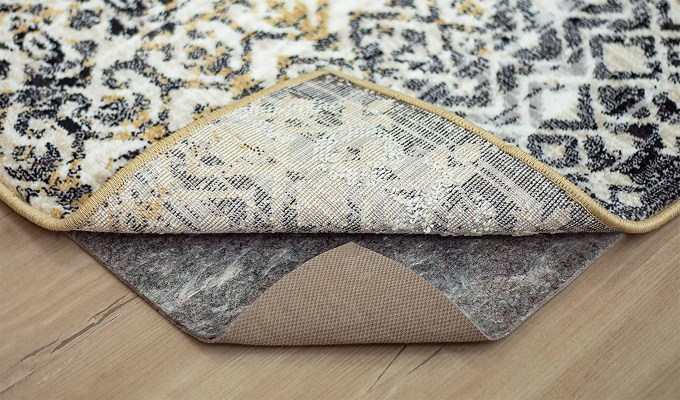
Blended rug pads, typically made from recycled fibers like polyester, polypropylene, and nylon, often incorporate a rubber and latex backing. These versatile pads are designed to work across various flooring types, including carpet, tile, laminate, wood, and even radiant heating. They are effective in keeping large rugs flat and in place and often come with benefits such as mold and mildew resistance and extended warranties.
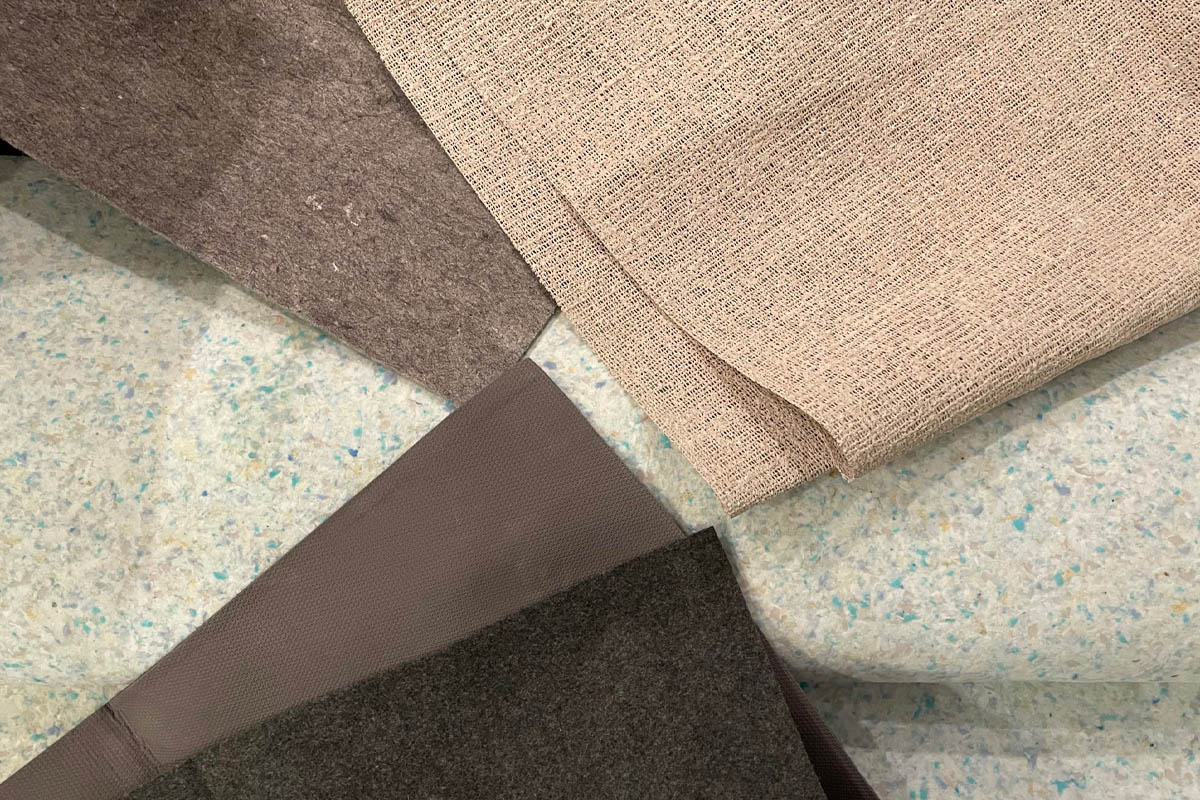
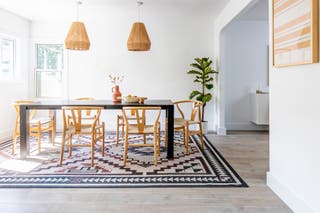
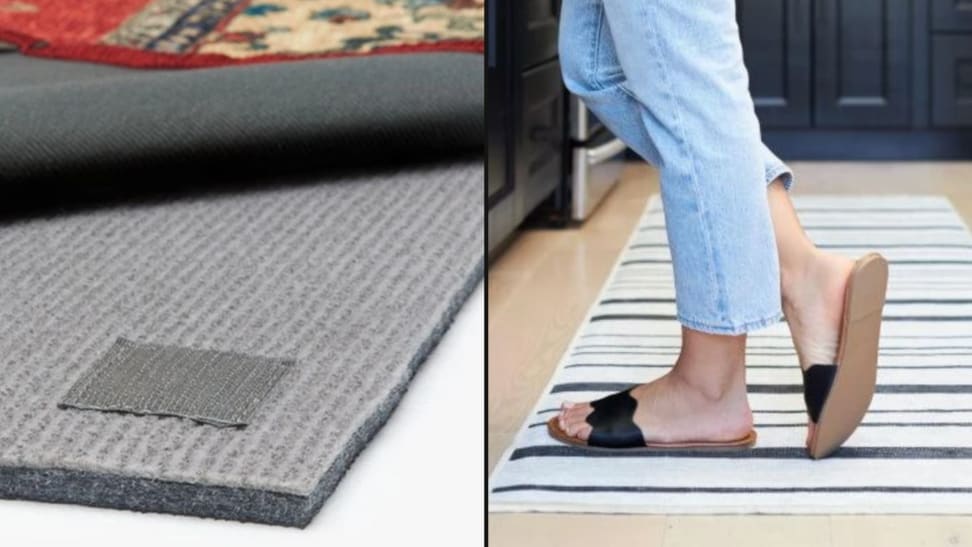
When choosing a rug pad, material and thickness are key considerations. Rubber is primary for grip, while felt adds cushion. Vinyl is weather-resistant and useful for outdoor settings or anchoring rugs over carpet, though checking compatibility with flooring manufacturers is recommended to avoid discoloration or damage. The thickness of a rug pad impacts both comfort and placement. Thinner pads are suitable for high-traffic areas, hallways, or near doorways, while thicker, more cushioned pads are preferred for living rooms, bedrooms, and nurseries where comfort is paramount. The rug's weave and the underlying flooring should also influence the thickness choice, as a very thick pad might make a flat-weave rug appear to float.
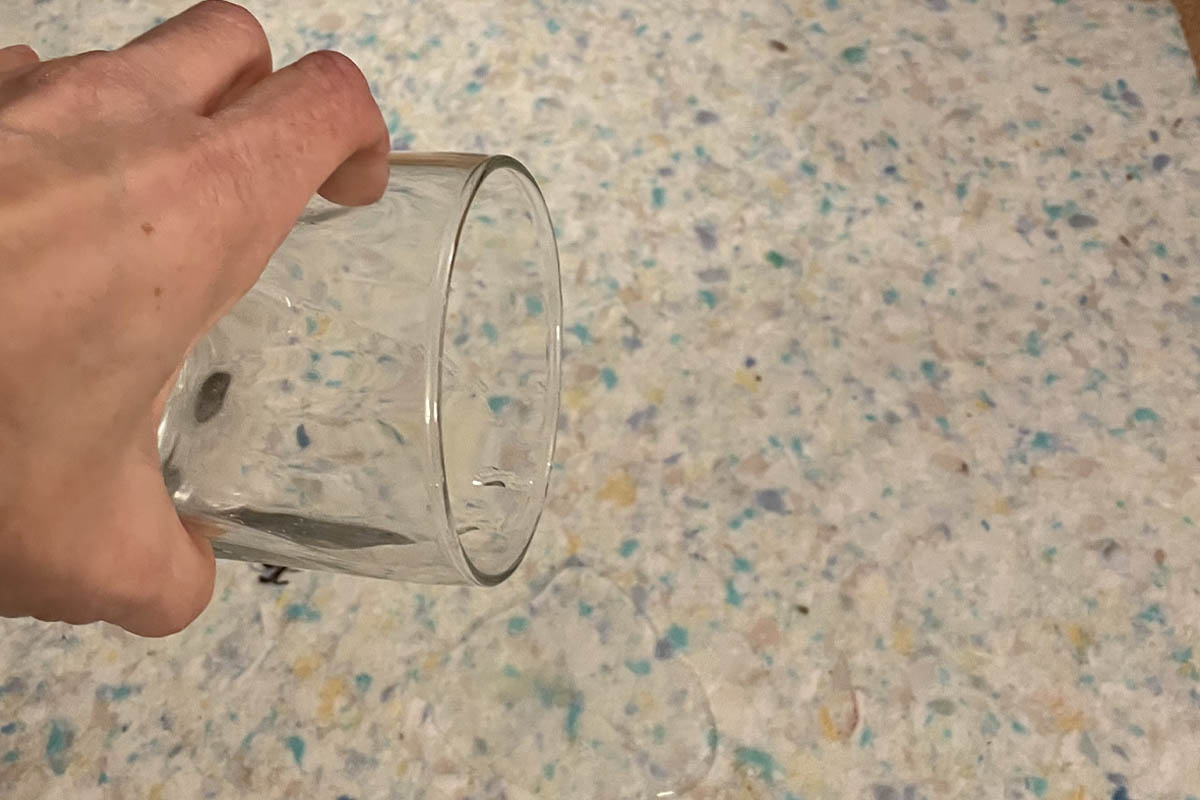
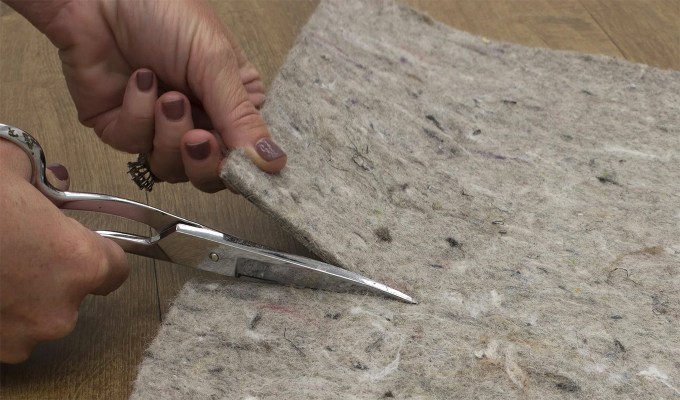
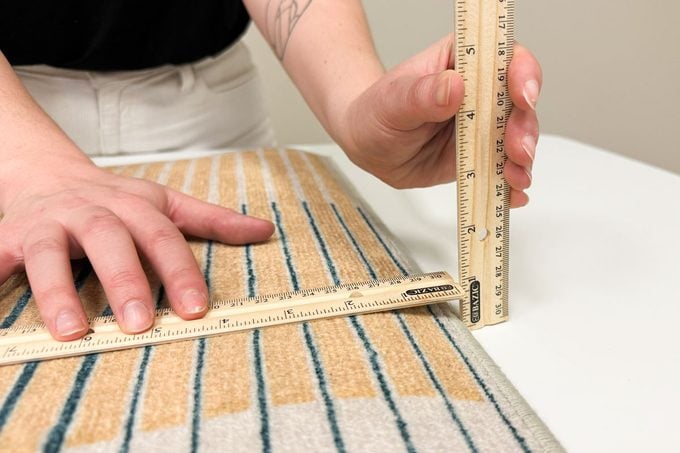
Texture also plays a role in grip, with open-weave constructions creating more tension, and waffle textures being effective for soft-on-soft applications. For sizing, a rug pad should be one to two inches smaller than the rug on all sides to prevent tripping hazards. Trimming a slightly larger pad to fit is a common practice. For households with kids and pets, selecting pads with moisture-blocking capabilities can provide an extra layer of protection against spills, especially over hardwood floors. Regular maintenance, such as annual vacuuming for solid pads and cleaning the floor beneath open-weave pads, helps maintain their effectiveness and cleanliness. If a rug still moves despite a pad, adding grippers or tape can offer additional stability.
#RugPads #HomeDecor #FloorProtection #InteriorDesign #RugMaintenance #ProductReview #HomeImprovement #ShoppingGuide #HomeStyling #RugPads #HomeDecor #FloorProtection #InteriorDesign #RugMaintenance #ProductReview #HomeImprovement #ShoppingGuide #HomeStyling
0 comment in total
 No comments yet
You may also like

The Best Rug Pads Are More Than a Buffer of Protection for Your Floor

The Best Rug Pads | Reviews by Wirecutter
Ruggable's washable rugs now come with built-in rug pads

The 10 Best Rug Pads for Any Floor and Carpet Type

The Best Rug Pads

Here Are 7 of the Best Rug Pads for Every Floor Type
Keep Rugs in Place—And Add Comfort, Too—With Our Top 9 Rug Pad Picks

Ruggable Kitchen Rug Review: Durable, Easy to Clean and Oh-So Stylish

News Flash: You're Buying the Wrong Rug Pad

We Tried the Best Rug Pads—These Ones Finally Stopped the Slipping

Carpet mistakes to avoid – 5 expert-approved tips to ensure perfect flooring

Updating Your Flooring Has Great ROI—This Option Will Outlast Carpet by Almost 100 Years

Do You Really Need a Rug Pad? Experts Weigh In

Ruggable's new Cushion Rug Pad is a cozy delight for hard floors

The Easy Upgrade That Will Protect Your Carpet From Chair Damage

The Best Mattress Pads of 2025: Top Picks From the Test Lab

We Tested the Best Rug Pads to Keep Your Home Safer and More Comfortable—Here Are Our Recommendations
5 Fail-Proof Ways to Stop Your Rugs From Sliding — And Clever Buys to Keep Them Flat, Too


Ruggable’s Washable Rugs: Why We Love Them (but Also Hate Them Sometimes)
We Tested Dozens of Rug Pads. These 9 Stayed Put the Best.