1/8
We Tested the Best Rug Pads to Keep Your Home Safer and More Comfortable—Here Are Our Recommendations
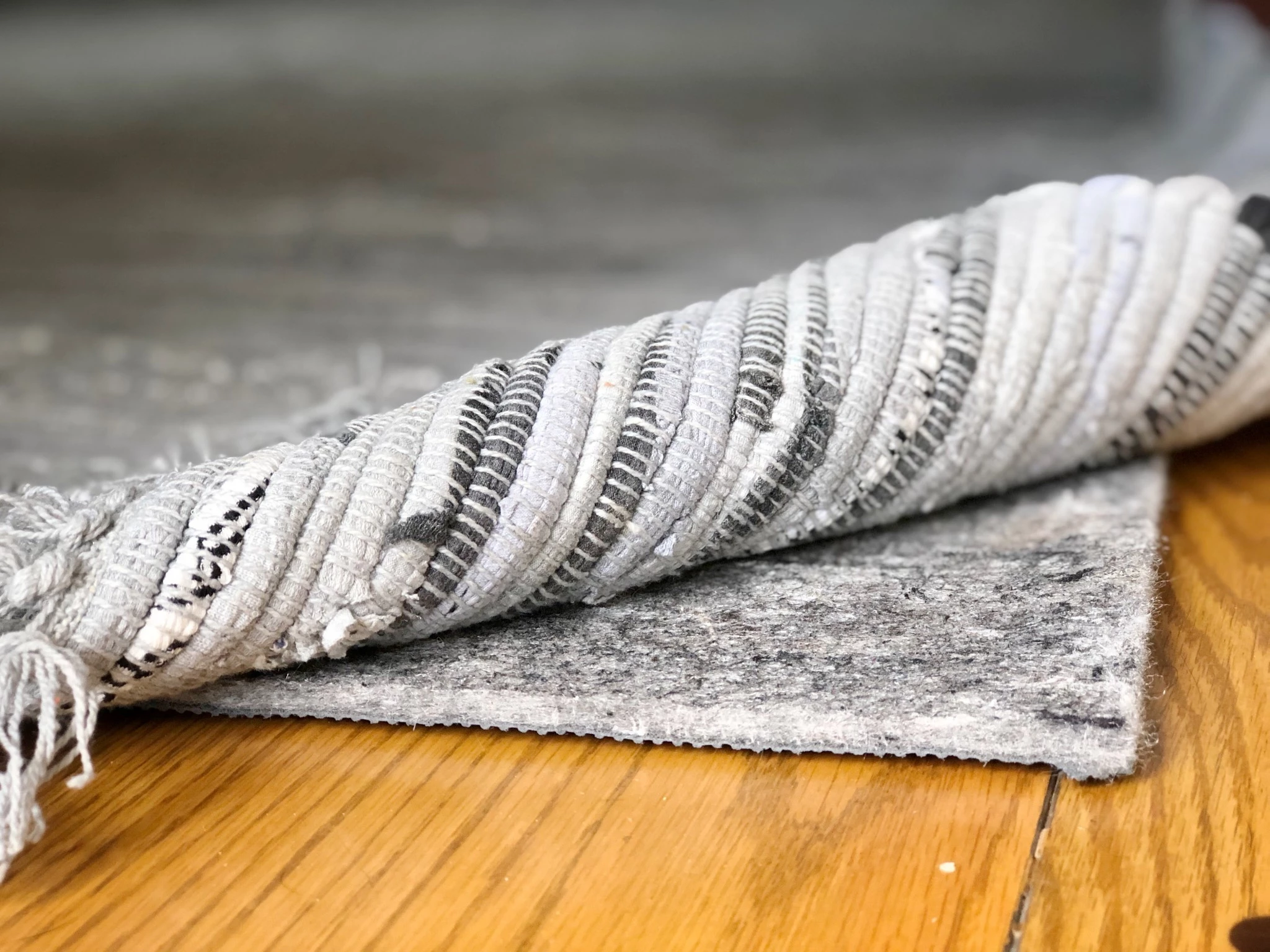
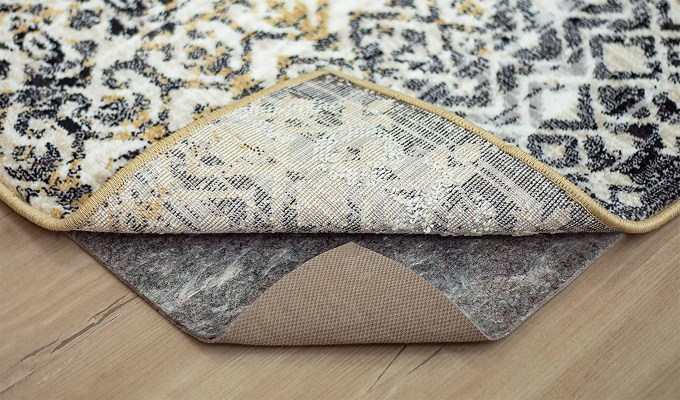
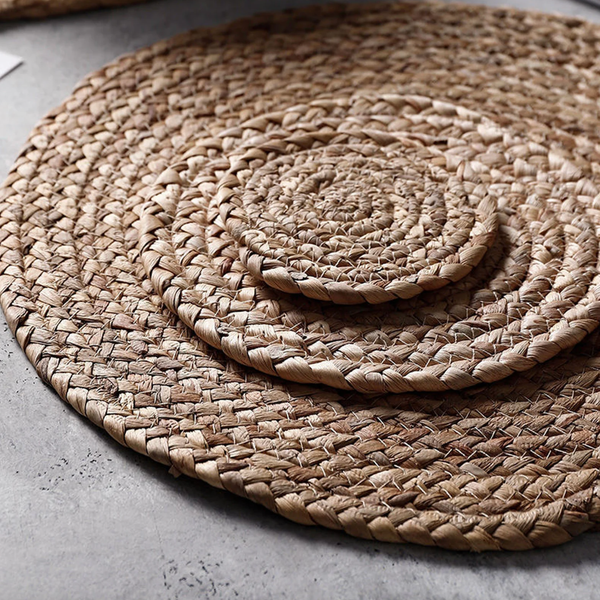
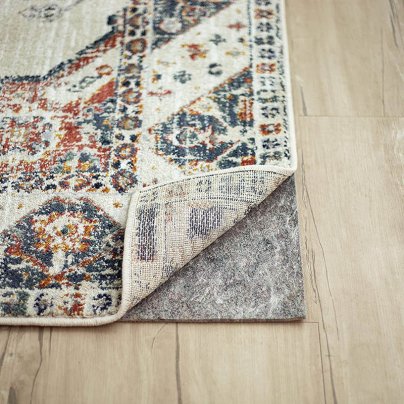
Area rugs enhance the warmth and aesthetic appeal of a room, but without proper rug pads, they can pose safety hazards and cause damage to flooring. Rug pads serve to secure area rugs, preventing them from sliding or bunching, thereby making a home safer. Depending on the material, rug pads can also offer additional cushioning and soundproofing benefits. This article provides a comprehensive review of top rug pad options, detailing their performance, materials, and suitability for various home environments.
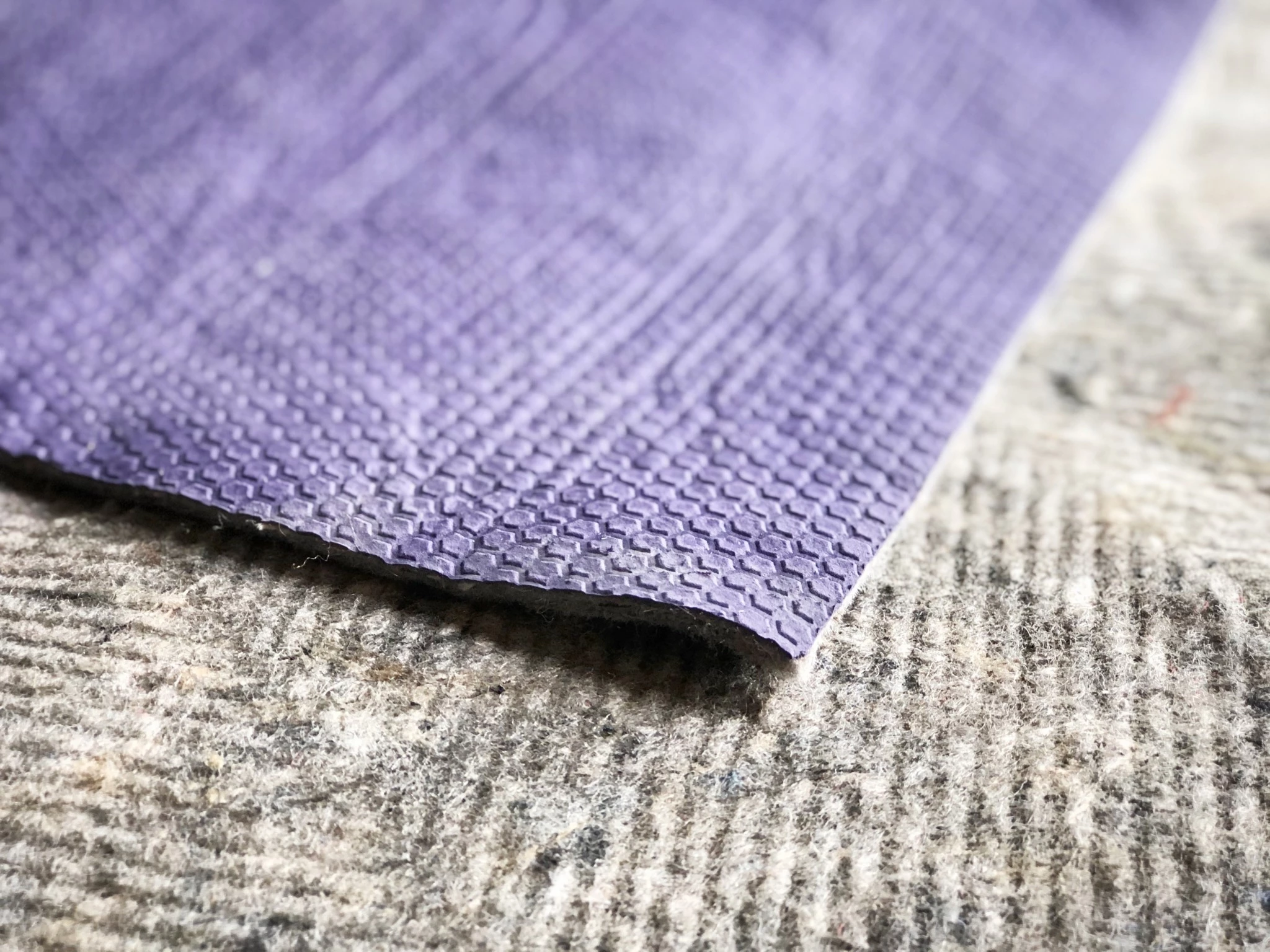
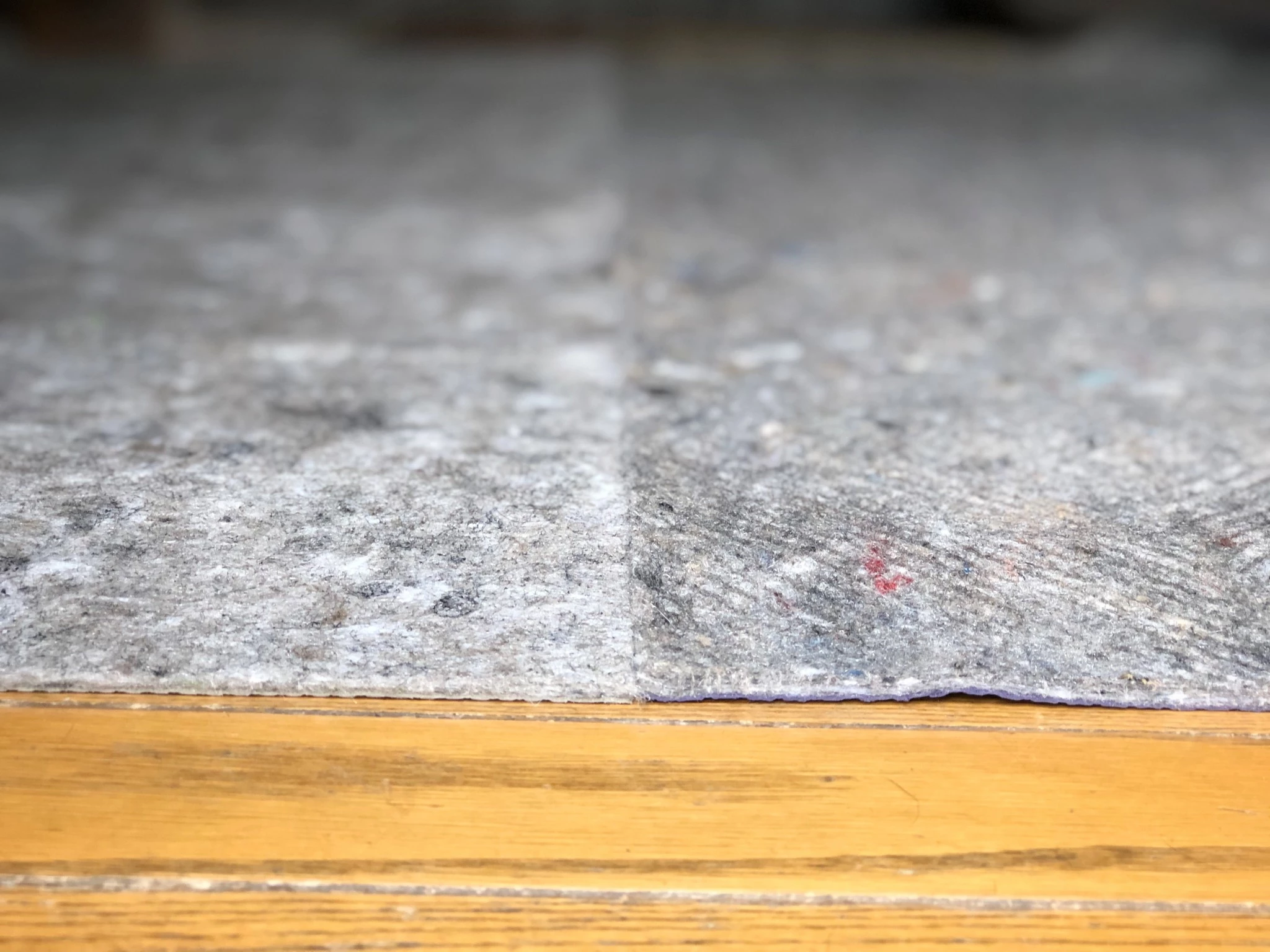
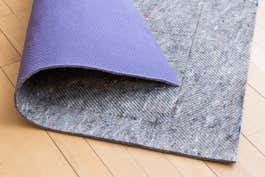
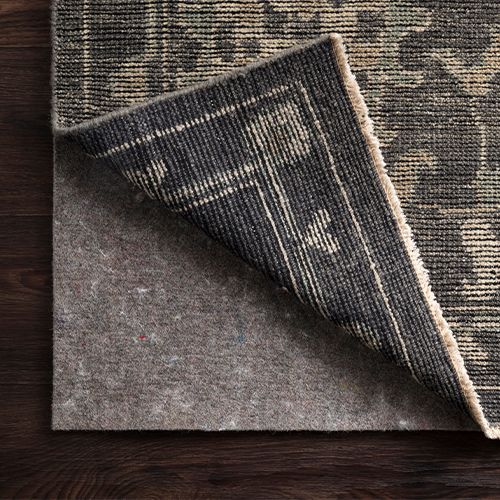
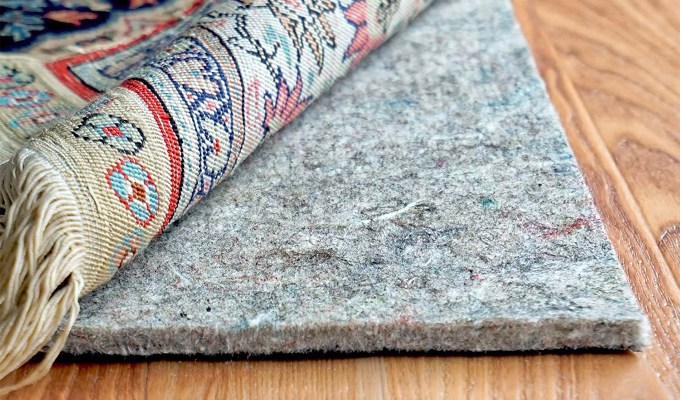
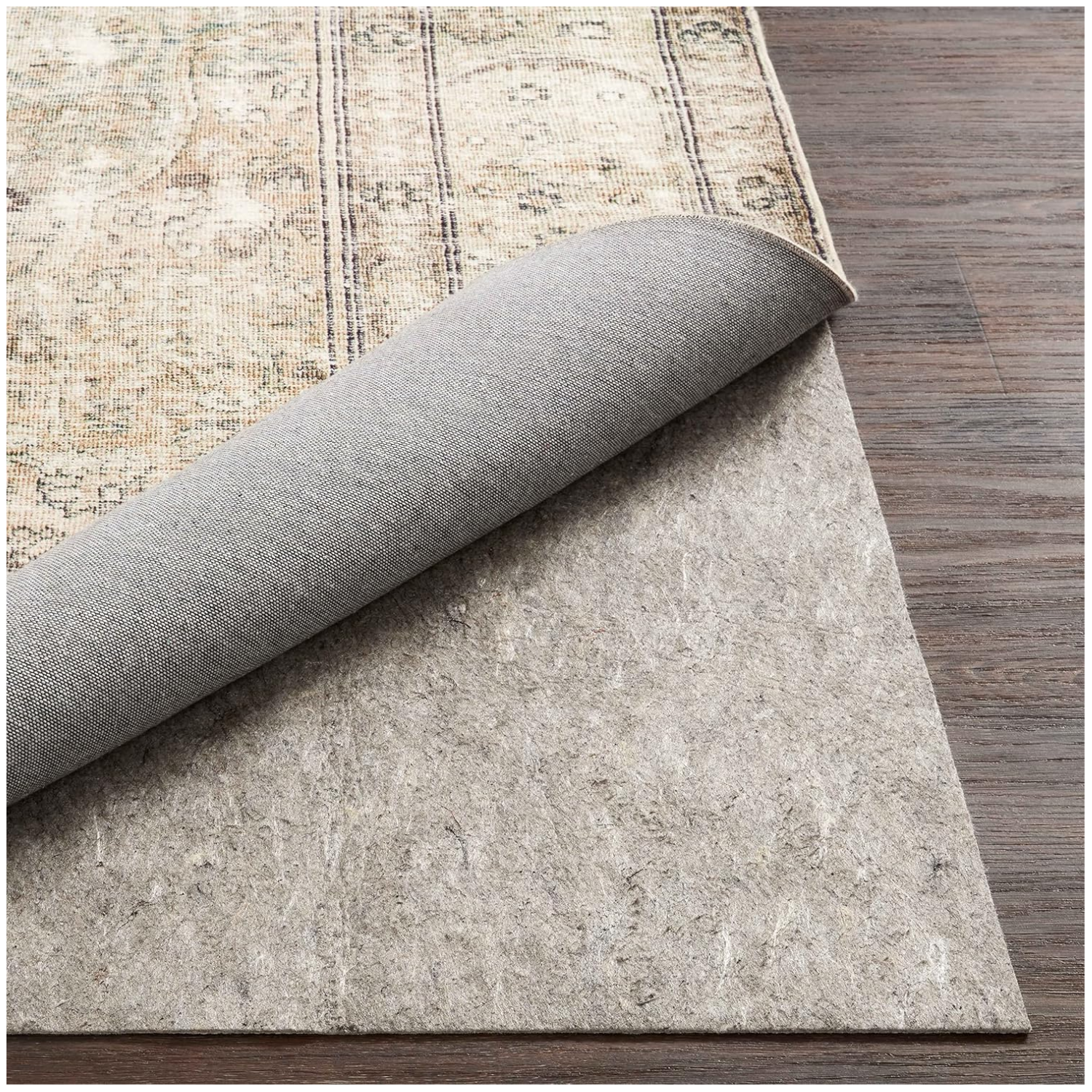
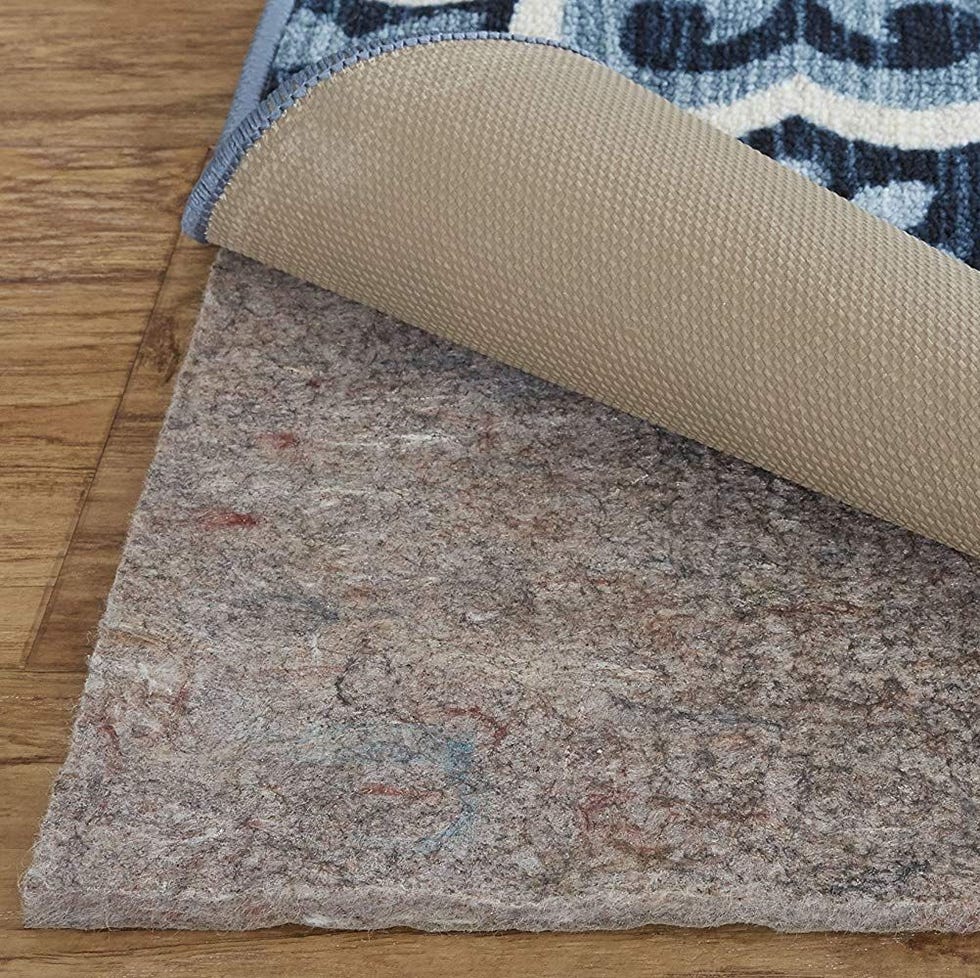
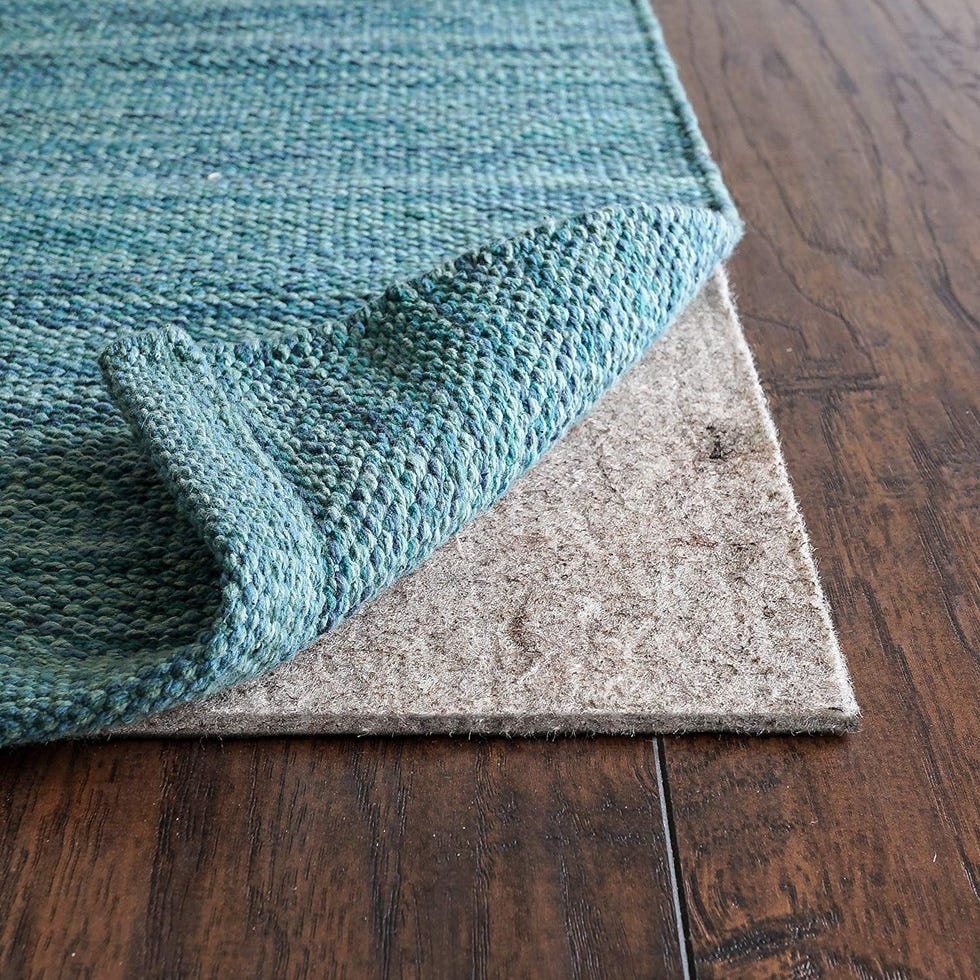
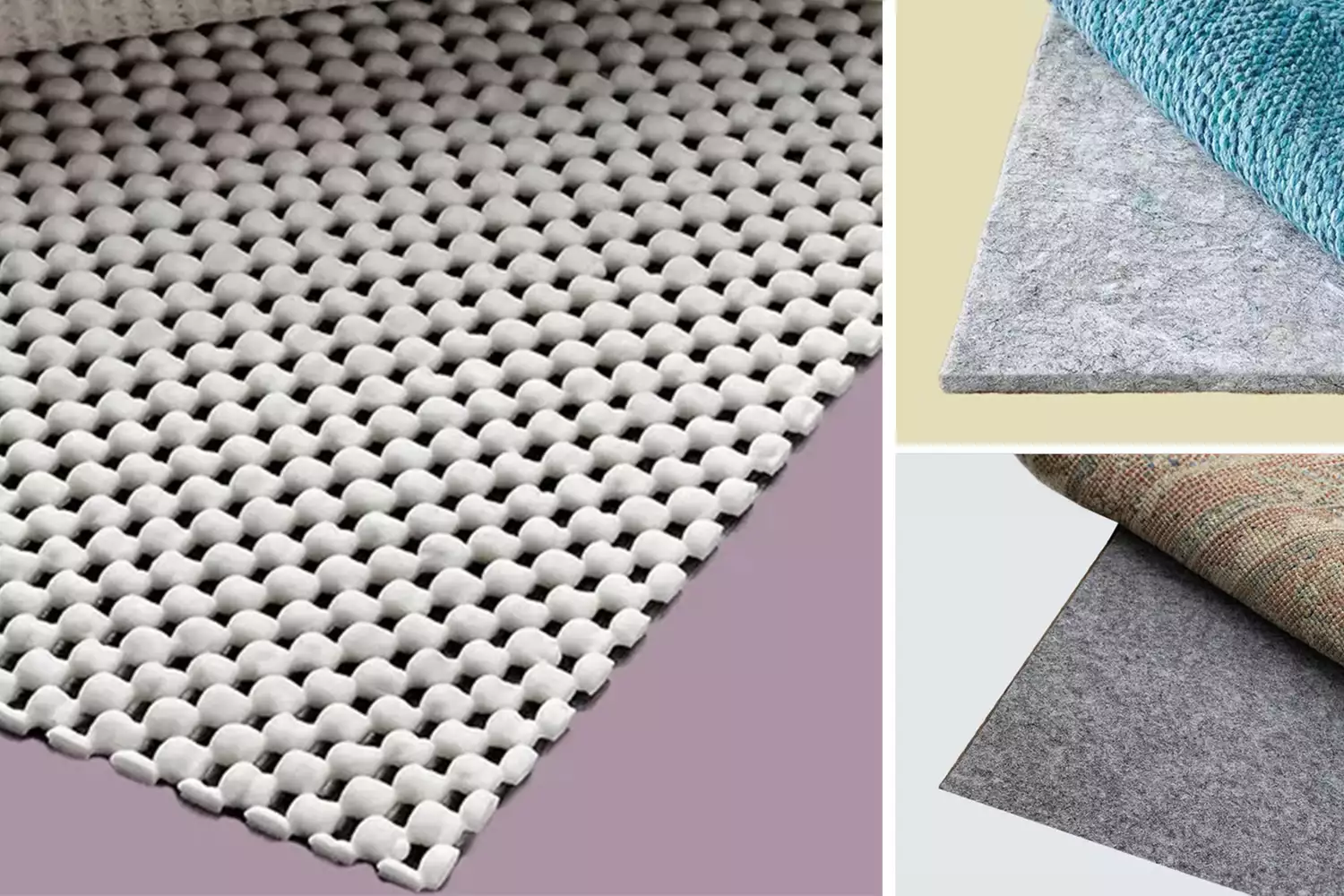
The Mohawk Home Dual Surface Rug Pad is highlighted as the best overall choice, available in 27 sizes. It features 100 percent recycled felt for cushioning and a latex rubber bottom for excellent grip. While bulky to handle and difficult to trim, its ¼-inch thickness provides substantial cushioning and stability on various flooring types, including carpeting, vinyl, and engineered hardwood. It also holds a Green Label Plus Certification for low chemical emissions.
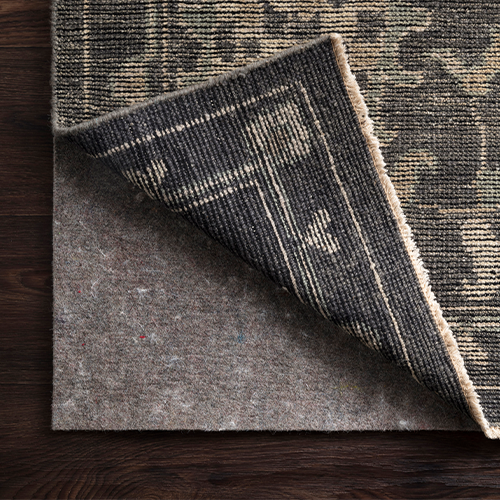
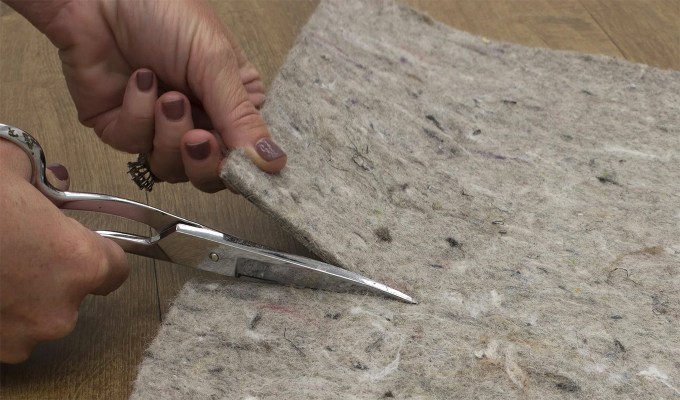
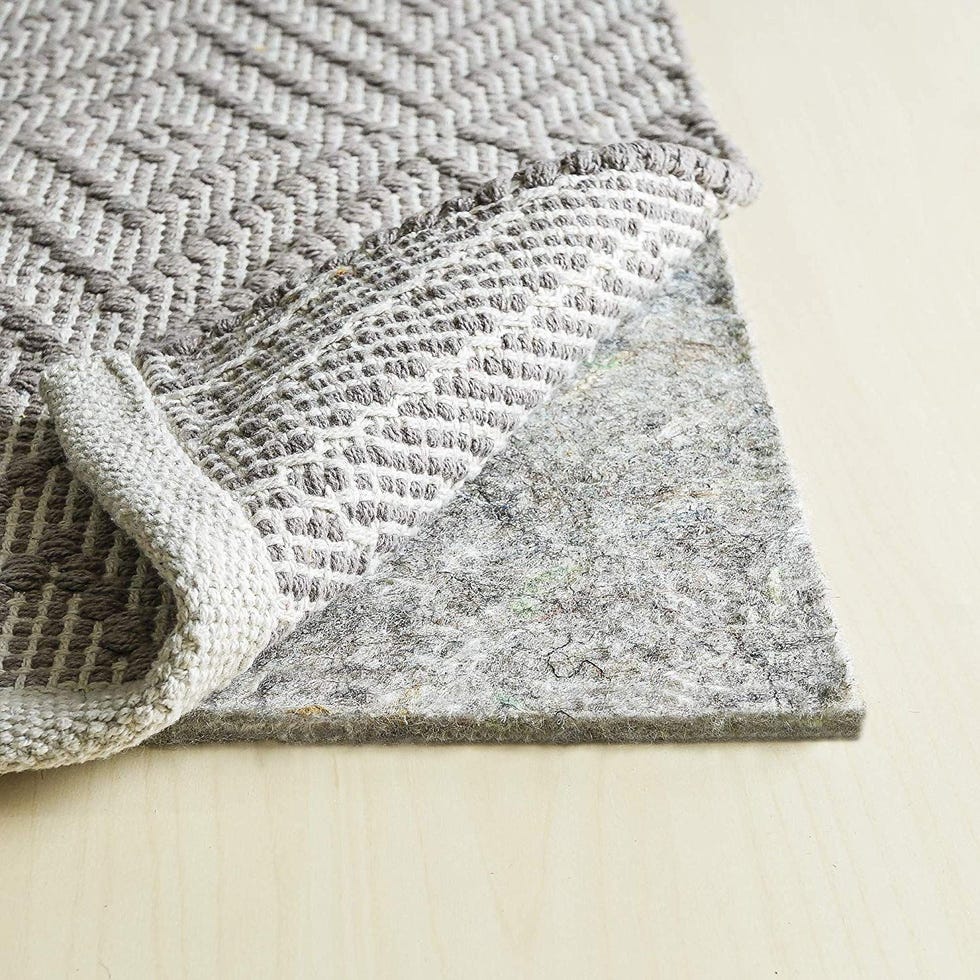
The Gorilla Grip Thick Felt and Natural Rubber Pad is recognized as the runner-up. This versatile rug pad combines a dense, needle-punched felt layer with a textured natural rubber bottom, offering both cushioning and effective grip. Made from 100 percent recycled, hypoallergenic, mold, and mildew-resistant materials, it is easy to cut for custom fits. However, it is not recommended for use on certain surfaces like carpet, vinyl, lacquered, acrylic, natural stone, porous, or refinished floors.
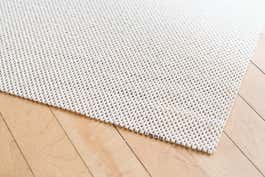
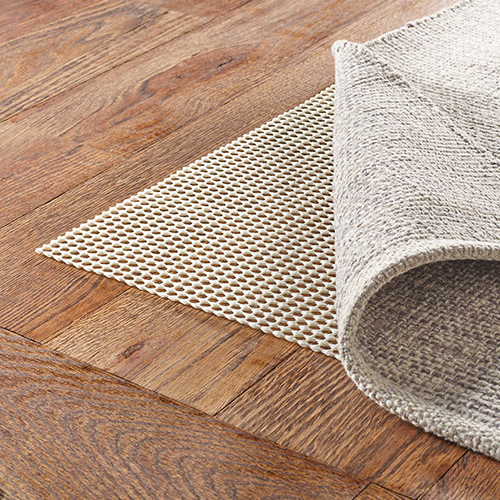
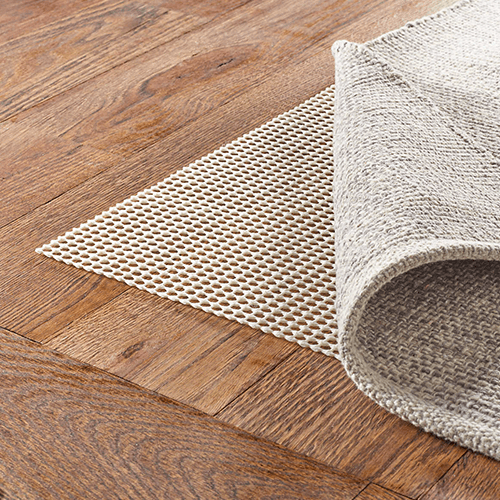
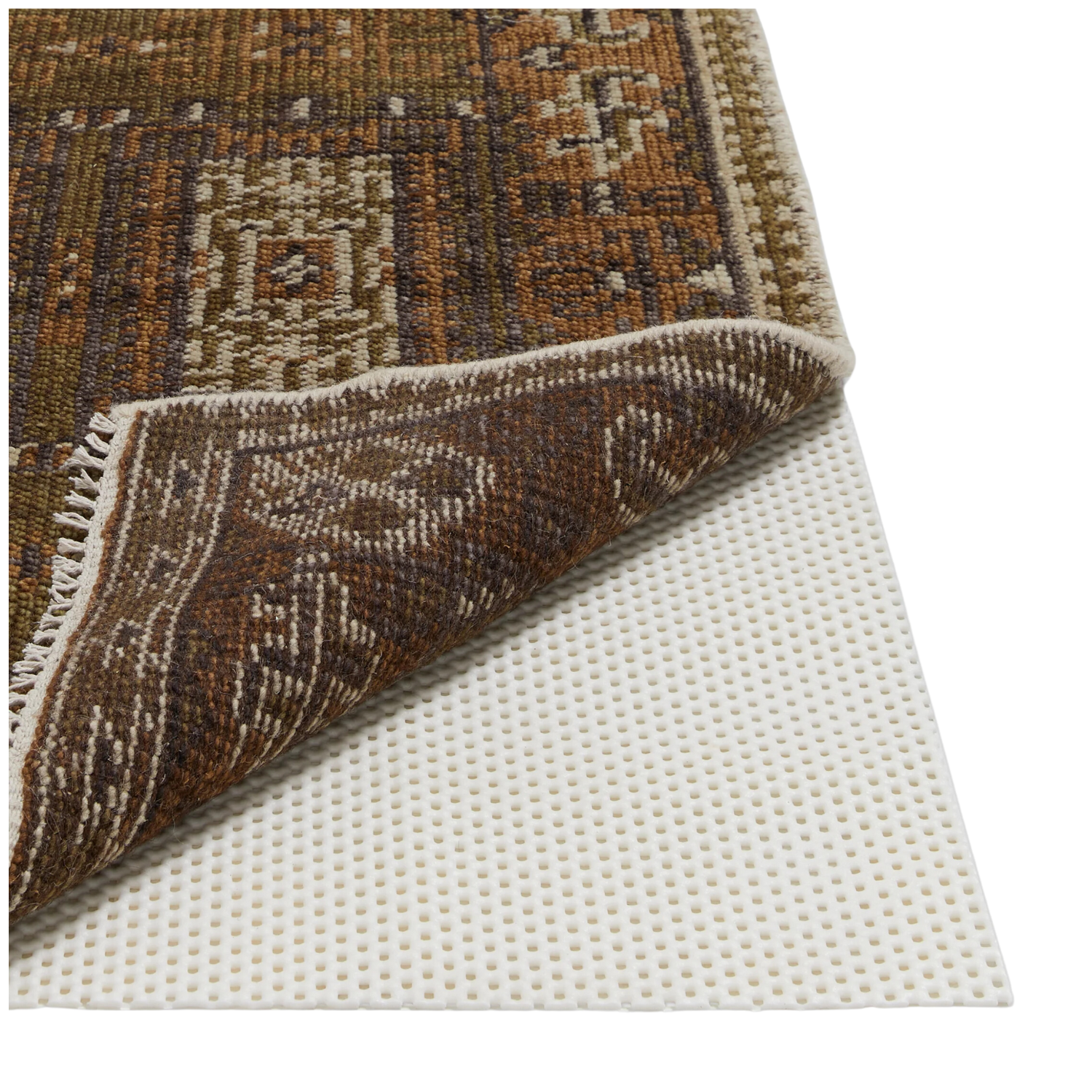
For eco-conscious consumers, the RUGPADUSA Nature’s Grip Eco-Friendly Non-Slip Rug Pad is the top choice. Constructed from 100 percent natural rubber and organic jute, it is free from chemicals and adhesives, reducing VOC emissions. Its 1/16-inch thickness and waffle design make it ideal for small rugs and runners that require minimal padding but strong grip. Initial rubber odor dissipates quickly, and the pad is easy to trim.
For waterproofing needs, the Carpenter Spillguard DuPont Barrier Rug Pad is recommended. This pad, made with visco-elastic memory foam, incorporates Spillguard Moisture Barrier technology to protect floors from liquid damage. The ½-inch thickness provides excellent cushioning, but it lacks a non-slip backing, making it more suitable for heavier rugs. It is easily cut to size.
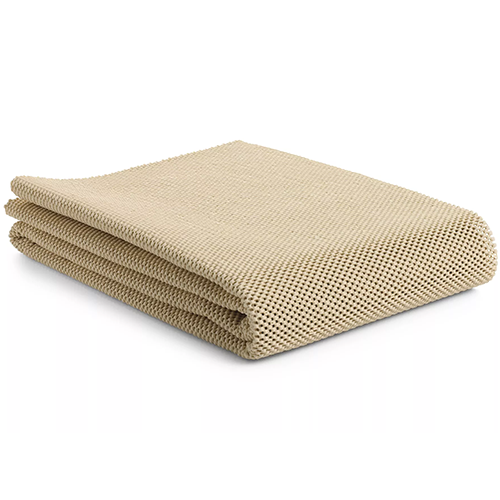
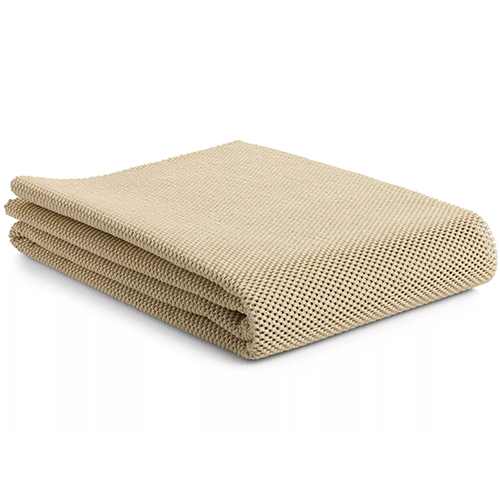
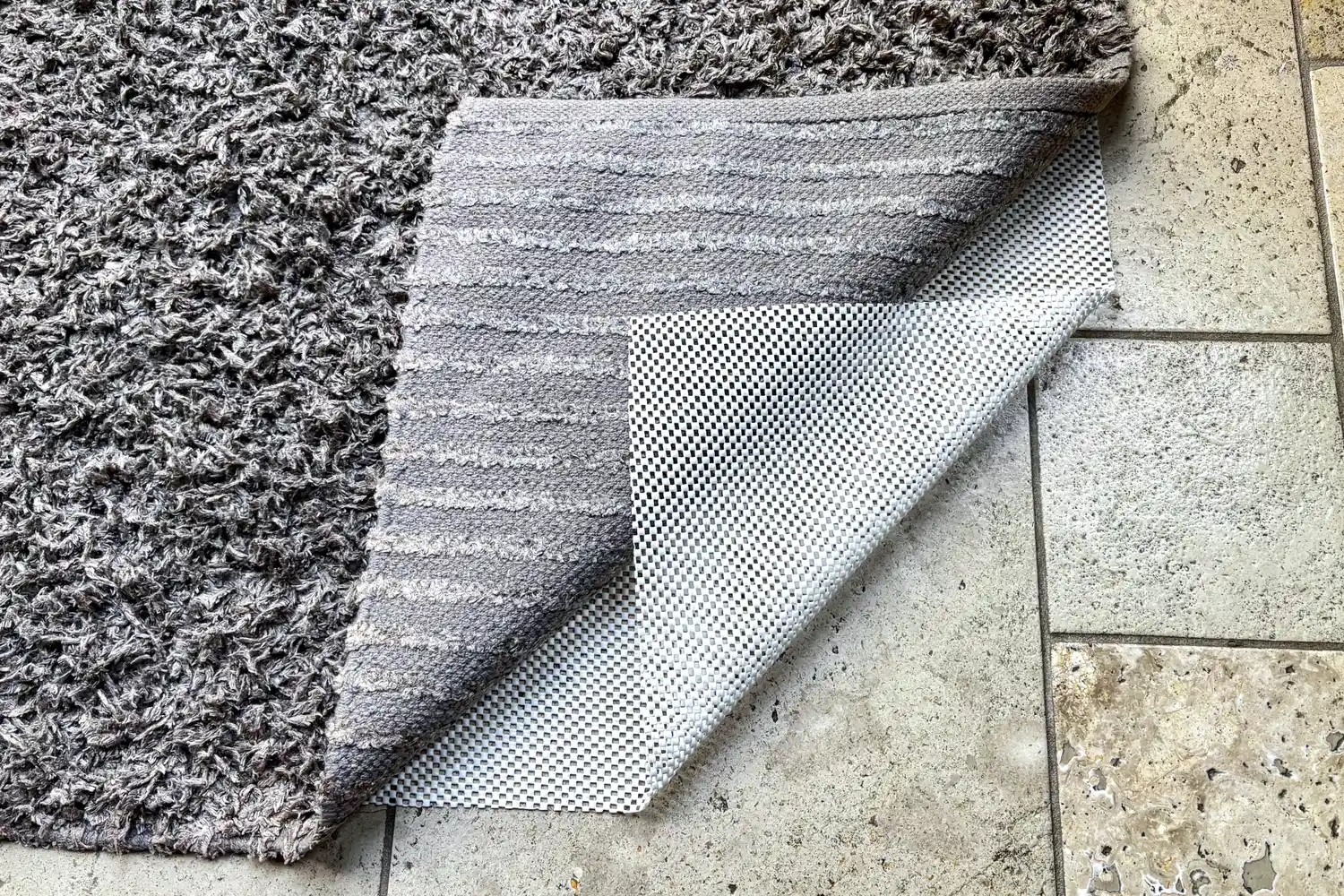
For outdoor applications, the iPrimio Non Slip Area Rug Pad is effective. Made of PVC foam, it is weather-resistant and its grid construction prevents water accumulation, making it suitable for harsh outdoor conditions. It offers light padding and is best used with heavier rugs, though its PVC composition means it may emit VOCs, suggesting outdoor use is preferable.
Rug pads come in various materials, each with distinct advantages. Felt pads provide cushioning and sound insulation, often combined with rubber for better grip. Natural rubber pads are eco-friendly, thin, and ideal for wet areas, but quality can vary with fillers. Memory foam offers luxurious cushioning, often paired with rubber for stability. PVC pads are inexpensive but can emit VOCs and potentially damage floors, making them more suitable for outdoor use. Latex pads are a budget-friendly alternative to rubber but may leave residue over time. Hybrid pads combine materials like felt and rubber for comprehensive benefits, such as cushioning and superior grip. Key considerations when choosing a rug pad include its purpose (cushioning or safety), thickness, grip strength, dimensions (should be 1-2 inches smaller than the rug), and eco-friendliness. Additional features like soundproofing and waterproofing can also influence selection. Rug pads protect floors and rugs, prevent slips and falls, provide cushioning, enhance soundproofing, and simplify vacuuming.
#RugPads #HomeSafety #InteriorDesign #FlooringProtection #HomeComfort #EcoFriendlyProducts #RugCare #ProductReview #RugPads #HomeSafety #InteriorDesign #FlooringProtection #HomeComfort #EcoFriendlyProducts #RugCare #ProductReview
0 comment in total
 No comments yet
You may also like
The Best Rug Pads

Here Are 7 of the Best Rug Pads for Every Floor Type
The Best Mattress Pads of 2025: Top Picks From the Test Lab

We Tried the Best Rug Pads—These Ones Finally Stopped the Slipping

The Best Rug Pads | Reviews by Wirecutter
5 Fail-Proof Ways to Stop Your Rugs From Sliding — And Clever Buys to Keep Them Flat, Too

The 10 Best Rug Pads for Any Floor and Carpet Type

The Best Rugs for Your Kitchen Area, According to Our Product Testing Team


The Best Rug Pads Are More Than a Buffer of Protection for Your Floor

We Tested Dozens of Rug Pads. These 9 Stayed Put the Best.

The Best Kitchen Rugs to Spruce Up Your Space: Tested and Reviewed

The 15 Best Nursery Room Rugs That Are Cozy, Cute & Kid-Safe, According to a Design Pro

Keep Rugs in Place—And Add Comfort, Too—With Our Top 9 Rug Pad Picks
News Flash: You're Buying the Wrong Rug Pad


The Very Best Place Mats, According to People Whose Taste We Trust
6 best washable rugs for busy homes and pet owners, tried and tested


The Best Rug Pads Are More Than a Buffer of Protection for Your Floor

Ruggable's new Cushion Rug Pad is a cozy delight for hard floors

Best mattress protectors to keep your bed in top condition, tried and tested

Do You Really Need a Rug Pad? Experts Weigh In