11 Solutions to Keep Rugs from Slipping and Sliding
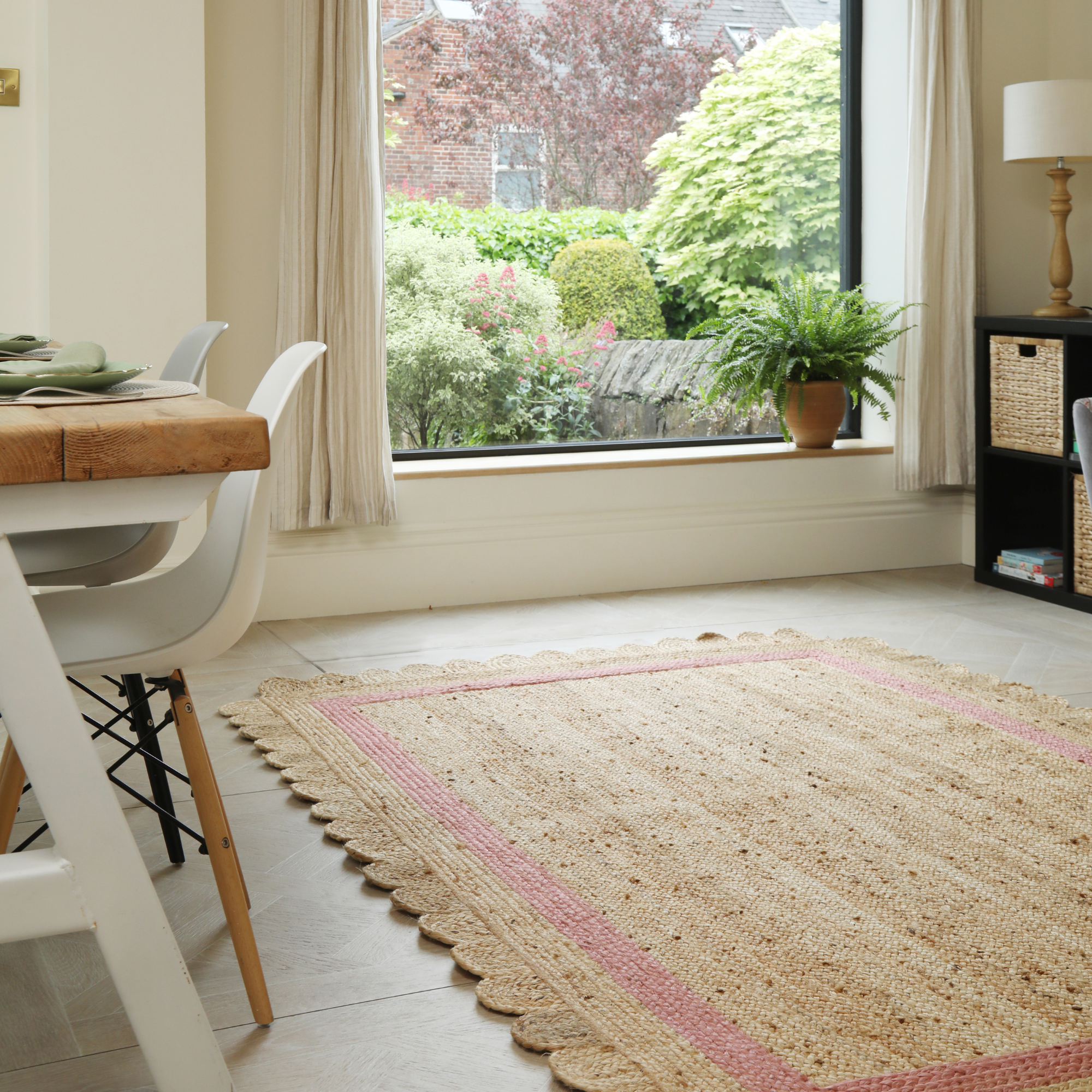
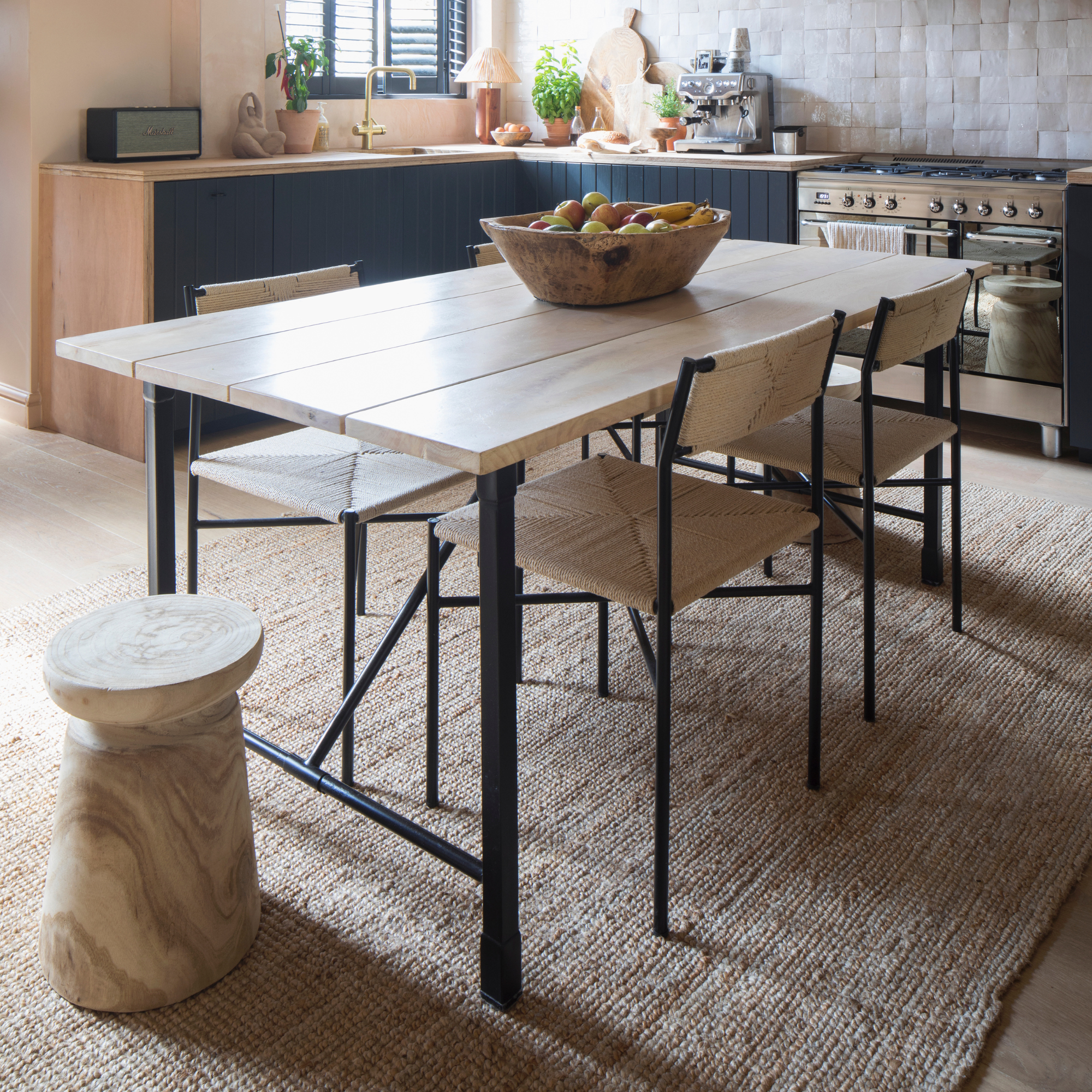
Rugs, while aesthetically pleasing and functional, can pose a safety hazard if they slide or slip, especially on hard surface floors. This article explores eleven effective methods to prevent rugs from sliding, ensuring both the longevity of the rug and the safety of those in the home. These solutions range from various types of rug pads to tapes, caulking, and even specialized pins, offering options for different rug sizes, floor types, and budgets.
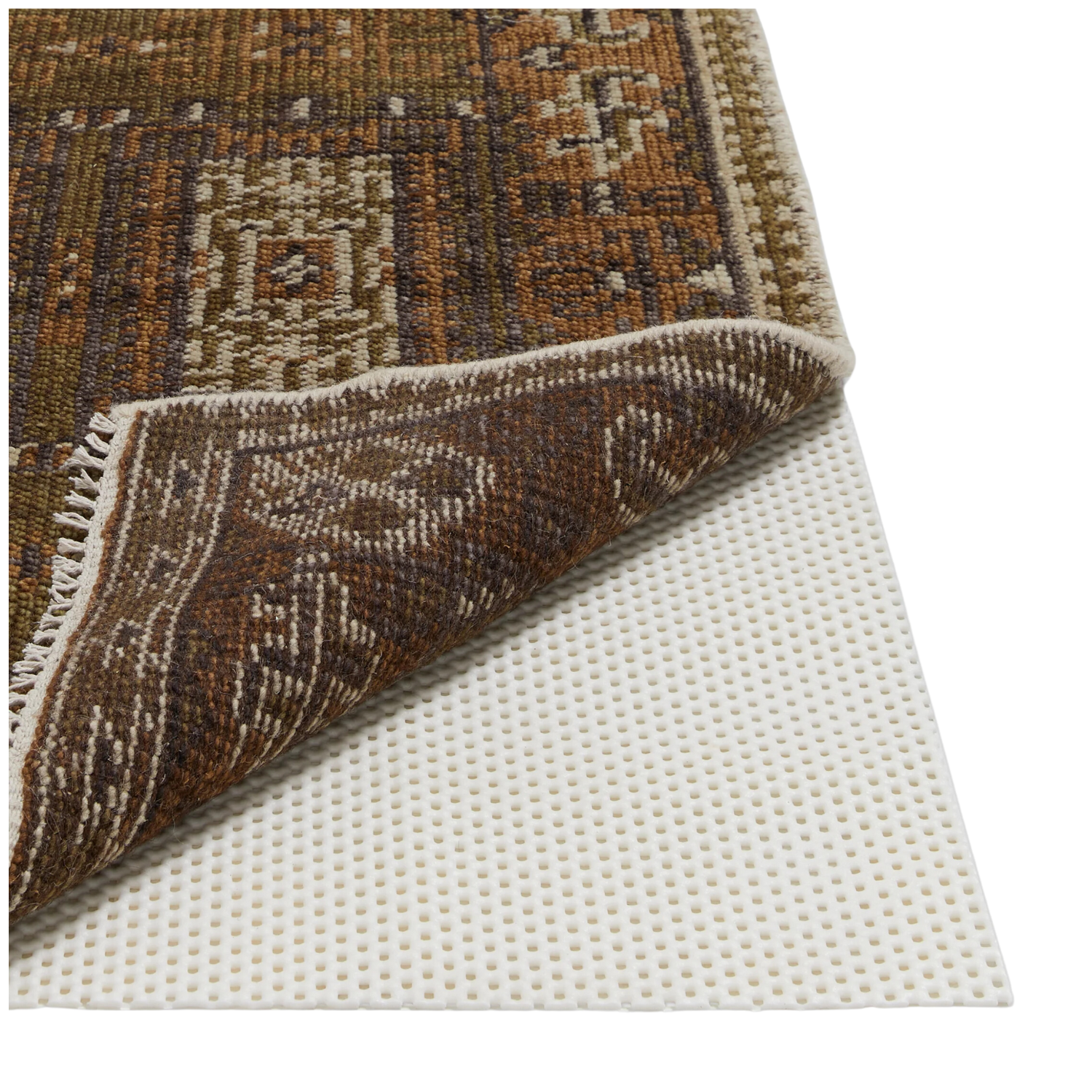
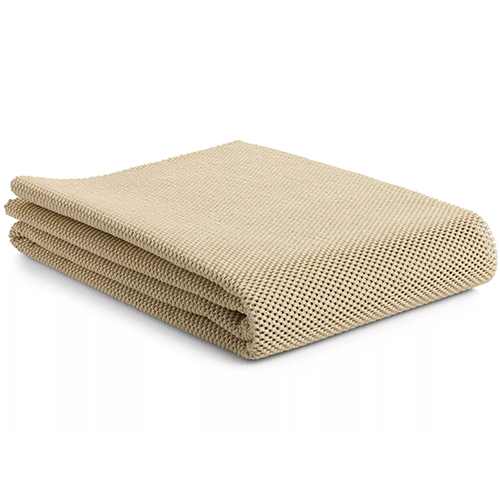
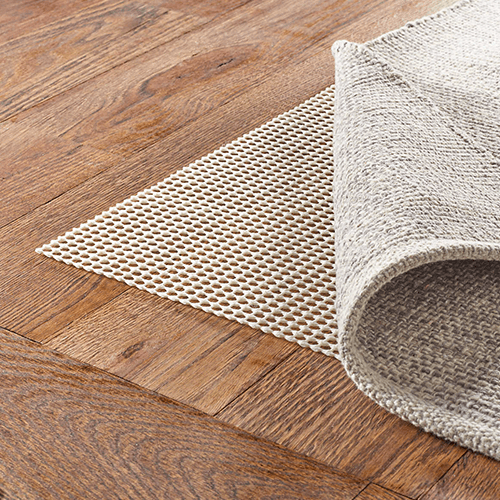
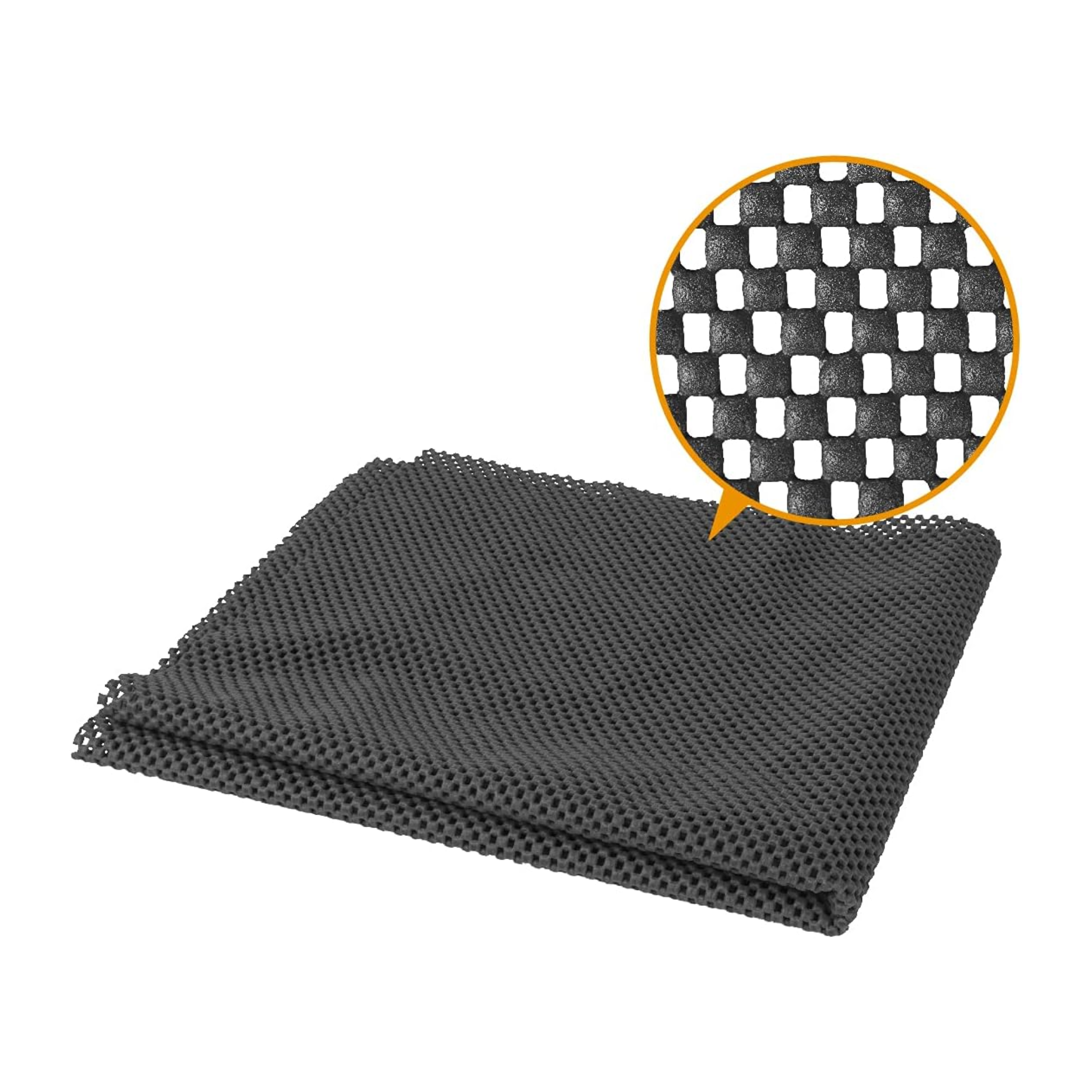
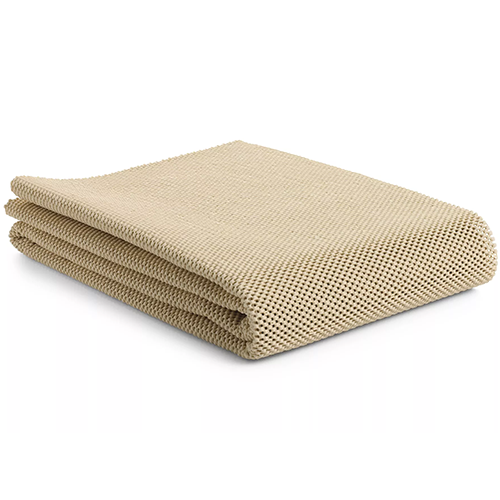
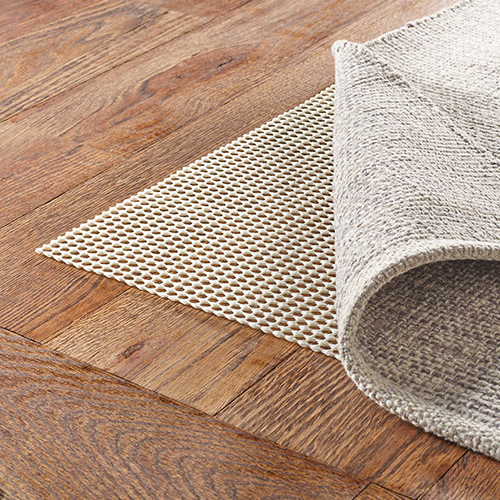
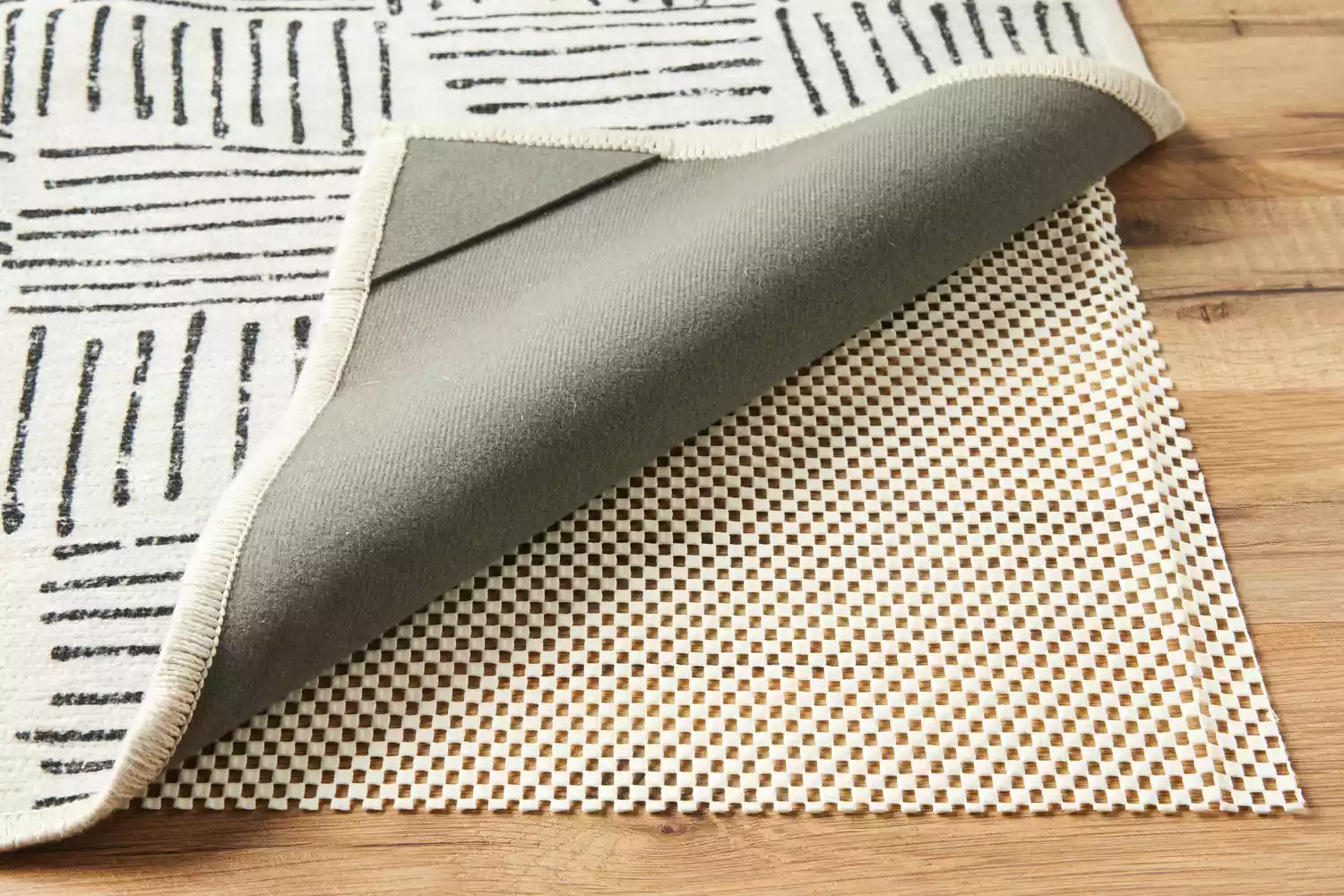
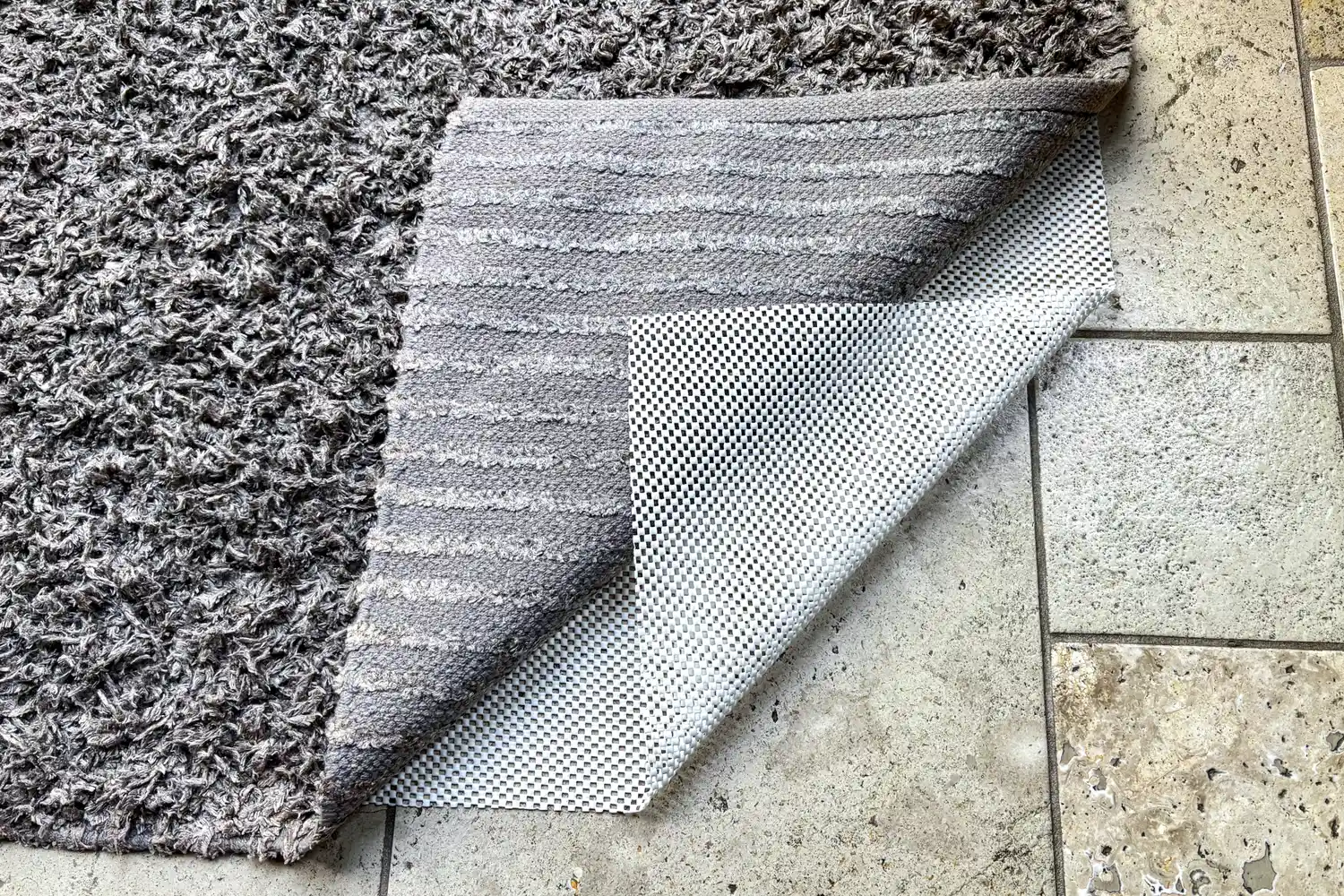
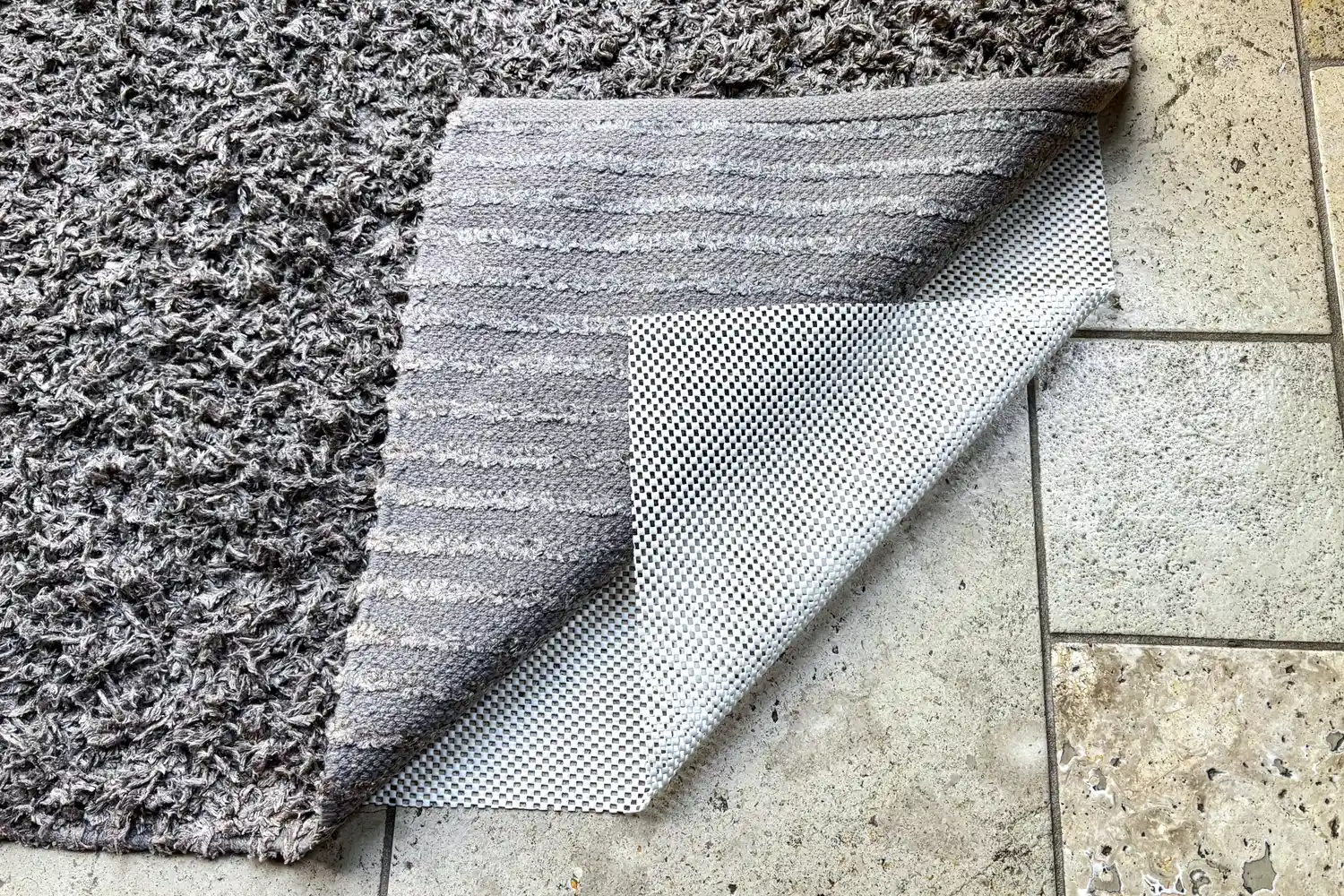
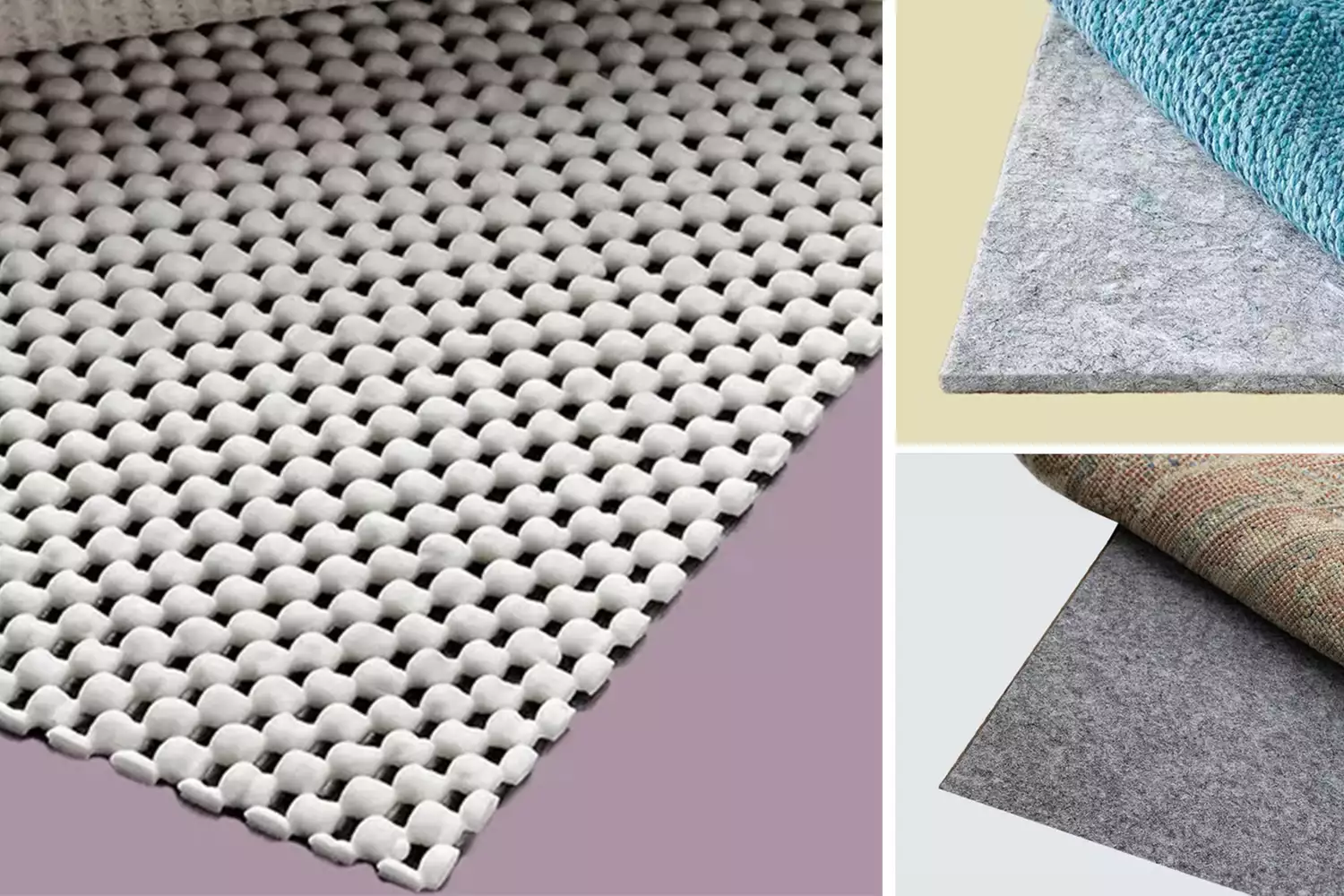
One of the most common solutions is the use of rubber waffle rug pads. These thin, pre-cut pads are affordable and easy to install, effectively keeping rugs in place on hard surfaces. However, they offer minimal cushioning and their gripping quality can diminish over time due to dust accumulation. A significant drawback is that the plastics in these pads can bond with hardwood floor sealants, potentially causing permanent damage upon removal. Similarly, rubberized shelf liner can be used, offering a less expensive but thinner alternative. It shares the same risk of reacting with floor finishes, requiring caution in its application.
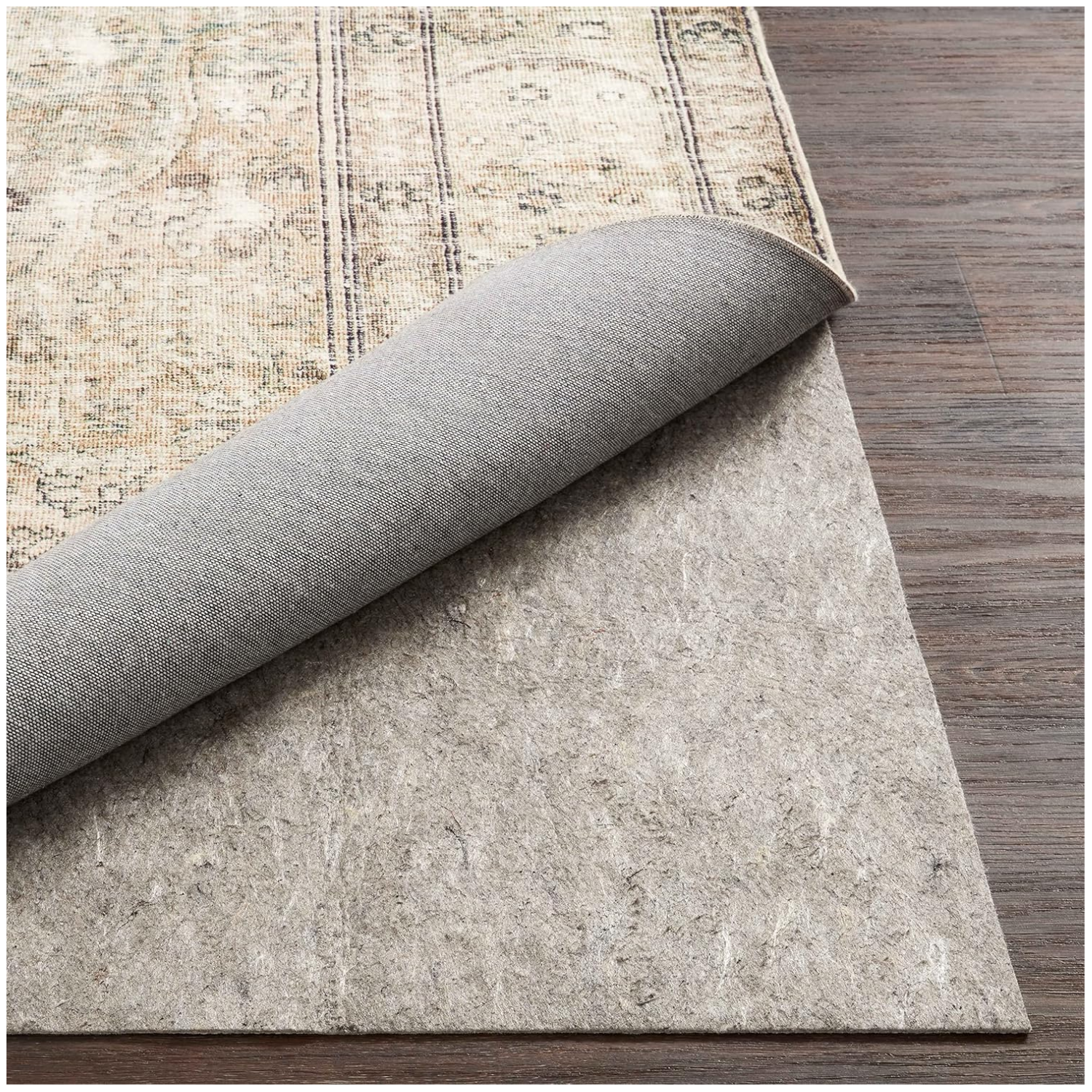
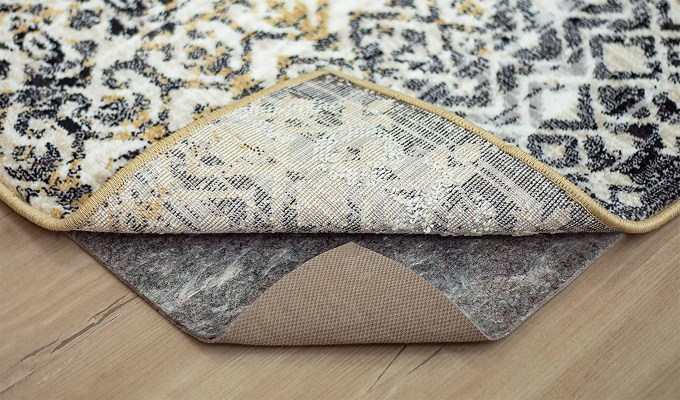
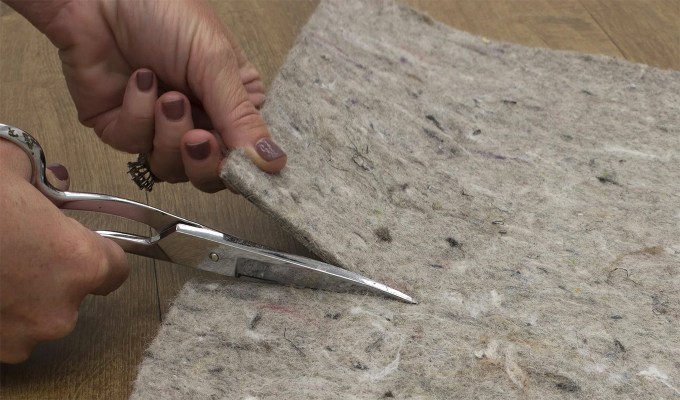
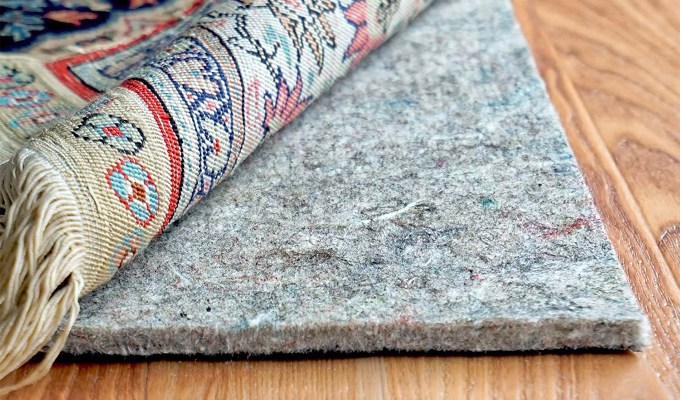
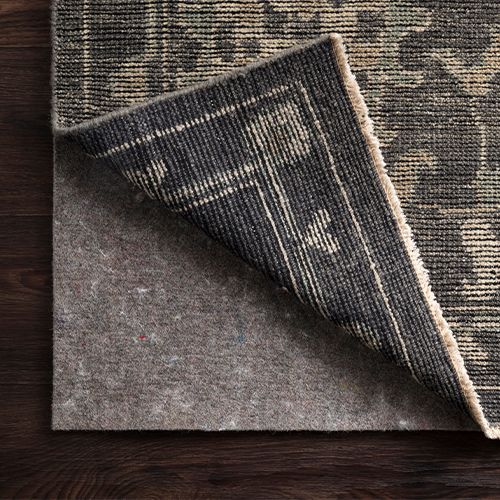
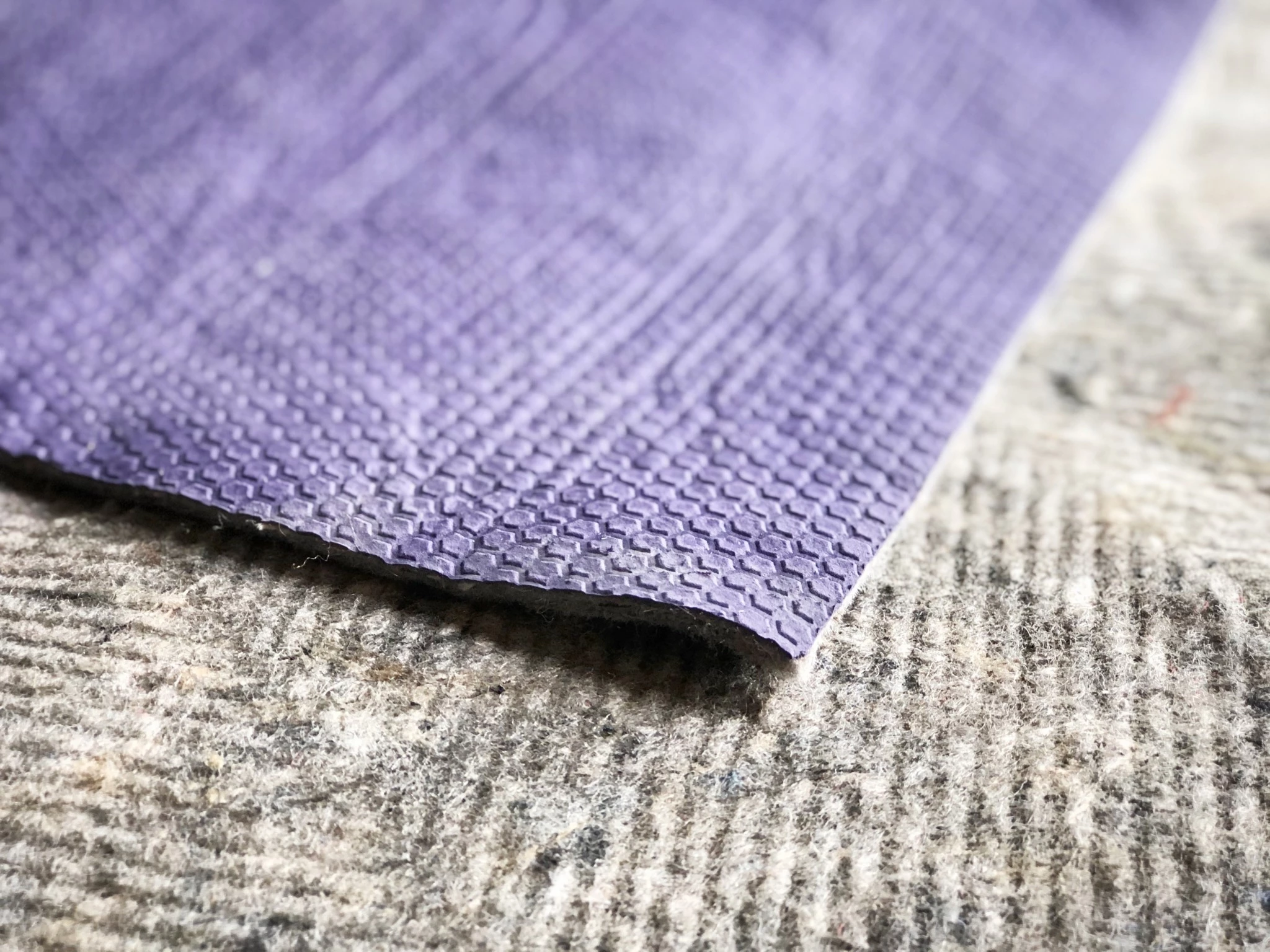
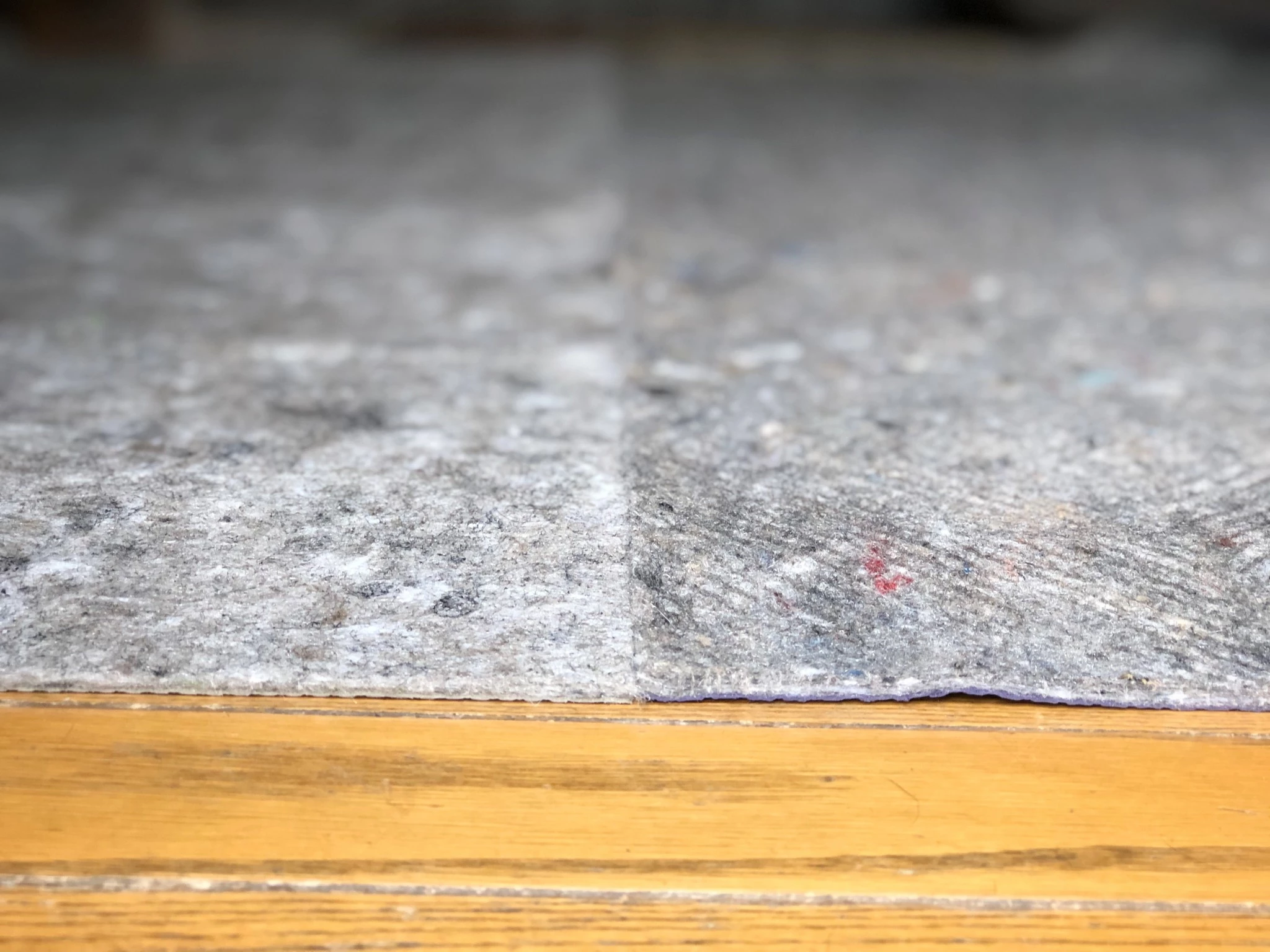
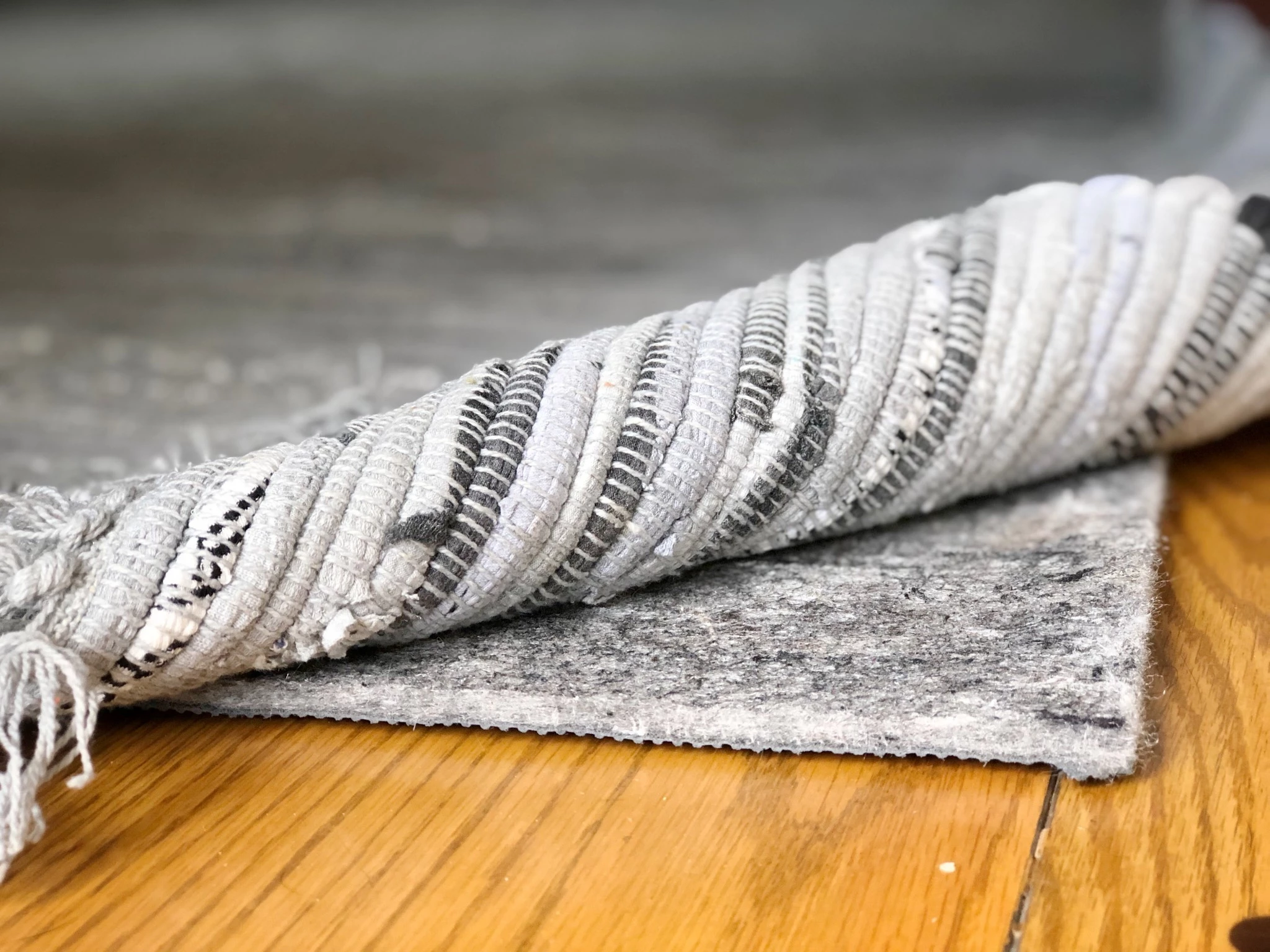
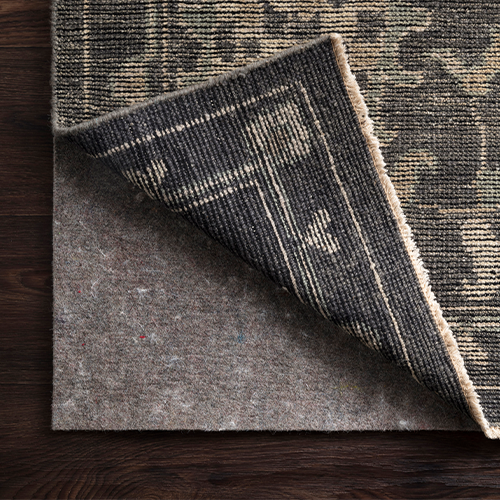
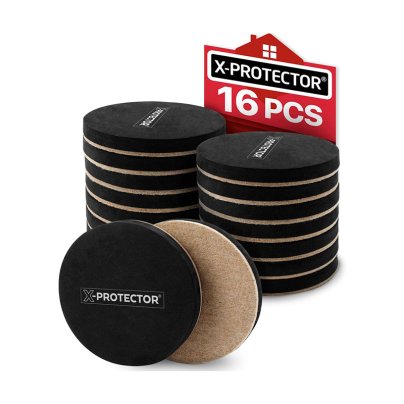
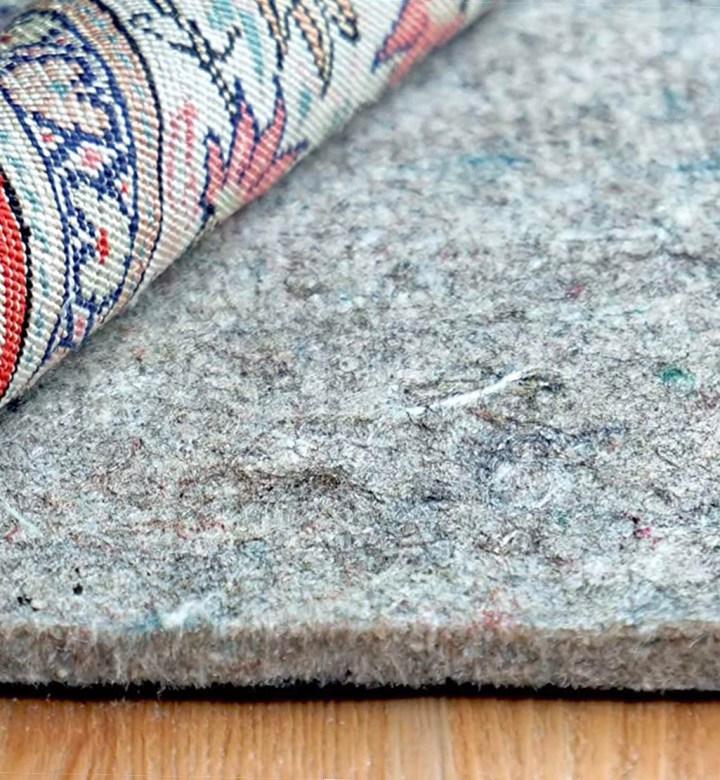
Natural rubber pads, in contrast, provide a safer alternative for floor finishes as they are free of chemicals that can cause damage. They typically feature solid grid surfaces, making them suitable for thin, flat-weave rugs and offering excellent anti-slip protection, though they also lack significant cushioning. Felt pads are ideal for adding substantial cushioning and protecting rug fibers from wear. While they don't inherently prevent slipping as much as rubber, high-quality felt pads often incorporate a natural rubber backing, fused with heat, to combine cushioning with superior grip, making them particularly effective for hardwood floors.
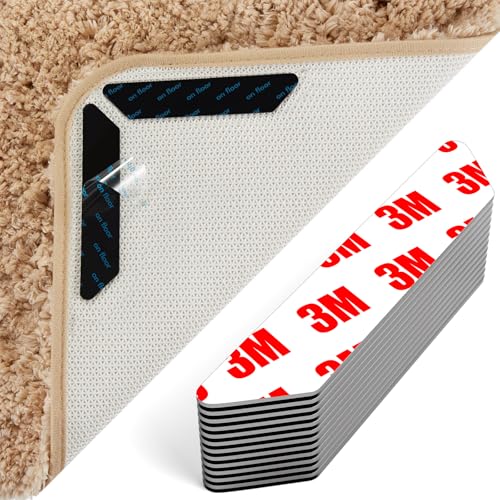
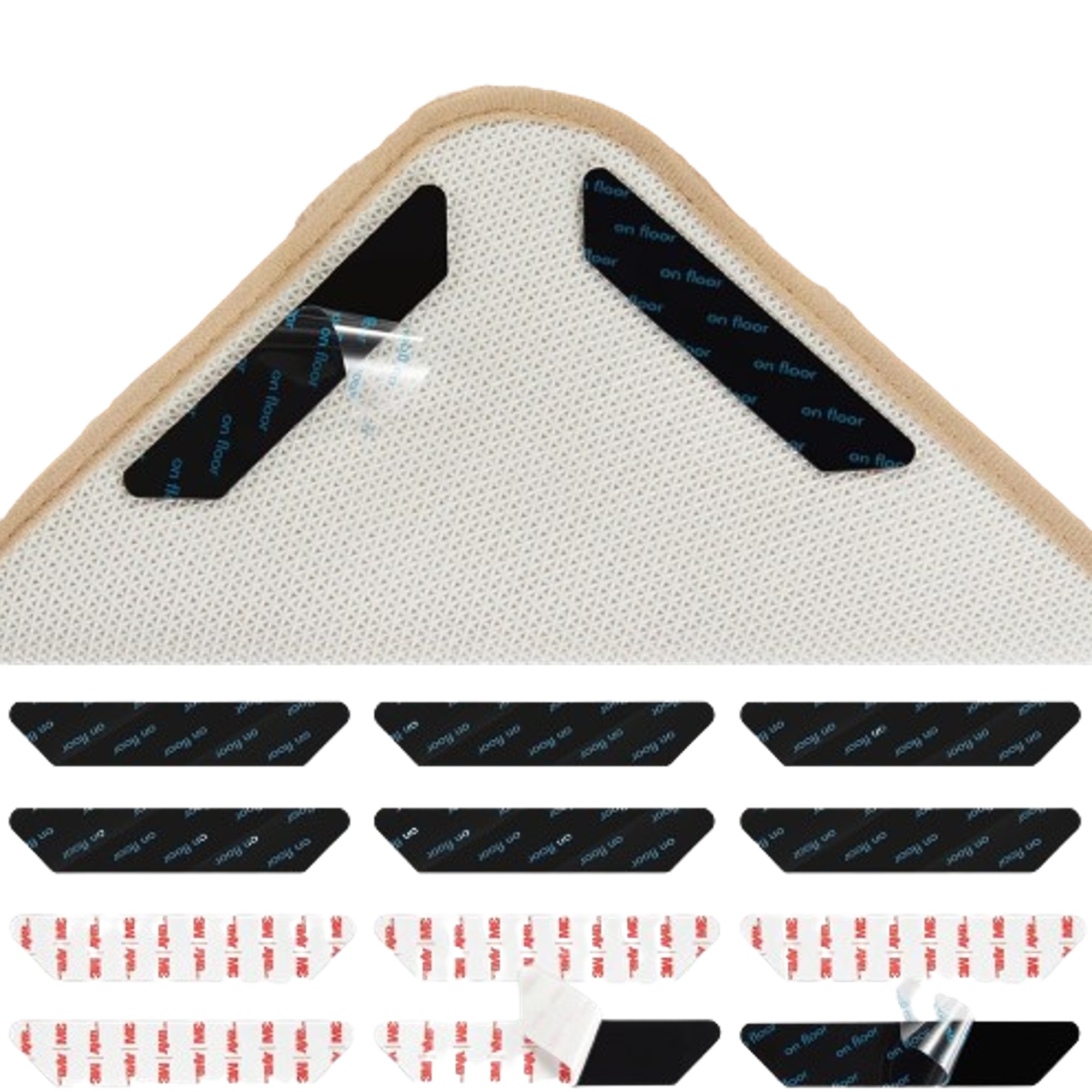
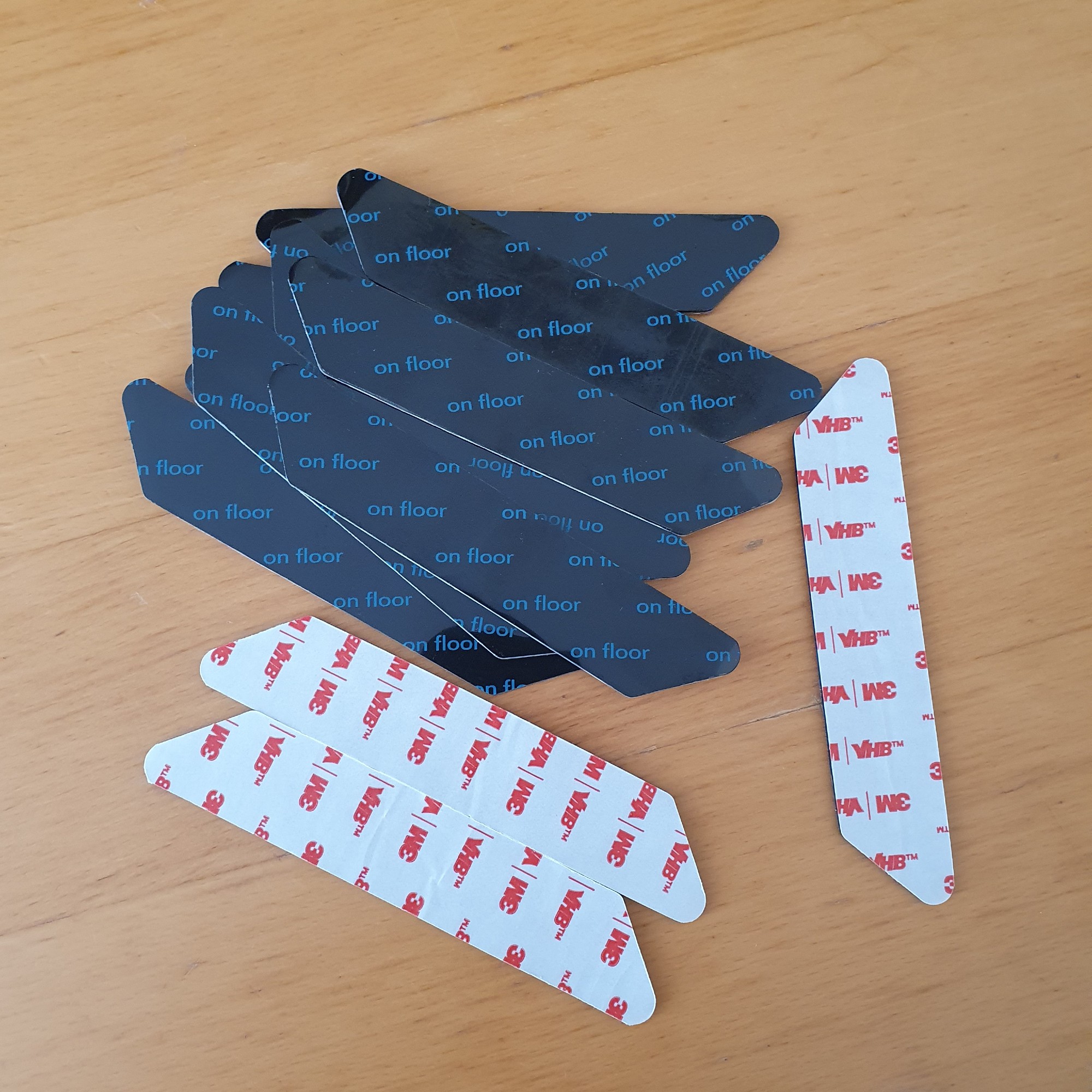
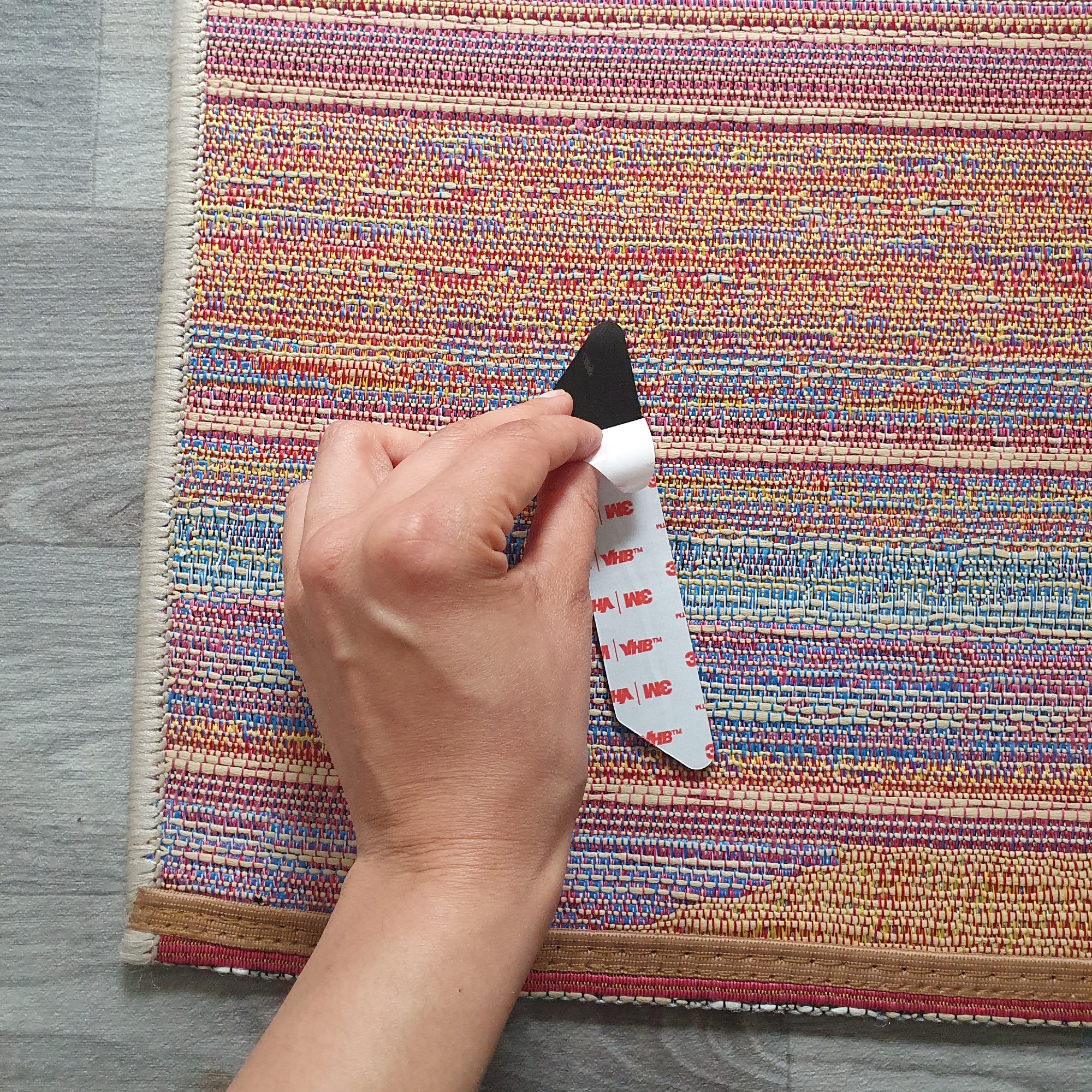
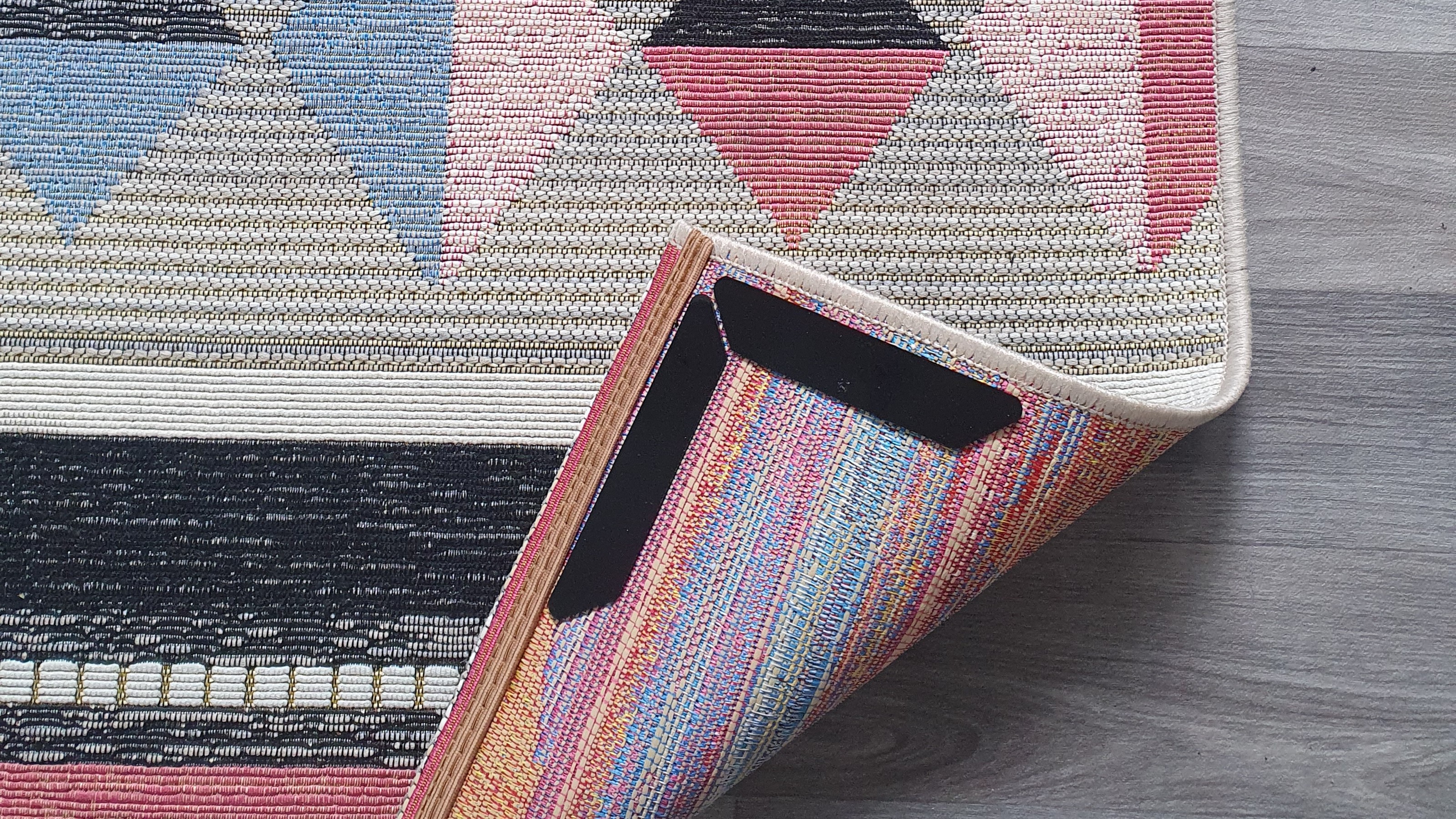
Beyond pads, various adhesive solutions are available. Gripper tape, supplied in rolls, is applied directly to the floor in a grid pattern under the rug's edges. It is best suited for smaller rugs (4x6 feet or less) and allows for easy rug removal and repositioning. Double-sided carpet tape, available in rolls or pre-cut squares, comes in varying thicknesses and adhesive strengths. Tapes with acrylic adhesive are recommended for synthetic rugs, but it's crucial to consult product directions to ensure compatibility with the specific flooring type. Hook and loop anchors, such as Velcro, utilize adhesive coatings on both sides – one for the floor, one for the rug – to create a strong, secure bond.
For DIY approaches, silicone caulking can be applied in dots or strips to the back of the rug, mimicking the anti-slip features found on fuzzy socks. This method requires drying time before placing the rug. Hot glue can also be used similarly, offering quicker drying but less durability than silicone, and necessitates a test to ensure it doesn't damage rug fibers due to heat. For enhanced security on hard floors, a combination of carpet tape and a rug pad can be employed, with tape securing the pad to the rug and optionally to the floor. Finally, for rugs placed over wall-to-wall carpeting, rug pins offer a solution. These angled pins secure the area rug to the underlying carpet without piercing the flooring, with flat, clear tops designed for minimal visibility. Each method provides a distinct advantage, allowing homeowners to choose the most appropriate solution based on their specific needs and flooring materials.
#RugSafety #HomeDecor #AntiSlipSolutions #InteriorDesign #FloorProtection #DIYHomeImprovement #HomeMaintenance #RugAccessories #RugSafety #HomeDecor #AntiSlipSolutions #InteriorDesign #FloorProtection #DIYHomeImprovement #HomeMaintenance #RugAccessories
0 comment in total
 No comments yet
You may also like
5 Fail-Proof Ways to Stop Your Rugs From Sliding — And Clever Buys to Keep Them Flat, Too


Kelly Hoppen has shared a genius hack to stop your rug from curling up using ice cubes
The Best Rug Pads Are More Than a Buffer of Protection for Your Floor

We Tried the Best Rug Pads—These Ones Finally Stopped the Slipping

How to stop sofa cushions from sliding – 4 ways to keep your living room seating in place and looking neat
The Best Rug Pads Are More Than a Buffer of Protection for Your Floor

This Simple $22 Swap Made My Rugs Safer (and Way Less Annoying)
I put the Instagram viral Amazon rug grippers to the test – and now my rug finally stays in place on my lino kitchen floor
Here Are 7 of the Best Rug Pads for Every Floor Type
Keep Rugs in Place—And Add Comfort, Too—With Our Top 9 Rug Pad Picks
How to Layer Rugs (Published 2023)
5 Closet Systems That Will Prevent Clothes From Piling Up

5 Easy Ways to Keep Couch Cushions From Sliding That Actually Work
The Best Rug Pads

These 7 Best Furniture Sliders Will Protect Your Floors From Damage When Moving Furniture

7 totally genius ways to cover ugly carpet in a rental

4 expert design tips for layering rugs the right way

How to Stop Cushions Sliding on Outdoor Furniture — The Hack Everyone Should Try for Better Backyard Seating

10 Best Low-Shed Wool Rugs (Plus, How to Care for the Ones That Do)
The 10 Best Rug Pads for Any Floor and Carpet Type