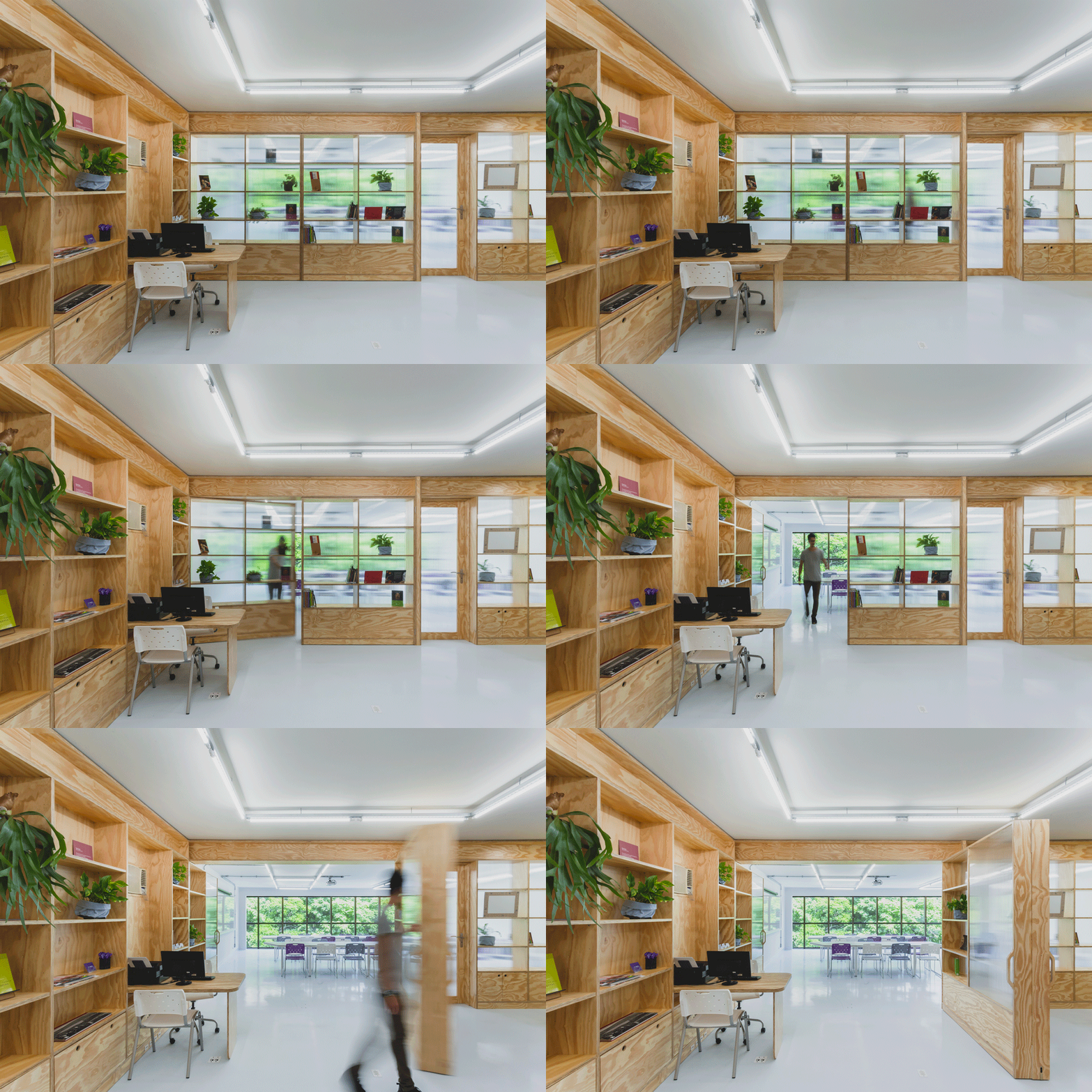
1/10
Are Interiors Headed for an Industrial Revolution?
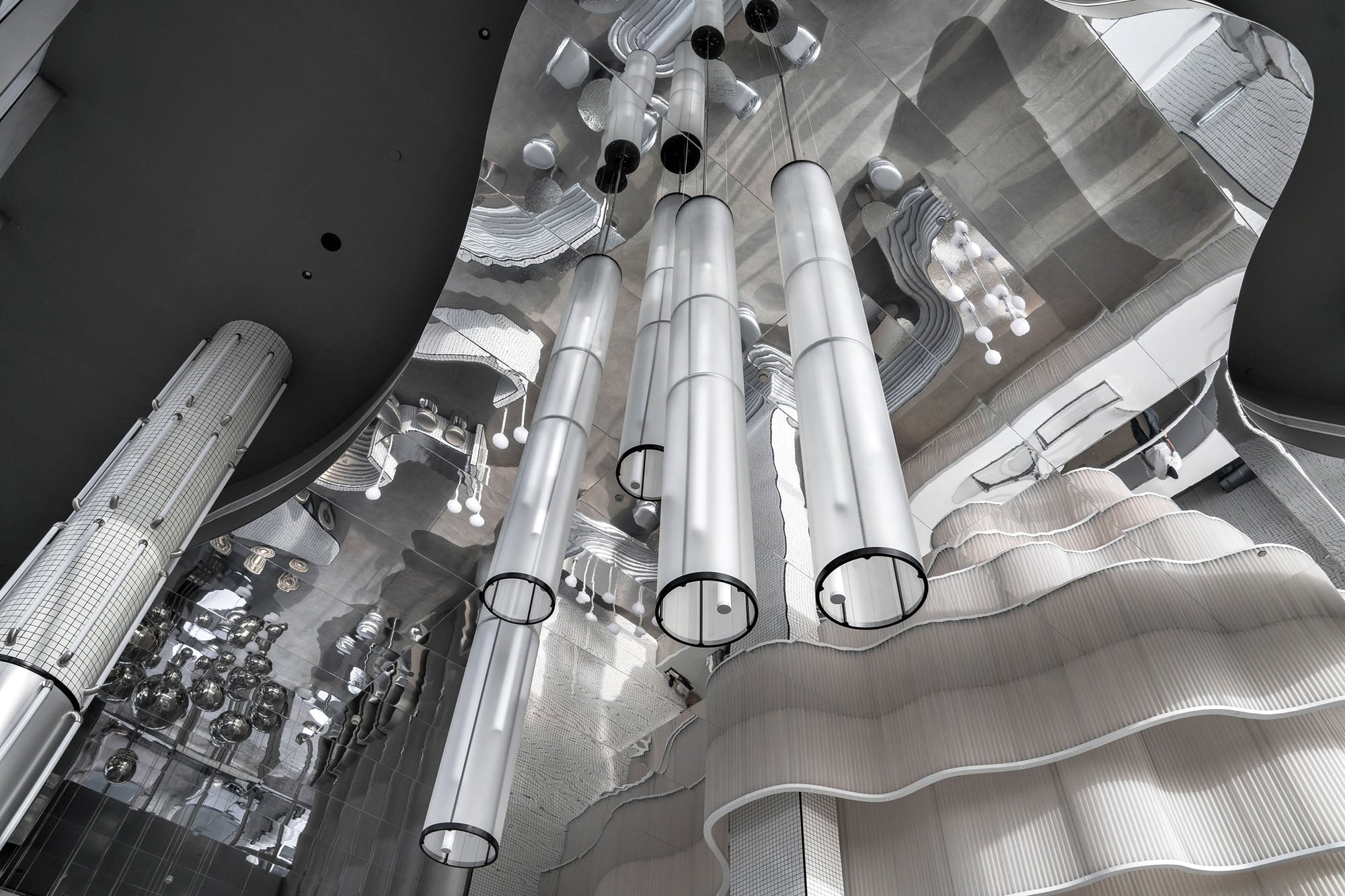
After a period dominated by a folksy aesthetic characterized by rustic wood, quilted textures, and rough-hewn elements, the design world is experiencing a shift. Recent design exhibitions and product launches suggest a resurgence of industrial minimalism, drawing inspiration from the high-tech style of the 1970s and 1980s. This movement, originally defined by architects like Renzo Piano and Richard Rogers through 'inside-out' buildings that exposed their mechanical workings, advocated for industrial materials and utilitarian objects as aesthetic choices within residential spaces. Joan Kron and Suzanne Slesin's 1978 book, 'High-Tech,' documented this trend, highlighting the use of out-of-context industrial equipment as home furnishings.
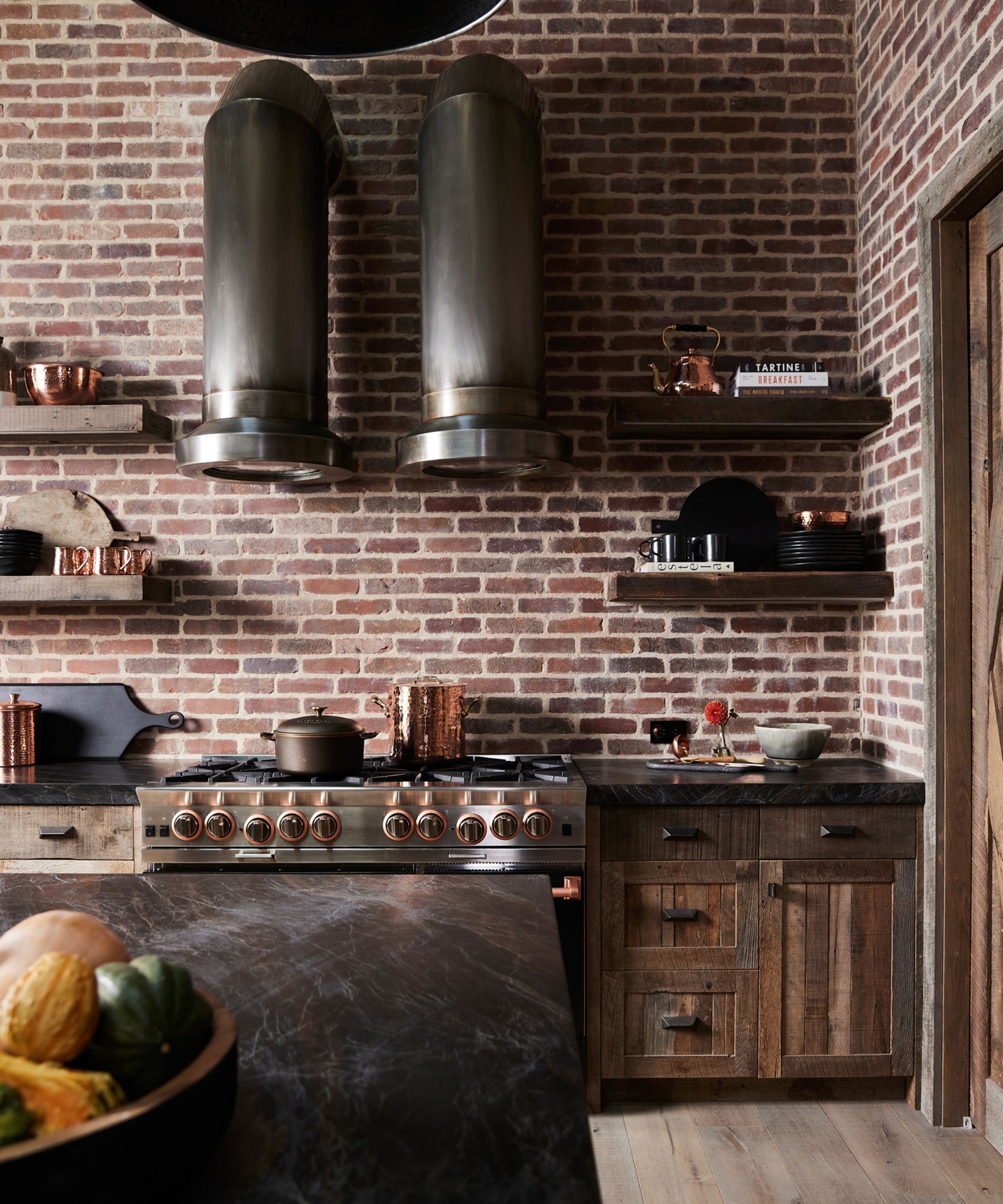
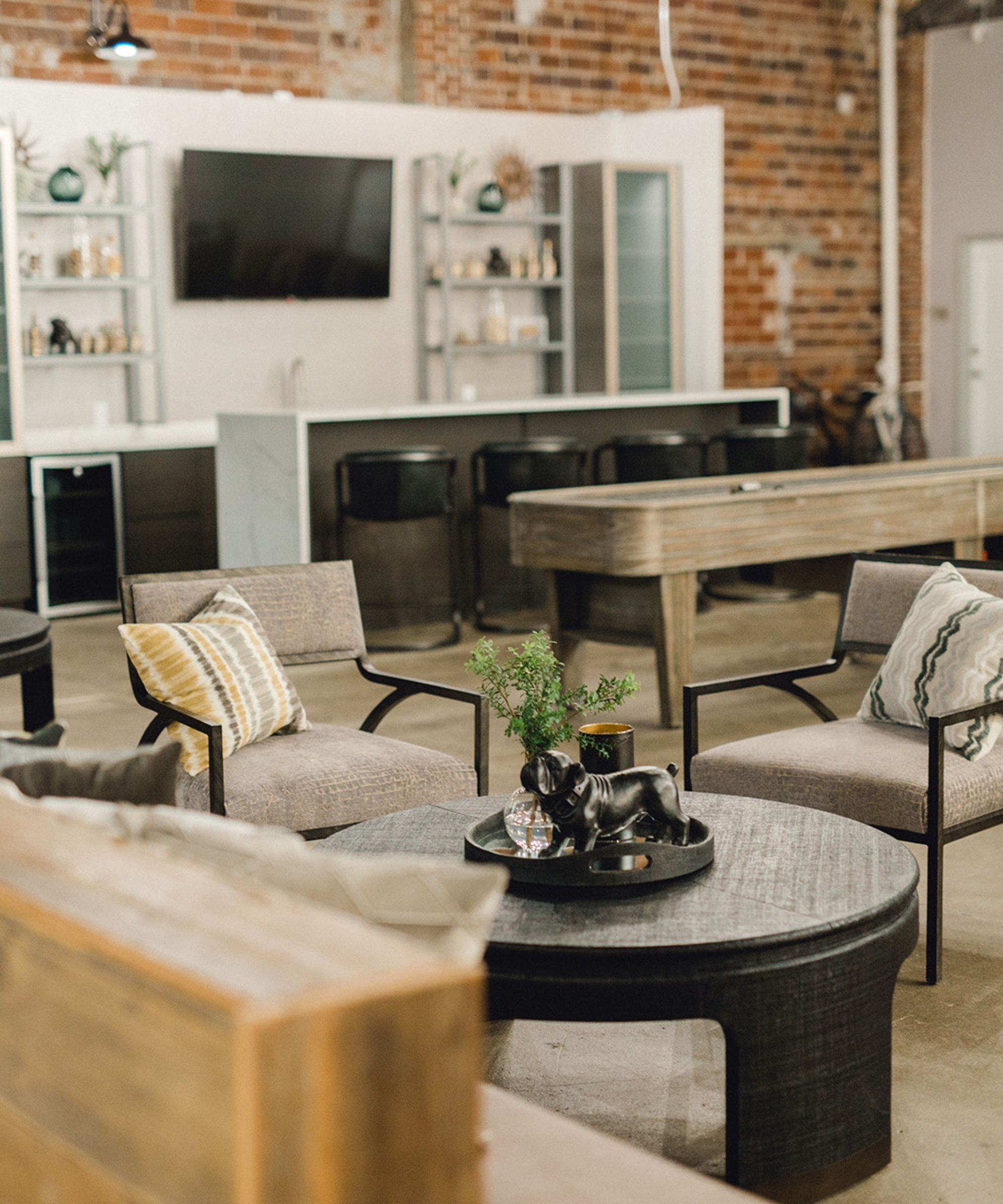
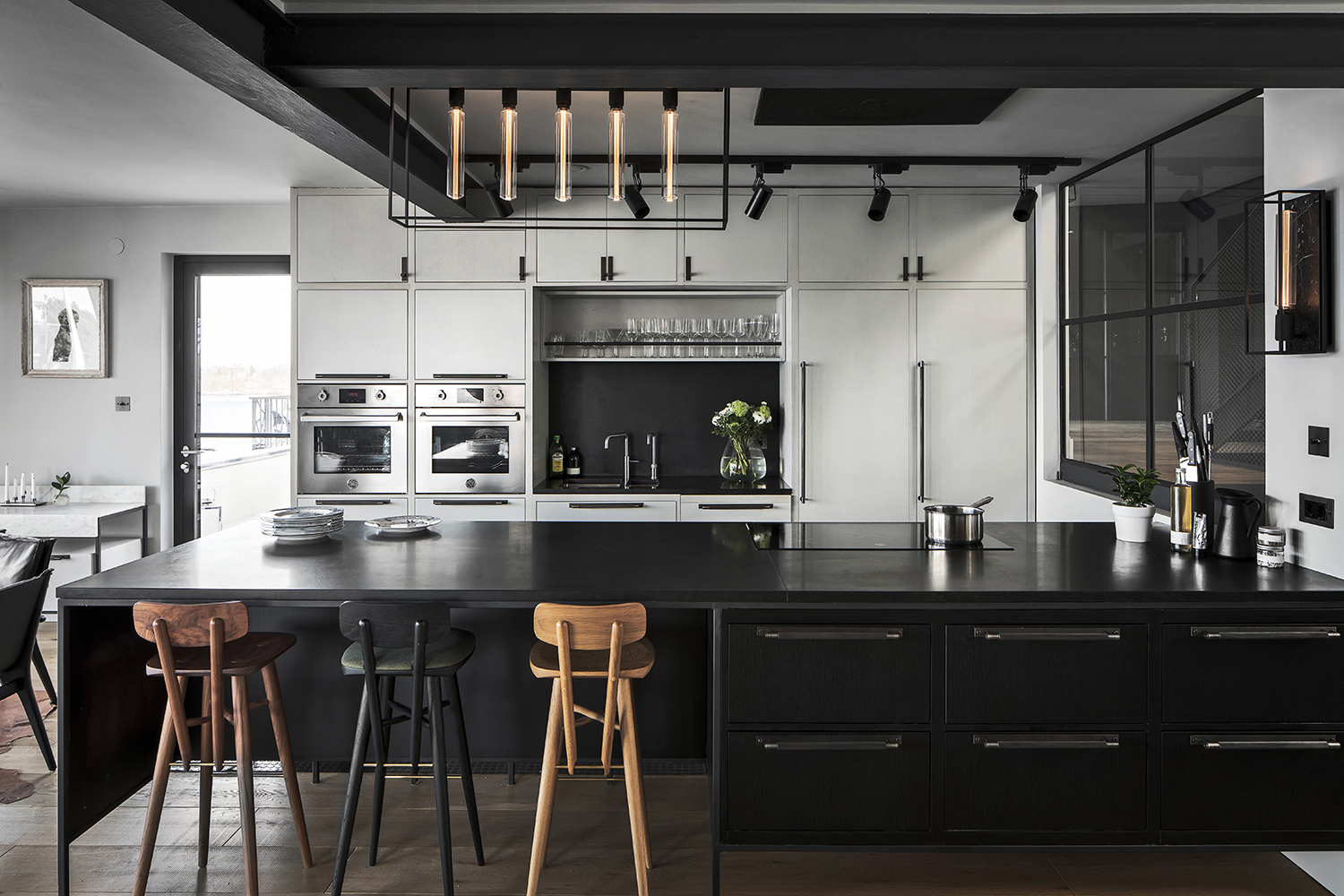
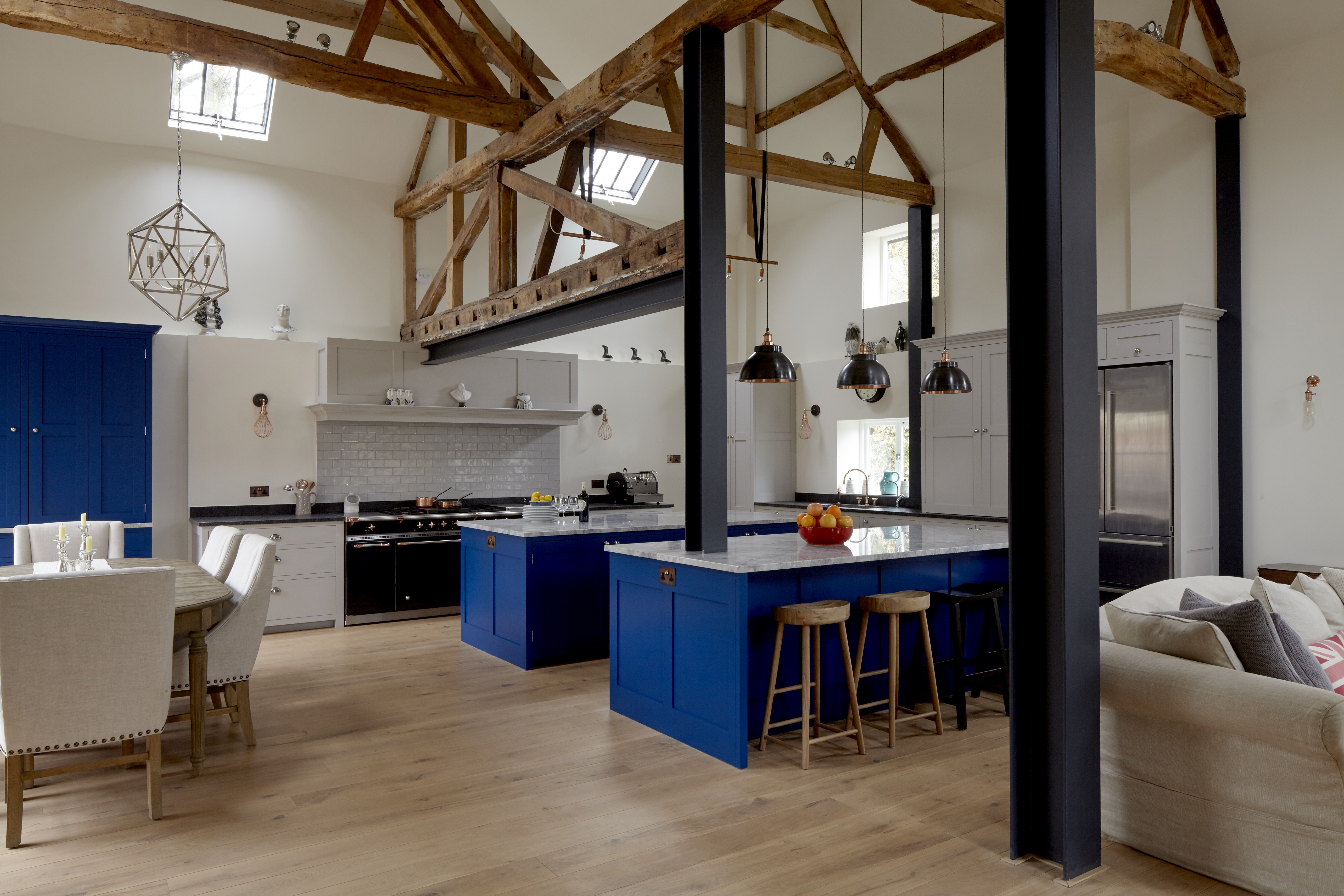
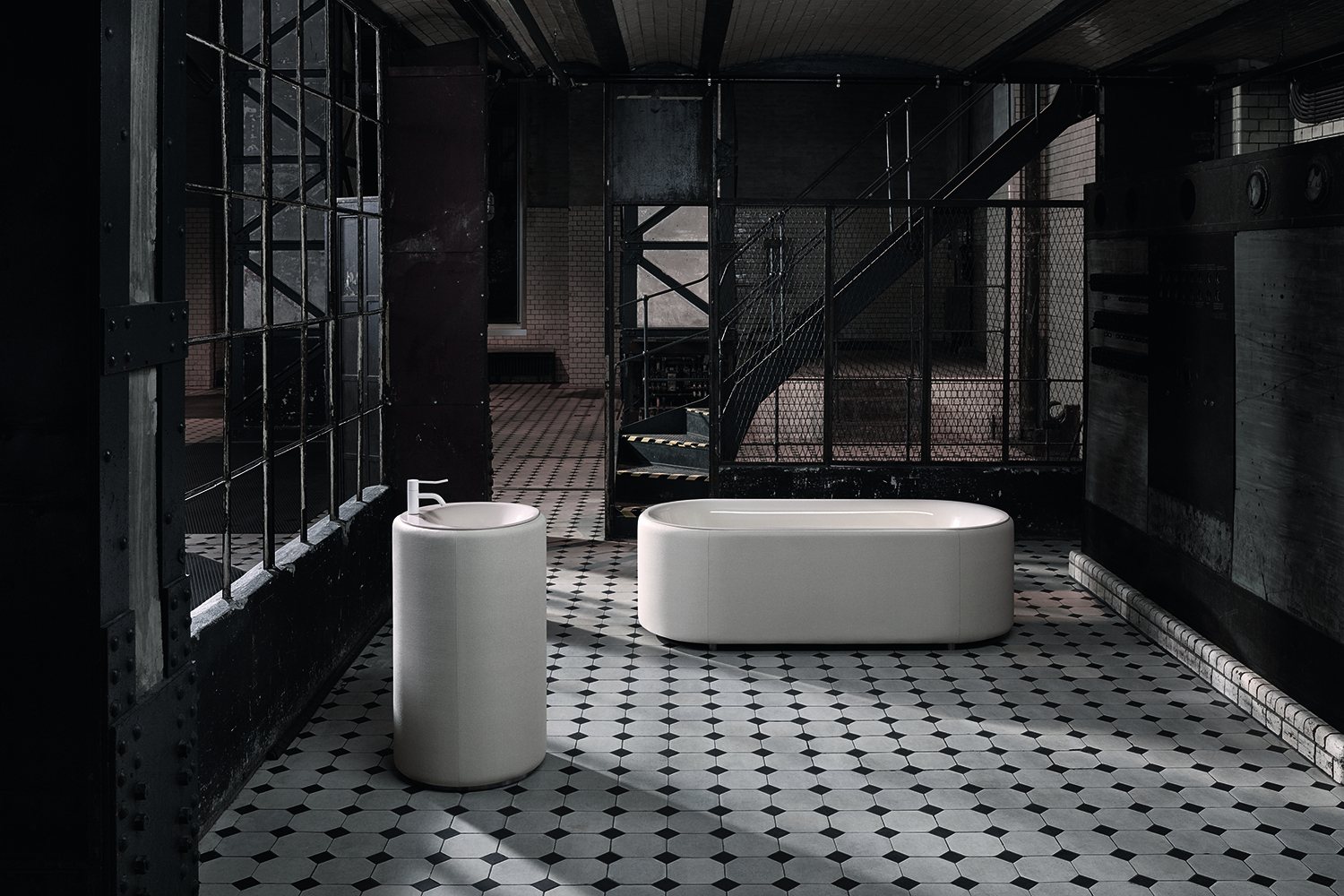
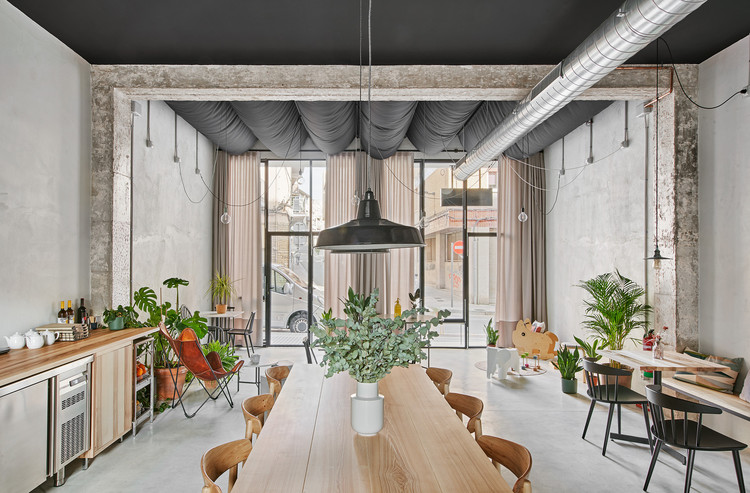
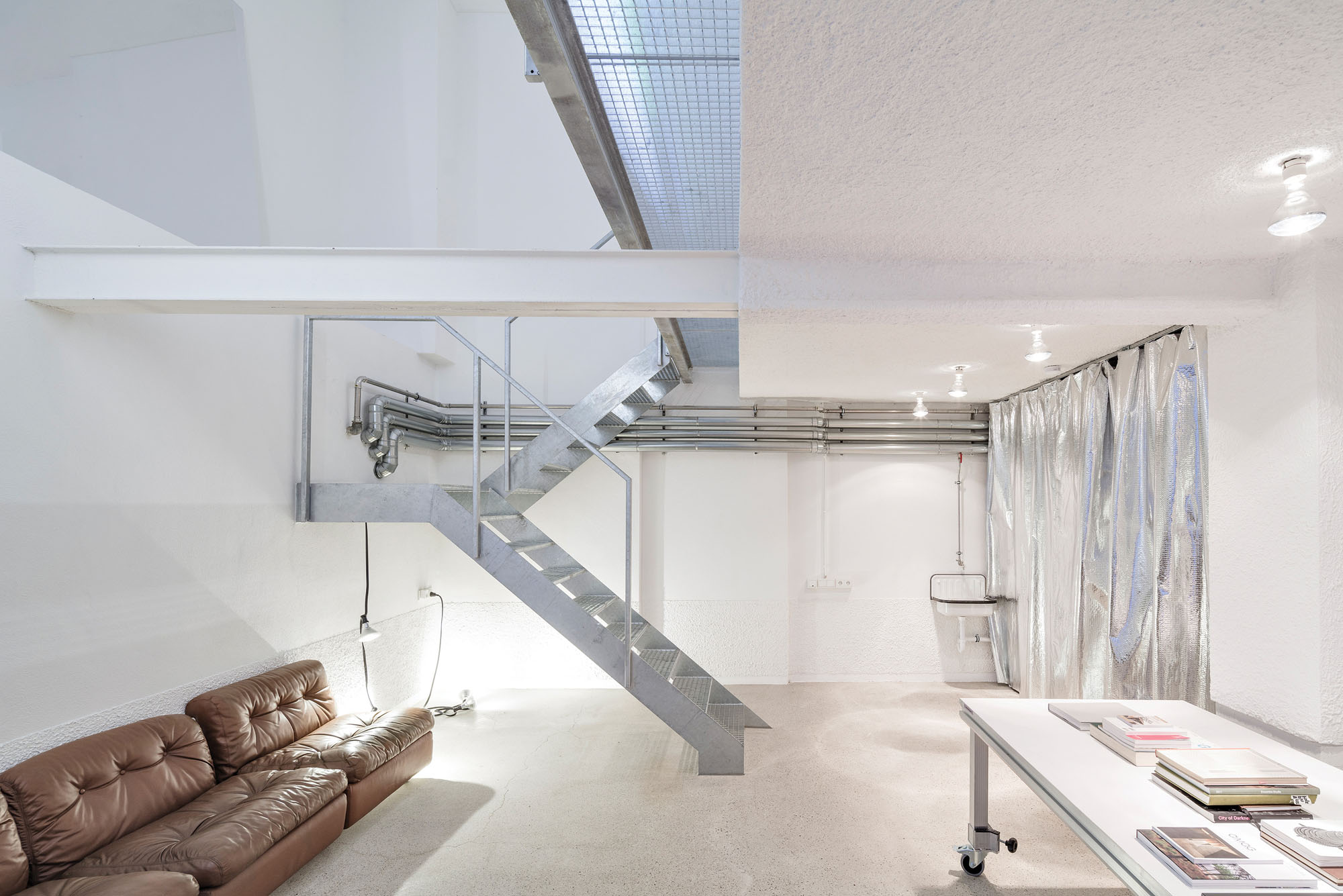
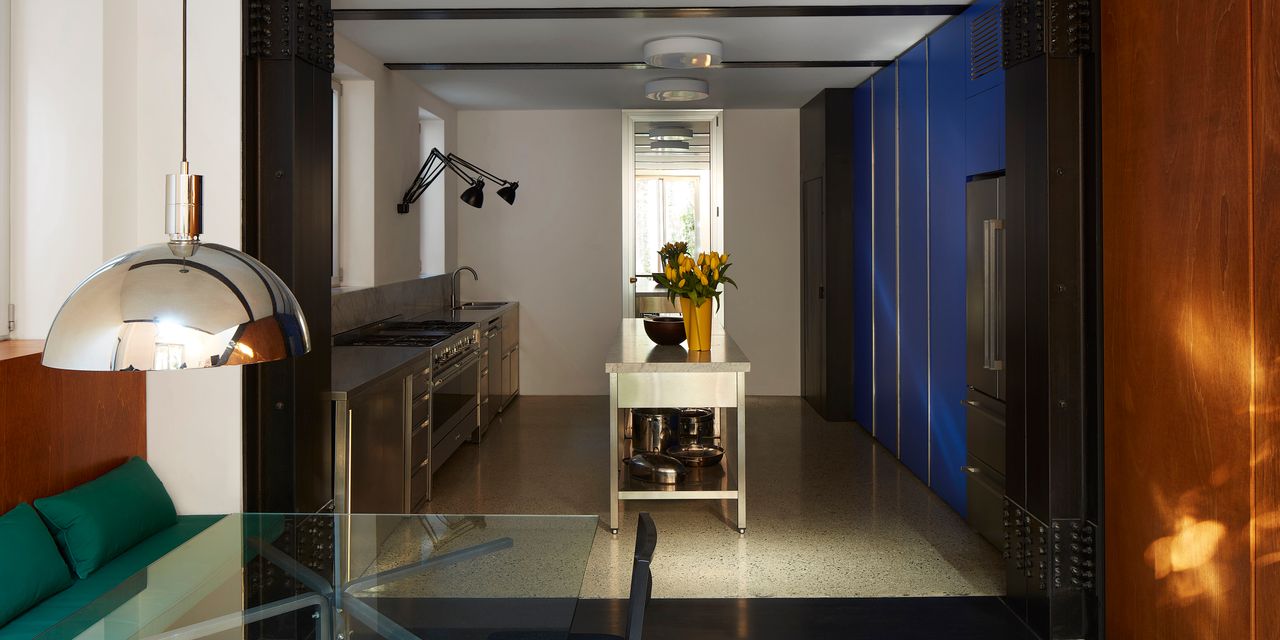
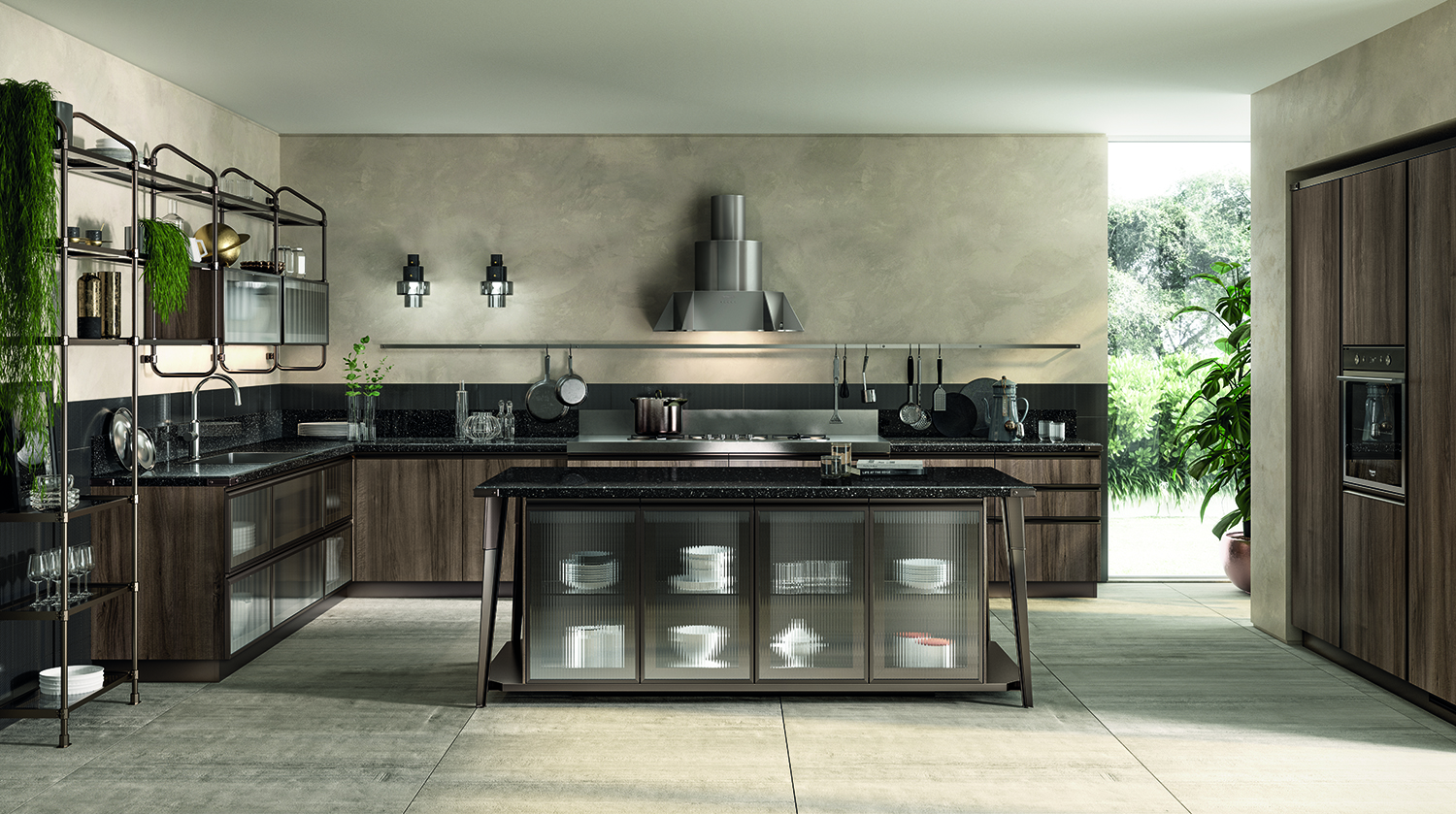
Key characteristics of this industrial minimalist revival include elements such as laboratory sinks, functional ladders, factory lighting, and exposed pipes. Early indicators of this resurgence are evident in the renewed interest in track lighting and the increasing popularity of stainless steel kitchens. The current economic climate, marked by production delays and rising costs for goods and labor, provides an additional impetus for designers and clients to embrace industrial minimalism. This style often utilizes relatively off-the-shelf components, which can be more accessible and less expensive than bespoke alternatives, without compromising on design sophistication.
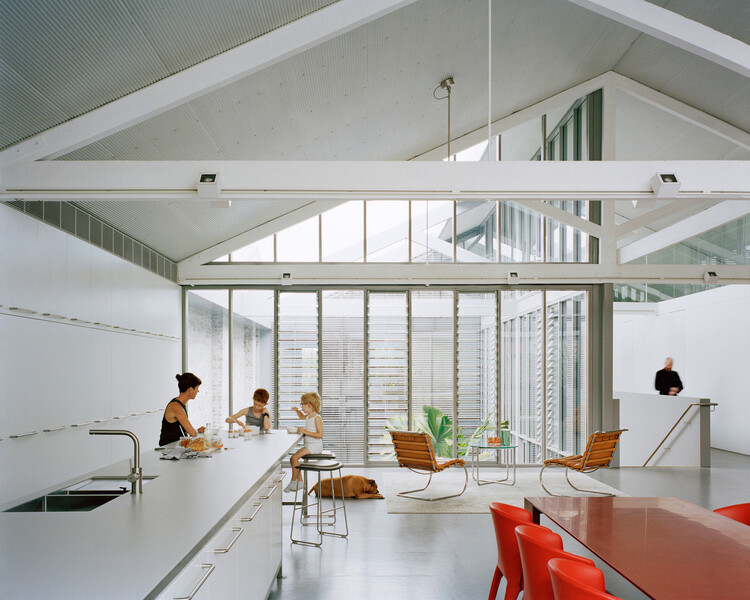
The trend is manifesting through the incorporation of readily available hardware store staples into interior design. For instance, metal blinds, typically utilitarian, are being recontextualized as design features, such as on interior glass walls in loft spaces. The exhibition “Make-Do,” curated by Marta gallery and Catalog Sale during NYCxDesign, exemplified this ethos by showcasing ad-hoc chairs against a high-tech-influenced scenography. Cat Snodgrass, the designer behind the exhibition's backdrop, utilized prefab materials like aluminum blinds and fluorescent lighting in a disused 1980s medical imaging center, allowing the building's infrastructure to remain exposed. This approach reflects a 'problem-solving aesthetic' that contrasts with the maximalist, studio-craft-focused trends seen previously.
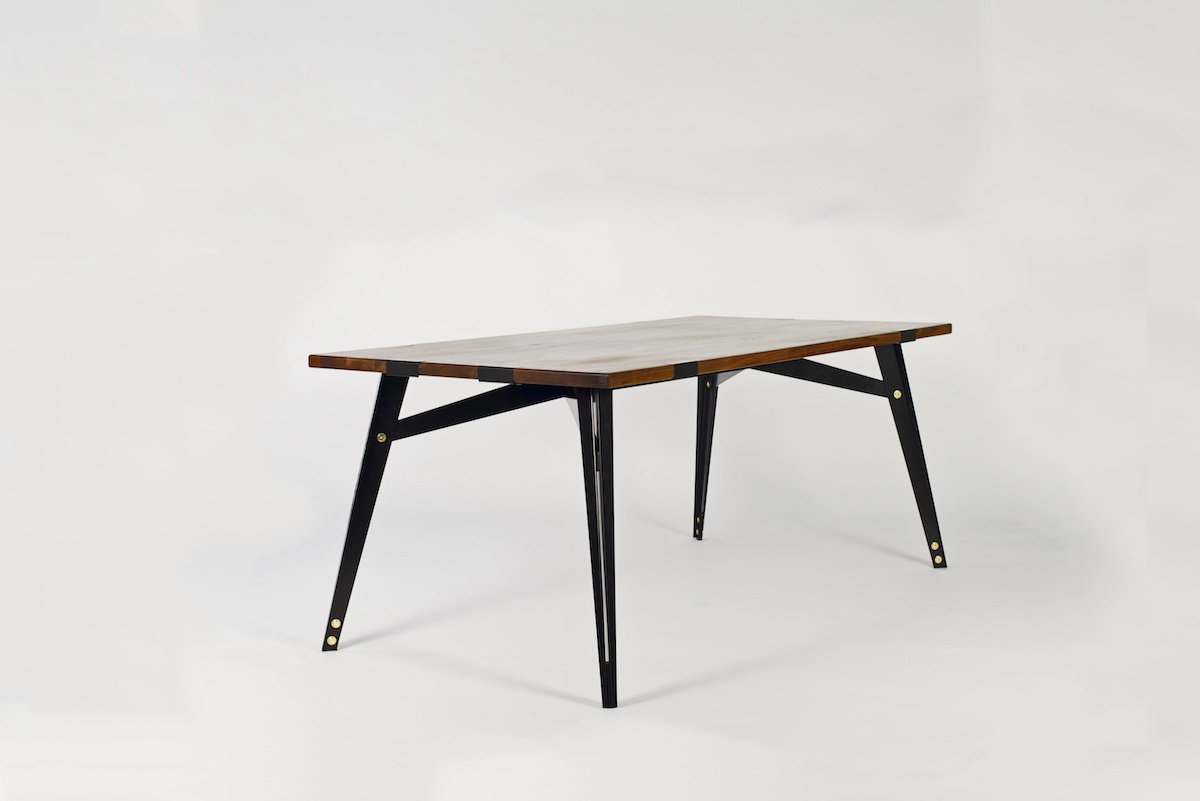
Designers like Sarah Burns are also contributing to this movement with collections such as 'Prairie’s Edge,' which blends birch plywood and cold-rolled steel to achieve a refined, industrial aesthetic. The trend is being explored in various settings, including exhibition design, furniture, and retail/hospitality environments. Observations from Milan Design Week noted a broader minimalist resurgence with a particular emphasis on industrial materials, seen in reissued furniture by Joe D’Urso, experimental lighting from Ledongil Workshop, and furniture crafted from lightweight gauge steel by Daisuke Yamamoto.
Milan-based Studioutte describes this as an “intellectual minimalism” wave, which they presented through ebonized oak and powder-coated metal seating within a paper-sheathed room, featuring steel-and-plexiglass lighting. Similar stylistic cues were present at the We Are Ona pop-up restaurant during NYCxDesign, where Harry Nuriev designed an environment using readymade folding stools, vinyl-draped tables, and stainless steel tableware in an abandoned office building. Designer Tino Seubert’s use of Kevlar, a typically industrial material, for upholstery in Free Lance’s Paris showroom further underscores this trend, noting its luxurious sheen.
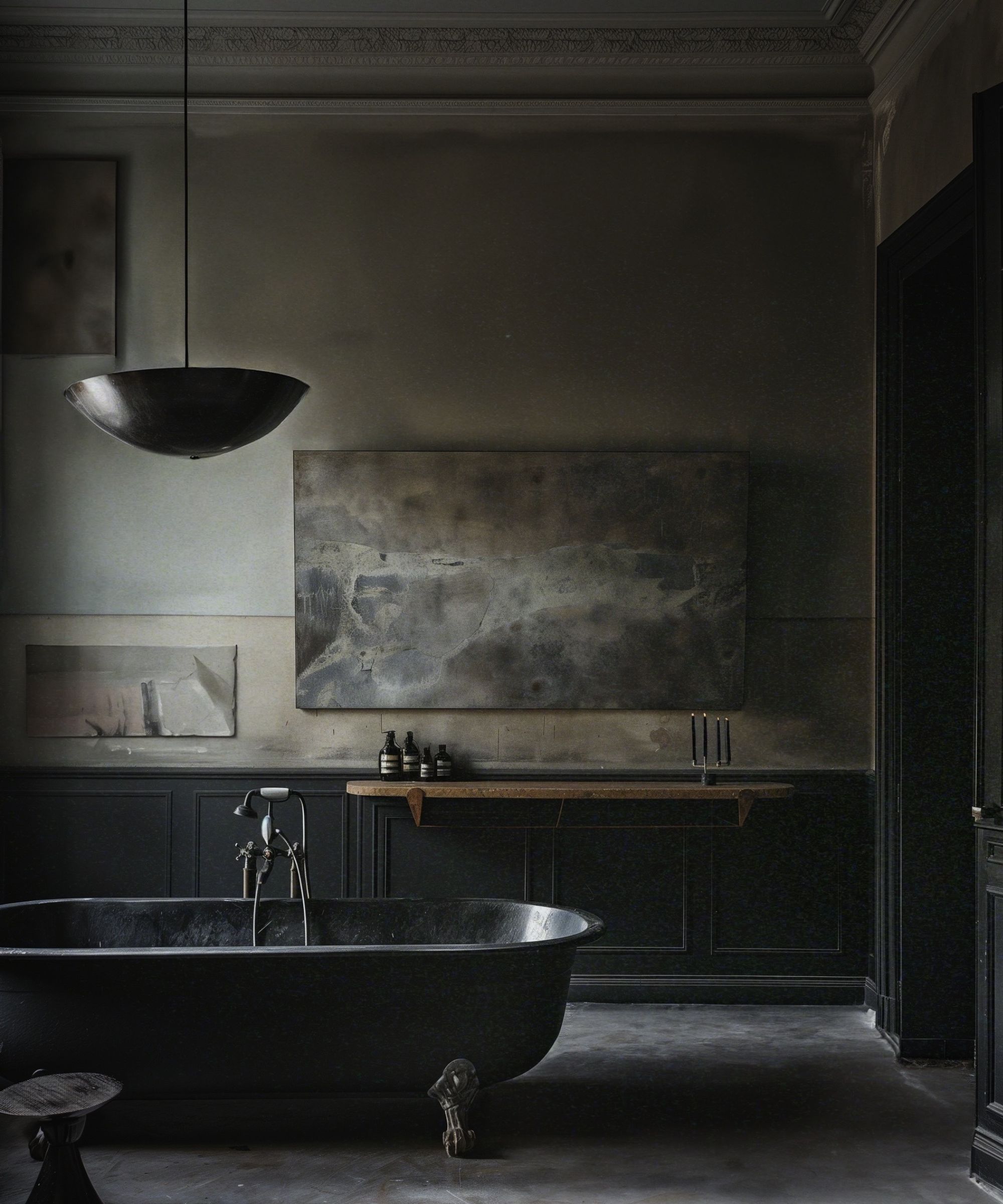
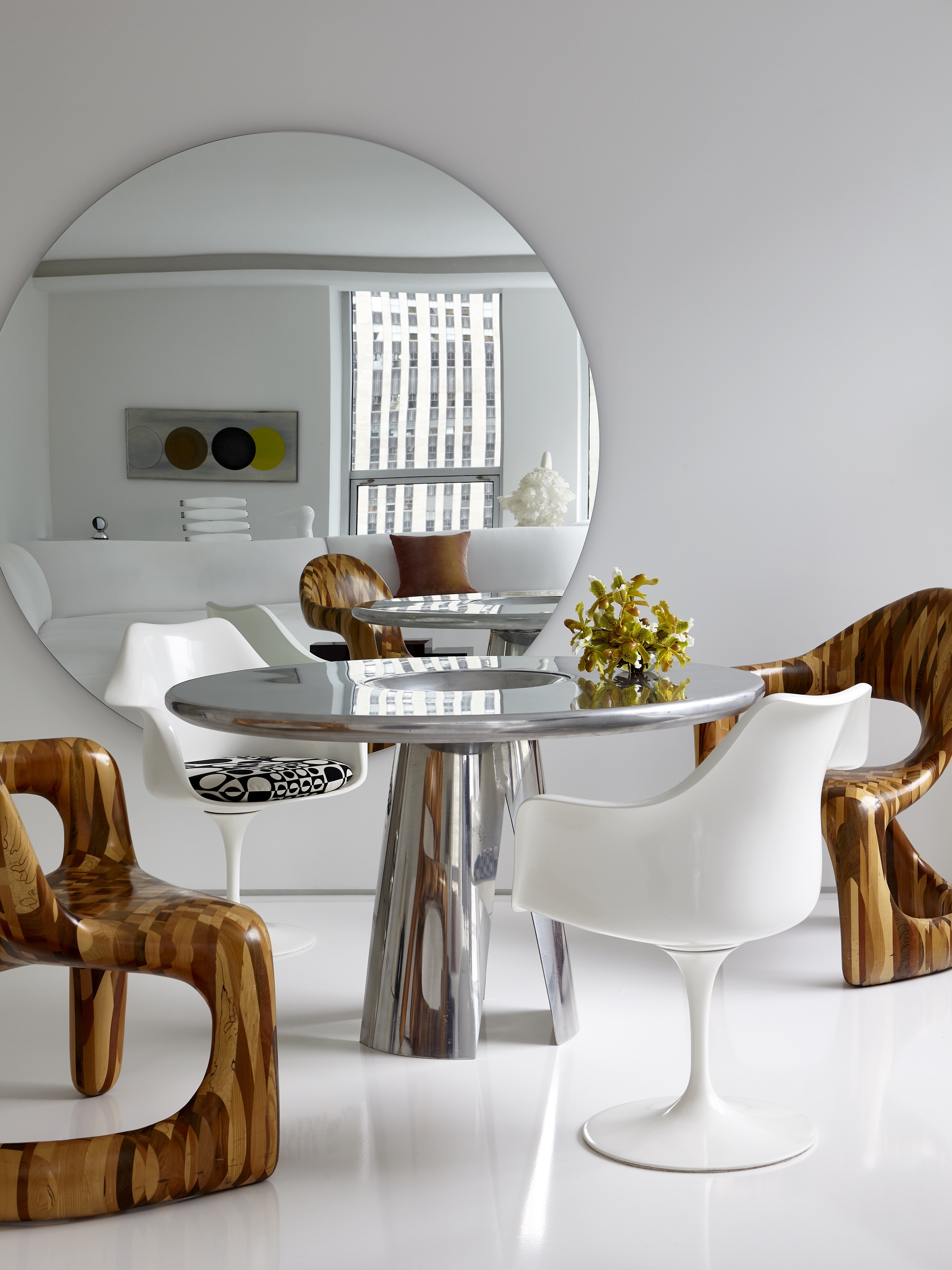
While contemporary industrial minimalism incorporates utilitarian materials, it often includes an element of luxury. This is exemplified by the Judd Foundation's release of Donald Judd's stainless steel minimalist tableware in heavyweight Puiforcat silver. In high-end residential interiors, designers like Massimiliano Locatelli integrate linoleum floors, stainless steel kitchens, and industrial-inspired lighting with bespoke elements. Even Vincenzo de Cotiis, known for his opulent interiors, incorporates industrial materials like recycled fiberglass and stainless steel, often juxtaposing them with historic settings. Interior designer Sophie Dries notes that the resurgence of 1990s fashion and music influences is extending to interiors, leading to the acceptance of colder building materials and a blurring of boundaries between luxury and vernacular materials. This allows for a dialogue between non-aristocratic materials like concrete, plaster, piping, and metal blinds with historical pieces or settings. To engage with this trend, exploring restaurant supply stores or industrial suppliers like McMaster-Carr for readily available materials is suggested.
#IndustrialMinimalism #HighTechDesign #InteriorTrends #DesignRevival #ArchitecturalDesign #MaterialInnovation #HomeFurnishings #ContemporaryDesign #IndustrialMinimalism #HighTechDesign #InteriorTrends #DesignRevival #ArchitecturalDesign #MaterialInnovation #HomeFurnishings #ContemporaryDesign
0 comment in total
 No comments yet
You may also like
Industrial Revolution

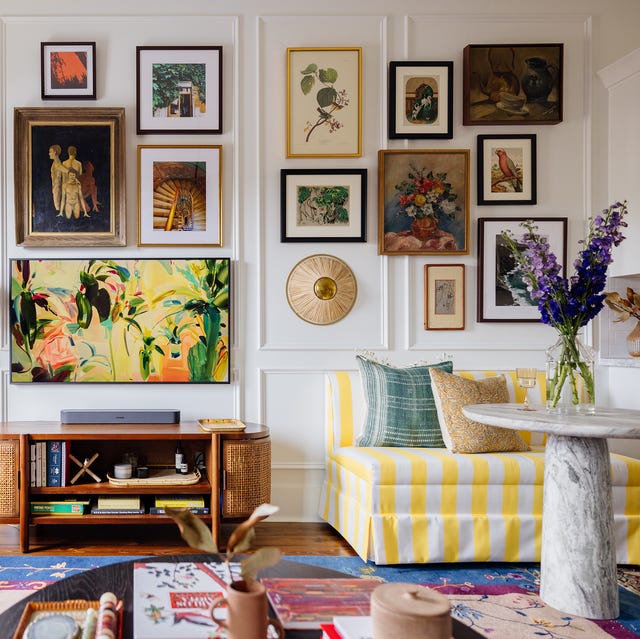
The Pros Have Spoken: These Interior Design Trends Will Define 2025

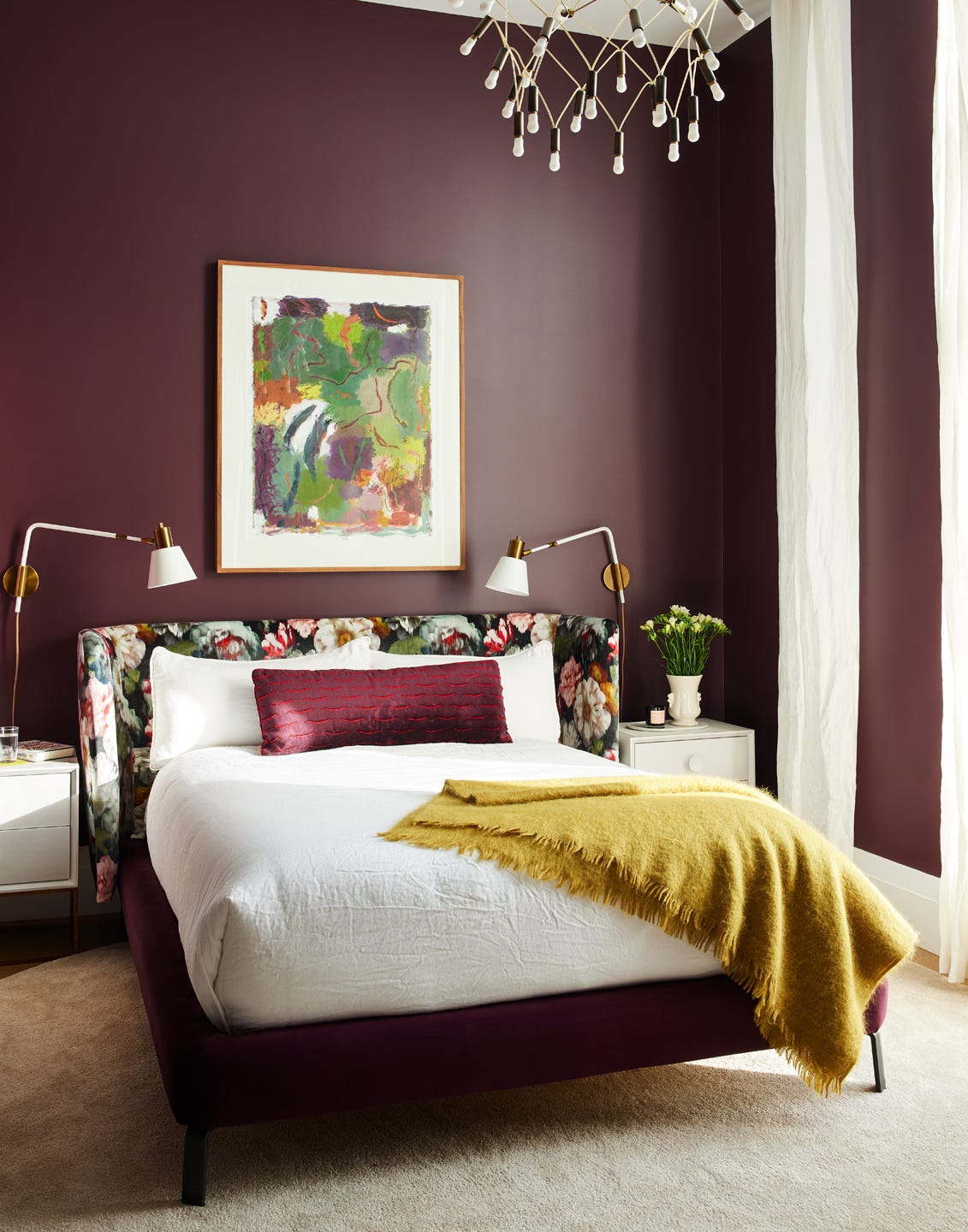
Are the '90s the Next Big Thing in Interior Design?

10 industrial interior design ideas to inspire

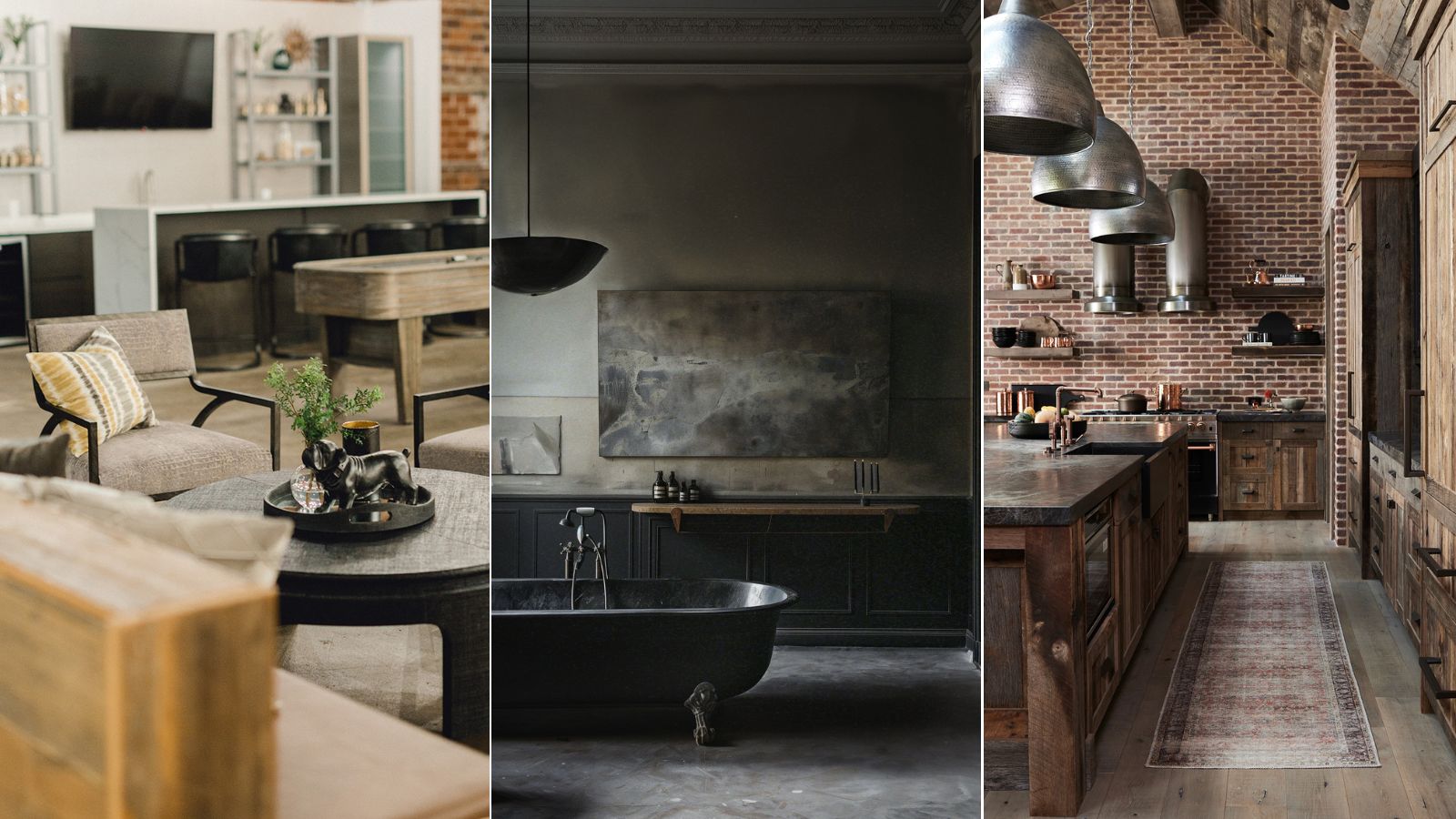
Industrial-style interiors are trending – here's how to get the sleek and stylish look

What to Expect from Interiors of the Future

Opinion: Home Is the New Fashion

Beyond Aesthetics: How Tech is Redefining Interior Design
Industrial interior design - how to get it right

Modern Elegance: Top Trends In Interior Design You Need to Know

Future-Proofing Design: How Interiors Will Evolve in 2023 and Beyond
10 Interior Design Trends Going Away In 2025

Revolution or evolution? The reinvention of cottage interiors
"Experimental, Futuristic, and Other-Worldly" — There's a Good Reason Space Age Interiors Are at the Fore of Design Right Now
Inside the High-Tech Interiors Revival

The Biggest Interior Design Trends for 2025

What’s Next for Our Homes? The 14 Defining Interior Design Trends That Will Shape the Way We Live in 2026

Are design studios the next trend in home remodeling?

Interior Design Trends of 2025 Include a Refresh on Maximalism
Interior Design Market Size and Forecast (2025–2033): A Rising Global Demand for Smart, Sustainable, and Personalized Spaces