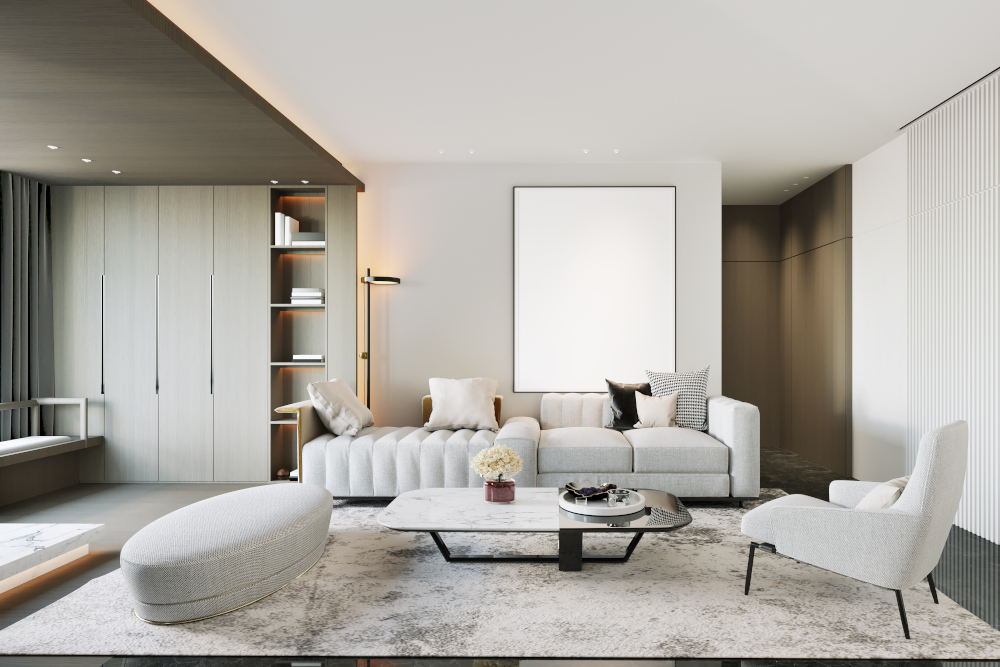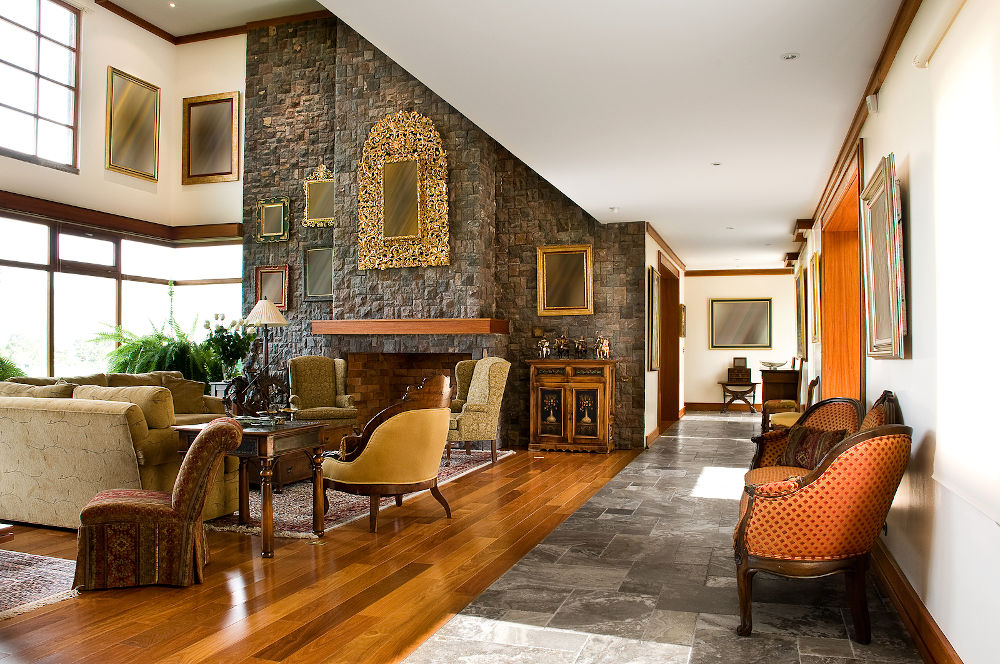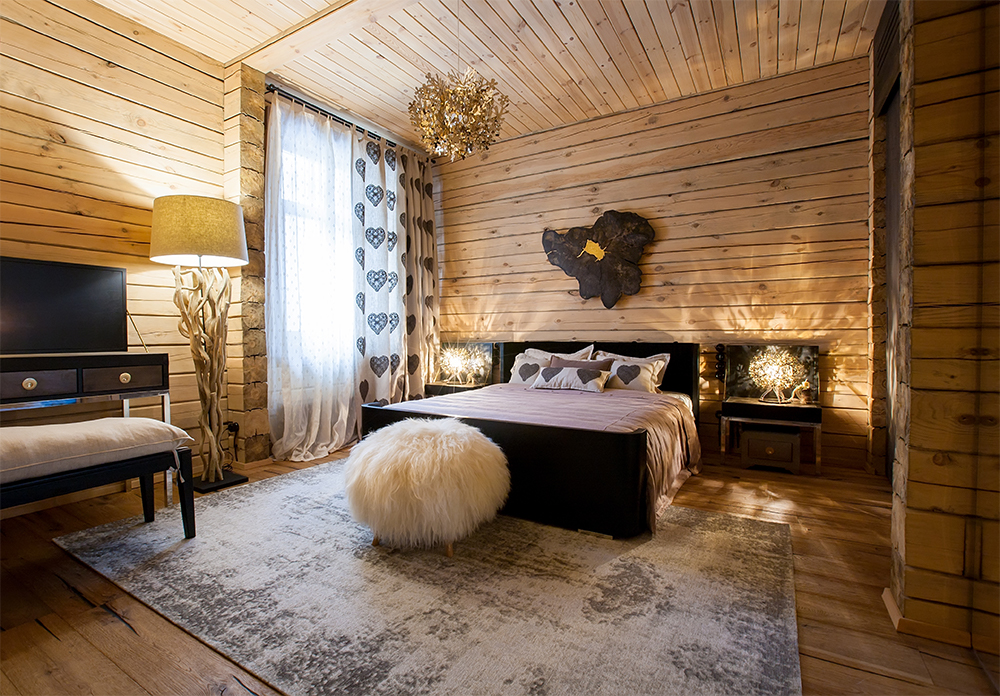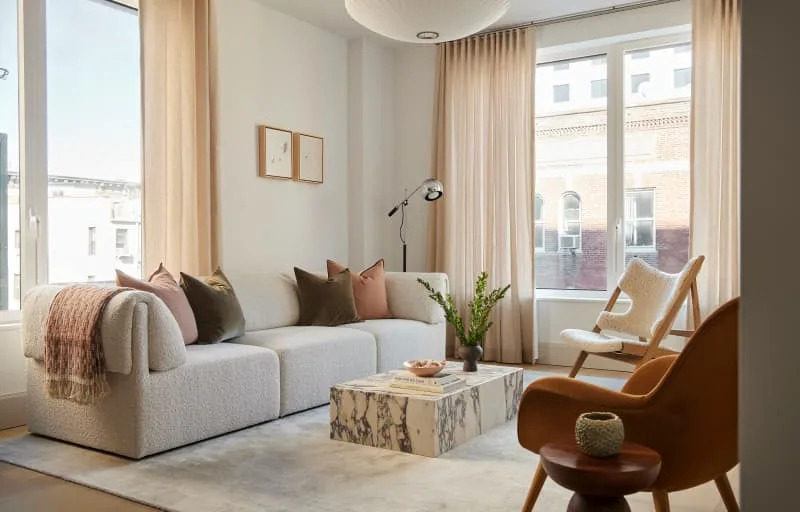
Interior Design Market Size and Forecast (2025–2033): A Rising Global Demand for Smart, Sustainable, and Personalized Spaces
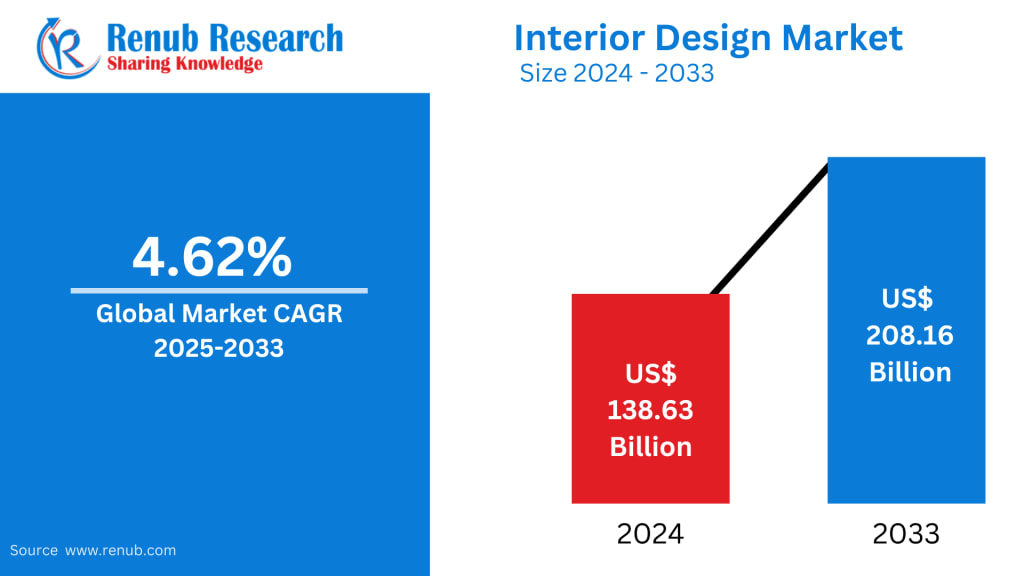
The global interior design market is projected to grow from USD 138.63 billion in 2024 to USD 208.16 billion by 2033, at a Compound Annual Growth Rate (CAGR) of 4.62% between 2025 and 2033. This growth is driven by increasing urbanization, rising disposable incomes, and a greater emphasis on personalized, aesthetically pleasing, and functionally optimized spaces across residential, commercial, and hospitality sectors. Interior design, once considered a luxury, has become an essential aspect of modern living, influencing well-being, creativity, and personal identity. The market is undergoing a significant transformation due to digital lifestyles, remote work, sustainability goals, and technological integration, with significant investments from homeowners, businesses, and governments in well-designed environments.
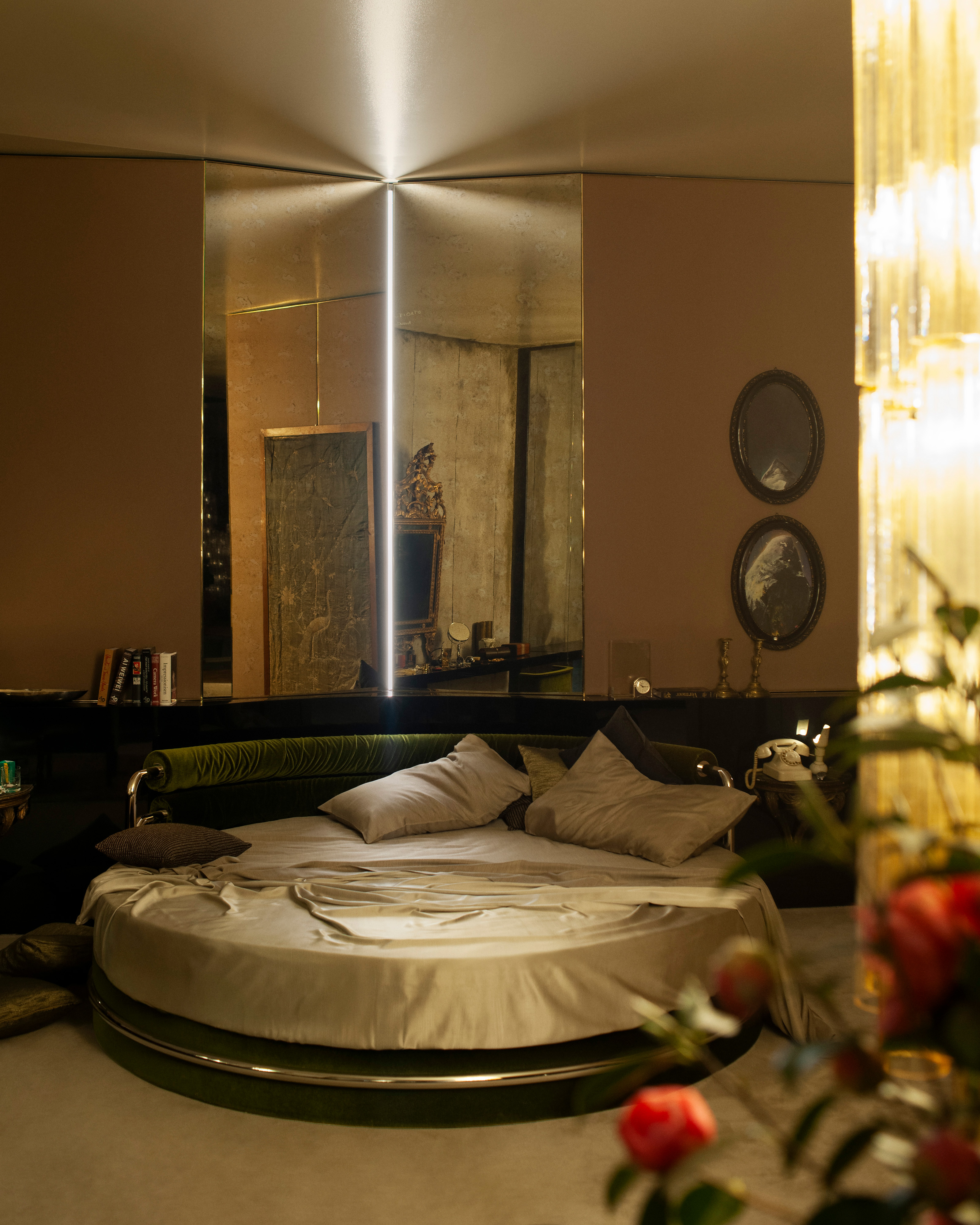
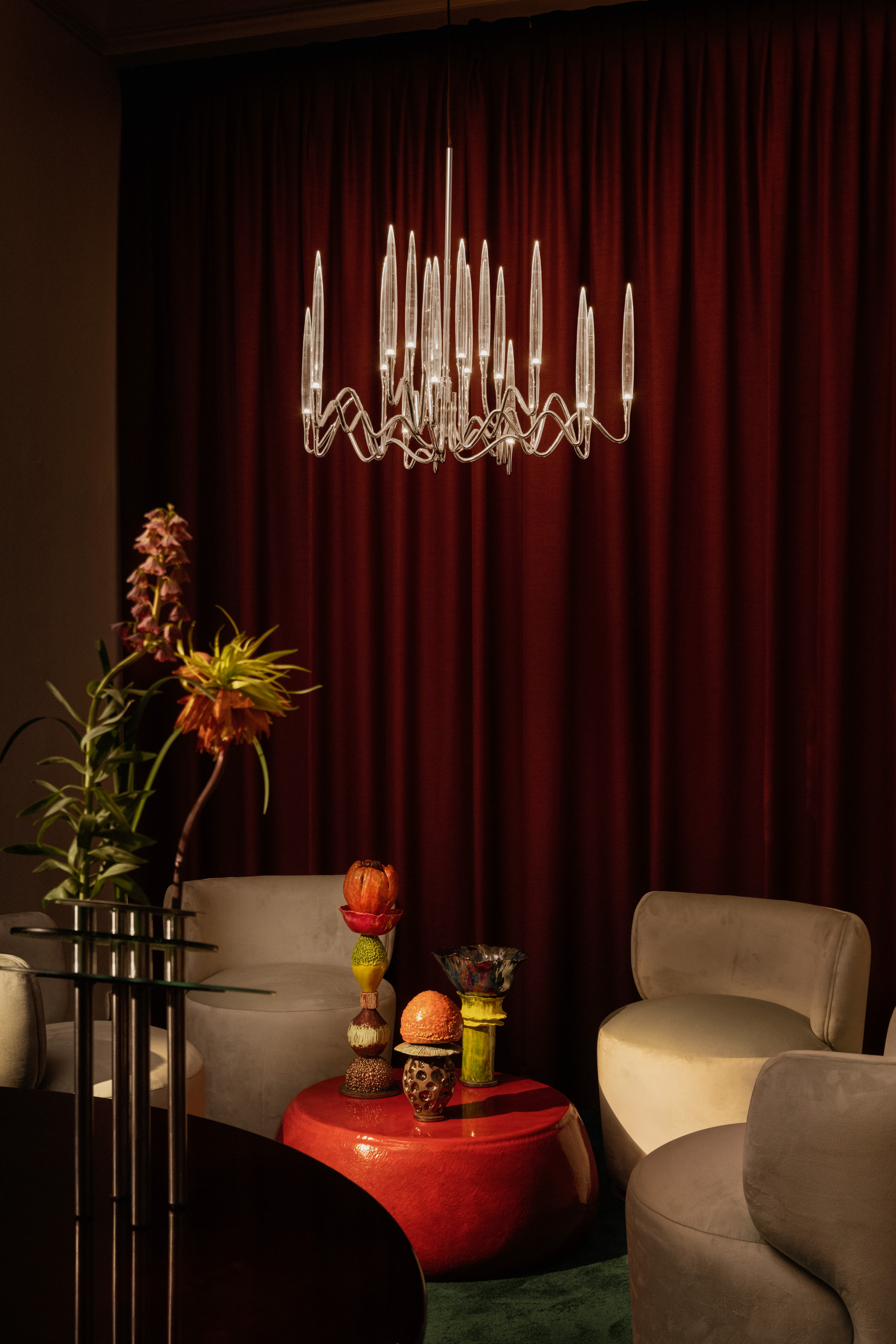
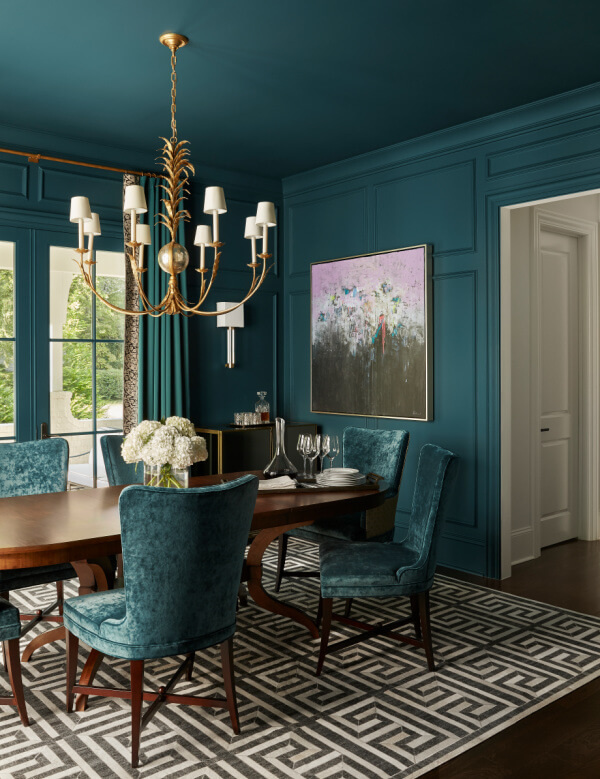
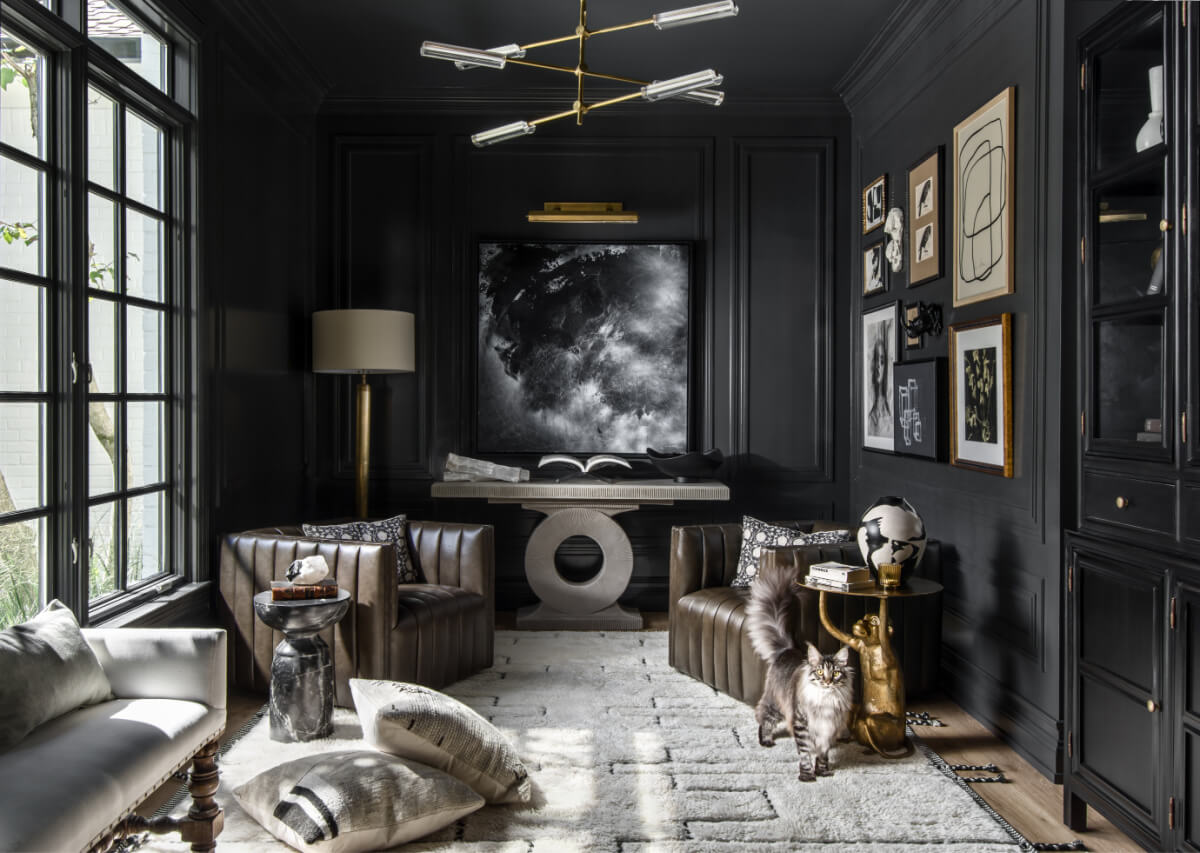
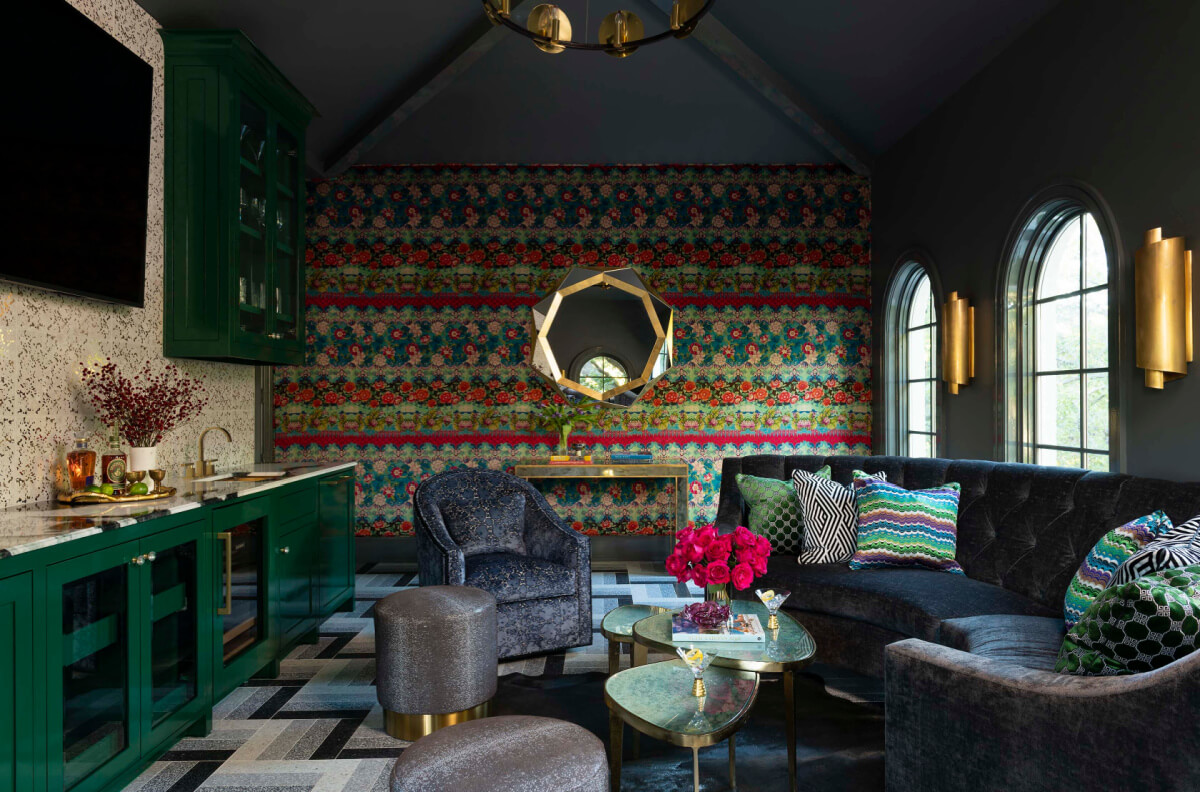
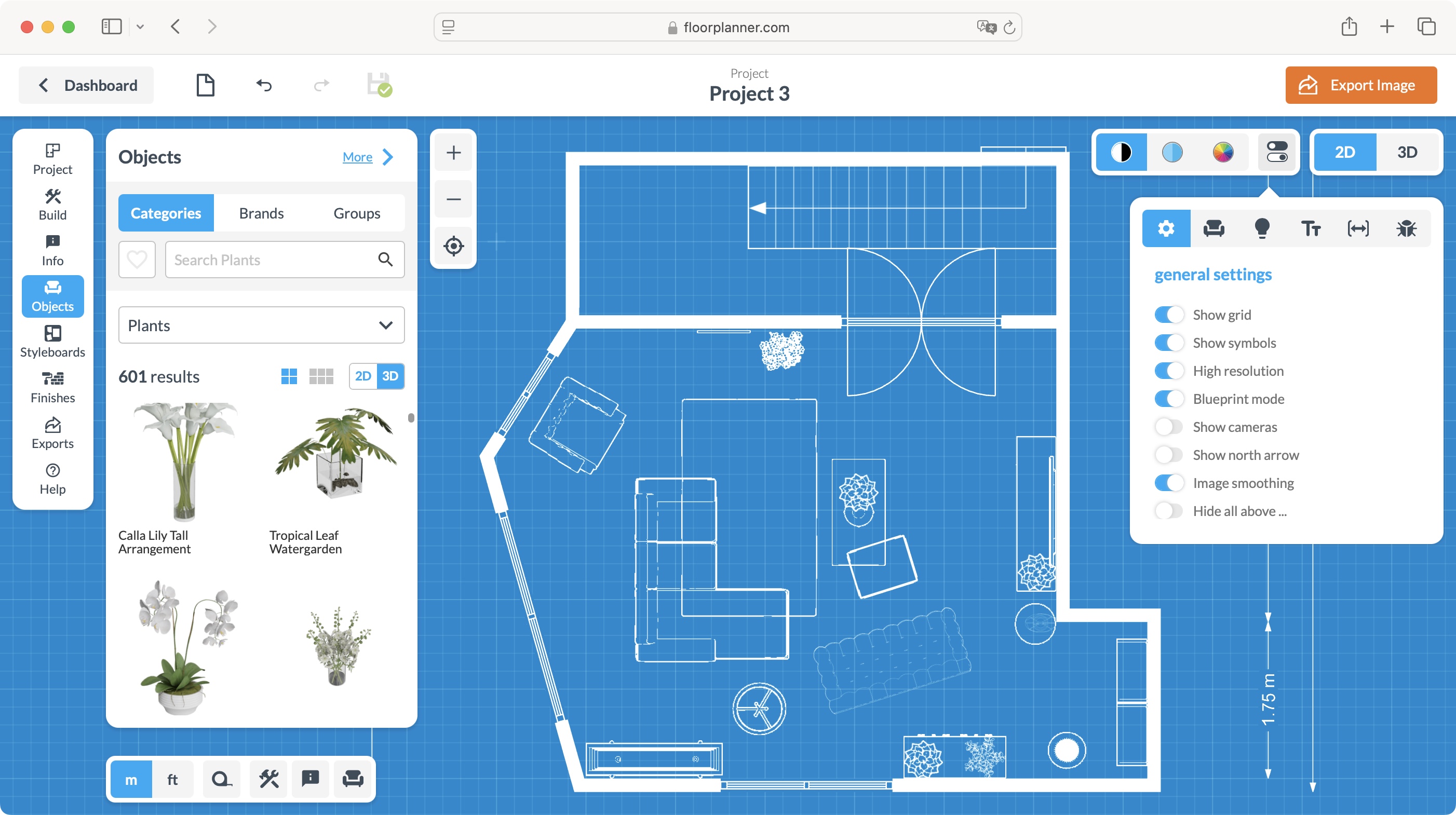
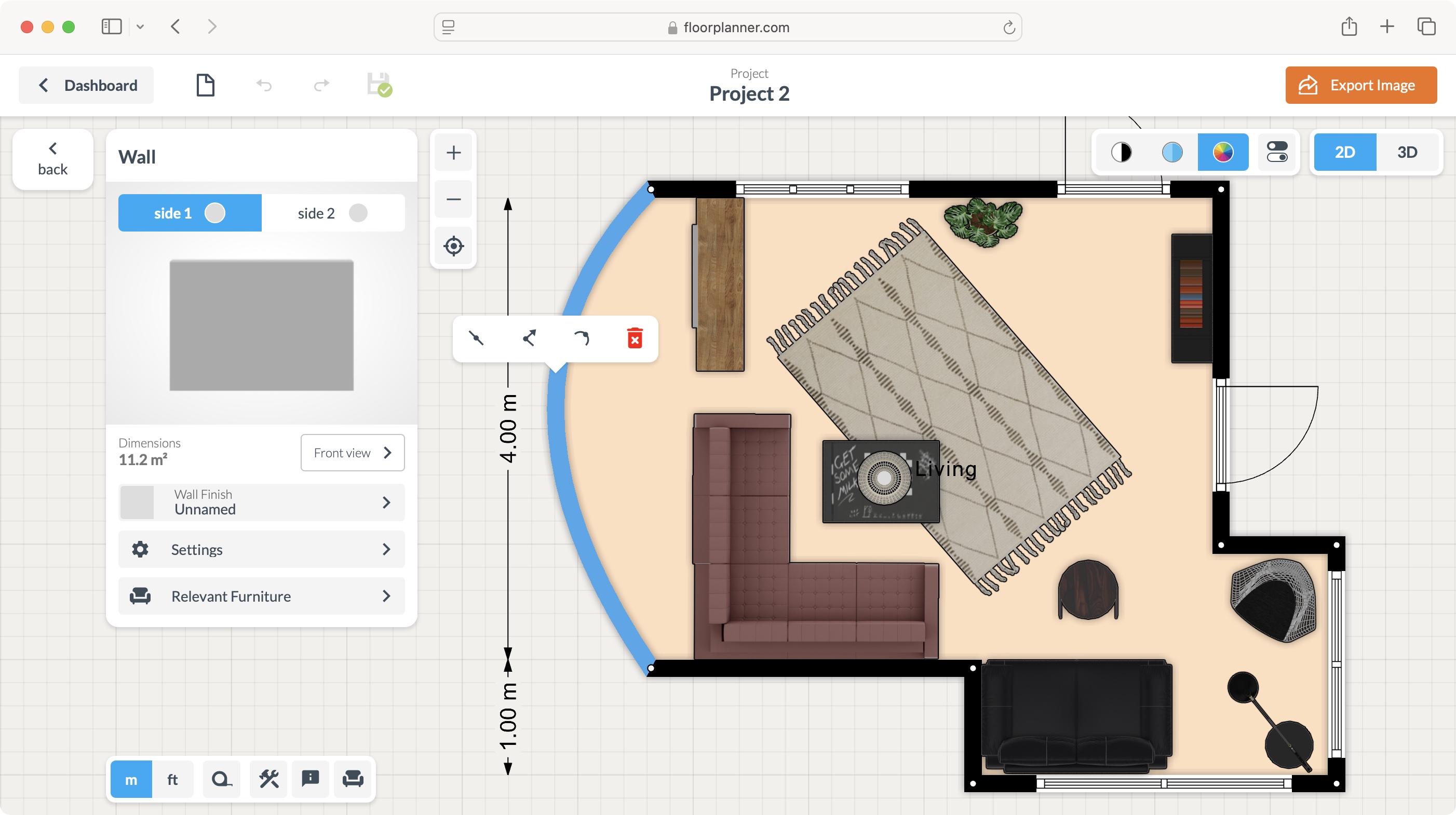
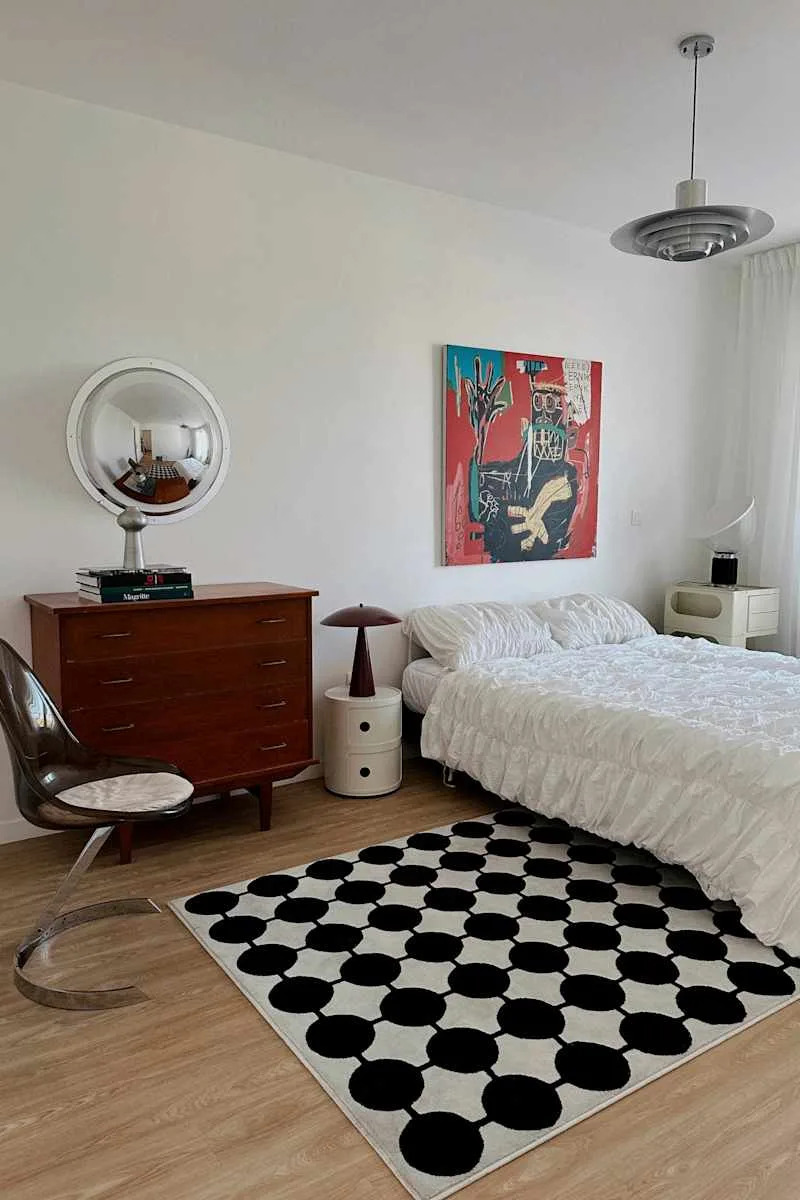
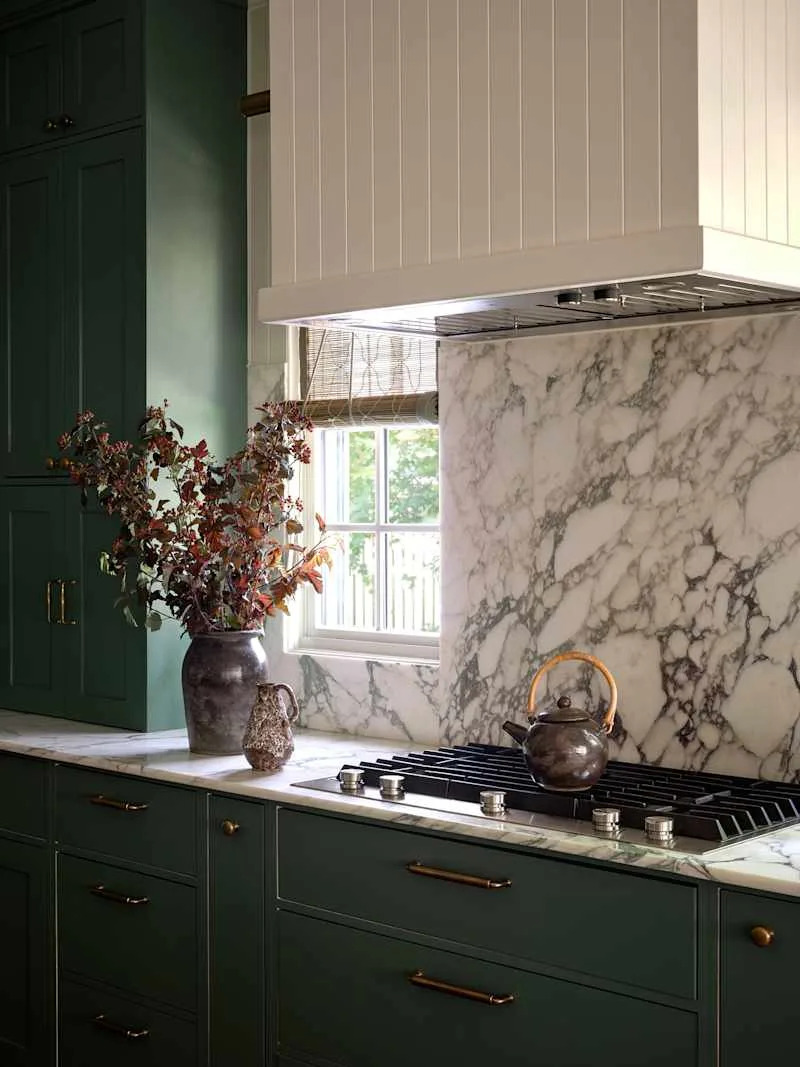
Interior design encompasses the art and science of enhancing interior spaces for functionality, comfort, and visual harmony, combining creativity with technical expertise in space planning, material selection, color psychology, furnishing, lighting, and sustainability. Macro factors such as rising incomes, lifestyle upgrades, a booming real estate sector, social media influence, and digital design tools have elevated the visibility of interior design globally. Consumers prioritize spaces that reflect their personality, culture, and lifestyle, while businesses leverage interior design to build brand identity and improve user experience. Modern design is also deeply influenced by sustainability and smart technology, with eco-friendly materials, low-energy lighting, smart home automation, and AI-assisted planning tools reshaping design workflows and consumer expectations.
Key opportunities driving market growth include the integration of smart home technologies, such as voice-activated lighting, smart security systems, and intelligent climate controls. Sustainability is a universal expectation, leading to demand for eco-friendly materials, energy-efficient lighting, and green building certifications. The expansion of hybrid work models has increased demand for specialized home office designs and flexible, collaborative office spaces. Customization and personalization are also major drivers, with a shift towards bespoke furniture, tailored lighting, and culturally inspired designs. Furthermore, global and cultural design fusion, blending influences like Scandinavian minimalism and Japanese Zen, is becoming a defining trend.
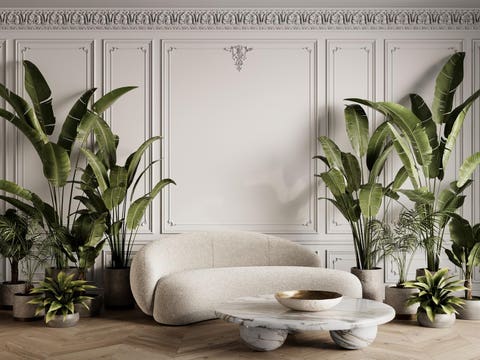
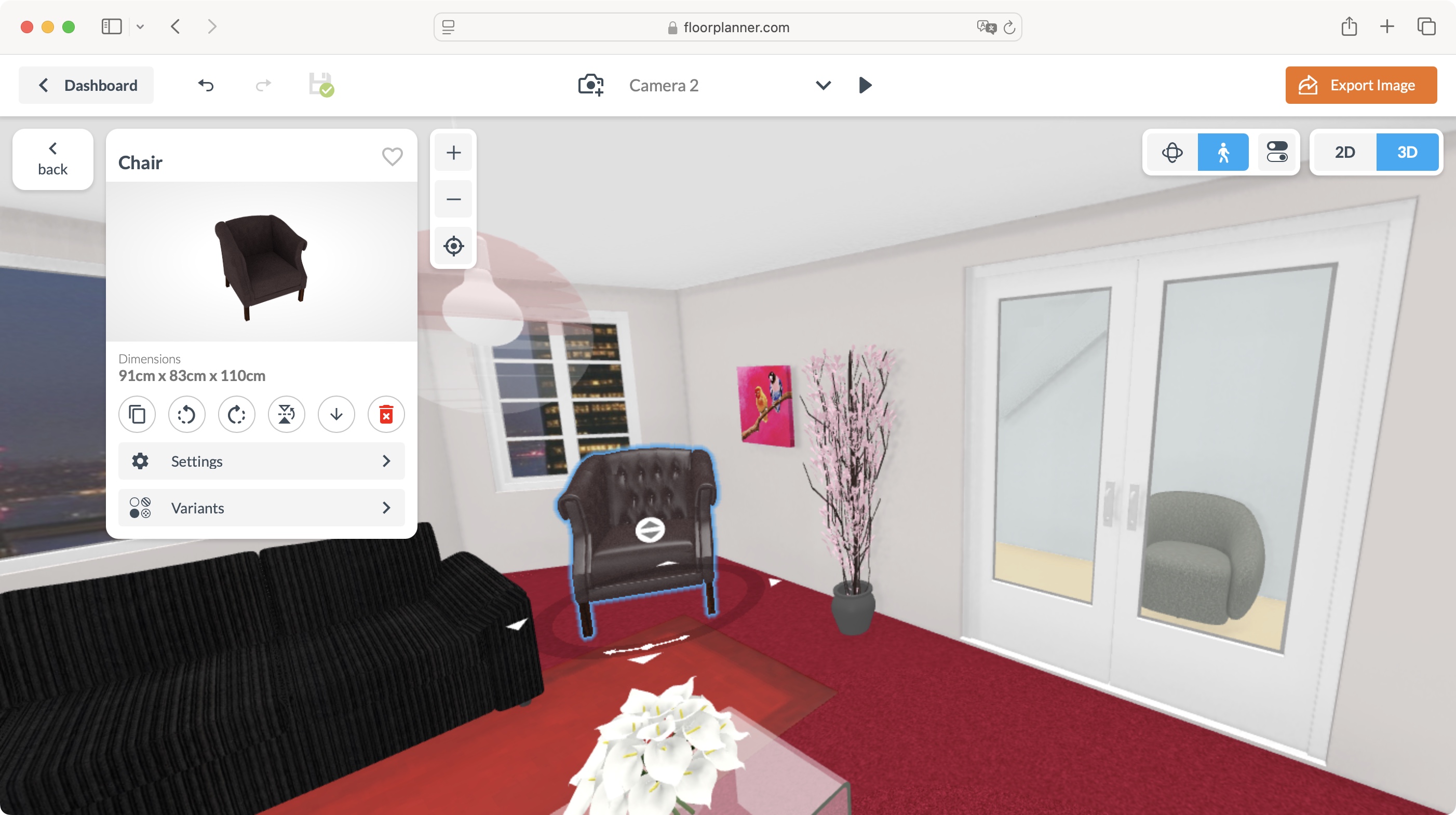
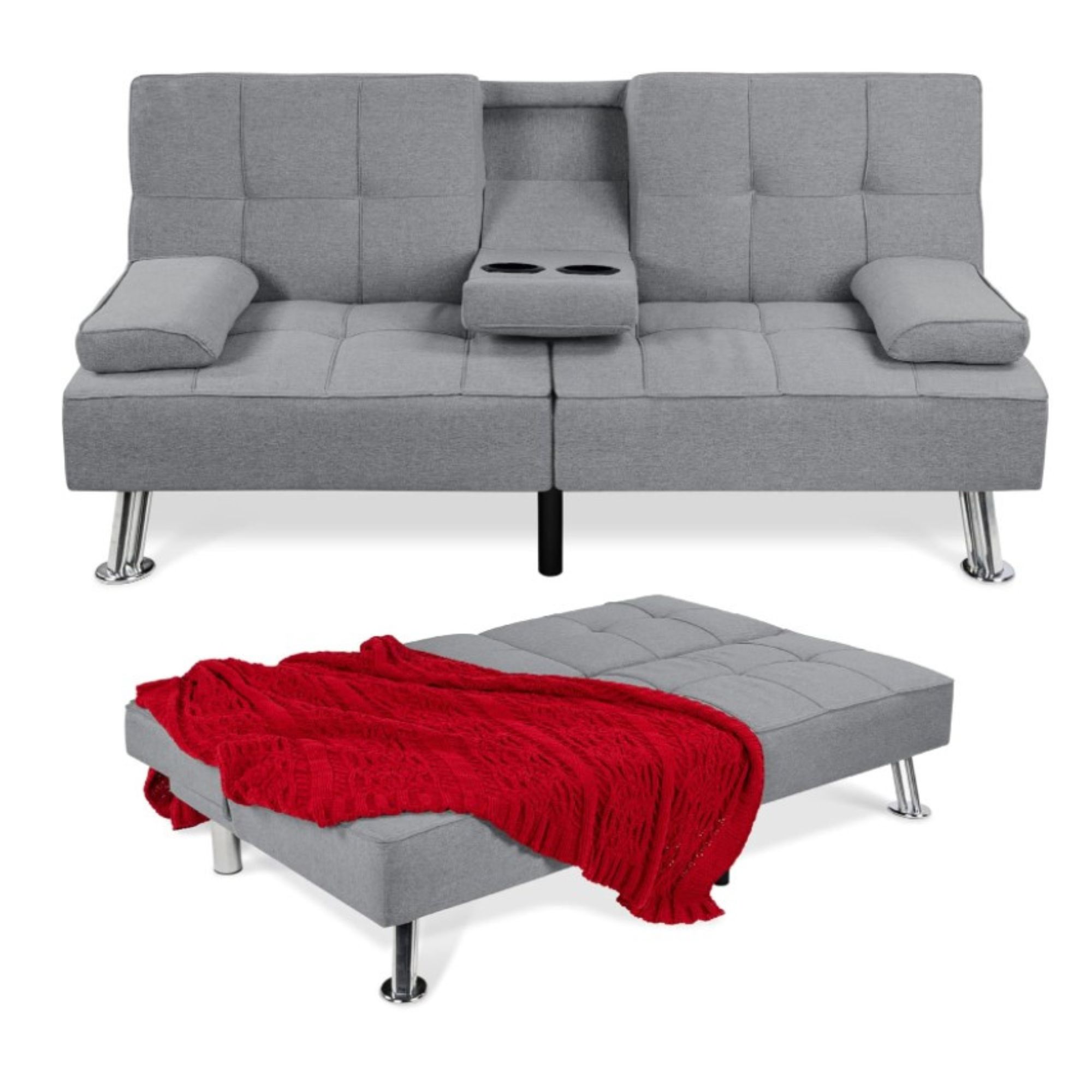
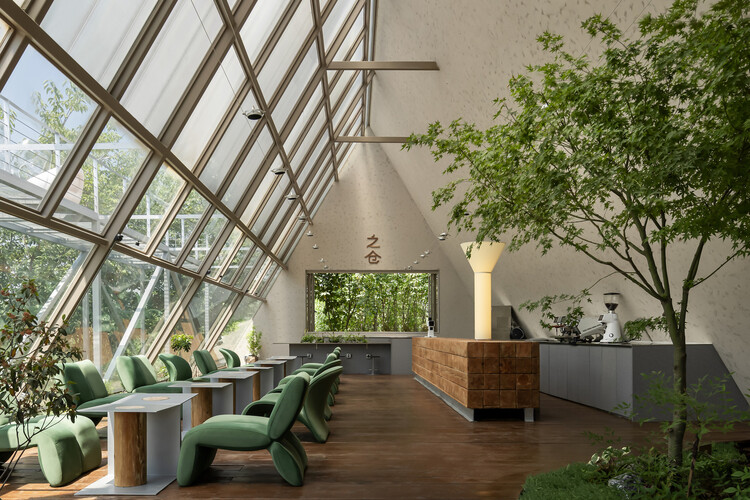
Recent innovations shaping the market include biophilic design, which integrates nature into interiors to improve well-being, and the use of Virtual Reality (VR) and Augmented Reality (AR) for design visualization, allowing clients to preview 3D interiors and designers to accelerate decision-making. Modular and multi-functional furniture addresses the demand for flexibility in urban living, while advanced acoustic design solutions provide comfort in open-plan and home-office environments. 3D printing and digital fabrication enable rapid prototyping and custom designs using sustainable materials.
Market growth is further propelled by urbanization and real estate expansion, especially in developing countries, leading to increased demand for well-planned residential and commercial interiors. Rising disposable incomes, particularly in countries like the USA, Luxembourg, and Switzerland, enable consumers to invest in luxurious, smart, and customized interior solutions. Social media platforms significantly influence consumer purchasing decisions in home improvement and décor. However, challenges such as the high cost of professional services and difficulties in implementing sustainable practices due to expensive materials and sourcing issues persist. The market is segmented by type into new construction and remodeling, with remodeling booming due to aging infrastructure and a preference for upgrades. By end-use, residential and commercial sectors are key drivers, with strong adoption in hospitality, retail, corporate offices, and healthcare. Geographically, major markets include the United States, France, India, and Saudi Arabia, each with unique drivers and trends.
#InteriorDesignMarket #MarketForecast2033 #SmartHomes #SustainableDesign #PersonalizedSpaces #HybridWork #BiophilicDesign #VRinDesign #ModularFurniture #Urbanization #InteriorDesignMarket #MarketForecast2033 #SmartHomes #SustainableDesign #PersonalizedSpaces #HybridWork #BiophilicDesign #VRinDesign #ModularFurniture #Urbanization
0 comment in total
 No comments yet
You may also like
Interior Design Reveals the 2023 Rising Giants

10 Interior Design Trends to Watch in 2025

5 of the finest interior design styles that will define 2024

Designers Say These Trends Will Go Out of Style in 2025—Here Are Some to Try Instead

Local interior designers seek inspiration at industry events, shows, and markets away from St. Louis

Introducing Interior Design’s 2024 Rising Giants
8 Interior Design Trends That Will Be Everywhere in 2025

Interior Design Trends of 2024

The Biggest Interior Design Trends for 2025

8 Interior Design Trends for 2025
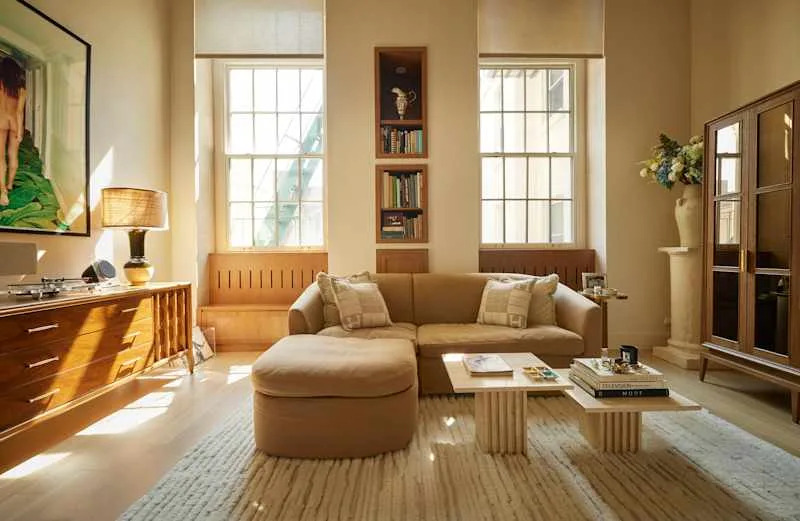
5 Styles That Will Dominate Home Decor in 2026, According to Experts
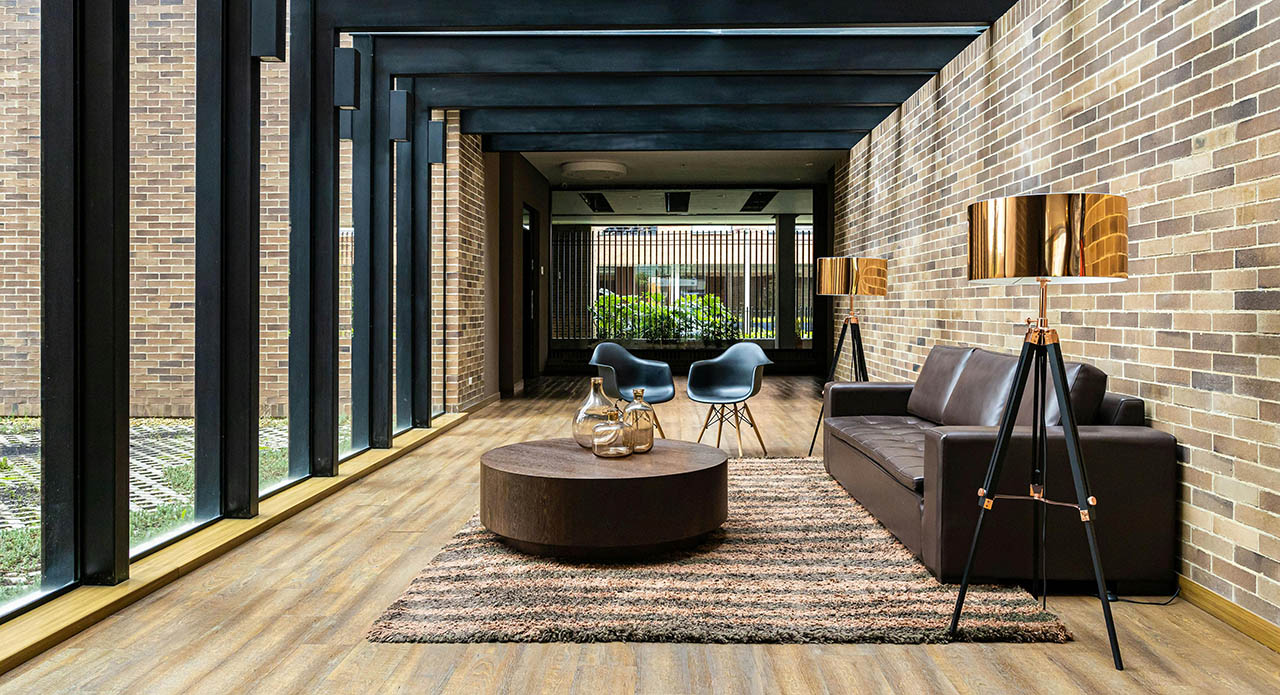
Blending Tradition With Innovation: India’s Interior Design Trends For 2025

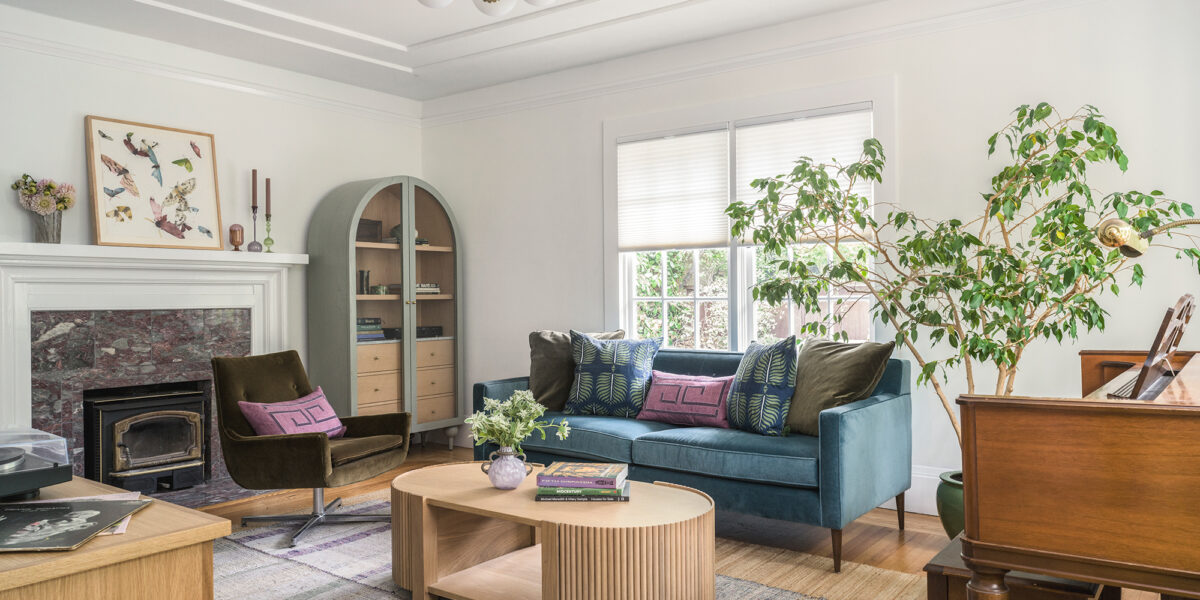
These Will Be the Biggest Design Trends of 2025
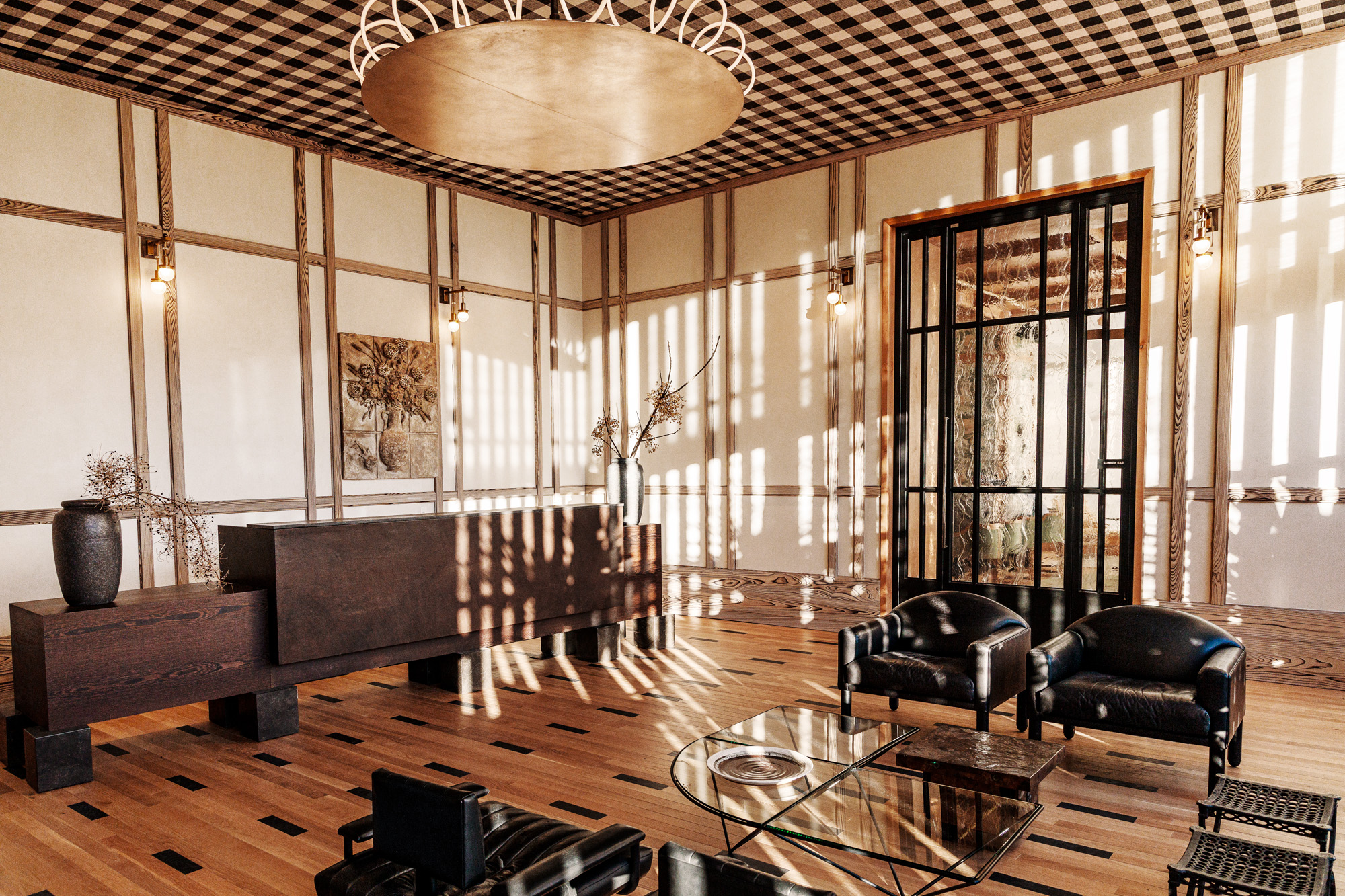
Year in review: top 10 design stories of 2022, selected by Wallpaper* design editor Rosa Bertoli

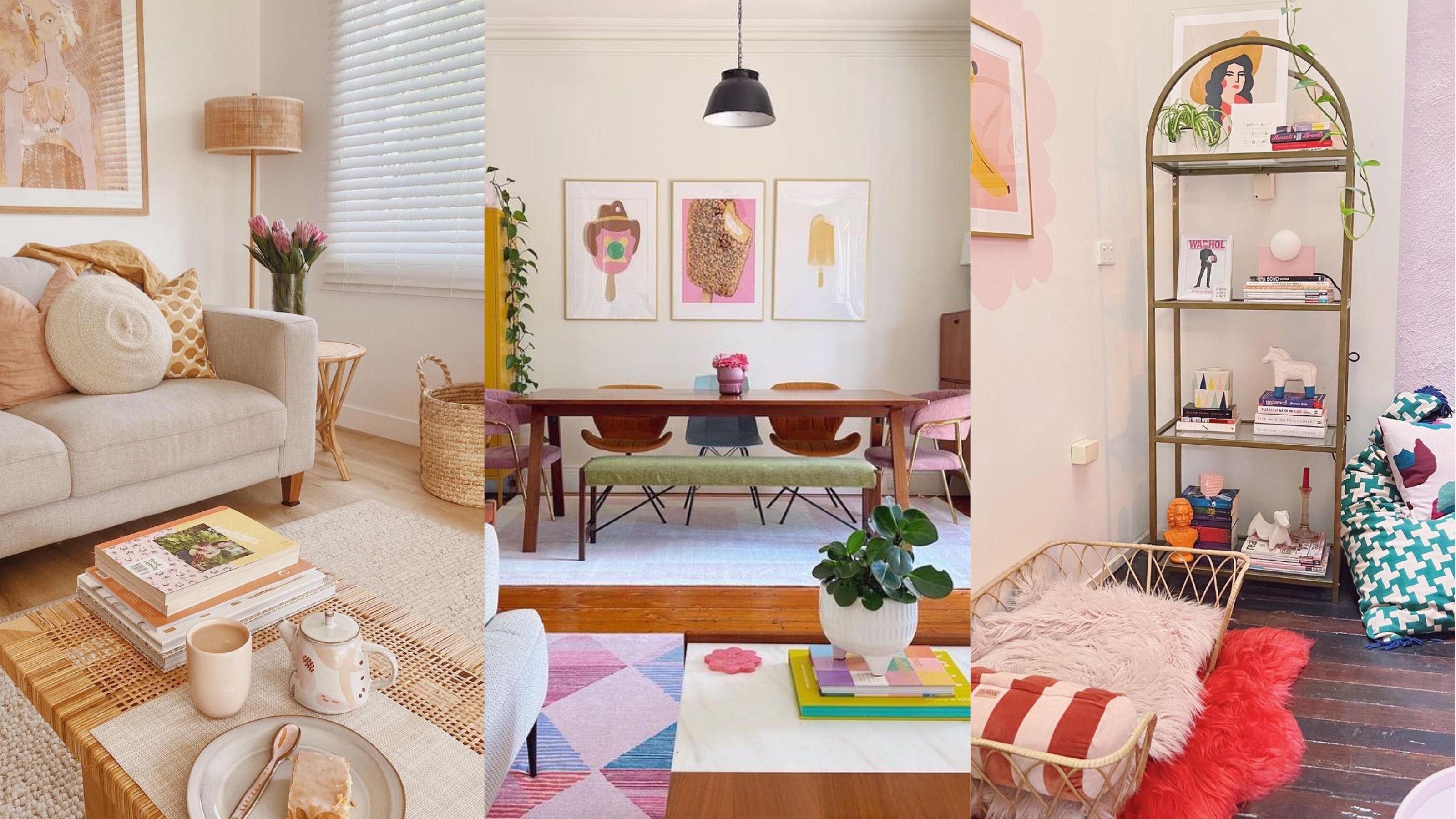
Top interior design trends 2020

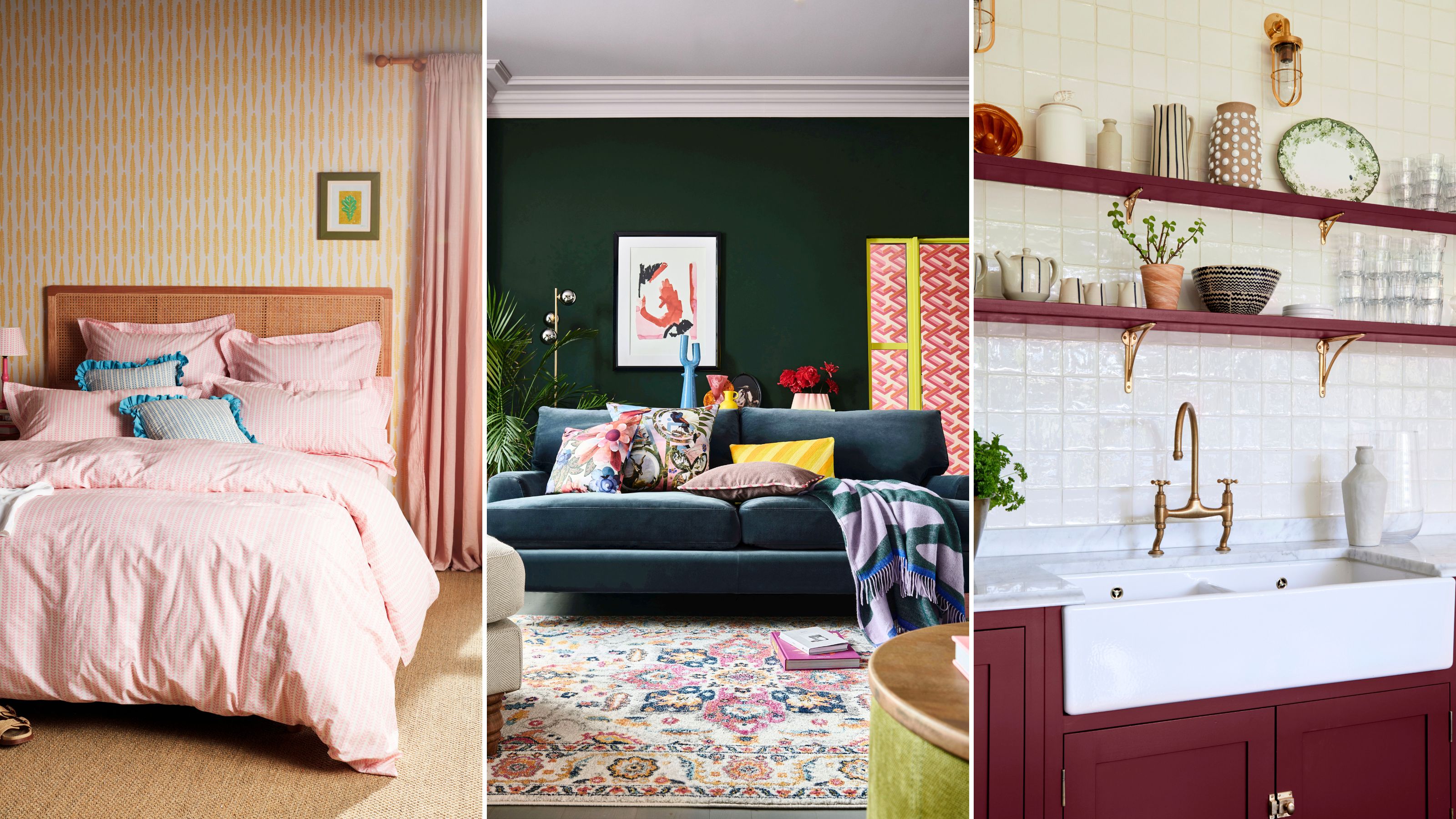
10 interior design trends for 2025 to level up your space

10 Interior Design Trends Going Away In 2025

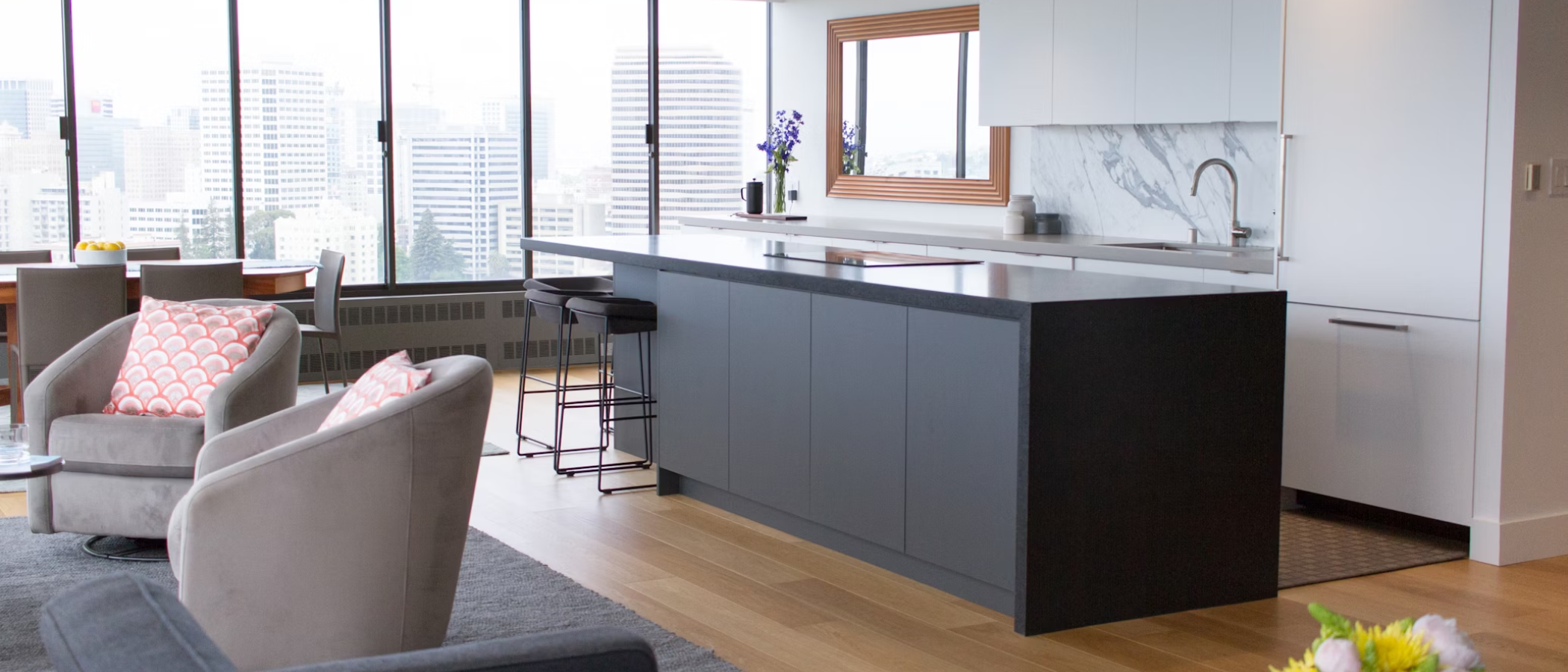
Best interior design software of 2025

The Zeitgeist Edit — The Design Moments an Editor Is Talking About in November

9 Home Décor Trends on Their Way Out in 2025, According to Interior Designers