1/8
Inside the High-Tech Interiors Revival
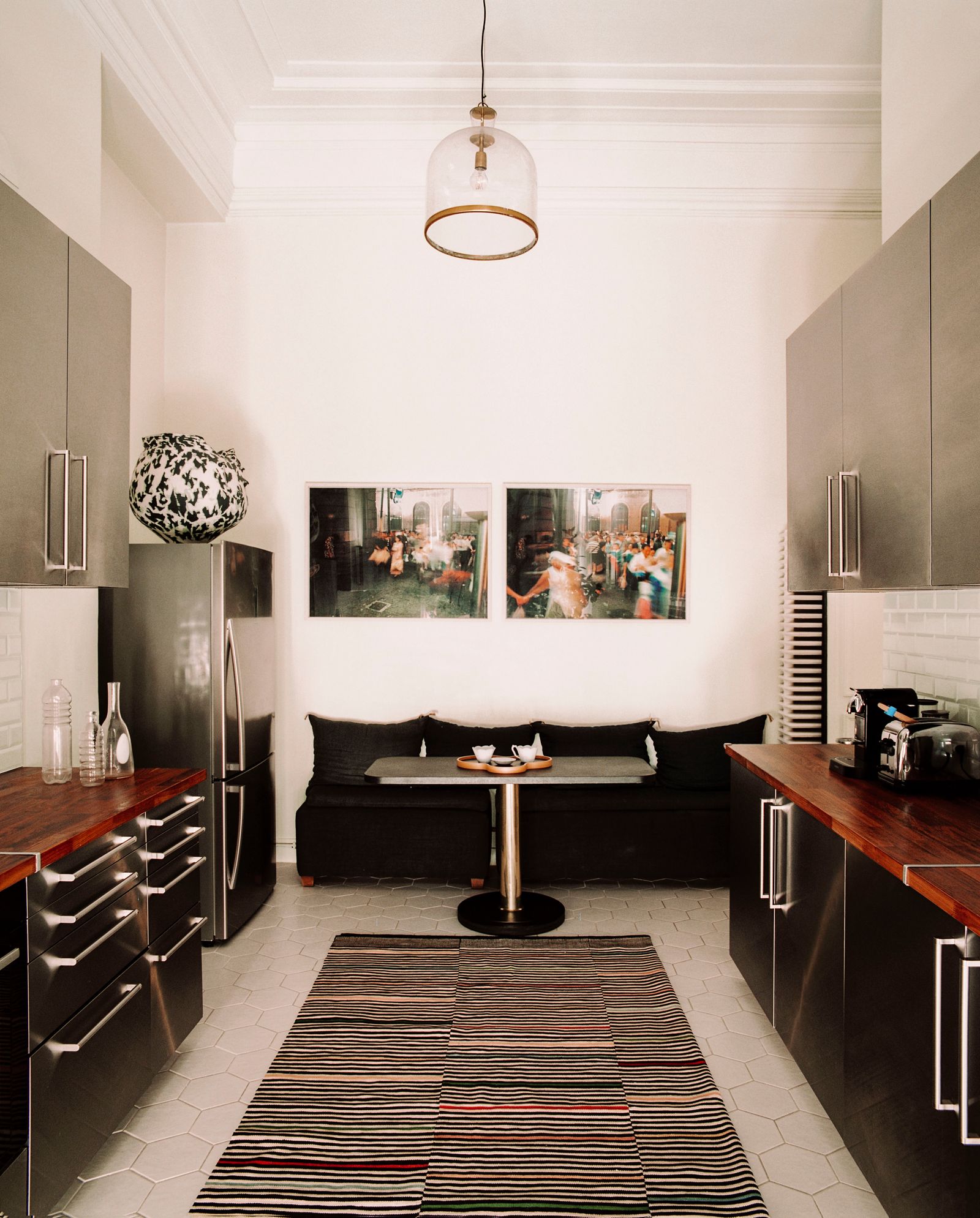
The High-Tech Architecture movement, which emerged in 1970s Britain, was characterized by exposed mechanical systems, structural elements in vibrant colors, and adaptable interiors constructed from lightweight, metallic materials. This style, often called “structural expressionism,” was popularized by architects such as Norman Foster, Richard Rogers, and Renzo Piano. It transformed industrial and factory production elements into an ornamental language, where functionality became the primary aesthetic. These designs paradoxically appeared as technology began to shrink, with the advent of microchips, home computers, and global communication networks. These advancements led to computer-aided design, new material technologies, and rapid prototyping, giving rise to sleek and simple technological aesthetics.
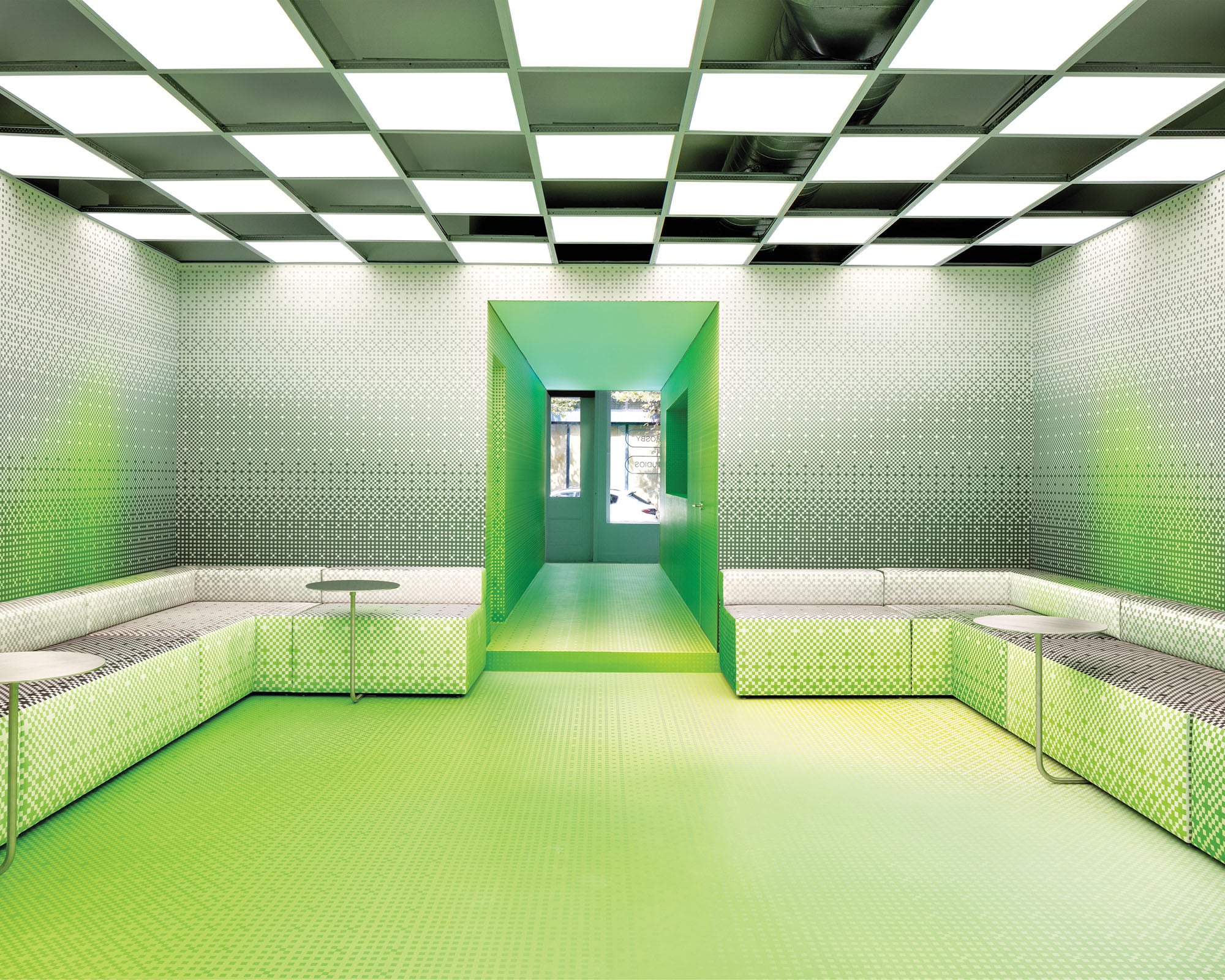
Currently, a new generation of designers is reevaluating the meaning of a “high-tech” aesthetic in interior and object design. Moving away from post-pandemic trends that favored natural and organic materials, these designers are incorporating digital manufacturing techniques and processes while playfully engaging with past factory-made components. Harry Nuriev of Crosby Studios, known for his chromatic surfaces, pixelated videogame-inspired furnishings, and digital software-referencing wallpapers, views the past high-tech movement as a "cold engineer’s functional aesthetic." For him, contemporary high-tech design should be centered on the "virtual experience." Nuriev recently coined the term “transformism” to describe his design philosophy, which involves combining existing objects and materials to create a transition from one form to another. His Video Game Stool collection exemplifies this, inspired by the aesthetic of low-quality, downsized furniture files in virtual environments. Nuriev’s "transformist" approach, as seen in his Retro Futurism Collection, transforms streamlined machine-like motifs into soft, reflective textiles, mimicking liquid stainless steel settling into sofas or bedsheets.
Other designers are using factory aesthetics as a foundation for broader metaphors in commercial spaces. Masquespacio’s MO Bakery and Espresso Bar in Saudi Arabia draws inspiration from the role of water in baking and coffee brewing, employing metallic finishes to evoke flowing water. Sandblasted pipes extend from a mirrored ceiling, forming booths and reminiscent of the pipes and air ducts of the Centre Pompidou. Curvilinear glass and chrome orbs represent gas bubbles, blending industrial shine with organic forms. This curvilinear approach advances the high-tech aesthetic toward a more streamlined language. This style is also evident in spaces where industrial elements were always present, such as Buero Wagner’s office transformation. The Munich-based architectural studio converted its basement into a workspace, using galvanized steel gratings for custom seating and welded furniture that appears to grow organically from the floor. An aluminum foil curtain provides natural light and privacy, allowing industrial elements like exposed gas pipes and X-Beams to remain visible. The versatile space echoes the flexible, open-plan ideals of the High-Tech architectural era.
CHYBIK+KRISTOF’s Modular Research Center for KOMA Modular exemplifies flexibility and ecological motivations. This “innovation hub” for modular building prototypes incorporates elements of High-Tech Architecture and digital design, notably omitting right angles and using rotating containers as structural columns. Constructed from three main modules (roof, container, and floor), the center features shiny load-bearing walls and floor-to-ceiling windows that reflect natural light off perforated metal ceilings. The materials are locally produced, aligning with High-Tech Architecture’s original ecological concerns and emphasizing the structure as a dynamic, adaptable module that promotes human activity.
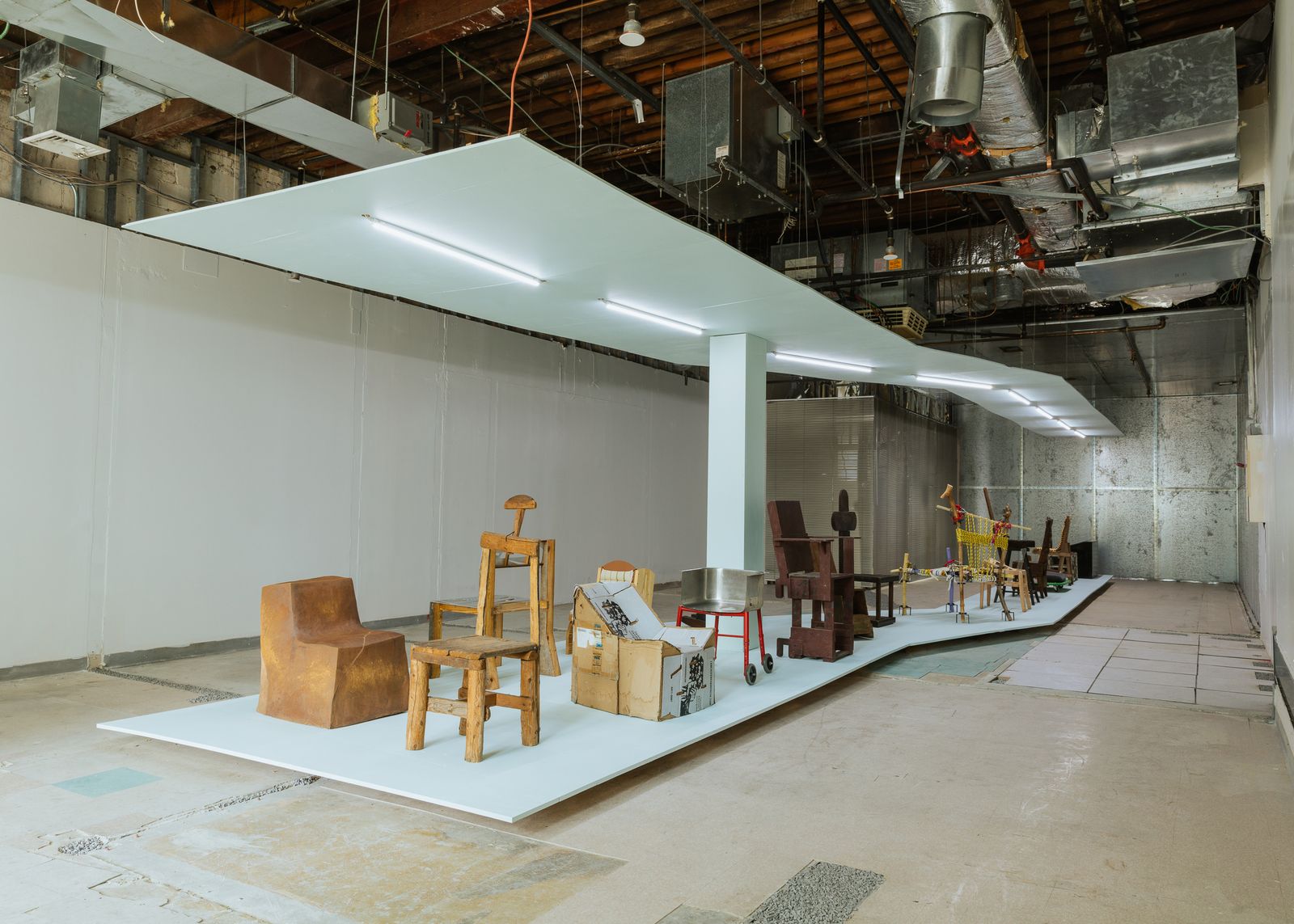
The High-Tech architectural style has also influenced furniture and objects. The Korean design group niceworkshop’s Affordance Series, crafted from polished stainless steel, directly references industry and machinery. Chairs feature industrial lifts instead of legs and roll on steel wheels, while a bench, inspired by an assembly line, rests on a precisely engineered sphere. Oversized bolts and screws are exposed, making joinery and construction ornamental. This collection, aimed at “inducing human behavior and psychology,” encourages users to interact with objects as if they were industrial factory workers, pushing them to engage with the furniture’s mechanics. Founder Hyunseog Oh explains that the series uses elements like conveyor belt rollers and industrial lifts to highlight the interaction between furniture and user. This approach, recalling Le Corbusier’s concept of homes as "machines for living," embodies an ultramodernity celebrated by High-Tech architects. Whether in commercial projects or everyday objects, the familiar motifs of the High-Tech Architecture movement, adapted for smaller scales, continue to reflect a fascination with mechanical workings, extending beyond mere function into decorative expression.
#HighTechInteriors #ArchitecturalRevival #CrosbyStudios #Masquespacio #BueroWagner #CHYBIKandKRISTOF #niceworkshop #DesignTrends #IndustrialAesthetics #HighTechInteriors #ArchitecturalRevival #CrosbyStudios #Masquespacio #BueroWagner #CHYBIKandKRISTOF #niceworkshop #DesignTrends #IndustrialAesthetics
0 comment in total
 No comments yet
You may also like
Beyond Aesthetics: How Tech is Redefining Interior Design
11 Home Design Trends That Need A Major Revival In 2024 To Infuse Some Personality Back Into Our Homes

From Hard Loft to Comfortable, Plant-Filled Home

Showhouse Resource Guide
"Experimental, Futuristic, and Other-Worldly" — There's a Good Reason Space Age Interiors Are at the Fore of Design Right Now

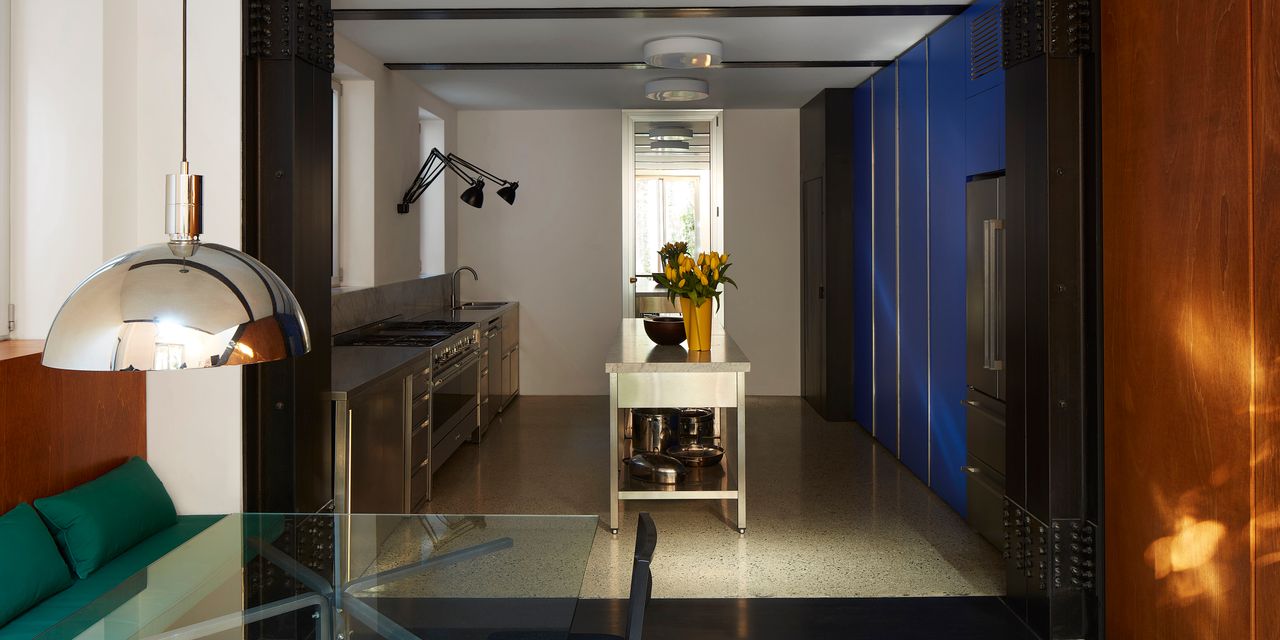
Are Interiors Headed for an Industrial Revolution?

Inspired Interiors: Design star modernizes timeless look
9 inspiring ways this L.A. redesign adds character to a once-bland and boring home


Smart Solutions Make This Sophisticated Conservatory Sing


Yoselin Alonso Open Concept
2024 Needs to Be the Year You Finally Commit to Wallpaper

10 Interior Design Trends to Watch in 2025

6 Ways to Modernize Your Home While Keeping Its Character, According to Designers

9 of the best living rooms in the world – as chosen by the interior design experts
10 Renovations Designers Want to See You Make in 2025

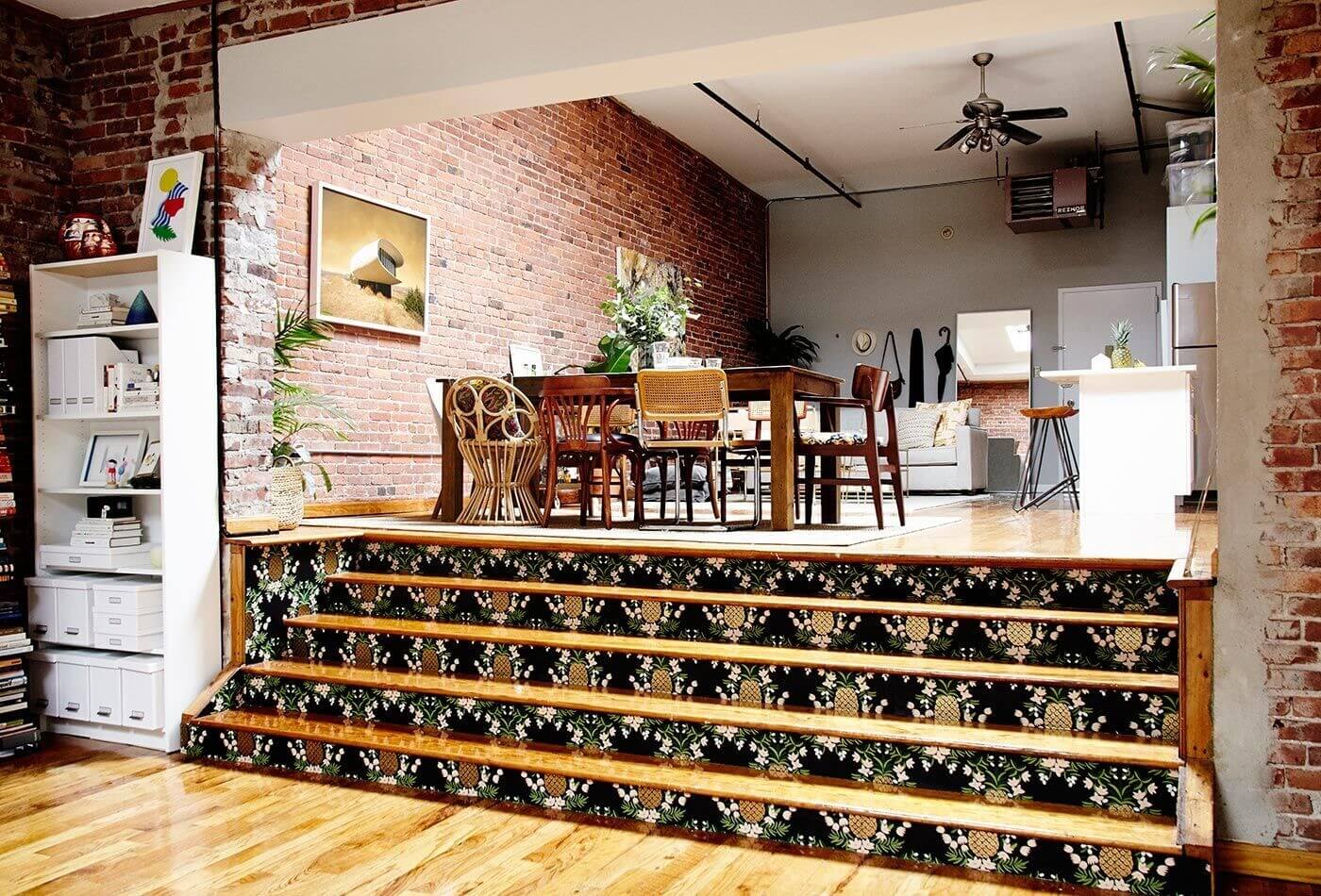
The Insider: Designer Warms Up Prospect Heights Loft With Art and Vintage Furnishings
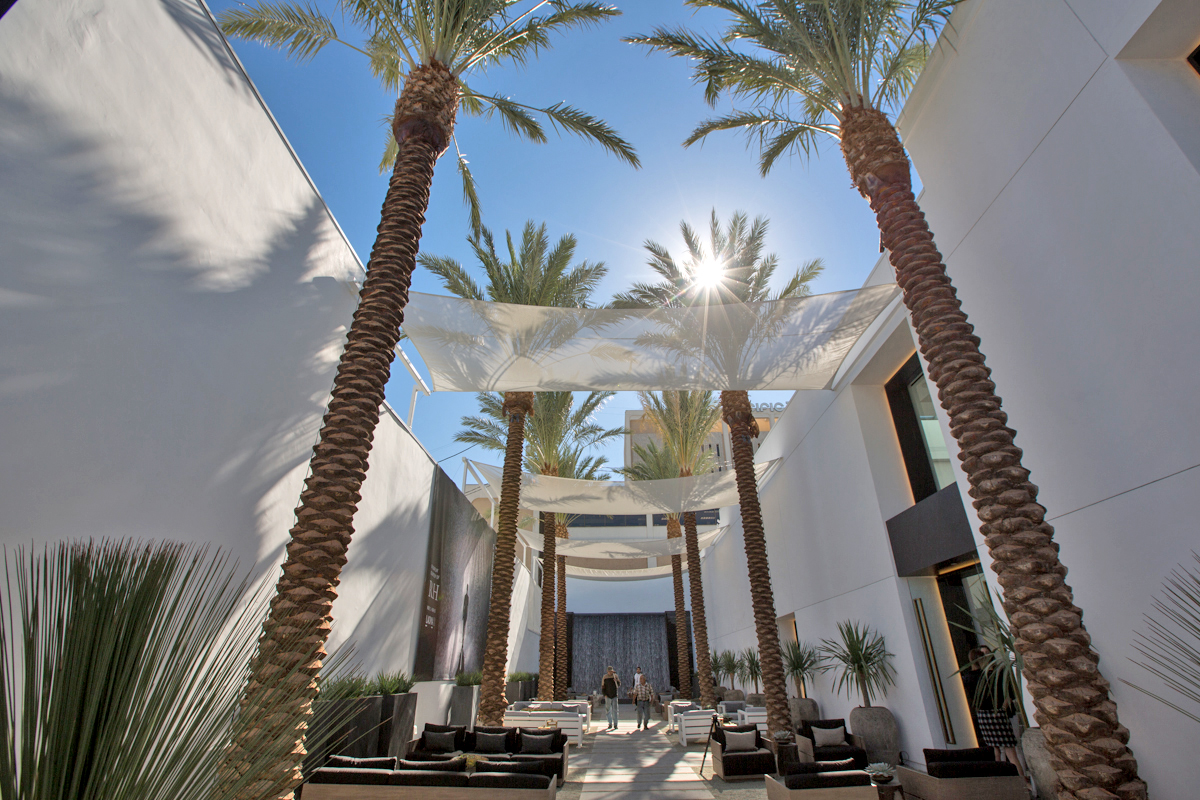
Explore Restoration Hardware's Glorious RH Modern Gallery on Beverly
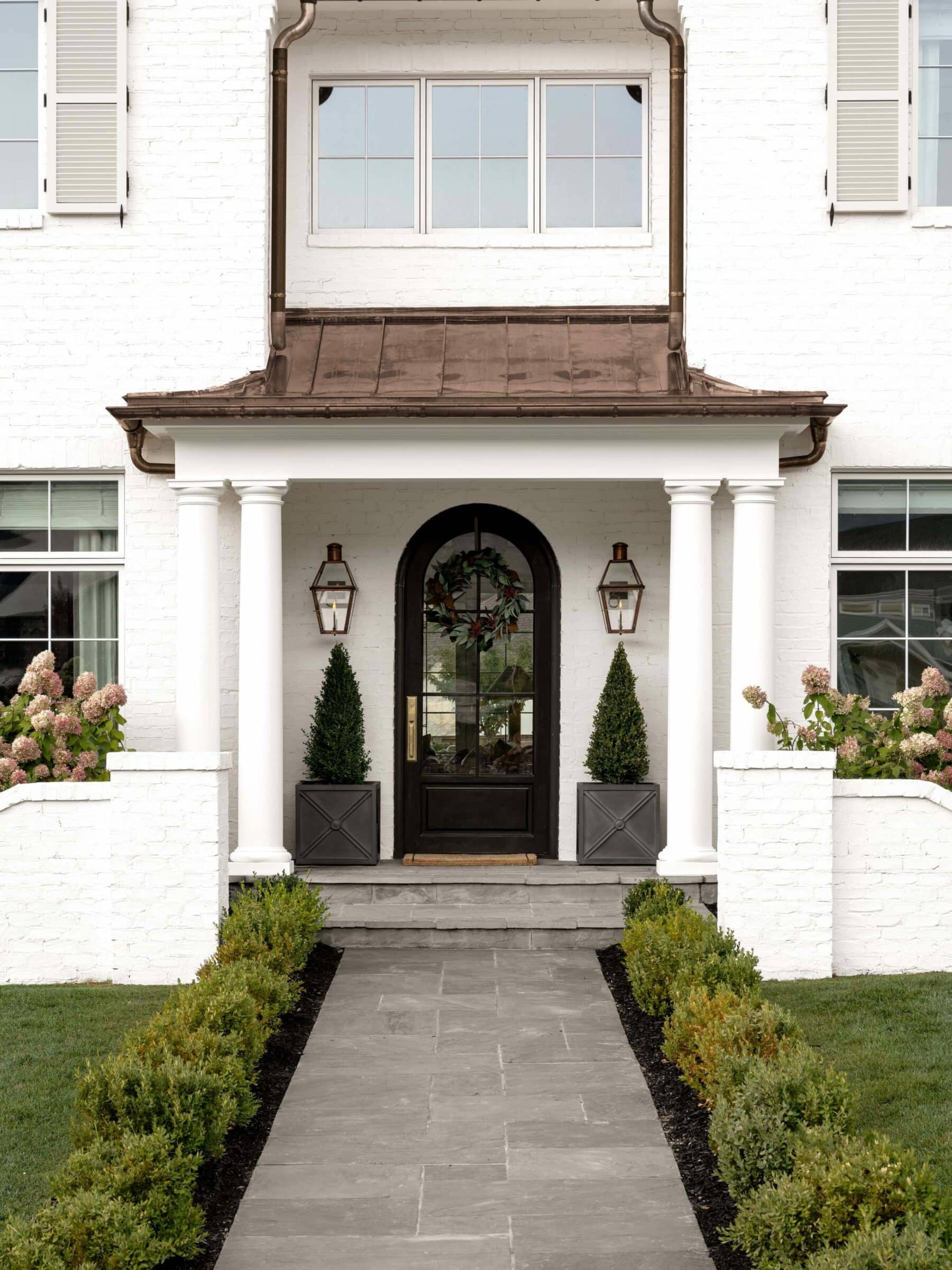
The McGee Home Refresh
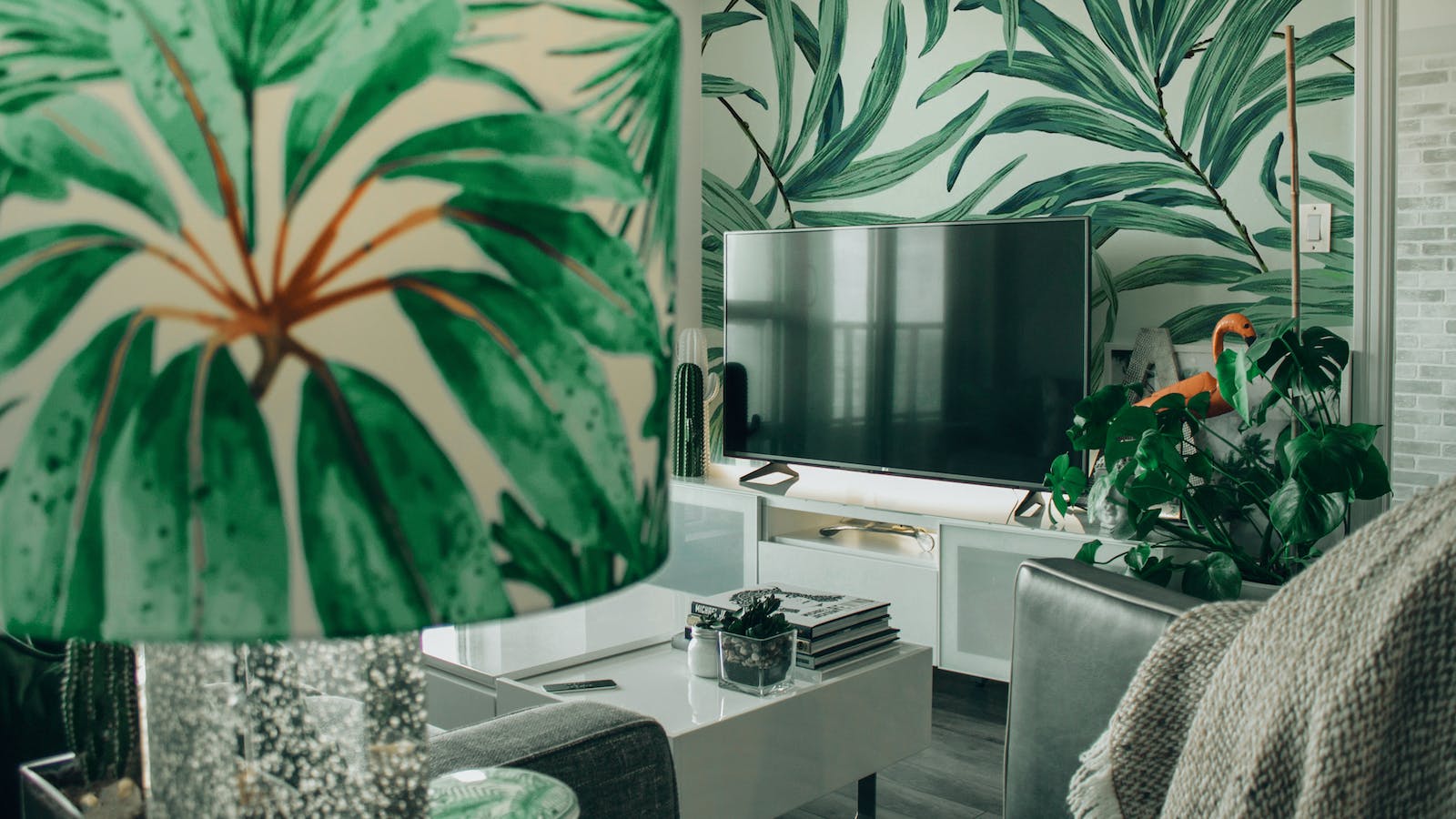
Elevate Your Space: Top Living Room Design Trends for 2025
These Chic Home Office Renovations Make Workspaces Stylish