1/11
"Experimental, Futuristic, and Other-Worldly" — There's a Good Reason Space Age Interiors Are at the Fore of Design Right Now
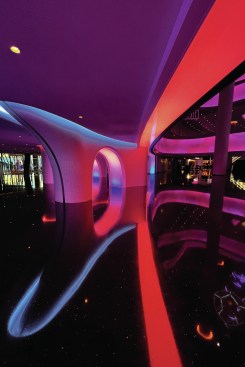
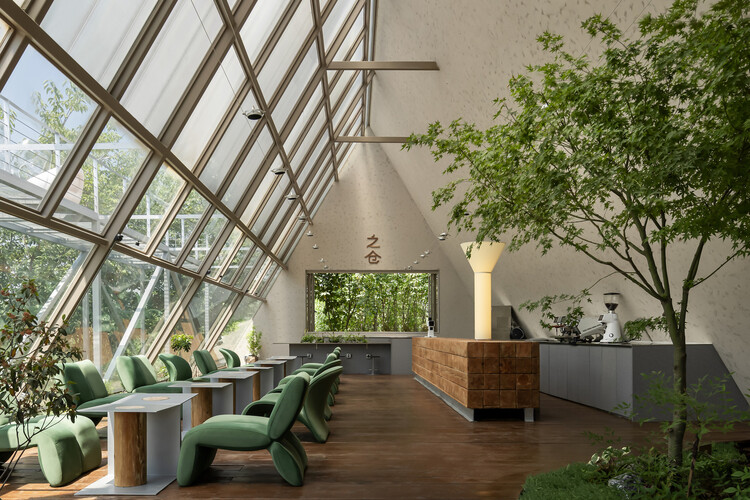
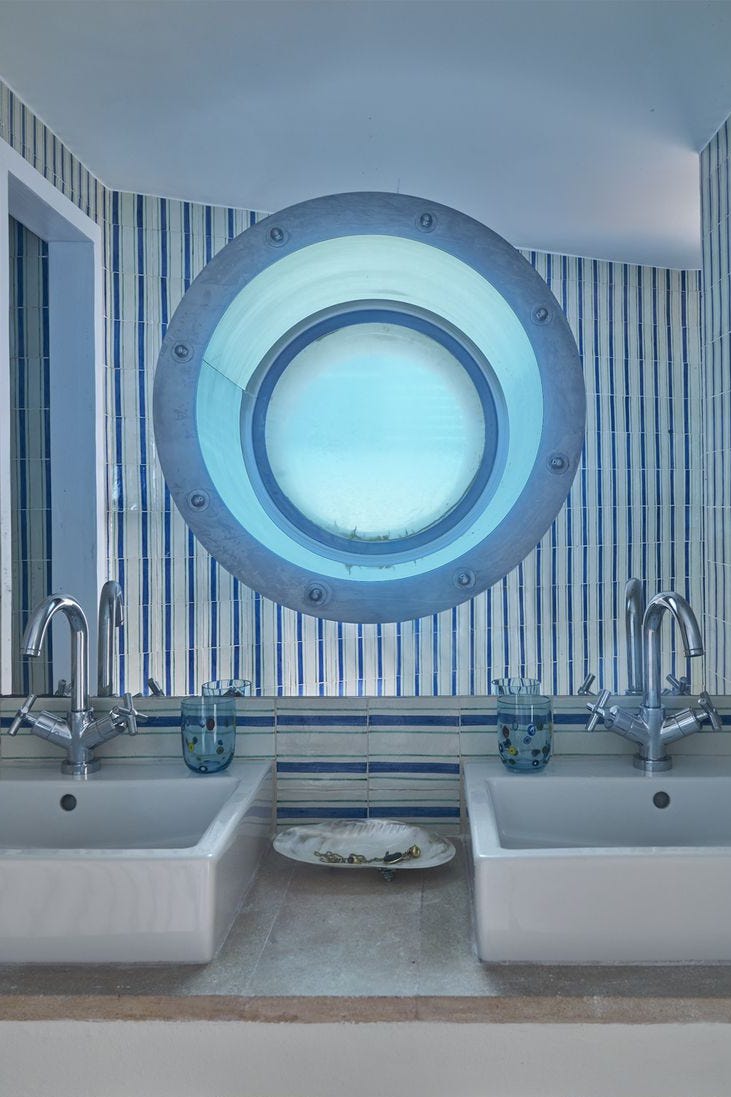
The Space Age interior design style, originating from the 1960s and 1970s, is experiencing a resurgence in contemporary design. This aesthetic was born out of the excitement surrounding the space race and technological advancements of the era, leading to a fusion of innovation and visionary aesthetics in home design. Influenced by the cultural shifts of its time, Space Age interiors are characterized by bold colors, unique materials, and distinctive shapes, reflecting a futuristic and experimental outlook.
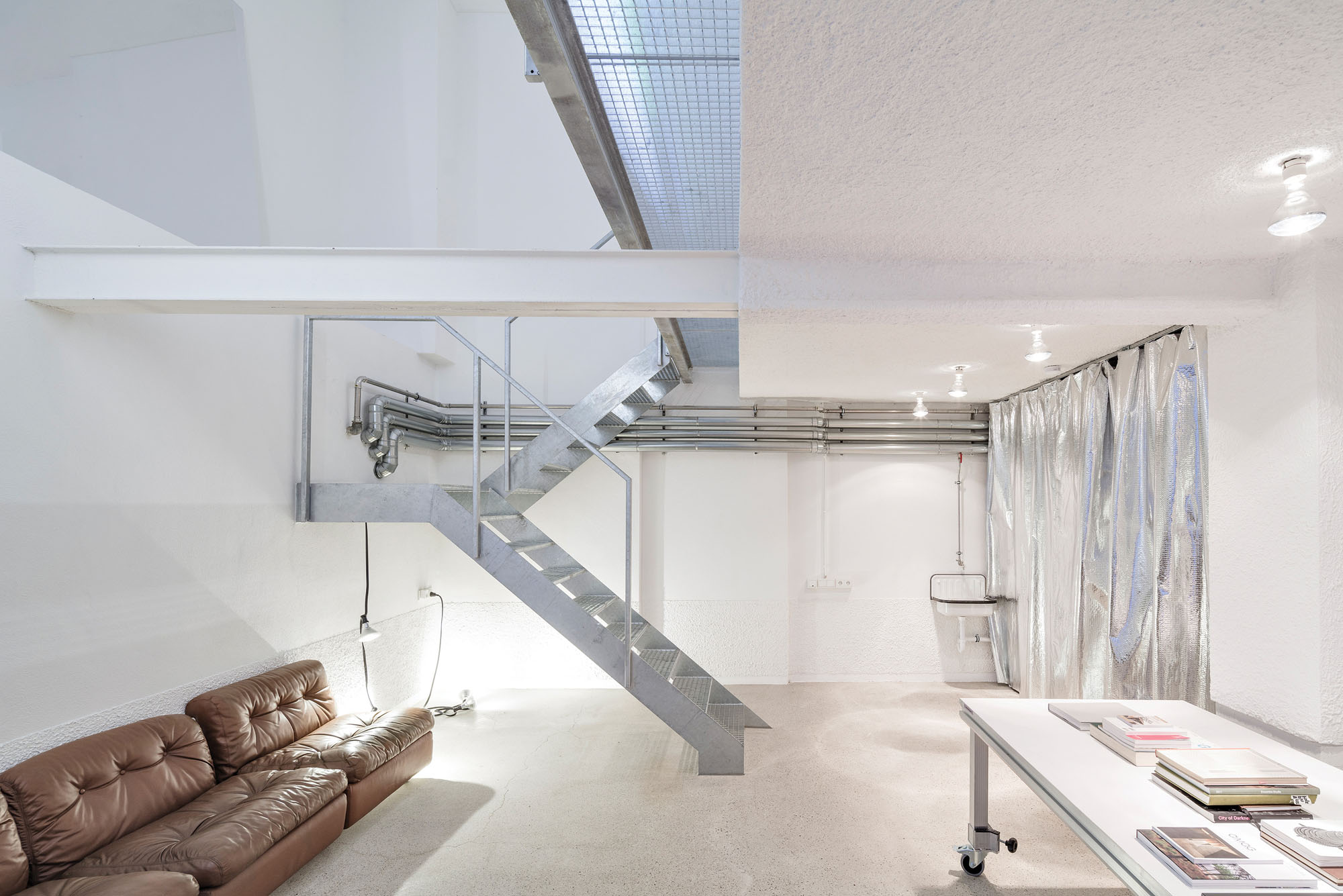
While closely related to mid-century modern design due to their shared birth period and some common elements like color palettes and materials, Space Age interiors differentiate themselves with a sleeker, more avant-garde, and futuristic edge. Interior designers like Kerry Offsey of Hines Collective explain that mid-century modern is rooted in practicality and organic materials, offering a timeless and effortless simplicity. In contrast, Space Age design is more experimental and other-worldly, evoking a sense of excitement for the future. It allows for more imaginative and unexpected design choices.
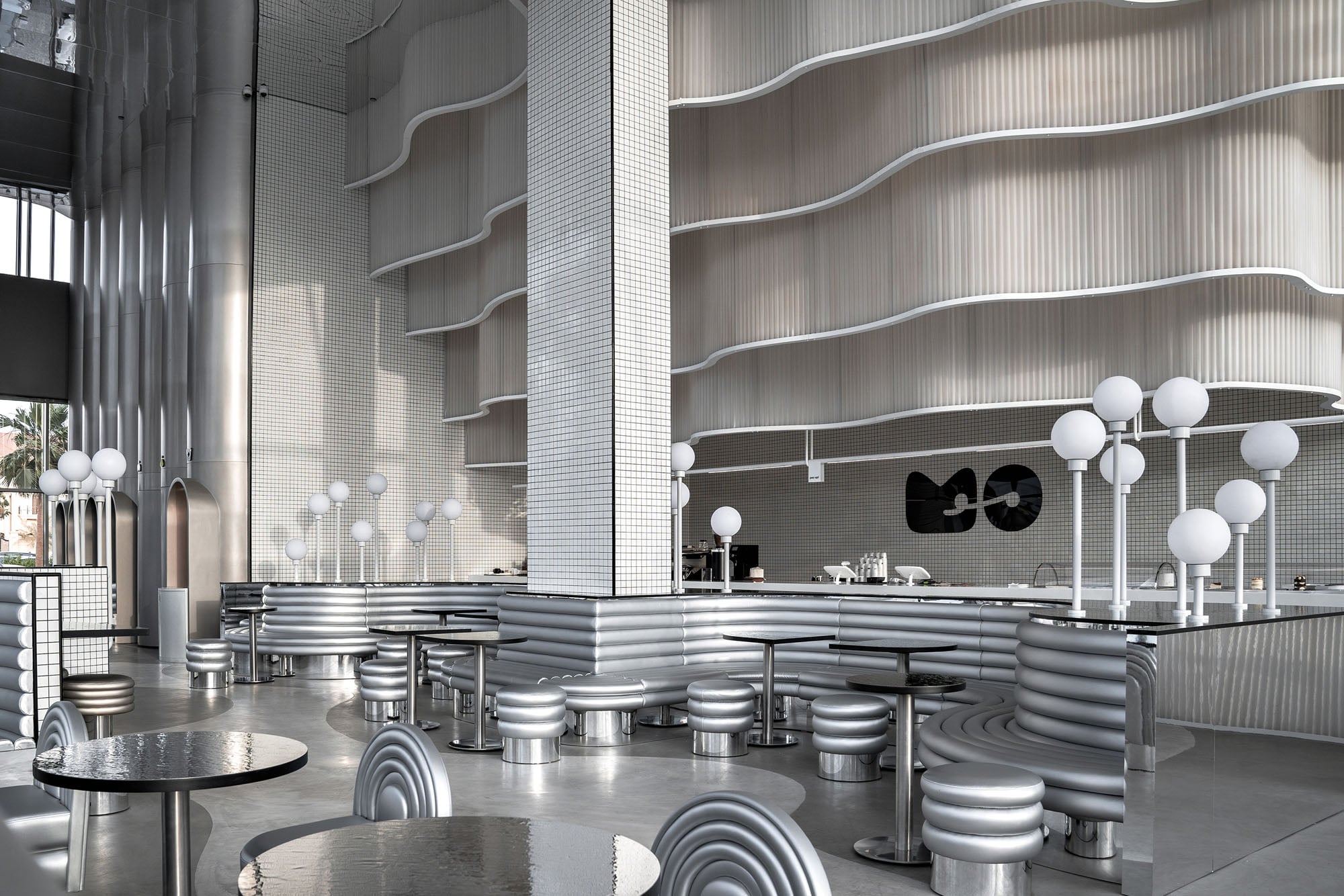
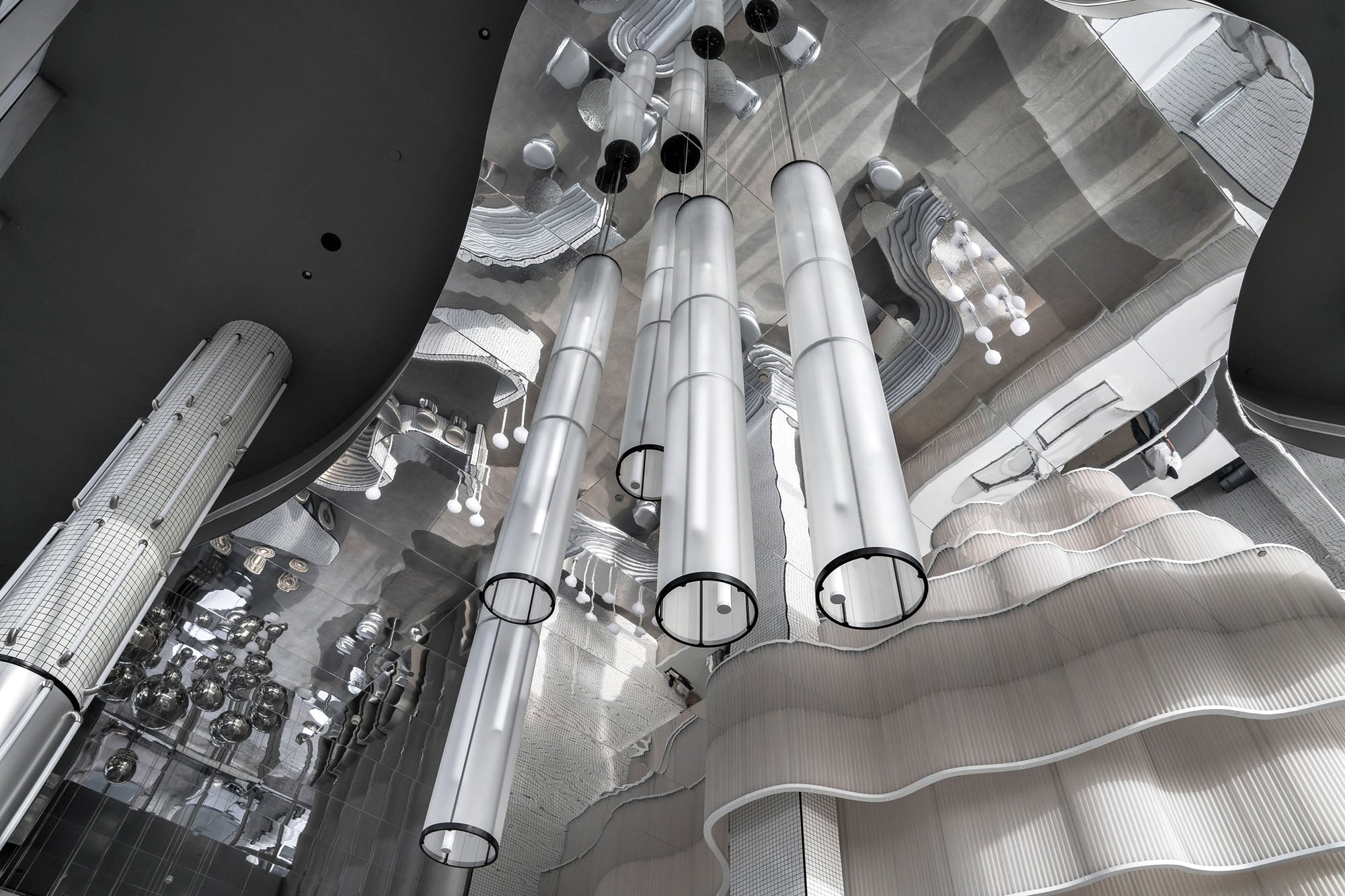
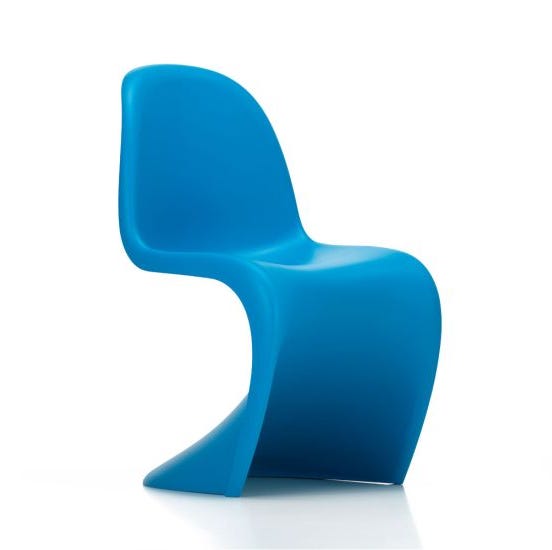
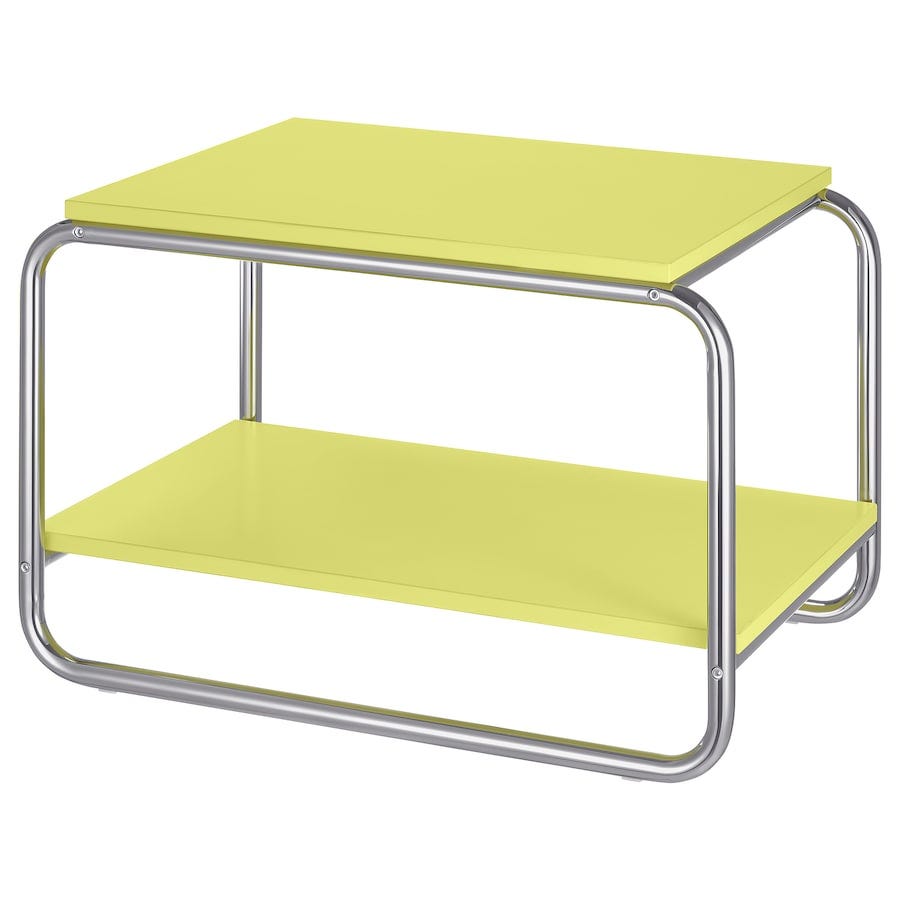
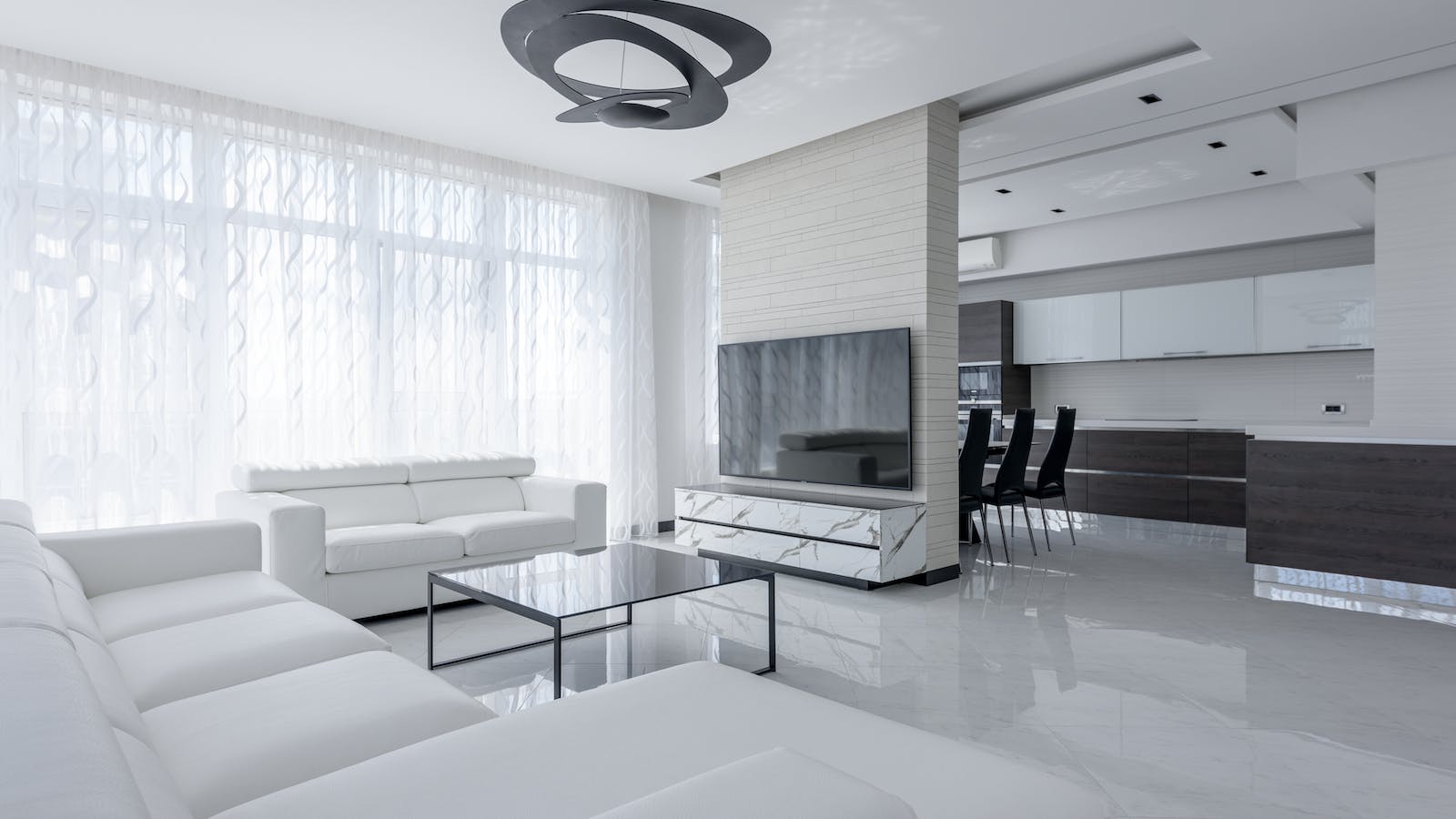
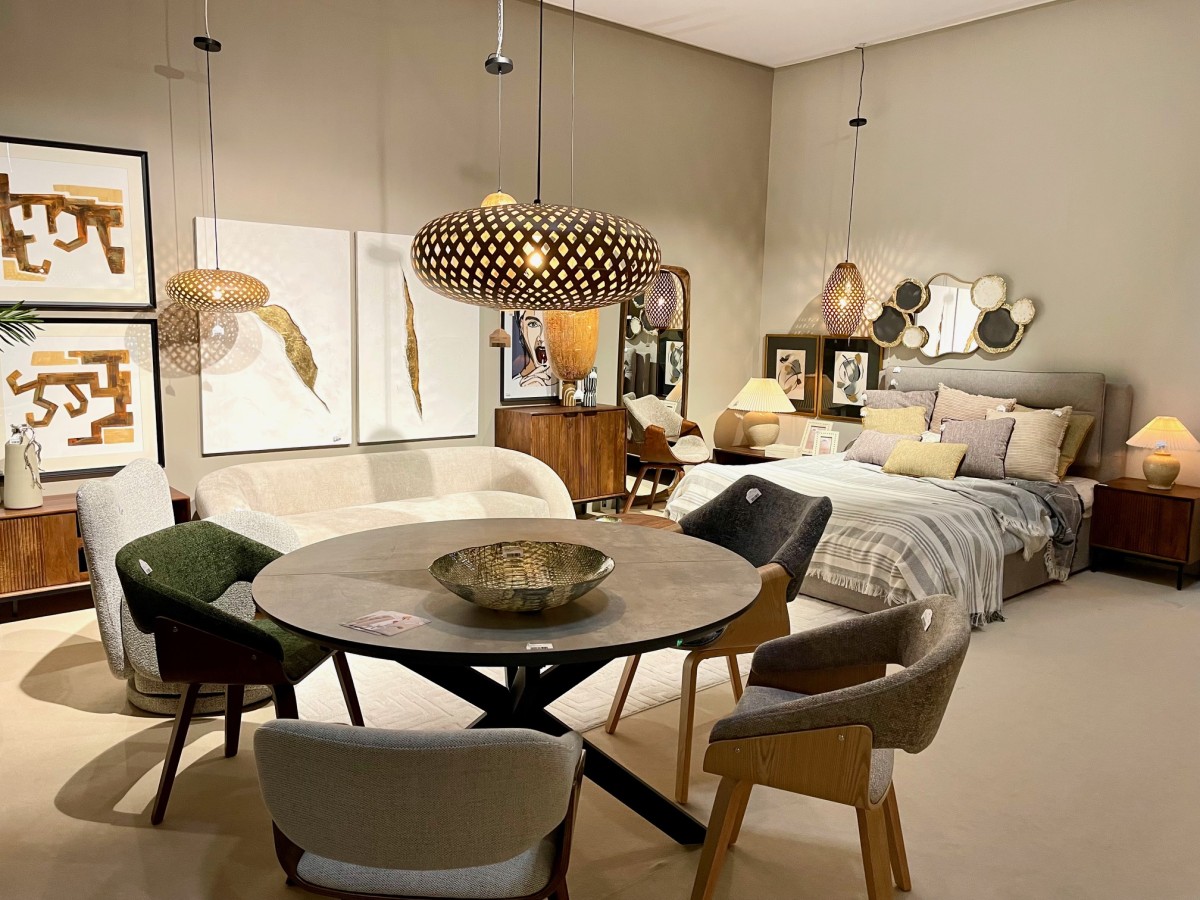
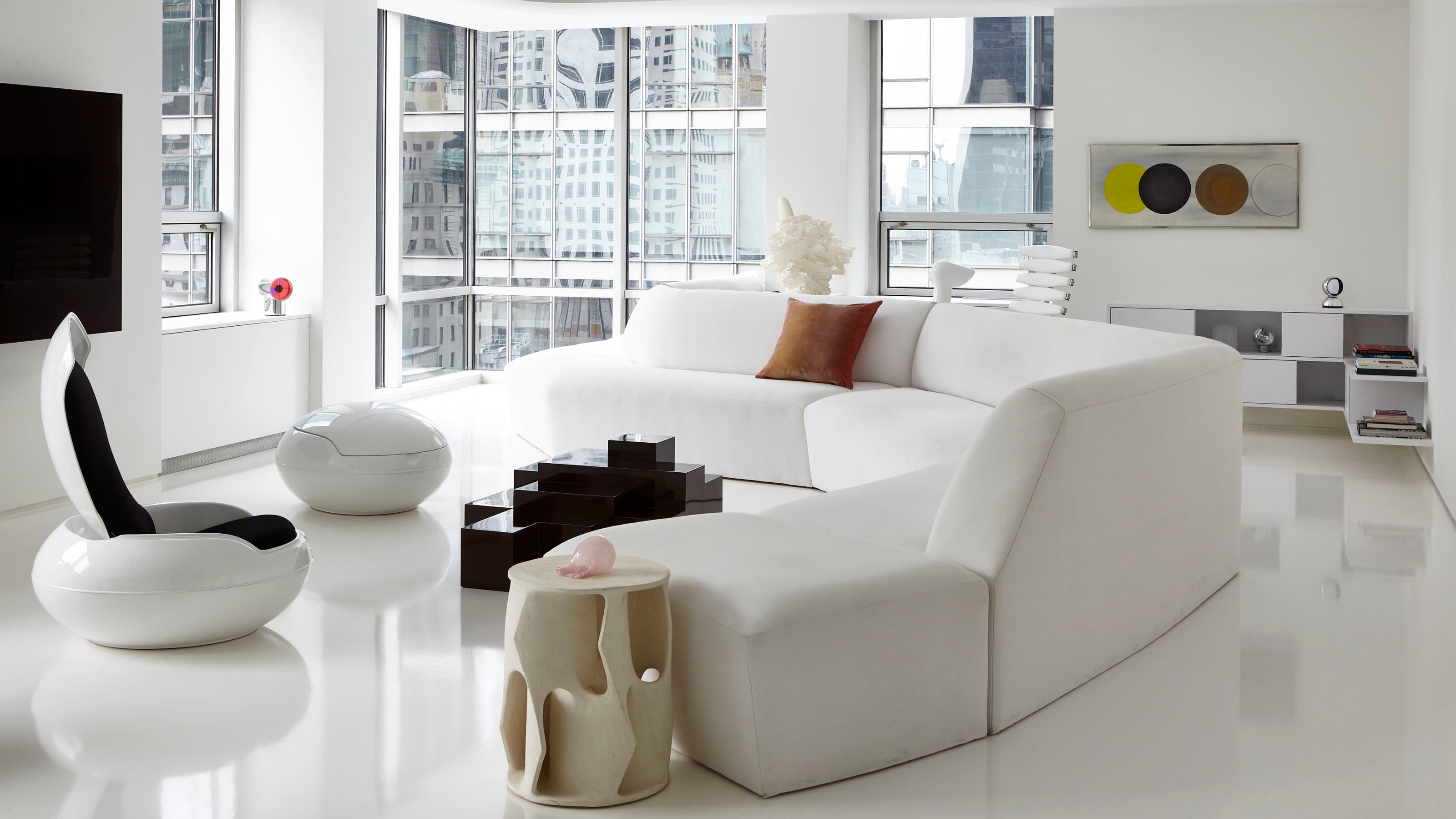
Key characteristics of Space Age design include sleek, curved forms, glossy and reflective surfaces, and innovative materials such as fiberglass, acrylic, molded plastics, and chrome metallic finishes. These materials contribute to an avant-garde and high-tech appearance. The motifs often draw inspiration from science fiction and space travel, manifesting in pod-like or egg-like shapes, spherical cut-outs, floating furniture, and fluid lines. The typical backdrop for these interiors features stark whites, silvers, and deep blacks, with bold color accents layered onto furniture and art pieces, often resulting in a monochromatic base with vibrant pops of color.
Hugh Metcalf, editor of Livingetc, suggests that the current rise in popularity of Space Age interiors is a reaction to perceived societal regression. He views this aesthetic as an 'archetypal Utopian aesthetic' that offers an antidote to the complexities of the modern world. Maria Vittoria, an interior designer at Casa Ornella Studio, emphasizes that Space Age design is not merely about futuristic objects but about creating environments that transport and spark the imagination.
Contemporary interpretations of Space Age interiors blend the past with the present, often softening the exaggerated curves and playfulness of the original era. Modern Space Age designs integrate today's technology, making the style less about fantasy and more about function. This modern approach balances retro elements with current trends, incorporating organic volumes, high-gloss plastics alongside raw materials, and chrome surfaces interacting with soft textures. It presents an aesthetic that is both bold and sophisticated, characterized by dynamic lines, saturated colors, and a sense of movement.
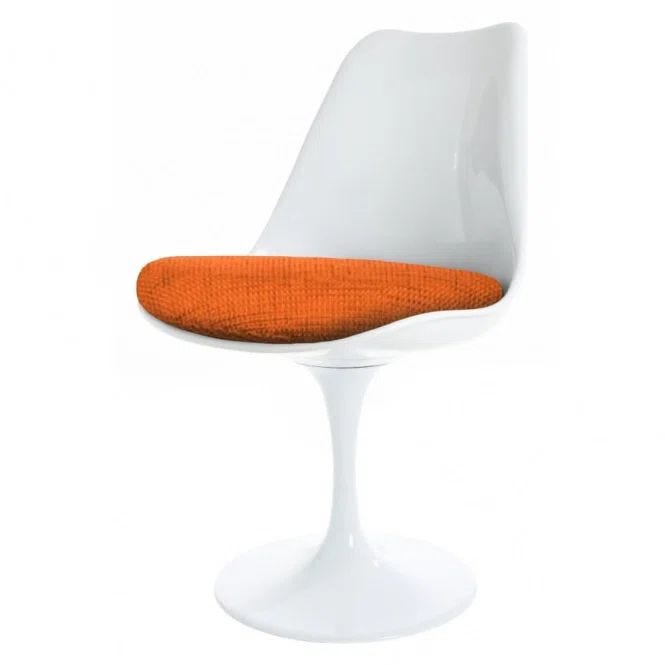
Incorporating modern Space Age elements into a home doesn't require a complete overhaul. Designers suggest that adding a single futuristic piece, such as a floor lamp, an egg chair, or a chrome mushroom lamp, can significantly impact a room's aesthetic. Placing a Space Age item in a more neutral environment creates a vibrant and ironic contrast, adding personality and a theatrical touch to the space. The trend embraces playfulness and individuality in home design, demonstrating that a single detail can transform a room into a dynamic visual statement.
#SpaceAgeInteriors #InteriorDesignTrends #MidCenturyModern #FuturisticDesign #HomeDecor #ContemporaryDesign #InnovativeMaterials #RetroRevival #SpaceAgeInteriors #InteriorDesignTrends #MidCenturyModern #FuturisticDesign #HomeDecor #ContemporaryDesign #InnovativeMaterials #RetroRevival
0 comment in total
 No comments yet
You may also like
Beyond Aesthetics: How Tech is Redefining Interior Design
10 Interior Design Trends to Watch in 2025

Interior Design Trends of 2024


Tech-infused trends and how it's shaping interior design in 2024

Future-Proofing Design: How Interiors Will Evolve in 2023 and Beyond
Inside the High-Tech Interiors Revival


The 5 Ways Technology Is Changing Home Design

The 2020 A-List: 125 of the Best Interior Designers in the World
Are Interiors Headed for an Industrial Revolution?

The Both/And Trend Is Here to Stay, Designers Say—and You Might Already Be Doing It
Interior Design Trends of 2025 Include a Refresh on Maximalism
The 10 decoration trends to watch out for in 2025
Modern Elegance: Top Trends In Interior Design You Need to Know

Space Age Furniture Is Making A Trendy Comeback: 9 Must-Have Pieces To Get The Look

What to Expect from Interiors of the Future
Design Forecast: 10 Trends to Watch for in 2016

The Zeitgeist Edit — The Design Moments an Editor Is Talking About in November
Elevate Your Space: Top Living Room Design Trends for 2025
Why curtains are the year's biggest – and most unexpected – interior design trend

Inspired Interiors: Design star modernizes timeless look