1/15
Industrial Revolution
Edmonton's industrial design scene, characterized by affordable studios, hands-on training, and an entrepreneurial mindset, possesses the talent for a flourishing industry, yet questions remain about sufficient local demand. The University of Alberta's Industrial Design program plays a crucial role in this landscape, emphasizing both conceptual thinking and practical manufacturing skills. This unique approach equips graduates with the ability not only to envision innovative designs but also to understand the tangible processes of production, a competency increasingly rare in other programs that tend to prioritize theory over practical application.
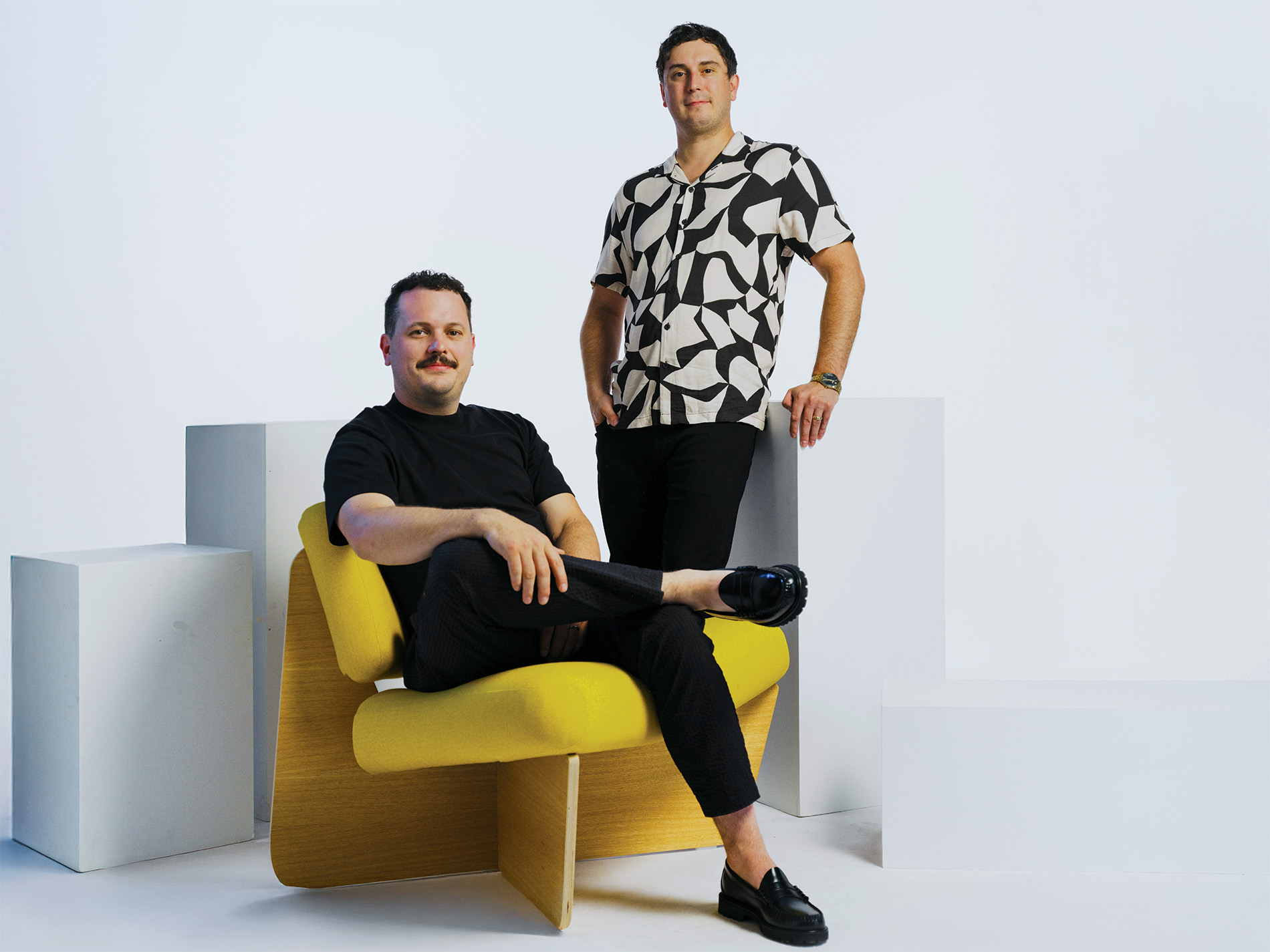
Prominent examples like Onetwosix Design, founded by U of A alumni Nick Kazakoff and Brendan Gallagher, illustrate the potential for success within this environment. Their journey began in a residential garage, driven by a shared passion for product design and prototyping. Their early successes, including the popular Selkirk table, led to the formal establishment of Onetwosix Design, which has since grown into a significant enterprise with a dedicated studio, manufacturing space, and 24 full-time employees. Their Loop Phone Booth, initially designed for a local client's open-concept office, has garnered international clients, including major corporations like Disney, Google, and Pokémon, demonstrating the global reach of Edmonton-born innovation.
Edmonton's robust manufacturing culture further supports the design community. Designers such as Geof Lilge, founder of Pure Design, On Our Table, and Division Twelve; Jordan Tomnuk of Tomnuk Design; Zoë Mowat, known for her eponymous brand of furniture and home goods; the modern furniture company Izm; and the collective Loyal Loot, have all leveraged the city's resources and culture to achieve notable recognition. These designers often embrace a "shop-first" approach, prioritizing rapid prototyping over extended conceptualization to quickly bring products to market and adapt designs based on practical feedback.
However, despite these successes, the design community in Edmonton faces ongoing challenges, primarily concerning the local market's size. While the city offers advantages like affordable industrial space—a significant contrast to more expensive hubs like Toronto or Vancouver—the demand for contemporary furniture locally remains relatively small. This forces many designers, including Lilge and Shane Pawluk of Izm, to target eastern Canadian and international markets, which, while successful, introduces logistical and financial complexities. Pawluk notes that while Albertans spend on outward-facing luxury goods, the market for high-end interior design remains limited, leading many successful Edmonton designers to find their primary customer base outside the province.
This dynamic contributes to a boom-and-bust cycle within the local design scene, where promising new ventures may struggle to sustain themselves due to insufficient local demand. The lack of a consistently robust local market also impacts mentorship opportunities and knowledge sharing for emerging designers. Kalie Johnston, director of product design at Poppy Barley, highlights the absence of senior fashion designers in Edmonton from whom she can learn and be mentored, a consequence of talent often seeking opportunities in larger urban centers.
However, there's a perceived shift underway. The rising cost of living in traditional design hubs like Toronto, Vancouver, and Montreal is making Edmonton's affordability increasingly attractive to design talent. This has led to an increase in job applications from outside the province, suggesting a potential for new growth and a more diverse talent pool. Organizations like MADE (Media Architecture Design Edmonton), founded by Shafraaz Kaba, have been instrumental in fostering a resilient design culture for over two decades. With Nick Kazakoff as chair, MADE continues to advocate for and elevate Edmonton's design conversation, aiming to build a sustainable, impactful, and identity-true design scene that positions Edmonton as a design-forward city. The enthusiasm of current U of A industrial design students, such as Hafsah Mohummed and Elisse Canaynay, for the program's practical focus and purposeful design principles, combined with a growing awareness of diversity and multicultural perspectives among students like Faith Adra, indicates a vibrant future for Edmonton's design landscape, provided the city can continue to attract and retain its talented designers.
#IndustrialDesign #EdmontonDesign #ProductDesign #DesignCommunity #Manufacturing #Entrepreneurship #UrbanDevelopment #CreativeEconomy #FurnitureDesign #IndustrialDesign #EdmontonDesign #ProductDesign #DesignCommunity #Manufacturing #Entrepreneurship #UrbanDevelopment #CreativeEconomy #FurnitureDesign
 No comments yet
Are Interiors Headed for an Industrial Revolution?