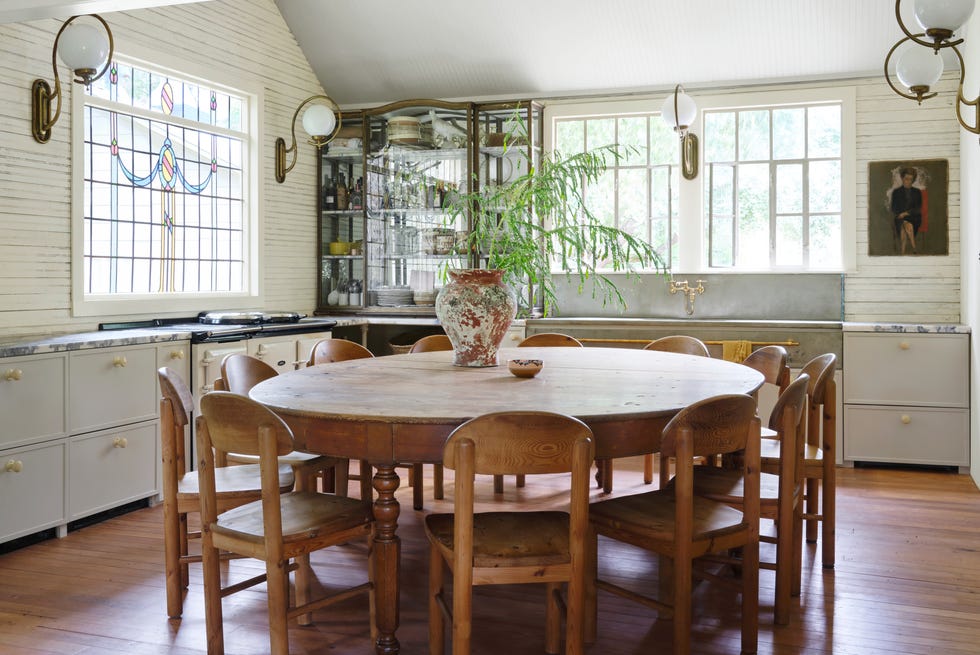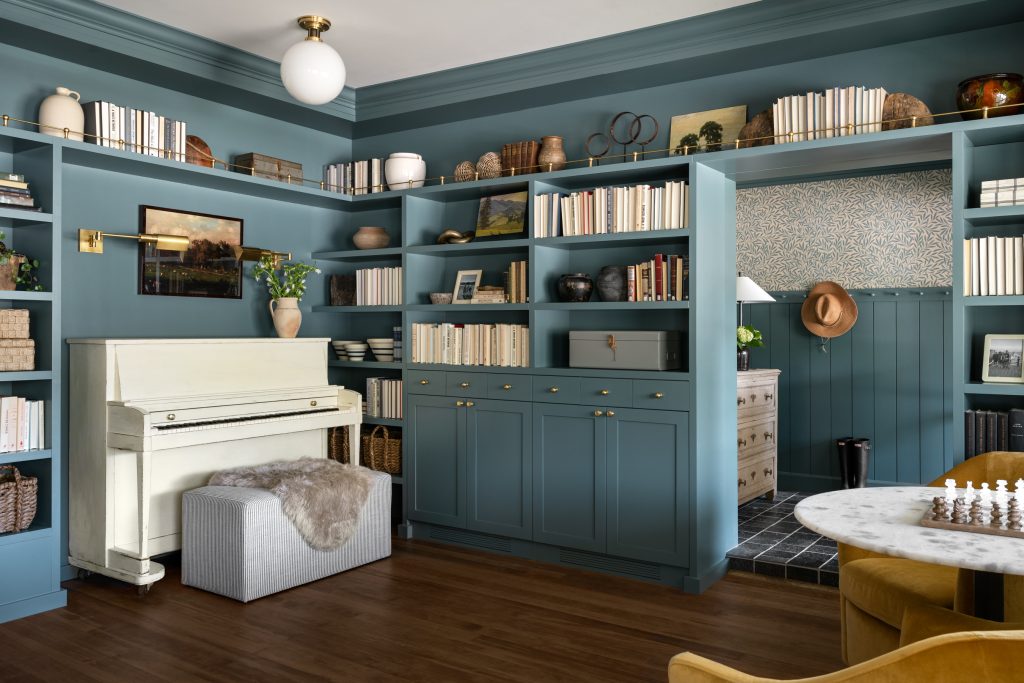
Revolution or evolution? The reinvention of cottage interiors
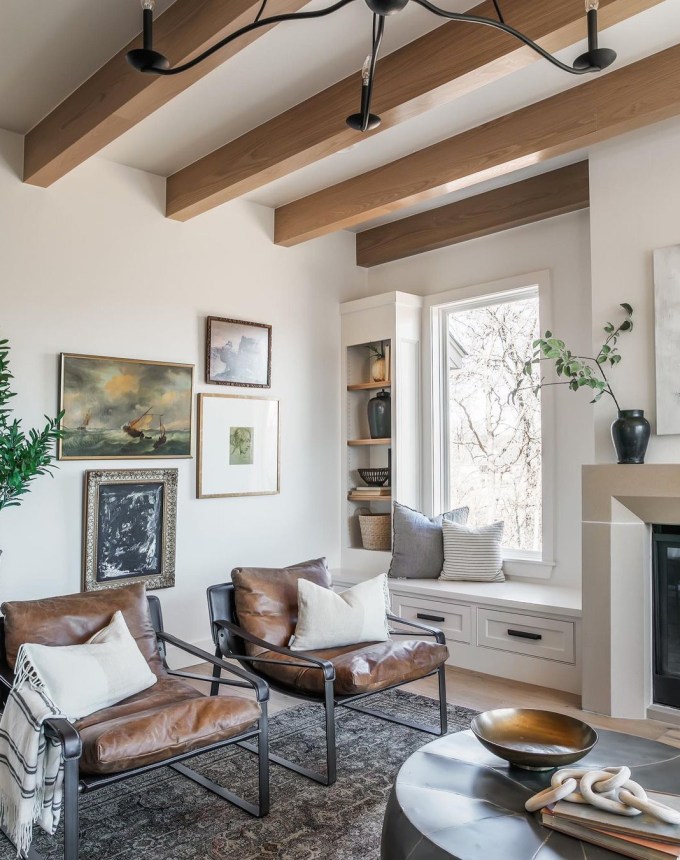
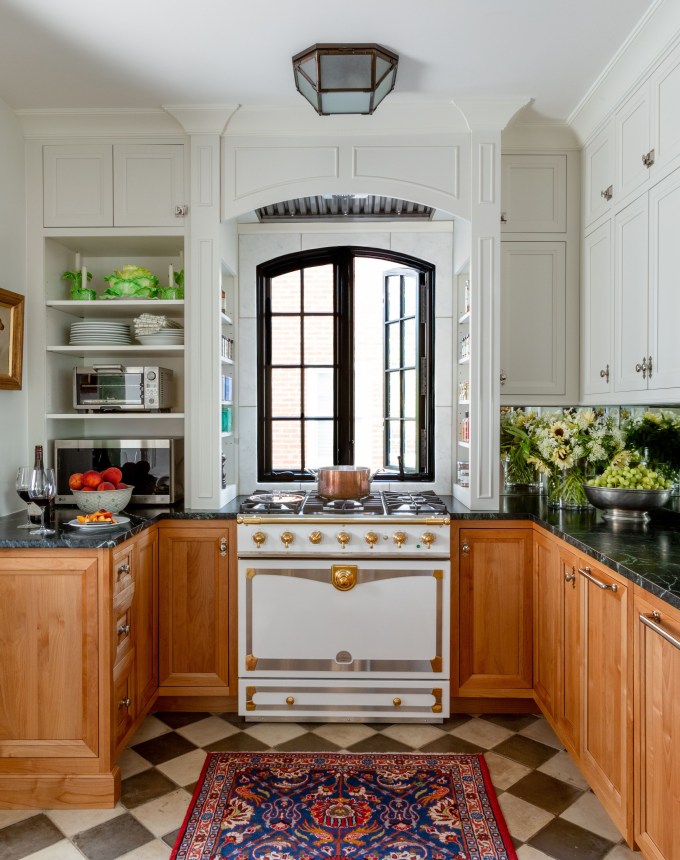
The growing popularity of cottages has led to diverse approaches in their interior design, creating a fascinating chapter in domestic architecture. This trend is partly due to the quirky authenticity of cottages and partly because the increasing cost of larger country houses has made cottages a more accessible option. This reinvention draws parallels with historical design shifts, such as the minimalist movement of the 1990s and the Spitalfields renaissance that renewed interest in Georgian townhouses. Currently, two main stylistic camps are emerging.
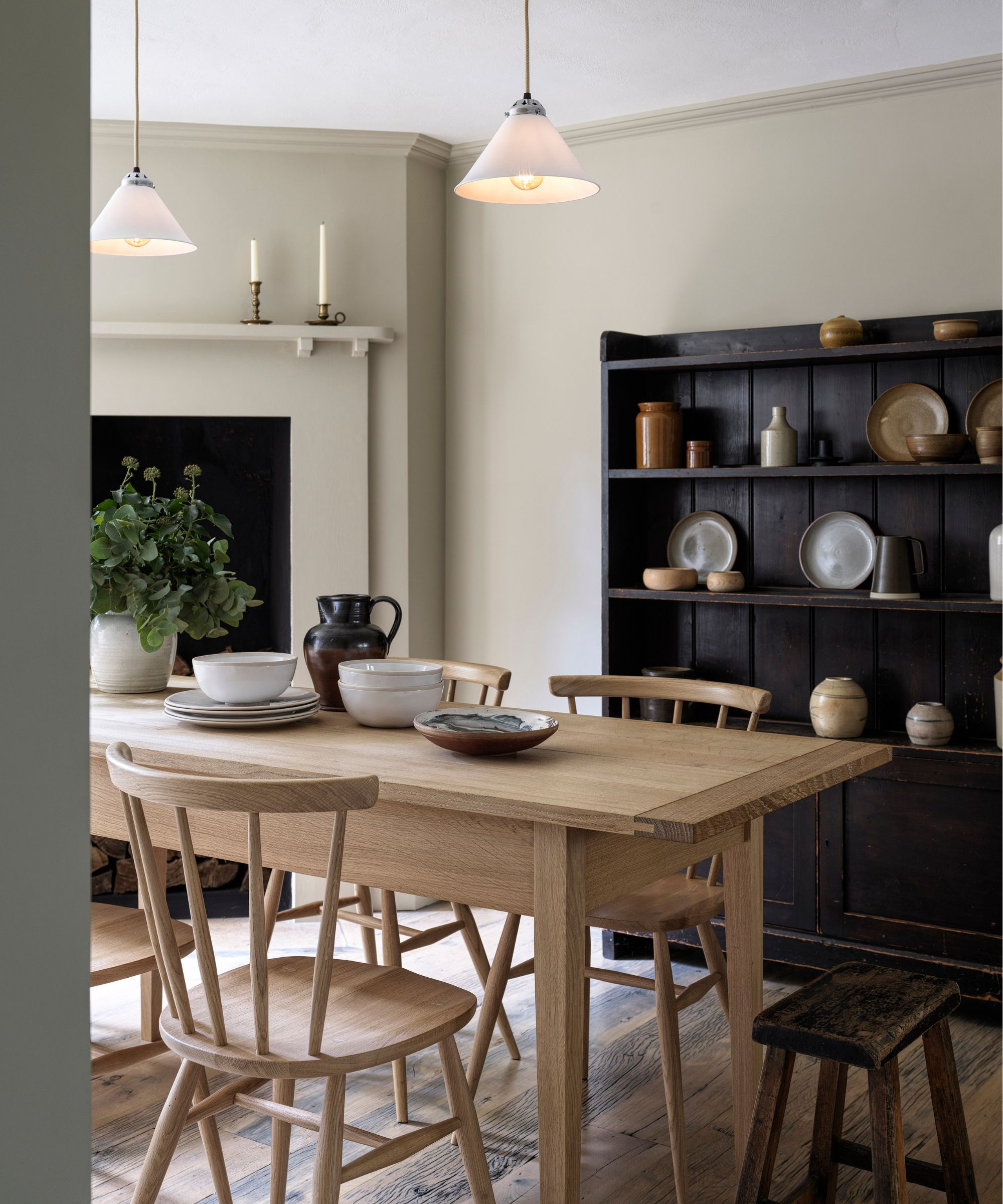
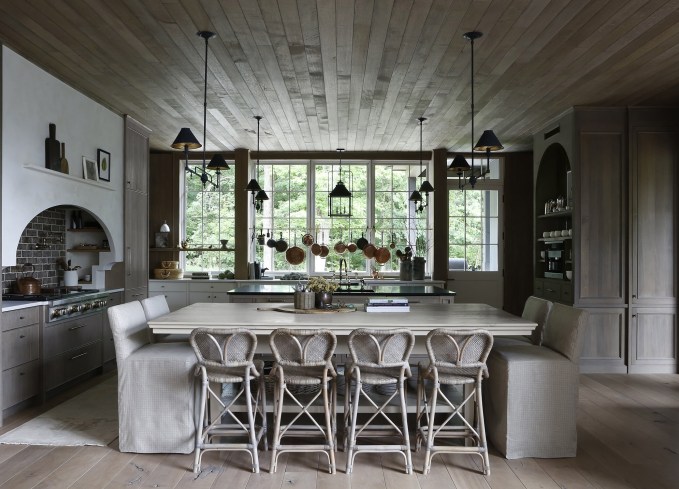
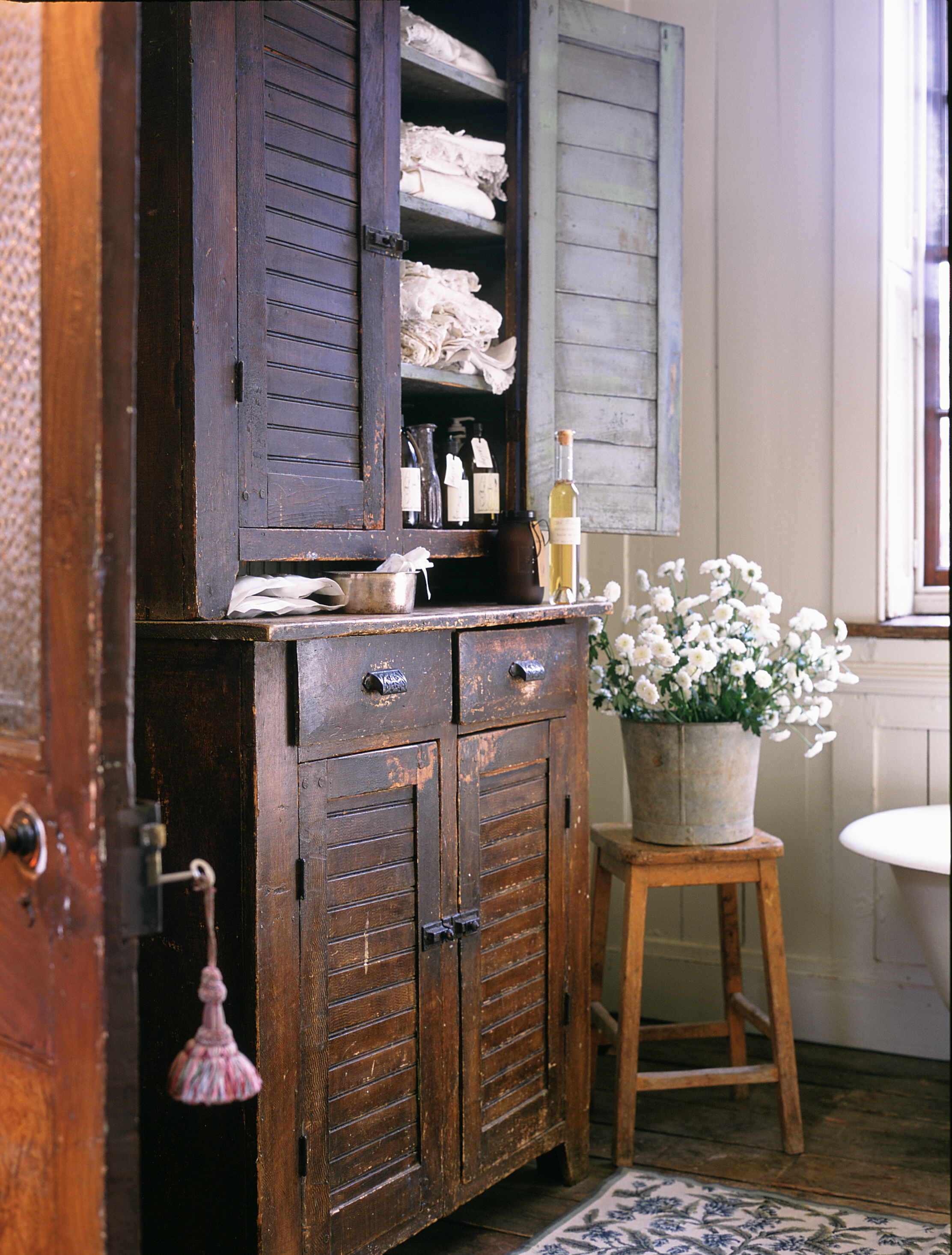
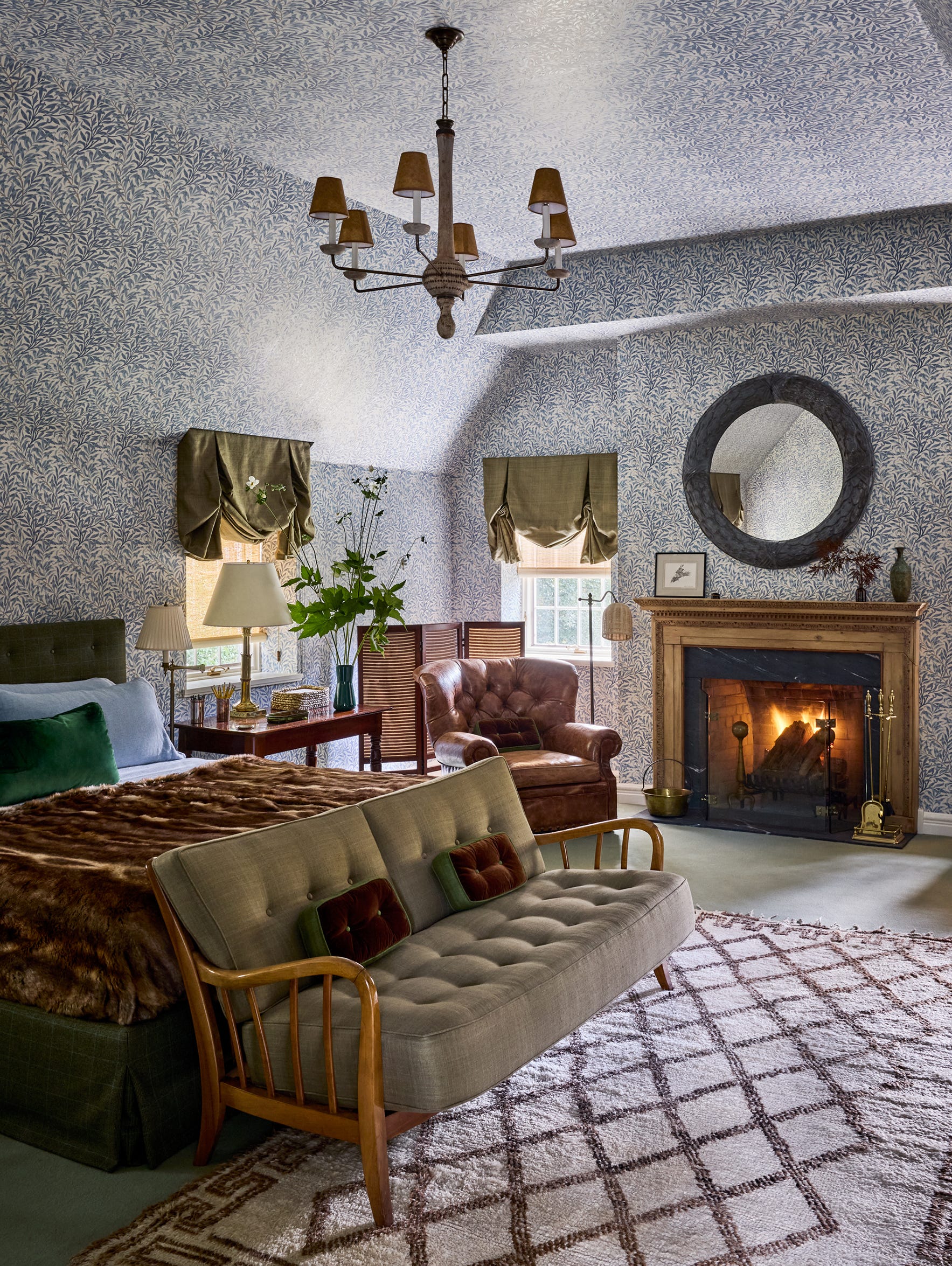
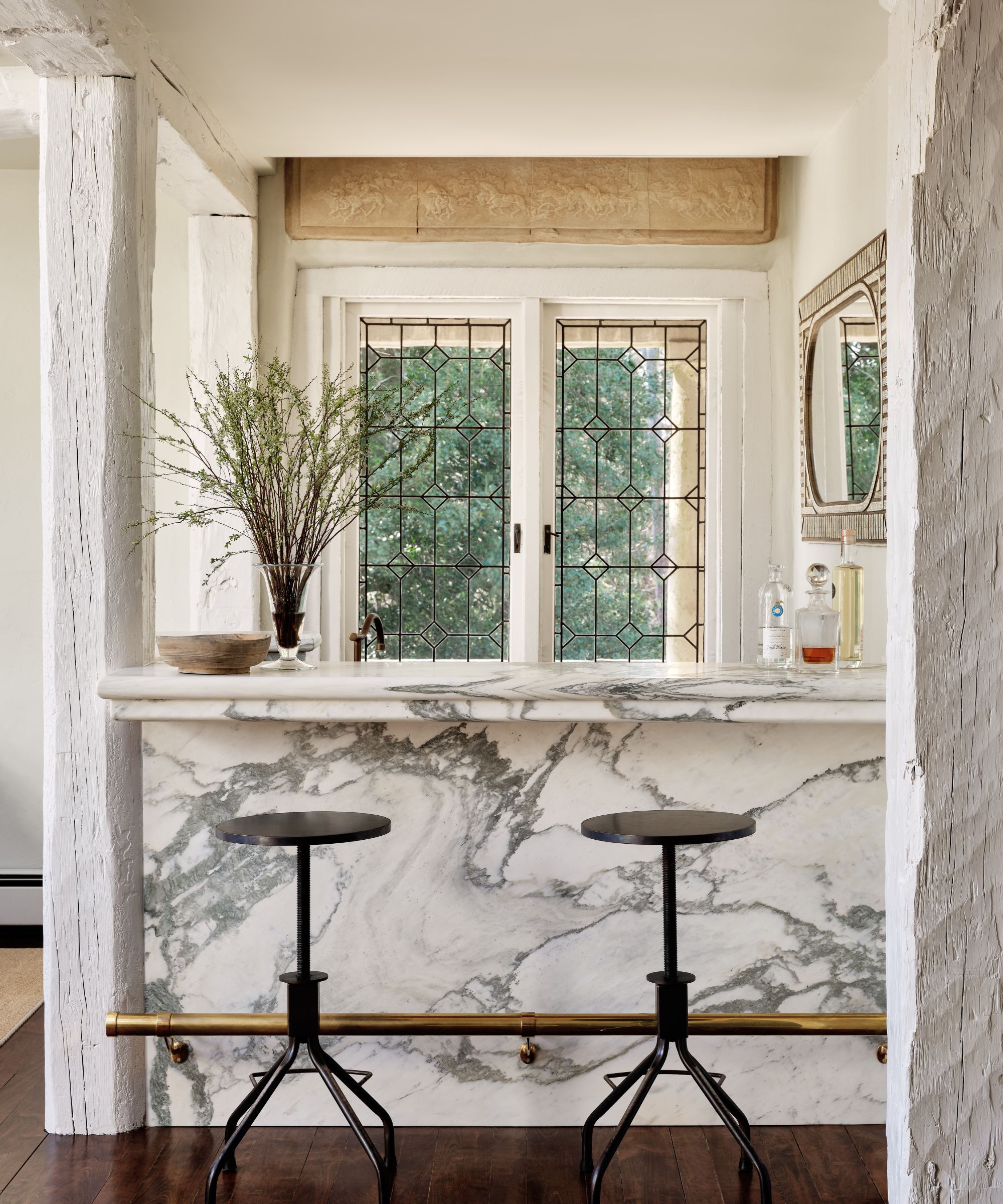
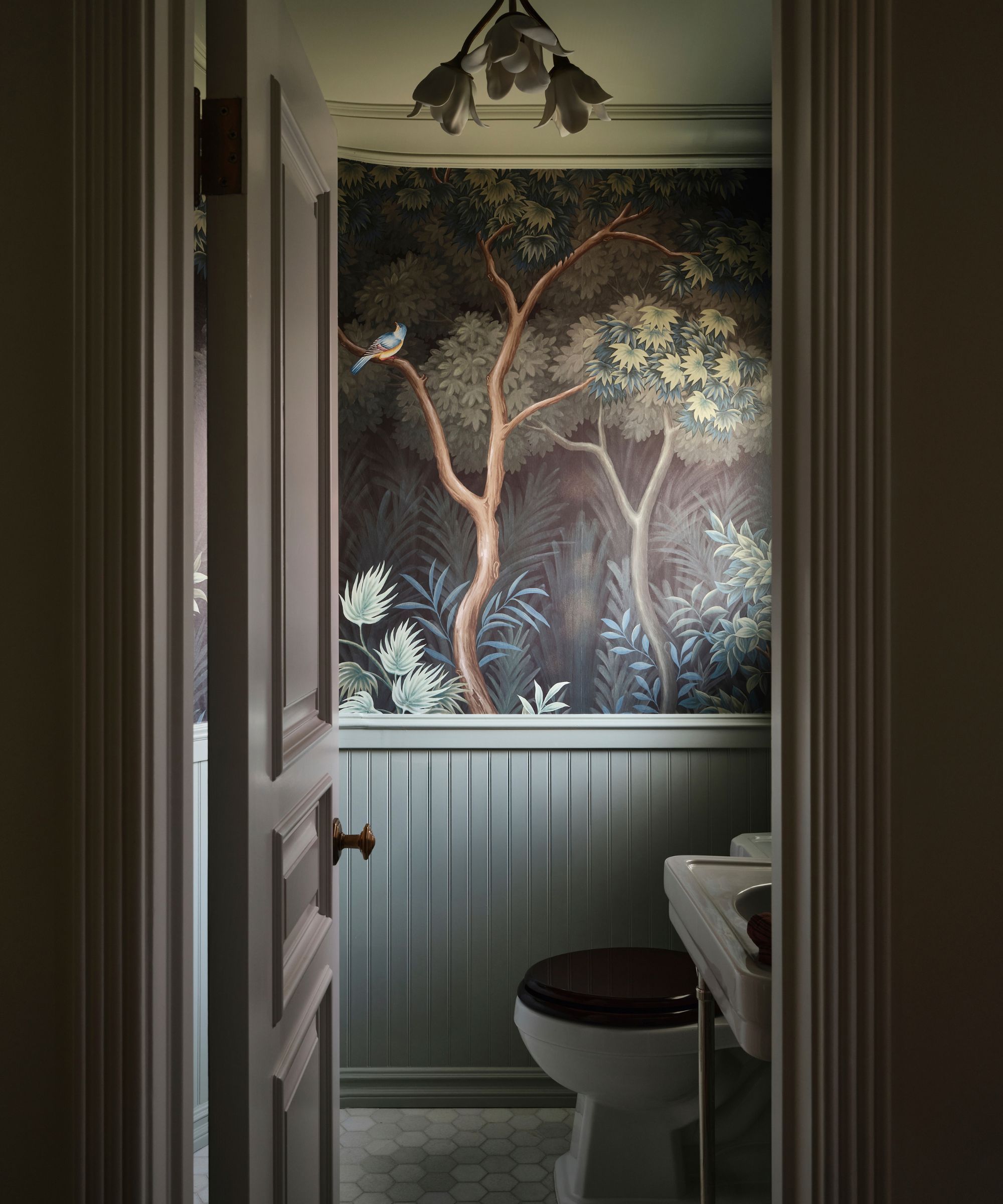
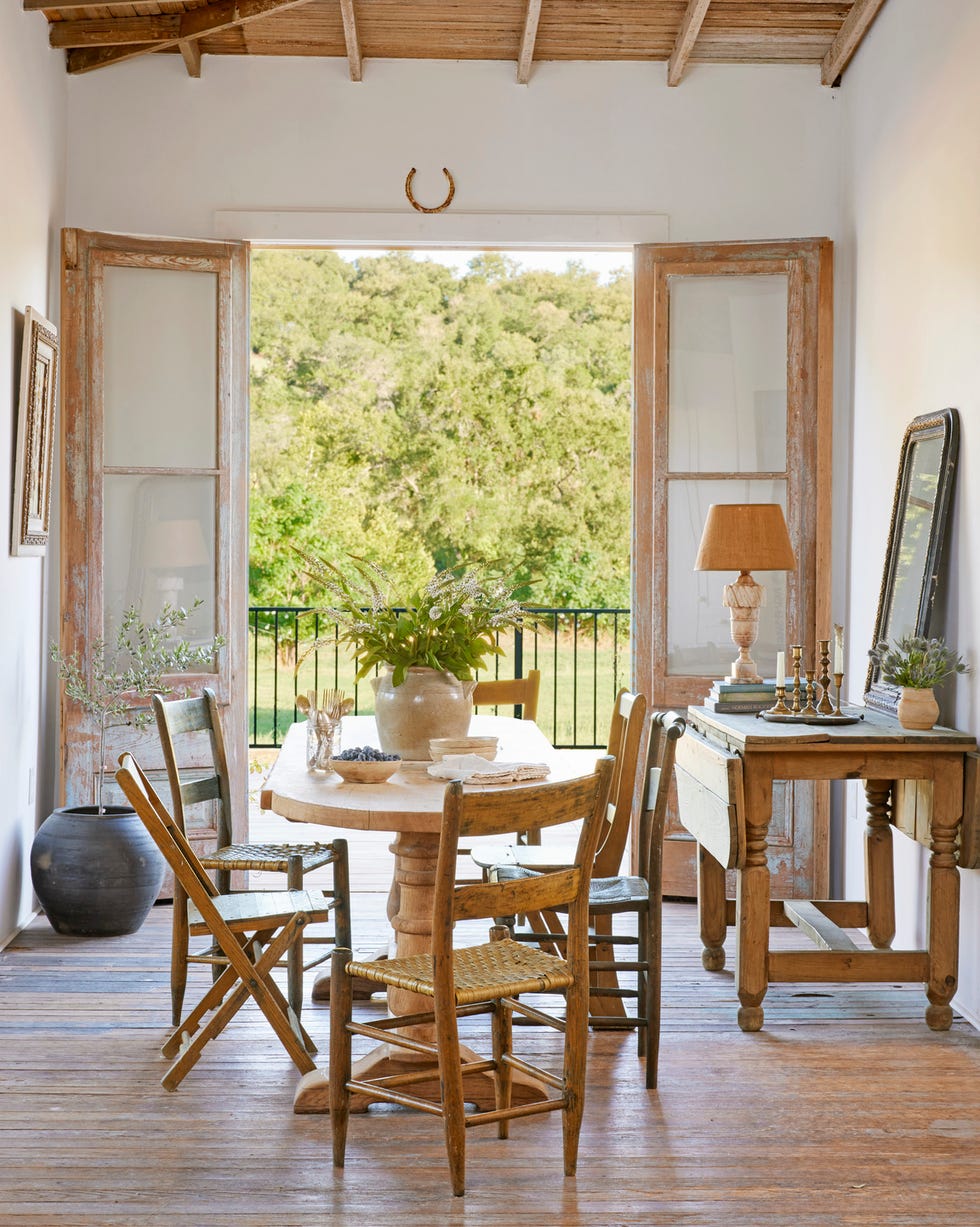
On one side are the purists, who advocate for minimal intervention and few concessions to modern living, aiming to preserve the original character of the cottage. Websites like Inigo exemplify this approach, showcasing moody, timeless interiors that celebrate the history and authentic patina of these homes. Such descriptions often romanticize the spaces, portraying them as writers' eyries or places rich with the "palimpsest of people who have loved and lived in them." These purists prioritize maintaining the historical integrity and rustic charm, often avoiding contemporary comforts that might detract from the traditional aesthetic.
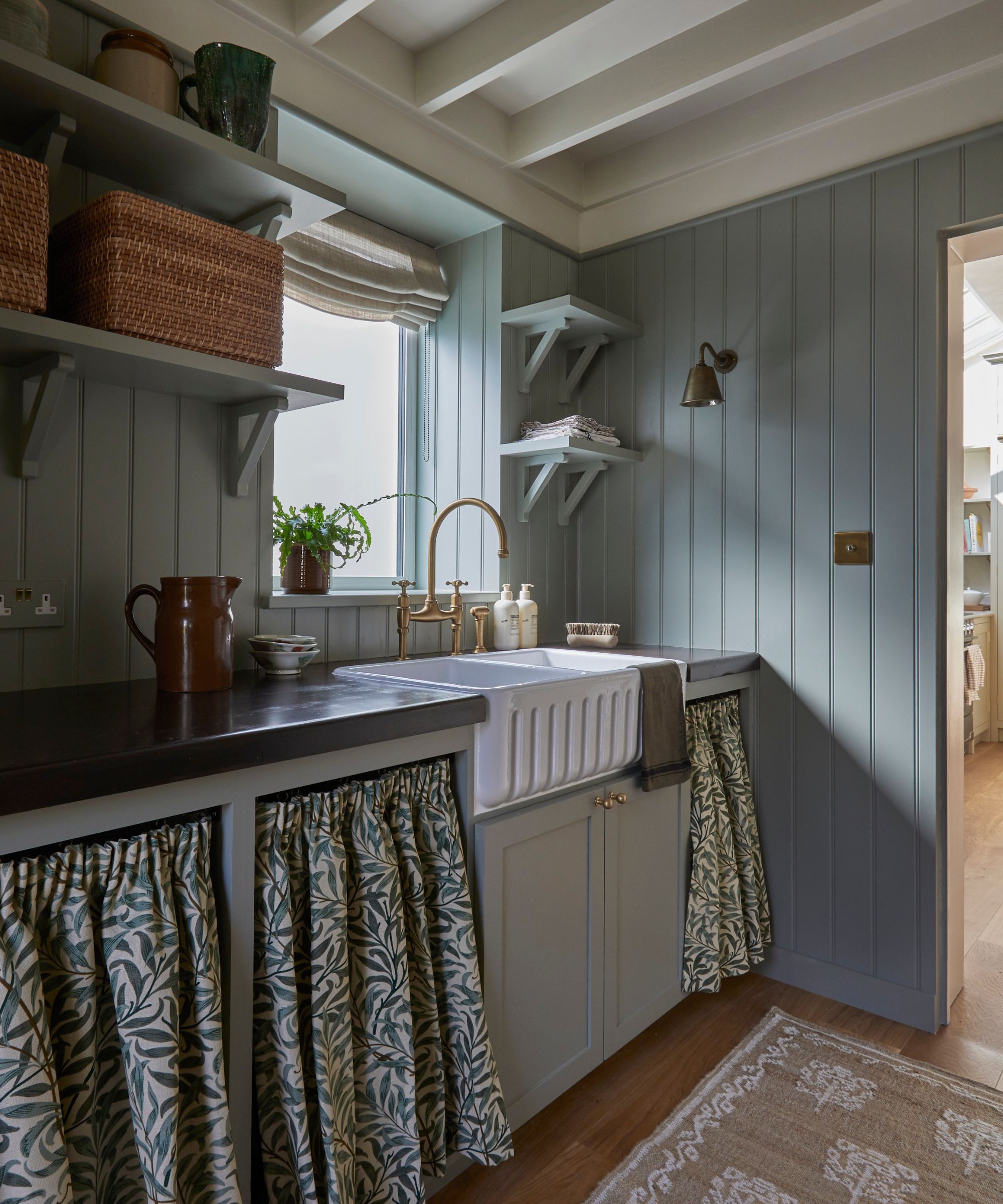
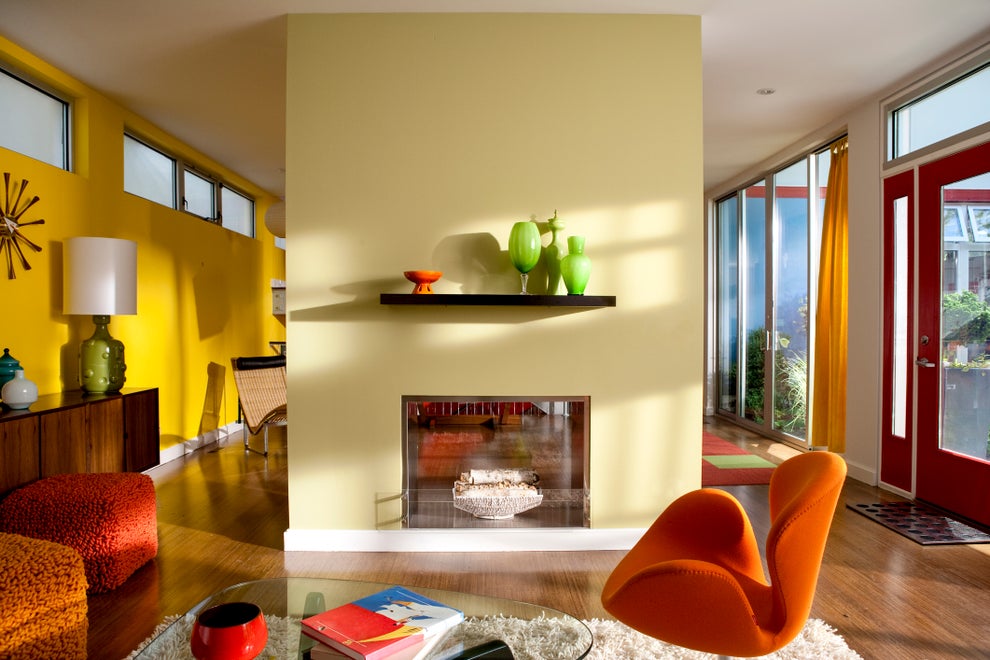
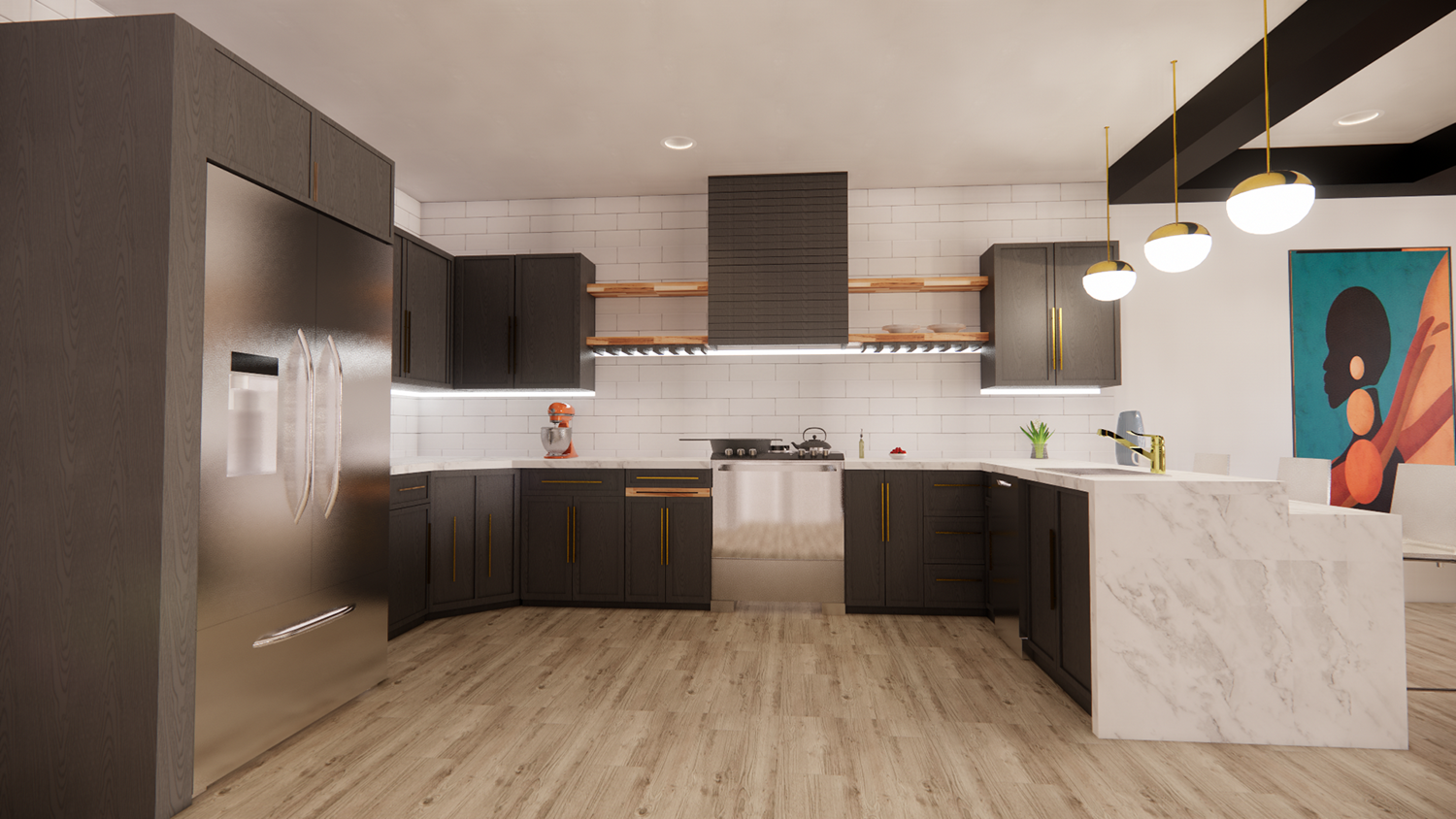
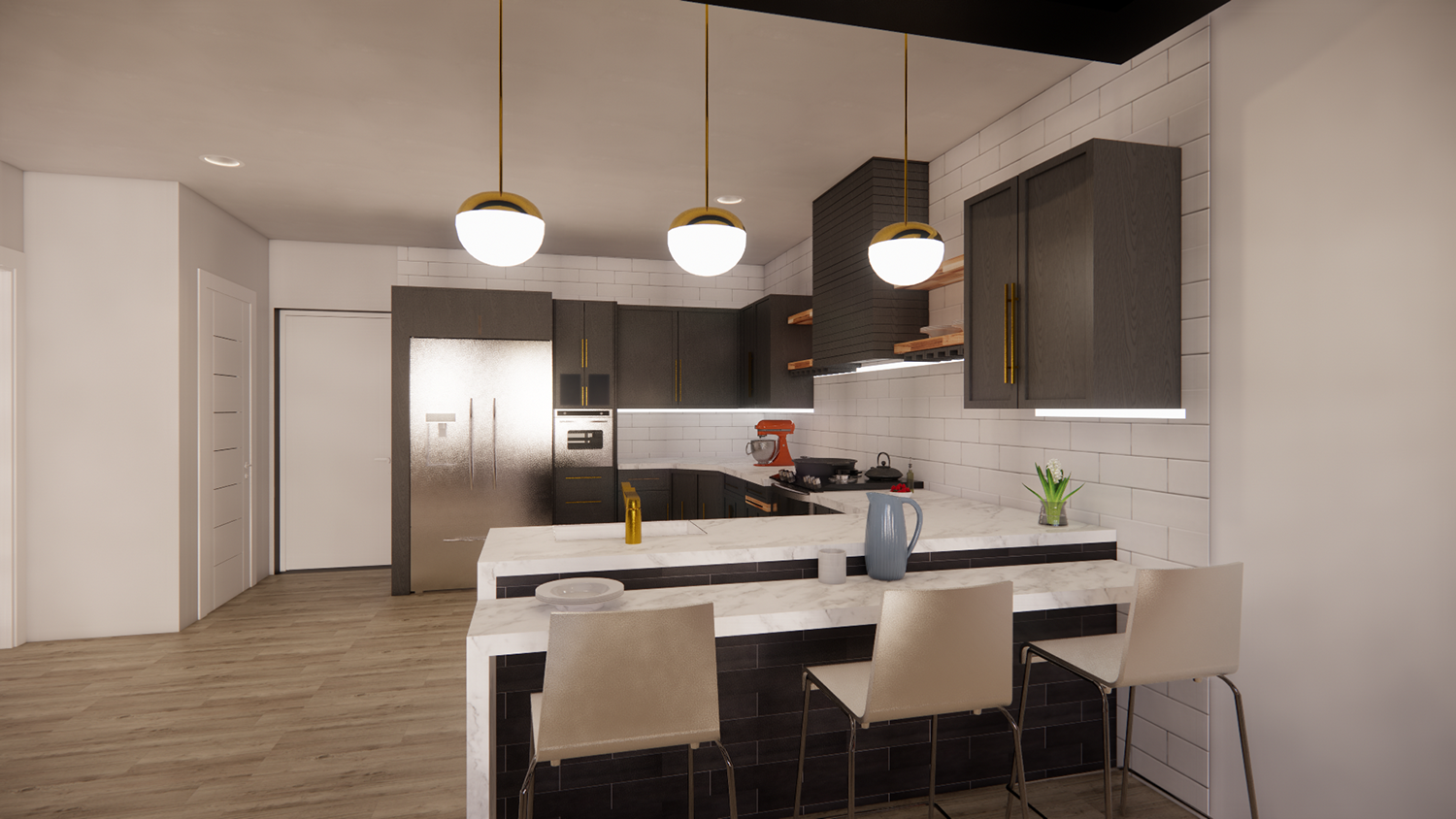
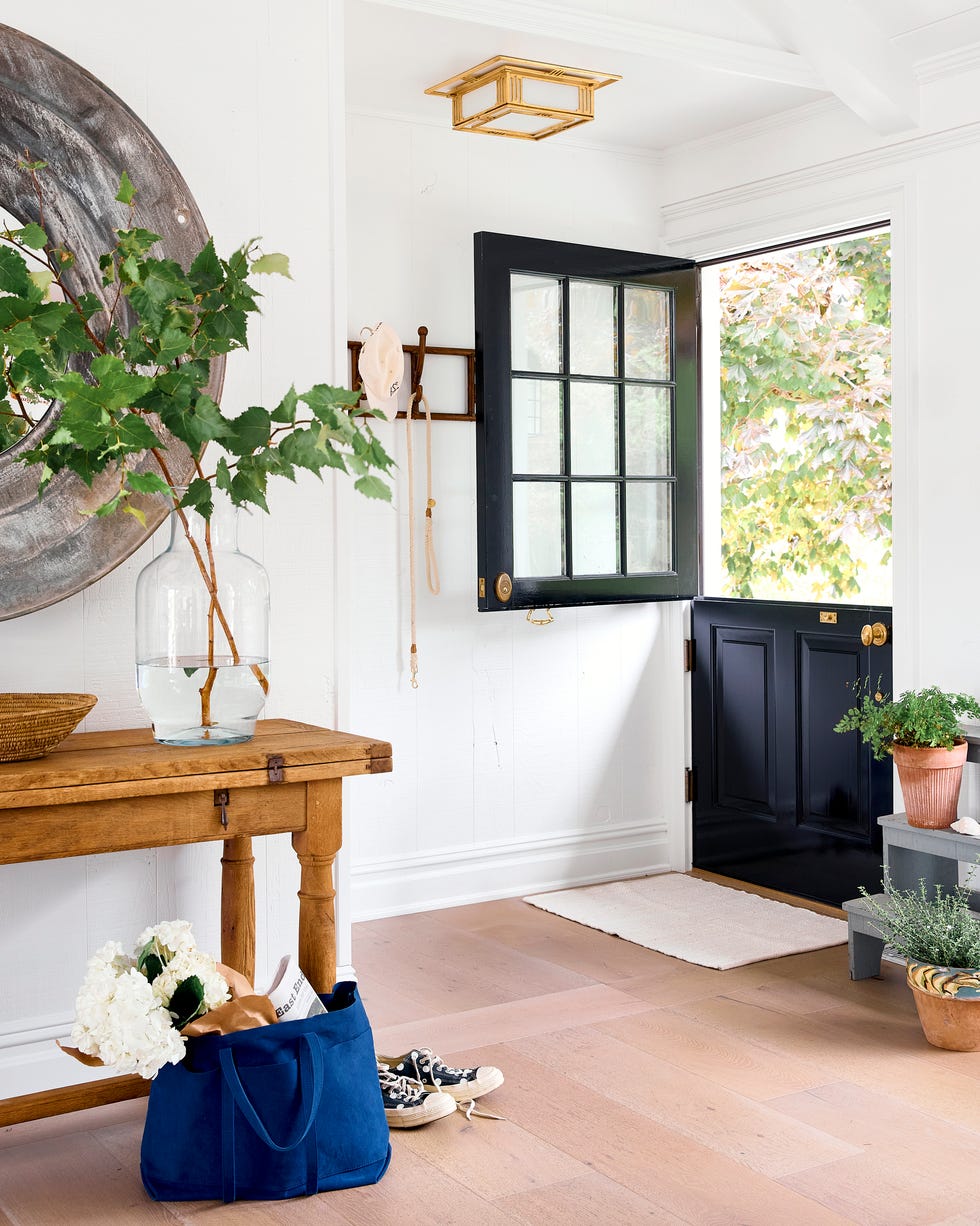
At the opposite extreme are the pragmatists, who are less concerned with historical exactitude and more inclined to blend rustic chic with modern glamour. This approach often draws inspiration from styles like Provence, incorporating modern amenities such as underfloor heating while retaining a rustic feel. Examples include the homes of Bee Osborn and Emma Sims Hilditch, whose renovated schoolhouse seamlessly integrates 21st-century creature comforts with its inherent rustic charm, offering the same level of luxury as a city apartment.
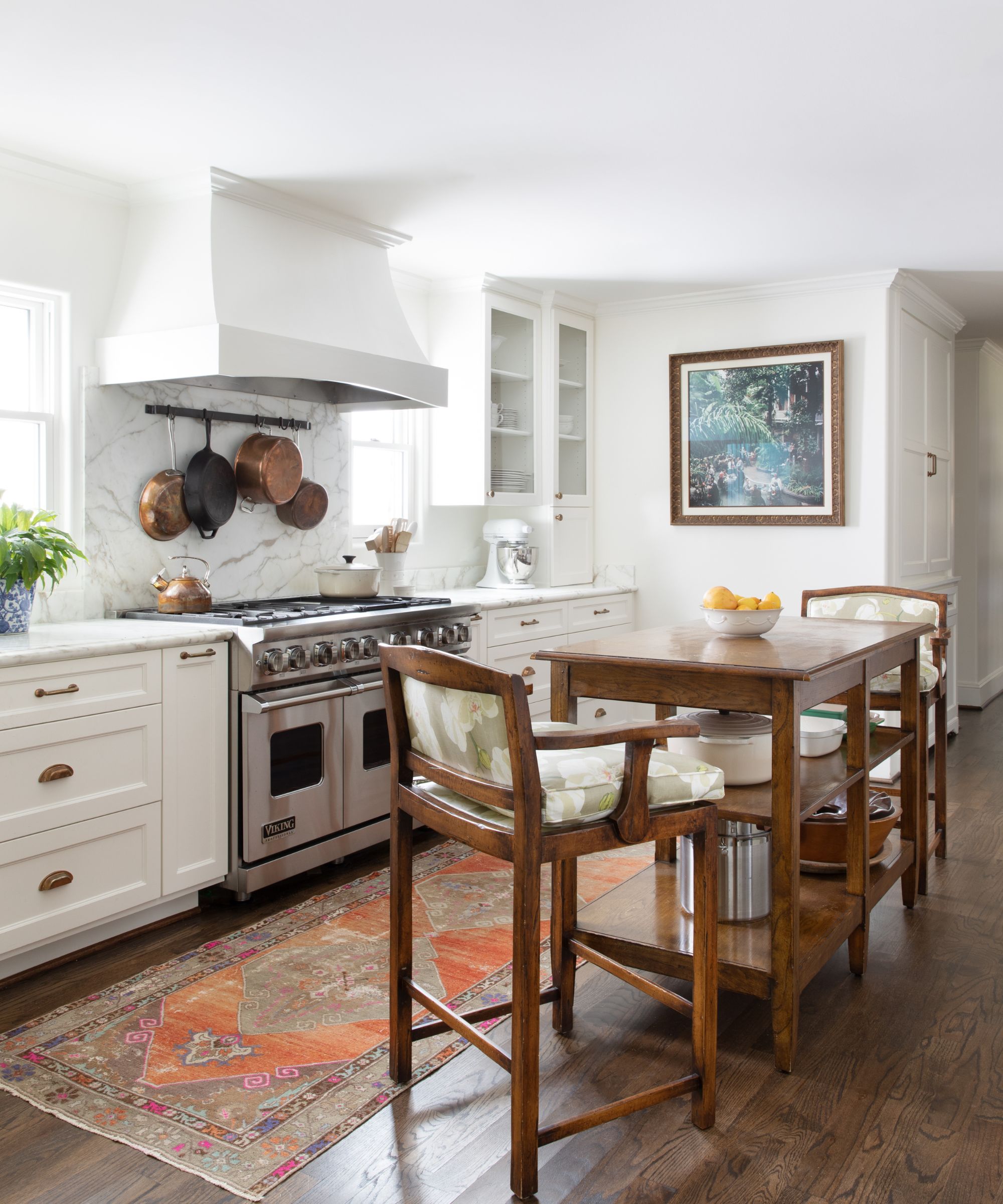
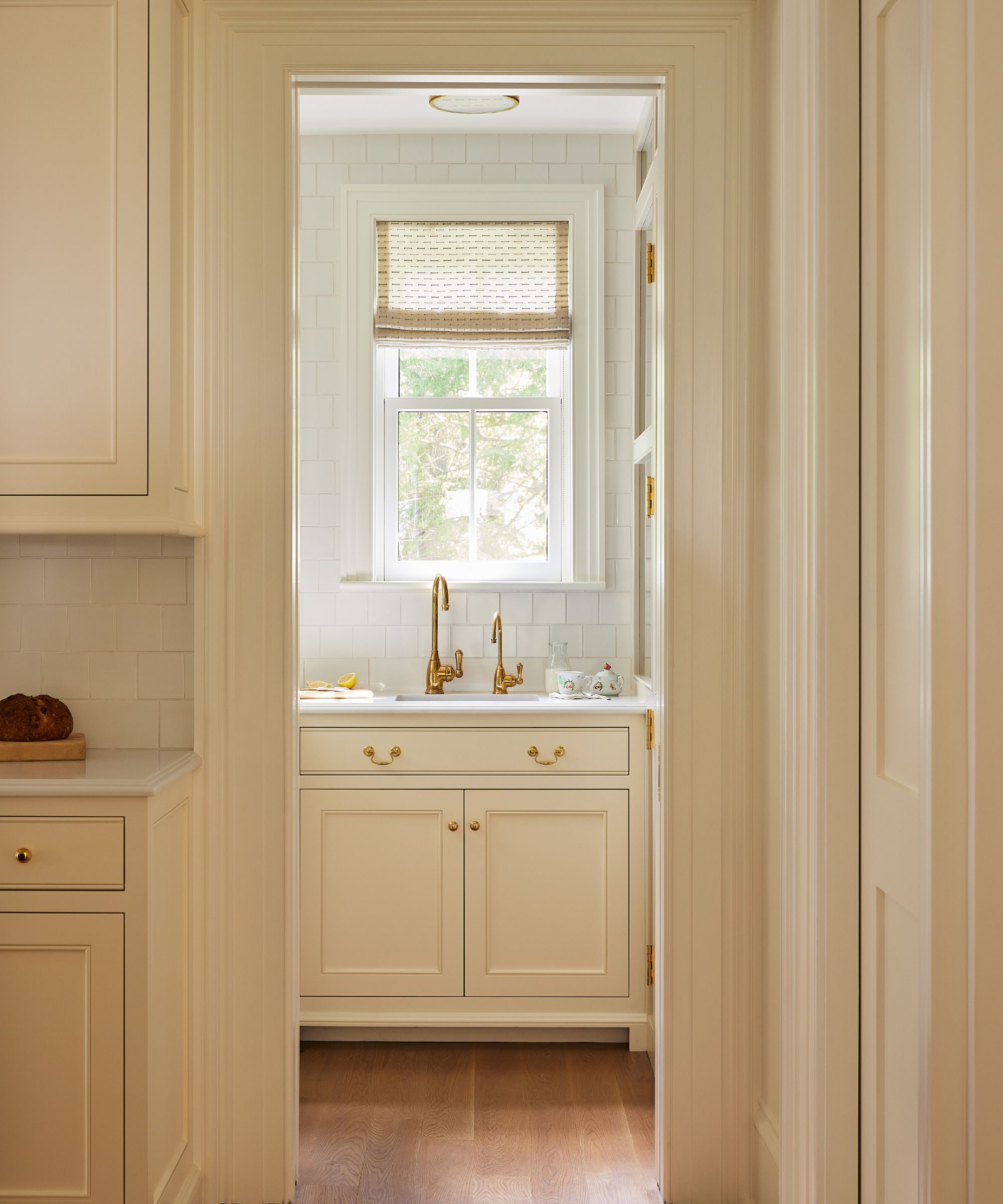
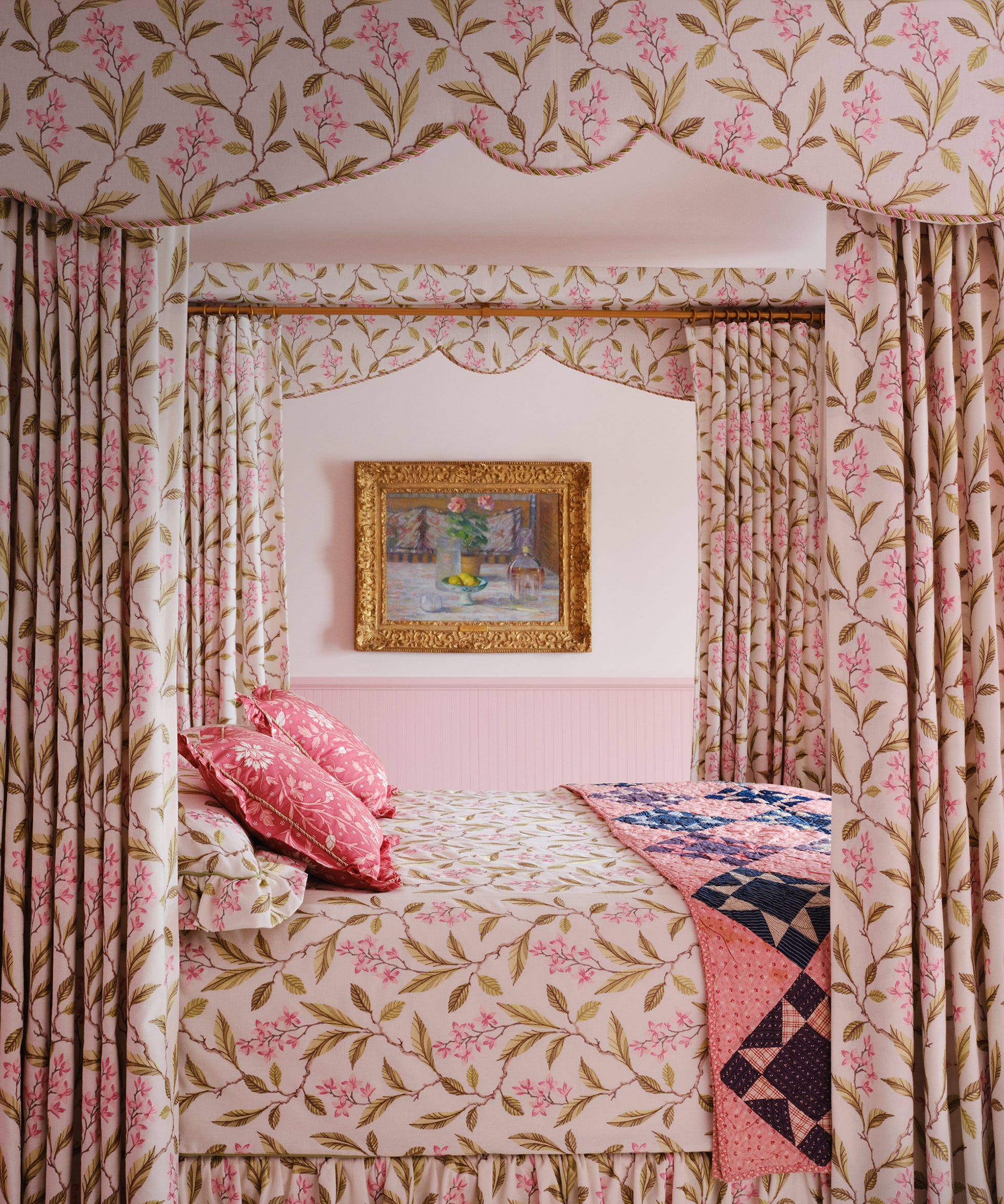
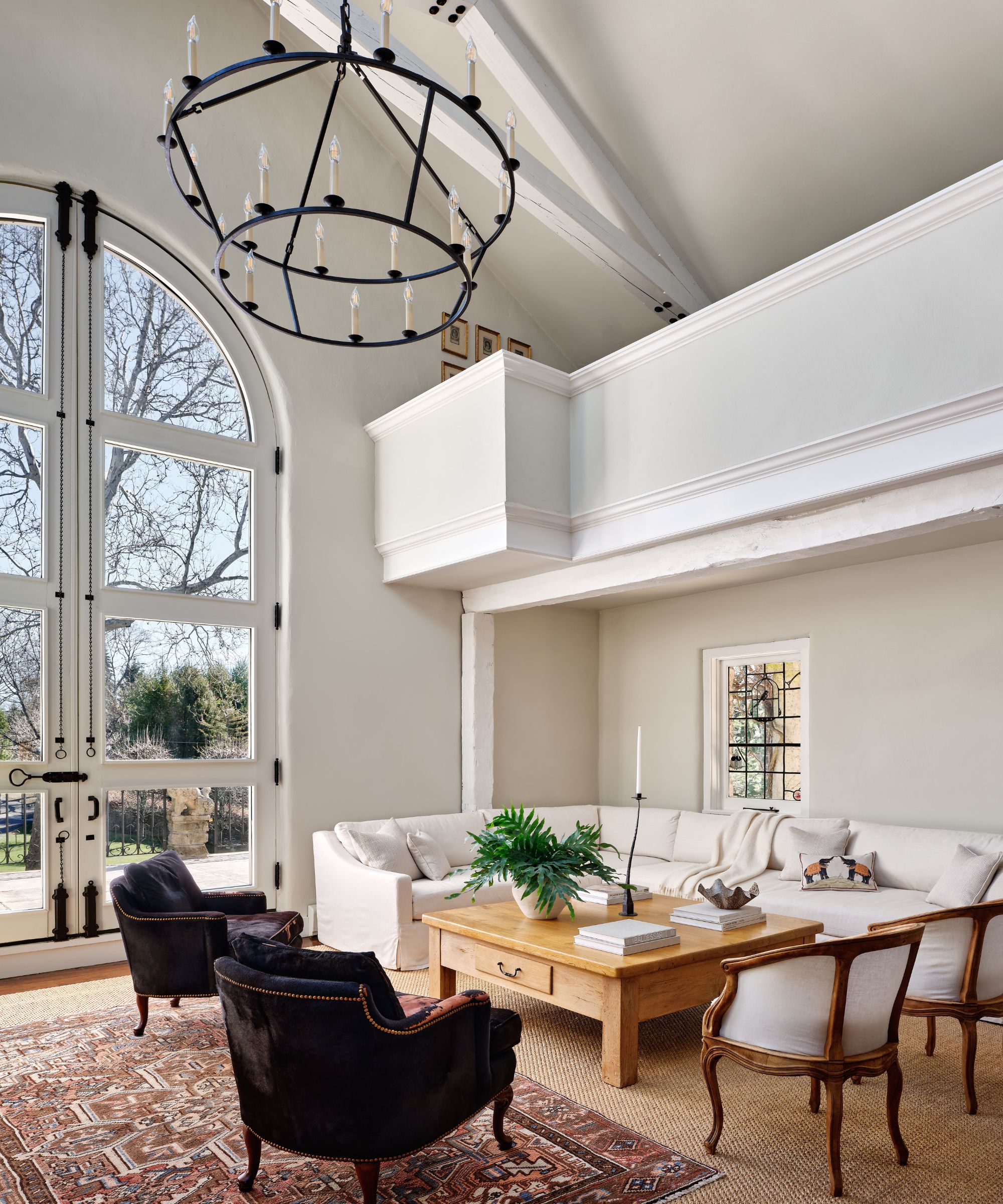
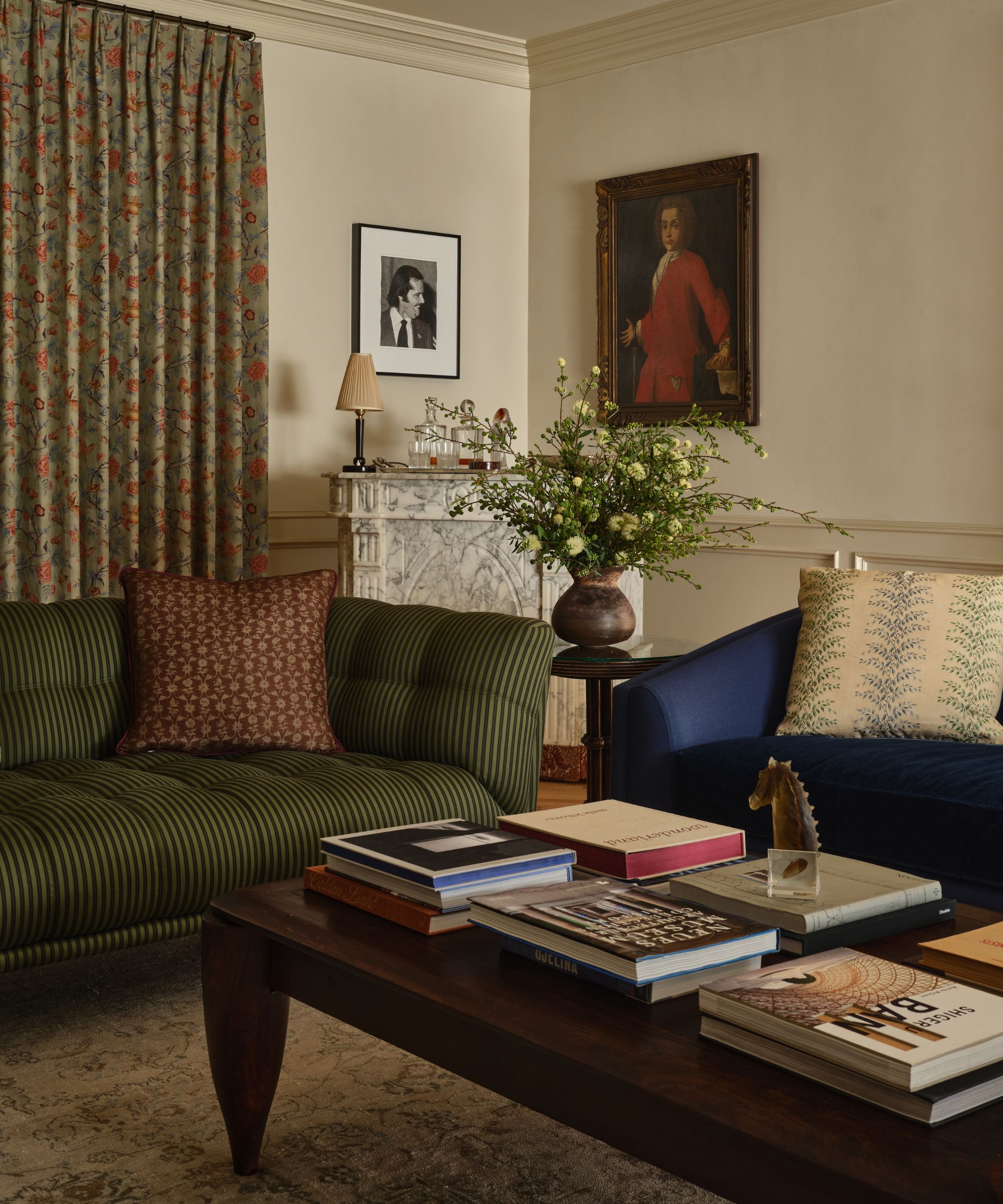
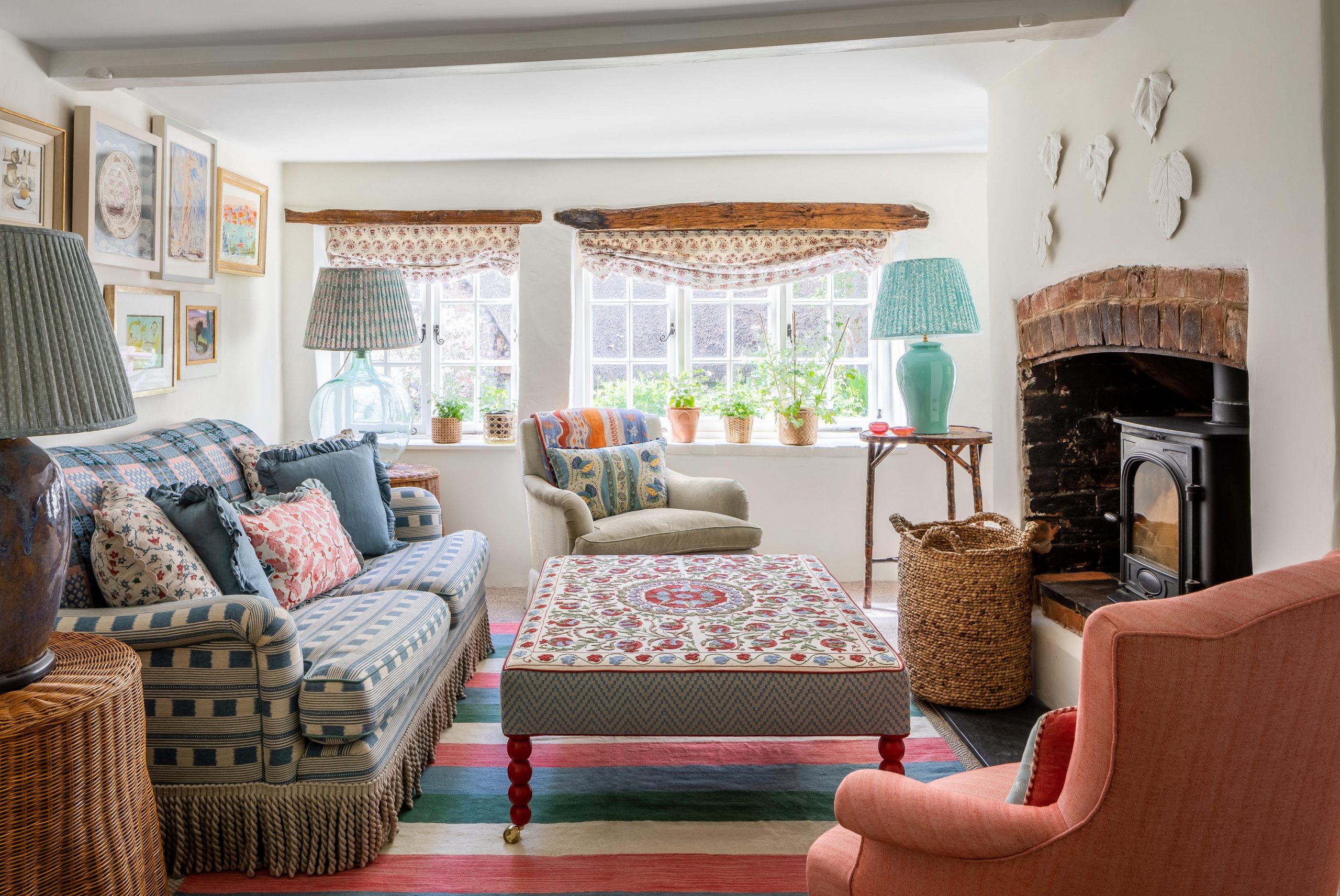
Between these two extremes lies a middle ground occupied by interior designers who apply their expertise to cottages with the same vigor they would to larger country houses. These designers are adept at fitting surprisingly large furniture, bespoke joinery, significant lighting fixtures, and chintzy fabrics into more compact spaces. Flora Soames is highlighted as a master of this art, demonstrated through her book 'The One Day Box' and her own Dorset Cottage. Her cottage, despite its size, provides the comforting ambiance of a miniature manor house, proving that a cottage's interior can be tailored to any desired aesthetic or level of comfort. This adaptability underscores that cottages can be transformed into whatever their owners envision, blending historical reverence with contemporary needs or boldly embracing modernity.
#CottageInteriors #HomeDesign #InteriorDesignTrends #RusticChic #ModernGlamour #ArchitecturalHistory #DesignPhilosophy #CountryLiving #CottageInteriors #HomeDesign #InteriorDesignTrends #RusticChic #ModernGlamour #ArchitecturalHistory #DesignPhilosophy #CountryLiving
0 comment in total
 No comments yet
You may also like
What Is Modern Cottage Style?

40 Outdated Home Trends We Hope Never to See Again

7 rooms every old home once had that we have all forgotten about – and which ones are making a comeback
Sorry, but These Design Trends Will Be Outdated in 2025

21 "Outdated" Home Design Trends That Are Sooo Much Better Than Modern-Day Trends

Mark Our Words, This Will Be The #1 Home Trend Of 2022
11 "Outdated" Home Design Trends That Definitely Need A Resurrection
How to update a historic home for modern living – 9 lessons we learned from this artful redesign
16 "Outdated" Home Design Trends That Are Wildly Better Than Modern-Day Trends
People Are Revealing The "Outdated" Home Design Trends That Are Wayyy Better Than Modern Trends
Inside 6 Homes That Prove Traditional Interior Design and Modern Style Really Do Go Together

A 1940s Colonial Revival Where Color and Pattern Mix With Old and New to Create a Truly Transitional Family Home
Designers Say This Room in Your Home Is Officially Outdated

11 Home Design Trends That Need A Major Revival In 2024 To Infuse Some Personality Back Into Our Homes
The Chic 2026 Interior Design Trends That Will Take Over Next Year
Designers Are Moving On from Modern Farmhouse—Here’s the Style Taking Over

People Are Exposing The Home Decor Trends That'll "Completely Fade Out" Sooner Than You'd Think
6 design tips to upgrade an older home without clashing styles | Hindustan Times

Traditional Meets Modern Interior Design

Netflix Deep Dive | The Historic Charleston Remodel