1/16
6 wabi-sabi living room ideas – create a perfectly imperfect lounge with this Japanese philosophy
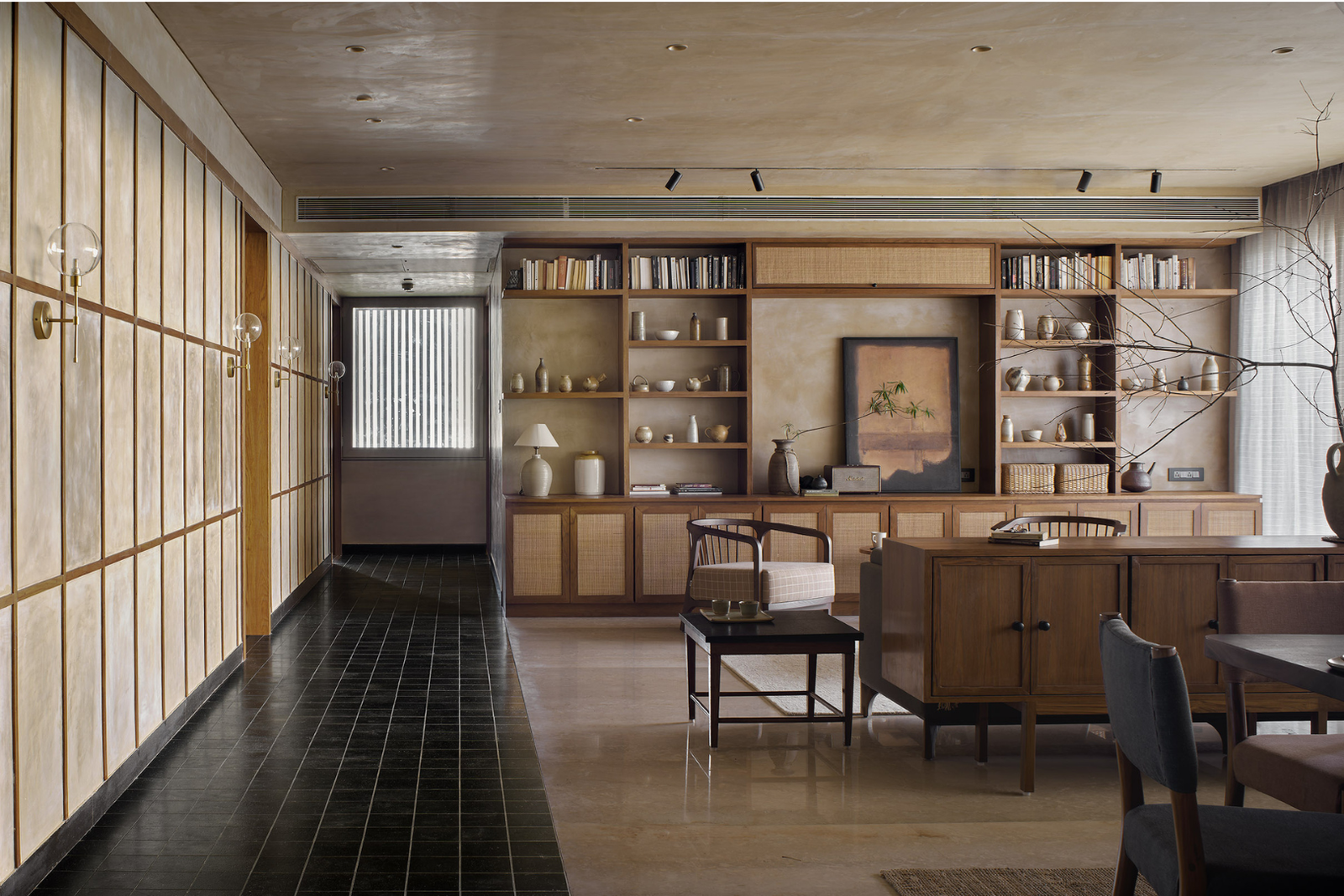
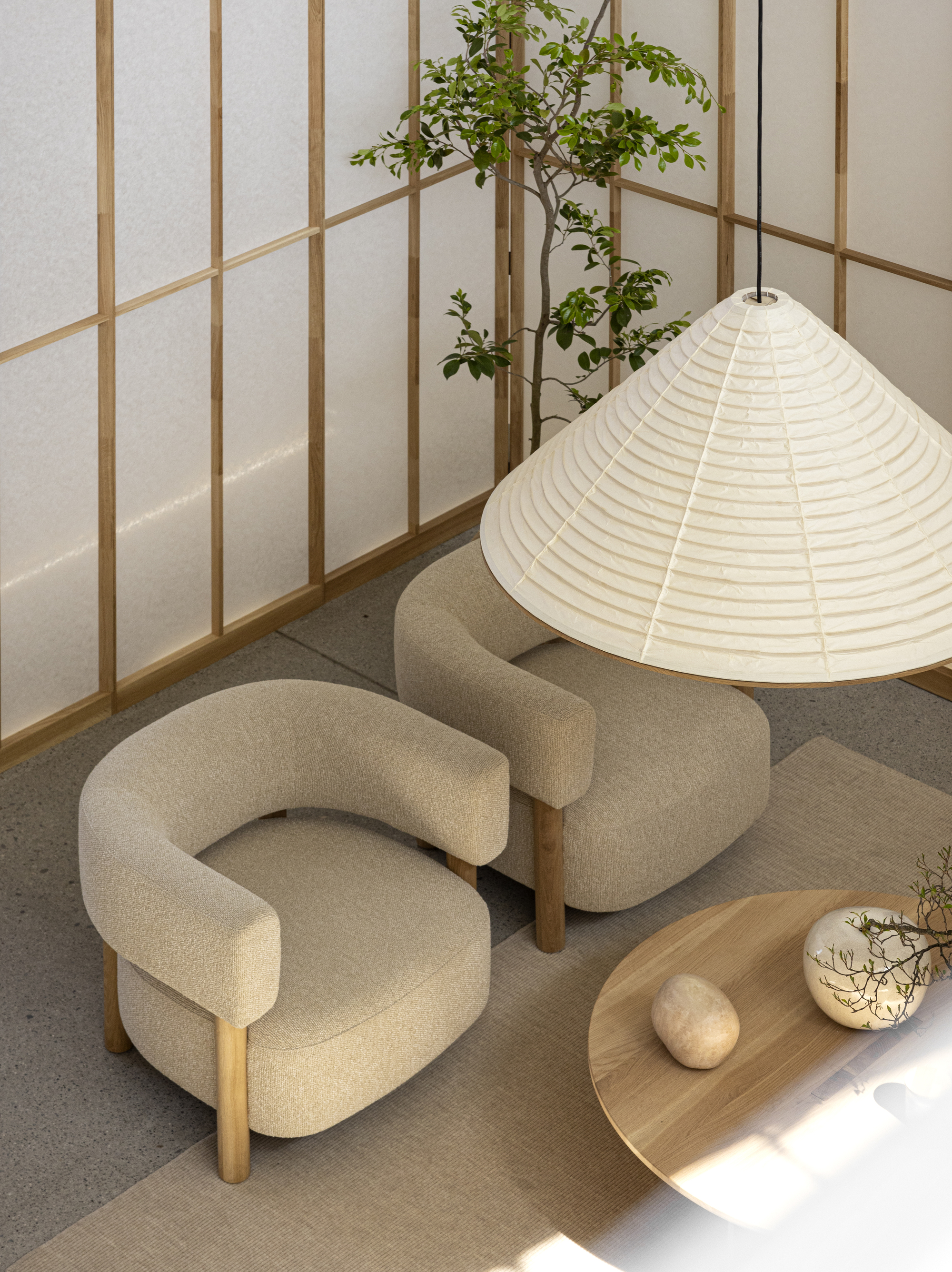
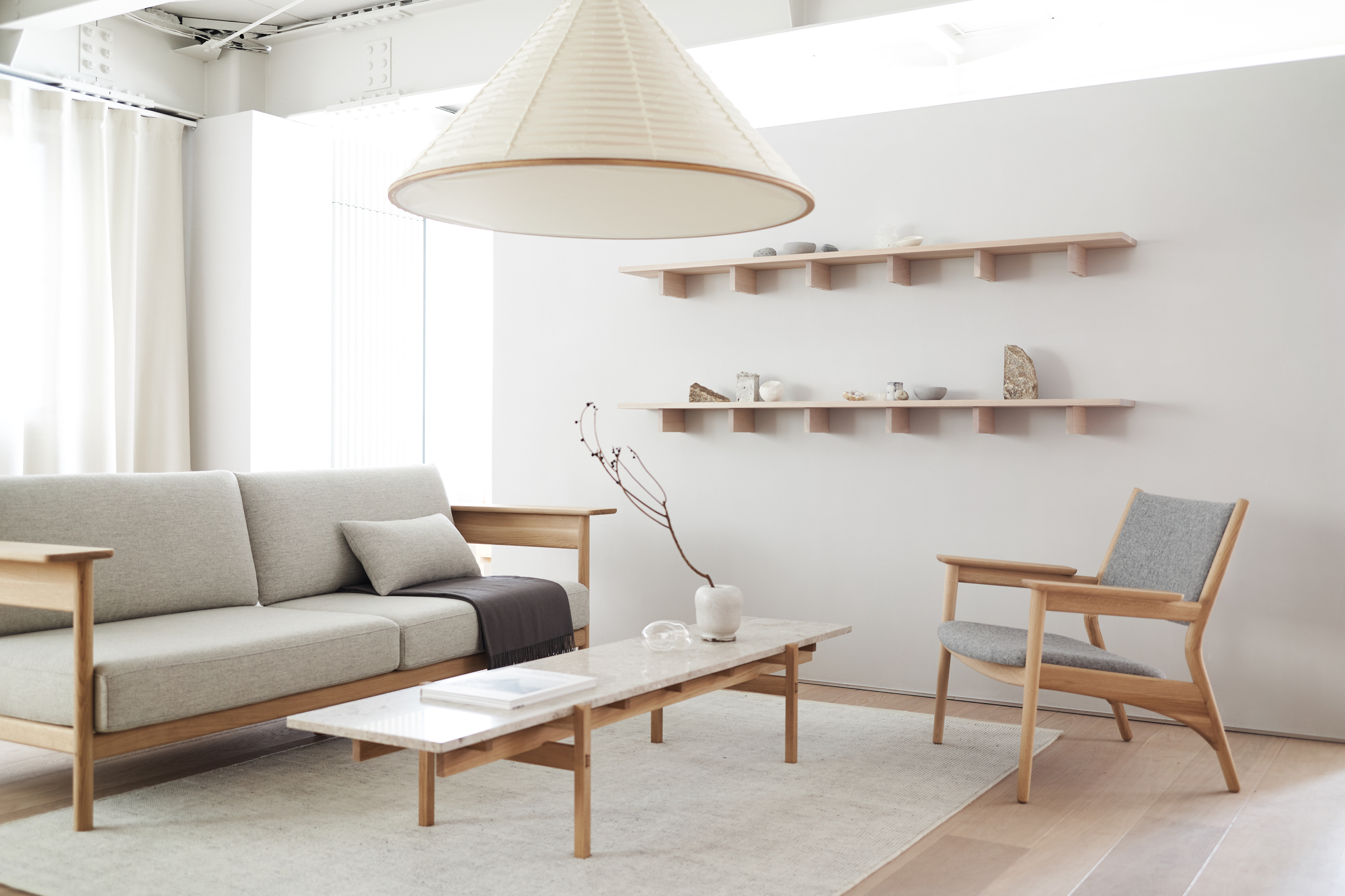
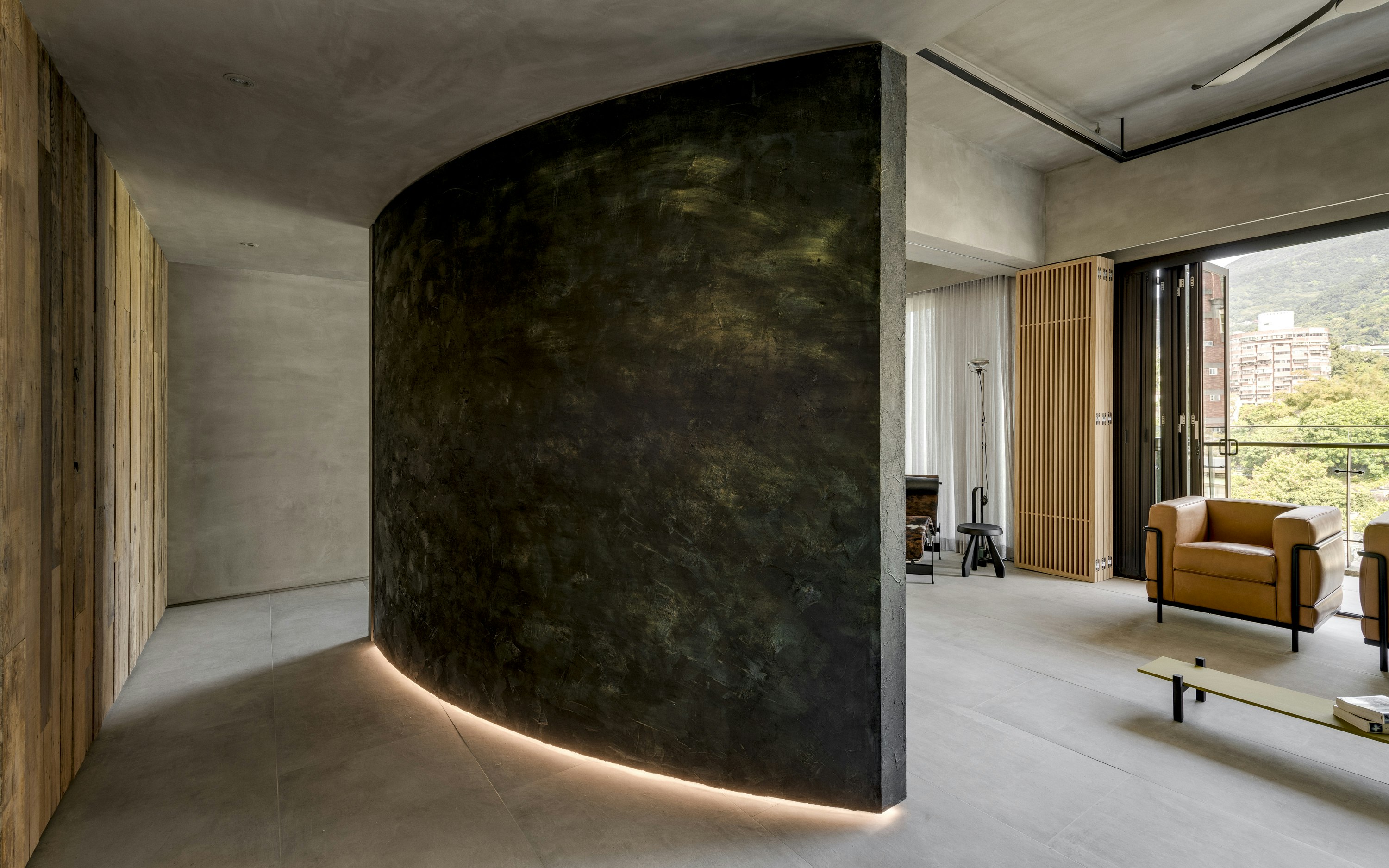
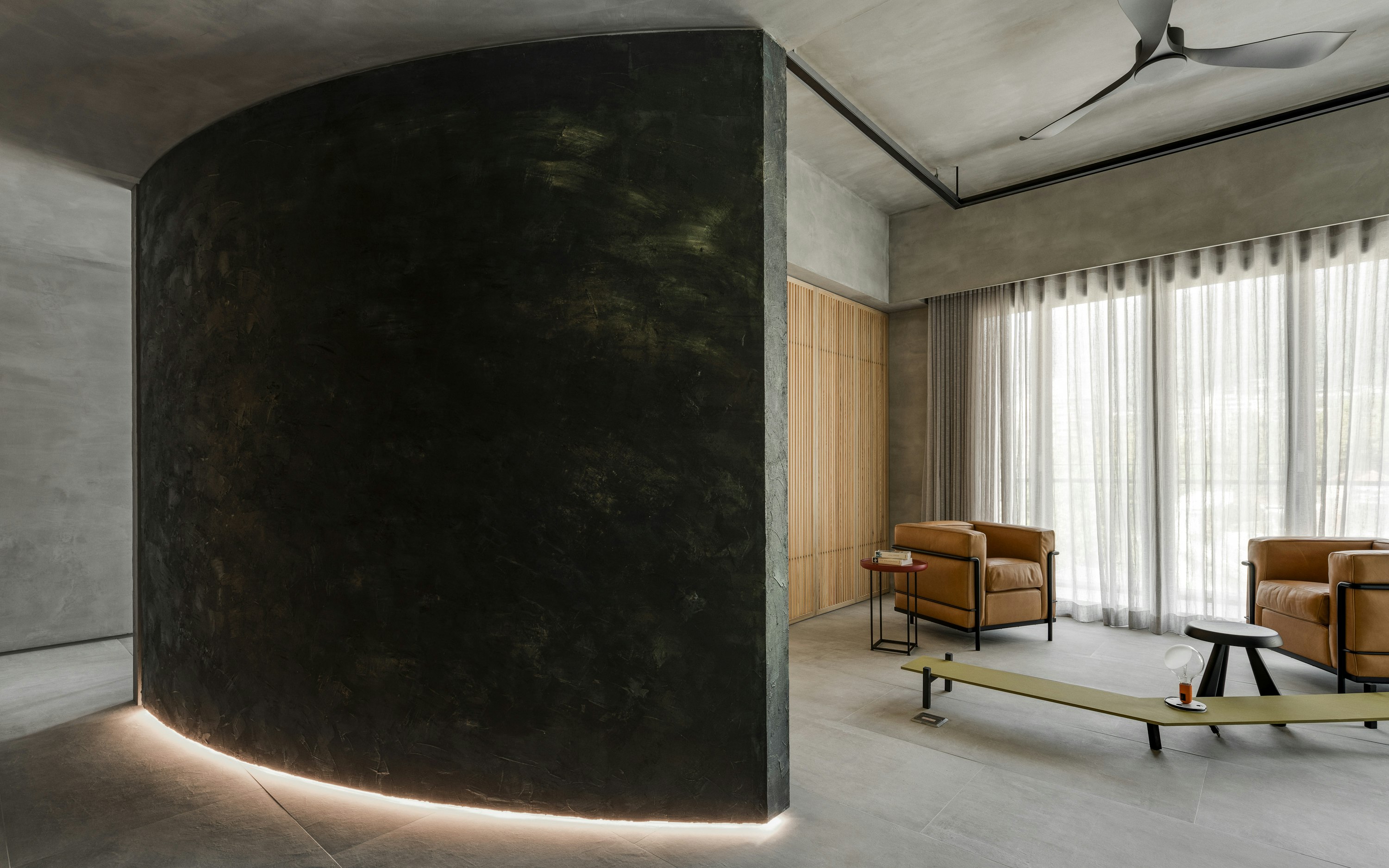
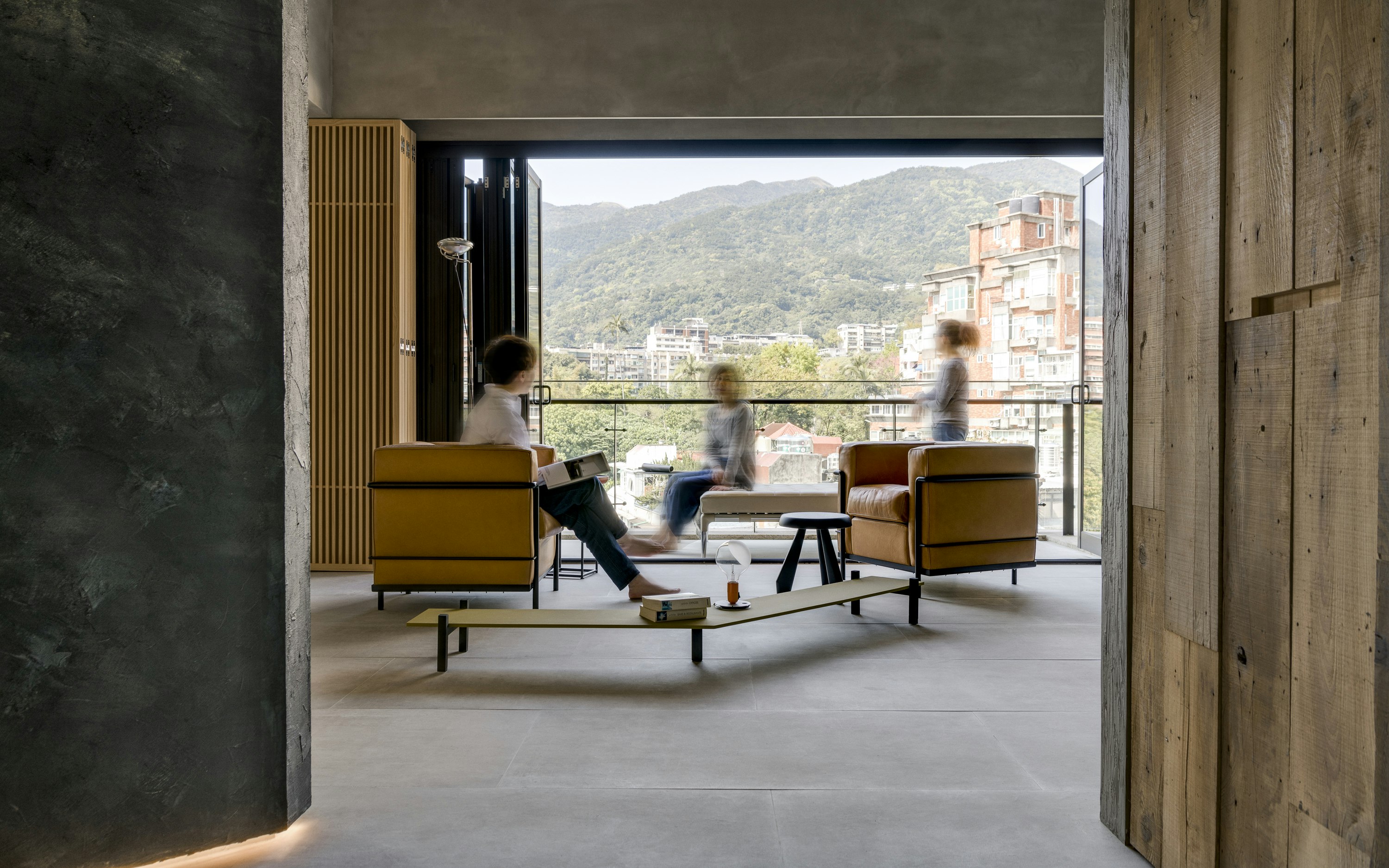
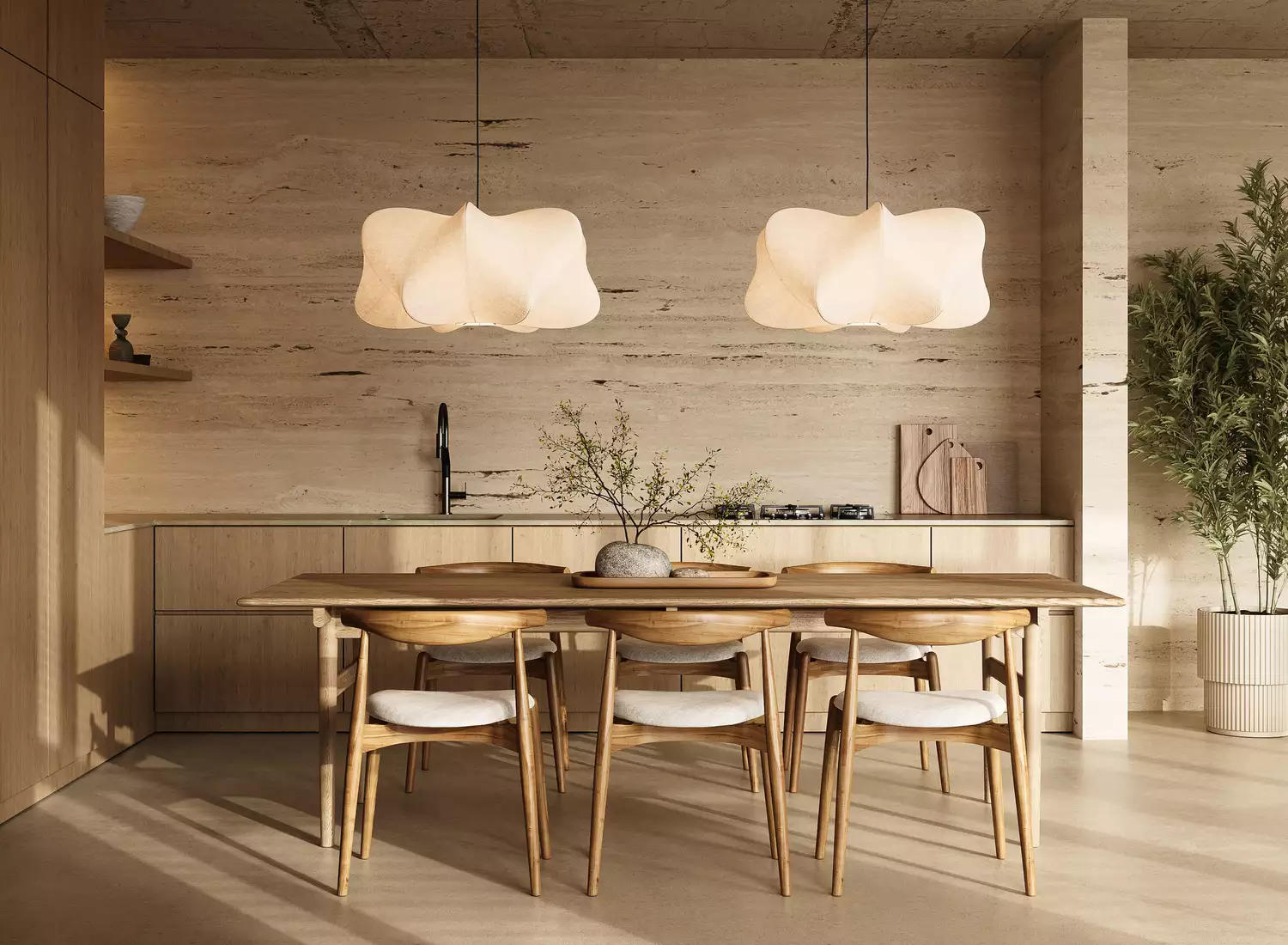
The Japanese philosophy of wabi-sabi is gaining significant traction in interior design, particularly for living rooms, offering an alternative to the pursuit of perfection. This trend, which celebrates imperfection, transience, and the beauty of the natural world, is highlighted as the second most popular interior design trend after cottagecore, with over 3.6 million Google searches and 2 million Instagram posts in the past year. Designers and interior stylists emphasize that wabi-sabi promotes simplicity and authenticity, creating spaces that feel warm, lived-in, and unpretentious by embracing the charm in everyday wear and tear.
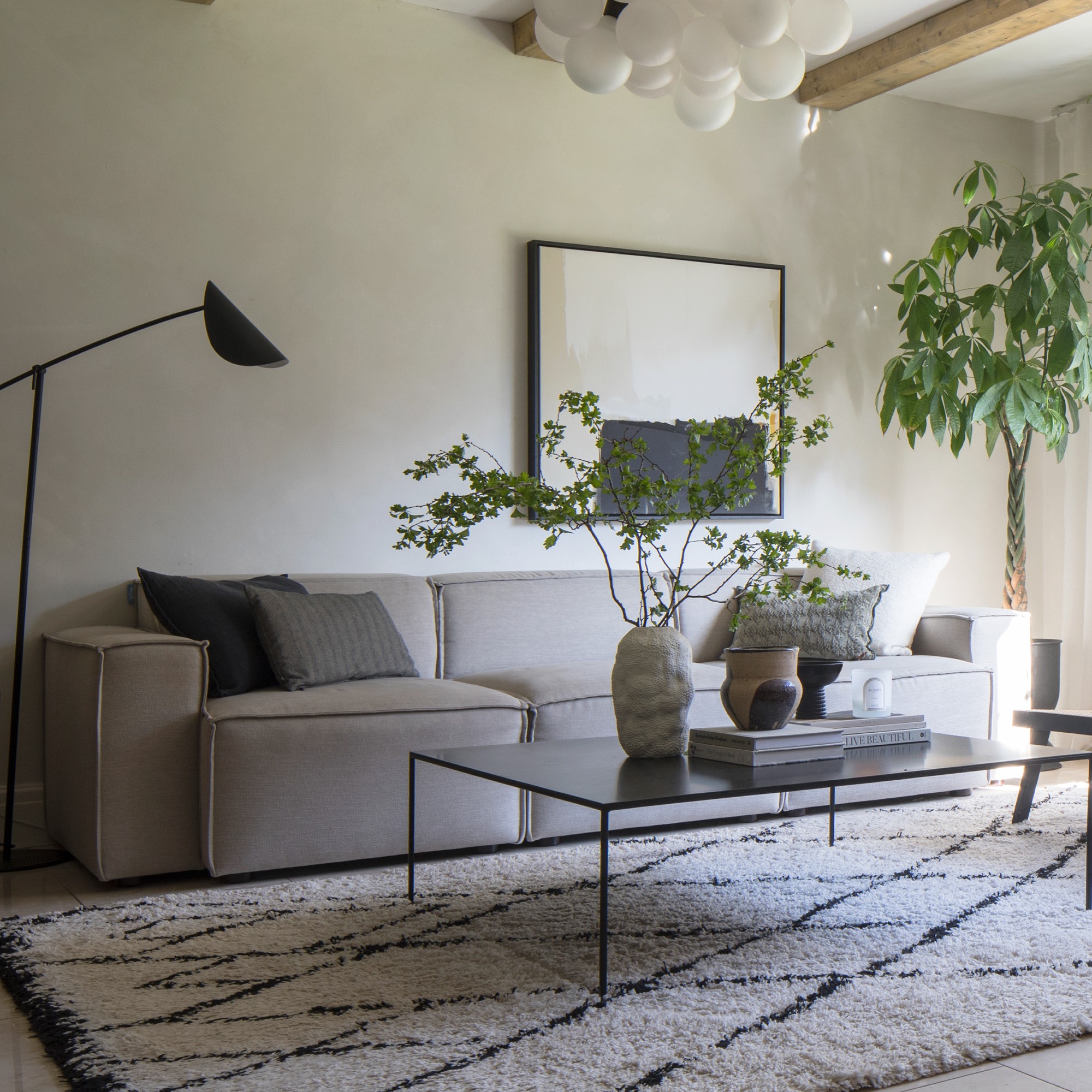
The core of wabi-sabi design begins with decluttering the living room. This involves removing items that lack purpose or personal meaning, focusing on quality over quantity. The aim is to achieve a serene and purposeful space free from excessive clutter, where each object is intentionally chosen for its utility or aesthetic value. A cluttered environment can hinder mindfulness and relaxation, which are central to the wabi-sabi philosophy, by creating distractions and a subconscious need to tidy.
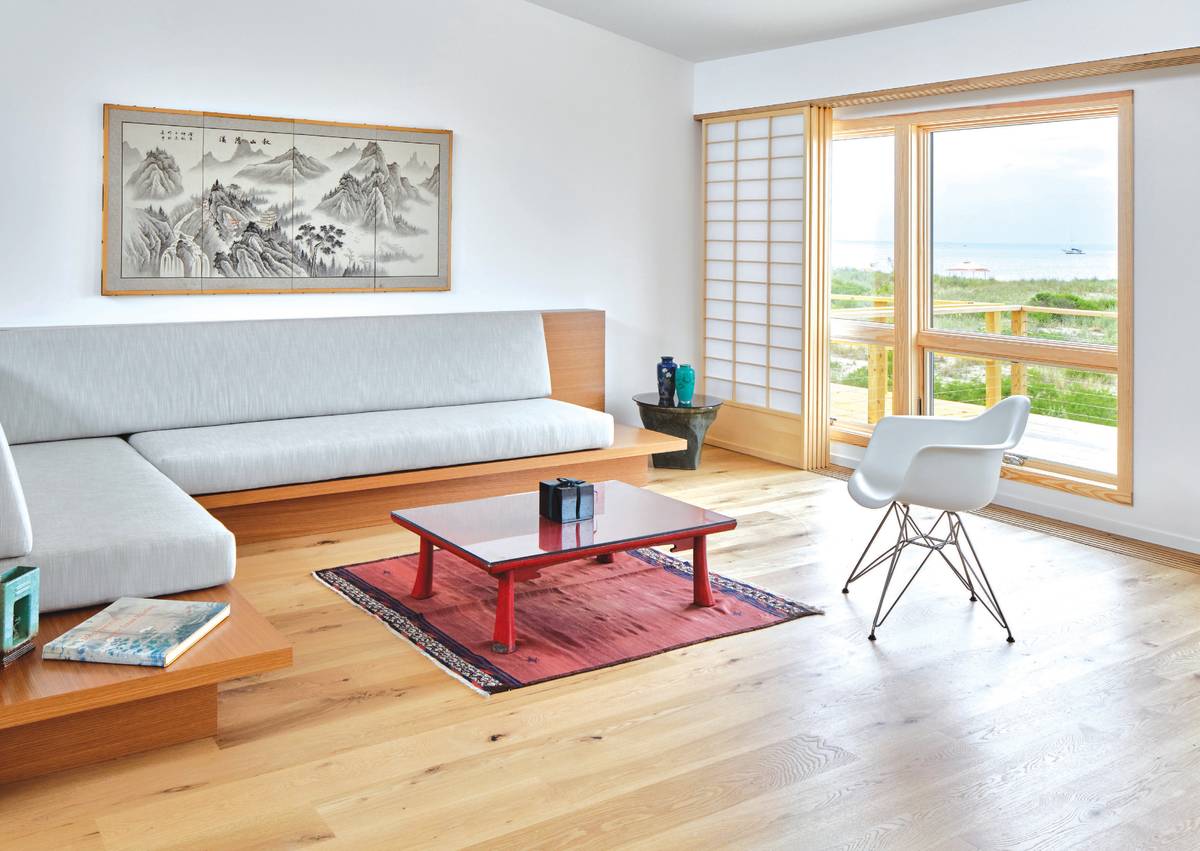
Following decluttering, the next step involves intentional and minimal decor. This principle advocates against over-decorating, stressing that less is more. Each decorative item should be meaningful and contribute to a space that feels authentic and restorative, rather than overly curated. This minimalist approach allows the subtle interplay of colors and materials to stand out, creating an understated sanctuary where imperfections and simplicity exude effortless beauty and harmony.
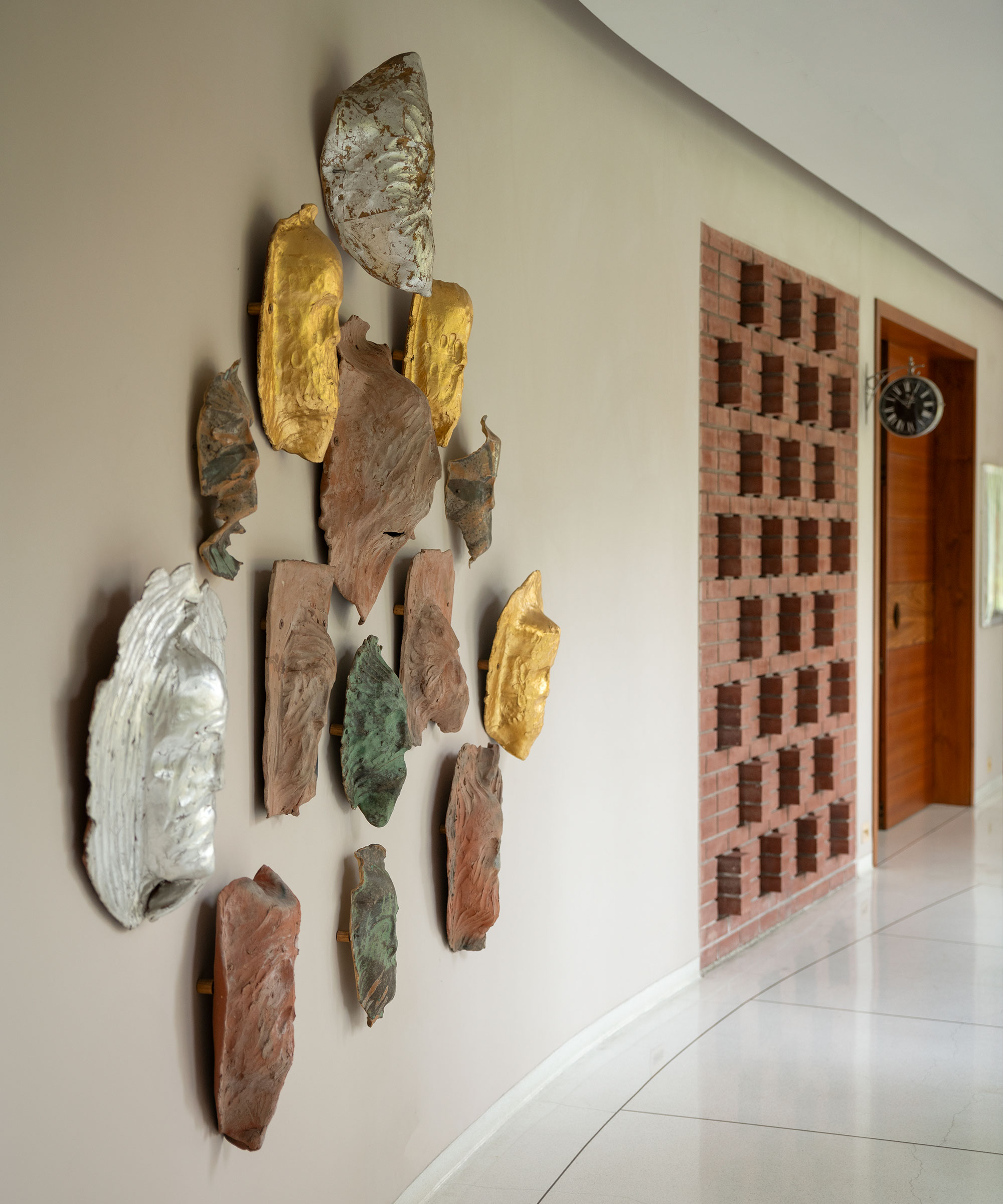
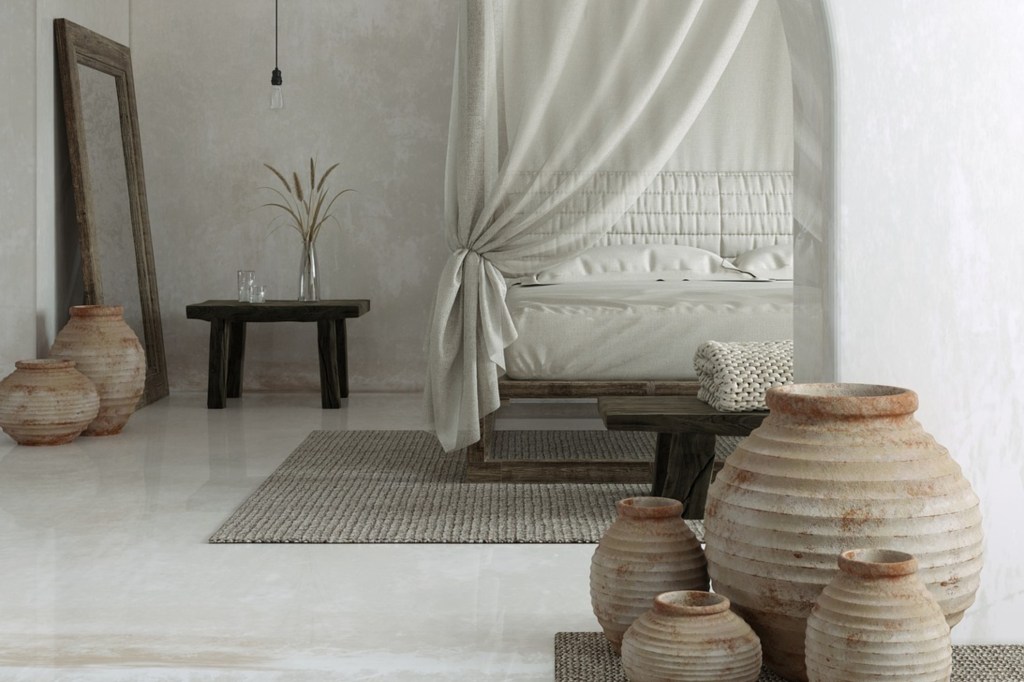
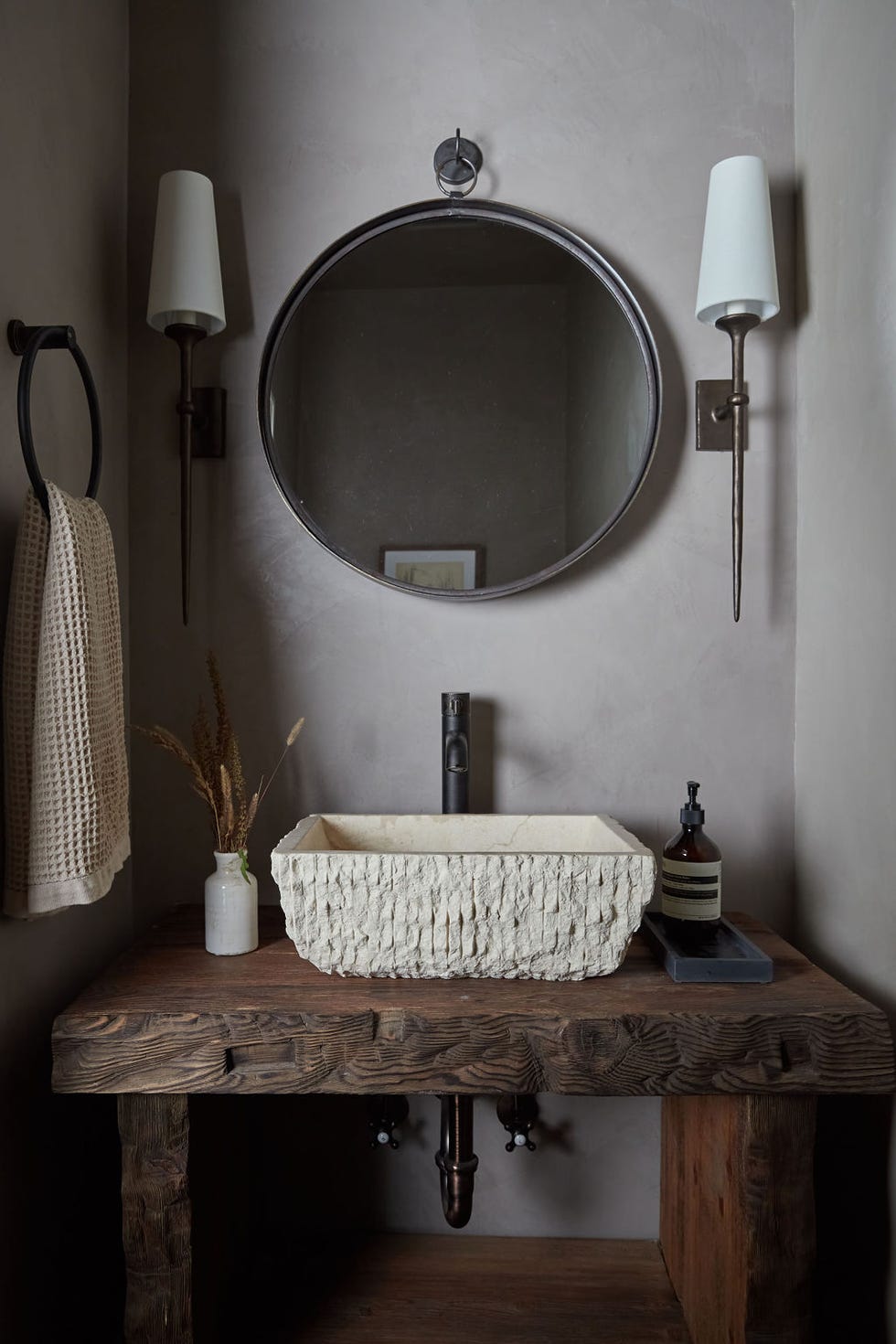
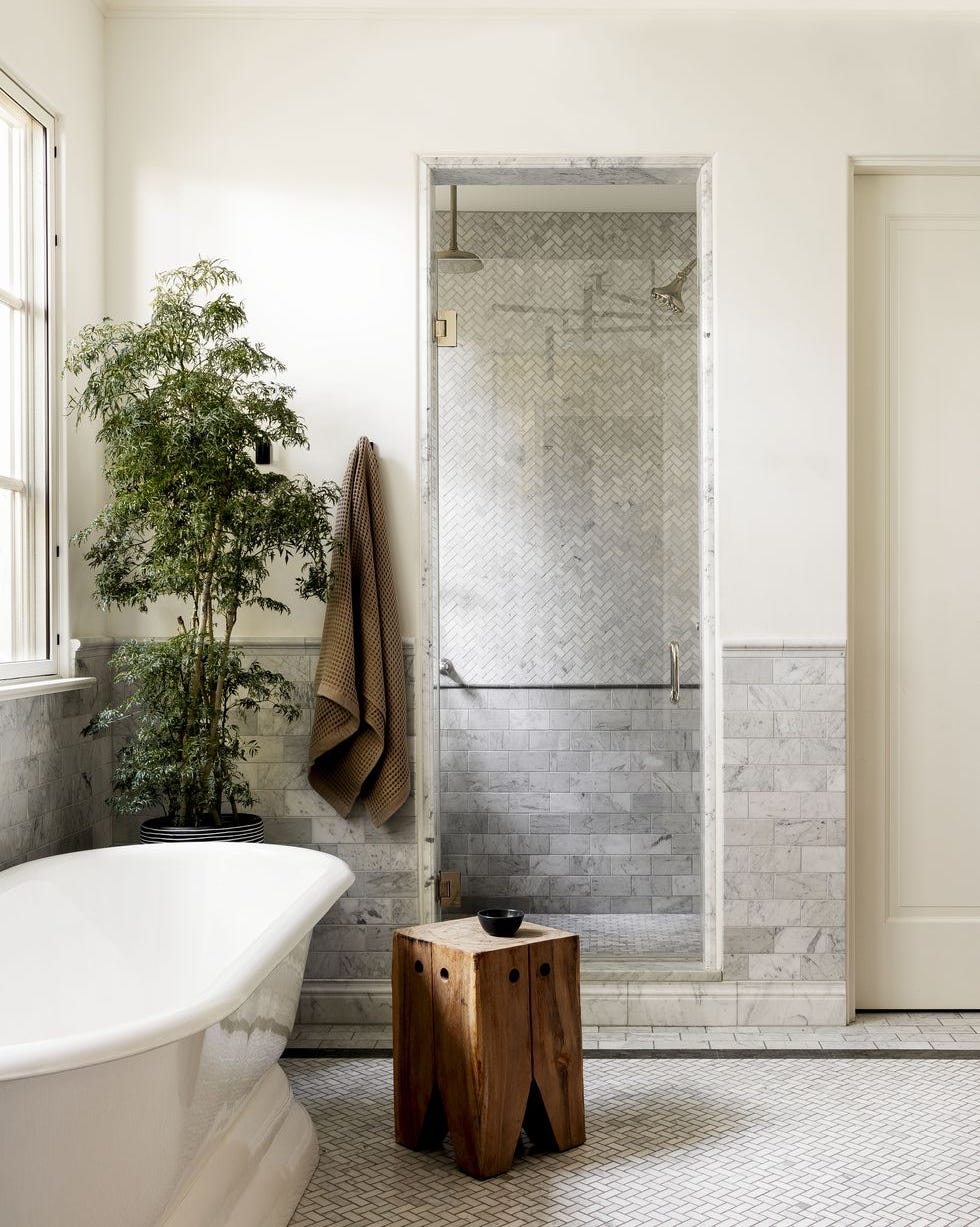
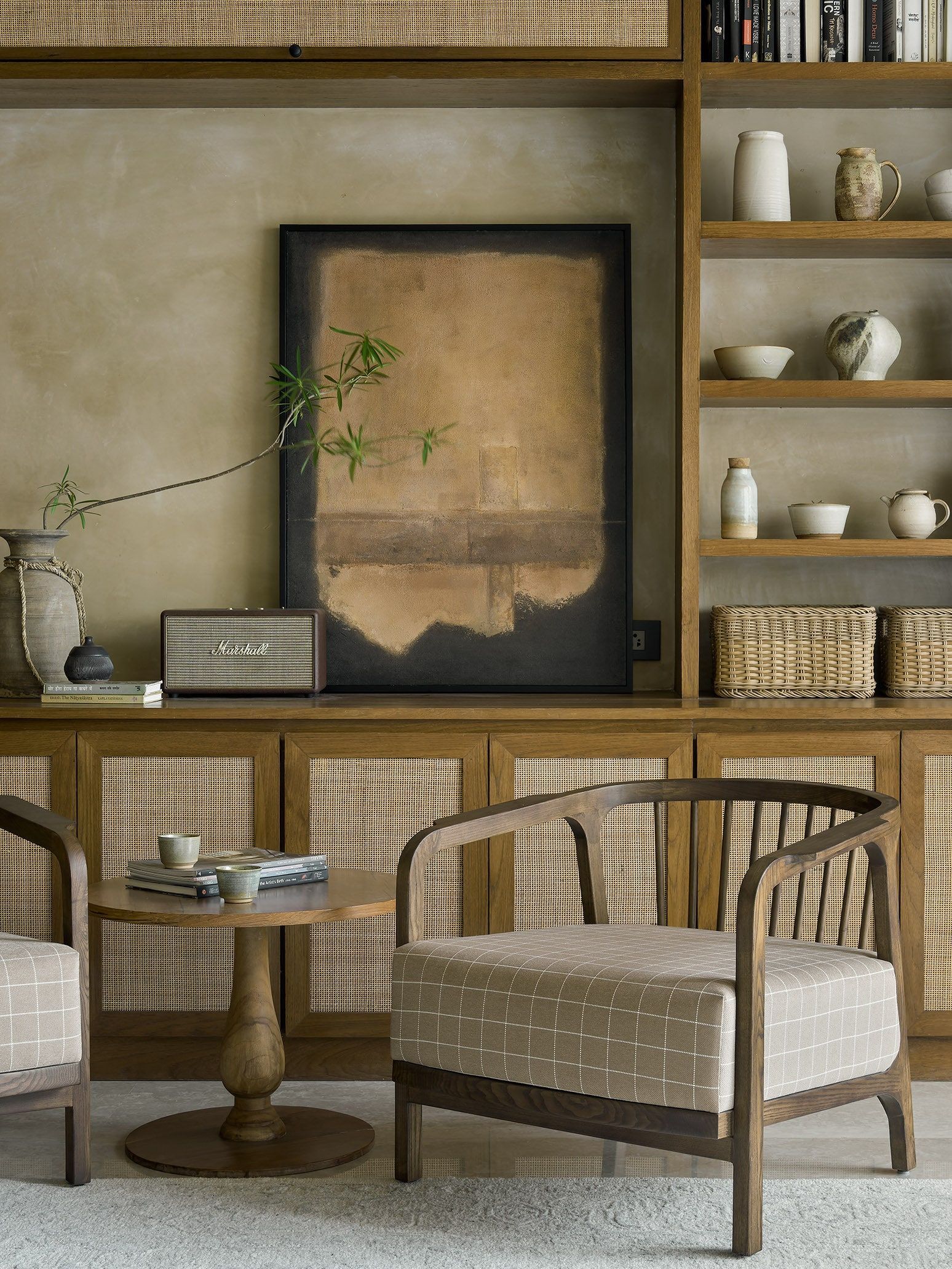
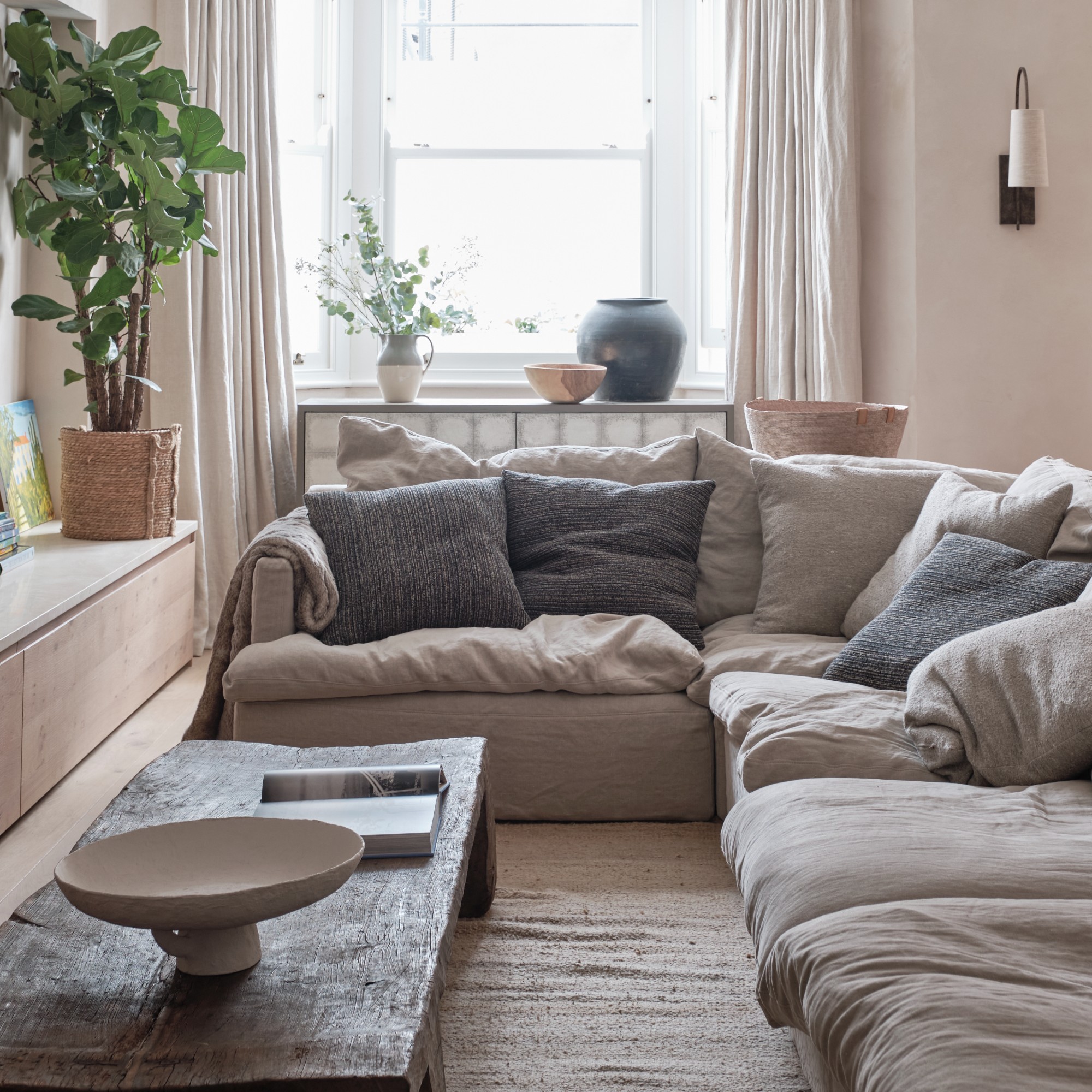
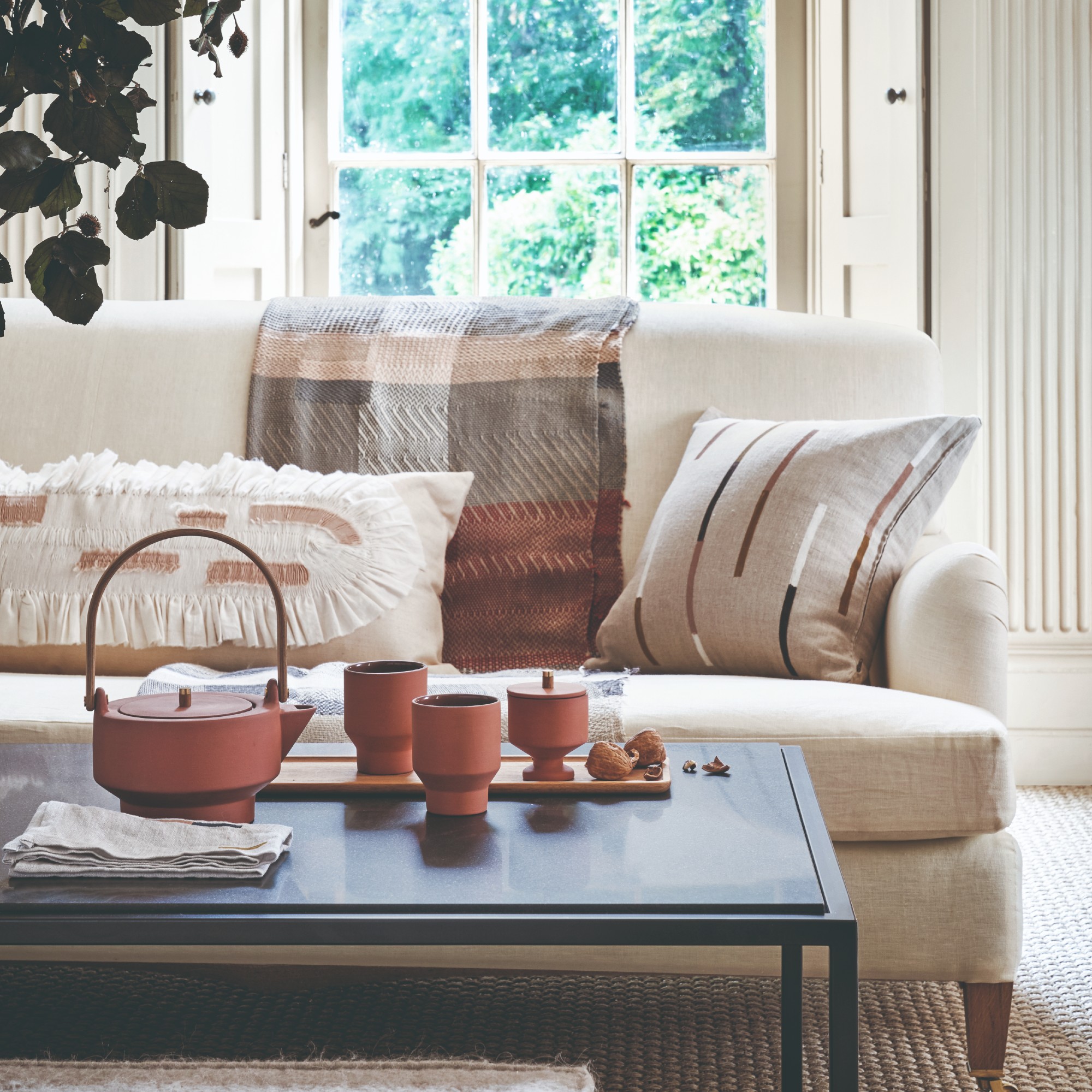
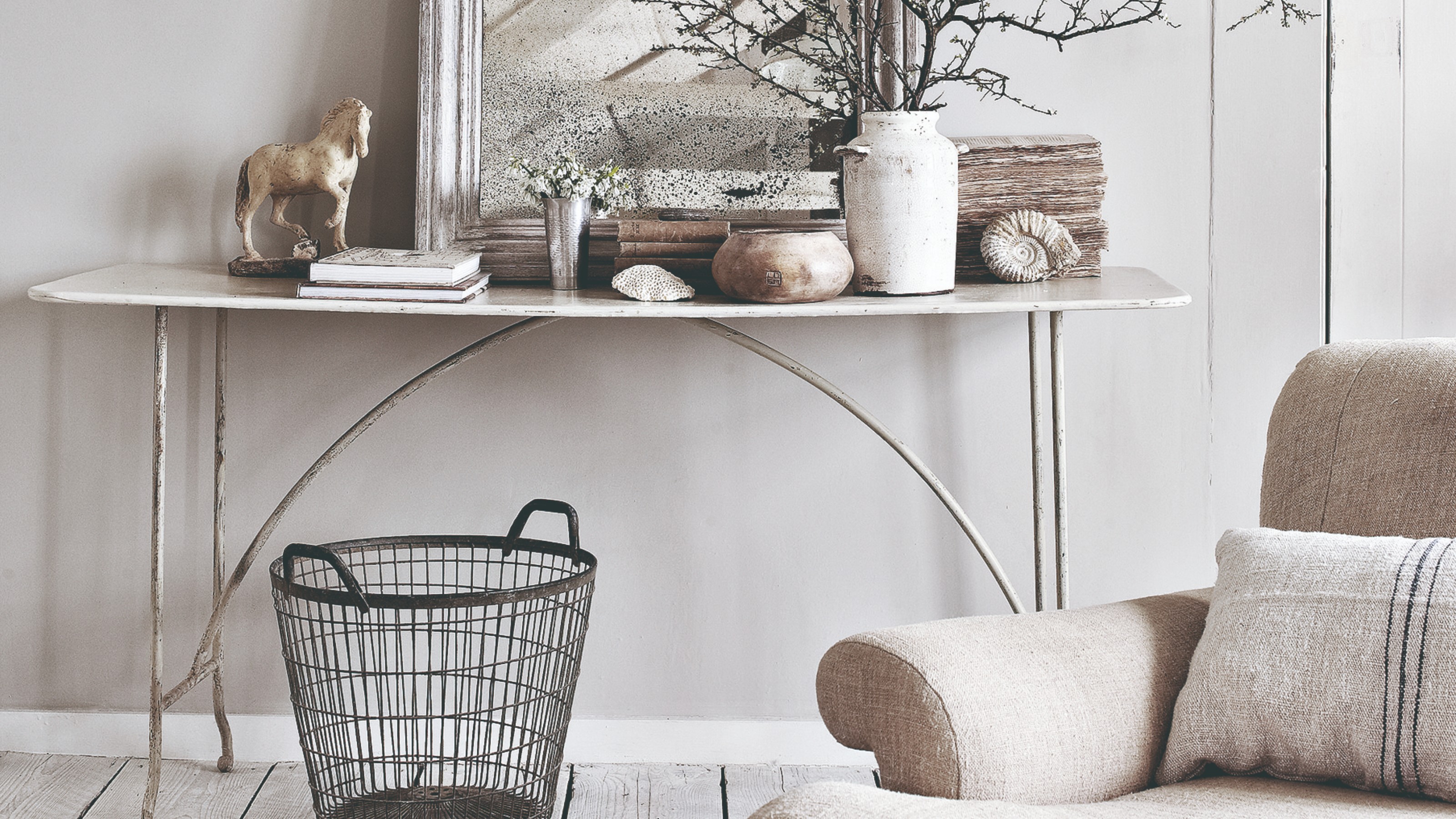
A crucial aspect of wabi-sabi is the celebration of imperfection and weathered elements. This can be incorporated through items like cracked ceramic vases, worn wooden furniture, or naturally wrinkled linen throws. The philosophy encourages highlighting these imperfections, viewing them as unique features that add history and character to a space. Examples include repairing broken pottery with gold using the kintsugi technique or displaying asymmetrical handwoven baskets.
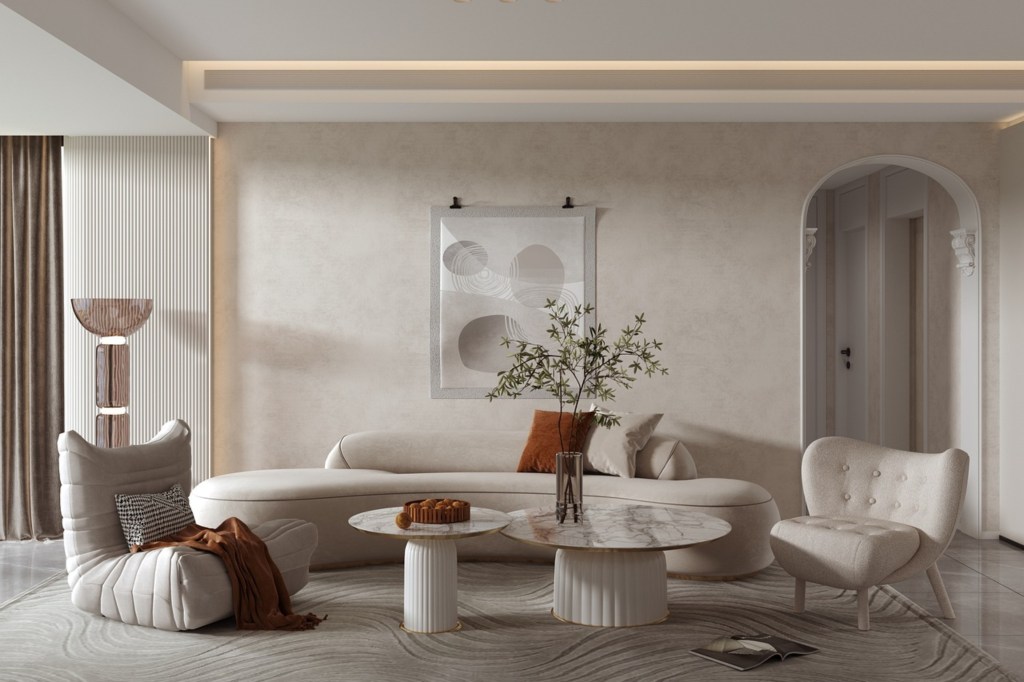
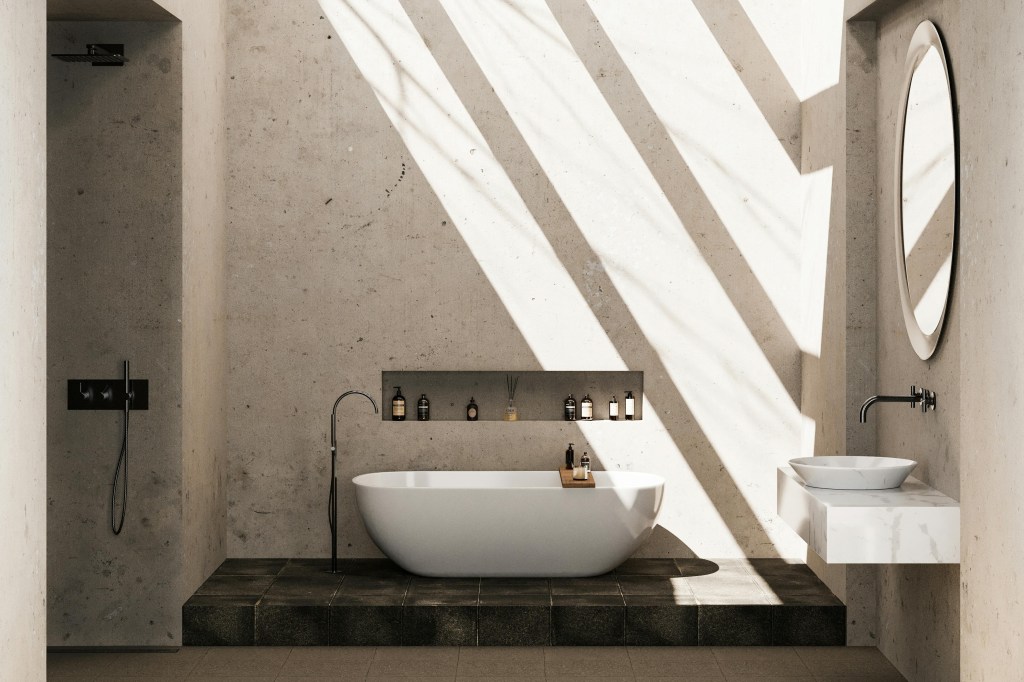
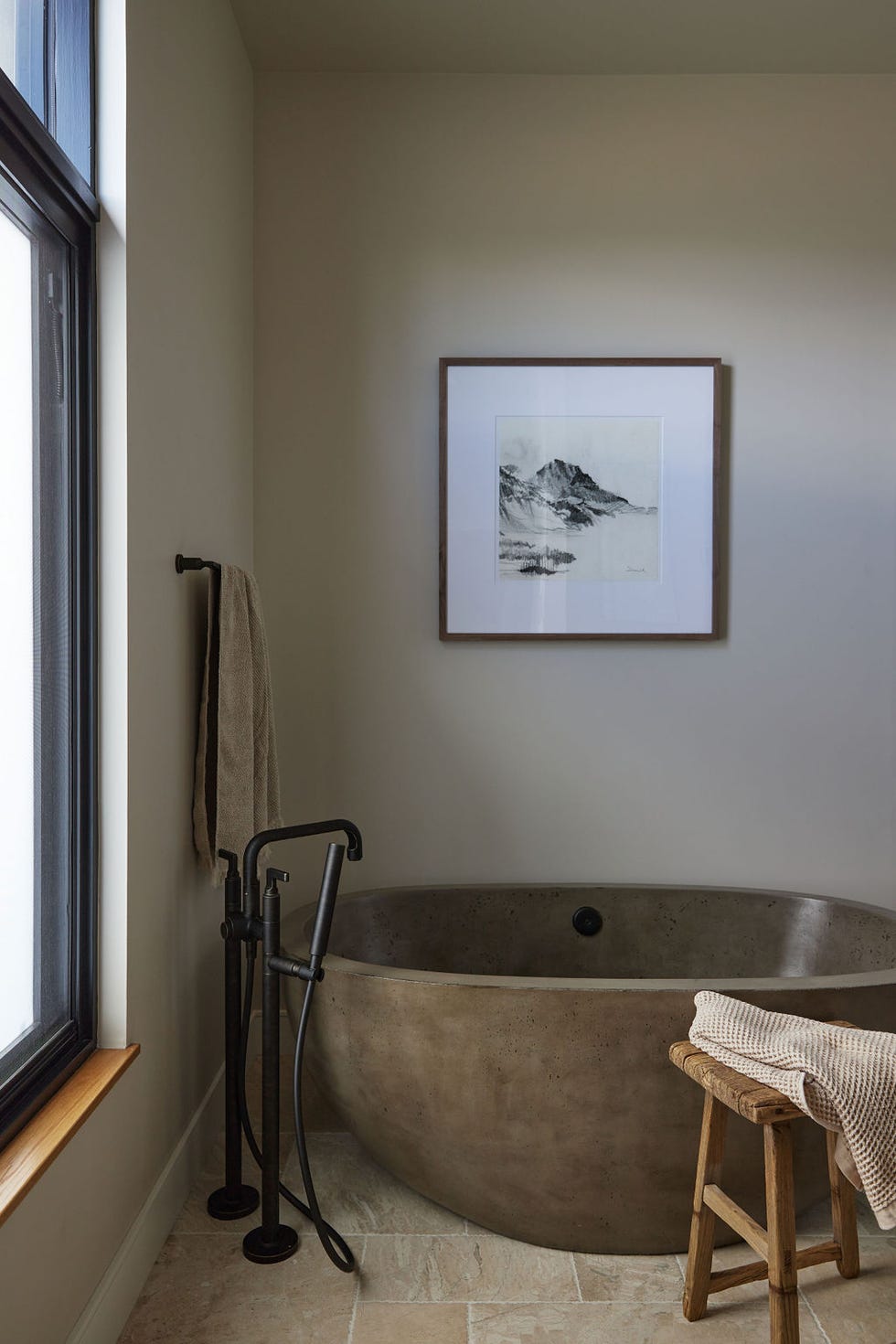
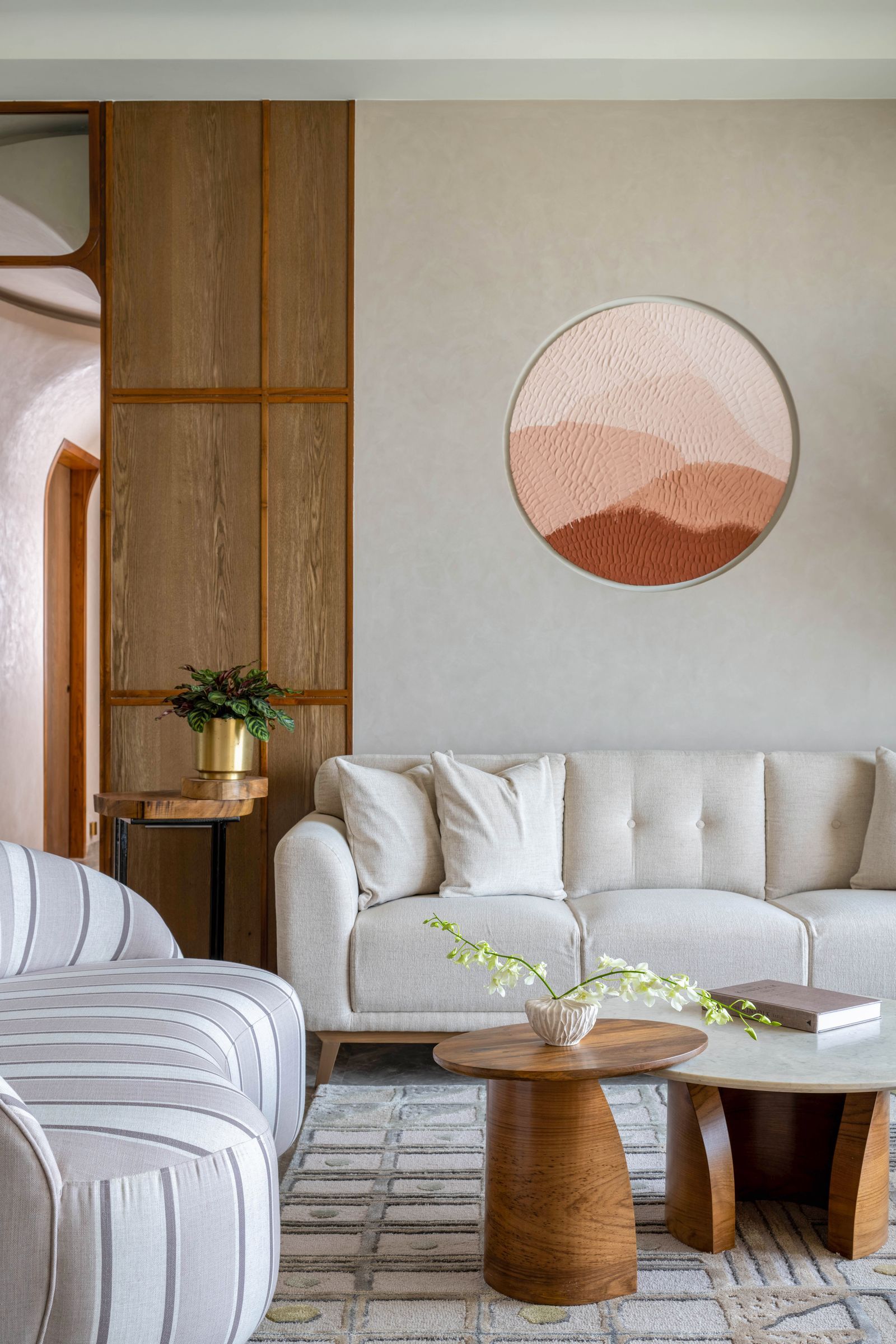
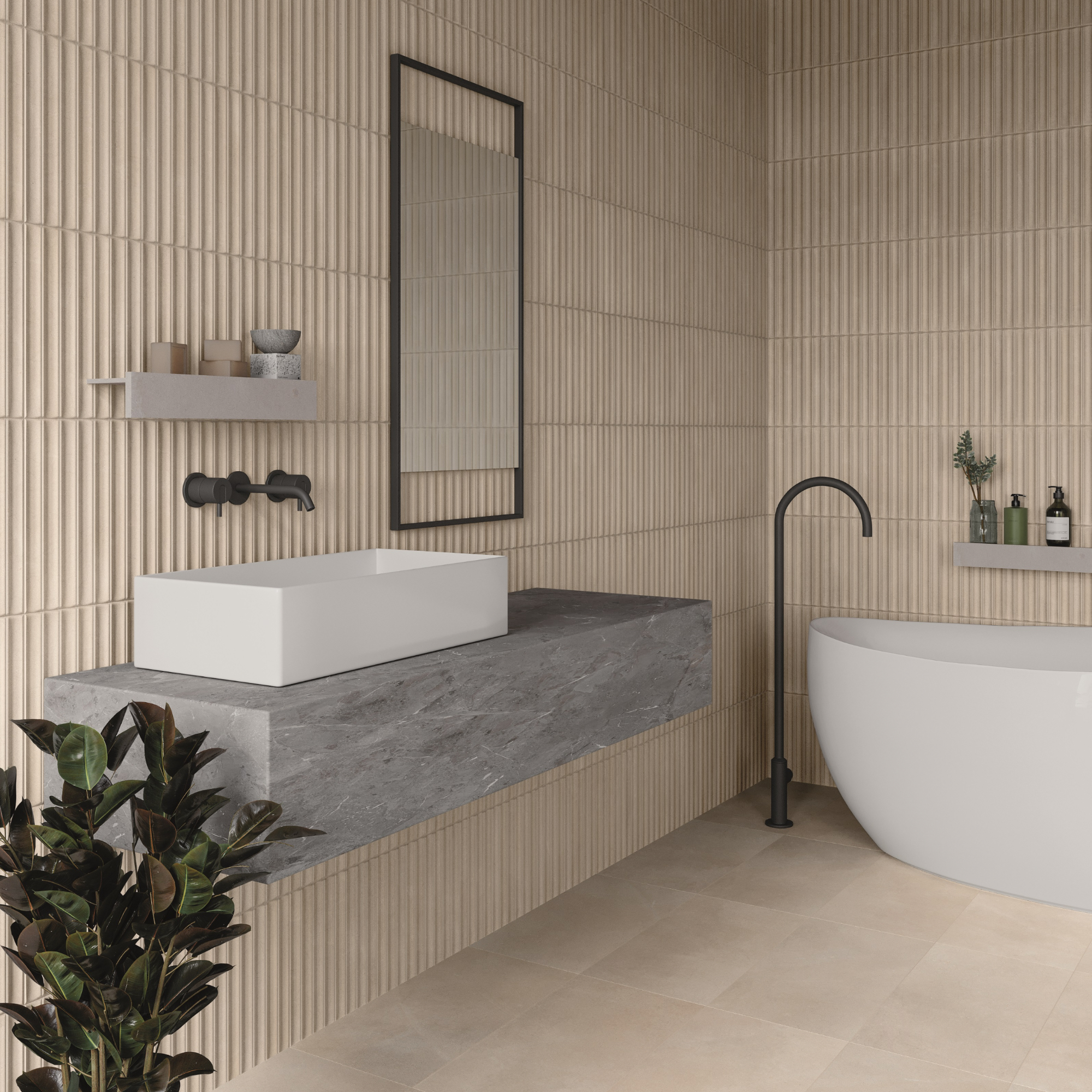
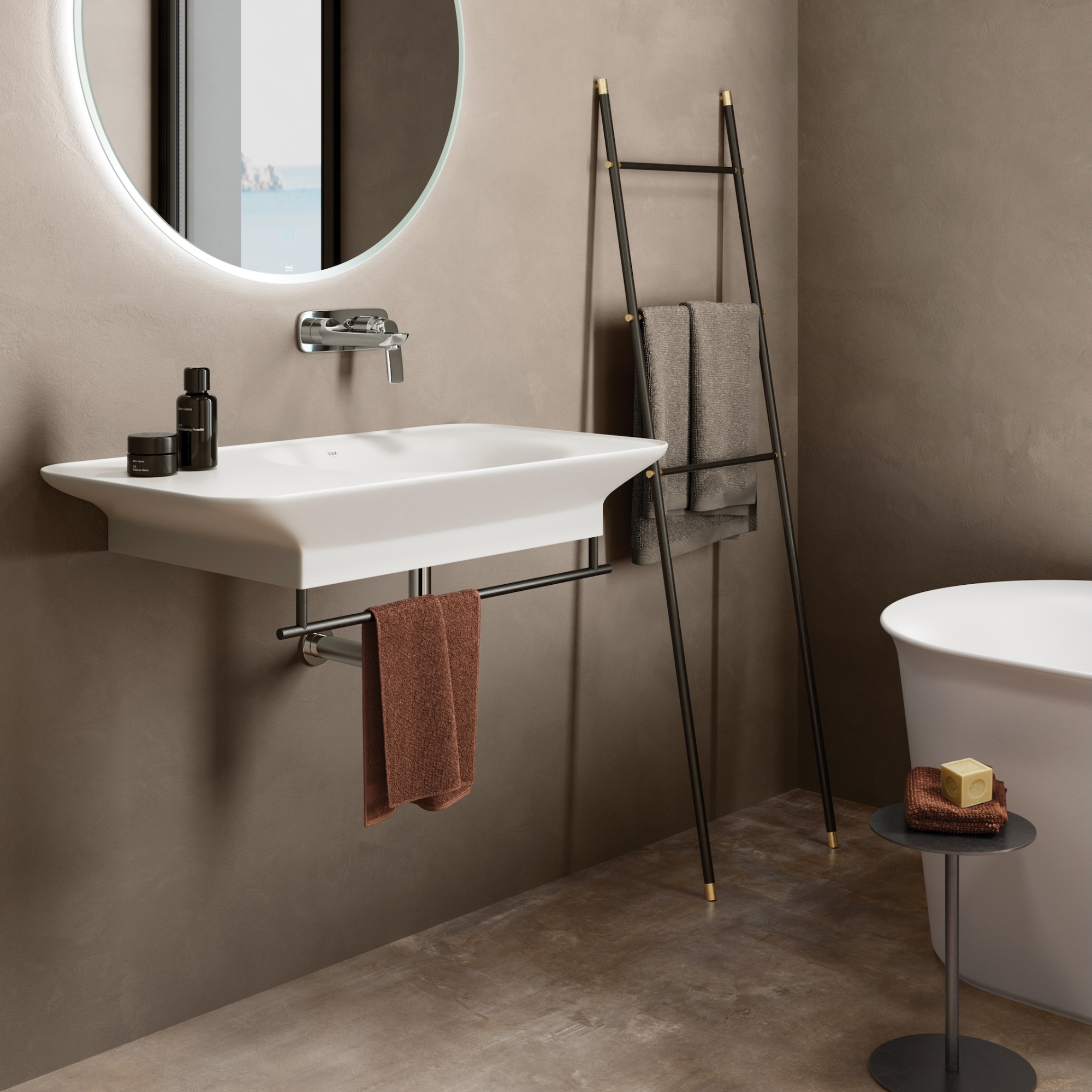
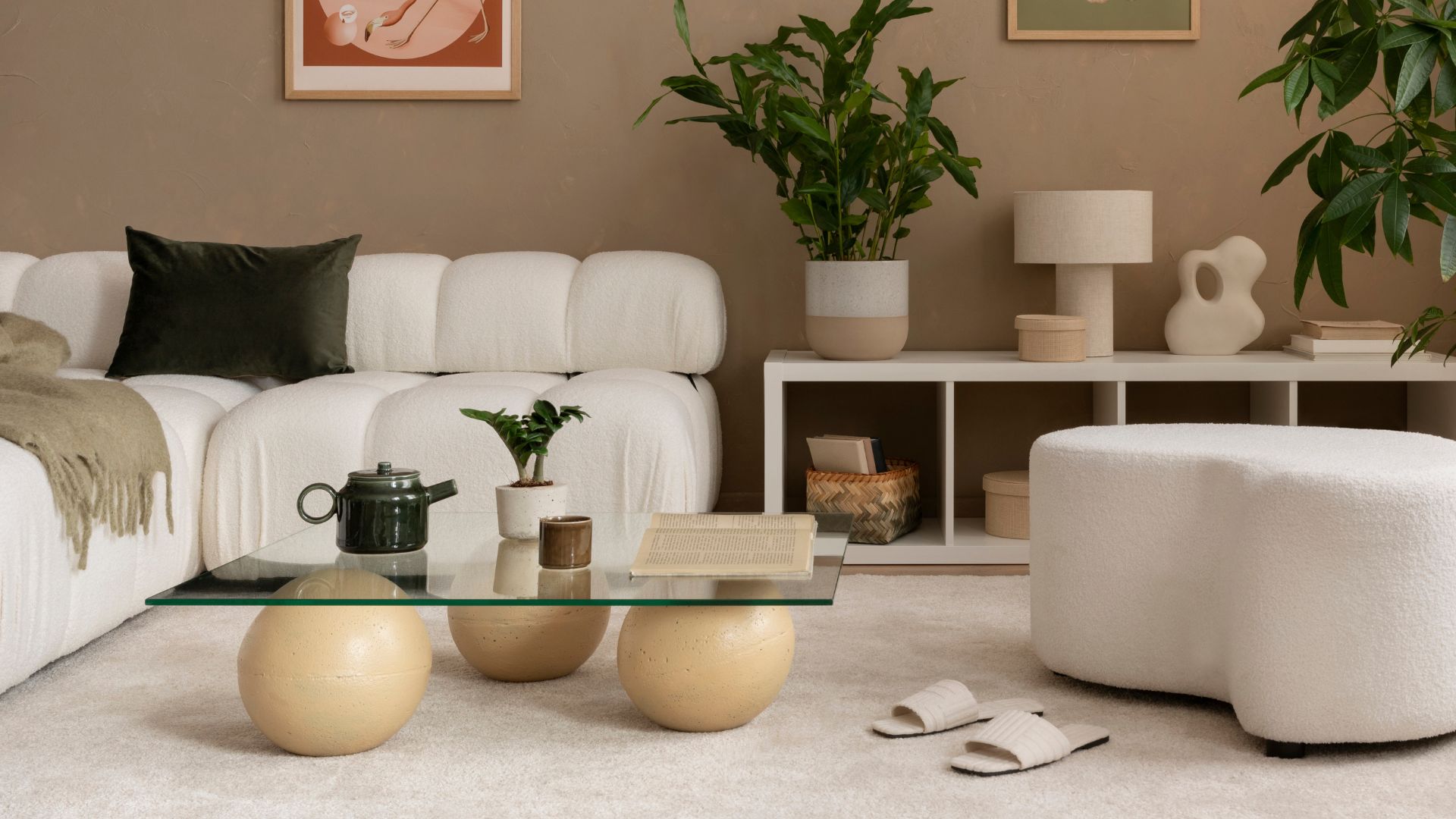
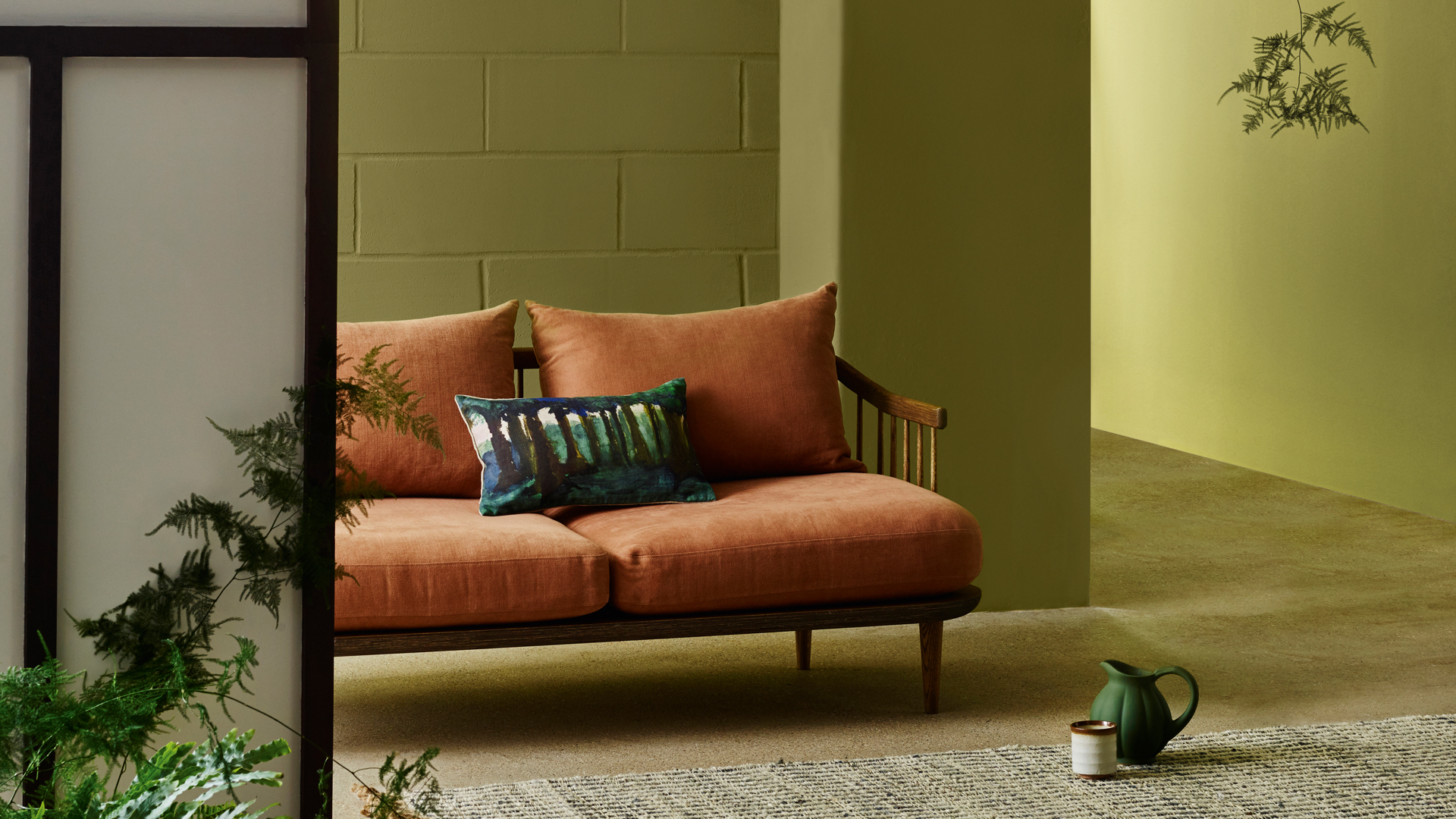
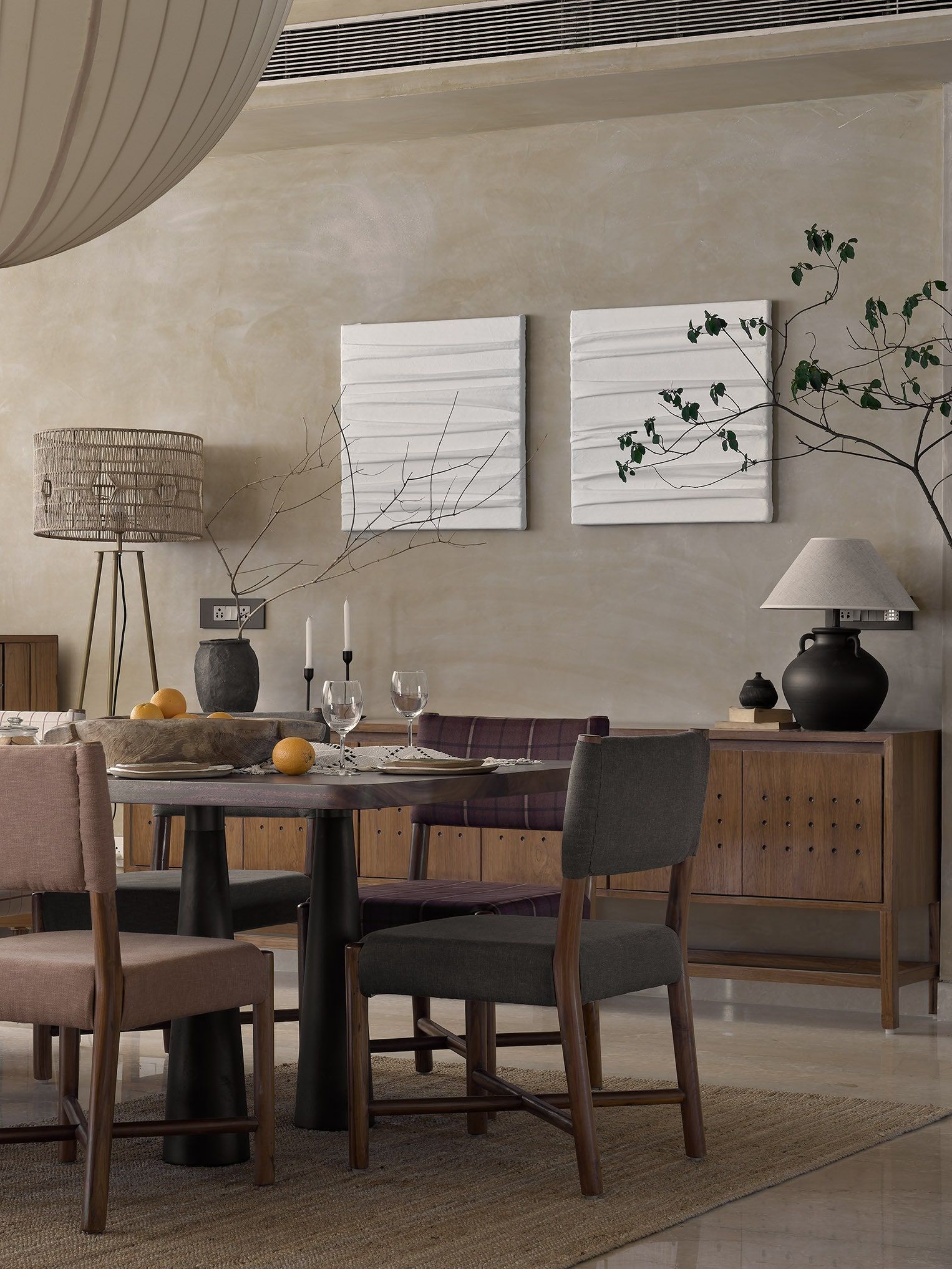
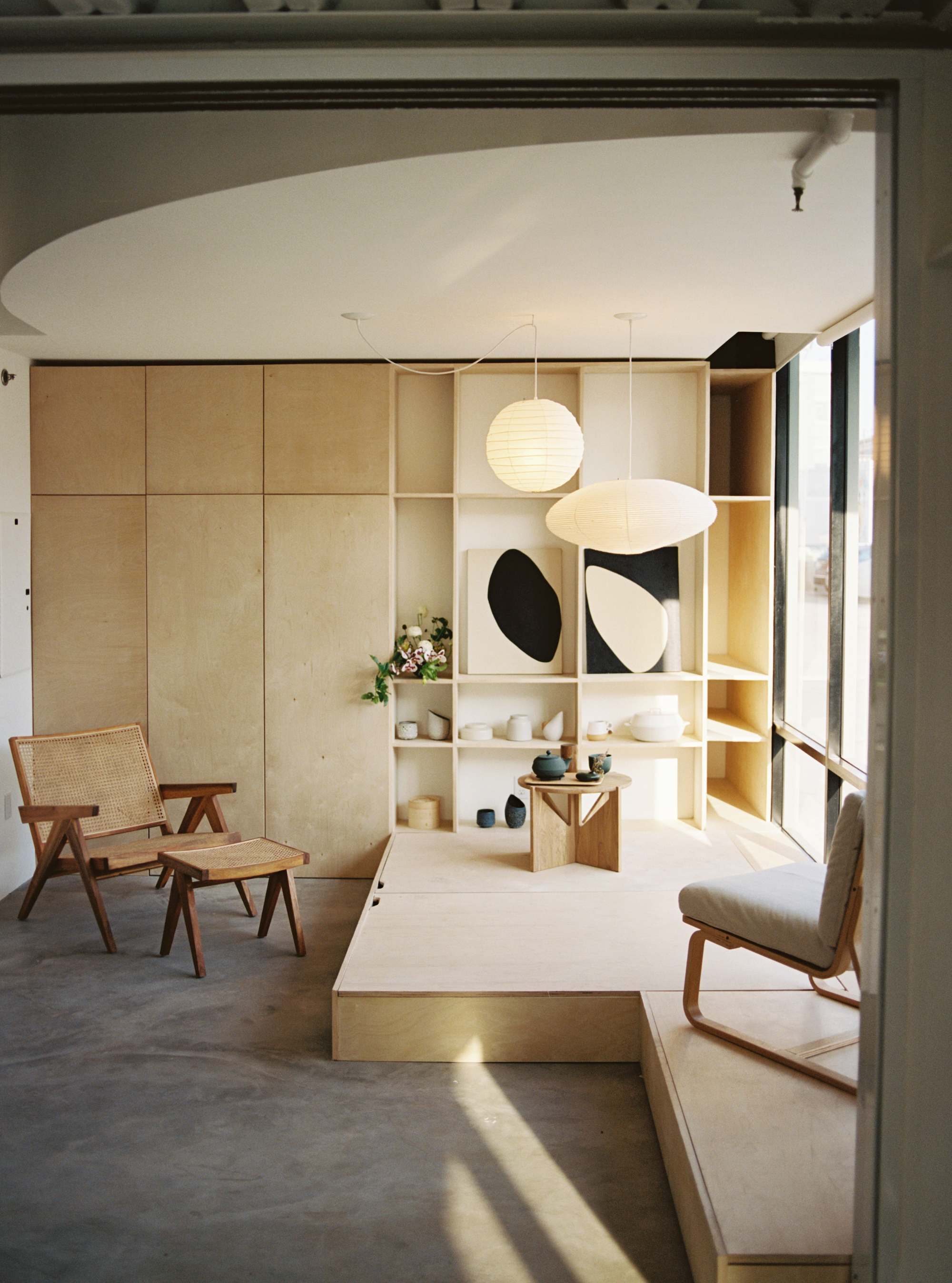
The color palette for a wabi-sabi living room is intentionally muted and earthy, mirroring the natural world. Shades of soft greys, warm browns, moss greens, and clay tones are ideal, contributing to a soothing and grounded atmosphere. This limited color scheme allows textures and materials to take precedence, enhancing the organic simplicity of the design. Complementary shades and natural materials prevent visual overload, with dominant neutrals accented by subtle earthy tones and wood.
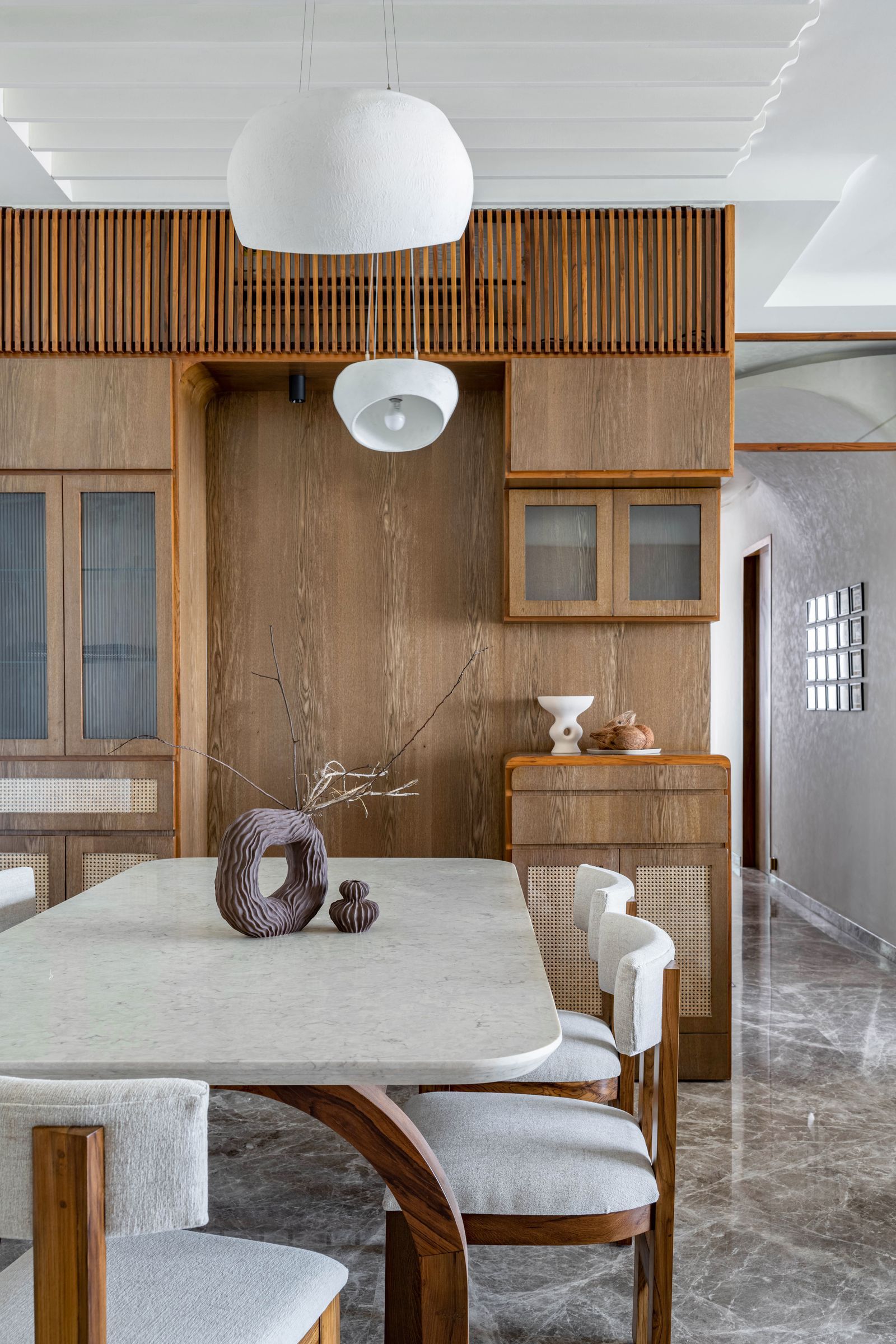
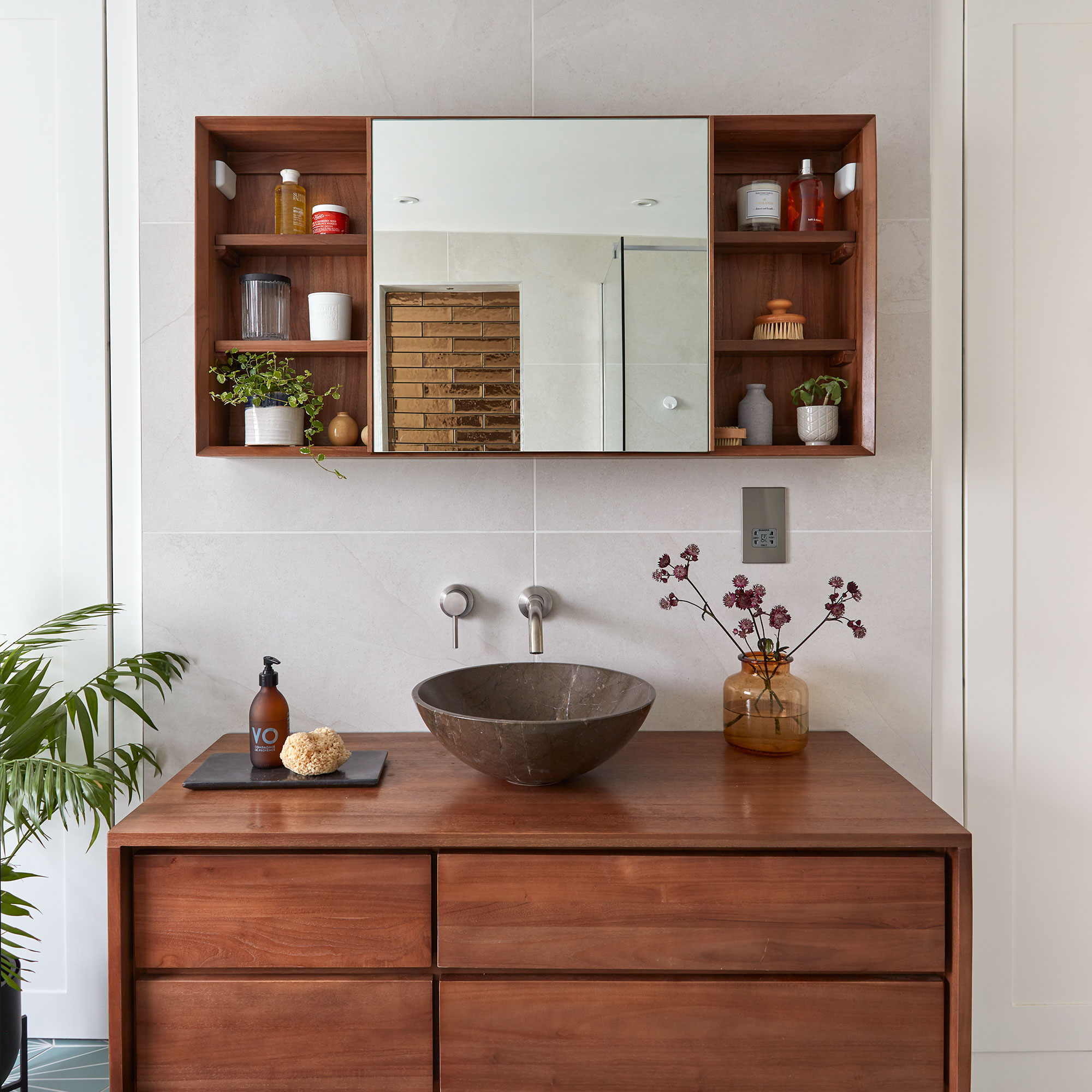
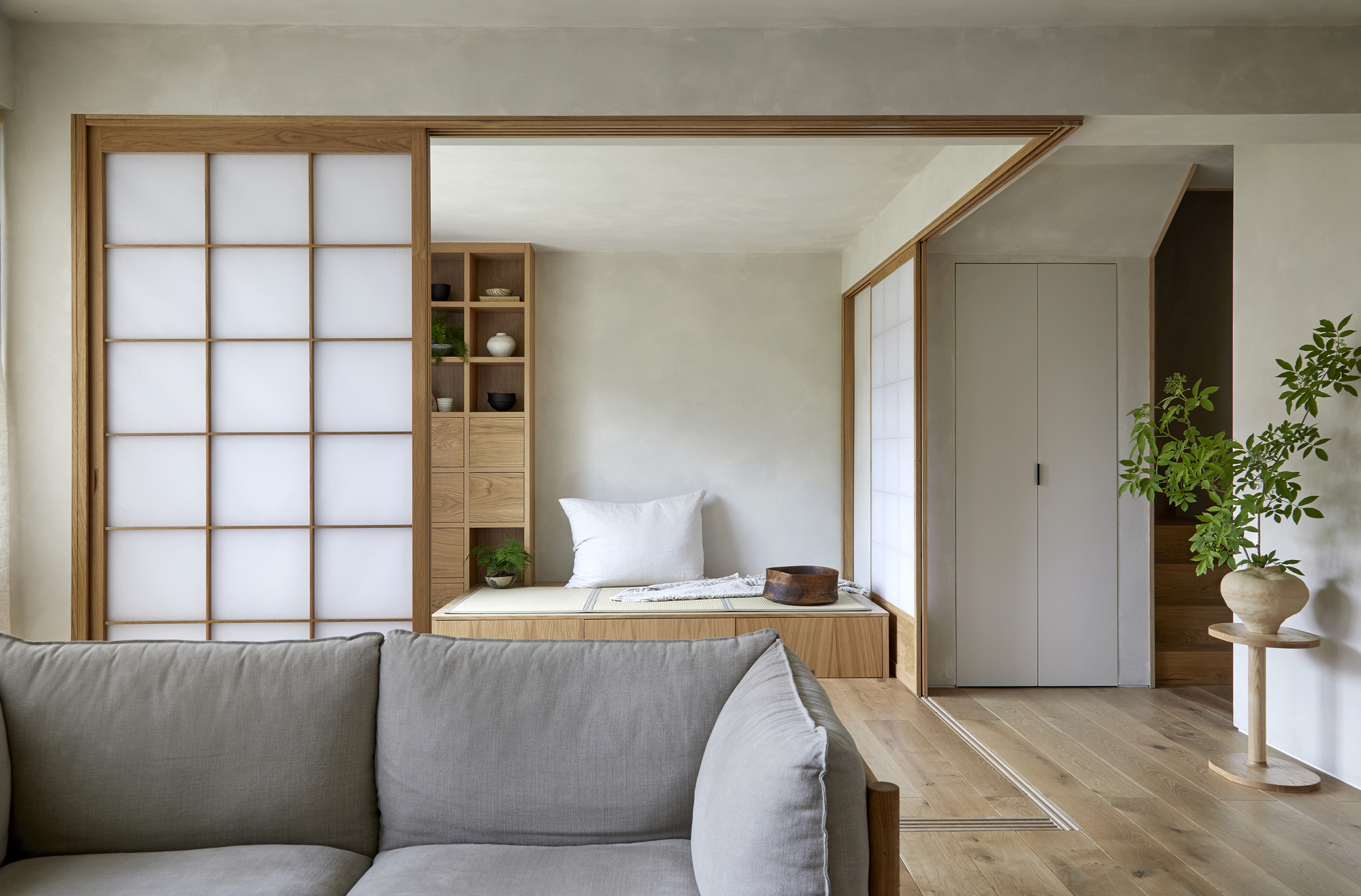
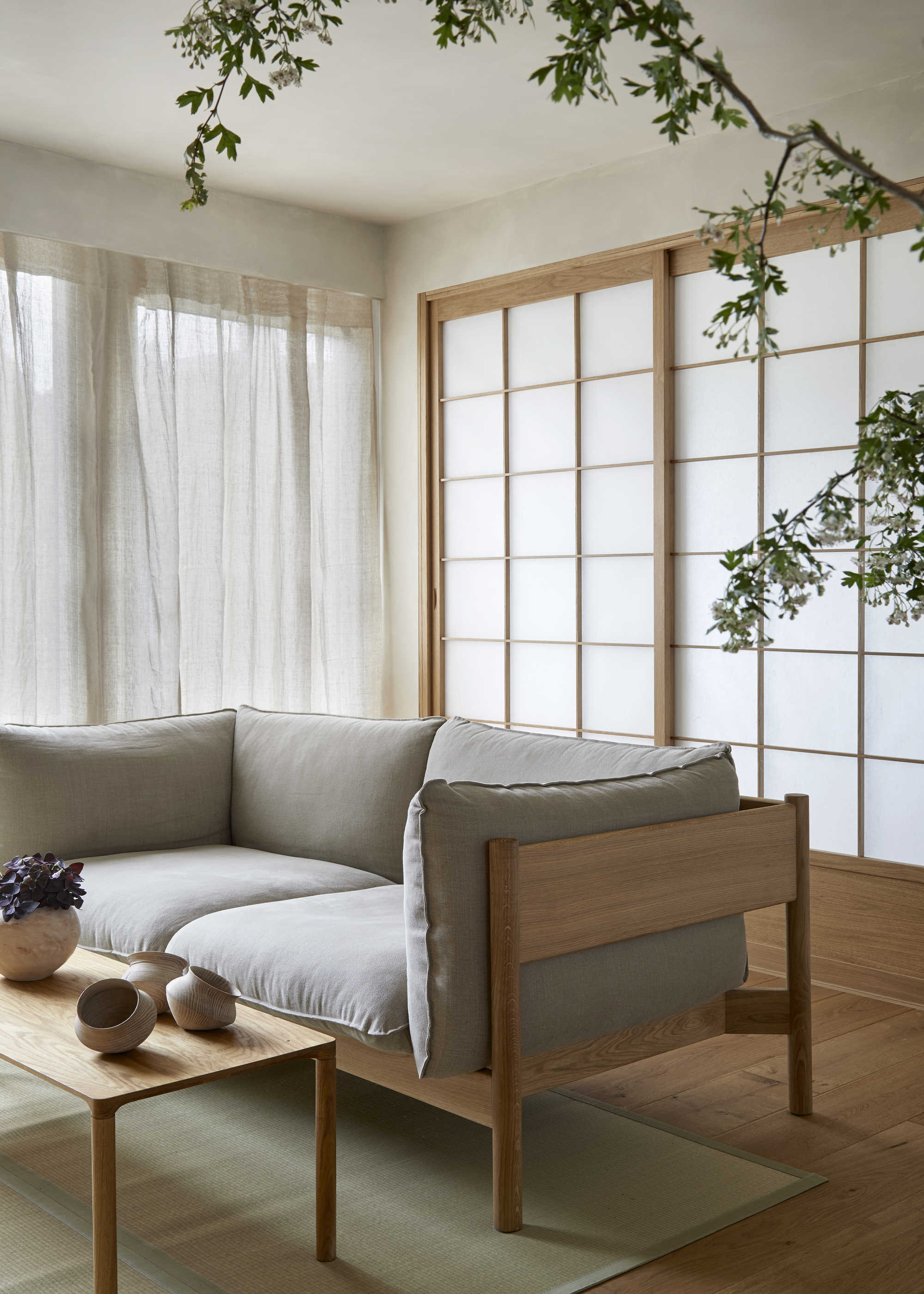
Finally, layering various natural materials and textures is essential for a wabi-sabi aesthetic. Materials such as wood, stone, and linen are favored for their ability to age gracefully and offer organic charm. These can be integrated through weathered wooden furniture, linen curtains, terracotta pots, wool rugs, or ceramic vases. The focus is on tactile qualities and irregularities like wood knots or the uneven texture of handmade pottery. Layering these materials, such as cushions, throws, and rugs, creates depth and intrigue within the neutral color scheme, contributing to an inviting, cozy, and harmonious living environment. The flexibility of wabi-sabi allows for the adoption of its principles in a way that resonates with individual preferences, promoting a mindful and authentic living space.
#WabiSabi #LivingRoom #InteriorDesign #JapanesePhilosophy #HomeDecor #Decluttering #NaturalMaterials #EarthyTones #MinimalistDesign #WabiSabi #LivingRoom #InteriorDesign #JapanesePhilosophy #HomeDecor #Decluttering #NaturalMaterials #EarthyTones #MinimalistDesign
0 comment in total
 No comments yet
You may also like
What is Wabi-Sabi? Designers Explain the Art of an Imperfect Home — 'The Feeling Should Evolve With You!'

Wabi-sabi bathrooms – 10 ways to embrace this serene and 'imperfect' style
7 Japanese Furniture Stores In Singapore With Wooden Furniture That’ll Give Muji A Run For Its Money


Wabi-Sabi Explained: The 2025 Trend You Need to Know

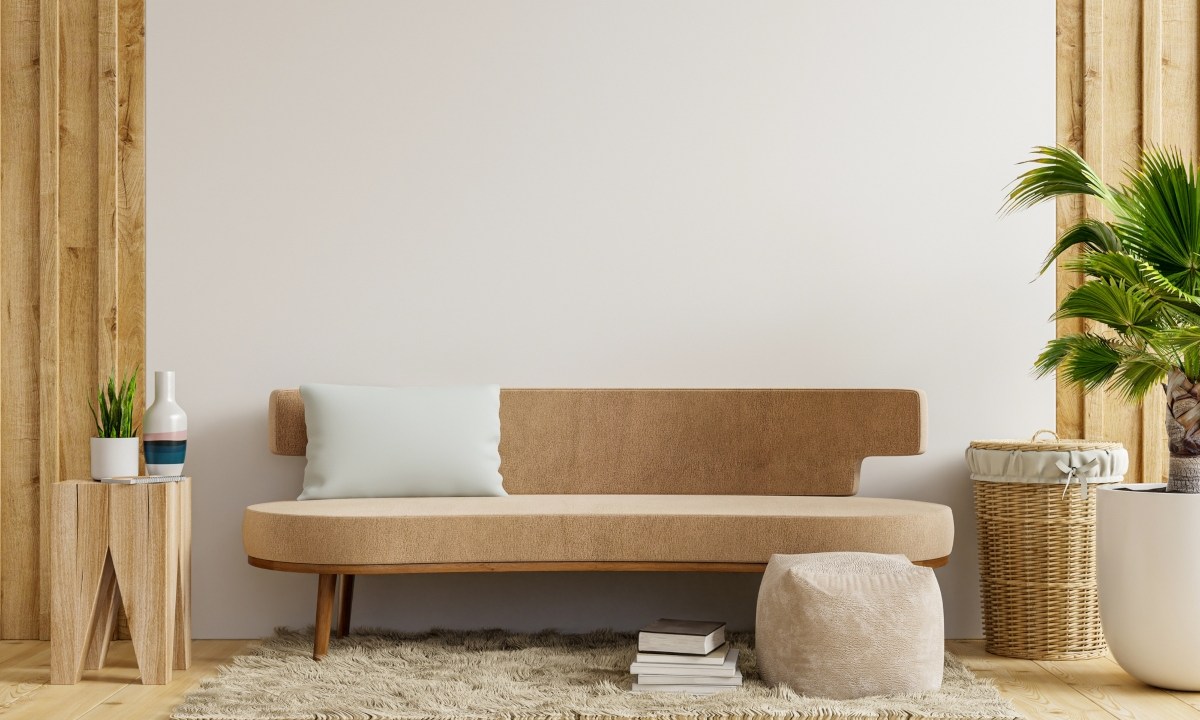
What is wabi sabi interior design? 6 tips for embracing this style

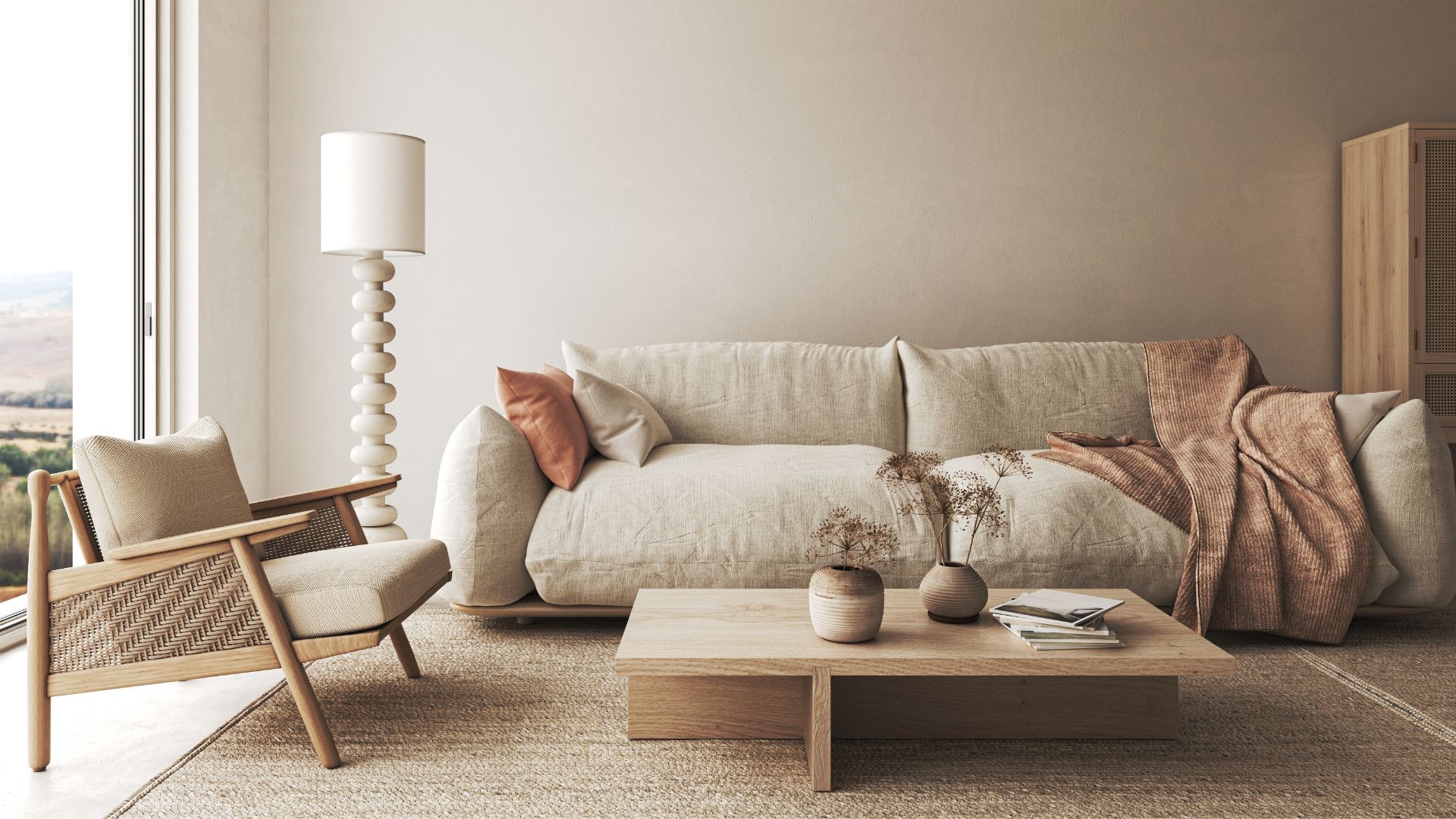
10 essential Japandi living room design tips to create a sense of calm and restfulness

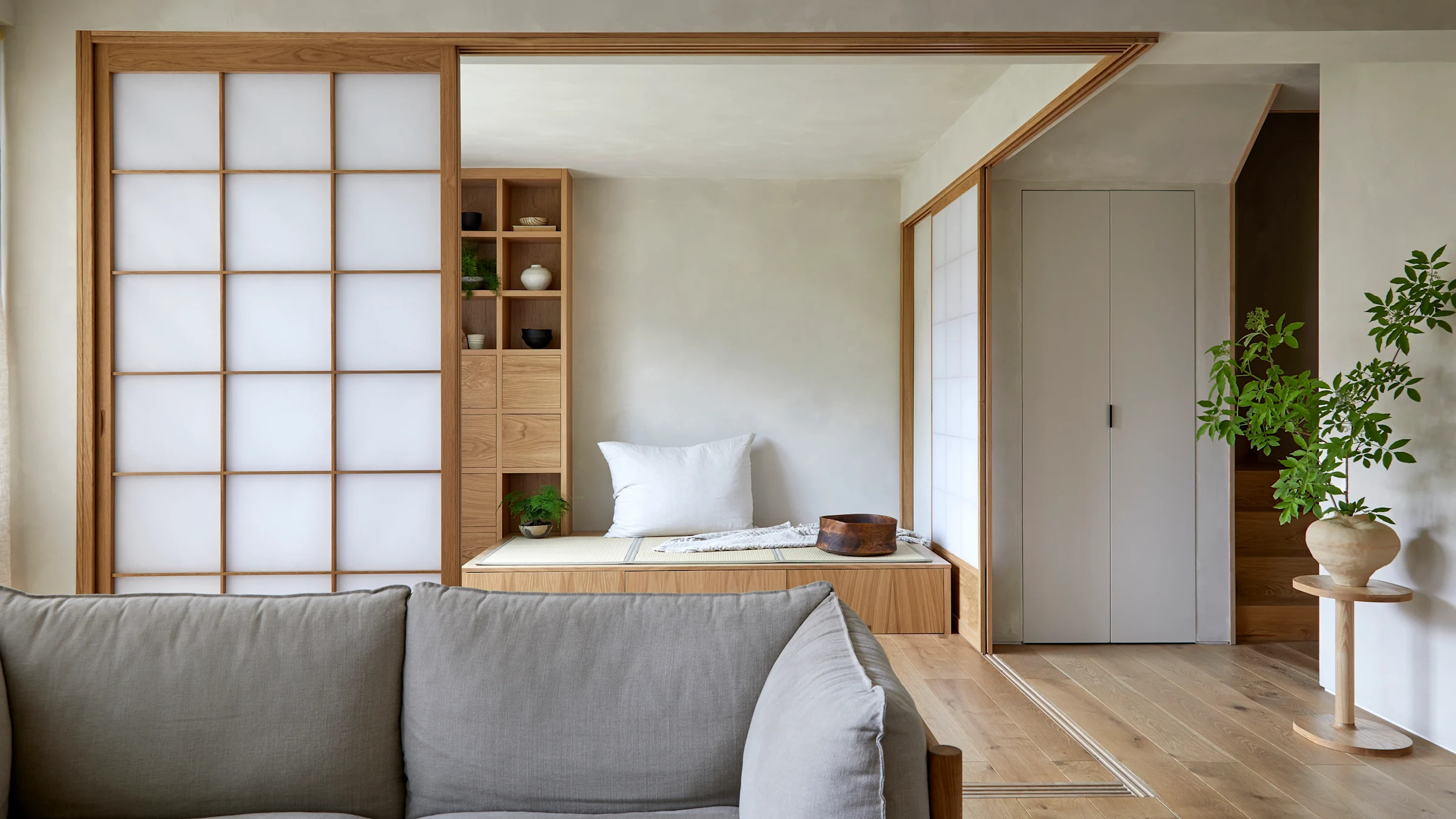
Muji Living Room Ideas — 5 Ways to Harness the Calming Qualities of This Japanese Design Style
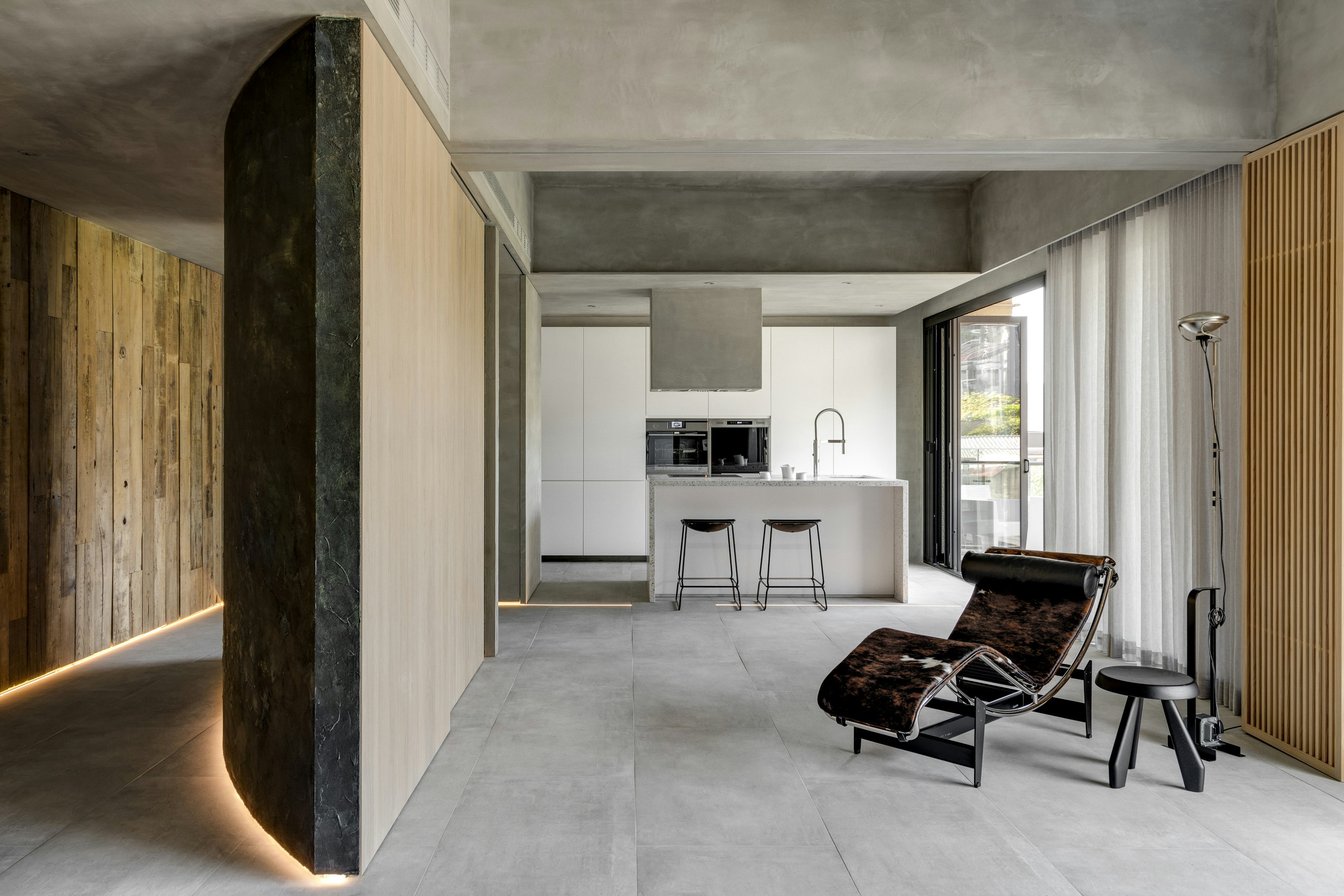
A Couple Embrace Wabi-Sabi Design to Travel Back to the Past

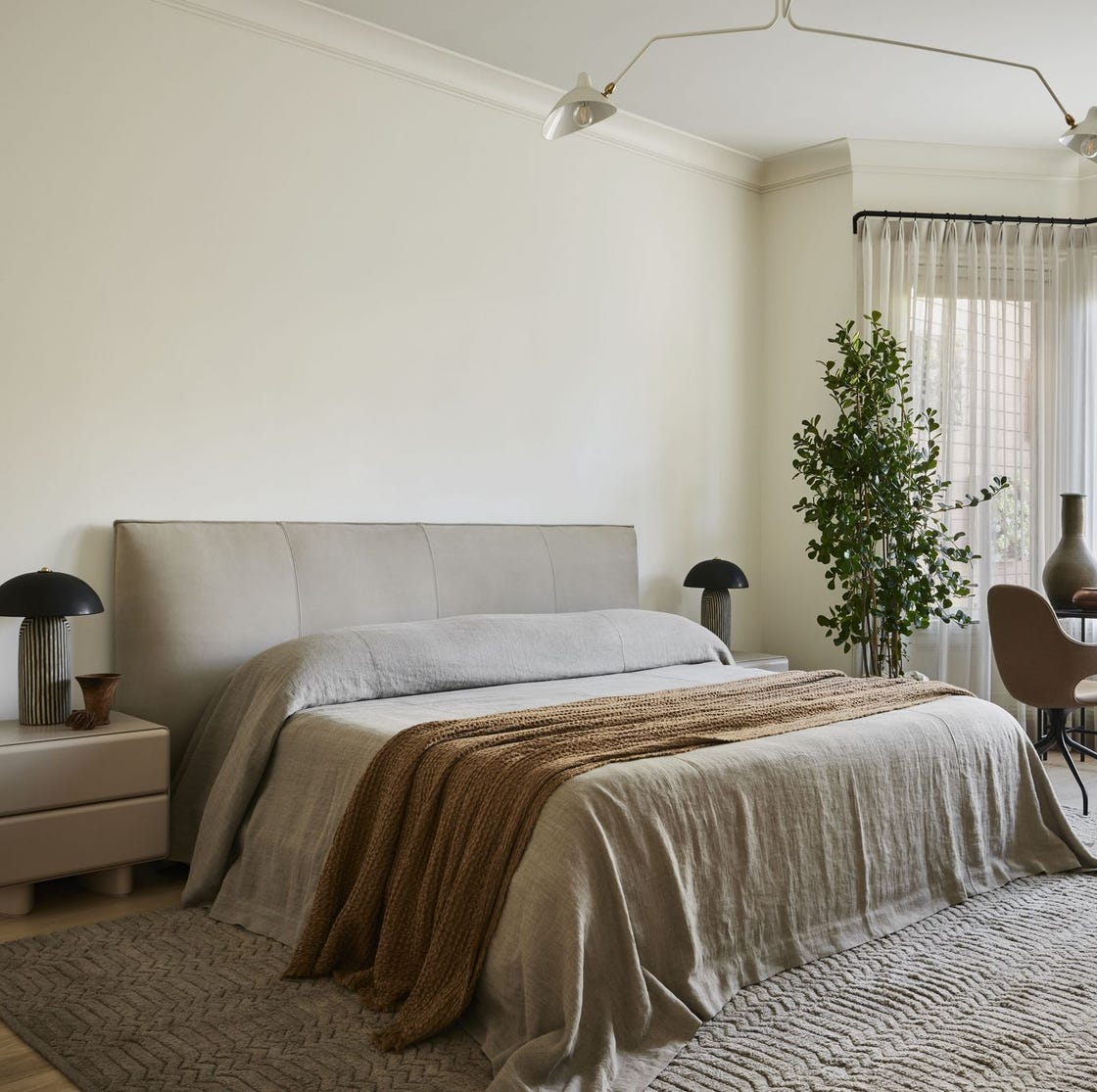
Why Designers Predict We'll Be Seeing Wabi Sabi Interiors Everywhere

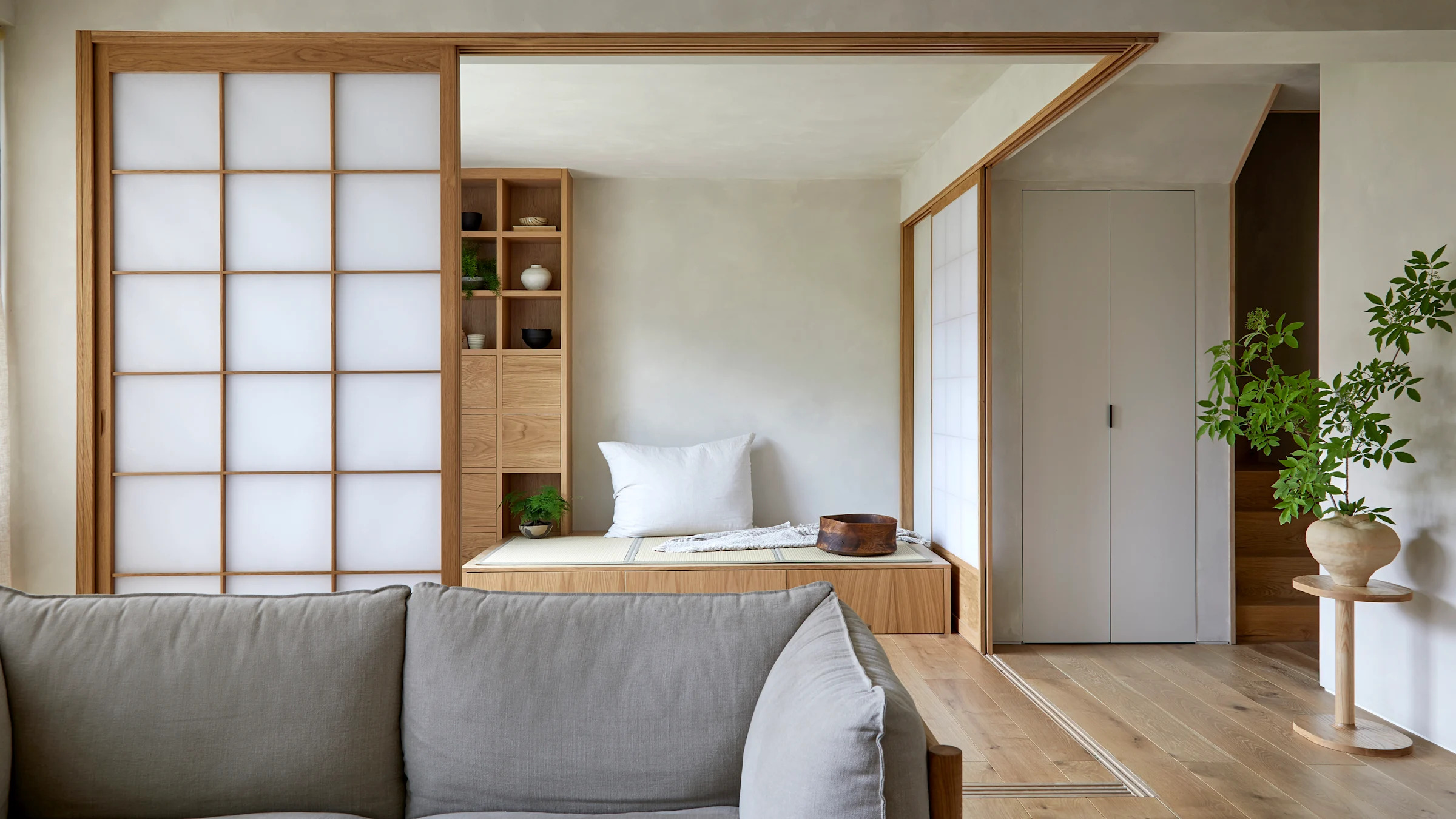
Muji Living Room Ideas — 5 Ways to Harness the Calming Qualities of This Japanese Design Style

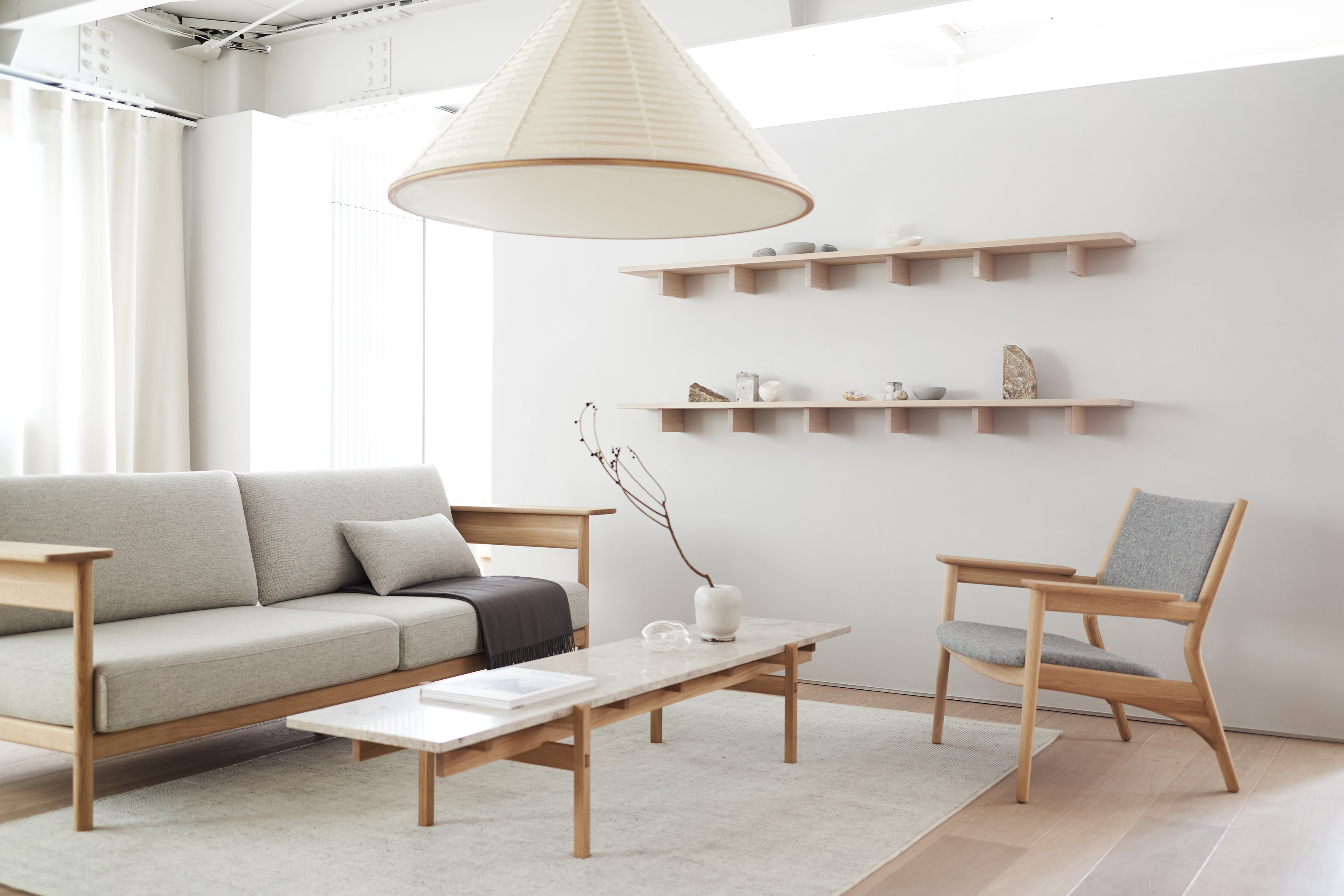
5 Design Rules Japanese-Style Living Rooms Always Follow — "This Approach Makes Any Home So Calming"
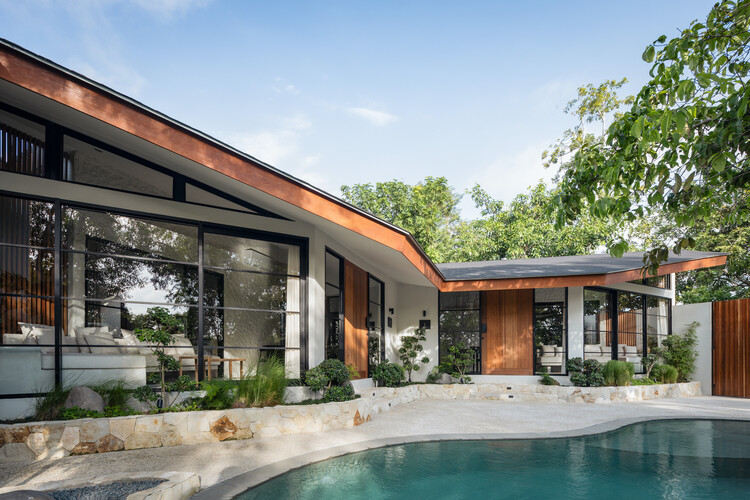
Mama Minka House / Atelier Generations Vasudeva Design

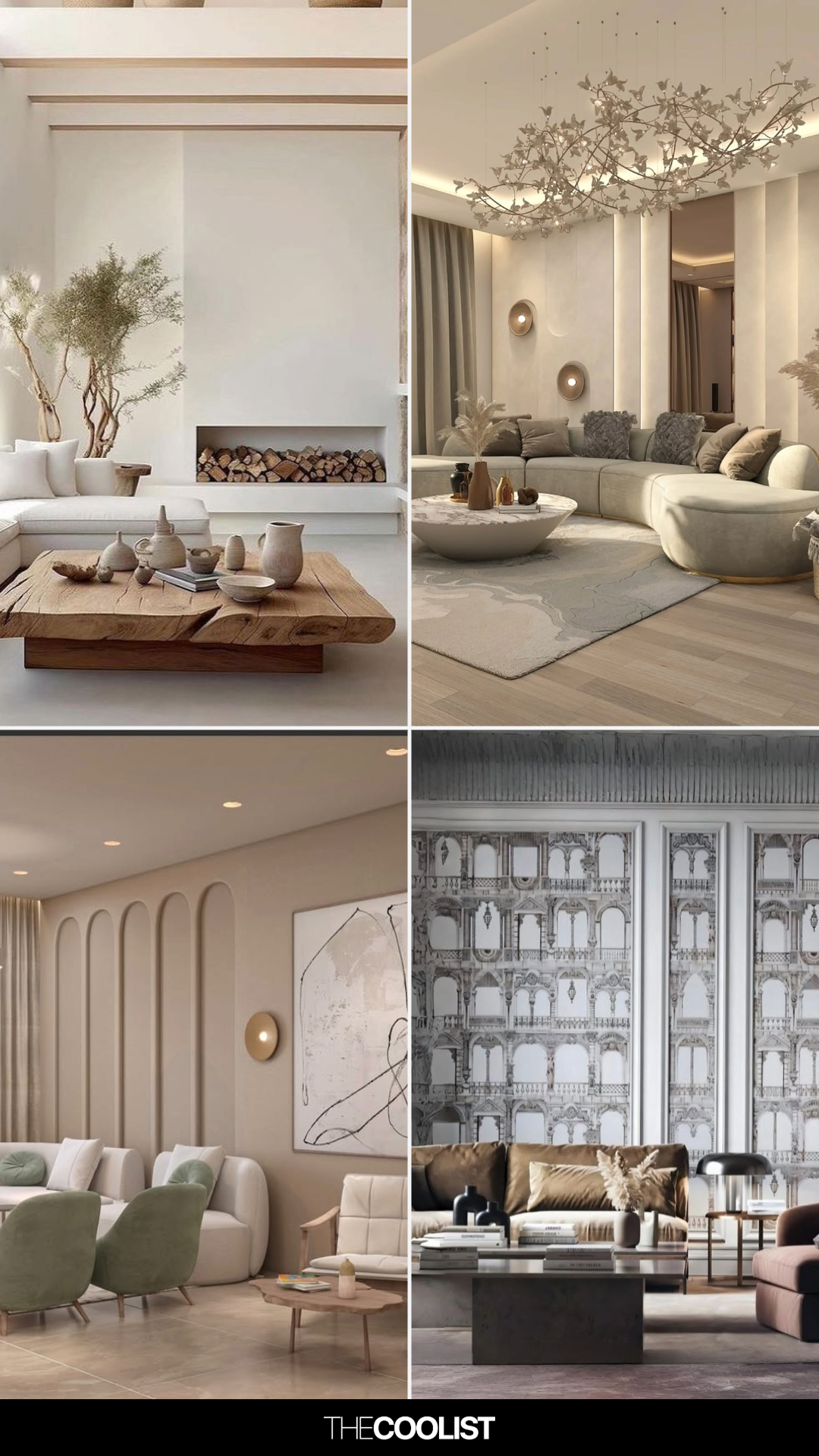
25 Chic Japandi Living Room Ideas That Could Be Straight Out of a Tokyo Loft
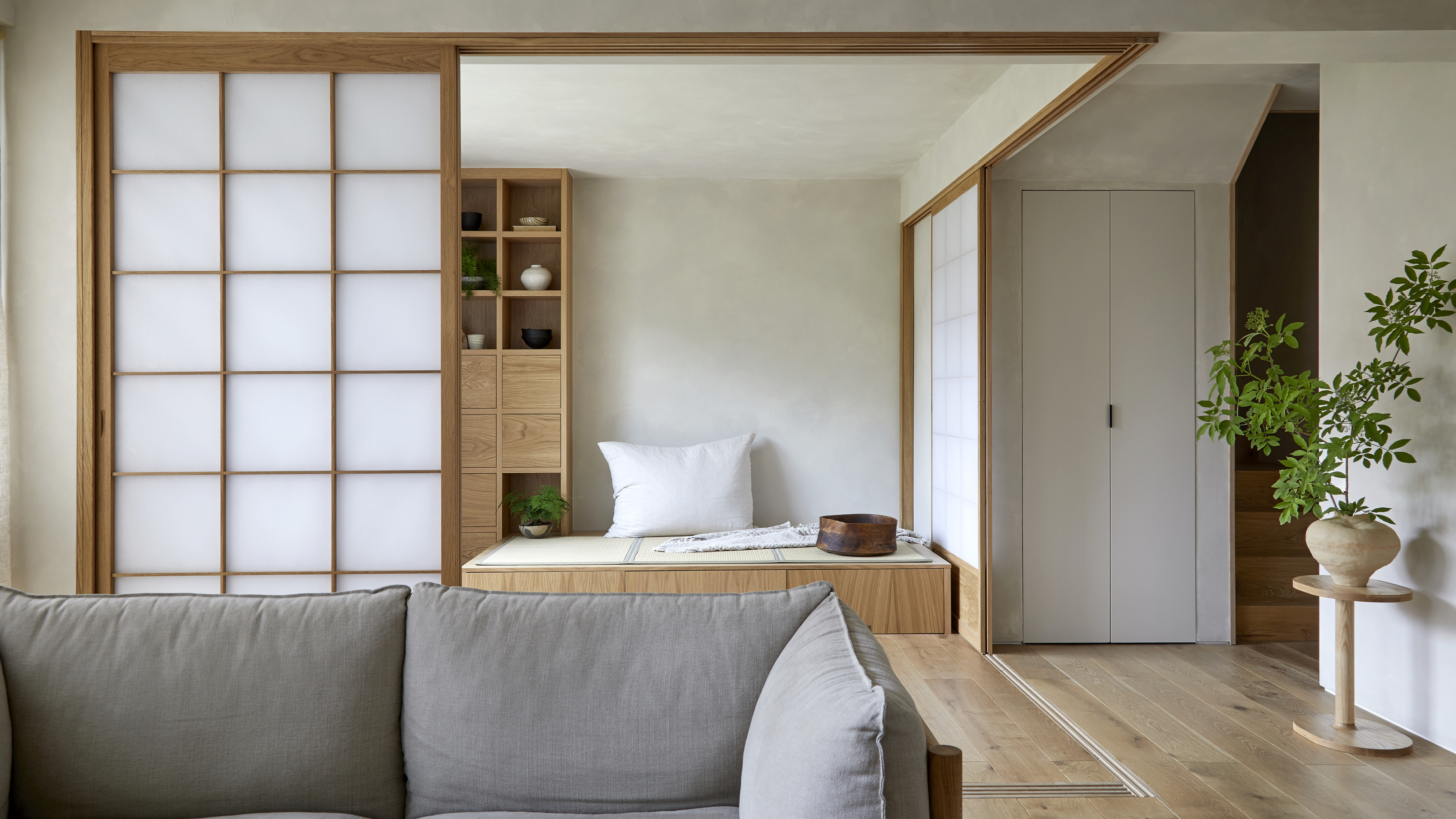
Muji Living Room Ideas — 5 Ways to Harness the Calming Qualities of This Japanese Design Style
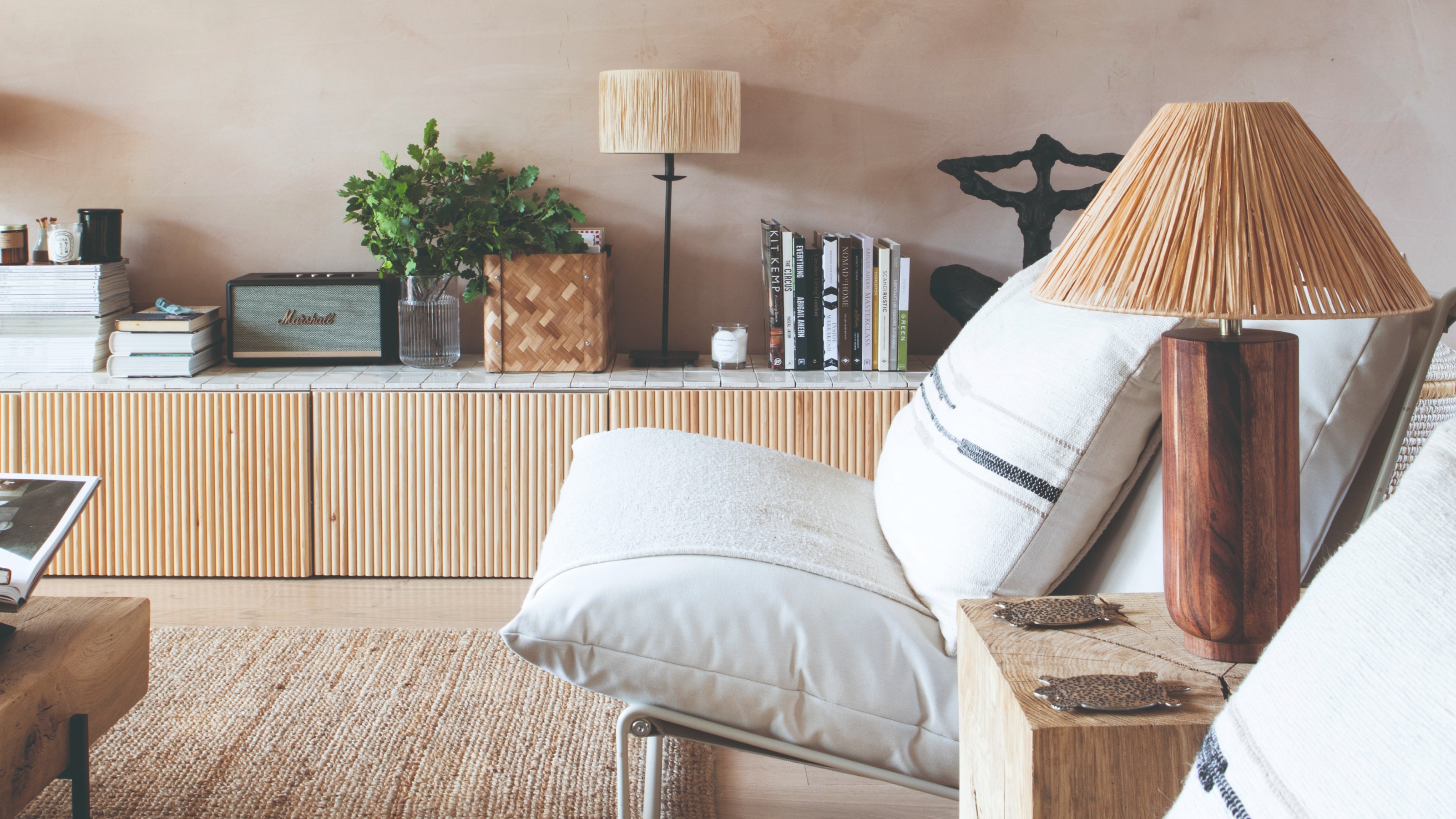
Will Japandi rule your living room in 2026? Interior experts weigh in
37 living room ideas that will instantly switch-up your style
5 Indian homes that integrate wabi-sabi design elements beautifully

5 homes that bring serene Japanese-inspired design to life
A Lewes Townhome Pays Homage to Japan’s Serenity
What Is Japandi Style? Interior Designers Explain the Cozy, Minimalist Aesthetic