1/4
What is wabi sabi interior design? 6 tips for embracing this style
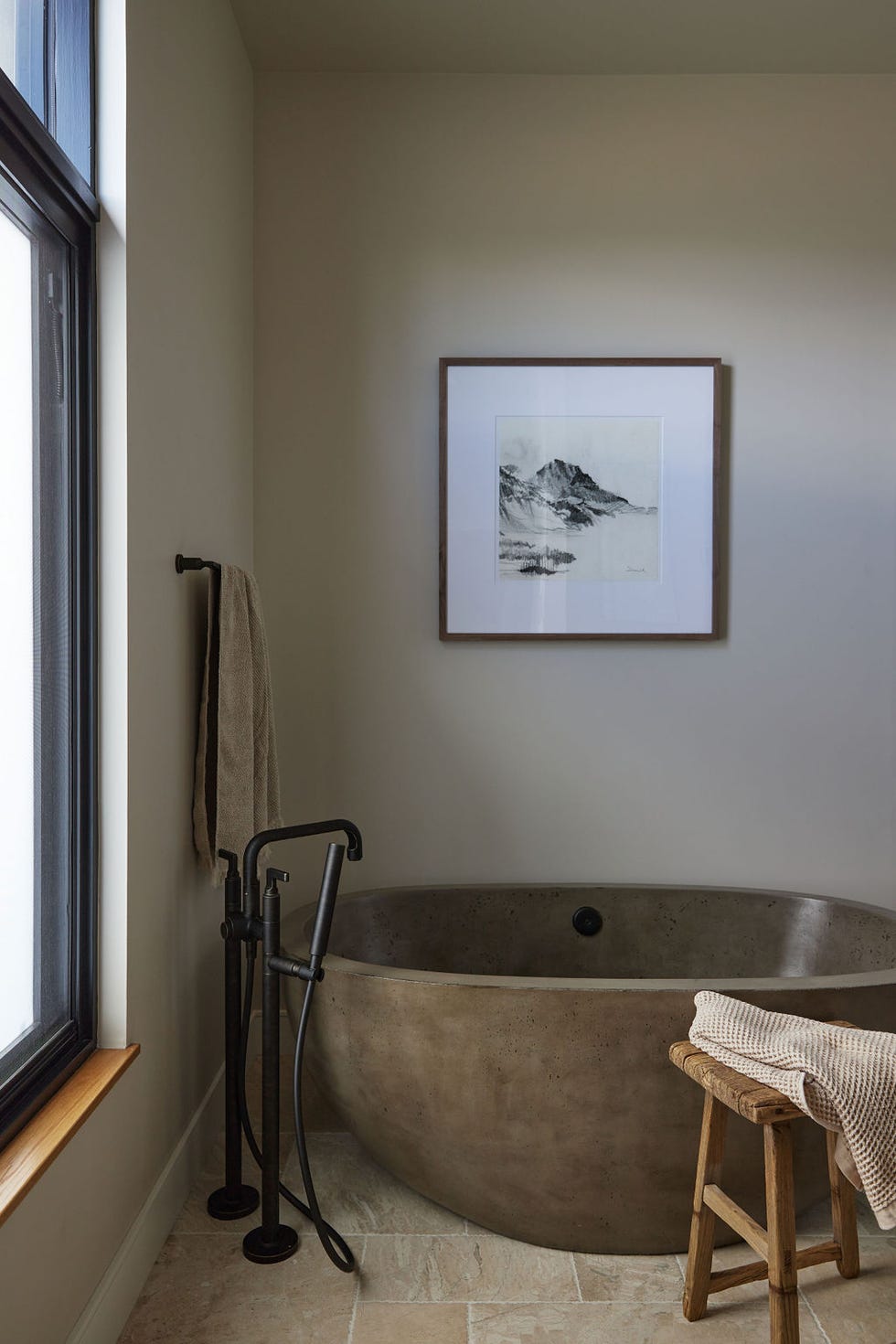
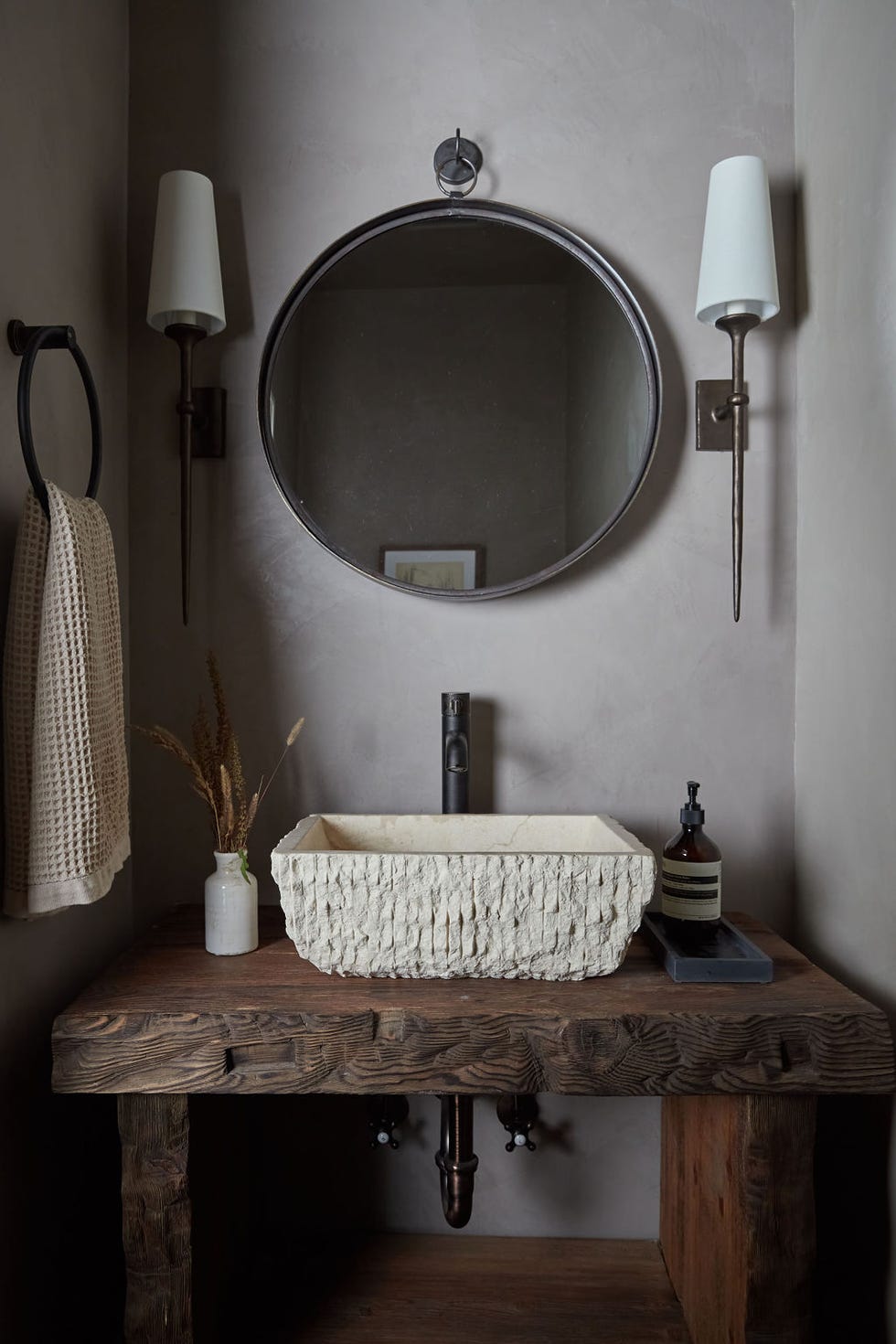
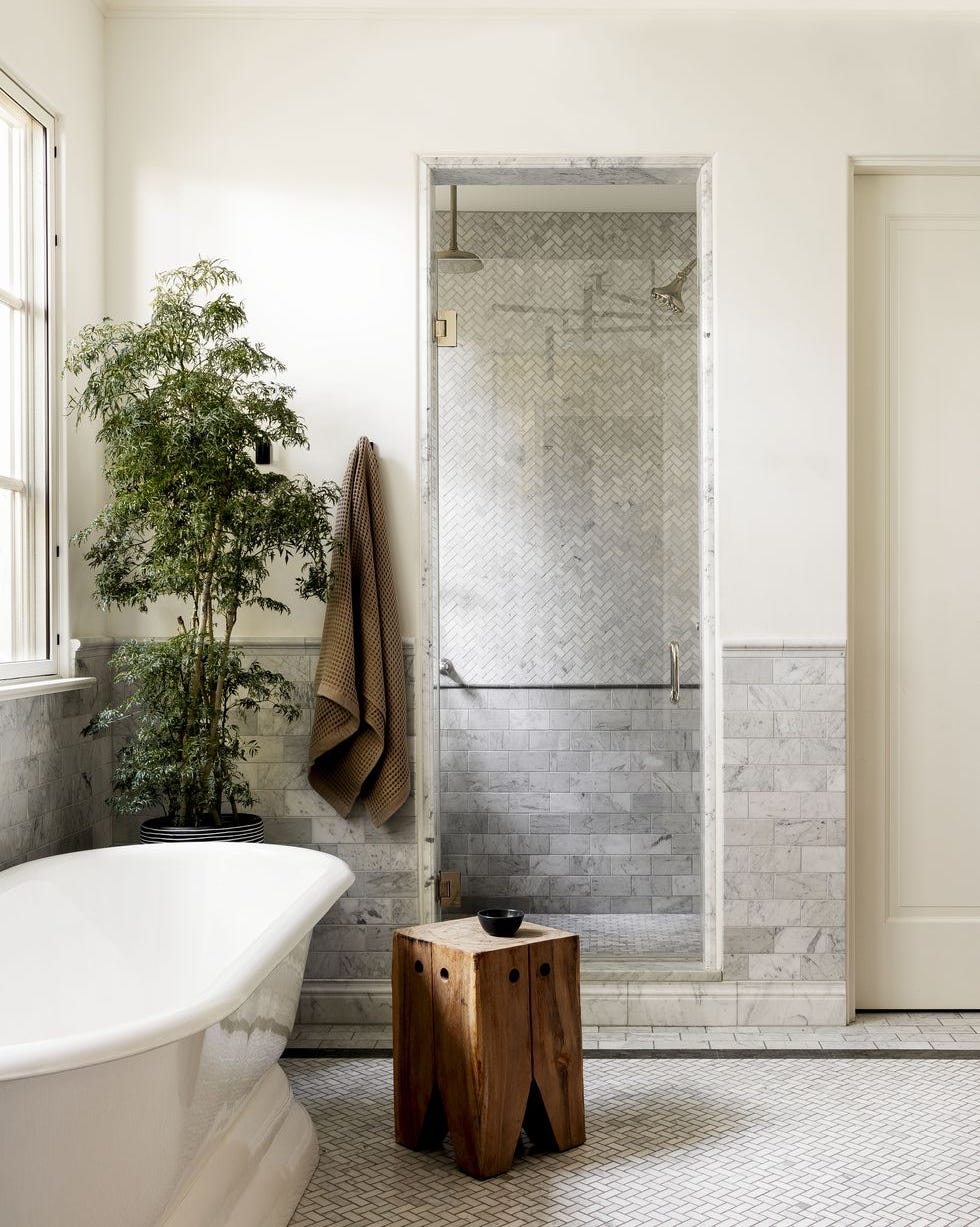
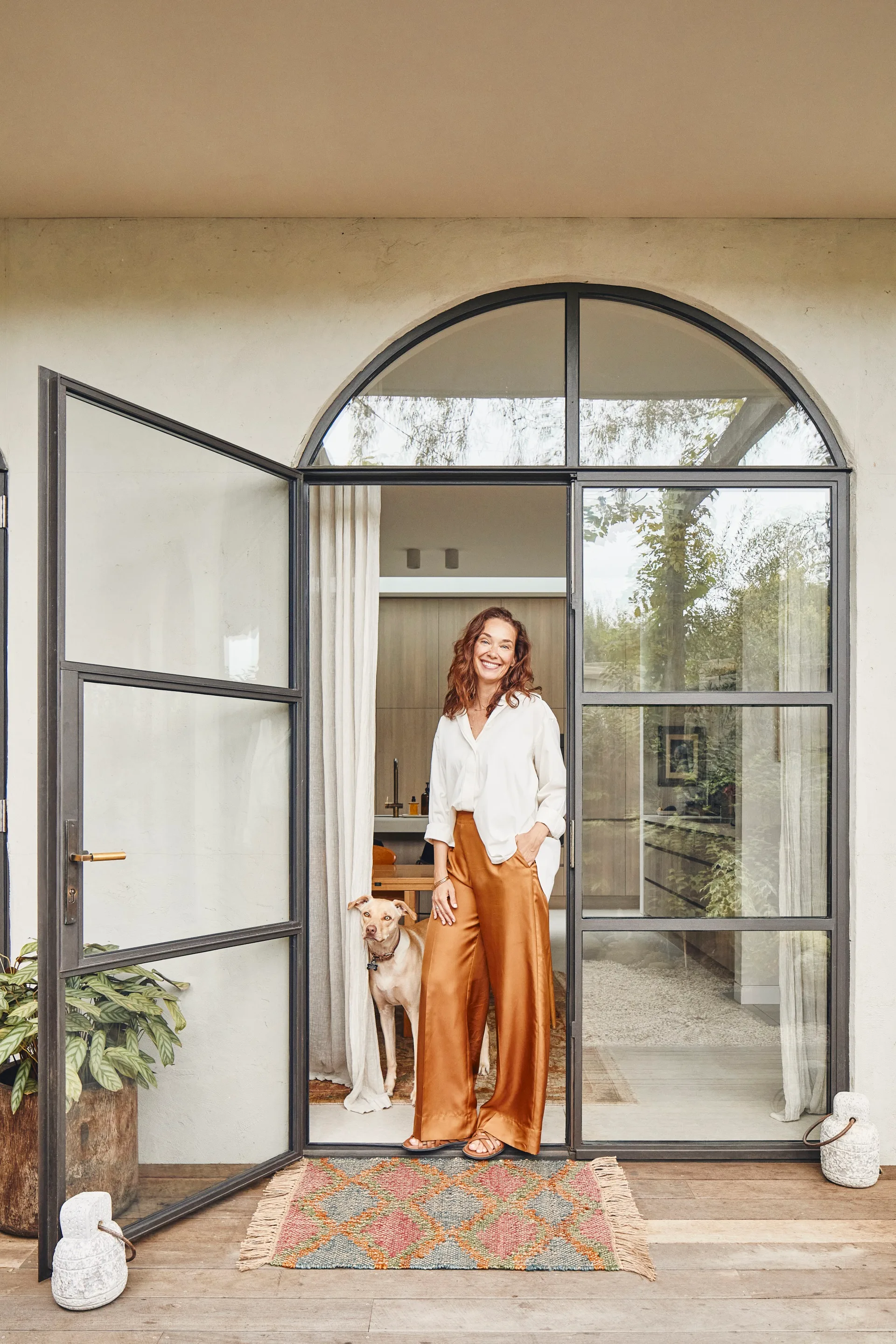
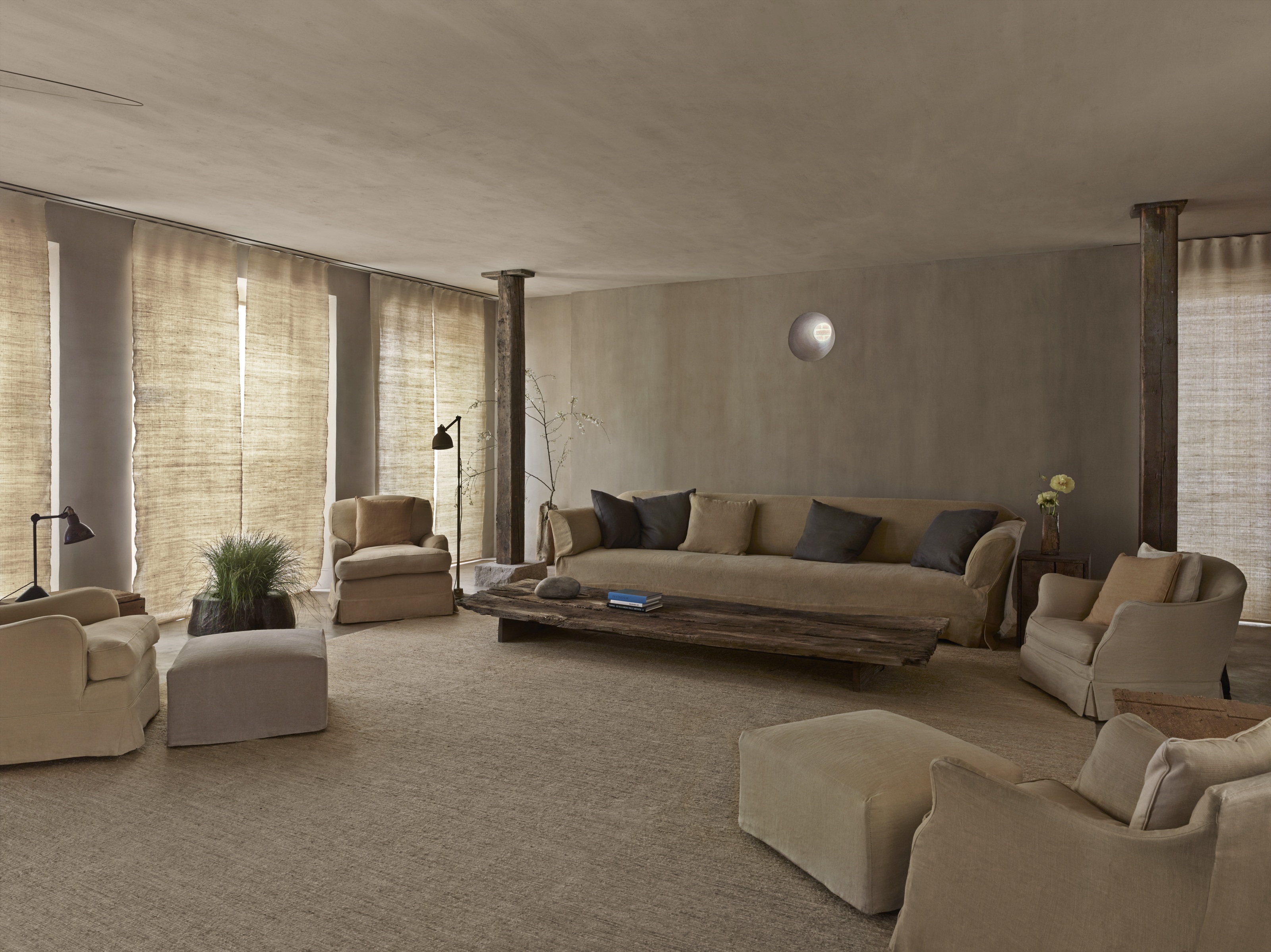
Wabi sabi is a Japanese philosophy that values imperfection and impermanence, extending this appreciation to interior design. Similar to the Danish concept of hygge, wabi sabi focuses on finding beauty in the natural process of aging and cherishing well-loved, rustic pieces rather than seeking flawless, mass-produced items. This design aesthetic embraces natural beauty, raw forms, and environmentally conscious details, highlighting asymmetry and imperfection.
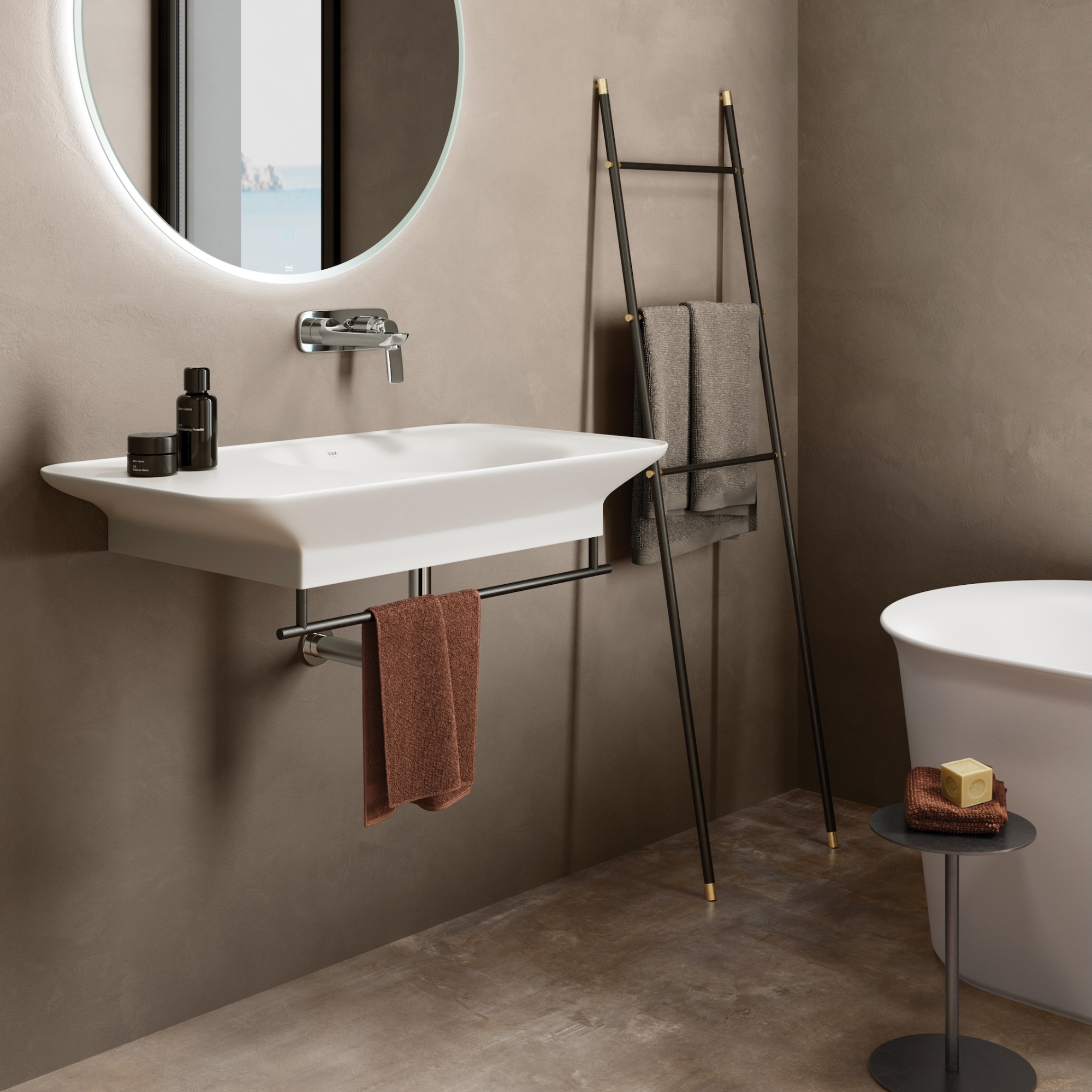
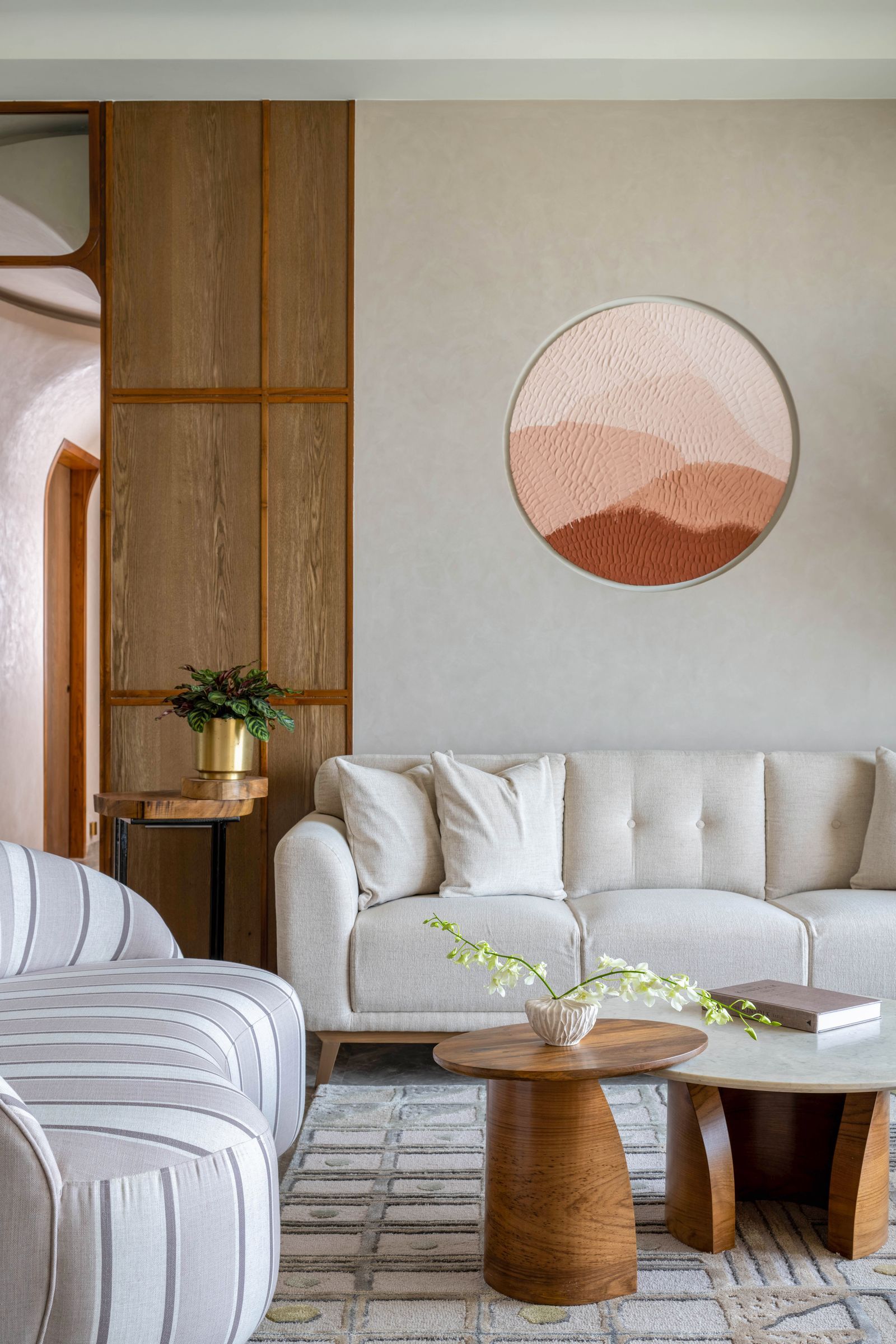
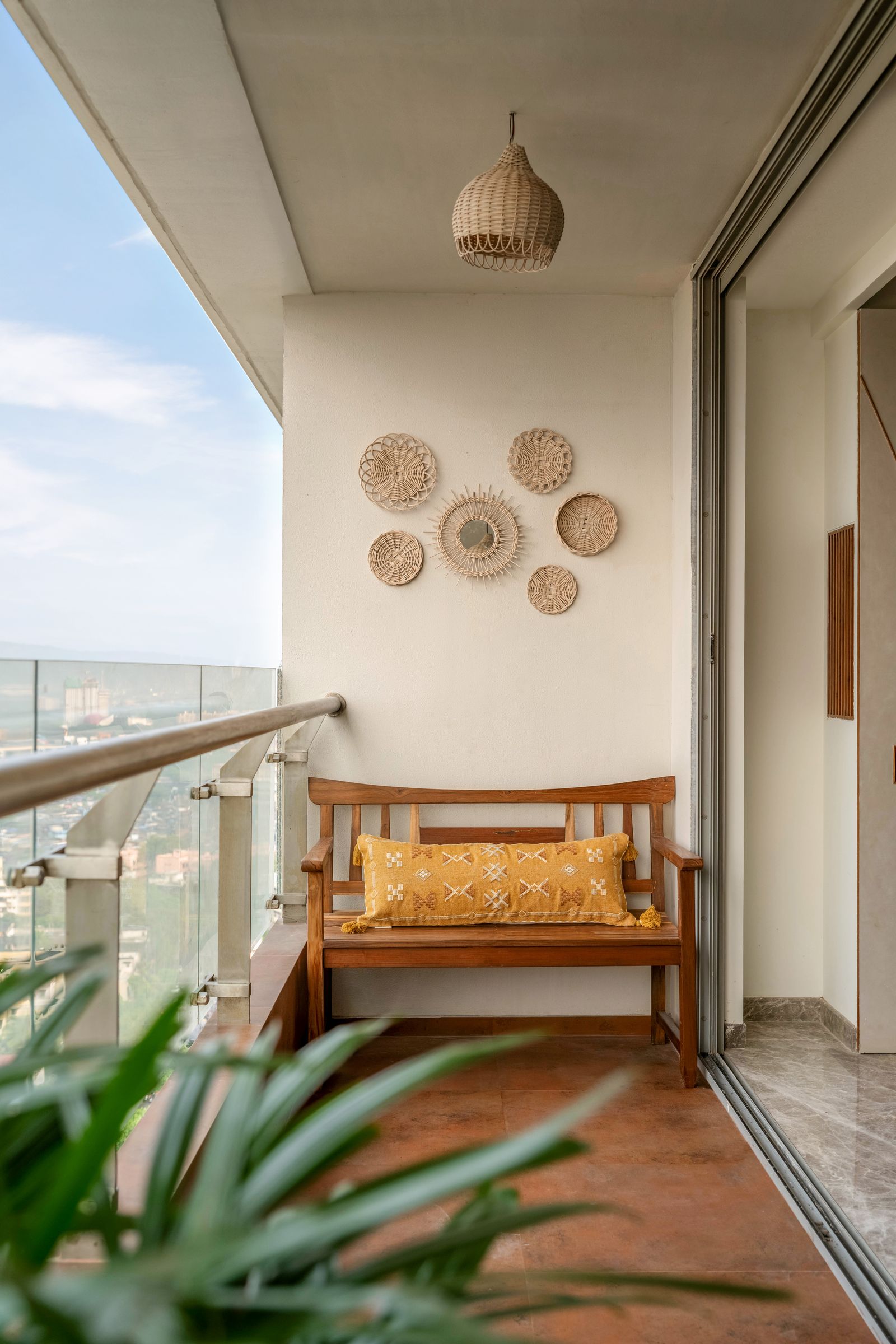
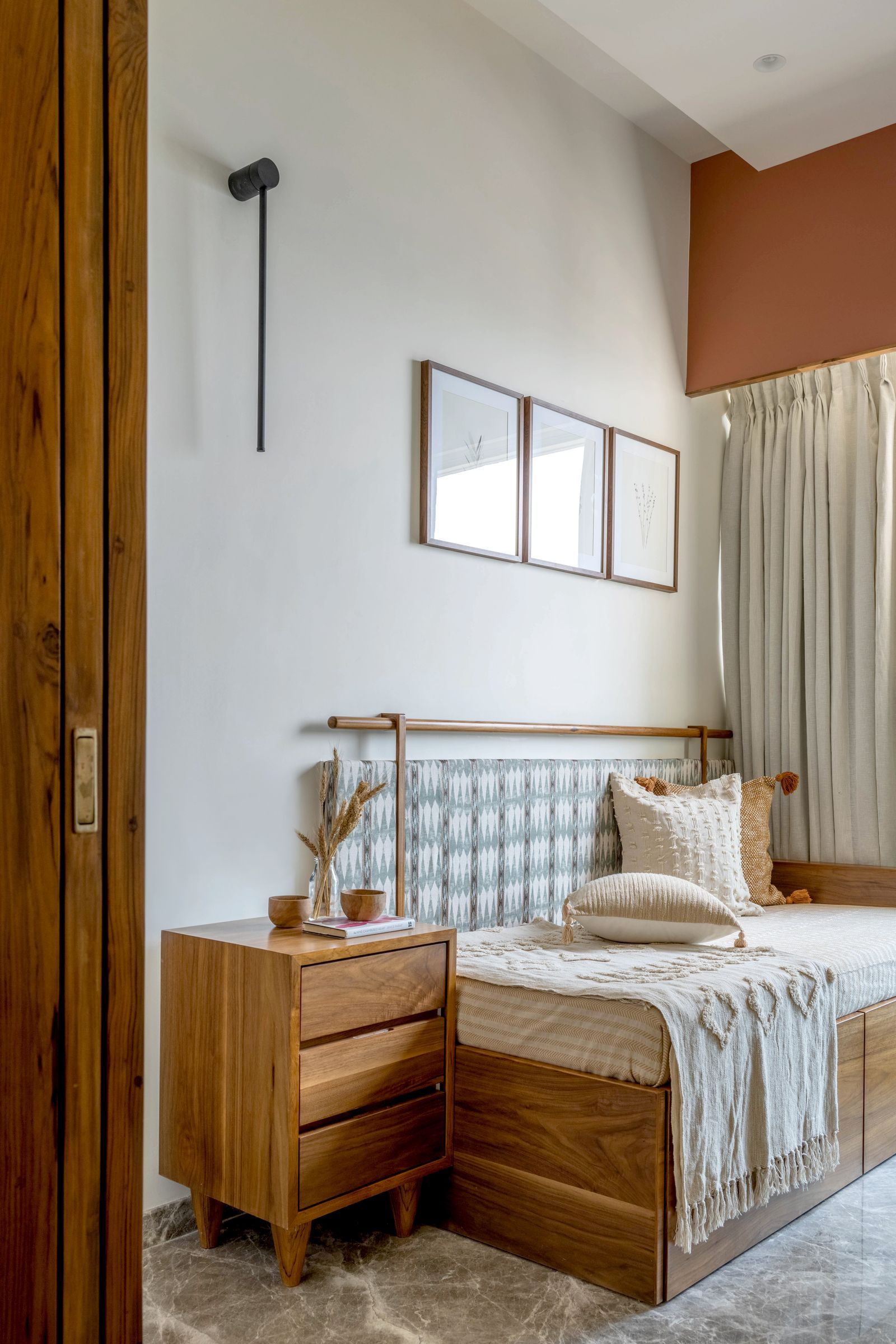
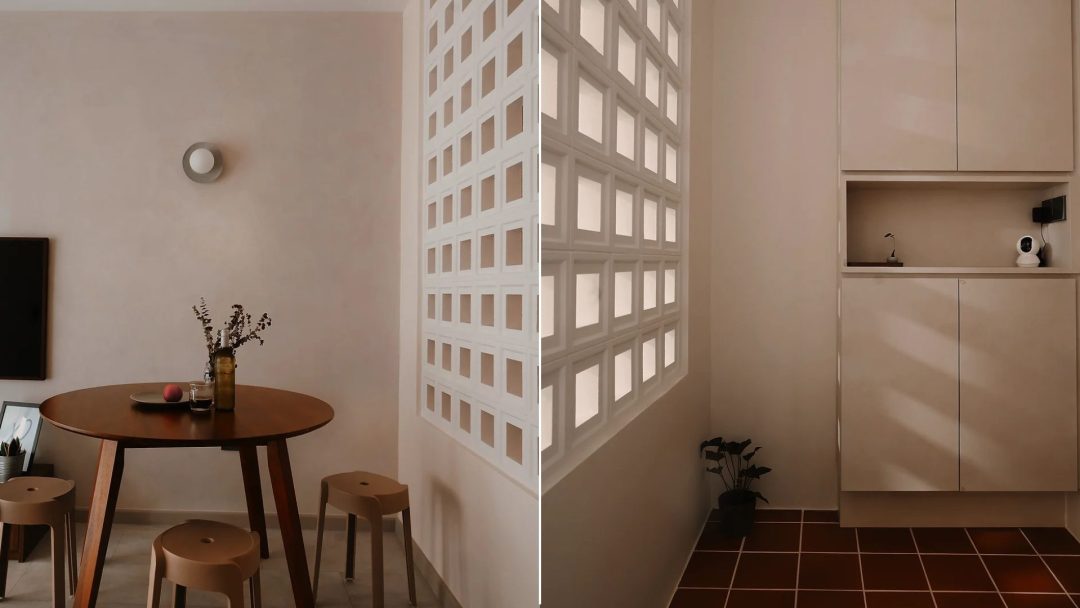
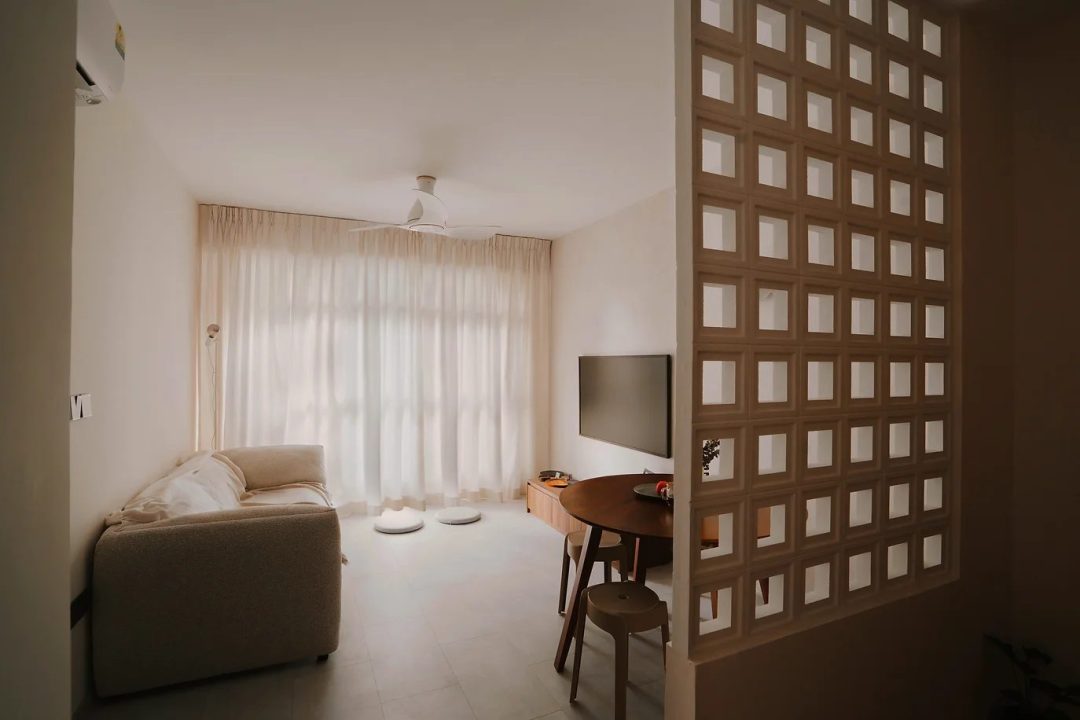
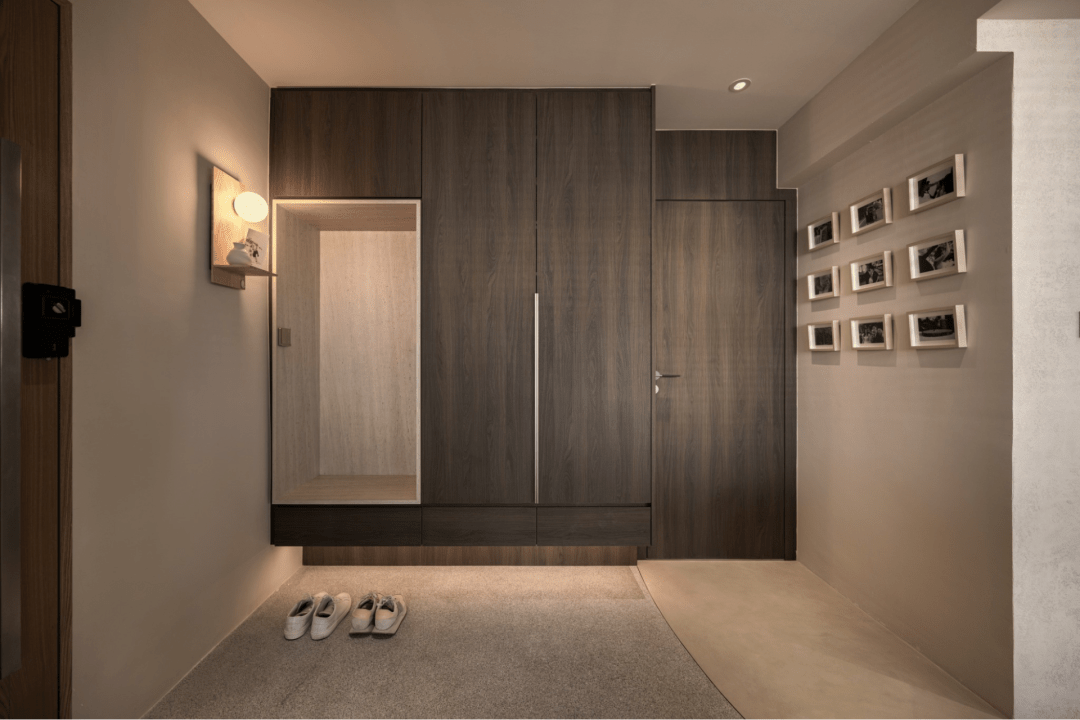
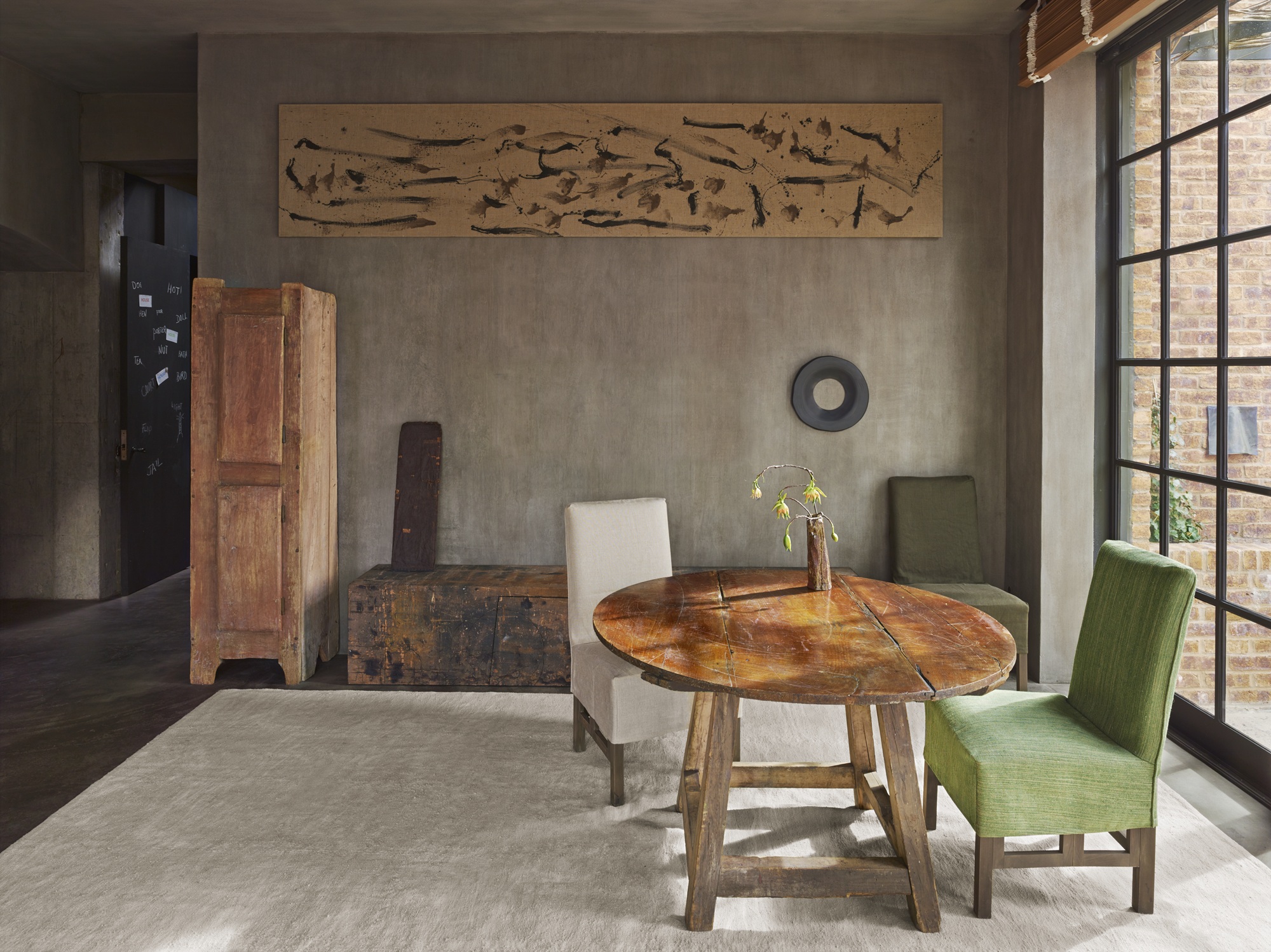
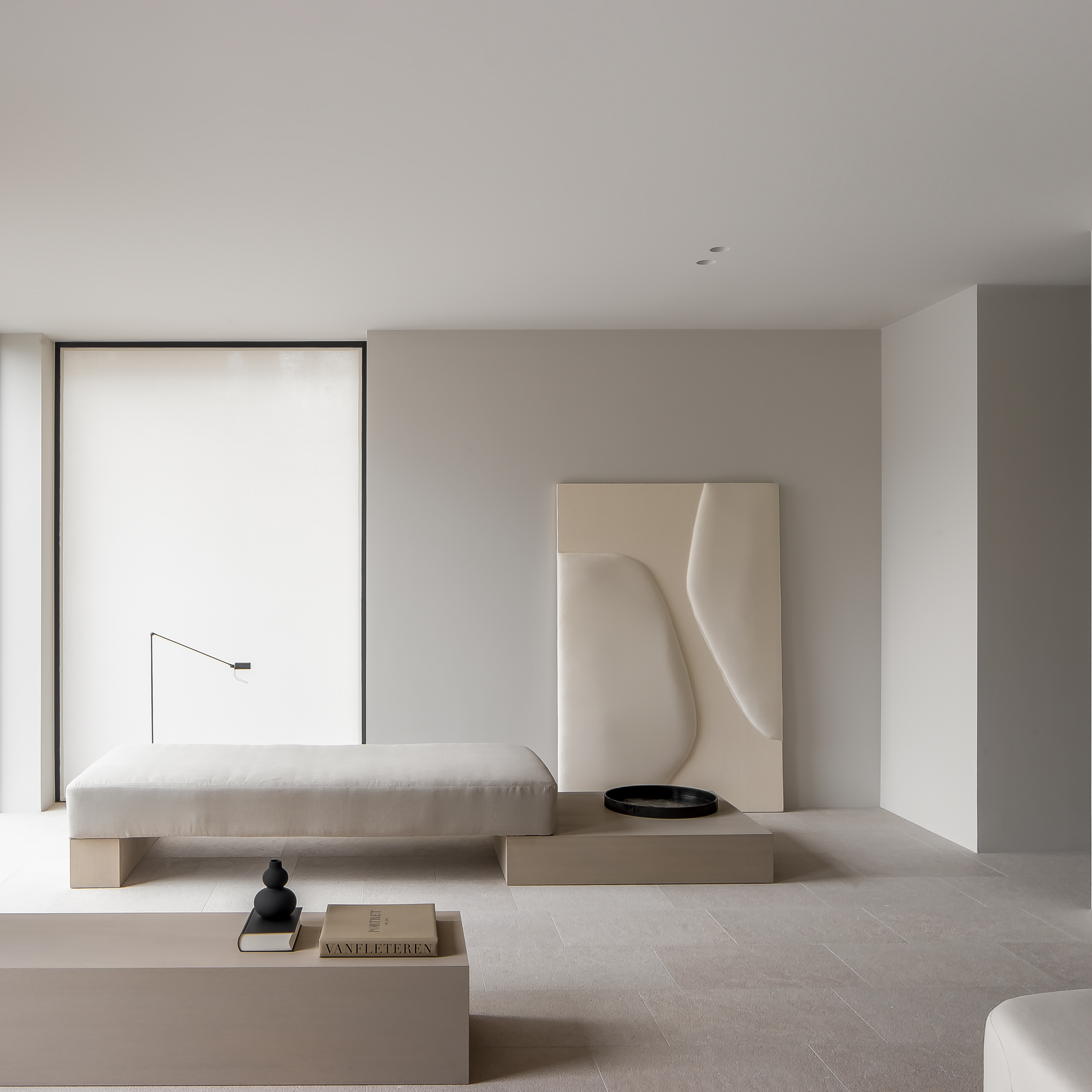
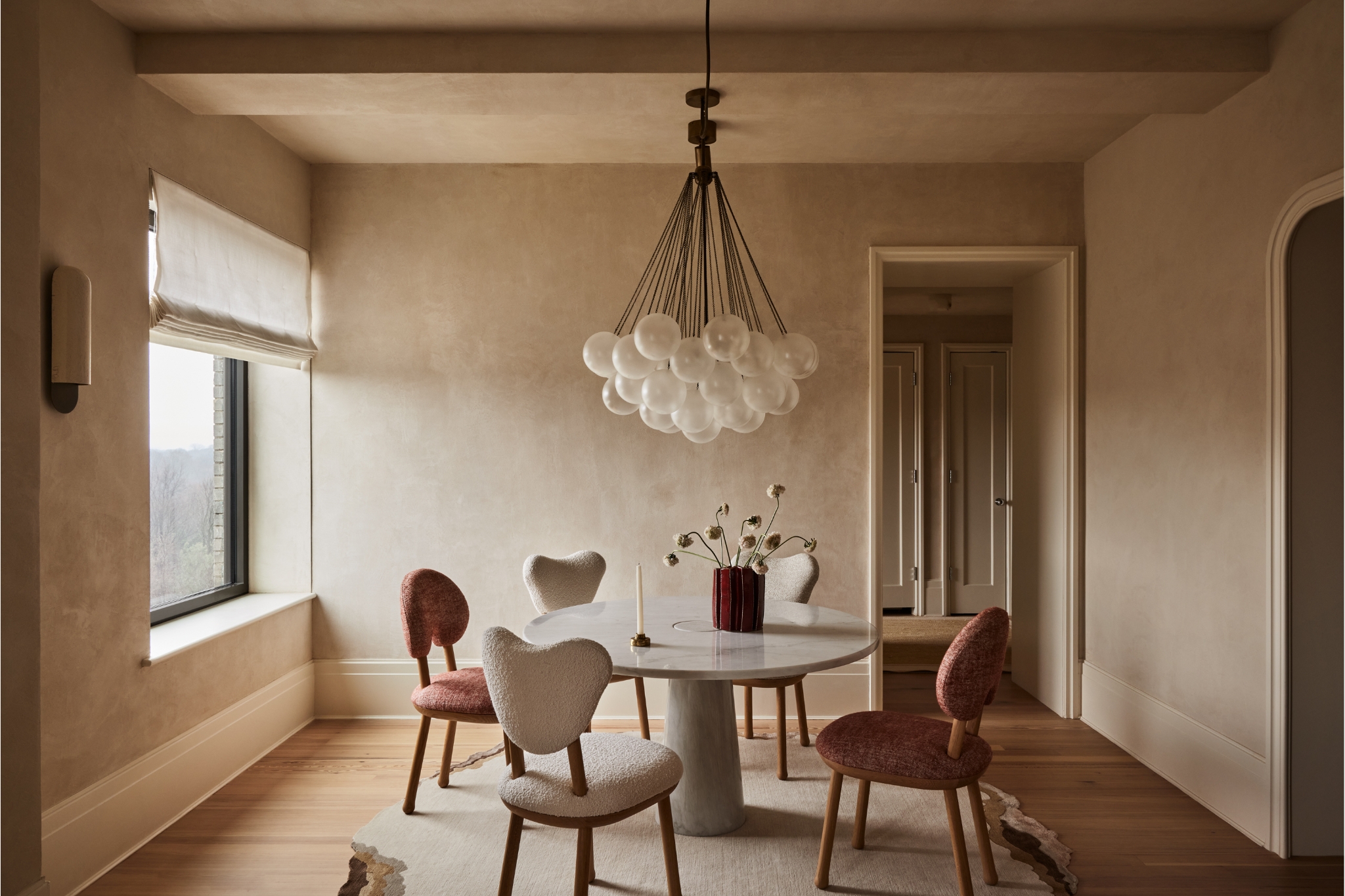
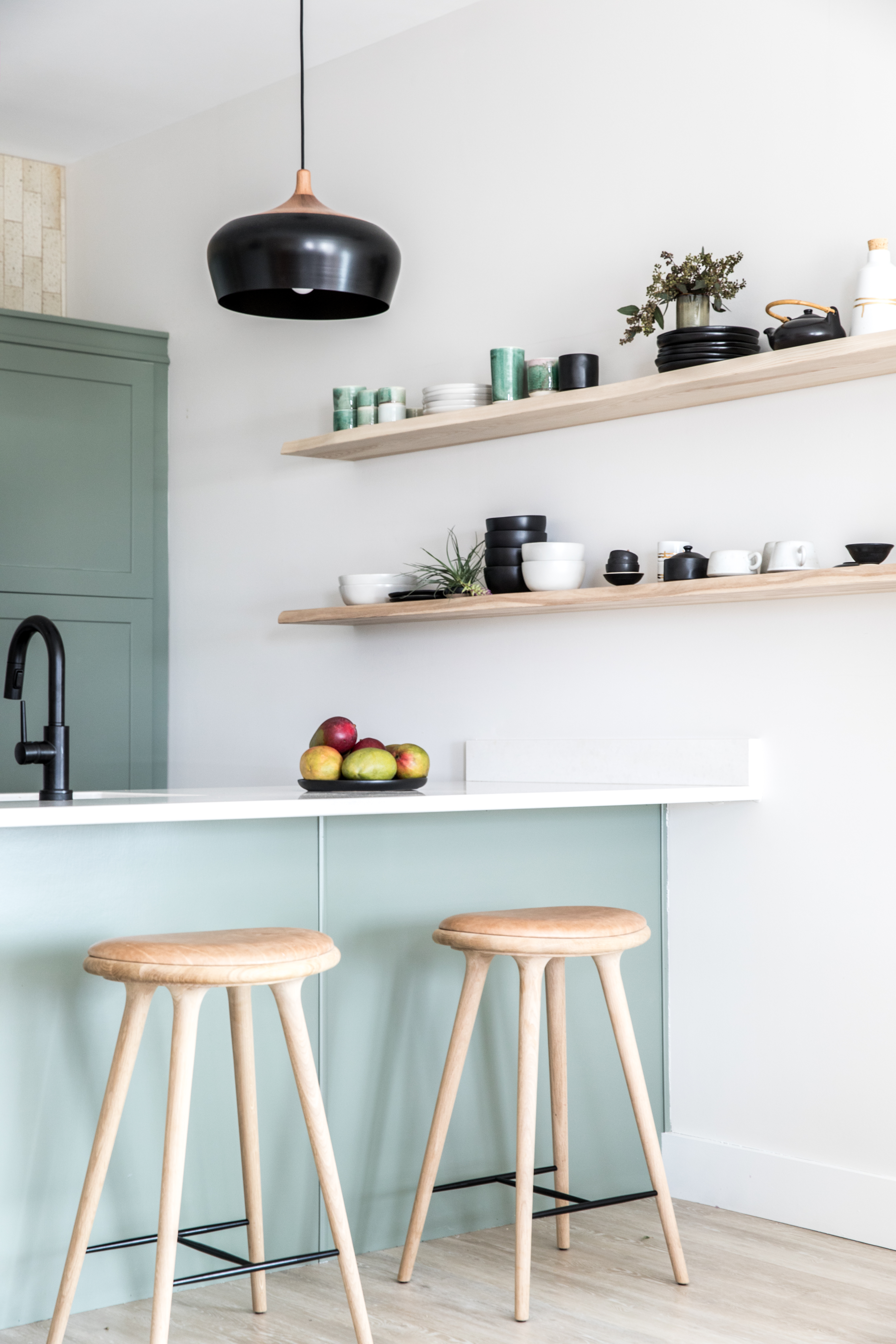
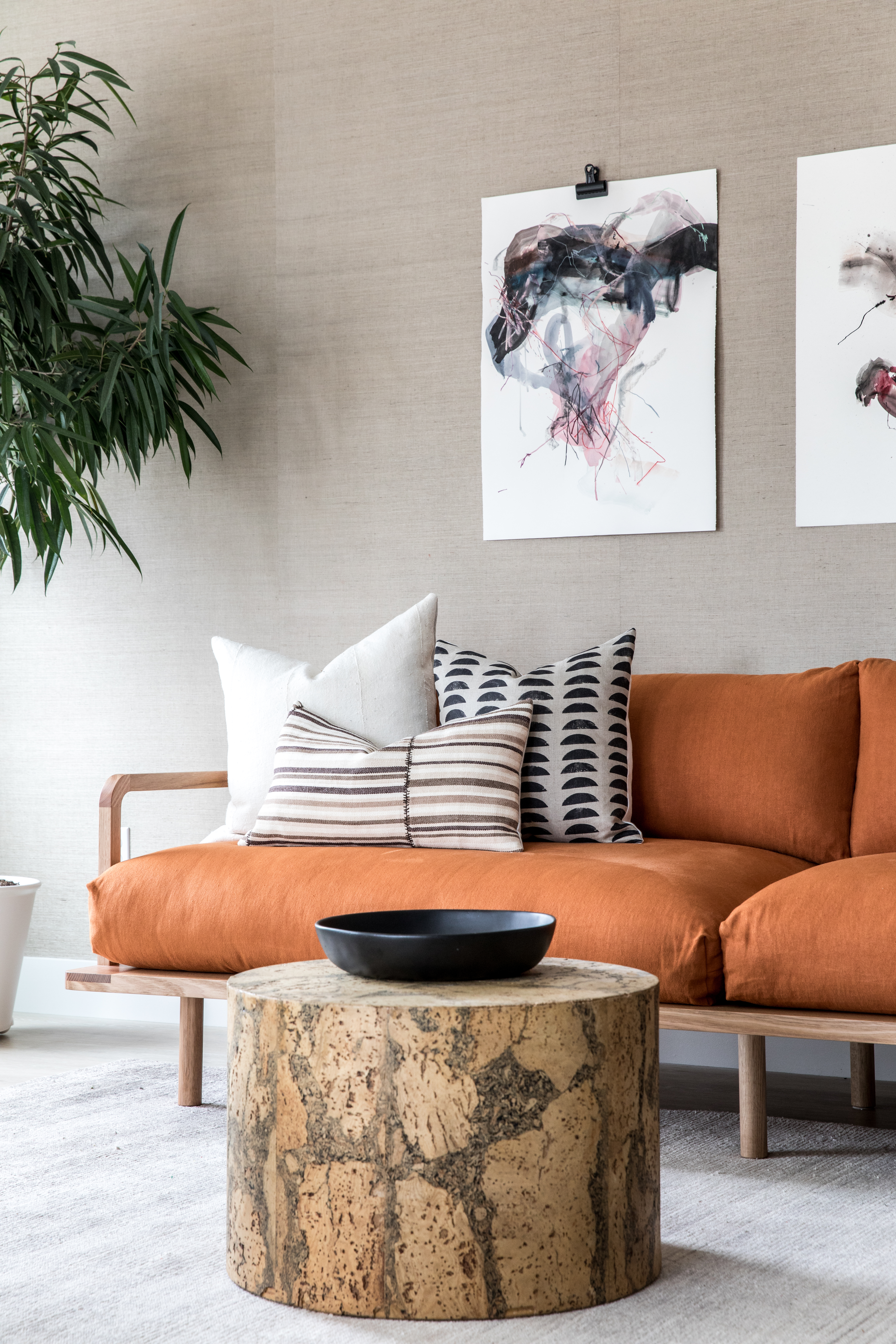
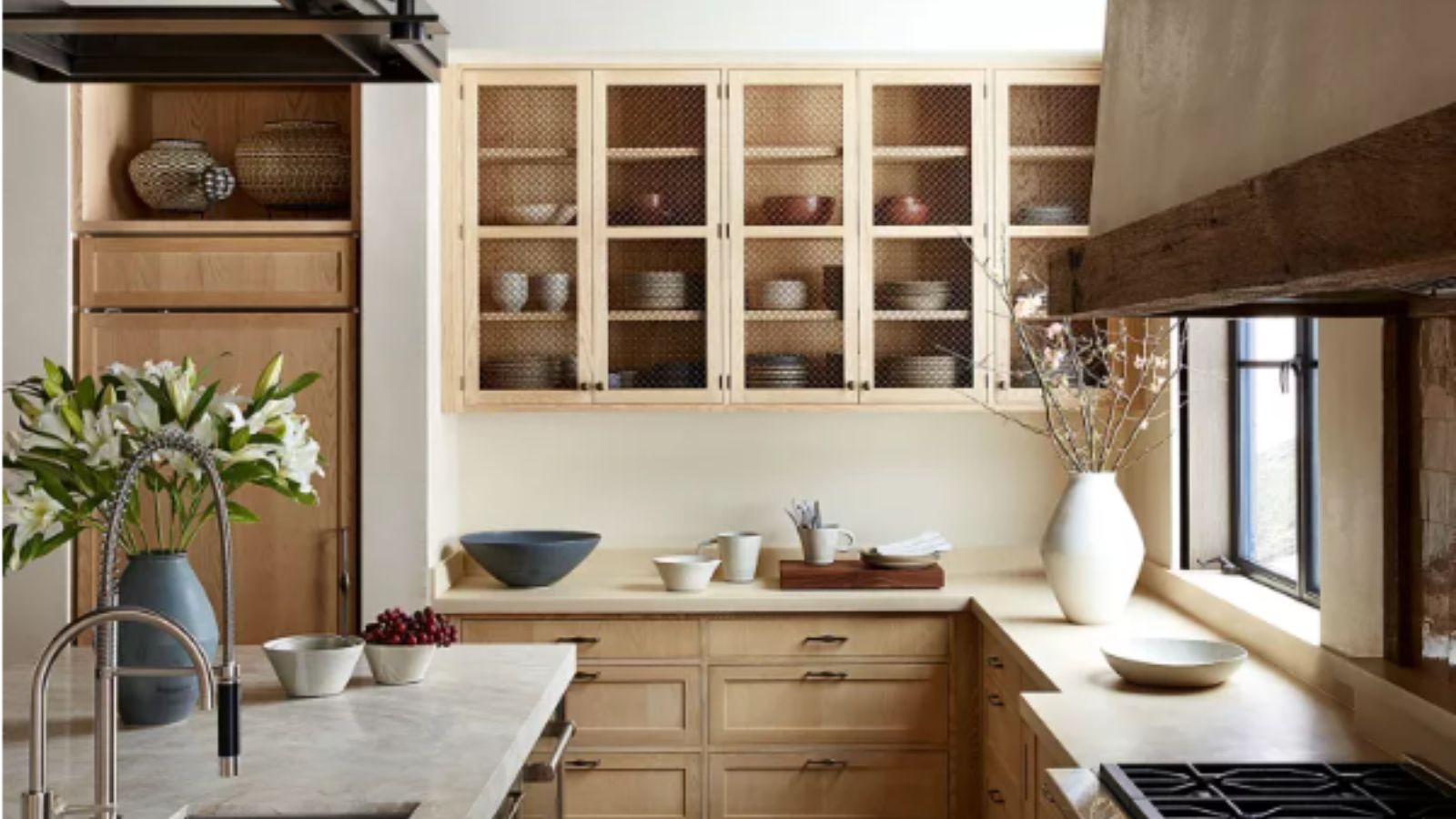
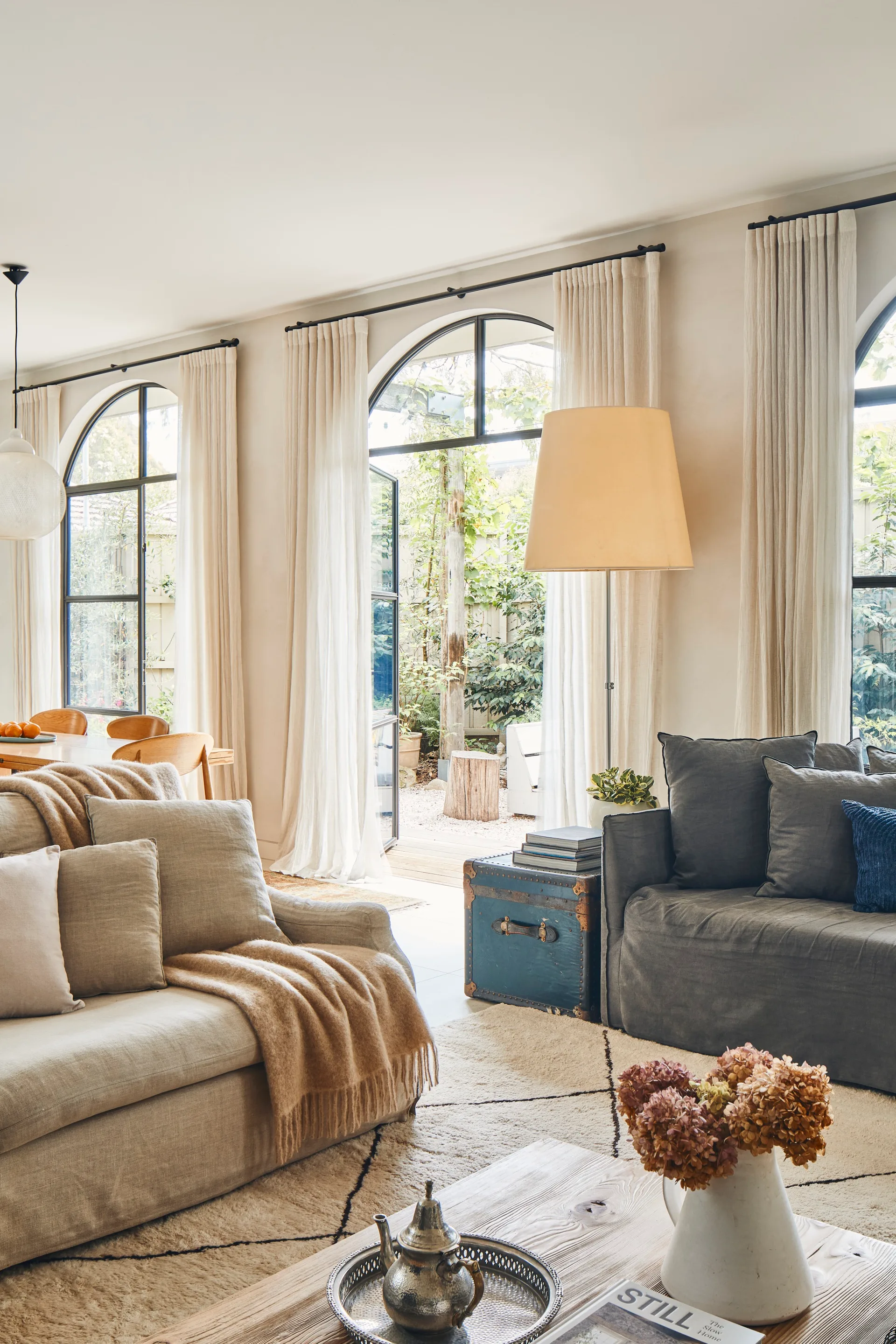
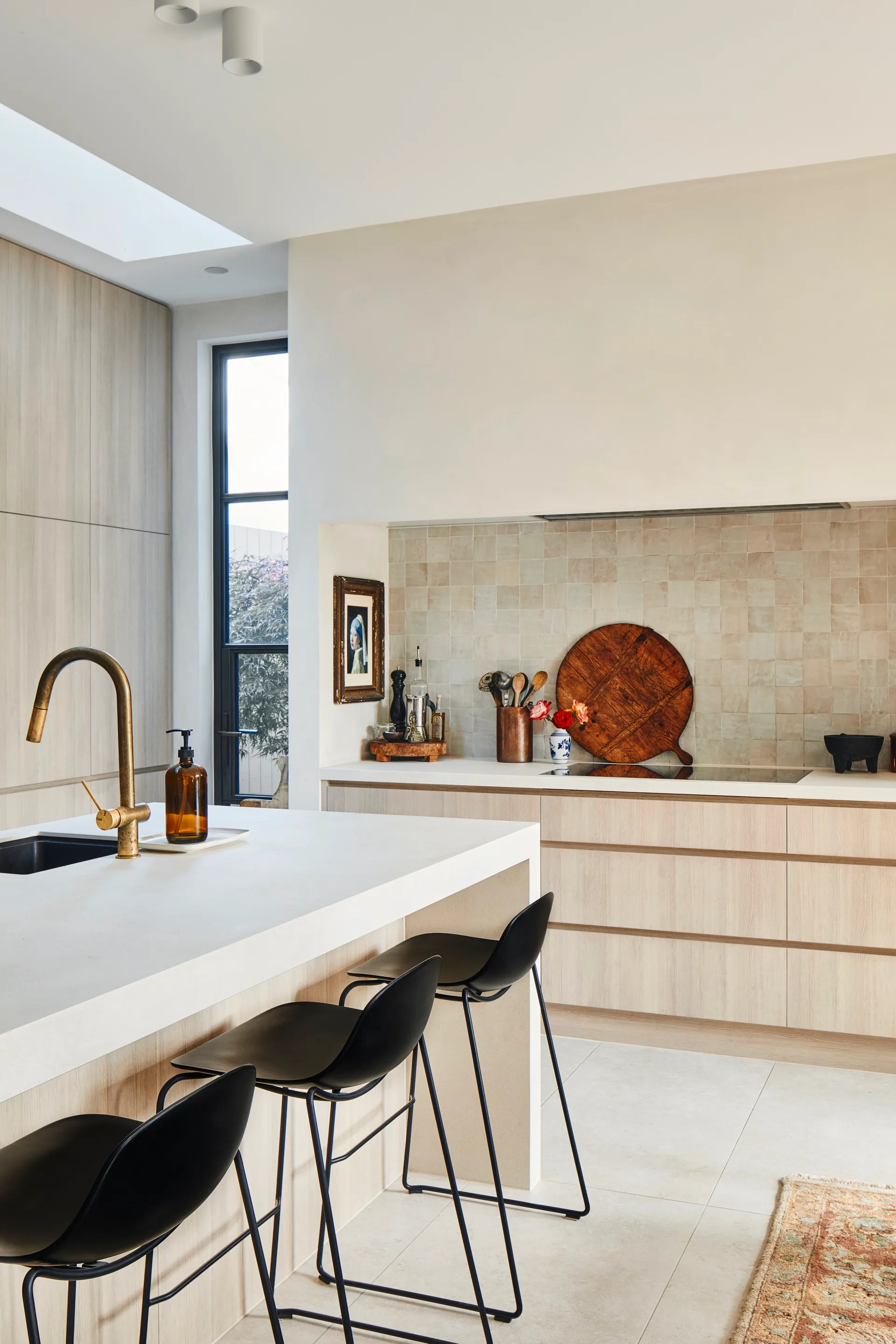
The core principles of wabi sabi design emphasize simplicity, with a "less is more" approach. Every item in a wabi sabi interior should be intentional and cherished, telling a story rather than merely serving as decor. The style encourages the use of muted color palettes, featuring earthy and neutral tones such as beige, cream, white, brown, tan, and gray. Subtle accent colors like sage green, terra-cotta, dusty rose, or slate blue with warm undertones can be introduced to enhance comfort without disrupting the serene atmosphere.
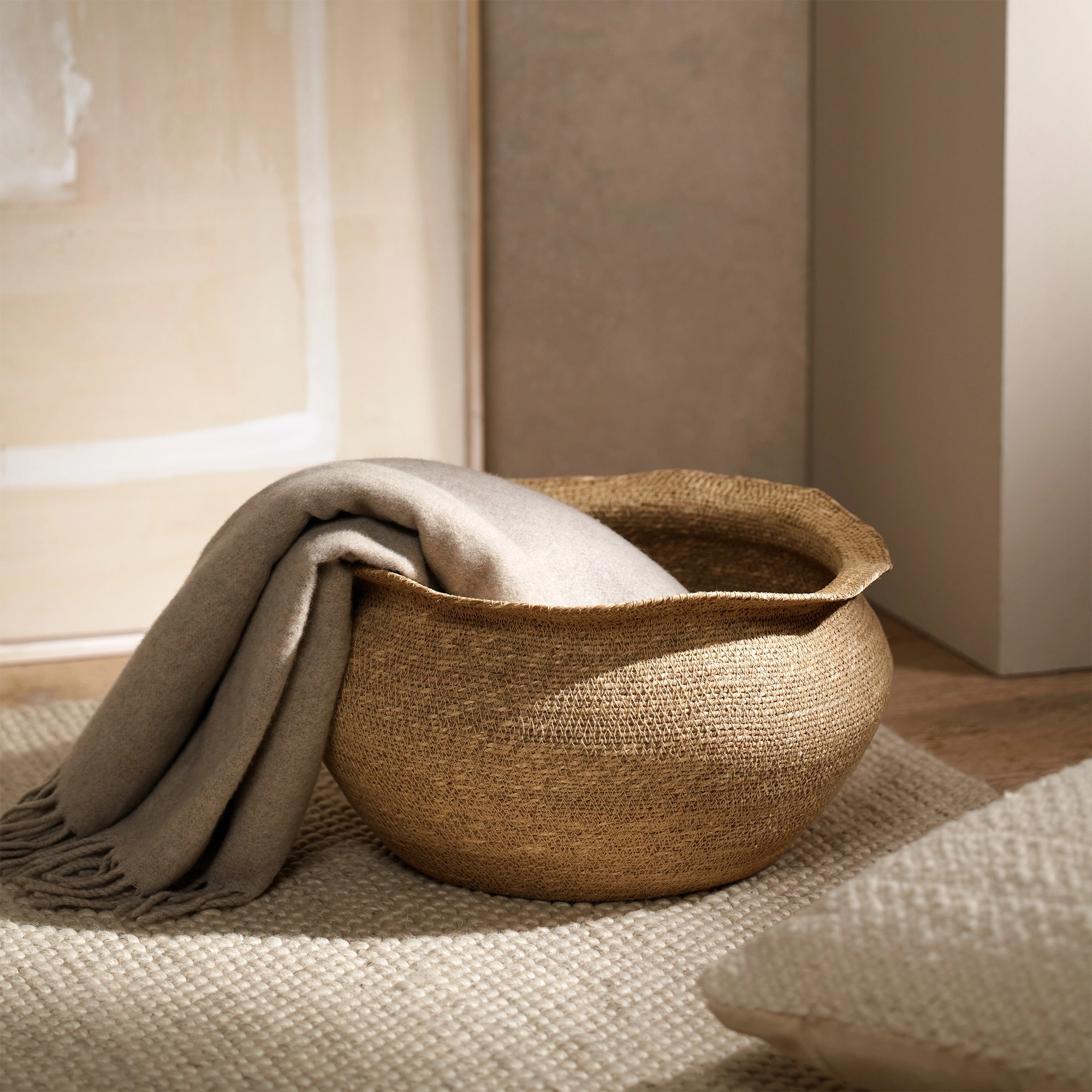
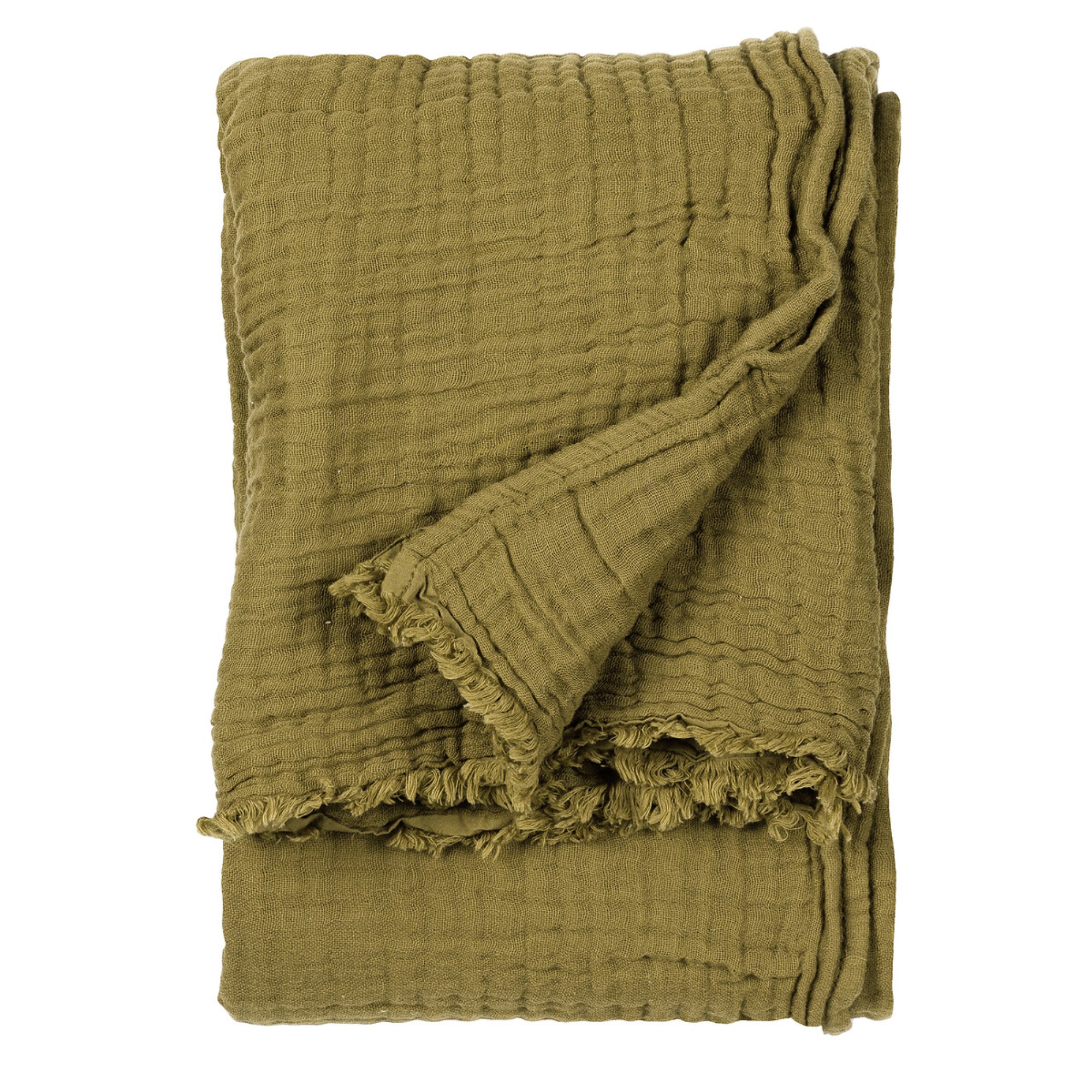
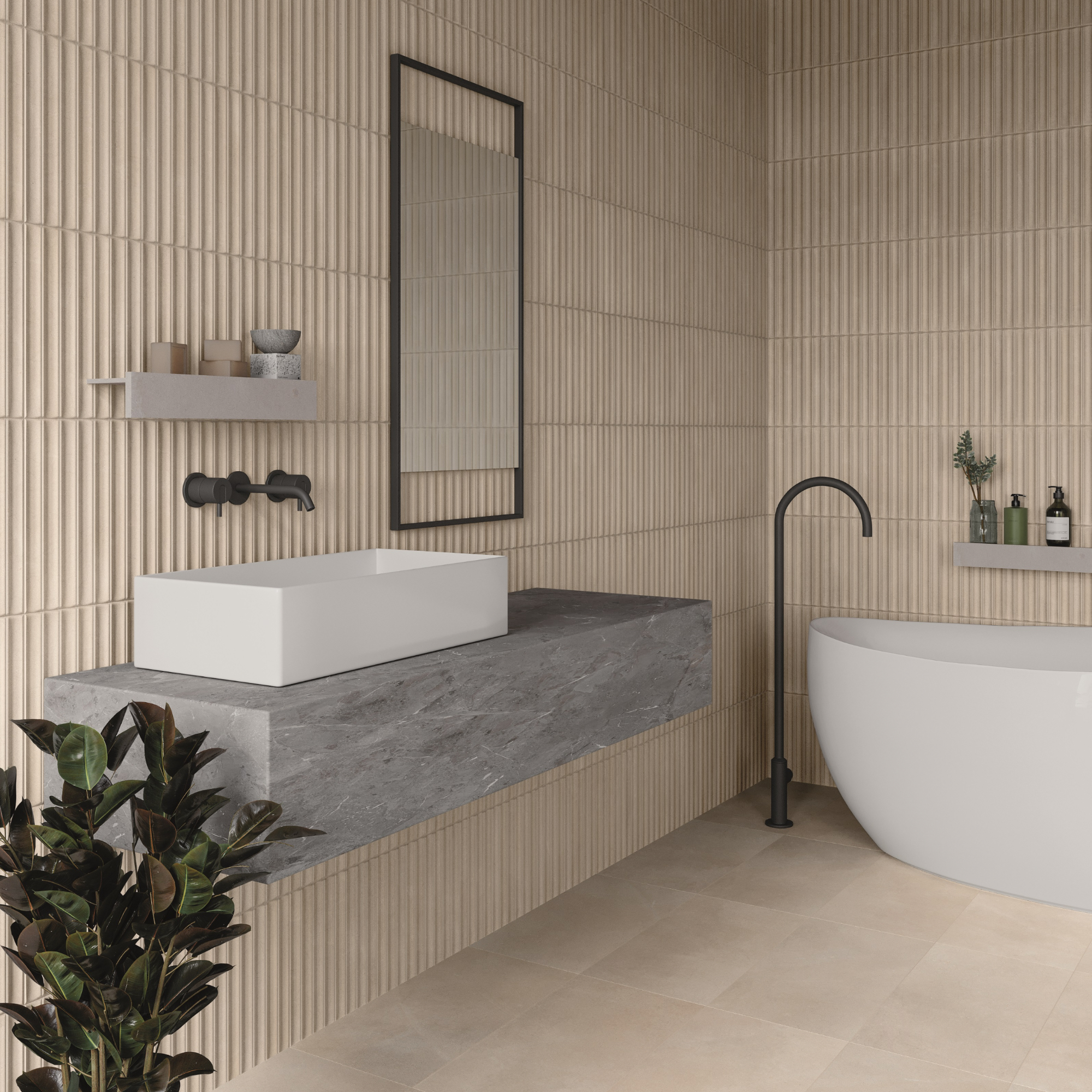
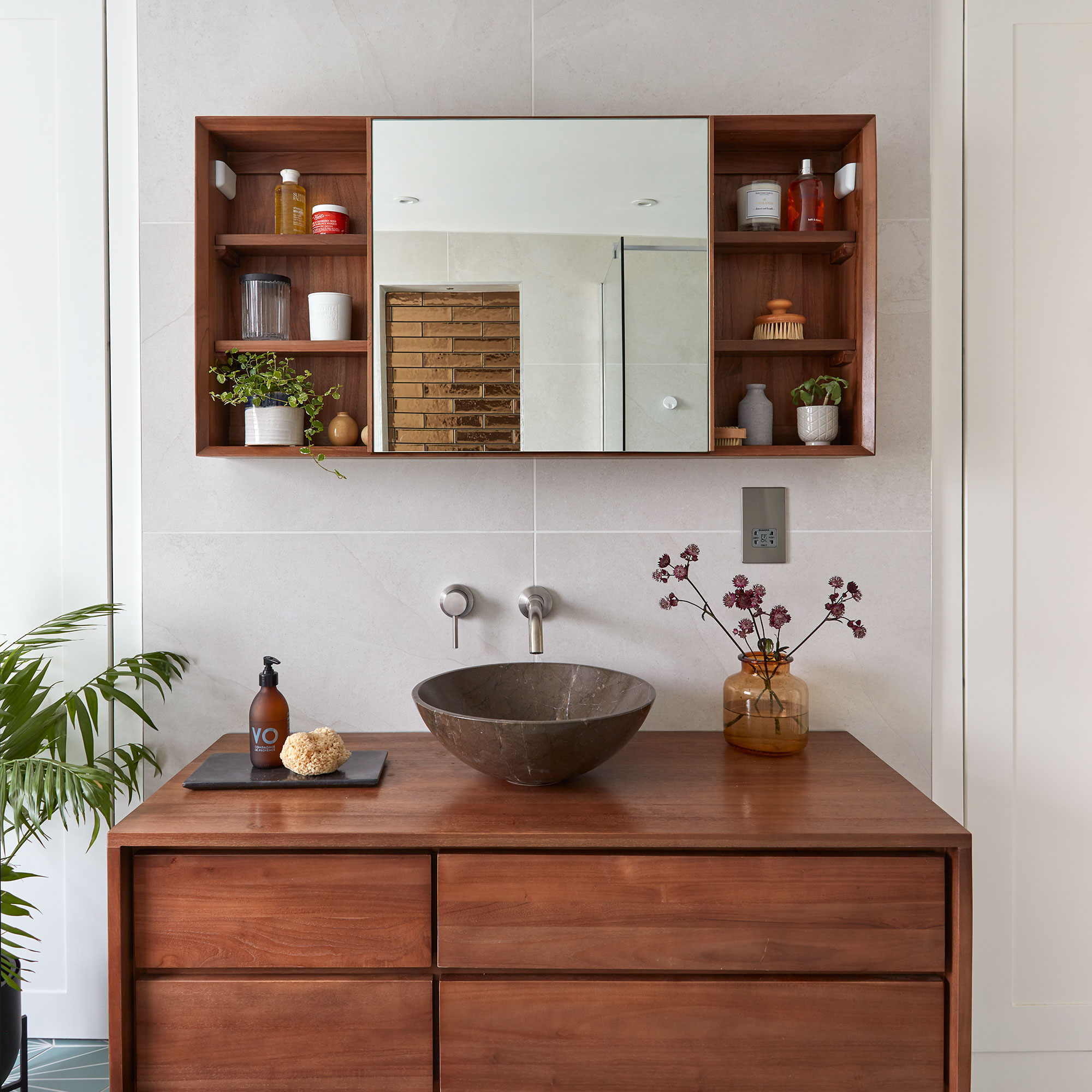
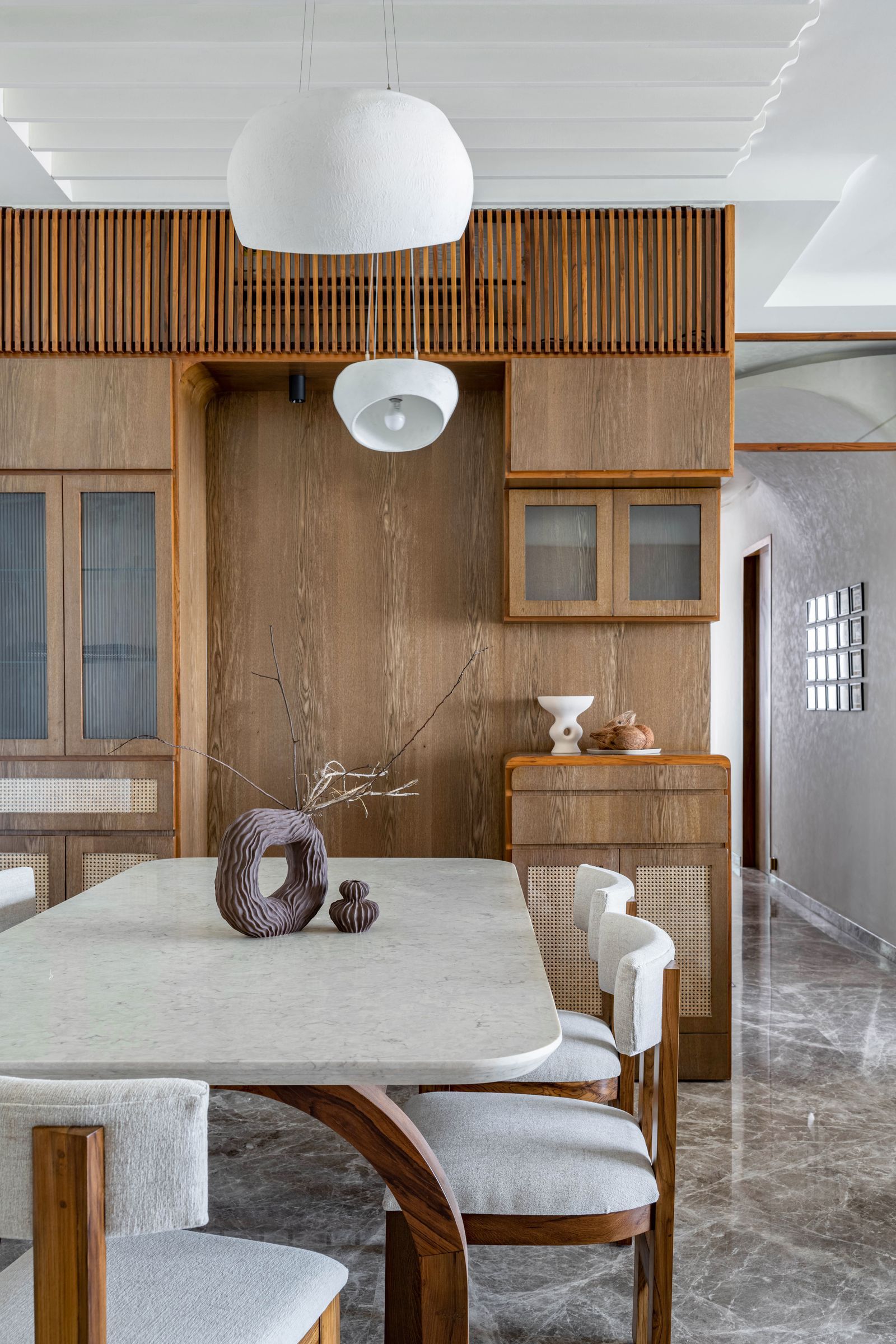
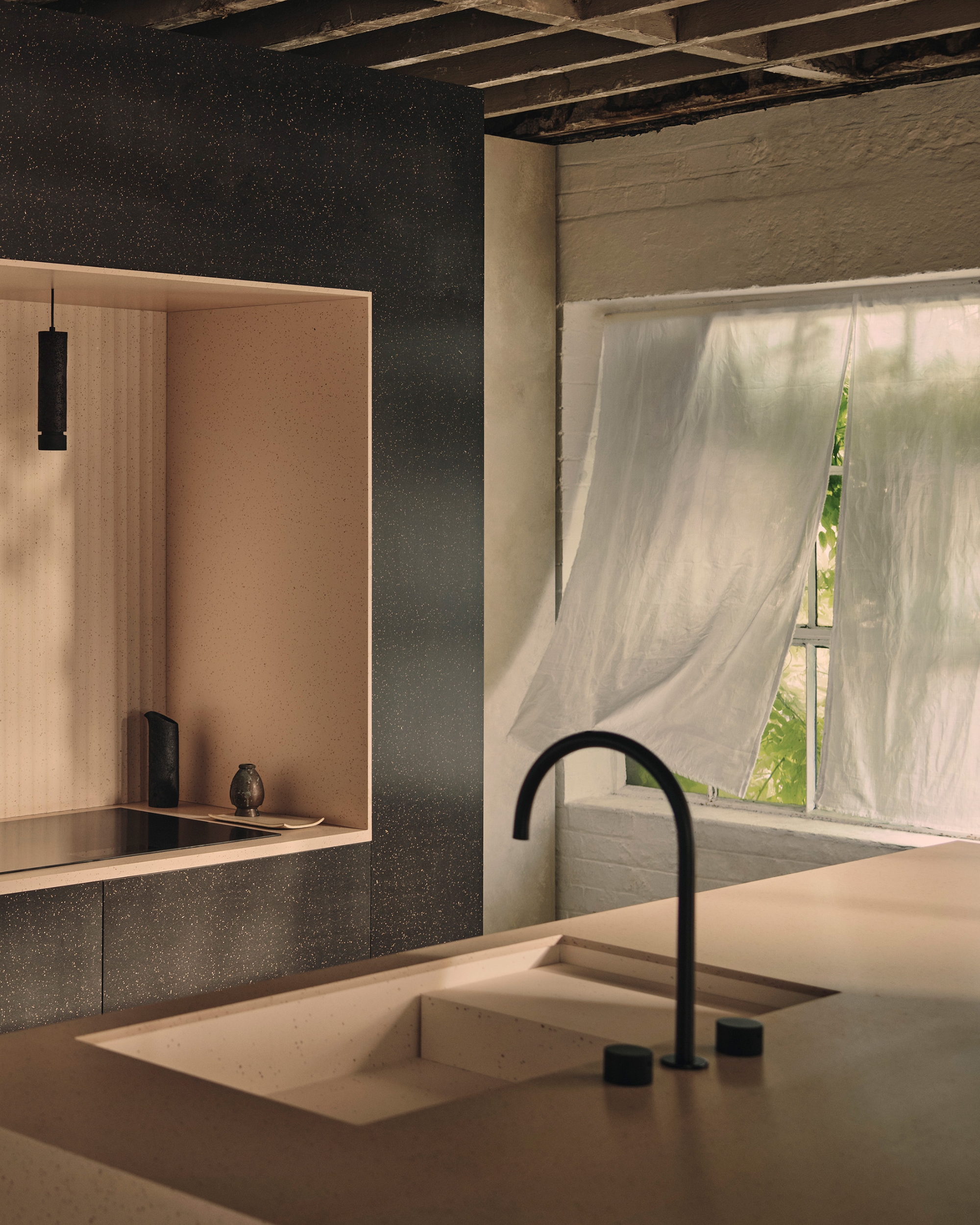
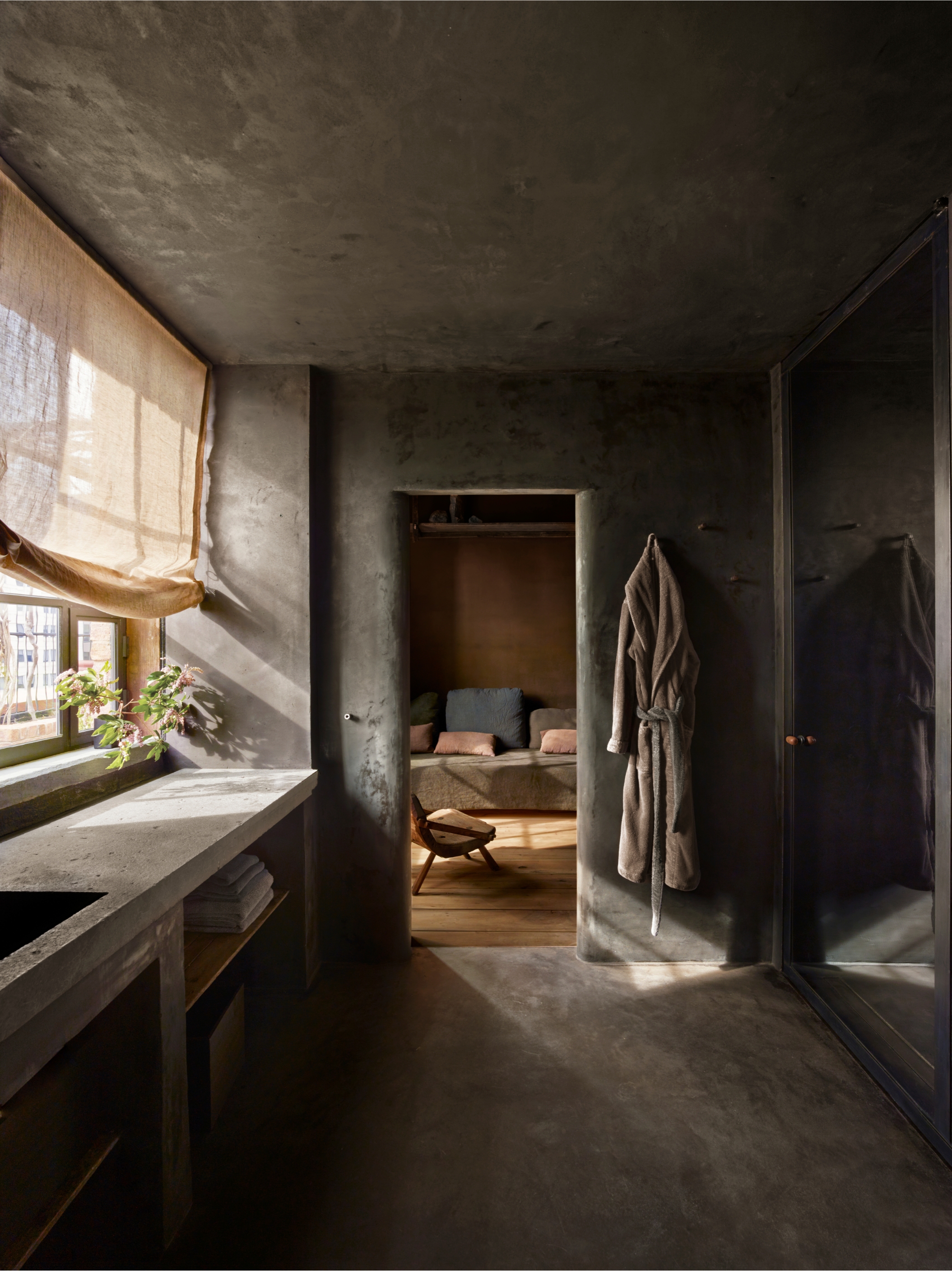
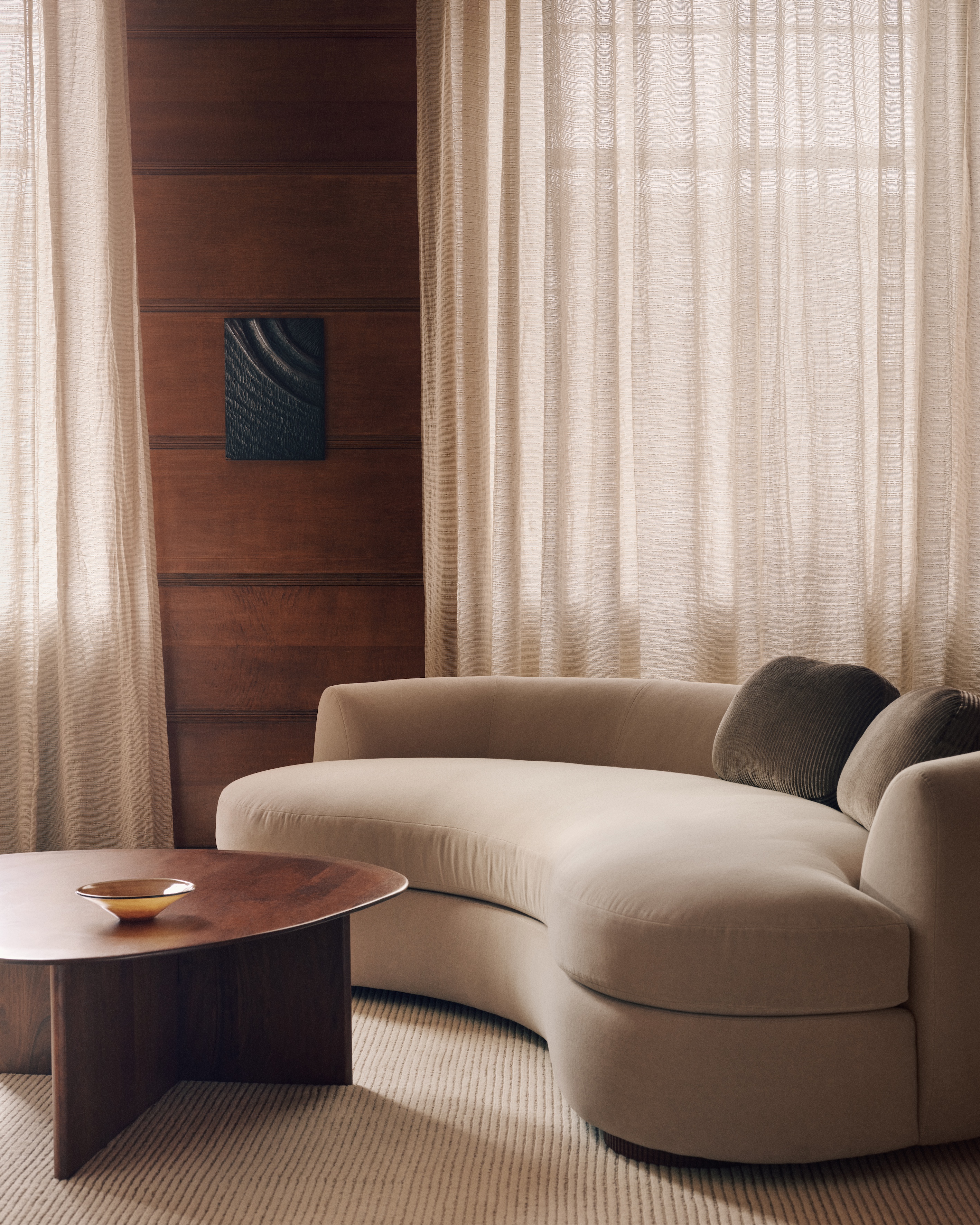
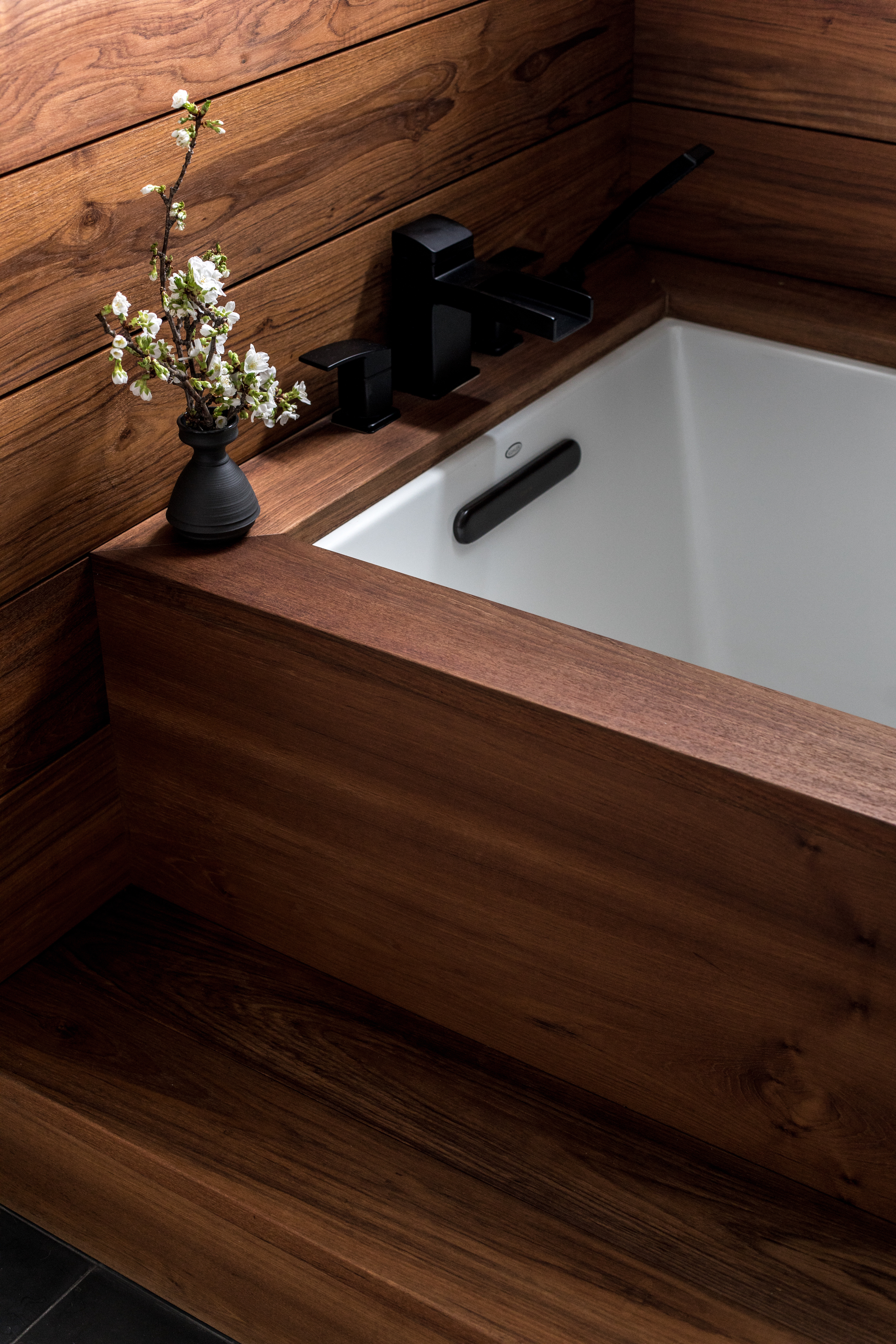
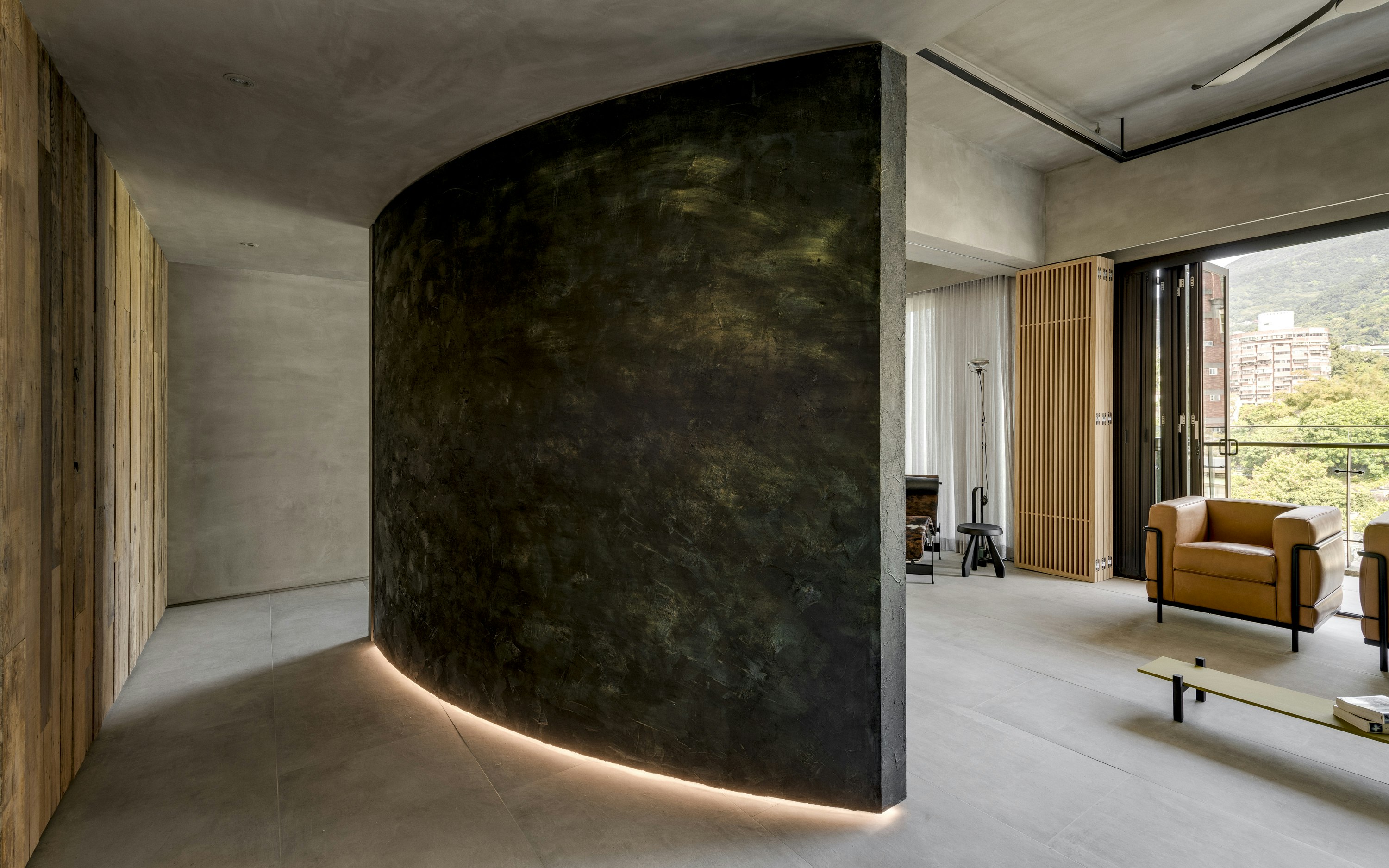
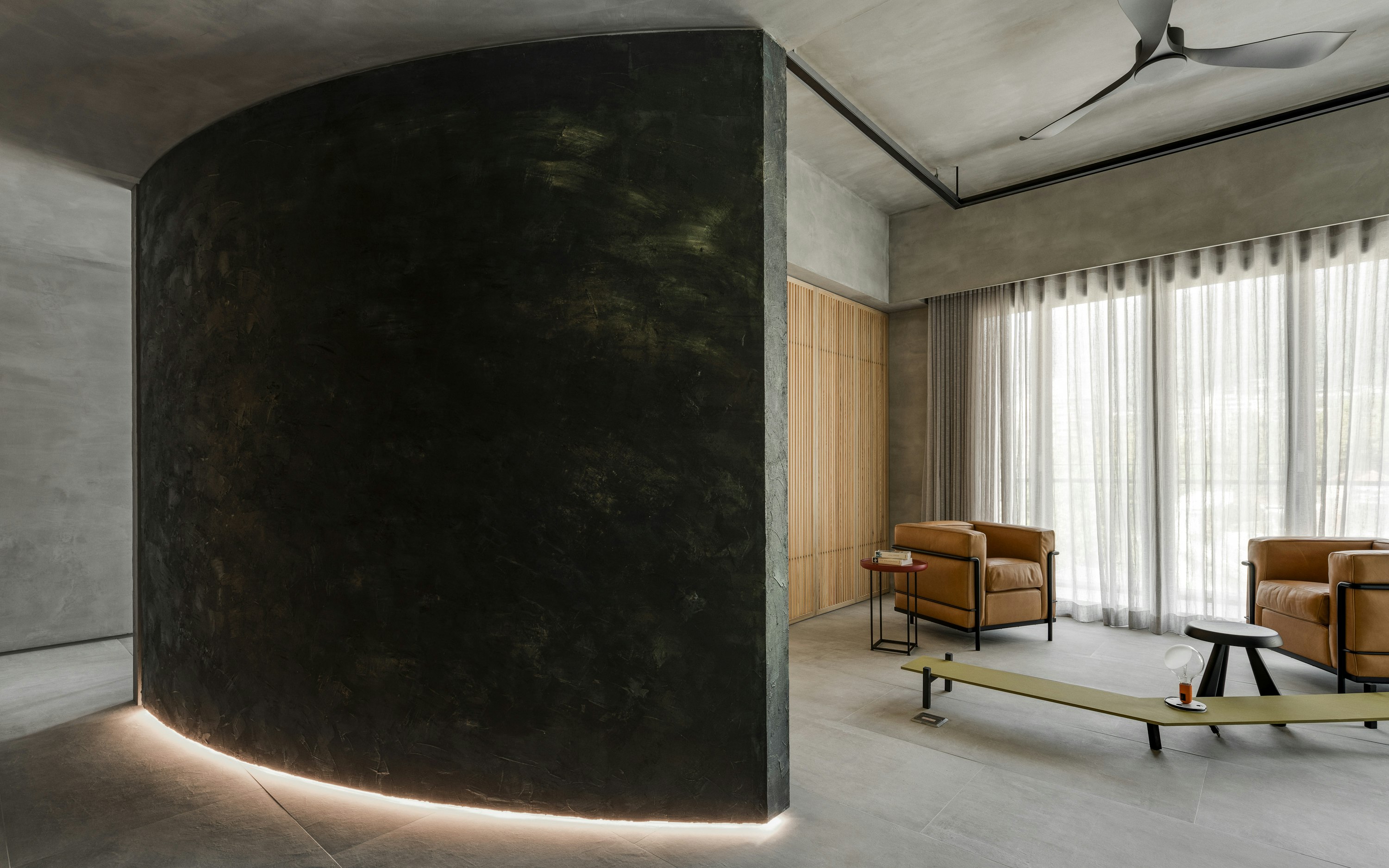
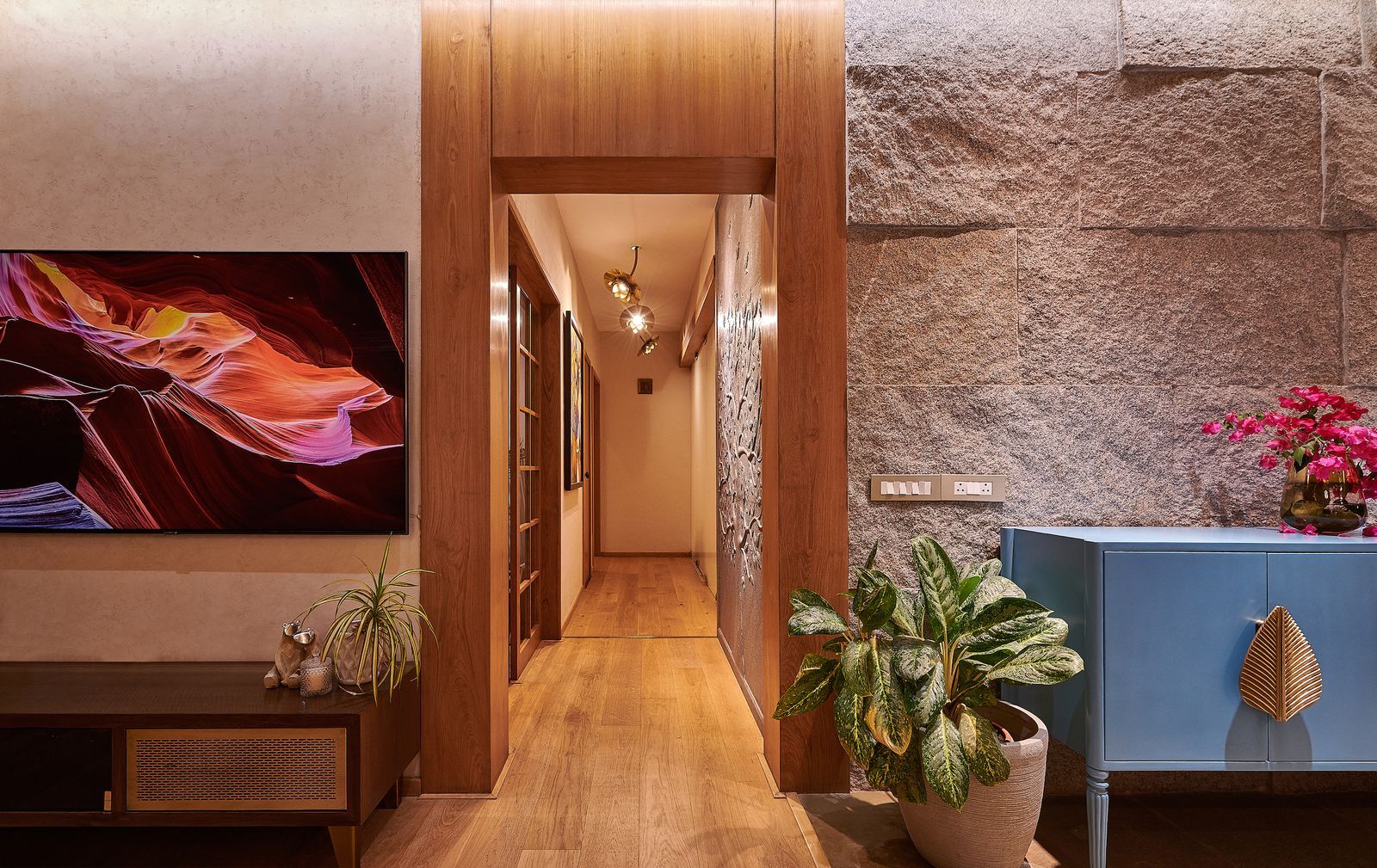
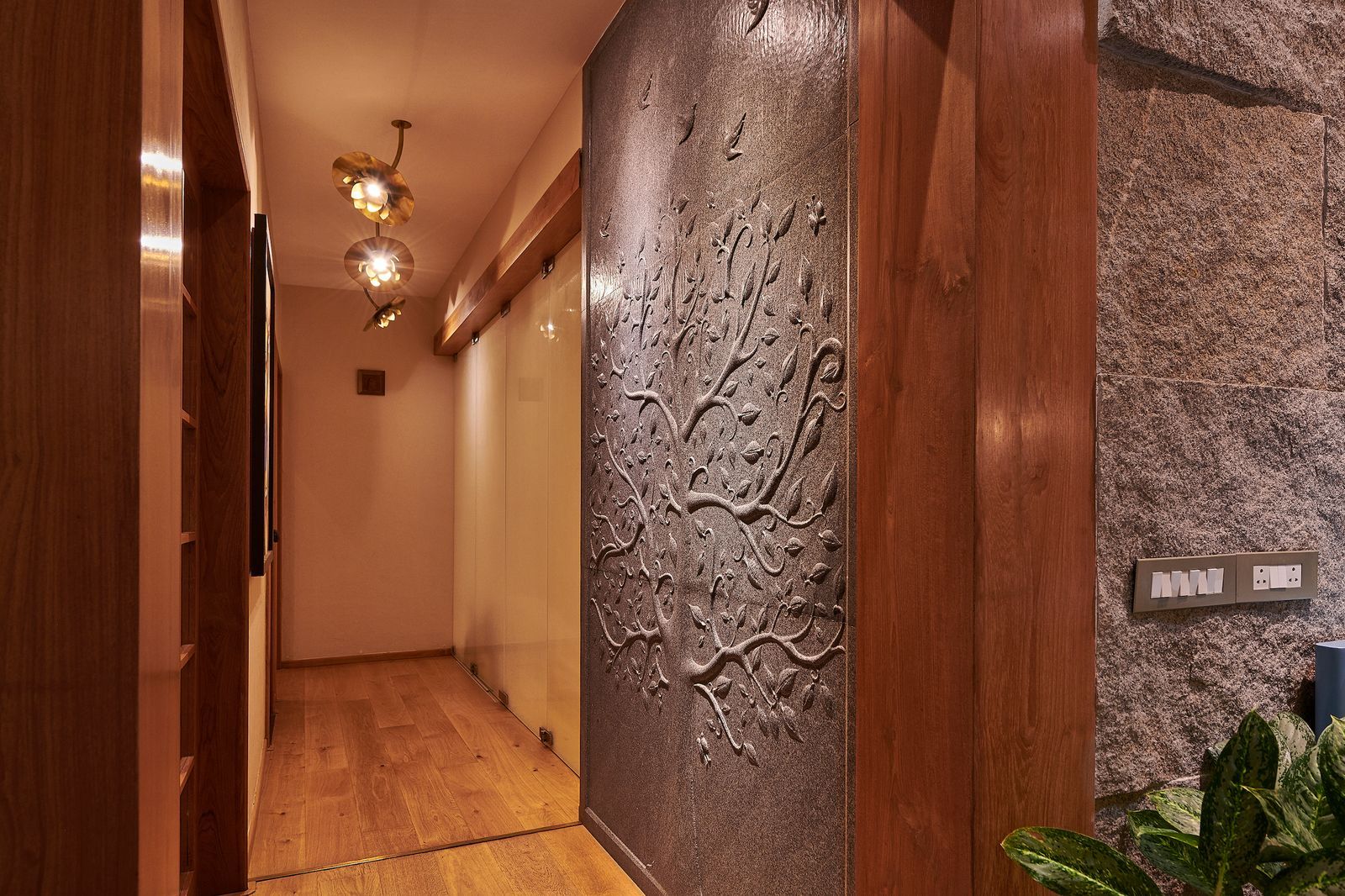
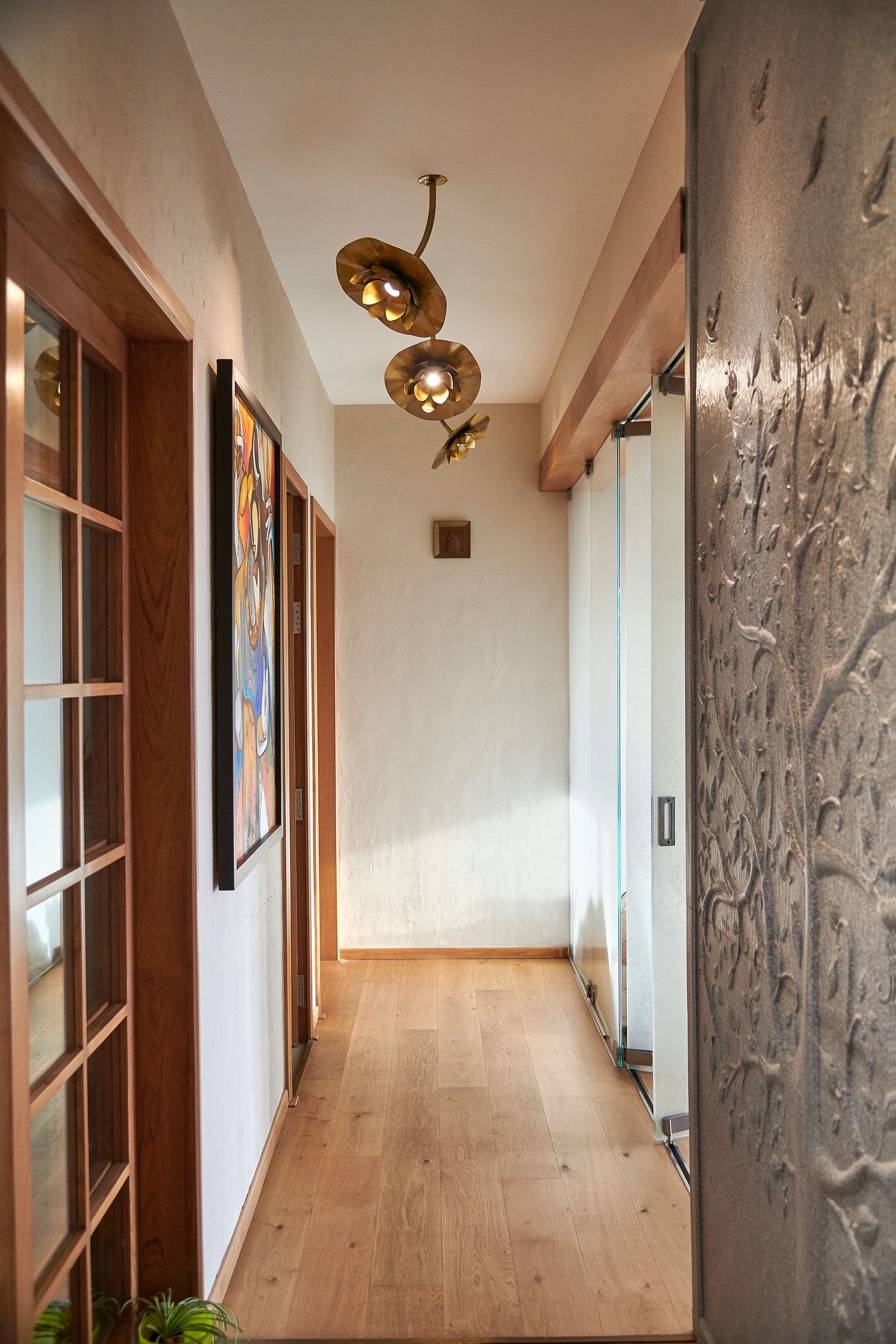
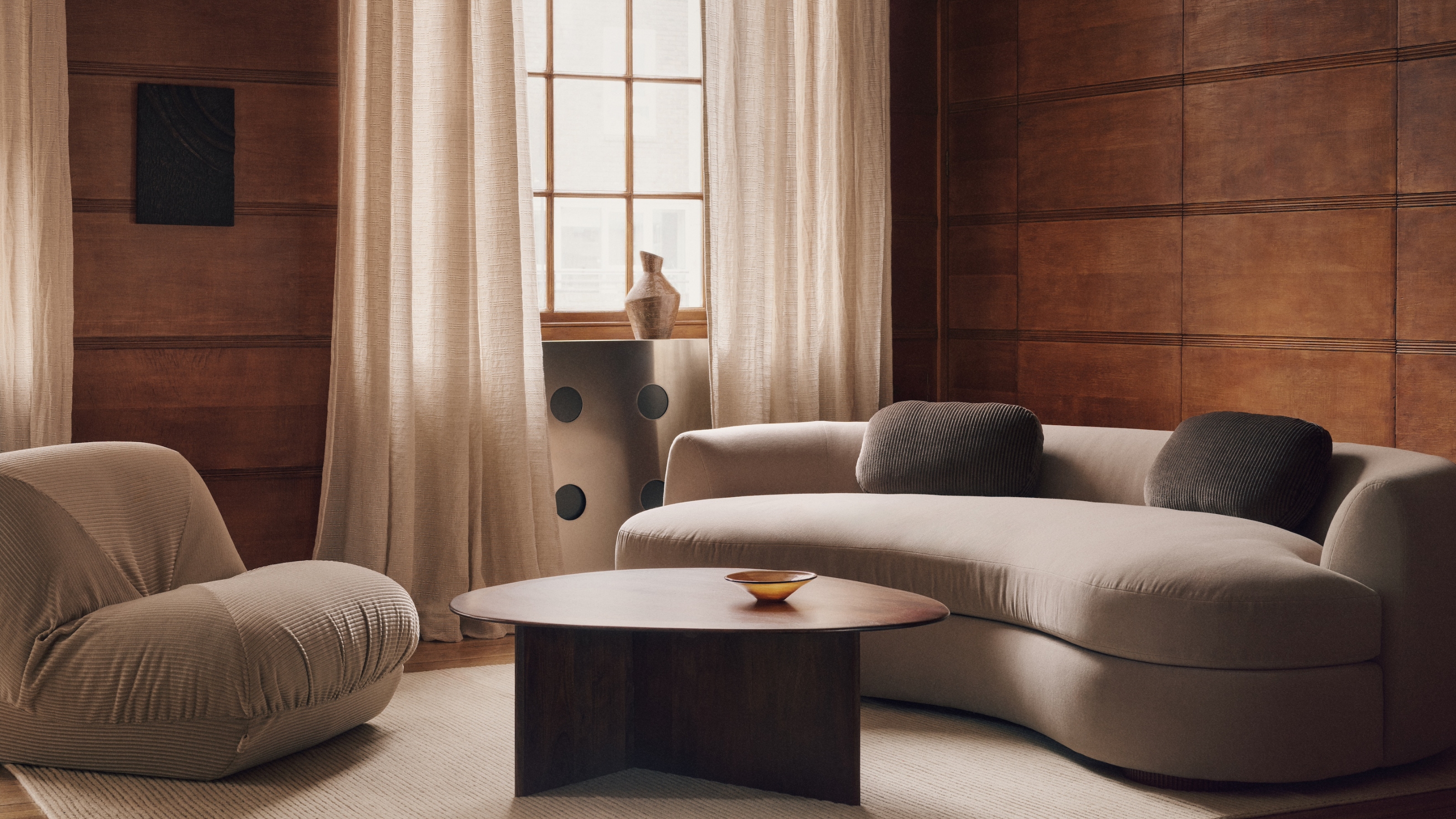
Natural and matte textures are paramount in wabi sabi interiors. This includes organically shaped raw wood furniture, handmade pottery and ceramic pieces with visible imperfections, and natural materials like stone, metal with a faded patina, and unglazed ceramics. Textiles are typically light and airy, made from organic fibers such as linen, bamboo, tweed, cotton, and wool, used for rugs, curtains, blankets, and pillows. The emphasis is on materials that exhibit their natural state and the marks of time or craftsmanship.
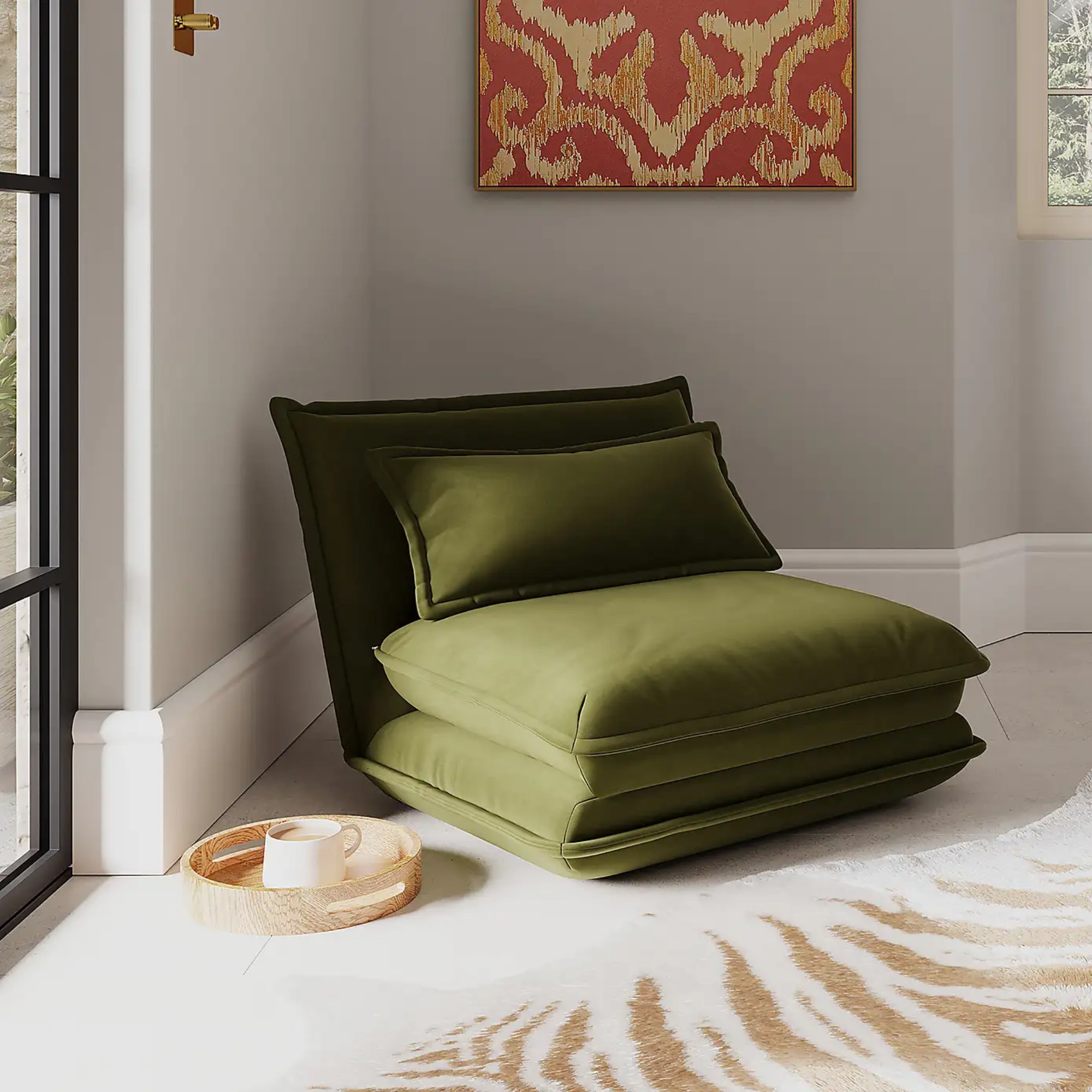
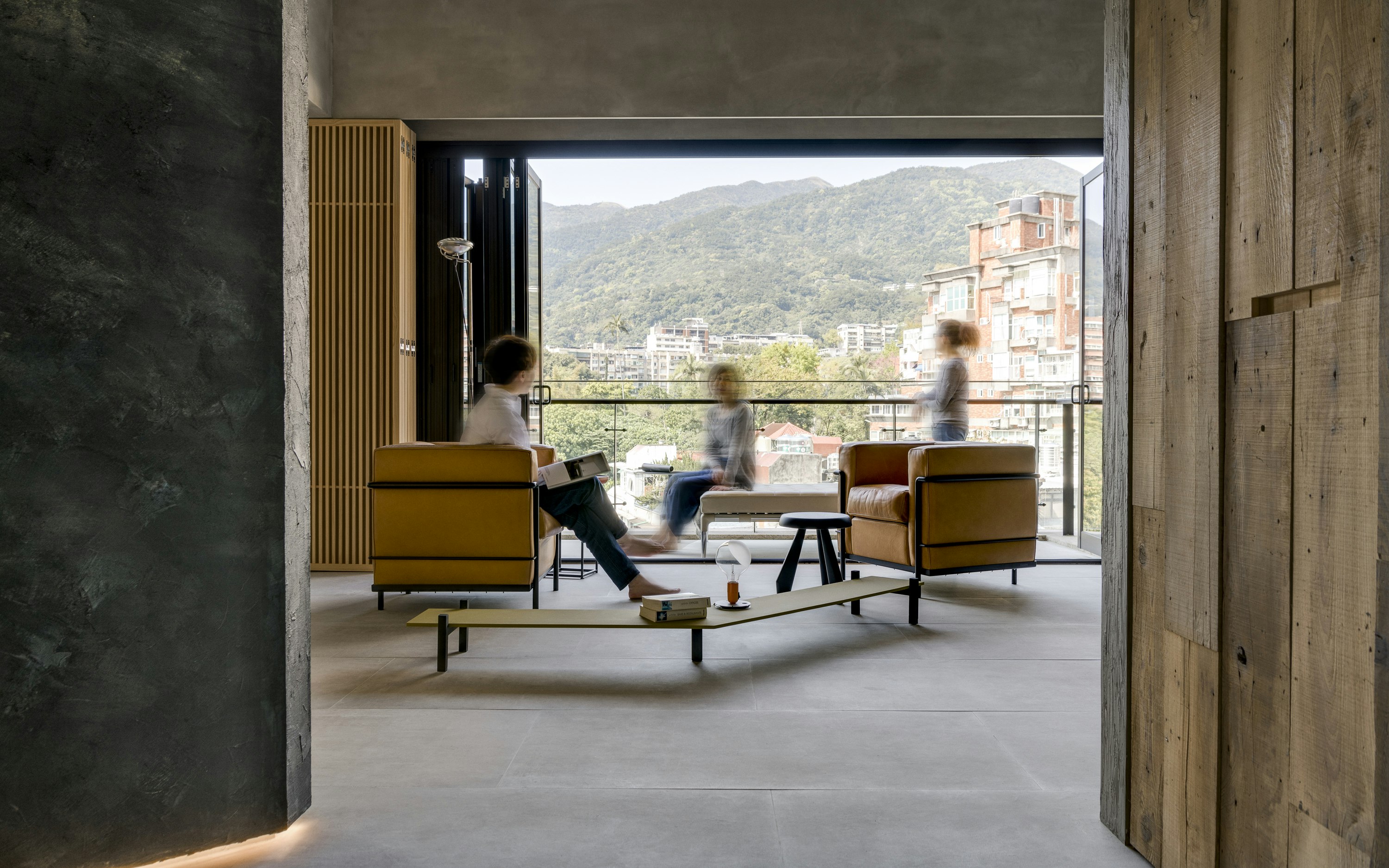
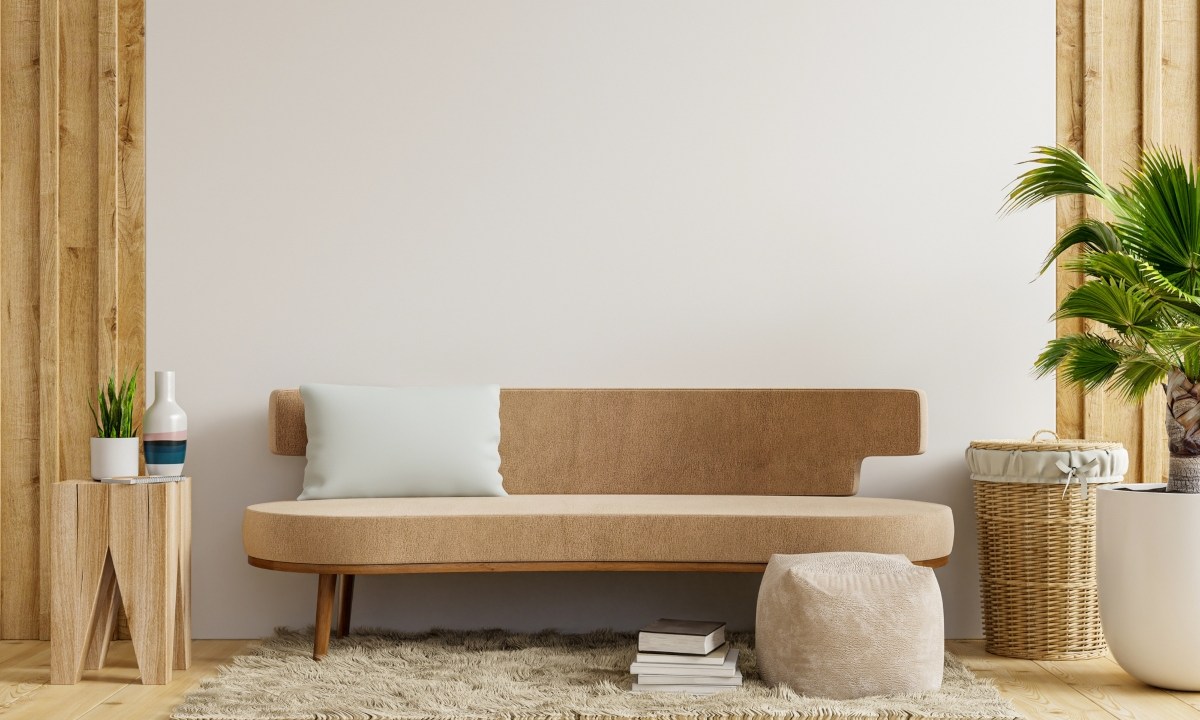
Functionality takes precedence over mere aesthetics; each piece should serve a purpose. Furniture with rounded shapes and soft edges is preferred, such as curved sofas, papasan chairs, and low-profile pieces, creating a soothing and gentle aesthetic. Layering blankets and pillows contributes to a comfortable and lived-in feel, embracing the concept of imperfection where even unkempt linens add character.
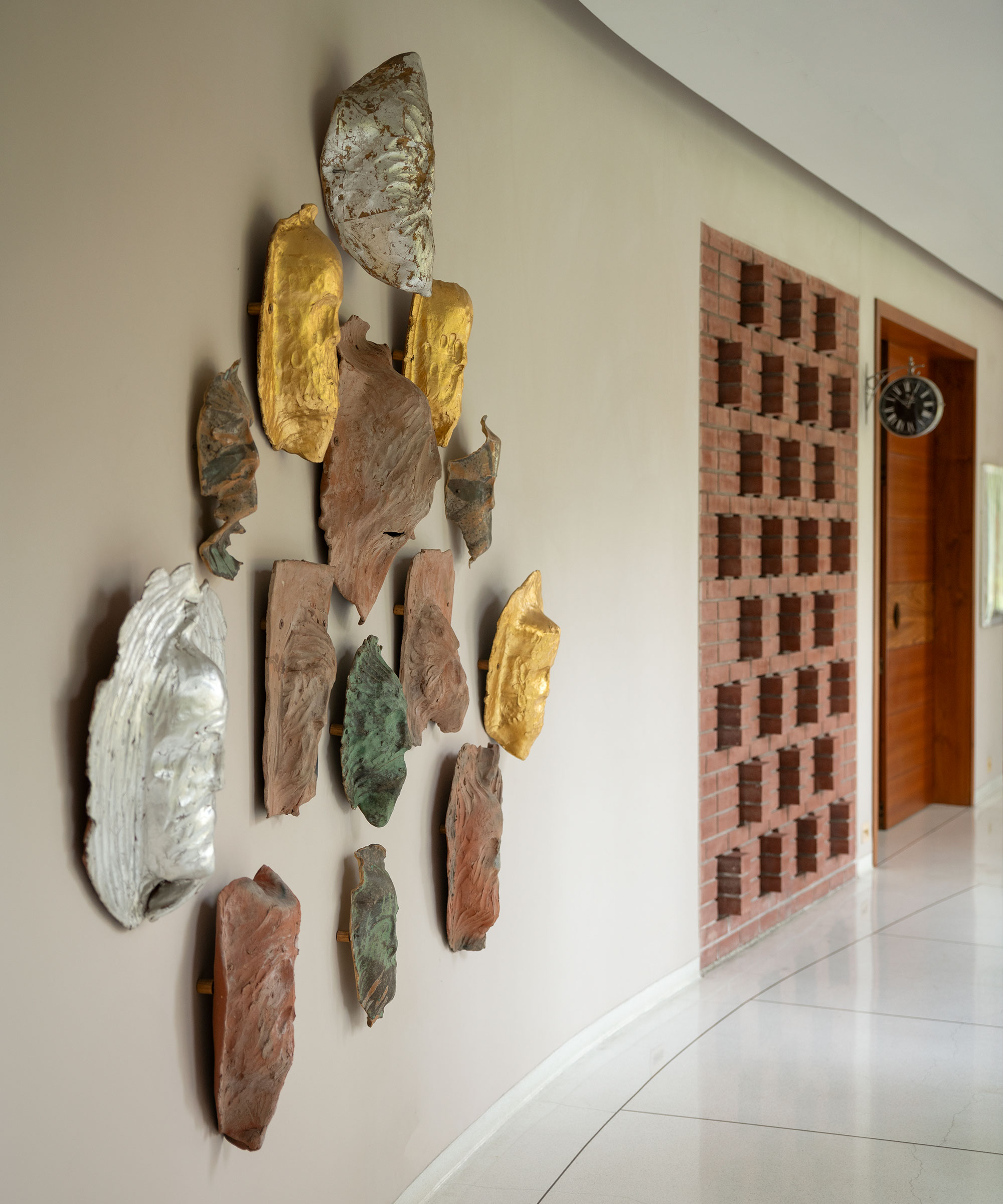
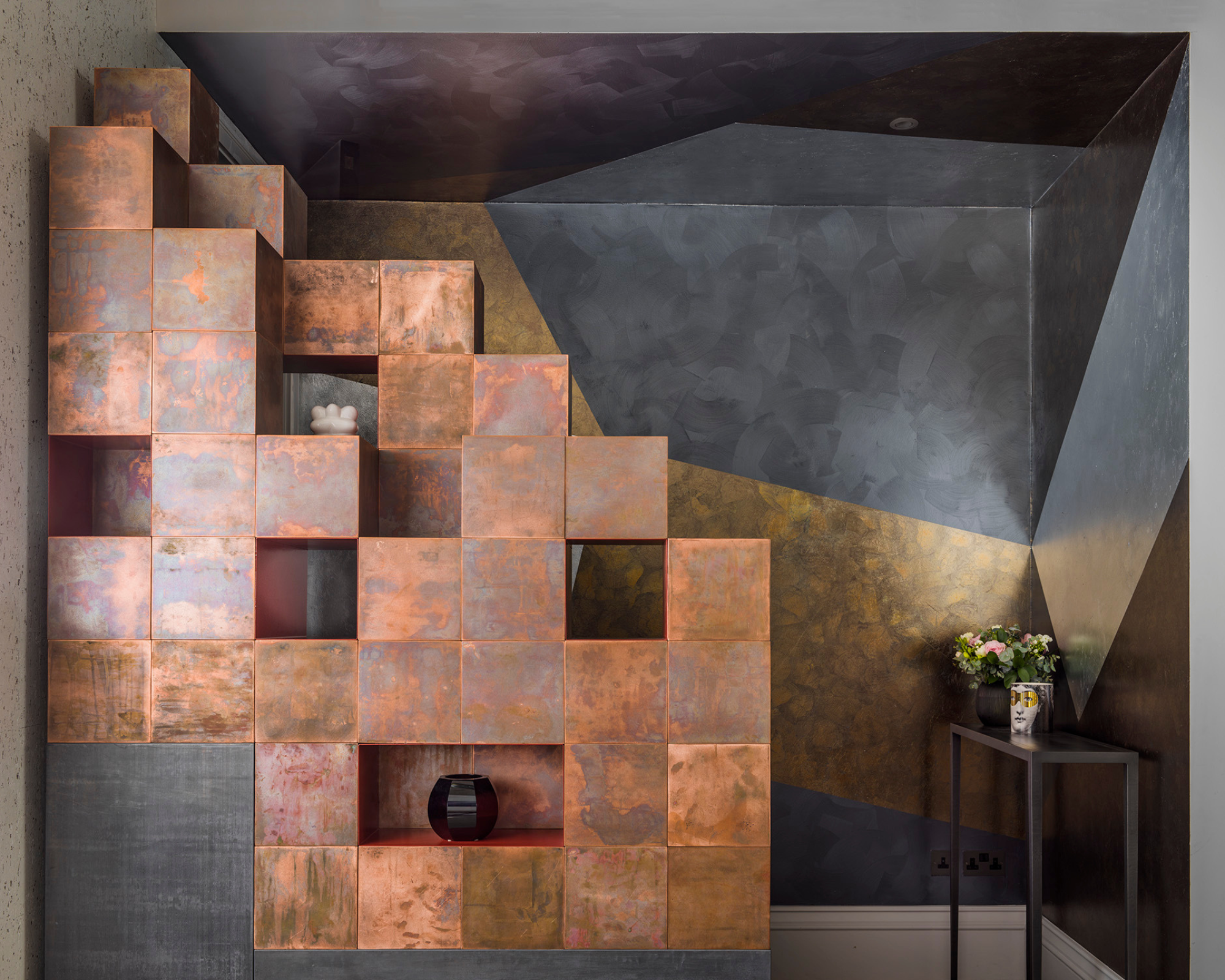
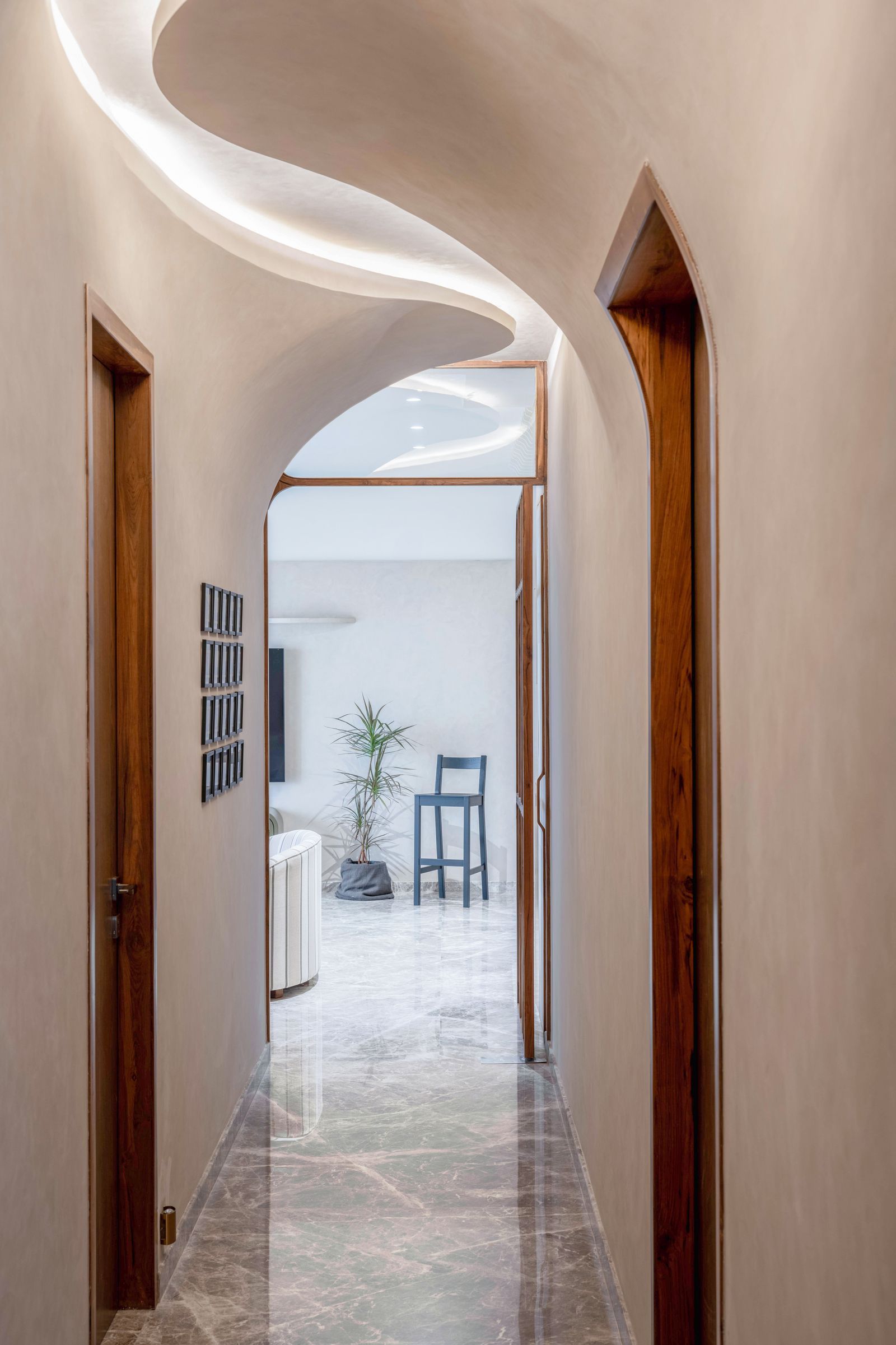
Architecturally, wall niches are a distinctive feature of wabi sabi design, often appearing asymmetrically or in unusual shapes. These niches can replace traditional furniture like headboards or side tables and provide functional storage in bathrooms or aesthetic display areas in living rooms for pottery and baskets. Another key aspect is asymmetry in arrangement, intentionally avoiding perfect balance to emphasize the natural and imperfect. Mismatched details, layered rugs, and uneven wall decor are celebrated elements that contribute to the unique charm of wabi sabi homes.
While sharing a common Japanese cultural origin and an appreciation for minimalism and intentionality, wabi sabi differs from Japandi design. Japandi, a blend of Japanese and Scandinavian styles, leans towards crisp lines, stark color palettes, and refined materials. In contrast, wabi sabi interiors are inherently warmer and more comforting, prioritizing raw materials, handmade objects, and a visibly organic, imperfect aesthetic. Both styles promote simplicity, but wabi sabi uniquely champions the beauty of impermanence and the honest character of aged, natural elements.
#WabiSabiInteriorDesign #JapanesePhilosophy #HomeDecor #NaturalMaterials #MutedColorPalette #ImperfectBeauty #Asymmetry #MinimalistDesign #OrganicTextures #WabiSabiInteriorDesign #JapanesePhilosophy #HomeDecor #NaturalMaterials #MutedColorPalette #ImperfectBeauty #Asymmetry #MinimalistDesign #OrganicTextures
0 comment in total
 No comments yet
You may also like
Why Designers Predict We'll Be Seeing Wabi Sabi Interiors Everywhere

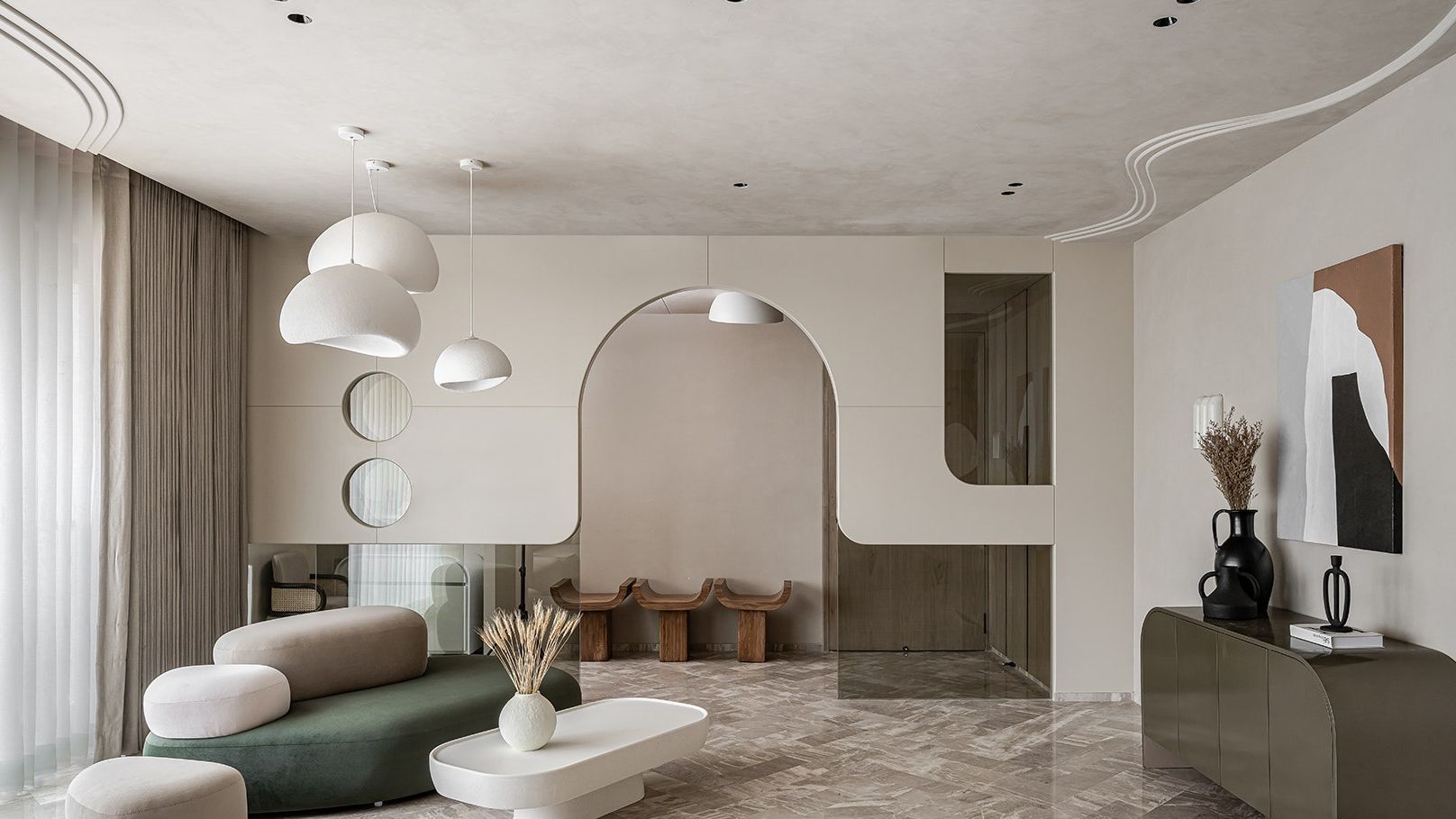
5 Indian homes that integrate wabi-sabi design elements beautifully

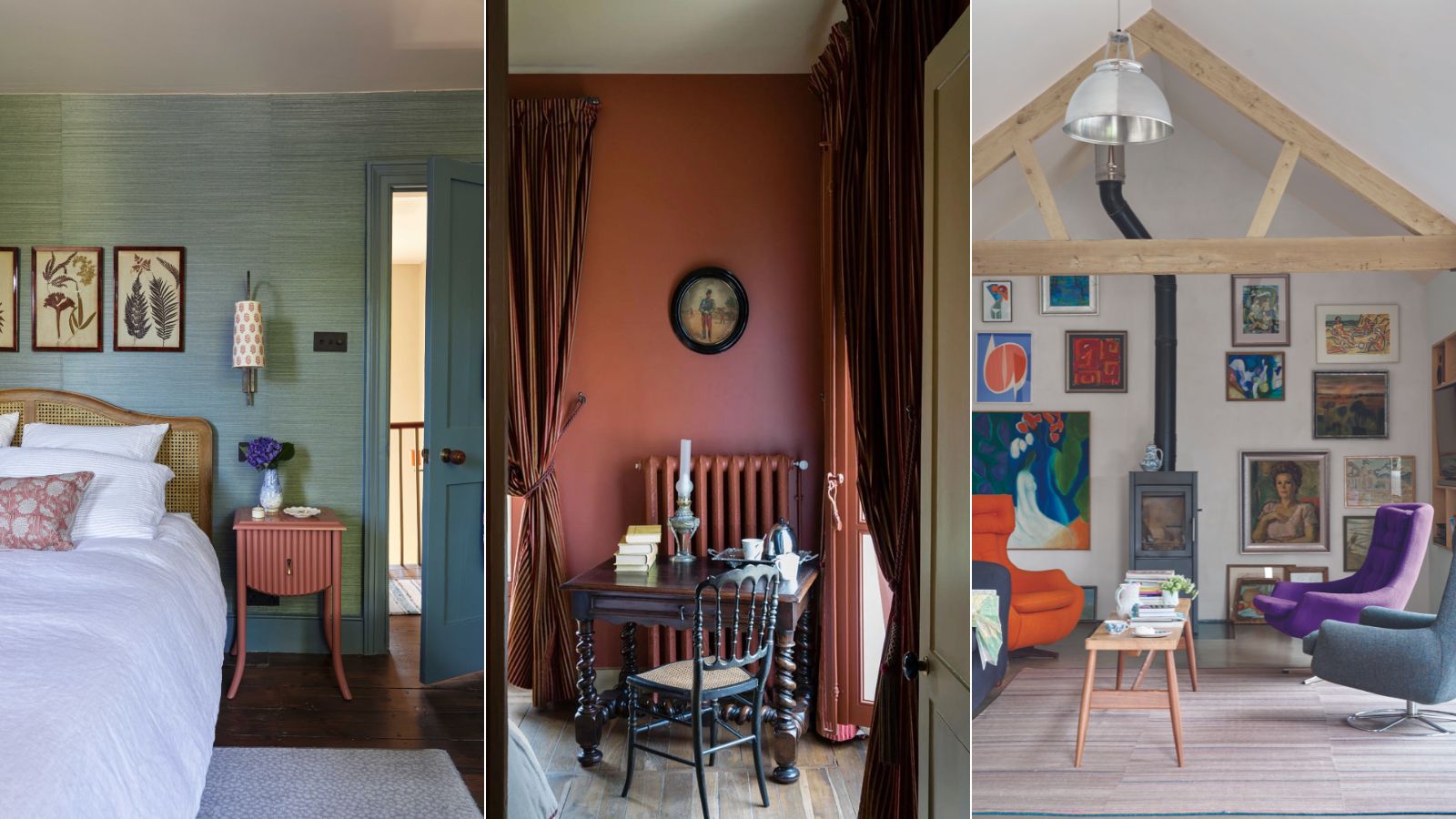
13 interior design styles that everyone needs to know about, according to designers

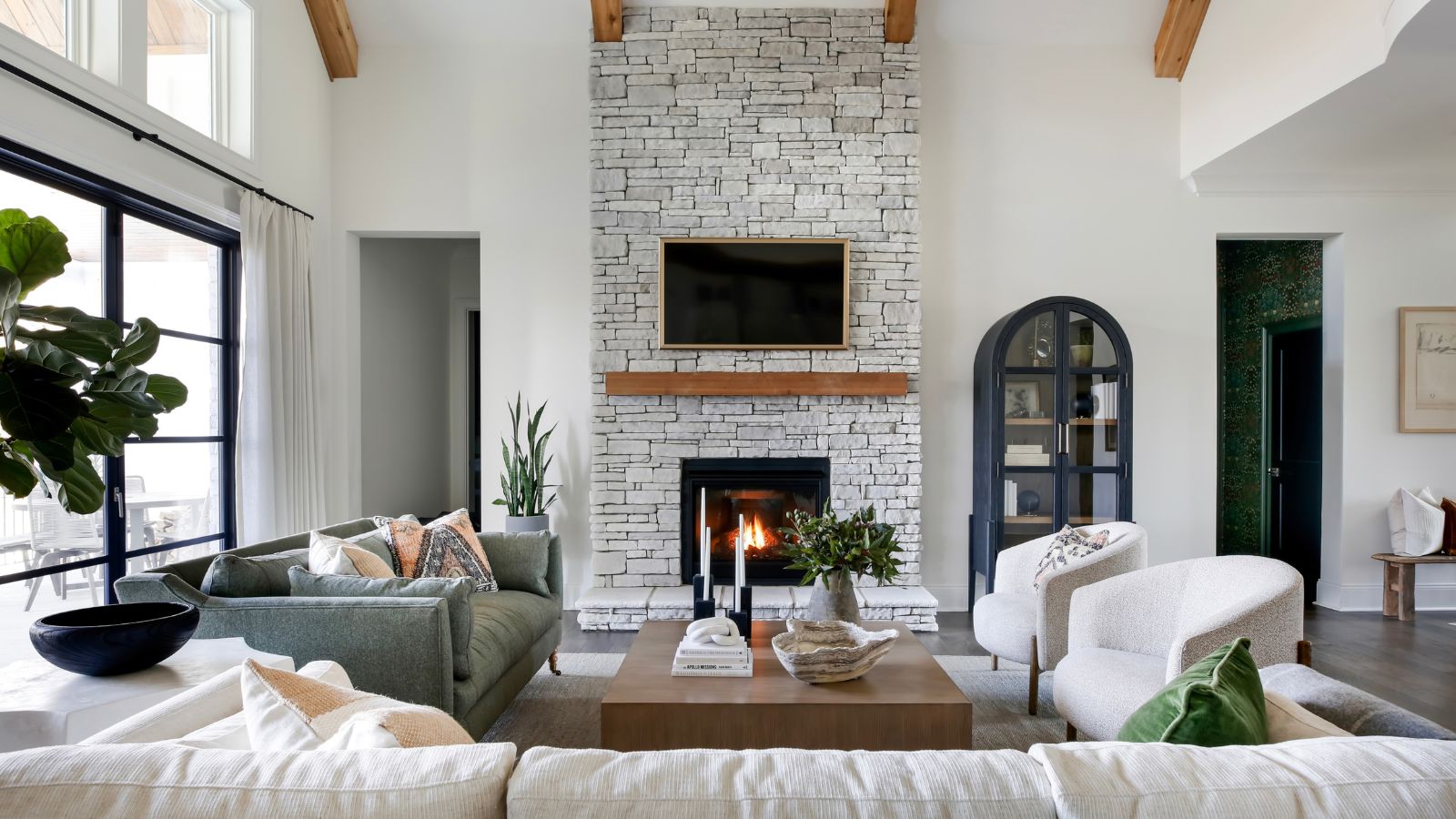
Wabi-sabi meets French Country is the unexpected style…
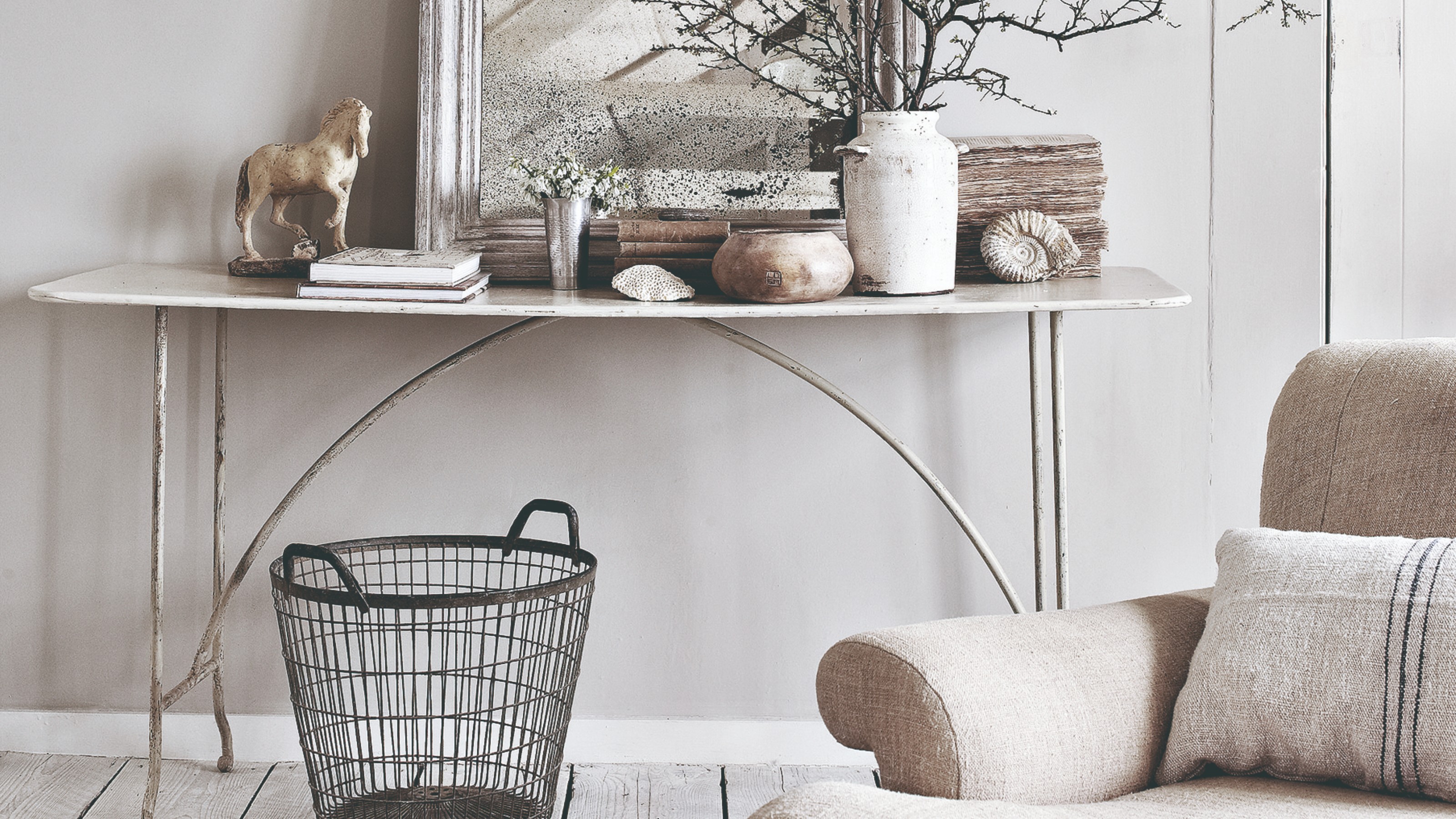
6 wabi-sabi living room ideas – create a perfectly imperfect lounge with this Japanese philosophy
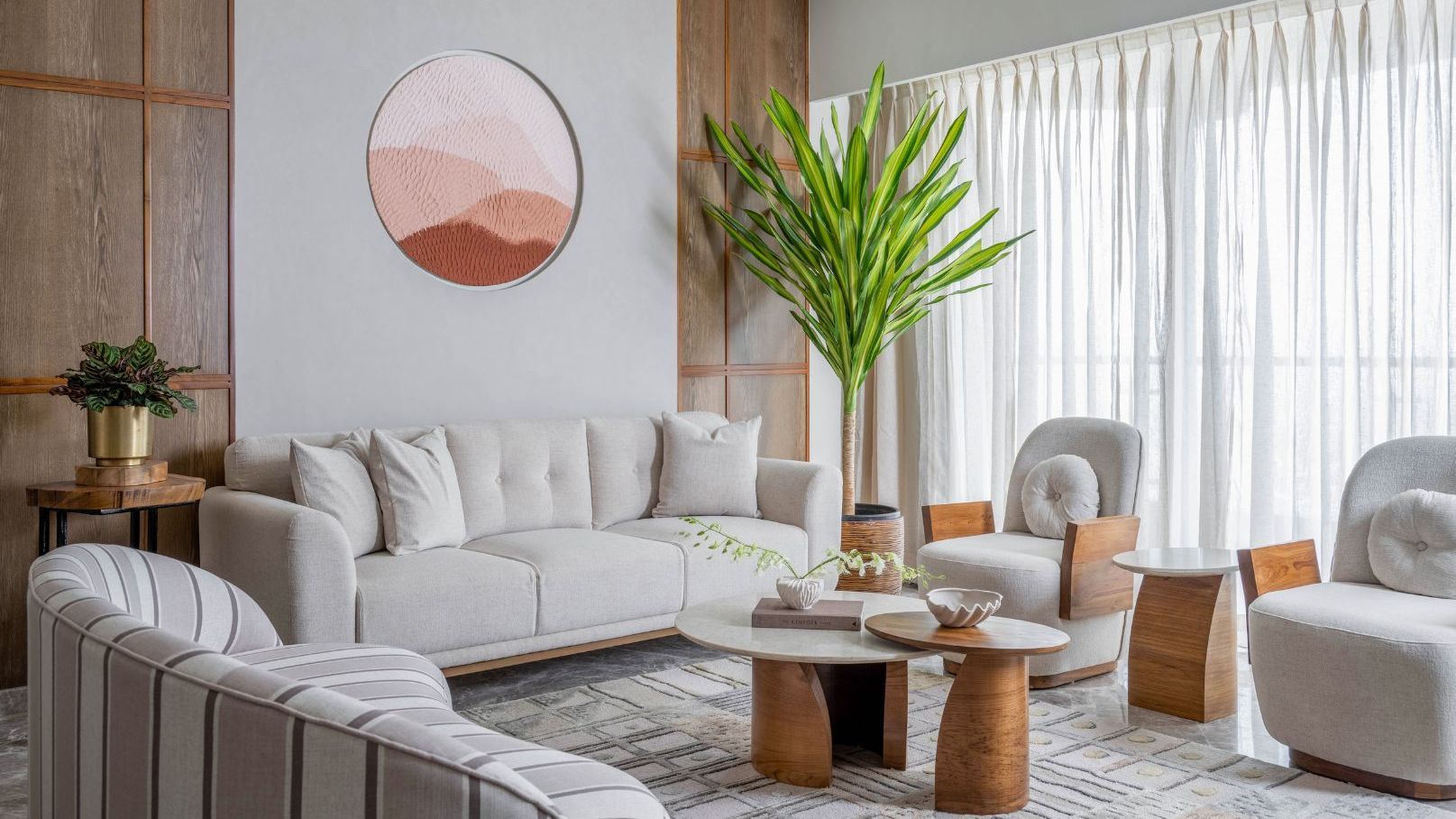
In this Mumbai home, the allure of wabi-sabi is created through textures and colours

Japandi merges the comfort of hygge with zen minimalism

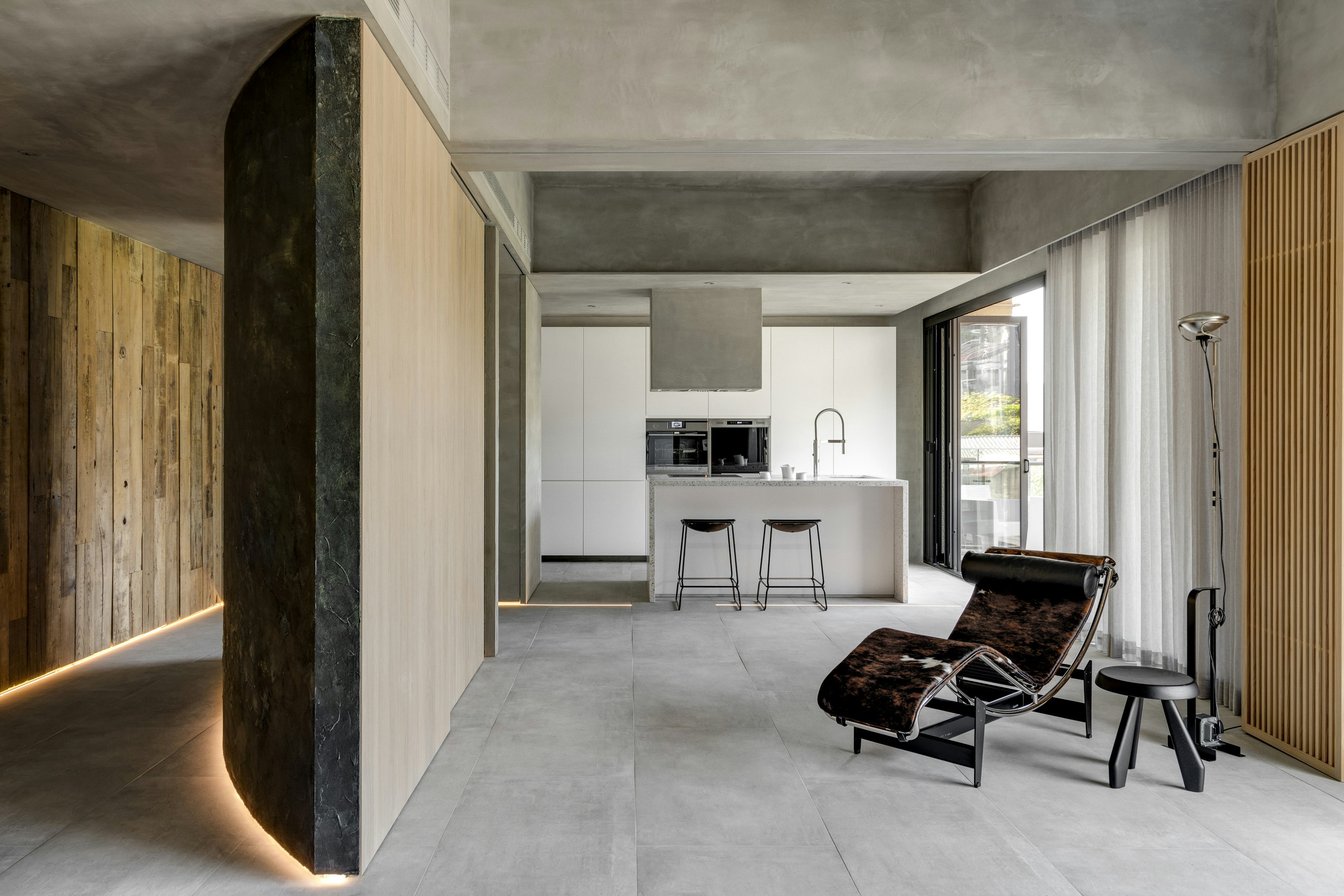
A Couple Embrace Wabi-Sabi Design to Travel Back to the Past

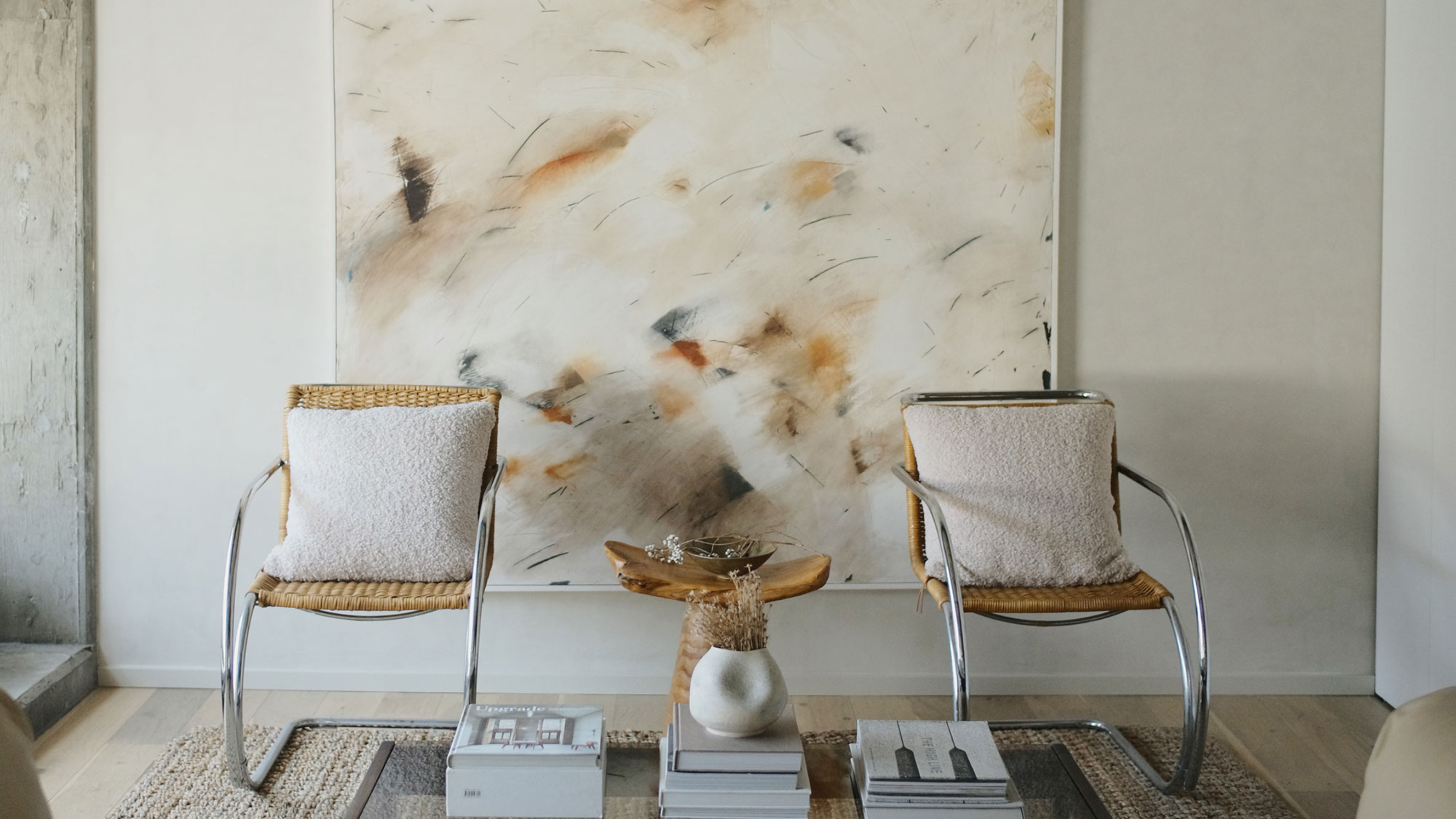
What is Wabi-Sabi? Designers Explain the Art of an Imperfect Home — 'The Feeling Should Evolve With You!'

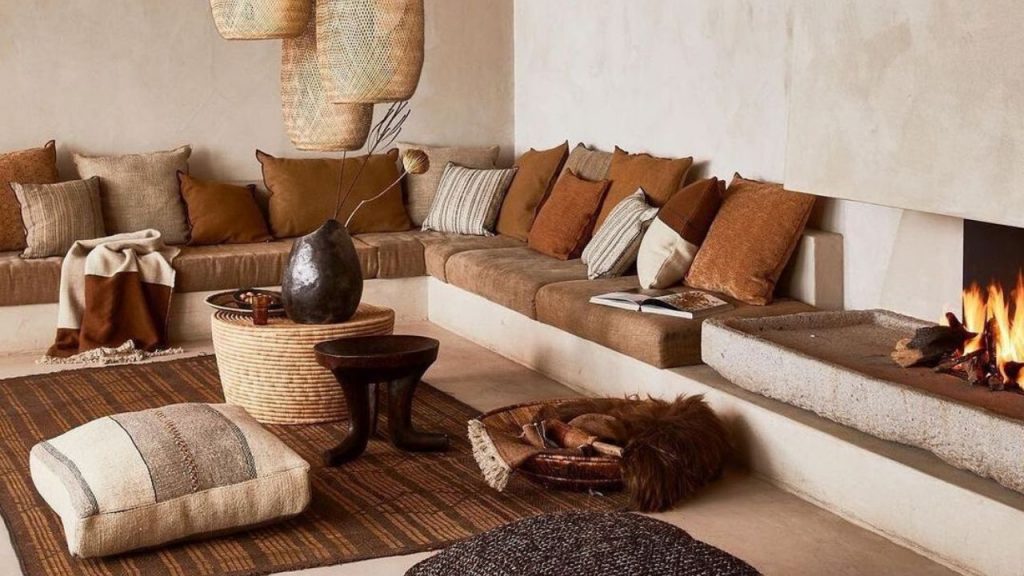
Japandi merges the comfort of hygge with zen minimalism

13 of the Best Minimalist Interior Designers I'm Following for Room Inspiration
This modern Dutch-style barn in St Kilda is the epitome of European timelessness


Wabi-Sabi Explained: The 2025 Trend You Need to Know

Wabi-Sabi Curtains Are the Key to Perfecting a Lived-In Look

This Zen Maine Home Effortlessly Marries Wabi-Sabi and Scandinavian Design

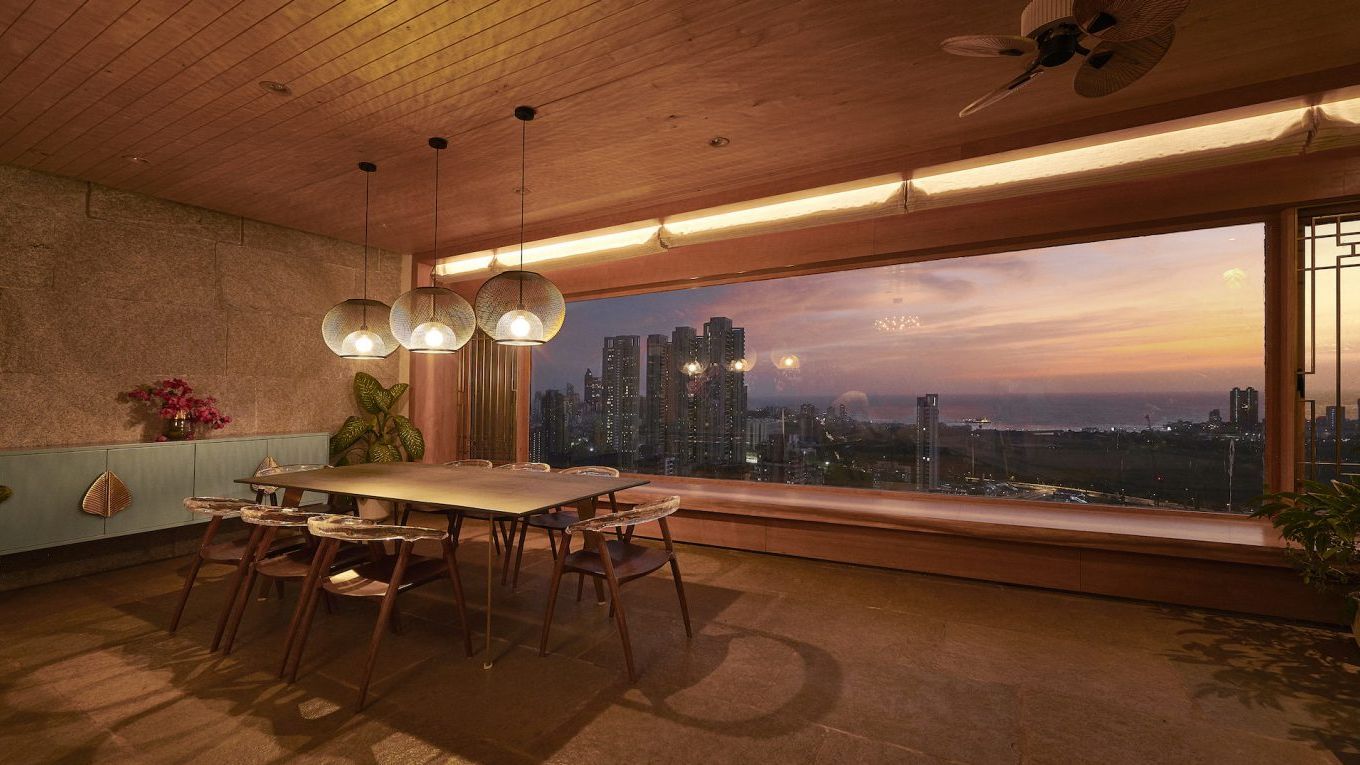
This Mumbai home is a calming blend of rustic luxury and contemporary zen
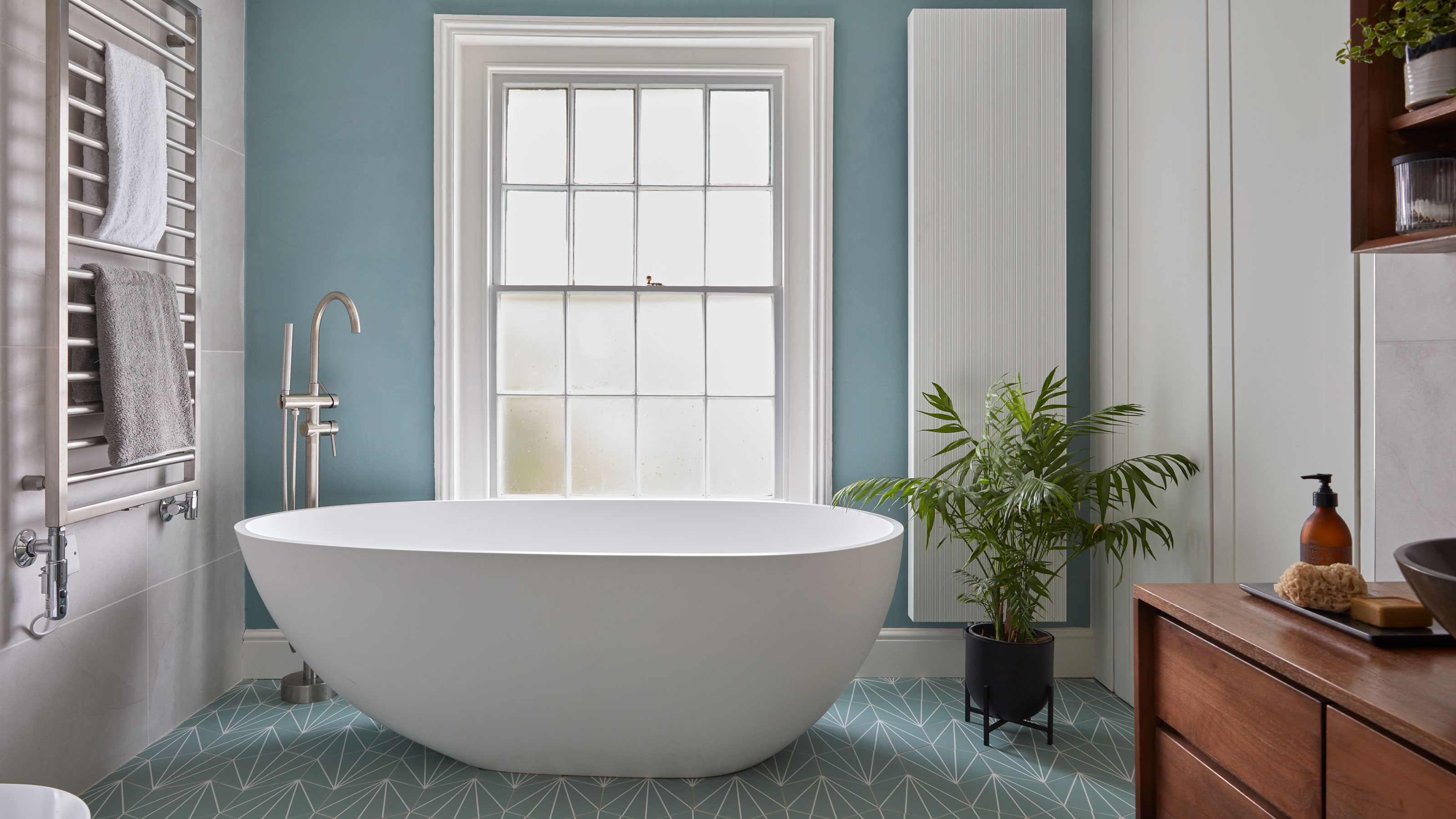
Wabi-sabi bathrooms – 10 ways to embrace this serene and 'imperfect' style
10 Best HDB Flat Foyers That Will Give You The Warmest Welcome Home
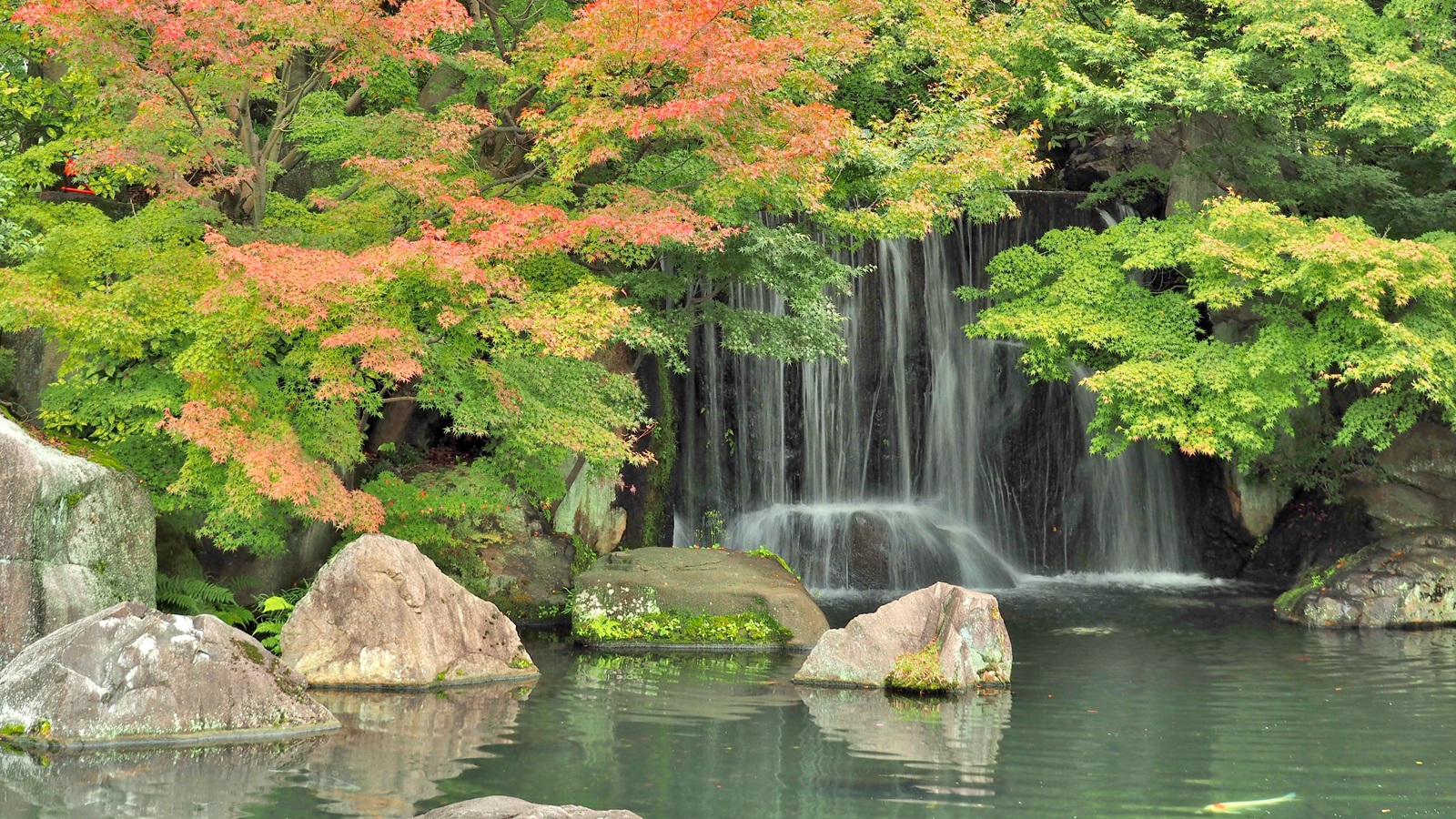
Garden Pros Say This Japanese Design Idea Is the Secret to an Easy Yard
Celebrate Shabby Chic Style With These Design Tips