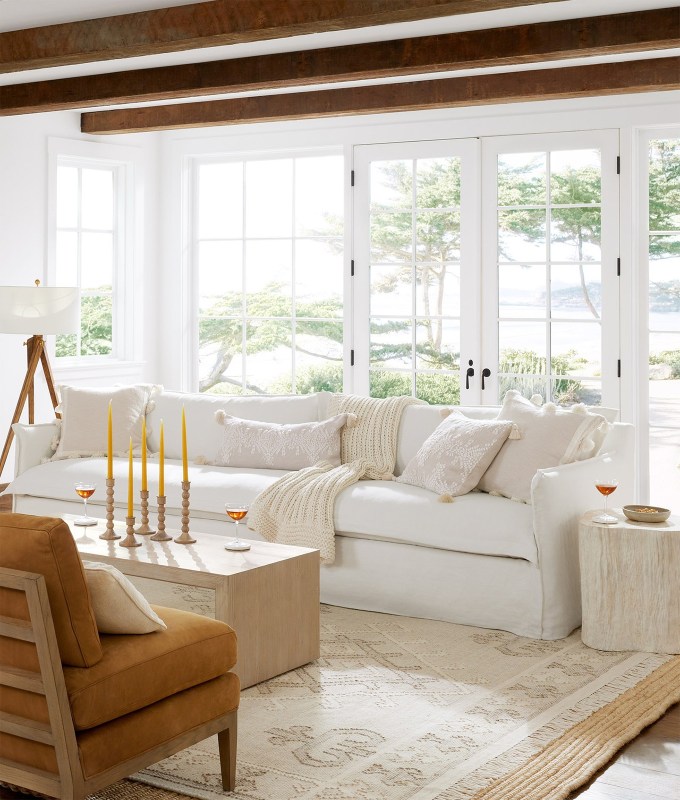
Celebrate Shabby Chic Style With These Design Tips
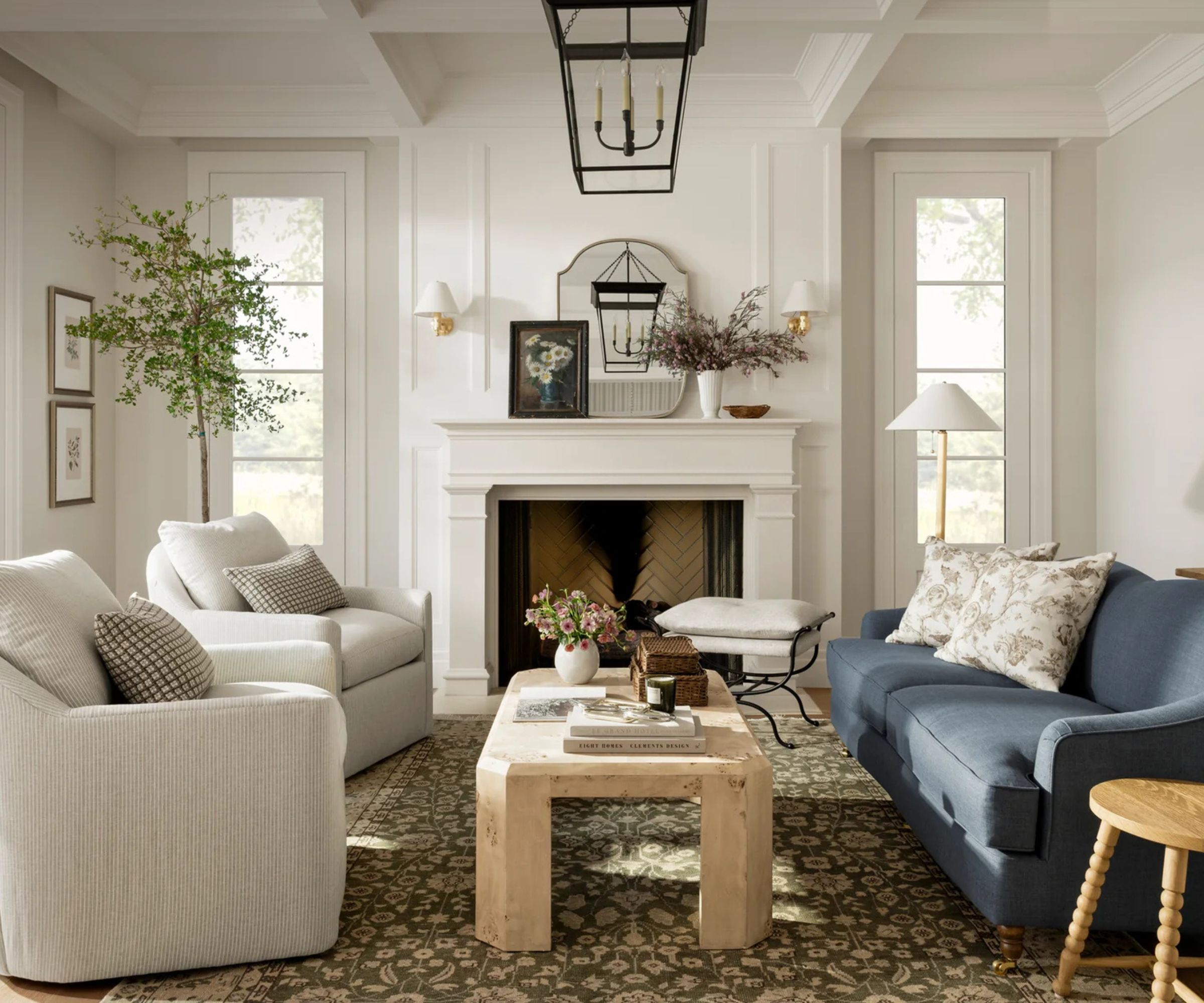
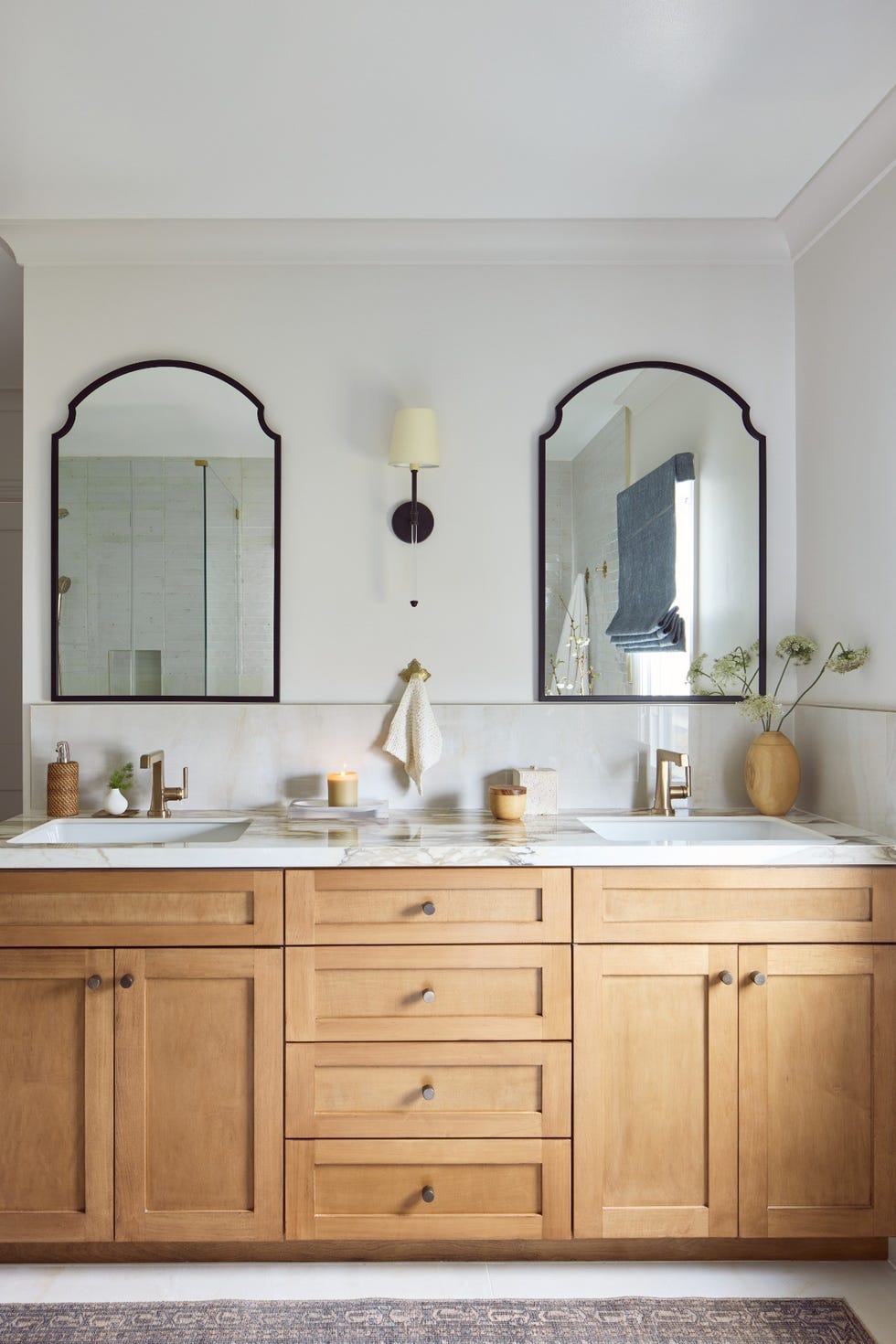
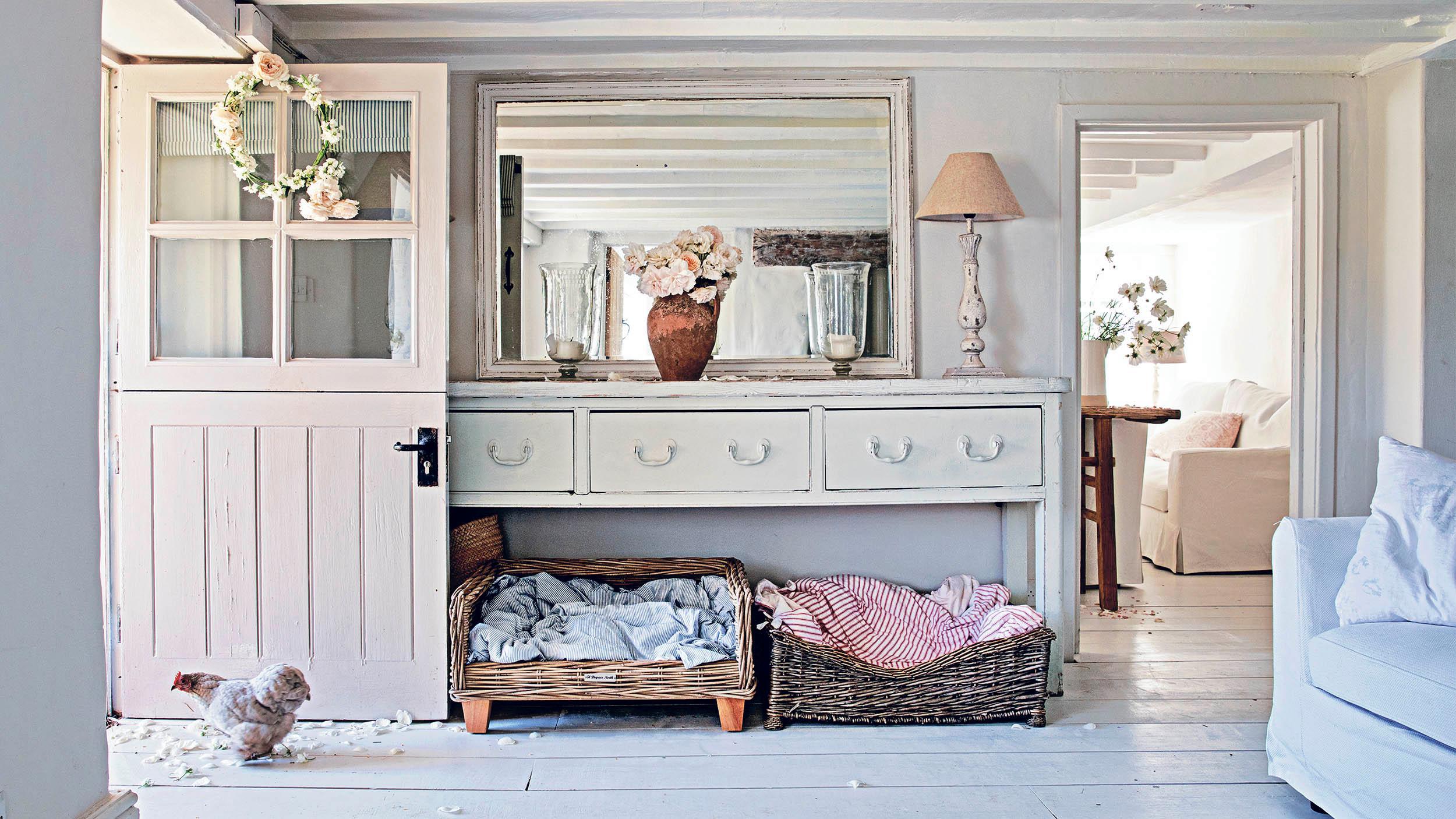
Shabby chic is an interior decorating style characterized by its blend of vintage and cottage elements, soft, romantic colors, and varied textures, culminating in an elegant, yet worn and welcoming aesthetic. The style gained significant popularity in the late 1980s, largely due to designer Rachel Ashwell, who coined the term and opened a store bearing the same name. Ashwell's vision involved transforming vintage and thrift store finds into casual yet elegant home decor, a concept she later expanded through partnerships with mass retailers like Target, making the style widely accessible.
While its initial peak was in the 1980s and '90s, shabby chic has seen a resurgence, particularly during the pandemic, as people sought comfort and familiarity in their homes. This modern iteration is more streamlined and refined, moving away from overly embellished, heavy, and frilly elements of its past. Designers note that the updated shabby chic maintains its core of comfort and age-old charm, creating a cozy and welcoming atmosphere effortlessly.
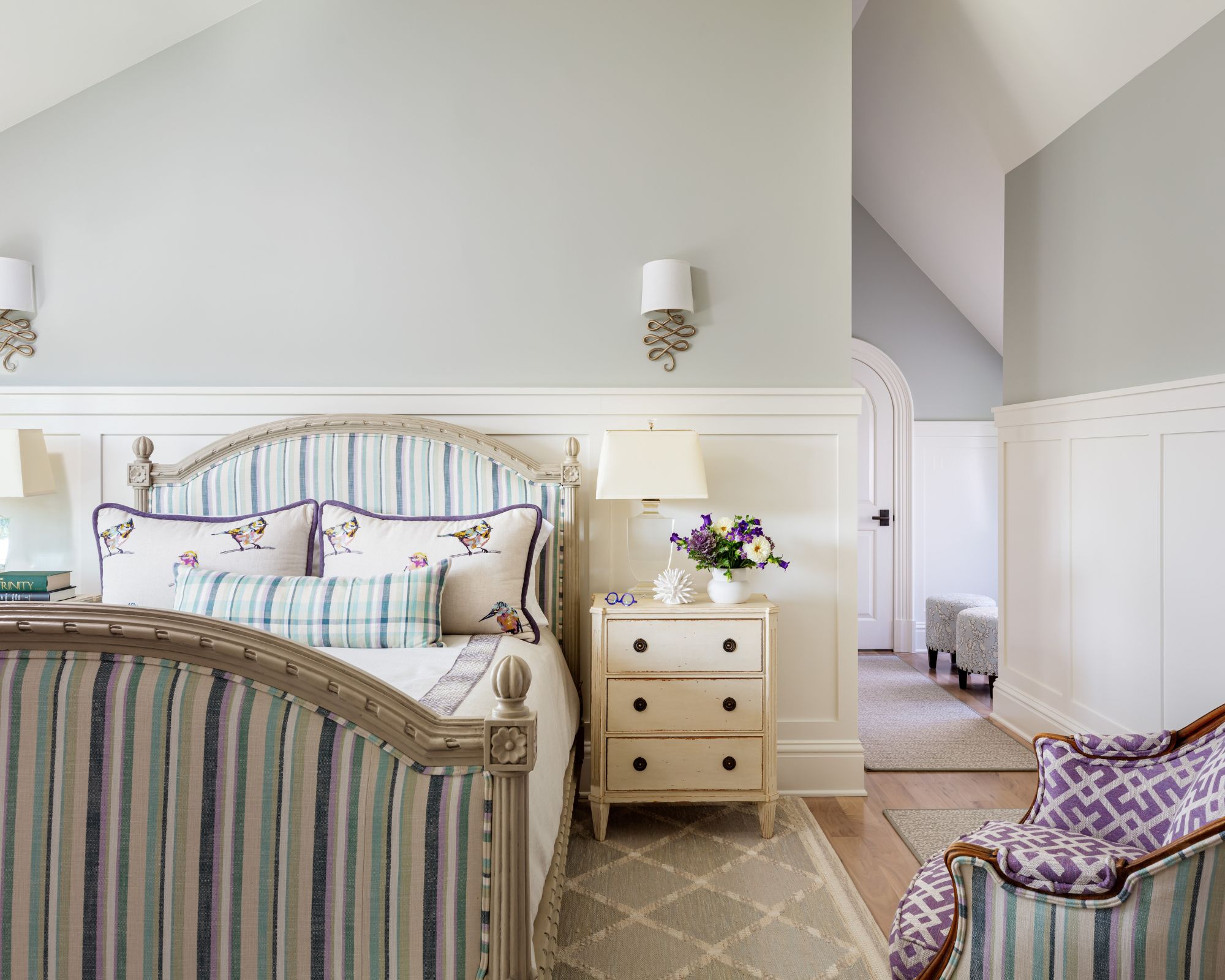
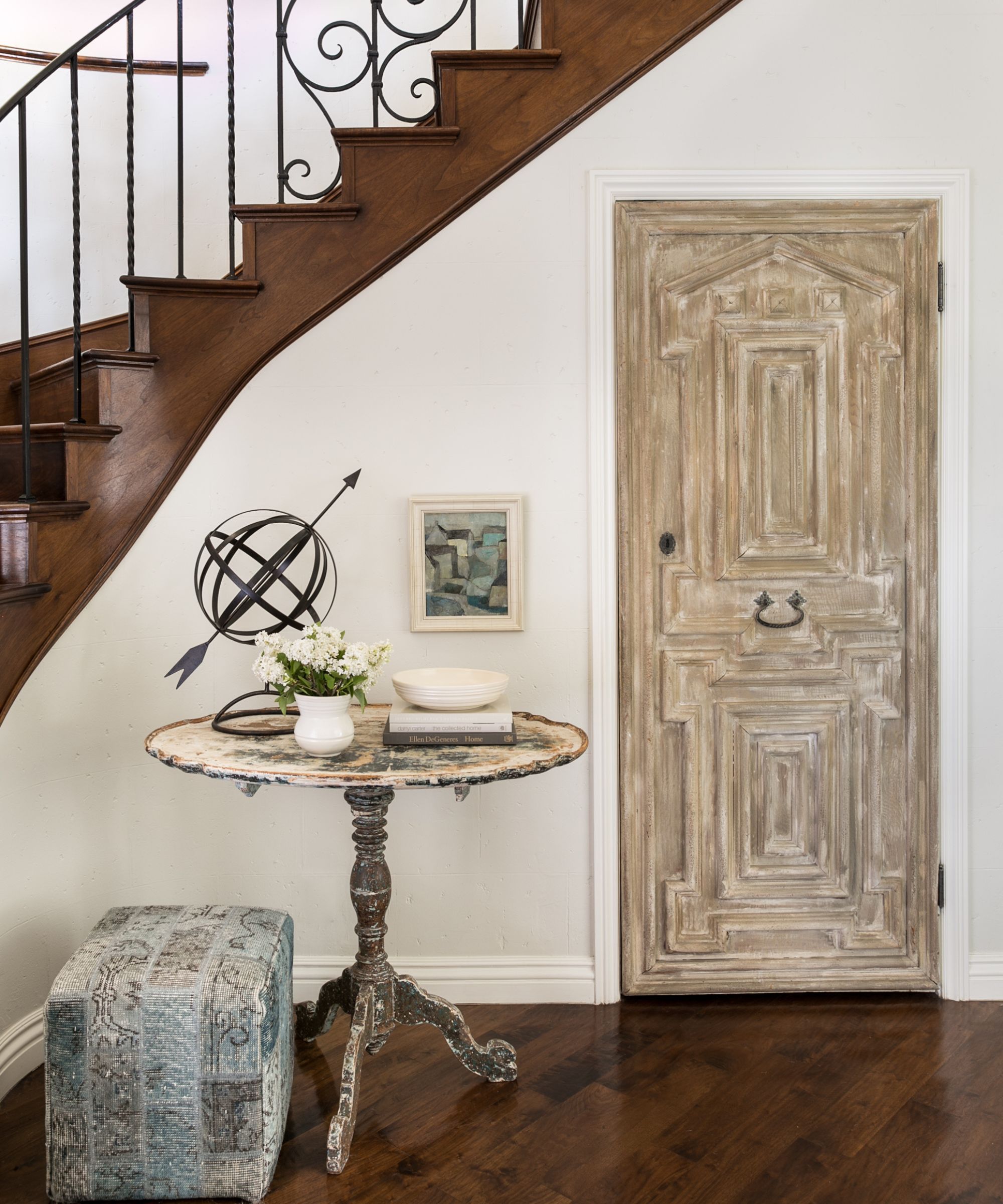
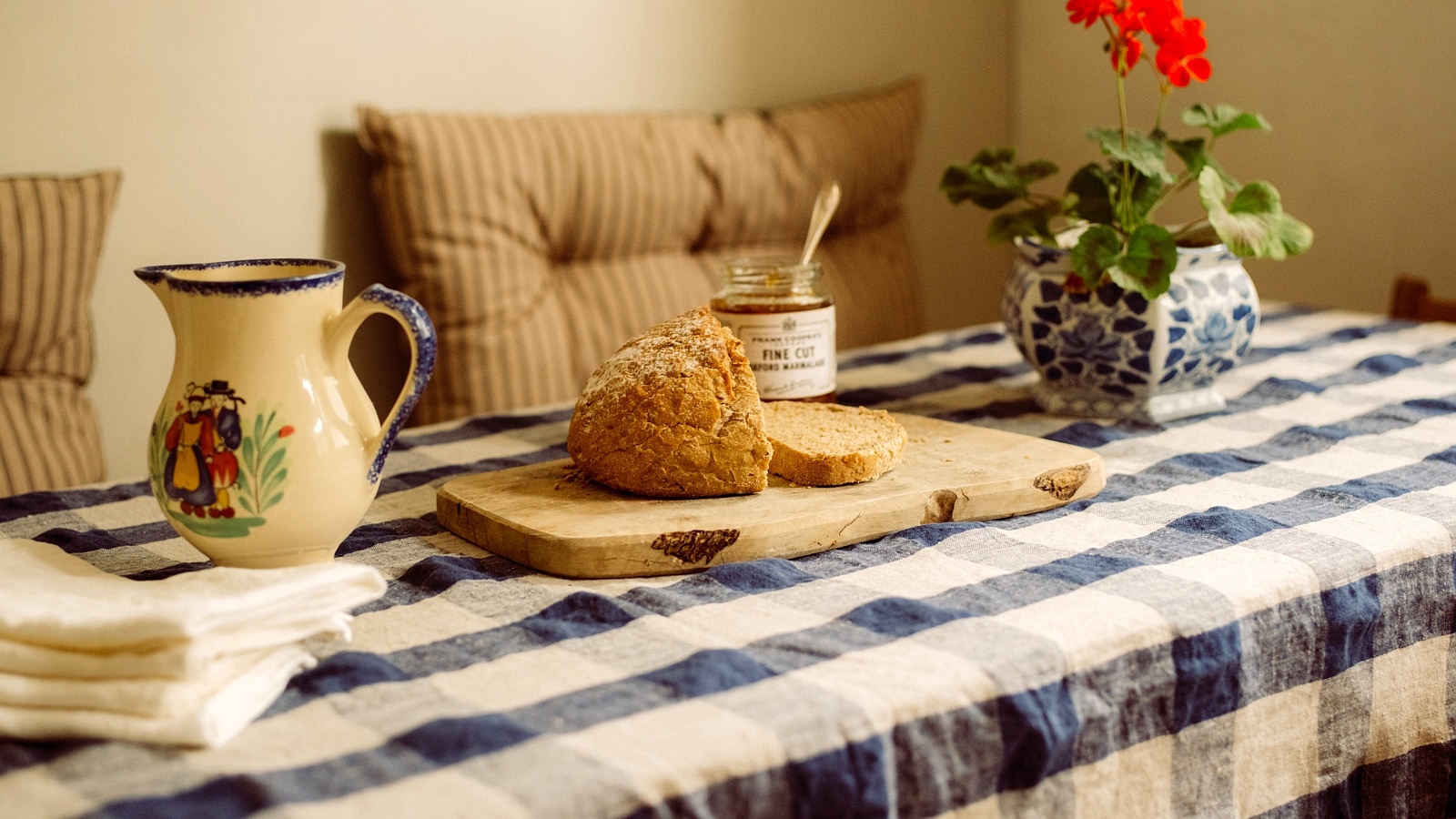
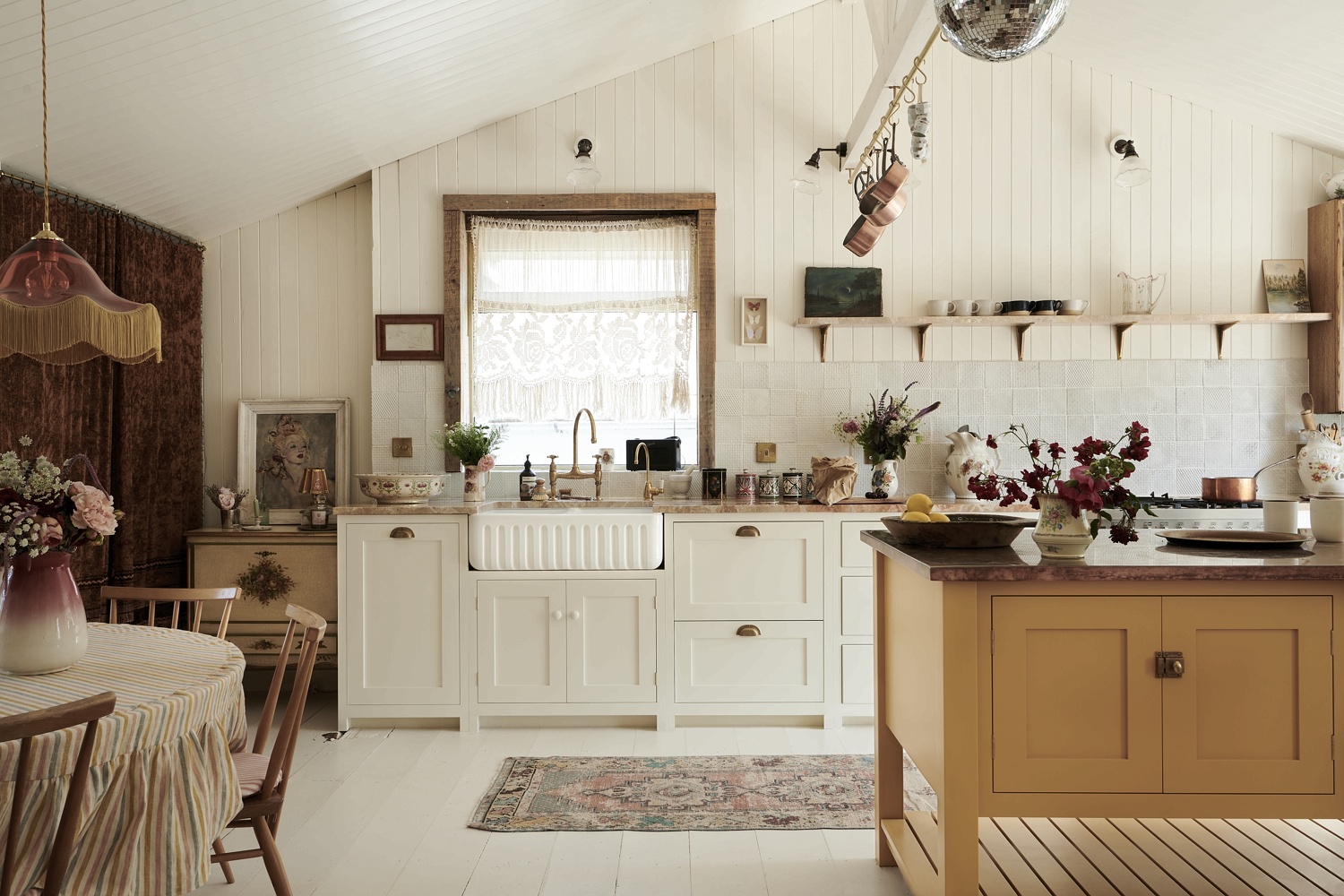
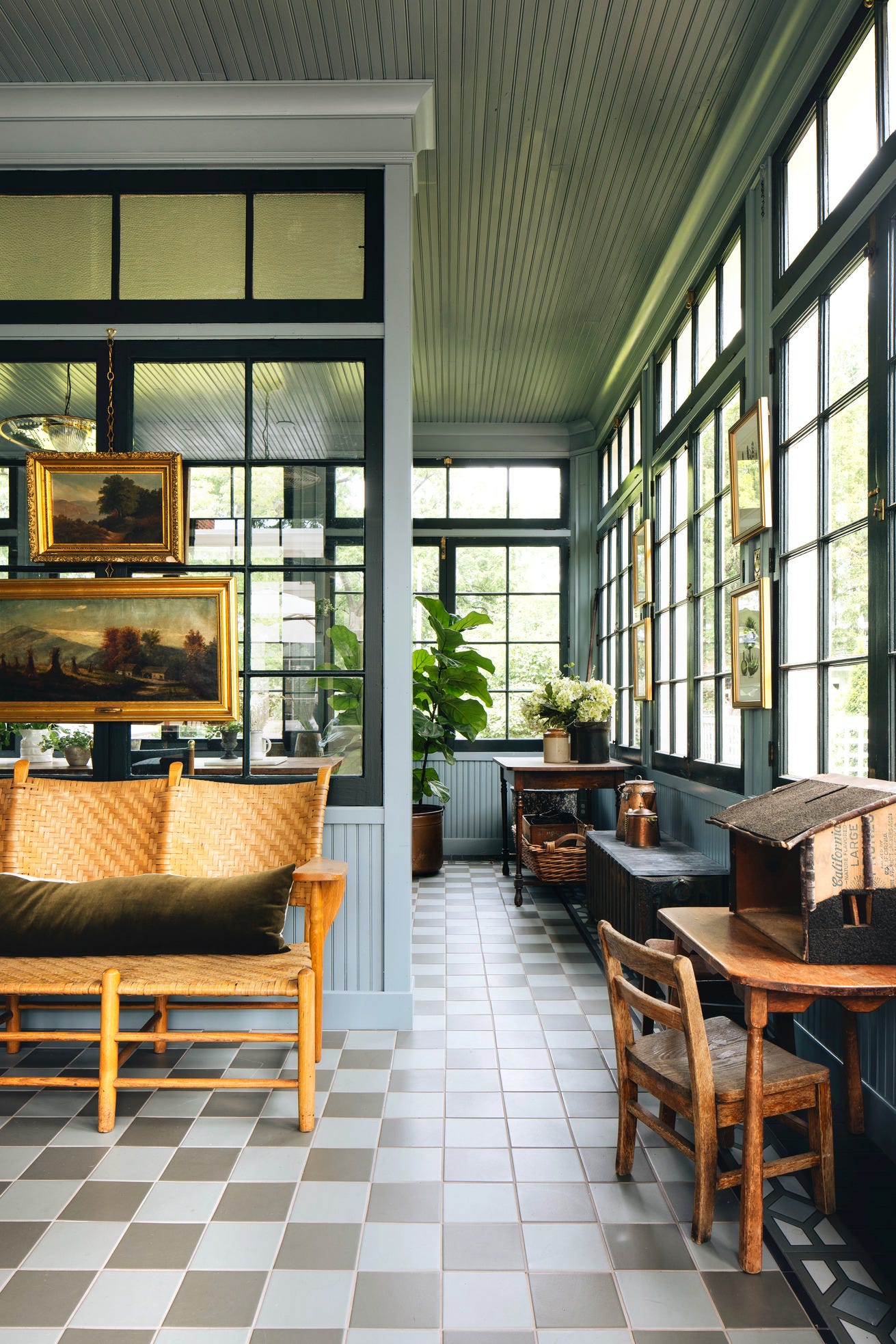
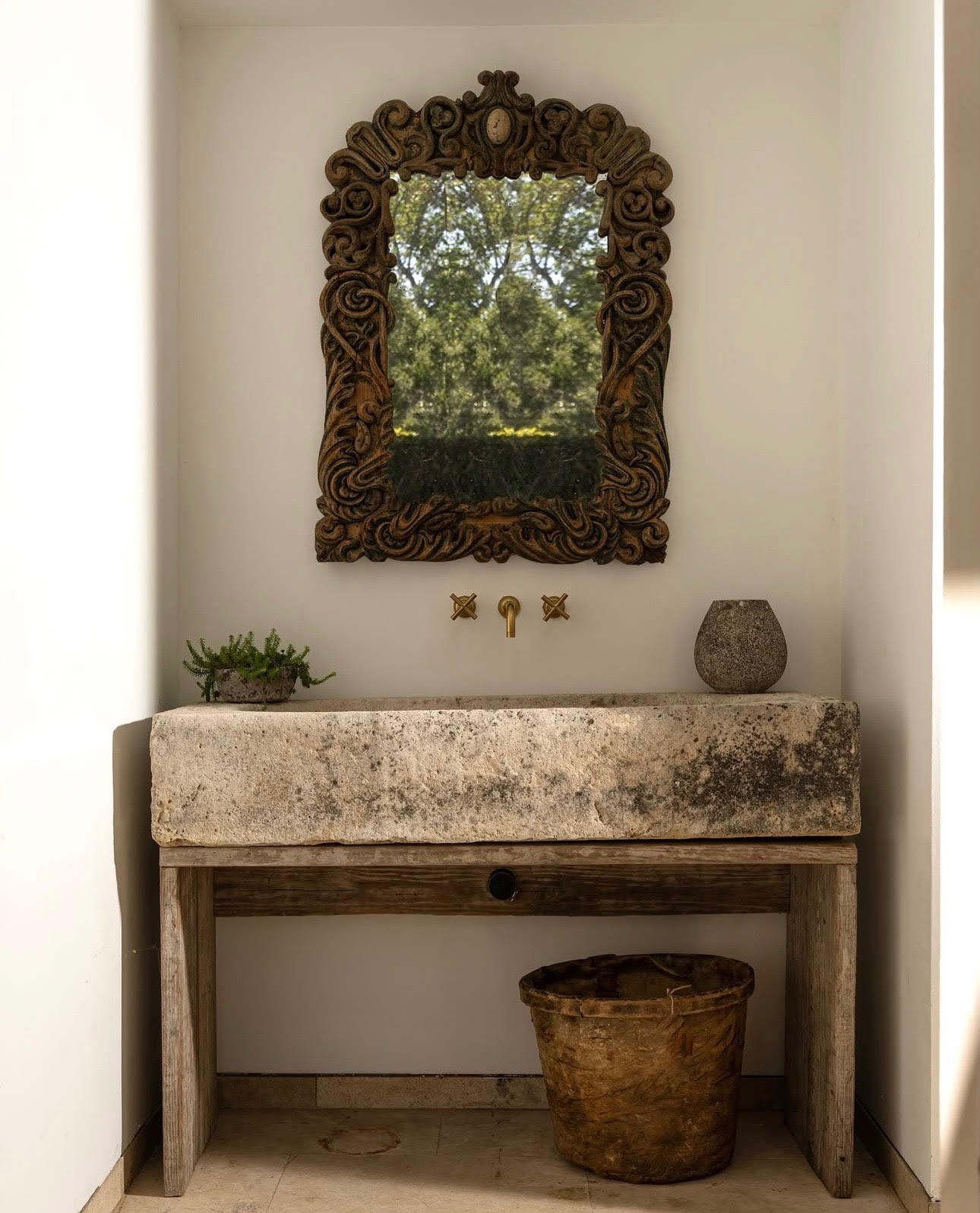
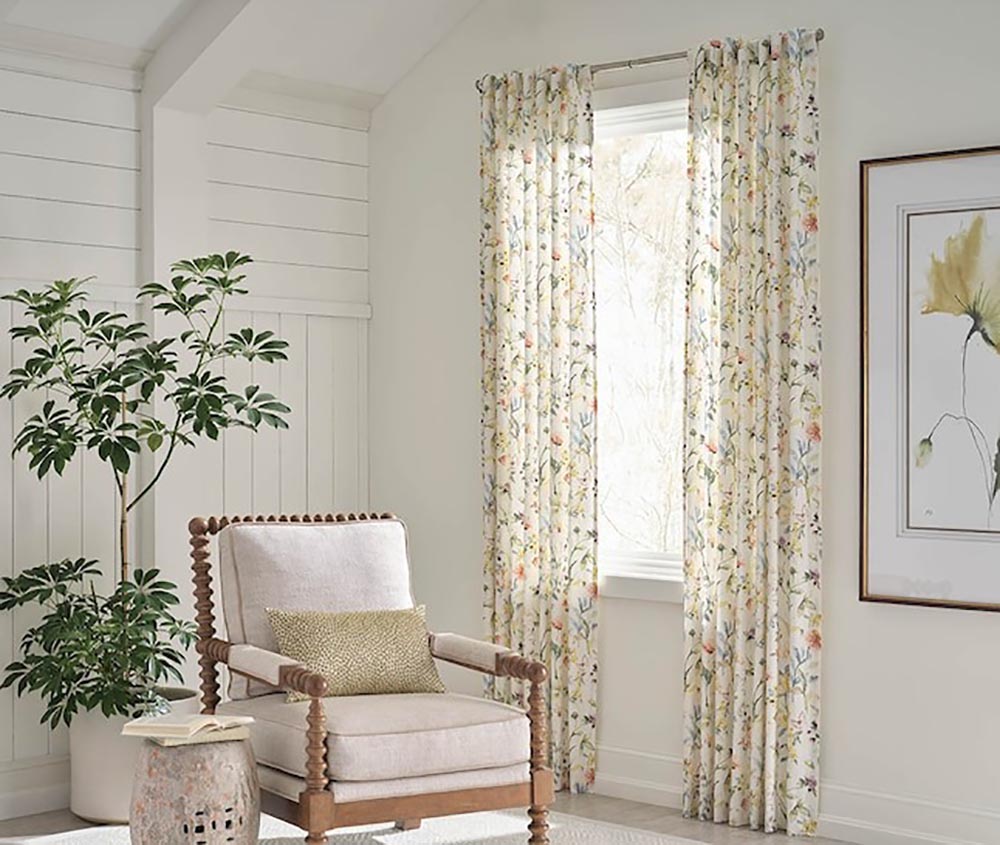
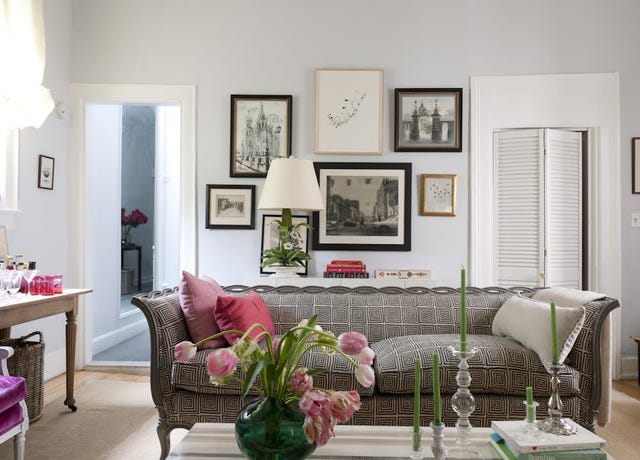
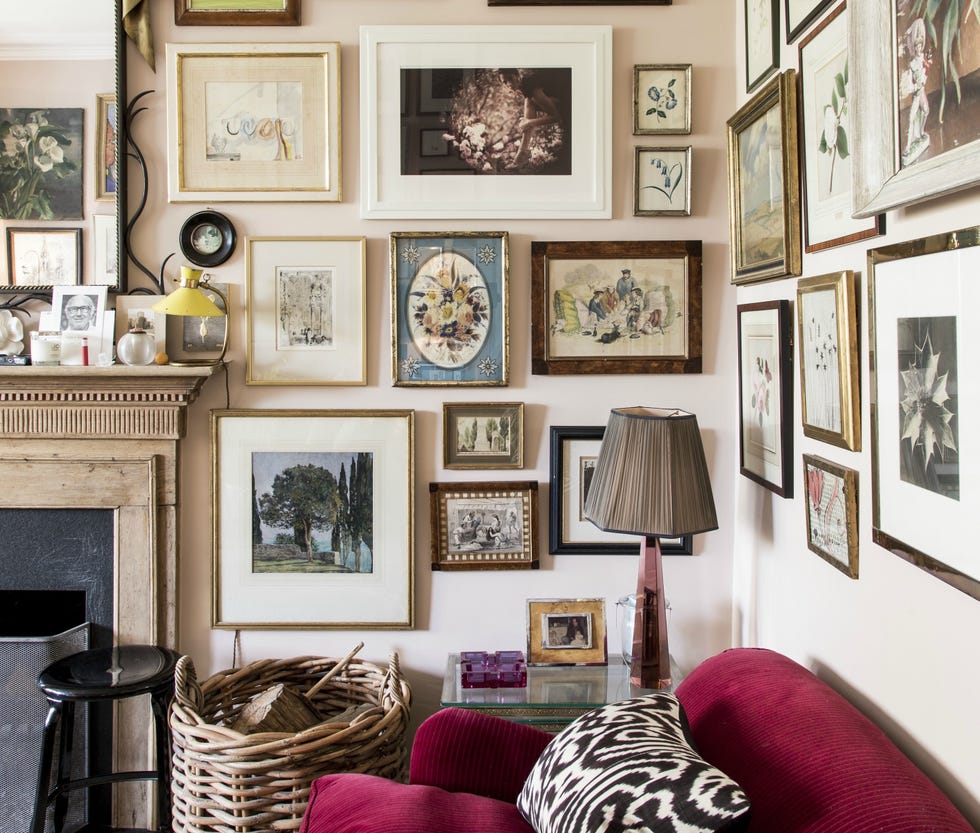
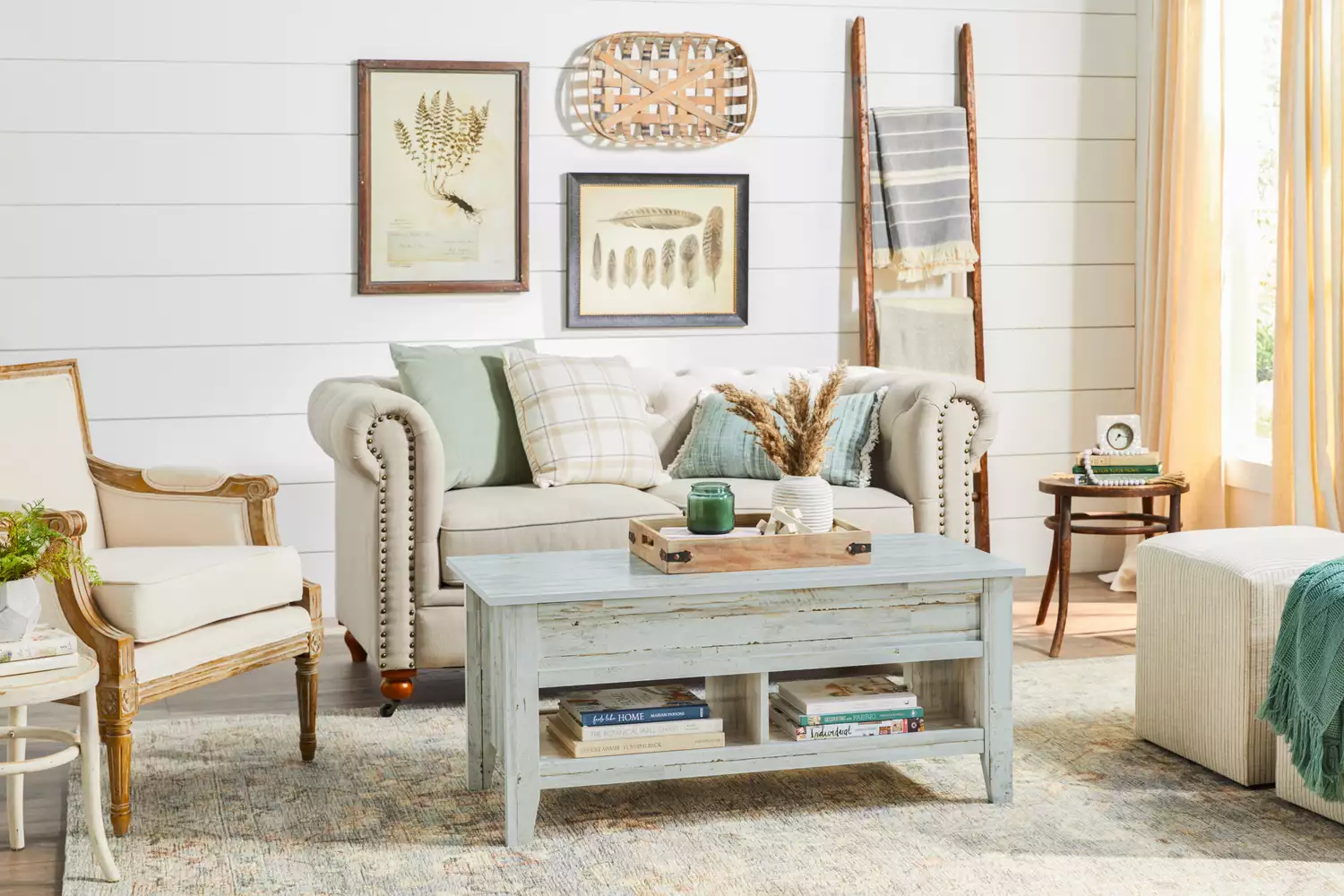
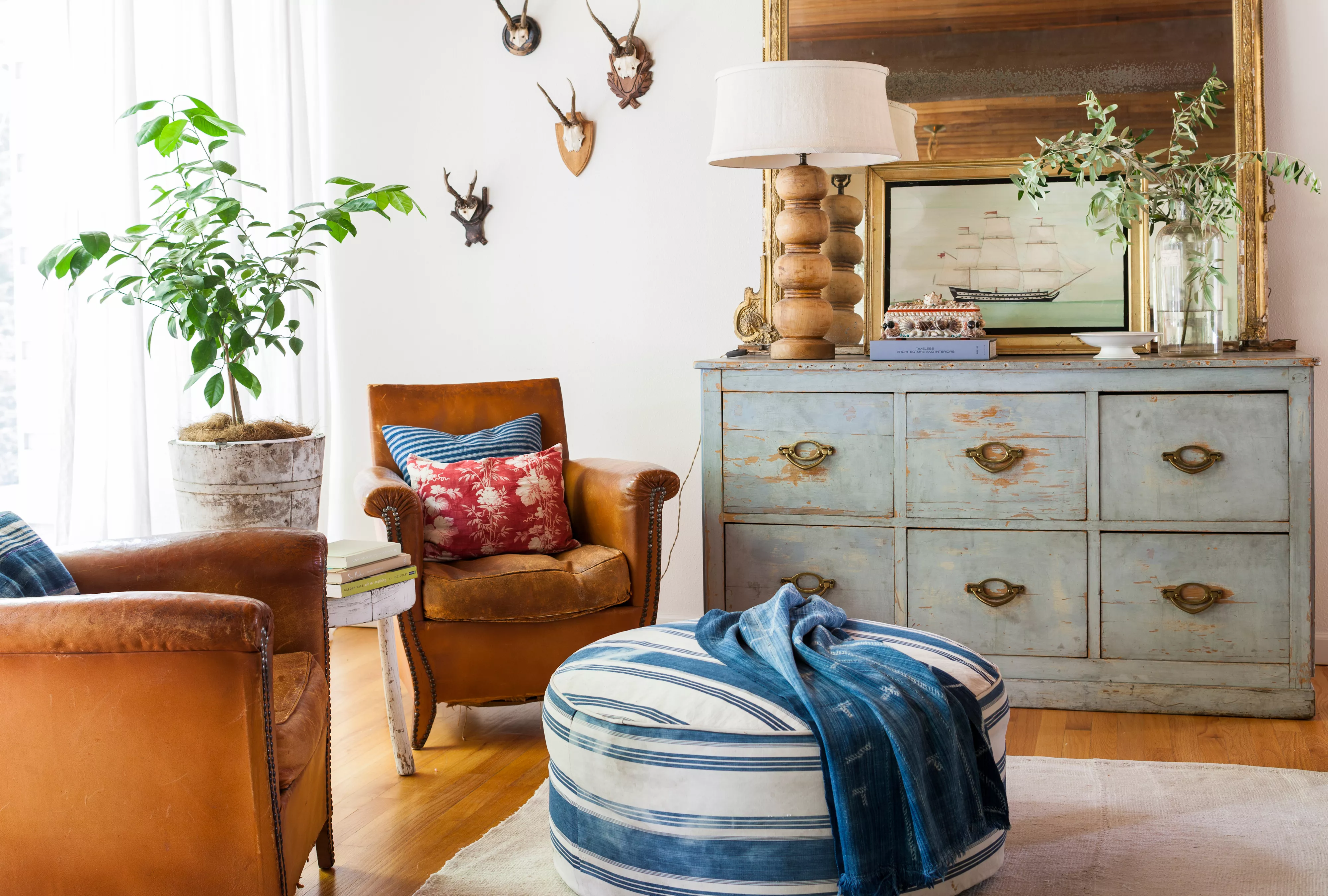
Key characteristics of shabby chic include distressed furniture, often painted with chalk paint, floral patterns, muted hues, and ruffles. The style embraces a vintage or relaxed appearance, embodying a romantic and grounded feeling. A unique aspect is that the more wear and tear furniture acquires over time, the more it contributes to the style's charm, making scratches and nicks desirable features.
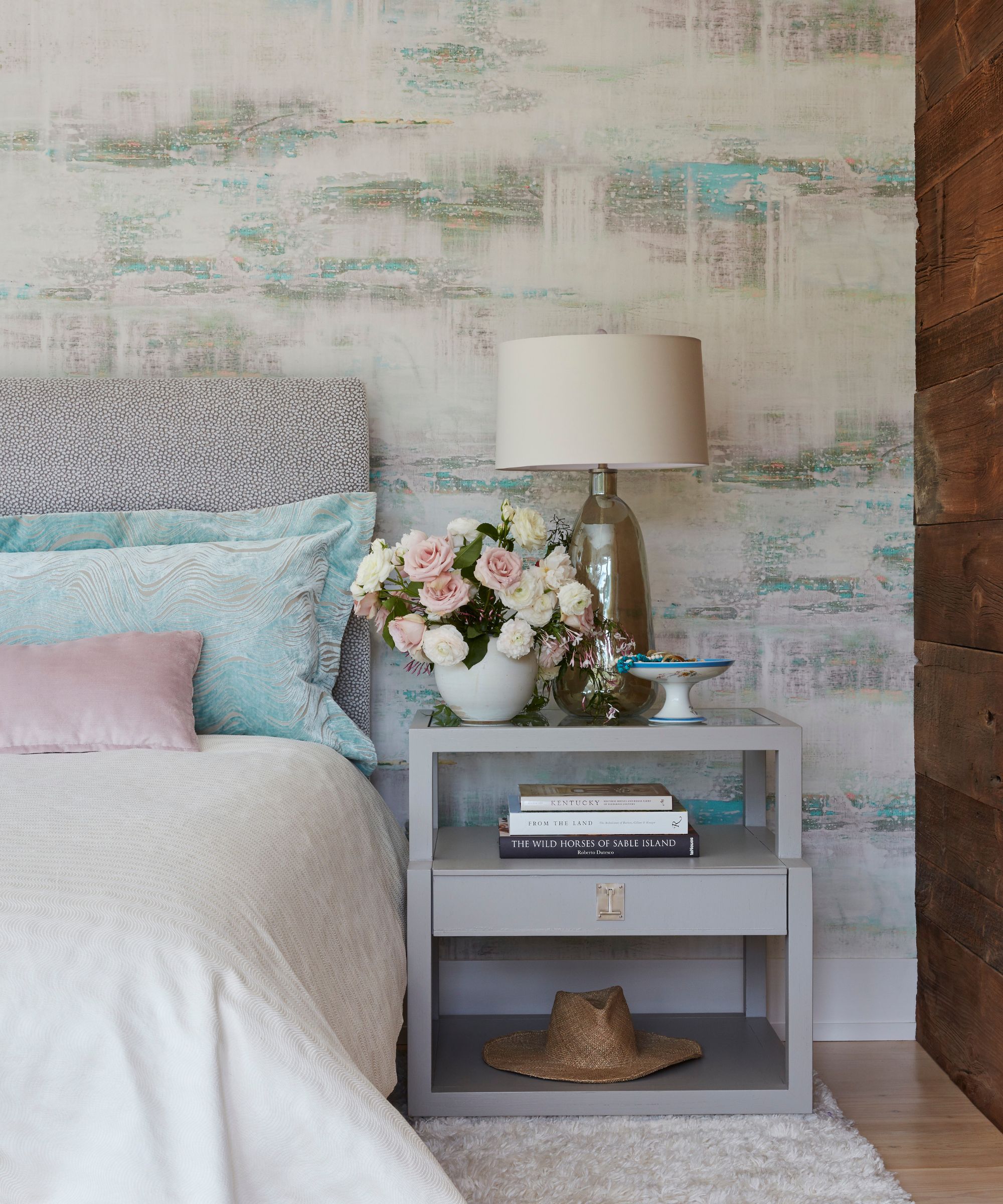
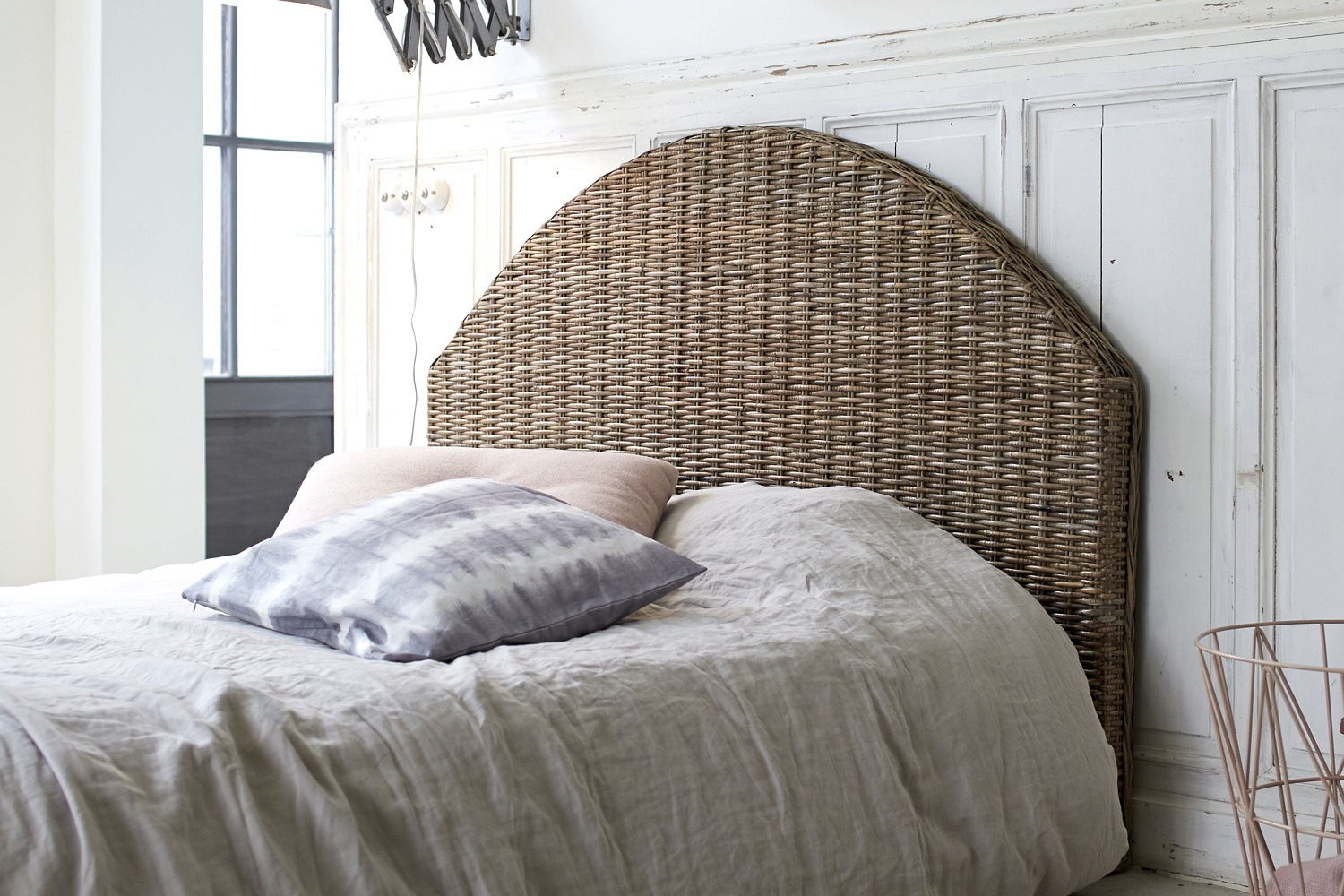
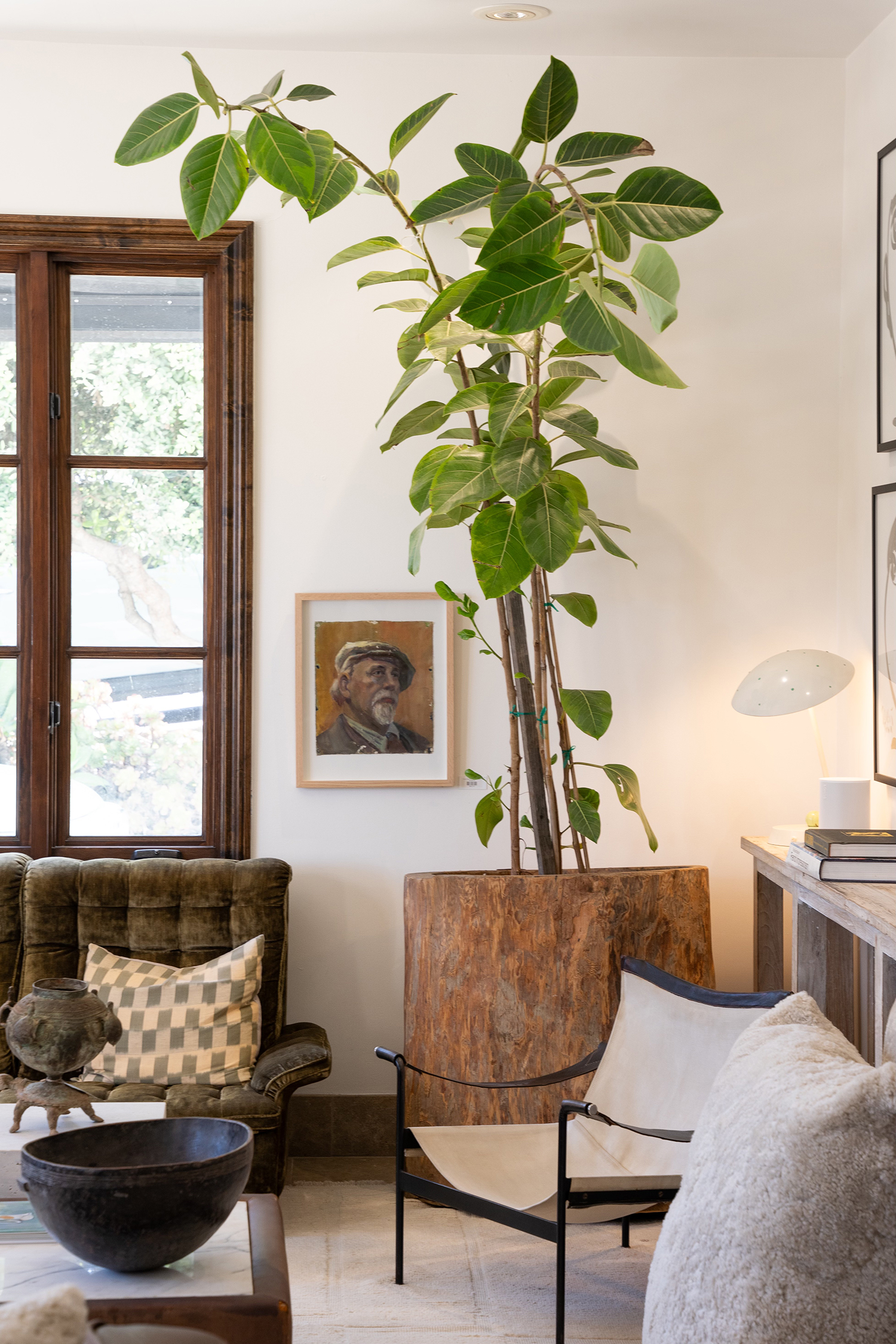
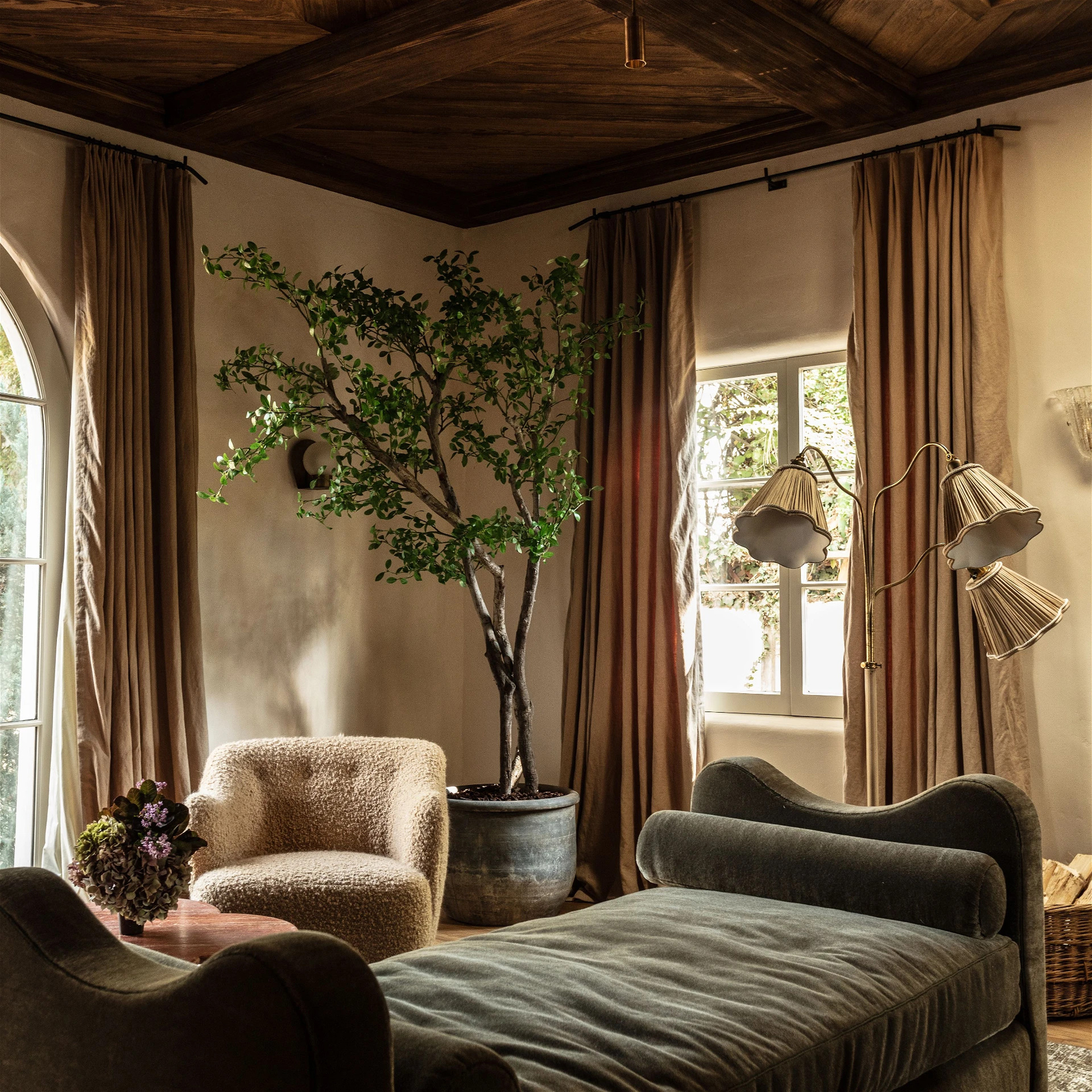
The current shabby chic aesthetic has evolved to incorporate more depth, with softer, more subdued colors inspired by English interior styles, popularized by shows like 'Bridgerton' and 'Downton Abbey.' This includes creamy whites, light grays, taupe, and mellow pastels such as mint, peach, pink, yellow, blue, and lavender, along with quiet English-style colors like powder blue and hushed gold. Wall moldings, floral wallpapers, vintage accessories, and organic materials like jute are essential components, emphasizing a connection to the outdoors.
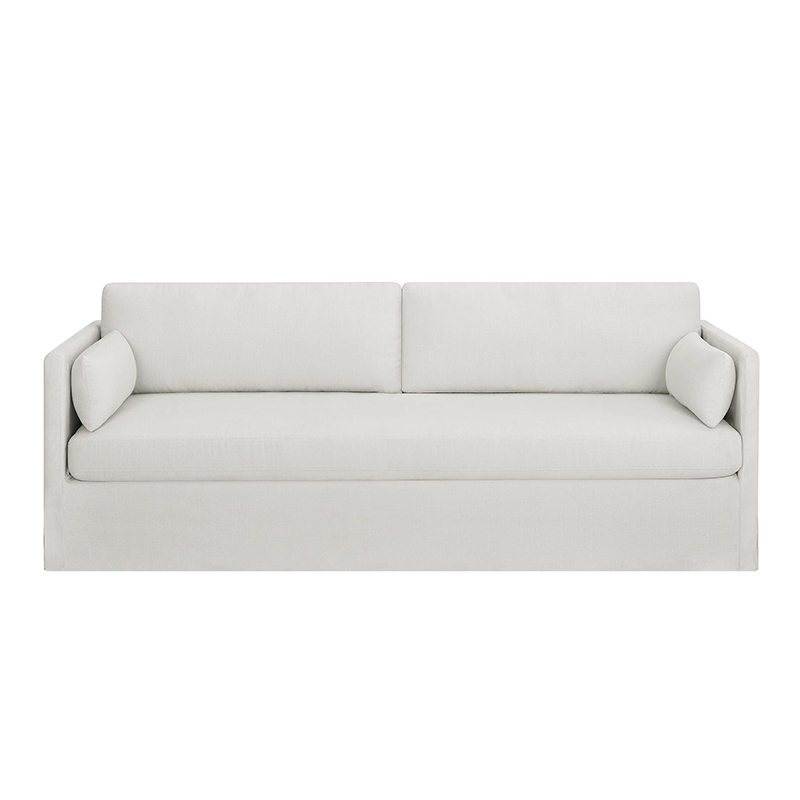
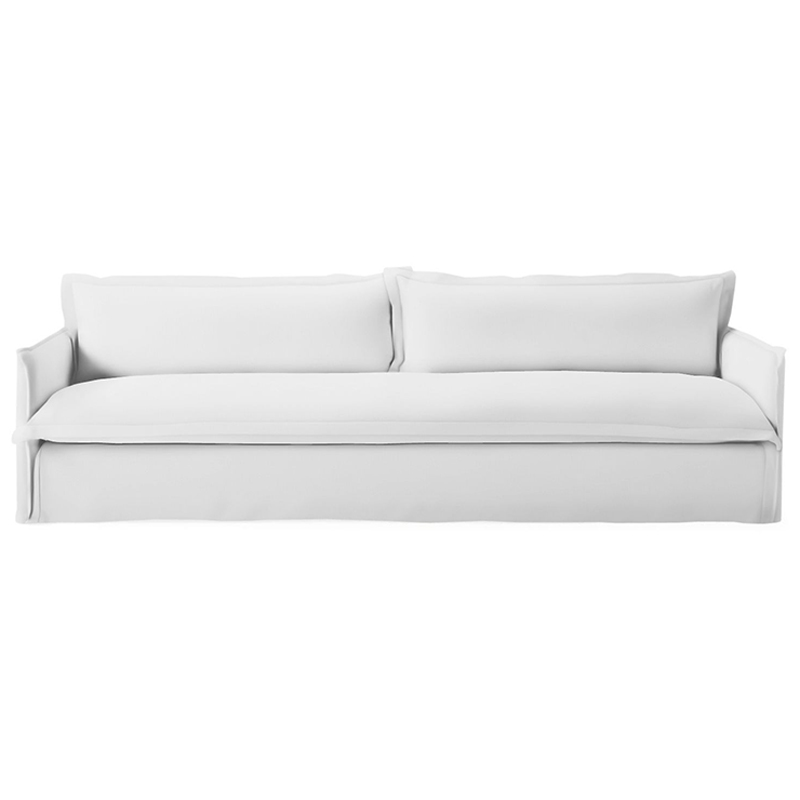
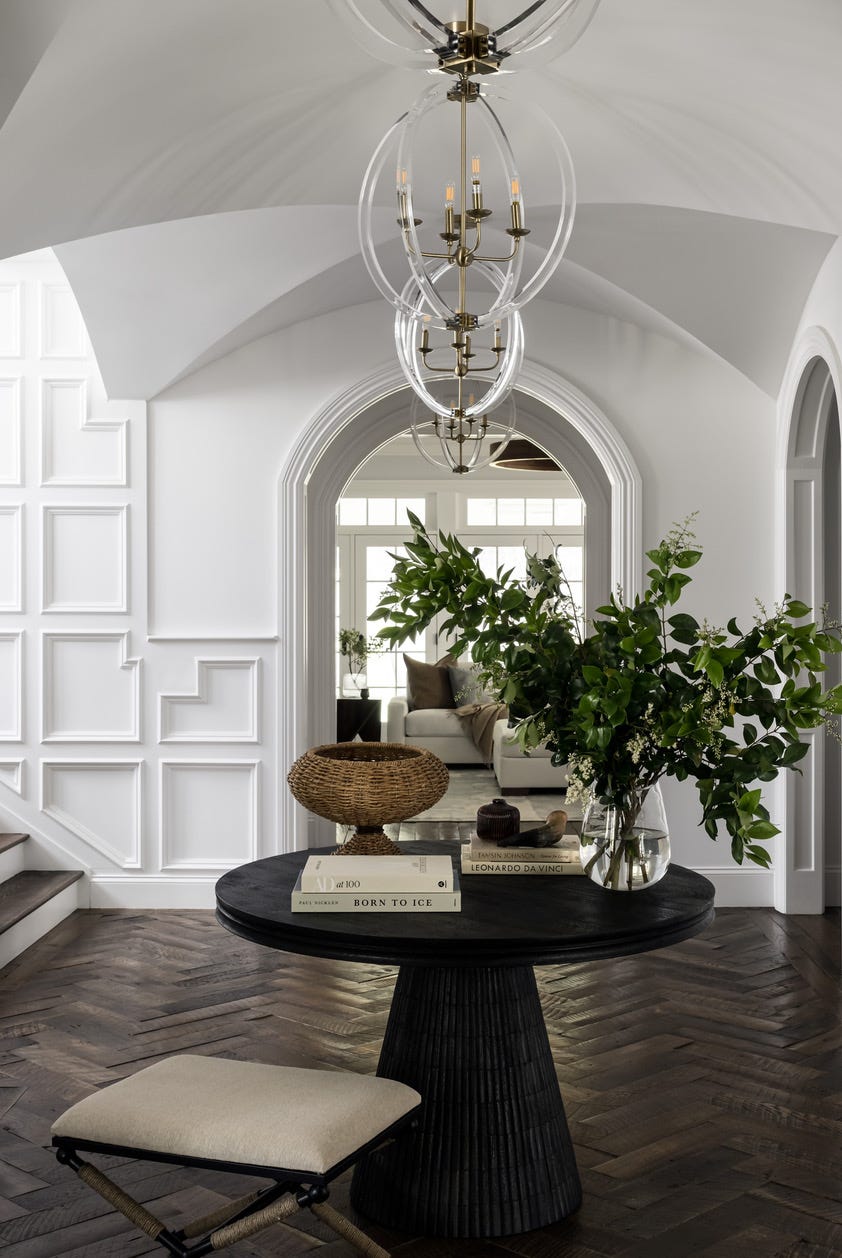
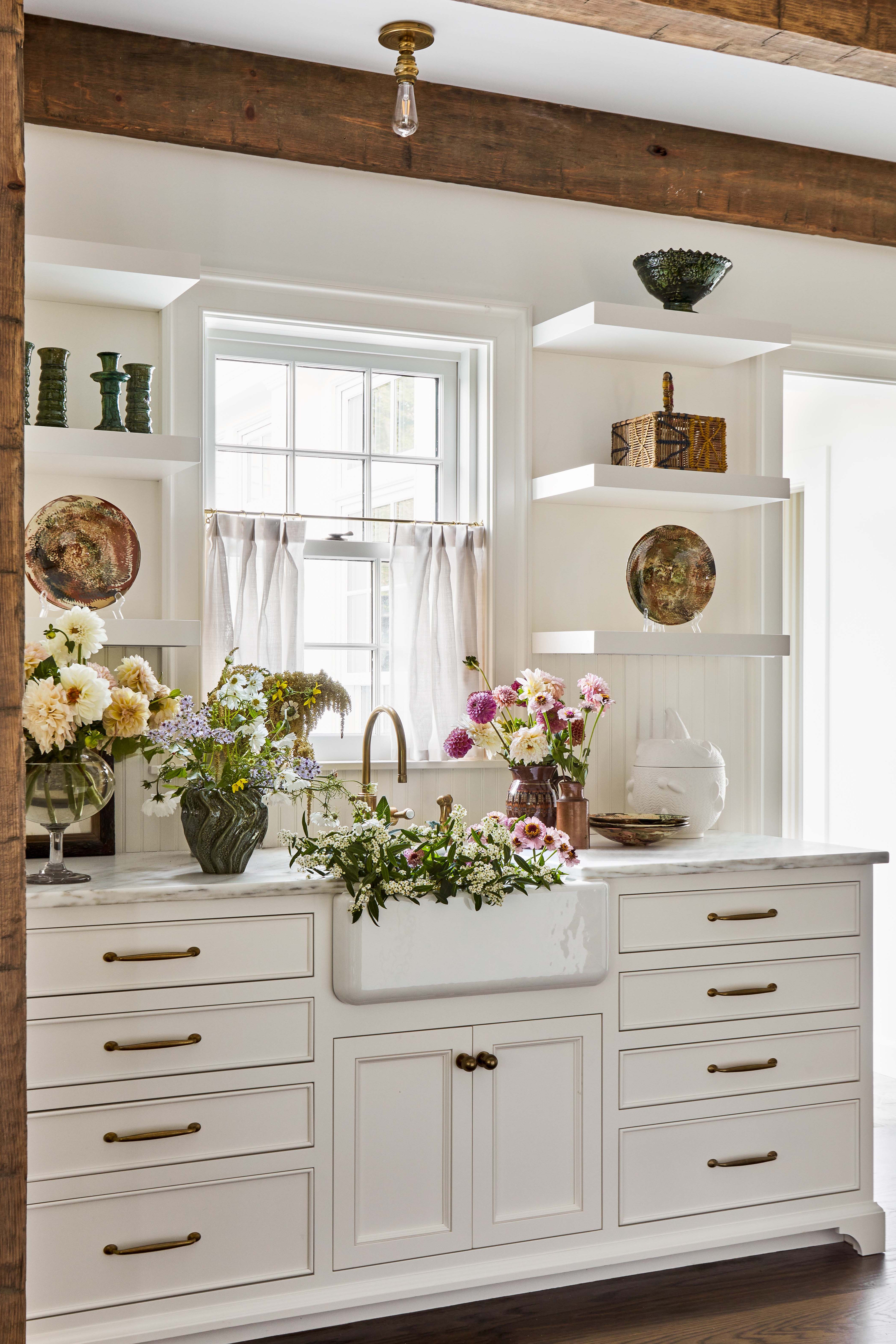
To achieve the "chic" aspect, designers recommend integrating pieces like French bergère chairs and crystal chandeliers, which add a regal touch. Custom slipcovers made from quality fabrics, with refined details like flat flange or ruffled skirts, can elevate upholstered pieces beyond a flea market appearance. The best sources for shabby chic furniture and decor are antique stores and flea markets, which offer items with inherent history and depth. When shopping, it's crucial to adhere to a consistent color palette and select items that possess a worn-in feel to maintain cohesion and prevent visual clutter.
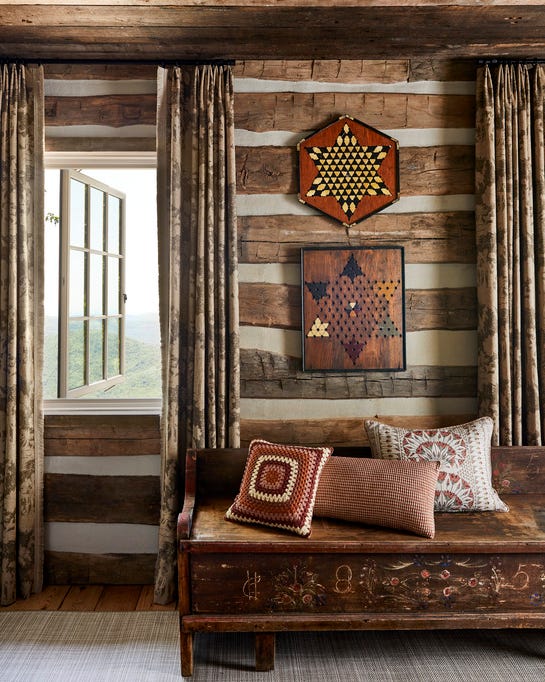
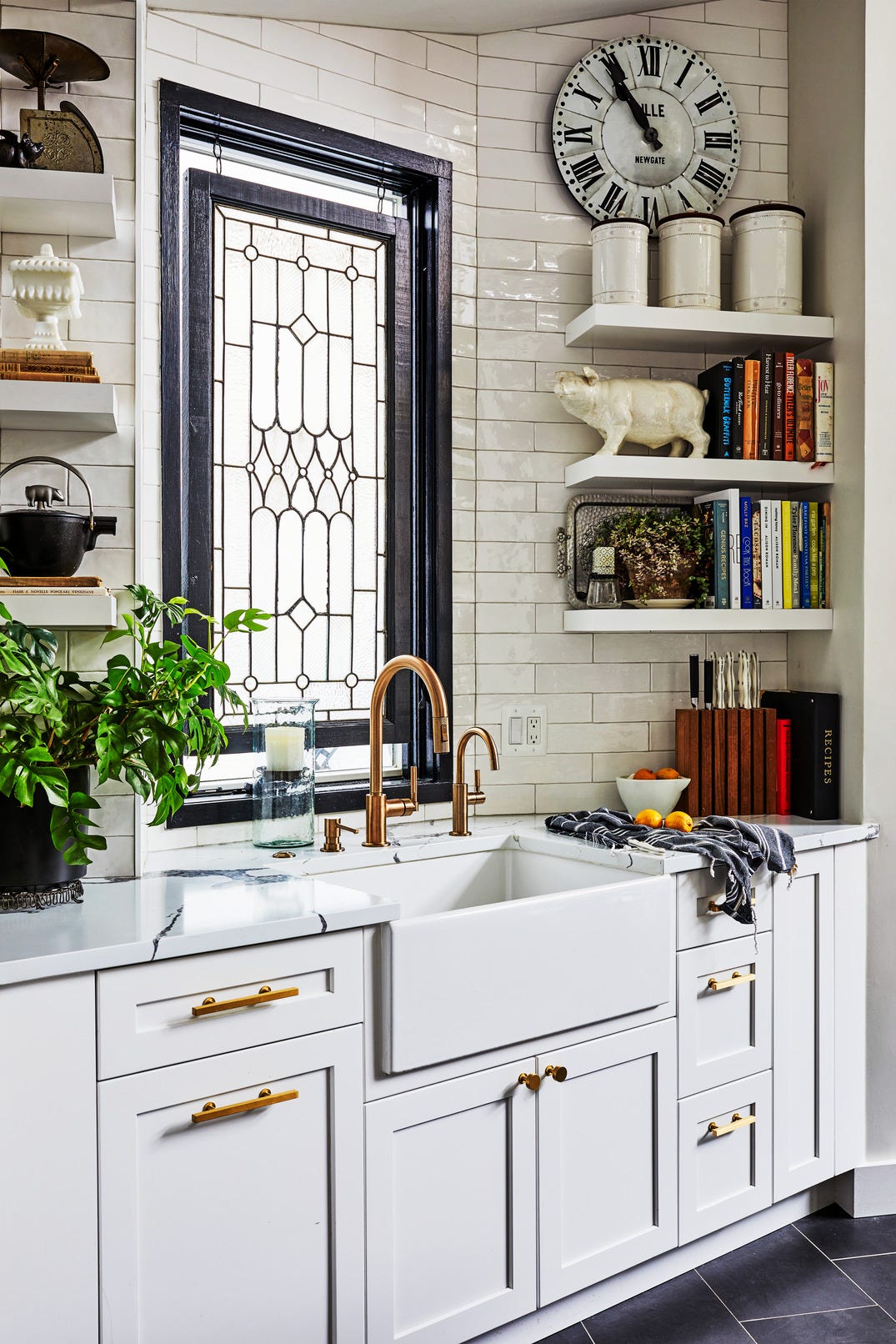
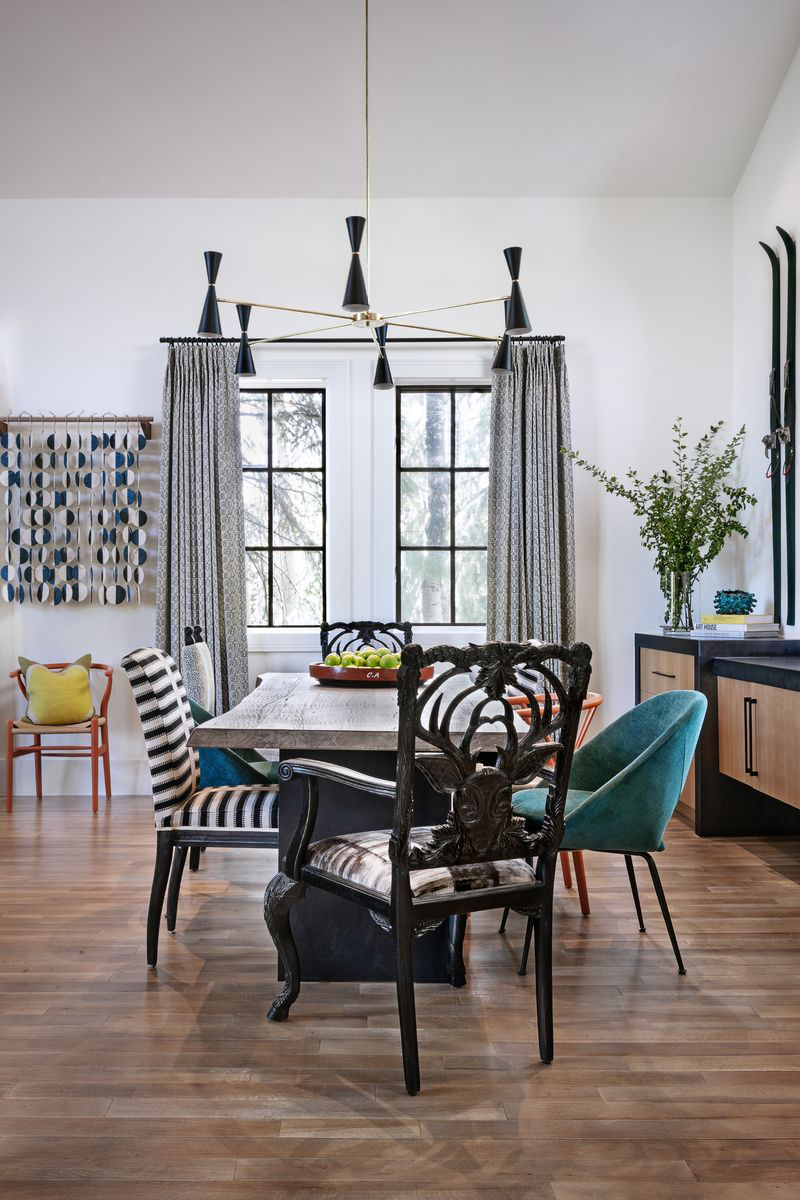
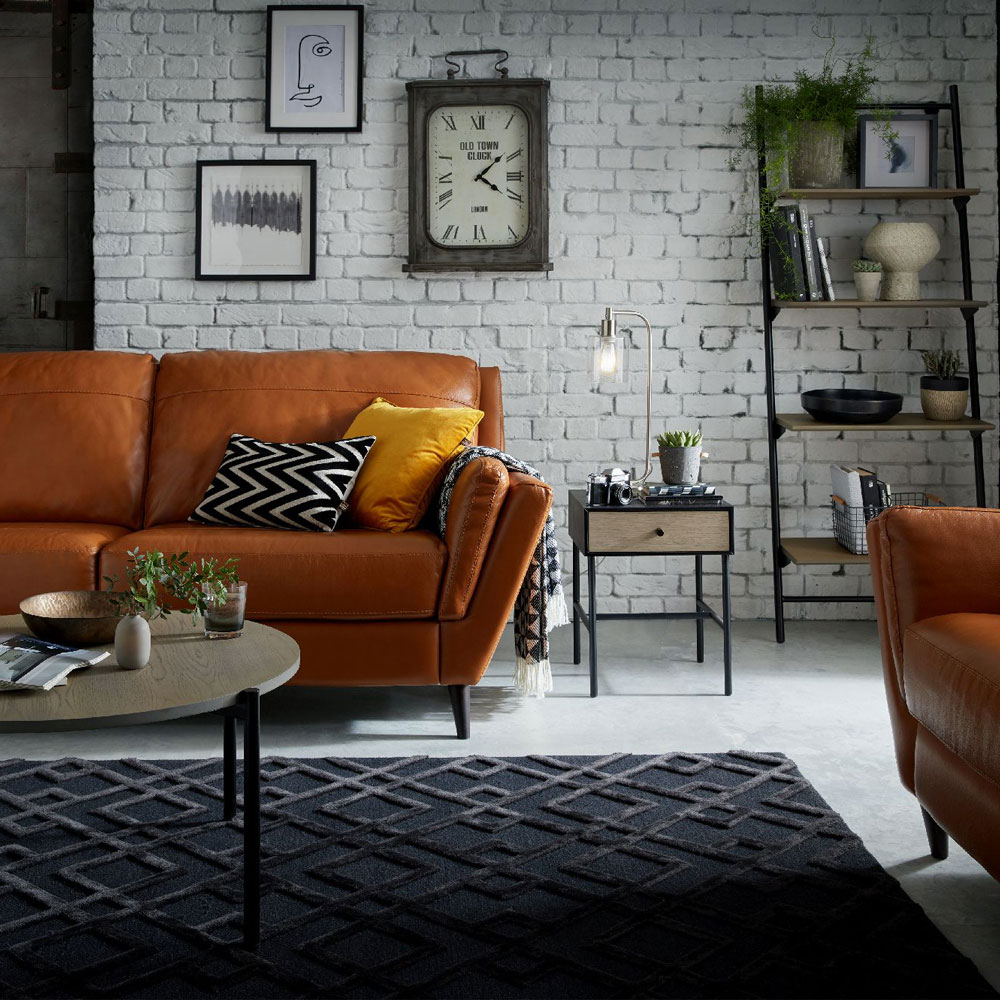
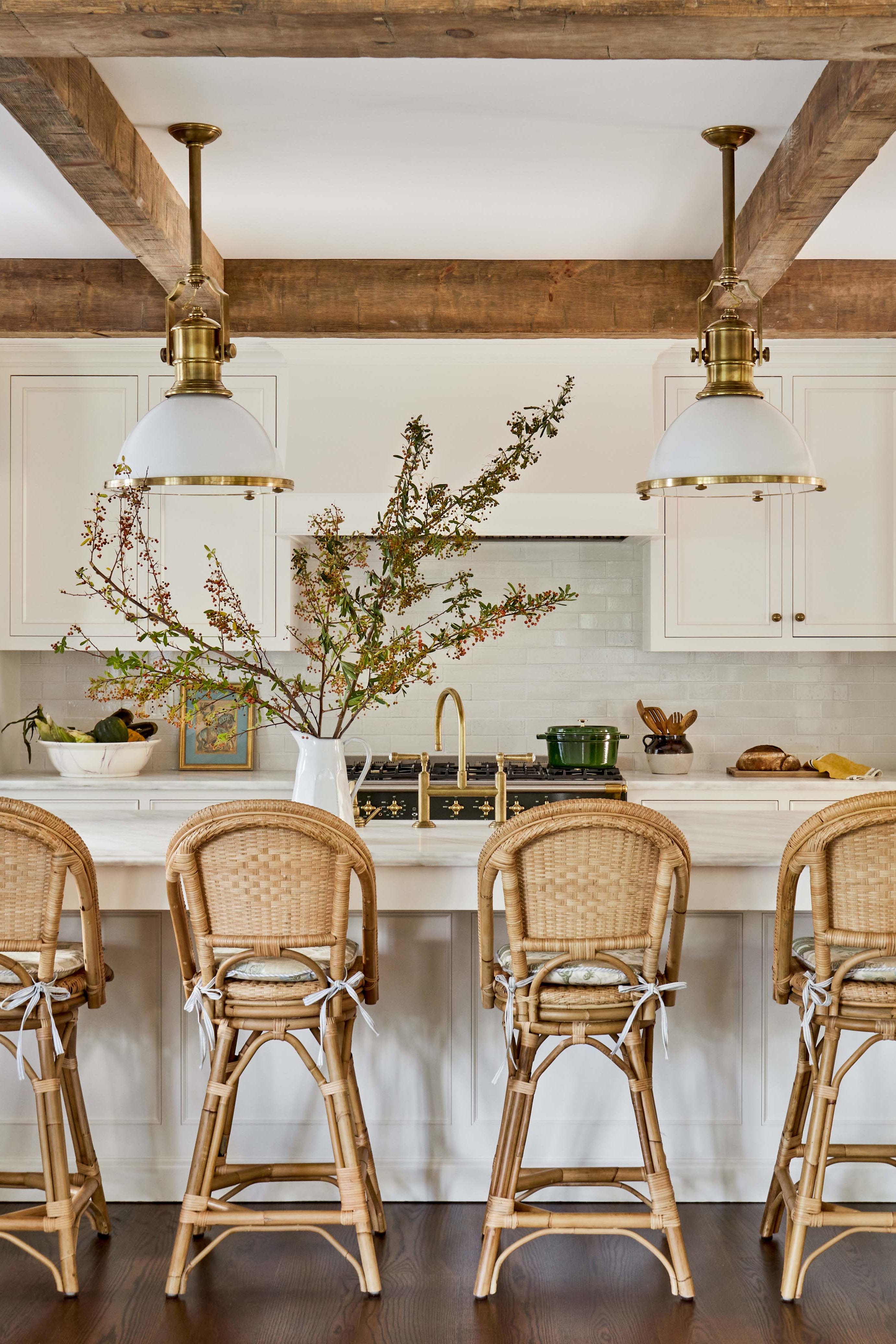
Styling shabby chic furniture involves mixing and matching diverse pieces and styles to create an intentionally haphazard look that injects character and coziness. While traditionally leaning feminine, the style is adaptable and can be masculinized by incorporating industrial elements like galvanized metal. Shabby chic shares similarities with cottagecore, both embracing cozy, lived-in comfort. However, cottagecore extends beyond an aesthetic to a lifestyle, romanticizing rural life with an emphasis on handcrafted, homegrown, and homebaked items. Other related styles include modern farmhouse, rustic, bohemian, and French country, all of which incorporate vintage elements and convey a relaxed, welcoming ambiance.
#ShabbyChic #InteriorDesign #HomeDecor #VintageStyle #Cottagecore #RachelAshwell #DistressedFurniture #RomanticDecor #HomeTrends #ShabbyChic #InteriorDesign #HomeDecor #VintageStyle #Cottagecore #RachelAshwell #DistressedFurniture #RomanticDecor #HomeTrends
0 comment in total
 No comments yet
You may also like
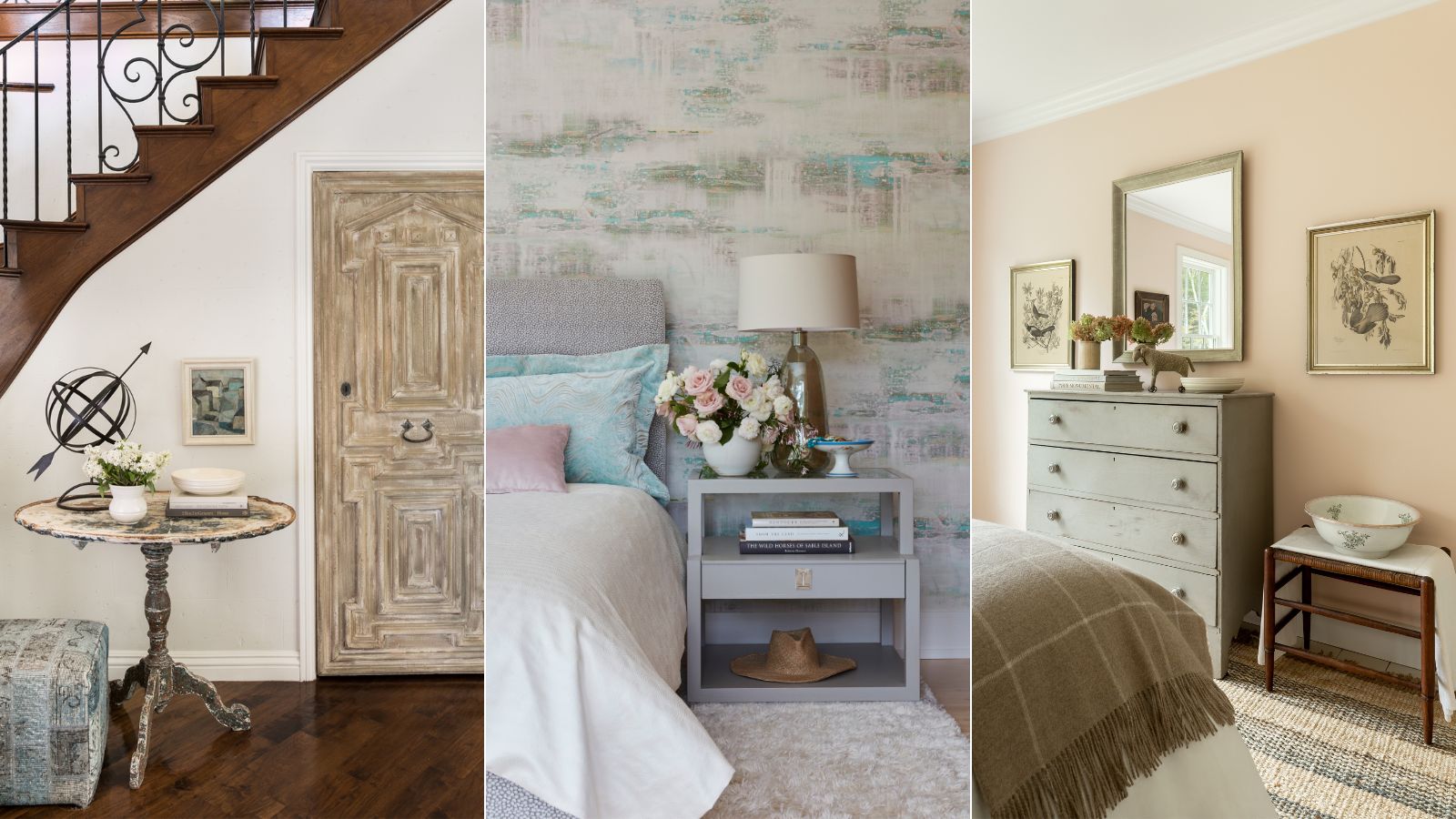
Is shabby chic still on trend? Interior designers weigh in on this rustic-inspired, romantic aesthetic

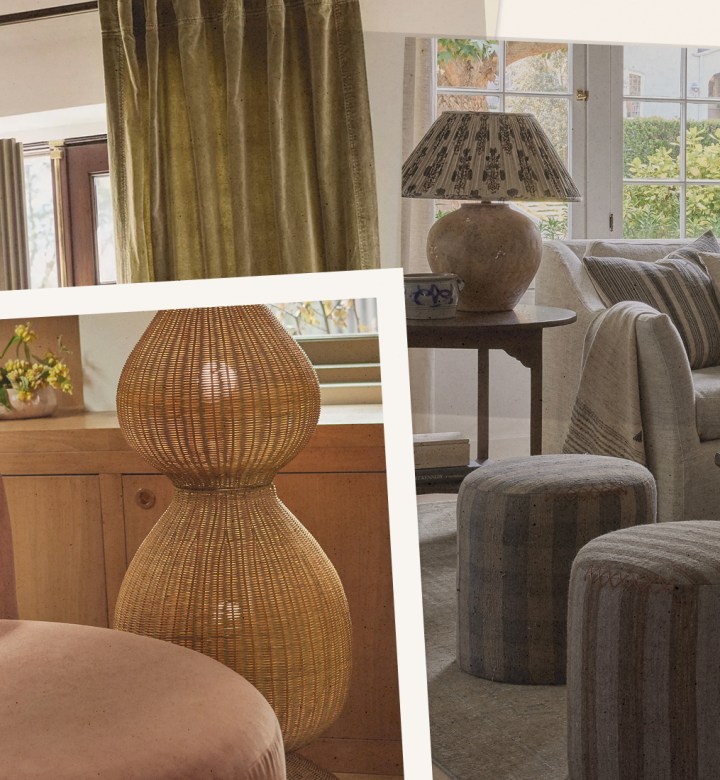
The 5 Rules of Decorating a Living Room in 2025 (Don’t Worry—They’ll Still Hold Up in 2030)

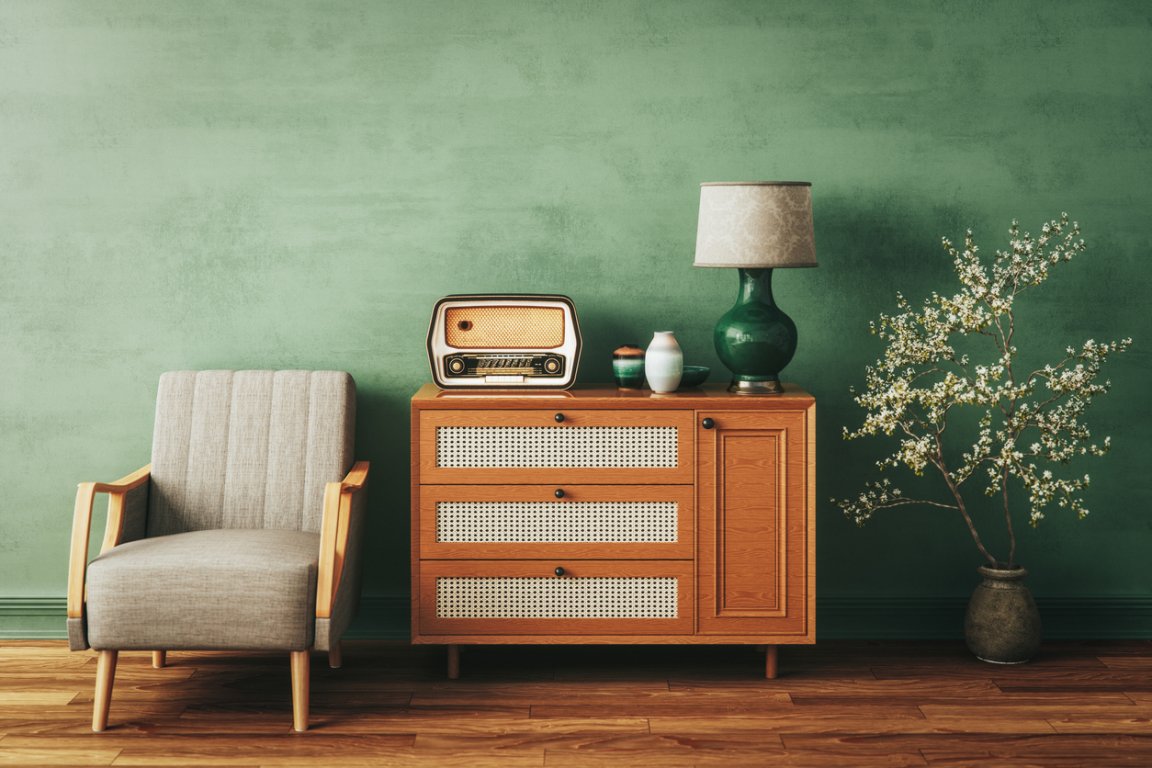
17 Products That Will Instantly Add Vintage Style to Any Home

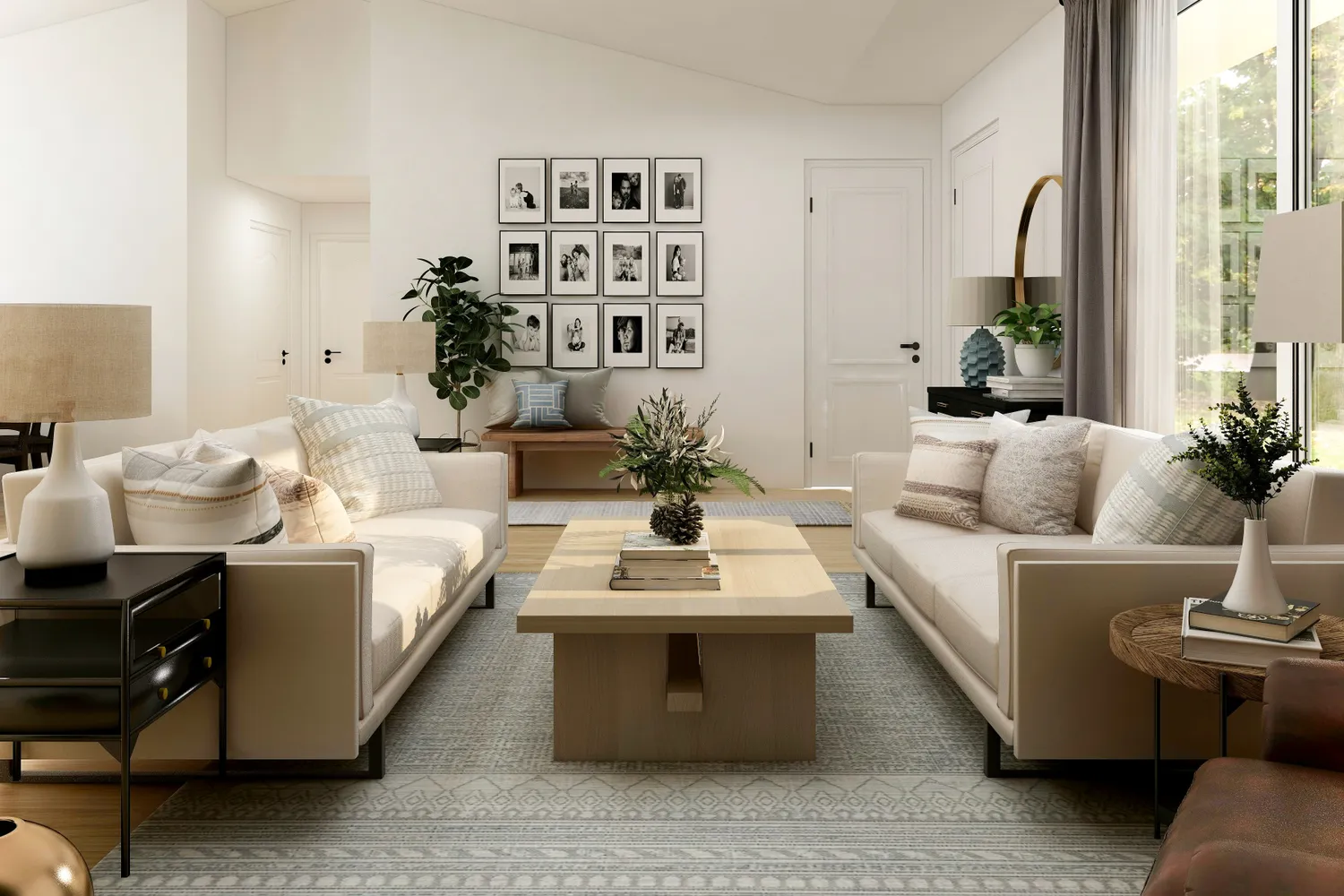
We Asked Designers If Matching Furniture Looks Outdated, and They All Agreed

Why shabby chic is the interiors trend that will never die
12 Designer-Approved Tricks to Fill a New Home With Vintage Character

This Decor Trend Adds Instant Sophistication to Your Home — How to Get the Look
Designers Are Ditching the "Rule of Threes" for THESE Genius Styling Alternatives

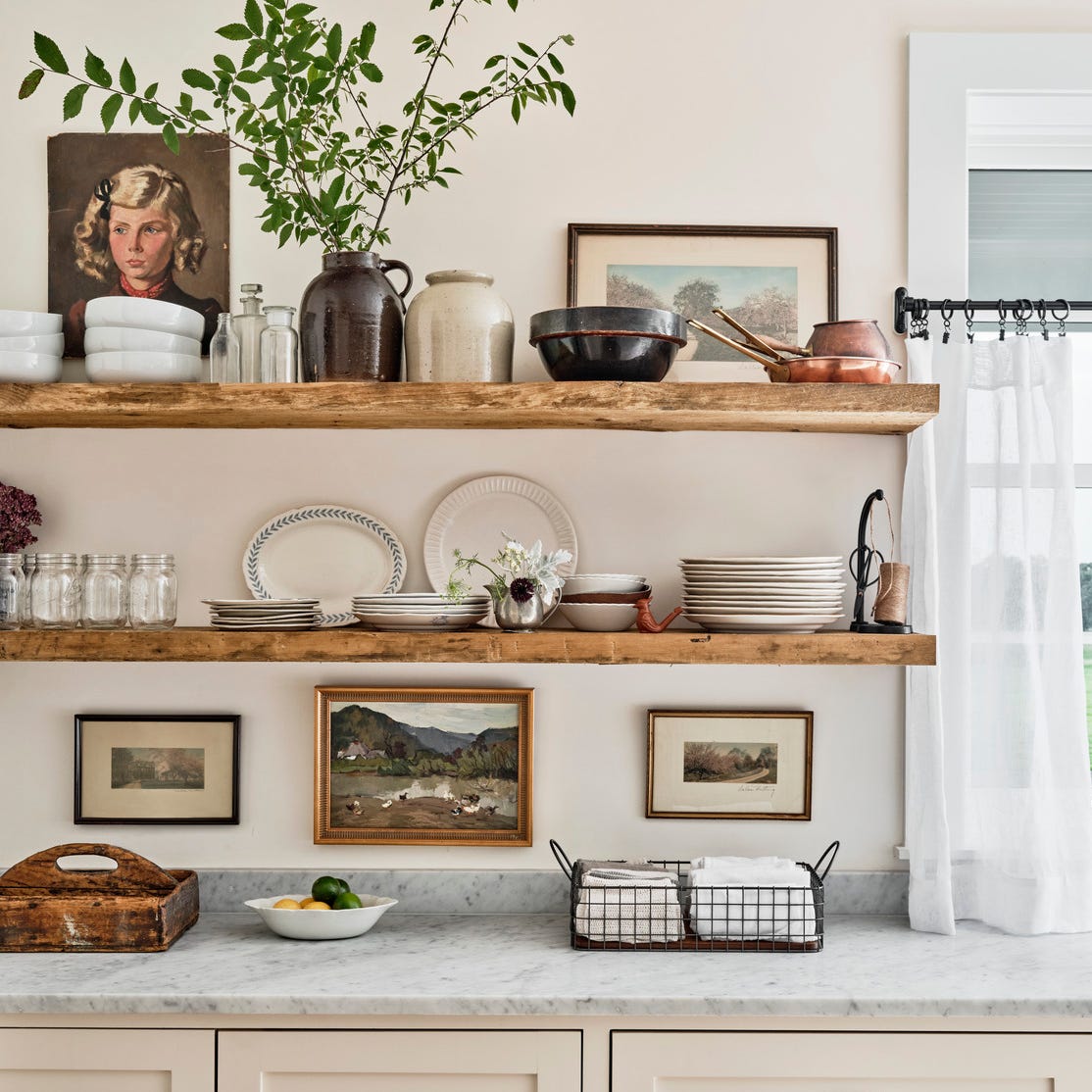
Make Any Room Look Camera-Ready with These Easy Tricks from Stylists
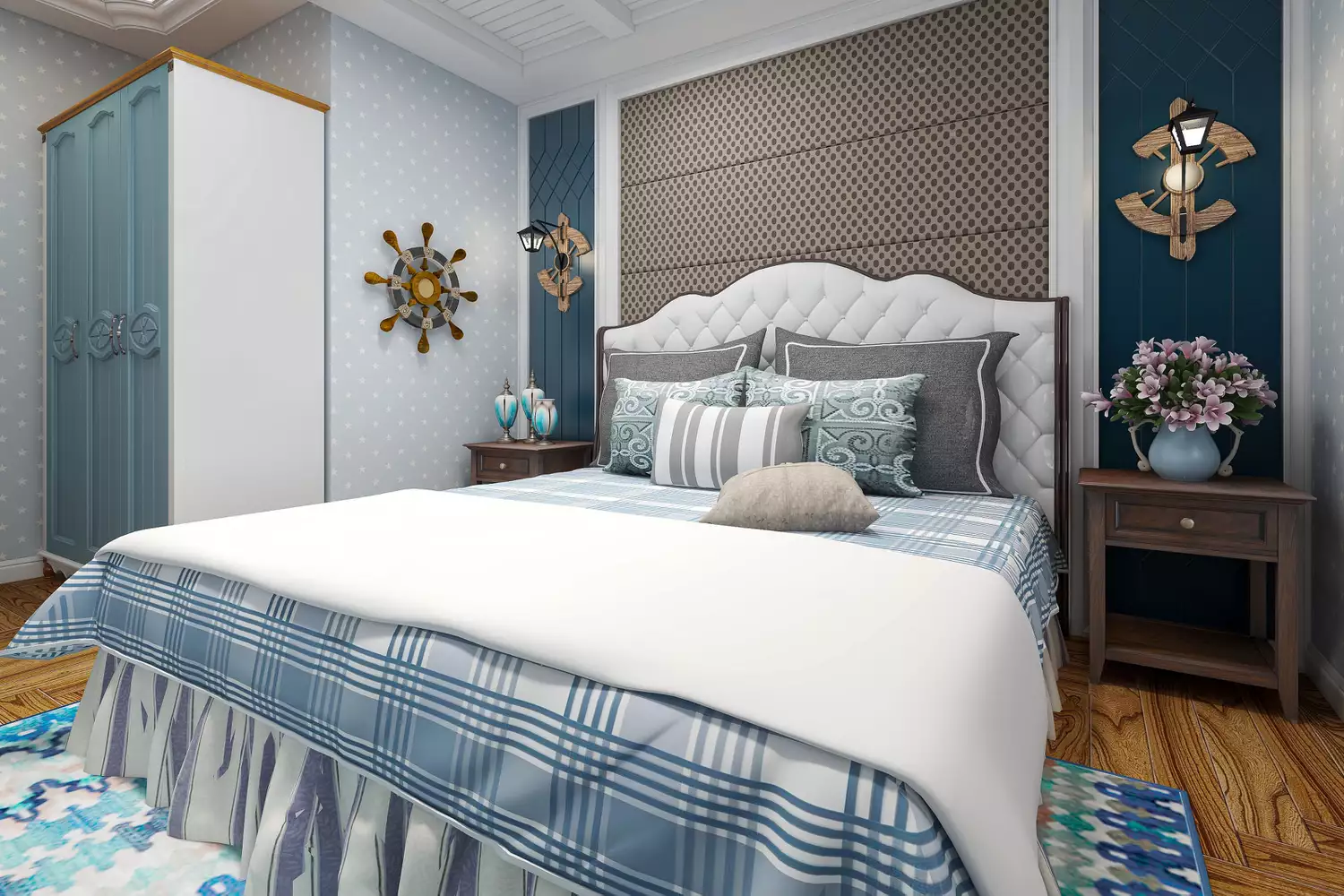
7 Reasons Your Home Looks Dated, According to Designers

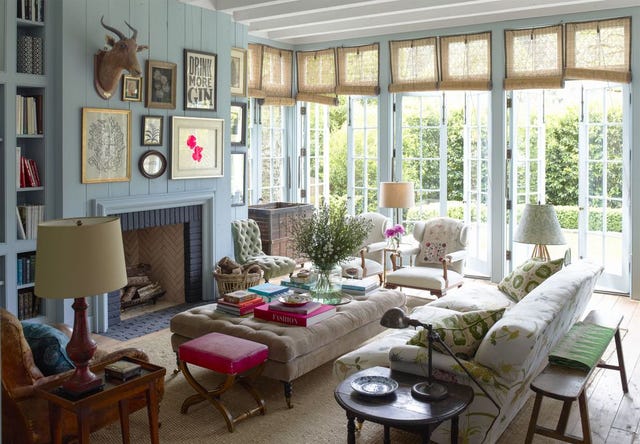
Here's How to Pull Off an Eclectic Decorating Style

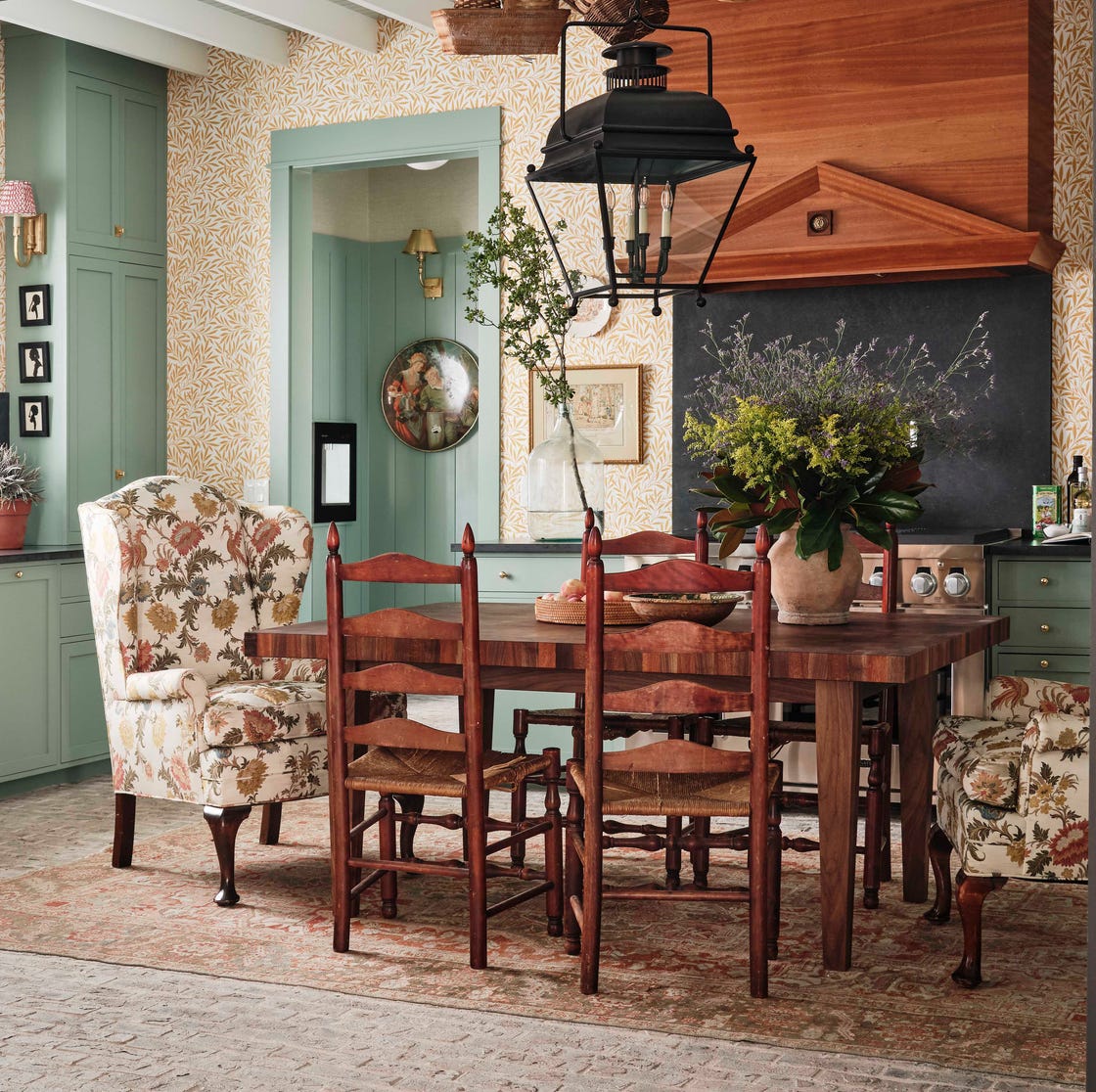
For a Homey and Charming Kitchen Vibe, Designers Say to Choose This Aesthetic
7 Decor Pieces Designers Ditch for a Cleaner, More Cohesive Look

The 5 Design Rules That Are Meant to Be Broken—and What to Do Instead
40 Outdated Home Trends We Hope Never to See Again
Interior Designers Share Their Best Traditional Design Tips

Shea McGee has shared her 4 simple tips for creating her iconic look in a small space
Modern rustic decor – top designers reveal their secrets for styling the trend

The Sofology Accents range takes the hard work out of putting a look together
10 Ways to Nail the Slow Decorating Trend Designers Are Loving