1/5
Is shabby chic still on trend? Interior designers weigh in on this rustic-inspired, romantic aesthetic
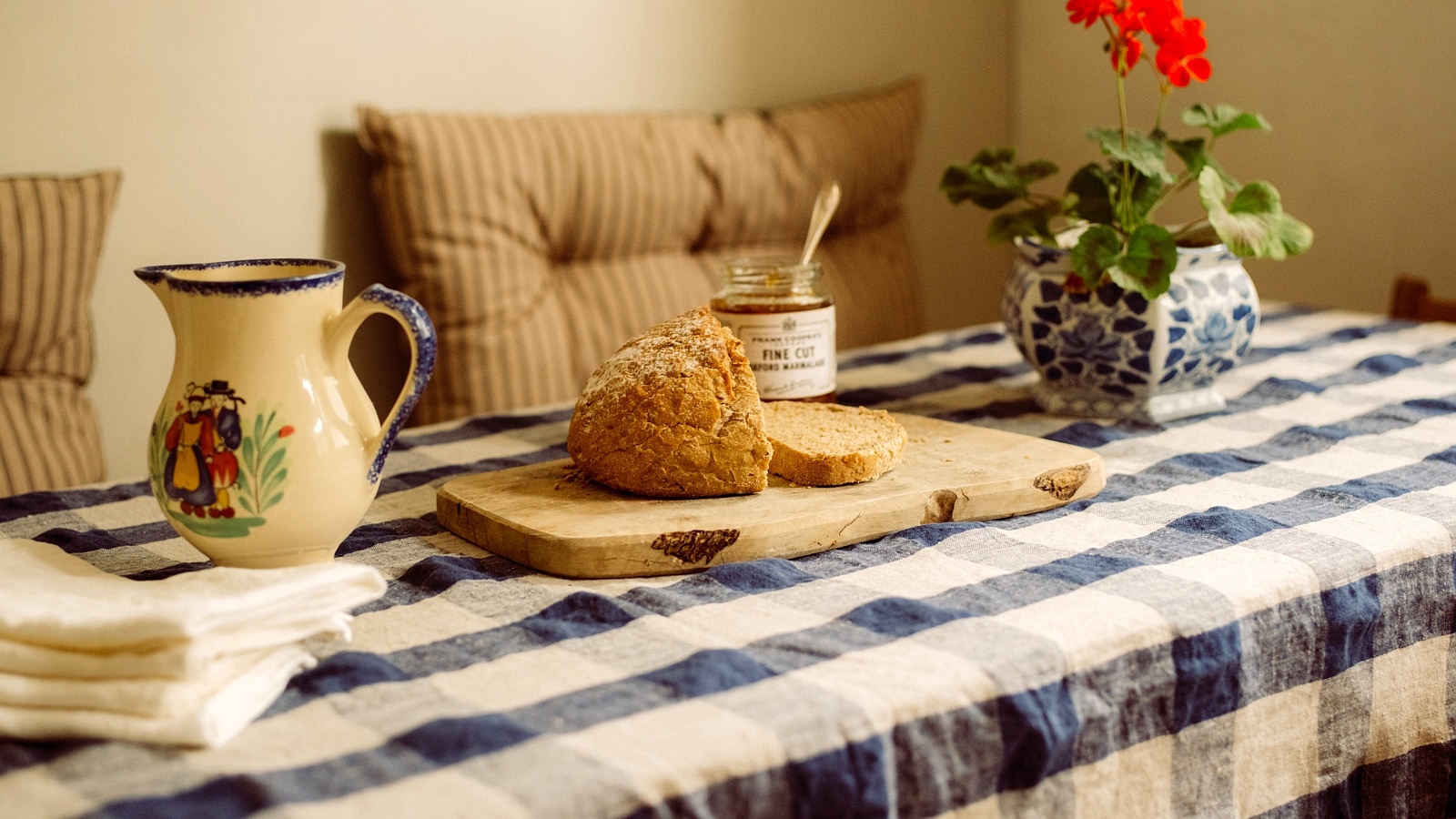
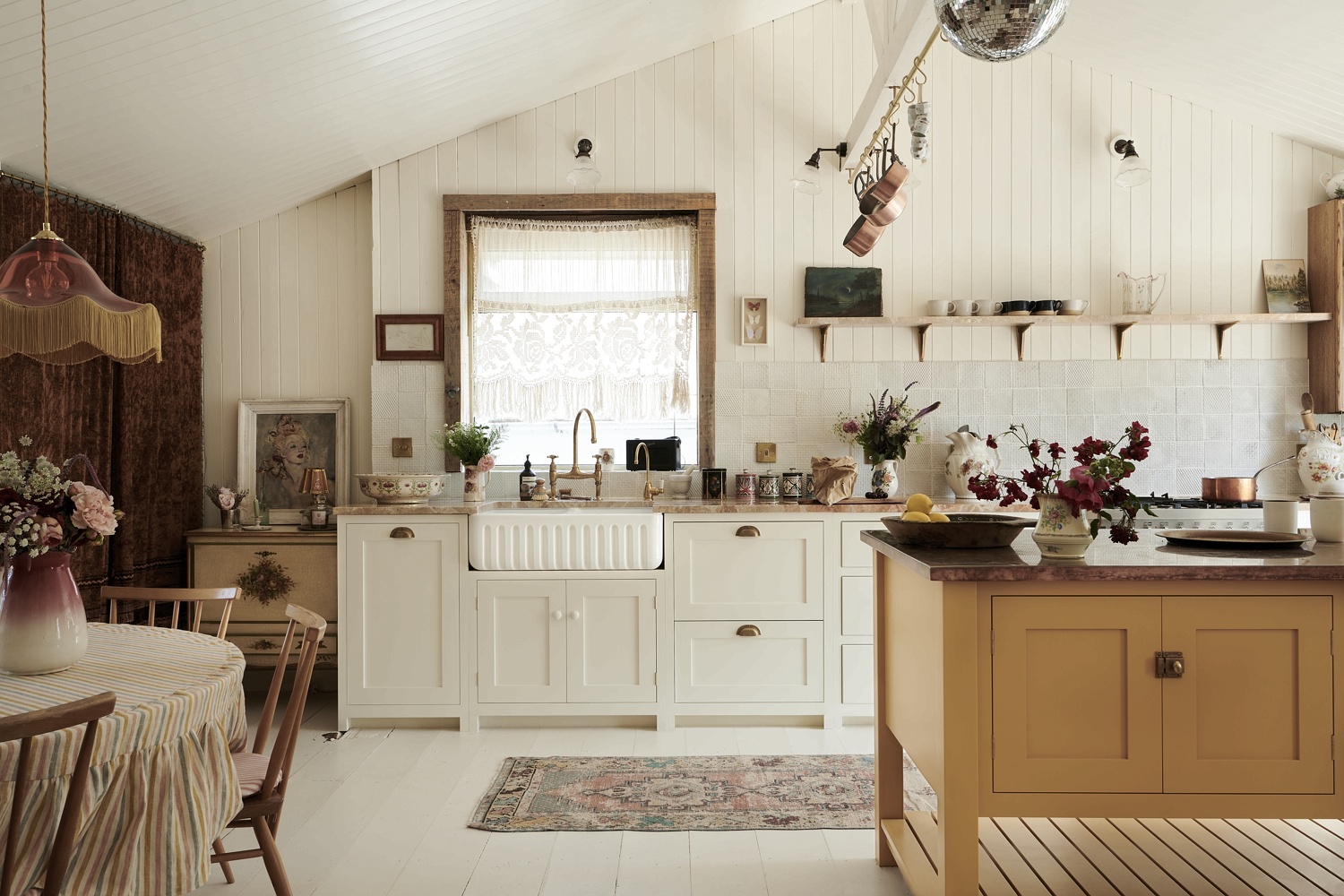
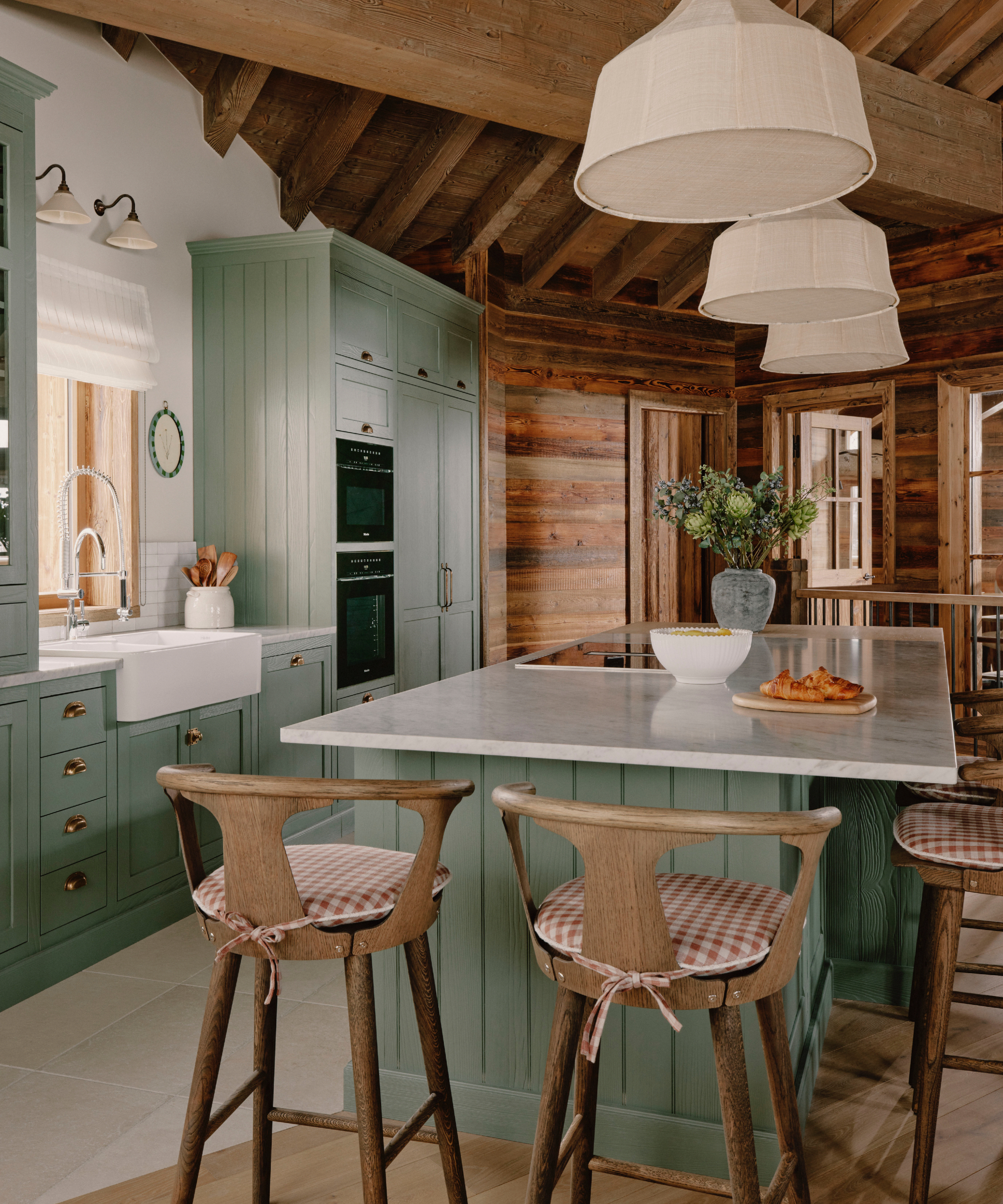
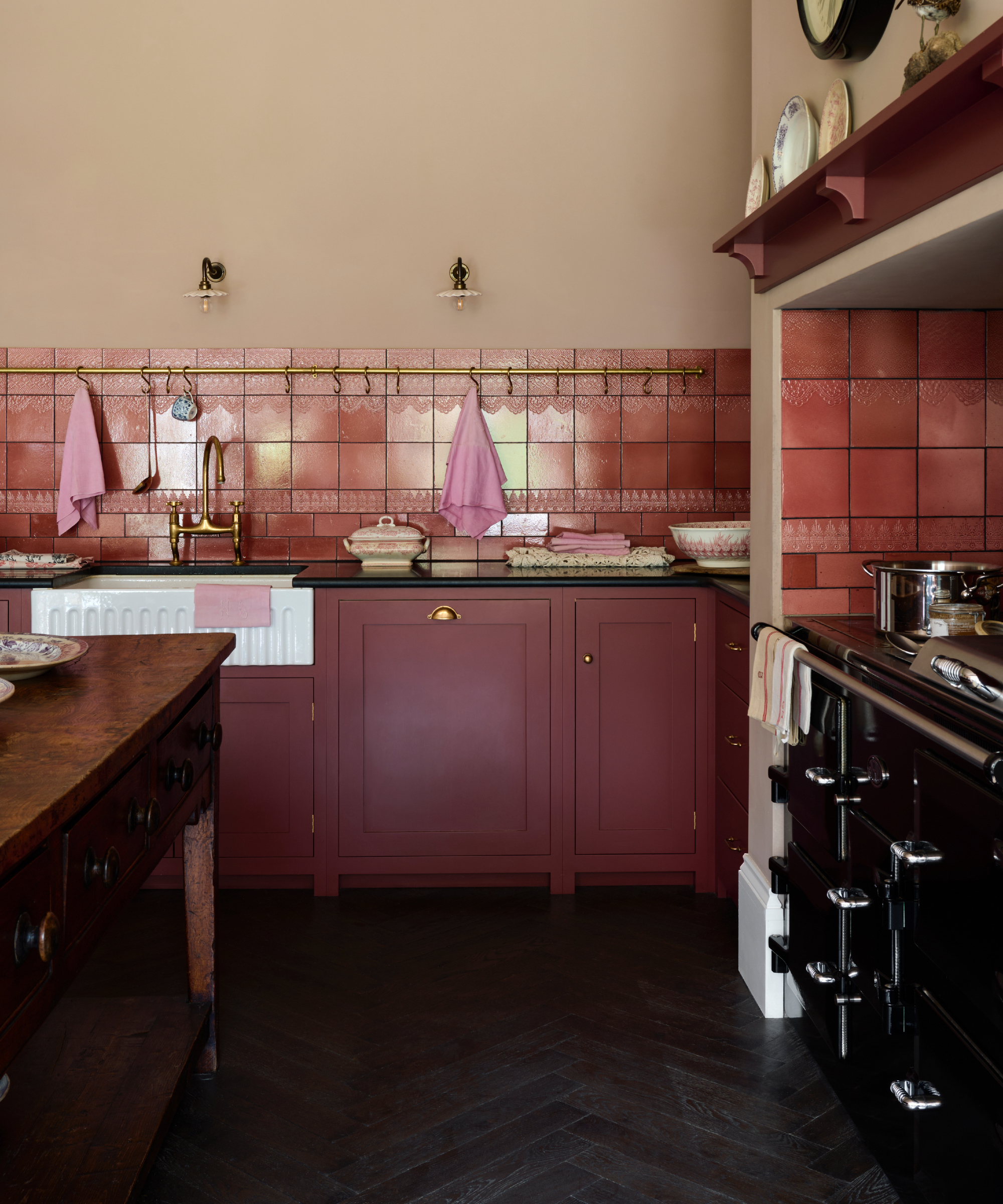
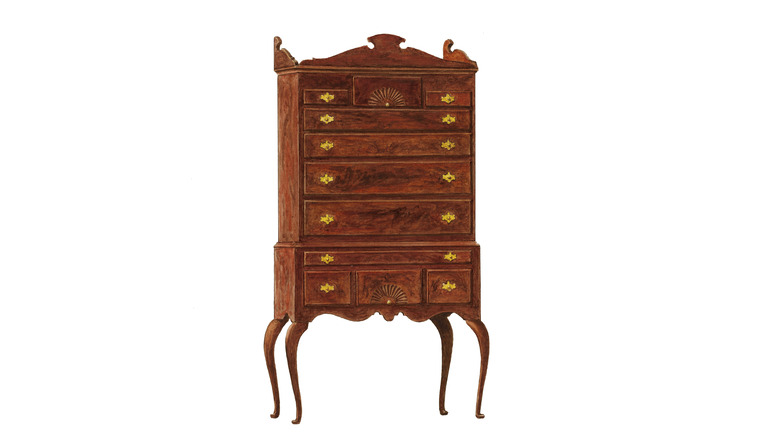
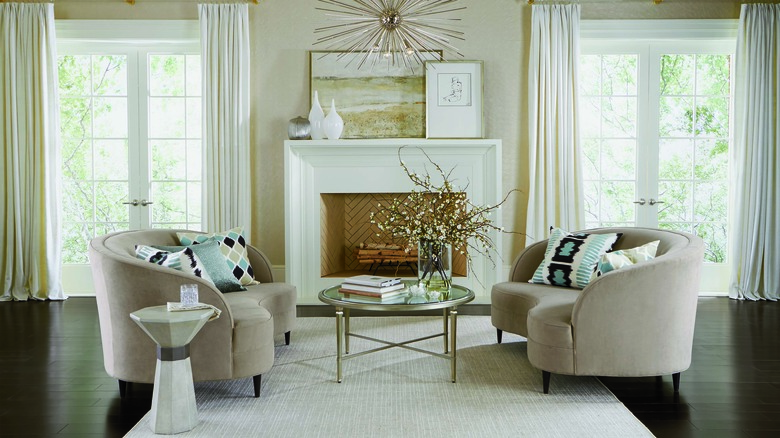
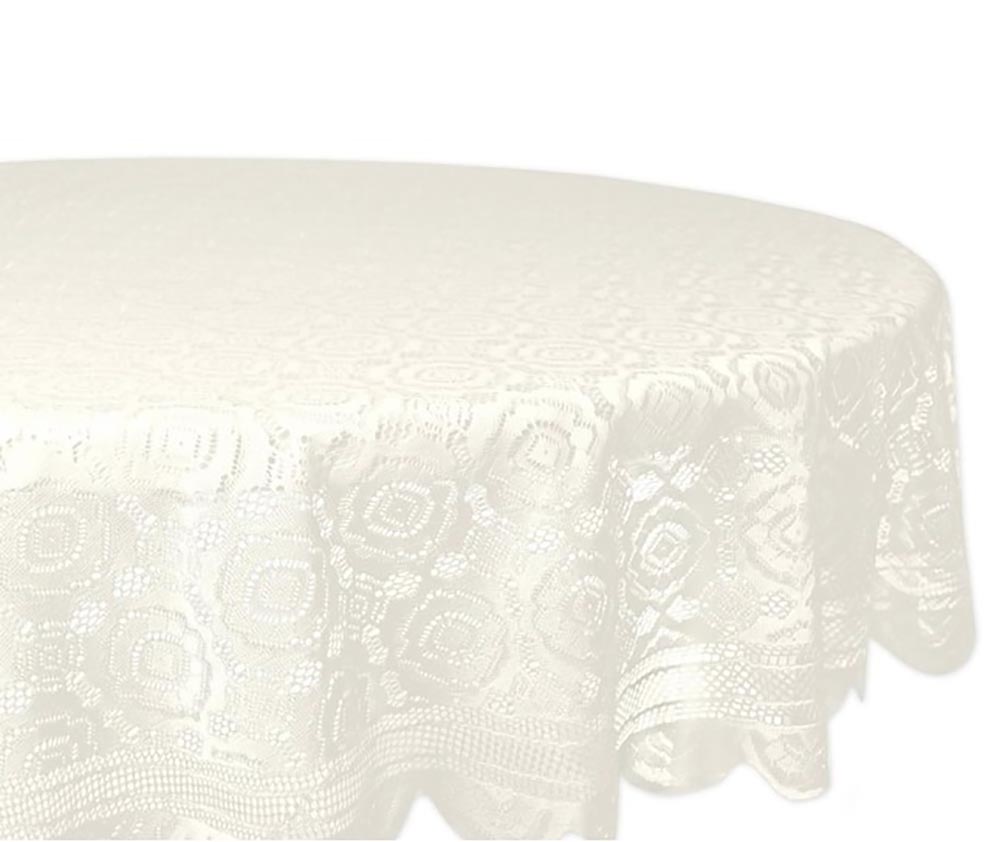
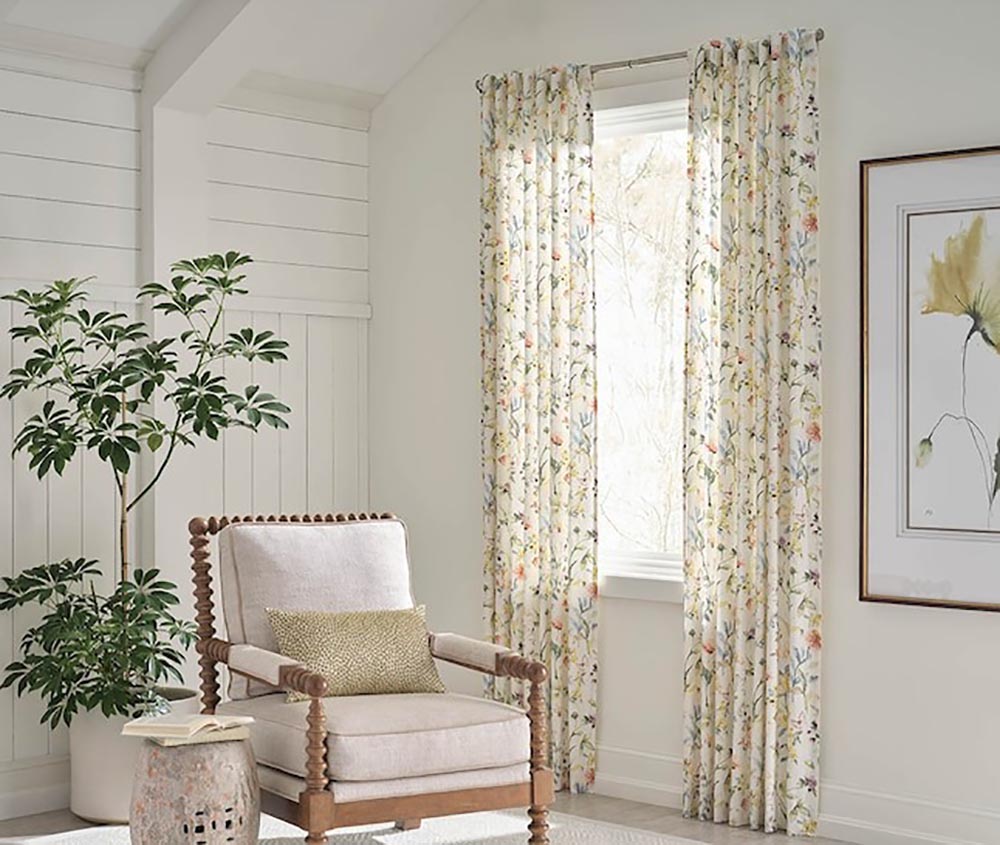
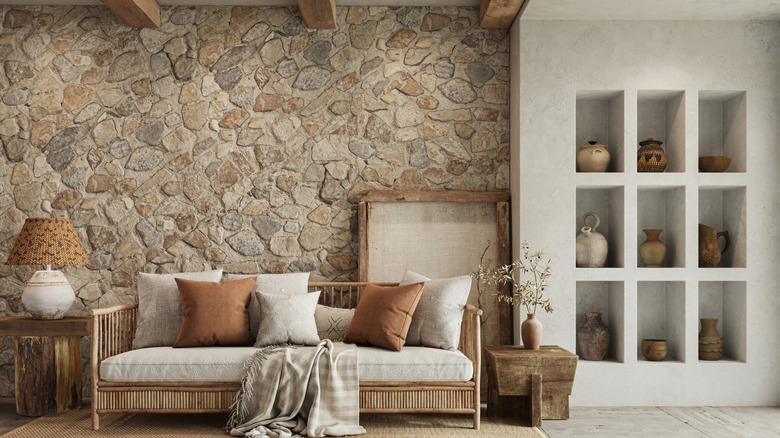
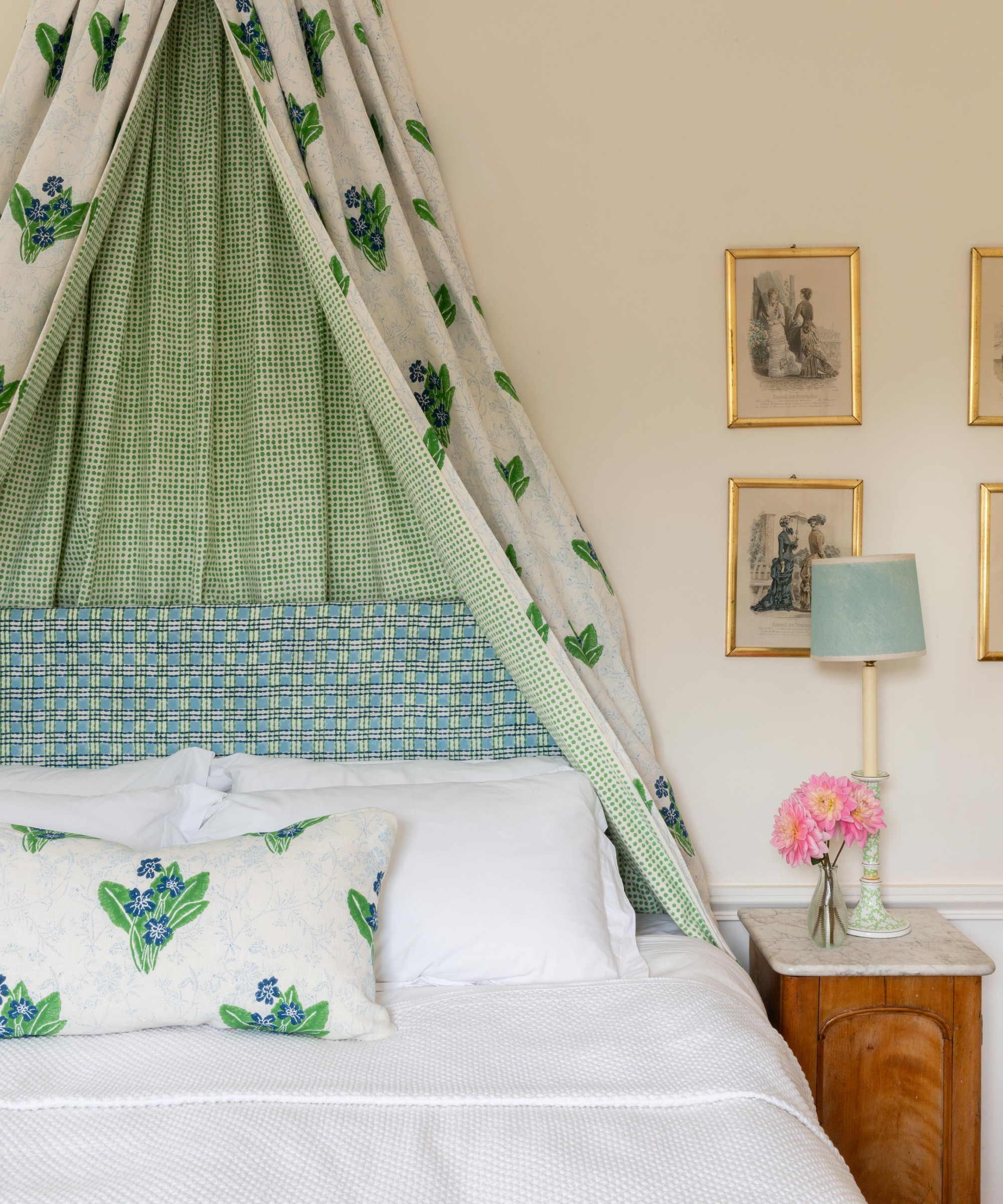
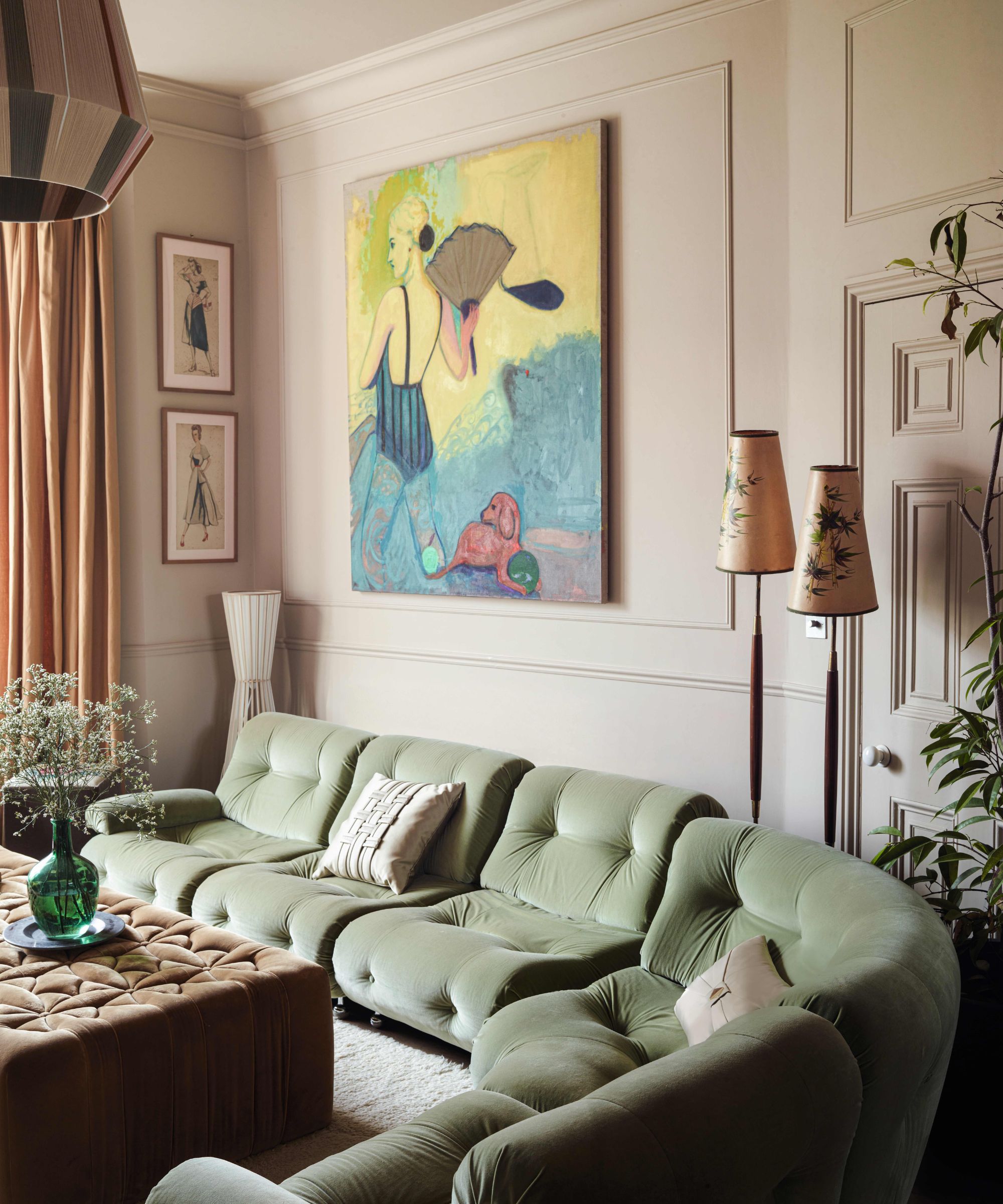
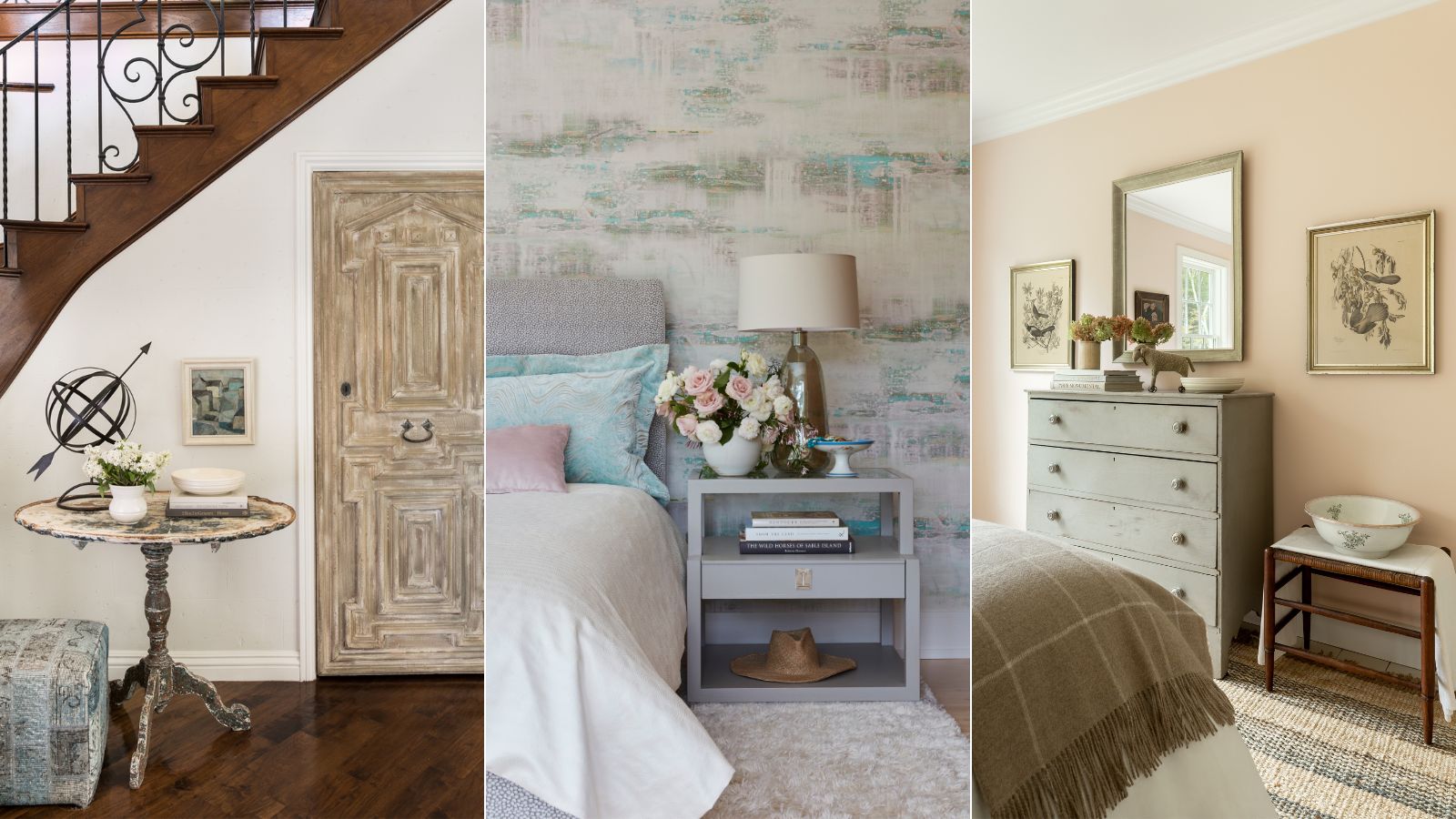
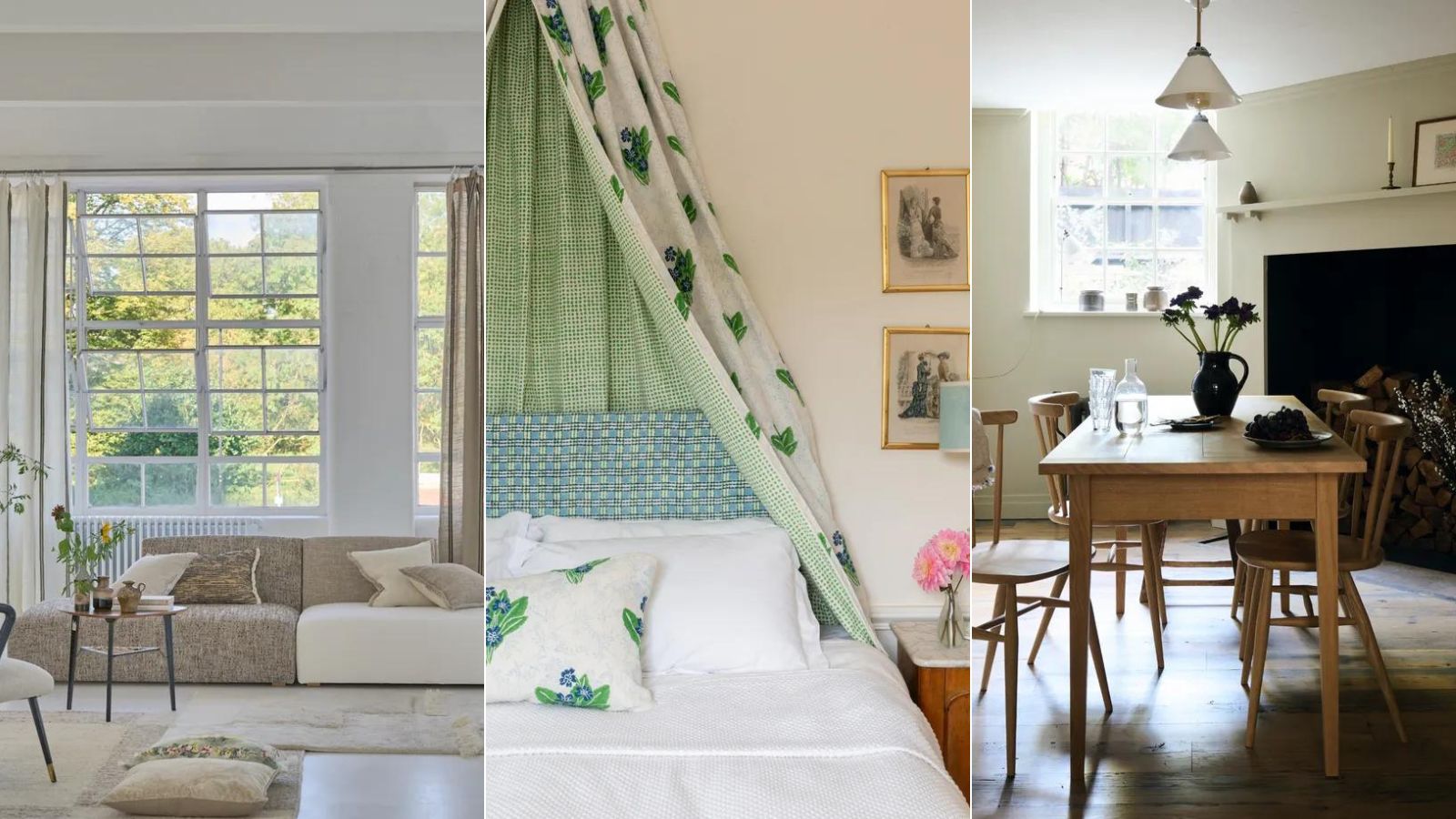
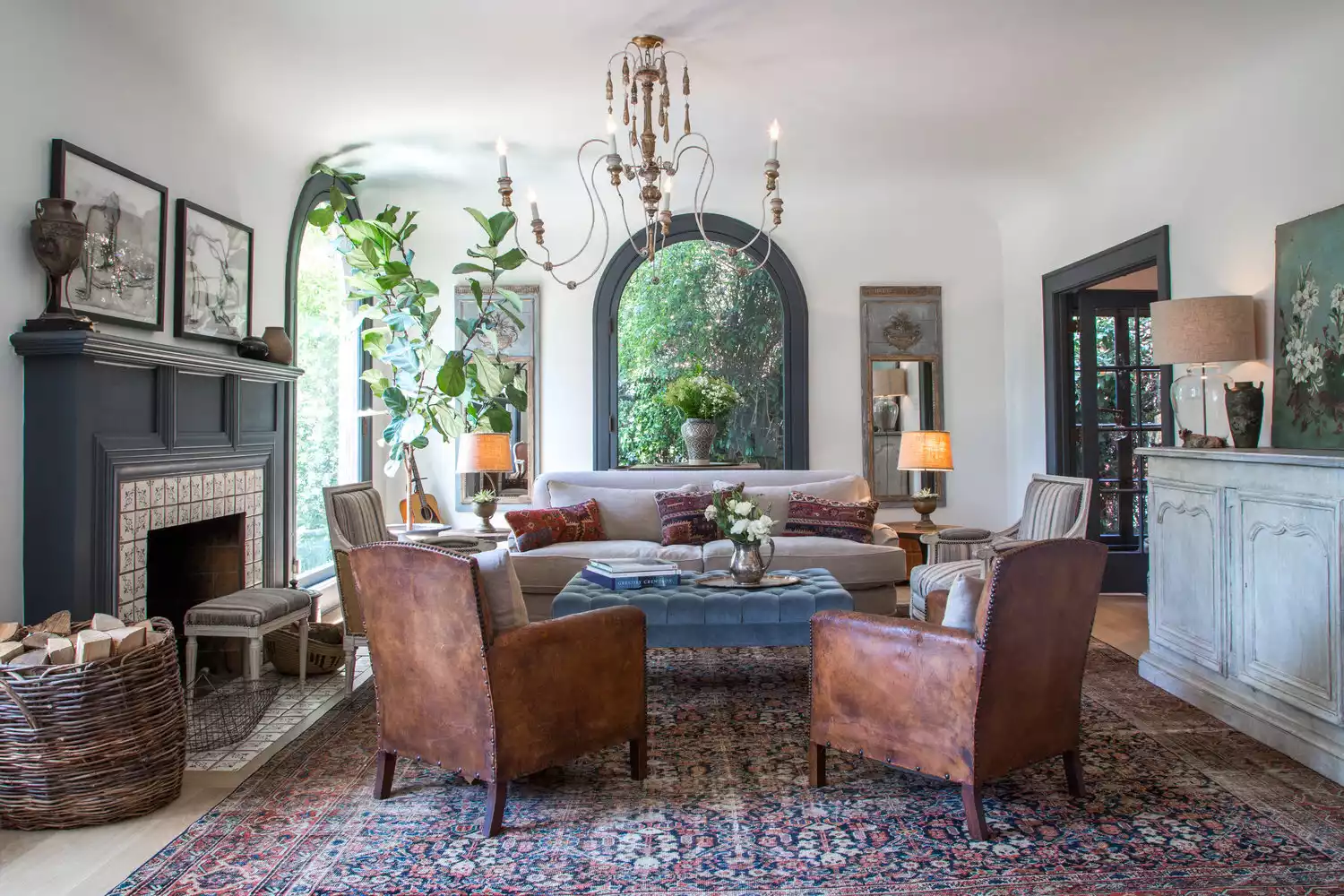
Shabby chic, an interior design style that gained prominence in the 1990s, is experiencing a resurgence, with designers finding ways to modernize its rustic charm for contemporary homes. This style, known for its emphasis on romantic and delicate aesthetics, draws heavily from French country influences and features distressed finishes on furniture and decorative items. Shabby chic originated in the 1980s and is characterized by a romantic decorating approach that uses items with a worn, aged appearance, revealing original wood or featuring aged metal. Furniture in shabby chic spaces often consists of antique and vintage pieces with feminine and delicate forms, such as ornate chests of drawers or vanity stations. Upholstery is a key component, frequently adorned with soft floral prints, linen, and lace with artfully frayed edges, aiming for a cozy, lived-in yet sophisticated look.
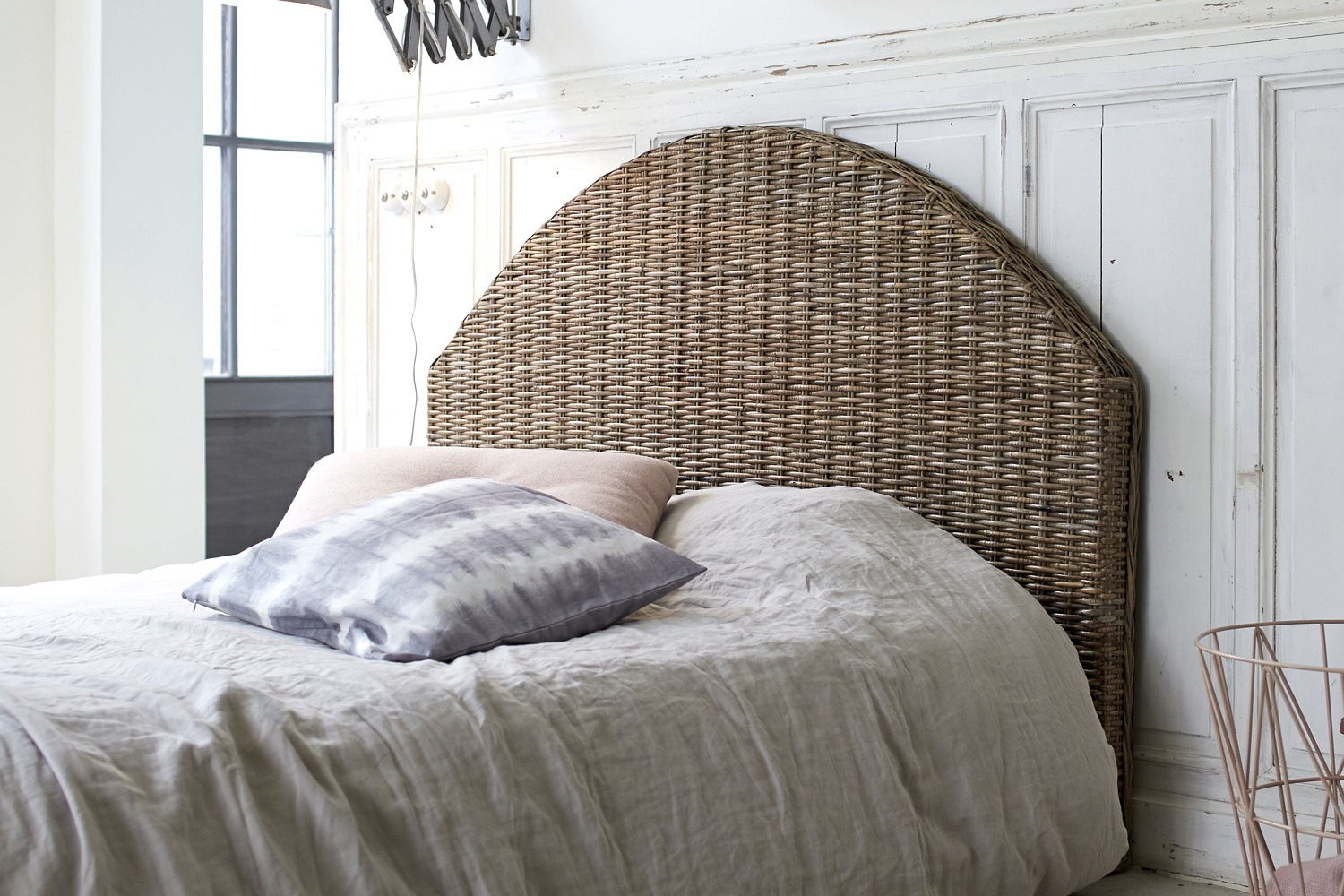
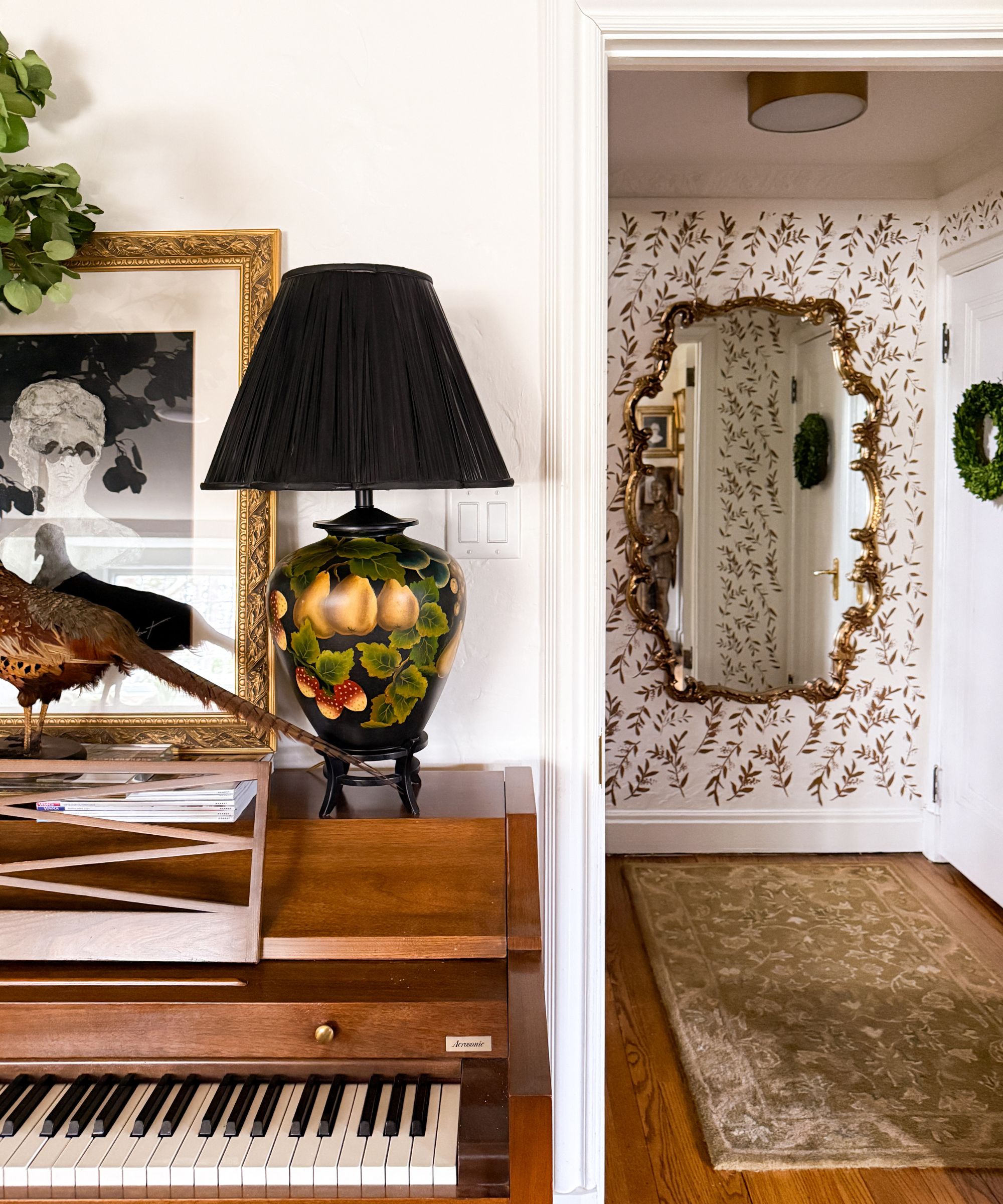
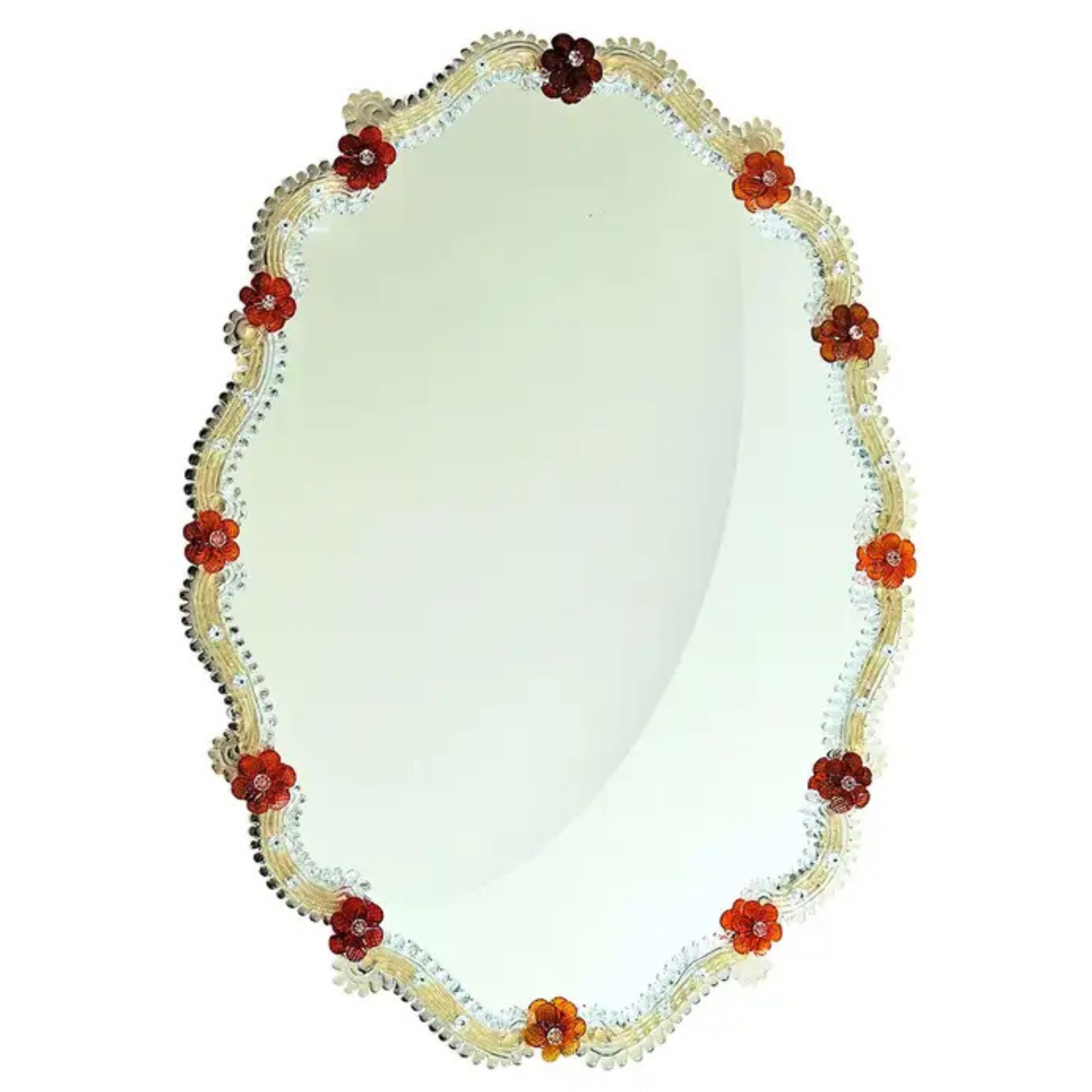
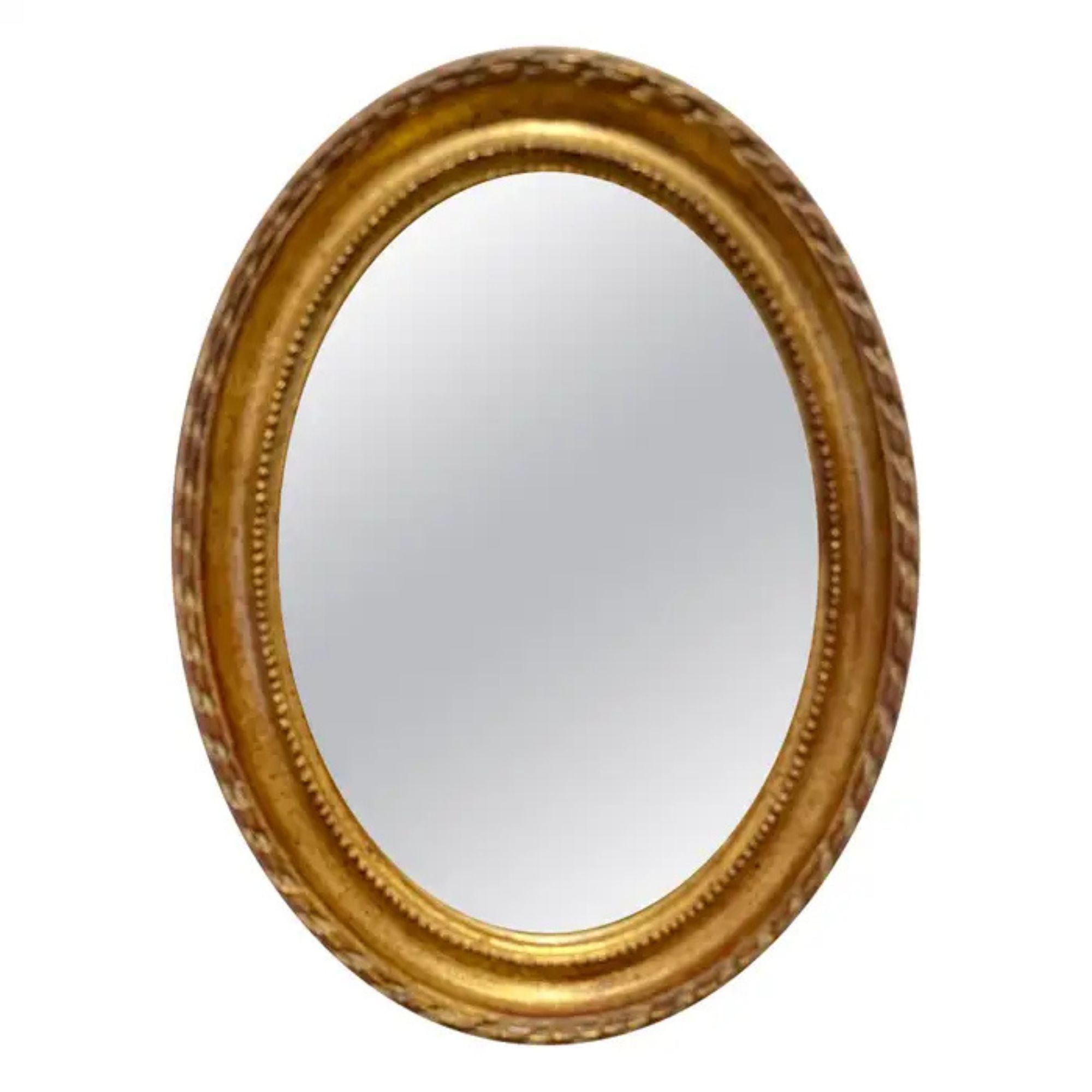
Light hues dominate the shabby chic color palette, with bright white paints forming the primary scheme, complemented by subtle pastels like pink, green, and blue. Wooden elements are also kept light, avoiding dark and heavy tones. To integrate shabby chic into modern interiors, designers recommend a balanced approach. Decorating with genuine antique furniture, particularly pieces with rustic wood finishes and ornate styles, is crucial for achieving an authentic and timeless feel. Worn side tables, upholstered chairs, rustic headboards, and gilded vintage mirrors are suggested as focal points. These pieces, when combined with other vintage accessories like candlesticks, paintings, and knick-knacks, can create a rich, narrative-driven aesthetic.
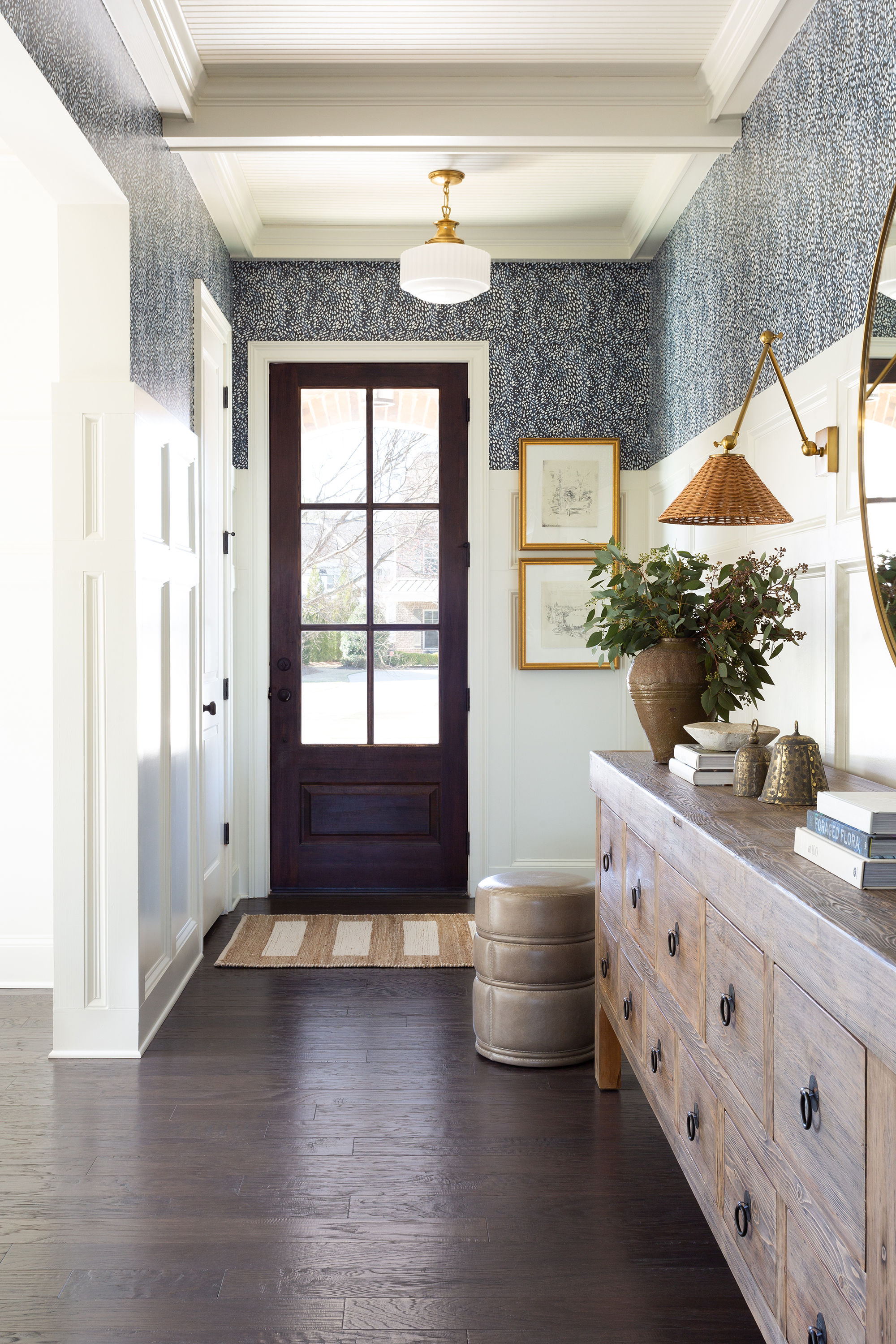
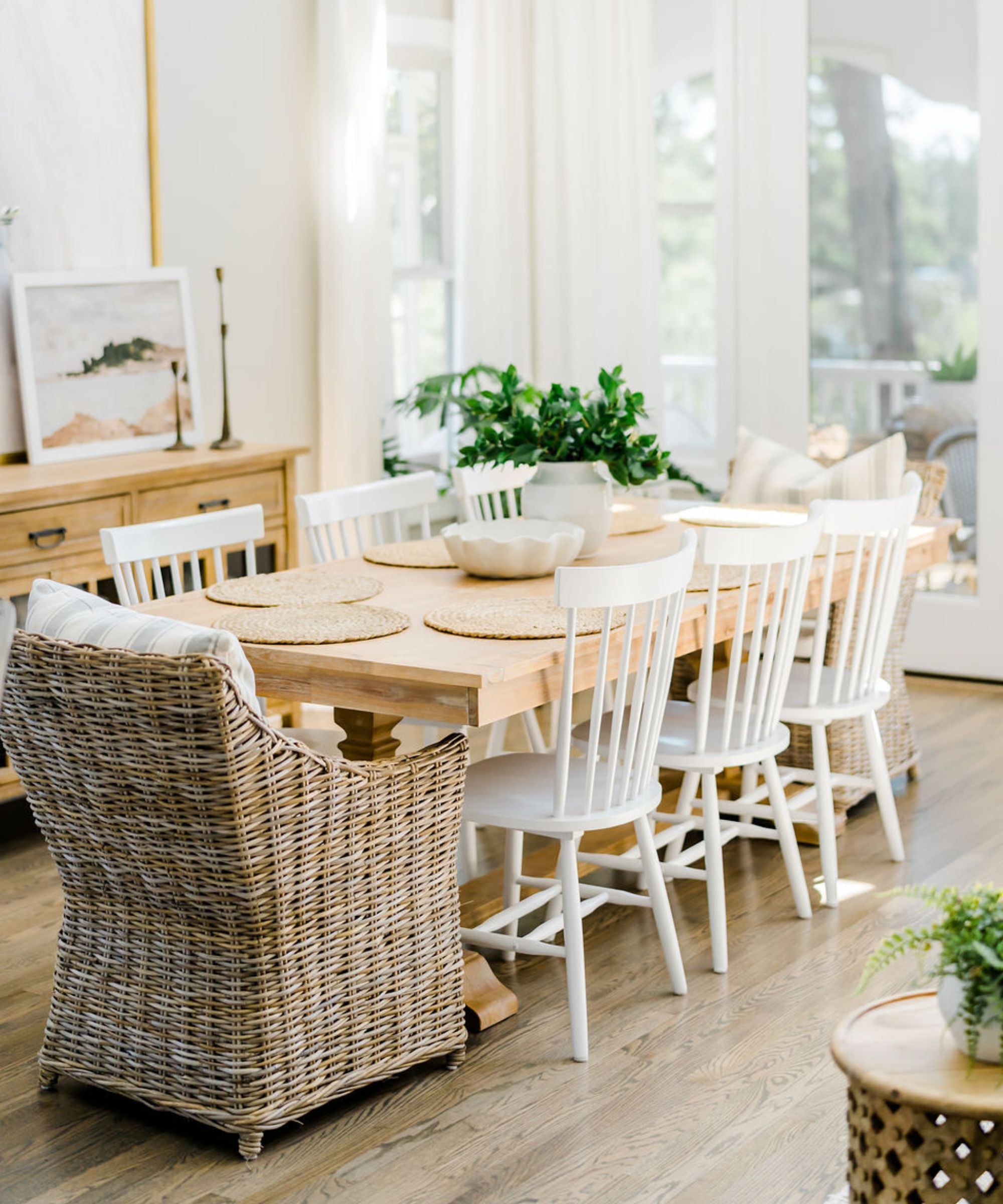
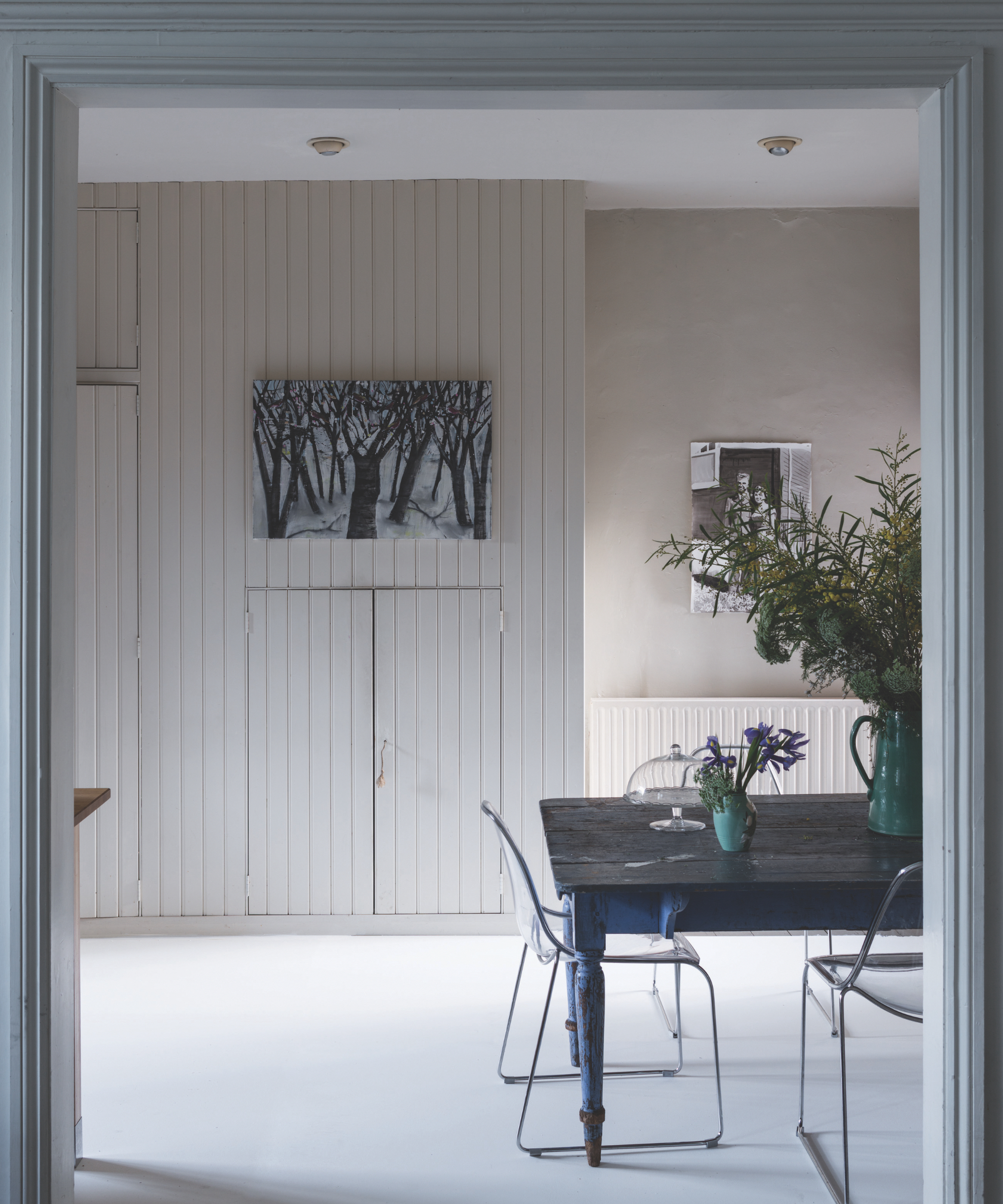
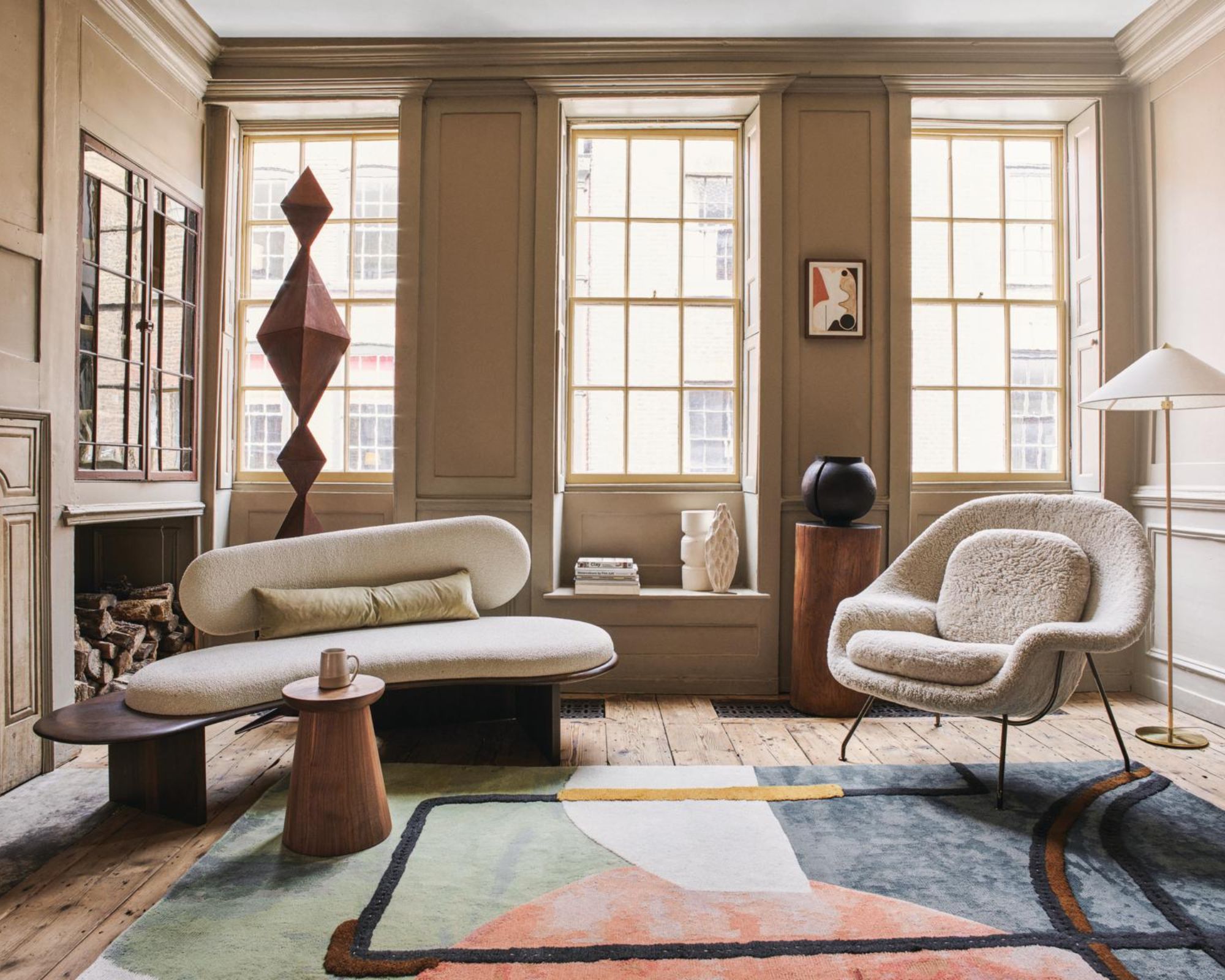
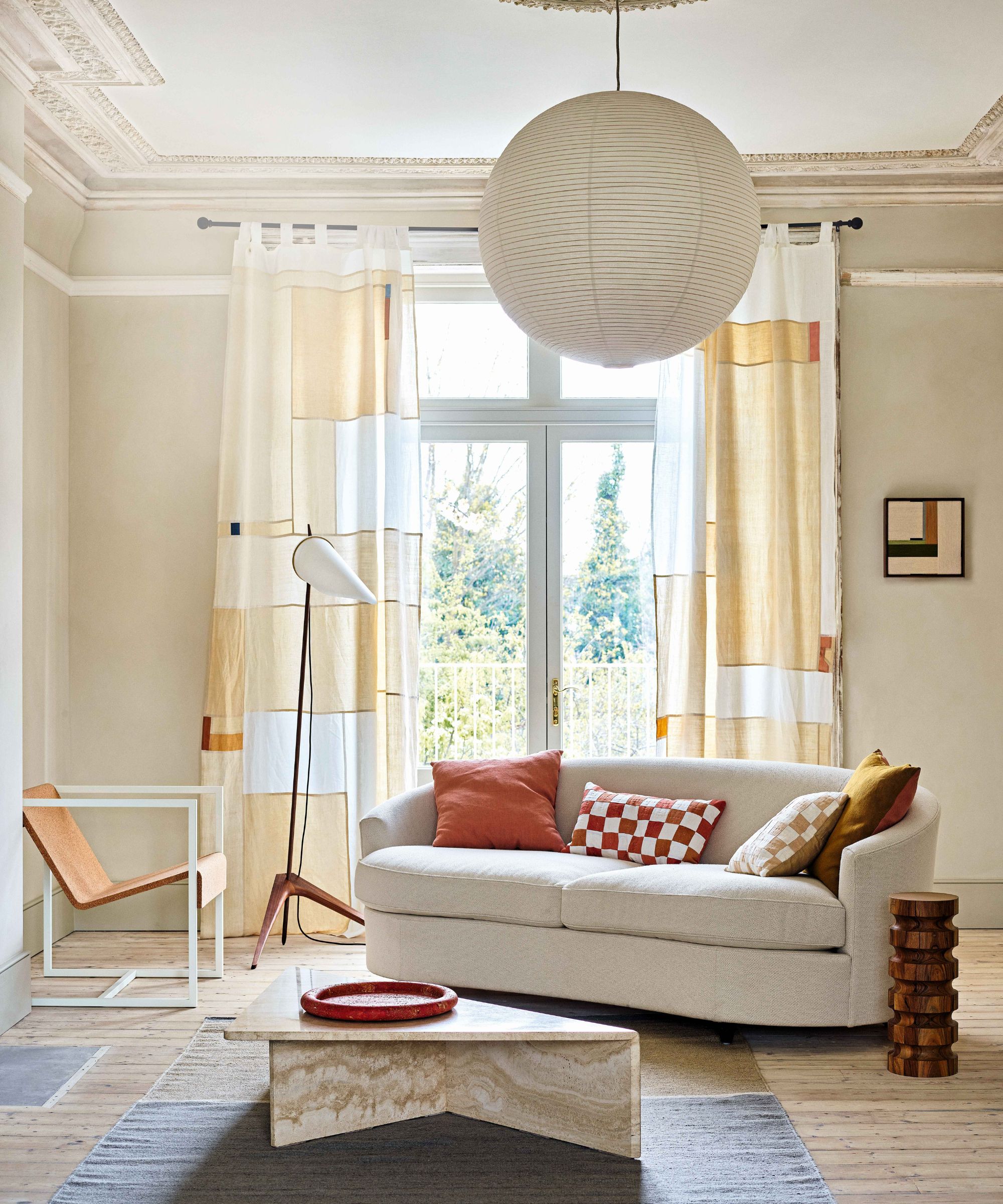
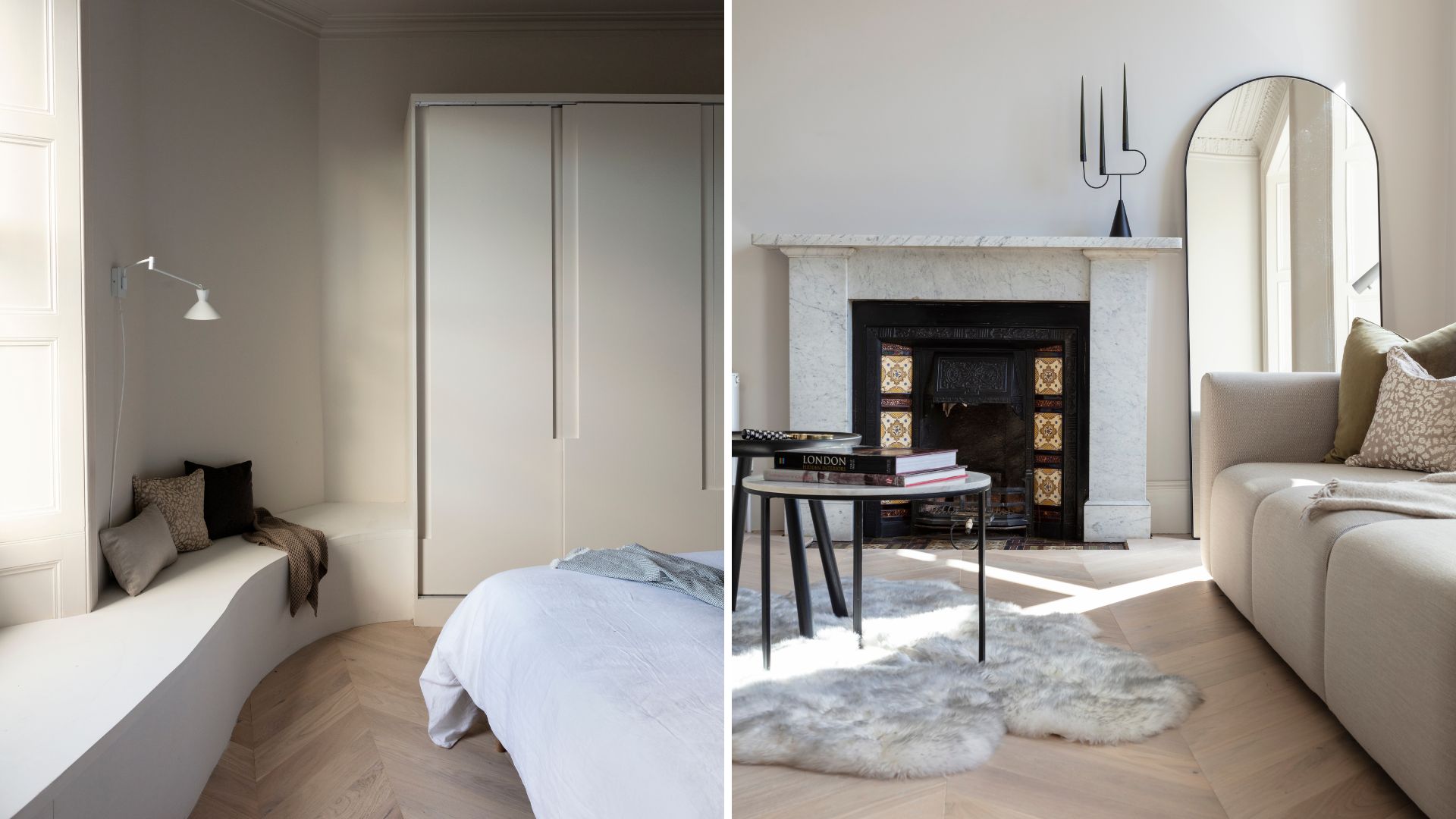
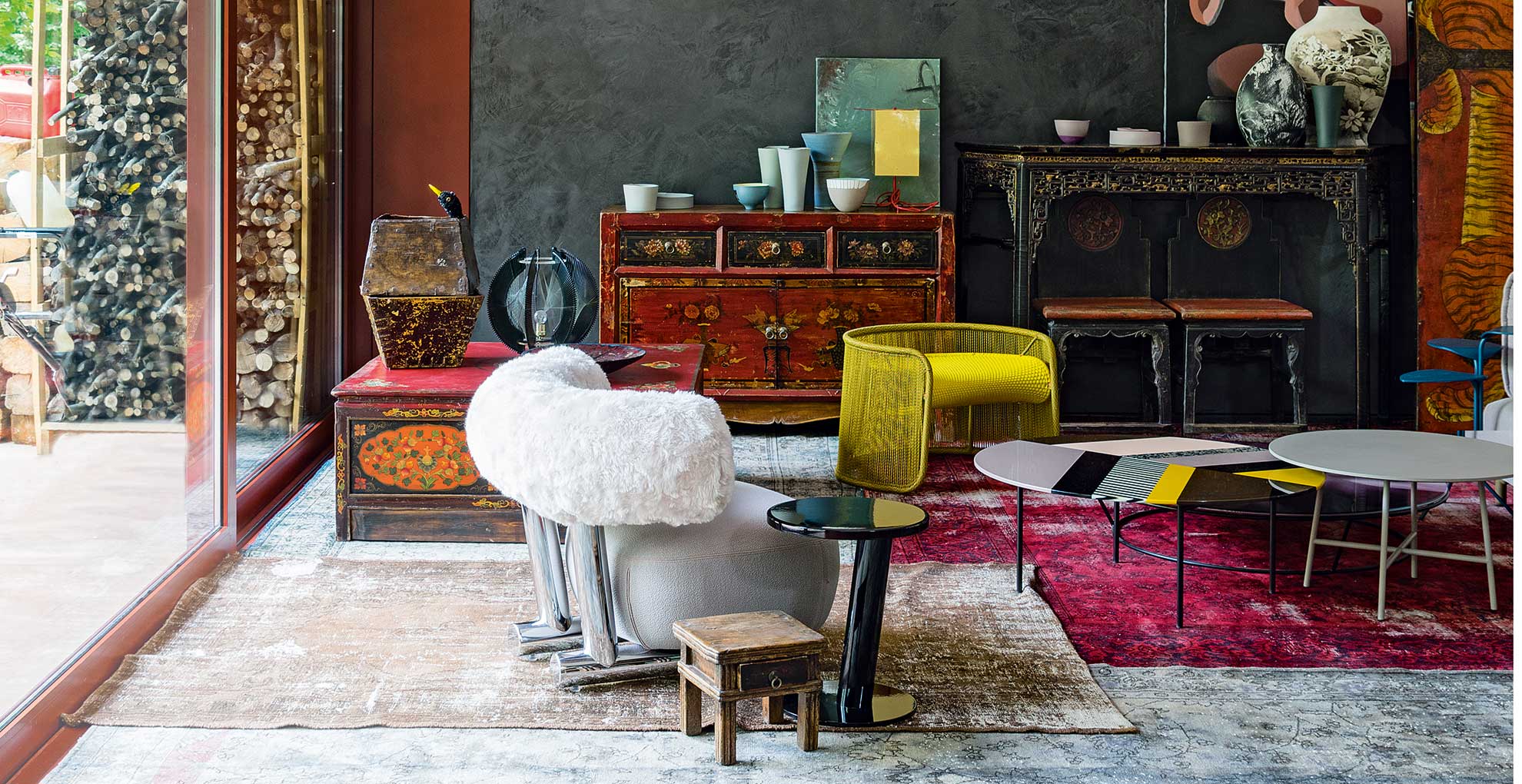
However, a purely traditional shabby chic look can appear dated. Therefore, blending old and new elements is essential for a contemporary interpretation. Designers advise incorporating modern pieces to create a transitional space where vintage items can truly stand out. For instance, an exposed brick wall can serve as a backdrop for modern art, or a knotty pine dining table can be paired with subdued dining chairs. This blend prevents the room from feeling uniform and allows the unique character of aged pieces to shine. Additionally, while pastel tones are characteristic, a modern spin can involve introducing bolder hues to add a fresh dynamic.
Finally, avoiding over-the-top application of shabby chic elements is critical for a sophisticated outcome. Excessive use of frilly linens, heavy florals, and rustic items can quickly make a space feel dated. A more minimalist approach is recommended, using floral patterns and textures sparingly in elements like throw pillows, blankets, and wallpapers, and opting for muted, soft prints. Nurseries are identified as an ideal setting for a more playful, maximalist interpretation of shabby chic, allowing for upholstered cribs, ottomans, and rustic rocking chairs. Ultimately, whether embracing a nostalgic, comforting style or a modernized, pared-back approach, shabby chic remains a versatile and enduring decorating trend.
#ShabbyChic #InteriorDesign #HomeDecor #AntiqueFurniture #VintageStyle #DesignTrends #RusticCharm #FrenchCountry #DecoratingTips #ShabbyChic #InteriorDesign #HomeDecor #AntiqueFurniture #VintageStyle #DesignTrends #RusticCharm #FrenchCountry #DecoratingTips
0 comment in total
 No comments yet
You may also like
Why shabby chic is the interiors trend that will never die
Is coastal decor still on trend? Interior designers decide whether this style is a classic or cliché
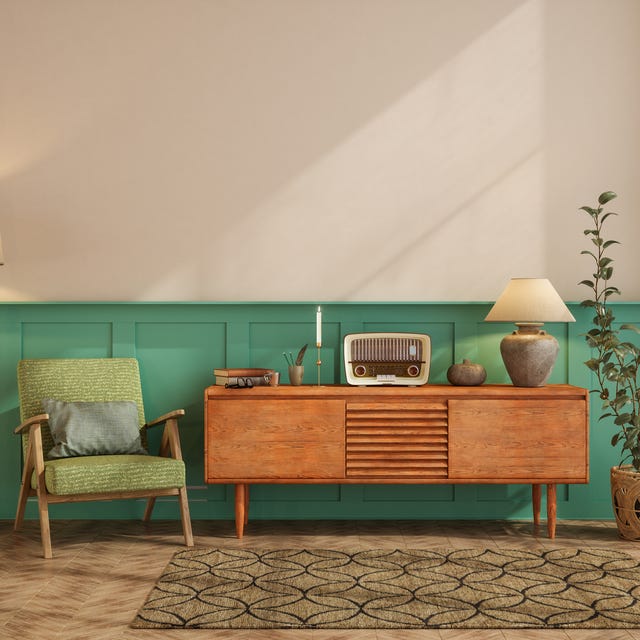
8 "Tacky" Home Trends That Are Tragically Dead to Designers in 2026

17 Trends That Need to Disappear Forever , According to Interior Designers

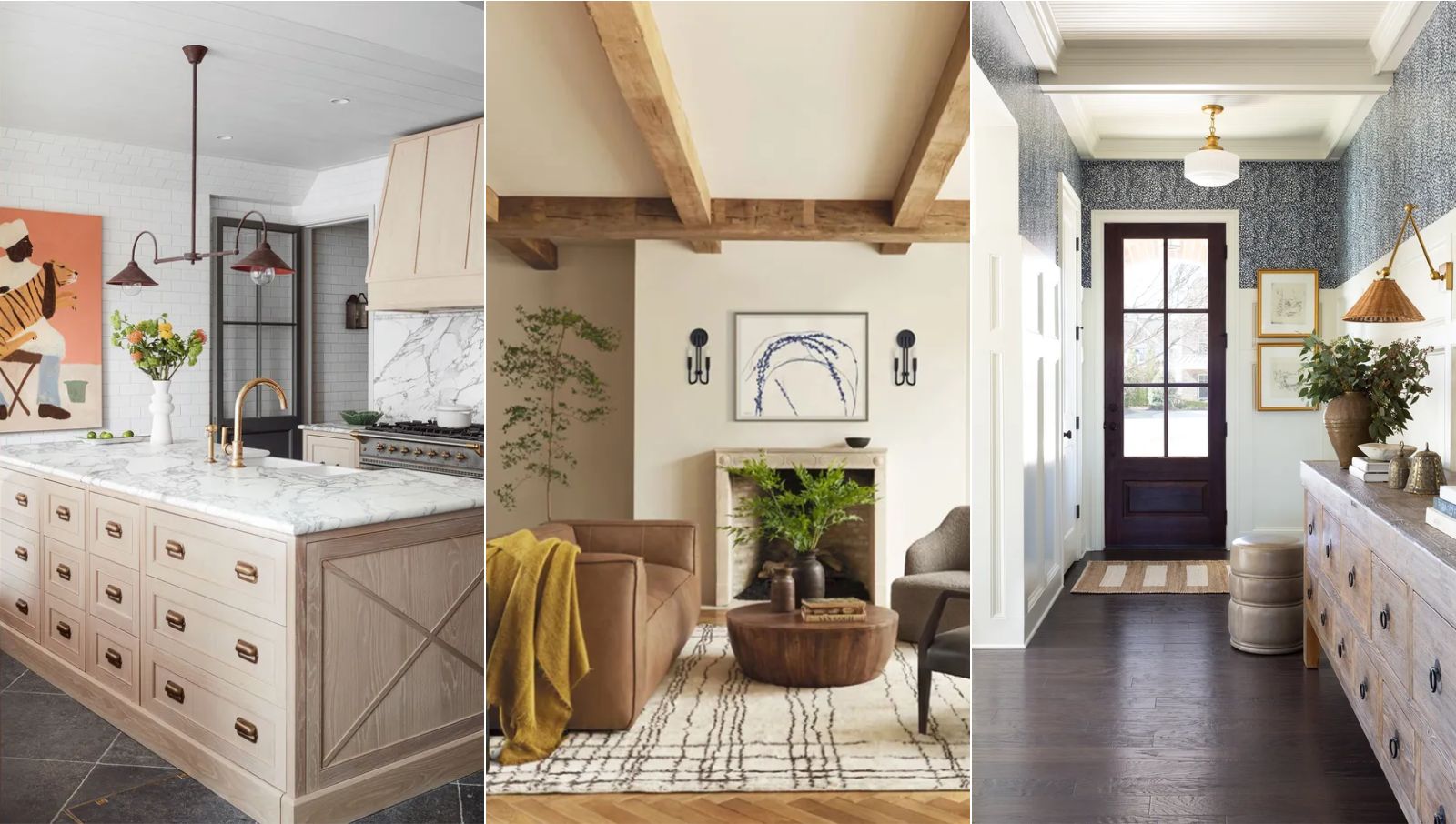
Is modern rustic decor still on trend? We asked designers if this much-loved look is here to stay
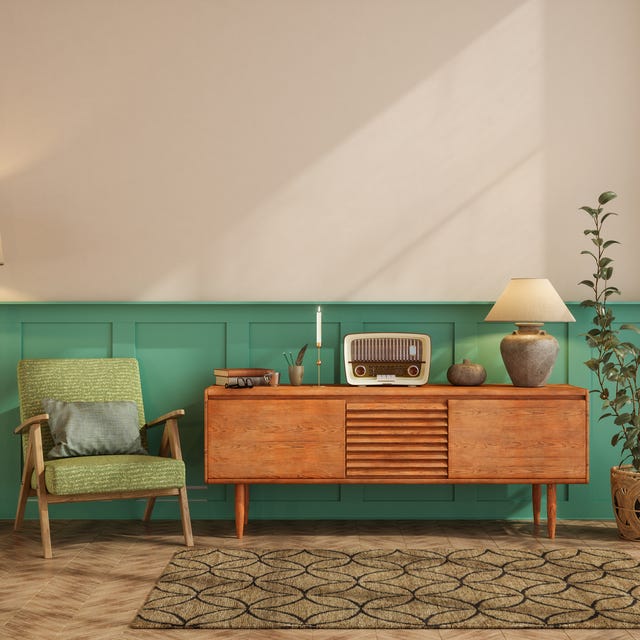
8 Home Trends That Are Tragically DEAD to the Design World

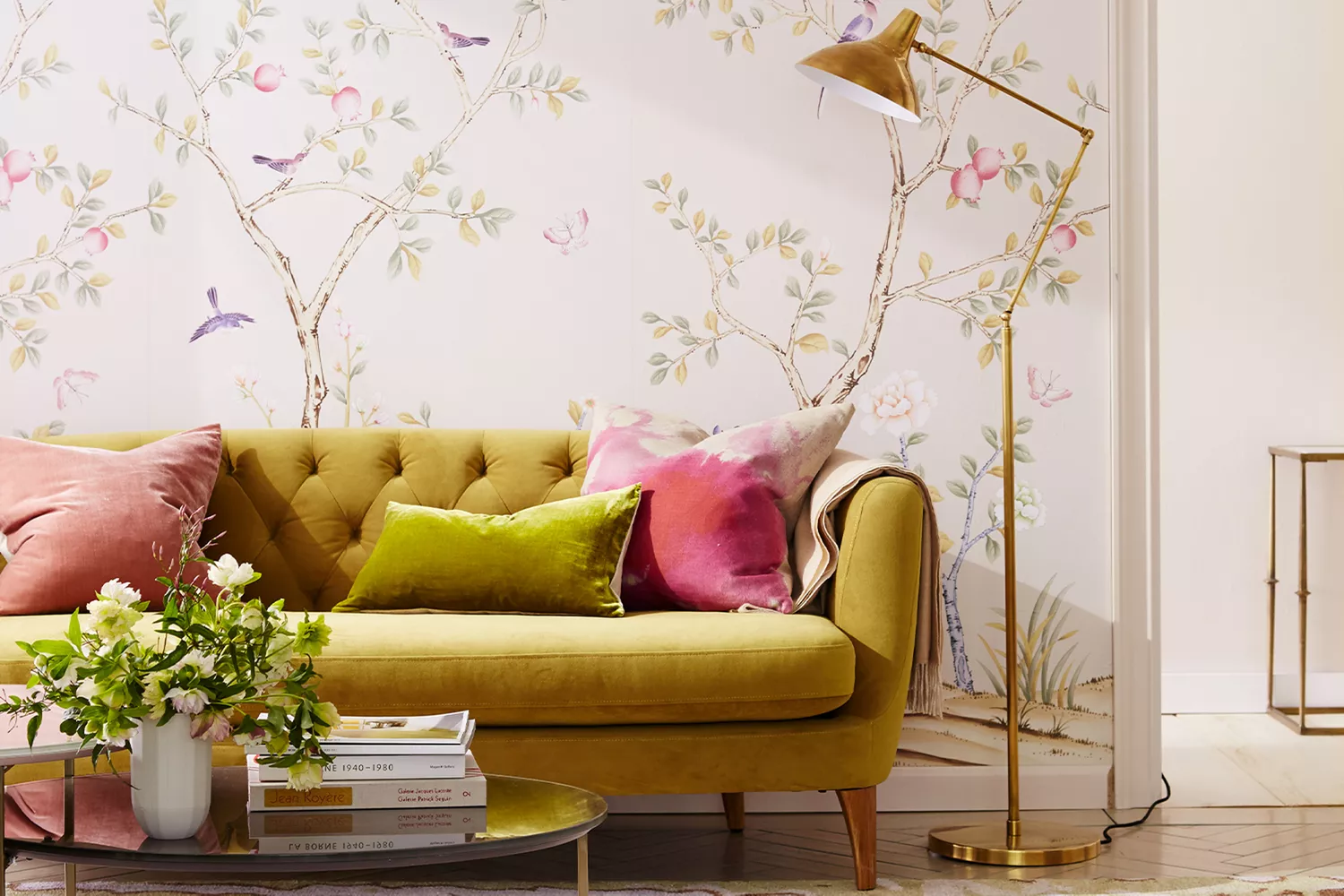
12 Vintage Trends That Are Making a Comeback, According to Interior Designers
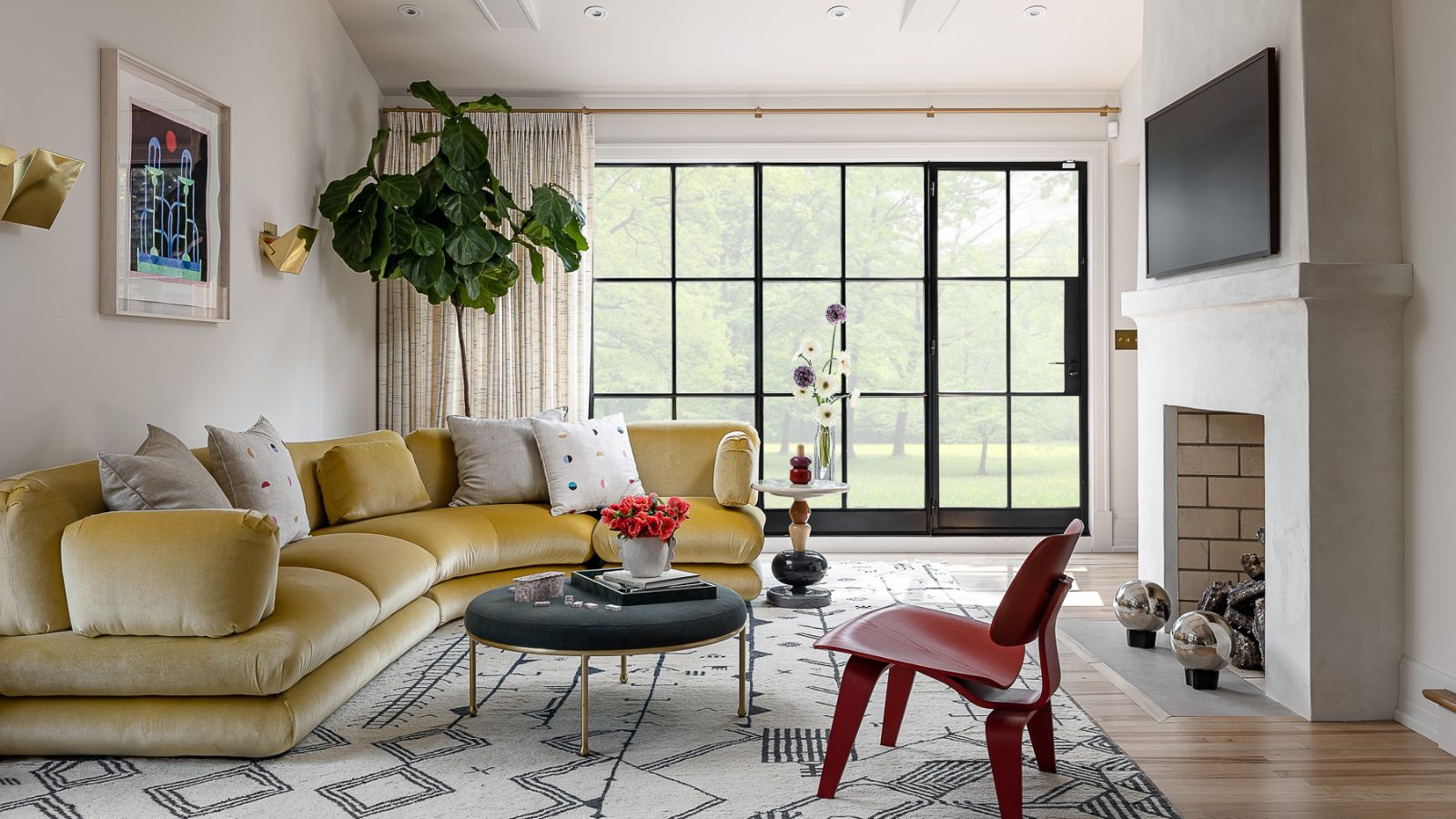
Are curved couches still on trend? Designers say this style is a classic in the making
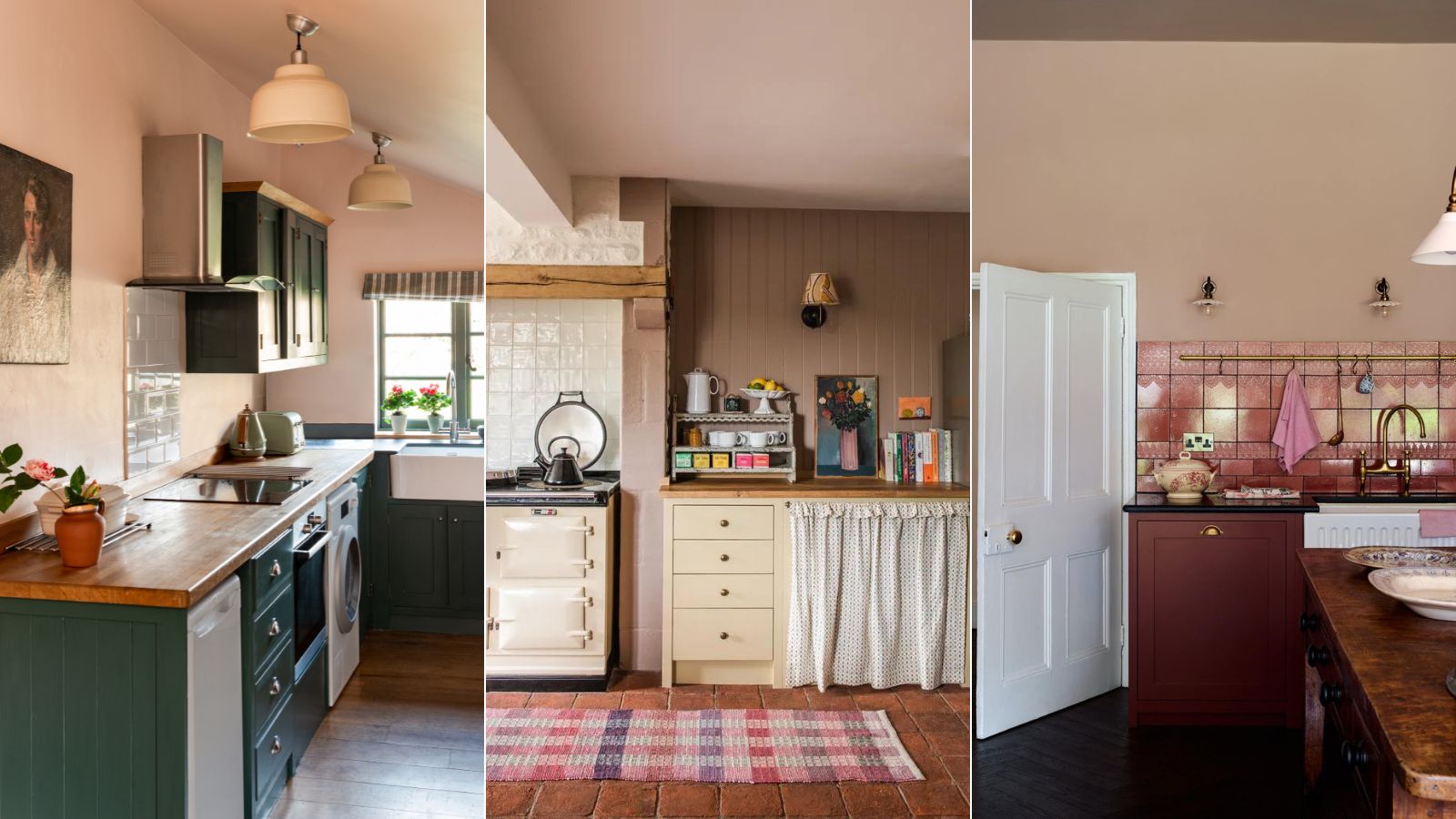
Are Shaker kitchens still on trend? Interior design experts weigh in on whether this classic style is looking dated
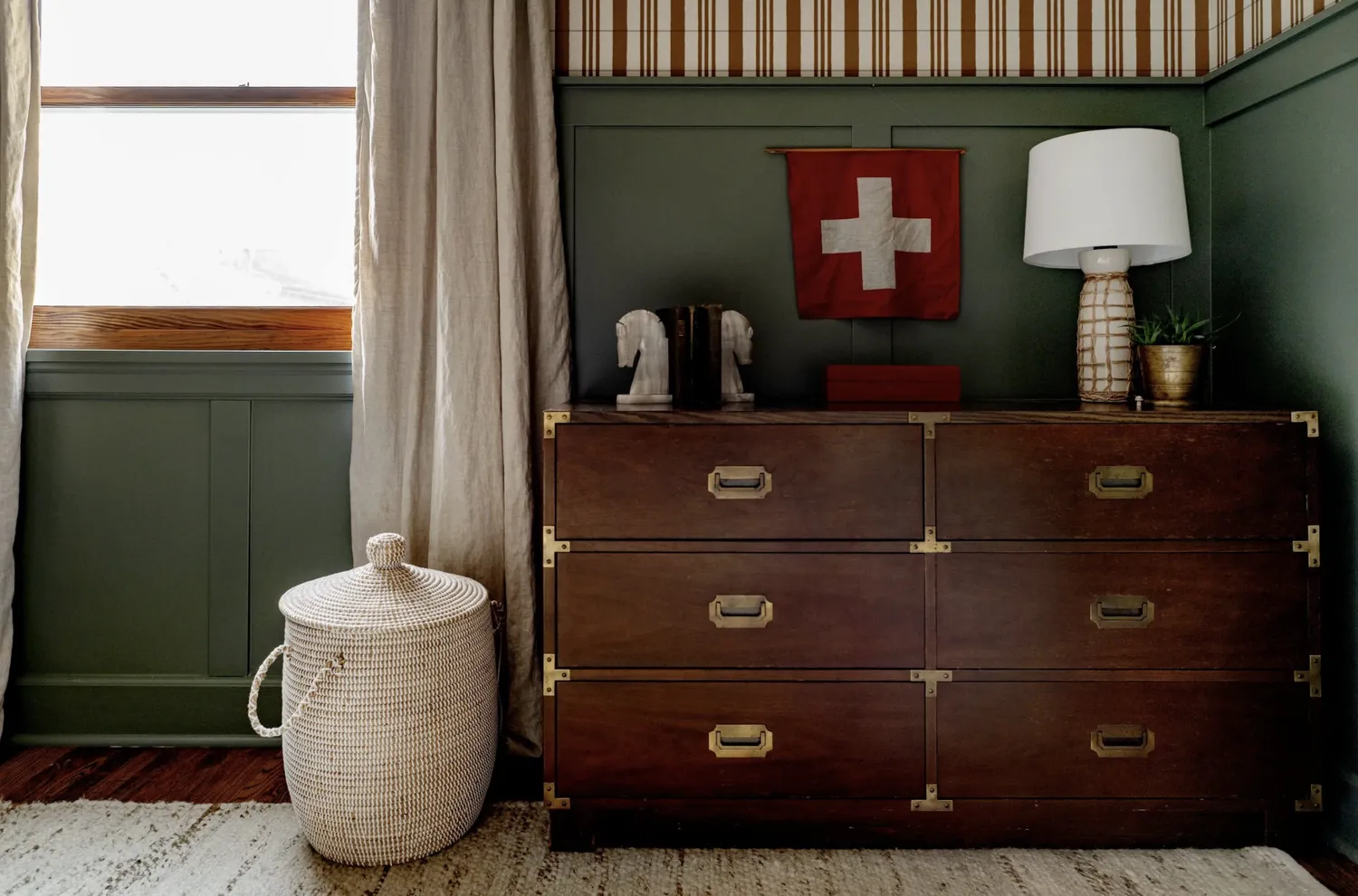
This Dated Home Decor Style Is Back—and It Instantly Makes Your Space Look So Expensive

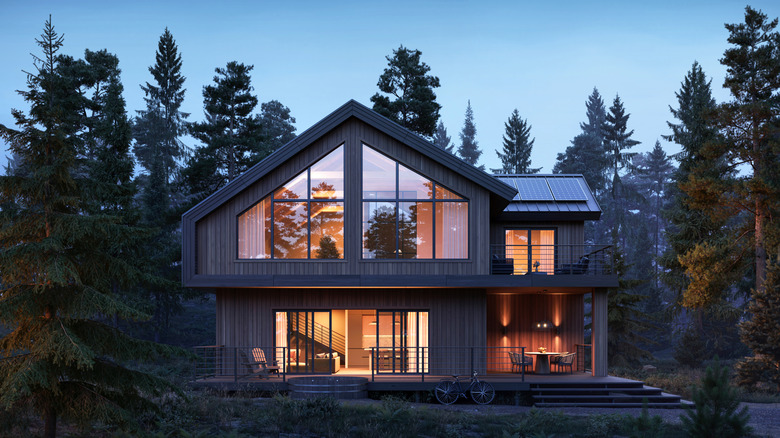
Rustic Design Trends You Can't Ignore In 2026

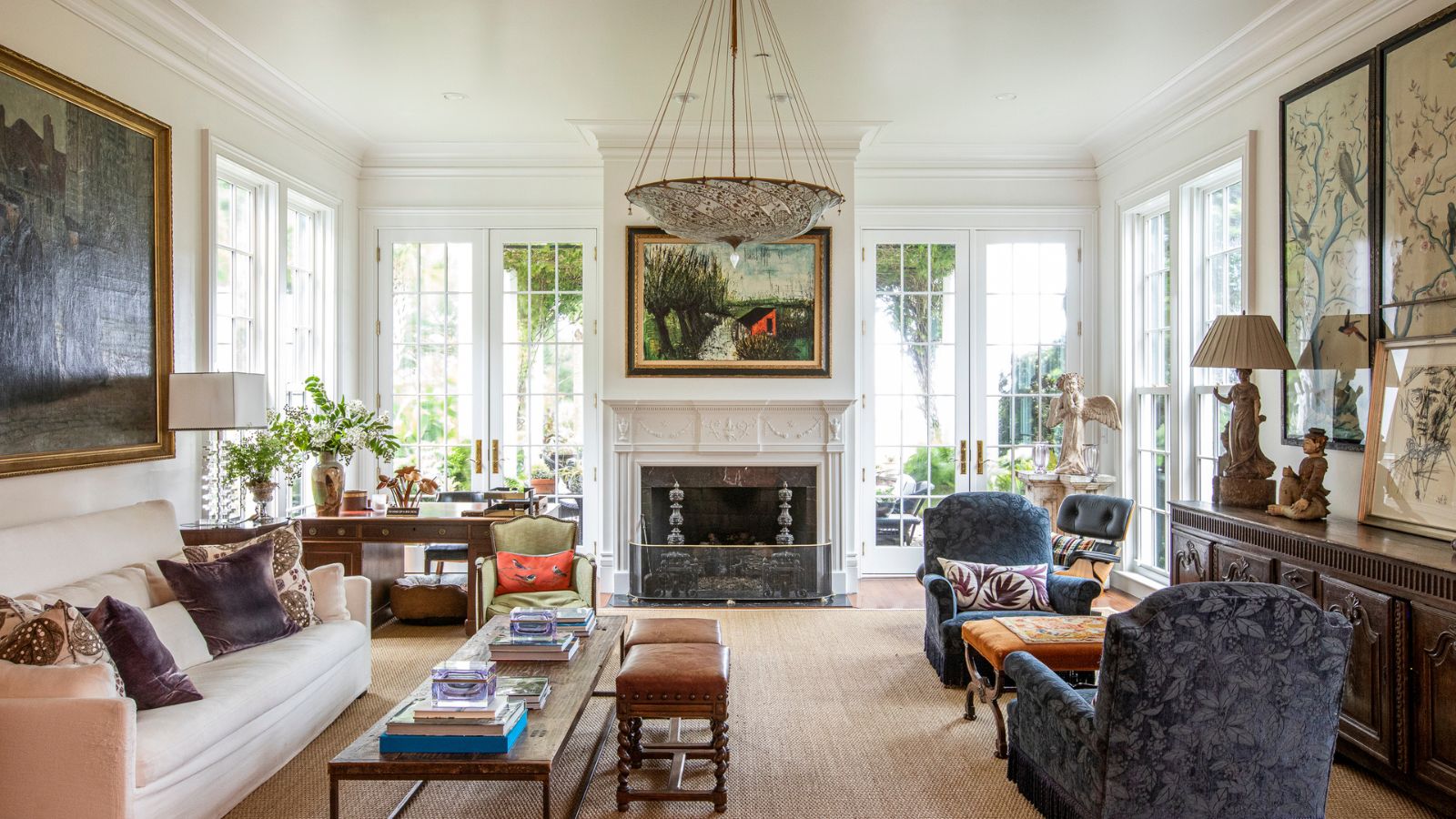
6 antiques that will always work in modern interiors – and how designers style them
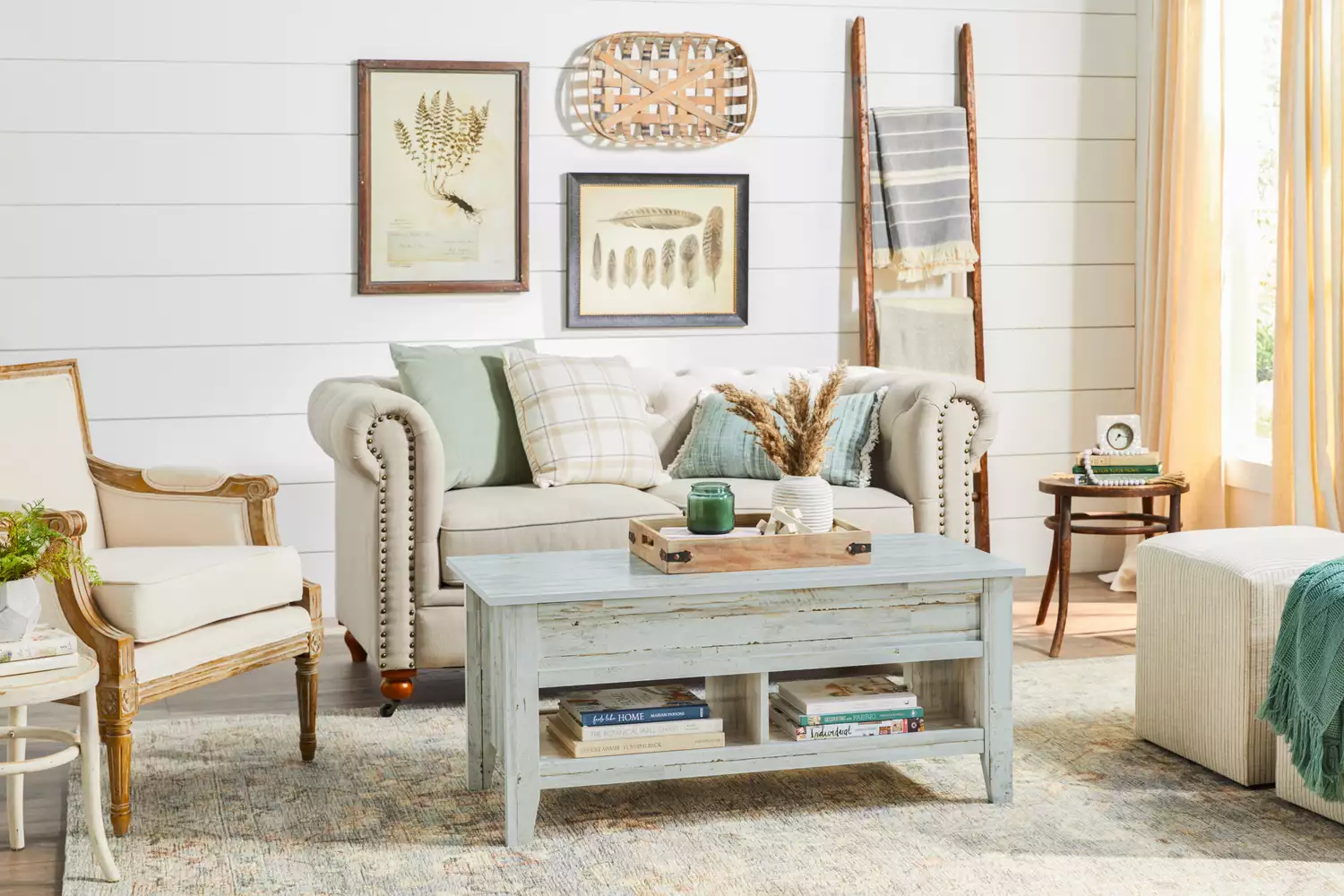
Celebrate Shabby Chic Style With These Design Tips
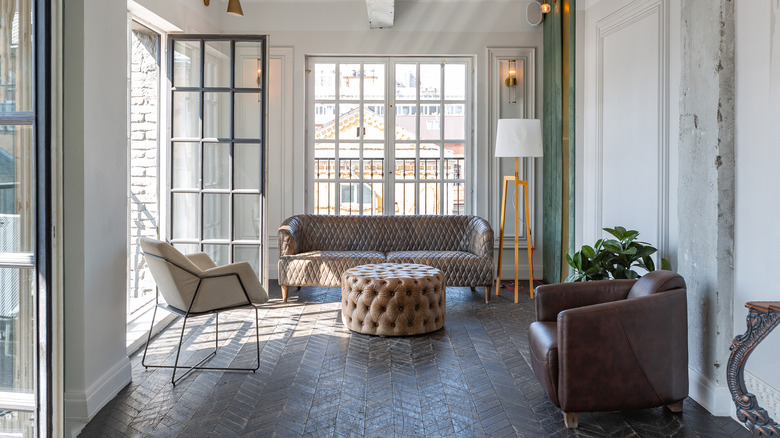
Outdated Furniture Pieces That Are Having A Comeback
What are the most timeless interior design styles? Interior designers list their favorite classics
Interior Design Trends 2024: 10 home decor trends to inspire

40 Outdated Home Trends We Hope Never to See Again
17 Products That Will Instantly Add Vintage Style to Any Home

Vintage Home Design Trends That Are Making Huge Comebacks
7 Vintage Trends That Are Everywhere Right Now, According to Interior Designers