1/12
5 Indian homes that integrate wabi-sabi design elements beautifully
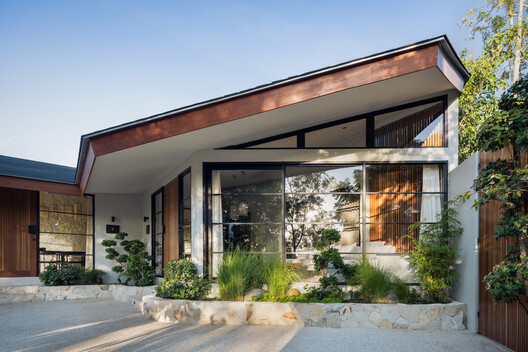
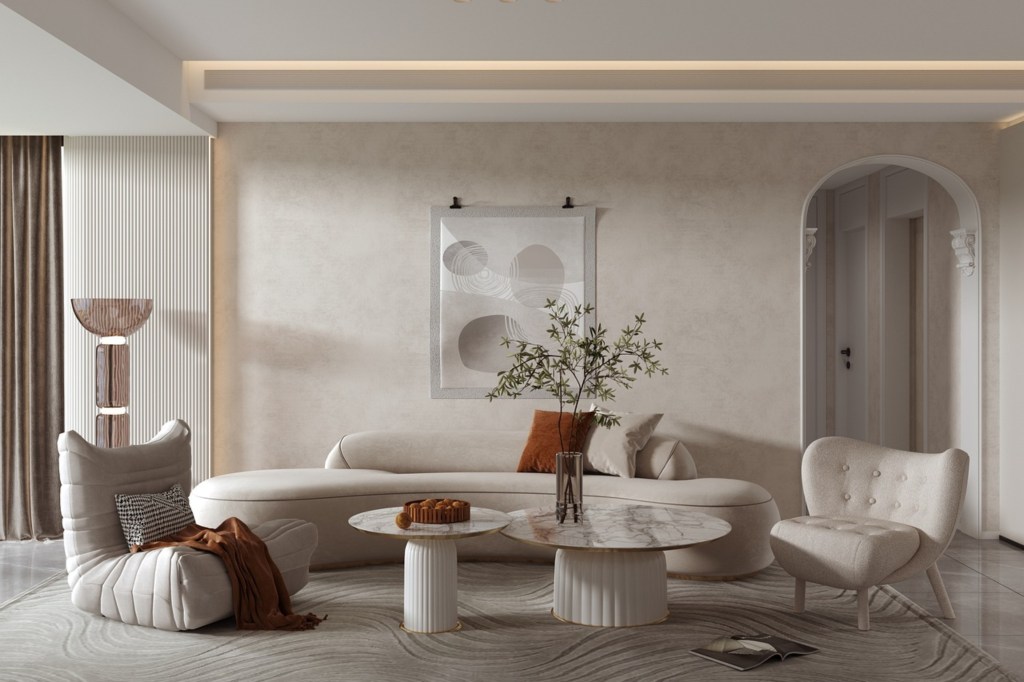
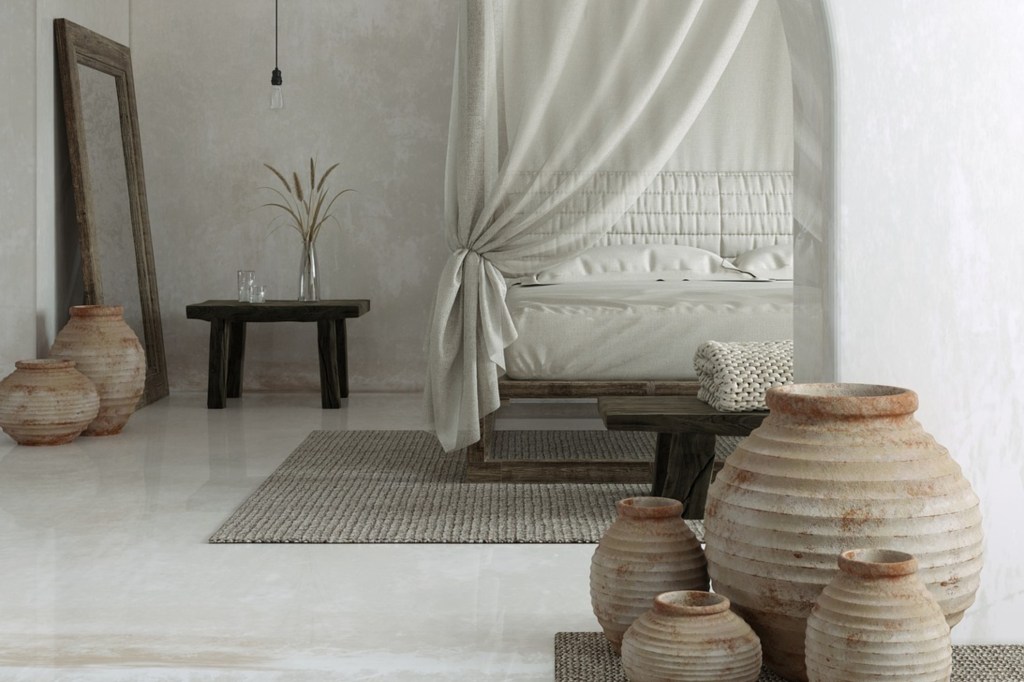
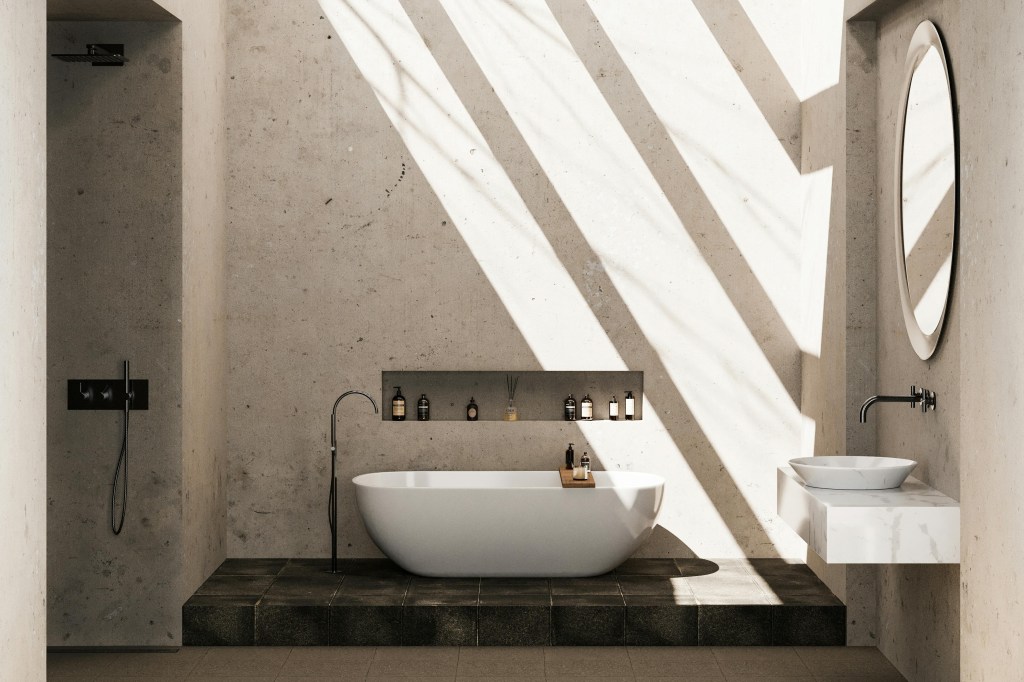
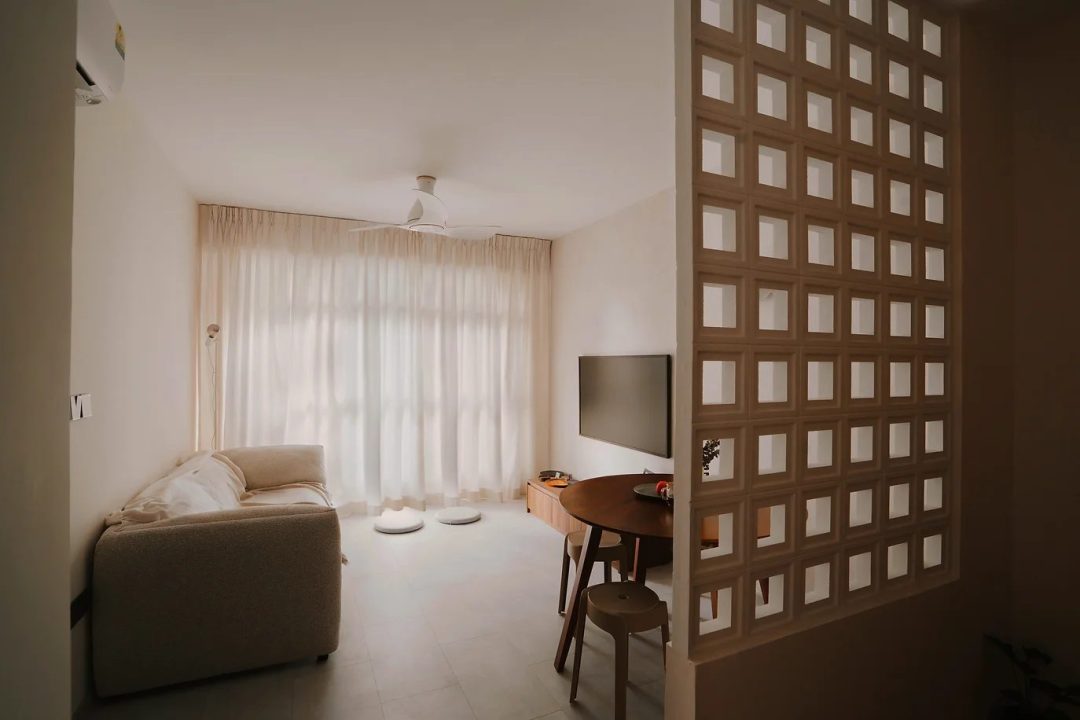
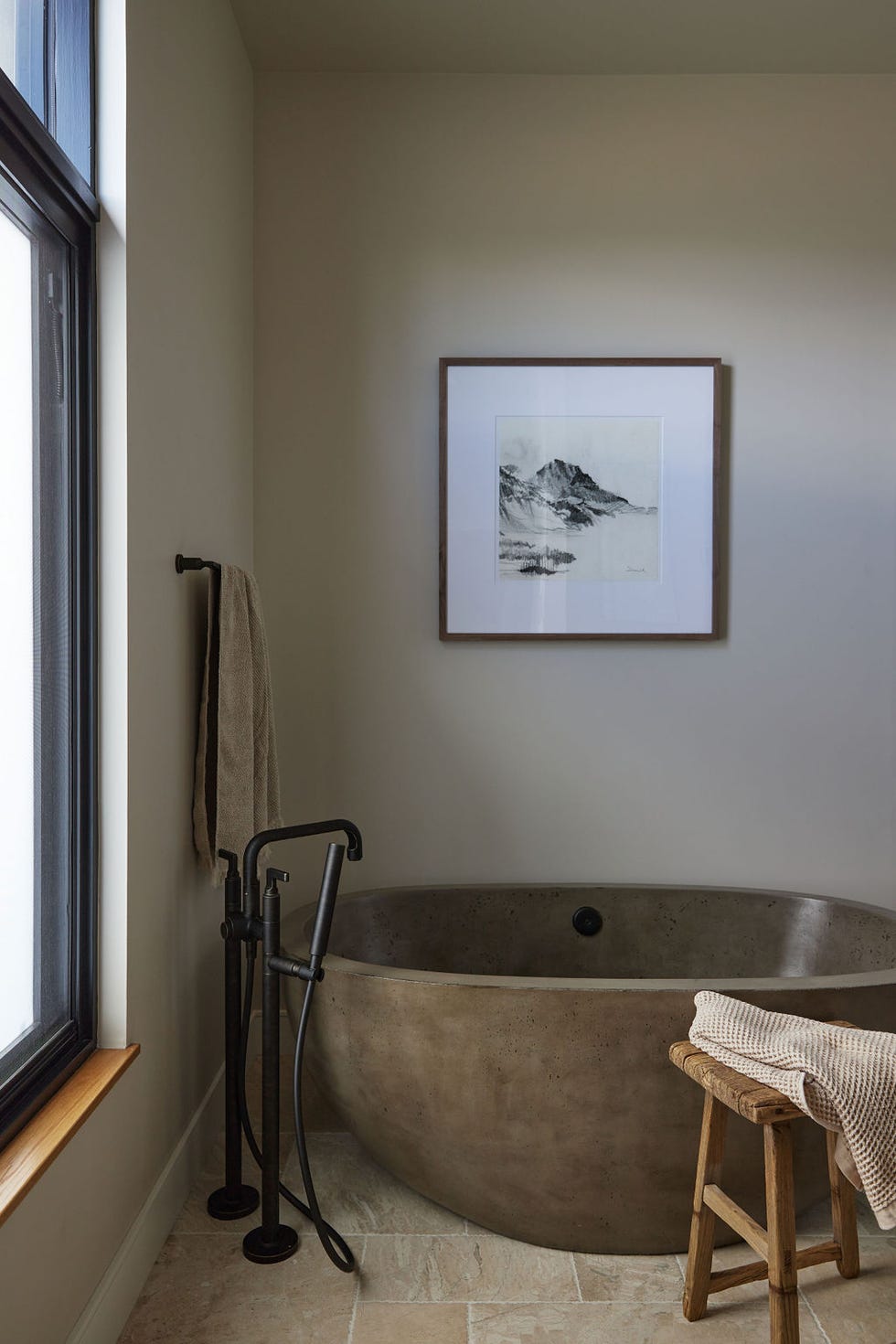
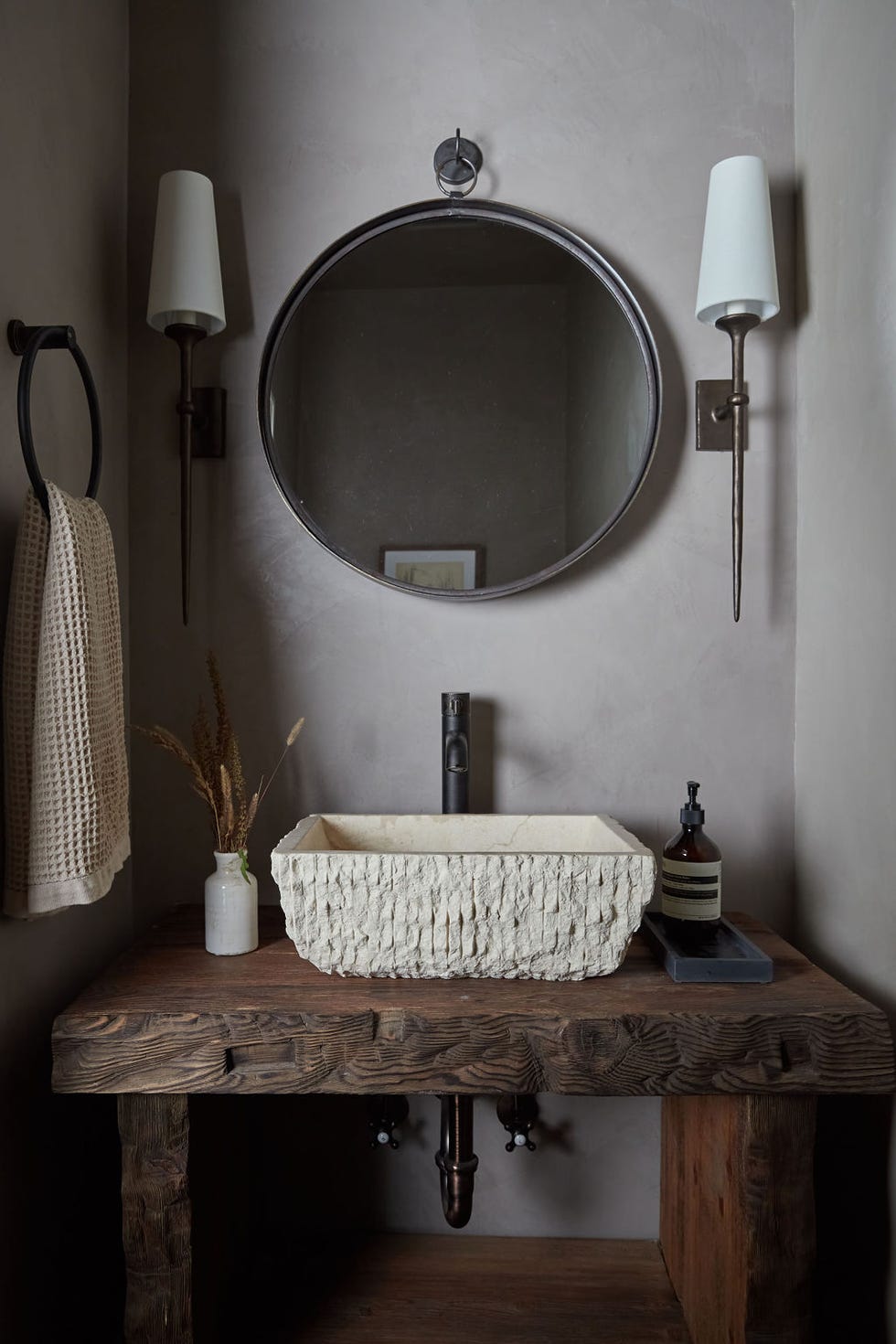
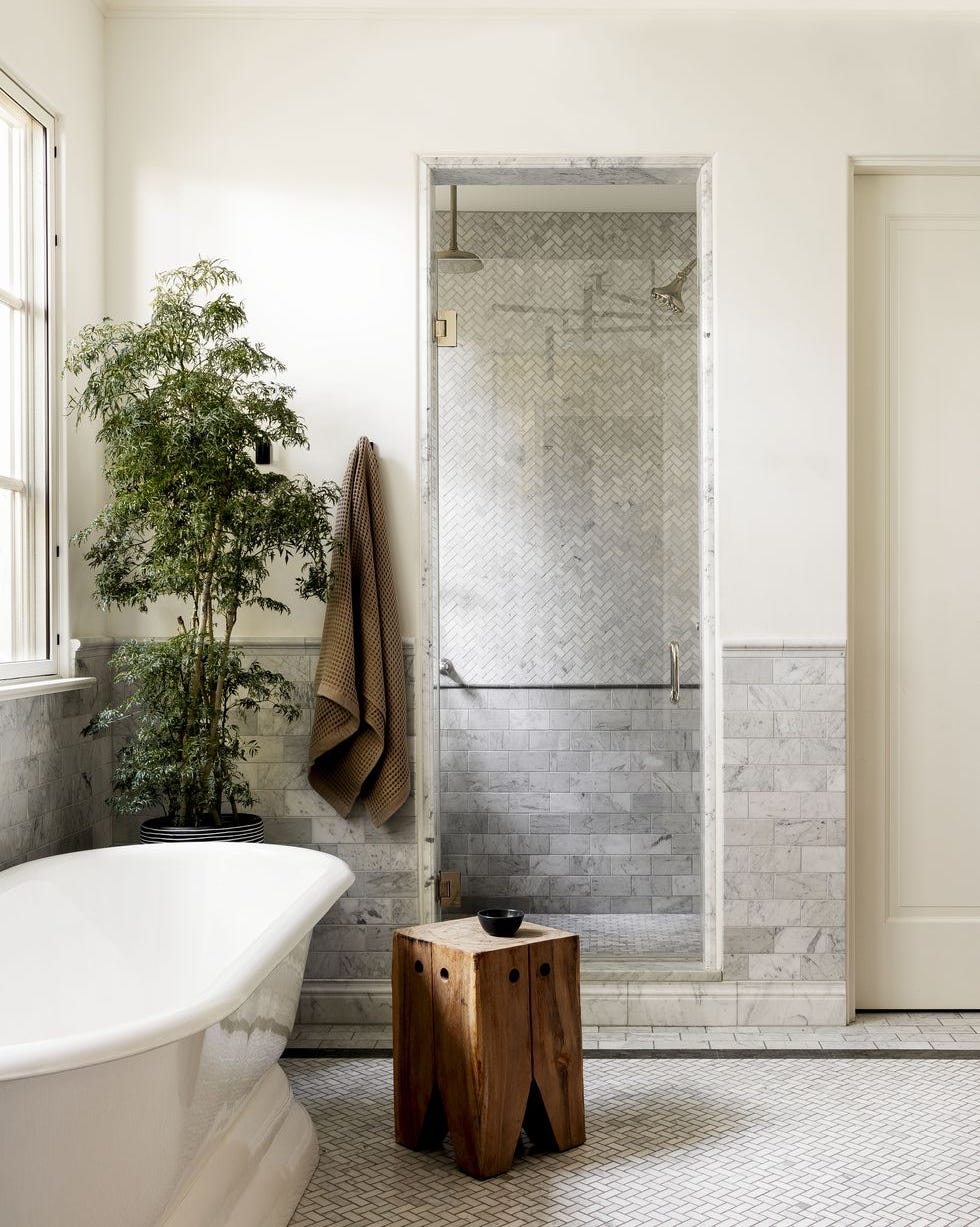
The wabi-sabi aesthetic, rooted in Japanese philosophy, champions the beauty found in authenticity, imperfections, and the natural world. This design approach, characterized by its earthy tones, organic textures, and pared-back charm, has significantly influenced contemporary interior design. This article explores five Indian homes that masterfully integrate wabi-sabi elements, showcasing how this serene and tactile style can be adapted to diverse living spaces.
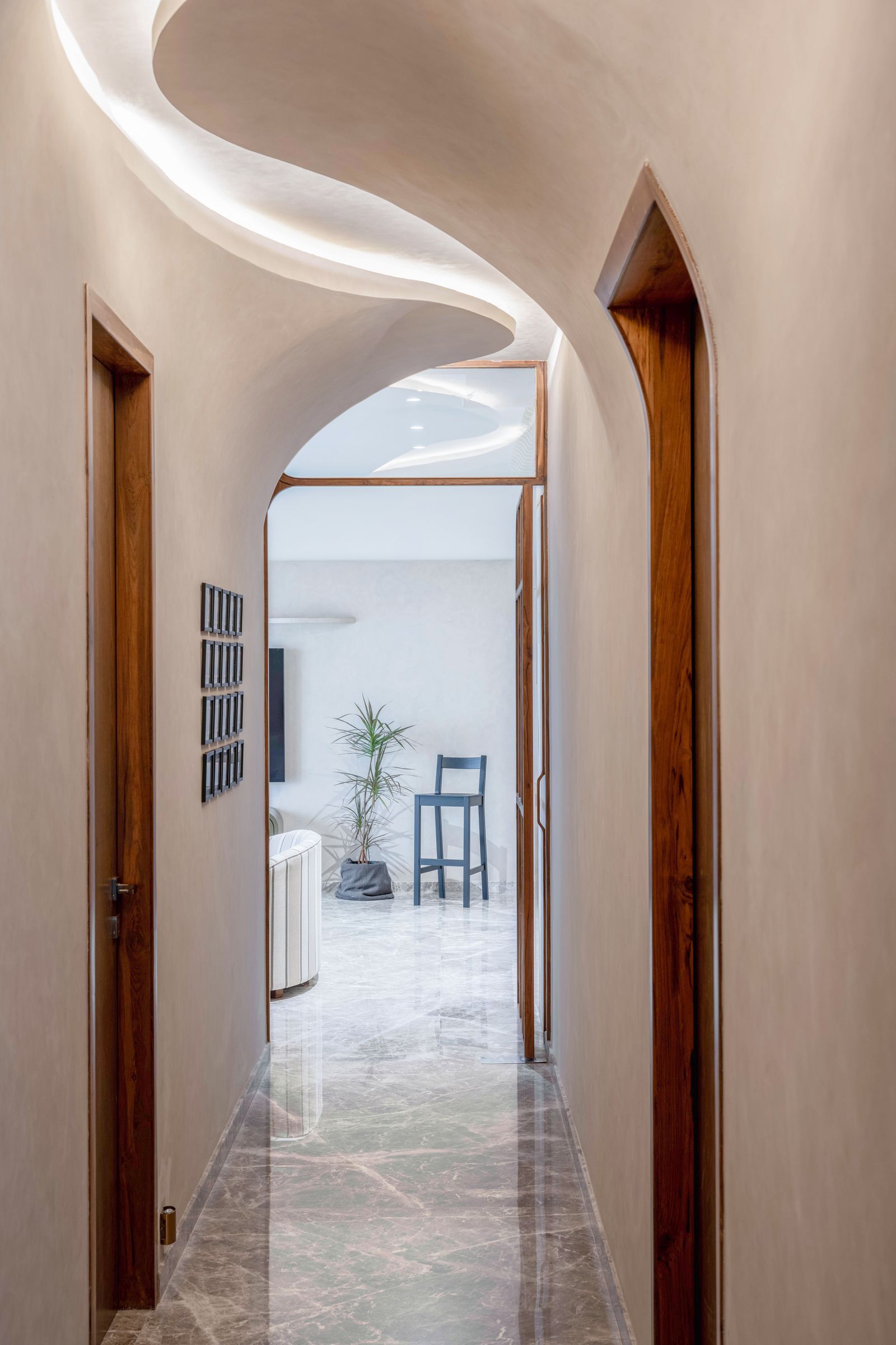
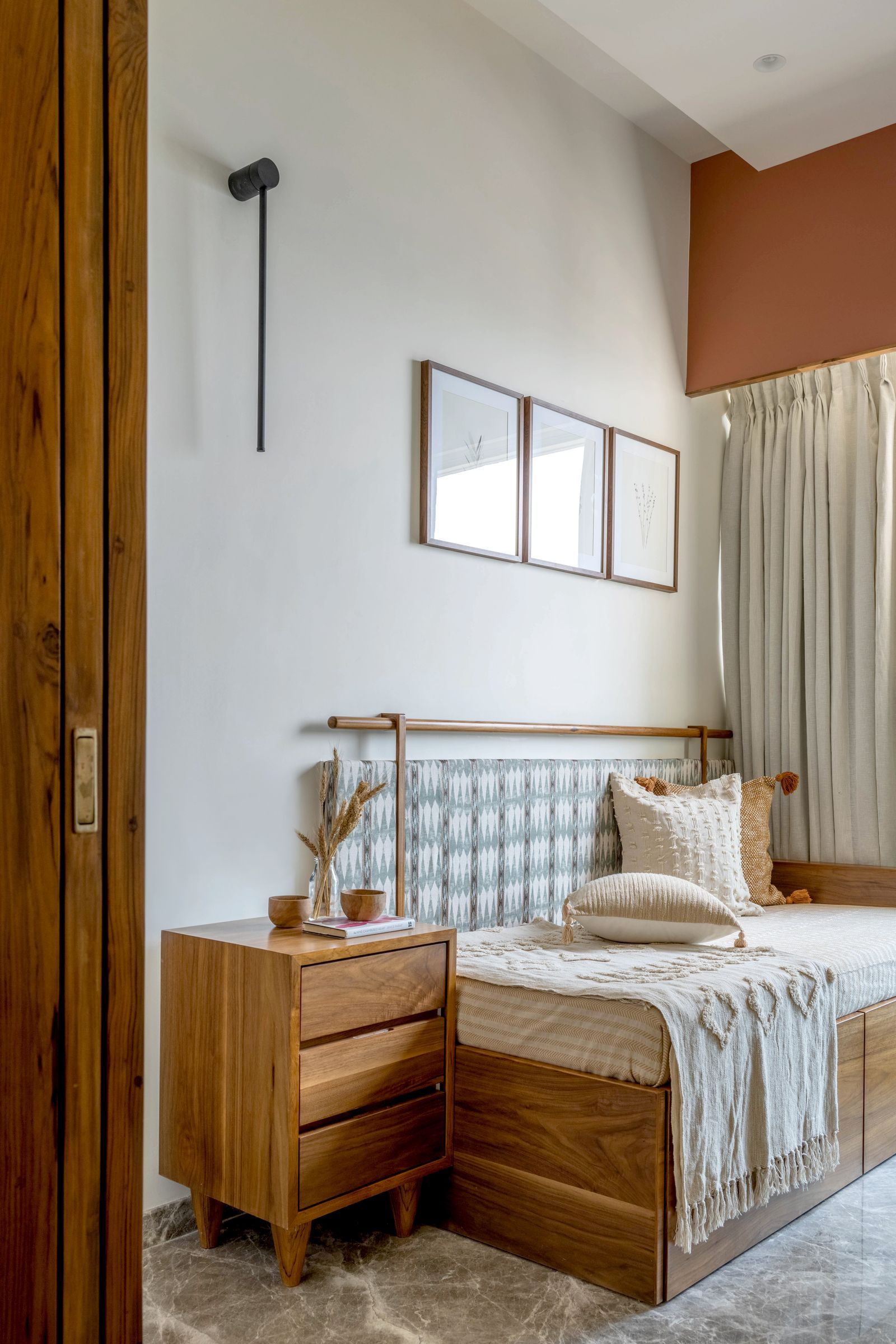
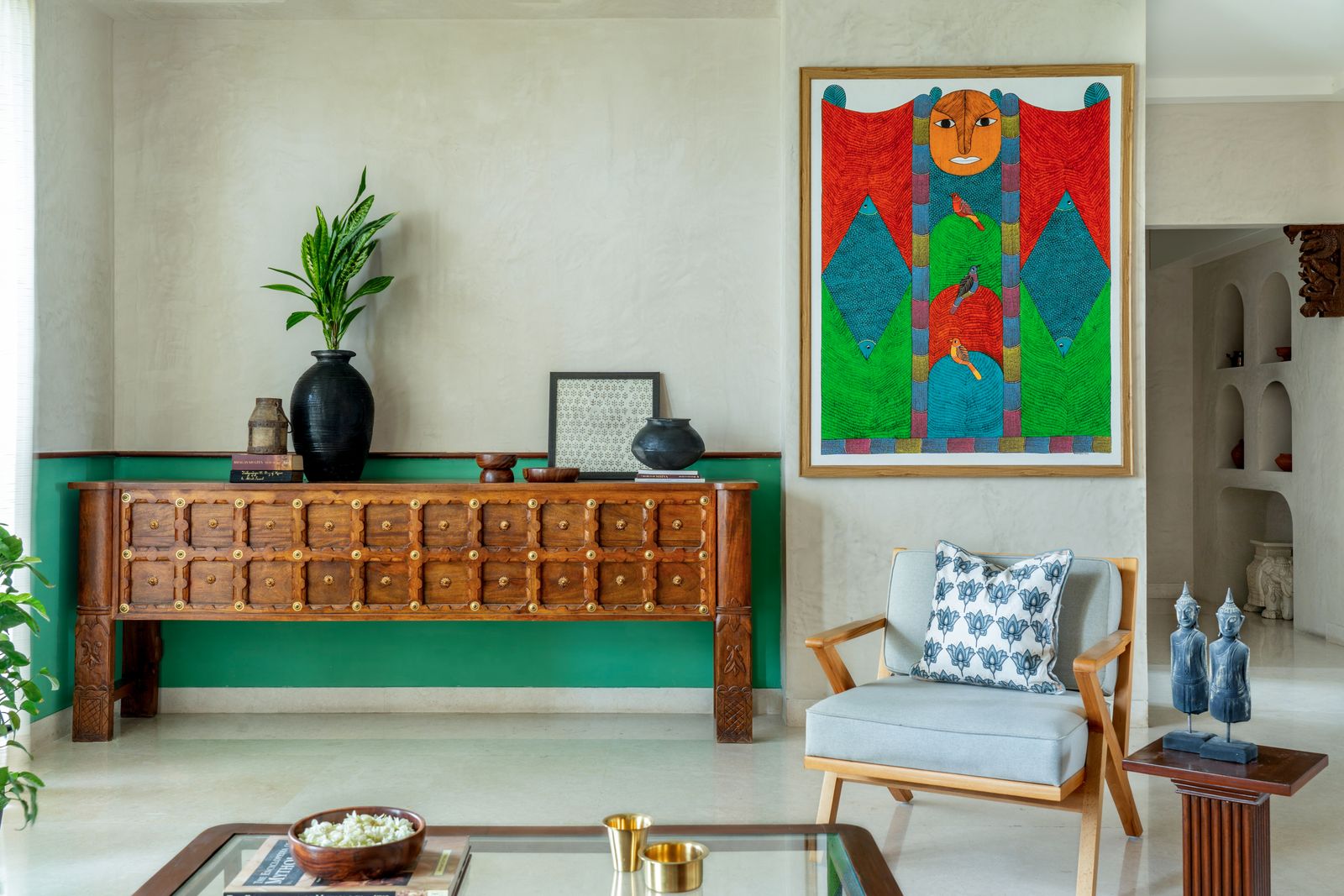
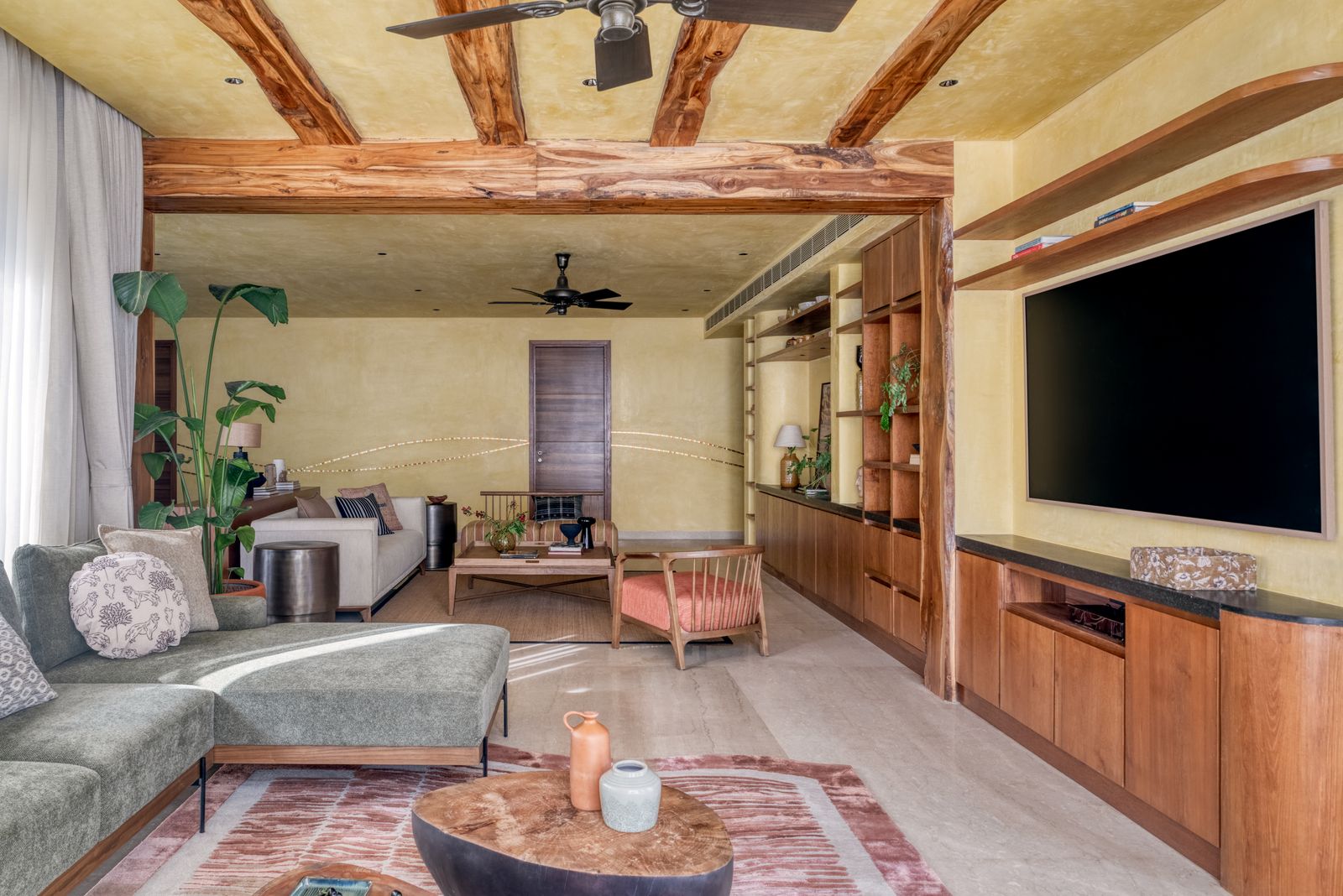
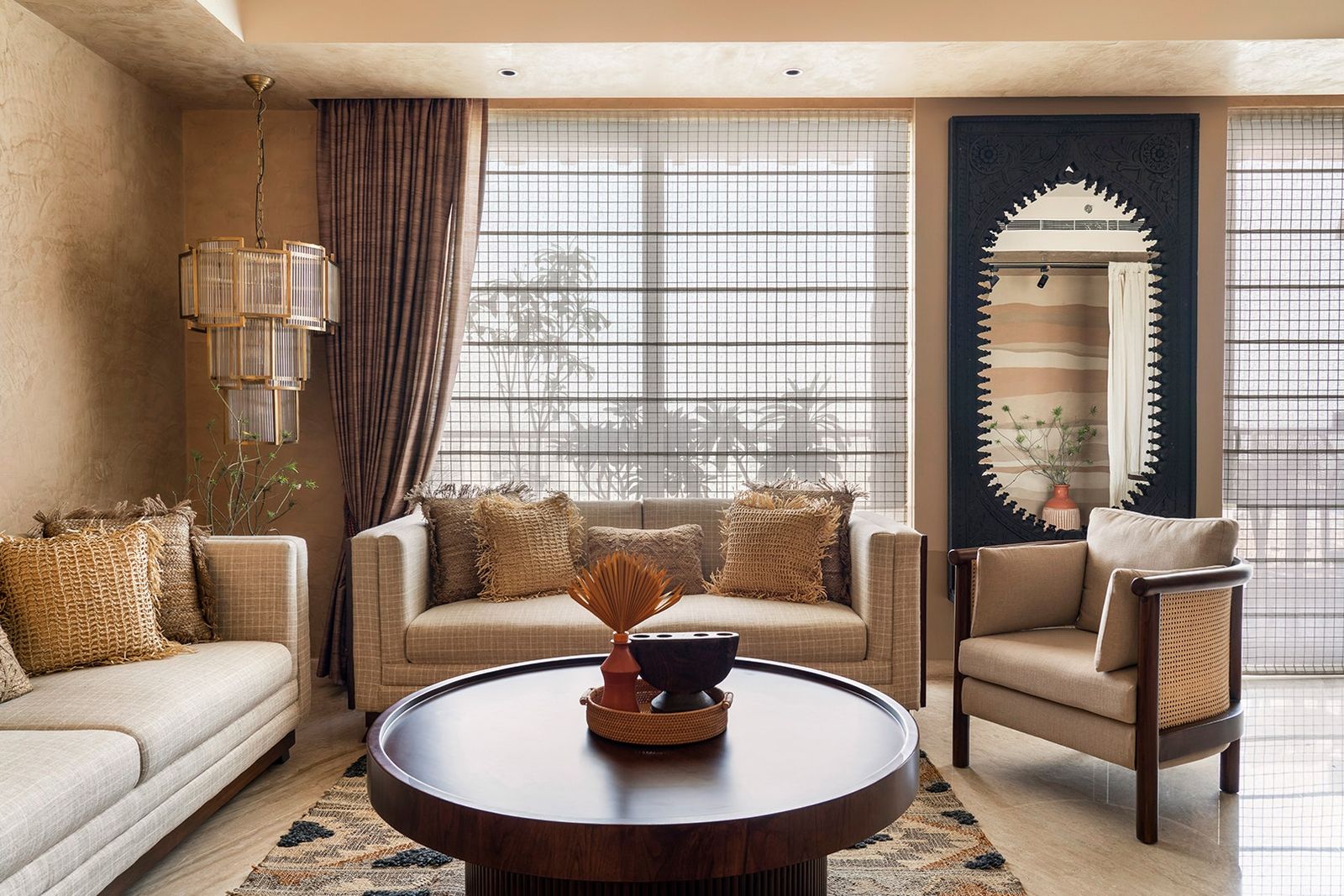
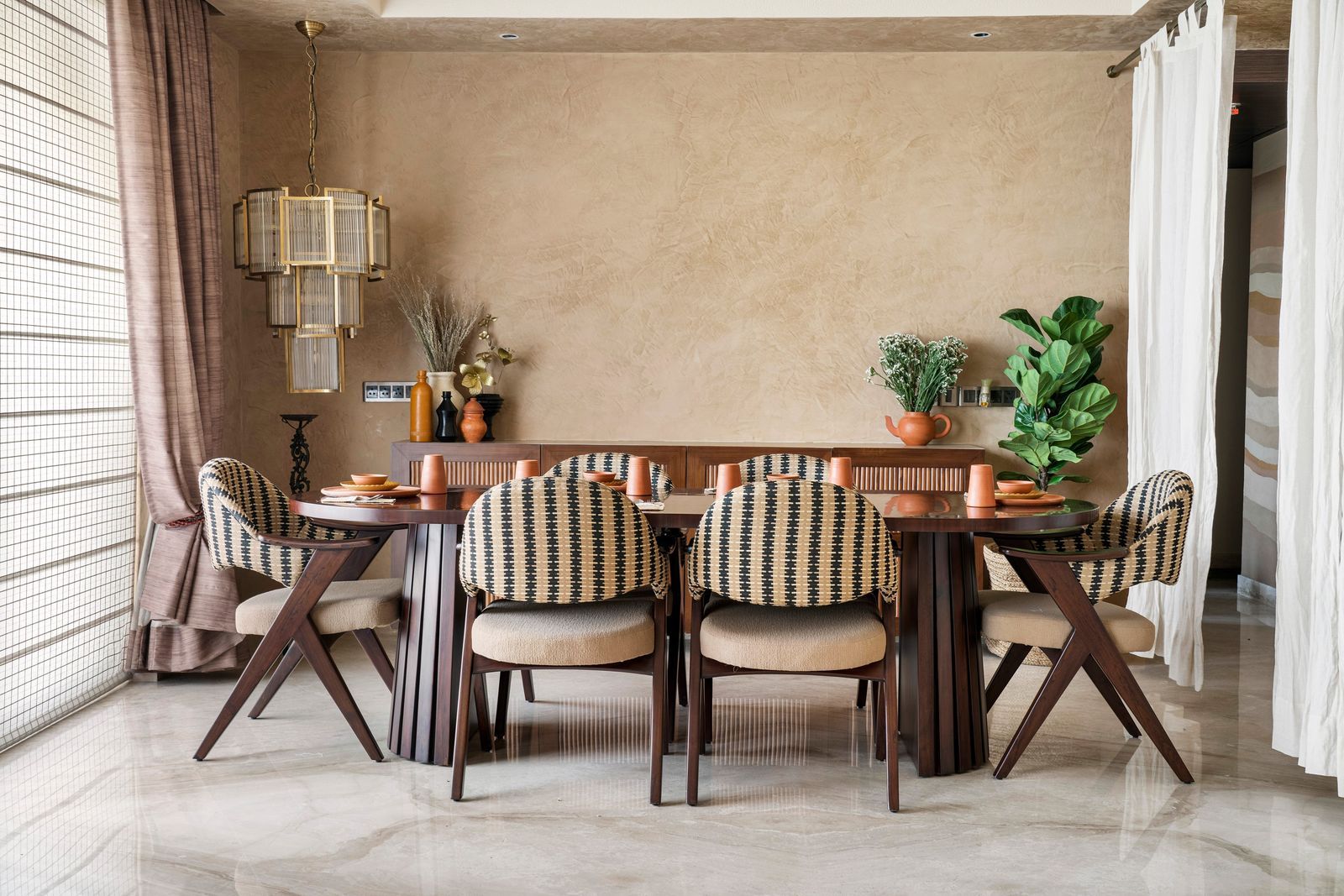
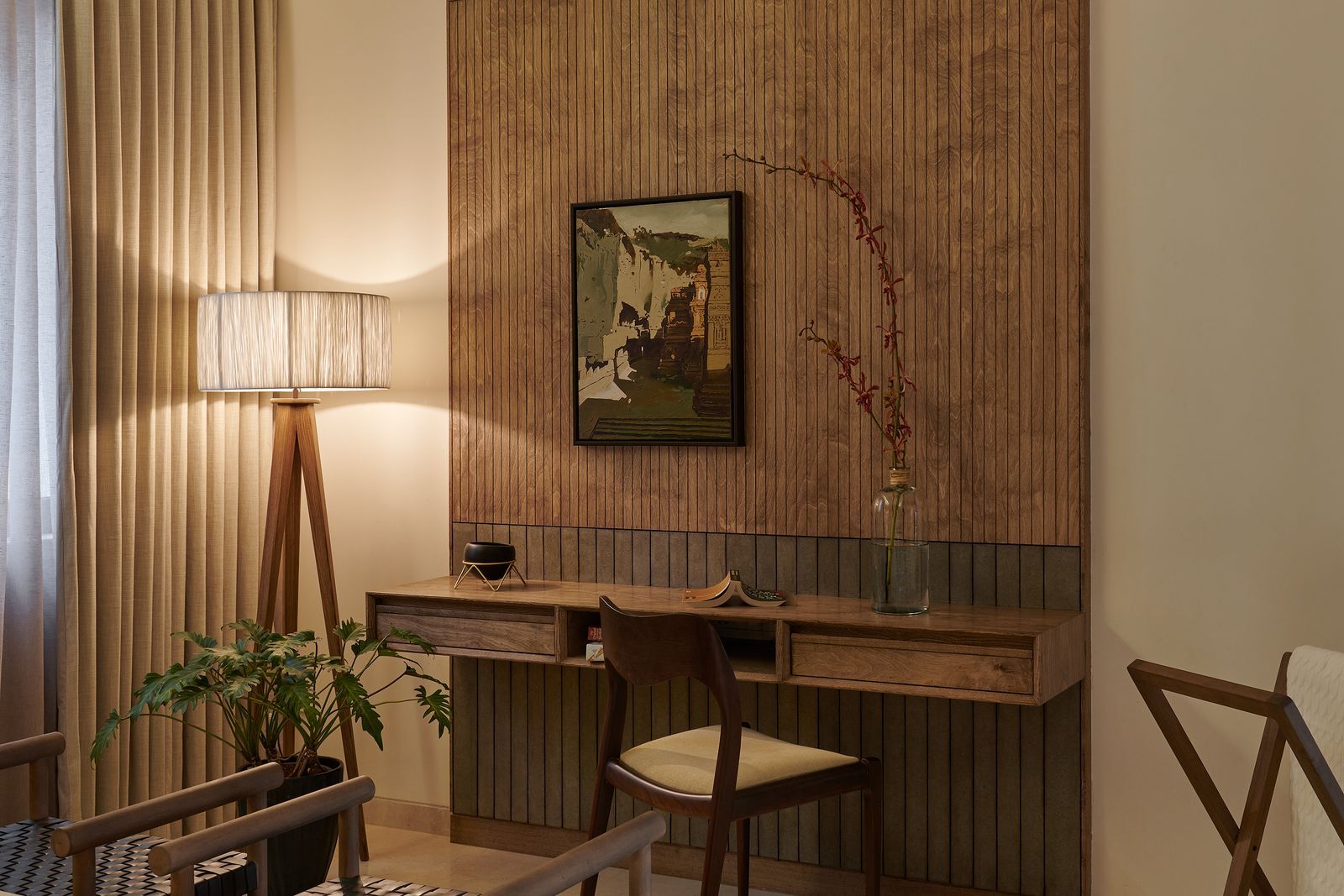
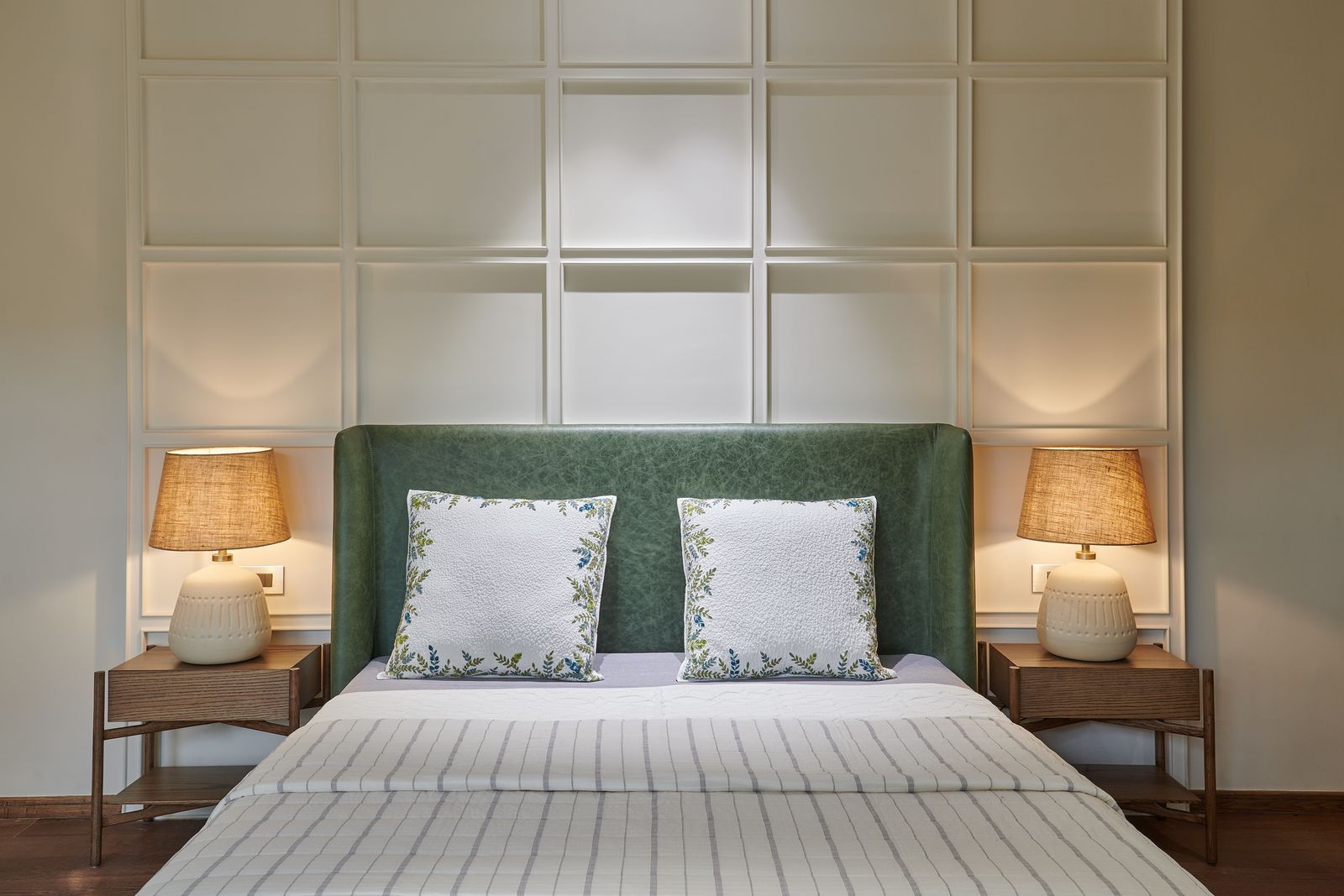
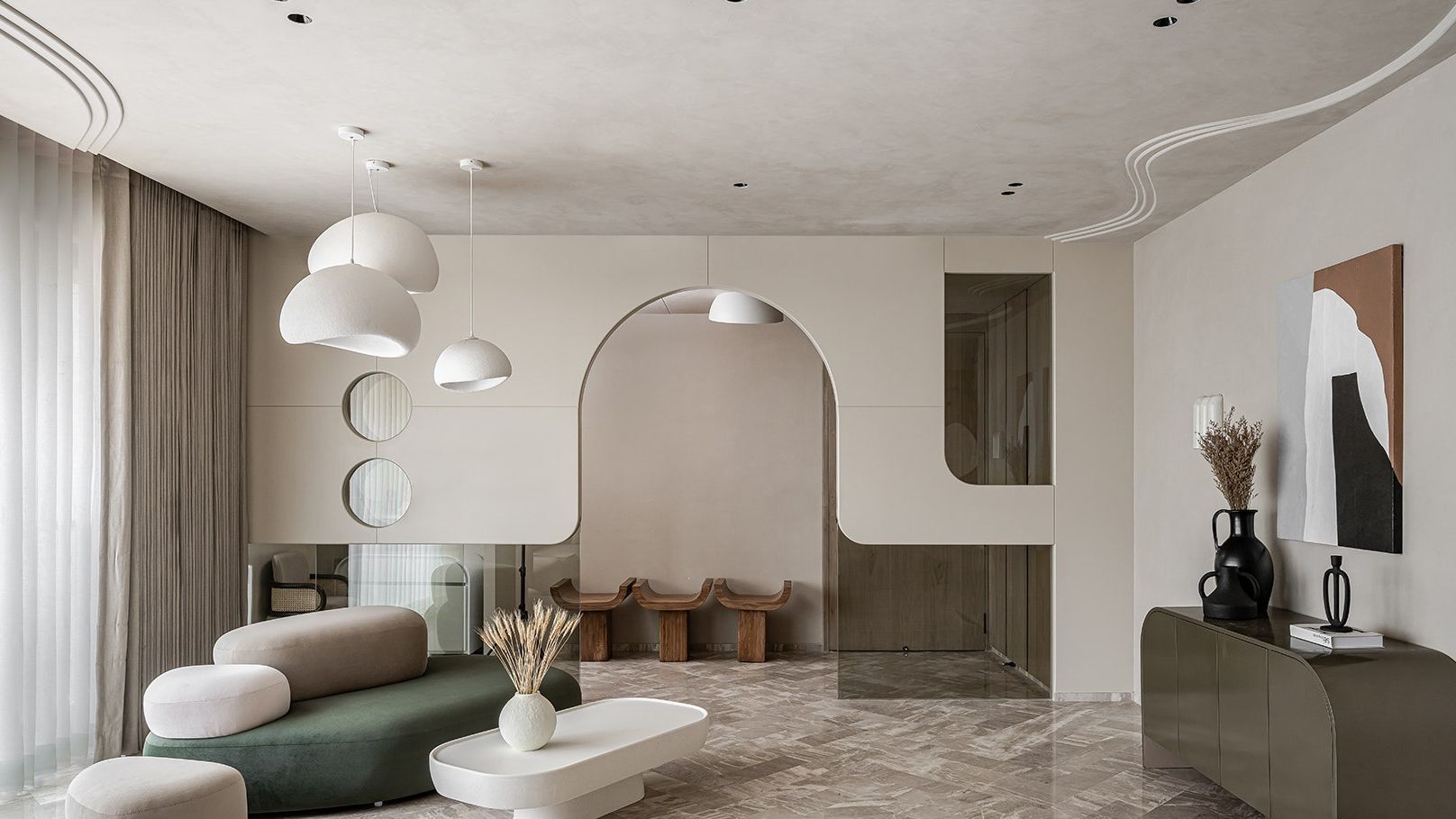
In Mumbai, interior designer Sahiba Madan of Insitu Design Studio transformed a 1,700-square-foot apartment into a wabi-sabi haven for a young couple. Retaining the original Italian marble flooring, Madan introduced warmth through wood paneling and furniture. The design brief centered on maximizing storage while preserving the apartment's spaciousness, all within the framework of wabi-sabi principles that embrace imperfect forms and nature. The living room, the largest volume, features furniture and accessories with organic shapes encased in clean, rectilinear wooden frameworks. Lime plaster texture on the walls and wabi-sabi inspired curios further reinforce the design, creating a space that feels both humble and sophisticated.
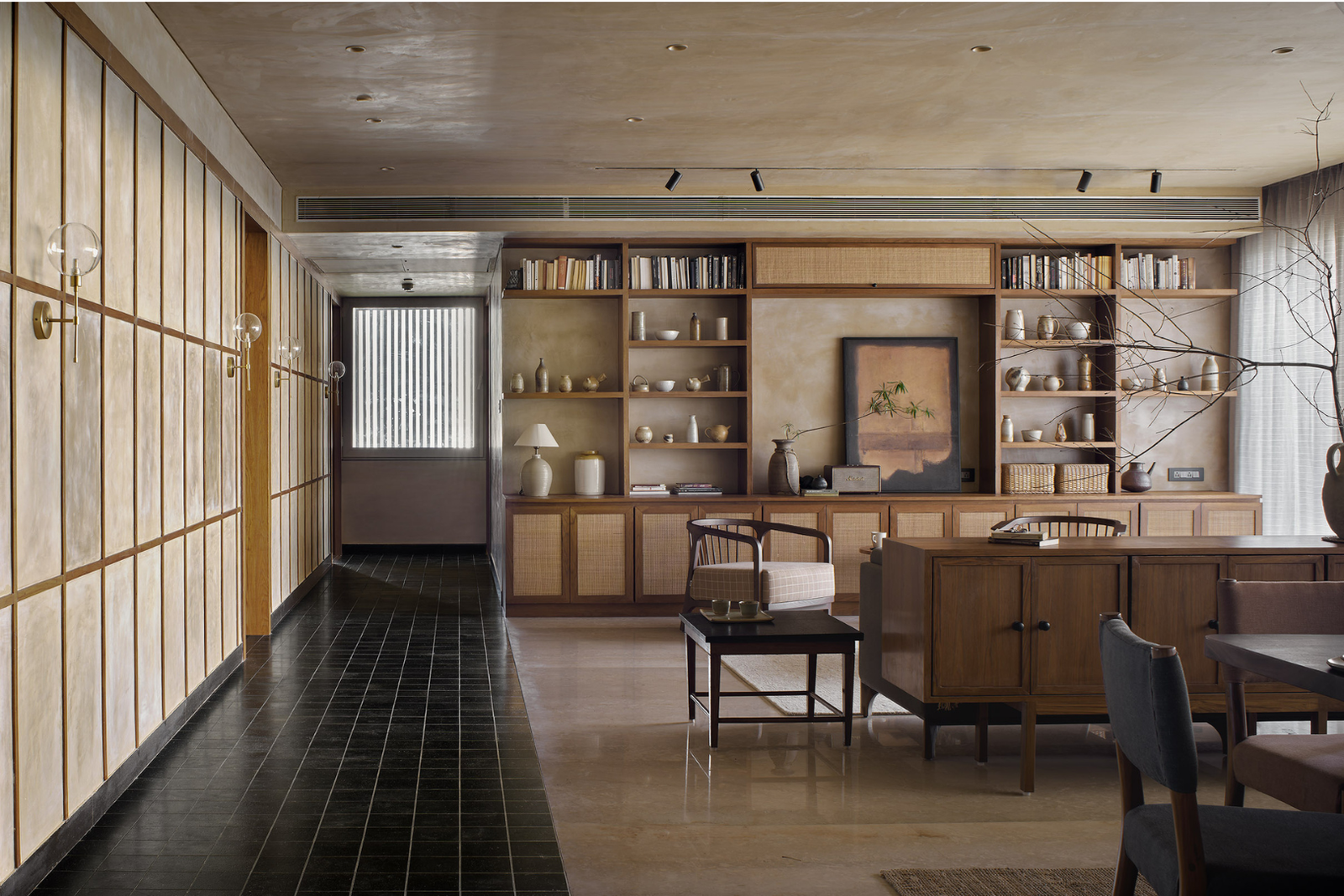
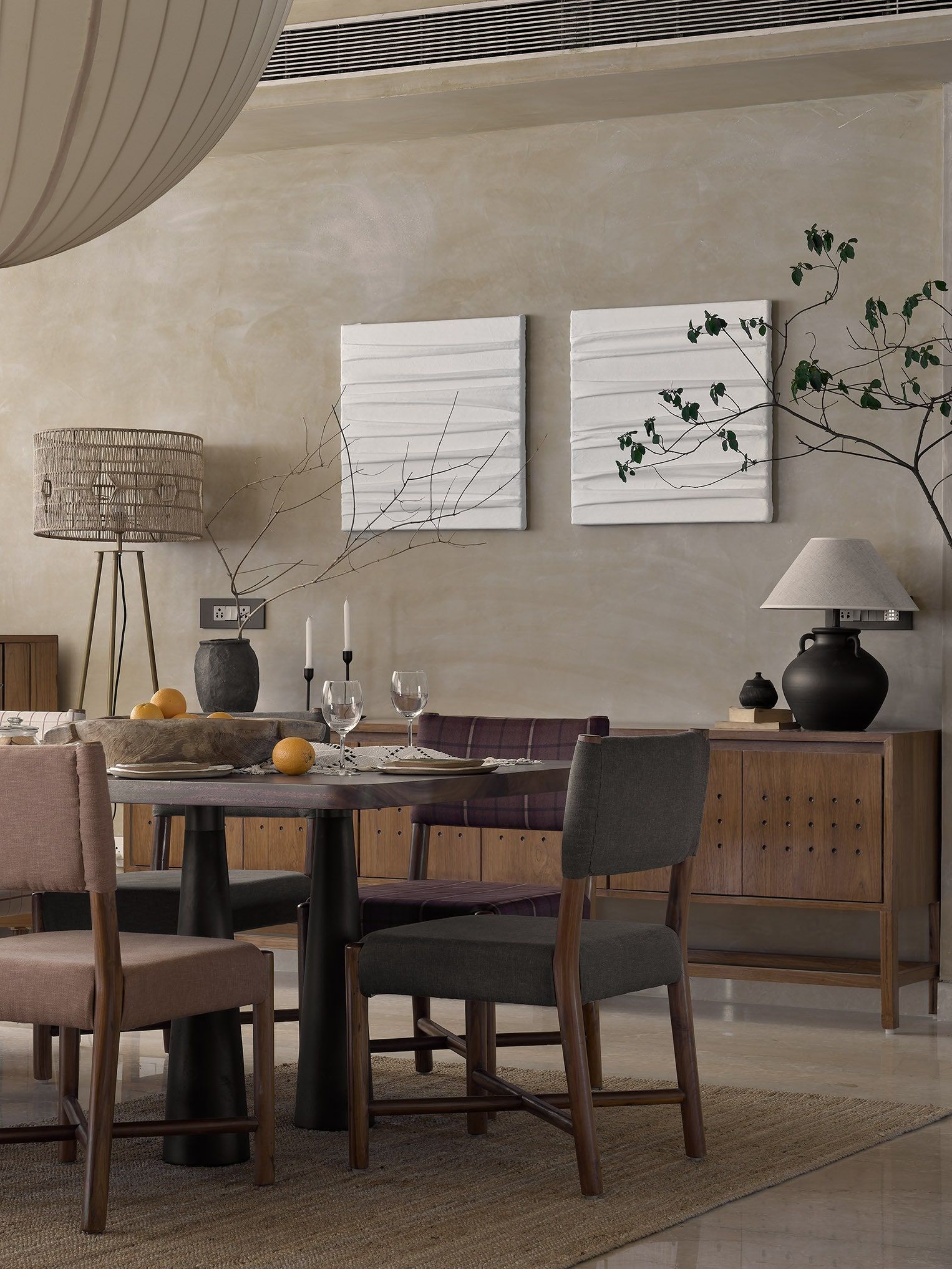
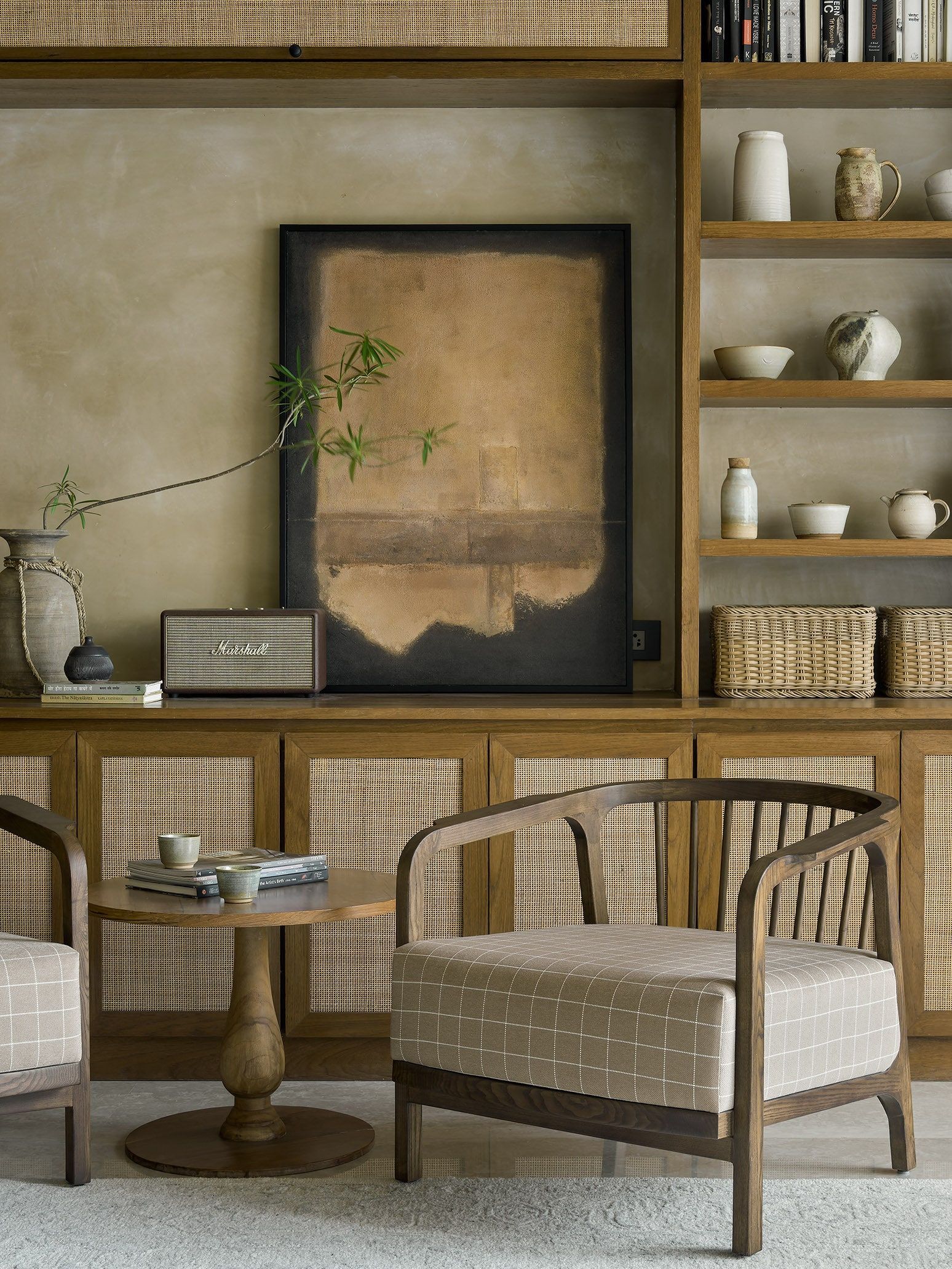
Architect Gowri Adappa crafted an elegant, pared-back interior in Chennai, reflecting her restaurateur client’s muted aesthetic. This 2,500-square-foot high-rise home is infused with tactility and warmth through natural materials and finishes. Lime-washed walls provide a uniform, soft, and textural backdrop, chosen after extensive testing. The home thoughtfully juxtaposes light and dark, raw and refined, and indulgence with restraint. Oakwood flooring, linen fabrics, and bespoke carpentry complement a carefully planned lighting scheme. Adappa skillfully integrated art and artifacts collected by the couple during their travels in Southeast Asia and India, weaving them seamlessly into the layers of wood, cement, and linen.
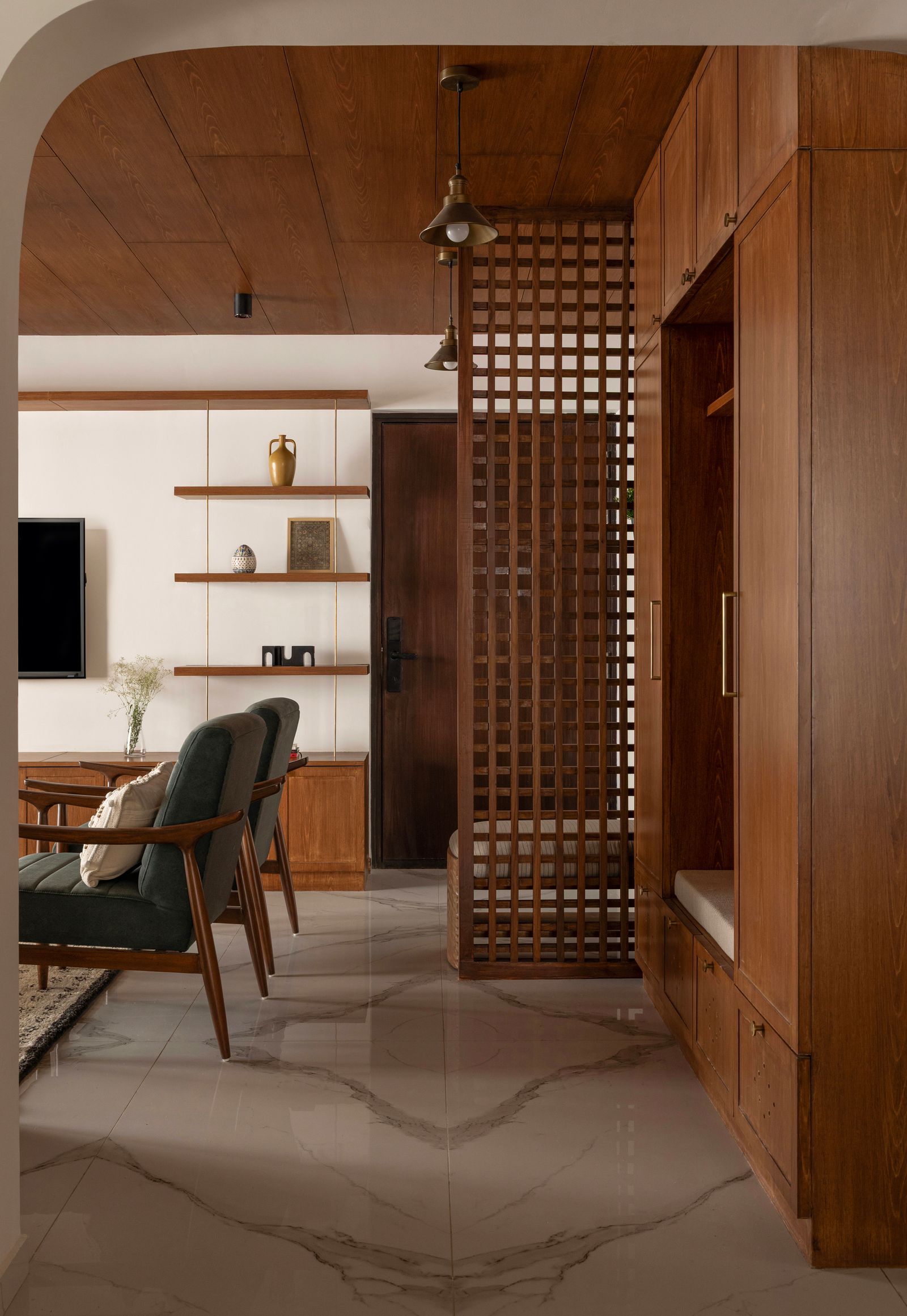
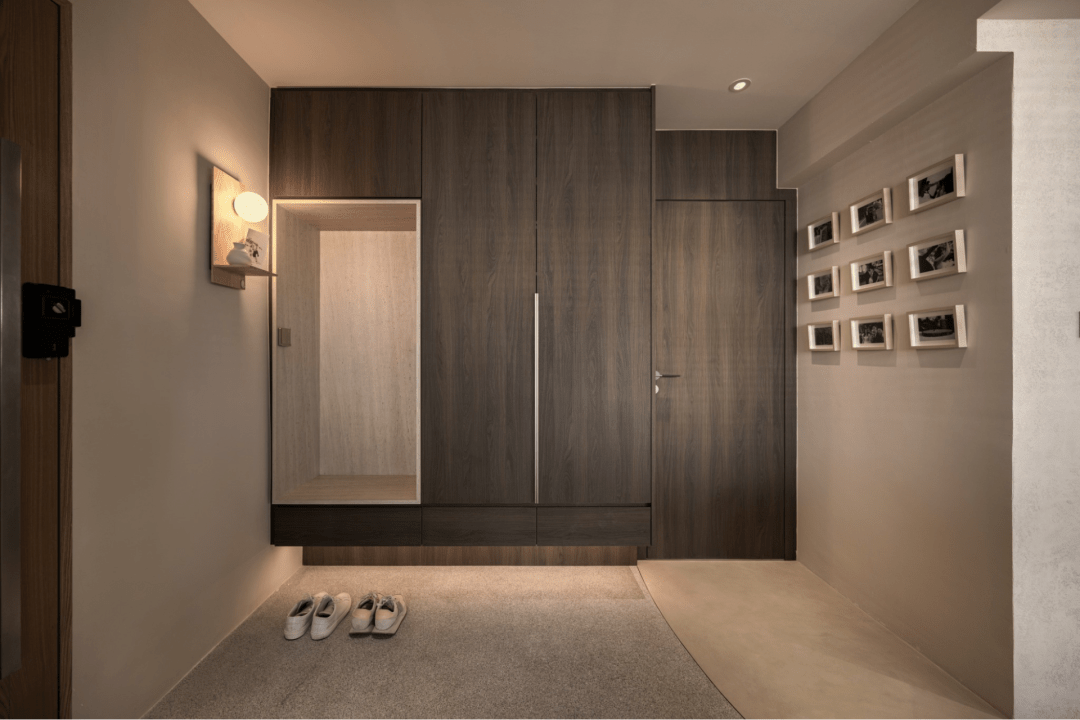
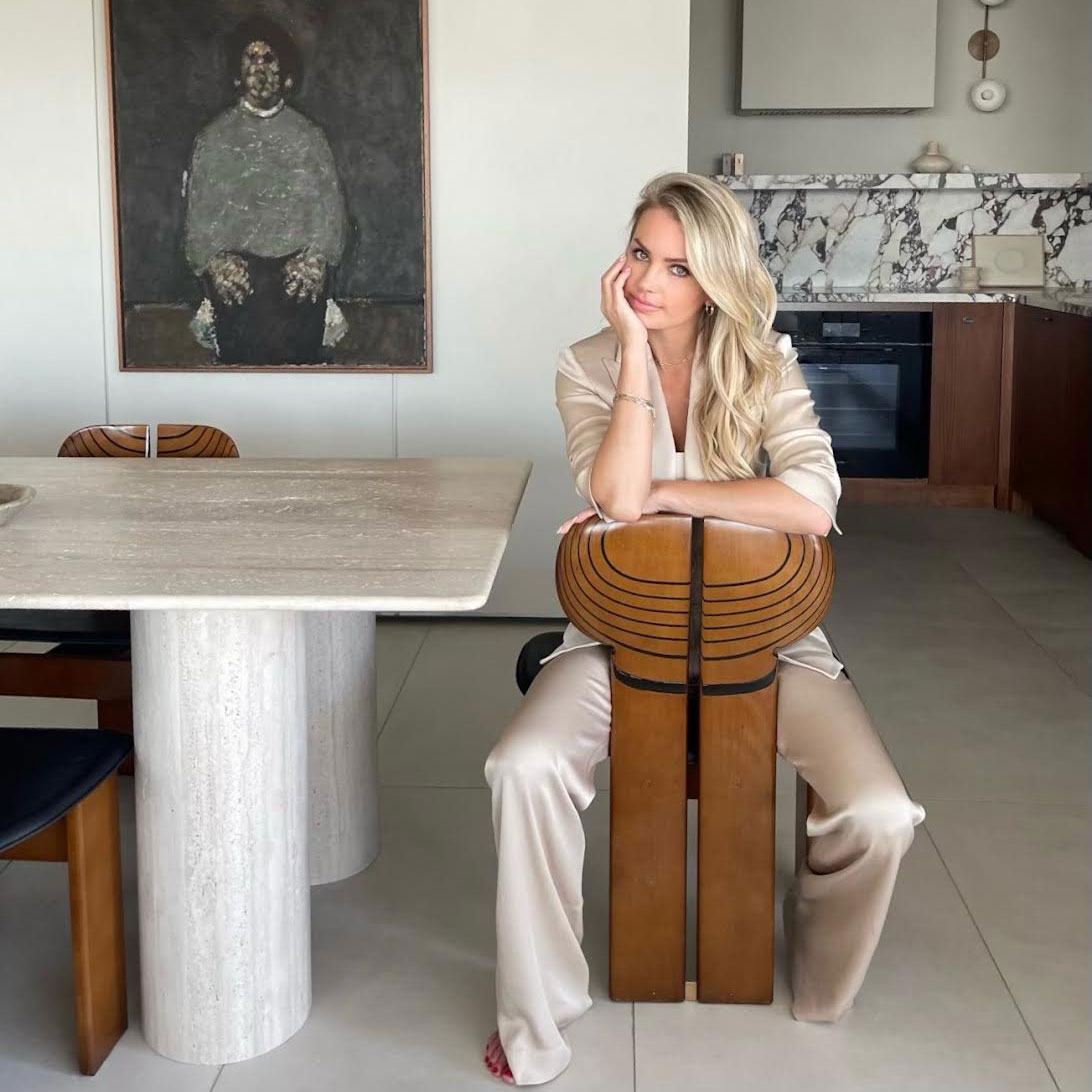
The redesign of a 25-year-old Pune home by architects Chetan Lahoti and Anand Deshmukh of Mind Manifestation LLP drew inspiration from the Japanese philosophy of Shibui, a concept closely related to wabi-sabi. Shibui emphasizes subtle beauty, raw elegance, and fine details derived from nature. The design team opted for a monochrome color palette, utilizing minimal materials such as Banswara marble, ash wood, and paint in shades of white, beige, and brown. Banswara marble is the focal point, particularly in the living room, which is accessed after a foyer defined by a partition-cum-storage unit for shoes, books, and artifacts, establishing a cohesive and tranquil aesthetic.
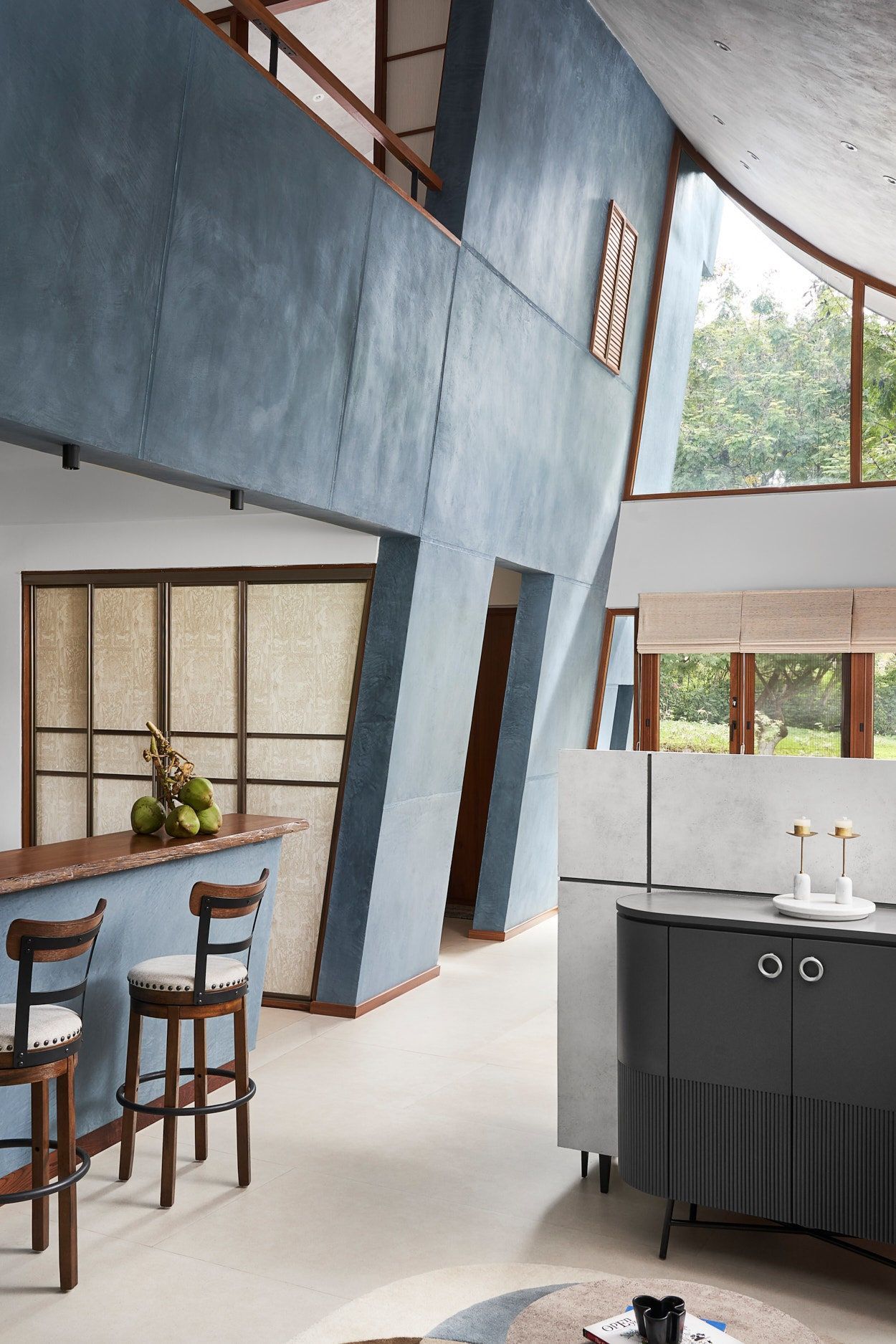
Vani Bhutani Designs brought a wabi-sabi aesthetic with a unique twist to a Surat apartment. Tasked with a simple brief of 'simple' and 'low-maintenance,' Vani Naik Bhutani embraced carte blanche, envisioning muted tones, minimalist finishes, and 'breathe-easy' forms. The primary challenge and achievement was maintaining a monochrome palette. Bhutani achieved visual variety by skillfully layering textures and finishes. The walls and ceilings feature a lime concrete finish, creating an imperfectly mottled effect that aligns with the wabi-sabi character. Despite its wabi-sabi foundation, the home retains a contemporary spirit, blending tradition with modern design.
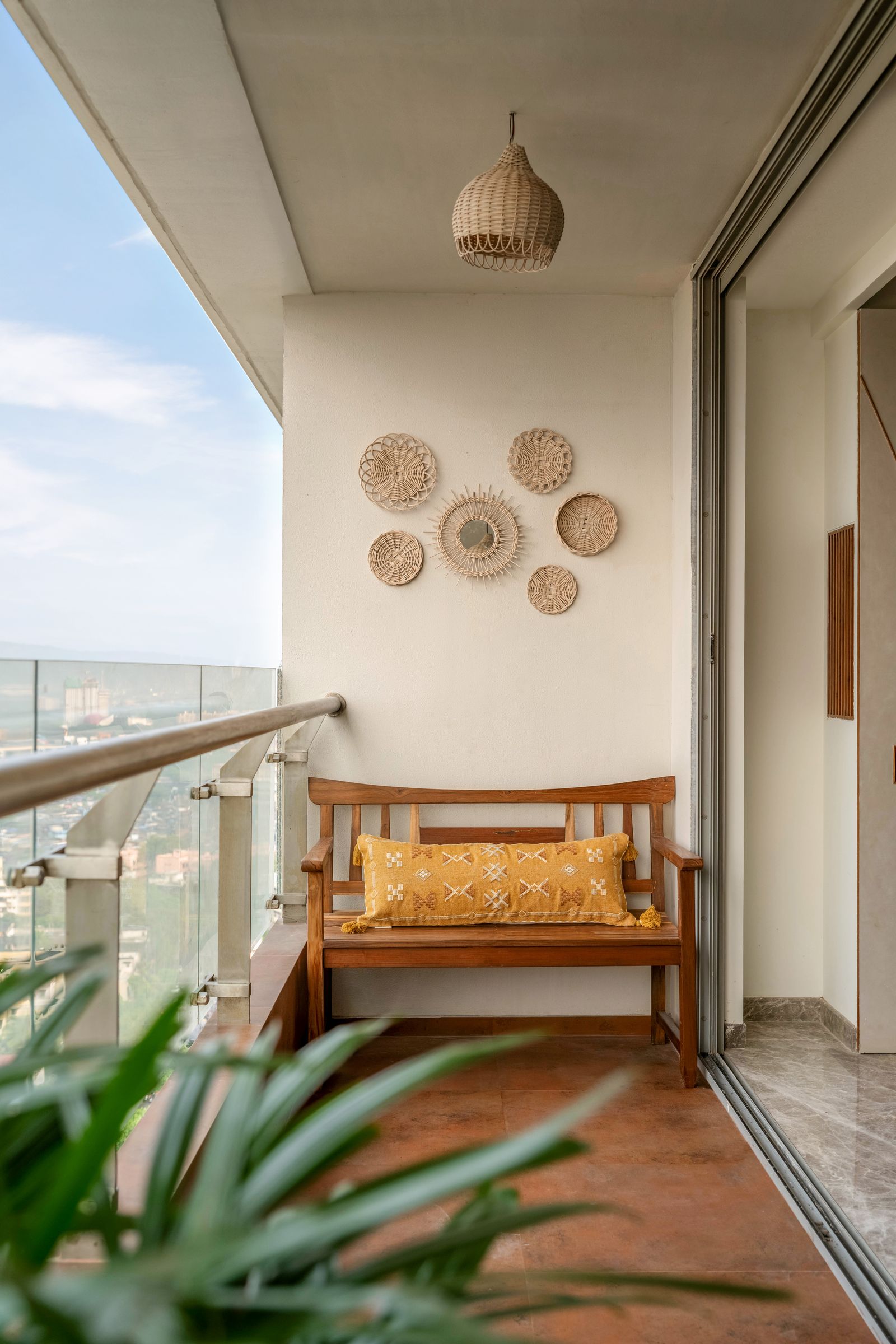
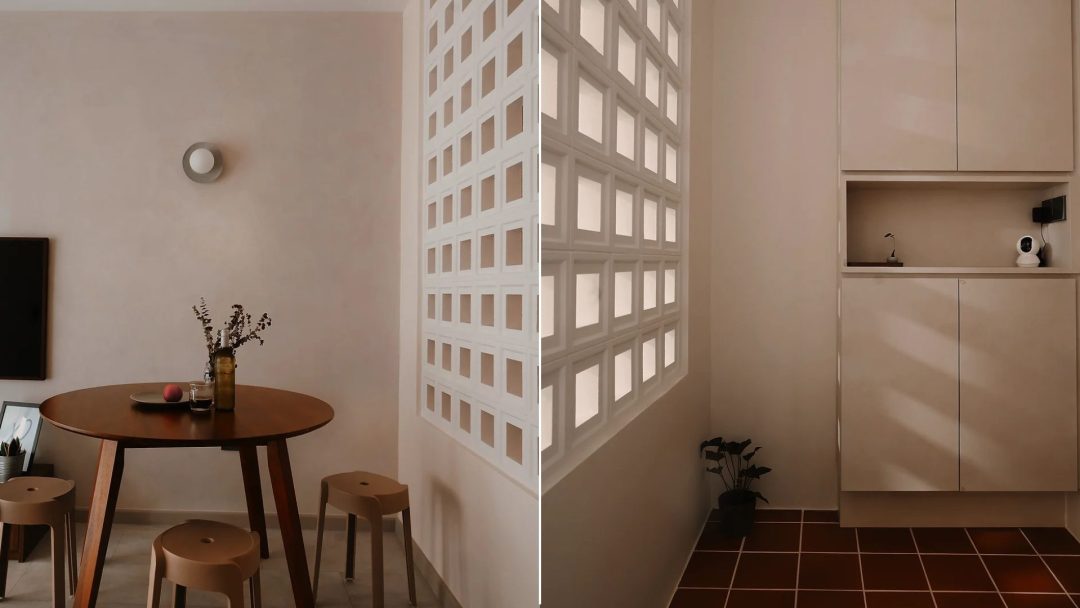
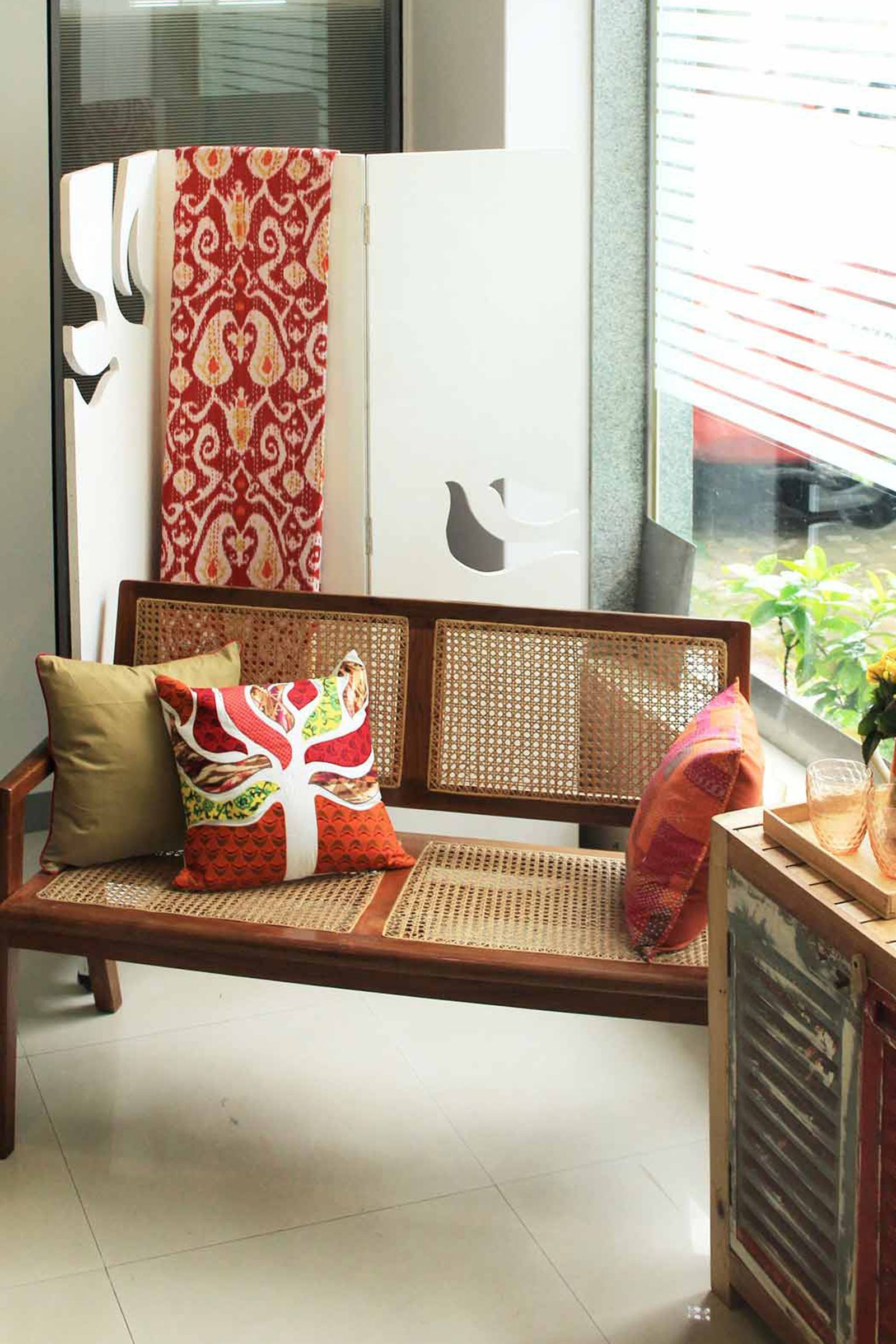
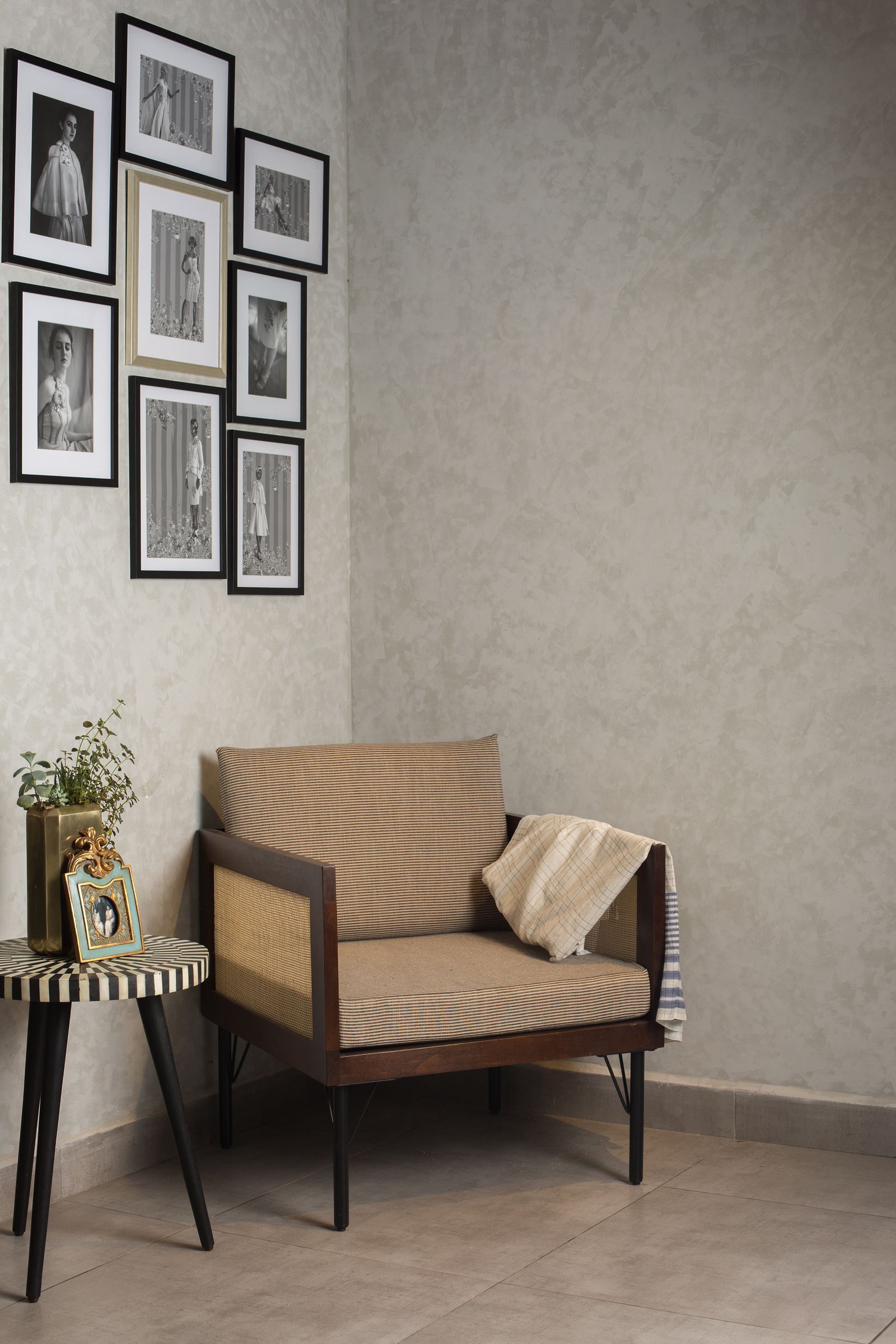
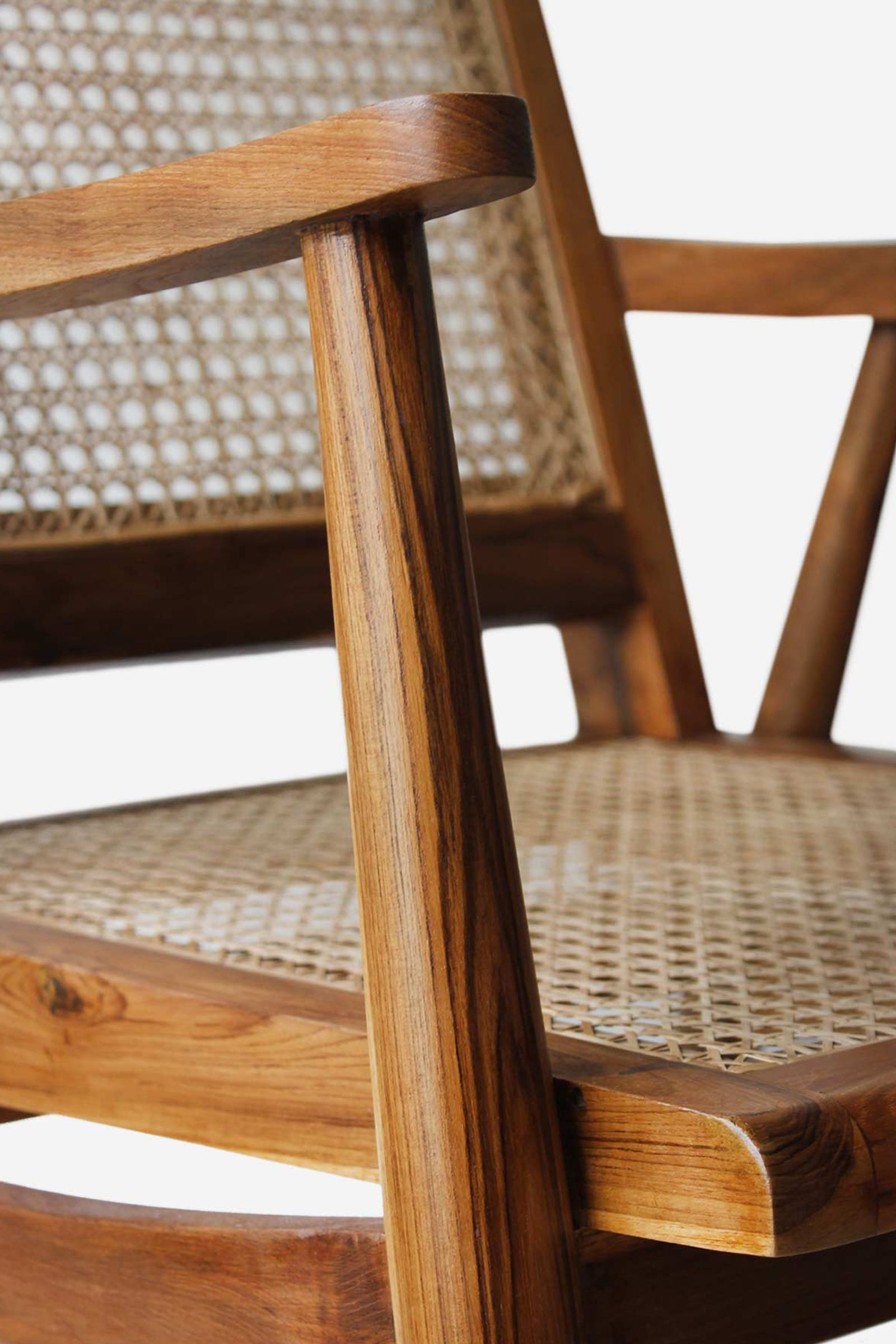
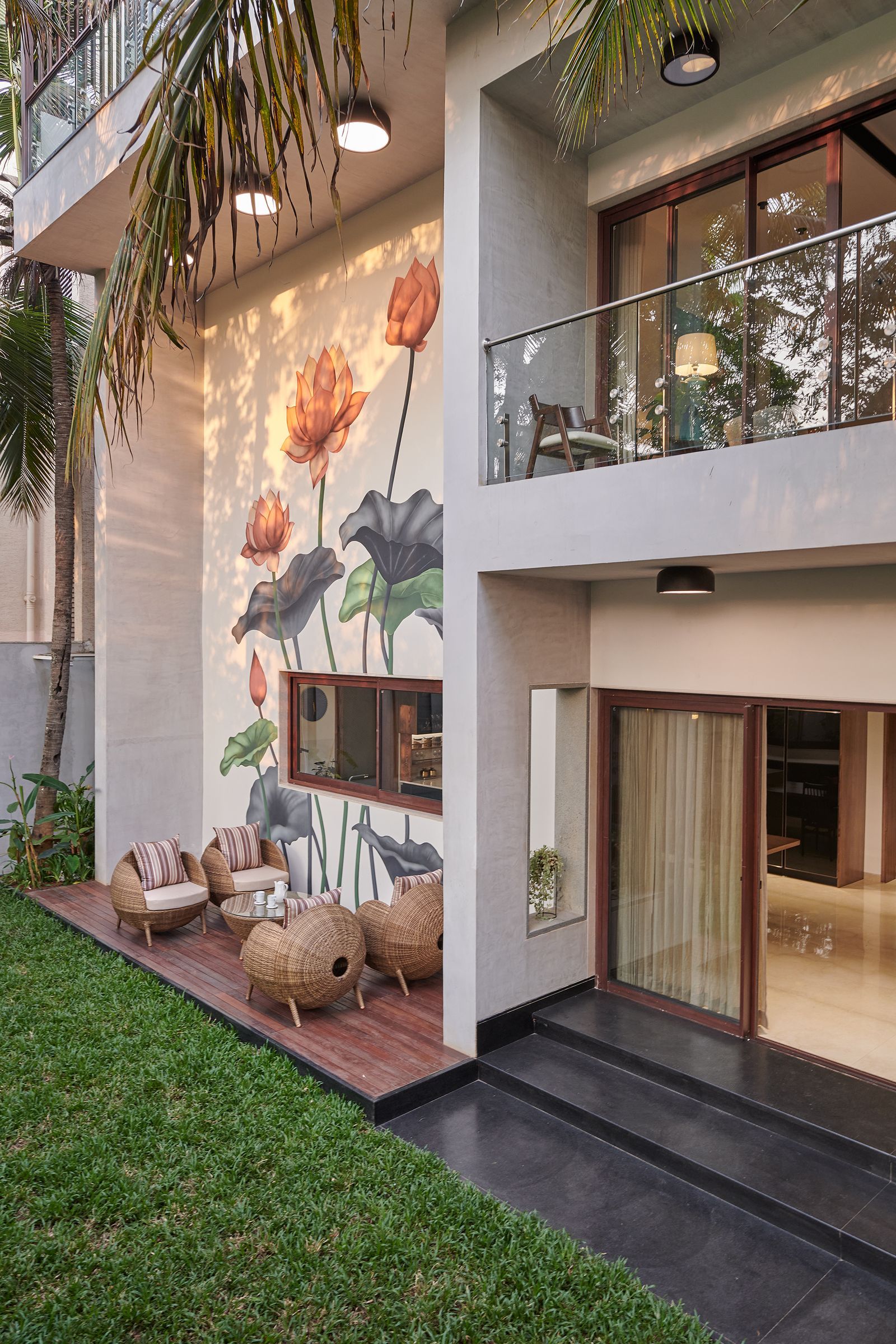
Finally, Komal Sachdev of KS Designer + Planner created a Thane apartment steeped in raw beauty. The client's brief for adequate storage and a sense of space was interpreted through a wabi-sabi and minimalist approach, a style new to the area. Sachdev also incorporated local artists' work and maintained a neutral palette to ensure the home felt personal, not institutional. Blessed with excellent ventilation, natural light, and views, the 1,200-square-foot home's design capitalized on these advantages. The neutral and earthy scheme, featuring beige, grey, and whites with pops of olive, brown, and terracotta, perfectly harmonizes with the wabi-sabi goal of imperfect beauty. Materials like lime plaster, terrazzo, rattan, linen, and cotton contribute to the natural, tactile overtones throughout the home.
#WabiSabiDesign #IndianHomes #MinimalistInterior #JapaneseAesthetics #HomeDecor #InteriorDesignIndia #TexturalDesign #NaturalMaterials #WabiSabiDesign #IndianHomes #MinimalistInterior #JapaneseAesthetics #HomeDecor #InteriorDesignIndia #TexturalDesign #NaturalMaterials
0 comment in total
 No comments yet
You may also like
5 homes that bring serene Japanese-inspired design to life
Eight Indian homes united by eclectic interior designs
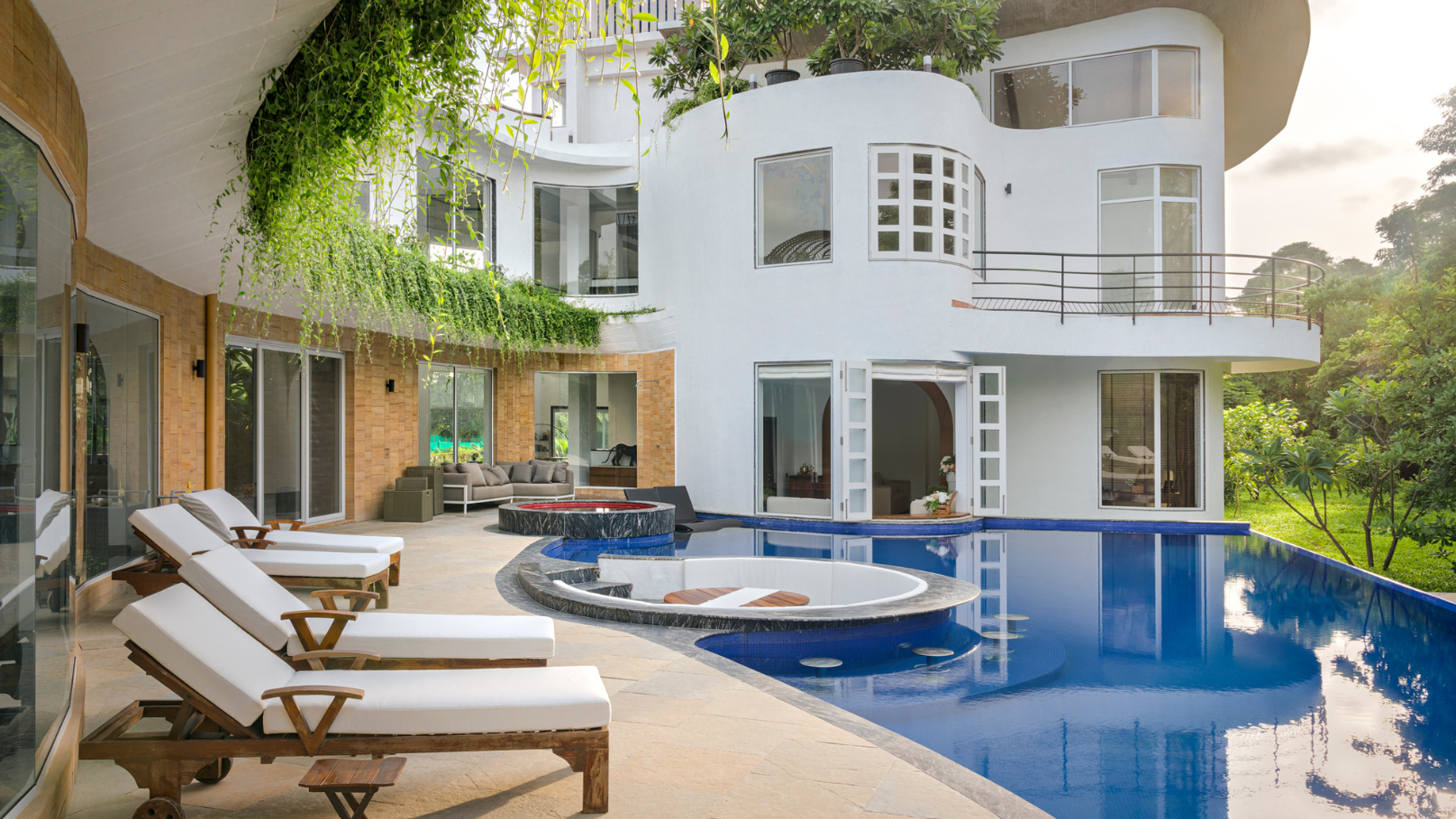
6 eclectic Indian homes inspired by the unexpected
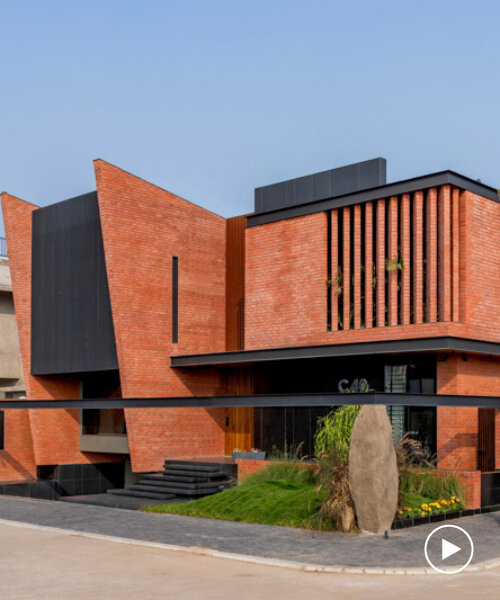
red brick and black basalt wrap abhishek ajmera's house in india with tactility
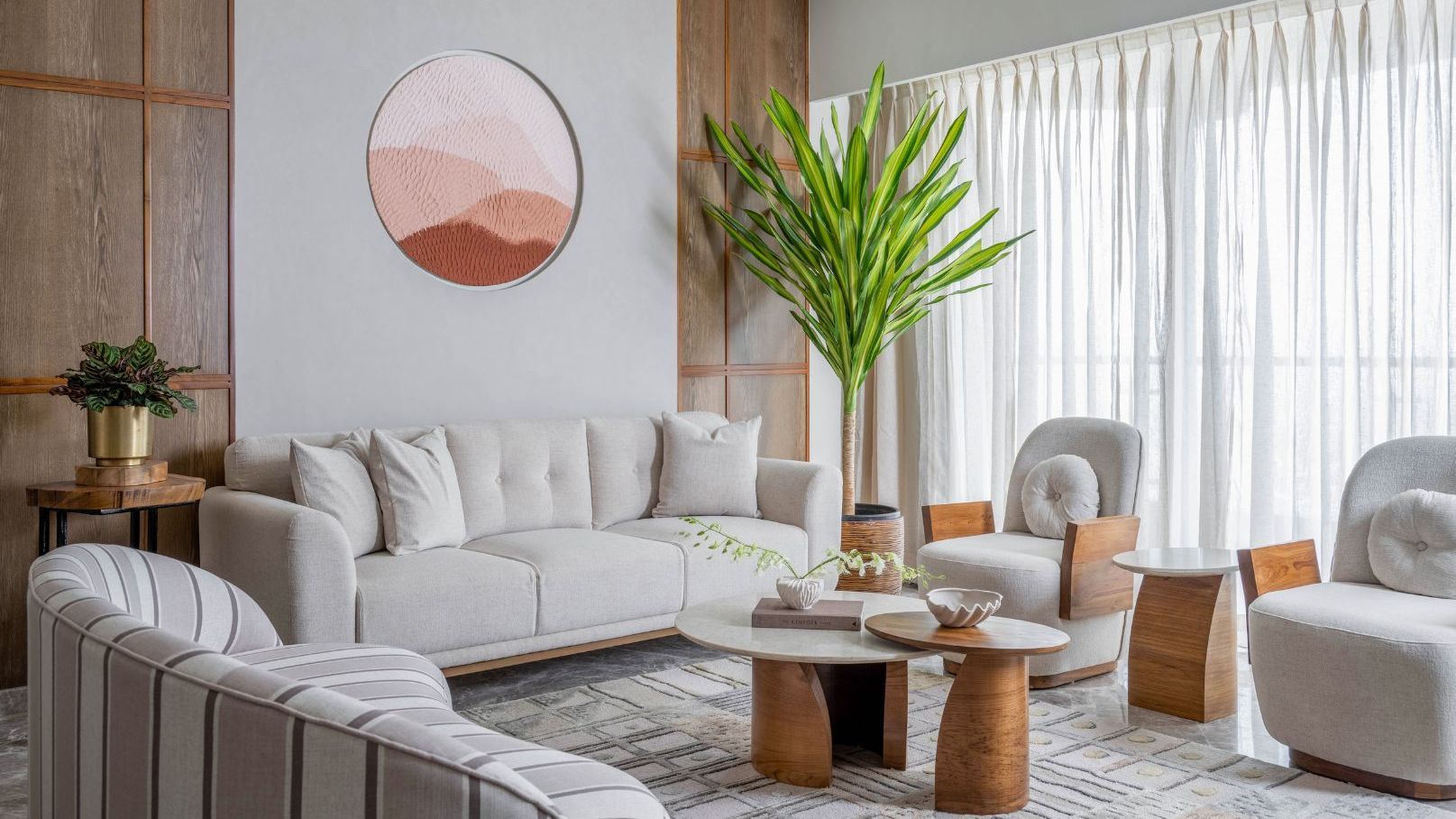
In this Mumbai home, the allure of wabi-sabi is created through textures and colours
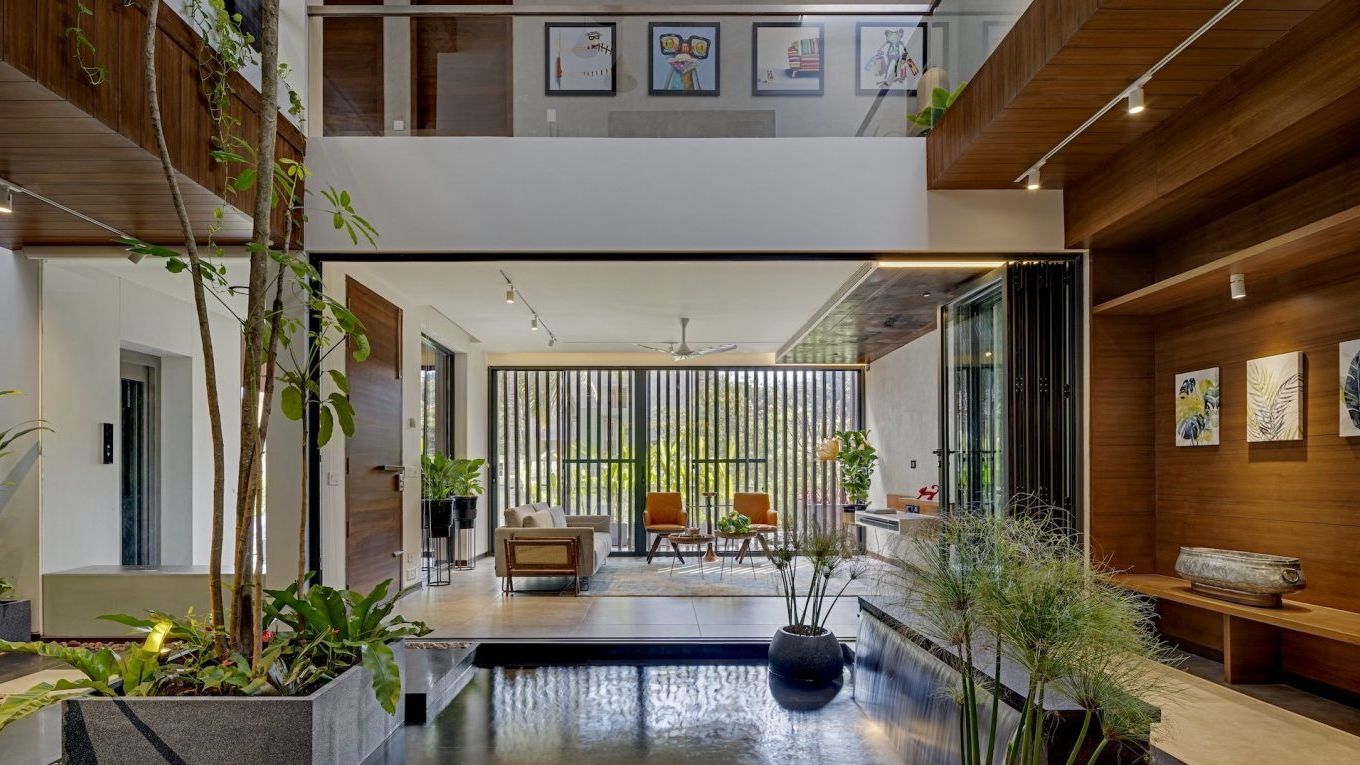
This zen, urban Bangalore home has a unique, soul-soothing quality
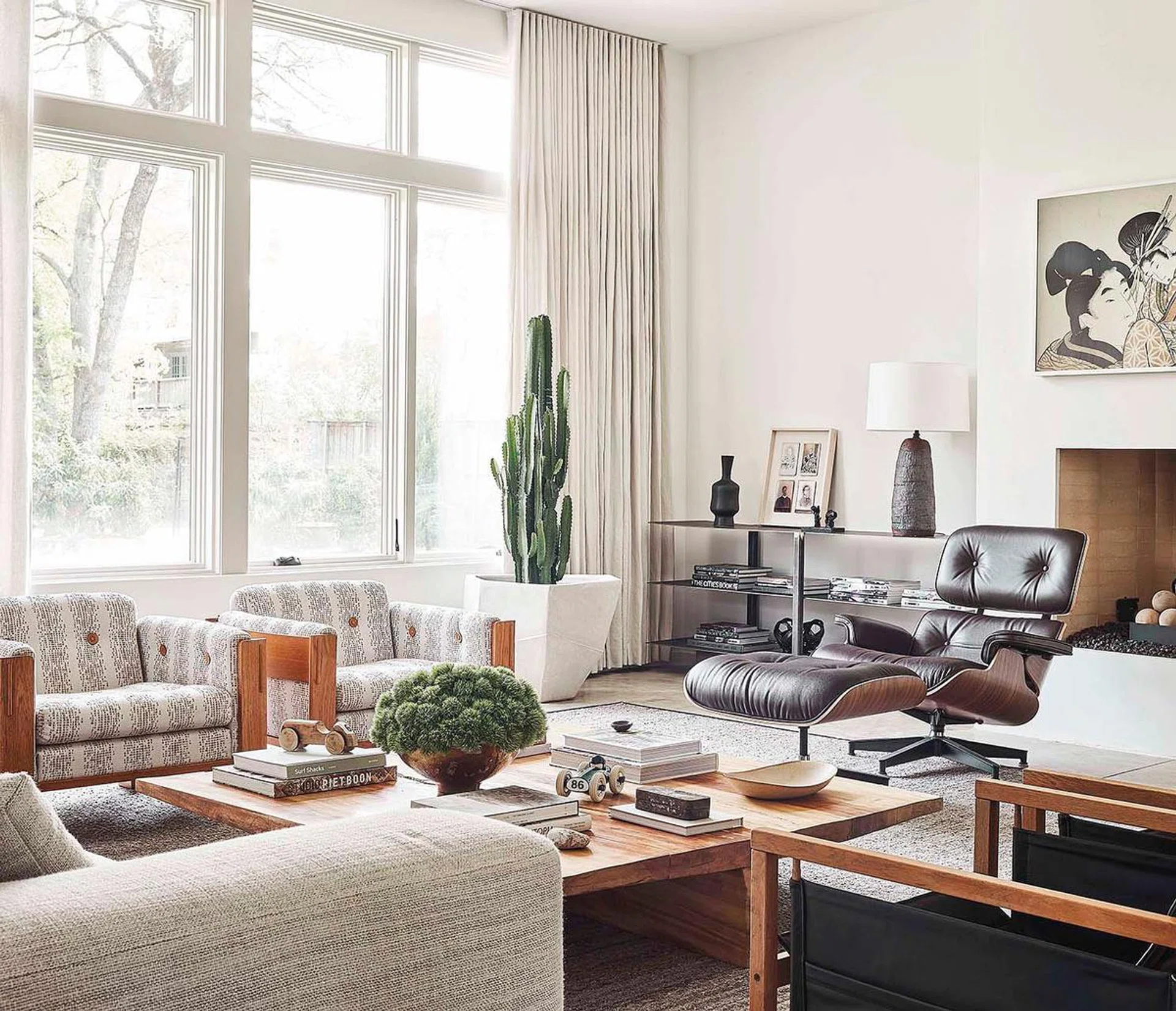
House Tour: A zen surf shack where Californian coastal vibe meets mid-century modern furniture
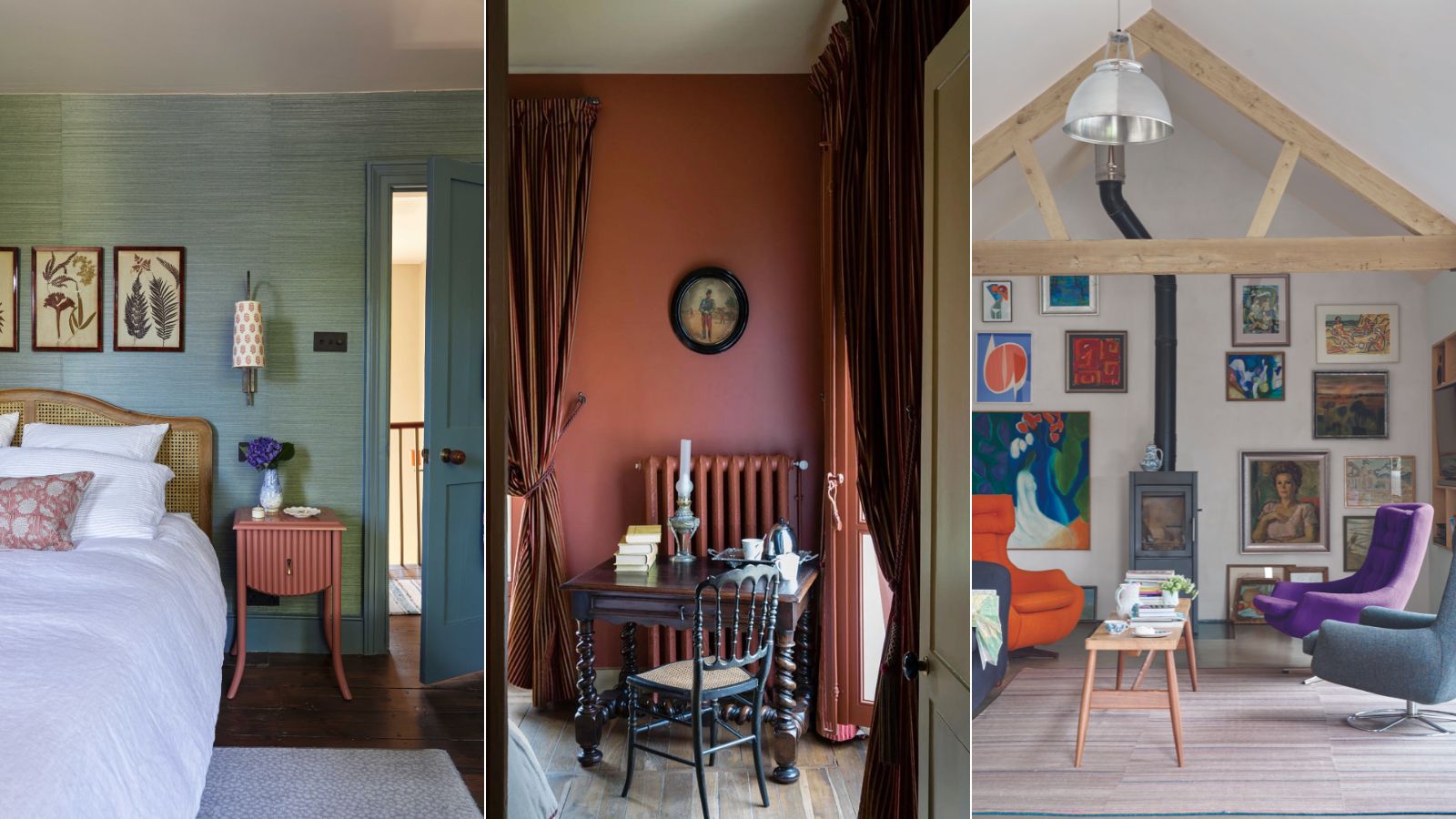
13 interior design styles that everyone needs to know about, according to designers

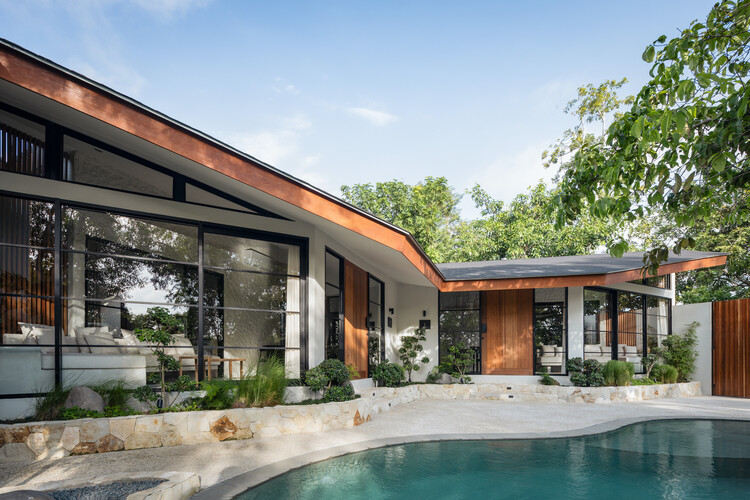
Mama Minka House / Atelier Generations Vasudeva Design

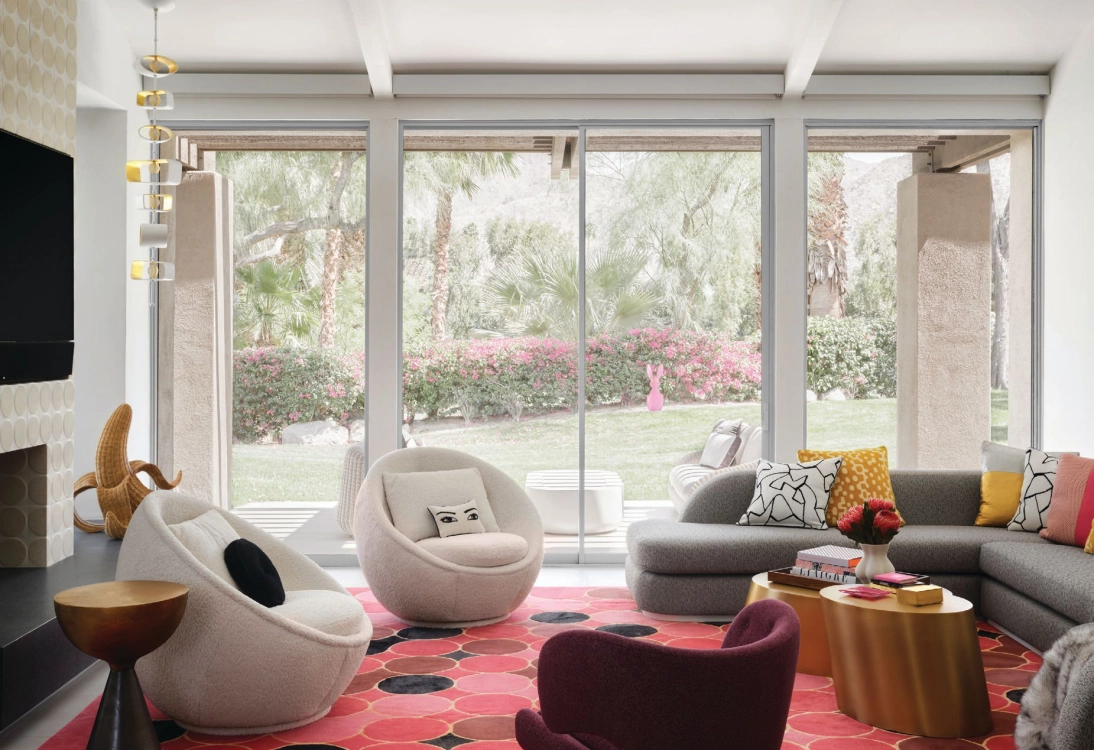
Vibrant Midcentury Modern Home Design in Indian Wells
10 Best HDB Flat Foyers That Will Give You The Warmest Welcome Home
Why Designers Predict We'll Be Seeing Wabi Sabi Interiors Everywhere

SAV architecture shapes modern tropical house that flows with indian landscape
14 beautiful homes in India that celebrate the timelessness of wood
7 Indian homes that revel in the rustic beauty of bricks
This three-storey Bengaluru home showcases the best of Indian design
What is wabi sabi interior design? 6 tips for embracing this style

4 Indian homes that spotlight sustainable design practices
Wood and wicker make a comeback in Indian homes
What Is Japandi Style? Interior Designers Explain the Cozy, Minimalist Aesthetic