1/14
Wabi-sabi bathrooms – 10 ways to embrace this serene and 'imperfect' style
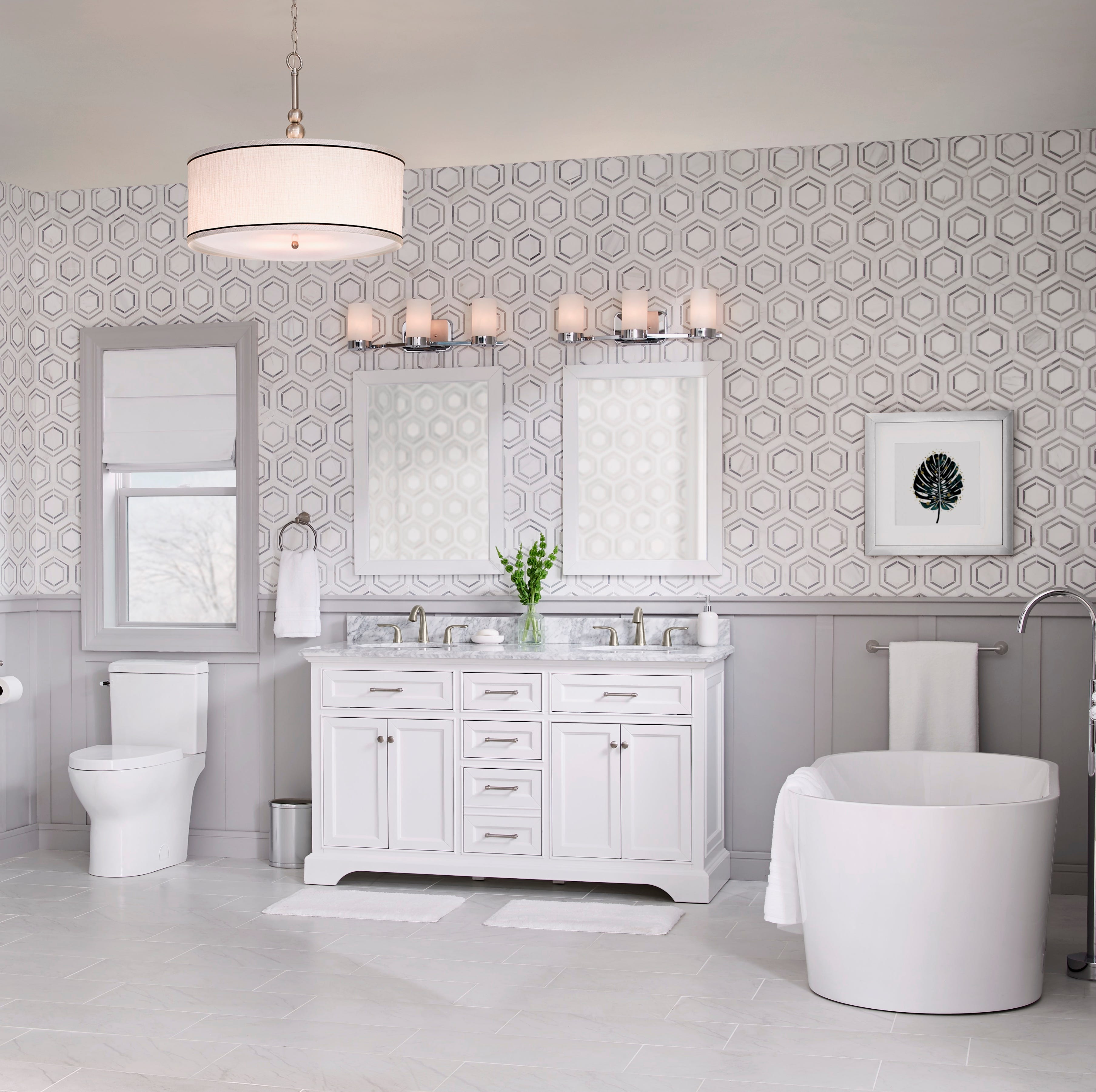
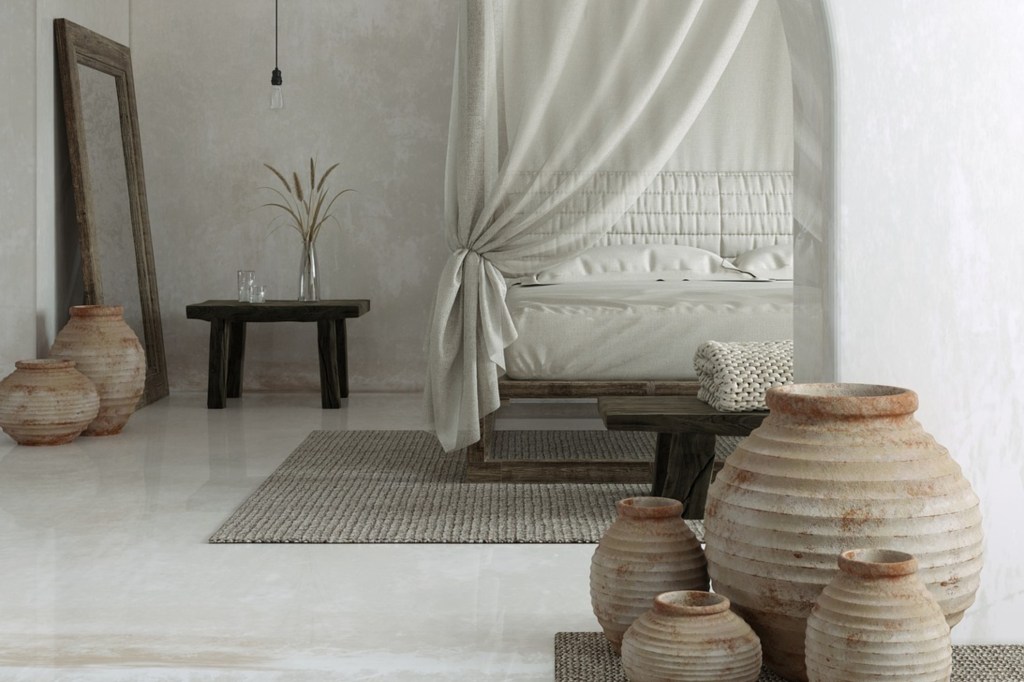
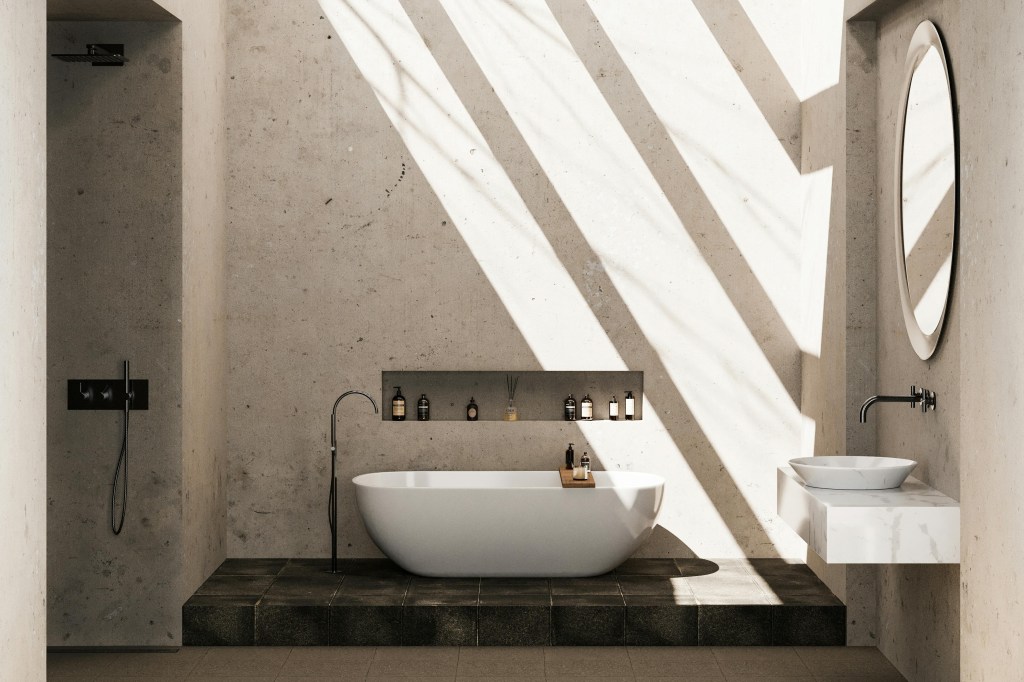
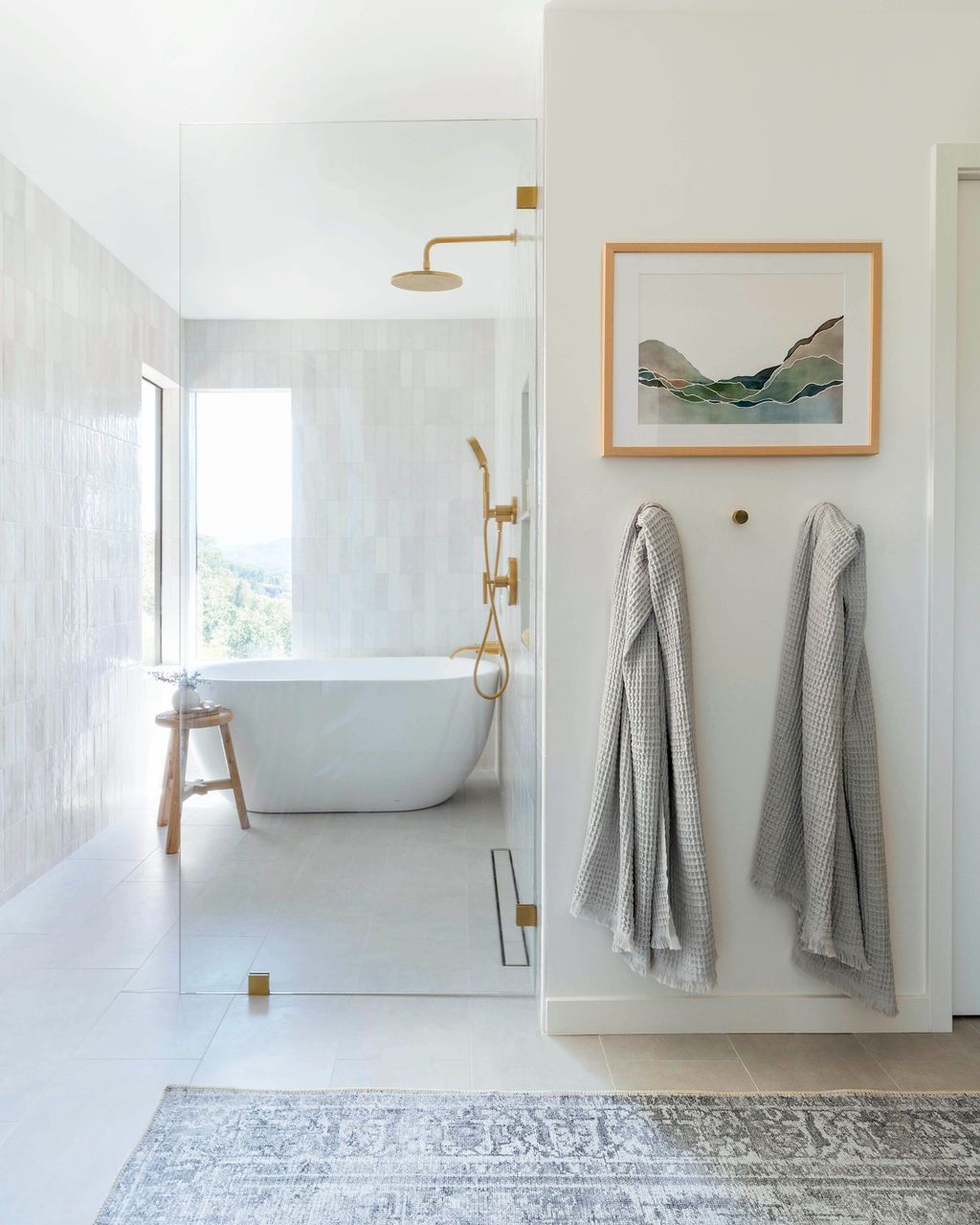
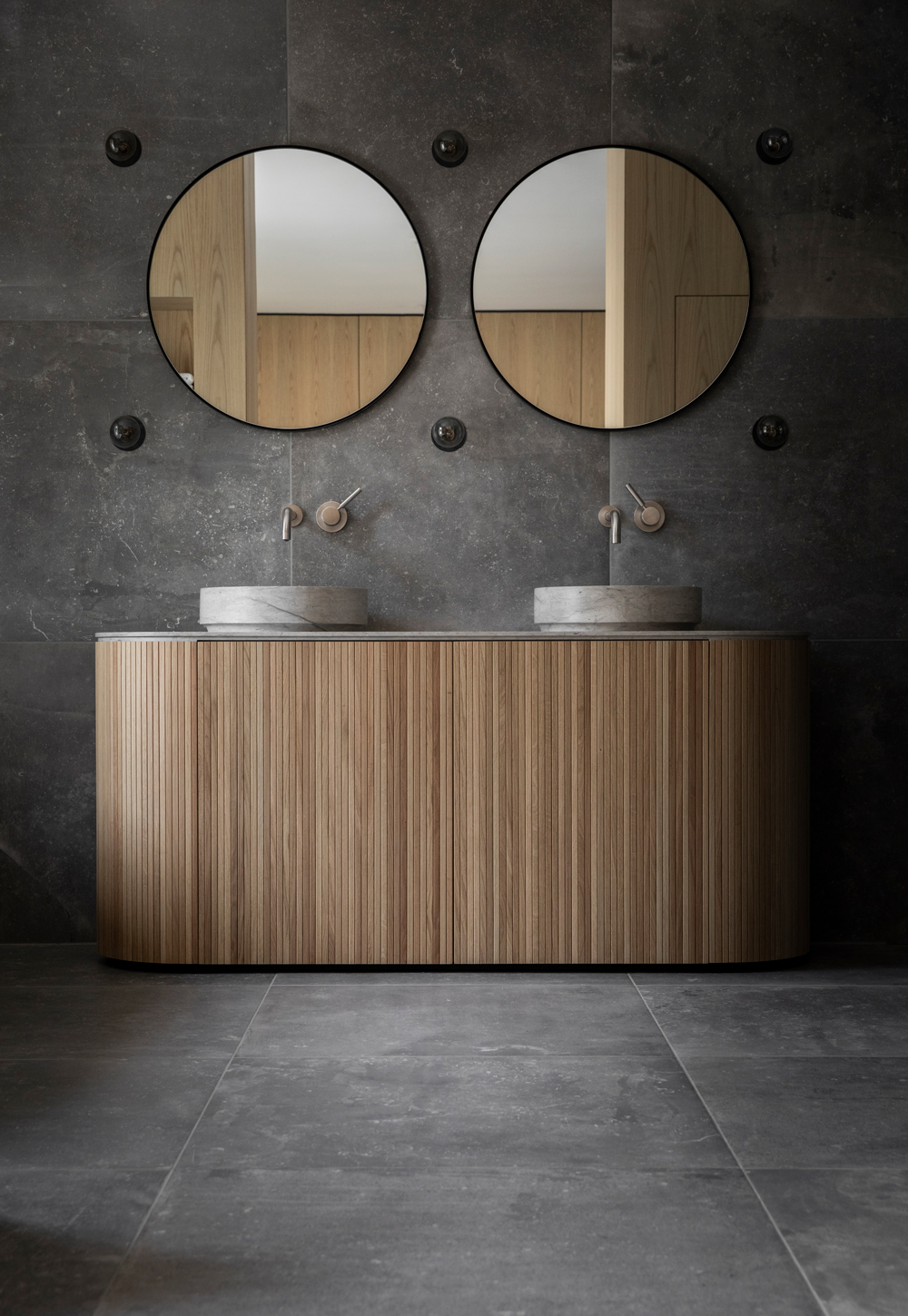
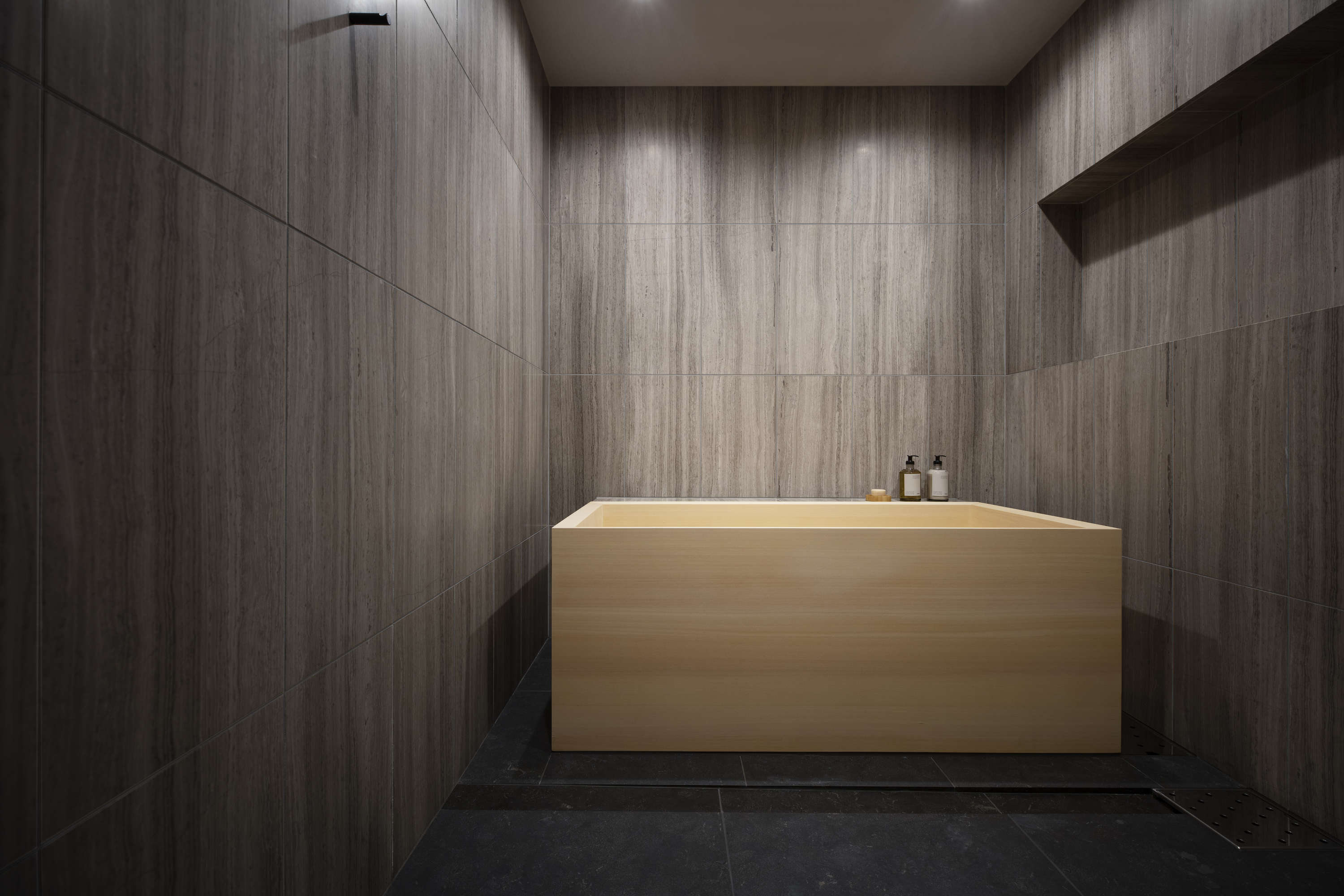
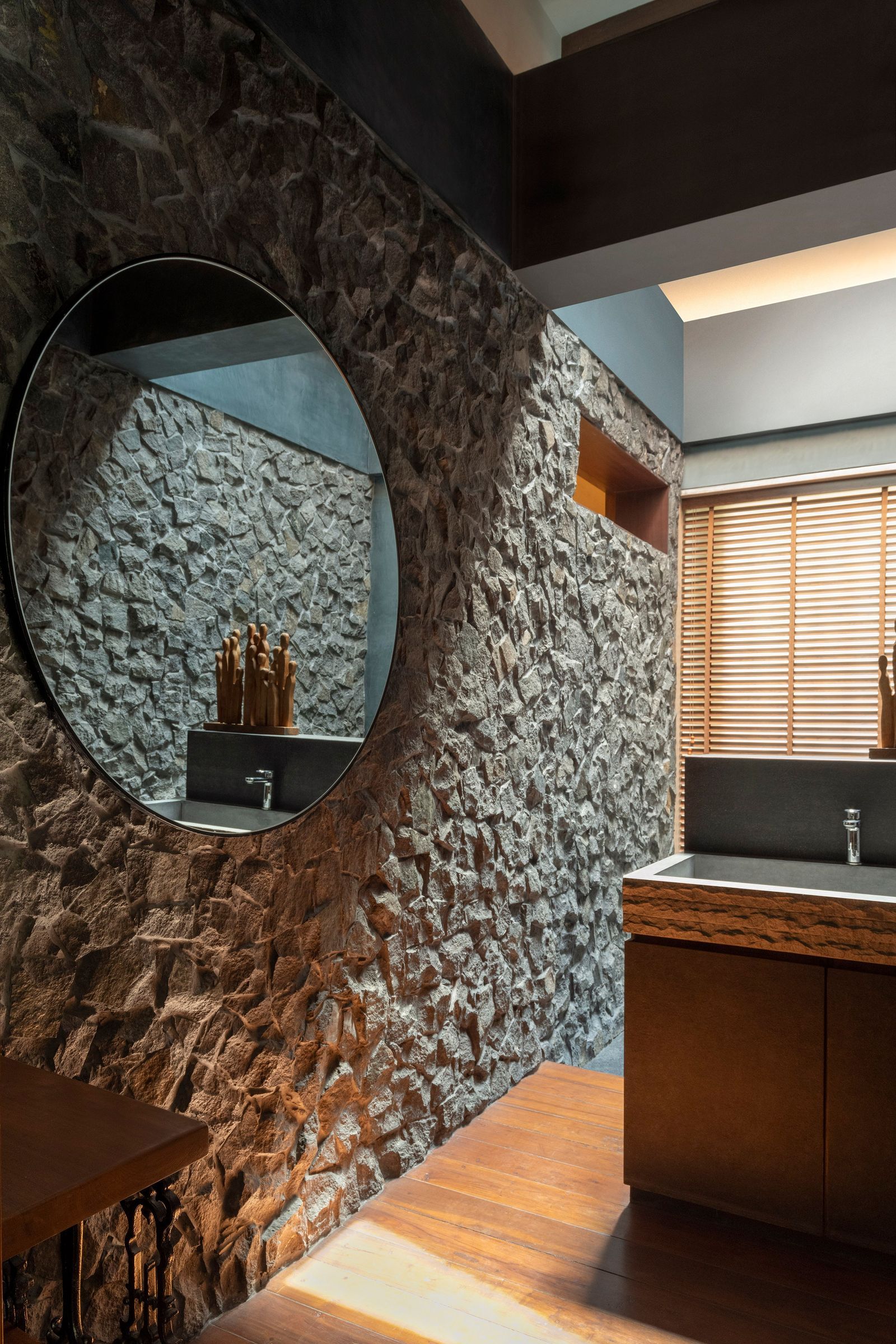
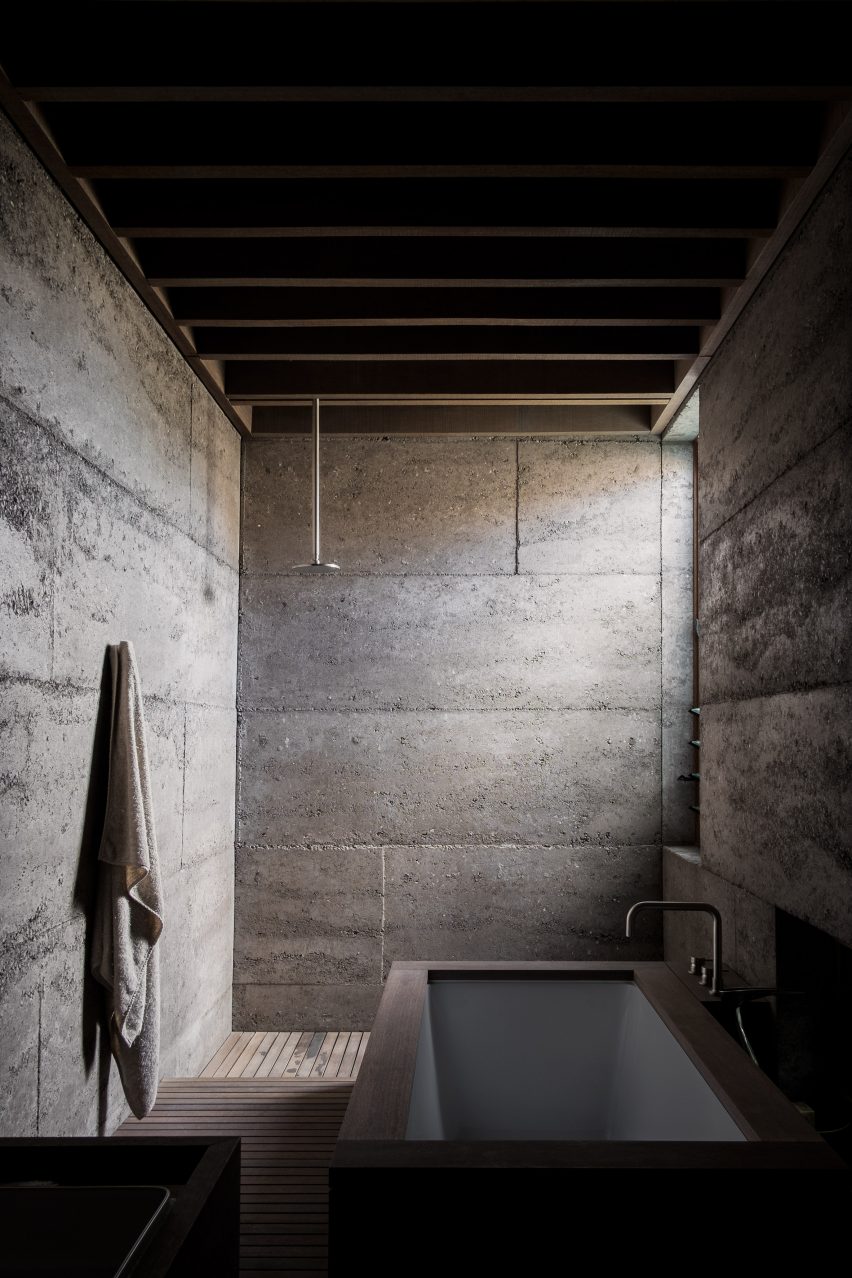
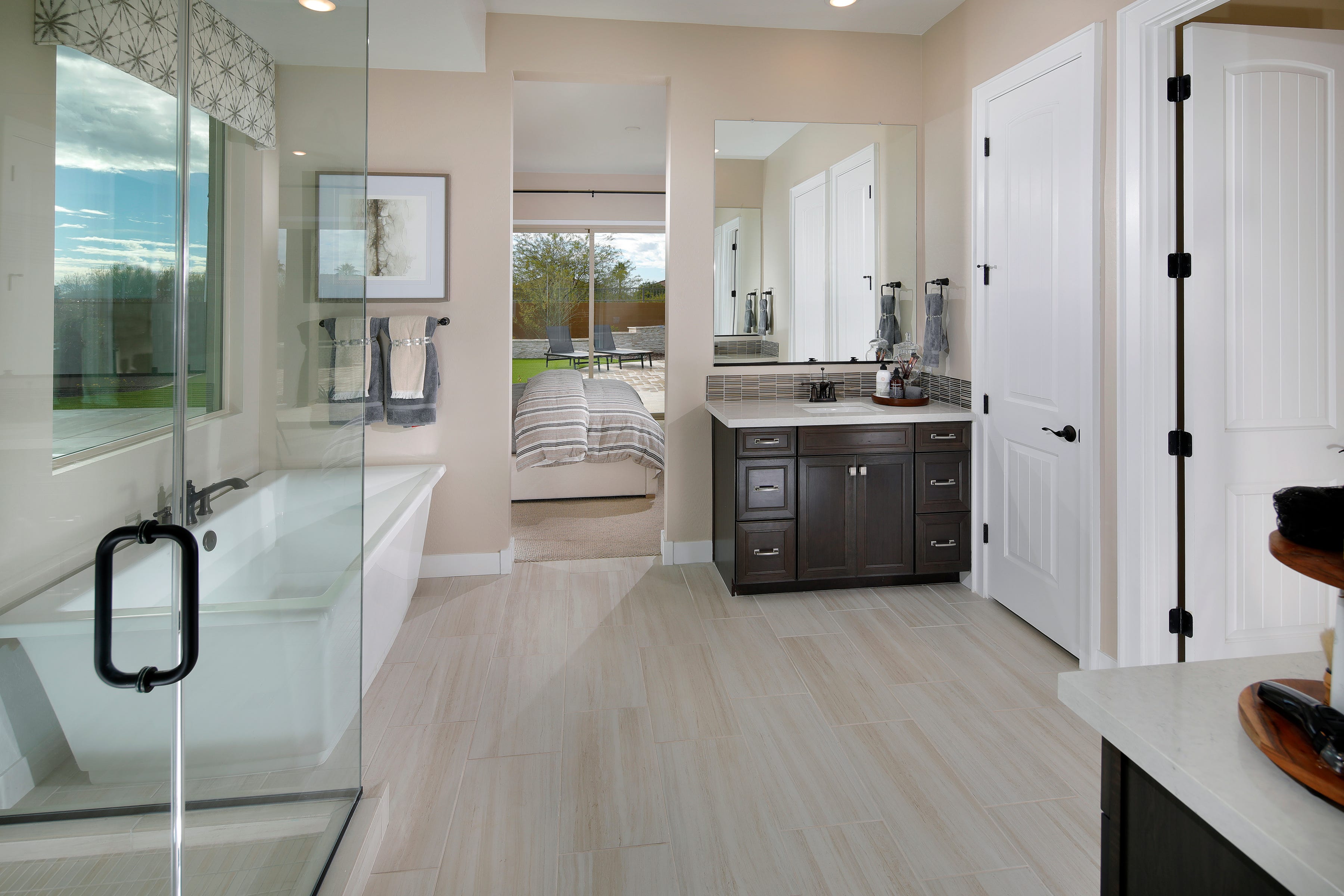
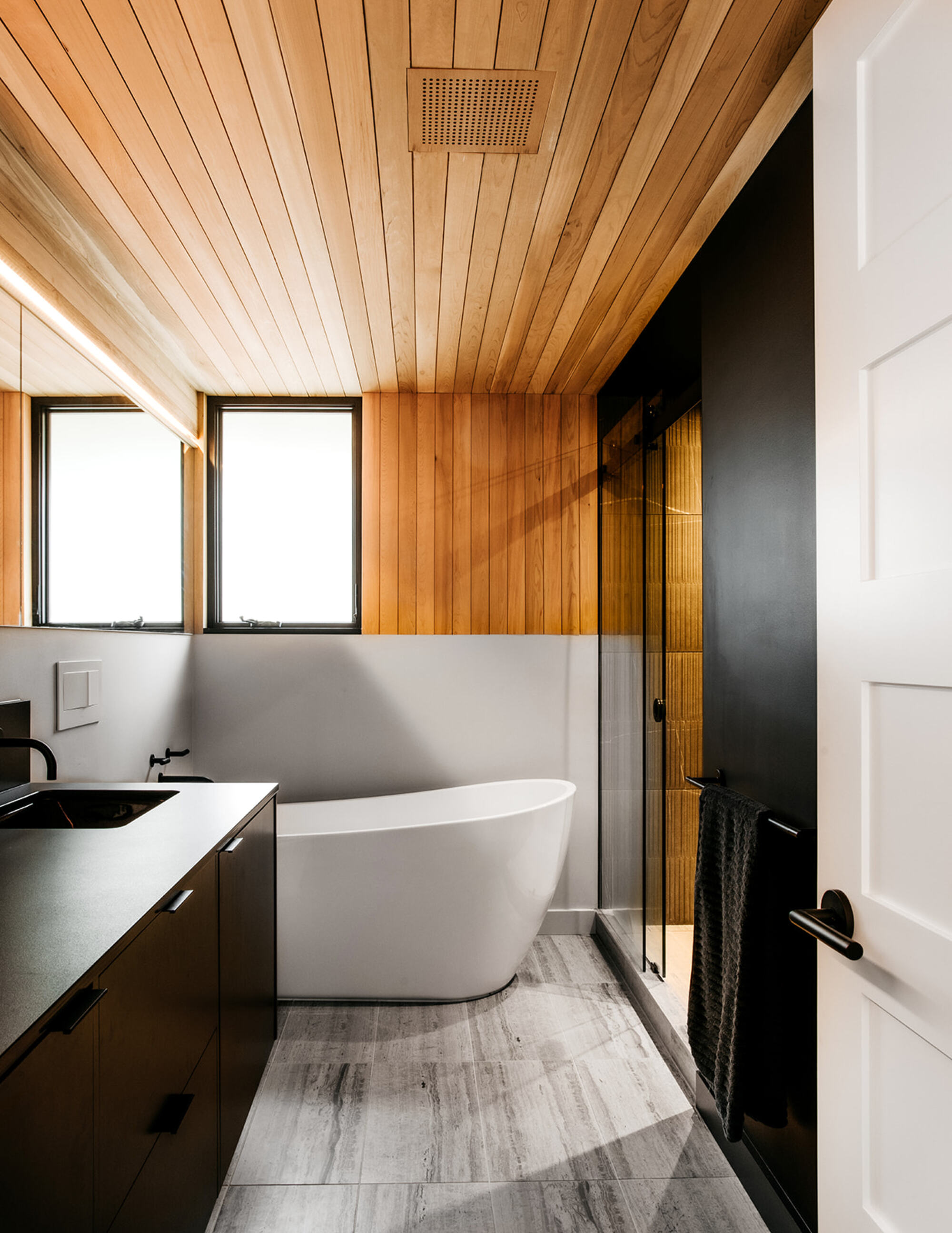
The Wabi-sabi interior design philosophy, originating from Japan, centers on the idea of finding beauty in imperfection and embracing natural materials to create a serene and earthy aesthetic. This approach is particularly suitable for bathroom design, allowing for a relaxed look where minor imperfections, such as weathered floorboards or unique handcrafted tiles, are not just accepted but celebrated. The longevity of wabi-sabi as a design trend is attributed to its chic minimalism and appreciation for artisan craftsmanship.
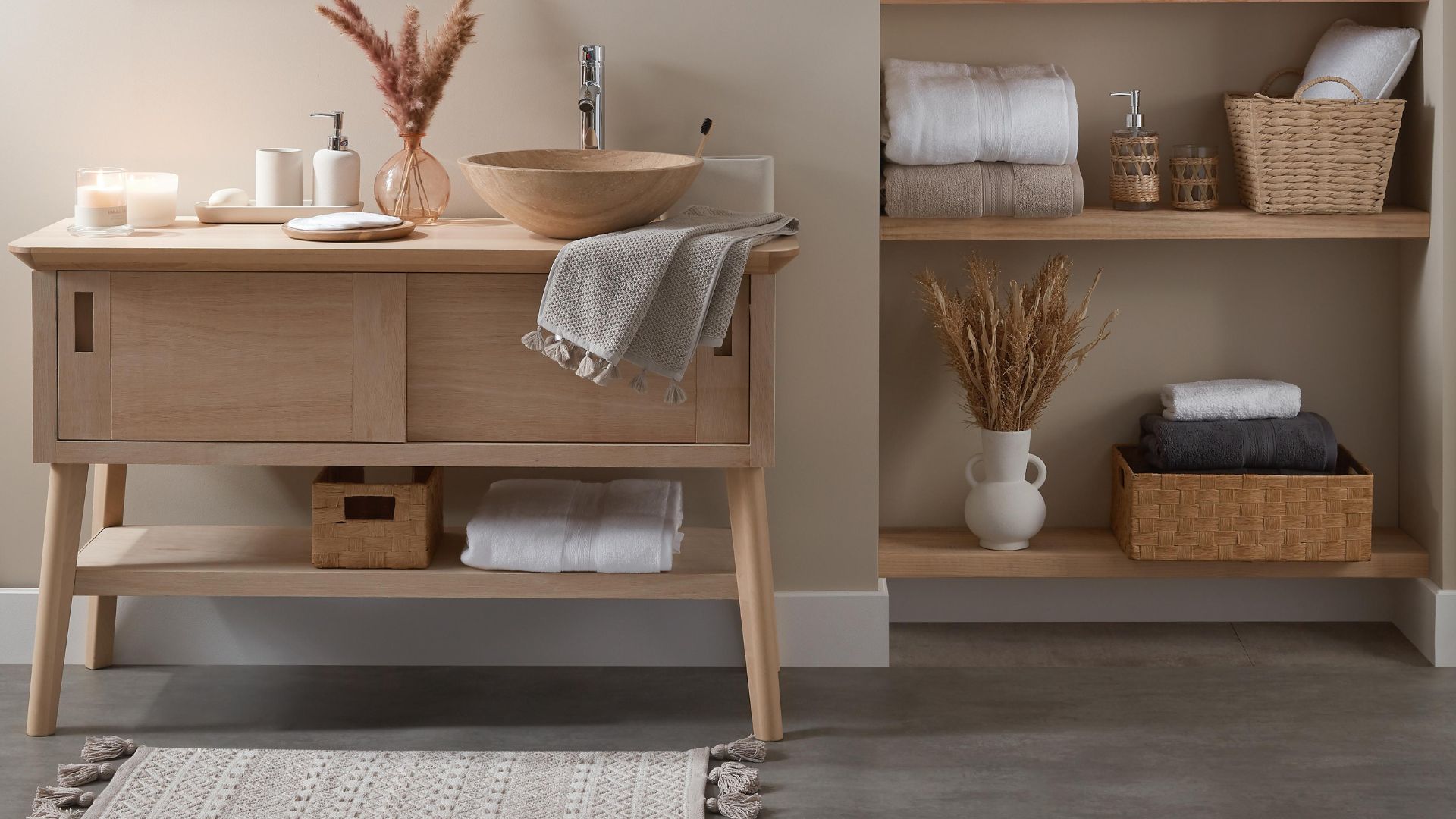
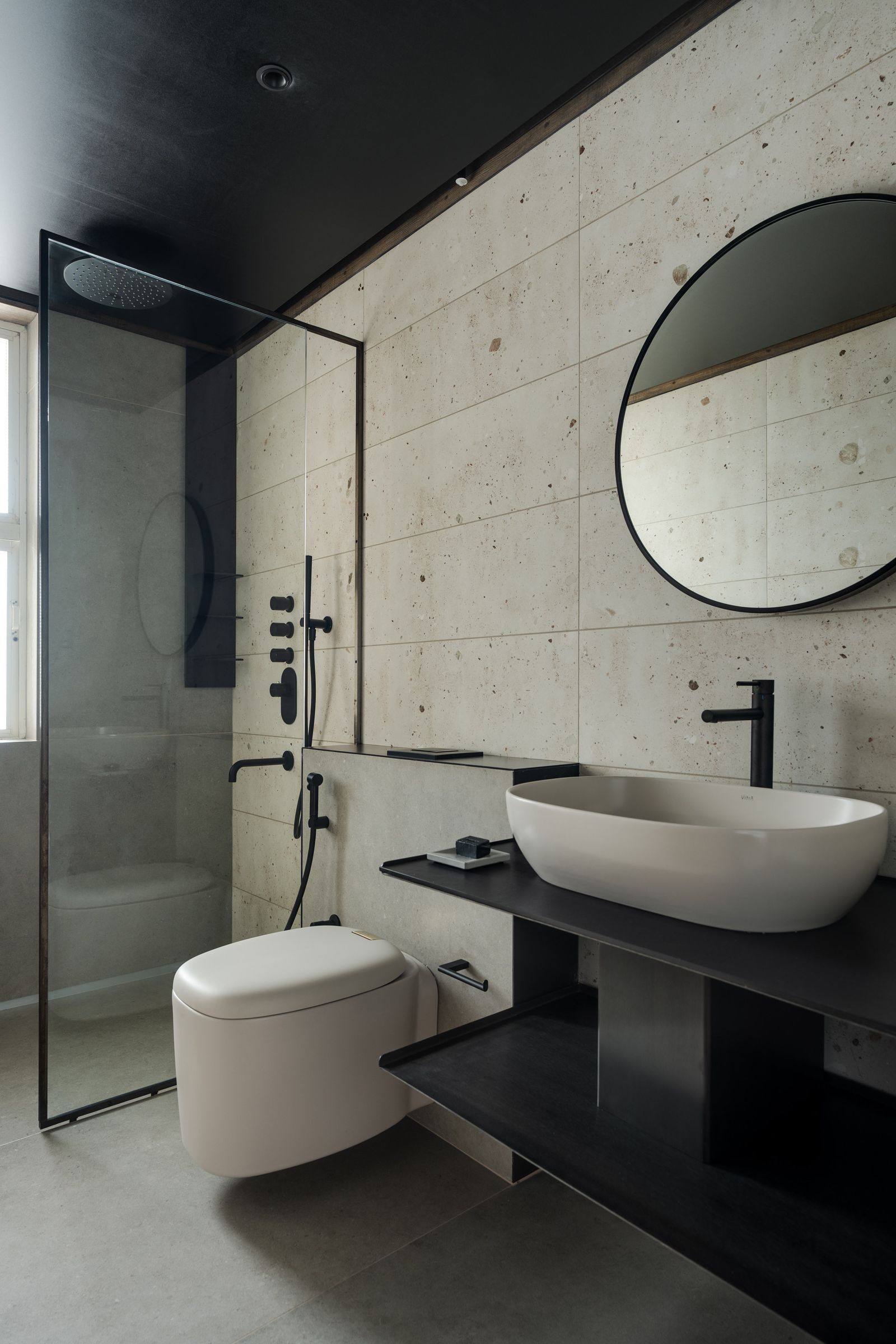
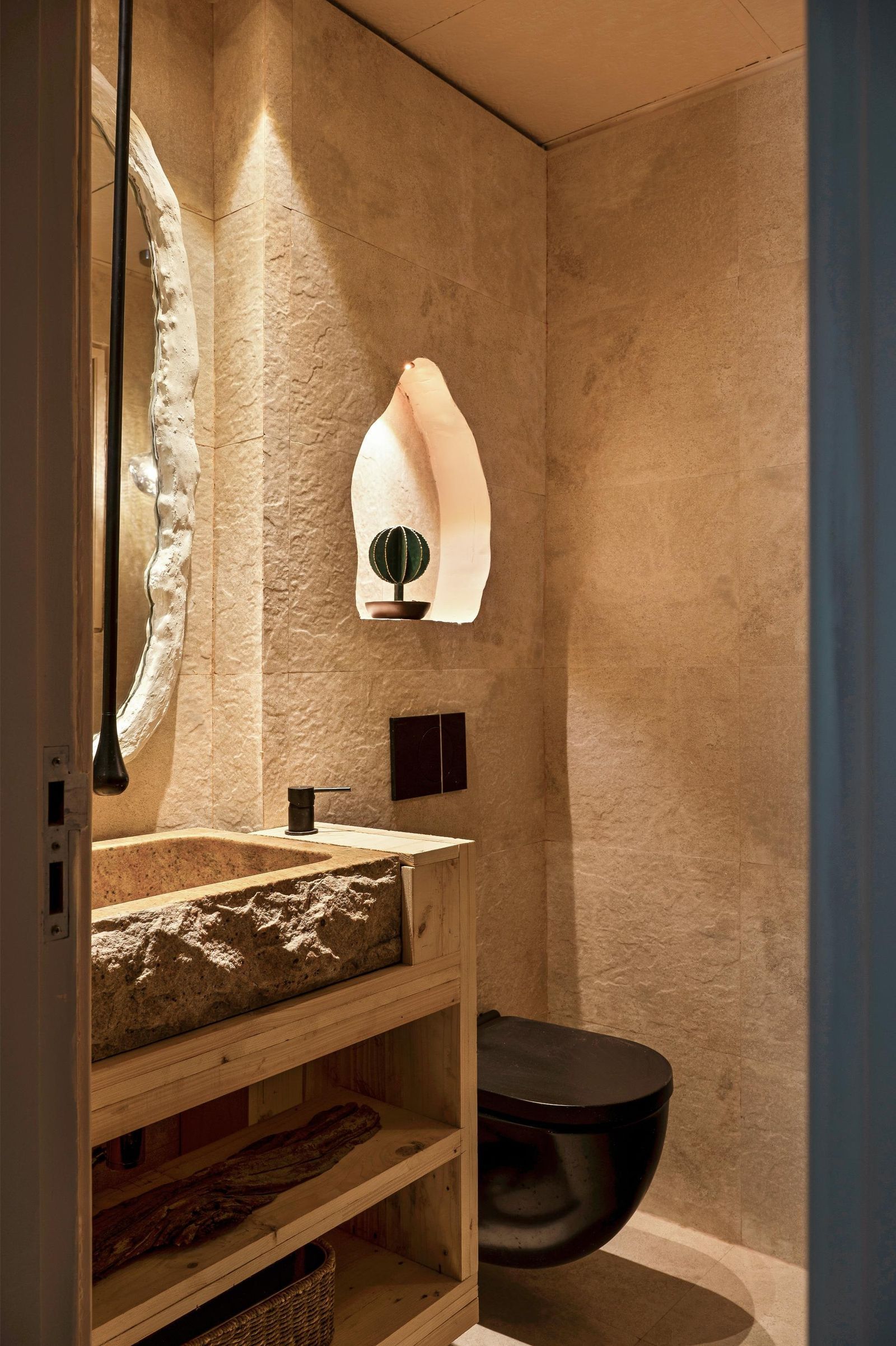
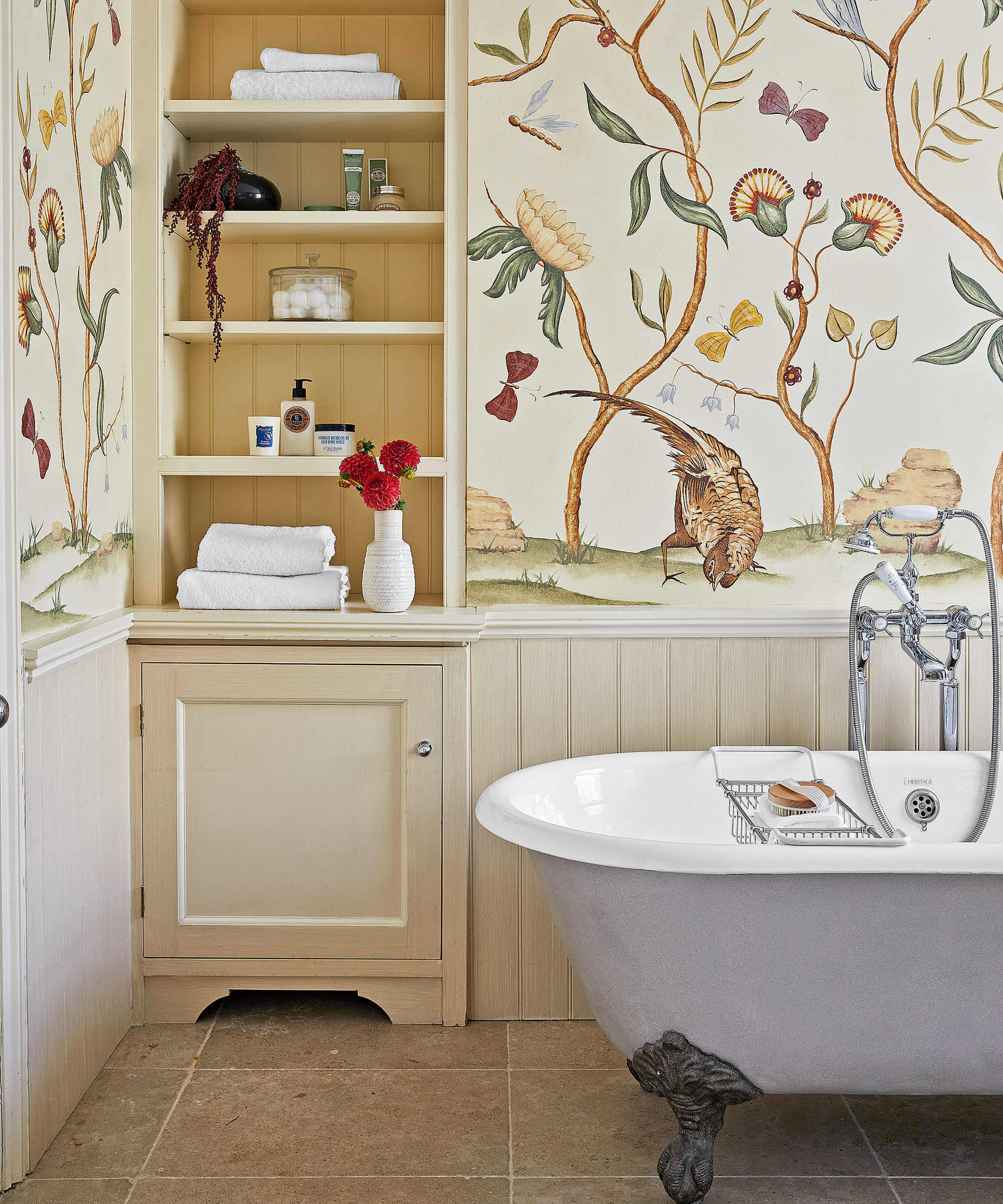
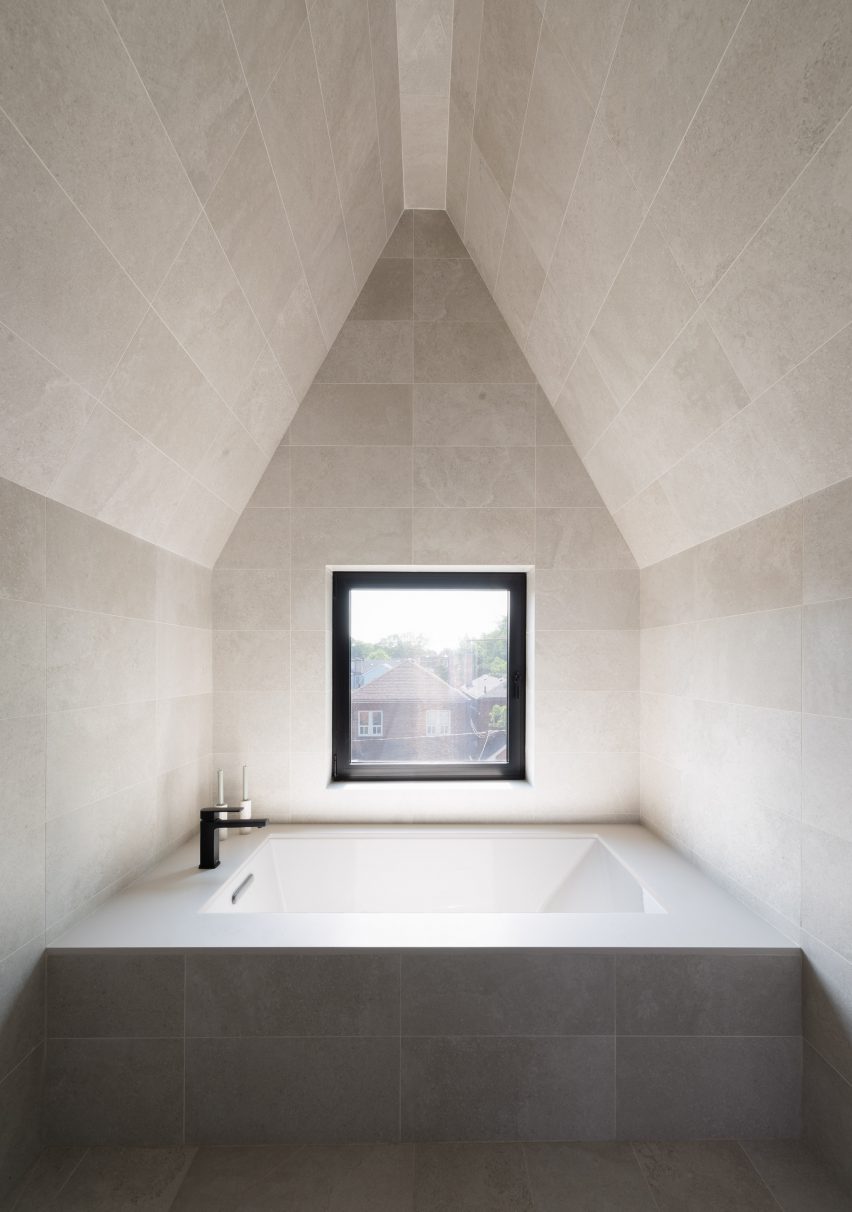
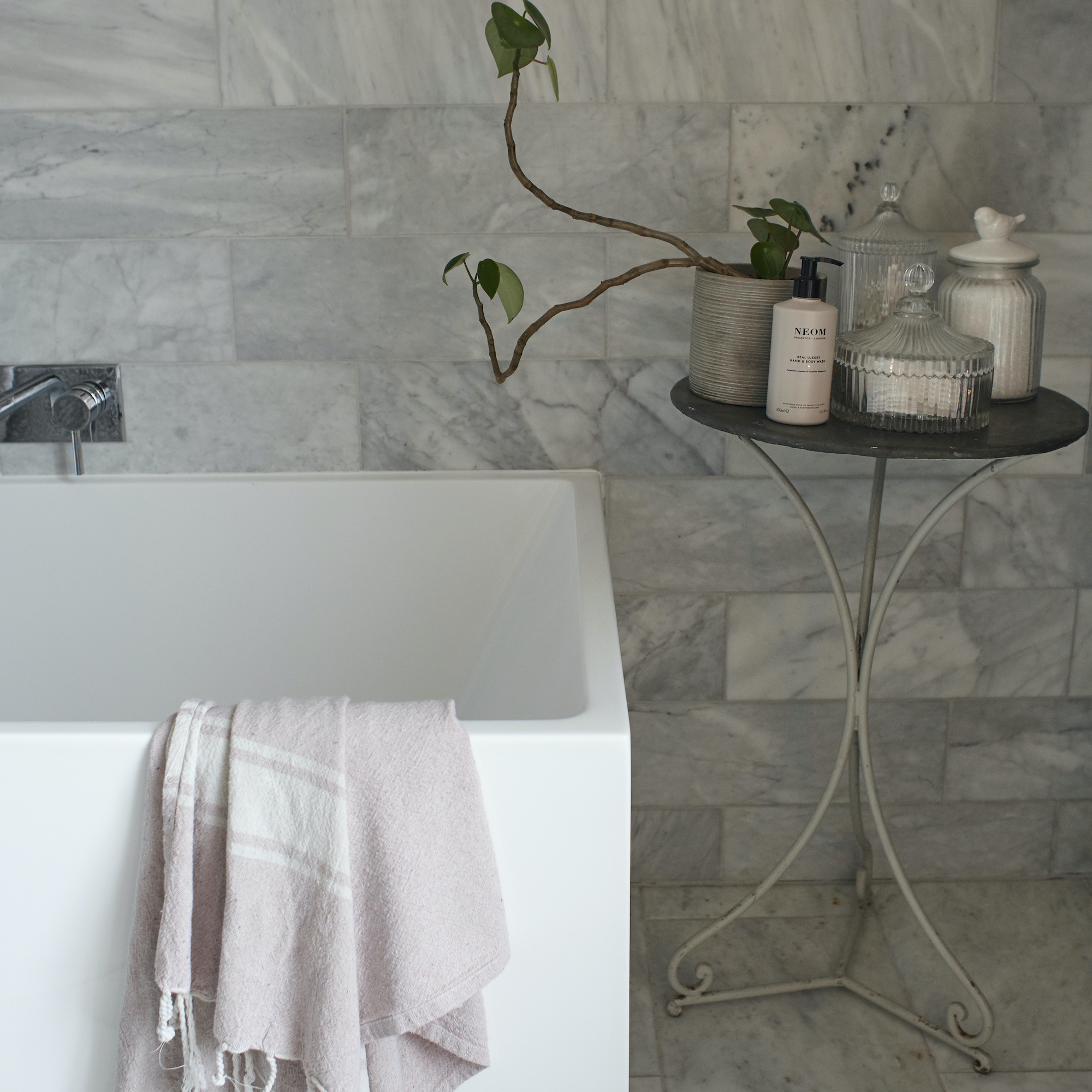
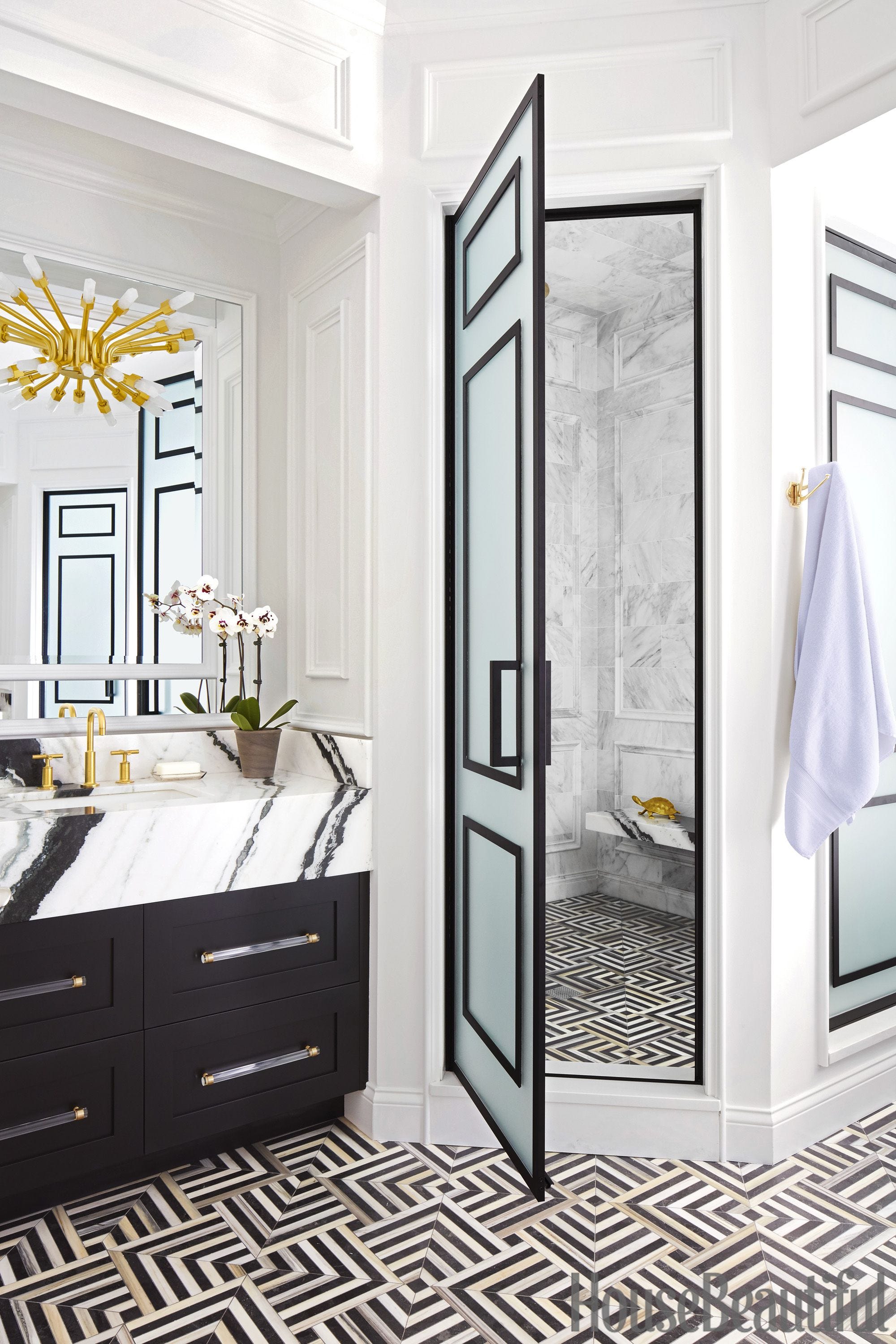
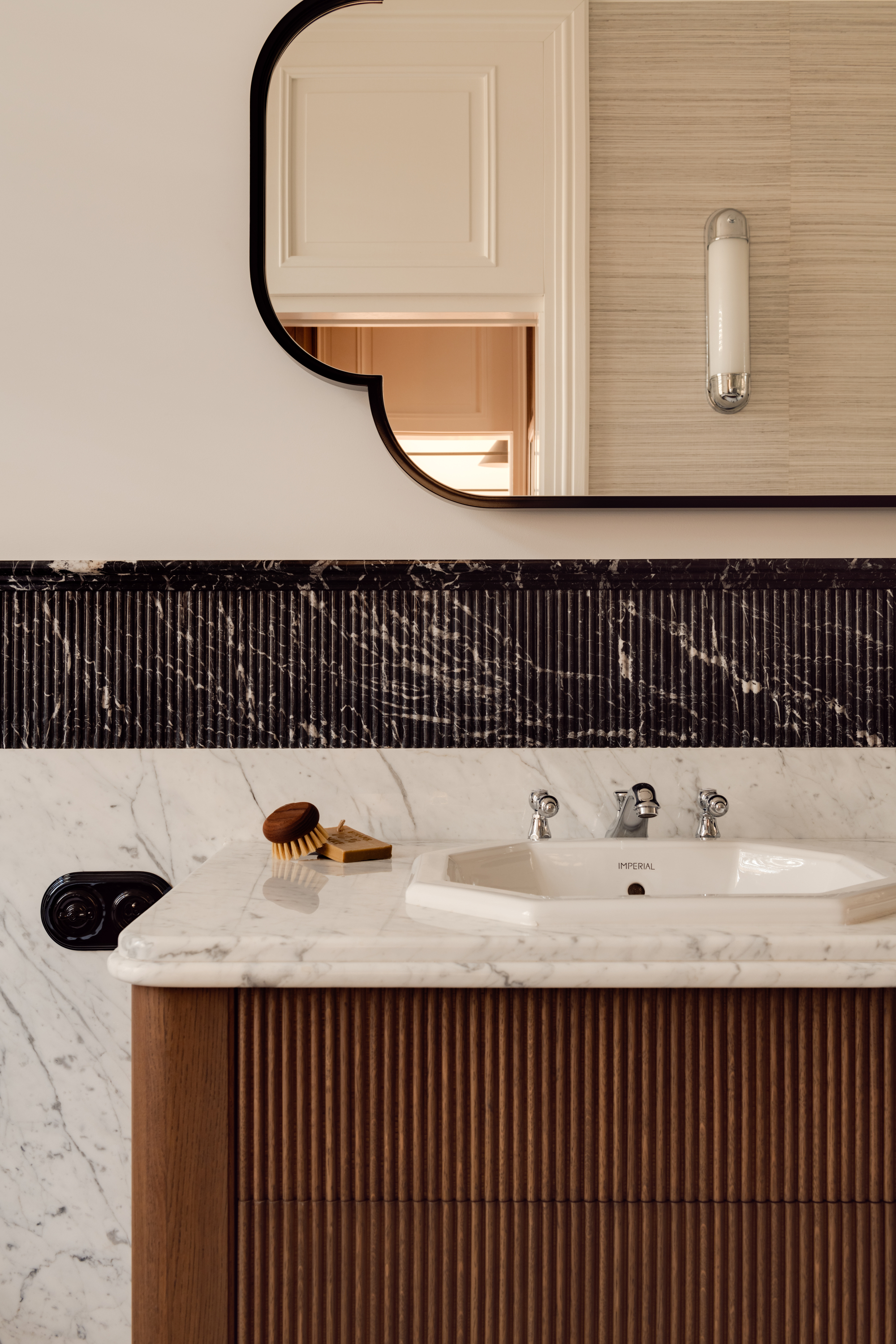
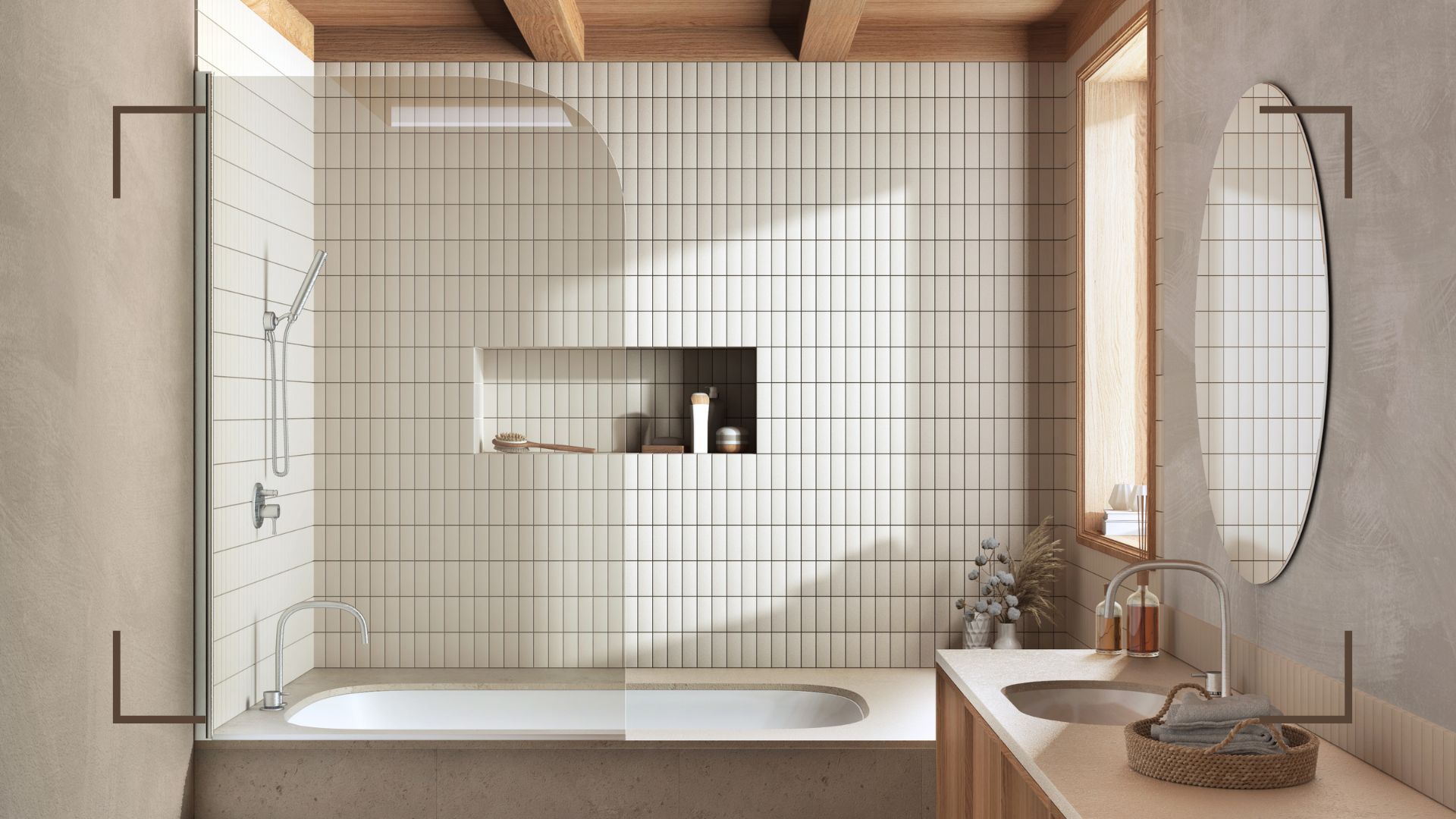
To integrate the wabi-sabi style into a bathroom, one key element is the incorporation of texture, especially through natural materials like wood, stone, and natural fibers. Textured tiles in stone shades can add an architectural dimension, with vertical channels creating an illusion of height. Modern elements can be seamlessly blended with traditional wabi-sabi aesthetics; for instance, sleek LED mirrors or contemporary side tables can complement hand-painted tiles and crisp white sanitaryware to achieve a balanced, clutter-free space.
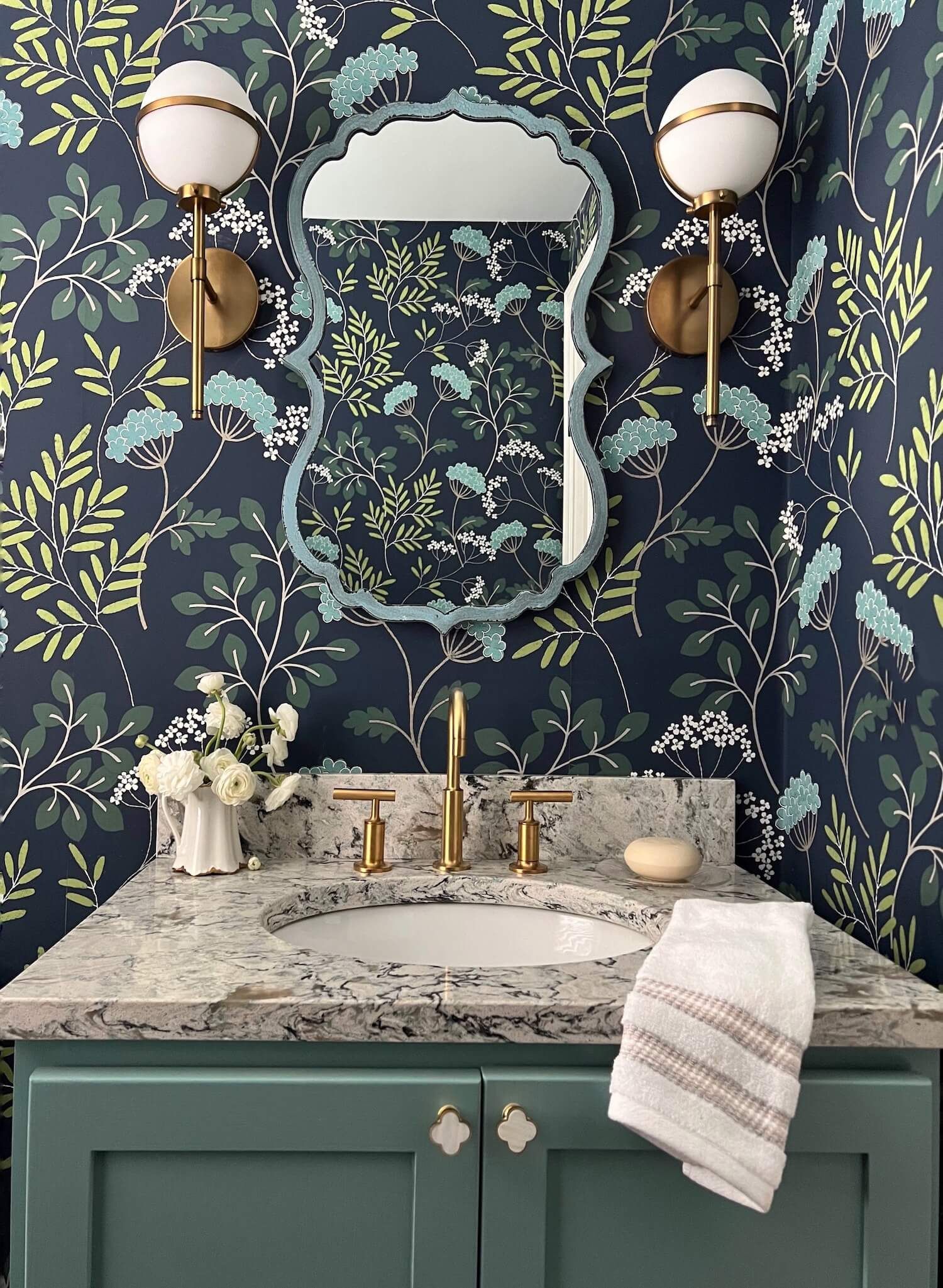
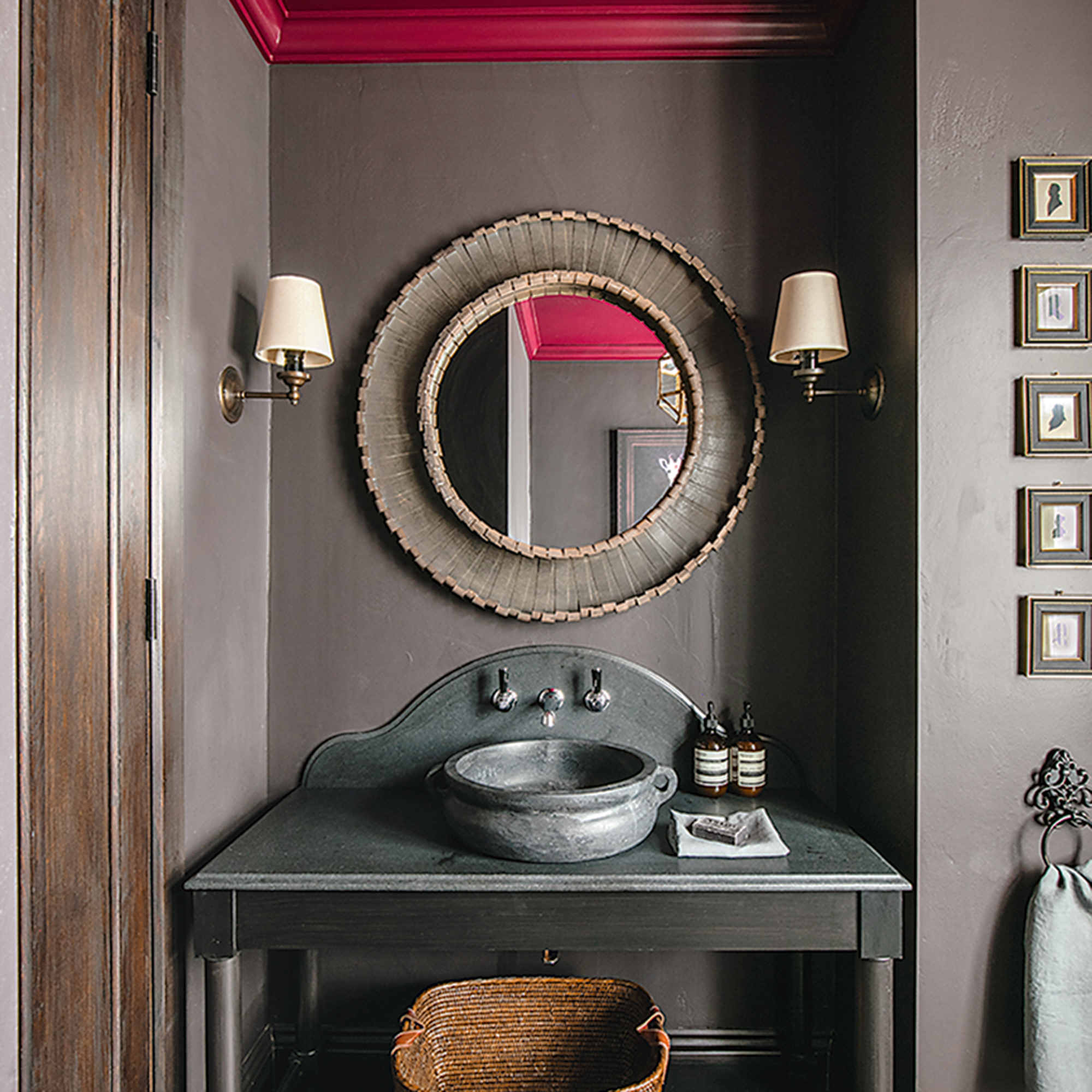
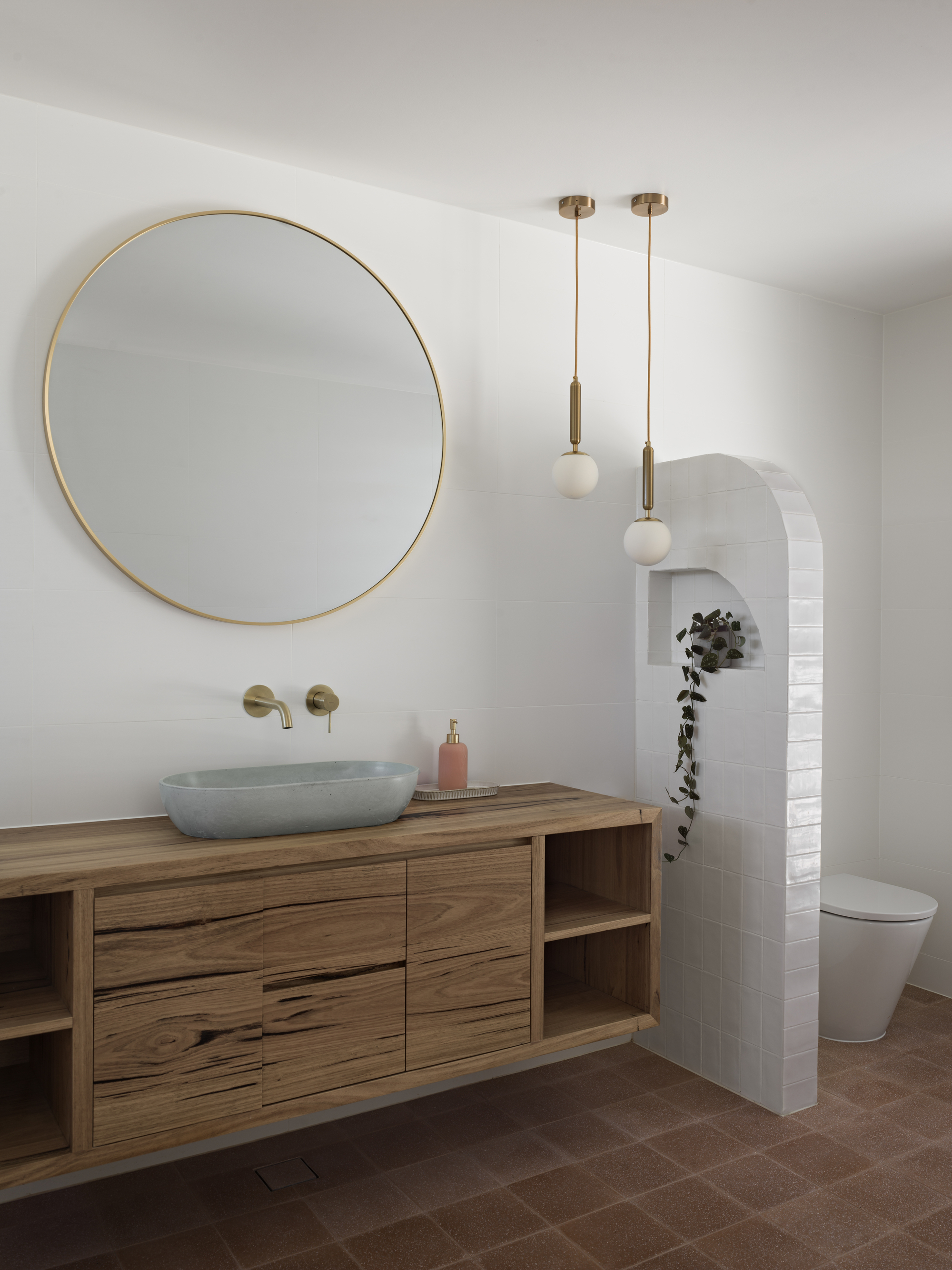
Embracing organic elements is crucial, often manifested through unique, handcrafted pieces such as rustic porcelain basins. These items, with their decorative detailing, contribute to an individualized look that aligns with the wabi-sabi principle of natural imperfections. While the primary color scheme leans towards neutrals, subtle touches of color can be introduced to enhance the serene and natural feel.
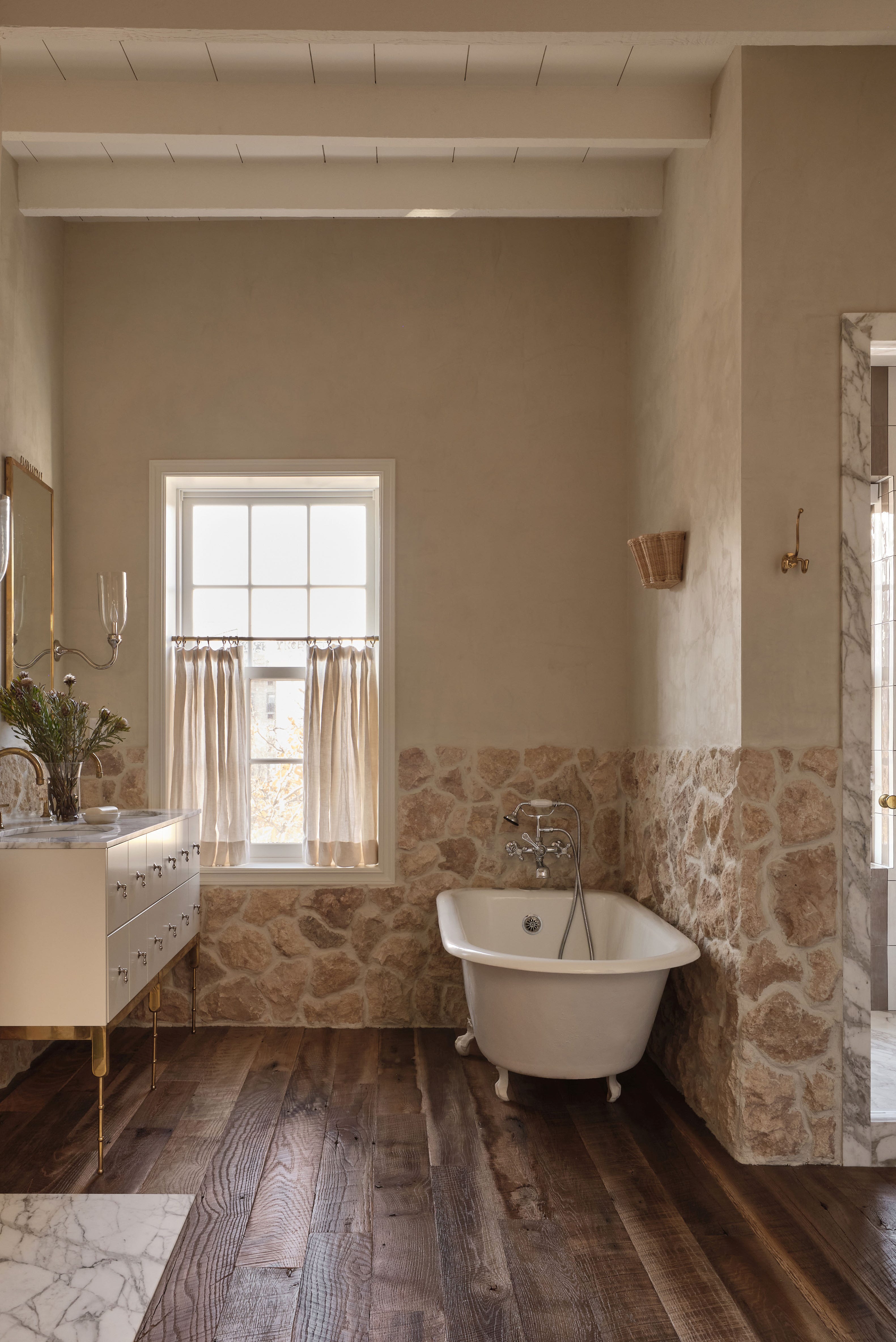
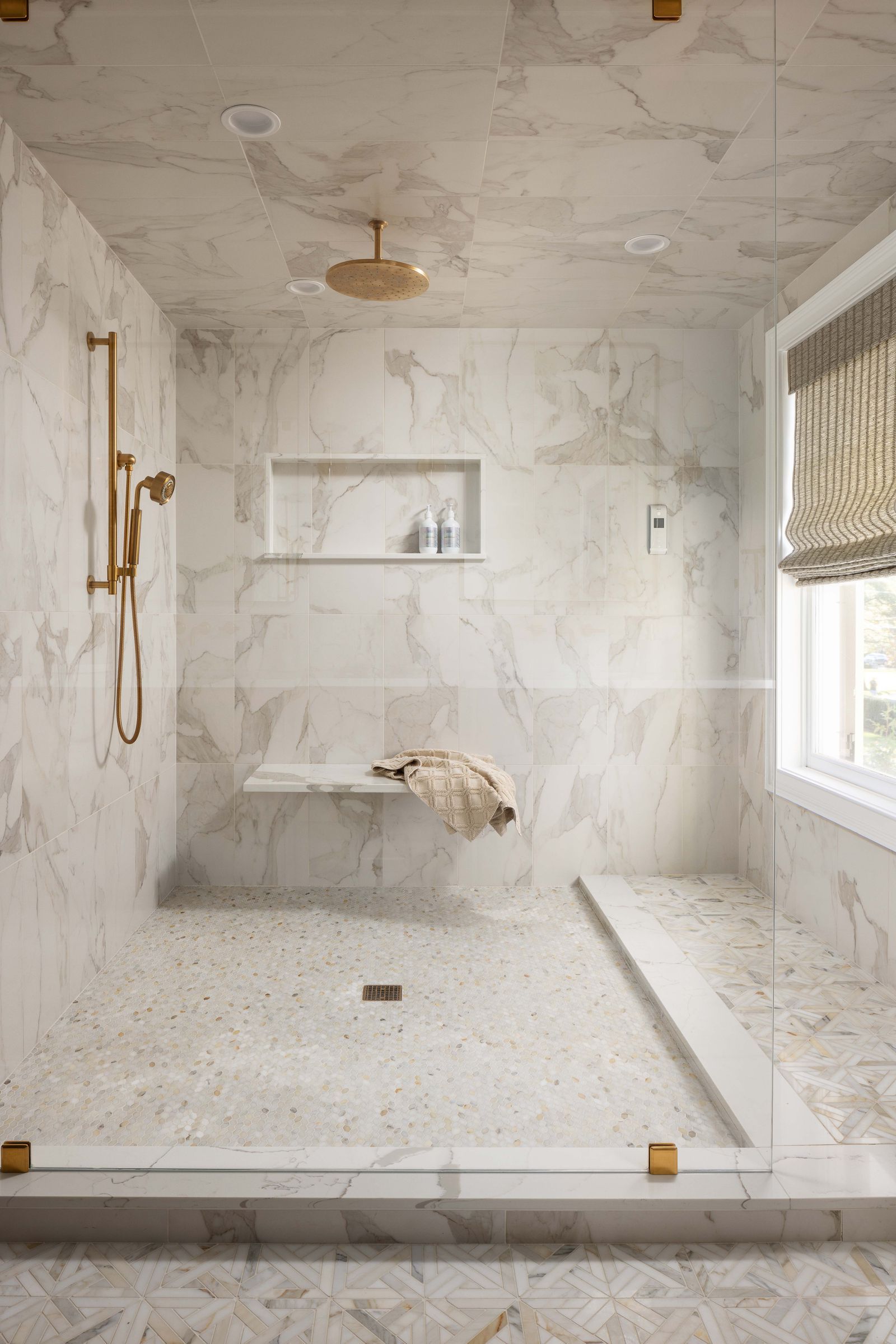
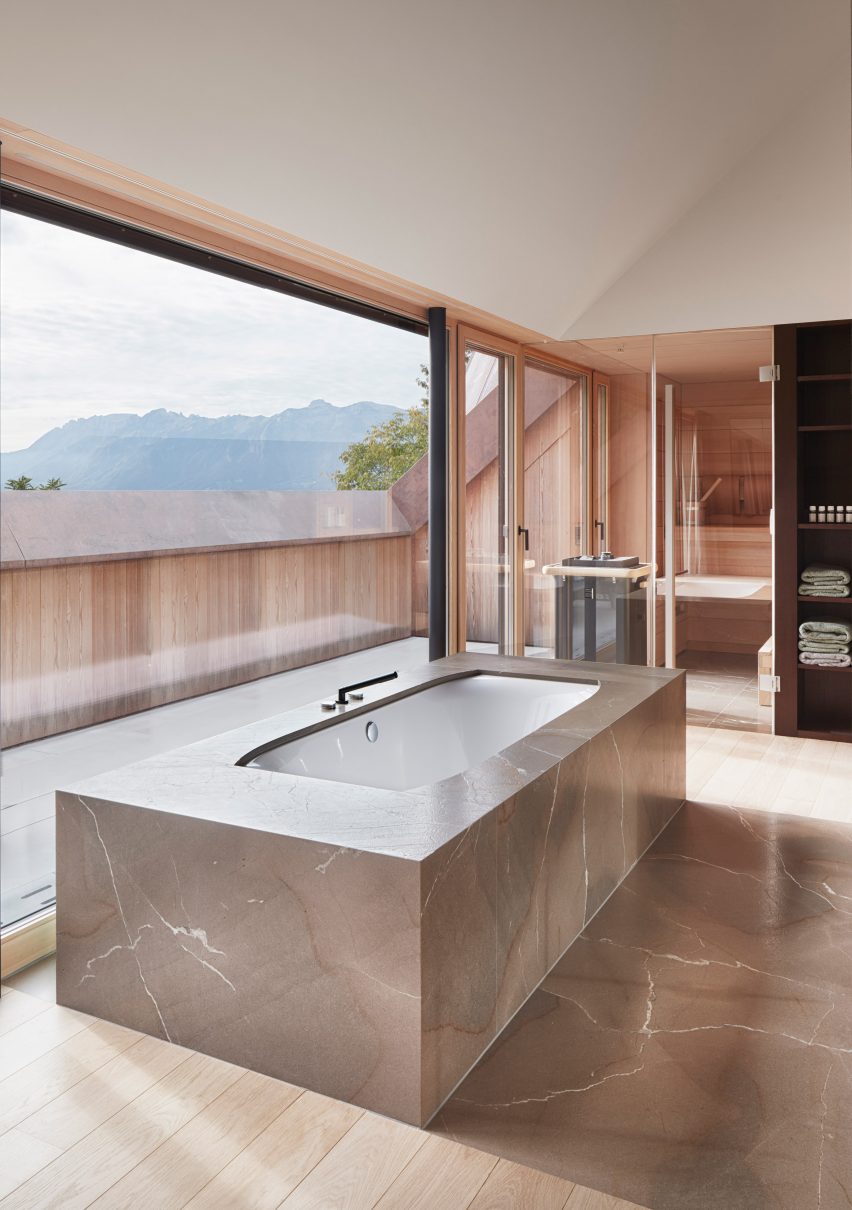
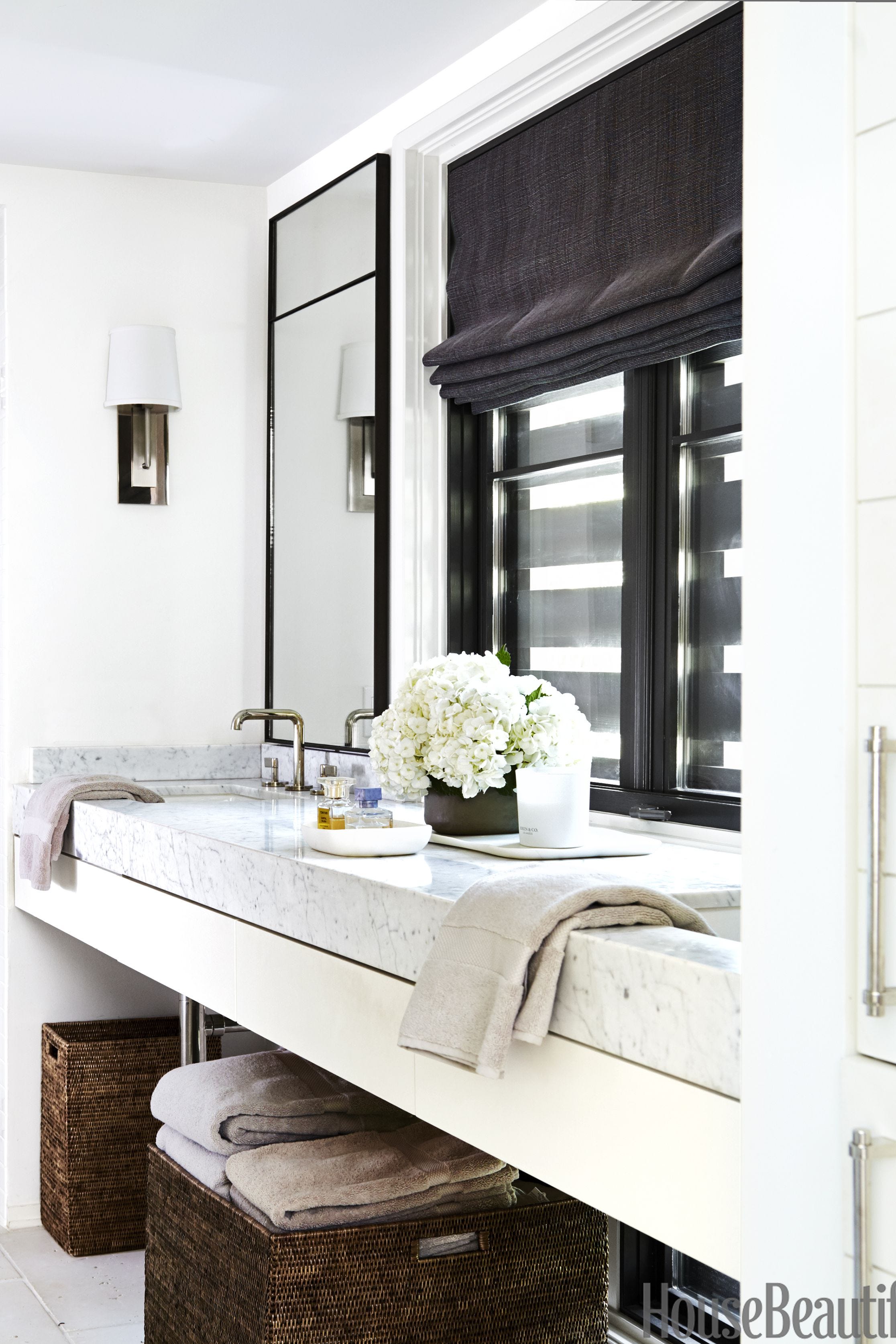
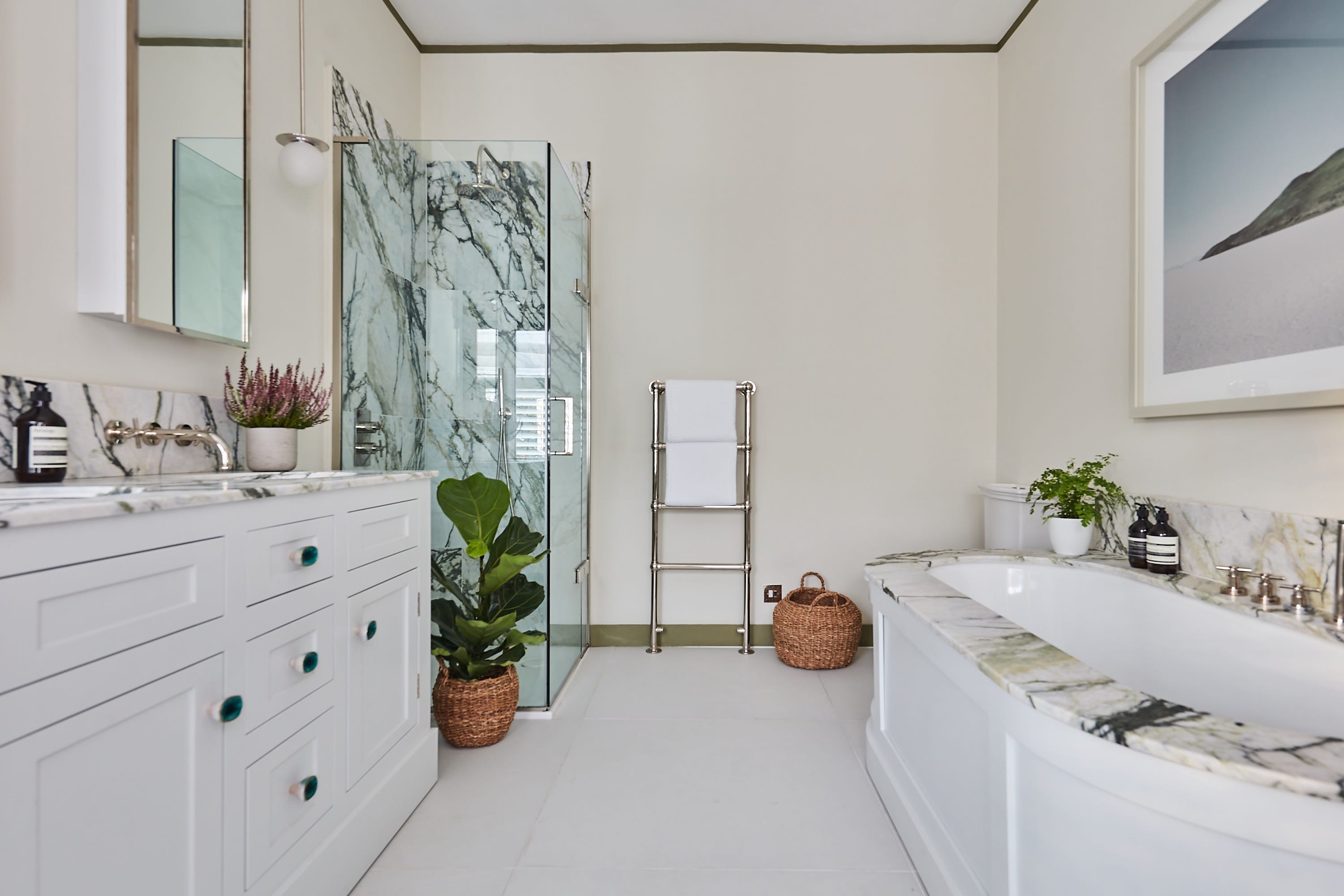
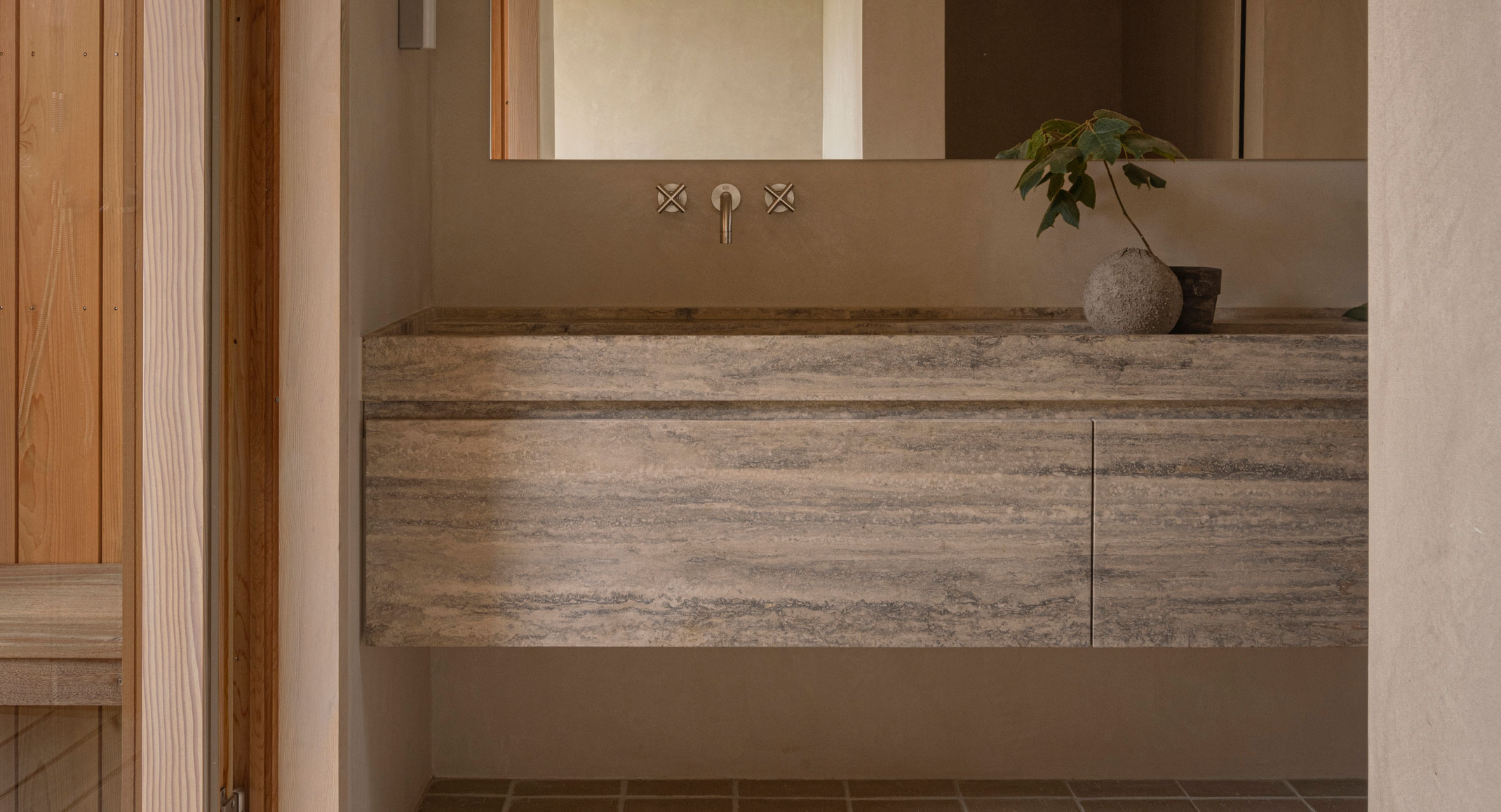
Cohesion can be achieved by matching flooring and vanity units with the same natural stone, creating a tranquil and subtly textured environment. Limestone, with its natural variations and warm beige tones, is an excellent choice for a calming bathroom. Lighting plays a significant role in setting the wabi-sabi mood; rather than harsh bright lights, subdued and serene illumination is preferred, often managed effectively with window shutters that can be neatly recessed.
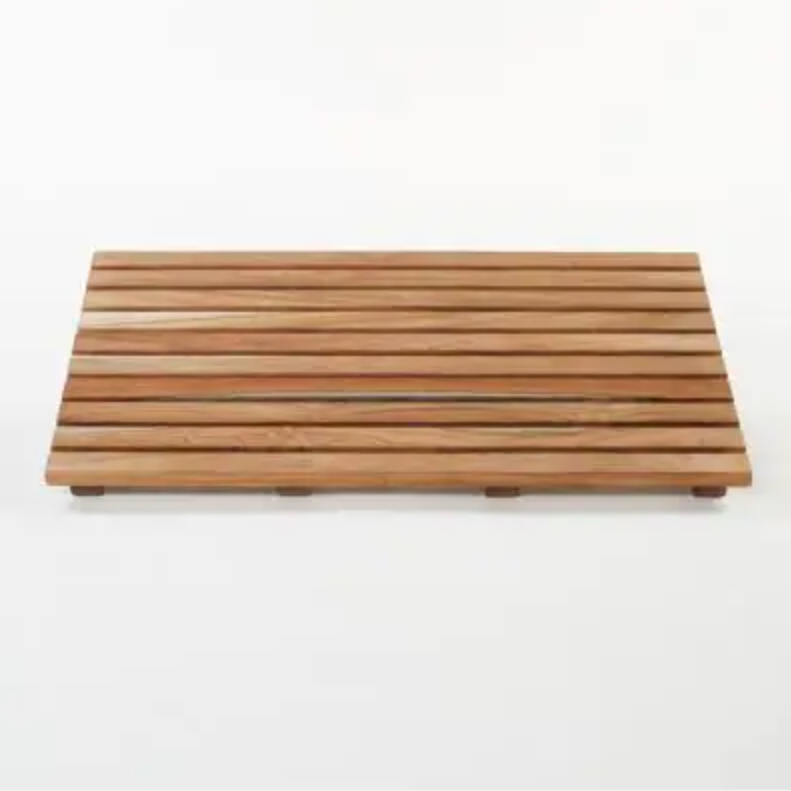
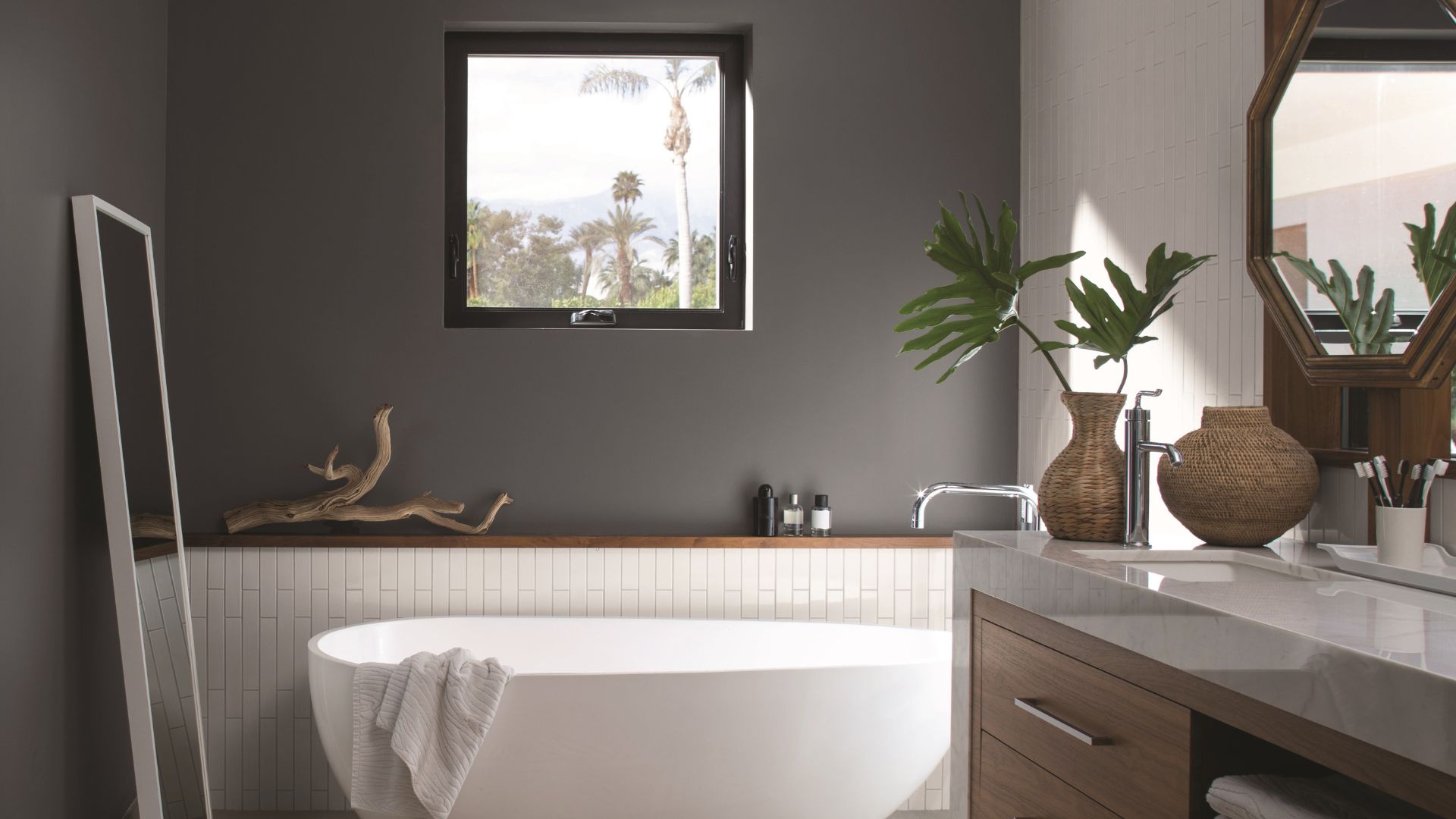
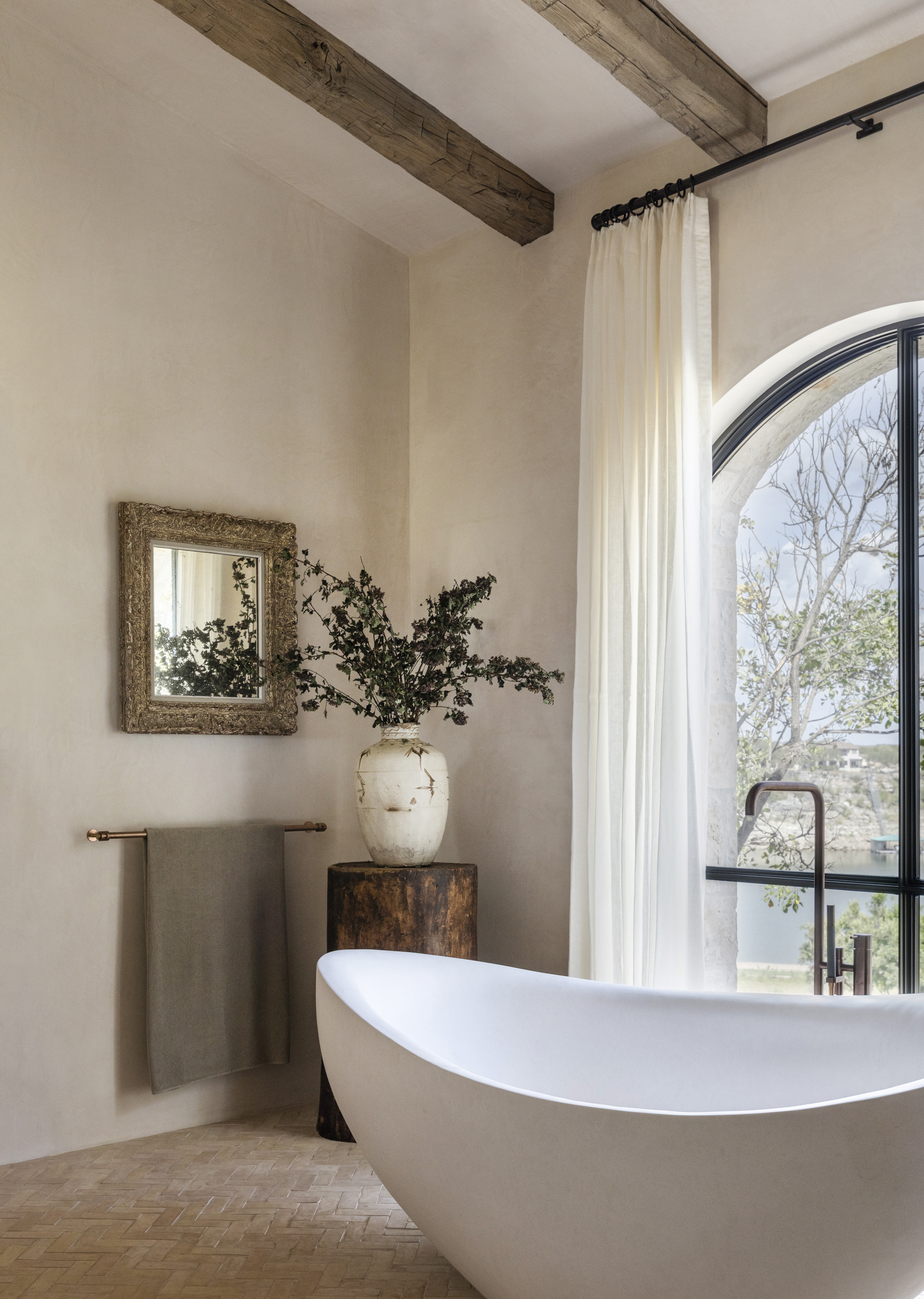
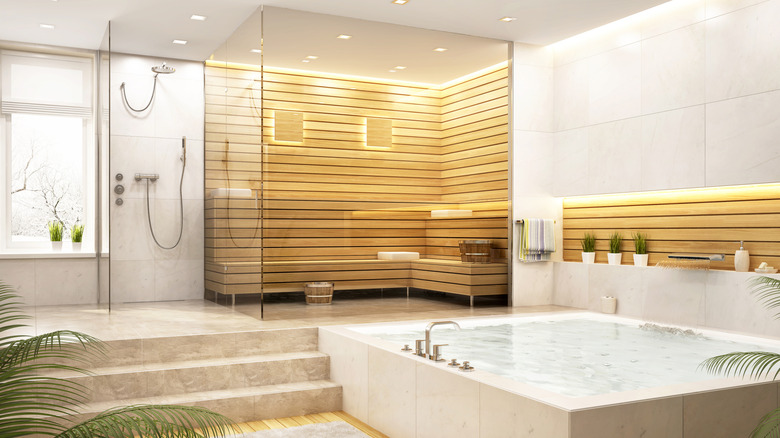
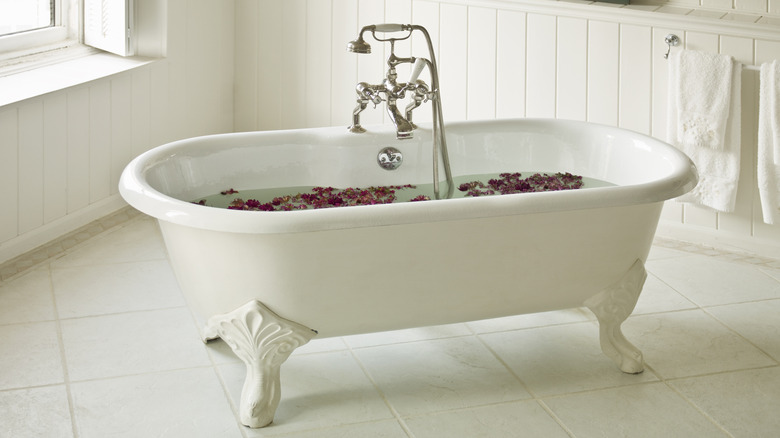
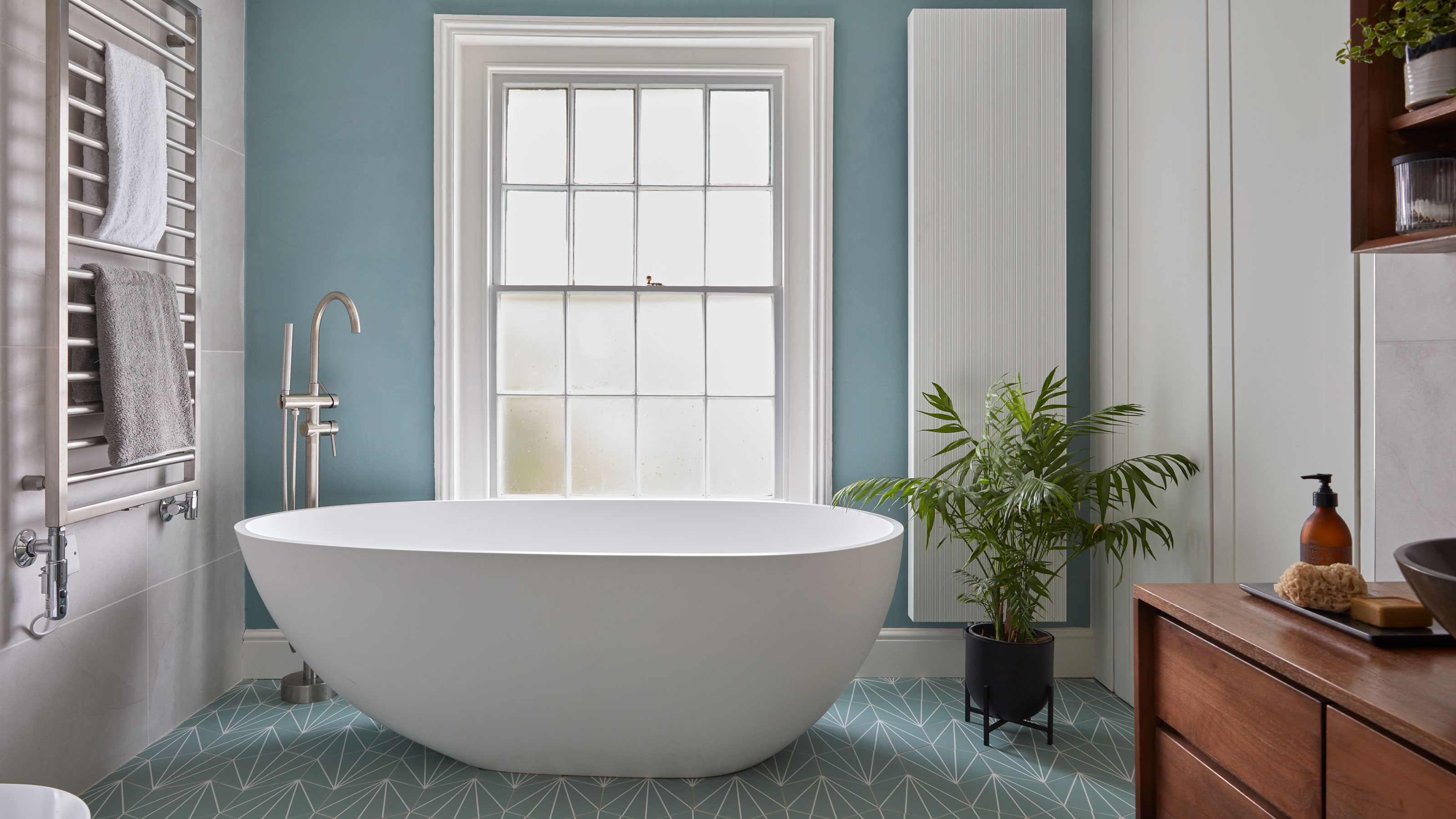
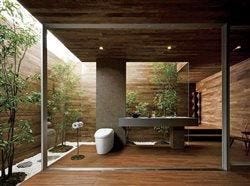
For flooring, natural wood is highly recommended due to its timeless appeal and connection to nature. The combination of wood flooring with floor tiles in different zones of the bathroom can create a harmonious and grounded space. Curved bathtubs are another characteristic feature, as their soft lines introduce a sense of flow and counteract angularity in the room.
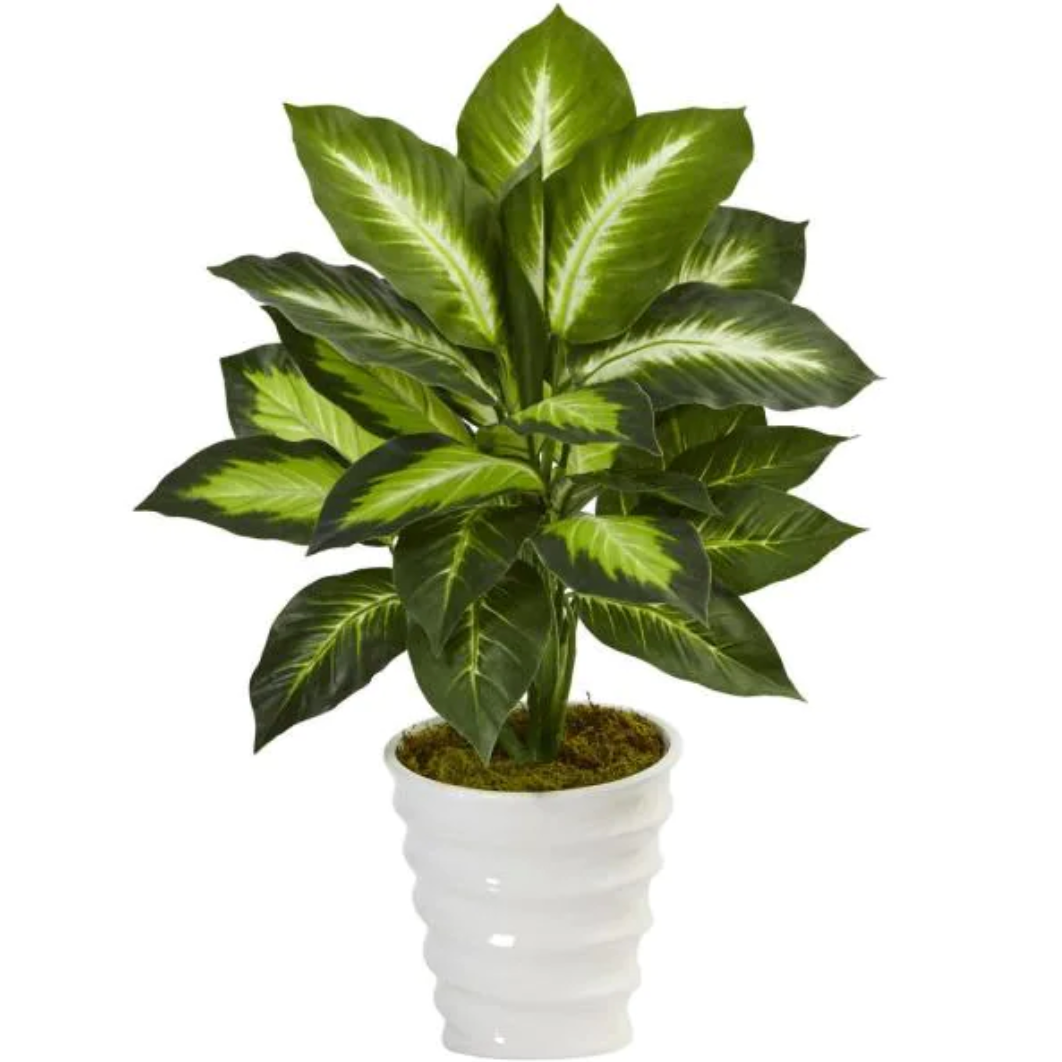
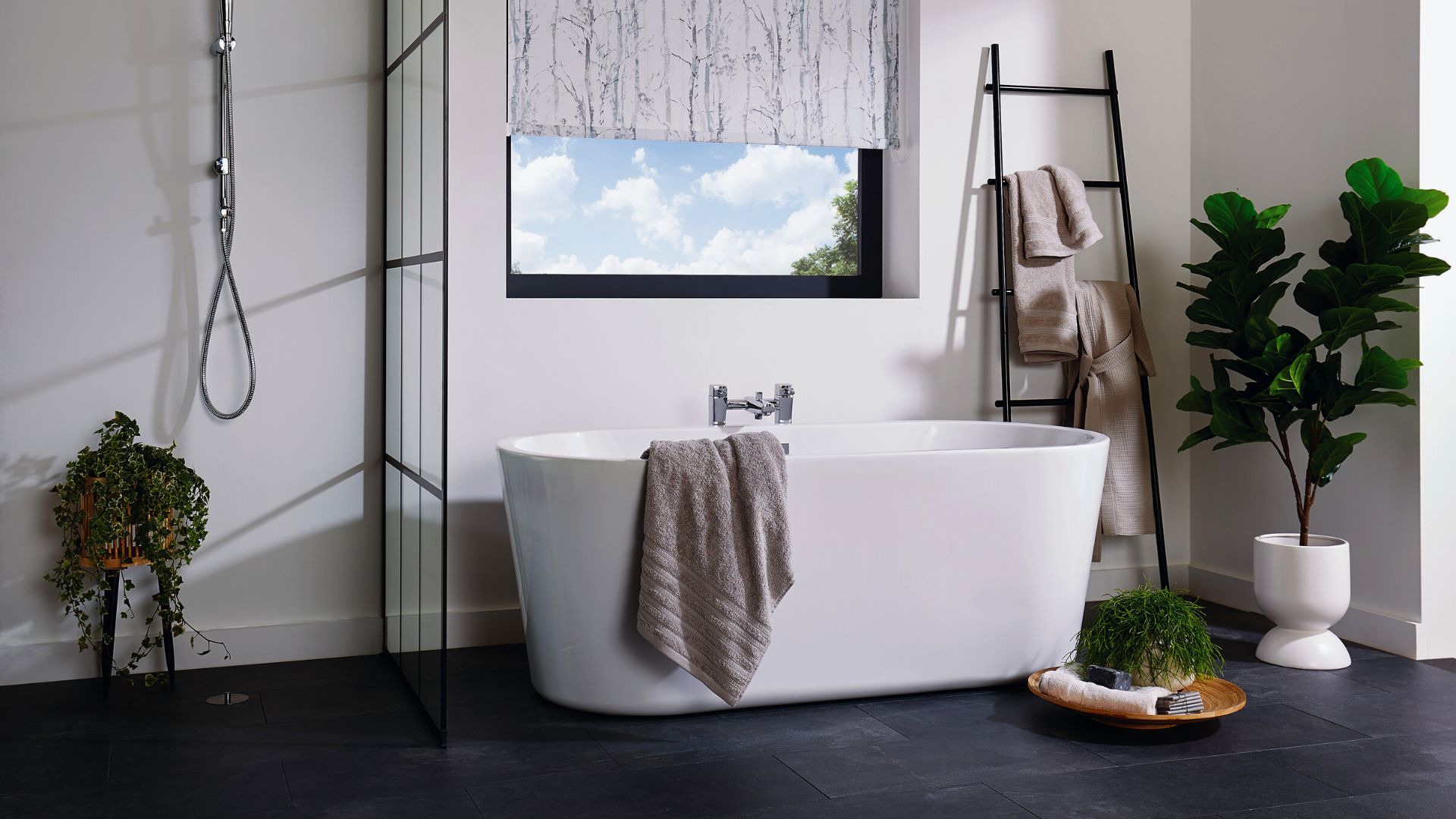
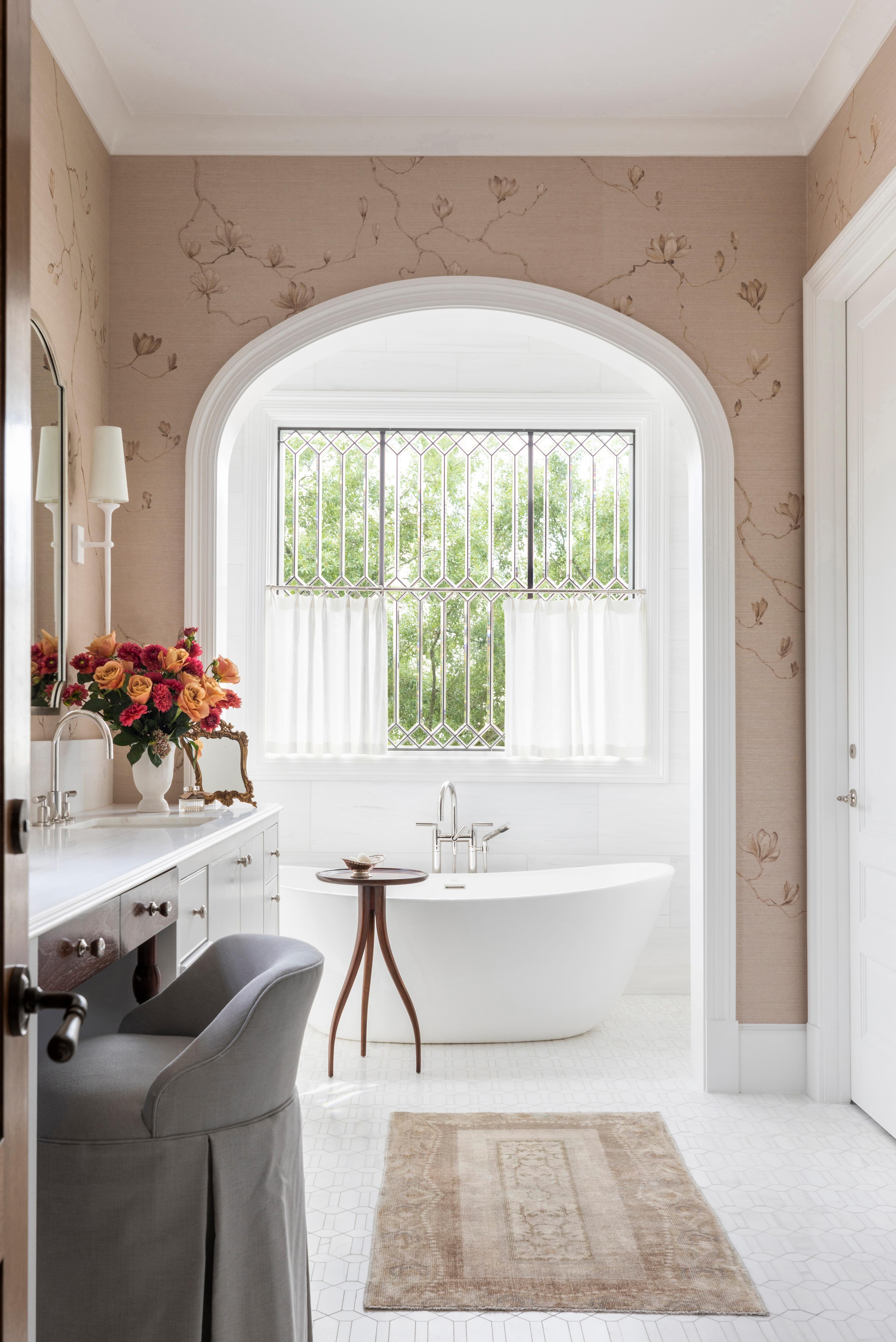
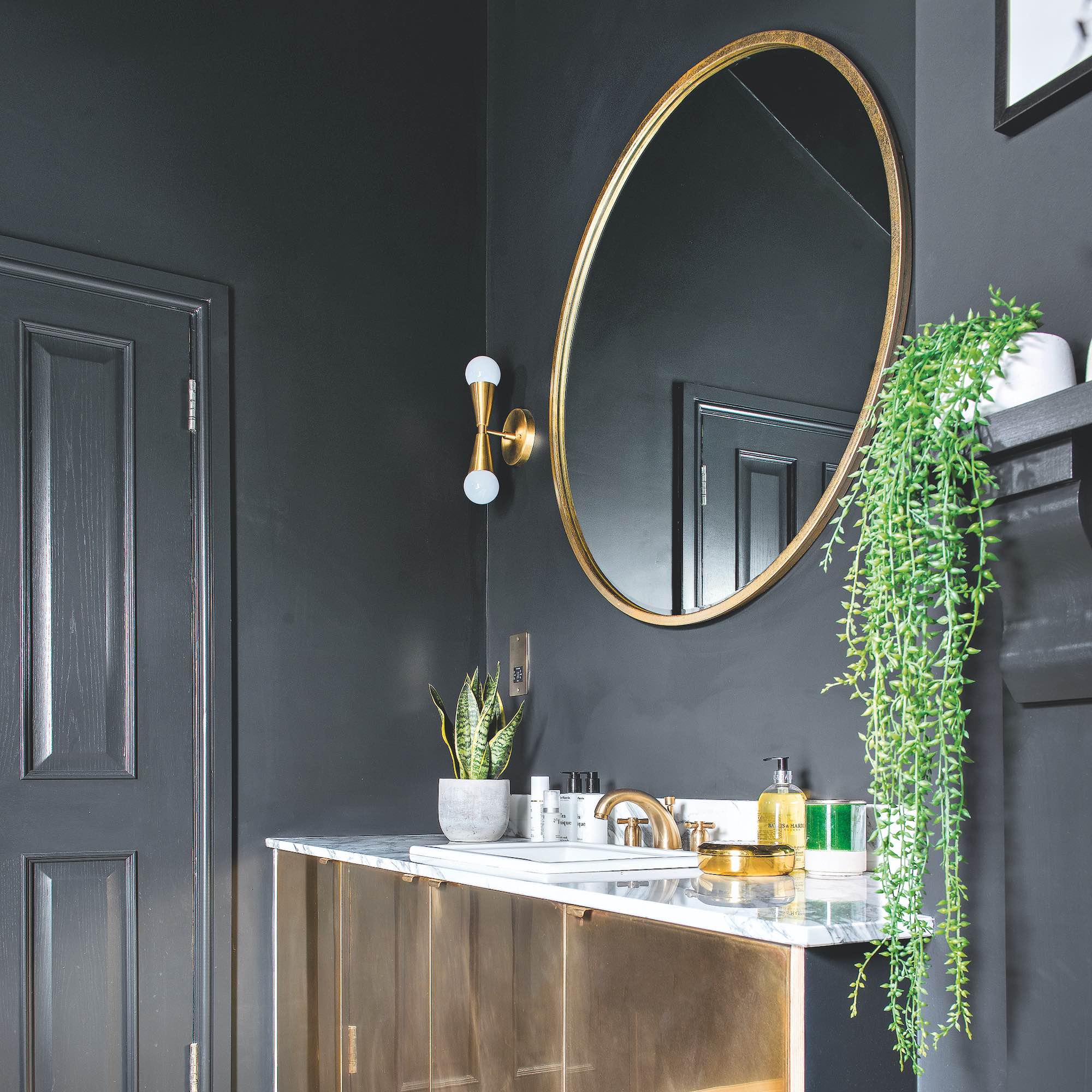
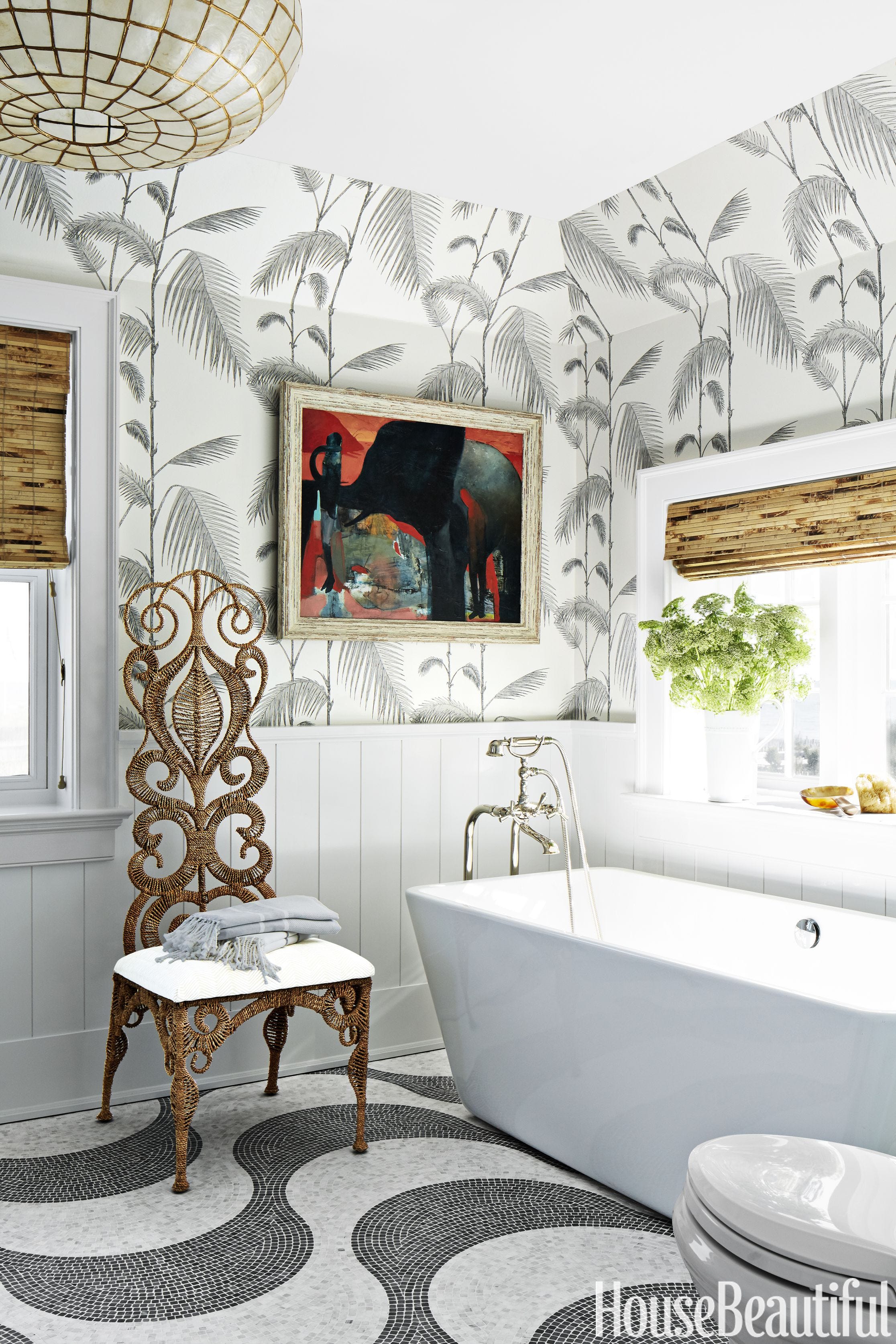
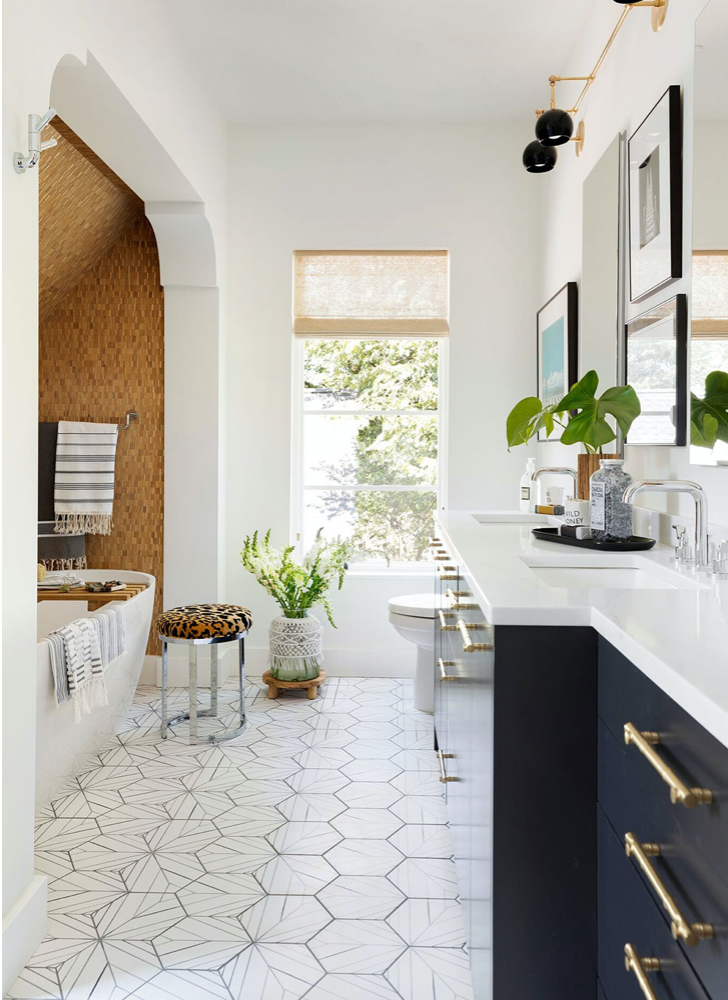
Color palettes for wabi-sabi bathrooms are typically muted, featuring earthy and grounding shades such as sand, pale terracotta, mid-grey, and taupe. Pale blush can be added for warmth, and incorporating natural elements like houseplants (e.g., aloe vera, Boston fern, spider plants) further enhances the connection to nature. Black accents in fixtures and fittings can provide an edgy contrast to the minimalist backdrop, adding character without overwhelming the serene atmosphere.
Finally, selecting handcrafted accessories and pieces with natural irregularities, such as chipped wooden stools or slightly unsymmetrical basins, reinforces the core philosophy of wabi-sabi. These artisanal items, often sourced from antique markets, bring warmth, depth, and a unique charm that celebrates the beauty of imperfection and the organic nature of things.
#WabiSabi #BathroomDesign #InteriorDecor #NaturalMaterials #MinimalistStyle #EarthyTones #Handcrafted #HomeRenovation #DesignTrends #WabiSabi #BathroomDesign #InteriorDecor #NaturalMaterials #MinimalistStyle #EarthyTones #Handcrafted #HomeRenovation #DesignTrends
0 comment in total
 No comments yet
You may also like
The 10 Best Ways to Make Your Bathroom Feel Like a Spa

9 modern bathroom ideas to try for a spa-like oasis

6 wabi-sabi living room ideas – create a perfectly imperfect lounge with this Japanese philosophy
10 Stylish Bathroom Design Ideas for Your Home Makeover
What is wabi sabi interior design? 6 tips for embracing this style

5 Japandi Bathroom Ideas for Minimalist, Calming Spaces You'll Love to Spend Time in

Secrets to marrying style, eco-sense and luxury in any bathroom
15 Black and White Bathrooms That Feel Fresh and Luxurious
Japandi bathroom ideas : 11 ways to create a calming sanctuary

These 17 Bathtub Ideas Will Make Your Bathroom Feel Like a 5-Star Spa
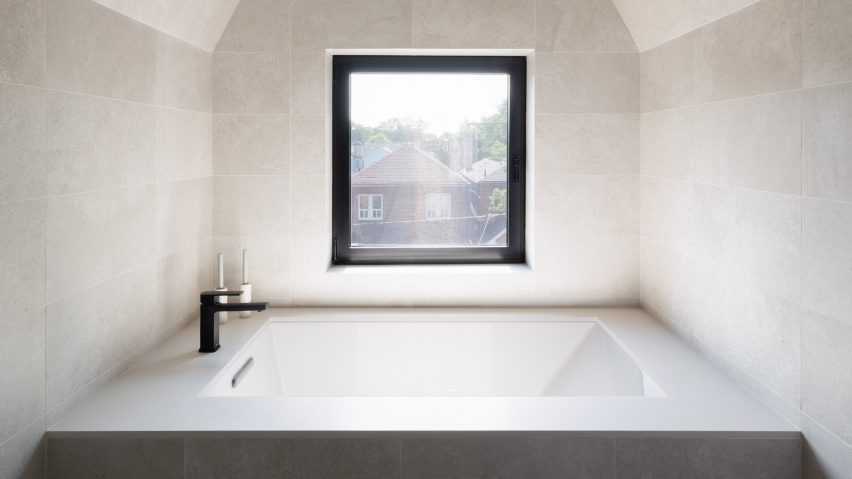
Twelve contemporary bathrooms with a spa-like feel
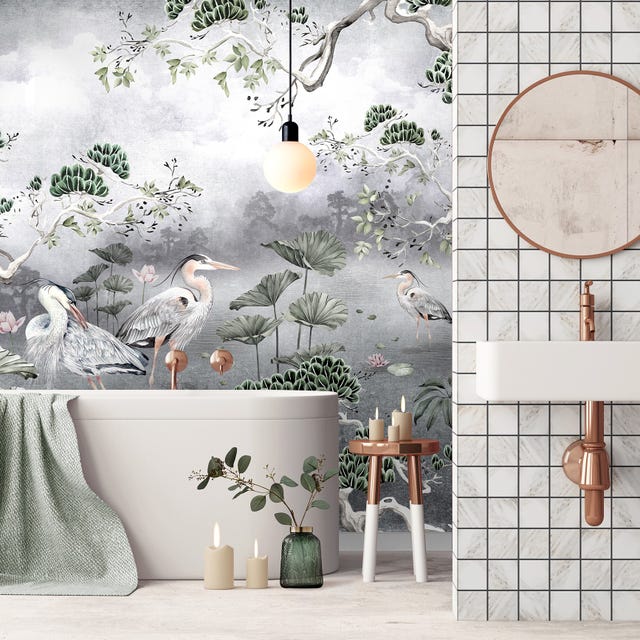
These Are the Bathroom Trends That Will Dominate in 2022
Vastu for Bathrooms: Designing a Spa-Like Sanctuary

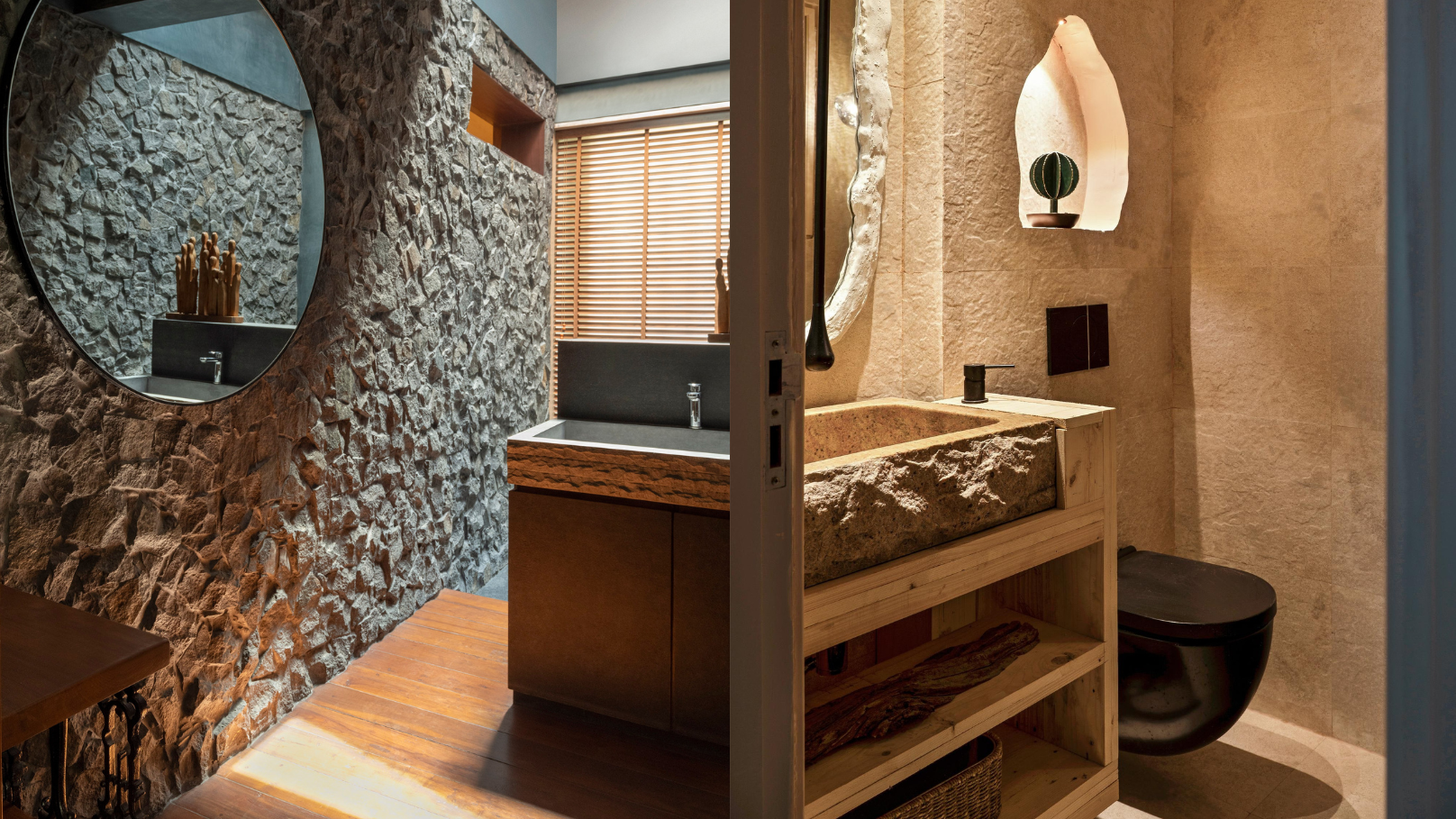
5 earthy bathroom designs that embody textural charm
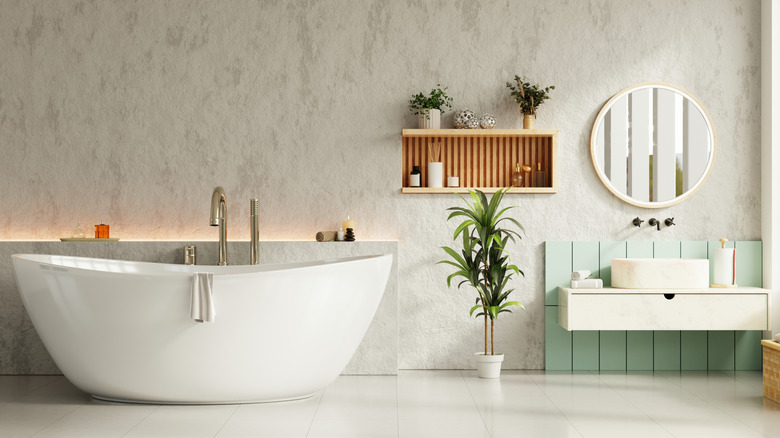
All The Bathroom Trends That Will Be Taking Over In 2026

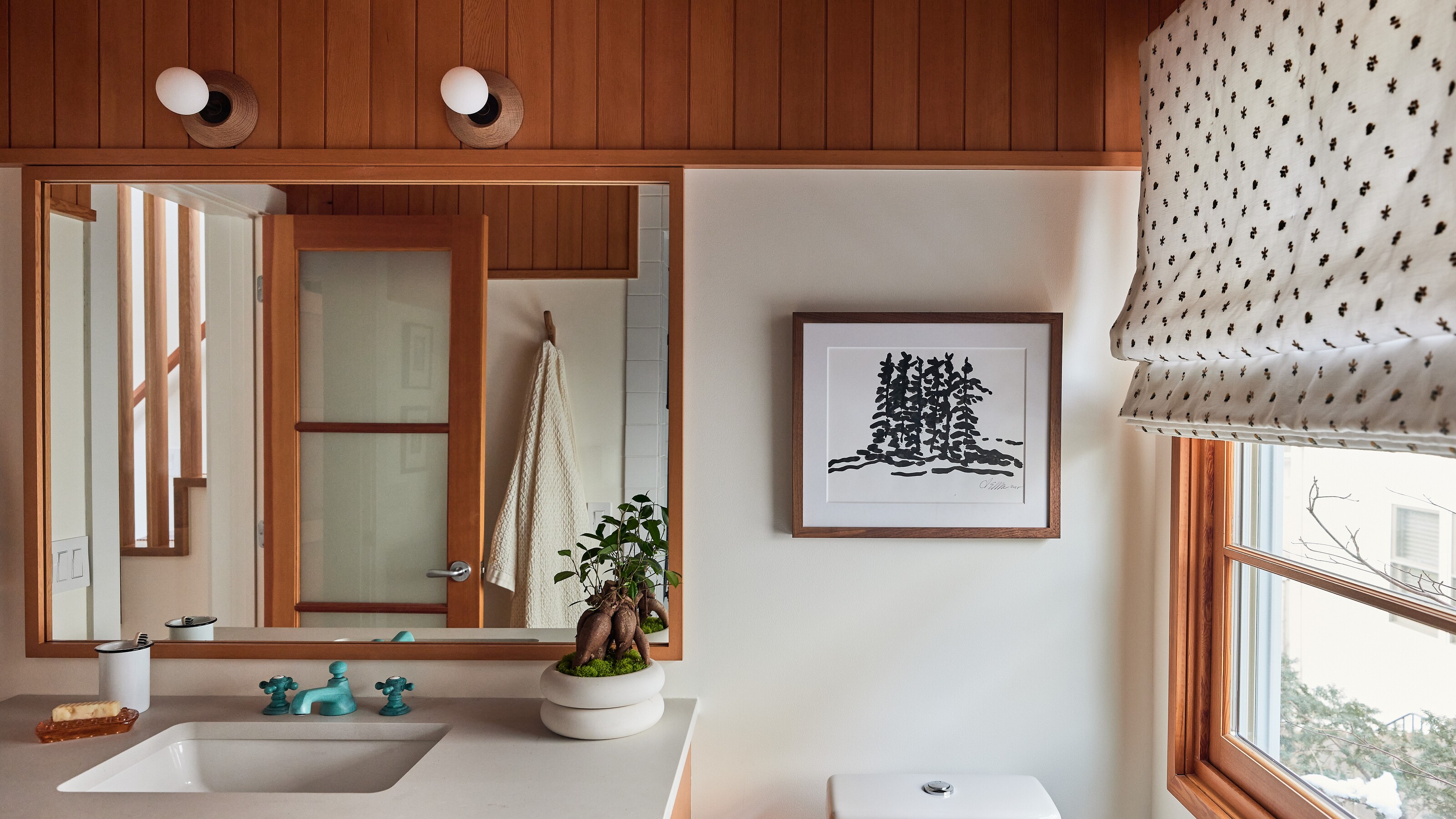
10 bathrooms that nail the natural wood trend in surprisingly different ways

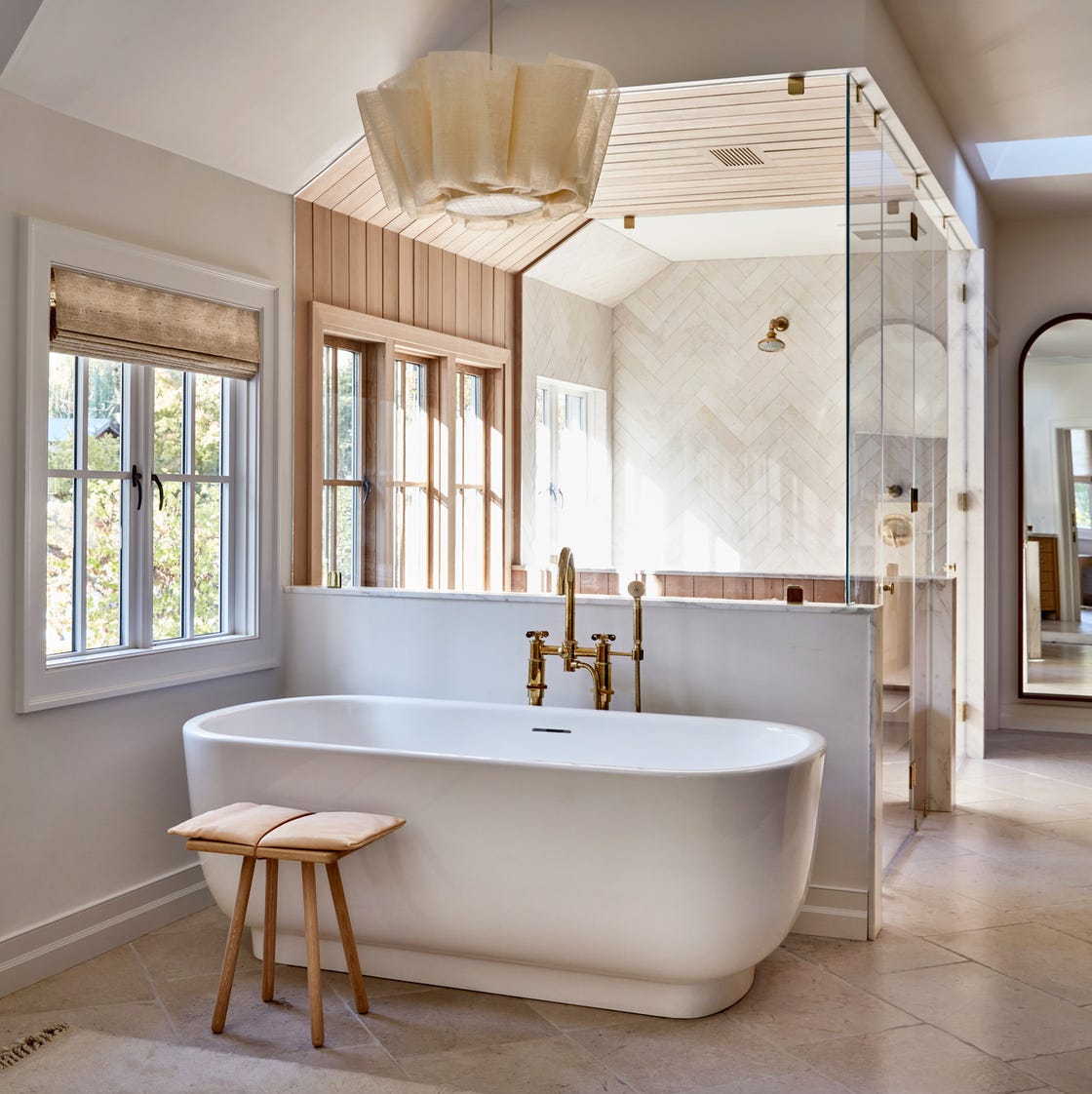
Enter Your "Bath Person" Era With These Gorgeous Bathtub Designs
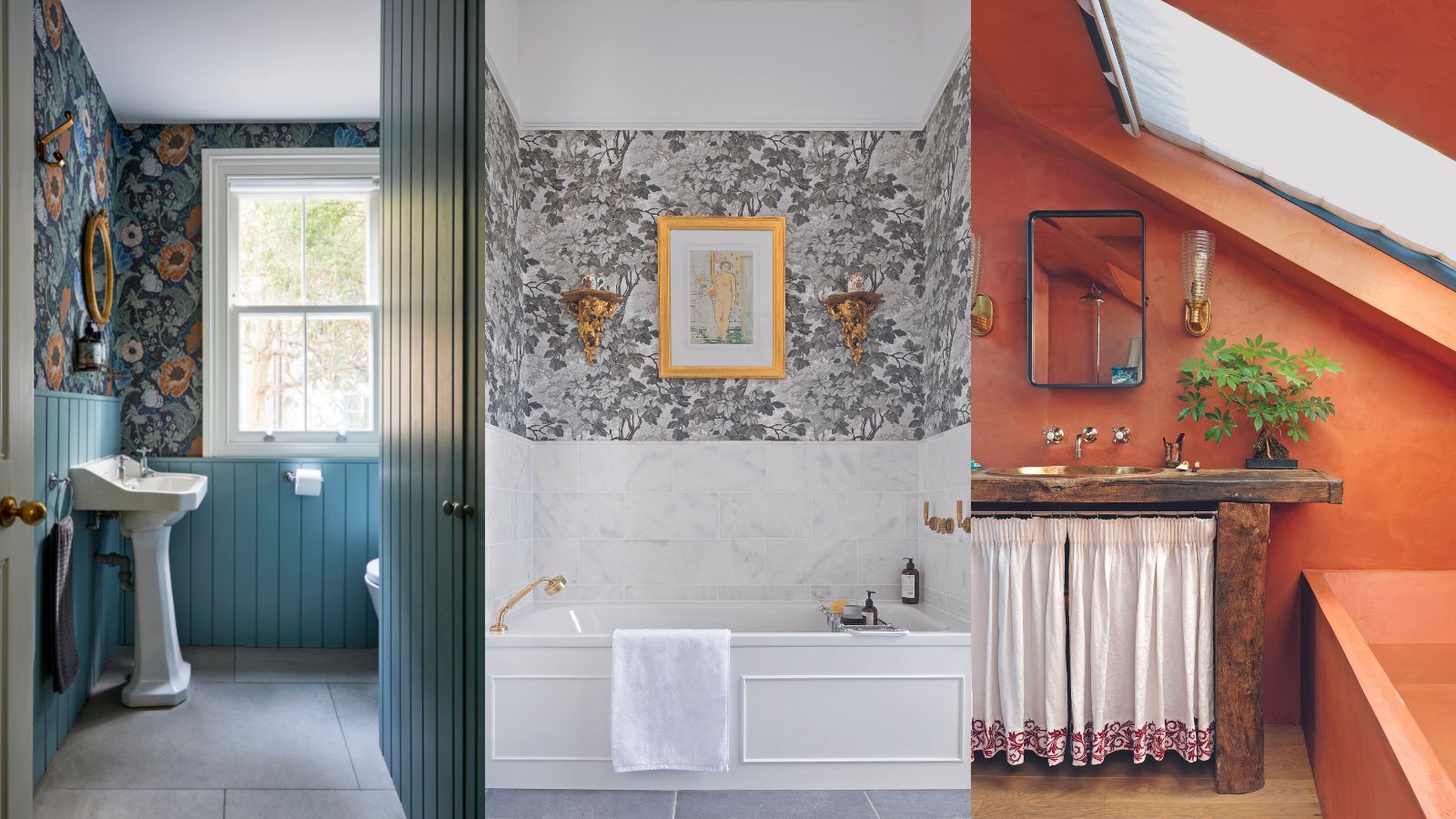
Tiny bathroom ideas – 10 rules for decorating and designing a bijou space

10 ways to make your bathroom look more luxurious, according to design experts
Bathroom looks too bland? Give it spa-like design facelift with these tips | Hindustan Times