1/6
Why Designers Predict We'll Be Seeing Wabi Sabi Interiors Everywhere
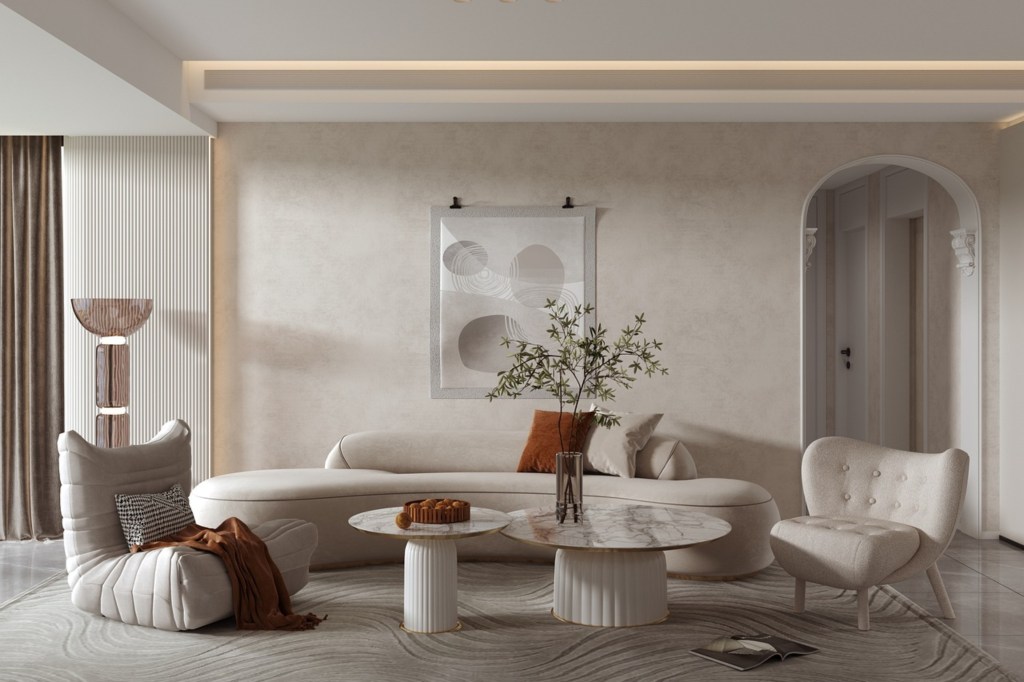
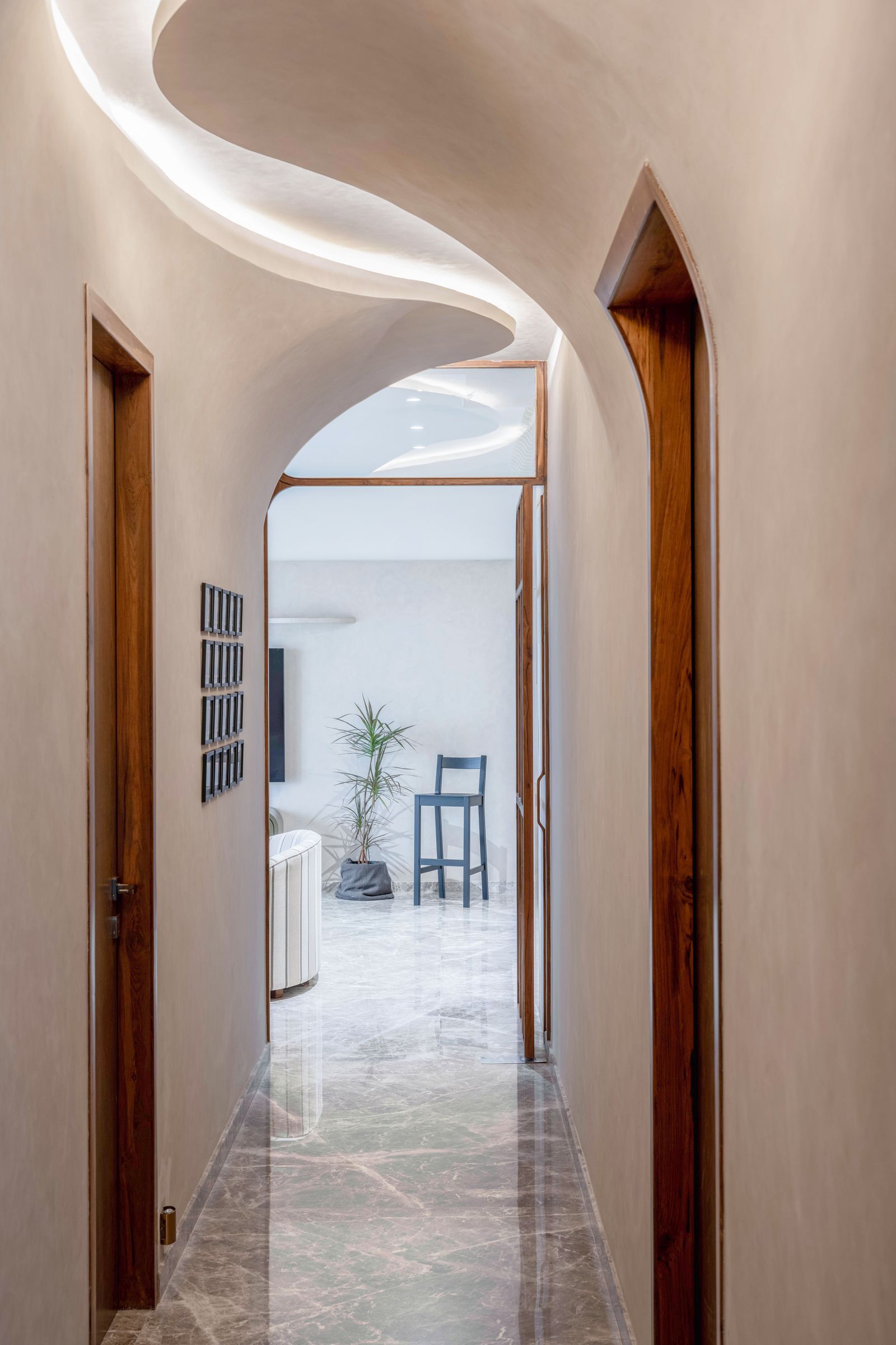
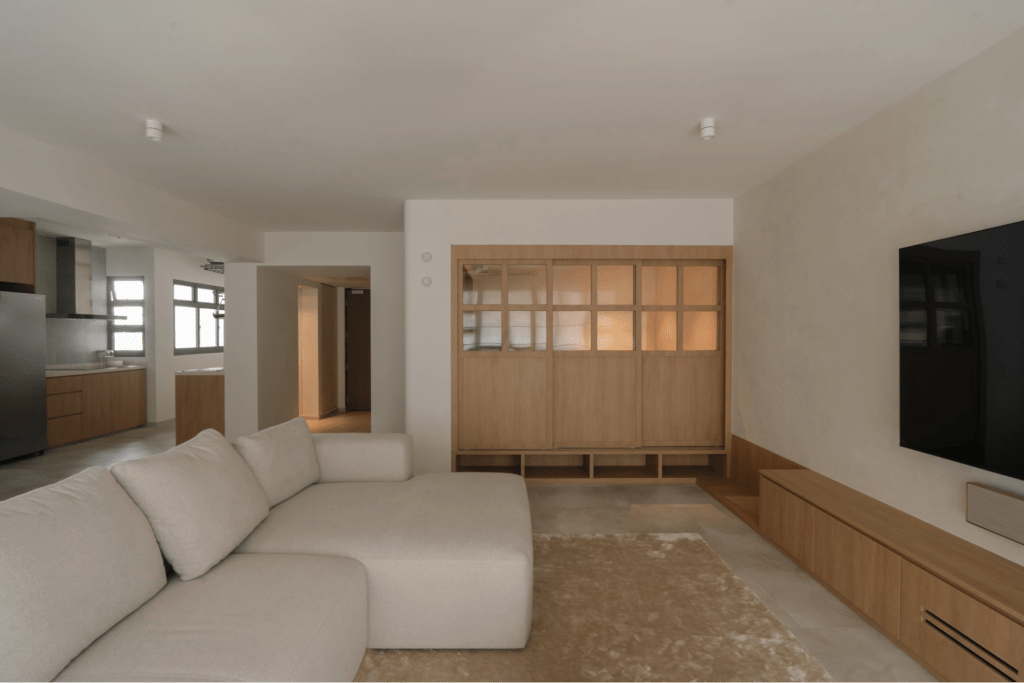
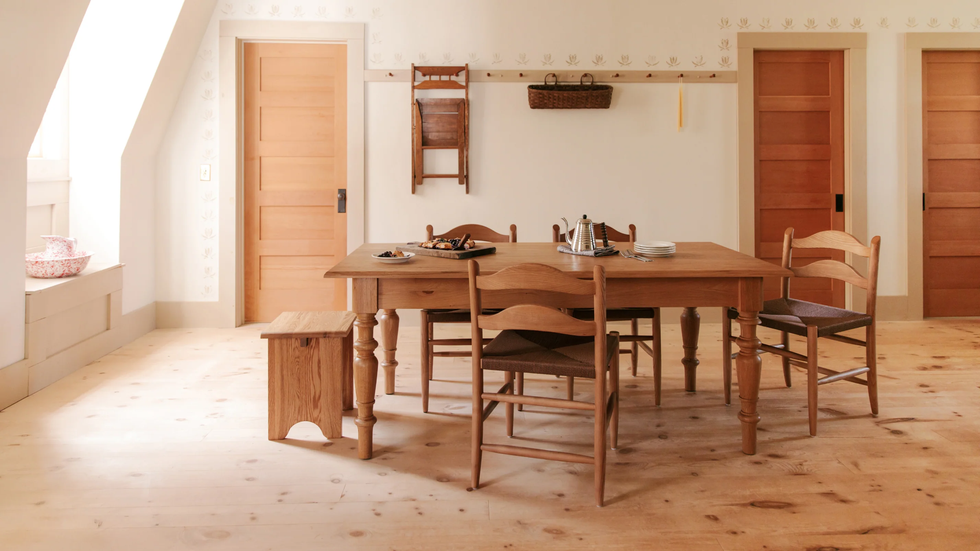
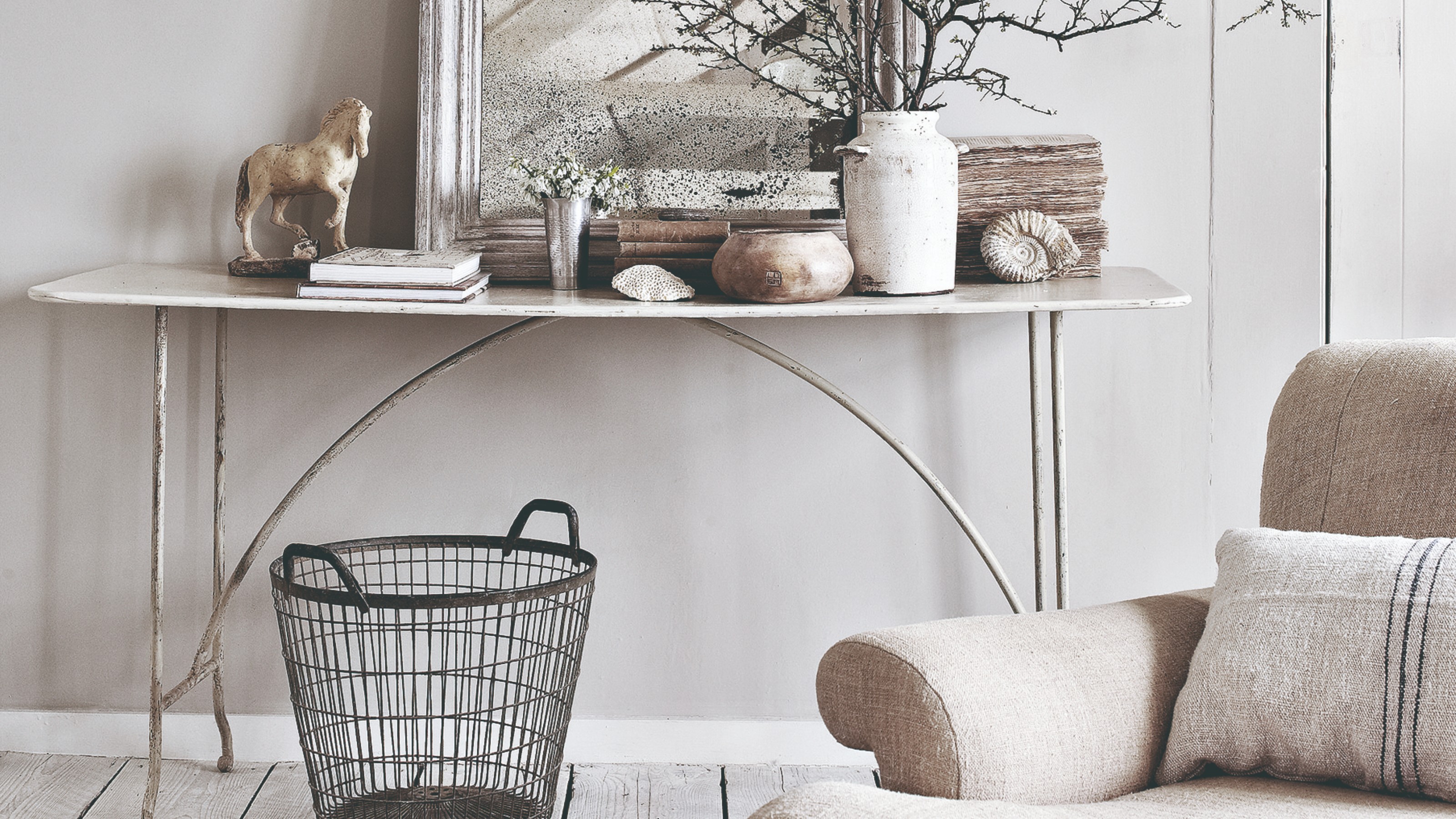
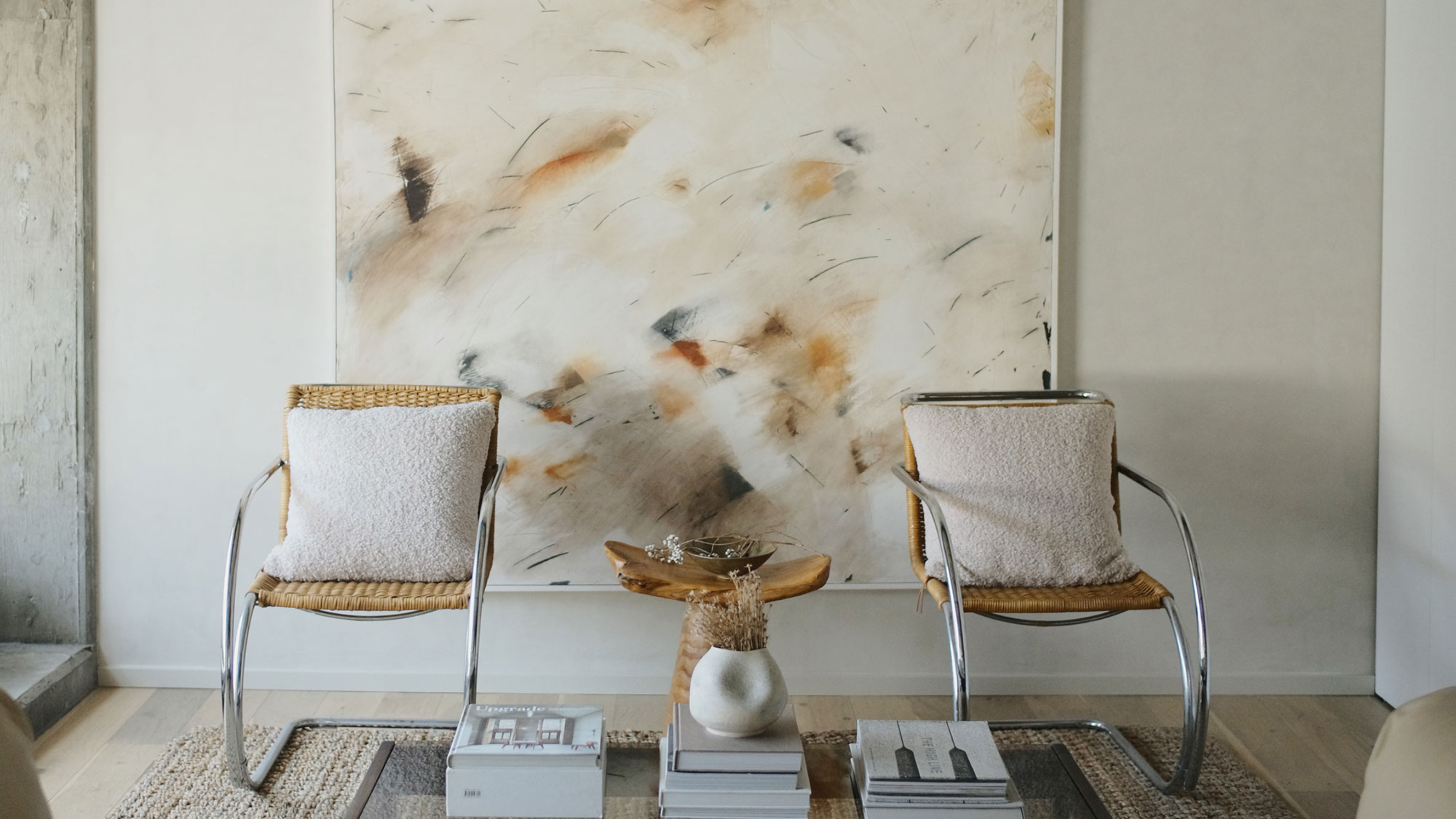
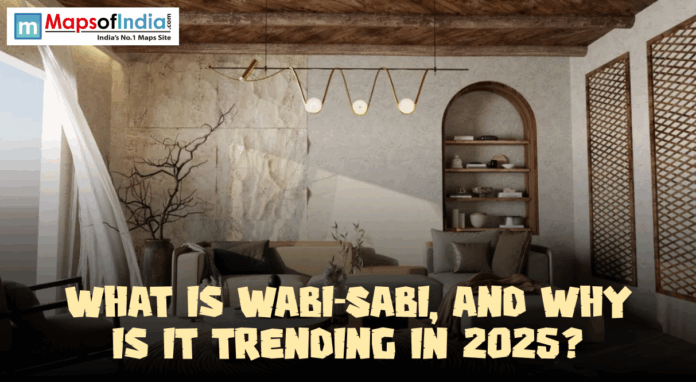
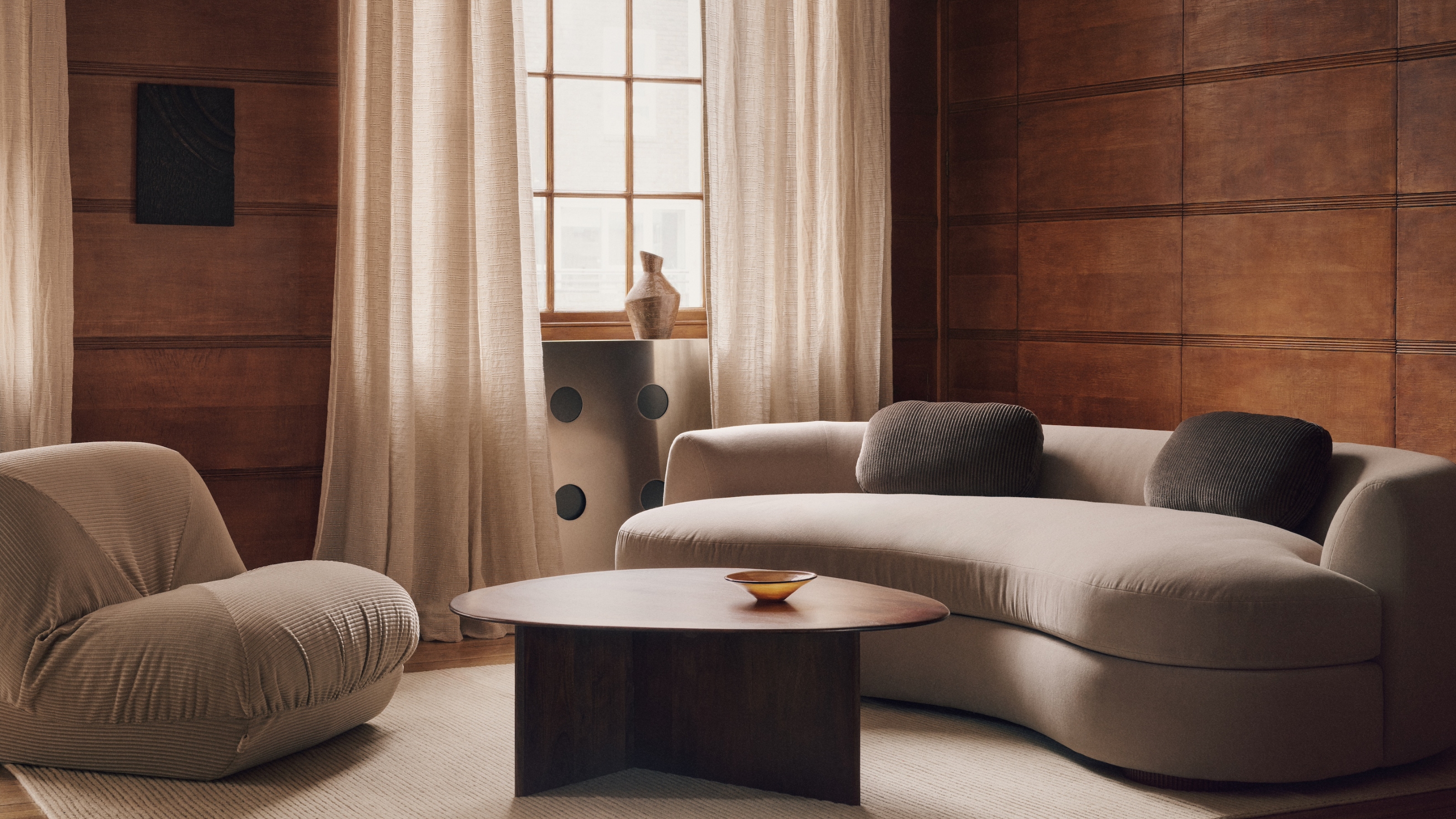
Wabi sabi is a philosophy that embraces natural beauty and life's imperfections, extending beyond a mere design aesthetic. This concept is deeply rooted in Japanese culture and is exemplified by practices like Kintsugi art, where broken pottery is repaired with gold to highlight its flaws, and Zen rock gardens, which symbolize nature's quiet beauty. In the context of interior design, wabi sabi translates into an appreciation for weathered materials, organic elements, and overall simplicity, rather than striving for unattainable perfection.
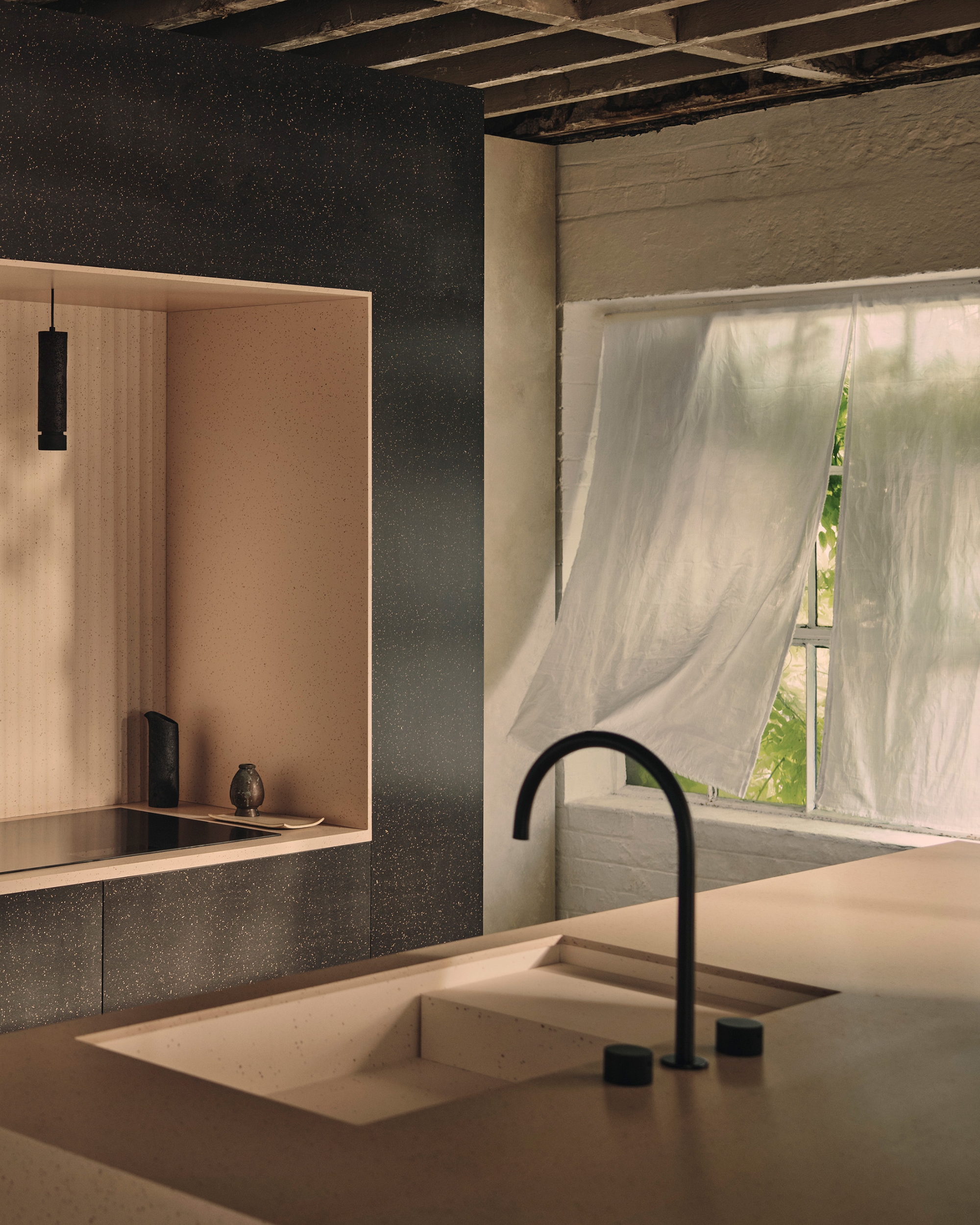
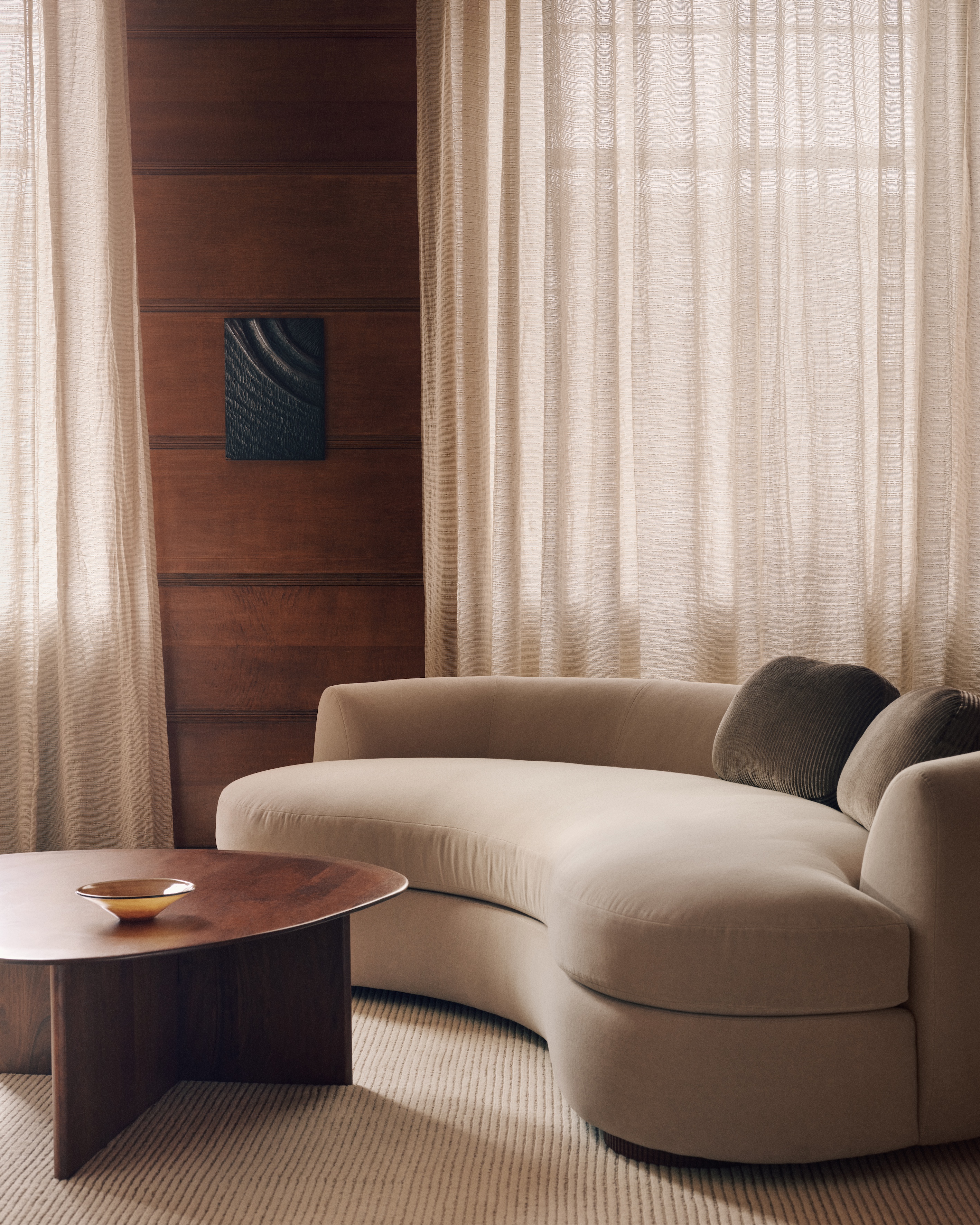
The term 'wabi' originally referred to grief and loneliness but evolved by the 16th century to signify finding beauty in impermanence and accepting life's changes. 'Sabi' denotes an appreciation for the history and aging process of objects, embodying the beauty found in their natural patina. Together, wabi sabi represents a 'less is more' approach, celebrating simple beauty and advocating for peace and ease within one's home by embracing imperfections. This means allowing for wrinkles in curtains, patina on walls, or cracks in wood paneling to be seen as character rather than flaws, contributing to thoughtful and unique design choices.
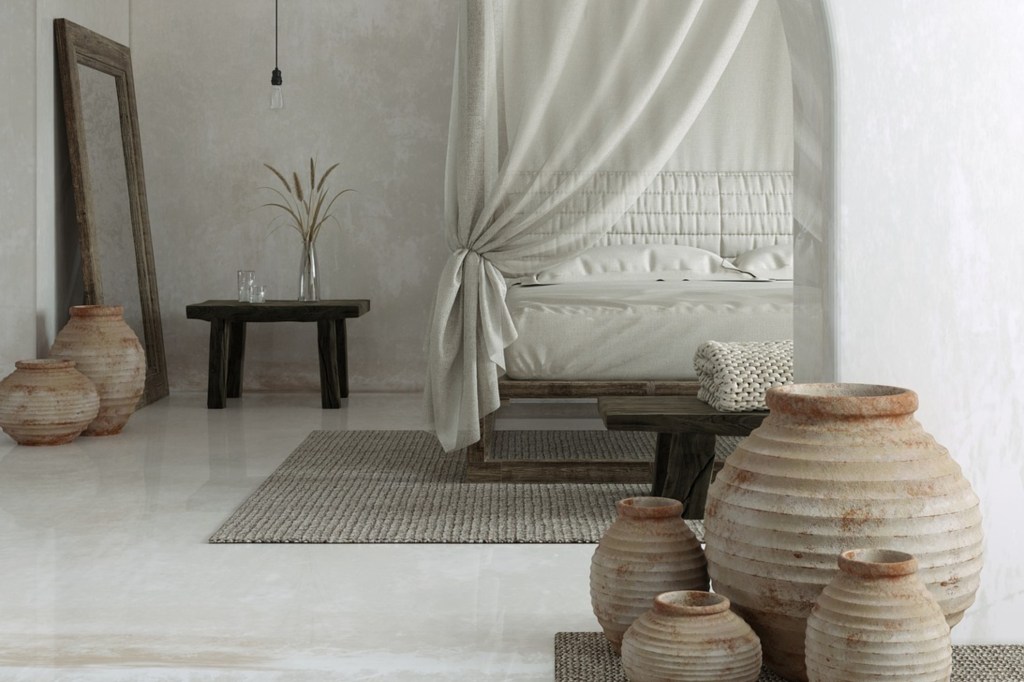
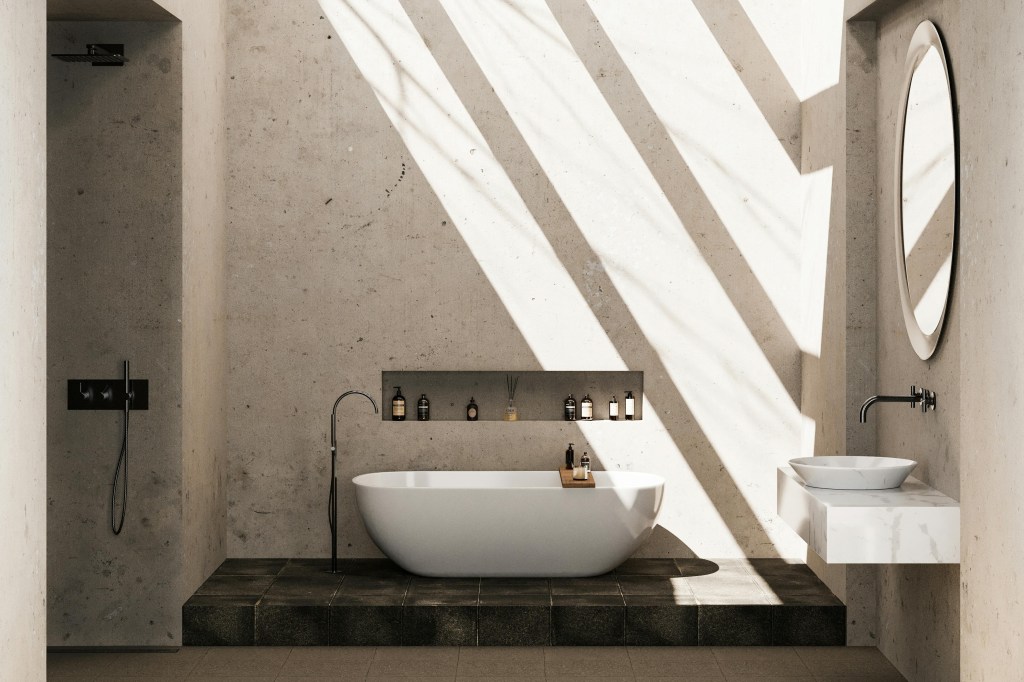
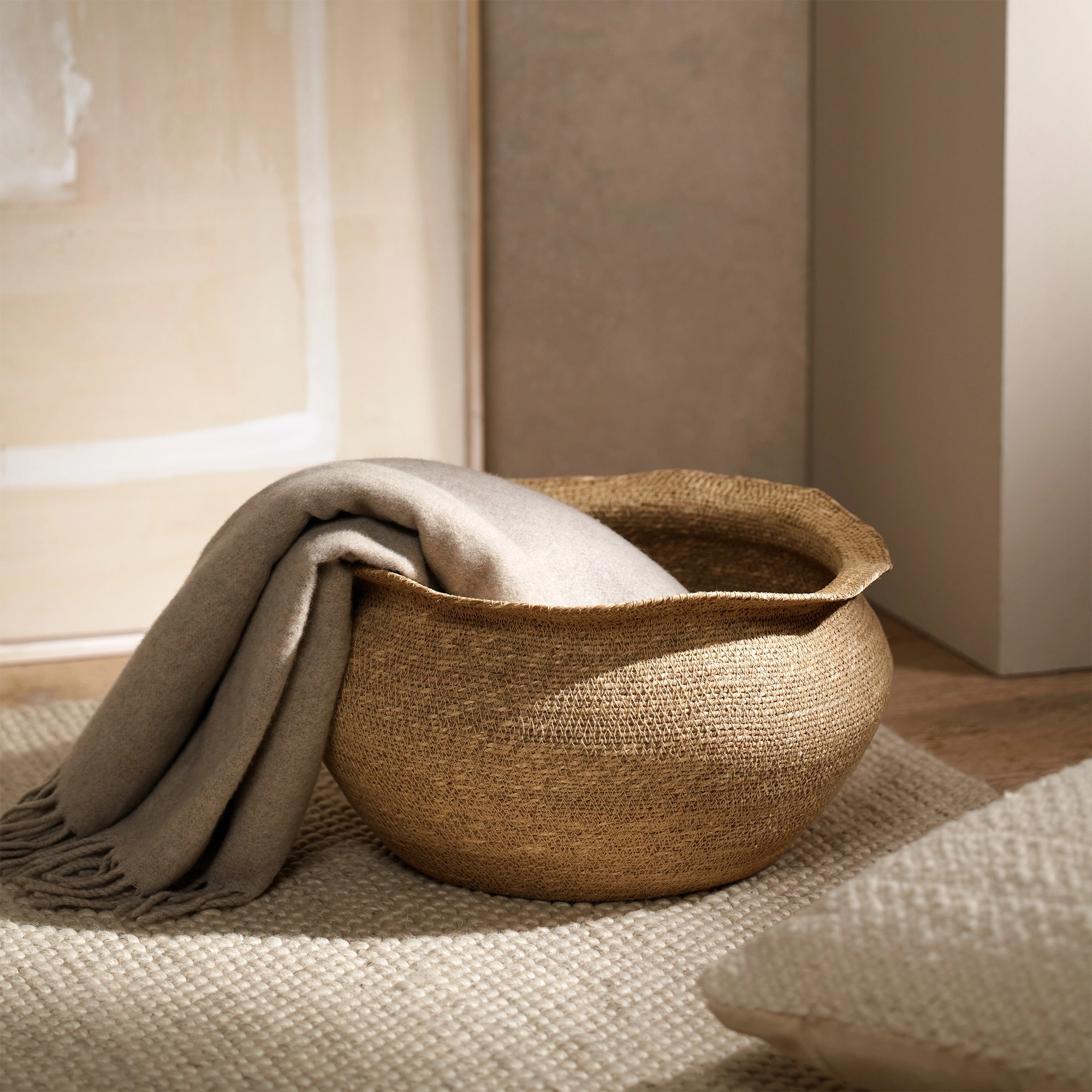
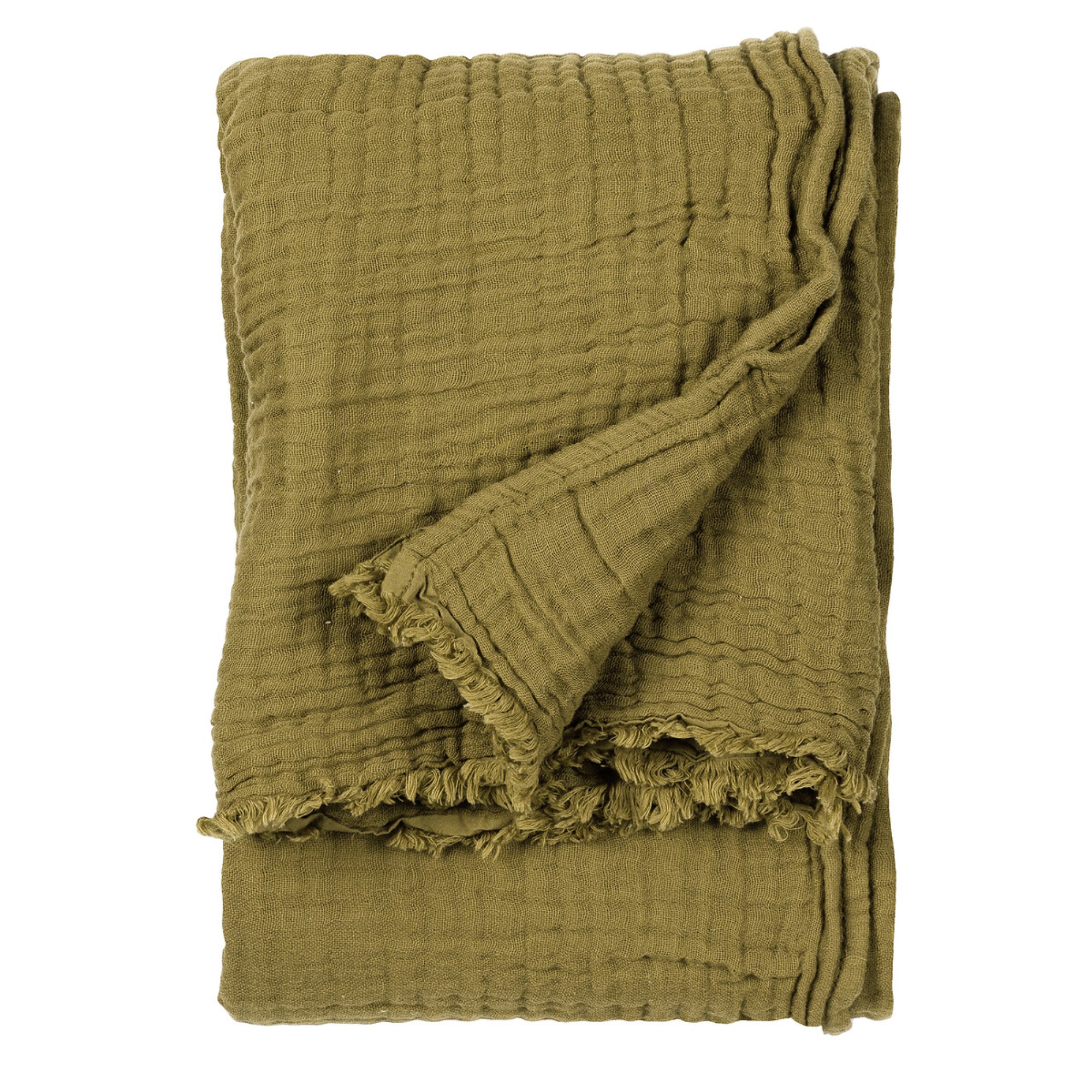
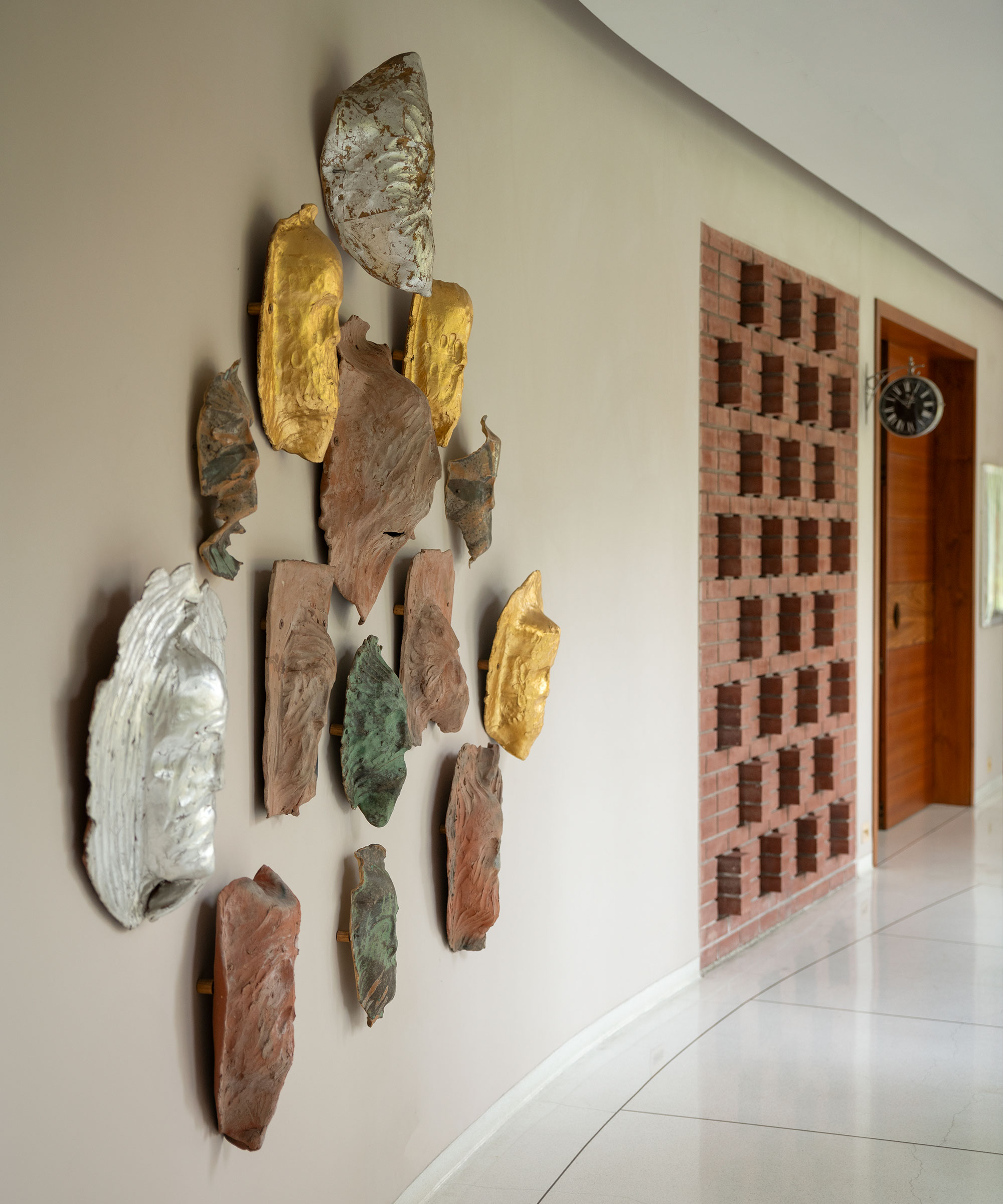
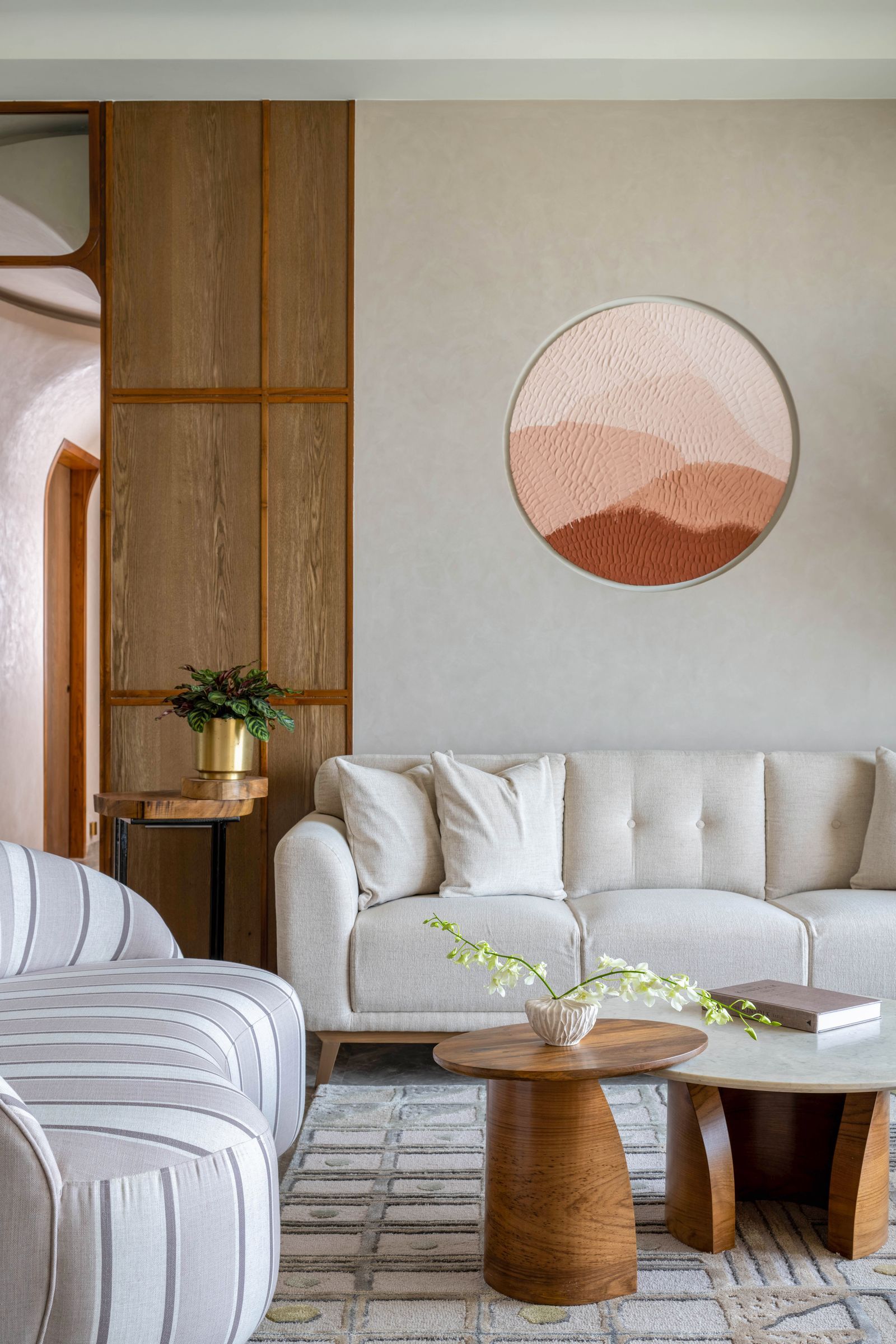
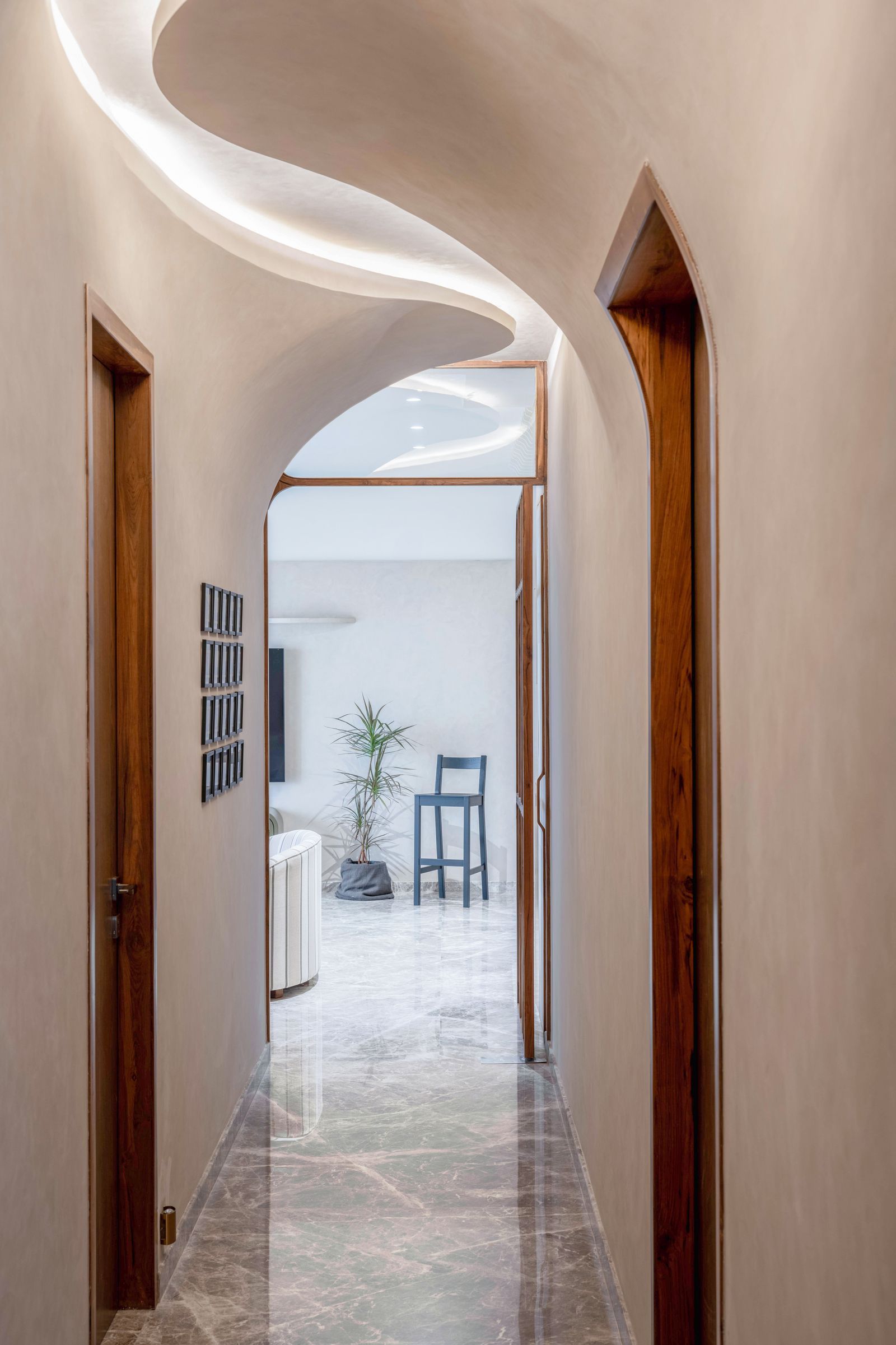
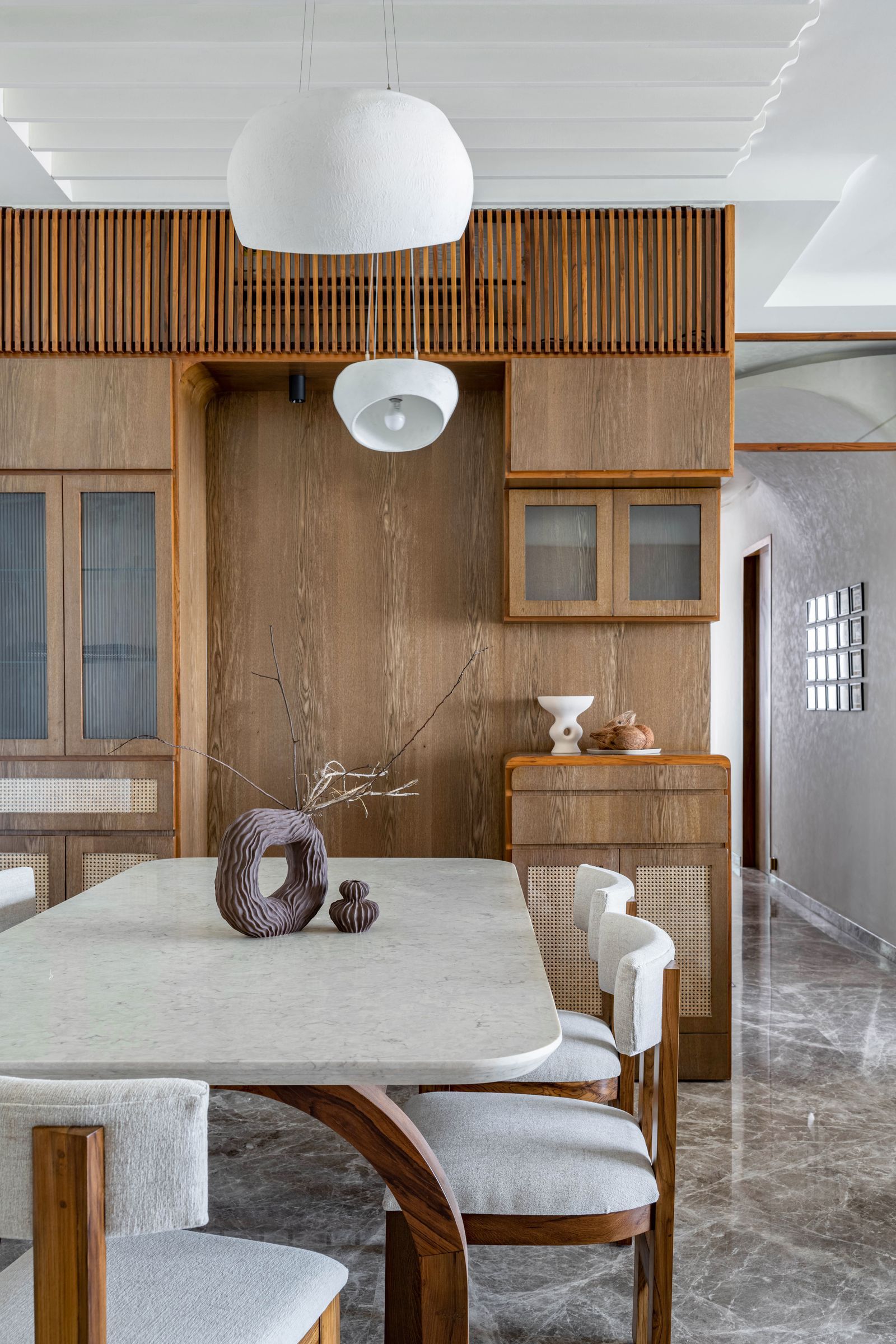
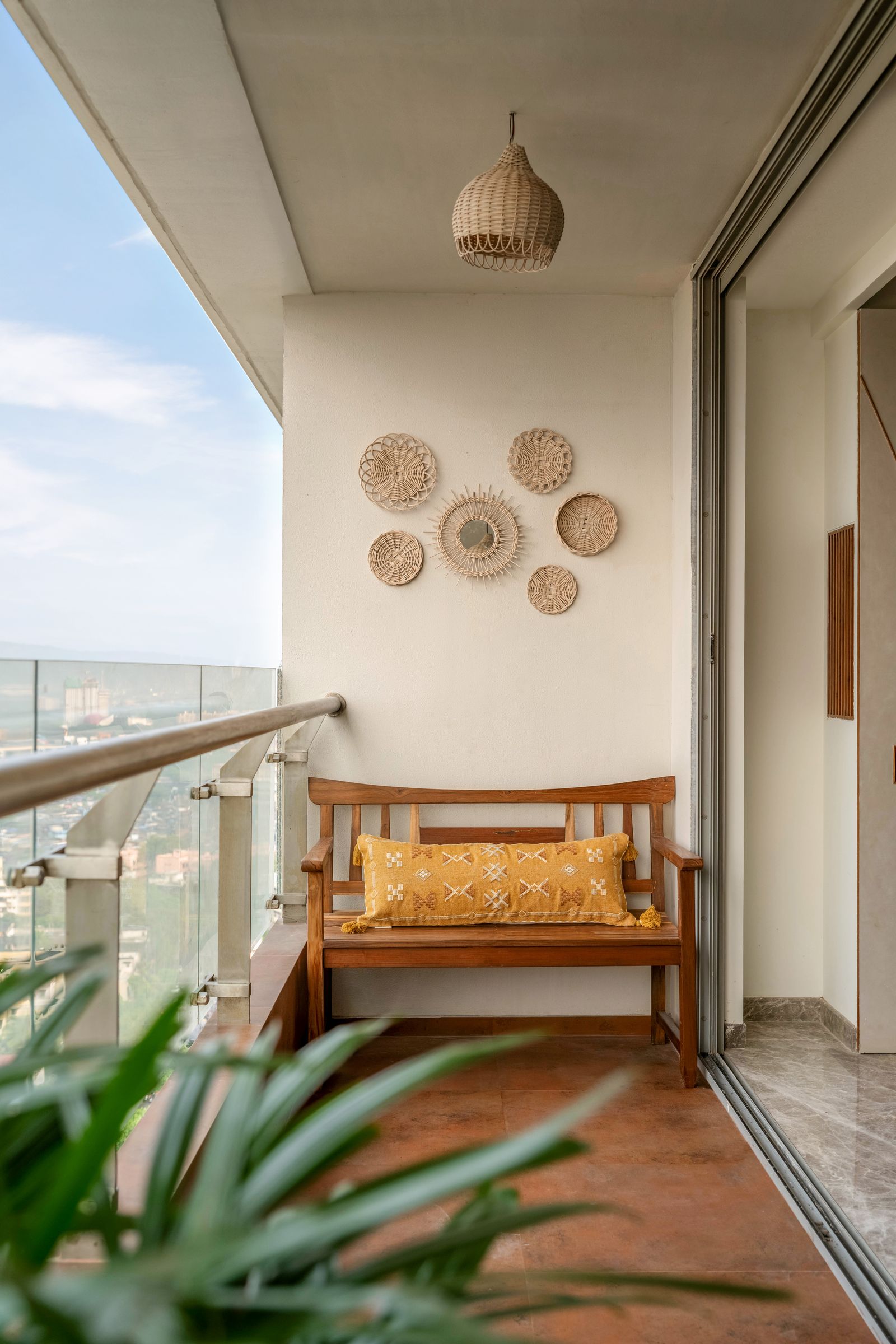
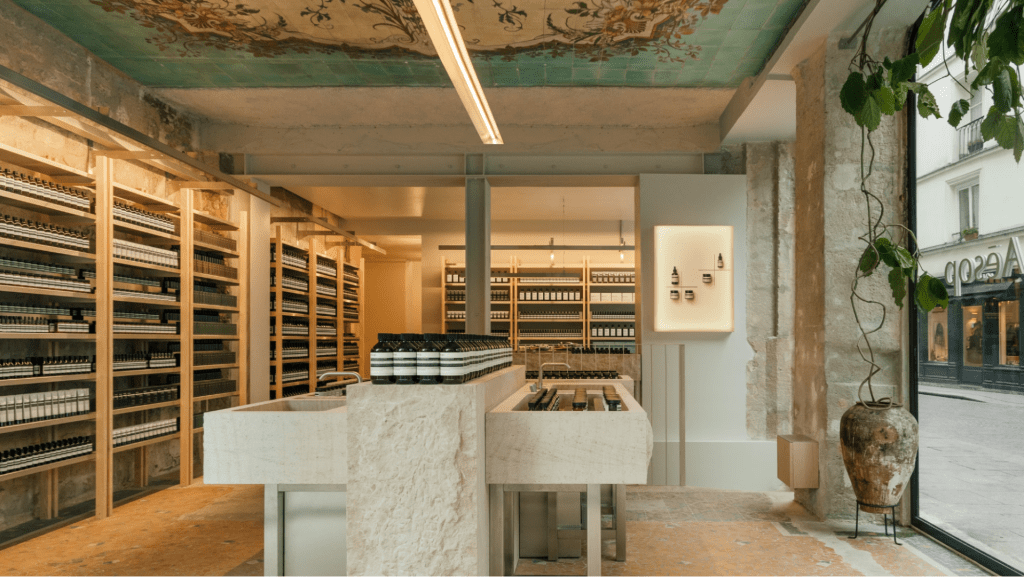
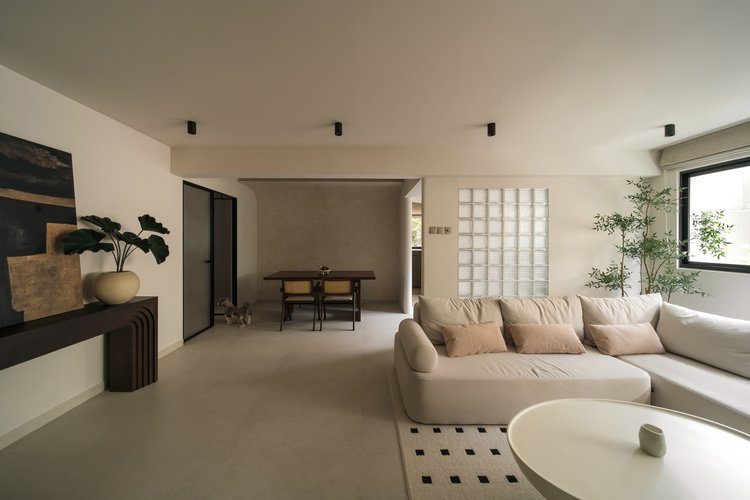
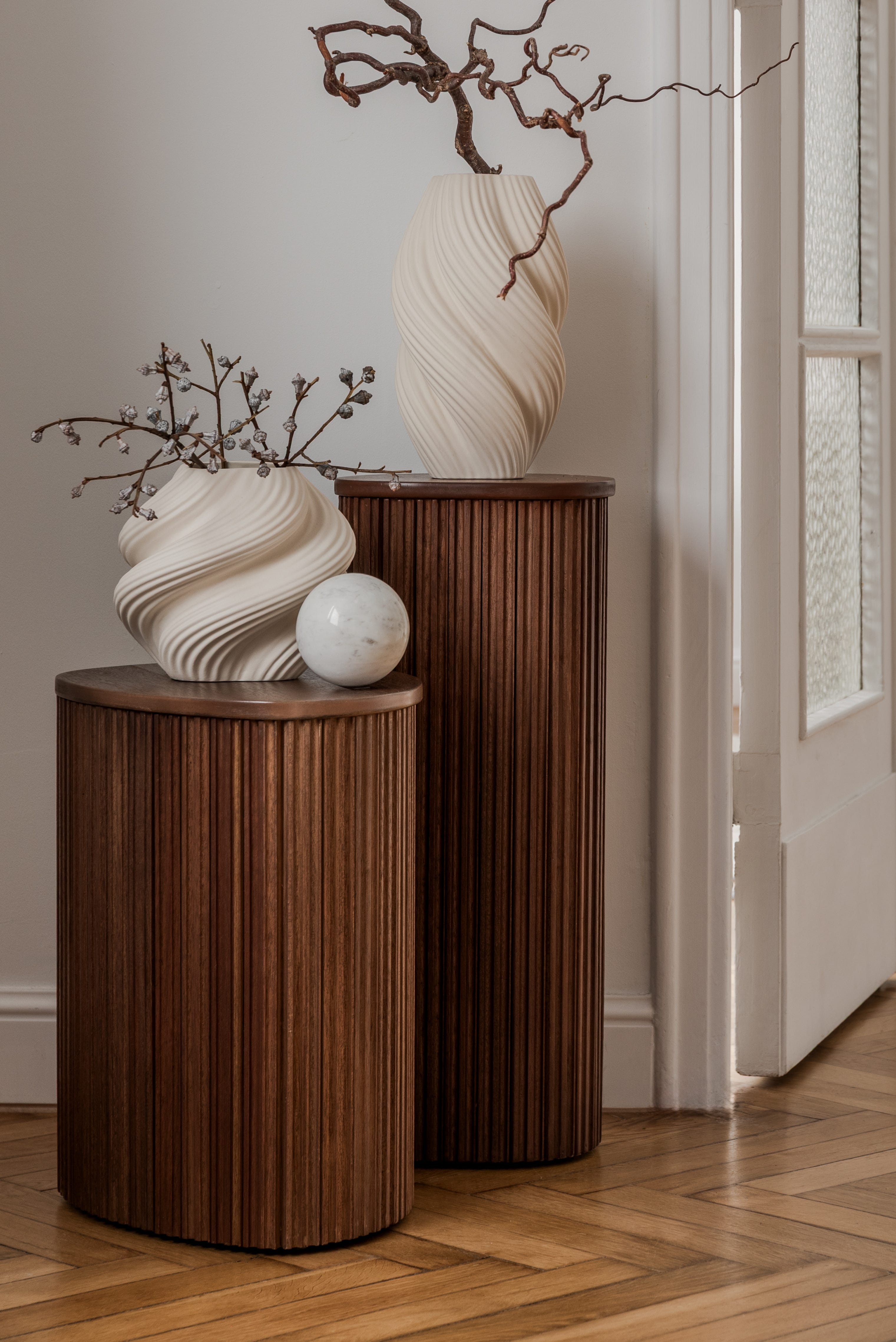
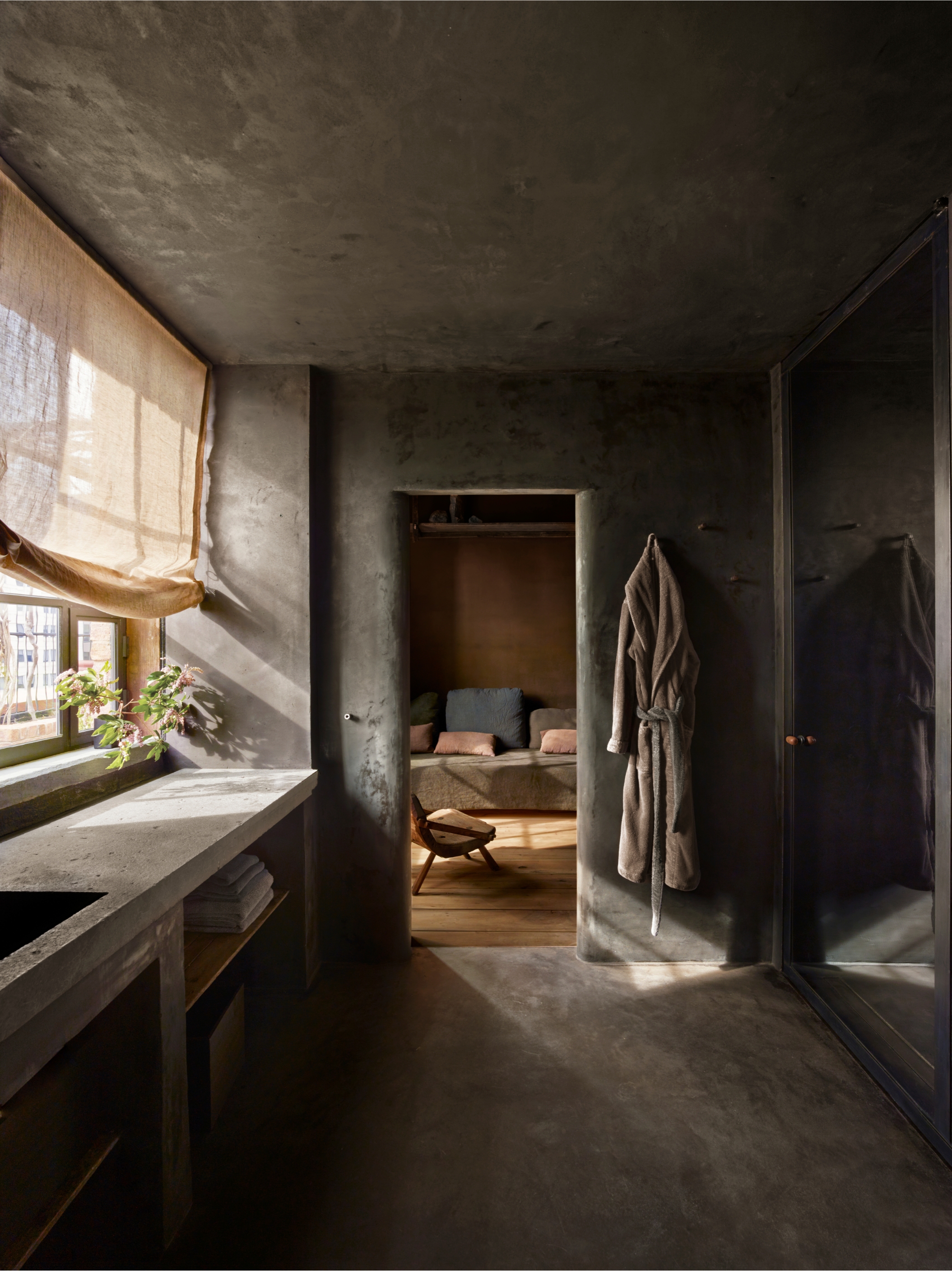
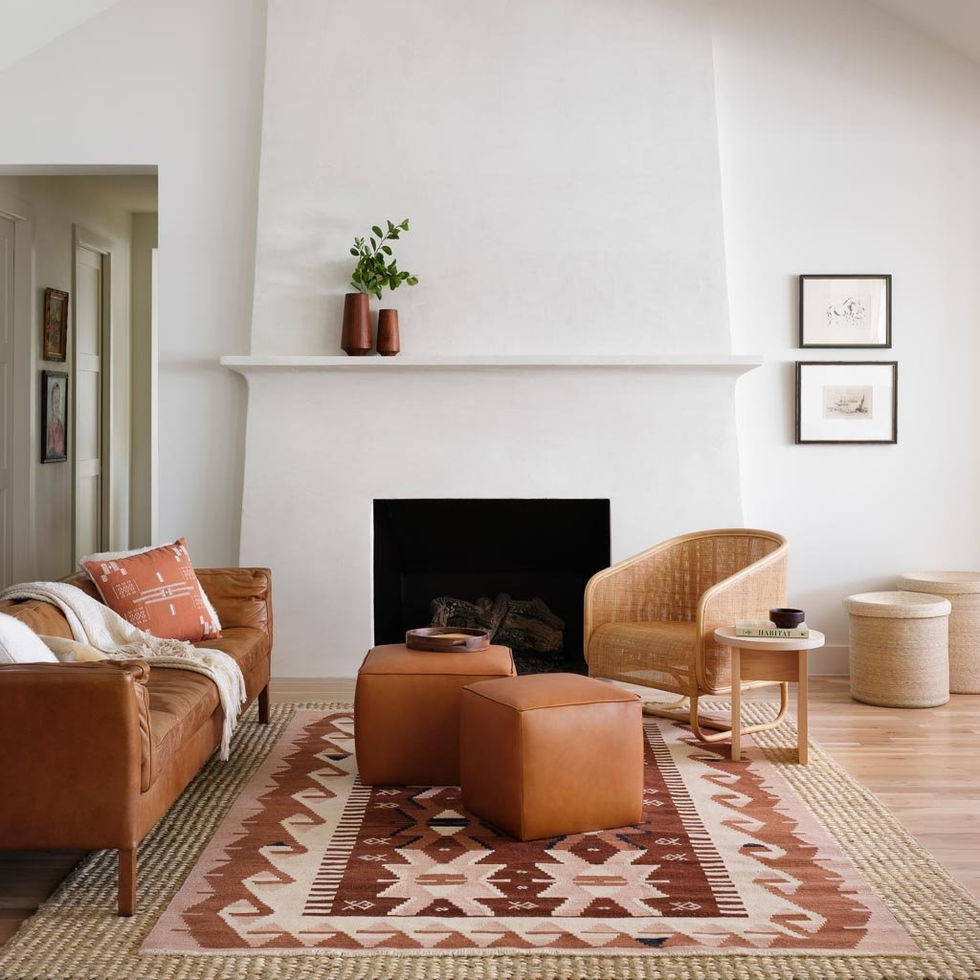
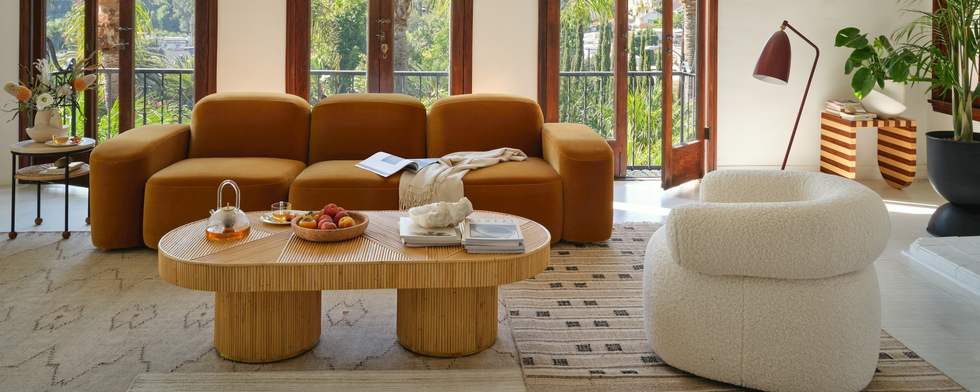
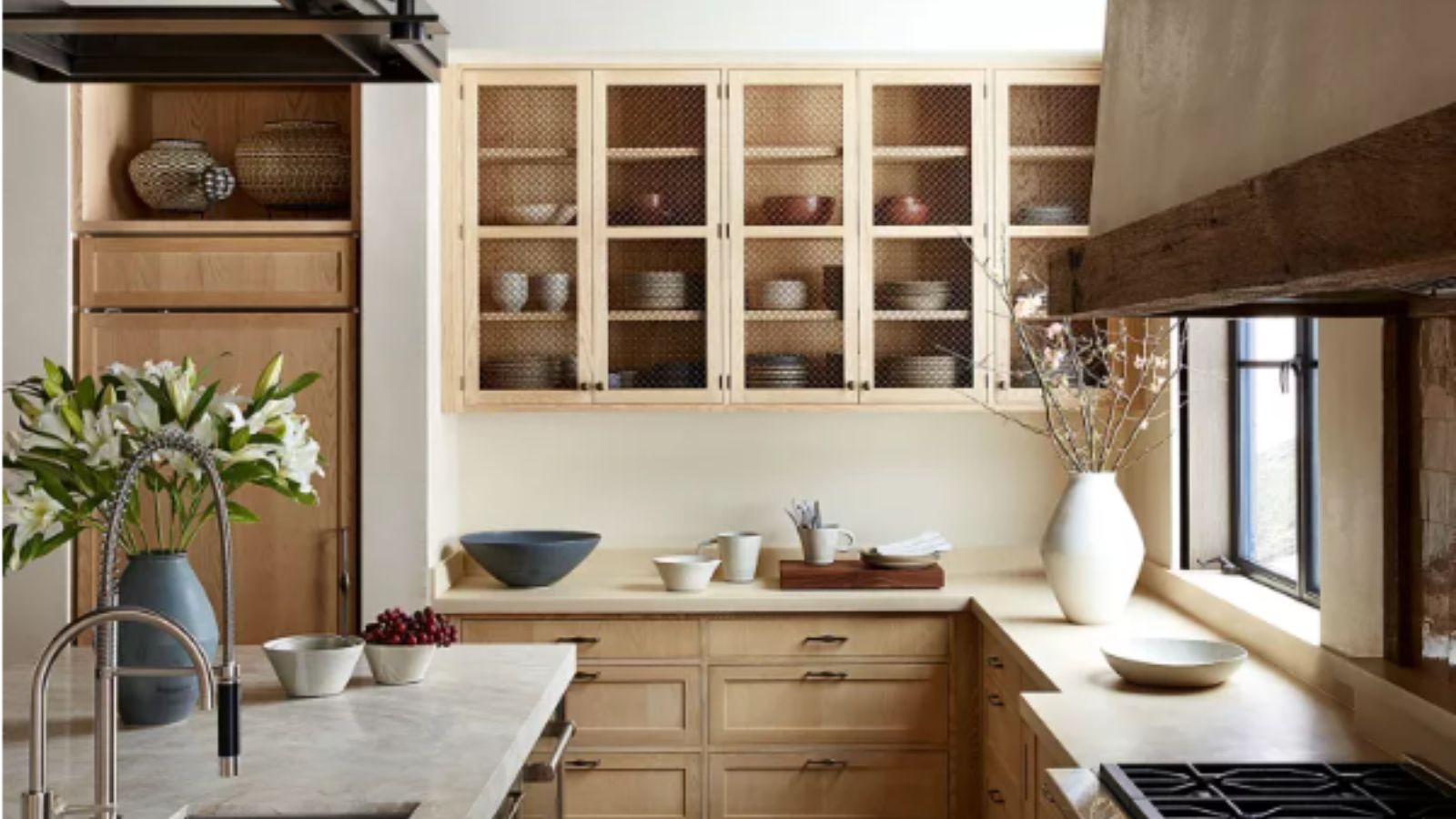
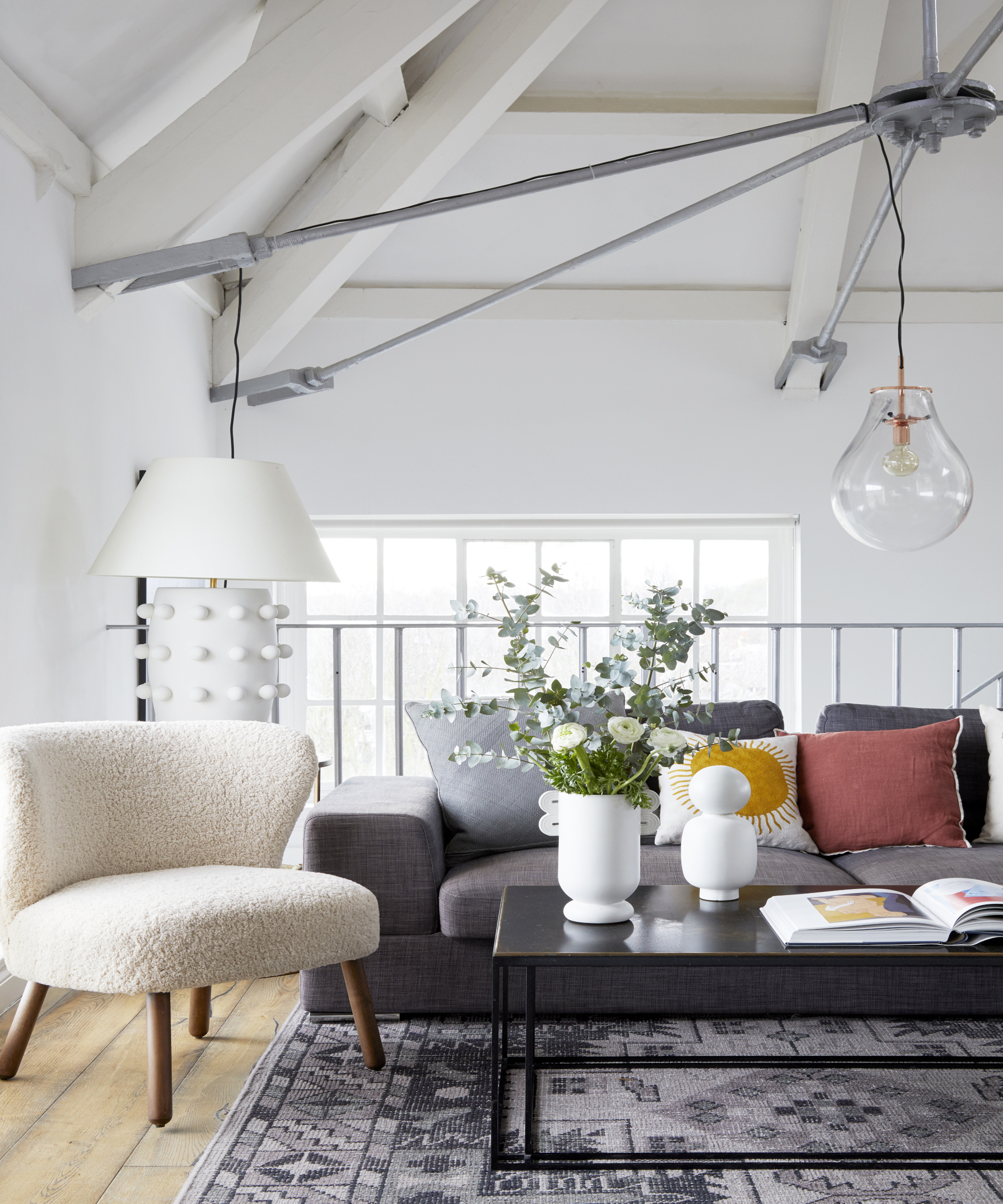
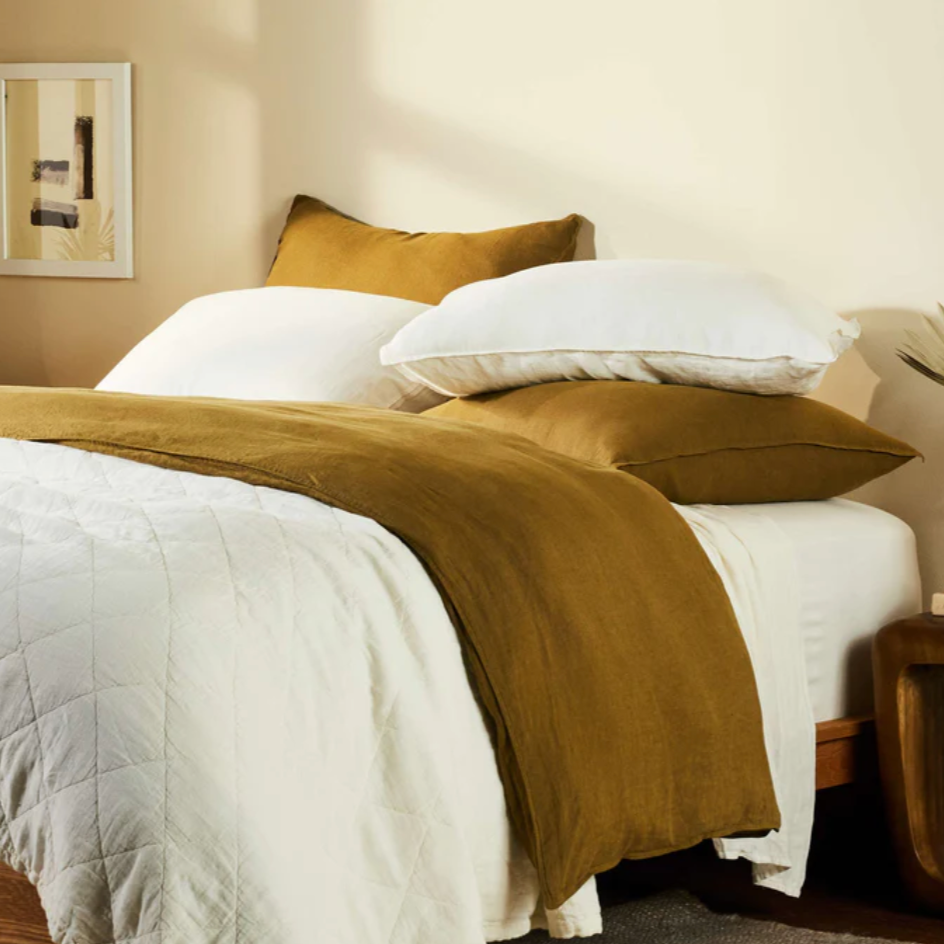
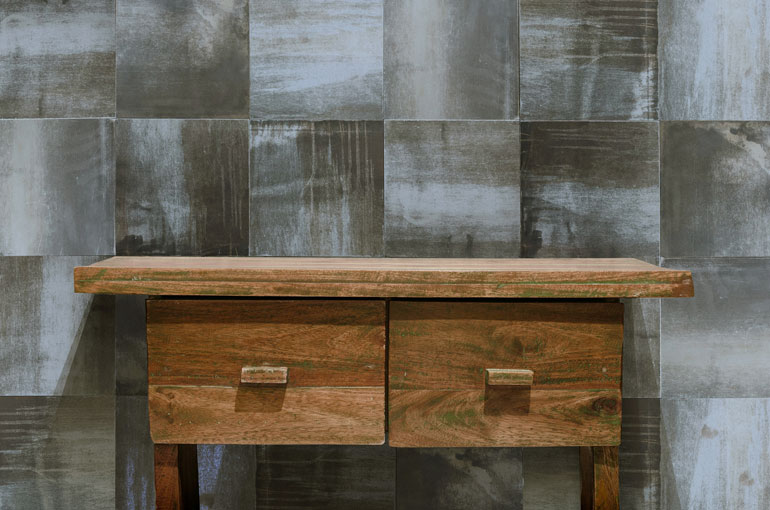
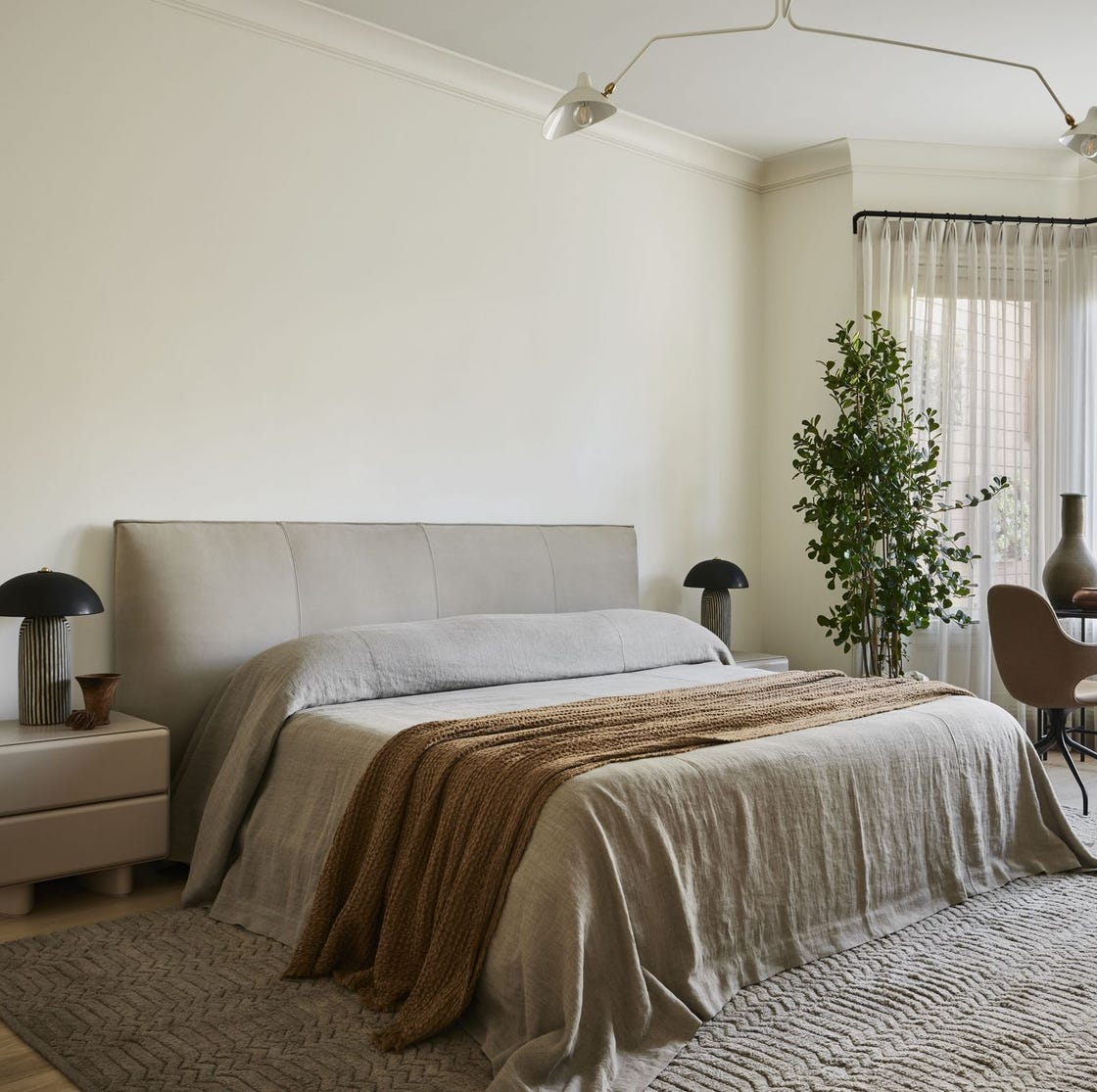
The key characteristics of wabi sabi interior design include the incorporation of natural elements, such as plants, to add life and color, reflecting their growth stories. Matte textures are preferred over glossy or reflective surfaces, as they contribute to a rustic and tranquil atmosphere. This includes materials like limewash paint, wrinkled linens, chalky clay, and weathered wood, all chosen for their inherent textures and natural appearance. Minimalism is also central to wabi sabi, focusing on simplicity and decluttering to create a calm and comfortable living space, often favoring closed storage solutions.
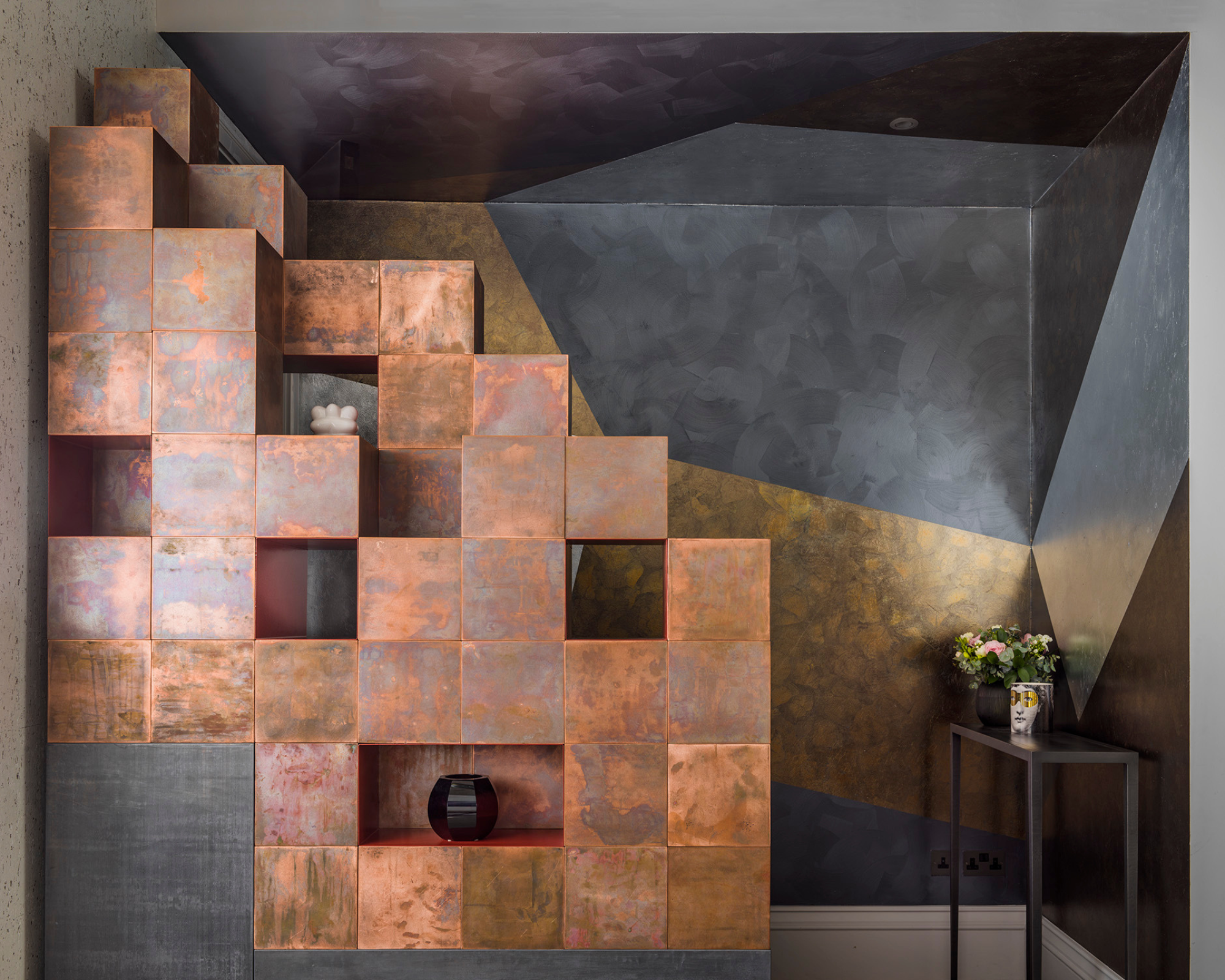
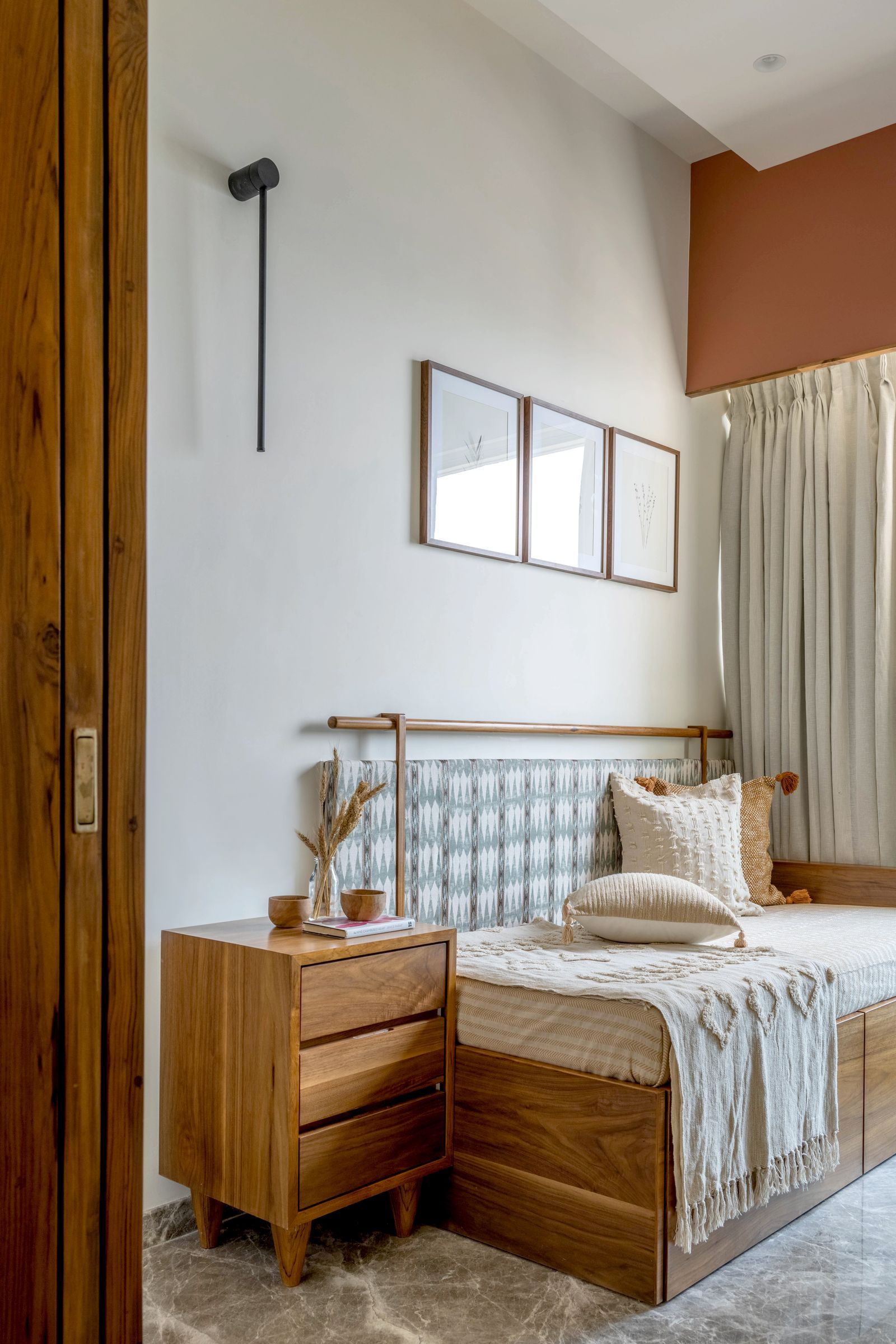
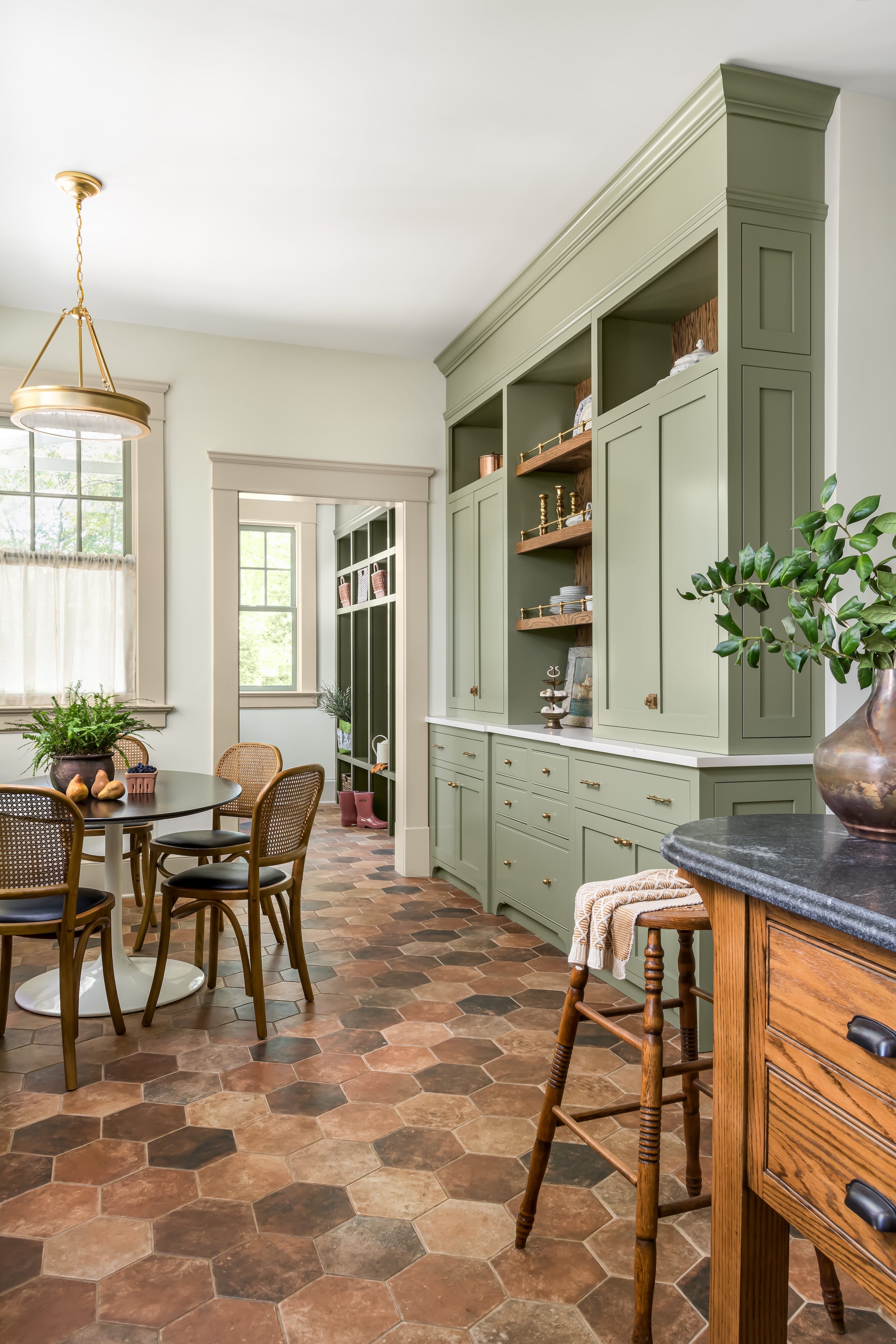
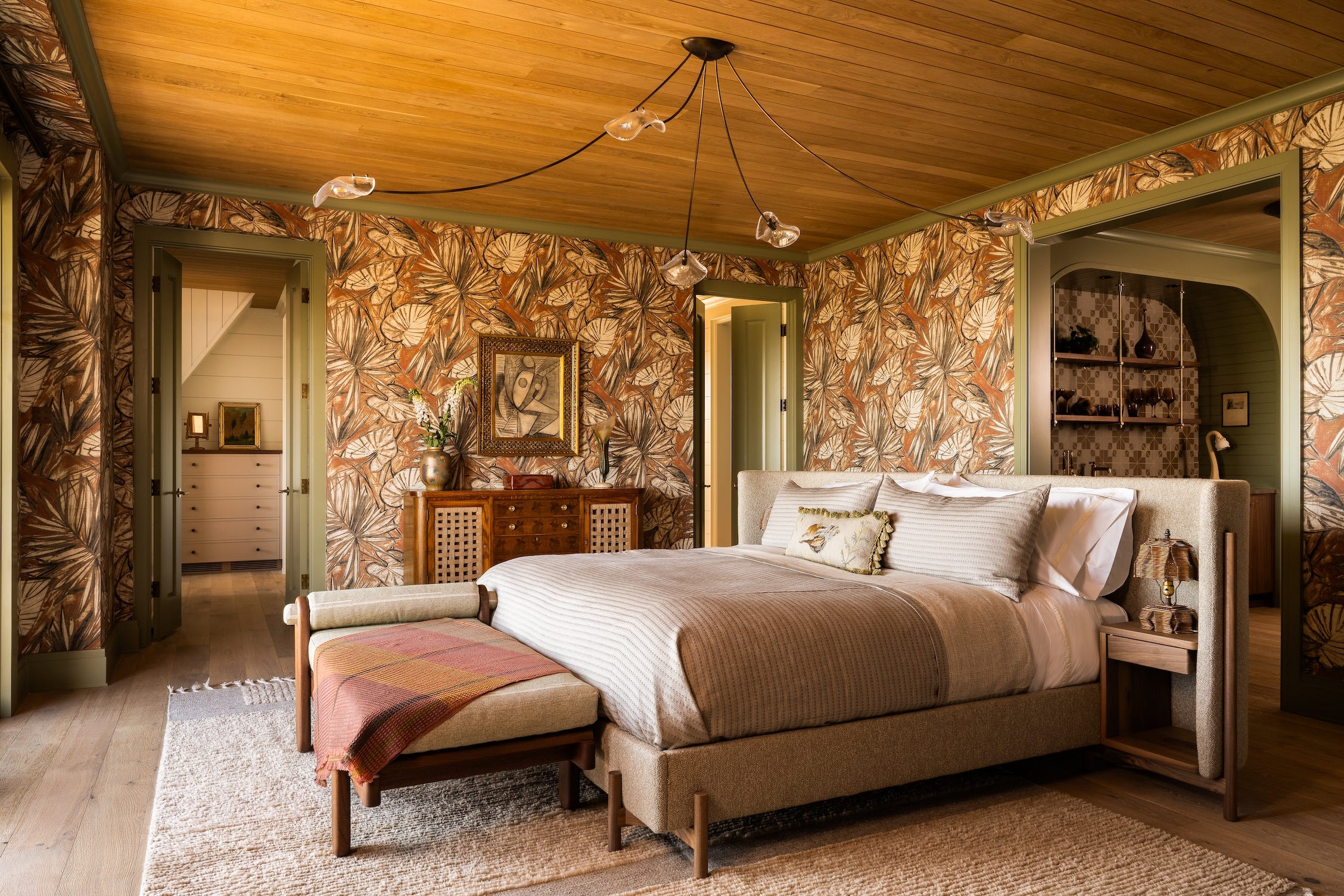
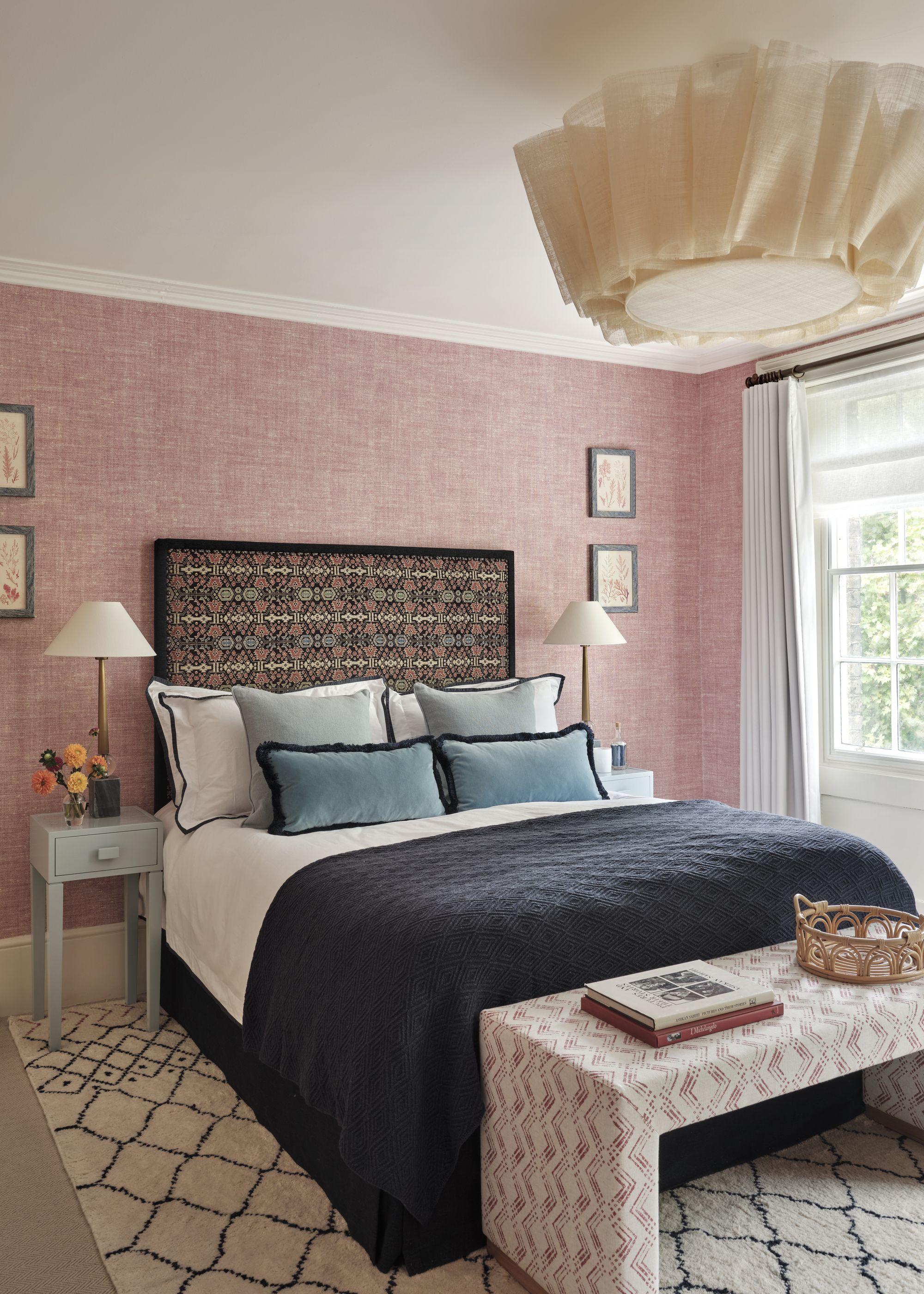
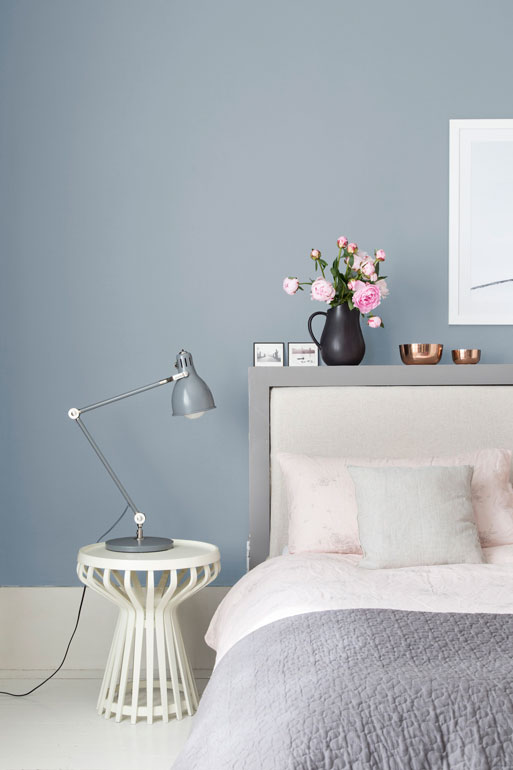
Personal decor plays a significant role, emphasizing sentiment and authenticity. Items with a personal history, especially vintage pieces or heirlooms, are valued over new, impersonal objects. The color palette typically consists of neutral, moody tones like warm whites and taupe to create a cozy ambiance, with sparing use of earthy accents such as sage, olive, dusty rose, or terra cotta. Patinated finishes, seen in tarnished metals or handmade pottery, are celebrated for their natural aging process, aligning with the wabi sabi principle of impermanence. Asymmetry is another defining feature, promoting irregularities in composition to avoid a sterile look and allowing for mixing and matching. This principle is famously observed in ikebana, the traditional Japanese art of flower arrangement.
Implementing wabi sabi in one's home does not require a complete overhaul. Instead, it encourages intentional styling of existing belongings. Designer Samantha Struck emphasizes the use of plaster and organic finishes, highlighting their natural imperfections as part of the beauty. The philosophy encourages minimalists to release the pursuit of perfection, allowing homes to evolve and show natural wear and tear, which adds charm and beauty. Ultimately, wabi sabi suggests that embracing imperfections in design serves as a constant reminder that life's flaws are perfectly acceptable and contribute to a deeper sense of peace and acceptance.
#WabiSabi #InteriorDesign #Minimalism #JapaneseAesthetics #NaturalElements #HomeDecor #ImperfectBeauty #OrganicMaterials #DesignPhilosophy #WabiSabi #InteriorDesign #Minimalism #JapaneseAesthetics #NaturalElements #HomeDecor #ImperfectBeauty #OrganicMaterials #DesignPhilosophy
0 comment in total
 No comments yet
You may also like
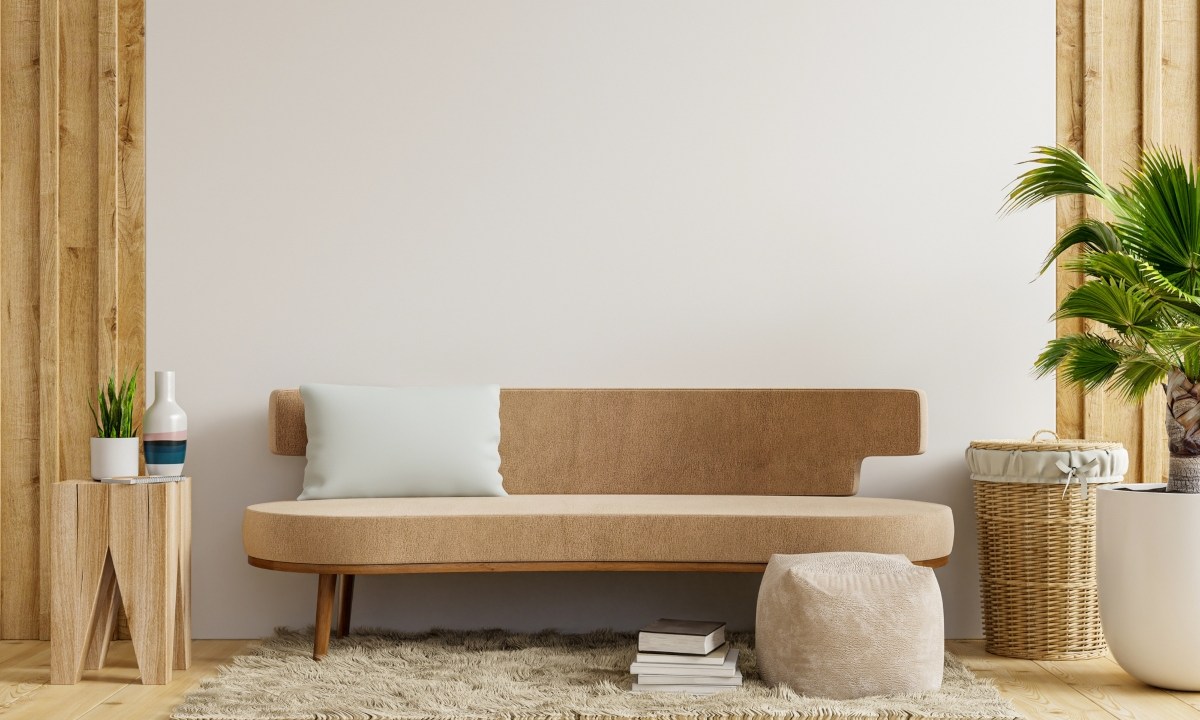
What is wabi sabi interior design? 6 tips for embracing this style

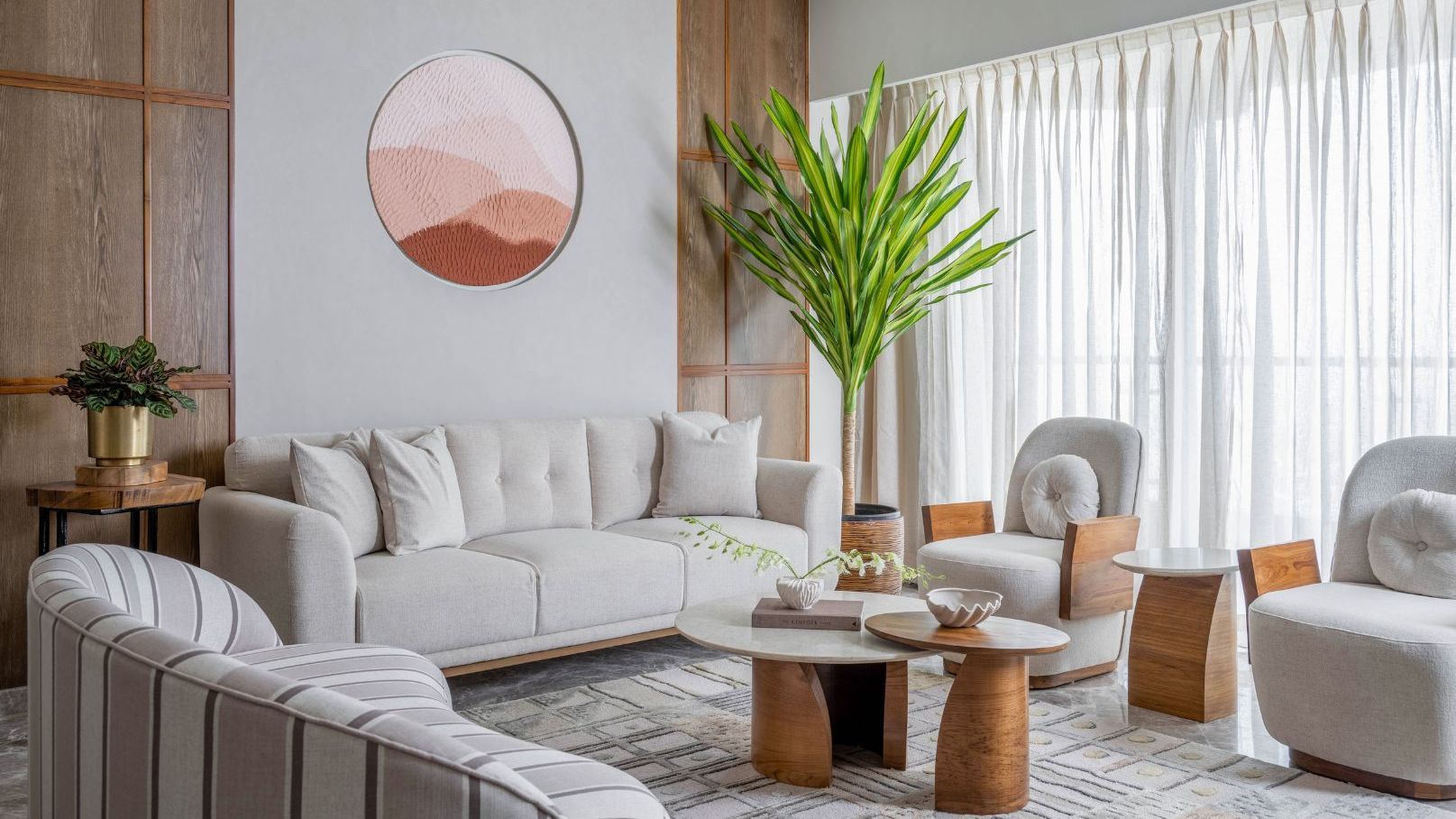
In this Mumbai home, the allure of wabi-sabi is created through textures and colours

The Fall 2025 Décor Trends Designers Say Are Already Everywhere

Designers Reveal the Bold Design Trend That's Taking Over Homes

6 wabi-sabi living room ideas – create a perfectly imperfect lounge with this Japanese philosophy
11 Biggest Interior Trends Of 2025, Design Solutions & Reno Tips As Revealed By An Interior Designer

Wabi-sabi meets French Country is the unexpected style…
Accessible Custom Furniture And Decor Is The Next Big Interior Design Trend

What is Wabi-Sabi? Designers Explain the Art of an Imperfect Home — 'The Feeling Should Evolve With You!'

Using design principles feng shui and wabi-sabi in 2025
Berber Rugs Used to Be in Every Stylish Home — This is the Design-Forward Style That I Think Has Replaced Them in 2025
Design Forecast: 10 Trends to Watch for in 2016

Wabi-Sabi Explained: The 2025 Trend You Need to Know

Designers Are Calling It: These Interior Design Trends Will Be Everywhere in 2026

The 2020 A-List: 125 of the Best Interior Designers in the World
Designers Reveal the Surprising Home Trend That's Taking Over Right Now

5 Indian homes that integrate wabi-sabi design elements beautifully
Wabi-Sabi Curtains Are the Key to Perfecting a Lived-In Look

Interior Designers Say These Decor Trends Will Be Everywhere in 2024

Decoding Style Fusion: How Global Wardrobe Trends Are Reshaping UAE Interiors