1/4
Wabi-Sabi Curtains Are the Key to Perfecting a Lived-In Look
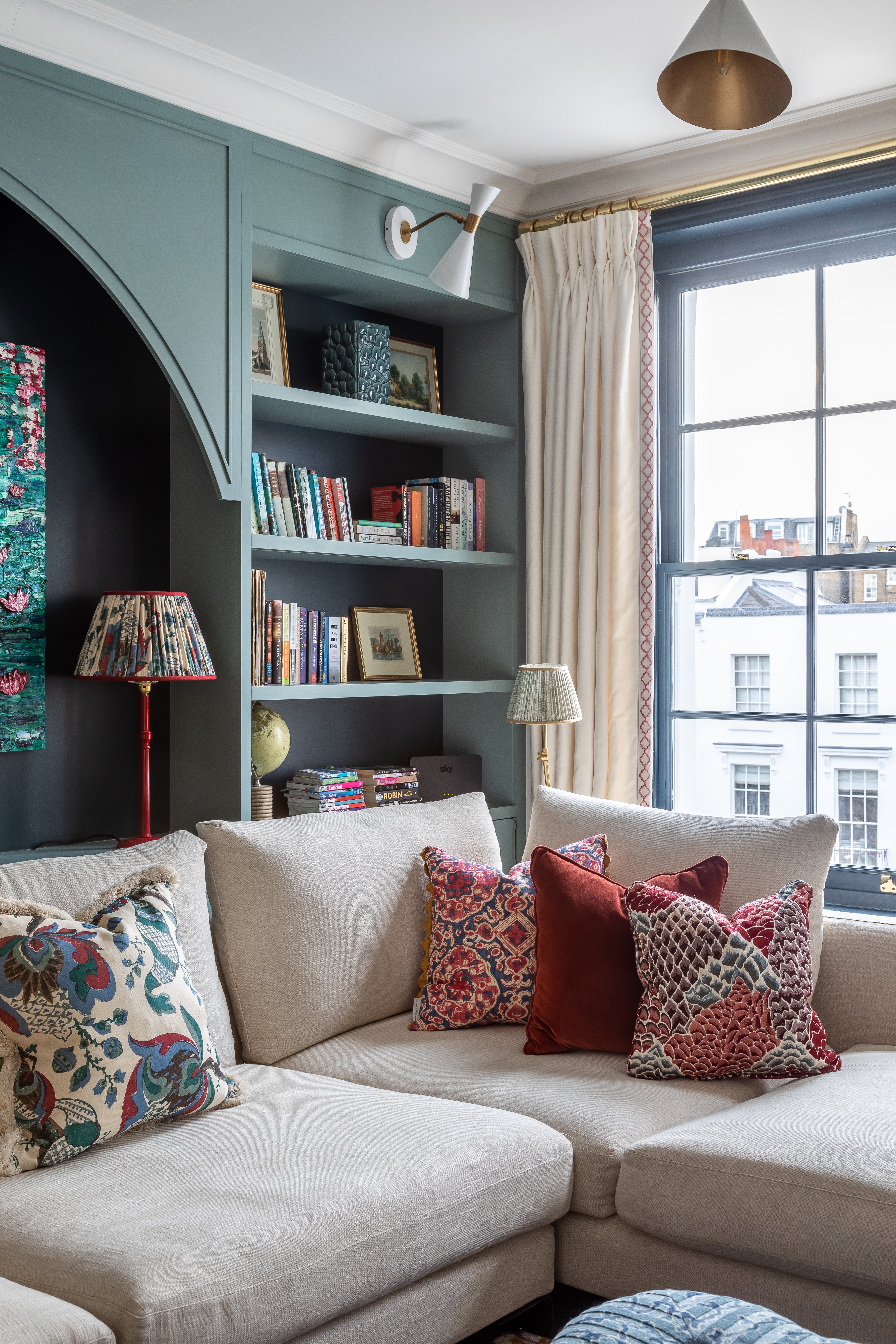

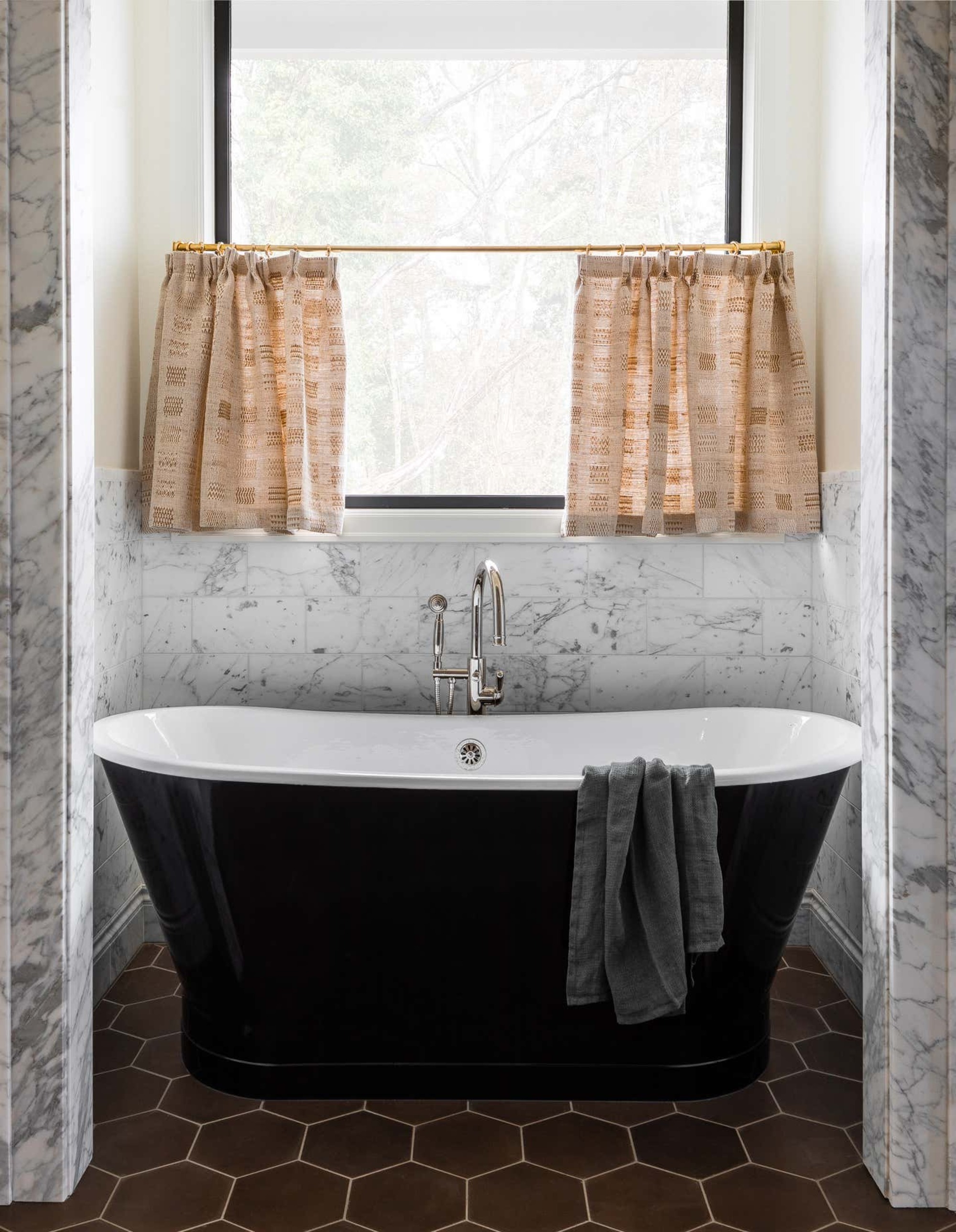
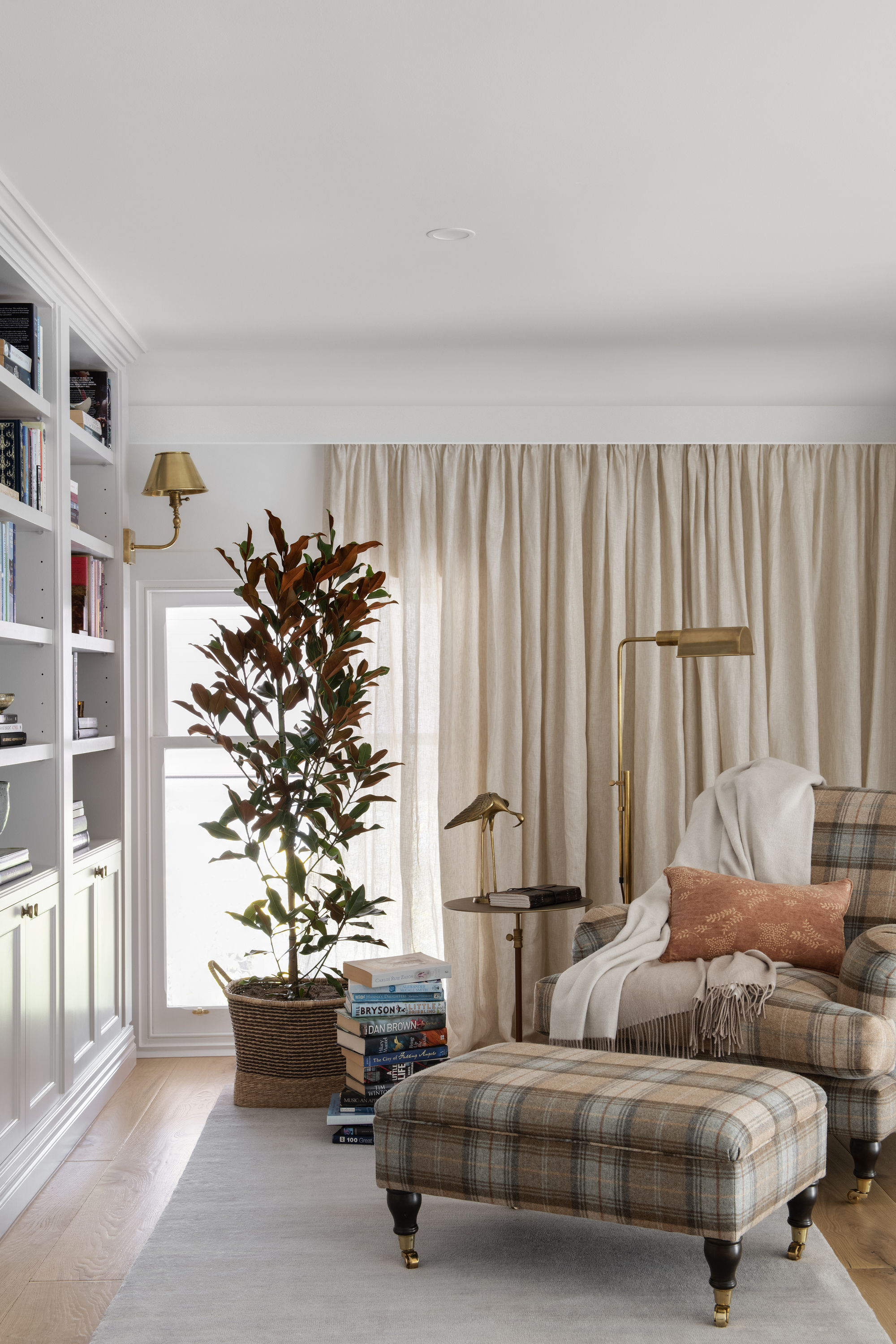
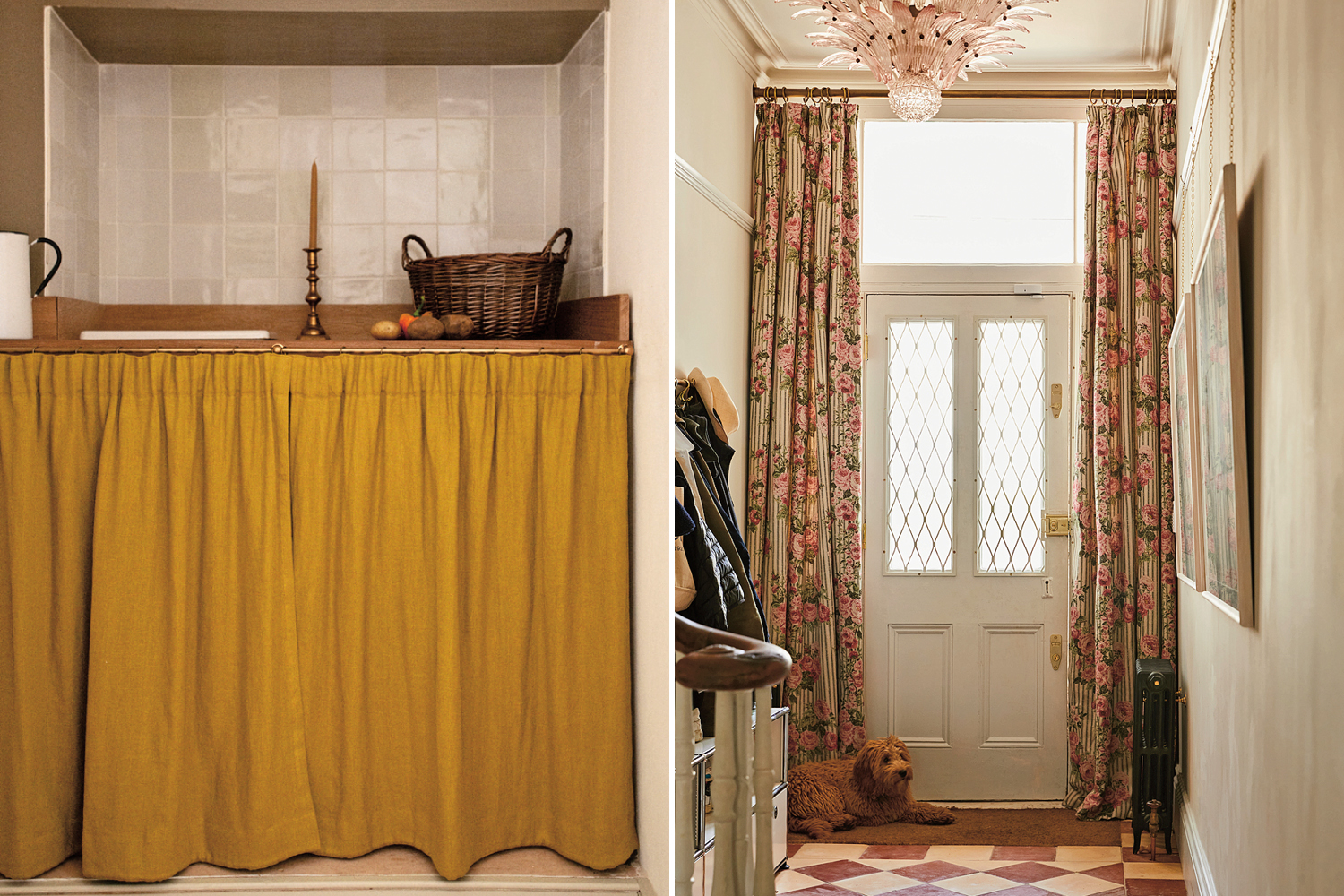
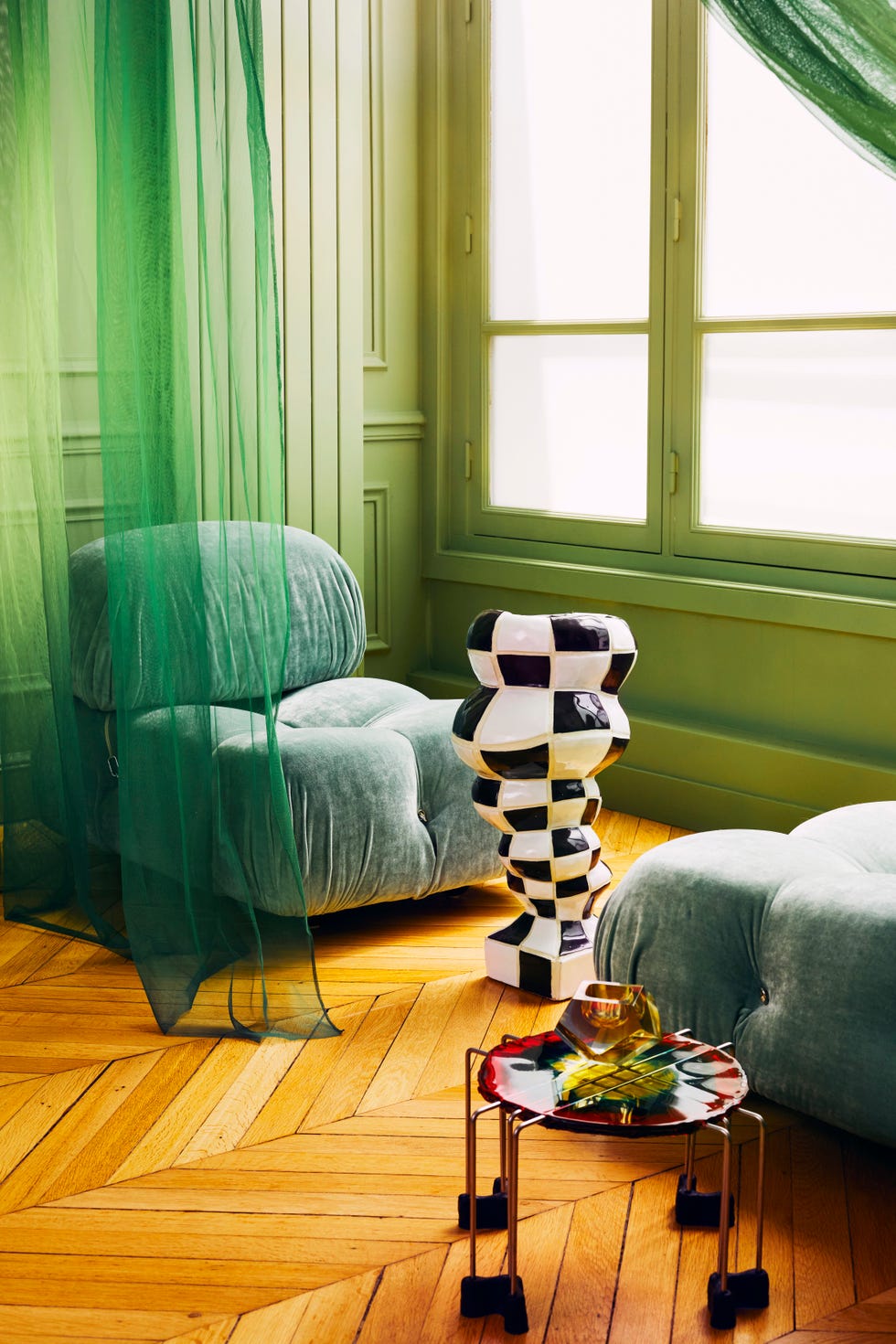
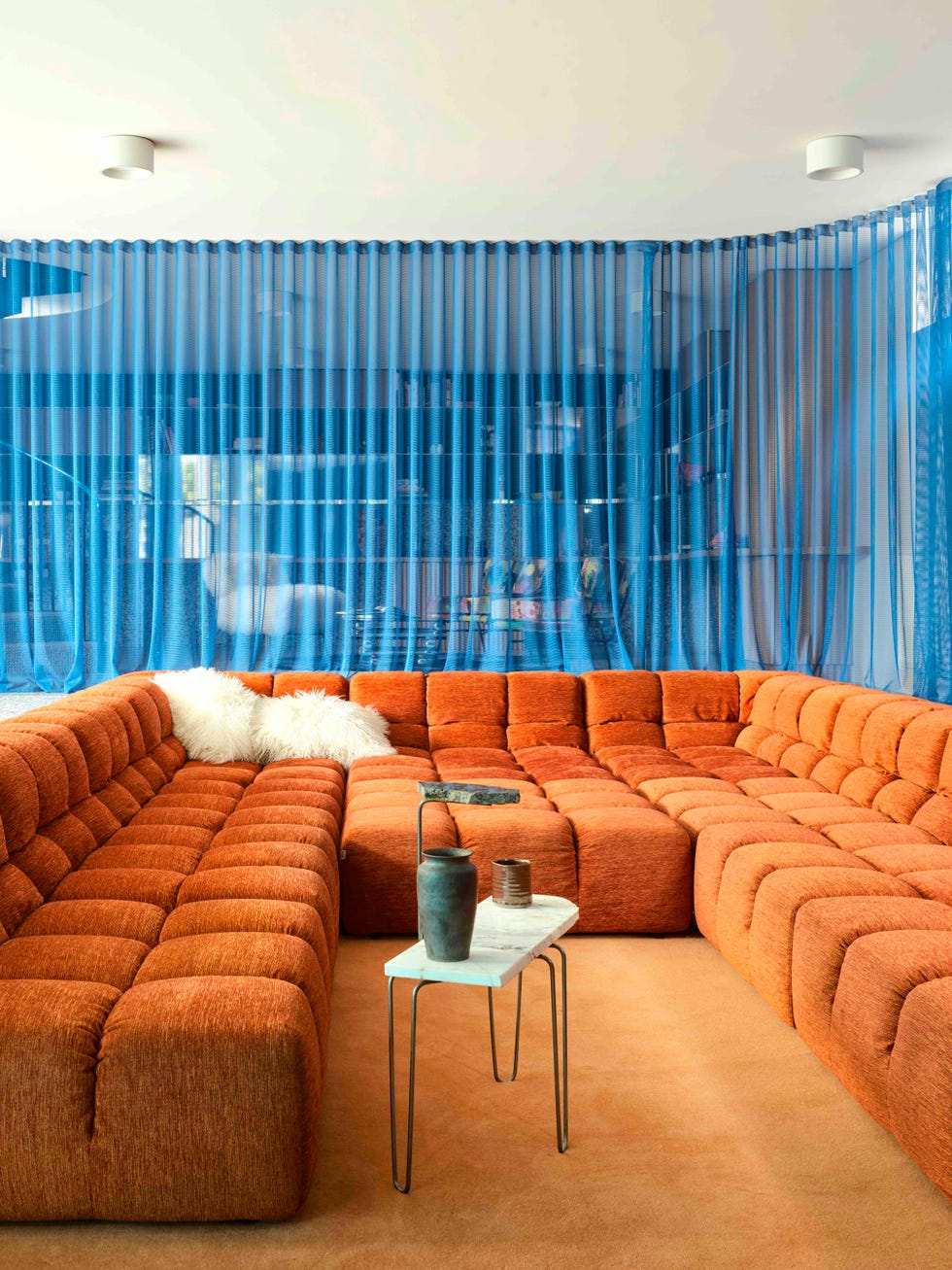
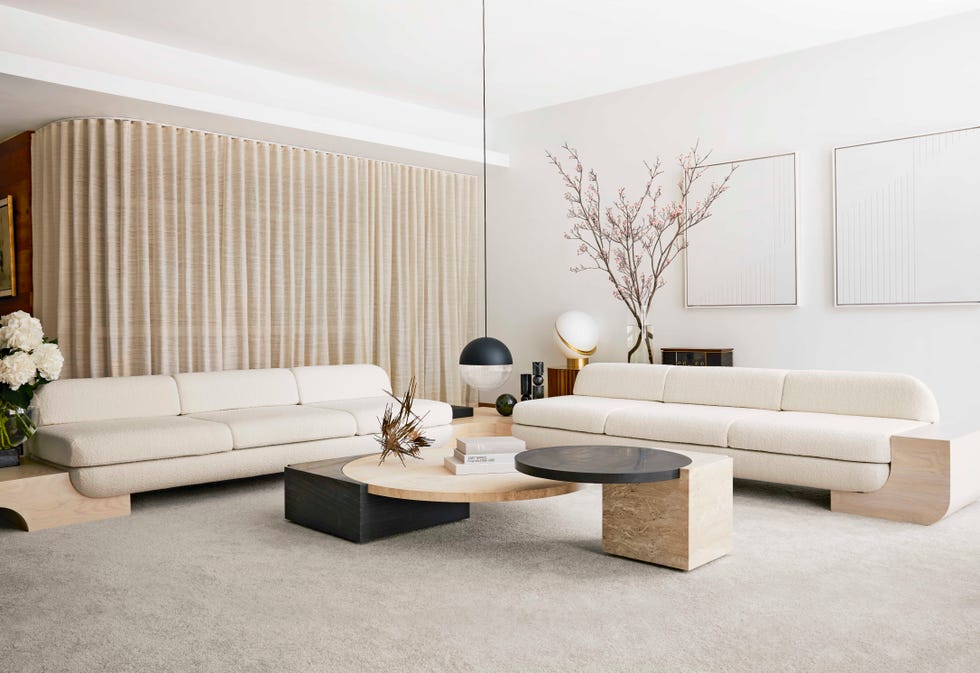
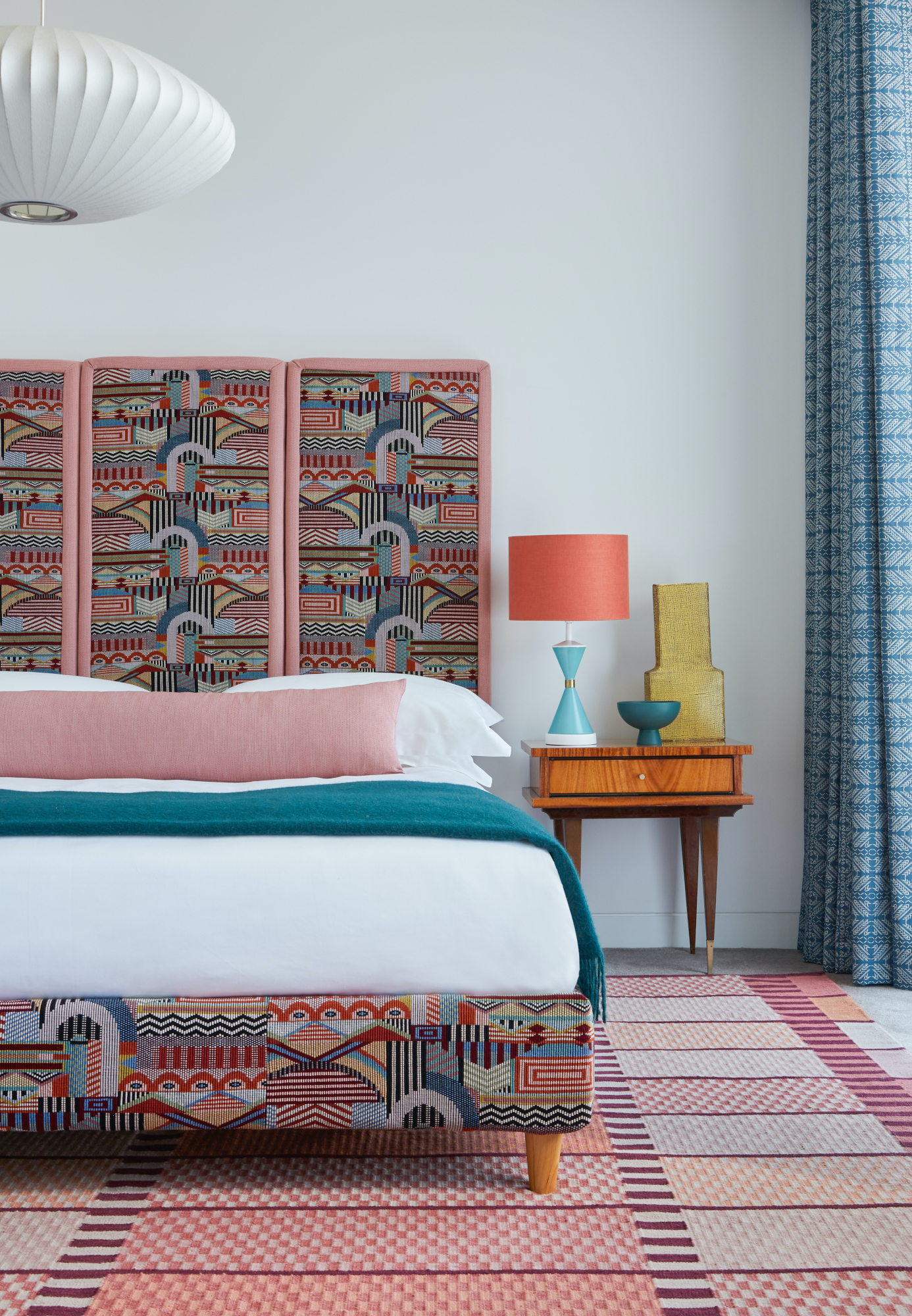
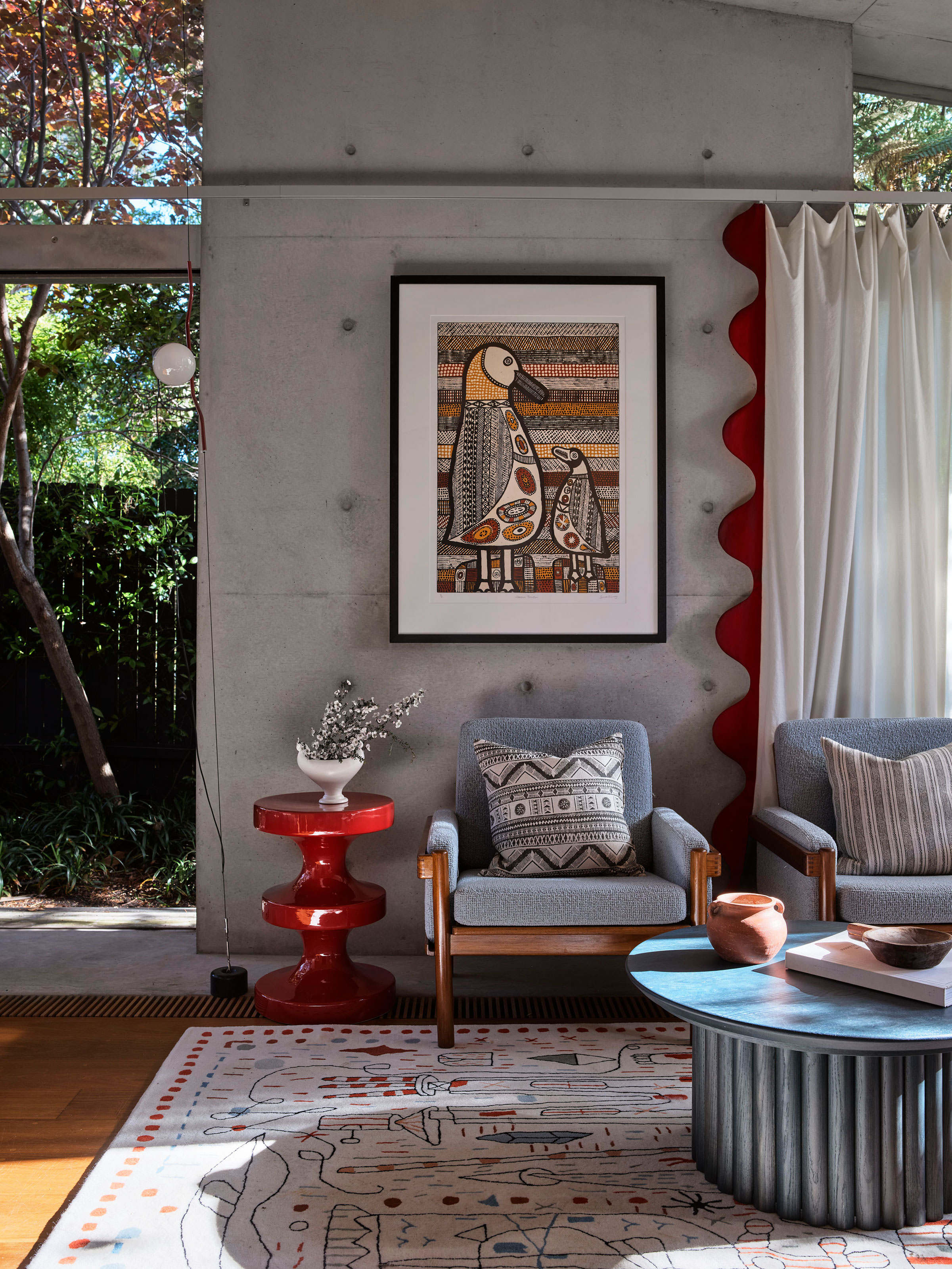
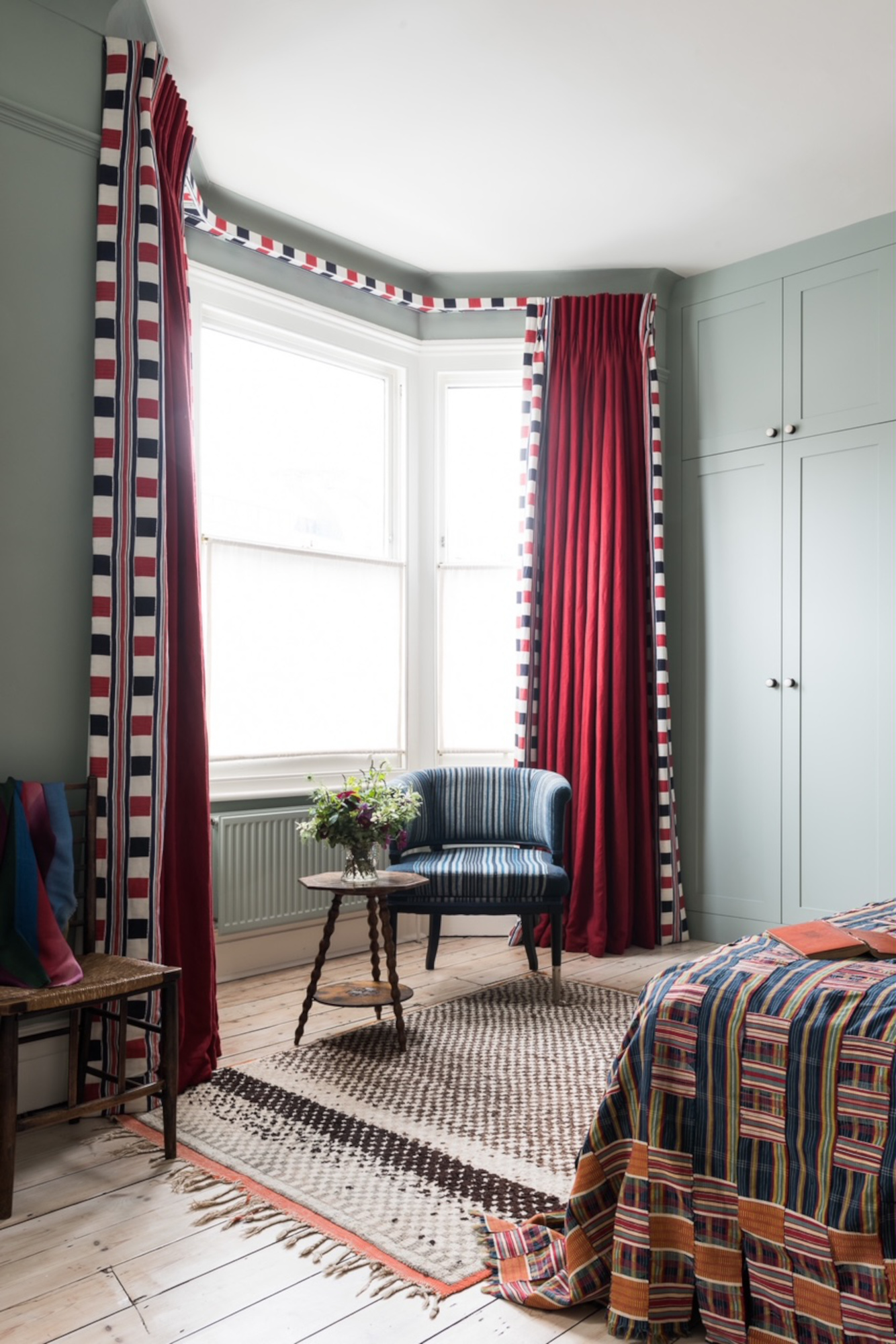
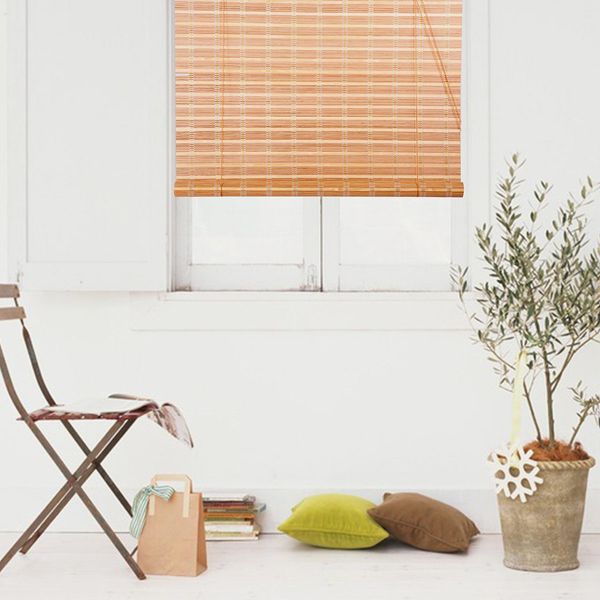
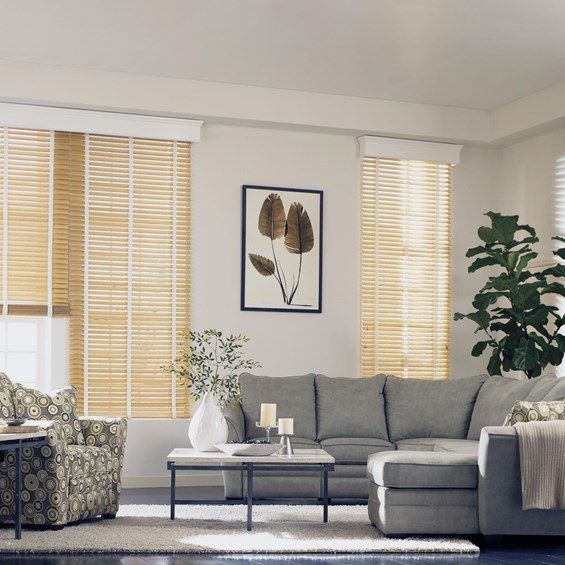
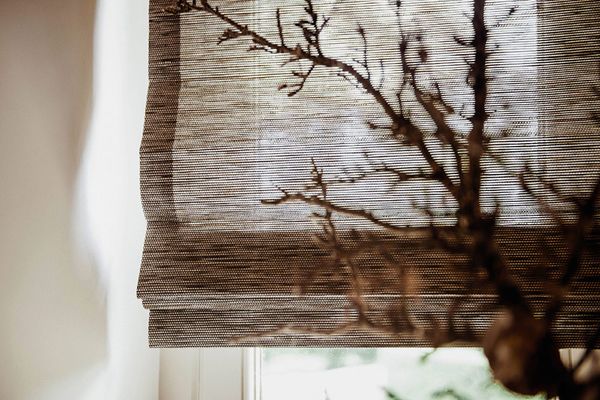
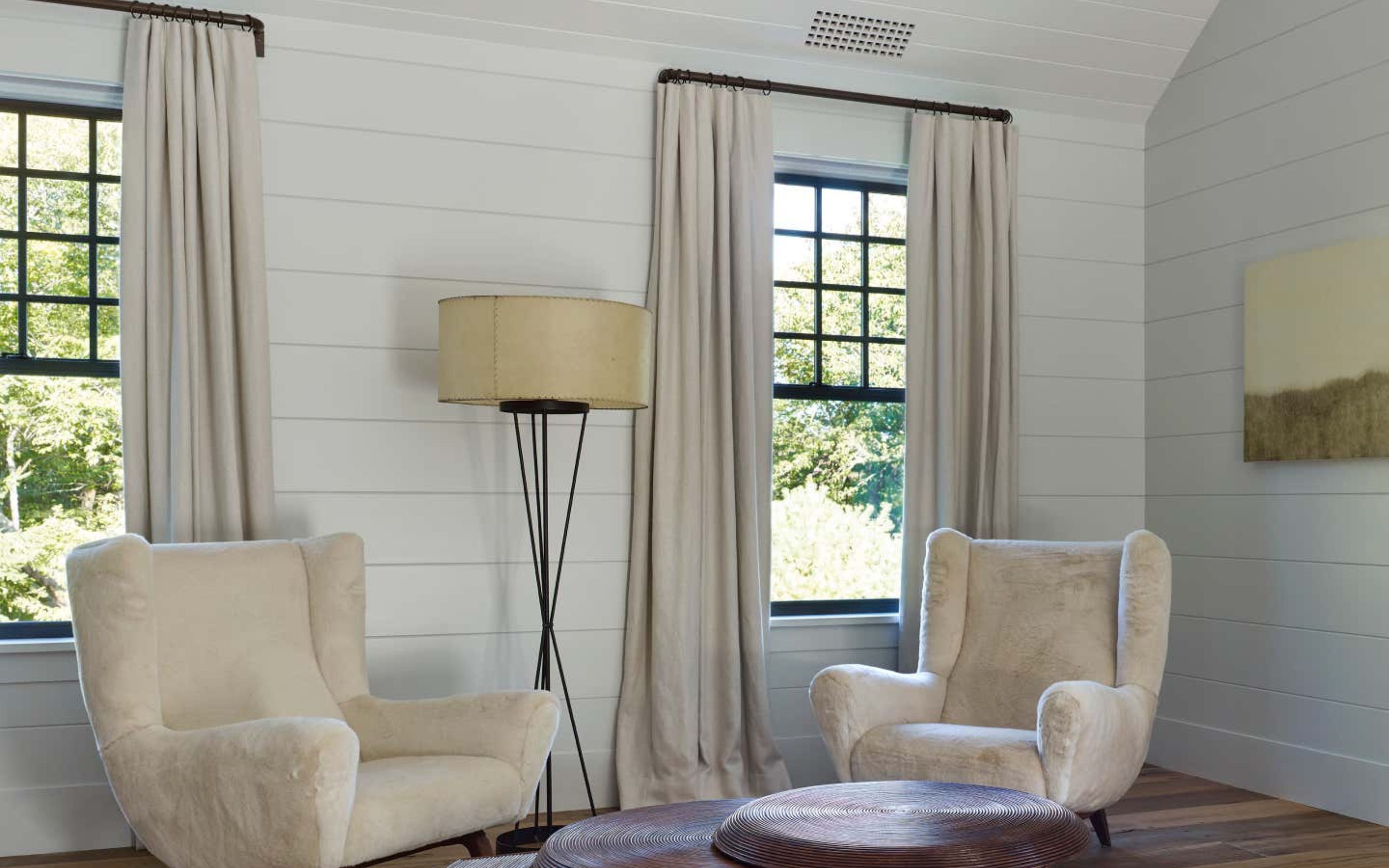
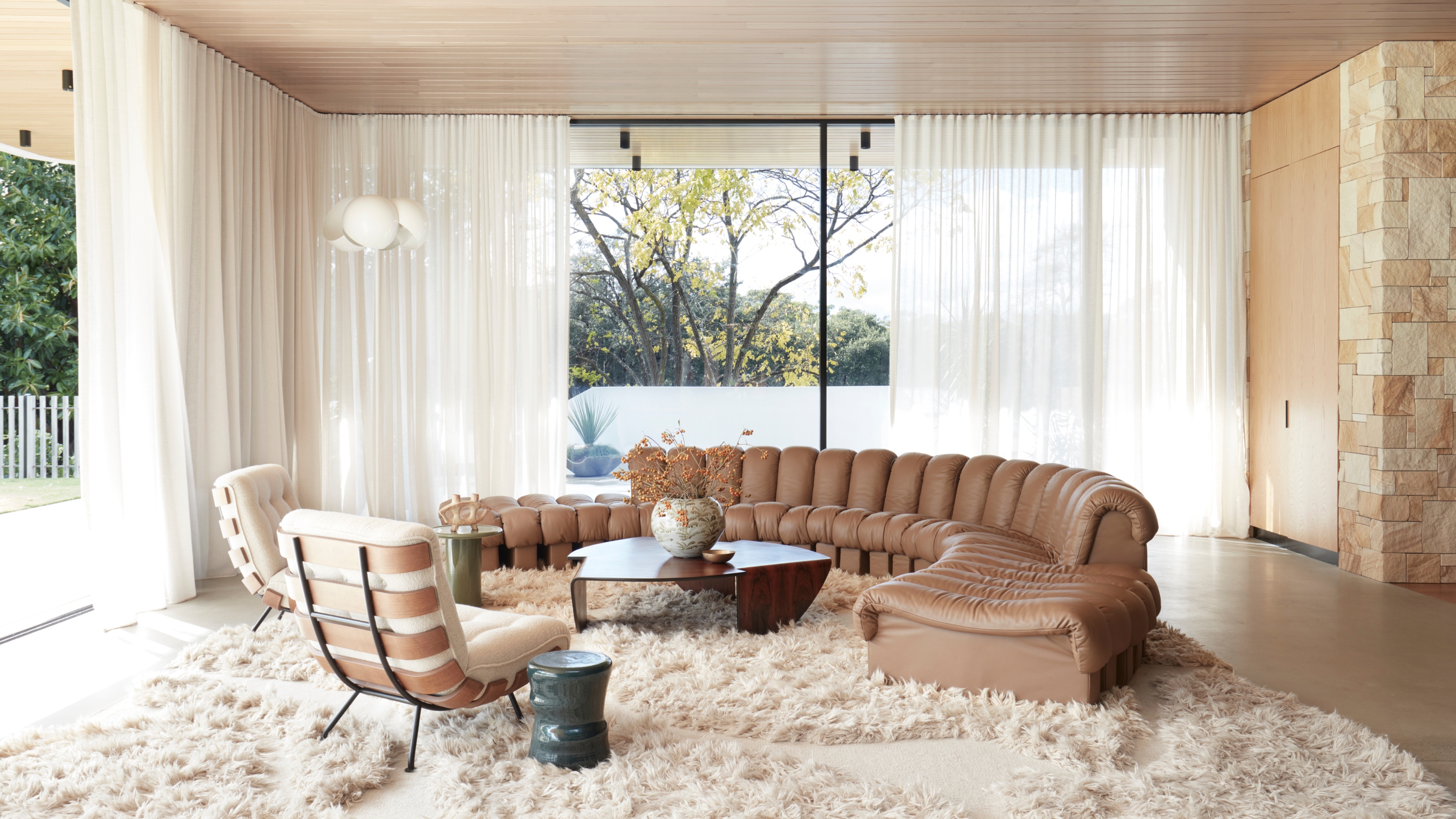
The Wabi-Sabi curtain trend is gaining traction as a shift in attitude towards interior decorating, moving away from bare windows and heavy, opulent fabrics. This aesthetic, rooted in Japanese design principles, embraces natural fabrics like linen and cotton, celebrating imperfections such as exposed or subtly frayed edges and textured materials. Designers perceive this trend not merely as a specific style but as a broader movement towards authentic and calm interiors, where fabrics play a crucial role in creating a sensory atmosphere that highlights natural textures and the inherent beauty of flaws. The trend signifies a desire for interiors that feel genuine and tranquil, fostering an environment where natural textures and minor imperfections are celebrated rather than concealed. When curtains are unlined or feature raw edges, they become more tactile, contributing to a sense of authenticity and ease within a space.
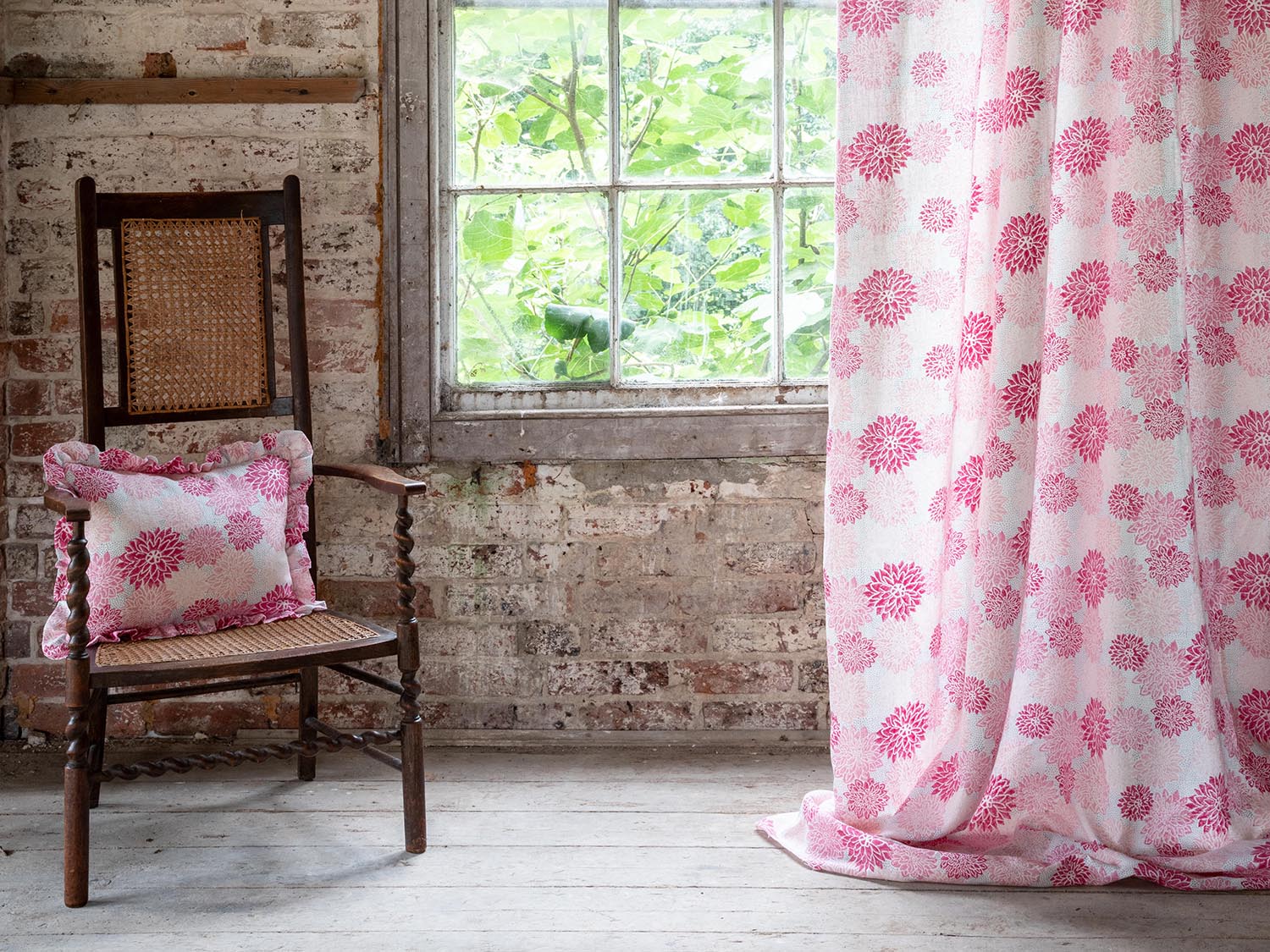
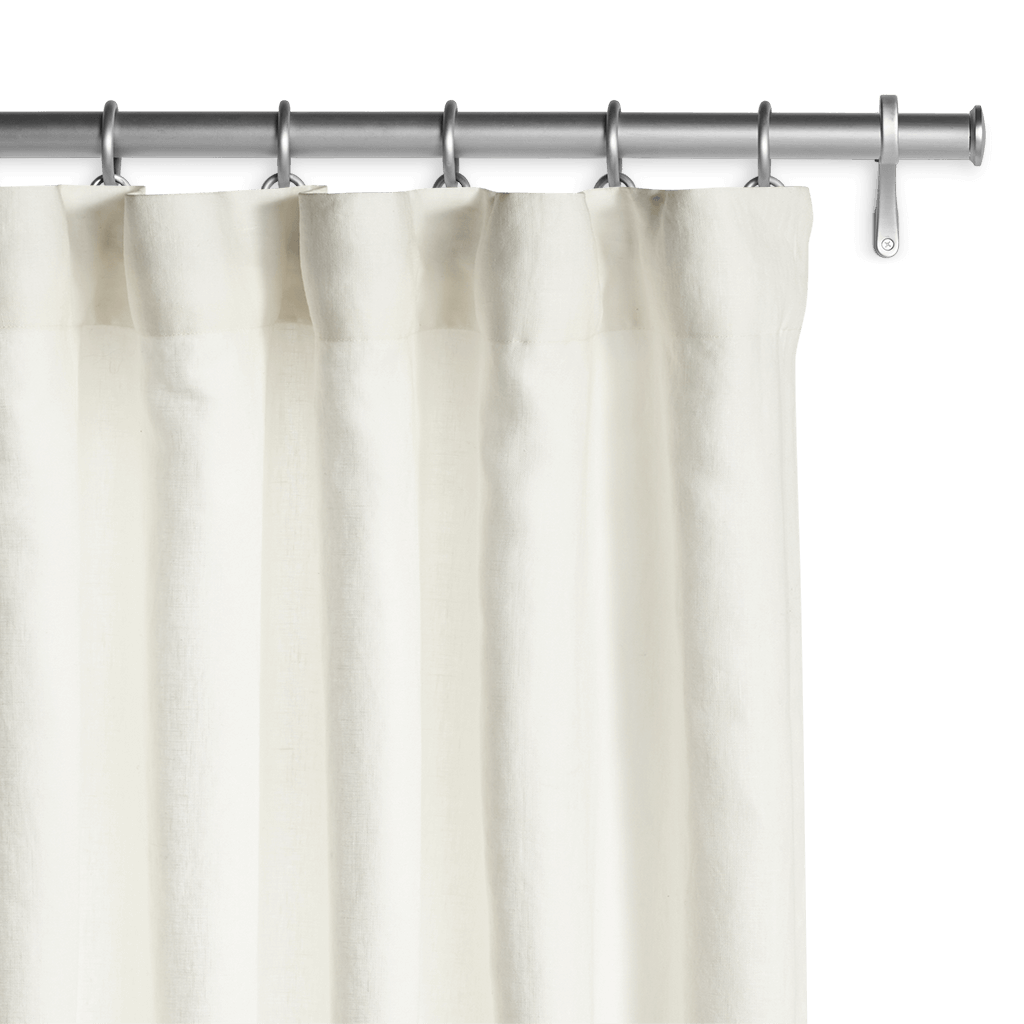
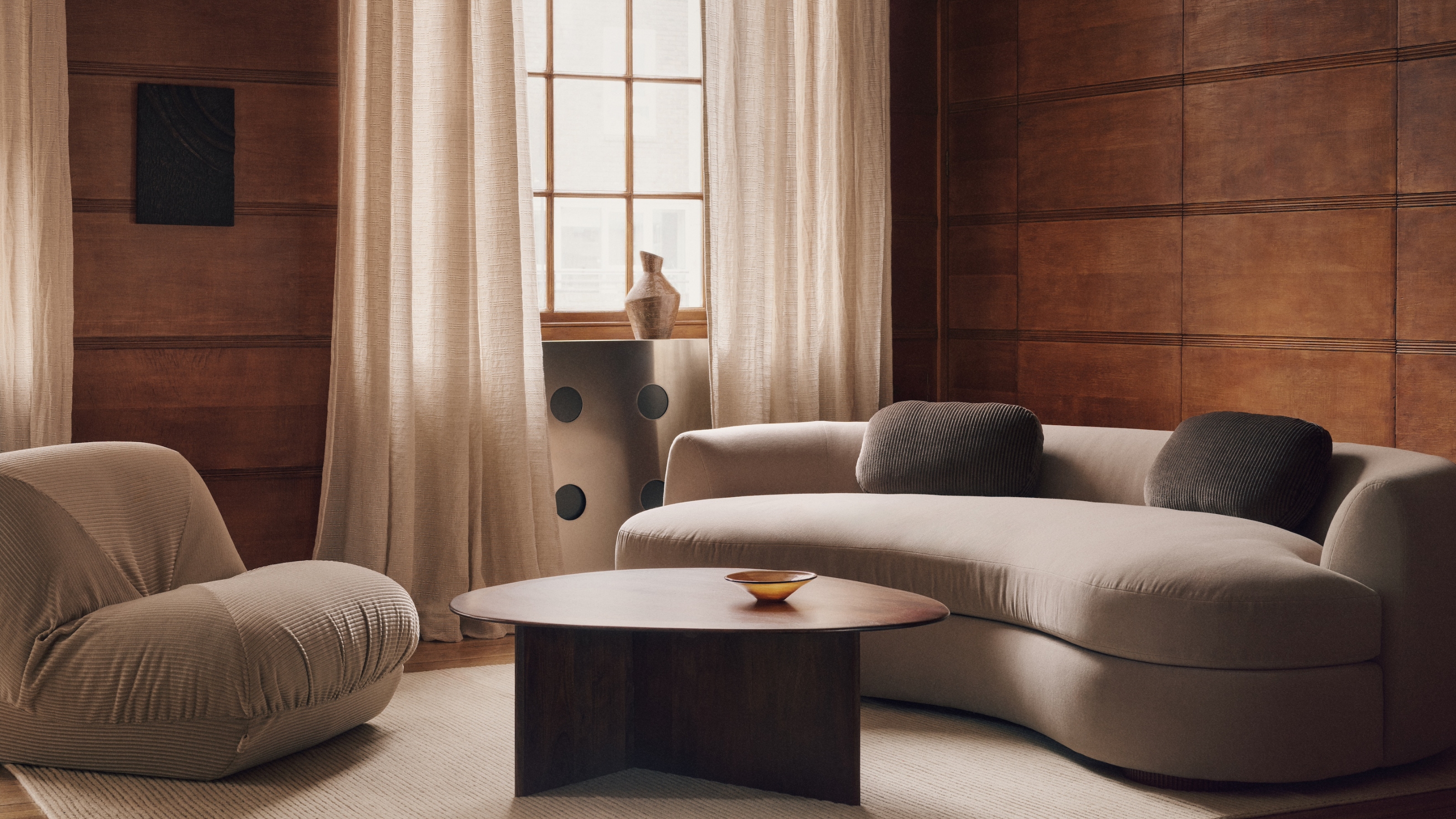
At its essence, Wabi-Sabi is a Japanese philosophy that values imperfect beauty, emphasizing natural materials, aged textures, patinas, and understated design. In the context of curtains, this translates to the use of raw or loosely woven textiles such as handloomed linen, hemp, cotton gauze, muslin, or vintage fabrics. It also includes reusing old velvets, antique linen grain sacks, and globally sourced textiles, often mixing subtle patterns or textures. The focus extends beyond material selection to encompass the honesty of materials and their evolution over time as they interact with light and daily use. This approach prioritizes texture, tone, and the natural drape and movement of fabric, rather than striving for perfection. Key to this trend are natural fibers like loosely woven linens or slubbed cotton, which possess an irregular weave and are known to soften and age gracefully.
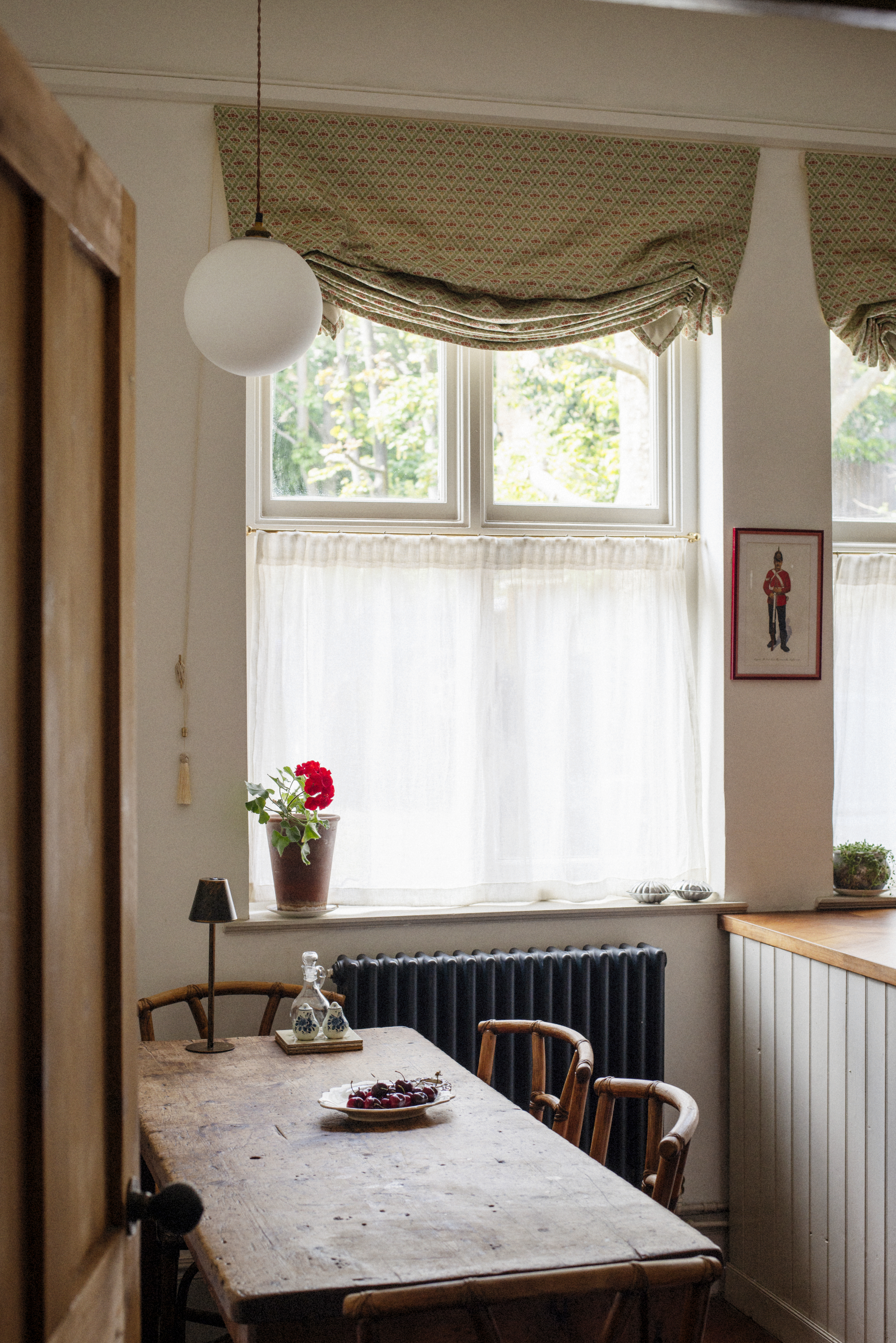
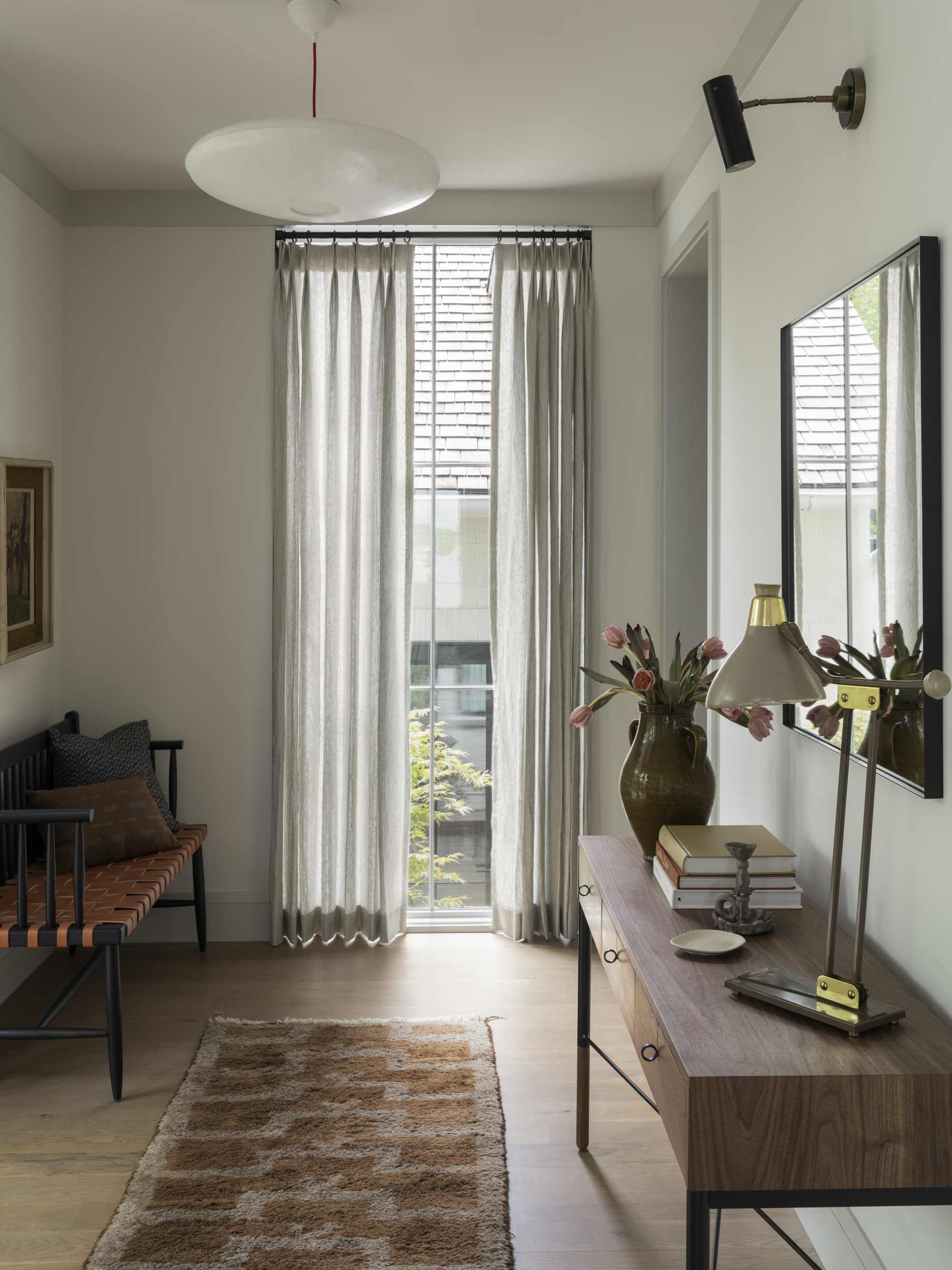
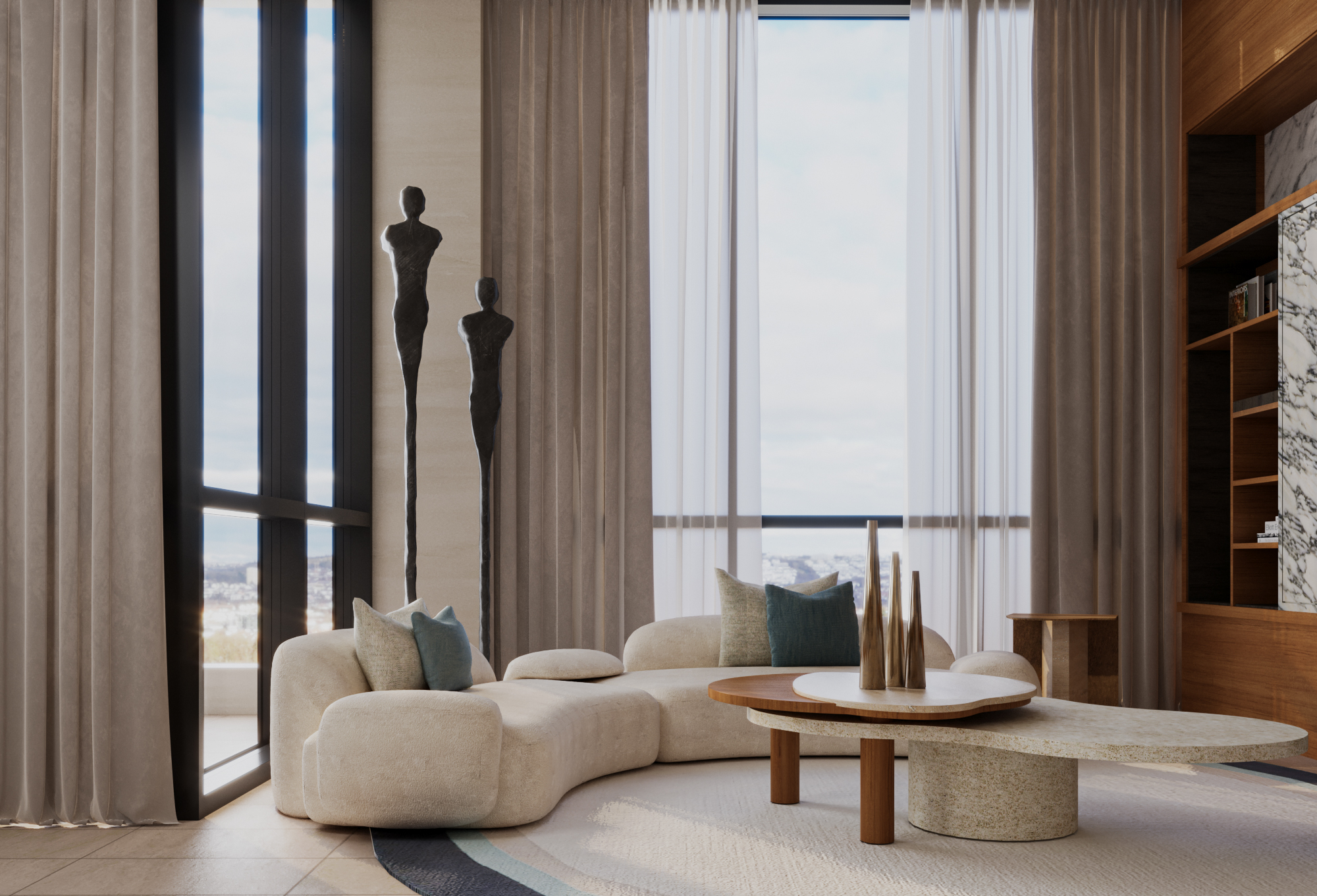
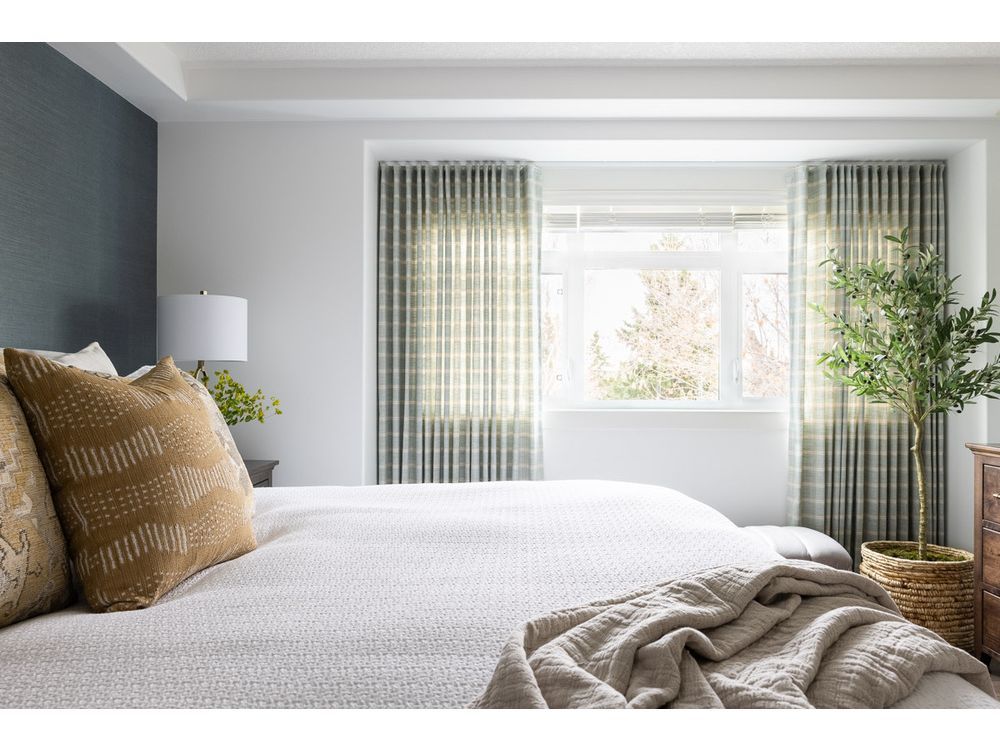
In a world increasingly dominated by digital experiences, individuals are seeking tranquility and turning to tangible textures and tactility within their homes. Wabi-Sabi curtains offer a means to introduce softness and a gentle irregularity that promotes calm rather than overstimulation. While minimalist interior design continues to be prevalent, its starker, more clinical aspects are being softened, with Wabi-Sabi contributing emotional warmth without introducing clutter. The application of Wabi-Sabi curtains is most effective where natural light is a significant design element. Sheerer curtains or those with a looser weave allow light to filter through, softening harsh glares and transforming natural illumination into a more subdued and calming presence.
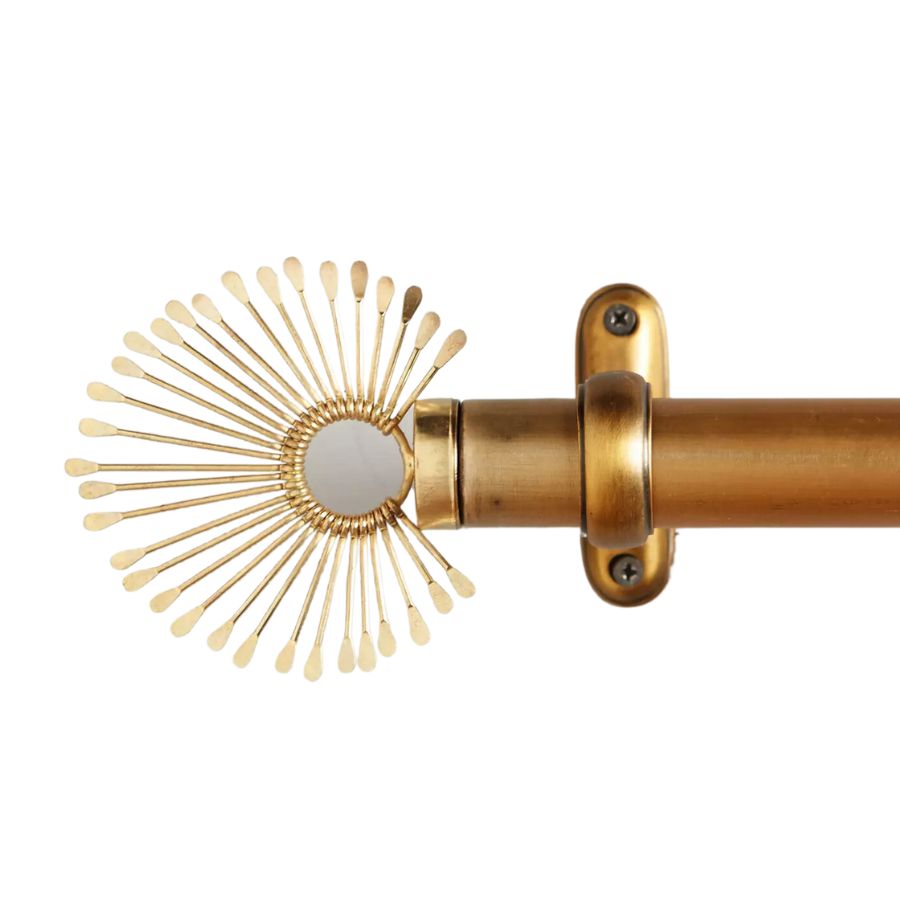
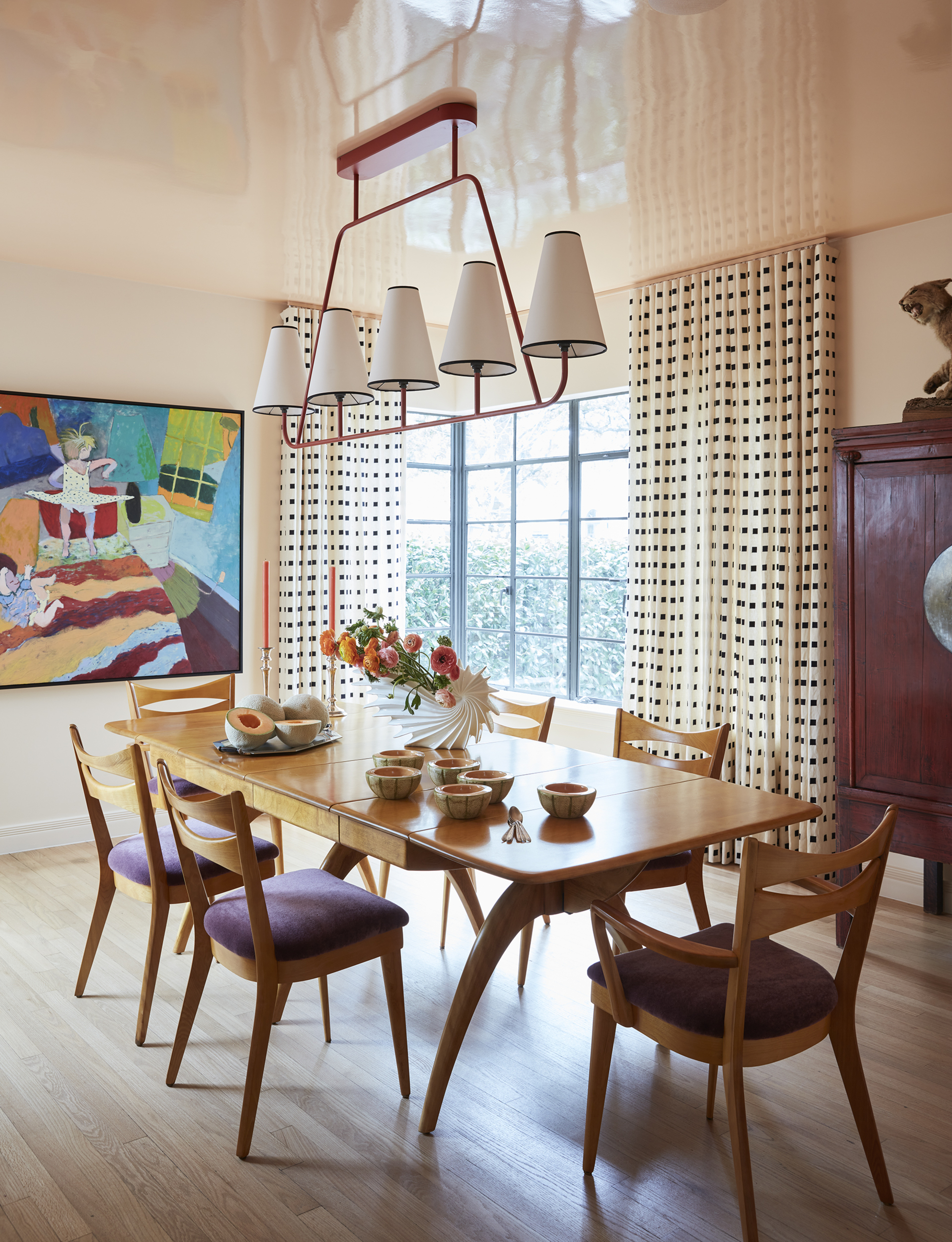
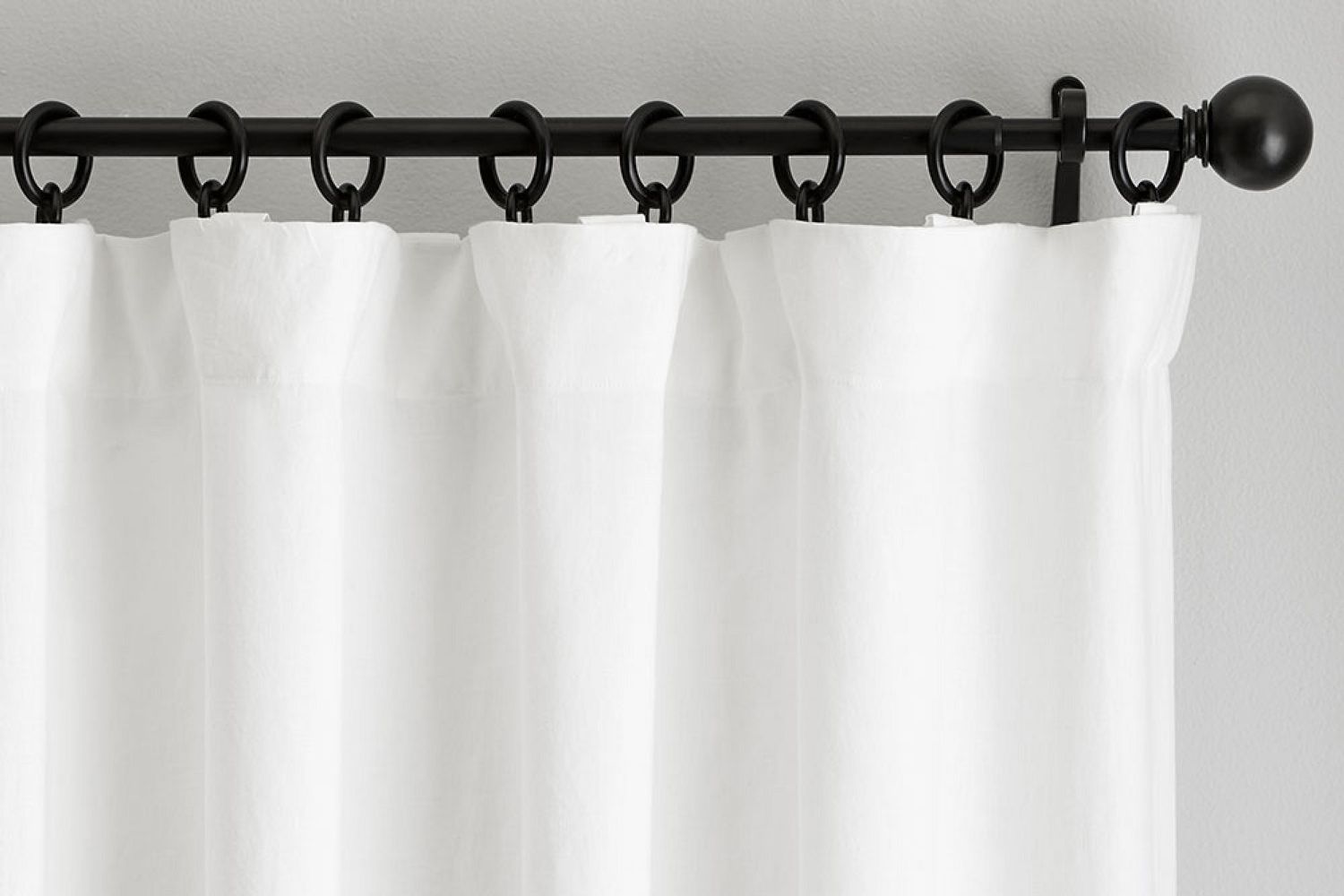

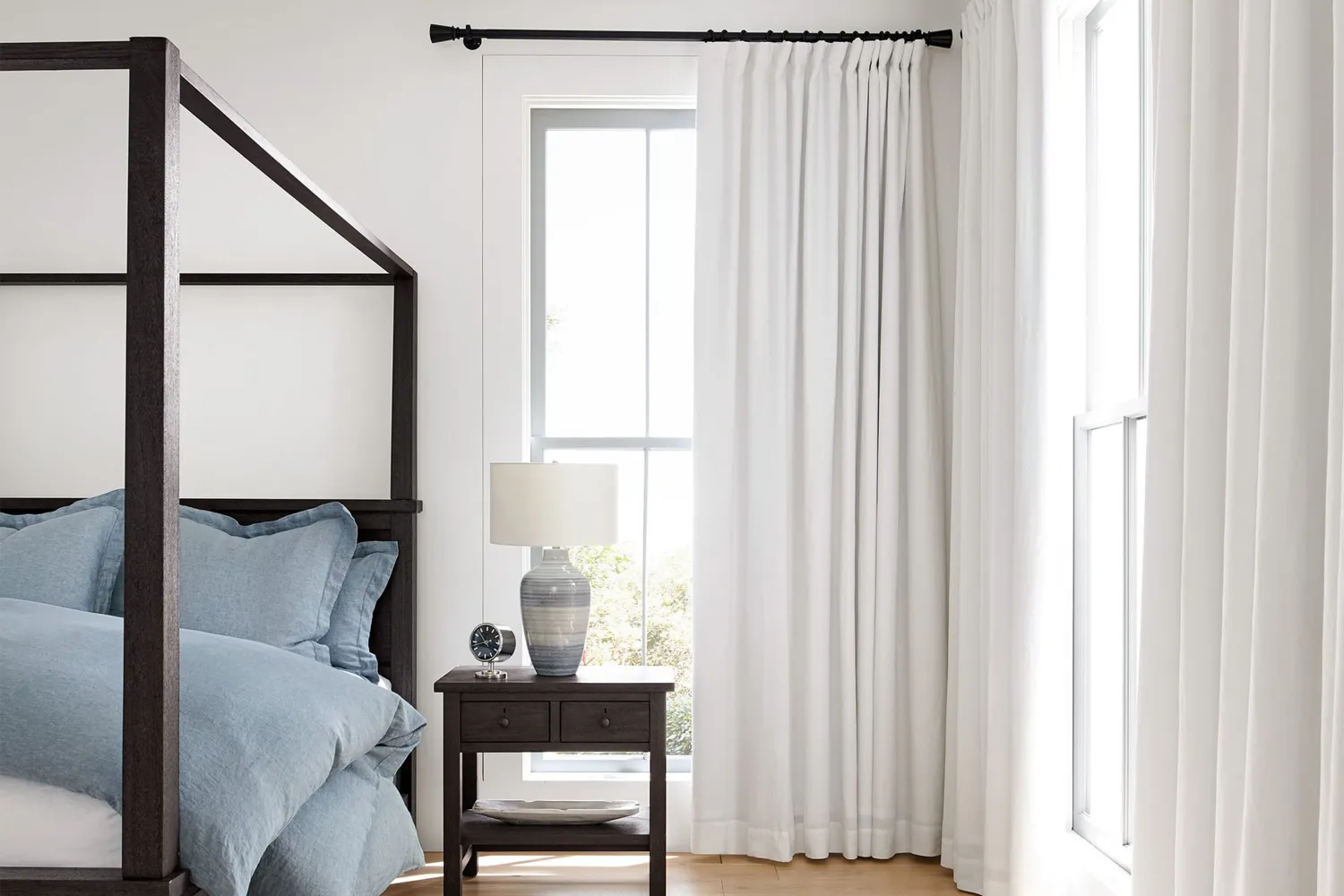
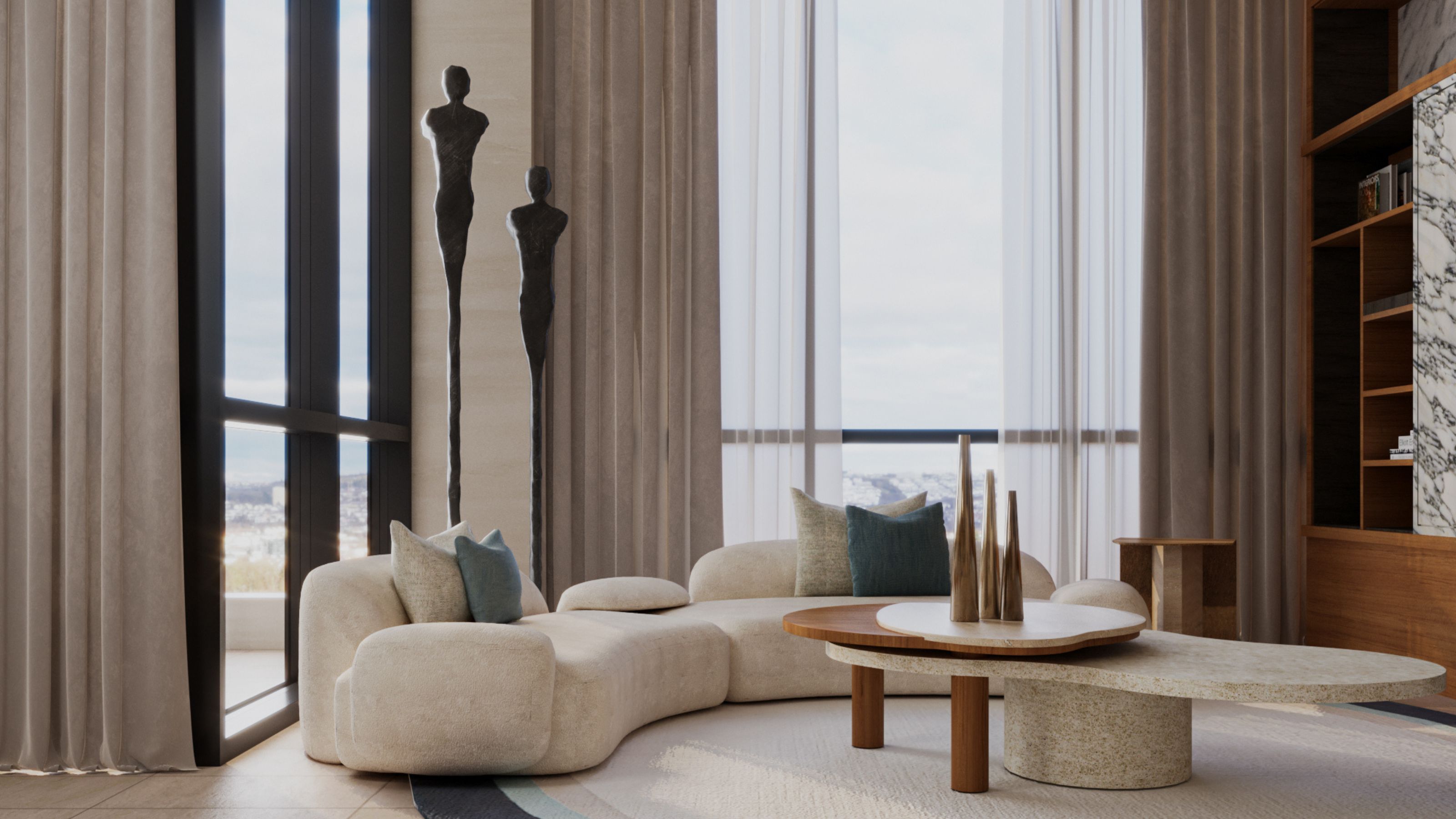
These curtains complement homes with inherent character, seamlessly integrating into various styles, from richly layered to modern and pared-back, by softening lines and adding warmth and comfort. The color palette for Wabi-Sabi curtains remains grounded in nature, featuring hues such as chalk, flax, ochre, and soft grays. The emphasis is on mixing subtle tonal variations rather than sharp contrasts, allowing for creative layering that aligns with the overall interior scheme, always prioritizing comfort and serenity. When hanging Wabi-Sabi curtains, a relaxed aesthetic is preferred, often involving curtains that gently pool on the floor, allowing the fabric to drape naturally. Hardware choices are minimal, favoring materials like wood or iron rods with visible patinas, rope, driftwood, or even natural branches to enhance the raw aesthetic. Finishing touches like clip rings or hand-tied tabs further emphasize the casual look. To complete the Wabi-Sabi environment, these curtains are ideally paired with other natural elements such as natural woods, plaster walls, handmade ceramics, and textured upholstery, all reflecting a shared sense of integrity and tactile quality.
The seemingly simple nature of Wabi-Sabi curtains belies the importance of proportion, drape, and fiber selection for successful execution. Natural fabrics with inherent body and texture are preferred, as synthetics tend to lack the desired visual and tactile qualities. The objective is to achieve a look that is deliberately effortless rather than careless, striking a balance between ease and thoughtful consideration. The overarching appeal of Wabi-Sabi curtains lies in the casual comfort they impart, subtly enhancing a space while celebrating the beauty of imperfection and natural materials.
#WabiSabiCurtains #InteriorDesignTrends #NaturalFabrics #HomeDecor #JapaneseAesthetics #TextileDesign #WindowTreatments #AuthenticInteriors #CalmSpaces #WabiSabiCurtains #InteriorDesignTrends #NaturalFabrics #HomeDecor #JapaneseAesthetics #TextileDesign #WindowTreatments #AuthenticInteriors #CalmSpaces
0 comment in total
 No comments yet
You may also like
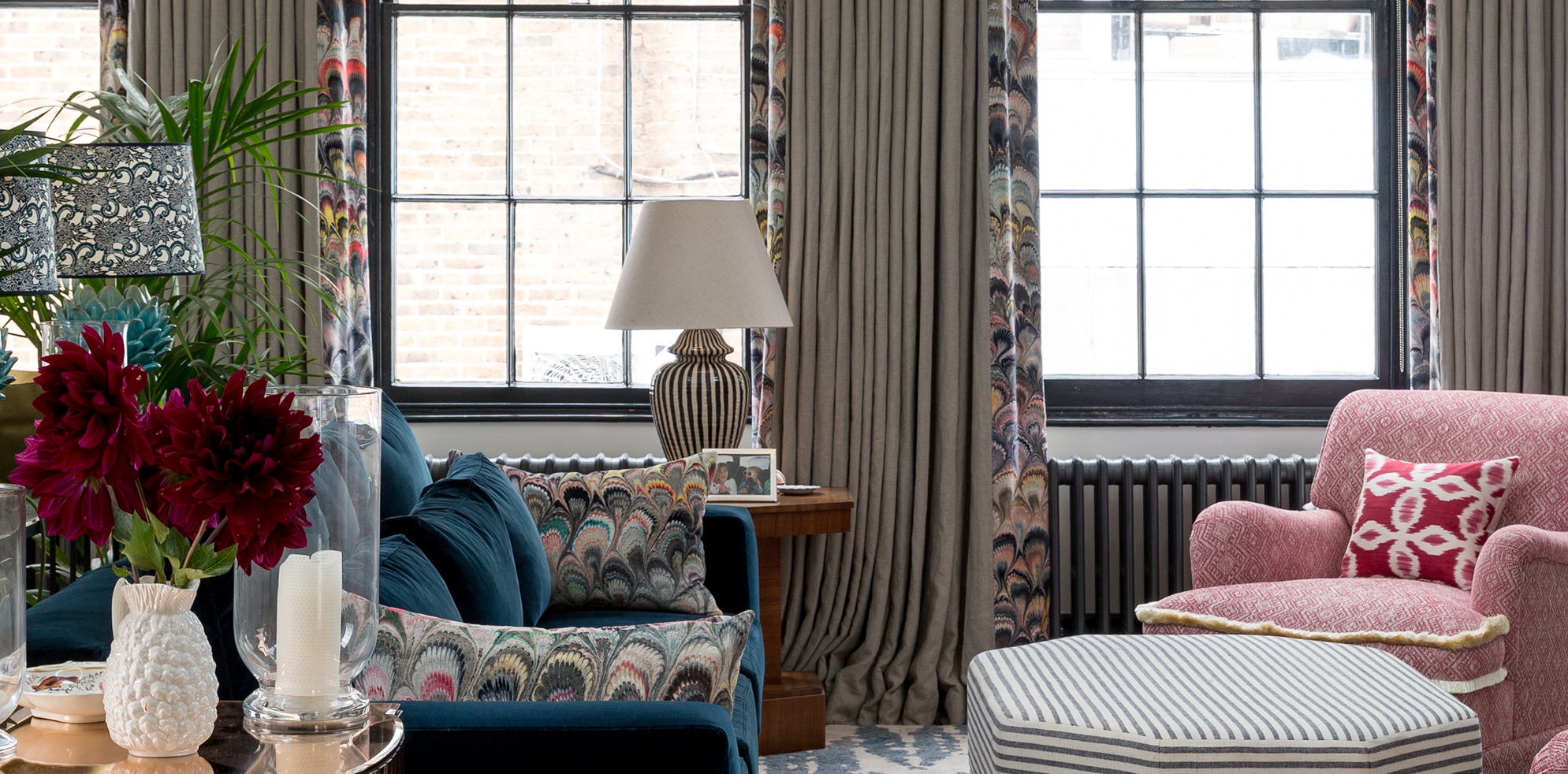
An easy add-on to your curtains makes rooms look expensive - designers explain

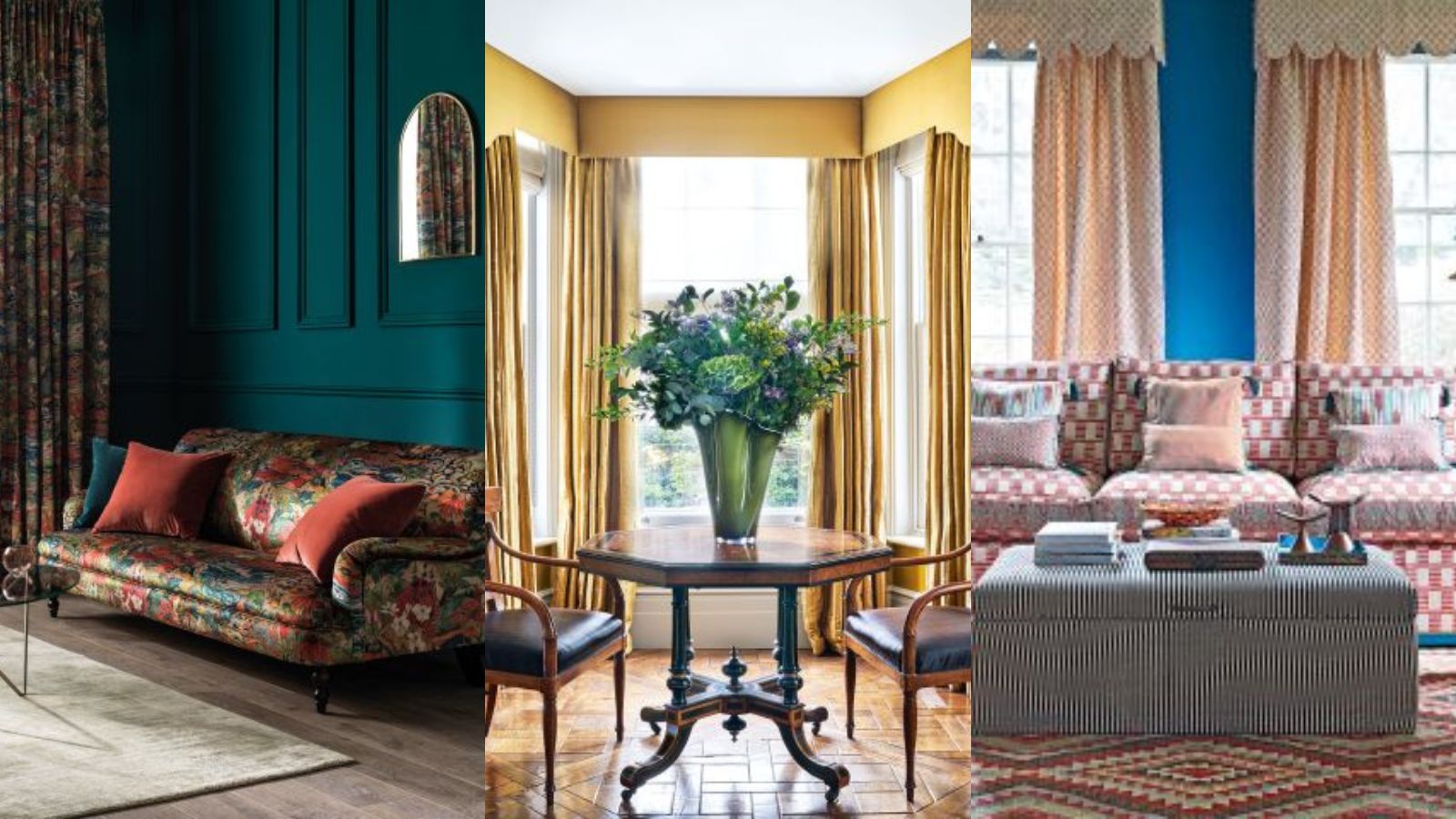
Curtain tricks – 5 ways this interior designer creates drama with drapes

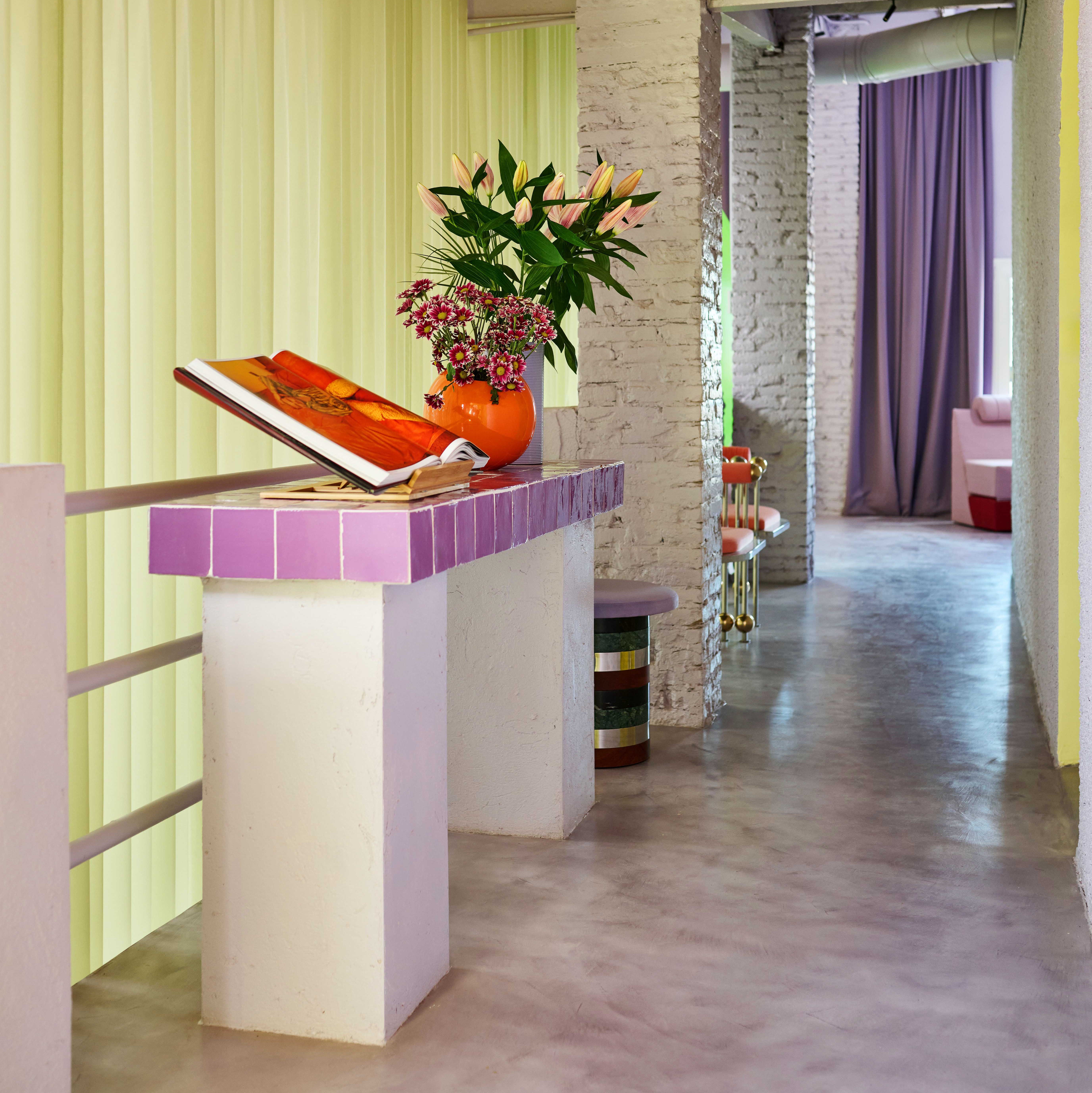
Steal ideas from these homes that use curtains for more than just window dressing

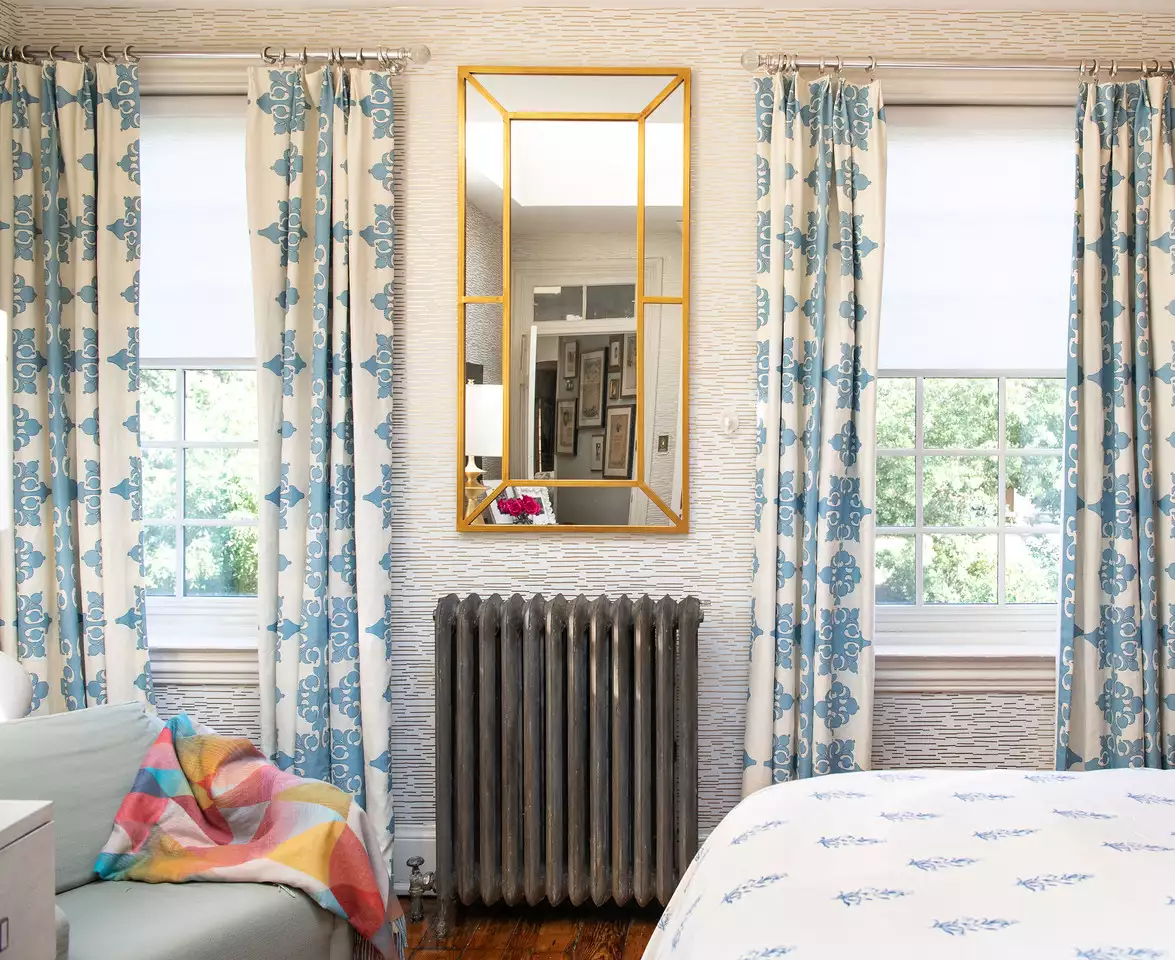
10 Window Treatment Trends to Freshen Up Every Room in Your Home

5 finishing touches that will elevate your curtains and make them look a hundred times better
Dress Your Windows in Style: These Are the Top Curtain Retailers We Love

6 Curtain Styles Designers Say Are Outdated (and What to Use Instead!)

15 Best Places to Buy Curtains Online in 2023
Bye-bye blinds — how curtains became cool again
Is There A Difference Between Curtains And Drapes?
Curtain trends for 2023 – the colors, patterns and looks designers predict will be big
Drapery adds the finishing touches of drama, function and personality

The 10 Best Places to Buy Curtains for Every Room in Your Home
These 6 'tie-up' curtains instantly soften a room for summer
The Best Window Curtains and Shades, According to Interior Designers
Woman reveals how she achieves neat pleats in her curtains using empty TOILET tissue rolls
Are Curtains Out of Style? Of Course Not, but Some Designs Will Date Your Space Faster — Here's What to Know
These Brilliant Window Treatment Ideas Will Infuse Luxe Style into Every Room
How to Hang Curtains the Way an Interior Designer Would — To Balance, Blur Lines, and Bring Impact to a Room
6 Curtain Styles That Are So Outdated, According to Designers