What Is Spray Foam Insulation?
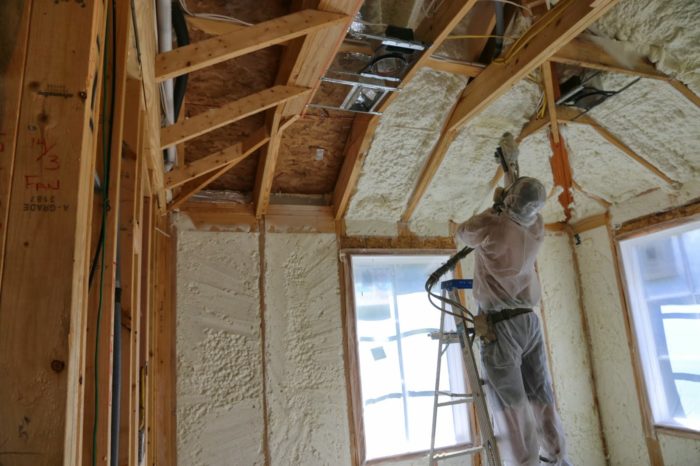
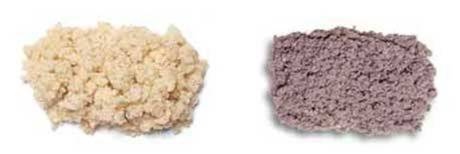
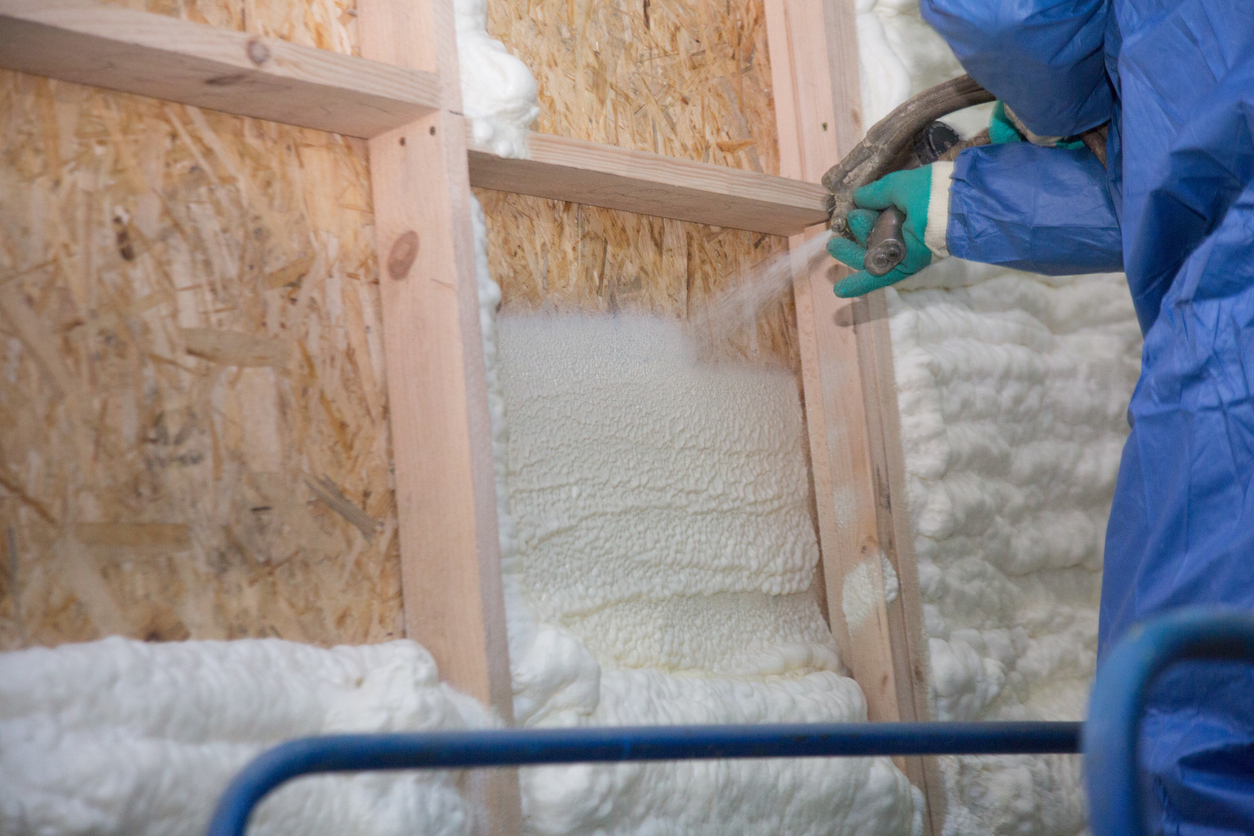
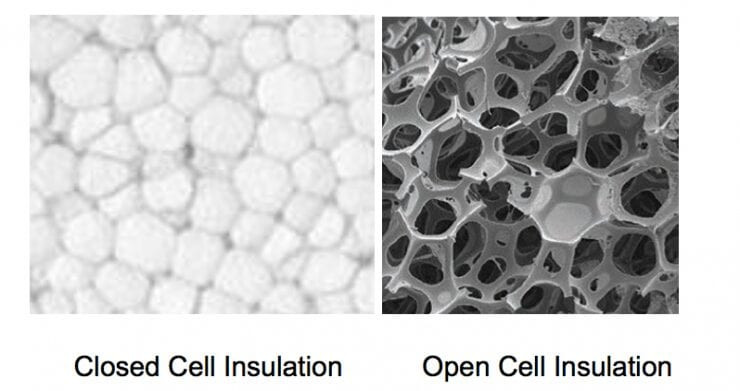
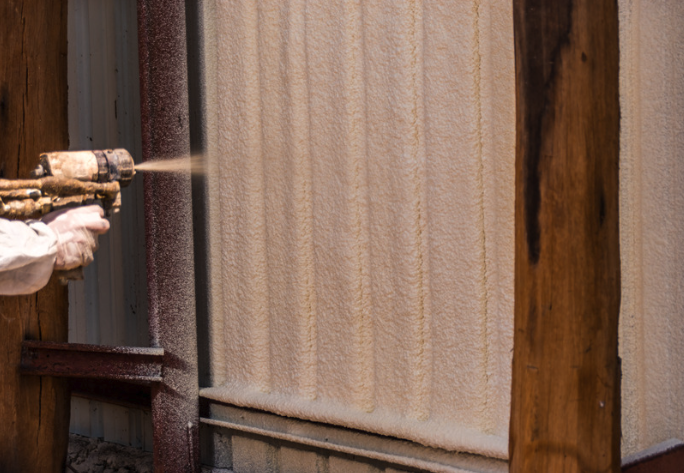
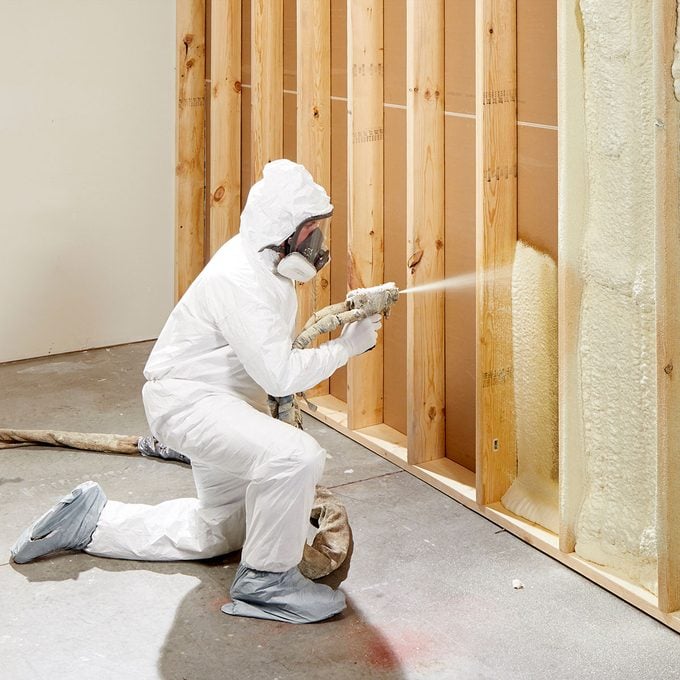
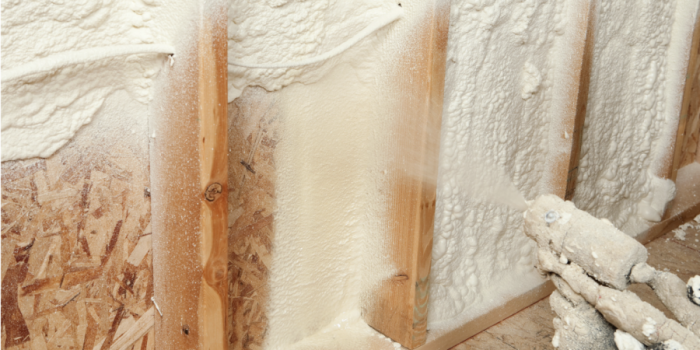
Closed-cell spray foam insulation stands out as a high-performing insulation material, offering a range of benefits for residential and commercial applications. This material is created by mixing two distinct chemicals, which are then heated to approximately 130 degrees Fahrenheit and sprayed at high pressure. Upon application, the foam expands significantly, typically 30 to 60 times its initial liquid volume, to fill various cavities and spaces.
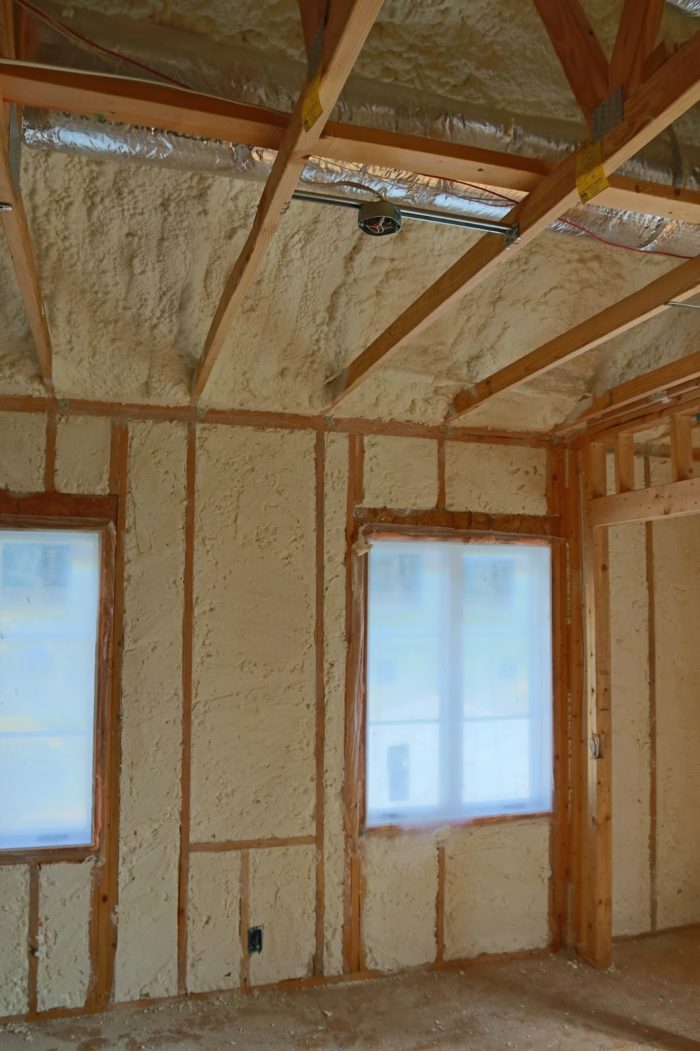
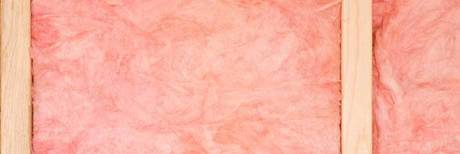
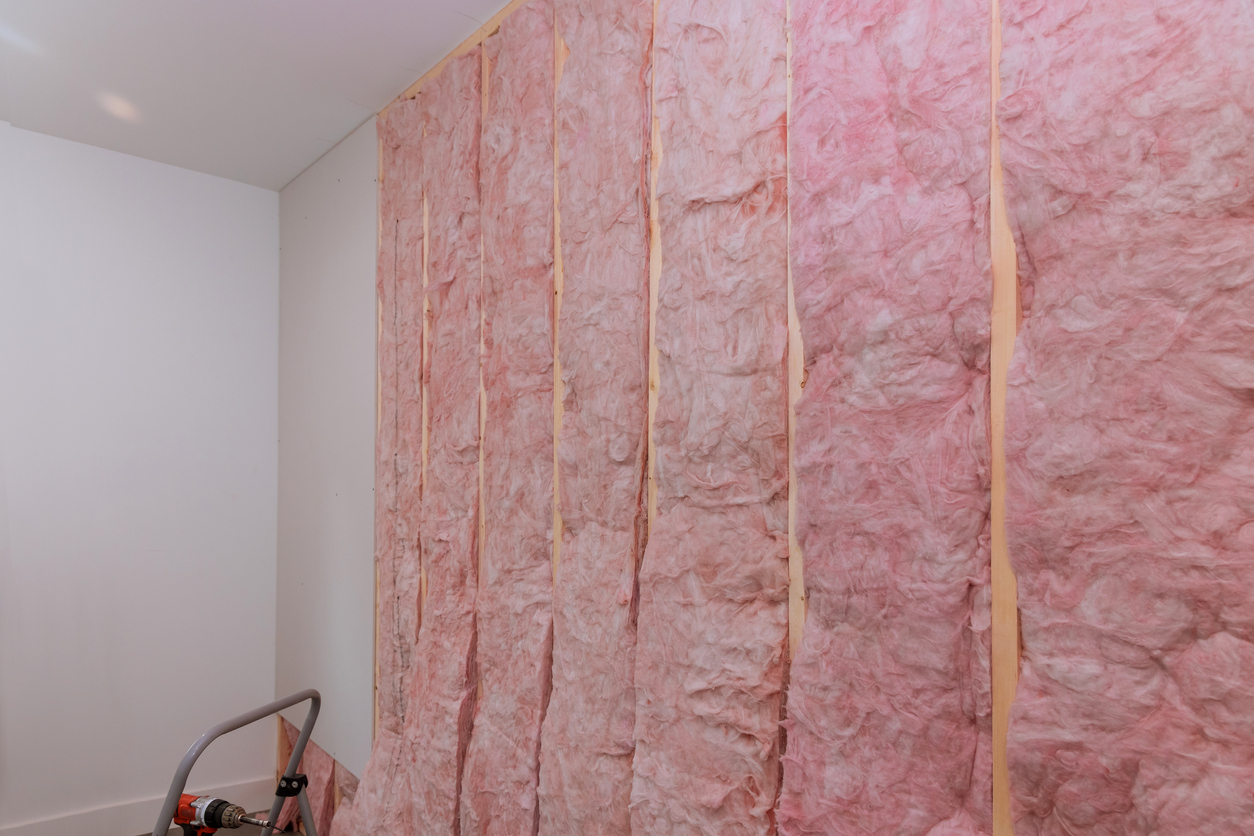
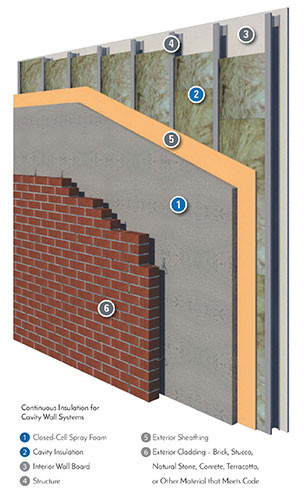
One of the primary advantages of closed-cell spray foam is its superior R-value, a measure of thermal resistance. It consistently outperforms other common insulation types like fiberglass and rock wool. The R-value of spray foam is directly related to its density, with denser foam providing a higher R-value per inch. For instance, a 2-pound density closed-cell foam, once cured, can achieve an R-value of 6.8 per inch. This means that a standard 2x6 wall cavity, filled with five inches of this foam, can reach an impressive R-34, nearly doubling the insulation effectiveness compared to fiberglass in the same space.
Beyond its thermal properties, closed-cell spray foam also functions effectively as a vapor barrier. While older formulations required a thickness of about 2.5 inches to qualify as a vapor barrier, modern chemical advancements have reduced this requirement to approximately one inch. However, the exact thickness needed can vary slightly based on the specific chemical manufacturer and product. This dual function of insulation and vapor barrier simplifies installation and enhances the overall envelope of a structure.
Another notable characteristic of closed-cell spray foam is its ability to add structural rigidity to building assemblies. Tests have demonstrated its capacity to strengthen roof decking, even holding panels securely in place without additional fasteners after the foam has cured. This structural enhancement contributes to the overall durability and integrity of a building.
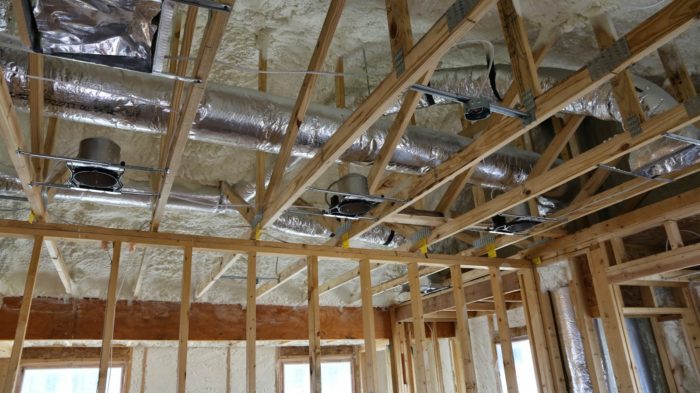
The versatility of spray foam is extensive, making it suitable for a wide array of applications. It can be utilized in walls, floor assemblies, attics, and even under concrete slabs for radiant heating systems. Its application extends to the exterior and interior of foundation walls, hot roofs, ice houses, and insulated trailers. The customizable nature of spray foam allows it to conform to any shape or size of cavity, ensuring comprehensive coverage.
Despite its many benefits, closed-cell spray foam does have some drawbacks. Installation requires meticulous preparation, including masking off windows and doors to prevent overspray. Improper installation can lead to issues such as bowed partition walls or sheathing if the foam expands too much or is applied too thickly, potentially causing off-gassing of harmful fumes. Additionally, spray foam needs to be covered with a fire retardant or an approved building component, such as drywall, in most applications, with rim joists being an exception. It is also not as effective at soundproofing as some other insulation materials. The most significant disadvantage is its cost, which is considerably higher than traditional insulation options. While prices have decreased over the last decade, spray foam installation can still be three times more expensive than fiberglass, especially when accounting for its higher R-value potential.
#SprayFoamInsulation #HomeInsulation #EnergyEfficiency #RValue #VaporBarrier #HomeImprovement #ConstructionMaterials #DIYHome #SprayFoamInsulation #HomeInsulation #EnergyEfficiency #RValue #VaporBarrier #HomeImprovement #ConstructionMaterials #DIYHome
0 comment in total
 No comments yet
You may also like
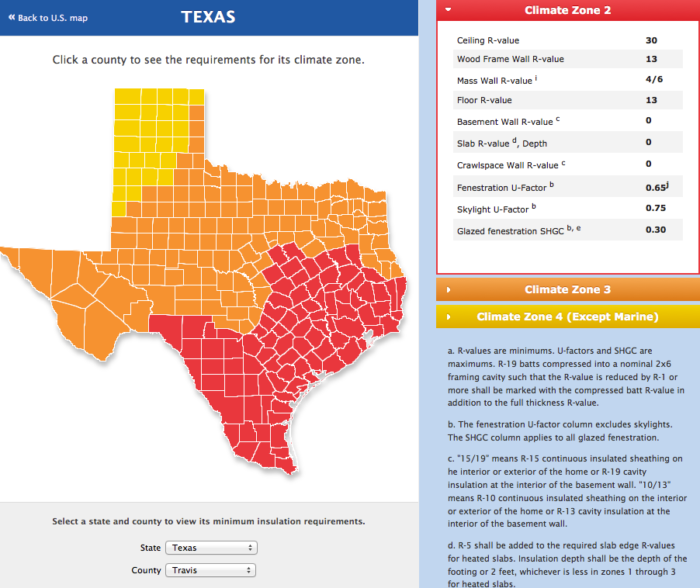
How to Use Spray Foam to Meet New Energy Codes in Warm Climates

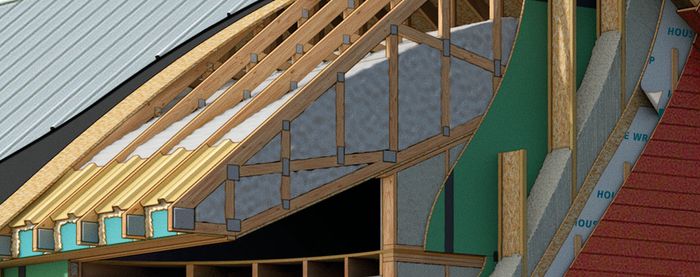
An Easy Way To Build a Well-Insulated House

Man on Fire
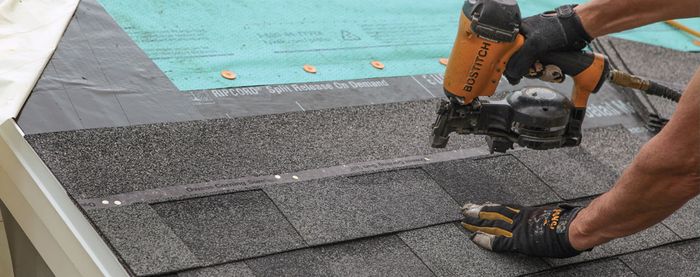
Should I Vent a Roof Insulated With Spray Foam?
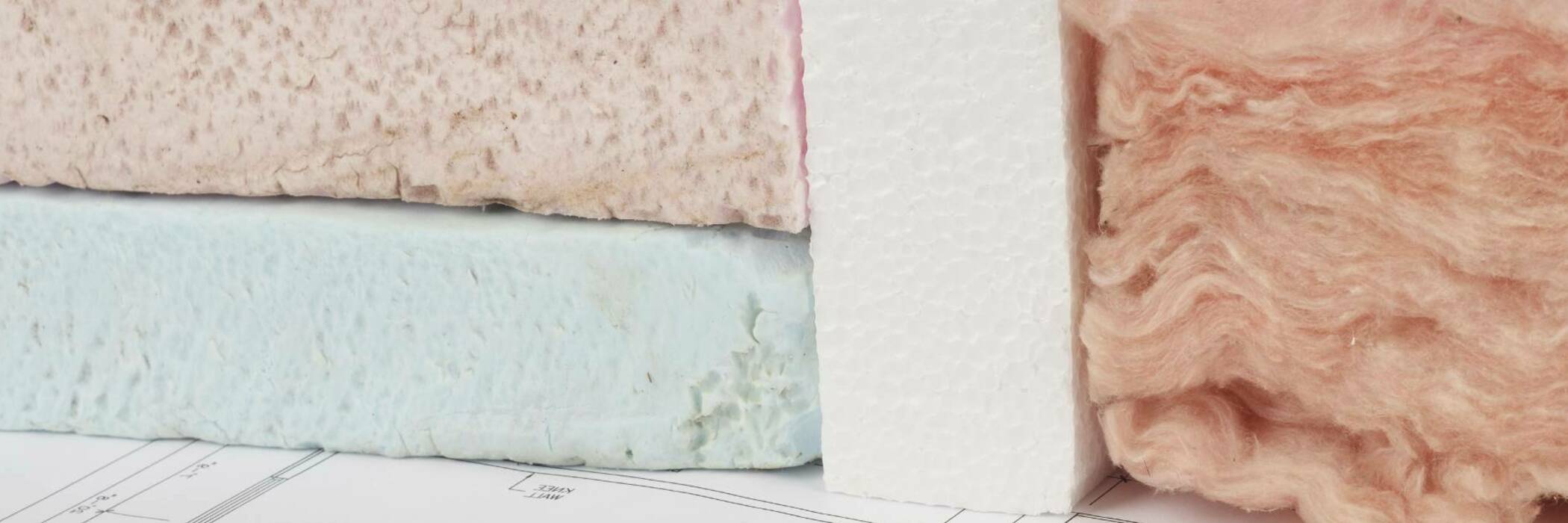
Home insulation materials

The Best Expanding Foams for Sealing Gaps, Tested

Making the Case for Spray Foam as a Continuous Solution
A New Take on Insulating a Roof
9 basement insulation ideas


Spray Polyurethane Foam Frequently Asked Questions FAQ by Homeowners

6 types of attic insulation and how to pick one for your home

The best floor insulation options for your home, explained

Spray Foam FAQ for Homeowners

Old Drafty House Owners: The Pros and Cons of Retrofit Insulation

How to insulate a loft

Closed-Cell Foam Vs. Open-Cell Foam

Loft Insulation

Are Weather Conditions OK to Spray Today?
This is how to get your roof and loft insulation right so that your home stays warm and energy efficient all winter long
Harrisonburg hot yoga studio keeps moisture out