1/2
Making the Case for Spray Foam as a Continuous Solution
As building codes continue to evolve, the integration of continuous insulation solutions into building envelopes is becoming increasingly critical for enhancing building performance. The U.S. Department of Energy defines continuous insulation as a system that runs continuously over structural members, free from significant thermal bridging, and can be installed on the interior, exterior, or integral to any opaque surface. Thermal bridging, where heat bypasses insulation through other materials, negatively impacts energy efficiency, temperature control, and indoor air quality.
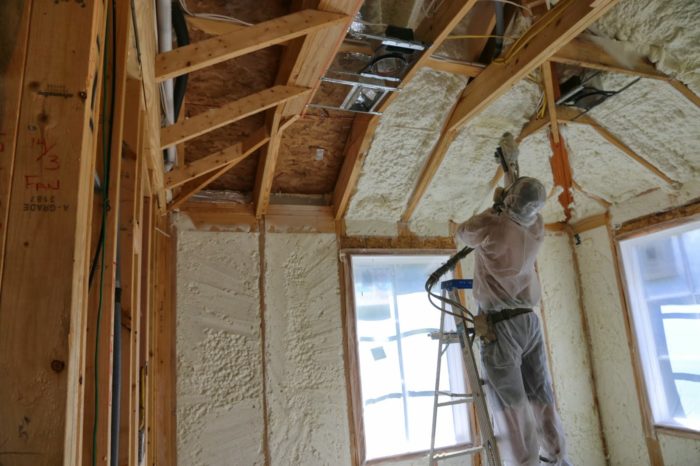
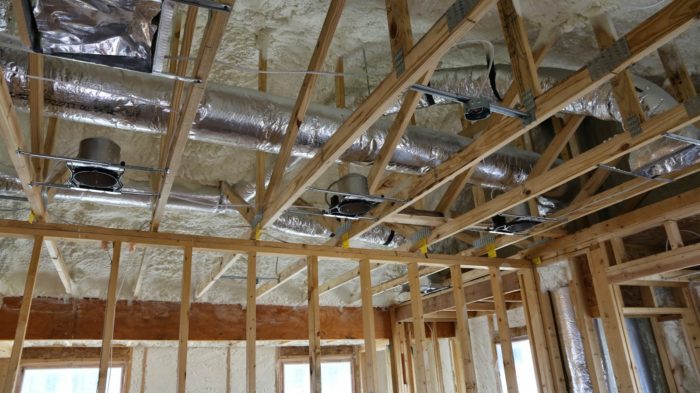
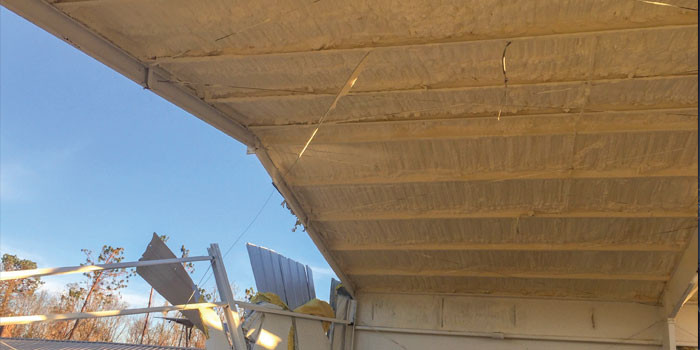
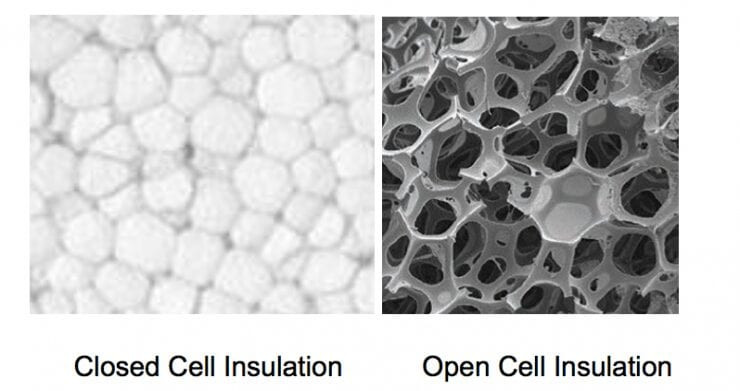
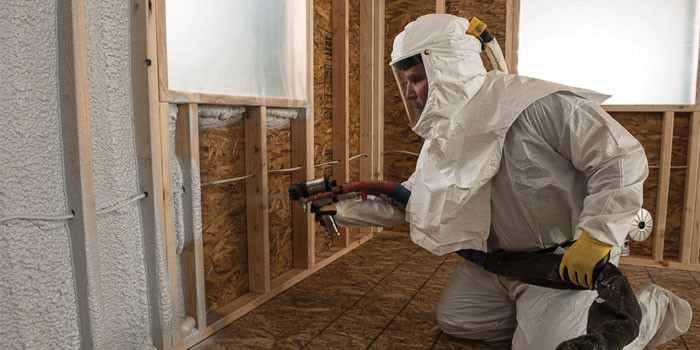
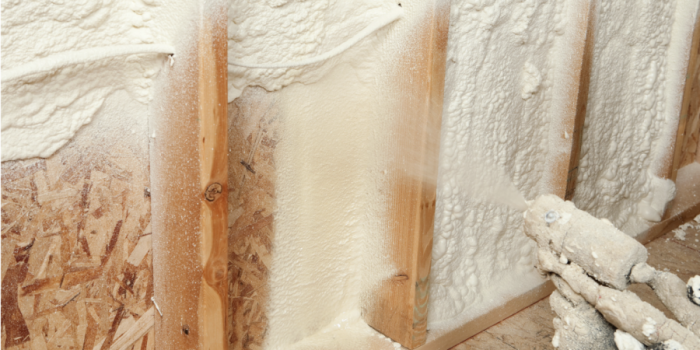
Spray foam stands out as an ideal solution for continuous insulation due to its versatility, serving effectively as both an exterior and interior cavity insulation. Its key attributes include superior air sealing, robust thermal and moisture control capabilities, and, in the case of closed-cell spray foam, enhanced strength and resilience. Furthermore, its ability to conform to irregular and hard-to-reach spaces surpasses the performance of many traditional insulation materials.
Successful integration of spray foam requires early and collaborative planning among architects, specifiers, contractors, and builders. A thorough understanding of the space's design, material properties, and specific architectural features like balconies or floor slabs is essential to select the most appropriate products. Early consultation of building codes, including those related to energy efficiency, safety, and fire prevention, is also crucial to ensure compliance and optimal system performance.
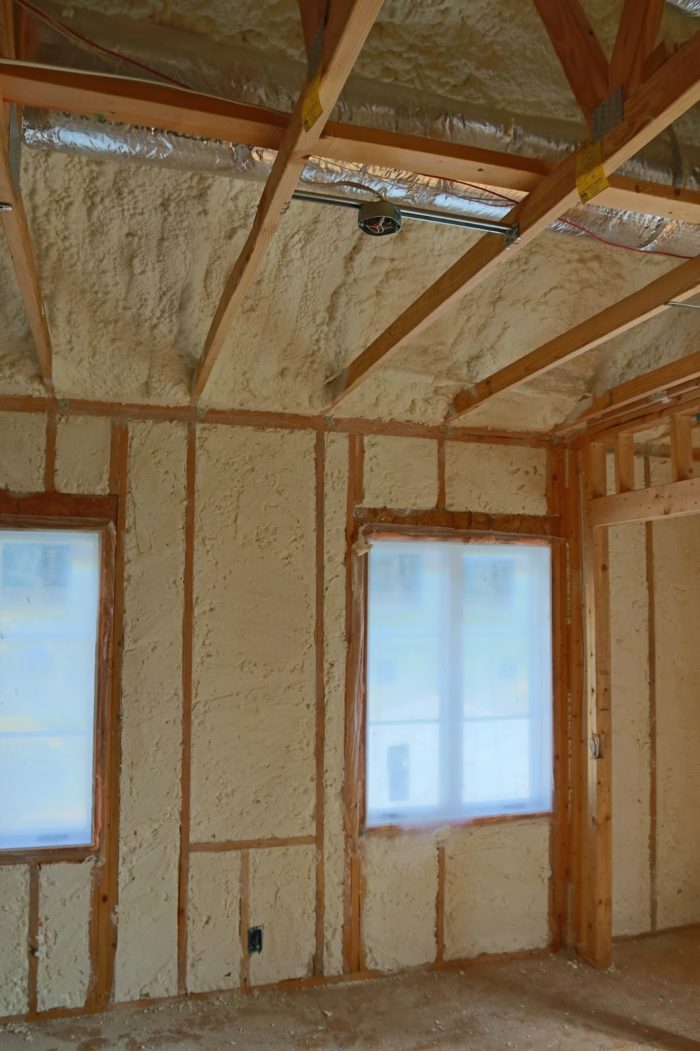
For interior cavity applications, spray foam offers numerous short- and long-term benefits. It functions as a multi-purpose material, providing thermal insulation, an air barrier, and a vapor retarder. Closed-cell spray foam also significantly increases the racking strength of walls and helps maintain structural integrity under stress. Its effectiveness in sealing various surfaces, such as walls, roofs, and corners, dramatically reduces air leaks and drafts, leading to substantial reductions in heating and cooling costs for occupants. The long-term performance of spray foam relies heavily on high-quality installation, ensuring the material retains its form and benefits over time while contributing to the overall structural strength.
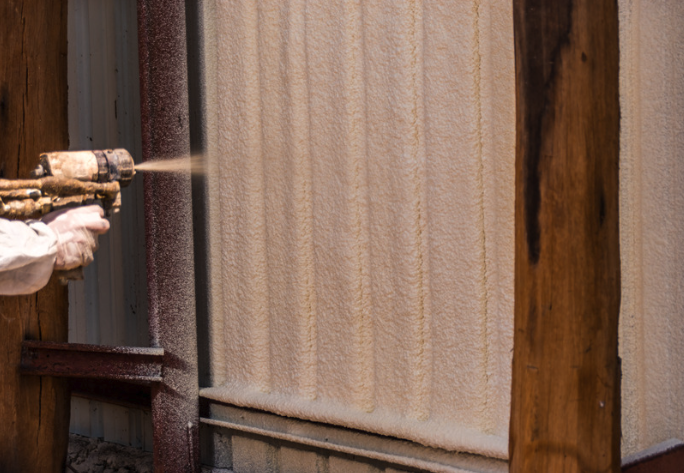
As an exterior solution, closed-cell spray foam forms an effective continuous insulation layer. Applied over exterior sheathing materials like gypsum or wood panels, it seals around window and door flashings, creating a robust air and water-resistive barrier against environmental elements. This application should follow the installation of cladding attachments, such as brick ties or clip and rail systems, allowing the spray foam to seal around them. The high thermal performance of closed-cell spray foam often permits thinner insulation systems, simplifying the installation of windows, doors, and various cladding systems.
Finally, when incorporating spray foam as part of a continuous insulation system, it is vital to consider the specific type and function of the walls involved. A well-designed wall system, with proper adherence to the substrate, must effectively manage heat flow, air leakage, wind, and moisture. By considering spray foam early in the planning and design process, these critical objectives can be met, leading to a highly efficient and durable building envelope.
#ContinuousInsulation #SprayFoam #BuildingCodes #EnergyEfficiency #ThermalBridging #BuildingEnvelope #InsulationInstallation #ClosedCellSprayFoam #BuildingPerformance #ContinuousInsulation #SprayFoam #BuildingCodes #EnergyEfficiency #ThermalBridging #BuildingEnvelope #InsulationInstallation #ClosedCellSprayFoam #BuildingPerformance
0 comment in total
 No comments yet
You may also like
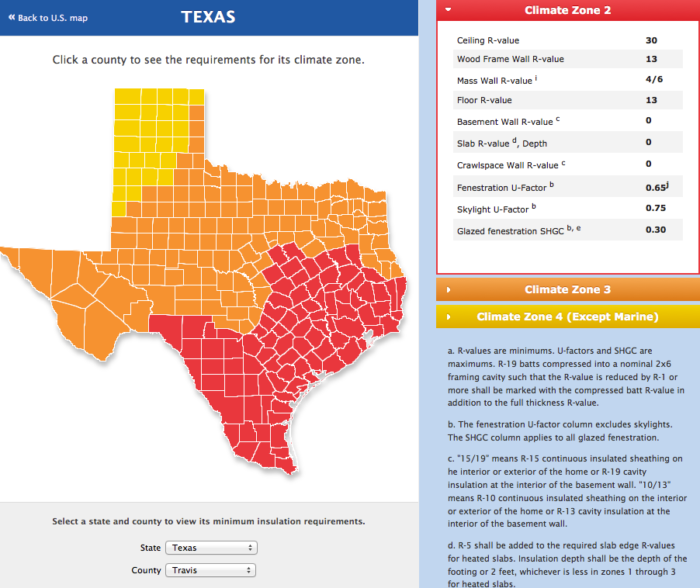
How to Use Spray Foam to Meet New Energy Codes in Warm Climates


Spray Foam in Extreme Climates

Foam, Sealant & Caulking Guns


Are Weather Conditions OK to Spray Today?

Spray Foam Insulation Expansion Reaches More Homes and Businesses


Spray Polyurethane Foam Frequently Asked Questions FAQ by Homeowners
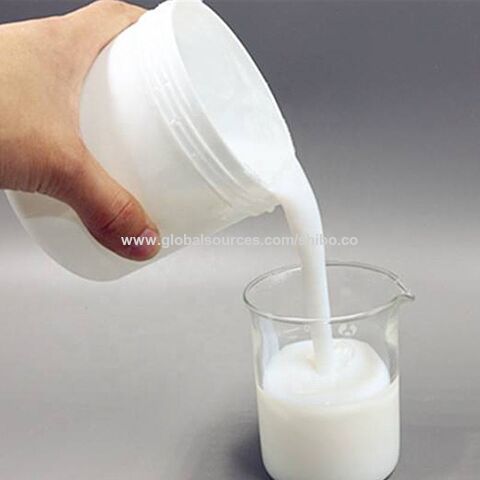
Sinopec VAE BJ 707 GW707 GW 705 Vinyl Acetate Ethylene copolymer VAE emulsion glue for building waterproofing coatings

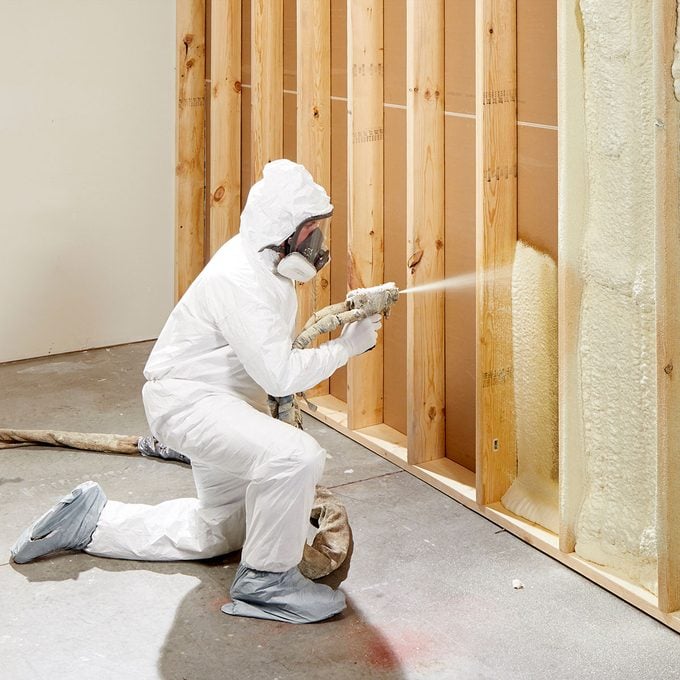
What Is Spray Foam Insulation?


Spray Foam FAQ for Homeowners

Closed-Cell Foam Vs. Open-Cell Foam
The Best Expanding Foams for Sealing Gaps, Tested


Spray Foam Insulation Contractor Expands to Serve More Homeowners and Businesses