
1/11
What’s the most underused design element?
This article explores various perspectives from 11 designers on what they believe to be the most underused design elements in residential and commercial spaces. The insights collectively highlight a shift from purely aesthetic considerations to a more holistic approach that emphasizes authenticity, sensory engagement, and emotional connection within designed environments.
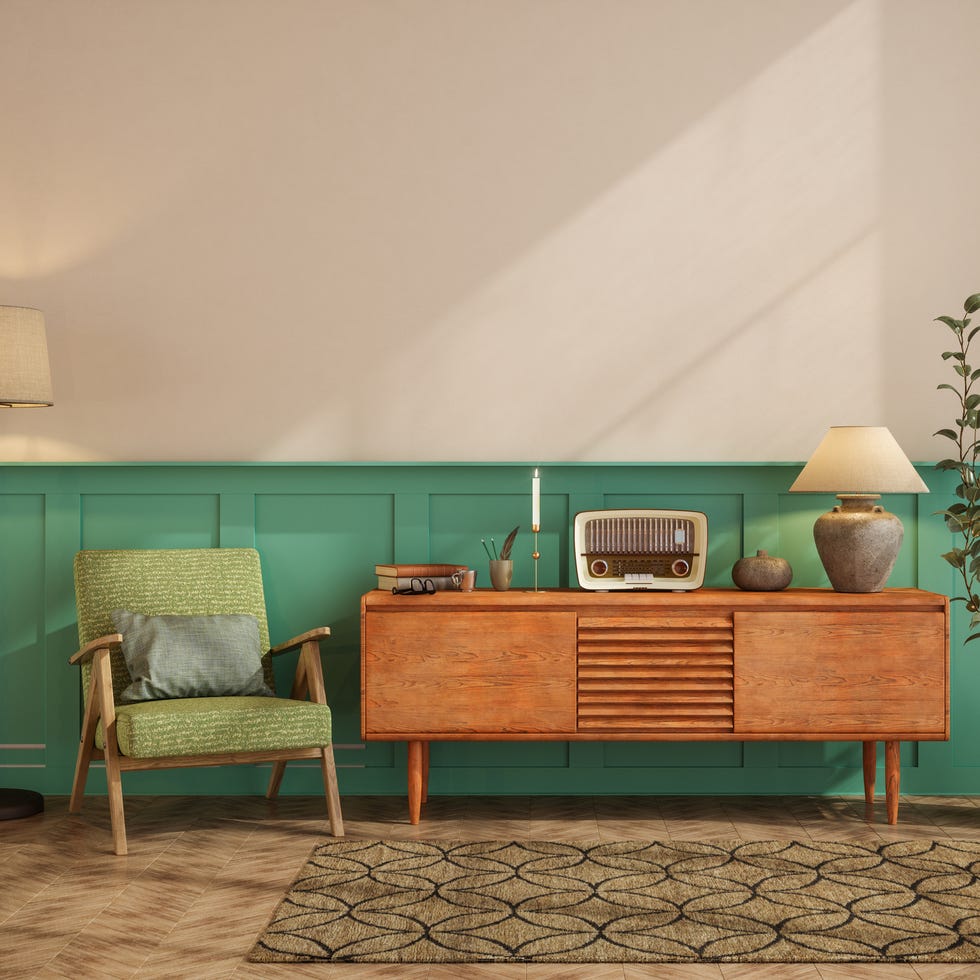
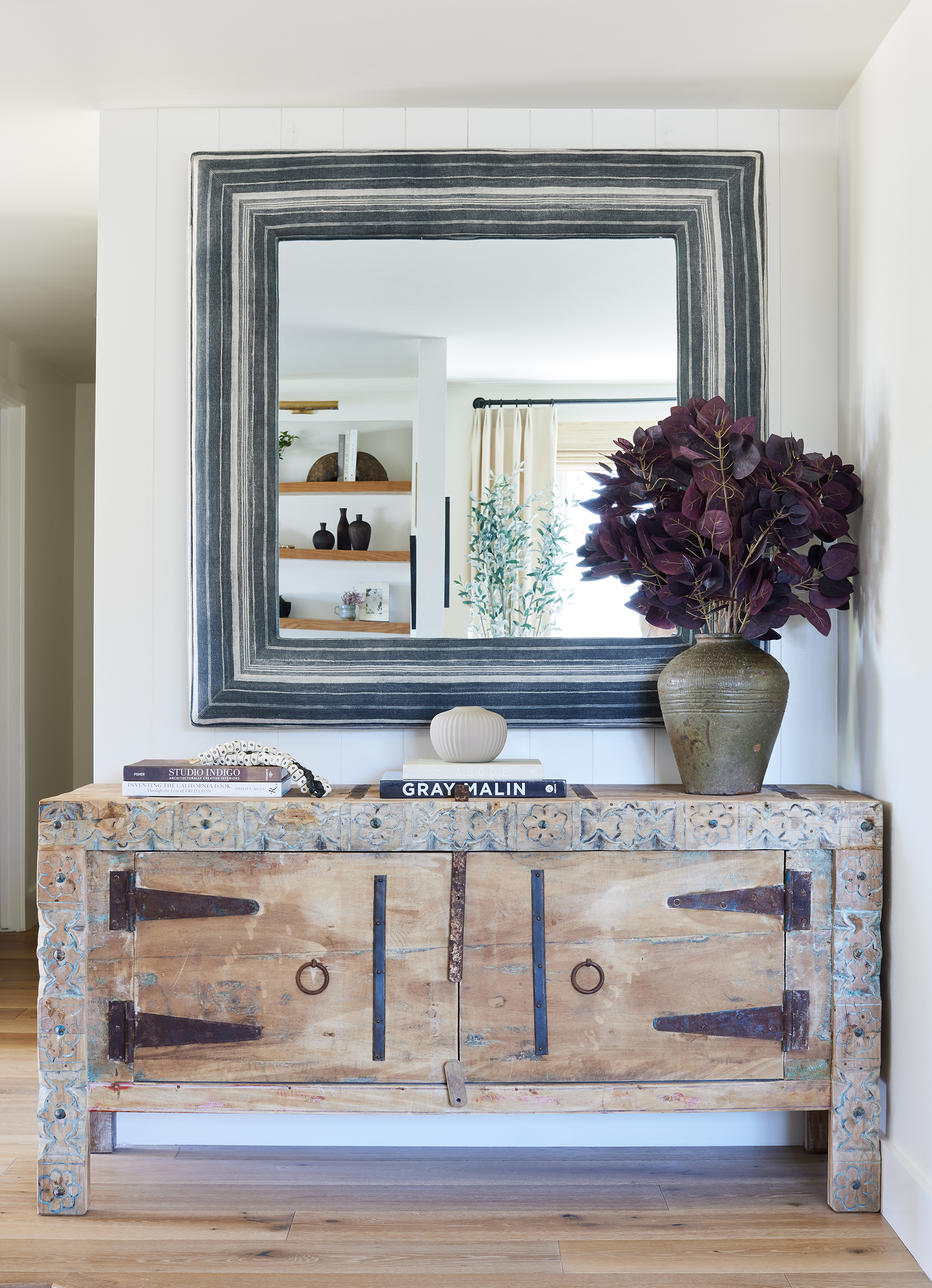
Sandy Baisley of Re-Find advocates for the integration of vintage, antique, and previously loved pieces. She notes that repurposing existing furniture not only contributes to environmental sustainability but also enriches a space with a sense of history, character, and uniqueness that new items cannot replicate. This approach celebrates the imperfect beauty of aged items, fostering an authentic and lived-in feel.
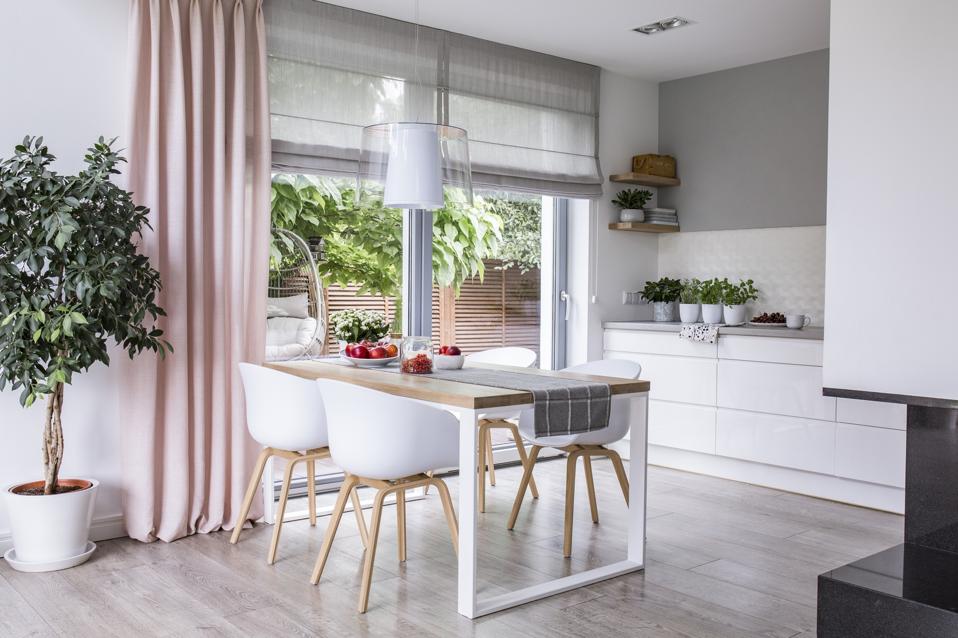
Corinne Ekle from c2Design points to sheer drapery and living finishes, such as unlacquered metals and natural wood, as overlooked elements. She emphasizes their ability to subtly transform light and add depth through natural patination over time. For Ekle, these sensory details introduce a dynamic element to design, reminding occupants that beauty can be found in evolution rather than just initial perfection.
Lidia Valdivia of Moonstone Design & Build champions the incorporation of cultural, global, and personal influences. As an immigrant, Valdivia views design as deeply intertwined with memory and meaning. She encourages clients to reflect on their upbringing and cultural experiences to create spaces that are emotionally resonant. Her designs often blend global living concepts, such as low-to-the-ground seating or indoor-outdoor flow, to foster a sense of calm and connection, suggesting that a home should reflect personal narratives and cultural heritage rather than mere decoration.
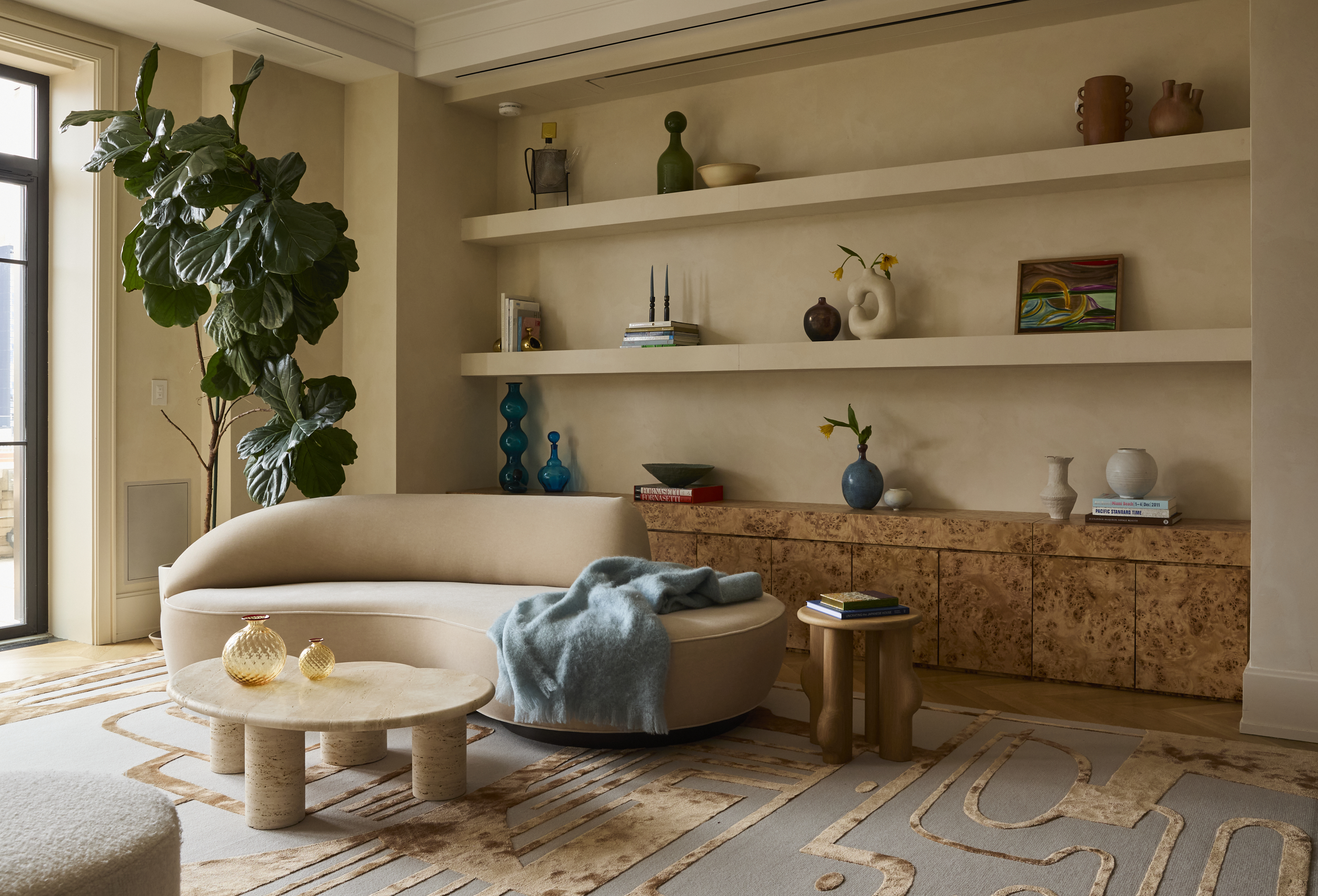
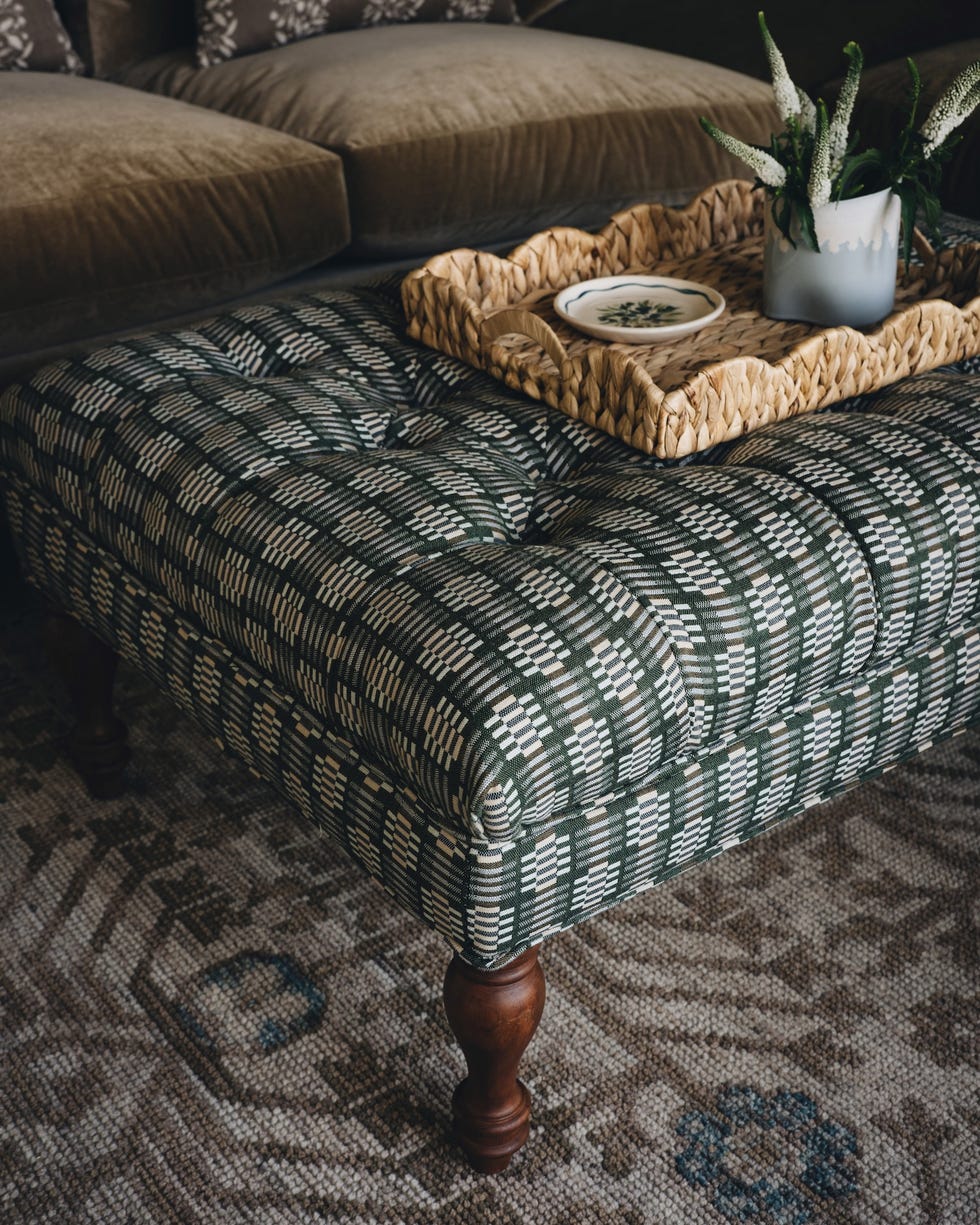
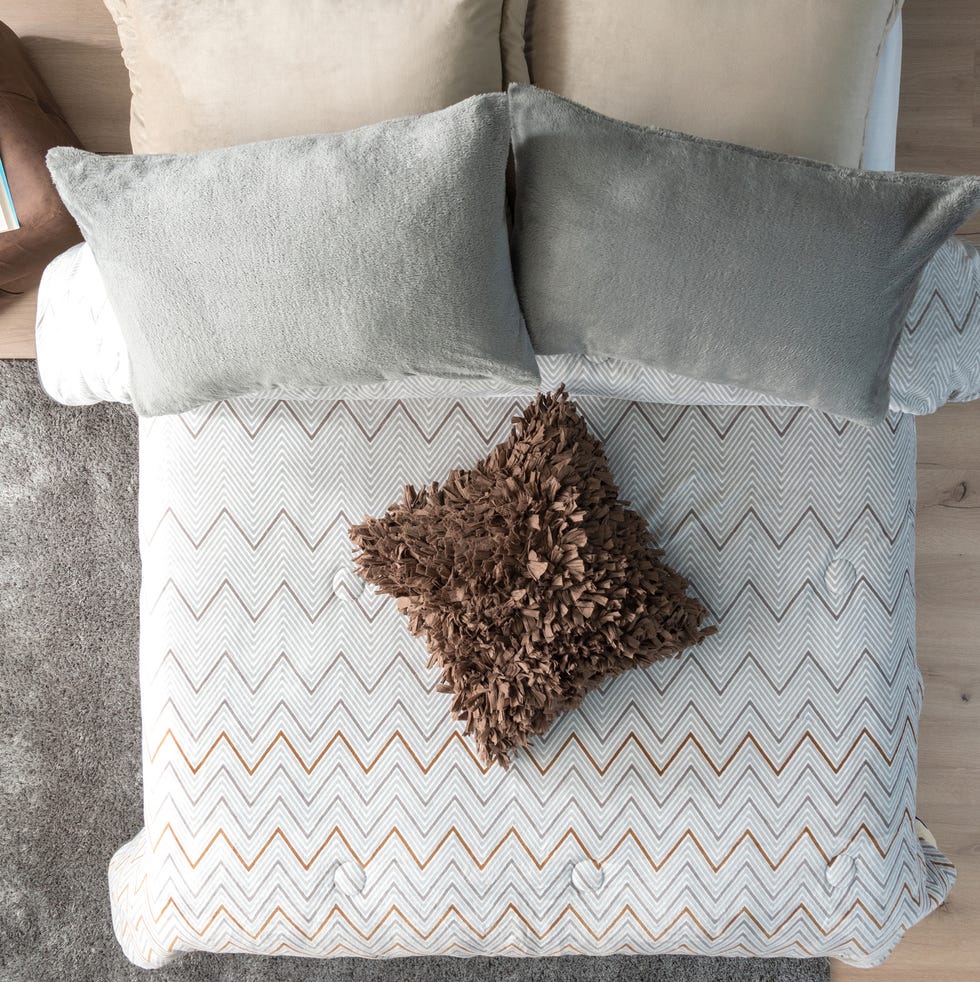
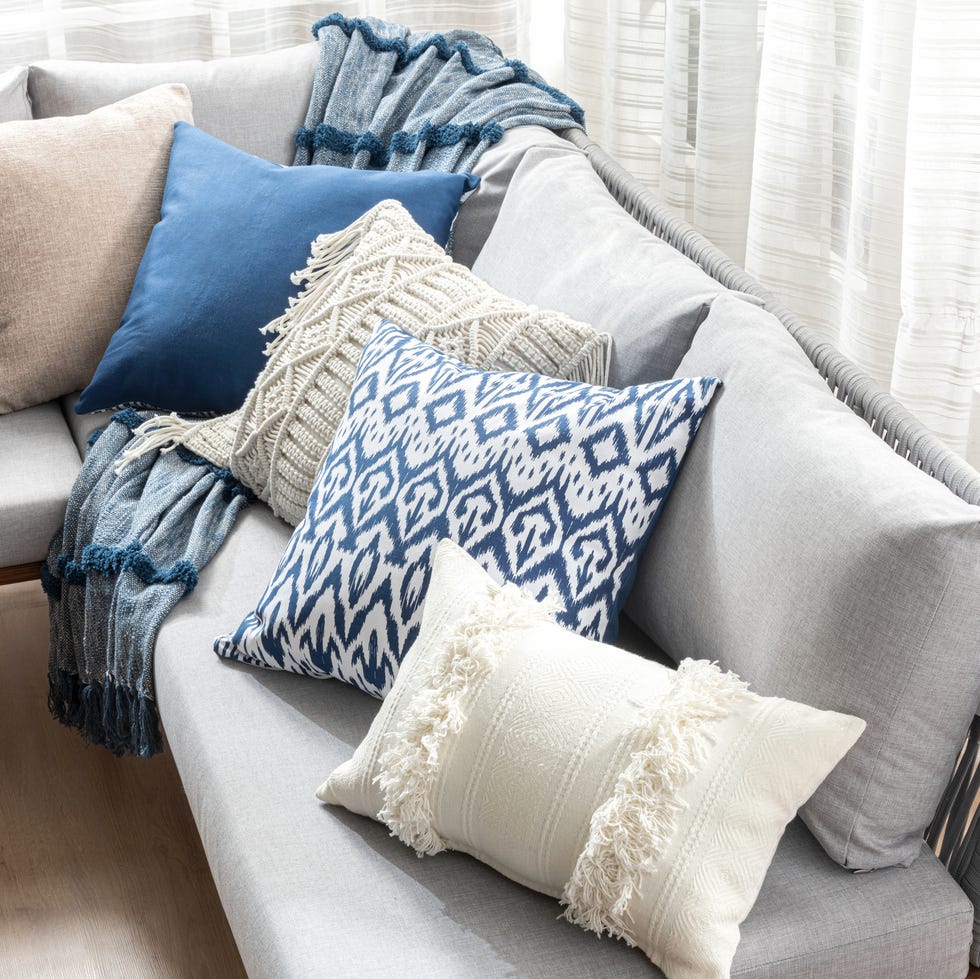
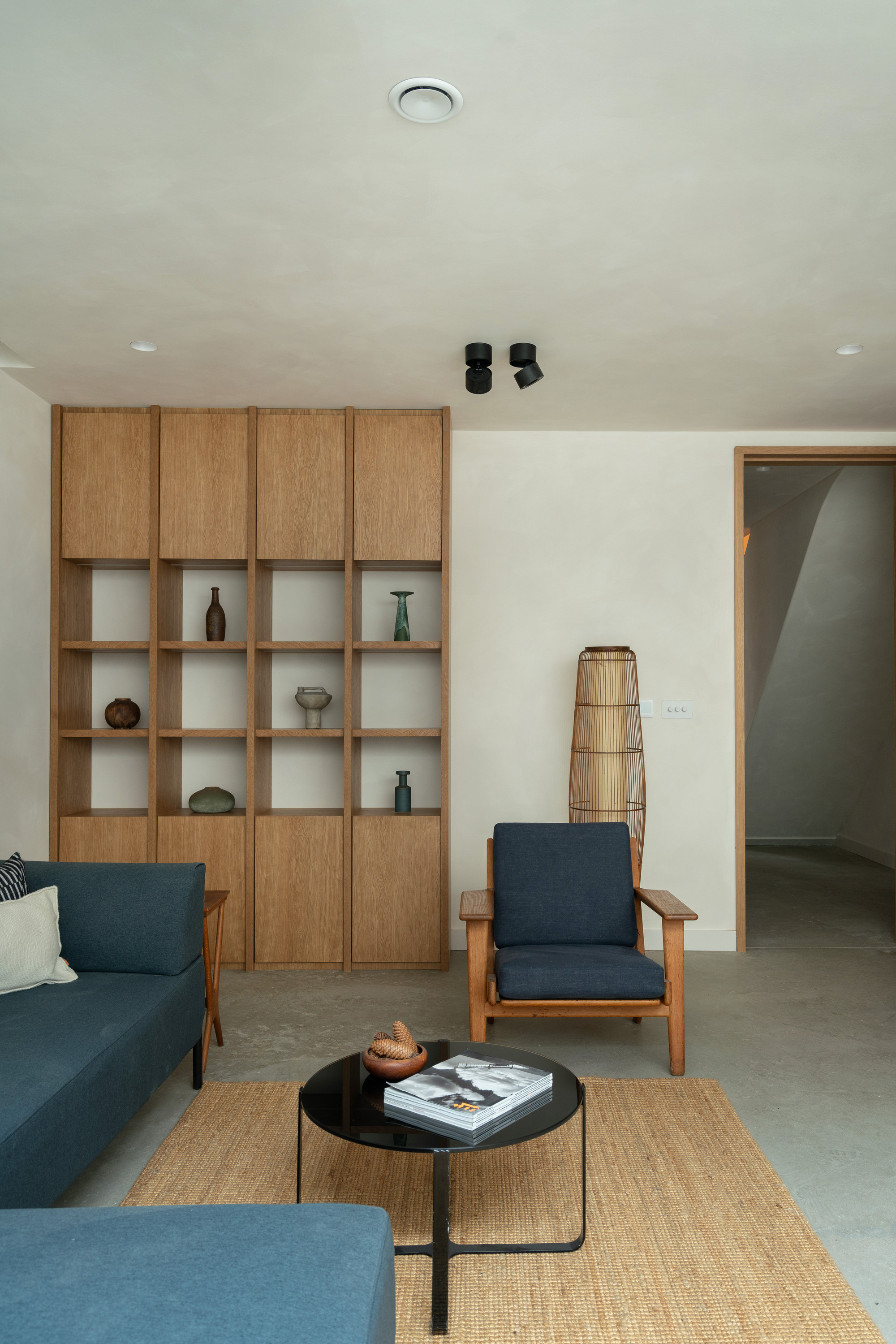
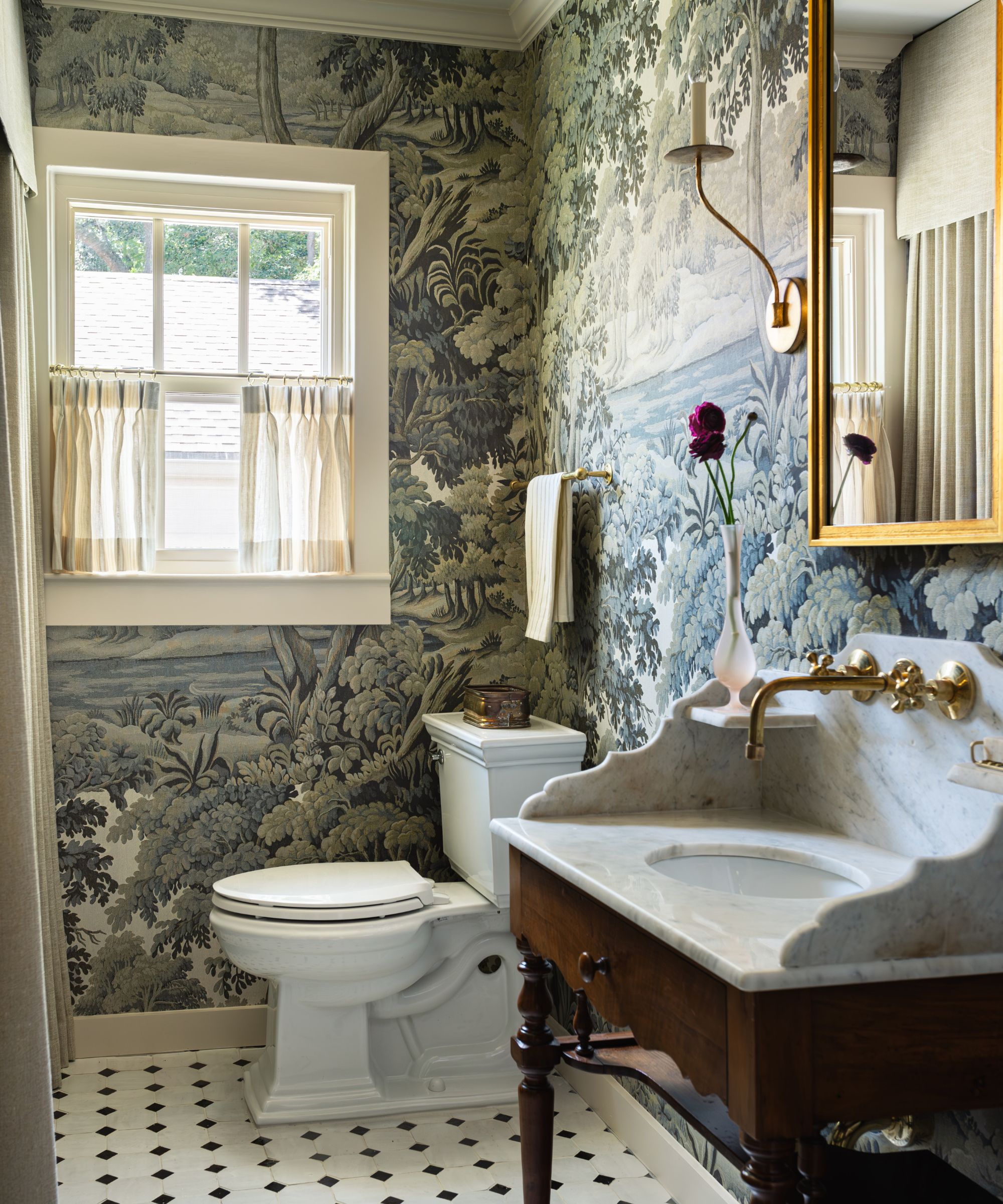
Jennifer Worts of Jennifer Worts Design identifies texture as a critically underused element, often overshadowed by the pursuit of visual minimalism and clean lines. She argues that while a minimalist aesthetic can be visually sparse, a lack of varied textures strips a space of depth and character. Worts advocates for deliberate layering of different finishes, such as sueded plaster, natural stone, plush mohair, and natural woods, to engage both sight and touch, thereby creating a rich, welcoming, and complete sensory experience without sacrificing a sleek or neutral look.
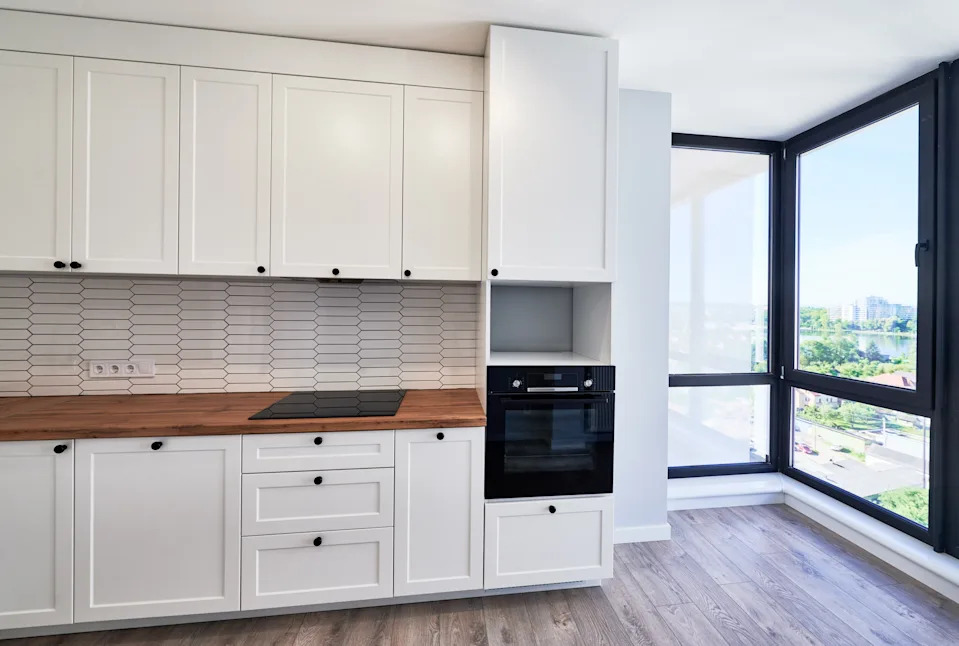
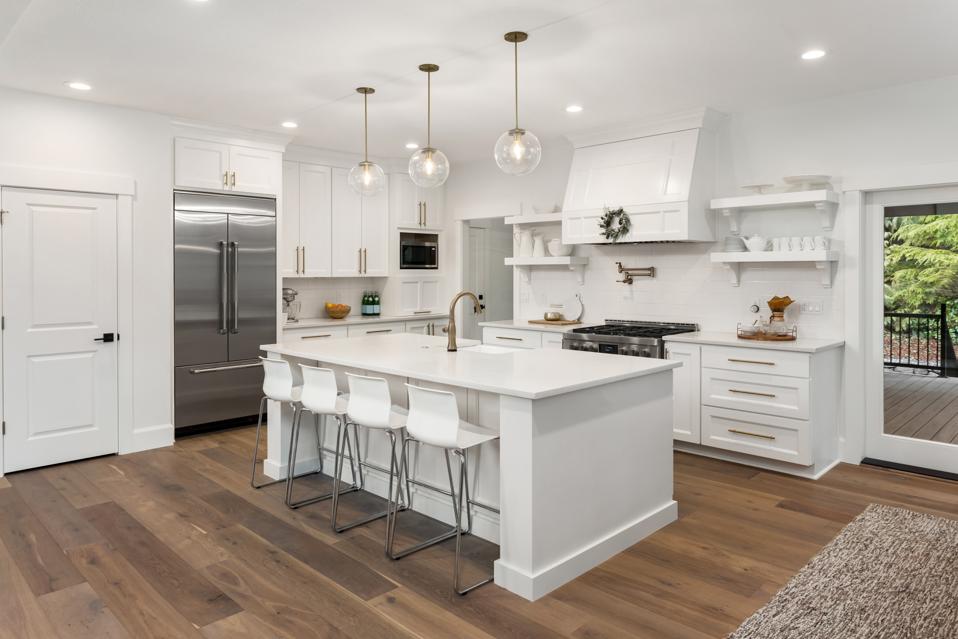
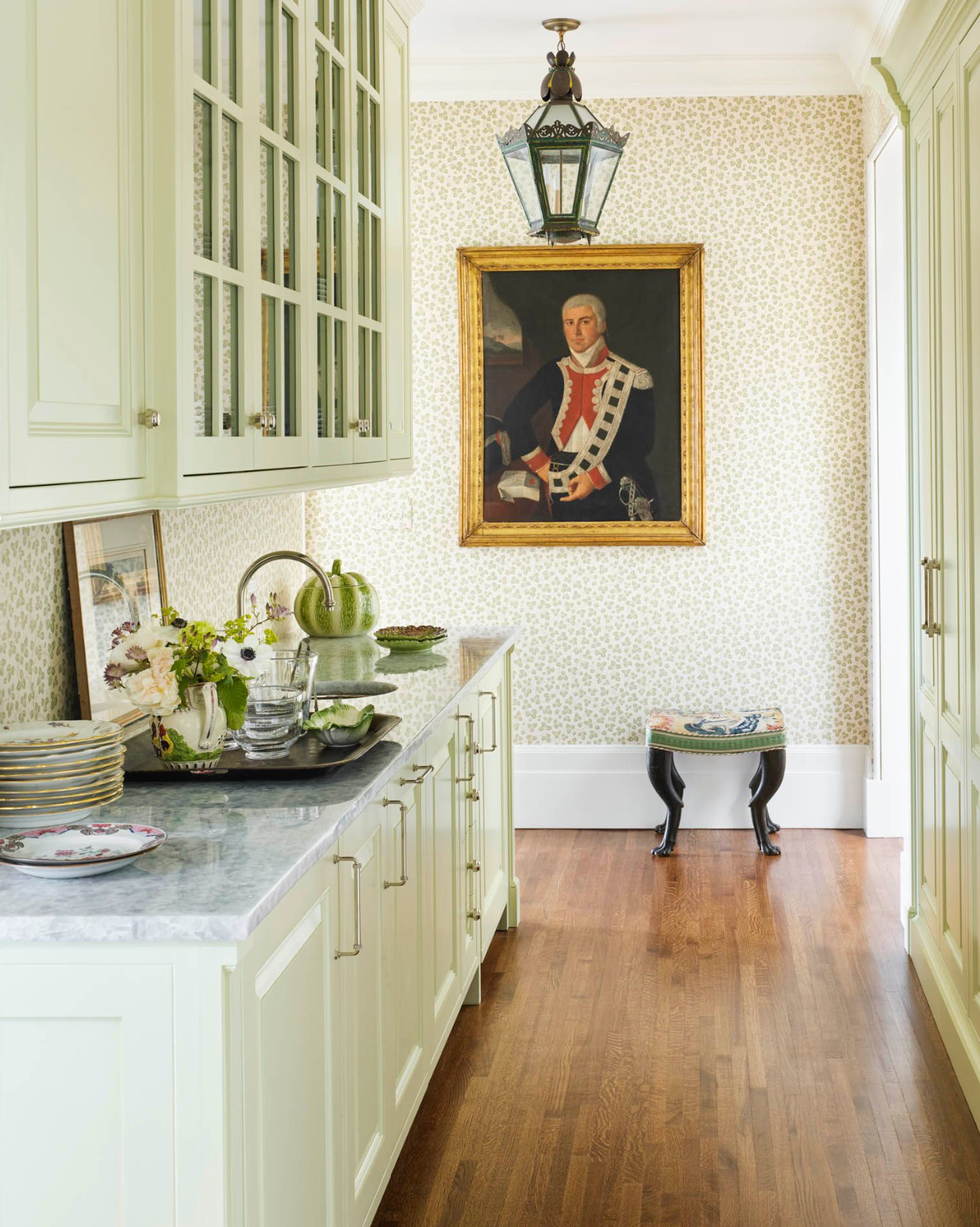
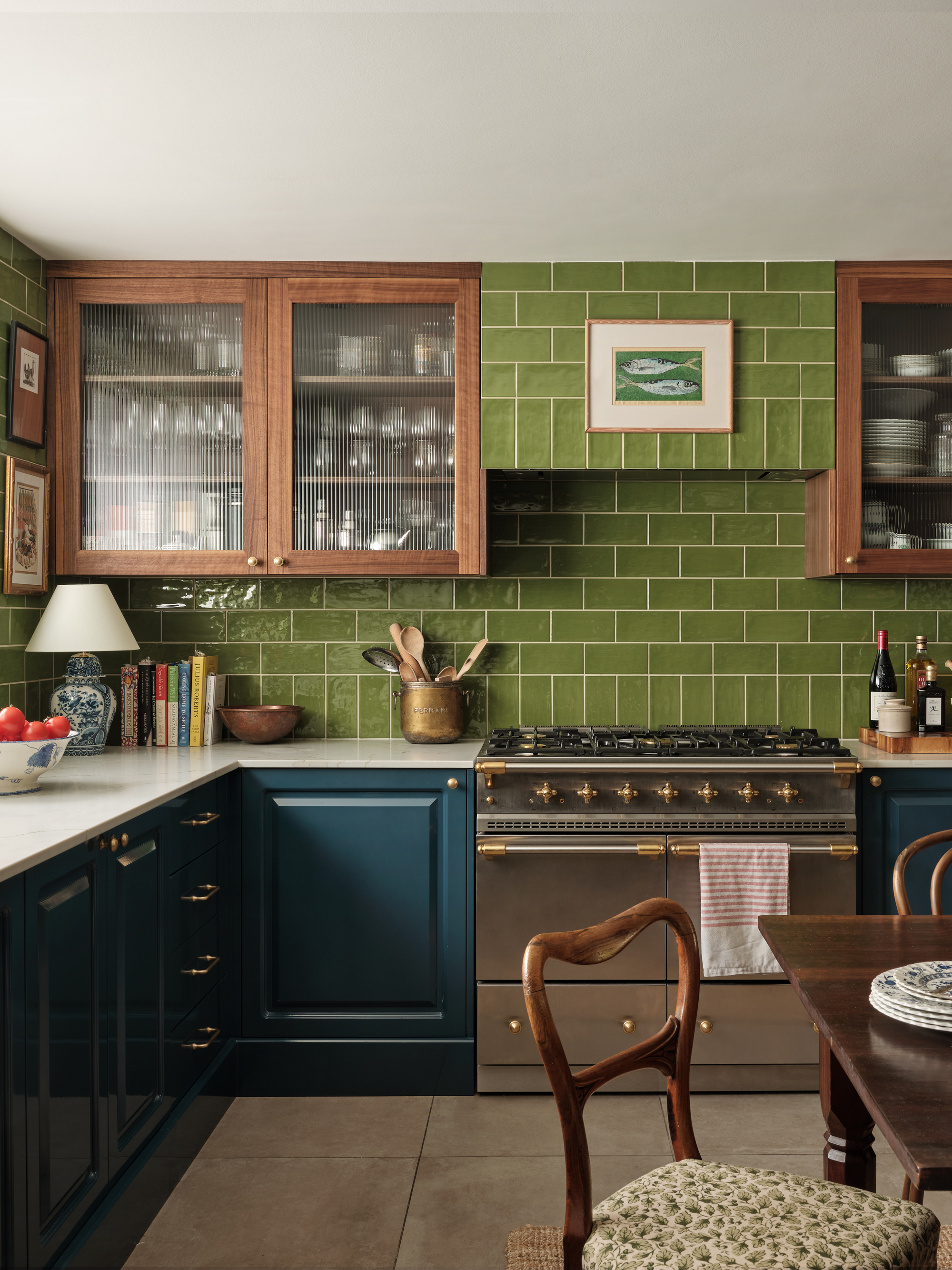
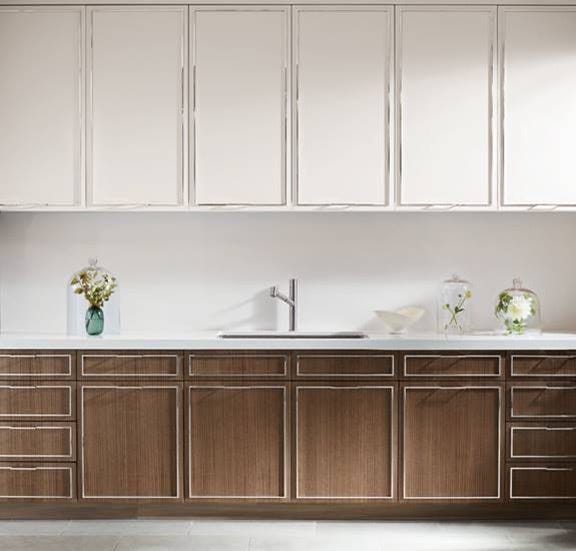
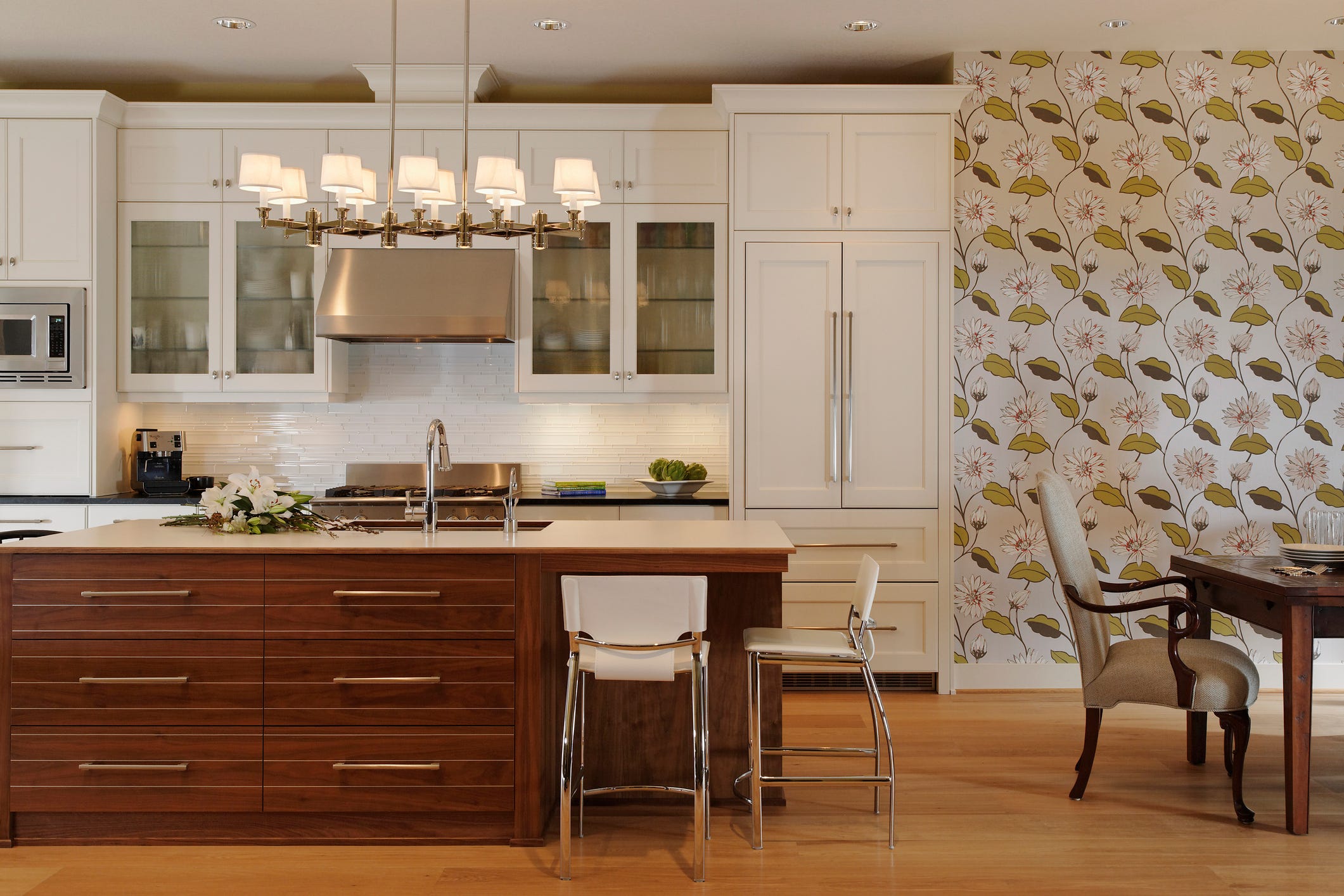
Cyndy Cantley of Cantley & Company highlights the importance of warmth and authenticity, particularly in kitchens. She appreciates elements like aged hardware, patinated marble, soft lighting, and inherited pieces, believing these contribute to a home's character and make it feel truly lived-in and comfortable. Cantley suggests that character endures long after initial perfection fades.
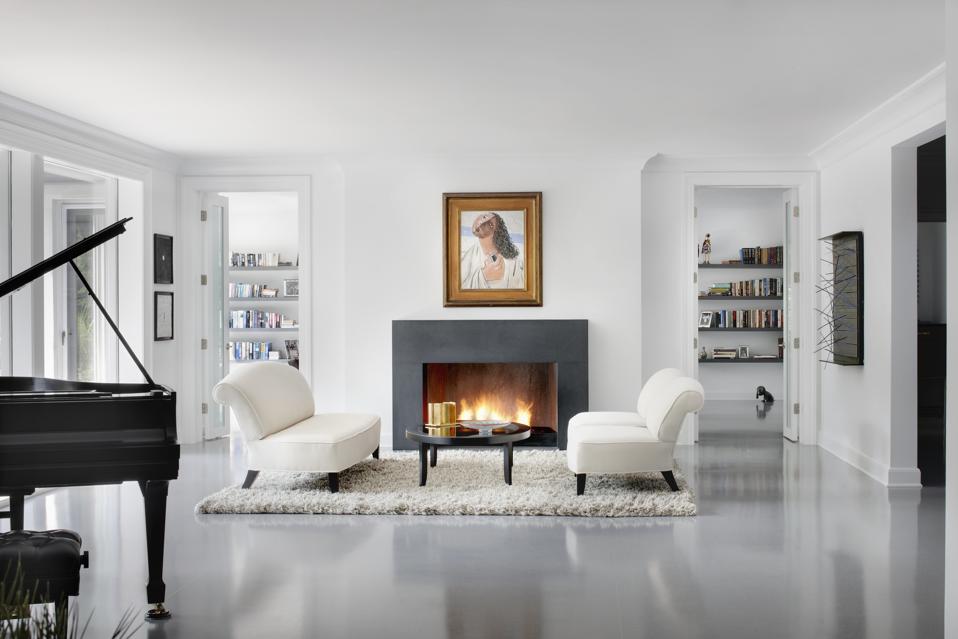
Libby Baker of Baker Design Co. emphasizes the value of negative space, asserting that many spaces are often overloaded with furniture, art, and accessories. She argues that leaving intentional blank areas allows a room to breathe, providing visual relief and a more pleasing aesthetic. This concept challenges the maximalist tendency by promoting a sense of spaciousness and tranquility.
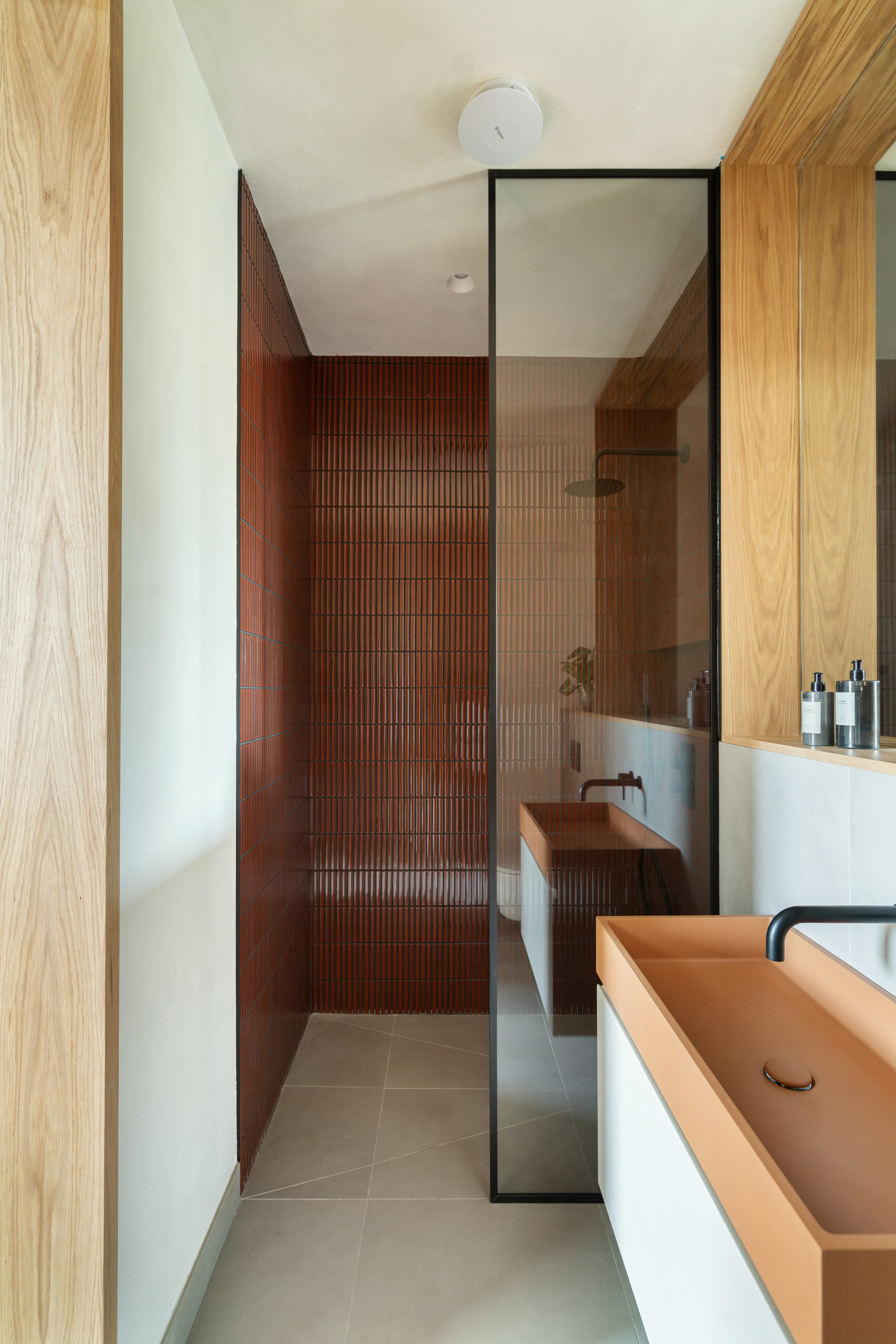
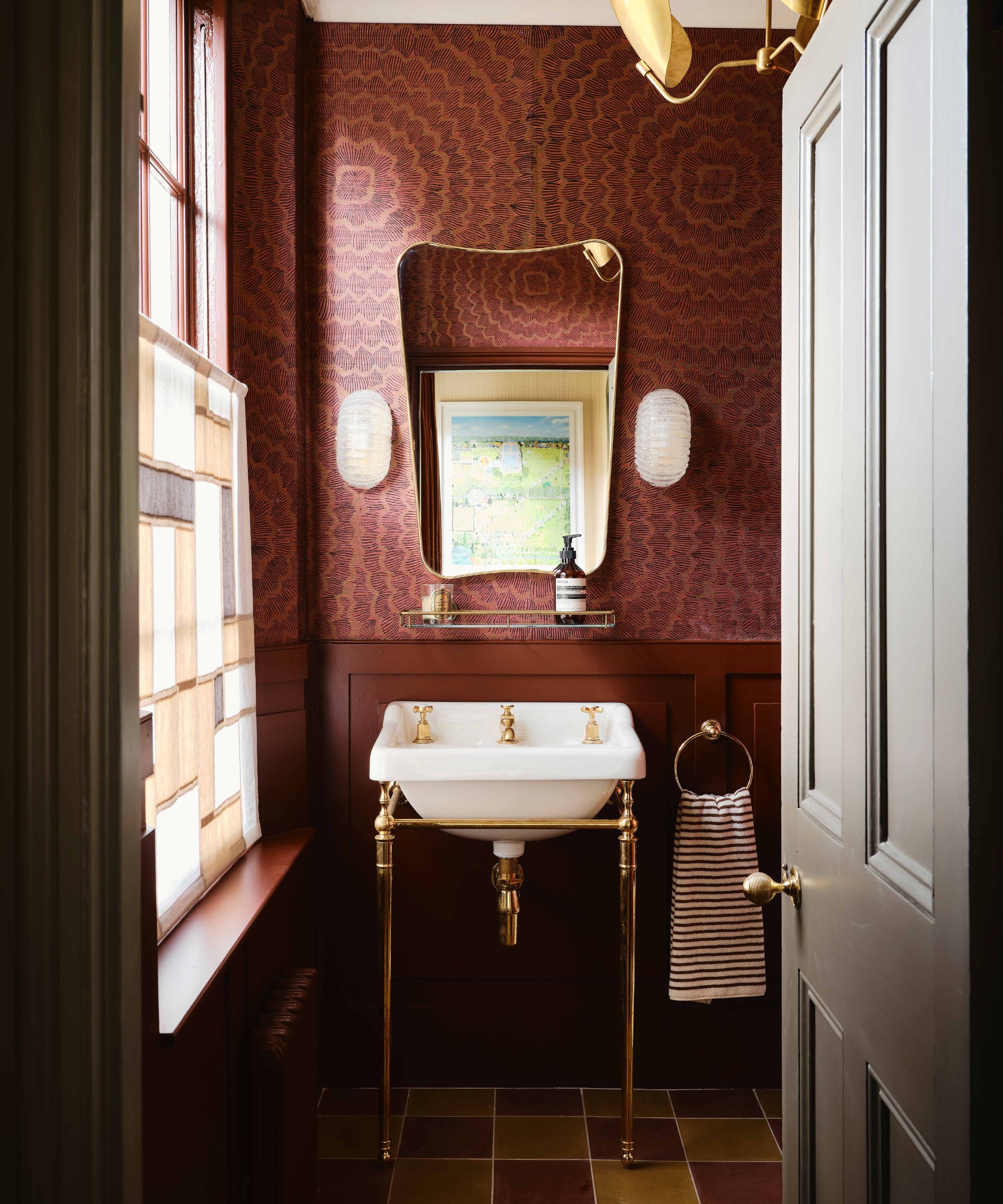
Marcela Restrepo of Lamarc Studio focuses on the often-neglected functional aspects of bathroom design, specifically ventilation and storage. She contends that when these elements are considered architecturally from the outset, they enhance the overall experience, leading to more refined and calming spaces. Examples include concealed ventilation and integrated vertical storage, which maintain aesthetic integrity while improving practicality.
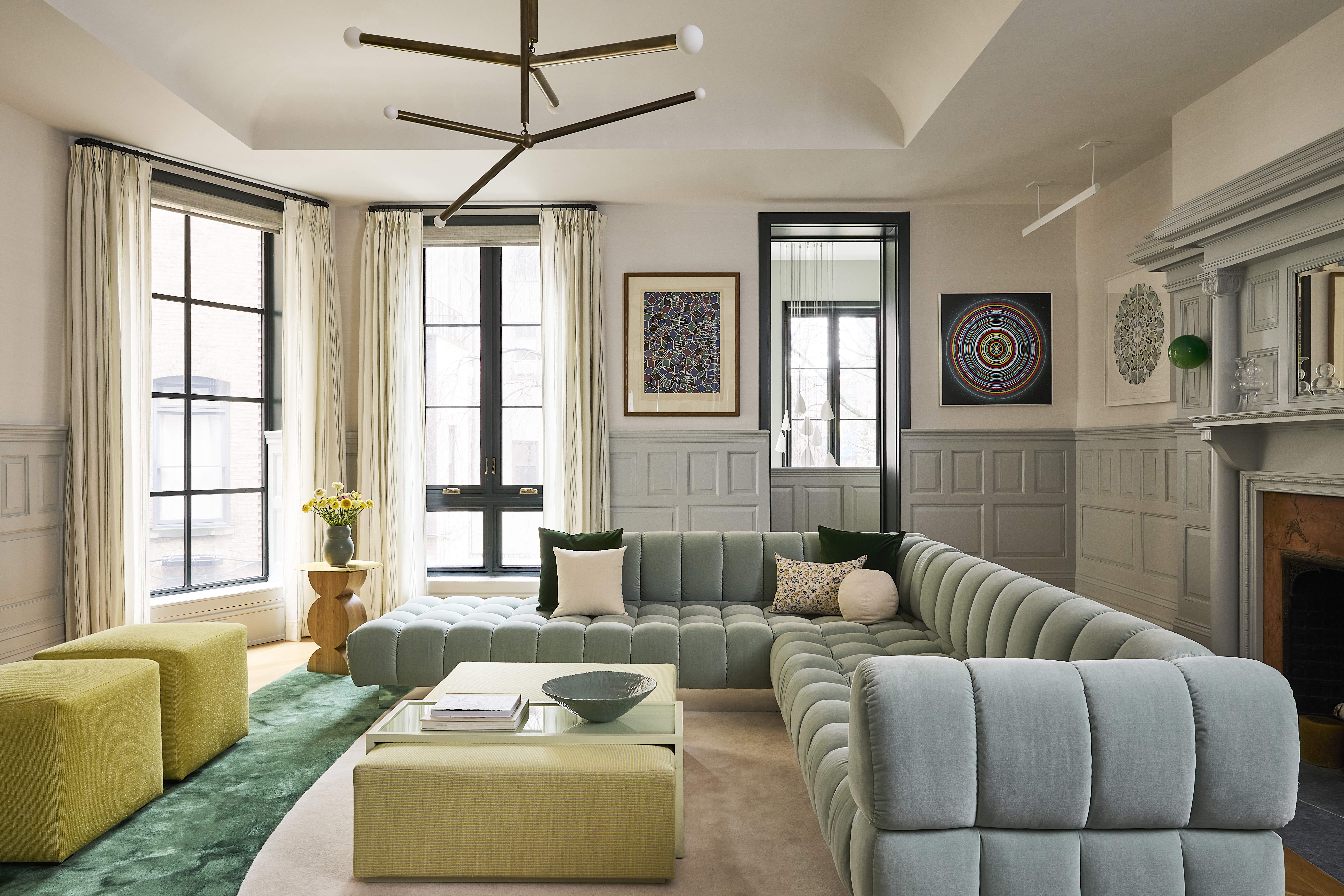
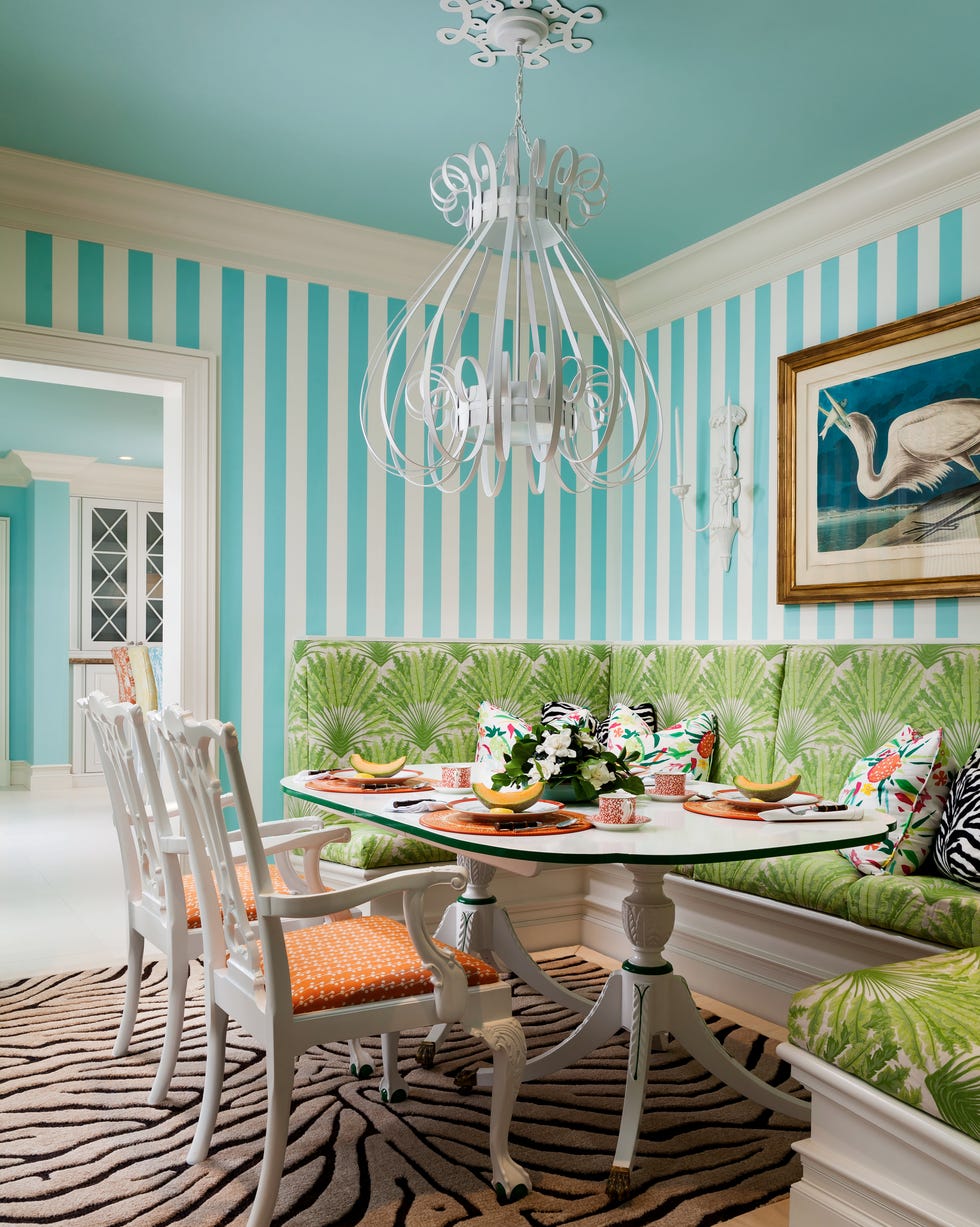
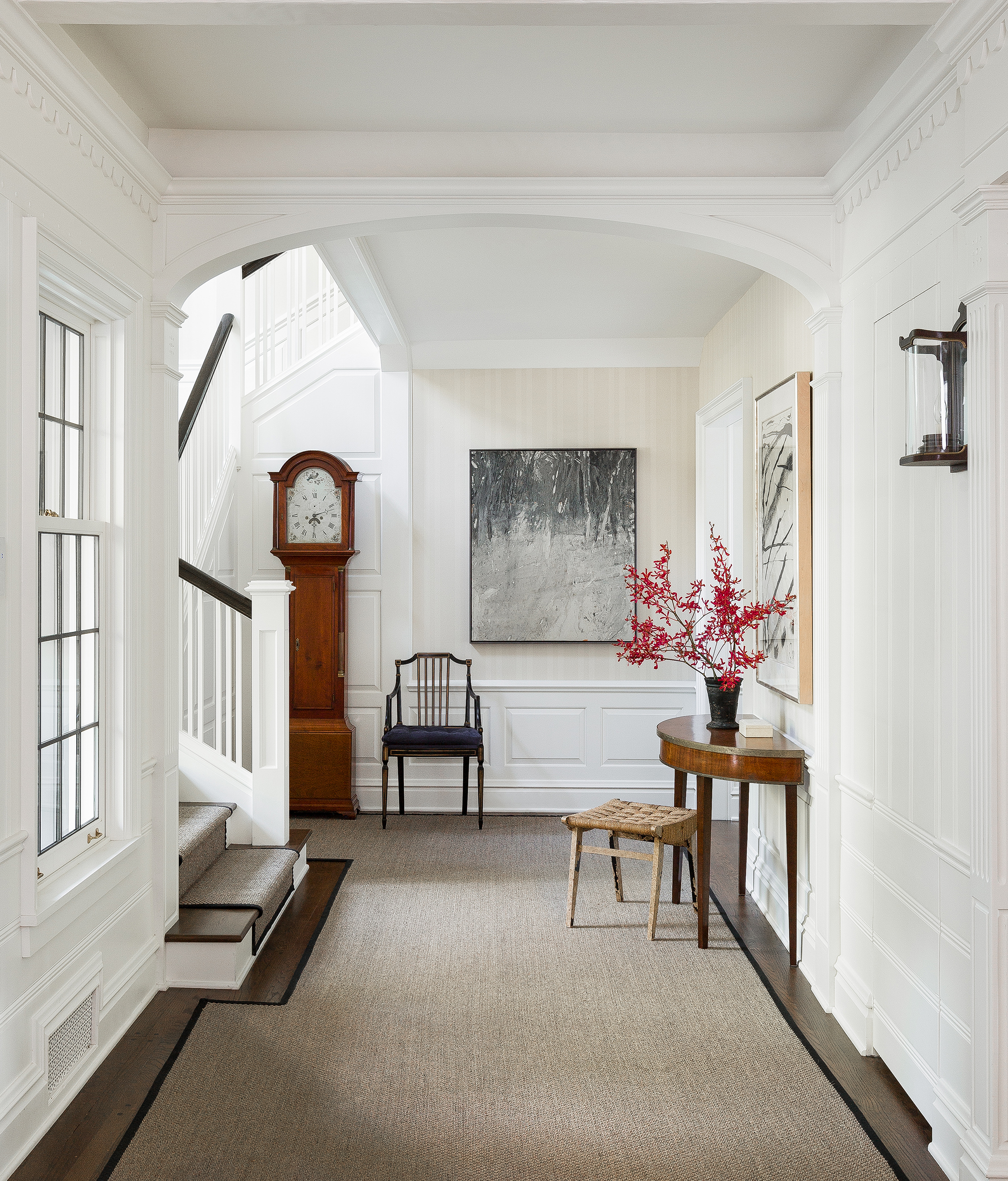
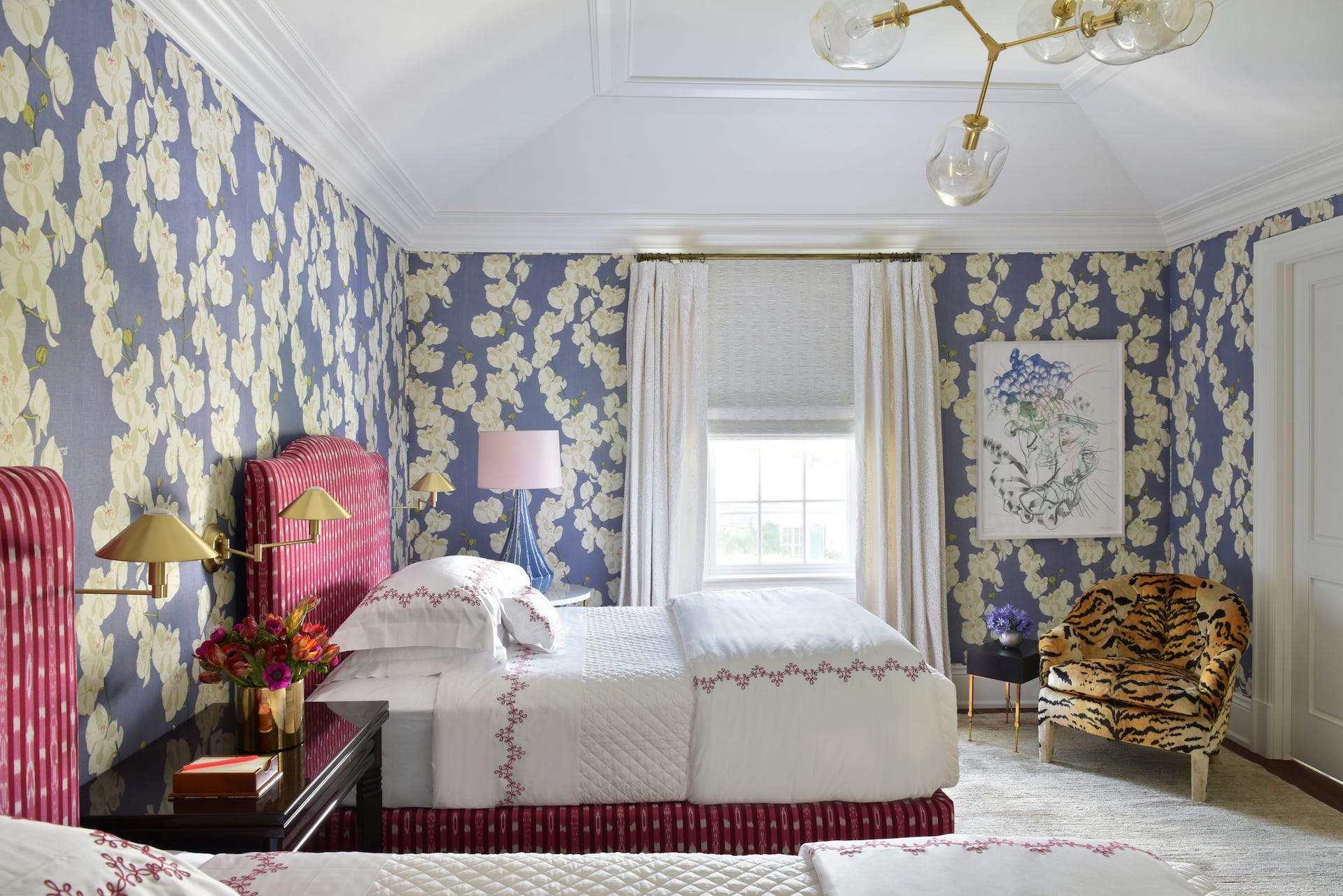
Lisa Erdmann of Lisa Erdmann Interiors points to the ceiling as the most underused design element. She highlights its potential as a large, often-ignored surface that can significantly enhance a room’s character. Erdmann suggests various treatments such as molding patterns, beams, wallpaper, or plaster to add visual interest and personality, tailored to the home’s style.
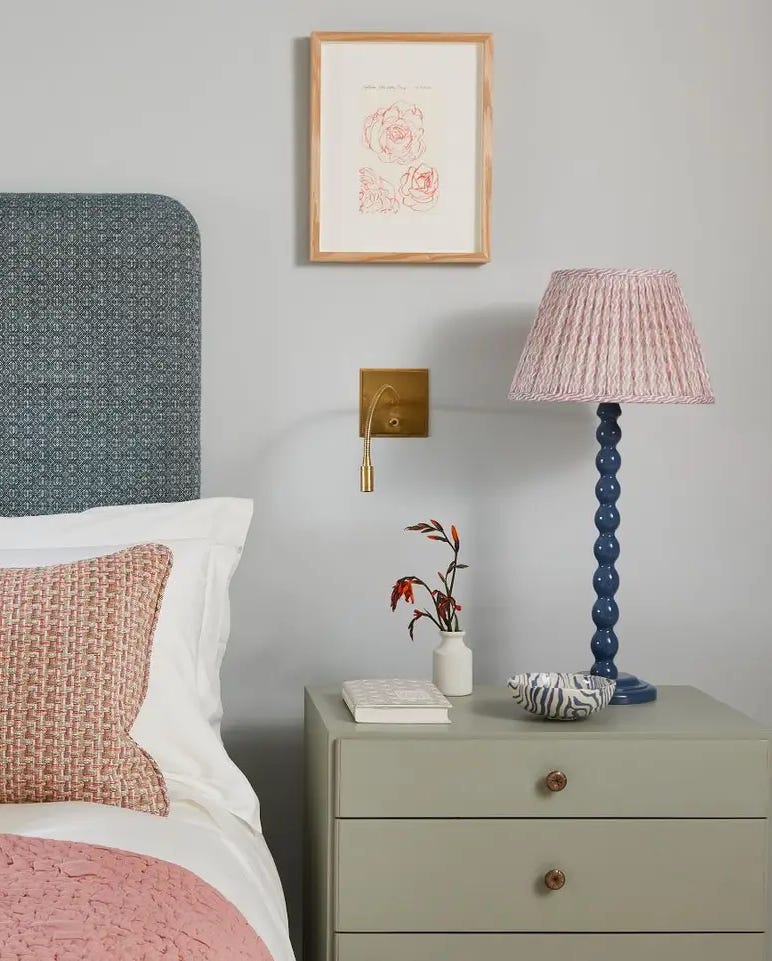
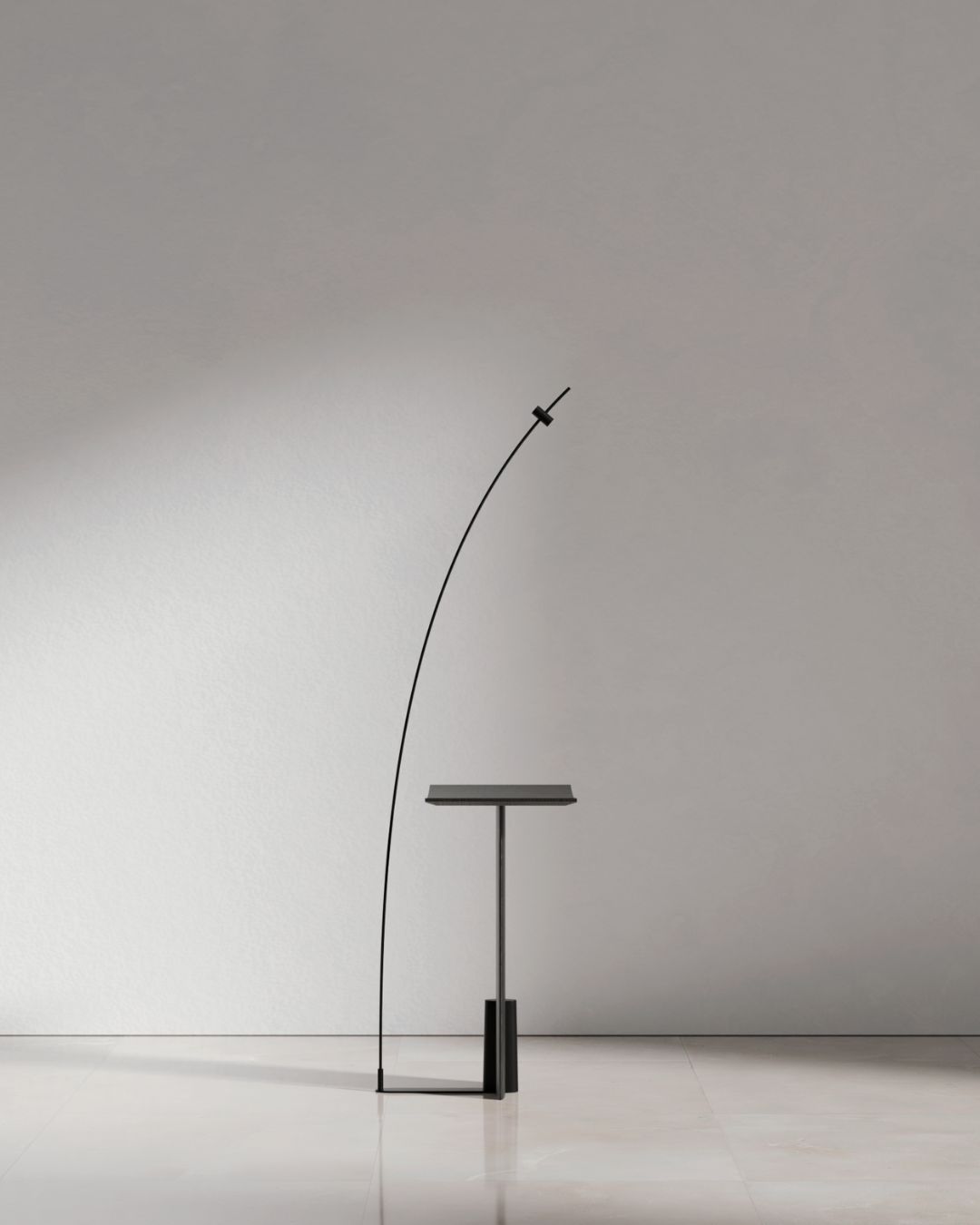
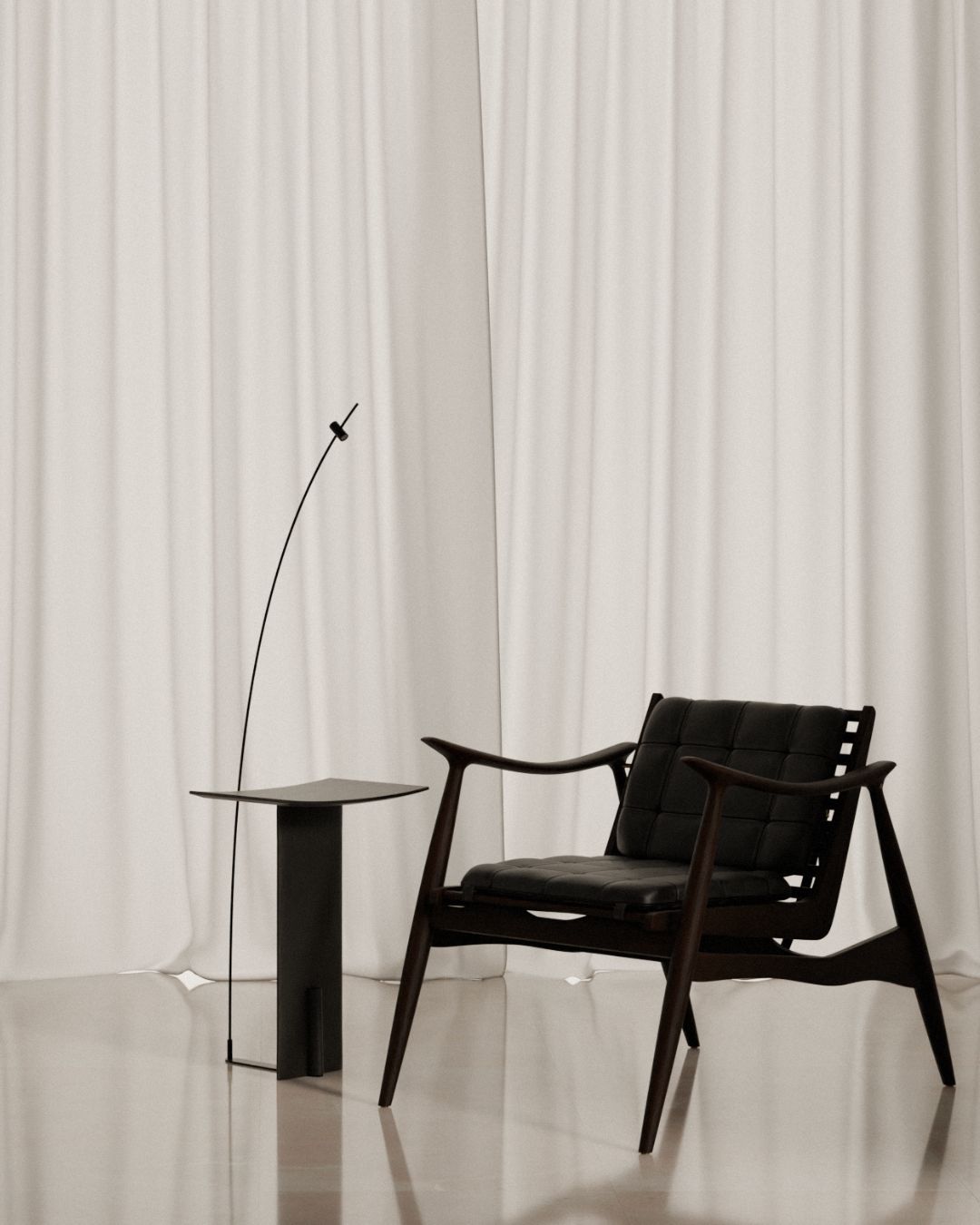
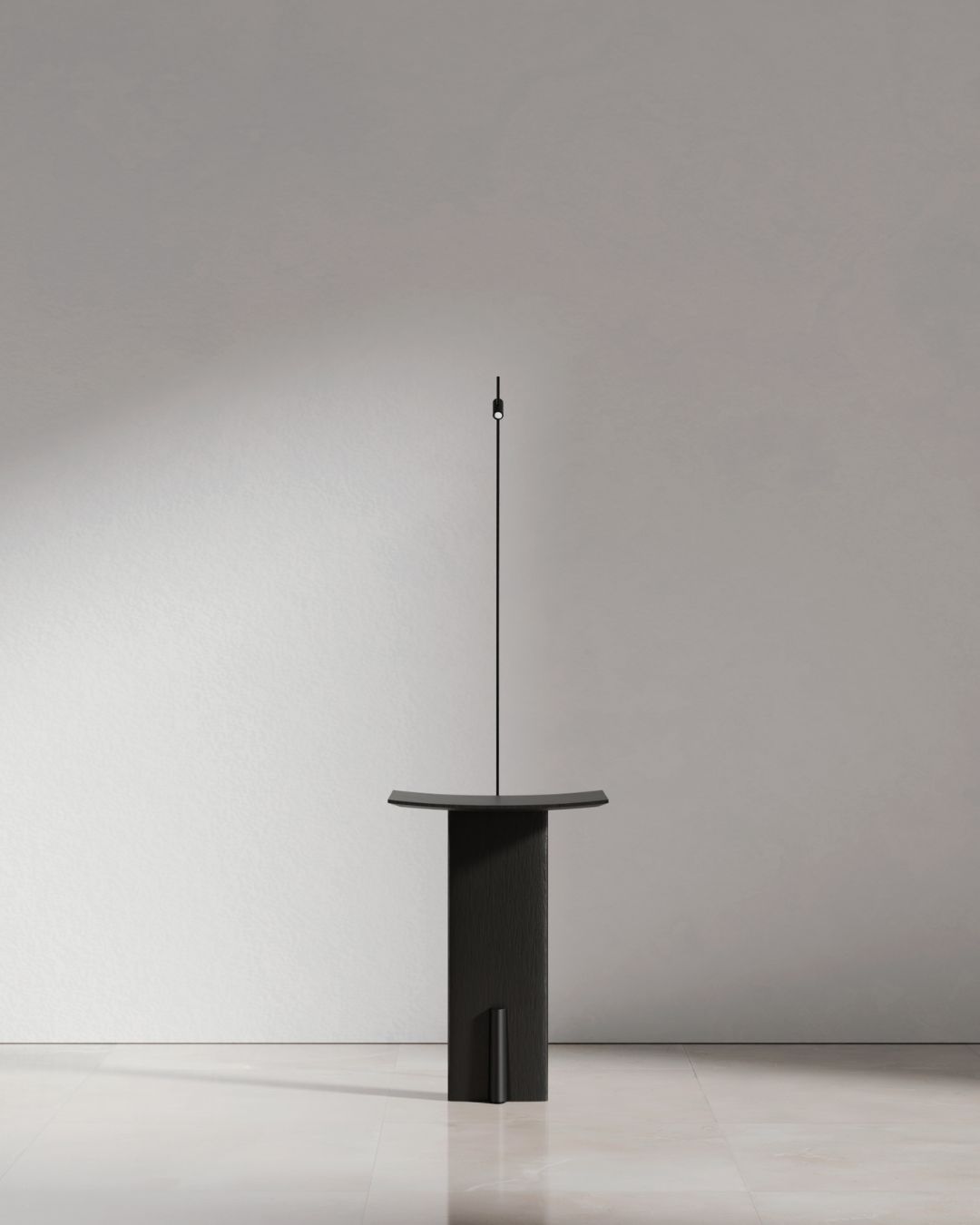
Sara Alexander of The Scale Collective advocates for task lighting, noting its power to create mood and a luxurious atmosphere in a way that overhead lighting alone cannot. She recommends using floor lamps, table lamps, and sconces at a warm color temperature (2700 Kelvin or below) to transform a space from day to night, emphasizing that effective lighting is accessible at various price points.
Sarah Magness of Studio Magness sees glass blocks as an element poised for a comeback. She believes contemporary applications of glass blocks offer elevated and creative solutions for privacy and natural light, moving beyond their traditional uses. Magness views them as a practical, light-enhancing feature that can add a modern yet nostalgic touch to interiors.
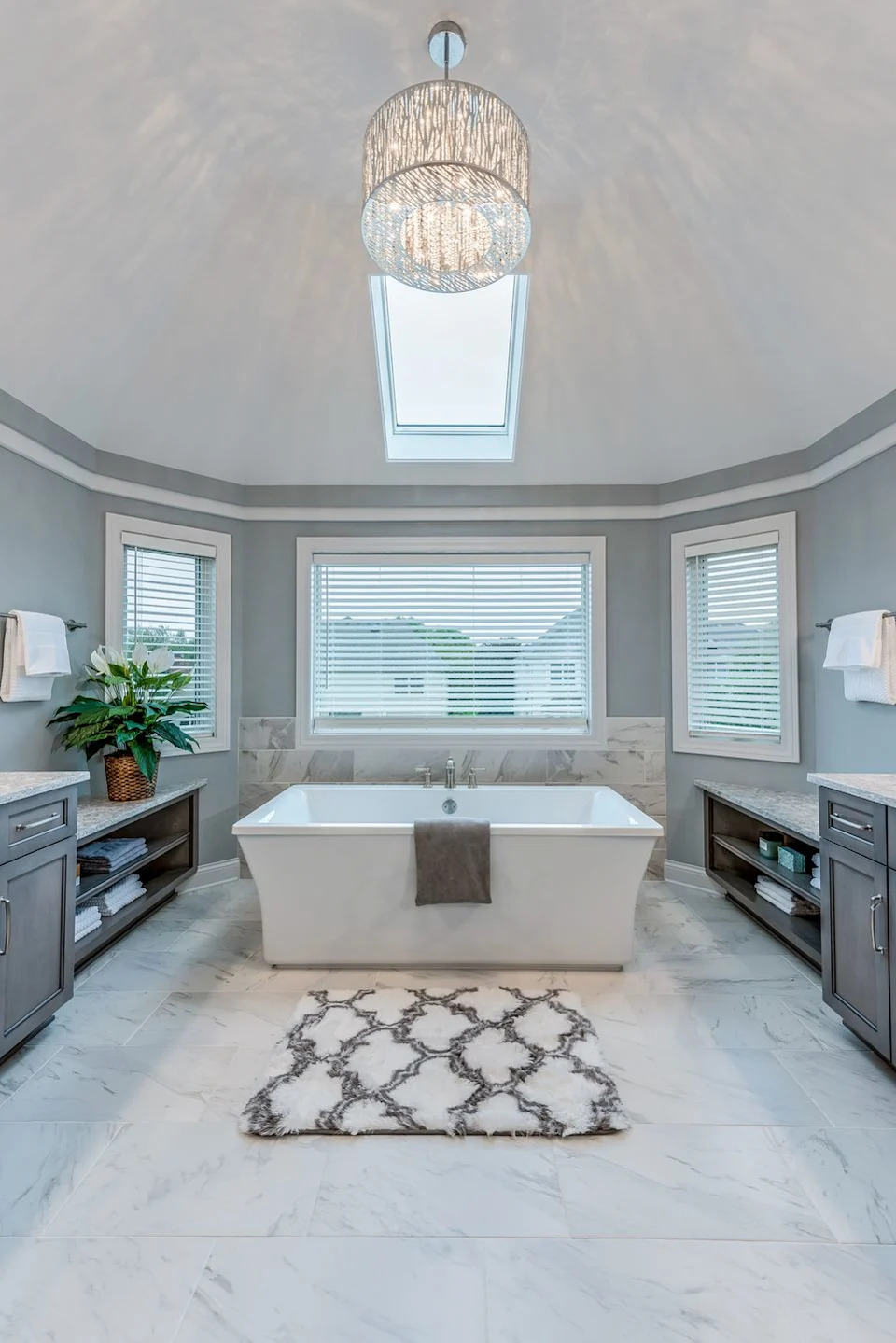
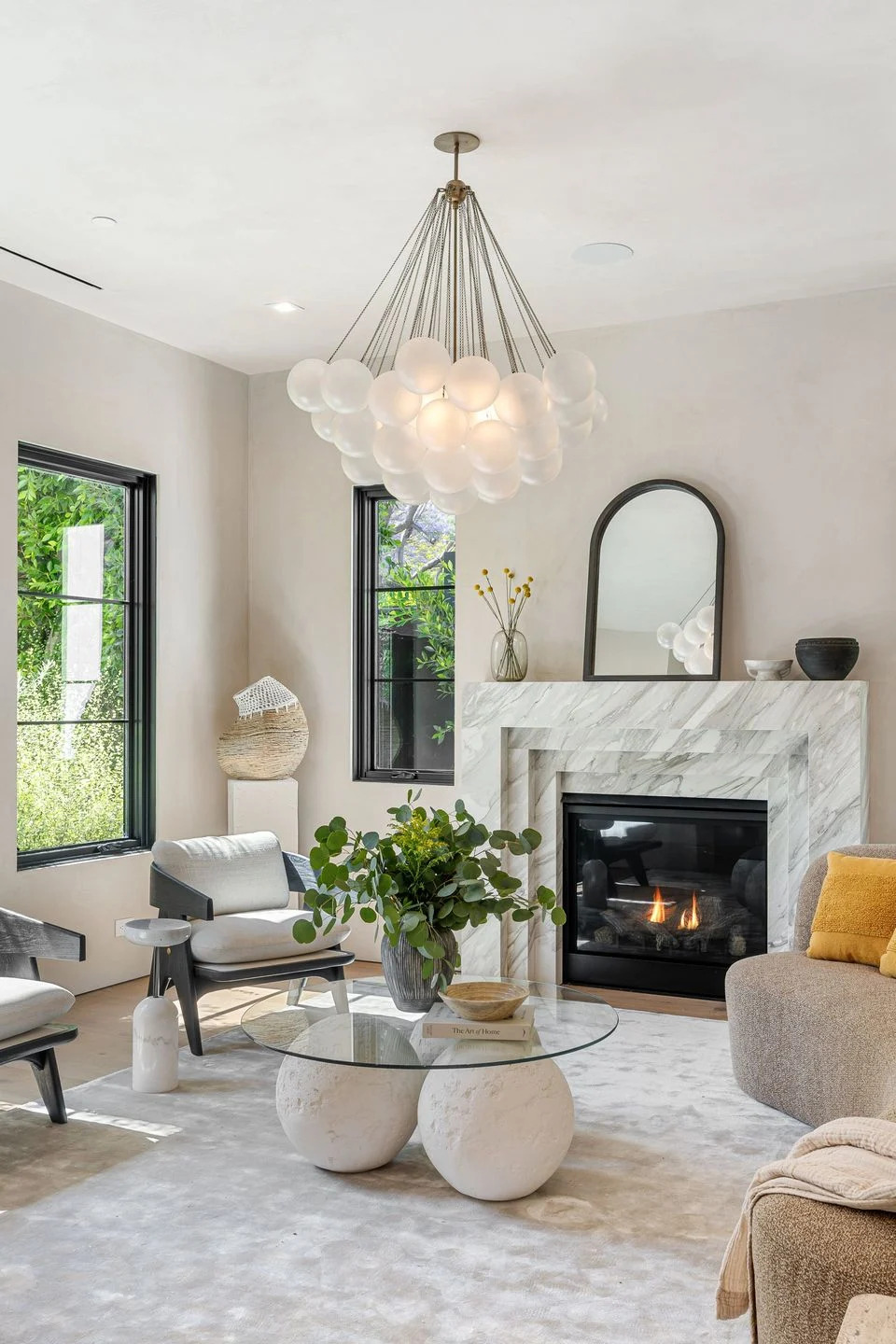
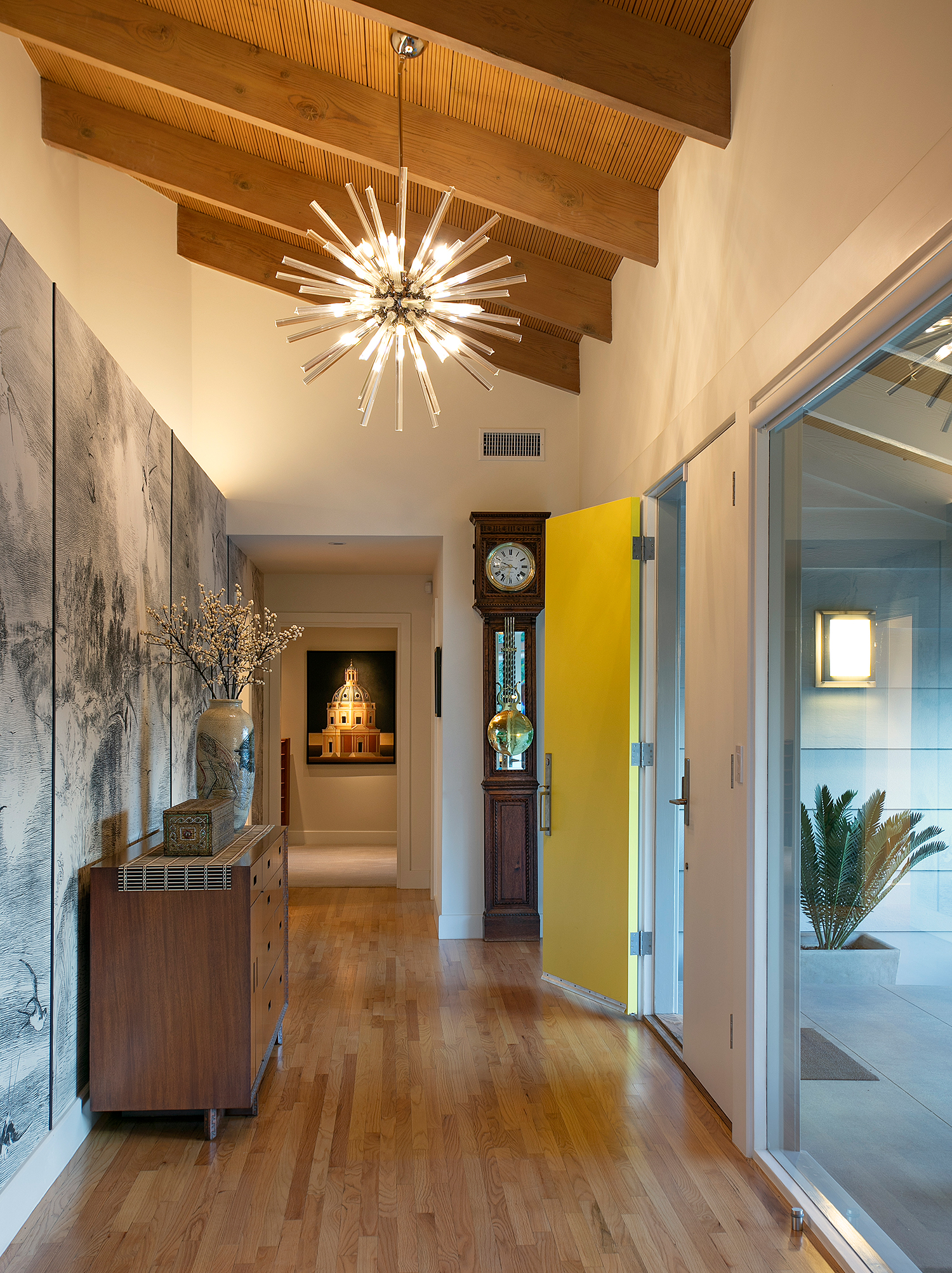
Mindy Kelson O’Connor of Melinda Kelson O’Connor Architecture and Interiors reinforces the importance of layered lighting. She argues that poor lighting significantly detracts from the enjoyment of any space, whether due to insufficient illumination or a sterile arrangement of recessed lights. O’Connor stresses the need for a harmonious combination of overhead decorative, recessed, ambient, and task lighting, strategically placed in conjunction with seating areas, to create a beautiful, functional, and inviting environment.
#DesignElements #InteriorDesign #HomeDecor #SustainableDesign #AuthenticityInDesign #TexturalDesign #LightingDesign #CulturalInfluence #NegativeSpace #DesignElements #InteriorDesign #HomeDecor #SustainableDesign #AuthenticityInDesign #TexturalDesign #LightingDesign #CulturalInfluence #NegativeSpace
0 comment in total
 No comments yet
You may also like
The Design Industry’s Coolest Trend Is Hiding in Plain Sight
“It Instantly Becomes Tacky": 22 Home Design Trends That Are Mega-Popular For Reasons Many People Will Never Understand

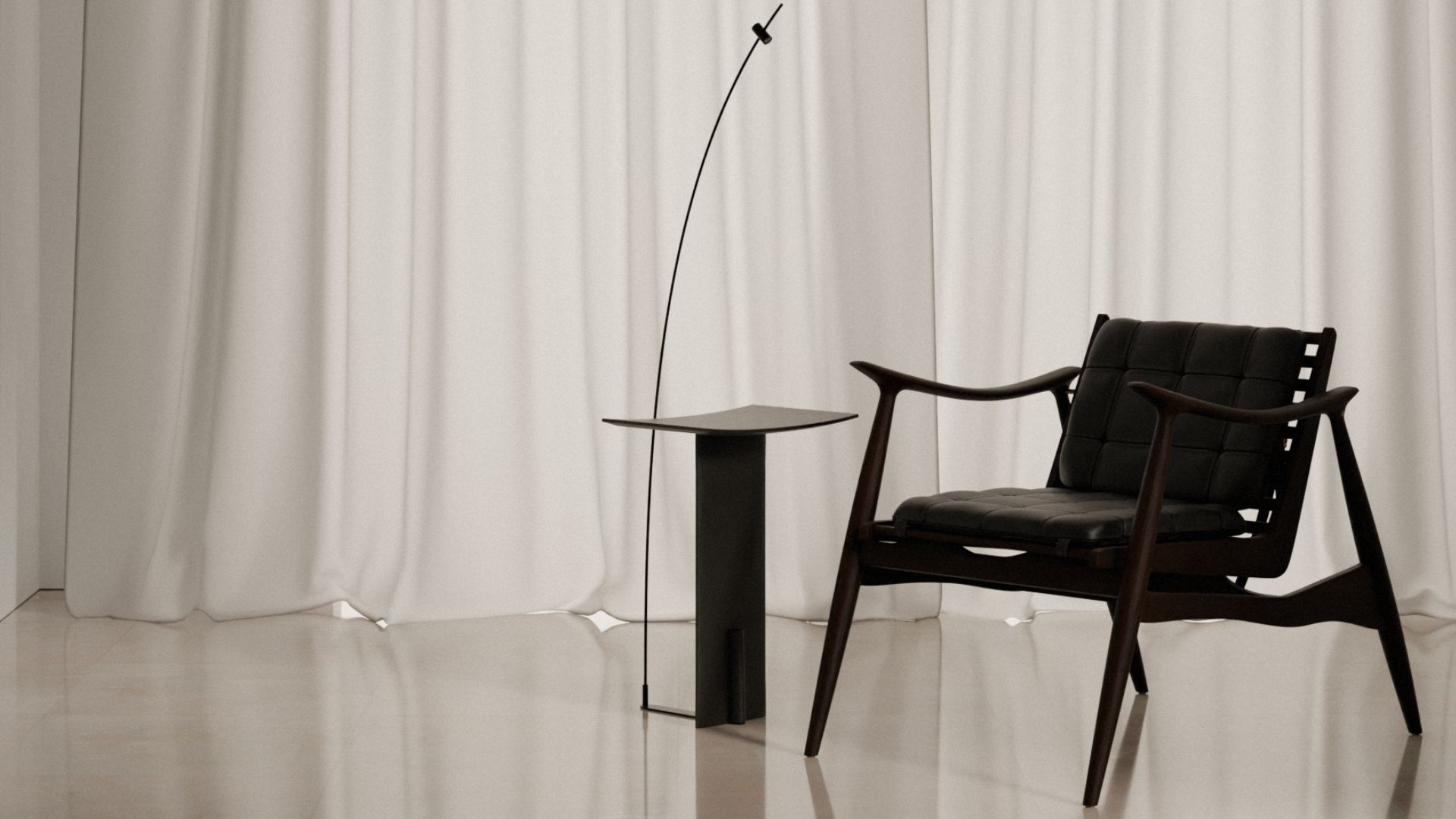
Returning to the essential is the real innovation in design

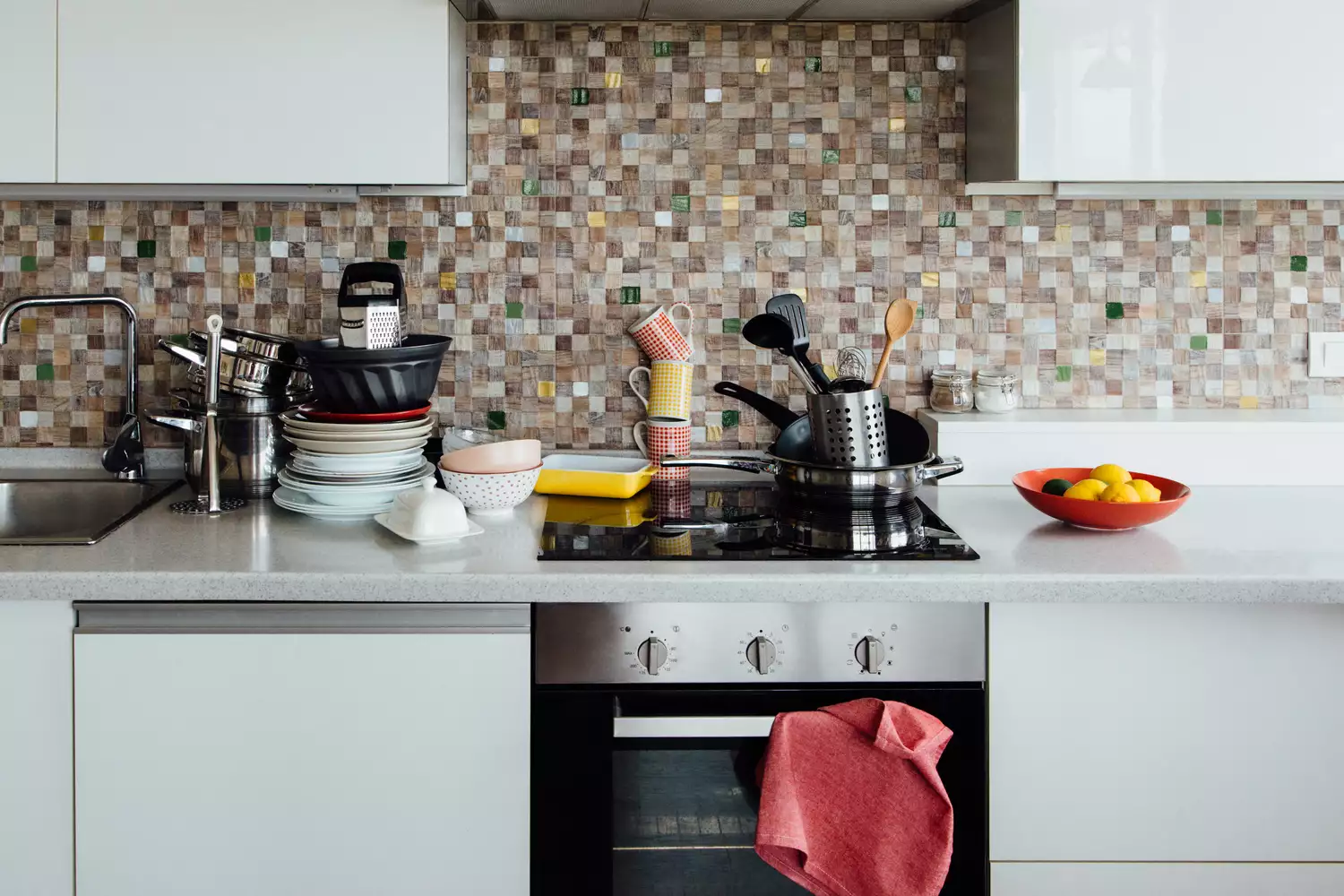
7 Common Kitchen Features That Actually Give Designers the "Ick"

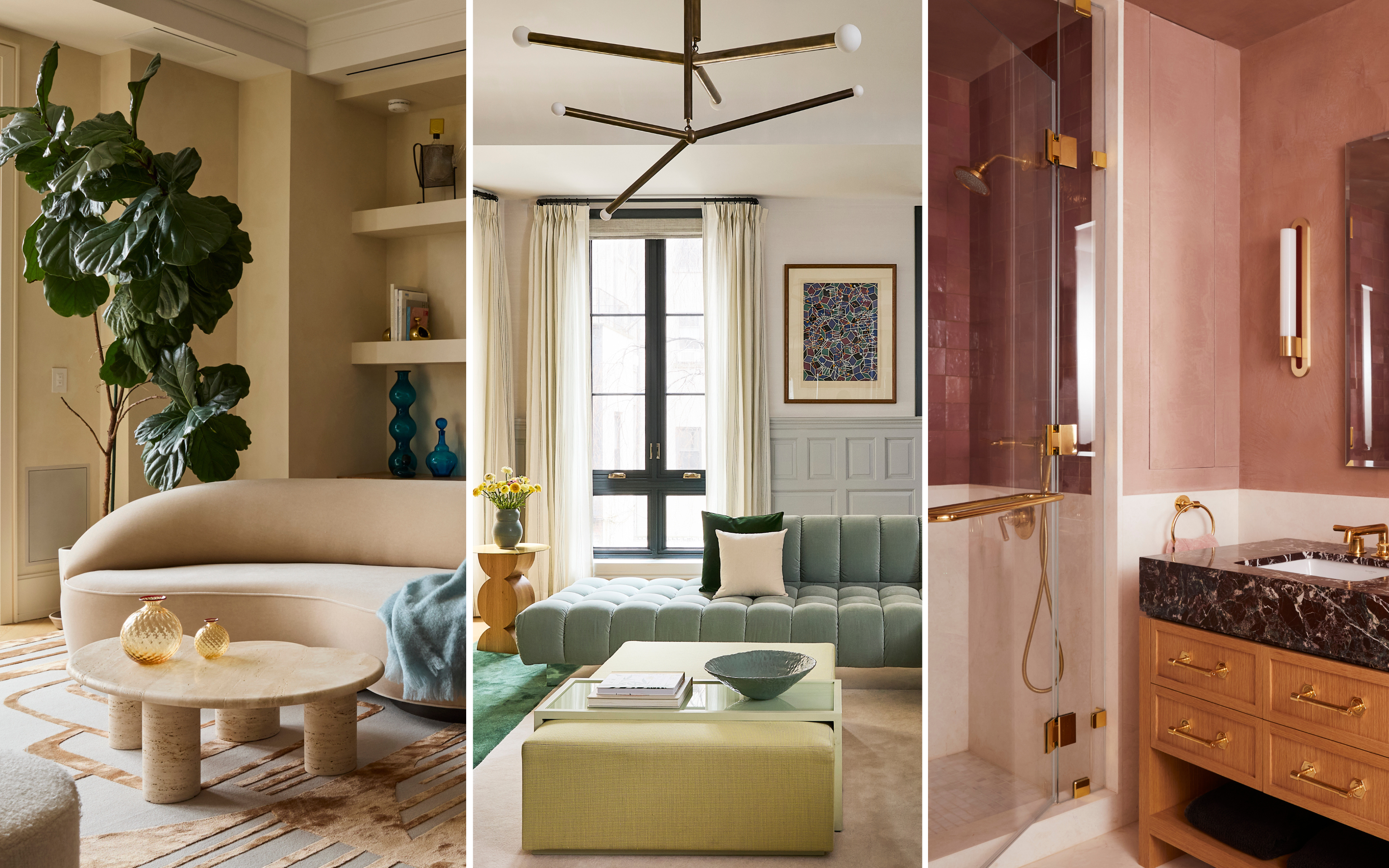
The unexpected 'microtrends' that designers say are actually timeless
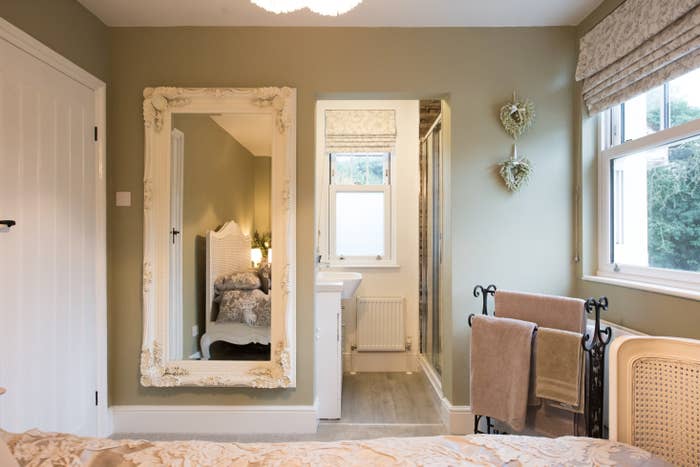
“It Instantly Becomes Tacky": 22 Home Design Trends That Are Mega-Popular For Reasons Many People Will Never Understand

5 Common Patio Features That Actually Give Designers the "Ick"
These Are the First Things Designers Will Always Notice in Your Entryway
6 "Essential" Architecture Trends Design Lovers Need to Know

These 5 Entrance Features Are Always Eyesore, Designers Say

8 Home Trends That Are Tragically DEAD to the Design World

I Asked Interior Designers What They Think is the Most Underrated Room to Decorate – Here's Why They All Said the Powder Room
Doors: A forgotten design element
7 Design Mistakes Interior Designers Always Notice

6 Antique Design Features Designers Wish Would Make a Comeback

These Are The Top Design Trends Worth Trying
The Top Home Features Designers Always Skip
This ONE Tiny Detail Makes the Biggest Impact in Any Room, According to Designers
This 'Invisible' Design Rule Is What Makes a Good Room Just Click — Psychologists and Designers Swear By It

5 Minimalist Decorating Mistakes Designers Always Notice