1/19
Casa CorMAnca with indoor green wall by Paul Cremoux Studio
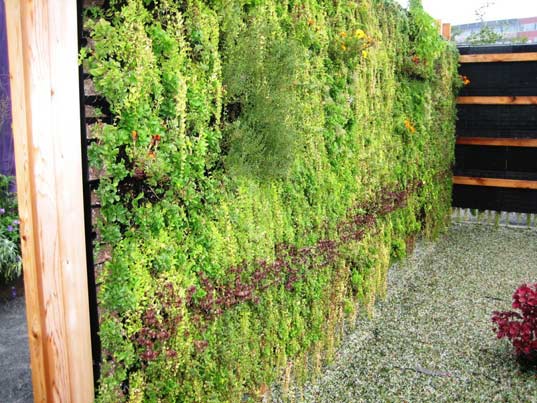
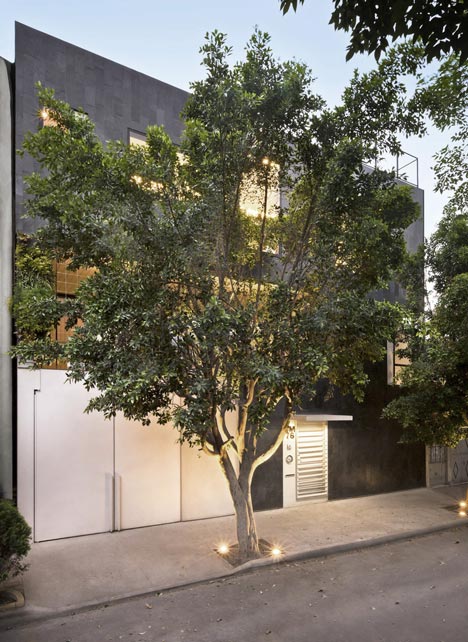
Architect Paul Cremoux Studio designed Casa CorMAnca, a family house in Mexico City, with a focus on sustainable and eco-effective design. The house features a unique three-storey wall of plants concealed behind its slate-clad facade, which functions as a natural climate control system and an indoor garden for residents. The architect expressed concern about the lack of sustainable construction practices in Mexico and aimed to demonstrate the importance of changing design strategies to incorporate environmentally friendly elements.
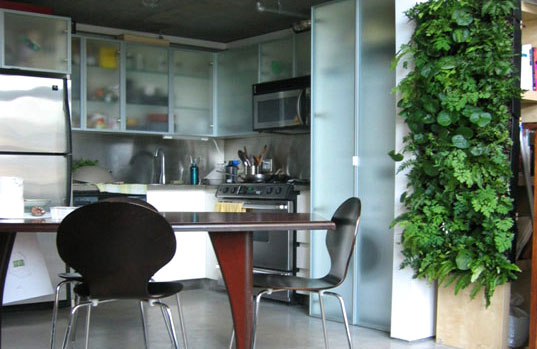
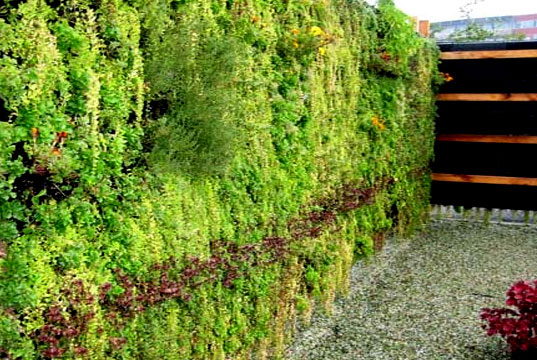
The vertical garden is not merely decorative but serves a practical purpose, acting as a temperature and humidity control device. It also provides an energetic view and functions as a light curtain, modulating the amount of natural light entering the home. This green wall is a major contributor to air quality and humidity within the house, with over 4,000 plants installed in an area that previously had no vegetation.
The house is built on a compact 12-meter by 13-meter plot, resulting in a monolithic volume. The exterior is clad in dark slate stone panels, which contrast with the soft, beech-like wood finishes used throughout the interior. This material palette provides a clear definition and enhances space discovery within the home. Some of the slate panels from the exterior extend to line the walls around the courtyard, further integrating the design elements.
Functionally, the house is organized across multiple levels. A courtyard terrace, open to the sky on one side, occupies the middle floor and is flanked by the green wall. Most of the living spaces are situated on the levels above and below this central terrace. A driveway capable of accommodating two cars is located beneath the terrace, leading directly to the dining and kitchen areas. The second floor houses a living room and three bedrooms, accessible via a staircase discreetly tucked into a corner.
The design incorporates various passive energy and temperature control strategies. Recyclable content materials are used, and the house features VOC-free paint. Cross-ventilation is extensively utilized, and three heat exhaustion chimneys are strategically placed to control hot temperatures in the bedroom areas. The main terrace on the second level plays a definitive social role, reimagining the concept of an "open patio garden" in a compact urban setting where a traditional ground courtyard would not be feasible. A small lecture studio is also located on this level.
The project was a collaborative effort involving Anna Giribets Martin for design architecture, Ricardo Camacho for structural engineering, Ing. José Antonio Lino Mina for equipment engineering, sustainability consulting, and the vertical garden, and Fermín Espinosa, Alfredo Galván, and Factor Eficiencia as general contractors. The photography for the project was done by Héctor Armanado Herrera and PCW. This project exemplifies how architectural design can integrate natural elements to create a comfortable, aesthetically pleasing, and environmentally responsible living space, even on a small urban plot.
#SustainableArchitecture #GreenWalls #MexicoCity #PaulCremouxStudio #EcoEffectiveDesign #ResidentialArchitecture #IndoorGardens #PassiveCooling #SustainableArchitecture #GreenWalls #MexicoCity #PaulCremouxStudio #EcoEffectiveDesign #ResidentialArchitecture #IndoorGardens #PassiveCooling
0 comment in total
 No comments yet
You may also like
Green Is the Prettiest Color! These Rooms and Decorating Ideas Prove It
ELT EASY GREEN LIVING WALLS

Natural Materials Distinguish Greenpoint Townhouse Gut
Beautiful on the Inside and Out
A moment with wallpaper design house de Gournay

Tour this rom-com inspired living room by Oho Interiors

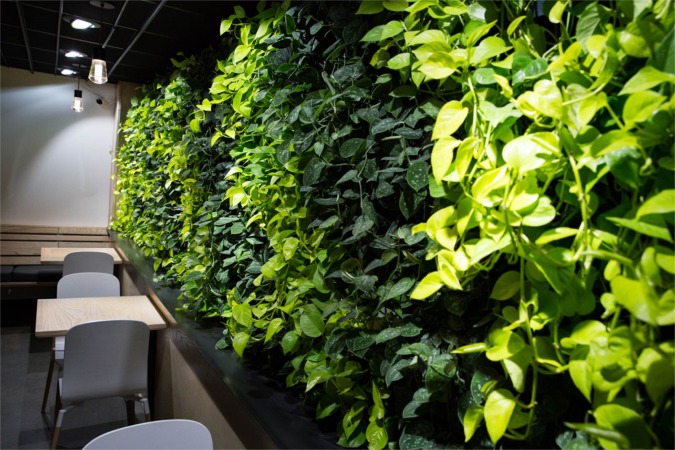
LiveWall Indoor Living Wall Livens Up Coava Coffee’s New Café Location
Photos: Kelley and Brian Duncan's 'Fore-ever Home'
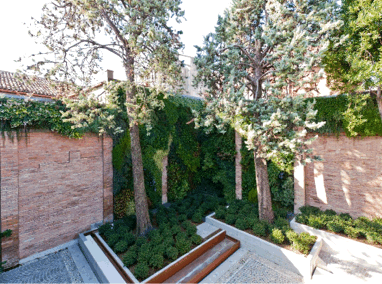
Green Wall Ferrara
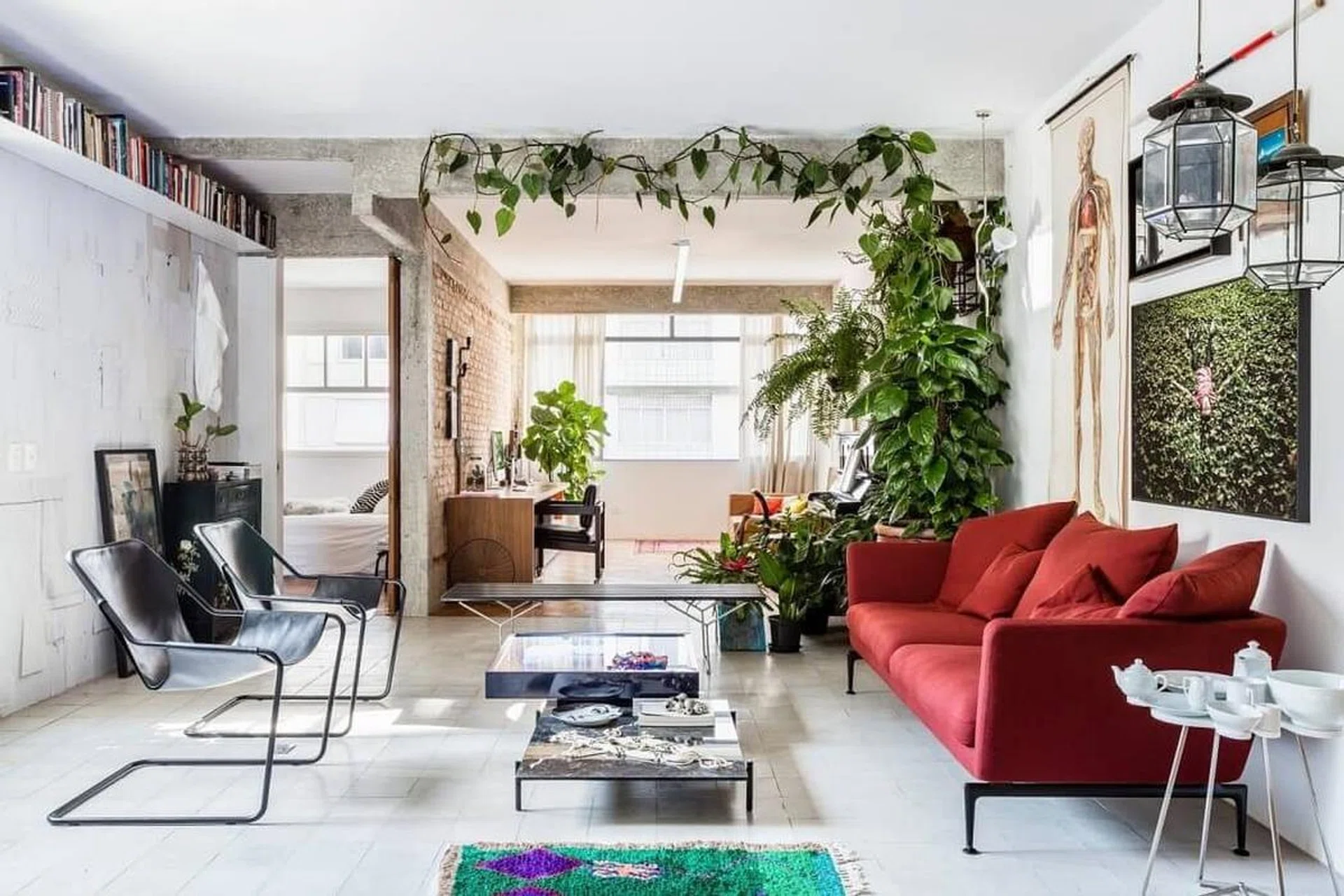
House Tour: Exposed brick walls for this colourful & eclectic industrial-style home
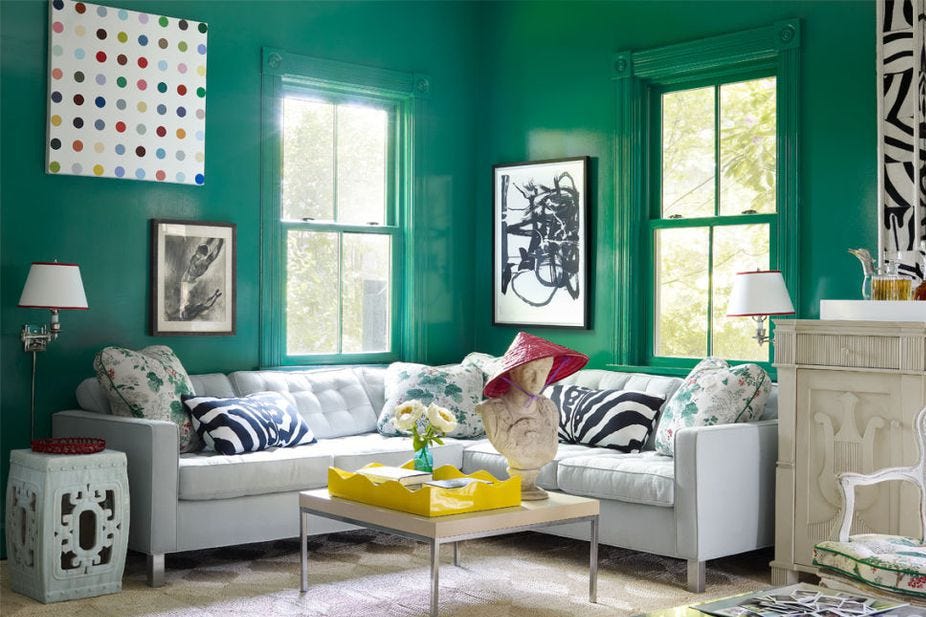
13 Verdantly Green Living Rooms


A Chicago Apartment That Celebrates the Mix of High & Low
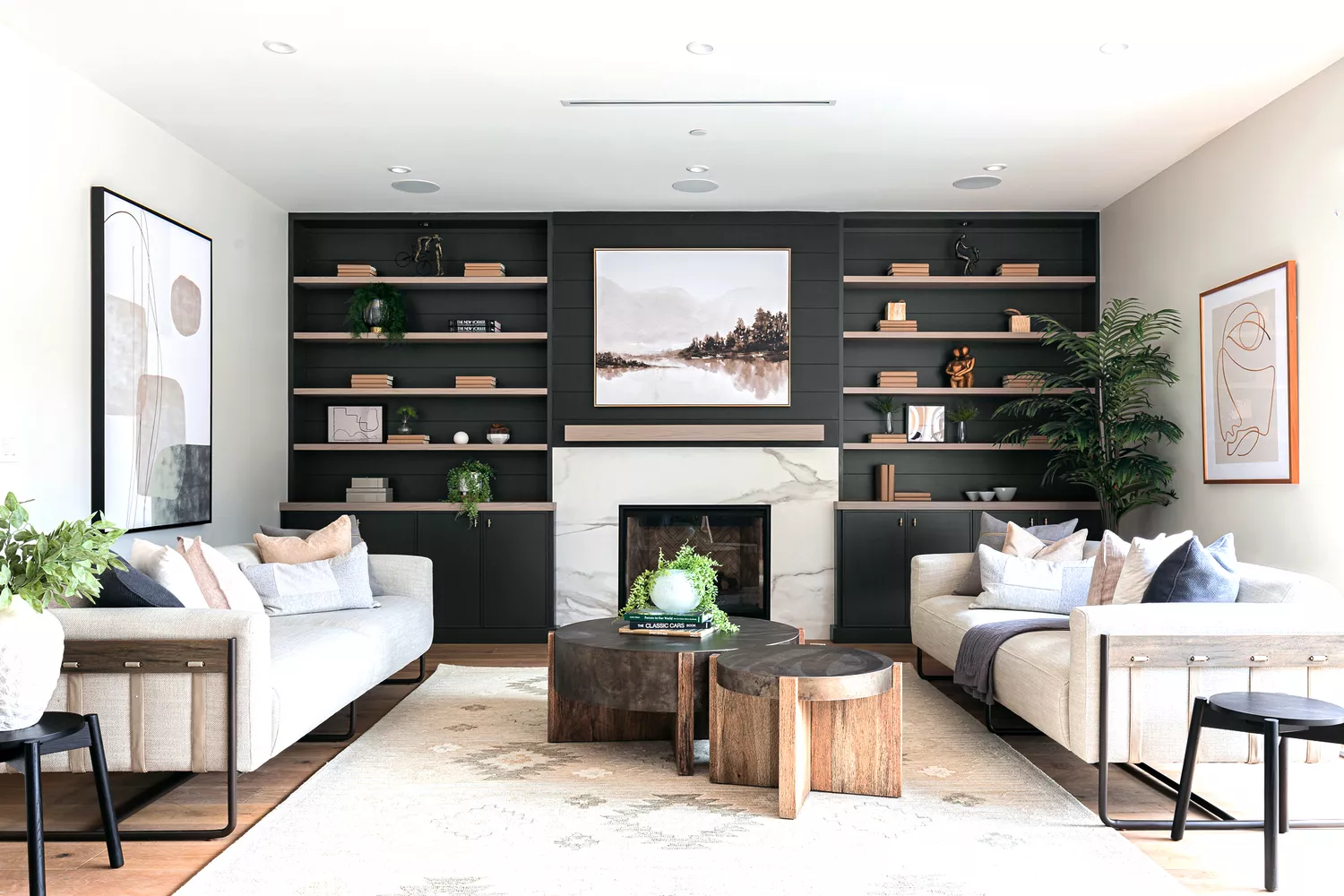
30 Green Living Rooms That Bring the Outdoors Inside

A Salamander Green Bedroom and Matte Black Kitchen Turn the Volume Up in This Home

27 green living room ideas in every shade you can imagine
Photos: My Favorite Room with Liz Tew
Here's How to Go Green in the Living Room

Serendipity: The Clay Home
32 Green Rooms That'll Make You Feel Alive
You're Just 14 Steps Away From A Designer-Worthy Living Room