1/5
This 'Invisible' Design Rule Is What Makes a Good Room Just Click — Psychologists and Designers Swear By It
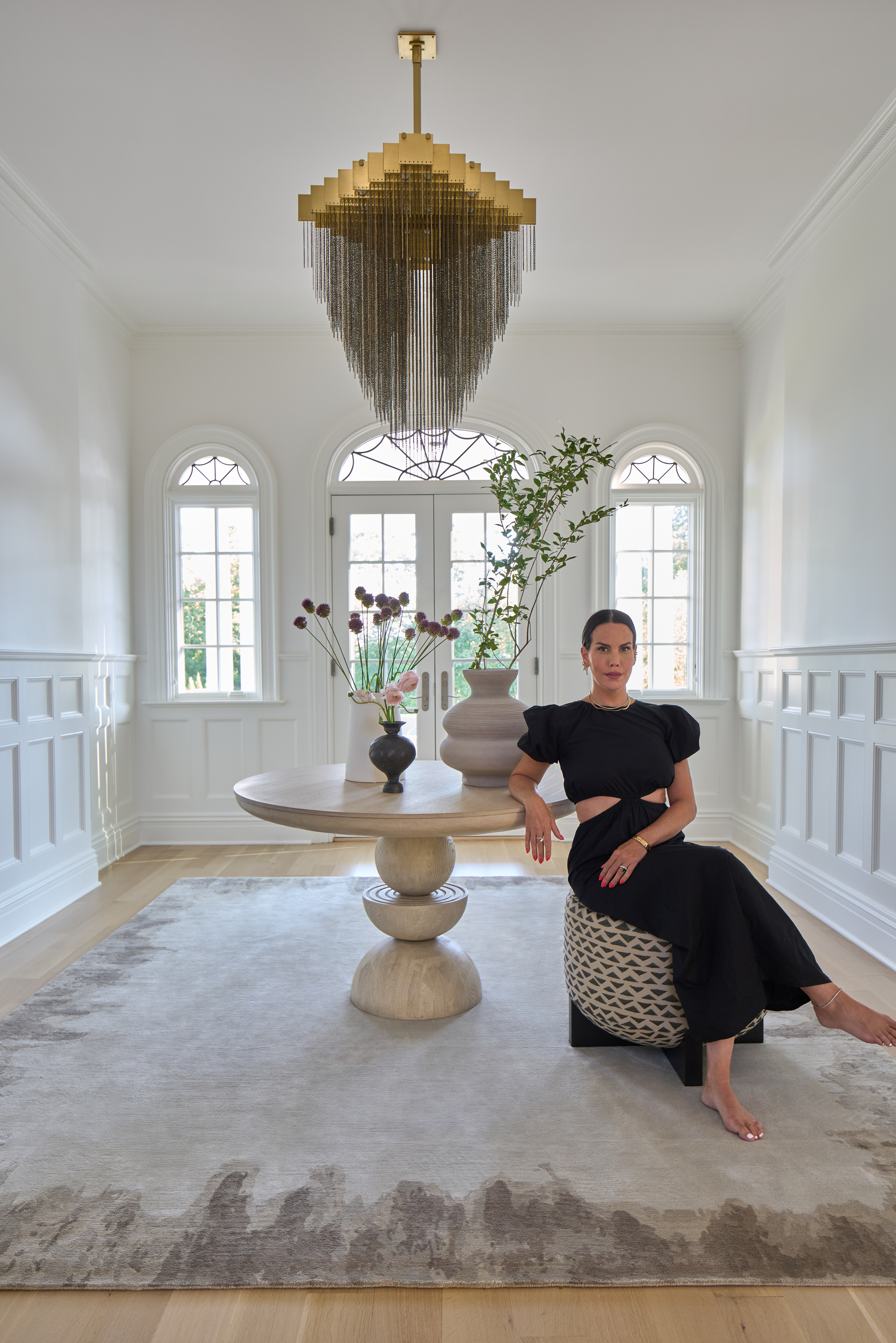
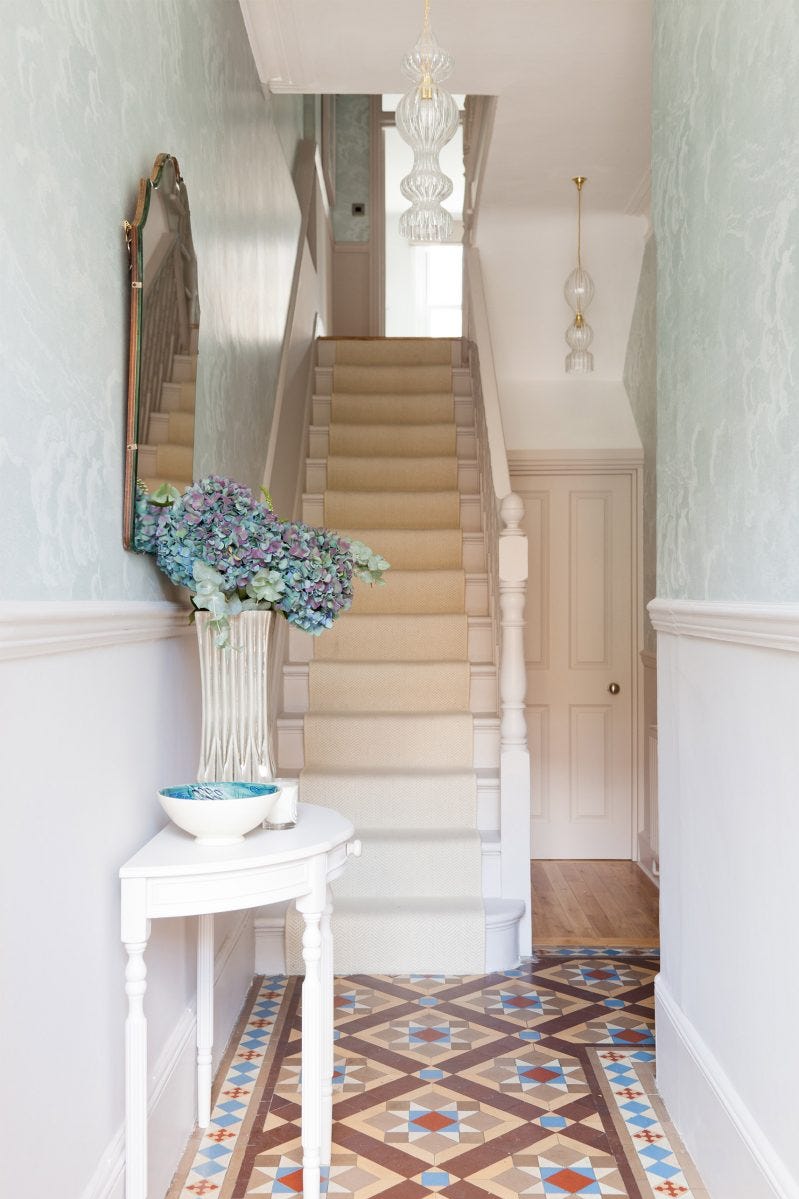
The Gestalt theory, a psychological study developed in the early 20th century by Kurt Koffka, Wolfgang Kohler, and Max Wertheimer, posits that an organized whole is perceived as more than the sum of its individual parts. This concept, originally shared at the University of Berlin, has significantly influenced various fields, including interior design. It encourages designers to consider how all elements within a space interact to form a cohesive and harmonious environment, rather than viewing them in isolation. As interior designer Rebecca Hughes notes, effective design transcends aesthetics; it's about the functionality and synergy of all components.
When applied to interior design, the Gestalt theory distills into seven core principles: proximity, closure, similarity, continuity, perception, organization, and symmetry. These principles serve as a powerful framework for guiding spatial layouts and decorative decisions. While designers may prioritize principles that align with their personal ethos, adhering to them generally fosters a well-composed and balanced interior. For instance, design-led property developer Kinland, known for its craftsmanship and material consideration, closely aligns its projects with the Gestalt principle of similarity. Alex Macaulay, Kinland's founder, emphasizes that thoughtful repetition creates cohesion, an approach evident in their projects which prioritize how homes *feel* beyond just their visual appeal.
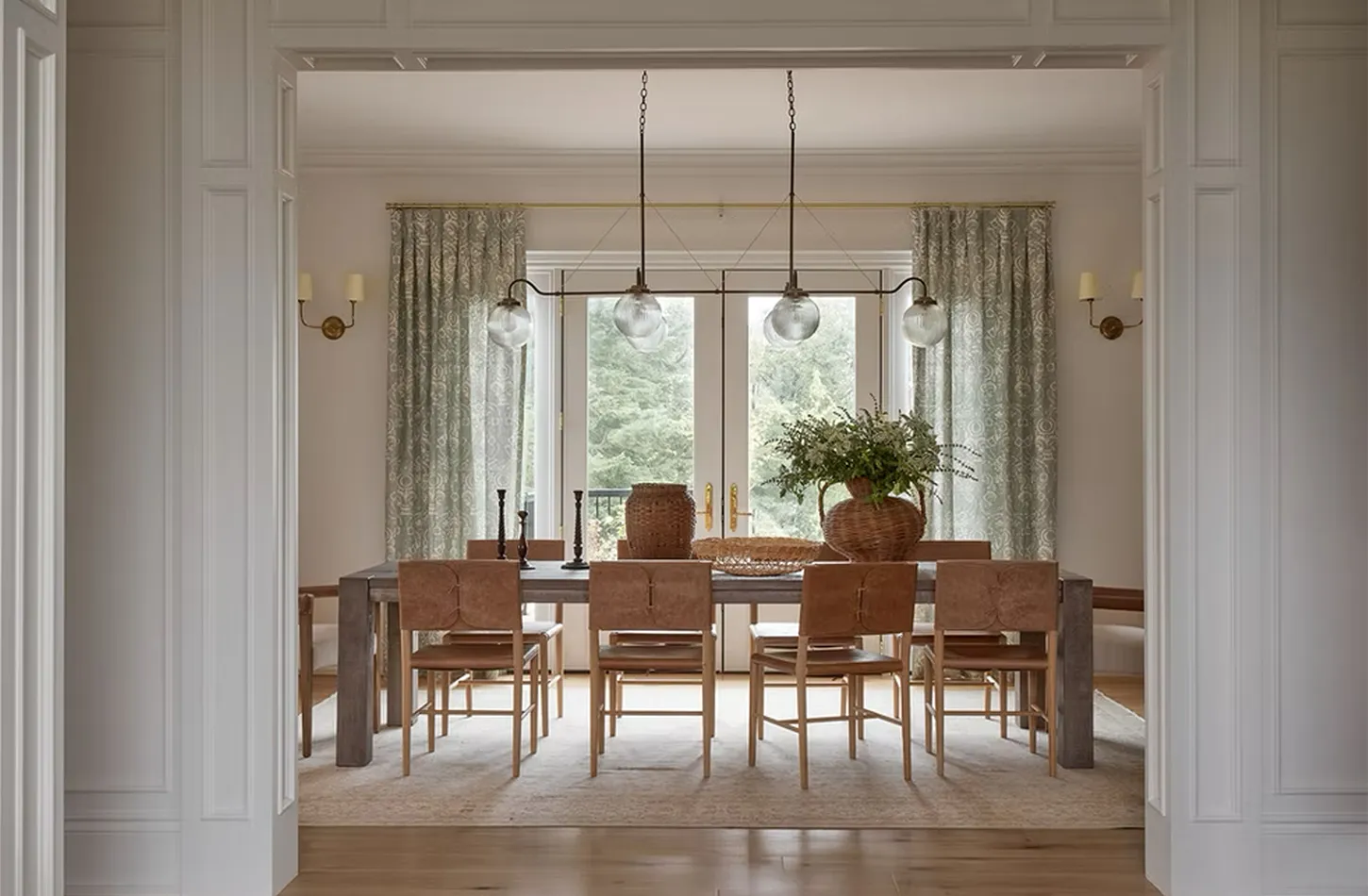
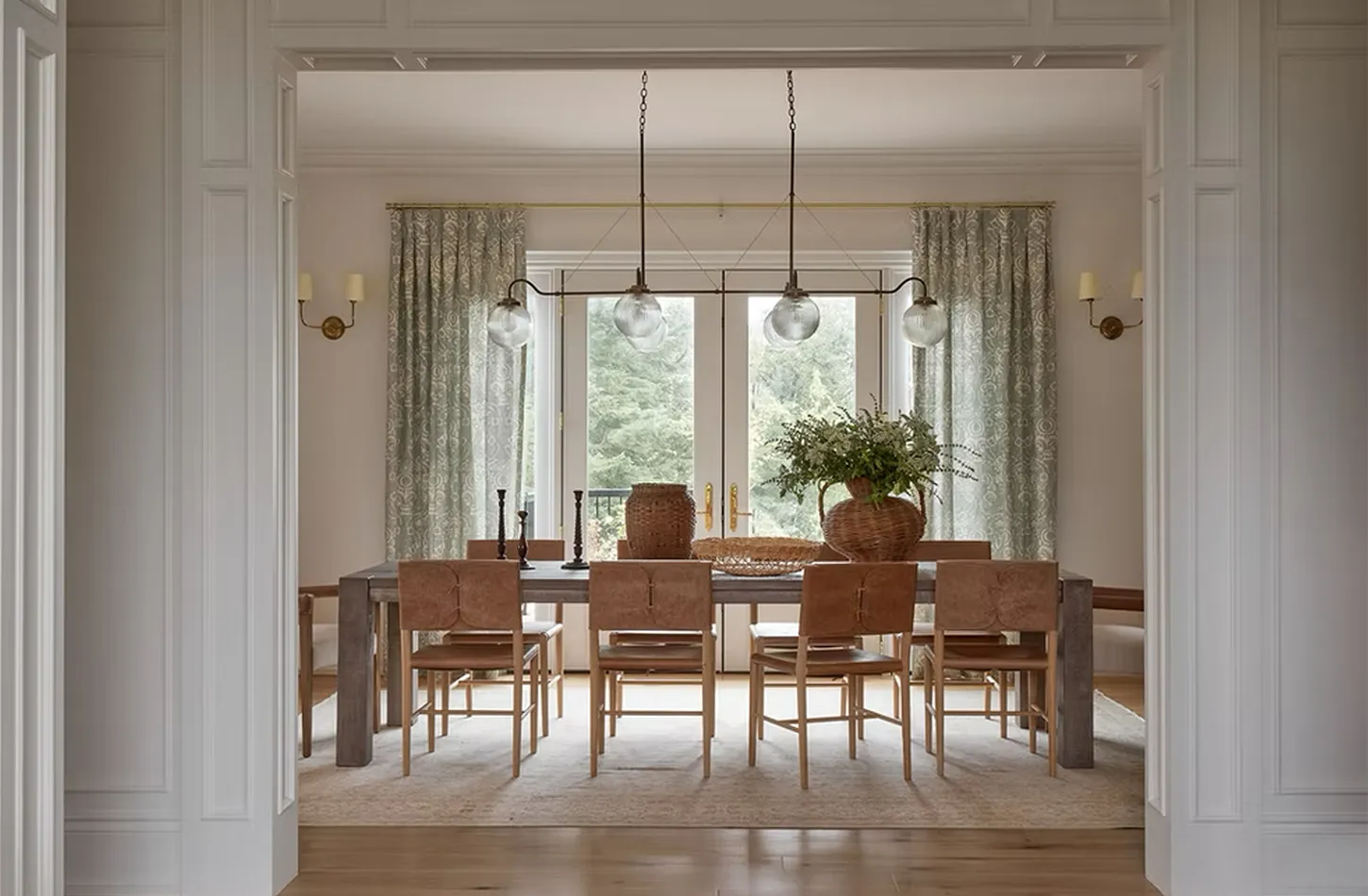
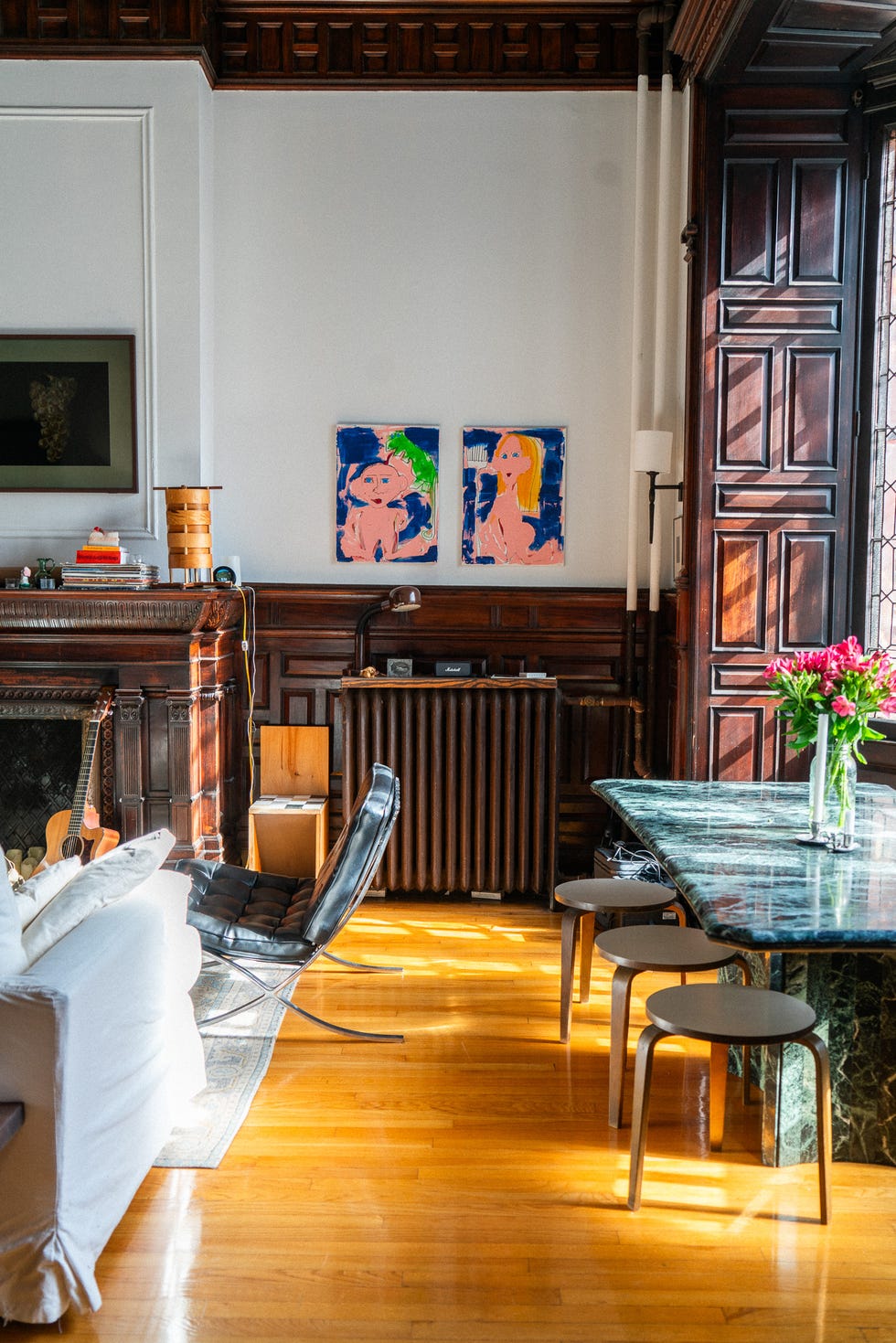
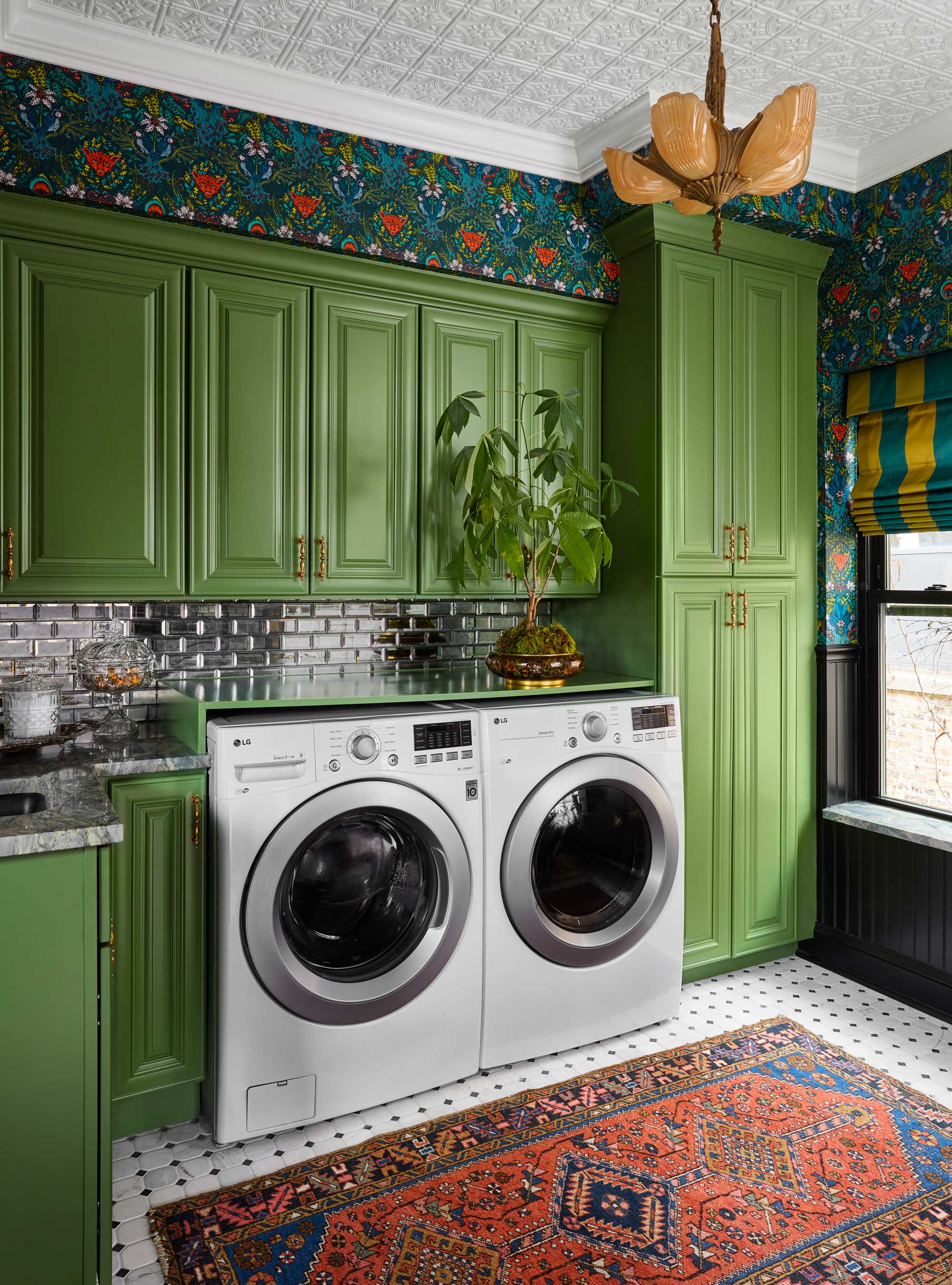
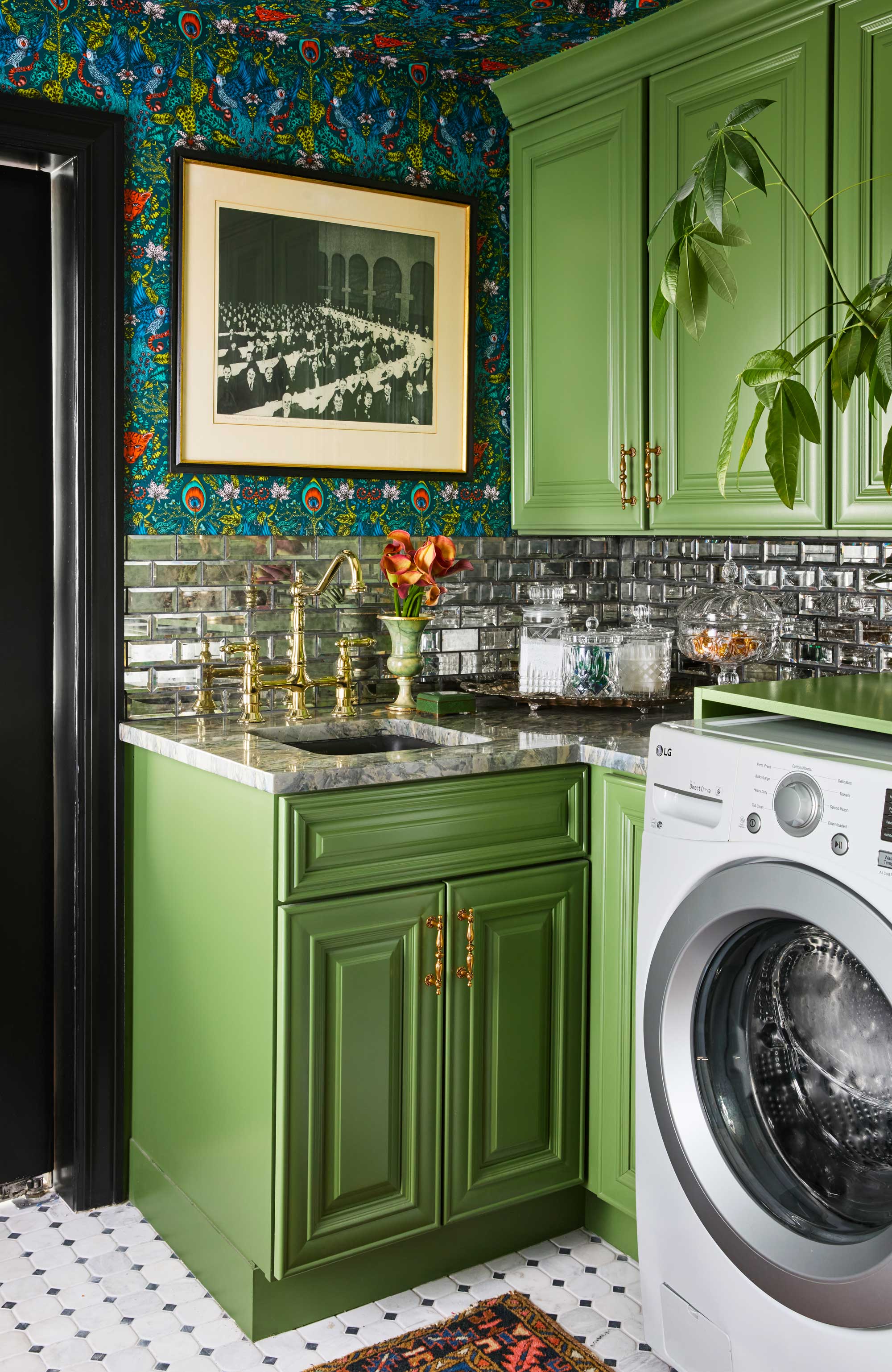
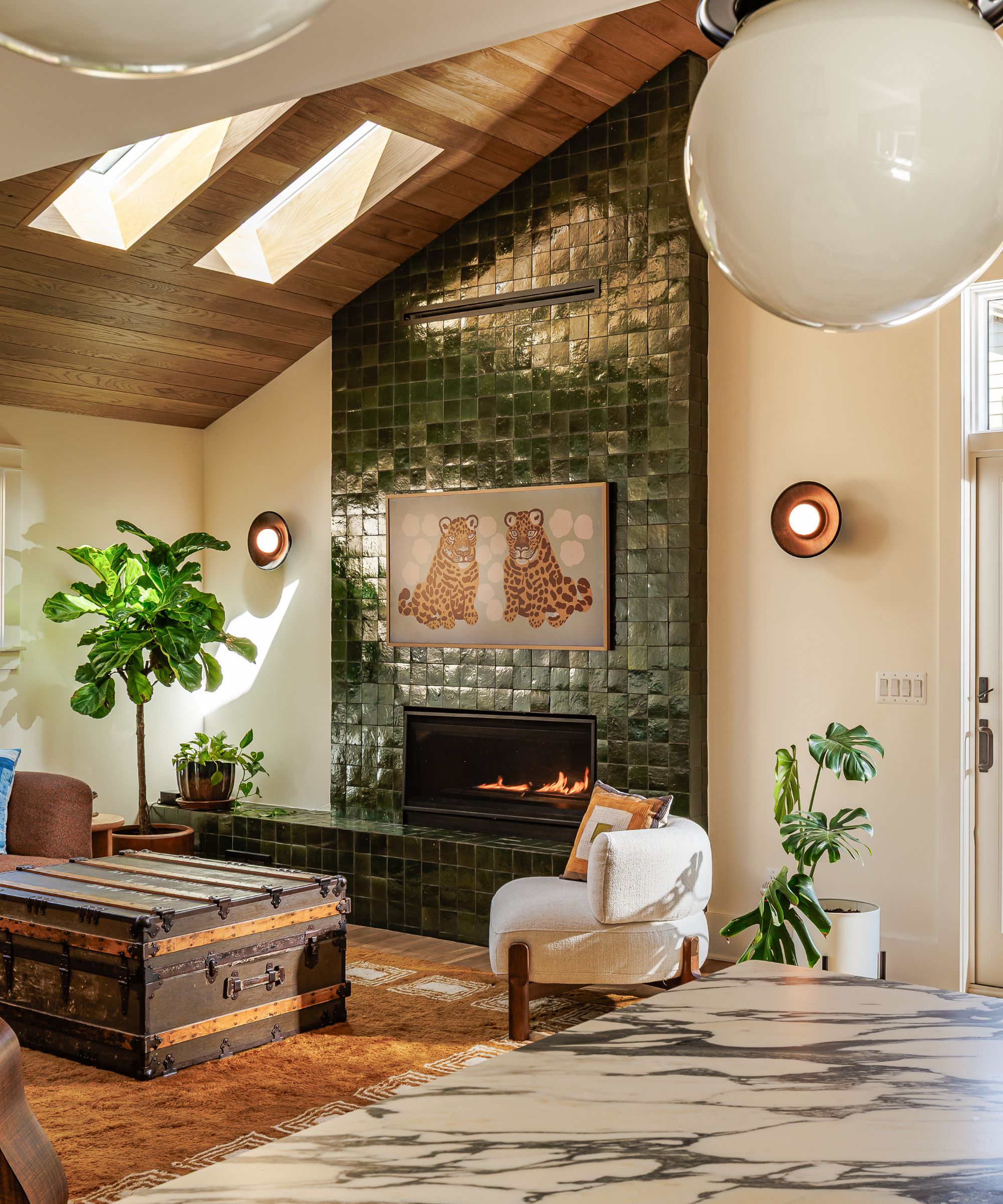
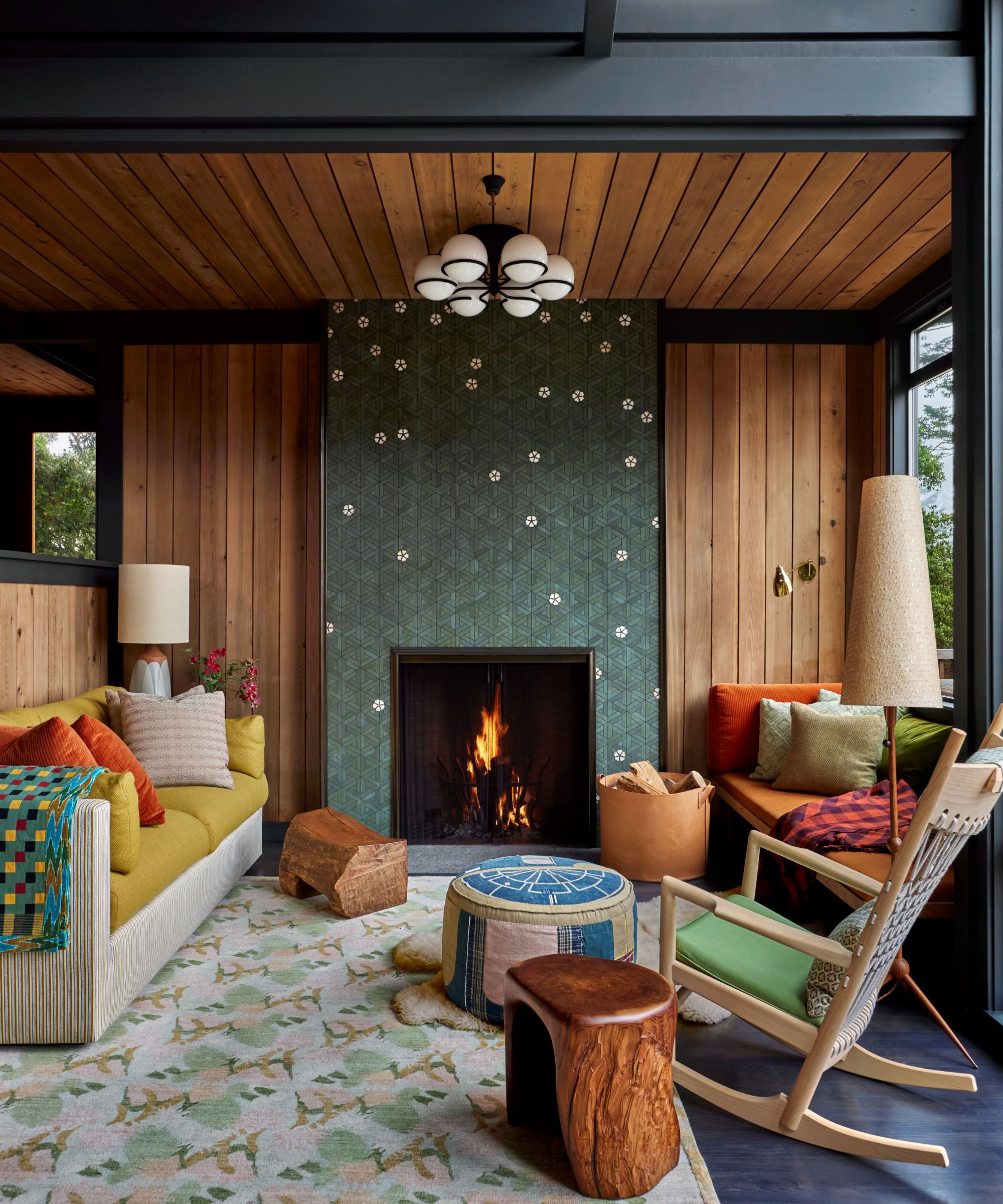
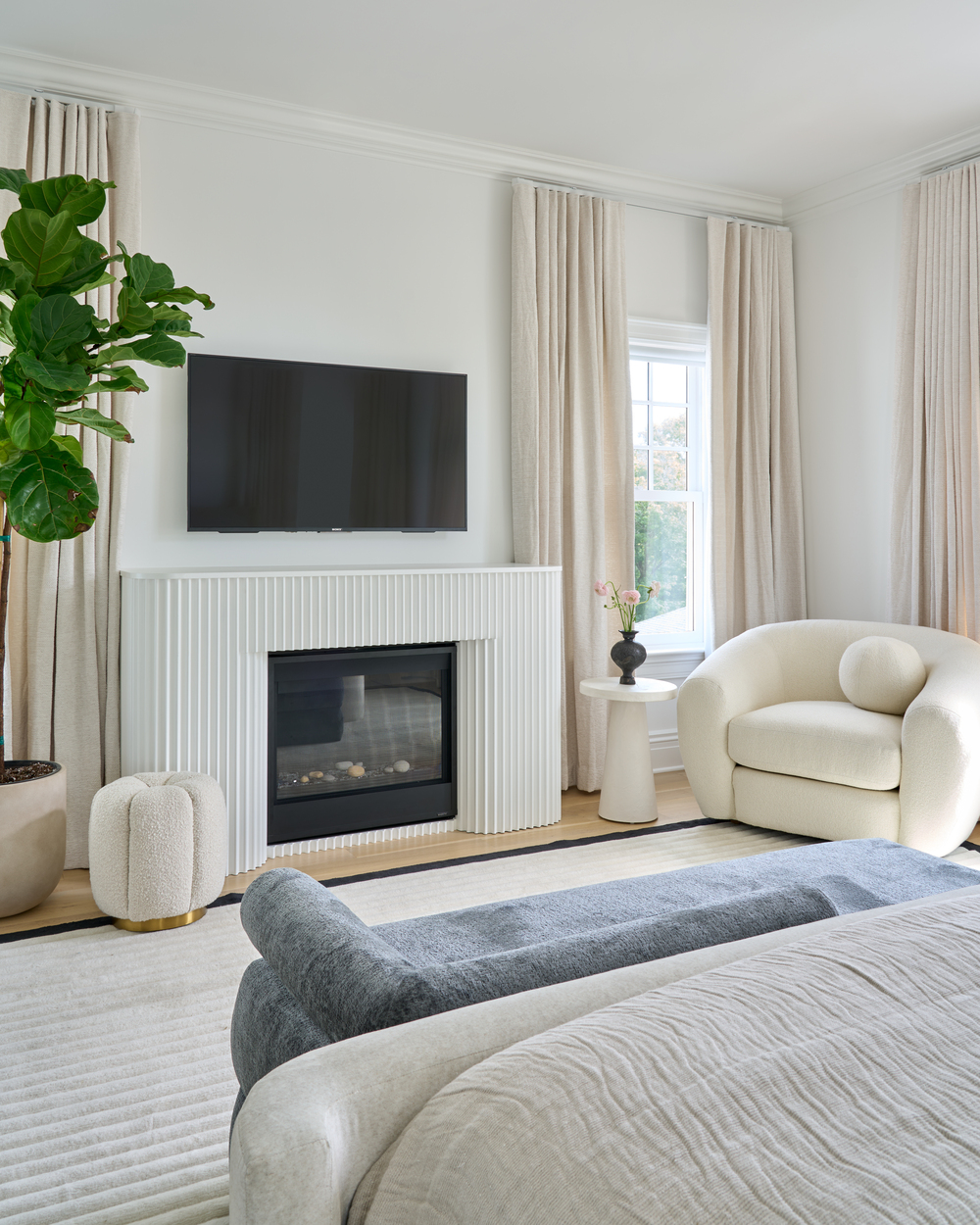
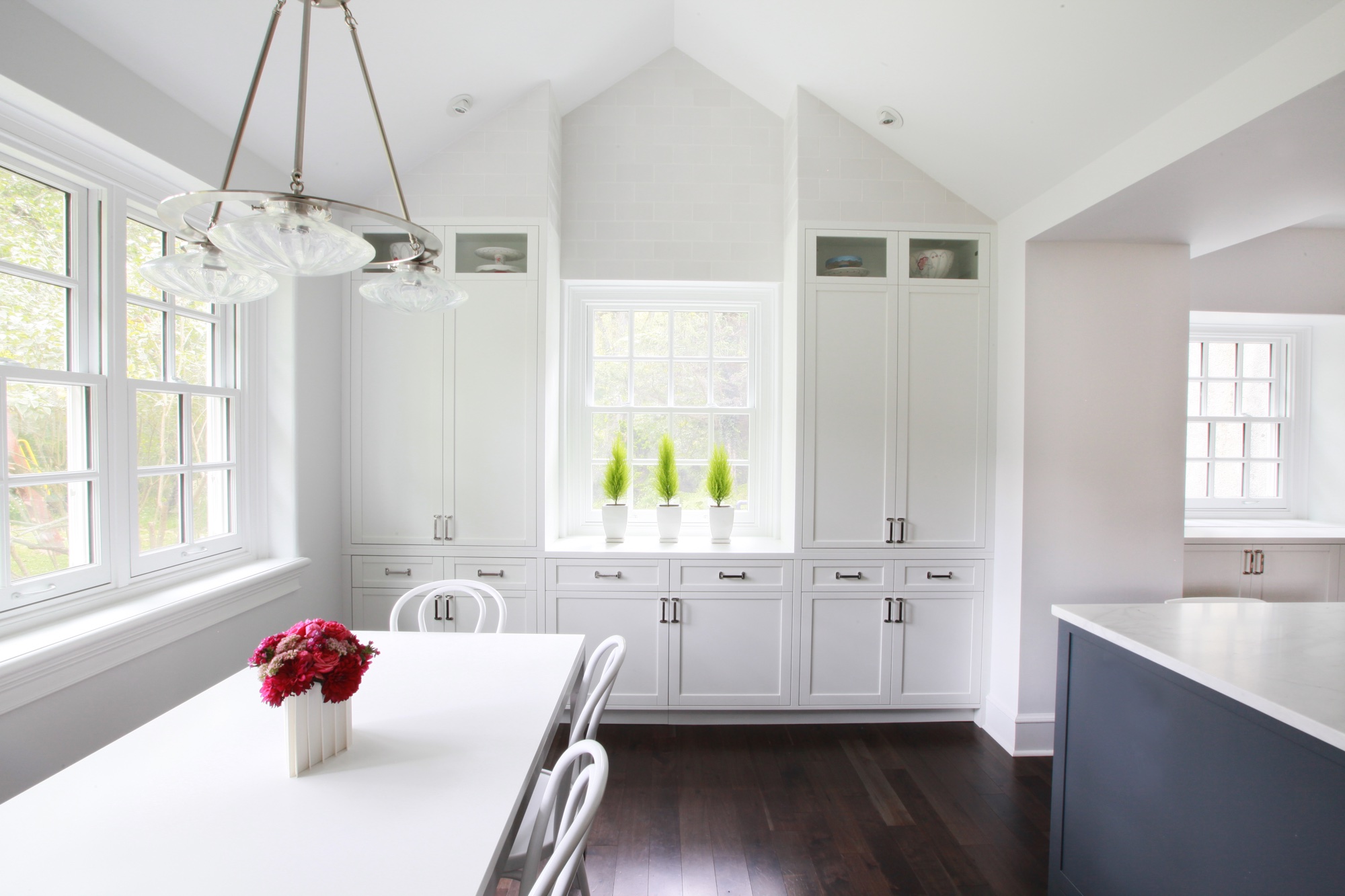
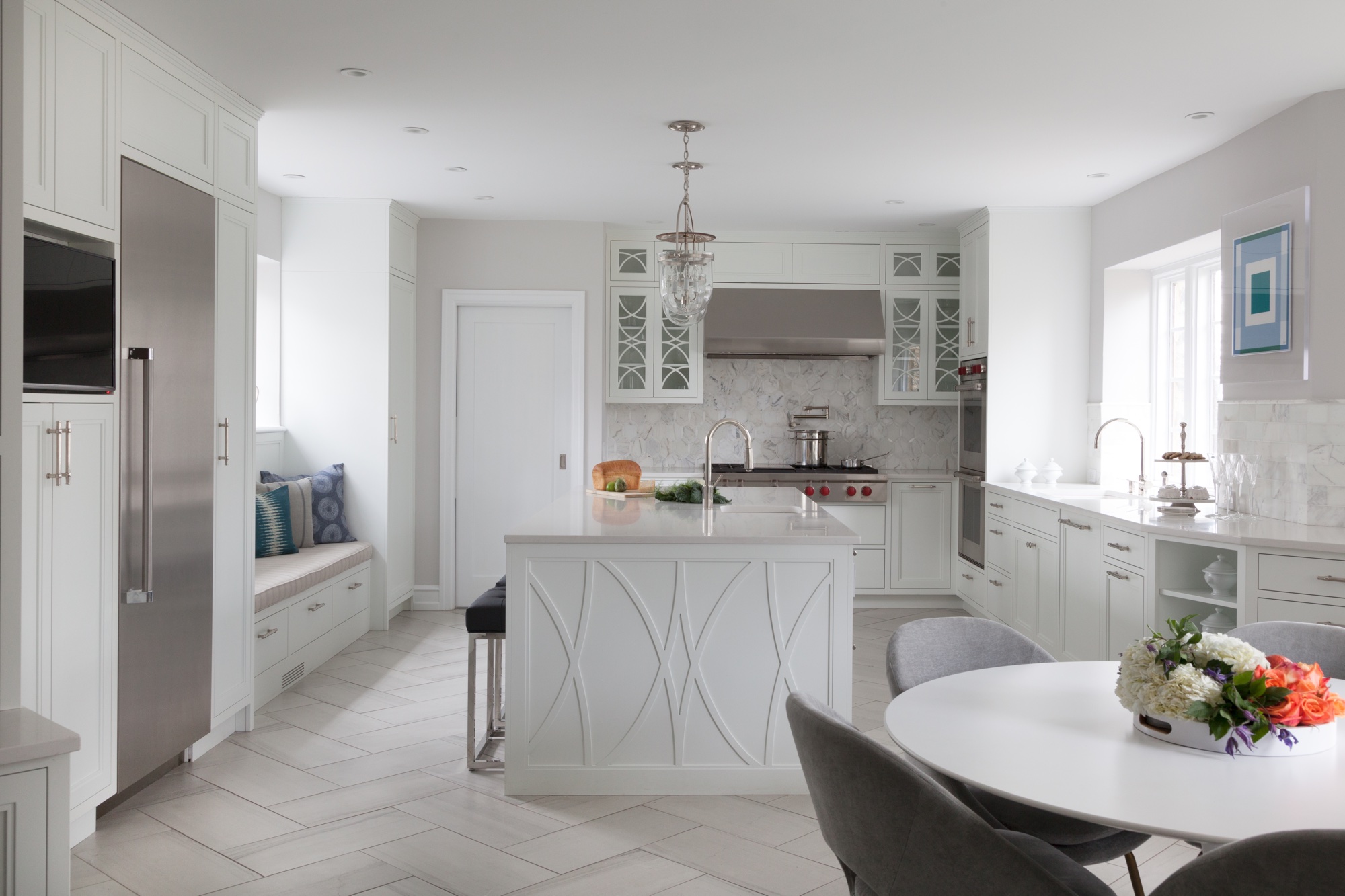
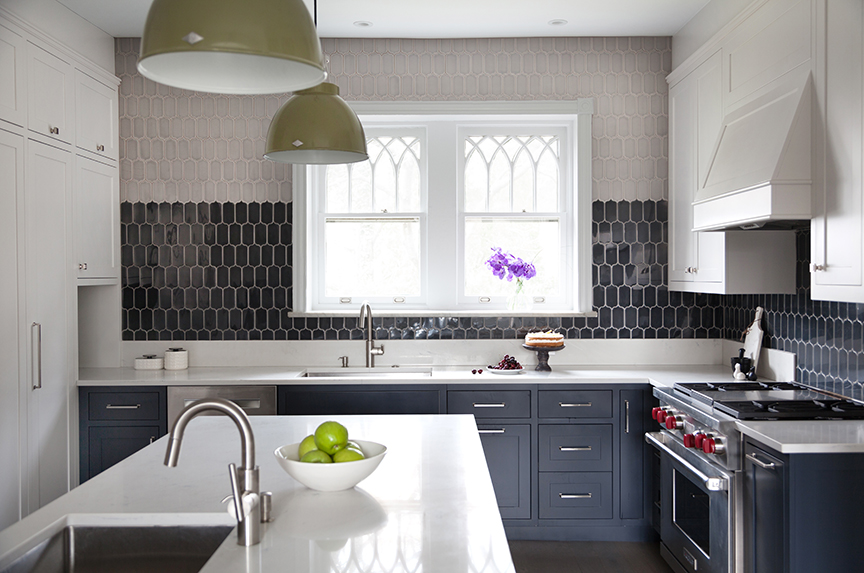
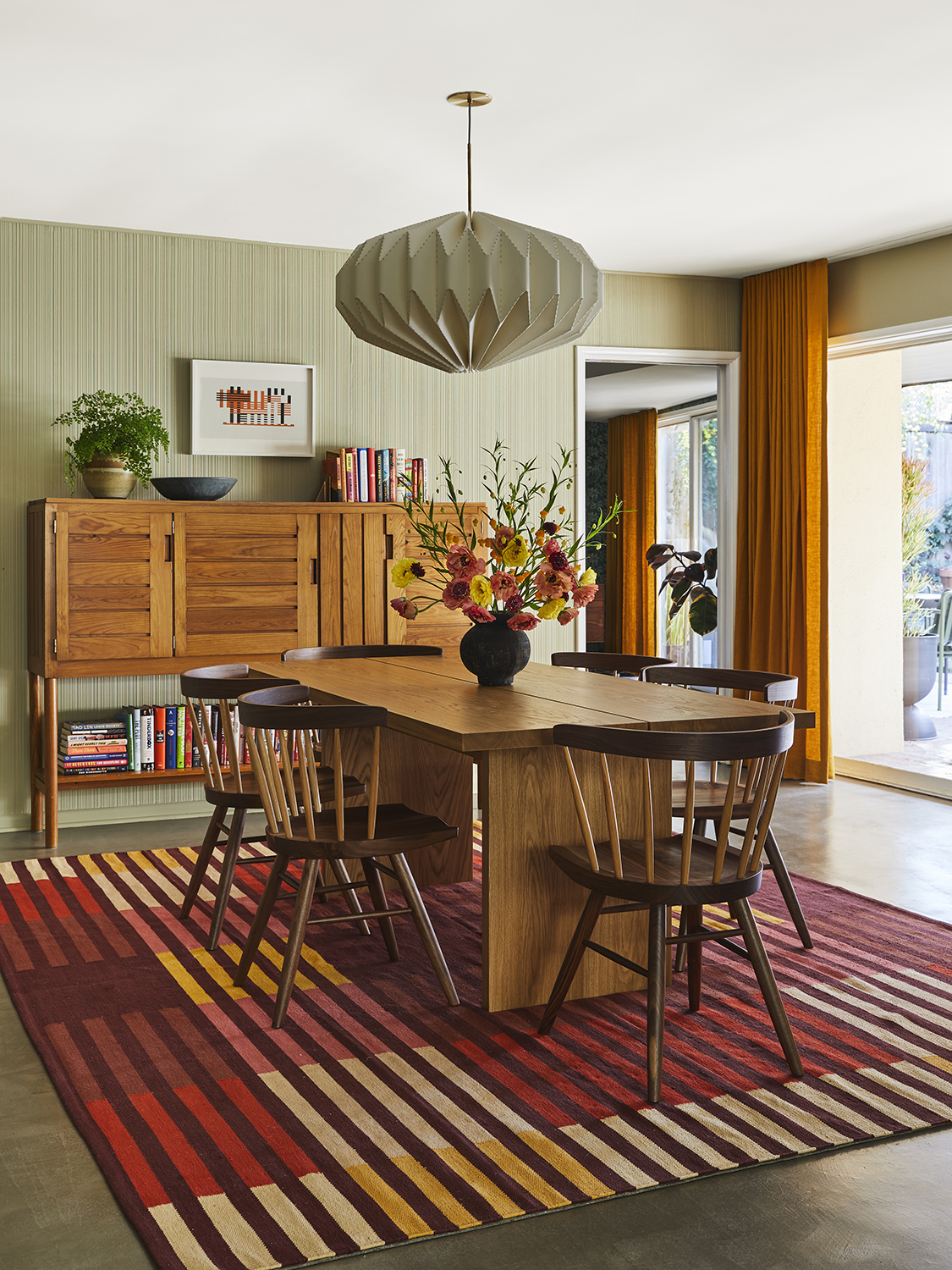
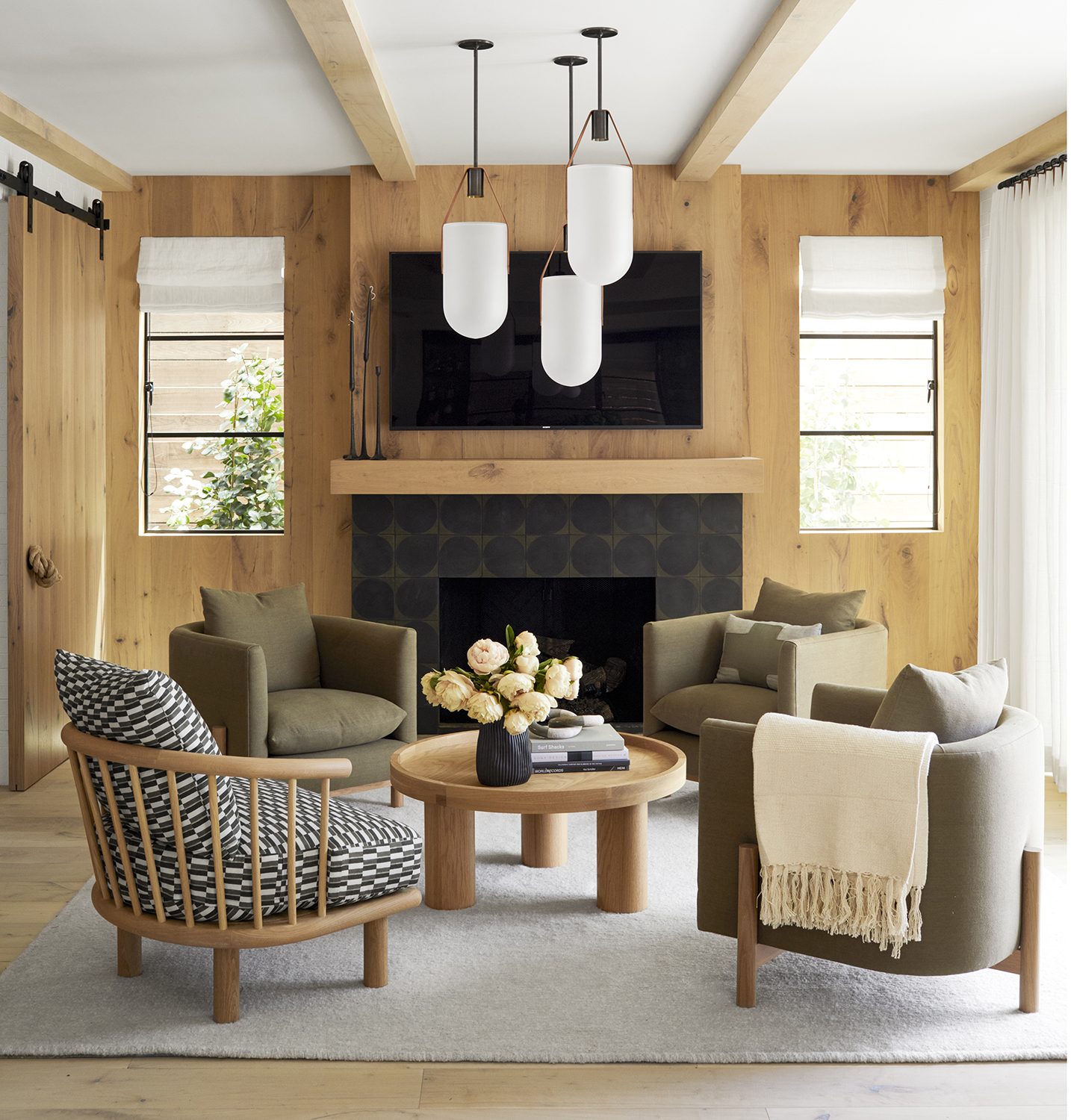
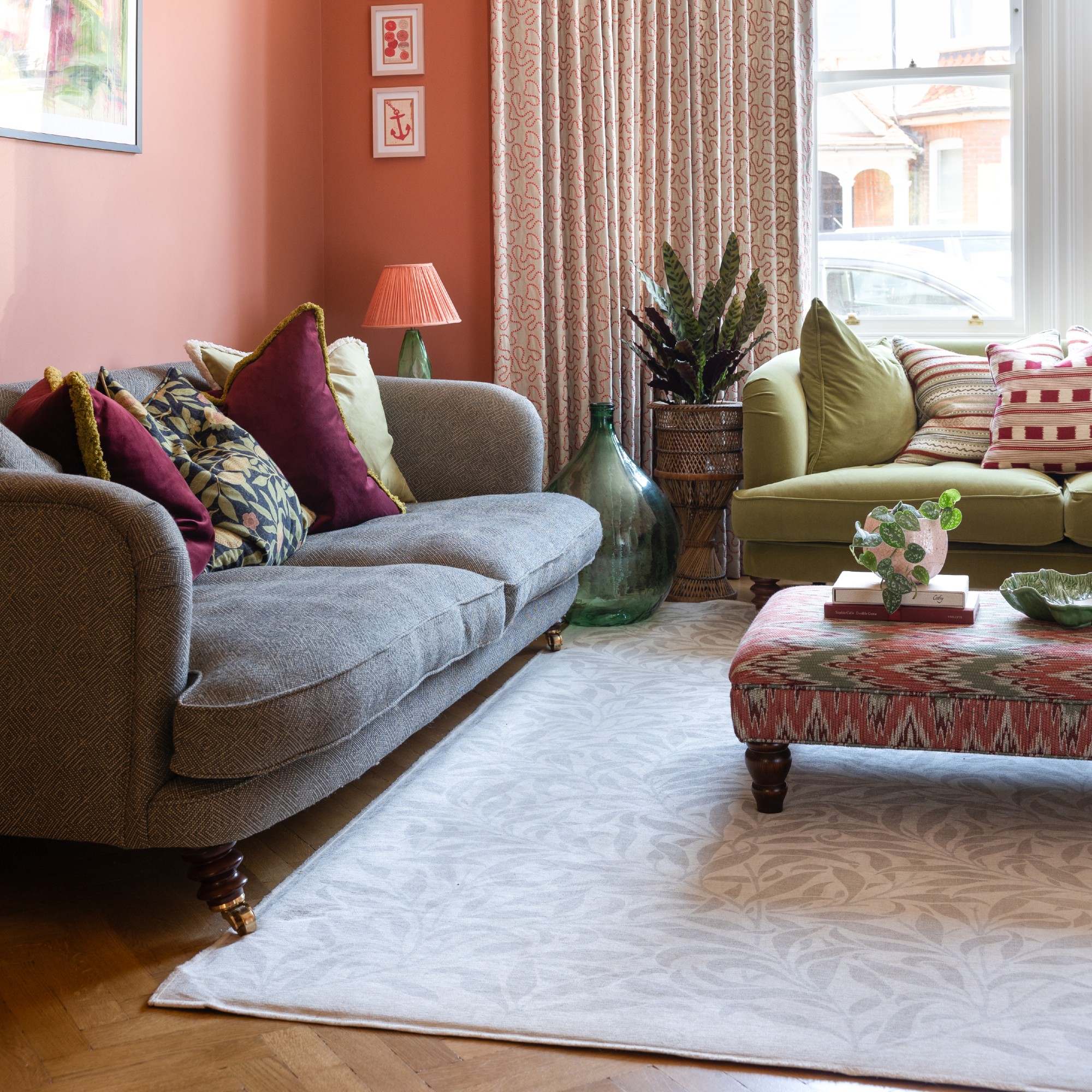
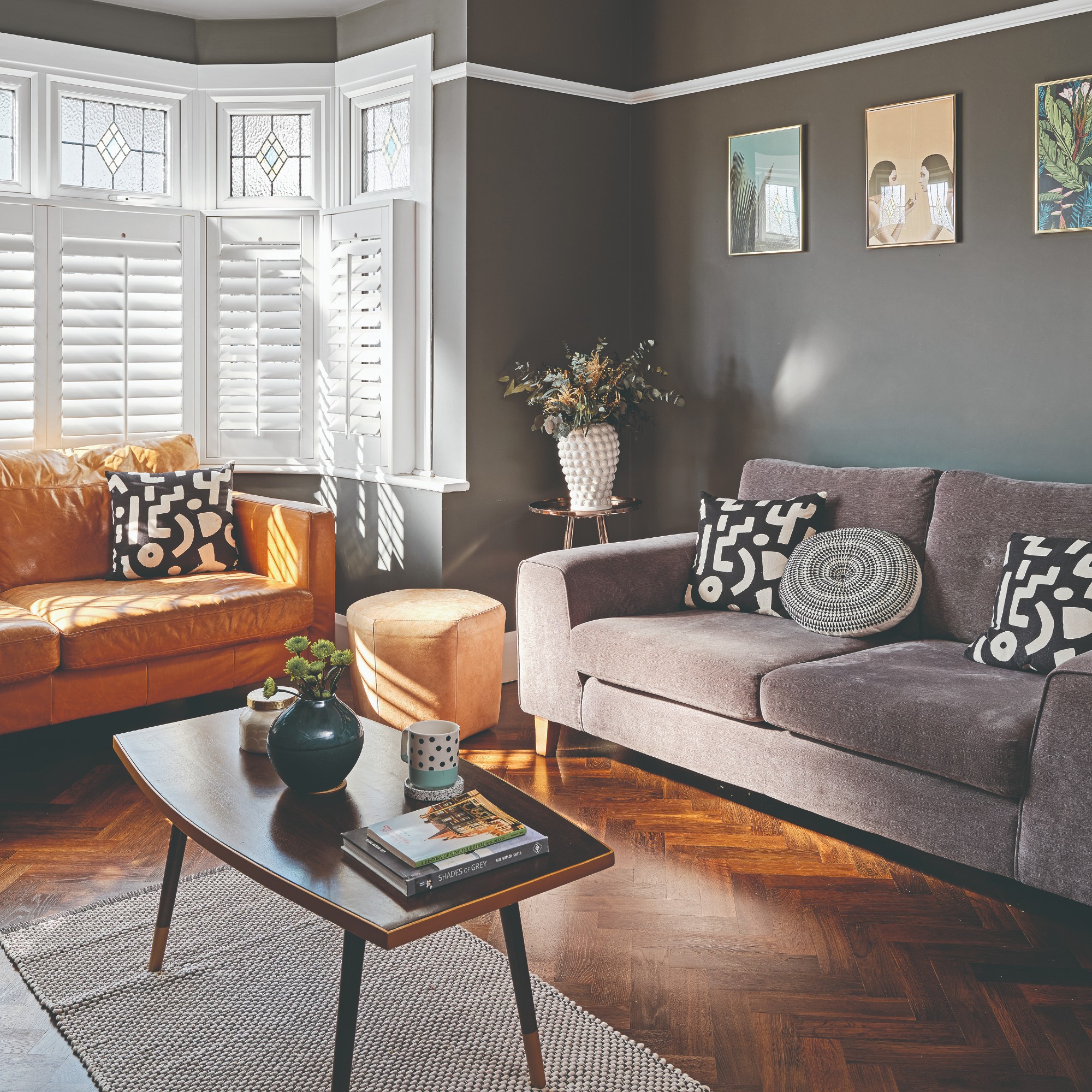
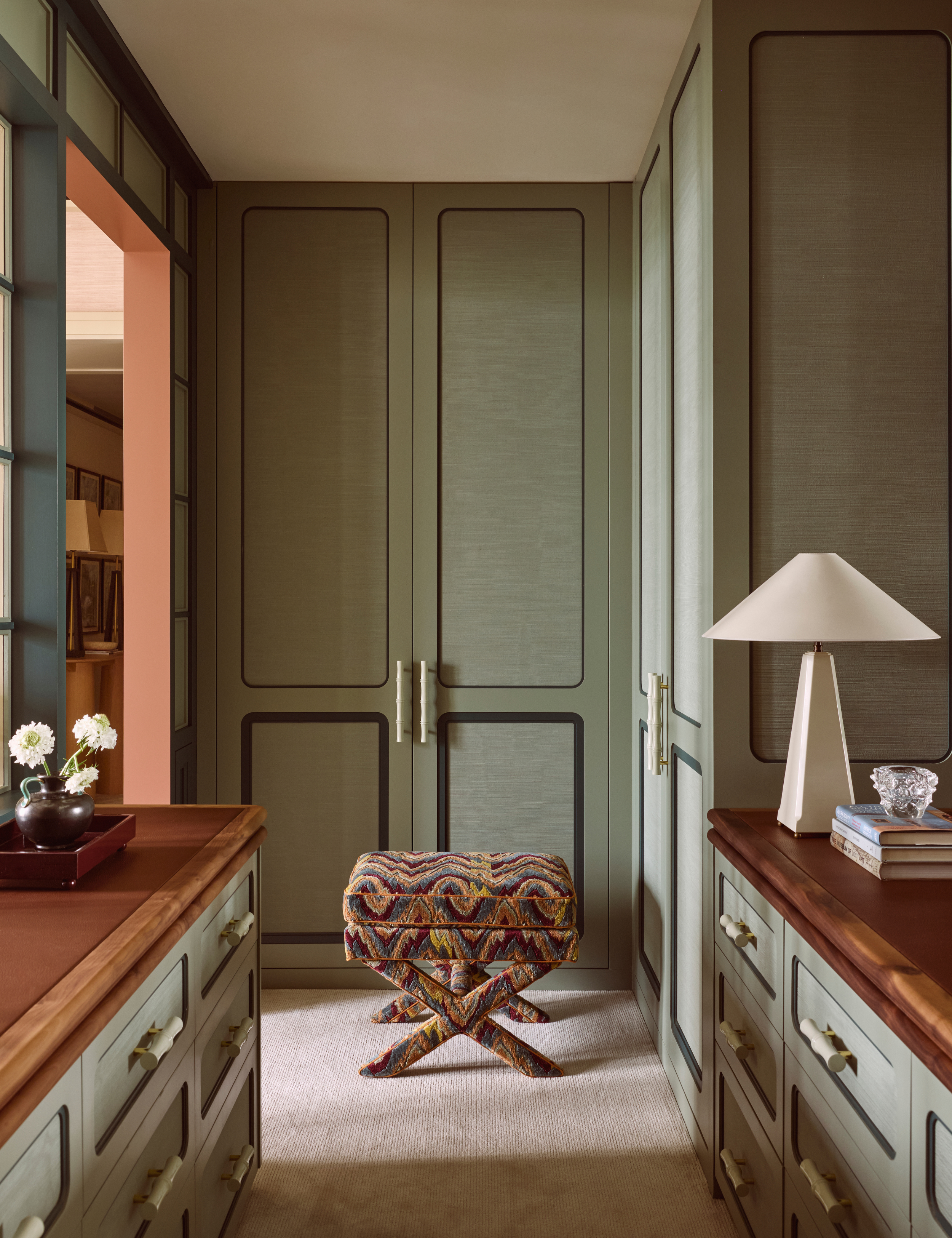
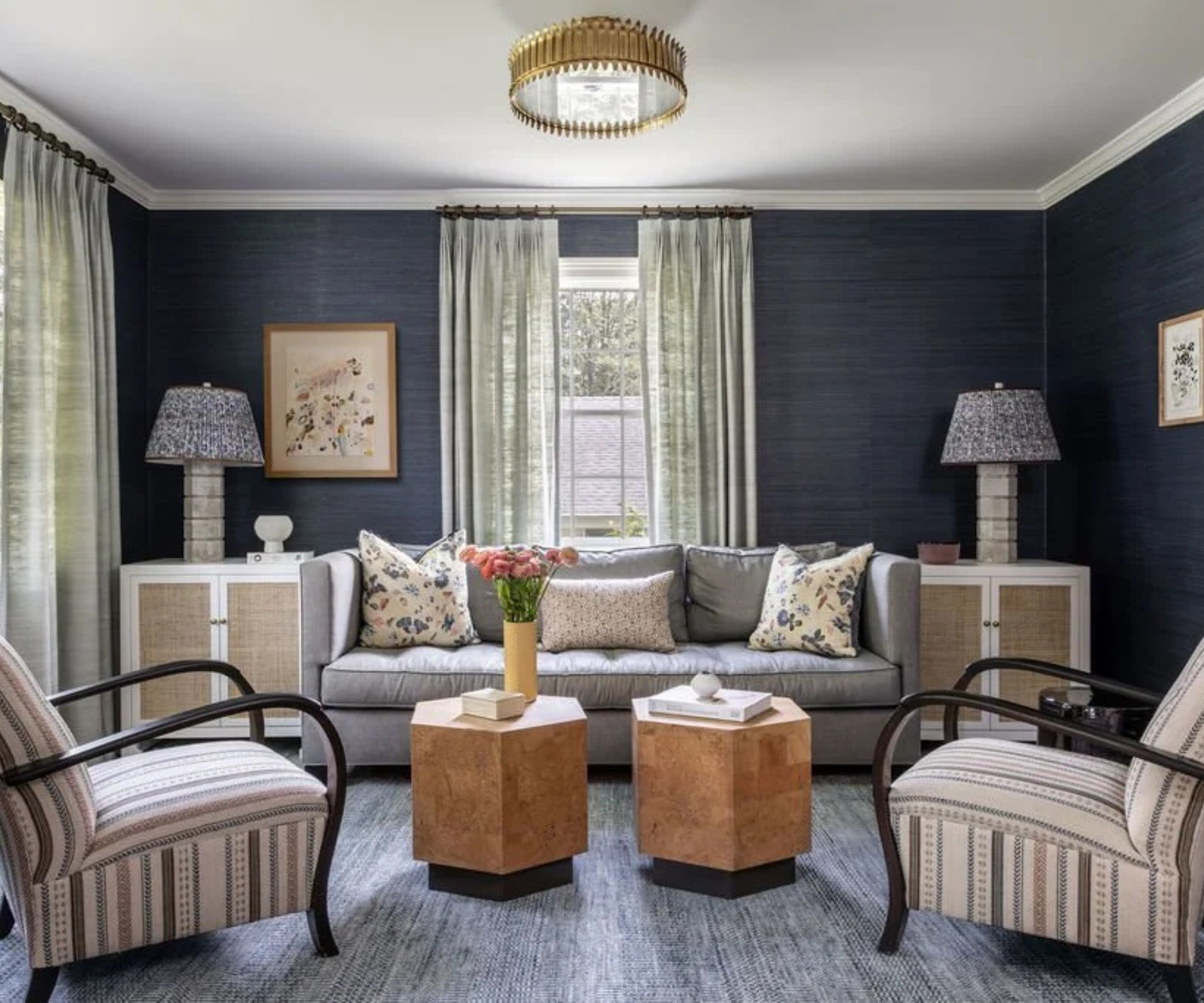
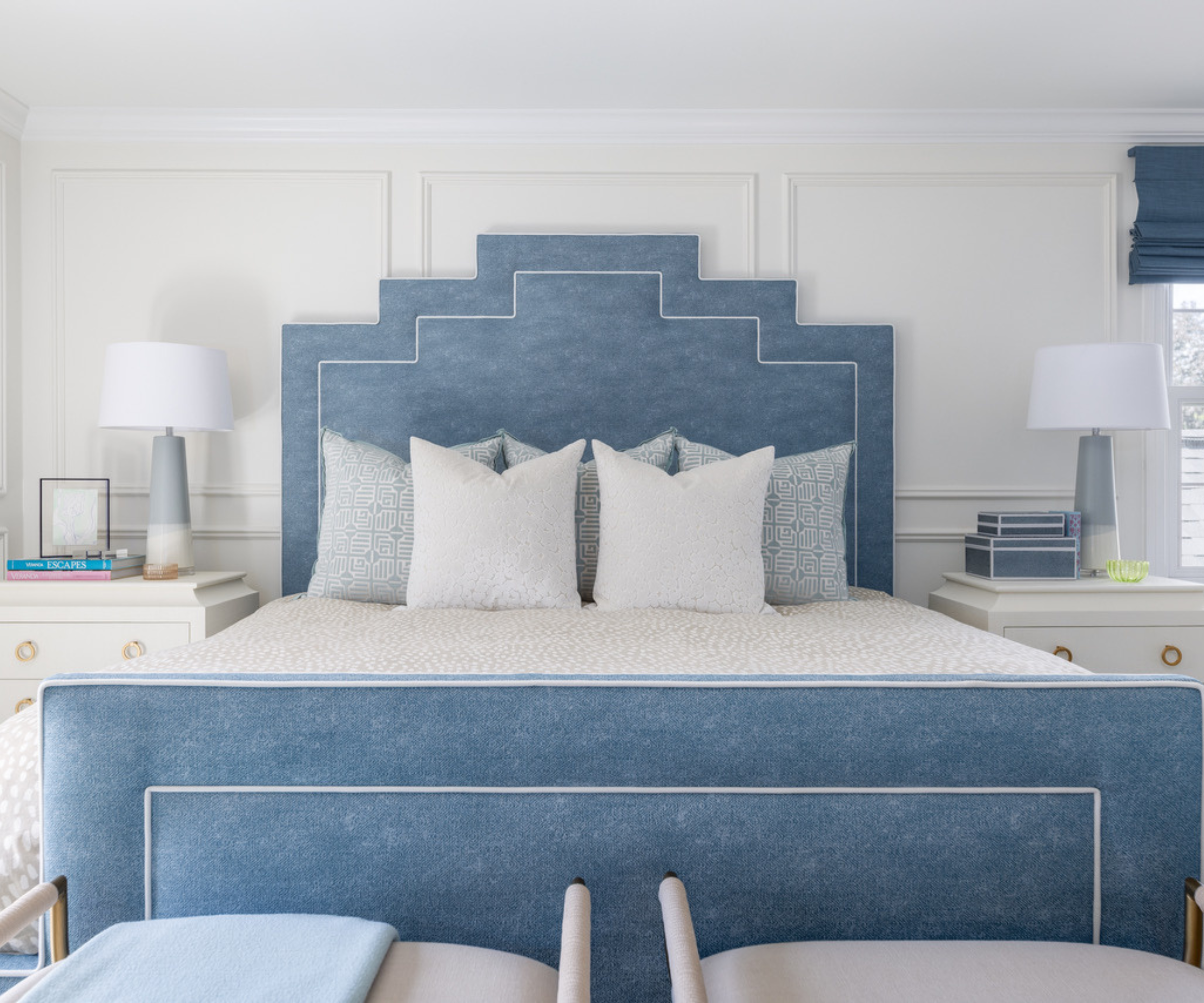
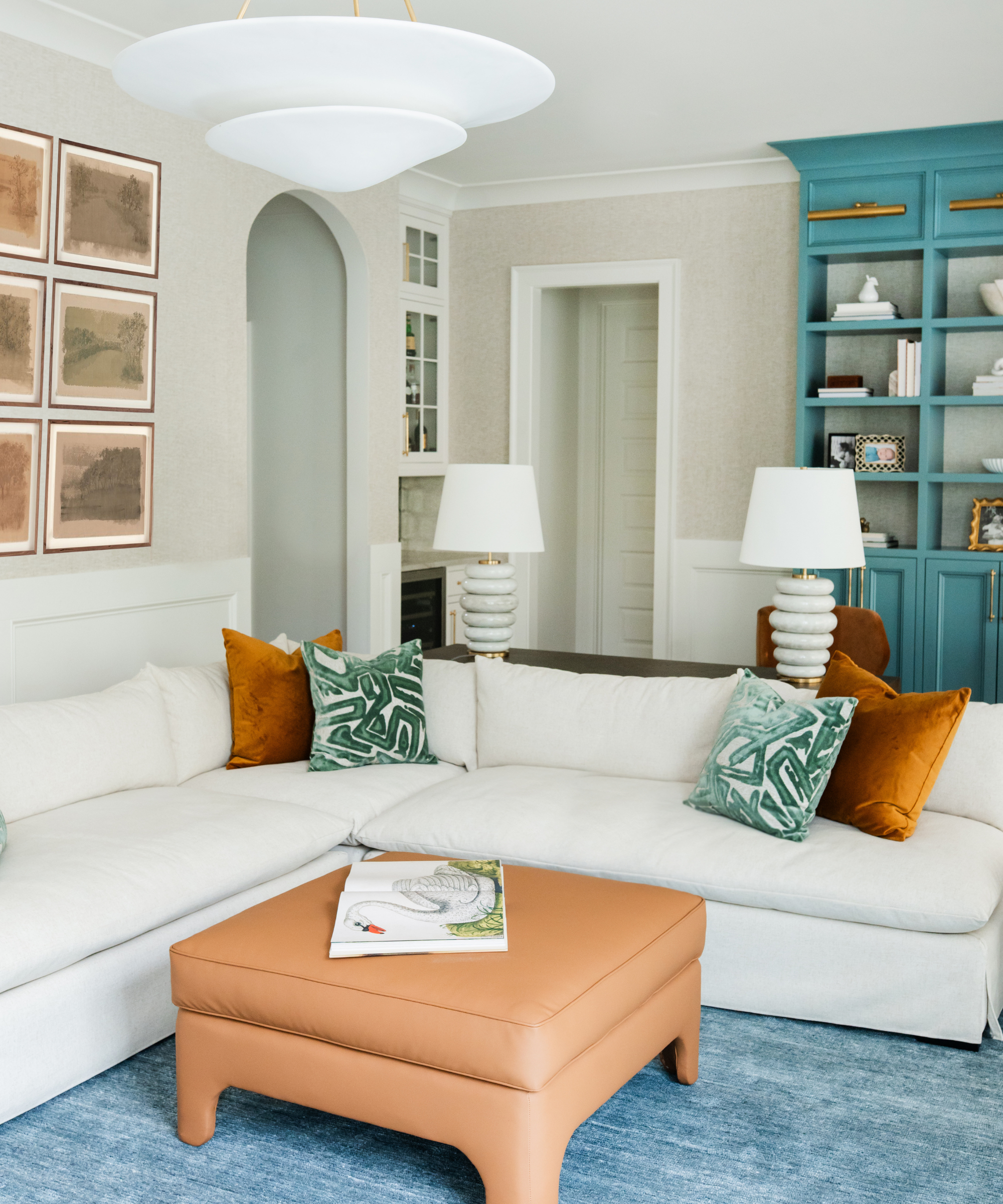
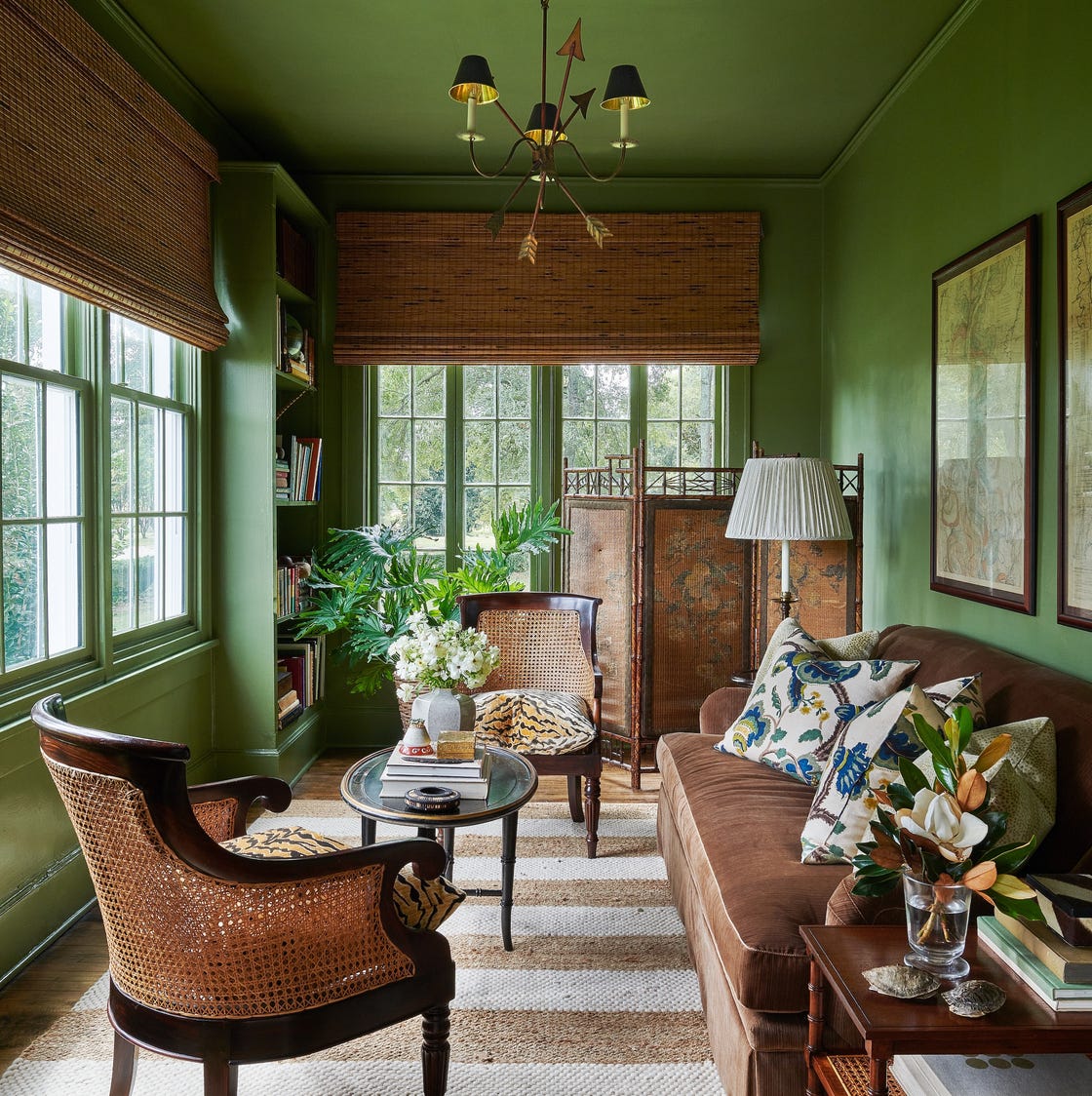
Rebecca Hughes regularly integrates these principles into her work, from crafting living room layouts to selecting finishes. She illustrates this by grouping furniture, such as a sofa, rug, and coffee table, to define a seating zone in line with the proximity principle. Similarly, repeating brass finishes across lighting and hardware establishes visual harmony, embodying the similarity principle. When elements like furniture, colors, and shapes are interconnected, the human brain naturally perceives the space as calm, balanced, and inviting.
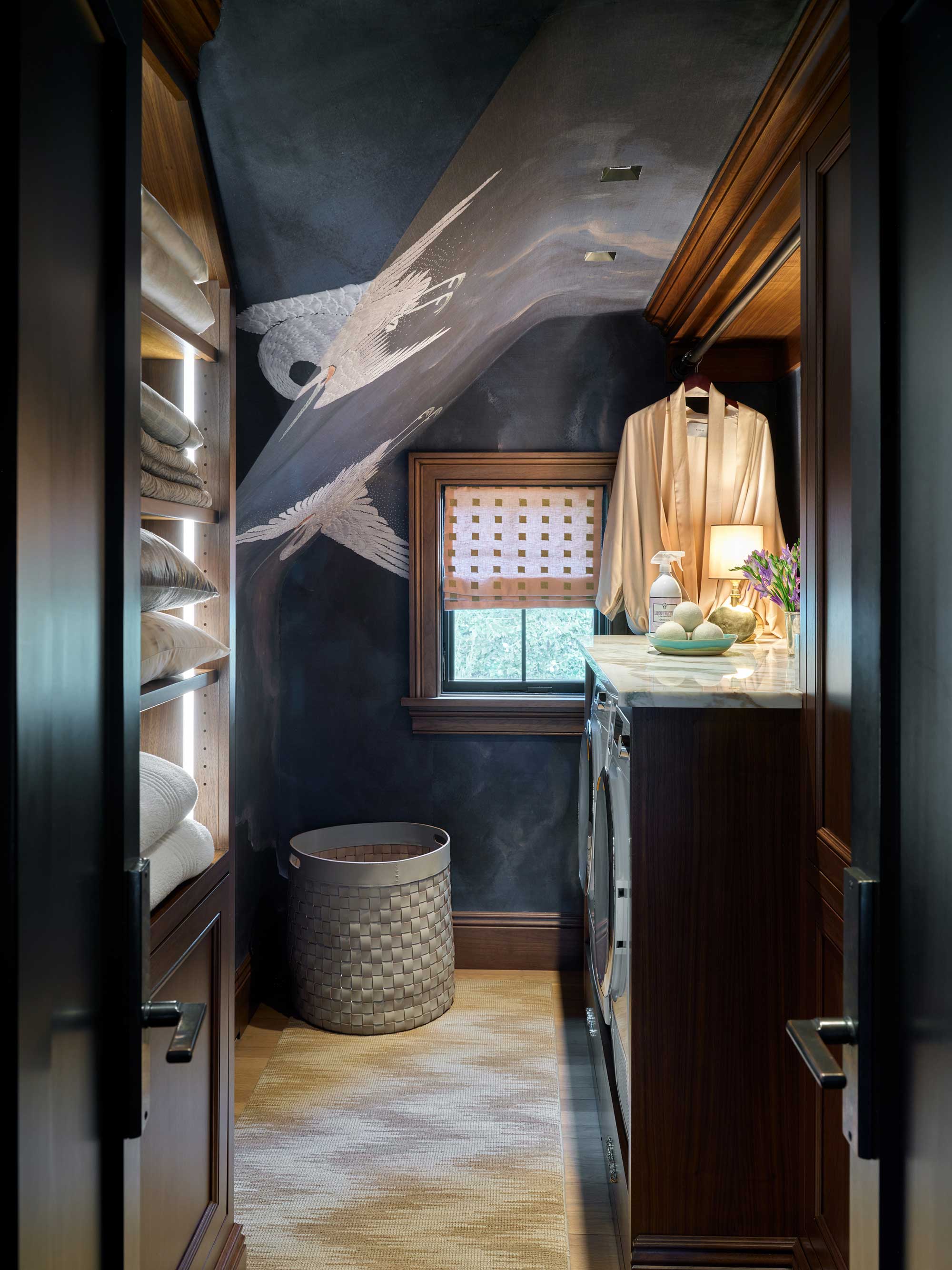
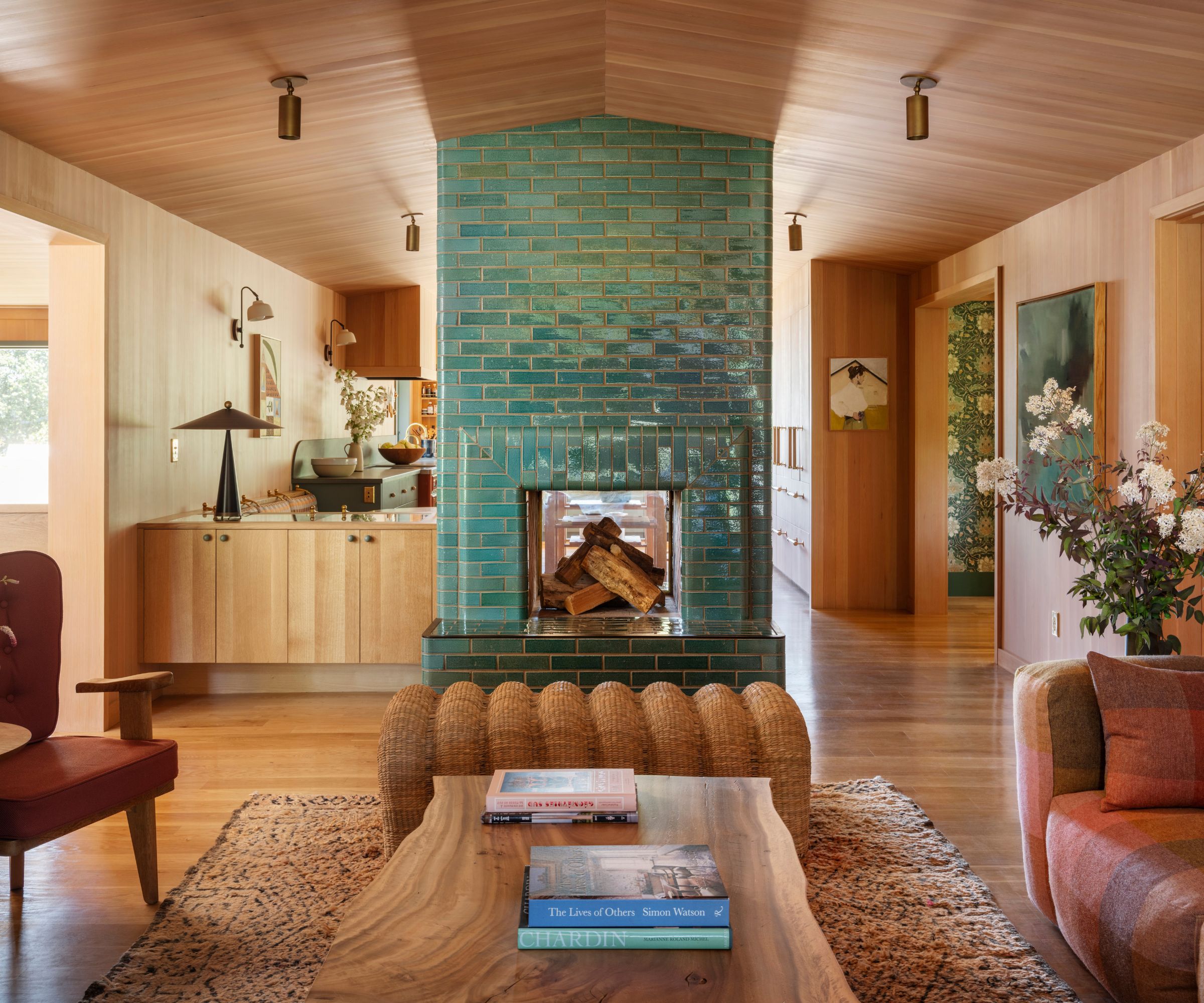
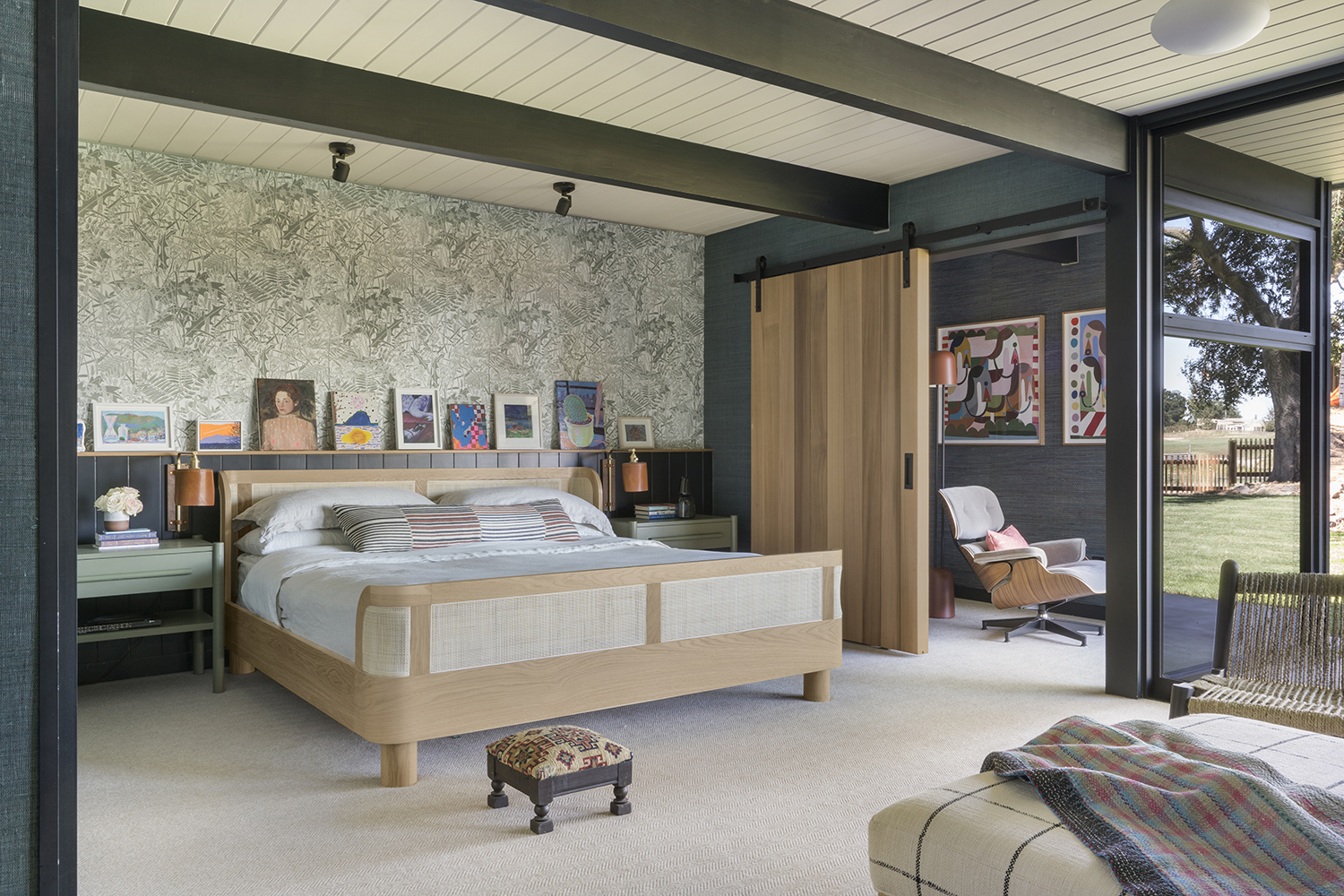
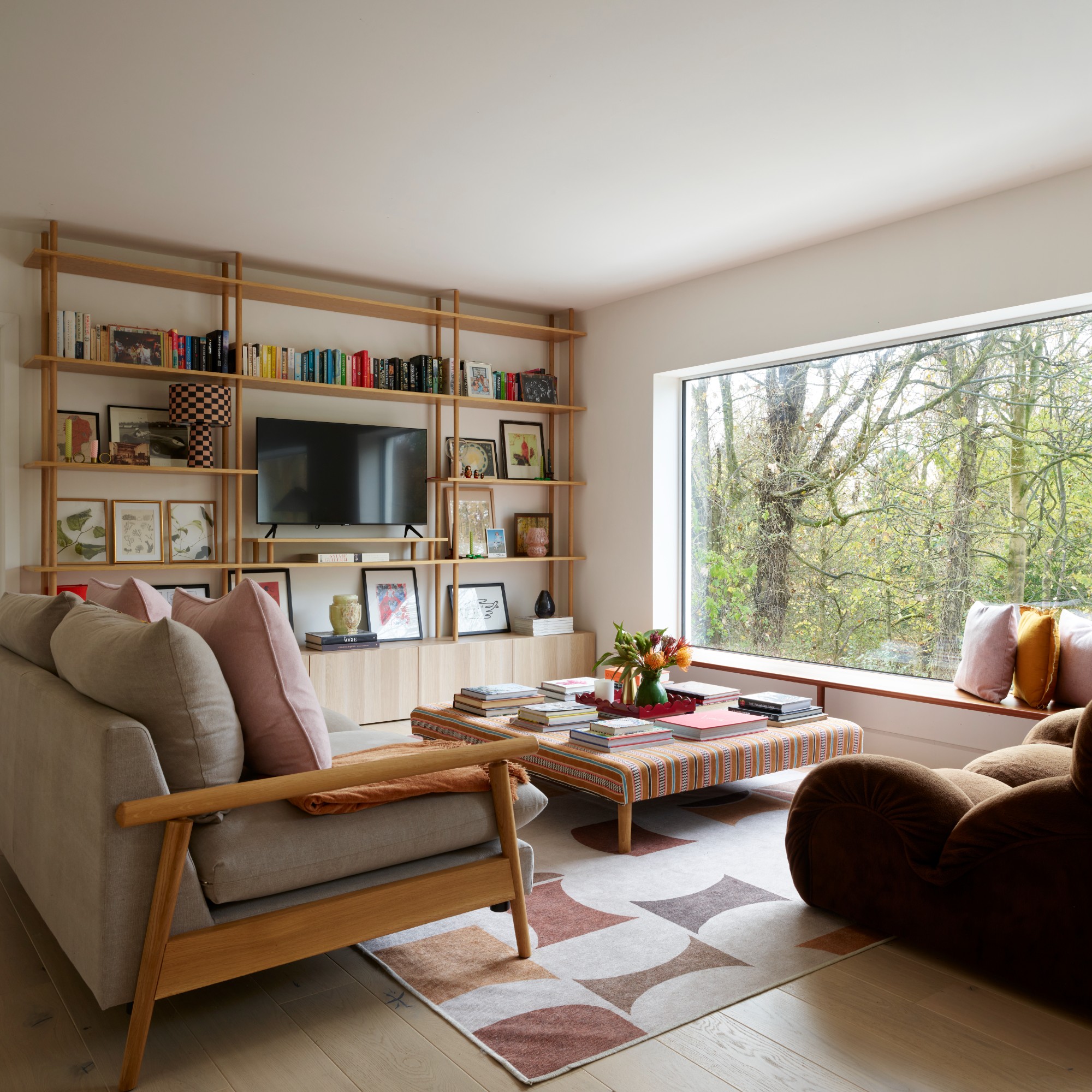
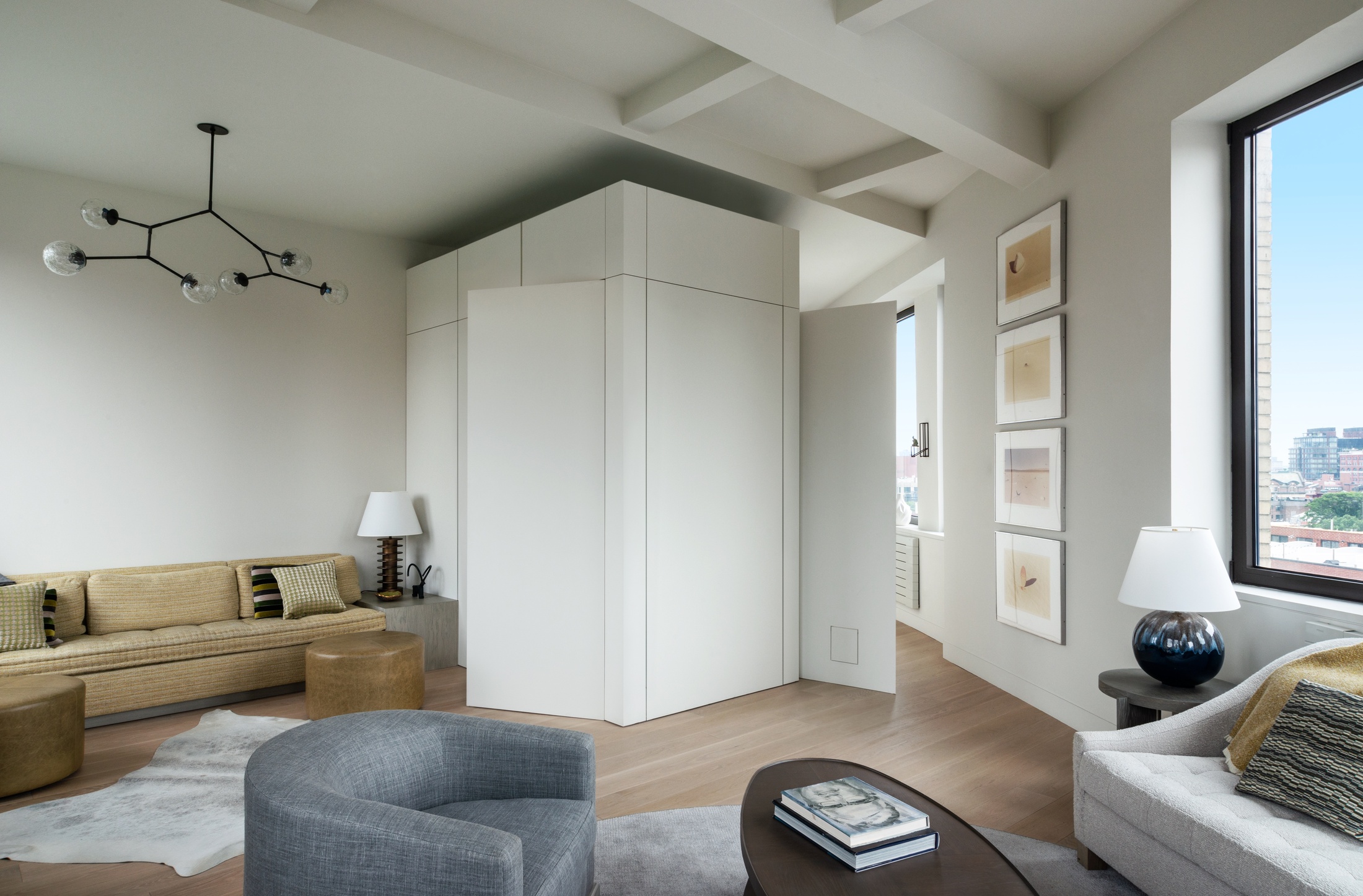
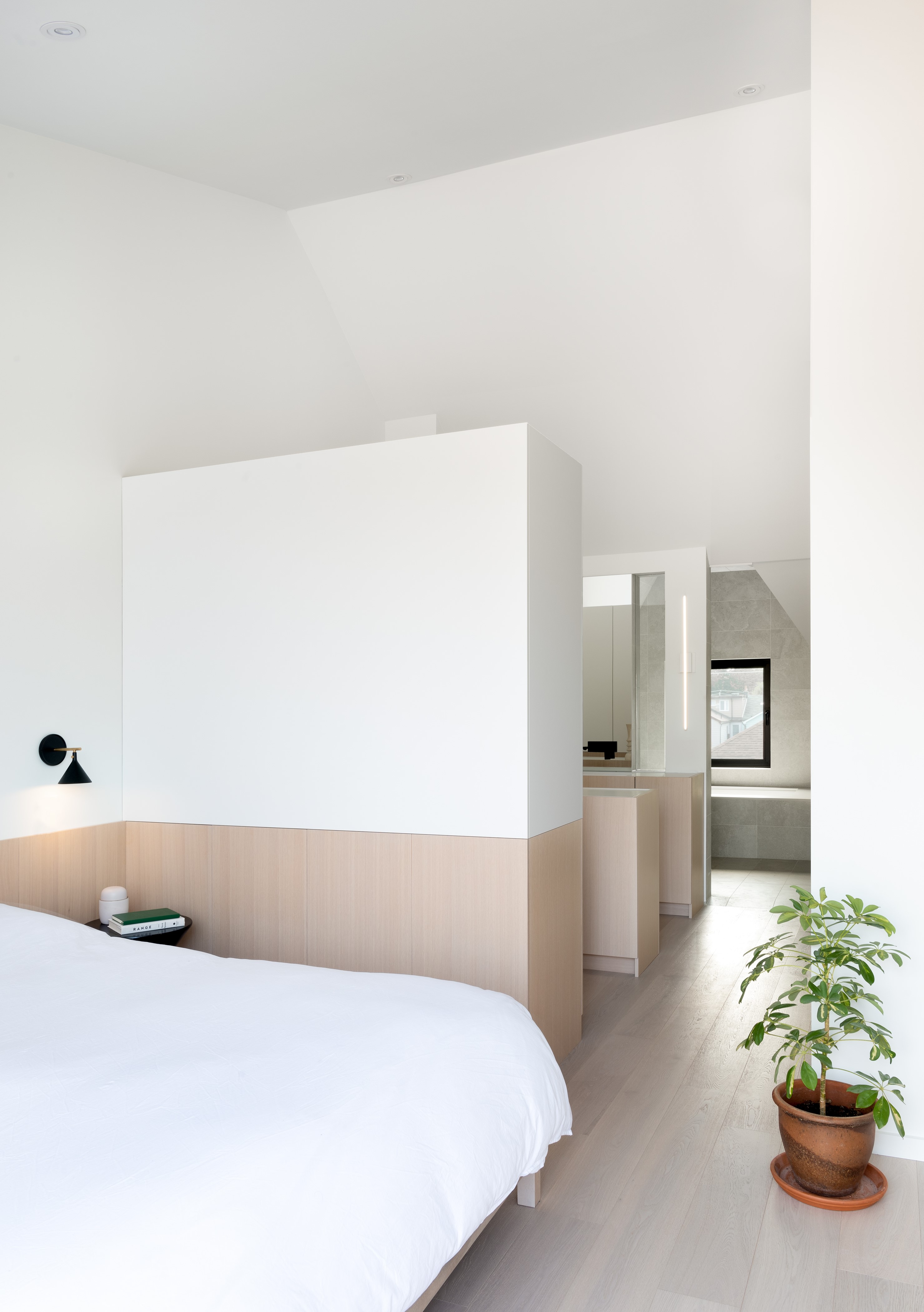
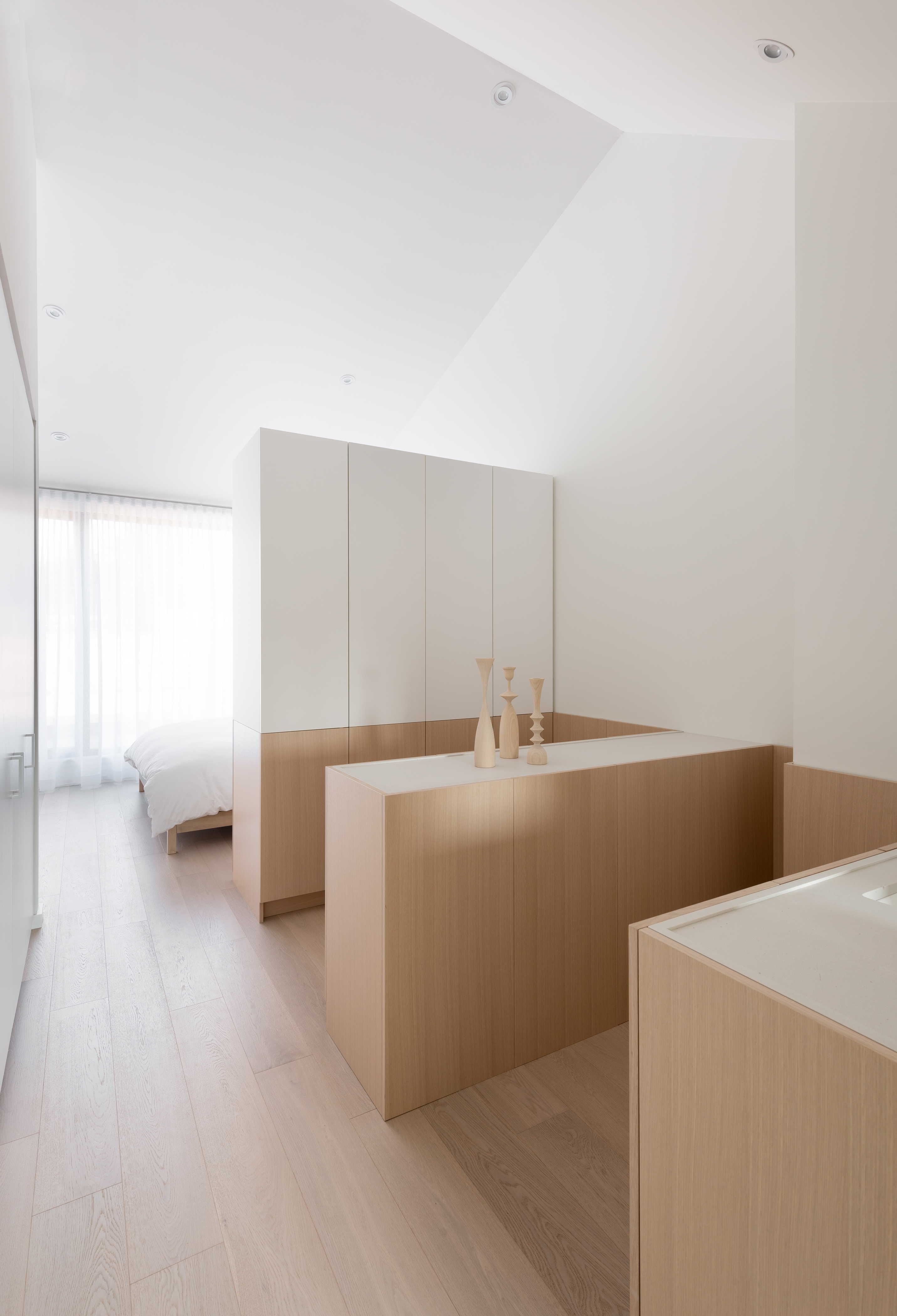
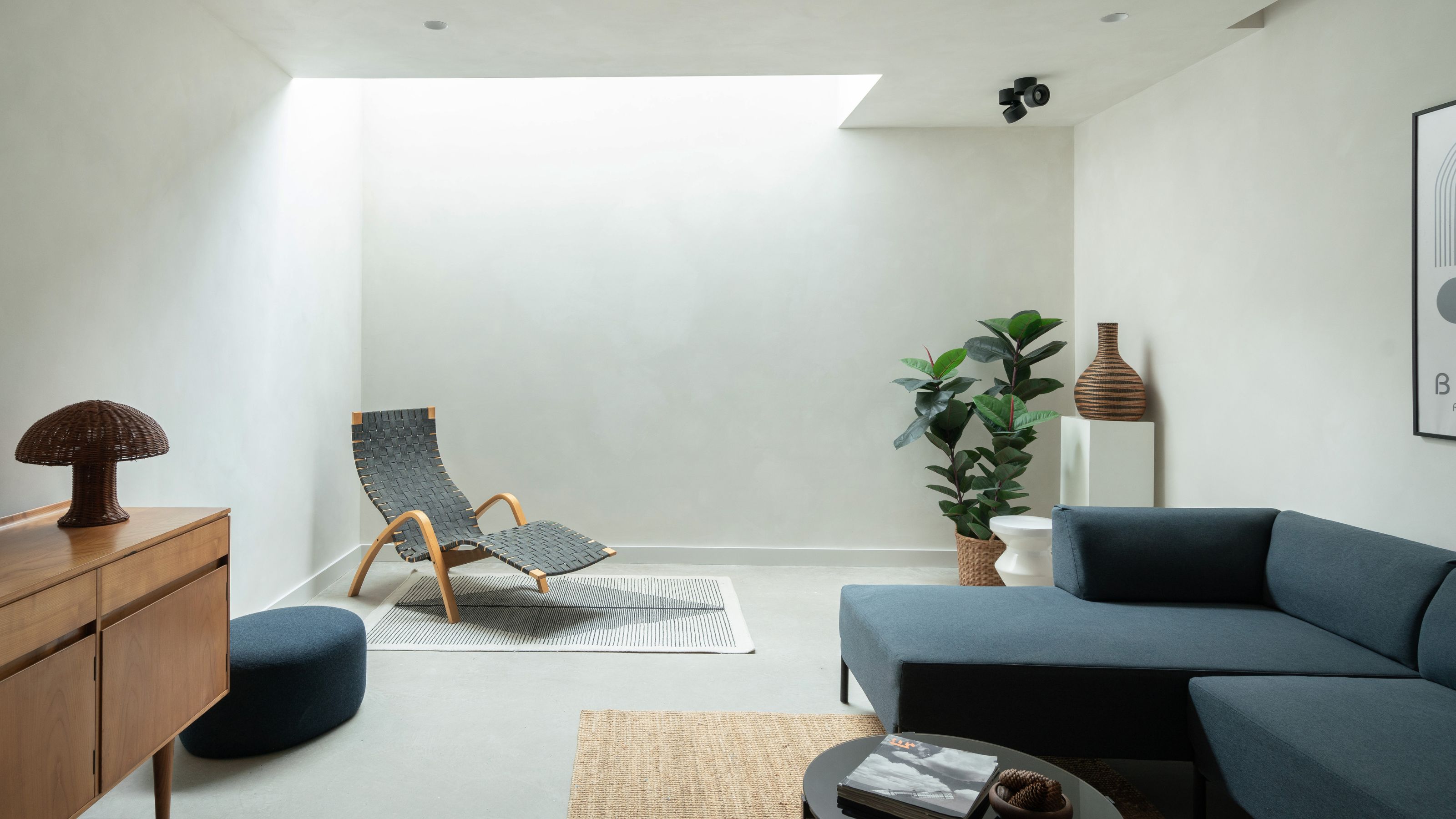
Beyond enhancing efficiency, Gestalt principles are crucial for achieving visual balance. Hughes stresses the importance of sightlines and how the eye navigates a room, utilizing techniques like color blocking or aligning furniture to ensure continuity. This approach results in a cohesive, intuitive, and comfortable space, even when incorporating diverse styles or bold design choices. Kinland's project in East Dulwich exemplifies the application of similarity and continuity, featuring a consistent palette of light oak, polished concrete, lime-washed walls, and handcrafted finishes across kitchens, bathrooms, and bedrooms. This creates a rhythmic flow and reinforces a sense of balance and tranquility, with bespoke joinery contributing to design continuity and ensuring every element feels intentional and integrated into the overall project.
While experienced designers might occasionally deviate from conventional rules to create unique spaces, these principles offer invaluable guidance for homeowners lacking extensive design knowledge. They are particularly beneficial for tackling challenging room configurations or experimenting with playful maximalism, providing a structural foundation to achieve a cohesive aesthetic. Ultimately, applying Gestalt principles helps in creating spaces that exude timelessness, refinement, and sophistication, irrespective of individual design choices.
#GestaltTheory #InteriorDesignPrinciples #HomeDecor #SpatialLayout #DesignCohesion #VisualBalance #RebeccaHughesInteriors #Kinland #ArchitecturalDesign #GestaltTheory #InteriorDesignPrinciples #HomeDecor #SpatialLayout #DesignCohesion #VisualBalance #RebeccaHughesInteriors #Kinland #ArchitecturalDesign
0 comment in total
 No comments yet
You may also like
This ONE Tiny Detail Makes the Biggest Impact in Any Room, According to Designers

Designers definitely approve of this statement trend that elevates a cozy room
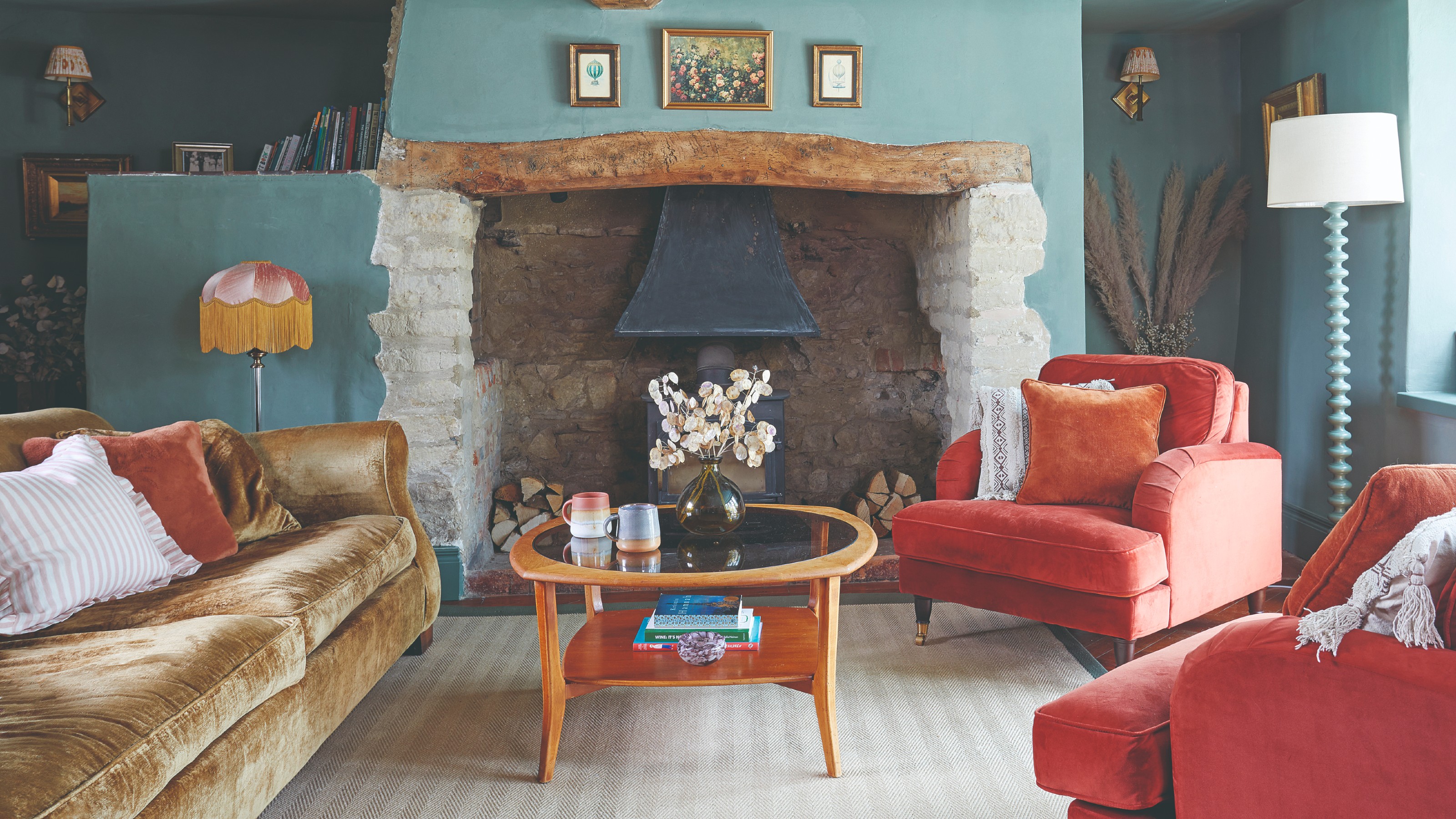
‘It makes your living room feel more connected and comfortable’ – the 4-inch seating rule is the trick interior designers have been using for years
Designers Agree: This Is the Most Underrated Room That Everyone Should Decorate

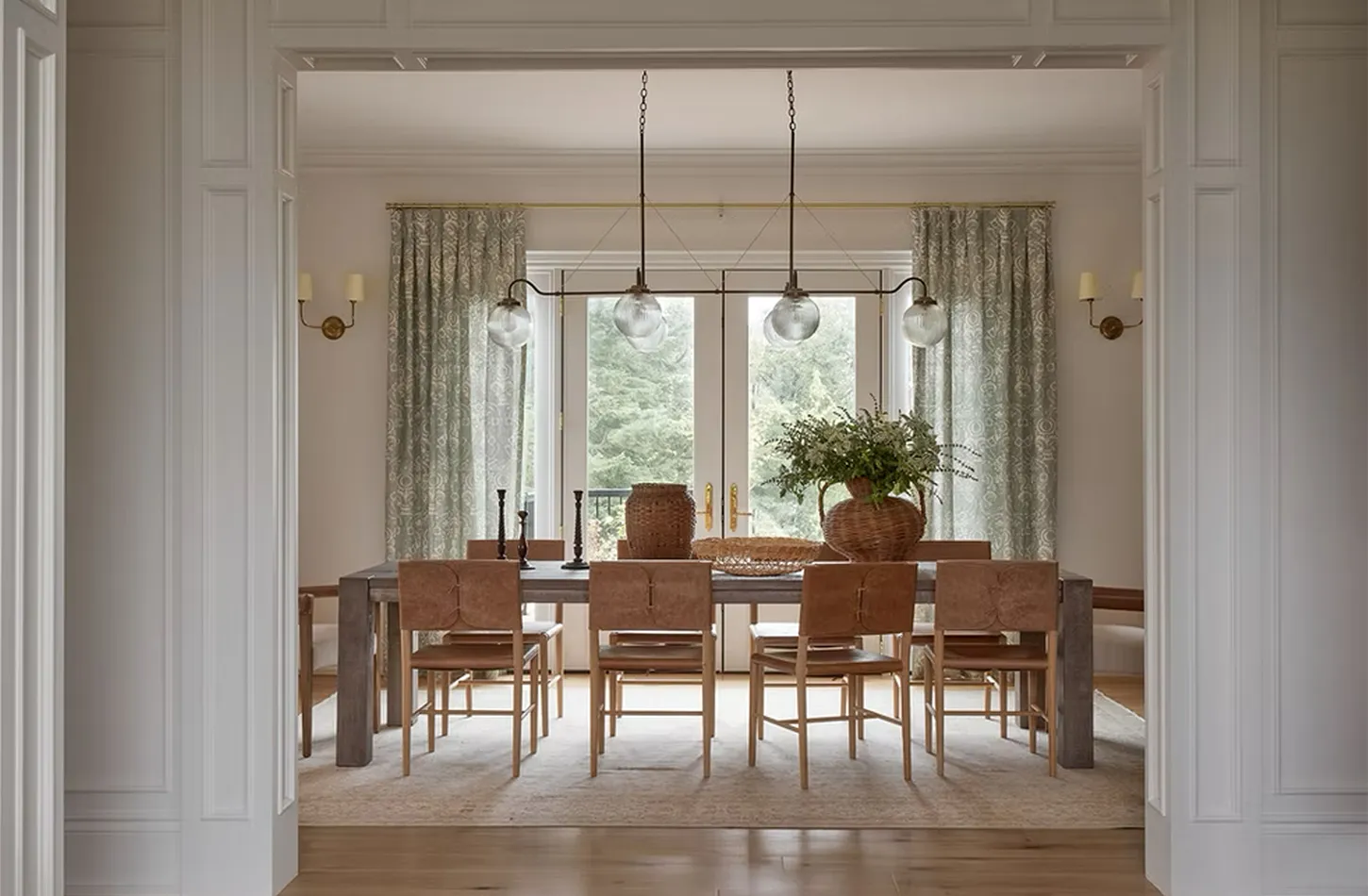
6 Underrated Designer Secrets That Instantly Make Any Room Look Better
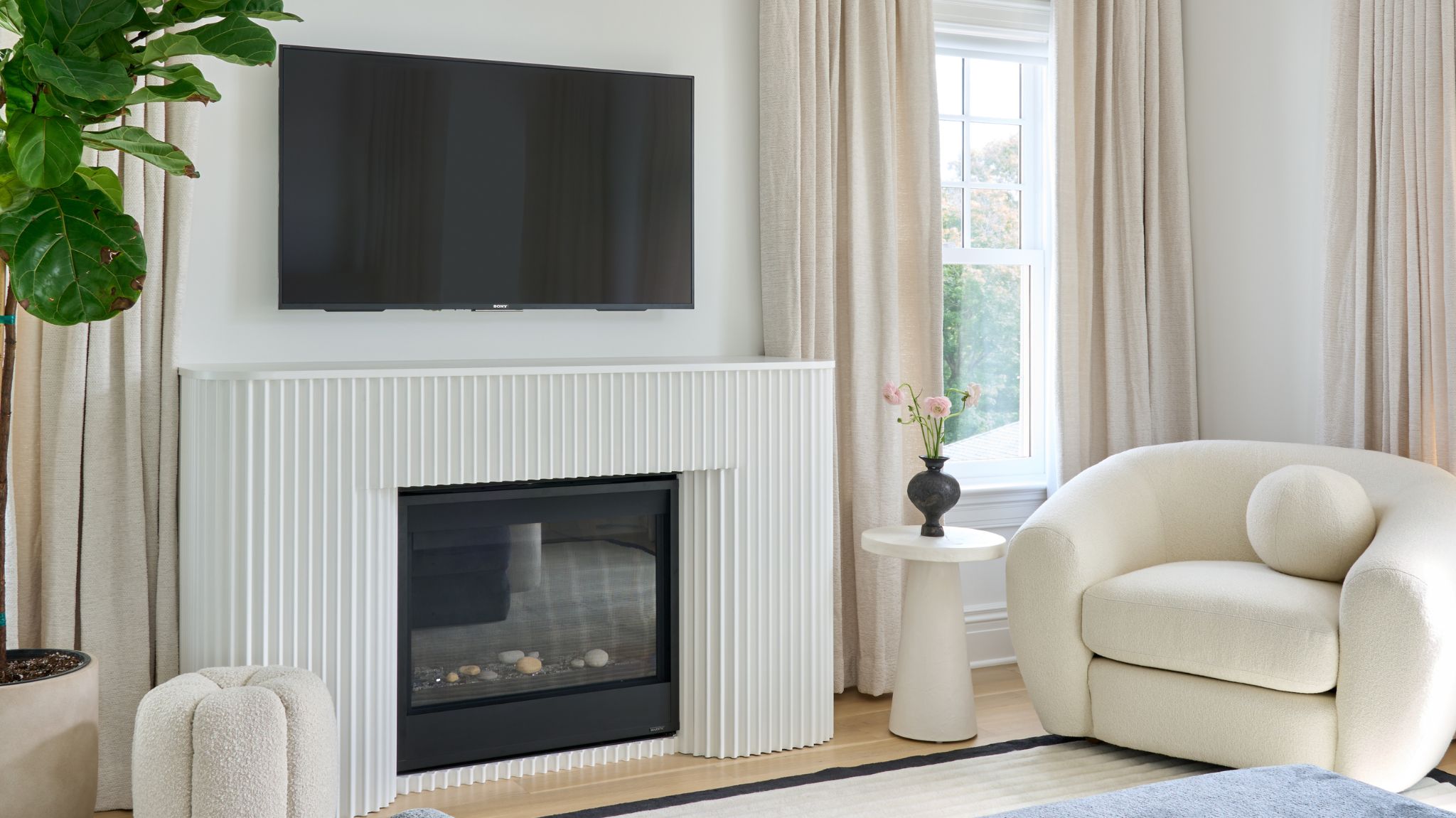
'It makes a room soft and serene.' A designer explains a new decor trend that is better than any you've seen before
Interior Designers NEVER Overlook This Surprising Space

The New Trick Designers are Using To Zone Rooms and Create Privacy Is Both Beautiful and Functional

No Room Is Complete Without THIS One Feature, According to a Designer
The One Design Feature You're Overlooking That Can Instantly Elevate Any Room

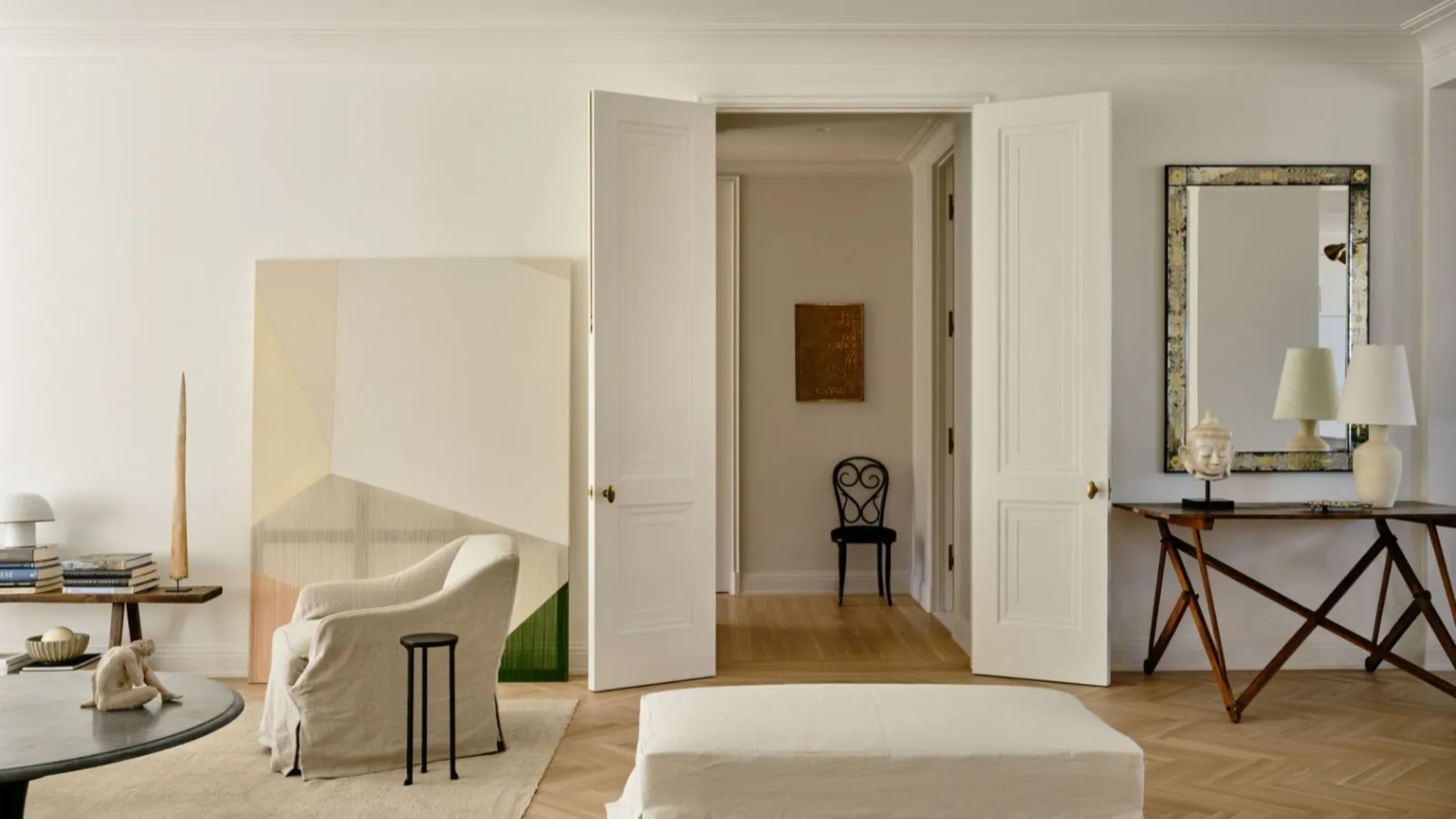
‘Not Every Space Needs to Be Filled’ – Interior Designers on the Art of Negative Space and 7 Ways to Use It Well

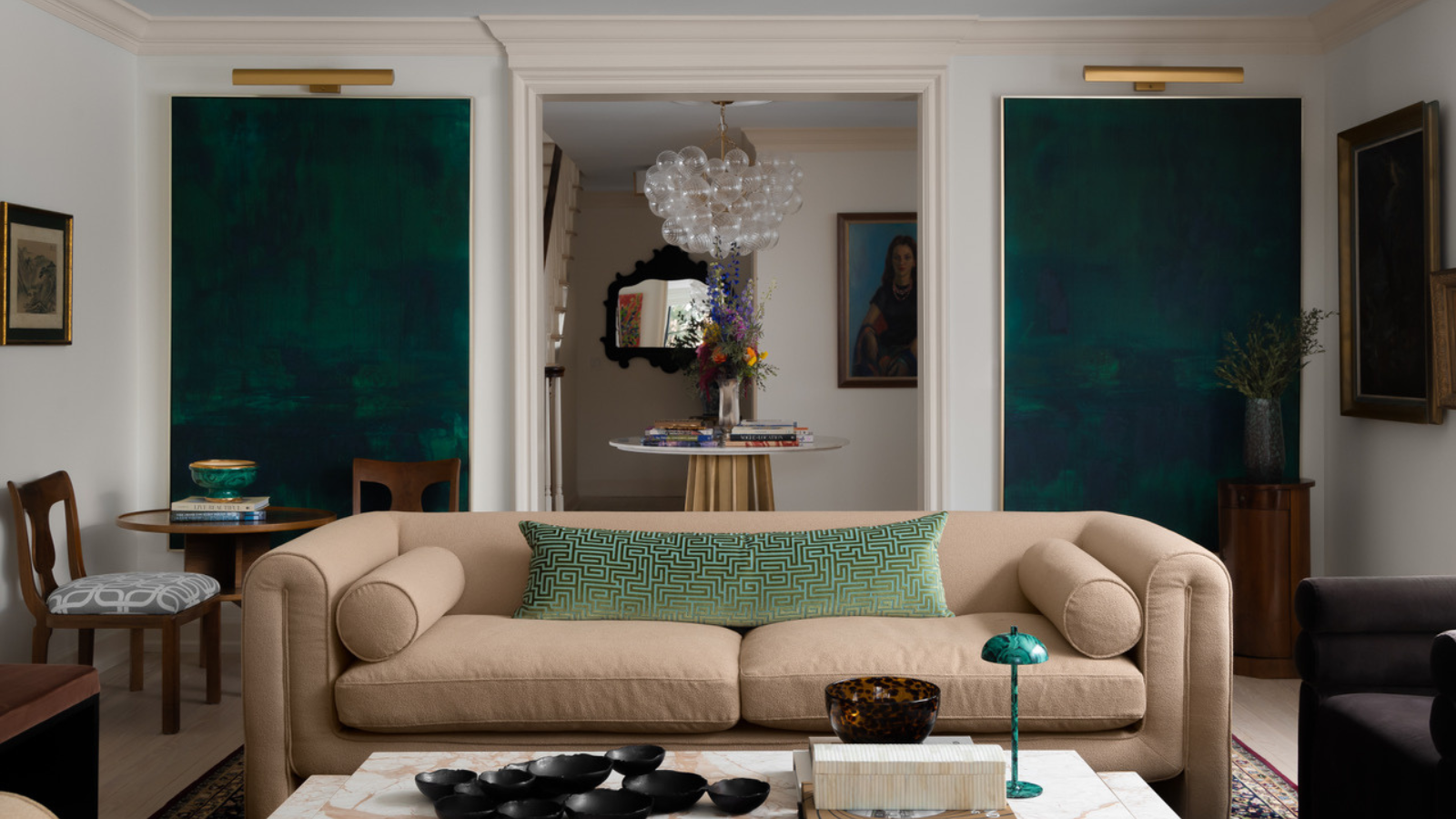
Here's How to Use Symmetry in Interior Design
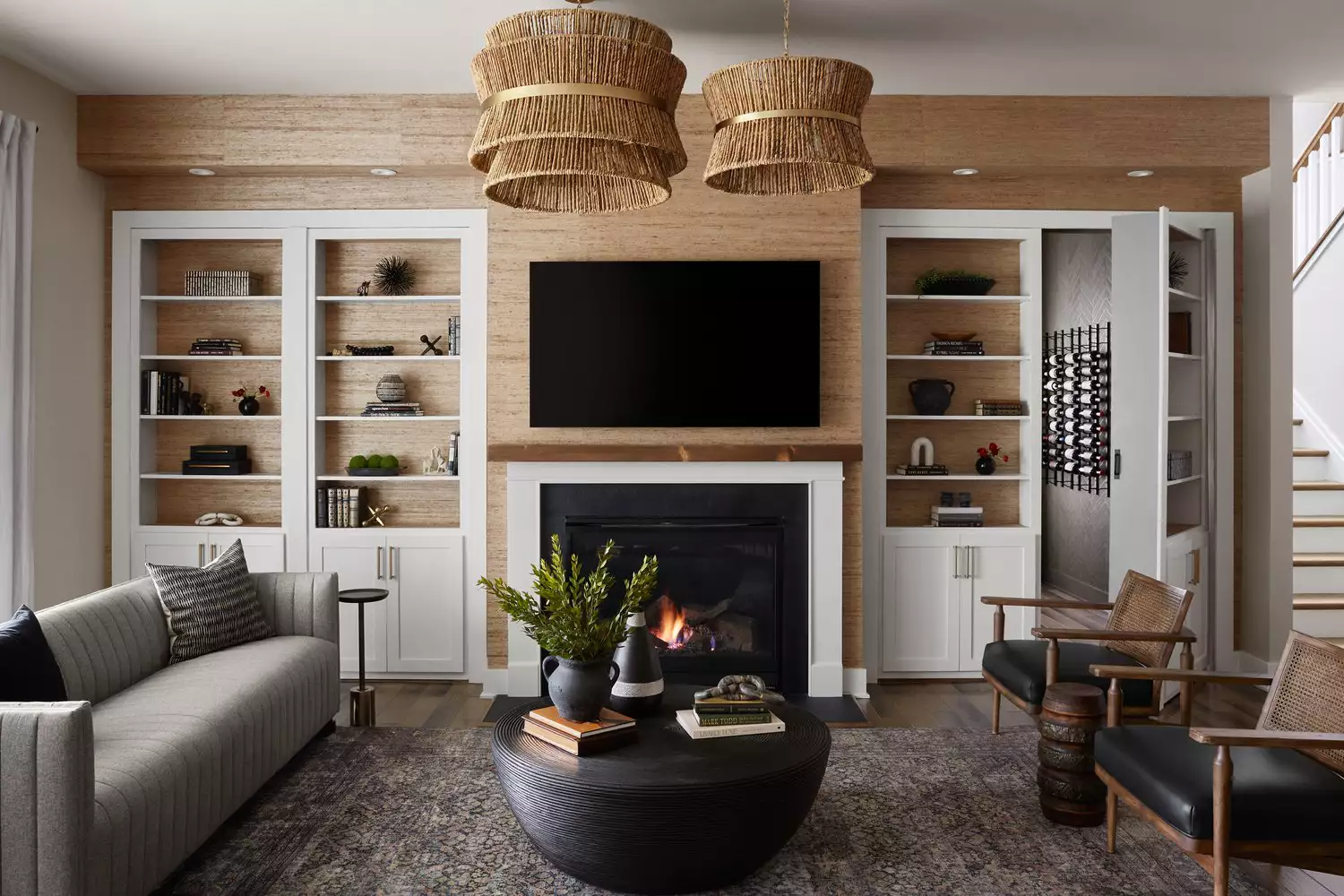
The One Design Feature You're Overlooking That Will Instantly Elevate Any Room
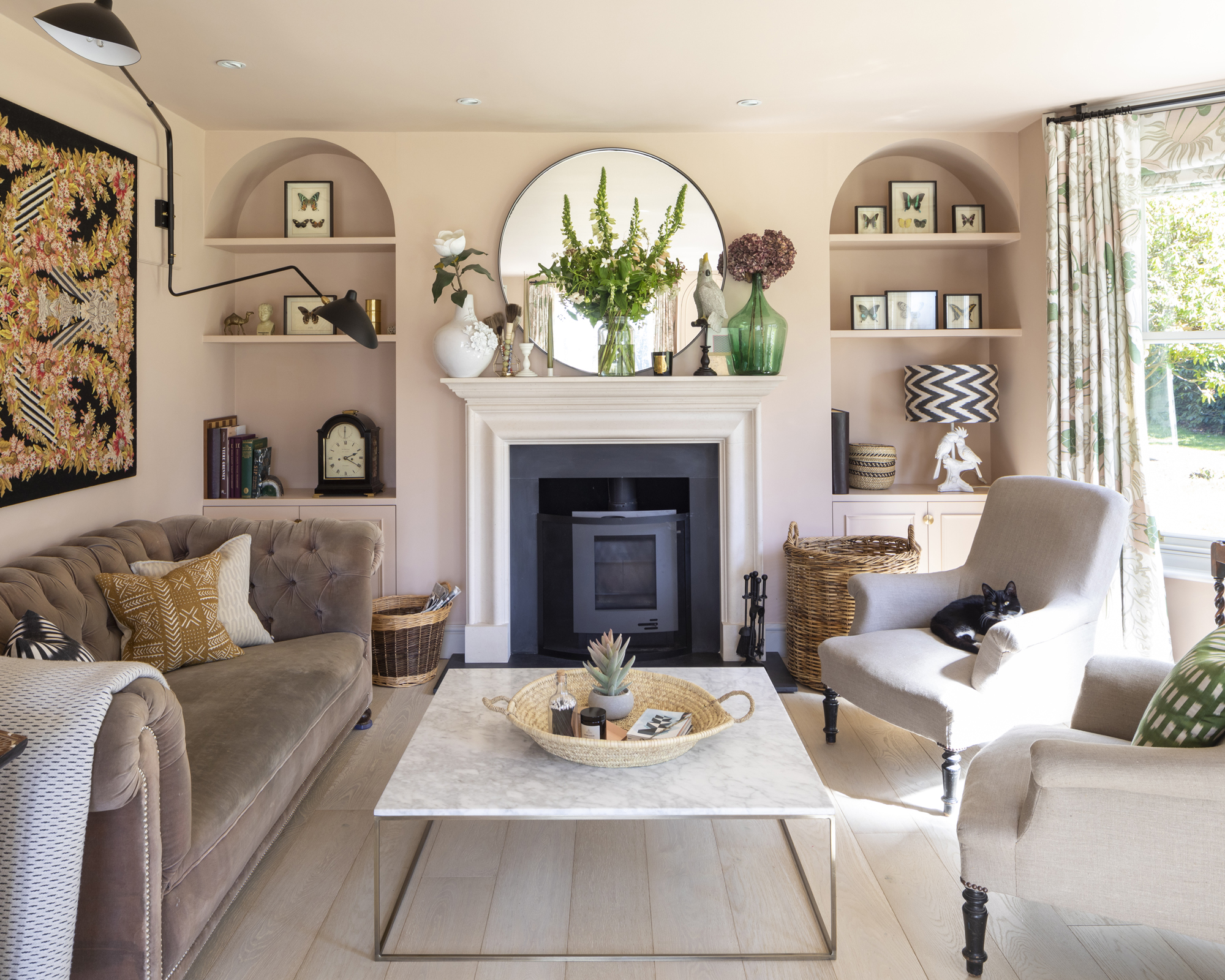
The rule of thirds – how experts use this design trick for successful schemes
5 Ways Designers Use Scale to Make Rooms Feel Right
Designers Love This Clever Decorating Trick (It Takes Up Zero Space)

This often-overlooked room is having a design moment – I think it's the secret to making your home much more cheerful
Rhythm in interior design - 11 ways to use this clever technique for rooms that look professionally done
My Designer Friend Told Me This Is the Easiest Way to Make Any Room Feel Complete
Focus on This Overlooked Decor Element To Instantly Transform a Room