1/10
Here's How to Use Symmetry in Interior Design
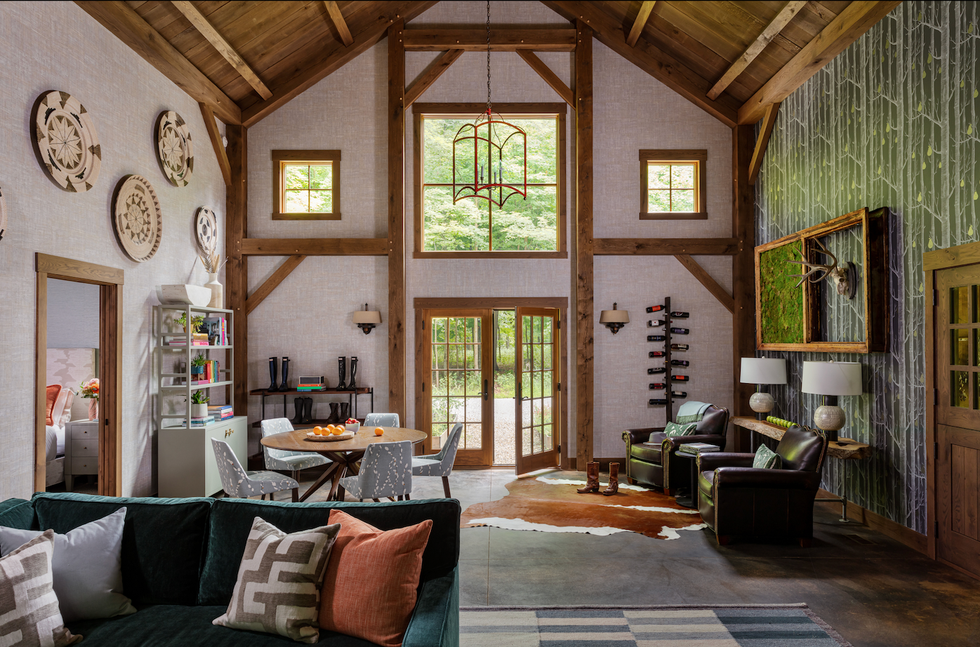
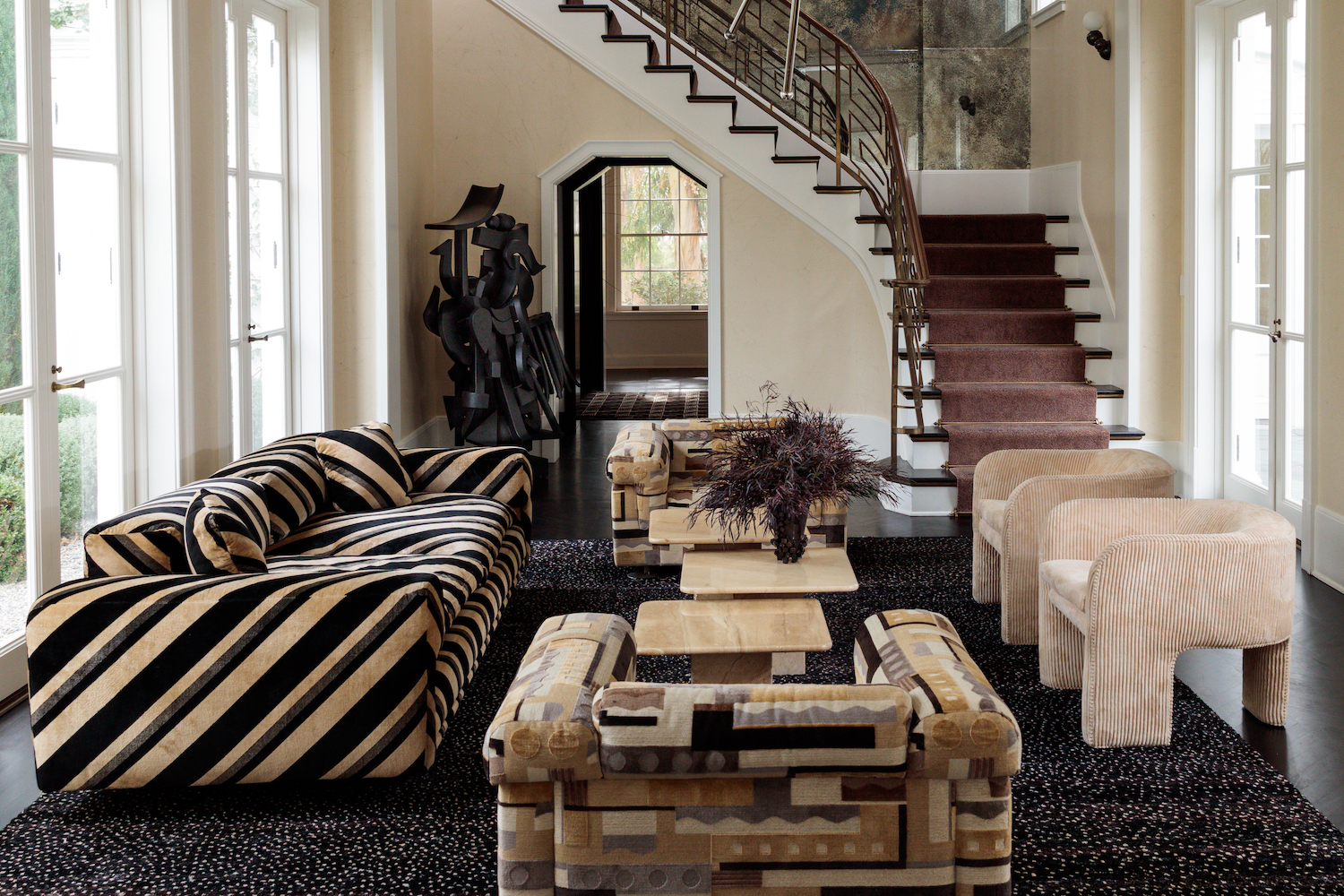
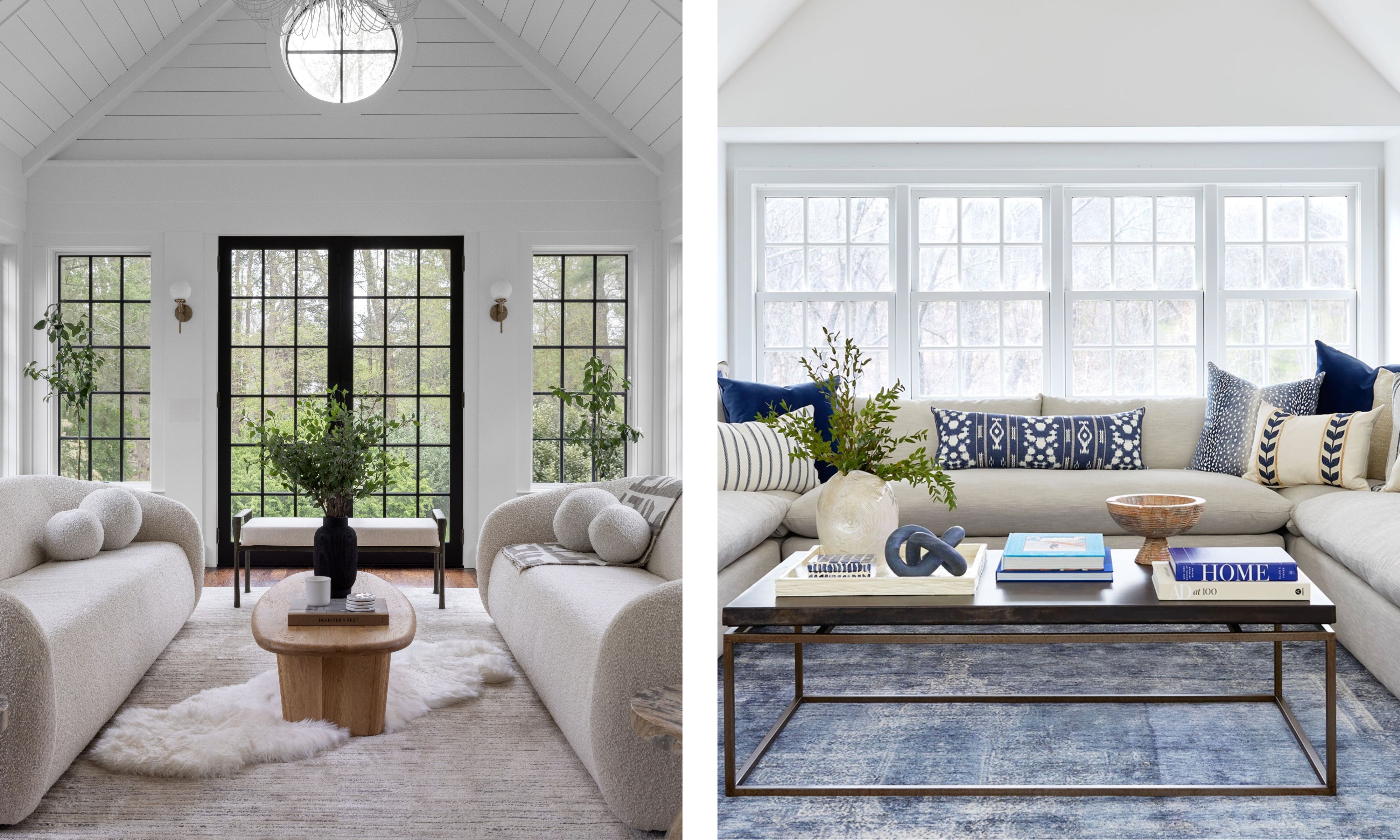
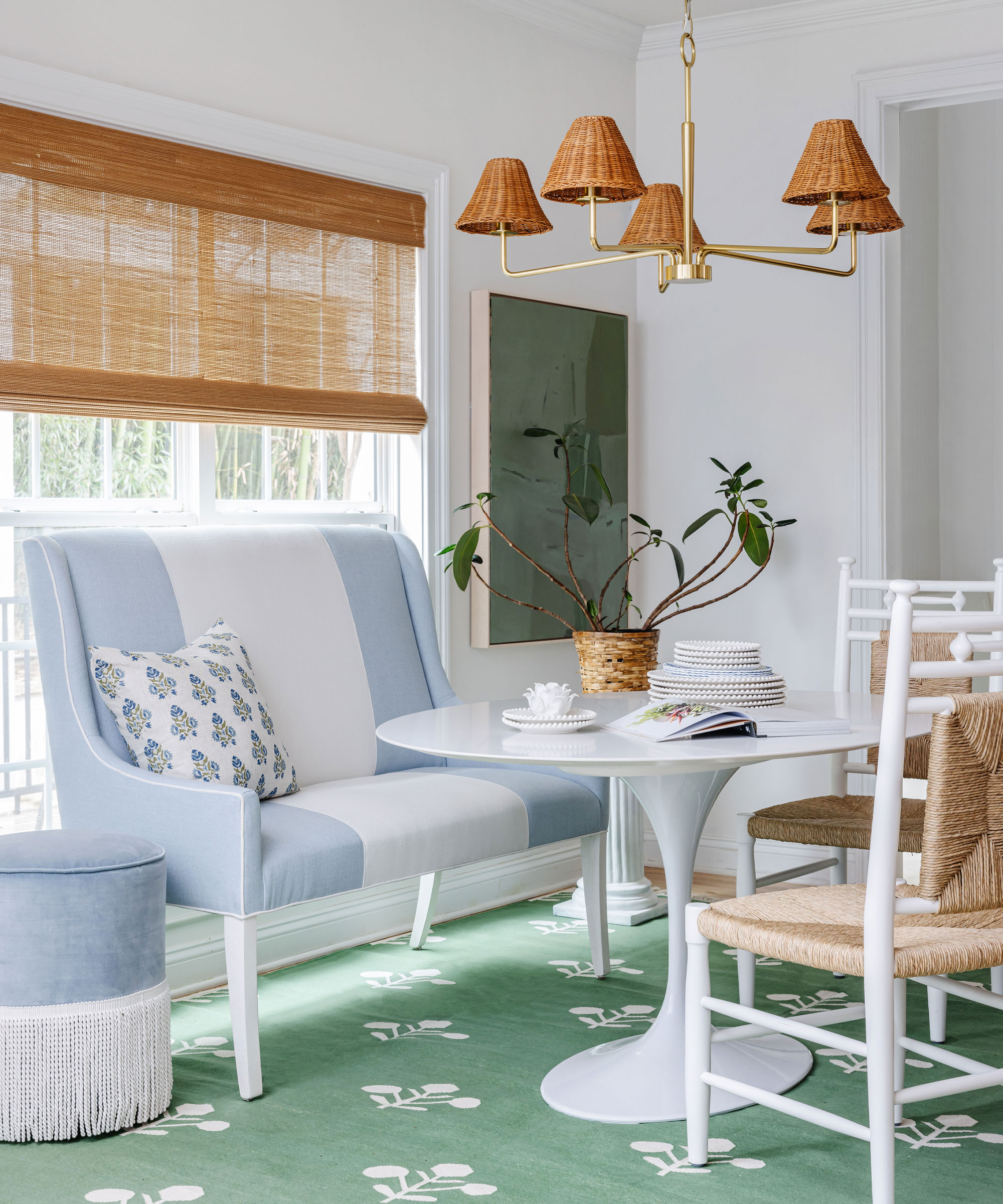
Symmetry in interior design is a fundamental principle that creates harmony, balance, and order within a space, often unconsciously chosen due to its pleasing visual effect. This design concept involves arranging identical or similar elements to mirror each other, leading to a sense of cohesion and groundedness in a room. Designers emphasize that symmetry instills a feeling of order and intentionality, whether the goal is formality or a clean, architectural look in a modern setting. It serves as a "quiet design tool" that does "heavy lifting," making spaces feel calmer and more purposeful by aligning elements and creating natural focal points.
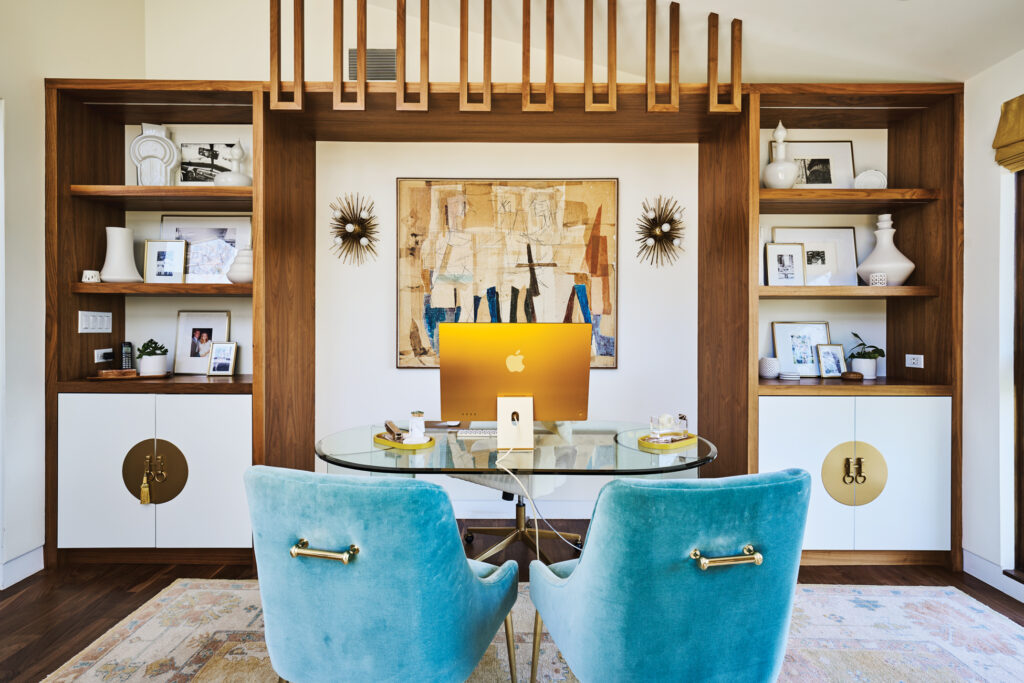
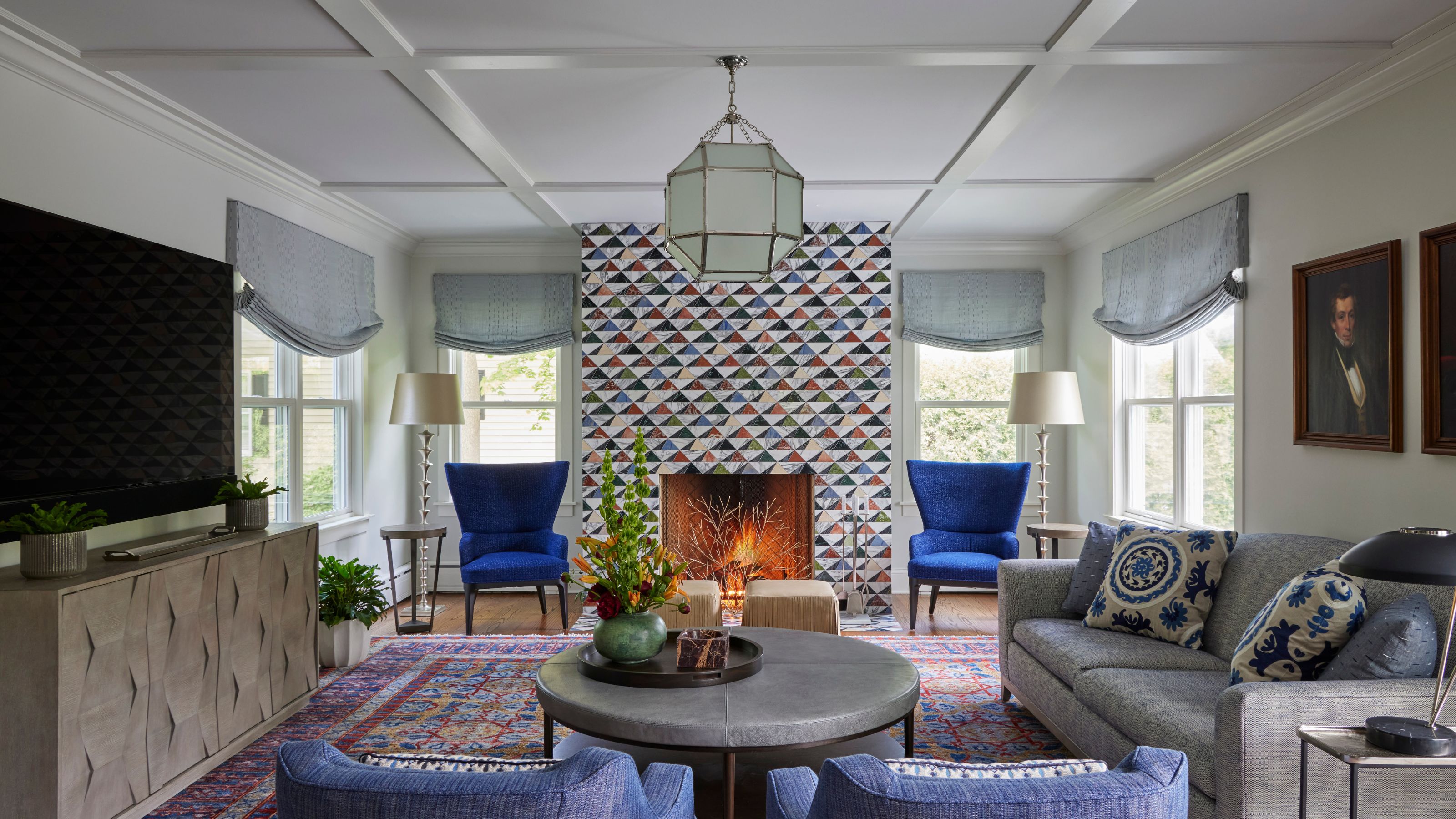
The application of symmetry can vary in scale and formality. While some prefer perfectly symmetrical layouts for a tailored and elegant aesthetic, others opt for subtle symmetry with touches of asymmetry to maintain visual interest and avoid rigidity. Simple decor choices, such as matching table lamps, sconces, or pairs of artwork, are common ways to introduce symmetry. Even less obvious elements, like subtly matching textures, contribute to a balanced scheme.
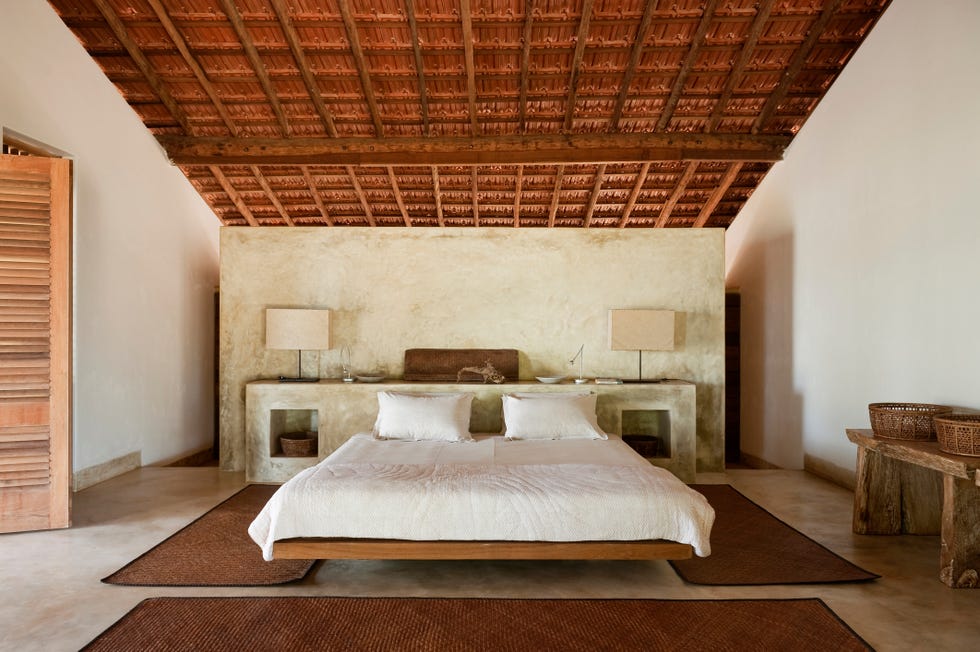
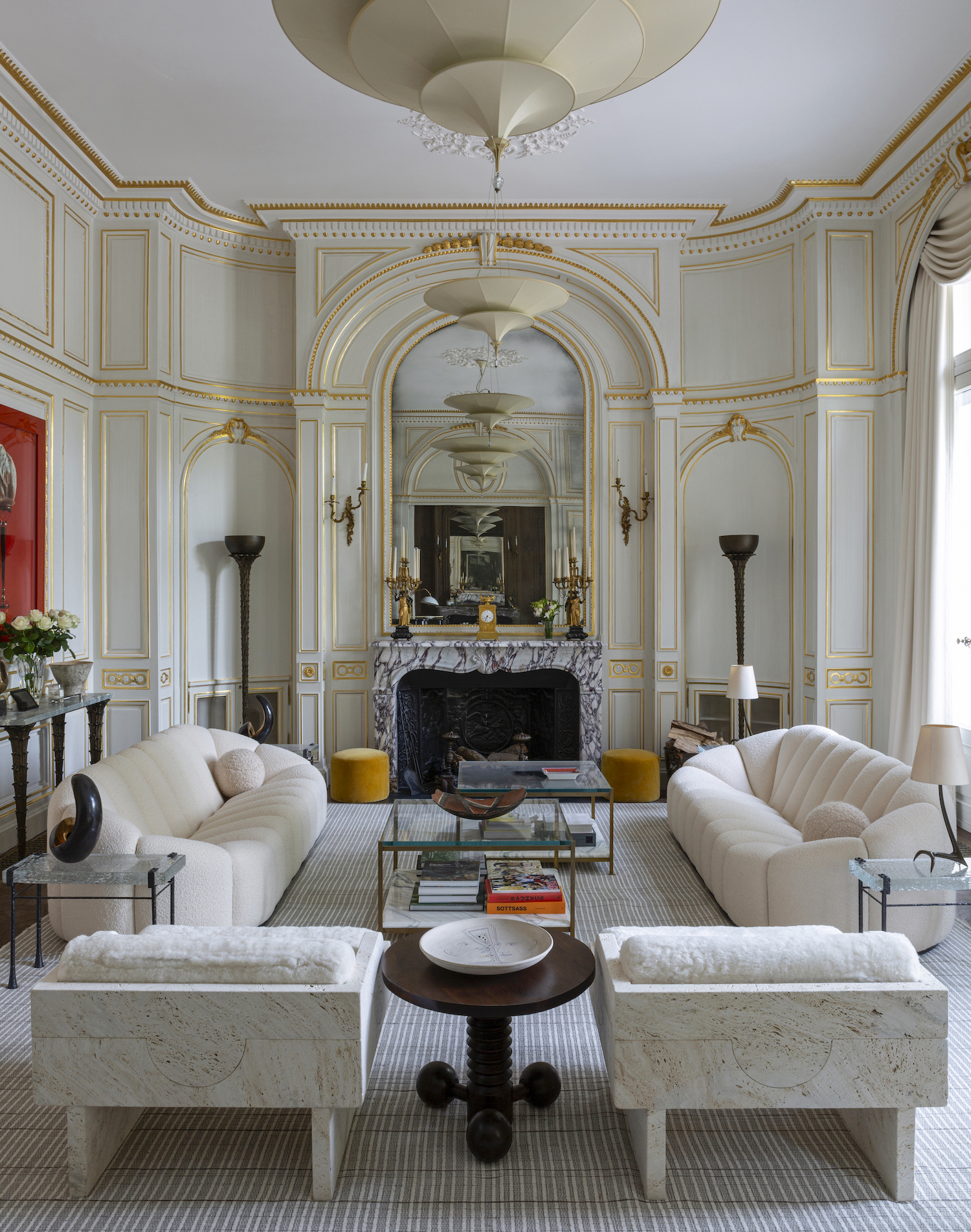
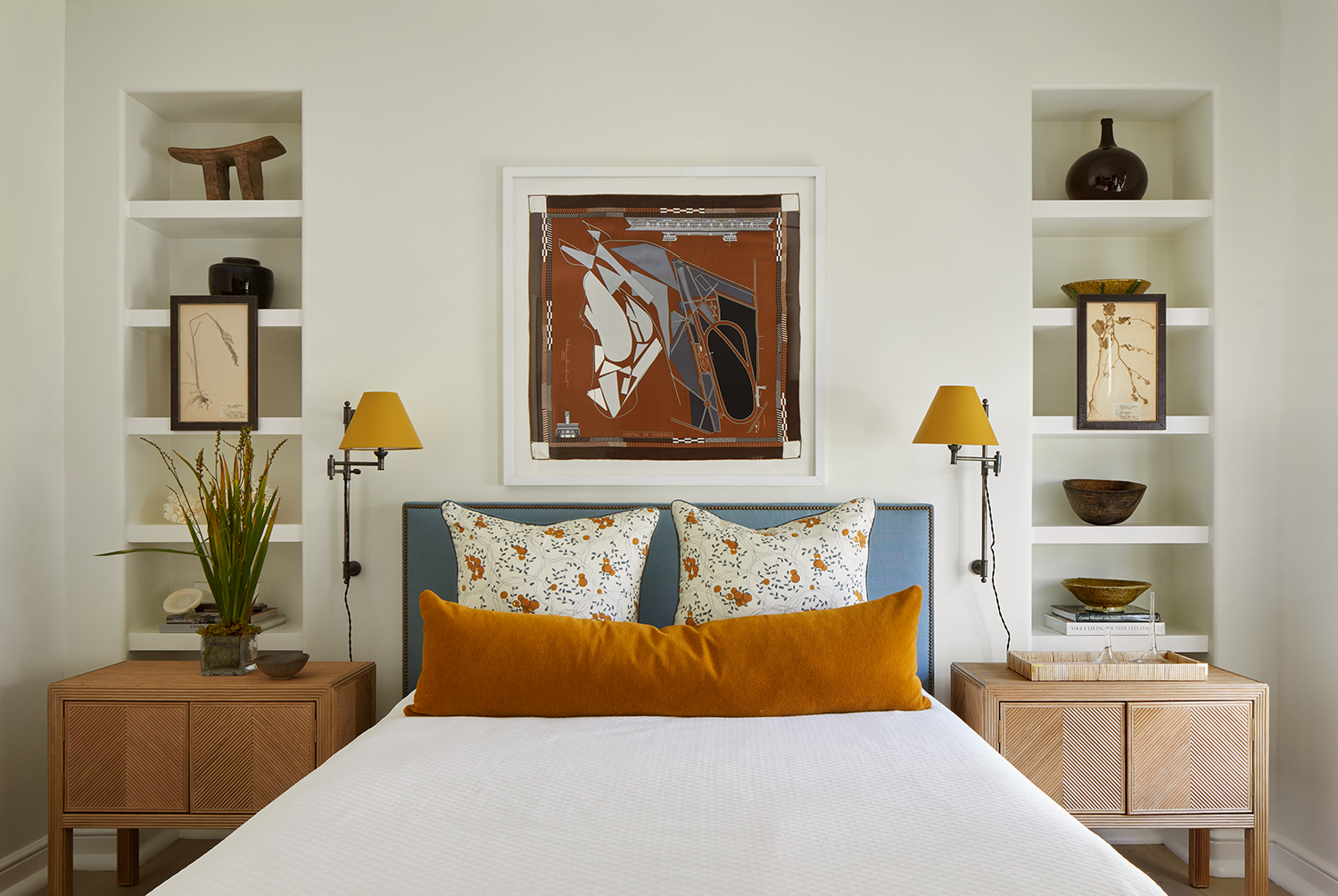
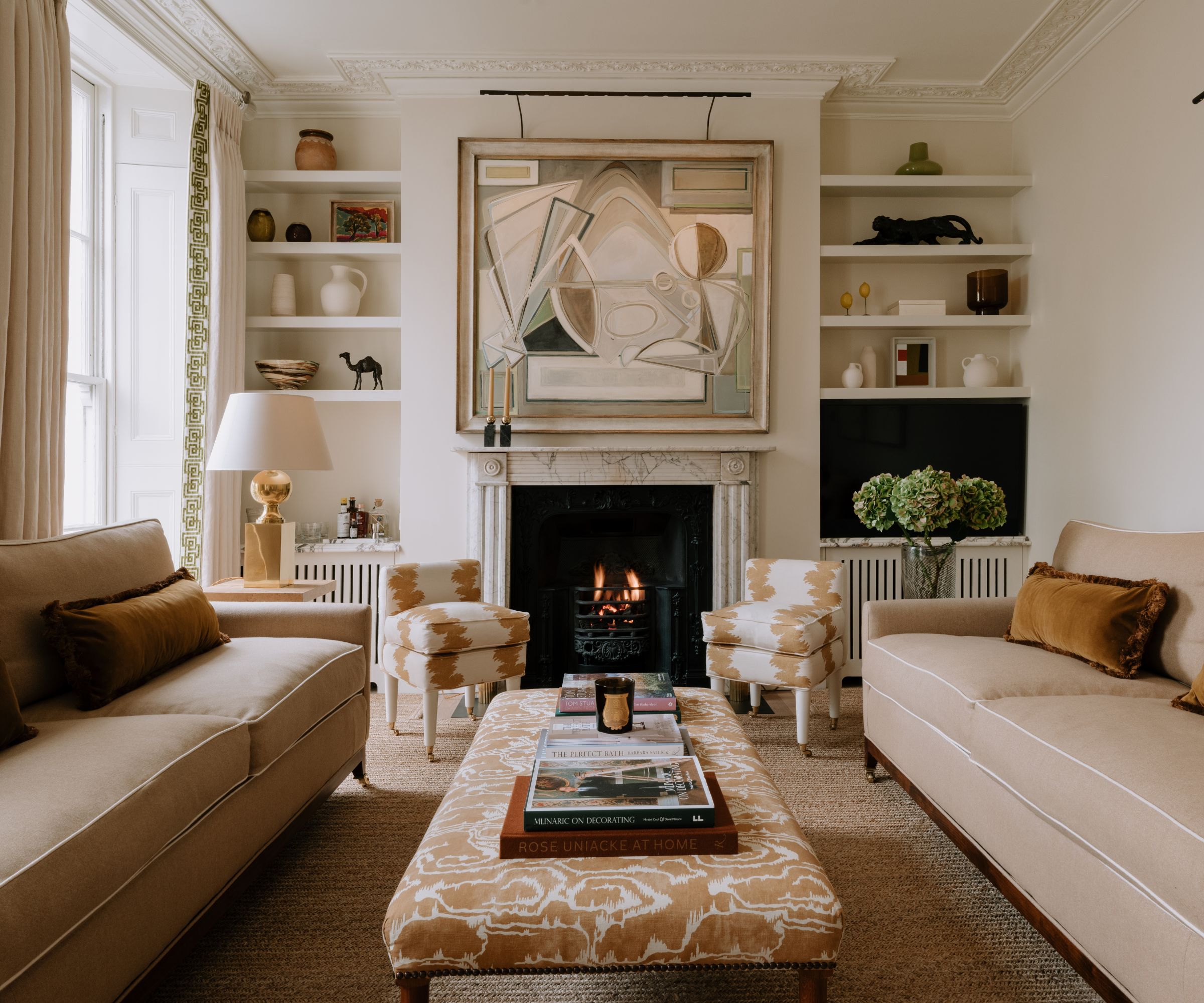
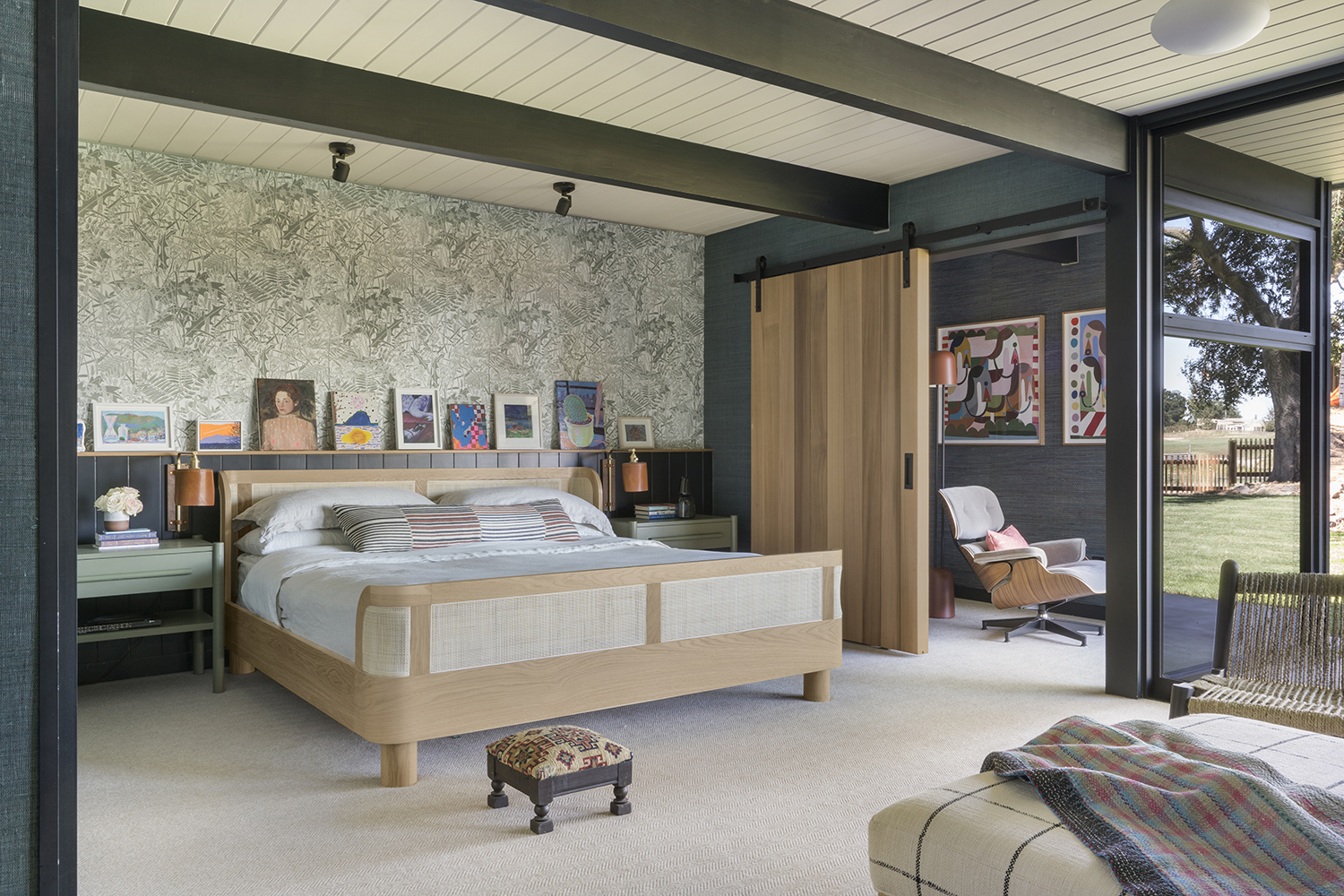
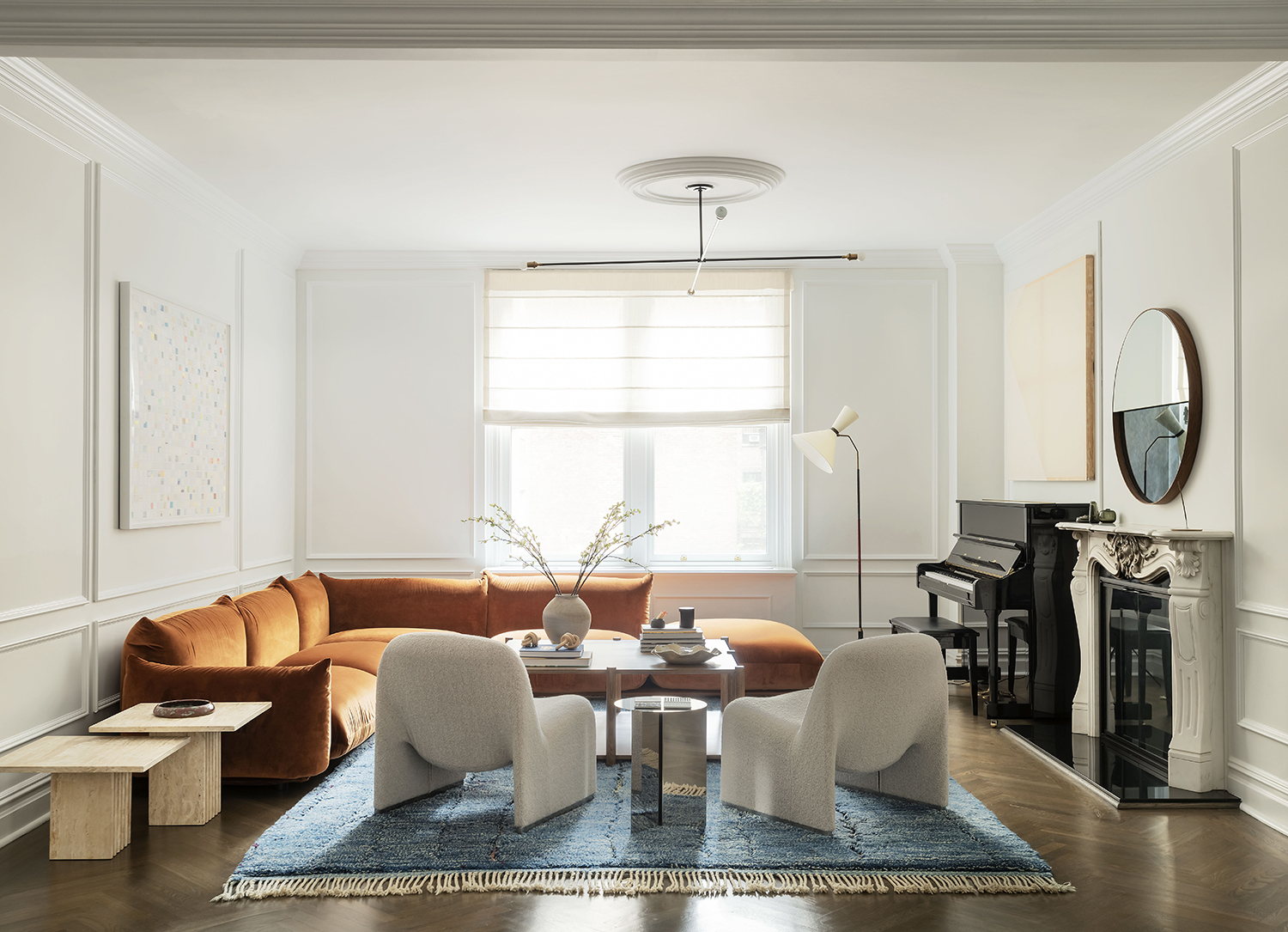
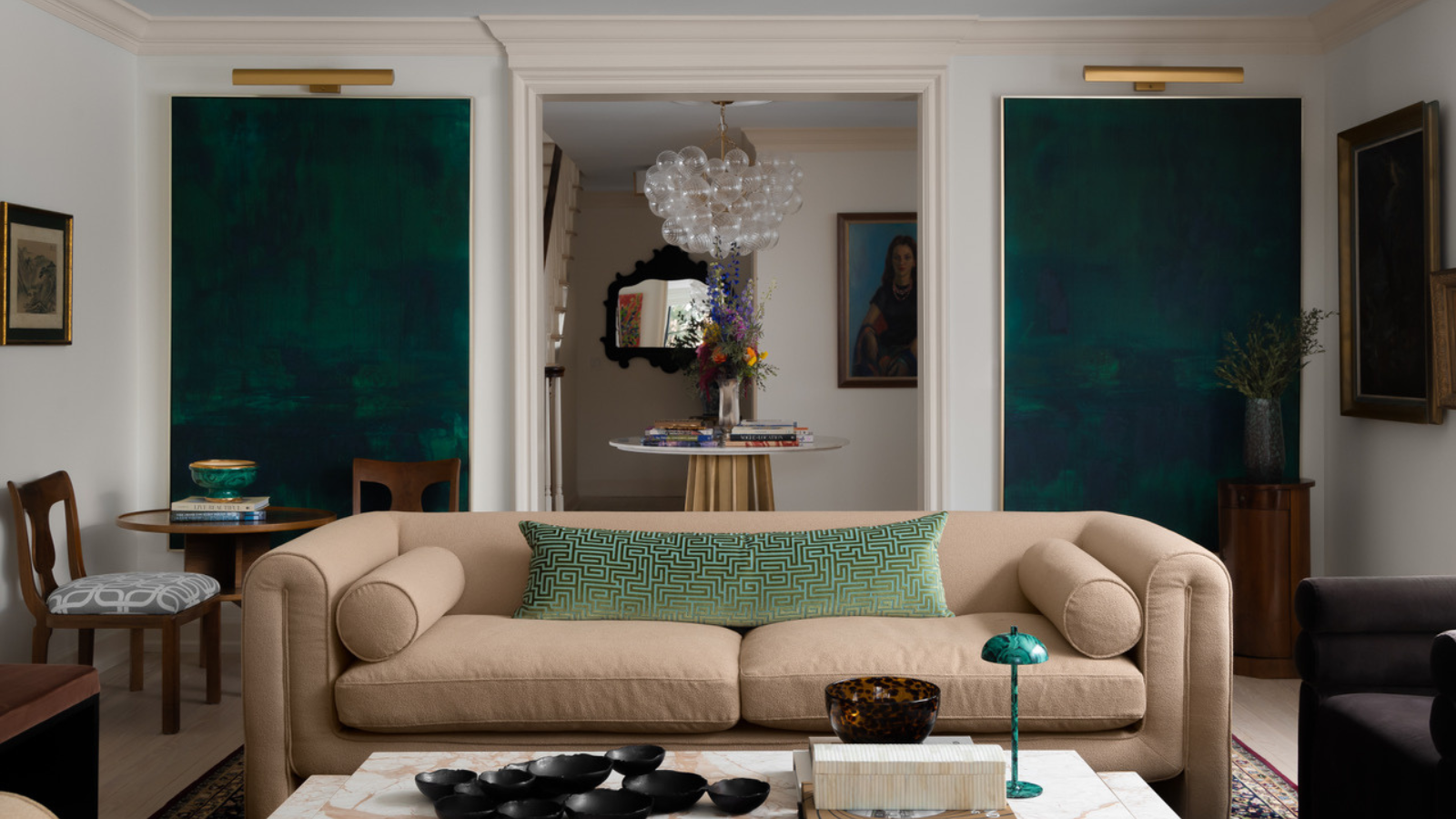
One common approach is to embrace a perfectly symmetrical scheme, where dividing a room down its central axis reveals mirrored halves. This method is particularly effective in formal settings, creating a sense of calm and confident classicism through paired furnishings, balanced lighting, and mirrored sightlines. Bedrooms are another ideal space for symmetrical design, as their typical focus on a central bed naturally lends itself to this principle. Symmetry in bedrooms promotes a sense of calm stability, crucial for a restful environment. To prevent a space from feeling too "matchy," designers suggest maintaining symmetrical main furnishings while introducing varied styling elements, such as different objects on matching nightstands, adding visual intrigue without disrupting balance.
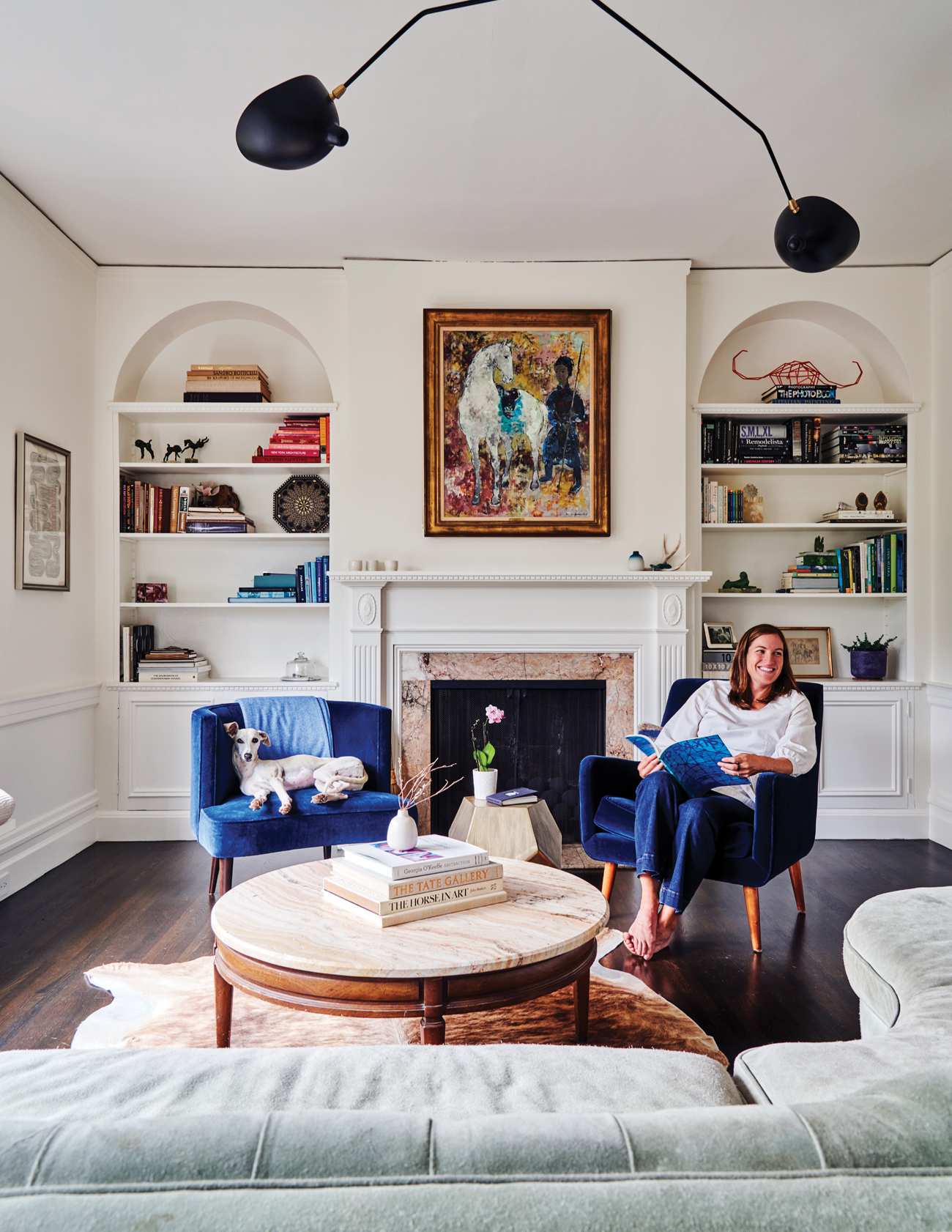
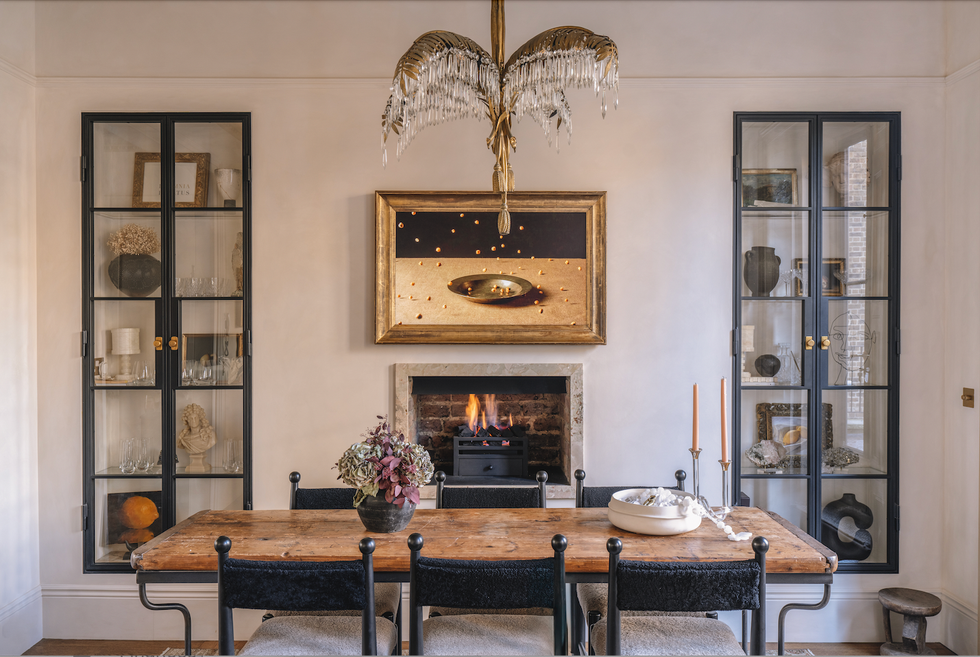
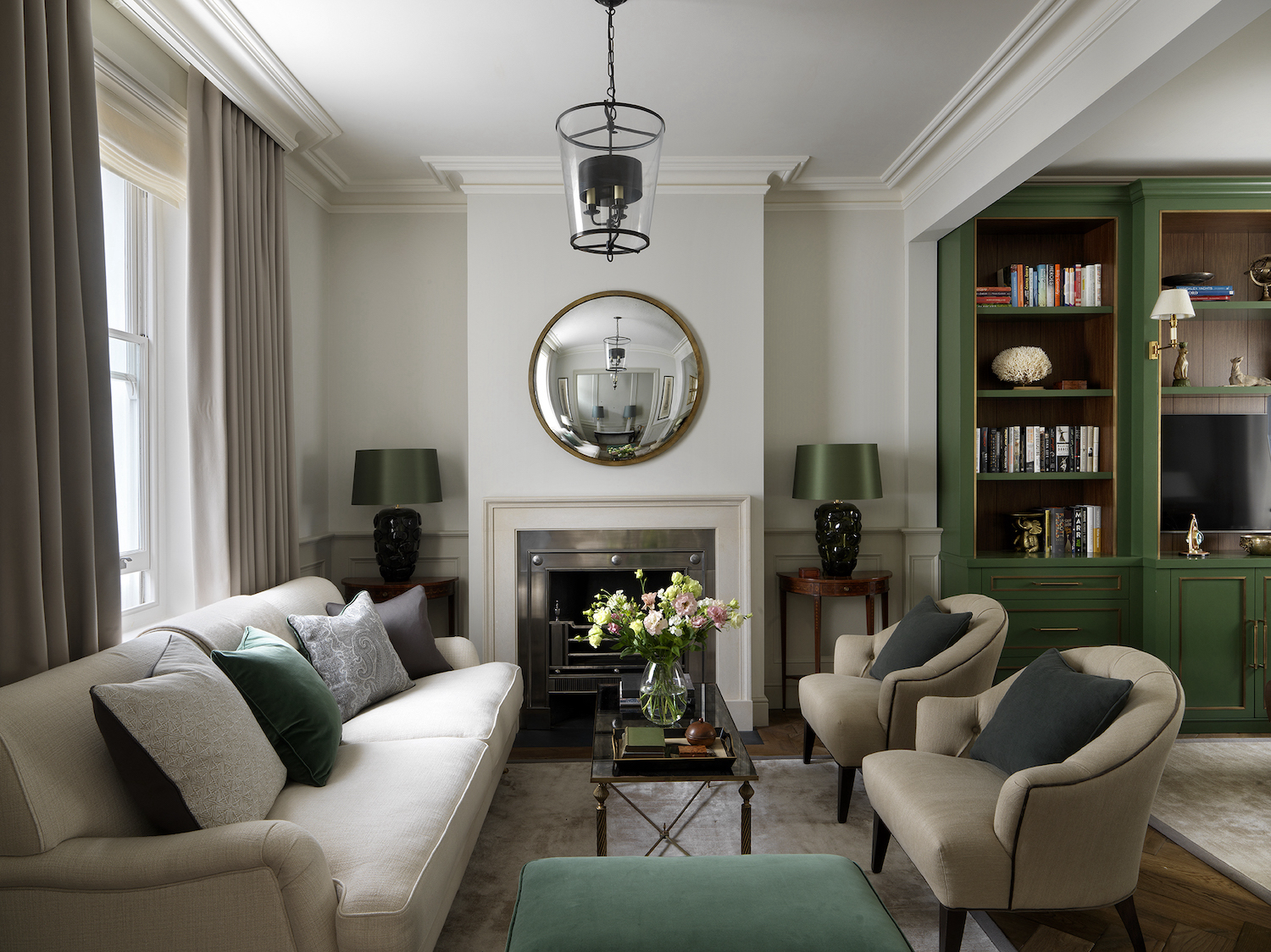
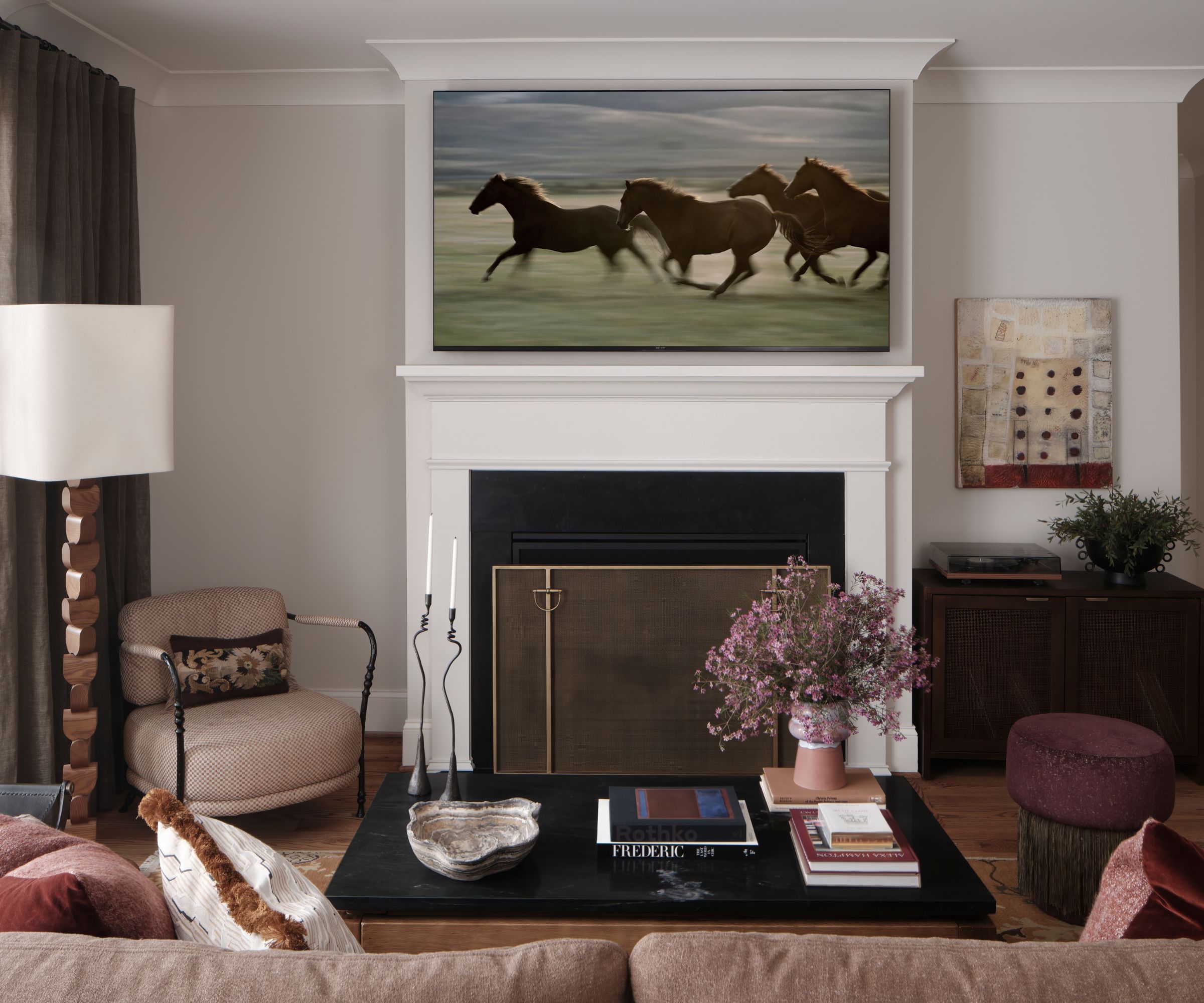
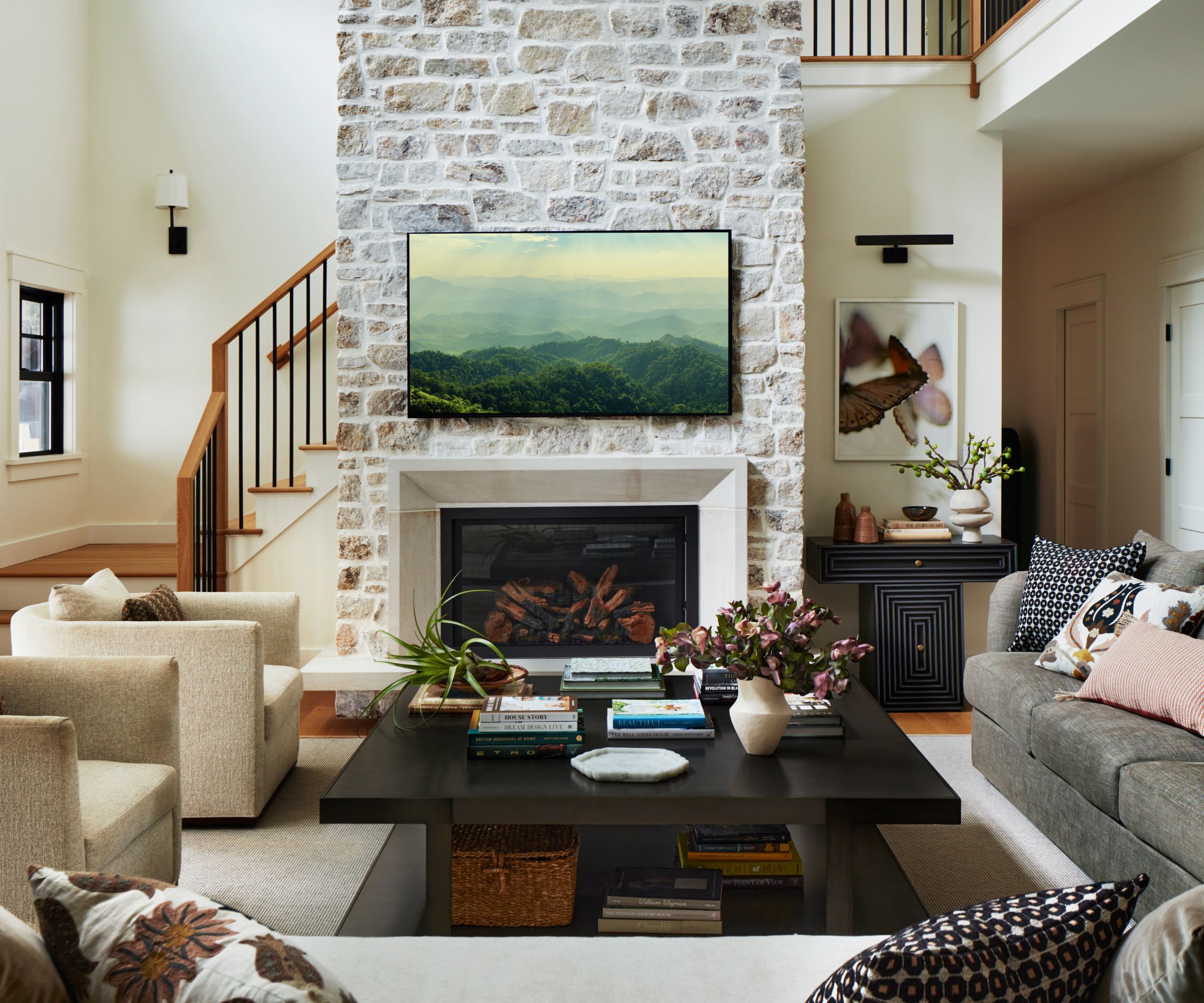
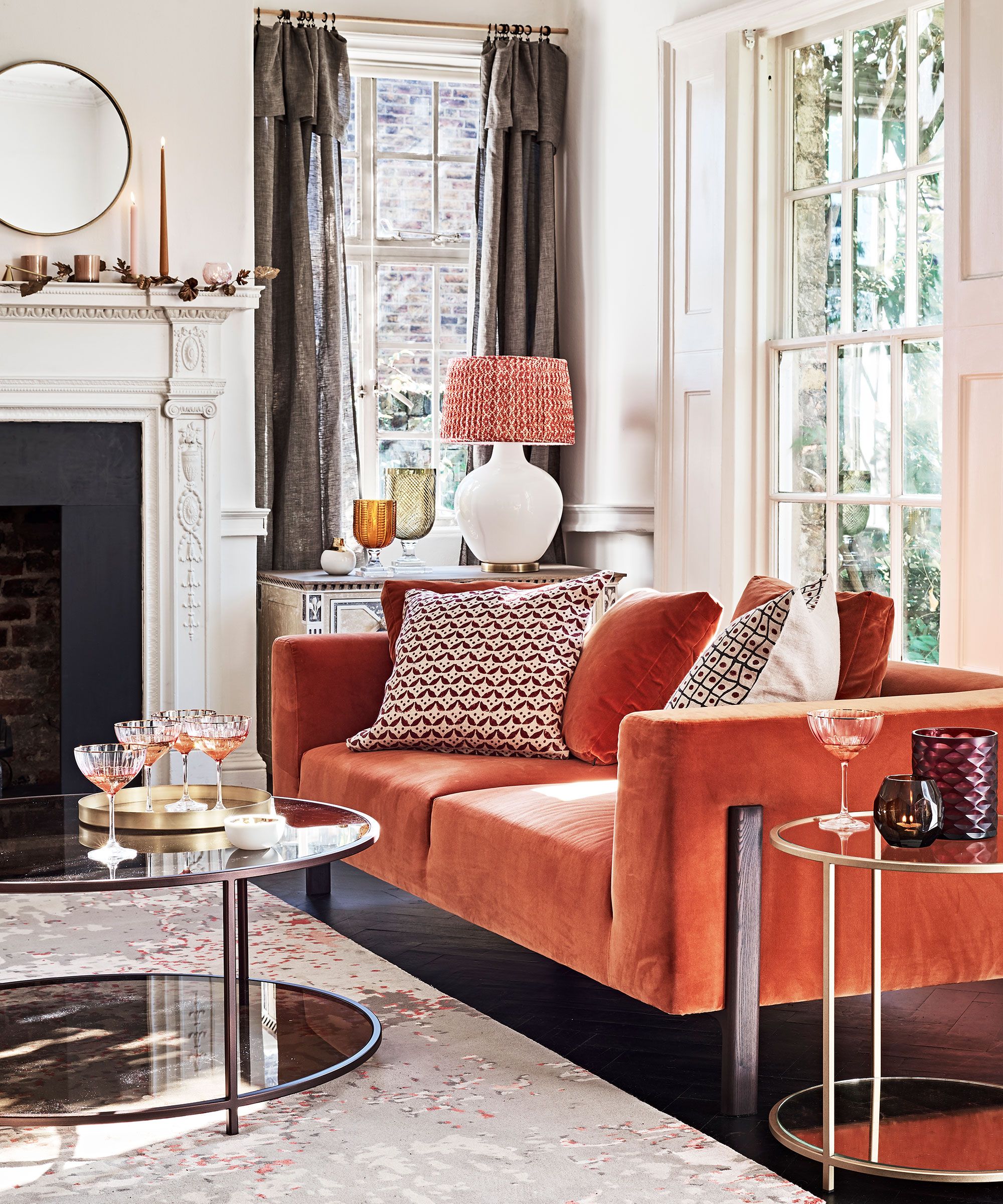
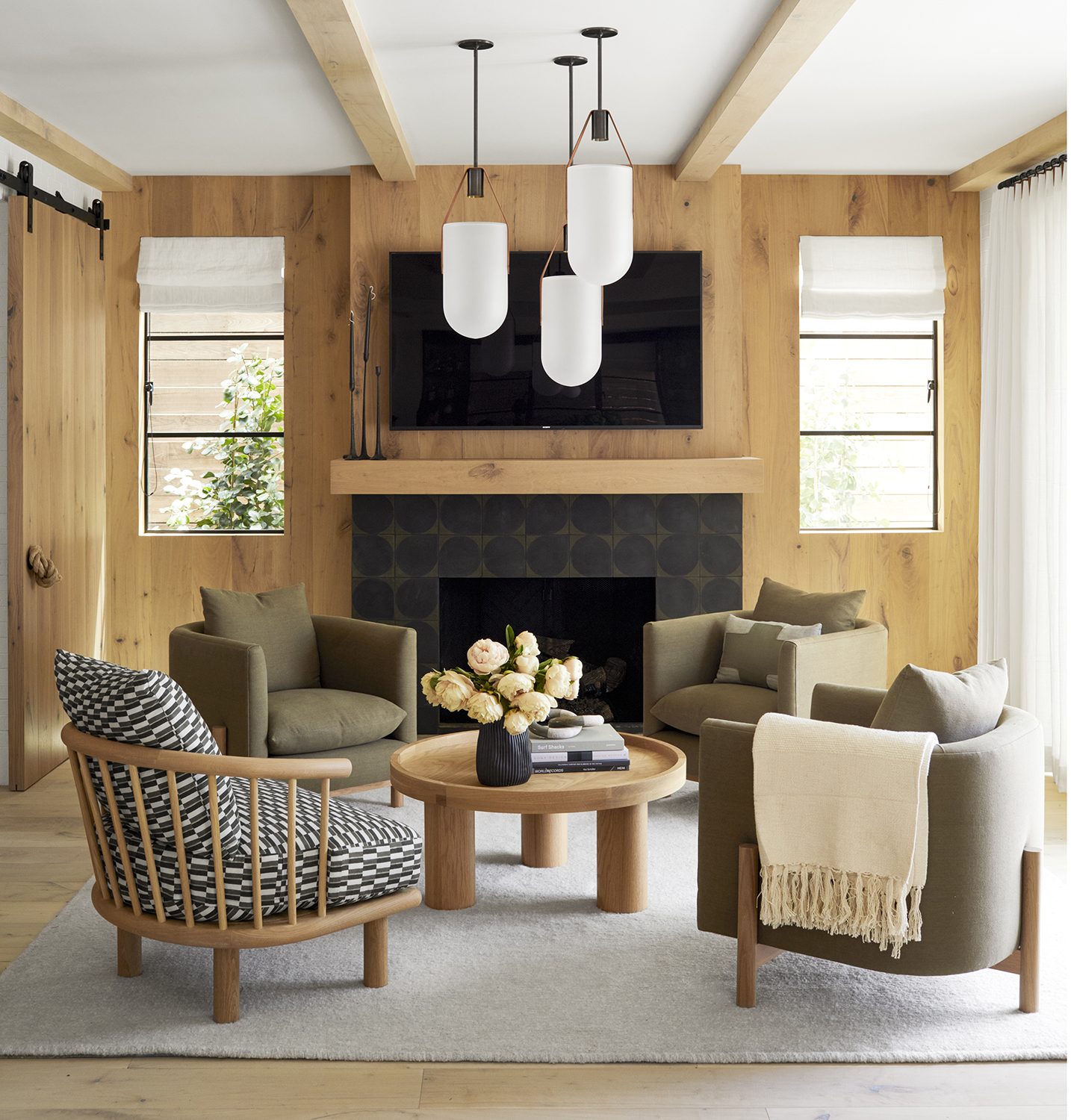
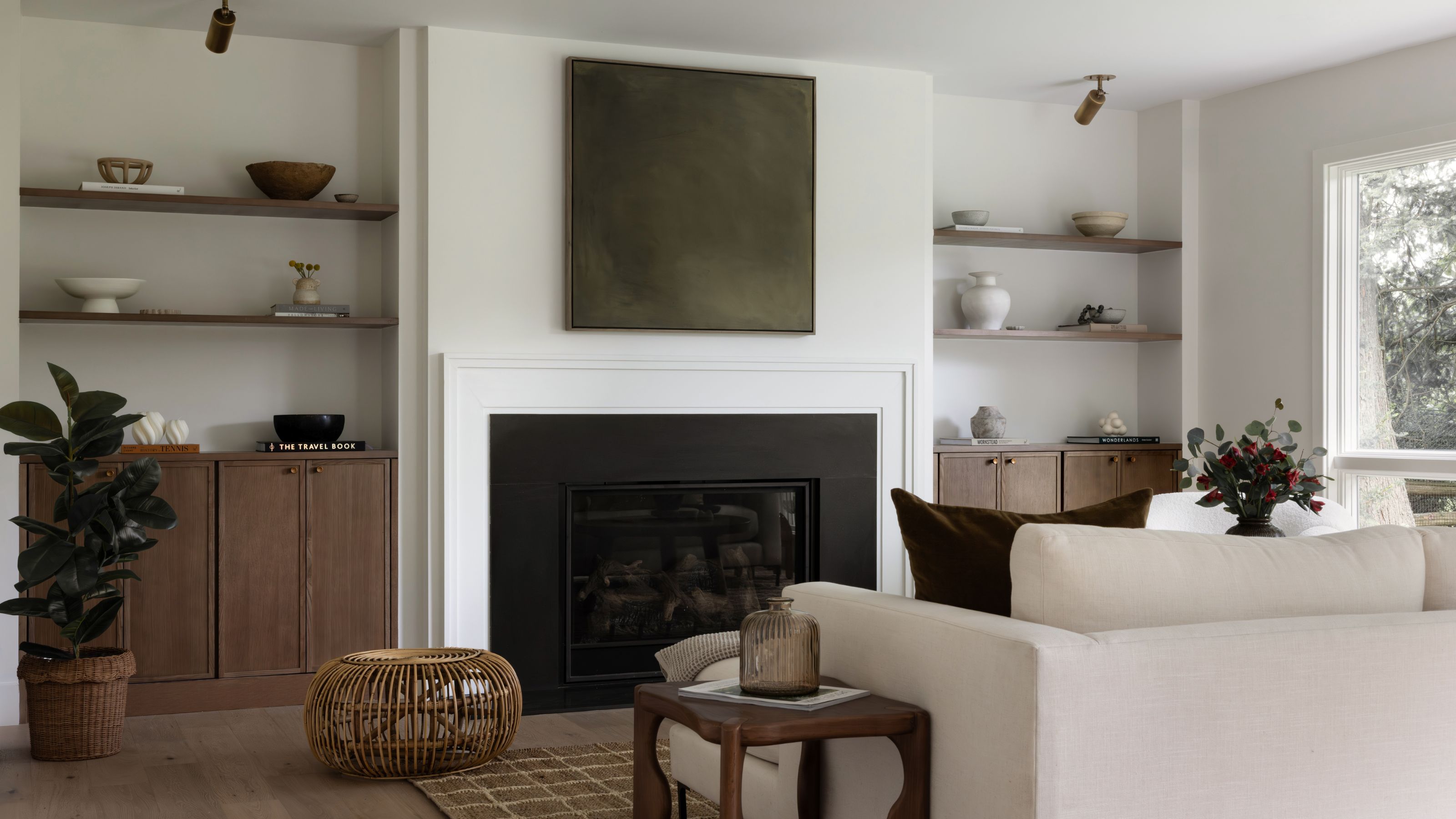
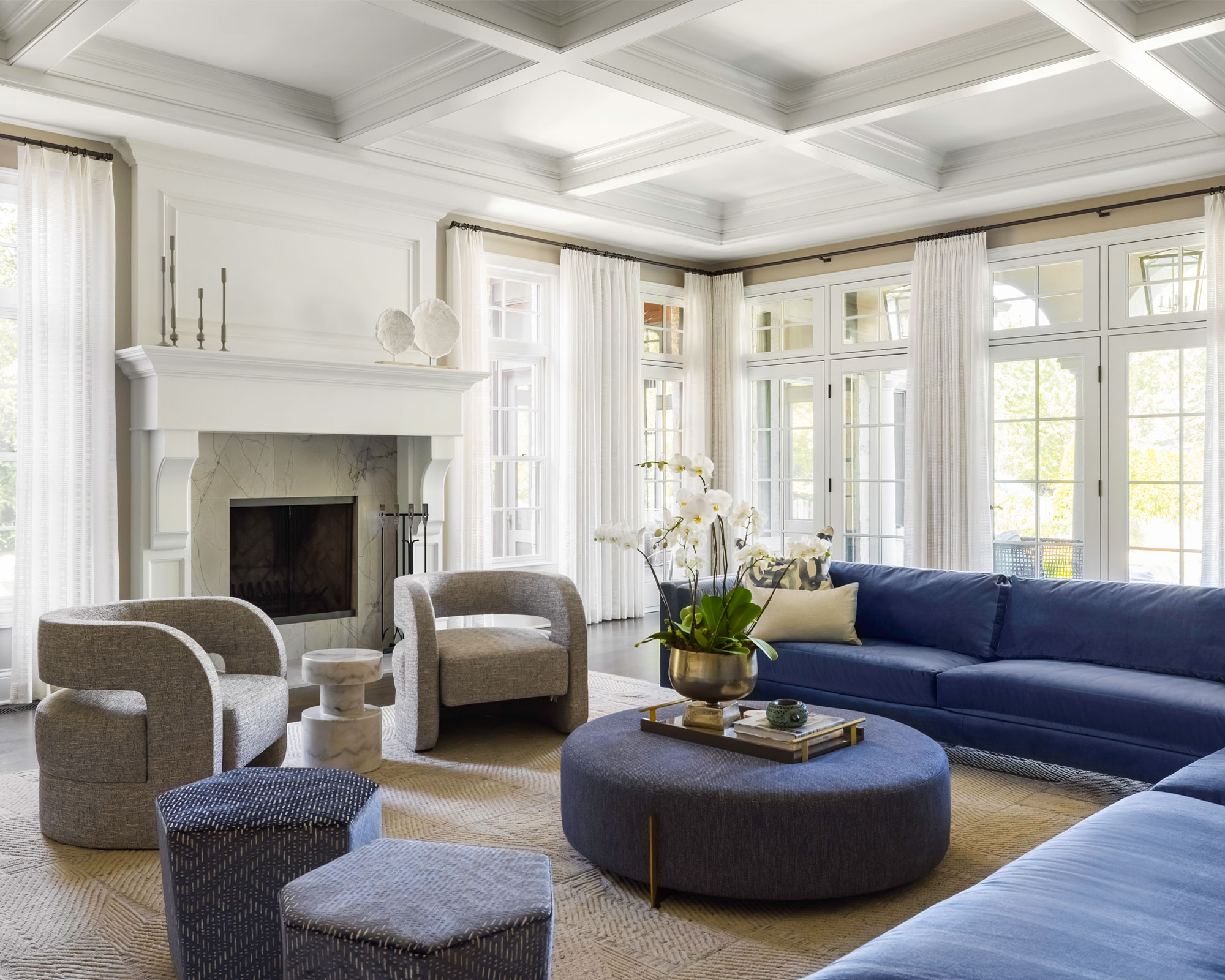
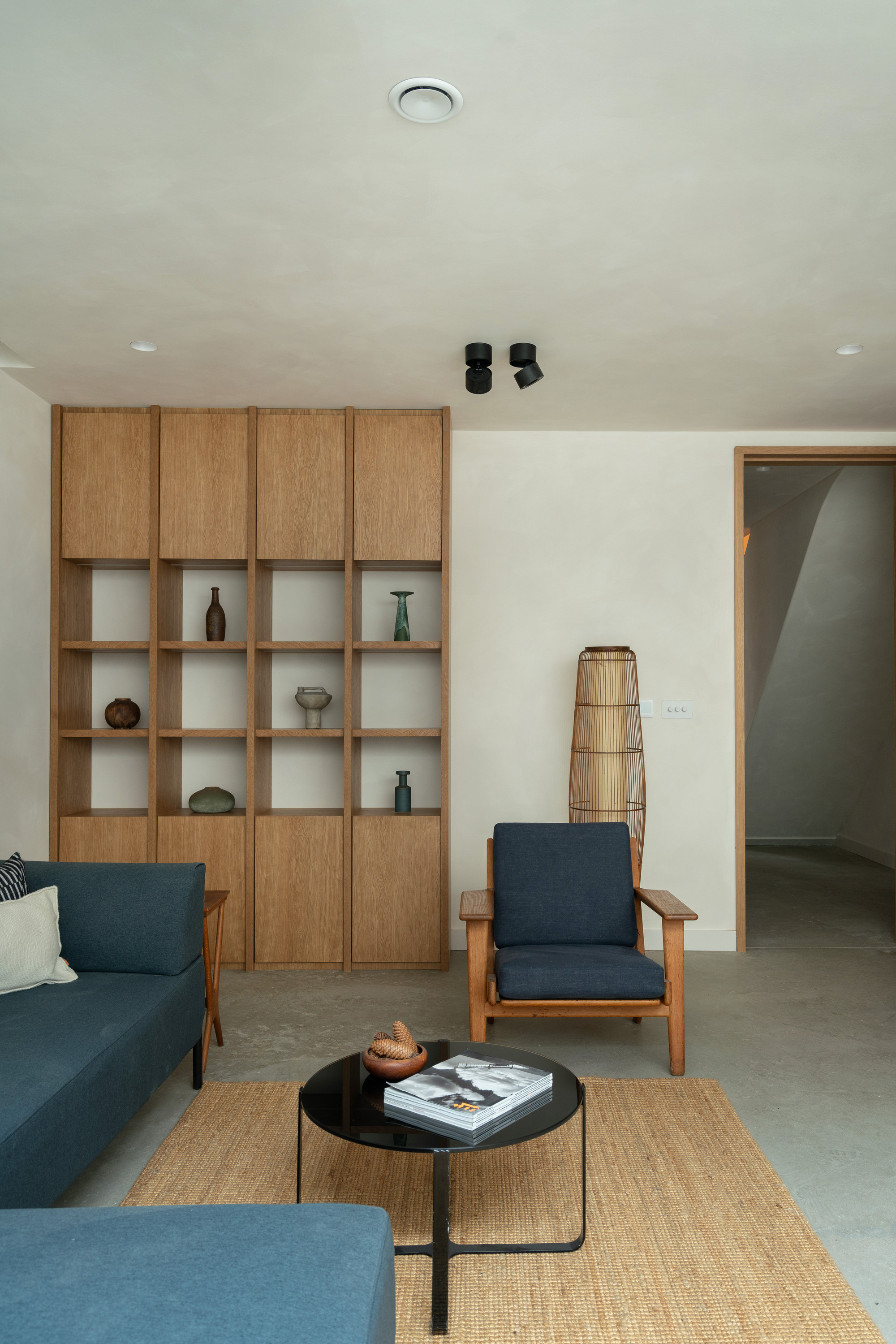
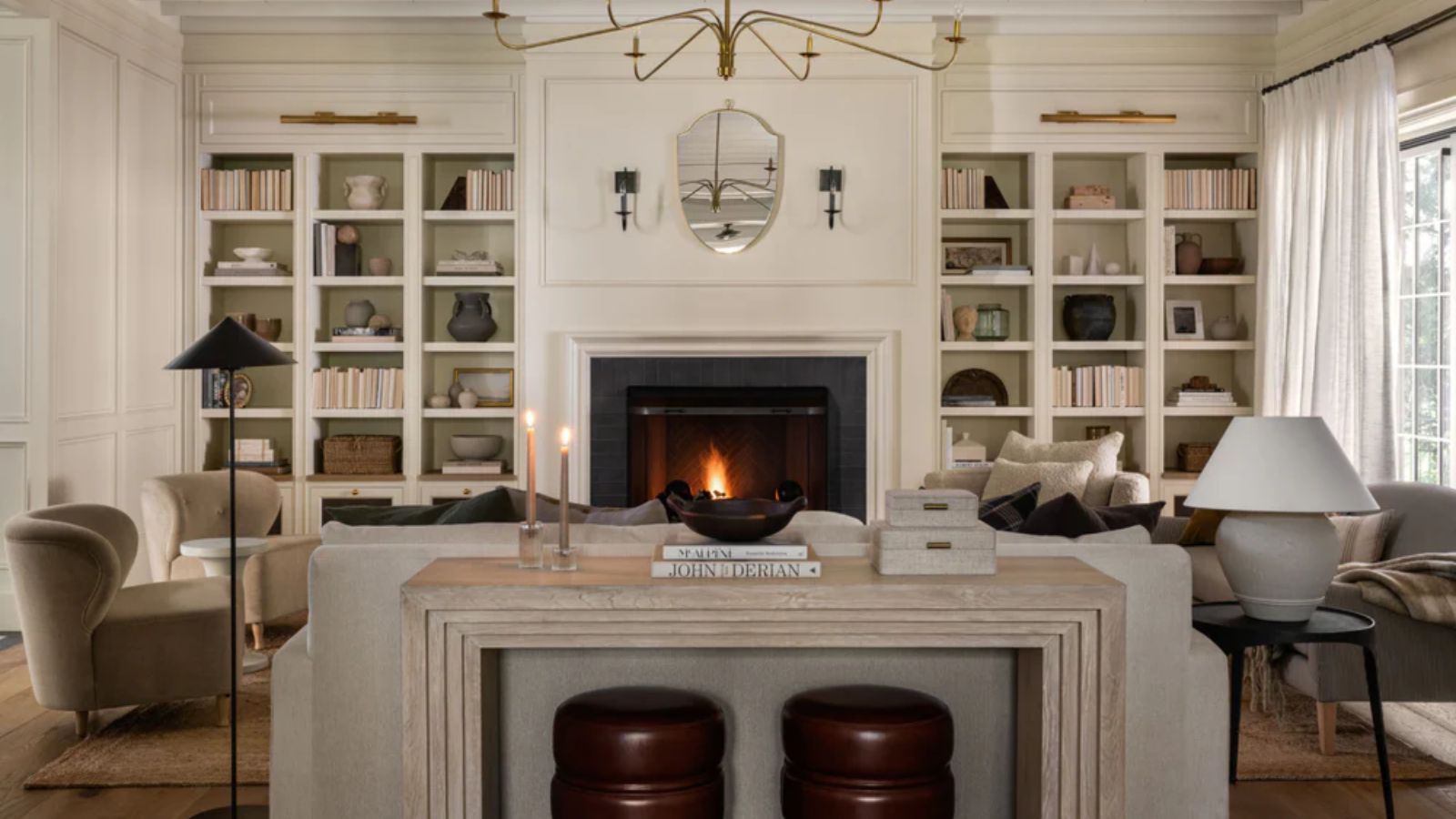
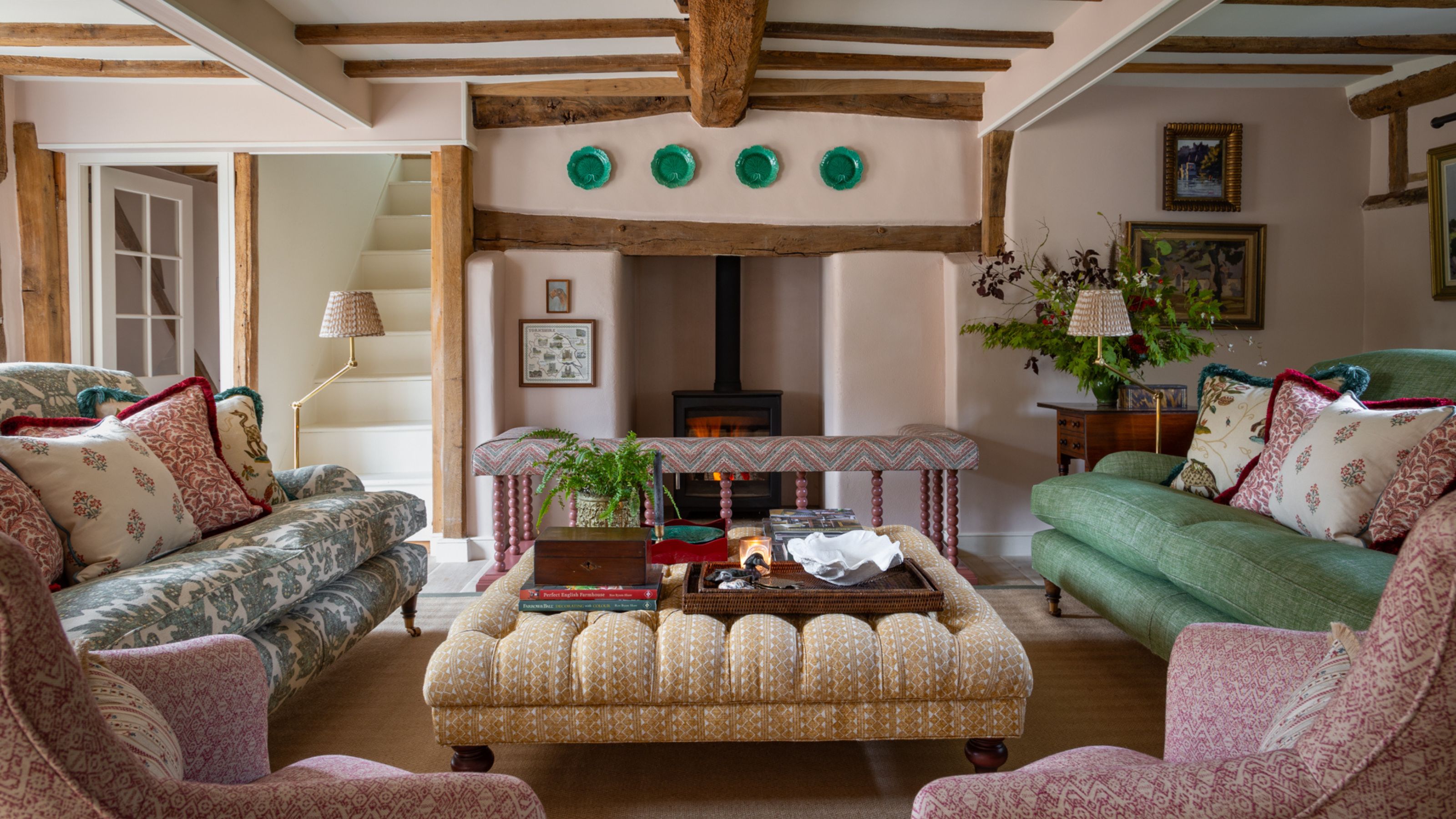
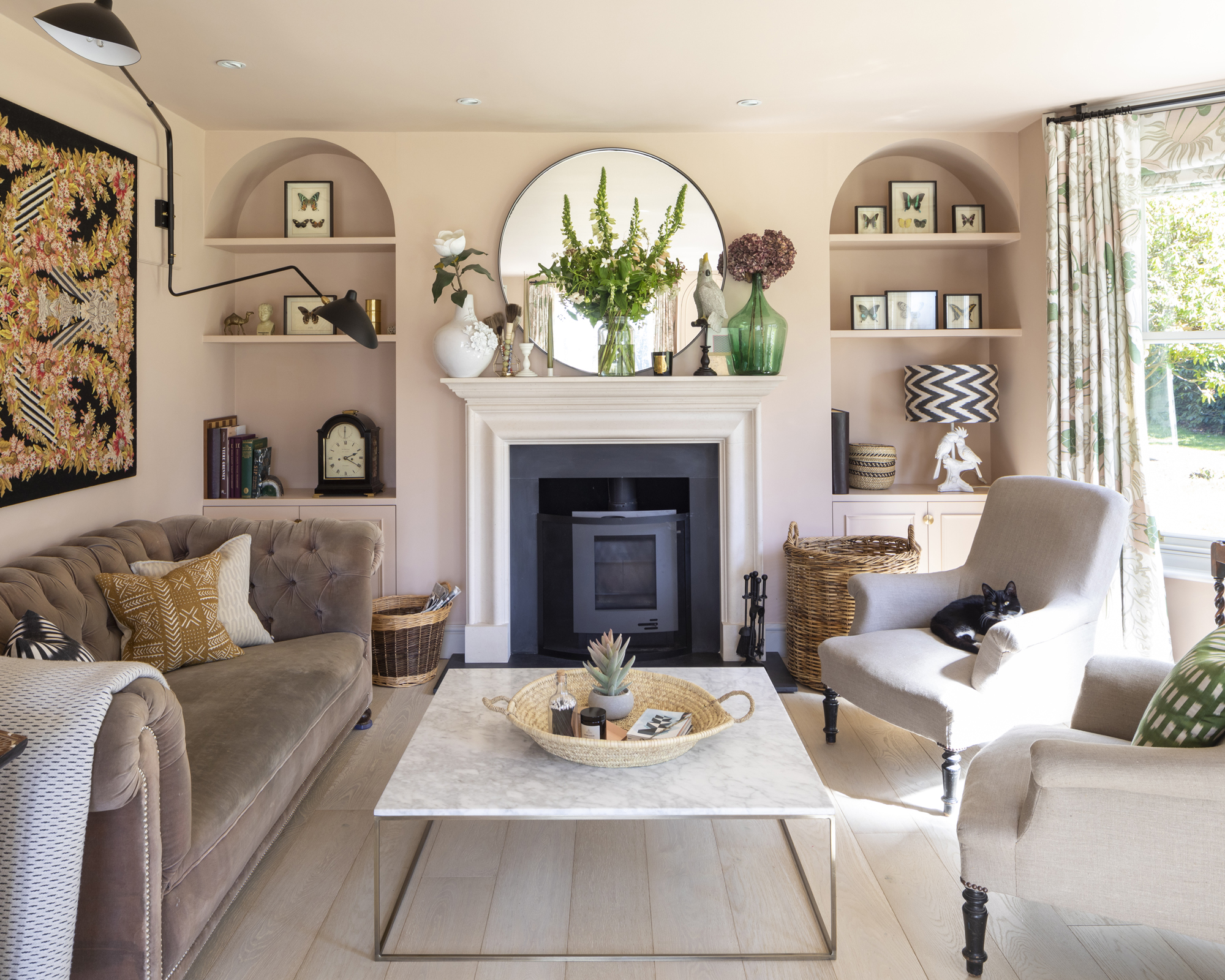
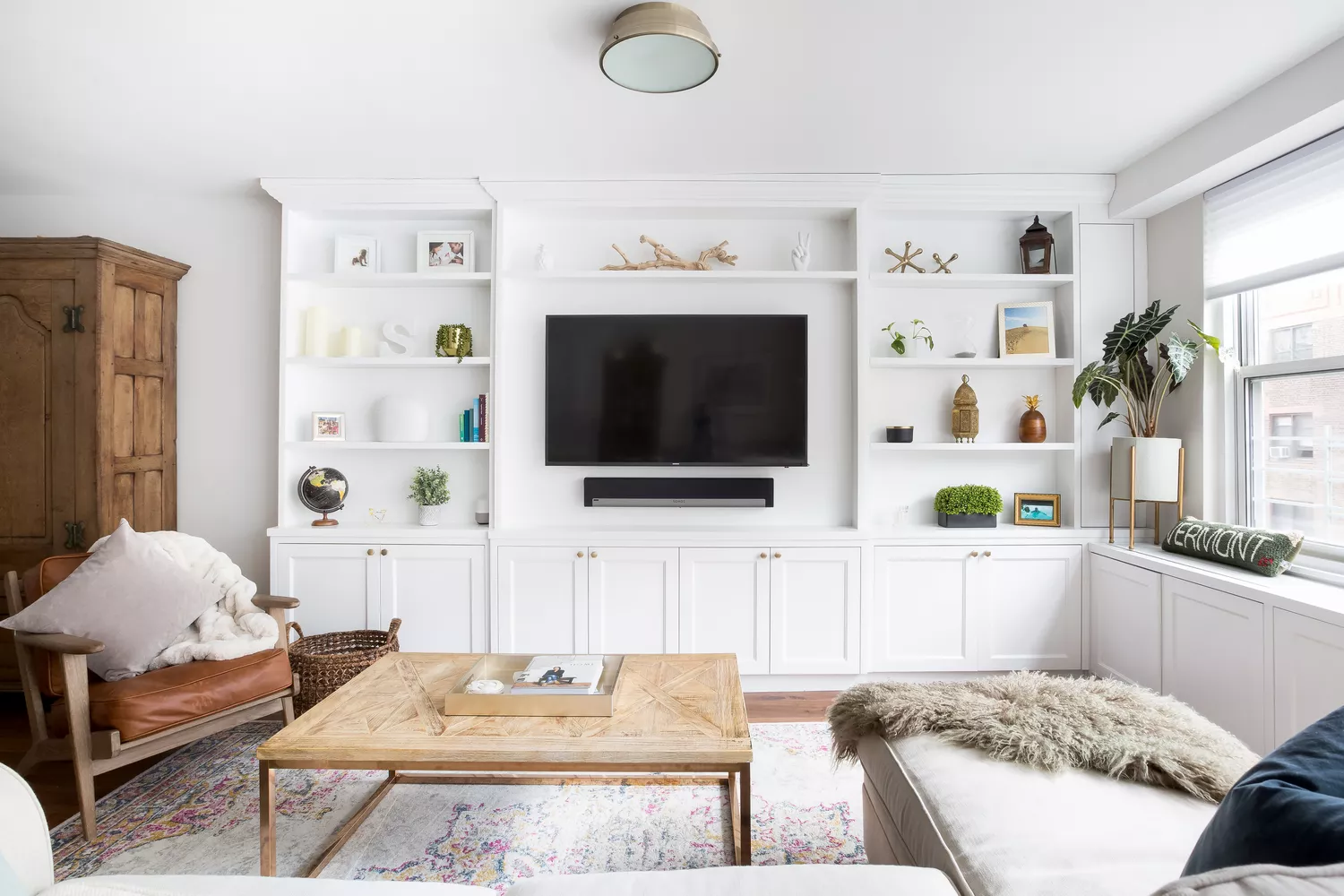
Symmetry can also function as an anchor, grounding a space and establishing order before other stylistic elements are introduced. It provides a strong backbone for a room, allowing for the incorporation of modern or sculptural pieces without losing softness or warmth. Architectural symmetry can guide design decisions, where existing symmetrical elements like a fireplace flanked by built-ins can be complemented by subtle asymmetry in styling, such as varied shelf arrangements or organically placed coffee table objects, to achieve a natural yet balanced look.
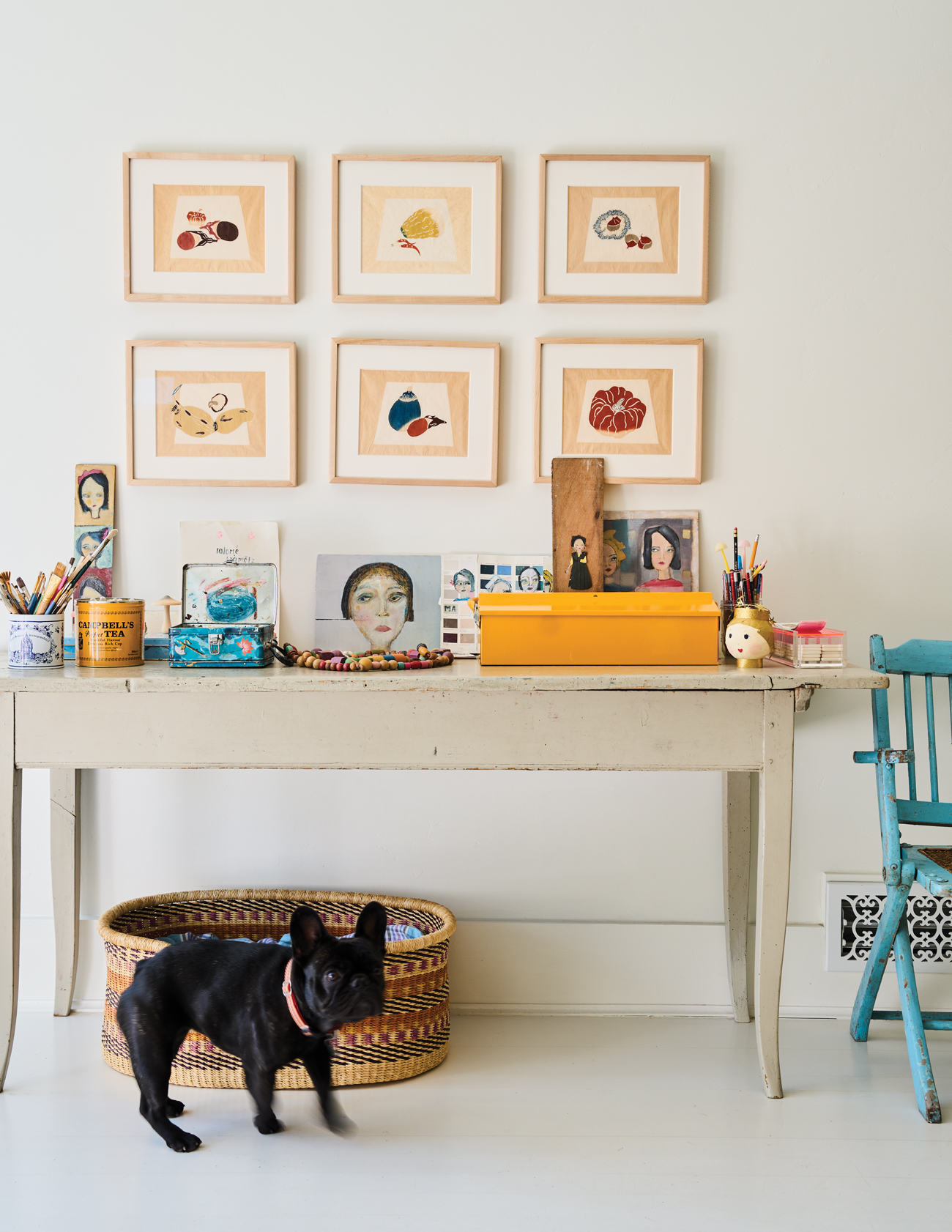
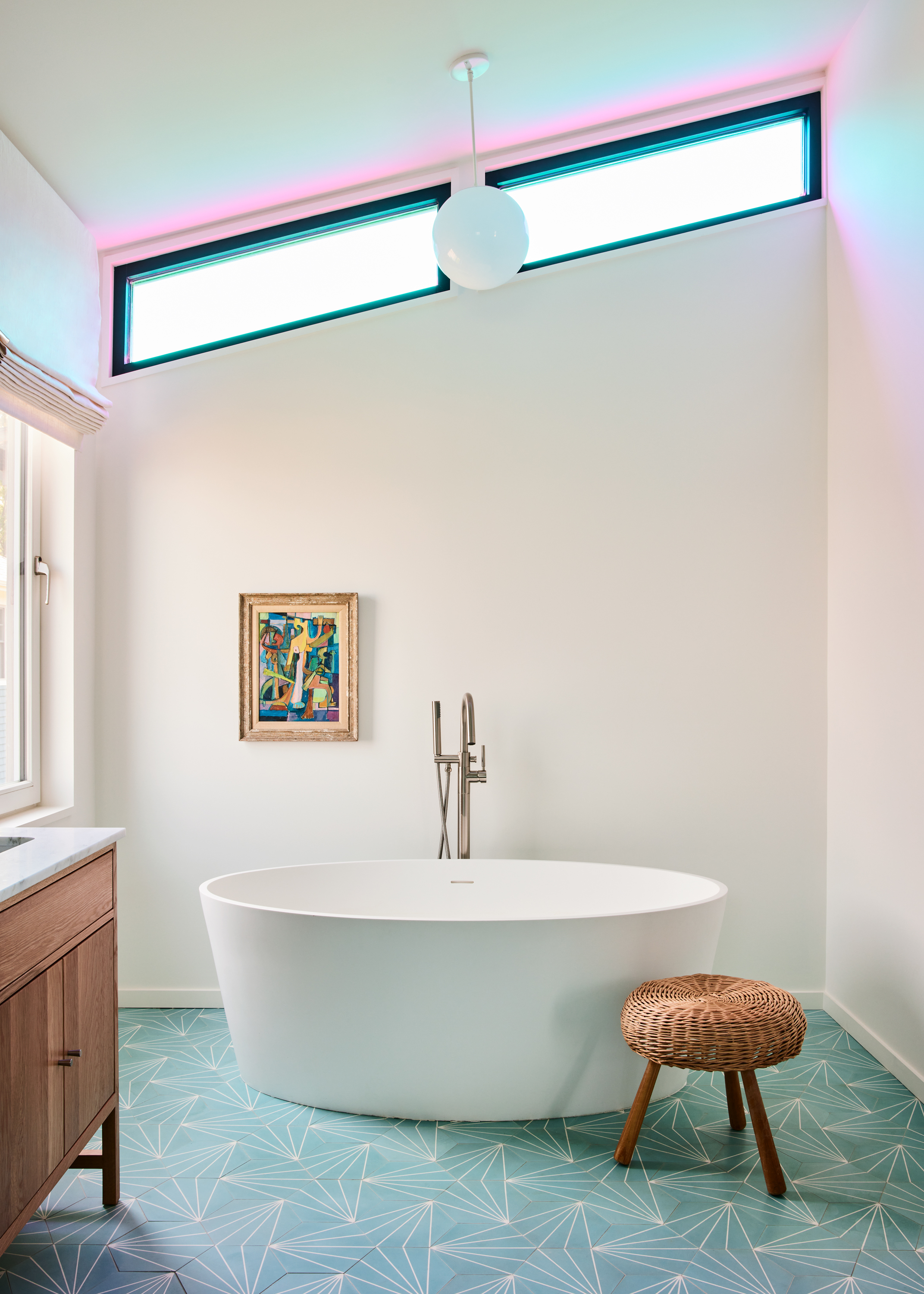
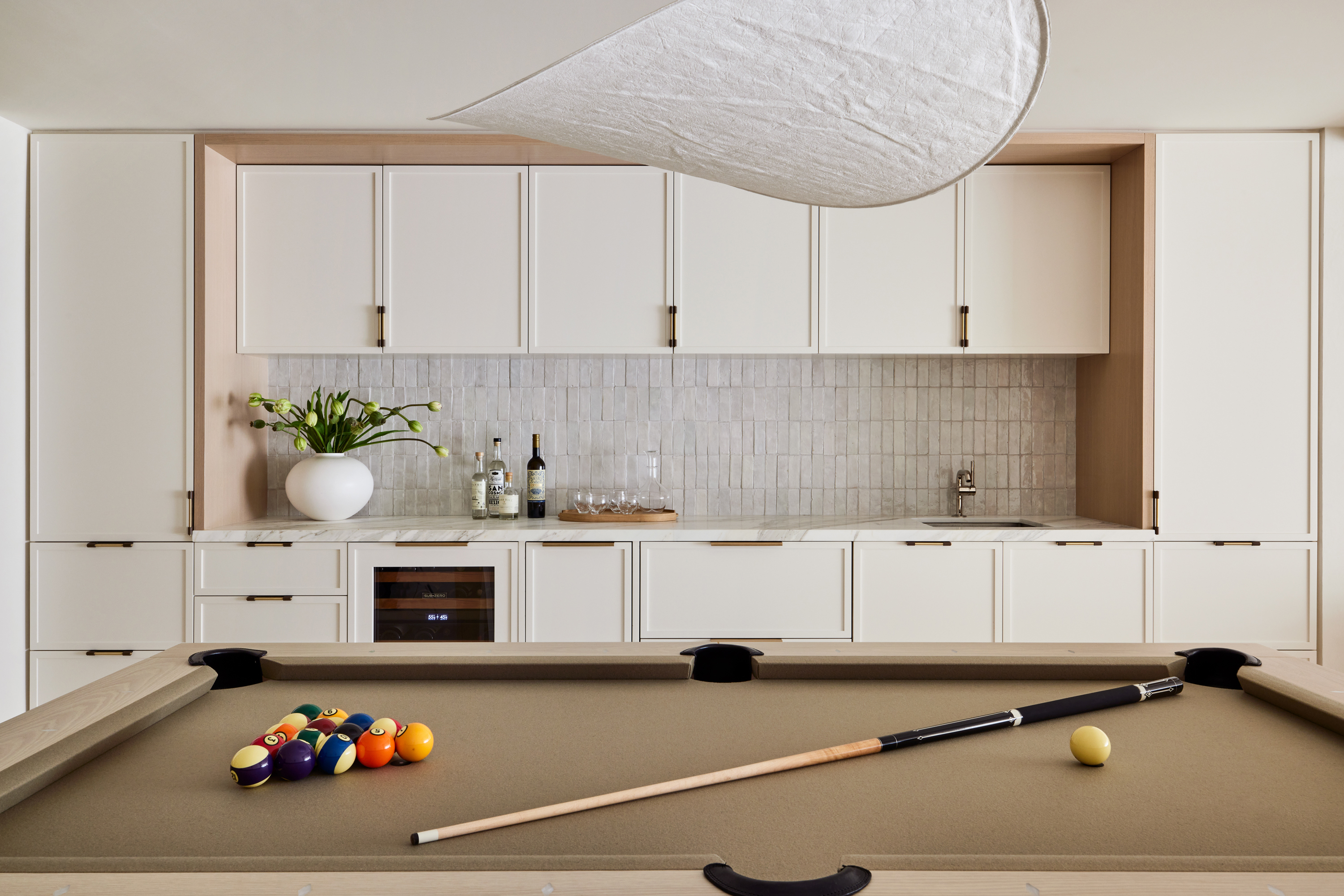
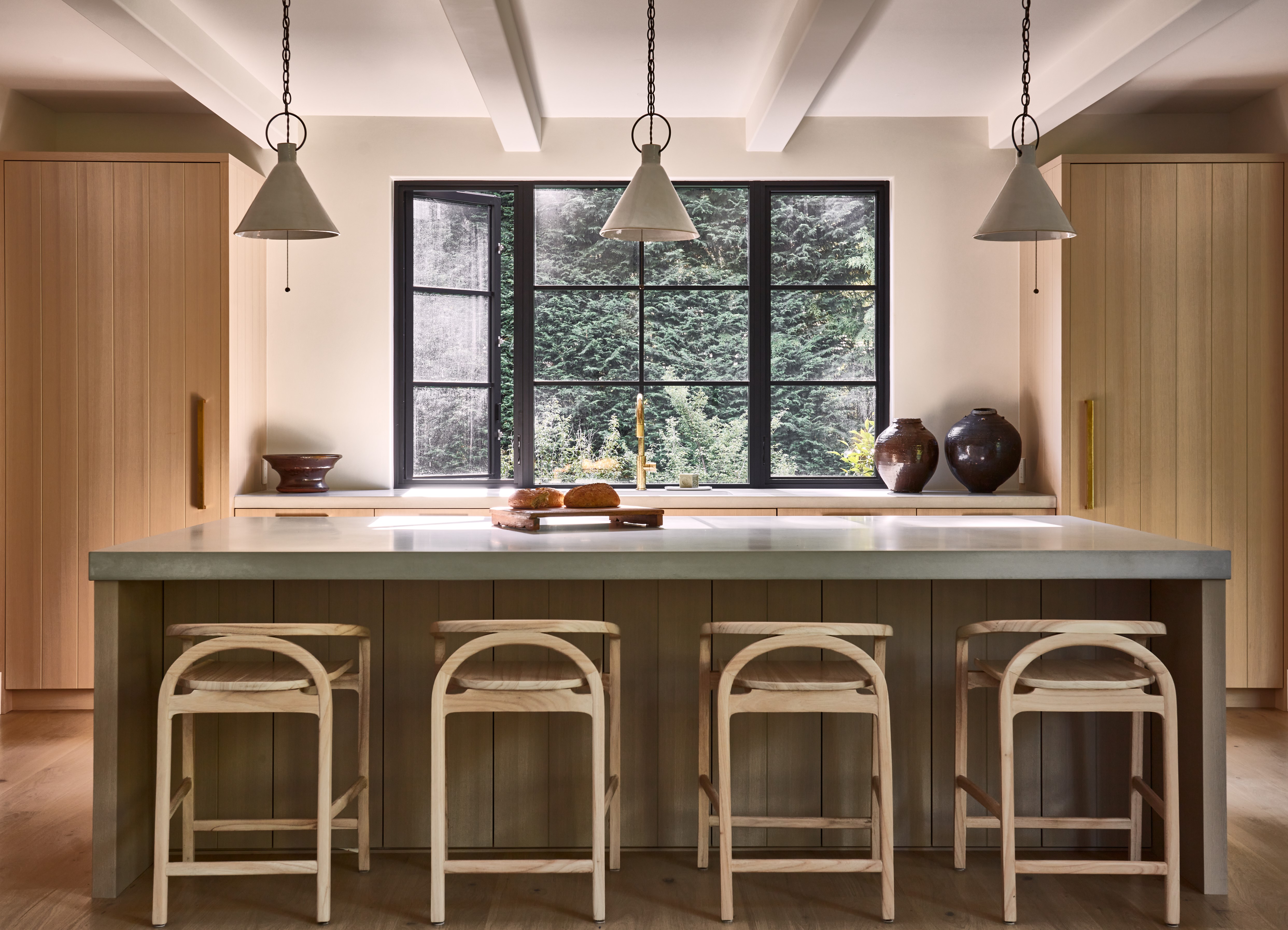
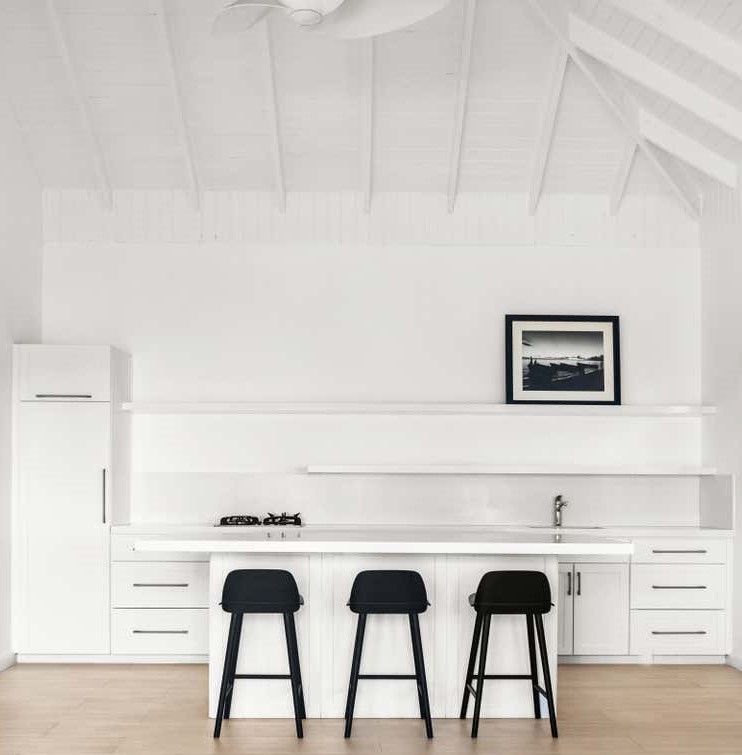
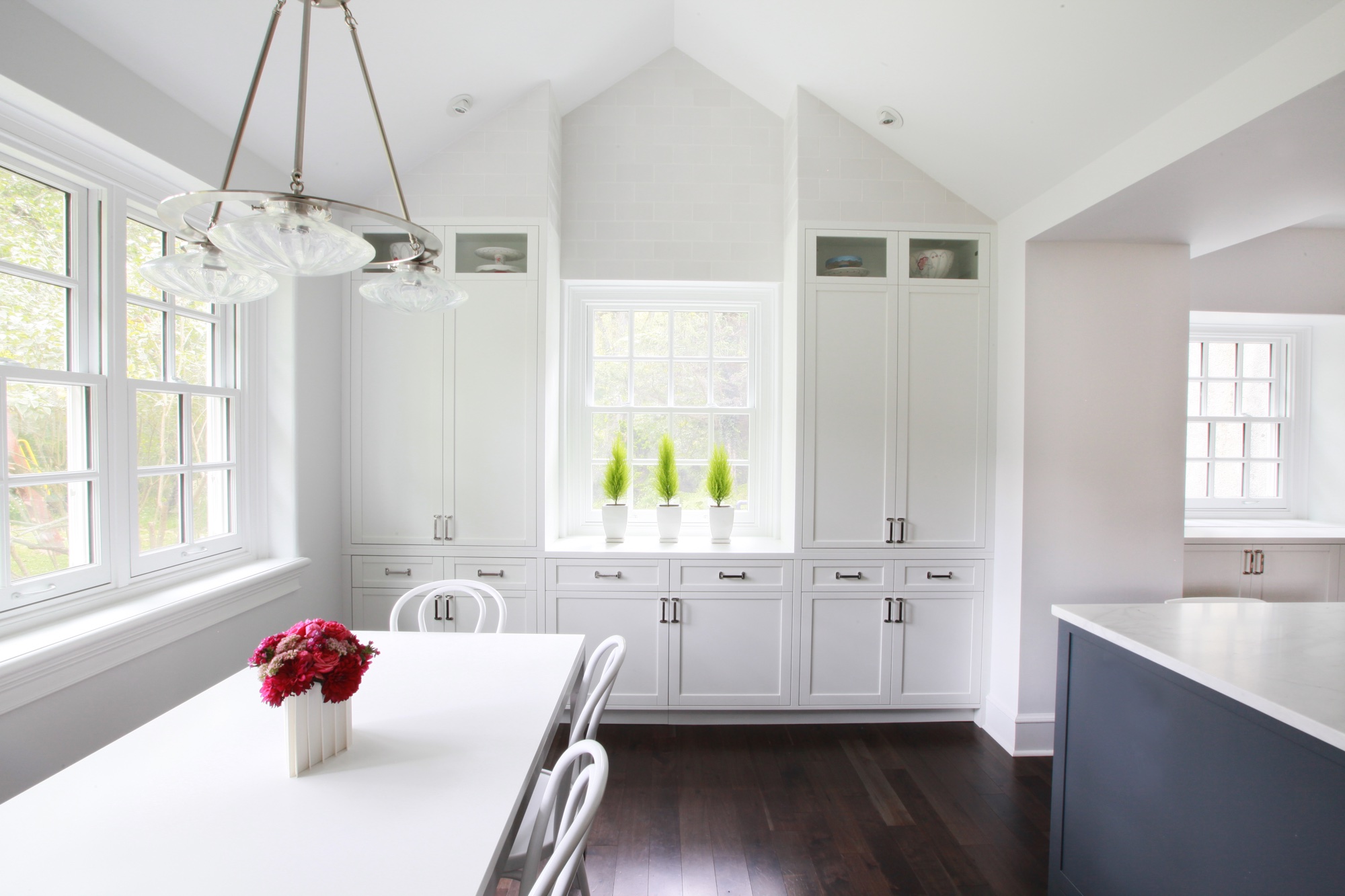
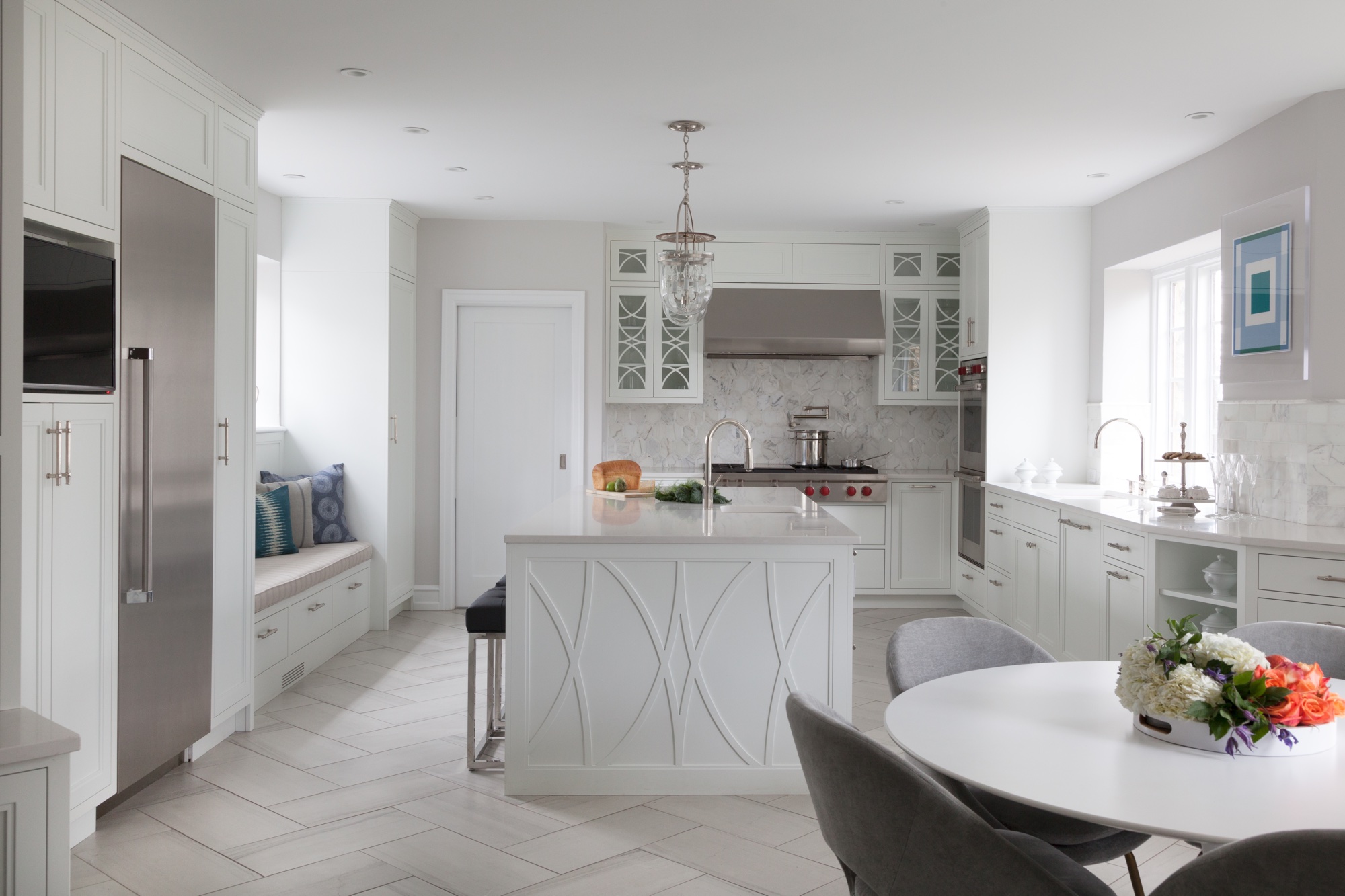
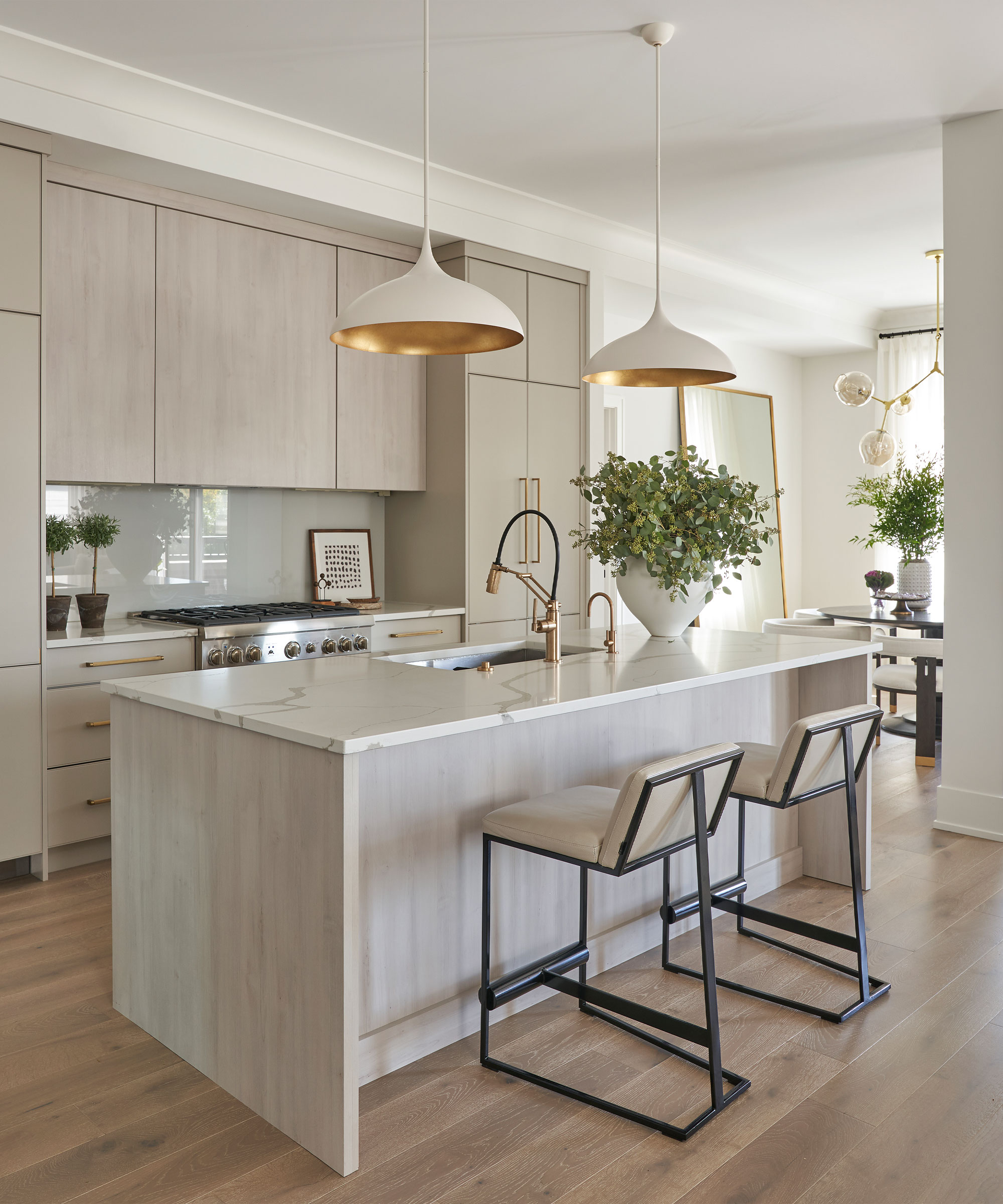

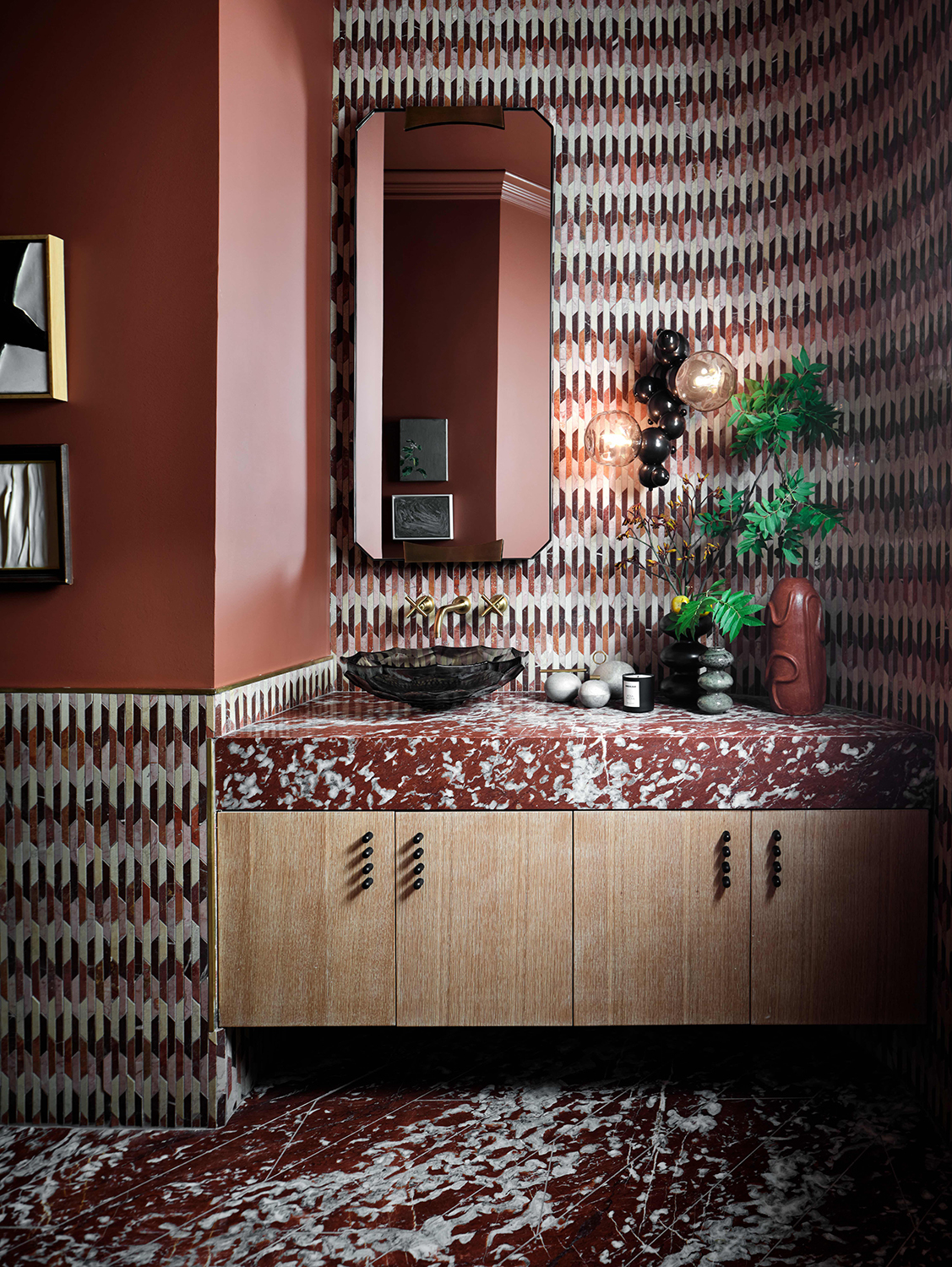
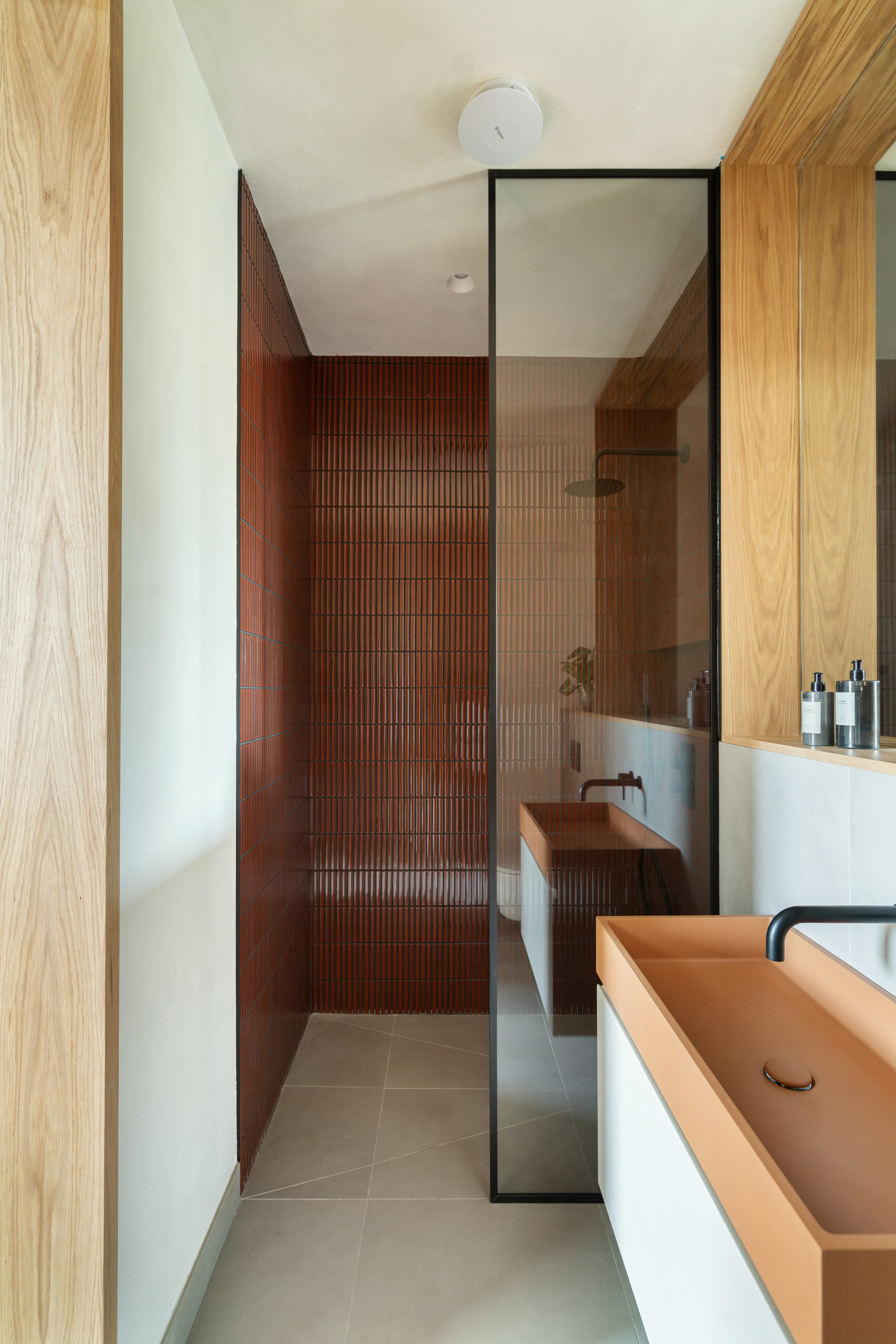
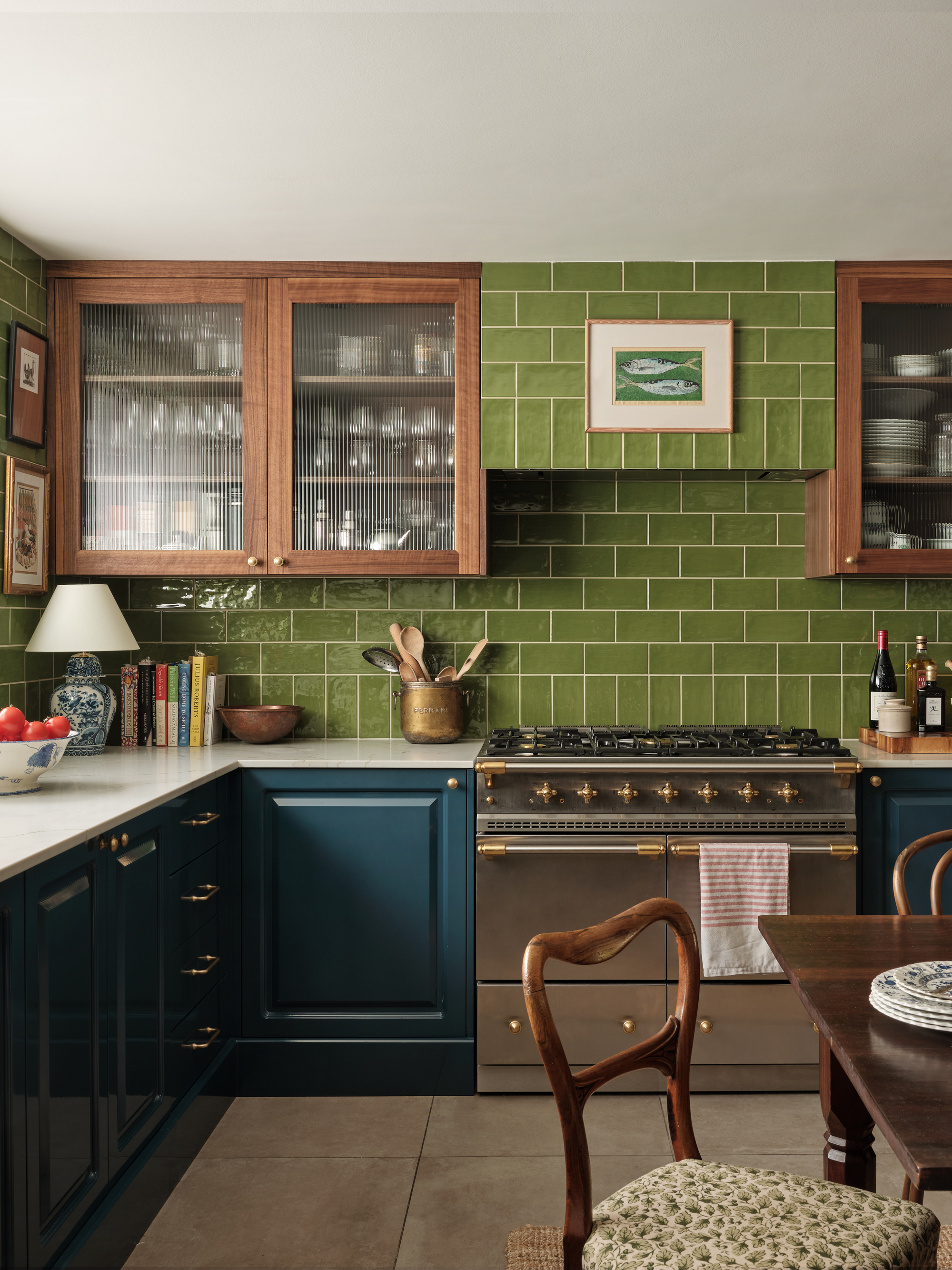
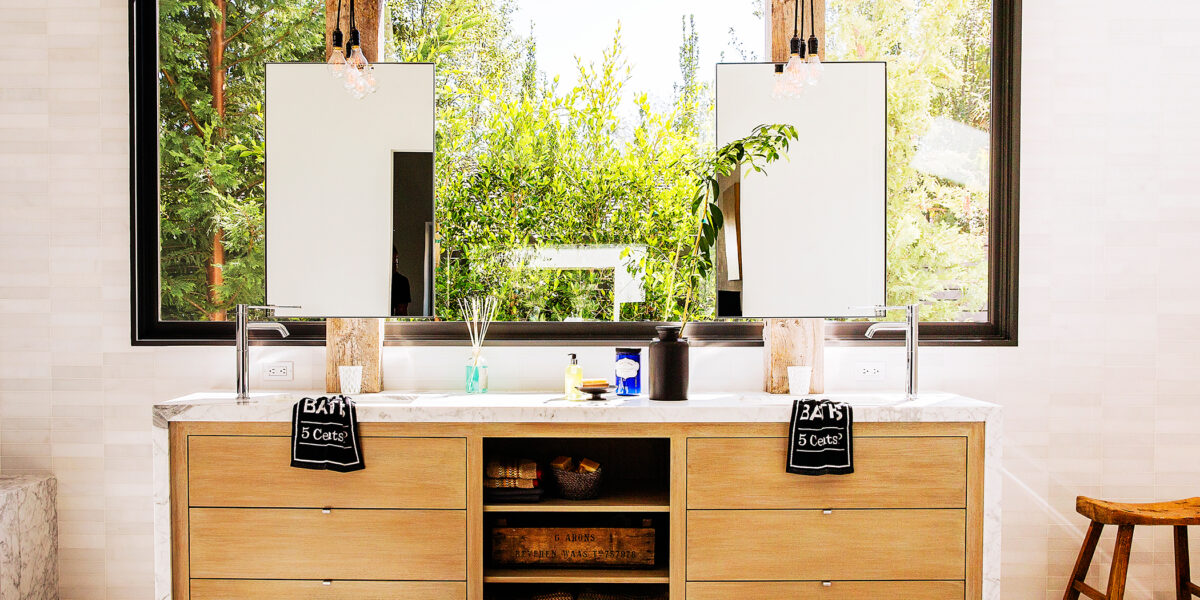
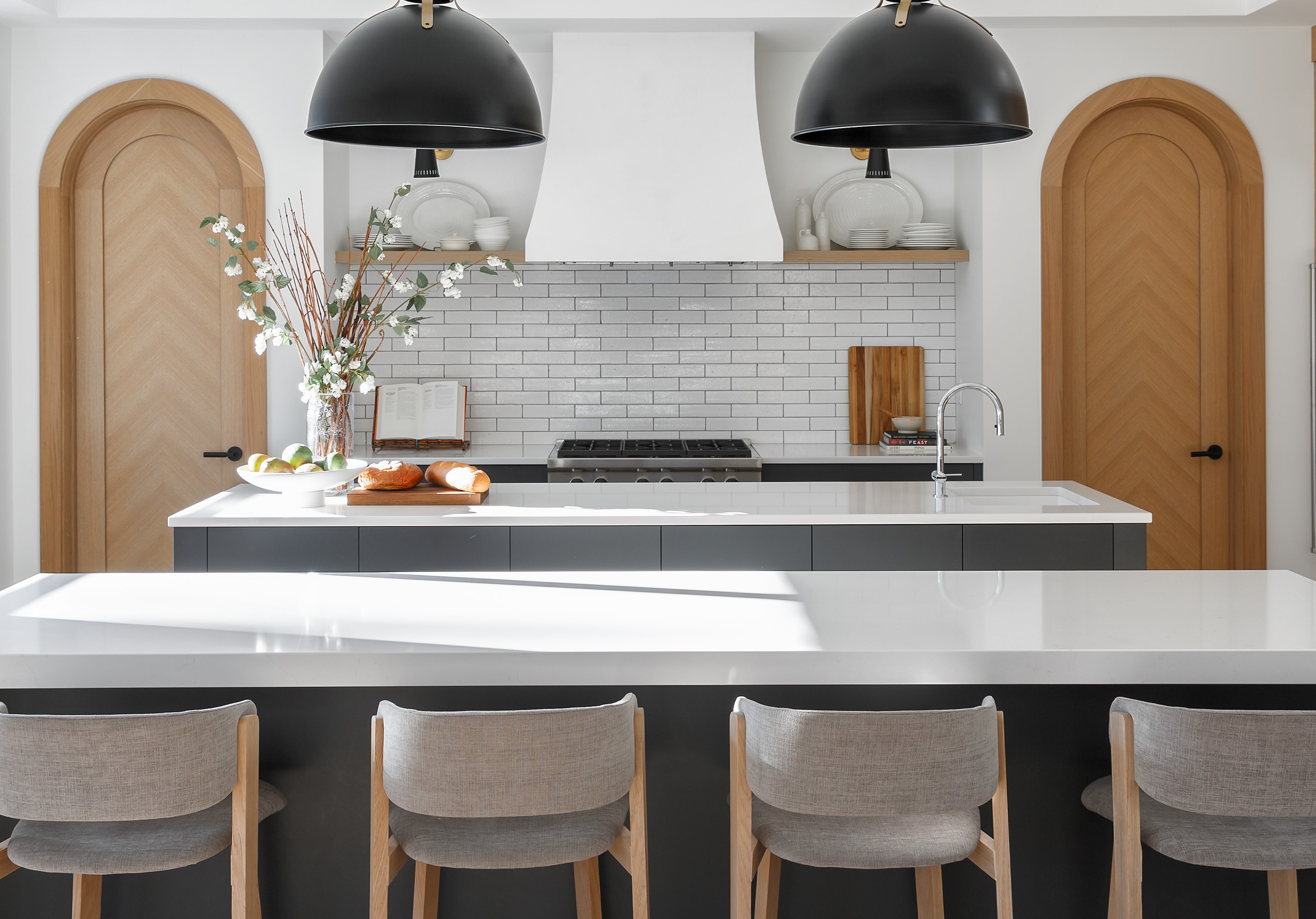
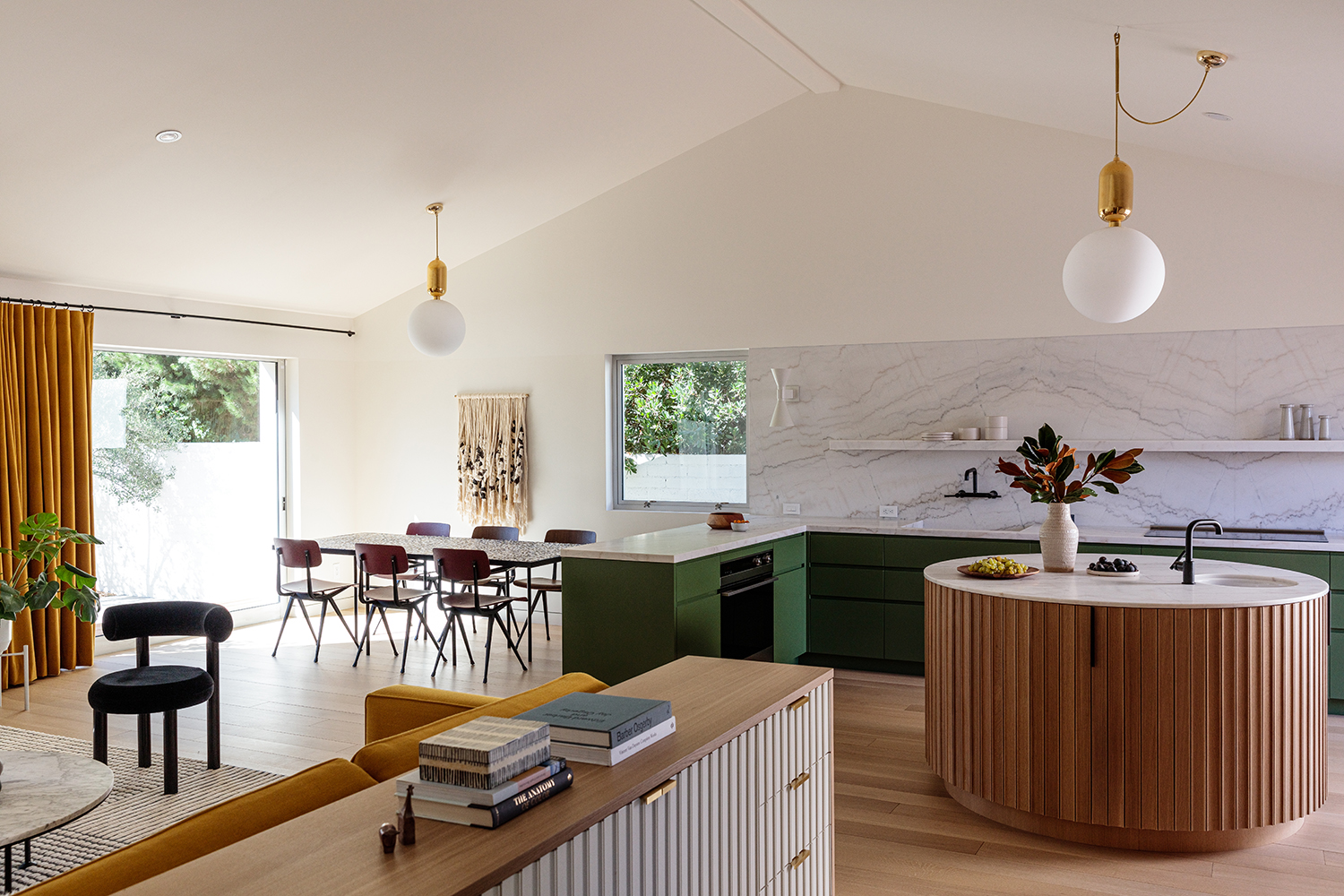
Even on a smaller scale, “almost-symmetrical” styling moments, like a console table with matching stools and centered artwork but asymmetrical decorative objects, can effectively establish rhythm and cohesion. In functional spaces like kitchens and bathrooms, symmetry offers organizational benefits. Kitchens, being busy areas, benefit from symmetrical layouts, with aligned ranges, hoods, islands, and pendants creating an organized and balanced feel. Bathrooms with double vanities, matching cabinetry, mirrors, and sconces appear sleek, clean, and inherently calming.
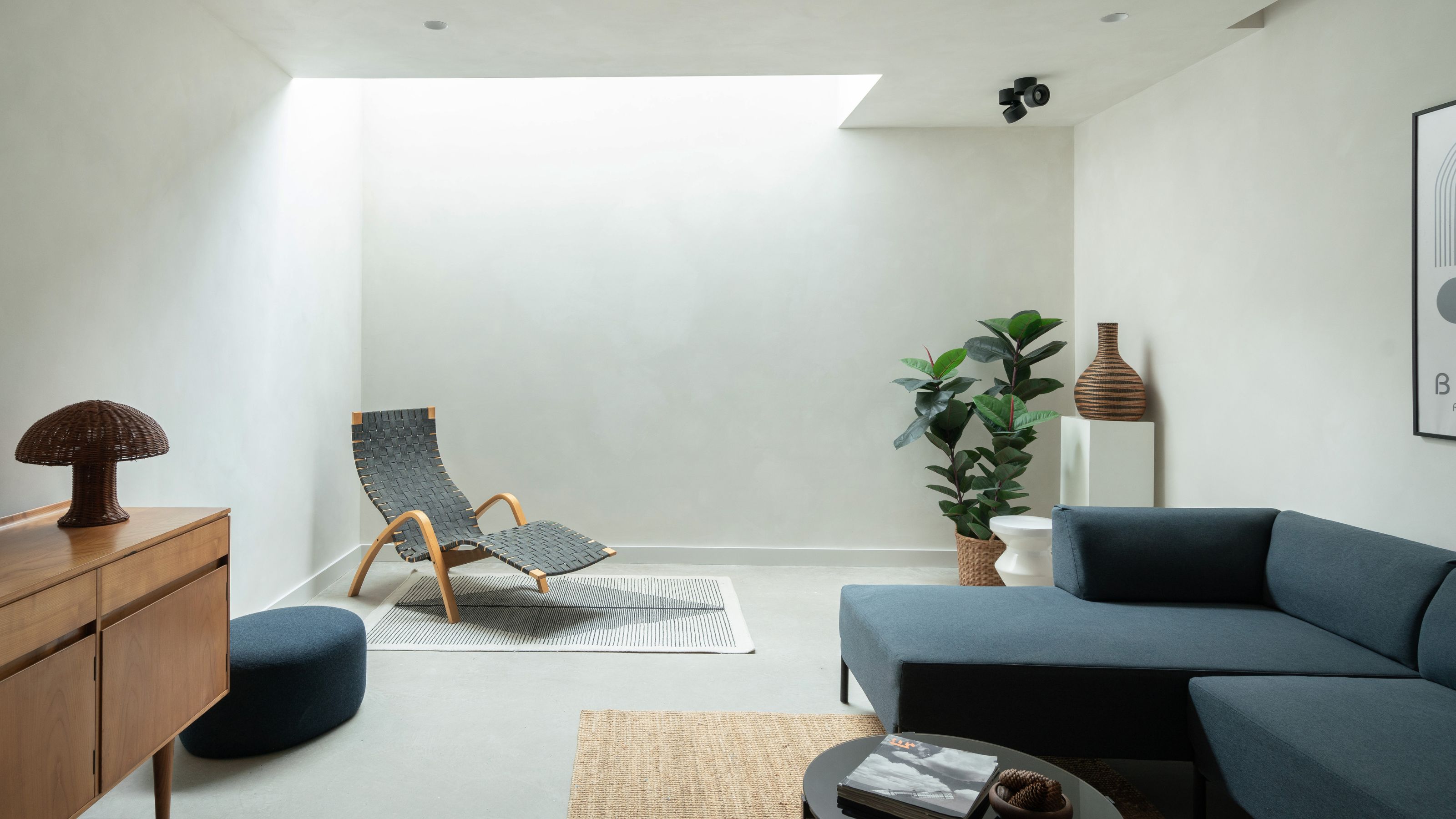
Finally, pairing symmetrical design with a neutral color scheme can amplify the sense of balance and serenity in a room, creating a restful and inviting atmosphere. While perfect symmetry might be considered predictable by some, a thoughtful blend of symmetrical foundations with subtle asymmetrical details ensures a cohesive, balanced, and visually impactful space that feels both intentionally composed and relaxed.
#InteriorDesign #Symmetry #HomeDecor #DesignPrinciples #VisualBalance #CohesiveInteriors #FormalDesign #BedroomDesign #KitchenDesign #InteriorDesign #Symmetry #HomeDecor #DesignPrinciples #VisualBalance #CohesiveInteriors #FormalDesign #BedroomDesign #KitchenDesign
0 comment in total
 No comments yet
You may also like
This Design Technique Is the Key to a Calm and Relaxing Home
Is Symmetry Out of Style? Designers Reveal the Rule-Breaking Living Room Layout Formula That’s Going to Redefine How We Decorate in 2026
Symmetry Meets Style
Why Your Room Feels 'Off'—6 Designer Rules for Perfecting Furniture Scale and Proportion
Designers Explain Why Asymmetry Is the Secret to a Well-Composed Space

Symmetry in kitchens — the trend designers love that creates a calming, clutter-free space

Designers Say This Tiny Tweak Could Save Your Living Room From Looking Tacky (And It's Free)

How to create repetition in interior design – 7 ideas for decorating success
There's a new way designers are doing symmetrical living rooms and it could be 2023's biggest decorating trend
My Designer Friends Swear By the "Two-Thirds Rule" for Living Room Sofas and More

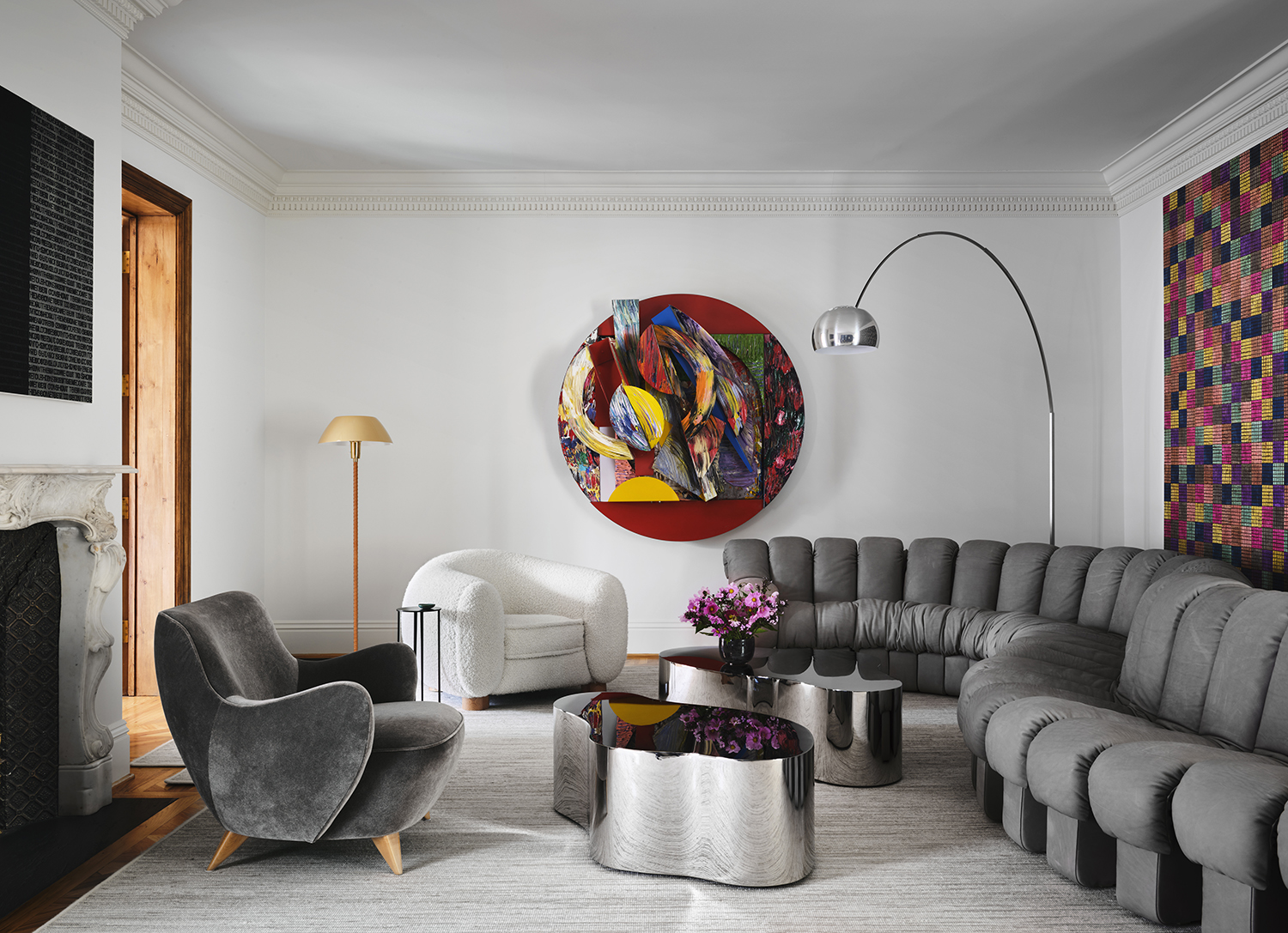
Rhythm in interior design - 11 ways to use this clever technique for rooms that look professionally done

13 ways repetition in interior design can be used to create calmingly sophisticated rooms
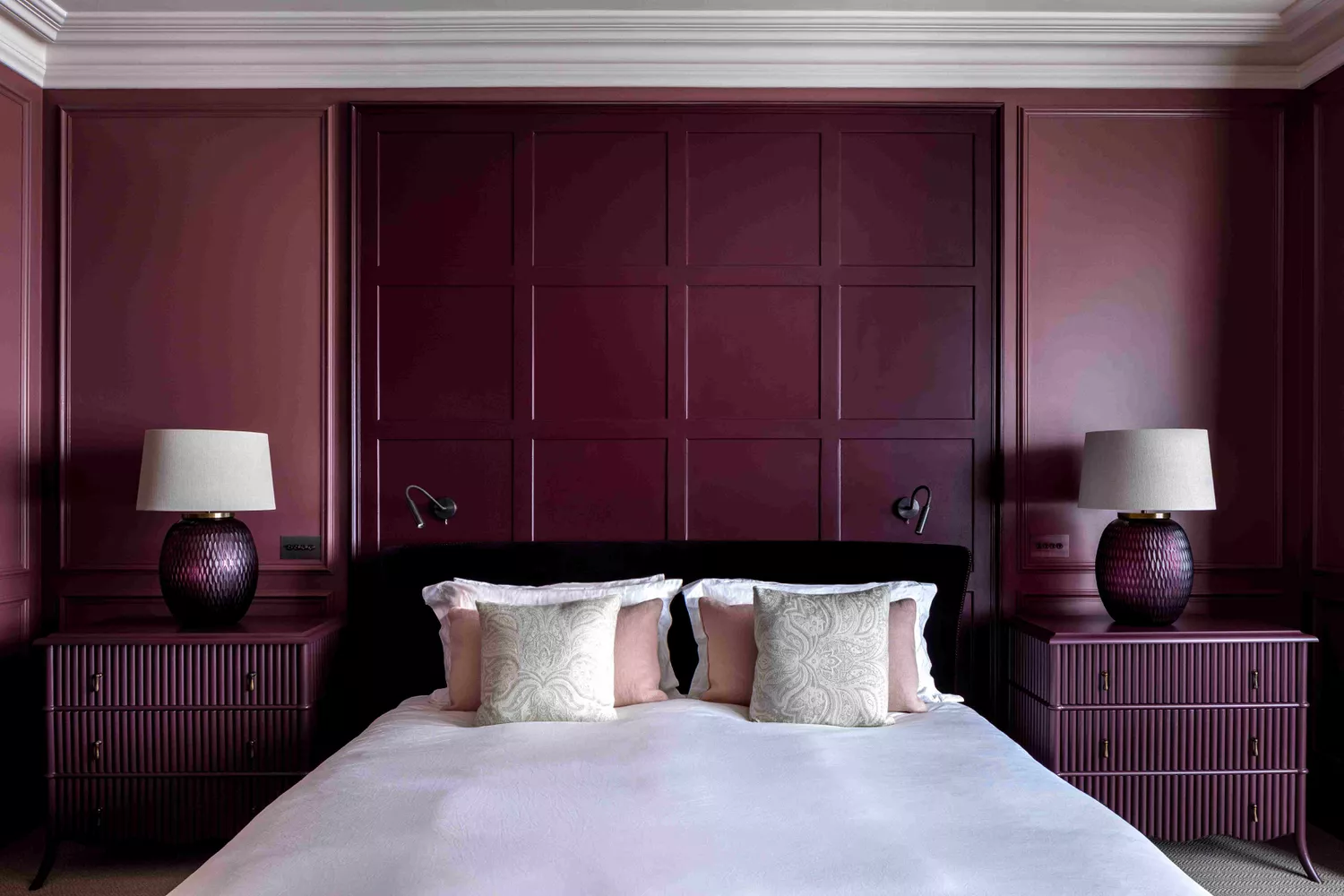
7 Things That Always Make Your Bedroom Feel Empty, According to Designers

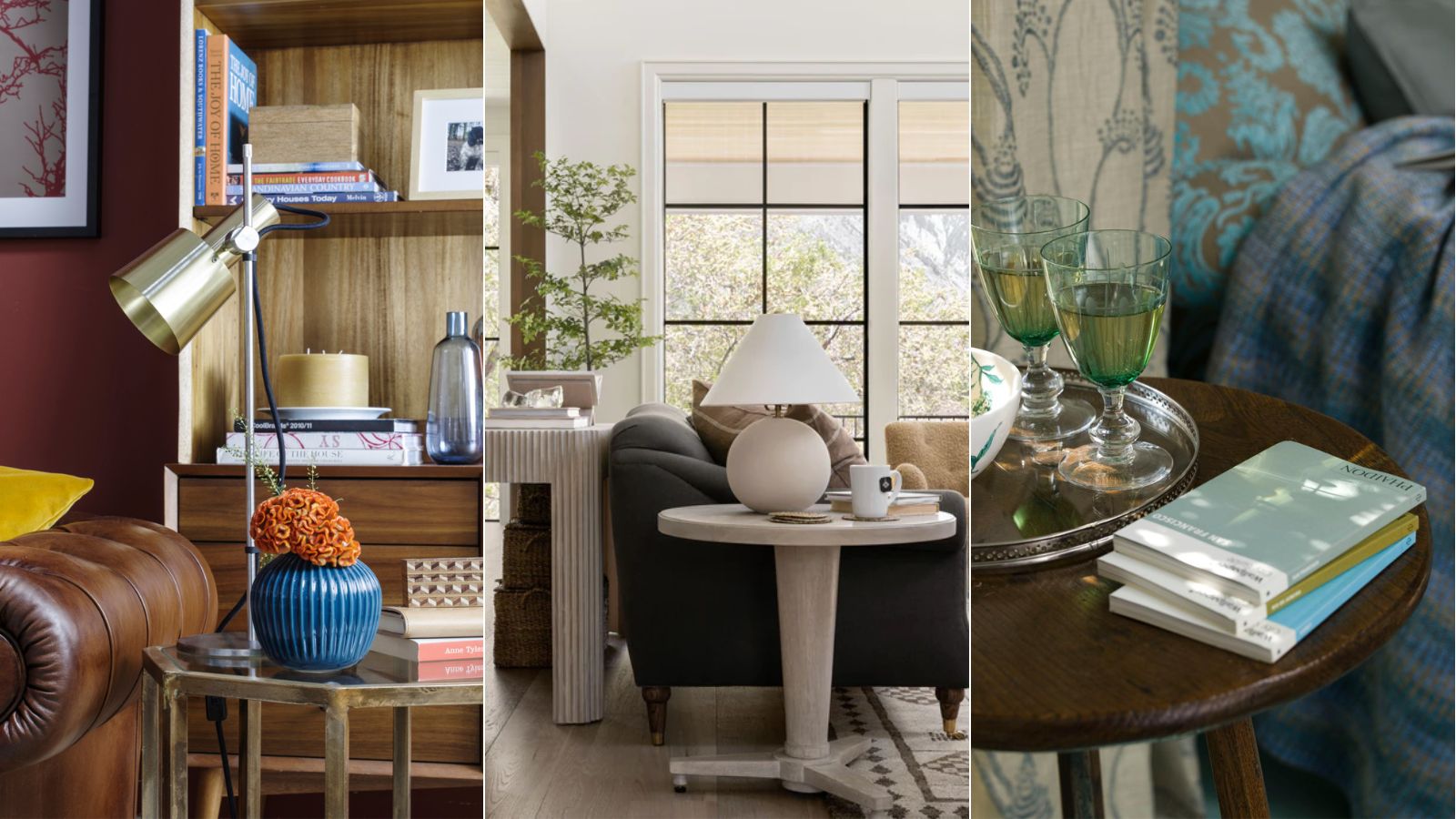
How to style a living room end table – 6 ideas from interior designers
The Library: The Key Principles That Define a Well-Designed Home – And Why They Work
This 'Invisible' Design Rule Is What Makes a Good Room Just Click — Psychologists and Designers Swear By It
10 rules to achieve balance in interior design - the secret style sauce which brings schemes together
Symmetry Meets Style
The rule of thirds – how experts use this design trick for successful schemes
Why Designers Use the Rule of Thirds in Every Design Project