1/9
The rule of thirds – how experts use this design trick for successful schemes
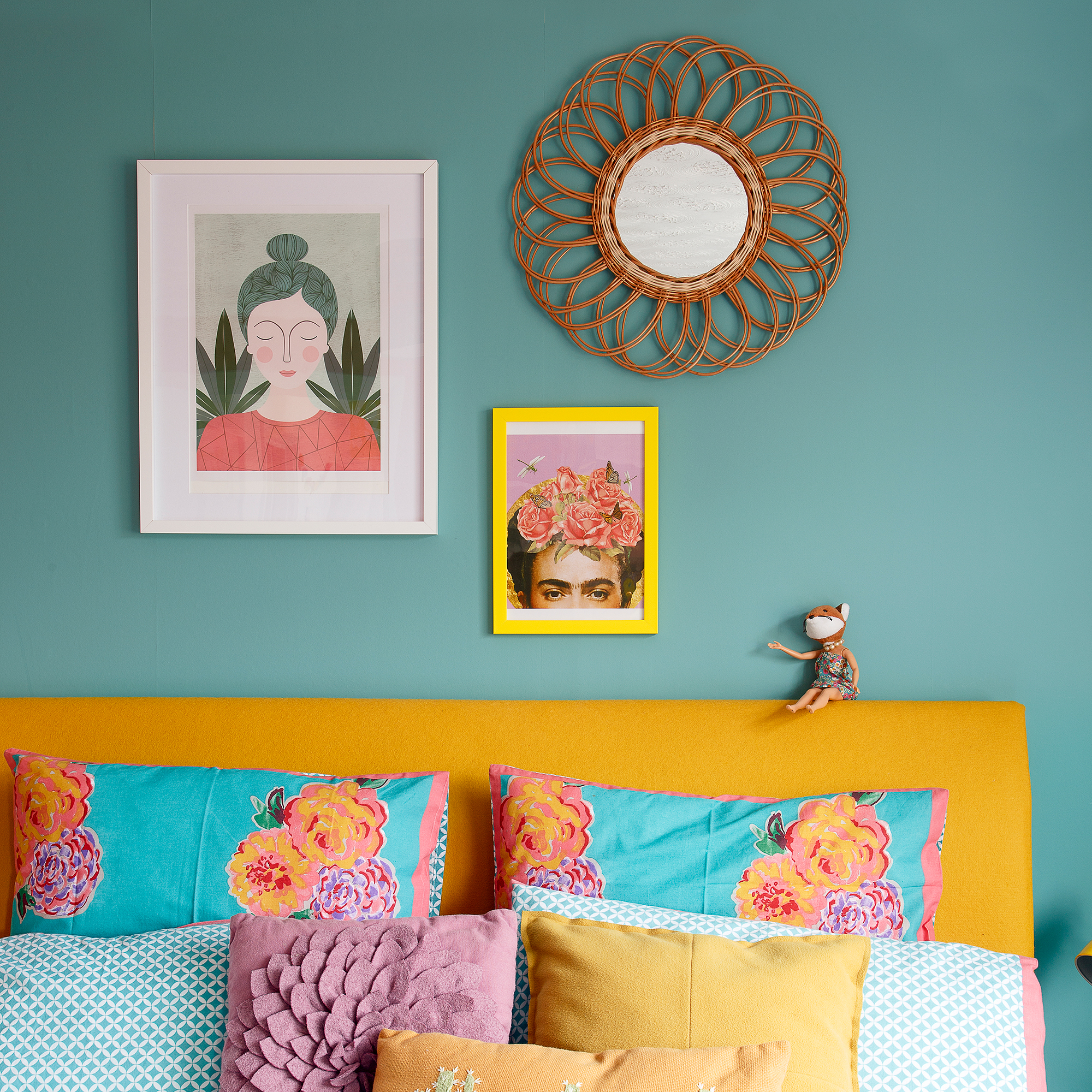
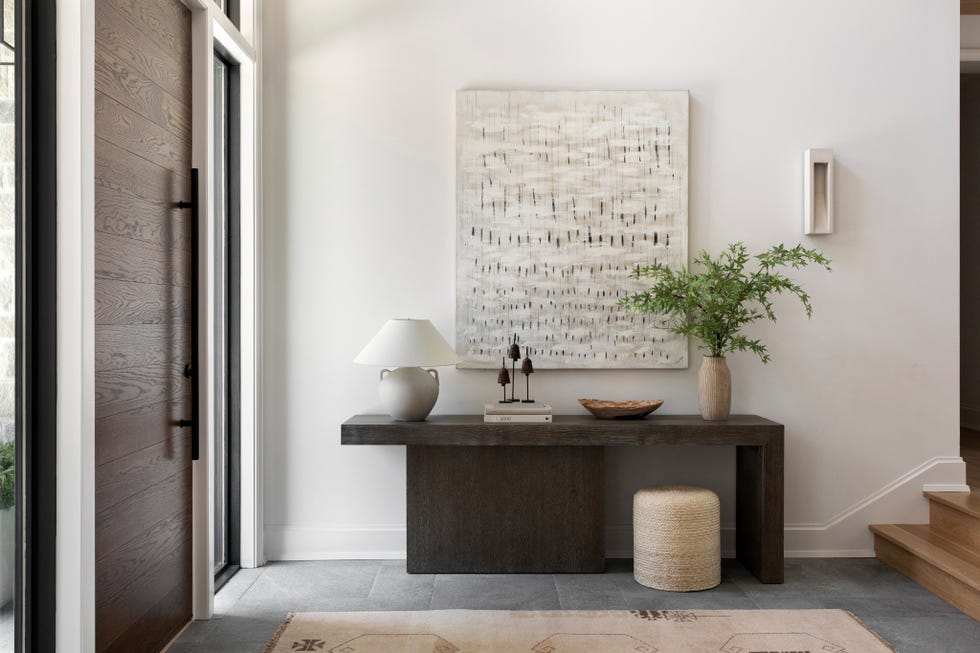
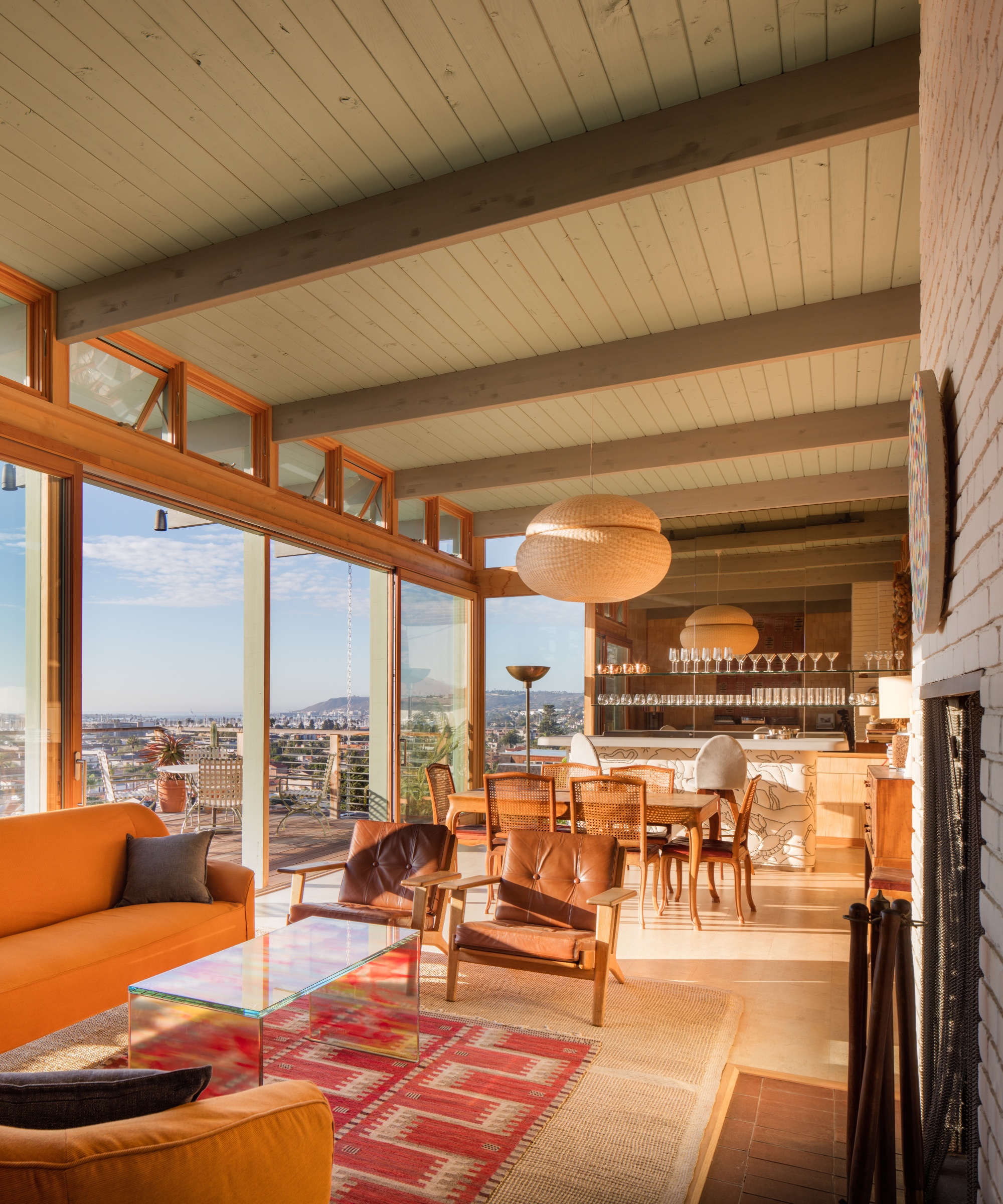
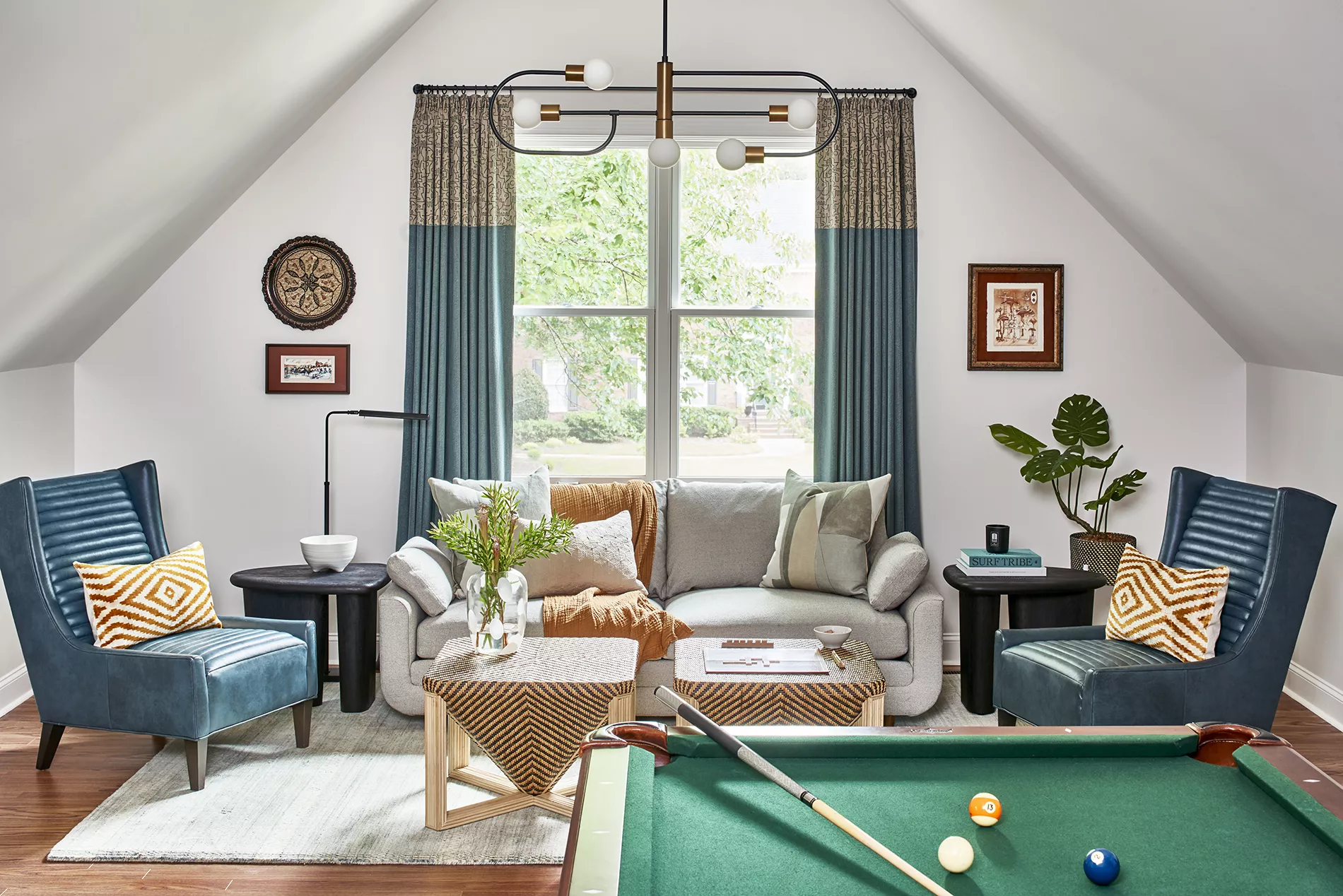
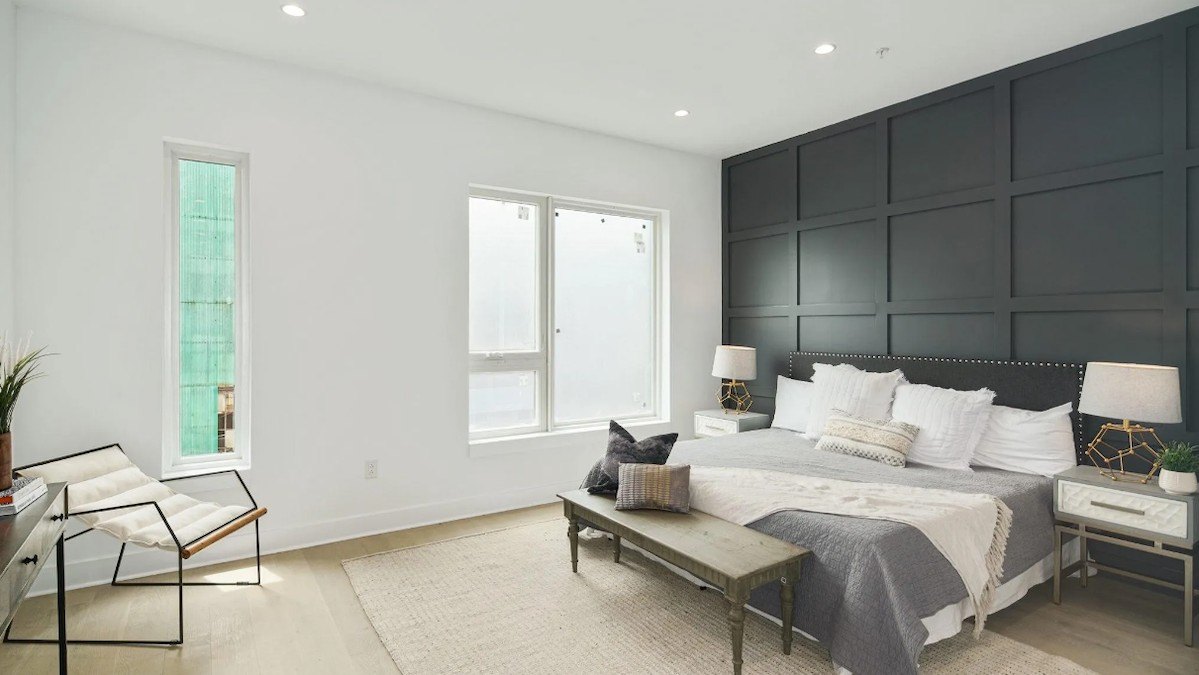
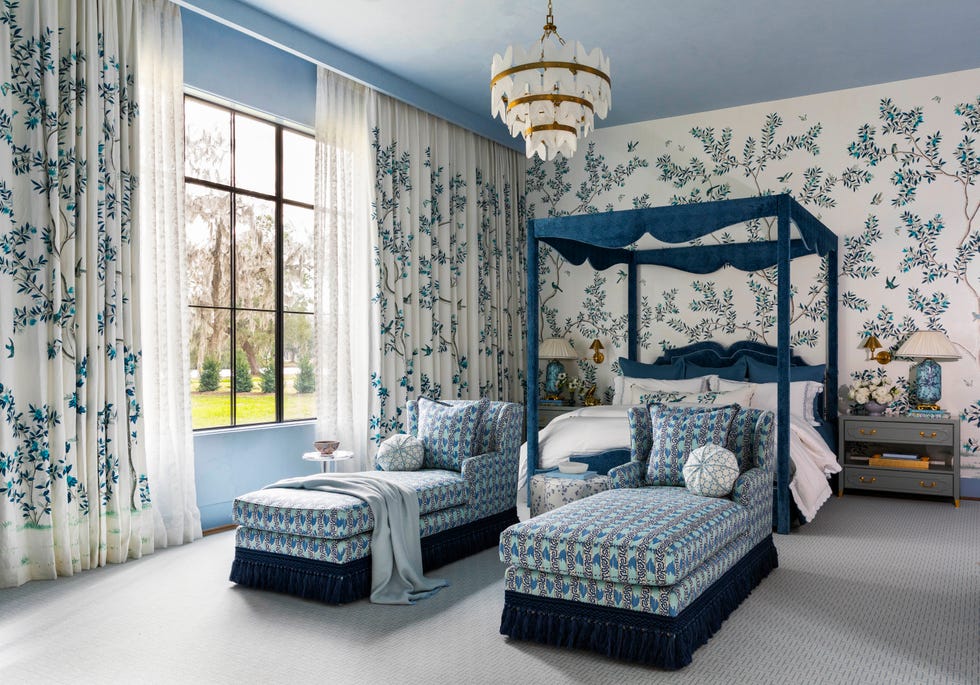
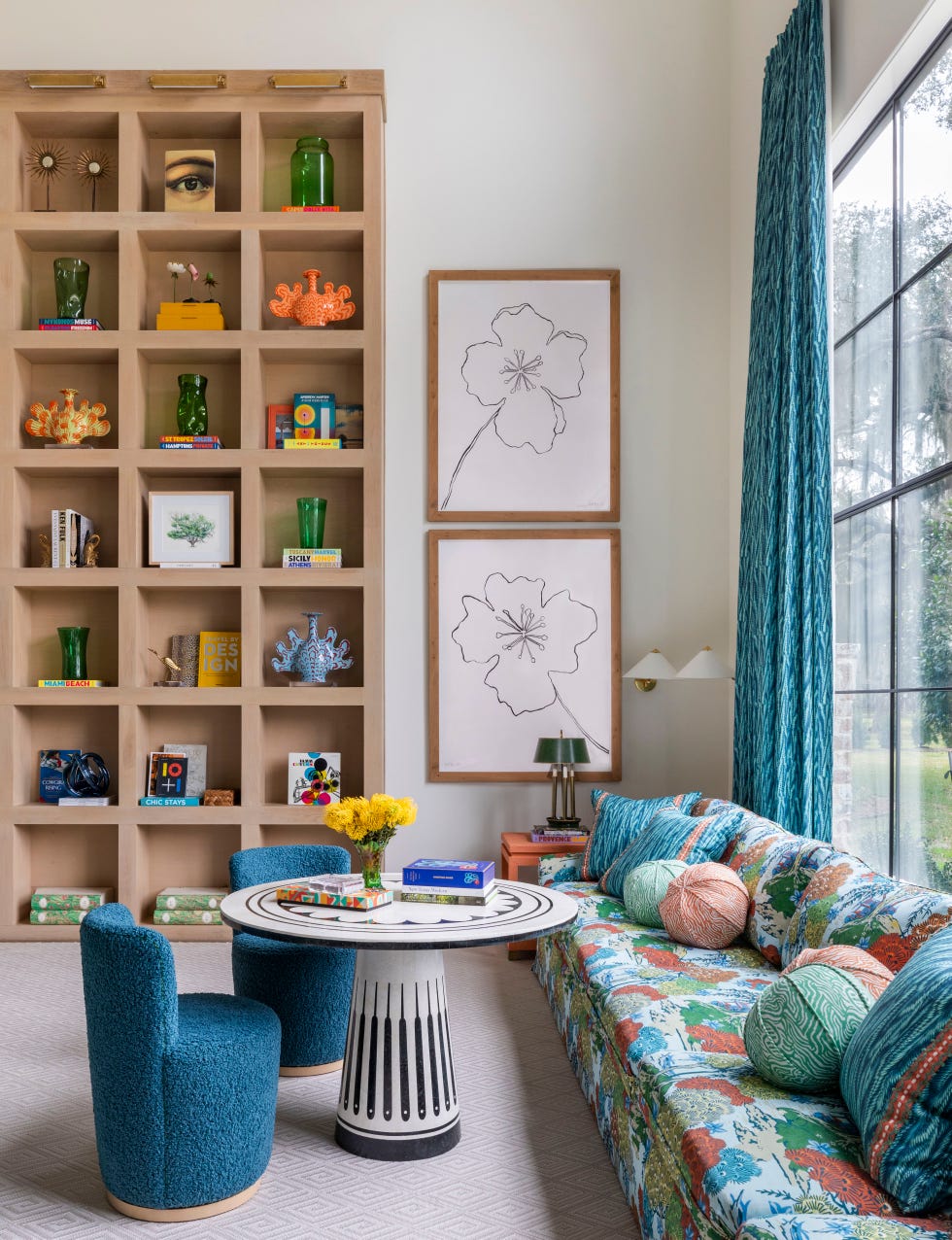
The rule of thirds is a fundamental design principle utilized by interior experts to achieve visually balanced and aesthetically pleasing spaces. This technique involves mentally dividing a room into a nine-segment grid using two horizontal and two vertical lines, similar to a tic-tac-toe board. This grid serves as a guide for arranging furniture and decor, particularly by placing key elements at the intersection points of these lines, which are considered focal points. Interior designer Mindy Kelson O'Connor emphasizes the rule's effectiveness in establishing and verifying balance, as well as defining the proportions and arrangement of a spatial composition, especially concerning views both within and outside the room.
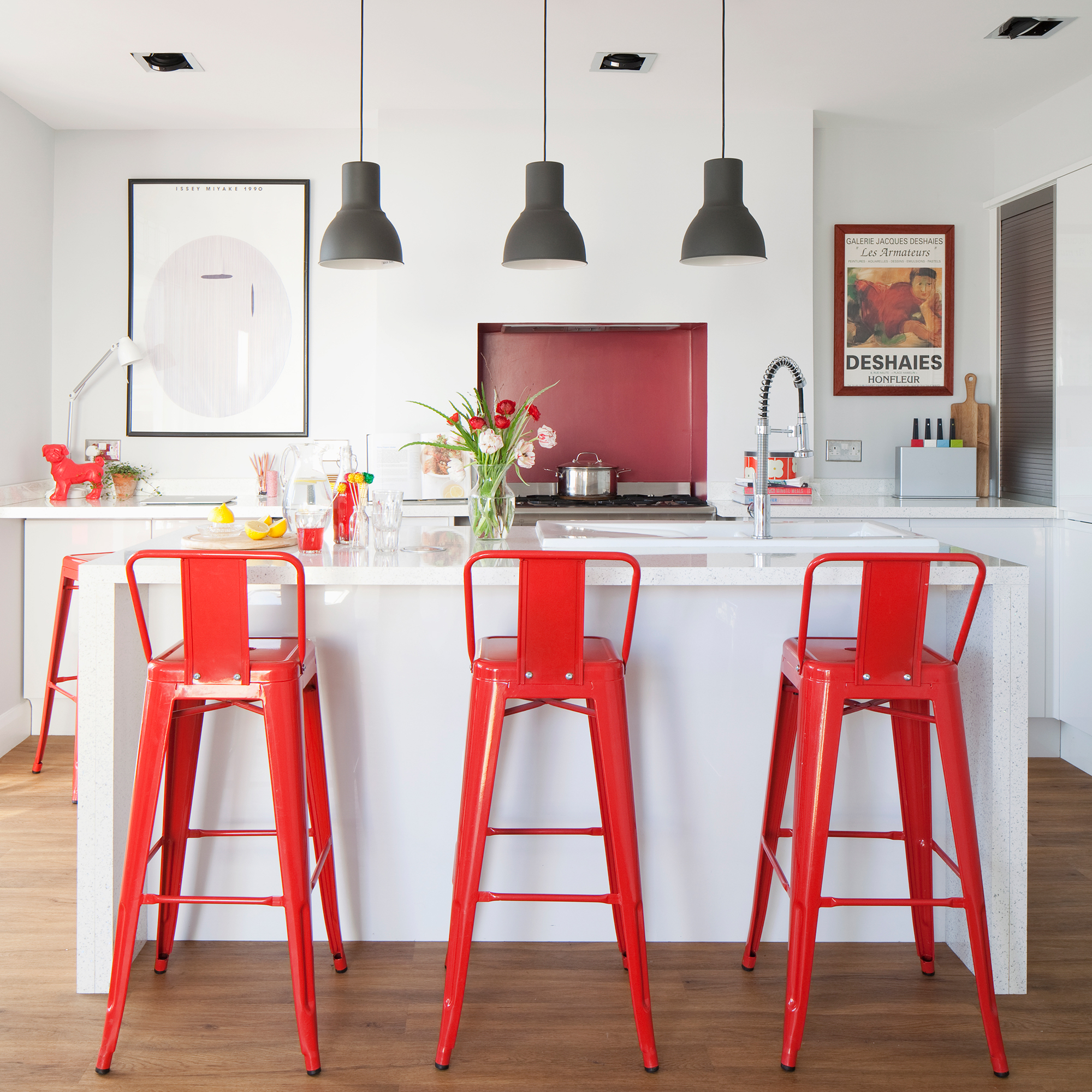
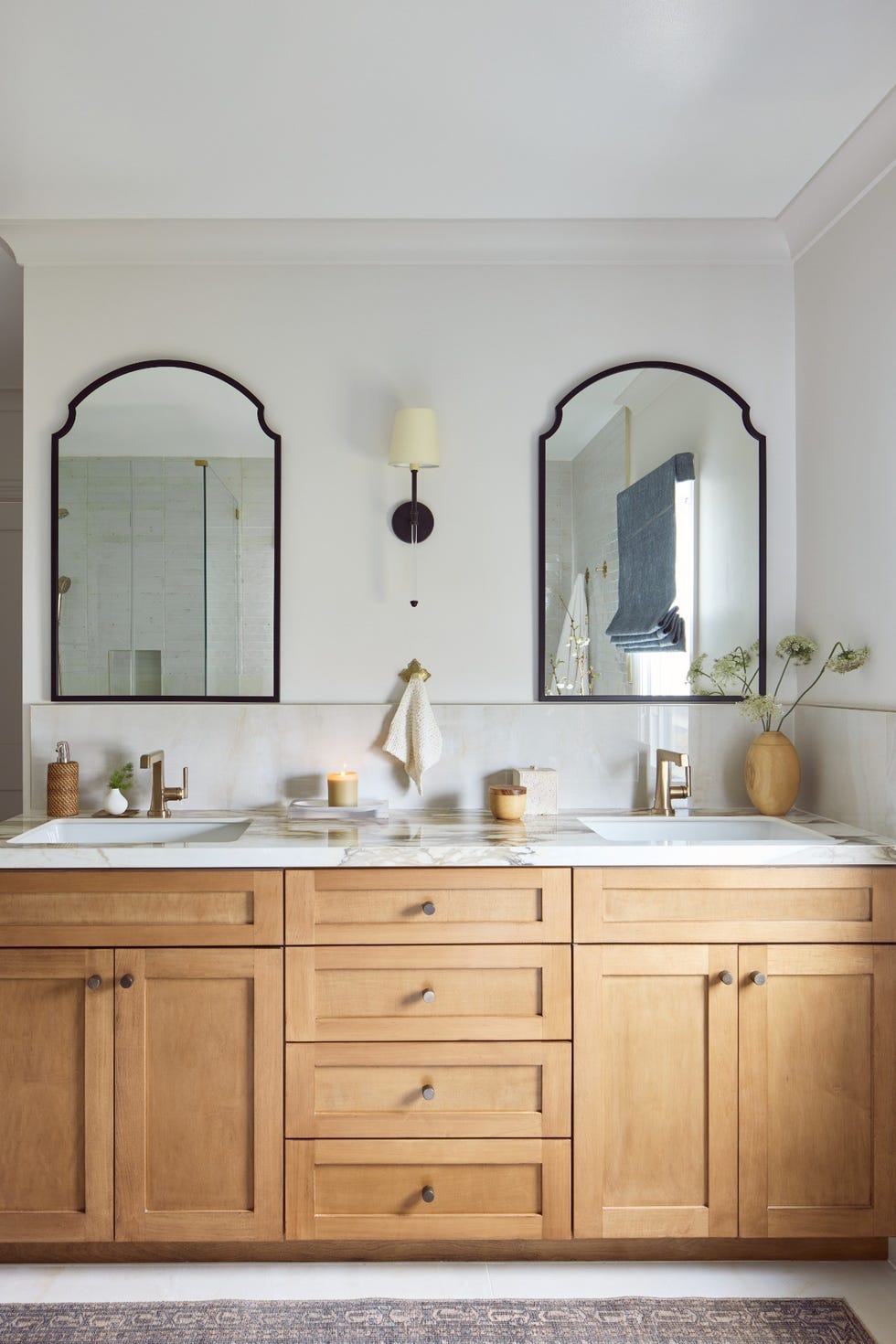
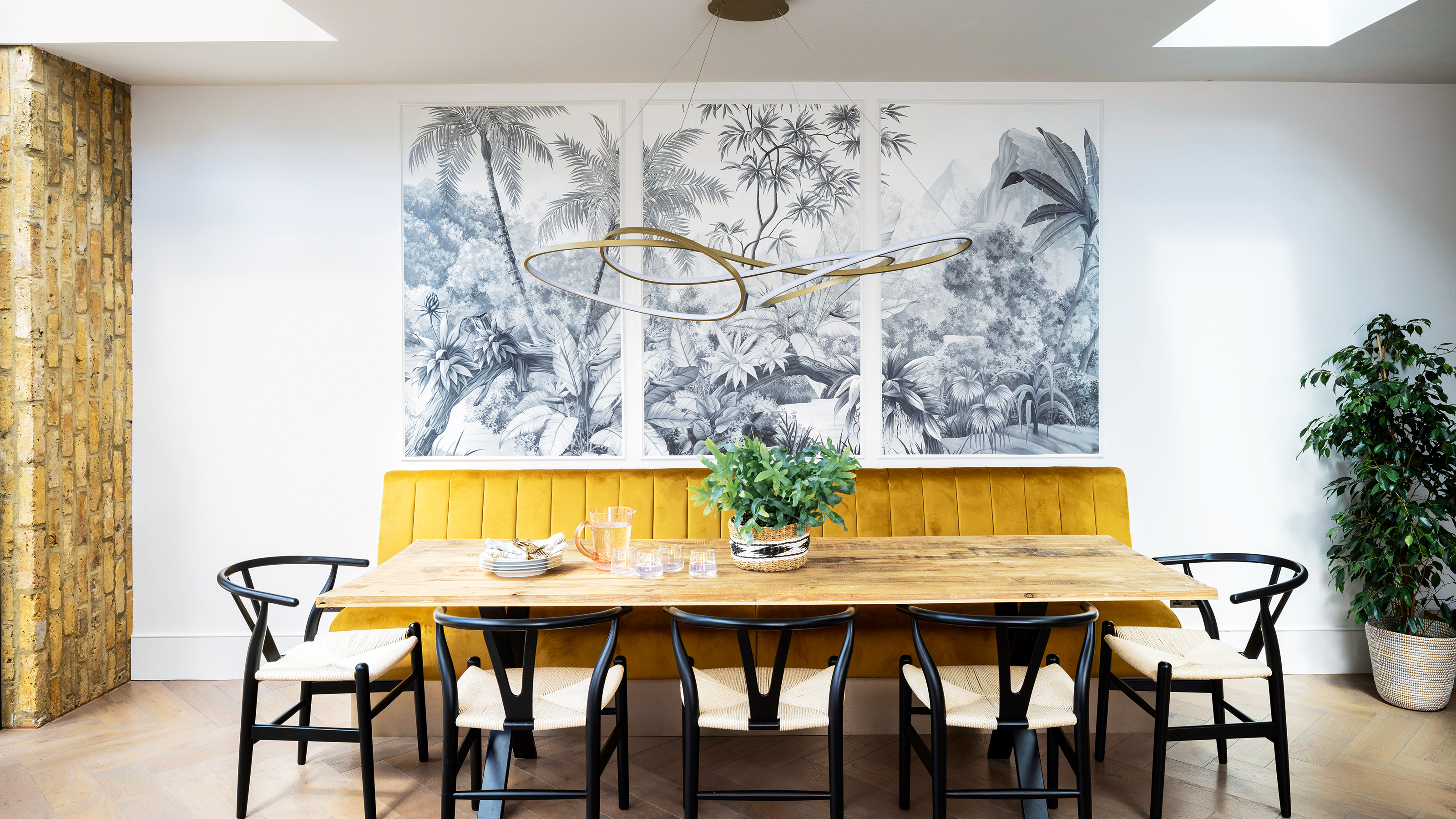
The application of the rule of thirds can be seen in various aspects of interior design. For instance, in kitchens, windows and built-in cabinetry can be strategically used to create a framed effect, with elements like a central window aligning with the grid to achieve balance. A kitchen island can occupy the middle third of the grid, acting as a central point, while countertops establish a horizontal work plane and hanging light fixtures define an upper horizontal line, drawing the eye and adding visual impact. Backsplashes can also define parts of the grid, organizing the wall and elongating the sense of space, especially in smaller rooms, while offering opportunities to introduce color and visual interest. Statement lighting, such as pendant lights, can be placed at intersecting grid lines to enhance visual appeal and balance.
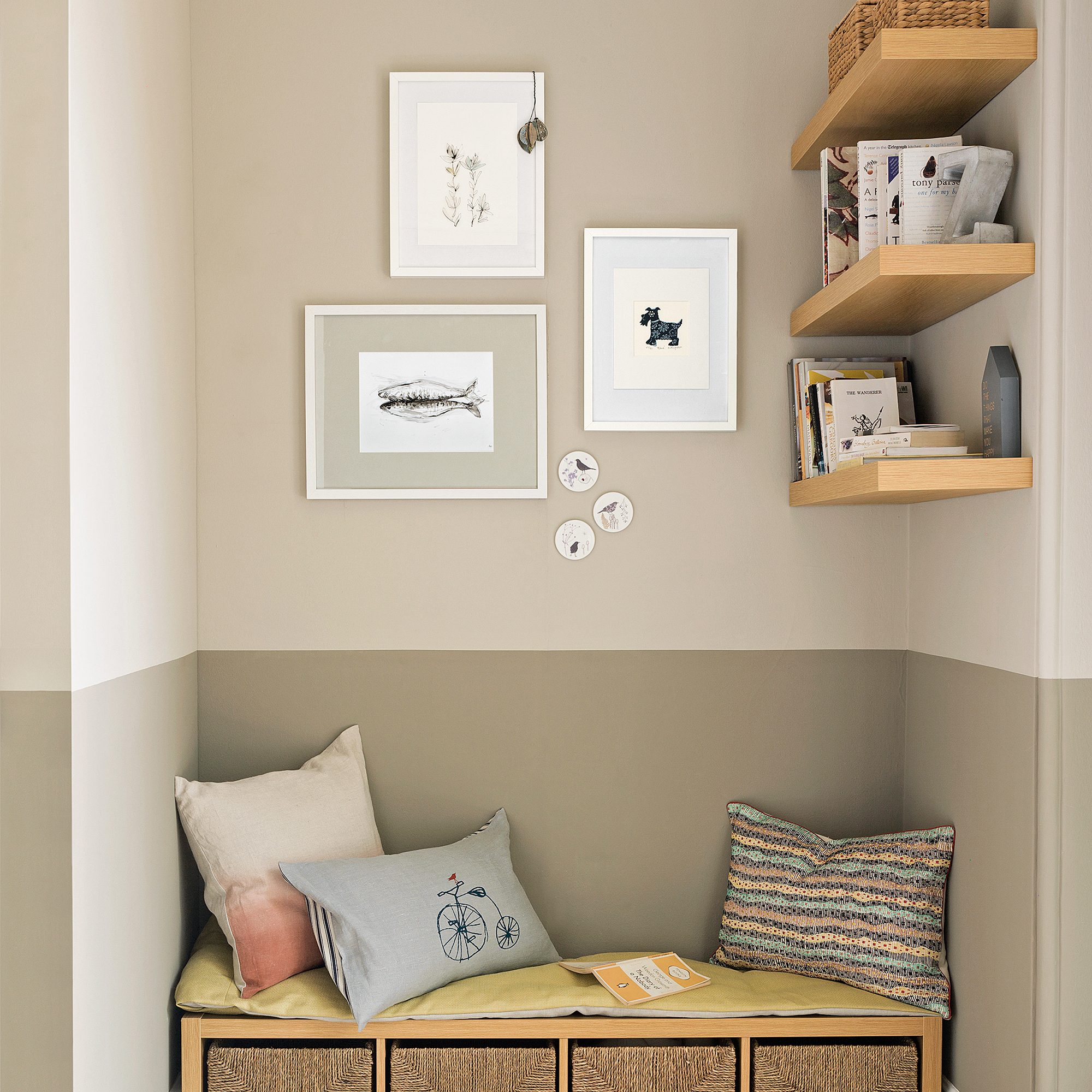
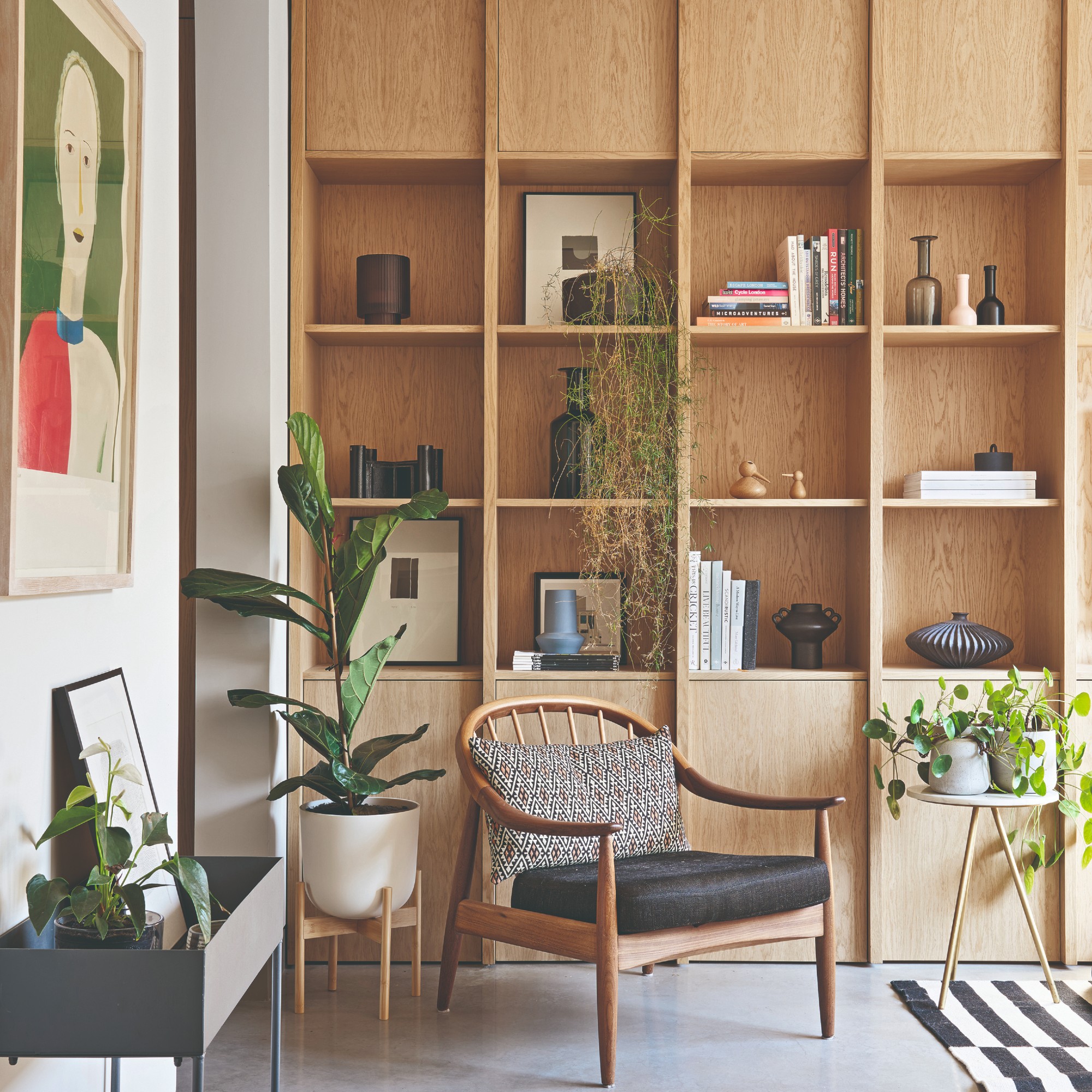
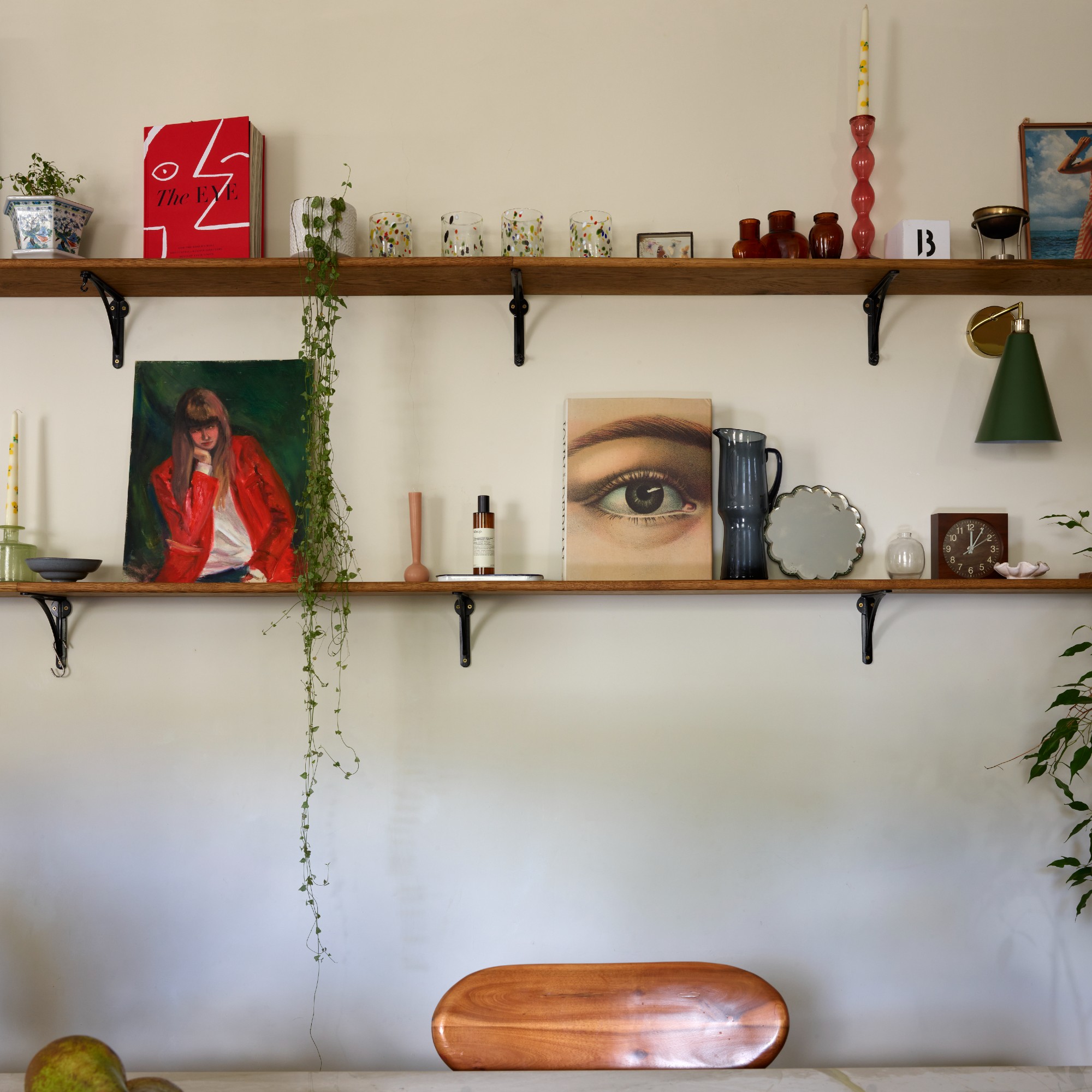
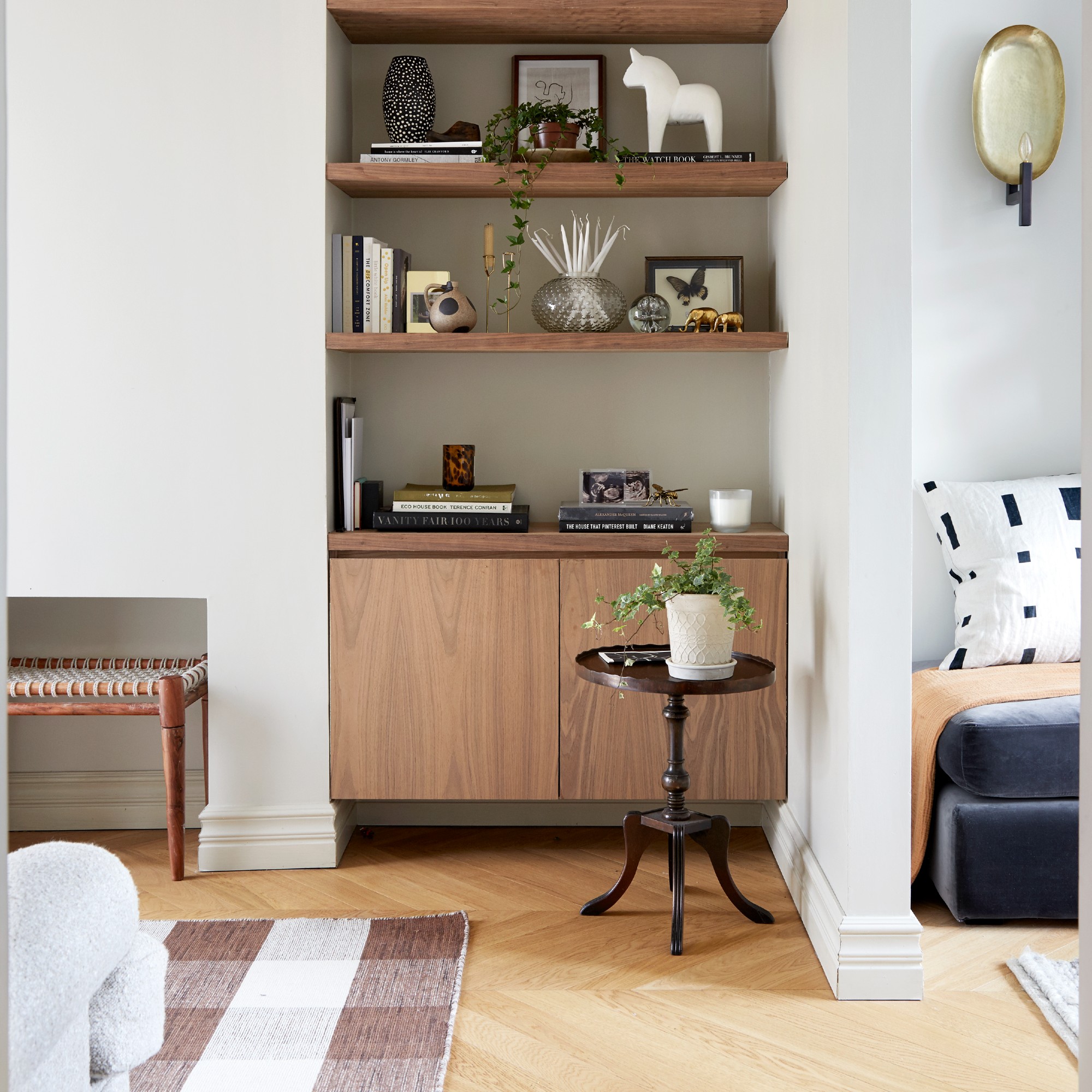
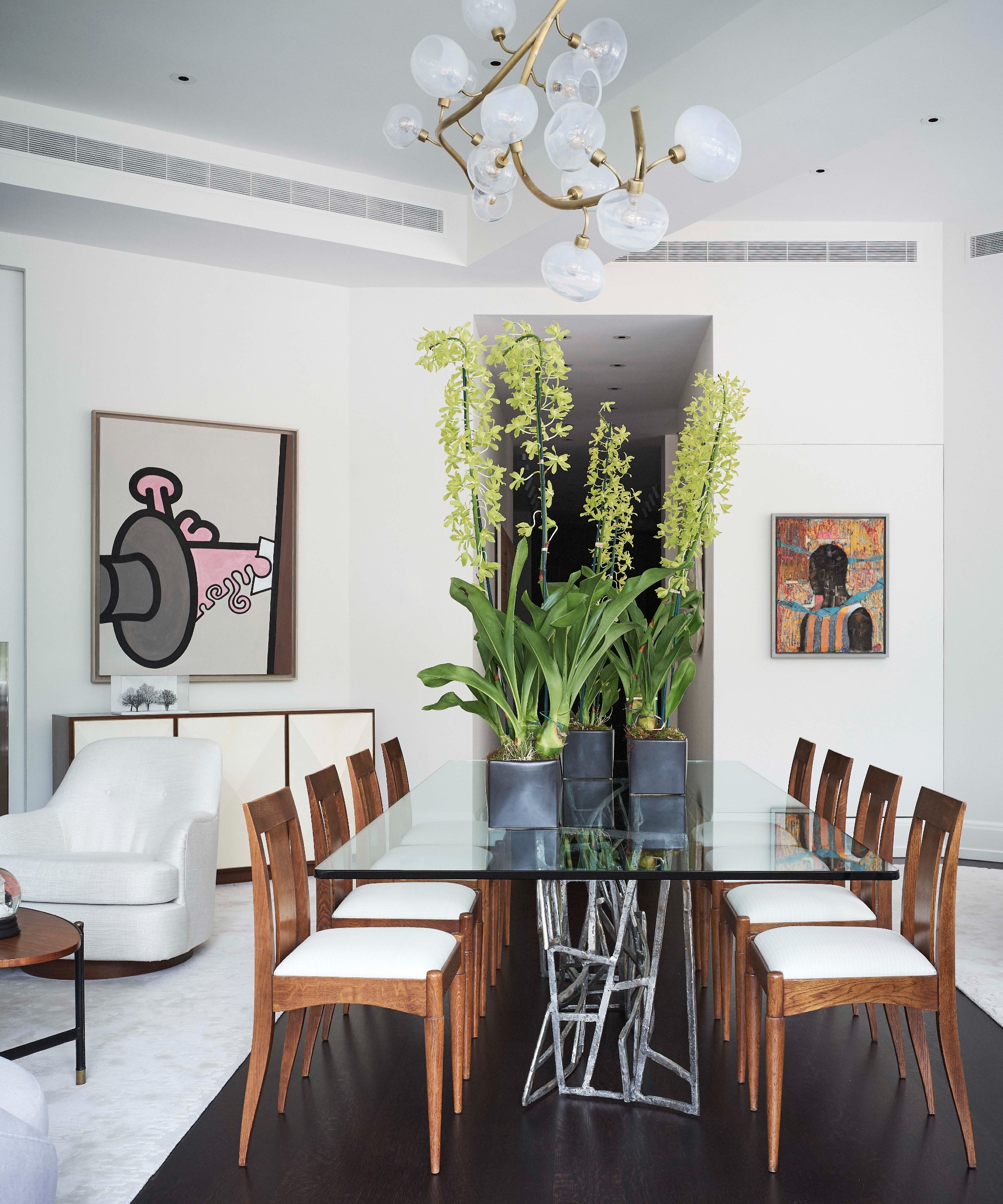
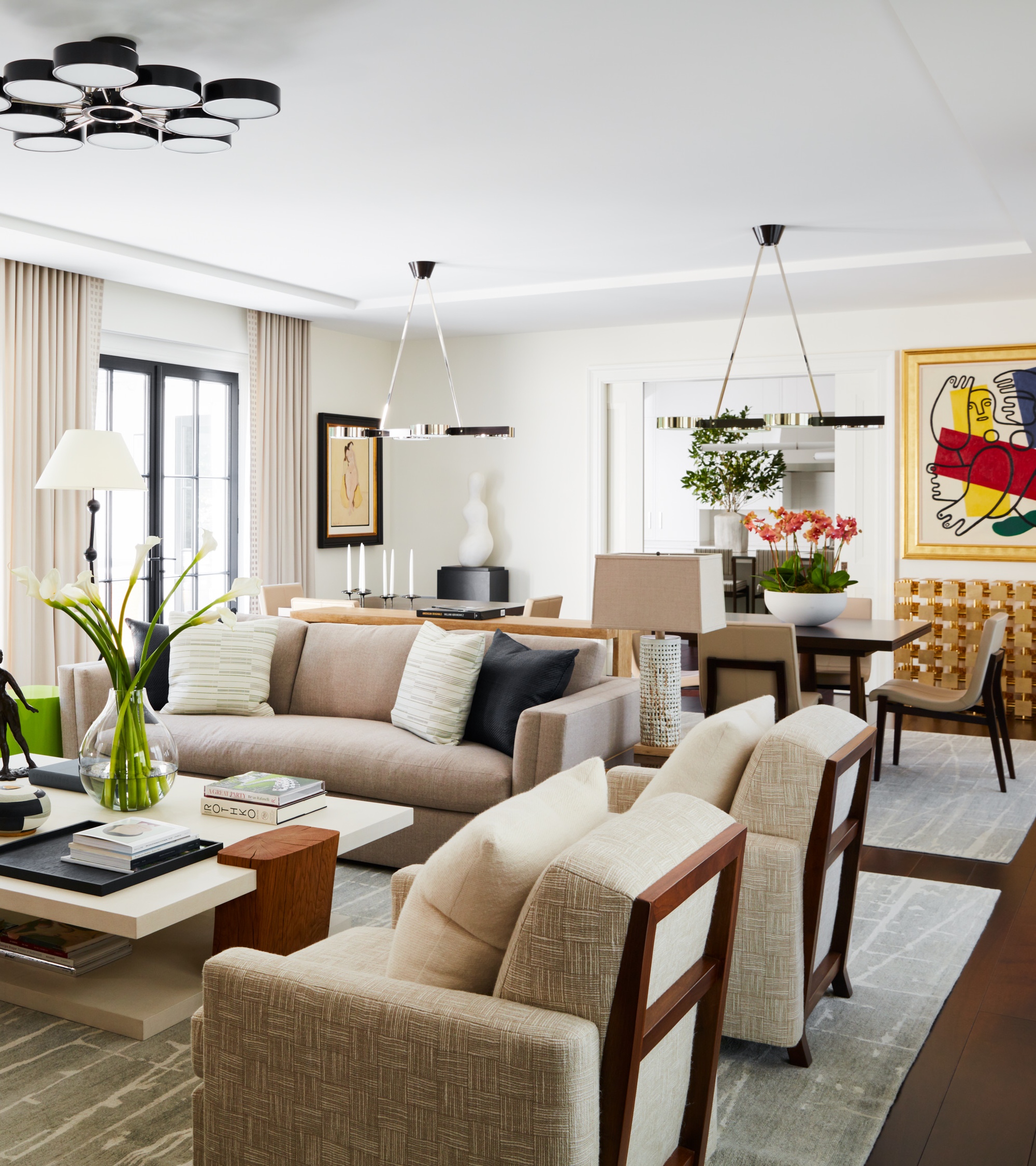
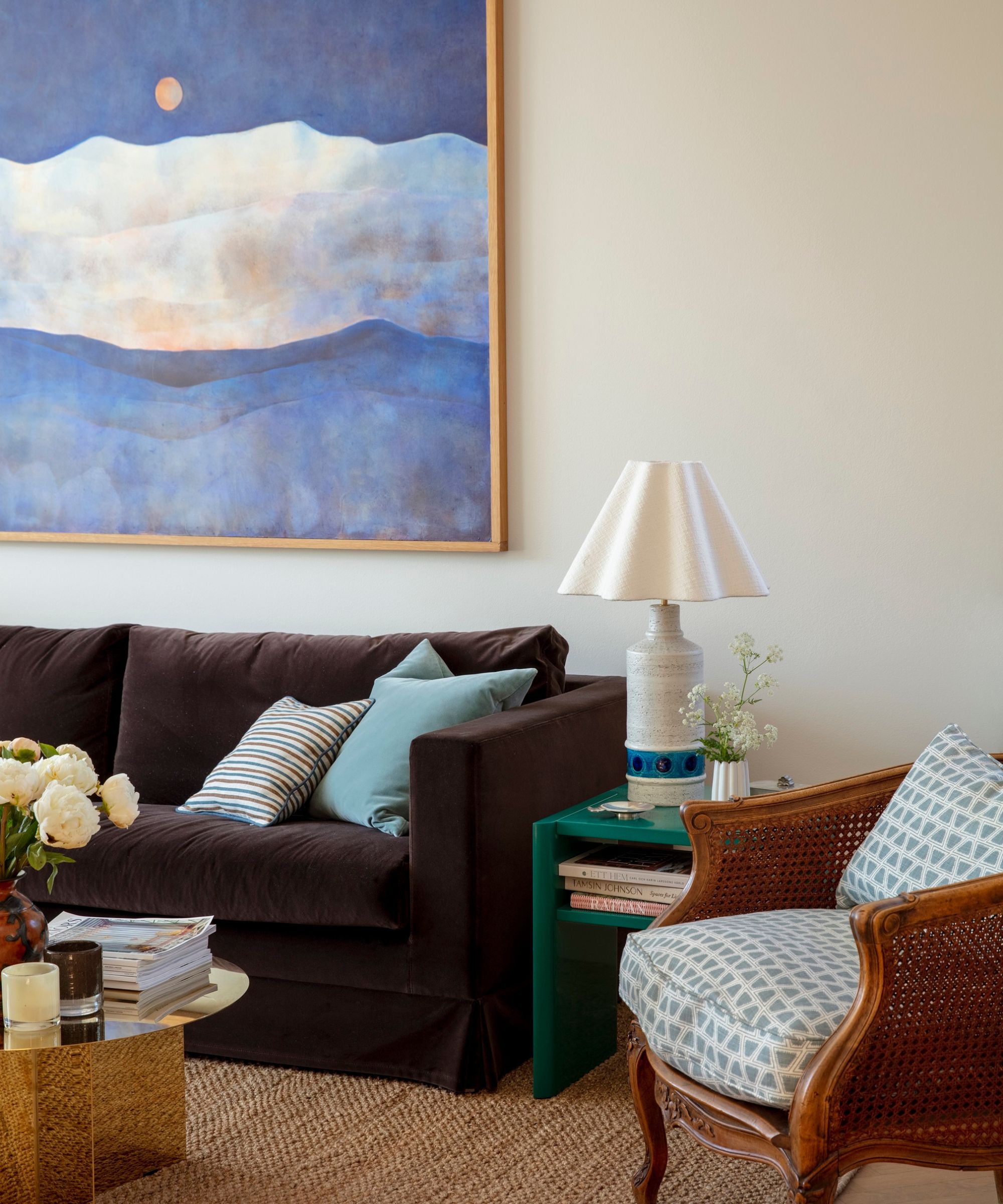
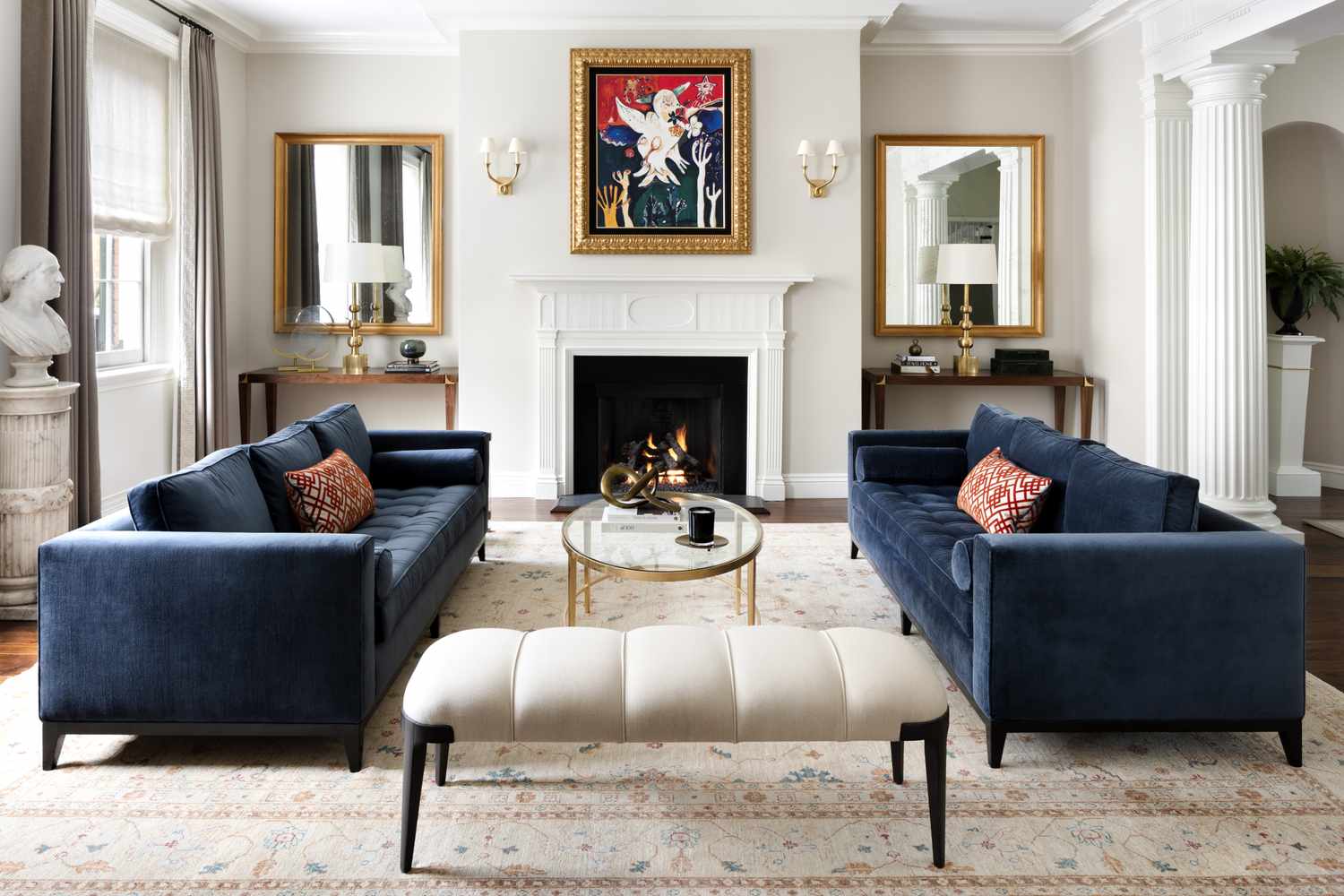
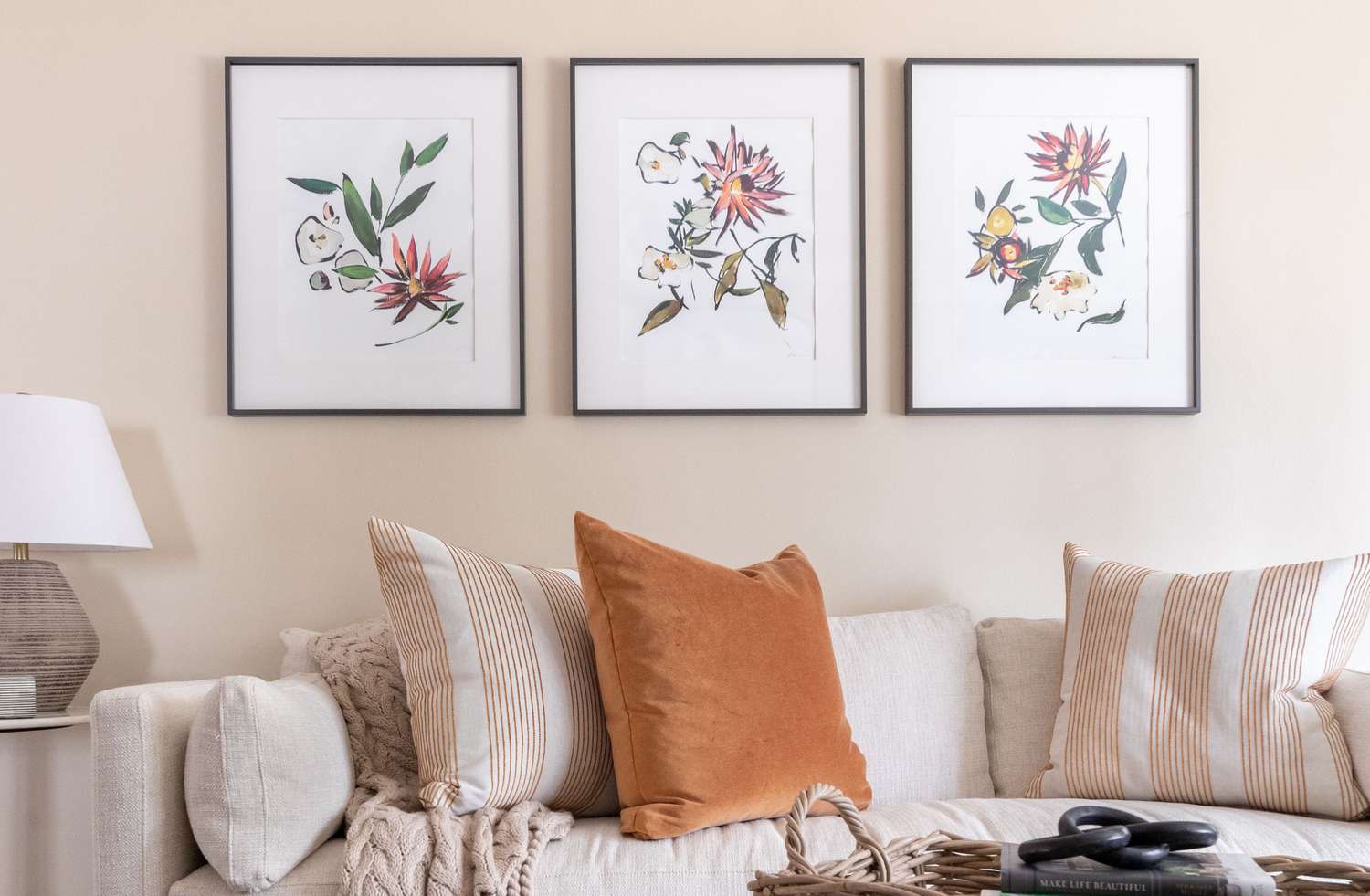
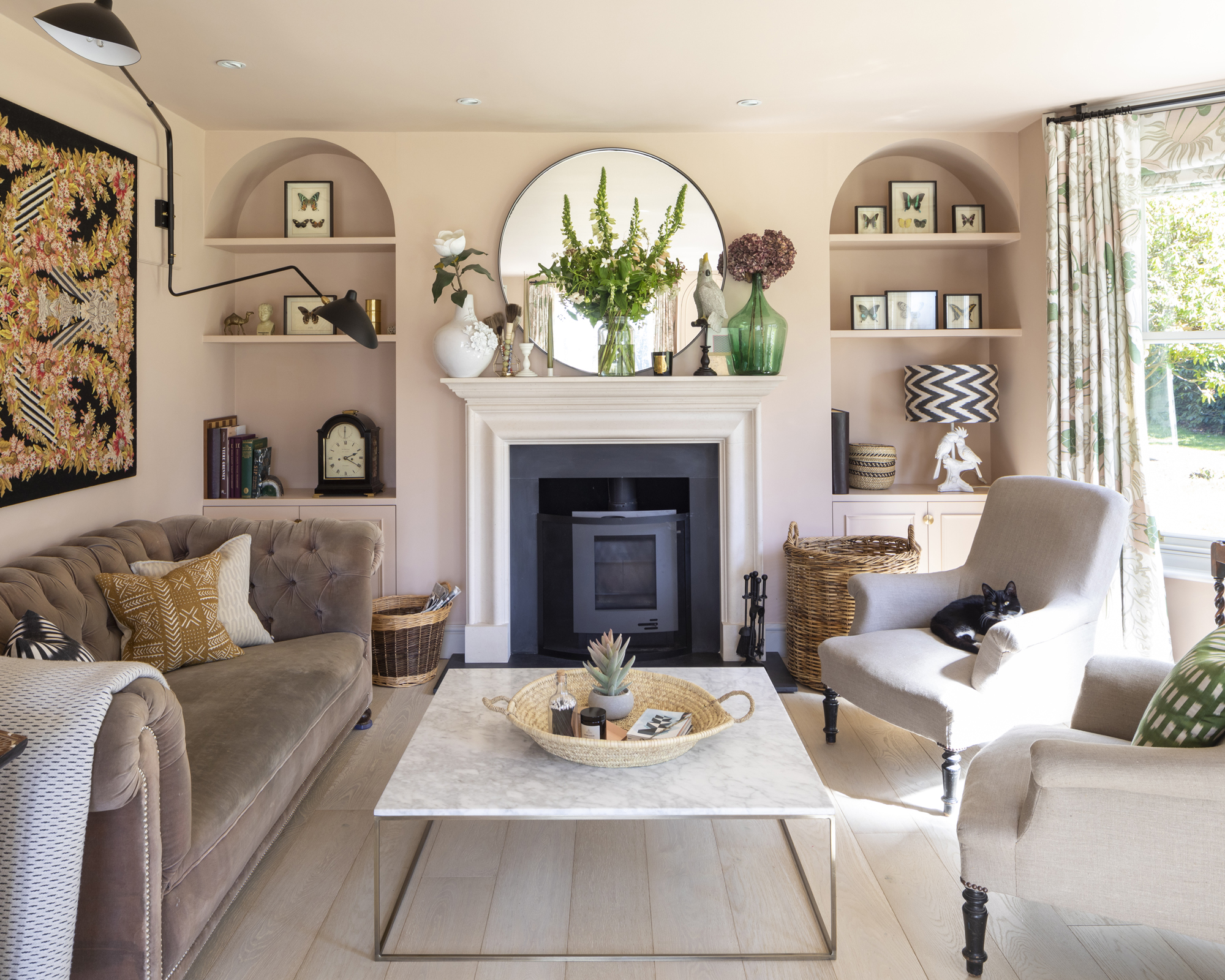
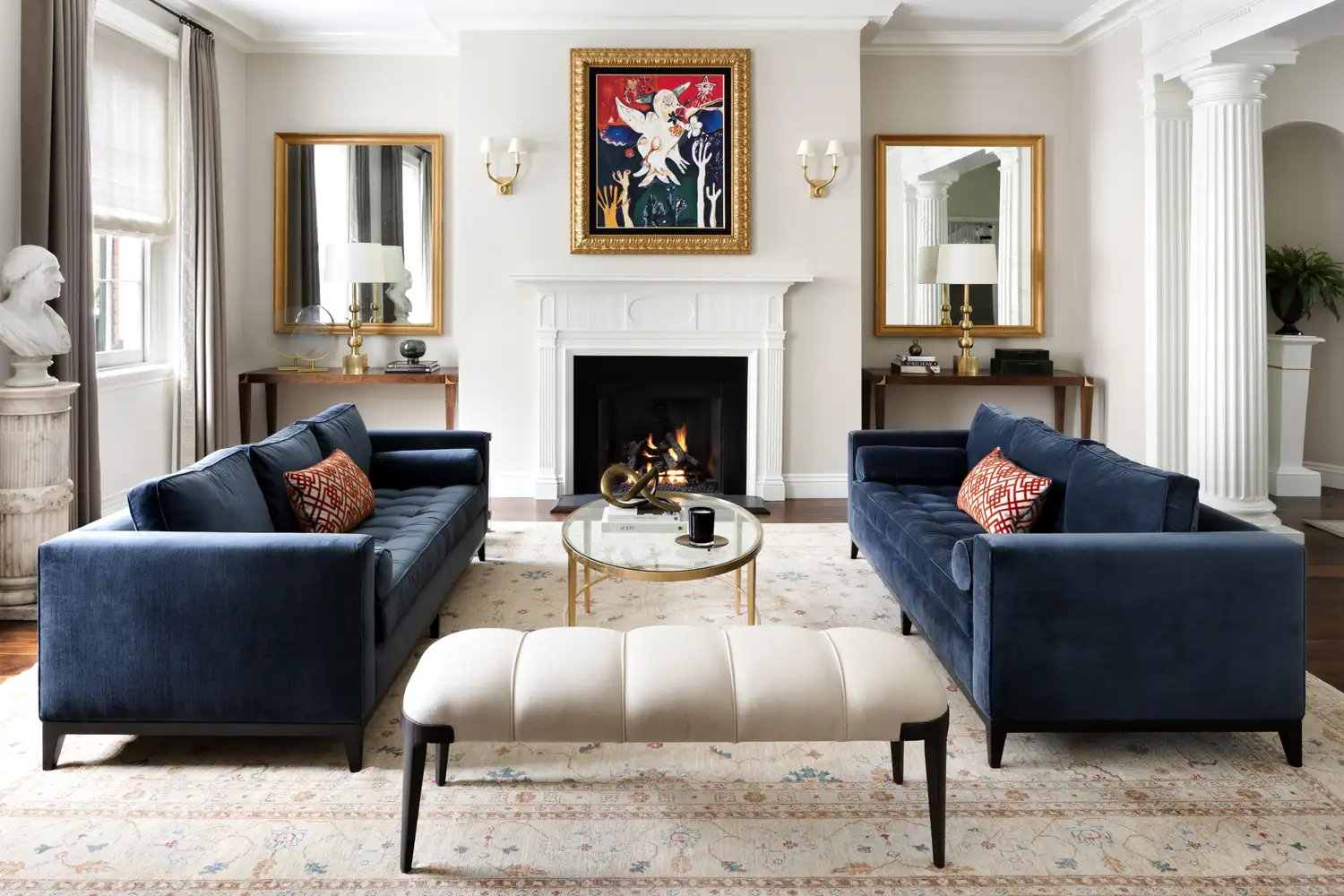
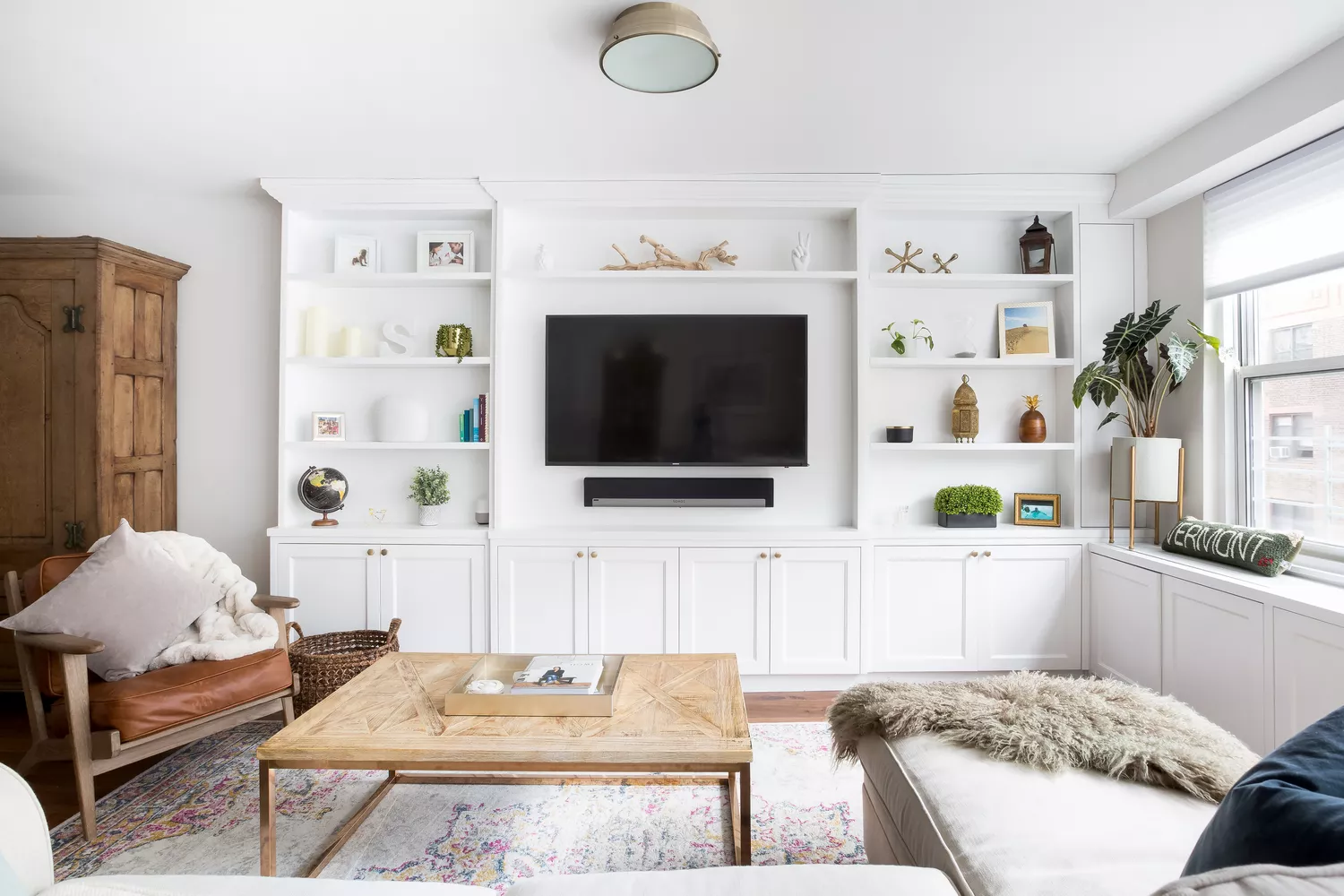
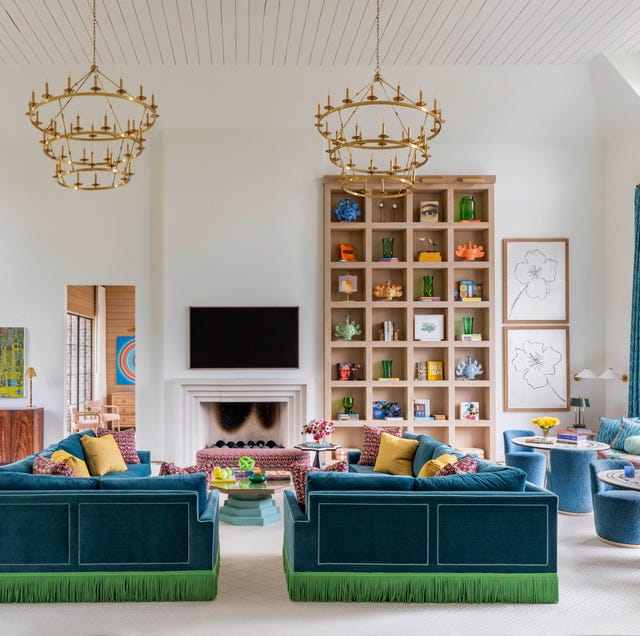
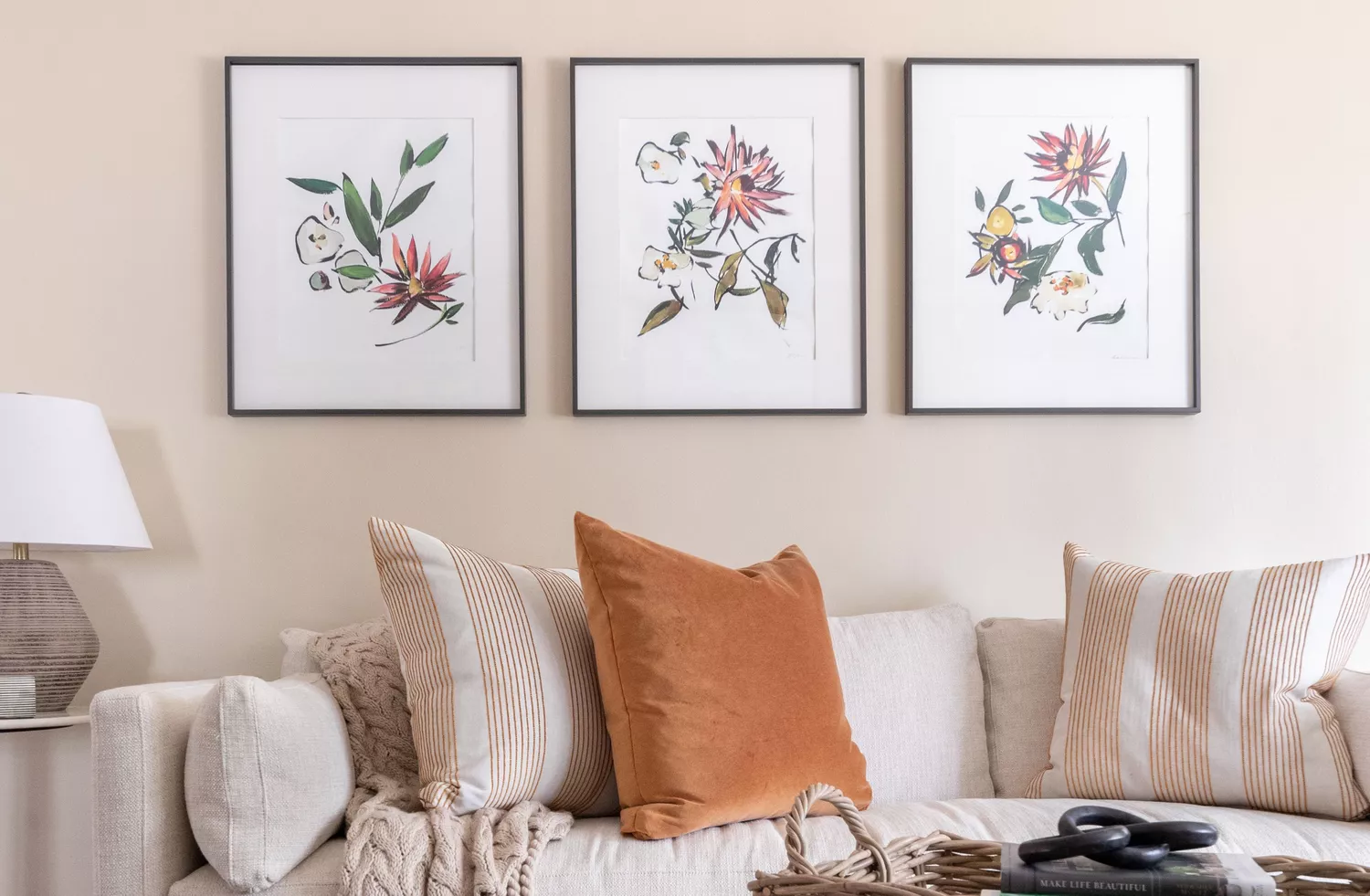
Open shelving is another practical application of the rule of thirds, where shelves delineate a top horizontal line, and wall lights can be positioned at top intersections for ideal balance. In living rooms, artwork can be perfectly placed so its ends align with the vertical intersection lines of the hypothetical grid. A mantelpiece in a living room can serve as a central point, with its upper shelves forming the upper third and the hearth defining the lower part of the grid. Even wall lights, when strategically placed in relation to cabinetry or other architectural features, can create visually pleasing arrangements that adhere to the rule of thirds, with solid doors forming a lower horizontal line and lights positioned at intersections.
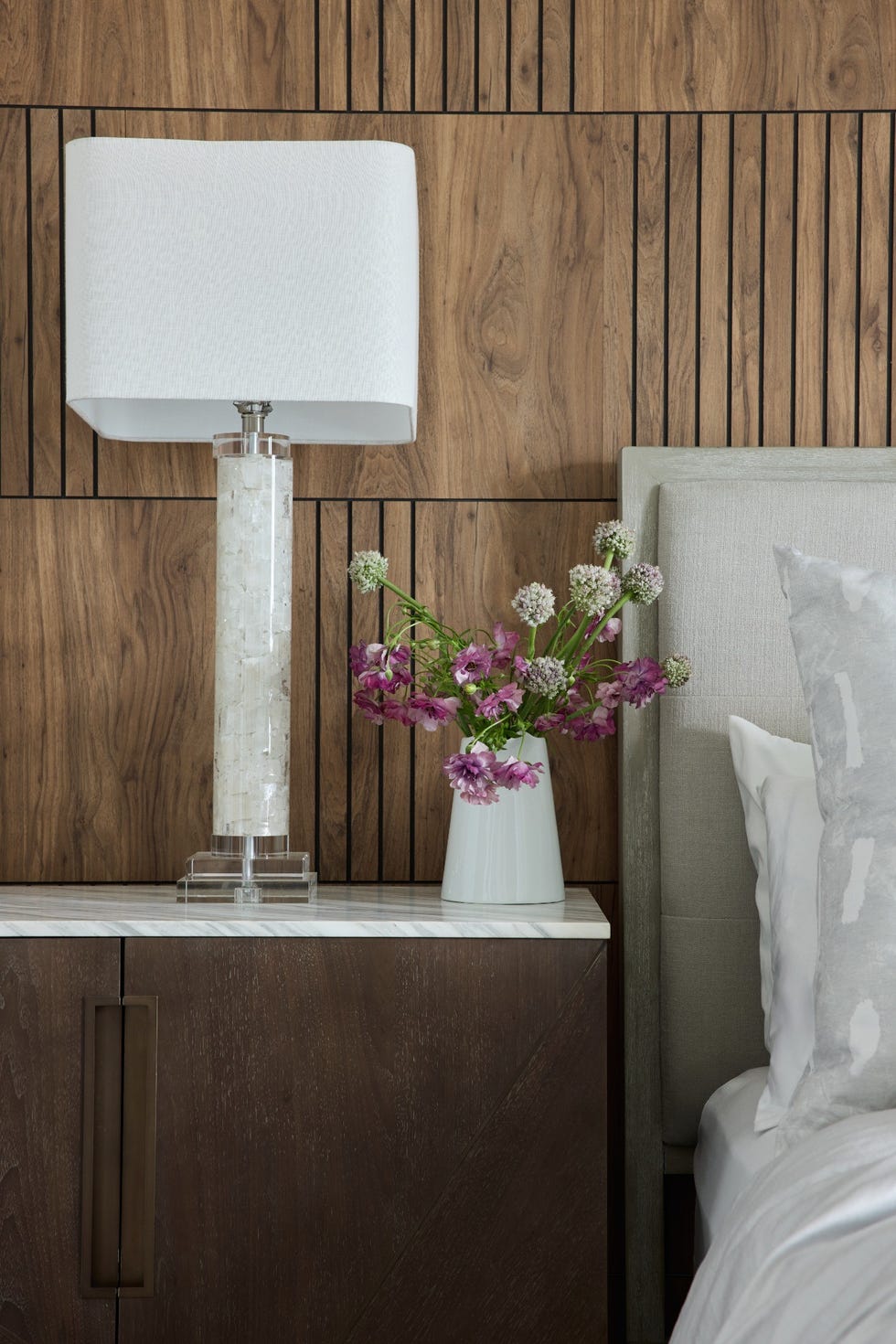
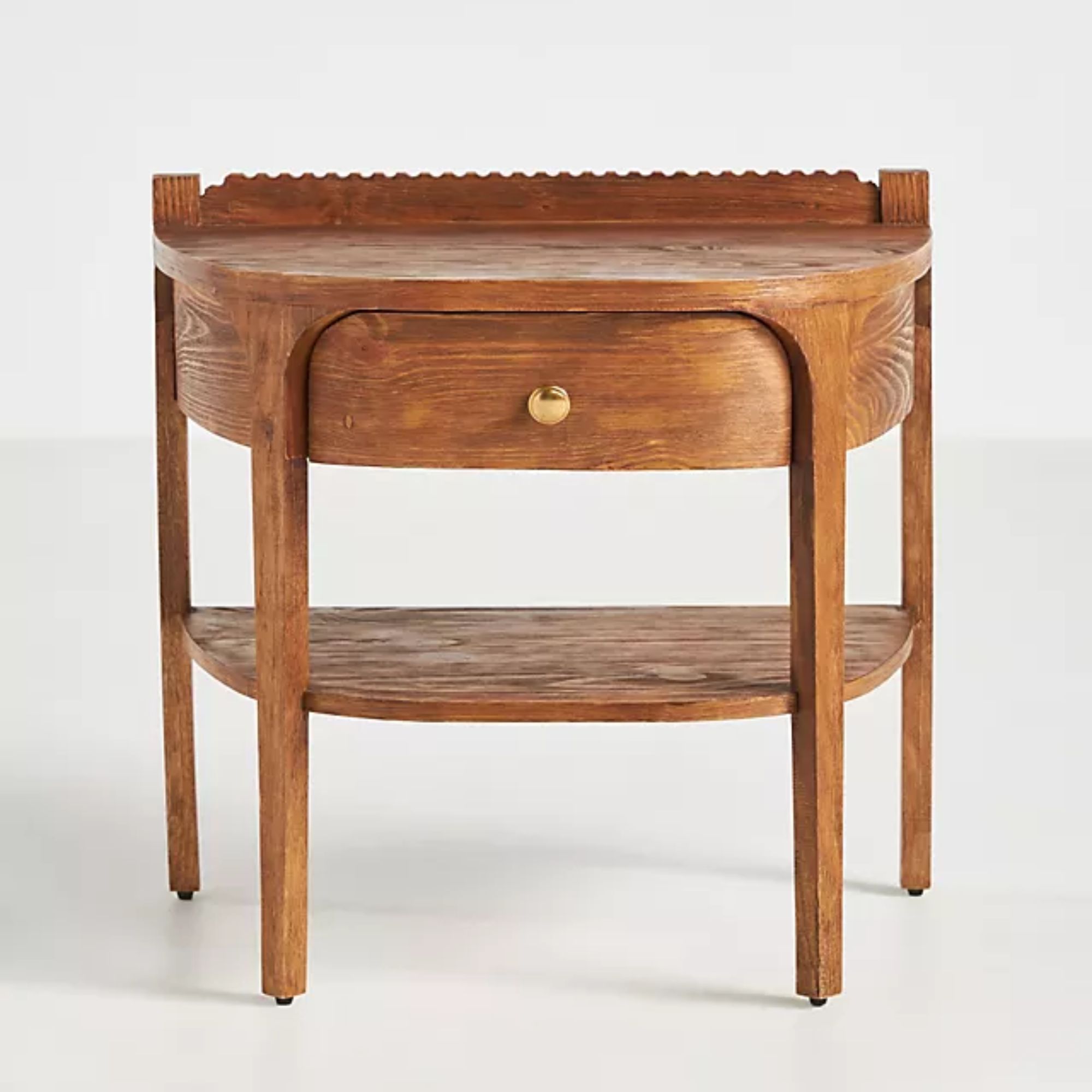
In bedrooms, the rule extends to the arrangement of bedside tables and lamps. For example, a rug can define the edge of a lower horizontal grid line, and a bedside lamp's height can be precisely positioned on an upper horizontal line, with its placement relative to the bed aligning with a vertical line. This careful arrangement of elements ensures a balanced and harmonious bedroom environment. While the rule of thirds is a valuable guideline for achieving balanced decor, especially for those new to interior design, it is not meant to be rigid. Designers often rely on their intuition, but the rule can be a helpful tool when a room's layout feels unbalanced, offering a structured approach to creating visually appealing spaces.
#InteriorDesign #RuleOfThirds #HomeDecor #SpatialComposition #VisualBalance #KitchenDesign #LivingRoomDesign #BedroomDesign #DesignPrinciples #InteriorDesign #RuleOfThirds #HomeDecor #SpatialComposition #VisualBalance #KitchenDesign #LivingRoomDesign #BedroomDesign #DesignPrinciples
0 comment in total
 No comments yet
You may also like
The rule of three is the secret behind every beautiful home - here's how it works

This interior-designer-approved vignette formula will transform under-used corners in an instant
My Designer Friends Swear By the "Two-Thirds Rule" for Living Room Sofas and More

Designers Are Ditching the "Rule of Threes" for THESE Genius Styling Alternatives

What Is the Rule of Thirds? How to Use It in Interior Design

This Is the Room Design Formula Pros Use Again and Again—Here’s Why It Works

The 3-5-7 styling rule is how to make your shelves look good
The ‘Rule of Thirds’ for Making Your Home Look More Expensive for Less Money

Zendaya uses the 'rule of three' design principle to bring a rhythmic pattern to her coffee table
Why Designers Use the Rule of Thirds in Every Design Project
The "Three Purposes" Philosophy Is the Styling Hack We Should All Be Talking About
Designer-Approved Tips on Displaying a Set of Three Picture Frames
3 top designers agree on this open-plan layout trick – to zone your space quickly
The 'Rule of 3' Is the Designer Trick for Styling Everything From Bookshelves to Coffee Tables—Here's How to Master It