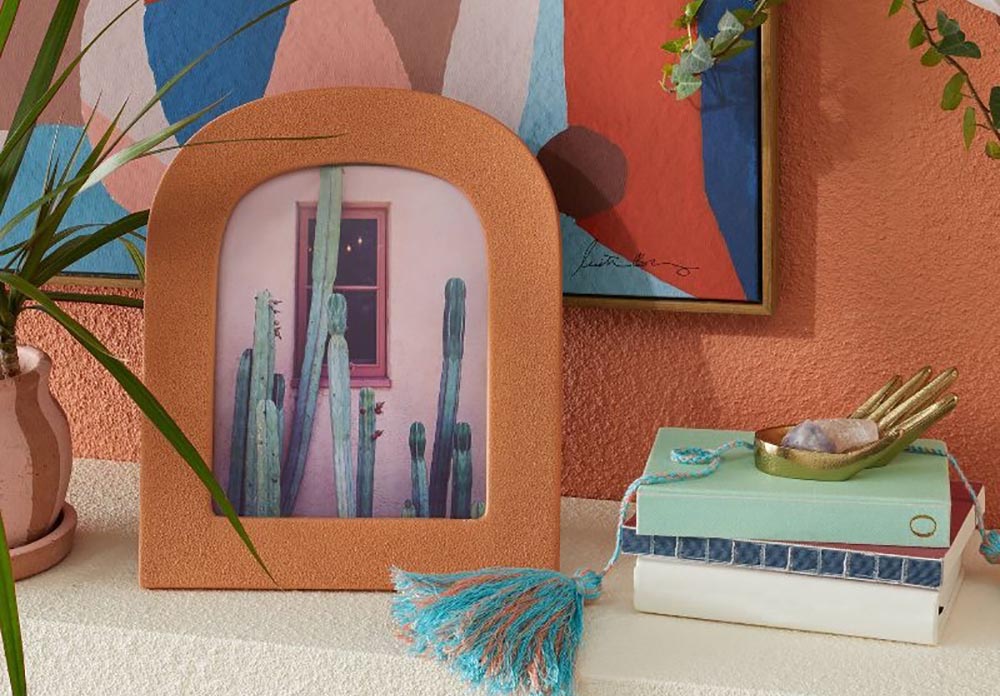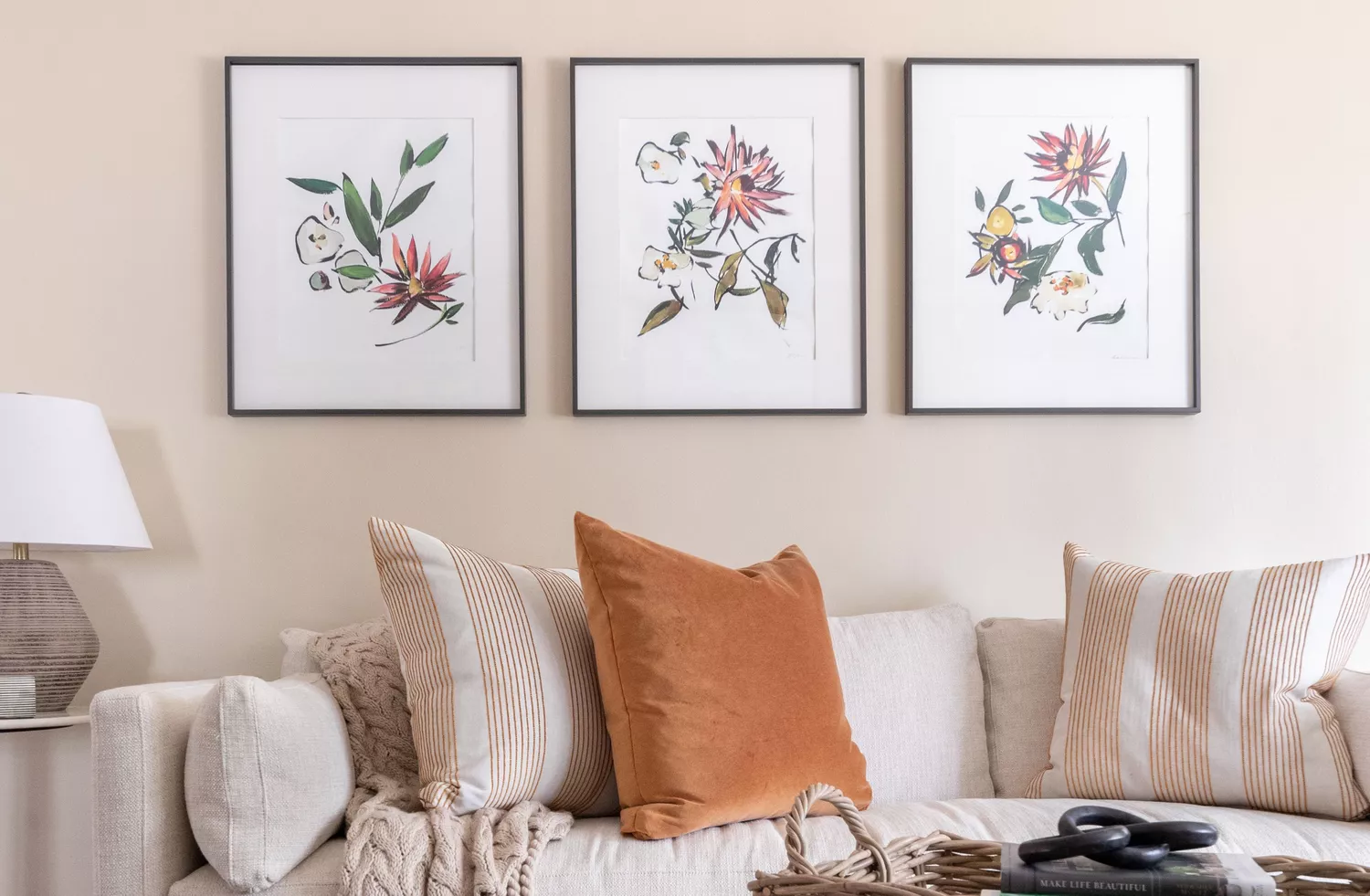
1/2
Designer-Approved Tips on Displaying a Set of Three Picture Frames
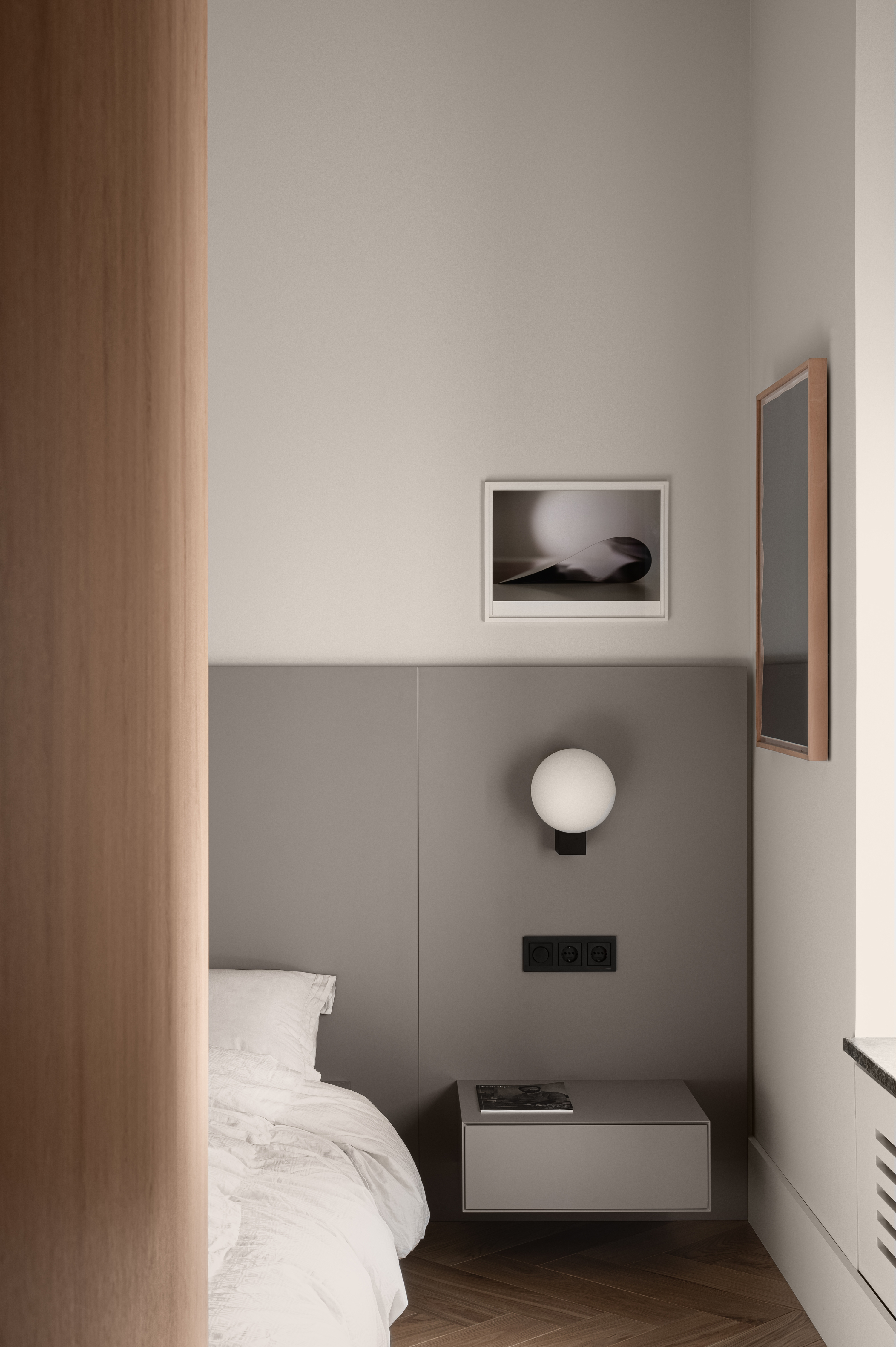
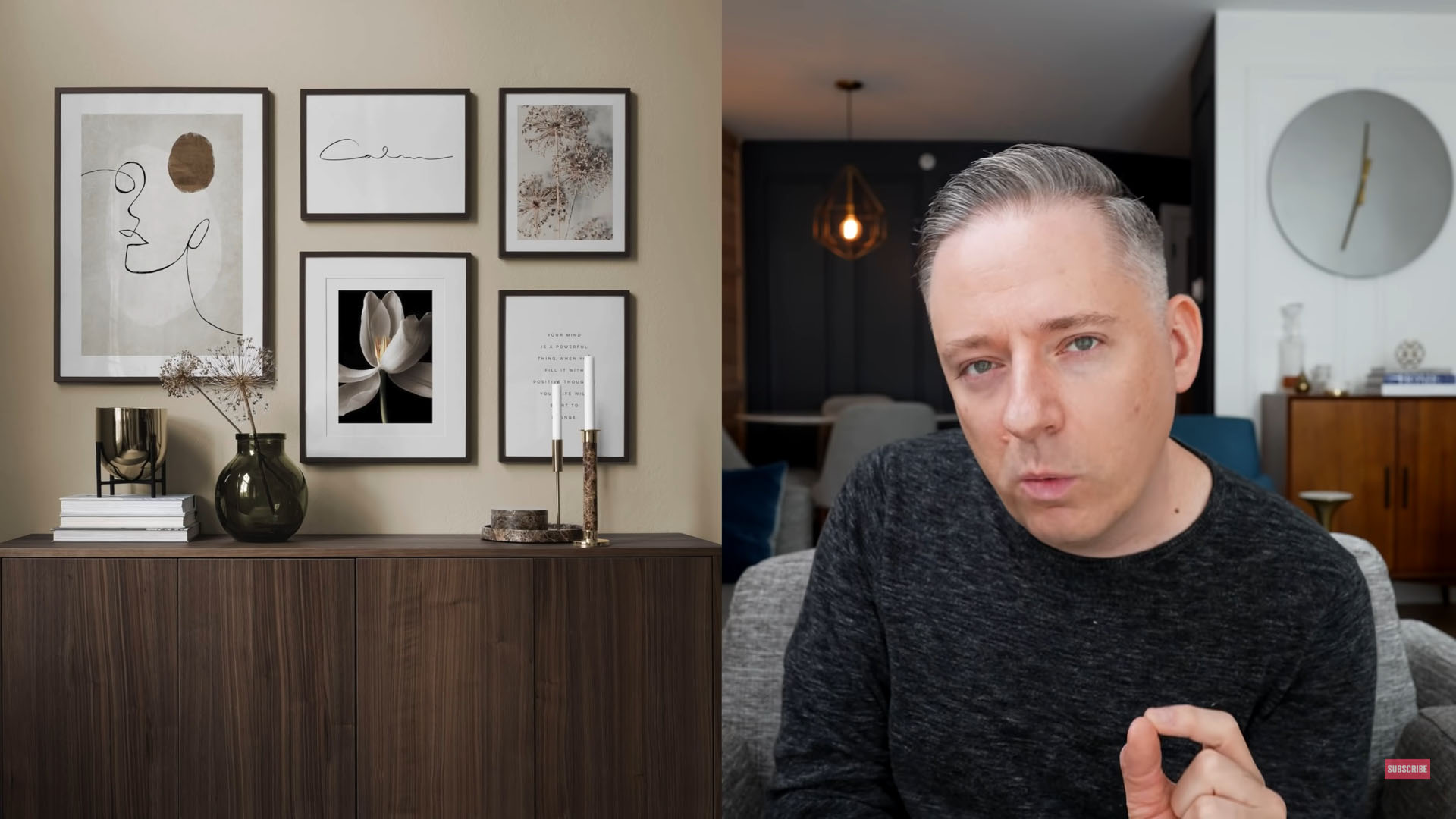
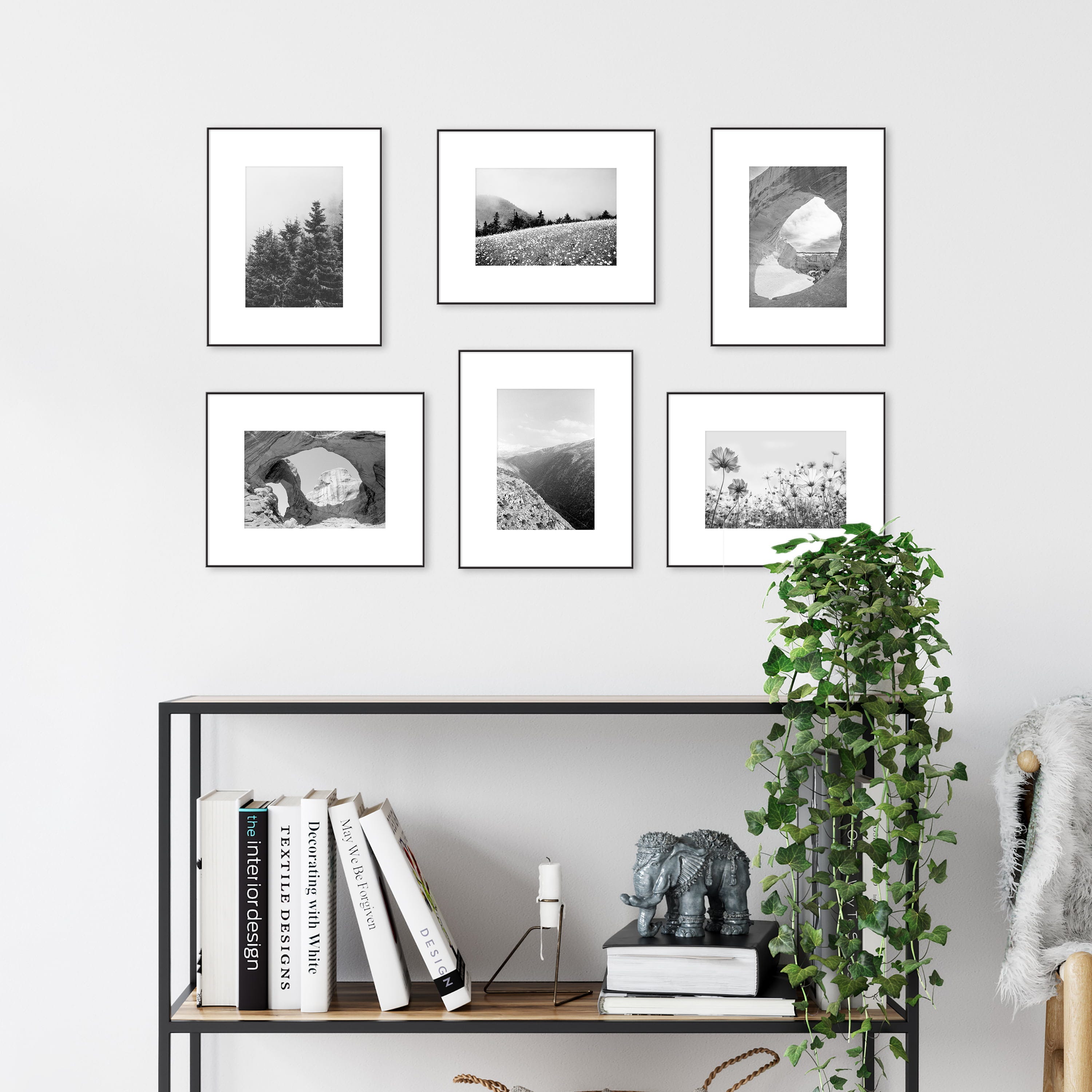
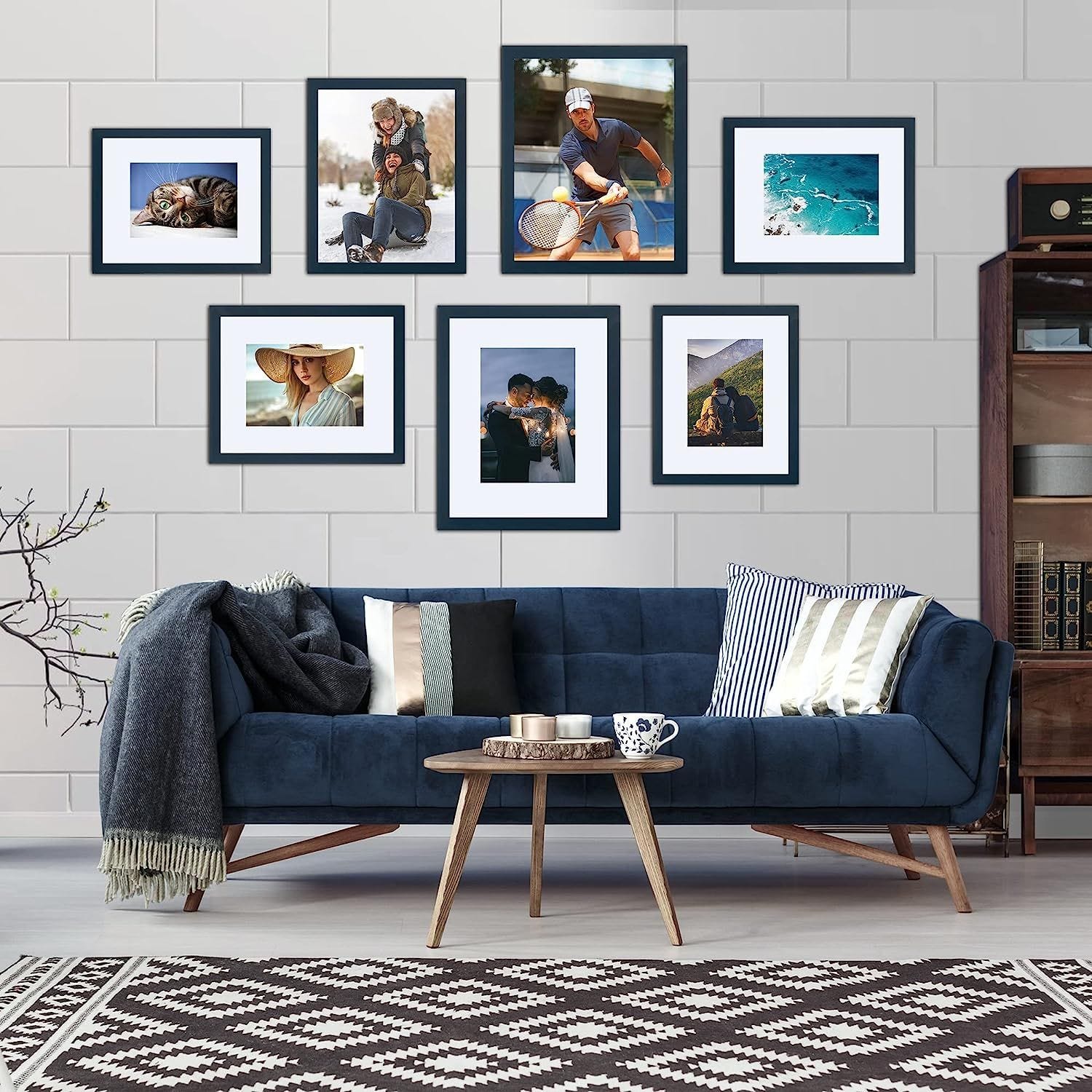
The "rule of threes" in design suggests that odd numbers of objects are more visually appealing and memorable, particularly for eye-catching elements like artwork or wall decor. This principle emphasizes achieving visual harmony for a polished look. For displaying three picture frames, various effective arrangements can be employed, moving beyond simply hanging them in a row.
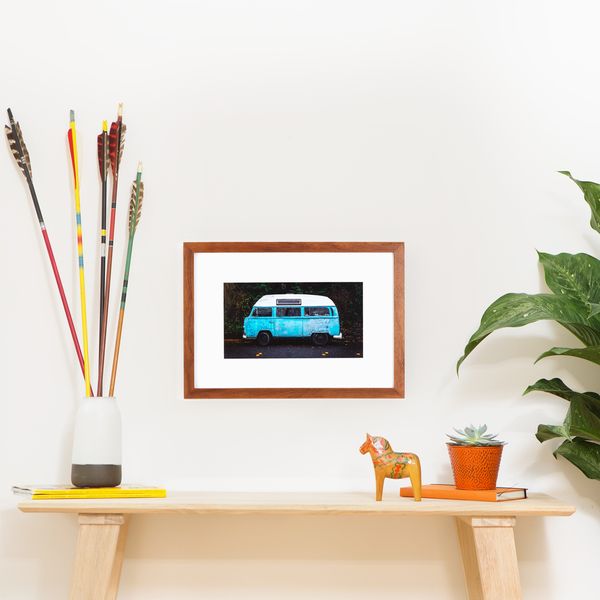
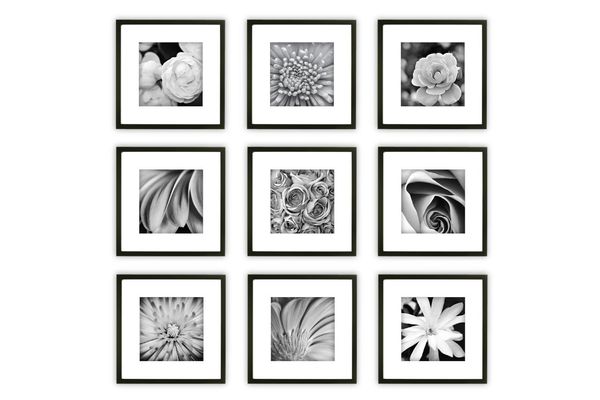
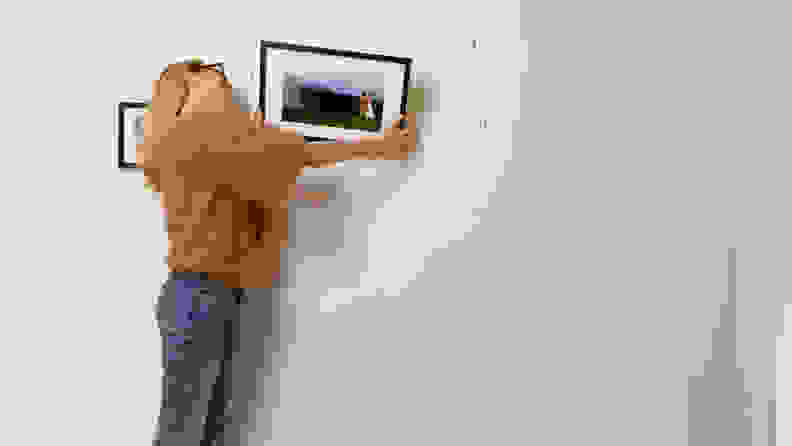
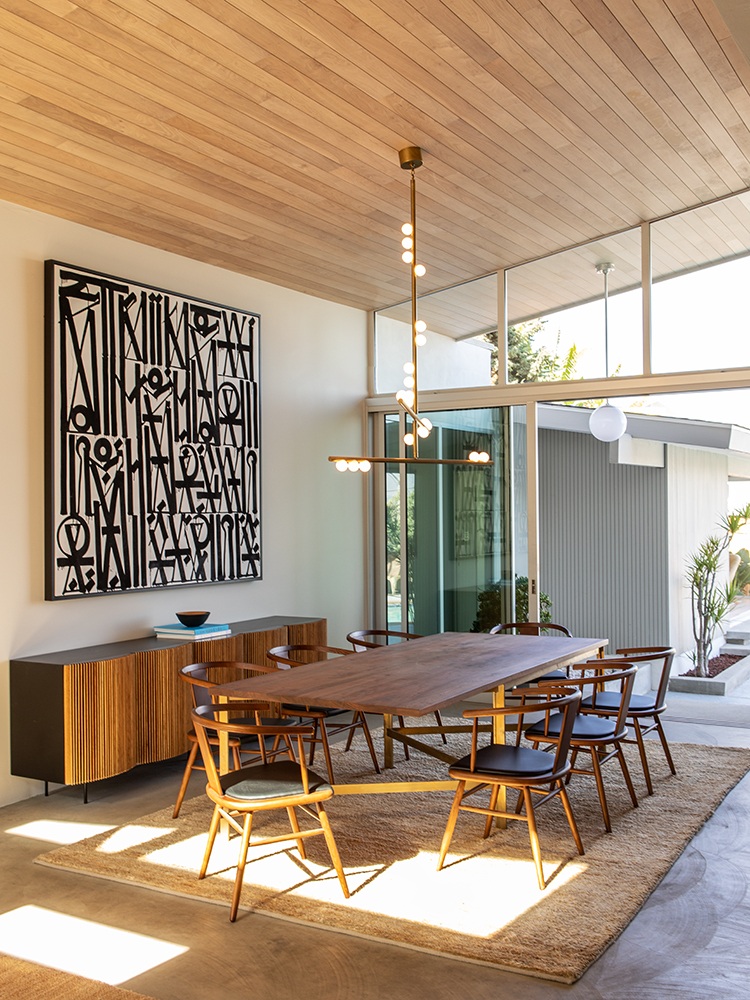
One common approach involves arranging the frames in either a vertical stack or a horizontal row, depending on the wall's dimensions. For this, it is recommended to use three frames of varying sizes—small, medium, and large—to create visual interest and proportion. When positioning artwork, a general guideline is to ensure the artwork's width is 50 to 75 percent of the furniture's width it is placed above, maintaining proportionality within the space. It is advisable to place furniture first and then hang artwork as a final touch. For optimal viewing, frames should be hung at eye-level, with the center frame positioned correctly before aligning the two side frames. A horizontal arrangement is particularly effective for three equally sized art pieces, lending a clean, contemporary aesthetic and guiding the eye across the display. Utilizing a level tool is crucial to ensure uniformity and balance in the arrangement.
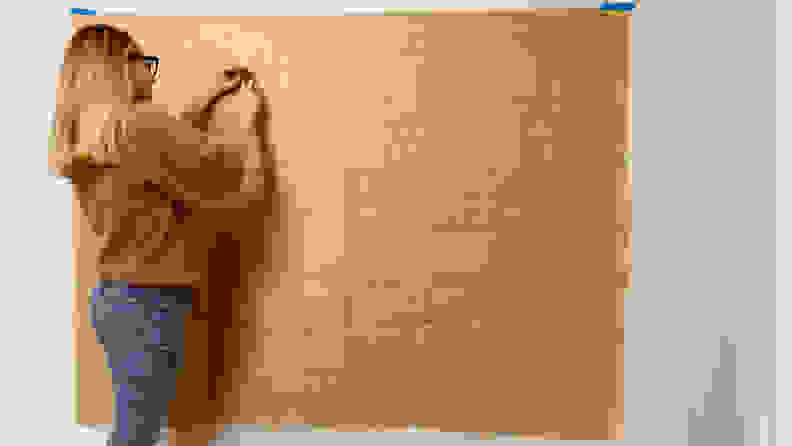
Another method is the triangular configuration, which designers favor for its ability to introduce visual diagonals and movement into a room, offering a more dynamic presentation than a square grouping. When using this arrangement, maintaining a gap of one and a half to three inches between each frame is recommended. Prior to hanging, laying out the pictures on the floor can help in accurately determining measurements and spacing.
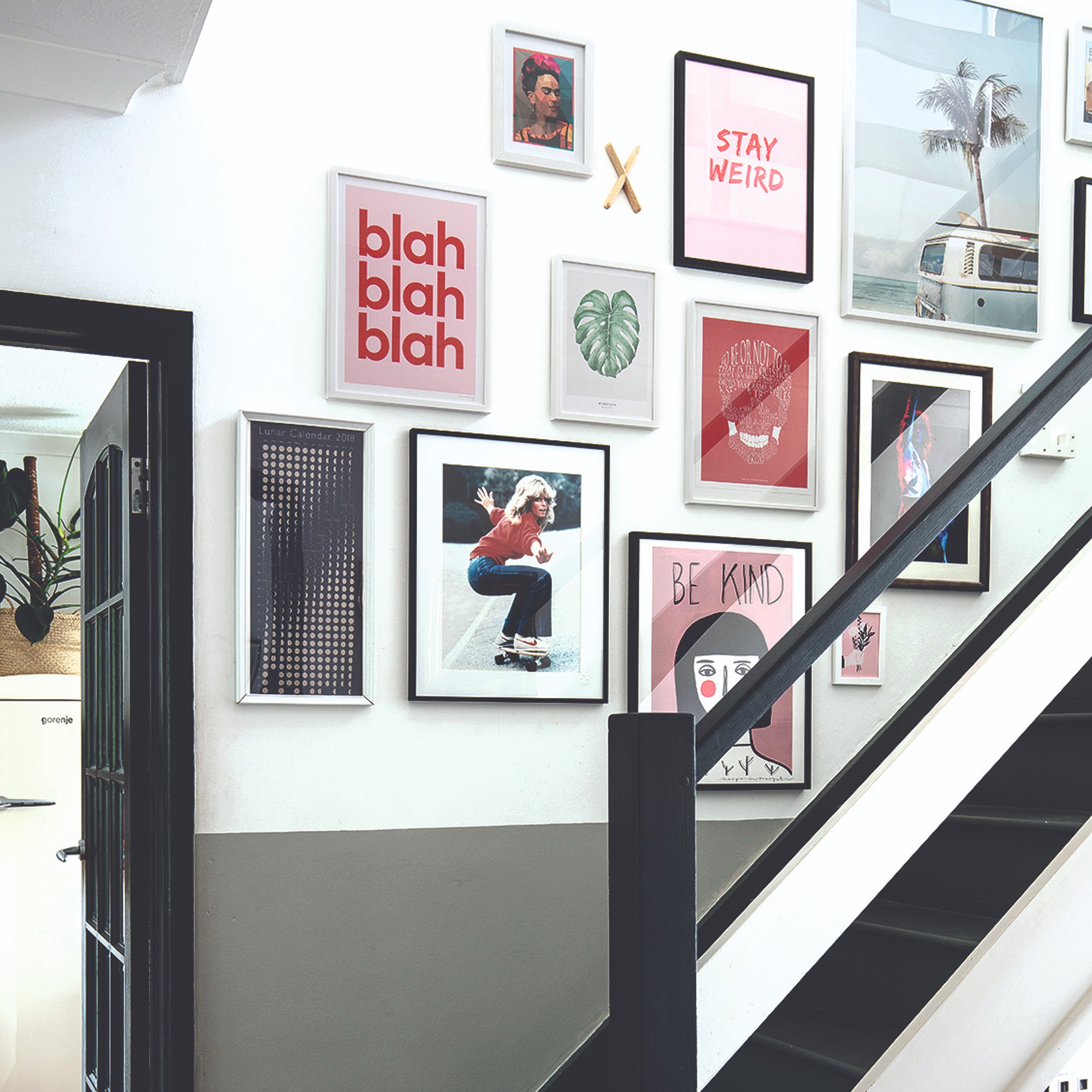
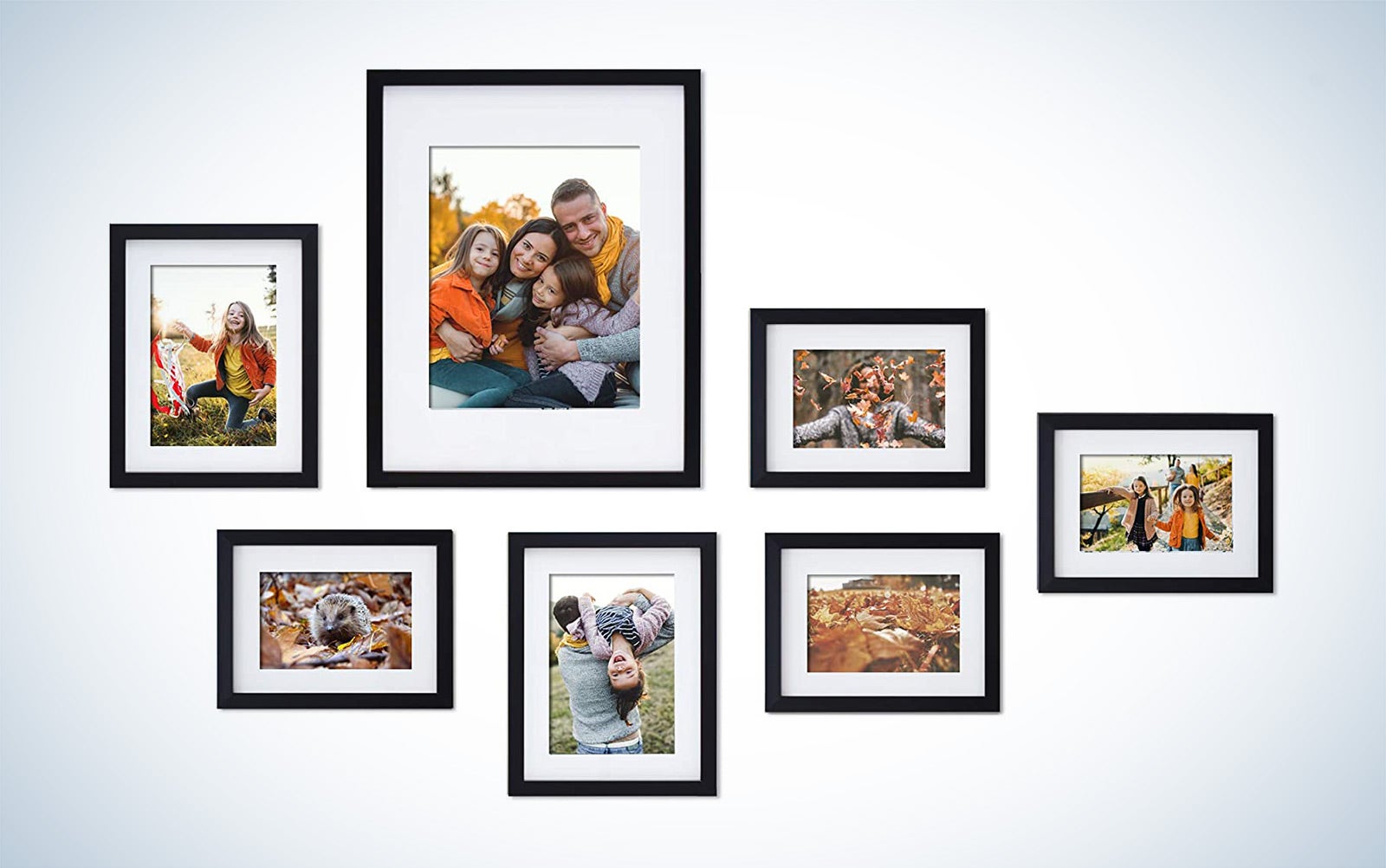
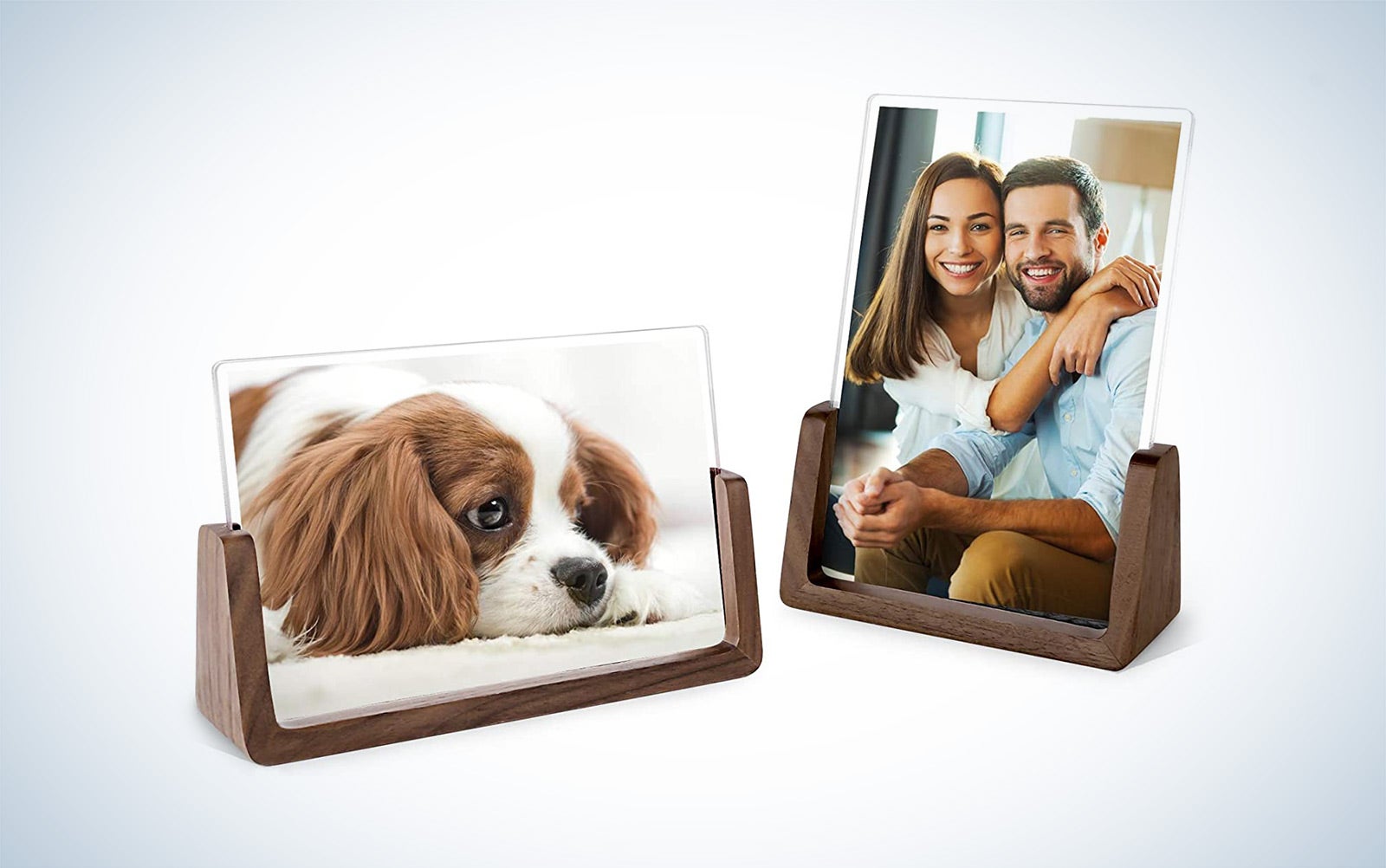
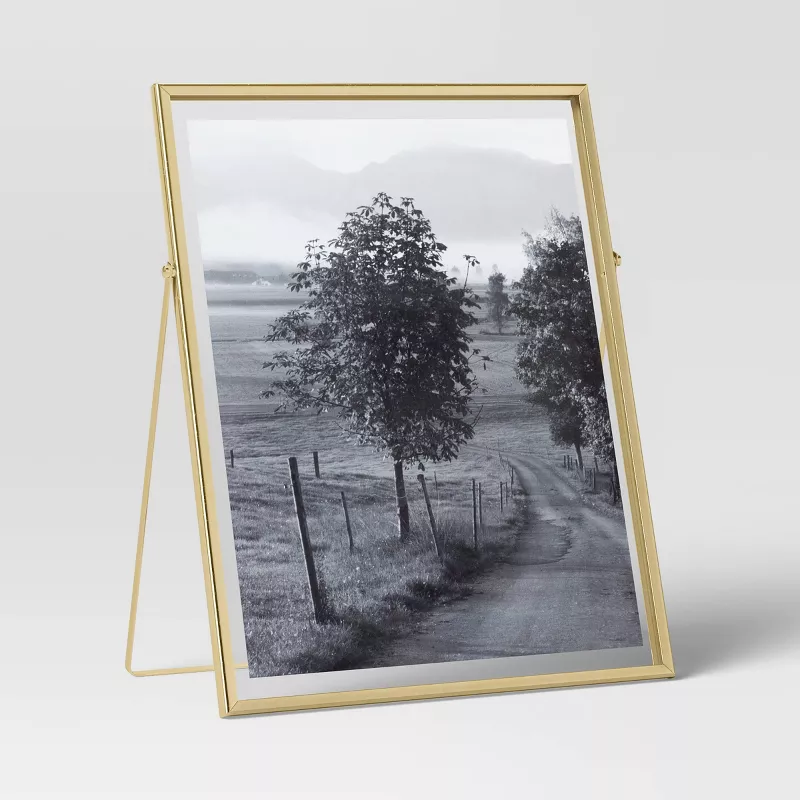
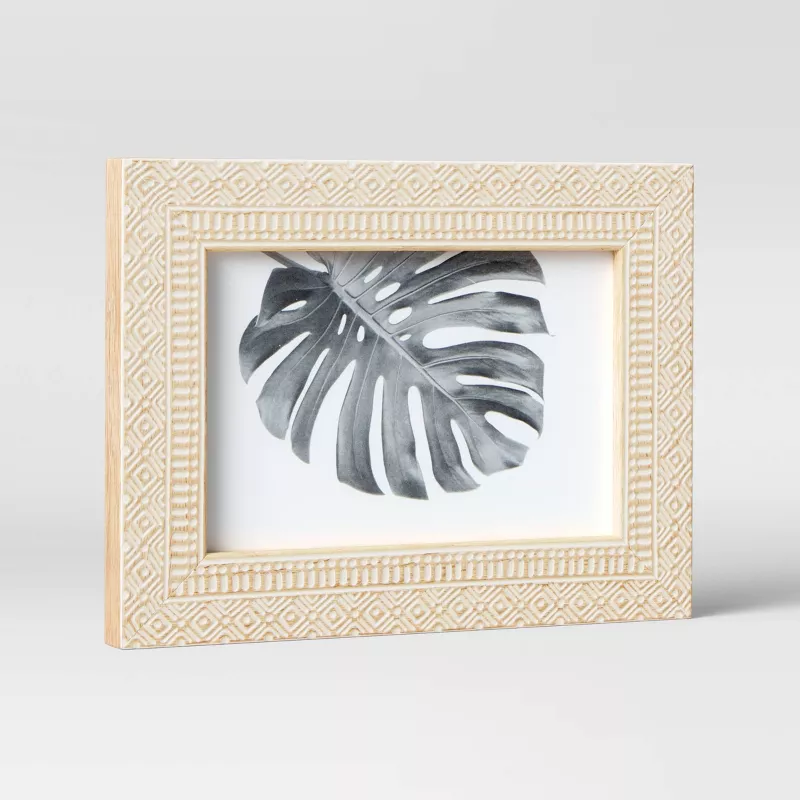
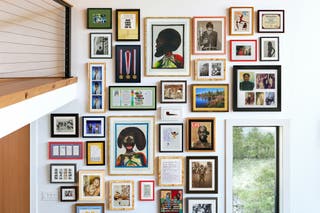
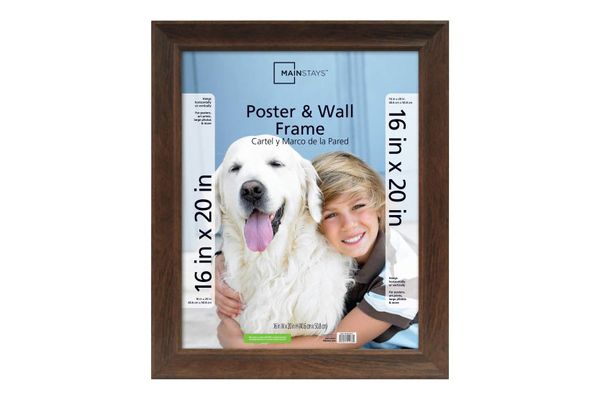
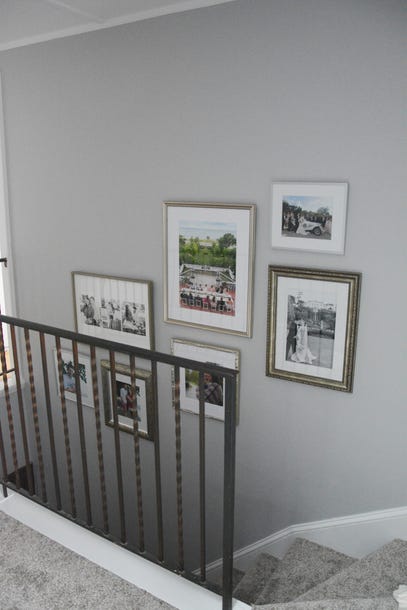
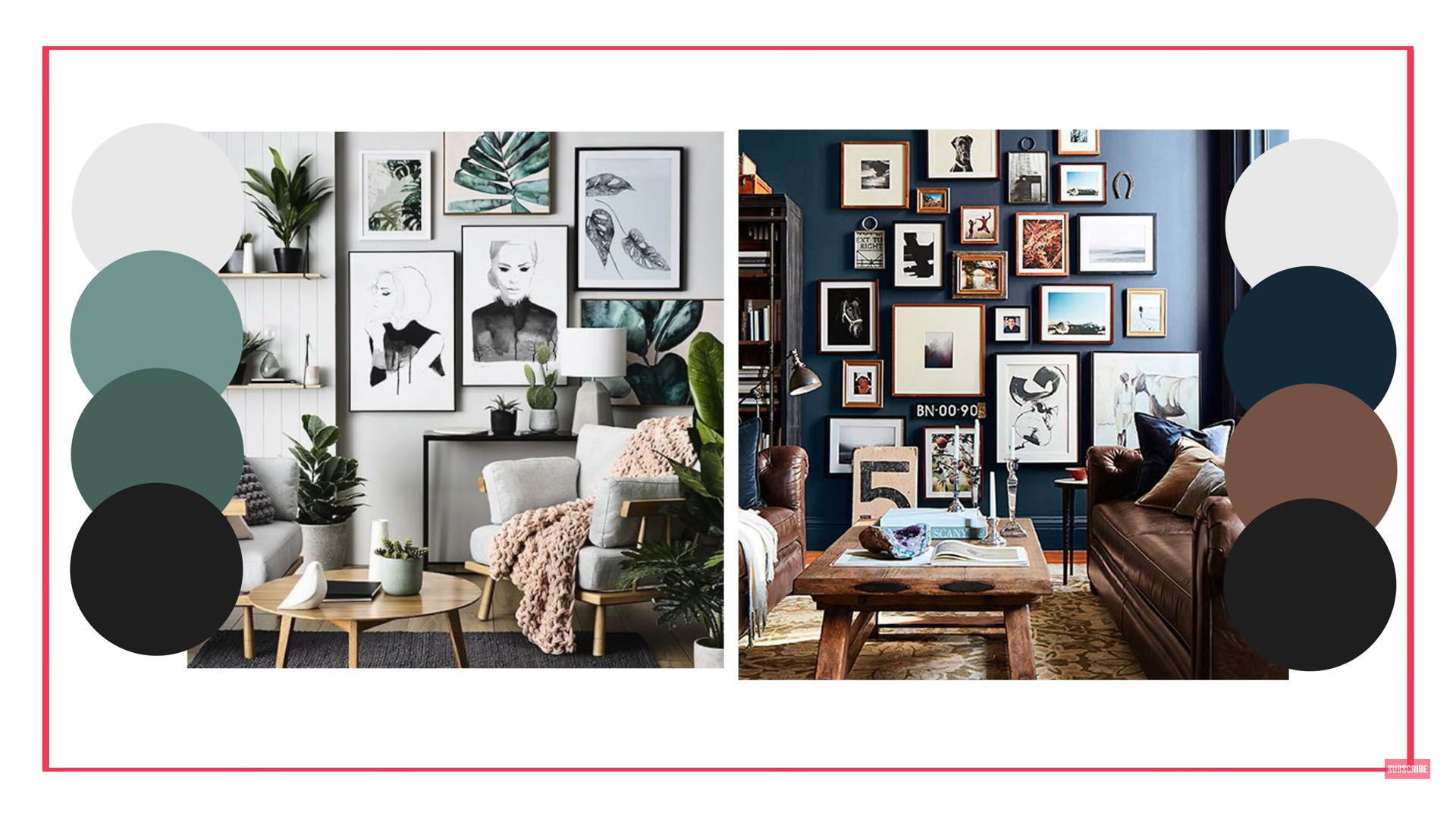
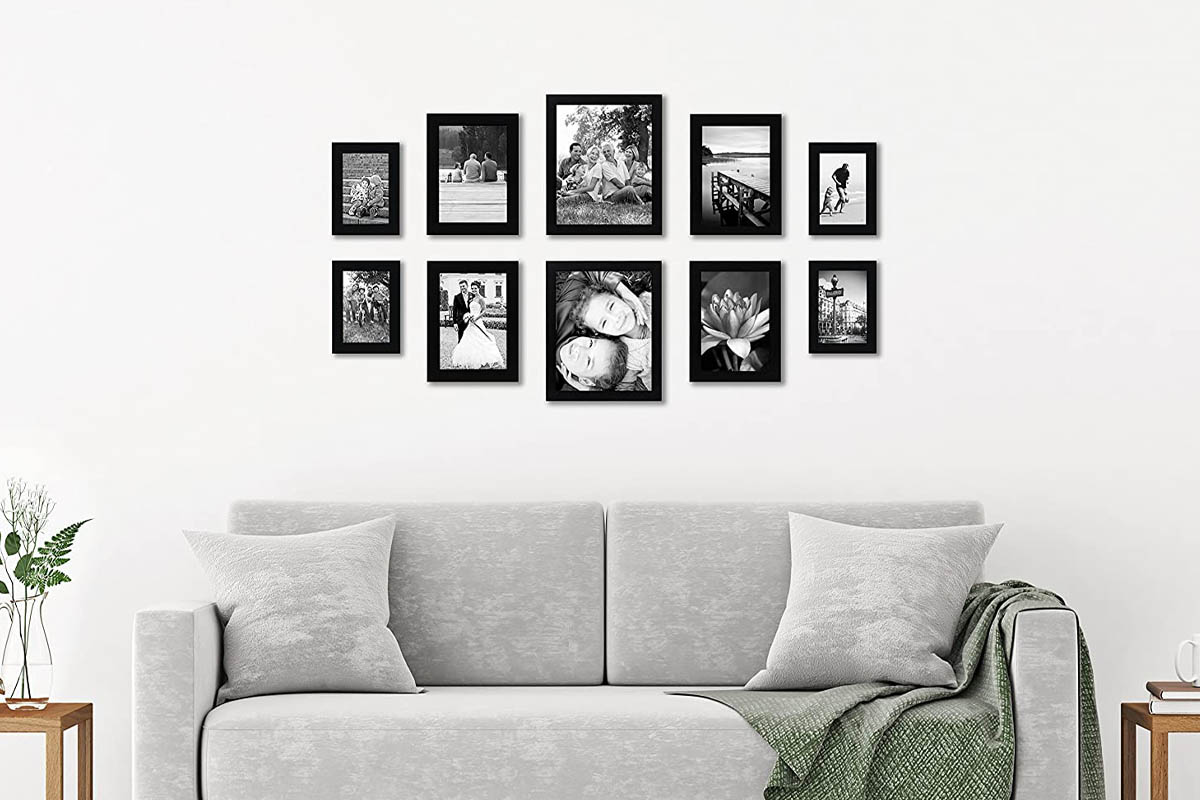
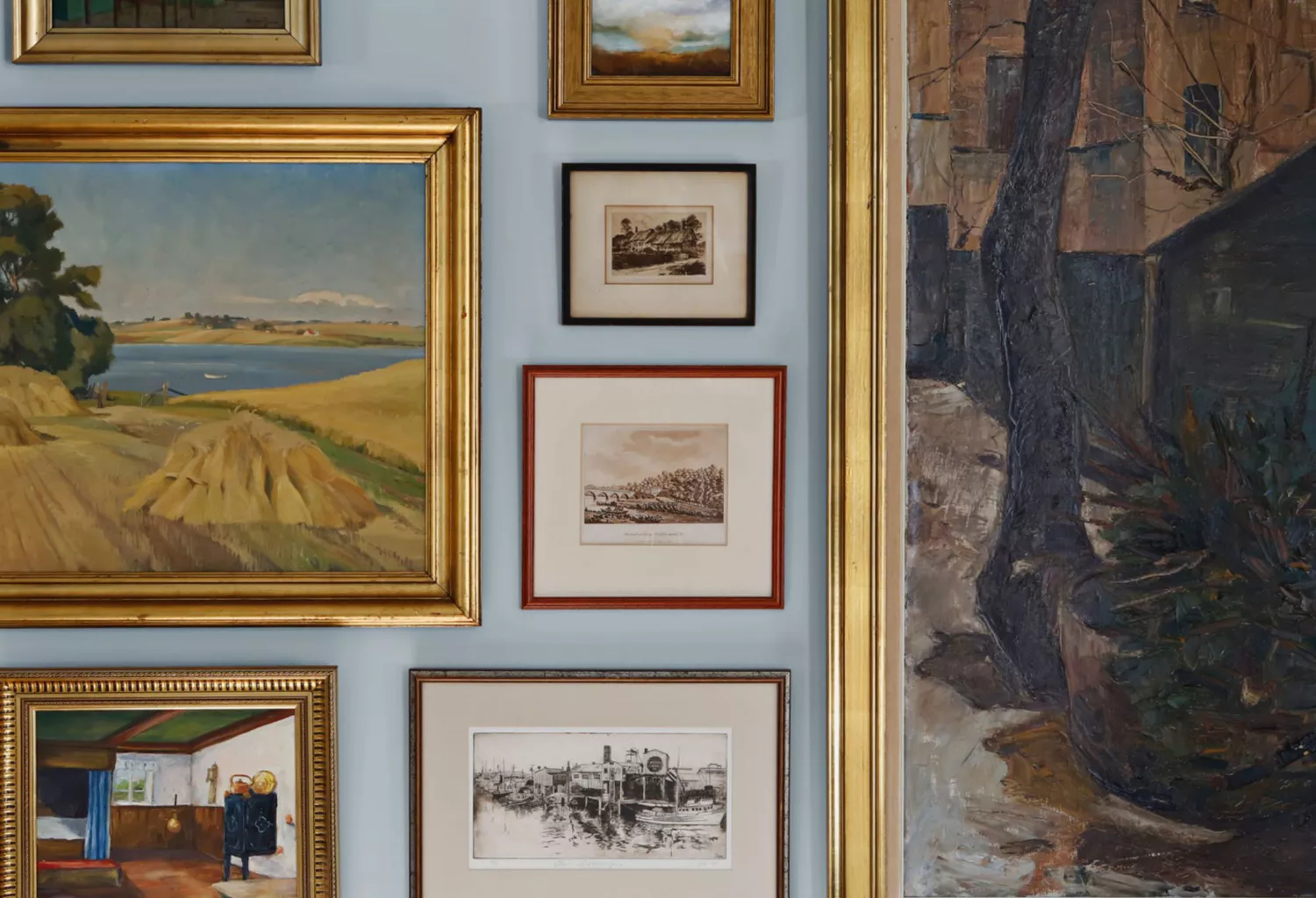
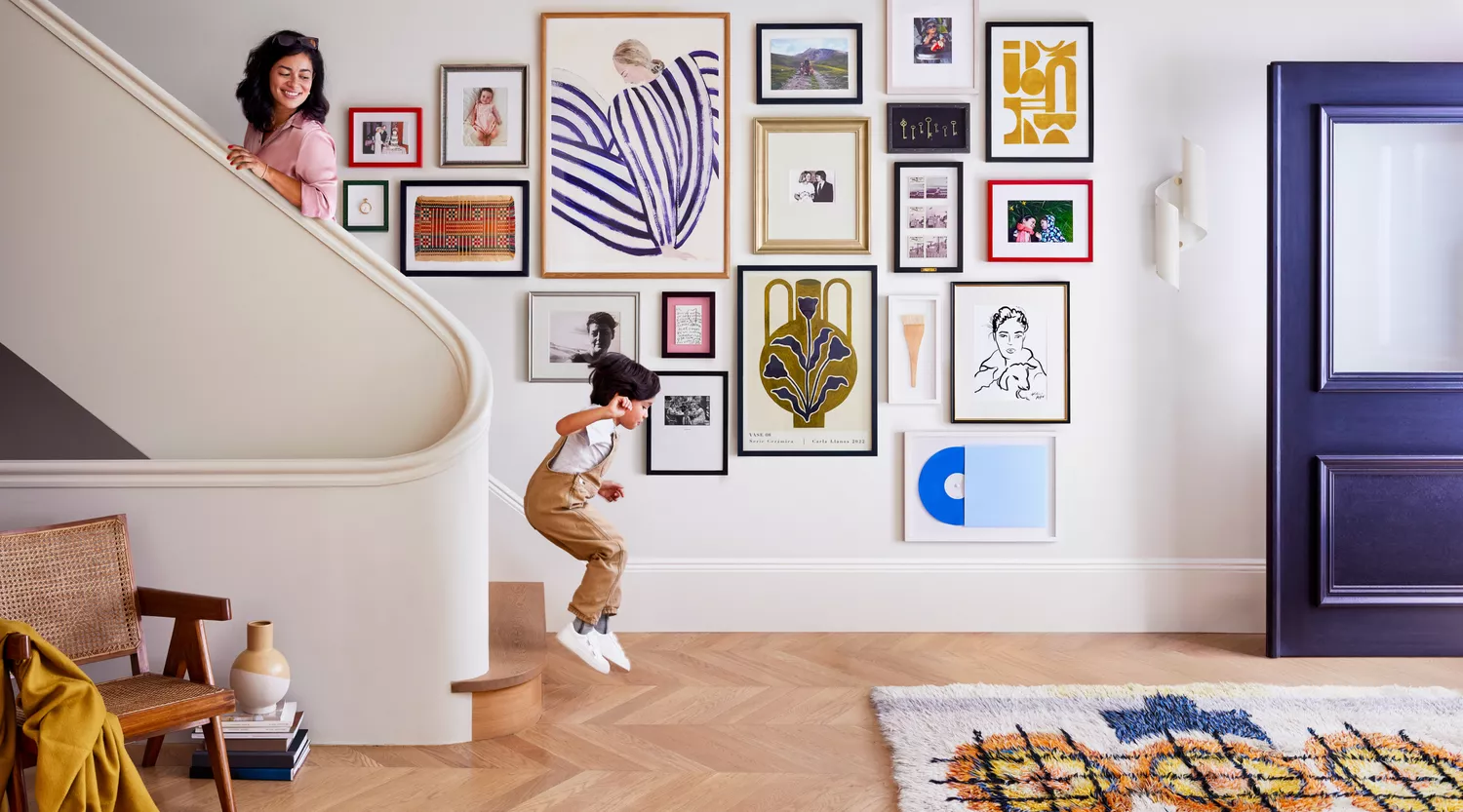
Incorporating varied frame types is another way to achieve an organic and personalized look. This allows for the combination of vintage and new frames, and also for mixing different mediums such as photography and vintage pieces, adding a unique character to the display. Playing with proportion and scale can also create dynamic tension on a wall; for instance, juxtaposing one larger frame with two smaller ones.
For those who prefer flexibility or find traditional hanging methods daunting, a picture ledge offers a convenient alternative. Frames can be leaned against the wall on a ledge, providing an instant art display that can be easily rearranged without creating new nail holes. This setup also accommodates adding smaller items like postcards or Polaroid strips as a collection grows.
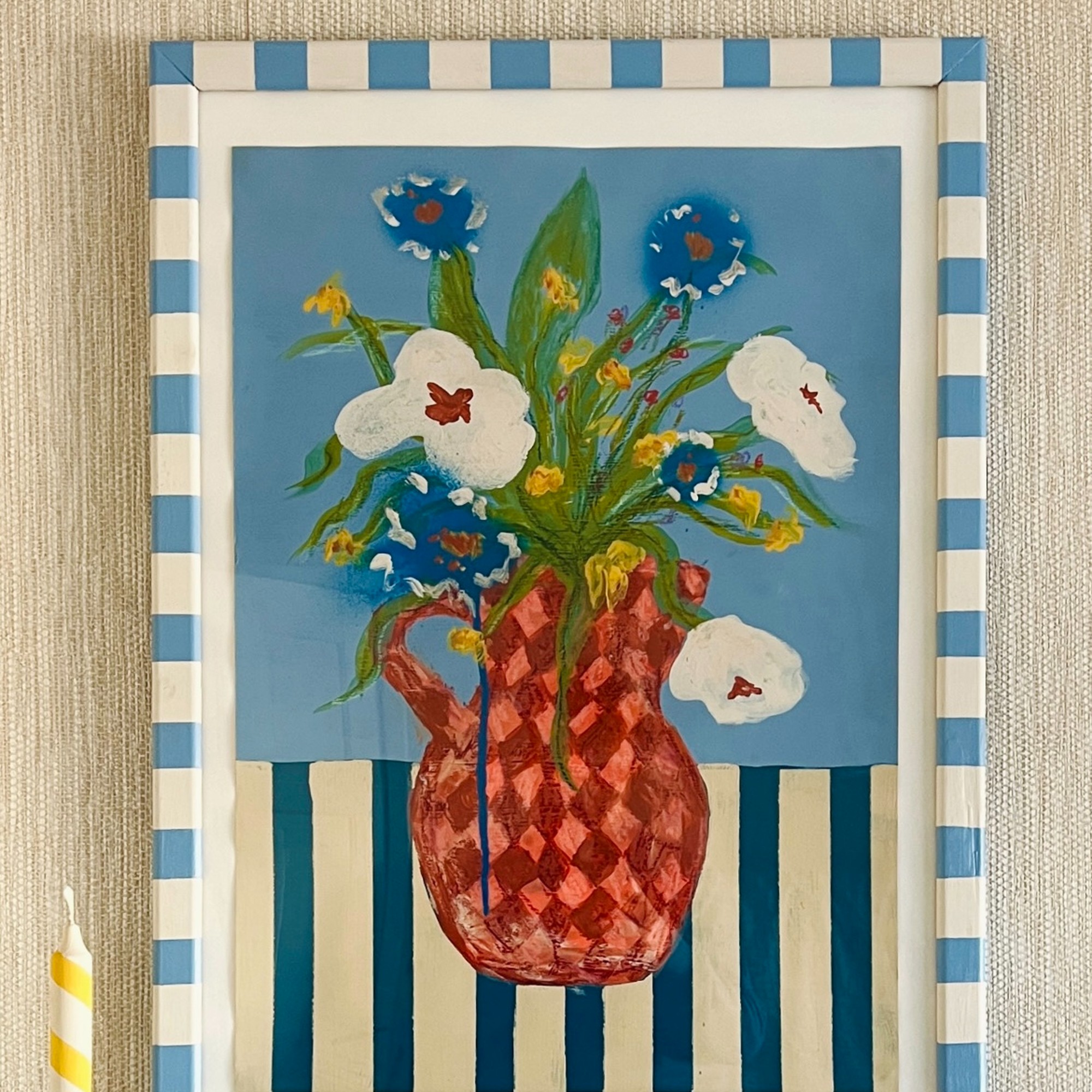
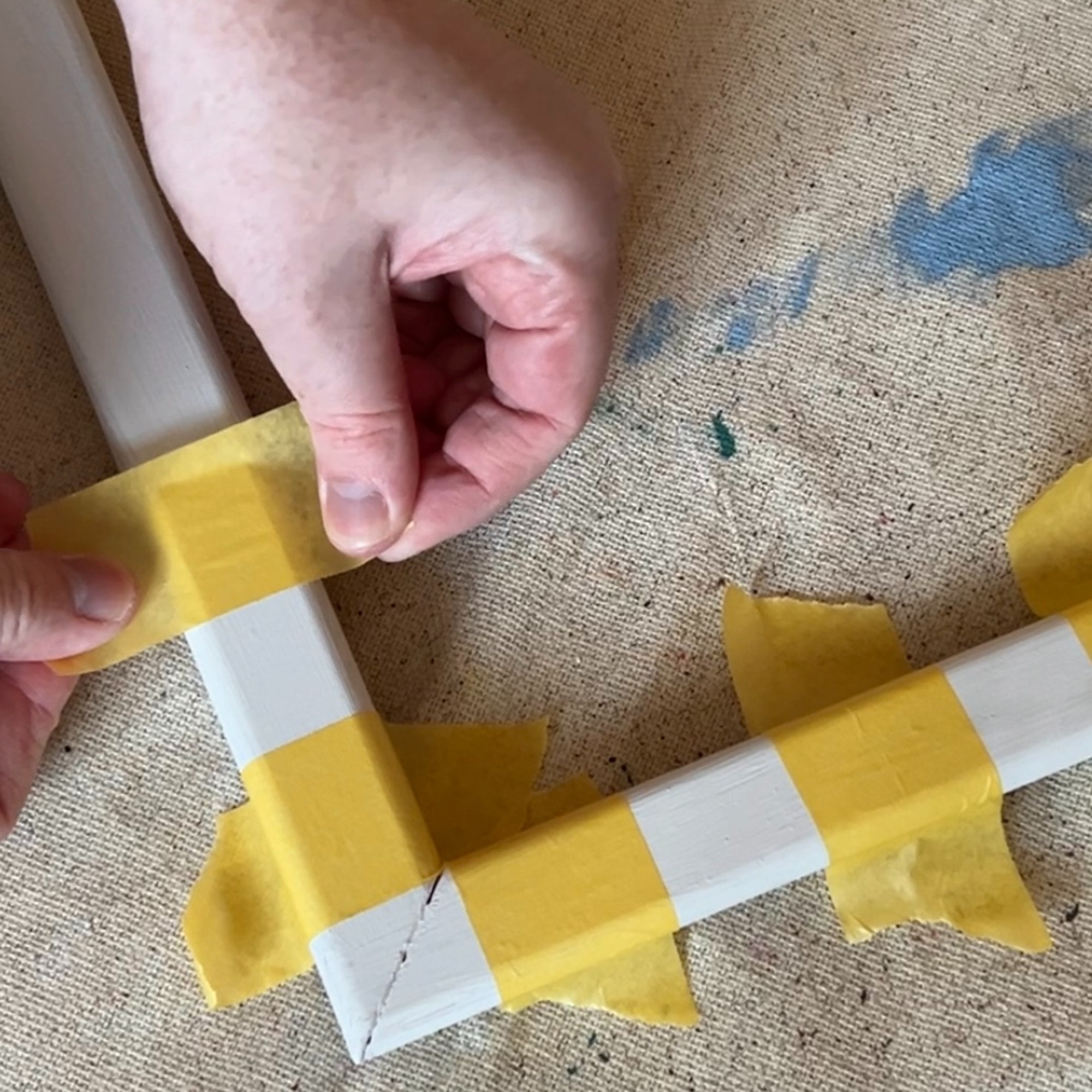
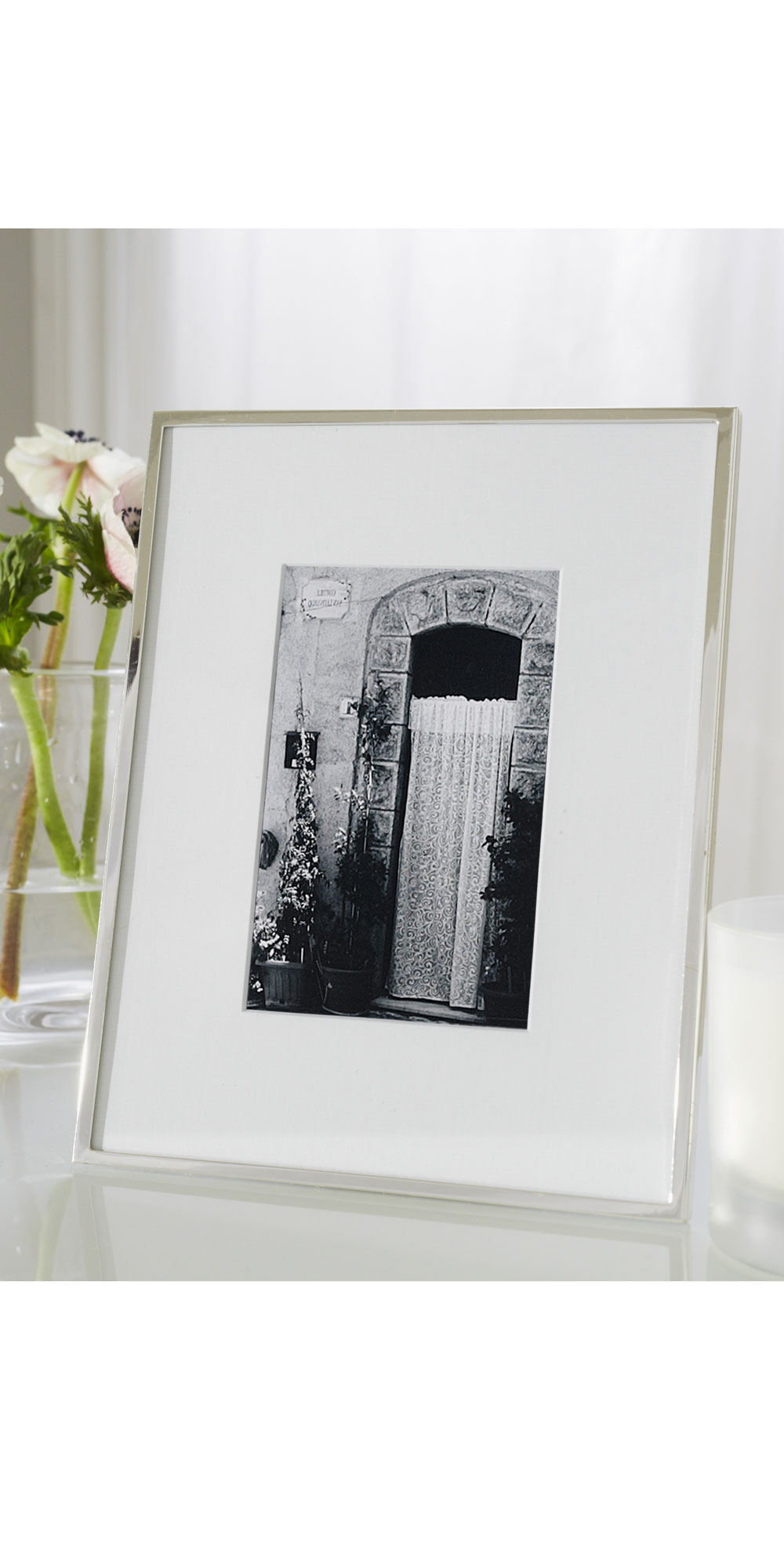
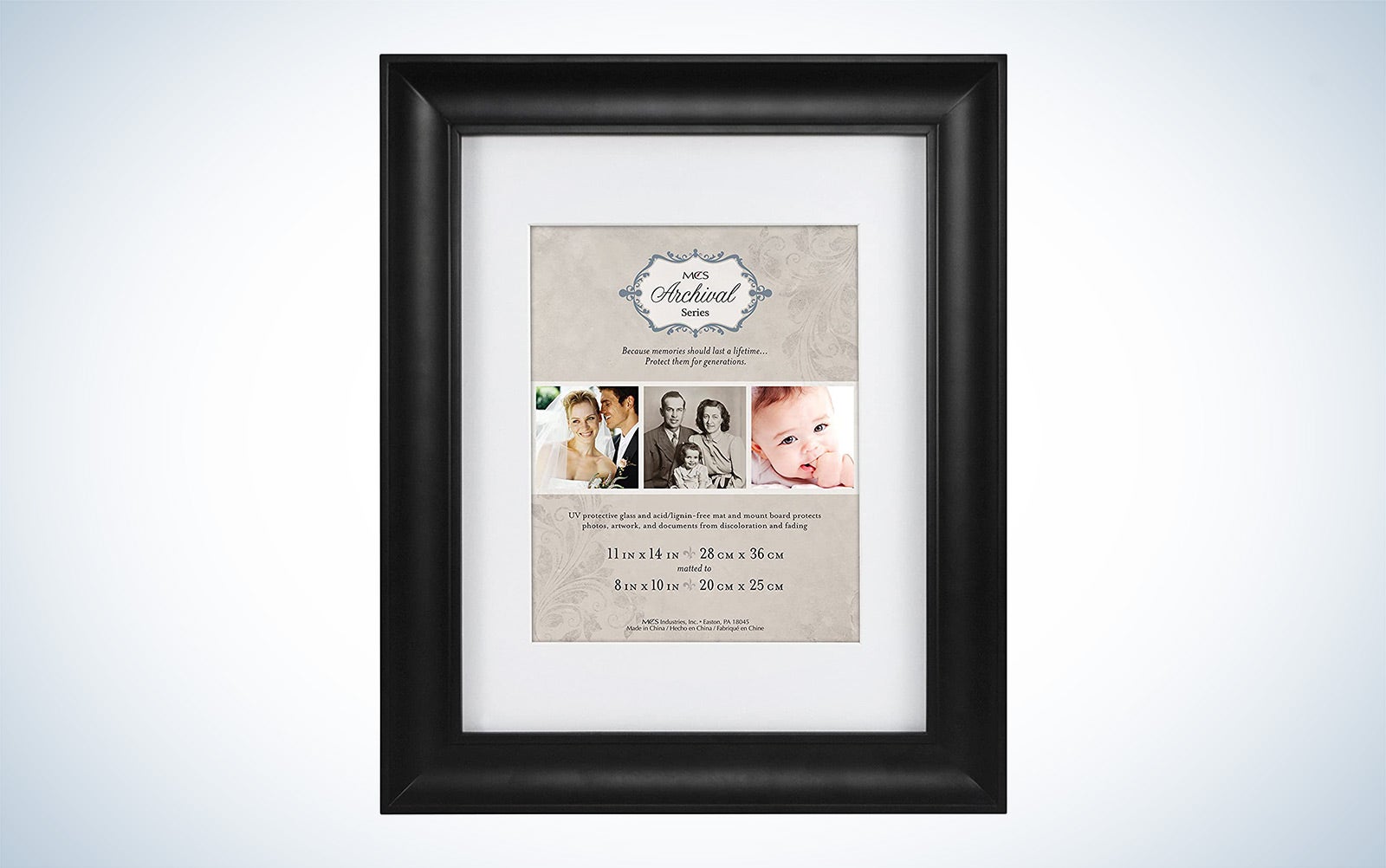
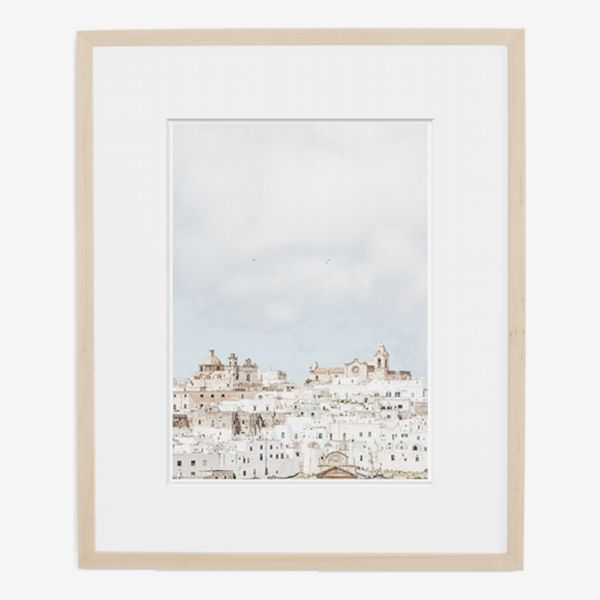
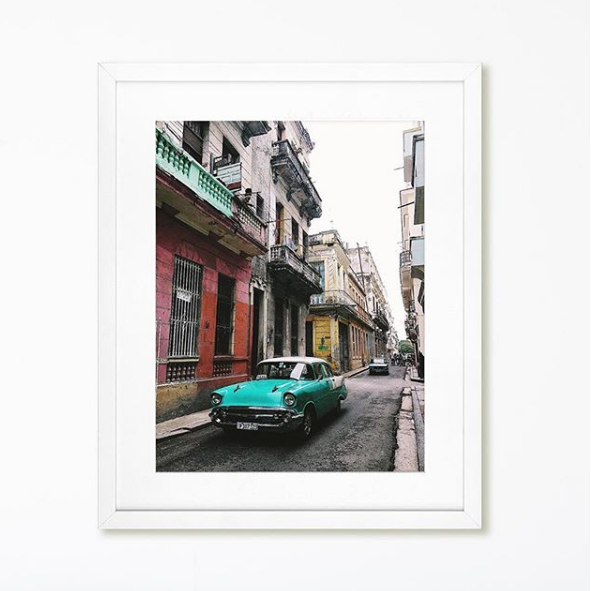
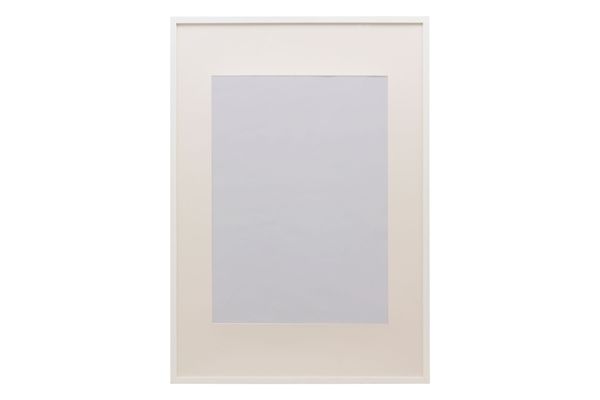
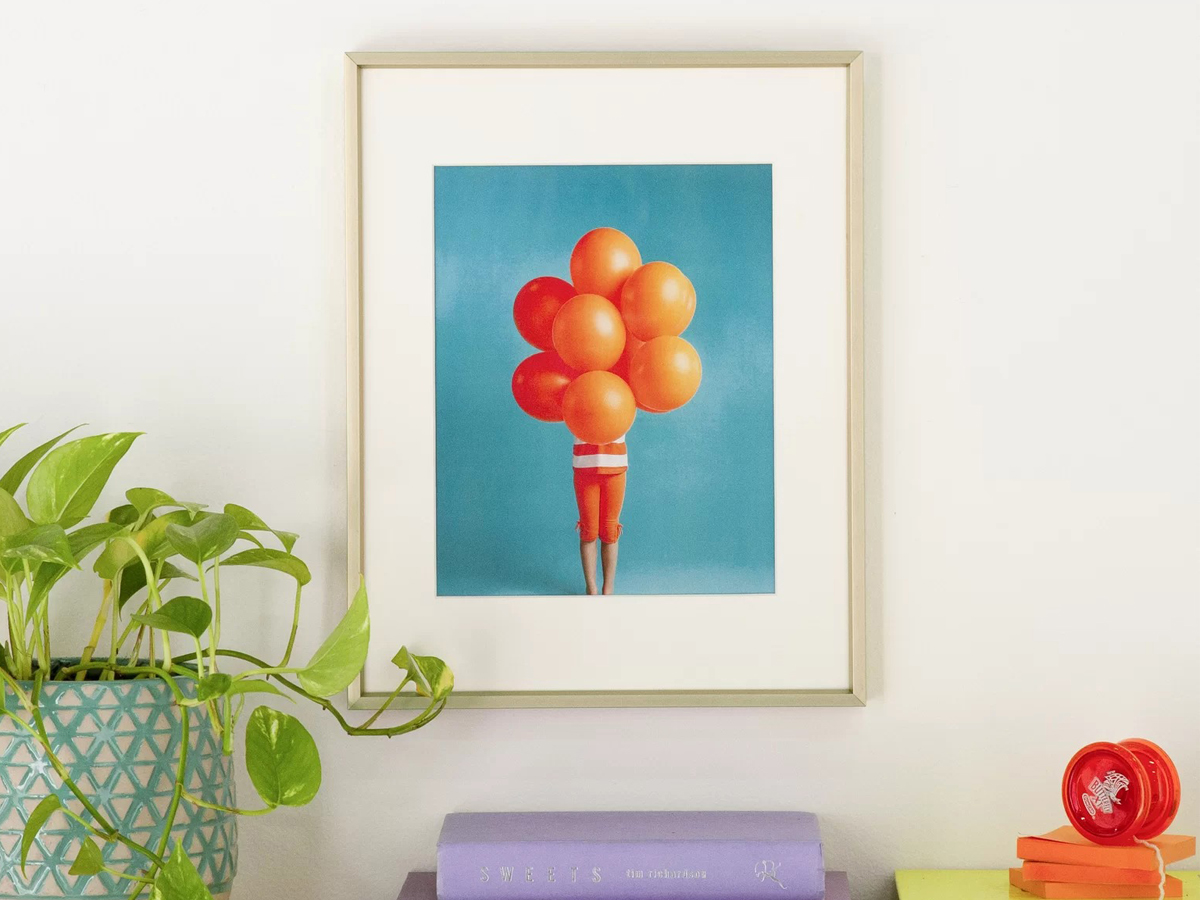
Creative expression can be further explored by customizing the frames themselves. Using large mats with smaller pictures can add an interesting dimension. DIY enthusiasts might paint picture frame mats for a pop of color, or paint the frames with chalk paint. Even covering frames with wallpaper can introduce unique patterns and textures. It is important to note that attractive frames do not necessarily need to be custom-made; many home decor and craft stores offer affordable and stylish options.
#HomeDecor #WallArt #PictureFrames #InteriorDesign #DecoratingTips #ArtArrangement #VisualHarmony #DIYHomeDecor #HomeDecor #WallArt #PictureFrames #InteriorDesign #DecoratingTips #ArtArrangement #VisualHarmony #DIYHomeDecor
0 comment in total
 No comments yet
You may also like
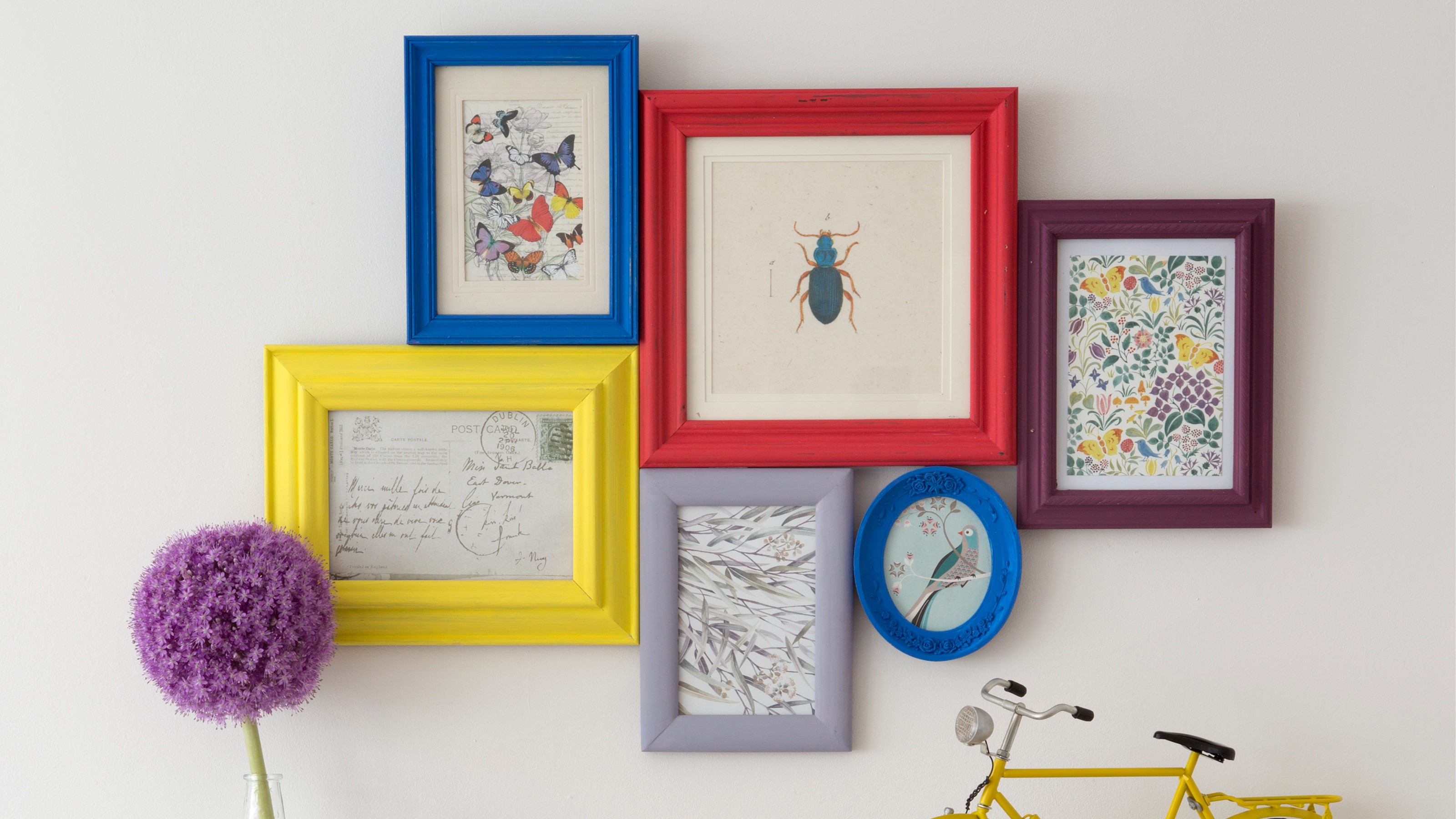
3 ways to update picture frames for elevated displays of art and photos
The Best Online Framing Services
A look at various ways to display your photos
5 Ways to Make Hanging Picture Frames So Much Easier

Shopping edit – the best photo frames to display treasured snaps in style
The 2 Best Online Framing Services of 2025 | Reviews by Wirecutter
Why Your Gallery Wall Might Actually Look Better With Mismatched Frames

I'm an interior designer - how to create a gallery wall without it looking tacky - people always make the same mistakes

The best picture frames of 2023

Refresh Your Space With Stylish Picture Frames From Target, Anthropologie, and More

This popular online framing service is so worth the money

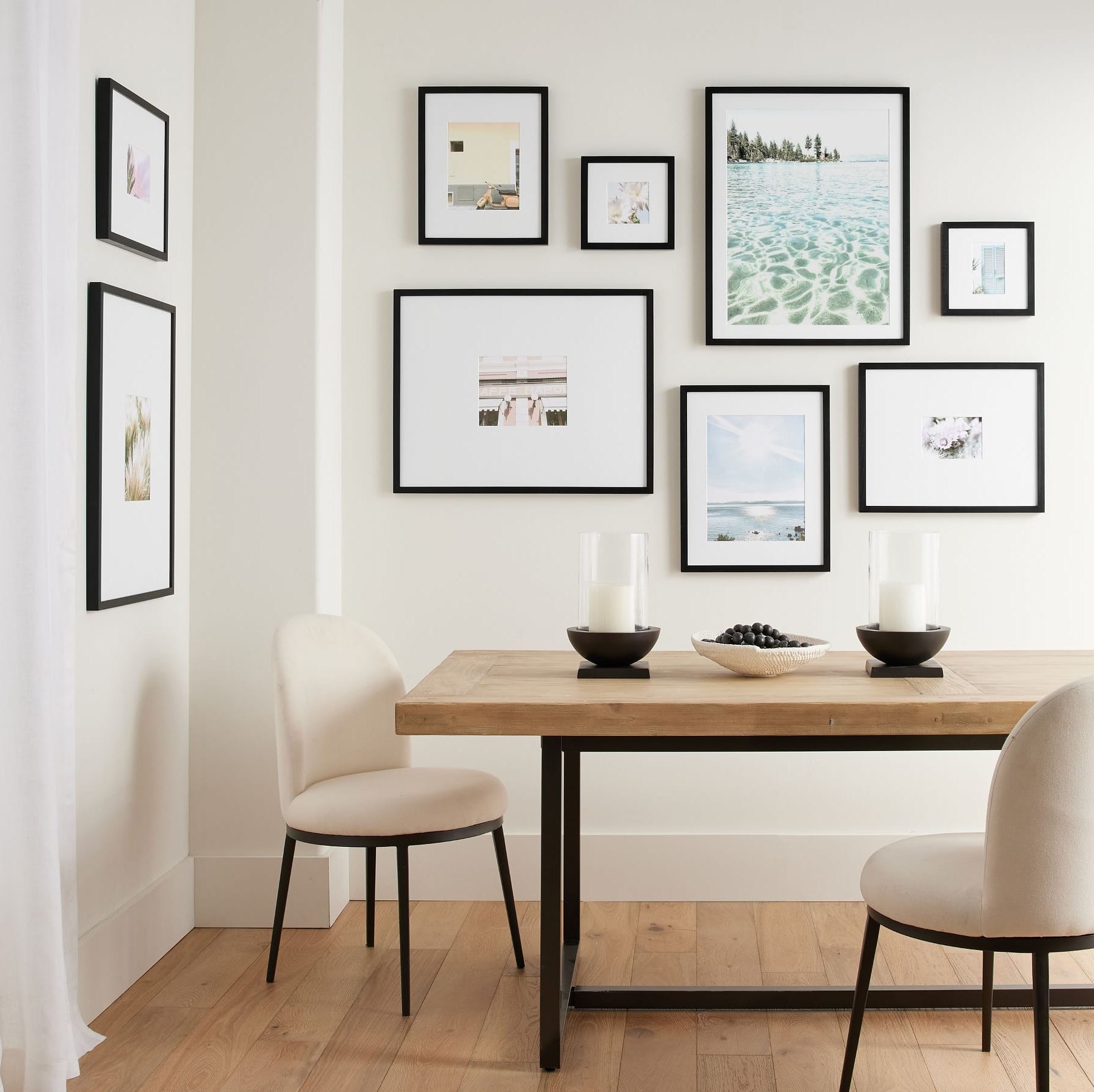
Don't Spend Too Much on Picture Frames—Snag These 14 Finds on the Cheap

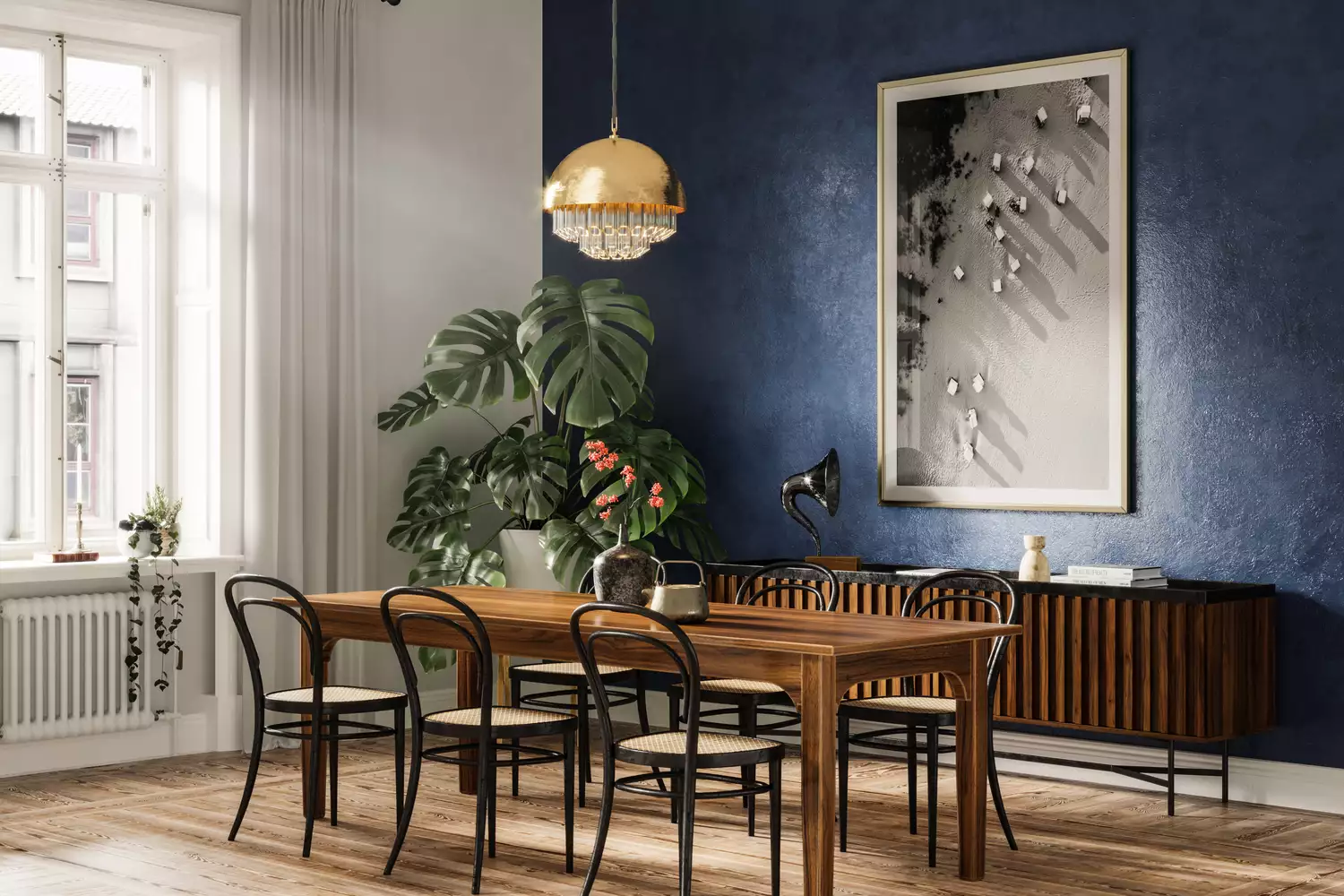
The Best (and Easiest!) Ways To Hang Pictures, According to Art Pros
We Ordered 7 Different Picture Frames to Find the Best Online Service
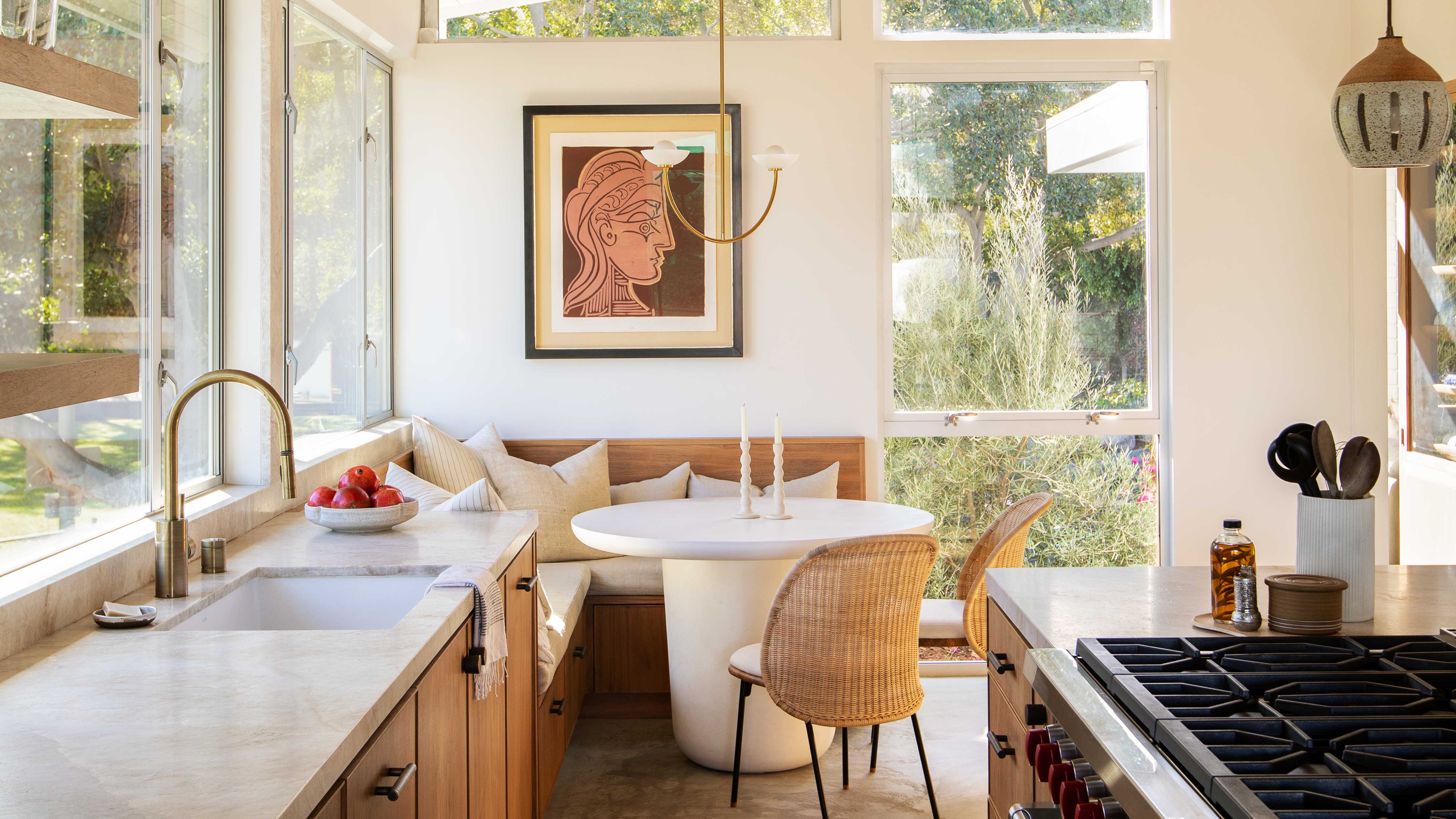
Should You Always Frame Art? These Are the Golden Rules Gallery Curators and Interior Designers Swear By

The 10 Best Places to Buy Picture Frames

These Target Picture Frames Make For Affordable And Beautiful Gifts
The Best Affordable Wall-Art Frames, According to Experts
I'm an interior designer - how to create a gallery wall without it looking tacky - people always make the same mistakes

Focus on This Overlooked Decor Element To Instantly Transform a Room