1/3
The "Three Purposes" Philosophy Is the Styling Hack We Should All Be Talking About
In an era where individuals are spending more time within their homes, driven by factors such as the pandemic, global events, and the rise of remote work, the utility of every room in a house has become increasingly important. Data from *Sociological Science* in 2024 indicates a significant increase in the average daily time American adults spend at home between 2003 and 2022. Given that many homes are cozy or compact, maximizing the functionality of existing spaces is a common challenge for homeowners and a key focus for interior designers.
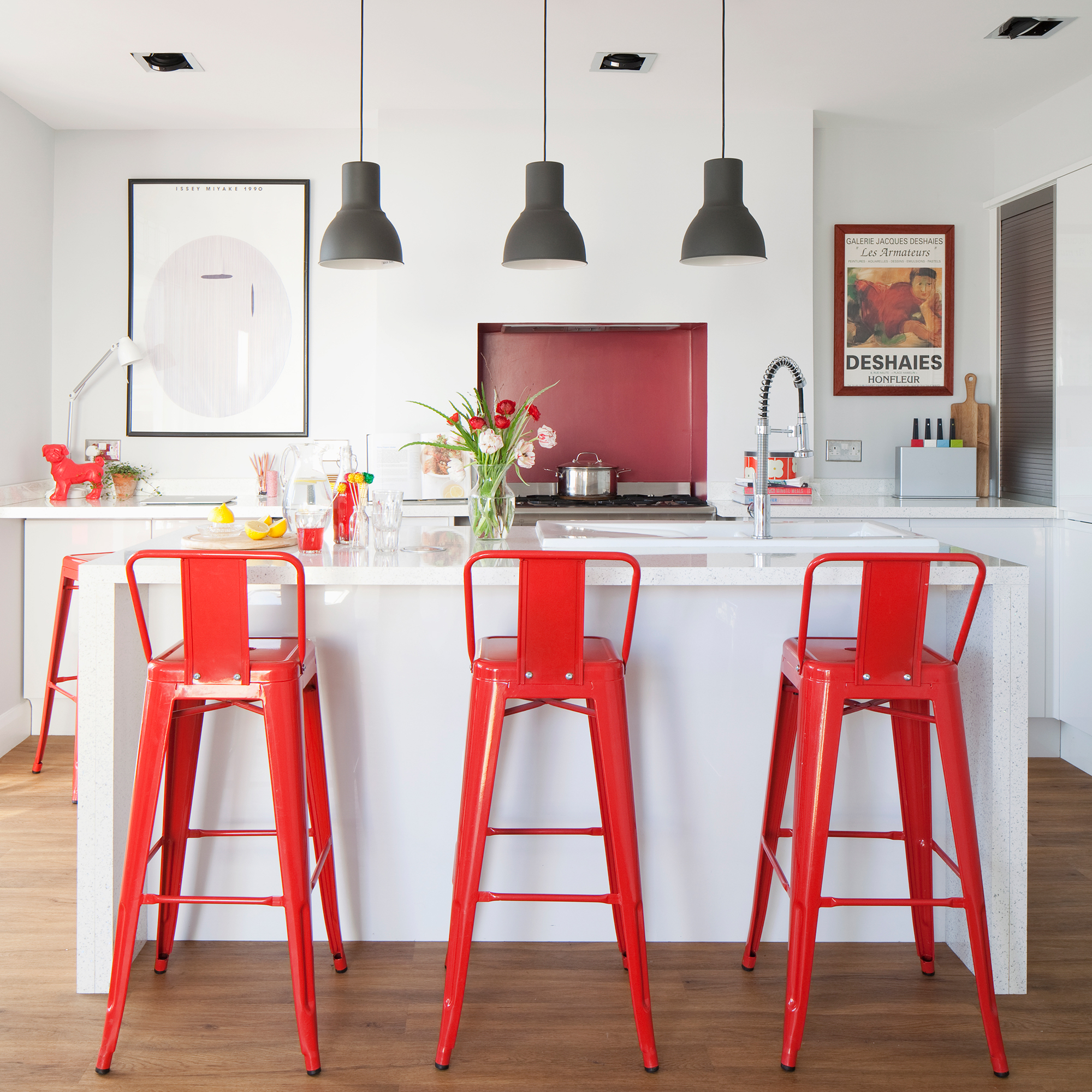
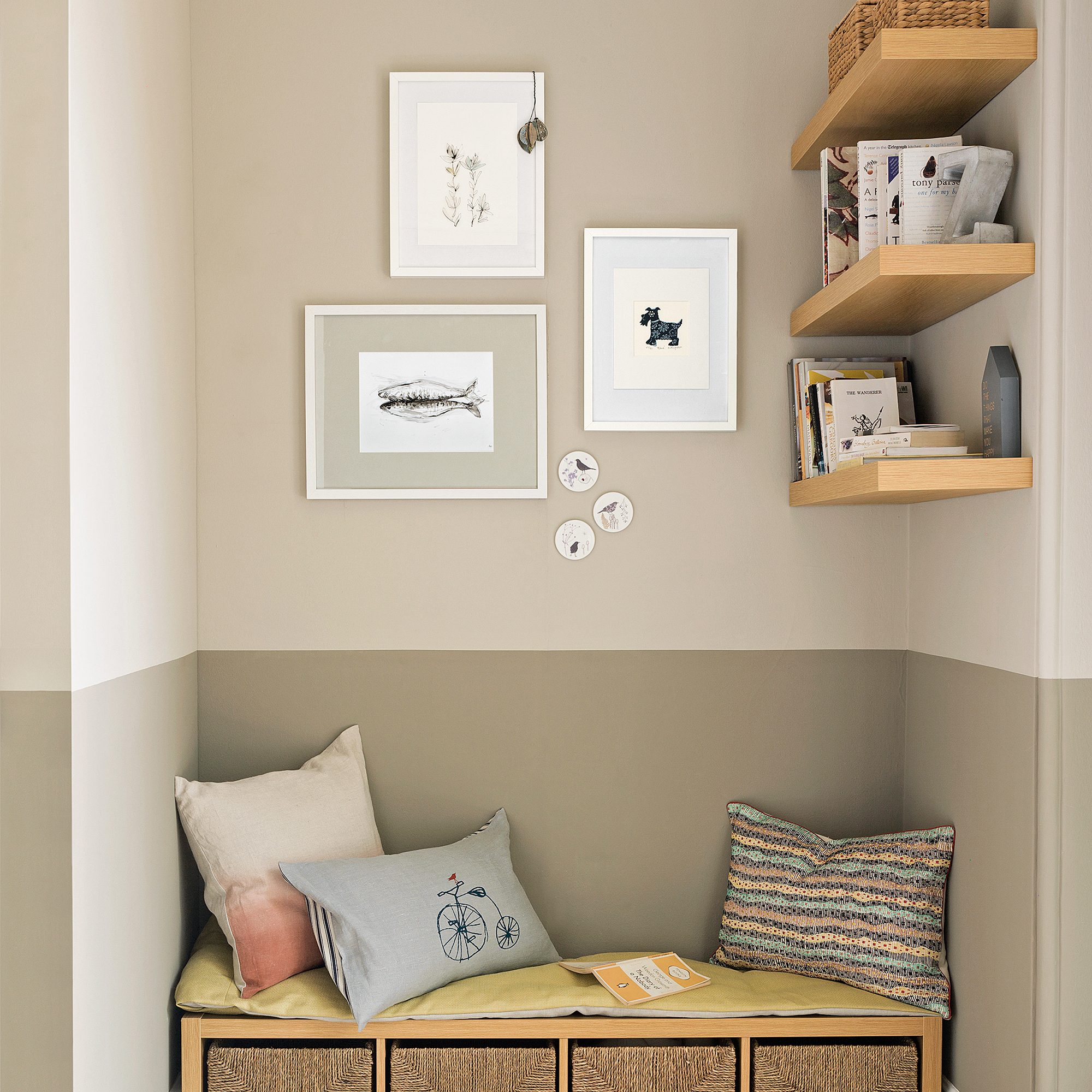
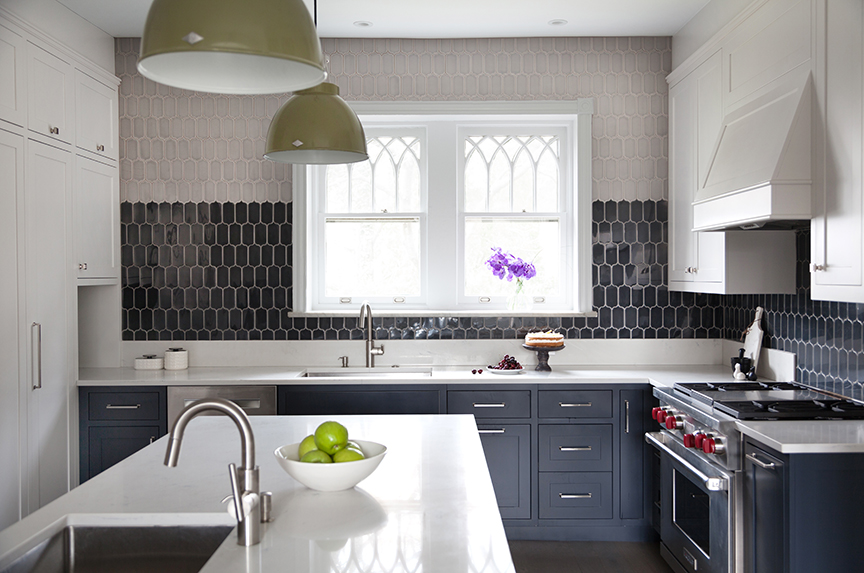
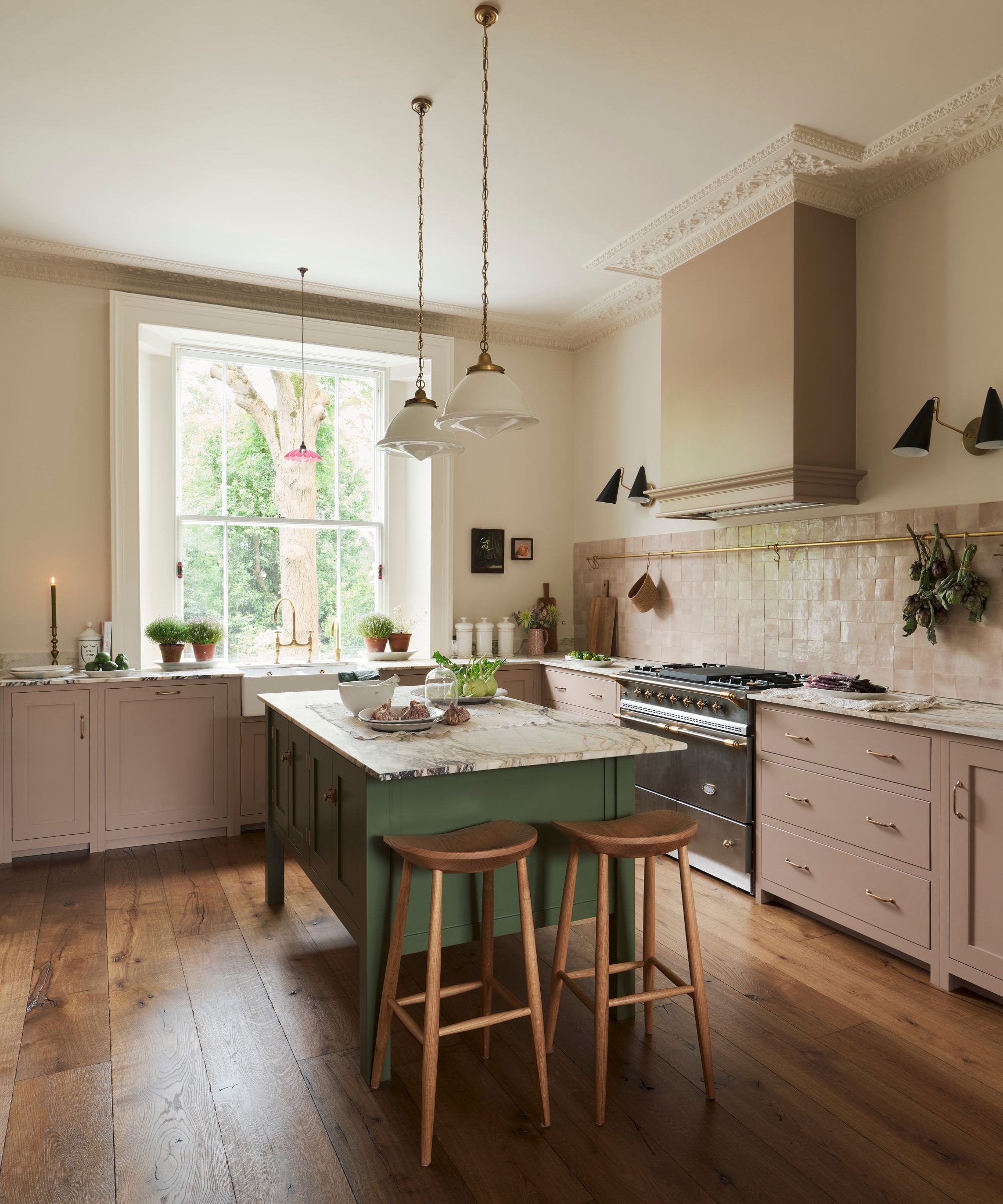
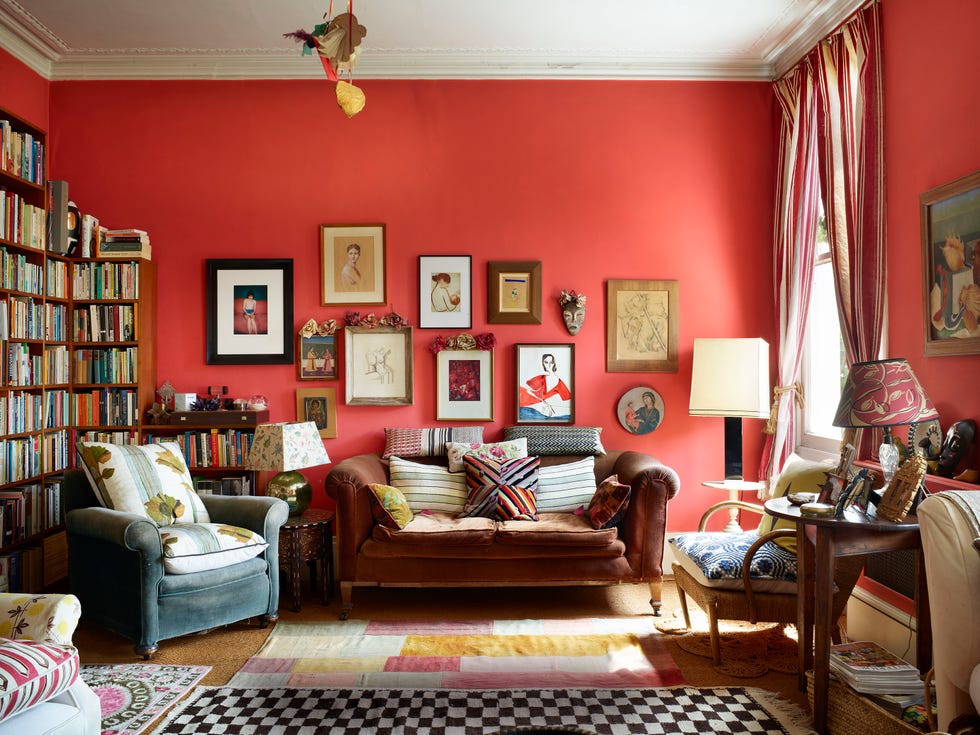
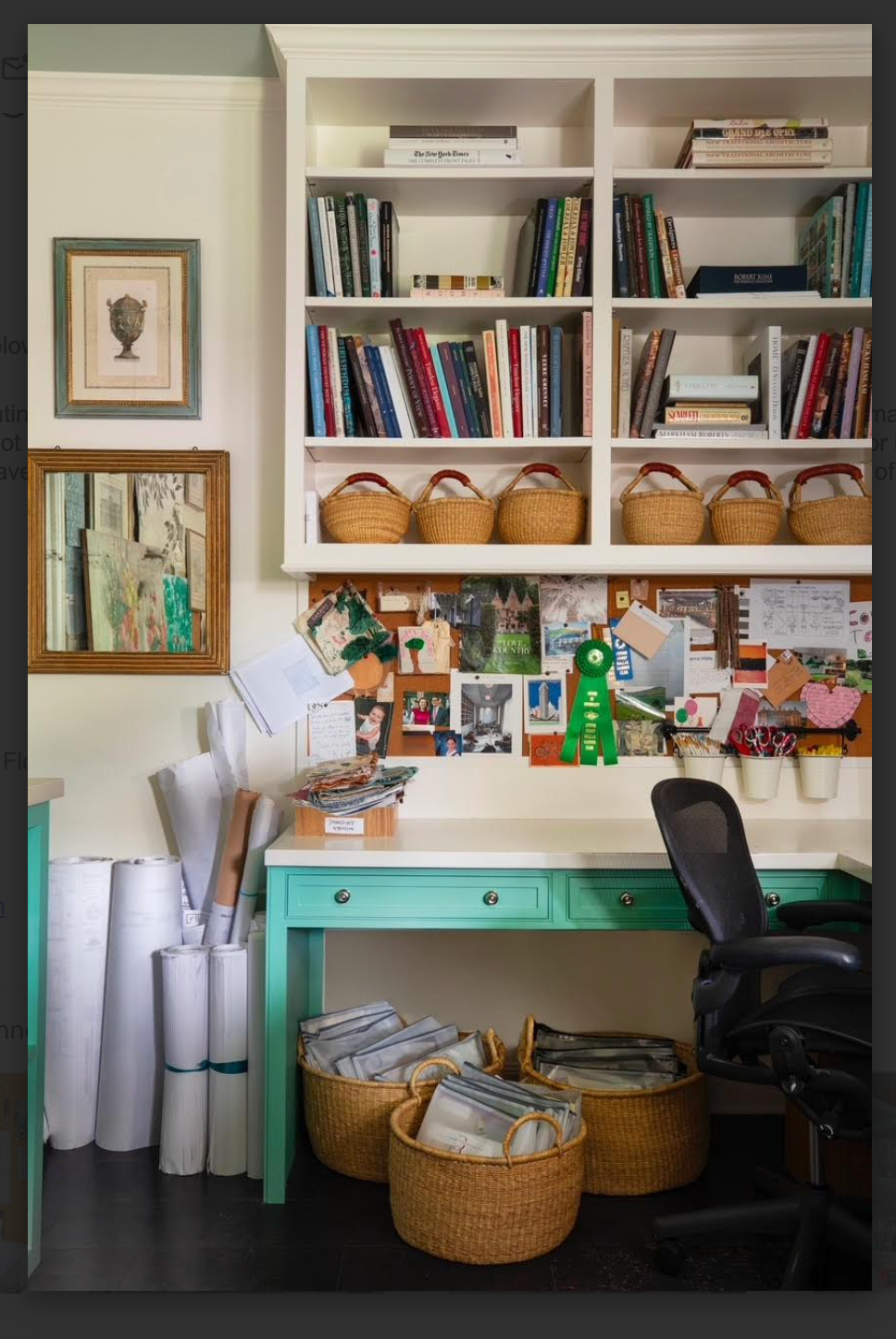
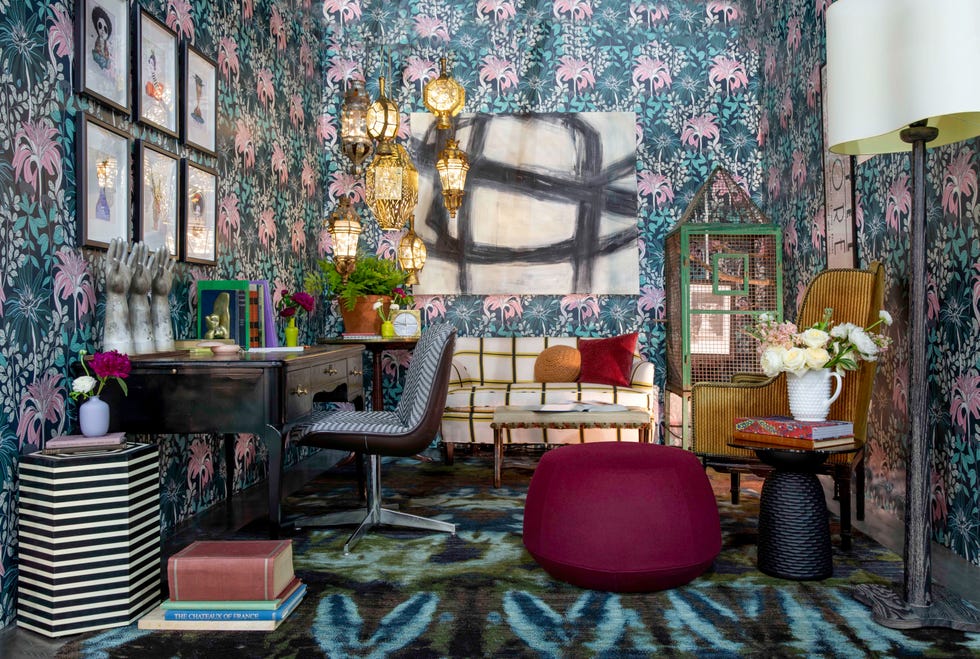
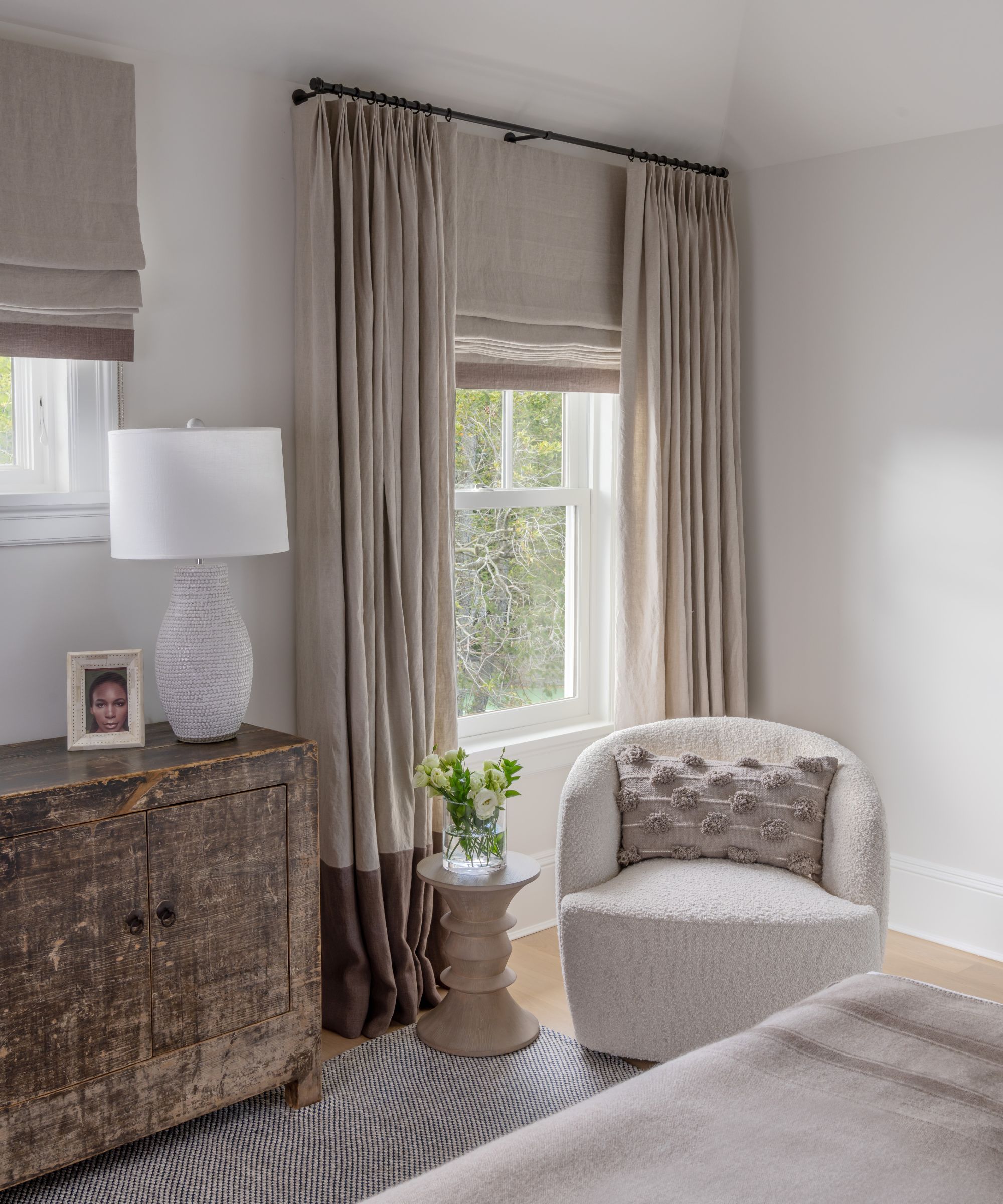
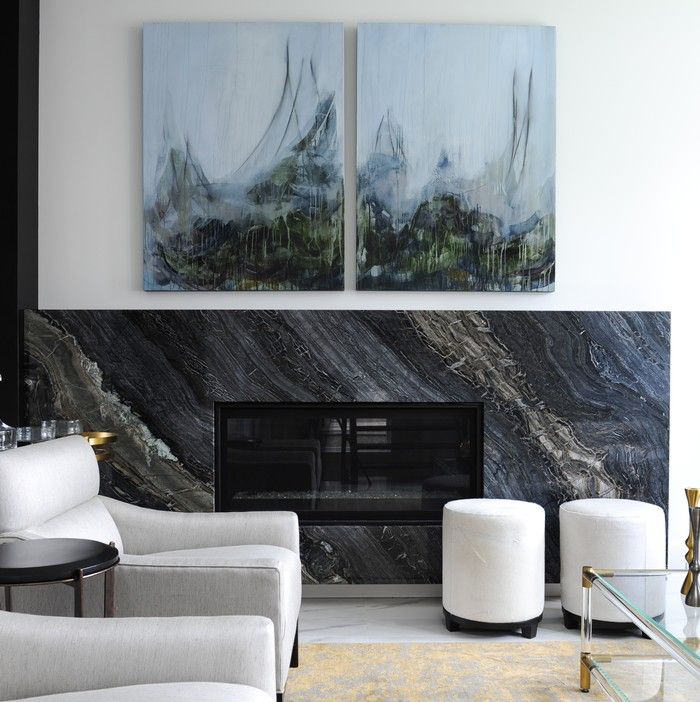
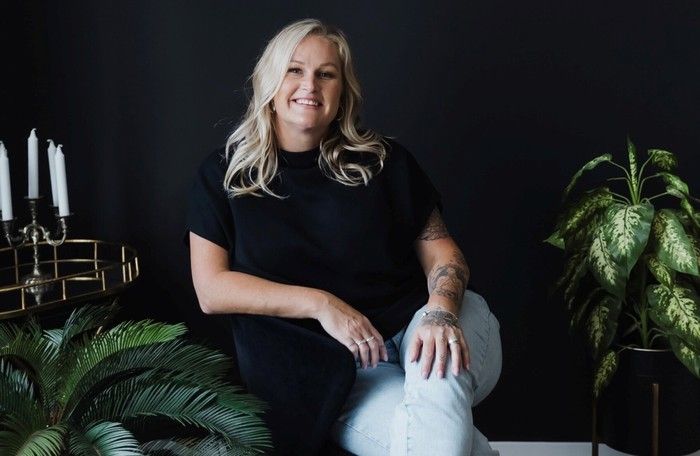
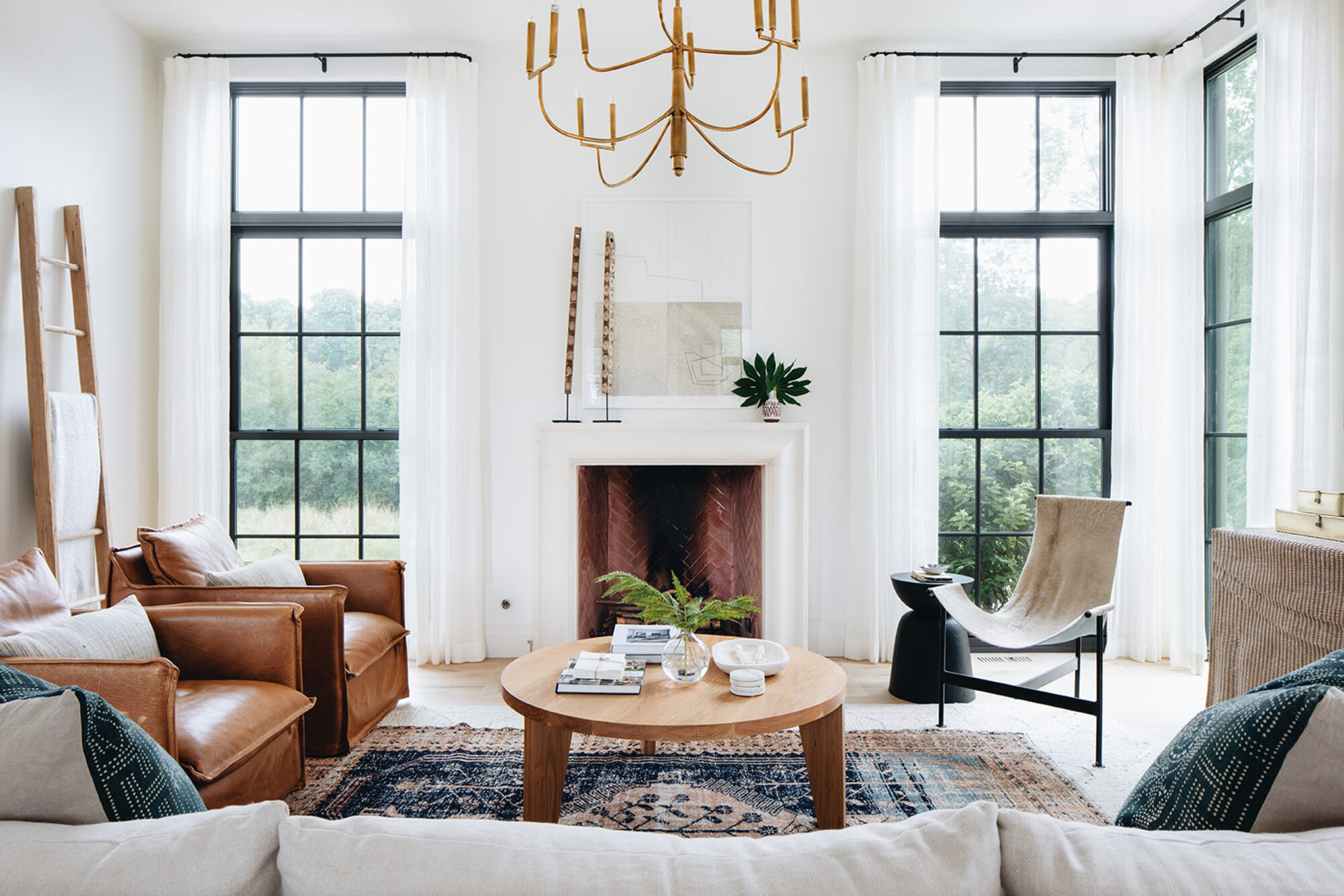
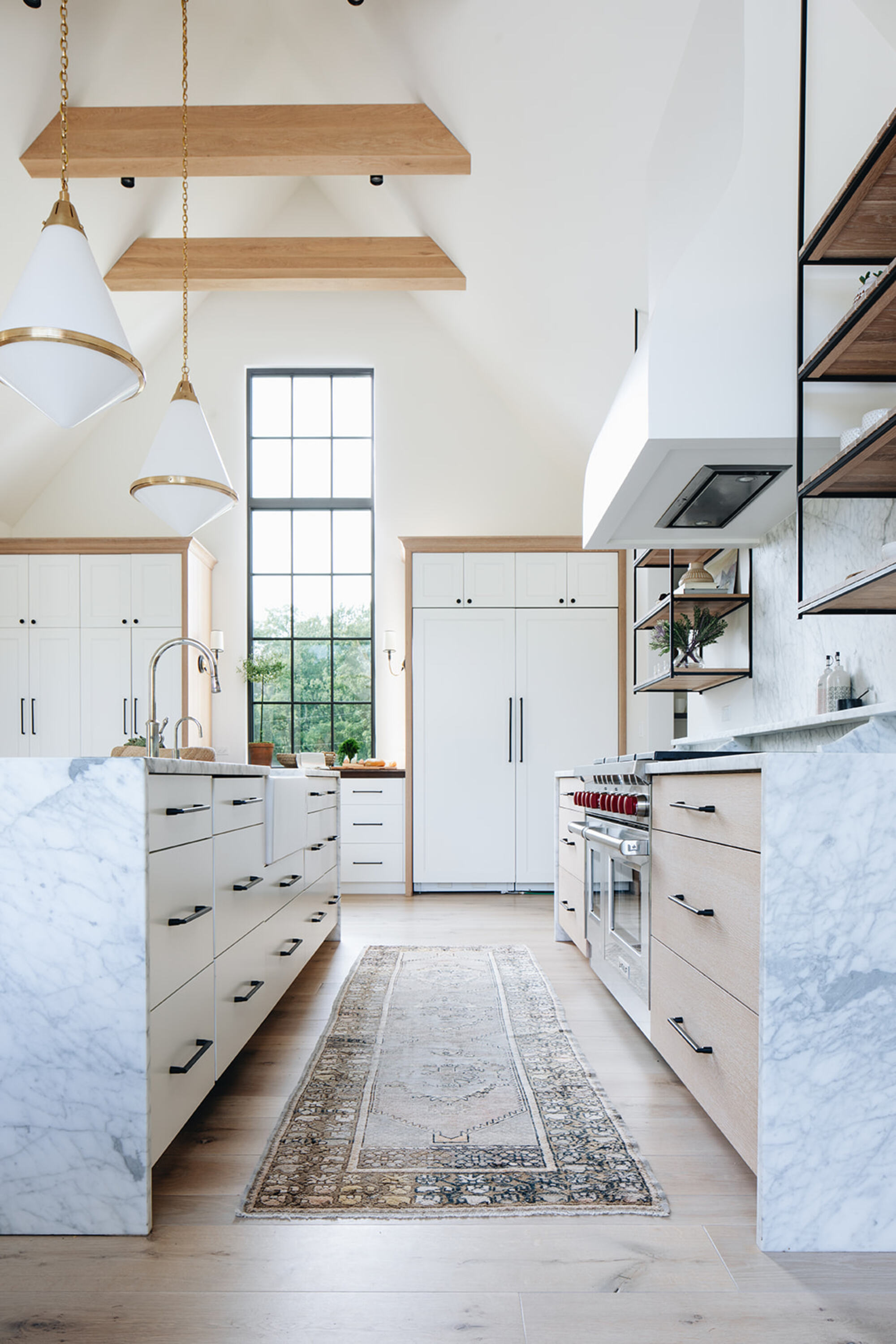
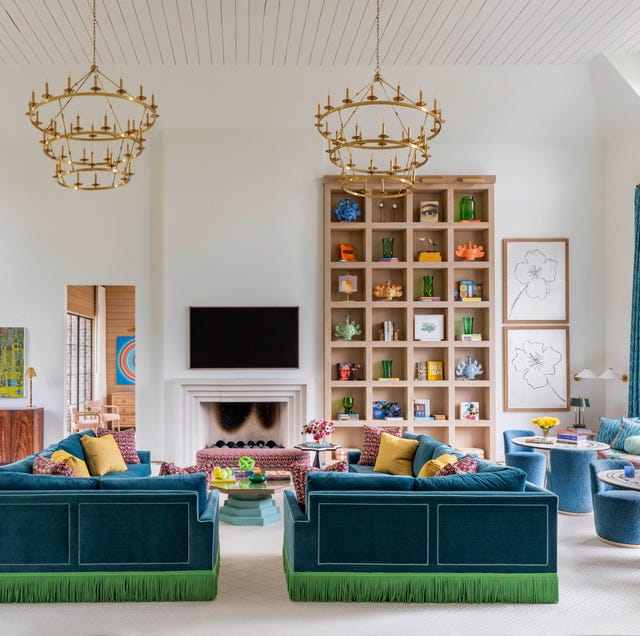
Courtnay Tartt Elias, principal designer and creative director at Creative Tonic Design, has coined the "three purposes" philosophy to address this need. This approach advocates that no room in a home should be underutilized or reserved for infrequent use. Instead, each space should be intentionally designed to serve at least three distinct purposes, ensuring maximum utility and preventing waste. For example, a living room might function as a game room, a gathering area, and a cocktail lounge. A bedroom could serve as a sleeping area, a lounging spot, and a space for relaxing hobbies. Similarly, a laundry room could double as a home office and a gift wrap station. The core of this philosophy lies in a deep analysis of how a homeowner genuinely uses each space, then designing it to be most effective and personal.
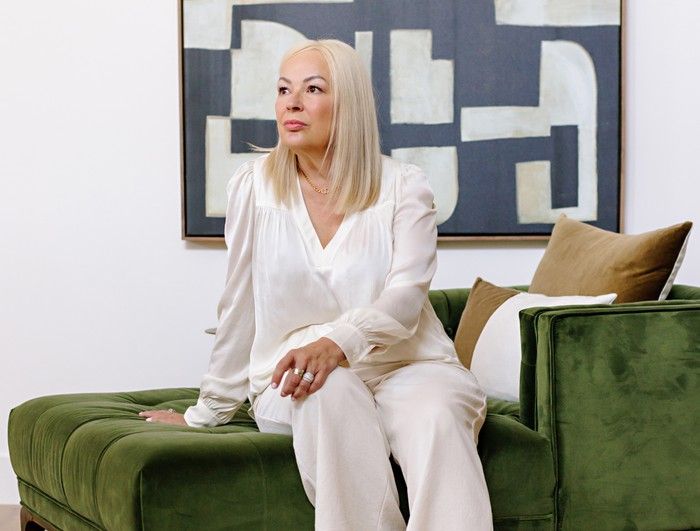
This multi-purpose design strategy offers several benefits. Emily Tucker, founder and principal designer of Emily Tucker Design, notes that rooms designed for multiple functions inherently become more personal and practical. This approach fosters a more sustainable design, both financially and emotionally, by encouraging intentional choices about what is brought into the home. When every item and area serves multiple functions, the home becomes more thoughtful and efficient. Jamie Lyn Smith, principal designer at Smith Home Studios, further emphasizes that a room with only one function misses the opportunity to enrich the lives of its inhabitants.
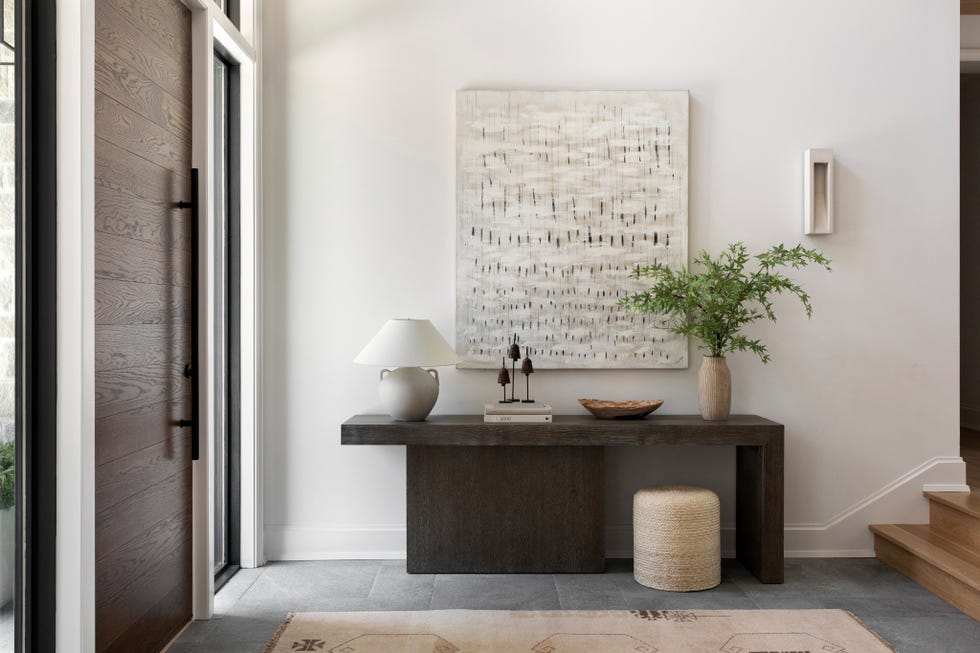
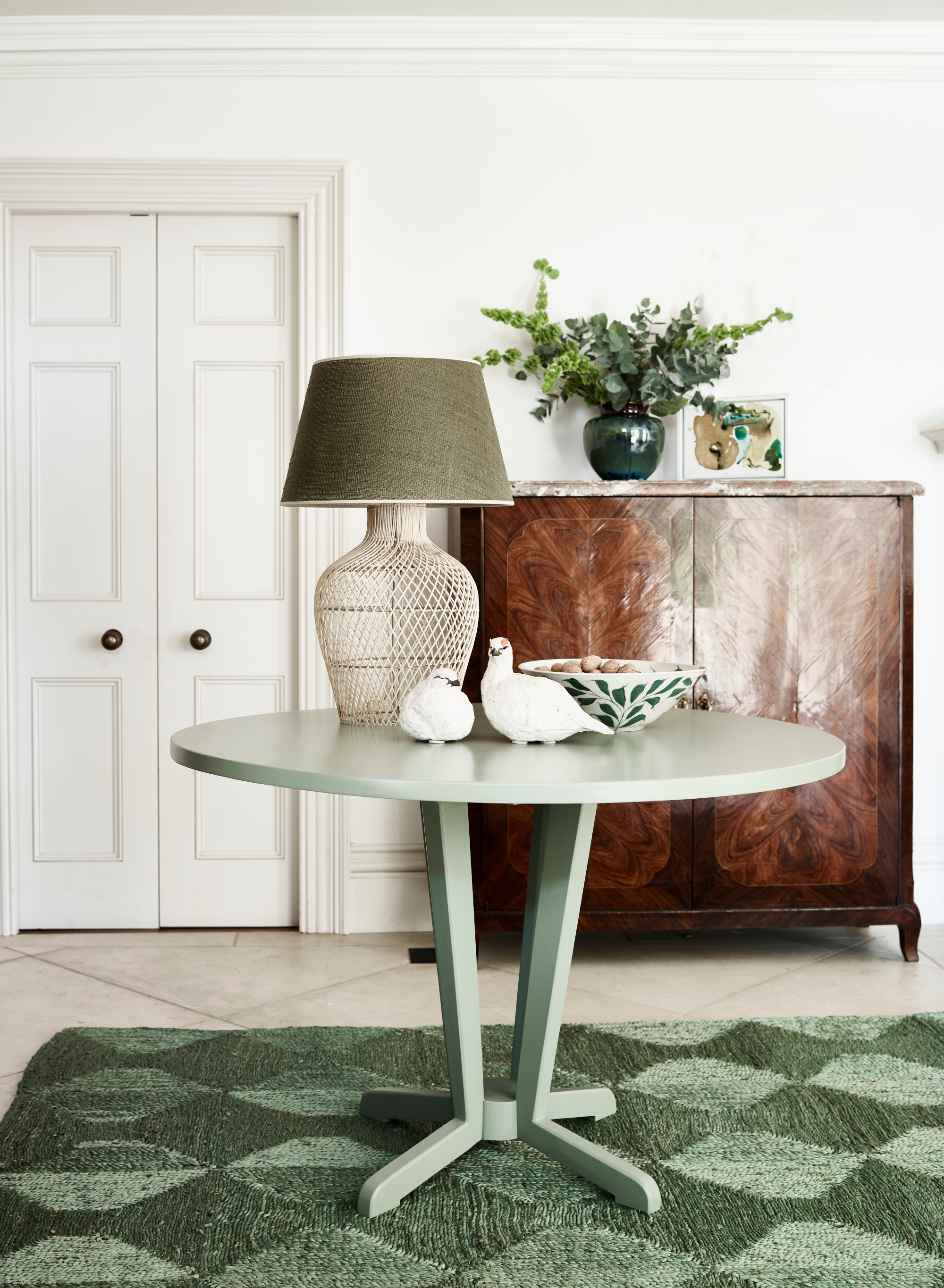
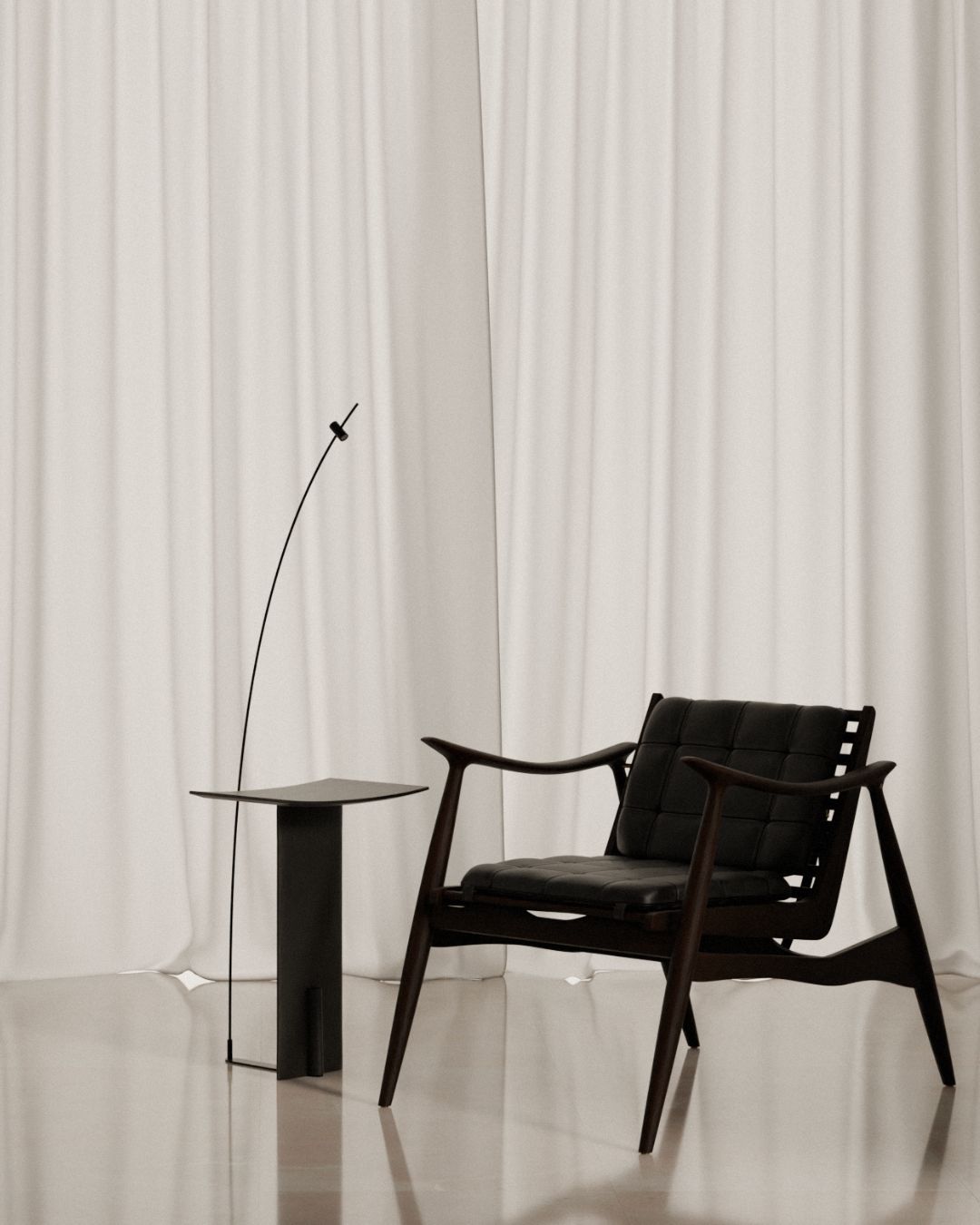
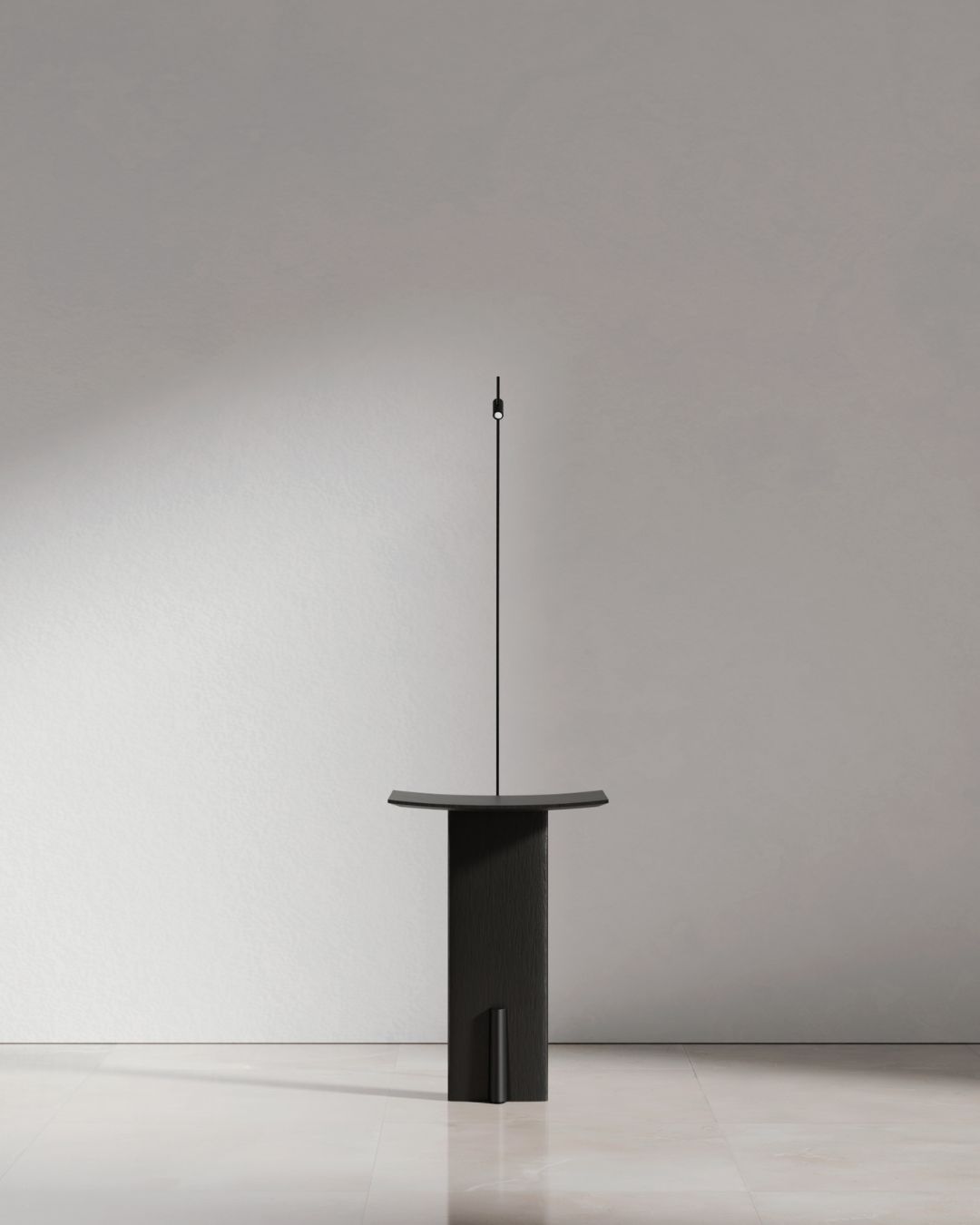
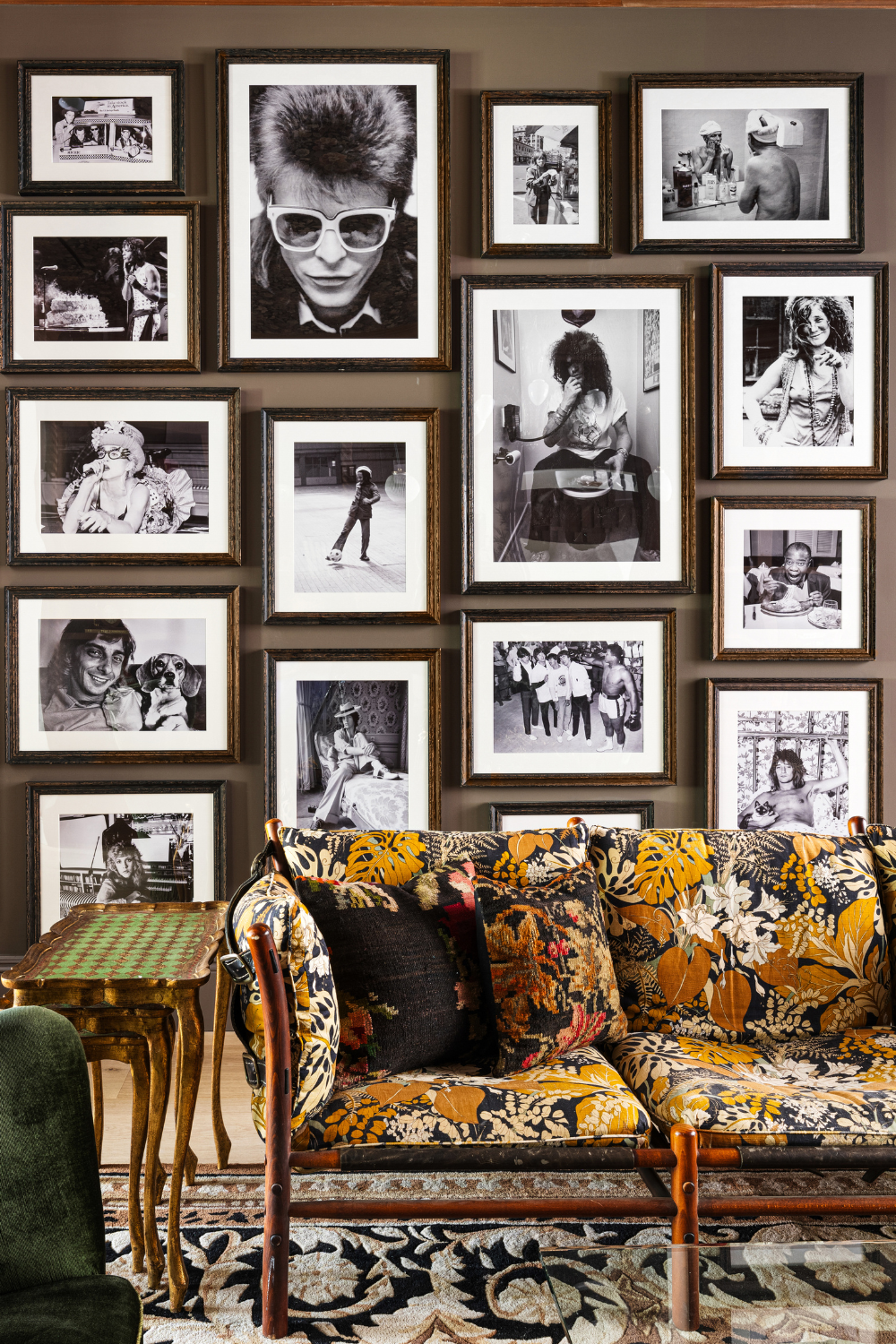
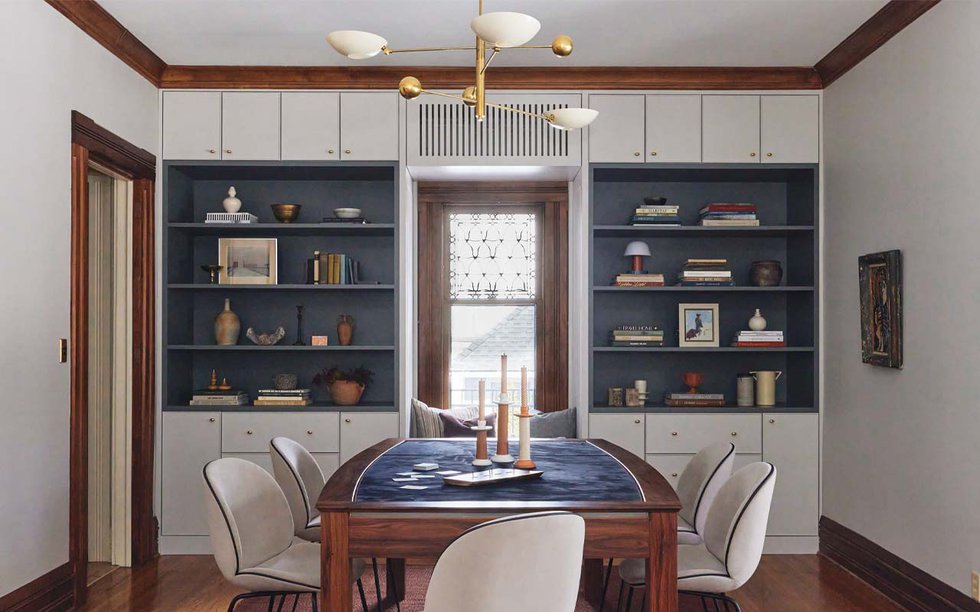
To implement the "three purposes" philosophy, Tartt Elias advises homeowners to begin by identifying rooms that are rarely used or serve only a single function, and then to think creatively about how these spaces can be re-envisioned. Tucker suggests designing backward from how a space is truly lived in, incorporating multi-functional furniture—such as a console that also serves as a desk—and diverse lighting options to easily adapt the mood of the room. It is crucial to set aside traditional norms for room usage. For instance, in a dining room, instead of a single large table, two smaller tables that can be combined for meals but separated for games or other activities could be used, creating a more versatile and engaging space that resembles a library or game room as much as it does a dining area. This flexible approach ensures that every square foot of a home is optimized for living.
This design methodology underscores a shift towards more adaptable and efficient home environments, reflecting contemporary living patterns and a desire for greater functionality in residential spaces. By integrating multiple functions into each room, homes can better accommodate the varied activities and evolving needs of their occupants, making every corner of the house a dynamic and valuable asset.
#ThreePurposesPhilosophy #HomeDesign #InteriorStyling #MultiFunctionalSpaces #SpaceUtilization #SustainableDesign #DesignHacks #CreativeTonicDesign #RoomIdeas #ThreePurposesPhilosophy #HomeDesign #InteriorStyling #MultiFunctionalSpaces #SpaceUtilization #SustainableDesign #DesignHacks #CreativeTonicDesign #RoomIdeas
0 comment in total
 No comments yet
You may also like
Designers Are Ditching the "Rule of Threes" for THESE Genius Styling Alternatives

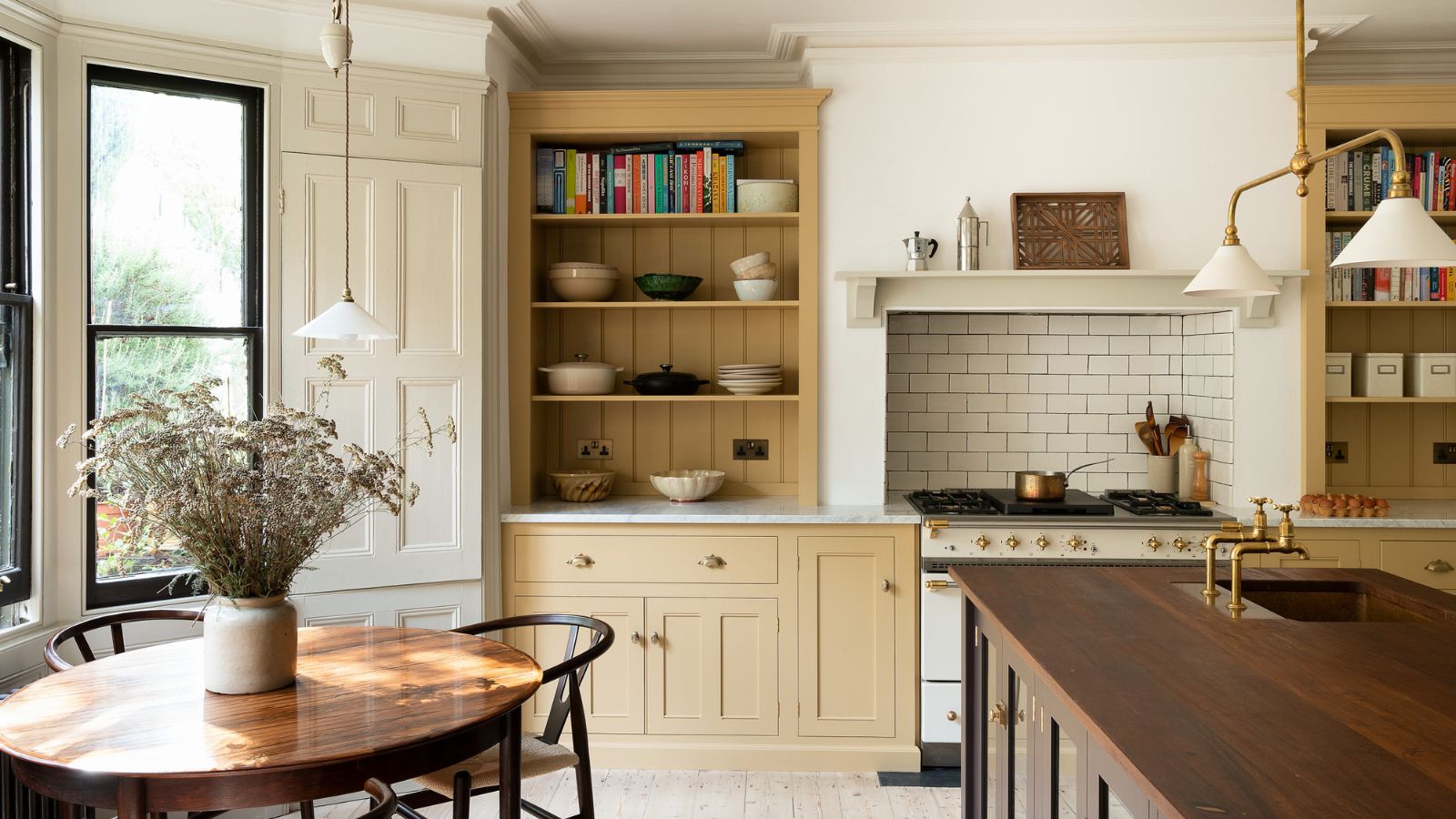
5 ways to nail the tri-color kitchen method, say designers
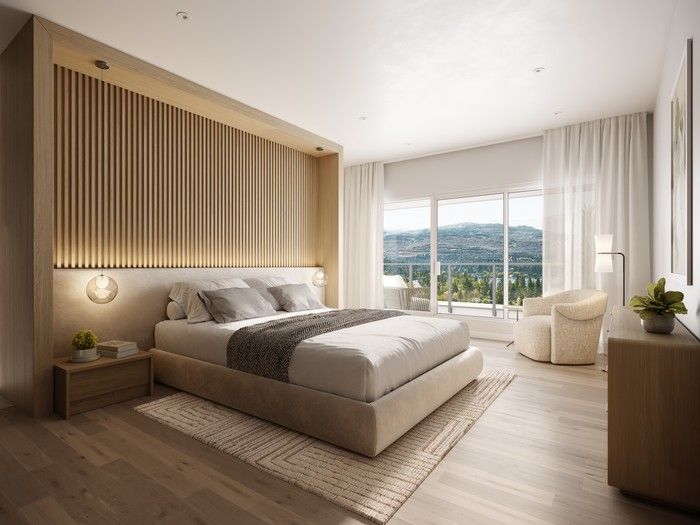
Why every room needs a statement piece — and how to choose yours

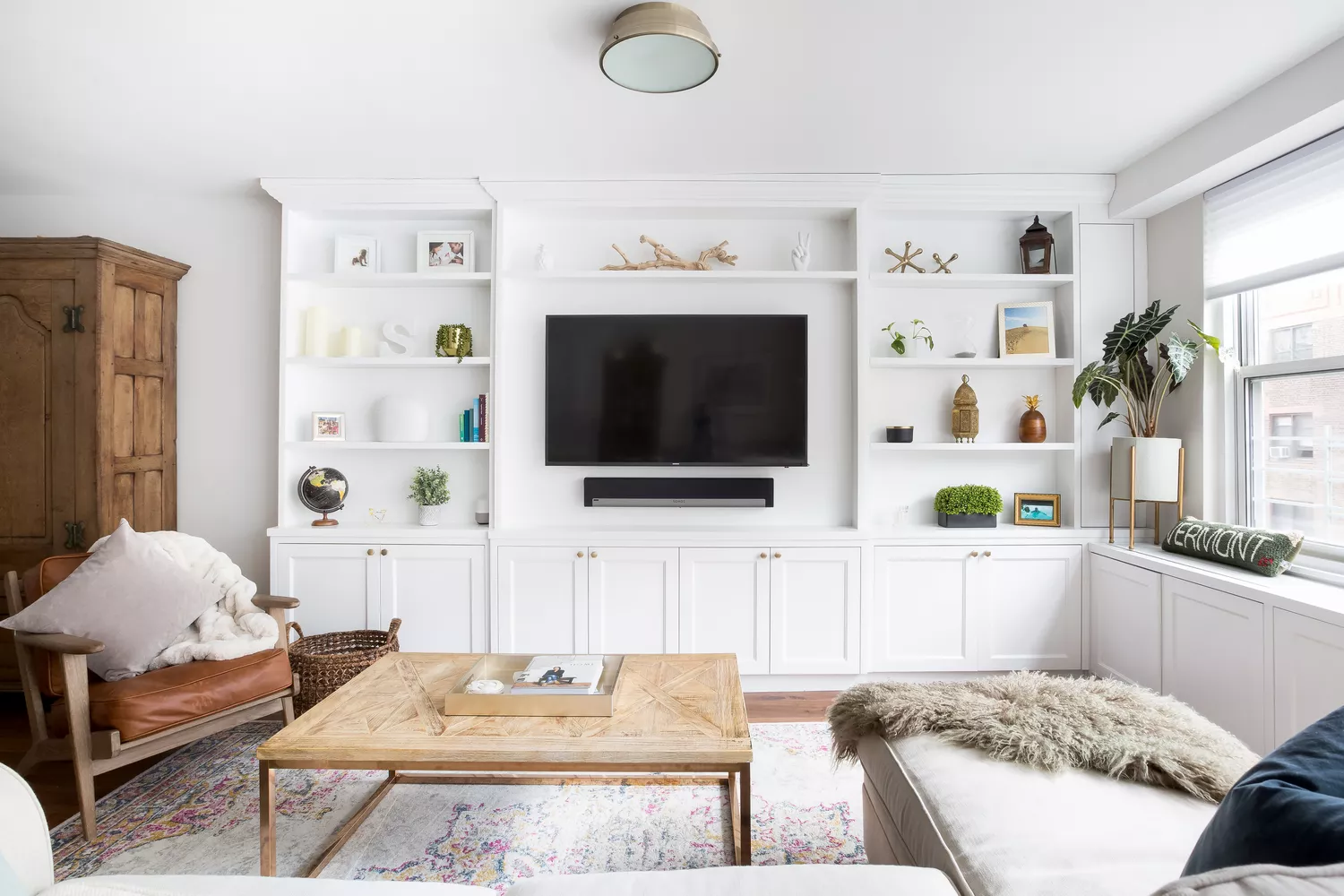
Why Designers Use the Rule of Thirds in Every Design Project

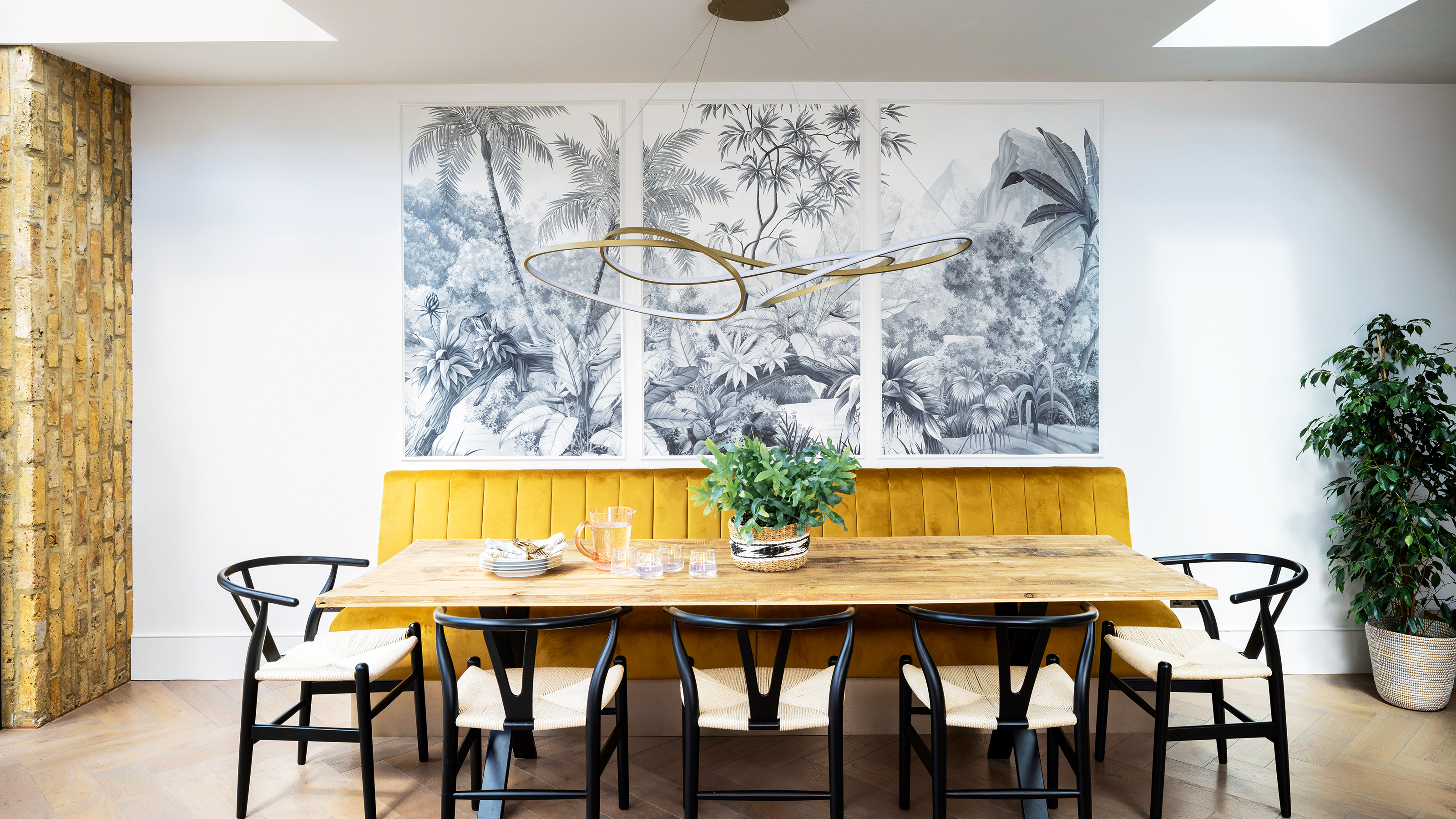
The rule of three is the secret behind every beautiful home - here's how it works

Returning to the essential is the real innovation in design

The One Design Trend You Should Try, Designers Say (and It's Not Color Drenching)
An Interior Designer on the Art of the ''Conversation Piece'' — And Her Golden Sofa Rule That Everyone Should Know

The rule of thirds – how experts use this design trick for successful schemes


Dan Pink: Three Ideas Changing Design

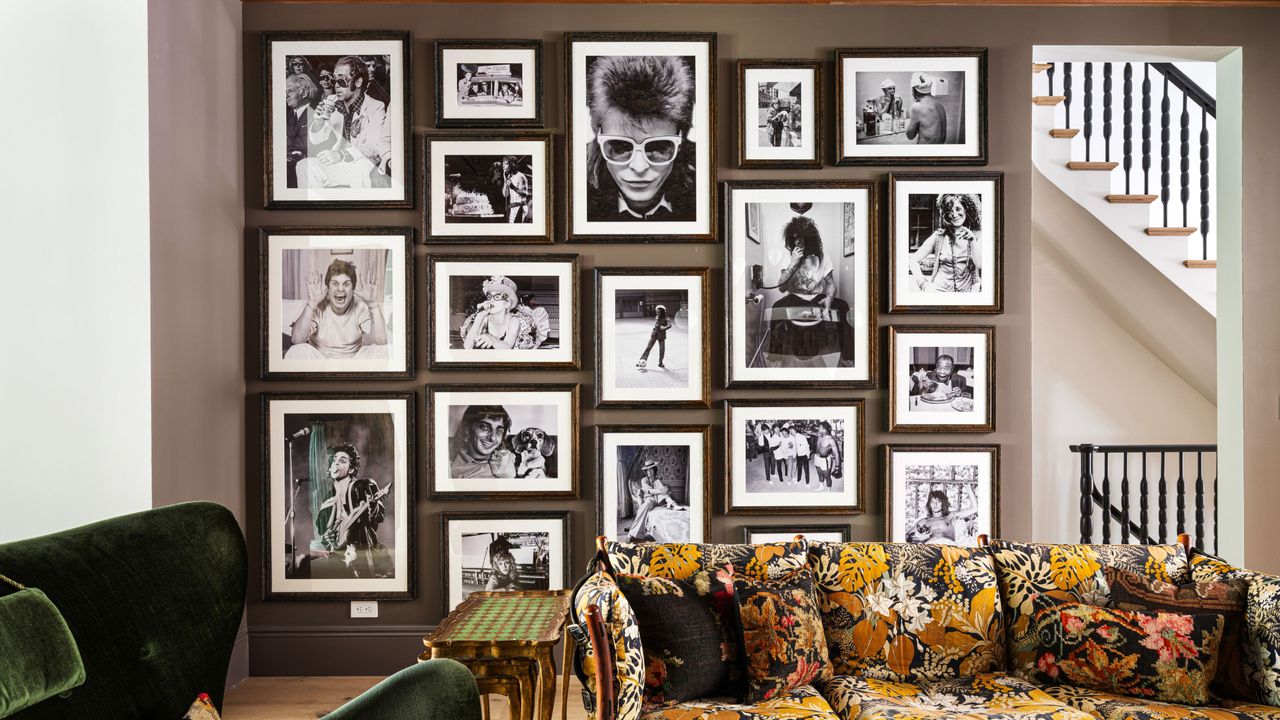
This Designer’s Take on a Once-Dated Trend Proves…
Breaking the vase

The 'Rule of 3' Is the Designer Trick for Styling Everything From Bookshelves to Coffee Tables—Here's How to Master It
"Cluttercore" Is Trending—Here's How to Make It Feel Intentional, According to Designers
Top Five In-House Design Teams To Follow On Instagram
Home & Design | Conversation Piece
Pedestal styling is the overlooked decor trend we shouldn't ignore – says this leading interior designer
12 vignette ideas that make for a collected, curated arrangement
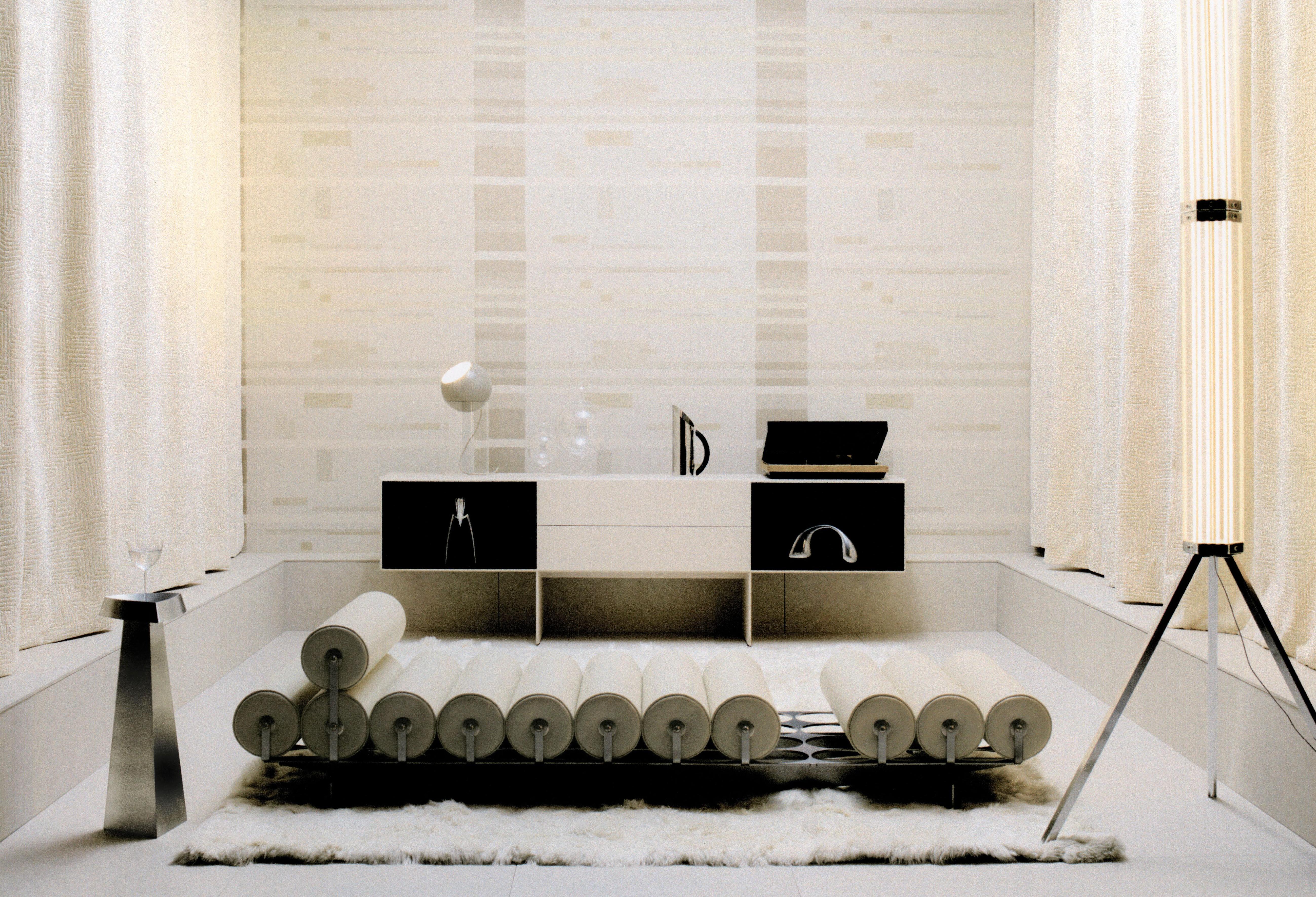
Explore our visual compendium of timeless design, from classic to contemporary furniture, objects and lighting

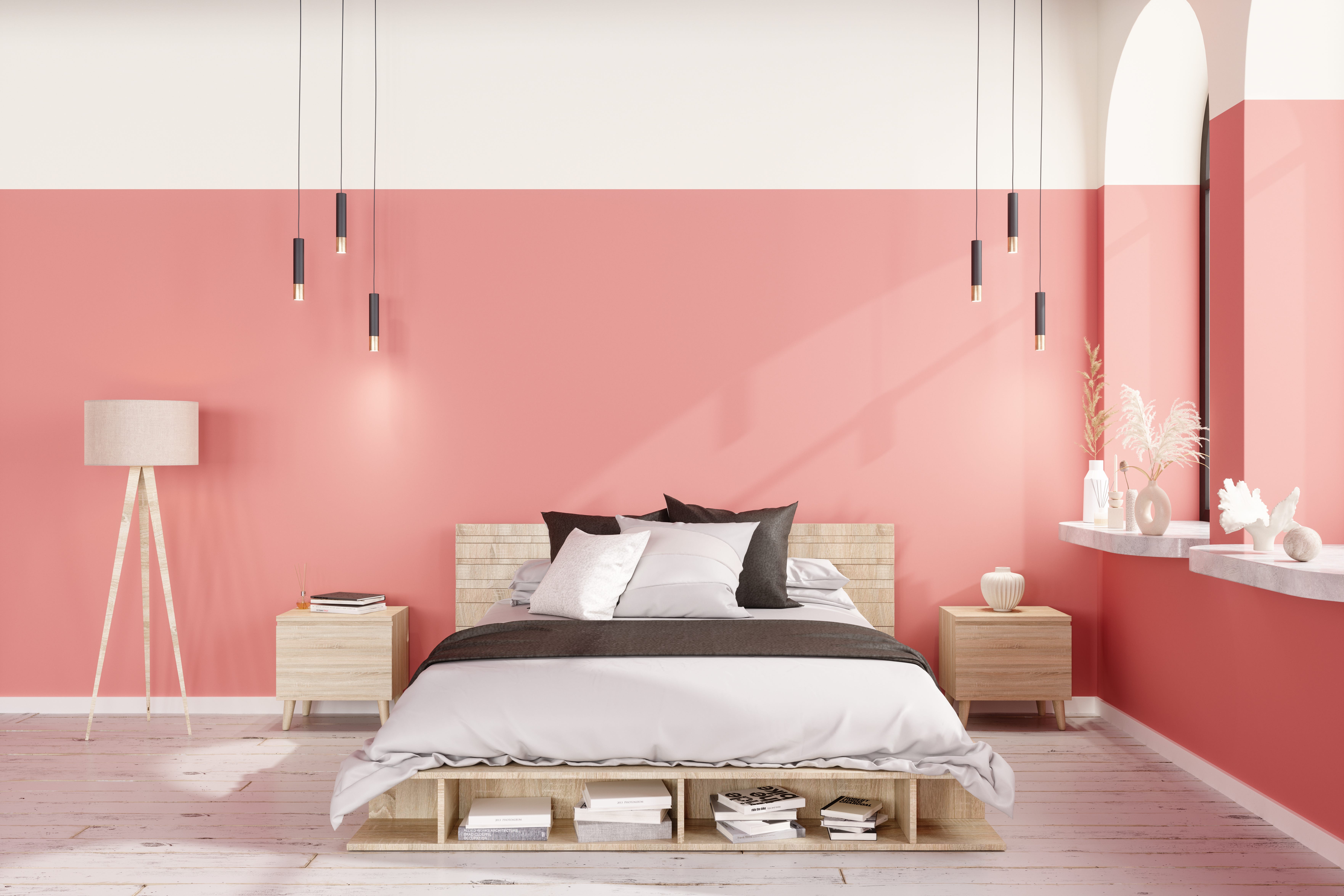
Design Pros All Agree: The Color-Blocking Trend Is One to Try