Stone wool insulation: Improving open-joint cladding systems
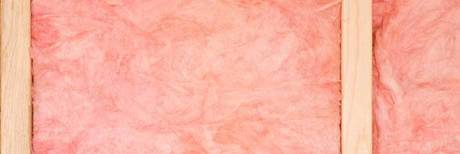
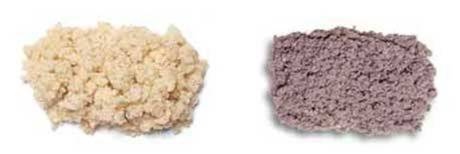
This article discusses the benefits of using stone wool insulation in open-joint cladding systems, particularly in a renovation project on East 79th Street. The project aimed to address challenges with the existing facade, including aesthetic, durability, and energy efficiency concerns, by implementing a rainscreen system designed to meet Passive House standards. Architects chose stone wool insulation for its superior fire-resilient properties, thermal performance, and moisture resistance, making it suitable for open-joint systems where insulation is often visible. The project utilized both unfaced and matte black fleece-layered rigid stone wool insulation boards.
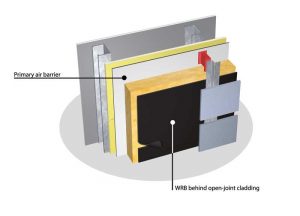
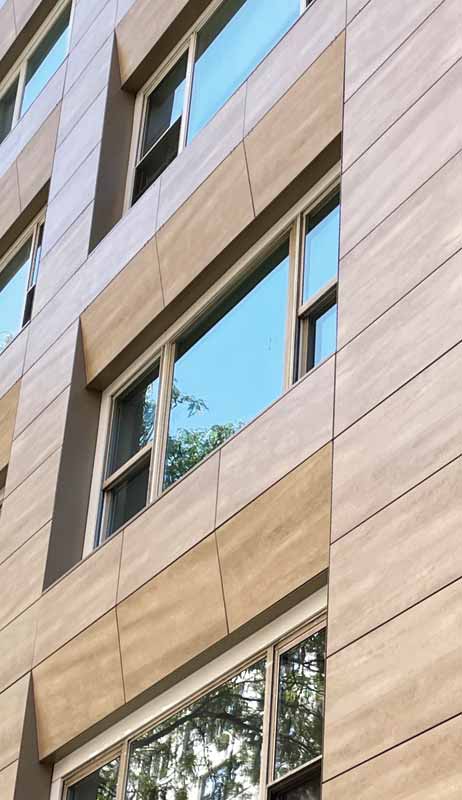
In the East 79th Street renovation, a porcelain tile cladding material with exposed clips was selected for cost-effectiveness and design flexibility. Zoning regulations allowed for a 101.6-mm (4-in.) encroachment, providing space for a high-performance assembly. The stone wool insulation’s matte black layer ensured that it did not detract from the open-joint design where visible. Its inherent moisture resistance and drying properties were crucial for the rainscreen system, which relies on proper drainage and ventilation to prevent water damage.
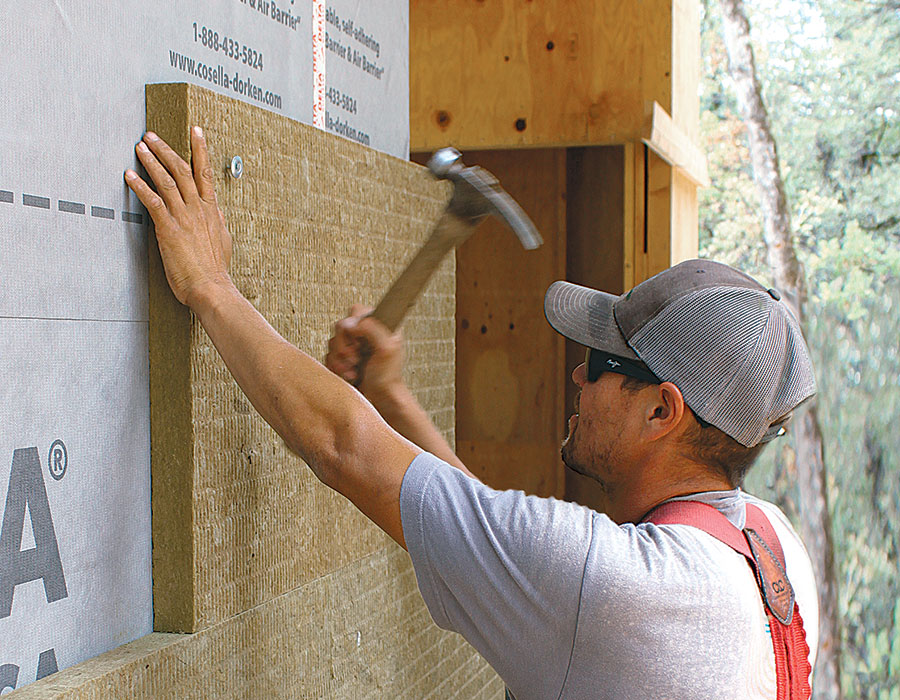
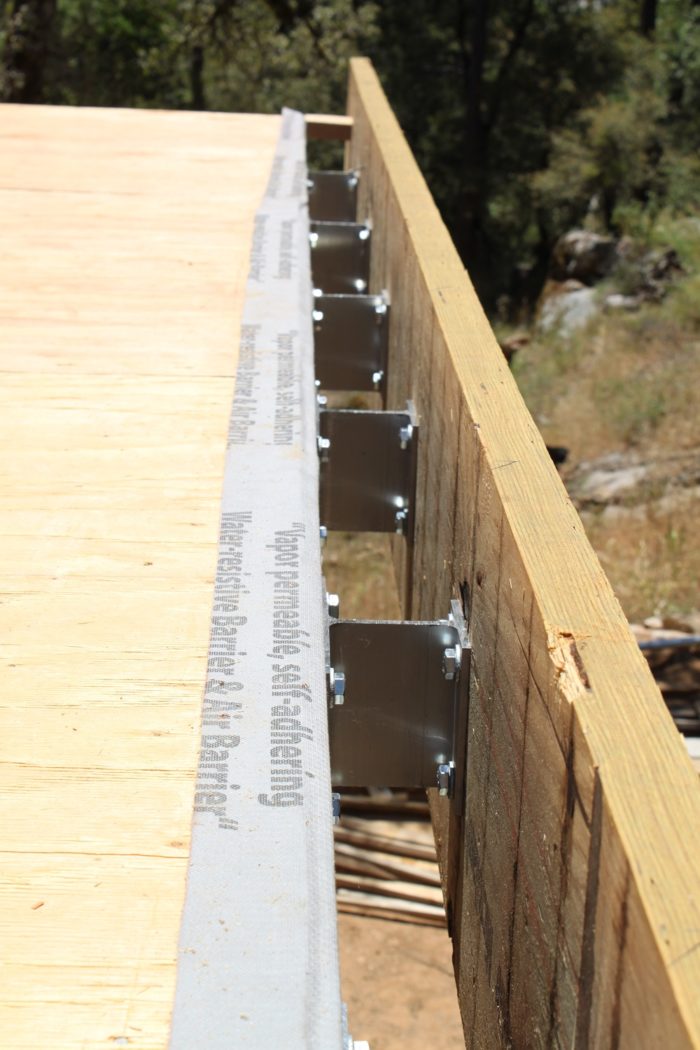
The installation process involved bolting metal framing to the repaired concrete block backing, which was sealed with a liquid-applied membrane. Stone wool boards were then efficiently installed behind the framing. Custom beveled-edge systems were designed around windows to accommodate the new envelope assembly, ensure airtightness, and allow future window replacements. The ease with which stone wool can be cut was beneficial for fitting the material around existing and new window installations with varying details and spacing. The final stage involved attaching non-combustible porcelain tiles using an innovative clip system, contributing to the overall fire-resilient design.
Alissa Bucher of Rogers Partners Architects + Urban Design highlighted that stone wool met multiple project needs, including thermal performance, fire protection, acoustics, and durability, while complementing the unique porcelain tile design. The 101.6 mm of stone wool insulation is expected to ensure the new exterior’s longevity. The article emphasizes that open-joint rainscreens are increasingly popular due to their superior drying potential and aesthetic flexibility. Innovations like black fleece-faced insulation boards eliminate the need to compromise performance for aesthetics. Stone wool's hydrophobic nature means it repels water and resists rot and mold, and any water ingress from weather conditions can easily dry out, making it an ideal choice for such systems. Brendan Van Gool, product marketing manager at Rockwool, is identified as the author.
#StoneWoolInsulation #OpenJointCladding #RainscreenSystems #BuildingEnvelope #ThermalPerformance #FireResilience #MoistureResistance #FacadeDesign #ArchitecturalMaterials #StoneWoolInsulation #OpenJointCladding #RainscreenSystems #BuildingEnvelope #ThermalPerformance #FireResilience #MoistureResistance #FacadeDesign #ArchitecturalMaterials
0 comment in total
 No comments yet
You may also like
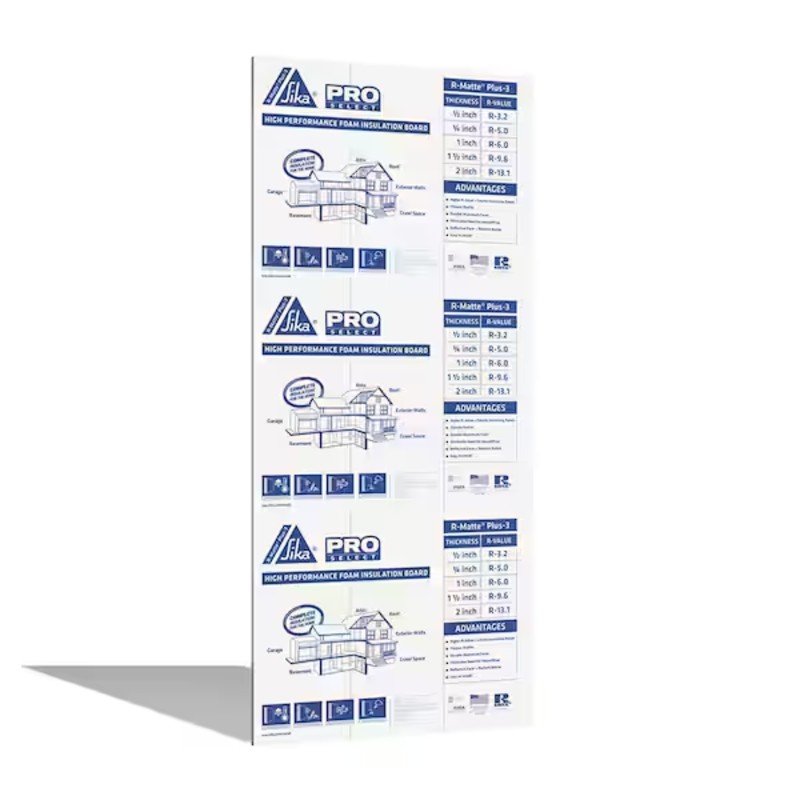
After Researching Over 20 Options for Exterior Walls Insulation, There is One Clear Winner

Building Materials - Building Supplies

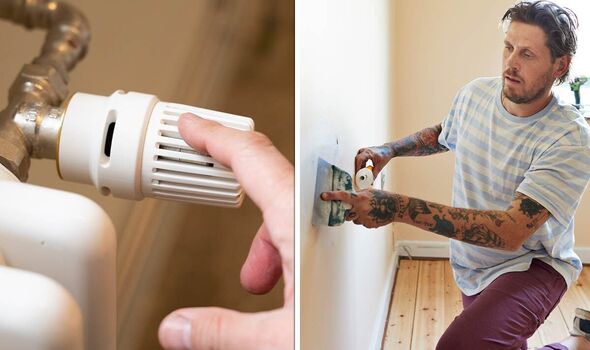
How to 'warm up' cold walls and 'protect' your home from condensation and mould growth

Role of WRB in open-joint cladding design
5 ways to insulate a wall to lower your energy bills and block out noise – and which ones are a mistake to DIY


Podcast 209: Exterior Caulk, Tub Drains, and Adding Insulation to Leaky Walls

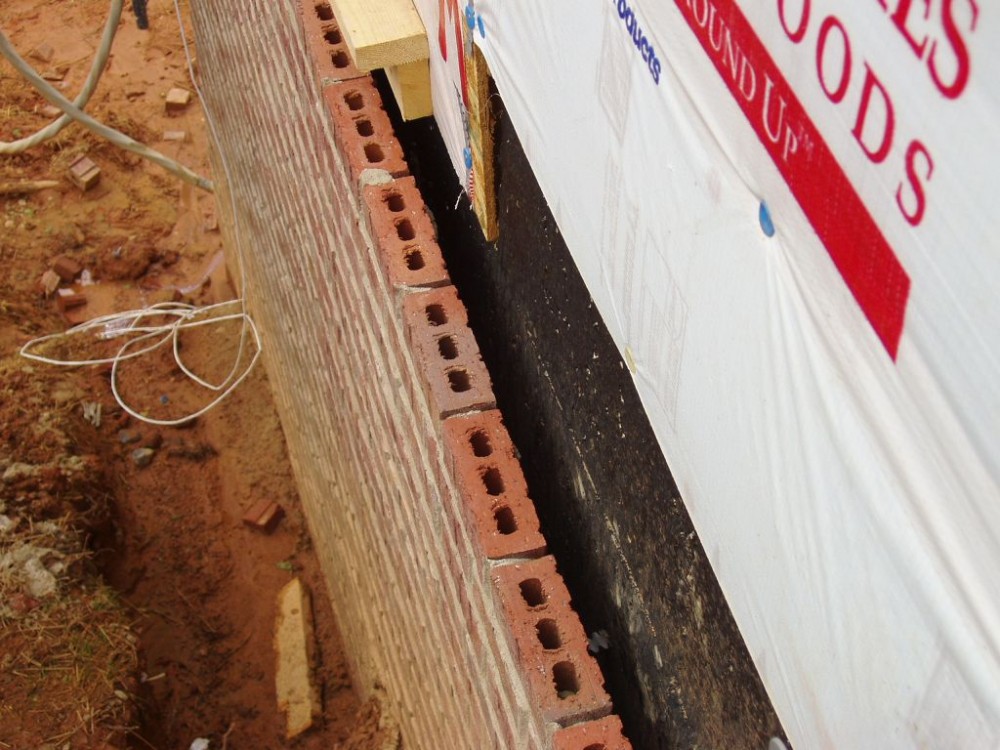
Brick Cladding: Helping keep moisture out
Thermally Broken Roof Framing

Vintage view: How old stone and brick walls can benefit from lime render

Insulate Your Basement, Part 3
What to Consider When Choosing Insulation

The 4 areas of your home pros say to always insulate to keep it toasty in colder weather – plus, where to never insulate
Sheathing and Insulation in One
Home insulation materials

A New Take on Insulating a Roof
These are the 7 ways I'm trying to keep my 110-year old house warm this winter – all without turning on the central heating
The best floor insulation options for your home, explained

Loft Insulation
Cladding


Shiplap Cladding