1/2
Role of WRB in open-joint cladding design
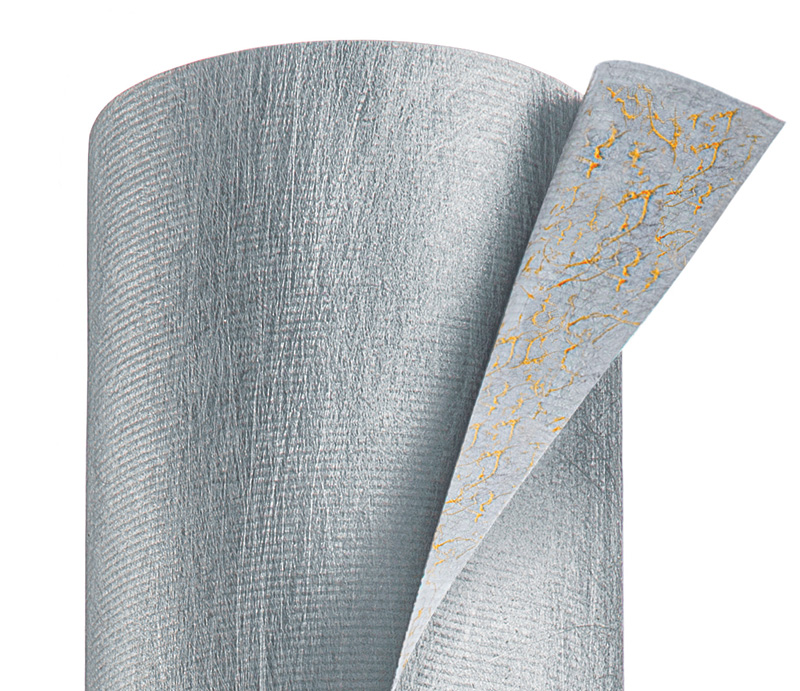
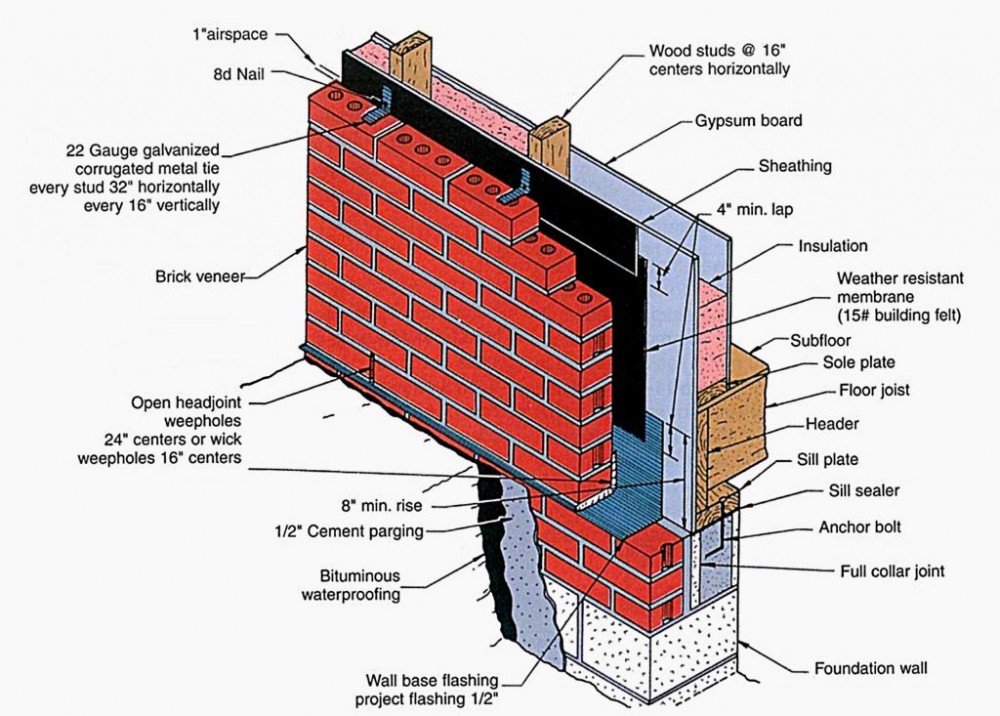
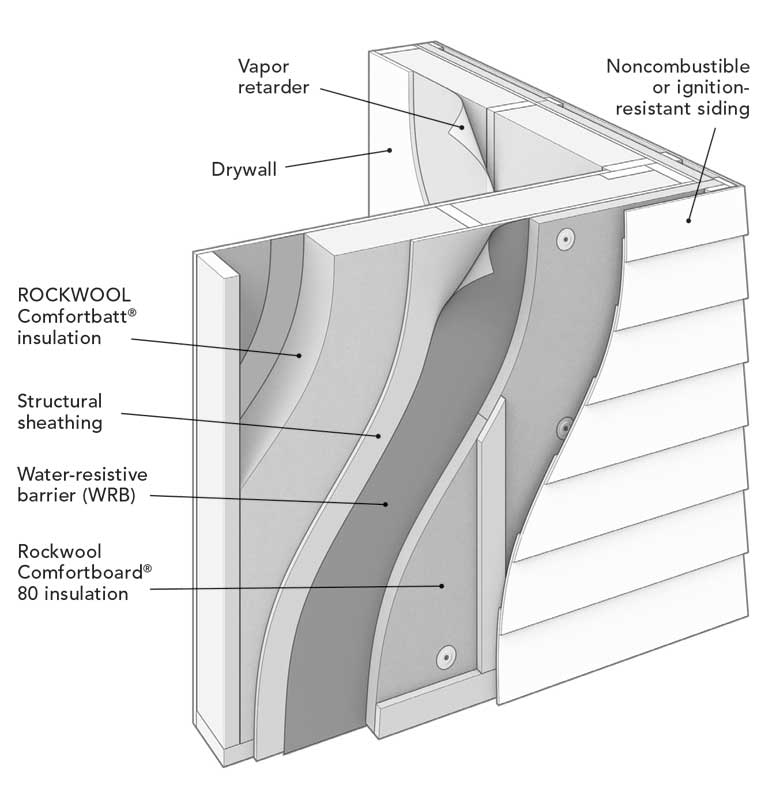
Open-joint cladding systems, while aesthetically pleasing, expose exterior walls to environmental elements like wind, water, and ultraviolet (UV) rays, increasing the risk of mold growth, rot, and compromised building performance. To mitigate these risks, building professionals utilize water-resistive barriers (WRBs) specifically designed for open-joint cladding. These WRBs are positioned in front of the continuous insulation (ci) and behind the cladding itself, serving a distinct function from the primary air barrier/WRB, which is typically located in front of the structural sheathing and behind the ci. The primary role of these specialized WRBs is to manage bulk water from wind-driven rain and snow, channeling it away from the structure to ensure dryness and maintain the integrity of the insulation system. Essentially, the WRB acts as an integral component of the primary cladding, safeguarding the insulation from performance degradation.
Beyond water management, the WRB also protects insulation from "wind-washing," a phenomenon where wind-driven cold air penetrates permeable insulation or air gaps in continuous insulation. This can disturb the inert gases within the insulation that provide thermal value, potentially leading to increased heat loss, condensation on the interior side of the enclosure, and higher energy consumption. While the exact severity of wind-washing's effects remains a subject of industry discussion, influenced by factors such as insulation type, thickness, and building height, the presence of a properly installed WRB behind the cladding effectively shields the insulation from wind exposure.
Effective installation is crucial for the WRB to perform its intended functions in an open-joint cladding system. This involves meticulously sealing all potential leakage points, including connections between walls and the roof's air barrier, the building foundation, seismic and expansion joints, and penetrations from piping, conduit, ducts, screws, and bolts. Changes in plane and any other pathways for air and water leakage in the building enclosure must also be secured. In addition to being water-resistive, the chosen membrane should exhibit high vapor permeability. This characteristic allows moisture that may accumulate within the wall cavity to diffuse swiftly to the exterior, thereby protecting the insulation from moisture-related damage. It is critical that the moisture throttle is not located at this point, as all interior moisture must be able to move freely to the exterior for optimal building performance and durability.
#OpenJointCladding #WaterResistiveBarrier #WRB #ContinuousInsulation #BuildingEnclosure #WindWashing #MoistureProtection #CladdingDesign #OpenJointCladding #WaterResistiveBarrier #WRB #ContinuousInsulation #BuildingEnclosure #WindWashing #MoistureProtection #CladdingDesign
0 comment in total
 No comments yet
You may also like
Podcast 193: Understanding Permeability, Insulating Behind Fiberboard Sheathing, and Building a Patio Door
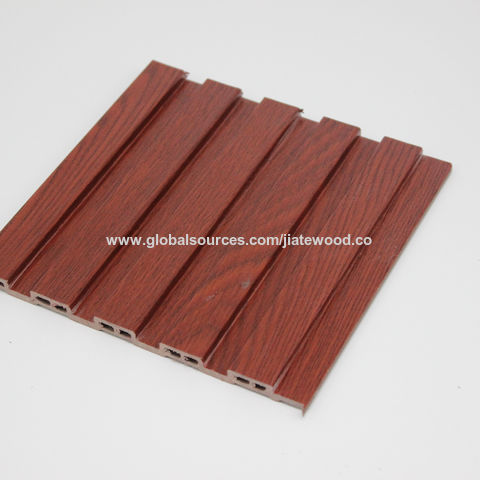
Exterior cladding siding shipping container wood houses outdoor wpc interior wall panel

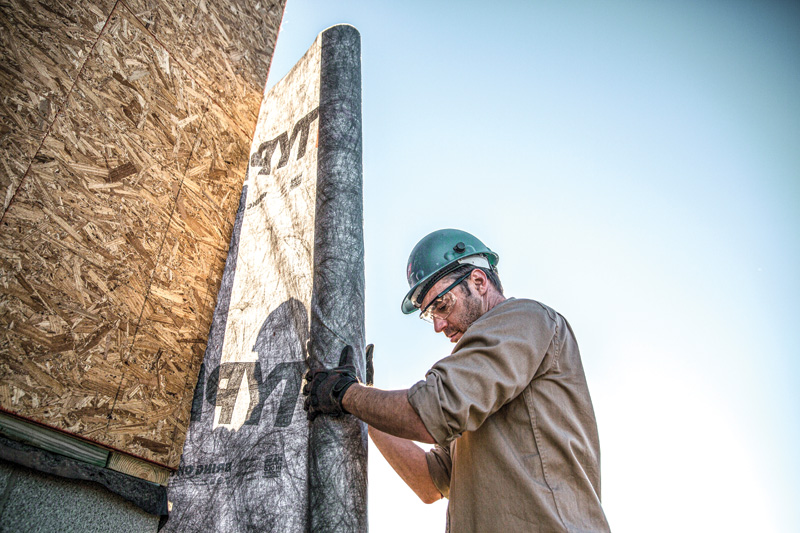
Weather-resistant barriers: Advanced technologies for modern construction
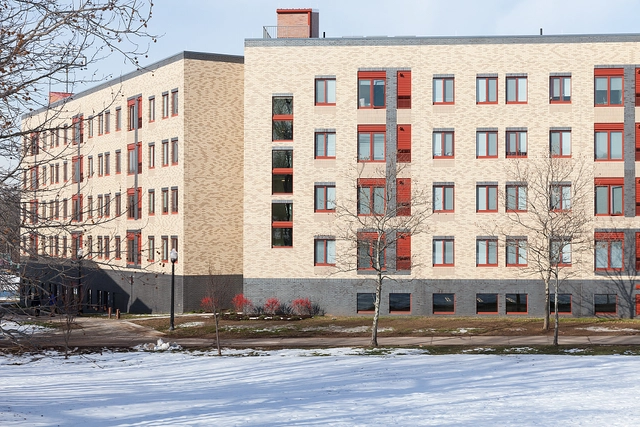
Load Bearing Facade Systems from Island Exterior Fabricators

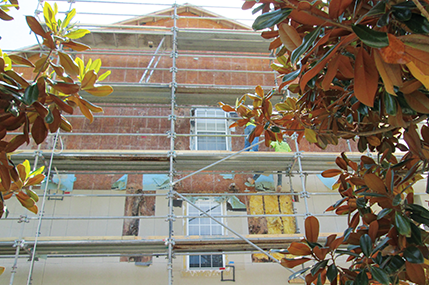
Getting Along With Stucco: Sometimes it just needs space
Brick Cladding: Helping keep moisture out
Stone wool insulation: Improving open-joint cladding systems
A Quick-Drying, Mold-Resistant Wall Assembly
Cladding

Building for better fire resilience in WUI zones