1/2
Building for better fire resilience in WUI zones
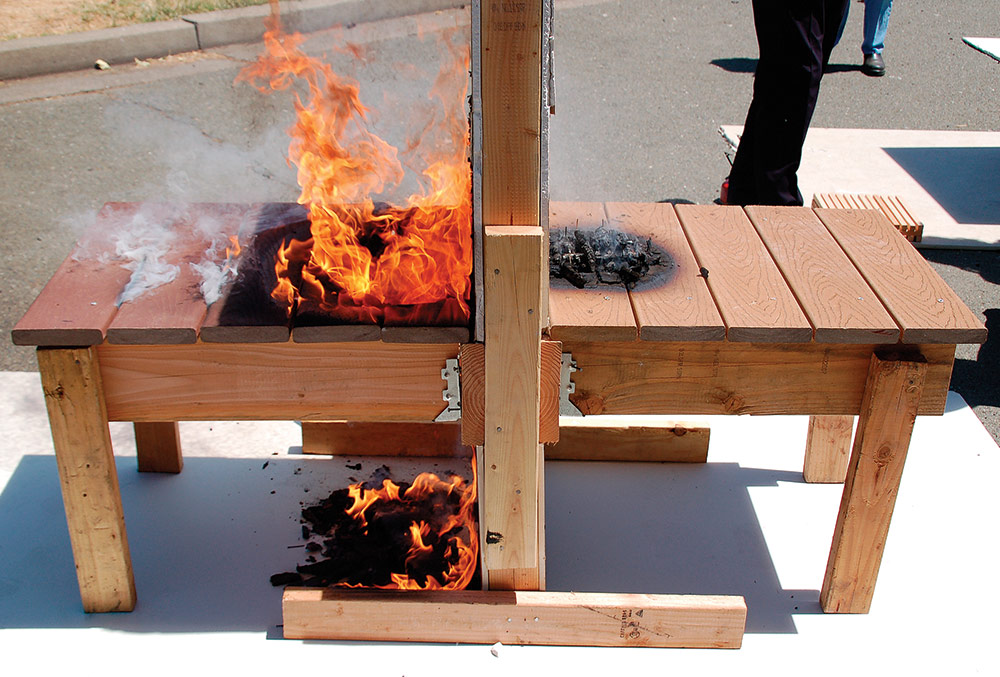
The increasing threat of wildfires, particularly in Wildland-Urban Interface (WUI) zones, necessitates a focus on fire-resilient construction. Canada’s National Research Council (NRC) published a new WUI guide in July 2021, which details WUI fire characteristics and associated hazards, emphasizing the danger of "spotting" or "ember rain" where burning embers travel downwind. To mitigate this risk, a holistic approach to building design is crucial, starting with the roof assembly, then walls, exterior structures, and finally landscaping.
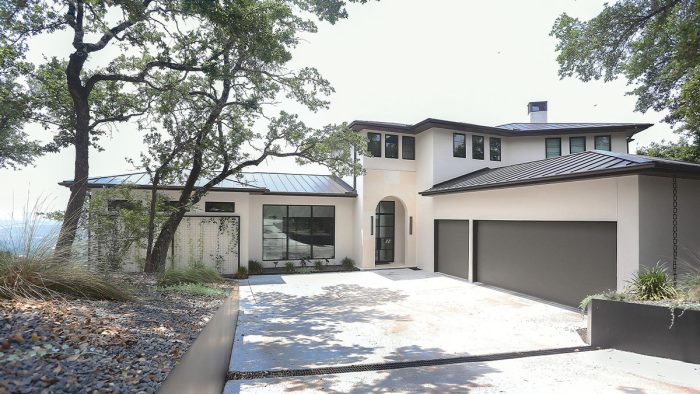
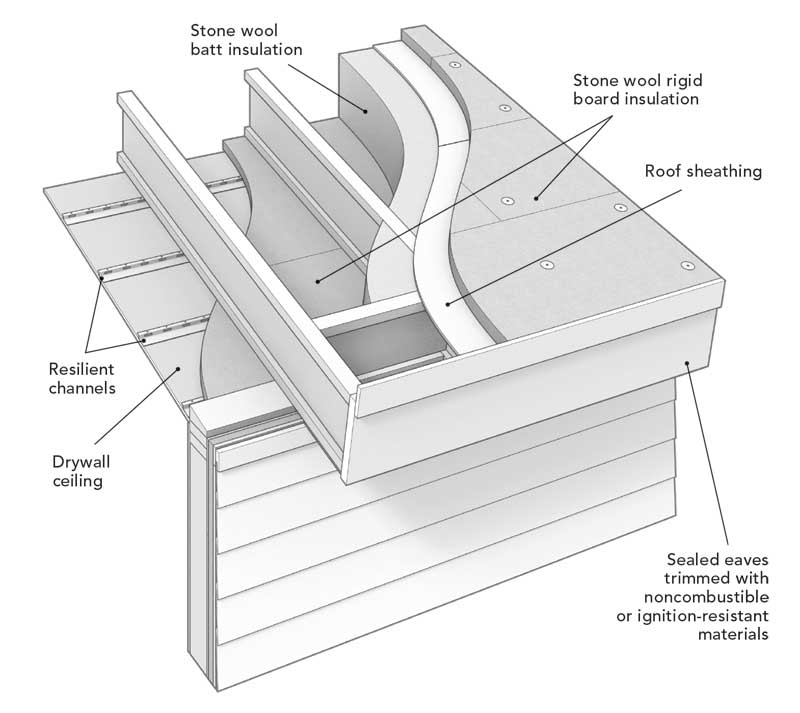
For roofs, a fire-resistant assembly extends beyond just the surface product to include underlayment, sheathing, insulation, and joists. While Class A-rated surfaces like clay, concrete, slate, asphalt, or metal are good choices, the components beneath them are equally vital. Noncombustible roof boards and stone wool products with zero flame-spread and smoke-developed indexes can significantly enhance a roof’s ability to withstand wildfire conditions. Additional protective measures include sealing eaves, covering valleys with ASTM E108 Class A material, filling gaps within the roof system to prevent ember entry, covering vents with fine mesh (3.175-mm or 0.125-in.), and utilizing ignition-resistant or noncombustible materials such as metal and fiber cement for soffits and fascia to protect eaves.
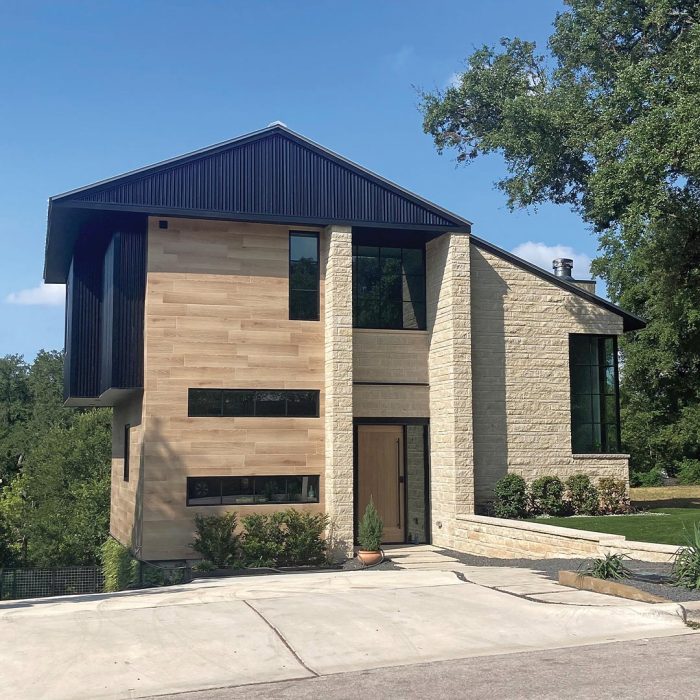
Similarly, for wall design, fire-resistant cladding alone is insufficient; all components of the wall assembly must be considered. The strength of the wall system is a combination of its constituent materials. For instance, while vinyl siding may melt, it's the materials behind it that determine the system's resilience. Although noncombustible or ignition-resistant materials like fiber cement, stucco, plaster, brick, and stone are preferred for siding, compliance with state codes, such as the California Building Code’s Chapter 7A, which addresses wildfire exposure, is achievable even with other products like vinyl siding. This involves adhering to standards like SFM 12-7A-1 (now ASTM E2707), which tests the wall assembly's ability to resist flame penetration into the stud cavity. This comprehensive approach to both roof and wall construction ensures a higher level of fire resilience for structures in WUI zones.
#Construction #Division07 #FireProtection #Insulation #Resilience #StoneWoolInsulation #Superstructure #Codes #ExteriorHorizontalEnclosures #ExteriorVerticalEnclosures #Wildland #Construction #Division07 #FireProtection #Insulation #Resilience #StoneWoolInsulation #Superstructure #Codes #ExteriorHorizontalEnclosures #ExteriorVerticalEnclosures #Wildland
0 comment in total
 No comments yet
You may also like
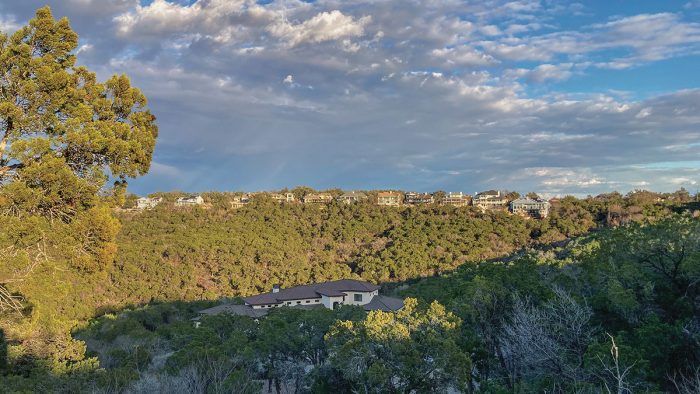
Building a Fire-Resistant House
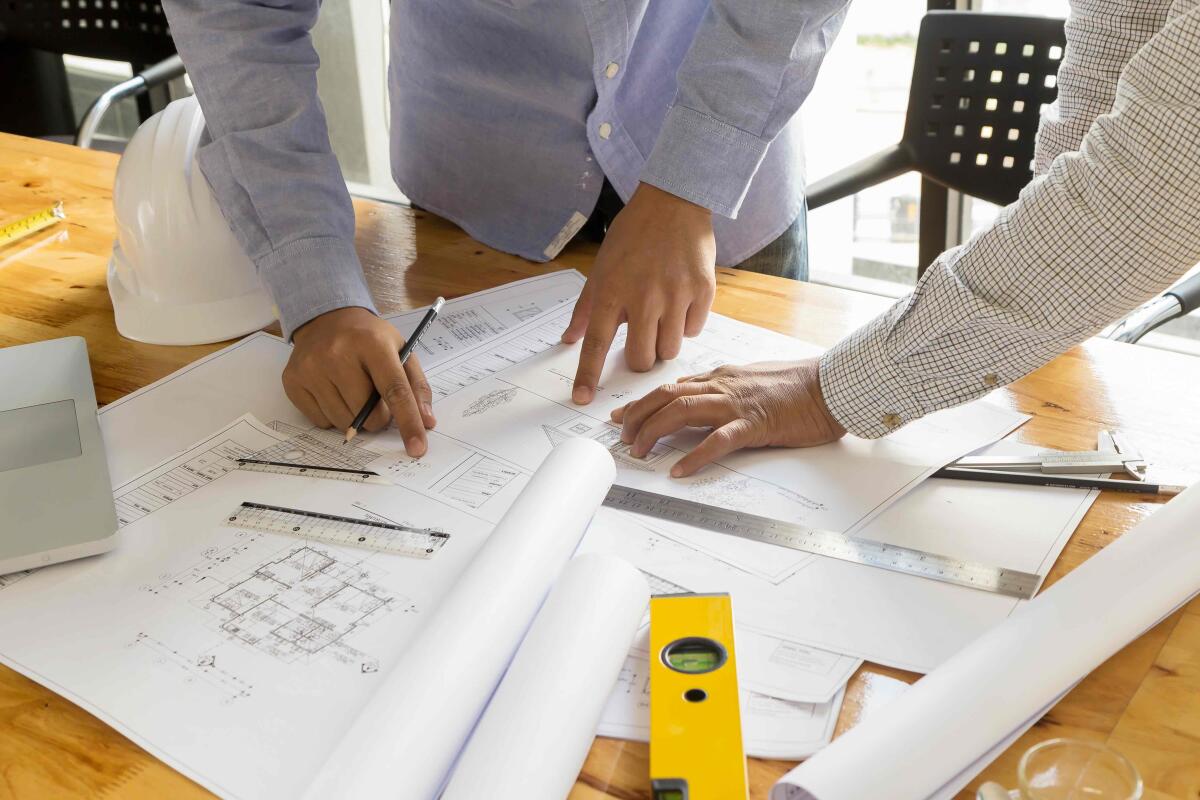
How Architects Help After a Wildfire and How to Find the Right One

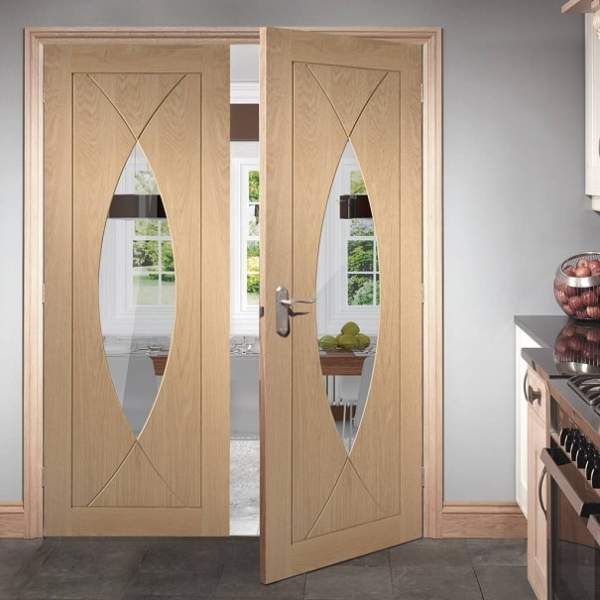
10 Latest Fire Door Designs With Pictures In 2023

Council flat front fire door installation?

This House Survived a Wildfire Because of Its Smart Design. Here’s How.
Hurricane-Proof Construction with the Fortified Home Standard
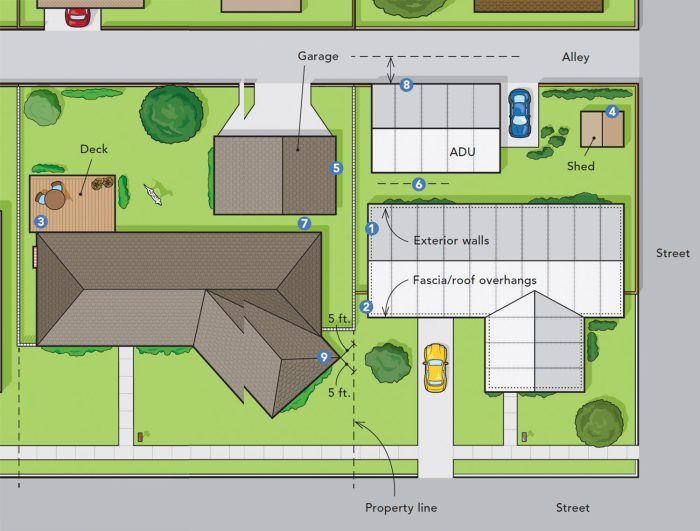
Fire Separation Distance

flood proof house by studio peek ancona

The New Rules of Fire-Resilient Home Design, According to a Top Malibu Architect
Fire risk assessment wants new 60-min door?

How Can Architecture Combat Flooding? 9 Practical Solutions

Fires & Fireplaces

Rebuilding
Investigating EIFS Performance Across Climates: Exterior insulation and finishing systems studied in long-term test
A Wildfire Destroyed Their Malibu Home. What They Rebuilt Is Inspiring—and Our 2022 Idea House

General Information

How to Build a Fire Resistant Deck
Hurricanes and flooding: Advancing building strategies for resilience
RIL’s fire-retardant Recron FS for enhanced safety

Tag: climate