Fire risk assessment wants new 60-min door?
A landlord faces a dilemma regarding a fire risk assessment recommendation to replace an existing 30-minute fire door with a 60-minute fire door in a communal hallway leading to a locked, empty basement in a Grade II listed building. The landlord questions the necessity of this upgrade, citing the building's age and listed status, which would make the installation of a thicker 60-minute door a major and disruptive undertaking, requiring significant structural and aesthetic modifications. This includes removing the existing frame, replastering/filling/battening walls, and readjusting the stairs, given that the door opens directly onto them.
The landlord explores alternative solutions, such as insulating the existing 30-minute door with fire boarding on both sides, to meet the 60-minute fire resistance requirement without extensive renovations. The primary concern is not to circumvent safety measures but to find a more viable and less intrusive method that respects the property's complex fabric and historical significance.
Discussions among landlords reveal varying interpretations of fire safety regulations and the subjectivity of fire risk assessments. One commenter suggests that a 30-minute fire door is typically sufficient and advises checking local authority licensing conditions. Another points out that guidance from LaCors recommends 60-minute resistance for flats above commercial units, but acknowledges that the risk might be lower if the basement is empty and securely closed off. The original poster emphasizes the inconsistency of requiring a 60-minute door for an empty basement when the actual flat doors only require 30 minutes of fire resistance.
The fire risk assessor clarifies that basements generally require 60-minute separation from the ground floor to protect escape routes, achievable with either one 60-minute fire door or two 30-minute fire doors (one at the top and one at the bottom of the basement stairs). The landlord suspects the assessor's recommendation might be a precaution to cover personal indemnity insurance rather than a strict regulatory requirement, especially given the low-risk nature of the empty, locked basement and its proximity to the main exit. The landlord references LaCors and ARMA guidance, which suggests that a 30-minute protected route is sufficient, particularly when the basement door is less than two meters from the main entry/exit and only one tenant would pass it during an evacuation. The article highlights the complexities and often ambiguous nature of applying fire safety regulations to unique, older properties and the challenges landlords face in balancing compliance with practical and financial considerations.
#FireRiskAssessment #FireDoor #PropertySafety #LandlordCompliance #ListedBuilding #BuildingRegulations #PropertyMaintenance #FireSafetyGuidance #FireRiskAssessment #FireDoor #PropertySafety #LandlordCompliance #ListedBuilding #BuildingRegulations #PropertyMaintenance #FireSafetyGuidance
0 comment in total
 No comments yet
You may also like
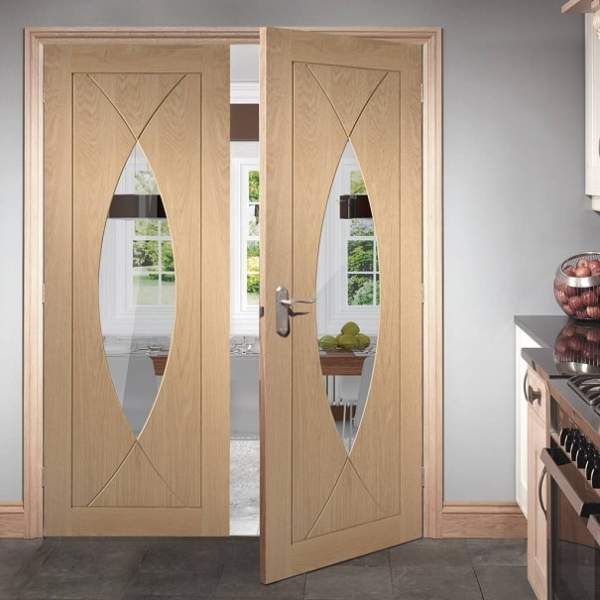
10 Latest Fire Door Designs With Pictures In 2023

Fire Separation Distance

Door closer hinges: A new approach

RIL’s fire-retardant Recron FS for enhanced safety

Council flat front fire door installation?

Hardware & Security