1/5
Door closer hinges: A new approach
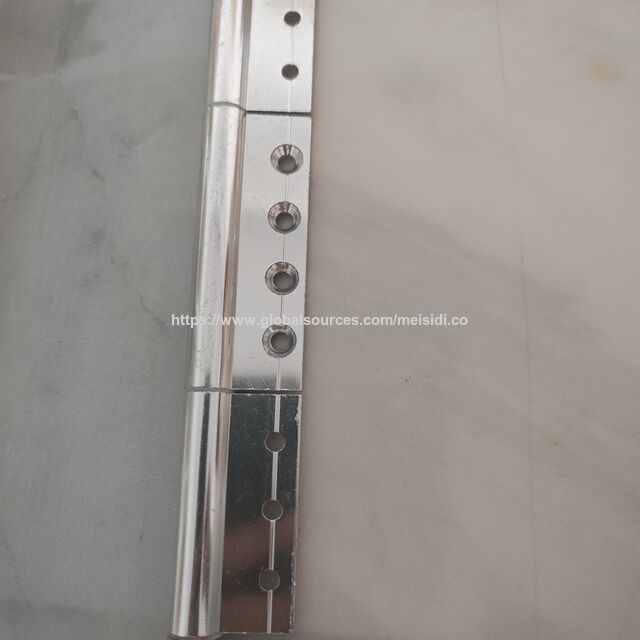
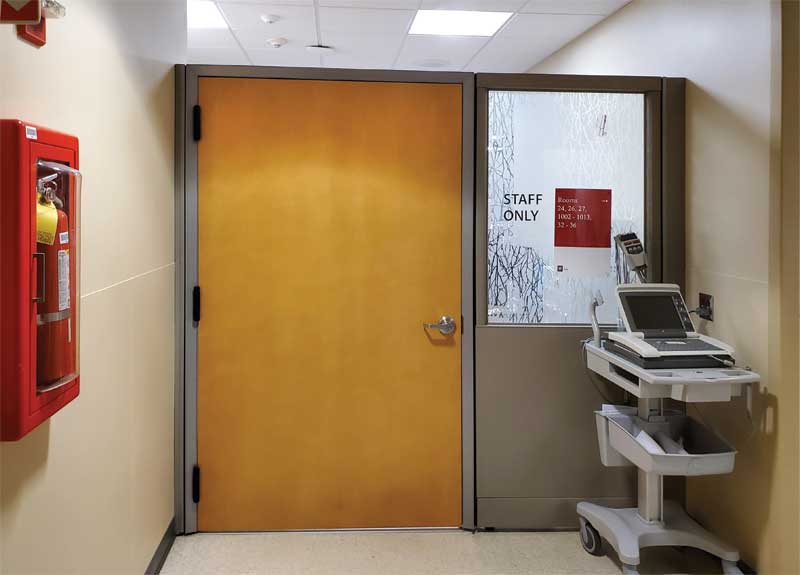
This article delves into the advancements and benefits of closer hinges, an evolution of the traditional spring hinge, which integrates door control mechanisms directly into the hinge barrel. The modern engineering of these hinges offers a compact and highly functional solution to various door closing challenges, often surpassing the capabilities of conventional overhead surface-mounted door closers. While earlier door closing mechanisms, such as counterweight systems or simple springs, suffered from issues like inconsistent closing speeds, slamming, and difficulty in balancing opening and closing forces, contemporary closer hinges address these limitations effectively. They feature adjustable springs and sophisticated mechanical and hydraulic devices, enabling precise control over door movement.
The article highlights several key performance characteristics of high-performance closer hinges. Accessibility is a primary concern, with closer hinges often meeting or exceeding requirements outlined in the Americans with Disabilities Act (ADA), as well as similar standards like the Architectural Barriers Act (ABA), Uniform Federal Accessibility Standards (UFAS), and ICC A117.1. These standards govern protrusion limits, ensuring that objects do not impede circulation paths, and specify closing times for doors to allow adequate passage. Furthermore, the controlled closing speed of these hinges contributes significantly to safety by reducing the risk of door-related injuries and preventing doors from slamming shut. The article also touches upon opening force requirements, noting that while ADA specifies a maximum of 5 pounds for interior hinged doors, the practical minimum force is always preferable, especially for exterior applications.
Durability and strength are critical aspects of closer hinges. Grade 1 closer hinges, according to BHMA A156.17, are subjected to rigorous testing, including one million cycles of opening and closing, and static load tests to ensure they can withstand anticipated stresses. Their suitability for fire-rated construction is also emphasized, with some closer hinges being labeled for use in openings with up to three-hour fire ratings, typically utilizing steel or stainless steel components.
Considerations for selecting closer hinges include the manufacturer's recommendations for maximum operating range and ambient temperature. The design of these hinges can also offer additional functionalities, such as built-in hold-open capabilities and door stops, which can eliminate the need for separate hardware and reduce clutter. Swing clear hinges, a variation of closer hinges, are particularly beneficial for accessibility as they maximize the effective width of a door opening by moving the door clear of the travel path. The article also notes their utility in communicating doors where space constraints might preclude surface-mounted closers. Weather-resistant options are available for outdoor or wet environments.
Compatibility with existing door and frame preparations is another advantage, as closer hinges often conform to BHMA A156.7 standards for template hinge dimensions, allowing for easy interchangeability with ordinary door hinges and simplifying retrofit installations. Material and finish considerations are covered by BHMA A156.18, with stainless steel recommended for harsh environments and heavy-duty applications, and aluminum for non-fire-rated interior doors. From an aesthetic perspective, closer hinges can be designed to be discrete, with barrels only slightly larger than standard hinges, allowing them to blend seamlessly with the door's appearance. Their ability to prevent slamming also contributes to improved acoustics and overall occupant comfort by reducing noise. Ultimately, closer hinges provide a modern, high-performance solution that offers a blend of functionality, safety, accessibility, and aesthetics for a wide range of door applications.
#CloserHinge #DoorHardware #AccessibilityStandards #FireRatedConstruction #BuildingMaterials #ArchitecturalDesign #DoorControl #ConstructionSpecifications #BHMAStandards #CloserHinge #DoorHardware #AccessibilityStandards #FireRatedConstruction #BuildingMaterials #ArchitecturalDesign #DoorControl #ConstructionSpecifications #BHMAStandards
0 comment in total
 No comments yet
You may also like
How to Recess Hinges on a Door (DIY)


Another Foot-Operated Door Opening Mechanism: A Quick-to-Install Hack from Japan


Piecing Together 18th-Century Doors

![The best door suppliers in Canberra [Updated for 2025]](https://gstatic.ideal.house/news/images/7073b29168b74d5f98318515f0652ac5.jpg)
The best door suppliers in Canberra [Updated for 2025]
Door Frames & Fixings

This Product Keeps Your Cabinets Protected and Your Kitchen Quiet

Hettich: a new dimension to soft close drawers

Achieving Maximum Flexibility (and Style) with Frameless Pocket Doors


Tired of the Barn Door Trend? These Alternatives Are on the Rise
Making A Door That Opens Both Ways


Made to Measure Sliding Doors
External Doors
Keep Your Doors from Slamming with the 6 Best Door Stops Our Editors Love

We Tested 3 Door Hinge Jigs—This One Worked Best
5 Bifold Door Alternatives You Should Consider for Your Extension Project (and Which Is Most on Trend for 2025)


Internal Door Frames & Casings

The Best Door Locks Match the Energy of Your Georgian or Level Up a ’70s Builder Grade

Activity partition accessories, door-in-door hinge, door hinge, five-piece hinge, movable screen, hotel partition, heavy-duty slid
The Best Interior Doors
Are You Using Your Door Stoppers Wrong? I Tried the Viral TikTok Hack