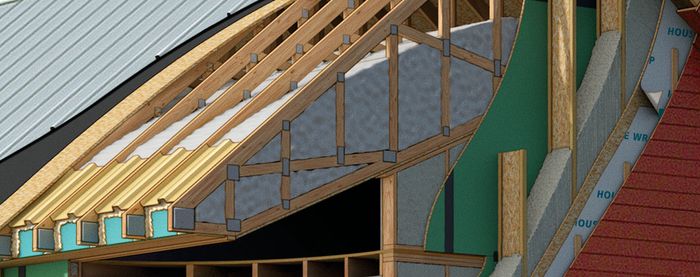
1/2
Insulate Your Basement, Part 3
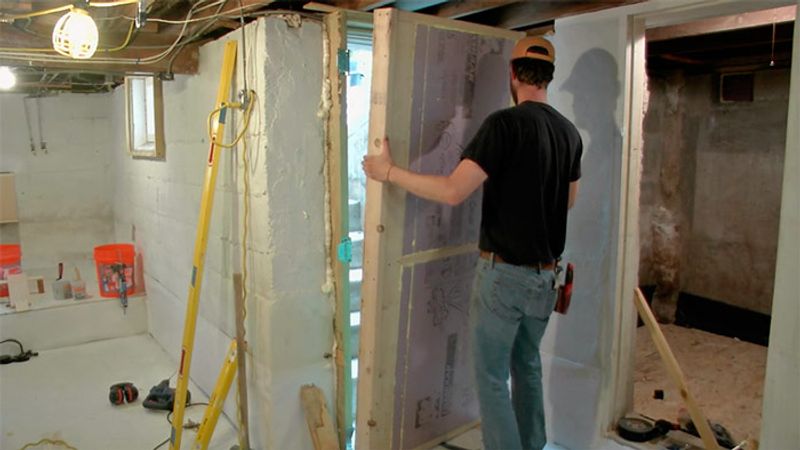
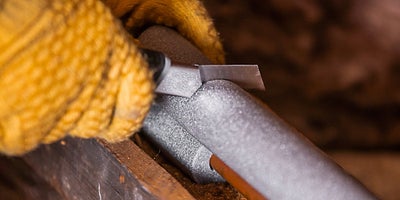
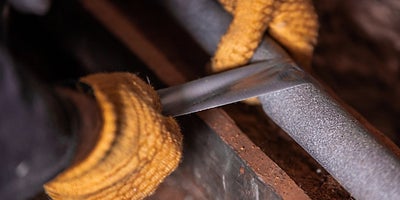
This article, part of a series on insulating basements, focuses on the critical steps of insulating masonry walls and rim joists using rigid foam to enhance basement durability, dryness, and comfort. The author, Justin Fink, explains the rationale behind using foam insulation on masonry walls, addressing concerns about moisture management and the dew point. He demonstrates the proper techniques for applying rigid foam to both walls and rim joists, highlighting the importance of creating an assembly that allows for some inward drying to prevent condensation on cold concrete surfaces.
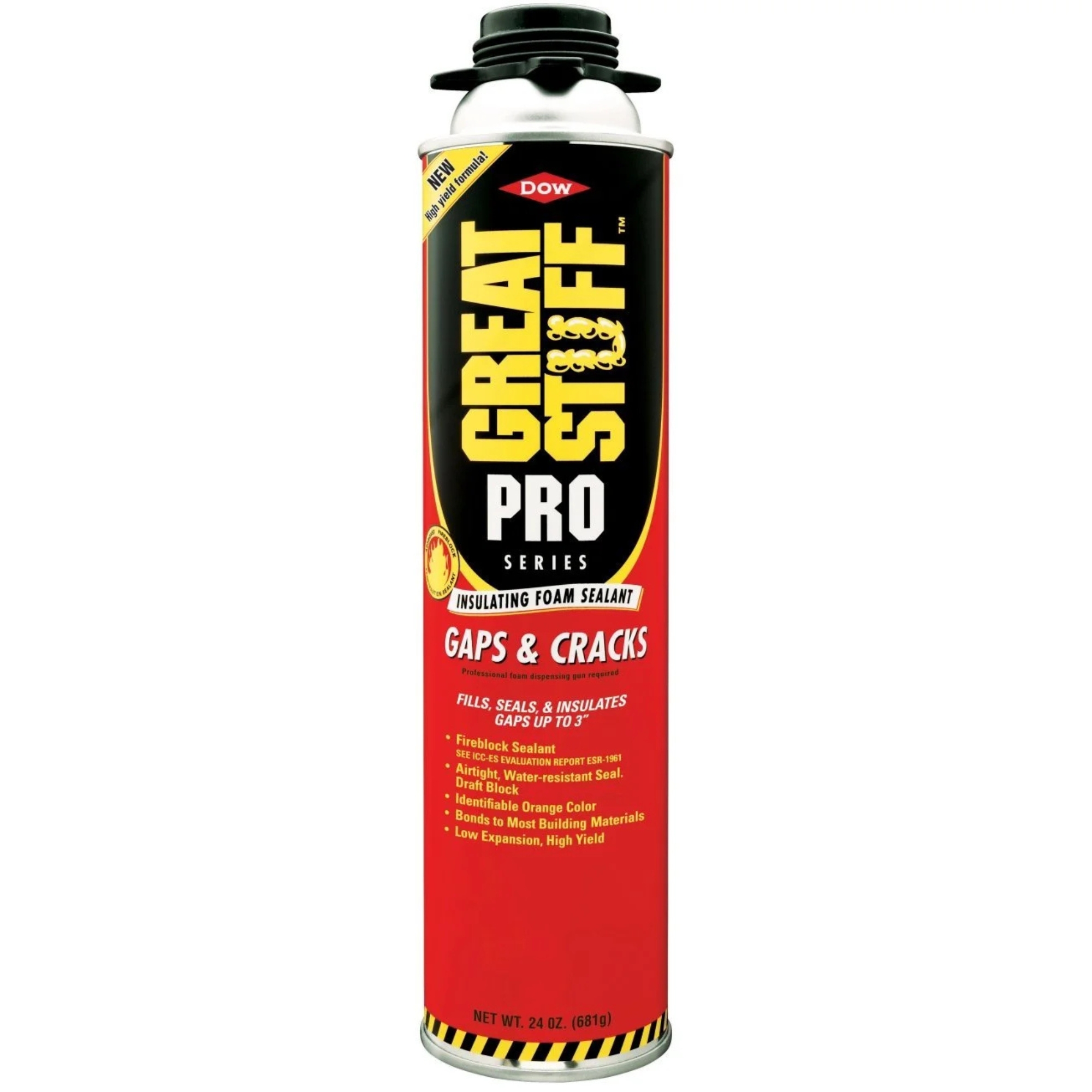
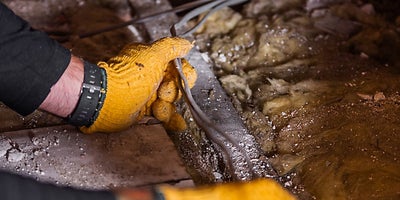
The article delves into practical challenges and solutions often encountered during basement insulation projects. One common issue discussed is insulating around drain lines situated against exterior walls where space is limited. The suggested approach involves insulating as close to the pipe as possible and then sealing any remaining gaps with spray foam, while ensuring that clean-outs remain accessible for maintenance. Another practical concern addressed is the use of rigid insulation types. While various board insulations are available, foil-faced polyiso is generally avoided due to its lack of vapor permeability, which can hinder inward drying and lead to condensation issues, especially in coastal areas with high humidity. Instead, extruded polystyrene (XPS) and expanded polystyrene (EPS) foams are recommended for their suitable vapor permeability properties.
Discussions among readers in the comments section further enrich the content, covering topics such as dealing with uneven concrete walls, the necessity of firestopping measures, and potential issues with off-gassing from foam insulation. For instance, the use of spray foam as an adhesive is noted for its ability to accommodate imperfectly plumb concrete walls. The importance of firestopping, particularly in terms of interrupting foam board every 10 feet vertically and insulating joist bays with fire-resistant materials like rock wool, is emphasized to meet safety codes. Additionally, the article touches upon the placement of insulation around electrical panels, advising against direct contact with foam and suggesting furring out or avoiding the panel area entirely.
The article also hints at the broader context of basement finishing, suggesting that proper insulation is a preparatory step for converting basements into livable spaces. It implicitly underscores that the choice of insulation materials and installation methods significantly impacts the long-term health and energy efficiency of a home. This part of the series emphasizes that careful planning and execution of insulation, particularly in the challenging environment of a basement, are crucial for achieving a comfortable, dry, and energy-efficient living area.
#BasementInsulation #RigidFoam #MasonryWalls #RimJoists #MoistureManagement #EnergyEfficiency #HomeImprovement #InsulationTechniques #Firestopping #BasementInsulation #RigidFoam #MasonryWalls #RimJoists #MoistureManagement #EnergyEfficiency #HomeImprovement #InsulationTechniques #Firestopping
0 comment in total
 No comments yet
You may also like
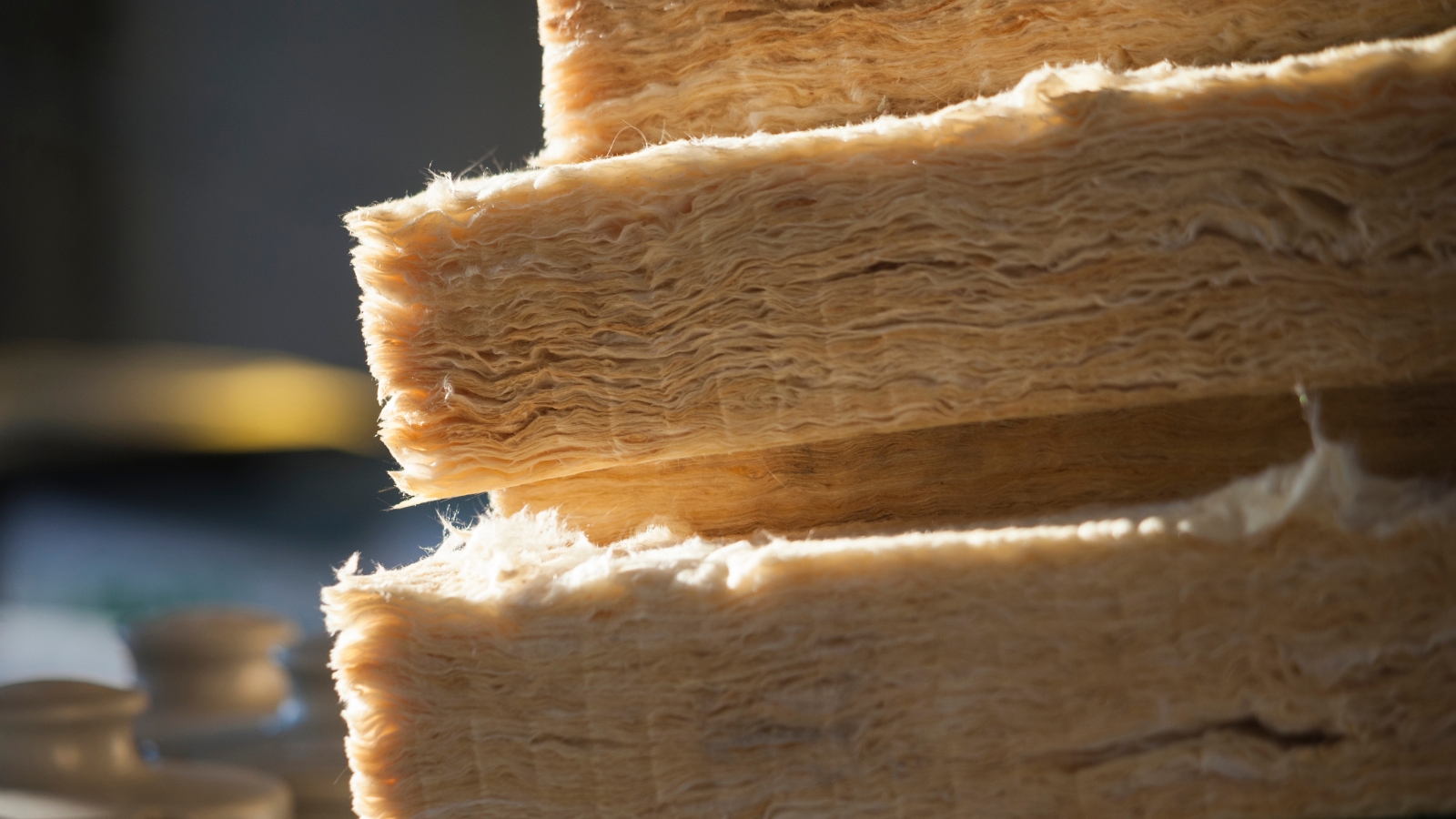
9 basement insulation ideas

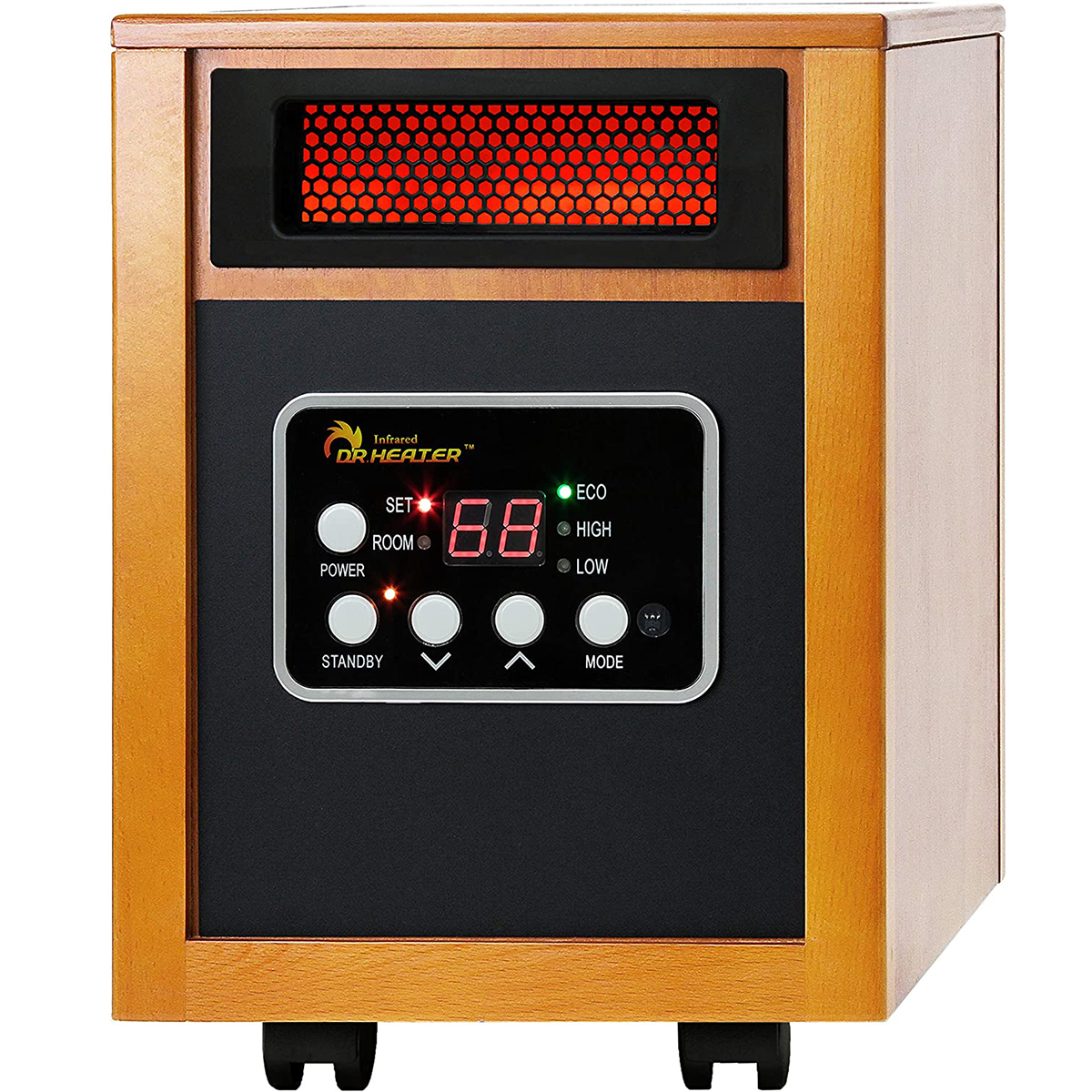
The Best Space Heaters for Basements


How to ventilate a basement – expert tips to reduce damp and mold
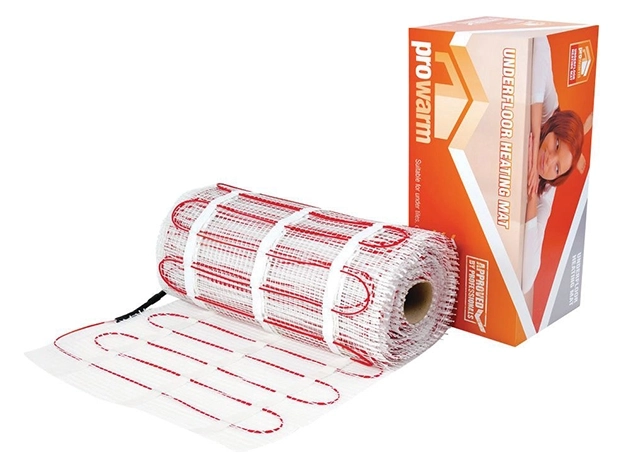
Underfloor Heating


Should you insulate a basement ceiling? Expert advice for a comfortable home
Loft Insulation

3 basement remodels that prove it’s the coolest part of the house
How to make a conservatory warmer - ways to heat and insulate for all-year round use
Ways To Heat A Basement Without An Electric Space Heater (And The Pros & Cons To Consider)
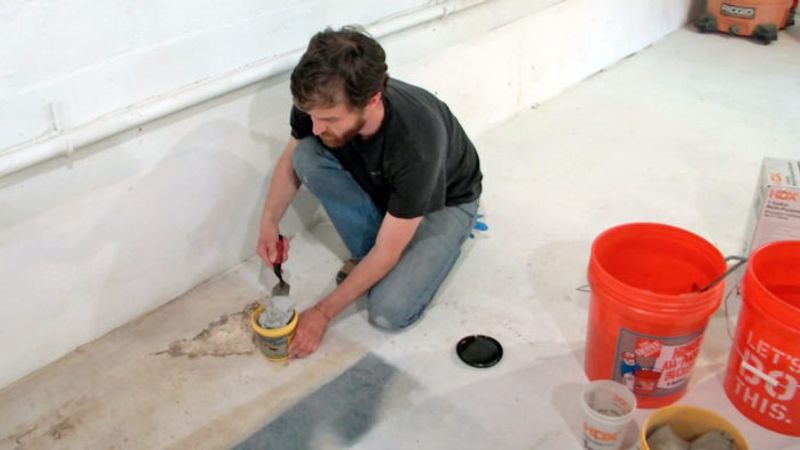
Insulate Your Basement, Part 1

How to keep your mudroom warm – 5 expert-recommended tips
How to insulate a loft or roof
Insulate Your Basement, Part 2
Home insulation materials

6 areas of your home you should never insulate – and why it's a hazard that can do more harm than good
Best Garage Door Insulation Kits: Create a More Comfortable Environment


The best floor insulation options for your home, explained
How to insulate a loft

The 4 areas of your home pros say to always insulate to keep it toasty in colder weather – plus, where to never insulate

Five underfloor heating myths debunked