1/12
These are the 7 ways I'm trying to keep my 110-year old house warm this winter – all without turning on the central heating
This article explores seven methods to keep an old house warm during winter without relying heavily on central heating, drawing inspiration from techniques used by previous generations in similar homes. The author, who lives in a 110-year-old Edwardian house, highlights the charm of old properties but acknowledges their propensity for becoming cold, leading to high heating bills. The proposed strategies aim to reduce energy consumption and improve comfort.
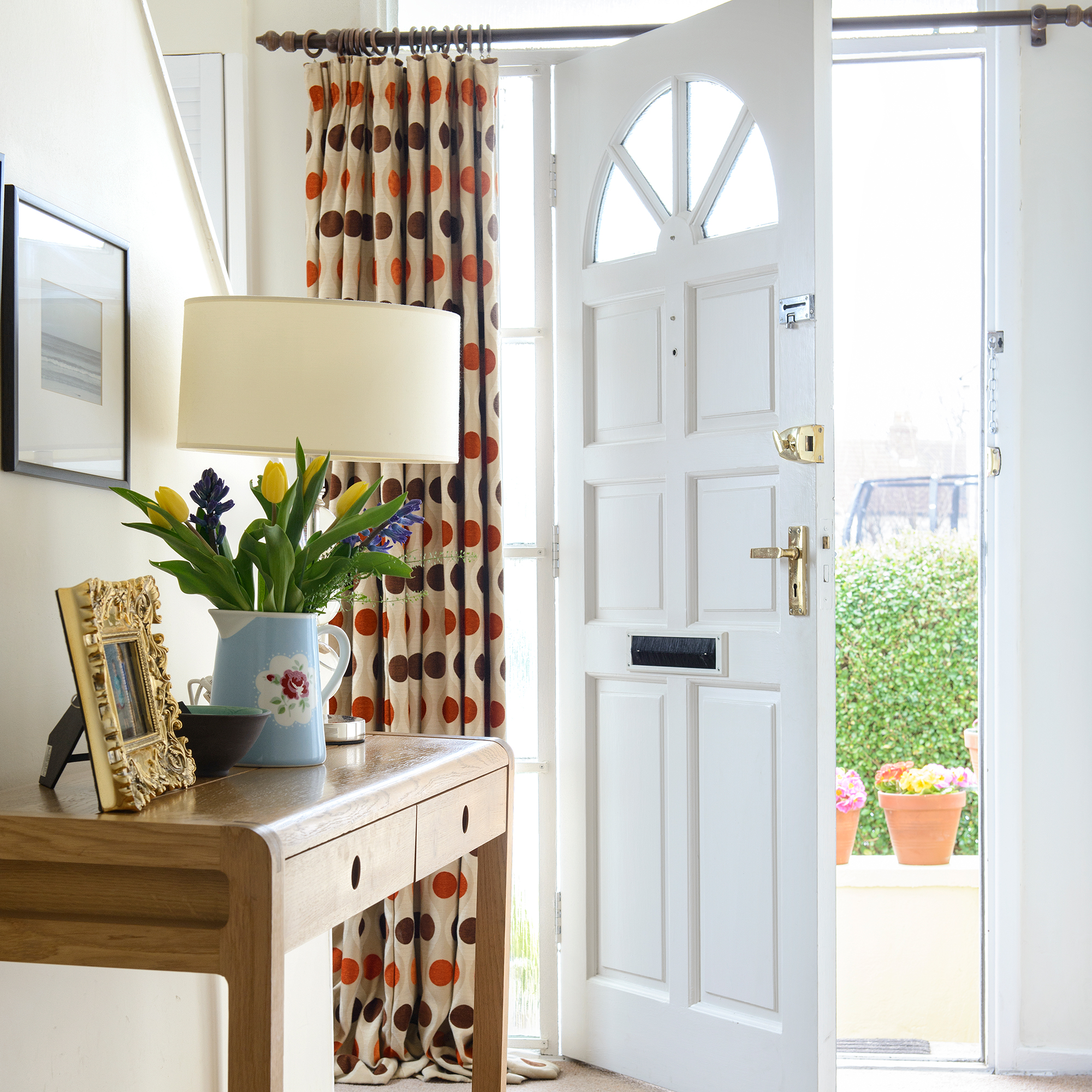
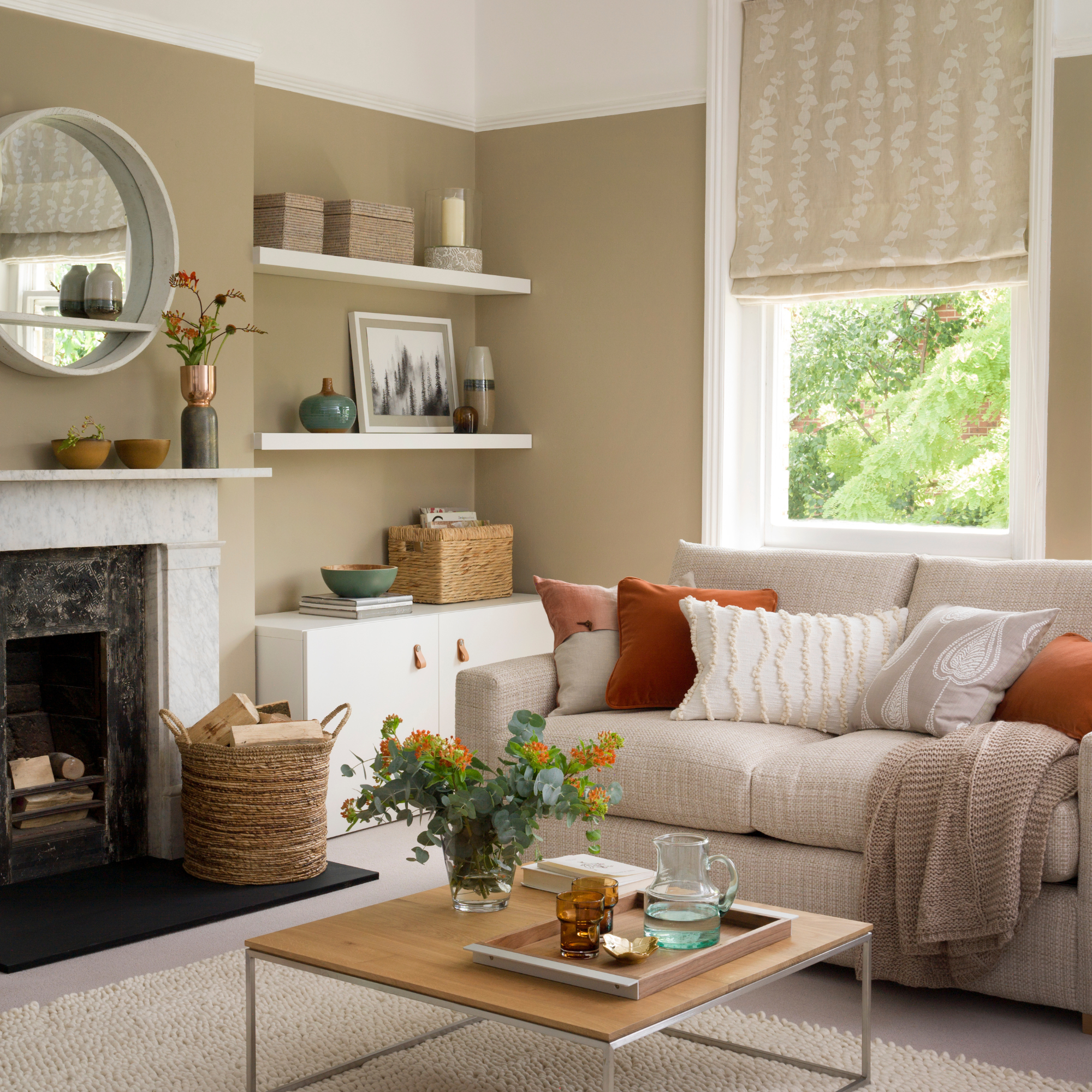
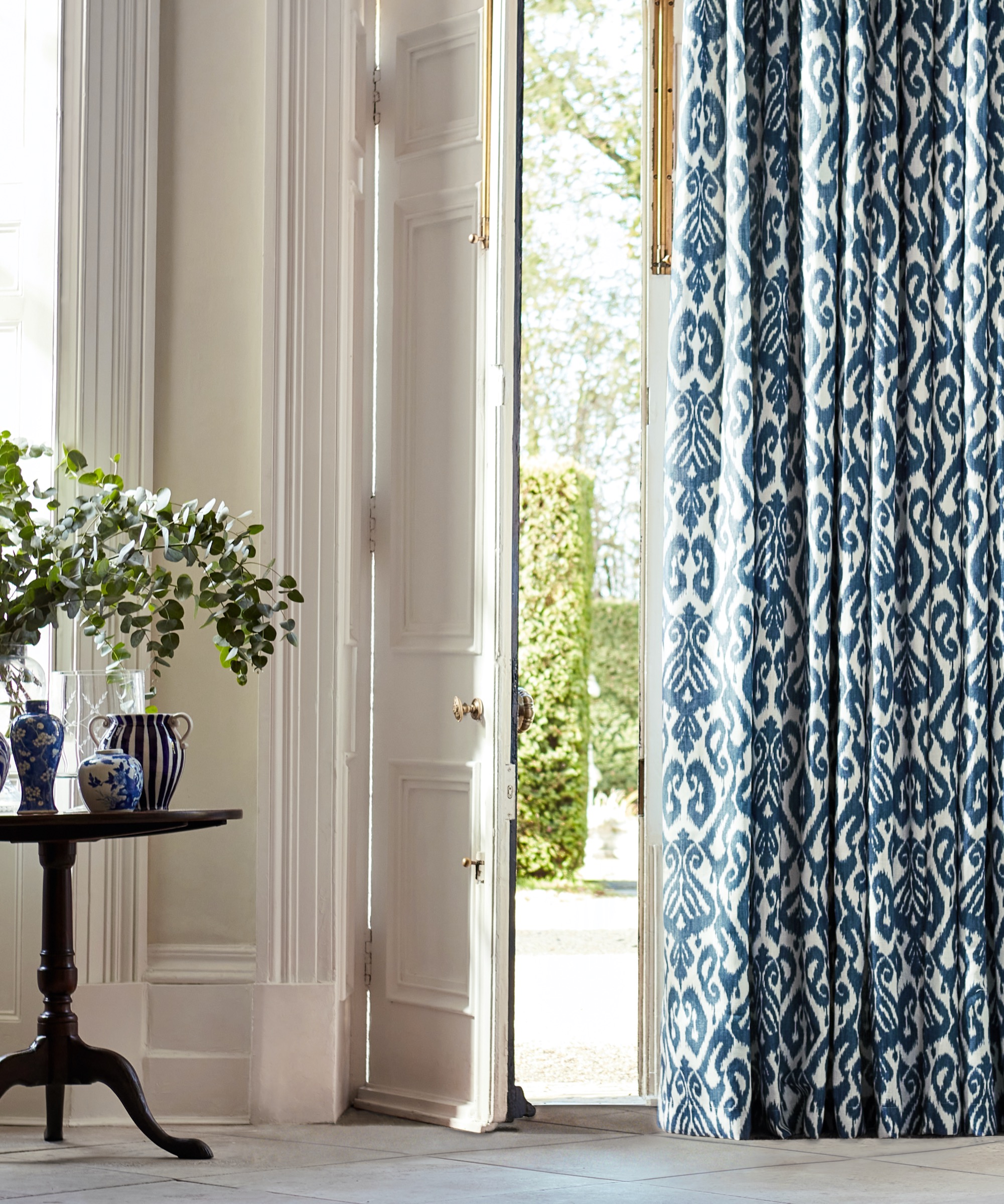
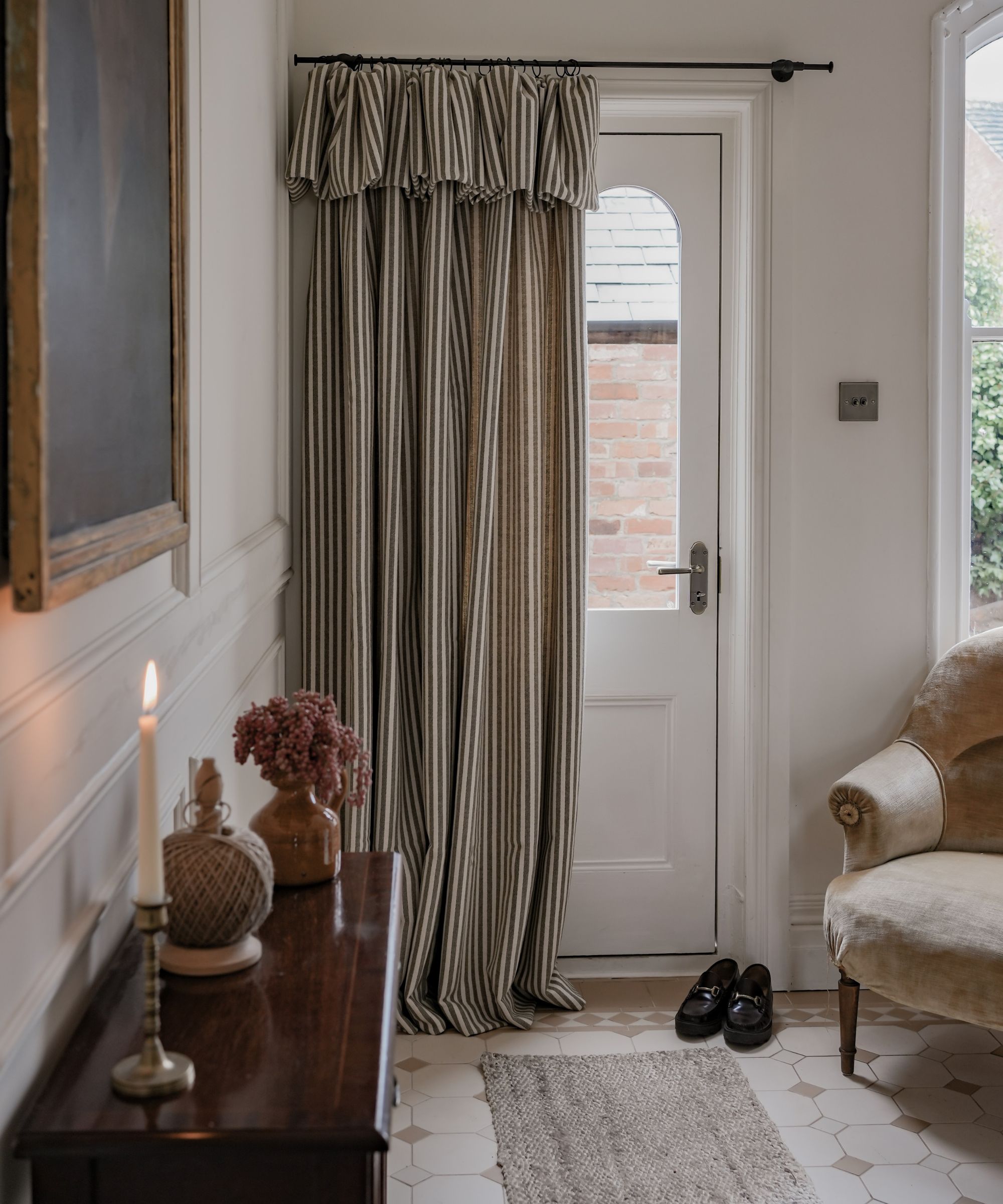
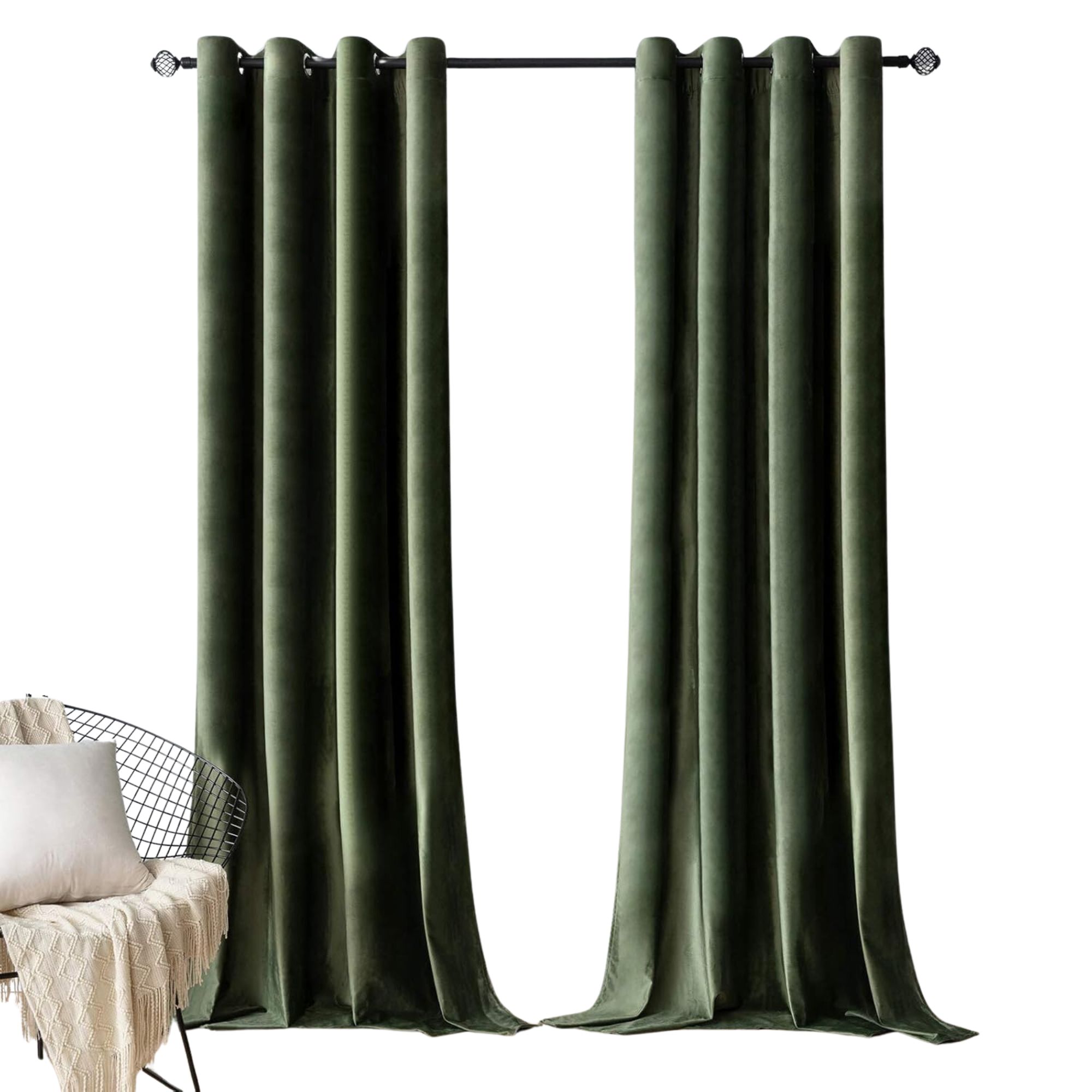
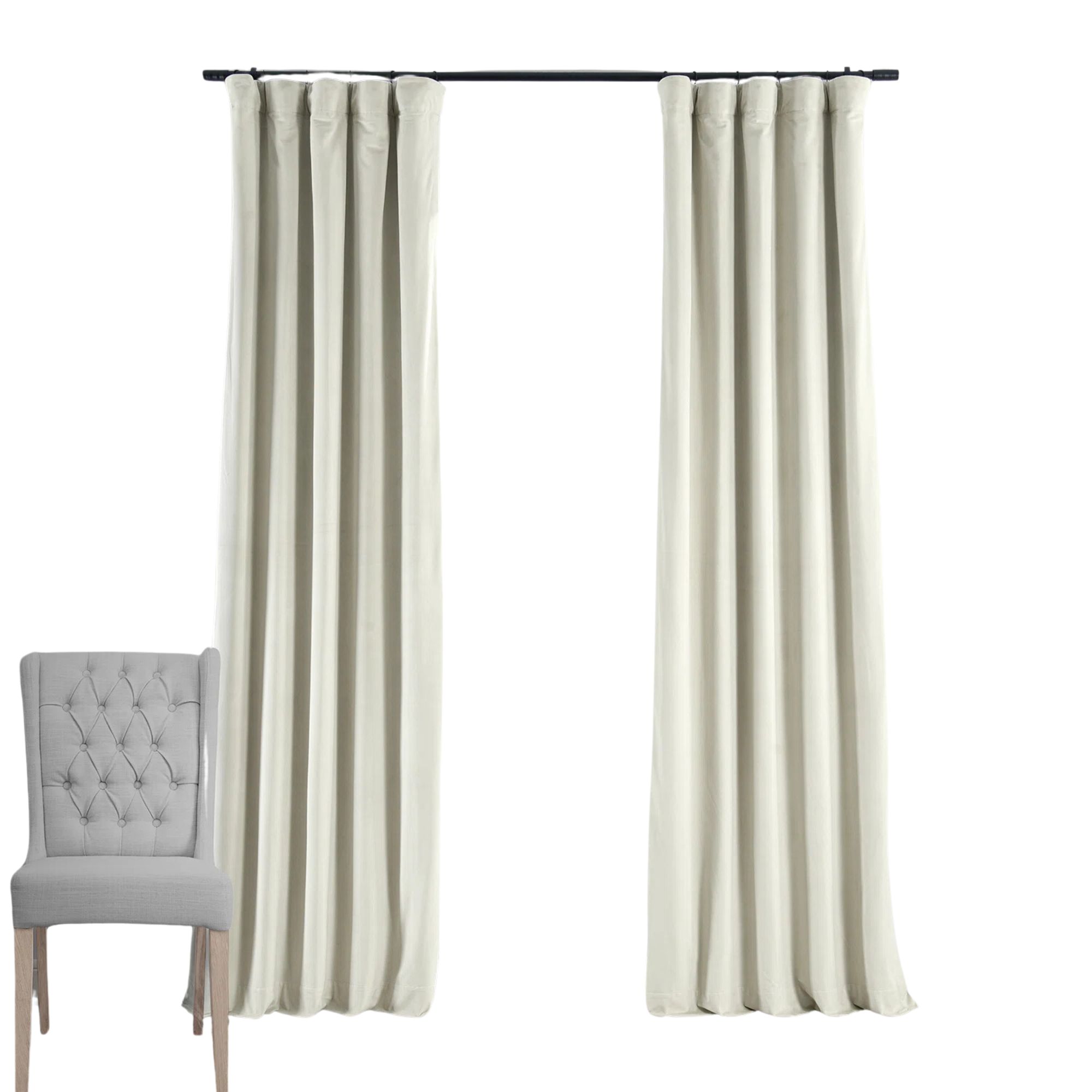
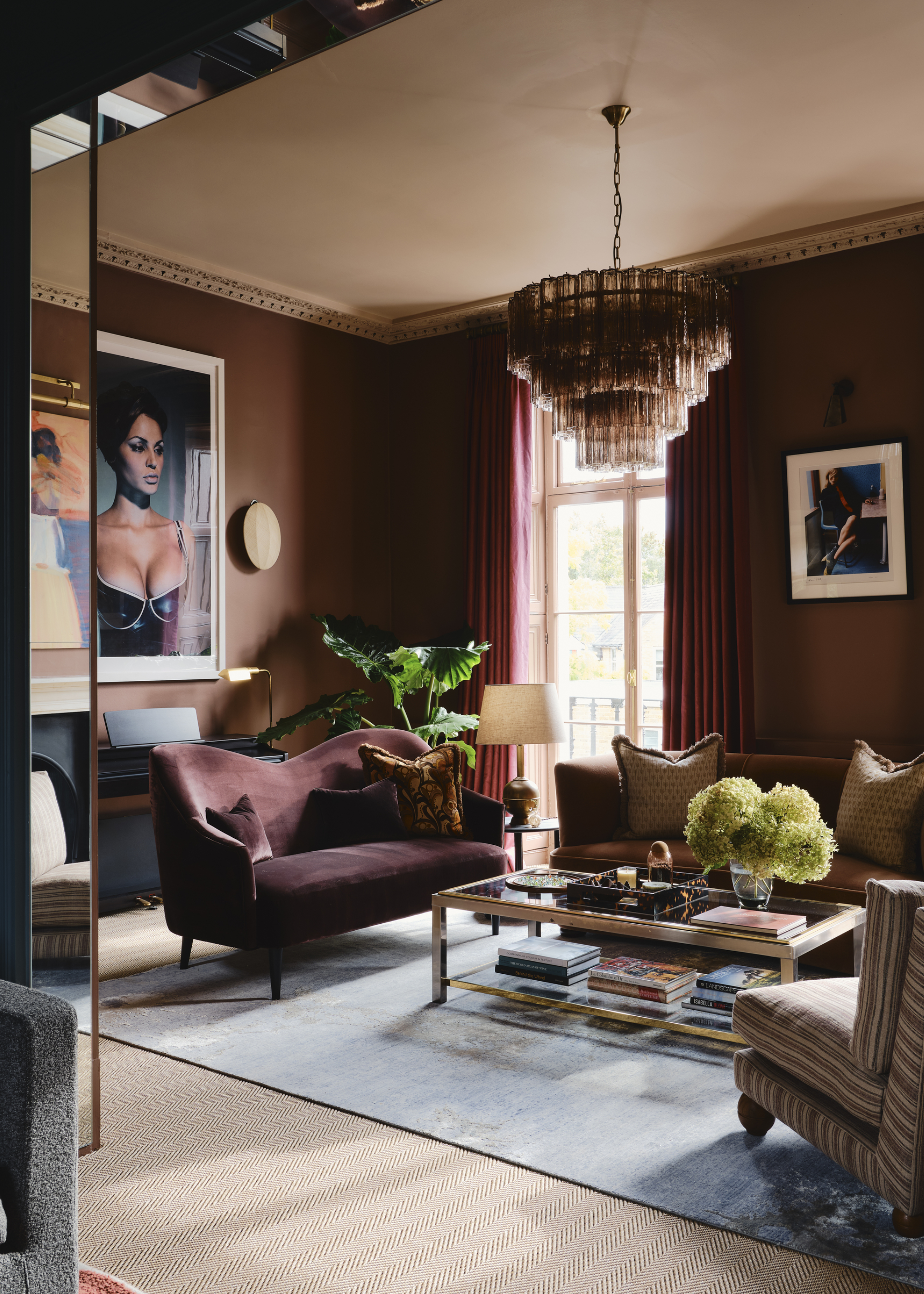
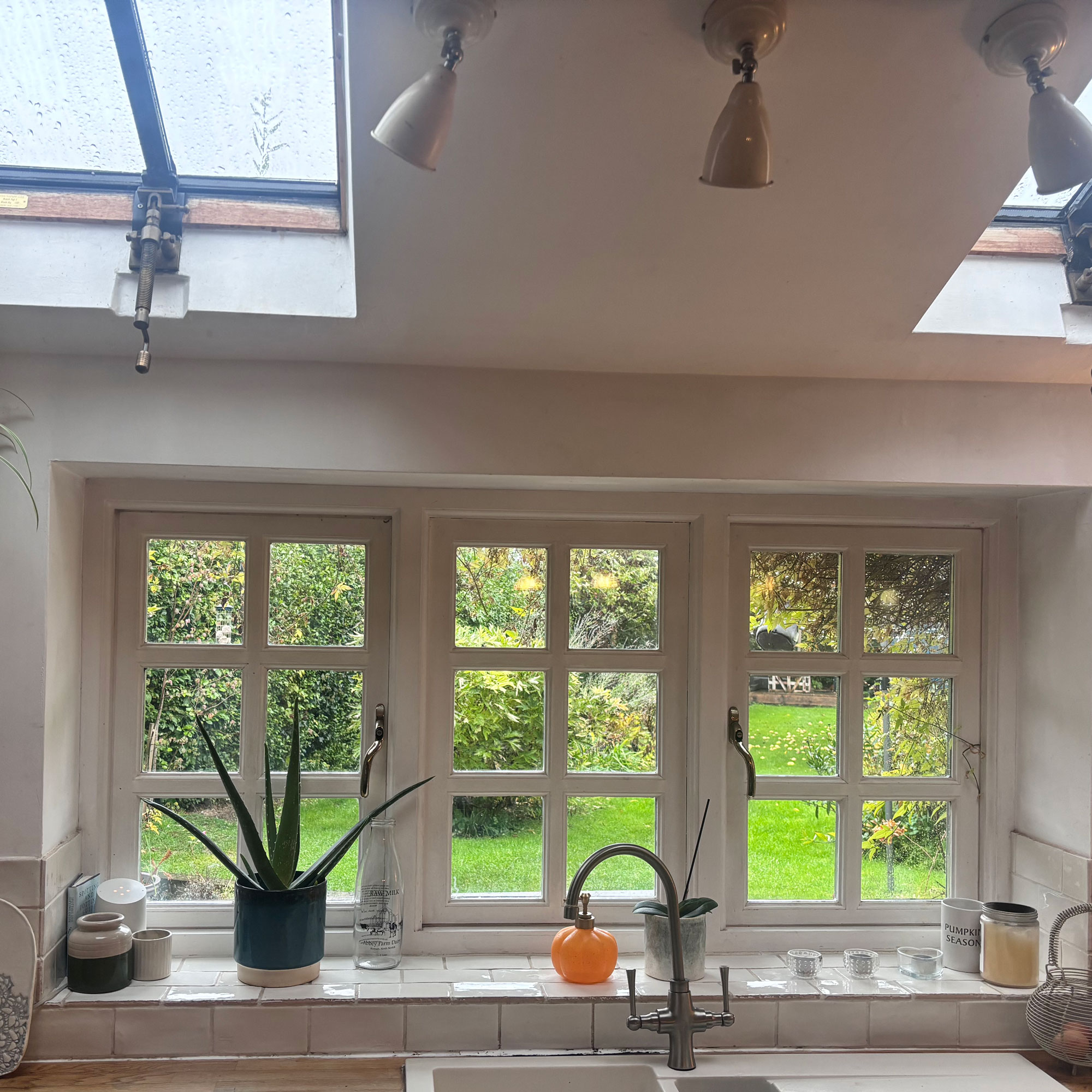
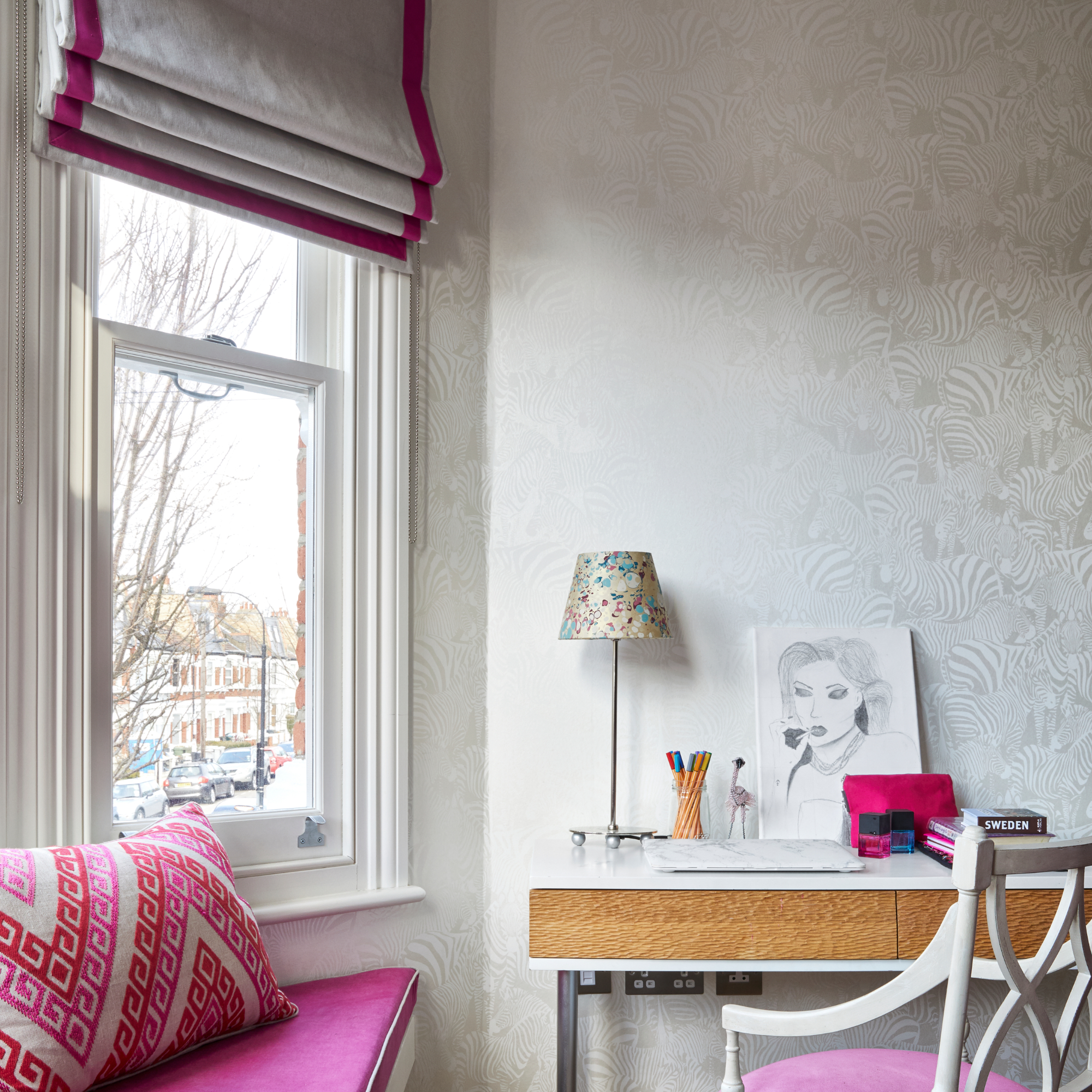
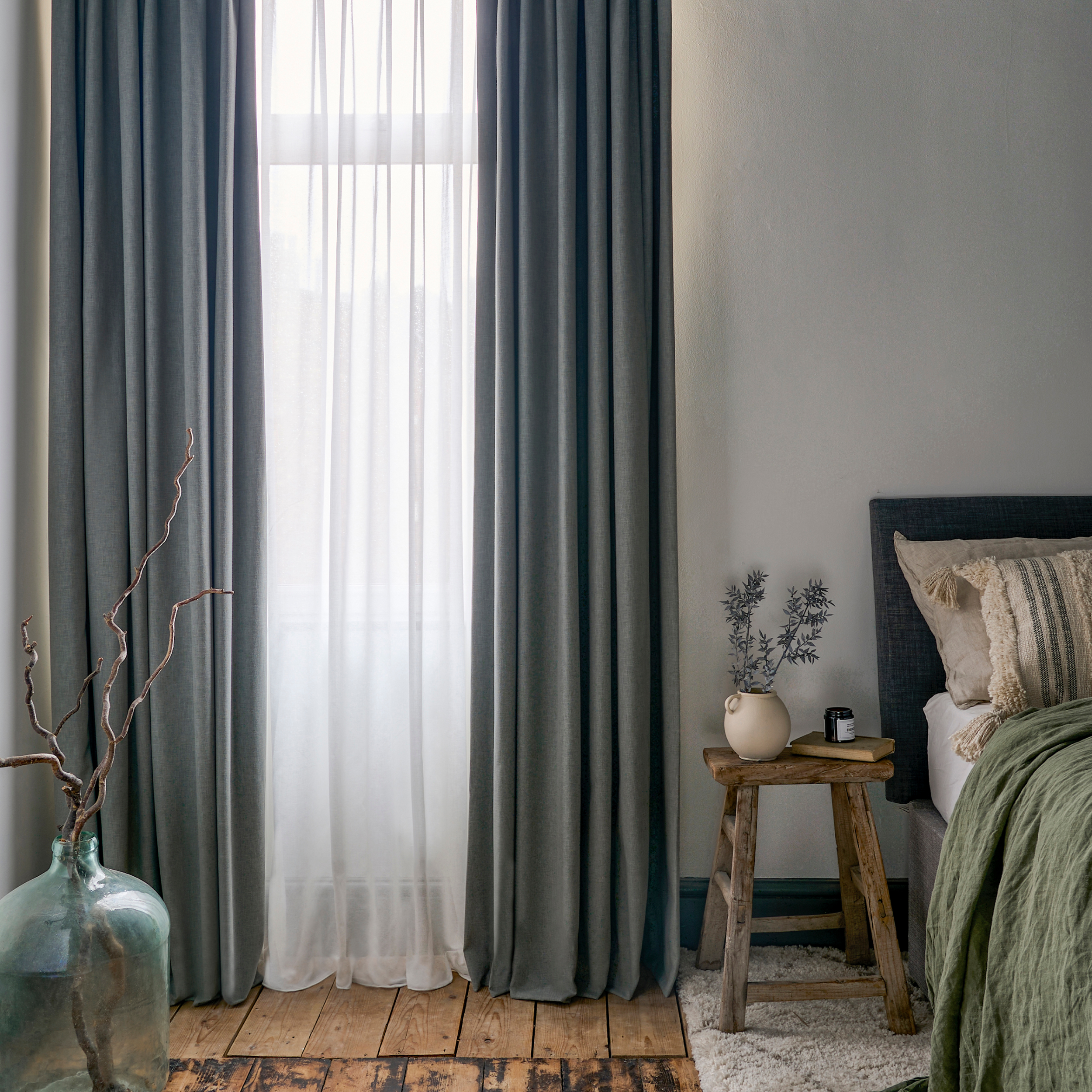
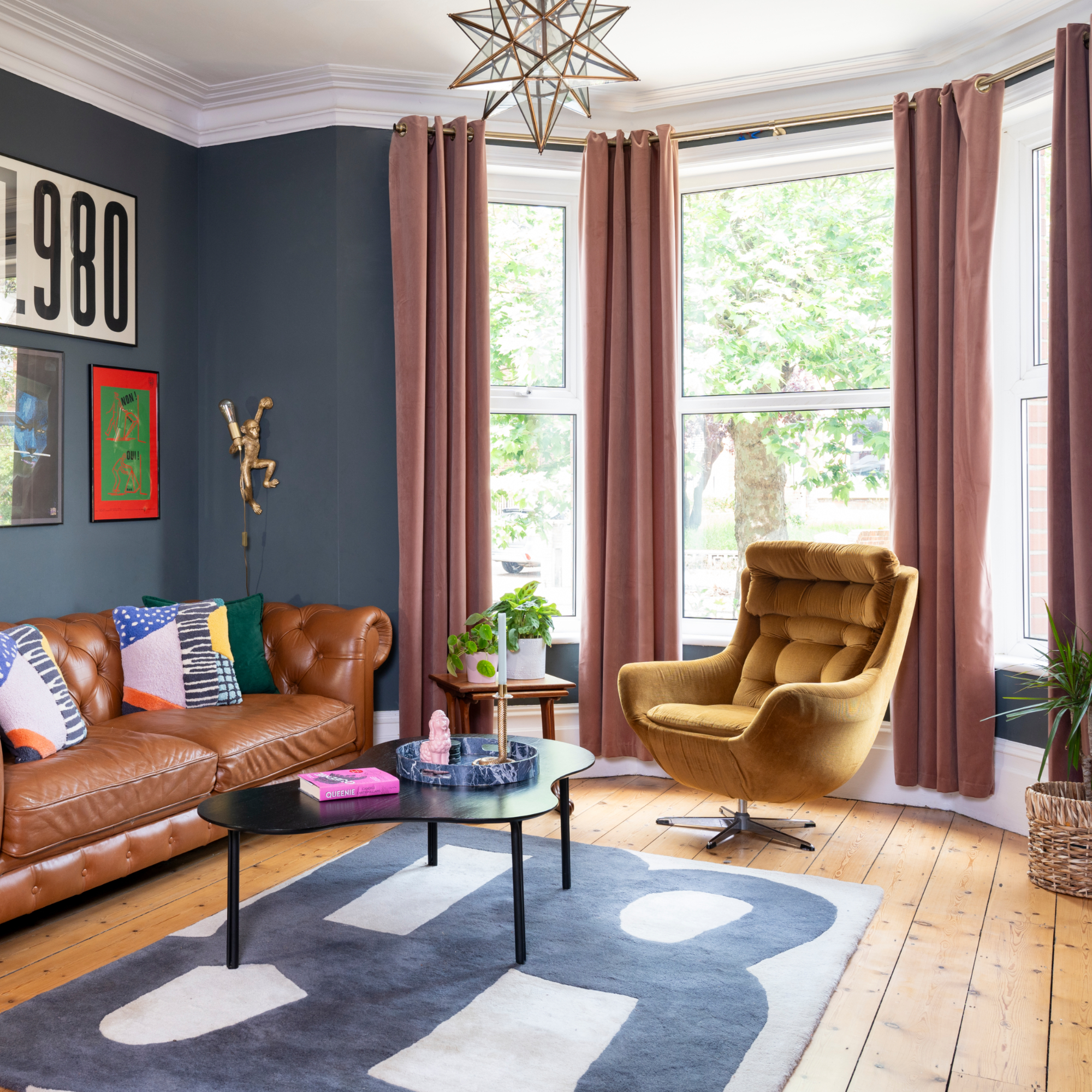
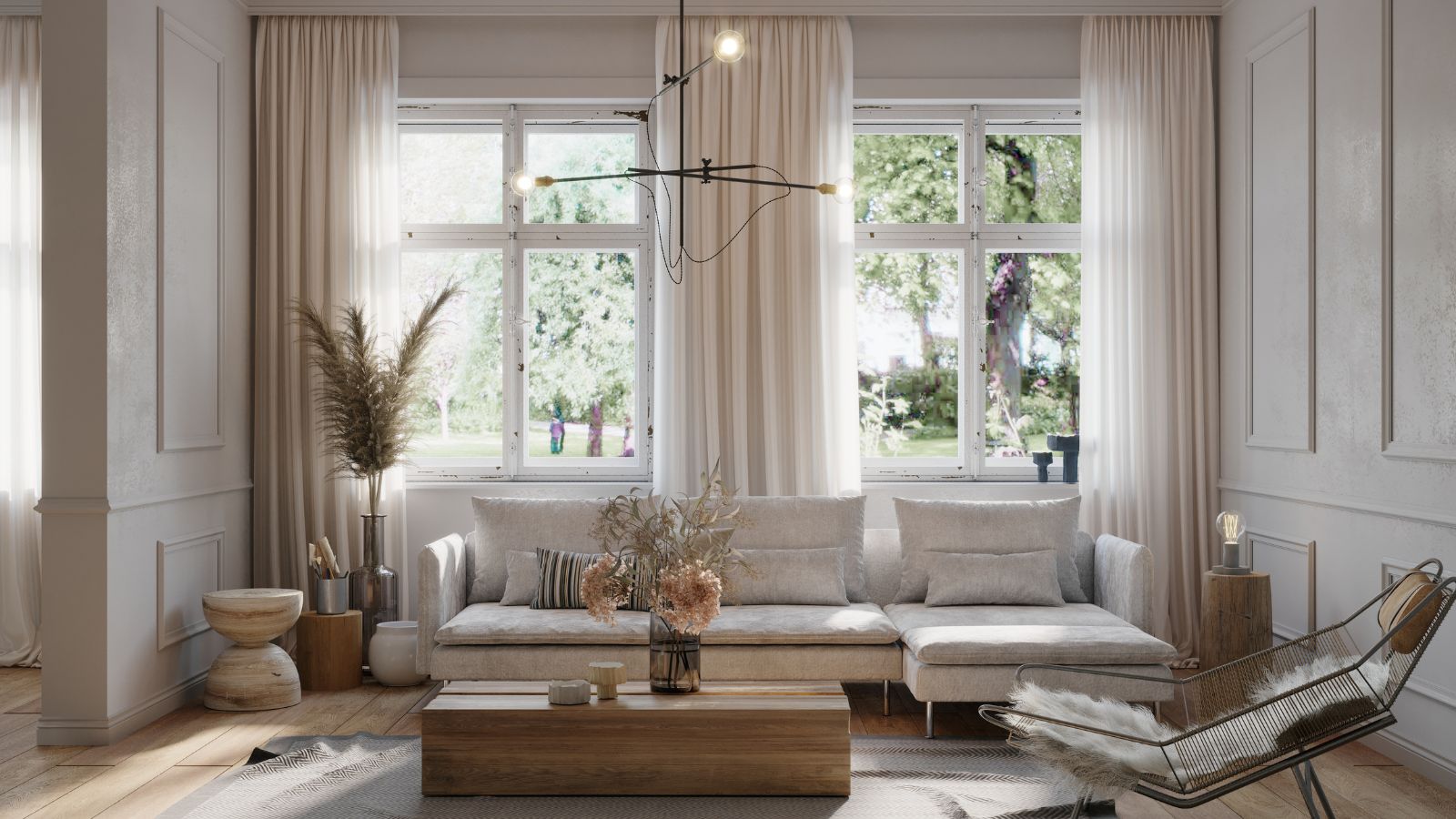
The first method involves hanging heavier curtains and thermal blinds. The author notes a significant difference after installing a thermal blind in their son's room and plans to extend this to the living room's single-glazed bay window and a daughter's bedroom. A thick, full-length curtain is also planned for the draughty front door, a practice observed in the house by a previous owner. Christine Matthews, a heating appliance expert, supports this, explaining that drawing heavy, lined curtains at dusk creates a barrier to trap heat indoors.
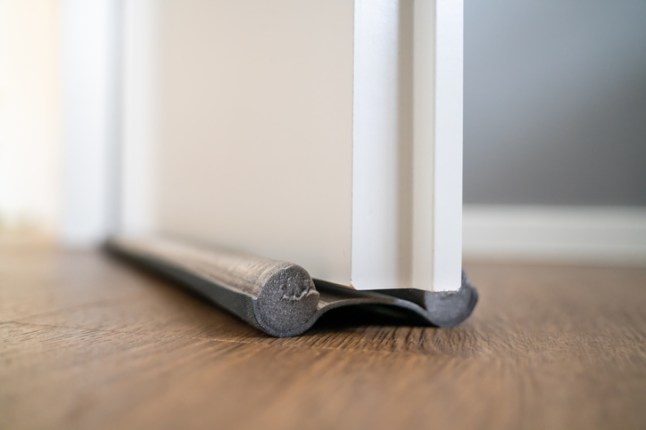
The second strategy is consistently closing doors. While this might feel unusual, keeping internal doors closed prevents heat loss and blocks cold draughts, particularly beneficial in older homes with less snug-fitting doors. This technique also helps in containing warmth within specific areas, especially in open-plan layouts that were less common in the past. Draught excluders beneath doors are suggested for enhanced effectiveness.
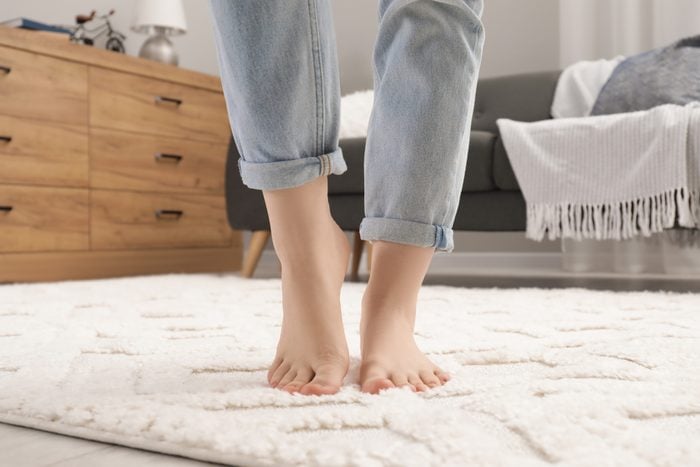
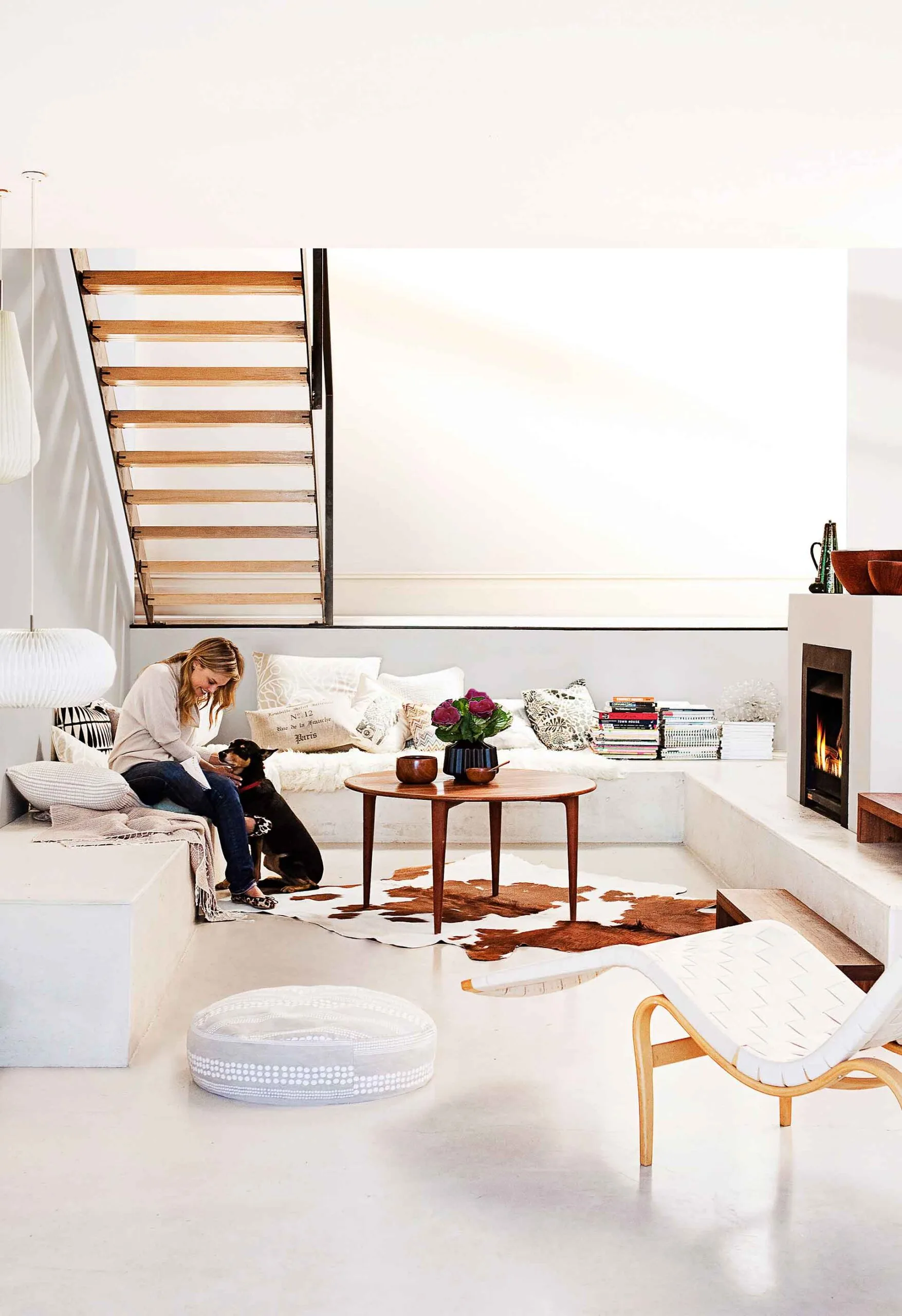
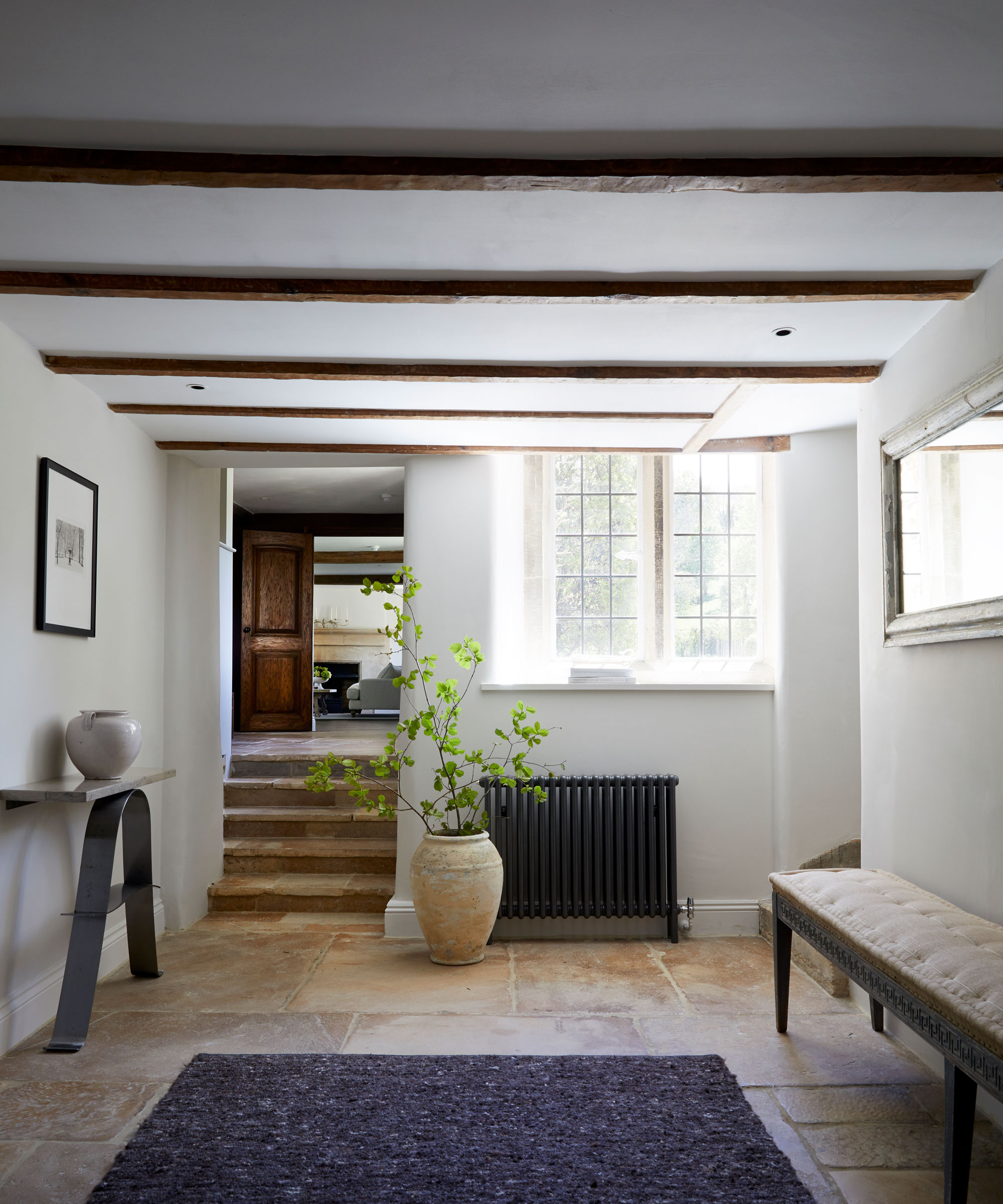
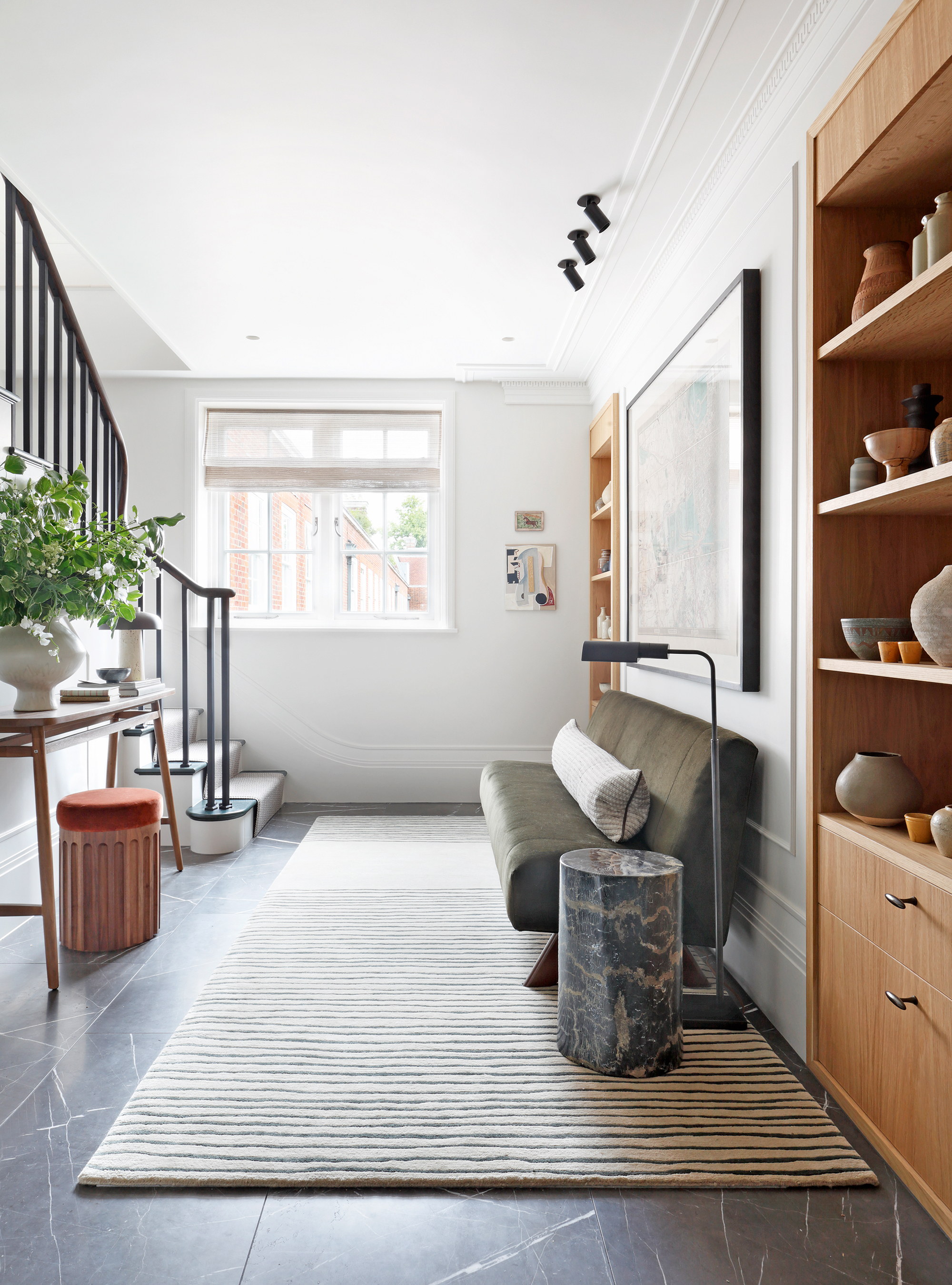
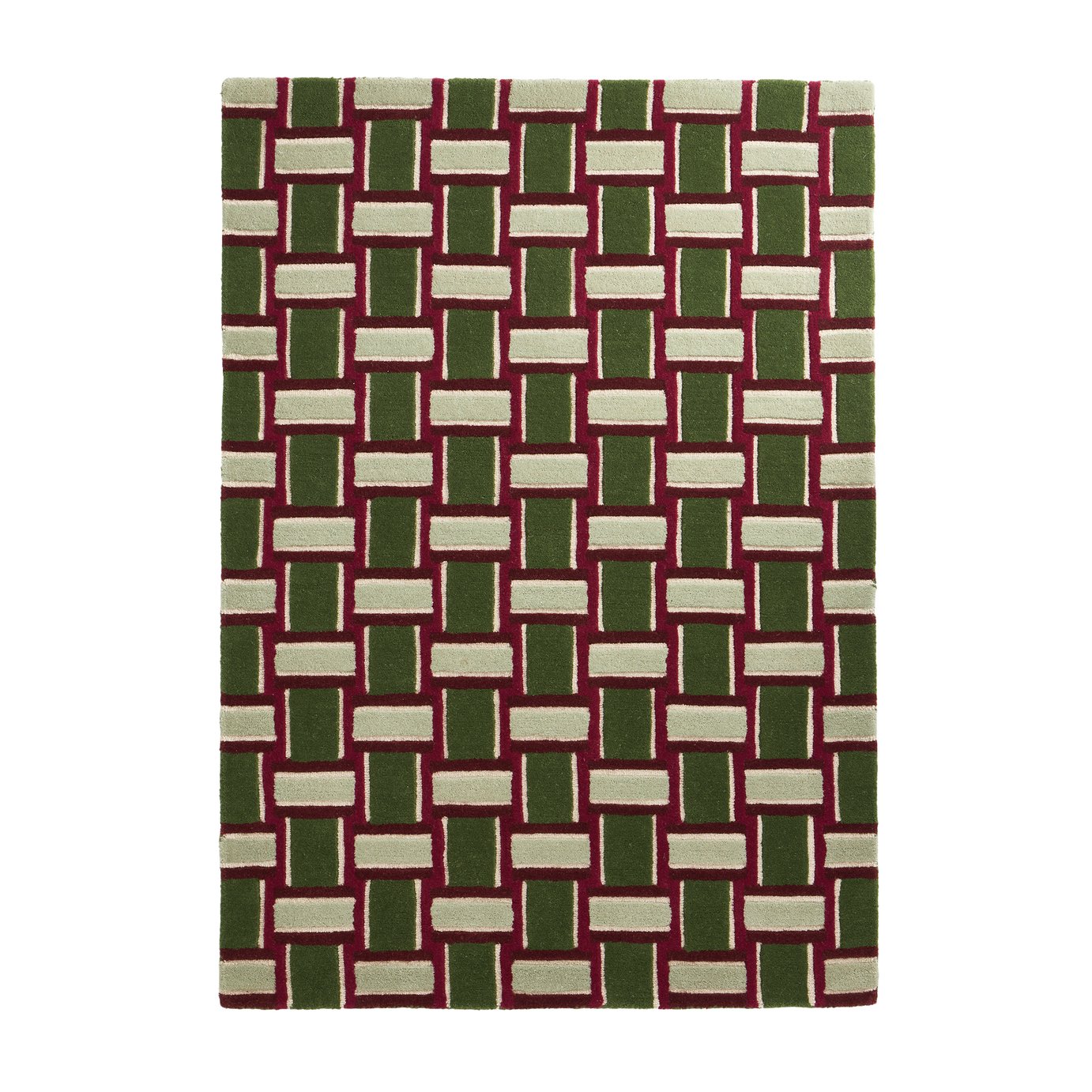
Thirdly, the article advocates for increasing the number of rugs throughout the house. Historically, heavy rugs were used to insulate floors, which are a significant source of heat loss in older properties. Michael Zohouri, founder of Pyramid Eco, emphasizes that warm feet contribute to overall warmth. The author plans to add rugs to the dining room with engineered oak floors, the slate-floored hallway, and even carpeted bedrooms for an extra layer of insulation.
The fourth point addresses draught-proofing the front door. This area is identified as a major source of heat loss and cold air ingress. The author intends to install draught-proof strips around the door, letterbox, and keyhole, and seal gaps around windows. This aligns with Zohouri's advice to block as many draughts as possible to prevent heat from escaping.
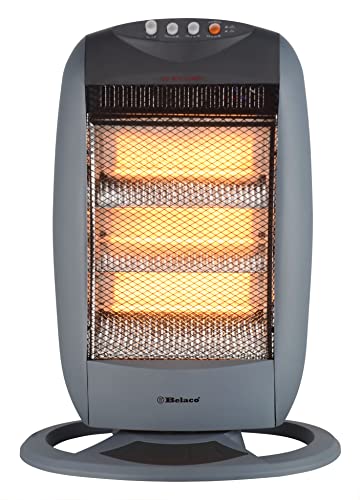
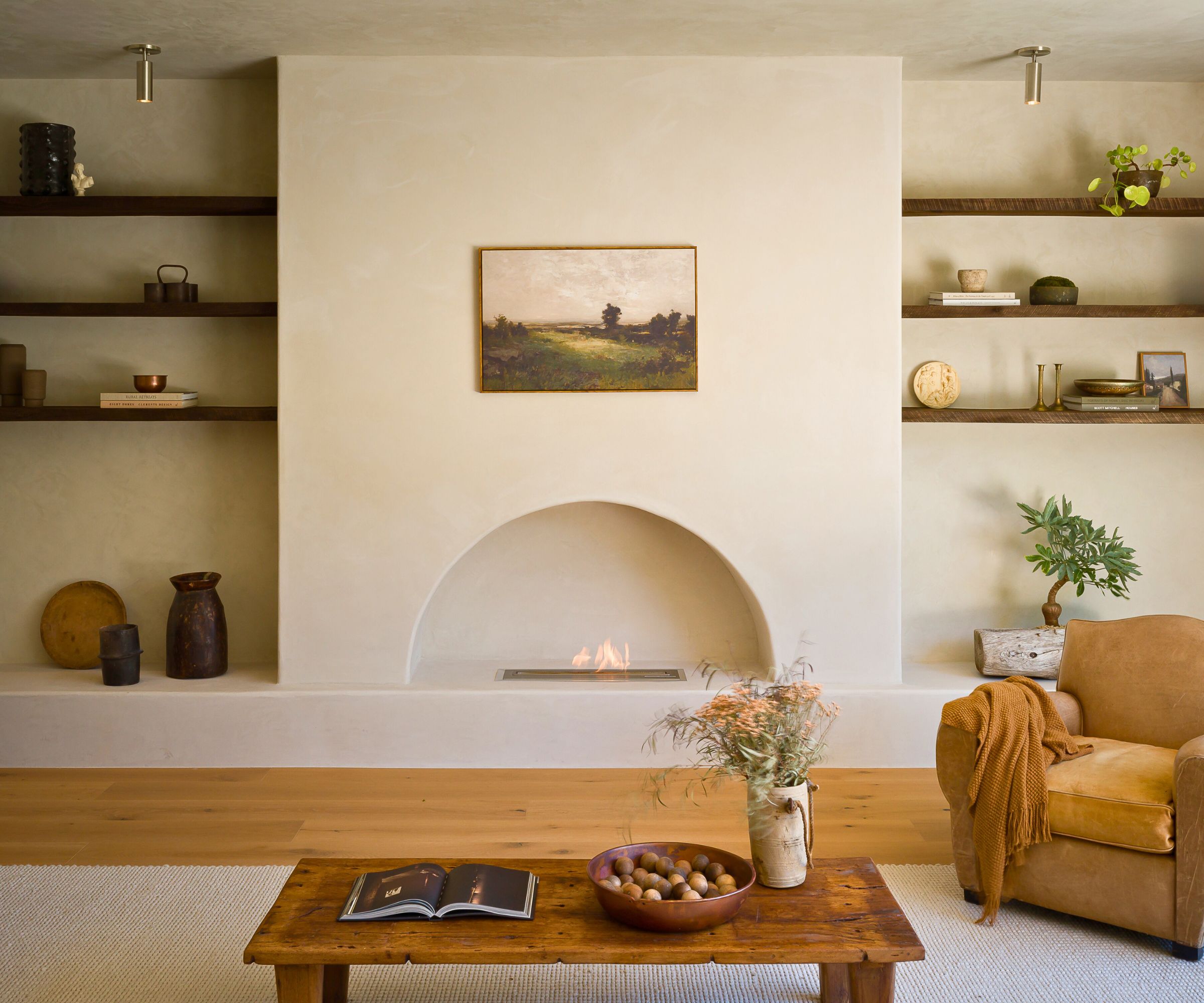
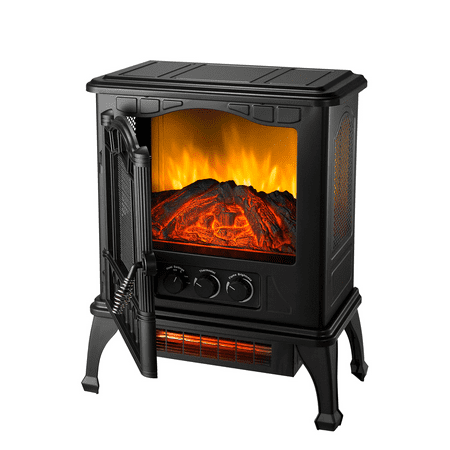
Fifth, the concept of "heat zoning" is promoted, encouraging occupants to heat only the rooms they are actively using, mirroring how ancestors conserved warmth. Christine Matthews suggests using a space heater or a freestanding portable wood-burning stove to heat a single room where family members gather, offering substantial savings compared to heating the entire house. Zohouri adds that older homes, with their smaller rooms, were inherently better suited for this zonal heating approach.
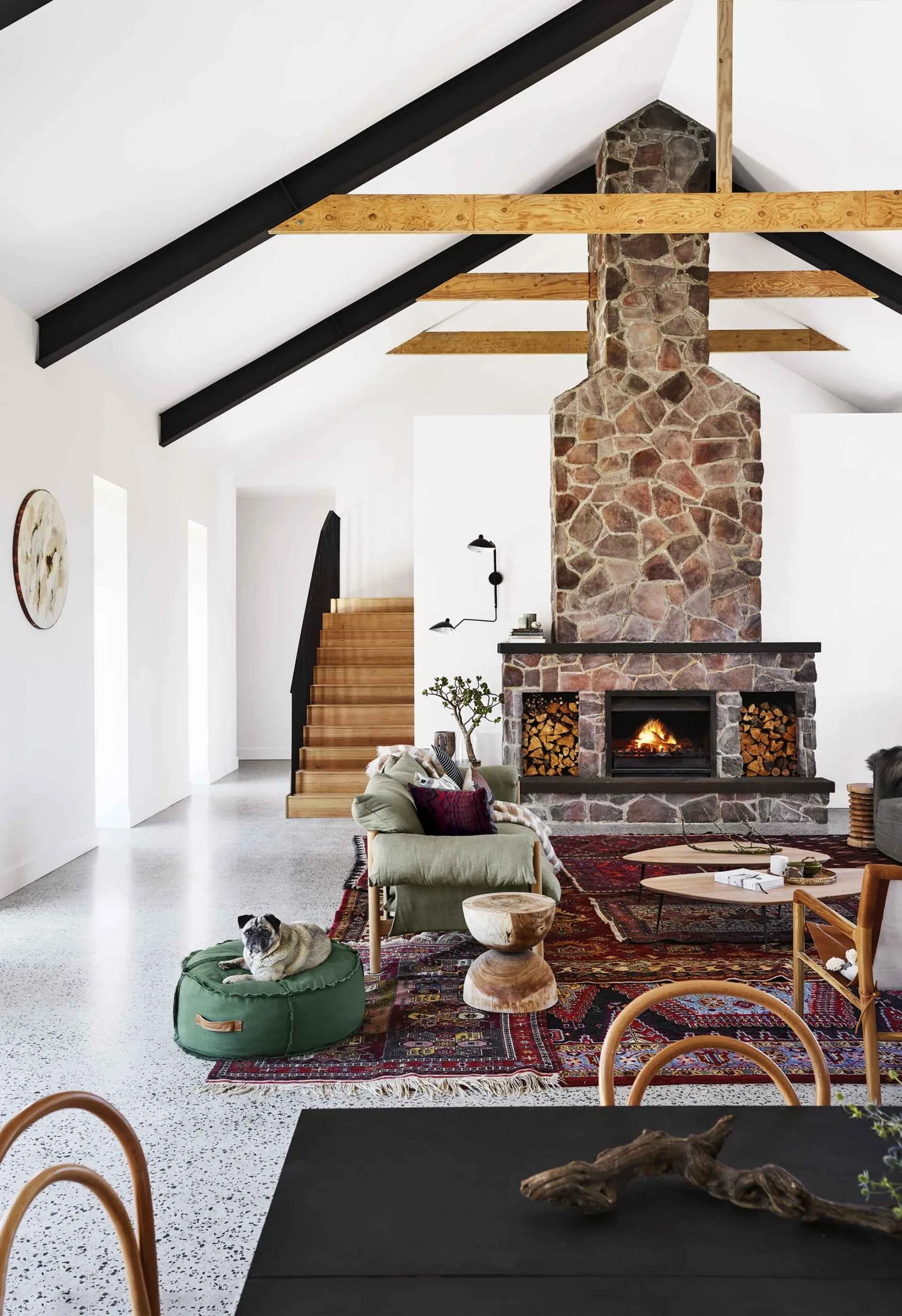
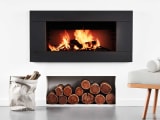
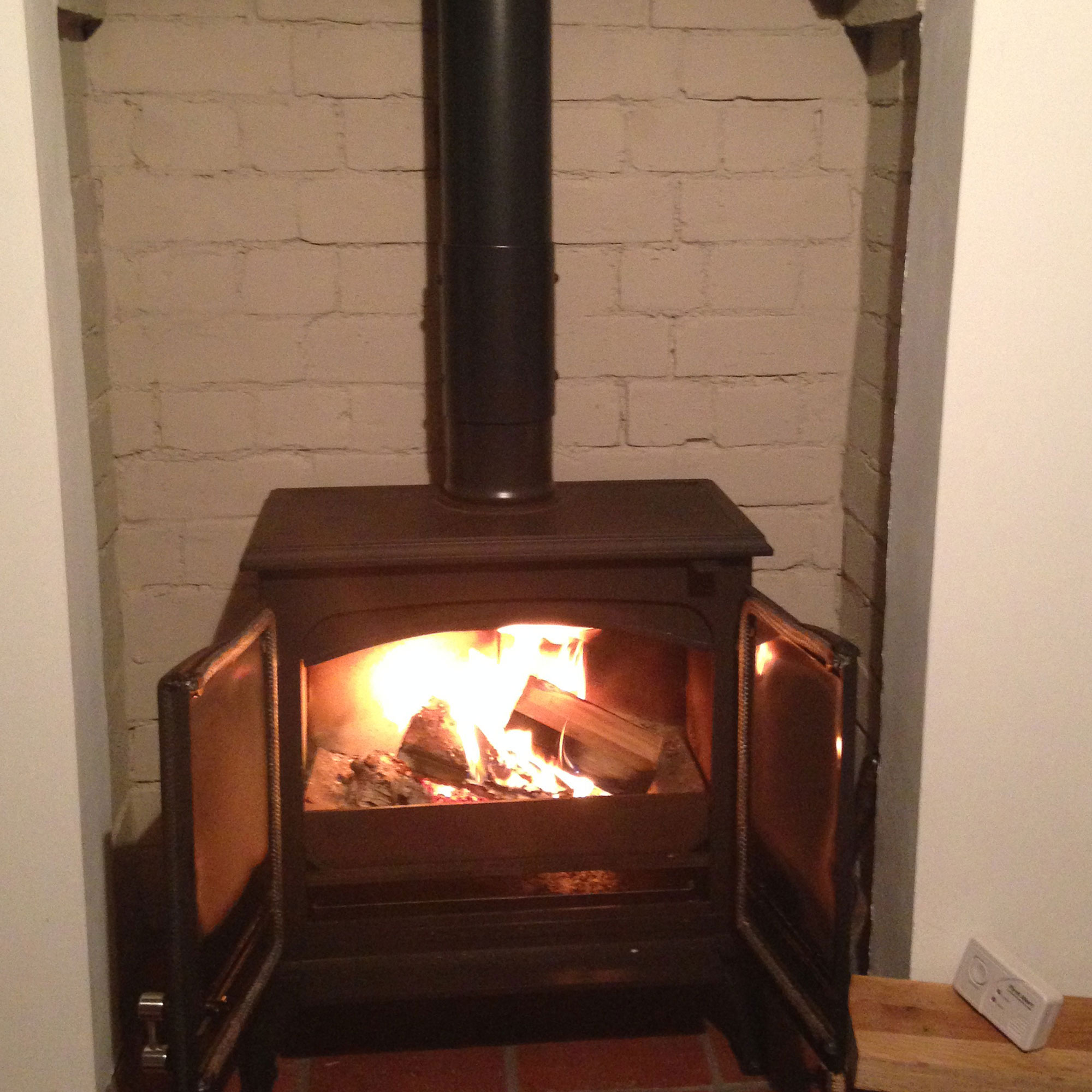
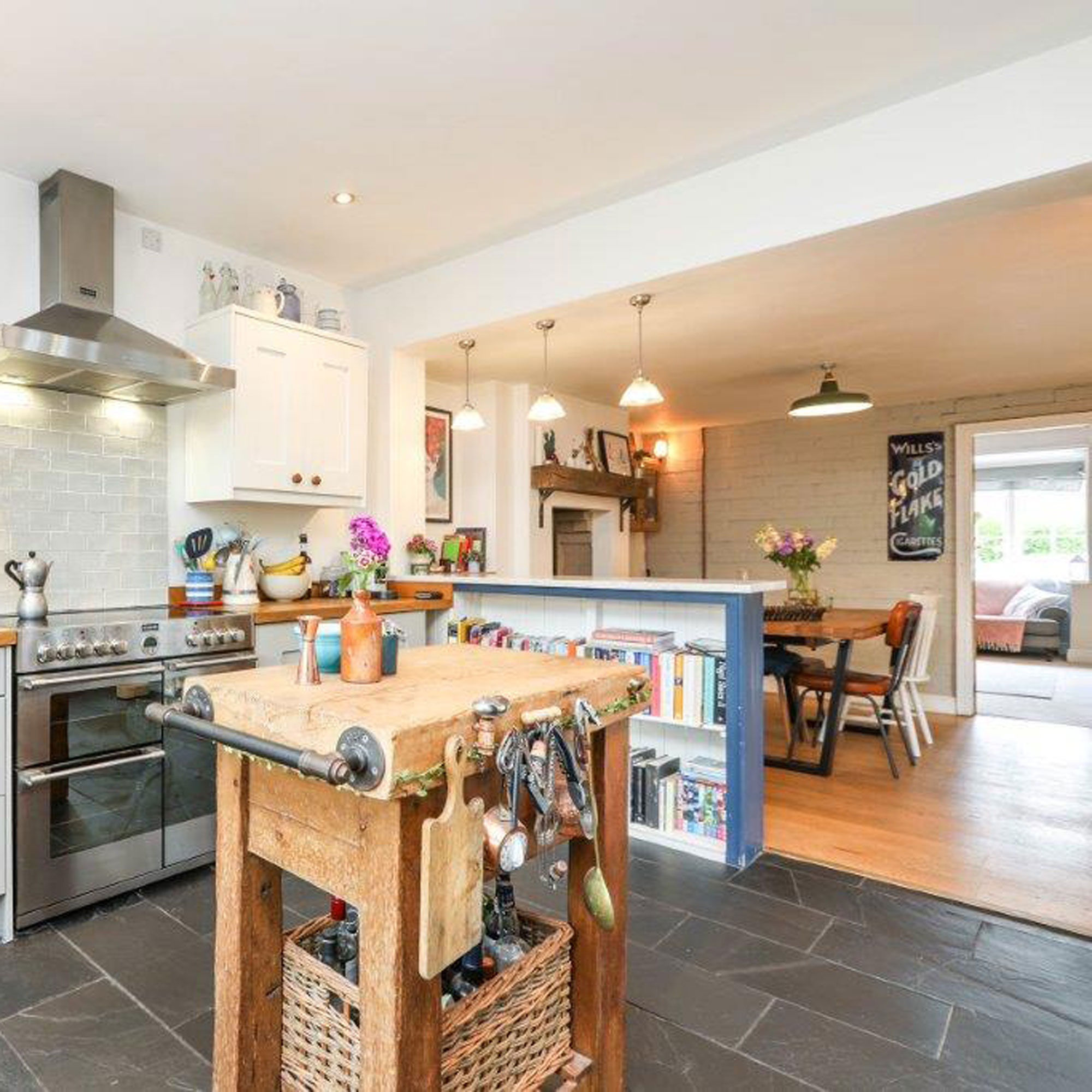
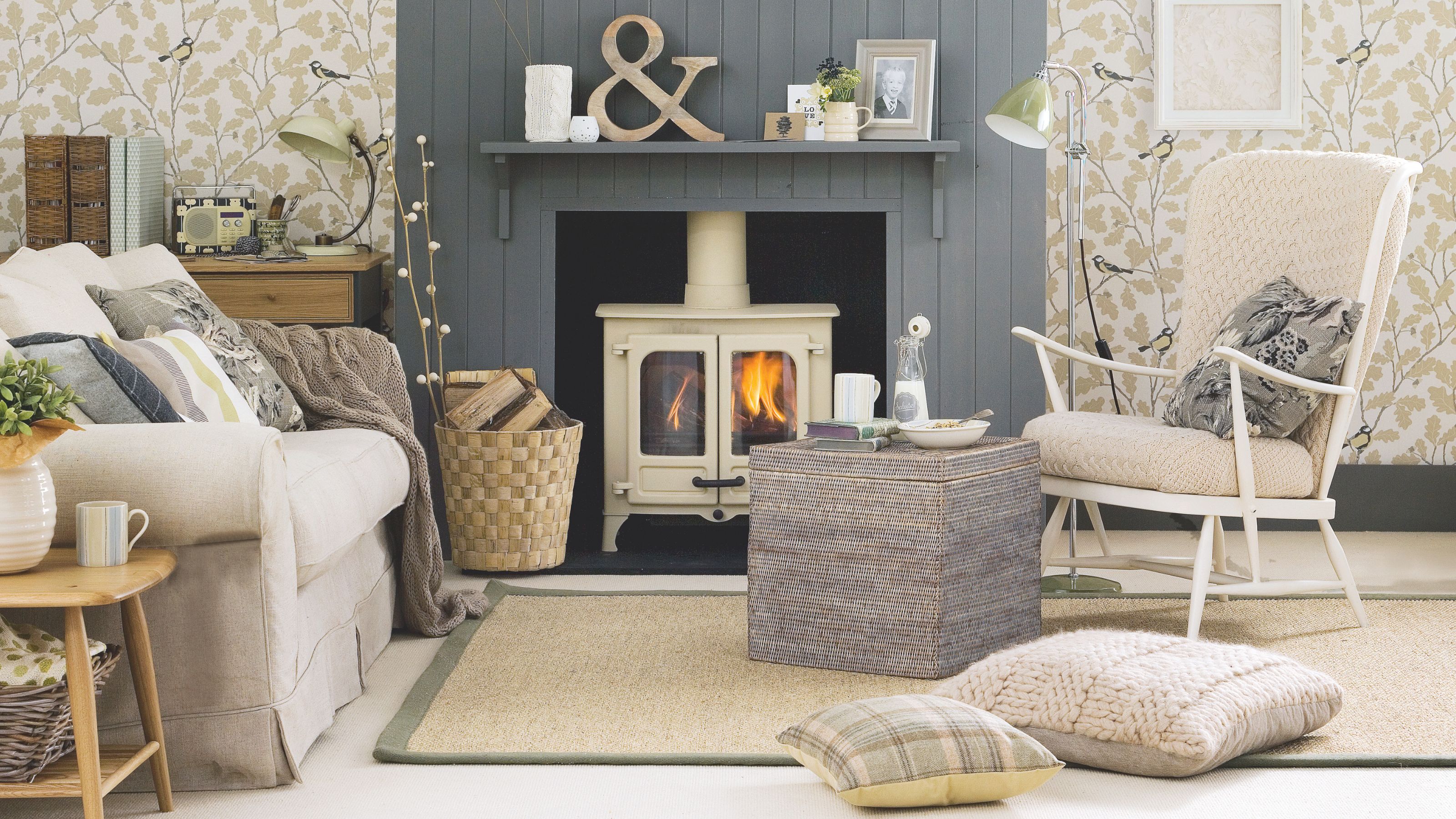
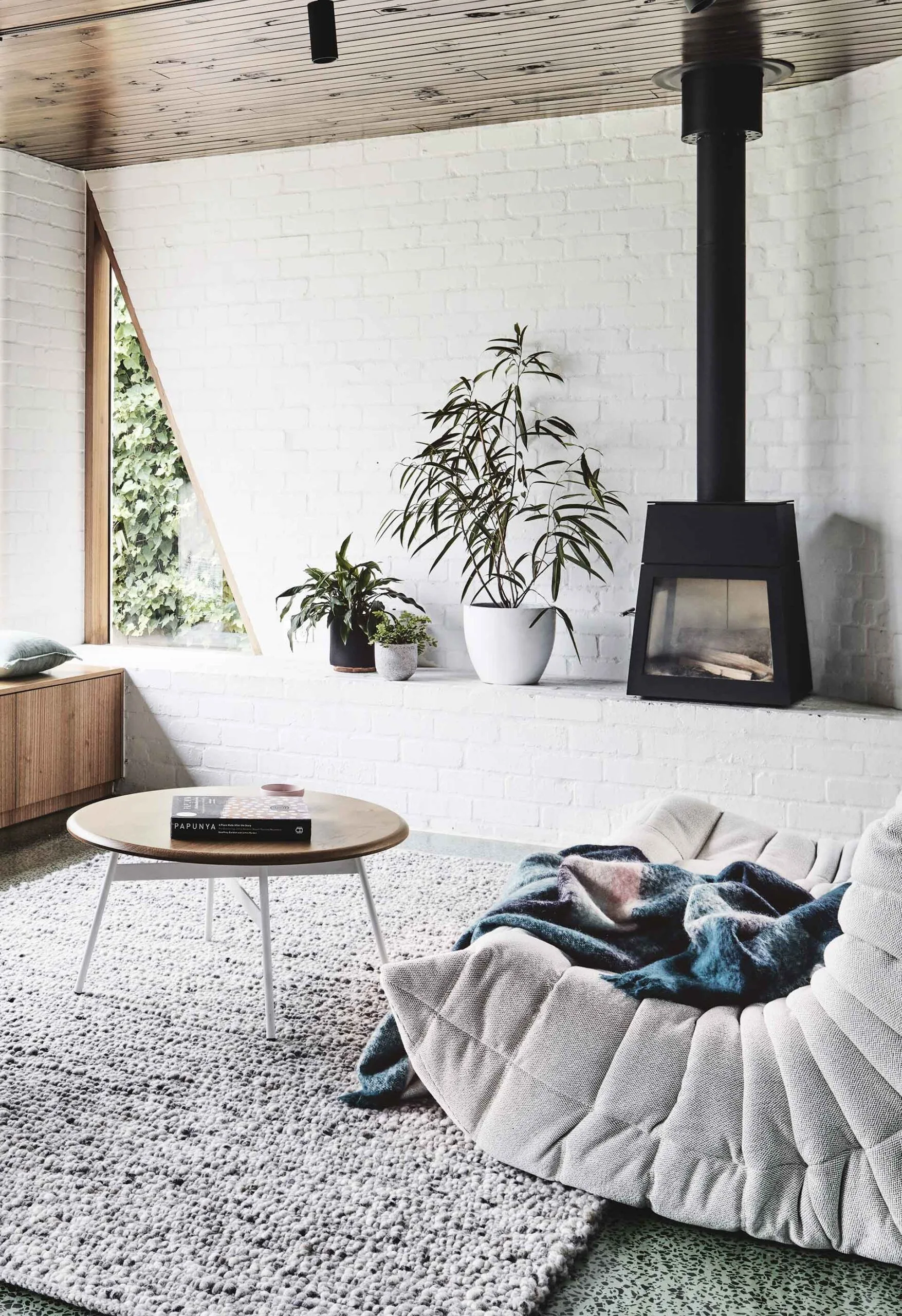
The sixth method involves lighting the log burner earlier. The author's log burner, located in the open-plan kitchen diner, is an efficient heat source. However, the author tends to delay lighting it. The recommendation is to start the fire earlier to allow the space to warm up gradually. Christine Matthews advises proper fire lighting techniques for efficiency and suggests using a stove fan to circulate warm air more effectively. Burning dry, well-seasoned wood is also crucial for optimal heat generation.
Finally, the article touches upon the heating methods of Edwardians, clarifying that central heating was uncommon, with reliance on open fires, stoves, thick curtains, rugs, and warmer clothing. The author concludes by considering whether to invest in an electric heater, acknowledging the cost implications and suggesting that the aforementioned traditional methods might be more effective and economical for keeping an old house warm without excessive reliance on modern heating systems.
#HomeHeating #EnergyEfficiency #OldHouseLiving #WinterWarmth #DraughtProofing #ThermalInsulation #LogBurner #CostSaving #HomeHeating #EnergyEfficiency #OldHouseLiving #WinterWarmth #DraughtProofing #ThermalInsulation #LogBurner #CostSaving
0 comment in total
 No comments yet
You may also like

7 easy and efficient ways to keep your house warm this winter
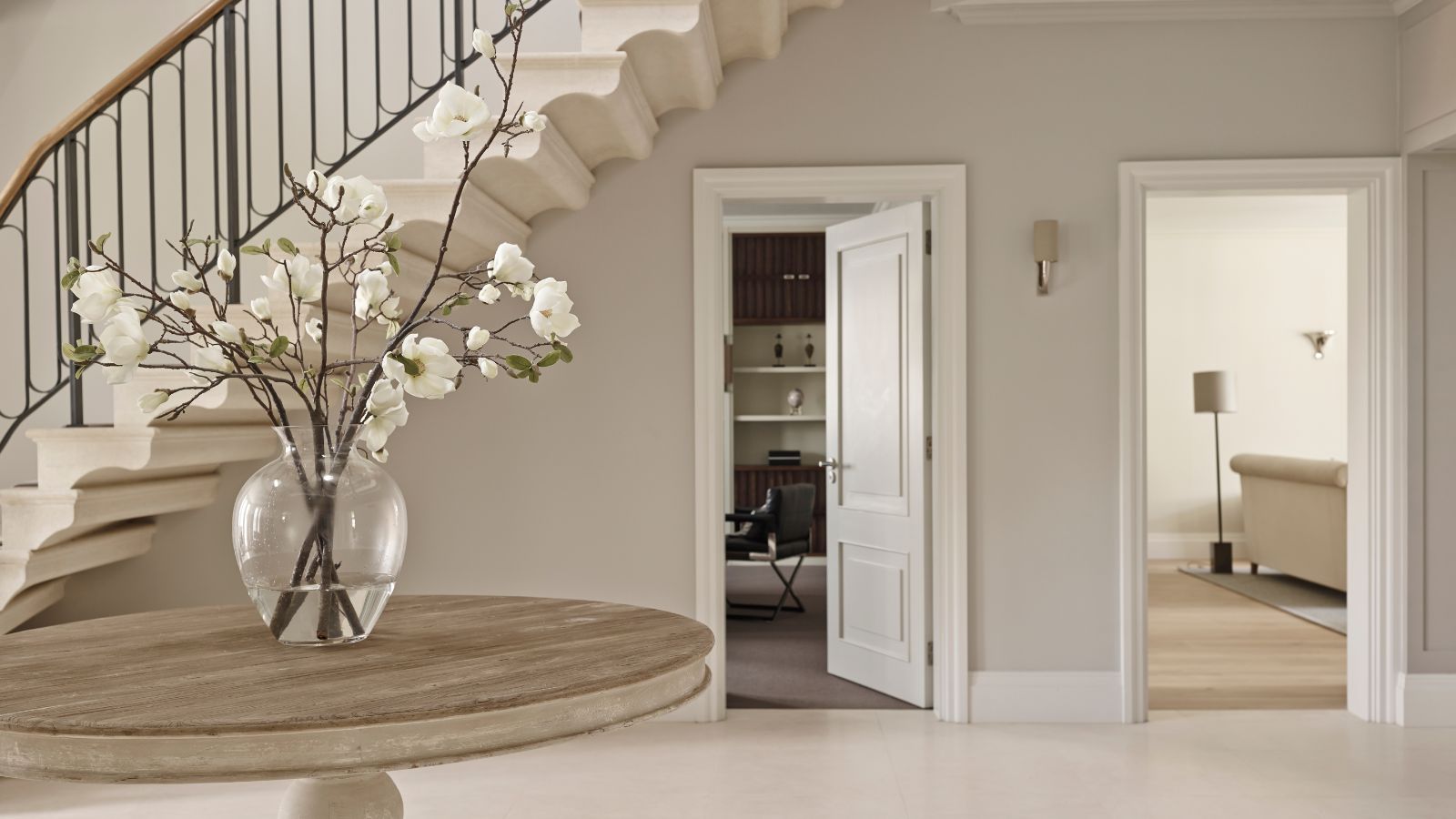
How to keep an entryway warm and cozy in winter – without heating
9 cheap ways to heat your home this winter for under £10 each

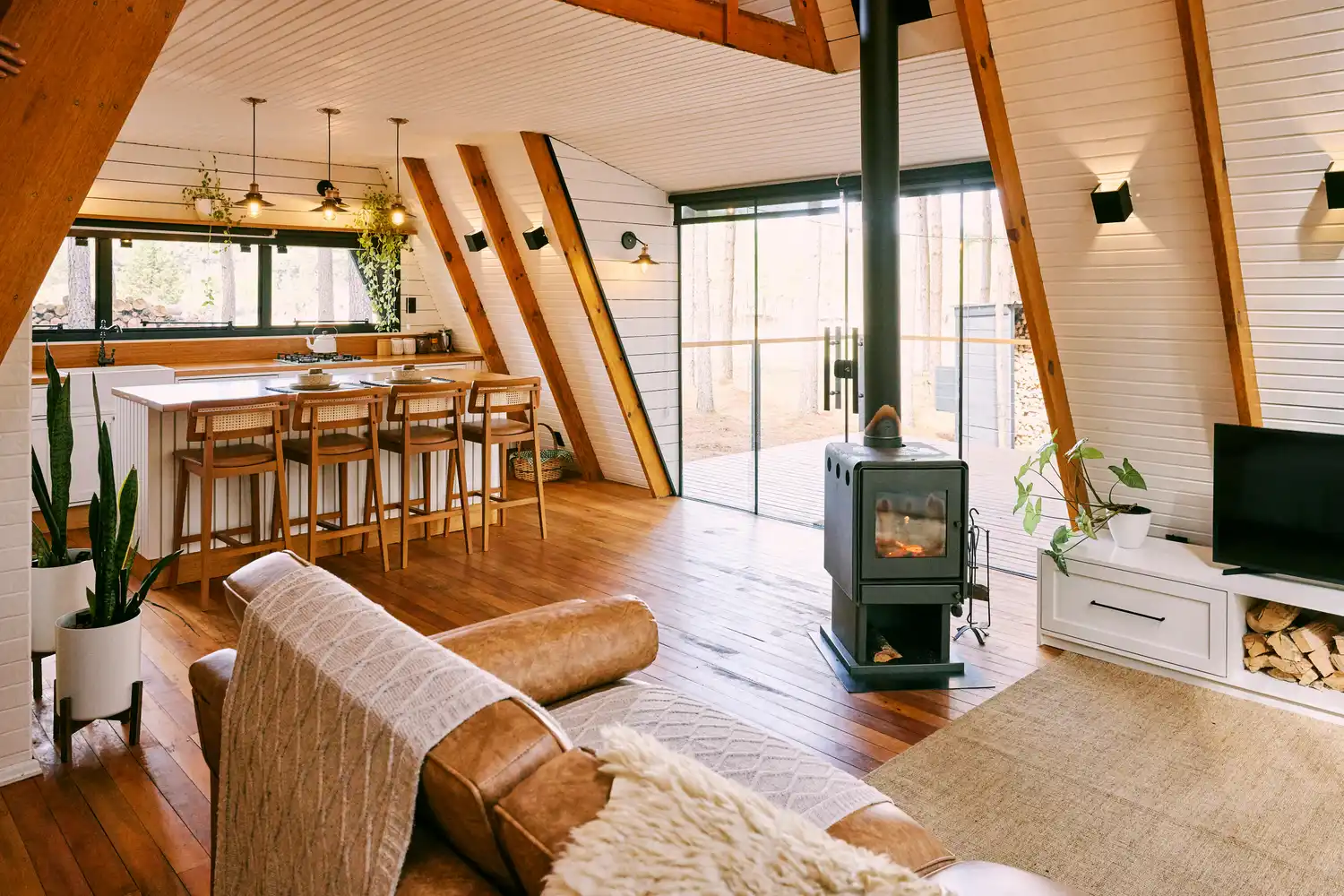
HVAC Pros Say This One Fall Task Can Make Your Home Feel So Much Warmer (and It's So Easy!)

17 Tips and Hacks to Help Keep Your House Warm This Winter

7 curtain hacks for a warmer home this winter

Mantel magic: 7 tips to make your hearth into a wintry respite

How to Winterize Your House And Save Yourself Thousands in Repairs Later
6 of the best heater ideas to warm up your home this winter


6 Expert-Backed Ways to Keep Cold Air—and High Energy Bills—Out of Your House This Winter

7 fireplace ideas for the home this winter
I used to struggle to keep my open plan layout warm in winter — but these 4 methods now keep it cosy all day long

Heat your home efficiently this winter
How to warm up your first floor – 7 expert tricks to hold heat downstairs for a cozy winter
How to make a conservatory warmer - ways to heat and insulate for all-year round use
7 winter window dressing ideas that experts promise will help keep your home warm and cosy
How to keep your house warm in winter — 29 budget-friendly and easy ways to stay cosy
How do I Make a Cold Room Feel Warmer? 5 Ways to Cozy up Your Home Without Cranking up the Heat

What’s the most efficient way to heat a house? How to heat your home for less, according to experts

Top 10 Winter Energy Saving Tips